EP3829558B1 - Verfahren zur behandlung von epilepsie - Google Patents
Verfahren zur behandlung von epilepsie Download PDFInfo
- Publication number
- EP3829558B1 EP3829558B1 EP19750214.9A EP19750214A EP3829558B1 EP 3829558 B1 EP3829558 B1 EP 3829558B1 EP 19750214 A EP19750214 A EP 19750214A EP 3829558 B1 EP3829558 B1 EP 3829558B1
- Authority
- EP
- European Patent Office
- Prior art keywords
- compound
- norfenfluramine
- epilepsy
- fenfluramine
- seizure
- Prior art date
- Legal status (The legal status is an assumption and is not a legal conclusion. Google has not performed a legal analysis and makes no representation as to the accuracy of the status listed.)
- Active
Links
Images
Classifications
-
- C—CHEMISTRY; METALLURGY
- C07—ORGANIC CHEMISTRY
- C07C—ACYCLIC OR CARBOCYCLIC COMPOUNDS
- C07C211/00—Compounds containing amino groups bound to a carbon skeleton
- C07C211/01—Compounds containing amino groups bound to a carbon skeleton having amino groups bound to acyclic carbon atoms
- C07C211/02—Compounds containing amino groups bound to a carbon skeleton having amino groups bound to acyclic carbon atoms of an acyclic saturated carbon skeleton
- C07C211/15—Compounds containing amino groups bound to a carbon skeleton having amino groups bound to acyclic carbon atoms of an acyclic saturated carbon skeleton the carbon skeleton being further substituted by halogen atoms or by nitro or nitroso groups
-
- A—HUMAN NECESSITIES
- A61—MEDICAL OR VETERINARY SCIENCE; HYGIENE
- A61K—PREPARATIONS FOR MEDICAL, DENTAL OR TOILETRY PURPOSES
- A61K31/00—Medicinal preparations containing organic active ingredients
- A61K31/13—Amines
- A61K31/135—Amines having aromatic rings, e.g. ketamine, nortriptyline
- A61K31/137—Arylalkylamines, e.g. amphetamine, epinephrine, salbutamol, ephedrine or methadone
-
- A—HUMAN NECESSITIES
- A61—MEDICAL OR VETERINARY SCIENCE; HYGIENE
- A61K—PREPARATIONS FOR MEDICAL, DENTAL OR TOILETRY PURPOSES
- A61K31/00—Medicinal preparations containing organic active ingredients
- A61K31/21—Esters, e.g. nitroglycerine, selenocyanates
- A61K31/215—Esters, e.g. nitroglycerine, selenocyanates of carboxylic acids
- A61K31/235—Esters, e.g. nitroglycerine, selenocyanates of carboxylic acids having an aromatic ring attached to a carboxyl group
-
- A—HUMAN NECESSITIES
- A61—MEDICAL OR VETERINARY SCIENCE; HYGIENE
- A61K—PREPARATIONS FOR MEDICAL, DENTAL OR TOILETRY PURPOSES
- A61K31/00—Medicinal preparations containing organic active ingredients
- A61K31/21—Esters, e.g. nitroglycerine, selenocyanates
- A61K31/215—Esters, e.g. nitroglycerine, selenocyanates of carboxylic acids
- A61K31/235—Esters, e.g. nitroglycerine, selenocyanates of carboxylic acids having an aromatic ring attached to a carboxyl group
- A61K31/24—Esters, e.g. nitroglycerine, selenocyanates of carboxylic acids having an aromatic ring attached to a carboxyl group having an amino or nitro group
-
- A—HUMAN NECESSITIES
- A61—MEDICAL OR VETERINARY SCIENCE; HYGIENE
- A61P—SPECIFIC THERAPEUTIC ACTIVITY OF CHEMICAL COMPOUNDS OR MEDICINAL PREPARATIONS
- A61P25/00—Drugs for disorders of the nervous system
- A61P25/08—Antiepileptics; Anticonvulsants
-
- C—CHEMISTRY; METALLURGY
- C07—ORGANIC CHEMISTRY
- C07C—ACYCLIC OR CARBOCYCLIC COMPOUNDS
- C07C219/00—Compounds containing amino and esterified hydroxy groups bound to the same carbon skeleton
- C07C219/02—Compounds containing amino and esterified hydroxy groups bound to the same carbon skeleton having esterified hydroxy groups and amino groups bound to acyclic carbon atoms of the same carbon skeleton
- C07C219/04—Compounds containing amino and esterified hydroxy groups bound to the same carbon skeleton having esterified hydroxy groups and amino groups bound to acyclic carbon atoms of the same carbon skeleton the carbon skeleton being acyclic and saturated
- C07C219/14—Compounds containing amino and esterified hydroxy groups bound to the same carbon skeleton having esterified hydroxy groups and amino groups bound to acyclic carbon atoms of the same carbon skeleton the carbon skeleton being acyclic and saturated having at least one of the hydroxy groups esterified by a carboxylic acid having the esterifying carboxyl group bound to a carbon atom of a six-membered aromatic ring
Definitions
- the epileptic seizure disorder is Dravet syndrome.
- the epileptic seizure disorder is selected from photosensitive epilepsy, self-induced syncope, intractable epilepsy, Angelman syndrome, benign rolandic epilepsy, CDKL5 disorder, childhood and juvenile absence epilepsy, Dravet syndrome, frontal lobe epilepsy, Glut1 deficiency syndrome, hypothalamic hamartoma, infantile spasms/West's syndrome, juvenile myoclonic epilepsy, Landau-Kleffner syndrome, Lennox-Gastaut syndrome (LGS), epilepsy with myoclonic-absences, Ohtahara syndrome, Panayiotopoulos syndrome, PCDH19 epilepsy, progressive myoclonic epilepsies, Rasmussen's syndrome, ring chromosome 20 syndrome, reflex epilepsies, temporal lobe epilepsy, Lafora progressive myoclonus epilepsy, neurodepsy, neurodep
- the (R)-norfenfluramine or a pharmaceutically acceptable salt thereof has an enantiomeric excess (ee) greater than 90%, for example greater than 95%, 97%, 98%, 99%, or 99.5%, or such as an ee between 80% and 99% or 90% and 99%.
- said compound for use in a method of treating epilepsy or an epileptic seizure disorder reduces the frequency of epileptic seizures, such as by reducing seizure frequency or mean convulsive seizure frequency from baseline by at least 20%, such as by at least 25, 35, 50, 60, 65, 70, 75, or 80% from baseline, particularly by at least 25, 50, or 75% from baseline.
- Enantiomers refers to asymmetric molecules that can exist in two different isomeric forms which have different configurations in space.
- Other terms used to designate or refer to enantiomers include “stereoisomers” (because of the different arrangement or stereochemistry around the chiral center; although all enantiomers are stereoisomers, not all stereoisomers are enantiomers) or “optical isomers” (because of the optical activity of enantiomers, which is the ability of different enantiomers to rotate plane-polarized light in different directions).
- enantiomers are not identical with their mirror images; molecules which exist in two enantiomeric forms are chiral, which means that they can be regarded as occurring in "left” and "right” handed forms.
- the most common cause of chirality in organic molecules is the presence of a tetrahedral carbon bonded to four different substituents or groups. Such a carbon is referred to as a chiral center or stereogenic center.
- Enantiomers have the same empirical chemical formula, and are generally chemically identical in their reactions, their physical properties, and their spectroscopic properties. However, enantiomers may show different chemical reactivity toward other asymmetric compounds, and may respond differently toward asymmetric physical disturbances. The most common asymmetric disturbance is polarized light.
- An enantiomer can rotate plane-polarized light; thus, an enantiomer is optically active.
- Two different enantiomers of the same compound will rotate plane-polarized light in the opposite direction; thus, the light can be rotated to the left or counterclockwise for a hypothetical observer (this is levorotatory or "l” or minus or “-”) or it can be rotated to the right or clockwise (this is dextrorotatory or "d” or plus or "+”).
- the sign of optical rotation (+) or (-) is not related to the R or S designation.
- R and S are used to denote the absolute configuration of the molecule about its chiral center(s).
- the designations may appear as a prefix or as a suffix; they may or may not be separated from the enantiomer name by a hyphen; they may or may not be hyphenated; and they may or may not be surrounded by parentheses.
- Resolution or “resolving” when used in reference to a racemic compound or mixture refers to the separation of a racemate into its two enantiomeric forms ( i.e., (+) and (-); ( R ) and ( S ) forms).
- Enantiomeric excess refers to a product wherein one enantiomer is present in excess of the other, and is defined as the absolute difference in the mole fraction of each enantiomer. Enantiomeric excess is typically expressed as a percentage of an enantiomer present in a mixture relative to the other enantiomer.
- the ( R ) enantiomer of a subject compound is considered to be "substantially free” of the ( S ) enantiomer when the ( R ) enantiomer is present in enantiomeric excess of greater than 80%, preferably greater than 90%, more preferably greater than 95% and most preferably greater than 99%.
- the chemical naming protocol and structure diagrams used herein are a modified form of the IUPAC nomenclature system, using the ACD/Name Version 9.07 software program.
- the ( R )-enantiomer of norfenfluramine has the following structure: and has a chemical name of ( R )-1-(3-(trifluoromethyl)phenyl)propan-2-amine.
- Prodrug is meant to indicate a compound that may be converted by physiological conditions or by solvolysis to a biologically active compound of the present disclosure.
- prodrug refers to a metabolic precursor of a compound of the present disclosure that is pharmaceutically acceptable.
- a prodrug may be inactive when administered to a subject in need thereof, but is converted in vivo to an active compound of the present disclosure.
- Prodrugs are typically rapidly transformed in vivo to yield a compound of the present disclosure, for example, by hydrolysis in blood.
- the prodrug compound often offers advantages of solubility, tissue compatibility or delayed release in a mammalian organism (see, Bundgard, H., Design of Prodrugs (1985), pp.
- prodrugs are provided in Higuchi et al., "Pro-drugs as Novel Delivery Systems," A.C.S. Symposium Series, Vol. 14 , and in Bioreversible Carriers in Drug Design, Ed. Edward B. Roche, American Pharmaceutical Association and Pergamon Press, 1987 .
- ( R )-fenfluramine and ( R )-benfluorex are both considered prodrugs of ( R )-norfenfluramine in that both ( R )-fenfluramine and ( R )-benfluorex metabolize in vivo to ( R )-norfenfluramine, which demonstrates the desired anti-epileptic activity of the methods and uses according to certain aspects described herein.
- the present disclosure is also meant to encompass the (R)-enantiomers of the subject compounds being isotopically-labelled by having one or more atoms replaced by an atom having a different atomic mass or mass number.
- isotopes that can be incorporated into the disclosed compounds include isotopes of hydrogen, carbon, nitrogen, oxygen, such as 2 H, 3 H, 11 C, 13 C, 14 C, 13 N, 15 N, 15 O, 17 O, 18 O, and 18 F, respectively.
- radiolabelled compounds could be useful to help determine or measure the effectiveness of the enantiomers of the subject compounds, by characterizing, for example, the mechanism of action, or binding affinity to pharmacologically important site of action.
- Isotopically-labelled compounds are useful in drug and/or substrate tissue distribution studies.
- the radioactive isotopes tritium, i.e., 3 H, and carbon-14, i.e., 14 C, are particularly useful for this purpose in view of their ease of incorporation and ready means of detection.
- a radioligand incorporating tritium ( 3 H) is particularly useful for ligand binding studies with membranes because tritium has a long half-life of decay and the emission is of relatively low energy and the radioisotope is therefore relatively safe.
- the radioligand is typically prepared by exchange of tritium with a hydrogen in an unlabeled compound.
- “Stable enantiomer” and “stable structure” are meant to indicate a compound that is sufficiently robust to survive isolation to a useful degree of purity from a reaction mixture, and formulation into an efficacious therapeutic agent.
- “Pharmaceutically acceptable carrier, diluent or excipient” includes without limitation any adjuvant, carrier, excipient, glidant, sweetening agent, diluent, preservative, dye/colorant, flavor enhancer, surfactant, wetting agent, dispersing agent, suspending agent, stabilizer, isotonic agent, solvent, or emulsifier that is suitable for use in humans or domestic animals.
- the carrier, diluent or excipient has been approved by a regulatory agency, for non-limiting example, the United States Food and Drug Administration, Health Canada or the European Medicines Agency, as being acceptable for human or animal pharmaceutical use.
- a “pharmaceutical composition” refers to a formulation of a compound of the present disclosure and a medium generally accepted in the art for the delivery of the biologically active compound to mammals, e.g., humans.
- a medium includes all pharmaceutically acceptable carriers, diluents or excipients therefor.
- compositions of the present disclosure comprise one or more pharmaceutically acceptable excipients, which include, but are not limited to, any solvent, adjuvant, bioavailability enhancer, carrier, glidant, sweetening agent, diluent, preservative, dye/colorant, flavor enhancer, surfactant, wetting agent, dispersing agent, suspending agent, stabilizer, isotonic agent, buffer and/or emulsifier.
- the one or more excipients are approved by, for non-limiting example, the United States Food and Drug Administration, Health Canada or the European Medicines Agency, as being acceptable for use in humans or domestic animals.
- “Therapeutically effective amount” refers to that amount of a compound of the present disclosure which, when administered, is sufficient to effect treatment, as defined below, of epilepsy or another epileptic seizure disorder in the recipient mammal, preferably a human.
- the amount of a compound of the present disclosure which constitutes a “therapeutically effective amount” will vary depending on the compound, the epileptic condition and its severity, the manner of administration, and the age of the mammal to be treated, but can be determined routinely by one of ordinary skill in the art having regard to his or her own knowledge and to this disclosure.
- Treating refers to the treatment of epilepsy or another epileptic seizure disorder in a mammal, preferably a human, having the disease or condition of interest, and includes, one or more of the following for examples:
- treatment with the ( R )-enantiomer of the subject compound as described herein includes reducing the frequency of epileptic seizures in a statistically significant manner ( e.g., relative to an appropriate control), such as reducing seizure frequency or mean convulsive seizure frequency from baseline.
- treatment with the ( R )-enantiomer of the subject compound reduces seizure frequency or mean convulsive seizure frequency from baseline by at least 20%, such as by at least 25, 35, 50, 60, 65, 70, 75, or 80% from baseline, particularly by at least 25, 50, or 75% from baseline.
- alleviating can refer to epilepsy or another epileptic seizure disorder or a condition of epilepsy or such other epileptic seizure disorder that is made bearable by the administration of a compound according to the aspects disclosed herein.
- “alleviating” epilepsy seizures would include reducing ( e.g., decreasing in a statistically significant manner) the severity or incidence of epileptic seizures.
- ( R )-fenfluramine corresponds to levofenfluramine, l -fenfluramine, or (-)-fenfluramine and that ( S )-fenfluramine corresponds to dexfenfluramine, d- fenfluramine, or (+)-fenfluramine.
- norfenfluramine The active metabolite of both fenfluramine and benfluorex is norfenfluramine, which is also a racemic mixture of two enantiomers.
- Norfenfluramine has the following structure: and a chemical name of ( R / S )-1-(3-(trifluoromethyl)phenyl)propan-2-amine.
- Norfenfluramine racemate ( CAS Registry No. [1886-26-6 ]) is available commercially ( e.g., from Toronto Research Chemicals, North York, Ontario, Canada; Clearsynth, Mississauga, Ontario, Canada; or DrugImpurities, North Harrow, UK).
- the enantiomers of norfenfluramine may be isolated by standard resolution techniques known to one skilled in the art, or can be prepared according to methods known to one skilled in the art or by the methods disclosed herein.
- the ( R )-enantiomer and the ( S )-enantiomer of norfenfluramine have the following respective structures: and the respective chemical names of ( R )-1-(3-(trifluoromethyl)phenyl)propan-2-amine and ( R )-1-(3-(trifluoromethyl)phenyl)propan-2-amine.
- the ( R )-enantiomer of norfenfluramine is identified herein as ( R )-norfenfluramine and the ( S )-enantiomer of norfenfluramine is identified herein as ( S )-norfenfluramine.
- AED pharmaceutical compositions, methods, and uses are disclosed for the first time that provide therapeutically beneficial fenfluramine effects for the treatment (as provided herein) of epilepsy or epileptic seizure disorders while substantially avoiding the harmful cardiotoxicity associated with fenfluramine and norfenfluramine.
- the undesirable cardiotoxicity of fenfluramine resides in serotonin receptor 2B agonist activity (5-HT2B receptor agonist activity), which segregates predominantly with ( S )-fenfluramine and its metabolite ( S )-norfenfluramine.
- preparation of ( R )-norfenfluramine that is substantially free (greater than 80% ee) of ( S )-norfenfluramine surprisingly results in an enantiomerically-enriched preparation characterized by significantly lower cardiotoxic effects relative to a preparation prepared from ( S )-fenfluramine, ( S )-norfenfluramine, fenfluramine or norfenfluramine, thereby providing a useful AED.
- preparation of ( R )-fenfluramine that is substantially free (greater than 80% ee) of ( S )-fenfluramine surprisingly results in an enantiomeric AED composition that possesses serotonin receptor 2A (5-HT2A receptor) agonist activity and also serotonin receptor 2C (5-HT2C receptor) agonist activity, and that can be metabolized to ( R )-norfenfluramine, which exhibits enhanced 5-HT2A/5-HT2C agonist activity along with the desirable AED property of promoting norepinephrine (NE) release.
- serotonin receptor 2A 5-HT2A receptor
- serotonin receptor 2C 5-HT2C receptor
- the present invention is therefore directed to a compound for use in treating epilepsy or an epileptic seizure disorder in a human subject, wherein the compound is selected from norfenfluramine and a pharmaceutically acceptable salt thereof, and wherein the norfenfluramine or a pharmaceutically acceptable salt thereof comprises ( R )-norfenfluramine or a pharmaceutically acceptable salt thereof at an enantiomeric excess (ee) greater than 80%.
- the present invention is also directed to a compound for use as a medicament, wherein the compound is selected from norfenfluramine and a pharmaceutically acceptable salt thereof, and wherein the norfenfluramine or a pharmaceutically acceptable salt thereof comprises ( R ) norfenfluramine or a pharmaceutically acceptable salt thereof at an enantiomeric excess (ee) greater than 80%.
- compositions and methods are useful in treating (as provided herein) a wide range of diseases, disorders or conditions that relate to epilepsy or an epileptic seizure disorder, including but not limited to photosensitive epilepsy, self-induced syncope, intractable epilepsy, focal onset epilepsy, Angelman syndrome, benign rolandic epilepsy, CDKL5 disorder, childhood and juvenile absence epilepsy, Dravet syndrome, frontal lobe epilepsy, Glut1 deficiency syndrome, hypothalamic hamartoma, infantile spasms/West's syndrome, juvenile myoclonic epilepsy, Landau-Kleffner syndrome, Lennox-Gastaut syndrome (LGS), epilepsy with myoclonic-absences, Ohtahara syndrome, Panayiotopoulos syndrome, PCDH19 epilepsy, progressive myoclonic epilepsies, Rasmussen's syndrome, ring chromosome 20 syndrome, reflex epileps
- a successful therapeutic agent of certain disclosed aspects will meet some or all of the following criteria.
- Oral availability should be at or above 20%.
- Animal model efficacy is less than about 0.1 ⁇ g to about 100 mg/kg body weight and the target human dose is between 0.1 ⁇ g to about 100 mg/kg body weight, although doses outside of this range may be acceptable ("mg/kg” means milligrams of compound per kilogram of body mass of the subject to whom it is being administered).
- the therapeutic index (or ratio of toxic dose to therapeutic dose) should be greater than 100.
- the potency e.g., as expressed by IC50 value as determined by in vitro characterization against its target
- the methods and uses disclosed herein include administration of a dose of about 0.1 mg/kg to about 10 mg/kg of an ( R )-enantiomer of the subject compound including about 0.25, 0.5, 0.75, or 1 mg/kg to about 2, 2.5, 5, or 10 mg/kg, such as about 0.5 mg/kg to about 2.5 mg/kg or about 1 mg/kg to about 2 mg/kg, such as 0.5, 0.75, 1, 1.5, 2, 2.25, or 2.5 mg/kg +/- 5%, including 1 mg/kg +/- 5% or 2 mg/kg +/- 5%.
- a dose of 1 mg/kg to 2 mg/kg is administered to a human subject for treatment of epilepsy or an epileptic seizure disorder, for example Dravet syndrome.
- the liquid pharmaceutical compositions of the present disclosure may include one or more of the following adjuvants: sterile diluents such as water for injection, saline solution, preferably physiological saline, Ringer's solution, isotonic sodium chloride, fixed oils such as synthetic mono or diglycerides which may serve as the solvent or suspending medium, polyethylene glycols, glycerin, propylene glycol or other solvents; antibacterial agents such as benzyl alcohol or methyl paraben; antioxidants such as ascorbic acid or sodium bisulfite; chelating agents such as ethylenediaminetetraacetic acid (EDTA); buffers such as acetates, citrates or phosphates and agents for the adjustment of tonicity such as sodium chloride or dextrose.
- the parenteral preparation can be enclosed in ampoules, disposable syringes or multiple dose vials made of glass or plastic.
- Physiological saline is a preferred
- compositions and preparations according to the present disclosure are prepared so that a parenteral dosage unit contains between 0.01 to 10% by weight of the ( R )-enantiomer of the subject compound prior to dilution, such as between 0.01% to 4%, 5%, 6%, 7%, 8%, or 9% by weight prior to dilution, or between 0.01%, 0.2%, 0.5%, 0.8%, 1%, 1.5%, 2%, 3%, 4% or 5% to 10% by weight prior to dilution.
- a parenteral dosage unit contains between 0.01 to 10% by weight of the ( R )-enantiomer of the subject compound prior to dilution, such as between 0.01% to 4%, 5%, 6%, 7%, 8%, or 9% by weight prior to dilution, or between 0.01%, 0.2%, 0.5%, 0.8%, 1%, 1.5%, 2%, 3%, 4% or 5% to 10% by weight prior to dilution.
- Topical formulations may contain a concentration of the (R)-enantiomer of the subject compound from about 0.1 to about 10% w/v (weight per unit volume), such as between 0.01% to 4%, 5%, 6%, 7%, 8%, or 9% by weight prior to dilution, or between 0.01%, 0.2%, 0.5%, 0.8%, 1%, 1.5%, 2%, 3%, 4% or 5% to 10% by weight prior to dilution.
- concentration of the (R)-enantiomer of the subject compound from about 0.1 to about 10% w/v (weight per unit volume), such as between 0.01% to 4%, 5%, 6%, 7%, 8%, or 9% by weight prior to dilution, or between 0.01%, 0.2%, 0.5%, 0.8%, 1%, 1.5%, 2%, 3%, 4% or 5% to 10% by weight prior to dilution.
- Controlled release drug delivery systems include osmotic pump systems and dissolutional systems containing polymer-coated reservoirs or drug-polymer matrix formulations. Examples of controlled release systems are given in U.S. Pat. Nos. 3,845,770 and 4,326,525 and in P. J. Kuzma et al., Regional Anesthesia 1997, 22(6):543-551 .
- the pharmaceutical composition of the present disclosure may include various materials, which modify the physical form of a solid or liquid dosage unit.
- the composition may include materials that form a coating shell around the active ingredients.
- the materials that form the coating shell are typically inert, and may be selected from, for example, sugar, shellac, and other enteric coating agents.
- the active ingredients may be encased in a gelatin capsule.
- the pharmaceutical composition of the present disclosure in solid or liquid form may include an agent that binds to the ( R )-enantiomer of the subject compound and thereby assists in the delivery of the compound.
- Suitable agents that may act in this capacity include a monoclonal or polyclonal antibody, a protein or a liposome.
- compositions of the present disclosure may be prepared by methodology well known in the pharmaceutical art.
- a pharmaceutical composition intended to be administered by injection can be prepared by combining the ( R )-enantiomer of the subject compound with sterile, distilled water so as to form a solution.
- a surfactant may be added to facilitate the formation of a homogeneous solution or suspension.
- Surfactants are compounds that non-covalently interact with an ( R )-enantiomer of the subject compounds so as to facilitate dissolution or homogeneous suspension of the compound in the aqueous delivery system.
- the recipients of administration of the ( R )-enantiomer of the subject compound and/or pharmaceutical compositions of the present disclosure can be any mammal, including mammals of the Orders Primate (including humans, apes and monkeys), Arteriodactyla (including horses, goats, cows, sheep, pigs), Rodenta (including mice, rats, and hamsters), Lagamorpha (including rabbits) and Carnivora (including cats and dogs). The most preferred recipients are humans.
- “combination” refers to any mixture or permutation of the ( R )-enantiomer of the subject compound with one or more additional therapeutic agents. Unless the context makes clear otherwise, “combination” may include simultaneous or sequentially delivery of the ( R )-enantiomer of the subject compound with one or more therapeutic agents, including another ( R )-enantiomer of the other compounds described herein. Unless the context makes clear otherwise, “combination” may include dosage forms of the ( R )-enantiomer of the subject compound with another therapeutic agent. Unless the context makes clear otherwise, “combination” may include routes of administration of the ( R )-enantiomer of the subject compound with another therapeutic agent. Unless the context makes clear otherwise, “combination” may include formulations of the ( R )-enantiomer of the subject compound with another therapeutic agent. Dosage forms, routes of administration and pharmaceutical compositions include, but are not limited to, those described herein.
- ( R )-Norfenfluramine and ( S )-norfenfluramine can be may be prepared using chiral synthons or chiral reagents by methods known to one skilled in the art, or resolved from norfenfluramine (available commercially, e.g., from Toronto Research Chemicals, North York, Ontario, Canada) using conventional techniques, such as HPLC using a chiral column.
- ( R )-norfenfluramine can be prepared by the method shown in Reaction Scheme 1 by first treating compound 101 with compound 102 under standard reductive amination conditions to form compound 103, which is then treated under standard catalytic hydrogenation conditions to form ( R )-norfenfluramine.
- ( R )-Benfluorex and ( S )-benfluorex can be prepared from ( R )-norfenfluramine and ( S )-norfenfluramine by the methods disclosed in EP 1321445 . Specifically, this methodology involves the reaction of ( R )-norfenfluramine and ( S )-norfenfluramine with ethylene oxide to form the corresponding amino alcohols, followed by acylation of the alcohol moiety with benzoyl chloride.
- Dravet Syndrome an epileptic encephalopathy is caused by a heterozygous loss-of-function (LOF) mutation in the gene encoding the neuron-specific voltage-gated sodium channel, SCN1A.
- LEF loss-of-function
- Mice having a heterozygous targeted deletion of the gene encoding SCN1A recapitulate many features of Dravet syndrome and provide a useful disease model in which to test fenfluramine and fenfluramine-related compounds as described herein, including isolated enantiomers of such compounds.
- Heterozygous Senia knockout (Scn1a+/-) mice also have seizures and are a model of Dravet Syndrome.
- Scn1a+/- F1 mice on strains 129S6/SvEvTac and C57BL/6J exhibit severe epilepsy and premature lethality and are considered to be a mammalian model of Dravet syndrome in humans.
- Reduced sodium current (INa) density as well as impaired action potential firing were described in hippocampal interneurons of F1 Scn1a+/- mice, resulting in reduced action potential-dependent inhibitory GABAergic neurotransmission and enhanced neuronal excitability ( Han et al., 2012 Nature 489:385 ; Mistry et al., 2014 Neurobiol. Dis. 65:1 ).
- mice are susceptible to hyperthermia-induced seizures from the third week of life, as reported by Oakley et al., (2009) Proc. Natl. Acad. Sci. U.S.A. 106(10):3994-3999 ; Oakley et al., (2013) J. Pharmacol. Exp. Ther. 345(2):215-224 ).
- KA seizure induction Scn1a+/- F1 mice between 3 and 4 months of age are injected intraperitoneally (i.p.) with 15, 20 or 30 mg/kg kainic acid KA (Ocean Produce International, Shelburne, Nova Scotia, Canada). KA is dissolved in 0.9% (wt/vol) aqueous saline to a concentration of 2.5 mg/ml in order to obtain an appropriate injection volume. All mice are injected between 12 noon and 4 p.m. to minimize behavioral variation due to circadian rhythm. After the injection of KA, mice are observed for 2 h and scored according to a modified Racine scale ( Racine, R.J. 1972 Electroencephalogr. Clin. Neurophysiol. 32(3):281-294 ).
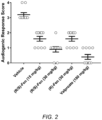
- This modified scale is based on the following criteria: stage 0 - no response; stage 1 - staring; stage 2 - head nodding; stage 3 - forelimb clonus; stage 4 - rearing and falling; stage 5 - GTCS; stage 6 - death.
- the modified Racine scale scores are compared for mice dosed with vehicle alone (control) and mice receiving active fenfluramine-derived compound.
- a seizure is defined as myoclonic jerks, clonus of the forepaw, and/or tonic extension of the limbs. Latency and duration of seizure are recorded. Compounds with pro-convulsant activity decrease the latency to seizure while compounds with anti-convulsant activity increase it. The overall duration of hyperthermia exposure is 22 minutes and all animals are euthanized at the end of assay.
- mice treated with vehicle alone is included in any studies testing the efficacy of candidate AEDs against spontaneous seizures.
- Compounds are administered daily or chronically using an osmotic pump according to the manufacturer's instructions (Alzet Inc., Cupertino, CA, USA) depending on their properties.
- This assay tests the ability of a test compound to block a psychomotor seizure induced by long-duration, low frequency (6 Hz) stimulation, and provides an art-accepted model of therapy-resistant partial seizure ( Brown et al., 1953 J. Pharmacol. Exp. Therapeut. 107(3):273-283 ; White HS, Woodhead JH, Wilcox KS, General principles: discovery and preclinical development of antiepileptic drugs, In: Levy RH, Mattson RH, Meldrum BS, Perucca E, editors. Antiepileptic drugs 5th ed Philadelphia: Lippincott Williams & Wilkins; 2002. pp. 36-48 ; Hartman et al., 2008 Epilepsia 49(2):334-339 ).
- levetiracetam is highly effective (ED50: 19 mg/kg, 30 min after i.p. injection) in the 6 Hz model originally described in the early 1950's ( Toman et al., 1952 Texas Reports on Biology and Medicine 10:96 ; Swinyward, E.A. Electrically induced convulsions, in Experimental Models of Epilepsy, D.B. Purpura, et al., Editors. 1972, Raven Press: New York. pp. 443-458 ; Swinyard, E.A., Experimental Models of Epilepsy: A Manual for the Laboratory Worker, in Electrically Induced Convulsions, eds. J.K.P. D.P Purpura, D. Tower, D.M.
- the low-frequency, long-duration stimuli are initially delivered at 32 mA intensity. Animals are manually restrained and released immediately following the stimulation and observed for the presence or absence of seizure activity. If the test compound is effective in the 32 mA screen, an additional assay is performed in which the stimulation current is increased to 44 mA but otherwise using the same protocol as described above. For dose-response studies, an n of 8 mice is used per dose and a dose-response curve is generated at the time of peak effect (TPE) at the specific stimulation intensity.
- TPE time of peak effect
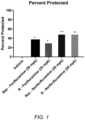
- results are expressed as the total number of animals protected out of the number of animals tested over time (e.g., 2 out of 2 protected).
- Test compounds that produce anticonvulsant effects e.g., at least 1/2 protected at two or more time points
- Active compounds are then candidates for other models of pharmacoresistance, including the 6 Hz test ( supra ) and the lamotrigine-resistant amygdala kindled rat test ( Srivastava and White 2013 Epilepsy Res. 104:26 )
- Rats receive escalating doses of the candidate AED based on the results from Test 11 (supra). Rats are then tested at 15, 45, 75, 105, 135, 165, and 195 min after drug administration. The BSS and ADD of each rat are noted, with mean and S.E.M. being calculated. Animals displaying a seizure score of 3 or less are considered protected. These data are used to establish a dose-response curve and subsequent ED50. Significant changes in ADD are also recorded. When a candidate AED (test drug) is observed to significantly lower both the seizure score (3 or lower) and the afterdischarge duration (ADD), a dose-response study is initiated.
- test drug test drug
- the BSS and ADD for each dose are averaged at the time of peak effect (TPE), and the mean and the S.E.M. are compared to control values by the non-parametric Mann-Whitney U test.
- TPE time of peak effect
- S.E.M. S.E.M.
- the ability of a candidate AED to reduce seizure severity is quantitated and an ED50 is determined by probit analysis.
- the BSS and ADD for each dose of the candidate AED are averaged at the TPE, the S.E.M. calculated, and compared to control values.
- the ability of a candidate substance to reduce seizure severity is quantified by results collected from several doses demonstrating protection (BSS ⁇ 3) and an ED50 is determined by probit analysis.
- Behavioral seizures are scored according to the criteria described above (Racine, R.J. 1972). Individual seizure scores, ADDs, and ADTs are recorded. In the case of a candidate (test) drug exhibiting putative AED activity, four or more animals are used, and the results are then averaged and the group mean and S.E.M. are calculated.
- Electrophysiology Electrophysiologic measurements are made of the same organisms in which apparent AED anti-seizure activity without toxicity is observed in at least two independent trials of the swim activity test, as described (Dinday et al., 2015). Briefly, the zebrafish are transiently paralyzed with ⁇ -bungarotoxin (1 mg/ml) and immobilized in 1.2% agarose, and desired specific forebrain structures (e.g., telencephalon, optic tectum, etc.) are contacted with local field electrodes for electroencephalography to assess epileptiform electrographic discharge activity in the absence or presence of the candidate AED as described (Id.).
- desired specific forebrain structures e.g., telencephalon, optic tectum, etc.
Landscapes
- Health & Medical Sciences (AREA)
- Chemical & Material Sciences (AREA)
- Pharmacology & Pharmacy (AREA)
- Veterinary Medicine (AREA)
- Public Health (AREA)
- General Health & Medical Sciences (AREA)
- Animal Behavior & Ethology (AREA)
- Life Sciences & Earth Sciences (AREA)
- Medicinal Chemistry (AREA)
- Organic Chemistry (AREA)
- Epidemiology (AREA)
- Emergency Medicine (AREA)
- Biomedical Technology (AREA)
- Nuclear Medicine, Radiotherapy & Molecular Imaging (AREA)
- General Chemical & Material Sciences (AREA)
- Chemical Kinetics & Catalysis (AREA)
- Neurosurgery (AREA)
- Neurology (AREA)
- Bioinformatics & Cheminformatics (AREA)
- Engineering & Computer Science (AREA)
- Pain & Pain Management (AREA)
- Pharmaceuticals Containing Other Organic And Inorganic Compounds (AREA)
- Acyclic And Carbocyclic Compounds In Medicinal Compositions (AREA)
- Organic Low-Molecular-Weight Compounds And Preparation Thereof (AREA)
Claims (16)
- Verbindung für die Verwendung beim Behandeln von Epilepsie oder einer epileptischen Anfallserkrankung bei einem menschlichen Subjekt,
wobei die Verbindung aus Norfenfluramin und einem pharmazeutisch unbedenklichen Salz davon ausgewählt ist, und wobei das Norfenfluramin oder ein pharmazeutisch unbedenkliches Salz davon (R)-Norfenfluramin oder ein pharmazeutisch unbedenkliches Salz davon mit einem Enantiomerenüberschuss (ee) von mehr als 80 % umfasst. - Verbindung für die Verwendung nach Anspruch 1, wobei die Verbindung einen ee von (R)-Norfenfluramin oder eines pharmazeutisch unbedenklichen Salzes davon von mehr als 90 %, stärker bevorzugt mehr als 95 %, noch stärker bevorzugt mehr als 97 %, am stärksten bevorzugt mehr als 99 % aufweist.
- Verbindung für die Verwendung nach Anspruch 1, wobei die Verbindung einen ee von (R)-Norfenfluramin oder eines pharmazeutisch unbedenklichen Salzes davon zwischen 80 % und 99 % aufweist.
- Verbindung für die Verwendung nach Anspruch 3, wobei die Verbindung einen ee von (R)-Norfenfluramin oder eines pharmazeutisch unbedenklichen Salzes davon zwischen 90 % und 99 % aufweist.
- Verbindung für die Verwendung nach einem der vorhergehenden Ansprüche, wobei das Subjekt an dem Dravet-Syndrom leidet.
- Verbindung für die Verwendung nach einem der Ansprüche 1 bis 4, wobei das Subjekt an dem Lennox-Gastaut-Syndrom leidet.
- Verbindung für die Verwendung nach einem der vorhergehenden Ansprüche, wobei die Verwendung die Häufigkeit von epileptischen Anfällen in dem Subjekt reduziert, vorzugsweise wobei die Verwendung die Anfallshäufigkeit oder die mittlere konvulsive Anfallshäufigkeit gegenüber dem Ausgangswert um wenigstens 20 % reduziert.
- Verbindung für die Verwendung nach Anspruch 7, wobei die Verwendung die Anfallshäufigkeit oder die mittlere konvulsive Anfallshäufigkeit gegenüber dem Ausgangswert um wenigstens 25 % reduziert.
- Verbindung für die Verwendung nach Anspruch 8, wobei die Verwendung die Anfallshäufigkeit oder die mittlere konvulsive Anfallshäufigkeit gegenüber dem Ausgangswert um wenigstens 50 %, wenigstens 75 % oder wenigstens 80 % reduziert.
- Verbindung für die Verwendung nach einem der vorhergehenden Ansprüche, wobei die Verwendung das Verabreichen der Verbindung an das Subjekt in Kombination mit Phentermin umfasst.
- Verbindung für die Verwendung als ein Medikament, wobei die Verbindung aus Norfenfluramin und einem pharmazeutisch unbedenklichen Salz davon ausgewählt ist, und wobei das Norfenfluramin oder ein pharmazeutisch unbedenkliches Salz davon (R)-Norfenfluramin oder ein pharmazeutisch unbedenkliches Salz davon mit einem Enantiomerenüberschuss (ee) von mehr als 80 % umfasst.
- Verbindung für die Verwendung nach Anspruch 11, wobei die Verbindung einen ee von (R)-Norfenfluramin oder eines pharmazeutisch unbedenklichen Salzes davon von mehr als 90 %, stärker bevorzugt mehr als 95 %, noch stärker bevorzugt mehr als 97 %, am stärksten bevorzugt mehr als 99 % aufweist.
- Verbindung für die Verwendung nach Anspruch 11, wobei die Verbindung einen ee von (R)-Norfenfluramin oder eines pharmazeutisch unbedenklichen Salzes davon zwischen 80 % und 99 % aufweist.
- Verbindung für die Verwendung nach Anspruch 13, wobei die Verbindung einen ee von (R)-Norfenfluramin oder eines pharmazeutisch unbedenklichen Salzes davon zwischen 90 % und 99 % aufweist.
- Verbindung für die Verwendung nach einem der vorhergehenden Ansprüche, wobei die Verwendung das Verabreichen der Verbindung an das Subjekt in einer Dosis von etwa 0,1 mg/kg bis etwa 50 mg/kg umfasst.
- Verbindung für die Verwendung nach Anspruch 15, wobei die Verwendung das Verabreichen der Verbindung an das Subjekt in einer Dosis von etwa 0,1 mg/kg bis etwa 10 mg/kg, etwa 0,5 mg/kg bis etwa 2,5 mg/kg oder etwa 1 mg/kg bis etwa 2 mg/kg umfasst.
Applications Claiming Priority (2)
| Application Number | Priority Date | Filing Date | Title |
|---|---|---|---|
| US201862711051P | 2018-07-27 | 2018-07-27 | |
| PCT/US2019/043765 WO2020023923A1 (en) | 2018-07-27 | 2019-07-26 | Method for treating epilepsy |
Publications (3)
| Publication Number | Publication Date |
|---|---|
| EP3829558A1 EP3829558A1 (de) | 2021-06-09 |
| EP3829558B1 true EP3829558B1 (de) | 2024-07-03 |
| EP3829558C0 EP3829558C0 (de) | 2024-07-03 |
Family
ID=67551433
Family Applications (1)
| Application Number | Title | Priority Date | Filing Date |
|---|---|---|---|
| EP19750214.9A Active EP3829558B1 (de) | 2018-07-27 | 2019-07-26 | Verfahren zur behandlung von epilepsie |
Country Status (20)
| Country | Link |
|---|---|
| US (1) | US20200030260A1 (de) |
| EP (1) | EP3829558B1 (de) |
| JP (1) | JP2021530541A (de) |
| KR (1) | KR20210061332A (de) |
| CN (1) | CN112930175A (de) |
| AU (1) | AU2019310600A1 (de) |
| BR (1) | BR112021001135A2 (de) |
| CA (1) | CA3106031A1 (de) |
| CL (1) | CL2021000196A1 (de) |
| CO (1) | CO2021002087A2 (de) |
| CR (1) | CR20210095A (de) |
| EA (1) | EA202190369A1 (de) |
| ES (1) | ES2988130T3 (de) |
| IL (1) | IL280128A (de) |
| MA (1) | MA53329A (de) |
| MX (1) | MX2021000987A (de) |
| PE (1) | PE20211065A1 (de) |
| PH (1) | PH12021550176A1 (de) |
| SG (1) | SG11202100682YA (de) |
| WO (1) | WO2020023923A1 (de) |
Families Citing this family (10)
| Publication number | Priority date | Publication date | Assignee | Title |
|---|---|---|---|---|
| US9549909B2 (en) | 2013-05-03 | 2017-01-24 | The Katholieke Universiteit Leuven | Method for the treatment of dravet syndrome |
| PL4293009T3 (pl) | 2015-12-22 | 2025-10-06 | Zogenix International Limited | Kompozycje fenfluraminy i sposoby ich wytwarzania |
| CA3007673A1 (en) | 2015-12-22 | 2017-06-29 | Zogenix International Limited | Metabolism resistant fenfluramine analogs and methods of using the same |
| IL290727B2 (en) | 2016-08-24 | 2023-12-01 | Zogenix International Ltd | Formulation for inhibiting formation of 5-ht 2b agonists and methods of using same |
| US10752623B2 (en) * | 2018-08-31 | 2020-08-25 | Xenon Pharmaceuticals Inc. | Heteroaryl-substituted sulfonamide compounds and their use as sodium channel inhibitors |
| CA3117868A1 (en) * | 2018-11-19 | 2020-05-28 | Zogenix International Limited | Methods of treating rett syndrome using fenfluramine |
| WO2021009351A1 (en) * | 2019-07-18 | 2021-01-21 | Basf Se | Allophanate based dispersing agent |
| US11612574B2 (en) | 2020-07-17 | 2023-03-28 | Zogenix International Limited | Method of treating patients infected with severe acute respiratory syndrome coronavirus 2 (SARS-CoV-2) |
| JP2024533015A (ja) * | 2021-09-01 | 2024-09-12 | ゾゲニクス インターナショナル リミテッド | 脱髄性の疾患および病状の処置のためのフェンフルラミン |
| CN118873517A (zh) * | 2024-07-05 | 2024-11-01 | 上海柯西医药科技发展有限公司 | 大麻二酚与5-ht2b受体激动剂的组合的用途 |
Citations (1)
| Publication number | Priority date | Publication date | Assignee | Title |
|---|---|---|---|---|
| US5587398A (en) * | 1994-06-03 | 1996-12-24 | David R. Elmaleh | Meta substituted arylalkylamines and therapeutic and diagnostic uses therefor |
Family Cites Families (11)
| Publication number | Priority date | Publication date | Assignee | Title |
|---|---|---|---|---|
| FR104F (de) | 1960-11-05 | |||
| GB1175516A (en) | 1966-04-15 | 1969-12-23 | Science Union & Cie | New Phenyl-Aminopropane Derivatives and Preparations Containing them |
| US3845770A (en) | 1972-06-05 | 1974-11-05 | Alza Corp | Osmatic dispensing device for releasing beneficial agent |
| US4326525A (en) | 1980-10-14 | 1982-04-27 | Alza Corporation | Osmotic device that improves delivery properties of agent in situ |
| JP2001524124A (ja) | 1997-05-07 | 2001-11-27 | ガレン(ケミカルズ)リミティド | テストステロンおよびテストステロン前駆体の投与のための膣内薬物送達用具 |
| US6591909B1 (en) | 2001-12-20 | 2003-07-15 | Halliburton Energy Services, Inc. | Whey protein retarder |
| US9549909B2 (en) * | 2013-05-03 | 2017-01-24 | The Katholieke Universiteit Leuven | Method for the treatment of dravet syndrome |
| KR102385665B1 (ko) * | 2015-02-25 | 2022-04-14 | 더 리젠츠 오브 더 유니버시티 오브 캘리포니아 | 질환을 치료하기 위한 5ht 작용제 |
| JP6668045B2 (ja) * | 2015-05-15 | 2020-03-18 | ゾゲニクス インターナショナル リミテッド | ドラベ症候群を処置するための選択的5−ht受容体アゴニストおよびアンタゴニスト |
| JP2017057188A (ja) * | 2015-09-14 | 2017-03-23 | ゾゲニクス インターナショナル リミテッド | 特別な形態のてんかんの併用療法 |
| GB201715919D0 (en) * | 2017-09-29 | 2017-11-15 | Gw Res Ltd | use of cannabinoids in the treatment of epilepsy |
-
2019
- 2019-07-26 US US16/523,568 patent/US20200030260A1/en active Pending
- 2019-07-26 JP JP2021503108A patent/JP2021530541A/ja active Pending
- 2019-07-26 AU AU2019310600A patent/AU2019310600A1/en not_active Abandoned
- 2019-07-26 CR CR20210095A patent/CR20210095A/es unknown
- 2019-07-26 WO PCT/US2019/043765 patent/WO2020023923A1/en not_active Ceased
- 2019-07-26 MA MA053329A patent/MA53329A/fr unknown
- 2019-07-26 BR BR112021001135-8A patent/BR112021001135A2/pt not_active IP Right Cessation
- 2019-07-26 CN CN201980049623.9A patent/CN112930175A/zh active Pending
- 2019-07-26 ES ES19750214T patent/ES2988130T3/es active Active
- 2019-07-26 EP EP19750214.9A patent/EP3829558B1/de active Active
- 2019-07-26 PE PE2021000089A patent/PE20211065A1/es unknown
- 2019-07-26 CA CA3106031A patent/CA3106031A1/en active Pending
- 2019-07-26 KR KR1020217004603A patent/KR20210061332A/ko not_active Ceased
- 2019-07-26 EA EA202190369A patent/EA202190369A1/ru unknown
- 2019-07-26 SG SG11202100682YA patent/SG11202100682YA/en unknown
- 2019-07-26 MX MX2021000987A patent/MX2021000987A/es unknown
-
2021
- 2021-01-12 IL IL280128A patent/IL280128A/en unknown
- 2021-01-22 PH PH12021550176A patent/PH12021550176A1/en unknown
- 2021-01-25 CL CL2021000196A patent/CL2021000196A1/es unknown
- 2021-02-23 CO CONC2021/0002087A patent/CO2021002087A2/es unknown
Patent Citations (1)
| Publication number | Priority date | Publication date | Assignee | Title |
|---|---|---|---|---|
| US5587398A (en) * | 1994-06-03 | 1996-12-24 | David R. Elmaleh | Meta substituted arylalkylamines and therapeutic and diagnostic uses therefor |
Also Published As
| Publication number | Publication date |
|---|---|
| PH12021550176A1 (en) | 2021-10-11 |
| EP3829558A1 (de) | 2021-06-09 |
| MA53329A (fr) | 2022-03-02 |
| WO2020023923A1 (en) | 2020-01-30 |
| SG11202100682YA (en) | 2021-02-25 |
| CL2021000196A1 (es) | 2021-12-31 |
| PE20211065A1 (es) | 2021-06-09 |
| CA3106031A1 (en) | 2020-01-30 |
| CN112930175A (zh) | 2021-06-08 |
| CR20210095A (es) | 2021-06-01 |
| AU2019310600A1 (en) | 2021-02-11 |
| EP3829558C0 (de) | 2024-07-03 |
| BR112021001135A2 (pt) | 2021-04-20 |
| CO2021002087A2 (es) | 2021-04-30 |
| IL280128A (en) | 2021-03-01 |
| EA202190369A1 (ru) | 2021-06-10 |
| MX2021000987A (es) | 2021-06-15 |
| US20200030260A1 (en) | 2020-01-30 |
| KR20210061332A (ko) | 2021-05-27 |
| JP2021530541A (ja) | 2021-11-11 |
| ES2988130T3 (es) | 2024-11-19 |
Similar Documents
| Publication | Publication Date | Title |
|---|---|---|
| EP3829558B1 (de) | Verfahren zur behandlung von epilepsie | |
| EP3458449B1 (de) | Benzolsulfonamidverbindungen und deren verwendung als arzneimittel | |
| EP3551626B1 (de) | Benzolsulfonamidverbindungen und deren verwendung als arzneimittel | |
| EP3074377B1 (de) | Substituierte benzamide und verfahren zur verwendung davon | |
| TWI465452B (zh) | 螺-吲哚酮化合物之鏡像異構物及其作為治療劑之用途 | |
| EP3436432B1 (de) | Substituierte benzamide und verfahren zur verwendung davon | |
| US20190083420A1 (en) | Methods of using (2r, 6r)-hydroxynorketamine and (2s, 6s)-hydroxynorketamine in the treatment of depression, anxiety, anhedonia, fatigue, suicidal ideation, and post traumatic stress disorders | |
| US11325902B2 (en) | Benzenesulfonamide compounds and their use as therapeutic agents | |
| EP1499606B1 (de) | 3,4-dihydrochinolin-2(1h)-on verbindungen als nr2b rezeptor antagonisten | |
| JP5947907B2 (ja) | Kcnqカリウムチャネル作動薬として使用できる新規な化合物、その製造方法および用途 | |
| WO2023081895A1 (en) | Isotopically enriched analogs of 5,6-methylenedioxy-2-aminoindane (mdai) | |
| WO2023081899A1 (en) | Isotopically enriched n-methyl-1,3-benzodioxolylbutanamine (mbdb) and stereoisomers thereof | |
| EP3601273B1 (de) | 4-piperidin-n-(pyrimidin-4-yl)chroman-7-sulfonamid-derivate als natriumkanalinhibitoren | |
| HK40045266A (en) | Method for treating epilepsy | |
| HK40016430A (en) | Benzenesulfonamide compounds and their use as therapeutic agents | |
| HK40016430B (en) | Benzenesulfonamide compounds and their use as therapeutic agents | |
| JPWO2019026994A1 (ja) | アダマンチルメチルアミン誘導体およびその医薬としての使用 | |
| WO2024182774A1 (en) | Deuterated and fluorinated empathogens | |
| JP2023505054A (ja) | 処置方法 |
Legal Events
| Date | Code | Title | Description |
|---|---|---|---|
| STAA | Information on the status of an ep patent application or granted ep patent |
Free format text: STATUS: UNKNOWN |
|
| STAA | Information on the status of an ep patent application or granted ep patent |
Free format text: STATUS: THE INTERNATIONAL PUBLICATION HAS BEEN MADE |
|
| PUAI | Public reference made under article 153(3) epc to a published international application that has entered the european phase |
Free format text: ORIGINAL CODE: 0009012 |
|
| STAA | Information on the status of an ep patent application or granted ep patent |
Free format text: STATUS: REQUEST FOR EXAMINATION WAS MADE |
|
| 17P | Request for examination filed |
Effective date: 20210107 |
|
| AK | Designated contracting states |
Kind code of ref document: A1 Designated state(s): AL AT BE BG CH CY CZ DE DK EE ES FI FR GB GR HR HU IE IS IT LI LT LU LV MC MK MT NL NO PL PT RO RS SE SI SK SM TR |
|
| RAV | Requested validation state of the european patent: fee paid |
Extension state: TN Effective date: 20210107 Extension state: MD Effective date: 20210107 Extension state: MA Effective date: 20210107 |
|
| STAA | Information on the status of an ep patent application or granted ep patent |
Free format text: STATUS: EXAMINATION IS IN PROGRESS |
|
| REG | Reference to a national code |
Ref country code: HK Ref legal event code: DE Ref document number: 40053270 Country of ref document: HK |
|
| 17Q | First examination report despatched |
Effective date: 20220131 |
|
| GRAP | Despatch of communication of intention to grant a patent |
Free format text: ORIGINAL CODE: EPIDOSNIGR1 |
|
| STAA | Information on the status of an ep patent application or granted ep patent |
Free format text: STATUS: GRANT OF PATENT IS INTENDED |
|
| INTG | Intention to grant announced |
Effective date: 20230628 |
|
| RIN1 | Information on inventor provided before grant (corrected) |
Inventor name: TARI, PARISA KARIMI Inventor name: CADIEUX, JEAN-JACQUES ALEXANDRE Inventor name: SHERRINGTON, ROBIN PAUL Inventor name: BECHARD, JEFFREY PAUL |
|
| GRAJ | Information related to disapproval of communication of intention to grant by the applicant or resumption of examination proceedings by the epo deleted |
Free format text: ORIGINAL CODE: EPIDOSDIGR1 |
|
| STAA | Information on the status of an ep patent application or granted ep patent |
Free format text: STATUS: EXAMINATION IS IN PROGRESS |
|
| GRAP | Despatch of communication of intention to grant a patent |
Free format text: ORIGINAL CODE: EPIDOSNIGR1 |
|
| STAA | Information on the status of an ep patent application or granted ep patent |
Free format text: STATUS: GRANT OF PATENT IS INTENDED |
|
| INTC | Intention to grant announced (deleted) | ||
| INTG | Intention to grant announced |
Effective date: 20231124 |
|
| GRAS | Grant fee paid |
Free format text: ORIGINAL CODE: EPIDOSNIGR3 |
|
| GRAA | (expected) grant |
Free format text: ORIGINAL CODE: 0009210 |
|
| STAA | Information on the status of an ep patent application or granted ep patent |
Free format text: STATUS: THE PATENT HAS BEEN GRANTED |
|
| AK | Designated contracting states |
Kind code of ref document: B1 Designated state(s): AL AT BE BG CH CY CZ DE DK EE ES FI FR GB GR HR HU IE IS IT LI LT LU LV MC MK MT NL NO PL PT RO RS SE SI SK SM TR |
|
| REG | Reference to a national code |
Ref country code: CH Ref legal event code: EP |
|
| REG | Reference to a national code |
Ref country code: DE Ref legal event code: R096 Ref document number: 602019054602 Country of ref document: DE |
|
| U01 | Request for unitary effect filed |
Effective date: 20240801 |
|
| U07 | Unitary effect registered |
Designated state(s): AT BE BG DE DK EE FI FR IT LT LU LV MT NL PT RO SE SI Effective date: 20240910 |
|
| U20 | Renewal fee for the european patent with unitary effect paid |
Year of fee payment: 6 Effective date: 20240927 |
|
| REG | Reference to a national code |
Ref country code: ES Ref legal event code: FG2A Ref document number: 2988130 Country of ref document: ES Kind code of ref document: T3 Effective date: 20241119 |
|
| PG25 | Lapsed in a contracting state [announced via postgrant information from national office to epo] |
Ref country code: NO Free format text: LAPSE BECAUSE OF FAILURE TO SUBMIT A TRANSLATION OF THE DESCRIPTION OR TO PAY THE FEE WITHIN THE PRESCRIBED TIME-LIMIT Effective date: 20241003 |
|
| PG25 | Lapsed in a contracting state [announced via postgrant information from national office to epo] |
Ref country code: GR Free format text: LAPSE BECAUSE OF FAILURE TO SUBMIT A TRANSLATION OF THE DESCRIPTION OR TO PAY THE FEE WITHIN THE PRESCRIBED TIME-LIMIT Effective date: 20241004 Ref country code: PL Free format text: LAPSE BECAUSE OF FAILURE TO SUBMIT A TRANSLATION OF THE DESCRIPTION OR TO PAY THE FEE WITHIN THE PRESCRIBED TIME-LIMIT Effective date: 20240703 |
|
| PG25 | Lapsed in a contracting state [announced via postgrant information from national office to epo] |
Ref country code: IS Free format text: LAPSE BECAUSE OF FAILURE TO SUBMIT A TRANSLATION OF THE DESCRIPTION OR TO PAY THE FEE WITHIN THE PRESCRIBED TIME-LIMIT Effective date: 20241103 |
|
| PG25 | Lapsed in a contracting state [announced via postgrant information from national office to epo] |
Ref country code: HR Free format text: LAPSE BECAUSE OF FAILURE TO SUBMIT A TRANSLATION OF THE DESCRIPTION OR TO PAY THE FEE WITHIN THE PRESCRIBED TIME-LIMIT Effective date: 20240703 Ref country code: CZ Free format text: LAPSE BECAUSE OF FAILURE TO SUBMIT A TRANSLATION OF THE DESCRIPTION OR TO PAY THE FEE WITHIN THE PRESCRIBED TIME-LIMIT Effective date: 20240703 |
|
| PG25 | Lapsed in a contracting state [announced via postgrant information from national office to epo] |
Ref country code: RS Free format text: LAPSE BECAUSE OF FAILURE TO SUBMIT A TRANSLATION OF THE DESCRIPTION OR TO PAY THE FEE WITHIN THE PRESCRIBED TIME-LIMIT Effective date: 20241003 |
|
| PG25 | Lapsed in a contracting state [announced via postgrant information from national office to epo] |
Ref country code: RS Free format text: LAPSE BECAUSE OF FAILURE TO SUBMIT A TRANSLATION OF THE DESCRIPTION OR TO PAY THE FEE WITHIN THE PRESCRIBED TIME-LIMIT Effective date: 20241003 Ref country code: PL Free format text: LAPSE BECAUSE OF FAILURE TO SUBMIT A TRANSLATION OF THE DESCRIPTION OR TO PAY THE FEE WITHIN THE PRESCRIBED TIME-LIMIT Effective date: 20240703 Ref country code: NO Free format text: LAPSE BECAUSE OF FAILURE TO SUBMIT A TRANSLATION OF THE DESCRIPTION OR TO PAY THE FEE WITHIN THE PRESCRIBED TIME-LIMIT Effective date: 20241003 Ref country code: IS Free format text: LAPSE BECAUSE OF FAILURE TO SUBMIT A TRANSLATION OF THE DESCRIPTION OR TO PAY THE FEE WITHIN THE PRESCRIBED TIME-LIMIT Effective date: 20241103 Ref country code: HR Free format text: LAPSE BECAUSE OF FAILURE TO SUBMIT A TRANSLATION OF THE DESCRIPTION OR TO PAY THE FEE WITHIN THE PRESCRIBED TIME-LIMIT Effective date: 20240703 Ref country code: GR Free format text: LAPSE BECAUSE OF FAILURE TO SUBMIT A TRANSLATION OF THE DESCRIPTION OR TO PAY THE FEE WITHIN THE PRESCRIBED TIME-LIMIT Effective date: 20241004 Ref country code: CZ Free format text: LAPSE BECAUSE OF FAILURE TO SUBMIT A TRANSLATION OF THE DESCRIPTION OR TO PAY THE FEE WITHIN THE PRESCRIBED TIME-LIMIT Effective date: 20240703 |
|
| PG25 | Lapsed in a contracting state [announced via postgrant information from national office to epo] |
Ref country code: SM Free format text: LAPSE BECAUSE OF FAILURE TO SUBMIT A TRANSLATION OF THE DESCRIPTION OR TO PAY THE FEE WITHIN THE PRESCRIBED TIME-LIMIT Effective date: 20240703 |
|
| PG25 | Lapsed in a contracting state [announced via postgrant information from national office to epo] |
Ref country code: SK Free format text: LAPSE BECAUSE OF FAILURE TO SUBMIT A TRANSLATION OF THE DESCRIPTION OR TO PAY THE FEE WITHIN THE PRESCRIBED TIME-LIMIT Effective date: 20240703 |
|
| PLBE | No opposition filed within time limit |
Free format text: ORIGINAL CODE: 0009261 |
|
| STAA | Information on the status of an ep patent application or granted ep patent |
Free format text: STATUS: NO OPPOSITION FILED WITHIN TIME LIMIT |
|
| 26N | No opposition filed |
Effective date: 20250404 |
|
| VS25 | Lapsed in a validation state [announced via postgrant information from nat. office to epo] |
Ref country code: MD Free format text: LAPSE BECAUSE OF FAILURE TO SUBMIT A TRANSLATION OF THE DESCRIPTION OR TO PAY THE FEE WITHIN THE PRESCRIBED TIME-LIMIT Effective date: 20240703 |
|
| U20 | Renewal fee for the european patent with unitary effect paid |
Year of fee payment: 7 Effective date: 20250728 |
|
| PGFP | Annual fee paid to national office [announced via postgrant information from national office to epo] |
Ref country code: ES Payment date: 20250801 Year of fee payment: 7 |
|
| PGFP | Annual fee paid to national office [announced via postgrant information from national office to epo] |
Ref country code: MC Payment date: 20250707 Year of fee payment: 7 |
|
| PGFP | Annual fee paid to national office [announced via postgrant information from national office to epo] |
Ref country code: GB Payment date: 20250728 Year of fee payment: 7 |
|
| PGFP | Annual fee paid to national office [announced via postgrant information from national office to epo] |
Ref country code: CH Payment date: 20250801 Year of fee payment: 7 |
|
| PGFP | Annual fee paid to national office [announced via postgrant information from national office to epo] |
Ref country code: IE Payment date: 20250728 Year of fee payment: 7 |