EP3785985B1 - Betätigungsvorrichtung für ein fahrzeugausstattungsteil und ausstattungsvorrichtung mit einer betätigungsvorrichtung - Google Patents
Betätigungsvorrichtung für ein fahrzeugausstattungsteil und ausstattungsvorrichtung mit einer betätigungsvorrichtung Download PDFInfo
- Publication number
- EP3785985B1 EP3785985B1 EP20188903.7A EP20188903A EP3785985B1 EP 3785985 B1 EP3785985 B1 EP 3785985B1 EP 20188903 A EP20188903 A EP 20188903A EP 3785985 B1 EP3785985 B1 EP 3785985B1
- Authority
- EP
- European Patent Office
- Prior art keywords
- actuating element
- equipment device
- vehicle equipment
- end region
- frame
- Prior art date
- Legal status (The legal status is an assumption and is not a legal conclusion. Google has not performed a legal analysis and makes no representation as to the accuracy of the status listed.)
- Active
Links
Images




Classifications
-
- B—PERFORMING OPERATIONS; TRANSPORTING
- B60—VEHICLES IN GENERAL
- B60N—SEATS SPECIALLY ADAPTED FOR VEHICLES; VEHICLE PASSENGER ACCOMMODATION NOT OTHERWISE PROVIDED FOR
- B60N2/00—Seats specially adapted for vehicles; Arrangement or mounting of seats in vehicles
- B60N2/80—Head-rests
- B60N2/806—Head-rests movable or adjustable
-
- B—PERFORMING OPERATIONS; TRANSPORTING
- B60—VEHICLES IN GENERAL
- B60N—SEATS SPECIALLY ADAPTED FOR VEHICLES; VEHICLE PASSENGER ACCOMMODATION NOT OTHERWISE PROVIDED FOR
- B60N2/00—Seats specially adapted for vehicles; Arrangement or mounting of seats in vehicles
- B60N2/80—Head-rests
- B60N2/806—Head-rests movable or adjustable
- B60N2/809—Head-rests movable or adjustable vertically slidable
- B60N2/812—Head-rests movable or adjustable vertically slidable characterised by their locking devices
- B60N2/815—Release mechanisms, e.g. buttons
-
- B—PERFORMING OPERATIONS; TRANSPORTING
- B60—VEHICLES IN GENERAL
- B60N—SEATS SPECIALLY ADAPTED FOR VEHICLES; VEHICLE PASSENGER ACCOMMODATION NOT OTHERWISE PROVIDED FOR
- B60N2/00—Seats specially adapted for vehicles; Arrangement or mounting of seats in vehicles
- B60N2/80—Head-rests
- B60N2/806—Head-rests movable or adjustable
- B60N2/809—Head-rests movable or adjustable vertically slidable
- B60N2/829—Head-rests movable or adjustable vertically slidable characterised by their adjusting mechanisms, e.g. electric motors
-
- B—PERFORMING OPERATIONS; TRANSPORTING
- B60—VEHICLES IN GENERAL
- B60N—SEATS SPECIALLY ADAPTED FOR VEHICLES; VEHICLE PASSENGER ACCOMMODATION NOT OTHERWISE PROVIDED FOR
- B60N2/00—Seats specially adapted for vehicles; Arrangement or mounting of seats in vehicles
- B60N2/02—Seats specially adapted for vehicles; Arrangement or mounting of seats in vehicles the seat or part thereof being movable, e.g. adjustable
-
- B—PERFORMING OPERATIONS; TRANSPORTING
- B60—VEHICLES IN GENERAL
- B60N—SEATS SPECIALLY ADAPTED FOR VEHICLES; VEHICLE PASSENGER ACCOMMODATION NOT OTHERWISE PROVIDED FOR
- B60N2/00—Seats specially adapted for vehicles; Arrangement or mounting of seats in vehicles
- B60N2/75—Arm-rests
- B60N2/763—Arm-rests adjustable
-
- B—PERFORMING OPERATIONS; TRANSPORTING
- B60—VEHICLES IN GENERAL
- B60N—SEATS SPECIALLY ADAPTED FOR VEHICLES; VEHICLE PASSENGER ACCOMMODATION NOT OTHERWISE PROVIDED FOR
- B60N2/00—Seats specially adapted for vehicles; Arrangement or mounting of seats in vehicles
- B60N2/80—Head-rests
- B60N2/806—Head-rests movable or adjustable
- B60N2/809—Head-rests movable or adjustable vertically slidable
- B60N2/812—Head-rests movable or adjustable vertically slidable characterised by their locking devices
-
- B—PERFORMING OPERATIONS; TRANSPORTING
- B60—VEHICLES IN GENERAL
- B60N—SEATS SPECIALLY ADAPTED FOR VEHICLES; VEHICLE PASSENGER ACCOMMODATION NOT OTHERWISE PROVIDED FOR
- B60N2/00—Seats specially adapted for vehicles; Arrangement or mounting of seats in vehicles
- B60N2/80—Head-rests
- B60N2/806—Head-rests movable or adjustable
- B60N2/809—Head-rests movable or adjustable vertically slidable
- B60N2/832—Head-rests movable or adjustable vertically slidable movable to an inoperative or stowed position
-
- B—PERFORMING OPERATIONS; TRANSPORTING
- B60—VEHICLES IN GENERAL
- B60N—SEATS SPECIALLY ADAPTED FOR VEHICLES; VEHICLE PASSENGER ACCOMMODATION NOT OTHERWISE PROVIDED FOR
- B60N2/00—Seats specially adapted for vehicles; Arrangement or mounting of seats in vehicles
- B60N2/80—Head-rests
- B60N2/806—Head-rests movable or adjustable
- B60N2/838—Tiltable
- B60N2/841—Tiltable characterised by their locking devices
- B60N2/844—Release mechanisms, e.g. buttons
Definitions
- the invention relates to a vehicle equipment device with an adjustment device.
- a vehicle refers to a land, air, or water vehicle.
- the US 2014 / 0203615 A1 relates to a headrest with a head part pivotally mounted on a support rod bracket.
- First locking means are connected to the support rod bracket, which interact with second locking means associated with the head part.
- first locking means and the second locking means can be moved between a first position and a second position.
- the DE 103 93 647 B4 relates to a seat arrangement in which a pivotable actuating lever 114 is biased into a neutral position by means of a coil spring 240.
- a pivotable actuating lever 114 is biased into a neutral position by means of a coil spring 240.
- the spiral spring 2040 is tensioned or relaxed by changing the winding width when the operating lever 114 is actuated.
- the actuating element is loaded into the unactuated position by a return device in the form of a helical spring made of metal, which is formed coaxially to a central axis of the adjustment directions.
- the object of the invention was to create an actuating device which can be manufactured advantageously, takes up little installation space and is lightweight.
- the actuating device comprises an actuating element that is movable relative to a frame between an unactuated position and an actuated position.
- the actuating element is, for example, a button.
- the actuating element is suitable for being connected directly or indirectly to an adjusting device of an equipment device of a vehicle interior, such that a function of the equipment device can be switched, controlled, or adjusted with the actuating device when the actuating device is moved between the unactuated position and the actuated position. For example, at least a part of the adjusting device can be moved.
- the actuating element moves, for example, in a straight line axially between the unactuated and the actuated position.
- the actuating device comprises a return device with at least one spring for returning the actuating device to the unactuated position. This means that the actuating element automatically returns to the unactuated position after the load is removed.
- At least one spring of the return device is designed as a spiral spring and is wound spirally around a central axis.
- the central axis is arranged parallel to the adjustment directions of the actuating element.
- the spring has an outer end region arranged remote from the central axis and an inner end region arranged closer to the central axis with respect to the first end region.
- the spring deflection occurs through a relative movement of the inner end region relative to the outer end region in the adjustment direction parallel to the central axis of the spring.
- the spring extends, for example, in a plane that is substantially perpendicular to the central axis.
- the actuator has the advantage of being manufactured as a plastic injection-molded part.
- the device is lightweight and requires little installation space.
- the actuator can be manufactured as an assembly with a few parts or as a single piece.
- the actuating element is connected to the inner end region or to the outer end region, and the other end region is connected to the equipment device, e.g., a housing of the equipment device.
- the equipment device e.g., a housing of the equipment device.
- the actuating element is connected to the inner end region, and the outer end region is held directly or indirectly on the equipment device.
- the actuating element is connected to the outer end region, and the inner end region is held on the equipment device. One end region is thus firmly held on the equipment device, and the other end region can be deflected relative to the one end region by means of the actuating element.
- the actuating device comprises a frame which is designed for attachment to the equipment device, wherein the actuating element is movable relative to the frame during movement between the unactuated position and the actuated position.
- the The actuating device must be fully pre-assembled and attached as an assembly to the equipment device and connected to at least one other part of the equipment device.
- the frame comprises, for example, first guide means
- the actuating element comprises second guide means, which interact during the movement of the actuating element between the unactuated position and the actuated position to guide the movement of the actuating element.
- One guide means is formed, for example, by grooves, and the other guide means by projections that slide in the grooves and guide the actuating element between the unactuated position and the actuated position on the frame. This guides the actuating element during movement and prevents it from jamming.
- the outer end portion of the coil spring forms, for example, a ring that can be attached to the frame. It is advantageous if the ring has the same cross-sectional shape as the frame, oriented toward the central axis.
- the frame and the outer end portion have complementary circular cross-sections or form a rectangular ring.
- the spring can be mounted in an interior space of the frame.
- the end portion can also have a different cross-sectional shape.
- the frame includes, for example, fastening means that can be engaged with counter-fastening means of the coil spring ring.
- One fastening means can be formed, for example, by projections, and the other fastening means by recesses.
- the projections are provided, for example, with mounting bevels that promote elastic deformation of the projections arranged at the outer end of the spring with an oversize relative to the frame, so that they snap into the recesses when the positions of the projections and the recesses coincide.
- the frame is, for example, sleeve-shaped. It can be approximately cylindrical, e.g., circular-cylindrical. It can, for example, have a wall forming the outer surface as well as openings at opposite exit points along a longitudinal center axis of the sleeve.
- the actuating element can be actuated through one of the openings, and the adjustment device of the equipment device can be actuated through the other opening.
- the frame is designed to be essentially closed around its circumference. If the frame is designed in a sleeve shape, the outer surface can be essentially closed. This prevents the function of the actuating device from being impaired by contamination.
- the frame forms a stop surface that interacts with a contact surface of the actuating element to limit the movement of the actuating element in one adjustment direction. If one spring end is attached to the frame, the contact surface of the actuating element can be loaded by the other spring end against the stop surface. This can also prevent noise generation due to vibration or rattling of the actuating element, for example.
- the stop surface and the contact surface are, for example, designed at an angle, in particular at a 45-degree angle, in order to center the key on the frame. Since the actuating element must be mounted in the frame with play, this could lead to different positions or a relative movement between the The actuator and the frame are aligned radially toward the center axis.
- the bevel centers the actuator on the frame in the non-actuated position, meaning it has a defined position. This avoids noise and gives the user a higher-quality impression.
- the coil spring for example, is preloaded in the de-actuated position. This design ensures that relative movement between the actuating element and the frame in a direction parallel to the center axis cannot occur in the de-actuated position. Due to the preload, the spring presses the contact surface against the stop surface with the preload force. This prevents rattling noises.
- the actuating element is formed as a single piece with the coil spring.
- the actuating element, coil spring, and, if applicable, the connection can be easily manufactured and assembled if they are formed as a single piece.
- the actuating element, coil spring, and, if applicable, the connection are injection-molded from a single plastic. This ensures simple manufacturing and low weight.
- the actuating device is made of plastic, for example.
- the frame, as well as the coil spring, the actuating element, and, if applicable, the connection, can be made of plastic, with the advantages of simple manufacturing and low weight.
- the equipment device comprises an adjustment device which comprises at least one movable part.
- the adjustment device can be adjusted between a first position and a second position.
- the equipment device further comprises an actuating device for actuating the adjustment device. Upon movement of the actuating device from the unactuated position to the actuated position, the adjustment device is adjusted from the first position to the second position. The movement of the adjustment device to the second position occurs through a movement connection between the actuating device and the adjustment device.
- the adjusting device When the actuating device moves from the actuated position to the unactuated position, the adjusting device is moved, for example, from the second position to the first position.
- This movement of the adjusting device to the first position can be achieved by a motion connection between the actuating device and the adjusting device or by a separate return element of the adjusting device, which was tensioned during the movement to the second position.
- the actuating device is designed according to the first aspect of the invention. To avoid repetition, the features and advantages of the actuating device will not be discussed again here.
- the headrest comprises a headrest component that can be mounted on the vehicle seat by means of a headrest mounting device.
- the mounting device can, for example, comprise two individual support rods or a support rod bracket. Alternatively, the mounting device can also be designed differently. In an integral seat, for example, the headrest component is not vertically adjustable relative to the vehicle seat. The mounting device can be designed differently for such a headrest.
- the headrest component is adjustable, for example, vertically and/or horizontally and/or in terms of its inclination relative to the vehicle seat, in particular relative to the backrest of the vehicle seat.
- the adjustment device includes guides that ensure adjustability.
- the locking device is designed, for example, to lock the vertical position and/or the horizontal position and/or the tilt position of the headrest part.
- the actuating element is biased by a spring into the unactuated position.
- the locking device comprises first locking means, which are assigned to the headrest part, and second locking means which are assigned to the holding device or a base part of the headrest, relative to which the headrest part is movable. In the latter case, the base part of the headrest is mounted on the holding device and the headrest part is mounted on the base part.
- the first locking elements 41a and 41b have the shape of locking edges associated with a slider 40.
- the locking edges are formed integrally with the slider 40.
- the second locking elements 42a and 42b have the shape of recesses in each of the support rods 13a and 13b.
- the locking device 17 is movable between a locking position and a release position. In the locking position, the locking means are engaged, and the headrest part 11 is immovably locked relative to the support rods 13a and 13b in the directions z1 and z2. According to an alternative, the headrest part 11 could be immovable in the direction z2 in the locking position despite the engagement of the locking elements and movable in the direction z1. In the release position, the headrest part 11 is movable in the directions z1 and z2. The locking device 17 is biased into the locking position by a return device.
- the locking device 17 can be adjusted from the locking position to the release position, in which the locking elements 41a, 41b, 42a, and 42b are disengaged.
- the actuating device 15 comprises an actuating element 16. In the unactuated position of the actuating device 15, the locking device 17 is in the locking position, and in the actuated position When the actuating element 16 is released, the locking device 17 is in the release position.
- the actuating device 15 comprises a spring 18, which biases the actuating element 16 into the unactuated position.
- the spring 18 is designed as a spiral spring.
- the actuating element 16 In the actuated position, the actuating element 16 is displaced in the direction y1 with respect to the unactuated position due to the actuation of a user, and in the unactuated position, the actuating element 16 is displaced in the direction y2 with respect to the actuated position due to the restoring force of the spring 18.
- the slider is connected to the actuating device in such a way that when the actuating element 16 moves from the unactuated position to the actuated position relative to a frame 19 of the actuating device 15, which is held firmly on a head box of the headrest 10 that is immovable relative to the support rods 13a and 13b, the slider 40 is also moved in direction y1, whereby the locking elements 41a and 42a as well as 41b and 42b are disengaged. If the actuating element 16 is relieved of load, the slider 40, which is loaded in direction y2 by a spring (not shown), is moved again in direction y2 into the position according to Fig. 3 moves, whereby the locking elements 41a and 42a and 41b and 42b move into engagement. The actuating element 16 is moved into the unactuated position by the spring 18.
- Fig. 4 shows a side view of the headrest 10, wherein the parts shown in Fig. 3 are shown in dashed lines.
- the actuating device 15 is shown in the Fig. 5 to 9 shown as an assembly.
- the actuating device 15 comprises the frame 19, which in the present embodiment is designed as a sleeve that is essentially closed in the circumferential direction, which forms a collar at one end region 23 and is provided with openings at both end regions 23 and 24 with respect to the central axis m.
- the frame 19 could, however, also have a different shape
- it could be formed as a framework consisting of mere guide rails.
- the frame could also be formed on a fixed structure of the equipment part, such as the head box of the headrest 10. In this case, it can be provided with the same features as the frame described in this exemplary embodiment.
- the frame 19 is provided with opposing fastening means 20a and 20b—here in the form of recesses—which are explained further below.
- the frame 19 forms a shoulder 21, which serves as a stop for mounting on the headrest part 13.
- the frame 19 forms an approximately circular-cylindrical interior 22 in the present embodiment.
- the actuating element 16 is movably guided in the interior 22 of the frame 19 between the unactuated position and the actuated position, see the Fig. 9a and 9b .
- the actuating element 16 is arranged in the interior space 22 for actuation.
- An actuating surface 35 of the actuating element 16 comprises an edge region 36, which is radially distant from the central axis m, and a central region 37, which is arranged close to the central axis.
- the central region 37 is set back in the direction y1 with respect to the edge region 36. From the edge region 36, the actuating surface 35 transitions smoothly into the central region 37, forming a recess, which is advantageous for haptic reasons.
- the spring 18 is arranged at an end region 24 of the interior 22 opposite the end region 23. As in Fig. 7 As can be seen, the actuating element 16 and the spring 18 are formed coaxially to the central axis m.
- the spring 18 extends spirally essentially within a plane E1 which is approximately perpendicular to the central axis m. According to Fig. 8 the spring comprises an outer end region 25 and an inner end region 26. The outer end portion 25 is fixed to the frame 19 so that it is neither rotatable about the central axis nor movable in the directions y1 and y2.
- the inner end region 26 is connected to the actuating element 16 by a connection 27 in the form of a web which is U-shaped in cross section to the central axis.
- the frame 19 has at least one stop surface 28 inclined approximately by 45 degrees to the central axis m, which interacts with at least one complementary contact surface 29 in such a way that it forms a stop for the actuating element 16 and centers it in the unactuated position.
- Fig. 9a is the unactuated position of the actuating device 15 and in Fig. 9b the actuated position is shown.
- the frame 19 is shown as a single part. It comprises the diametrically opposed fastening means 20a and 20b as well as four first guide means 30 extending parallel to the central axis m and distributed over the inner circumference of a surface 39 of the interior 22 in the form of grooves opposite one another with respect to the central axis m, of which only one groove is in Fig. 10 is recognizable.
- the actuating element 16 extends within a plane E2 and comprises, radially outwardly projecting with respect to the central axis m, four guide means 32 distributed over the circumference, which cooperate with the guide means 30 during Movement between the unactuated position and the actuated position interact slidably and guide the actuating element 16.
Landscapes
- Engineering & Computer Science (AREA)
- Aviation & Aerospace Engineering (AREA)
- Transportation (AREA)
- Mechanical Engineering (AREA)
- Seats For Vehicles (AREA)
Description
- Die Erfindung betrifft gemäß einem ersten Aspekt eine Fahrzeugausstattungsvorrichtung mit einer Verstelleinrichtung. Mit Fahrzeug ist im Sinne der Erfindung ein Land-, Luft- oder Wasserfahrzeug gemeint.
- Die
US 2014 / 0203615 A1 betrifft eine Kopfstütze mit einem Kopfteil, welches schwenkbar auf einem Tragstangenbügel gelagert ist. Mit dem Tragstangenbügel sind erste Verriegelungsmittel verbunden, welche mit zweiten Verriegelungsmitteln zusammenwirken, die dem Kopfteil zugeordnet sind. - Mittels eines Keils 102 können die ersten Verriegelungsmittel und die zweiten Verriegelungsmittel zwischen einer ersten Position und einer zweiten Position bewegt werden.
- Die Betätigung erfolgt mittels eines Druckknopfes146, welcher mit dem Keil 102 zusammenwirkt. Eine Feder 138 belastet den Keil in die Ausgangsposition. Eine Feder 150 belastet den Druckknopf 146 in die Ausgangsposition. Die Feder 150 kann als "coil spring" ausgebildet sein .
- Die
DE 103 93 647 B4 betrifft eine Sitzanordnung bei welcher ein schwenkbarer Betätigungshebel 114 mittels einer Spiralfeder 240 in eine neutrale Position vorgespannt ist. In Zusammenhang mitFig. 3 wird deutlich, dass die Spiralfeder 2040 bei einer Betätigung des Betätigungshebels 114 durch Änderung der Wicklungsweite gespannt bzw. entspannt wird. - Die
DE 20 2009 016 091 U1 betrifft eine Feder und einen Taster. Die Feder umfasst einen äußeren Bereich, einen inneren Bereich sowie einen federnden Bereich. Der federnde Bereich ist zwischen dem äußeren Bereich und dem inneren Bereich angeordnet. Der äußere Bereich dient der Verbindung mit einem Gehäuse. Der innere Bereich ist zur Verbindung mit einem Betätigungselement geeignet. Die Federauslenkung erfolgt z.B. durch Verschiebung des inneren Bereichs in z-Richtung, wobei der äußere Bereich in einer x- / y-Ebene liegt. Gemäß einer Ausführungsform umfasst ein Taster die Feder, das Gehäuse und das Betätigungselement. Der Taster kann in einem elektronischen Gerät verwendet werden. - Eine solche Betätigungsvorrichtung ist aus offenkundiger Vorbenutzung bekannt. Die Ausstattungsvorrichtung, z.B. eine Kopfstütze oder eine Armlehne eines Fahrzeugsitzes, umfasst eine Verstellvorrichtung, die zwischen einer ersten Position und einer zweiten Position verstellbar ist, um bestimmte Fahzeugfunktionen einzustellen, zu schalten oder zu steuern. Die Verstellung der Verstellvorrichtung erfolgt mit einer Betätigungsvorrichtung, die ein zwischen einer unbetätigten Position und einer betätigten Position verlagerbares Betätigungselement umfasst.
- Das Betätigungselement wird im Stand der Technik von einer Rückstellvorrichtung in Form einer Schraubenfeder aus Metall, die koaxial zu einer Mittelachse der Verstellrichtungen ausgebildet ist, in die unbetätigte Position belastet.
- Es war Aufgabe der Erfindung, eine Betätigunsvorrichtung zu schaffen, die vorteilhaft herstellbar ist, wenig Bauraum einnimmt und ein geringes Gewicht aufweist.
- Die Aufgabe wurde gelöst mit einer Fahrzeugausstattungsvorrichtung gemäß den Merkmalen des Anspruchs 1.
- Die Betätigungsvorrichtung umfasst ein Betätigungselement, welches relativ zu einem Rahmen zwischen einer unbetätigten Position und einer betätigten Position bewegbar ist. Das Betätigungselement ist z.B. eine Taste. Das Betätigungselement ist dafür geeignet unmittelbar oder mittelbar mit einer Verstellvorrichtung einer Ausstattungsvorrichtung eines Fahrzeuginnenraums in Verbindung gebracht zu werden, so dass mit der Betätigungsvorrichtung eine Funktion der Ausstattungsvorrichtung geschaltet oder gesteuert oder eingestellt werden kann, wenn die Betätigungsvorrichtung zwischen der unbetätigten Position und der betätigten Position bewegt wird. Z.B. kann wenigstens ein Teil der Verstellvorrichtung bewegt werden. Das Betätigungselement bewegt sich z.B. geradlinig axial zwischen der unbetätigten und der betätigten Position. Das Betätigungselement kann z.B. axial entlang der Mittelachse der Betätigungsvorrichtung bewegbar sein. Zwischen dem Betätigungselement und der Ausstattungsvorrichtung können Teile zwischengeschaltet sein, die mit dem Betätigungselement bewegungsverbunden sind aber eine andere Bewegung und / oder eine Bewegung in andere Richtungen durchführen.
- Die Betätigungsvorrichtung umfasst eine Rückstellvorrichtung mit wenigstens einer Feder, zur Rückbelastung der Betätigungsvorrichtung in die unbetätigte Position. D.h., dass sich das Betätigungselement nach Entlastung z.B. automatisch in die unbetätigte Position zurückbewegt.
- Wenigstens eine Feder der Rückstellvorrichtung ist als Spiralfeder ausgebildet und ist spiralförmig um eine Mittelachse gewunden. Die Mittelachse ist z.B. parallel zu den Verstellrichtungen des Betätigungselements angeodnet. Die Feder weist einen von der Mittelachse entfernt angeordneten äußeren Endbereich und einen bezüglich dem ersten Endbereich näher zu der Mittelachse angeordneten inneren Endbereich auf. Die Federauslenkung erfolgt durch eine Relativbewegung des inneren Endbereichs relativ zu dem äußeren Endbereich in Verstellrichtung parallel zu der Mittelachse der Feder. Die Feder erstreckt sich z.B. in einer Ebene, die im Wesentlichen rechtwinklig zu der Mittelachse ist.
- Die Betätigungsvorrichtung weist den Vorteil auf, dass sie als Kunststoffspritzgießteil herstellbar ist. Die Vorrichtung verursacht ein geringes Gewicht und nimmt einen kleinen Bauraum in Anspruch. Die Betätigungsvorrichtung kann als Baugruppe mit wenigen Teilen oder einteilig hergestellt sein.
- Gemäß einer Ausgestaltung der Erfindung ist das Betätigungselement mit dem inneren Endbereich oder mit dem äußeren Endbereich verbunden und der jeweils andere Endbereich ist mit der Ausstattungsvorrichtung, z.B. einem Gehäuse der Ausstattungsvorrichtung, verbunden. Z.B. ist das Betätigungselement mit dem inneren Endbereich verbunden und der äußere Endbereich ist an der Ausstattungsvorrichtung unmittelbar oder mittelbar gehalten. Gemäß einer Alternative ist das Betätigungselement mit dem äußeren Endbereich verbunden und der innere Endbereich ist an der Ausstattungsvorrichtung gehalten. Ein Endbereich ist somit fest an der Ausstattungsvorrichtung gehalten und mittels dem Betätigungselement kann der andere Endbereich relativ zu dem einen Endbereich ausgelenkt werden. Der ausgelenkte Endbereich der Feder oder ein Bereich des Betätigungselements ist derart mit wenigstens einem Teil der Ausstattungsvorrichtung verbindbar, dass dieses zwischen einer ersten Position und einer zweiten Position bewegt wird, wenn die Betätigungsvorrichtung zwischen der unbetätigten Position und der betätigten Position bewegt wird.
- Beispielsweise umfasst die Betätigungsvorrichtung einen Rahmen, welcher zur Befestigung an der Ausstattungsvorrichtung ausgebildet ist, wobei das Betätigungselement bei der Bewegung zwischen der unbetätigten Position und der betätigten Position relativ zu dem Rahmen bewegbar ist. Auf diese Weise kann die Betätigungsvorrichtung vollständig vormontiert werden und als Baugruppe an der Ausstattungsvorrichtung angebracht und mit wenigstens einem anderen Teil der Ausstattungsvorrichtung verbunden werden.
- Der Rahmen umfasst z.B. erste Führungsmittel und das Betätigungselement zweite Führungsmittel, die während der Bewegung des Betätigungselements zwischen der unbetätigten Position und der betätigten Position zusammenwirken, um die Bewegung des Betätigungselements zu führen. Die einen Führungsmittel sind z.B. von Nuten und die anderen Führungsmittel von Vorsprüngen gebildet, die in den Nuten gleiten und dabei das Betätigungselement zwischen der unbetätigten Position und der betätigten Position an dem Rahmen führen. So wird das Betätigungselement bei der Bewegung geführt und verkantet nicht.
- Der äußere Endbereich der Spiralfeder bildet z.B. einen Ring, der an dem Rahmen befestigbar ist. Vorteilhaft ist es, wenn der Ring die gleiche Querschnittsform zu der Mittelachse aufweist, wie der Rahmen. Z.B. sind der Rahmen und der äußere Endbereich komplementär im Querschnitt kreisringförmig oder bilden einen rechteckigen Ring. Dann kann die Feder in einem Innenraum des Rahmens gelagert werden. Alternativ kann der Endbereich aber auch eine andere Querschnittsform aufweisen.
- Der Rahmen umfasst z.B. Befestigungsmittel, welche mit Gegenbefestigungsmitteln des Rings der Spiralfeder in Eingriff bringbar sind. Die einen Befestigungsmittel können z.B. von Vorsprüngen und die anderen Befestigungsmittel von Aussparungen gebildet sein. Die Vorsprünge sind z.B. mit Montageschrägen versehen, welche eine elastische Verformung der mit Übermaß bezüglich des Rahmens an dem äußeren Federende angeordneten Vorsprünge begünstigen, so dass diese in die Aussparungen einrasten, wenn sich die Positionen der Vorsprünge und die der Aussparungen decken.
- Das Betätigungselement ist, wenn nicht unmittelbar, mittelbar mittels einer Verbindung mit dem ersten Endbereich oder mit dem zweiten Endbereich der Feder verbunden. Eine Distanz zwischen dem Ort der Feder und dem Ort des Betätigungselements in der unbetätigten Position kann auf diese Weise überbrückt werden und eine Bewegungsverbindung geschaffen werden. Die Verbindung kann z.B. im einfachsten Fall von einem Steg gebildet sein. Der Steg kann z.B. U-förmig ausgebildet sein, was ihm eine hohe Stabilität verleiht.
- Der Rahmen ist z.B. hülsenförmig ausgebildet. Er kann z.B. etwa zylindrisch, z.B. kreiszylindrisch, gestaltet sein. Er kann z.B. eine die Mantelfläche ausbildende Wand sowie an gegenüberliegenden Austrittsstellen einer Längsmittelachse der Hülse Öffnungen aufweisen. Durch eine der Öffnungen kann eine Betätigung des Betätigungselements erfolgen und durch die andere Öffnung eine Betätigung der Verstellvorrichtung der Ausstattungsvorrichtung vorgenommen werden.
- Der Rahmen ist z.B. am Umfang im Wesentlichen geschlossen ausgebildet. Wenn der Rahmen z.B. hülsenförmig ausgebildet ist, kann z.B. die Mantelfläche im Wesentlichen geschlossen geformt sein. Auf diese Weise wird verhindert, dass die Funktion der Betätigungsvorrichtung durch Verschmutzung beeinträchtigt wird.
- Der Rahmen bildet z.B. eine Anschlagfläche aus, welche mit einer Kontaktfläche des Betätigungselements zusammenwirkt, um die Bewegung des Betätigungselements in eine Verstellrichtung zu begrenzen. Wenn ein Federende an dem Rahmen befestigt ist, kann z.B. die Kontaktfläche des Betätigungselements von dem anderen Federende gegen die Anschlagfläche belastet sein. Dies kann z.B. auch eine Geräuschentwicklung aufgrund einer Vibration oder durch Klappern des Betätigungselements verhindern.
- Die Anschlagfläche und die Kontaktfläche sind z.B. schräg, insbesondere in einem 45 Grad Winkel, ausgebildet, um die Taste an dem Rahmen zu zentrieren. Da das Betätigungselement in dem Rahmen mit Spiel gelagert sein muss, könnte es in der unbetätigten Position des Betätigungselements zu unterschiedlichen Positionen oder zu einer Relativbewegung zwischen dem Betätigungselement und dem Rahmen in radialer Richtung zur Mittelachse kommen. Mittels der Schräge wird das Betätigungselement an dem Rahmen in der unbetätigten Position zentriert, d.h. es hat eine definierte Position. Das vermeidet Geräusche und vermittelt dem Benutzer einen qualitativ hochwertigeren Eindruck.
- Die Spiralfeder ist z.B. in der unbetätigten Position mit einer Vorspannung versehen. Mit dieser Ausführungsform wird gewährleistet, dass es nicht in eine Richtung parallel zu der Mittelachse zu einer Relativbewegung zwischen dem Betätigungselement und dem Rahmen in der unbetätigten Position kommen kann. Aufgrund der Vorspannung wird die Kontaktfläche von der Feder mit der Vorspannkraft gegen die Anschlagfläche gedrückt. Klappergeräusche werden auf diese Weise vermieden.
- Das Betätigungselement ist z.B. einteilig mit der Spiralfeder ausgebildet. Das Betätigungselement, die Spiralfeder und ggf. die Verbindung können einfach hergestellt und montiert werden, wenn sie einteilig ausgebildet sind. Z.B. sind Betätigungselement, Spiralfeder und ggf. die Verbindung einteilig aus einem Kunststoff im Spritzgießverfahren geformt. Damit sind eine einfache Herstellung und ein niedriges Gewicht gewährleistet.
- Die Betätigungsvorrichtung ist z.B. von einem Kunststoff gebildet. Der Rahmen sowie die Spiralfeder, das Betätigungselement und ggf. die Verbindung können aus Kunststoff hergestellt sein, mit dem Vorteil einer einfachen Herstellung und eines niedrigen Gewichts.
- Eine solche Ausstattungsvorrichtung kann z.B. eine Kopfstütze oder eine Armlehne sein.
- Eine Kopfstütze ist beispielsweise aus der
DE 10 2015 011 477 A1 der Anmelderin bekannt. - Es war Aufgabe der Erfindung, eine Ausstattungsvorrichtung mit einer Betätigungsvorrichtung zur Betätigung einer Verstellvorrichtung der Ausstattungsvorrichtung zu schaffen, bei welcher die Betätigungsvorrichtung vorteilhaft herstellbar ist und wenig Bauraum innerhalb der Kopfstütze einnimmt sowie wenig Gewicht aufweist.
- Die Ausstattungsvorrichtung umfasst eine Verstellvorrichtung, welche wenigstens ein bewegbares Teil umfasst. Die Verstellvorrichtung kann zwischen einer ersten Position und einer zweiten Position verstellt werden. Die Ausstattungsvorrichtung umfasst ferner eine Betätigungsvorrichtung zur Betätigung der Verstellvorrichtung. Bei einer Bewegung der Betätigungsvorrichtung von der unbetätigten Position in die betätigte Position wird die Verstellvorrichtung von der ersten Position in die zweite Position verstellt. Die Bewegung der Verstellvorrichtung in die zweite Position erfolgt durch Bewegungsverbindung zwischen der Betätigungsvorrichtung und der Verstellvorrichtung.
- Bei einer Bewegung der Betätigungsvorrichtung von der betätigten Position in die unbetätigte Position wird die Verstellvorrichtung z.B. von der zweiten Position in die erste Position bewegt. Diese Bewegung der Verstellvorrichtung in die erste Position kann durch eine Bewegungsverbindung zwischen der Betätigungsvorrichtung und der Verstellvorrichtung oder durch ein separates Rückstellelement der Verstellvorrichtung erfolgen, welches bei der Bewegung in die zweite Position gespannt wurde.
- Die Betätigungsvorrichtung ist gemäß dem ersten Aspekt der Erfindung ausgebildet. Es wird hier - um Wiederholungen zu vermeiden - nicht noch einmal auf die Eigenschaften und Vorteile der Betätigungsvorrichtung eingegangen.
- Z.B. kann die Ausstattungsvorrichtung eine Kopfstütze für Fahrzeugsitze sein. Die Kopfstütze ist als Widerlager für den Kopf des Fahrzeuginsassen vorgesehen.
- Die Kopfstütze umfasst ein Kopfanlageteil, welches mittels einer Haltevorrichtung der Kopfstütze an dem Fahrzeugsitz gelagert werden kann. Die Haltevorrichtung kann z.B. zwei Einzeltragstangen oder einen Tragstangenbügel aufweisen. Alternativ kann die Haltevorrichtung z.B. auch anders ausgebildet sein. Bei einem Integralsitz ist z.B. das Kopfanlageteil nicht vertikal verstellbar relativ zu dem Fahrzeugsitz. Für eine solche Kopfstütze kann die Haltevorrichtung anders ausgebildet sein.
- Das Kopfanlageteil ist z.B. relativ zu dem Fahrzeugsitz, insbesondere relativ zu der Rückenlehne des Fahrzeugsitzes, vertikal und / oder horizontal und / oder bzgl. seiner Neigung verstellbar. Hierfür umfasst die Verstellvorrichtung Führungen, welche die Verstellbarkeit gewährleisten.
- Die Kopfstütze umfasst eine Verstellvorrichtung, die zwischen einer ersten Position und einer zweiten Position verstellbar ist. Die Verstellvorrichtung kann z.B. mit einer Verriegelungsvorrichtung zusammenwirken oder Teil dieser Verriegelungsvorrichtung sein. Die Verriegelungsvorrichtung ist zwischen einer Riegelposition und einer Löseposition bewegbar. Mit einer Betätigungsvorrichtung, die ein Betätigungselement umfasst, kann die Verriegelungsvorrichtung vom Benutzer von außen an der Kopfstütze zwischen der Riegelposition und der Löseposition bewegt werden. In einer unbetätigten Position der Betätigungsvorrichtung befindet sich die Verriegelungsvorrichtung in der Riegelposition und in einer betätigten Position der Betätigungsvorrichtung befindet sich die Verriegelungsvorrichtung in der Löseposition.
- Die Verriegelungsvorrichtung ist z.B. zur Verriegelung der Vertikalposition und / oder der Horizontalposition und / oder der Neigeposition des Kopfanlageteils ausgebildet. Das Betätigungselement ist von einer Feder in die unbetätigte Position belastet. Die Verriegelungsvorrichtung umfasst erste Verriegelungsmittel, die dem Kopfanlageteil zugeordnet sind und zweite Verriegelungsmittel, die der Haltevorrichtung oder einem Basisteil der Kopfstütze zugeordnet sind, zu welchem das Kopfanlageteil relativbewegbar ist. In letzterem Fall ist das Basisteil der Kopfstütze an der Haltevorrichtung gelagert und das Kopfanlageteil an dem Basisteil.
- Die Betätigungsvorrichtung der Kopfstütze ist z.B. bei dieser Ausführungsform des Ausstattungsteils gemäß dem ersten Erfindungsaspekt ausgebildet.
- Weitere Vorteile ergeben sich anhand der nachfolgenden Beschreibung eines in den schematischen Zeichnungen dargestellten Ausführungsbeispiels, welches in der nachfolgenden Figurenbeschreibung, auch unter Bezugnahme auf die schematischen Zeichnungen, beispielhaft beschrieben ist. Dabei werden der Übersichtlichkeit halber - auch soweit unterschiedliche Ausführungsbespiele betroffen sind - gleiche oder vergleichbare Teile oder Elemente oder Bereiche mit gleichen Bezugszeichen, teilweise unter Hinzufügung kleiner Buchstaben, bezeichnet.
- Merkmale, die nur in Bezug auf ein Ausführungsbeispiel beschrieben, dargestellt oder offenbart sind, können im Rahmen der Erfindung auch bei jedem anderen Ausführungsbeispiel der Erfindung vorgesehen werden. Derartig geänderte Ausführungsbeispiele sind - auch wenn sie in den Zeichnungen nicht dargestellt sind - von der Erfindung mit umfasst.
- Alle offenbarten Merkmale sind für sich erfindungswesentlich. In die Offenbarung der Anmeldung wird hiermit auch der Offenbarungsinhalt der zitierten Druckschriften und der beschriebenen Vorrichtungen des Standes der Technik inhaltlich vollumfänglich mit einbezogen, auch zu dem Zweck, einzelne oder mehrere Merkmale der dort offenbarten Gegenstände in einen oder in mehrere Ansprüche der vorliegenden Anmeldung mit aufzunehmen. Auch solche geänderten Ausführungsbeispiele sind - auch wenn sie in den Zeichnungen nicht dargestellt sind - von der Erfindung mit umfasst.
- Es zeigen :
-
Fig. 1 eine perspektivische Ansicht einer Ausstattungsvorrichtung in Form einer Kopfstütze mit einer Verriegelungsvorrichtung zur Verriegelung der eingestellten Vertikalposition, wobei die Verriegelungsvorrichtung eine Verstellvorrichtung im Sinne der Erfindung ist, -
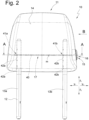
Fig. 2 eine Frontansicht der Kopfstütze, -
Fig. 3 eine Schnittdarstellung gemäß Schnittlinie A - A inFig. 2 , -
Fig. 4 eine Ansicht der Kopfstütze gemäß Ansichtspfeil B inFig. 2 , -
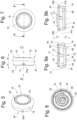
Fig. 5 eine perspektivische Darstellung einer Betätigungsvorrichtung der Kopfstütze zum Betätigen der Verriegelungsvorrichtung, wobei die Betätigungsvorrichtung in der unbetätigten Positioni angeordnet ist, -
Fig. 6 eine Seitenansicht der Betätigungsvorrichtung gemäßFig. 5 , -
Fig. 7 eine Ansicht gemäß Ansichtspfeil C inFig. 6 , -
Fig. 8 eine Ansicht gemäß Ansichtspfeil D inFig. 6 , -
Fig. 9a eine Schnittdarstellung gemäß Schnittlinie F - F inFig. 7 , -
Fig. 9b in Anlehnung anFig. 9a die Betätigungsvorrichtung in der betätigten Position, -
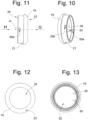
Fig. 10 eine perspektivische Darstellung eines Rahmens der Betätigungsvorrichtung als Einzelteil, -
Fig. 11 eine Seitenansicht des Rahmens gemäßFig. 10 , -
Fig. 12 eine Ansicht gemäß Ansichtspfeil G inFig. 11 , -
Fig. 13 eine Ansicht gemäß Ansichtspfeil H inFig. 11 , -
Fig. 14 eine perspektivische Darstellung einer Betätigungseinheit aufweisend ein Betätigungselement, eine Verbindung und eine Feder der Betätigungsvorrichtung, -
Fig. 15 eine Seitenansicht der Betätigungseinheit gemäßFig. 14 , -
Fig. 16 eine Ansicht gemäß Ansichtspfeil I inFig. 15 , und -
Fig. 17 eine Ansicht gemäß Ansichtspfeil J inFig. 15 . - Eine Kopfstütze insgesamt ist in den Fig. mit dem Bezugszeichen 10 bezeichnet. Die Kopfstütze ist eine Ausstattungsvorrichtung im Sinne der Erfindung.
- Die Kopfstütze 10 umfasst gemäß der
Fig. 1 und2 ein Kopfanlageteil 11 und eine Haltevorrichtung 12. Mit der Haltevorrichtung 12 kann das Kopfanlageteil 11 in bekannter Weise an einem hier nicht dargestellten Fahrzeugsitz gelagert werden. Es dient als Widerlager für den Kopf des Fahrzeuginsassen und kann auf eine Kopfanlagefläche 14 wirkende Kräfte auf den Fahrzeugsitz übertragen. Die in Bezug auf einen Insassen, dessen Kopf von der Kopfstütze 10 abgestützt werden soll, nach vorne weisende Richtung ist mit x1 und die entgegengesetzte, nach hinten weisende Richtung mit x2 bezeichnet. - Die Haltevorrichtung umfasst Tragstangen 13a und 13b, die in Aufnahmen des Fahrzeugsitzes gelagert sind. Das Kopfanlageteil 11 ist relativ zu den Tragstangen 13a und 13b in die Richtungen z1 und z2 verstellbar an den Tragstangen 13a und 13b gelagert. Um das Kopfanlageteil 11 in der eingestellten Höhenposition zu verriegeln, weist die Kopfstütze 10 eine Verriegelungsvorrichtung 17 auf (siehe
Fig. 2 ). Die Verriegelungsvorrichtung 17 ist eine Verstellvorrichtung im Sinne der Erfindung. Die Verriegelungsvorrichtung 17 umfasst erste Verriegelungselemente 41a und 41b (sieheFig. 2 ), des Kopfanlageteils 11 die mit zweiten Verriegelungselementen 42a und 42b der Haltevorrichtung 12 zusammenwirken, um das Kopfanlageteil 11 lösbar zu verriegeln. - Die ersten Verriegelungselemente 41a und 41b haben im vorliegenden Ausführungsbeispiel die Form von Riegelkanten, die einem Schieber 40 zugeordnet sind. Die Riegelkanten sind in dem Beispiel einteilig mit dem Schieber 40 geformt. Die zweiten Verriegelungselemente 42a und 42b weisen im vorliegenden Ausführungsbeispiel die Form von Aussparungen in jeder der Tragstangen 13a und 13b auf. Wenn das Verriegelungselement 41a mit dem Verriegelungselement 42a und das Verriegelungselement 41b mit dem Verriegelungselement 42b in Eingriff ist, ist eine Vertikalverstellung verriegelt, also nicht möglich. Werden die Verriegelungselemente 41a und 42a sowie 41b und 42b außer Eingriff bewegt, ist eine Vertikalverstellung möglich.
- Die Verriegelungsvorrichtung 17 ist zwischen einer Riegelposition und einer Löseposition bewegbar. In der Riegelposition sind die Verriegelungsmittel in Eingriff und das Kopfanlageteil 11 ist relativ zu den Tragstangen 13a und 13b in die Richtungen z1 und z2 unbewegbar verriegelt. Gemäß einer Alternative könnte das Kopfanlageteil 11 in der Riegelposition trotz des Eingriffs der Verriegelungselemente in die Richtung z2 unbewegbar und in die Richtung z1 bewegbar sein. In der Löseposition ist das Kopfanlageteil 11 in die Richtungen z1 und z2 bewegbar. Die Verriegelungsvorrichtung 17 ist von einer Rückstellvorrichtung in die Riegelposition belastet.
- Mit einer Betätigungsvorrichtung 15, die eine Mittelachse m aufweist, kann die Verriegelungsvorrichtung 17 aus der Riegelposition in die Löseposition verstellt werden, in welcher die Verriegelungselemente 41a, 41b, 42a und 42b außer Eingriff sind. Die Betätigungsvorrichtung 15 umfasst ein Betätigungselement 16. In der unbetätigten Position der Betätigungsvorrichtung 15 befindet sich die Verriegelungsvorrichtung 17 in der Riegelposition und in der betätigten Position des Betätigungselements 16 befindet sich die Verriegelungsvorrichtung 17 in der Löseposition. Die Betätigungsvorrichtung 15 umfasst eine Feder 18, mit welcher das Betätigungselement 16 in die unbetätigte Position belastet wird. Die Feder 18 ist als Spiralfeder ausgebildet.
- In der betätigten Position ist das Betätigungselement 16 aufgrund der Betätigung eines Benutzers bezüglich der unbetätigten Position in Richtung y1 verlagert und in der unbetätigten Position ist das Betätigungselement 16 aufgrund der Rückstellkraft der Feder 18 bezüglich der betätigten Position in Richtung y2 verlagert.
- Entgegen der Darstellung in
Fig. 3 steht der Schieber mit der Betätigungsvorrichtung derart in Verbindung, dass bei der Bewegung des Betätigungselements 16 von der unbetätigten Position in die betätigte Position bezüglich eines Rahmens 19 der Betätigungsvorrichtung 15 der fest an einem relativ zu den Tragstangen 13a und 13b unbeweglichen Kopfkasten der Kopfstütze 10 gehalten ist, der Schieber 40 ebenfalls in Richtung y1 bewegt wird, wobei die Verriegelungselemente 41a und 42a sowie 41b und 42b außer Eingriff geraten. Wird das Betätigungselement 16 entlastet, wird der Schieber 40, der von einer nicht dargestellten Feder in Richtung y2 belastet ist, wieder in Richtung y2 in die Position gemäßFig. 3 bewegt, wobei die Verriegelungselemente 41a und 42a sowie 41b und 42b sich in Eingriff bewegen. Das Betätigungselement 16 wird von der Feder 18 in die unbetätigte Position bewegt. -
Fig. 4 zeigt eine Seitenansicht der Kopfstütze 10, wobei die Teile, die inFig. 3 verdeckt sind, gestrichelt dargestellt sind. Die Betätigungsvorrichtung 15 ist in denFig. 5 bis 9 als Baugruppe dargestellt. - Gemäß
Fig. 5 umfasst die Betätigungsvorrichtung 15 den Rahmen 19, der im vorliegenden Ausführungsbeispiel als in Umfangsrichtung im Wesentlichen geschlossene Hülse ausgebildet ist, die an einem Endbereich 23 einen Kragen bildet und bezüglich der Mittelachse m an beiden Endbereichen 23 und 24 mit Öffnungen versehen ist. Der Rahmen 19 könnte aber auch eine andere Gestalt haben, z.B. könnte er als Gerüst aus bloßen Führungsleisten gebildet sein. Der Rahmen könnte alternativ auch an einer festen Struktur des Ausstattungsteils ausgebildet sein, wie z.B. an dem Kopfkasten der Kopfstütze 10. In diesem Fall kann er mit denselben Merkmalen versehen sein, wie der in diesem Ausführungsbeispiel beschriebene Rahmen. - Der Rahmen 19 ist mit gegenüberliegenden Befestigungsmitteln 20a und 20b - hier in Form von Aussparungen - versehen, die weiter unten erläutert werden. Der Rahmen 19 bildet eine Schulter 21, die als Anschlag für die Montage an dem Kopfanlageteil 13 dient.
- Der Rahmen 19 bildet einen im vorliegenden Ausführungsbeispiel etwa kreiszylindrischen Innenraum 22. Das Betätigungselement 16 ist in dem Innenraum 22 des Rahmens 19 zwischen der unbetätigten Position und der betätigten Position bewegbar geführt siehe die
Fig. 9a und 9b . An dem Endbereich 23 des Rahmens 19 ist das Betätigungselement 16 betätigbar in dem Innenraum 22 angeordnet. Eine Betätigungsfläche 35 des Betätigungselements 16 umfasst einen Randbereich 36, der radial von der Mittelachse m entfernt ist und einen Zentralbereich 37, der nahe an der Mittelachse angeordnet ist. Der Zentralbereich 37 ist bezüglich des Randbereichs 36 in Richtung y1 zurückversetzt ausgebildet. Von dem Randbereich 36 geht die Betätigungsfläche 35 sanft in den Zentralbereich 37 über, so dass eine Mulde gebildet ist, was aus haptischen Gründen vorteilhaft ist. - An einem dem Endbereich 23 gegenüber liegenden Endbereich 24 des Innenraums 22 ist die Feder 18 angeordnet. Wie in
Fig. 7 zu erkennen, sind das Betätigungselement 16 und die Feder 18 koaxial zu der Mittelachse m ausgebildet. - Die Feder 18 erstreckt sich spiralförmig im Wesentlichen innerhalb einer Ebene E1, die etwa rechtwinklig zu der Mittelachse m verläuft. Gemäß
Fig. 8 umfasst die Feder einen äußeren Endbereich 25 sowie einen inneren Endbereich 26. Der äußere Endbereich 25 ist an dem Rahmen 19 befestigt, so dass es weder um die Mittelachse drehbar, noch in Richtung y1 und y2 bewegbar ist. - Gemäß
Fig. 9 ist der innere Endbereich 26 mit einer Verbindung 27 in Form eines im Querschnitt zu der Mittelachse U-förmigen Stegs mit dem Betätigungselement 16 verbunden. Wie inFig. 7 zu erkennen ist, weist der Rahmen 19 zu der Mittelachse m wenigstens eine etwa um 45 Grad geneigte Anschlagfläche 28 auf, die mit wenigstens einer komplementär ausgebildeten Kontaktfläche 29 derart zusammenwirkt, dass sie einen Anschlag für das Betätigungselement 16 bildet und diese in der unbetätigten Position zentriert. - In
Fig. 9a ist die unbetätigte Position der Betätigungsvorrichtung 15 und inFig. 9b die betätigte Position dargestellt. - Gemäß der
Fig. 10 bis 13 ist der Rahmen 19 als Einzelteil dargestellt. Er umfasst die sich diametral gegenüber liegenden Befestigungsmittel 20a und 20b sowie vier sich parallel zu der Mittelachse m erstreckende und über den Innenumfang einer Oberfläche 39 des Innenraums 22 verteilte erste Führungsmittel 30 in Form von sich bezüglich der Mittelachse m gegenüberliegender Nuten, von denen lediglich eine Nut inFig. 10 erkennbar ist. - In den
Fig. 14 bis 17 ist die Betätigungseinheit, umfassend Betätigungselement 16, Verbindung 27 und Feder 18, dargestellt. Der ringförmige äußere Endbereich 25 weist eine radial gerichtete Flankenfläche 38 auf, von der bezüglich der Mittelachse m diametral gegenüberliegend die Befestigungsmittel 31a und 31b - jedes in Form eines Vorsprungs - vorragen. Jeder Vorsprung weist eine zu der Mittelachse m schräg ausgebildete Schrägfläche 33 und eine zu der Mittelachse m etwa rechtwinklig ausgebildete Haltefläche 34 auf. - Das Betätigungselement 16 erstreckt sich innerhalb einer Ebene E2 und umfasst radial bezüglich der Mittelachse m nach außen vorragend vier über den Umfang verteilte Führungsmittel 32, die mit den Führungsmitteln 30 bei der Bewegung zwischen der unbetätigten Position und der betätigten Position gleitend zusammenwirken und das Betätigungselement 16 führen.
- Die Verbindung 27 erstreckt sich in die Richtungen y1 und y2 zwischen dem Betätigungselement 16 und der Feder 18. Die Verbindung 27 ist im Querschnitt zu der Mittelachse m U-förmig ausgebildet. Von der Verbindung erstreckt sich die Feder 18 etwa rechtwinklig zu der Mittelachse m in einer Ebene E1 und das Betätigungselement 16 erstreckt sich etwa rechtwinklig zu der Mittelachse m in einer Ebene E2. Die Ebene E2 ist parallel zu der Ebene E1.
- Die Feder 18, die Verbindung 27 und das Betätigungselement 16 bilden die Betätigungseinheit 43, die einteilig im Kunststoffspritzgussverfahren hergestellt ist. Alternativ können die Feder 18, die Verbindung 27 und das Betätigungselement 16 aber auch als Baugruppe von miteinander verbundenen Einzelteilen hergestellt sein. Die Betätigungseinheit 43 ist z.B. aus einem Kunststoff, insbesondere einem glasfaserverstärktem Kunststoff hergestellt. Bei dem Kunststoff handelt es sich z.B. um Polypropylen oder um Polyamid oder z.B. um einen Polycarbonat / Acrylnitril-Butadien-Styrol-Blend.
Claims (13)
- Fahrzeugausstattungsvorrichtung des Fahrzeuginnenraums mit einer Verstelleinrichtung, die mittels einer Betätigungsvorrichtung (15) zur Betätigung der Verstelleinrichtung der Fahrzeugausstattungsvorrichtung zwischen wenigstens einer ersten Position und einer zweiten Position bewegbar ist, mit einem Betätigungselement, welches relativ zu einem Gehäuse zwischen einer unbetätigten Position und einer betätigten Position in entgegengesetzte Verstellrichtungen (y1, y2) bewegbar ist und mittels einer Rückstellvorrichtung in die unbetätigte Position belastet ist, wobei mit dem Betätigungselement ein mit dem Betätigungselement zusammenwirkendes Element der Fahrzeugausstattungsvorrichtung verlagerbar ist, dadurch gekennzeichnet, dass die Rückstellvorrichtung wenigstens eine als Spiralfeder ausgebildete Feder (18) mit einem äußeren Endbereich (25) und einem inneren Endbereich (26) umfasst, und dass die Feder (18) spiralförmig um eine parallel zu den Verstellrichtungen (y1, y2) ausgebildete Mittelachse (m) innerhalb einer etwa rechtwinklig zu der Mittelachse (m) ausgebildeten Ebene (E1) angeordnet ist, wobei die Federauslenkung durch eine Relativbewegung des inneren Endbereichs (26) relativ zu dem äußeren Endbereich (25) in Verstellrichtung parallel zu der Mittelachse (m) erfolgt.
- Fahrzeugausstattungsvorrichtung nach Anspruch 1, dadurch gekennzeichnet, dass das Betätigungselement (16) mit dem äußeren Endbereich (25) oder mit dem inneren Endbereich (26) verbunden ist und der jeweils andere Endbereich mit der Ausstattungsvorrichtung verbindbar ist.
- Fahrzeugausstattungsvorrichtung nach einem der vorangehenden Ansprüche, dadurch gekennzeichnet, dass die Betätigungsvorrichtung (15) einen Rahmen (19) aufweist, welcher an der Ausstattungsvorrichtung (11) befestigbar ist, wobei das Betätigungselement (16) bei der Bewegung zwischen der unbetätigten Position und der betätigten Position relativ zu dem Rahmen (19) bewegbar ist.
- Fahrzeugausstattungsvorrichtung nach Anspruch 3, dadurch gekennzeichnet, dass der Rahmen (19) erste Führungsmittel (32a) und das Betätigungselement (16) zweite Führungsmittel (32b) umfasst, die während der Bewegung zwischen der unbetätigten Position und der betätigten Position zusammenwirken, um die Bewegung des Betätigungselements (16) zu führen.
- Fahrzeugausstattungsvorrichtung nach Anspruch 3 oder 4, dadurch gekennzeichnet, dass der äußere Endbereich (25) einen Ring bildet, der an dem Rahmen (19) befestigbar ist.
- Fahrzeugausstattungsvorrichtung nach einem der Ansprüche 3 bis 5, dadurch gekennzeichnet, dass der äußere Endbereich (25) Befestigungsmittel (31a) umfasst, welche mit Gegenbefestigungsmitteln (31b) des Rahmens (19) in Eingriff bringbar sind.
- Fahrzeugausstattungsvorrichtung nach einem der Ansprüche 3 bis 6, dadurch gekennzeichnet, dass der Rahmen (19) hülsenförmig ausgebildet ist.
- Fahrzeugausstattungsvorrichtung nach Anspruch 7, dadurch gekennzeichnet, dass der Rahmen (19) gehäuseartig über den Umfang einer Hülsenwand im Wesentlichen geschlossen ausgebildet ist.
- Fahrzeugausstattungsvorrichtung nach einem der Ansprüche 3 bis 8, dadurch gekennzeichnet, dass der Rahmen (19) eine Anschlagfläche (28) ausbildet, welche mit einer Kontaktfläche (29) des Betätigungselements (16) zusammenwirkt, um die Bewegung des Betätigungselements (16) in eine Verstellrichtung (y2) zu begrenzen.
- Fahrzeugausstattungsvorrichtung nach einem der Ansprüche 3 bis 9, dadurch gekennzeichnet, dass die Anschlagfläche (28) und die Kontaktfläche (29) schräg, insbesondere in einem 45 Grad-Winkel, ausgebildet sind, um das Betätigungselement (16) an dem Rahmen (19) zu zentrieren.
- Fahrzeugausstattungsvorrichtung nach einem der vorangehenden Ansprüche, dadurch gekennzeichnet, dass das Betätigungselement (16) mittels einer Verbindung (27) mit dem ersten Endbereich (25) oder mit dem zweiten Endbereich (26) der Feder (18) verbunden ist.
- Fahrzeugausstattungsvorrichtung nach einem der vorangehenden Ansprüche, dadurch gekennzeichnet, dass die Feder (18) in der unbetätigten Position mit einer Vorspannung versehen ist, welche das Betätigungselement (16) entgegen der Betätigungsrichtung (y1) belastet.
- Fahrzeugausstattungsvorrichtung nach einem der voranstehenden Ansprüche, wobei das Fahrzeugausstattungsvorrichtung eine Kopfstütze (10) oder eine Armlehne eines Fahrzeugsitzes ist.
Applications Claiming Priority (1)
| Application Number | Priority Date | Filing Date | Title |
|---|---|---|---|
| DE102019006162.4A DE102019006162B4 (de) | 2019-09-02 | 2019-09-02 | Betätigungsvorrichtung zur Betätigung einer Ausstattungsvorrichtung des Fahrzeuginnenraums und ein Fahrzeugausstattungsteil |
Publications (2)
| Publication Number | Publication Date |
|---|---|
| EP3785985A1 EP3785985A1 (de) | 2021-03-03 |
| EP3785985B1 true EP3785985B1 (de) | 2025-04-09 |
Family
ID=71899580
Family Applications (1)
| Application Number | Title | Priority Date | Filing Date |
|---|---|---|---|
| EP20188903.7A Active EP3785985B1 (de) | 2019-09-02 | 2020-07-31 | Betätigungsvorrichtung für ein fahrzeugausstattungsteil und ausstattungsvorrichtung mit einer betätigungsvorrichtung |
Country Status (4)
| Country | Link |
|---|---|
| US (1) | US11453321B2 (de) |
| EP (1) | EP3785985B1 (de) |
| CN (1) | CN112440847A (de) |
| DE (1) | DE102019006162B4 (de) |
Families Citing this family (1)
| Publication number | Priority date | Publication date | Assignee | Title |
|---|---|---|---|---|
| DE102022116985B4 (de) | 2022-07-07 | 2026-04-16 | Grammer Aktiengesellschaft | Verfahren und Vorrichtung zur Montage einer Kopfstütze für einen Fahrzeugsitz |
Citations (2)
| Publication number | Priority date | Publication date | Assignee | Title |
|---|---|---|---|---|
| DE10393647B4 (de) * | 2002-11-05 | 2008-12-24 | Fisher Dynamics Corp., St. Clair Shores | Umklapp-, Kipp- und Absenk-Sitzanordnung |
| DE202009016091U1 (de) * | 2009-11-20 | 2010-03-11 | Austriamicrosystems Ag | Feder und Taster |
Family Cites Families (14)
| Publication number | Priority date | Publication date | Assignee | Title |
|---|---|---|---|---|
| US4504091A (en) * | 1982-08-31 | 1985-03-12 | Shiroki Kinzoku Kogyo Kabushiki Kaisha | Reclining angle adjustment device |
| DE3621278A1 (de) * | 1986-06-25 | 1988-01-21 | Opel Adam Ag | Umlegbare kopfstuetze fuer einen fahrzeugsitz, insbesondere fuer einen ruecksitz eines personenwagens |
| CN2132872Y (zh) * | 1992-09-18 | 1993-05-12 | 陈谟有 | 盘形弹簧 |
| ES2072796T3 (es) * | 1992-10-14 | 1995-07-16 | Bruzolo Manifatt Gestind Mb | Apoyacabezas para asientos de vehiculos automoviles, particularmente para asientos posteriores. |
| JPH06323353A (ja) * | 1993-05-13 | 1994-11-25 | Iwao Kojima | 板から成る錐体形蔓巻バネ |
| DE202005007516U1 (de) | 2005-05-12 | 2005-09-08 | Faurecia Autositze Gmbh & Co. Kg | Fahrzeugsitz mit einer Kopfstütze |
| JP2010031895A (ja) * | 2008-07-25 | 2010-02-12 | Saida Seiki Kogyo Kk | 押し引き両用ばね及びその製造方法 |
| DE102010054314B4 (de) | 2010-12-10 | 2020-12-17 | Adient Luxembourg Holding S.À R.L. | Beschlagsystem für einen Fahrzeugsitz |
| CN202096738U (zh) * | 2010-12-17 | 2012-01-04 | 刘锦 | 伸缩式玩具 |
| US20140203615A1 (en) | 2013-01-22 | 2014-07-24 | Windsor Machine & Stamping, Ltd | Head restraint assembly for a vehicle |
| DE102015011477B4 (de) | 2015-02-20 | 2023-08-03 | Grammer Aktiengesellschaft | Kopfstütze |
| DE102017211720B4 (de) * | 2016-07-20 | 2022-06-30 | Lear Corporation | Sitzaufbau mit einem einstellbaren Kopfstützenaufbau |
| US11021238B2 (en) * | 2017-02-07 | 2021-06-01 | Parker-Hannifin Corporation | Disc spring providing linear axial motion |
| EP3645338B1 (de) * | 2017-06-29 | 2021-12-08 | TESCA France | Kopfstütze für einen kraftfahrzeugsitz |
-
2019
- 2019-09-02 DE DE102019006162.4A patent/DE102019006162B4/de active Active
-
2020
- 2020-07-31 US US16/945,025 patent/US11453321B2/en active Active
- 2020-07-31 EP EP20188903.7A patent/EP3785985B1/de active Active
- 2020-09-01 CN CN202010901245.7A patent/CN112440847A/zh active Pending
Patent Citations (2)
| Publication number | Priority date | Publication date | Assignee | Title |
|---|---|---|---|---|
| DE10393647B4 (de) * | 2002-11-05 | 2008-12-24 | Fisher Dynamics Corp., St. Clair Shores | Umklapp-, Kipp- und Absenk-Sitzanordnung |
| DE202009016091U1 (de) * | 2009-11-20 | 2010-03-11 | Austriamicrosystems Ag | Feder und Taster |
Also Published As
| Publication number | Publication date |
|---|---|
| CN112440847A (zh) | 2021-03-05 |
| US20210061151A1 (en) | 2021-03-04 |
| DE102019006162A1 (de) | 2021-03-04 |
| EP3785985A1 (de) | 2021-03-03 |
| US11453321B2 (en) | 2022-09-27 |
| DE102019006162B4 (de) | 2021-11-18 |
Similar Documents
| Publication | Publication Date | Title |
|---|---|---|
| DE102015011477B4 (de) | Kopfstütze | |
| EP3045347B1 (de) | Lagervorrichtung und kopfstütze | |
| EP3228493B1 (de) | Armlehne | |
| EP2818360B1 (de) | Fahrzeugsitz und nutzkraftfahrzeug mit wenigstens einem fahrzeugsitz | |
| DE102011118150A1 (de) | Lagerung eines Funktionselements in einem Schienenpaar innerhalb eines Fahrgastraums eines Kraftfahrzeugs | |
| DE102010035429B4 (de) | Arretiervorrichtung für eine Kopfstütze | |
| DE102008023751A1 (de) | Ausstattungsvorrichtung für einen Fahrzeuginnenraum, insbesondere Armlehne für Fahrzeugsitze | |
| EP3293043A1 (de) | Fahrzeugsitz | |
| EP3785985B1 (de) | Betätigungsvorrichtung für ein fahrzeugausstattungsteil und ausstattungsvorrichtung mit einer betätigungsvorrichtung | |
| DE102010038250B4 (de) | Kopfstütze mit Verstellung in Längsrichtung | |
| DE102008050760B4 (de) | Kopfstützen-Führungsteil mit Anschlag | |
| DE102006014822B4 (de) | Raumausstattungsteil für Fahrzeuge | |
| DE102008059355B4 (de) | Beschlagsystem für einen Fahrzeugsitz sowie Fahrzeugsitz mit einem solchen Beschlagsystem | |
| EP3656609A1 (de) | Fahrzeugausstattungsteil | |
| DE202021100671U1 (de) | Kopfstütze | |
| EP3059117B1 (de) | Kopfstütze | |
| DE102019105696A1 (de) | Klemmvorrichtung für eine Lenksäule sowie Verstellvorrichtung für eine Lenksäule | |
| DE102015106599B4 (de) | Windschildvorrichtung | |
| EP1954530A2 (de) | Öffnungs-mechanismus zur öffnung eines deckels von zwei gegenüberliegenden seiten | |
| DE102012104101B4 (de) | Radialverstellung mit Arretierfunktion | |
| DE102014212598B4 (de) | Verstellbarer Fahrzeugsitz | |
| DE102004001561B4 (de) | Teleskopschiene | |
| DE10137645A1 (de) | Armlehne, insbesondere für Fahrzeuge | |
| DE60200712T2 (de) | Einstellbarer Anschlag für bewegliche Teile einer Fahrzeugkarosserie | |
| DE102016220152A1 (de) | Arretiervorrichtung für eine schwenkbewegliche Kraftfahrzeug-Armlehne |
Legal Events
| Date | Code | Title | Description |
|---|---|---|---|
| PUAI | Public reference made under article 153(3) epc to a published international application that has entered the european phase |
Free format text: ORIGINAL CODE: 0009012 |
|
| STAA | Information on the status of an ep patent application or granted ep patent |
Free format text: STATUS: THE APPLICATION HAS BEEN PUBLISHED |
|
| AK | Designated contracting states |
Kind code of ref document: A1 Designated state(s): AL AT BE BG CH CY CZ DE DK EE ES FI FR GB GR HR HU IE IS IT LI LT LU LV MC MK MT NL NO PL PT RO RS SE SI SK SM TR |
|
| AX | Request for extension of the european patent |
Extension state: BA ME |
|
| STAA | Information on the status of an ep patent application or granted ep patent |
Free format text: STATUS: REQUEST FOR EXAMINATION WAS MADE |
|
| 17P | Request for examination filed |
Effective date: 20210820 |
|
| RBV | Designated contracting states (corrected) |
Designated state(s): AL AT BE BG CH CY CZ DE DK EE ES FI FR GB GR HR HU IE IS IT LI LT LU LV MC MK MT NL NO PL PT RO RS SE SI SK SM TR |
|
| STAA | Information on the status of an ep patent application or granted ep patent |
Free format text: STATUS: EXAMINATION IS IN PROGRESS |
|
| 17Q | First examination report despatched |
Effective date: 20230112 |
|
| GRAP | Despatch of communication of intention to grant a patent |
Free format text: ORIGINAL CODE: EPIDOSNIGR1 |
|
| STAA | Information on the status of an ep patent application or granted ep patent |
Free format text: STATUS: GRANT OF PATENT IS INTENDED |
|
| INTG | Intention to grant announced |
Effective date: 20241118 |
|
| GRAS | Grant fee paid |
Free format text: ORIGINAL CODE: EPIDOSNIGR3 |
|
| GRAA | (expected) grant |
Free format text: ORIGINAL CODE: 0009210 |
|
| STAA | Information on the status of an ep patent application or granted ep patent |
Free format text: STATUS: THE PATENT HAS BEEN GRANTED |
|
| AK | Designated contracting states |
Kind code of ref document: B1 Designated state(s): AL AT BE BG CH CY CZ DE DK EE ES FI FR GB GR HR HU IE IS IT LI LT LU LV MC MK MT NL NO PL PT RO RS SE SI SK SM TR |
|
| P01 | Opt-out of the competence of the unified patent court (upc) registered |
Free format text: CASE NUMBER: APP_10272/2025 Effective date: 20250228 |
|
| REG | Reference to a national code |
Ref country code: GB Ref legal event code: FG4D Free format text: NOT ENGLISH |
|
| REG | Reference to a national code |
Ref country code: CH Ref legal event code: EP |
|
| REG | Reference to a national code |
Ref country code: DE Ref legal event code: R096 Ref document number: 502020010783 Country of ref document: DE |
|
| REG | Reference to a national code |
Ref country code: IE Ref legal event code: FG4D Free format text: LANGUAGE OF EP DOCUMENT: GERMAN |
|
| REG | Reference to a national code |
Ref country code: NL Ref legal event code: MP Effective date: 20250409 |
|
| PG25 | Lapsed in a contracting state [announced via postgrant information from national office to epo] |
Ref country code: NL Free format text: LAPSE BECAUSE OF FAILURE TO SUBMIT A TRANSLATION OF THE DESCRIPTION OR TO PAY THE FEE WITHIN THE PRESCRIBED TIME-LIMIT Effective date: 20250409 |
|
| PG25 | Lapsed in a contracting state [announced via postgrant information from national office to epo] |
Ref country code: FI Free format text: LAPSE BECAUSE OF FAILURE TO SUBMIT A TRANSLATION OF THE DESCRIPTION OR TO PAY THE FEE WITHIN THE PRESCRIBED TIME-LIMIT Effective date: 20250409 Ref country code: ES Free format text: LAPSE BECAUSE OF FAILURE TO SUBMIT A TRANSLATION OF THE DESCRIPTION OR TO PAY THE FEE WITHIN THE PRESCRIBED TIME-LIMIT Effective date: 20250409 Ref country code: PT Free format text: LAPSE BECAUSE OF FAILURE TO SUBMIT A TRANSLATION OF THE DESCRIPTION OR TO PAY THE FEE WITHIN THE PRESCRIBED TIME-LIMIT Effective date: 20250811 |
|
| PGFP | Annual fee paid to national office [announced via postgrant information from national office to epo] |
Ref country code: DE Payment date: 20250722 Year of fee payment: 6 |
|
| REG | Reference to a national code |
Ref country code: LT Ref legal event code: MG9D |
|
| PG25 | Lapsed in a contracting state [announced via postgrant information from national office to epo] |
Ref country code: GR Free format text: LAPSE BECAUSE OF FAILURE TO SUBMIT A TRANSLATION OF THE DESCRIPTION OR TO PAY THE FEE WITHIN THE PRESCRIBED TIME-LIMIT Effective date: 20250710 Ref country code: NO Free format text: LAPSE BECAUSE OF FAILURE TO SUBMIT A TRANSLATION OF THE DESCRIPTION OR TO PAY THE FEE WITHIN THE PRESCRIBED TIME-LIMIT Effective date: 20250709 |
|
| PG25 | Lapsed in a contracting state [announced via postgrant information from national office to epo] |
Ref country code: PL Free format text: LAPSE BECAUSE OF FAILURE TO SUBMIT A TRANSLATION OF THE DESCRIPTION OR TO PAY THE FEE WITHIN THE PRESCRIBED TIME-LIMIT Effective date: 20250409 |
|
| PGFP | Annual fee paid to national office [announced via postgrant information from national office to epo] |
Ref country code: IT Payment date: 20250731 Year of fee payment: 6 |
|
| PG25 | Lapsed in a contracting state [announced via postgrant information from national office to epo] |
Ref country code: BG Free format text: LAPSE BECAUSE OF FAILURE TO SUBMIT A TRANSLATION OF THE DESCRIPTION OR TO PAY THE FEE WITHIN THE PRESCRIBED TIME-LIMIT Effective date: 20250409 |
|
| PG25 | Lapsed in a contracting state [announced via postgrant information from national office to epo] |
Ref country code: HR Free format text: LAPSE BECAUSE OF FAILURE TO SUBMIT A TRANSLATION OF THE DESCRIPTION OR TO PAY THE FEE WITHIN THE PRESCRIBED TIME-LIMIT Effective date: 20250409 |
|
| PGFP | Annual fee paid to national office [announced via postgrant information from national office to epo] |
Ref country code: FR Payment date: 20250723 Year of fee payment: 6 |
|
| PG25 | Lapsed in a contracting state [announced via postgrant information from national office to epo] |
Ref country code: RS Free format text: LAPSE BECAUSE OF FAILURE TO SUBMIT A TRANSLATION OF THE DESCRIPTION OR TO PAY THE FEE WITHIN THE PRESCRIBED TIME-LIMIT Effective date: 20250709 |
|
| PG25 | Lapsed in a contracting state [announced via postgrant information from national office to epo] |
Ref country code: IS Free format text: LAPSE BECAUSE OF FAILURE TO SUBMIT A TRANSLATION OF THE DESCRIPTION OR TO PAY THE FEE WITHIN THE PRESCRIBED TIME-LIMIT Effective date: 20250809 |
|
| PG25 | Lapsed in a contracting state [announced via postgrant information from national office to epo] |
Ref country code: LV Free format text: LAPSE BECAUSE OF FAILURE TO SUBMIT A TRANSLATION OF THE DESCRIPTION OR TO PAY THE FEE WITHIN THE PRESCRIBED TIME-LIMIT Effective date: 20250409 |
|
| REG | Reference to a national code |
Ref country code: DE Ref legal event code: R097 Ref document number: 502020010783 Country of ref document: DE |
|
| PG25 | Lapsed in a contracting state [announced via postgrant information from national office to epo] |
Ref country code: SM Free format text: LAPSE BECAUSE OF FAILURE TO SUBMIT A TRANSLATION OF THE DESCRIPTION OR TO PAY THE FEE WITHIN THE PRESCRIBED TIME-LIMIT Effective date: 20250409 Ref country code: DK Free format text: LAPSE BECAUSE OF FAILURE TO SUBMIT A TRANSLATION OF THE DESCRIPTION OR TO PAY THE FEE WITHIN THE PRESCRIBED TIME-LIMIT Effective date: 20250409 |
|
| PG25 | Lapsed in a contracting state [announced via postgrant information from national office to epo] |
Ref country code: CZ Free format text: LAPSE BECAUSE OF FAILURE TO SUBMIT A TRANSLATION OF THE DESCRIPTION OR TO PAY THE FEE WITHIN THE PRESCRIBED TIME-LIMIT Effective date: 20250409 |
|
| PG25 | Lapsed in a contracting state [announced via postgrant information from national office to epo] |
Ref country code: EE Free format text: LAPSE BECAUSE OF FAILURE TO SUBMIT A TRANSLATION OF THE DESCRIPTION OR TO PAY THE FEE WITHIN THE PRESCRIBED TIME-LIMIT Effective date: 20250409 |
|
| PG25 | Lapsed in a contracting state [announced via postgrant information from national office to epo] |
Ref country code: SK Free format text: LAPSE BECAUSE OF FAILURE TO SUBMIT A TRANSLATION OF THE DESCRIPTION OR TO PAY THE FEE WITHIN THE PRESCRIBED TIME-LIMIT Effective date: 20250409 Ref country code: RO Free format text: LAPSE BECAUSE OF FAILURE TO SUBMIT A TRANSLATION OF THE DESCRIPTION OR TO PAY THE FEE WITHIN THE PRESCRIBED TIME-LIMIT Effective date: 20250409 |
|
| PLBE | No opposition filed within time limit |
Free format text: ORIGINAL CODE: 0009261 |
|
| STAA | Information on the status of an ep patent application or granted ep patent |
Free format text: STATUS: NO OPPOSITION FILED WITHIN TIME LIMIT |
|
| REG | Reference to a national code |
Ref country code: CH Ref legal event code: L10 Free format text: ST27 STATUS EVENT CODE: U-0-0-L10-L00 (AS PROVIDED BY THE NATIONAL OFFICE) Effective date: 20260218 |
|
| REG | Reference to a national code |
Ref country code: CH Ref legal event code: H13 Free format text: ST27 STATUS EVENT CODE: U-0-0-H10-H13 (AS PROVIDED BY THE NATIONAL OFFICE) Effective date: 20260224 |
|
| PG25 | Lapsed in a contracting state [announced via postgrant information from national office to epo] |
Ref country code: LU Free format text: LAPSE BECAUSE OF NON-PAYMENT OF DUE FEES Effective date: 20250731 |
|
| 26N | No opposition filed |
Effective date: 20260112 |
|
| GBPC | Gb: european patent ceased through non-payment of renewal fee |
Effective date: 20250731 |
|
| REG | Reference to a national code |
Ref country code: BE Ref legal event code: MM Effective date: 20250731 |
|
| PG25 | Lapsed in a contracting state [announced via postgrant information from national office to epo] |
Ref country code: GB Free format text: LAPSE BECAUSE OF NON-PAYMENT OF DUE FEES Effective date: 20250731 |
|
| PG25 | Lapsed in a contracting state [announced via postgrant information from national office to epo] |
Ref country code: BE Free format text: LAPSE BECAUSE OF NON-PAYMENT OF DUE FEES Effective date: 20250731 |
|
| PG25 | Lapsed in a contracting state [announced via postgrant information from national office to epo] |
Ref country code: CH Free format text: LAPSE BECAUSE OF NON-PAYMENT OF DUE FEES Effective date: 20250731 |