EP3773713B1 - A leptin receptor agonist antibody for use in increasing bone mass in a subject suffering from metabolic dysfunction or hypoleptinemia - Google Patents
A leptin receptor agonist antibody for use in increasing bone mass in a subject suffering from metabolic dysfunction or hypoleptinemia Download PDFInfo
- Publication number
- EP3773713B1 EP3773713B1 EP19718562.2A EP19718562A EP3773713B1 EP 3773713 B1 EP3773713 B1 EP 3773713B1 EP 19718562 A EP19718562 A EP 19718562A EP 3773713 B1 EP3773713 B1 EP 3773713B1
- Authority
- EP
- European Patent Office
- Prior art keywords
- lepr
- antibody
- leptin
- h4h17319p2
- antibodies
- Prior art date
- Legal status (The legal status is an assumption and is not a legal conclusion. Google has not performed a legal analysis and makes no representation as to the accuracy of the status listed.)
- Active
Links
Images


















Classifications
-
- A—HUMAN NECESSITIES
- A61—MEDICAL OR VETERINARY SCIENCE; HYGIENE
- A61K—PREPARATIONS FOR MEDICAL, DENTAL OR TOILETRY PURPOSES
- A61K39/00—Medicinal preparations containing antigens or antibodies
- A61K39/395—Antibodies; Immunoglobulins; Immune serum, e.g. antilymphocytic serum
- A61K39/39533—Antibodies; Immunoglobulins; Immune serum, e.g. antilymphocytic serum against materials from animals
- A61K39/3955—Antibodies; Immunoglobulins; Immune serum, e.g. antilymphocytic serum against materials from animals against proteinaceous materials, e.g. enzymes, hormones, lymphokines
-
- A—HUMAN NECESSITIES
- A61—MEDICAL OR VETERINARY SCIENCE; HYGIENE
- A61K—PREPARATIONS FOR MEDICAL, DENTAL OR TOILETRY PURPOSES
- A61K45/00—Medicinal preparations containing active ingredients not provided for in groups A61K31/00 - A61K41/00
- A61K45/06—Mixtures of active ingredients without chemical characterisation, e.g. antiphlogistics and cardiaca
-
- A—HUMAN NECESSITIES
- A61—MEDICAL OR VETERINARY SCIENCE; HYGIENE
- A61K—PREPARATIONS FOR MEDICAL, DENTAL OR TOILETRY PURPOSES
- A61K9/00—Medicinal preparations characterised by special physical form
- A61K9/0012—Galenical forms characterised by the site of application
- A61K9/0019—Injectable compositions; Intramuscular, intravenous, arterial, subcutaneous administration; Compositions to be administered through the skin in an invasive manner
-
- A—HUMAN NECESSITIES
- A61—MEDICAL OR VETERINARY SCIENCE; HYGIENE
- A61P—SPECIFIC THERAPEUTIC ACTIVITY OF CHEMICAL COMPOUNDS OR MEDICINAL PREPARATIONS
- A61P15/00—Drugs for genital or sexual disorders; Contraceptives
-
- A—HUMAN NECESSITIES
- A61—MEDICAL OR VETERINARY SCIENCE; HYGIENE
- A61P—SPECIFIC THERAPEUTIC ACTIVITY OF CHEMICAL COMPOUNDS OR MEDICINAL PREPARATIONS
- A61P3/00—Drugs for disorders of the metabolism
-
- A—HUMAN NECESSITIES
- A61—MEDICAL OR VETERINARY SCIENCE; HYGIENE
- A61P—SPECIFIC THERAPEUTIC ACTIVITY OF CHEMICAL COMPOUNDS OR MEDICINAL PREPARATIONS
- A61P3/00—Drugs for disorders of the metabolism
- A61P3/04—Anorexiants; Antiobesity agents
-
- A—HUMAN NECESSITIES
- A61—MEDICAL OR VETERINARY SCIENCE; HYGIENE
- A61P—SPECIFIC THERAPEUTIC ACTIVITY OF CHEMICAL COMPOUNDS OR MEDICINAL PREPARATIONS
- A61P3/00—Drugs for disorders of the metabolism
- A61P3/06—Antihyperlipidemics
-
- A—HUMAN NECESSITIES
- A61—MEDICAL OR VETERINARY SCIENCE; HYGIENE
- A61P—SPECIFIC THERAPEUTIC ACTIVITY OF CHEMICAL COMPOUNDS OR MEDICINAL PREPARATIONS
- A61P3/00—Drugs for disorders of the metabolism
- A61P3/08—Drugs for disorders of the metabolism for glucose homeostasis
- A61P3/10—Drugs for disorders of the metabolism for glucose homeostasis for hyperglycaemia, e.g. antidiabetics
-
- C—CHEMISTRY; METALLURGY
- C07—ORGANIC CHEMISTRY
- C07K—PEPTIDES
- C07K16/00—Immunoglobulins [IG], e.g. monoclonal or polyclonal antibodies
- C07K16/18—Immunoglobulins [IG], e.g. monoclonal or polyclonal antibodies against material from animals or humans
- C07K16/28—Immunoglobulins [IG], e.g. monoclonal or polyclonal antibodies against material from animals or humans against receptors, cell surface antigens or cell surface determinants
- C07K16/2869—Immunoglobulins [IG], e.g. monoclonal or polyclonal antibodies against material from animals or humans against receptors, cell surface antigens or cell surface determinants against hormone receptors
-
- A—HUMAN NECESSITIES
- A61—MEDICAL OR VETERINARY SCIENCE; HYGIENE
- A61K—PREPARATIONS FOR MEDICAL, DENTAL OR TOILETRY PURPOSES
- A61K39/00—Medicinal preparations containing antigens or antibodies
- A61K2039/505—Medicinal preparations containing antigens or antibodies comprising antibodies
-
- A—HUMAN NECESSITIES
- A61—MEDICAL OR VETERINARY SCIENCE; HYGIENE
- A61K—PREPARATIONS FOR MEDICAL, DENTAL OR TOILETRY PURPOSES
- A61K39/00—Medicinal preparations containing antigens or antibodies
- A61K2039/54—Medicinal preparations containing antigens or antibodies characterised by the route of administration
-
- A—HUMAN NECESSITIES
- A61—MEDICAL OR VETERINARY SCIENCE; HYGIENE
- A61K—PREPARATIONS FOR MEDICAL, DENTAL OR TOILETRY PURPOSES
- A61K39/00—Medicinal preparations containing antigens or antibodies
- A61K2039/545—Medicinal preparations containing antigens or antibodies characterised by the dose, timing or administration schedule
-
- A—HUMAN NECESSITIES
- A61—MEDICAL OR VETERINARY SCIENCE; HYGIENE
- A61K—PREPARATIONS FOR MEDICAL, DENTAL OR TOILETRY PURPOSES
- A61K38/00—Medicinal preparations containing peptides
- A61K38/16—Peptides having more than 20 amino acids; Gastrins; Somatostatins; Melanotropins; Derivatives thereof
- A61K38/17—Peptides having more than 20 amino acids; Gastrins; Somatostatins; Melanotropins; Derivatives thereof from animals; from humans
- A61K38/22—Hormones
- A61K38/2264—Obesity-gene products, e.g. leptin
-
- C—CHEMISTRY; METALLURGY
- C07—ORGANIC CHEMISTRY
- C07K—PEPTIDES
- C07K14/00—Peptides having more than 20 amino acids; Gastrins; Somatostatins; Melanotropins; Derivatives thereof
- C07K14/435—Peptides having more than 20 amino acids; Gastrins; Somatostatins; Melanotropins; Derivatives thereof from animals; from humans
- C07K14/575—Hormones
- C07K14/5759—Products of obesity genes, e.g. leptin, obese (OB), tub, fat
-
- C—CHEMISTRY; METALLURGY
- C07—ORGANIC CHEMISTRY
- C07K—PEPTIDES
- C07K2317/00—Immunoglobulins specific features
- C07K2317/20—Immunoglobulins specific features characterized by taxonomic origin
- C07K2317/21—Immunoglobulins specific features characterized by taxonomic origin from primates, e.g. man
-
- C—CHEMISTRY; METALLURGY
- C07—ORGANIC CHEMISTRY
- C07K—PEPTIDES
- C07K2317/00—Immunoglobulins specific features
- C07K2317/30—Immunoglobulins specific features characterized by aspects of specificity or valency
- C07K2317/33—Crossreactivity, e.g. for species or epitope, or lack of said crossreactivity
-
- C—CHEMISTRY; METALLURGY
- C07—ORGANIC CHEMISTRY
- C07K—PEPTIDES
- C07K2317/00—Immunoglobulins specific features
- C07K2317/30—Immunoglobulins specific features characterized by aspects of specificity or valency
- C07K2317/34—Identification of a linear epitope shorter than 20 amino acid residues or of a conformational epitope defined by amino acid residues
-
- C—CHEMISTRY; METALLURGY
- C07—ORGANIC CHEMISTRY
- C07K—PEPTIDES
- C07K2317/00—Immunoglobulins specific features
- C07K2317/50—Immunoglobulins specific features characterized by immunoglobulin fragments
- C07K2317/56—Immunoglobulins specific features characterized by immunoglobulin fragments variable (Fv) region, i.e. VH and/or VL
- C07K2317/565—Complementarity determining region [CDR]
-
- C—CHEMISTRY; METALLURGY
- C07—ORGANIC CHEMISTRY
- C07K—PEPTIDES
- C07K2317/00—Immunoglobulins specific features
- C07K2317/70—Immunoglobulins specific features characterized by effect upon binding to a cell or to an antigen
- C07K2317/75—Agonist effect on antigen
-
- C—CHEMISTRY; METALLURGY
- C07—ORGANIC CHEMISTRY
- C07K—PEPTIDES
- C07K2317/00—Immunoglobulins specific features
- C07K2317/70—Immunoglobulins specific features characterized by effect upon binding to a cell or to an antigen
- C07K2317/76—Antagonist effect on antigen, e.g. neutralization or inhibition of binding
-
- C—CHEMISTRY; METALLURGY
- C07—ORGANIC CHEMISTRY
- C07K—PEPTIDES
- C07K2317/00—Immunoglobulins specific features
- C07K2317/90—Immunoglobulins specific features characterized by (pharmaco)kinetic aspects or by stability of the immunoglobulin
- C07K2317/92—Affinity (KD), association rate (Ka), dissociation rate (Kd) or EC50 value
-
- C—CHEMISTRY; METALLURGY
- C07—ORGANIC CHEMISTRY
- C07K—PEPTIDES
- C07K2317/00—Immunoglobulins specific features
- C07K2317/90—Immunoglobulins specific features characterized by (pharmaco)kinetic aspects or by stability of the immunoglobulin
- C07K2317/94—Stability, e.g. half-life, pH, temperature or enzyme-resistance
Definitions
- the present invention is related to an antibody or antigen-binding fragment thereof that binds human LEPR and activates signaling for use in increasing bone mass in a subject having low bone mass which is a symptom of a metabolic dysfunction or hypoleptinemia from which the subject suffers.
- Leptin is a polypeptide hormone predominantly expressed by adipose tissue and is involved in the regulation of metabolism, neuroendocrine function, immunity, energy balance and food intake. Leptin activity is mediated by interaction with, and signaling through, the leptin receptor. Leptin receptor, (also known as "LEPR,” “WSX,” “OB receptor,” “OB-R,” and “CD295") is a single-pass transmembrane receptor of the class I cytokine receptor family with a large (818 amino acid) extracellular domain.
- the subject in need thereof is hypoleptinemic, lipodystrophic, or leptin deficient. In some embodiments, the subject in need thereof is not hypoleptinemic or leptin deficient. In some embodiments, the metabolic dysfunction is not associated with or caused by a signaling-defective or signaling-impaired LEPR mutation.
- Ectopic lipid deposition in the liver can lead to steatohepatitis, which is characterized by fat accumulation, cellular injury, and inflammation in the liver, and is one of the most common causes of cirrhosis (El-Zayadi 2008, Federico 2006, and Festi 2004).
- Leptin treatment reduces hyperphagia and improves dyslipidemia, hepatic steatosis and glycemic control in Tg-aP2-nSrebp1c mice that develop a near complete loss of adipose depots characteristic of generalized lipodystrophy (Shimomura et al., 1999; Shimomura et al., 1998).
- Metreleptin mitigates metabolic dysfunction in patients with generalized lipodystrophy (Oral et al., 2002), but is not approved for the treatment of patients with partial lipodystrophy (Ajluni et al., 2016).
- leptin receptor refers to the human leptin receptor, comprising the amino acid sequence as set forth in SEQ ID NO:113 (see also UniProtKB/Swiss-Prot Accession No. P48357).
- Alternative names for LEPR used in the scientific literature include “OB receptor,” “OB-R,” and “CD295.”
- LEPR is also referred to as “WSX” ( see, e.g., US Patent No. 7,524,937 ).
- the expression “LEPR” includes both monomeric and multimeric (e.g ., dimeric) LEPR molecules.
- the expression "monomeric human LEPR” means a LEPR protein or portion thereof that does not contain or possess any multimerizing domains and that exists under normal conditions as a single LEPR molecule without a direct physical connection to another LEPR molecule.
- An exemplary monomeric LEPR molecule is the molecule referred to herein as "hLEPR.mmh” comprising the amino acid sequence of SEQ ID NO:114 ( see, e.g., Example 3, herein).
- the expression “dimeric human LEPR” means a construct comprising two LEPR molecules connected to one another through a linker, covalent bond, non-covalent bond, or through a multimerizing domain such as an antibody Fc domain.
- An exemplary dimeric LEPR molecule is the molecule referred to herein as "hLEPR.mFc" comprising the amino acid sequence of SEQ ID NO:115 ( see, e.g., Example 3, herein), or the molecule referred to herein as “hLEPR.hFc” comprising the amino acid sequence of SEQ ID NO:116.
- the expression “cell surface-expressed LEPR” means one or more LEPR protein(s), or the extracellular domain thereof, that is/are expressed on the surface of a cell in vitro or in vivo, such that at least a portion of a LEPR protein is exposed to the extracellular side of the cell membrane and is accessible to an antigen-binding portion of an antibody.
- a “cell surface-expressed LEPR” can comprise or consist of a LEPR protein expressed on the surface of a cell which normally ( e.g ., in the native or wild-type state) expresses LEPR protein.
- “cell surface-expressed LEPR” can comprise or consist of LEPR protein expressed on the surface of a cell that normally does not express human LEPR on its surface but has been artificially engineered to express LEPR on its surface.
- anti-LEPR antibody or “antibody that binds human leptin receptor,” include both monovalent antibodies with a single specificity, as well as bispecific antibodies comprising a first arm that binds LEPR and a second arm that binds a second (target) antigen, wherein the anti-LEPR arm comprises any of the HCVR/LCVR or CDR sequences as set forth in Table 1 herein.
- Each light chain comprises a light chain variable region (abbreviated herein as LCVR or V L ) and a light chain constant region.
- the light chain constant region comprises one domain (C L 1).
- the V H and V L regions can be further subdivided into regions of hypervariability, termed complementarity determining regions (CDRs), interspersed with regions that are more conserved, termed framework regions (FR).
- CDRs complementarity determining regions
- FR framework regions
- Each V H and V L is composed of three CDRs and four FRs, arranged from amino-terminus to carboxy-terminus in the following order: FR1, CDR1, FR2, CDR2, FR3, CDR3, FR4.
- the FRs of the anti-LEPR antibody may be identical to the human germline
- amino acid consensus sequence may be defined based on a side-by-side analysis of two or more CDRs.
- DNA is known and/or is readily available from, e.g ., commercial sources, DNA libraries (including, e.g., phage-antibody libraries), or can be synthesized.
- the DNA may be sequenced and manipulated chemically or by using molecular biology techniques, for example, to arrange one or more variable and/or constant domains into a suitable configuration, or to introduce codons, create cysteine residues, modify, add or delete amino acids, etc.
- variable and constant domains may be either directly linked to one another or may be linked by a full or partial hinge or linker region.
- a hinge region may consist of at least 2 ( e.g ., 5, 10, 15, 20, 40, 60 or more) amino acids which result in a flexible or semi-flexible linkage between adjacent variable and/or constant domains in a single polypeptide molecule.
- the therapeutic agent may be administered at a therapeutic dose to the subject.
- therapeutically effective amount is meant an amount that produces the desired effect for which it is administered. The exact amount will depend on the purpose of the treatment, and will be ascertainable by one skilled in the art using known techniques (see, for example, Lloyd (1999) The Art, Science and Technology of Pharmaceutical Compounding ) and is discussed in greater detail herein.
- the present invention also relates to antibodies and antigen-binding fragments thereof that bind LEPR and do not block the LEPR:leptin interaction.
- the present invention relates to antibodies and antigen-binding fragments thereof that are capable of binding LEPR, thereby producing an antibody:LEPR complex, wherein the resulting antibody:LEPR complex is capable of interacting with leptin to produce a three-member complex comprising the antibody, LEPR and leptin.
- An exemplary assay format for determining whether an antibody or antigen-binding fragment thereof is capable of binding LEPR in a manner that does not block or interfere with the interaction between LEPR and leptin is set forth in Example 5 herein.
- the extracellular domain of human LEPR contains an N-terminal cytokine receptor homology domain (CRH-1), an immunoglobulin-like (Ig) domain, and a second CRH domain (CRH-2) that is referred to as the leptin-binding domain (LBD).
- CH-1 N-terminal cytokine receptor homology domain
- Ig immunoglobulin-like domain
- LBD leptin-binding domain
- LEPR shares the greatest homology and similar extracellular domain size and organization with granulocyte colony stimulating factor (GCSF) and glycoprotein 130 (gp13).
- GCSF granulocyte colony stimulating factor
- gp13 glycoprotein 130
- epitope refers to an antigenic determinant that interacts with a specific antigen binding site in the variable region of an antibody molecule known as a paratope.
- a single antigen may have more than one epitope. Thus, different antibodies may bind to different areas on an antigen and may have different biological effects.
- Epitopes may be either conformational or linear.
- a conformational epitope is produced by spatially juxtaposed amino acids from different segments of the linear polypeptide chain.
- a linear epitope is one produced by adjacent amino acid residues in a polypeptide chain.
- an epitope may include moieties of saccharides, phosphoryl groups, or sulfonyl groups on the antigen.
- the present disclosure includes anti-LEPR antibodies that interact with one or more epitopes found within amino acids M1-D839 of human LEPR (SEQ ID NO: 113). As set forth in Example 11, 201 peptides from human LEPR had significantly reduced deuteration uptake when bound to antibody H4H16650P2.
- the epitope to which the antibodies of the present disclosure bind may consist of a single contiguous sequence of 3 or more (e.g., 3, 4, 5, 6, 7, 8, 9, 10, 11, 12, 13, 14, 15, 16, 17, 18, 19, 20 or more) amino acids of a LEPR protein.
- the epitope may consist of a plurality of non-contiguous amino acids (or amino acid sequences) of LEPR.
- the epitope is located on or near the leptin-binding domain of LEPR.
- the epitope is located at a region distinct from the leptin-binding domain of LEPR, e.g., at a location on the surface of LEPR at which an antibody, when bound to such an epitope, does not interfere with leptin binding to LEPR.
- Various techniques known to persons of ordinary skill in the art can be used to identify the amino acids within an epitope recognized by a particular antibody. Exemplary techniques include, e.g., alanine scanning mutational analysis, peptide blot analysis, and peptide cleavage analysis. In addition, methods such as epitope excision, epitope extraction and chemical modification of antigens can be employed ( Tomer, 2000, Protein Science 9:487-496 ). Another method that can be used to identify the amino acids within a polypeptide with which an antibody interacts is hydrogen/deuterium exchange detected by mass spectrometry. In general terms, the hydrogen/deuterium exchange method involves deuterium-labeling the protein of interest, followed by binding the antibody to the deuterium-labeled protein.
- two antigen-binding proteins are bioequivalent if a patient can be switched one or more times between the reference product and the biological product without an expected increase in the risk of adverse effects, including a clinically significant change in immunogenicity, or diminished effectiveness, as compared to continued therapy without such switching.
- genes can be involved in impaired leptin signaling including LMNA, PPARG, AGPAT2, BSCL2, PLIN1, AKT2, CIDEC, LIPE , and ADRA2A, and the anti-LEPR antibodies and antigen-binding fragments thereof provided herein are useful in mitigating the effects of such mutations on leptin signaling.
- the LEPR agonist antibodies provided herein are useful for treating low bone mineral density and/or bone mineral content associated with hypoleptinemia and/or leptin deficiency. Treatment can improve bone mineral density and/or can improve bone mineral content.
- the anti-LEPR antibody may be administered as a monotherapy (i.e., as the only therapeutic agent) or in combination with one or more additional therapeutic agents (examples of which are described elsewhere herein).
- the present invention includes use of compositions and therapeutic formulations comprising an anti-LEPR antibody of the claims in combination with one or more additional therapeutically active components, and methods of treatment comprising administering such combinations to subjects in need thereof.
- the anti-LEPR antibodies may be co-formulated with and/or administered in combination with one or more additional therapeutically active component(s), such as. e.g ., pharmaceutical products prescribed for the treatment of obesity, hypercholesterolemia, hyperlipidemia, type 2 diabetes, type 1 diabetes, appetite control, amenorrhea, infertility, etc.
- additional therapeutically active component(s) such as. e.g ., pharmaceutical products prescribed for the treatment of obesity, hypercholesterolemia, hyperlipidemia, type 2 diabetes, type 1 diabetes, appetite control, amenorrhea, infertility, etc.
- additional therapeutically active components include, e.g., recombinant human leptin (e.g., metreleptin [MYALEPT]), PCSK9 inhibitors (e.g ., anti-PCSK9 antibodies [alirocumab, evolocumab, bococizumab, lodelcizumab, ralpancizumab, etc.]), statins (atorvastatin, rosuvastatin, cerivastatin, pitavastatin, fluvastatin, simvastatin, lovastatin, pravastatin, etc.), ezetimibe, insulin, insulin variants, insulin secretagogues, metformin, sulfonylureas, sodium glucose cotransporter 2 (SGLT2) inhibitors (e.g ., dapaglifozin, canaglifozin, empagliflozin, etc.), GLP-1 agonists/analogues (e.g., recombin
- anti-LEPR antibodies are not formulated or administered with an anorectic agent.
- the additional therapeutically active component(s), e.g., any of the agents listed above or derivatives thereof, may be administered just prior to, concurrent with, or shortly after the administration of an anti-LEPR antibody; (for purposes of the present disclosure, such administration regimens are considered the administration of an anti-LEPR antibody "in combination with” an additional therapeutically active component).
- the present invention includes pharmaceutical compositions in which an anti-LEPR antibody is co-formulated with one or more of the additional therapeutically active component(s) as described elsewhere herein.
- compositions and therapeutic formulations comprising any of the anti-LEPR antibodies described herein in combination with therapeutic procedures such as plasmapheresis.
- multiple doses of an anti-LEPR antibody of the claims may be administered to a subject over a defined time course.
- the methods according to this aspect of the invention comprise sequentially administering to a subject multiple doses of an anti-LEPR antibody of the invention.
- sequentially administering means that each dose of anti-LEPR antibody is administered to the subject at a different point in time, e.g., on different days separated by a predetermined interval (e.g., hours, days, weeks or months).
- the present invention includes methods which comprise sequentially administering to the patient a single initial dose of an anti-LEPR antibody, followed by one or more secondary doses of the anti-LEPR antibody, and optionally followed by one or more tertiary doses of the anti-LEPR antibody.
- the terms “initial dose,” “secondary doses,” and “tertiary doses,” refer to the temporal sequence of administration of the anti-LEPR antibody of the invention.
- the “initial dose” is the dose which is administered at the beginning of the treatment regimen (also referred to as the “baseline dose,” “loading dose,” “starting dose,” and the like);
- the “secondary doses” are the doses which are administered after the initial dose;
- the “tertiary doses” are the doses which are administered after the secondary doses.
- the initial, secondary, and tertiary doses may all contain the same amount of anti-LEPR antibody, but generally may differ from one another in terms of frequency of administration.
- the amount of anti-LEPR antibody contained in the initial, secondary and/or tertiary doses varies from one another (e.g., adjusted up or down as appropriate) during the course of treatment.
- two or more (e.g., 2, 3, 4, or 5) doses are administered at the beginning of the treatment regimen as "loading doses" followed by subsequent doses that are administered on a less frequent basis (e.g., "maintenance doses").
- Example 1 Generation of Antigen-Binding Proteins that Specifically bind the Leptin Receptor (LEPR)
- Anti-LEPR antibodies were obtained by immunizing a VELOCIMMUNE ® mouse (i.e., an engineered mouse comprising DNA encoding human immunoglobulin heavy and kappa light chain variable regions) with an immunogen comprising the extracellular domain of LEPR. The antibody immune response was monitored by a LEPR-specific immunoassay. Using previously described techniques, fully human anti-LEPR antibodies were isolated and purified.
- Antibodies are typically referred to herein according to the following nomenclature: Fc prefix (e.g. "H4H,” “H1M,” “H2M,” etc.), followed by a numerical identifier (e.g. "16650,” “16679,” etc.), followed by a "P” or “N” suffix.
- Fc prefix e.g. "H4H,” “H1M,” “H2M,” etc.
- a numerical identifier e.g. "16650,” “16679,” etc.
- N a numerical identifier
- an antibody may be referred to herein as, e.g., “H4H16650P2,” “H4H16679P2,” etc.
- the Fc prefixes on the antibody designations used herein indicate the particular Fc region isotype of the antibody.
- an antibody having a particular Fc isotype can be converted to an antibody with a different Fc isotype (e.g., an antibody with a mouse IgG1 Fc can be converted to an antibody with a human IgG4, etc.), but in any event, the variable domains (including the CDRs) - which are indicated by the numerical identifiers shown in Tables 1 and 2 - will remain the same, and the binding properties are expected to be identical or substantially similar regardless of the nature of the Fc domain.
- human Leptin (hLeptin; R&D Systems, # 398-LP-01M) was coated at a concentration of 5 ⁇ g/mL in PBS on a 96-well microtiter plate overnight at 4°C. Nonspecific binding sites were subsequently blocked using a 0.5% (w/v) solution of BSA in PBS.
- a constant amount of 10nM of extracellular domain portion of LEPR protein that was expressed with a C-terminal human Fc tag (hLEPR.hFc; SEQ ID NO: 116) was titrated with anti-LEPR antibodies, hLeptin protein, or an isotype control antibody ranging from 8.5pM to 500nM in serial dilution.
- Table 10 ELISA blocking of hLEPR.hFc binding to hLeptin by anti-LEPR antibodies Antibody 500nM Ab Blocking of 10nM hLEPR.hFc Binding to hLeptin (% blockade) H4H18487P2 5 H4H18417P2 16 H4H18482P2 25 H4H18492P2 -3 H4H18445P2 28 H4H18446P2 -5 H4H18449P2 8 H4H18438P2 15 H4H16650P2 -7 H4H16679P2 7 H4H173319P2 9 H4H173321P2 6 Controls Isotype control antibody -3 Human Leptin 99 Comparator Antibody 99 Mouse IgG2a Isotype control 32
- Example 6 Cell binding by FACS analysis with HEK293/Mycx2-hLepR(ecto)-GPI anchored cells
- Leptin receptor is a single-pass transmembrane receptor of the class I cytokine receptor family ( Tartaglia et al. (1997) J Biol Chem 7:272(10):6093-6 ). LEPR can bind to Leptin, a protein predominantly expressed by adipose tissue that is involved in regulation of food intake and metabolism ( Friedman et al. (2014) J Endocrinol 223(1):T1-8 ).
- HEK293 stable cell lines were generated.
- One cell line known hereafter as HEK293/hLEPR-GPI, stably expressed the extracellular domain of human LEPR (amino acids 22-839 of accession # P48357 (SEQ ID NO:113), Isoform B) with an N-terminal myc-myc tag and C-terminal peptide sequence from human carboxypeptidase M that guides the addition of GPI (Glycosylphosphatidylinositol) ( Deddish et al. (1990) J. Biological Chemistry 265:25:15083-89 ) such that the protein can be GPl-anchored to the membrane.
- GPI Glycosylphosphatidylinositol
- HEK293 cell line was generated to stably express the full length human LEPR (amino acids 1-1165 of accession # P48357(SEQ ID NO:113), Isoform B) along with a luciferase reporter (Stat3-luciferase, Stat3-luc, SA Bioscience, #CLS-6028L), and is known hereafter as HEK293/Stat3-luc/hLEPR-FL.
- HEK293 cells with the Stat3-luciferase reporter only (HEK293/Stat3-luc) were also generated as a control cell line.
- HEK293 parental cells and HEK293/hLEPR-GPI cells were dissociated and plated onto 96-well v-bottom plates at 5 x 10 5 cells/well in PBS containing 2% FBS (FACS buffer).
- FACS buffer with or without 1 ⁇ M human Leptin (R&D Systems, # 398-LP) was incubated with the cells for 30 minutes at 4°C, followed by the addition of anti-LEPR antibodies or control antibodies at 10nM in FACS buffer.
- the cells were subsequently incubated for 30 minutes at 4°C, followed by washing and then incubation with 16 ⁇ g/mL of Alexa Fluor ® -647 conjugated secondary antibody (Jackson ImmunoResearch Laboratories Inc., # 109-547-003) for 30 minutes at 4°C.
- Cells were subsequently fixed using BD CytoFix TM (Becton Dickinson, # 554655), filtered, and analyzed on a HyperCyt Flow Cytometer (Beckman Coulter). Unstained and secondary antibody alone controls were also tested for all cell lines. The results were analyzed using ForeCyt (IntelliCyt) and FlowJo version 10 software to determine the geometric means of fluorescence for viable cells. The geometric mean of fluorescence for each sample was then normalized to the geometric mean of unstained cells to obtain relative binding per condition referred to as "binding ratios", and these binding ratios were recorded for each antibody tested.
- 9 anti-LEPR antibodies of the invention tested at 10nM demonstrated binding to HEK293/hLEPR-GPI cells with binding ratios ranging from 824 to 3374 fold without Leptin.
- the anti-LEPR antibodies also bound in the presence of 1 ⁇ M Leptin with binding ratios of 398 and 4184 fold.
- the Comparator Antibody tested at 10nM demonstrated binding to HEK293/hLEPR-GPI cells with a binding ratio of 2349-fold without Leptin but showed significantly less binding to cells in the presence of 1 ⁇ M Leptin with binding ratio of 112.
- the anti-LEPR antibodies did not demonstrate any significant binding to the HEK293 parental cells with binding ratios with and without 1 ⁇ M Leptin ranging from 1 to 9 fold.
- the isotype control antibodies and secondary antibodies alone samples also did not demonstrate significant binding to either cell line with or without Leptin, with binding ratios ranging from 1 to 6 fold.
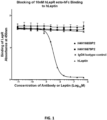
- a bioassay was developed to detect the transcriptional activation of STAT3 via LEPR activation using a reporter cell line that stably expresses full-length human LEPR (hLEPR; amino acids 1 through 1165 of accession number NP_002294.2) along with a luciferase reporter (STAT3-Luc; Qiagen, # CLS-6028L) in an IMR-32 cell line, a human neuroblastoma cell line.
- hLEPR full-length human LEPR
- STAT3-Luc luciferase reporter
- the resulting bioassay was used to measure the effect of anti-LEPR antibodies of the invention on LEPR signaling in the presence or absence of Leptin.
- IMR-32/STAT3-Luc/hLEPR cells were plated at the density of 20,000 cells/100ul/well for 96well format in the complete medium, and the following day replaced with the appropriate volume of Opti-MEM medium supplemented with 1% BSA and 0.1% FBS (Assay Buffer) for 30 minutes.
- the anti-LEPR antibodies or an isotype control antibody and human Leptin were half-log serially diluted to final concentrations ranging from 100nM to 300fM in Assay Buffer, which were added to the cells and subsequently incubated overnight at 37°C in 5% CO2.
- LEPR mutants have been identified that exhibit defective or impaired leptin-mediated signaling and are associated with early-onset obesity.
- LEPR-A409E is a signaling-defective mutant LEPR protein that does not transduce leptin signals to STAT3; the A409E mutant was originally identified as a monogenic cause of early onset obesity.
- LEPR-P316T is a signaling-impaired mutant LEPR protein that has also been shown to be associated with early-onset obesity. ( Mazen et al., 2011, Mol Genet Metab 102:461-464 ).
- Example 9 Octet cross-competition between different anti-LEPR monoclonal antibodies.
- Binding competition between a panel of different anti-LEPR monoclonal antibodies was determined using a real time, label-free bio-layer interferometry assay on the Octet HTX biosensor platform (Pall ForteBio Corp.). The entire experiment was performed at 25°C in buffer containing 10mM HEPES, 150mM NaCl, 3mM EDTA, and 0.05% v/v Surfactant Tween-20, 1mg/mL BSA, pH7.4 (HBS-EBT) with the plate shaking at the speed of 1000rpm.
- hLEPR.mmh C-terminal myc-myc-hexahistidine tag
- the antigen captured biosensor tips were then saturated with a first anti-LEPR monoclonal antibody (subsequently referred to as mAb-1) by dipping into wells containing 50 ⁇ g/mL solution of mAb-1 for 210 seconds.
- the biosensor tips were then subsequently dipped into wells containing a 50 ⁇ g/mL solution of a second anti-LEPR monoclonal antibody (subsequently referred to as mAb-2) for 150 seconds.
- the biosensor tips were washed in HBS-EBT buffer in between every step of the experiment. The real-time binding response was monitored during the entire course of the experiment and the binding response at the end of every step was recorded.
- Example 10 In vivo efficacy of LEPR agonist antibodies H4H16650P2, H4H16679P2, H4H17319P2 and H4H17321P2 in an inducible mouse model of Leptin deficiency.
- Baseline daily food intake was measured between 7 and 4 days prior to administration of the Leptin trap (days -7 and -4). On day 0, thirty-five 13- to 17- week old male LEPR Hu / Hu mice were successfully subjected to HDD with the Leptin trap. On days 6 and 13 post HDD, retro-orbital bleeds were collected and body composition including adiposity was quantified by ⁇ CT. On day 7 post HDD, mice were randomized into five groups of 7 mice based on percent body weight change from day 0.
- the isotype control antibody did not bind any known mouse protein.
- Food intake and body weight were measured for each animal for the duration of the study.
- Figure 3 summarizes the average daily food intake for each treatment group.
- the dotted line represents the average baseline food intake prior to HDD injection.
- the percent change in body weight from day 0 was calculated for each animal at each time point.
- Figure 4 summarizes the average percent change in body weight for animals in each antibody treatment group.
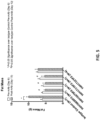
- Figure 5 summarizes the average fat mass for animals in each antibody treatment group quantified by ⁇ CT 1 day prior to and 6 days following antibody treatment. All results are expressed as mean ⁇ SEM.
- mice treated with antibodies H4H16650P2 or H4H16679P2 at 3 mg/kg exhibited significant reductions in food intake starting at one day after antibody treatment (day 8 post HDD) and at subsequent time points measured as compared to mice injected with the isotype control antibody.
- mice treated with antibodies H4H17319P2 or H4H17321P2 at 3 mg/kg exhibited a significant reduction in food intake at two days post antibody treatment (day 9 post HDD) and at the other subsequent time points measured as compared to mice injected with isotype control antibody.
- mice treated with antibody H4H16650P2 at 3 mg/kg exhibited a significant reduction in percent body weight change one day after antibody treatment (day 8 post HDD) and at other subsequent time points measured as compared to mice injected with isotype control antibody.
- mice treated with the isotype control showed a 21.16 ⁇ 1.27% increase in body weight from day 0, whereas mice treated with H4H16650P2 had a 15.57 ⁇ 0.9% increase in body weight from day 0.
- mice treated with antibodies H4H16679P2, H4H17319P2 or H4H17321P2 at 3 mg/kg exhibited a significant reduction in percent body weight change two days after antibody treatment (day 9 post HDD) and at other subsequent time points measured as compared to mice injected with isotype control antibody.
- the % body weight changes from day 0 were 23.18 ⁇ 1.22, 13.17 ⁇ 1.05, 12.95 ⁇ 1.26, 15.98 ⁇ 1.78 and 15.83 ⁇ 2.01 for mice treated with isotype control, H4H16650P2, H4H16679P2, H4H17319P2, or H4H17321P2, respectively.
- mice treated with isotype control antibody at 3 mg/kg demonstrated a significant increase in fat mass 6 days after antibody treatment (day 13 post HDD) as compared to 1 day prior to antibody treatment (day 6 post HDD).
- Mice treated with antibodies H4H16650P2, H4H16679P2, H4H17319P2, or H4H17321P2 at 3 mg/kg did not gain adipose mass after antibody treatment as compared to pre-antibody treatment.
- mice treated with antibodies H4H16650P2, H4H16679P2 or H4H17319P2 at 3 mg/kg demonstrated significant decreases in fat mass as compared to mice treated with isotype control antibody at 3 mg/kg.
- Example 11 Epitope mapping of H4H16650P2 binding to human leptin receptor (hLEPR.mmh) by hydrogen deuterium exchange.
- H/D exchange epitope mapping with mass spectrometry was carried out.
- a general description of the H/D exchange method is set forth in, e.g., Ehring (1999) Analytical Biochemistry 267(2):252-259 ; and Engen and Smith (2001) Anal. Chem. 73:256A-265A .
- HDX-MS experiments were performed on an integrated Waters HDX/MS platform, consisting of a Leaptec HDX PAL system for the deuterium labeling, a Waters Acquity M-Class (Auxiliary solvent manager) for the sample digestion and loading, a Waters Acquity M-Class ( ⁇ Binary solvent manager) for the analytical column gradient, and Synapt G2-Si mass spectrometer for peptic peptide mass measurement.
- the labeling solution was prepared in 10 mM PBS buffer in D2O at pD 7.0 (equivalent to pH 6.6).
- pD 7.0 Equivalent to pH 6.6
- the digested peptides were trapped onto an ACQUITY UPLC BEH C18 1.7- ⁇ m, 2.1 ⁇ 5 mm VanGuard pre-column at 0°C and eluted to an analytical column ACQUITY UPLC BEH C18 1.7- ⁇ m, 1.0 ⁇ 50 mm for a 9-minute gradient separation of 5%-40% B (mobile phase A: 0.1% formic acid in water, mobile phase B: 0.1% formic acid in acetonitrile).
- the mass spectrometer was set at cone voltage of 37 V, scan time of 0.5 s, and mass/charge range of 50-1700 Th.
- LC-MSE data from undeuterated sample were processed and searched against the database including human LEPR, pepsin, and their randomized sequences via Waters ProteinLynx Global Server (PLGS) software.
- the identified peptides were imported to DynamX software and filtered by two criteria: 1) minimum products per amino acid: 0.2, and 2) replication file threshold: 3.
- DynamX software then automatically determined deuterium uptake of each peptide based on retention time and high mass accuracy ( ⁇ 10ppm) across multiple time points with 3 replicates at each time.
- Example 12 In vivo efficacy testing of LEPR potentiator antibodies in humanized LEPR mice.
- mice treated with H4H18482P2 at 30 mg/kg exhibited significant decreases in percent body weight change starting two days after treatment (day 2), and at the other time points compared to mice injected with an isotype control antibody.
- mice treated with H4H18487P2 at 30 mg/kg exhibited significant decreases in percent body weight change starting at day 2 and at the other time points compared to mice injected with isotype control antibody.
- mice treated with H4H18492P2 at 30 mg/kg exhibited a significant reduction in percent body weight change on days 4, 5 and 17 but not at other time points compared to mice injected with isotype control antibody.
- Mice treated with H4H18482P2 at 30 mg/kg exhibited a significant decrease in percent body weight change starting at day 6 and on subsequent days but not days 7, 14 and 17, compared to mice injected with H4H18492P2.
- Mice treated with H4H18487P2 at 30 mg/kg exhibited a significant decrease in percent body weight change starting at day 3 and at the other time points, but not days 4 and 5, compared to mice injected with H4H18492P2.
- mice treated with antibodies H4H18482 and H4H18487, but not H4H18492, at 30 mg/kg showed a statistically significant decrease in fat mass 17 days after treatment (day 12) as compared to the isotype control antibody.
- IMR-32 cells human Neuroblastoma ATCC
- MfLEPR human Neuroblastoma ATCC
- hLEPR amino acids 840 through 1165 of accession number NP_002294.2
- STAT3-Luc luciferase reporter
- the bioassay was performed to measure the effect of anti-LEPR antibodies of the invention on monkey LEPR signaling in the absence of Leptin.
- IMR-32/STAT3-Luc/MfLEPR cells were plated at 10,000 cells/well in a 96-well plate in 0.1% FBS in Optimem with penicillin/streptomycin (assay buffer) and incubated overnight at 37°C in 5% CO 2 .
- human leptin (hLeptin) anti-LEPR antibodies or an isotype control antibody were serially diluted from 50nM to 0.8pM in the assay buffer (plus a sample containing buffer alone without test molecule) and added to the cells.
- luciferase activity was measured with OneGlo TM reagent (Promega, # E6031) and Victor TM X multilabel plate reader (Perkin Elmer). The results were analyzed using nonlinear regression (4-parameter logistics) with Prism TM 6 software (GraphPad) to obtain EC 50 values. Percentage of activation of antibodies was calculated as the maximum range of RLU achieved by the antibody relative to that of maximum range of RLU achieved by hLeptin.
- Table 17 Activation of Macaca fascicularis LEPR by anti-LEPR antibodies Leptin or Antibody EC 50 (M) % Activation Human Leptin 3.33E-11 100 H4H16650P2 2.66E-10 82 H4H16679P2 2.49E-10 80 H4H17319P2 3.65E-10 76 H4H17321P2 3.68E-10 78 Isotype control antibody No Activation No Activation
- Example 14 Epitope binding to the full-length extracellular domain of human LEPR using Luminex MFI signal
- Luminex FLEXMAP FM3DD, LuminexCorp
- flow cytometry based analysis was utilized to characterize the interaction of anti-LEPR antibodies with recombinant human LEPR protein domains.
- approximately 3 million carboxylated Microplex R microspheres Luminex, Cat# LC1000A
- microspheres were resuspended in 120 ⁇ L of activation buffer and the carboxylate groups (-COOH) were activated by addition of 15 ⁇ L of 50 mg/mL of N-hydroxysuccinimide (NHS, Thermo Scientific, Cat# 24500) followed by addition of 15 ⁇ L of 50 mg/mL of 1-ethyl-3-[3-dimethylaminopropyl]carbodiimide (EDC, ThermoScientific, Cat# 22980) at 25°C.
- NHS N-hydroxysuccinimide
- EDC 1-ethyl-3-[3-dimethylaminopropyl]carbodiimide
- the pH of the reaction was reduced to 5.0 with the addition of 600 ⁇ L of 50 mM MES, pH 5 (coupling buffer), and the microspheres were vortexed, and centrifuged to remove supernatant.
- the activated beads were immediately mixed with 500 ⁇ L of 20 ⁇ g/mL monoclonal anti-myc antibodies with either a mouse IgG or a human IgG, in coupling buffer and incubated for two hours at 25°C.
- the coupling reaction was quenched by addition of 50 ⁇ L of 1M Tris-HCl, pH 8.0 and the microspheres were rapidly vortexed, centrifuged, and washed four times with 1 mL of DPBS, to remove uncoupled proteins and other reaction components.
- the transiently expressed LEPR proteins including human LEPR extracellular domain expressed with a C-terminal myc-myc hexahistidine tag (human LEPR-MMH, SEQ ID NO: 113), human LEPR CRH1 (D1) expressed with a C-terminal myc-myc hexahistidine tag (human LEPR CRH1 (D1)-MMH, amino acids 1-208 of SEQ ID NO: 113 with a myc-myc hexahistidine tag, amino acids 209-236), human LEPR CRH1 (D1,D2) domain expressed with a C-terminal myc-myc hexahistidine tag (human LEPR CRH1 (D1,D2)-MMH, amino acids 1-318 of SEQ ID NO: 113 with a myc-myc hexahistidine tag, amino acids 319-346), human LEPR CRH1-Ig (D1,D2,D3) domain expressed with a C-terminal myc-myc
- microspheres were plated per well on a 96 well filter plate (Millipore, Cat. No: MSBVN1250) and mixed with 25 ⁇ L of individual anti- human LEPR monoclonal antibodies (0.5 or 5 ⁇ g/mL), incubated for two hours at 25°C and then washed twice with 200 ⁇ L of DPBS with 0.05% Tween 20 (washing buffer).
- Luminex MFI signal intensities indicate that the twelve anti-LEPR antibodies of the invention bound to the complete human LEPR extracellular domain.
- Anti-LEPR antibodies H4H18417P2, H4H18438P2, and H4H18492P2 bound to epitopes within the CRH1 D2 domain of human LEPR.
- Anti-LEPR antibodies H4H18449P2, H4H16650P and H4H16679P bound to epitopes within the CRH1(D1-2) domain of human LEPR.
- Anti-LEPR antibody Comparator monoclonal antibody bound to epitopes within the CRH2 domain of human LEPR.
- Anti-LEPR antibody H4H18445P2 bound to epitopes within the FNIII domain of human LEPR.
- Bright field images were obtained by whole slide scanning with a 40x objective on a Scanscope XT (Aperio). Sections were matched by tissue comparison with the Franklin and Paxinos mouse brain atlas. Neuroanatomical areas and distance from bregma were approximated based on this atlas. The number of pSTAT3 (Y705) immunoreactive cells was quantified bilaterally for a given area at the rostro-caudal level indicated using Halo software (Indica Labs).
- H4H17319P2 leptin deficiency was induced in chow-fed male and female Lepr hu / hu mice by HDD of mLeprECD.
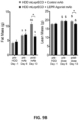
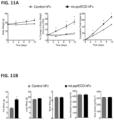
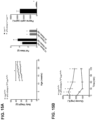
- expression of the mLeprECD promoted rapid body weight gain in both genders of Lepr hu / hu mice ( Figure 9A and 12A ).
- Seven days post-HDD Lepr hu / hu mice were stratified based on relative percent change in body weight and administered a single 10 mg/kg SC dose of control or H4H17319P2.
- control mAb Both male and female mice administered control monoclonal antibody (hereinafter, control mAb), continued to gain body weight with a 40.5 ⁇ 2.7% and 44.1 ⁇ 4.7% increase in body weight, respectively, 14 days after HDD ( Figure 9A and 11A ).
- mice treated with a single dose of the LEPR agonist monoclonal antibody lost body weight and returned to their initial body weights prior to HDD ( Figures 9A and 11A ). Since H4H17319P2 binds human but not mouse LEPR, the possibility that the improvements in body weight are secondary to the LEPR mAb interfering with the ability of mLeprECD to sequester leptin can be excluded. The loss of body weight was associated with reduced food intake ( Figure 9A and 11A ).
- mice treated with H4H17319P2 showed a significant drop in food intake when compared to the control monoclonal antibody group ( Figure 9A and 11A ).
- the body weight and food intake lowering effects observed with the single dose of H4H17319P2 eventually waned.
- Food intake remained significantly lower in male and female mice treated with H4H17319P2 than control monoclonal antibody-administered mice until 12 and 9 days post-treatment (days 19 and 16), respectively ( Figure 9A and 11A ).
- Body weights of male and female mice treated with H4H17319P2 remained similar to their baseline body weights till 16 and 13 days post-treatment (days 23 and 20), after which a weight gain occurred ( Figure 9A and 11A ).
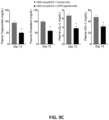
- H4H17319P2 was assessed for its ability to alter circulating lipids in induced leptin deficient mice.
- Plasma chemistry analyses revealed that H4H17319P2 lowers circulating plasma triglycerides and total cholesterol, including HDL-cholesterol (HDL-C) and LDL-cholesterol (LDL-C) as compared to control monoclonal antibody-dosed male mice after 6 days of treatment ( Figure 9C ).
- HDL-C HDL-cholesterol
- LDL-cholesterol LDL-cholesterol
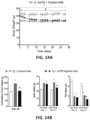
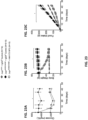
- mice administered control monoclonal antibody continued to consume more food and gain weight, while H4H17319P2-treated mice reduced their food intake and lost body weight ( Figure 13A ).
- Pair-feeding also promoted weight loss in Lepr hu / hu mice expressing mLeprECD.
- pair-fed mice consumed the same amount of food as H4H17319P2-treated mice but did not show the same degree of body weight loss ( Figure 13A ). Consistent with these data, adiposity was decreased in pair-fed mice when compared to mice administered control monoclonal antibody but was significantly greater than the adiposity in mice treated with H4H17319P2 ( Figure 13B ).
- Leptin also improves insulin sensitivity in leptin deficient ob/ob mice (Muzzin et al., 1996; Pelleymounter et al., 1995).
- H4H17319P2 treatment and pair-feeding on insulin sensitivity was determined following induced leptin deficiency.
- Insulin tolerance tests were conducted three days after monoclonal antibody dosing or pair-feeding.
- control monoclonal antibody administered Lepr hu / hu mice expressing mLeprECD show reduced insulin sensitivity as compared to Lepr hu / hu mice subjected to HDD with a control vector.
- treatment with H4H17319P2 restored insulin sensitivity while pair-feeding had no effect in induced leptin deficient Lepr hu / hu mice ( Figure 13C ).
- H4H17319P2 in lowering circulating lipids primarily by decreasing food intake was ascertained. While H4H17319P2 but not pair-feeding significantly lowered plasma triglycerides in leptin deficiency, both H4H17319P2 and pair feeding reduced total plasma cholesterol and HDL-C ( Figure 13D ).
- H4H17319P2 not only reverses hyperphagia and obesity but also ameliorates insulin resistance.
- reductions in food intake contribute to the body weight and adiposity lowering observed with H4H17319P2
- decreased food intake is not sufficient to improve insulin sensitivity or lower plasma triglyceride levels.
- Example 16 H4H17319P2 Reverses Hyperglycemia, Insulin Resistance, Dyslipidemia and Hepatic Steatosis in Lipodystrophic Mice
- H4H17319P2 was tested to determine if it would mitigate hyperphagia, metabolic dysfunction and liver steatosis in mice with secondary hypoleptinemia due to generalized lipodystrophy.
- aP2-nSrebp1c Tg / + mice which develop phenotypic features characteristic of generalized lipodystrophy (Shimomura et al., 1998), were crossed with Lepr hu / hu mice.
- aP2-nSrebp1c Tg /+ mice express nuclear Srebp1c in adipose tissue through the aP2 promoter and were used in the classic experiment that provided the first evidence that leptin resolves the metabolic complications due to low leptin levels in generalized lipodystrophy (Shimomura et al., 1999).
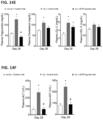
- Tg mice display reduced adiposity and lower leptin levels as compared to nonTg mice ( Figure 15A ).
- a P2-nSrebp1c Tg /+ ;Lepr hu / hu mice also exhibit marked insulin resistance and mild dyslipidemia with increased plasma levels of triglycerides, total cholesterol and LDL-C relative to nonTg mice ( Figure 15B and 15C ).
- H4H17319P2 Plasma chemistry analyses conducted at the end of the study (day 28), further unveiled that H4H17319P2 reduced hypertriglyceridemia and hypercholesterolemia in mice with generalized lipodystrophy.
- plasma levels of triglycerides, total cholesterol and LDL-C levels were significantly elevated in Tg mice that received control monoclonal antibody compared to nonTg mice that also received control monoclonal antibody (Figure 1E).
- plasma triglyceride and cholesterol levels were significantly lower in Tg mice treated with H4H17319P2.
- H4H17319P2 improves dyslipidemia in mice with generalized lipodystrophy.
- Magnetic resonance imaging has shown to be an effective means to measure fat content in a variety of tissues, including liver (Aijluni, 2017) and muscle (Burakiewicz, 2017) by imaging of whole organs using dedicated pulse sequences, or by spectroscopy in a limited volume of tissue.
- MRI Magnetic resonance imaging
- the fat fraction in muscle can also be evaluated by quantitative MRI, as shown by multiple muscular dystrophy studies, where spectroscopy and pulse sequences allowing anatomical imaging and fat fraction estimations have shown promise in evaluating disease progression (Burakiewicz, 2017).
- a subject must meet all of the following criteria at screening (except for BMI and leptin eligibility, which are determined at prescreening) to be eligible for inclusion in Part B of the study:
- Enrollment of subjects in block 2 will begin only after both subjects in block 1 have safely completed at least 24-hours safety assessments, the safety data has been reviewed by the investigator and by the sponsor medical monitor, and agreement by the investigator and by the sponsor medical monitor that enrollment of subjects in block 2 can begin. All subjects in block 2 may be dosed on the same day.
- the optional cohorts will enroll if PK variability is larger than expected and additional subjects are required to examine the role of specific covariates such as age, weight, gender:
- Dose Escalation The Safety/Dose Escalation Team will include the investigator, medical/study director, study biostatistician, and risk management lead. Investigator(s), and other study site personnel, the sponsor study team including medical monitor, will also be blinded to the treatment administered. There may be unblinded individuals with the sponsor but these unblinded individuals will not be part of the sponsor's study team.
- Dose escalation to cohort 2 (1 mg/kg) may proceed once all subjects in the previous cohort have completed day 8 safety assessments and the blinded safety data have been reviewed at a Safety/Dose Escalation Team meeting.
- Dose escalation to cohort 3 (3 mg/kg IV) and cohort 4 (300 mg SC) may proceed once all subjects in the previous cohort have completed day 8 safety assessments and the blinded safety data have been reviewed at a Safety/Dose Escalation Team meeting. Dosing in cohort 4 can occur in parallel with dosing in cohort 3.
- a nominal dose of 30 mg/kg IV has been assigned to cohort 7 but a lower dose may be administered, depending upon emerging PK data.
- a lower dose Prior to dose escalation to 30 mg/kg IV, all subjects in cohort 5 will have completed day 8 safety assessments and the blinded safety data reviewed at a Safety/Dose Escalation Team meeting. Timing of safety/dose escalation decisions may be modified and additional safety data collected if pharmacodynamic effects on body weight are greater than expected.
- the observation period will be extended to day 15 before any dose escalation decisions will be made; if body weight is further reduced to >5% over 2 weeks in at least 3 out of the 6 subjects, the observation period will be extended to 4 weeks before deciding on dose escalation.
- Part A This is a phase I randomized, double-blind, placebo-controlled 2-part study of the safety, tolerability, PK and pharmacodynamics (PD) of single and repeated doses of H4H17319P2 in healthy participants.
- Part A healthy lean or overweight subjects will be enrolled to evaluate the safety, tolerability, PK, and PD of single ascending intravenous (IV) and subcutaneous (SC) doses.
- Interim PK and safety information from Part A will be used to select the dose level, frequency, and mode of administration (IV or SC) for Part B.
- up to 88 subjects will be randomized to up to 7 sequential ascending single dose (up to 5 IV and 2 SC) cohorts (cohorts 1, 2, 3, 4, 5, 6, 7) and 2 optional single dose cohorts (cohorts 8 and 9).
- the 7 sequential single dose cohorts will have 8 subjects randomized to receive H4H17319P2 or placebo (6 active: 2 placebo) in each dose level.
- the 2 additional optional single dose cohorts will have up to 16 subjects randomized to receive H4H17319P2 or placebo (12 active: 4 placebo).
- Up to 5 single IV dose levels (0.3, 1.0, 3, 10, and 30 mg/kg) and 2 SC doses (300 and 600 mg) will be evaluated in a single ascending fashion.
- Optional cohorts Cohorts 8 and 9 will be enrolled if larger than expected PK variability is observed among subjects and additional subjects are needed to understand the effects of specific co-variates on PK profiles. Subjects in specific subgroups within the population defined by the inclusion/exclusion criteria, such as pre-specified number of males, females, age ranges, body weight or specific BMI cut points may be enrolled. A nominal dose of 30 mg/kg IV has been assigned to cohorts 8 and 9 but a lower dose may be administered, depending upon emerging PK data. Each of cohort 8 and 9 will enroll 16 subjects (4 assigned to receive placebo and 12 to receive H4H17319P2).
- the Part A study design consists of a screening period (days -21 to -2), a pre-baseline visit (day -1) where subjects will be admitted for an in-clinic stay with 2 overnight stays (for subjects receiving IV and for subjects receiving SC doses who are in the safety-sentinel block) or a 1-day clinic stay (for other subjects who receive SC dosing), a follow-up period (day 3 to day 113) and an end-of study visit (day 113).
- safety assessments include vital signs, body weight, physical examination, ECGs, laboratory tests, and monitoring of AE, PK measures, and various PD assessments.
- Part B up to 81 subjects with BMI 25-40 kg/m 2 will be enrolled into 4 cohorts (up to approximately 20 per cohort) defined by baseline leptin levels and randomized (3:1 or 6:1 H4H17319P2 vs placebo depending upon cohort assignment) into a placebo-controlled, double-blind, 12-week repeated dose study.
- the selection of dose, the dosing interval, and mode of administration (IV vs SC) will be based upon the safety, PK and if available, PK/PD, data from Part A.
- the PK profiles of H4H17319P2 from Part A will be used to predict concentrations in serum following repeated administration.
- the study consists of a prescreening period (days -60 to -14), a screening period (days - 32 to -14), a baseline period (day -29 to -1) to obtain baseline measurements of body weight, body composition by DXA and MRI, and an in- clinic stay to collect baseline measurements of fasting leptin, body weight, appetite assessments, and ad lib food intake assessment.
- Subjects will be admitted for a 2-day in-clinic stay on day -1.
- subjects will receive the first dose of study drug or placebo, have serial blood sampling for pharmacokinetic measurements, and stay overnight for 24-hour PK sampling on day 2 when they will be discharged.
- Study drug may be administered every 4 weeks or every 2 weeks, but will be administered no more frequently than once every week during the treatment period (dose frequency will be determined by the interim analysis of the PK data from Part A).
- Visits during the treatment period will occur up to every week to collect precise and repeated measurements of body weight, and serum metabolic parameters (glucose, insulin, HOMA-IR, lipids).
- follow-up assessments of appetite and ad lib food intake will be conducted during in-clinic stays at week 4 and at the end of the treatment period (12 weeks). Subjects will also complete a daily appetite questionnaire during the baseline, treatment, and follow-up periods.
- follow-up assessments of DXA and MRI imaging will also be performed. After the treatment period, subjects will be followed for a 16-week off drug period.
- safety assessments will include vital signs, physical examination, ECGs, laboratory tests, and monitoring of AEs. Drug concentration, target engagement markers (sLEPR), and exploratory biomarkers will also be measured throughout study.
- the duration of Part A of the study for a subject is approximately 19 weeks, including the screening period.
- the duration of Part B of the study for a subject is approximately 35 weeks including the prescreening/screening/baseline period.
- the end of study is defined as the last visit of the last subject in Part B.
- H4H17319P2 will be supplied as a lyophilized powder in a sterile, single-use 20 mL glass vial for either IV or SC administration. Placebo matching H4H17319P2 is prepared in the same formulation without the addition of protein.
- single doses will be administered IV and SC.
- the selection of dose, the dosing interval, and mode of administration will be based upon the safety, PK and if available, PK/PD, data from Part A.
- Safety will be assessed by monitoring/evaluation of TEAEs, vital signs, physical examinations, electrocardiograms (ECGs), and laboratory tests.
- ECGs electrocardiograms
- To assess pharmacokinetics, dense and sparse samples will be collected for measurement of H4H17319P2 concentration in serum at pre-specified time points.
- Pharmacodynamics will be assessed by measuring body weight and waist circumference, food intake and appetite assessments, and body composition using DXA and MRI.
- DXA scans efforts should be made to maintain consistent hydration, consistent intake of meals, consistent intake of caffeine, consistent activity (no strenuous activities 24 hours before scans), consistent clothing, and consistent subject positioning on the DXA table for scans throughout the study. Also, the DXA scans should be obtained at the same general time of day for any given subject throughout the study.
- H4H17319P2 treatment will be used to restore LEPR signaling in congenital leptin deficiency and improve hyperphagia, weight gain, and metabolic complications of this condition.
- Table 20 Schedule of Treatments, Assessments, and Sample Collections Day REGN4461 Administration Serum Sample Collection for PK Analysis Serum Sample Collection for ADA Analysis Body Weight Sample Collection for Metabolic Parameters ⁇ Shipments of Serum Samples to Sponsor 1 5 mg/kg IV X (pre-dose) and X (1-hour post-dose) X (pre-dose) X X 2 3 4 250 mg SC X (pre-dose) X X 5 X 6 7 X 8 9 X 10 11 250 mg SC X (pre-dose) X X X 12 13 X 14 X 15 16 X 17 18 250 mg SC X (pre-dose) X X 19 20 21 22 23 24 25 250 mg SC X (pre-dose) X X 53 250 mg SC X (pre-dose) X X 81 250 mg SC X (pre-dose) X X 109 250 mg SC X (pre-dose) X (pre-dose) X X 137 250 mg SC X (pre-dose) X
- the volume of reconstituted H4H17319P2 to be added to the IV bag for a dose of 5 mg/kg is listed below in Table 21.
- Table 21 Amounts of 50 mg/mL H4H17319P2 to be Added to a 100 mL Saline-Containing IV Bag for a Dose of 5 mg/kg
- Patient Weight (kg) Volume of IP (ml) Volume of Saline to Remove from IV Bag (mL) Number of IP Vials 40 4.0 4.0 1 41 4.1 4.1 1 42 4.2 4.2 1 43 4.3 4.3 1 44 4.4 4.4 1 45 4.5 4.5 1 46 4.6 4.6 1 47 4.7 4.7 1 48 4.8 4.8 1 49 4.9 4.9 2 50 5.0 5.0 2 51 5.1 5.1 2 52 5.2 5.2 2 53 5.3 5.3 2 54 5.4 5.4 2 55 5.5 5.5 2 56 5.6 5.6 2 57 5.7 5.7 2 58 5.8 5.8 2 59 5.9 5.9 2 60 6.0 6.0 2 61
- Each vial of H4H17319P2 will be reconstituted with 4.9 mL of sterile water for injection.
- each vial of H4H17319P2 will contain 4.8 mL withdrawal volume.
- concentration in a vial of H4H17319P2 will be 50 mg/mL.
- Each vial of H4H17319P2 will be reconstituted with 1.4 mL of sterile water for injection. Once reconstituted, each vial will contain 1.2 mL withdrawable volume. When reconstituted for SC administration, the H4H17319P2 concentration is 150 mg/mL. Two vials of H4H17319P2 will be required for dosing.
- This dose requires 2 injections of H4H17319P2.
- One injection is 0.67 mL SC injection and the other is 1.0 mL SC injection.
- H4H17319P2 dosing may resume.
- a decision to temporarily discontinue H4H17319P2 and/or resume H4H17319P2 dosing should be discussed with the Sponsor representative.
- the treating physician may temporarily discontinue H4H17319P2 dosing at any time, even without consultation with the Sponsor representative if the urgency of the situation requires immediate action and if this is determined to be in the patient's best interest. However, the Sponsor representative should be contacted as soon as possible. Resumption of H4H17319P2 dosing should be discussed and agreed upon between the treating physician and the Sponsor representative.
- H4H17319P2 will restore LEPR signaling in the patient having congenital leptin deficiency and improve or reverse hyperphagia, weight gain, and/or metabolic complications of this condition in the patient.
- Metreleptin therapy was started at age 13 as a part of a clinical research protocol (ClinicalTrials.gov Identifier: NCT01679197) to treat high triglycerides and severe hepatic steatosis and she continued metreleptin for 12 months without any serious adverse events. Her metabolic parameters showed marginal improvement after metreleptin, however, her liver biopsy showed improvement. She continued metreleptin as a part of another study protocol (ClinicalTrials.gov Identifier: NCT02654977). However, during the 17 th month of treatment, the patient reported fatigue, being thirsty, blurred vision and polydipsia, and had lost 5 pounds in a month.
- liver function abnormalities The patient was then started on fenofibrate and sequentially on pioglitazone due to worsening lipid control (triglycerides >2,000 mg/dL).
- lipid control triglycerides >2,000 mg/dL.
- LFTs rose substantially to 10-fold elevated above normal.
- Liver biopsy showed patchy portal and periportal inflammation that included plasma cells and interface injury, consistent with autoimmune hepatitis.
- she was treated with prednisone for a period of three months, which helped resolve the liver function abnormalities.
- pancreatitis Both during and subsequent to the discontinuation of the prednisone, the patient suffered multiple episodes of acute pancreatitis due to hypertriglyceridemia (as high as 8,000 mg/dL) coupled with diabetic ketoacidosis. Due to metabolic complications stated above or pancreatitis the patient was admitted regularly to the hospital.
- the patient's elevated triglyceride levels (>500 mg/dL and as high as >2,000 mg/dL) requires plasma exchange therapy to prevent recurrent pancreatitis. She is also being treated with empagliflozin 10 mg daily in addition to insulin aspart, insulin glargine and metformin.
- IP investigational product
- H4H17319P2 H4H17319P2
- Anti-metreleptin antibodies with neutralizing activity have been identified in patients with generalized lipodystrophy treated with metreleptin.
- the consequences of these neutralizing antibodies are not well characterized but could include inhibition of endogenous leptin action and/or loss of metreleptin efficacy ( Chan, et al. Immunogenicity associated with Metreleptin treatment in patients with obesity or lipodystrophy. Clin Endocrinol. 2016;85(1):137-149 ).
- Severe infection and/or worsening metabolic control have been reported. Progressive metabolic worsening as well as the emergence of Type 1 diabetes was noted in this patient concurrent with the emergence of anti-metreleptin neutralizing antibodies, which have been persistent. It is unclear if the disease has progressed naturally or if the emergence of the antibody has played a role. Regardless, the patient's lipodystrophy cannot be adequately treated.
- H4H17319P2 as a potential treatment of the severe metabolic complications resulting from lipodystrophy in this patient with refractory hypertriglyceridemia leading to recurrent bouts of pancreatitis. Additionally, the safety and efficacy of H4H17319P2 in this patient will be assessed. The treatment period will depend on the extent of the response in this single patient, who is a seriously ill lipodystrophy patient with hypertriglyceridemia and recurrent pancreatitis, with the intention of evaluating whether H4H17319P2 may offer therapeutic benefit to improve the severe metabolic abnormalities.
- the protocol comprises a 2-week screening period and 3 open-label treatment periods: Treatment Period 1 (weeks 1-12), Treatment Period 2 (weeks 13-24) and a Treatment Extension Period (weeks 25-52).
- Treatment Period 1 weeks 1-12
- Treatment Period 2 weeks 13-24
- Treatment Extension Period weeks 25-52
- the patient will be assessed for eligibility and instructed to complete a hunger questionnaire on at least 3 separate days in order to enhance the understanding of hunger symptoms associated with lipodystrophy and absence or deficiency of endogenous leptin resulting from the absence or lack of adipose tissue prior to treatment with H4H17319P2.
- obtaining hunger scores during Screening will allow for the collection of important patient specific details that will allow for a better understanding of hunger symptoms in this disorder.
- Treatment Period 1 the patient will receive the initial dosing regimen of H4H17319P2.
- an assessment of efficacy (TG lowering) and H4H17319P2 drug levels (PK) will be performed to determine the H4H17319P2 dosing regimen for Treatment Period 2.
- the dose level and dosing frequency in Treatment Period 2 will not exceed that of Treatment Period 1.
- an assessment of efficacy (TG lowering) and H4H17319P2 drug levels (PK) will be performed to determine the patient's eligibility to continue to the Treatment Extension Period.
- TG Fasting triglyceride
- this patient will be eligible to continue plasmapheresis treatment as necessary in the judgement of the treating physician.
- Fasting TG levels to determine if a therapeutic response to H4H17319P2 treatment has been achieved should be measured at a time at least 1 week after the most recent plasmapheresis treatment.
- H4H17319P2 will be supplied as a lyophilized powder in a sterile, single-use 20 mL glass vial for either IV or SC administration. Each vial contains 265 mg H4H17319P2, which will be reconstituted with sterile water for injection for IV administration and SC administration.
- Example 20 Based on data from the first part of an ongoing 2-part study in 56 healthy subjects (Example 20), the dose regimen described is anticipated to be generally well tolerated. H4H17319P2 was well-tolerated in healthy adult volunteers in Example 20 when administered as single doses of 0.3 to 30 mg/kg IV and 300 and 600 mg SC. A maximal concentration in serum of 1035 mg/L was observed at a 30 mg/kg IV dose, which is greater than six times the maximum exposure predicted to be attained in this patient over the course of the study.
- predicted area under the concentration- time curve (AUC) over a 1-week dosing interval at steady-state is expected to be almost twenty-seven times less than the AUC at steady state over the same dosing interval (at the no observed adverse effect level [NOAEL]) estimated from a pharmacokinetic model derived from 3 preclinical toxicology studies in cynomolgus monkeys.
- the initial dose of 5 mg/kg IV load plus 300 mg weekly SC maintenance is expected to be tolerable, and has been chosen to quickly achieve a serum concentration of H4H17319P2 that saturates peripheral receptors and thereby provides sustained pharmacological effects. It is possible that a lower dose level or less frequent dosing might be equally efficacious. Therefore, the dose level and dosing frequency may be adjusted downward after planned interim efficacy and drug level assessments. Additionally, as plasmapheresis can remove antibodies including H4H17319P2 from the circulation, it may be necessary to adjust dosing after plasmapheresis to ensure efficacious H4H17319P2 levels.
- Interim efficacy and drug level assessments will be performed after 12 weeks and 24 weeks of the protocol to assess whether the dosing regimen selected achieved the expected drug levels and PK profiles and effects on lipid parameters.
- the dose level and dosing frequency may be adjusted as needed after the efficacy and drug level assessments.
- the data review committee will comprise (1) an experienced lipodystrophy specialist (2) the patient's pediatric intensive unit physician (3) one of the subspecialists involved in her care (either pediatric GI or hepatology), and (4) representative(s) from the Sponsor familiar with H4H17319P2 exposure-response relationships in preclinical and clinical studies.
- the total protocol duration is anticipated to be approximately 54 weeks, including the screening period.
- the patient's participation in this protocol will consist of the following periods: screening period, treatment period 1 [expected to be 12 weeks in duration], treatment period 2 [expected to be 12 weeks in duration], and then if the patient is eligible, a long term, treatment extension period [28 weeks]. It is anticipated that if substantial metabolic improvement, with good safety and tolerability, is demonstrated over the treatment extension period, the patient may be offered the opportunity to enroll in a future, separate extension protocol, to allow for continued treatment. This future extension protocol will be submitted and approved by applicable regulatory authorities prior to dosing the patient beyond this protocol's duration.
- This protocol may be prematurely terminated, if in the opinion of the Principal Investigator or the Sponsor, there is sufficiently reasonable cause.
- the terminating party will provide written notification documenting the reason for protocol termination to either the Investigator or the Sponsor.
- dosing may continue through the week 52 end of treatment visit.
- H4H17319P2 will be administered to the patient by an experienced health care provider.
- H4H17319P2 may be administered at the clinical site or self-administered/administered by the patient or designated person, respectively. If the patient chooses to self-administer H4H17319P2 or have a designated person administer H4H17319P2, training on H4H17319P2 administration must be performed by qualified clinical site personnel, and the first occurrence of self-administration must be observed by same.
- a medication administration diary will be provided to the patient/designee prior to initiation of self-administration or administration by a designated person such as a parent or caregiver.
- the diary must be completed upon each drug administration.
- the patient and/or her caretakers will be required to maintain a diary to monitor compliance.
- the time of dosing will be recorded in the patient diary. If a patient does not receive the entire dose of drug, the amount administered will be recorded. The reason(s) for the adjusted dose should be recorded in source documents and the CRF.
- the general goal of this protocol is to allow the patient with this ultra-rare condition to participate in the protocol. Therefore, the patient will be allowed chronic concomitant medications (e.g., as described below) while participating in the protocol.
- chronic concomitant medications e.g., as described below
- Medications that could impact the efficacy assessments during the protocol duration are prohibited, such as the addition of new lipid lowering therapies or any addition of new diabetes medicines, unless deemed essential by her treating physician.
- Anorectic agents or drugs with anorexia as a non-rare side effect are prohibited for the duration of the protocol.
- the patient Upon providing informed consent, the patient will enter the Screening Period. During the Screening Period, the patient will be assessed for eligibility and instructed to complete a hunger questionnaire on 3 separate days in order to enhance the understanding of hunger associated with lipodystrophy prior to treatment with H4H17319P2. During Screening, it is also critical that any additional medical history be obtained, including recent medical chart review, as necessary.
- Data to be recorded in the source document and CRF include the patient's gender, race, date of birth, and concomitant medication use.
- Recent medical history will be obtained on Day 1 prior to first dose of drug to assess continued protocol eligibility and adherence to final inclusion/exclusion criteria. This recent medical history includes a review for changes from screening as well as a review of the patient's recent medication use and to assess whether or not any changes have occurred since the previous visit.
- a complete physical examination will be performed to include review of peripheral lymph nodes, head, eyes (including conjunctiva), ears, nose, mouth and oropharynx, neck, heart, lungs, abdomen, musculoskeletal including back, extremities and neurologic. This patient will also be assessed with Tanner Staging; as she has not reached Tanner Stage V. This will be done according to the SOA.
- the investigator is aware that the doses of concomitant antidiabetic and lipid medications may require adjustment upon initiation of treatment as insulin resistance and hypertriglyceridemia improve.
- the patient will be carefully monitored during the period of adjustments to her concomitant medication(s).
- the Investigator should evaluate the need to adjust the dosages of lipid medications at each follow-up visit during treatment for patients who are on lipid medications for hypertriglyceridemia and will consider the need for plasmapheresis. If the drug treatment is discontinued for any reason, further adjustment of concomitant medications may be warranted, e.g., lipid lowering medication to mitigate the potential risk of pancreatitis.
- BP Blood pressure
- HR heart rate
- the patient should be instructed not to take protocol medication on protocol days when vital signs are to be measured in the clinic, but will take the medication at the clinic. This is particularly important during treatment period 1 visits, where blood pressure is monitored more intensively over the course of the post-dose period in the clinic, as according to the SOA.
- Body temperature (°C) and respiration rate (breaths/minute) will be obtained in the sitting position following at least 5 minutes of rest.
- Single 12-lead electrocardiograms will be performed following a period of at least 10 minutes of rest in the supine position.
- Clinical safety laboratory tests are to be performed by the local laboratory and patients are to be fasting for 8 hours. Safety laboratory tests are to be drawn prior to dosing.
- Injection sites will be carefully inspected, evaluated and scored during the protocol period.
- the injection site evaluation will include identification and measurement of areas of erythema, edema and induration, as well as the presence of localized pain, tenderness and itching.
- Blood samples for measurement of anti-drug antibodies will be collected prior to dosing, and then at the time-points identified in the SOA. If this patient demonstrates a positive ADA, she will be followed until resolution.
- PHQ-9 If at any time during the protocol an individual patient's PHQ-9 score is ⁇ 10, the patient should be referred to a MHP.
- the PHQ-9 will be implemented according to the SOA.
- C-SSRS Columbia-Suicide Severity Rating Scale
- the C-SSRS is a tool used not only to predict suicide attempts but also assesses the full range of evidence-based ideation and behavior items, with criteria for next steps (e.g., referral to mental health professionals(MHPs)).
- MHPs mental health professionals
- the Baseline/Screening version of the scale combines the Baseline and Screening forms to assess suicidality in a patient's lifetime and during a predefined time period. This version can assess a patient's lifetime suicidality for data collection purposes as well as eligibility based on inclusion/exclusion criteria.
- the Since Last Visit version of the scale assesses suicidality since the patient's last visit.
- This version is meant to assess patients who have completed at least one initial C-SSRS assessment, and should be used in every subsequent visit.
- the 'Since Last Visit' version of the C-SSRS is asking about any suicidal thoughts or behaviors the patient/participant may have had since the last time you have administered the C-SSRS.
- a patient has a suicidal ideation of type 4 or 5, or any suicidal behavior, the patient should be referred to a MHP.
- the patient After the Screening Period in which confirmation of patient eligibility is determined, the patient will enter the Treatment Period 1. In this phase, the first dose of H4H17319P2 will be administered IV on Protocol Day 1. The first subcutaneous (SC) dose administration will occur on protocol day 5. The patient will return to the clinic every week for her dose administration. Laboratory and testing assessments are as described in Figure 20 .
- the patient will be required to fast overnight on the day preceding all visits, beginning with the screening Visit. She will be allowed to take her usual medications with a sip of water on the morning of each clinic visit.
- the Screening Period may be a minimum of 3 days and up to 2 weeks.
- the actual scheduling of clinic visits can allow flexibility in timing of visits.
- the goal will be for visits to occur within +/- 3 days. All data collected, even if outside of visit windows, will be included in analyses of endpoints.
- Adverse events will be recorded in the CRFs from Screening through the Final Protocol Visit. Adverse events that occur after the start of drug administration will be considered treatment emergent adverse events (TEAEs). SAEs will be recorded through the Final Protocol Visit. All adverse events should be monitored until they are resolved or are clearly determined to be due to a patient's stable or chronic condition or intercurrent illness(es).
- An adverse event is any untoward medical occurrence associated with the use of a drug in humans, whether or not considered drug related.
- An adverse event also referred to as an adverse experience
- An AE can be any unfavorable and unintended sign (e.g., an abnormal laboratory finding), symptom, or disease temporally associated with the use of a drug, without any judgment about causality.
- An AE can arise from any use of the drug (e.g., off-label use, use in combination with another drug) and from any route of administration, formulation, or dose, including an overdose.
- H4H17319P2 was well-tolerated in the first in human study. Drug-Related TEAEs (for which the adverse event was assessed as possibly or probably related to drug by the investigator) were reported. Because of the very limited clinical experience to date with H4H17319P2, there may be other unknown side effects. The PIs (or a covering clinician) will be available at all times to protocol participants in the event of a clinical emergency; both this availability and how to reach the investigators in an emergency will be clearly communicated orally and in writing to protocol participants. All protocol interventions will be provided free of cost.
- SAE serious
- AEs will be recorded in the source documents starting from Screening up to and including the Final Protocol Visit.
- SAEs and deaths will be recorded on the SAE CRFs starting from the time the ICF is signed and continuing through the Final Protocol Visit. All AEs should be monitored until they are resolved or are clearly determined to be due to a patient's stable or chronic condition or intercurrent illness(es).
- SAEs that occur during the course of the protocol must be reported by the investigator to the Medical Monitor within 24 hours from the point in time when the investigator becomes aware of the SAE. All SAEs must be reported whether or not considered causally related to the drug.
- SAE forms will be completed and the information collected will include patient number, a narrative description (which may include relevant history, concomitant medications, and relevant laboratory and diagnostic test results) of the event and an assessment by the investigator as to the severity of the event and relatedness to drug.
- Follow-up information on the SAE may be requested by the sponsor or its designee.
- the patient should be referred to a MHP if he/she has a PHQ-9 score greater than 10, any suicidal behavior, or any suicidal ideation of type 4 or 5 on the C-SSRS.
- a referral to a MHP should also be made if in the opinion of the Investigator it is necessary for the safety of the patient. If a patient's psychiatric disorder can be adequately treated with psycho- and/or pharmacotherapy, then the patient, at the discretion of the MHP, should be continued in the trial.
- CTCAE Intensity of all AEs including clinically significant treatment-emergent laboratory abnormalities, injection site reactions and potential systemic reactions will be graded according to the CTCAE Version 4.03.
- the CTCAE grade refers to the severity of the AE and ranges from Grade 1 (mild AE), Grade 2 (moderate AE), Grade 3 (severe AE) and Grade 4 (life-threatening or disabling AE) to Grade 5 (death related to AE).
- the protocol will be conducted in accordance with ethical principles founded in the Declaration of Helsinki.
- the IRB/IEC will review all appropriate protocol documentation in order to safeguard the rights, safety, and well-being of the patients.
- the protocol will only be conducted at sites where IRB/IEC approval has been obtained.
- the protocol, IB, informed consent, advertisements (if applicable), written information given to the patients (including diary cards), safety updates, annual progress reports, and any revisions to these documents will be provided to the IRB/IEC by the Investigator.
- leptin-deficient Lepr hu / hu Lep - / - mice were hyperglycemic when compared to control Lepr hu / hu mice.
- Leptin-deficient mice treated with H4H17319P2 at 10 mg/kg exhibited significant reductions in blood glucose levels starting 2 days after antibody treatment and at the other subsequent time points measured compared to leptin-deficient mice injected with isotype control (IgG4 P ) antibody.
- Leptin-deficient mice Lepr hu / hu Lep - / - that received Isotype control (IgG4 P ) antibody at 10 mg/kg remained hyperglycemic at all time points measured.
- leptin-deficient Lepr hu / hu Lep - / - mice were significantly heavier when compared to control Lepr hu / hu mice.
- Leptin-deficient mice treated with H4H17319P2 at 10 mg/kg exhibited significant reductions in body weight starting 15 days after antibody treatment and at the other subsequent time points measured compared to leptin-deficient mice injected with isotype control (IgG4 P ) antibody.
- Leptin-deficient mice Lepr hu / hu Lep - / - that received isotype control (IgG4 P ) antibody at 10mg/kg did not show reductions in body weight from baseline at all time points measured.
- leptin-deficient Lepr hu / hu Lep - / - mice exhibited a significant reduction in cumulative food intake at two days post-H4H17319P2 treatment and at the other subsequent time points measured compared to leptin deficient mice injected with isotype control (IgG4 P ) antibody.
- leptin-deficient Lepr hu / hu Lep - / - mice showed significantly increased amounts of fat mass, reduced lean mass and reduced bone mass when compared to Lepr hu / hu mice.
- leptin-deficient Lepr hu / hu Lep - / - mice treated with H4H17319P2 at 10 mg/kg exhibited a significant reduction in fat mass, and a gain in lean and bone mass compared to leptin deficient mice injected with isotype control (IgG4 P ) antibody.
- IgG4 P isotype control
- mice On day 0, twenty 24 to 28 week old male Lepr huA409E / huA409E mice were stratified to two groups based on body weight. Each group received via subcutaneous injection a once-weekly administration of isotype control (IgG4 P ) antibody at 5 mg/kg or H4H17319P2 at 5 mg/kg on days 0, 7, 14, 21, 28, 35, and 42. Eight 24 to 28 week old male Lepr hu / hu control mice received via subcutaneous injection a once-weekly administration of isotype control (IgG4 P ) antibody at 5 mg/kg on days 0, 7, 14, 21, 28, 35, and 42. On days -1 and 41, body composition was quantified by ⁇ CT.
- IgG4 P isotype control
- leptin receptor deficient Lepr huA409E / huA409E mice were hyperglycemic when compared to control Lepr hu / hu mice.
- Lepr huA409E / huA409E mice treated with H4H17319P2 at 5 mg/kg exhibited significant reductions in blood glucose levels starting at 7 days after antibody treatment and at the other subsequent time points measured compared to Lepr huA409E / huA409E mice injected with isotype control (IgG4 P ) antibody.
- leptin receptor deficient Lepr huA409E / huA409E mice were significantly heavier when compared to control Lepr hu / hu mice.
- Lepr huA409E / huA409E mice treated with H4H17319P2 at 5 mg/kg exhibited significant reductions in body weight starting at 13 days after antibody treatment and at the other subsequent time points measured compared to leptin receptor deficient mice injected with isotype control (IgG4 P ) antibody.
- Lepr huA409E / huA409E exhibited a significant reduction in cumulative food intake at 7 days post-H4H17319P2 treatment and at the other subsequent time points measured compared to leptin deficient mice injected with isotype control (IgG4 P ) antibody.
- Lepr huA409E / huA409E mice showed significantly increased adiposity, reduced lean mass and reduced bone mass when compared to Lepr hu / hu mice.
- Lepr huA409E / huA409E mice treated with H4H17319P2 at 5 mg/kg exhibited a significant reduction in fat mass, and a gain in lean and bone mass compared to Lepr huA409E / huA409E mice injected with isotype control (IgG4 P ) antibody.
- IgG4 P isotype control
Landscapes
- Health & Medical Sciences (AREA)
- Chemical & Material Sciences (AREA)
- Medicinal Chemistry (AREA)
- Life Sciences & Earth Sciences (AREA)
- General Health & Medical Sciences (AREA)
- Organic Chemistry (AREA)
- Veterinary Medicine (AREA)
- Public Health (AREA)
- Animal Behavior & Ethology (AREA)
- Pharmacology & Pharmacy (AREA)
- Engineering & Computer Science (AREA)
- Diabetes (AREA)
- Bioinformatics & Cheminformatics (AREA)
- Immunology (AREA)
- General Chemical & Material Sciences (AREA)
- Nuclear Medicine, Radiotherapy & Molecular Imaging (AREA)
- Chemical Kinetics & Catalysis (AREA)
- Obesity (AREA)
- Hematology (AREA)
- Endocrinology (AREA)
- Epidemiology (AREA)
- Biochemistry (AREA)
- Proteomics, Peptides & Aminoacids (AREA)
- Molecular Biology (AREA)
- Genetics & Genomics (AREA)
- Biophysics (AREA)
- Biomedical Technology (AREA)
- Neurology (AREA)
- Child & Adolescent Psychology (AREA)
- Dermatology (AREA)
- Emergency Medicine (AREA)
- Mycology (AREA)
- Microbiology (AREA)
- Reproductive Health (AREA)
- Medicines Containing Antibodies Or Antigens For Use As Internal Diagnostic Agents (AREA)
- Peptides Or Proteins (AREA)
- Medicines That Contain Protein Lipid Enzymes And Other Medicines (AREA)
- Medicinal Preparation (AREA)
- Acyclic And Carbocyclic Compounds In Medicinal Compositions (AREA)
- Pharmaceuticals Containing Other Organic And Inorganic Compounds (AREA)
Priority Applications (5)
| Application Number | Priority Date | Filing Date | Title |
|---|---|---|---|
| SM20250283T SMT202500283T1 (it) | 2018-04-06 | 2019-04-05 | Un anticorpo agonista del recettore della leptina da utilizzare per aumentare la massa ossea in un soggetto affetto da disfunzione metabolica o ipoleptinemia |
| SI201930946T SI3773713T1 (sl) | 2018-04-06 | 2019-04-05 | Protitelo, agonist leptinskega receptorja, za uporabo pri povečanju kostne mase pri osebi, ki trpi zaradi presnovne disfunkcije ali hipoleptinemije |
| RS20250819A RS67121B1 (sr) | 2018-04-06 | 2019-04-05 | Antitelo agonist leptinskog receptora za upotrebu u povećanju koštane mase kod osobe koja pati od metaboličke disfunkcije ili hipoleptinemije |
| HRP20250986TT HRP20250986T1 (hr) | 2018-04-06 | 2019-04-05 | Antitijelo agonista leptinskog receptora za upotrebu u povećanju koštane mase kod osobe koja pati od metaboličke disfunkcije ili hipoleptinemije |
| EP25181020.6A EP4596043A3 (en) | 2018-04-06 | 2019-04-05 | A leptin receptor agonist antibody for use in increasing bone mass in a subject suffering from metabolic dysfunction or hypoleptinemia |
Applications Claiming Priority (2)
| Application Number | Priority Date | Filing Date | Title |
|---|---|---|---|
| US201862653731P | 2018-04-06 | 2018-04-06 | |
| PCT/US2019/026173 WO2019195796A1 (en) | 2018-04-06 | 2019-04-05 | A leptin receptor agonist antibody for use in treating a metabolic dysfunction or hypoleptinemia |
Related Child Applications (2)
| Application Number | Title | Priority Date | Filing Date |
|---|---|---|---|
| EP25181020.6A Division EP4596043A3 (en) | 2018-04-06 | 2019-04-05 | A leptin receptor agonist antibody for use in increasing bone mass in a subject suffering from metabolic dysfunction or hypoleptinemia |
| EP25181020.6A Division-Into EP4596043A3 (en) | 2018-04-06 | 2019-04-05 | A leptin receptor agonist antibody for use in increasing bone mass in a subject suffering from metabolic dysfunction or hypoleptinemia |
Publications (2)
| Publication Number | Publication Date |
|---|---|
| EP3773713A1 EP3773713A1 (en) | 2021-02-17 |
| EP3773713B1 true EP3773713B1 (en) | 2025-07-09 |
Family
ID=66223877
Family Applications (2)
| Application Number | Title | Priority Date | Filing Date |
|---|---|---|---|
| EP19718562.2A Active EP3773713B1 (en) | 2018-04-06 | 2019-04-05 | A leptin receptor agonist antibody for use in increasing bone mass in a subject suffering from metabolic dysfunction or hypoleptinemia |
| EP25181020.6A Pending EP4596043A3 (en) | 2018-04-06 | 2019-04-05 | A leptin receptor agonist antibody for use in increasing bone mass in a subject suffering from metabolic dysfunction or hypoleptinemia |
Family Applications After (1)
| Application Number | Title | Priority Date | Filing Date |
|---|---|---|---|
| EP25181020.6A Pending EP4596043A3 (en) | 2018-04-06 | 2019-04-05 | A leptin receptor agonist antibody for use in increasing bone mass in a subject suffering from metabolic dysfunction or hypoleptinemia |
Country Status (22)
| Country | Link |
|---|---|
| US (3) | US11608381B2 (https=) |
| EP (2) | EP3773713B1 (https=) |
| JP (3) | JP7420730B2 (https=) |
| KR (2) | KR20250150148A (https=) |
| CN (1) | CN112040980B (https=) |
| AU (2) | AU2019249273B2 (https=) |
| CA (1) | CA3094400A1 (https=) |
| DK (1) | DK3773713T3 (https=) |
| ES (1) | ES3037632T3 (https=) |
| FI (1) | FI3773713T3 (https=) |
| HR (1) | HRP20250986T1 (https=) |
| HU (1) | HUE072318T2 (https=) |
| IL (1) | IL277634A (https=) |
| LT (1) | LT3773713T (https=) |
| MX (2) | MX2020010547A (https=) |
| PL (1) | PL3773713T3 (https=) |
| PT (1) | PT3773713T (https=) |
| RS (1) | RS67121B1 (https=) |
| SI (1) | SI3773713T1 (https=) |
| SM (1) | SMT202500283T1 (https=) |
| WO (1) | WO2019195796A1 (https=) |
| ZA (1) | ZA202005659B (https=) |
Families Citing this family (11)
| Publication number | Priority date | Publication date | Assignee | Title |
|---|---|---|---|---|
| TW202417497A (zh) | 2015-10-12 | 2024-05-01 | 美商再生元醫藥公司 | 活化瘦素受體的抗原結合蛋白 |
| PT3773713T (pt) | 2018-04-06 | 2025-07-29 | Regeneron Pharma | Anticorpo agonista do recetor de leptina para usar no aumento da massa óssea num sujeito que sofre de disfunção metabólica ou de hipoleptinemia |
| JP7328982B2 (ja) * | 2018-10-11 | 2023-08-17 | 住友化学株式会社 | プロピレンオキサイド精製装置、及び、プロピレンオキサイドの製造方法 |
| US11138441B2 (en) * | 2019-12-06 | 2021-10-05 | Baidu Usa Llc | Video action segmentation by mixed temporal domain adaption |
| KR20230069969A (ko) * | 2020-09-15 | 2023-05-19 | 리제너론 파마슈티칼스 인코포레이티드 | 통증에 대한 lepr 아고니스트의 사용 |
| EP4294257B1 (en) * | 2021-02-22 | 2025-11-05 | Regeneron Pharmaceuticals, Inc. | Method for diagnosing and treating partial lipodystrophy |
| CN114456124B (zh) * | 2021-12-30 | 2023-04-21 | 华南农业大学 | 一种新利司他半抗原、人工抗原、抗体及其制备方法和应用 |
| CN114469051B (zh) * | 2022-01-28 | 2025-09-23 | 北京工业大学 | 一种基于磁共振成像的组织特性评估系统 |
| TW202602926A (zh) | 2024-03-15 | 2026-01-16 | 美商美國禮來大藥廠 | 作為治療肥胖症之單一或組合療法之瘦素受體促效抗體 |
| WO2025250961A1 (en) * | 2024-05-31 | 2025-12-04 | The Regents Of The University Of Michigan | Leptin receptor agonists for treatment of multiple symmetric lipomatosis |
| US12303604B1 (en) | 2024-10-16 | 2025-05-20 | Currax Pharmaceuticals Llc | Pharmaceutical formulations comprising naltrexone and/or bupropion |
Family Cites Families (93)
| Publication number | Priority date | Publication date | Assignee | Title |
|---|---|---|---|---|
| US4596556A (en) | 1985-03-25 | 1986-06-24 | Bioject, Inc. | Hypodermic injection apparatus |
| US4946778A (en) | 1987-09-21 | 1990-08-07 | Genex Corporation | Single polypeptide chain binding molecules |
| US4790824A (en) | 1987-06-19 | 1988-12-13 | Bioject, Inc. | Non-invasive hypodermic injection device |
| US4941880A (en) | 1987-06-19 | 1990-07-17 | Bioject, Inc. | Pre-filled ampule and non-invasive hypodermic injection device assembly |
| US5064413A (en) | 1989-11-09 | 1991-11-12 | Bioject, Inc. | Needleless hypodermic injection device |
| US5312335A (en) | 1989-11-09 | 1994-05-17 | Bioject Inc. | Needleless hypodermic injection device |
| JP2898040B2 (ja) | 1990-01-26 | 1999-05-31 | 忠三 岸本 | gp130蛋白質に対する抗体 |
| US5932448A (en) | 1991-11-29 | 1999-08-03 | Protein Design Labs., Inc. | Bispecific antibody heterodimers |
| US6129914A (en) | 1992-03-27 | 2000-10-10 | Protein Design Labs, Inc. | Bispecific antibody effective to treat B-cell lymphoma and cell line |
| US5383851A (en) | 1992-07-24 | 1995-01-24 | Bioject Inc. | Needleless hypodermic injection device |
| DK0690873T3 (da) | 1993-03-19 | 2003-09-29 | Univ Johns Hopkins Med | Vækstdifferentieringsfaktor-8 |
| US6309853B1 (en) | 1994-08-17 | 2001-10-30 | The Rockfeller University | Modulators of body weight, corresponding nucleic acids and proteins, and diagnostic and therapeutic uses thereof |
| US5856098A (en) | 1994-09-14 | 1999-01-05 | Progenitor, Inc. | Detection of a leptin receptor variant |
| US5912123A (en) | 1994-09-14 | 1999-06-15 | Progenitor, Inc. | Detection of the leptin receptor in reproductive organs and methods for regulating reproductive biology |
| US5643748A (en) | 1994-09-14 | 1997-07-01 | Progenitor, Inc. | HU-B1.219, a novel human hematopoietin receptor |
| US6451523B1 (en) | 1994-09-14 | 2002-09-17 | Interneuron Pharmaceuticals, Inc. | Detection of a leptin receptor variant and methods for regulating obesity |
| FR2733250B1 (fr) | 1995-04-21 | 1997-07-04 | Diaclone | Anticorps monoclonaux anti-gp130, et leurs utilisations |
| US6977240B1 (en) | 1995-11-27 | 2005-12-20 | Millenium Pharmaceuticals, Inc. | Methods of using the OB receptor antibodies to treat bodyweight disorders |
| US6482927B1 (en) | 1995-11-27 | 2002-11-19 | Millennium Pharmaceuticals, Inc. | Chimeric proteins comprising the extracellular domain of murine Ob receptor |
| AU721129B2 (en) | 1996-01-08 | 2000-06-22 | Genentech Inc. | WSX receptor and ligands |
| US20050019325A1 (en) | 1996-01-08 | 2005-01-27 | Carter Paul J. | WSX receptor agonist antibodies |
| AU2476301A (en) | 1996-01-16 | 2001-05-24 | Rockefeller University, The | DB the receptor for leptin nucleic acids encoding the receptor, and uses thereof |
| US7063958B1 (en) | 1996-01-16 | 2006-06-20 | The Rockefeller University | Nucleic acids db, the receptor for leptin |
| AU1833197A (en) | 1996-01-18 | 1997-08-11 | Progenitor, Inc. | Detection of a leptin receptor variant and methods for regulating obesity |
| WO1997027286A1 (en) | 1996-01-23 | 1997-07-31 | Progenitor, Inc. | Methods for using the obese gene and its gene product to stimulate hematopoietic development |
| US7067472B1 (en) | 1996-06-04 | 2006-06-27 | The Scripps Research Institute | Diagnostic and therapeutic methods related to regulating energy mobilization with OB protein and OB antibodies |
| IT1288388B1 (it) | 1996-11-19 | 1998-09-22 | Angeletti P Ist Richerche Bio | Uso di sostanze che attivano il recettore del cntf ( fattore neurotrofico ciliare) per la preparazione di farmaci per la terapia |
| US5965521A (en) | 1997-02-25 | 1999-10-12 | Eli Lilly Company | Pulsatile delivery of leptin receptor ligands |
| IL120733A0 (en) | 1997-04-29 | 1997-08-14 | Yeda Res & Dev | Leptin as an inhibitor of cell proliferation |
| US6696411B1 (en) | 1998-04-22 | 2004-02-24 | Cornell Research Foundation, Inc. | Canine erythropoietin gene and recombinant protein |
| GB9818110D0 (en) | 1998-08-19 | 1998-10-14 | Weston Medical Ltd | Needleless injectors and other devices |
| US6096002A (en) | 1998-11-18 | 2000-08-01 | Bioject, Inc. | NGAS powered self-resetting needle-less hypodermic jet injection apparatus and method |
| HK1044159A1 (zh) | 1998-12-01 | 2002-10-11 | 蛋白质设计实验室股份有限公司 | 抗γ-干扰素的人化抗体 |
| AU767068B2 (en) | 1999-06-11 | 2003-10-30 | Baylor College Of Medicine | Methods and compositions for control of bone formation via modulation of leptin activity |
| US6586251B2 (en) | 2000-10-31 | 2003-07-01 | Regeneron Pharmaceuticals, Inc. | Methods of modifying eukaryotic cells |
| US6596541B2 (en) | 2000-10-31 | 2003-07-22 | Regeneron Pharmaceuticals, Inc. | Methods of modifying eukaryotic cells |
| US20040253242A1 (en) | 2000-12-05 | 2004-12-16 | Bowdish Katherine S. | Rationally designed antibodies |
| US7320789B2 (en) | 2001-09-26 | 2008-01-22 | Wyeth | Antibody inhibitors of GDF-8 and uses thereof |
| AU2002359288B2 (en) | 2001-10-22 | 2008-07-31 | Amgen, Inc. | Use of leptin for treating human lipoatrophy and method of determining predisposition to said treatment |
| KR100459493B1 (ko) * | 2002-01-31 | 2004-12-03 | 김기수 | 골다공증의 발생 위험을 예측하는 방법 및 이를 이용한골다공증의 유전적 위험 인자에 대한 진단 키트 |
| AR047392A1 (es) | 2002-10-22 | 2006-01-18 | Wyeth Corp | Neutralizacion de anticuerpos contra gdf 8 y su uso para tales fines |
| FR2852397B1 (fr) | 2003-03-10 | 2005-04-29 | Utilisation des genes leprotl 1 et ob-rgrp pour le criblage de composes actifs sur la prise ou la perte de poids ou le diabete d'un sujet humain ou animal. | |
| DE10353593A1 (de) | 2003-11-17 | 2005-06-23 | Klinikum der Universität München Großhadern-Innenstadt | Leptinantagonist und Verfahren zur quantitativen Messung von Leptin |
| US8017634B2 (en) | 2003-12-29 | 2011-09-13 | President And Fellows Of Harvard College | Compositions for treating obesity and insulin resistance disorders |
| ATE557042T1 (de) | 2004-03-23 | 2012-05-15 | Lilly Co Eli | Anti-myostatin-antikörper |
| US7863240B2 (en) | 2004-10-08 | 2011-01-04 | Enzo Therapeutics, Inc. | Methods and uses of leptin in hepatocellular carcinoma |
| US8969291B2 (en) | 2004-10-08 | 2015-03-03 | Enzo Therapeutics, Inc. | Methods for decreasing leptin levels or activity for treating inflammation |
| ES2463476T3 (es) | 2004-10-19 | 2014-05-28 | Regeneron Pharmaceuticals, Inc. | Método para generar un ratón homocigótico para una modificación genética |
| EP1812038A1 (en) | 2004-11-18 | 2007-08-01 | VIB vzw | Fibronectin iii domain as leptin receptor antagonists |
| US7307142B2 (en) | 2004-11-26 | 2007-12-11 | Yissum Research And Development Company Of The Hebrew University Of Jerusalem | Leptin antagonists |
| EP1877075A4 (en) | 2005-04-25 | 2008-07-30 | Pfizer | ANTIBODY TO MYOSTATIN |
| US8008443B2 (en) | 2005-04-26 | 2011-08-30 | Medimmune, Llc | Modulation of antibody effector function by hinge domain engineering |
| PL2407486T3 (pl) | 2005-08-19 | 2018-05-30 | Wyeth Llc | Przeciwciała antagonistyczne względem GDF-8 i zastosowania w leczeniu ALS i innych zaburzeń związanych z GDF-8 |
| PE20071101A1 (es) | 2005-08-31 | 2007-12-21 | Amgen Inc | Polipeptidos y anticuerpos |
| EP1951756B1 (en) | 2005-10-06 | 2015-01-07 | Eli Lilly And Company | Anti-myostatin antibodies |
| UA92504C2 (en) | 2005-10-12 | 2010-11-10 | Эли Лилли Энд Компани | Anti-myostatin monoclonal antibody |
| BRPI0716249A2 (pt) | 2006-09-05 | 2013-09-03 | Lilly Co Eli | anticorpos antimiostatina |
| CL2007002567A1 (es) | 2006-09-08 | 2008-02-01 | Amgen Inc | Proteinas aisladas de enlace a activina a humana. |
| US8652466B2 (en) | 2006-12-08 | 2014-02-18 | Macrogenics, Inc. | Methods for the treatment of disease using immunoglobulins having Fc regions with altered affinities for FcγRactivating and FcγRinhibiting |
| GB0715216D0 (en) | 2007-08-03 | 2007-09-12 | Asterion Ltd | Leptin |
| WO2009045900A2 (en) | 2007-09-28 | 2009-04-09 | The Trustees Of Columbia University In The City Of New York | Methods for treating or preventing diseases associated with low bone mass |
| PE20091163A1 (es) | 2007-11-01 | 2009-08-09 | Wyeth Corp | Anticuerpos para gdf8 |
| CA2742969A1 (en) | 2008-11-07 | 2010-05-14 | Fabrus Llc | Anti-dll4 antibodies and uses thereof |
| UY32341A (es) | 2008-12-19 | 2010-07-30 | Glaxo Group Ltd | Proteínas de unión antígeno novedosas |
| DK3622815T3 (da) | 2009-07-08 | 2023-06-26 | Kymab Ltd | Gnavermodeller og terapeutiske molekyler |
| US20120021409A1 (en) | 2010-02-08 | 2012-01-26 | Regeneron Pharmaceuticals, Inc. | Common Light Chain Mouse |
| SMT202600080T1 (it) | 2010-02-08 | 2026-03-09 | Regeneron Pharma | Topo con catena leggera comune |
| CN102947335B (zh) | 2010-04-15 | 2018-11-06 | 基因泰克公司 | 抗多聚遍在蛋白抗体及使用方法 |
| JO3340B1 (ar) | 2010-05-26 | 2019-03-13 | Regeneron Pharma | مضادات حيوية لـعامل تمايز النمو 8 البشري |
| TWI452136B (zh) * | 2010-11-17 | 2014-09-11 | 中外製藥股份有限公司 | A multiple specific antigen-binding molecule that replaces the function of Factor VIII in blood coagulation |
| KR20130118941A (ko) | 2011-02-10 | 2013-10-30 | 로슈 글리카트 아게 | 면역치료법 |
| ME02106B (me) | 2011-02-25 | 2015-10-20 | Regeneron Pharma | Miševi sa adam6 |
| US8790651B2 (en) * | 2011-07-21 | 2014-07-29 | Zoetis Llc | Interleukin-31 monoclonal antibody |
| HUE047278T2 (hu) | 2011-08-05 | 2020-04-28 | Regeneron Pharma | Humanizált univerzális könnyûláncú egerek |
| DK2780368T3 (en) | 2011-11-14 | 2018-02-05 | Regeneron Pharma | COMPOSITIONS AND PROCEDURES FOR INCREASING MUSCLE MASS AND MUSCLE STRENGTH BY SPECIFIC ANTAGONIZATION OF GDF8 AND / OR ACTIVIN A |
| GB201122047D0 (en) | 2011-12-21 | 2012-02-01 | Kymab Ltd | Transgenic animals |
| US20140013456A1 (en) | 2012-03-16 | 2014-01-09 | Regeneron Pharmaceuticals, Inc. | Histidine Engineered Light Chain Antibodies and Genetically Modified Non-Human Animals for Generating the Same |
| MX2014014891A (es) | 2012-06-05 | 2015-06-17 | Regeneron Pharma | Metodos para hacer anticuerpos biespecificos completamente humanos usando una cadena ligera comun. |
| PL3366705T3 (pl) | 2012-09-12 | 2023-09-18 | Genzyme Corporation | FC zawierające polipeptydy o zmienionej glikozylacji i zmniejszonej funkcji efektorowej |
| TWI635098B (zh) | 2013-02-01 | 2018-09-11 | 再生元醫藥公司 | 含嵌合恆定區之抗體 |
| TW201920262A (zh) | 2013-07-30 | 2019-06-01 | 美商再生元醫藥公司 | 抗活化素a之抗體及其用途 |
| US20170051062A1 (en) | 2014-02-18 | 2017-02-23 | Inserm (Institut National De La Sante Et De La Recherche Medicale) | Methods and Pharmaceutical Compositions for the Treatment of Diseases Mediated by the NRP-1/OBR Complex Signaling Pathway |
| US20160075772A1 (en) | 2014-09-12 | 2016-03-17 | Regeneron Pharmaceuticals, Inc. | Treatment of Fibrodysplasia Ossificans Progressiva |
| KR20170135967A (ko) | 2015-04-15 | 2017-12-08 | 리제너론 파마슈티칼스 인코포레이티드 | Gdf8 억제제를 사용하여 강도 및 기능을 증가시키는 방법 |
| TW202417497A (zh) | 2015-10-12 | 2024-05-01 | 美商再生元醫藥公司 | 活化瘦素受體的抗原結合蛋白 |
| LT3538554T (lt) | 2016-11-08 | 2025-10-10 | Antigeną surišantys baltymai, antagonizuojantys leptino receptorius | |
| CN107760761A (zh) * | 2017-11-10 | 2018-03-06 | 江苏省农业科学院 | 一种加强瘦素激发lepr信号转导的方法 |
| SG11202005146VA (en) | 2017-12-18 | 2020-06-29 | Regeneron Pharma | Bispecific antigen binding molecules that bind leptin receptor and/or gp130, and methods of use thereof |
| US10131622B1 (en) | 2018-01-03 | 2018-11-20 | Saudi Arabian Upstream Technology Company | N-hydroxyalkylated polyamines, methods of making N-hydroxyalkylated polyamines, and fluids containing an N-hydroxyalkylated polyamine |
| MX2020008991A (es) | 2018-03-01 | 2020-12-10 | Regeneron Pharma | Metodos para alterar la composicion corporal. |
| PT3773713T (pt) | 2018-04-06 | 2025-07-29 | Regeneron Pharma | Anticorpo agonista do recetor de leptina para usar no aumento da massa óssea num sujeito que sofre de disfunção metabólica ou de hipoleptinemia |
| KR20210104744A (ko) | 2018-12-18 | 2021-08-25 | 리제너론 파마슈티칼스 인코포레이티드 | 렙틴 수용체, gdf8 및 액티빈 a에 대한 길항제를 사용하여 체중 및 제지방 근육량을 향상시키기 위한 조성물 및 방법 |
| KR20230069969A (ko) | 2020-09-15 | 2023-05-19 | 리제너론 파마슈티칼스 인코포레이티드 | 통증에 대한 lepr 아고니스트의 사용 |
-
2019
- 2019-04-05 PT PT197185622T patent/PT3773713T/pt unknown
- 2019-04-05 RS RS20250819A patent/RS67121B1/sr unknown
- 2019-04-05 EP EP19718562.2A patent/EP3773713B1/en active Active
- 2019-04-05 LT LTEPPCT/US2019/026173T patent/LT3773713T/lt unknown
- 2019-04-05 KR KR1020257031810A patent/KR20250150148A/ko active Pending
- 2019-04-05 CN CN201980024719.XA patent/CN112040980B/zh active Active
- 2019-04-05 US US16/377,089 patent/US11608381B2/en active Active
- 2019-04-05 MX MX2020010547A patent/MX2020010547A/es unknown
- 2019-04-05 FI FIEP19718562.2T patent/FI3773713T3/fi active
- 2019-04-05 PL PL19718562.2T patent/PL3773713T3/pl unknown
- 2019-04-05 HU HUE19718562A patent/HUE072318T2/hu unknown
- 2019-04-05 SI SI201930946T patent/SI3773713T1/sl unknown
- 2019-04-05 JP JP2020552696A patent/JP7420730B2/ja active Active
- 2019-04-05 WO PCT/US2019/026173 patent/WO2019195796A1/en not_active Ceased
- 2019-04-05 EP EP25181020.6A patent/EP4596043A3/en active Pending
- 2019-04-05 SM SM20250283T patent/SMT202500283T1/it unknown
- 2019-04-05 HR HRP20250986TT patent/HRP20250986T1/hr unknown
- 2019-04-05 CA CA3094400A patent/CA3094400A1/en active Pending
- 2019-04-05 ES ES19718562T patent/ES3037632T3/es active Active
- 2019-04-05 DK DK19718562.2T patent/DK3773713T3/da active
- 2019-04-05 AU AU2019249273A patent/AU2019249273B2/en active Active
- 2019-04-05 KR KR1020207030419A patent/KR102865078B1/ko active Active
-
2020
- 2020-09-11 ZA ZA2020/05659A patent/ZA202005659B/en unknown
- 2020-09-29 IL IL277634A patent/IL277634A/en unknown
- 2020-10-06 MX MX2025007820A patent/MX2025007820A/es unknown
-
2022
- 2022-05-05 US US17/737,965 patent/US12371503B2/en active Active
-
2024
- 2024-01-11 JP JP2024002308A patent/JP7728374B2/ja active Active
-
2025
- 2025-06-27 US US19/253,419 patent/US20250320301A1/en active Pending
- 2025-08-12 JP JP2025134046A patent/JP2025166129A/ja active Pending
-
2026
- 2026-01-20 AU AU2026200396A patent/AU2026200396A1/en active Pending
Also Published As
Similar Documents
| Publication | Publication Date | Title |
|---|---|---|
| US12371503B2 (en) | Methods of treatment using a leptin receptor agonist antibody | |
| JP7699191B2 (ja) | レプチン受容体を活性化させる抗原結合タンパク質 | |
| EP3538554B1 (en) | Antigen-binding proteins that antagonize leptin receptor | |
| HK40127011A (en) | A leptin receptor agonist antibody for use in increasing bone mass in a subject suffering from metabolic dysfunction or hypoleptinemia | |
| RU2812670C2 (ru) | Агонистическое антитело к рецептору лептина для применения в лечении нарушения метаболизма или гиполептинемии | |
| HK40047010B (en) | A leptin receptor agonist antibody for use in increasing bone mass in a subject suffering from metabolic dysfunction or hypoleptinemia | |
| HK40047010A (en) | A leptin receptor agonist antibody for use in increasing bone mass in a subject suffering from metabolic dysfunction or hypoleptinemia | |
| HK40072673A (en) | Antigen-binding proteins that activate the leptin receptor | |
| HK1254862B (en) | Antigen-binding proteins that activate the leptin receptor |
Legal Events
| Date | Code | Title | Description |
|---|---|---|---|
| REG | Reference to a national code |
Ref country code: HR Ref legal event code: TUEP Ref document number: P20250986T Country of ref document: HR |
|
| STAA | Information on the status of an ep patent application or granted ep patent |
Free format text: STATUS: UNKNOWN |
|
| STAA | Information on the status of an ep patent application or granted ep patent |
Free format text: STATUS: THE INTERNATIONAL PUBLICATION HAS BEEN MADE |
|
| PUAI | Public reference made under article 153(3) epc to a published international application that has entered the european phase |
Free format text: ORIGINAL CODE: 0009012 |
|
| STAA | Information on the status of an ep patent application or granted ep patent |
Free format text: STATUS: REQUEST FOR EXAMINATION WAS MADE |
|
| 17P | Request for examination filed |
Effective date: 20201001 |
|
| AK | Designated contracting states |
Kind code of ref document: A1 Designated state(s): AL AT BE BG CH CY CZ DE DK EE ES FI FR GB GR HR HU IE IS IT LI LT LU LV MC MK MT NL NO PL PT RO RS SE SI SK SM TR |
|
| AX | Request for extension of the european patent |
Extension state: BA ME |
|
| DAV | Request for validation of the european patent (deleted) | ||
| DAX | Request for extension of the european patent (deleted) | ||
| STAA | Information on the status of an ep patent application or granted ep patent |
Free format text: STATUS: EXAMINATION IS IN PROGRESS |
|
| REG | Reference to a national code |
Ref country code: HK Ref legal event code: DE Ref document number: 40047010 Country of ref document: HK |
|
| 17Q | First examination report despatched |
Effective date: 20211105 |
|
| REG | Reference to a national code |
Ref country code: DE Ref legal event code: R079 Free format text: PREVIOUS MAIN CLASS: A61K0039395000 Ipc: C07K0016280000 Ref document number: 602019072269 Country of ref document: DE |
|
| GRAP | Despatch of communication of intention to grant a patent |
Free format text: ORIGINAL CODE: EPIDOSNIGR1 |
|
| STAA | Information on the status of an ep patent application or granted ep patent |
Free format text: STATUS: GRANT OF PATENT IS INTENDED |
|
| RIC1 | Information provided on ipc code assigned before grant |
Ipc: A61P 3/14 20060101ALI20250120BHEP Ipc: A61P 3/04 20060101ALI20250120BHEP Ipc: A61P 3/00 20060101ALI20250120BHEP Ipc: C07K 16/28 20060101AFI20250120BHEP |
|
| INTG | Intention to grant announced |
Effective date: 20250203 |
|
| GRAS | Grant fee paid |
Free format text: ORIGINAL CODE: EPIDOSNIGR3 |
|
| GRAA | (expected) grant |
Free format text: ORIGINAL CODE: 0009210 |
|
| STAA | Information on the status of an ep patent application or granted ep patent |
Free format text: STATUS: THE PATENT HAS BEEN GRANTED |
|
| P01 | Opt-out of the competence of the unified patent court (upc) registered |
Free format text: CASE NUMBER: APP_23740/2025 Effective date: 20250519 |
|
| AK | Designated contracting states |
Kind code of ref document: B1 Designated state(s): AL AT BE BG CH CY CZ DE DK EE ES FI FR GB GR HR HU IE IS IT LI LT LU LV MC MK MT NL NO PL PT RO RS SE SI SK SM TR |
|
| REG | Reference to a national code |
Ref country code: GB Ref legal event code: FG4D |
|
| REG | Reference to a national code |
Ref country code: CH Ref legal event code: EP |
|
| REG | Reference to a national code |
Ref country code: PT Ref legal event code: SC4A Ref document number: 3773713 Country of ref document: PT Date of ref document: 20250729 Kind code of ref document: T Free format text: AVAILABILITY OF NATIONAL TRANSLATION Effective date: 20250723 |
|
| REG | Reference to a national code |
Ref country code: IE Ref legal event code: FG4D |
|
| REG | Reference to a national code |
Ref country code: DE Ref legal event code: R096 Ref document number: 602019072269 Country of ref document: DE |
|
| REG | Reference to a national code |
Ref country code: FI Ref legal event code: FGE |
|
| REG | Reference to a national code |
Ref country code: DK Ref legal event code: T3 Effective date: 20250808 |
|
| REG | Reference to a national code |
Ref country code: SE Ref legal event code: TRGR |
|
| REG | Reference to a national code |
Ref country code: NL Ref legal event code: FP |
|
| REG | Reference to a national code |
Ref country code: ES Ref legal event code: FG2A Ref document number: 3037632 Country of ref document: ES Kind code of ref document: T3 Effective date: 20251003 |
|
| REG | Reference to a national code |
Ref country code: EE Ref legal event code: FG4A Ref document number: E025221 Country of ref document: EE Effective date: 20250808 |
|
| REG | Reference to a national code |
Ref country code: HR Ref legal event code: T1PR Ref document number: P20250986 Country of ref document: HR |
|
| REG | Reference to a national code |
Ref country code: GR Ref legal event code: EP Ref document number: 20250401834 Country of ref document: GR Effective date: 20251009 |
|
| REG | Reference to a national code |
Ref country code: SK Ref legal event code: T3 Ref document number: E 47138 Country of ref document: SK |
|
| REG | Reference to a national code |
Ref country code: HU Ref legal event code: AG4A Ref document number: E072318 Country of ref document: HU |
|
| PGFP | Annual fee paid to national office [announced via postgrant information from national office to epo] |
Ref country code: SM Payment date: 20260323 Year of fee payment: 8 |
|
| PGFP | Annual fee paid to national office [announced via postgrant information from national office to epo] |
Ref country code: SE Payment date: 20260319 Year of fee payment: 8 |
|
| PGFP | Annual fee paid to national office [announced via postgrant information from national office to epo] |
Ref country code: GB Payment date: 20260319 Year of fee payment: 8 Ref country code: LT Payment date: 20260319 Year of fee payment: 8 |
|
| PGFP | Annual fee paid to national office [announced via postgrant information from national office to epo] |
Ref country code: MC Payment date: 20260323 Year of fee payment: 8 |
|
| PGFP | Annual fee paid to national office [announced via postgrant information from national office to epo] |
Ref country code: NO Payment date: 20260320 Year of fee payment: 8 Ref country code: DK Payment date: 20260319 Year of fee payment: 8 Ref country code: IE Payment date: 20260320 Year of fee payment: 8 |
|
| PGFP | Annual fee paid to national office [announced via postgrant information from national office to epo] |
Ref country code: FI Payment date: 20260319 Year of fee payment: 8 Ref country code: LU Payment date: 20260319 Year of fee payment: 8 Ref country code: BE Payment date: 20260319 Year of fee payment: 8 Ref country code: IT Payment date: 20260319 Year of fee payment: 8 |
|
| PGFP | Annual fee paid to national office [announced via postgrant information from national office to epo] |
Ref country code: NL Payment date: 20260319 Year of fee payment: 8 |
|
| PGFP | Annual fee paid to national office [announced via postgrant information from national office to epo] |
Ref country code: RS Payment date: 20260326 Year of fee payment: 8 |
|
| PGFP | Annual fee paid to national office [announced via postgrant information from national office to epo] |
Ref country code: FR Payment date: 20260319 Year of fee payment: 8 |
|
| PGFP | Annual fee paid to national office [announced via postgrant information from national office to epo] |
Ref country code: TR Payment date: 20260327 Year of fee payment: 8 |
|
| PGFP | Annual fee paid to national office [announced via postgrant information from national office to epo] |
Ref country code: PT Payment date: 20260320 Year of fee payment: 8 Ref country code: CZ Payment date: 20260327 Year of fee payment: 8 |
|
| PGFP | Annual fee paid to national office [announced via postgrant information from national office to epo] |
Ref country code: GR Payment date: 20260320 Year of fee payment: 8 Ref country code: PL Payment date: 20260325 Year of fee payment: 8 |
|
| REG | Reference to a national code |
Ref country code: HR Ref legal event code: ODRP Ref document number: P20250986 Country of ref document: HR Payment date: 20260326 Year of fee payment: 8 |
|
| PGFP | Annual fee paid to national office [announced via postgrant information from national office to epo] |
Ref country code: LV Payment date: 20260319 Year of fee payment: 8 Ref country code: EE Payment date: 20260325 Year of fee payment: 8 Ref country code: SK Payment date: 20260325 Year of fee payment: 8 |