EP3680230B1 - Derivate von hypocrellin die gleichzeitig durch aminogruppen in der peri-position und der 2-position substituiert sind, verfahren zur herstellung und verwendung davon - Google Patents
Derivate von hypocrellin die gleichzeitig durch aminogruppen in der peri-position und der 2-position substituiert sind, verfahren zur herstellung und verwendung davon Download PDFInfo
- Publication number
- EP3680230B1 EP3680230B1 EP18854509.9A EP18854509A EP3680230B1 EP 3680230 B1 EP3680230 B1 EP 3680230B1 EP 18854509 A EP18854509 A EP 18854509A EP 3680230 B1 EP3680230 B1 EP 3680230B1
- Authority
- EP
- European Patent Office
- Prior art keywords
- group
- och
- yield
- substituted
- cooh
- Prior art date
- Legal status (The legal status is an assumption and is not a legal conclusion. Google has not performed a legal analysis and makes no representation as to the accuracy of the status listed.)
- Active
Links
Images






Classifications
-
- A—HUMAN NECESSITIES
- A61—MEDICAL OR VETERINARY SCIENCE; HYGIENE
- A61K—PREPARATIONS FOR MEDICAL, DENTAL OR TOILETRY PURPOSES
- A61K41/00—Medicinal preparations obtained by treating materials with wave energy or particle radiation ; Therapies using these preparations
- A61K41/0057—Photodynamic therapy with a photosensitizer, i.e. agent able to produce reactive oxygen species upon exposure to light or radiation, e.g. UV or visible light; photocleavage of nucleic acids with an agent
-
- C—CHEMISTRY; METALLURGY
- C07—ORGANIC CHEMISTRY
- C07C—ACYCLIC OR CARBOCYCLIC COMPOUNDS
- C07C225/00—Compounds containing amino groups and doubly—bound oxygen atoms bound to the same carbon skeleton, at least one of the doubly—bound oxygen atoms not being part of a —CHO group, e.g. amino ketones
- C07C225/22—Compounds containing amino groups and doubly—bound oxygen atoms bound to the same carbon skeleton, at least one of the doubly—bound oxygen atoms not being part of a —CHO group, e.g. amino ketones having amino groups bound to carbon atoms of six-membered aromatic rings of the carbon skeleton
-
- A—HUMAN NECESSITIES
- A61—MEDICAL OR VETERINARY SCIENCE; HYGIENE
- A61K—PREPARATIONS FOR MEDICAL, DENTAL OR TOILETRY PURPOSES
- A61K47/00—Medicinal preparations characterised by the non-active ingredients used, e.g. carriers or inert additives; Targeting or modifying agents chemically bound to the active ingredient
- A61K47/06—Organic compounds, e.g. natural or synthetic hydrocarbons, polyolefins, mineral oil, petrolatum or ozokerite
- A61K47/08—Organic compounds, e.g. natural or synthetic hydrocarbons, polyolefins, mineral oil, petrolatum or ozokerite containing oxygen, e.g. ethers, acetals, ketones, quinones, aldehydes, peroxides
- A61K47/10—Alcohols; Phenols; Salts thereof, e.g. glycerol; Polyethylene glycols [PEG]; Poloxamers; PEG/POE alkyl ethers
-
- A—HUMAN NECESSITIES
- A61—MEDICAL OR VETERINARY SCIENCE; HYGIENE
- A61K—PREPARATIONS FOR MEDICAL, DENTAL OR TOILETRY PURPOSES
- A61K47/00—Medicinal preparations characterised by the non-active ingredients used, e.g. carriers or inert additives; Targeting or modifying agents chemically bound to the active ingredient
- A61K47/50—Medicinal preparations characterised by the non-active ingredients used, e.g. carriers or inert additives; Targeting or modifying agents chemically bound to the active ingredient the non-active ingredient being chemically bound to the active ingredient, e.g. polymer-drug conjugates
- A61K47/51—Medicinal preparations characterised by the non-active ingredients used, e.g. carriers or inert additives; Targeting or modifying agents chemically bound to the active ingredient the non-active ingredient being chemically bound to the active ingredient, e.g. polymer-drug conjugates the non-active ingredient being a modifying agent
- A61K47/56—Medicinal preparations characterised by the non-active ingredients used, e.g. carriers or inert additives; Targeting or modifying agents chemically bound to the active ingredient the non-active ingredient being chemically bound to the active ingredient, e.g. polymer-drug conjugates the non-active ingredient being a modifying agent the modifying agent being an organic macromolecular compound, e.g. an oligomeric, polymeric or dendrimeric molecule
- A61K47/59—Medicinal preparations characterised by the non-active ingredients used, e.g. carriers or inert additives; Targeting or modifying agents chemically bound to the active ingredient the non-active ingredient being chemically bound to the active ingredient, e.g. polymer-drug conjugates the non-active ingredient being a modifying agent the modifying agent being an organic macromolecular compound, e.g. an oligomeric, polymeric or dendrimeric molecule obtained otherwise than by reactions only involving carbon-to-carbon unsaturated bonds, e.g. polyureas or polyurethanes
- A61K47/60—Medicinal preparations characterised by the non-active ingredients used, e.g. carriers or inert additives; Targeting or modifying agents chemically bound to the active ingredient the non-active ingredient being chemically bound to the active ingredient, e.g. polymer-drug conjugates the non-active ingredient being a modifying agent the modifying agent being an organic macromolecular compound, e.g. an oligomeric, polymeric or dendrimeric molecule obtained otherwise than by reactions only involving carbon-to-carbon unsaturated bonds, e.g. polyureas or polyurethanes the organic macromolecular compound being a polyoxyalkylene oligomer, polymer or dendrimer, e.g. PEG, PPG, PEO or polyglycerol
-
- A—HUMAN NECESSITIES
- A61—MEDICAL OR VETERINARY SCIENCE; HYGIENE
- A61P—SPECIFIC THERAPEUTIC ACTIVITY OF CHEMICAL COMPOUNDS OR MEDICINAL PREPARATIONS
- A61P35/00—Antineoplastic agents
-
- C—CHEMISTRY; METALLURGY
- C07—ORGANIC CHEMISTRY
- C07C—ACYCLIC OR CARBOCYCLIC COMPOUNDS
- C07C221/00—Preparation of compounds containing amino groups and doubly-bound oxygen atoms bound to the same carbon skeleton
-
- C—CHEMISTRY; METALLURGY
- C07—ORGANIC CHEMISTRY
- C07C—ACYCLIC OR CARBOCYCLIC COMPOUNDS
- C07C225/00—Compounds containing amino groups and doubly—bound oxygen atoms bound to the same carbon skeleton, at least one of the doubly—bound oxygen atoms not being part of a —CHO group, e.g. amino ketones
- C07C225/24—Compounds containing amino groups and doubly—bound oxygen atoms bound to the same carbon skeleton, at least one of the doubly—bound oxygen atoms not being part of a —CHO group, e.g. amino ketones the carbon skeleton containing carbon atoms of quinone rings
- C07C225/26—Compounds containing amino groups and doubly—bound oxygen atoms bound to the same carbon skeleton, at least one of the doubly—bound oxygen atoms not being part of a —CHO group, e.g. amino ketones the carbon skeleton containing carbon atoms of quinone rings having amino groups bound to carbon atoms of quinone rings or of condensed ring systems containing quinone rings
- C07C225/32—Compounds containing amino groups and doubly—bound oxygen atoms bound to the same carbon skeleton, at least one of the doubly—bound oxygen atoms not being part of a —CHO group, e.g. amino ketones the carbon skeleton containing carbon atoms of quinone rings having amino groups bound to carbon atoms of quinone rings or of condensed ring systems containing quinone rings of condensed quinone ring systems formed by at least three rings
-
- C—CHEMISTRY; METALLURGY
- C07—ORGANIC CHEMISTRY
- C07C—ACYCLIC OR CARBOCYCLIC COMPOUNDS
- C07C227/00—Preparation of compounds containing amino and carboxyl groups bound to the same carbon skeleton
- C07C227/28—Preparation of compounds containing amino and carboxyl groups bound to the same carbon skeleton from natural products
-
- C—CHEMISTRY; METALLURGY
- C07—ORGANIC CHEMISTRY
- C07C—ACYCLIC OR CARBOCYCLIC COMPOUNDS
- C07C229/00—Compounds containing amino and carboxyl groups bound to the same carbon skeleton
- C07C229/02—Compounds containing amino and carboxyl groups bound to the same carbon skeleton having amino and carboxyl groups bound to acyclic carbon atoms of the same carbon skeleton
- C07C229/04—Compounds containing amino and carboxyl groups bound to the same carbon skeleton having amino and carboxyl groups bound to acyclic carbon atoms of the same carbon skeleton the carbon skeleton being acyclic and saturated
- C07C229/06—Compounds containing amino and carboxyl groups bound to the same carbon skeleton having amino and carboxyl groups bound to acyclic carbon atoms of the same carbon skeleton the carbon skeleton being acyclic and saturated having only one amino and one carboxyl group bound to the carbon skeleton
- C07C229/10—Compounds containing amino and carboxyl groups bound to the same carbon skeleton having amino and carboxyl groups bound to acyclic carbon atoms of the same carbon skeleton the carbon skeleton being acyclic and saturated having only one amino and one carboxyl group bound to the carbon skeleton the nitrogen atom of the amino group being further bound to acyclic carbon atoms or to carbon atoms of rings other than six-membered aromatic rings
- C07C229/16—Compounds containing amino and carboxyl groups bound to the same carbon skeleton having amino and carboxyl groups bound to acyclic carbon atoms of the same carbon skeleton the carbon skeleton being acyclic and saturated having only one amino and one carboxyl group bound to the carbon skeleton the nitrogen atom of the amino group being further bound to acyclic carbon atoms or to carbon atoms of rings other than six-membered aromatic rings to carbon atoms of hydrocarbon radicals substituted by amino or carboxyl groups, e.g. ethylenediamine-tetra-acetic acid, iminodiacetic acids
-
- C—CHEMISTRY; METALLURGY
- C07—ORGANIC CHEMISTRY
- C07C—ACYCLIC OR CARBOCYCLIC COMPOUNDS
- C07C229/00—Compounds containing amino and carboxyl groups bound to the same carbon skeleton
- C07C229/02—Compounds containing amino and carboxyl groups bound to the same carbon skeleton having amino and carboxyl groups bound to acyclic carbon atoms of the same carbon skeleton
- C07C229/04—Compounds containing amino and carboxyl groups bound to the same carbon skeleton having amino and carboxyl groups bound to acyclic carbon atoms of the same carbon skeleton the carbon skeleton being acyclic and saturated
- C07C229/06—Compounds containing amino and carboxyl groups bound to the same carbon skeleton having amino and carboxyl groups bound to acyclic carbon atoms of the same carbon skeleton the carbon skeleton being acyclic and saturated having only one amino and one carboxyl group bound to the carbon skeleton
- C07C229/18—Compounds containing amino and carboxyl groups bound to the same carbon skeleton having amino and carboxyl groups bound to acyclic carbon atoms of the same carbon skeleton the carbon skeleton being acyclic and saturated having only one amino and one carboxyl group bound to the carbon skeleton the nitrogen atom of the amino group being further bound to carbon atoms of six-membered aromatic rings
-
- C—CHEMISTRY; METALLURGY
- C07—ORGANIC CHEMISTRY
- C07C—ACYCLIC OR CARBOCYCLIC COMPOUNDS
- C07C229/00—Compounds containing amino and carboxyl groups bound to the same carbon skeleton
- C07C229/02—Compounds containing amino and carboxyl groups bound to the same carbon skeleton having amino and carboxyl groups bound to acyclic carbon atoms of the same carbon skeleton
- C07C229/04—Compounds containing amino and carboxyl groups bound to the same carbon skeleton having amino and carboxyl groups bound to acyclic carbon atoms of the same carbon skeleton the carbon skeleton being acyclic and saturated
- C07C229/24—Compounds containing amino and carboxyl groups bound to the same carbon skeleton having amino and carboxyl groups bound to acyclic carbon atoms of the same carbon skeleton the carbon skeleton being acyclic and saturated having more than one carboxyl group bound to the carbon skeleton, e.g. aspartic acid
-
- C—CHEMISTRY; METALLURGY
- C07—ORGANIC CHEMISTRY
- C07C—ACYCLIC OR CARBOCYCLIC COMPOUNDS
- C07C229/00—Compounds containing amino and carboxyl groups bound to the same carbon skeleton
- C07C229/02—Compounds containing amino and carboxyl groups bound to the same carbon skeleton having amino and carboxyl groups bound to acyclic carbon atoms of the same carbon skeleton
- C07C229/28—Compounds containing amino and carboxyl groups bound to the same carbon skeleton having amino and carboxyl groups bound to acyclic carbon atoms of the same carbon skeleton the carbon skeleton being saturated and containing rings
-
- C—CHEMISTRY; METALLURGY
- C07—ORGANIC CHEMISTRY
- C07C—ACYCLIC OR CARBOCYCLIC COMPOUNDS
- C07C229/00—Compounds containing amino and carboxyl groups bound to the same carbon skeleton
- C07C229/46—Compounds containing amino and carboxyl groups bound to the same carbon skeleton having amino or carboxyl groups bound to carbon atoms of rings other than six-membered aromatic rings of the same carbon skeleton
-
- C—CHEMISTRY; METALLURGY
- C07—ORGANIC CHEMISTRY
- C07C—ACYCLIC OR CARBOCYCLIC COMPOUNDS
- C07C237/00—Carboxylic acid amides, the carbon skeleton of the acid part being further substituted by amino groups
- C07C237/24—Carboxylic acid amides, the carbon skeleton of the acid part being further substituted by amino groups having the carbon atom of at least one of the carboxamide groups bound to a carbon atom of a ring other than a six-membered aromatic ring of the carbon skeleton
-
- C—CHEMISTRY; METALLURGY
- C07—ORGANIC CHEMISTRY
- C07C—ACYCLIC OR CARBOCYCLIC COMPOUNDS
- C07C239/00—Compounds containing nitrogen-to-halogen bonds; Hydroxylamino compounds or ethers or esters thereof
- C07C239/08—Hydroxylamino compounds or their ethers or esters
- C07C239/14—Hydroxylamino compounds or their ethers or esters having nitrogen atoms of hydroxylamino groups further bound to carbon atoms of hydrocarbon radicals substituted by doubly-bound oxygen atoms
-
- C—CHEMISTRY; METALLURGY
- C07—ORGANIC CHEMISTRY
- C07C—ACYCLIC OR CARBOCYCLIC COMPOUNDS
- C07C241/00—Preparation of compounds containing chains of nitrogen atoms singly-bound to each other, e.g. hydrazines, triazanes
- C07C241/02—Preparation of hydrazines
-
- C—CHEMISTRY; METALLURGY
- C07—ORGANIC CHEMISTRY
- C07C—ACYCLIC OR CARBOCYCLIC COMPOUNDS
- C07C243/00—Compounds containing chains of nitrogen atoms singly-bound to each other, e.g. hydrazines, triazanes
- C07C243/10—Hydrazines
- C07C243/20—Hydrazines having nitrogen atoms of hydrazine groups bound to carbon atoms of rings other than six-membered aromatic rings
-
- C—CHEMISTRY; METALLURGY
- C07—ORGANIC CHEMISTRY
- C07C—ACYCLIC OR CARBOCYCLIC COMPOUNDS
- C07C243/00—Compounds containing chains of nitrogen atoms singly-bound to each other, e.g. hydrazines, triazanes
- C07C243/10—Hydrazines
- C07C243/22—Hydrazines having nitrogen atoms of hydrazine groups bound to carbon atoms of six-membered aromatic rings
-
- C—CHEMISTRY; METALLURGY
- C07—ORGANIC CHEMISTRY
- C07C—ACYCLIC OR CARBOCYCLIC COMPOUNDS
- C07C249/00—Preparation of compounds containing nitrogen atoms doubly-bound to a carbon skeleton
- C07C249/02—Preparation of compounds containing nitrogen atoms doubly-bound to a carbon skeleton of compounds containing imino groups
-
- C—CHEMISTRY; METALLURGY
- C07—ORGANIC CHEMISTRY
- C07C—ACYCLIC OR CARBOCYCLIC COMPOUNDS
- C07C251/00—Compounds containing nitrogen atoms doubly-bound to a carbon skeleton
- C07C251/02—Compounds containing nitrogen atoms doubly-bound to a carbon skeleton containing imino groups
- C07C251/24—Compounds containing nitrogen atoms doubly-bound to a carbon skeleton containing imino groups having carbon atoms of imino groups bound to carbon atoms of six-membered aromatic rings
-
- C—CHEMISTRY; METALLURGY
- C07—ORGANIC CHEMISTRY
- C07C—ACYCLIC OR CARBOCYCLIC COMPOUNDS
- C07C309/00—Sulfonic acids; Halides, esters, or anhydrides thereof
- C07C309/01—Sulfonic acids
- C07C309/02—Sulfonic acids having sulfo groups bound to acyclic carbon atoms
- C07C309/03—Sulfonic acids having sulfo groups bound to acyclic carbon atoms of an acyclic saturated carbon skeleton
- C07C309/13—Sulfonic acids having sulfo groups bound to acyclic carbon atoms of an acyclic saturated carbon skeleton containing nitrogen atoms, not being part of nitro or nitroso groups, bound to the carbon skeleton
- C07C309/14—Sulfonic acids having sulfo groups bound to acyclic carbon atoms of an acyclic saturated carbon skeleton containing nitrogen atoms, not being part of nitro or nitroso groups, bound to the carbon skeleton containing amino groups bound to the carbon skeleton
-
- C—CHEMISTRY; METALLURGY
- C07—ORGANIC CHEMISTRY
- C07C—ACYCLIC OR CARBOCYCLIC COMPOUNDS
- C07C323/00—Thiols, sulfides, hydropolysulfides or polysulfides substituted by halogen, oxygen or nitrogen atoms, or by sulfur atoms not being part of thio groups
- C07C323/23—Thiols, sulfides, hydropolysulfides or polysulfides substituted by halogen, oxygen or nitrogen atoms, or by sulfur atoms not being part of thio groups containing thio groups and nitrogen atoms, not being part of nitro or nitroso groups, bound to the same carbon skeleton
- C07C323/30—Thiols, sulfides, hydropolysulfides or polysulfides substituted by halogen, oxygen or nitrogen atoms, or by sulfur atoms not being part of thio groups containing thio groups and nitrogen atoms, not being part of nitro or nitroso groups, bound to the same carbon skeleton having the sulfur atom of at least one of the thio groups bound to a carbon atom of a ring other than a six-membered aromatic ring of the carbon skeleton
-
- C—CHEMISTRY; METALLURGY
- C07—ORGANIC CHEMISTRY
- C07C—ACYCLIC OR CARBOCYCLIC COMPOUNDS
- C07C323/00—Thiols, sulfides, hydropolysulfides or polysulfides substituted by halogen, oxygen or nitrogen atoms, or by sulfur atoms not being part of thio groups
- C07C323/23—Thiols, sulfides, hydropolysulfides or polysulfides substituted by halogen, oxygen or nitrogen atoms, or by sulfur atoms not being part of thio groups containing thio groups and nitrogen atoms, not being part of nitro or nitroso groups, bound to the same carbon skeleton
- C07C323/31—Thiols, sulfides, hydropolysulfides or polysulfides substituted by halogen, oxygen or nitrogen atoms, or by sulfur atoms not being part of thio groups containing thio groups and nitrogen atoms, not being part of nitro or nitroso groups, bound to the same carbon skeleton having the sulfur atom of at least one of the thio groups bound to a carbon atom of a six-membered aromatic ring of the carbon skeleton
- C07C323/33—Thiols, sulfides, hydropolysulfides or polysulfides substituted by halogen, oxygen or nitrogen atoms, or by sulfur atoms not being part of thio groups containing thio groups and nitrogen atoms, not being part of nitro or nitroso groups, bound to the same carbon skeleton having the sulfur atom of at least one of the thio groups bound to a carbon atom of a six-membered aromatic ring of the carbon skeleton having at least one of the nitrogen atoms bound to a carbon atom of the same non-condensed six-membered aromatic ring
- C07C323/35—Thiols, sulfides, hydropolysulfides or polysulfides substituted by halogen, oxygen or nitrogen atoms, or by sulfur atoms not being part of thio groups containing thio groups and nitrogen atoms, not being part of nitro or nitroso groups, bound to the same carbon skeleton having the sulfur atom of at least one of the thio groups bound to a carbon atom of a six-membered aromatic ring of the carbon skeleton having at least one of the nitrogen atoms bound to a carbon atom of the same non-condensed six-membered aromatic ring the thio group being a sulfide group
- C07C323/36—Thiols, sulfides, hydropolysulfides or polysulfides substituted by halogen, oxygen or nitrogen atoms, or by sulfur atoms not being part of thio groups containing thio groups and nitrogen atoms, not being part of nitro or nitroso groups, bound to the same carbon skeleton having the sulfur atom of at least one of the thio groups bound to a carbon atom of a six-membered aromatic ring of the carbon skeleton having at least one of the nitrogen atoms bound to a carbon atom of the same non-condensed six-membered aromatic ring the thio group being a sulfide group the sulfur atom of the sulfide group being further bound to an acyclic carbon atom
-
- C—CHEMISTRY; METALLURGY
- C07—ORGANIC CHEMISTRY
- C07C—ACYCLIC OR CARBOCYCLIC COMPOUNDS
- C07C323/00—Thiols, sulfides, hydropolysulfides or polysulfides substituted by halogen, oxygen or nitrogen atoms, or by sulfur atoms not being part of thio groups
- C07C323/23—Thiols, sulfides, hydropolysulfides or polysulfides substituted by halogen, oxygen or nitrogen atoms, or by sulfur atoms not being part of thio groups containing thio groups and nitrogen atoms, not being part of nitro or nitroso groups, bound to the same carbon skeleton
- C07C323/31—Thiols, sulfides, hydropolysulfides or polysulfides substituted by halogen, oxygen or nitrogen atoms, or by sulfur atoms not being part of thio groups containing thio groups and nitrogen atoms, not being part of nitro or nitroso groups, bound to the same carbon skeleton having the sulfur atom of at least one of the thio groups bound to a carbon atom of a six-membered aromatic ring of the carbon skeleton
- C07C323/38—Thiols, sulfides, hydropolysulfides or polysulfides substituted by halogen, oxygen or nitrogen atoms, or by sulfur atoms not being part of thio groups containing thio groups and nitrogen atoms, not being part of nitro or nitroso groups, bound to the same carbon skeleton having the sulfur atom of at least one of the thio groups bound to a carbon atom of a six-membered aromatic ring of the carbon skeleton with the sulfur atom of the thio group bound to a carbon atom of a six-membered aromatic ring being part of a condensed ring system
-
- C—CHEMISTRY; METALLURGY
- C07—ORGANIC CHEMISTRY
- C07D—HETEROCYCLIC COMPOUNDS
- C07D211/00—Heterocyclic compounds containing hydrogenated pyridine rings, not condensed with other rings
- C07D211/04—Heterocyclic compounds containing hydrogenated pyridine rings, not condensed with other rings with only hydrogen or carbon atoms directly attached to the ring nitrogen atom
- C07D211/06—Heterocyclic compounds containing hydrogenated pyridine rings, not condensed with other rings with only hydrogen or carbon atoms directly attached to the ring nitrogen atom having no double bonds between ring members or between ring members and non-ring members
- C07D211/08—Heterocyclic compounds containing hydrogenated pyridine rings, not condensed with other rings with only hydrogen or carbon atoms directly attached to the ring nitrogen atom having no double bonds between ring members or between ring members and non-ring members with hydrocarbon or substituted hydrocarbon radicals directly attached to ring carbon atoms
- C07D211/18—Heterocyclic compounds containing hydrogenated pyridine rings, not condensed with other rings with only hydrogen or carbon atoms directly attached to the ring nitrogen atom having no double bonds between ring members or between ring members and non-ring members with hydrocarbon or substituted hydrocarbon radicals directly attached to ring carbon atoms with substituted hydrocarbon radicals attached to ring carbon atoms
- C07D211/26—Heterocyclic compounds containing hydrogenated pyridine rings, not condensed with other rings with only hydrogen or carbon atoms directly attached to the ring nitrogen atom having no double bonds between ring members or between ring members and non-ring members with hydrocarbon or substituted hydrocarbon radicals directly attached to ring carbon atoms with substituted hydrocarbon radicals attached to ring carbon atoms with hydrocarbon radicals, substituted by nitrogen atoms
-
- C—CHEMISTRY; METALLURGY
- C07—ORGANIC CHEMISTRY
- C07D—HETEROCYCLIC COMPOUNDS
- C07D213/00—Heterocyclic compounds containing six-membered rings, not condensed with other rings, with one nitrogen atom as the only ring hetero atom and three or more double bonds between ring members or between ring members and non-ring members
- C07D213/02—Heterocyclic compounds containing six-membered rings, not condensed with other rings, with one nitrogen atom as the only ring hetero atom and three or more double bonds between ring members or between ring members and non-ring members having three double bonds between ring members or between ring members and non-ring members
- C07D213/04—Heterocyclic compounds containing six-membered rings, not condensed with other rings, with one nitrogen atom as the only ring hetero atom and three or more double bonds between ring members or between ring members and non-ring members having three double bonds between ring members or between ring members and non-ring members having no bond between the ring nitrogen atom and a non-ring member or having only hydrogen or carbon atoms directly attached to the ring nitrogen atom
- C07D213/24—Heterocyclic compounds containing six-membered rings, not condensed with other rings, with one nitrogen atom as the only ring hetero atom and three or more double bonds between ring members or between ring members and non-ring members having three double bonds between ring members or between ring members and non-ring members having no bond between the ring nitrogen atom and a non-ring member or having only hydrogen or carbon atoms directly attached to the ring nitrogen atom with substituted hydrocarbon radicals attached to ring carbon atoms
- C07D213/36—Radicals substituted by singly-bound nitrogen atoms
- C07D213/38—Radicals substituted by singly-bound nitrogen atoms having only hydrogen or hydrocarbon radicals attached to the substituent nitrogen atom
-
- C—CHEMISTRY; METALLURGY
- C07—ORGANIC CHEMISTRY
- C07D—HETEROCYCLIC COMPOUNDS
- C07D241/00—Heterocyclic compounds containing 1,4-diazine or hydrogenated 1,4-diazine rings
- C07D241/02—Heterocyclic compounds containing 1,4-diazine or hydrogenated 1,4-diazine rings not condensed with other rings
- C07D241/06—Heterocyclic compounds containing 1,4-diazine or hydrogenated 1,4-diazine rings not condensed with other rings having one or two double bonds between ring members or between ring members and non-ring members
- C07D241/08—Heterocyclic compounds containing 1,4-diazine or hydrogenated 1,4-diazine rings not condensed with other rings having one or two double bonds between ring members or between ring members and non-ring members with oxygen atoms directly attached to ring carbon atoms
-
- C—CHEMISTRY; METALLURGY
- C07—ORGANIC CHEMISTRY
- C07D—HETEROCYCLIC COMPOUNDS
- C07D295/00—Heterocyclic compounds containing polymethylene-imine rings with at least five ring members, 3-azabicyclo [3.2.2] nonane, piperazine, morpholine or thiomorpholine rings, having only hydrogen atoms directly attached to the ring carbon atoms
- C07D295/04—Heterocyclic compounds containing polymethylene-imine rings with at least five ring members, 3-azabicyclo [3.2.2] nonane, piperazine, morpholine or thiomorpholine rings, having only hydrogen atoms directly attached to the ring carbon atoms with substituted hydrocarbon radicals attached to ring nitrogen atoms
- C07D295/12—Heterocyclic compounds containing polymethylene-imine rings with at least five ring members, 3-azabicyclo [3.2.2] nonane, piperazine, morpholine or thiomorpholine rings, having only hydrogen atoms directly attached to the ring carbon atoms with substituted hydrocarbon radicals attached to ring nitrogen atoms substituted by singly or doubly bound nitrogen atoms
- C07D295/125—Heterocyclic compounds containing polymethylene-imine rings with at least five ring members, 3-azabicyclo [3.2.2] nonane, piperazine, morpholine or thiomorpholine rings, having only hydrogen atoms directly attached to the ring carbon atoms with substituted hydrocarbon radicals attached to ring nitrogen atoms substituted by singly or doubly bound nitrogen atoms with the ring nitrogen atoms and the substituent nitrogen atoms attached to the same carbon chain, which is not interrupted by carbocyclic rings
- C07D295/13—Heterocyclic compounds containing polymethylene-imine rings with at least five ring members, 3-azabicyclo [3.2.2] nonane, piperazine, morpholine or thiomorpholine rings, having only hydrogen atoms directly attached to the ring carbon atoms with substituted hydrocarbon radicals attached to ring nitrogen atoms substituted by singly or doubly bound nitrogen atoms with the ring nitrogen atoms and the substituent nitrogen atoms attached to the same carbon chain, which is not interrupted by carbocyclic rings to an acyclic saturated chain
-
- C—CHEMISTRY; METALLURGY
- C07—ORGANIC CHEMISTRY
- C07D—HETEROCYCLIC COMPOUNDS
- C07D295/00—Heterocyclic compounds containing polymethylene-imine rings with at least five ring members, 3-azabicyclo [3.2.2] nonane, piperazine, morpholine or thiomorpholine rings, having only hydrogen atoms directly attached to the ring carbon atoms
- C07D295/16—Heterocyclic compounds containing polymethylene-imine rings with at least five ring members, 3-azabicyclo [3.2.2] nonane, piperazine, morpholine or thiomorpholine rings, having only hydrogen atoms directly attached to the ring carbon atoms acylated on ring nitrogen atoms
- C07D295/20—Heterocyclic compounds containing polymethylene-imine rings with at least five ring members, 3-azabicyclo [3.2.2] nonane, piperazine, morpholine or thiomorpholine rings, having only hydrogen atoms directly attached to the ring carbon atoms acylated on ring nitrogen atoms by radicals derived from carbonic acid, or sulfur or nitrogen analogues thereof
- C07D295/205—Radicals derived from carbonic acid
-
- C—CHEMISTRY; METALLURGY
- C07—ORGANIC CHEMISTRY
- C07D—HETEROCYCLIC COMPOUNDS
- C07D401/00—Heterocyclic compounds containing two or more hetero rings, having nitrogen atoms as the only ring hetero atoms, at least one ring being a six-membered ring with only one nitrogen atom
- C07D401/02—Heterocyclic compounds containing two or more hetero rings, having nitrogen atoms as the only ring hetero atoms, at least one ring being a six-membered ring with only one nitrogen atom containing two hetero rings
- C07D401/12—Heterocyclic compounds containing two or more hetero rings, having nitrogen atoms as the only ring hetero atoms, at least one ring being a six-membered ring with only one nitrogen atom containing two hetero rings linked by a chain containing hetero atoms as chain links
-
- C—CHEMISTRY; METALLURGY
- C07—ORGANIC CHEMISTRY
- C07D—HETEROCYCLIC COMPOUNDS
- C07D403/00—Heterocyclic compounds containing two or more hetero rings, having nitrogen atoms as the only ring hetero atoms, not provided for by group C07D401/00
- C07D403/02—Heterocyclic compounds containing two or more hetero rings, having nitrogen atoms as the only ring hetero atoms, not provided for by group C07D401/00 containing two hetero rings
- C07D403/12—Heterocyclic compounds containing two or more hetero rings, having nitrogen atoms as the only ring hetero atoms, not provided for by group C07D401/00 containing two hetero rings linked by a chain containing hetero atoms as chain links
-
- C—CHEMISTRY; METALLURGY
- C07—ORGANIC CHEMISTRY
- C07D—HETEROCYCLIC COMPOUNDS
- C07D487/00—Heterocyclic compounds containing nitrogen atoms as the only ring hetero atoms in the condensed system, not provided for by groups C07D451/00 - C07D477/00
- C07D487/02—Heterocyclic compounds containing nitrogen atoms as the only ring hetero atoms in the condensed system, not provided for by groups C07D451/00 - C07D477/00 in which the condensed system contains two hetero rings
- C07D487/08—Bridged systems
-
- C—CHEMISTRY; METALLURGY
- C07—ORGANIC CHEMISTRY
- C07D—HETEROCYCLIC COMPOUNDS
- C07D519/00—Heterocyclic compounds containing more than one system of two or more relevant hetero rings condensed among themselves or condensed with a common carbocyclic ring system not provided for in groups C07D453/00 or C07D455/00
-
- C—CHEMISTRY; METALLURGY
- C08—ORGANIC MACROMOLECULAR COMPOUNDS; THEIR PREPARATION OR CHEMICAL WORKING-UP; COMPOSITIONS BASED THEREON
- C08G—MACROMOLECULAR COMPOUNDS OBTAINED OTHERWISE THAN BY REACTIONS ONLY INVOLVING UNSATURATED CARBON-TO-CARBON BONDS
- C08G65/00—Macromolecular compounds obtained by reactions forming an ether link in the main chain of the macromolecule
- C08G65/02—Macromolecular compounds obtained by reactions forming an ether link in the main chain of the macromolecule from cyclic ethers by opening of the heterocyclic ring
- C08G65/32—Polymers modified by chemical after-treatment
- C08G65/329—Polymers modified by chemical after-treatment with organic compounds
- C08G65/331—Polymers modified by chemical after-treatment with organic compounds containing oxygen
- C08G65/332—Polymers modified by chemical after-treatment with organic compounds containing oxygen containing carboxyl groups, or halides, or esters thereof
- C08G65/3324—Polymers modified by chemical after-treatment with organic compounds containing oxygen containing carboxyl groups, or halides, or esters thereof cyclic
-
- C—CHEMISTRY; METALLURGY
- C08—ORGANIC MACROMOLECULAR COMPOUNDS; THEIR PREPARATION OR CHEMICAL WORKING-UP; COMPOSITIONS BASED THEREON
- C08G—MACROMOLECULAR COMPOUNDS OBTAINED OTHERWISE THAN BY REACTIONS ONLY INVOLVING UNSATURATED CARBON-TO-CARBON BONDS
- C08G65/00—Macromolecular compounds obtained by reactions forming an ether link in the main chain of the macromolecule
- C08G65/02—Macromolecular compounds obtained by reactions forming an ether link in the main chain of the macromolecule from cyclic ethers by opening of the heterocyclic ring
- C08G65/32—Polymers modified by chemical after-treatment
- C08G65/329—Polymers modified by chemical after-treatment with organic compounds
- C08G65/333—Polymers modified by chemical after-treatment with organic compounds containing nitrogen
- C08G65/33396—Polymers modified by chemical after-treatment with organic compounds containing nitrogen having oxygen in addition to nitrogen
-
- C—CHEMISTRY; METALLURGY
- C07—ORGANIC CHEMISTRY
- C07C—ACYCLIC OR CARBOCYCLIC COMPOUNDS
- C07C2601/00—Systems containing only non-condensed rings
- C07C2601/02—Systems containing only non-condensed rings with a three-membered ring
-
- C—CHEMISTRY; METALLURGY
- C07—ORGANIC CHEMISTRY
- C07C—ACYCLIC OR CARBOCYCLIC COMPOUNDS
- C07C2601/00—Systems containing only non-condensed rings
- C07C2601/06—Systems containing only non-condensed rings with a five-membered ring
- C07C2601/08—Systems containing only non-condensed rings with a five-membered ring the ring being saturated
-
- C—CHEMISTRY; METALLURGY
- C07—ORGANIC CHEMISTRY
- C07C—ACYCLIC OR CARBOCYCLIC COMPOUNDS
- C07C2601/00—Systems containing only non-condensed rings
- C07C2601/12—Systems containing only non-condensed rings with a six-membered ring
- C07C2601/14—The ring being saturated
-
- C—CHEMISTRY; METALLURGY
- C07—ORGANIC CHEMISTRY
- C07C—ACYCLIC OR CARBOCYCLIC COMPOUNDS
- C07C2603/00—Systems containing at least three condensed rings
- C07C2603/02—Ortho- or ortho- and peri-condensed systems
- C07C2603/54—Ortho- or ortho- and peri-condensed systems containing more than five condensed rings
Definitions
- the present invention relates to the technical filed of photosensitizer drugs, in particular to a hypocrellin derivative substituted both in a peri-position and in a 2-position by an amino, a preparation method, and an application thereof.
- photosensitizer molecules are irradiated by light with a specific wavelength, so as to convert light energy into intramolecular energy through photochemical reactions and energy transfer processes, in which case, multiple reactive oxygen species (ROS) are produced in an aerobic condition, including singlet oxygen, hydroxyl radicals, superoxide radicals, hydrogen peroxide, etc., thereby destroying biomacromolecules such as proteins and nucleic acids in the organism, damaging the structure and function of cells, resulting in apoptosis of the diseased cells, which plays a therapeutic role.
- ROS reactive oxygen species
- the PDT is a rapidly developing new technology for selective treatment to various malignant tumors and precancerous lesions in recent years, that is, tumor-targeted photodynamic therapy (T-PDT).
- T-PDT tumor-targeted photodynamic therapy
- the T-PDT is a very promising tumor-targeted therapy due to its advantages such as the ability to selectively kill tumor cells in the relatively specific manner, less damage to healthy tissues, low incidence rate of complications, and less toxic and side effects.
- V-PDT vascular targeted photodynamic therapy
- A-PDT antimicrobial targeted photodynamic therapy
- infectious diseases such as acne, condyloma acuminatum, esophagitis, and onychomycosis
- the effect of photodynamic therapy is related to the type of the photosensitizer used, the irradiation condition, the status of tissue oxygen metabolism, and the type of cells, wherein the photosensitizer is the key factor that affects the effect of photodynamic therapy.
- the clinical first-generation photosensitizers-porphyrin photosensitive drugs and second-generation photosensitizers-phthalocyanine photosensitive drugs have the most prominent problem of difficulty in separation of geometric isomers, making it difficult to obtain single-component photosensitive drugs.
- the relatively complex components of these composite photosensitive drugs are not conducive to the evaluation of later drug metabolism and toxicological analyses.
- Hypocrellin is a natural photosensitizer extracted from Hypocrella bambusae, which is a parasitic fungus on Fargesia growing 4000 meters above sea level in Yunnan Plateau of China. Natural hypocrellin primarily includes hypocrellin A (HA for short) and hypocrellin B (HB for short).
- the hypocrellin has a strong absorption ability in the visible light region, with a large molar extinction coefficient, and can efficiently produce reactive oxygen species in a photosensitive condition; and it also has advantages such as a low phototoxicity, a low dark toxicity, a clear structure, and fast in-vivo metabolism, thus having a wide application prospect ( Research and Progress on Novel Photodynamic Drugs-Hypocrellin Derivatives, Chinese Science Bulletin, 2003, 48, 1005-1015 ).
- the hypocrellin has a main absorption wavelength range of 450-530 nm, where light of this wavelength range can only penetrate tissues less than 1 mm, thus having a relatively weak absorptivity in the photodynamic treatment window (600-900nm).
- hypocrellin derivatives containing long chain quaternary ammonium salts have been used for many chemical modifications to the hypocrellin, where a hypocrellin derivative having a 2-position modified by an amino group has a maximum absorption wavelength significantly red-shifted to about 580 nm, and a molar extinction coefficient significantly increased to about 10000-20000 M -1 cm -1 ( Photochem. Photobiol. 2003, 78, 411-415 ).
- CN 105541647 A discloses hypocrellin derivatives containing long chain quaternary ammonium salts, and a preparation method and applications thereof.
- the peri-position (the 3-, 4-, 9-, or 10-position marked in formulas I-a to I-d) on a fused ring parent of the hypocrellin is also an active site for amino substitution, that is, in addition to the 2-position on the hypocrellin, an amino substitution reaction can also occur at its peri-position.
- the product of the peri-position amino substitution has a maximum absorption wavelength significantly red-shifted to above 600 nm and a molar extinction coefficient significantly increased to about 20000-40000 M -1 cm -1 , and can also effectively produce reactive oxygen species in a photosensitive condition, to inactivate tumor cells.
- An objective of the present invention is to provide a hypocrellin derivative substituted both in a peri-position and in a 2-position by an amino.
- Another objective of the present invention is to provide a method for preparing a hypocrellin derivative substituted both in a peri-position and in a 2-position by an amino.
- a third objective of the present invention is to provide a hypocrellin derivative substituted both in a peri-position and in a 2-position by an amino for use as a photosensitizer drug in photodynamic therapy.
- the present invention employs the following technical solution.
- a hypocrellin derivative substituted both in a peri-position and in a 2-position by an amino has a general structural formula as represented by formulas I-a to I-d:
- hypocrellin derivatives represented by formulas I-a to I-d respectively have an enol tautomer, wherein formula I-a and formula I-a' represent enol tautomers regarding positions 9 and 10 in the structural formula; formula I-b and formula I-b' represent enol tautomers regarding positions 3 and 4 in the structural formula; formula I-c and formula I-c' represent enol tautomers regarding positions 9 and 10 in the structural formula; and formula I-d and formula I-d' represent enol tautomers regarding positions 3 and 4 in the structural formula:
- the terminal group Z in formula II is: -H, -CH 3 , -C 2 H 5 , -C 3 H 7 , -C 4 H 9 , -C 5 H 11 , -C 6 H 13 , -C 12 H 25 , -OCH 3 , -OC 2 H 5 , -OC 3 H 7 , -OC 4 H 9 , -OC 5 H 11 , -OC 6 H 13 , -OC 12 H 25 , -C 3 H 5 , -C 4 H 7 , -C 5 H 9 , -C 6 H 11 , -C 7 H 13 , -C 6 H 5 , -OH, -NH 2 , -SH, -COOH, -COOCH 3 , -COOC 2 H 5 , -SO 3 H, -SO 3 CH 3 , -SO 3 C 2 H 5 , -PPh 3 + (triphenylphosphine) a gly
- the substituents R 1 and R 2 can be respectively: hydrogen, an alkyl group, a phenyl group, or a substituted phenyl group, such as -H, -CH 3 , -C 2 H 5 , -C 3 H 7 , -C 4 H 9 , -C 5 H 11 , -C 6 H 13 , -C 12 H 25 , -C 6 H 5 , -CH 2 C 6 H 5 , -CH 2 CH 2 C 6 H 5 , -CH 2 (CH 2 ) 5 C 6 H 5 , -C 6 H 4 (COOH), -CH 2 C 6 H 4 (COOH), -CH 2 C 6 H 4 (COOH), -CH 2 C 6 H 4 (OH), -C 6 H 4 (CH 2 COOH), and -CH 2 C 6 H 4 (CH 2 COOH).
- a substituted phenyl group such as -H, -CH 3 , -C 2 H 5 , -C 3 H
- the substituents R 1 and R 2 are respectively: a cycloalkyl group or a cycloalkyl group containing a substituent, such as -C 3 H 5 (a cyclopropyl group), -C 3 H 4 (CH 3 ) (a methylcyclopropyl group), -C 3 H 4 (OH)- (a hydroxylcyclopropyl group), -C 3 H 4 (CH 2 OH)- (a hydroxymethylcyclopropyl group), -C 3 H 4 (COOH)- (a carboxylcyclopropyl group), -C 4 H 7 (a cyclobutyl group), -C 4 H 6 (CH 3 ) (a methylcyclobutyl group), -C 4 H 6 (OH) (a hydroxylcyclobutyl group), -C 4 H 6 (COOH) (a carboxyl cyclobutyl group), -CH 2 C 4 H 6 (COOH), -C 5 H 9 (a substituent, such
- the substituents R 1 and R 2 are respectively: carboxylic acids, carboxylic acid esters, or carboxylic acid salts of different chain lengths, such as -CH 2 COOH, -CH 2 CH 2 COOH, -CH 2 (CH 2 ) 2 COOH, -CH 2 (CH 2 ) 3 COOH, -CH 2 (CH 2 ) 4 COOH, -CH 2 (CH 2 ) 5 COOH, -CH 2 (CH 2 ) 6 COOH, -CH 2 (CH 2 ) 10 COOH, -CH 2 COOCH 3 , -CH 2 CH 2 COOC 6 H 13 , -CH 2 (CH 2 ) 2 COOCH 3 , -CH 2 (CH 2 ) 2 COOC 2 H 5 , -CH 2 (CH 2 ) 2 COOC 6 H 13 , -CH 2 (CH 2 ) 4 COOCH 3 , -CH 2 (CH 2 ) 6 COOC 6 H 13 , -CH 2 COONa + , -CH 2 CO
- the substituents R 1 and R 2 are respectively: sulfonic acids, sulfonic acid esters, or sulfonic acid salts of different chain lengths, such as -CH 2 SO 3 H, -CH 2 CH 2 SO 3 H, -CH 2 (CH 2 ) 2 SO 3 H, -CH 2 (CH 2 ) 3 SO 3 H, -CH 2 (CH 2 ) 4 SO 3 H, -CH 2 (CH 2 ) 5 SO 3 H, -CH 2 (CH 2 ) 11 SO 3 H, -CH 2 SO 3 CH 3 , -CH 2 SO 3 C 6 H 13 , -CH 2 CH 2 SO 3 CH 3 , -CH 2 (CH 2 ) 2 SO 3 CH 3 , -CH 2 (CH 2 ) 2 SO 3 C 6 H 13 , -CH 2 (CH 2 ) 4 SO 3 C 4 H 9 , -CH 2 (CH 2 ) 11 SO 3 C 6 H 13 , -CH 2 SO 3 Na, and -CH 2 CH
- the substituents R 1 and R 2 are respectively: a hydroxyl group, an alkoxy group, a substituted or unsubstituted amino group, a substituted or unsubstituted pyridyl group, such as -OH, -OCH 3 , -OC 2 H 5 , -OC 6 H 13 , -NH 2 , -NHC 2 H 5 , -NHC 6 H 13 , -NHC 12 H 25 , -NHC 6 H 5 , -NHC 5 H 4 N, -C 5 H 4 N, -CH 2 C 5 H 4 N, -(CH 2 ) 2 C 5 H 4 N, -(CH 2 ) 6 C 5 H 4 N, -C 5 H 3 N(CH 3 ), -C 5 H 3 N(OH), -C 5 H 3 N(NH 2 ), -C 5 H 3 N(COOH), -C 5 H 3 N(CH 2 COOH), and -CH 2 C 5 H 3
- the substituents R 1 and R 2 are respectively: various polyethylene glycols, polyethylene glycol ethers, or polyethylene glycol esters of different chain lengths, such as -CH 2 CH 2 -(OCH 2 CH 2 ) n -OH, -CH 2 CH 2 -(OCH 2 CH 2 ) n -OCH 3 , -CH 2 CH 2 -(OCH 2 CH 2 ) n -OC 6 H 13 , -CH 2 CH 2 -(OCH 2 CH 2 ) n -OC 12 H 25 , -CH 2 CH 2 -(OCH 2 CH 2 ) n -O-COCH 3 , and -CH 2 CH 2 -(OCH 2 CH 2 ) n -O-COC 6 H 13 (n is an integer between 0 and 50).
- various polyethylene glycols such as -CH 2 CH 2 -(OCH 2 CH 2 ) n -OH, -CH 2 CH 2 -(OCH 2 CH 2
- the substituents R 1 and R 2 are respectively: two polyethylene glycols of different chain lengths connected by a carboxylate group, such as -CH 2 CH 2 -O-CO-CH 2 CH 2 -(OCH 2 CH 2 ) n -OH, -CH 2 CH 2 -O-CO-CH 2 CH 2 -(OCH 2 CH 2 ) n -OCH 3 , -CH 2 CH 2 -OCH 2 CH 2 -O-CO-CH 2 CH 2 -(OCH 2 CH 2 ) n -OH, -CH 2 CH 2 -OCH 2 CH 2 -O-CO-CH 2 CH 2 -(OCH 2 CH 2 ) n -OCH 3 , -CH 2 CH 2 -OCH 2 CH 2 -OCH 2 CH 2 -O-CO-CH 2 CH 2 -(OCH 2 CH 2 ) n -OH, and -CH 2 CH 2 -OCH 2 CH 2 -OCH 2 CH 2 -OCH 2
- the substituents R 1 and R 2 in formula II are respectively: polyethylene glycols of different chain lengths connected to triphenylphosphine by a carboxylate group, such as -CH 2 CH 2 -O-CO-CH 2 CH 2 -PPh 3 + , -CH 2 CH 2 -O-CO-(CH 2 ) 3 -PPh 3 + , -CH 2 CH 2 -O-CO-(CH 2 ) 5 -PPh 3 + , -CH 2 CH 2 -OCH 2 CH 2 -O-CO-CH 2 CH 2 -PPh 3 + , -CH 2 CH 2 -OCH 2 CH 2 -O-CO-(CH 2 ) 3 -PPh 3 + , and -CH 2 CH 2 -OCH 2 CH 2 -O-CO-(CH 2 ) 5 -PPh 3 + .
- a carboxylate group such as -CH 2 CH 2 -O-CO-CH 2 CH 2 -PPh 3 + ,
- the substituents R 1 and R 2 are respectively: alcohols with different numbers of carbon atoms and the alcohols connected to polyethylene glycols of different chain lengths by a carboxylate group, such as -(CH 2 ) 3 -OH, -(CH 2 ) 3 -OCH 3 , -(CH 2 ) 3 -OC 2 H 5 , -(CH 2 ) 3 -OCOCH 3 , -(CH 2 ) 3 -OCOC 2 H 5 , -(CH 2 ) 3 -O-COCH 2 CH 2 -(OCH 2 CH 2 ) n -OCH 3 , -(CH 2 ) 4 -OH, -(CH 2 ) 4 -OCH 3 , -(CH 2 ) 4 -OCOCH 3 , -(CH 2 ) 4 -OCOC 2 H 5 , -(CH 2 ) 4 -O-COCH 2 CH 2 -(OCH 2 CH 2 ) n -OCH 3
- the substituents R 1 and R 2 are respectively: azapolyethylene glycols or thiopolyethylene glycols of different chain lengths, or polyethylene diamines of different chain lengths connected to polyethylene glycols by an amide group, such as -CH 2 CH 2 -NH-CH 2 CH 2 -(OCH 2 CH 2 ) n -OH, -CH 2 CH 2 -NH-CH 2 CH 2 -(OCH 2 CH 2 ) n -OCH 3 , -CH 2 CH 2 -(NHCH 2 CH 2 ) n -NH 2 , -CH 2 CH 2 -(NHCH 2 CH 2 ) n -N(CH 3 ) 2 , -CH 2 CH 2 -NHCH 2 CH 2 -NH-COCH 2 CH 2 -(OCH 2 CH 2 ) n -OCH 3 , and -CH 2 CH 2 -S-CH 2 CH 2 -(OCH 2 CH 2 ) n -OH (n
- the substituents R 1 and R 2 are respectively: various aminocarboxylic acids, amino acid esters, or amino acid salts, such as -CH(CH 3 )-COOH, -CH(CH(CH 3 ) 2 )-COOH, -CHCH 2 (CH(CH 3 ) 2 )-COOH, -CH(CH 2 CH 2 SCH 3 )-COOH, -CHCH(CH 3 )(C 2 H 5 )-COOH, -CH(CH 2 OH)-COOH, -CHCH(OH)(CH 3 )-COOH, -CH(CH 2 SH)-COOH, -CH(CH 2 CONH 2 )-COOH, -CH(CH 2 CH 2 CONH 2 )-COOH, -CH(CH 2 C 6 H 5 )-COOH, -CH(CH 2 C 6 H 5 OH)-COOH, -CH(CH 2 CH 2 CH 2 NH 3 + )-COOH, -CH(CO)
- the substituents R 1 and R 2 are respectively: carboxylic acids with different numbers of carbon atoms connected to polyethylene glycols of different chain lengths by a carboxyl group, such as -CH 2 CO-(OCH 2 CH 2 ) n -OH, -CH 2 CO-(OCH 2 CH 2 ) n -OCH 3 , -CH 2 CH 2 CO-(OCH 2 CH 2 ) n -OH, -CH 2 CH 2 CO-(OCH 2 CH 2 ) n -OCH 3 , -CH 2 (CH 2 ) 2 CO-(OCH 2 CH 2 ) n -OH, -CH 2 (CH 2 ) 2 CO-(OCH 2 CH 2 ) n -OCH 3 , -CH 2 (CH 2 ) 4 CO-(OCH 2 CH 2 ) n -OH, and -CH 2 (CH 2 ) 4 CO-(OCH 2 CH 2 ) n -OCH 3 (n is an integer between
- the substituents R 1 and R 2 are respectively: carboxylic acids with different numbers of carbon atoms connected to polyethylene glycols of different chain lengths by an amide bond, such as -CH 2 -CO-NH-CH 2 CH 2 -(OCH 2 CH 2 ) n -OH, -CH 2 -CO-NH-CH 2 CH 2 -(OCH 2 CH 2 ) n -OCH 3 , -(CH 2 ) 2 -CO-NH-CH 2 CH 2 -(OCH 2 CH 2 ) n -OH, -(CH 2 ) 2 -CO-NH-CH 2 CH 2 -(OCH 2 CH 2 ) n -OCH 3 , -(CH 2 ) 3 -CO-NH-CH 2 CH 2 -(OCH 2 CH 2 ) n -OH, -(CH 2 ) 3 -CO-NH-CH 2 CH 2 -(OCH 2 CH 2 ) n -OH, -(CH 2 ) 3
- the substituents R 1 and R 2 are respectively: sulfonic acids with different numbers of carbon atoms connected to polyethylene glycols of different chain lengths by a sulfonic acid ester group, such as -CH 2 -SO 2 -(OCH 2 CH 2 ) n -OH, -CH 2 -SO 2 -(OCH 2 CH 2 ) n -OCH 3 , -(CH 2 ) 2 -SO 2 -(OCH 2 CH 2 ) n -OH, -(CH 2 ) 2 -SO 2 -(OCH 2 CH 2 ) n -OCH 3 , -(CH 2 ) 3 -SO 2 -(OCH 2 CH 2 ) n -OH, -(CH 2 ) 3 -SO 2 -(OCH 2 CH 2 ) n -OH, -(CH 2 ) 3 -SO 2 -(OCH 2 CH 2 ) n -OCH 3 , -(CH
- the substituents R 1 and R 2 are respectively: sulfonic acids with different numbers of carbon atoms connected to polyethylene glycols of different chain lengths by a sulfonamide group, such as -CH 2 -SO 2 -NHCH 2 CH 2 -(OCH 2 CH 2 ) n -OH, -CH 2 -SO 2 -NHCH 2 CH 2 -(OCH 2 CH 2 ) n -OCH 3 , -(CH 2 ) 2 -SO 2 -NHCH 2 CH 2 -(OCH 2 CH 2 ) n -OH, -(CH 2 ) 2 -SO 2 -NHCH 2 CH 2 -(OCH 2 CH 2 ) n -OCH 3 , -(CH 2 ) 3 -SO 2 -NHCH 2 CH 2 -(OCH 2 CH 2 ) n -OCH 3 , -(CH 2 ) 4 -SO 2 -NHCH 2 CH 2 -(OCH 2 CH 2
- the substituents R 1 and R 2 are respectively: quaternary ammonium salts of different chain lengths, such as -CH 2 CH 2 -N + (CH 3 ) 3 , -(CH 2 ) 3 -N + (CH 3 ) 3 , -(CH 2 ) 4 -N + (CH 3 ) 3 , -(CH 2 ) 5 -N + (CH 3 ) 3 , -(CH 2 ) 6 -N + (CH 3 ) 3 , -(CH 2 ) 12 -N + (CH 3 ) 3 , -CH 2 CH 2 -N + (C 2 H 5 ) 3 , -(CH 2 ) 4 -N + (C 2 H 5 ) 3 , -(CH 2 ) 6 -N + (C 2 H 5 ) 3 , -(CH 2 ) 12 -N + (C 2 H 5 ) 3 , -CH 2 CH 2 -N + (C 3 H 7 ) 3
- the substituents R 1 and R 2 are respectively: carboxylic acids of different chain lengths connected to quaternary ammonium salts of different chain lengths by a carboxylic acid ester bond, such as -CH 2 CO-OCH 2 CH 2 -N + (CH 3 ) 3 , -CH 2 CH 2 CO-OCH 2 CH 2 -N + (CH 3 ) 3 , -CH 2 (CH 2 ) 2 CO-OCH 2 CH 2 -N + (CH 3 ) 3 , -CH 2 (CH 2 ) 6 CO-OCH 2 CH 2 -N + (CH 3 ) 3 , -CH 2 CO-O-(CH 3 ) 3 -N + (CH 3 ) 3 , -CH 2 (CH 2 ) 2 CO-O-(CH 3 ) 3 -N + (CH 3 ) 3 , and -CH 2 COOCH 2 CH 2 -N + (CH 3 ) 2 (C 6 H 13 ).
- carboxylic acids of different chain lengths connected
- the substituents R 1 and R 2 are respectively: carboxylic acids of different numbers of carbon atoms connected to quaternary ammonium salts of different chain lengths by an amide bond, such as -CH 2 CONH-CH 2 CH 2 -N + (CH 3 ) 3 , -CH 2 CH 2 CONH-CH 2 CH 2 -N + (CH 3 ) 3 , -CH 2 (CH 2 ) 4 CONH-CH 2 CH 2 -N + (CH 3 ) 3 , -CH 2 CONH-(CH 2 ) 3 -N + (CH 3 ) 3 , -CH 2 CH 2 CONH-(CH 2 ) 3 -N + (CH 3 ) 3 , -CH 2 (CH 2 ) 4 CONH-(CH 2 ) 3 -N + (CH 3 ) 3 , -CH 2 CONH-(CH 2 ) 4 -N + (CH 3 ) 3 , -CH 2 CONH-(CH 2 ) 4 -N + (CH 3
- the substituents R 1 and R 2 are respectively: various substituted or unsubstituted pyridiniums, such as -C 5 H 4 N + (CH 3 ), -CH 2 C 5 H 4 N + (CH 3 ), -CH 2 C 5 H 4 N + (C 6 H 13 ), -CH 2 C 5 H 4 N + (CH 2 COOH), -CH 2 CH 2 C 5 H 4 N + (CH 3 ), -CH 2 CH 2 C 5 H 4 N + (C 6 H 13 ), and -CH 2 CH 2 C 5 H 4 N + (CH 2 COOH).
- various substituted or unsubstituted pyridiniums such as -C 5 H 4 N + (CH 3 ), -CH 2 C 5 H 4 N + (CH 3 ), -CH 2 C 5 H 4 N + (C 6 H 13 ), and -CH 2 CH 2 C 5 H 4 N + (CH 2 COOH).
- the substituents R 1 and R 2 are respectively: a methylenecyclohexanoic acid connected to polyethylene glycols of different chain lengths by a carboxylic acid ester bond, such as (n is an integer between 0 and 50), wherein specific structures are as follows:
- the substituents R 1 and R 2 in formula II are respectively: a methylenecyclohexanoic acid connected to polyethylene glycols of different chain lengths by a carboxylic acid ester bond, with a hydroxyl group as a terminal group, such as (n is an integer between 0 and 50).
- the substituents R 1 and R 2 are respectively: a methylenecyclohexanoic acid connected to polyethylene glycols of different chain lengths by an amide bond, such as (n is an integer between 0 and 50).
- the substituents R 1 and R 2 are respectively: a methylenecyclohexylacetic acid connected to polyethylene glycols of different chain lengths by a carboxylic acid ester bond, with an alkoxy group or a hydroxyl group as a terminal group, such as (n is an integer between 0 and 50).
- the substituents R 1 and R 2 are respectively: a methylenecyclohexylacetic acid connected to polyethylene glycols of different chain lengths by an amide bond, with an alkoxy group or a hydroxyl group as a terminal group, such as (n is an integer between 0 and 50).
- the substituents R 1 and R 2 are respectively: a para-position cyclohexanoic acid connected to polyethylene glycols of different chain lengths by a carboxylic acid ester bond, such as (n is an integer between 0 and 50); or an ortho- or meta-position cyclohexanoic acid connected to polyethylene glycols of different chain lengths by a carboxylic acid ester bond, with an alkoxy group or a hydroxyl group as a terminal group, such as (n is an integer between 0 and 50).
- the substituents R 1 and R 2 are respectively: a cyclohexylacetic acid connected to polyethylene glycols of different chain lengths by a carboxylic acid ester bond, such as (n is an integer between 0 and 50).
- the substituents R 1 and R 2 are respectively: a cyclohexylpropionic acid connected to polyethylene glycols of different chain lengths by a carboxylic acid ester bond, such as (n is an integer between 0 and 50).
- the substituents R 1 and R 2 are respectively: a meta- or ortho-position cyclopentanecarboxylic acid connected to polyethylene glycols of different chain lengths by a carboxylic acid ester bond, with an alkoxy group or a hydroxyl group as a terminal group, such as (n is an integer between 0 and 50).
- the substituents R 1 and R 2 are respectively: methylenepiperidine directly connected to polyethylene glycols of different chain lengths or connected to polyethylene glycols of different chain lengths by an amide bond, such as (n is an integer between 0 and 50).
- the substituents R 1 and R 2 are respectively: hydroxymethylcyclopropane or carboxylcyclopropane directly connected to polyethylene glycols of different chain lengths by a carboxylic acid ester bond or by an amide bond, such as (n is an integer between 0 and 50).
- the substituents R 1 and R 2 are respectively: a methylenecyclohexanoic acid connected to triphenylphosphine by a carboxylic acid ester bond or an amide bond, such as
- substituents R 1 and R 2 can also respectively be various heterocyclic substituents, such as or a heterocyclic group containing a substituent.
- the present invention employs the following technical solution.
- a method for preparing the above-described derivative having a peri-position and a 2-position both substituted by an amino group comprises the following step: dissolving hypocrellin and a substituted amine derivative in a solvent for a reaction, to obtain the derivative having a peri-position and a 2-position both substituted by an amino group.
- the reaction is performed under the protection of a protective gas in a lucifugous condition, and the protective gas is preferably argon or nitrogen.
- hypocrellin is hypocrellin B (HB) or deacetyl hypocrellin (HC).
- a general structural formula of the substituted amine derivative is R 1 -NH 2 or R 2 -NH 2 , and general structural formulas of amino substituents R 1 and R 2 are as presented by formula II.
- a feeding molar ratio of the hypocrellin and the amino substituted derivative is 1:5-1:100, specifically 1:5, 1:10, 1:20, 1:40, 1:60, 1:80, or 1: 100, and more preferably 1:60.
- a temperature of the reaction is 20-150°C, more preferably 60°C.
- a time of the reaction is 6-18 hours, more preferably 10 hours.
- the solvent is an organic solvent, or a mixed solvent of an organic solvent and water.
- the mass fraction of water in the mixed solvent of an organic solvent and water is 5 wt%-95 wt%; and the organic solvent is one or more of acetonitrile, tetrahydrofuran, pyridine, N,N-dimethylformamide, dimethylsulfoxide, methanol, and ethanol.
- the mixed solvent of the organic solvent and water is a mixed solvent of N,N-dimethylformamide and water, wherein a volume ratio of the N,N-dimethylformamide and water is 1: 1.
- the reaction is performed in the 1% sodium hydroxide aqueous solution or 5% potassium carbonate aqueous solution or ammonia aqueous solution having a pH value of about 11.
- the separation and purification process is as follows: the reacting organic solvent is removed to obtain a blue black solid residue, which is dissolved by using dichloromethane, washing is performed with the same volume of a 5% dilute aqueous hydrochloric acid solution three times and with water once, and an organic layer is dried by using anhydrous magnesium sulfate, filtered, and subject to solvent-removal, to obtain a crude product.
- the developing agent used for silica gel column chromatography or silica gel plate chromatography is a conventional reagent, which is obtained by adding 1% sodium tartrate, sodium citrate, or potassium dihydrogen phosphate to a stationary phase.
- the developing agent used for silica gel plate chromatography is a mixed solution containing ethyl acetate, diethylamine, and ethanol, and the volume ratio of the ethyl acetate, diethylamine, and ethanol in the mixed solution is 20:1:1-20:1:3.
- the present invention employs the following technical solution.
- hypocrellin derivative substituted both in a peri-position and in a 2-position by an amino is used as a photosensitizer drug in photodynamic therapy.
- the general structural formula of the hypocrellin derivative substituted both in a peri-position and in a 2-position by an amino involved in the present invention is as shown in FIG. 1 .
- the hypocrellin hypocrellin B HB or or deacetyl hypocrellin HC
- amino substitution can also occur at one of the four peri-positions (3-, 4-, 9-, and 10-positions in FIG. 1 ) in the hypocrellin, ultimately obtaining the hypocrellin derivative substituted both in a peri-position and in a 2-position by an amino.
- the ratio of products of amino substitution at different peri-positions in the hypocrellin can be adjusted by controling different reaction conditions (acidity and alkalinity of the solution, the reaction temperature, the reaction time, steric hindrance of the raw material amine, the feeding molar ratio, etc.).
- reaction conditions acidity and alkalinity of the solution, the reaction temperature, the reaction time, steric hindrance of the raw material amine, the feeding molar ratio, etc.
- weakly alkaline conditions such as potassium carbonate and ammonium hydroxide
- derivatives I-b and I-d of peri-position amino substitution at positions 9 and 10 are primarily produced
- strongly alkaline conditions such as sodium hydroxide
- derivatives I-a and I-c of peri-position amino substitution at positions 3 and 4 are primarily produced.
- the ratio of the products I-a to I-d of amino substitution at different peri-positions in the hypocrellin can also be adjusted by controlling different reaction temperatures and different feeding molar ratios.
- hypocrellin derivatives HB-1a-HB-1d having a peri-position and a 2-position both substituted by an amino group are primarily produced, and the obtained products are further esterified with polyethylene glycol having a carboxyl group, to obtain HB-1a-PEGn-HB-1d-PEGn, wherein a synthetic method and a corresponding product are as shown in FIG. 2 and examples 2 and 3.
- deacetyl hypocrellin derivatives HC-1a-HC-1d having a peri-position and a 2-position both substituted by an amino group are primarily produced, and the obtained products are further esterified with polyethylene glycol having a carboxyl group, to obtain HC-1a-PEGn-HC-1d-PEGn, wherein a synthetic method and a corresponding product are as shown in FIG. 3 and examples 5 and 6.
- deacetyl hypocrellin derivatives HC-8a-HC-8d having a peri-position and a 2-position both substituted by an amino group are primarily produced, and the obtained products are further esterified with polyethylene glycol having a hydroxyl group, to obtain HC-8a-PEGn-HC-8d-PEGn, wherein a synthetic method and a corresponding product are as shown in FIG. 4 and examples 22 and 23.
- photosensitizer molecules disclosed in this patent contain a large number of hydrophilic groups, such as a polyethylene glycol chain, a quaternary ammonium salt, a carboxyl group, and a sulfonic acid group, etc., making the photosensitizer molecules have very high water solubility in a physiological condition; and experiments indicate that each milliliter of normal saline or glucose injection can dissolve more than 5 mg of such the photosensitizer molecules, presenting excellent water solubility. Therefore, the photosensitive drug can be well transported in blood vessels during intravenous injection, without causing a vascular blockage.
- hydrophilic groups such as a polyethylene glycol chain, a quaternary ammonium salt, a carboxyl group, and a sulfonic acid group, etc.
- HB-1c-C2-N+ prepared in example 4 contains two quaternary ammonium salts, and each milliliter of normal saline can dissolve more than 20 mg of photosensitizer molecules;
- HC-1c-PEG6 prepared in example 6 contains two 6-PEG chains, and each milliliter of normal saline can dissolve more than 20 mg of photosensitizer molecules;
- HB-8c prepared in example 19 contains two carboxyl groups, and each milliliter of normal saline can dissolve more than 10 mg of photosensitizer molecules;
- HB-13c prepared in example 35 contains two carboxyl groups, and each milliliter of normal saline can dissolve more than 10 mg of photosensitizer molecules;
- HB-13c-PEG8 prepared in example 37 contains two 8-PEG chains, and each milliliter of normal saline can dissolve more than 20 mg of photosensitizer molecules.
- These photosensitizer molecules all present excellent water solubility.
- the hypocrellin derivative substituted both in a peri-position and in a 2-position by an amino of the present invention has very wide and strong absorption performance in a phototherapy window, has a maximum absorption spectrum wavelength of about 600-650 nm, with the maximum reaching 650 nm, which is redshifted by about 200 nm relative to a maximum absorption peak of the parent hypocrellin, and has a molar extinction coefficient of about 20000-40000 M -1 cm -1 , presenting a very high absorptivity in the phototherapy window.
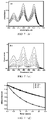
- the unmodified hypocrellin B HB has a maximum absorption wavelength of 450 nm (line a); the di-2-(2-aminoethoxy)ethanol-substituted hypocrellin B derivative HB-1c prepared in example 2 has wide absorption performance at 550 nm-700 nm and has a maximum absorption wavelength of 630 nm (line b); and the di-2-(2-aminoethoxy)ethanol-substituted deacetyl hypocrellin derivative HC-1c prepared in example 5 has wide absorption performance at 550 nm-700 nm and has a maximum absorption wavelength of 650 nm (line c).
- line a the di-2-(2-aminoethoxy)ethanol-substituted hypocrellin B derivative HB-1c prepared in example 2 has wide absorption performance at 550 nm-700 nm and has a maximum absorption wavelength of 650 nm (line c).
- a commercialized porphyrin photosensitizer PpIX has multi-band narrow absorption performance, wherein maximum absorption wavelengths available for phototherapy are 570 nm and 630 nm, both cases having a molar extinction coefficient less than 10000 M -1 cm -1 ;
- a commercialized porphin photosensitizer Ce6 has a maximum absorption wavelength of 650 nm and a molar extinction coefficient less than 20000 M -1 cm -1 , and also haa narrow absorption performance in the phototherapy window.
- hypocrellin derivatives HB-1c and HC-1c having a peri-position and a 2-position both substituted by an amino group synthesized in this patent have an absorption wavelength and an absorptivity in the phototherapy window both far greater than that of the commercial porphyrin photosensitizer PpIX and porphin photosensitizer Ce6, presenting more outstanding photodynamic performance.
- FIGS. 6(a) and 6(b) The ability of the above di-2-(2-aminoethoxy)ethanol-substituted hypocrellin B derivative HB-1c to produce reactive oxygen is shown in FIGS. 6(a) and 6(b) : the experiments indicate that, it is measured by using singlet oxygen and superoxide radical scavengers that, such the hypocrellin derivative having a peri-position substituted by an amino group can efficiently produce photosensitive reactive species, primarily producing singlet oxygen, as shown in FIG. 6(a) , also producing a small amount of superoxide radicals, as shown in FIG. 6(b) .
- FIGS. 7(a)-7(d) show efficiency curves of measuring singlet oxygen of HB-1c and HC-1c. From the comparison with a reference rose bengal RB, it can be seen that the singlet oxygen efficiencies of HB-1c and HC-1c are respectively 0.40 and 0.38.
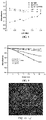
- the pH value of the hypocrellin derivative prepared in the present invention is in the range of 6.2-8.0, without an obvious change in an absorption spectrum thereof, indicating that the hypocrellin derivative substituted both in a peri-position and in a 2-position by an amino has a higher pH stability.
- Curve b shows that, in the pH range of 6.2-8.0, there is no obvious change in an absorption spectrum of the di-2-(2-aminoethoxy)ethanol-substituted deacetyl hypocrellin B derivative HC-1c in example 5; and HC-1c-PEG6 (curve c) formed by HC-1c and six units of polyethylene glycol generally has a good pH stability in this range, for the reason that two phenolic hydroxyl groups of the hypocrellin are not prone to deprotonation in this acid-base condition.
- the commercial hematoporphyrin HpD contains two carboxyl groups, which can be deprotonated in the pH range of 6.2-8.0, resulting in an obvious change in the absorption spectrum, thus presenting an instability of the HpD photosensitizer (curve a). Therefore, the hypocrellin derivative prepared in the present invention has a better pH stability than the commercial hematoporphyrin HpD in the pH range of 6.2-8.0.
- FIG. 9 is a comparison diagram of photostabilities of the hypocrellin derivative prepared in the present invention and a commercial photosensitizer.
- an absorption spectrum of the aminoethanol-substituted deacetyl hypocrellin derivative HC-2c in example 9 is not obviously decreased, and an absorption intensity at the maximum wavelength is decreased by less than 10% (curve a).
- an absorption intensity at the maximum wavelength is also decreased by less than 10%, likewise having a good photostability (curve b).
- maximum absorption performance of the commercial porphin photosensitizer Ce6 is decreased by 30% (curve c); and an absorption spectrum of the commercial hematoporphyrin photosensitizer HpD is decreased more, reaching about 50% (curve d). Therefore, in the same condition, the hypocrellin derivative prepared in the present invention has a better photostability than the commercial photosensitizers.
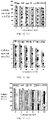
- results of confocal fluorescence imaging experiments shown in FIGS. 10(a)-10(c) indicate that the phototherapy drug micromolecule HB-1c-PEG6 has good biocompatibility and is able to enter a lysosome of a Hela cell and generate an excellent red-light fluorescence image in the cell.
- DCFH-DA is used to detect singlet oxygen in a cell. As shown in FIG. 11 , the photosensitizer HC-1c-PEG6 and the fluorescence probe DCFH-DA are co-incubated in the cell, with increase of an irradiation time to 60s, a green fluorescence intensity is gradually increased, indicating that the amount of the singlet oxygen in the cell is increased.
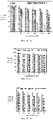
- HB-1c-PEG6 and Hela cells are co-incubated, as shown in FIG. 12(a) , a cytotoxicity (dark toxicity) research test indicates that the polyethylene glycol-di-2-(2-aminoethoxy)ethanol-substituted hypocrellin B derivative HB-1c-PEG6 synthesized in example 3 has a smaller cytotoxicity, which is similar to that of the hypocrellin B HB and commercial photosensitive drug hematoporphyrin HpD.
- HB-1c-PEG6 After the Hela cells are incubated by using the photosensitizer HB-1c-PEG6 with the concentration of 10 ⁇ M for a half hour, death of many Hela cells is not observed, indicating that such the photosensitizer is basically non-cytotoxic.
- a cell phototoxicity experiment as shown in FIG. 12(b) indicates that HB-1c-PEG6 presents very strong lethality to the Hela cells under irradiation of a 635 nm laser.
- HB-1c-PEG6 with a concentration range of 160 nM can kill more than 90% of the Hela cells, while in the same condition, the hypocrellin B HB or commercial photosensitizer hematoporphyrin derivative HpD can kill only about 30% of the Hela cells, indicating that a photodynamic effect of the hypocrellin derivative substituted both in a peri-position and in a 2-position by an amino is significantly better than that of the hypocrellin B HB and commercial photosensitizer hematoporphyrin HpD.
- FIGS. 13(a) and 13(b) list experimental results of dark cytotoxicity and phototoxicity of the polyethylene glycol-di-2-(2-aminoethoxy)ethanol-substituted deacetyl hypocrellin derivative HB-1c-PEG6 synthesized in example 6. It can be seen that HC-1c-PEG6 has almost no cytotoxicity when not exposed to light.
- HC-1c-PEG6 After exposure to 635 nm light, HC-1c-PEG6 with a concentration range of 140 nM can kill more than 90% of the Hela cells, while in the same condition, the deacetyl hypocrellin HC can kill only 40% of the Hela cells, and the commercial photosensitizer hematoporphyrin derivative HpD can kill only about 10% of the Hela cells, indicating that a photodynamic effect of HB-1c-PEG6 is significantly better than that of the deacetyl hypocrellin HC and commercial photosensitizer hematoporphyrin HpD.
- FIGS. 14(a) and 14(b) show effect diagrams of dark toxicity and phototoxicity of diaminobutyric acid-substituted deacetyl hypocrellin HC-8c synthesized in example 22 to Hela cells. It can be seen that HC-8c containing two carboxyl groups has almost no cytotoxicity when not exposed to light.
- HC-8c After exposure to 635 nm light, HC-8c with a concentration range of 200 nM can kill more than 85% of the Hela cells, while in the same condition, the deacetyl hypocrellin HC can kill 50% of the Hela cells, and the commercial photosensitizer hematoporphyrin derivative HpD can kill only about 10% of the Hela cells, indicating that a photodynamic effect of HC-8c is significantly better than that of the deacetyl hypocrellin HC and commercial photosensitizer hematoporphyrin HpD.
- 15(a) and 15(b) show effect diagrams of dark toxicity and phototoxicity for killing tumor cells of a polyethylene glycol-diaminobutyric acid-modified deacetyl hypocrellin derivative HC-8c-PEG6 synthesized in example 23, indicating that a photodynamic effect of HC-8c-PEG6 is significantly better than that of the deacetyl hypocrellin HC and commercial photosensitizer hematoporphyrin HpD.
- FIGS. 16(a) and 16(b) show effect diagrams of dark toxicity and phototoxicity for killing tumor cells of a 4-aminomethylcyclohexanoic acid-substituted hypocrellin B derivative HB-13c synthesized in example 35. It can be seen from the figures that HB-13c containing two carboxyl groups has almost no cytotoxicity when not exposed to light.
- HB-13c After exposure to 635 nm red light, HB-13c with a concentration range of 240 nM can kill more than 85% of the Hela cells, while in the same condition, the hypocrellin B HB can kill 30% of the Hela cells, and the commercial photosensitizer hematoporphyrin derivative HpD can kill only about 10% of the Hela cells, indicating that a photodynamic effect of HB-13c is significantly better than that of the hypocrellin B HB and commercial photosensitizer hematoporphyrin HpD.
- the compound HB-13c and two 8-PEG chains are connected by a carboxylic acid ester bond, to obtain HB-13c-PEG8 (example 37) with dark toxicity and phototoxicity effects of killing tumor cells as shown in FIGS. 17(a) and 17(b) .
- HB-13c-PEG8 with a concentration range of 160 nM can kill more than 90% of the Hela cells, while in the same condition, the hypocrellin B HB can kill 30% of the Hela cells.
- the compound HC-13c and two 8-PEG chains are connected by an amide bond, to obtain HC-13c-NH-PEG8 (example 41) with dark toxicity and phototoxicity effects of killing tumor cells as shown in FIGS.
- HC-13c-NH-PEG8 with a concentration range of 200 nM can kill more than 85% of the Hela cells, while in the same condition, the hypocrellin B HB can kill 60% of the Hela cells, and the commercial photosensitizer hematoporphyrin derivative HpD can kill only about 10% of the Hela cells.
- the above-described results indicate that photodynamic effects of HB-13c-PEG8 and HC-13c-NH-PEG8 are significantly better than that of the deacetyl hypocrellin and commercial photosensitizer hematoporphyrin.
- the present invention discloses a method for preparing a hypocrellin derivative substituted both in a peri-position and in a 2-position by an amino, and a use thereof.
- Such the compounds have a maximum absorption wavelength in the range of 600-650 nm, a molar extinction coefficient reaching 20000-40000 M -1 cm -1 , and a very high absorptivity in the phototherapy window.
- Studies indicate that such the derivatives can efficiently produce reactive oxygen species such as singlet oxygen in a photosensitive condition, have an excellent photodynamic effect, and can be used as phototherapy drugs to treat diseases such as tumors and various microangiopathies.
- the hypocrellin derivative substituted both in a peri-position and in a 2-position by an amino of the present invention has a significantly improved absorptivity in the phototherapy window.
- the prior art there is no research on the preparation of a hypocrellin derivative having a peri-position substituted by an amino group, and the synthesis method of such the compound is disclosed for the first time.
- hypocrellin derivatives involved in this patent that require the protection all have two enol tautomers.
- the compounds represented by formula I-a and formula I-a', formula I-b and formula I-b', formula I-c and formula I-c', or formula I-d and formula I-d' are tautomers, and chemical structures of both the tautomers certainly fall within the protection scope.
- any range recorded in the present invention comprises the end values and any value between the end values, and any sub-range formed by the end values or any value between the end values.
- the experimental methods are conventional methods unless otherwise specified.
- the raw materials used can be obtained from publicly available commercial channels; the percentages are mass percentages unless otherwise specified; and M represents mol/L unless otherwise specified.
- hypocrellin A 100g of Hypocrella bambusae was pulverized by suing a pulverizer and placed in a Soxhlet extractor, continuous extraction was performed for a day with 1000 mL of acetone as a solvent until an extracting solution was nearly colorless, the extracting solution was filtered to remove a small amount of infiltrated insoluble solid and then spin-dried to remove acetone, 500 mL of dichloromethane was used for dissolution, 3 ⁇ 400 mL of distilled water was used for washing,an organic layer was separated out and spin-dried, a solid residue was washed with 3 ⁇ 100 mL of petroleum ether, the solid was spontaneously combusted and air-dried in air and then recrystallized twice by using chloroform-petroleum ether, and an obtained crystal was the target product hypocrellin A (HA), with a purity of above 98%, and MS (ESI+): 546.8. Further purification can
- hypocrellin B was obtained by dehydrating hypocrellin A in an alkaline condition, and for a preparation method, reference is made to Zhao Kaihong, 1989, Organic Chemistry, volume 9, pages 252-254 , with appropriate modifications.
- the specific method was as follows: 1 g of hypocrellin A was dissolved in 1000 mL of 1.5% KOH aqueous solution, the solution was stirred in a lucifugous condition for a reaction for 24 hours and neutralized by using slightly excessive dilute hydrochloric acid, chloroform was used for production extraction, and 0.98 g of hypocrellin B was obtained after separation and purification, with a yield of 98%, and MS (ESI+): 529.3.
- An absorption spectrum of the extracted hypocrellin A is as shown in FIG. 5(a) .
- deacetyl hypocrellin 200 mg of hypocrellin B was dissolved in 100 mL of 1.5% KOH aqueous solution, a reflux reaction was performed for 8 hours in a lucifugous condition, the solution was neutralized by using dilute hydrochloric acid after cooling, dichloromethane was used for production extraction, and 110 mg of deacetyl hypocrellin (HC) was obtained after separation and purification, with a yield of 56%, and MS (ESI+): 487.2.
- bromo-hypocrellin B HB-Br and bromo-deacetyl hypocrellin HC-Br 100 mg of hypocrellin HB or deacetyl hypocrellin HC was dissolved in 100 mL of tetrahydrofuran solvent, and 2 mL of liquid bromine was added dropwise for a reaction at room temperature which was terminated after 6 hours.
- hypocrellin B HB 100 mg, 0.18 mmol
- 2-(2-aminoethoxy)ethanol 2 mmol
- hypocrellin B HB 100 mg, 0.18 mmol
- 2-(2-aminoethoxy)ethanol 2 mmol
- a mixture was heated to 100°C under the protection of nitrogen and stirred in a lucifugous condition for a reaction for 12 h
- a solvent was distilled off after the reaction
- a blue black solid was dissolved in 100 mL of dichloromethane
- a solution was washed once with 100 mL of a dilute hydrochloric acid and then washed with distilled water three times
- an organic layer was dried by using anhydrous magnesium sulfate and filtered, and an organic phase was spin-dried to obtain a crude product.
- HB-1a yield: 4.1%, R f : 0.35; MS (ESI+): 688.3; maximum absorption wavelength: 630 nm; molar extinction coefficient: 30,000 M -1 cm -l ; and singlet oxygen yield: 35%.
- HB-1b yield: 5.2%, R f : 0.30; MS (ESI+): 688.3; maximum absorption wavelength: 622 nm; molar extinction coefficient: 28,000 M -1 cm -l ; and singlet oxygen yield: 36%.
- HB-1c yield: 13.1%, R f : 0.28; MS (ESI+): 688.3; maximum absorption wavelength: 621 nm; molar extinction coefficient: 30,000 M -1 cm -1 ; and singlet oxygen yield: 40%.
- HB-1c An absorption spectrum of the di-2-(2-aminoethoxy)ethanol-substituted hypocrellin B derivative HB-1c is as shown by curve a in FIG. 5(a) , and HB-1c has very wide and strong absorption performance in a phototherapy window, has a maximum absorption spectrum wavelength of about 630 nm, which is redshifted by about 180 nm relative to a maximum absorption peak of the parent hypocrellin, and has a molar extinction coefficient of about 30000 M -1 cm -1 , presenting a very high absorptivity in the phototherapy window.
- the ability of HB-1c to produce reactive oxygen is shown in FIGS.
- the experiments indicate that, it is measured by using singlet oxygen and superoxide radical scavenger that, such the hypocrellin derivative having a peri-position substituted by an amino group can efficiently produce photosensitive reactive species, primarily producing singlet oxygen, as shown in FIG. 6(a) , also producing a small amount of superoxide radicals, as shown in FIG. 6(b) , and the efficiency of producing singlet oxygen being about 40%.
- Results of confocal fluorescence imaging experiments shown in FIG. 10 indicate that the phototherapy drug micromolecule HB-1c has good biocompatibility and is able to enter a lysosome of a Hela cell and generate an excellent red-light fluorescence image in the cell.
- hypocrellin B HB 100 mg, 0.18 mmol
- 2-(2-aminoethoxy)ethanol (2 mmol) were dissolved in 100 mL of anhydrous acetonitrile, after fully mixed, a mixture was heated to 80°C under the protection of nitrogen and stirred in a lucifugous condition for a reaction for 20 h, a solvent was distilled off after the reaction, a blue black solid was dissolved in 100 mL of dichloromethane, a solution was washed with distilled water three
- HB-1a-PEG1 yield: 17.2%, R f : 0.36; MS (ESI+): 948.4; maximum absorption wavelength: 625 nm; molar extinction coefficient: 31,000 M -1 cm -1 ; and singlet oxygen yield: 35%.
- HB-1c-PEG1 yield: 21.2%, R f : 0.31; MS (ESI+): 948.4; maximum absorption wavelength: 626 nm; molar extinction coefficient: 33,000 M -1 cm -1 ; and singlet oxygen yield: 38%.
- Structural formulas of the above amino-substituted products are as follows:
- results of confocal fluorescence imaging experiments shown in FIGS. 10(a)-10(c) indicate that the phototherapy drug micromolecule HB-1c-PEG6 has good biocompatibility and is able to enter a lysosome of a Hela cell and generate an excellent red-light fluorescence image in the cell.
- DCFH-DA is used to detect singlet oxygen in a cell. As shown in FIG. 11 , the photosensitizer HC-1c-PEG6 and the fluorescence probe DCFH-DA are co-incubated in the cell, with increase of an irradiation time to 60s, a green fluorescence intensity is gradually increased, indicating that the amount of the singlet oxygen in the cell is increased.
- HB-1c-PEG6 and Hela cells are co-incubated, as shown in FIG. 12(a) , a cytotoxicity (dark toxicity) research test indicates that HB-1c-PEG6 has a smaller cytotoxicity, which is similar to that of the hypocrellin B HB and commercial photosensitive drug hematoporphyrin HpD.
- HB-1c-PEG6 has a smaller cytotoxicity, which is similar to that of the hypocrellin B HB and commercial photosensitive drug hematoporphyrin HpD.
- the photosensitizer HB-1c-PEG6 After the Hela cells are incubated by using the photosensitizer HB-1c-PEG6 with the concentration of 10 ⁇ M for a half hour, death of many Hela cells is not observed, indicating that such the photosensitizer is basically non-cytotoxic.
- a cell phototoxicity experiment as shown in FIG.
- HB-1c-PEG6 presents very strong lethality to the Hela cells under irradiation of a 635 nm laser.
- HB-1c-PEG6 with a concentration range of 160 nM can kill more than 90% of the Hela cells, while in the same condition, the hypocrellin B HB or commercial photosensitizer hematoporphyrin derivative HpD can kill only about 30% of the Hela cells, indicating that a photodynamic effect of HB-1c-PEG6 is significantly better than that of the hypocrellin B HB and commercial photosensitizer hematoporphyrin HpD.
- the above prepared compound HB-1c-C2-N+ contains two quaternary ammonium salts and two ethylene glycol units, making the photosensitizer molecules have very high water solubility in a physiological condition; and each milliliter of normal saline can dissolve more than 20 mg of photosensitizer molecules, presenting excellent water solubility. Therefore, the photosensitive drug can be well transported in blood vessels during intravenous injection, without causing a vascular blockage.
- deacetyl hypocrellin HC 100 mg, 0.20 mmol
- 2-(2-aminoethoxy)ethanol 2 mmol
- a mixture was heated to 100°C under the protection of nitrogen and stirred in a lucifugous condition for a reaction for 15 h
- a solvent was removed by means of rotary evaporation
- a blue black solid was dissolved in 100 mL of dichloromethane
- a solution was washed once with 100 mL of a dilute hydrochloric acid aqueous solution and then washed with distilled water three times
- an organic layer was dried and filtered, and an organic phase was spin-dried to obtain a crude product.
- HC-1a yield: 5.6%, R f : 0.30; MS (ESI+): 646.8; maximum absorption wavelength: 628 nm; molar extinction coefficient: 28,000 M -1 cm -1 ; and singlet oxygen yield: 36%.
- HC-1b yield: 4.2%, R f : 0.28; MS (ESI+): 646.8; maximum absorption wavelength: 624 nm; molar extinction coefficient: 27,000 M -1 cm -1 ; and singlet oxygen yield: 33%.
- HC-1c yield: 13.1%, R f : 0.26; MS (ESI+): 646.8; maximum absorption wavelength: 6351 nm; molar extinction coefficient: 30,000 M -1 cm -1 ; and singlet oxygen yield: 38%.
- HB-1c has very wide and strong absorption performance in a phototherapy window, has a maximum absorption spectrum wavelength of about 640 nm, which is redshifted by about 190 nm relative to a maximum absorption peak of the parent hypocrellin, and has a molar extinction coefficient of about 30000 M -1 cm -1 , presenting a very high absorptivity in the phototherapy window.
- HC-1c has an excellent pH stability, and there is no obvious change in an absorption spectrum thereof in the pH range of 6.2-8.0.
- HC-1a-PEG1 yield: 13.2%, R f : 0.35; MS (ESI+): 906.4; maximum absorption wavelength: 622 nm; molar extinction coefficient: 30,500 M -1 cm -l ; and singlet oxygen yield: 32%.
- HC-1c-PEG1 yield: 16.2%, R f : 0.30; MS (ESI+): 906.4; maximum absorption wavelength: 625 nm; molar extinction coefficient: 32,500 M -1 cm -1 ; and singlet oxygen yield: 34%.
- HC-1c-PEG12 yield: 17.1%, R f : 0.18; MS (ESI+): 1874.9; maximum absorption wavelength: 626 nm; molar extinction coefficient: 32,500 M -1 cm -1 ; and singlet oxygen yield: 35%.
- Structural formulas of the above amino-substituted products are as follows:
- HC-1c-PEG6 also has an excellent pH stability, and there is no obvious change in an absorption spectrum thereof in the pH range of 6.2-8.0, for the reason that two phenolic hydroxyl groups of the hypocrellin are not prone to deprotonation in this acid-base condition.
- the commercial hematoporphyrin HpD contains two carboxyl groups, which can be deprotonated in the pH range of 6.2-8.0, resulting in an obvious change in the absorption spectrum, thus presenting an instability of the HpD photosensitizer.
- FIGS. 13(a) and 13(b) show experimental results of dark cytotoxicity and phototoxicity of HB-1c-PEG6. It can be seen that HC-1c-PEG6 has almost no cytotoxicity when not exposed to light. After exposure to 635 nm light, HC-1c-PEG6 with a concentration range of 140 nM can kill more than 90% of the Hela cells, while in the same condition, the deacetyl hypocrellin HC can kill 40% of the Hela cells, and the commercial photosensitizer hematoporphyrin derivative HpD can kill only about 10% of the Hela cells, indicating that a photodynamic effect of HB-1c-PEG6 is significantly better than that of the deacetyl hypocrellin HC and commercial photosensitizer hematoporphyrin HpD.
- HB-2a yield: 4.2%, R f : 0.36; MS (ESI+): 600.1; maximum absorption wavelength: 625 nm; molar extinction coefficient: 30,500 M -1 cm -1 ; and singlet oxygen yield: 28%.
- HB-2b yield: 4.7%, R f : 0.32; MS (ESI+): 600.1; maximum absorption wavelength: 627 nm; molar extinction coefficient: 31.500 M -1 cm -1 ; and singlet oxygen yield: 25%.
- HB-2c yield: 12.7%, R f : 0.39; MS (ESI+): 600.1; maximum absorption wavelength: 628 nm; molar extinction coefficient: 31,000 M -1 cm -1 ; and singlet oxygen yield: 30%.
- HB-2d yield: 4.6%, R f : 0.29; MS (ESI+): 600.1; maximum absorption wavelength: 629 nm; molar extinction coefficient: 30,000 M -1 cm -1 ; and singlet oxygen yield: 26%.
- hypocrellin B HB 100 mg, 0.18 mmol
- 2-(2-aminoethoxy)ethanol (2 mmol) were dissolved in 100 mL of anhydrous acetonitrile, after fully mixed, a mixture was heated to 100°C under the protection of nitrogen and stirred in a lucifugous condition for a reaction for 12 h, a solvent was distilled off after the reaction, a blue black solid was dissolved in 100 mL of dichloromethane, a solution was washed with distilled water three times, an organic layer was dried and filtered, and an organic phase was spin-d
- the obtained crude product was added to DCC (200 mg) and dissolved in 50 mL of anhydrous dichloromethane, to react with polyethylene glycol methyl esters (HOOC-PEGn-OCH 3 , 2g) of different chain lengths, respectively, and a reaction solution was stirred in a lucifugous condition at room temperature for a reaction for 8 h.
- polyethylene glycol methyl esters HOOC-PEGn-OCH 3 , 2g
- HB-2a-PEG1 yield: 12.2%, R f : 0.34; MS (ESI+): 860.3; maximum absorption wavelength: 620 nm; molar extinction coefficient: 30,500 M -1 cm -l ; and singlet oxygen yield: 30%.
- HB-2c-PEG6 yield: 12.2%, R f : 0.20; MS (ESI+): 1300.6; maximum absorption wavelength: 624 nm; molar extinction coefficient: 31500 M -1 cm -1 ; and singlet oxygen yield: 30%.
- HB-1d-PEG6 yield: 12.2%, R f : 0.20; MS (ESI+): 1300.6; maximum absorption wavelength: 622 nm; molar extinction coefficient: 32,500 M -1 cm -1 ; and singlet oxygen yield: 30%.
- Structural formulas of the above amino-substituted products are as follows:
- HC-2a yield: 5.8%, R f : 0.28; MS (ESI+): 558.8; maximum absorption wavelength: 627 nm; molar extinction coefficient: 28.500 M -1 cm -1 ; and singlet oxygen yield: 32%.
- HC-2b yield: 3.8%, R f : 0.26; MS (ESI+): 558.8; maximum absorption wavelength: 624 nm; molar extinction coefficient: 27.500 M -1 cm -1 ; and singlet oxygen yield: 33%.
- HC-2c yield: 12.1%, R f : 0.24; MS (ESI+): 558.8; maximum absorption wavelength: 636 nm; molar extinction coefficient: 31,000 M -1 cm -1 ; and singlet oxygen yield: 40%.
- HC-2d yield: 5.2%, R f : 0.20; MS (ESI+): 558.8; maximum absorption wavelength: 625 nm; molar extinction coefficient: 28,500 M -1 cm -1 ; and singlet oxygen yield: 34%.
- Structural formulas of the above amino-substituted products are as follows:
- the obtained crude product was added to DCC (200 mg) and dissolved in 50 mL of anhydrous dichloromethane, to react with polyethylene glycol methyl esters (HOOC-PEGn-OCH 3 , 2g) of different chain lengths, respectively, and a reaction solution was stirred in a lucifugous condition at room temperature for a reaction for 8 h.
- polyethylene glycol methyl esters HOOC-PEGn-OCH 3 , 2g
- HC-2a-PEG1 yield: 11.2%, R f : 0.34; MS (ESI+): 818.4; maximum absorption wavelength: 622 nm; molar extinction coefficient: 30,000 M -1 cm -l ; and singlet oxygen yield: 30%.
- HB-3a-PEG4 yield: 6.2%, R f : 0.24; MS (ESI+): 980.3; maximum absorption wavelength: 622 nm; molar extinction coefficient: 29,500 M -1 cm -l ; and singlet oxygen yield: 28%.
- HC-3a-PEG4 yield: 5.4%, R f : 0.25; MS (ESI+): 938.3; maximum absorption wavelength: 622 nm; molar extinction coefficient: 29,000 M -1 cm -1 ; and singlet oxygen yield: 28%.
- HC-3b-PEG6 yield: 7.1%, R f : 0.22; MS (ESI+): 1290.6; maximum absorption wavelength: 623 nm; molar extinction coefficient: 29,500 M -1 cm -1 ; and singlet oxygen yield: 32%.
- HB-5a-PEG1 yield: 6.4 %, Rf: 0.24; MS (ESI+): 774.3; maximum absorption wavelength: 622 nm; molar extinction coefficient: 29,500 M -1 cm -1 ; and singlet oxygen yield: 28%.
- HB-5c-PEG4 yield: 10.2%, Rf: 0.30; MS (ESI+): 1038.6; maximum absorption wavelength: 628 nm; molar extinction coefficient: 31,500 M -1 cm -1 ; and singlet oxygen yield: 35%.
- Structural formulas of the above amino-substituted products are as follows:
- HB-5a-Br-PEG1 yield: 7.4%, R f : 0.22; MS (ESI+): 854.3; maximum absorption wavelength: 622 nm; molar extinction coefficient: 30,500 M -1 cm -1 ; singlet oxygen yield: 28%.
- HB-5c-Br-PEG4 yield: 10.5%, R f : 0.33; MS (ESI+): 1118.6; maximum absorption wavelength: 630 nm; molar extinction coefficient: 31,500 M -1 cm -l ; singlet oxygen yield: 36%.
- Structural formulas of the above amino-substituted products are as follows:
- HB-6a-PEG1 yield: 7.4%, R f : 0.26; MS (ESI+): 791.3; maximum absorption wavelength: 622 nm; molar extinction coefficient: 30,500 M -1 cm -1 ; singlet oxygen yield: 28%.
- HB-6c-PEG4 yield: 12.2%, R f : 0.30; MS (ESI+): 1055.6; maximum absorption wavelength: 630 nm; molar extinction coefficient: 32,500 M -1 cm -1 ; singlet oxygen yield: 36%.
- Structural formulas of the above amino-substituted products are as follows:
- hypocrellin B HB 100 mg, 0.18 mmol
- aminoacetic acid (10 mmol) aminoacetic acid (10 mmol)
- NaOH (2g) 100 mL
- a mixed solution was heated to 120°C under the protection of nitrogen and stirred in a lucifugous condition for a reaction for 10 h.
- dilute hydrochloric acid was added to adjust the pH to weak acidity, and filtration was performed to collect a precipitate.
- a blue black solid was dissolved in 200 mL of dichloromethane, a solution was washed once with 100 mL of a dilute hydrochloric acid aqueous solution and then washed twice with distilled water, an organic layer was dried by using anhydrous magnesium sulfate and filtered, and an organic phase was spin-dried to obtain a crude product.
- the obtained crude product was separated out by means of thin-layer chromatography, with a developing agent being a mixed solution of ethyl acetate, diethylamine, and ethanol (at a volume ratio of 20:1:2), to obtain four blue black solid products HB-7a-HB-7d, respectively.
- HB-7a yield: 7.4%, R f : 0.32; MS (ESI+): 628.9; maximum absorption wavelength: 620 nm; molar extinction coefficient: 26,500 M -1 cm -1 ; singlet oxygen yield: 28%.
- HB-7b yield: 6.2%, R f : 0.35; MS (ESI+): 628.9; maximum absorption wavelength: 622 nm; molar extinction coefficient: 28,000 M -1 cm -1 ; singlet oxygen yield: 25%.
- HB-7c yield: 15.8%, R f : 0.24; MS (ESI+): 628.9; maximum absorption wavelength: 618 nm; molar extinction coefficient: 27,500 M -1 cm -1 ; singlet oxygen yield: 27%.
- HB-7d yield: 4.8%, R f : 0.28; MS (ESI+): 628.9; maximum absorption wavelength: 623 nm; molar extinction coefficient: 25,000 M -1 cm -1 ; singlet oxygen yield: 25%.
- Structural formulas of the above amino-substituted products are as follows:
- deacetyl hypocrellin HC was used as a raw material, a synthetic method is similar to the preparation of the diaminoacetic acid-substituted hypocrellin B derivative in example 17, and four blue black solid products are obtained, respectively.
- HC-7a yield: 5.8%, R f : 0.30; MS (ESI+): 586.9; maximum absorption wavelength: 620 nm; molar extinction coefficient: 27,500 M -1 cm -1 ; singlet oxygen yield: 28%.
- HC-7b yield: 6.6%, R f : 0.33; MS (ESI+): 586.9; maximum absorption wavelength: 622 nm; molar extinction coefficient: 28,500 M -1 cm -1 ; singlet oxygen yield: 25%.
- HC-7c yield: 12.8%, R f : 0.22; MS (ESI+): 586.9; maximum absorption wavelength: 630 nm; molar extinction coefficient: 29,500 M -1 cm -1 ; singlet oxygen yield: 27%.
- HB-8a yield: 4.4%, R f : 0.36; MS (ESI+): 684.6; maximum absorption wavelength: 622 nm; molar extinction coefficient: 27,500 M -1 cm -1 ; singlet oxygen yield: 25%.
- HB-8b yield: 6.2%, R f : 0.32; MS (ESI+): 684.6; maximum absorption wavelength: 618 nm; molar extinction coefficient: 28,500 M -1 cm -1 ; singlet oxygen yield: 26%.
- HB-8c yield: 5.4%, R f : 0.22; MS (ESI+): 684.6; maximum absorption wavelength: 620 nm; molar extinction coefficient: 29,500 M -1 cm -1 ; singlet oxygen yield: 30%.
- HB-8d yield: 4.6%, R f : 0.20; MS (ESI+): 684.6; maximum absorption wavelength: 624 nm; molar extinction coefficient: 29,000 M -1 cm -1 ; singlet oxygen yield: 26%.
- the hypocrellin derivative having a peri-position substituted by an amino group(HB-2a) of the present invention has very wide and strong absorption performance in the phototherapy window, has a maximum absorption spectrum wavelength reaching about 650 nm, which is redshifted by about 200 nm relative to a maximum absorption peak (450 nm) of the parent hypocrellin, and has a molar extinction coefficient of about 30000 M -1 cm -1 , presenting an extremely strong red-light absorption capability.
- the experiments indicate that, it is measured by using singlet oxygen and superoxide radical scavengers that, the hypocrellin derivative having a peri-position substituted by an amino group can efficiently produce photosensitive reactive species, primarily producing singlet oxygen, and also producing a small amount of superoxide radicals.
- the photosensitizer molecule HB-8a contains two water-soluble carboxyl groups, making the photosensitizer molecules have very high water solubility in a physiological condition; and experiments indicate that each milliliter of normal saline can dissolve more than 5 mg of the photosensitizer molecules, presenting excellent water solubility. Therefore, the photosensitive drug HB-8a can be well transported in blood vessels during intravenous injection, without causing a vascular blockage.
- Structural formulas of the above amino-substituted products are as follows:
- the above prepared compound HB-8c contains two carboxylic acid groups, making the photosensitizer molecules have good water solubility in a physiological condition; and each milliliter of normal saline can dissolve more than 10 mg of photosensitizer molecules. Therefore, the photosensitive drug can be well transported in blood vessels during intravenous injection, without causing a vascular blockage.
- hypocrellin B HB 100 mg, 0.18 mmol
- aminobutyric acid (10 mmol) aminobutyric acid (10 mmol)
- NaOH (2g) 100 mL
- dilute hydrochloric acid was added to adjust the pH to weak acidity, and filtration was performed to collect a precipitate.
- a blue black solid was dissolved in 200 mL of dichloromethane, a solution was washed once with 100 mL of a dilute hydrochloric acid aqueous solution and then washed twice with distilled water, an organic layer was dried by using anhydrous magnesium sulfate, filtered, and spin-dried.
- HB-8a-NH-PEG1 yield: 10.8%, R f : 0.34; MS (ESI+): 844.3; maximum absorption wavelength: 621 nm; molar extinction coefficient: 30,500 M -1 cm -1 ; singlet oxygen yield: 28%.
- HC-8a yield: 5.4%, R f : 0.30; MS (ESI+): 642.9; maximum absorption wavelength: 620 nm; molar extinction coefficient: 28,500 M -1 cm -1 ; singlet oxygen yield: 26%.
- HC-8b yield: 5.2%, R f : 0.34; MS (ESI+): 642.9; maximum absorption wavelength: 622 nm; molar extinction coefficient: 28,000 M -1 cm -1 ; singlet oxygen yield: 25%.
- HC-8c yield: 16.8%, R f : 0.24; MS (ESI+): 642.9; maximum absorption wavelength: 618 nm; molar extinction coefficient: 28,500 M -1 cm -1 ; singlet oxygen yield: 27%.
- FIGS. 14(a) and 14(b) show effect diagrams of dark toxicity and phototoxicity of HC-8c to Hela cells. It can be seen that HC-8c containing two carboxyl groups has almost no cytotoxicity when not exposed to light. After exposure to 635 nm light, HC-8c with a concentration range of 200 nM can kill more than 85% of the Hela cells, while in the same condition, the deacetyl hypocrellin HC can kill 50% of the Hela cells, and the commercial photosensitizer hematoporphyrin derivative HpD can kill only about 10% of the Hela cells, indicating that a photodynamic effect of HC-8c is significantly better than that of HC and the commercial photosensitizer hematoporphyrin HpD.
- FIGS. 15(a) and 15(b) show effects of dark toxicity and phototoxicity for killing tumor cells of HC-8c-PEG6.
- HC-8c-PEG6 has almost no cytotoxicity when not exposed to light. After exposure to 635 nm light, HC-8c-PEG6 with a concentration range of 240 nM can kill more than 90% of the Hela cells, while in the same condition, the deacetyl hypocrellin HC can kill 50% of the Hela cells, indicating that a photodynamic effect of HC-8c-PEG6 is significantly better than that of the deacetyl hypocrellin HC and the commercial photosensitizer hematoporphyrin HpD.
- HC-8a-NH-PEG1 yield: 12.6%, R f : 0.32; MS (ESI+): 844.3; maximum absorption wavelength: 621 nm; molar extinction coefficient: 30,500 M -1 cm -1 ; singlet oxygen yield: 30%.
- Structural formulas of the above amino-substituted products are as follows:
- Structural formulas of the above amino-substituted products are as follows:
- Structural formulas of the above amino-substituted products are as follows:
- HC-9b yield: 7.2%, R f : 0.36; MS (ESI+): 698.6; maximum absorption wavelength: 622 nm; molar extinction coefficient: 27,500 M -1 cm -1 ; singlet oxygen yield: 24%.
- HC-9c yield: 8.8%, R f : 0.24; MS (ESI+): 698.5; maximum absorption wavelength: 628 nm; molar extinction coefficient: 27,000 M -1 cm -1 ; singlet oxygen yield: 29%.
- Structural formulas of the above amino-substituted products are as follows:
- Structural formulas of the above amino-substituted products are as follows:
- HB-10b yield: 6.2%, R f : 0.32; MS (ESI+): 656.6; maximum absorption wavelength: 615 nm; molar extinction coefficient: 31,500 M -1 cm -1 ; singlet oxygen yield: 34%.
- HB-10c yield: 9.4%, R f : 0.24; MS (ESI+): 656.6; maximum absorption wavelength: 622 nm; molar extinction coefficient: 33,000 M -1 cm -1 ; singlet oxygen yield: 38%.
- HB-10d yield: 4.6%, R f : 0.20; MS (ESI+): 656.6; maximum absorption wavelength: 621 nm; molar extinction coefficient: 32,500 M -1 cm -1 ; singlet oxygen yield: 32%.
- HB-10a-NH-PEG1 yield: 10.6%, R f : 0.32; MS (ESI+): 858.3; maximum absorption wavelength: 621 nm; molar extinction coefficient: 31,500 M -1 cm -1 ; singlet oxygen yield: 30%.
- Structural formulas of the above amino-substituted products are as follows:
- Structural formulas of the above amino-substituted products are as follows:
- HB-12a yield: 6.4%, R f : 0.31; MS (ESI+): 756.7; maximum absorption wavelength: 621 nm; molar extinction coefficient: 23,500 M -1 cm -1 ; singlet oxygen yield: 20%.
- HB-12b yield: 6.2%, R f : 0.33; MS (ESI+): 756.7; maximum absorption wavelength: 621 nm; molar extinction coefficient: 22,500 M -1 cm -1 ; singlet oxygen yield: 22%.
- HB-12c yield: 5.9%, R f : 0.25; MS (ESI+): 756.7; maximum absorption wavelength: 622 nm; molar extinction coefficient: 23,500 M -1 cm -1 ; singlet oxygen yield: 22%.
- HB-13a yield: 7.8%, R f : 0.36; MS (ESI+): 792.1; maximum absorption wavelength: 621 nm; molar extinction coefficient: 28,500 M -1 cm -1 ; singlet oxygen yield: 28%.
- HB-13b yield: 8.0%, R f : 0.39; MS (ESI+): 792.1; maximum absorption wavelength: 621 nm; molar extinction coefficient: 28,000 M -1 cm -1 ; singlet oxygen yield: 26%.
- HB-13c yield: 5.8%, R f : 0.36; MS (ESI+): 792.5; maximum absorption wavelength: 621 nm; molar extinction coefficient: 29,500 M -1 cm -1 ; singlet oxygen yield: 30%.
- HB-13d yield: 5.8%, R f : 0.39; MS (ESI+): 792.9; maximum absorption wavelength: 621 nm; molar extinction coefficient: 28,000 M -1 cm -1 ; singlet oxygen yield: 28%.
- Structural formulas of the above amino-substituted products are as follows:
- the above prepared compound HB-13c contains two carboxyl groups of a tranexamic acid, making the photosensitizer molecules have good water solubility in a physiological condition; and each milliliter of normal saline can dissolve more than 10 mg of photosensitizer molecules. Therefore, the photosensitive drug can be well transported in blood vessels during intravenous injection, without causing a vascular blockage.
- FIGS. 16(a) and 16(b) show effects of dark toxicity and phototoxicity for killing tumor cells of HB-13c. As can be seen from the figures, HB-13c containing two carboxyl groups has almost no cytotoxicity in a non-light condition.
- HB-13c After exposure to 635 nm red light, HB-13c with a concentration range of 240 nM can kill more than 85% of the Hela cells, while in the same condition, the hypocrellin B HB can kill 30% of the Hela cells, and the commercial photosensitizer hematoporphyrin derivative HpD can kill only about 10% of the Hela cells, indicating that a photodynamic effect of HB-13c is significantly better than that of the hypocrellin B HB and the commercial photosensitizer hematoporphyrin HpD.
- HB-13a-AcE yield: 5.8%, R f : 0.38; MS (ESI+): 820.1; maximum absorption wavelength: 625 nm; molar extinction coefficient: 27,000 M -1 cm -1 ; singlet oxygen yield: 25%.
- HB-13b-AcE yield: 8.5%, R f : 0.40; MS (ESI+): 820.1; maximum absorption wavelength: 623 nm; molar extinction coefficient: 27,000 M -1 cm -1 ; singlet oxygen yield: 24%.
- HB-13c-AcE yield: 5.5%, R f : 0.32; MS (ESI+): 820.8; maximum absorption wavelength: 621 nm; molar extinction coefficient: 28,500 M -1 cm -1 ; singlet oxygen yield: 30%.
- HB-13d-AcE yield: 5.9%, R f : 0.45; MS (ESI+): 820.9; maximum absorption wavelength: 623 nm; molar extinction coefficient: 28,000 M -1 cm -1 ; singlet oxygen yield: 25%.
- HB-13a-PEG1 yield: 8.6%, R f : 0.32; MS (ESI+): 908.6; maximum absorption wavelength: 622 nm; molar extinction coefficient: 30,500 M -1 cm -1 ; singlet oxygen yield: 30%.
- HB-13c-PEG4 yield: 18.8%, R f : 0.31; MS (ESI+): 1172.6; maximum absorption wavelength: 630 nm; molar extinction coefficient: 32,500 M -1 cm -1 ; singlet oxygen yield: 38%.
- the above prepared compound HB-13c-PEG8 contains two 8-PEG long-chains, making the photosensitizer molecules have very high water solubility in a physiological condition; and each milliliter of normal saline can dissolve more than 20 mg of photosensitizer molecules, presenting excellent water solubility. Therefore, the photosensitive drug can be well transported in blood vessels during intravenous injection, without causing a vascular blockage.
- 17(a) and 17(b) show effects of dark toxicity and phototoxicity for killing tumor cells of HB-13c-PEG8, wherein under irradiation of red light, HB-13c-PEG8 with a concentration range of 160 nM can kill more than 90% of the Hela cells, while in the same condition, the hypocrellin B HB can kill 30% of the Hela cells,
- Structural formulas of the above amino-substituted products are as follows:
- HB-13a-PEG1 yield: 7.6%, R f : 0.32; MS (ESI+): 852.6; maximum absorption wavelength: 624 nm; molar extinction coefficient: 31,000 M -1 cm -1 ; singlet oxygen yield: 32%.
- Structural formulas of the above amino-substituted products are as follows:
- HC-13a-PEG1 yield: 9.6%, R f : 0.30; MS (ESI+): 866.6; maximum absorption wavelength: 622 nm; molar extinction coefficient: 30,000 M -1 cm -1 ; singlet oxygen yield: 32%.
- HC-13a-NH-PEG1 yield: 7.6%, R f : 0.32; MS (ESI+): 952.6; maximum absorption wavelength: 624 nm; molar extinction coefficient: 30,000 M -1 cm -1 ; singlet oxygen yield: 32%.
- Structural formulas of the above amino-substituted products are as follows:
- HC-13c-NH-PEG8 (example 41) with dark toxicity and phototoxicity effects of killing tumor cells as shown in FIGS. 18(a) and 18(b) .
- HC-13c-NH-PEG8 with a concentration range of 200 nM can kill more than 85% of the Hela cells, while in the same condition, the hypocrellin B HB can kill 60% of the Hela cells, and the commercial photosensitizer hematoporphyrin derivative HpD can kill only about 10% of the Hela cells.
- the above-described results indicate that A photodynamic effect of HC-13c-NH-PEG8 is significantly better than that of the deacetyl hypocrellin and commercial photosensitizer hematoporphyrin.
- Structural formulas of the above amino-substituted products are as follows:
- Structural formulas of the above amino-substituted products are as follows:
- Structural formulas of the above amino-substituted products are as follows:
- HB-14a yield: 5.8%, R f : 0.38; MS (ESI+): 764.1; maximum absorption wavelength: 625 nm; molar extinction coefficient: 27,000 M -1 cm -1 ; singlet oxygen yield: 25%.
- HB-14b yield: 8.5%, R f : 0.40; MS (ESI+): 764.1; maximum absorption wavelength: 623 nm; molar extinction coefficient: 27,000 M -1 cm -1 ; singlet oxygen yield: 24%.
- HB-14c yield: 5.5%, R f : 0.32; MS (ESI+): 764.8; maximum absorption wavelength: 621 nm; molar extinction coefficient: 28,000 M -1 cm -1 ; singlet oxygen yield: 26%.
- HB-14d yield: 5.9%, R f : 0.45; MS (ESI+): 764.9; maximum absorption wavelength: 623 nm. molar extinction coefficient: 27,000 M -1 cm -1 ; singlet oxygen yield: 24%.
- HB-14c-PEG12 yield: 17.2%, R f : 0.42; MS (ESI+): 1848.6; maximum absorption wavelength: 628 nm; molar extinction coefficient: 33,500 M -1 cm -1 ; singlet oxygen yield: 38%.
- Structural formulas of the above amino-substituted products are as follows:
- HB-15a yield: 5.8%, R f : 0.38; MS (ESI+): 764.1; maximum absorption wavelength: 625 nm; molar extinction coefficient: 27,000 M -1 cm -1 ; singlet oxygen yield: 25%.
- HB-15b yield: 8.5%, R f : 0.40; MS (ESI+): 764.1; maximum absorption wavelength: 623 nm; molar extinction coefficient: 27,000 M -1 cm -1 ; singlet oxygen yield: 24%.
- HB-15c yield: 5.5%, R f : 0.32; MS (ESI+): 764.8; maximum absorption wavelength: 621 nm; molar extinction coefficient: 28,000 M -1 cm -1 ; singlet oxygen yield: 26%.
- HB-15d yield: 5.9%, R f : 0.45; MS (ESI+): 764.9; maximum absorption wavelength: 623 nm. molar extinction coefficient: 27,000 M -1 cm -1 ; singlet oxygen yield: 24%.
- HB-15c-PEG12 yield: 18.2%, R f : 0.42; MS (ESI+): 1848.6; maximum absorption wavelength: 630 nm; molar extinction coefficient: 33,000 M -1 cm -1 ; singlet oxygen yield: 35%.
- Structural formulas of the above amino-substituted products are as follows:
- HB-16a yield: 4.8%, R f : 0.36; MS (ESI+): 764.1; maximum absorption wavelength: 620 nm; molar extinction coefficient: 25,500 M -1 cm -1 ; singlet oxygen yield: 25%.
- HB-16b yield: 5.5%, R f : 0.38; MS (ESI+): 764.1; maximum absorption wavelength: 625 nm; molar extinction coefficient: 26,000 M -1 cm -1 ; singlet oxygen yield: 26%.
- HB-16c yield: 5.5%, R f : 0.34; MS (ESI+): 764.8; maximum absorption wavelength: 628 nm; molar extinction coefficient: 28,000 M -1 cm -1 ; singlet oxygen yield: 28%.
- HB-16d yield: 6.9%, R f : 0.40; MS (ESI+): 764.9; maximum absorption wavelength: 625 nm; molar extinction coefficient: 26,500 M -1 cm -1 ; singlet oxygen yield: 26%.
- HB-16c-PEG12 yield: 16.2%, R f : 0.40; MS (ESI+): 1848.6; maximum absorption wavelength: 628 nm; molar extinction coefficient: 33,500 M -1 cm -1 ; singlet oxygen yield: 36%.
- Structural formulas of the above amino-substituted products are as follows:
- HB-16a-NH-PEG1 yield: 8.8%, R f : 0.30; MS (ESI+): 925.6; maximum absorption wavelength: 622 nm; molar extinction coefficient: 30,000 M -1 cm -1 ; singlet oxygen yield: 32%.
- HB-16c-NH-PEG12 yield: 18.2%, R f : 0.38; MS (ESI+): 1893.6; maximum absorption wavelength: 628 nm; molar extinction coefficient: 33,000 M -1 cm -1 ; singlet oxygen yield: 38%.
- Structural formulas of the above amino-substituted products are as follows:
- HB-17a yield: 6.9%, R f : 0.36; MS (ESI+): 708.3; maximum absorption wavelength: 617 nm; molar extinction coefficient: 25,000 M -1 cm -1 ; singlet oxygen yield: 22%.
- HB-17b yield: 5.2%, R f : 0.28; MS (ESI+): 708.3; maximum absorption wavelength: 620 nm; molar extinction coefficient: 25,500 M -1 cm -1 ; singlet oxygen yield: 20%.
- HB-17c yield: 6.9%, R f : 0.35; MS (ESI+): 708.3; maximum absorption wavelength: 622 nm; molar extinction coefficient: 26,000 M -1 cm -1 ; singlet oxygen yield: 23%.
- HB-17d yield: 5.7%, R f : 0.33; MS (ESI+): 708.3; maximum absorption wavelength: 624 nm; molar extinction coefficient: 25,000 M -1 cm -1 ; singlet oxygen yield: 22%.
- HB-17c-PEG12 yield: 19.2%, R f : 0.38; MS (ESI+): 1936.6; maximum absorption wavelength: 632 nm; molar extinction coefficient: 33,500 M -1 cm -1 ; singlet oxygen yield: 38%.
- Structural formulas of the above amino-substituted products are as follows:
- HB-18a yield: 6.1%, R f : 0.37; MS (ESI+): 764.2; maximum absorption wavelength: 614 nm; molar extinction coefficient: 24,000 M -1 cm -1 ; singlet oxygen yield: 20%.
- HB-18b yield: 6.8%, R f : 0.33; MS (ESI+): 764.2; maximum absorption wavelength: 621 nm; molar extinction coefficient: 24,500 M -1 cm -1 ; singlet oxygen yield: 21%.
- HB-18c yield: 9.8%, R f : 0.35; MS (ESI+): 764.2; maximum absorption wavelength: 624 nm; molar extinction coefficient: 23,500 M -1 cm -1 ; singlet oxygen yield: 23%; HC-18d: yield: 4.8%, R f : 0.28; MS (ESI+): 764.2; maximum absorption wavelength: 622 nm; molar extinction coefficient: 23,500 M -1 cm -1 ; singlet oxygen yield: 20%; Structural formulas of the above amino-substituted products are as follows:
- HB-19b yield: 7.0%, R f : 0.33; MS (ESI+): 736.2; maximum absorption wavelength: 620 nm; molar extinction coefficient: 25,000 M -1 cm -1 ; singlet oxygen yield: 22%.
- HB-19c yield: 6.7%, R f : 0.30; MS (ESI+): 736.2; maximum absorption wavelength: 622 nm; molar extinction coefficient: 25,500 M -1 cm -1 ; singlet oxygen yield: 24%.
- HB-19c-PEG12 yield: 18.2%, R f : 0.40; MS (ESI+): 1820.6; maximum absorption wavelength: 636 nm; molar extinction coefficient: 33,500 M -1 cm -1 ; singlet oxygen yield: 38%.
- Structural formulas of the above amino-substituted products are as follows:
- HB-19c-NH-PEG12 yield: 19.2%, R f : 0.42; MS (ESI+): 1864.6; maximum absorption wavelength: 630 nm; molar extinction coefficient: 32,500 M -1 cm -1 ; singlet oxygen yield: 36%.
- Structural formulas of the above amino-substituted products are as follows:
- HB-20b yield: 5.0%, R f : 0.32; MS (ESI+): 680.2; maximum absorption wavelength: 620 nm; molar extinction coefficient: 24,000 M -1 cm -1 ; singlet oxygen yield: 22%.
- HB-20c yield: 12.7%, R f : 0.30; MS (ESI+): 680.2; maximum absorption wavelength: 622 nm; molar extinction coefficient: 24,500 M -1 cm -1 ; singlet oxygen yield: 24%.
- HB-20a-PEG1 yield: 8.1%, R f : 0.32; MS (ESI+): 940.6; maximum absorption wavelength: 624 nm; molar extinction coefficient: 31,000 M -1 cm -1 ; singlet oxygen yield: 30%.
- HB-20c-PEG12 yield: 18.2%, R f : 0.40; MS (ESI+): 1908.6; maximum absorption wavelength: 632 nm; molar extinction coefficient: 32,500 M -1 cm -1 ; singlet oxygen yield: 34%.
- Structural formulas of the above amino-substituted products are as follows:
- HB-20b yield: 5.0%, R f : 0.35; MS (ESI+): 736.2; maximum absorption wavelength: 622 nm; molar extinction coefficient: 23,000 M -1 cm -1 ; singlet oxygen yield: 22%.
- HB-20c yield: 12.7%, R f : 0.32; MS (ESI+): 736.2; maximum absorption wavelength: 624 nm; molar extinction coefficient: 24,000 M -1 cm -1 ; singlet oxygen yield: 24%.
- HB-21c-PEG12 yield: 17.2%, R f : 0.38; MS (ESI+): 1908.6; maximum absorption wavelength: 628 nm; molar extinction coefficient: 33,500 M -1 cm -1 ; singlet oxygen yield: 38%.
- Structural formulas of the above amino-substituted products are as follows:
- HB-21a-NH-PEG1 yield: 7.0%, R f : 0.31; MS (ESI+): 940.6; maximum absorption wavelength: 622 nm; molar extinction coefficient: 31,000 M -1 cm -1 ; singlet oxygen yield: 31%.
- HB-21c-NH-PEG12 yield: 18.2%, R f : 0.40; MS (ESI+): 1908.6; maximum absorption wavelength: 627 nm; molar extinction coefficient: 33,000 M -1 cm -1 ; singlet oxygen yield: 37%.
- Structural formulas of the above amino-substituted products are as follows:
- HB-22b yield: 6.1%, R f : 0.30; MS (ESI+): 712.2; maximum absorption wavelength: 618 nm; molar extinction coefficient: 21,000 M -1 cm -1 ; singlet oxygen yield: 19%.
- HB-22c yield: 5.6%, R f : 0.28; MS (ESI+): 712.2; maximum absorption wavelength: 620 nm; molar extinction coefficient: 21,500 M -1 cm -1 ; singlet oxygen yield: 22%.
- HB-23b yield: 4.2%, R f : 0.33; MS (ESI+): 688.1; maximum absorption wavelength: 621 nm; molar extinction coefficient: 21,000 M -1 cm -1 ; singlet oxygen yield: 18%.
- HB-23c yield: 7.9%, R f : 0.35; MS (ESI+): 688.1; maximum absorption wavelength: 622 nm; molar extinction coefficient: 22,000 M -1 cm -1 ; singlet oxygen yield: 22%.
- HB-24a yield: 7.4%, R f : 0.37; MS (ESI+): 716.1; maximum absorption wavelength: 625 nm; molar extinction coefficient: 20,500 M -1 cm -1 ; singlet oxygen yield: 20%.
- HB-24b yield: 4.2%, R f : 0.33; MS (ESI+): 716.1; maximum absorption wavelength: 621 nm; molar extinction coefficient: 21,500 M -1 cm -1 ; singlet oxygen yield: 20%.
- HB-24c yield: 7.9%, R f : 0.35; MS (ESI+): 716.1; maximum absorption wavelength: 622 nm; molar extinction coefficient: 21,500 M -1 cm -1 ; singlet oxygen yield: 22%.
- HB-24d yield: 6.6%, R f : 0.28; MS (ESI+): 716.1; maximum absorption wavelength: 621 nm; molar extinction coefficient: 20,500 M -1 cm -1 ; singlet oxygen yield: 20%.
- Structural formulas of the above amino-substituted products are as follows:
- HB-25b yield: 7.8%, R f : 0.34; MS (ESI+): 720.0; maximum absorption wavelength: 629 nm; molar extinction coefficient: 20,500 M -1 cm -1 ; singlet oxygen yield: 20%.
- HB-25c yield: 8.7%, R f : 0.33; MS (ESI+): 720.0; maximum absorption wavelength: 632 nm; molar extinction coefficient: 21,500 M -1 cm -1 ; singlet oxygen yield: 20%.
- HB-25d yield: 4.9%, R f : 0.40; MS (ESI+): 720.0; maximum absorption wavelength: 630 nm; molar extinction coefficient: 20,500 M -1 cm -1 ; singlet oxygen yield: 18%.
- Structural formulas of the above amino-substituted products are as follows:
- HB-26b yield: 5.8%, R f : 0.34; MS (ESI+): 742.1; maximum absorption wavelength: 622 nm; molar extinction coefficient: 20,500 M -1 cm -1 ; singlet oxygen yield: 18%.
- HB-26c yield: 11.1%, R f : 0.37; MS (ESI+): 742.1; maximum absorption wavelength: 614 nm; molar extinction coefficient: 21,500 M -1 cm -1 ; singlet oxygen yield: 21%.
- HB-27b yield: 6.6%, R f : 0.32; MS (ESI+): 744.1; maximum absorption wavelength: 620 nm; molar extinction coefficient: 20,000 M -1 cm -1 ; singlet oxygen yield: 19%.
- HB-27c yield: 7.9%, R f : 0.30; MS (ESI+): 744.1; maximum absorption wavelength: 625 nm; molar extinction coefficient: 21,500 M -1 cm -1 ; singlet oxygen yield: 21%.
- a substituted amino raw material is an glutamic acid
- a synthetic method is similar to the preparation of the diaminoacetic acid-substituted hypocrellin B derivative in example 14, and four blue black solid products HB-28a-HB-28d are obtained, respectively.
- HB-28a yield: 7.4%, R f : 0.36; MS (ESI+): 772.1; maximum absorption wavelength: 621 nm; molar extinction coefficient: 20,500 M -1 cm -1 ; singlet oxygen yield: 18%.
- HB-28b yield: 6.6%, R f : 0.32; MS (ESI+): 772.1; maximum absorption wavelength: 620 nm; molar extinction coefficient: 21,000 M -1 cm -1 ; singlet oxygen yield: 19%.
- HB-28c yield: 7.9%, R f : 0.30; MS (ESI+): 772.1; maximum absorption wavelength: 625 nm; molar extinction coefficient: 21,500 M -1 cm -1 ; singlet oxygen yield: 22%.
- HB-28d yield: 5.2%, R f : 0.28; MS (ESI+): 772.1; maximum absorption wavelength: 620 nm; molar extinction coefficient: 20,500 M -1 cm -1 ; singlet oxygen yield: 18%.
- Structural formulas of the above amino-substituted products are as follows:
- Structural formulas of the above amino-substituted products are as follows:
- Structural formulas of the above amino-substituted products are as follows:
- Structural formulas of the above amino-substituted products are as follows:
- Structural formulas of the above amino-substituted products are as follows:
- hypocrellin B HB 100 mg, 0.18 mmol
- 4-aminomethylpiperidine (2 mmol) were dissolved in 100 mL of anhydrous acetonitrile, after fully mixed, a mixture was heated to 80°C under the protection of nitrogen and stirred in a lucifugous condition for a reaction for 20 h, a solvent was distilled off after the reaction, a blue black solid was dissolved in 100 mL of dichloromethane, a solution was washed with distilled water three times, an organic layer was dried and filtered, and an organic phase was spin-dried to obtain a crude product.
- the obtained crude product was dissolved in 50 mL of anhydrous dichloromethane, K 2 CO 3 (500 mg) was added, to react with bromo-polyethylene glycol (Br-PEGn-OCH 3 , 2g) of different chain lengths, respectively, and a reaction solution was stirred in a lucifugous condition at room temperature for a reaction for 8 h.
- HB-32a-PEG1 yield: 7.6%, R f : 0.30; MS (ESI+): 910.5; maximum absorption wavelength: 622 nm; molar extinction coefficient: 32,000 M -1 cm -1 ; singlet oxygen yield: 32%.
- Structural formulas of the above amino-substituted products are as follows:
- HB-33b yield: 6.5%, R f : 0.39; MS (ESI+): 596.2; maximum absorption wavelength: 615 nm; molar extinction coefficient: 33,000 M -1 cm -1 ; singlet oxygen yield: 32%.
- HB-33c yield: 5.6%, R f : 0.36; MS (ESI+): 596.2; maximum absorption wavelength: 618 nm; molar extinction coefficient: 34,500 M -1 cm -1 ; singlet oxygen yield: 35%.
- HB-33d yield: 4.9%, R f : 0.30; MS (ESI+): 596.2; maximum absorption wavelength: 620 nm. molar extinction coefficient: 32,500 M -1 cm -1 ; singlet oxygen yield: 32%.
- HC-34b yield: 6.2%, R f : 0.32; MS (ESI+): 638.6; maximum absorption wavelength: 620 nm; molar extinction coefficient: 31,500 M -1 cm -1 ; singlet oxygen yield: 32%.
- HC-34c yield: 6.4%, R f : 0.28; MS (ESI+): 638.6; maximum absorption wavelength: 624 nm; molar extinction coefficient: 32,500 M -1 cm -1 ; singlet oxygen yield: 38%.
- HB-35a yield: 7.2%, R f : 0.35; MS (ESI+): 652.2; maximum absorption wavelength: 621 nm; molar extinction coefficient: 30,500 M -1 cm -1 ; singlet oxygen yield: 32%.
- HB-35b yield: 6.7%, R f : 0.34; MS (ESI+): 652.2; maximum absorption wavelength: 620 nm; molar extinction coefficient: 31,500 M -1 cm -1 ; singlet oxygen yield: 30%.
- HB-35c yield: 6.8%, R f : 0.28; MS (ESI+): 652.2; maximum absorption wavelength: 619 nm; molar extinction coefficient: 32,500 M -1 cm -1 ; singlet oxygen yield: 34%.
- HB-35d yield: 4.6%, R f : 0.27; MS (ESI+): 652.2; maximum absorption wavelength: 621 nm. molar extinction coefficient: 31,500 M -1 cm -1 ; singlet oxygen yield: 30%.
- HB-35a-PEG1 yield: 9.2%, R f : 0.35; MS (ESI+): 912.2; maximum absorption wavelength: 624 nm; molar extinction coefficient: 31,500 M -1 cm -1 ; singlet oxygen yield: 34%.
- Structural formulas of the above amino-substituted products are as follows:
- Structural formulas of the above amino-substituted products are as follows:
- HB-36a yield: 6.2%, R f : 0.38; MS (ESI+): 598.2; maximum absorption wavelength: 621 nm; molar extinction coefficient: 30,500 M -1 cm -1 ; singlet oxygen yield: 32%.
- HB-36b yield: 5.7%, R f : 0.33; MS (ESI+): 598.2; maximum absorption wavelength: 622 nm; molar extinction coefficient: 31,500 M -1 cm -1 ; singlet oxygen yield: 30%.
- HB-36c yield: 6.5%, R f : 0.31; MS (ESI+): 598.2; maximum absorption wavelength: 621 nm; molar extinction coefficient: 33,500 M -1 cm -1 ; singlet oxygen yield: 35%.
- HB-36d yield: 5.6%, R f : 0.27; MS (ESI+): 598.2; maximum absorption wavelength: 621 nm; molar extinction coefficient: 32,000 M -1 cm -1 ; singlet oxygen yield: 32%.
- HC-37b yield: 6.7%, R f : 0.37; MS (ESI+): 502.5; maximum absorption wavelength: 622 nm; molar extinction coefficient: 31,500 M -1 cm -1 ; singlet oxygen yield: 31%.
- HC-37c yield: 6.0%, R f : 0.31; MS (ESI+): 502.5; maximum absorption wavelength: 624 nm; molar extinction coefficient: 34,000 M -1 cm -1 ; singlet oxygen yield: 36%.
- HB-38a yield: 6.4%, R f : 0.36; MS (ESI+): 694.6; maximum absorption wavelength: 624 nm; molar extinction coefficient: 19,000 M -1 cm -1 ; singlet oxygen yield: 16%; HB-38b: yield: 7.2%, R f : 0.36; MS (ESI+): 694.6; maximum absorption wavelength: 621 nm; molar extinction coefficient: 18,500 M -1 cm -1 ; singlet oxygen yield: 16%; HB-38c: yield: 7.8%, R f : 0.28; MS (ESI+): 694.6; maximum absorption wavelength: 628 nm; molar extinction coefficient: 20,000 M -1 cm -1 ; singlet oxygen yield: 18%; HB-38d: yield: 8.6%, R f : 0.25; MS (ESI+): 694.6; maximum absorption wavelength: 624 nm; molar extinction coefficient: 18,500 M -1 cm -1
- HB-38a-N + yield: 4.4%, R f : 0.35; MS (ESI+): 724.8; maximum absorption wavelength: 620 nm; molar extinction coefficient: 22,000 M -1 cm -1 ; singlet oxygen yield: 18%; HB-38b-N + : yield: 8.2%, R f : 0.30; MS (ESI+): 724.8; maximum absorption wavelength: 620 nm; molar extinction coefficient: 21,000 M -1 cm -1 ; singlet oxygen yield: 20%; HB-38c-N + : yield: 4.4%, R f : 0.20; MS (ESI+): 724.8; maximum absorption wavelength: 622 nm; molar extinction coefficient: 22,500 M -1 cm -1 ; singlet oxygen yield: 21%; HB-38d-N + : yield: 5.6%, R f : 0.23; MS (ESI+): 724.8; maximum absorption wavelength: 626 nm; molar extinction
- HB-38a-N-COOH yield: 3.4%, R f : 0.55; MS (ESI+): 868.8; maximum absorption wavelength: 620 nm; molar extinction coefficient: 22,000 M -1 cm -1 ; singlet oxygen yield: 20%; HB-38b-N-COOH: yield: 6.2%, R f : 0.50; MS (ESI+): 868.8; maximum absorption wavelength: 620 nm; molar extinction coefficient: 21,500 M -1 cm -1 ; singlet oxygen yield: 18%; HB-38c-N-COOH: yield: 10.4%, R f : 0.51; MS (ESI+): 868.8; maximum absorption wavelength: 622 nm; molar extinction coefficient: 21,500 M -1 cm -1 ; singlet oxygen yield: 21%; HB-38d-N-COOH: yield: 5.6%, R f : 0.53; MS (ESI+): 868.8; maximum absorption wavelength
- HB-39b yield: 9.2%, R f : 0.32; MS (ESI+): 878.8; maximum absorption wavelength: 620 nm; molar extinction coefficient: 23,500 M -1 cm -1 ; singlet oxygen yield: 21%.
- HB-39c yield: 8.4%, R f : 0.26; MS (ESI+): 878.8; maximum absorption wavelength: 628 nm; molar extinction coefficient: 21,000 M -1 cm -1 ; singlet oxygen yield: 29%.
- HB-39d yield: 6.6%, R f : 0.25; MS (ESI+): 878.8; maximum absorption wavelength: 626 nm. molar extinction coefficient: 21,000 M -1 cm -1 ; singlet oxygen yield: 22%.
- HB-40b yield: 5.0%, R f : 0.34; MS (ESI+): 880.2; maximum absorption wavelength: 624 nm; molar extinction coefficient: 31,500 M -1 cm -1 ; singlet oxygen yield: 34%.
- HB-40c yield: 14.5%, R f : 0.42; MS (ESI+): 880.2; maximum absorption wavelength: 632 nm; molar extinction coefficient: 34,000 M -1 cm -1 ; singlet oxygen yield: 40%.
- HB-40d yield: 6.8%, R f : 0.30; MS (ESI+): 880.2; maximum absorption wavelength: 628 nm. molar extinction coefficient: 31,500 M -1 cm -1 ; singlet oxygen yield: 30%.
- Structural formulas of the above amino-substituted products are as follows:
- HB-41a yield: 5.4%, R f : 0.34; MS (ESI+): 820.9; maximum absorption wavelength: 622 nm; molar extinction coefficient: 32,500 M -1 cm -1 ; singlet oxygen yield: 31%.
- HB-41b yield: 6.8%, R f : 0.38; MS (ESI+): 820.9; maximum absorption wavelength: 624 nm; molar extinction coefficient: 31,500 M -1 cm -1 ; singlet oxygen yield: 32%.
- HB-41c yield: 4.8%, R f : 0.26; MS (ESI+): 820.9; maximum absorption wavelength: 621 nm; molar extinction coefficient: 33,500 M -1 cm -1 ; singlet oxygen yield: 35%.
- HB-42b yield: 8.2%, R f : 0.30; MS (ESI+): 881.8; maximum absorption wavelength: 620 nm; molar extinction coefficient: 33,000 M -1 cm -1 ; singlet oxygen yield: 28%.
- HB-42c yield: 4.4%, R f : 0.20; MS (ESI+): 881.8; maximum absorption wavelength: 622 nm; molar extinction coefficient: 32,500 M -1 cm -1 ; singlet oxygen yield: 36%.
- hypocrellin B HB 100 mg, 0.18 mmol
- aminoacetic acid (10 mmol) aminoacetic acid (10 mmol)
- NaOH (2g) 100 mL
- a mixed solution was heated to 120°C under the protection of nitrogen and stirred in a lucifugous condition for a reaction for 10 h.
- dilute hydrochloric acid was added to adjust the pH to weak acidity, and filtration was performed to collect a precipitate.
- An obtained crude product was added to aminobutyric acid (10 mmol), and NaOH (2g) and dissolved in 100 mL of a mixed solution of DMF and water (at a volume ratio of 1:1), and after fully mixed, a mixed solution was heated to 100°C under the protection of nitrogen and stirred in a lucifugous condition for a reaction for 8 h. After the reaction, dilute hydrochloric acid was added to adjust the pH to weak acidity, and filtration was performed to collect a precipitate.
- HB-43a yield: 7.1%, R f : 0.34; MS (ESI+): 656.2; maximum absorption wavelength: 613 nm; molar extinction coefficient: 26,500 M -1 cm -1 ; singlet oxygen yield: 28%; HB-43b: yield: 7.0%, R f : 0.39; MS (ESI+): 656.2; maximum absorption wavelength: 618 nm; molar extinction coefficient: 26,000 M -1 cm -1 ; singlet oxygen yield: 25%.
- HB-43c yield: 6.3%, R f : 0.32; MS (ESI+): 656.2; maximum absorption wavelength: 626 nm; molar extinction coefficient: 26,500 M -1 cm -1 ; singlet oxygen yield: 30%.
- HB-43d yield: 4.7%, R f : 0.30; MS (ESI+): 656.2; maximum absorption wavelength: 623 nm; molar extinction coefficient: 26,500 M -1 cm -1 ; singlet oxygen yield: 24%.
- HB-44a yield: 8.0%, R f : 0.38; MS (ESI+): 608.2; maximum absorption wavelength: 628 nm; molar extinction coefficient: 21,500 M -1 cm -1 ; singlet oxygen yield: 20%; HB-44b: yield: 6.0%, R f : 0.36; MS (ESI+): 608.2; maximum absorption wavelength: 621 nm; molar extinction coefficient: 21,000 M -1 cm -1 ; singlet oxygen yield: 18%; HB-44c: yield: 5.9%, R f : 0.33; MS (ESI+): 608.2; maximum absorption wavelength: 624 nm; molar extinction coefficient: 21,000 M -1 cm -1 ; singlet oxygen yield: 20%; HB-44d: yield: 5.1%, R f : 0.29; MS (ESI+): 608.2; maximum absorption wavelength: 622 nm; molar extinction coefficient: 21,500 M -1 cm -1 ; single
- HB-S-44a yield: 8.7%, R f : 0.32; MS (ESI+): 684.2; maximum absorption wavelength: 628 nm; molar extinction coefficient: 21,500 M -1 cm -1 ; singlet oxygen yield: 20%; HB-S-44b: yield: 6.5%, R f : 0.35; MS (ESI+): 684.2; maximum absorption wavelength: 622 nm; molar extinction coefficient: 21,000 M -1 cm -1 ; singlet oxygen yield: 18%; HB-S-44c: yield: 10.9%, R f : 0.39; MS (ESI+): 684.2; maximum absorption wavelength: 628 nm; molar extinction coefficient: 21,000 M -1 cm -1 ; singlet oxygen yield: 20%; HB-S-44d: yield: 4.1%, R f : 0.29; MS (ESI+): 684.2; maximum absorption wavelength: 622 nm; molar extinction coefficient: 21,500 M
- HC-45a yield: 7.0%, R f : 0.30; MS (ESI+): 686.9; maximum absorption wavelength: 613 nm; molar extinction coefficient: 21,000 M -1 cm -1 ; singlet oxygen yield: 18%; HC-45b: yield: 7.7%, R f : 0.36; MS (ESI+): 686.9; maximum absorption wavelength: 618 nm; molar extinction coefficient: 21,500 M -1 cm -1 ; singlet oxygen yield: 20%; HC-45c: yield: 5.3%, R f : 0.32; MS (ESI+): 686.9; maximum absorption wavelength: 627 nm; molar extinction coefficient: 22,000 M -1 cm -1 ; singlet oxygen yield: 21%;
- HC-46a yield: 5.0%, R f : 0.39; MS (ESI+): 671.2; maximum absorption wavelength: 629 nm; molar extinction coefficient: 22,000 M -1 cm -1 ; singlet oxygen yield: 21%; HC-46b: yield: 6.5%, R f : 0.35; MS (ESI+): 671.2; maximum absorption wavelength: 620 nm; molar extinction coefficient: 21,000 M -1 cm -1 ; singlet oxygen yield: 18%; HC-46c: yield: 6.9%, R f : 0.33; MS (ESI+): 671.2; maximum absorption wavelength: 625 nm; molar extinction coefficient: 20,000 M -1 cm -1 ; singlet oxygen yield: 21%; HC-46d: yield: 4.1%, R f : 0.27; MS (ESI+): 671.2; maximum absorption wavelength: 623 nm; molar extinction coefficient: 22,000 M -1 cm -1
- HB-47a-PEG1 yield: 7.4%, R f : 0.25; MS (ESI+): 700.5; maximum absorption wavelength: 622 nm; molar extinction coefficient: 30,500 M -1 cm -1 ; singlet oxygen yield: 30%.
- HB-47c-PEG12 yield: 18.2%, R f : 0.35; MS (ESI+): 1678.5; maximum absorption wavelength: 630 nm; molar extinction coefficient: 33,000 M -1 cm -1 ; singlet oxygen yield: 38%.
- Structural formulas of the above amino-substituted products are as follows:
- HB-48c-PEG12 yield: 20.2%, R f : 0.45; MS (ESI+): 1784.5; maximum absorption wavelength: 636 nm; molar extinction coefficient: 34,000 M -1 cm -1 ; singlet oxygen yield: 40%.
- HB-48d-PEG6 yield: 8.5%, R f : 0.35; MS (ESI+): 1256.5; maximum absorption wavelength: 632 nm; molar extinction coefficient: 32,000 M -1 cm -1 ; singlet oxygen yield: 32%.
- Structural formulas of the above amino-substituted products are as follows:
- HC-49c-PEG12 yield: 17.2%, R f : 0.40; MS (ESI+): 1733.5; maximum absorption wavelength: 638 nm; molar extinction coefficient: 33,000 M -1 cm -1 ; singlet oxygen yield: 38%.
- Structural formulas of the above amino-substituted products are as follows:
- HC-49c-PEG12 yield: 17.2%, R f : 0.40; MS (ESI+): 1733.5; maximum absorption wavelength: 638 nm; molar extinction coefficient: 33,000 M -1 cm -1 ; singlet oxygen yield: 38%.
- Structural formulas of the above amino-substituted products are as follows:
- a supernatant culture solution was discarded, and photosensitizers of different concentrations, that is, the hematoporphyrin derivative HpD, the hypocrellin B HB, or the compound HB-1c-PEG6 synthesized in example 3, were added in a strictly lucifugous condition in accordance with experimental designs, and the culture plate was placed in the 37°C incubator containing 5% CO 2 for further cultivation and incubation for 1 hour.
- a cellular survival rate was measured by means of the MTT method. 20 uL of MTT was added to each well, wherein the MTT is MTT prepared with PBS and having a concentration of 5 mg/ml.
- FIG. 12(a) shows a diagram of dark toxicities. As shown in FIG.
- the cytotoxicity (dark toxicity) research test indicates that HB-1c-PEG6 synthesized in example 3 has a smaller cytotoxicity, which is similar to that of the hypocrellin B HB and commercial photosensitive drug hematoporphyrin HpD.
- the photosensitizer HB-1c-PEG6 After the Hela cells are incubated by using the photosensitizer HB-1c-PEG6 with the concentration of 10 ⁇ mol/L for a half hour, death of many Hela cells is not observed, indicating that such the photosensitizer is basically non-cytotoxic.
- Photo-cytotoxicity experiment on cell cultured Hela cells were digested and pipetted with 0.25% trypsin and to prepare a single-cell suspension, the number of cells was adjusted to about 2 ⁇ 10 4 per milliliter, and 200 uL of the suspension was seeded in a well of a 96-well culture plate, which is placed in a 37°C incubator containing 5% CO 2 for cultivation.
- a supernatant culture solution was discarded, and photosensitizers of different concentrations, that is, the hematoporphyrin derivative HpD, the hypocrellin B HB, or HB-1c-PEG6 synthesized in example 3, were added in a strictly lucifugous condition in accordance with experimental designs, and the culture plate was placed in the 37°C incubator containing 5% CO 2 for further cultivation and incubation for 1 hour.
- each 96-well culture plate is provided with a blank group, and 6 holes were provided for in each condition.
- the culture plate was placed in the 37°C incubator containing 5% CO 2 for further cultivation and incubation for 24 hours, and then a cellular survival rate was measured. The cellular survival rate was measured by means of the MTT method.
- MTT is MTT prepared with PBS and having a concentration of 5 mg/ml.
- the culture plate was placed in the 37°C incubator containing 5% CO 2 for further cultivation for 4 hours, after which the cultivation was terminated. A supernatant in the well was extracted and discarded carefully. Then, 150 uL of dimethyl sulfoxide (DMSO) was added to each well, and the culture plate was shaken by using a micro shaker for 10 minutes to fully dissolve a purple crystal substance.
- DMSO dimethyl sulfoxide
- FIG. 12(b) shows a diagram of phototoxicities. The cell phototoxicity experiment as shown in FIG. 12(b) indicates that HB-1c-PEG6 presents very strong lethality to the Hela cells under irradiation of red light.
- HB-1c-PEG6 with a concentration range of 160 nM can kill more than 90% of the Hela cells, while in the same condition, the hypocrellin B or commercial photosensitizer hematoporphyrin derivative can kill only about 20% of the Hela cells, indicating that a photodynamic effect of such the hypocrellin derivative having a peri-position substituted by an amino group is significantly better than that of the hypocrellin B HB and commercial photosensitizer hematoporphyrin HpD.
- Photo-cytotoxicity experiment on cell the experimental method and procedure are the same as those in example 101, except that HB-1c-PEG6 synthesized in example 3 is replaced by the diaminobutyric acid-substituted deacetyl hypocrellin derivative HC-8c synthesized in example 22.
- a result is as shown in FIG. 14(b) , and the photo-cytotoxicity experiment for HC-8c synthesized in example 22 has a similar result with example 101.
- Photo-cytotoxicity experiment on cell the experimental method and procedure are the same as those in example 101, except that HB-1c-PEG6 synthesized in example 3 is replaced by the polyethylene glycol-diaminobutyric acid-modified deacetyl hypocrellin derivative HC-8c-PEG6 synthesized in example 23.
- a result is as shown in FIGS. 15(a) and 15(b) , and the photo-cytotoxicity experiment for HC-8c-PEG6 synthesized in example 23 has a similar result with example 101.
- hypocrellin derivatives involved in this patent that require the protection all have two enol tautomers, and the chemical structures of the two isomers certainly fall within the protection scope.
- the enol tautomers is listed in all of the examples of this patent, and the other enol tautomer and the corresponding general structural formula thereof are described in detail in the specification, the structure thereof certainly falls within the protection scope.
Landscapes
- Chemical & Material Sciences (AREA)
- Organic Chemistry (AREA)
- Health & Medical Sciences (AREA)
- Life Sciences & Earth Sciences (AREA)
- Medicinal Chemistry (AREA)
- Veterinary Medicine (AREA)
- Pharmacology & Pharmacy (AREA)
- Animal Behavior & Ethology (AREA)
- General Health & Medical Sciences (AREA)
- Public Health (AREA)
- Epidemiology (AREA)
- General Chemical & Material Sciences (AREA)
- Chemical Kinetics & Catalysis (AREA)
- Biochemistry (AREA)
- Molecular Biology (AREA)
- Engineering & Computer Science (AREA)
- Nuclear Medicine, Radiotherapy & Molecular Imaging (AREA)
- Polymers & Plastics (AREA)
- Oil, Petroleum & Natural Gas (AREA)
- Bioinformatics & Cheminformatics (AREA)
- Pharmaceuticals Containing Other Organic And Inorganic Compounds (AREA)
- Organic Low-Molecular-Weight Compounds And Preparation Thereof (AREA)
- Medicinal Preparation (AREA)
- Medicines That Contain Protein Lipid Enzymes And Other Medicines (AREA)
- Acyclic And Carbocyclic Compounds In Medicinal Compositions (AREA)
Claims (8)
- Hypocrellin-Derivat, das sowohl in einer Peri-Stellung als auch in einer 2-Stellung durch ein Amino substituiert ist, wobei eine allgemeine Strukturformel des Derivats durch die Formeln I-a bis I-d und ihre Enolderivate dargestellt wird:
 wobei die Peri-Stellung von Hypocrellin eine 3-, 4-, 9- oder 10-Stellung ist, die in den Formeln I-a bis I-d markiert ist;ein Substituent R3 -COCH3 oder -H ist; ein Substituent R4 -H, -F, -Cl, -Br, -I, oder -S-R5 ist, wobei R5 eine C2-12-Alkylgruppe, eine C2-12-Alkylgruppe mit einer Hydroxygruppe als Endgruppe oder eine C2-12-Alkylgruppe mit einer Carboxygruppe als Endgruppe ist;die allgemeinen Strukturformeln der Substituenten R1 beziehungsweise R2 durch die Formel II dargestellt werden:
 in Formel II 0≤m≤8, 0≤n≤50, 0≤p≤8, 0≤q≤8, 0≤r≤1, und 0≤s≤8; m, n, p, q, r, und s jeweils Null oder eine positive ganze Zahl sind;die verbindenden Gruppen X und Y in Formel II jeweils -NH-, -O-, -S-, eine Carboxylatgruppe, eine Amidgruppe, eine Sulfonatgruppe, eine Sulfonamidgruppe, eine Carbonylgruppe, eine Phosphatgruppe, eine ungesättigte C3-12-Kohlenwasserstoffgruppe, eine cyclische C3-12-Kohlenwasserstoffgruppe, eine C6-12-Arylgruppe oder eine heterocyclische C3-12-Gruppe sind;die ungesättigte C3-12-Kohlenwasserstoffgruppe ein substituiertes oder ein unsubstituiertes oder ein ein Heteroatom enthaltendes Alken oder Alkin ist; die cyclische C3-12-Kohlenwasserstoffgruppe ein substituiertes oder ein unsubstituiertes oder ein ein Heteroatom enthaltendes Cycloalkan, Cycloalken oder Cycloalkin ist, und das Heteroatom ein Sauerstoff-, Stickstoff- oder Schwefelatom ist; die C6-12-Arylgruppe eine substituierte oder unsubstituierte Arylgruppe ist, wobei die substituierte Arylgruppe eine einfach oder mehrfach substituierte Arylgruppe ist, und eine substituierte Stellung eine ortho-Stellung, eine meta-Stellung oder eine para-Stellung in der Arylgruppe ist; die heterocyclische C3-12-Gruppe eine substituierte oder unsubstituierte heterocyclische Gruppe ist, die substituierte heterocyclische Gruppe einfach oder mehrfach substituiert ist, und eine substituierte Stellung eine ortho-Stellung, eine meta-Stellung oder eine para-Stellung in einem Heterocyclus ist; die heterocyclische Gruppe Furan, Pyrrol, Thiophen, Pyrazol, Imidazol, Oxazol, Thiazol, Pyridin, Piperidin, Pyrimidin, Pyrazin, Piperazin, Indol, Chinolin, Isochinolin, Purin, Pyrimidin oder Acridin ist;ein Substituent in der obigen Cycloalkyl-, Cycloalkenyl-, Aryl- oder heterocyclischen Gruppe jeweils eine C1-8-Alkylgruppe, eine C2-8-Alkenylgruppe, eine C2-8-Alkinylgruppe, eine C3-8-Cycloalkylgruppe, eine Arylgruppe, eine C6-12-Aralkylgruppe oder eine Alkylgruppe mit einer Endgruppe ist, die eine Hydroxygruppe, eine Carbonsäuregruppe, eine Sulfonsäuregruppe oder eine Carboxylatgruppe enthält;eine Endgruppe Z in Formel II ausgewählt ist aus Wasserstoff, einer C1-8-Alkylgruppe, einer C1-8-Alkoxygruppe, einer C3-8-Cycloalkylgruppe, einer Phenylgruppe, einer Pyridylgruppe, einer Hydroxygruppe, einer Aminogruppe, einer Mercaptogruppe, einer Carbonsäuregruppe, einer Carboxylatgruppe, einer Sulfonsäuregruppe, einem Sulfonat, einer Phosphorsäuregruppe, einem Phosphat, einer Aminosäure, Triphenylphosphin, einem quaternären Ammoniumsalz und einem Pyridinsalz;wenn die Endgruppe Z in Formel II ein quaternäres Ammoniumsalz ist, drei Substituenten des quaternären Ammoniumsalzes jeweils sind: eine C1-8-Alkylgruppe, eine C2-8-Alkenylgruppe, eine C2-8-Alkinylgruppe, eine C3-8-Cycloalkylgruppe, eine C3-8-Cycloalkenylgruppe, eine Arylgruppe, eine C6-12-Aralkylgruppe, oder eine Alkylgruppe mit einer Endgruppe, die eine Hydroxygruppe, eine Carbonsäuregruppe, eine Sulfonsäuregruppe oder ein Carboxylat enthält; undwenn die Endgruppe Z in Formel II ein Pyridinsalz ist, sich ein Substituent an einem Pyridinring des Pyridinsalzes in einer ortho-Stellung, einer meta-Stellung oder einer para-Stellung befindet, und das Pyridinsalz durch Quaternisierung von Pyridin und halogenierten Kohlenwasserstoffen mit 1 bis 8 Kohlenstoffatomen unterschiedlicher Kettenlänge erhalten wird.
 - Derivat nach Anspruch 1, wobei die verbindenden Gruppen X und Y in Formel II jeweils sind: -NH-, -O-, -S-, -COO-, -OC(=O)-, -CONH-, -NHC(=O)-, -SO3-, -SC2NH-, -C(=O)-, -PO3-, -CH=CH-, -C(CH3)=CH-, -C(CH3)=C(CH3)-, -C(COOH)=CH-, -C(CH2COOH)=CH-, -C=C-, eine Cyclopropylgruppe, eine Methylcyclopropylgruppe, eine Hydroxycyclopropylgruppe, eine Hydroxymethylcyclopropylgruppe, eine Carboxycyclopropylgruppe, eine Cyclobutylgruppe, eine Methylcyclobutylgruppe, eine Hydroxycyclobutylgruppe, eine Carboxycyclobutylgruppe, eine Cyclopentylgruppe, eine Methylcyclopentylgruppe, eine Hydroxycyclopentylgruppe, eine Carboxycyclopentylgruppe, eine Aminocyclopentylgruppe, eine Cyclohexylgruppe, eine Methylcyclohexylgruppe, eine Ethylcyclohexylgruppe, eine Propylcyclohexylgruppe, eine Hydroxycyclohexylgruppe, eine Aminocyclohexylgruppe, eine Carboxycyclohexylgruppe, eine Carboxymethylcyclohexylgruppe, eine Dicarboxycyclohexylgruppe, eine Cycloheptylgruppe, eine Carboxycycloheptylgruppe, eine Hydroxycycloheptylgruppe, eine Methylcycloheptylgruppe, -C6H4-, -C6H3(CH3)-, -C6H3(C2H5)-, -C6H2(CH3)2-, -C6H3(OH)-, -C6H3(OCH3)-, -C6H3(OC2H5)-, -C6H3(CH2OH)-, -C6H3(NH2)-, -C6H3(CH2NH2)-, -C6H3(F)-, -C6H3(Cl)-, -C6H3(Br)-, -C6H3(I)-, -C6H3(COOH)-, -C6H2(COOH)2-, -C6H3(SO3H)-, -C6H3(CH2COOH)-, -C5H3N-, -C5H2N(CH3)-, -C5H2N(OH)-, -C5H2N(NH2)-, -C5H2N(CH2NH2)-, -C5H2N(COOH)-, -C5H9N-,


- Derivat nach Anspruch 1, wobei die Endgruppe Z in Formel II ist: -H, -CH3, -C2H5, -C3H7, -C4H9, -C5H11, -C6H13, -C12H25, -OCH3, -OC2H5, -OC3H7, -OC4H9, -OC5H11, -OC6H13, -OC12H25, -C3H5, -C4H7, -C5H9, -C6H11, -C7H13, -C6H5, -OH, -NH2, -SH, -COOH, -COOCH3, -COOC2H5, -SO3H, -SO3CH3, -SO3C2H5, eine Glycingruppe, eine Alaningruppe, eine Valingruppe, eine Leucingruppe, eine Isoleucingruppe, eine Phenylalaningruppe, eine Prolingruppe, eine Tryptophangruppe, eine Tyrosingruppe, eine Seringruppe, eine Cysteingruppe, eine Methioningruppe, eine Aspartatgruppe, eine Glutamatgruppe, eine Threoningruppe, eine Lysingruppe, eine Arginingruppe, eine Histidingruppe, eine Cystingruppe, eine Glutathiongruppe, -PPh3 +, -C5H4N+, -C5H4N+(CH3), -C5H4N+(C2H5), -C5H4N+(C12H25), -N+(CH3)3, -N+(C2H5)3, -N+(C3H7)3, -N+(C4H9)3, -N+(C6H13)3, -N+(CH3)2(C2H5), -N+(CH3)2(C3H7), -N+(CH3)2(C4H9), -N+(CH3)2(C6H13), -N+(CH3)2(C12H25), -N+(C2H5)2(C3H7), -N+(C2H5)2(C6H13), -N+(C2H5)2(C12H25), oder ein quaternäres Ammoniumsalz mit einer Endgruppe, die eine Hydroxygruppe, eine Carbonsäuregruppe, eine Sulfonsäuregruppe oder ein Carboxylat enthält.
- Derivat nach Anspruch 1, wobei R1 und R2 jeweils sind: -H, -CH3, -C2H5, -C3H7, -C4H9, -C5H11, -C6H13, -C12H25, -C6H5, -CH2C6H5, -CH2CH2C6H5, -CH2(CH2)5C6H5, -C6H4(COOH), -CH2C6H4(COOH), -CH2C6H4(OH), -C6H4(CH2COOH), -CH2C6H4(CH2COOH), eine Cyclopropylgruppe, eine Methylcyclopropylgruppe, eine Hydroxycyclopropylgruppe, eine Hydroxymethylcyclopropylgruppe, eine Carboxycyclopropylgruppe, eine Cyclobutylgruppe, eine Methylcyclobutylgruppe, eine Hydroxycyclobutylgruppe, eine Carboxycyclobutylgruppe, -CH2C4H6(COOH), eine Cyclopentylgruppe, eine Methylcyclopentylgruppe, eine Hydroxycyclopentylgruppe, eine Aminocyclopentylgruppe, eine Carboxycyclopentylgruppe, eine Cyclohexylgruppe, eine Methylcyclohexylgruppe, eine Ethylcyclohexylgruppe, eine Propylcyclohexylgruppe, eine Hydroxycyclohexylgruppe, eine Aminocyclohexylgruppe, eine Carboxycyclohexylgruppe, eine Carboxymethylcyclohexylgruppe, eine Dicarboxycyclohexylgruppe, -CH2C6H10(COOH), -CH2C6H10(OH), eine Cycloheptylgruppe, eine Carboxycycloheptylgruppe, eine Hydroxycycloheptylgruppe, eine Methylcycloheptylgruppe, -CH2COOH, -CH2CH2COOH, -CH2(CH2)2COOH, -CH2(CH2)3COOH, -CH2(CH2)4COOH, -CH2(CH2)5COOH, -CH2(CH2)6COOH, -CH2(CH2)10COOH, -CH2COOCH3, -CH2CH2COOC6H13, -CH2(CH2)2COOCH3, -CH2(CH2)2COOC2H5, -CH2(CH2)2COOC6H13, -CH2(CH2)4COOCH3, -CH2(CH2)6COOC6H13, -CH2COONa+, -CH2(CH2)2COONa+, -CH2(CH2)4COONa+, -CH2SO3H, -CH2CH2SO3H, -CH2(CH2)2SO3H, -CH2(CH2)3SO3H, -CH2(CH2)4SO3H, -CH2(CH2)5SO3H, -CH2(CH2)11SO3H, -CH2SO3CH3, -CH2SO3C6H13, -CH2CH2SO3CH3, -CH2(CH2)2SO3CH3, -CH2(CH2)2SO3C6H13, -CH2(CH2)4SO3C4H9, -CH2(CH2)11SO3C6H13, -CH2SO3Na, -CH2CH2SO3K, -OH, -OCH3, -OC2H5, -OC6H13, -NH2, -NHC2H5, -NHC6H13, -NHC12H25, -NHC6H5, -NHC5H4N, -C5H4N, -CH2C5H4N, -(CH2)2C5H4N, -(CH2)6C5H4N, -C5H3N(CH3), -C5H3N(OH), -C5H3N(NH2), -C5H3N(COOH), -C5H3N(CH2COOH), -CH2C5H3N(CH2COOH), -CH2CH2-(OCH2CH2)n-OH, -CH2CH2-(OCH2CH2)n-OCH3, -CH2CH2-(OCH2CH2)n-OC6H13, -CH2CH2-(OCH2CH2)n-OC12H25, -CH2CH2-(OCH2CH2)n-O-COCH3, -CH2CH2-(OCH2CH2)n-O-COC6H13, -CH2CH2-O-CO-CH2CH2-(OCH2CH2)n-OH, -CH2CH2-O-CO-CH2CH2-(OCH2CH2)n-OCH3, -CH2CH2-OCH2CH2-O-CO-CH2CH2-(OCH2CH2)n-OH, -CH2CH2-OCH2CH2-O-CO-CH2CH2-(OCH2CH2)n-OCH3, -CH2CH2-OCH2CH2-OCH2CH2-O-CO-CH2CH2-(OCH2CH2)n-OH, -CH2CH2-OCH2CH2-OCH2CH2-O-CO-CH2CH2-(OCH2CH2)n-OCH3, -CH2CH2-O-CO-CH2CH2-PPh3 -CH2CH2-O-CO-(CH2)3-PPh3 -CH2CH2-O-CO-(CH2)5-PPh3 +, -CH2CH2-OCH2CH2-O-CO-CH2CH2-PPh3 +, -CH2CH2-OCH2CH2-O-CO-(CH2)3-PPh3 +, -CH2CH2-OCH2CH2-O-CO-(CH2)5-PPh3 +; -(CH2)3-OH, -(CH2)3-OCH3, -(CH2)3-OC2H5, -(CH2)3-OCOCH3, -(CH2)3-OCOC2H5, -(CH2)3-O-COCH2CH2-(OCH2CH2)n-OCH3, -(CH2)4-OH, -(CH2)4-OCH3, -(CH2)4-OCOCH3, -(CH2)4-OCOC2H5, -(CH2)4-O-COCH2CH2-(OCH2CH2)n-OCH3, -(CH2)6-OH, -(CH2)6-OCH3, -(CH2)6-OCOCH3, -(CH2)6-O-COCH2CH2-(OCH2CH2)n-OCH3; -CH2CH2-NH-CH2CH2-(OCH2CH2)n-OH, -CH2CH2-NH-CH2CH2-(OCH2CH2)n-OCH3, -CH2CH2-(NHCH2CH2)n-NH2, -CH2CH2-(NHCH2CH2)n-N(CH3)2, -CH2CH2-NHCH2CH2-NH-COCH2CH2-(OCH2CH2)n-OCH3, -CH2CH2-S-CH2CH2-(OCH2CH2)n-OH, -CH(CH3)-COOH, -CH(CH(CH3)2)-COOH, -CHCH2(CH(CH3)2)-COOH, -CH(CH2CH2SCH3)-COOH, -CHCH(CH3)(C2H5)-COOH, -CH(CH2OH)-COOH, -CHCH(OH)(CH3)-COOH, -CH(CH2SH)-COOH, -CH(CH2CONH2)-COOH, -CH(CH2CH2CONH2)-COOH, -CH(CH2C6H5)-COOH, -CH(CH2C6H5OH)-COOH, -CH(CH2CH2CH2CH2NH3 +)-COOH, -CH(COOH)-CH2COOH, -CH(COOH)-CH2CH2COOH,





- Derivat nach Anspruch 1, wobei das Derivat ein Enoltautomer aufweist; und
wobei Formel I-a und Formel I-a' Enoltautomere in Bezug auf die Positionen 9 und 10 in der Strukturformel darstellen; Formel I-b und Formel I-b' Enoltautomere in Bezug auf die Positionen 3 und 4 in der Strukturformel darstellen; Formel I-c und Formel I-c' Enoltautomere in Bezug auf die Positionen 9 und 10 in der Strukturformel darstellen; und Formel I-d und Formel I-d' Enoltautomere in Bezug auf die Positionen 3 und 4 in der Strukturformel darstellen:
- Verfahren zur Herstellung des Derivats nach einem der Ansprüche 1-5, wobei das Verfahren die folgenden Schritte umfasst:
Mischen eines Hypocrellin-Rohmaterials und eines entsprechenden aminosubstituierten Derivats in einem Lösungsmittel, Reagierenlassen für 4-24 Stunden unter dem Schutz eines Schutzgases unter Lichtausschluss, mit einer Reaktionstemperatur von 20-150°C, und Durchführen einer Trennung und Reinigung für ein Produkt, um ein Hypocrellin-Derivat zu erhalten, das sowohl in einer Peri-Stellung als auch in einer 2-Stellung durch ein Amino substituiert ist. - Verfahren nach Anspruch 6, wobei das Hypocrellin-Rohmaterial Hypocrellin B oder Deacetyl-Hypocrellin ist; eine allgemeine Strukturformel des aminosubstituierten Derivats R1-NH2 oder R2-NH2 ist; ein Zufuhr-Molverhältnis des Hypocrellin-Rohmaterials und des entsprechenden aminosubstituierten Derivats 1:10-1:100 ist; das Lösungsmittel ein organisches Lösungsmittel oder ein gemischtes Lösungsmittel aus einem organischen Lösungsmittel und Wasser ist; und das organische Lösungsmittel eine Mischung aus einem oder mehreren von Dichlormethan, Acetonitril, Tetrahydrofuran, Pyridin, Methanol, Ethanol und Wasser ist.
- Derivat nach einem der Ansprüche 1 bis 5 zur Verwendung als Photosensibilisator-Medikament in der photodynamischen Therapie.
Applications Claiming Priority (3)
| Application Number | Priority Date | Filing Date | Title |
|---|---|---|---|
| CN201710794566 | 2017-09-06 | ||
| CN201811020381.4A CN109456210B (zh) | 2017-09-06 | 2018-09-03 | 一种竹红菌素迫位和2-位同时氨基取代的衍生物及其制备方法和应用 |
| PCT/CN2018/104124 WO2019047846A1 (zh) | 2017-09-06 | 2018-09-05 | 一种竹红菌素迫位和2-位同时氨基取代的衍生物及其制备方法和应用 |
Publications (3)
| Publication Number | Publication Date |
|---|---|
| EP3680230A1 EP3680230A1 (de) | 2020-07-15 |
| EP3680230A4 EP3680230A4 (de) | 2021-06-16 |
| EP3680230B1 true EP3680230B1 (de) | 2022-11-02 |
Family
ID=65606463
Family Applications (1)
| Application Number | Title | Priority Date | Filing Date |
|---|---|---|---|
| EP18854509.9A Active EP3680230B1 (de) | 2017-09-06 | 2018-09-05 | Derivate von hypocrellin die gleichzeitig durch aminogruppen in der peri-position und der 2-position substituiert sind, verfahren zur herstellung und verwendung davon |
Country Status (6)
| Country | Link |
|---|---|
| US (1) | US11439707B2 (de) |
| EP (1) | EP3680230B1 (de) |
| JP (1) | JP6911197B2 (de) |
| CN (1) | CN109456210B (de) |
| CA (1) | CA3075208C (de) |
| WO (1) | WO2019047846A1 (de) |
Families Citing this family (5)
| Publication number | Priority date | Publication date | Assignee | Title |
|---|---|---|---|---|
| CN112707911A (zh) * | 2020-12-25 | 2021-04-27 | 范平生 | 一种血卟啉/维拉帕米偶联物的制备方法和应用 |
| CN112608325A (zh) * | 2020-12-25 | 2021-04-06 | 范平生 | 血卟啉骈合维拉帕米片段的血卟啉衍生物的制备及应用 |
| CN116135229B (zh) * | 2021-11-18 | 2025-07-25 | 中国科学院理化技术研究所 | 一种竹红菌素的迫位和2-位同时取代的衍生物在制备光动力抗肿瘤药物中的应用 |
| CN116135831B (zh) * | 2021-11-18 | 2025-01-24 | 中国科学院理化技术研究所 | 一种竹红菌素的2-位聚乙二醇取代的水溶性衍生物及其在治疗肿瘤中的应用 |
| WO2025209542A1 (zh) * | 2024-04-02 | 2025-10-09 | 中国科学院理化技术研究所 | 竹红菌素衍生物及其制备方法和应用 |
Family Cites Families (7)
| Publication number | Priority date | Publication date | Assignee | Title |
|---|---|---|---|---|
| CA2436233C (en) * | 2001-01-30 | 2010-10-05 | Altachem Pharma Ltd. | Perylenequinones for use with immunotherapy agents |
| CN1600780A (zh) * | 2003-09-25 | 2005-03-30 | 中国科学院化学研究所 | 环乙二胺基竹红菌乙素及其制备方法和用途 |
| JP5205264B2 (ja) * | 2005-08-10 | 2013-06-05 | クウェスト・ファーマテック・インコーポレイテッド | ペリレンキノン誘導体及びその使用 |
| US8916205B2 (en) * | 2011-08-11 | 2014-12-23 | Quest Pharmatech Inc. | Polymeric nanoparticles for photosensitizers |
| CA3002695C (en) * | 2015-10-21 | 2020-12-22 | Technical Institute of Physics and Chemistry of the Chinese Academy of Sciences | Monosubstituted or polysubstituted amphiphilic hypocrellin derivative, preparation method therefor, and uses thereof |
| WO2017067497A2 (zh) * | 2015-10-21 | 2017-04-27 | 中国科学院理化技术研究所 | 一种单取代或多取代的酯水双亲性竹红菌素衍生物及其制备方法和应用 |
| CN105541647A (zh) * | 2015-10-21 | 2016-05-04 | 中国科学院理化技术研究所 | 含长链季铵盐的竹红菌素衍生物及其制备方法和应用 |
-
2018
- 2018-09-03 CN CN201811020381.4A patent/CN109456210B/zh active Active
- 2018-09-05 US US16/645,301 patent/US11439707B2/en active Active
- 2018-09-05 JP JP2020512571A patent/JP6911197B2/ja active Active
- 2018-09-05 WO PCT/CN2018/104124 patent/WO2019047846A1/zh not_active Ceased
- 2018-09-05 EP EP18854509.9A patent/EP3680230B1/de active Active
- 2018-09-05 CA CA3075208A patent/CA3075208C/en active Active
Also Published As
| Publication number | Publication date |
|---|---|
| CA3075208C (en) | 2022-07-12 |
| WO2019047846A1 (zh) | 2019-03-14 |
| JP6911197B2 (ja) | 2021-07-28 |
| JP2021512849A (ja) | 2021-05-20 |
| EP3680230A1 (de) | 2020-07-15 |
| EP3680230A4 (de) | 2021-06-16 |
| US20210145968A1 (en) | 2021-05-20 |
| CN109456210A (zh) | 2019-03-12 |
| CA3075208A1 (en) | 2019-03-14 |
| CN109456210B (zh) | 2020-09-25 |
| US11439707B2 (en) | 2022-09-13 |
Similar Documents
| Publication | Publication Date | Title |
|---|---|---|
| EP3680230A1 (de) | Derivate von hypocrellin mit peri-position und 2-position, die gleichzeitig durch aminogruppen substituiert sind | |
| EP1558616B1 (de) | Meso-substituierte porphyrine | |
| CN105566938B (zh) | 一类线粒体靶向的七甲川吲哚花菁染料及制备方法和应用 | |
| JP5823413B2 (ja) | 新規なポルフィリン誘導体の製造方法、ならびにpdt剤および蛍光プローブとしてのそれらの使用 | |
| CN104262350B (zh) | 一种酞菁金属配合物及其制备方法和应用 | |
| PT863903E (pt) | Derivados sintéticos de bacterioclorofila substituídos por metal e a sua utilização | |
| Yan et al. | NIR organic dyes based on phenazine-cyanine for photoacoustic imaging-guided photothermal therapy | |
| JP2019533635A (ja) | 新規なジヒドロポルフィンe6誘導体及びその薬学的に許容される塩、その調製方法並びに使用 | |
| CN113831351A (zh) | 一类新型四吡咯衍生物及其应用 | |
| CN116554182B (zh) | 一种卟啉-丁香酚衍生物、制备方法及其用途 | |
| CN117701025A (zh) | 尼罗蓝-parp抑制剂染料及其合成方法与应用 | |
| US11639360B2 (en) | Oxazine compound and application thereof | |
| CN109422640A (zh) | 竹红菌素衍生物及其制备方法与应用 | |
| CN103073553B (zh) | 水溶性萘菁基化合物、制备方法及作为光敏剂的应用 | |
| WO2017067497A2 (zh) | 一种单取代或多取代的酯水双亲性竹红菌素衍生物及其制备方法和应用 | |
| CA2399217A1 (en) | Porphyrins and related compounds | |
| CN112023040B (zh) | 抗肿瘤光敏剂ala杂合3-羟基吡啶-4h-酮的衍生物及其制备方法与应用 | |
| CN109678888B (zh) | 噁嗪类化合物及其用途 | |
| CN115636835B (zh) | 一种基于卟吩结构的光敏剂、制备和应用 | |
| CN114644607A (zh) | 竹红菌素衍生物及其制备方法与应用 | |
| CN118048049B (zh) | 一种构建中位芳基取代的七甲川花菁染料的新方法 | |
| CN120058695B (zh) | 具有荧光“点亮”特性的自由基型光敏剂及其制备方法与应用 | |
| CN120040988A (zh) | 一种肿瘤微环境调控光敏Type I/II过程切换的非常规染料及其合成方法与应用 | |
| CN116135831B (zh) | 一种竹红菌素的2-位聚乙二醇取代的水溶性衍生物及其在治疗肿瘤中的应用 | |
| JP7676766B2 (ja) | フタロシアニンを含む抗腫瘍剤または抗菌剤 |
Legal Events
| Date | Code | Title | Description |
|---|---|---|---|
| STAA | Information on the status of an ep patent application or granted ep patent |
Free format text: STATUS: THE INTERNATIONAL PUBLICATION HAS BEEN MADE |
|
| PUAI | Public reference made under article 153(3) epc to a published international application that has entered the european phase |
Free format text: ORIGINAL CODE: 0009012 |
|
| STAA | Information on the status of an ep patent application or granted ep patent |
Free format text: STATUS: REQUEST FOR EXAMINATION WAS MADE |
|
| 17P | Request for examination filed |
Effective date: 20200331 |
|
| AK | Designated contracting states |
Kind code of ref document: A1 Designated state(s): AL AT BE BG CH CY CZ DE DK EE ES FI FR GB GR HR HU IE IS IT LI LT LU LV MC MK MT NL NO PL PT RO RS SE SI SK SM TR |
|
| AX | Request for extension of the european patent |
Extension state: BA ME |
|
| DAV | Request for validation of the european patent (deleted) | ||
| DAX | Request for extension of the european patent (deleted) | ||
| A4 | Supplementary search report drawn up and despatched |
Effective date: 20210519 |
|
| RIC1 | Information provided on ipc code assigned before grant |
Ipc: C07C 221/00 20060101AFI20210513BHEP Ipc: C07C 225/32 20060101ALI20210513BHEP Ipc: C07C 249/02 20060101ALI20210513BHEP Ipc: C07C 251/24 20060101ALI20210513BHEP Ipc: A61K 41/00 20200101ALI20210513BHEP Ipc: A61P 35/00 20060101ALI20210513BHEP Ipc: C07C 229/18 20060101ALI20210513BHEP Ipc: C07C 225/22 20060101ALI20210513BHEP Ipc: C07C 229/24 20060101ALI20210513BHEP Ipc: C07C 229/46 20060101ALI20210513BHEP Ipc: C07C 237/24 20060101ALI20210513BHEP Ipc: C07C 239/14 20060101ALI20210513BHEP Ipc: C07C 243/22 20060101ALI20210513BHEP Ipc: C07C 309/14 20060101ALI20210513BHEP |
|
| RIC1 | Information provided on ipc code assigned before grant |
Ipc: C08G 65/332 20060101ALI20220317BHEP Ipc: C07D 211/26 20060101ALI20220317BHEP Ipc: C07D 295/13 20060101ALI20220317BHEP Ipc: A61K 47/60 20170101ALI20220317BHEP Ipc: C07C 309/14 20060101ALI20220317BHEP Ipc: C07C 243/22 20060101ALI20220317BHEP Ipc: C07C 239/14 20060101ALI20220317BHEP Ipc: C07C 237/24 20060101ALI20220317BHEP Ipc: C07C 229/46 20060101ALI20220317BHEP Ipc: C07C 229/24 20060101ALI20220317BHEP Ipc: C07C 225/22 20060101ALI20220317BHEP Ipc: C07C 229/18 20060101ALI20220317BHEP Ipc: A61P 35/00 20060101ALI20220317BHEP Ipc: A61K 41/00 20200101ALI20220317BHEP Ipc: C07C 251/24 20060101ALI20220317BHEP Ipc: C07C 249/02 20060101ALI20220317BHEP Ipc: C07C 225/32 20060101ALI20220317BHEP Ipc: C07C 221/00 20060101AFI20220317BHEP |
|
| GRAP | Despatch of communication of intention to grant a patent |
Free format text: ORIGINAL CODE: EPIDOSNIGR1 |
|
| STAA | Information on the status of an ep patent application or granted ep patent |
Free format text: STATUS: GRANT OF PATENT IS INTENDED |
|
| INTG | Intention to grant announced |
Effective date: 20220516 |
|
| GRAS | Grant fee paid |
Free format text: ORIGINAL CODE: EPIDOSNIGR3 |
|
| GRAA | (expected) grant |
Free format text: ORIGINAL CODE: 0009210 |
|
| STAA | Information on the status of an ep patent application or granted ep patent |
Free format text: STATUS: THE PATENT HAS BEEN GRANTED |
|
| AK | Designated contracting states |
Kind code of ref document: B1 Designated state(s): AL AT BE BG CH CY CZ DE DK EE ES FI FR GB GR HR HU IE IS IT LI LT LU LV MC MK MT NL NO PL PT RO RS SE SI SK SM TR |
|
| REG | Reference to a national code |
Ref country code: GB Ref legal event code: FG4D |
|
| REG | Reference to a national code |
Ref country code: CH Ref legal event code: EP Ref country code: AT Ref legal event code: REF Ref document number: 1528665 Country of ref document: AT Kind code of ref document: T Effective date: 20221115 |
|
| REG | Reference to a national code |
Ref country code: DE Ref legal event code: R096 Ref document number: 602018042675 Country of ref document: DE |
|
| REG | Reference to a national code |
Ref country code: IE Ref legal event code: FG4D |
|
| REG | Reference to a national code |
Ref country code: LT Ref legal event code: MG9D |
|
| REG | Reference to a national code |
Ref country code: NL Ref legal event code: MP Effective date: 20221102 |
|
| REG | Reference to a national code |
Ref country code: AT Ref legal event code: MK05 Ref document number: 1528665 Country of ref document: AT Kind code of ref document: T Effective date: 20221102 |
|
| PG25 | Lapsed in a contracting state [announced via postgrant information from national office to epo] |
Ref country code: SE Free format text: LAPSE BECAUSE OF FAILURE TO SUBMIT A TRANSLATION OF THE DESCRIPTION OR TO PAY THE FEE WITHIN THE PRESCRIBED TIME-LIMIT Effective date: 20221102 Ref country code: PT Free format text: LAPSE BECAUSE OF FAILURE TO SUBMIT A TRANSLATION OF THE DESCRIPTION OR TO PAY THE FEE WITHIN THE PRESCRIBED TIME-LIMIT Effective date: 20230302 Ref country code: NO Free format text: LAPSE BECAUSE OF FAILURE TO SUBMIT A TRANSLATION OF THE DESCRIPTION OR TO PAY THE FEE WITHIN THE PRESCRIBED TIME-LIMIT Effective date: 20230202 Ref country code: LT Free format text: LAPSE BECAUSE OF FAILURE TO SUBMIT A TRANSLATION OF THE DESCRIPTION OR TO PAY THE FEE WITHIN THE PRESCRIBED TIME-LIMIT Effective date: 20221102 Ref country code: FI Free format text: LAPSE BECAUSE OF FAILURE TO SUBMIT A TRANSLATION OF THE DESCRIPTION OR TO PAY THE FEE WITHIN THE PRESCRIBED TIME-LIMIT Effective date: 20221102 Ref country code: ES Free format text: LAPSE BECAUSE OF FAILURE TO SUBMIT A TRANSLATION OF THE DESCRIPTION OR TO PAY THE FEE WITHIN THE PRESCRIBED TIME-LIMIT Effective date: 20221102 Ref country code: AT Free format text: LAPSE BECAUSE OF FAILURE TO SUBMIT A TRANSLATION OF THE DESCRIPTION OR TO PAY THE FEE WITHIN THE PRESCRIBED TIME-LIMIT Effective date: 20221102 |
|
| PG25 | Lapsed in a contracting state [announced via postgrant information from national office to epo] |
Ref country code: RS Free format text: LAPSE BECAUSE OF FAILURE TO SUBMIT A TRANSLATION OF THE DESCRIPTION OR TO PAY THE FEE WITHIN THE PRESCRIBED TIME-LIMIT Effective date: 20221102 Ref country code: PL Free format text: LAPSE BECAUSE OF FAILURE TO SUBMIT A TRANSLATION OF THE DESCRIPTION OR TO PAY THE FEE WITHIN THE PRESCRIBED TIME-LIMIT Effective date: 20221102 Ref country code: LV Free format text: LAPSE BECAUSE OF FAILURE TO SUBMIT A TRANSLATION OF THE DESCRIPTION OR TO PAY THE FEE WITHIN THE PRESCRIBED TIME-LIMIT Effective date: 20221102 Ref country code: IS Free format text: LAPSE BECAUSE OF FAILURE TO SUBMIT A TRANSLATION OF THE DESCRIPTION OR TO PAY THE FEE WITHIN THE PRESCRIBED TIME-LIMIT Effective date: 20230302 Ref country code: HR Free format text: LAPSE BECAUSE OF FAILURE TO SUBMIT A TRANSLATION OF THE DESCRIPTION OR TO PAY THE FEE WITHIN THE PRESCRIBED TIME-LIMIT Effective date: 20221102 Ref country code: GR Free format text: LAPSE BECAUSE OF FAILURE TO SUBMIT A TRANSLATION OF THE DESCRIPTION OR TO PAY THE FEE WITHIN THE PRESCRIBED TIME-LIMIT Effective date: 20230203 |
|
| PG25 | Lapsed in a contracting state [announced via postgrant information from national office to epo] |
Ref country code: NL Free format text: LAPSE BECAUSE OF FAILURE TO SUBMIT A TRANSLATION OF THE DESCRIPTION OR TO PAY THE FEE WITHIN THE PRESCRIBED TIME-LIMIT Effective date: 20221102 |
|
| PG25 | Lapsed in a contracting state [announced via postgrant information from national office to epo] |
Ref country code: SM Free format text: LAPSE BECAUSE OF FAILURE TO SUBMIT A TRANSLATION OF THE DESCRIPTION OR TO PAY THE FEE WITHIN THE PRESCRIBED TIME-LIMIT Effective date: 20221102 Ref country code: RO Free format text: LAPSE BECAUSE OF FAILURE TO SUBMIT A TRANSLATION OF THE DESCRIPTION OR TO PAY THE FEE WITHIN THE PRESCRIBED TIME-LIMIT Effective date: 20221102 Ref country code: EE Free format text: LAPSE BECAUSE OF FAILURE TO SUBMIT A TRANSLATION OF THE DESCRIPTION OR TO PAY THE FEE WITHIN THE PRESCRIBED TIME-LIMIT Effective date: 20221102 Ref country code: DK Free format text: LAPSE BECAUSE OF FAILURE TO SUBMIT A TRANSLATION OF THE DESCRIPTION OR TO PAY THE FEE WITHIN THE PRESCRIBED TIME-LIMIT Effective date: 20221102 Ref country code: CZ Free format text: LAPSE BECAUSE OF FAILURE TO SUBMIT A TRANSLATION OF THE DESCRIPTION OR TO PAY THE FEE WITHIN THE PRESCRIBED TIME-LIMIT Effective date: 20221102 |
|
| REG | Reference to a national code |
Ref country code: DE Ref legal event code: R097 Ref document number: 602018042675 Country of ref document: DE |
|
| PG25 | Lapsed in a contracting state [announced via postgrant information from national office to epo] |
Ref country code: SK Free format text: LAPSE BECAUSE OF FAILURE TO SUBMIT A TRANSLATION OF THE DESCRIPTION OR TO PAY THE FEE WITHIN THE PRESCRIBED TIME-LIMIT Effective date: 20221102 Ref country code: AL Free format text: LAPSE BECAUSE OF FAILURE TO SUBMIT A TRANSLATION OF THE DESCRIPTION OR TO PAY THE FEE WITHIN THE PRESCRIBED TIME-LIMIT Effective date: 20221102 |
|
| PLBE | No opposition filed within time limit |
Free format text: ORIGINAL CODE: 0009261 |
|
| STAA | Information on the status of an ep patent application or granted ep patent |
Free format text: STATUS: NO OPPOSITION FILED WITHIN TIME LIMIT |
|
| 26N | No opposition filed |
Effective date: 20230803 |
|
| PG25 | Lapsed in a contracting state [announced via postgrant information from national office to epo] |
Ref country code: SI Free format text: LAPSE BECAUSE OF FAILURE TO SUBMIT A TRANSLATION OF THE DESCRIPTION OR TO PAY THE FEE WITHIN THE PRESCRIBED TIME-LIMIT Effective date: 20221102 |
|
| PG25 | Lapsed in a contracting state [announced via postgrant information from national office to epo] |
Ref country code: LU Free format text: LAPSE BECAUSE OF NON-PAYMENT OF DUE FEES Effective date: 20230905 |
|
| REG | Reference to a national code |
Ref country code: BE Ref legal event code: MM Effective date: 20230930 |
|
| PG25 | Lapsed in a contracting state [announced via postgrant information from national office to epo] |
Ref country code: LU Free format text: LAPSE BECAUSE OF NON-PAYMENT OF DUE FEES Effective date: 20230905 Ref country code: IT Free format text: LAPSE BECAUSE OF FAILURE TO SUBMIT A TRANSLATION OF THE DESCRIPTION OR TO PAY THE FEE WITHIN THE PRESCRIBED TIME-LIMIT Effective date: 20221102 Ref country code: MC Free format text: LAPSE BECAUSE OF FAILURE TO SUBMIT A TRANSLATION OF THE DESCRIPTION OR TO PAY THE FEE WITHIN THE PRESCRIBED TIME-LIMIT Effective date: 20221102 |
|
| REG | Reference to a national code |
Ref country code: IE Ref legal event code: MM4A |
|
| PG25 | Lapsed in a contracting state [announced via postgrant information from national office to epo] |
Ref country code: IE Free format text: LAPSE BECAUSE OF NON-PAYMENT OF DUE FEES Effective date: 20230905 |
|
| PG25 | Lapsed in a contracting state [announced via postgrant information from national office to epo] |
Ref country code: IE Free format text: LAPSE BECAUSE OF NON-PAYMENT OF DUE FEES Effective date: 20230905 |
|
| PG25 | Lapsed in a contracting state [announced via postgrant information from national office to epo] |
Ref country code: BE Free format text: LAPSE BECAUSE OF NON-PAYMENT OF DUE FEES Effective date: 20230930 |
|
| PG25 | Lapsed in a contracting state [announced via postgrant information from national office to epo] |
Ref country code: BG Free format text: LAPSE BECAUSE OF FAILURE TO SUBMIT A TRANSLATION OF THE DESCRIPTION OR TO PAY THE FEE WITHIN THE PRESCRIBED TIME-LIMIT Effective date: 20221102 |
|
| PG25 | Lapsed in a contracting state [announced via postgrant information from national office to epo] |
Ref country code: BG Free format text: LAPSE BECAUSE OF FAILURE TO SUBMIT A TRANSLATION OF THE DESCRIPTION OR TO PAY THE FEE WITHIN THE PRESCRIBED TIME-LIMIT Effective date: 20221102 |
|
| PG25 | Lapsed in a contracting state [announced via postgrant information from national office to epo] |
Ref country code: CY Free format text: LAPSE BECAUSE OF FAILURE TO SUBMIT A TRANSLATION OF THE DESCRIPTION OR TO PAY THE FEE WITHIN THE PRESCRIBED TIME-LIMIT; INVALID AB INITIO Effective date: 20180905 |
|
| PG25 | Lapsed in a contracting state [announced via postgrant information from national office to epo] |
Ref country code: HU Free format text: LAPSE BECAUSE OF FAILURE TO SUBMIT A TRANSLATION OF THE DESCRIPTION OR TO PAY THE FEE WITHIN THE PRESCRIBED TIME-LIMIT; INVALID AB INITIO Effective date: 20180905 |
|
| REG | Reference to a national code |
Ref country code: CH Ref legal event code: U11 Free format text: ST27 STATUS EVENT CODE: U-0-0-U10-U11 (AS PROVIDED BY THE NATIONAL OFFICE) Effective date: 20251001 |
|
| PGFP | Annual fee paid to national office [announced via postgrant information from national office to epo] |
Ref country code: DE Payment date: 20250919 Year of fee payment: 8 |
|
| PGFP | Annual fee paid to national office [announced via postgrant information from national office to epo] |
Ref country code: GB Payment date: 20250919 Year of fee payment: 8 |
|
| PGFP | Annual fee paid to national office [announced via postgrant information from national office to epo] |
Ref country code: FR Payment date: 20250922 Year of fee payment: 8 |
|
| PG25 | Lapsed in a contracting state [announced via postgrant information from national office to epo] |
Ref country code: TR Free format text: LAPSE BECAUSE OF FAILURE TO SUBMIT A TRANSLATION OF THE DESCRIPTION OR TO PAY THE FEE WITHIN THE PRESCRIBED TIME-LIMIT Effective date: 20221102 |
|
| PGFP | Annual fee paid to national office [announced via postgrant information from national office to epo] |
Ref country code: CH Payment date: 20251001 Year of fee payment: 8 |