EP3568447B3 - Entklebbare klebstoffe und deren verwendungen - Google Patents
Entklebbare klebstoffe und deren verwendungen Download PDFInfo
- Publication number
- EP3568447B3 EP3568447B3 EP18708865.3A EP18708865A EP3568447B3 EP 3568447 B3 EP3568447 B3 EP 3568447B3 EP 18708865 A EP18708865 A EP 18708865A EP 3568447 B3 EP3568447 B3 EP 3568447B3
- Authority
- EP
- European Patent Office
- Prior art keywords
- adhesive
- acid
- component
- carboxylic acid
- salt
- Prior art date
- Legal status (The legal status is an assumption and is not a legal conclusion. Google has not performed a legal analysis and makes no representation as to the accuracy of the status listed.)
- Active
Links
- 239000000853 adhesive Substances 0.000 title claims description 304
- 230000001070 adhesive effect Effects 0.000 title claims description 304
- 239000004433 Thermoplastic polyurethane Substances 0.000 claims description 112
- 229920002803 thermoplastic polyurethane Polymers 0.000 claims description 112
- FEWJPZIEWOKRBE-UHFFFAOYSA-N Tartaric acid Natural products [H+].[H+].[O-]C(=O)C(O)C(O)C([O-])=O FEWJPZIEWOKRBE-UHFFFAOYSA-N 0.000 claims description 106
- 235000002906 tartaric acid Nutrition 0.000 claims description 102
- 239000011975 tartaric acid Substances 0.000 claims description 101
- FEWJPZIEWOKRBE-JCYAYHJZSA-N Dextrotartaric acid Chemical compound OC(=O)[C@H](O)[C@@H](O)C(O)=O FEWJPZIEWOKRBE-JCYAYHJZSA-N 0.000 claims description 98
- DSLZVSRJTYRBFB-LLEIAEIESA-N D-glucaric acid Chemical compound OC(=O)[C@@H](O)[C@@H](O)[C@H](O)[C@@H](O)C(O)=O DSLZVSRJTYRBFB-LLEIAEIESA-N 0.000 claims description 85
- 150000001732 carboxylic acid derivatives Chemical class 0.000 claims description 72
- 239000000463 material Substances 0.000 claims description 70
- 150000003839 salts Chemical class 0.000 claims description 55
- 239000011159 matrix material Substances 0.000 claims description 31
- 229920001169 thermoplastic Polymers 0.000 claims description 26
- 239000004744 fabric Substances 0.000 claims description 23
- 239000004416 thermosoftening plastic Substances 0.000 claims description 19
- 239000004793 Polystyrene Substances 0.000 claims description 16
- 229920002223 polystyrene Polymers 0.000 claims description 16
- 239000004814 polyurethane Substances 0.000 claims description 15
- 229920002635 polyurethane Polymers 0.000 claims description 13
- 239000004952 Polyamide Substances 0.000 claims description 11
- 229920002647 polyamide Polymers 0.000 claims description 11
- 229920000642 polymer Polymers 0.000 claims description 11
- 229920000098 polyolefin Polymers 0.000 claims description 9
- 229920000728 polyester Polymers 0.000 claims description 8
- 229920002397 thermoplastic olefin Polymers 0.000 claims description 8
- 229920001368 Crepe rubber Polymers 0.000 claims description 6
- XTXRWKRVRITETP-UHFFFAOYSA-N Vinyl acetate Chemical compound CC(=O)OC=C XTXRWKRVRITETP-UHFFFAOYSA-N 0.000 claims description 6
- XECAHXYUAAWDEL-UHFFFAOYSA-N acrylonitrile butadiene styrene Chemical compound C=CC=C.C=CC#N.C=CC1=CC=CC=C1 XECAHXYUAAWDEL-UHFFFAOYSA-N 0.000 claims description 6
- 239000004676 acrylonitrile butadiene styrene Substances 0.000 claims description 6
- 229920000122 acrylonitrile butadiene styrene Polymers 0.000 claims description 6
- 239000010985 leather Substances 0.000 claims description 6
- 239000002649 leather substitute Substances 0.000 claims description 6
- 239000004800 polyvinyl chloride Substances 0.000 claims description 6
- 229920000915 polyvinyl chloride Polymers 0.000 claims description 6
- 229920003048 styrene butadiene rubber Polymers 0.000 claims description 6
- 239000004753 textile Substances 0.000 claims description 6
- 229920002725 thermoplastic elastomer Polymers 0.000 claims description 6
- 239000004816 latex Substances 0.000 claims description 5
- 229920000126 latex Polymers 0.000 claims description 5
- 229920001084 poly(chloroprene) Polymers 0.000 claims description 5
- 229920000058 polyacrylate Polymers 0.000 claims description 5
- 239000004721 Polyphenylene oxide Substances 0.000 claims description 3
- 229920000570 polyether Polymers 0.000 claims description 3
- 229920006345 thermoplastic polyamide Polymers 0.000 claims description 3
- 229960001367 tartaric acid Drugs 0.000 description 95
- 239000006260 foam Substances 0.000 description 57
- 239000000654 additive Substances 0.000 description 56
- 239000004568 cement Substances 0.000 description 50
- 230000005855 radiation Effects 0.000 description 49
- 239000000758 substrate Substances 0.000 description 47
- XLYOFNOQVPJJNP-UHFFFAOYSA-N water Substances O XLYOFNOQVPJJNP-UHFFFAOYSA-N 0.000 description 47
- 238000000034 method Methods 0.000 description 39
- 239000003292 glue Substances 0.000 description 38
- 239000000203 mixture Substances 0.000 description 36
- 241000282575 Gorilla Species 0.000 description 32
- 238000012360 testing method Methods 0.000 description 32
- 238000002844 melting Methods 0.000 description 29
- 230000008018 melting Effects 0.000 description 29
- 239000005038 ethylene vinyl acetate Substances 0.000 description 22
- DQXBYHZEEUGOBF-UHFFFAOYSA-N but-3-enoic acid;ethene Chemical compound C=C.OC(=O)CC=C DQXBYHZEEUGOBF-UHFFFAOYSA-N 0.000 description 20
- 229920001200 poly(ethylene-vinyl acetate) Polymers 0.000 description 20
- OKTJSMMVPCPJKN-UHFFFAOYSA-N Carbon Chemical compound [C] OKTJSMMVPCPJKN-UHFFFAOYSA-N 0.000 description 19
- 239000002253 acid Substances 0.000 description 19
- 229910002804 graphite Inorganic materials 0.000 description 17
- 239000010439 graphite Substances 0.000 description 17
- -1 poly(styrene-isoprene-styrene) Polymers 0.000 description 17
- CURLTUGMZLYLDI-UHFFFAOYSA-N Carbon dioxide Chemical compound O=C=O CURLTUGMZLYLDI-UHFFFAOYSA-N 0.000 description 16
- XEEYBQQBJWHFJM-UHFFFAOYSA-N Iron Chemical compound [Fe] XEEYBQQBJWHFJM-UHFFFAOYSA-N 0.000 description 16
- 238000009472 formulation Methods 0.000 description 15
- 230000000996 additive effect Effects 0.000 description 13
- 238000010438 heat treatment Methods 0.000 description 13
- 230000032683 aging Effects 0.000 description 12
- 239000006185 dispersion Substances 0.000 description 12
- 239000007787 solid Substances 0.000 description 11
- 239000002904 solvent Substances 0.000 description 10
- 238000005187 foaming Methods 0.000 description 9
- 229910002092 carbon dioxide Inorganic materials 0.000 description 8
- 239000004848 polyfunctional curative Substances 0.000 description 8
- 229920005989 resin Polymers 0.000 description 8
- 239000011347 resin Substances 0.000 description 8
- 238000011282 treatment Methods 0.000 description 8
- ZWEHNKRNPOVVGH-UHFFFAOYSA-N 2-Butanone Chemical compound CCC(C)=O ZWEHNKRNPOVVGH-UHFFFAOYSA-N 0.000 description 7
- 239000004831 Hot glue Substances 0.000 description 7
- 238000009835 boiling Methods 0.000 description 7
- 239000001569 carbon dioxide Substances 0.000 description 7
- 239000000835 fiber Substances 0.000 description 7
- 239000011521 glass Substances 0.000 description 7
- 229910052742 iron Inorganic materials 0.000 description 7
- 230000036961 partial effect Effects 0.000 description 7
- 230000035882 stress Effects 0.000 description 7
- XAGFODPZIPBFFR-UHFFFAOYSA-N aluminium Chemical compound [Al] XAGFODPZIPBFFR-UHFFFAOYSA-N 0.000 description 6
- 230000015556 catabolic process Effects 0.000 description 6
- 238000006731 degradation reaction Methods 0.000 description 6
- 230000000694 effects Effects 0.000 description 6
- 229920001038 ethylene copolymer Polymers 0.000 description 6
- ROBFUDYVXSDBQM-UHFFFAOYSA-N hydroxymalonic acid Chemical compound OC(=O)C(O)C(O)=O ROBFUDYVXSDBQM-UHFFFAOYSA-N 0.000 description 6
- 239000007788 liquid Substances 0.000 description 6
- 238000002156 mixing Methods 0.000 description 6
- KFZMGEQAYNKOFK-UHFFFAOYSA-N Isopropanol Chemical compound CC(C)O KFZMGEQAYNKOFK-UHFFFAOYSA-N 0.000 description 5
- FEWJPZIEWOKRBE-XIXRPRMCSA-N Mesotartaric acid Chemical compound OC(=O)[C@@H](O)[C@@H](O)C(O)=O FEWJPZIEWOKRBE-XIXRPRMCSA-N 0.000 description 5
- 229910052782 aluminium Inorganic materials 0.000 description 5
- 229920001577 copolymer Polymers 0.000 description 5
- 238000002474 experimental method Methods 0.000 description 5
- 239000006261 foam material Substances 0.000 description 5
- 239000004698 Polyethylene Substances 0.000 description 4
- 239000004743 Polypropylene Substances 0.000 description 4
- 239000011230 binding agent Substances 0.000 description 4
- 229920001400 block copolymer Polymers 0.000 description 4
- 125000000524 functional group Chemical group 0.000 description 4
- 238000011068 loading method Methods 0.000 description 4
- 229920000573 polyethylene Polymers 0.000 description 4
- 229920001155 polypropylene Polymers 0.000 description 4
- UBYZGUWQNIEQMH-SBBOJQDXSA-M potassium;(2s,3s,4s,5r)-2,3,4,5,6-pentahydroxy-6-oxohexanoate Chemical compound [K+].OC(=O)[C@@H](O)[C@@H](O)[C@H](O)[C@@H](O)C([O-])=O UBYZGUWQNIEQMH-SBBOJQDXSA-M 0.000 description 4
- 238000003825 pressing Methods 0.000 description 4
- 230000008569 process Effects 0.000 description 4
- 238000000527 sonication Methods 0.000 description 4
- 239000000126 substance Substances 0.000 description 4
- NPTTZSYLTYJCPR-MZJVJLTCSA-N (2r,4s)-2,3,4-trihydroxypentanedioic acid Chemical compound OC(=O)[C@@H](O)C(O)[C@@H](O)C(O)=O NPTTZSYLTYJCPR-MZJVJLTCSA-N 0.000 description 3
- CSCPPACGZOOCGX-UHFFFAOYSA-N Acetone Chemical compound CC(C)=O CSCPPACGZOOCGX-UHFFFAOYSA-N 0.000 description 3
- LFQSCWFLJHTTHZ-UHFFFAOYSA-N Ethanol Chemical compound CCO LFQSCWFLJHTTHZ-UHFFFAOYSA-N 0.000 description 3
- XEKOWRVHYACXOJ-UHFFFAOYSA-N Ethyl acetate Chemical compound CCOC(C)=O XEKOWRVHYACXOJ-UHFFFAOYSA-N 0.000 description 3
- OKKJLVBELUTLKV-UHFFFAOYSA-N Methanol Chemical compound OC OKKJLVBELUTLKV-UHFFFAOYSA-N 0.000 description 3
- LRHPLDYGYMQRHN-UHFFFAOYSA-N N-Butanol Chemical compound CCCCO LRHPLDYGYMQRHN-UHFFFAOYSA-N 0.000 description 3
- 150000007513 acids Chemical class 0.000 description 3
- 238000013459 approach Methods 0.000 description 3
- 230000008859 change Effects 0.000 description 3
- 238000000354 decomposition reaction Methods 0.000 description 3
- 230000003247 decreasing effect Effects 0.000 description 3
- 238000000113 differential scanning calorimetry Methods 0.000 description 3
- ZCTRSOMMTLXYCN-SDFKWCIISA-L dipotassium;(2s,3s,4s,5r)-2,3,4,5-tetrahydroxyhexanedioate Chemical compound [K+].[K+].[O-]C(=O)[C@@H](O)[C@@H](O)[C@H](O)[C@@H](O)C([O-])=O ZCTRSOMMTLXYCN-SDFKWCIISA-L 0.000 description 3
- 229940048879 dl tartaric acid Drugs 0.000 description 3
- 239000011888 foil Substances 0.000 description 3
- 229910001385 heavy metal Inorganic materials 0.000 description 3
- 125000002887 hydroxy group Chemical group [H]O* 0.000 description 3
- 239000010410 layer Substances 0.000 description 3
- 238000004519 manufacturing process Methods 0.000 description 3
- 238000005259 measurement Methods 0.000 description 3
- 238000012986 modification Methods 0.000 description 3
- 230000004048 modification Effects 0.000 description 3
- 239000002245 particle Substances 0.000 description 3
- 239000000843 powder Substances 0.000 description 3
- 238000002360 preparation method Methods 0.000 description 3
- 238000004064 recycling Methods 0.000 description 3
- 239000011343 solid material Substances 0.000 description 3
- VSKJLJHPAFKHBX-UHFFFAOYSA-N 2-methylbuta-1,3-diene;styrene Chemical compound CC(=C)C=C.C=CC1=CC=CC=C1.C=CC1=CC=CC=C1 VSKJLJHPAFKHBX-UHFFFAOYSA-N 0.000 description 2
- 229920006347 Elastollan Polymers 0.000 description 2
- DKGAVHZHDRPRBM-UHFFFAOYSA-N Tert-Butanol Chemical compound CC(C)(C)O DKGAVHZHDRPRBM-UHFFFAOYSA-N 0.000 description 2
- 239000006096 absorbing agent Substances 0.000 description 2
- 238000010521 absorption reaction Methods 0.000 description 2
- 125000003368 amide group Chemical group 0.000 description 2
- 125000003277 amino group Chemical group 0.000 description 2
- 230000000386 athletic effect Effects 0.000 description 2
- 230000015572 biosynthetic process Effects 0.000 description 2
- FACXGONDLDSNOE-UHFFFAOYSA-N buta-1,3-diene;styrene Chemical compound C=CC=C.C=CC1=CC=CC=C1.C=CC1=CC=CC=C1 FACXGONDLDSNOE-UHFFFAOYSA-N 0.000 description 2
- 125000004432 carbon atom Chemical group C* 0.000 description 2
- 125000003178 carboxy group Chemical group [H]OC(*)=O 0.000 description 2
- 150000001734 carboxylic acid salts Chemical class 0.000 description 2
- 238000004140 cleaning Methods 0.000 description 2
- 238000012864 cross contamination Methods 0.000 description 2
- 230000032798 delamination Effects 0.000 description 2
- 150000007520 diprotic acids Chemical class 0.000 description 2
- 238000001035 drying Methods 0.000 description 2
- 230000007613 environmental effect Effects 0.000 description 2
- 239000012530 fluid Substances 0.000 description 2
- 230000003301 hydrolyzing effect Effects 0.000 description 2
- 239000000155 melt Substances 0.000 description 2
- 239000004570 mortar (masonry) Substances 0.000 description 2
- 238000013021 overheating Methods 0.000 description 2
- 229920001568 phenolic resin Polymers 0.000 description 2
- 239000005011 phenolic resin Substances 0.000 description 2
- 229920000307 polymer substrate Polymers 0.000 description 2
- 230000002829 reductive effect Effects 0.000 description 2
- 238000002791 soaking Methods 0.000 description 2
- 229920006132 styrene block copolymer Polymers 0.000 description 2
- 229920000468 styrene butadiene styrene block copolymer Polymers 0.000 description 2
- 229920001935 styrene-ethylene-butadiene-styrene Polymers 0.000 description 2
- 150000005846 sugar alcohols Polymers 0.000 description 2
- 238000004381 surface treatment Methods 0.000 description 2
- JOYRKODLDBILNP-UHFFFAOYSA-N urethane group Chemical group NC(=O)OCC JOYRKODLDBILNP-UHFFFAOYSA-N 0.000 description 2
- 239000002699 waste material Substances 0.000 description 2
- KPAPHODVWOVUJL-UHFFFAOYSA-N 1-benzofuran;1h-indene Chemical compound C1=CC=C2CC=CC2=C1.C1=CC=C2OC=CC2=C1 KPAPHODVWOVUJL-UHFFFAOYSA-N 0.000 description 1
- KXGFMDJXCMQABM-UHFFFAOYSA-N 2-methoxy-6-methylphenol Chemical compound [CH]OC1=CC=CC([CH])=C1O KXGFMDJXCMQABM-UHFFFAOYSA-N 0.000 description 1
- BJRMDQLATQGMCQ-UHFFFAOYSA-N C=C.C=CC=C.C=CC1=CC=CC=C1.C=CC1=CC=CC=C1 Chemical compound C=C.C=CC=C.C=CC1=CC=CC=C1.C=CC1=CC=CC=C1 BJRMDQLATQGMCQ-UHFFFAOYSA-N 0.000 description 1
- VCLWNCAUAKTVII-UHFFFAOYSA-N C=C.CC=C.C=CC1=CC=CC=C1 Chemical group C=C.CC=C.C=CC1=CC=CC=C1 VCLWNCAUAKTVII-UHFFFAOYSA-N 0.000 description 1
- 229920000742 Cotton Polymers 0.000 description 1
- 206010011906 Death Diseases 0.000 description 1
- 239000004593 Epoxy Substances 0.000 description 1
- 206010016807 Fluid retention Diseases 0.000 description 1
- 239000004836 Glue Stick Substances 0.000 description 1
- 239000013032 Hydrocarbon resin Substances 0.000 description 1
- 229920000881 Modified starch Polymers 0.000 description 1
- VMHLLURERBWHNL-UHFFFAOYSA-M Sodium acetate Chemical compound [Na+].CC([O-])=O VMHLLURERBWHNL-UHFFFAOYSA-M 0.000 description 1
- CZMRCDWAGMRECN-UGDNZRGBSA-N Sucrose Chemical compound O[C@H]1[C@H](O)[C@@H](CO)O[C@@]1(CO)O[C@@H]1[C@H](O)[C@@H](O)[C@H](O)[C@@H](CO)O1 CZMRCDWAGMRECN-UGDNZRGBSA-N 0.000 description 1
- 229930006000 Sucrose Natural products 0.000 description 1
- 230000002745 absorbent Effects 0.000 description 1
- 239000002250 absorbent Substances 0.000 description 1
- 230000002378 acidificating effect Effects 0.000 description 1
- 239000012790 adhesive layer Substances 0.000 description 1
- 230000002411 adverse Effects 0.000 description 1
- 239000003575 carbonaceous material Substances 0.000 description 1
- 239000003795 chemical substances by application Substances 0.000 description 1
- 238000010276 construction Methods 0.000 description 1
- 239000000356 contaminant Substances 0.000 description 1
- 238000001816 cooling Methods 0.000 description 1
- 239000007799 cork Substances 0.000 description 1
- 238000004132 cross linking Methods 0.000 description 1
- 230000000593 degrading effect Effects 0.000 description 1
- 239000000555 dodecyl gallate Substances 0.000 description 1
- 229920001971 elastomer Polymers 0.000 description 1
- 239000000806 elastomer Substances 0.000 description 1
- 238000005516 engineering process Methods 0.000 description 1
- 238000005530 etching Methods 0.000 description 1
- 238000001704 evaporation Methods 0.000 description 1
- 230000008020 evaporation Effects 0.000 description 1
- 238000007667 floating Methods 0.000 description 1
- 239000004088 foaming agent Substances 0.000 description 1
- 229910052736 halogen Inorganic materials 0.000 description 1
- 125000005843 halogen group Chemical group 0.000 description 1
- 150000002367 halogens Chemical class 0.000 description 1
- 239000000383 hazardous chemical Substances 0.000 description 1
- 229920006270 hydrocarbon resin Polymers 0.000 description 1
- 230000003116 impacting effect Effects 0.000 description 1
- 230000006872 improvement Effects 0.000 description 1
- 238000010348 incorporation Methods 0.000 description 1
- FRVCGRDGKAINSV-UHFFFAOYSA-L iron(2+);octadecanoate Chemical compound [Fe+2].CCCCCCCCCCCCCCCCCC([O-])=O.CCCCCCCCCCCCCCCCCC([O-])=O FRVCGRDGKAINSV-UHFFFAOYSA-L 0.000 description 1
- JMMWKPVZQRWMSS-UHFFFAOYSA-N isopropanol acetate Natural products CC(C)OC(C)=O JMMWKPVZQRWMSS-UHFFFAOYSA-N 0.000 description 1
- 229940011051 isopropyl acetate Drugs 0.000 description 1
- GWYFCOCPABKNJV-UHFFFAOYSA-N isovaleric acid Chemical compound CC(C)CC(O)=O GWYFCOCPABKNJV-UHFFFAOYSA-N 0.000 description 1
- 230000007774 longterm Effects 0.000 description 1
- 229910052751 metal Inorganic materials 0.000 description 1
- 239000002184 metal Substances 0.000 description 1
- 150000002739 metals Chemical class 0.000 description 1
- 235000019426 modified starch Nutrition 0.000 description 1
- 238000005457 optimization Methods 0.000 description 1
- 229920003023 plastic Polymers 0.000 description 1
- 239000004033 plastic Substances 0.000 description 1
- 150000007519 polyprotic acids Chemical class 0.000 description 1
- 229920000036 polyvinylpyrrolidone Polymers 0.000 description 1
- 239000001267 polyvinylpyrrolidone Substances 0.000 description 1
- 235000013855 polyvinylpyrrolidone Nutrition 0.000 description 1
- 239000011148 porous material Substances 0.000 description 1
- 238000012552 review Methods 0.000 description 1
- 238000012216 screening Methods 0.000 description 1
- 238000000926 separation method Methods 0.000 description 1
- 239000001632 sodium acetate Substances 0.000 description 1
- 235000017281 sodium acetate Nutrition 0.000 description 1
- 238000010561 standard procedure Methods 0.000 description 1
- 238000003756 stirring Methods 0.000 description 1
- 239000005720 sucrose Substances 0.000 description 1
- 230000003746 surface roughness Effects 0.000 description 1
- 239000008399 tap water Substances 0.000 description 1
- 235000020679 tap water Nutrition 0.000 description 1
- 238000009864 tensile test Methods 0.000 description 1
- 150000003505 terpenes Chemical class 0.000 description 1
- 235000007586 terpenes Nutrition 0.000 description 1
- 238000012956 testing procedure Methods 0.000 description 1
- 230000010512 thermal transition Effects 0.000 description 1
- 239000012780 transparent material Substances 0.000 description 1
- 150000007521 triprotic acids Chemical class 0.000 description 1
- 150000004043 trisaccharides Chemical class 0.000 description 1
- 238000005406 washing Methods 0.000 description 1
- 230000003313 weakening effect Effects 0.000 description 1
- 239000002023 wood Substances 0.000 description 1
- 210000002268 wool Anatomy 0.000 description 1
Images











Classifications
-
- A—HUMAN NECESSITIES
- A43—FOOTWEAR
- A43B—CHARACTERISTIC FEATURES OF FOOTWEAR; PARTS OF FOOTWEAR
- A43B13/00—Soles; Sole-and-heel integral units
- A43B13/28—Soles; Sole-and-heel integral units characterised by their attachment, also attachment of combined soles and heels
- A43B13/32—Soles; Sole-and-heel integral units characterised by their attachment, also attachment of combined soles and heels by adhesives
-
- A—HUMAN NECESSITIES
- A43—FOOTWEAR
- A43B—CHARACTERISTIC FEATURES OF FOOTWEAR; PARTS OF FOOTWEAR
- A43B1/00—Footwear characterised by the material
-
- A—HUMAN NECESSITIES
- A43—FOOTWEAR
- A43B—CHARACTERISTIC FEATURES OF FOOTWEAR; PARTS OF FOOTWEAR
- A43B13/00—Soles; Sole-and-heel integral units
- A43B13/02—Soles; Sole-and-heel integral units characterised by the material
- A43B13/12—Soles with several layers of different materials
-
- A—HUMAN NECESSITIES
- A43—FOOTWEAR
- A43B—CHARACTERISTIC FEATURES OF FOOTWEAR; PARTS OF FOOTWEAR
- A43B9/00—Footwear characterised by the assembling of the individual parts
- A43B9/12—Stuck or cemented footwear
-
- C—CHEMISTRY; METALLURGY
- C08—ORGANIC MACROMOLECULAR COMPOUNDS; THEIR PREPARATION OR CHEMICAL WORKING-UP; COMPOSITIONS BASED THEREON
- C08K—Use of inorganic or non-macromolecular organic substances as compounding ingredients
- C08K5/00—Use of organic ingredients
- C08K5/04—Oxygen-containing compounds
- C08K5/09—Carboxylic acids; Metal salts thereof; Anhydrides thereof
- C08K5/092—Polycarboxylic acids
-
- C—CHEMISTRY; METALLURGY
- C09—DYES; PAINTS; POLISHES; NATURAL RESINS; ADHESIVES; COMPOSITIONS NOT OTHERWISE PROVIDED FOR; APPLICATIONS OF MATERIALS NOT OTHERWISE PROVIDED FOR
- C09J—ADHESIVES; NON-MECHANICAL ASPECTS OF ADHESIVE PROCESSES IN GENERAL; ADHESIVE PROCESSES NOT PROVIDED FOR ELSEWHERE; USE OF MATERIALS AS ADHESIVES
- C09J11/00—Features of adhesives not provided for in group C09J9/00, e.g. additives
- C09J11/02—Non-macromolecular additives
- C09J11/06—Non-macromolecular additives organic
-
- C—CHEMISTRY; METALLURGY
- C09—DYES; PAINTS; POLISHES; NATURAL RESINS; ADHESIVES; COMPOSITIONS NOT OTHERWISE PROVIDED FOR; APPLICATIONS OF MATERIALS NOT OTHERWISE PROVIDED FOR
- C09J—ADHESIVES; NON-MECHANICAL ASPECTS OF ADHESIVE PROCESSES IN GENERAL; ADHESIVE PROCESSES NOT PROVIDED FOR ELSEWHERE; USE OF MATERIALS AS ADHESIVES
- C09J175/00—Adhesives based on polyureas or polyurethanes; Adhesives based on derivatives of such polymers
- C09J175/04—Polyurethanes
-
- C—CHEMISTRY; METALLURGY
- C09—DYES; PAINTS; POLISHES; NATURAL RESINS; ADHESIVES; COMPOSITIONS NOT OTHERWISE PROVIDED FOR; APPLICATIONS OF MATERIALS NOT OTHERWISE PROVIDED FOR
- C09J—ADHESIVES; NON-MECHANICAL ASPECTS OF ADHESIVE PROCESSES IN GENERAL; ADHESIVE PROCESSES NOT PROVIDED FOR ELSEWHERE; USE OF MATERIALS AS ADHESIVES
- C09J5/00—Adhesive processes in general; Adhesive processes not provided for elsewhere, e.g. relating to primers
- C09J5/06—Adhesive processes in general; Adhesive processes not provided for elsewhere, e.g. relating to primers involving heating of the applied adhesive
-
- C—CHEMISTRY; METALLURGY
- C08—ORGANIC MACROMOLECULAR COMPOUNDS; THEIR PREPARATION OR CHEMICAL WORKING-UP; COMPOSITIONS BASED THEREON
- C08K—Use of inorganic or non-macromolecular organic substances as compounding ingredients
- C08K5/00—Use of organic ingredients
- C08K5/04—Oxygen-containing compounds
- C08K5/09—Carboxylic acids; Metal salts thereof; Anhydrides thereof
-
- C—CHEMISTRY; METALLURGY
- C09—DYES; PAINTS; POLISHES; NATURAL RESINS; ADHESIVES; COMPOSITIONS NOT OTHERWISE PROVIDED FOR; APPLICATIONS OF MATERIALS NOT OTHERWISE PROVIDED FOR
- C09J—ADHESIVES; NON-MECHANICAL ASPECTS OF ADHESIVE PROCESSES IN GENERAL; ADHESIVE PROCESSES NOT PROVIDED FOR ELSEWHERE; USE OF MATERIALS AS ADHESIVES
- C09J2301/00—Additional features of adhesives in the form of films or foils
- C09J2301/40—Additional features of adhesives in the form of films or foils characterized by the presence of essential components
- C09J2301/416—Additional features of adhesives in the form of films or foils characterized by the presence of essential components use of irradiation
-
- C—CHEMISTRY; METALLURGY
- C09—DYES; PAINTS; POLISHES; NATURAL RESINS; ADHESIVES; COMPOSITIONS NOT OTHERWISE PROVIDED FOR; APPLICATIONS OF MATERIALS NOT OTHERWISE PROVIDED FOR
- C09J—ADHESIVES; NON-MECHANICAL ASPECTS OF ADHESIVE PROCESSES IN GENERAL; ADHESIVE PROCESSES NOT PROVIDED FOR ELSEWHERE; USE OF MATERIALS AS ADHESIVES
- C09J2301/00—Additional features of adhesives in the form of films or foils
- C09J2301/50—Additional features of adhesives in the form of films or foils characterized by process specific features
- C09J2301/502—Additional features of adhesives in the form of films or foils characterized by process specific features process for debonding adherents
Definitions
- the present disclosure generally relates to adhesives, and in particular to adhesives for use in the footwear industry.
- US 2011/0160353 discloses an adhesive composition includes 5 to 40% wt polyvinylpyrrolidone; 3 to 20% wt alkanoate blend including a first C n carboxylic acid salt and a second C m carboxylic acid salt, where n and m are integers in a range from 12 to 22 ; 20 to 60 wt% of a water-soluble or water-dispersable solid material; 0.5 to 30 wt% of a liquid polyhydric alcohol; and 15 to 60 wt% water.
- the adhesive composition can be clear and in glue stick form.
- WO 2015/107149 discloses a water-based liquid that is useful for bonding plastics, metals and open-pore and/or absorbent materials, in particular wood, paper, synthetic wool, cotton, felt and/or cork.
- the liquid glue contains starch derivatives and a water-retention agent, selected from mono-, di- and/or tri-saccharides and/or sugar alcohols, the liquid glue having an acidic pH.
- Adhesives and formulations for forming adhesives are provided.
- Articles of footwear and components thereof are also provided including one or more of the adhesives.
- Methods of using the adhesives and formulations for forming adhesives are also provided, for example to bond two components of an article of footwear.
- the adhesive and formulations can be used to bond footwear components in a manner that facilitates ease of debonding the components, which in turn can facilitate recycling of the shoe components.
- the adhesive can be used to bond surfaces in a shoe that is formed of multiple components.
- the adhesives bond two sole components such as an outsole and a midsole.
- the adhesives bond a sole or sole component to an upper (or to a component of the upper).
- the upper component is a vamp or a quarter.
- the present invention provides an adhesive comprising: a polymeric adhesive matrix, and a carboxylic acid or a salt thereof dispersed within the polymeric adhesive matrix; wherein the carboxylic acid or a salt thereof is present in an amount from 1% to 15% by weight based upon a total weight of the adhesive.
- the carboxylic acid has a structure according to the following formula or a derivative thereof where n is an integer from 2 to 10.
- the polymeric adhesive matrix comprises at least one polymer selected from the group consisting of a polyurethane, a polychloroprene, a latex, a polystyrene, a polyamide, a polyolefin, a polyacrylate, and any combination thereof.
- the carboxylic acid is tartaric acid or salt thereof, it is present in an amount from 3.5% to 7.5.%, optionally in an amount from 3.5% to 5.5.%, by weight based upon the total weight of the adhesive.
- the carboxylic acid or salt thereof is other than tartaric acid or a salt thereof it is optionally present in an amount from 2.5% to 5% by weight based upon the total weight of the adhesive.
- the carboxylic acid is optionally glucaric acid, and wherein the glucaric acid or salt thereof is present in an amount from 4.5% to 8% by weight based upon the total weight of the adhesive.
- the carboxylic acid is optionally a sugar acid.
- the carboxylic acid is optionally a diprotic acid.
- the carboxylic acid optionally comprises 3 to 9 carbon atoms.
- the carboxylic acid or salt thereof optionally thermally decomposes into substantially water and carbon dioxide.
- the carboxylic acid or salt thereof is optionally substantially free of heavy metals.
- the carboxylic acid or salt thereof optionally decomposes into substantially water and carbon dioxide when exposed to microwave radiation at a frequency of 2.4 GHz and power level of at least 900W for a period of time of 1 minute or more.
- the carboxylic acid is optionally selected from the group consisting of tartronic acid, tartaric acid, ribaric acid, and glucaric acid.
- the adhesive is optionally a hotmelt adhesive, and the melting point of the hotmelt adhesive is at least 10°C below the melting point of the carboxylic acid.
- the adhesive optionally comprises at least 20% w/v of water.
- the polymeric adhesive matrix may comprise at least one polystyrene selected from the group consisting of poly(styrene-isoprene-styrene), poly(styrene-butadiene-styrene), and poly(styrene-ethylene-butene-styrene).
- the adhesive advantageously has a bond strength that is at least 80% of a reference bond strength for the otherwise same adhesive except without the carboxylic acid or a salt thereof when the adhesive and the adhesive without the carboxylic acid or salt are used to bond the same materials and are measured under the same conditions.
- the adhesive advantageously has a bond strength of 9 N/cm 2 to 35 N/cm 2 , for example, a bond strength of 20 N/cm 2 to 35 N/cm 2 .
- the adhesive after the adhesive has been exposed to microwave radiation having a frequency of 2.4 GHz and a power level of at least 900 W for a period of time of at least 60 seconds, the adhesive has a bond strength that is at least 60% less than a reference bond strength for the otherwise same adhesive except without the carboxylic acid or salt thereof, when exposed to about the same frequency of microwave radiation for about the same period of time, and when used to bond the same materials and measured under the same conditions.
- the bond strength is less than 30% of the reference bond strength.
- the adhesive after the adhesive has been exposed to microwave radiation having a frequency of 2.4 GHz and a power level of at least 900 W for a period of time of at least 60 seconds, the adhesive has a bond strength of 10 N/cm 2 or less.
- the adhesive after the adhesive has been exposed to microwave radiation having a frequency of 2.4 GHz and a power level of at least 900 W for a period of time of at least 60 seconds, the adhesive has a bond strength of 1 N/cm 2 or less.
- the bond strength may be measured by bonding a first material to a second material, and measuring the bond strength using a single lap shear test with a bonding area of at least 1 in 2 ; or measured by bonding a first material to a second material, and measuring the bond strength using a T-peel test with a bonding area of at least 1 in 2 , wherein one or both of the first material and the second material are optionally selected from the group consisting of a thermoplastic polyurethane, a thermoplastic polyurethane knit fiber, a thermoplastic polyurethane foam, and an ethylene-vinyl acetate foam.
- the invention provides an article of footwear or portion thereof comprising a first component, a second component, and an adhesive according to the first aspect of the invention adhesively bonding the first component to the second component.
- the first component, the second component, or both optionally comprise a material selected from the group consisting of a crepe rubber, a natural leather, a synthetic leather, a polyurethane, a thermoplastic polyurethane, a thermoplastic rubber, a styrene butadiene rubber, a vinyl acetate, a polyamide, a polyvinyl chloride, a polystyrene, an acrylonitrile butadiene styrene, a textile, a fabric, and a combination thereof.
- a material selected from the group consisting of a crepe rubber, a natural leather, a synthetic leather, a polyurethane, a thermoplastic polyurethane, a thermoplastic rubber, a styrene butadiene rubber, a vinyl acetate, a polyamide, a polyvinyl chloride, a polystyrene, an acrylonitrile butadiene styrene, a textile, a fabric
- the first component and the second component optionally both comprise a thermoplastic polyurethane.
- the first component, the second component, or both optionally comprise a component selected from the group consisting of an upper, an insole, an outsole, a midsole, a strobel, a vamp, a tip, a foxing, a tongue, an eyestay, and a combination thereof.
- the first component is an upper and the second component is an outsole.
- the upper is optionally a lasted upper.
- the upper is optionally a formed upper.
- the first component is optionally an insole and the second component is a last.
- the first component is an upper and the second component is an insole.
- the first component is a midsole and the second component is an outsole.
- the article of footwear is optionally selected from the group consisting of a shoe, a boot, and a sandal.
- the shoe may be selected from the group consisting of an athletic shoe, a tennis shoe, a cross-trainer shoe, a children's shoe, a dress shoe, and a casual shoe.
- the shoe is optionally a cleated shoe.
- a first component and a second component adhesively bonded by an adhesive according to the first aspect of the invention may be debonded in a method comprising increasing a temperature of the adhesive for a period of time sufficient to reduce a bond strength of the adhesive by at least 50% as compared to a bond strength of the adhesive prior to increasing its temperature.
- the step of increasing the temperature of the adhesive optionally comprises treating the adhesive with microwave radiation for a period of time to reduce an adhesive strength of the adhesive.
- increasing the temperature of the adhesive causes foaming of the adhesive.
- An article of footwear or portion thereof according to the second aspect of the invention comprising a first component, a second component, and an adhesive according to the first aspect of the invention adhesively bonding the first component to the second component; is advantageously debonded in a method comprising treating the adhesive with microwave radiation for a period of time to reduce an adhesive strength of the adhesive.
- the microwave radiation optionally has a frequency of 2 GHz to 3 GHz and/or a power level of 500 W to 1500 W.
- the period of time is advantageously effective to reduce the adhesive strength by at least 70% as compared to the adhesive strength prior to treating the adhesive with the microwave radiation.
- the period of time is advantageously effective to reduce the adhesive strength to 10 N/cm 2 or less.
- the period of time may be 30 second to 120 seconds.
- the frequency, power and duration of the microwave radiation is advantageously sufficient to produce foaming of the adhesive.
- the polymeric matrix in the adhesive of the first aspect of the invention optionally comprises at least one polystyrene copolymer, which is a styrene block copolymer.
- the styrene block copolymer optionally includes a styrene isoprene styrene (SIS) block copolymer, a styrene butadiene styrene (SBS) block copolymer, a styrene ethylene butadiene styrene (SEBS) copolymer, a styrene ethylene propylene (SEP) block copolymer, or any combination thereof.
- SIS styrene isoprene styrene
- SBS styrene butadiene styrene
- SEBS styrene ethylene butadiene styrene
- SEP styrene ethylene propylene
- the polymeric adhesive matrix of the adhesive of the first aspect of the invention optionally includes at least one thermoplastic polymer selected from a thermoplastic polyurethane, a thermoplastic polyamide, a thermoplastic polyolefin, a thermoplastic polyester, a thermoplastic polyether, a thermoplastic copolymer thereof, and any combination thereof.
- a thermoplastic polymer selected from a thermoplastic polyurethane, a thermoplastic polyamide, a thermoplastic polyolefin, a thermoplastic polyester, a thermoplastic polyether, a thermoplastic copolymer thereof, and any combination thereof.
- the polyolefin is optionally selected from a polyethylene, a polypropylene, a copolymer thereof, and any combination thereof.
- the polyolefin is optionally an ethylene copolymer.
- thermoplastic polyolefin is optionally selected from a thermoplastic polyethylene, a thermoplastic polypropylene, a thermoplastic copolymer thereof, and any combination thereof.
- thermoplastic polyolefin optionally includes a thermoplastic ethylene copolymer.
- thermoplastic ethylene copolymer is optionally ethylene vinyl acetate (EVA).
- EVA ethylene vinyl acetate
- the at least one thermoplastic polymer is optionally a polymer or copolymer including a plurality of functional groups in its chemical structure, wherein the plurality of functional groups are selected from hydroxyl groups, carboxyl groups, amine groups, amide groups, urethane groups, and combinations thereof.
- the at least one thermoplastic polymer optionally has a melting point from 80 degrees C to 180 degrees C.
- the polymeric adhesive matrix may be an elastomeric polymer adhesive matrix, wherein the adhesive advantageously has an elongation of at least 200%.
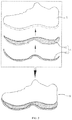
- FIG. 1 depicts an exemplary shoe 6 having a sole structure 4 composed of an outsole 40 and midsole 41.
- the sole structure 4 can be bonded with the upper 5 in order to form the shoe 6.
- An exemplary adhesive described herein can be used to bond an upper surface 7 of the outsole 40 to a lower surface 8 of the midsole 41 . This will allow for easier debonding of the outsole 40 and midsole 41.
- An exemplary adhesive described herein can be used to bond an upper surface 9 of the midsole 41 to a lower surface 10 of the upper 5. This ow for easier debonding of the sole structure 4 from the upper 5.
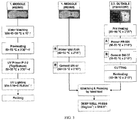
- FIG. 2 is a cross sectional view showing an exemplary shoe being finished by using the method of bonding using an adhesive provided herein.
- the shoe 6 is formed of the shoe sole 4 and the upper 5, and the shoe sole 4 includes the shoe outsole 40 and the shoe midsole 41 .
- Each of these components can be bonded using a debondable adhesive described herein.
- the use of debondable adhesives described herein allows for easy debonding, for example for separate recycling of the materials of the upper 5, the shoe outsole 40, and/or the shoe midsole 41.
- Adhesives including a polymeric adhesive matrix, and a carboxylic acid or a salt thereof dispersed within the polymeric adhesive matrix. It has been found that the addition of a dispersed carboxylic acid or salt thereof to a polymeric adhesive matrix can significantly increase the ease with which the bonded components can be debonded once the adhesive has cured, without significantly degrading the bond strength of the adhesive.
- the carboxylic acid or a salt thereof is present in an amount from 1% to 15% by weight based upon a total weight of the adhesive.
- the carboxylic acid or salt thereof is present in an amount from 2.5% to 5% by weight based upon the total weight of the adhesive.
- the carboxylic acid can be a sugar acid.
- the carboxylic acid can be tartronic acid, tartaric acid, ribaric acid, or glucaric acid.
- the carboxylic acid can be glucaric acid, for example wherein the glucaric acid or salt thereof is present in an amount from 4.5% to 8% by weight based upon the total weight of the adhesive.
- the carboxylic acid can be tartaric acid, for example, wherein the tartaric acid or salt thereof is present in an amount from 3.5% to 5.5.% by weight based upon the total weight of the adhesive.
- the carboxylic acid or salt thereof thermally decomposes into substantially water and carbon dioxide. In some aspects, the carboxylic acid or salt thereof decomposes into substantially water and carbon dioxide when exposed to microwave radiation at a frequency of 2.4 GHz and power level of at least 900W for a period of time of 1 minute or more.
- the adhesive is a hotmelt adhesive, and the melting point of the hotmelt adhesive is at least 10°C below the melting point of the carboxylic acid.
- the polymeric adhesive matrix includes at least one polymer selected from a polyurethane, a polychloroprene, a latex, a polystyrene, a polyamide, a polyolefin, a polyacrylate, or any combination thereof.
- the adhesive including the carboxylic acid or salt thereof advantageously maintains a bonding strength during use.
- the adhesive can have a bond strength that is at least 80% of a reference bond strength for the otherwise same adhesive except without the carboxylic acid or a salt thereof when the adhesive and the adhesive without the carboxylic acid or salt are used to bond the same materials and are measured under the same conditions.
- the bond strength is 9 N/cm 2 to 35 N/cm 2 or 20 N/cm 2 to 35 N/cm 2 .
- debonding of the adhesive can be trigged by the application of heat and/or microwave radiation.
- the adhesive after the adhesive has been exposed to microwave radiation having a frequency of 2.4 GHz and a power level of at least 900 W for a period of time of at least 60 seconds, the adhesive has a bond strength that is at least 60% less than a reference bond strength for the otherwise same adhesive except without the carboxylic acid or salt thereof, when exposed to about the same frequency of microwave radiation for about the same period of time, and when used to bond the same materials and measured under the same conditions.
- the bond strength can be less than 30% of the reference bond strength.
- the adhesive has a bond strength of 10 N/cm 2 or less.
- the adhesive has a bond strength of 1 N/cm 2 or less.
- Bond strength of the adhesive can be measured in a variety of ways.
- the bond strength is measured by bonding a first material to a second material, and measuring the bond strength using a single lap shear test with a bonding area of at least 6.45 x 10 -4 m 2 (1 in 2 ).
- the bond strength is measured by bonding a first material to a second material, and measuring the bond strength using a T-peel test with a bonding area of at least 6.45 x 10 -4 m 2 (1 in 2 ).
- the first material, the second material, or both materials can be selected from a thermoplastic polyurethane, a thermoplastic polyurethane knit fiber, a thermoplastic polyurethane foam, or an ethylene-vinyl acetate foam.
- Articles of footwear and portions thereof are also provided including components bonded by adhesives described herein.
- the article of footwear or portion thereof has a first component, a second component, and an adhesive according described herein adhesively bonding the first component to the second component.
- the components can be any components, and in particular any components commonly found in an article of footwear, in some aspects the first component, the second component, or both include an upper, an insole, an outsole, a midsole, a strobel, a vamp, a tip, a foxing, a tongue, an eyestay, or any combination thereof.
- the adhesives can adhesively bond an upper and an outsole, an insole and a last, an upper and an insole, a midsole and an outsole, or any other combination of components commonly found in the footwear industry.
- the first component, the second component, or both include a material selected from the group consisting of a crepe rubber, a natural leather, a synthetic leather, a polyurethane, a thermoplastic polyurethane, a thermoplastic rubber, a styrene butadiene rubber, a vinyl acetate, a polyamide, a polyvinyl chloride, a polystyrene, an acrylonitrile butadiene styrene, a textile, a fabric, and a combination thereof.
- a crepe rubber a natural leather, a synthetic leather, a polyurethane, a thermoplastic polyurethane, a thermoplastic rubber, a styrene butadiene rubber, a vinyl acetate, a polyamide, a polyvinyl chloride, a polystyrene, an acrylonitrile butadiene styrene, a textile, a fabric, and a combination thereof.
- the adhesives may be used to adhesively bond two components in methods that include applying the adhesive composition to one or both of a first surface on a first component and a second surface on a second component and contacting the first surface and the second surface to adhesively bond the first and second components.
- the components can be made from a variety of materials, especially those materials commonly found in the footwear industry.
- the first component, the second component, or both include a material selected from a crepe rubber, a natural leather, a synthetic leather, a polyurethane, a thermoplastic polyurethane, a thermoplastic rubber, a styrene butadiene rubber, a vinyl acetate, a polyamide, a polyvinyl chloride, a polystyrene, an acrylonitrile butadiene styrene, a textile, a fabric, or any combination thereof.
- the components can also have a variety of shapes and forms, in particular those components commonly found in the footwear industry.
- the components include an upper, an insole, an outsole, a midsole, a strobel, a vamp, a tip, a foxing, a tongue, an eyestay, or any combination thereof.
- a debonding method may include increasing a temperature of the adhesive for a period of time sufficient to reduce a bond strength of the adhesive by at least 50% as compared to a bond strength of the adhesive prior to increasing its temperature.
- Increasing the temperature of the adhesive advantageously includes treating the adhesive with microwave radiation for a period of time to reduce an adhesive strength of the adhesive. The increasing the temperature of the adhesive can cause foaming of the adhesive.
- Treating the adhesive with microwave radiation for a period of time may reduce an adhesive strength of the adhesive.
- the microwave radiation can have a frequency of 2 GHz to 3 GHz and/or a power level of 500 W to 1500 W.
- the period of time is advantageously effective to reduce the adhesive strength by at least 70% as compared to the adhesive strength prior to treating the adhesive with the microwave radiation, e.g. the period of time can be effective to reduce the adhesive strength to 10 N/cm 2 or less.
- the amount of time can of course vary based upon a variety of factors, but in some aspects the period of time is 30 second to 120 seconds.
- the frequency, power and duration of the microwave radiation can be sufficient to produce foaming of the adhesive, thereby triggering debonding.
- ratios, concentrations, amounts, and other numerical data can be expressed herein in a range format. It is to be understood that such a range format is used for convenience and brevity, and thus, should be interpreted in a flexible manner to include not only the numerical values explicitly recited as the limits of the range, but also to include all the individual numerical values or sub-ranges encompassed within that range as if each numerical value and sub-range is explicitly recited.
- a numerical range of "0.1% to 5%” should be interpreted to include not only the explicitly recited values of 0.1% to 5%, but also include individual values (e.g., 1%, 2%, 3%, and 4%) and the sub-ranges (e.g., 0.5%, 1.1%, 22%, 3.3%, and 4.4%) within the indicated range.
- the stated range includes one or both of the limits
- ranges excluding either or both of those included limits are also included in the disclosure, e.g. the phrase "x to y" includes the range from 'x' to 'y' as well as the range greater than 'x' and less than 'y'.
- the range can also be expressed as an upper limit, e.g.
- 'x, y, z, or less' should be interpreted to include the specific ranges of 'x', 'y', and 'z' as well as the ranges of 'less than x', less than y', and 'less than z'.
- the phrase 'x, y, z, or greater' should be interpreted to include the specific ranges of 'x', 'y', and 'z' as well as the ranges of 'greater than x', greater than y', and 'greater than z'.
- Adhesives including a polymeric adhesive matrix, and a carboxylic acid or a salt thereof dispersed within the polymeric adhesive matrix.
- the carboxylic acid is present in an amount from 1% to 15%, in particular at amounts that facilitate ease of debonding while not significantly compromising the bond strength of the adhesive during normal use.
- the carboxylic acid or a salt thereof is present in an amount from 2.5% to 15%, 2.5 % to 10%, 2.5% to 7.5%, 2.5% to 5%, 5% to 7.5%, or 3% to 7.5% by weight based upon a total weight of the adhesive.
- the carboxylic acid is tartaric acid or salt thereof, it is present in an amount from 3.5% to 7.5% by weight based upon the total weight of the adhesive
- Compositions for forming the adhesives may include at least one polymer, a resin, a carboxylic acid or a salt thereof, and a suitable solvent.
- the carboxylic acid or salt thereof is present in an amount from 1% to 15%, 2.5% to 15%, 2.5 % to 10%, 2.5% to 7.5%, 2.5% to 5%, 5% to 7.5%, or 3% to 7.5% by weight based upon a dry weight of the composition.
- Adhesives are provided including a carboxylic acid or salt thereof as defined in claim 1.
- the carboxylic acid can be a sugar acid.
- the carboxylic acid can be tartronic acid, tartaric acid, ribaric acid, or glucaric acid.
- the carboxylic acid can be glucaric acid, for example wherein the glucaric acid or salt thereof is present in an amount from 3% to 10%, 4.5% to 10%, or 4.5% to 8% by weight based upon the total weight of the adhesive.
- the carboxylic acid can be tartaric acid, for example, wherein the tartaric acid or salt thereof is present in an amount from 3.5% to 7.5%, optionally 3.5% to 5.5.% by weight based upon the total weight of the adhesive.
- the acid is a sugar acid.
- the acid can be a polyprotic acid, e.g. a diprotic acid or a triprotic acid.
- the acid can also include a large hydroxyl content such as that found in the sugar acids described herein.
- the carboxylic acid can be any size suitable for incorporation into the adhesives, in particular aspects the carboxylic acid will have 3 to 15, 3 to 12, 3 to 9, or 5 to 9 carbon atoms.
- the carboxylic acid has a structure according to the following formula or a derivative thereof where n is an integer from 2 to 12, 2 to 10, or 2 to 8, e.g. 2, 3, 4, 5, 6,7, or 8.
- the carboxylic acid or salt thereof thermally decomposes into substantially water and carbon dioxide. In some aspects, the carboxylic acid or salt thereof decomposes into substantially water and carbon dioxide when exposed to microwave radiation at a frequency of 2.4 GHz and power level of at least 900W for a period of time of 20 second, 30 second, 45 seconds, 60 seconds, 90 seconds, or more.
- the adhesives and compositions can include environmentally benign materials.
- the carboxylic acid can be substantially free of heavy metals and/or halogen atoms. By being free of halogens and heavy metals and decomposing into substantially water and carbon dioxide, the additives minimize environmental impact of the compositions and methods described herein.
- the adhesives and compositions can also include environmentally benign solvents.
- the solvent is or includes a substantial portion of water, acetone, ethanol, 2-propanol, ethyl acetate, isopropyl acetate, methanol, methyl ethyl ketone, 1-butanol, t-butanol, or any mixture thereof.
- the solvent is water or is essentially water.
- the solvent is at least 15%, at least 20%, at least 25%, or at least 30% w/v of water.
- the solvent can be present in any suitable amount to render the desired viscosity of the composition without substantially impacting the performance of the adhesive.
- the solvent is present in an amount from 50% to 750% or 50% to 500% by weight based upon a dry weight of the composition.
- compositions and the polymeric adhesive matrix can include a variety of polymers commonly used in adhesive.
- the polymeric adhesive matrix includes at least one polymer selected from a polyurethane, a polychloroprene, a latex, a polystyrene, a polyamide, a polyolefin, a polyacrylate, and any combination thereof.
- the polystyrene is or includes a polystyrene block copolymer.
- Suitable polystyrenes can include poly(styrene-isoprene-styrene), poly(styrene-butadiene-styrene), poly(styrene-ethylene-butene-styrene), and a poly(styrene-ethylene-propene).
- the adhesive is a hotmelt adhesive, and the melting point of the hotmelt adhesive is at least 10°C below the melting point of the carboxylic acid.
- the polymeric adhesive matrix includes at least one thermoplastic polymer selected from a thermoplastic polyurethane, a thermoplastic polyamide, a thermoplastic polyolefin, a thermoplastic polyester, a thermoplastic polyether, a thermoplastic copolymer thereof, and any combination thereof.
- the polymeric adhesive matrix includes a polyolefin such as a polyethylene, a polypropylene, a copolymer thereof, or any combination thereof.
- the polyolefin can be an ethylene copolymer.
- the polymeric adhesive matrix includes a thermoplastic polyolefin.
- thermoplastic polyolefin in some aspects, includes a thermoplastic polyethylene, a thermoplastic polypropylene, a thermoplastic copolymer thereof, or any combination thereof.
- the thermoplastic polyolefin can include a thermoplastic ethylene copolymer.
- the thermoplastic ethylene copolymer is ethylene vinyl acetate (EVA).
- the polymeric adhesive matrix includes at least one thermoplastic polymer is a polymer or copolymer including a plurality of functional groups in its chemical structure, wherein the plurality of functional groups are selected from hydroxyl groups, carboxyl groups, amine groups, amide groups, urethane groups, and combinations thereof.
- the at least one thermoplastic polymer has a melting point from 80 degrees C to 180 degrees C.
- the polymeric adhesive matrix is an elastomeric polymer adhesive matrix. The adhesive can have an elongation of at least 180%, at least 200%, or at least 220%.
- the compositions can include a variety of resins commonly found in adhesives.
- the resin is a colophony resin, a hydrocarbon resin, an alkyl phenolic resin, a terpene phenolic resin, a coumarone-indene resin, or any combination thereof.
- the resin can be present in an amount from 0.1% to 20%, 0.1% to 10%, 1.5% to 10%, or 1.5% to 7.5% by weight based on a dry weight of the composition.
- Bond strength of the adhesive can be measured in a variety of ways.
- the bond strength is measured by bonding a first material to a second material, and measuring the bond strength using a single lap shear test with a bonding area of at least 6.5 x 10 -4 m 2 (1 in 2 ).
- the bond strength is measured by bonding a first material to a second material, and measuring the bond strength using a T-peel test with a bonding area of at least 6.5 x 10 -4 m 2 (1 in 2 ).
- the first material, the second material, or both materials can be selected from a thermoplastic polyurethane, a thermoplastic polyurethane knit fiber, a thermoplastic polyurethane foam, or an ethylene-vinyl acetate foam.
- the adhesive including the carboxylic acid or salt thereof can maintain bonding strength during use.
- the adhesive can have a bond strength that is at least 50%, at least 60%, at least 70%, at least 80%, at least 85%, at least 90%, or at least 95% of a reference bond strength for the otherwise same adhesive except without the carboxylic acid or a salt thereof when the adhesive and the adhesive without the carboxylic acid or salt are used to bond the same materials and are measured under the same conditions.
- the bond strength is 5 N/cm 2 to 45 N/cm 2 , 9 N/cm 2 to 35 N/cm 2 , or 20 N/cm 2 to 35 N/cm 2 .
- debonding of the adhesive can be trigged by the application of heat and/or microwave radiation.
- the adhesive after the adhesive has been exposed to microwave radiation having a frequency of 2.4 GHz and a power level of at least 900 W for a period of time of at least 60 seconds, the adhesive has a bond strength that is at least 60% less than a reference bond strength for the otherwise same adhesive except without the carboxylic acid or salt thereof, when exposed to about the same frequency of microwave radiation for about the same period of time, and when used to bond the same materials and measured under the same conditions.
- the bond strength can be less than 30% of the reference bond strength.
- the adhesive has a bond strength of 10 N/cm 2 or less.
- the adhesive has a bond strength of 1 N/cm 2 or less.
- Articles of footwear and portions thereof are also provided including components bonded by adhesives described herein.
- the articles of footwear can be a shoe, a boot, a sandal, or a combination thereof.
- Suitable shoes can include, but are certainly not limited to, an athletic shoe, a tennis shoe, a cross-trainer shoe, a children's shoe, a dress shoe, and a casual shoe.
- the shoe is a cleated shoe.
- An article of footwear or portion thereof having a first component, a second component, and an adhesive according described herein adhesively bonding the first component to the second component.
- the components can be any components, and in particular any components commonly found in an article of footwear, in some aspects the first component, the second component, or both include an upper, an insole, an outsole, a midsole, a strobel, a vamp, a tip, a foxing, a tongue, an eyestay, or any combination thereof.
- the adhesives can adhesively bond an upper and an outsole, an insole and a last, an upper and an insole, a midsole and an outsole, or any other combination of components commonly found in the footwear industry.
- the first component, the second component, or both include a material selected from the group consisting of a crepe rubber, a natural leather, a synthetic leather, a polyurethane, a thermoplastic polyurethane, a thermoplastic rubber, a styrene butadiene rubber, a vinyl acetate, a polyamide, a polyvinyl chloride, a polystyrene, an acrylonitrile butadiene styrene, a textile, a fabric, and a combination thereof.
- a crepe rubber a natural leather, a synthetic leather, a polyurethane, a thermoplastic polyurethane, a thermoplastic rubber, a styrene butadiene rubber, a vinyl acetate, a polyamide, a polyvinyl chloride, a polystyrene, an acrylonitrile butadiene styrene, a textile, a fabric, and a combination thereof.
- the adhesives may be used in a method of adhesively bonding two components.
- the methods can include applying an adhesive composition to one or both of a first surface on a first component and a second surface on a second component and contacting the first surface and the second surface to adhesively bond the first and second components.
- the components can be made from a variety of materials, especially those materials commonly found in the footwear industry.
- the first component, the second component, or both include a material selected from a crepe rubber, a natural leather, a synthetic leather, a polyurethane, a thermoplastic polyurethane, a thermoplastic rubber, a styrene butadiene rubber, a vinyl acetate, a polyamide, a polyvinyl chloride, a polystyrene, an acrylonitrile butadiene styrene, a textile, a fabric, or any combination thereof.
- the components can also have a variety of shapes and forms, in particular those components commonly found in the footwear industry.
- the components include an upper, an insole, an outsole, a midsole, a strobel, a vamp, a tip, a foxing, a tongue, an eyestay, or any combination thereof.
- the methods can include various surface treatments commonly applied with adhesives.
- the methods include treating one or both of the first surface and the second surface prior to applying the composition.
- the treating step can include a surface treatment such as a physical treatment, a chemical treatment, a primer treatment, a solvent treatment, or any combination thereof.
- Physical treatments can include treating a surface with an abrasive to increase a surface roughness.
- Chemical treatments can include etching a surface with acid.
- Primer treatments can include treating a surface with a primer solution.
- Solvent treatments can include contacting a surface with a solvent to remove contaminants from the surface.
- the methods can include applying pressure to ensure a proper level of bonding between the components.
- the methods can include applying pressure to the first component and the second component for a period of time to adhesively bond the first component and the second component.
- the pressure can be 2.1 MPa (300 psi) to 5.5 Mpa (800 psi) and the period of time can be 10 minutes to 30 minutes.
- the methods can further include applying one or both of heat and ultraviolet radiation to adhesively bond the first component and the second component.
- the compositions can, in some aspects, be applied using an automated or machine assisted process, e.g. using an automatic sprayer.
- the carboxylic acid dispersed within the polymeric adhesive matrix can decompose when exposed to sufficient heat and/or microwave radiation, and in particular to a sufficient amount of heat and/or microwave radiation to trigger debonding without significantly damaging the components themselves.
- the methods include increasing a temperature of the adhesive for a period of time sufficient to reduce a bond strength of the adhesive by at least 50% as compared to a bond strength of the adhesive prior to increasing its temperature.
- increasing the temperature of the adhesive includes treating the adhesive with microwave radiation for a period of time to reduce an adhesive strength of the adhesive. The increasing the temperature of the adhesive can cause foaming of the adhesive.
- the adhesive may be treated with microwave radiation for a period of time to reduce an adhesive strength of the adhesive.
- the microwave radiation can have a frequency of 2 GHz to 3 GHz and/or a power level of 500 W to 1500 W.
- the period of time is effective to reduce the adhesive strength by at least 50%, at least 60%, at least 70%, at least 80%, at least 90%, or at least 95% as compared to the adhesive strength prior to treating the adhesive with the microwave radiation, e.g. the period of time can be effective to reduce the adhesive strength to 10 N/cm 2 or less.
- the amount of time can of course vary based upon a variety of factors, but in some aspects the period of time is 30 second to 120 seconds.
- the frequency, power and duration of the microwave radiation can be sufficient to produce foaming of the adhesive, thereby triggering debonding.
- the frequency, power, and duration are effective to completely debond the components without any physical debonding.
- the exact frequency, power level, and duration of time may vary based upon a number of factors.
- the frequency is 2 GHz to 3 GHz, 2.2 GHz to 2.8 GHz, 2.3 GHz to 2.6 GHz, 2.4 GHz, 2.45 GHz, or 2.5 GHz.
- the power level can be varied based upon the materials and the desired period of time, in various aspects the power level is 300 W to 1500 W, 500 W to 1500 W, 700 W to 1200 W, or 900 W.
- the uppers (foams, fabric or solid) and bottoms (solid or foam materials) were attached using clips followed by pressing in carver at 3.5 MPa (500 psi) for desired time (typically 15 minutes) as shown below. After pressing, all bonded laminates were stored for 24 h.
- a "SHIMADZU” brand AG-IC 50 kN tensile tester (Shimadzu Corp., Kyoto, JP) was used for characterizing bond strength of laminates made with many substrates and adhesive combinations.
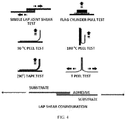
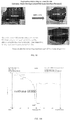
- "SHIMADZU” brand tensile testing equipment capabilities are comparable with "INSTRON” brand machines (Instron Engineering Corporation, Canton, MA, USA) which can also be used for measuring bond strengths. Many techniques are shown FIG. 4 . Unless described otherwise, the bond strengths herein are measured using one or both of a single lap shear test and T-peel test for characterizing bond strength.
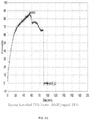
- FIGS. 5A-5B show stress-strain curves of typical laminates tested.
- the nature of the cement determines the bond strength and substrates determines the extent of stretching. Huge stretching (typically 100 to 300 %) was observed of all substrates during bond strength measurements. Typical failure occurs due to the debonding of adhesives and sometime breakage of substrates (where bond strength is larger than tensile strength of one of the material).
- Glucaric acid (a natural foaming agent that degrades to form water and CO2, renewable/sustainable resource) was tested in addition to strong microwave absorbers (graphite and iron powders) as the local heating of glucaric acid will cause foaming and mechanical separation of the two substrates. It was observed that glucaric acid by itself can cause debonding of "GORILLA GLUE" without need for strong microwave absorbers such as Fe or carbon materials. Not wishing to be bound by any particular theory, perhaps the highly loaded functional polar groups in the glucaric and similar class of materials cause an increase in the dielectric heating.
- Approaches to mitigate the long heating time for substrates with lower melting/softening points can include partially immersing/floating low melting substrate in water or appropriate liquid medium, while the bonded area is directly exposed to microwave radiation and/or cooling the low melting substrate on a cold roll's (with microwave transparent material), while the bonded area is directly exposed to microwave radiation.
- TPU fabric with EVA foam materials were also tested using "HENKEL” primers/cements for microwave induced debonding. Partial melting of upper or lower during 60 seconds of microwave exposure was not observed for these materials.
- Table 3 shows bond strength of various modified adhesive combinations at different microwave exposure time. Most additives improved the bond strength degradation at 30 seconds of direct microwave exposure. Most PUR adhesives have dipoles that do absorb causing dielectric heating, so they soften and weaken the bond if the adhesives are not hardened (crosslinking). The effect of microwaves with modified adhesives will be dramatic (similar to "GORILLA GLUE") if the adhesives are hardened. Table 3.
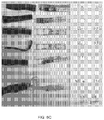
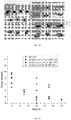
- FIG. 7 shows pictures of the samples after microwave exposure followed by peel strength testing. No melting of fabric or foam was observed if the microwave exposure time is less than 60 seconds, except for 5 % graphite/10 % glucaric acid based samples. However, the fabric melts at the bonded area if the exposure time is around 90 seconds (n on-bonded area is fine). The data shows, bonded area is getting exposed to higher temperatures compared to non-bonded areas.
- TPU ealstomer materials were used and found their thermal properties are different. Solid TPU elastomer has sharp melting between 55 to 90°C, while no thermal transition was seen from the TPU knitted fiber. This explains why TPU fabric and EVA foam components were easily separated with about 60 seconds of microwave exposure with 80-95 % bond strength degradation.
- a low melting primer can be integrated with strong cements such as "GORILLA GLUE” or crosslinked (hardened) "HENKEL” adhesives.
- FIG. 9 three architectures using “HENKEL” primer (SW-7001) and “GORILLA GLUE” on a thermally stable EVA foam purchased from Soletech. The samples were boiled in water for varied time intervals. If the primer was applied on both substrates, the debonding is non-specific and failure occur on both sides of the substrates. If primer is applied only on one side of the laminate, the debonding specifically take place at that interface. When no primer is applied, there is no debonding of "GORILLA GLUE” even after 135 minutes of boiling.
- Asymmetric laminates were also exposed to direct microwave exposure ( FIG. 10 ).
- the primer (applied) side de-bonded within 2 minutes of microwave exposure as shown in FIG. 10 .
- Hardened adhesives (“HENKEL” and “GRECO”) can behave very similar to "GORILLA GLUE” based bonding/debonding.
- This technique provides an opportunity to either apply a non-hardened primer with hardened cement or additive modified primer with hardened cement (with or without additives).
- This technique also provides an opportunity to recover most expensive component without cross-contamination by using additive modified hardened primer only at the interface of desired component, while using non-modified hardened cement/primers on the inexpensive part.
- modified adhesives containing various amounts of glucaric acid or tartaric acid were improved.
- Optimizing blending process enabled matching (or exceeding) bond strength of modified adhesives to that of control adhesives.
- the procedure for making glucaric/tartaric acid modified adhesives is shown in the following procedure.
- Tartaric Acid (DL-Tartaric acid, CAS 133-37-9, from Sigma-Aldrich, Saint Louis, MO, USA)
- Adhesives (based on dry weight of NP-200)
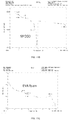
- FIG. 12 shows the pictures of the samples after microwave exposure.
- 0.025 m x 0.064 m (1"X2.5") samples were prepared for measuring bond strength as a function of microwave exposure time.
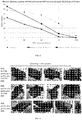
- FIG. 13 shows the relative bond strength of laminates made with varying concentration of tartaric acid as a function of microwave exposure time.
- the performance of modified adhesives up to 5 % tartaric acid were able to be matched to that of control NP200 based laminate.
- the performance of 10 % tartaric acid based adhesive was poor.
- tartaric acid fastens the debonding in the presence of microwave radiation, similar to glucaric acid.
- the performance of tartaric acid is better than glucaric acid based on initial studies.
- Tartaric acid may have decreased shelf-life based on observed viscosity increase seen with 10 % tartaric acid based NP200 adhesive formulation upon ageing.
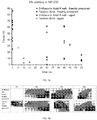
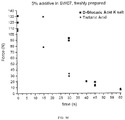
- the ageing of 5 % glucaric and tartaric acid based NP200 was investigated to ascertain the effects on bond strength and their effect on microwave disruption ( FIG. 14 ) . Bonding using freshly made adhesives and 24h room temperature aged modified adhesives were tested for bond strength as a function of microwave exposure time. The bond strength of glucaric acid was not affected by ageing, while bond strength degraded if tartaric acid based adhesive is aged for 24h. Both tartaric acid and glucaric acid exhibited similar bond strength, when freshly prepared modified cement was used for bonding. However, the disruption of bond with microwave is faster with tartaric acid compared to that with glucaric acid.
- FIG. 15 shows the difference between glucaric acid (5 %) and tartaric acid (5 %) modified NP200 cement based bonds at various microwave exposure times.
- FIG. 16 shows bond strength of modified SW-07 adhesive with glucaric and tartaric acids. The debonding was faster with tartaric acid compared to that with glucaric acid at 5 % loading level.
- GRECO cement (Isothane GE01) was tested with both glucaric acid and tartaric acid at 2.5 % as well as at 5 % loading levels. Soletech substrates were used for testing. The substrates were cleaned and applied with the "GRECO” UV primer followed by GE6001L. Modified cements were applied, dried and bonded using WBI's bonding process described in work order 2 report. The samples were aged for 24 and lap shear strengths were measured using Shimatzu as a function of microwave exposure time. FIG. 17 shows the effect of microwave exposure time on the bond strength. The data again clearly shows that tartaric acid works better than glucaric acid in disrupting the bonds, and both additives perform better than non-modified, not-hardened GE01. The debonding spread between control and modified GE01 will be much better if GE01 is hardened.
- NANPAO Tartaric acid in NP200
- tartaric acid in NP 200 also GE01 and SW-07
- concentration of tartaric acid was investigated to achieve best disruption without affecting initial bond strength and shelf life (at least for 2 hours).
- tartaric acid and glucaric acid concentration should be lower than about 10 % to achieve good bond strength after 24h of bonding.
- the concentration of tartaric acid in NP 200 was tested using following procedure:
- FIG. 18 shows the surface of de-bonded substrates that were exposed to 30 second microwave followed by debonding using Shimatzu from NP200 with various amounts of tartaric acid. No melting is seen from sample without tartaric acid, partial melting is seen with samples containing 1.25 % and 2.5 % tartaric acid. Complete melting and some foaming is seen with samples containing 3.75 % and 5 % tartaric acid.
- FIG. 19 shows debonded (in Shimatzu) sample surfaces from tartaric acid containing NP200 adhesive that were exposed to 45 seconds of microwave radiation. Now even 1.25 % tartaric acid cause lot of melting, while control NP200 is not melted. Adhesive layer is completely melted from 3.75 % and 5 % tartaric acid containing NP200 samples, while their bond strengths were zero (separated in microwave oven).
- FIG. 20 shows debonded (in Shimatzu) sample surfaces from tartaric acid containing NP200 adhesive bonds that were exposed to 60 seconds of microwave radiation. All samples including control NP 200 is melted during 60 seconds of microwave exposure. Both 1.25% and 2.5 % tartaric acid containing samples are completely melted with lot of bubbles. Both 3.75 % and 5 % tartaric acid show charring of bonded area suggesting degradation of samples due to overheating.
- FIGS. 18-20 clearly show accelerated heating of bond in the presence of tartaric acid, causing degradation and foaming.
- the glucaric acid concentration was examined and best debonding occurs in NP200 with glucaric acid concentration between 5 and 7 %.
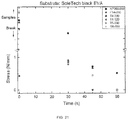
- FIG. 21 shows peel strength (180°) of upper/bottoms made with modified NP200 adhesives as a function of microwave exposure time.
- NP200 refers to nonmodified "NANPAO" cement
- T4-000 refers to 4 % tartaric acid modified NP200 used fresh
- T5-000 refers to 5 % tartaric acid modified NP200 used fresh
- T4-120 refers to 4 % tartaric acid modified NP200 used after 120 minutes of preparation
- G5-000 refers to 5 % glucaric acid modified NP200 used fresh
- PT4-000 refers to 4 % tartaric acid modified primer with NP200. Both tartaric acid and glucaric acid fastens delamination with bonds made using non-hardened NP200 cement.
- Viscosity of various formulations was characterized containing varied amounts of tartaric and glucaric acid and also monitored viscosity change as a function of ageing time in open air (some drying happens).
- a Brookfield viscometer was used in the temperature range of 19 and 20 °C and with shear rates of (0.5, 1.0, 2.0 and 2.5 rpm corresponding to) 0.17, 0.34, 0.68 and 0.85 S -1 .
- the viscosity data of control NP200 and 5 % glucaric acid containing NP200 as a function of time is shown in FIGS. 22A-22B . Small changes in viscosity with time is attributed to partial evaporation of water.
- FIGS. 23A-23B The viscosity data of 2.5% and 5 % tartaric acid containing NP200 formulations as a function of time is shown in FIGS. 23A-23B .
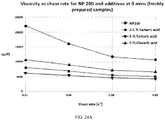
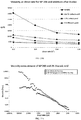
- FIGS. 24A-24B show the effect of additives and ageing time on the viscosity of NP200 (not-hardened). Surprisingly viscosity goes down upon adding both tartaric and glucaric acids. This could explain, why the technician (Kate, name please) felt smoother, when he was applying glucaric acid containing NP200 while making shoes at APCC. Even more surprising is the fact that viscosity seems to be decreasing with increase in tartaric acid content.
- Viscosity was also measured as a function of shear rate (0.01 to 1000 sec -1 ).
- the rheological data is shown in for both glucaric acid ( FIG. 25A ) and tartaric acid ( FIG. 25B ) modified NP200 adhesives.
- the data suggests, the influence of tartaric acid on the viscosity of NP200 is small at shear rates between 1 to 1000 sec -1 .
- the viscosity of NP 200 is drastically increased at lower shear rates ( ⁇ 1 sec -1 ) in the presence of glucaric acid.
- the viscosity of glucaric acid modified adhesives will be optimized to that of control adhesives for "GRECO" (hardened) adhesives during Work Order 4 (Phase II).
- TPU/TPU and EVA/polyester based shoes were fabricated, and bond strengths of the modified adhesives were compared to control samples with unmodified adhesive. The bonds strengths of the modified adhesives were higher than the control samples (> 20% better peel strength).
- TPU/TPU shoe was directly exposes to 1.4 cubic foot (ft 3 ) of microwave. Partial melting of TPU bottom was observed at about 57 seconds. The shoe was removed. The upper and bottom for shoes made with 5% glucaric acid based NP200 adhesive were able to be separated. The corresponding control shoe (using unmodified adhesive) could not be readily separated. Table 5.
- Preferred window is 0 to 2 h.
Landscapes
- Chemical & Material Sciences (AREA)
- Organic Chemistry (AREA)
- Engineering & Computer Science (AREA)
- Materials Engineering (AREA)
- Health & Medical Sciences (AREA)
- Chemical Kinetics & Catalysis (AREA)
- Medicinal Chemistry (AREA)
- Polymers & Plastics (AREA)
- Adhesives Or Adhesive Processes (AREA)
Claims (11)
- Klebstoff, umfassend:eine polymere Klebstoffmatrix, wobei die polymere Matrix mindestens ein Polymer umfasst, das aus einer Gruppe ausgewählt ist, die aus einem Polyurethan, einem Polychloropren, einem Latex, einem Polystyrol, einem Polyamid, einem Polyolefin, einem Polyacrylat und einer beliebigen Kombination davon besteht, undeine Carbonsäure oder ein Salz davon, dispergiert in der polymeren Klebstoffmatrix, wobei die Carbonsäure eine Struktur gemäß der folgenden Formel oder ein Derivat davon aufweist:
 wobei n eine ganze Zahl von 2 bis 10 ist,wobei die Carbonsäure oder ein Salz davon in einer Menge von 1 % bis 15 %, bezogen auf das Gesamtgewicht des Klebstoffs, vorhanden ist, unter der Voraussetzung, dass wenn die Carbonsäure Weinsäure oder ein Salz davon ist, sie in einer Menge von 3,5 % bis 7,5 %, bezogen auf das Gesamtgewicht des Klebstoffs, vorhanden ist.
 - Klebstoff nach Anspruch 1, wobei die Carbonsäure Glucarsäure ist, und
wobei die Glucarsäure oder ein Salz davon in einer Menge von 4,5 % bis 8 %, bezogen auf das Gesamtgewicht des Klebstoffs, vorhanden ist. - Klebstoff nach Anspruch 1, wobei die Carbonsäure Weinsäure ist, und
wobei die Weinsäure oder deren Salz in einer Menge von 3,5 % bis 5,5 %, bezogen auf das Gesamtgewicht des Klebstoffs, vorhanden ist. - Klebstoff nach Anspruch 1, wobei die polymere Klebstoffmatrix mindestens ein thermoplastisches Polymer umfasst, das aus der Gruppe ausgewählt ist, die aus einem thermoplastischen Polyurethan, einem thermoplastischen Polyamid, einem thermoplastischen Polyolefin, einem thermoplastischen Polyester, einem thermoplastischen Polyether, einem thermoplastischen Copolymer davon und einer beliebigen Kombination davon, besteht.
- Schuhwerkartikel oder Abschnitt davon, umfassend eine erste Komponente, eine zweite Komponente und einen Klebstoff, der die erste Komponente mit der zweiten Komponente klebend verbindet, wobei der Klebstoff umfasst:eine polymere Klebstoffmatrix, wobei die polymere Matrix mindestens ein Polymer umfasst, das aus einer Gruppe ausgewählt ist, die aus einem Polyurethan, einem Polychloropren, einem Latex, einem Polystyrol, einem Polyamid, einem Polyolefin, einem Polyacrylat und einer beliebigen Kombination davon besteht, undeine Carbonsäure oder ein Salz davon, dispergiert in der polymeren Klebstoffmatrix, wobei die Carbonsäure eine Struktur gemäß der folgenden Formel oder ein Derivat davon, aufweist
 wobei n eine ganze Zahl von 2 bis 10 ist, und;wobei die Carbonsäure oder ein Salz davon in einer Menge von 1 % bis 15 %, bezogen auf das Gesamtgewicht des Klebstoffs, vorhanden ist, unter der Voraussetzung, dass wenn die Carbonsäure Weinsäure oder ein Salz davon ist, sie in einer Menge von 3,5 % bis 7,5 %, bezogen auf das Gesamtgewicht des Klebstoffs, vorhanden ist.
 - Schuhwerkartikel oder Abschnitt davon nach Anspruch 5, wobei die erste Komponente, die zweite Komponente oder beide ein Material umfassen, das aus der Gruppe ausgewählt ist, die aus einem Kreppkautschuk, einem natürlichen Leder, einem synthetischen Leder, einem Polyurethan, einem thermoplastischen Polyurethan, einem thermoplastischen Kautschuk, einem Styrol-Butadien-Kautschuk, einem Vinylacetat, einem Polyamid, einem Polyvinylchlorid, einem Polystyrol, einem Acrylnitril-Butadien-Styrol, einem Textil, einem Gewebe und einer Kombination davon, besteht.
- Schuhwerkartikel oder Abschnitt davon nach Anspruch 5, wobei die erste Komponente und die zweite Komponente beide ein thermoplastisches Polyurethan umfassen.
- Schuhwerkartikel oder Abschnitt davon nach Anspruch 5, wobei die erste Komponente, die zweite Komponente oder beide eine Komponente umfassen, die aus der Gruppe ausgewählt ist, die aus einem Obermaterial, einer Brandsohle, einer Außensohle, einer Zwischensohle, einem Stroboskop, einem Vamp, einer Spitze, einem Fuchs, einer Zunge, einem Augenstrecker und einer Kombination davon, besteht.
- Schuhwerkartikel oder Abschnitt davon nach Anspruch 5, wobei die erste Komponente ein Obermaterial ist und die zweite Komponente eine Laufsohle ist.
- Schuhwerkartikel oder Abschnitt davon nach Anspruch 5, wobei die Carbonsäure Glucarsäure ist, und
wobei die Glucarsäure oder deren Salz in einer Menge von 4,5 % bis 8 %, bezogen auf das Gesamtgewicht des Klebstoffs, vorhanden ist. - Schuhwerkartikel oder Abschnitt davon nach Anspruch 5, wobei die Carbonsäure Weinsäure ist, und
wobei die Weinsäure oder deren Salz in einer Menge von 3,5 % bis 5,5 %, bezogen auf das Gesamtgewicht des Klebstoffs, vorhanden ist.
Priority Applications (1)
| Application Number | Priority Date | Filing Date | Title |
|---|---|---|---|
| EP20175068.4A EP3744803A1 (de) | 2017-02-23 | 2018-02-22 | Entklebbare klebstoffe und deren verwendungen |
Applications Claiming Priority (2)
| Application Number | Priority Date | Filing Date | Title |
|---|---|---|---|
| US201762462843P | 2017-02-23 | 2017-02-23 | |
| PCT/US2018/019109 WO2018156689A1 (en) | 2017-02-23 | 2018-02-22 | Debondable adhesives and uses thereof |
Related Child Applications (2)
| Application Number | Title | Priority Date | Filing Date |
|---|---|---|---|
| EP20175068.4A Division EP3744803A1 (de) | 2017-02-23 | 2018-02-22 | Entklebbare klebstoffe und deren verwendungen |
| EP20175068.4A Division-Into EP3744803A1 (de) | 2017-02-23 | 2018-02-22 | Entklebbare klebstoffe und deren verwendungen |
Publications (3)
| Publication Number | Publication Date |
|---|---|
| EP3568447A1 EP3568447A1 (de) | 2019-11-20 |
| EP3568447B1 EP3568447B1 (de) | 2020-07-08 |
| EP3568447B3 true EP3568447B3 (de) | 2021-05-19 |
Family
ID=61563543
Family Applications (2)
| Application Number | Title | Priority Date | Filing Date |
|---|---|---|---|
| EP18708865.3A Active EP3568447B3 (de) | 2017-02-23 | 2018-02-22 | Entklebbare klebstoffe und deren verwendungen |
| EP20175068.4A Pending EP3744803A1 (de) | 2017-02-23 | 2018-02-22 | Entklebbare klebstoffe und deren verwendungen |
Family Applications After (1)
| Application Number | Title | Priority Date | Filing Date |
|---|---|---|---|
| EP20175068.4A Pending EP3744803A1 (de) | 2017-02-23 | 2018-02-22 | Entklebbare klebstoffe und deren verwendungen |
Country Status (4)
| Country | Link |
|---|---|
| US (3) | US10827799B2 (de) |
| EP (2) | EP3568447B3 (de) |
| CN (2) | CN110337478B9 (de) |
| WO (1) | WO2018156689A1 (de) |
Families Citing this family (12)
| Publication number | Priority date | Publication date | Assignee | Title |
|---|---|---|---|---|
| DE102018202805B4 (de) * | 2017-10-04 | 2022-10-20 | Adidas Ag | Verbund-Sportartikel |
| WO2019157805A1 (zh) * | 2018-02-13 | 2019-08-22 | 陈志勇 | 中底材料与其制作方法、大底材料、热熔胶膜、贴合设备及鞋底 |
| US20200115593A1 (en) * | 2018-10-11 | 2020-04-16 | Goodrich Corporation | Thermally switchable high shear pressure sensitive adhesive |
| US10653207B1 (en) | 2018-11-30 | 2020-05-19 | S9, Llc | Pliant layer peelably adhered to an outsole of a shoe |
| JP7447475B2 (ja) * | 2019-12-20 | 2024-03-12 | Dic株式会社 | 基材の回収方法 |
| WO2021249749A1 (en) | 2020-06-09 | 2021-12-16 | Basf Se | Process for recycling of bonded articles |
| EP4140679A1 (de) | 2021-08-24 | 2023-03-01 | Henkel AG & Co. KGaA | Verfahren zum ablösen von durch polyurethankleber verbundenen substraten |
| DE102022200181A1 (de) | 2022-01-11 | 2023-07-13 | Adidas Ag | Reversibler Klebstoff in Schuhwerk |
| EP4293059A1 (de) | 2022-06-17 | 2023-12-20 | Basf Se | Entklebbare kompakte pu-materialien |
| TW202440835A (zh) | 2022-11-08 | 2024-10-16 | 德商巴斯夫歐洲公司 | 將部件黏合到物品上並將物品分離以進行回收 |
| WO2025043246A2 (en) * | 2023-08-24 | 2025-02-27 | Daniel Kim | Mixed adhesive |
| WO2025233364A1 (en) | 2024-05-07 | 2025-11-13 | Basf Se | Debondable goods by usage of a thermally lable sacrificial layer in combination with an adhesive |
Family Cites Families (16)
| Publication number | Priority date | Publication date | Assignee | Title |
|---|---|---|---|---|
| DE2113631C3 (de) * | 1971-03-20 | 1979-07-26 | Isar-Rakoll Chemie Gmbh, 8000 Muenchen | Klebstoffe auf Basis von Polyesterurethanen für die Verklebung von Kautschuk-Materialien* mit anderen Werkstoffen |
| JPS5052209A (de) | 1973-04-07 | 1975-05-09 | ||
| CH669500A5 (de) * | 1985-04-27 | 1989-03-31 | Sandoz Ag | |
| JP2002003797A (ja) * | 2000-06-21 | 2002-01-09 | Denki Kagaku Kogyo Kk | エラストマー材の接着方法及び接着構造体 |
| KR20020078676A (ko) * | 2001-04-07 | 2002-10-19 | 이소피아 | 인쇄무늬층이 형성된 에틸렌비닐아세테이트 신발창 |
| US7915338B2 (en) | 2005-12-28 | 2011-03-29 | 3M Innovative Properties Company | Adhesive with alkanoate blend |
| EP2264114A3 (de) * | 2009-06-19 | 2011-05-25 | Sika Technology AG | Verwendung von Carbonsäurehydrazid zum Entkleben von Polyurethanklebstoffen |
| US10913875B2 (en) * | 2012-03-30 | 2021-02-09 | Sirrus, Inc. | Composite and laminate articles and polymerizable systems for producing the same |
| EP3017012B1 (de) * | 2013-07-03 | 2018-03-21 | Henkel IP & Holding GmbH | Durch hochtemperatur ablösbarer klebstoff |
| CN105899632B (zh) * | 2013-10-31 | 2018-02-13 | Lg化学株式会社 | 用于偏光板的基于聚乙烯醇的树脂粘合剂,包含该粘合剂的偏光板,以及图像显示设备 |
| ES2655937T3 (es) | 2014-01-16 | 2018-02-22 | Henkel Ag & Co. Kgaa | Adhesivo líquido a base de almidón |
| CN104119806B (zh) * | 2014-06-26 | 2016-03-02 | 安徽图强文具股份有限公司 | 一种含有复配阻燃剂的笔记本胶粘专用热熔胶 |
| KR20160087070A (ko) * | 2015-01-13 | 2016-07-21 | 주식회사 부성코퍼레이션 | 이브이에이 발포 신발 및 이브이에이 발포 신발의 원단 코팅 방법 |
| KR20160118732A (ko) | 2015-04-03 | 2016-10-12 | 박희대 | 신발용 및 산업용 원단의 합포 방법 |
| CN106256866B (zh) | 2015-06-18 | 2020-03-24 | 狮王株式会社 | 贴剂 |
| CN108329850A (zh) * | 2018-01-22 | 2018-07-27 | 黑天鹅智能科技(福建)有限公司 | 一种鞋材粘合片 |
-
2018
- 2018-02-17 US US15/898,496 patent/US10827799B2/en active Active
- 2018-02-22 CN CN201880013802.2A patent/CN110337478B9/zh active Active
- 2018-02-22 CN CN202011277263.9A patent/CN112409948B/zh active Active
- 2018-02-22 EP EP18708865.3A patent/EP3568447B3/de active Active
- 2018-02-22 EP EP20175068.4A patent/EP3744803A1/de active Pending
- 2018-02-22 WO PCT/US2018/019109 patent/WO2018156689A1/en not_active Ceased
-
2020
- 2020-10-14 US US17/070,342 patent/US11717053B2/en active Active
-
2023
- 2023-06-16 US US18/336,090 patent/US12225972B2/en active Active
Also Published As
| Publication number | Publication date |
|---|---|
| WO2018156689A1 (en) | 2018-08-30 |
| EP3568447A1 (de) | 2019-11-20 |
| US20180235316A1 (en) | 2018-08-23 |
| CN110337478B (zh) | 2020-11-17 |
| CN110337478A (zh) | 2019-10-15 |
| CN110337478B9 (zh) | 2021-01-12 |
| US12225972B2 (en) | 2025-02-18 |
| US20230320459A1 (en) | 2023-10-12 |
| US20210037916A1 (en) | 2021-02-11 |
| CN112409948A (zh) | 2021-02-26 |
| EP3744803A1 (de) | 2020-12-02 |
| EP3568447B1 (de) | 2020-07-08 |
| US10827799B2 (en) | 2020-11-10 |
| US11717053B2 (en) | 2023-08-08 |
| CN112409948B (zh) | 2023-08-08 |
Similar Documents
| Publication | Publication Date | Title |
|---|---|---|
| EP3568447B3 (de) | Entklebbare klebstoffe und deren verwendungen | |
| EP4007791B1 (de) | Polsteranordnung für einen schuhartikel | |
| CN102086351B (zh) | 装配胶带 | |
| Romero-Sánchez et al. | Adhesion improvement of SBR rubber by treatment with trichloroisocyanuric acid solutions in different esters | |
| JP6355560B2 (ja) | 履物構成部材用プライマー、その製造方法、履物構成部材、および履物 | |
| CN104499357B (zh) | 一种pvc发泡壁纸用糊料、pvc发泡壁纸及其制备方法 | |
| TW201247749A (en) | Method for improving adhesive property of pressure-sensitive adhesives on surface by plasma treatment | |
| KR101104252B1 (ko) | 비자외선 접착이 가능한 신발 중창용 발포체 컴파운드 조성물 및 이를 이용한 신발 중창용 발포체의 제조방법 | |
| JP2005336494A (ja) | 接着剤 | |
| KR100919093B1 (ko) | 신발을 제조하기 위하여 사용되는 열가소성 강화 재료 및 이의 생산을 위한 방법 | |
| KR101870459B1 (ko) | 다기능 프라이머를 이용한 신발의 제조 방법 | |
| EP3867305B1 (de) | Schäumbare vernetzbare polymerzusammensetzung, die ein funktionalisiertes teilchenförmiges bicarbonat als treibmittel enthält, und verfahren zur herstellung eines vernetzten geschäumten polymers daraus | |
| JP2013151630A (ja) | 水性エマルション、塗膜の形成方法及び塗膜 | |
| KR101165803B1 (ko) | 버핑 및 자외선처리 공정없이 접착 가능한 구두창용 발포체 컴파운드 조성물 및 이를 이용한 구두창용 발포체의 제조방법 | |
| ES2908622T3 (es) | Reacciones químicas constructivas y deconstructivas inducidas por radiación bajo demanda | |
| PASTOR-BLAS et al. | Influence of the nature and formulation of sty rene-butadiene rubber on the effects produced by surface treatment with trichloroisocyanuric acid | |
| KR101854475B1 (ko) | 다기능 프라이머 및 이를 이용한 신발의 제조 방법 | |
| John et al. | Rubber solution adhesives for wood‐to‐wood bonding | |
| TW201335301A (zh) | 水性接著劑 | |
| KR20180086786A (ko) | 공정 단축을 위한 천연피혁용 침투형 폴리우레탄 접착제 조성물 | |
| JP2025523962A (ja) | 発泡性組成物及びそれから作製されたフォーム物品 | |
| JP2013151141A (ja) | 積層構造の製造方法 | |
| John et al. | Studies on wood-to-wood bonding adhesives based on natural rubber latex | |
| EP3896133A1 (de) | Druckempfindliche klebezusammensetzung und druckempfindliche klebefolie | |
| JP6474535B2 (ja) | 履物用緩衝組成物及び履物用緩衝部材 |
Legal Events
| Date | Code | Title | Description |
|---|---|---|---|
| STAA | Information on the status of an ep patent application or granted ep patent |
Free format text: STATUS: UNKNOWN |
|
| STAA | Information on the status of an ep patent application or granted ep patent |
Free format text: STATUS: THE INTERNATIONAL PUBLICATION HAS BEEN MADE |
|
| PUAI | Public reference made under article 153(3) epc to a published international application that has entered the european phase |
Free format text: ORIGINAL CODE: 0009012 |
|
| STAA | Information on the status of an ep patent application or granted ep patent |
Free format text: STATUS: REQUEST FOR EXAMINATION WAS MADE |
|
| STAA | Information on the status of an ep patent application or granted ep patent |
Free format text: STATUS: EXAMINATION IS IN PROGRESS |
|
| 17P | Request for examination filed |
Effective date: 20190813 |
|
| AK | Designated contracting states |
Kind code of ref document: A1 Designated state(s): AL AT BE BG CH CY CZ DE DK EE ES FI FR GB GR HR HU IE IS IT LI LT LU LV MC MK MT NL NO PL PT RO RS SE SI SK SM TR |
|
| AX | Request for extension of the european patent |
Extension state: BA ME |
|
| REG | Reference to a national code |
Ref country code: DE Ref legal event code: R079 Ref document number: 602018005918 Country of ref document: DE Free format text: PREVIOUS MAIN CLASS: C09J0011060000 Ipc: A43B0009120000 |
|
| 17Q | First examination report despatched |
Effective date: 20191113 |
|
| RIC1 | Information provided on ipc code assigned before grant |
Ipc: C09J 5/06 20060101ALI20191206BHEP Ipc: A43B 9/12 20060101AFI20191206BHEP Ipc: C09J 11/06 20060101ALI20191206BHEP Ipc: A43B 13/02 20060101ALI20191206BHEP Ipc: A43B 13/32 20060101ALI20191206BHEP Ipc: A43B 13/12 20060101ALI20191206BHEP |
|
| GRAP | Despatch of communication of intention to grant a patent |
Free format text: ORIGINAL CODE: EPIDOSNIGR1 |
|
| STAA | Information on the status of an ep patent application or granted ep patent |
Free format text: STATUS: GRANT OF PATENT IS INTENDED |
|
| DAV | Request for validation of the european patent (deleted) | ||
| DAX | Request for extension of the european patent (deleted) | ||
| INTG | Intention to grant announced |
Effective date: 20200117 |
|
| GRAS | Grant fee paid |
Free format text: ORIGINAL CODE: EPIDOSNIGR3 |
|
| GRAA | (expected) grant |
Free format text: ORIGINAL CODE: 0009210 |
|
| STAA | Information on the status of an ep patent application or granted ep patent |
Free format text: STATUS: THE PATENT HAS BEEN GRANTED |
|
| AK | Designated contracting states |
Kind code of ref document: B1 Designated state(s): AL AT BE BG CH CY CZ DE DK EE ES FI FR GB GR HR HU IE IS IT LI LT LU LV MC MK MT NL NO PL PT RO RS SE SI SK SM TR |
|
| REG | Reference to a national code |
Ref country code: AT Ref legal event code: REF Ref document number: 1287494 Country of ref document: AT Kind code of ref document: T Effective date: 20200715 Ref country code: CH Ref legal event code: EP |
|
| REG | Reference to a national code |
Ref country code: DE Ref legal event code: R096 Ref document number: 602018005918 Country of ref document: DE |
|
| REG | Reference to a national code |
Ref country code: IE Ref legal event code: FG4D |
|
| REG | Reference to a national code |
Ref country code: DE Ref legal event code: R055 Ref document number: 602018005918 Country of ref document: DE |
|
| PLCP | Request for limitation filed |
Free format text: ORIGINAL CODE: EPIDOSNLIM1 |
|
| PLCQ | Request for limitation of patent found admissible |
Free format text: ORIGINAL CODE: 0009231 |
|
| LIM1 | Request for limitation found admissible |
Free format text: SEQUENCE NO: 1; FILED DURING OPPOSITION PERIOD Filing date: 20200812 Effective date: 20200812 |
|
| REG | Reference to a national code |
Ref country code: LT Ref legal event code: MG4D |
|
| REG | Reference to a national code |
Ref country code: AT Ref legal event code: MK05 Ref document number: 1287494 Country of ref document: AT Kind code of ref document: T Effective date: 20200708 |
|
| PLCO | Limitation procedure: reply received to communication from examining division + time limit |
Free format text: ORIGINAL CODE: EPIDOSNLIR3 |
|
| REG | Reference to a national code |
Ref country code: NL Ref legal event code: MP Effective date: 20200708 |
|
| PLCR | Communication despatched that request for limitation of patent was allowed |
Free format text: ORIGINAL CODE: 0009245 |
|
| REG | Reference to a national code |
Ref country code: DE Ref legal event code: R056 Ref document number: 602018005918 Country of ref document: DE |
|
| PG25 | Lapsed in a contracting state [announced via postgrant information from national office to epo] |
Ref country code: NO Free format text: LAPSE BECAUSE OF FAILURE TO SUBMIT A TRANSLATION OF THE DESCRIPTION OR TO PAY THE FEE WITHIN THE PRESCRIBED TIME-LIMIT Effective date: 20201008 Ref country code: PT Free format text: LAPSE BECAUSE OF FAILURE TO SUBMIT A TRANSLATION OF THE DESCRIPTION OR TO PAY THE FEE WITHIN THE PRESCRIBED TIME-LIMIT Effective date: 20201109 Ref country code: BG Free format text: LAPSE BECAUSE OF FAILURE TO SUBMIT A TRANSLATION OF THE DESCRIPTION OR TO PAY THE FEE WITHIN THE PRESCRIBED TIME-LIMIT Effective date: 20201008 Ref country code: GR Free format text: LAPSE BECAUSE OF FAILURE TO SUBMIT A TRANSLATION OF THE DESCRIPTION OR TO PAY THE FEE WITHIN THE PRESCRIBED TIME-LIMIT Effective date: 20201009 Ref country code: AT Free format text: LAPSE BECAUSE OF FAILURE TO SUBMIT A TRANSLATION OF THE DESCRIPTION OR TO PAY THE FEE WITHIN THE PRESCRIBED TIME-LIMIT Effective date: 20200708 Ref country code: SE Free format text: LAPSE BECAUSE OF FAILURE TO SUBMIT A TRANSLATION OF THE DESCRIPTION OR TO PAY THE FEE WITHIN THE PRESCRIBED TIME-LIMIT Effective date: 20200708 Ref country code: HR Free format text: LAPSE BECAUSE OF FAILURE TO SUBMIT A TRANSLATION OF THE DESCRIPTION OR TO PAY THE FEE WITHIN THE PRESCRIBED TIME-LIMIT Effective date: 20200708 Ref country code: ES Free format text: LAPSE BECAUSE OF FAILURE TO SUBMIT A TRANSLATION OF THE DESCRIPTION OR TO PAY THE FEE WITHIN THE PRESCRIBED TIME-LIMIT Effective date: 20200708 Ref country code: LT Free format text: LAPSE BECAUSE OF FAILURE TO SUBMIT A TRANSLATION OF THE DESCRIPTION OR TO PAY THE FEE WITHIN THE PRESCRIBED TIME-LIMIT Effective date: 20200708 Ref country code: FI Free format text: LAPSE BECAUSE OF FAILURE TO SUBMIT A TRANSLATION OF THE DESCRIPTION OR TO PAY THE FEE WITHIN THE PRESCRIBED TIME-LIMIT Effective date: 20200708 |
|
| PG25 | Lapsed in a contracting state [announced via postgrant information from national office to epo] |
Ref country code: IS Free format text: LAPSE BECAUSE OF FAILURE TO SUBMIT A TRANSLATION OF THE DESCRIPTION OR TO PAY THE FEE WITHIN THE PRESCRIBED TIME-LIMIT Effective date: 20201108 Ref country code: PL Free format text: LAPSE BECAUSE OF FAILURE TO SUBMIT A TRANSLATION OF THE DESCRIPTION OR TO PAY THE FEE WITHIN THE PRESCRIBED TIME-LIMIT Effective date: 20200708 Ref country code: RS Free format text: LAPSE BECAUSE OF FAILURE TO SUBMIT A TRANSLATION OF THE DESCRIPTION OR TO PAY THE FEE WITHIN THE PRESCRIBED TIME-LIMIT Effective date: 20200708 Ref country code: LV Free format text: LAPSE BECAUSE OF FAILURE TO SUBMIT A TRANSLATION OF THE DESCRIPTION OR TO PAY THE FEE WITHIN THE PRESCRIBED TIME-LIMIT Effective date: 20200708 |
|
| PG25 | Lapsed in a contracting state [announced via postgrant information from national office to epo] |
Ref country code: NL Free format text: LAPSE BECAUSE OF FAILURE TO SUBMIT A TRANSLATION OF THE DESCRIPTION OR TO PAY THE FEE WITHIN THE PRESCRIBED TIME-LIMIT Effective date: 20200708 |
|
| REG | Reference to a national code |
Ref country code: DE Ref legal event code: R097 Ref document number: 602018005918 Country of ref document: DE |
|
| PLCN | Payment of fee for limitation of patent |
Free format text: ORIGINAL CODE: EPIDOSNRAL3 |
|
| PUAM | (expected) publication of b3 document |
Free format text: ORIGINAL CODE: 0009410 |
|
| STAA | Information on the status of an ep patent application or granted ep patent |
Free format text: STATUS: THE PATENT HAS BEEN LIMITED |
|
| PG25 | Lapsed in a contracting state [announced via postgrant information from national office to epo] |
Ref country code: IT Free format text: LAPSE BECAUSE OF FAILURE TO SUBMIT A TRANSLATION OF THE DESCRIPTION OR TO PAY THE FEE WITHIN THE PRESCRIBED TIME-LIMIT Effective date: 20200708 Ref country code: SM Free format text: LAPSE BECAUSE OF FAILURE TO SUBMIT A TRANSLATION OF THE DESCRIPTION OR TO PAY THE FEE WITHIN THE PRESCRIBED TIME-LIMIT Effective date: 20200708 Ref country code: EE Free format text: LAPSE BECAUSE OF FAILURE TO SUBMIT A TRANSLATION OF THE DESCRIPTION OR TO PAY THE FEE WITHIN THE PRESCRIBED TIME-LIMIT Effective date: 20200708 Ref country code: CZ Free format text: LAPSE BECAUSE OF FAILURE TO SUBMIT A TRANSLATION OF THE DESCRIPTION OR TO PAY THE FEE WITHIN THE PRESCRIBED TIME-LIMIT Effective date: 20200708 Ref country code: DK Free format text: LAPSE BECAUSE OF FAILURE TO SUBMIT A TRANSLATION OF THE DESCRIPTION OR TO PAY THE FEE WITHIN THE PRESCRIBED TIME-LIMIT Effective date: 20200708 Ref country code: RO Free format text: LAPSE BECAUSE OF FAILURE TO SUBMIT A TRANSLATION OF THE DESCRIPTION OR TO PAY THE FEE WITHIN THE PRESCRIBED TIME-LIMIT Effective date: 20200708 |
|
| REG | Reference to a national code |
Ref country code: CH Ref legal event code: AELM |
|
| PLBE | No opposition filed within time limit |
Free format text: ORIGINAL CODE: 0009261 |
|
| PG25 | Lapsed in a contracting state [announced via postgrant information from national office to epo] |
Ref country code: AL Free format text: LAPSE BECAUSE OF FAILURE TO SUBMIT A TRANSLATION OF THE DESCRIPTION OR TO PAY THE FEE WITHIN THE PRESCRIBED TIME-LIMIT Effective date: 20200708 |
|
| 26N | No opposition filed |
Effective date: 20210409 |
|
| PG25 | Lapsed in a contracting state [announced via postgrant information from national office to epo] |
Ref country code: SK Free format text: LAPSE BECAUSE OF FAILURE TO SUBMIT A TRANSLATION OF THE DESCRIPTION OR TO PAY THE FEE WITHIN THE PRESCRIBED TIME-LIMIT Effective date: 20200708 |
|
| PG25 | Lapsed in a contracting state [announced via postgrant information from national office to epo] |
Ref country code: MC Free format text: LAPSE BECAUSE OF FAILURE TO SUBMIT A TRANSLATION OF THE DESCRIPTION OR TO PAY THE FEE WITHIN THE PRESCRIBED TIME-LIMIT Effective date: 20200708 |
|
| REG | Reference to a national code |
Ref country code: BE Ref legal event code: MM Effective date: 20210228 |
|
| PG25 | Lapsed in a contracting state [announced via postgrant information from national office to epo] |
Ref country code: CH Free format text: LAPSE BECAUSE OF NON-PAYMENT OF DUE FEES Effective date: 20210228 Ref country code: LU Free format text: LAPSE BECAUSE OF NON-PAYMENT OF DUE FEES Effective date: 20210222 Ref country code: LI Free format text: LAPSE BECAUSE OF NON-PAYMENT OF DUE FEES Effective date: 20210228 |
|
| PG25 | Lapsed in a contracting state [announced via postgrant information from national office to epo] |
Ref country code: IE Free format text: LAPSE BECAUSE OF NON-PAYMENT OF DUE FEES Effective date: 20210222 |
|
| PG25 | Lapsed in a contracting state [announced via postgrant information from national office to epo] |
Ref country code: BE Free format text: LAPSE BECAUSE OF NON-PAYMENT OF DUE FEES Effective date: 20210228 |
|
| P01 | Opt-out of the competence of the unified patent court (upc) registered |
Effective date: 20230515 |
|
| PG25 | Lapsed in a contracting state [announced via postgrant information from national office to epo] |
Ref country code: CY Free format text: LAPSE BECAUSE OF FAILURE TO SUBMIT A TRANSLATION OF THE DESCRIPTION OR TO PAY THE FEE WITHIN THE PRESCRIBED TIME-LIMIT Effective date: 20200708 |
|
| PG25 | Lapsed in a contracting state [announced via postgrant information from national office to epo] |
Ref country code: HU Free format text: LAPSE BECAUSE OF FAILURE TO SUBMIT A TRANSLATION OF THE DESCRIPTION OR TO PAY THE FEE WITHIN THE PRESCRIBED TIME-LIMIT; INVALID AB INITIO Effective date: 20180222 |
|
| PG25 | Lapsed in a contracting state [announced via postgrant information from national office to epo] |
Ref country code: SI Free format text: LAPSE BECAUSE OF FAILURE TO SUBMIT A TRANSLATION OF THE DESCRIPTION OR TO PAY THE FEE WITHIN THE PRESCRIBED TIME-LIMIT Effective date: 20200708 |
|
| PG25 | Lapsed in a contracting state [announced via postgrant information from national office to epo] |
Ref country code: MK Free format text: LAPSE BECAUSE OF FAILURE TO SUBMIT A TRANSLATION OF THE DESCRIPTION OR TO PAY THE FEE WITHIN THE PRESCRIBED TIME-LIMIT Effective date: 20200708 |
|
| PG25 | Lapsed in a contracting state [announced via postgrant information from national office to epo] |
Ref country code: TR Free format text: LAPSE BECAUSE OF FAILURE TO SUBMIT A TRANSLATION OF THE DESCRIPTION OR TO PAY THE FEE WITHIN THE PRESCRIBED TIME-LIMIT Effective date: 20200708 |
|
| PG25 | Lapsed in a contracting state [announced via postgrant information from national office to epo] |
Ref country code: MT Free format text: LAPSE BECAUSE OF FAILURE TO SUBMIT A TRANSLATION OF THE DESCRIPTION OR TO PAY THE FEE WITHIN THE PRESCRIBED TIME-LIMIT Effective date: 20200708 |
|
| PGFP | Annual fee paid to national office [announced via postgrant information from national office to epo] |
Ref country code: FR Payment date: 20241231 Year of fee payment: 8 |
|
| PGFP | Annual fee paid to national office [announced via postgrant information from national office to epo] |
Ref country code: DE Payment date: 20241231 Year of fee payment: 8 |
|
| PGFP | Annual fee paid to national office [announced via postgrant information from national office to epo] |
Ref country code: GB Payment date: 20250102 Year of fee payment: 8 |