EP3555627B1 - Fibroblast activation protein (fap)-targeted imaging and therapy - Google Patents
Fibroblast activation protein (fap)-targeted imaging and therapy Download PDFInfo
- Publication number
- EP3555627B1 EP3555627B1 EP17880889.5A EP17880889A EP3555627B1 EP 3555627 B1 EP3555627 B1 EP 3555627B1 EP 17880889 A EP17880889 A EP 17880889A EP 3555627 B1 EP3555627 B1 EP 3555627B1
- Authority
- EP
- European Patent Office
- Prior art keywords
- conjugate
- pharmaceutically acceptable
- acceptable salt
- jfl
- cells
- Prior art date
- Legal status (The legal status is an assumption and is not a legal conclusion. Google has not performed a legal analysis and makes no representation as to the accuracy of the status listed.)
- Active
Links
Images












Classifications
-
- G—PHYSICS
- G01—MEASURING; TESTING
- G01N—INVESTIGATING OR ANALYSING MATERIALS BY DETERMINING THEIR CHEMICAL OR PHYSICAL PROPERTIES
- G01N33/00—Investigating or analysing materials by specific methods not covered by groups G01N1/00 - G01N31/00
- G01N33/48—Biological material, e.g. blood, urine; Haemocytometers
- G01N33/50—Chemical analysis of biological material, e.g. blood, urine; Testing involving biospecific ligand binding methods; Immunological testing
- G01N33/53—Immunoassay; Biospecific binding assay; Materials therefor
- G01N33/575—Immunoassay; Biospecific binding assay; Materials therefor for cancer
-
- A—HUMAN NECESSITIES
- A61—MEDICAL OR VETERINARY SCIENCE; HYGIENE
- A61K—PREPARATIONS FOR MEDICAL, DENTAL OR TOILETRY PURPOSES
- A61K51/00—Preparations containing radioactive substances for use in therapy or testing in vivo
- A61K51/02—Preparations containing radioactive substances for use in therapy or testing in vivo characterised by the carrier, i.e. characterised by the agent or material covalently linked or complexing the radioactive nucleus
- A61K51/04—Organic compounds
- A61K51/0497—Organic compounds conjugates with a carrier being an organic compounds
-
- A—HUMAN NECESSITIES
- A61—MEDICAL OR VETERINARY SCIENCE; HYGIENE
- A61K—PREPARATIONS FOR MEDICAL, DENTAL OR TOILETRY PURPOSES
- A61K47/00—Medicinal preparations characterised by the non-active ingredients used, e.g. carriers or inert additives; Targeting or modifying agents chemically bound to the active ingredient
- A61K47/50—Medicinal preparations characterised by the non-active ingredients used, e.g. carriers or inert additives; Targeting or modifying agents chemically bound to the active ingredient the non-active ingredient being chemically bound to the active ingredient, e.g. polymer-drug conjugates
- A61K47/51—Medicinal preparations characterised by the non-active ingredients used, e.g. carriers or inert additives; Targeting or modifying agents chemically bound to the active ingredient the non-active ingredient being chemically bound to the active ingredient, e.g. polymer-drug conjugates the non-active ingredient being a modifying agent
- A61K47/54—Medicinal preparations characterised by the non-active ingredients used, e.g. carriers or inert additives; Targeting or modifying agents chemically bound to the active ingredient the non-active ingredient being chemically bound to the active ingredient, e.g. polymer-drug conjugates the non-active ingredient being a modifying agent the modifying agent being an organic compound
- A61K47/545—Heterocyclic compounds
-
- A—HUMAN NECESSITIES
- A61—MEDICAL OR VETERINARY SCIENCE; HYGIENE
- A61K—PREPARATIONS FOR MEDICAL, DENTAL OR TOILETRY PURPOSES
- A61K45/00—Medicinal preparations containing active ingredients not provided for in groups A61K31/00 - A61K41/00
-
- A—HUMAN NECESSITIES
- A61—MEDICAL OR VETERINARY SCIENCE; HYGIENE
- A61K—PREPARATIONS FOR MEDICAL, DENTAL OR TOILETRY PURPOSES
- A61K47/00—Medicinal preparations characterised by the non-active ingredients used, e.g. carriers or inert additives; Targeting or modifying agents chemically bound to the active ingredient
- A61K47/50—Medicinal preparations characterised by the non-active ingredients used, e.g. carriers or inert additives; Targeting or modifying agents chemically bound to the active ingredient the non-active ingredient being chemically bound to the active ingredient, e.g. polymer-drug conjugates
- A61K47/51—Medicinal preparations characterised by the non-active ingredients used, e.g. carriers or inert additives; Targeting or modifying agents chemically bound to the active ingredient the non-active ingredient being chemically bound to the active ingredient, e.g. polymer-drug conjugates the non-active ingredient being a modifying agent
- A61K47/54—Medicinal preparations characterised by the non-active ingredients used, e.g. carriers or inert additives; Targeting or modifying agents chemically bound to the active ingredient the non-active ingredient being chemically bound to the active ingredient, e.g. polymer-drug conjugates the non-active ingredient being a modifying agent the modifying agent being an organic compound
- A61K47/55—Medicinal preparations characterised by the non-active ingredients used, e.g. carriers or inert additives; Targeting or modifying agents chemically bound to the active ingredient the non-active ingredient being chemically bound to the active ingredient, e.g. polymer-drug conjugates the non-active ingredient being a modifying agent the modifying agent being an organic compound the modifying agent being also a pharmacologically or therapeutically active agent, i.e. the entire conjugate being a codrug
-
- A—HUMAN NECESSITIES
- A61—MEDICAL OR VETERINARY SCIENCE; HYGIENE
- A61K—PREPARATIONS FOR MEDICAL, DENTAL OR TOILETRY PURPOSES
- A61K47/00—Medicinal preparations characterised by the non-active ingredients used, e.g. carriers or inert additives; Targeting or modifying agents chemically bound to the active ingredient
- A61K47/50—Medicinal preparations characterised by the non-active ingredients used, e.g. carriers or inert additives; Targeting or modifying agents chemically bound to the active ingredient the non-active ingredient being chemically bound to the active ingredient, e.g. polymer-drug conjugates
- A61K47/51—Medicinal preparations characterised by the non-active ingredients used, e.g. carriers or inert additives; Targeting or modifying agents chemically bound to the active ingredient the non-active ingredient being chemically bound to the active ingredient, e.g. polymer-drug conjugates the non-active ingredient being a modifying agent
- A61K47/62—Medicinal preparations characterised by the non-active ingredients used, e.g. carriers or inert additives; Targeting or modifying agents chemically bound to the active ingredient the non-active ingredient being chemically bound to the active ingredient, e.g. polymer-drug conjugates the non-active ingredient being a modifying agent the modifying agent being a protein, peptide or polyamino acid
- A61K47/65—Peptidic linkers, binders or spacers, e.g. peptidic enzyme-labile linkers
-
- A—HUMAN NECESSITIES
- A61—MEDICAL OR VETERINARY SCIENCE; HYGIENE
- A61K—PREPARATIONS FOR MEDICAL, DENTAL OR TOILETRY PURPOSES
- A61K49/00—Preparations for testing in vivo
- A61K49/001—Preparation for luminescence or biological staining
- A61K49/0013—Luminescence
- A61K49/0017—Fluorescence in vivo
- A61K49/0019—Fluorescence in vivo characterised by the fluorescent group, e.g. oligomeric, polymeric or dendritic molecules
- A61K49/0021—Fluorescence in vivo characterised by the fluorescent group, e.g. oligomeric, polymeric or dendritic molecules the fluorescent group being a small organic molecule
- A61K49/0032—Methine dyes, e.g. cyanine dyes
-
- A—HUMAN NECESSITIES
- A61—MEDICAL OR VETERINARY SCIENCE; HYGIENE
- A61K—PREPARATIONS FOR MEDICAL, DENTAL OR TOILETRY PURPOSES
- A61K49/00—Preparations for testing in vivo
- A61K49/001—Preparation for luminescence or biological staining
- A61K49/0013—Luminescence
- A61K49/0017—Fluorescence in vivo
- A61K49/0019—Fluorescence in vivo characterised by the fluorescent group, e.g. oligomeric, polymeric or dendritic molecules
- A61K49/0021—Fluorescence in vivo characterised by the fluorescent group, e.g. oligomeric, polymeric or dendritic molecules the fluorescent group being a small organic molecule
- A61K49/0041—Xanthene dyes, used in vivo, e.g. administered to a mice, e.g. rhodamines, rose Bengal
- A61K49/0043—Fluorescein, used in vivo
-
- A—HUMAN NECESSITIES
- A61—MEDICAL OR VETERINARY SCIENCE; HYGIENE
- A61K—PREPARATIONS FOR MEDICAL, DENTAL OR TOILETRY PURPOSES
- A61K49/00—Preparations for testing in vivo
- A61K49/001—Preparation for luminescence or biological staining
- A61K49/0013—Luminescence
- A61K49/0017—Fluorescence in vivo
- A61K49/005—Fluorescence in vivo characterised by the carrier molecule carrying the fluorescent agent
- A61K49/0052—Small organic molecules
-
- A—HUMAN NECESSITIES
- A61—MEDICAL OR VETERINARY SCIENCE; HYGIENE
- A61K—PREPARATIONS FOR MEDICAL, DENTAL OR TOILETRY PURPOSES
- A61K49/00—Preparations for testing in vivo
- A61K49/001—Preparation for luminescence or biological staining
- A61K49/0013—Luminescence
- A61K49/0017—Fluorescence in vivo
- A61K49/005—Fluorescence in vivo characterised by the carrier molecule carrying the fluorescent agent
- A61K49/0056—Peptides, proteins, polyamino acids
-
- A—HUMAN NECESSITIES
- A61—MEDICAL OR VETERINARY SCIENCE; HYGIENE
- A61K—PREPARATIONS FOR MEDICAL, DENTAL OR TOILETRY PURPOSES
- A61K49/00—Preparations for testing in vivo
- A61K49/04—X-ray contrast preparations
-
- A—HUMAN NECESSITIES
- A61—MEDICAL OR VETERINARY SCIENCE; HYGIENE
- A61P—SPECIFIC THERAPEUTIC ACTIVITY OF CHEMICAL COMPOUNDS OR MEDICINAL PREPARATIONS
- A61P35/00—Antineoplastic agents
-
- A—HUMAN NECESSITIES
- A61—MEDICAL OR VETERINARY SCIENCE; HYGIENE
- A61P—SPECIFIC THERAPEUTIC ACTIVITY OF CHEMICAL COMPOUNDS OR MEDICINAL PREPARATIONS
- A61P35/00—Antineoplastic agents
- A61P35/04—Antineoplastic agents specific for metastasis
-
- G—PHYSICS
- G01—MEASURING; TESTING
- G01N—INVESTIGATING OR ANALYSING MATERIALS BY DETERMINING THEIR CHEMICAL OR PHYSICAL PROPERTIES
- G01N33/00—Investigating or analysing materials by specific methods not covered by groups G01N1/00 - G01N31/00
- G01N33/48—Biological material, e.g. blood, urine; Haemocytometers
- G01N33/50—Chemical analysis of biological material, e.g. blood, urine; Testing involving biospecific ligand binding methods; Immunological testing
- G01N33/53—Immunoassay; Biospecific binding assay; Materials therefor
- G01N33/569—Immunoassay; Biospecific binding assay; Materials therefor for microorganisms, e.g. protozoa, bacteria, viruses
- G01N33/56966—Animal cells
-
- G—PHYSICS
- G01—MEASURING; TESTING
- G01N—INVESTIGATING OR ANALYSING MATERIALS BY DETERMINING THEIR CHEMICAL OR PHYSICAL PROPERTIES
- G01N33/00—Investigating or analysing materials by specific methods not covered by groups G01N1/00 - G01N31/00
- G01N33/48—Biological material, e.g. blood, urine; Haemocytometers
- G01N33/50—Chemical analysis of biological material, e.g. blood, urine; Testing involving biospecific ligand binding methods; Immunological testing
- G01N33/58—Chemical analysis of biological material, e.g. blood, urine; Testing involving biospecific ligand binding methods; Immunological testing involving labelled substances
Definitions
- the present teachings relate generally to conjugates and to conjugates for use in methods for imaging a tumor microenvironment in a patient and, in some embodiments, to conjugates and conjugates for use in methods for imaging cancer-associated fibroblasts (CAFs) in the tumor microenvironment of a patient.
- CAFs cancer-associated fibroblasts
- the present teachings also relate to conjugates and conjugates for use in methods for therapeutically treating cancer cells and/or CAFs in a patient.
- tumors include infiltrating immune and inflammatory cells such as T cells, tumor associated macrophages, myeloid-suppressor cells, cancer associated fibroblasts (CAF), blood and lymphatic vasculature networks, and extracellular matrix (ECM). Without the help of these cells, a tumor will fail to acquire immune-escaping, metastatic, and resistance properties.
- immune and inflammatory cells such as T cells, tumor associated macrophages, myeloid-suppressor cells, cancer associated fibroblasts (CAF), blood and lymphatic vasculature networks, and extracellular matrix (ECM).
- CAFs are one of the major type of cells present in the tumor microenvironment and play a role in secretion of many chemokines, cytokines, growth factor, along with modification and degradation of ECM.
- CAFs overexpress fibroblast activation protein alpha (FAP) which has a limited expression on the healthy cells.
- FAP fibroblast activation protein alpha
- FAP is a type II membrane integral protein which belongs to a larger family of proteases which are capable of cleaving the proline-amino acid peptide bond. Other members of the same family are dipeptidyl peptidase IV (DPPIV) and proyloligopeptidase (POP). FAP exhibits both endo and exopeptidase activity. FAP is primarily found to be localized on the cell surface but a soluble form of the protein in human plasma has also been reported. FAP exists as a homodimer. FAP is found to be expressed in CAFs of more than 90% of the epithelial solid tumors, tissues involved in wound healing, and remodeling.
- DPPIV dipeptidyl peptidase IV
- POP proyloligopeptidase
- NIR dye conjugates targeted to receptors/proteins overexpressed in cancer cells can image only the antigen positive cancer cells but not the stromal cells.
- the drug is a tetrapeptide of the formula wherein
- D is a tetrapeptide of the formula wherein
- D is a tetrapeptide of the formula wherein
- A is a naturally occurring tubulysin.
- A is selected from the group consisting of tubulysin A, tubulysin B, tubulysin C, tubulysin D, tubulysin E, tubulysin F, tubulysin G, tubulysin Hand tubulysin I.
- the drug is tubulysin B.
- A is of the formula
- A is of the formula
- the formulae include and represent not only all pharmaceutically acceptable salts of the conjugates, but also include any and all hydrates and/or solvates of the conjugate formulae. It is appreciated that certain functional groups, such as the hydroxy, amino, and like groups form complexes and/or coordination conjugates with water and/or various solvents, in the various physical forms of the conjugates. Accordingly, the above formulae are to be understood to include and represent those various hydrates and/or solvates. It is also to be understood that the non-hydrates and/or non-solvates of the conjugate formulae are described by such formula, as well as the hydrates and/or solvates of the conjugate formulae.
- C 1 -C 4 alkyl refers to a straight, branched or cyclic hydrocarbon chain containing from 1 to 4 carbon atoms.
- Representative examples of C 1 -C 4 alkyl groups in accordance with the present teachings include but are not limited to methyl, ethyl, propyl, iso -propyl, cyclopropyl, butyl, iso -butyl, tert -butyl, sec -butyl, and cyclobutyl.
- halogen refers to fluorine, chlorine, iodine or bromine.
- amino acid means any molecule that includes an alpha-carbon atom covalently bonded to an amino group and an acid group.
- the acid group may include a carboxyl group.
- Amino acid may include molecules having one of the formulas: or a derivative thereof, wherein R' is a side group and ⁇ includes at least 3 carbon atoms.
- Amino acid includes stereoisomers such as the D-amino acid and L-amino acid forms.
- Illustrative amino acid groups include, but are not limited to, the twenty endogenous human amino acids and their derivatives, such as lysine (Lys), asparagine (Asn), threonine (Thr), serine (Ser), isoleucine (Ile), methionine (Met), proline (Pro), histidine (His), glutamine (Gln), arginine (Arg), glycine (Gly), aspartic acid (Asp), glutamic acid (Glu), alanine (Ala), valine (Val), phenylalanine (Phe), leucine (Leu), tyrosine (Tyr), cysteine (Cys), tryptophan (Trp), phosphoserine (PSER), sulfo-cysteine, arginosuccinic acid (ASA), hydroxyproline, phosphoethanolamine (PEA), sarcosine (SARC), taurine (TAU), carnosine (CARN), citrul
- amino acids can be covalently attached to other portions of the conjugates described herein through their alpha-amino and carboxy functional groups (i.e. in a peptide bond configuration), or through their side chain functional groups (such as the side chain carboxy group in glutamic acid) and either their alpha-amino or carboxy functional groups. It will be understood that amino acids, when used in connection with the conjugates described herein, may exist as zwitterions in a conjugate in which they are incorporated.
- a derivative of an amino acid includes an amino acid that includes a substituent on the side-chain that is not present on a natural amino acid. Some examples of derivatives are provided above.
- a derivative of glutamic acids includes the covalent attachment of an amine substituent through the carboxylic acid on the glutamic acid side-chain to form an amide bond. In some instances, the amine substituent is an amino sugar, such as 1-deoxy-1-amino-D-glucitol as shown below.
- the phrase "therapeutically effective amount” refers to an amount of a drug or pharmaceutical agent that elicits the biological or medicinal response in a subject (i.e. a tissue system, animal or human) that is being sought by a researcher, veterinarian, medical doctor or other clinician, which includes, but is not limited to, alleviation of the symptoms of the disease or disorder being treated.
- the therapeutically effective amount is that amount of an active which may treat or alleviate the disease or symptoms of the disease at a reasonable benefit/risk ratio applicable to any medical treatment.
- the therapeutically effective amount is that amount of an inactive prodrug which when converted through normal metabolic processes to produce an amount of active drug capable of eliciting the biological or medicinal response in a subject that is being sought.
- the dose is advantageously selected with reference to any toxicity, or other undesirable side effect, that might occur during administration of one or more of the conjugates described herein.
- the co-therapies described herein may allow for the administration of lower doses of conjugates that show such toxicity, or other undesirable side effect, where those lower doses are below thresholds of toxicity or lower in the therapeutic window than would otherwise be administered in the absence of a cotherapy.
- administering includes all means of introducing the conjugates and compositions described herein to the host animal, including, but are not limited to, oral (po), intravenous (iv), intramuscular (im), subcutaneous (sc), transdermal, inhalation, buccal, ocular, sublingual, vaginal, rectal, and the like.
- the conjugates and compositions described herein may be administered in unit dosage forms and/or formulations containing conventional nontoxic pharmaceutically-acceptable carriers, adjuvants, and/or vehicles.
- composition refers to a mixture of one or more of the conjugates in accordance with the present teachings, or pharmaceutically acceptable salts, solvates, hydrates thereof, with other chemical components, such as pharmaceutically acceptable excipients.
- the purpose of a pharmaceutical composition is to facilitate administration of a conjugate to a subject.
- Pharmaceutical compositions suitable for the delivery of conjugates in accordance with the present teachings and methods for their preparation will be readily apparent to those skilled in the art. Such compositions and methods for their preparation may be found, for example, in Remington's Pharmaceutical Sciences, 19th Edition (Mack Publishing Company, 1995 ).
- a conjugate in accordance with the present teachings includes an imaging agent, such as a near infrared (NIR) dye or a radioactive imaging agent.
- imaging agents such as a near infrared (NIR) dye or a radioactive imaging agent.
- NIR near infrared
- Representative compounds that may be used as imaging agents in accordance with the present teachings include but are not limited to dyes (e.g ., rhodamine dyes, cyanine dyes, fluorescein dyes, etc.), PET imaging agents, radiolabeled agents, and the like.
- rhodamine dyes include but are not limited to 5-carboxytetramethylrhodamine (5-TAMRA), rhodamine B, rhodamine 6G, TRITC, Texas Red, rhodamine 123, sulforhodamine 101, and the like.
- fluorescein dyes include but are not limited to fluorescein, fluorescein maleimide (FM), 5-amino-fluorescein, 6-amino-fluorescein, fluorescein isocyanate (FITC), NHS-fluorescein, Oregon Green, Tokyo Green, Singapore Green, Philadelphia Green, and the like.
- Representative near infrared dyes that may be used in accordance with the present teachings include but are not limited to LS288, IR800, SP054, S0121, KODAK, IRD28, S2076, S0456, and derivatives thereof.
- a radiolabeled agent may be used as an imaging agent in accordance with the present teachings.
- a rhodamine dye or fluorescein dye may be isotopically labelled.
- isotopes suitable for inclusion in the conjugates include isotopes of hydrogen ( e . g ., 2 H and 3 H), carbon ( e . g ., 11 C, 13 C, and 14 C), chlorine ( e . g ., 36 Cl), fluorine ( e . g ., 18 F), iodine ( e . g ., 123 I and 125 I), nitrogen ( e . g ., 13 N and 15 N), oxygen ( e.g ., 15 O, 17 O, and 18 O), phosphorus ( e . g ., 32 P), and sulfur ( e . g ., 35 S).
- Radioactive isotopes tritium (i.e ., 3 H), and carbon-14 (i.e ., 14 C) are particularly useful for this purpose in view of their ease of incorporation and ready means of detection.
- Isotopically-labeled conjugates may generally be prepared by conventional techniques known to those skilled in the art or by processes analogous to those described in the accompanying Examples using an appropriate isotopically-labeled reagents in place of the non-labeled reagent previously employed.
- in vitro imaging methods described herein may include (a) contacting a population of cells with a conjugate in accordance with the present teachings that is suitable for imaging to provide the conjugate bound to cells expressing a FAP protein, and (b) visualizing the conjugate bound to cells by irradiation with light. It will be appreciated that visualizing the conjugate bound to cells by irradiation with light may include irradiation at an excitation wavelength and detection at an emission wavelength.
- in vitro imaging methods described herein may include (a) contacting a population of cells with a conjugate in accordance with the present teachings that is suitable for imaging to provide the conjugate bound to cells expressing a FAP protein, (b) irradiating the conjugate bound to cells expressing a FAP protein with an excitation wavelength light, and (c) detecting light emitted from the cancer cells at an emission wavelength.
- tissues such as cancerous tumors
- in vivo imaging methods in accordance with the present teachings may include (a) administering to the patient a conjugate in accordance with the present teachings that is suitable for imaging; or a pharmaceutically acceptable salt thereof, to provide the conjugate bound to cells expressing a FAP protein; and (b) visualizing the conjugate bound to cells expressing a FAP protein by irradiation with light.
- visualizing the conjugate bound to cells by irradiation with light may include irradiation at an excitation wavelength and detection at an emission wavelength.
- in vivo imaging methods described herein may include (a) administering to the patient a conjugate as described herein that is suitable for imaging; or a pharmaceutically acceptable salt thereof, to provide the conjugate bound to cells expressing a FAP protein; (b) irradiating the conjugate bound to cells expressing a FAP protein with an excitation wavelength light; and (c) detecting light emitted from the cancer cells at an emission wavelength.
- visualizing the conjugate bound to cells by irradiation with light may be carried out using any known imaging techniques (diagnostic or otherwise) or instrumentation known in the art.
- a conjugate in accordance with the present teachings includes a therapeutic agent which, in some embodiments, is therapeutically effective against cancer cells and/or cancer-associated fibroblast (CAFs).
- the therapeutic agent used in accordance with the present teachings may be any molecule capable of modulating or otherwise modifying cell function, including pharmaceutically active compounds (e.g ., a therapeutic agent), or any molecule capable of providing a measurable signal for imaging or visualized cells or tissues (e.g ., an imaging agent).
- Suitable molecules that may be useful as therapeutic agents include but are not limited to peptides, oligopeptides, retro-inverso oligopeptides, proteins, protein analogs in which at least one non-peptide linkage replaces a peptide linkage, apoproteins, glycoproteins, enzymes, coenzymes, enzyme inhibitors, amino acids and their derivatives, receptors and other membrane proteins; antigens and antibodies thereto; haptens and antibodies thereto; hormones, lipids, phospholipids, liposomes; toxins; antibiotics; analgesics; bronchodilators; beta-blockers; antimicrobial agents; antihypertensive agents; cardiovascular agents including antiarrhythmics, cardiac glycosides, antianginals and vasodilators; central nervous system agents including stimulants, psychotropics, antimanics, and depressants; antiviral agents; antihistamines; cancer drugs including chemotherapeutic agents; tranquilizers; anti-depressants; H-2 antagonist
- the therapeutic agent may be a tubulysin.
- Natural tubulysins are generally linear tetrapeptides consisting of N -methyl pipecolic acid (Mep), isoleucine (Ile), an unnatural aminoacid called tubuvaline (Tuv), and either an unnatural aminoacid called tubutyrosine (Tut, an analog of tyrosine) or an unnatural aminoacid called tubuphenylalanine (Tup, an analog of phenylalanine).
- the therapeutic agent is a tetrapeptide of the formula
- the therapeutic agent is of the formula wherein R 1a , R 2a , R 3a , R 3a' , R 3a" ,R 4a , R 5a , R 7a , R 8a , R 9a , R 10a , R 11a and R 12a are as described herein, and * represents a covalent bond to the rest of the conjugate.
- the therapeutic agent may be a naturally occurring tubulysin, or analog or derivative thereof, of the following general formula wherein R 9a and R 13a are as described herein, and * represents a covalent bond to the rest of the conjugate.
- the methods in accordance with the present teachings may be used for both human clinical medicine and veterinary applications as a "subject".
- a "subject” may be administered the conjugates in accordance with the present teachings, and may be human ("patient") or, in the case of veterinary applications, may be a laboratory, agricultural, domestic, or wild animal.
- the subject may be a human patient, a laboratory animal such as a rodent (e.g ., mice, rats, hamsters, etc.), a rabbit, a monkey, a chimpanzee, domestic animals such as dogs, cats, and rabbits, agricultural animals such as cows, horses, pigs, sheep, goats, and wild animals in captivity such as bears, pandas, lions, tigers, leopards, elephants, zebras, giraffes, gorillas, dolphins, and whales.
- a rodent e.g ., mice, rats, hamsters, etc.
- a rabbit e.g ., a monkey, a chimpanzee
- domestic animals such as dogs, cats, and rabbits
- agricultural animals such as cows, horses, pigs, sheep, goats
- wild animals in captivity such as bears, pandas, lions, tigers, leopards, elephants, zebras, giraffes
- the cancers described herein may be a cancer cell population that is tumorigenic, including benign tumors and malignant tumors, or the cancer may be non-tumorigenic.
- the cancer may arise spontaneously or by such processes as mutations present in the germline of the patient or somatic mutations, or the cancer may be chemically-, virally-, or radiation-induced.
- Cancers applicable to the present teachings include but are not limited to a carcinoma, a sarcoma, a lymphoma, a melanoma, a mesothelioma, a nasopharyngeal carcinoma, a leukemia, an adenocarcinoma, and a myeloma.
- the cancers may be lung cancer, bone cancer, pancreatic cancer, skin cancer, cancer of the head, cancer of the neck, cutaneous melanoma, intraocular melanoma uterine cancer, ovarian cancer, endometrial cancer, leiomyosarcoma, rectal cancer, stomach cancer, colon cancer, breast cancer, triple negative breast cancer, carcinoma of the fallopian tubes, carcinoma of the endometrium, carcinoma of the cervix, carcinoma of the vagina, carcinoma of the vulva, Hodgkin's Disease, cancer of the esophagus, cancer of the small intestine, cancer of the endocrine system, cancer of the thyroid gland, cancer of the parathyroid gland, non-small cell lung cancer, small cell lung cancer, cancer of the adrenal gland, sarcoma of soft tissue, cancer of the urethra, cancer of the penis, prostate cancer, chronic leukemia, acute leukemia, lymphocytic lymphomas, pleural mesothelioma,
- pharmaceutically acceptable salts of conjugates in accordance with the present teachings are provided.
- Pharmaceutically acceptable salts of conjugates in accordance with the present teachings include acid addition and base salts thereof.
- Suitable acid addition salts are formed from acids which form non-toxic salts.
- Illustrative examples include but are not limited to the acetate, aspartate, benzoate, besylate, bicarbonate/carbonate, bisulphate/sulphate, borate, camsylate, citrate, edisylate, esylate, formate, fumarate, gluceptate, gluconate, glucuronate, hexafluorophosphate, hibenzate, hydrochloride/chloride, hydrobromide/bromide, hydroiodide/iodide, isethionate, lactate, malate, maleate, malonate, mesylate, methylsulphate, naphthylate, 2-napsylate, nicotinate, nitrate, orotate, oxalate, palmitate, pamoate, phosphate/hydrogen phosphate/dihydrogen phosphate, saccharate, stearate, succinate,
- Suitable base salts of the conjugates described herein are formed from bases which form non-toxic salts.
- Illustrative examples include but are not limited to the arginine, benzathine, calcium, choline, diethylamine, diolamine, glycine, lysine, magnesium, meglumine, olamine, potassium, sodium, tromethamine and zinc salts.
- Hemisalts of acids and bases may also be formed, for example, hemisulphate and hemicalcium salts.
- conjugates in accordance with the present teachings may be administered as a formulation in association with one or more pharmaceutically acceptable carriers.
- the carriers may be excipients.
- the choice of carrier may depend on factors such as the particular mode of administration, the effect of the carrier on solubility and stability, and the nature of the dosage form.
- Pharmaceutical compositions suitable for the delivery of conjugates as described herein and methods for their preparation will be readily apparent to those skilled in the art. Such compositions and methods for their preparation may be found, for example, in Remington: The Science & Practice of Pharmacy, 21th Edition (Lippincott Williams & Wilkins, 2005 ).
- a pharmaceutically acceptable carrier includes any and all solvents, dispersion media, coatings, antibacterial and antifungal agents, isotonic and absorption delaying agents, and the like, and combinations thereof, that are physiologically compatible.
- the carrier is suitable for parenteral administration.
- Pharmaceutically acceptable carriers include sterile aqueous solutions or dispersions and sterile powders for the extemporaneous preparation of sterile injectable solutions or dispersions. Supplementary active compounds may also be incorporated into compositions of the invention.
- liquid formulations may include suspensions and solutions.
- Such formulations may comprise a carrier, for example, water, ethanol, polyethylene glycol, propylene glycol, methylcellulose or a suitable oil, and one or more emulsifying agents and/or suspending agents.
- Liquid formulations may also be prepared by the reconstitution of a solid.
- an aqueous suspension may contain the active materials in admixture with appropriate excipients.
- excipients are suspending agents, for example, sodium carboxymethylcellulose, methylcellulose, hydroxypropylmethylcellulose, sodium alginate, polyvinylpyrrolidone, gum tragacanth and gum acacia; dispersing or wetting agents which may be a naturally-occurring phosphatide, for example, lecithin; a condensation product of an alkylene oxide with a fatty acid, for example, polyoxyethylene stearate; a condensation product of ethylene oxide with a long chain aliphatic alcohol, for example, heptadecaethyleneoxycetanol; a condensation product of ethylene oxide with a partial ester derived from fatty acids and a hexitol such as polyoxyethylene sorbitol monooleate; or a condensation product of ethylene oxide with a partial ester derived from fatty acids and hexitol anhydrides,
- dispersible powders and granules suitable for preparation of an aqueous suspension by the addition of water provide the active ingredient in admixture with a dispersing or wetting agent, suspending agent and one or more preservatives. Additional excipients, for example, coloring agents, may also be present.
- Suitable emulsifying agents may be naturally-occurring gums, for example, gum acacia or gum tragacanth; naturally-occurring phosphatides, for example, soybean lecithin; and esters including partial esters derived from fatty acids and hexitol anhydrides, for example, sorbitan mono-oleate, and condensation products of the said partial esters with ethylene oxide, for example, polyoxyethylene sorbitan monooleate.
- isotonic agents for example, sugars, polyalcohols such as mannitol, sorbitol, or sodium chloride may be included in the composition.
- Prolonged absorption of injectable compositions may be brought about by including in the composition an agent which delays absorption, for example, monostearate salts and gelatin.
- Illustrative formats for oral administration include but are not limited to tablets, capsules, elixirs, syrups, and the like.
- a wide range of permissible dosages are contemplated herein, including doses falling in the range from about 1 ⁇ g/kg to about 1 g/kg.
- the dosages may be single or divided, and may administered according to a wide variety of protocols, including q.d., b.i.d., t.i.d., or even every other day, biweekly (b.i.w.), once a week, once a month, once a quarter, and the like.
- the therapeutically effective amounts described herein correspond to the instance of administration, or alternatively to the total daily, weekly, month, or quarterly dose, as determined by the dosing protocol.
- a conjugate in accordance with the present teachings may be administered directly into the blood stream, into muscle, or into an internal organ.
- Suitable routes for such parenteral administration include intravenous, intraarterial, intraperitoneal, intrathecal, epidural, intracerebroventricular, intraurethral, intrasternal, intracranial, intratumoral, intramuscular and subcutaneous delivery.
- Suitable means for parenteral administration include needle (including microneedle) injectors, needle-free injectors and infusion techniques.
- parenteral formulations are typically aqueous solutions which may contain carriers or excipients such as salts, carbohydrates and buffering agents (preferably at a pH of from 3 to 9), but, for some applications, they may be more suitably formulated as a sterile non-aqueous solution or as a dried form to be used in conjunction with a suitable vehicle such as sterile, pyrogen-free water.
- a suitable vehicle such as sterile, pyrogen-free water.
- any of the liquid formulations described herein may be adapted for parenteral administration of the conjugates described herein.
- the preparation of parenteral formulations under sterile conditions for example, by lyophilization under sterile conditions, may readily be accomplished using standard pharmaceutical techniques well known to those skilled in the art.
- the solubility of a conjugate as described herein used in the preparation of a parenteral formulation may be increased by the use of appropriate formulation techniques, such as the incorporation of solubility-enhancing agents.
- formulations for parenteral administration may be formulated for immediate and/or modified release.
- active agents in accordance with the present teachings i.e ., the conjugates described herein
- the active agents may be prepared with carriers that will protect the conjugate against rapid release, such as a controlled release formulation, including implants and microencapsulated delivery systems.
- Biodegradable, biocompatible polymers may be used, such as ethylene vinyl acetate, polyanhydrides, polyglycolic acid, collagen, polyorthoesters, polylactic acid and polylactic, polyglycolic copolymers (PGLA). Methods for the preparation of such formulations are generally known to those skilled in the art.
- the conjugates in accordance with the present teachings or compositions comprising the conjugates may be continuously administered, where appropriate.
- two or more pharmaceutical compositions may be combined in the form of a kit suitable for sequential administration or co-administration of the compositions.
- a kit may include two or more separate pharmaceutical compositions, at least one of which contains a conjugate in accordance with the present teachings, and means for separately retaining the compositions, such as a container, divided bottle, or divided foil packet.
- compositions comprising one or more conjugates as described herein, in containers having labels that provide instructions for use of the conjugates as described herein for patient selection and/or treatment are provided.
- kit refers to an assembly of materials that are used in performing a method in accordance with the present teachings.
- the components of the kit may be provided in packaged combination in the same or in separate containers, depending on their cross-reactivities and stabilities, and in liquid or in solid form.
- the amounts and proportions of components provided in the kit may be selected so as to provide optimum results for a particular application. While in some embodiments, the components to be administered ( e.g ., to a patient) may be provided in separate physical forms ( e .
- kits containing one or more compositions and one or more fluids it is to be understood that in other embodiments, all of the components that are to be introduced to the patient may be provided together in one common physical form (e.g., one composition or one fluid).
- kits in accordance with the present teachings may be supplied in all manner of containers such that the activities of the different components are substantially preserved, while the components themselves are not substantially adsorbed or altered by the materials of the container.
- Suitable containers include but are not limited to ampoules, bottles, test tubes, vials, flasks, syringes, bags and envelopes ( e.g ., foil-lined), and the like.
- the containers may be formed of any suitable material including but not limited to glass, organic polymers (e.g ., polycarbonate, polystyrene, polyethylene, polypropylene, etc.), ceramic, metal ( e.g ., aluminum), metal alloys ( e . g ., steel), cork, and the like.
- the containers may contain one or more access ports (e.g., for access via a needle), such as may be provided by a septum.
- access ports e.g., for access via a needle
- septum Preferred materials for septa include rubber and polymers including but not limited to, for example, polytetrafluoroethylene of the type sold under the trade name TEFLON by DuPont (Wilmington, Del.).
- the containers may contain two or more compartments separated by partitions or membranes that can be removed to allow mixing of the components.
- Kits in accordance with the present teachings may also be supplied with other items known in the art and/or which may be desirable from a commercial and user standpoint, including but not limited to instructions for adding the components of the kit to a heat exchange system.
- kits in accordance with the present teachings may be printed (e.g ., on paper) and/or supplied in an electronic-readable medium (e.g., floppy disc, CD-ROM, DVD-ROM, zip disc, videotape, audio tape, etc.).
- instructions may be provided by directing a user to an Internet web site (e.g., specified by the manufacturer or distributor of the kit) and/or via electronic mail, text message, social media, and/or the like, and combinations thereof.
- sterile injectable solutions may be prepared by incorporating the active agent in the required amount in an appropriate solvent with one or a combination of ingredients described above, as required, followed by filtered sterilization.
- dispersions are prepared by incorporating the conjugate into a sterile vehicle which contains a dispersion medium and any additional ingredients of those described above.
- the preferred methods of preparation are vacuum drying and freeze-drying which yields a powder of the active ingredient plus any additional desired ingredient from a previously sterile-filtered solution thereof, or the ingredients may be sterile-filtered together.
- the composition may be formulated as a solution, microemulsion, liposome, or other ordered structure suitable to high drug concentration.
- the carrier may be a solvent or dispersion medium containing, for example, water, ethanol, polyol (e.g ., glycerol, propylene glycol, and liquid polyethylene glycol, and the like), and suitable mixtures thereof.
- the proper fluidity may be maintained, for example, by the use of a coating such as lecithin, by the maintenance of the required particle size in the case of dispersion and by the use of surfactants.
- conjugates described herein may be administered as single doses, or the doses may be divided and administered as a multiple-dose daily regimen.
- a staggered regimen for example, one to five days per week may be used as an alternative to daily treatment, and for the purpose of the methods described herein, such intermittent or staggered daily regimen is considered to be equivalent to every day treatment and is contemplated.
- the patient is treated with multiple injections of a conjugate in accordance with the present teachings to treat the cancer.
- the patient is injected multiple times (e.g ., about 2 up to about 50 times) with a conjugate in accordance with the present teachings, for example, at 12-72 hour intervals or at 48-72 hour intervals. Additional injections of a conjugate in accordance with the present teachings may be administered to the patient at an interval of days or months after the initial inj ections(s) and the additional injections may prevent recurrence of the cancer.
- a conjugate in accordance with the present teachings is administered in a single daily dose administered five days a week, in weeks 1, 2, and 3 of each 4 week cycle, with no dose administered in week 4.
- a conjugate in accordance with the present teachings is administered in a single daily dose administered three days a week, of weeks 1, and 3 of each 4 week cycle, with no dose administered in weeks 2 and 4.
- a conjugate in accordance with the present teachings is administered biweekly on weeks 1 and 2 ( i . e ., on days 1, 4, 8, 11, of a 3-week cycle).
- a conjugate described herein is administered and once weekly on weeks 1 and 2 ( i . e ., days 1 and 8 of a 3-week cycle).
- the unitary daily dosage of the conjugates in accordance with the present teachings may vary significantly depending on the patient condition, the cancer being treated, the route of administration of the conjugates described herein and tissue distribution, and the possibility of co-usage of other therapeutic treatments, such as radiation therapy or additional drugs in combination therapies.
- the effective amount to be administered to a patient is based on body surface area, mass, and physician assessment of patient condition.
- Therapeutically effective doses (also referred to herein as "therapeutically effective amounts”) may range, for example, from about 0.5 mg/m 2 to about 20.0 mg/m 2 .
- the conjugates in accordance with the present teachings may contain one or more chiral centers, or may otherwise be capable of existing as multiple stereoisomers. Accordingly, it is to be understood that the present disclosure includes pure stereoisomers as well as mixtures of stereoisomers, such as enantiomers, diastereomers, and enantiomerically or diastereomerically enriched mixtures.
- the conjugates in accordance with the present teachings may be capable of existing as geometric isomers. Accordingly, it is to be understood that the present disclosure includes pure geometric isomers or mixtures of geometric isomers.
- conjugates in accordance with the present teachings may exist in unsolvated forms as well as solvated forms, including hydrated forms.
- the solvated forms are equivalent to unsolvated forms and are encompassed within the scope of the present disclosure.
- the conjugates described herein may exist in multiple crystalline or amorphous forms. In general, all physical forms are equivalent for the uses contemplated by the present disclosure and are intended to be within the scope of the present disclosure.
- compositions and/or dosage forms for administration of a conjugate in accordance with the present teachings are prepared from a conjugate with a purity of at least about 90%, or about 95%, or about 96%, or about 97%, or about 98%, or about 99%, or about 99.5%.
- compositions and or dosage forms for administration of a conjugate in accordance with the present teachings are prepared from a conjugate with a purity of at least 90%, or at least 95%, or at least 96%, or at least 97%, or at least 98%, or at least 99%, or at least 99.5%.
- the FAP-targeted imaging agents described herein allow the imaging of tumor microenvironment and can allow surgeons to dissect the CAFs cells through fluorescence-guided surgery.
- the imaging agents described herein in combination with other cancer cell targeted imaging agents can further enhance the outcome of the fluorescence-guided surgery by allowing surgeons to remove the CAFs cells of the tumor microenvironment which cannot be achieved by the cancer cell targeted imaging agents. This can also reduce the chances of tumor recurrence post-surgery due to leftover CAFs compared to imaging only with cancer cell targeted imaging agents.
- the agents and methods described herein may open the door for the fluorescence guided surgery of cancers in which the cancer cells themselves do not express the cancer associated antigens such as LHRH-R, folate receptor, PSMA, etc. but the CAFs supporting those cancers express FAP. Dissection of the cells of tumor microenvironment will further contribute to decreasing the recurrence of the cancer post-surgery.
- the FAP-targeted near-infrared dye conjugates may be combined with other cancer cell targeted imaging agents to allow imaging both cancer cells and tumor microenvironment.
- the FAP-targeted near-infrared dye conjugates described herein may allow for high tumor penetration, low photo bleaching, and high signal to noise ratio in addition to the targeting specificity of FAP inhibitor.
- the dye conjugates may rapidly clear from the receptor negative tissues. Since FAP is expressed in CAFs of most solid tumors, FAP targeted NIR dyes may be used for imaging many types of cancers.
- Benzotriazol-1-yl-oxytripyrrolidinophosphonium hexafluorophosphate (PyBop), N , N -Dimethylmethanamide (DMF), N -ethyl- N -isopropylpropan-2-amine (DIPEA), isopropyl alcohol (IPA,) dichloromethane (DCM) and trifluoroacetic acid (TFA), 1,2-ethanedithiol, triisopropylsilane (TIPS), and all other chemical reagents were purchased from Sigma-Aldrich.
- Cell culture reagents such as rosewell park memorial institute medium 1640 (RPMI 1640) was purchased from GIBCO whereas fetal bovine serum (FBS), 1% penicillin-streptomycin, 2Mm glutamine were purchased from Life Technologies.
- Compound 8 was linked to a spacer and is designated herein as JFL-L1.
- the ligand was linked to the linker partially in solution phase and by standard solid phase peptide synthesis. This was then coupled with the maleimide derivatives of FM or S0456 to yield JFL-L1-FM or JFL-L1-S0456 respectively.
- Intermediates and final conjugates were purified by HPLC and characterized by using LC/MS and UPLC.
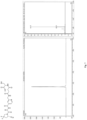
- LCMS characterization of JFL-L1-FM and JFL-L1-S0456 are as follows. LRMS-LC/MS (m/z): [M+H] + calcd for C 46 H 39 F 2 N 7 O 13 S, 967.91; found 968. LRMS-LC/MS (m/z): [M+H] + calcd for C 75 H 85 F 2 N 10 Na 3 O 22 S 5 , 1745.82.35; found 1747. LC/MS trace of JFL-L1-FM is shown in Figure 8 . LC/MS trace of JFL-L1-S0456 is shown in Figure 9 .
- JFL-L2-S0456 FAP targeting ligand (JFL) was conjugated with a PEG and a peptidoglycan molecule to synthesize JFL-L2. Briefly, JFL-L2 was synthesized by standard solid phase peptides synthesis and purified by RP-HPLC as shown in Fig. 21A . LRMS-LC/MS (m/z): [M+H]+ calcd for C 48 H 75 F 2 N 9 Na 3 O 20 S, 1168; found 1169, as shown in Fig. 21B .
- JFL-L3 Prior to radiolabeling with 99m Tc the JFL-L3 was formulated according to previously published procedure. Briefly, the 0.1 mg of. JFL-L3, 80 mg of sodium ⁇ -D-glucoheptonate, and 10 mg of tin (II) hydrochloride, were dissolved in argon purged water. The pH of the solution was adjusted to 6.8 ⁇ 0.2 with sodium hydroxide or hydrochloric acid. The final volume was adjusted to 10 ml and then transferred to 10 vials containing 1 ml each of the above solution and lyophilized. The lyophilized powder was sealed in the vials under argon and stored at -20 °C.
- 99m Tc labelling of JFL-L3 Radiolabeling of the conjugate was performed according to the published procedure. Briefly, to a formulated vial of JFL-L3 1 ml of 99m Tc sodium pertechnetate was added and heated for ⁇ 18 min at 100 °C. The chelated solution was cooled to room temperature prior to using it for in vitro and in vivo studies. The chelation efficiency of the conjugates was confirmed by radio HPLC, as shown in Fig. 25B .
- the cancer cells FaDu, HT29, MDA-MB231, and KB cells were cultured in a medium consisting RPMI 1640, 10% FBS, 1% penicillin-streptomycin, 1 % 2 mM glutamine at 37°C in a 5% CO2 and 95% humidified atmosphere.
- HEK 293 cells were transfected to generate HEK293-FAP.
- the FAP positive cells were cultured in DMEM medium supplemented with 2 ⁇ l/ml of puromycin, 10% FBS, 1% penicillin-streptomycin, 1 % 2 mM glutamine at 37°C in a 5% CO2 and 95% humidified atmosphere.
- mice Animal Husbandry. 5-6 weeks old female athymic nu/nu mice were purchased from Harlan Laboratories. The animals had access to normal rodent chow and water ad libitum. The animals were housed in standard 12 h light-dark cycles. All animal procedures were approved by the Purdue Animal Care and Use Committee.
- MDA-MB231, OVCAR-3 and HEC-1B 5 x 10 6 cells in 0.2 ml sterile PBS were injected subcutaneously in the right hind flank of the female nu/nu mice.
- Tumor imaging was initiated once the tumor volume reached between 200 mm 3 and 300 mm 3 .
- Each tumor-bearing mouse was intravenously injected (via tail vein) with 10 nanomoles of fluorescence dye conjugate either in the presence or absence of a 100-fold excess of the unlabeled conjugate. Animals were euthanized two hours post injection using CO 2 and the images were acquired using Caliper IVIS Luminal II.
- the organs of interest were harvested and imaged to inspect the accumulation of the fluorescence in these organs.
- the image acquisition parameters were as follows: i) lamp level-high, ii) excitation-745 nm, iii) emission-ICG, iv) binning (M) 4M, (v) f-stop- 4, (vi) FOV-12.5, (vii) acquisition time, 5 s.
- the cancer cells FaDU, HT29, MDA-MB231 and KB were investigated for the expression of FAP.
- the cancer cells were seeded on a confocal well plate and incubated with 100 nM of the FAP targeted FM conjugate (JFL-L1-FM) After 1 h incubation at 37 °C the cells were washed to remove any excess of the un were observed under confocal microscopy to investigate any uptake of the dye, as shown in Figure 11 . In all the four cell types no uptake of dye conjugate was observed. This implied absence of FAP on these cancer cells.
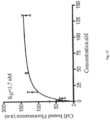
- the FAP transfected HEK293 cells were plated on amine coated 24 well plate and incubated with various concentrations of the dye conjugate either in the presence or absence of excess of the FAP ligand JFL. After 1 h of incubation cells were washed to remove any excess of the unbound dye. The cells were dissolved in 1% SDS followed by quantification of cell bound fluorescence using a fluorimeter. To quantify the fluorescence, the samples were excited at 745 nm and measuring the emission of 790 nm. Cell bound fluorescence was plotted against various concentrations by using the Graph pad prism to find the apparent K D value, as shown in Figure 12 .
- the apparent dissociation constant of JFL-L1-S0456 was about 3.5 nM.
- NIR dye conjugate in the presence of excess of JFL the cell bound fluorescence was competed indicating the uptake of JFL-L1-S0456 was FAP mediated.
- FAP mediated uptake of the dye conjugate was observed in all the tumor types and excess of JFL was able to compete the fluorescence in the tumor.
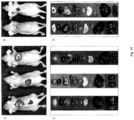
- necropsy was performed to harvest the organs and imaged, as shown in Figures 13C and 13D (FaDu), Figures 14C and 14D (KB), Figures 15C and 15D (HT29), and Figures 16C and 16D (MDA-MB231) (organs from top to bottom: tumor, heart, lungs, spleen, pancreas, muscle, stomach, small intestine, large intestine, liver, and kidney).
- a minimal or no uptake of the dye conjugate was observed in the liver and kidney.
- the uptake in these organs was not receptor mediated and was largely due to excretion of the conjugate via renal or hepatic route.
- the cancer cells are FAP negative the in vivo uptake of the NIR dye conjugate is expected to be as a consequence of accumulation in the cancer-associated fibroblast which are known to express FAP.
- the FAP-targeted dye conjugate showed FAP mediated uptake in the tumor.
- Other organs kidney and liver) showed either minimal or no uptake of the near-infrared dye conjugate.
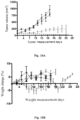
- MDA-MB231 5-6 weeks old female nu/nu athymic nude mice were subcutaneously injected with 5 million breast cancer cells (MDA-MB-231) into their shoulders. Tumors were measured in two perpendicular directions either daily or every other day during the treatment with Vernier calipers, and their volumes were calculated as 0.5 x L x W 2 , where L is the longest axis (in millimeters), and W is the axis perpendicular to L (in millimeters). Once the tumor volume reached ⁇ 100 mm 3 the mice were randomly divided into various groups and the treatment was initiated. Dosing solutions were prepared in sterile saline and injected intravenously via tail vein.
- mice in control group were injected with sterile saline whereas mice in treatment arms were injected with 40 nmoles of JFL-L1-TubBH either daily or every other day.
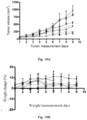
- mice in competition group were also administered with 100-fold excess of the FAP-targeted ligand conjugated to the linker (JFL-L1), as shown in Fig. 18A .
- Mice were weighed as a measure of gross toxicity at each dosing, as shown in Fig. 18B .
- mice in control and competition arm did not show any reduction in tumor volume.
- mice in control and competition arm mice were dosed with 40nmoles of JFL-L1-TubBH and divided into two separate groups depending on the frequency of the administration of the therapeutic agents.
- mice in both the therapy groups showed significant decrease in tumor volume. Mice which were treated with JFL-L1-TubBH every other day did not show complete response rather a delayed tumor growth was observed.
- mice were treated with same dose of JFL-L1-TubBH daily, a complete response was observed. Throughout the study weight of the mice were monitored as a measure of gross toxicity. Mice in saline, completion and treatment group that received JFL-L1-TubBH every other day did not show any decrease in weight. The mice which were treated with the FAP targeted tubulysin displayed an approximately 5 % reduction in weight but the same mice gained the weight towards the end of the treatment.
- mice Female BALB/c mice were injected with 100,000 4T1 cells close to the mammary fat pad. Once the tumor volume reached - 100 mm 3 the mice were randomly divided into various groups and treatment was initiated. Dosing solutions of FAP targeted tubulysin B hydrazide conjugate (JFL-L1-TubBH), folate targeted PI3Kinase inhibitor (FA-PI3K), and folate targeted TLR7 antagonist (FA-TLR7) were prepared in sterile saline and injected intravenously via tail vein.
- FAP targeted tubulysin B hydrazide conjugate JFL-L1-TubBH
- FA-PI3K folate targeted PI3Kinase inhibitor
- F-TLR7 antagonist FAP targeted TLR7 antagonist
- mice in control group were administered with sterile saline whereas mice in treatment group either received the JFL-L1-TubBH or FA-PI3K or FA-TLR7 alone or in combination with one of the other agents (JFL-L1-TubBH, FA-PI3K, or FA-TLR7).
- the concentration of single dose used for the treatment were 20 nmoles of JFL-L1-TubBH, 10 nmoles of FA-PI3K and 10 nmoles of FA-TLR7.
- Mice were injected with the test agents daily followed by tumor volume measurement (caliper). As a measure of gross toxicity, body weight of the mice was also monitored at each dosing.
- Mice in FAP competition group received FAP targeted tubulysin B hydrazide in the presence of excess of the FAP ligand, JFL.
- mice in combination therapy arm were divided into two different groups.
- One of the group received JFL-L1-TubBH in combination with FA-TLR whereas mice in the other group received FA-PI3K along with JFL-L1-TubBH.
- both the combination therapy showed a decrease in tumor volume that was additive.
- both the combination therapy showed a decrease in tumor volume that was additive.
- Throughout the therapy weight of the mice were monitored as a measure of gross toxicity. None of the group exhibited any weight loss, as shown in Fig. 19B .
- mice in vivo FAP targeted CAR T-cell therapy MDA-MB-231 subcutaneous tumor was developed in female NSG mice by injecting 5 million cancer cells. Once the tumor volume reached ⁇ 100 mm 3 the mice were randomized into three different groups and treatment was initiated. Mice in all the groups were administered with 15 million CAR T-cells which has an scFv domain that binds specifically and tightly with fluorescein. 2 h after administration of the CAR T-cells mice in all the groups were given the first dose of the respective test agents. Mice in the control group were injected with sterile saline whereas mice in treatment arm were either injected with JFL-L1-FM (10 nmoles) alone or in combination with 100-fold excess of FAP ligand, JFL. During therapy, mice in different groups were administered with the respective test agents intravenously on every other day. As a measure of gross toxicity mice were also weighed at every dosing.
- mice xenograft models were utilized to investigate the effect of CAR T-cell with an scFV domain that recognizes the fluorescein fragment of the FAP targeted FM conjugate (JFL-L1-FM).
- the mice in control and competition group did not show any difference in the tumor growth rate, as shown in Fig. 20A .
- mice treated with CAR T-cell and FAP targeted FM did not display any reduction in tumor volume. But after 1 week of treatment slight separation in the tumor growth rate was observed. No weight loss was observed in any of the arms of the study, as shown in Fig. 20B .
- the results suggests that FAP targeted CAR T-cell therapy has the potential to kill the tumor but the dose of CAR T-cell and JFL-L1-FM needs to be optimized to induce tumor suppression earlier in the treatment.
- MDA-MB-231 xenograft was exploited to investigate the in vivo imaging ability of FAP targeted NIR conjugate consisting of PEG and peptidoglycan linker, JFL-L2-S0456, as shown in Figs. 22A-C .
- Whole body imaging revealed that after 2 h post-injection the conjugate was found to be accumulated in the tumor. Biodistribution of vital organs/tissue further confirmed that tumor had the highest uptake of the dye conjugate.
- the other two organs that displayed the uptake of JFL-L2-S0456 were liver and kidneys. The uptake in kidney was higher when compared to the liver. Kidney and liver plays a vital role in excretion of small molecules. The data suggests that the uptake of the FAP targeted dye conjugate in these organs was due to excretion of the fluorescent conjugate via renal and hepatic routes. No uptake was observed in any other organs.
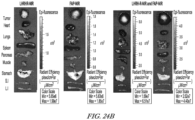
- mice Female athymic mice were implanted with MDA-MB-231 cancer cells to develop subcutaneous tumors. Tumor bearing mice were intravenously injected either with FAP targeted NIR conjugate, JFL-L1-S0456 alone (5 nmoles) or Luteinizing hormone-releasing hormone receptor targeted NIR conjugate, JL-L3-S0456 (5 nmoles) alone or with both the conjugates. 2 h post-injection the mice were euthanized using CO 2 and imaged with Caliper IVIS Lumina II, as shown in Fig. 24A . Followinged by completion of whole body imaging biodistribution was performed and all the organs were imaged to examine the uptake of the dye conjugates, as shown in Fig. 24B .
- MDA-MB-231 tumor bearing athymic nude mice female were intravenously injected with 150 ⁇ Ci of 99m Tc labeled JFL-L3 alone or in the presence of 100-fold excess of JFL. After 2 h mice were sacrificed by CO 2 asphyxiation, and imaged with KODAK Image Station, as shown in Fig. 27A .
- necropsy was performed to collect the organs/blood/tissues. Radioactivity associated with all the organs/blood/tissues was counted by using gamma counter.
- FAP targeted conjugate (JFL-L3) for 99m Tc radioactive imaging was synthesized by standard solid phase peptide synthesis.
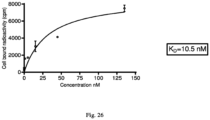
- the 99m Tc labeled JFL-L3 displayed low nanomolar binding (K D ) of 10.5 nM.
- K D nanomolar binding
- following the in vitro study in vivo targeting of the 99m Tc labeled JFL-L3 was investigated in MDA-MB-231 tumor xenografts by administering the radiolabeled compound intravenously, as shown in Fig. 27B .
- FAP targeted radioactive conjugate was observed to accumulate in the tumor and kidney. Other than the tumor and kidney other organs displayed very low to no uptake of the radiolabeled compound.
Landscapes
- Health & Medical Sciences (AREA)
- Life Sciences & Earth Sciences (AREA)
- Engineering & Computer Science (AREA)
- General Health & Medical Sciences (AREA)
- Animal Behavior & Ethology (AREA)
- Veterinary Medicine (AREA)
- Public Health (AREA)
- Chemical & Material Sciences (AREA)
- Biomedical Technology (AREA)
- Epidemiology (AREA)
- Medicinal Chemistry (AREA)
- Immunology (AREA)
- Pharmacology & Pharmacy (AREA)
- Molecular Biology (AREA)
- Urology & Nephrology (AREA)
- Hematology (AREA)
- Physics & Mathematics (AREA)
- Bioinformatics & Cheminformatics (AREA)
- Cell Biology (AREA)
- Analytical Chemistry (AREA)
- Biochemistry (AREA)
- Pathology (AREA)
- Food Science & Technology (AREA)
- Microbiology (AREA)
- General Physics & Mathematics (AREA)
- Biotechnology (AREA)
- Proteomics, Peptides & Aminoacids (AREA)
- Organic Chemistry (AREA)
- Nuclear Medicine, Radiotherapy & Molecular Imaging (AREA)
- Chemical Kinetics & Catalysis (AREA)
- General Chemical & Material Sciences (AREA)
- Zoology (AREA)
- Optics & Photonics (AREA)
- Virology (AREA)
- Tropical Medicine & Parasitology (AREA)
- Oncology (AREA)
- Peptides Or Proteins (AREA)
- Medicines That Contain Protein Lipid Enzymes And Other Medicines (AREA)
- Medicinal Preparation (AREA)
- Pharmaceuticals Containing Other Organic And Inorganic Compounds (AREA)
Applications Claiming Priority (3)
| Application Number | Priority Date | Filing Date | Title |
|---|---|---|---|
| US201662434380P | 2016-12-14 | 2016-12-14 | |
| US201762575050P | 2017-10-20 | 2017-10-20 | |
| PCT/US2017/065995 WO2018111989A1 (en) | 2016-12-14 | 2017-12-13 | Fibroblast activation protein (fap)-targeted imaging and therapy |
Publications (3)
| Publication Number | Publication Date |
|---|---|
| EP3555627A1 EP3555627A1 (en) | 2019-10-23 |
| EP3555627A4 EP3555627A4 (en) | 2020-08-19 |
| EP3555627B1 true EP3555627B1 (en) | 2023-11-22 |
Family
ID=62559225
Family Applications (1)
| Application Number | Title | Priority Date | Filing Date |
|---|---|---|---|
| EP17880889.5A Active EP3555627B1 (en) | 2016-12-14 | 2017-12-13 | Fibroblast activation protein (fap)-targeted imaging and therapy |
Country Status (6)
| Country | Link |
|---|---|
| US (4) | US20200237936A1 (https=) |
| EP (1) | EP3555627B1 (https=) |
| JP (1) | JP7162592B2 (https=) |
| CN (2) | CN116474108A (https=) |
| ES (1) | ES2972577T3 (https=) |
| WO (1) | WO2018111989A1 (https=) |
Families Citing this family (38)
| Publication number | Priority date | Publication date | Assignee | Title |
|---|---|---|---|---|
| CN116474108A (zh) | 2016-12-14 | 2023-07-25 | 普渡研究基金会 | 成纤维细胞活化蛋白(fap)-靶向成像和治疗 |
| EA202090776A1 (ru) | 2017-10-23 | 2020-07-27 | Дзе Джонс Хопкинс Юниверсити | Визуализирующие и радиотерапевтические агенты, нацеленные на фибробласт-активирующий белок-альфа (fapalpha) |
| US11780821B2 (en) | 2017-12-15 | 2023-10-10 | Praxis Biotech LLC | Inhibitors of fibroblast activation protein |
| EP3749663A1 (en) * | 2018-02-06 | 2020-12-16 | Universität Heidelberg | Fap inhibitor |
| WO2019154859A1 (en) * | 2018-02-06 | 2019-08-15 | Universität Heidelberg | Fap inhibitor |
| CN112543651B (zh) * | 2018-08-07 | 2023-06-02 | 普渡研究基金会 | 使car t细胞恢复活力 |
| US11426472B2 (en) | 2018-10-17 | 2022-08-30 | Purdue Research Foundation | Fibroblast activation protein (FAP) targeted imaging and therapy in fibrosis |
| US11504364B2 (en) | 2018-12-21 | 2022-11-22 | Praxis Biotech LLC | Inhibitors of fibroblast activation protein |
| FI3997103T3 (fi) | 2019-07-08 | 2025-02-03 | 3B Pharmaceuticals Gmbh | Fibroblastien aktivaatioproteiinin ligandia käsittäviä yhdisteitä ja niiden käyttö |
| WO2021016392A1 (en) * | 2019-07-22 | 2021-01-28 | Purdue Research Foundation | Multivalent fibroblast-targeted agents and methods of use |
| CN114901315B (zh) * | 2019-09-17 | 2025-04-29 | 普渡研究基金会 | 癌症和其他纤维化和炎性疾病的成纤维细胞活化蛋白(fap)靶向的成像和治疗 |
| EP4096677A4 (en) * | 2020-01-31 | 2024-02-28 | Purdue Research Foundation | Fibroblast activation protein (fap) - targeted antifibrotic therapy |
| EP4019507A1 (en) | 2020-02-12 | 2022-06-29 | Philochem AG | Fibroblast activation protein ligands for targeted delivery applications |
| EP4126053A4 (en) * | 2020-03-24 | 2024-11-20 | Trustees Of Tufts College | IMAGING AGENTS AND RADIOPHARMACEUTICALS TARGETING FAP, AND USES THEREOF |
| WO2021207682A2 (en) * | 2020-04-09 | 2021-10-14 | Philip Stewart Low | Pi3 kinase inhibitors and uses thereof |
| CN115943312A (zh) | 2020-05-07 | 2023-04-07 | 法国居里学院 | 免疫抑制性成纤维细胞群体的生物标志物antxr1及其在预测对免疫疗法的反应中的用途 |
| US20220211883A1 (en) * | 2020-12-17 | 2022-07-07 | Trustees Of Tufts College | Fap-activated radiotheranostics and uses related thereto |
| CN114790195B (zh) * | 2020-12-21 | 2024-05-17 | 苏州药明博锐生物科技有限公司 | 成纤维细胞活化蛋白抑制剂 |
| EP4043452A1 (en) | 2021-02-12 | 2022-08-17 | Philochem AG | Bivalent fibroblast activation protein ligands for targeted delivery applications |
| CA3207999A1 (en) * | 2021-02-12 | 2022-08-18 | Samuele CAZZAMALLI | Bivalent fibroblast activation protein ligands for targeted delivery applications |
| JP2024510267A (ja) * | 2021-03-16 | 2024-03-06 | パーデュー・リサーチ・ファウンデーション | 線維芽細胞活性化タンパク質を標的とする化合物、およびその使用方法 |
| BR112023018676A2 (pt) | 2021-03-18 | 2023-10-10 | Seagen Inc | Conjugado anticorpo-fármaco, composição farmacêutica, métodos de tratamento de uma doença ou condição e de um câncer, e, composição de conjugado ligante-fármaco |
| TW202304469A (zh) * | 2021-03-24 | 2023-02-01 | 美商杜夫特學院信託管理公司 | 酸化合物、組合物及方法 |
| US12599683B2 (en) * | 2021-05-19 | 2026-04-14 | Ferronova Pty Ltd | Mapping nanoparticles |
| GB202109922D0 (en) | 2021-07-09 | 2021-08-25 | Blue Earth Diagnostics Ltd | Radiotracers and therapeutics binding to fibroblast activation protein (fap) |
| CN113521313A (zh) * | 2021-07-22 | 2021-10-22 | 戴格普瑞生物科技(苏州)有限公司 | 靶向造影剂、产品、制备方法及应用 |
| CN117460826A (zh) * | 2021-09-14 | 2024-01-26 | 菲柏生物医学技术(广州)有限公司 | 靶向FAP阳性细胞的siRNA缀合物及其药物组合物和应用 |
| KR20240093543A (ko) | 2021-10-04 | 2024-06-24 | 필로켐 아게 | 방사성 표지된 섬유모세포 활성화 단백질 리간드 |
| KR20240109256A (ko) * | 2021-11-03 | 2024-07-10 | 애드센트릭스 테라퓨틱스 잉크. | 약물 접합체 및 이의 제조 및 사용 방법 |
| US20250177582A1 (en) | 2022-01-30 | 2025-06-05 | Philochem Ag | High-affinity ligands of fibroblast activation protein for targeted delivery applications |
| CN114214061B (zh) * | 2022-02-22 | 2022-05-17 | 北京大学 | 一种聚乙二醇修饰的两性离子化荧光探针、制剂及其应用 |
| CA3266566A1 (en) | 2022-09-06 | 2024-03-14 | Philochem Ag | MULTIVALENT FIBROBLAST ACTIVATING PROTEIN LIGANDS FOR TARGETED DELIVERY APPLICATIONS |
| TW202426433A (zh) | 2022-09-23 | 2024-07-01 | 瑞士商紐利迪姆股份公司 | 成纖維細胞活化蛋白(fap)抑制劑、fap結合物及其診斷與治療用途 |
| KR20250073273A (ko) | 2022-09-23 | 2025-05-27 | 누클리디움 아게 | 고순도 구리 방사성 의약 조성물 및 이의 진단 및 치료 용도 |
| WO2024102956A1 (en) * | 2022-11-09 | 2024-05-16 | Purdue Research Foundation | Keto-amide-based fibroblast activation protein-targeted ligand linked to an imaging or therapeutic agent, compositions and methods of use |
| CN120957982A (zh) * | 2023-05-08 | 2025-11-14 | 江苏恒瑞医药股份有限公司 | 靶向成纤维细胞活化蛋白的配体 |
| CN116621823B (zh) * | 2023-07-06 | 2023-10-31 | 南京诺源医疗器械有限公司 | 诊断转移淋巴结近红外荧光示踪剂、合成方法及应用 |
| WO2025046043A1 (en) | 2023-08-31 | 2025-03-06 | Stichting Radboud Universitair Medisch Centrum | Endometriosis tracer |
Family Cites Families (75)
| Publication number | Priority date | Publication date | Assignee | Title |
|---|---|---|---|---|
| US5767242A (en) | 1994-04-20 | 1998-06-16 | Boehringer Ingelheim Int'l Gmbh | Isolated dimeric fibroblast activation protein alpha, and uses thereof |
| US5851775A (en) | 1997-03-20 | 1998-12-22 | Johns Hopkins University | β-catenin, Tcf-4, and APC interact to prevent cancer |
| US20020004490A1 (en) | 1999-04-12 | 2002-01-10 | Dean Nicholas M. | Antisense modulation of Fas mediated signaling |
| WO1999047152A2 (en) | 1998-03-20 | 1999-09-23 | Sloan Kettering Institute For Cancer Research | Use of dipeptidyl peptidase (dpp4) of fibroblast activating protein alpha for suppressing the malignant phenotype of cancer cells |
| EP0953639A1 (en) * | 1998-04-30 | 1999-11-03 | Boehringer Ingelheim International GmbH | FAPalpha-specific antibody with improved producibility |
| GB9827430D0 (en) | 1998-12-11 | 1999-02-03 | Ludwig Inst Cancer Res | Differential expression in primary breast cancer |
| CA2391534A1 (en) * | 1999-11-15 | 2001-05-25 | Drug Innovation & Design, Inc. | Selective cellular targeting: multifunctional delivery vehicles |
| EP1268550A2 (en) | 2000-03-17 | 2003-01-02 | Boehringer Ingelheim Pharma KG | Human fap-alpha-specific antibodies |
| US20090010919A1 (en) | 2004-07-29 | 2009-01-08 | Bayer Healthcare Ag | Diagnostics and Therapeutics for Diseases Associated With Fibroblast Activation Protein (Fap) |
| US7374898B2 (en) | 2004-10-12 | 2008-05-20 | The Research Foundation Of State University Of New York | Peptide inhibitors against seprase |
| EP1812458A2 (en) | 2004-10-27 | 2007-08-01 | Wen-Tien Chen | Methods and compositions for seprase inactivation |
| US7399869B2 (en) | 2005-05-19 | 2008-07-15 | Genentech, Inc. | Fibroblast activation protein inhibitor compounds and methods |
| US7998997B2 (en) | 2005-07-05 | 2011-08-16 | Trustees Of Tufts College | Inhibitors of fibroblast activation protein alpha |
| EP1760076A1 (en) | 2005-09-02 | 2007-03-07 | Ferring B.V. | FAP Inhibitors |
| US8067248B2 (en) | 2005-12-14 | 2011-11-29 | Luwig Institute for Cancer Research | Method for diagnosing rheumatoid arthritis via assaying myofibroblast-like synoviocytes for fibroblast activation protein |
| US20100047170A1 (en) | 2006-01-05 | 2010-02-25 | Denmeade Samuel R | Peptide Prodrugs |
| AU2007258495A1 (en) | 2006-06-07 | 2007-12-21 | Victoria J. Christiansen | Substrates and inhibitors of antiplasmin cleaving enzyme and methods of use |
| PT2035581E (pt) | 2006-06-21 | 2012-12-06 | Scripps Research Inst | Composição de adn contra o antigénio do estroma tumoral fap e métodos de utilização desta |
| ATE472602T1 (de) | 2006-07-25 | 2010-07-15 | Pasteur Institut | Rekombinanter mycobakteriumstamm, der ein fap protein aus mycobakterium unter der kontrolle eines promotors, der unter hypoxischen konditionen aktiv ist, exprimiert, und dessen verwendung zur tumortherapie |
| AU2007289168A1 (en) | 2006-08-29 | 2008-03-06 | Molecular Insight Pharmaceuticals, Inc. | Radioimaging moieties coupled to peptidase-binding moieties for imaging tissues and organs that express peptidases |
| WO2008116054A1 (en) | 2007-03-20 | 2008-09-25 | Trustees Of Tufts College | Inhibitors of fibroblast activation protein, and methods of use thereof |
| WO2008116053A2 (en) | 2007-03-20 | 2008-09-25 | Trustees Of Tufts College | Fap-activated chemotherapeutic compounds, and methods of use thereof |
| PL2187965T3 (pl) | 2007-08-17 | 2020-05-18 | Purdue Research Foundation | Koniugaty wiążący psma ligand-łącznik i sposoby ich zastosowania |
| WO2009024542A2 (en) | 2007-08-17 | 2009-02-26 | Boehringer Ingelheim International Gmbh | Purin derivatives for use in the treatment of fab-related diseases |
| CN101896818B (zh) | 2007-12-10 | 2016-01-20 | 霍夫曼-拉罗奇有限公司 | 作为癌症的标记物的Seprase |
| JP2011523551A (ja) | 2008-05-15 | 2011-08-18 | ザ・ユニヴァーシティ・オヴ・ノース・キャロライナ・アト・チャペル・ヒル | 血管形成の調節の新規ターゲット |
| CA3162577C (en) * | 2008-05-20 | 2023-09-26 | University Health Network | Device and method for fluorescence-based imaging and monitoring |
| WO2010036814A1 (en) | 2008-09-25 | 2010-04-01 | Molecular Insight Pharmaceuticals, Inc. | Selective seprase inhibitors |
| WO2010083570A1 (en) | 2009-01-23 | 2010-07-29 | The University Of Sydney | Novel metabolic disease therapy |
| US10815517B2 (en) | 2009-04-28 | 2020-10-27 | Roche Diagnostics Operations, Inc. | Use of DPPIV/seprase as a marker for cancer |
| WO2011040973A2 (en) * | 2009-10-02 | 2011-04-07 | Ludwig Institute For Cancer Research Ltd. | Tnf-immunoconjugates with fibroblast activation protein antibodies and methods and uses thereof |
| CA2776037A1 (en) | 2009-10-02 | 2011-04-07 | Ludwig Institute For Cancer Research Ltd | Anti-fibroblast activation protein antibodies and methods and uses thereof |
| EP2397466B1 (en) | 2010-06-15 | 2012-11-28 | Centre National De La Recherche Scientifique CNRS | X-ray and gamma-photon activatable organic compounds, their preparation and their uses |
| CA2807244A1 (en) | 2010-08-27 | 2012-03-01 | University Of Zurich | A novel diagnostic and therapeutic target in inflammatory and/or cardiovascular diseases |
| PL2753334T3 (pl) | 2011-08-30 | 2022-12-12 | Trustees Of Tufts College | Aktywowane przez fap inhibitory proteasomu do leczenia guzów litych |
| WO2013107820A1 (en) * | 2012-01-17 | 2013-07-25 | Universiteit Antwerpen | Novel fap inhibitors |
| EP2844246A4 (en) | 2012-05-04 | 2016-02-24 | Univ Oklahoma | SUBSTRATES AND PROCLOSURES OF PROLYLOLIGOPEPTIDASE AND FIBROBLAST ATTACHMENT PROTEIN AND METHOD OF USE |
| US20150320892A1 (en) | 2012-06-29 | 2015-11-12 | Ge Healthcare Limited | Imaging fibrosis |
| WO2014022636A1 (en) | 2012-08-02 | 2014-02-06 | Trustees Of Tufts College | Broad spectrum inhibitors of the post proline cleaving enzymes for treatment of hepatitis c virus infections |
| WO2014055442A2 (en) * | 2012-10-01 | 2014-04-10 | The Trustees Of The University Of Pennsylvania | Compositions and methods for targeting stromal cells for the treatment of cancer |
| CA2891028C (en) | 2012-11-09 | 2017-02-07 | F. Hoffmann-La Roche Ag | In vitro capture and analysis of circulating tumor cells |
| US9402888B2 (en) | 2013-03-14 | 2016-08-02 | The Wistar Institute Of Anatomy And Biology | Methods and compositions for treating cancer |
| WO2014149069A1 (en) | 2013-03-15 | 2014-09-25 | Purdue Research Foundation | Synthesis and composition of amino acid linking groups conjugated to compounds used for the targeted imaging of tumors |
| UA118028C2 (uk) | 2013-04-03 | 2018-11-12 | Рош Глікарт Аг | Біспецифічне антитіло, специфічне щодо fap і dr5, антитіло, специфічне щодо dr5, і спосіб їх застосування |
| WO2014167083A1 (en) | 2013-04-12 | 2014-10-16 | INSERM (Institut National de la Santé et de la Recherche Médicale) | Method for predicting the risk of developing a colonic neoplasia |
| US9636404B2 (en) * | 2013-05-13 | 2017-05-02 | Vision Global Holdings Ltd. | Pharmaceutical composition comprising modified hemoglobin-based therapeutic agent for cancer targeting treatment and diagnostic imaging |
| CN103267852B (zh) | 2013-05-15 | 2015-03-25 | 中国医学科学院北京协和医院 | 成纤维激活蛋白α在制备胰腺癌预后试剂盒中的用途 |
| GB2538023A (en) | 2014-02-03 | 2016-11-02 | Philochem Ag | Targeted drug conjugates |
| US9737556B2 (en) | 2014-06-13 | 2017-08-22 | Trustees Of Tufts College | FAP-activated therapeutic agents, and uses related thereto |
| CN106573073B (zh) | 2014-06-13 | 2021-09-28 | 塔夫茨大学信托人 | Fap激活的治疗剂以及其相关用途 |
| JP6810687B2 (ja) | 2014-10-08 | 2021-01-06 | エフ・ホフマン−ラ・ロシュ・アクチェンゲゼルシャフト | Fap及びdr5に特異的な二重特異性抗体と化学療法剤との併用療法 |
| WO2016089879A1 (en) * | 2014-12-01 | 2016-06-09 | Endocyte, Inc. | Conjugates of garftase inhibitors |
| CA2973040A1 (en) | 2015-01-09 | 2016-07-14 | Mabimmune Diagnostics Ag | Novel anti-fibroblast activation protein (fap) antibodies and uses derived thereof |
| WO2016146174A1 (en) | 2015-03-17 | 2016-09-22 | Biontech Ag | Compositions and methods for diagnosis and treatment of cancer |
| WO2016164815A1 (en) | 2015-04-10 | 2016-10-13 | Applied Proteomics, Inc. | Protein biomarker panels for detecting colorectal cancer and advanced adenoma |
| US20160303251A1 (en) * | 2015-04-17 | 2016-10-20 | Endocyte, Inc. | Conjugates of garftase inhibitors |
| RS65188B1 (sr) | 2016-03-22 | 2024-03-29 | Univ Johns Hopkins | Sredstva sa visokim afinitetom za ciljano dejstvo na membranski antigen specifičan za prostatu za endoradioterapiju kancera prostate |
| WO2017189569A1 (en) | 2016-04-25 | 2017-11-02 | Trustees Of Tufts College | Multimediator dpp4 and fap inhibitors, and uses related thereto |
| CN106046121B (zh) | 2016-06-20 | 2020-06-16 | 郑州大学 | 一种靶向fap的抗血管生成肽z-gp-v1及其应用 |
| CN105949282B (zh) | 2016-06-20 | 2020-06-16 | 郑州大学 | 一种靶向fap的抗血管生成肽z-gp-v2及其应用 |
| JP2018035137A (ja) | 2016-07-13 | 2018-03-08 | マブイミューン ダイアグノスティックス エイジーMabimmune Diagnostics Ag | 新規な抗線維芽細胞活性化タンパク質(fap)結合薬剤およびその使用 |
| CN116474108A (zh) * | 2016-12-14 | 2023-07-25 | 普渡研究基金会 | 成纤维细胞活化蛋白(fap)-靶向成像和治疗 |
| EP3606939A4 (en) | 2017-04-04 | 2021-01-20 | F. Hoffmann-La Roche AG | SUBSTRATES RECOGNIZED BY FIBROBLAST ACTIVATION PROTEIN (FAP) AND METHOD OF USING THEM |
| EA202090776A1 (ru) * | 2017-10-23 | 2020-07-27 | Дзе Джонс Хопкинс Юниверсити | Визуализирующие и радиотерапевтические агенты, нацеленные на фибробласт-активирующий белок-альфа (fapalpha) |
| CN109796532B (zh) | 2017-11-17 | 2024-09-10 | 恺兴生命科技(上海)有限公司 | 靶向成纤维激活蛋白α的结合单元及其应用 |
| CN108152258A (zh) | 2017-12-13 | 2018-06-12 | 清华大学 | 一种检测待测溶液中氨基糖苷类抗生素的含量的方法 |
| US11780821B2 (en) | 2017-12-15 | 2023-10-10 | Praxis Biotech LLC | Inhibitors of fibroblast activation protein |
| CN108333365B (zh) | 2018-01-24 | 2020-09-04 | 南开大学 | 金-长余辉纳米粒子免原位激发检测成纤维细胞激活蛋白 |
| WO2019154859A1 (en) | 2018-02-06 | 2019-08-15 | Universität Heidelberg | Fap inhibitor |
| US11426472B2 (en) | 2018-10-17 | 2022-08-30 | Purdue Research Foundation | Fibroblast activation protein (FAP) targeted imaging and therapy in fibrosis |
| GB201820320D0 (en) | 2018-12-13 | 2019-01-30 | Bicyclerd Ltd | Bicyclic peptide ligands specific for FAPalpha |
| JP2022516555A (ja) | 2019-01-04 | 2022-02-28 | プラクシス バイオテック エルエルシー | 線維芽細胞活性化タンパク質の阻害剤 |
| CN110368496B (zh) | 2019-07-11 | 2020-12-29 | 同济大学 | 成纤维细胞激活蛋白抑制剂在制备药物中的用途 |
| CN111574634B (zh) | 2019-12-16 | 2022-04-19 | 四川大学华西医院 | 同时靶向间皮素和fap的双靶点嵌合抗原受体及其用途 |
| CN111235221B (zh) | 2020-01-22 | 2022-08-05 | 北京大学第一医院 | 一种fap抑制剂的活性检测方法 |
-
2017
- 2017-12-13 CN CN202310269637.XA patent/CN116474108A/zh active Pending
- 2017-12-13 ES ES17880889T patent/ES2972577T3/es active Active
- 2017-12-13 CN CN201780086490.3A patent/CN110291401B/zh active Active
- 2017-12-13 US US16/469,907 patent/US20200237936A1/en not_active Abandoned
- 2017-12-13 EP EP17880889.5A patent/EP3555627B1/en active Active
- 2017-12-13 JP JP2019531797A patent/JP7162592B2/ja active Active
- 2017-12-13 WO PCT/US2017/065995 patent/WO2018111989A1/en not_active Ceased
-
2021
- 2021-04-30 US US17/245,872 patent/US11872291B2/en active Active
- 2021-12-16 US US17/553,113 patent/US12397069B2/en active Active
-
2025
- 2025-08-04 US US19/289,533 patent/US20260048157A1/en active Pending
Also Published As
| Publication number | Publication date |
|---|---|
| WO2018111989A1 (en) | 2018-06-21 |
| JP7162592B2 (ja) | 2022-10-28 |
| US20210316018A1 (en) | 2021-10-14 |
| EP3555627A1 (en) | 2019-10-23 |
| US12397069B2 (en) | 2025-08-26 |
| JP2020502130A (ja) | 2020-01-23 |
| ES2972577T3 (es) | 2024-06-13 |
| CN116474108A (zh) | 2023-07-25 |
| EP3555627A4 (en) | 2020-08-19 |
| US20220105208A1 (en) | 2022-04-07 |
| US11872291B2 (en) | 2024-01-16 |
| CN110291401B (zh) | 2023-04-11 |
| US20200237936A1 (en) | 2020-07-30 |
| US20260048157A1 (en) | 2026-02-19 |
| CN110291401A (zh) | 2019-09-27 |
Similar Documents
| Publication | Publication Date | Title |
|---|---|---|
| US11872291B2 (en) | Fibroblast activation protein (FAP)-targeted imaging and therapy | |
| US12508319B2 (en) | Luteinizing hormone-releasing hormone receptor (LHRH-R) conjugates and uses thereof | |
| US20240316224A1 (en) | Carbonic anhydrase ix targeting agents and methods | |
| EP3672615B1 (en) | Fbsa-based therapeutic and radioimaging conjugates targeting carbonic anhydrase positive cancers | |
| US10857234B2 (en) | Carbonic anhydrase IX inhibitor conjugates and uses thereof | |
| HK40016594A (en) | Fibroblast activation protein (fap)-targeted imaging and therapy | |
| HK40016594B (en) | Fibroblast activation protein (fap)-targeted imaging and therapy | |
| HK40016572A (en) | Luteinizing hormone-releasing hormone receptor (lhrh-r) conjugates and uses thereof | |
| HK40016572B (en) | Luteinizing hormone-releasing hormone receptor (lhrh-r) conjugates and uses thereof |
Legal Events
| Date | Code | Title | Description |
|---|---|---|---|
| STAA | Information on the status of an ep patent application or granted ep patent |
Free format text: STATUS: THE INTERNATIONAL PUBLICATION HAS BEEN MADE |
|
| PUAI | Public reference made under article 153(3) epc to a published international application that has entered the european phase |
Free format text: ORIGINAL CODE: 0009012 |
|
| STAA | Information on the status of an ep patent application or granted ep patent |
Free format text: STATUS: REQUEST FOR EXAMINATION WAS MADE |
|
| 17P | Request for examination filed |
Effective date: 20190712 |
|
| AK | Designated contracting states |
Kind code of ref document: A1 Designated state(s): AL AT BE BG CH CY CZ DE DK EE ES FI FR GB GR HR HU IE IS IT LI LT LU LV MC MK MT NL NO PL PT RO RS SE SI SK SM TR |
|
| AX | Request for extension of the european patent |
Extension state: BA ME |
|
| DAV | Request for validation of the european patent (deleted) | ||
| DAX | Request for extension of the european patent (deleted) | ||
| A4 | Supplementary search report drawn up and despatched |
Effective date: 20200716 |
|
| RIC1 | Information provided on ipc code assigned before grant |
Ipc: A61K 51/04 20060101ALI20200710BHEP Ipc: A61K 49/00 20060101ALI20200710BHEP Ipc: A61P 35/00 20060101ALI20200710BHEP Ipc: A61P 35/04 20060101ALI20200710BHEP Ipc: G01N 33/58 20060101ALI20200710BHEP Ipc: G01N 33/574 20060101AFI20200710BHEP Ipc: G01N 33/569 20060101ALI20200710BHEP Ipc: A61K 47/55 20170101ALI20200710BHEP |
|
| REG | Reference to a national code |
Ref country code: HK Ref legal event code: DE Ref document number: 40016594 Country of ref document: HK |
|
| STAA | Information on the status of an ep patent application or granted ep patent |
Free format text: STATUS: EXAMINATION IS IN PROGRESS |
|
| 17Q | First examination report despatched |
Effective date: 20220331 |
|
| GRAP | Despatch of communication of intention to grant a patent |
Free format text: ORIGINAL CODE: EPIDOSNIGR1 |
|
| STAA | Information on the status of an ep patent application or granted ep patent |
Free format text: STATUS: GRANT OF PATENT IS INTENDED |
|
| INTG | Intention to grant announced |
Effective date: 20230605 |
|
| GRAS | Grant fee paid |
Free format text: ORIGINAL CODE: EPIDOSNIGR3 |
|
| GRAA | (expected) grant |
Free format text: ORIGINAL CODE: 0009210 |
|
| STAA | Information on the status of an ep patent application or granted ep patent |
Free format text: STATUS: THE PATENT HAS BEEN GRANTED |
|
| RAP3 | Party data changed (applicant data changed or rights of an application transferred) |
Owner name: PURDUE RESEARCH FOUNDATION |
|
| P01 | Opt-out of the competence of the unified patent court (upc) registered |
Effective date: 20231008 |
|
| AK | Designated contracting states |
Kind code of ref document: B1 Designated state(s): AL AT BE BG CH CY CZ DE DK EE ES FI FR GB GR HR HU IE IS IT LI LT LU LV MC MK MT NL NO PL PT RO RS SE SI SK SM TR |
|
| REG | Reference to a national code |
Ref country code: GB Ref legal event code: FG4D |
|
| REG | Reference to a national code |
Ref country code: CH Ref legal event code: EP Ref country code: DE Ref legal event code: R096 Ref document number: 602017076852 Country of ref document: DE |
|
| REG | Reference to a national code |
Ref country code: IE Ref legal event code: FG4D |
|
| REG | Reference to a national code |
Ref country code: NL Ref legal event code: FP |
|
| REG | Reference to a national code |
Ref country code: SE Ref legal event code: TRGR |
|
| REG | Reference to a national code |
Ref country code: LT Ref legal event code: MG9D |
|
| PG25 | Lapsed in a contracting state [announced via postgrant information from national office to epo] |
Ref country code: GR Free format text: LAPSE BECAUSE OF FAILURE TO SUBMIT A TRANSLATION OF THE DESCRIPTION OR TO PAY THE FEE WITHIN THE PRESCRIBED TIME-LIMIT Effective date: 20240223 |
|
| PG25 | Lapsed in a contracting state [announced via postgrant information from national office to epo] |
Ref country code: IS Free format text: LAPSE BECAUSE OF FAILURE TO SUBMIT A TRANSLATION OF THE DESCRIPTION OR TO PAY THE FEE WITHIN THE PRESCRIBED TIME-LIMIT Effective date: 20240322 |
|
| PG25 | Lapsed in a contracting state [announced via postgrant information from national office to epo] |
Ref country code: LT Free format text: LAPSE BECAUSE OF FAILURE TO SUBMIT A TRANSLATION OF THE DESCRIPTION OR TO PAY THE FEE WITHIN THE PRESCRIBED TIME-LIMIT Effective date: 20231122 |
|
| REG | Reference to a national code |
Ref country code: AT Ref legal event code: MK05 Ref document number: 1634286 Country of ref document: AT Kind code of ref document: T Effective date: 20231122 |
|
| PG25 | Lapsed in a contracting state [announced via postgrant information from national office to epo] |
Ref country code: AT Free format text: LAPSE BECAUSE OF FAILURE TO SUBMIT A TRANSLATION OF THE DESCRIPTION OR TO PAY THE FEE WITHIN THE PRESCRIBED TIME-LIMIT Effective date: 20231122 |
|
| PG25 | Lapsed in a contracting state [announced via postgrant information from national office to epo] |
Ref country code: LT Free format text: LAPSE BECAUSE OF FAILURE TO SUBMIT A TRANSLATION OF THE DESCRIPTION OR TO PAY THE FEE WITHIN THE PRESCRIBED TIME-LIMIT Effective date: 20231122 Ref country code: IS Free format text: LAPSE BECAUSE OF FAILURE TO SUBMIT A TRANSLATION OF THE DESCRIPTION OR TO PAY THE FEE WITHIN THE PRESCRIBED TIME-LIMIT Effective date: 20240322 Ref country code: GR Free format text: LAPSE BECAUSE OF FAILURE TO SUBMIT A TRANSLATION OF THE DESCRIPTION OR TO PAY THE FEE WITHIN THE PRESCRIBED TIME-LIMIT Effective date: 20240223 Ref country code: BG Free format text: LAPSE BECAUSE OF FAILURE TO SUBMIT A TRANSLATION OF THE DESCRIPTION OR TO PAY THE FEE WITHIN THE PRESCRIBED TIME-LIMIT Effective date: 20240222 Ref country code: AT Free format text: LAPSE BECAUSE OF FAILURE TO SUBMIT A TRANSLATION OF THE DESCRIPTION OR TO PAY THE FEE WITHIN THE PRESCRIBED TIME-LIMIT Effective date: 20231122 Ref country code: PT Free format text: LAPSE BECAUSE OF FAILURE TO SUBMIT A TRANSLATION OF THE DESCRIPTION OR TO PAY THE FEE WITHIN THE PRESCRIBED TIME-LIMIT Effective date: 20240322 |
|
| PG25 | Lapsed in a contracting state [announced via postgrant information from national office to epo] |
Ref country code: RS Free format text: LAPSE BECAUSE OF FAILURE TO SUBMIT A TRANSLATION OF THE DESCRIPTION OR TO PAY THE FEE WITHIN THE PRESCRIBED TIME-LIMIT Effective date: 20231122 Ref country code: PL Free format text: LAPSE BECAUSE OF FAILURE TO SUBMIT A TRANSLATION OF THE DESCRIPTION OR TO PAY THE FEE WITHIN THE PRESCRIBED TIME-LIMIT Effective date: 20231122 Ref country code: NO Free format text: LAPSE BECAUSE OF FAILURE TO SUBMIT A TRANSLATION OF THE DESCRIPTION OR TO PAY THE FEE WITHIN THE PRESCRIBED TIME-LIMIT Effective date: 20240222 Ref country code: LV Free format text: LAPSE BECAUSE OF FAILURE TO SUBMIT A TRANSLATION OF THE DESCRIPTION OR TO PAY THE FEE WITHIN THE PRESCRIBED TIME-LIMIT Effective date: 20231122 Ref country code: HR Free format text: LAPSE BECAUSE OF FAILURE TO SUBMIT A TRANSLATION OF THE DESCRIPTION OR TO PAY THE FEE WITHIN THE PRESCRIBED TIME-LIMIT Effective date: 20231122 |
|
| REG | Reference to a national code |
Ref country code: ES Ref legal event code: FG2A Ref document number: 2972577 Country of ref document: ES Kind code of ref document: T3 Effective date: 20240613 |
|
| PG25 | Lapsed in a contracting state [announced via postgrant information from national office to epo] |
Ref country code: DK Free format text: LAPSE BECAUSE OF FAILURE TO SUBMIT A TRANSLATION OF THE DESCRIPTION OR TO PAY THE FEE WITHIN THE PRESCRIBED TIME-LIMIT Effective date: 20231122 |
|
| PG25 | Lapsed in a contracting state [announced via postgrant information from national office to epo] |
Ref country code: CZ Free format text: LAPSE BECAUSE OF FAILURE TO SUBMIT A TRANSLATION OF THE DESCRIPTION OR TO PAY THE FEE WITHIN THE PRESCRIBED TIME-LIMIT Effective date: 20231122 |
|
| PG25 | Lapsed in a contracting state [announced via postgrant information from national office to epo] |
Ref country code: SK Free format text: LAPSE BECAUSE OF FAILURE TO SUBMIT A TRANSLATION OF THE DESCRIPTION OR TO PAY THE FEE WITHIN THE PRESCRIBED TIME-LIMIT Effective date: 20231122 |
|
| PG25 | Lapsed in a contracting state [announced via postgrant information from national office to epo] |
Ref country code: SM Free format text: LAPSE BECAUSE OF FAILURE TO SUBMIT A TRANSLATION OF THE DESCRIPTION OR TO PAY THE FEE WITHIN THE PRESCRIBED TIME-LIMIT Effective date: 20231122 Ref country code: SK Free format text: LAPSE BECAUSE OF FAILURE TO SUBMIT A TRANSLATION OF THE DESCRIPTION OR TO PAY THE FEE WITHIN THE PRESCRIBED TIME-LIMIT Effective date: 20231122 Ref country code: RO Free format text: LAPSE BECAUSE OF FAILURE TO SUBMIT A TRANSLATION OF THE DESCRIPTION OR TO PAY THE FEE WITHIN THE PRESCRIBED TIME-LIMIT Effective date: 20231122 Ref country code: EE Free format text: LAPSE BECAUSE OF FAILURE TO SUBMIT A TRANSLATION OF THE DESCRIPTION OR TO PAY THE FEE WITHIN THE PRESCRIBED TIME-LIMIT Effective date: 20231122 Ref country code: DK Free format text: LAPSE BECAUSE OF FAILURE TO SUBMIT A TRANSLATION OF THE DESCRIPTION OR TO PAY THE FEE WITHIN THE PRESCRIBED TIME-LIMIT Effective date: 20231122 Ref country code: CZ Free format text: LAPSE BECAUSE OF FAILURE TO SUBMIT A TRANSLATION OF THE DESCRIPTION OR TO PAY THE FEE WITHIN THE PRESCRIBED TIME-LIMIT Effective date: 20231122 |
|
| PG25 | Lapsed in a contracting state [announced via postgrant information from national office to epo] |
Ref country code: LU Free format text: LAPSE BECAUSE OF NON-PAYMENT OF DUE FEES Effective date: 20231213 |
|
| REG | Reference to a national code |
Ref country code: DE Ref legal event code: R097 Ref document number: 602017076852 Country of ref document: DE |
|
| PG25 | Lapsed in a contracting state [announced via postgrant information from national office to epo] |
Ref country code: MC Free format text: LAPSE BECAUSE OF FAILURE TO SUBMIT A TRANSLATION OF THE DESCRIPTION OR TO PAY THE FEE WITHIN THE PRESCRIBED TIME-LIMIT Effective date: 20231122 |
|
| REG | Reference to a national code |
Ref country code: BE Ref legal event code: MM Effective date: 20231231 |
|
| PG25 | Lapsed in a contracting state [announced via postgrant information from national office to epo] |
Ref country code: MC Free format text: LAPSE BECAUSE OF FAILURE TO SUBMIT A TRANSLATION OF THE DESCRIPTION OR TO PAY THE FEE WITHIN THE PRESCRIBED TIME-LIMIT Effective date: 20231122 Ref country code: LU Free format text: LAPSE BECAUSE OF NON-PAYMENT OF DUE FEES Effective date: 20231213 |
|
| PLBE | No opposition filed within time limit |
Free format text: ORIGINAL CODE: 0009261 |
|
| STAA | Information on the status of an ep patent application or granted ep patent |
Free format text: STATUS: NO OPPOSITION FILED WITHIN TIME LIMIT |
|
| PG25 | Lapsed in a contracting state [announced via postgrant information from national office to epo] |
Ref country code: BE Free format text: LAPSE BECAUSE OF NON-PAYMENT OF DUE FEES Effective date: 20231231 |
|
| PG25 | Lapsed in a contracting state [announced via postgrant information from national office to epo] |
Ref country code: SI Free format text: LAPSE BECAUSE OF FAILURE TO SUBMIT A TRANSLATION OF THE DESCRIPTION OR TO PAY THE FEE WITHIN THE PRESCRIBED TIME-LIMIT Effective date: 20231122 |
|
| 26N | No opposition filed |
Effective date: 20240823 |
|
| PG25 | Lapsed in a contracting state [announced via postgrant information from national office to epo] |
Ref country code: SI Free format text: LAPSE BECAUSE OF FAILURE TO SUBMIT A TRANSLATION OF THE DESCRIPTION OR TO PAY THE FEE WITHIN THE PRESCRIBED TIME-LIMIT Effective date: 20231122 Ref country code: BE Free format text: LAPSE BECAUSE OF NON-PAYMENT OF DUE FEES Effective date: 20231231 |
|
| PG25 | Lapsed in a contracting state [announced via postgrant information from national office to epo] |
Ref country code: FI Free format text: LAPSE BECAUSE OF FAILURE TO SUBMIT A TRANSLATION OF THE DESCRIPTION OR TO PAY THE FEE WITHIN THE PRESCRIBED TIME-LIMIT Effective date: 20231122 |
|
| PG25 | Lapsed in a contracting state [announced via postgrant information from national office to epo] |
Ref country code: CY Free format text: LAPSE BECAUSE OF FAILURE TO SUBMIT A TRANSLATION OF THE DESCRIPTION OR TO PAY THE FEE WITHIN THE PRESCRIBED TIME-LIMIT; INVALID AB INITIO Effective date: 20171213 |
|
| PG25 | Lapsed in a contracting state [announced via postgrant information from national office to epo] |
Ref country code: HU Free format text: LAPSE BECAUSE OF FAILURE TO SUBMIT A TRANSLATION OF THE DESCRIPTION OR TO PAY THE FEE WITHIN THE PRESCRIBED TIME-LIMIT; INVALID AB INITIO Effective date: 20171213 |
|
| REG | Reference to a national code |
Ref country code: DE Ref legal event code: R079 Ref document number: 602017076852 Country of ref document: DE Free format text: PREVIOUS MAIN CLASS: G01N0033574000 Ipc: G01N0033575000 |
|
| PG25 | Lapsed in a contracting state [announced via postgrant information from national office to epo] |
Ref country code: TR Free format text: LAPSE BECAUSE OF FAILURE TO SUBMIT A TRANSLATION OF THE DESCRIPTION OR TO PAY THE FEE WITHIN THE PRESCRIBED TIME-LIMIT Effective date: 20231122 |
|
| REG | Reference to a national code |
Ref country code: CH Ref legal event code: U11 Free format text: ST27 STATUS EVENT CODE: U-0-0-U10-U11 (AS PROVIDED BY THE NATIONAL OFFICE) Effective date: 20260101 |
|
| PGFP | Annual fee paid to national office [announced via postgrant information from national office to epo] |
Ref country code: GB Payment date: 20251229 Year of fee payment: 9 |
|
| PGFP | Annual fee paid to national office [announced via postgrant information from national office to epo] |
Ref country code: IT Payment date: 20251219 Year of fee payment: 9 |
|
| PGFP | Annual fee paid to national office [announced via postgrant information from national office to epo] |
Ref country code: NL Payment date: 20251226 Year of fee payment: 9 Ref country code: FR Payment date: 20251226 Year of fee payment: 9 |
|
| PGFP | Annual fee paid to national office [announced via postgrant information from national office to epo] |
Ref country code: SE Payment date: 20251227 Year of fee payment: 9 |
|
| PGFP | Annual fee paid to national office [announced via postgrant information from national office to epo] |
Ref country code: IE Payment date: 20251229 Year of fee payment: 9 |
|
| PGFP | Annual fee paid to national office [announced via postgrant information from national office to epo] |
Ref country code: ES Payment date: 20260102 Year of fee payment: 9 |
|
| PGFP | Annual fee paid to national office [announced via postgrant information from national office to epo] |
Ref country code: DE Payment date: 20251229 Year of fee payment: 9 |
|
| PGFP | Annual fee paid to national office [announced via postgrant information from national office to epo] |
Ref country code: CH Payment date: 20260101 Year of fee payment: 9 |