EP3555273B1 - ENHANCED hAT FAMILY TRANSPOSON-MEDIATED GENE TRANSFER AND ASSOCIATED COMPOSITIONS, SYSTEMS, AND METHODS - Google Patents
ENHANCED hAT FAMILY TRANSPOSON-MEDIATED GENE TRANSFER AND ASSOCIATED COMPOSITIONS, SYSTEMS, AND METHODS Download PDFInfo
- Publication number
- EP3555273B1 EP3555273B1 EP17880424.1A EP17880424A EP3555273B1 EP 3555273 B1 EP3555273 B1 EP 3555273B1 EP 17880424 A EP17880424 A EP 17880424A EP 3555273 B1 EP3555273 B1 EP 3555273B1
- Authority
- EP
- European Patent Office
- Prior art keywords
- cell
- transposase
- amino acid
- tcbuster transposase
- cells
- Prior art date
- Legal status (The legal status is an assumption and is not a legal conclusion. Google has not performed a legal analysis and makes no representation as to the accuracy of the status listed.)
- Active
Links
Images






Classifications
-
- C—CHEMISTRY; METALLURGY
- C07—ORGANIC CHEMISTRY
- C07K—PEPTIDES
- C07K14/00—Peptides having more than 20 amino acids; Gastrins; Somatostatins; Melanotropins; Derivatives thereof
- C07K14/435—Peptides having more than 20 amino acids; Gastrins; Somatostatins; Melanotropins; Derivatives thereof from animals; from humans
- C07K14/705—Receptors; Cell surface antigens; Cell surface determinants
-
- A—HUMAN NECESSITIES
- A61—MEDICAL OR VETERINARY SCIENCE; HYGIENE
- A61K—PREPARATIONS FOR MEDICAL, DENTAL OR TOILETRY PURPOSES
- A61K35/00—Medicinal preparations containing materials or reaction products thereof with undetermined constitution
- A61K35/12—Materials from mammals; Compositions comprising non-specified tissues or cells; Compositions comprising non-embryonic stem cells; Genetically modified cells
- A61K35/48—Reproductive organs
- A61K35/54—Ovaries; Ova; Ovules; Embryos; Foetal cells; Germ cells
- A61K35/545—Embryonic stem cells; Pluripotent stem cells; Induced pluripotent stem cells; Uncharacterised stem cells
-
- A—HUMAN NECESSITIES
- A61—MEDICAL OR VETERINARY SCIENCE; HYGIENE
- A61K—PREPARATIONS FOR MEDICAL, DENTAL OR TOILETRY PURPOSES
- A61K38/00—Medicinal preparations containing peptides
-
- A—HUMAN NECESSITIES
- A61—MEDICAL OR VETERINARY SCIENCE; HYGIENE
- A61P—SPECIFIC THERAPEUTIC ACTIVITY OF CHEMICAL COMPOUNDS OR MEDICINAL PREPARATIONS
- A61P35/00—Antineoplastic agents
-
- C—CHEMISTRY; METALLURGY
- C07—ORGANIC CHEMISTRY
- C07K—PEPTIDES
- C07K14/00—Peptides having more than 20 amino acids; Gastrins; Somatostatins; Melanotropins; Derivatives thereof
- C07K14/435—Peptides having more than 20 amino acids; Gastrins; Somatostatins; Melanotropins; Derivatives thereof from animals; from humans
- C07K14/705—Receptors; Cell surface antigens; Cell surface determinants
- C07K14/70503—Immunoglobulin superfamily
-
- C—CHEMISTRY; METALLURGY
- C12—BIOCHEMISTRY; BEER; SPIRITS; WINE; VINEGAR; MICROBIOLOGY; ENZYMOLOGY; MUTATION OR GENETIC ENGINEERING
- C12N—MICROORGANISMS OR ENZYMES; COMPOSITIONS THEREOF; PROPAGATING, PRESERVING, OR MAINTAINING MICROORGANISMS; MUTATION OR GENETIC ENGINEERING; CULTURE MEDIA
- C12N5/00—Undifferentiated human, animal or plant cells, e.g. cell lines; Tissues; Cultivation or maintenance thereof; Culture media therefor
- C12N5/06—Animal cells or tissues; Human cells or tissues
- C12N5/0602—Vertebrate cells
- C12N5/0696—Artificially induced pluripotent stem cells, e.g. iPS
-
- C—CHEMISTRY; METALLURGY
- C12—BIOCHEMISTRY; BEER; SPIRITS; WINE; VINEGAR; MICROBIOLOGY; ENZYMOLOGY; MUTATION OR GENETIC ENGINEERING
- C12N—MICROORGANISMS OR ENZYMES; COMPOSITIONS THEREOF; PROPAGATING, PRESERVING, OR MAINTAINING MICROORGANISMS; MUTATION OR GENETIC ENGINEERING; CULTURE MEDIA
- C12N9/00—Enzymes; Proenzymes; Compositions thereof; Processes for preparing, activating, inhibiting, separating or purifying enzymes
- C12N9/10—Transferases (2.)
- C12N9/1085—Transferases (2.) transferring alkyl or aryl groups other than methyl groups (2.5)
- C12N9/1088—Glutathione transferase (2.5.1.18)
-
- C—CHEMISTRY; METALLURGY
- C12—BIOCHEMISTRY; BEER; SPIRITS; WINE; VINEGAR; MICROBIOLOGY; ENZYMOLOGY; MUTATION OR GENETIC ENGINEERING
- C12N—MICROORGANISMS OR ENZYMES; COMPOSITIONS THEREOF; PROPAGATING, PRESERVING, OR MAINTAINING MICROORGANISMS; MUTATION OR GENETIC ENGINEERING; CULTURE MEDIA
- C12N9/00—Enzymes; Proenzymes; Compositions thereof; Processes for preparing, activating, inhibiting, separating or purifying enzymes
- C12N9/10—Transferases (2.)
- C12N9/12—Transferases (2.) transferring phosphorus containing groups, e.g. kinases (2.7)
-
- C—CHEMISTRY; METALLURGY
- C12—BIOCHEMISTRY; BEER; SPIRITS; WINE; VINEGAR; MICROBIOLOGY; ENZYMOLOGY; MUTATION OR GENETIC ENGINEERING
- C12N—MICROORGANISMS OR ENZYMES; COMPOSITIONS THEREOF; PROPAGATING, PRESERVING, OR MAINTAINING MICROORGANISMS; MUTATION OR GENETIC ENGINEERING; CULTURE MEDIA
- C12N9/00—Enzymes; Proenzymes; Compositions thereof; Processes for preparing, activating, inhibiting, separating or purifying enzymes
- C12N9/10—Transferases (2.)
- C12N9/12—Transferases (2.) transferring phosphorus containing groups, e.g. kinases (2.7)
- C12N9/1241—Nucleotidyltransferases (2.7.7)
-
- C—CHEMISTRY; METALLURGY
- C12—BIOCHEMISTRY; BEER; SPIRITS; WINE; VINEGAR; MICROBIOLOGY; ENZYMOLOGY; MUTATION OR GENETIC ENGINEERING
- C12N—MICROORGANISMS OR ENZYMES; COMPOSITIONS THEREOF; PROPAGATING, PRESERVING, OR MAINTAINING MICROORGANISMS; MUTATION OR GENETIC ENGINEERING; CULTURE MEDIA
- C12N9/00—Enzymes; Proenzymes; Compositions thereof; Processes for preparing, activating, inhibiting, separating or purifying enzymes
- C12N9/14—Hydrolases (3)
- C12N9/16—Hydrolases (3) acting on ester bonds (3.1)
- C12N9/22—Ribonucleases [RNase]; Deoxyribonucleases [DNase]
-
- C—CHEMISTRY; METALLURGY
- C12—BIOCHEMISTRY; BEER; SPIRITS; WINE; VINEGAR; MICROBIOLOGY; ENZYMOLOGY; MUTATION OR GENETIC ENGINEERING
- C12Y—ENZYMES
- C12Y207/00—Transferases transferring phosphorus-containing groups (2.7)
- C12Y207/07—Nucleotidyltransferases (2.7.7)
-
- C—CHEMISTRY; METALLURGY
- C07—ORGANIC CHEMISTRY
- C07K—PEPTIDES
- C07K2317/00—Immunoglobulins specific features
- C07K2317/60—Immunoglobulins specific features characterized by non-natural combinations of immunoglobulin fragments
- C07K2317/62—Immunoglobulins specific features characterized by non-natural combinations of immunoglobulin fragments comprising only variable region components
- C07K2317/622—Single chain antibody (scFv)
-
- C—CHEMISTRY; METALLURGY
- C07—ORGANIC CHEMISTRY
- C07K—PEPTIDES
- C07K2319/00—Fusion polypeptide
-
- C—CHEMISTRY; METALLURGY
- C07—ORGANIC CHEMISTRY
- C07K—PEPTIDES
- C07K2319/00—Fusion polypeptide
- C07K2319/01—Fusion polypeptide containing a localisation/targetting motif
- C07K2319/03—Fusion polypeptide containing a localisation/targetting motif containing a transmembrane segment
-
- C—CHEMISTRY; METALLURGY
- C07—ORGANIC CHEMISTRY
- C07K—PEPTIDES
- C07K2319/00—Fusion polypeptide
- C07K2319/20—Fusion polypeptide containing a tag with affinity for a non-protein ligand
- C07K2319/23—Fusion polypeptide containing a tag with affinity for a non-protein ligand containing a GST-tag
-
- C—CHEMISTRY; METALLURGY
- C07—ORGANIC CHEMISTRY
- C07K—PEPTIDES
- C07K2319/00—Fusion polypeptide
- C07K2319/60—Fusion polypeptide containing spectroscopic/fluorescent detection, e.g. green fluorescent protein [GFP]
-
- C—CHEMISTRY; METALLURGY
- C07—ORGANIC CHEMISTRY
- C07K—PEPTIDES
- C07K2319/00—Fusion polypeptide
- C07K2319/80—Fusion polypeptide containing a DNA binding domain, e.g. Lacl or Tet-repressor
-
- C—CHEMISTRY; METALLURGY
- C07—ORGANIC CHEMISTRY
- C07K—PEPTIDES
- C07K2319/00—Fusion polypeptide
- C07K2319/95—Fusion polypeptide containing a motif/fusion for degradation (ubiquitin fusions, PEST sequence)
-
- C—CHEMISTRY; METALLURGY
- C12—BIOCHEMISTRY; BEER; SPIRITS; WINE; VINEGAR; MICROBIOLOGY; ENZYMOLOGY; MUTATION OR GENETIC ENGINEERING
- C12N—MICROORGANISMS OR ENZYMES; COMPOSITIONS THEREOF; PROPAGATING, PRESERVING, OR MAINTAINING MICROORGANISMS; MUTATION OR GENETIC ENGINEERING; CULTURE MEDIA
- C12N2500/00—Specific components of cell culture medium
-
- C—CHEMISTRY; METALLURGY
- C12—BIOCHEMISTRY; BEER; SPIRITS; WINE; VINEGAR; MICROBIOLOGY; ENZYMOLOGY; MUTATION OR GENETIC ENGINEERING
- C12N—MICROORGANISMS OR ENZYMES; COMPOSITIONS THEREOF; PROPAGATING, PRESERVING, OR MAINTAINING MICROORGANISMS; MUTATION OR GENETIC ENGINEERING; CULTURE MEDIA
- C12N2800/00—Nucleic acids vectors
- C12N2800/10—Plasmid DNA
- C12N2800/106—Plasmid DNA for vertebrates
- C12N2800/107—Plasmid DNA for vertebrates for mammalian
Definitions
- Transposable genetic elements also called transposons, are segments of DNA that can be mobilized from one genomic location to another within a single cell. Transposons can be divided into two major groups according to their mechanism of transposition: transposition can occur (1) via reverse transcription of an RNA intermediate for elements termed retrotransposons, and (2) via direct transposition of DNA flanked by terminal inverted repeats (TIRs) for DNA transposons. Active transposons encode one or more proteins that are required for transposition. The natural active DNA transposons harbor a transposase enzyme gene.
- DNA transposons in the hAT family are widespread in plants and animals.
- a number of active hAT transposon systems have been identified and found to be functional, including but not limited to, the Hermes transposon, Ac transposon, hobo transposon, and the Tol2 transposon.
- the hAT family is composed of two families that have been classified as the AC subfamily and the Buster subfamily, based on the primary sequence of their transposases.
- Members of the hAT family belong to Class II transposable elements. Class II mobile elements use a cut and paste mechanism of transposition.
- hAT elements share similar transposases, short terminal inverted repeats, and an eight base-pairs duplication of genomic target.
- Li et al. (Proceedings of the National Academy of Sciences 110.6 (2013): E478-E487 ) relates to a resurrected mammalian hAT transposable element and a closely related insect element that are highly active in human cell culture.
- Zayed et al. (Molecular Therapy 9.2 (2004): 292-304 ) relates to the development of hyperactive sleeping beauty transposon vectors by mutational analysis.
- Woodard and Wilson Molecular Therapy. Vol. 22, Supplement 1, 1 May 2014 ) relates to a mutation of the DDE catalytic triad in TcBuster transposase that disrupts function and localization. Yusa et al.
- the invention provides a mutant TcBuster transposase comprising an amino acid sequence at least 90% identical to full-length SEQ ID NO: 1, wherein said mutant TcBuster transposase: (a) comprises one or more amino acid substitutions in comparison to a wild-type TcBuster transposase having an amino acid sequence of SEQ ID NO: 1; (b) has increased transposition efficiency in comparison to a wild-type TcBuster transposase having amino acid sequence SEQ ID NO: 1; and (c) comprises amino acid substitution N85S, when numbered in accordance with SEQ ID NO: 1.
- the invention also provides a polynucleotide that codes for the mutant TcBuster transposase of the invention.
- the invention further provides a cell producing the mutant TcBuster transposase of the invention or containing the polynucleotide of the invention.
- the invention additionally provides an in vitro method comprising: introducing into a cell the mutant TcBuster transposase of the invention and a transposon recognizable by the mutant TcBuster transposase.
- the amino acid sequence of the mutant TcBuster transposase is at least 95%, at least 98%, or at least 99% identical to full-length SEQ ID NO: 1.
- the one or more amino acid substitutions comprise a substitution to a lysine or an arginine. In some aspects, the one or more amino acid substitutions comprise a substitution of an aspartic acid or a glutamic acid to a neutral amino acid, a lysine or an arginine. In some aspects, the mutant TcBuster transposase comprises one or more amino acid substitutions from Table 4. In some aspects, the mutant TcBuster transposase comprises one or more amino acid substitutions from Table 2. In some aspects, the mutant TcBuster transposase comprises one or more amino acid substitutions from Table 3.
- the mutant TcBuster transposase comprises amino acid substitutions V377T, E469K, and D189A, when numbered in accordance with SEQ ID NO: 1. In some aspects, the mutant TcBuster transposase comprises amino acid substitutions K573E and E578L, when numbered in accordance with SEQ ID NO: 1. In some aspects, the mutant TcBuster transposase comprises amino acid substitution I452K, when numbered in accordance with SEQ ID NO: 1. In some aspects, the mutant TcBuster transposase comprises amino acid substitution A358K, when numbered in accordance with SEQ ID NO: 1.
- the mutant TcBuster transposase comprises amino acid substitution V297K, when numbered in accordance with SEQ ID NO: 1. In some aspects, the mutant TcBuster transposase comprises amino acid substitutions I452F, V377T, E469K, and D189A, when numbered in accordance with SEQ ID NO: 1. In some aspects, the mutant TcBuster transposase comprises amino acid substitutions A358K, V377T, E469K, and D189A, when numbered in accordance with SEQ ID NO: 1. In some aspects, the mutant TcBuster transposase comprises amino acid substitutions V377T, E469K, D189A, K573E and E578L, when numbered in accordance with SEQ ID NO: 1.
- the transposition efficiency is measured by an assay that comprises introducing the mutant TcBuster transposase and a TcBuster transposon containing a reporter cargo cassette into a population of cells, and detecting transposition of the reporter cargo cassette in genome of the population of cells.
- Yet another aspect of the present disclosure provides a polynucleotide that codes for the mutant TcBuster transposase as described herein.
- the polynucleotide comprises DNA that encodes the mutant TcBuster transposase.
- the polynucleotide comprises messenger RNA (mRNA) that encodes the mutant TcBuster transposase.
- the mRNA is chemically modified.
- the polynucleotide comprises nucleic acid sequence encoding for a transposon recognizable by the mutant TcBuster transposase.
- the polynucleotide is present in a DNA vector.
- the DNA vector comprises a mini-circle plasmid.
- Yet another aspect of the present disclosure provides a cell producing the mutant TcBuster transposase as described herein. Yet another aspect of the present disclosure provides a cell containing the polynucleotide as described herein.
- Yet another aspect of the present disclosure provides an in vitro method comprising: introducing into a cell the mutant TcBuster transposase as described herein and a transposon recognizable by the mutant TcBuster transposase.
- the introducing comprises contacting the cell with a polynucleotide encoding the mutant TcBuster transposase.
- the polynucleotide comprises DNA that encodes the mutant TcBuster transposase.
- the polynucleotide comprises messenger RNA (mRNA) that encodes the mutant TcBuster transposase.
- mRNA messenger RNA
- the mRNA is chemically modified.
- the introducing comprises contacting the cell with a DNA vector that contains the transposon.
- the DNA vector comprises a mini-circle plasmid.
- the introducing comprises contacting the cell with a plasmid vector that contains both the transposon and the polynucleotide encoding the mutant TcBuster transposase.
- the introducing comprises contacting the cell with the mutant TcBuster transposase as a purified protein.
- the transposon comprises a cargo cassette positioned between two inverted repeats.
- a left inverted repeat of the two inverted repeats comprises a sequence having at least 50%, at least 60%, at least 80%, at least 90%, at least 95%, at least 98%, or at least 99% identity to SEQ ID NO: 3.
- a left inverted repeat of the two inverted repeats comprises SEQ ID NO: 3.
- a right inverted repeat of the two inverted repeats comprises a sequence having at least 50%, at least 60%, at least 80%, at least 90%, at least 95%, at least 98%, or at least 99% identity to SEQ ID NO: 4.
- a right inverted repeat of the two inverted repeats comprises SEQ ID NO: 4.
- a left inverted repeat of the two inverted repeats comprises a sequence having at least 50%, at least 60%, at least 80%, at least 90%, at least 95%, at least 98%, or at least 99% identity to SEQ ID NO: 5.
- a left inverted repeat of the two inverted repeats comprises SEQ ID NO: 5.
- a right inverted repeat of the two inverted repeats comprises a sequence having at least 50%, at least 60%, at least 80%, at least 90%, at least 95%, at least 98%, or at least 99% identity to SEQ ID NO: 6.
- a right inverted repeat of the two inverted repeats comprises SEQ ID NO: 6.
- the cargo cassette comprises a promoter selected from the group consisting of: CMV, EFS, MND, EF1 ⁇ , CAGCs, PGK, UBC, U6, H1, and Cumate.
- the cargo cassette comprises a CMV promoter.
- the cargo cassette is present in a forward direction.
- the cargo cassette is present in a reverse direction.
- the cargo cassette comprises a transgene.
- the transgene codes for a protein selected from the group consisting of: a cellular receptor, an immunological checkpoint protein, a cytokine, and any combination thereof.
- the transgene codes for a cellular receptor selected from the group consisting of: a T cell receptor (TCR), a B cell receptor (BCR), a chimeric antigen receptor (CAR), or any combination thereof.
- the introducing comprises transfecting the cell with the aid of electroporation, microinjection, calcium phosphate precipitation, cationic polymers, dendrimers, liposome, microprojectile bombardment, fugene, direct sonic loading, cell squeezing, optical transfection, protoplast fusion, impalefection, magnetofection, nucleofection, or any combination thereof.
- the introducing comprises electroporating the cell.
- the cell is a primary cell isolated from a subject.
- the subject is a human.
- the subject is a patient with a disease.
- the subject has been diagnosed with cancer or tumor.
- the cell is isolated from blood of the subject.
- the cell comprises a primary immune cell.
- the cell comprises a primary leukocyte.
- the cell comprises a primary T cell.
- the primary T cell comprises a gamma delta T cell, a helper T cell, a memory T cell, a natural killer T cell, an effector T cell, or any combination thereof.
- the primary immune cell comprises a CD3+ cell.
- the cell comprises a stem cell.
- the stem cell is selected from the group consisting of: embryonic stem cell, hematopoietic stem cell, epidermal stem cell, epithelial stem cell, bronchoalveolar stem cell, mammary stem cell, mesenchymal stem cell, intestine stem cell, endothelial stem cell, neural stem cell, olfactory adult stem cell, neural crest stem cell, testicular cell, and any combination thereof.
- the stem cell comprises induced pluripotent stem cell.
- DNA transposons can translocate via a non-replicative, 'cut-and-paste' mechanism. This requires recognition of the two terminal inverted repeats by a catalytic enzyme, i.e. transposase, which can cleave its target and consequently release the DNA transposon from its donor template. Upon excision, the DNA transposons may subsequently integrate into the acceptor DNA that is cleaved by the same transposase. In some of their natural configurations, DNA transposons are flanked by two inverted repeats and may contain a gene encoding a transposase that catalyzes transposition.
- transposon For genome editing applications with DNA transposons, it is desirable to design a transposon to develop a binary system based on two distinct plasmids whereby the transposase is physically separated from the transposon DNA containing the gene of interest flanked by the inverted repeats. Co-delivery of the transposon and transposase plasmids into the target cells enables transposition via a conventional cut-and-paste mechanism.
- TcBuster is a member of the hAT family of DNA transposons. Other members of the family include Sleeping Beauty and PiggBac. Discussed herein are various devices, systems and methods relating to synergistic approaches to enhance gene transfer into human hematopoietic and immune system cells using hAT family transposon components.
- the present disclosure relates to improved hAT transposases, transposon vector sequences, transposase delivery methods, and transposon delivery methods.
- the present study identified specific, universal sites for making hyperactive hAT transposases.
- methods for making minimally sized hAT transposon vector inverted terminal repeats (ITRs) that conserve genomic space are described.
- improved methods to deliver hAT family transposases as chemically modified in vitro transcribed mRNAs are described.
- methods to deliver hAT family transposon vectors as "miniature" circles of DNA are described, in which virtually all prokaryotic sequences have been removed by a recombination method.
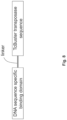
- methods to fuse DNA sequence specific binding domains using transcription activator-like (TAL) domains fused to the hAT transposases are described.
- One aspect of the present disclosure provides a mutant TcBuster transposase comprising one or more amino acid substitutions in comparison to a wild-type TcBuster transposase (SEQ ID NO: 1) and comprising an amino acid sequence having at least 90% sequence identity to full length sequence of a wild-type TcBuster transposase (SEQ ID NO: 1).
- a mutant TcBuster transposase can comprise an amino acid sequence having at least 95%, at least 96%, at least 97%, at least 98%, or at least 99% sequence identity to full length sequence of a wild-type TcBuster transposase (SEQ ID NO: 1).
- a mutant TcBuster transposase can comprise an amino acid sequence having at least 98%, at least 98.5%, at least 99%, at least 99.1%, at least 99.2%, at least 99.3%, at least 99.4%, at least 99.5%, at least 99.6%, at least 99.7%, at least 99.8%, at least 99.9%, or at least 99.95% sequence identity to full length sequence of a wild-type TcBuster transposase (SEQ ID NO: 1).
- a mutant TcBuster transposase can comprise an amino acid sequence having at least one amino acid different from full length sequence of a wild-type TcBuster transposase (SEQ ID NO: 1).
- a mutant TcBuster transposase can comprise an amino acid sequence having at least 2, at least 3, at least 4, at least 5, at least 6, at least 7, at least 8, at least 9, at least 10, or more amino acids different from full length sequence of a wild-type TcBuster transposase (SEQ ID NO: 1).
- a mutant TcBuster transposase can comprise an amino acid sequence having at least 5, at least 10, at least 20, at least 30, at least 40, at least 50, at least 60, at least 70, at least 80, at least 90, at least 100, at least 200, or at least 300 amino acid different from full length sequence of a wild-type TcBuster transposase (SEQ ID NO: 1).
- a mutant TcBuster transposase can comprise an amino acid sequence having at most 3, at most 6, at most 12, at most 25, at most 35, at most 45, at most 55, at most 65, at most 75, at most 85, at most 95, at most 150, at most 250, or at most 350 amino acid different from full length sequence of a wild-type TcBuster transposase (SEQ ID NO: 1).
- a wild-type TcBuster transposase can be regarded as comprising, from N terminus to C terminus, a ZnF-BED domain (amino acids 76-98), a DNA Binding and Oligomerization domain (amino acids 112-213), a first Catalytic domain (amino acids 213-312), an Insertion domain (amino acids 312-543), and a second Catalytic domain (amino acids 583-620), as well as at least four inter-domain regions in between these annotated domains.
- numerical references to amino acids, as used herein, are all in accordance to SEQ ID NO: 1.
- a mutant TcBuster transposase can comprise one or more amino acid substitutions in any one of these domains, or any combination thereof.
- a mutant TcBuster transposase can comprise one or more amino acid substitutions in ZnF-BED domain, a DNA Binding and Oligomerization domain, a first Catalytic domain, an Insertion domain, or a combination thereof.
- a mutant TcBuster transposase can comprise one or more amino acid substitutions in at least one of the two catalytic domains.
- An exemplary mutant TcBuster transposase can comprise one or more amino acid substitutions from Table 1. Sometimes, a mutant TcBuster transposase can comprise at least one of the amino acid substitutions from Table 1.
- a mutant TcBuster transposase can comprise at least 2, at least 3, at least 4, at least 5, at least 6, at least 7, at least 8, at least 9, at least 10, at least 20, at least 30, or more of the amino acid substitutions from Table 1.
- An exemplary mutant TcBuster transposase comprises one or more amino acid substitutions, or combinations of substitutions, from Table 2.
- a mutant TcBuster transposase can comprise at least one of the amino acid substitutions, or combinations of substitutions, from Table 2.
- a mutant TcBuster transposase can comprise at least 2, at least 3, at least 4, at least 5, at least 6, at least 7, at least 8, at least 9, at least 10, at least 20, at least 30, or more of the amino acid substitutions, or combinations of substitutions, from Table 2.
- An exemplary mutant TcBuster transposase comprises one or more amino acid substitutions, or combinations of substitutions, from Table 3.
- a mutant TcBuster transposase can comprise at least one of the amino acid substitutions, or combinations of substitutions, from Table 3.
- a mutant TcBuster transposase can comprise at least 2, at least 3, at least 4, at least 5, at least 6, at least 7, at least 8, at least 9, at least 10, at least 20, at least 30, or more of the amino acid substitutions, or combinations of substitutions, from Table 3.
- a "hyperactive" mutant TcBuster transposase can refer to any mutant TcBuster transposase that has increased transposition efficiency as compared to a wild-type TcBuster transposase having amino acid sequence SEQ ID NO: 1.
- a hyperactive mutant TcBuster transposase may have increased transposition efficiency under certain situations as compared to a wild-type TcBuster transposase having amino acid sequence SEQ ID NO: 1.
- the hyperactive mutant TcBuster transposase may have better transposition efficiency than the wild-type TcBuster transposase when being used to catalyze transposition of transposons having particular types of inverted repeat sequences. It is possible that with some other transposons having other types of inverted repeat sequences, the hyperactive mutant TcBuster transposase does not have increased transposition efficiency in comparison to the wild-type TcBuster transposase.
- the hyperactive mutant TcBuster transposase may have increased transposition efficiency in comparison to a wild-type TcBuster transposase having amino acid sequence SEQ ID NO: 1, under certain transfection conditions.
- a hyperactive mutant TcBuster transposase when compared to a wild-type TcBuster transposase, may have better transposition efficiency when the temperature is higher than normal cell culture temperature; a hyperactive mutant TcBuster transposase may have better transposition efficiency in a relative acidic or basic aqueous medium; a hyperactive mutant TcBuster transposase may have better transposition efficiency when a particular type of transfection technique (e.g. electroporation) is performed.
- a particular type of transfection technique e.g. electroporation
- Transposition efficiency can be measured by the percent of successful transposition events occurring in a population of host cells normalized by the amount of transposon and transposase introduced into the population of host cells. In many instances, when the transposition efficiency of two or more transposases is compared, the same transposon construct is paired with each of the two or more transposases for transfection of the host cells under same or similar transfection conditions. The amount of transposition events in the host cells can be examined by various approaches. For example, the transposon construct may be designed to contain a reporter gene positioned between the inverted repeats, and transfected cells positive for the reporter gene can be counted as the cells where successful transposition events occurs, which can give an estimate of the amount of the transposition events.
- Another non-limiting example includes sequencing of the host cell genome to examine the insertion of the cassette cargo of the transposon.
- the same transposase can be paired with each of the different transposons for transfection of the host cells under same or similar transfection conditions. Similar approaches can be utilized for the measurement of transposition efficiency. Other methods known to one skilled in the art may also be implemented for the comparison of transposition efficiency.
- One exemplary method can comprise systemically mutating amino acids of TcBuster transposase to increase a net charge of the amino acid sequence.
- the method can comprise performing systematic alanine scanning to mutate aspartic acid (D) or glutamic acid (E), which are negatively charged at a neutral pH, to alanine residues.
- a method can comprise performing systemic mutation to lysing (K) or arginine (R) residues, which are positively charged at a neutral pH.
- increase in a net charge of the amino acid sequence at a neutral pH may increase the transposition efficiency of the TcBuster transposase.
- the transposition efficiency is expected to increase.
- positively charged amino acids can form points of contact with DNA target and allow the catalytic domains to act on the DNA target. It may also be contemplated that loss of these positively charged amino acids can decrease either excision or integration activity in transposases.
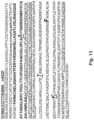
- Fig. 11 depicts the WT TcBuster transposase amino acid sequence, highlighting amino acids that may be points of contact with DNA.
- large bold lettering indicates catalytic triad amino acids; lettering with boxes indicates amino acids that when substituted to a positive charged amino acid increases transposition; italicized and lowercased lettering indicates positive charged amino acids that when substituted to a different amino acid decreases transposition; bold italicized and underlined indicates amino acids that when substituted to a positive charged amino acid increases transposition, and when substituted to a negative charged amino acid decreases transposition; underlined lettering indicates amino acids that could be positive charged amino acids based on protein sequence alignment to the Buster subfamily.
- a mutant TcBuster transposase can comprise one or more amino acid substitutions that increase a net charge at a neutral pH in comparison to SEQ ID NO: 1.
- a mutant TcBuster transposase comprising one or more amino acid substitutions that increase a net charge at a neutral pH in comparison to SEQ ID NO: 1 can be hyperactive.
- the mutant TcBuster transposase can comprise one or more substitutions to a positively charged amino acid, such as, but not limited to, lysine (K) or arginine (R).
- a mutant TcBuster transposase can comprise one or more substitutions of a negatively charged amino acid, such as, but not limited to, aspartic acid (D) or glutamic acid (E), with a neutral amino acid, or a positively charged amino acid.
- a negatively charged amino acid such as, but not limited to, aspartic acid (D) or glutamic acid (E)
- D aspartic acid
- E glutamic acid
- One non-limiting example includes a mutant TcBuster transposase that comprises one or more amino acid substitutions that increase a net charge at a neutral pH within or in proximity to a catalytic domain in comparison to SEQ ID NO: 1.
- the catalytic domain can be the first catalytic domain or the second catalytic domain.
- the catalytic domain can also include both catalytic domains of the transposase.
- An exemplary method of the present disclosure can comprise mutating amino acids that are predicted to be in close proximity to, or to make direct contact with, the DNA. These amino acids can be substituted amino acids identified as being conserved in other member(s) of the hAT family (e.g., other members of the Buster and/or Ac subfamilies). The amino acids predicted to be in close proximity to, or to make direct contact with, the DNA can be identified, for example, by reference to a crystal structure, predicted structures, mutational analysis, functional analysis, alignment with other members of the hAT family, or any other suitable method.
- TcBuster transposase like other members of the hAT transposase family, has a DDE motif, which may be the active site that catalyzes the movement of the transposon. It is contemplated that D223, D289, and E589make up the active site, which is a triad of acidic residues.
- the DDE motif may coordinate divalent metal ions and can be important in the catalytic reaction.
- a mutant TcBuster transposase can comprise one or more amino acid substitutions that increase a net charge at a neutral pH in comparison to SEQ ID NO: 1, and the one or more amino acids are located in proximity to D223, D289, or E589, when numbered in accordance to SEQ ID NO: 1.
- a mutant TcBuster transposase as described herein does not comprise any disruption of the catalytic triad, i.e. D223, D289, or E589.
- a mutant TcBuster transposase may not comprise any amino acid substitution at D223, D289, or E589.
- a mutant TcBuster transposase may comprises amino acid substitution at D223, D289, or E589, but such substitution does not disrupt the catalytic activity contributed by the catalytic triad.
- the term "proximity" can refer to a measurement of a linear distance in the primary structure of the transposase. For instance, the distance between D223 and D289 in the primary structure of a wild-type TcBuster transposase is 66 amino acids. In certain aspects, the proximity can refer to a distance of about 70 to 80 amino acids. In many cases, the proximity can refer to a distance of about 80, 75, 70, 60, 50, 40, 30, 20, 10, or 5 amino acids.
- the term "proximity" can refer to a measurement of a spatial relationship in the secondary or tertiary structure of the transposase, i.e. when the transposase folds into its three dimensional configurations.
- Protein secondary structure can refer to three dimensional form of local segments of proteins. Common secondary structural elements include alpha helices, beta sheets, beta turns and omega loops. Secondary structure elements may form as an intermediate before the protein folds into its three dimensional tertiary structure. Protein tertiary structure can refer to the three dimensional shape of a protein. Protein tertiary structure may exhibit dynamic configurational change under physiological or other conditions.
- the tertiary structure will have a single polypeptide chain "backbone" with one or more protein secondary structures, the protein domains.
- Amino acid side chains may interact and bond in a number of ways. The interactions and bonds of side chains within a particular protein determine its tertiary structure.
- the proximity can refer to a distance of about 1 ⁇ , about 2 ⁇ , about 5 ⁇ , about 8 ⁇ , about 10 ⁇ , about 15 ⁇ , about 20 ⁇ , about 25 ⁇ , about 30 ⁇ , about 35A, about 40 ⁇ , about 50 ⁇ , about 60 ⁇ , about 70 ⁇ , about 80 ⁇ , about 90 ⁇ , or about 100 ⁇ .
- a neutral pH can be a pH value around 7.
- a neutral pH can be a pH value between 6.9 and 7.1, between 6.8 and 7.2, between 6.7 and 7.3, between 6.6 and 7.4, between 6.5 and 7.5, between 6.4 and 7.6, between 6.3 and 7.7, between 6.2-7.8, between 6.1-7.9, between 6.0-8.0, between 5-8, or in a range derived therefrom.
- Non-limiting exemplary mutant TcBuster transposases that comprise one or more amino acid substitutions that increase a net charge at a neutral pH in comparison to SEQ ID NO: 1 include TcBuster transposases comprising at least one of the combinations of amino acid substitutions from Table 4.
- a mutant TcBuster transposase can comprise at least 2, at least 3, at least 4, at least 5, at least 6, at least 7, at least 8, at least 9, at least 10, at least 20, at least 30, or more of the amino acid substitutions from Table 4.
- a mutant TcBuster transposase can comprise one or more amino acid substitutions that increase a net charge at a non-neutral pH in comparison to SEQ ID NO: 1.
- the net charge is increased within or in proximity to a catalytic domain at a non-neutral pH.
- the net charge is increased in proximity to D223, D289, or E589, at a non-neutral pH.
- the non-neutral pH can be a pH value lower than 7, lower than 6.5, lower than 6, lower than 5.5, lower than 5, lower than 4.5, lower than 4, lower than 3.5, lower than 3, lower than 2.5, lower than 2, lower than 1.5, or lower than 1.
- the non-neutral pH can also be a pH value higher than 7, higher than 7.5, higher than 8, higher than 8.5, higher than 9, higher than 9.5, or higher than 10.
- Table 4 Amino Acid of Wild-type TcBuster Transposase (SEQ ID NO: 1) Amino Acid Substitutions E247 E247K E274 E274K V297 V297K A358 A358K S278 S278K E247 E247R E274 E274R V297 V297R A358 A358R S278 S278R T171 T171R D183 D183R S193 S193R P257 P257K E263 E263R L282 L282K T618 T618K D622 D622R E153 E153K N450 N450K T171 T171K D183 D183K S193 S193K P257 P257R E263 E263K L282 L282K T618 T
- a method can comprise systemically mutating amino acids in the DNA Binding and Oligomerization domain.
- mutation in the DNA Binding and Oligomerization domain may increase the binding affinity to DNA target and promote oligomerization activity of the transposase, which consequentially may promote transposition efficiency.
- the method can comprise systemically mutating amino acids one by one within or in proximity to the DNA Binding and Oligomerization domain (e.g., amino acid 112 to 213).
- the method can also comprise mutating more than one amino acid within or in proximity to the DNA Binding and Oligomerization domain.
- the method can also comprise mutating one or more amino acids within or in proximity to the DNA Binding and Oligomerization domain, together with one or more amino acids outside the DNA Binding and Oligomerization domain.
- the method can comprise performing rational replacement of selective amino acid residues based on multiple sequence alignments of TcBuster with other hAT family transposases (Ac, Hermes, Hobo, Tag2, Tam3, Hermes, Restless and Tol2) or with other members of Buster subfamily (e.g., AeBuster1, AeBuster2, AeBuster3, BtBuster1, BtBuster2, CfBuster1, and CfBuster2).
- AeBuster1, AeBuster2, AeBuster3, BtBuster1, BtBuster2, CfBuster1, and CfBuster2 may indicate their importance for the catalytic activity of the transposases.
- the method may comprise obtaining sequences of TcBuster as well as other hAT family transposases; aligning the sequences and identifying the amino acids in TcBuster transposase with a different conserved counterpart among the other hAT family transposases; performing site-directed mutagenesis to produce mutant TcBuster transposase harboring the mutation(s).
- a hyperactive mutant TcBuster transposase can comprise one or more amino acid substitutions based on alignment to other members of Buster subfamily or other members of hAT family.
- the one or more amino acid substitutions can be substitutions of conserved amino acid for the unconserved amino acid in wild-type TcBuster sequence (SEQ ID NO: 1).
- Non-limiting examples of mutant TcBuster transposases include TcBuster transposases comprising at least one of the amino acid substitutions from Table 5.
- a mutant TcBuster transposase can comprise at least 2, at least 3, at least 4, at least 5, at least 6, at least 7, at least 8, at least 9, at least 10, at least 20, at least 30, or more of the amino acid substitutions from Table 5.
- Another exemplary method can comprise systemically mutating acidic amino acids to basic amino acids and identifying hyperactive mutant transposase.
- mutant TcBuster transposase can comprise amino acid substitutions V377T, E469K, and D189A.
- a mutant TcBuster transposase can comprise amino acid substitutions K573E and E578L.
- a mutant TcBuster transposase can comprise amino acid substitution I452K.
- a mutant TcBuster transposase can comprise amino acid substitution A358K.
- a mutant TcBuster transposase can comprise amino acid substitution V297K.
- the mutant TcBuster transposase of the invention comprises amino acid substitution N85S.
- a mutant TcBuster transposase can comprise amino acid substitutions N85S, V377T, E469K, and D189A.
- a mutant TcBuster transposase can comprise amino acid substitutions I452F, V377T, E469K, and D189A.
- a mutant TcBuster transposase can comprise amino acid substitutions A358K, V377T, E469K, and D189A.
- a mutant TcBuster transposase can comprise amino acid substitutions V377T, E469K, D189A, K573E and E578L.
- TcBuster transposon that comprises a cassette cargo positioned between two inverted repeats.
- a TcBuster transposon can be recognized by a TcBuster transposase as described herein, e.g., a TcBuster transposase can recognize the TcBuster transposon and catalyze transposition of the TcBuster transposon into a DNA sequence.
- inverted repeats can refer to short sequence repeats flanking the transposase gene in a natural transposon or a cassette cargo in an artificially engineered transposon.
- the two inverted repeats are generally required for the mobilization of the transposon in the presence of a corresponding transposase.
- Inverted repeats as described herein may contain one or more direct repeat (DR) sequences. These sequences usually are embedded in the terminal inverted repeats (TIRs) of the elements.
- DR direct repeat
- TIRs terminal inverted repeats
- carrier cassette as used herein can refer to a nucleotide sequence other than a native nucleotide sequence between the inverted repeats that contains the TcBuster transposase gene.
- a cargo cassette can be artificially engineered.
- a transposon described herein may contain a cargo cassette flanked by IR/DR sequences.
- at least one of the repeats contains at least one direct repeat.
- a transposon may contain a cargo cassette flanked by IRDR-L-Seq1 (SEQ ID NO: 3) and IRDR-R-Seq1 (SEQ ID NO: 4).
- a left inverted repeat can comprise a sequence at least 40%, at least 50%, at least 60%, at least 70%, at least 80%, at least 90%, at least 95%, at least 98%, at least 99%, or 100% identical to IRDR-L-Seq1 (SEQ ID NO: 3).
- a right inverted repeat can comprise a sequence at least 40%, at least 50%, at least 60%, at least 70%, at least 80%, at least 90%, at least 95%, at least 98%, at least 99%, or 100% identical to IRDR-R-Seq1 (SEQ ID NO: 4).
- a right inverted repeat can comprise a sequence at least 40%, at least 50%, at least 60%, at least 70%, at least 80%, at least 90%, at least 95%, at least 98%, at least 99%, or 100% identical to IRDR-L-Seq1 (SEQ ID NO: 3).
- a left inverted repeat can comprise a sequence at least 40%, at least 50%, at least 60%, at least 70%, at least 80%, at least 90%, at least 95%, at least 98%, at least 99%, or 100% identical to IRDR-R-Seq1 (SEQ ID NO: 4).
- the terms "left” and “right”, as used herein, can refer to the 5' and 3' sides of the cargo cassette on the sense strand of the double strand transposon, respectively. It is also possible that a transposon may contain a cargo cassette flanked by IRDR-L-Seq2 (SEQ ID NO: 5) and IRDR-R-Seq2 (SEQ ID NO: 6).
- a left inverted repeat can comprise a sequence at least 40%, at least 50%, at least 60%, at least 70%, at least 80%, at least 90%, at least 95%, at least 98%, at least 99%, or 100% identical to IRDR-L-Seq2 (SEQ ID NO: 5).
- a right inverted repeat can comprise a sequence at least 40%, at least 50%, at least 60%, at least 70%, at least 80%, at least 90%, at least 95%, at least 98%, at least 99%, or 100% identical to IRDR-R-Seq2 (SEQ ID NO: 6).
- a right inverted repeat can comprise a sequence at least 40%, at least 50%, at least 60%, at least 70%, at least 80%, at least 90%, at least 95%, at least 98%, at least 99%, or 100% identical to IRDR-L-Seq2 (SEQ ID NO: 5).
- a left inverted repeat can comprise a sequence at least 40%, at least 50%, at least 60%, at least 70%, at least 80%, at least 90%, at least 95%, at least 98%, at least 99%, or 100% identical to IRDR-R-Seq2 (SEQ ID NO: 6).
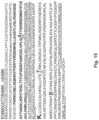
- a transposon may contain a cargo cassette flanked by two inverted repeats that have different nucleotide sequences than the ones given in Fig.
- At least one of the two inverted repeats of a transposon described herein may contain a sequence that is at least 40%, at least 50%, at least 60%, at least 70%, at least 80%, at least 90%, at least 95%, at least 98%, at least 99%, or 100% identical to any one of SEQ ID NOs: 3-6.
- At least one of inverted repeats of a transposon described herein may contain a sequence that is at least 80% identical to SEQ ID NO: 3 or 4.
- At least one of inverted repeats of a transposon described herein may contain a sequence that is at least 80% identical to SEQ ID NO: 5 or 6.
- the choice of inverted repeat sequences may vary depending on the expected transposition efficiency, the type of cell to be modified, the transposase to use, and many other factors.
- minimally sized transposon vector inverted terminal repeats that conserve genomic space may be used.
- the ITRs of hAT family transposons diverge greatly with differences in right-hand and left-hand ITRs. In many cases, smaller ITRs consisting of just 100-200 nucleotides are as active as the longer native ITRs in hAT transposon vectors. These sequences may be consistently reduced while mediating hAT family transposition. These shorter ITRs can conserve genomic space within hAT transposon vectors.
- the inverted repeats of a transposon can be about 50 to 2000 nucleotides, about 50 to 1000 nucleotides, about 50 to 800 nucleotides, about 50 to 600 nucleotides, about 50 to 500 nucleotides, about 50 to 400 nucleotides, about 50 to 350 nucleotides, about 50 to 300 nucleotides, about 50 to 250 nucleotides, about 50 to 200 nucleotides, about 50 to 180 nucleotides, about 50 to 160 nucleotides, about 50 to 140 nucleotides, about 50 to 120 nucleotides, about 50 to 110 nucleotides, about 50 to 100 nucleotides, about 50 to 90 nucleotides, about 50 to 80 nucleotides, about 50 to 70 nucleotides, about 50 to 60 nucleotides, about 75 to 750 nucleotides, about 75 to 450 nucleotides, about 75 to 325 nucleotides, about 75 to 250 nucleot
- a cargo cassette can comprise a promoter, a transgene, or a combination thereof.
- the expression of the transgene can be directed by the promoter.
- a promoter can be any type of promoter available to one skilled in the art. Non-limiting examples of the promoters that can be used in a TcBuster transposon include EFS, CMV, MND, EF1 ⁇ , CAGGs, PGK, UBC, U6, H1, and Cumate.
- the choice of a promoter to be used in a TcBuster transposition would depend on a number of factors, such as, but not limited to, the expression efficiency of the promoter, the type of cell to be genetically modified, and the desired transgene expression level.
- a transgene in a TcBuster transposon can be any gene of interest and available to one skilled in the art.
- a transgene can be derived from, or a variant of, a gene in nature, or can be artificially designed.
- a transgene can be of the same species origin as the cell to be modified, or from different species.
- a transgene can be a prokaryotic gene, or a eukaryotic gene.
- a transgene can be a gene derived from a non-human animal, a plant, or a human being.
- a transgene can comprise introns. Alternatively, a transgene may have introns removed or not present.
- a transgene can code for a protein.
- Exemplary proteins include, but are not limited to, a cellular receptor, an immunological checkpoint protein, a cytokine, or any combination thereof.
- a cellular receptor as described herein can include, but not limited to a T cell receptor (TCR), a B cell receptor (BCR), a chimeric antigen receptor (CAR), or any combination thereof.
- a cargo cassette as described herein may not contain a transgene coding for any type of protein product, but that is useful for other purposes.
- a cargo cassette may be used for creating frameshift in the insertion site, for example, when it is inserted in an exon of a gene in the host genome. This may lead to a truncation of the gene product or a null mutation.
- a cargo cassette may be used for replacing an endogenous genomic sequence with an exogenous nucleotide sequence, thereby modifying the host genome.
- a transposon described herein may have a cargo cassette in either forward or reverse direction.
- a cargo cassette has its own directionality.
- a cargo cassette containing a transgene would have a 5' to 3' coding sequence.
- a cargo cassette containing a promoter and a gene insertion would have promoter on the 5' site of the gene insertion.
- the term "forward direction”, as used herein, can refer to the situation where a cargo cassette maintains its directionality on the sense strand of the double strand transposon.
- reverse direction as used herein, can refer to the situation where a cargo cassette maintains its directionality on the antisense strand of the double strand transposon.
- a system can comprise a TcBuster transposase and a TcBuster transposon.
- a system can be used to edit a genome of a host cell, disrupting or modifying an endogenous genomic region of the host cell, inserting an exogenous gene into the host genome, replacing an endogenous nucleotide sequence with an exogenous nucleotide sequence or any combination thereof.
- a system for genome editing can comprise a mutant TcBuster transposase as described herein, and a transposon recognizable by the mutant TcBuster transposase.
- a mutant TcBuster transposase can be provided as a purified protein. Protein production and purification technologies are known to one skilled in the art. The purified protein can be kept in a different container than the transposon, or they can be kept in the same container.
- a system for genome editing can comprise a polynucleotide encoding a mutant TcBuster transposase or fusion transposase as described herein, and a transposon recognizable by the mutant TcBuster transposase or the fusion transposase.
- a polynucleotide of the system can comprise DNA that encodes the mutant TcBuster transposase or the fusion transposase.
- a polynucleotide of the system can comprise messenger RNA (mRNA) that encodes the mutant TcBuster transposase or the fusion transposase.
- mRNA messenger RNA
- the mRNA can be produced by a number of approaches well known to one of ordinary skills in the art, such as, but not limited to, in vivo transcription and RNA purification, in vitro transcription, and de novo synthesis.
- the mRNA can be chemically modified.
- the chemically modified mRNA may be resistant to degradation than unmodified or natural mRNAs or may degrade more quickly.
- the chemical modification of the mRNA may render the mRNA being translated with more efficiency.
- Chemical modification of mRNAs can be performed with well-known technologies available to one skilled in the art, or by commercial vendors.
- hAT transposase expression For many applications, safety dictates that the duration of hAT transposase expression be only long enough to mediate safe transposon delivery. Moreover, a pulse of hAT transposase expression that coincides with the height of transposon vector levels can achieve maximal gene delivery.
- the implementations are made using available technologies for the in vitro transcription of RNA molecules from DNA plasmid templates.
- the RNA molecules can be synthesized using a variety of methods for in vitro (e.g., cell free) transcription from a DNA copy. Methods to do this have been described and are commercially available. For example, the mMessage Machine in vitro transcription kit available through life technologies.
- RNA molecules can be introduced into cells using any of many described methods for RNA transfection, which is usually non-toxic to most cells. Methods to do this have been described and are commercially available. For example, the Amaxa nucleofector, Neon electroporator, and the Maxcyte platforms.
- a transposon as described herein may be present in an expression vector.
- the expression vector can be DNA plasmid.
- the expression vector can be a mini-circle vector.
- mini-circle vector can refer to small circular plasmid derivative that is free of most, if not all, prokaryotic vector parts (e.g., control sequences or non-functional sequences of prokaryotic origin). Under circumstances, the toxicity to the cells created by transfection or electroporation can be mitigated by using the "mini-circles" as described herein.
- a mini-circle vector can be prepared by well-known molecular cloning technologies available. First, a 'parental plasmid' (bacterial plasmid with insertion, such as transposon construct) in bacterial, such as E. coli, can be produced, which can be followed by induction of a site-specific recombinase. These steps can then be followed by the excision of prokaryotic vector parts via two recombinase-target sequences at both ends of the insert, as well as recovery of the resulting mini-circle vector. The purified mini-circle can be transferred into the recipient cell by transfection or lipofection and into a differentiated tissue by, for instance, jet injection.
- a mini-circle containing TcBuster transposon can have a size about 1.5kb, about 2 kb, about 2.2 kb, about 2.4 kb, about 2.6 kb, about 2.8 kb, about 3 kb, about 3.2 kb, about 3.4 kb, about 3.6 kb, about 3.8 kb, about 4 kb, about 4.2 kb, about 4.4 kb, about 4.6 kb, about 4.8 kb, about 5 kb, about 5.2 kb, about 5.4 kb, about 5.6 kb, about 5.8 kb, about 6 kb, about 6.5 kb, about 7 kb, about 8 kb, about 9 kb, about 10 kb, about 12 kb, about 25 kb, about 50 kb, or a value between any two of these numbers.
- a mini-circle containing TcBuster transposon can have a size at most 2.1 kb, at most 3.1 kb, at most 4.1 kb, at most 4.5 kb, at most 5.1 kb, at most 5.5 kb, at most 6.5 kb, at most 7.5 kb, at most 8.5 kb, at most 9.5 kb, at most 11 kb, at most 13 kb, at most 15 kb, at most 30 kb, or at most 60 kb.
- a system as described herein may contain a polynucleotide encoding a mutant TcBuster transposase or fusion transposase as described herein, and a transposon, which are present in a same expression vector, e.g. plasmid.
- a method of genetic engineering can comprise introducing into a cell a TcBuster transposase and a transposon recognizable by the TcBuster transposase.
- a method of genetic engineering can also be performed in a cell-free environment.
- a method of genetic engineering in a cell-free environment can comprise combining a TcBuster transposase, a transposon recognizable by the transposase, and a target nucleic acid into a container, such as a well or tube.
- a method described herein can comprises introducing into a cell a mutant TcBuster transposase provided herein and a transposon recognizable by the mutant TcBuster transposase.
- a method of genome editing can comprise: introducing into a cell a fusion transposase provided herein and a transposon recognizable by the fusion transposase.
- the mutant TcBuster transposase or the fusion transposase can be introduced into the cell either as a protein or via a polynucleotide that encodes for the mutant TcBuster transposase or the fusion transposase.
- the polynucleotide as discussed above, can comprise a DNA or an mRNA that encodes the mutant TcBuster transposase or the fusion transposase.
- the TcBuster transposase or the fusion transposase can be transfected into a host cell as a protein, and the concentration of the protein can be at least 0.05nM, at least 0.1 nM, at least 0.2 nM, at least 0.5 nM, at least 1 nM, at least 2 nM, at least 5 nM, at least 10 nM, at least 50 nM, at least 100 nM, at least 200 nM, at least 500 nM, at least 1 ⁇ M, at least 2 ⁇ M, at least 5 ⁇ M, at least 7.5 ⁇ M, at least 10 ⁇ M, at least 15 ⁇ M, at least 20 ⁇ M, at least 25 ⁇ M, at least 50 ⁇ M, at least 100 ⁇ M, at least 200 ⁇ M, at least 500 ⁇ M, or at least 1 ⁇ M.
- the concentration of the protein can be around 1 ⁇ M to around 50 ⁇ M, around 2 ⁇ M to around 25
- the TcBuster transposase or the fusion transposase can be transfected into a host cell through a polynucleotide, and the concentration of the polynucleotide can be at least about 5 ng/ml, 10 ng/ml, 20 ng/ml, 40 ng/ml, 50 ng/ml, 60 ng/ml, 80 ng/ml, 100 ng/ml, 120 ng/ml, 150 ng/ml, 180 ng/ml, 200 ng/ml, 220 ng/ml, 250 ng/ml, 280 ng/ml, 300 ng/ml, 500 ng/ml, 750 ng/ml, 1 ⁇ g /ml, 2 ⁇ g /ml, 3 ⁇ g /ml, 5 ⁇ g/ml, 50 ⁇ g/ml, 100 ⁇ g/ml, 150 ⁇ g/ml, 200 ⁇ g/m
- the concentration of the polynucleotide can be between about 5-25 ⁇ g/ml, 25-50 ⁇ g/ml, 50-100 ⁇ g/ml, 100-150 ⁇ g/ml, 150-200 ⁇ g/ml, 200-250 ⁇ g/ml, 250-500 ⁇ g/ml, 5-800 ⁇ g/ml, 200-800 ⁇ g/ml, 250-800 ⁇ g/ml, 400-800 ⁇ g/ml, 500-800 ⁇ g/ml, or any range derivable therein.
- the transposon is present in a separate expression vector than the transposase, and the concentration of the transposon can be at least about 5 ng/ml, 10 ng/ml, 20 ng/ml, 40 ng/ml, 50 ng/ml, 60 ng/ml, 80 ng/ml, 100 ng/ml, 120 ng/ml, 150 ng/ml, 180 ng/ml, 200 ng/ml, 220 ng/ml, 250 ng/ml, 280 ng/ml, 300 ng/ml, 500 ng/ml, 750 ng/ml, 1 ⁇ g /ml, 2 ⁇ g /ml, 3 ⁇ g /ml, 5 ⁇ g/ml, 50 ⁇ g/ml, 100 ⁇ g/ml, 150 ⁇ g/ml, 200 ⁇ g/ml, 250 ⁇ g/ml, 300 ⁇ g/ml, 350 ⁇ g/m
- the concentration of the transposon can be between about 5-25 ⁇ g/ml, 25-50 ⁇ g/ml, 50-100 ⁇ g/ml, 100-150 ⁇ g/ml, 150-200 ⁇ g/ml, 200-250 ⁇ g/ml, 250-500 ⁇ g/ml, 5-800 ⁇ g/ml, 200-800 ⁇ g/ml, 250-800 ⁇ g/ml, 400-800 ⁇ g/ml, 500-800 ⁇ g/ml, or any range derivable therein.
- the ratio of the transposon versus the polynucleotide coding for the transposase is at most 10000, at most 5000, at most 1000, at most 500, at most 200, at most 100, at most 50, at most 20, at most 10, at most 5, at most 2, at most 1, at most 0.1, at most 0.05, at most 0.01, at most 0.001, at most 0.0001, or any number in between any two thereof.
- the transposon and the polynucleotide coding for the transposase are present in the same expression vector, and the concentration of the expression vector containing both transposon and the polynucleotide encoding transposase can be at least about 5 ng/ml, 10 ng/ml, 20 ng/ml, 40 ng/ml, 50 ng/ml, 60 ng/ml, 80 ng/ml, 100 ng/ml, 120 ng/ml, 150 ng/ml, 180 ng/ml, 200 ng/ml, 220 ng/ml, 250 ng/ml, 280 ng/ml, 300 ng/ml, 500 ng/ml, 750 ng/ml, 1 ⁇ g /ml, 2 ⁇ g /ml, 3 ⁇ g /ml, 5 ⁇ g/ml, 50 ⁇ g/ml, 100 ⁇ g/ml, 150 ⁇ g/
- the concentration of the expression vector containing both transposon and the polynucleotide encoding transposase can be between about 5-25 ⁇ g/ml, 25-50 ⁇ g/ml, 50-100 ⁇ g/ml, 100-150 ⁇ g/ml, 150-200 ⁇ g/ml, 200-250 ⁇ g/ml, 250-500 ⁇ g/ml, 5-800 ⁇ g/ml, 200-800 ⁇ g/ml, 250-800 ⁇ g/ml, 400-800 ⁇ g/ml, 500-800 ⁇ g/ml, or any range derivable therein.
- the amount of polynucleic acids that may be introduced into the cell by electroporation may be varied to optimize transfection efficiency and/or cell viability. In some cases, less than about 100 pg of nucleic acid may be added to each cell sample (e.g., one or more cells being electroporated).
- dsDNA 1 microgram of dsDNA may be added to each cell sample for electroporation.
- the amount of polynucleic acids (e.g., dsDNA) required for optimal transfection efficiency and/or cell viability may be specific to the cell type.
- the host cells may be from eukaryotic organisms.
- the cells may be from a mammal origin.
- the cells may be from a human origin.
- the cells may be from an immortalized cell line or primary cells.
- cell line and “immortalized cell line”, as used herein interchangeably, can refer to a population of cells from an organism which would normally not proliferate indefinitely but, due to mutation, may have evaded normal cellular senescence and instead can keep undergoing division.
- the subject matter provided herein may find use in a range of common established cell lines, including, but not limited to, human BC-1 cells, human BJAB cells, human IM-9 cells, human Jiyoye cells, human K-562 cells, human LCL cells, mouse MPC-11 cells, human Raji cells, human Ramos cells, mouse Ramos cells, human RPMI8226 cells, human RS4-11 cells, human SKW6.4 cells, human Dendritic cells, mouse P815 cells, mouse RBL-2H3 cells, human HL-60 cells, human NAMALWA cells, human Macrophage cells, mouse RAW 264.7 cells, human KG-1 cells, mouse M1 cells, human PBMC cells, mouse BW5147 (T200-A)5.2 cells, human CCRF-CEM cells, mouse EL4 cells, human Jurkat cells, human SCID.adh cells, human U-937 cells or any combination of cells thereof.
- primary cells can refer to cells taken directly from an organism, typically living tissue of a multicellular organism, such as animals or plants.
- primary cells may be established for growth in vitro.
- primary cells may be just removed from the organism and have not been established for growth in vitro yet before the transfection.
- the primary cells can also be expanded in vitro, i.e. primary cells may also include progeny cells that are generated from proliferation of the cells taken directly from an organism.
- the progeny cells do not exhibit the indefinite proliferative property as cells in established cell lines.
- the host cells may be human primary T cells, while prior to the transfection, the T cells have been exposed to stimulatory factor(s) that may result in T cell proliferation and expansion of the cell population.
- the cells to be genetically modified may be primary cells from tissues or organs, such as, but not limited to, brain, lung, liver, heart, spleen, pancreas, small intestine, large intestine, skeletal muscle, smooth muscle, skin, bones, adipose tissues, hairs, thyroid, trachea, gall bladder, kidney, ureter, bladder, aorta, vein, esophagus, diaphragm, stomach, rectum, adrenal glands, bronchi, ears, eyes, retina, genitals, hypothalamus, larynx, nose, tongue, spinal cord, or ureters, uterus, non-human ovary, non-human testis, and any combination thereof.
- tissues or organs such as, but not limited to, brain, lung, liver, heart, spleen, pancreas, small intestine, large intestine, skeletal muscle, smooth muscle, skin, bones, adipose tissues, hairs, thyroid, trachea,
- the cells may include, but not limited to, hematocyte, trichocyte, keratinocyte, gonadotrope, corticotrope, thyrotrope, somatotrope, lactotroph, chromaffin cell, parafollicular cell, glomus cell, melanocyte, nevus cell, merkel cell, odontoblast, cementoblast, corneal keratocyte, retina muller cell, retinal pigment epithelium cell, neuron, glia, ependymocyte, pinealocyte, pneumocyte, clara cell, goblet cell, G cell, D cell, Enterochromaffin-like cell, gastric chief cell, parietal cell, foveolar cell, K cell, D cell, I cell, paneth cell, enterocyte, microfold cell, hepatocyte, hepatic stellate cell, cholecystocyte, centroacinar cell, pancreatic stellate cell, pancreatic ⁇ cell, pancreatic ⁇
- the cell to be modified may be a stem cell, such as, but not limited to, embryonic stem cell, hematopoietic stem cell, epidermal stem cell, epithelial stem cell, bronchoalveolar stem cell, mammary stem cell, mesenchymal stem cell, intestine stem cell, endothelial stem cell, neural stem cell, olfactory adult stem cell, neural crest stem cell, non-human testicular cell, and any combination thereof.
- the cell can be an induced pluripotent stem cell that is derived from any type of tissue.
- the cell to be genetically modified may be a mammalian cell.
- the cell may be an immune cell.
- Non-limiting examples of the cell can include a B cell, a basophil, a dendritic cell, an eosinophil, a gamma delta T cell, a granulocyte, a helper T cell, a Langerhans cell, a lymphoid cell, an innate lymphoid cell (ILC), a macrophage, a mast cell, a megakaryocyte, a memory T cell, a monocyte, a myeloid cell, a natural killer T cell, a neutrophil, a precursor cell, a plasma cell, a progenitor cell, a regulatory T-cell, a T cell, a thymocyte, any differentiated or de-differentiated cell thereof, or any mixture or combination of cells thereof.
- the cell may be a T cell. In some aspects, the cell may be a primary T cell. In certain cases, the cell may be an antigen-presenting cell (APC). In some aspects, the cell may be a primary APC.
- the APCs in connection with the present disclosure may be a dendritic cell, macrophage, B cell, other non-professional APCs, or any combination thereof.
- the cell may be an ILC (innate lymphoid cell), and the ILC can be a group 1 ILC, a group 2 ILC, or a group 3 ILC.
- Group 1 ILCs may generally be described as cells controlled by the T-bet transcription factor, secreting type-1 cytokines such as IFN-gamma and TNF-alpha in response to intracellular pathogens.
- Group 2 ILCs may generally be described as cells relying on the GATA-3 and ROR-alpha transcription factors, producing type-2 cytokines in response to extracellular parasite infections.
- Group 3 ILCs may generally be described as cells controlled by the ROR-gamma t transcription factor, and produce IL-17 and/or IL-22.
- the cell may be a cell that is positive or negative for a given factor.
- a cell may be a CD3+ cell, CD3- cell, a CD5+ cell, CD5- cell, a CD7+ cell, CD7-cell, a CD14+ cell, CD14- cell, CD8+ cell, a CD8- cell, a CD103+ cell, CD103- cell, CD11b+ cell, CD11b- cell, a BDCA1+ cell, a BDCA1- cell, an L-selectin+ cell, an L-selectin- cell, a CD25+, a CD25- cell, a CD27+, a CD27- cell, a CD28+ cell, CD28- cell, a CD44+ cell, a CD44-cell, a CD56+ cell, a CD56- cell, a CD57+ cell, a CD57- cell, a CD62L+ cell, a CD62L- cell, a CD69+ cell
- the cell may be positive or negative for any factor known in the art.
- the cell may be positive for two or more factors.
- the cell may be CD4+ and CD8+.
- the cell may be negative for two or more factors.
- the cell may be CD25-, CD44-, and CD69-.
- the cell may be positive for one or more factors, and negative for one or more factors.
- a cell may be CD4+ and CD8-.
- cells used in any of the methods disclosed herein may be a mixture (e.g., two or more different cells) of any of the cells disclosed herein.
- a method of the present disclosure may comprise cells, and the cells are a mixture of CD4+ cells and CD8+ cells.
- a method of the present disclosure may comprise cells, and the cells are a mixture of CD4+ cells and naive cells.
- transposase and the transposon can be introduced in to a cell through a number of approaches.
- the term "transfection" and its grammatical equivalents as used herein can generally refer to a process whereby nucleic acids are introduced into eukaryotic cells.
- the transfection methods that can be used in connection with the subject matter can include, but not limited to, electroporation, microinjection, calcium phosphate precipitation, cationic polymers, dendrimers, liposome, microprojectile bombardment, fugene, direct sonic loading, cell squeezing, optical transfection, protoplast fusion, impalefection, magnetofection, nucleofection, or any combination thereof.
- transposase and transposon described herein can be transfected into a host cell through electroporation.
- transfection can also be done through a variant of electroporation method, such as nucleofection (also known as NucleofectorTM technology).
- electroporation and its grammatical equivalents as used herein can refer to a process whereby an electrical field is applied to cells in order to increase the permeability of the cell membrane, allowing chemicals, drugs, or DNA to be introduced into the cell.
- the electric filed is often provided in the form of "pulses" of very brief time periods, e.g. 5 milliseconds, 10 milliseconds, and 50 milliseconds.
- electroporation temporarily opens up pores in a cell's outer membrane by use of pulsed rotating electric fields.
- Methods and apparatus used for electroporation in vitro and in vivo are also well known.
- Various electric parameters can be selected dependent on the cell type being electroporated and physical characteristics of the molecules that are to be taken up by the cell, such as pulse intensity, pulse length, number of pulses).
- compositions e.g., mutant TcBuster transposases, fusion transposases, TcBuster transposons
- systems and methods provided herein may find use in a wide range of applications relating to genome editing, in various aspects of modern life.
- advantages of the subject matter described herein may include, but not limited to, reduced costs, regulatory consideration, lower immunogenicity and less complexity.
- a significant advantage of the present disclosure is the high transposition efficiency.
- Another advantage of the present disclosure in many cases, is that the transposition system described herein can be "tunable", e.g., transposition can be designed to target select genomic region rather than random insertion.
- genetically modified T cells can be created using the subject matter described herein, which may find use in helping people fighting against a variety of diseases, such as, but not limited to, cancer and infectious disease.
- One particular example includes generation of genetically modified primary leukocytes using the methods disclosed herein, and administering the genetically modified primary leukocytes to a patient in need thereof.
- the generation of genetically modified primary leukocytes can include introducing into a leukocyte a transposon and a mutant TcBuster transposase or the fusion transposase as described herein, which can recognize the transposon, thereby generating a genetically modified leukocyte.
- the transposon may comprise a transgene.
- the transgene can be a cellular receptor, an immunological checkpoint protein, a cytokine, and any combination thereof.
- a cellular receptor can include, but not limited to a T cell receptor (TCR), a B cell receptor (BCR), a chimeric antigen receptor (CAR), or any combination thereof.
- TCR T cell receptor
- BCR B cell receptor
- CAR chimeric antigen receptor
- the transposon and the transposase are designed to delete or modify an endogenous gene, for instance, a cytokine, an immunological checkpoint protein, an oncogene, or any combination thereof.
- the genetic modification of the primary leukocytes can be designed to facilitate immunity against an infectious pathogen or cancer cells that render the patient in diseased state.
- Another non-limiting example not being part of the invention is related to create genetically modified organisms for agriculture, food production, medicine, and pharmaceutics.
- the species that can be genetically modified span a wide range, including, but not limited to, plants and animals.
- the genetically modified organisms such as genetically modified crops or livestock, may be modified in a certain aspect of their physiological properties.
- food crops include resistance to certain pests, diseases, or environmental conditions, reduction of spoilage, or resistance to chemical treatments (e.g. resistance to a herbicide), or improving the nutrient profile of the crop.
- non-food crops include production of pharmaceutical agents, biofuels, and other industrially useful goods, as well as for bioremediation.
- Examples in livestock include resistance to certain parasites, production of certain nutrition elements, increase in growth rate, and increase in milk production.
- the term "about” and its grammatical equivalents in relation to a reference numerical value and its grammatical equivalents as used herein can include a range of values plus or minus 10% from that value.
- the amount “about 10” includes amounts from 9 to 11.
- the term “about” in relation to a reference numerical value can also include a range of values plus or minus 10%, 9%, 8%, 7%, 6%, 5%, 4%, 3%, 2%, or 1% from that value.
- This example describes several methods utilized for generation and evaluation of exemplary mutant TcBuster transposases.
- TcB transposase mutants were identified by nucleotide sequence and amino acid alignment of hAT and buster subfamilies.
- the Q5 site-directed mutagenesis kit (New England BioLabs) was used for all site-directed mutagenesis.
- PCR products were purified with GeneJET PCR purification kit (Thermo Fisher Scientific).
- a 20uL ligation reaction of purified PCR products was performed using T4 DNA ligase (New England BioLabs). 5uL of ligation reaction was used for transformation in DH10Beta cells. Direct colony sequencing through Sequetech was used to confirm the presence of desired mutations. DNA for confirmed mutations was prepped using ZymoPURE plasmid miniprep kits (Zymo Research).
- HEK-293T cells were plated at 300,000 cells per well of a 6 well plate one day prior to transfection.
- Cells were transfected with 500ng transposon carrying mCherry-puromycin cassette and 62.5ng TcB transposase using TransIT X2 reagent per manufacturer's instructions (Mirus Bio).
- Two days post-transfection cells were re-plated with puromycin (1ug/mL) at a density of 3,000 cells/well of a 6 well plate in triplicate in DMEM complete media, or re-plated without puromycin selection. Stable integration of the transgene was assessed by colony counting of puromycin treated cells (each cell that survived drug selection formed a colony) or flow cytometry.
- DMEM complete + puromycin media was removed. Cells were washed with 1X PBS and cells were stained with 1x crystal violet solution for 10 minutes. Plates were washed twice with PBS and colonies counted.
- transgene For flow cytometry analysis, stable integration of the transgene was assessed by detection of mCherry fluorescence in cells grown without drug selection. Transfected cells were harvested at indicated time points post-transfection, washed 1X with PBS and resuspended in 200uL RDFII buffer for analysis. Cells were analyzed using Novocyte (Acea Biosciences) and mCherry expression was assessed using the PE-Texas red channel.
- HEK-293T cells were plated at 75,000 cells per well of a 24 well plate one day prior to transfection.
- Cells were transfected with 500ng transposon and 125ng transposase using TransIT X2 reagent in duplicate per manufacturer's instructions (Mirus Bio). Stable integration of the transgene was assessed by detection of mCherry fluorescence.
- Cells were harvested at 14 days post-transfection, washed 1X with PBS and resuspended in 200uL RDFII buffer. Cells were analyzed using Novocyte (Acea Biosciences) and mCherry expression was assessed using the PE-Texas red channel.
- CD3+ T-cells were enriched and cryopreserved from leukopaks (StemCellTechnologies). CD3+ T-cells were thawed and activated using CD3/CD28 Dynabeads (ThermoFisher) for 2 days in X-Vivo -15 media supplemented with human serum and IL-2, IL-15 and IL-7 cytokines. Prior to transfection, CD3/CD28 beads were removed, cells washed and electroporated using Neon Transfection system (ThermoFisher) with TcBuster transposon (mini-circle carrying TcBuster and Sleeping beauty IR/DRs and GFP cargo) and TcBuster or Sleeping Beauty transposases in RNA form.
- Neon Transfection system ThermoFisher
- TcBuster transposon mini-circle carrying TcBuster and Sleeping beauty IR/DRs and GFP cargo
- TcBuster or Sleeping Beauty transposases in RNA form.
- a viability control cells were "pulse" electroporated without DNA or RNA. Electroporated cells were expanded for 21 days post-transfection and viability stable integration of GFP cargo was assessed by flow cytometry. Viability was measured by SSC-A vs FSC-A and standardized to pulse only control, and GFP expression was assessed using FITC channel on days 2, 7, 14 and 21.
- TcBuster TcB transposon
- Fig. 1A The aim of this study was to examine transposition efficiency of different exemplary TcBuster transposon constructs.
- Inventors compared 10 TcBuster (TcB) transposon (Tn) configurations ( Fig. 1A ) to test their transposition efficiency in mammalian cells.
- These 10 TcB Tns differed in the promoter used (EFS vs CMV), IR/DR sequence and direction of the transposon cargo.
- the transposons each contained an identical cassette coding for mCherry linked by 2A to a drug-resistance gene, puromycin, so that transfected cells could be identified by fluorescence and/or selection with puromycin.
- HEK-293T cells were transfected with one of the 10 TcB Tns and TcB wild-type transposase (ratio of 1 transposon: 1 transposase). Stable integration of the transgene was assessed by flow cytometry by detection of mCherry fluorescence for 10-30 days post-transfection ( Fig. 1B ).
- TcB Tn-8 showed the greatest transposition efficiency among the test 10 Tns by flow cytometry.
- HEK-293T cells were transfected with TcB Tn-8 with WT transposase or V596A mutant transposase.
- puromycin (1ug/mL) at a density of 3,000 cells/well of a 6 well plate in triplicate in DMEM complete media. After selection for two weeks, each cell that survived drug selection formed a colony, which was assessed for mCherry expression ( Fig. 3A ) and counted to confirm stable integration of the transgene ( Figs. 3B-C ).
- Transposition efficiency of TcB-Tn 8 was confirmed by expression of mCherry and puromycin resistant colonies in HEK-293T cells.
- the aim of this study was to generate TcBuster transposase mutants and examine their transposition efficiency.
- the hAT transposon family consists of two subfamilies: AC, such as has hobo, hermes, and Tol2, and the Buster subfamily, such as SPIN and TcBuster.
- AC such as has hobo, hermes, and Tol2
- Buster subfamily such as SPIN and TcBuster.
- Amino acid sequence of TcBuster was aligned to amino acid sequences of both AC and Buster subfamily members to identify key amino acids that are not conserved in TcBuster that may be targets of hyperactive substitutions.
- Alignment of TcBuster to the AC subfamily members Hermes, Hobo, Tag2, Tam3, Herves, Restless, and Tol2 allowed us to identify amino acids within areas of high conservation that could be substituted in TcBuster ( Fig. 4 ).
- TcBuster sequence alignment of TcBuster to the Buster subfamily led to a larger number of candidate amino acids that may be substituted ( Fig. 5 ).
- Candidate TcB transposase mutants were generated using oligonucleotides comprising site mutations as listed in Table 7. The mutants were then sequence verified, cloned into pCDNA-DEST40 expression vector ( Fig. 6 ) and mini-prepped prior to transfection.
- TcB transposase mutants HEK-293T cells were transfected with TcB Tn-8 (mCherry-puromycin cassette) with WT transposase or V596A mutant transposase, or the candidate transposase mutants in duplicate. Cells were grown in DMEM complete (without drug selection) and mCherry expression was assessed by flow cytometry on Day 14 post-transfection. Over 20 TcB transposase mutants were identified that had transposition efficiency greater than the wild-type transposase ( Fig. 7 ).
- mutant transposase containing a combination of three amino acid substitutions led to a substantial increase in transposition activity, as compared to mutants containing respective single substitutions.
- Mutants with high transposition activity also included, among others, K573E/E578L, I452F, A358K, V297K, N85S, S447E, E247K, and Q258T.
- the amino acid sequence of the hyperactive TcBuster mutant D189A/V377T/E469K (SEQ ID NO: 78) is illustrated in Fig. 12 . Further mutational analysis of this mutant will be performed. As illustrated in Fig. 13 , the TcBuster mutant D189A/V377T/E469K/I452F (SEQ ID NO: 79) will be constructed. As illustrated in Fig. 14 , the TcBuster mutant D189A/V377T/E469K/N85S (SEQ ID NO: 80) will be constructed. As illustrated in Fig. 15 , the Tc Buster mutant D189A/V377T/E469K/S358K (SEQ ID NO: 81) will be constructed.
- the Tc Buster mutant D189A/V377T/E469K/K573E/E578L will be constructed.
- the domains of TcBuster are indicated as follows: ZnF-BED (lowercase lettering), DNA Binding/oligomization domain (bold lettering), catalytic domain (underlined lettering), and insertion domain (italicized lettering); the core D189A/V377T/E469K substitutions are indicated in larger, bold, italicized, and underlined letters; and the additional substitutions are indicated in large, bold letters.
- ZnF-BED lowercase lettering
- DNA Binding/oligomization domain bold lettering
- catalytic domain underlined lettering
- insertion domain italicized lettering
- the core D189A/V377T/E469K substitutions are indicated in larger, bold, italicized, and underlined letters
- the additional substitutions are indicated in large, bold letters.
- the aim of this study was to generate and examine the transposition efficiency of fusion TcBuster transposases.
- protein tag GST or PEST domain
- a flexible linker GGSGGSGGSGGSGTS (SEQ ID NO: 9), which was encoded by SEQ ID NO: 10, was used to separate the GST domain / PEST domain from TcBuster transposase. The presence of this flexibility linker may minimize non-specific interaction in the fusion protein, thus increasing its activity.
- the exemplary fusion transposases were transfected with TcB Tn- 8 as described above and transposition efficiency was measured by mCherry expression on Day 14 by flow cytometry. Transposition efficiency was not affected by tagging of GFP or PEST domain ( Fig. 9 ), suggesting that fusing the transposase DNA binding domains to direct integration of TcBuster cargo to select genomic sites, such as safe harbor sites, could be a viable option for TcBuster allowing for a safer integration profile.
- the aim of this study is to generate a fusion TcBuster transposase comprising a TALE domain and to examine the transposition activity of the fusion transposase.
- a TALE sequence (SEQ ID NO: 11) is designed to target human AAVS1 (hAAVS1) site of human genome. The TALE sequence is thus fused to N-terminus of a wild-type TcBuster transposase (SEQ ID NO: 1) to generate a fusion transposase.
- a flexible linker Gly4Ser2 which is encoded by SEQ ID NO: 12, is used to separate the TALE domain and the TcBuster transposase sequence.
- the exemplary fusion transposase has an amino acid sequence SEQ ID NO: 8.
- the exemplary fusion transposase will be transfected with a TcB Tn-8 as described above into Hela cells with the aid of electroporation.
- the TcB Tn-8 comprises a reporter gene mCherry.
- the transfection efficiency can be examined by flow cytometry 2 days post-transfection that counts mCherry-positive cells.
- next-generation sequencing will be performed to assess the mCherry gene insertion site in the genome. It is expected that the designed TALE sequence can mediate the target insertion of the mCherry gene at a genomic site near hAAVS1 site.
- TcBuster transposon system to engineer primary CD3+ T cells.
- inventors incorporated an exemplary TcBuster transposon carrying a GFP transgene into a mini-circle plasmid.
- Activated CD3+ T cells were electroporated with TcB mini-circle transposon and RNA transposases, such as WT TcBuster transposase, and select exemplary mutants as described in Example 2.
- the transgene expression was monitored for 21 days post-electroporation by flow cytometry.
- a mini-circle plasmid containing aforementioned TcB Tn-8 construct can be designed to harbor a chimeric antigen receptor (CAR) gene between the inverted repeats of the transposon.
- the CAR can be designed to have specificity for the B-cell antigen CD19, coupled with CD137 (a costimulatory receptor in T cells [4-1BB]) and CD3-zeta (a signal-transduction component of the T-cell antigen receptor) signaling domains.
- Autologous T cells will be obtained from peripheral blood of a patient with cancer, for example, leukemia.
- the T cells can be isolated by lysing the red blood cells and depleting the monocytes by centrifugation through a PERCOLL TM gradient.
- CD3+ T cells can be isolated by flow cytometry using anti-CD3/anti-CD28-conjugated beads, such as DYNABEAD M-450 CD3/CD28T.
- the isolated T cells will be cultured under standard conditions according to GMP guidance.
- TcBuster transposase SEQ ID NO: 13
- the T cells will be electroporated in the presence of the mutant TcBuster transposase and the CAR-containing Tn-8 transposase.
- T cells will be treated with immunostimulatory reagents (such as anti-CD3 antibody and IL-2, IL-7, and IL-15) for activation and expansion.
- Validation of the transfection will be performed by next-generation sequencing 2 weeks post-transfection.
- the transfection efficiency and transgene load in the transfected T cells can be determined to assist the design of treatment regimen. Certain measure will also be taken to eliminate any safety concern if risky transgene insertion site is uncovered by the sequencing results.
- CAR-T cells chimeric antigen receptor modified T cells
- the infusion dose will be determined by a number of factors, including, but not limited to, the stage of the cancer, the treatment history of the patient, and the CBC (complete blood cell count) and vital signs of the patient on the day of treatment. Infusion dose may be escalated or deescalated depending on the progression of the disease, the repulsion reaction of the patient, and many other medical factors. In the meantime, during the treatment regimen, quantitative polymerase-chain-reaction (qPCR) analysis will be performed to detect chimeric antigen receptor T cells in blood and bone marrow. The qPCR analysis can be utilized to make medical decision regarding the dosing strategy and other treatment plans.
- qPCR quantitative polymerase-chain-reaction
Landscapes
- Health & Medical Sciences (AREA)
- Life Sciences & Earth Sciences (AREA)
- Chemical & Material Sciences (AREA)
- Organic Chemistry (AREA)
- Zoology (AREA)
- Engineering & Computer Science (AREA)
- Genetics & Genomics (AREA)
- Bioinformatics & Cheminformatics (AREA)
- Wood Science & Technology (AREA)
- General Health & Medical Sciences (AREA)
- Medicinal Chemistry (AREA)
- Biochemistry (AREA)
- Biomedical Technology (AREA)
- Molecular Biology (AREA)
- Biotechnology (AREA)
- Cell Biology (AREA)
- General Engineering & Computer Science (AREA)
- Microbiology (AREA)
- Developmental Biology & Embryology (AREA)
- Immunology (AREA)
- Reproductive Health (AREA)
- Pharmacology & Pharmacy (AREA)
- Animal Behavior & Ethology (AREA)
- Public Health (AREA)
- Veterinary Medicine (AREA)
- Epidemiology (AREA)
- Proteomics, Peptides & Aminoacids (AREA)
- Virology (AREA)
- Toxicology (AREA)
- Gastroenterology & Hepatology (AREA)
- Biophysics (AREA)
- Gynecology & Obstetrics (AREA)
- Transplantation (AREA)
- Chemical Kinetics & Catalysis (AREA)
- Nuclear Medicine, Radiotherapy & Molecular Imaging (AREA)
- General Chemical & Material Sciences (AREA)
- Enzymes And Modification Thereof (AREA)
- Micro-Organisms Or Cultivation Processes Thereof (AREA)
- Medicines Containing Material From Animals Or Micro-Organisms (AREA)
- Medicines That Contain Protein Lipid Enzymes And Other Medicines (AREA)
Priority Applications (1)
| Application Number | Priority Date | Filing Date | Title |
|---|---|---|---|
| EP24170568.0A EP4421167A3 (en) | 2016-12-16 | 2017-12-15 | Enhanced hat family transposon-mediated gene transfer and associated compositions, systems, and methods |
Applications Claiming Priority (2)
| Application Number | Priority Date | Filing Date | Title |
|---|---|---|---|
| US201662435522P | 2016-12-16 | 2016-12-16 | |
| PCT/US2017/066829 WO2018112415A1 (en) | 2016-12-16 | 2017-12-15 | ENHANCED hAT FAMILY TRANSPOSON-MEDIATED GENE TRANSFER AND ASSOCIATED COMPOSITIONS, SYSTEMS, AND METHODS |
Related Child Applications (2)
| Application Number | Title | Priority Date | Filing Date |
|---|---|---|---|
| EP24170568.0A Division EP4421167A3 (en) | 2016-12-16 | 2017-12-15 | Enhanced hat family transposon-mediated gene transfer and associated compositions, systems, and methods |
| EP24170568.0A Division-Into EP4421167A3 (en) | 2016-12-16 | 2017-12-15 | Enhanced hat family transposon-mediated gene transfer and associated compositions, systems, and methods |
Publications (3)
| Publication Number | Publication Date |
|---|---|
| EP3555273A1 EP3555273A1 (en) | 2019-10-23 |
| EP3555273A4 EP3555273A4 (en) | 2020-12-09 |
| EP3555273B1 true EP3555273B1 (en) | 2024-05-22 |
Family
ID=62559537
Family Applications (2)
| Application Number | Title | Priority Date | Filing Date |
|---|---|---|---|
| EP17880424.1A Active EP3555273B1 (en) | 2016-12-16 | 2017-12-15 | ENHANCED hAT FAMILY TRANSPOSON-MEDIATED GENE TRANSFER AND ASSOCIATED COMPOSITIONS, SYSTEMS, AND METHODS |
| EP24170568.0A Pending EP4421167A3 (en) | 2016-12-16 | 2017-12-15 | Enhanced hat family transposon-mediated gene transfer and associated compositions, systems, and methods |
Family Applications After (1)
| Application Number | Title | Priority Date | Filing Date |
|---|---|---|---|
| EP24170568.0A Pending EP4421167A3 (en) | 2016-12-16 | 2017-12-15 | Enhanced hat family transposon-mediated gene transfer and associated compositions, systems, and methods |
Country Status (10)
| Country | Link |
|---|---|
| US (5) | US11111483B2 (https=) |
| EP (2) | EP3555273B1 (https=) |
| JP (1) | JP7275043B2 (https=) |
| KR (1) | KR102523318B1 (https=) |
| CN (1) | CN110730821B (https=) |
| AU (1) | AU2017378482B2 (https=) |
| CA (1) | CA3047313A1 (https=) |
| EA (1) | EA201991431A1 (https=) |
| IL (1) | IL267334B2 (https=) |
| WO (1) | WO2018112415A1 (https=) |
Families Citing this family (17)
| Publication number | Priority date | Publication date | Assignee | Title |
|---|---|---|---|---|
| US11278570B2 (en) | 2016-12-16 | 2022-03-22 | B-Mogen Biotechnologies, Inc. | Enhanced hAT family transposon-mediated gene transfer and associated compositions, systems, and methods |
| JP7275043B2 (ja) | 2016-12-16 | 2023-05-17 | ビー-モーゲン・バイオテクノロジーズ,インコーポレーテッド | 増大したhATファミリートランスポゾン媒介遺伝子導入ならびに関連する組成物、システムおよび方法 |
| CA3104288A1 (en) * | 2018-06-21 | 2019-12-26 | B-Mogen Biotechnologies, Inc. | Enhanced hat family transposon-mediated gene transfer and associated compositions, systems, and methods |
| EP4146798A4 (en) * | 2020-05-04 | 2025-02-12 | Saliogen Therapeutics, Inc. | TRANSPOSITION-BASED THERAPIES |
| EP4161950A4 (en) * | 2020-06-05 | 2024-06-26 | B-Mogen Biotechnologies, Inc. | Enhanced hat family member spin transposon-mediated gene transfer and associated compositions, systems, and methods |
| EP4165180A4 (en) | 2020-06-16 | 2024-10-23 | Bio-Techne Corporation | MODIFIED MAD7-DIRECTED ENDONUCLEASE |
| CN111607661B (zh) * | 2020-06-29 | 2022-06-14 | 北部湾大学 | 基于油茶转录组hAT转座子的分子标记引物组及其应用 |
| CN111607662B (zh) * | 2020-06-30 | 2022-06-10 | 北部湾大学 | 基于白骨壤转录组hAT转座子的分子标记引物组及其应用 |
| US20240327861A1 (en) * | 2021-07-09 | 2024-10-03 | Neogentc Corp. | Transposon system and uses thereof |
| WO2023004366A1 (en) | 2021-07-21 | 2023-01-26 | Aspen Neuroscience, Inc. | Transposon-based modulation of gba1 and related compositions and uses thereof |
| WO2023172514A1 (en) | 2022-03-07 | 2023-09-14 | Catamaran Bio, Inc. | Engineered immune cell therapeutics targeted to her2 and methods of use thereof |
| EP4514821A1 (en) | 2022-04-28 | 2025-03-05 | Immatics US, Inc. | Il-12 polypeptides, il-15 polypeptides, il-18 polypeptides, cd8 polypeptides, compositions, and methods of using thereof |
| US20230348561A1 (en) | 2022-04-28 | 2023-11-02 | Immatics US, Inc. | Dominant negative tgfbeta receptor polypeptides, cd8 polypeptides, cells, compositions, and methods of using thereof |
| EP4514829A1 (en) | 2022-04-28 | 2025-03-05 | Immatics US, Inc. | Membrane-bound il-15, cd8 polypeptides, cells, compositions, and methods of using thereof |
| WO2025054409A1 (en) * | 2023-09-07 | 2025-03-13 | Bio-Techne Corporation | Mutant tcbuster transposase with improved solubility |
| WO2025096649A1 (en) | 2023-11-01 | 2025-05-08 | Immatics US, Inc. | Membrane-bound il-15, cd8 polypeptides, cells, compositions, and methods of using thereof |
| WO2025156492A1 (zh) * | 2024-01-23 | 2025-07-31 | 星尘股份有限公司 | 转座酶及其用途 |
Family Cites Families (60)
| Publication number | Priority date | Publication date | Assignee | Title |
|---|---|---|---|---|
| US7067644B2 (en) | 2000-12-05 | 2006-06-27 | Wisconsin Alumni Research Foundation | Double transposition methods for manipulating nucleic acids |
| US7064246B2 (en) | 2001-05-01 | 2006-06-20 | Macrae Amy F | Use of transposable elements for altering gene expression |
| US7262056B2 (en) | 2001-11-08 | 2007-08-28 | Mirus Bio Corporation | Enhancing intermolecular integration of nucleic acids using integrator complexes |
| AU2002360986A1 (en) | 2001-12-20 | 2003-07-09 | Sungene Gmbh And Co. Kgaa | Methods for the transformation of vegetal plastids |
| DK1594973T3 (da) | 2003-02-10 | 2012-02-13 | Max Delbrueck Centrum | Transposonbaseret målretningssystem |
| US20080008687A1 (en) | 2003-02-10 | 2008-01-10 | Max-Delbruck-Centrum Fur Molekulare Medizin (Mdc) | Transposon-Based Targeting System |
| US7985739B2 (en) * | 2003-06-04 | 2011-07-26 | The Board Of Trustees Of The Leland Stanford Junior University | Enhanced sleeping beauty transposon system and methods for using the same |
| GB2403475B (en) | 2003-07-01 | 2008-02-06 | Oxitec Ltd | Stable integrands |
| US8071364B2 (en) | 2003-12-24 | 2011-12-06 | Transgenrx, Inc. | Gene therapy using transposon-based vectors |
| US20060252140A1 (en) * | 2005-04-29 | 2006-11-09 | Yant Stephen R | Development of a transposon system for site-specific DNA integration in mammalian cells |
| EP2392657B1 (en) | 2005-07-05 | 2013-09-25 | The Chemo-Sero-Therapeutic Research Institute | Modified transposon vector and its use |
| EP2160461B1 (en) | 2007-07-04 | 2012-08-08 | Max-Delbrück-Centrum für Molekulare Medizin (MDC) | Hyperactive variants of the transposase protein of the transposon system sleeping beauty |
| US8524979B2 (en) | 2008-04-14 | 2013-09-03 | National Taiwan University | Termination of transgene expression via transposon-mediated break |
| US20110239315A1 (en) | 2009-01-12 | 2011-09-29 | Ulla Bonas | Modular dna-binding domains and methods of use |
| US8399643B2 (en) | 2009-02-26 | 2013-03-19 | Transposagen Biopharmaceuticals, Inc. | Nucleic acids encoding hyperactive PiggyBac transposases |
| ES2697535T3 (es) | 2009-06-11 | 2019-01-24 | Inter Univ Research Institute Corporation Research Organization Of Information And Systems | Procedimiento para la producción de proteína |
| PH12013501201A1 (en) | 2010-12-09 | 2013-07-29 | Univ Pennsylvania | Use of chimeric antigen receptor-modified t cells to treat cancer |
| US20130017978A1 (en) | 2011-07-11 | 2013-01-17 | Finnzymes Oy | Methods and transposon nucleic acids for generating a dna library |
| CN103946952A (zh) | 2011-09-16 | 2014-07-23 | 宾夕法尼亚大学董事会 | 用于治疗癌症的rna改造的t细胞 |
| US9738874B2 (en) * | 2011-12-16 | 2017-08-22 | Novozymes Inc. | Polypeptides having laccase activity and polynucleotides encoding same |
| DK2825190T3 (en) | 2012-03-15 | 2017-02-27 | Cellectis | REPEAT VARIABLE DIRESTS FOR TARGETING NUCLEOTIDES |
| CN102690354B (zh) * | 2012-05-14 | 2015-03-25 | 安源生物科技(上海)有限公司 | 重组二聚化抗凝血酶III-Fc融合蛋白及其哺乳动物细胞高效表达系统 |
| PT2692865E (pt) | 2012-07-30 | 2015-02-06 | Nbe Therapeutics Llc | Identificação mediada por transposição de proteínas funcionais ou de ligação específicas |
| FI3536797T3 (fi) | 2013-02-01 | 2023-03-23 | Selexis Sa | Siirtogeenin tehostettu ilmentäminen ja prosessointi |
| EP3783098A1 (en) | 2013-05-14 | 2021-02-24 | Board Of Regents, The University Of Texas System | Human application of engineered chimeric antigen receptor (car) t-cells |
| NZ759969A (en) * | 2013-12-20 | 2022-12-23 | Fred Hutchinson Cancer Center | Tagged chimeric effector molecules and receptors thereof |
| AU2015234242B2 (en) | 2014-03-21 | 2020-09-24 | Children's Medical Research Institute | Stable gene transfer to proliferating cells |
| CN103981204B (zh) | 2014-03-24 | 2016-05-04 | 上海海洋大学 | 一种有活性的金鱼Tgf2转座子重组转座酶蛋白的表达方法 |
| DK3129487T3 (da) | 2014-04-09 | 2020-11-30 | Dna Twopointo Inc | Forbedrede nukleinsyrekonstruktioner til eukaryot genekspression |
| US20170107541A1 (en) | 2014-06-17 | 2017-04-20 | Poseida Therapeutics, Inc. | A method for directing proteins to specific loci in the genome and uses thereof |
| JP2017534295A (ja) | 2014-09-29 | 2017-11-24 | ザ ジャクソン ラボラトリー | エレクトロポレーションによる遺伝子改変哺乳動物の高効率ハイスループット生成 |
| EP3018200A1 (en) | 2014-11-07 | 2016-05-11 | Fondazione Matilde Tettamanti e Menotti de Machi Onlus | Improved method for the generation of genetically modified cells |
| JP2018513681A (ja) | 2015-03-31 | 2018-05-31 | エクセリゲン サイエンティフィック, インコーポレイテッドExeligen Scientific, Inc. | 細胞または生物のゲノムへのDNA配列の標的化組み込みのためのCas9レトロウイルスインテグラーゼおよびCas9レコンビナーゼ系 |
| CN107980059B (zh) | 2015-04-13 | 2022-11-11 | 美克斯细胞有限公司 | 用于修饰基因组dna的方法和组合物 |
| WO2016191618A1 (en) | 2015-05-27 | 2016-12-01 | Jianbiao Zheng | Methods of inserting molecular barcodes |
| US11473082B2 (en) | 2015-06-17 | 2022-10-18 | Poseida Therapeutics, Inc. | Compositions and methods for directing proteins to specific loci in the genome |
| WO2017046259A1 (en) | 2015-09-16 | 2017-03-23 | Ethris Gmbh | Improved transposon system for gene delivery |
| ES3063691T3 (en) | 2015-09-22 | 2026-04-20 | Univ Wuerzburg J Maximilians | A method for high level and stable gene transfer in lymphocytes |
| CN105154473B (zh) | 2015-09-30 | 2019-03-01 | 上海细胞治疗研究院 | 一种高效安全的转座子整合系统及其用途 |
| EP4289944A3 (en) | 2015-10-08 | 2024-03-13 | National University Corporation Tokai National Higher Education and Research System | Method for preparing genetically-modified t cells which express chimeric antigen receptor |
| KR102249982B1 (ko) * | 2015-12-14 | 2021-05-11 | 게놈프론티어 테라퓨틱스 인코포레이티드 | 트랜스포존 시스템, 이를 포함한 키트, 및 이들의 용도 |
| WO2017123758A1 (en) | 2016-01-12 | 2017-07-20 | Seqwell, Inc. | Compositions and methods for sequencing nucleic acids |
| US20190048085A1 (en) | 2016-02-25 | 2019-02-14 | Cell Medica Switzerland Ag | Modified cells for immunotherapy |
| CN109312361A (zh) | 2016-02-26 | 2019-02-05 | 波赛伊达治疗学股份有限公司 | 转座子系统及应用方法 |
| EP3219800A1 (en) | 2016-03-15 | 2017-09-20 | Max-Delbrück-Centrum Für Molekulare Medizin | A transposon-based transfection system for primary cells |
| KR20190006952A (ko) | 2016-03-31 | 2019-01-21 | 라이언 티씨알 피티이. 리미티드 | 외인성 바이러스-특이적 t 세포 수용체 (tcr)를 발현하는 비-활성화된 t 세포 |
| EP3452082A1 (en) | 2016-05-04 | 2019-03-13 | Fred Hutchinson Cancer Research Center | Cell-based neoantigen vaccines and uses thereof |
| CN107523547A (zh) | 2016-06-20 | 2017-12-29 | 上海细胞治疗研究院 | 一种高效稳定表达抑制性抗体的car‑t细胞及其用途 |
| CN107523549A (zh) | 2016-06-20 | 2017-12-29 | 上海细胞治疗研究院 | 一种高效稳定表达激活型抗体的car‑t细胞及其用途 |
| CN107523545A (zh) | 2016-06-20 | 2017-12-29 | 上海细胞治疗研究院 | 一种高效稳定表达抗体的杀伤性细胞及其用途 |
| CN107523548A (zh) | 2016-06-20 | 2017-12-29 | 上海细胞治疗研究院 | 一种高效稳定表达抗体的t细胞及其用途 |
| KR20190031306A (ko) | 2016-07-21 | 2019-03-25 | 맥스시티 인코포레이티드 | 게놈 dna를 변경하기 위한 방법 및 조성물 |
| WO2018031683A1 (en) | 2016-08-09 | 2018-02-15 | President And Fellows Of Harvard College | Programmable cas9-recombinase fusion proteins and uses thereof |
| WO2018042776A1 (ja) | 2016-08-30 | 2018-03-08 | 国立大学法人九州大学 | Dna結合タンパク質の結合領域の近傍に所望のdna断片を挿入する方法 |
| WO2018057779A1 (en) | 2016-09-23 | 2018-03-29 | Jianbiao Zheng | Compositions of synthetic transposons and methods of use thereof |
| CA3036926C (en) | 2016-09-30 | 2022-05-31 | Poseida Therapeutics, Inc. | Modified stem cell memory t cells, methods of making and methods of using same |
| US11793833B2 (en) | 2016-12-02 | 2023-10-24 | Juno Therapeutics, Inc. | Engineered B cells and related compositions and methods |
| JP7275043B2 (ja) | 2016-12-16 | 2023-05-17 | ビー-モーゲン・バイオテクノロジーズ,インコーポレーテッド | 増大したhATファミリートランスポゾン媒介遺伝子導入ならびに関連する組成物、システムおよび方法 |
| EP3568474A1 (en) | 2017-01-10 | 2019-11-20 | Intrexon Corporation | Modulating expression of polypeptides via new gene switch expression systems |
| WO2018140644A1 (en) | 2017-01-25 | 2018-08-02 | Musc Foundation For Research Development | Modified t cells and uses thereof |
-
2017
- 2017-12-15 JP JP2019554474A patent/JP7275043B2/ja active Active
- 2017-12-15 EA EA201991431A patent/EA201991431A1/ru unknown
- 2017-12-15 US US15/844,363 patent/US11111483B2/en active Active
- 2017-12-15 WO PCT/US2017/066829 patent/WO2018112415A1/en not_active Ceased
- 2017-12-15 EP EP17880424.1A patent/EP3555273B1/en active Active
- 2017-12-15 CN CN201780086768.7A patent/CN110730821B/zh active Active
- 2017-12-15 AU AU2017378482A patent/AU2017378482B2/en active Active
- 2017-12-15 EP EP24170568.0A patent/EP4421167A3/en active Pending
- 2017-12-15 CA CA3047313A patent/CA3047313A1/en active Pending
- 2017-12-15 KR KR1020197020507A patent/KR102523318B1/ko active Active
- 2017-12-15 IL IL267334A patent/IL267334B2/en unknown
-
2018
- 2018-04-20 US US15/958,834 patent/US20180245055A1/en not_active Abandoned
- 2018-06-11 US US16/005,270 patent/US10227574B2/en active Active
-
2020
- 2020-02-12 US US16/789,188 patent/US11162084B2/en active Active
-
2021
- 2021-10-22 US US17/508,522 patent/US12037611B2/en active Active
Also Published As
| Publication number | Publication date |
|---|---|
| EP4421167A2 (en) | 2024-08-28 |
| KR102523318B1 (ko) | 2023-04-18 |
| CN110730821A (zh) | 2020-01-24 |
| IL267334B2 (en) | 2025-01-01 |
| US11111483B2 (en) | 2021-09-07 |
| US11162084B2 (en) | 2021-11-02 |
| IL267334B1 (en) | 2024-09-01 |
| JP7275043B2 (ja) | 2023-05-17 |
| EP4421167A3 (en) | 2024-12-11 |
| AU2017378482A1 (en) | 2019-07-11 |
| WO2018112415A1 (en) | 2018-06-21 |
| AU2017378482B2 (en) | 2024-06-13 |
| US20220112472A1 (en) | 2022-04-14 |
| EP3555273A4 (en) | 2020-12-09 |
| US20180245055A1 (en) | 2018-08-30 |
| US20200339965A1 (en) | 2020-10-29 |
| IL267334A (en) | 2019-08-29 |
| EP3555273A1 (en) | 2019-10-23 |
| US20180327726A1 (en) | 2018-11-15 |
| JP2020501612A (ja) | 2020-01-23 |
| CN110730821B (zh) | 2023-12-08 |
| US10227574B2 (en) | 2019-03-12 |
| CA3047313A1 (en) | 2018-06-21 |
| US20180216087A1 (en) | 2018-08-02 |
| KR20190142313A (ko) | 2019-12-26 |
| EA201991431A1 (ru) | 2020-01-17 |
| US12037611B2 (en) | 2024-07-16 |
Similar Documents
| Publication | Publication Date | Title |
|---|---|---|
| EP3555273B1 (en) | ENHANCED hAT FAMILY TRANSPOSON-MEDIATED GENE TRANSFER AND ASSOCIATED COMPOSITIONS, SYSTEMS, AND METHODS | |
| US11760983B2 (en) | Enhanced hAT family transposon-mediated gene transfer and associated compositions, systems, and methods | |
| KR102935609B1 (ko) | 유전자 편집을 위한 cpf1-관련 방법 및 조성물 | |
| TWI908706B (zh) | CARTyrin組成物和使用方法 | |
| US12097220B2 (en) | Enhanced hAT family transposon-mediated gene transfer and associated compositions, systems, and methods | |
| JP6885876B2 (ja) | ゲノムdnaを改変するための方法および組成物 | |
| JP7672006B2 (ja) | 制御性t細胞を改変するための組成物および方法 | |
| WO2022104344A2 (en) | Knock-in of large dna for long-term high genomic expression | |
| US20230272355A1 (en) | ENHANCED hAT FAMILY MEMBER SPIN TRANSPOSON-MEDIATED GENE TRANSFER AND ASSOCIATED COMPOSITIONS, SYSTEMS, AND METHODS | |
| WO2025054409A1 (en) | Mutant tcbuster transposase with improved solubility | |
| WO2025011467A1 (zh) | 工程化的哺乳动物基因写入系统 | |
| KR101896518B1 (ko) | Cmah 유전자를 표적으로 하는 징크 핑거 뉴클레아제 및 이의 용도 |
Legal Events
| Date | Code | Title | Description |
|---|---|---|---|
| STAA | Information on the status of an ep patent application or granted ep patent |
Free format text: STATUS: THE INTERNATIONAL PUBLICATION HAS BEEN MADE |
|
| PUAI | Public reference made under article 153(3) epc to a published international application that has entered the european phase |
Free format text: ORIGINAL CODE: 0009012 |
|
| STAA | Information on the status of an ep patent application or granted ep patent |
Free format text: STATUS: REQUEST FOR EXAMINATION WAS MADE |
|
| 17P | Request for examination filed |
Effective date: 20190708 |
|
| AK | Designated contracting states |
Kind code of ref document: A1 Designated state(s): AL AT BE BG CH CY CZ DE DK EE ES FI FR GB GR HR HU IE IS IT LI LT LU LV MC MK MT NL NO PL PT RO RS SE SI SK SM TR |
|
| AX | Request for extension of the european patent |
Extension state: BA ME |
|
| DAV | Request for validation of the european patent (deleted) | ||
| RIC1 | Information provided on ipc code assigned before grant |
Ipc: C12N 9/12 20060101AFI20200803BHEP Ipc: C12N 5/074 20100101ALI20200803BHEP Ipc: A61K 35/545 20150101ALI20200803BHEP Ipc: A61K 38/00 20060101ALI20200803BHEP Ipc: A61P 35/00 20060101ALI20200803BHEP Ipc: C07K 14/705 20060101ALI20200803BHEP Ipc: C12N 9/22 20060101ALI20200803BHEP |
|
| A4 | Supplementary search report drawn up and despatched |
Effective date: 20201110 |
|
| RIC1 | Information provided on ipc code assigned before grant |
Ipc: C12N 9/22 20060101ALI20201104BHEP Ipc: C07K 14/705 20060101ALI20201104BHEP Ipc: A61K 35/545 20150101ALI20201104BHEP Ipc: C12N 5/074 20100101ALI20201104BHEP Ipc: A61K 38/00 20060101ALI20201104BHEP Ipc: A61P 35/00 20060101ALI20201104BHEP Ipc: C12N 9/12 20060101AFI20201104BHEP |
|
| STAA | Information on the status of an ep patent application or granted ep patent |
Free format text: STATUS: EXAMINATION IS IN PROGRESS |
|
| 17Q | First examination report despatched |
Effective date: 20211007 |
|
| P01 | Opt-out of the competence of the unified patent court (upc) registered |
Effective date: 20230522 |
|
| GRAP | Despatch of communication of intention to grant a patent |
Free format text: ORIGINAL CODE: EPIDOSNIGR1 |
|
| STAA | Information on the status of an ep patent application or granted ep patent |
Free format text: STATUS: GRANT OF PATENT IS INTENDED |
|
| INTG | Intention to grant announced |
Effective date: 20231214 |
|
| GRAS | Grant fee paid |
Free format text: ORIGINAL CODE: EPIDOSNIGR3 |
|
| GRAA | (expected) grant |
Free format text: ORIGINAL CODE: 0009210 |
|
| STAA | Information on the status of an ep patent application or granted ep patent |
Free format text: STATUS: THE PATENT HAS BEEN GRANTED |
|
| AK | Designated contracting states |
Kind code of ref document: B1 Designated state(s): AL AT BE BG CH CY CZ DE DK EE ES FI FR GB GR HR HU IE IS IT LI LT LU LV MC MK MT NL NO PL PT RO RS SE SI SK SM TR |
|
| REG | Reference to a national code |
Ref country code: GB Ref legal event code: FG4D |
|
| REG | Reference to a national code |
Ref country code: CH Ref legal event code: EP |
|
| REG | Reference to a national code |
Ref country code: DE Ref legal event code: R096 Ref document number: 602017082191 Country of ref document: DE |
|
| REG | Reference to a national code |
Ref country code: IE Ref legal event code: FG4D |
|
| REG | Reference to a national code |
Ref country code: LT Ref legal event code: MG9D |
|
| REG | Reference to a national code |
Ref country code: NL Ref legal event code: MP Effective date: 20240522 |
|
| PG25 | Lapsed in a contracting state [announced via postgrant information from national office to epo] |
Ref country code: IS Free format text: LAPSE BECAUSE OF FAILURE TO SUBMIT A TRANSLATION OF THE DESCRIPTION OR TO PAY THE FEE WITHIN THE PRESCRIBED TIME-LIMIT Effective date: 20240922 |
|
| PG25 | Lapsed in a contracting state [announced via postgrant information from national office to epo] |
Ref country code: BG Free format text: LAPSE BECAUSE OF FAILURE TO SUBMIT A TRANSLATION OF THE DESCRIPTION OR TO PAY THE FEE WITHIN THE PRESCRIBED TIME-LIMIT Effective date: 20240522 |
|
| PG25 | Lapsed in a contracting state [announced via postgrant information from national office to epo] |
Ref country code: HR Free format text: LAPSE BECAUSE OF FAILURE TO SUBMIT A TRANSLATION OF THE DESCRIPTION OR TO PAY THE FEE WITHIN THE PRESCRIBED TIME-LIMIT Effective date: 20240522 Ref country code: FI Free format text: LAPSE BECAUSE OF FAILURE TO SUBMIT A TRANSLATION OF THE DESCRIPTION OR TO PAY THE FEE WITHIN THE PRESCRIBED TIME-LIMIT Effective date: 20240522 |
|
| PG25 | Lapsed in a contracting state [announced via postgrant information from national office to epo] |
Ref country code: GR Free format text: LAPSE BECAUSE OF FAILURE TO SUBMIT A TRANSLATION OF THE DESCRIPTION OR TO PAY THE FEE WITHIN THE PRESCRIBED TIME-LIMIT Effective date: 20240823 |
|
| PG25 | Lapsed in a contracting state [announced via postgrant information from national office to epo] |
Ref country code: PT Free format text: LAPSE BECAUSE OF FAILURE TO SUBMIT A TRANSLATION OF THE DESCRIPTION OR TO PAY THE FEE WITHIN THE PRESCRIBED TIME-LIMIT Effective date: 20240923 |
|
| REG | Reference to a national code |
Ref country code: AT Ref legal event code: MK05 Ref document number: 1688814 Country of ref document: AT Kind code of ref document: T Effective date: 20240522 |
|
| PG25 | Lapsed in a contracting state [announced via postgrant information from national office to epo] |
Ref country code: NL Free format text: LAPSE BECAUSE OF FAILURE TO SUBMIT A TRANSLATION OF THE DESCRIPTION OR TO PAY THE FEE WITHIN THE PRESCRIBED TIME-LIMIT Effective date: 20240522 |
|
| PG25 | Lapsed in a contracting state [announced via postgrant information from national office to epo] |
Ref country code: ES Free format text: LAPSE BECAUSE OF FAILURE TO SUBMIT A TRANSLATION OF THE DESCRIPTION OR TO PAY THE FEE WITHIN THE PRESCRIBED TIME-LIMIT Effective date: 20240522 |
|
| PG25 | Lapsed in a contracting state [announced via postgrant information from national office to epo] |
Ref country code: AT Free format text: LAPSE BECAUSE OF FAILURE TO SUBMIT A TRANSLATION OF THE DESCRIPTION OR TO PAY THE FEE WITHIN THE PRESCRIBED TIME-LIMIT Effective date: 20240522 |
|
| PG25 | Lapsed in a contracting state [announced via postgrant information from national office to epo] |
Ref country code: PL Free format text: LAPSE BECAUSE OF FAILURE TO SUBMIT A TRANSLATION OF THE DESCRIPTION OR TO PAY THE FEE WITHIN THE PRESCRIBED TIME-LIMIT Effective date: 20240522 |
|
| PG25 | Lapsed in a contracting state [announced via postgrant information from national office to epo] |
Ref country code: LV Free format text: LAPSE BECAUSE OF FAILURE TO SUBMIT A TRANSLATION OF THE DESCRIPTION OR TO PAY THE FEE WITHIN THE PRESCRIBED TIME-LIMIT Effective date: 20240522 |
|
| PG25 | Lapsed in a contracting state [announced via postgrant information from national office to epo] |
Ref country code: PT Free format text: LAPSE BECAUSE OF FAILURE TO SUBMIT A TRANSLATION OF THE DESCRIPTION OR TO PAY THE FEE WITHIN THE PRESCRIBED TIME-LIMIT Effective date: 20240923 Ref country code: PL Free format text: LAPSE BECAUSE OF FAILURE TO SUBMIT A TRANSLATION OF THE DESCRIPTION OR TO PAY THE FEE WITHIN THE PRESCRIBED TIME-LIMIT Effective date: 20240522 Ref country code: NO Free format text: LAPSE BECAUSE OF FAILURE TO SUBMIT A TRANSLATION OF THE DESCRIPTION OR TO PAY THE FEE WITHIN THE PRESCRIBED TIME-LIMIT Effective date: 20240822 Ref country code: NL Free format text: LAPSE BECAUSE OF FAILURE TO SUBMIT A TRANSLATION OF THE DESCRIPTION OR TO PAY THE FEE WITHIN THE PRESCRIBED TIME-LIMIT Effective date: 20240522 Ref country code: LV Free format text: LAPSE BECAUSE OF FAILURE TO SUBMIT A TRANSLATION OF THE DESCRIPTION OR TO PAY THE FEE WITHIN THE PRESCRIBED TIME-LIMIT Effective date: 20240522 Ref country code: IS Free format text: LAPSE BECAUSE OF FAILURE TO SUBMIT A TRANSLATION OF THE DESCRIPTION OR TO PAY THE FEE WITHIN THE PRESCRIBED TIME-LIMIT Effective date: 20240922 Ref country code: HR Free format text: LAPSE BECAUSE OF FAILURE TO SUBMIT A TRANSLATION OF THE DESCRIPTION OR TO PAY THE FEE WITHIN THE PRESCRIBED TIME-LIMIT Effective date: 20240522 Ref country code: GR Free format text: LAPSE BECAUSE OF FAILURE TO SUBMIT A TRANSLATION OF THE DESCRIPTION OR TO PAY THE FEE WITHIN THE PRESCRIBED TIME-LIMIT Effective date: 20240823 Ref country code: FI Free format text: LAPSE BECAUSE OF FAILURE TO SUBMIT A TRANSLATION OF THE DESCRIPTION OR TO PAY THE FEE WITHIN THE PRESCRIBED TIME-LIMIT Effective date: 20240522 Ref country code: ES Free format text: LAPSE BECAUSE OF FAILURE TO SUBMIT A TRANSLATION OF THE DESCRIPTION OR TO PAY THE FEE WITHIN THE PRESCRIBED TIME-LIMIT Effective date: 20240522 Ref country code: BG Free format text: LAPSE BECAUSE OF FAILURE TO SUBMIT A TRANSLATION OF THE DESCRIPTION OR TO PAY THE FEE WITHIN THE PRESCRIBED TIME-LIMIT Effective date: 20240522 Ref country code: AT Free format text: LAPSE BECAUSE OF FAILURE TO SUBMIT A TRANSLATION OF THE DESCRIPTION OR TO PAY THE FEE WITHIN THE PRESCRIBED TIME-LIMIT Effective date: 20240522 Ref country code: RS Free format text: LAPSE BECAUSE OF FAILURE TO SUBMIT A TRANSLATION OF THE DESCRIPTION OR TO PAY THE FEE WITHIN THE PRESCRIBED TIME-LIMIT Effective date: 20240822 |
|
| PG25 | Lapsed in a contracting state [announced via postgrant information from national office to epo] |
Ref country code: DK Free format text: LAPSE BECAUSE OF FAILURE TO SUBMIT A TRANSLATION OF THE DESCRIPTION OR TO PAY THE FEE WITHIN THE PRESCRIBED TIME-LIMIT Effective date: 20240522 |
|
| PG25 | Lapsed in a contracting state [announced via postgrant information from national office to epo] |
Ref country code: EE Free format text: LAPSE BECAUSE OF FAILURE TO SUBMIT A TRANSLATION OF THE DESCRIPTION OR TO PAY THE FEE WITHIN THE PRESCRIBED TIME-LIMIT Effective date: 20240522 |
|
| PG25 | Lapsed in a contracting state [announced via postgrant information from national office to epo] |
Ref country code: CZ Free format text: LAPSE BECAUSE OF FAILURE TO SUBMIT A TRANSLATION OF THE DESCRIPTION OR TO PAY THE FEE WITHIN THE PRESCRIBED TIME-LIMIT Effective date: 20240522 |
|
| PG25 | Lapsed in a contracting state [announced via postgrant information from national office to epo] |
Ref country code: RO Free format text: LAPSE BECAUSE OF FAILURE TO SUBMIT A TRANSLATION OF THE DESCRIPTION OR TO PAY THE FEE WITHIN THE PRESCRIBED TIME-LIMIT Effective date: 20240522 Ref country code: SK Free format text: LAPSE BECAUSE OF FAILURE TO SUBMIT A TRANSLATION OF THE DESCRIPTION OR TO PAY THE FEE WITHIN THE PRESCRIBED TIME-LIMIT Effective date: 20240522 |
|
| PG25 | Lapsed in a contracting state [announced via postgrant information from national office to epo] |
Ref country code: SM Free format text: LAPSE BECAUSE OF FAILURE TO SUBMIT A TRANSLATION OF THE DESCRIPTION OR TO PAY THE FEE WITHIN THE PRESCRIBED TIME-LIMIT Effective date: 20240522 |
|
| PG25 | Lapsed in a contracting state [announced via postgrant information from national office to epo] |
Ref country code: SM Free format text: LAPSE BECAUSE OF FAILURE TO SUBMIT A TRANSLATION OF THE DESCRIPTION OR TO PAY THE FEE WITHIN THE PRESCRIBED TIME-LIMIT Effective date: 20240522 Ref country code: SK Free format text: LAPSE BECAUSE OF FAILURE TO SUBMIT A TRANSLATION OF THE DESCRIPTION OR TO PAY THE FEE WITHIN THE PRESCRIBED TIME-LIMIT Effective date: 20240522 Ref country code: RO Free format text: LAPSE BECAUSE OF FAILURE TO SUBMIT A TRANSLATION OF THE DESCRIPTION OR TO PAY THE FEE WITHIN THE PRESCRIBED TIME-LIMIT Effective date: 20240522 Ref country code: EE Free format text: LAPSE BECAUSE OF FAILURE TO SUBMIT A TRANSLATION OF THE DESCRIPTION OR TO PAY THE FEE WITHIN THE PRESCRIBED TIME-LIMIT Effective date: 20240522 Ref country code: DK Free format text: LAPSE BECAUSE OF FAILURE TO SUBMIT A TRANSLATION OF THE DESCRIPTION OR TO PAY THE FEE WITHIN THE PRESCRIBED TIME-LIMIT Effective date: 20240522 Ref country code: CZ Free format text: LAPSE BECAUSE OF FAILURE TO SUBMIT A TRANSLATION OF THE DESCRIPTION OR TO PAY THE FEE WITHIN THE PRESCRIBED TIME-LIMIT Effective date: 20240522 |
|
| REG | Reference to a national code |
Ref country code: DE Ref legal event code: R097 Ref document number: 602017082191 Country of ref document: DE |
|
| PLBE | No opposition filed within time limit |
Free format text: ORIGINAL CODE: 0009261 |
|
| STAA | Information on the status of an ep patent application or granted ep patent |
Free format text: STATUS: NO OPPOSITION FILED WITHIN TIME LIMIT |
|
| PG25 | Lapsed in a contracting state [announced via postgrant information from national office to epo] |
Ref country code: SI Free format text: LAPSE BECAUSE OF FAILURE TO SUBMIT A TRANSLATION OF THE DESCRIPTION OR TO PAY THE FEE WITHIN THE PRESCRIBED TIME-LIMIT Effective date: 20240522 |
|
| 26N | No opposition filed |
Effective date: 20250225 |
|
| PG25 | Lapsed in a contracting state [announced via postgrant information from national office to epo] |
Ref country code: MC Free format text: LAPSE BECAUSE OF FAILURE TO SUBMIT A TRANSLATION OF THE DESCRIPTION OR TO PAY THE FEE WITHIN THE PRESCRIBED TIME-LIMIT Effective date: 20240522 |
|
| PG25 | Lapsed in a contracting state [announced via postgrant information from national office to epo] |
Ref country code: LU Free format text: LAPSE BECAUSE OF NON-PAYMENT OF DUE FEES Effective date: 20241215 |
|
| PG25 | Lapsed in a contracting state [announced via postgrant information from national office to epo] |
Ref country code: SE Free format text: LAPSE BECAUSE OF FAILURE TO SUBMIT A TRANSLATION OF THE DESCRIPTION OR TO PAY THE FEE WITHIN THE PRESCRIBED TIME-LIMIT Effective date: 20240522 |
|
| REG | Reference to a national code |
Ref country code: GB Ref legal event code: 732E Free format text: REGISTERED BETWEEN 20250828 AND 20250903 |
|
| REG | Reference to a national code |
Ref country code: BE Ref legal event code: MM Effective date: 20241231 |
|
| PG25 | Lapsed in a contracting state [announced via postgrant information from national office to epo] |
Ref country code: BE Free format text: LAPSE BECAUSE OF NON-PAYMENT OF DUE FEES Effective date: 20241231 |
|
| REG | Reference to a national code |
Ref country code: CH Ref legal event code: U11 Free format text: ST27 STATUS EVENT CODE: U-0-0-U10-U11 (AS PROVIDED BY THE NATIONAL OFFICE) Effective date: 20260101 |
|
| PGFP | Annual fee paid to national office [announced via postgrant information from national office to epo] |
Ref country code: GB Payment date: 20251229 Year of fee payment: 9 |
|
| PGFP | Annual fee paid to national office [announced via postgrant information from national office to epo] |
Ref country code: IT Payment date: 20251219 Year of fee payment: 9 |
|
| PGFP | Annual fee paid to national office [announced via postgrant information from national office to epo] |
Ref country code: FR Payment date: 20251226 Year of fee payment: 9 |
|
| PGFP | Annual fee paid to national office [announced via postgrant information from national office to epo] |
Ref country code: IE Payment date: 20251229 Year of fee payment: 9 |
|
| REG | Reference to a national code |
Ref country code: DE Ref legal event code: R081 Ref document number: 602017082191 Country of ref document: DE Owner name: R&D SYSTEMS, INC., MINNEAPOLIS, US Free format text: FORMER OWNER: B-MOGEN BIOTECHNOLOGIES, INC., MINNEAPOLIS, MN, US Ref country code: CH Ref legal event code: R14 Free format text: ST27 STATUS EVENT CODE: U-0-0-R10-R14 (AS PROVIDED BY THE NATIONAL OFFICE) Effective date: 20260311 |
|
| PGFP | Annual fee paid to national office [announced via postgrant information from national office to epo] |
Ref country code: DE Payment date: 20251229 Year of fee payment: 9 |
|
| PGFP | Annual fee paid to national office [announced via postgrant information from national office to epo] |
Ref country code: CH Payment date: 20260101 Year of fee payment: 9 |