EP3497131B1 - Combination of t-cell checkpoint inhibitors with inhibitors of e-selectin or cxcr4, or with heterobifunctional inhibitors of both e-selectin and cxcr4. - Google Patents
Combination of t-cell checkpoint inhibitors with inhibitors of e-selectin or cxcr4, or with heterobifunctional inhibitors of both e-selectin and cxcr4. Download PDFInfo
- Publication number
- EP3497131B1 EP3497131B1 EP17755592.7A EP17755592A EP3497131B1 EP 3497131 B1 EP3497131 B1 EP 3497131B1 EP 17755592 A EP17755592 A EP 17755592A EP 3497131 B1 EP3497131 B1 EP 3497131B1
- Authority
- EP
- European Patent Office
- Prior art keywords
- cells
- group
- chosen
- tumor
- groups
- Prior art date
- Legal status (The legal status is an assumption and is not a legal conclusion. Google has not performed a legal analysis and makes no representation as to the accuracy of the status listed.)
- Active
Links
- 0 CC(C(C(C1O)O)O)OC1OC(C(*)CC(*CCc1ccc(CN2CCNCCCNCCNCCC2)cc1)C1)C1OC(C(*)C1O[C@](*)C*)OC(CO)C1O Chemical compound CC(C(C(C1O)O)O)OC1OC(C(*)CC(*CCc1ccc(CN2CCNCCCNCCNCCC2)cc1)C1)C1OC(C(*)C1O[C@](*)C*)OC(CO)C1O 0.000 description 22
- LTMHEXFMSAISLN-UHFFFAOYSA-N CC(C)(C)NC(NC(C)(C)C)=S Chemical compound CC(C)(C)NC(NC(C)(C)C)=S LTMHEXFMSAISLN-UHFFFAOYSA-N 0.000 description 1
- JLBSKAZOALBNML-UHFFFAOYSA-N CC(C)C(NC(C)(C)CC(C)(C)CCN)=O Chemical compound CC(C)C(NC(C)(C)CC(C)(C)CCN)=O JLBSKAZOALBNML-UHFFFAOYSA-N 0.000 description 1
- QCHYAIFBGIARTG-QBFAUTKJSA-N CCC(CC(CC1OC(C(C2O[C@@H](CC3CCCCC3)C(O)=N)OC(c3ccccc3)=N)OC(CO)C2O)C(NCCNCc2cc(Br)c(CN3CCNCCCNCCNCCC3)cc2)=O)C1OC(C(C1O)O)OC(C)C1O Chemical compound CCC(CC(CC1OC(C(C2O[C@@H](CC3CCCCC3)C(O)=N)OC(c3ccccc3)=N)OC(CO)C2O)C(NCCNCc2cc(Br)c(CN3CCNCCCNCCNCCC3)cc2)=O)C1OC(C(C1O)O)OC(C)C1O QCHYAIFBGIARTG-QBFAUTKJSA-N 0.000 description 1
- KNKXNPINCAIERN-UHFFFAOYSA-N CCc1cc(Br)c(CN2CCNCCCNCCNCCC2)cc1 Chemical compound CCc1cc(Br)c(CN2CCNCCCNCCNCCC2)cc1 KNKXNPINCAIERN-UHFFFAOYSA-N 0.000 description 1
- OKZAVPDSSSQBEG-UHFFFAOYSA-N CCc1cccc(NC(COCCOCC(NCCNC)=O)=O)c1 Chemical compound CCc1cccc(NC(COCCOCC(NCCNC)=O)=O)c1 OKZAVPDSSSQBEG-UHFFFAOYSA-N 0.000 description 1
Images















Classifications
-
- A—HUMAN NECESSITIES
- A61—MEDICAL OR VETERINARY SCIENCE; HYGIENE
- A61K—PREPARATIONS FOR MEDICAL, DENTAL OR TOILETRY PURPOSES
- A61K31/00—Medicinal preparations containing organic active ingredients
- A61K31/70—Carbohydrates; Sugars; Derivatives thereof
- A61K31/7028—Compounds having saccharide radicals attached to non-saccharide compounds by glycosidic linkages
- A61K31/7034—Compounds having saccharide radicals attached to non-saccharide compounds by glycosidic linkages attached to a carbocyclic compound, e.g. phloridzin
-
- A—HUMAN NECESSITIES
- A61—MEDICAL OR VETERINARY SCIENCE; HYGIENE
- A61K—PREPARATIONS FOR MEDICAL, DENTAL OR TOILETRY PURPOSES
- A61K31/00—Medicinal preparations containing organic active ingredients
- A61K31/185—Acids; Anhydrides, halides or salts thereof, e.g. sulfur acids, imidic, hydrazonic or hydroximic acids
- A61K31/19—Carboxylic acids, e.g. valproic acid
- A61K31/195—Carboxylic acids, e.g. valproic acid having an amino group
- A61K31/197—Carboxylic acids, e.g. valproic acid having an amino group the amino and the carboxyl groups being attached to the same acyclic carbon chain, e.g. gamma-aminobutyric acid [GABA], beta-alanine, epsilon-aminocaproic acid or pantothenic acid
-
- A—HUMAN NECESSITIES
- A61—MEDICAL OR VETERINARY SCIENCE; HYGIENE
- A61K—PREPARATIONS FOR MEDICAL, DENTAL OR TOILETRY PURPOSES
- A61K31/00—Medicinal preparations containing organic active ingredients
- A61K31/33—Heterocyclic compounds
- A61K31/395—Heterocyclic compounds having nitrogen as a ring hetero atom, e.g. guanethidine or rifamycins
-
- A—HUMAN NECESSITIES
- A61—MEDICAL OR VETERINARY SCIENCE; HYGIENE
- A61K—PREPARATIONS FOR MEDICAL, DENTAL OR TOILETRY PURPOSES
- A61K31/00—Medicinal preparations containing organic active ingredients
- A61K31/69—Boron compounds
-
- A—HUMAN NECESSITIES
- A61—MEDICAL OR VETERINARY SCIENCE; HYGIENE
- A61K—PREPARATIONS FOR MEDICAL, DENTAL OR TOILETRY PURPOSES
- A61K31/00—Medicinal preparations containing organic active ingredients
- A61K31/70—Carbohydrates; Sugars; Derivatives thereof
- A61K31/702—Oligosaccharides, i.e. having three to five saccharide radicals attached to each other by glycosidic linkages
-
- A—HUMAN NECESSITIES
- A61—MEDICAL OR VETERINARY SCIENCE; HYGIENE
- A61K—PREPARATIONS FOR MEDICAL, DENTAL OR TOILETRY PURPOSES
- A61K31/00—Medicinal preparations containing organic active ingredients
- A61K31/70—Carbohydrates; Sugars; Derivatives thereof
- A61K31/7042—Compounds having saccharide radicals and heterocyclic rings
- A61K31/7052—Compounds having saccharide radicals and heterocyclic rings having nitrogen as a ring hetero atom, e.g. nucleosides, nucleotides
- A61K31/706—Compounds having saccharide radicals and heterocyclic rings having nitrogen as a ring hetero atom, e.g. nucleosides, nucleotides containing six-membered rings with nitrogen as a ring hetero atom
- A61K31/7064—Compounds having saccharide radicals and heterocyclic rings having nitrogen as a ring hetero atom, e.g. nucleosides, nucleotides containing six-membered rings with nitrogen as a ring hetero atom containing condensed or non-condensed pyrimidines
- A61K31/7068—Compounds having saccharide radicals and heterocyclic rings having nitrogen as a ring hetero atom, e.g. nucleosides, nucleotides containing six-membered rings with nitrogen as a ring hetero atom containing condensed or non-condensed pyrimidines having oxo groups directly attached to the pyrimidine ring, e.g. cytidine, cytidylic acid
-
- A—HUMAN NECESSITIES
- A61—MEDICAL OR VETERINARY SCIENCE; HYGIENE
- A61K—PREPARATIONS FOR MEDICAL, DENTAL OR TOILETRY PURPOSES
- A61K39/00—Medicinal preparations containing antigens or antibodies
- A61K39/395—Antibodies; Immunoglobulins; Immune serum, e.g. antilymphocytic serum
- A61K39/39533—Antibodies; Immunoglobulins; Immune serum, e.g. antilymphocytic serum against materials from animals
- A61K39/3955—Antibodies; Immunoglobulins; Immune serum, e.g. antilymphocytic serum against materials from animals against proteinaceous materials, e.g. enzymes, hormones, lymphokines
-
- A—HUMAN NECESSITIES
- A61—MEDICAL OR VETERINARY SCIENCE; HYGIENE
- A61K—PREPARATIONS FOR MEDICAL, DENTAL OR TOILETRY PURPOSES
- A61K47/00—Medicinal preparations characterised by the non-active ingredients used, e.g. carriers or inert additives; Targeting or modifying agents chemically bound to the active ingredient
- A61K47/50—Medicinal preparations characterised by the non-active ingredients used, e.g. carriers or inert additives; Targeting or modifying agents chemically bound to the active ingredient the non-active ingredient being chemically bound to the active ingredient, e.g. polymer-drug conjugates
- A61K47/51—Medicinal preparations characterised by the non-active ingredients used, e.g. carriers or inert additives; Targeting or modifying agents chemically bound to the active ingredient the non-active ingredient being chemically bound to the active ingredient, e.g. polymer-drug conjugates the non-active ingredient being a modifying agent
- A61K47/56—Medicinal preparations characterised by the non-active ingredients used, e.g. carriers or inert additives; Targeting or modifying agents chemically bound to the active ingredient the non-active ingredient being chemically bound to the active ingredient, e.g. polymer-drug conjugates the non-active ingredient being a modifying agent the modifying agent being an organic macromolecular compound, e.g. an oligomeric, polymeric or dendrimeric molecule
- A61K47/61—Medicinal preparations characterised by the non-active ingredients used, e.g. carriers or inert additives; Targeting or modifying agents chemically bound to the active ingredient the non-active ingredient being chemically bound to the active ingredient, e.g. polymer-drug conjugates the non-active ingredient being a modifying agent the modifying agent being an organic macromolecular compound, e.g. an oligomeric, polymeric or dendrimeric molecule the organic macromolecular compound being a polysaccharide or a derivative thereof
-
- A—HUMAN NECESSITIES
- A61—MEDICAL OR VETERINARY SCIENCE; HYGIENE
- A61P—SPECIFIC THERAPEUTIC ACTIVITY OF CHEMICAL COMPOUNDS OR MEDICINAL PREPARATIONS
- A61P35/00—Antineoplastic agents
-
- C—CHEMISTRY; METALLURGY
- C07—ORGANIC CHEMISTRY
- C07K—PEPTIDES
- C07K16/00—Immunoglobulins [IGs], e.g. monoclonal or polyclonal antibodies
- C07K16/18—Immunoglobulins [IGs], e.g. monoclonal or polyclonal antibodies against material from animals or humans
- C07K16/28—Immunoglobulins [IGs], e.g. monoclonal or polyclonal antibodies against material from animals or humans against receptors, cell surface antigens or cell surface determinants
- C07K16/2803—Immunoglobulins [IGs], e.g. monoclonal or polyclonal antibodies against material from animals or humans against receptors, cell surface antigens or cell surface determinants against the immunoglobulin superfamily
- C07K16/2818—Immunoglobulins [IGs], e.g. monoclonal or polyclonal antibodies against material from animals or humans against receptors, cell surface antigens or cell surface determinants against the immunoglobulin superfamily against CD28 or CD152
-
- C—CHEMISTRY; METALLURGY
- C07—ORGANIC CHEMISTRY
- C07K—PEPTIDES
- C07K16/00—Immunoglobulins [IGs], e.g. monoclonal or polyclonal antibodies
- C07K16/18—Immunoglobulins [IGs], e.g. monoclonal or polyclonal antibodies against material from animals or humans
- C07K16/28—Immunoglobulins [IGs], e.g. monoclonal or polyclonal antibodies against material from animals or humans against receptors, cell surface antigens or cell surface determinants
- C07K16/2803—Immunoglobulins [IGs], e.g. monoclonal or polyclonal antibodies against material from animals or humans against receptors, cell surface antigens or cell surface determinants against the immunoglobulin superfamily
- C07K16/2827—Immunoglobulins [IGs], e.g. monoclonal or polyclonal antibodies against material from animals or humans against receptors, cell surface antigens or cell surface determinants against the immunoglobulin superfamily against B7 molecules, e.g. CD80, CD86
-
- A—HUMAN NECESSITIES
- A61—MEDICAL OR VETERINARY SCIENCE; HYGIENE
- A61K—PREPARATIONS FOR MEDICAL, DENTAL OR TOILETRY PURPOSES
- A61K39/00—Medicinal preparations containing antigens or antibodies
- A61K2039/505—Medicinal preparations containing antigens or antibodies comprising antibodies
-
- C—CHEMISTRY; METALLURGY
- C07—ORGANIC CHEMISTRY
- C07K—PEPTIDES
- C07K2317/00—Immunoglobulins specific features
- C07K2317/20—Immunoglobulins specific features characterized by taxonomic origin
- C07K2317/21—Immunoglobulins specific features characterized by taxonomic origin from primates, e.g. man
-
- C—CHEMISTRY; METALLURGY
- C07—ORGANIC CHEMISTRY
- C07K—PEPTIDES
- C07K2317/00—Immunoglobulins specific features
- C07K2317/70—Immunoglobulins specific features characterized by effect upon binding to a cell or to an antigen
- C07K2317/76—Antagonist effect on antigen, e.g. neutralization or inhibition of binding
Definitions
- compositions and methods for the treatment of diseases, disorders, and/or conditions associated with the increased regulatory T lymphocyte cell (T reg cell) function comprising the administration of T-cell checkpoint inhibitors in combination with E-selectin inhibitors, CXCR4 receptor inhibitors, and/or heterobifunctional inhibitors which comprise at least one E-selectin inhibitor linked to at least one CXCR4 receptor inhibitor, are disclosed.
- T reg cell T lymphocyte cell
- One such disease, disorder, and/or condition is cancer.
- cancer tumors are not masses of solely malignant cells, but instead comprise some malignant cells and some recruited normal cell types. Liu et al., “Targeting Regulatory T Cells in Tumors,” FEBS J. 283:2731-48, at 2731 (2016 ). The malignant cells and normal cells both play roles in promoting tumor growth and metastasis. Id. One of the normal cells that supports cancer progression in the tumor microenvironment are T reg cells.
- T reg cells down-regulate other immune cells, thereby playing an important role in, for example, preventing autoimmunity.
- malignant cells can attract T reg cells and increase the local concentration of cytokines expressed by T reg cell that down-regulate other immune cells.
- T reg cells are induced and maintained by immunoregulatory receptors, such as PD-1.
- T reg cells also respond to homing signals within the inflamed tumor microenvironment that include the endothelial cell surface protein, E-selectin, and the CXCR4 ligand, SDF-1. Using these pathways, the cancer cells use T reg cells to prevent other immune cells from attacking the cancer.
- the immune system is often able to produce a response against the malignancy, due at least in part to the influence of T reg cells, this response is often insufficient to eliminate the tumor.
- nivolumab (Opdivo ® ) and ipilimumab (Yervoy ® ).
- Nivolumab inhibits the activity of a protein receptor called PD-1 on T cells and ipilimumab binds to a checkpoint protein on the surface of T cells called CTLA-4.
- These T-cell checkpoint inhibiting drugs may be used in combination with standard cancer treatments, such as radiation therapy and chemotherapy.
- T-cell checkpoint inhibitors may be useful in treating cancer, but the course of treatment is usually lengthy and there are several side-effects. Furthermore, treatment with T-cell checkpoint inhibitors only target one aspect of the cancer cells' commandeering of the immune system - the inducement and maintenance of T reg cells - and it does not address the recruitment of the T cells to the tumor microenvironment by E-selectin and/or SDF-1.
- WO 2015/019284 discloses methods of inhibiting T cell exclusion in a tumor, which involve administering a CXCR4 signaling inhibitor.
- Chen Hepatology (2015) 61:1591-1602
- anti-PD-1 antibody treatment had additional antitumor activity in a orthotopic hepatocellular carcinoma mouse model only when combined with sorafenib and AMD3100 and not when combined with sorafenib alone.
- Griffioen (Thromb. Haemost. (2009) 101: 1025-1031) reviews the hypothesis of improvement of immunodirected therapies for cancer by angiostasis, including, for example, describing the effects of tumor-induced angiogenesis on the expression of tumour endothelial adhesion receptors such as E-selectin.
- compositions and treatments for suppressing T reg cell function for the treatment of cancer in particular, compositions and treatments that address the E-selectin and/or SDF-1 related pathways.
- WO2013/096926 discloses E-selectin inhibitors.
- WO2016/089872 and Gravina (2015; Cancer Res. 75(15S):428 ) teach dual E-selectin/CXCR4 inhibitors.
- the present invention provides a combination for use in a method for treating cancer in a subject, the combination comprising:
- Linker is chosen from linker groups.
- E-selectin is a cell adhesion molecule that is expressed on activated endothelial cells and plays an important role in leukocyte recruitment to the site of injury.
- E-selectin inhibitor or "E-selectin antagonist” and the like are used interchangeably and mean an agent that inhibits an activity of E-selectin or inhibits the binding of E-selectin to one or more E-selectin ligands (which in turn may inhibit a biological activity of E-selectin).
- E-selectin inhibitor includes inhibitors of E-selectin only, as well as inhibitors of E-selectin and either P-selectin or L-selectin, and inhibitors of E-selectin, P-selectin, and L-selectin.
- non-glycomimetic moiety includes moieties having a structure not intended to mimic a carbohydrate molecule.
- a non-glycomimetic moiety may not be (and is typically not) active as an E selectin antagonist. Instead, non-glycomimetic moieties are generally moieties added to a glycomimetic moiety for purposes of altering at least one property, such as solubility, bio-availability, lipophilicity and/or other drug-like properties of the glycomimetic.
- T reg cells are a subpopulation of T cells which modulate the immune system, maintain tolerance to self-antigens, and prevent autoimmune disease.
- T reg cells are immunosuppressive and generally suppress or downregulate induction and proliferation of other T cells.
- T regs cells express the biomarkers CD4, CD25, and FoxP3 (i.e., are CD4 + /CD25 + /FoxP3 + ).
- T-cell checkpoints are molecules that need to be activated or inactivated to start an immune response.
- T-cell checkpoint inhibitors are agents that prevent or inhibit the normal T-cell checkpoint operation and prevent an immune response.
- PD-1 cell death protein 1
- PD-1 cell death protein 1
- PD-1 usually prevents the T cells from attacking normal body cells because normal body cells present the PD-L1 (the ligand that binds to PD-1).
- the PD-1 checkpoint protein attaches to the PD-L1 protein of a cell, the T cell does not attack that cell.
- a T-cell checkpoint inhibitor may block the PD-L1 protein presented on the cancer cells (or it may block the PD-1 of the T-cells) to prevent the T-cell's PD-1 from binding to the PD-L1. If the PD-1 and PD-L1 binding is blocked, the T-cell does not recognize the cell as "self," and may attack the cell. Accordingly, a T-cell checkpoint inhibitor may assist the immune system in attacking cancer cells that present PD-L1 proteins. Examples of T-cell checkpoint inhibitors are known in the art, including anti-PD-1 antibodies, anti-PD-L1 antibodies, and anti-CTLA4 antibodies.
- patient refers to any animal, or cells thereof whether in vitro or in situ, amenable to the methods described herein.
- the patient, subject or individual is a human.
- the term “therapy” refers to “treating” or “treatment” of a disease or condition including inhibiting the disease (slowing or arresting its development), providing relief from the symptoms or side-effects of the disease (including palliative treatment), and relieving the disease (causing regression of the disease).
- “Therapy” may also refer to prophylactic treatment, which includes preventing or delaying the onset of the disease or condition from occurring in a subject that may be predisposed to the disease but does not yet experience or exhibit symptoms of the disease.
- the agents are administered concurrently. They can be administered in the same composition or in separate compositions.
- “sequentially” is used herein to mean that the gap between administering one agent and the other is significant, i.e., the first administered agent may no longer be present in the bloodstream in a therapeutic amount when the second agent and/or third agent is administered.
- the compounds may be administered in any order (e.g., a T-cell checkpoint inhibitor administered first followed by an E-selectin inhibitor or an E-selectin inhibitor administered first followed by an E-selectin inhibitor, etc.).
- treatment means the slowing down, interruption, arrest, reversal or stoppage of the progression of the disease, which does not necessarily require the complete elimination of all the signs and symptoms of the disease. Furthermore, it is not necessary for the treatment to show effectiveness in 100% of the patients treated, rather, the term “treatment” is intended to mean that a statistically significant proportion of patients can be treated effectively, in such a way that the symptoms and clinical signs show at least an improvement.
- the person skilled in the art can easily establish whether the proportion is statistically significant using various statistical methods (e.g. confidence intervals, determination of them p value, Student's t-test, Mann-Whitney test etc.). Confidence intervals have a confidence of at least 90%, at least 95%, at least 97%, at least 98% or at least 99%.
- the p values are 0.1, 0.05, 0.01, 0.005 or 0.0001.
- the present invention relates generally to a combination for use in a method for treatment and/or prevention of at least one disease, disorder, or condition, the method comprising administering to a subject in need thereof (1) an effective amount of at least one T-cell checkpoint inhibitor and (2) an effective amount of at least one other inhibitor chosen from E-selectin inhibitors, CXCR4 receptor inhibitors, and heterobifunctional inhibitors that comprise at least one E-selectin inhibitor linked to at least one CXCR4 receptor inhibitor.
- the combination is for use in treating cancer.
- the T-cell checkpoint inhibitor is an anti-PD-L1 antibody or an anti-PD-1 antibody that prevents the T cell's PD-1 from binding to the PD-L1 presented on the cancer cell.
- At least one of (1) the at least one T-cell checkpoint inhibitor and (2) the at least one other inhibitor is in the form of at least one pharmaceutical composition.
- the at least one pharmaceutical composition further comprises at least one pharmaceutically acceptable ingredient.
- the at least one T-cell checkpoint inhibitor is in the form of a first pharmaceutical composition and the at least one other inhibitor is in the form of a second pharmaceutical composition.
- a method for treatment and/or prevention of at least one cancer may comprise administering to a subject in need thereof (1) an effective amount of at least one T-cell checkpoint inhibitor and an effective amount of at least one other inhibitor chosen from E-selectin inhibitors, CXCR4 receptor inhibitors, and heterobifunctional inhibitors that comprise at least one E-selectin inhibitor linked to at least one CXCR4 receptor inhibitor, and/or (2) an effective amount of at least one pharmaceutical composition comprising at least one T-cell checkpoint inhibitor and at least one other inhibitor chosen from E-selectin inhibitors, CXCR4 receptor inhibitors, and heterobifunctional inhibitors that comprise at least one E-selectin inhibitor linked to at least one CXCR4 receptor inhibitor.
- the at least one T-cell checkpoint inhibitor targets the PD-1 receptor and/or the CTLA-4 protein on T reg cells.
- the at least one T-cell checkpoint inhibitor is a PD-L1 inhibitor.
- the T-cell checkpoint inhibitor is an anti-PD-L1 antibody or an anti-PD-1 antibody that prevents the T cell's PD-1 from binding to the PD-L1 presented on the cancer cell.
- the at least one T-cell checkpoint inhibitor is the anti-mPD-L1 antibody.
- the at least one T-cell checkpoint inhibitor is chosen from nivolumab and ipilimumab.
- E-selectin inhibitors as disclosed herein may be glycomimetics, sialyl Lewis x (sLe x ) or sLe x mimetics, small molecule glycomimetic antagonists of E-selectin, antibodies directed to E-selectin, aptamers to E-selectin, peptides directed to E-selectin, or peptidomimetics directed to E-selectin.
- an E-selectin inhibitor may be a compound of Formula (I): isomers of Formula (I), tautomers of Formula (I), and pharmaceutically acceptable salts of any of the foregoing, wherein:
- E-selectin inhibitors may be compounds of Formula (I), wherein the non-glycomimetic moiety comprises polyethylene glycol.
- CXCR4 receptor inhibitors As used herein, “CXCR4 receptor inhibitors,” “CXCR4 chemokine receptor inhibitors,” “SDF-1 inhibitor,” or “SDF-1 antagonist,” and the like are used interchangeably and mean an agent inhibits the binding of the chemokine SDF-I to an SDF-I ligand (e.g., prevents the binding of SDF-I to CXCR4). Such inhibitors will typically prevent the binding of stromal derived factor-1 (SDF-1) to a CXCR4 receptor. Examples of CXCR4 chemokine receptor inhibitors are AMD-3100 ( Hendrix et al., Antimicrob. Agents Chemother.
- CXCR4 receptor inhibitors may be chosen from peptides, diketopiperazine mimetics, bicyclams, tetrahydroquinolines, thiazolylisothiourea derivatives, and benzodiazepines.
- CXCR4 receptor inhibitors may be chosen from AMD-3100, ALX40-4C, T134, and T22 peptide.
- heterobifunctional inhibitors are chosen from compounds of Formula (II): and pharmaceutically acceptable salts thereof, wherein:
- isomers of Formula (II), tautomers of Formula (II), and pharmaceutically acceptable salts of any of the foregoing includes hydrates and solvates.
- heterobifunctional inhibitors are chosen from compounds of Formula (IIa):
- the linker groups of Formula I and/or Formula II are independently chosen from groups comprising spacer groups, such spacer groups as, for example, -(CH 2 ) p - and -O(CH 2 ) p -, wherein p is chosen from integers ranging from 1 to 30. In some embodiments, p is chosen from integers ranging from 1 to 20.
- spacer groups include carbonyl groups and carbonyl-containing groups such as, for example, amide groups.
- a non-limiting example of a spacer group is
- the linker groups are independently chosen from
- PEGs polyethylene glycols
- p is chosen from integers ranging from 1 to 30, or wherein p is chosen from integers ranging from 1 to 20
- At least one linker group is
- At least one linker group is
- An E-selectin inhibitor may be a compound of Formula (Ia): wherein n is chosen from integers ranging from 1 to 100. In some embodiments, n is chosen from 4, 8, 12, 16, 20, 24, and 28.
- E-selectin inhibitors are disclosed in U.S. Patent No. 9,109,002 .
- An E-selectin inhibitor is GMI-1271. See, e.g., Price et al., "Dormant breast cancer micrometastases reside in specific bone marrow niches that regulate their transit to and from bone," Science Translational Medicine, Vol.
- heterobifunctional inhibitors are chosen from compounds of the following Formulae: and
- heterobifunctional inhibitors are chosen from compounds of the following Formulae: and
- the heterobifunctional inhibitors are chosen from heterobifunctional inhibitors disclosed in U.S. Patent No. 8,410,066 and WO 2016/089872 .
- the heterobifunctional inhibitor is GMI-1359. See, e.g., Steele, Maria M. et al., "A small molecule glycomimetic antagonist of E-selectin and CXCR4 (GMI-1359) prevents pancreatic tumor metastasis and improves chemotherapy [abstract]," Proceedings of the 106th Annual Meeting of the American Association for Cancer Research, 2015 Apr 18-22, Philadelphia, PA ; Philadelphia (PA): AACR, Cancer Res 2015, 75(15 Suppl):Abstract nr 425.
- the disease, disorder, or condition is cancer.
- the cancer is chosen from liquid cancers (e.g., MM, ALL, and AML) and solid cancers (e.g., prostate cancer).
- the cancer is chosen from liquid cancers.
- the cancer is chosen from solid cancers.
- the subject is treated locally at a tumor of a solid cancer.
- the rate of increase of cancerous cells may be reduced or halted.
- the number of cancer cells is reduced.
- the cancer cells are eliminated.
- metastasis of cancer cells reduced.
- the metastasis of cancer cells is halted.
- infiltration of the cancer into bone marrow is reduced or halted.
- the subject has cancer and has received or will receive chemotherapy and/or radiotherapy.
- the chemotherapy comprises administering a therapeutically effective amount of at least one compound chosen from platinum, cisplatin, carboplatin, oxaliplatin, mechlorethamine, cyclophosphamide, chlorambucil, azathioprine, mercaptopurine, vincristine, vinblastine, vinorelbine, vindesine, etoposide, teniposide, paclitaxel, docetaxel, irinotecan, topotecan, amsacrine, etoposide, etoposide phosphate, teniposide, 5-fluorouracil (5-FU), leucovorin, methotrexate, gemcitabine, taxane, leucovorin, mitomycin C, tegafur-uracil, idarubicin, fludarabine, mitox
- the administration to the subject of at least one T-cell checkpoint inhibitor and the at least one other inhibitor suitably overlap so that the therapeutic effect of one agent (i.e. the time period post use where a measurable benefit to the patient is observed) is concurrent, at least at some point, with the period of therapeutic effect of the second agent.
- the at least one T-cell checkpoint inhibitor and the at least one other inhibitor are administered concurrently.
- the at least one T-cell checkpoint inhibitor and the at least one other inhibitor are administered at the different times.
- the at least one T-cell checkpoint inhibitor and the at least one other inhibitor are administered sequentially.
- the at least one T-cell checkpoint inhibitor and the at least one other inhibitor are administered in a single pharmaceutical composition.
- the at least one T-cell checkpoint inhibitor and the at least one other inhibitor are administered in separate pharmaceutical compositions.
- the pharmaceutical composition(s) further comprises at least one additional pharmaceutically acceptable ingredient.
- any one or more of the compounds of the present disclosure may be administered in the form of a pharmaceutically acceptable derivative, such as a salt, and/or it/they may also be used alone and/or in appropriate association, as well as in combination, with other pharmaceutically active compounds.
- a pharmaceutically acceptable derivative such as a salt
- an “effective amount” or “therapeutically effective amount” refers to an amount of a compound of the present disclosure or a composition comprising at least one such compound that, when administered to a subject, either as a single dose or as part of a series of doses, is effective to produce at least one therapeutic effect.
- a therapeutic effect can be killing cancer cells, inducing apoptosis in cancer cells, reducing the growth rate of cancer cells, reducing the incidence or number of metastases, reducing tumor size, inhibiting tumor growth, reducing the blood supply to a tumor or cancer cells, promoting an immune response against cancer cells or a tumor, preventing or inhibiting the progression of cancer, or increasing the lifespan of a subject with cancer.
- Optimal doses may generally be determined using experimental models and/or clinical trials. Design and execution of pre-clinical and clinical studies for each of the therapeutics (including when administered for prophylactic benefit) described herein are well within the skill of a person of ordinary skill in the relevant art.
- the optimal dose of a therapeutic may depend upon the body mass, weight, and/or blood volume of the subject. The minimum dose that is sufficient to provide effective therapy may be used in some embodiments.
- Subjects may generally be monitored for therapeutic effectiveness using assays suitable for the disease or condition being treated or prevented, which assays will be familiar to those having ordinary skill in the art and are described herein.
- the level of a compound that is administered to a subject may be monitored by determining the level of the compound (or a metabolite of the compound) in a biological fluid, for example, in the blood, blood fraction (e.g., serum), and/or in the urine, and/or other biological sample from the subject. Any method practiced in the art to detect the compound, or metabolite thereof, may be used to measure the level of the compound during the course of a therapeutic regimen.
- the dose of a compound described herein may depend upon the subject's condition, that is, stage of the disease, severity of symptoms caused by the disease, general health status, as well as age, gender, and weight, and other factors apparent to a person of ordinary skill in the medical art. Similarly, the dose of the therapeutic for treating a disease or disorder may be determined according to parameters understood by a person of ordinary skill in the medical art.
- compositions may be administered in any manner appropriate to the disease or disorder to be treated as determined by persons of ordinary skill in the medical arts.
- An appropriate dose and a suitable duration and frequency of administration will be determined by such factors as discussed herein, including the condition of the patient, the type and severity of the patient's disease, the particular form of the active ingredient, and the method of administration.
- an appropriate dose (or effective dose) and treatment regimen provides the pharmaceutical composition(s) as described herein in an amount sufficient to provide therapeutic and/or prophylactic benefit (for example, an improved clinical outcome, such as more frequent complete or partial remissions, or longer disease-free and/or overall survival, or a lessening of symptom severity or other benefit as described in detail above).
- compositions described herein may be administered to a subject in need thereof by any one of several routes that effectively delivers an effective amount of the compound.
- suitable administrative routes include topical, oral, nasal, intrathecal, enteral, buccal, sublingual, transdermal, rectal, vaginal, intraocular, subconjunctival, sublingual, and parenteral administration, including subcutaneous, intravenous, intramuscular, intrasternal, intracavernous, intrameatal, and intraurethral injection and/or infusion.
- the pharmaceutical composition described herein may be sterile aqueous or sterile non-aqueous solutions, suspensions or emulsions, and may additionally comprise at least one pharmaceutically acceptable excipient (i.e., a non-toxic material that does not interfere with the activity of the active ingredient).
- a pharmaceutically acceptable excipient i.e., a non-toxic material that does not interfere with the activity of the active ingredient.
- Such compositions may be in the form of a solid, liquid, or gas (aerosol).
- the compositions described herein may be formulated as a lyophilizate, or compounds described herein may be encapsulated within liposomes using technology known in the art.
- the pharmaceutical compositions may further comprise at least one additional pharmaceutically acceptable ingredient, which may be biologically active or inactive.
- Non-limiting examples of such ingredients include buffers (e.g., neutral buffered saline or phosphate buffered saline), carbohydrates (e.g., glucose, mannose, sucrose or dextrans), mannitol, proteins, polypeptides, amino acids (e.g., glycine), antioxidants, chelating agents (e.g., EDTA and glutathione), stabilizers, dyes, flavoring agents, suspending agents, and preservatives.
- buffers e.g., neutral buffered saline or phosphate buffered saline
- carbohydrates e.g., glucose, mannose, sucrose or dextrans
- mannitol proteins
- proteins e.g., polypeptides
- amino acids e.g., glycine
- antioxidants e.g., EDTA and glutathione
- stabilizers e.g., dyes, flavoring agents, suspending agents, and preservatives.
- excipients or carrier known to those of ordinary skill in the art for use in pharmaceutical compositions may be employed in the compositions described herein.
- Excipients for therapeutic use are well known, and are described, for example, in Remington: The Science and Practice of Pharmacy (Gennaro, 21st Ed. Mack Pub. Co., Easton, PA (2005 )).
- the type of excipient is selected based on the mode of administration, as well as the chemical composition of the active ingredient(s).
- Pharmaceutical compositions may be formulated for the particular mode of administration.
- pharmaceutical compositions may further comprise water, saline, alcohols, fats, waxes, and buffers.
- compositions may further comprise at least one ingredient chosen, for example, from any of the aforementioned excipients, solid excipients and carriers, such as mannitol, lactose, starch, magnesium stearate, sodium saccharine, talcum, cellulose, kaolin, glycerin, starch dextrins, sodium alginate, carboxymethylcellulose, ethyl cellulose, glucose, sucrose, and magnesium carbonate.
- excipients such as mannitol, lactose, starch, magnesium stearate, sodium saccharine, talcum, cellulose, kaolin, glycerin, starch dextrins, sodium alginate, carboxymethylcellulose, ethyl cellulose, glucose, sucrose, and magnesium carbonate.
- the pharmaceutical compositions may be in the form of a liquid.
- a liquid pharmaceutical composition may include, for example, at least one the following: a sterile diluent such as water for injection, saline solution, physiological saline, Ringer's solution, isotonic sodium chloride, fixed oils that may serve as the solvent or suspending medium, polyethylene glycols, glycerin, propylene glycol or other solvents; antibacterial agents; antioxidants; chelating agents; buffers and agents for the adjustment of tonicity, such as sodium chloride or dextrose.
- a parenteral preparation can be enclosed in ampoules, disposable syringes or multiple dose vials made of glass or plastic.
- the pharmaceutical composition comprises physiological saline.
- the pharmaceutical composition an injectable pharmaceutical composition, and in some embodiments, the injectable pharmaceutical composition is sterile.
- At least one of the compounds of the present disclosure can be used alone or in combination with at least one additive appropriate to make tablets, powders, granules and/or capsules, for example, those chosen from conventional additives, disintegrators, lubricants, diluents, buffering agents, moistening agents, preservatives, coloring agents, and flavoring agents.
- the pharmaceutical compositions may be formulated to include at least one buffering agent, which may provide for protection of the active ingredient from low pH of the gastric environment and/or an enteric coating.
- a pharmaceutical composition may be formulated for oral delivery with at least one flavoring agent, e.g. , in a liquid, solid or semi-solid formulation and/or with an enteric coating.
- Oral formulations may be provided as gelatin capsules, which may contain the active compound or biological along with powdered carriers. Similar carriers and diluents may be used to make compressed tablets. Tablets and capsules can be manufactured as sustained release products to provide for continuous release of active ingredients over a period of time. Compressed tablets can be sugar coated or film coated to mask any unpleasant taste and protect the tablet from the atmosphere, or enteric coated for selective disintegration in the gastrointestinal tract.
- a pharmaceutical composition may be formulated for sustained or slow release.
- Such compositions may generally be prepared using well known technology and administered by, for example, oral, rectal or subcutaneous implantation, or by implantation at the desired target site.
- Sustained-release formulations may contain the active therapeutic dispersed in a carrier matrix and/or contained within a reservoir surrounded by a rate controlling membrane. Excipients for use within such formulations are biocompatible, and may also be biodegradable; the formulation may also provide a relatively constant level of active component release. The amount of active therapeutic contained within a sustained release formulation depends upon the site of implantation, the rate and expected duration of release, and the nature of the condition to be treated or prevented.
- compositions described herein can be formulated as suppositories by mixing with a variety of bases, such as emulsifying bases or watersoluble bases.
- bases such as emulsifying bases or watersoluble bases.
- the pharmaceutical compositions may be prepared as aerosol formulations to be administered via inhalation.
- the compositions may be formulated into pressurized acceptable propellants, such as dichlorodifluoromethane, propane, nitrogen and the like.
- Topical formulations may be in the form of a transdermal patch, ointment, paste, lotion, cream, gel, and the like. Topical formulations may include one or more of a penetrating agent or enhancer (also call permeation enhancer), thickener, diluent, emulsifier, dispersing aid, or binder.
- Physical penetration enhancers include, for example, electrophoretic techniques, such as iontophoresis, use of ultrasound (or "phonophoresis”), and the like.
- Chemical penetration enhancers are agents administered either prior to, with, or immediately following administration of the therapeutic, which increase the permeability of the skin, particularly the stratum corneum, to provide for enhanced penetration of the drug through the skin. Additional chemical and physical penetration enhancers are described in, for example, Transdermal Delivery of Drugs, A. F. Kydonieus (ED) 1987 CRL Press ; Percutaneous Penetration Enhancers, eds. Smith et al. (CRC Press, 1995 ); Lenneräs et al., J. Pharm. Pharmacol. 54:499-508 (2002 ); Karande et al., Pharm. Res. 19:655-60 (2002 ); Vaddi et al., Int. J. Pharm.
- Routes of administration include, but are not limited to, intradermal, intramuscular, intraperitoneal, intravenous, intrathecal, and subcutaneous routes.
- the compounds or compositions are administered locally (i.e., near a cancer tumor).
- one or more of the compounds or compositions are administered using different routes of administration.
- the compounds or pharmaceutical composition(s) can be administered in one or more doses and treatment regimens, which may be the same or different.
- each of the compounds or pharmaceutical composition(s) is administered in an amount ranging from about 1 mg/kg to about 50 mg/kg once a day.
- the dosage may be at any dosage including, but not limited to, about 1 ⁇ g/kg, 25 ⁇ g/kg, 50 ⁇ g/kg, 75 ⁇ g/kg, 100 ⁇ g/kg, 125 ⁇ g/kg, 150 ⁇ g/kg, 175 ⁇ g/kg, 200 ⁇ g/kg, 225 ⁇ g/kg, 250 ⁇ g/kg, 275 ⁇ g/kg, 300 ⁇ g/kg, 325 ⁇ g/kg, 350 ⁇ g/kg, 375 ⁇ g/kg, 400 ⁇ g/kg, 425 ⁇ g/kg, 450 ⁇ g/kg, 475 ⁇ g/kg, 500 ⁇ g/kg, 525 ⁇ g/kg, 550 ⁇ g/kg, 575 ⁇ g/kg, 600 ⁇ g/kg, 625 ⁇ g/kg, 650 ⁇ g/kg, 675 ⁇ g/kg, 700 ⁇ g/kg, 725 ⁇ g/kg, 750 ⁇ g/kg, 7
- the compounds or pharmaceutical composition(s) are administered in any of these amounts and ranges once a day, more than once a day, every other day, every two days, etc.
- the at least one T-cell checkpoint inhibitor and the at least one heterobifunctional inhibitor, as defined in the claims are administered concurrently and/or in the same number of treatments per day.
- the at least one T-cell checkpoint inhibitor and the at least one heterobifunctional inhibitor, as defined in the claims are administered on different schedules. One of more treatment cycles may be repeated, and any number of cycles is contemplated. The number of treatments per day and the amount per dose for each compound or pharmaceutical composition may vary during each cycle.
- Kits may comprise unit doses of at least one compound or pharmaceutical composition of the present disclosure, for example, in oral or injectable doses.
- Such kits may include a container comprising the unit dose, an informational package insert describing the use and attendant benefits of the therapeutic in treating the pathological condition of interest, and/or optionally an appliance or device for delivery of the at least one compound and/or pharmaceutical composition comprising the same.
- the primary goal of the studies was to determine the anti-cancer activity of treatments comprising the administration of T-cell checkpoint inhibitor with an E-selectin inhibitor and/or a CXCR4 receptor inhibitor.
- the T-cell checkpoint inhibitor used was an anti-mPD-L1 antibody.
- the anti-cancer activity of an anti-mPD-L1 antibody (10F.9G2) and GMI-1359 was compared to a rat isotype control antibody against indeterminate subcutaneous CT26.WT carcinoma xenografts in female Balb/c mice.
- An immune profile of each mouse was determined by sampling tumors and spleens, staining for several markers of an active immune response, and detecting the levels of these markers via flow cytometry.
- InVivoMAb anti-KLH Rat IgG2b, LTF-2 (5.8mg/ml, Lot #5535-3-6-7/0515) was obtained as a clear, colorless stock solution, Upon receipt, it was stored protected from light at 4°C.
- the dosing solution was prepared by diluting the stock solution with PBS (phosphate buffered saline) to a final concentration of 1 mg/ml. The final dosing solution was clear and colorless with a pH of 7.29.
- the dosing formulation was prepared once weekly and was stored protected from light at 4°C when not in use. On each dosing day, the dosing formulations were stored on ice prior to and during dosing.
- Anti-mPD-L1 (10F.9G2, 6.39mg/ml, Lot #5592-4-6/0615) was obtained as a clear, colorless stock solution. Upon receipt, it was stored protected from light at 4°C.
- the dosing solution was prepared by diluting the stock solution with PBS 1mg/ml, The final dosing solution was clear and colorless with a pH of 6.96.
- the formulation was prepared once weekly and was stored protected from light at 4°C when not in use. On each dosing day, the dosing formulations were stored on ice prior to and during dosing.
- mice and Husbandry Female Harlan Balb/c mice (BALB/cAnNHsd) were used in this study. They were 6-7 weeks old on Day 1 of the experiment. The animals were fed irradiated Harlan 2918.15 Rodent Diet and water ad libitum. Animals were housed in static cages with Bed-G'Cobs TM bedding inside Biobubble ® Clean Rooms that provide H.E.P.A filtered air into the bubble environment at 100 complete air changes per hour. All treatments, body weight determinations, and tumor measurements were carried out in the bubble environment. The environment was controlled to a temperature range of 70° ⁇ 2°F and a humidity range of 30-70%. All procedures carried out in these experiments were conducted in compliance with all the laws, regulations and guidelines of the National Institutes of Health (NIH) in an AAALAC accredited facility.
- NASH National Institutes of Health
- CT26.WT cells were grown in RPMI 1640 medium which was modified with 1mM Na pyruvate, 10mM HEPES, 2.5g/L glucose and supplemented with 10% nonheat-inactivated Fetal Bovine Serum (FBS) and 1% 100X Penicillin/Streptomycin/L-Glutamine (PSG). The growth environment was maintained in an incubator with a 5% CO2 atmosphere at 37°C.
- FBS nonheat-inactivated Fetal Bovine Serum
- PSG Penicillin/Streptomycin/L-Glutamine
- the cells were trypsinized using 0.25% trypsin-EDTA solution. Following cell detachment, the trypsin was inactivated by dilution with complete growth medium and any clumps of cells were separated by pipetting. The cells were centrifuged at 200rcf for 8 minutes at 4°C, the supernatant was aspirated, and the pellet was re-suspended in cold Dulbecco's Phosphate Buffered Saline (DPBS) by pipetting. An aliquot of the homogeneous cell suspension was diluted in a trypan blue solution and counted using a Luna automated cell counter. The preimplantation cell viability was 92%.
- DPBS cold Dulbecco's Phosphate Buffered Saline
- the cell suspension was centrifuged at 200rcf for 8 minutes at 4°C. The supernatant was aspirated and the cell pellet was re-suspended in cold serum-free medium to generate a final concentration of 2.50E+06 trypan-excluding cells/ml. The cell suspension was maintained on wet ice during implantation. Following implantation, an aliquot of the remaining cells was diluted with a trypan blue solution and counted to determine the post-implantation ceil viability (91%).
- Test animals were implanted subcutaneously, high in the axilla (just under the fore limb) on Day 0 with 5.00E+05 cells in 0.2ml of serum-free medium using a 27-gauge needle and syringe.
- the following classification was used in the following experiments. Of all the CD8 + cells the T naive population was CD62hi CD44 - ; the T CM/SCM population was CD62hi CD44 + ; and the TEM population was CD44 + CD62 - population. An increase in the TCM/SCM mouse cell population was observed (see Figures 1 through 6 ).
- mice All mice were sorted into study groups based on body weights such that the mean body weights in each group was within 10% of the overall mean. Treatment began on Day 3.
- Groups 1 and 7 The Vehicle Control (saline) was dosed intraperitoneally, every day for 20 days (Days 3-22) and every day for 12 days (Days 3-14) for Groups 1 and 7, respectively.
- Groups 2 and 8 GMI-1359 was dosed intraperitoneally at 40mg/kg, every day for 20 days (Days 3-22) and every day for 12 days (Days 3-14) for Groups 2 and 8, respectively.
- Groups 3 and 9 Anti-KLH; Rat IgG2b, LTF-2 was dosed intraperitoneally at 10mg/kg, every 3 days for 2 treatments, with 3 days off for 2.5 weeks (Days 3, 6, 10, 13 and 17) for Group 3.
- Group 9 was dosed intraperitoneally at 10mg/kg, every 3 days for 2 treatments, with 3 days off for 2 weeks (Days 3, 6, 10 and 13).
- Anti-mPD-L1, 10F.9G2 was dosed intraperitoneally at 10mg/kg, every 3 days for 2 treatments, with 3 days off for 2.5 weeks (Days 3, 6, 10, 13 and 17) for Group 4.
- Group 10 was dosed intraperitoneally at 10mg/kg, every 3 days for 2 treatments, with 3 days off for 2 weeks (Days 3, 6, 10 and 13).
- GMI-1359 was dosed in combination with anti-KLH; Rat IgG2b, LTF intraperitoneally at 40mg/kg and 10mg/kg, respectively.
- GMI-1359 was dosed once a day for 20 days (Days 3-22) and anti-KLH; Rat IgG2b was given every 3 days for 2 treatments, with 3 days off for 2.5 weeks (Days 3, 6, 10, 13 and 17).
- GMI-1359 was dosed once a day for 12 days (Days 3-14) and anti-KLH; Rat IgG2b was dosed every 3 days for 2 treatments, with 3 days off for 2 weeks and (Days 3, 6, 10 and 13).
- GMI-1359 was given first and then anti-KLH; Rat IgG2b, LTF was given within minutes thereafter.
- Groups 6 and 12 GMI-1359 and anti-mPD-L1, 10F.9G2 were dosed in a combination regimen intraperitoneally at 40mg/kg and 10mg/kg, respectively.
- GMI-1359 was dosed once a day for 20 days (Days 3-22) and anti-mPD-L1, 10F.9G2 was given every 3 days for 2 treatments, with 3 days off for 2,5 weeks and (Days 3, 6, 10, 13, and 17),
- GMI-1359 was dosed once a day for 12 days (Days 3-14) and anti-mPD-L1 was dosed every 3 days for 2 treatments, with 3 days off for 2 weeks (Days 3, 6, 10, and 13). On days in which both compounds were given, GMI-1359 was given first and anti-mPD-L1, 10F.9G2 was dosed within minutes thereafter.
- mice were dosed according to individual body weight on the day of treatment (0.2ml/20g).
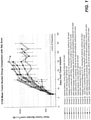
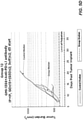
- Tumor burden (mm 3 ) (L x W 2 )/2, where L and W are the respective orthogonal tumor length and width measurements (mm). Mean tumor burdens of each of the test groups are shown in Figure 1 .
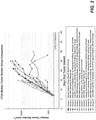
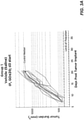
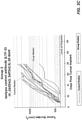
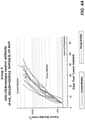
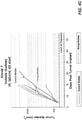
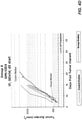
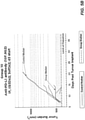
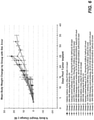
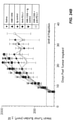
- FIG. 2 Median tumor burdens of each of the test groups are shown in Figure 2 , Tumor burdens for individuals in groups 1-4, as well as the group median for each of groups 1-4, are plotted in Figures 3A-D , respectively; tumor burdens for individuals in groups 5-8, as well as the group median for each of groups 5-8, are plotted in Figures 4A-D , respectively; and tumor burdens for individuals in groups 9-12, as well as the group median for each of groups 9-12, are plotted in Figures 5A-D , respectively.
- the median tumor burden for the control group i.e., the median for group 1 (saline)
- T-C Tumor growth delay
- the mean tumor growth for each group shown as mean tumor burden in mm 3 for the 12 experimental groups is shown in Figure 1 .
- the median tumor growth for each group, shown as mean tumor burden in mm 3 for the 12 experimental groups is shown in Figure 2 .
- Tumor Growth Delay is the difference between the median times it takes the treated and control groups to reach the stated evaluation size. This is calculated from the median times to evaluation size for each animal in the group, not from interpolation of the median growth curve. Tumor growth delay results showing the statistically significant delays for this study are provided in table 1.
- mice were coded as having regressing disease if their tumor burden decreased less than 50% of that at Day 9.
- Flow Cytometry Methods For tumor dissociation, the tumor was weighed and ⁇ 1g tissue was processed according to Miltenyi Tumor Dissociation Protocol 2.2.1, Dissociation of soft tumors, before proceeding to the red blood cell lysis.
- the plunger on a 3mL syringe was used to crush the spleen in 10mL DPBS until organ was well broken up and the DPBS became cloudy with cells.
- the cell suspension was then filtered with a 70 ⁇ m strainer on a 50mL tube and washed with 20mL DPBS. The suspension was then centrifuged for 7 minutes at 300rcf and the supernatant was discarded before proceeding the red blood cell lysis.
- each of the tumor and spleen samples were re-suspended in 3mL ACK Lysis Buffer and then incubated for 5 minutes at room temperature.
- the suspension was diluted by adding 10ml DPBS, and then the cells were collected via centrifugation for 5 minutes at 300rcf. The cells were again re-suspended in 30mL DPBS and counted. The suspension was centrifuged again, and the supernatant was discarded before proceeding to the Fc block.
- each of the tumor and spleen samples were re-suspended at 1E+06 cells per 1 00uL in Flow Cytometry Staining buffer with 1 ⁇ L Fc block per 1E+06 cells.
- the suspensions were incubated for 5 minutes at room temperature, then centrifuged for 5 minutes at 300rcf, and the supernatant was removed before proceeding to surface staining.
- the tumor and spleen cells were re-suspended at 1E+06 cells per 50 ⁇ L.
- Each of the 50 ⁇ L cell suspensions containing 1E+06 cells was added to 50 ⁇ L, antibodies diluted in staining buffer in round-bottom 96-well plate. The plate was incubated for 30 minutes in the dark at room temperature on the orbital shaker, setting 2.5. The samples were diluted by adding 200 ⁇ L Flow Cytometry Staining Buffer and then centrifuged for 5 minutes at 300rcf. The supernatant was aspirated and the cells were washed wash by re-suspending in 250 ⁇ L Flow Cytometry Staining Buffer and spinning.
- the sample was then prepared according to the intracellular staining procedure described below. The samples were then re-suspended in 250 ⁇ L Flow Cytometry Staining Buffer and were ready for Flow Cytometry Analysis.
- the cells were re-suspended in 200 ⁇ L FoxP3 Fixation/Permeabilization working solution and incubated for 30 minutes in the dark at room temperature. The samples were then centrifuged at 400rcf for 5 minutes at room temperature, then the supernatant was discarded. 200 ⁇ L 1X permeabilization buffer was added to each well. The samples were centrifuged at 400rcf for 5 minutes at room temperature, then the supernatant was discarded. 200 ⁇ L 1X permeabilization buffer was added to each well for a second time. The samples were again centrifuged at 400rcf for 5 minutes at room temperature, then the supernatant was again discarded.
- the cells were then re-suspended in 50 ⁇ L permeabilization buffer and 50 ⁇ L 1X permeabilization buffer with anti-FoxP3 or Ki67 was added. The suspension was incubated for 60 minutes in the dark at 4°C, The samples were diluted by adding 200 ⁇ L 1X permeabilization buffer, and then centrifuged for 5 minutes at 400rcf. The supernatant was removed, the cells were washed with 250 ⁇ L Flow Cytometry Staining Buffer per well, followed by centrifugation for 5min at 400rcf. The washing was repeated once (supernatant again removed, the cells washed with 250 ⁇ L Flow Cytometry Staining Buffer per well, followed by centrifugation for 5min at 400rcf). The cells were re-suspended in 250 ⁇ L Flow Cytometry Staining Buffer per well, and the samples are ready for Flow Cytometry Analysis.
- the 96-well plate is loaded into the Attune Autosampler.
- Several samples (from which no data were generated) were required to define the instrument settings-these include unlabeled cells for voltage optimization and gating, as well as fluorescence-minus-one controls to validate the gates.
- the workspace was customized, beginning with a side scatter (SSC) versus forward scatter (FSC) dot plot and adding relevant "daughter" plots to display fluorescence data. This initial plot was used to gate on live cells, live tumor cells, or live lymphocytes, and further analysis was performed on only the selected populations. Once the workspace was set up, the autosampler acquired data.
- SSC side scatter
- FSC forward scatter
- AbC mouse/rat beads In order to generate a compensation matrix, AbC mouse/rat beads were used. These beads contain two components: capture beads which bind to the heavy chain of any antibody generated in their designated species and negative beads with no antibody binding capacity. The beads provide very strong positive and negative signals which can be used to calculate the emission spillover between channels from fluorophores being used.
- the AbC capture beads and negative beads were re-suspended by vortexing prior to use.
- a sample tube was prepared with 1 drop of the appropriate species-specific capture beads and 50 ⁇ L antibody at the determined working dilution. The solution in the sample tube was mixed well and incubated for 15 minutes are room temperature in the dark. 3mL Flow Cytometry Staining Buffer was added to sample tubes to dilute antibody, and then centrifuged for 5 minutes at 200rcf. The supernatant was removed and the bead pellet was re-suspended in 500 ⁇ L Flow Cytometry Staining Buffer. One drop of negative beads was added to each tube and mixed well. The samples were then analyzed by flow cytometry.
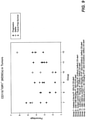
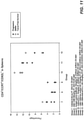
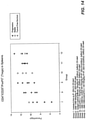
- Figures 7-14 provide graphs of the results of the flow cytometry analysis for various markers tested in groups 7 through 12. The graphs also categorize each of the individuals in the groups as having progressive disease, stable disease, or as a tumor-free survivor.
- Figure 7 graphs the percentage of CD4 + /CCR7 + /CD62L + cells in tumors;
- Figure 8 graphs the percentage of CD8 + /CCR7 + /CD62L + cells in tumors;
- Figure 9 graphs the percentage of CD11b + /GR1 + cells in tumors;
- Figure 10 graphs the percentage of CD4 + /CD25 + /FoxP3 + cells (T reg cells) in tumors;
- Figure 11 graphs the percentage of CD4 + /CCR7 + /CD62L + cells in spleens;
- Figure 12 graphs the percentage of CDS + /CCR7 + /CD62L + cells in spleens;
- Figure 13 graphs the percentage of CD11b + /
- Evaluation size The tumor burden (mm 3 ) selected for calculation of tumor growth delay.
- the Evaluation Size is selected from the exponential portion of the control tumor growth curve where the error of measurement tends to be minimal (usually between 500 and 1000mm 3 ).
- PD Progressive Disease
- SD Stable Disease
- TFS Tumor-Free Survivors
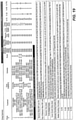
- Rx Related Death An animal is presumed to experience a treatment-related death if it is found dead or is euthanized in moribund condition within 2 weeks of the last treatment with a tumor burden less than half that of the smallest lethal tumor in the control group and shows no evidence of infection, mechanical dosing trauma, or other obvious causes of morbidity at necropsy. This is an individual toxicity parameter. As shown in Figure 19 , Rx Related Death column, all of the treatments were well tolerated as no individuals died or were euthanized as a result of any treatment.
- Tumor Doubling Time The growth rate of the tumor expressed as the volume doubling time (days). Calculated from a log-linear least squares regression of the exponential portion of the tumor growth curve. These values are used to compute tumor cell kill, fractional effect, and surviving fraction estimates. They are also used to assess the appropriateness of the biology of the tumor in this experiment against historical values.
- Therapeutic Index We define therapeutic index as simply the range of tolerated dosage levels that produce substantial anticancer activity. Substantial activity for this purpose is defined as a tumor growth delay that is ⁇ the duration of treatment and that is also statistically different from the control at the P ⁇ 0.05 level.
- Time to Evaluation Size The time (days) it takes a tumor to reach the specified Evaluation Size. Calculated from a log-linear least squares best fit of tumor burden versus time for the exponential portion of the final (post-treatment) tumor growth curve. This value is calculated for every animal in the experiment. The group medians are then used to calculate the Tumor Growth Delay. This is an individual efficacy parameter.
- Tumor Burden at Last Rx The tumor burden on the last day of treatment. This value is calculated from a log-linear least squares best fit of tumor burden versus time for the exponential portion of the final (post-treatment) tumor growth curve. (Presented to facilitate T/C comparisons.)
- this study investigated anti-tumor effects of administering at least one anti-mPD-L1 immune checkpoint inhibitor antibody and GMI-1369 as well as of administering GMI-1359 alone.
- a preliminary examination of potential changes in immune cell endpoints was undertaken.
- mice All mice were distributed into treatment groups at the time of implant prior to a tumor being established. All animals weighed ⁇ 16,6g at the initiation of therapy. Mean group body weights for all animals at first treatment were well-matched (range 17.4-18.3g). A tumor burden of 750mm 3 was chosen for evaluation of efficacy by tumor growth delay.
- the median time to evaluation size was 15.9 days from the start of dosing (Day 3) and the median post Day 9 tumor volume doubling time for Group 1 was 3.1 days. There were no spontaneous regressions in the control group and the take rate was 100%. All mice in the Control Group were identified with progressive disease. The median time to progression was on Day 11.6 and the progression free survival period was 2.6 days.
- the median time to evaluation size was 12.6 days and the median post Day 9 tumor volume doubling time for Group 7 was 2.1 days. There were no spontaneous regressions in the control group and the take rate was 100%. All mice in the group were identified with progressive disease. These findings indicate that Groups 1 and 7 were closely matched for tumor growth characteristics.
- the average percentage of T-ceils detected in the Group 7 tumors via flow cytometry was 7.52% CD4 + cells and 23.83% CD8 + cells. There was an average of 4.14% myeloid-derived suppressor cells (MDSCs) and 3.37% regulatory T-cells (T regs ) in the tumors. The average percentages of cells expressing PD-1, PD-L1, and CTLA-4 were 28.07%, 29.57%, and 36.51%, respectively. Neither CD4 + /CCR7 + /CD62L - nor CD8 + /CCR7 + CD62L - populations were detected in the tumor samples.
- the average percentage of CD4 + T-cells expressing both CCR7 and CD62L was 28.75% while the average percentage of CD4 + T-cells expressing CD62L but not CCR7 was 25.54%.
- the average percentage of CCR7 + /CD62L + cells was 26.47% while the percentage of CD8 + T-cells expressing CD62L but not CCR7 was 23.82%.
- the average percentage of CCR7 + /CD62L + cells was 2.10%, expressing CCR7 but not CD62L was 29.49%, and expressing CD62L but not CCR7 was 6.04%.
- mice 6, 7, 8 and 10 were re-implanted subcutaneously (left, high axilla) on Day 44 post initial implant On Day 81, Mice 6, 7, 8 and 10 were euthanized via CO2 inhalation per client request. Mice 8 and 10 enlarged uterine horns at necropsy. Necropsies of Mice 6 and 7 were unremarkable.
- mice In Group 6, treatment with GMI-1359 + anti-mPD-L1, 10F.9G2 was well tolerated, resulting in no treatment-related mortality. No weight loss was associated with treatment. Treated animals experienced a 9.5% mean weight gain during the treatment regimen. Between Days 18-37, Mice 1, 2, 3, 5, 7 and 10 were euthanized via CO2 inhalation due to tumor burden exceeding >2000mm 3 , Necropsies were performed and the following findings were noted: enlarged spleens (6/10), alopecia on the nose/muzzle (2/10), non-weeping ulcerated tumors (2/10), and 4 mice without remarkable findings.
- mice 4, 6, 8, and 9 were re-implanted subcutaneously (left, high axilla) on Day 44 post initial implant, On Day 81, Mice 4, 6, 8, and 9 were euthanized via CO2 inhalation per client request. Mice 4, 6, 8, and 9 had unremarkable necropsies.
- the median time to evaluation size (750mm 3 ) was 18.4 days from the start of dosing resulting in a tumor growth delay of 2.5 days and the median post Day 9 tumor volume doubling time for Group 2 was 3,3 days, essentially identical to the control tumor doubling time.
- Treatment with GMI-1359 produced no regressions or tumor free survivors. All mice were identified with progressive disease (100%), Treatment with GMI-1359 produced no regressions or tumor free survivors. All mice were identified with progressive disease (100%).
- the median time to evaluation size was 14,3 days and the median post Day 9 tumor volume doubling time for Group 8 was 1.8 days. The median time to progression was on Day 14.5, and the progression free survival period was 5.5 days.
- the average percentage of T-ceils detected in the Group 8 tumors via flow cytometry was 7.02% CD4 + cells and 15.61% CD8 + cells, There was an average of 2.66% myeloid-derived suppressor cells (MDSCs) and 2.93% regulatory T-cells (T regs ) in the tumors.
- the average percentages of cells expressing PD-1, PD-L1, and CTLA-4 were 23.39%, 34.44%, and 42.80%, respectively.
- Neither CD4 + /CCR7 + CD62L - nor CD8 + /CCR7 + /CD82L - populations were detected in the tumor samples.
- the average percentage of CD4 + T-cells expressing both CCR7 and CD62L was 25.32% while the average percentage of cells expressing CD62L but not CCR7 was 31.43%, Within the CD8 + T-cell population, the average percentage of CCR7 + /CD62L + cells was 25.84% while the percentage of CD8 + T-cells expressing CD62L but not CCR7 was 25.65%.
- the average percentage of CCR7 + /CD62L + cells was 1.00%, expressing CCR7 + /CD62L - was 27.95%, and expressing CD62L but not CCR7 was 2.94%.
- the median time to evaluation size (750mm 3 ) was 19.1 days from the start of dosing resulting in a tumor growth delay of 3.2 days and the median post Day 9 tumor volume doubling time for Group 3 was 3.2 days.
- the average percentage of T-cells detected in the Group 9 tumors via flow cytometry was 7.18% CD4 + cells and 19.99% CD8 + cells. There was an average of 3.14% myeloid-derived suppressor cells (MDSCs) and 6.81% regulatory T-ceils (T regs ) in the tumors. The average percentages of cells expressing PD-1, PD-L1, and CTLA-4 were 26.57%, 28.63%, and 38.68%, respectively.
- MDSCs myeloid-derived suppressor cells
- T regs regulatory T-ceils
- CD4 + /CCR7 + /CD62L - nor CD8 + /CCR7 + /CD62L - populations were detected in the tumor samples, The average percentage of CD4 + T-cells expressing both CCR7 and CD62L was 28.09% while the average percentage of cells expressing CD62L but not CCR7 was 31.62%. Within the CD8 + T-cell population, the average percentage of CCR7 + /CD62L + cells was 23.50% while the percentage of CD8 + T-cells expressing CD62L but not CCR7 was 26.95%.
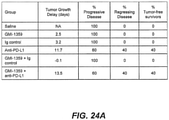
- Treatment with anti-mPD-L 10F.9G2 was well-tolerated, The median time to evaluation size (750mm 3 ) was >28 days from start of dosing resulting in a tumor growth delay of 11.7 days and the median post Day 9 tumor volume doubling time for Group 4 was 4.2 days, Treatment produced a 60% incidence of progressive disease (in Mice 1, 2, 3, 4, 5 and 9) and a 40% incidence of regressing disease (Mice 6, 7, 8 and 10) which all resulted in tumor-free survivors. These mice were later re-challenged and neither primary nor re-challenged implants had any regrowth. The median time to progression was on Day 12.8 and the progression free survival period was 3.8 days.
- the average percentage of T-cells detected in the Group 10 tumors via flow cytometry was 7.42% CD4 + cells and 15.52% CD8 + cells, There was an average of 2.69% myeloid-derived suppressor cells (MDSCs) and 1.69% regulatory T-cells (T regs ) in the tumors.
- the average percentages of cells expressing PD-1, PD-L1, and CTLA-4 were 26.46%, 53.49%, and 43.76%, respectively.
- Neither CD4 + /CCR7 + /CD62L - nor CD8 + /CCR7 + /CD62L - populations were detected in the tumor samples.
- the average percentage of CD4 + T-cells expressing both CCR7 and CD62L was 21.30% while the average percentage of cells expressing CD62L but not CCR7 was 34.21%.
- the average percentage of CCR7 + /CD62L + cells was 21.98% while the percentage of CD8 + T-cells expressing CD62L but not CCR7 was 26.26%.
- the average percentage of T-cells detected in the Group 11 tumors via flow cytometry was 5.25% CD4 + cells and 8.22% CD8 + cells. There was an average of 3.29% myeloid-derived suppressor cells (MDSCs) and 1.79% regulatory T-cells (T regs ) in the tumors. The average percentages of cells expressing PD-1, PD-L1, and CTLA-4 were 25,85%, 55.52%, and 53.54%, respectively. Neither CD4 + /CCR7 + /CD62L - nor CD8 + /CCR7 + /CD62L - populations were detected in the tumor samples.
- the average percentage of CD4 + T-cells expressing both CCR7 and CD62L was 24.14% while the average percentage of cells expressing CD62L but not CCR7 was 31.16%.
- the average percentage of CCR7 + /CD82L + cells was 17.51% while the percentage of CD8 + T-cells expressing CD62L but not CCR7 was 23.27%.
- the median time to evaluation size (750mm 3 ) was >29 days from the start of dosing resulting in a tumor growth delay of 13.5 days and the median post Day 9 tumor volume doubling time for Group 6 was 5.9 days.
- Treatment with GMI-1359 + anti-mPD-L1, 10F.9G2 produced a 60% incidence of progressive disease, and a 30% incidence of regressing disease.
- Mice 4, 6, 8 and 9 were identified as tumor free survivors.
- Mouse 9 was unable to be identified as PD, SD, or RD because a tumor never became present and could be considered as a complete responder or in a rare incidence a no-take. The incidence of no-takes in control groups was 2% across 7 previous studies.
- the median time to evaluation size was not determined because the sampling group came down for analysis.
- the median post Day 9 tumor volume doubling time for Group 12 was 3.7 days.
- the median time to progression was on Day 12.6 and the progression free survival period was 3.6 days.
- the average percentage of T-cells detected in the Group 12 tumors via flow cytometry was 8.25% CO4 + cells and 16.98% CD8 + cells. There was an average of 4.38% myeloid-derived suppressor cells (MDSCs) and 0.91% regulatory T-cells (T regs ) in the tumors. The average percentages of cells expressing PD-1, PD-L1, and CTLA-4 were 23.76%, 50.24%, and 45.71 %, respectively. Neither CD4 + /CCR7 + /CD62L - nor CD8 + /CCR7 + /CD62L - populations were detected in the tumor samples.
- the average percentage of CD4 + T-cells expressing both CCR7 and CD62L was 21.70% while the average percentage of cells expressing CD62L but not CCR7 was 25.84%, Within the CD8 + T-cell population, the average percentage of CCR7 + /CD62L + cells was 20.24% while the percentage of CD8 + T-cells expressing CD62L but not CCR7 was 23.32%,
- FIG. 19 Tumor Growth Delay column, provides the results, in days, that each treatment delayed tumor growth.
- Treatment with GMI-1359 alone did not produce a statistically significant (p>0.05) anti-tumor effect and all animals were identified with progressive disease with a minimal tumor growth delay of 2.5 days.
- Treatment with anti-mPD-LI as a single agent produced a statistically significant (p ⁇ 0,05) anti-tumor effect where 30% of the mice were identified as having regressing disease and 40% as tumor free survivors with a median tumor growth delay of 11.7 days.
- Treatment with GMI-1359 in combination with anti-mPD-LI also produced a statistically significant (p ⁇ 0.05) anti-tumor effect vs. all groups where 30% of the mice were identified as having regressing disease and 40% as tumor free survivors with a median tumor growth delay of 13.5 days.
- mice In Group 4 (anti-mPD-L1 alone) and Group 6 (GMI-1359 + anti-mPD-L1) four mice each were re-implanted subcutaneously (left, high axilla) on Day 44. All re-challenged mice were held out to Day 81 when they were euthanized per client request as no re-growth occurred. That is, as indicated in Figure 20 , mice that achieved a complete response, even those with a quicker complete response due to the treatment combining both GMI-1359 and anti-mPD-L1, rejected a subsequent challenge to CT-26.
- mice in group 1 saline control
- group 2 with single agent GMI-1359
- the median time to CR was shorter when anti-mPD-LI was combined with GMI-1359 (group 6) compared to anti-mPD-L1 alone (group 4). As shown in Figure 20 , the median time to CR for treatment group 6, treated with anti-mPD-L1 was combined with GMI-1359, versus 23 days for group 4, treated with anti-mPD-LI alone (p ⁇ 0.0471). Evaluation of tumor infiltrating cells showed that combination therapy with GMI-1369 and anti-mPD-L1 antibody (group 12) reduced the percentage of T reg compared to treatment with saline (group 7), GMI-1359 (group 8), or the anti-mPD-L1 antibody (group 10) as single treatments (0.9% vs.
- CCR7 and CD6L are lymph node homing molecules.
- CCM central memory T cells
- the tumor lymphocytes were found to differ from the splenic lymphocytes in that, within the tumor, no CD4 + /CCR7 + /CD62L - or CD8 + /CCR7 + /CD62L - populations could be found whereas, within the spleen, these populations were quite abundant.
- T reg T regulatory
- TIL CD4 + /CCR7 + /CD62L + appear to decrease with anti-mPD-L1 or GMI-1359 and anti-mPD-L1 treatments.
- TIL PD-L1 levels increase with anti-mPD-L1 alone, GMI-1359 + isotype control and GMI-1359 + anti-mPD-L1 treatments as compared to vehicle, GMI-1359 alone, or isotype control alone, respectively.
- Figure 7 provides a graph of the percentage of CD4 + /CCR7 + /CD62L + in tumors for the individuals in experimental groups 7-12
- Figure 11 provides a graph of the percentage of CD4 + /CCR7 + /CD62L + in the spleens of the individuals in experimental groups 7-12.
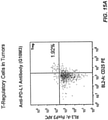
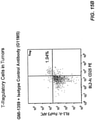
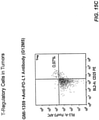
- the average percentage of T reg cells remained the same when the mice were treated with the anti-mPD-L1 antibody (see, e.g., exemplary scatter plot for Group 10, Figure 15A ) or the GMI-1359 plus the isotype control antibody (see, e.g., exemplary scatter plot for Group 11, Figure 15B ). However, when the mice were treated with a combination of GMI-1359 and anti-mPD-L1 antibody (see, e.g., exemplary scatter plot for Group 12, Figure 15C ), the average percentage of T reg cells decreased.
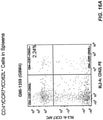
- Figure 16A is a representative scatter plot showing the CD4 + /CCR7 + /CD62L + cells in spleens of an individual (mouse 4, group 8) treated with GMI-1359.
- Figure 16B is a representative scatter plot showing the CD4 + /CCR7 + /CD62L + cells in spleens of an individual (mouse 1, group 12) treated with GMI-1359 and ants-PD-L1 antibody treatment.
- Figure 12 provides a graph of the percentage of CD8 + /CCR7 + /CD62L + cells in the spleens in experimental groups 7 through 12.
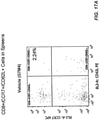
- the mice were treated with the anti-mPD-L1 antibody (Group 10) or GMI-1359 together with the isotype control antibody (Group 11) the average percentage of CD8 + /CCR7 + /CD62L + cells increased compared to the vehicle control (Group 7)
- Figure 17A shows a representative scatter plot of data from Mouse 4 in Group 7
- Figure 17B shows a representative scatter plot of data from Mouse 3 in Group 10.
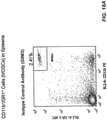
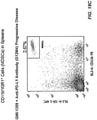
- mice with stable disease in Group 12 had statistically significantly lower percentages of MDSCs than the mice with progressive disease ( Figure 13 , providing a graph of the percentage of CD11b + /GR1 + (MDSCs) in Spleens in groups 7-12). Representative scatter plots showing these differences are shown in Figures 18A-C .
- Mouse 3 from Group 9 represents all of those from Group 9
- Mouse 3 from Group 12 represents those mice from Group 12 with stable disease
- Mouse 4 from Group 12 ( Figure 18C ) represents those mice from Group 12 with progressive disease.
- Figure 21 relates to an experiment carried out to determine the competitive binding activity (IC50) of GMI-1359 against E-selectin and CXCR4, GMI-1359 was assessed for inhibition of sialyl Le X binding to immobilized E-selectin and ⁇ -CXCR4 antibody binding to Raji cells.
- the inhibition assay to screen GMI-1359 as an antagonist of E-selectin was a competitive binding assay, which allowed the determination of IC 50 values.
- Human E-selectin/Ig chimera was immobilized by incubation at 37 °C for 2 hour in 96-well microtiter plates. To reduce nonspecific binding, BSA was added to each well and incubated at room temperature for 2 hours.
- the inhibition assay to screen GMI-1359 as an antagonist of CXCR4 was a flow based competitive binding assay, which allowed the determination of IC 50 values.
- Raji cells (ATCC number TIB-152) were washed twice with Hanks Balanced Saline Solution (HBSS) containing 0,05% bovine serum albumin (BSA). After the second wash, the cells were resuspended to about 2.5 ⁇ 10 6 cells per mL and 80 ⁇ l of cells (approximately 2 ⁇ 10 5 cells) were added to BD 2063 tubes. Next, 10 ⁇ l of either GMI-1359 or HBSS/BSA (as a negative control) were added to the cells and the tube was placed at room temperature for 10 minutes.
- HBSS Hanks Balanced Saline Solution
- BSA bovine serum albumin
- the cells were pelleted again as before, suspended in 150 ⁇ l of HBSS/BSA and fixed by the addition of 150 ⁇ l of 2% formaldehyde. Binding of the anti-CXCR4-PE antibody to the cells was assessed by flow cytometry, and the median fluorescent intensity was determined . The median fluorescent intensities were plotted as a function of increasing concentration of GMI-1359 using GraphPad Prism software, and an IC50 (defined as the concentration of GMI-1359 resulting in a 50% inhibition of phycoerythrin-conjugated anti-CXCR4 antibody) was determined. As shown in Figure 21 , the results showed that the small molecule glycomimetic, GMI-1359, inhibits ligand binding to both E-selectin and CXCR4.
- Figure 22 relates to an experiment carried out to determine percentages of CD4+, CD8+, and Regulatory T cells (CD4+, FoxP3+, and CD25+) in spleen and tumor tissue samples, in vivo , on study day 15, from each treatment group. Details of the experimental treatments for each of the groups are provided above with respect to Example 1.
- mice from each treatment group were euthanized and spleens and tumors were processed for flow cytometry. Tumors were dissociated according to Miltenyi Dissociation Protocol for soft tumors. Single cell suspensions from spleen were obtained by maceration.
- rat anti-CD4 FITC conjugate clone GK1.5
- rat anti-CD8a APC-AlexaFluor 750 conjugate rat anti-GD11b PE conjugate
- clone M1/70.15 rat anti-CD25 PE conjugate
- clone PC61 5.3 mouse anti-FoxP3 APC conjugate
- clone 3G3, rat anti-GR1 (LY8C/G) APC conjugate done 1A8, rat anti-CD62L PE conjugate, clone MEL 12-H2.100
- hamster anti-CD152 (CTLA-4) PE conjugate clone UC10-4F10-11
- rat anti-CD279 FITC conjugate
- clone RMPI-30 rat anti-CD274 (PD-L1, B7-H1) APC conjugate
- clone 10F.9G2 rat anti-CD274 (PD-L1, B7-H1) APC conjugate, clone
- a 96-well plate was loaded into the Attune Autosampler.
- Several samples (from which no data were generated) were required to define the instrument settings-these include unlabeled cells for voltage optimization and gating, as well as fluorescence-minus-one controls to validate the gates.
- the workspace was customized, beginning with a side scatter (SSC) versus forward scatter (FSC). This initial plot was used to gate on live cells, live tumor cells, or live lymphocytes, and further analysis was performed on only the selected cell determinants. Data was acquired from either 250,000 events or 180 ⁇ L, whichever threshold was reached first.
- SSC side scatter
- FSC forward scatter
- Figure 22 shows the results for percentage of total CD4+ and CD8+ lymphocytes and regulatory T cells.
- Figure 23 relates to an experiment carried out to determine the ratio of CD8/regulatory T cells in spleen and tumor tissue samples, in vivo , on day 15. Details of the experimental treatments for each of the groups are provided above with respect to Example 1.
- mice from each treatment group were euthanized and spleens and tumors were processed for flow cytometry. Tumors were dissociated according to Miltenyi Dissociation Protocol for soft tumors. Single cell suspensions from spleen were obtained by maceration.
- rat anti-CD4 FITC conjugate rat anti-CD8a APC-AlexaFluor 750 conjugate
- rat anti-CD25 PE conjugate clone PC61 5.3
- mouse anti-FoxP3 ARC conjugate clone 3G3.
- a 96-well plate was loaded into the Attune Autosampler.
- Several samples (from which no data were generated) were required to define the instrument settings-these include unlabeled cells for voltage optimization and gating, as well as fluorescence-minus-one controls to validate the gates.
- the workspace was customized, beginning with a side scatter (SSC) versus forward scatter (FSC). This initial plot was used to gate on live cells, live tumor cells, or live lymphocytes, and further analysis was performed on only the selected cell determinants. Data was acquired from either 250,000 events or 180 ⁇ L, whichever threshold was reached first.
- SSC side scatter
- FSC forward scatter
- the median percentage of T reg cells were unaffected by any of the treatments, which suggests that the reduction in intratumoral T reg cells by combined treatment with anti-PD-L1 and GMI-1359 was an attenuated response to maintenance and homing signals in the tumor microenvironment.
- Figures 24A and 24B relate to an experiment carried out to compare the mean tumor burden and the responsiveness to treatments in each group. Details of the experimental treatments for each of the groups are provided above with respect to Example 1.
- Tumor volumes were estimated from caliper measurements recorded three times weekly beginning at the start of treatment.
- Figure 24A shows the primary endpoints used to evaluate efficacy: tumor growth delay; the number of tumor-free survivors at the end of the study; the incidences of progressive disease, stable disease, and regressing disease; and the response. Additionally, Figure 24B shows the number of days post tumor implant on the x-axis and the mean tumor burden (mm 3 ) in each treatment group on the y-axis.
Landscapes
- Health & Medical Sciences (AREA)
- Chemical & Material Sciences (AREA)
- Life Sciences & Earth Sciences (AREA)
- Medicinal Chemistry (AREA)
- General Health & Medical Sciences (AREA)
- Pharmacology & Pharmacy (AREA)
- Animal Behavior & Ethology (AREA)
- Public Health (AREA)
- Veterinary Medicine (AREA)
- Epidemiology (AREA)
- Immunology (AREA)
- Molecular Biology (AREA)
- Organic Chemistry (AREA)
- Biophysics (AREA)
- Genetics & Genomics (AREA)
- Biochemistry (AREA)
- Proteomics, Peptides & Aminoacids (AREA)
- Engineering & Computer Science (AREA)
- Bioinformatics & Cheminformatics (AREA)
- General Chemical & Material Sciences (AREA)
- Nuclear Medicine, Radiotherapy & Molecular Imaging (AREA)
- Chemical Kinetics & Catalysis (AREA)
- Endocrinology (AREA)
- Microbiology (AREA)
- Mycology (AREA)
- Medicines That Contain Protein Lipid Enzymes And Other Medicines (AREA)
- Medicines Containing Antibodies Or Antigens For Use As Internal Diagnostic Agents (AREA)
- Pharmaceuticals Containing Other Organic And Inorganic Compounds (AREA)
Applications Claiming Priority (4)
| Application Number | Priority Date | Filing Date | Title |
|---|---|---|---|
| US201662372116P | 2016-08-08 | 2016-08-08 | |
| US201662417045P | 2016-11-03 | 2016-11-03 | |
| US201662418722P | 2016-11-07 | 2016-11-07 | |
| PCT/US2017/045690 WO2018031445A1 (en) | 2016-08-08 | 2017-08-07 | Combination of t-cell checkpoint inhibitors with inhibitors of e-selectin or cxcr4, or with heterobifunctional inhibitors of both e-selectin and cxcr4 |
Publications (2)
| Publication Number | Publication Date |
|---|---|
| EP3497131A1 EP3497131A1 (en) | 2019-06-19 |
| EP3497131B1 true EP3497131B1 (en) | 2022-03-09 |
Family
ID=59687019
Family Applications (1)
| Application Number | Title | Priority Date | Filing Date |
|---|---|---|---|
| EP17755592.7A Active EP3497131B1 (en) | 2016-08-08 | 2017-08-07 | Combination of t-cell checkpoint inhibitors with inhibitors of e-selectin or cxcr4, or with heterobifunctional inhibitors of both e-selectin and cxcr4. |
Country Status (4)
| Country | Link |
|---|---|
| US (2) | US11433086B2 (enExample) |
| EP (1) | EP3497131B1 (enExample) |
| JP (1) | JP2019524791A (enExample) |
| WO (1) | WO2018031445A1 (enExample) |
Families Citing this family (9)
| Publication number | Priority date | Publication date | Assignee | Title |
|---|---|---|---|---|
| CA3054605A1 (en) | 2017-03-15 | 2018-09-20 | Glycomimetics, Inc. | Galactopyranosyl-cyclohexyl derivatives as e-selectin antagonists |
| US11712446B2 (en) | 2017-11-30 | 2023-08-01 | Glycomimetics, Inc. | Methods of mobilizing marrow infiltrating lymphocytes and uses thereof |
| BR112020013198A2 (pt) | 2017-12-29 | 2020-12-01 | Glycomimetics, Inc. | inibidores heterobifuncionais de e-selectina e galectina-3 |
| KR20200128025A (ko) | 2018-03-05 | 2020-11-11 | 글리코미메틱스, 인크. | 급성 골수성 백혈병 및 관련 병태의 치료 방법 |
| WO2020106714A1 (en) * | 2018-11-20 | 2020-05-28 | The Wistar Institute For Anatomy And Biology | Methods and compositions for reducing numbers or eliminating hiv-infected cells |
| EP3893936A2 (en) * | 2018-12-10 | 2021-10-20 | GlycoMimetics, Inc. | Methods of treating hiv and aids and the elimination of latent reservoirs of hiv infection using selectin, galectin, and siglec antagonists |
| WO2020139962A1 (en) | 2018-12-27 | 2020-07-02 | Glycomimetics, Inc. | Heterobifunctional inhibitors of e-selectin and galectin-3 |
| CN114341368A (zh) * | 2019-07-12 | 2022-04-12 | 糖模拟物有限公司 | 使用基因表达作为多种肿瘤类型的e-选择素抑制剂功效和临床结果的指标的方法 |
| WO2021247396A1 (en) * | 2020-05-31 | 2021-12-09 | Magnani John L | Compounds and methods for reduction of cancer cell burden and protection of normal hematopoiesis |
Citations (2)
| Publication number | Priority date | Publication date | Assignee | Title |
|---|---|---|---|---|
| WO2016089872A1 (en) * | 2014-12-03 | 2016-06-09 | Glycomimetics, Inc. | Heterobifunctional inhibitors of e-selectins and cxcr4 chemokine receptors |
| WO2017153780A1 (en) * | 2016-03-11 | 2017-09-14 | Proximagen Limited | Combination of a cxcr4 antagonist and an immune checkpoint inhibitor |
Family Cites Families (241)
| Publication number | Priority date | Publication date | Assignee | Title |
|---|---|---|---|---|
| NL7409399A (nl) | 1973-07-19 | 1975-01-21 | Rhone Poulenc Sa | Werkwijze ter bereiding van thermostabiele har- sen en voorwerpen geheel of gedeeltelijk be- staande uit deze harsen. |
| US4471057A (en) | 1981-06-30 | 1984-09-11 | The Wistar Institute | Detection of colorectal carcinoma |
| DK17885D0 (da) | 1985-01-14 | 1985-01-14 | Karlsson Karl Anders | Antiviralt middel |
| US4876199A (en) | 1985-04-04 | 1989-10-24 | Fred Hutchinson Cancer Research Center | Hybridomas producing monoclonal antibodies to mono-, di-, and trifucosylated type 2 chain |
| US4851511A (en) | 1986-01-30 | 1989-07-25 | Fred Hutchinson Cancer Research Center | Monoclonal antibody that specifically binds to disialosyl Lea |
| US4925796A (en) | 1986-03-07 | 1990-05-15 | Massachusetts Institute Of Technology | Method for enhancing glycoprotein stability |
| EP0249008B1 (de) | 1986-05-09 | 1993-09-15 | Pulverer, Gerhard, Prof. Dr.Dr.h.c. | Verwendung von spezifischen Monosacchariden zur Herstellung eines Arzneimittels zur Verhinderung von Metastasen maligner Tumore |
| US5538724A (en) | 1987-08-11 | 1996-07-23 | The Board Of Trustees For The Leland Stanford Junior Univ. | Method of control leukocyte extravasation |
| US5079353A (en) | 1987-12-02 | 1992-01-07 | Chembiomed, Ltd. | Sialic acid glycosides, antigens, immunoadsorbents, and methods for their preparation |
| US5632991A (en) | 1988-11-14 | 1997-05-27 | Brigham & Women's Hospital | Antibodies specific for E-selectin and the uses thereof |
| EP0381310A1 (en) | 1989-01-30 | 1990-08-08 | The Biomembrane Institute | Monoclonal antibodies directed to tumor-associated gangliosides and fucogangliosides and method for production thereof |
| US5464778A (en) | 1989-03-08 | 1995-11-07 | Board Of Regents Of The University Of Oklahoma | Glycoprotein ligand for P-selectin and methods of use thereof |
| US5272263A (en) | 1989-04-28 | 1993-12-21 | Biogen, Inc. | DNA sequences encoding vascular cell adhesion molecules (VCAMS) |
| EP0583799A1 (en) | 1989-05-23 | 1994-02-23 | Otsuka Pharmaceutical Co., Ltd. | Monoclonal antibodies to ELAM-1 sialoglycoprotein antigen on the surface of activated endothelial cells |
| US6033665A (en) | 1989-09-27 | 2000-03-07 | Elan Pharmaceuticals, Inc. | Compositions and methods for modulating leukocyte adhesion to brain endothelial cells |
| US6280932B1 (en) | 1990-06-11 | 2001-08-28 | Gilead Sciences, Inc. | High affinity nucleic acid ligands to lectins |
| US6001988A (en) | 1990-06-11 | 1999-12-14 | Nexstar Pharmaceuticals, Inc. | High affinity nucleic acid ligands to lectins |
| US5753631A (en) | 1990-06-15 | 1998-05-19 | Cytel Corporation | Intercellular adhesion mediators |
| US5576305A (en) | 1990-06-15 | 1996-11-19 | Cytel Corporation | Intercellular adhesion mediators |
| WO1991019501A1 (en) | 1990-06-15 | 1991-12-26 | Cytel Corporation | Intercellular adhesion mediators |
| US6387884B1 (en) | 1990-06-18 | 2002-05-14 | Stanford University | Leukocyte homing modulation |
| US6391857B1 (en) | 1990-06-18 | 2002-05-21 | Stanford University | Methods and compositions for endothelial binding |
| AU660627B2 (en) | 1990-07-17 | 1995-07-06 | Board Of Regents Of The University Of Oklahoma, The | Functionally active selectin-derived peptide for GMP-140 |
| US5648344A (en) | 1990-07-30 | 1997-07-15 | Glycomed Incorporated | Methods of treating inflammation using selection binding compounds |
| US5143712A (en) | 1990-07-30 | 1992-09-01 | Glycomed Incorporated | Method of determining a site of inflammation utilizing elam-1 ligands |
| US5211937A (en) | 1990-07-30 | 1993-05-18 | Glycomed Incorporated | Method of determining a site of inflammation utilizing elam-1 ligands |
| US5789573A (en) | 1990-08-14 | 1998-08-04 | Isis Pharmaceuticals, Inc. | Antisense inhibition of ICAM-1, E-selectin, and CMV IE1/IE2 |
| NZ240316A (en) | 1990-10-25 | 1996-12-20 | Univ Michigan | Compound for treating disease mediated by the elaboration of elam-1 on endothelial cells |
| HUT64476A (en) | 1990-11-23 | 1994-01-28 | Gen Hospital Corp | Process for inhibiting interacton between proteins and carbohydrate causing cell-adhesion |
| US5151360A (en) | 1990-12-31 | 1992-09-29 | Biomembrane Institute | Effect of n,n,n-trimethylsphingosine on protein kinase-c activity, melanoma cell growth in vitro, metastatic potential in vivo and human platelet aggregation |
| US6124267A (en) | 1991-02-05 | 2000-09-26 | Southpac Trust Internationals, Inc. | O-glycan inhibitors of selectin mediated inflammation derived from PSGL-1 |
| US6309639B1 (en) | 1991-02-05 | 2001-10-30 | The Board Of Regents Of The University Of Oklahoma | Method for inhibiting an inflammatory response using antibodies to P-selectin glycoprotein ligand |
| US6121233A (en) | 1991-04-19 | 2000-09-19 | John L. Magnani | Methods for the inhibition of cancer metastasis mediated by endothelial adhesion molecules |
| DK0584229T3 (da) | 1991-05-06 | 2003-11-17 | Genentech Inc | Glycam-1(Sgp 50), en selektinligand |
| US5318890A (en) | 1991-05-06 | 1994-06-07 | The Regents Of The University Of California | Assays for inhibitors of leukocyte adhesion |
| US5646123A (en) | 1991-06-10 | 1997-07-08 | Alberta Research Council | Time dependent administration of oligosaccharide glycosides related to blood group determinants having a type I or type II core structure in reducing inflammation in a sensitized mammal arising form exposure to an antigen |
| US5580858A (en) | 1991-06-10 | 1996-12-03 | Alberta Research Council | Immunosuppressive and tolerogenic modified Lewisx compounds |
| US5352670A (en) | 1991-06-10 | 1994-10-04 | Alberta Research Council | Methods for the enzymatic synthesis of alpha-sialylated oligosaccharide glycosides |
| JPH07507040A (ja) | 1991-09-10 | 1995-08-03 | セントコー,インコーポレイテッド | セレクチンによって介在される炎症のペプチド阻害剤 |
| US5268364A (en) | 1991-12-12 | 1993-12-07 | The Biomembrane Institute | Method for inhibiting selectin-dependent adhesion of leukocytes and platelets by O-glycosylation modification |
| AU3914393A (en) | 1991-12-18 | 1994-03-15 | Board Of Regents Of The University Of Oklahoma, The | Peptide inhibitors of inflammation mediated by selectins |
| US5643873A (en) | 1992-05-06 | 1997-07-01 | Affymax Technologies N.V. | Peptides and compounds that bind selectins including endothelial leukocyte adhesion molecule 1 |
| US5591835A (en) | 1992-06-29 | 1997-01-07 | Glycomed Incorporated | Substituted lactose derivatives |
| CA2100412A1 (en) | 1992-07-15 | 1994-01-16 | Yutaka Yamada | Glycolipid derivatives |
| US5753617A (en) | 1992-09-08 | 1998-05-19 | Centocor, Inc. | Peptide inhibitors of cellular adhesion |
| US5519008A (en) | 1992-09-10 | 1996-05-21 | Glycomed Incorporated | Derivatives of triterpenoid acids as inhibitors of cell-adhesion molecules ELAM-1 (E-selectin) and LECAM-1 (L-selectin) |
| US5695752A (en) | 1992-09-11 | 1997-12-09 | The Regents Of The University Of California | Treating inflammation via the administration of specific sulfatase enzymes and/or sulfation inhibitor |
| AU4859793A (en) | 1992-09-11 | 1994-04-12 | Regents Of The University Of California, The | Sulfated ligands for l-selectins and use of chlorates and or sulfatases for the treatment of inflammation |
| US5843707A (en) | 1992-10-23 | 1998-12-01 | Genetics Institute, Inc. | Nucleic acid encoding a novel P-selectin ligand protein |
| US6277975B1 (en) | 1992-10-23 | 2001-08-21 | Genetics Institute, Inc. | Fusions of P-selectin ligand protein and polynucleotides encoding same |
| EP0601417A3 (de) | 1992-12-11 | 1998-07-01 | Hoechst Aktiengesellschaft | Physiologisch verträglicher und physiologisch abbaubarer, Kohlenhydratrezeptorblocker auf Polymerbasis, ein Verfahren zu seiner Herstellung und seine Verwendung |
| WO1994014836A1 (en) | 1992-12-18 | 1994-07-07 | Centocor, Inc. | Peptide inhibitors of selectin binding |
| AU678429B2 (en) | 1992-12-29 | 1997-05-29 | Genentech Inc. | Treatment of inflammatory bowel disease with IFN-gamma inhibitors |
| US5412123A (en) | 1993-02-08 | 1995-05-02 | Glycomed Incorporated | Anthraquinone and anthracene derivatives as inhibitors of the cell-adhesion molecules of the immune system |
| JP2716657B2 (ja) | 1993-02-26 | 1998-02-18 | 株式会社ディ・ディ・エス研究所 | 接着分子elam‐1に特異的結合能を有する化合物 |
| CA2157489A1 (en) | 1993-03-04 | 1994-09-15 | Masaaki Numata | Lewis-associated compound, process for producing the same, and anti-inflammatory |
| US5527890A (en) | 1993-04-16 | 1996-06-18 | Glycomed Incorporated | Derivatives of triterpenoid acids and uses thereof |
| WO1994025043A1 (en) | 1993-05-05 | 1994-11-10 | Affymax Technologies N.V. | Peptides and compounds that bind to elam-1 |
| CA2162478A1 (en) | 1993-05-14 | 1994-11-24 | Shawn A. Defrees | Sialyl lex analogues as inhibitors of cellular adhesion |
| US5527785A (en) | 1993-05-14 | 1996-06-18 | The Regents Of The University Of California | Selectin receptor modulating compositions |
| SE9301677L (sv) | 1993-05-14 | 1994-11-18 | Kurt G I Nilsson | Syntesmetod |
| US5811404A (en) | 1993-05-14 | 1998-09-22 | Cytel Corporation | Sialyl Lex analogues as inhibitors of cellular adhesion |
| US5854218A (en) | 1993-05-14 | 1998-12-29 | Cytel Corporation | Sialyl Lex analogues as inhibitors of cellular adhesion |
| WO1994026786A1 (en) | 1993-05-17 | 1994-11-24 | T Cell Sciences, Inc. | Compositions comprising complement related proteins and carbohydrates, and methods for producing and using said compositions |
| US5856300A (en) | 1994-05-12 | 1999-01-05 | T Cell Sciences, Inc. | Compositions comprising complement related proteins and carbohydrates, and methods for producing and using said compositions |
| US5976540A (en) | 1993-05-17 | 1999-11-02 | T Cell Sciences, Inc. | Compositions comprising complement related proteins and carbohydrates, and methods for producing and using said compositions |
| US5646248A (en) | 1993-06-08 | 1997-07-08 | La Jolla Cancer Research Foundation | E-selection binding soluble lamp-1 polypeptide |
| US5750508A (en) | 1993-06-16 | 1998-05-12 | Glycomed Incorporated | Sialic acid/fucose based medicaments |
| US5837689A (en) | 1993-06-16 | 1998-11-17 | Glycomed Incorporated | Sialyl lewis-x mimetics containing naphthyl backbones |
| US5789385A (en) | 1993-06-16 | 1998-08-04 | Glycomed Incorporated | Sialyl Lewisx mimetics containing phenyl backbones |
| US5658880A (en) | 1993-06-16 | 1997-08-19 | Glycomed Incorporated | Sialic acid/fucose based medicaments |
| US5679321A (en) | 1993-06-17 | 1997-10-21 | Glycomed Incorporated | Sialic acid/fucose based medicaments |
| DK76193D0 (da) | 1993-06-25 | 1993-06-25 | Astra Ab | Kulhydratderivater |
| US5559103A (en) | 1993-07-21 | 1996-09-24 | Cytel Corporation | Bivalent sialyl X saccharides |
| US5508387A (en) | 1993-08-04 | 1996-04-16 | Glycomed Incorporated | Selectin binding glycopeptides |
| US5827837A (en) | 1993-08-20 | 1998-10-27 | The Regents Of The University Of California | Polyanion anti-inflammatory agents |
| US5464815A (en) | 1993-09-08 | 1995-11-07 | Genentech, Inc. | Inhibition of heparin-binding |
| WO1995010296A1 (en) | 1993-10-12 | 1995-04-20 | Glycomed Incorporated | A library of glyco-peptides useful for identification of cell adhesion inhibitors |
| US5783693A (en) | 1993-11-19 | 1998-07-21 | The Regents Of The University Of California | Methods for synthesizing sulfated disaccharide inhibitors of selectins |
| WO1995014787A1 (en) | 1993-11-22 | 1995-06-01 | Centocor, Inc. | Peptide inhibitors of selecting binding |
| US5595756A (en) * | 1993-12-22 | 1997-01-21 | Inex Pharmaceuticals Corporation | Liposomal compositions for enhanced retention of bioactive agents |
| US5663151A (en) | 1994-03-04 | 1997-09-02 | Bristol-Myers Squibb Company | Sulfated α-glycolipid derivatives as cell adhesion inhibitors |
| EP0671409A3 (de) | 1994-03-11 | 1996-06-12 | Hoechst Ag | Malonsäurederivate mit antiadhäsiven Eigenschaften. |
| DE4408248A1 (de) | 1994-03-11 | 1995-09-14 | Hoechst Ag | Physiologisch verträgliche und physiologisch abbaubare Kohlenhydrat-Mimetika, ein Verfahren zur Herstellung und ihre Verwendung |
| HUT77345A (hu) | 1994-04-29 | 1998-03-30 | Texas Biotechnology Corporation | E-szelektin, P-szelektin vagy L-szelektin szialil-Lewis x-hez vagy szialil-Lewis a-hoz kapcsolódását gátló mannopiranoziloxi-bifenil származékok és ezeket tartalmazó gyógyszerkészítmények |
| US5444050A (en) | 1994-04-29 | 1995-08-22 | Texas Biotechnology Corporation | Binding of E-selectin or P-selectin to sialyl Lewisx or sialyl-Lewisa |
| US5486536A (en) | 1994-08-15 | 1996-01-23 | The Regents Of The University Of Michigan | Sulfatides as anti-inflammatory compounds |
| JPH0899989A (ja) | 1994-09-30 | 1996-04-16 | Akira Hasegawa | 新規糖脂質誘導体およびその製造用中間体 |
| DE4436164A1 (de) | 1994-10-10 | 1996-04-11 | Hoechst Ag | Neue Kohlenhydratkonjugate als Inhibitoren der Zelladhäsion |
| US5686426A (en) | 1994-11-17 | 1997-11-11 | Bristol-Myers Squibb Company | Dicarboxymethylated glycolipid derivatives as cell adhesion inhibitors |
| US6492332B1 (en) | 1995-12-12 | 2002-12-10 | Omeros Corporation | Irrigation solution and methods for inhibition of tumor cell adhesion, pain and inflammation |
| US5639734A (en) | 1994-12-20 | 1997-06-17 | Esko; Jeffrey D. | Disaccharide inflammation inhibitors and uses thereof |
| MX9704893A (es) | 1994-12-28 | 1997-10-31 | Sumitomo Pharma | Derivados de lewis x y procesos para producir los mismos. |
| US20020040008A1 (en) | 1995-01-24 | 2002-04-04 | Wagner Denisa D. | Method for treating and preventing atherosclerosis |
| US5527936A (en) | 1995-02-17 | 1996-06-18 | E. I. Du Pont De Nemours And Company | Hydrosilylation of unsaturated compounds |
| GB9504065D0 (en) | 1995-03-01 | 1995-04-19 | Pharmacia Spa | Poly-pyrrolecarboxamidonaphthalenic acid derivatives |
| US6506770B1 (en) | 1996-06-06 | 2003-01-14 | Anormed, Inc. | Antiviral compounds |
| GB9511357D0 (en) | 1995-06-06 | 1995-08-02 | Johnson Matthey Plc | Improved antiviral compounds |
| US5736533A (en) | 1995-06-07 | 1998-04-07 | Neose Technologies, Inc. | Bacterial inhibition with an oligosaccharide compound |
| AU6155896A (en) | 1995-06-07 | 1996-12-30 | Cytel Corporation | Humanized antibodies to e-selectin |
| BR9609285A (pt) | 1995-06-29 | 1999-05-11 | Novartis Ag | Dióis-1,2 diglicosilados como miméticos do sialil-lewis x e do sialil-lewis a |
| HU224590B1 (hu) | 1995-06-29 | 2005-11-28 | Texas Biotechnology Corporation | Két- és háromértékű, kis molekulájú szelektin inhibitorok |
| US5876715A (en) | 1995-08-17 | 1999-03-02 | The Biomembrane Institute | Antibodies that bind novel carbohydrate ligands (myelorollins) that cause E-selectin dependent cell rolling, and uses thereof |
| DE19532902A1 (de) | 1995-09-06 | 1997-03-13 | Hoechst Ag | Neuartige Glycomimetika als Selektin-Antagonisten und daraus hergestellte entzündungshemmend wirkende Arzneimittel |
| DE19537334A1 (de) | 1995-10-09 | 1997-04-10 | Hoechst Ag | Antiadhäsive Piperidin- und Pyrrolidin-Carbonsäuren |
| AU7445796A (en) | 1995-10-18 | 1997-05-07 | Cytel Corporation | Sialyl lex analogues as inhibitors of cellular adhesion |
| EP0859005A1 (en) | 1995-10-26 | 1998-08-19 | Kanebo, Ltd. | Fucose derivatives, drugs containing the same as active ingredient, and intermediates for producing the same |
| US5747463A (en) | 1995-11-13 | 1998-05-05 | Bristol-Myers Squibb Company | Malonate derivatives of glycolipids as cell adhesion inhibitors |
| JPH09176047A (ja) | 1995-12-25 | 1997-07-08 | Unitika Ltd | 外用医薬製剤 |
| DE19602355A1 (de) | 1996-01-24 | 1997-07-31 | Hoechst Ag | Mehrfach fucosylierte Dicarbonsäuren mit antiadhäsiven Eigenschaften |
| ATE397005T1 (de) | 1996-01-30 | 2008-06-15 | Glycomimetics Inc | Sialyl-lewisa und sialyl-lewisx epitope analoge |
| DE69737496D1 (de) | 1996-01-30 | 2007-05-03 | Glycomimetics Inc | SIALYL-LEWISa UND SIALYL LEWISx EPITOP-ANALOGE |
| US5710023A (en) | 1996-03-01 | 1998-01-20 | Genetics Institute, Inc. | IL-13 cytokine receptor chain |
| CA2247115C (en) | 1996-03-01 | 2008-11-18 | The Regents Of The University Of California | Inhibition of selectin binding |
| US6344545B1 (en) | 1996-06-14 | 2002-02-05 | Progenics Pharmaceuticals, Inc. | Method for preventing HIV-1 infection of CD4+ cells |
| US5654412A (en) | 1996-05-29 | 1997-08-05 | Glycomed Incorporated | Processes for the synthesis of sialyl Lewisx compounds |
| US5994402A (en) | 1996-06-05 | 1999-11-30 | Rotstein; Ori D. | Anti-inflammatory and anti-pyretic method |
| US5919768A (en) | 1996-06-26 | 1999-07-06 | Texas Biotechnology Corporation | Di- and trivalent small molecule selectin inhibitors |
| JP2000516224A (ja) | 1996-08-08 | 2000-12-05 | ノバルティス アクチエンゲゼルシャフト | 修飾オリゴサッカライド |
| US5830871A (en) | 1996-10-28 | 1998-11-03 | The Scripps Research Institute | Inhibitors of E-, P- and L-selectin binding |
| GB9618520D0 (en) | 1996-09-05 | 1996-10-16 | Chiroscience Ltd | Compounds and their therapeutic use |
| US6592872B1 (en) | 1996-09-17 | 2003-07-15 | The United States Of America As Represented By The Department Of Health And Human Services | Targeting antigens to the MHC class I processing pathway with an anthrax toxin fusion protein |
| ES2285740T3 (es) | 1996-09-27 | 2007-11-16 | The Trustees Of Columbia University In The City Of New York | Tratamiento de un trastorno isquemico y mejora de las consecuencias de un accidente cerebrovascular. |
| US6110897A (en) | 1996-10-10 | 2000-08-29 | Glycorex Ab | Antiinflammatory cell adhesion inhibitors |
| US6043348A (en) | 1996-11-13 | 2000-03-28 | Lawman; Michael J. P. | Antibody recognizing a small subset of human hematopoietic cells |
| WO1998037902A1 (en) | 1997-02-28 | 1998-09-03 | The Regents Of The University Of California | Inhibition of cell-cell binding by lipid assemblies |
| US6120751A (en) | 1997-03-21 | 2000-09-19 | Imarx Pharmaceutical Corp. | Charged lipids and uses for the same |
| SE9701127D0 (sv) | 1997-03-26 | 1997-03-26 | Karolinska Innovations Ab | Antigenic fusionprotein carrying GALal, 3GAL epitopes |
| JP3720520B2 (ja) | 1997-03-27 | 2005-11-30 | タカラバイオ株式会社 | 糖と標的物との相互作用の測定方法 |
| US6413760B1 (en) | 1997-04-15 | 2002-07-02 | Genetics Institute, Inc. | Highly purified mocarhagin cobra venom protease polynucleotides endcoding same and related proteases and therapeutic uses thereof |
| US5916910A (en) | 1997-06-04 | 1999-06-29 | Medinox, Inc. | Conjugates of dithiocarbamates with pharmacologically active agents and uses therefore |
| US6193973B1 (en) | 1997-08-22 | 2001-02-27 | B. David Tuttle | Dietary supplement for boosting energy and increasing muscular strength |
| US5948628A (en) | 1997-09-05 | 1999-09-07 | The Board Of Regents Of The University Of Oklahoma | Methods of screening for compounds which mimic galectin-1 |
| US7018637B2 (en) | 1998-02-23 | 2006-03-28 | Aventis Pasteur, Inc | Multi-oligosaccharide glycoconjugate bacterial meningitis vaccines |
| WO1999043356A1 (en) | 1998-02-25 | 1999-09-02 | Hsc Research Development Limited Partnership | Antibiotic-ligand conjugates and methods of use thereof |
| WO1999043353A2 (en) | 1998-02-26 | 1999-09-02 | Boehringer Ingelheim Pharmaceuticals, Inc. | Combination anti-selectin and immunosuppressant therapy |
| US6458777B1 (en) | 1998-03-13 | 2002-10-01 | Mucosal Therapeutics Llc | Methods and compositions for treating and preventing mucositis |
| CA2245224A1 (en) | 1998-08-14 | 2000-02-14 | Jiang-Hong Giong | Chemokine receptor antagonists and chemotherapeutics |
| US6265192B1 (en) | 1998-03-20 | 2001-07-24 | The Regents Of The University Of California | Glycosly sulfortransferase-3 |
| US6365365B1 (en) | 1998-03-20 | 2002-04-02 | The Regents Of The University Of California | Method of determining whether an agent modulates glycosyl sulfotransferase-3 |
| US6037333A (en) | 1998-05-07 | 2000-03-14 | Trustees Of Tufts College | Microbe-inhibiting compositions |
| ATE473759T1 (de) | 1998-05-22 | 2010-07-15 | Univ Leland Stanford Junior | Bifunktionelle moleküle sowie darauf basierende therapien. |
| AU773542B2 (en) | 1998-06-16 | 2004-05-27 | Board Of Regents Of The University Of Oklahoma, The | Glycosulfopeptides and methods of synthesis and use thereof |
| US6004815A (en) | 1998-08-13 | 1999-12-21 | The Regents Of The University Of California | Bacteria expressing nonsecreted cytolysin as intracellular microbial delivery vehicles to eukaryotic cells |
| CA2344652C (en) | 1998-09-21 | 2007-11-20 | Otsuka Pharmaceutical Co., Ltd. | Carboxymethylgalactose derivatives |
| US6960566B1 (en) | 1998-11-06 | 2005-11-01 | The Wister Institute of Anatomy and Biology | Compositions and methods for treatment of cancer |
| EP1131106B1 (en) | 1998-11-12 | 2009-06-24 | Novolytics Inc. | Compositions and methods for producing vascular occlusion |
| GB9904387D0 (en) | 1999-02-25 | 1999-04-21 | Pharmacia & Upjohn Spa | Antitumour synergistic composition |
| JP2002543126A (ja) | 1999-05-03 | 2002-12-17 | スミスクライン・ビーチャム・コーポレイション | Cxcr−4受容体アンタゴニスト−トロンボポエチン模倣物 |
| US6515117B2 (en) | 1999-10-12 | 2003-02-04 | Bristol-Myers Squibb Company | C-aryl glucoside SGLT2 inhibitors and method |
| US6887842B1 (en) | 1999-11-19 | 2005-05-03 | The Board Of Trustees Of The Leland Stanford Junior University | Modulating a pharmacokinetic property of a drug by administering a bifunctional molecule containing the drug |
| US7204981B2 (en) | 2000-03-28 | 2007-04-17 | Eli Lilly And Company | Methods of treating diseases with activated protein C |
| EP1309726B2 (en) | 2000-03-30 | 2018-10-03 | Whitehead Institute For Biomedical Research | Rna sequence-specific mediators of rna interference |
| US6683056B2 (en) | 2000-03-30 | 2004-01-27 | Bristol-Myers Squibb Company | O-aryl glucoside SGLT2 inhibitors and method |
| US20020031508A1 (en) | 2000-05-19 | 2002-03-14 | Wagner Denisa D. | Methods for diagnosing and treating hemostatic disorders by modulating P-selectin activity |
| US20020165178A1 (en) | 2000-06-28 | 2002-11-07 | Christian Schetter | Immunostimulatory nucleic acids for the treatment of anemia, thrombocytopenia, and neutropenia |
| AU2000274809A1 (en) | 2000-09-12 | 2002-03-26 | Genetics Institute Llc | Inhibition of stenosis or restenosis by p-selectin antagonists |
| EP1328260A2 (en) | 2000-10-18 | 2003-07-23 | Massachusetts Institute Of Technology | Methods and products related to pulmonary delivery of polysaccharides |
| CA2428721A1 (en) | 2000-11-14 | 2002-05-23 | The General Hospital Corporation | Blockade of t cell migration into epithelial gvhd target tissues |
| AU2002251678A1 (en) | 2000-11-29 | 2002-08-19 | Bracco International B.V. | Linkable sialyl lewis x analogs |
| US20020132220A1 (en) | 2000-12-27 | 2002-09-19 | Berens Kurt L. | Use of selectin antagonists in organ preservation solutions |
| CN101694497B (zh) | 2001-03-28 | 2014-11-26 | 哈佛大学校长及研究员协会 | 将外源蛋白递送到胞质溶胶中的方法,及其用途 |
| US20030198639A1 (en) | 2002-04-16 | 2003-10-23 | Frenette Paul S. | Methods of treating sickle cell disease |
| US7087212B2 (en) | 2001-08-17 | 2006-08-08 | Mallinckrodt, Inc | Multicomponent assemblies having enhanced binding properties for diagnosis and therapy |
| WO2003032925A2 (en) | 2001-10-19 | 2003-04-24 | Cummings Richard D | Glycosulfopeptide inhibitors and methods of use thereof |
| US20030211078A1 (en) | 2001-12-07 | 2003-11-13 | Heavner George A. | Pseudo-antibody constructs |
| IL161784A0 (en) | 2001-12-21 | 2005-11-20 | Anormed Inc | Chemokine receptor binding heterocyclic compounds with enhanced efficacy |
| US20030186942A1 (en) | 2002-01-16 | 2003-10-02 | Crooks Peter A. | Compounds of use in the treatment of epilepsy, seizure, and electroconvulsive disorders |
| US20040072796A1 (en) | 2002-04-18 | 2004-04-15 | Embury Stephen H. | Method and composition for preventing pain in sickle cell patients |
| JP5183010B2 (ja) | 2002-05-16 | 2013-04-17 | グリコミメティクス, インコーポレイテッド | セレクチンによって媒介される機能を阻害するための化合物および方法 |
| CA2490703A1 (en) | 2002-07-03 | 2004-01-15 | Glycomimetics, Inc. | Compositions and methods for diagnosis and therapy of medical conditions involving angiogenesis |
| WO2004033663A2 (en) | 2002-10-11 | 2004-04-22 | University Of Maryland Biotechnology Institute Off. Of Research Admin./ Tech. Dev. | Carbohydrate-based synthetic vaccines for hiv |
| AU2003301209A1 (en) | 2002-12-20 | 2004-07-22 | Glycomimetics, Inc. | Oligosaccharides and conjugates thereof for the treatement of pseudomonas bacteria infection |
| US6844125B2 (en) | 2003-03-20 | 2005-01-18 | Kabushiki Kaisha Toshiba | Combination of developing agents, image forming apparatus, and method for forming image |
| US7332334B2 (en) | 2003-04-18 | 2008-02-19 | Oklahoma Medical Research Foundation | Hematopoietic stem cells treated by in vitro fucosylation and methods of use |
| US20040219158A1 (en) | 2003-05-02 | 2004-11-04 | Glycomimetics, Inc. | Compositions and methods for diagnosis and therapy of medical conditions involving infection with pseudomonas bacteria |
| WO2005016349A1 (en) | 2003-08-14 | 2005-02-24 | Icos Corporation | Methods of inhibiting leukocyte accumulation |
| US7041226B2 (en) | 2003-11-04 | 2006-05-09 | Lexmark International, Inc. | Methods for improving flow through fluidic channels |
| JP2007510735A (ja) | 2003-11-07 | 2007-04-26 | ブリガム アンド ウィメンズ ホスピタル インコーポレイテッド | Cd44グリコフォームに対する抗体およびその使用 |
| CA2546784A1 (en) | 2003-11-19 | 2005-06-16 | Glycomimetics, Inc. | Glycomimetic antagonists for both e- and p-selectins |
| DE602004011272T2 (de) | 2003-11-19 | 2008-12-24 | Glycomimetics, Inc. | Spezifischer antagonist sowohl für e- als auch p-selektine |
| DK1709063T3 (da) | 2003-12-18 | 2008-06-02 | Unibioscreen Sa | Glycosyleret steroidderivat med anti-migratorisk aktivitet |
| GB0404434D0 (en) | 2004-02-27 | 2004-03-31 | Novartis Ag | Organic compounds |
| US7745421B2 (en) | 2004-05-25 | 2010-06-29 | The Johns Hopkins University | Methods and compositions for treating diseases and disorders associated with Siglec-8 expressing cells |
| JP2008504531A (ja) | 2004-06-24 | 2008-02-14 | ザ スクリップス リサーチ インスティテュート | 切断可能なリンカーを有するアレイ |
| WO2006017180A2 (en) | 2004-07-09 | 2006-02-16 | Progenics Pharmaceuticals, Inc. | Glycopeptide dimers and uses thereof |
| US7951816B2 (en) | 2004-08-27 | 2011-05-31 | Ono Pharmaceutical Co., Ltd. | Compound containing basic group and use thereof |
| WO2006062946A2 (en) | 2004-12-06 | 2006-06-15 | University Of Florida Research Foundation, Inc. | Incorporation of bone marrow derived stem cells in tumors |
| EP1838321A4 (en) | 2005-01-07 | 2009-03-18 | Univ Emory | CXCR4 ANTAGONISTS FOR THE TREATMENT OF HIV INFECTION |
| CA2593578C (en) | 2005-01-07 | 2013-11-05 | Emory University | Cxcr4 antagonists for the treatment of medical disorders |
| US20080287469A1 (en) | 2005-02-17 | 2008-11-20 | Diacovo Thomas G | Phosphoinositide 3-Kinase Inhibitors for Inhibiting Leukocyte Accumulation |
| WO2006105019A1 (en) | 2005-03-25 | 2006-10-05 | Wisconsin Alumni Research Foundation | Compounds and methods for treating seizure disorders |
| WO2006127906A1 (en) | 2005-05-25 | 2006-11-30 | Glycomimetics, Inc. | Heterobifunctional compounds for selectin inhibition |
| US20060287253A1 (en) | 2005-06-17 | 2006-12-21 | Kriegler Steven M | Compounds and methods for treating seizure disorders |
| ZA200801696B (en) | 2005-07-22 | 2009-08-26 | Univ California | Heparin compositions and selection inhibition |
| DK1928892T3 (da) | 2005-08-09 | 2012-01-30 | Glycomimetics Inc | Glycomimetiske inhibitorer af PA-IL-lectin PA-IIL-lectin eller begge lectiner fra pseudomonas |
| RU2008105806A (ru) | 2005-08-15 | 2009-09-27 | Зе Скрипс Ресеч Инститьют (Us) | Способы выявления терапевтических агентов |
| WO2007022385A2 (en) | 2005-08-18 | 2007-02-22 | Novartis Ag | Use of cxcr4 binding molecules for the treatment of whim syndrome |
| PL1934236T3 (pl) | 2005-09-02 | 2013-04-30 | Glycomimetics Inc | Heterobifunkcjonalne inhibitory pan-selektyny |
| CA2663633A1 (en) | 2005-09-14 | 2007-03-22 | Lai-Xi Wang | Synthetic polyvalent carbohydrates as components of microbicides |
| WO2007143052A1 (en) | 2006-06-01 | 2007-12-13 | Glycomimetics, Inc. | Galactosides and thiodigalactosides as inhibitors of pa-il lectin from pseudomonas |
| EP2029164B1 (en) | 2006-06-07 | 2015-12-23 | The Board of Trustees of the Leland Stanford Junior University | Anti-leukocyte recruitment therapy for the treatment of seizures and epilepsy |
| WO2008002449A2 (en) | 2006-06-23 | 2008-01-03 | Glycomimetics, Inc. | Glycomimetic inhibitors of siglec-8 |
| WO2008008852A2 (en) | 2006-07-11 | 2008-01-17 | Emory University | Cxcr4 antagonists including heteroatoms for the treatment of medical disorders |
| US20080227799A1 (en) | 2006-07-11 | 2008-09-18 | Liotta Dennis C | CXCR4 Antagonists Including Heteroatoms for the Treatment of Medical Disorders |
| WO2008008854A2 (en) | 2006-07-11 | 2008-01-17 | Emory University | Cxcr4 antagonists including diazine and triazine structures for the treatment of medical disorders |
| WO2008011094A2 (en) | 2006-07-18 | 2008-01-24 | Robert Sackstein | Cytokine induction of selectin ligands on cells |
| CA2666103C (en) | 2006-10-12 | 2014-02-18 | Glycomimetics, Inc. | Glycomimetic replacements for hexoses and n-acetyl hexosamines |
| US20080306098A1 (en) | 2006-11-06 | 2008-12-11 | Mutz Mitchell W | Pharmacokinetics of protease inhibitors and other drugs |
| US20100145032A1 (en) | 2007-01-18 | 2010-06-10 | Suomen Punainen Risti, Veripalelu | Novel carbohydrate profile compositions from human cells and methods for analysis and modification thereof |
| WO2008100453A1 (en) | 2007-02-09 | 2008-08-21 | Glycomimetics, Inc. | Methods of use of glycomimetics with replacements for hexoses and n-acetyl hexosamines |
| US20080261978A1 (en) | 2007-03-08 | 2008-10-23 | Clark Michael P | Chemokine receptor modulators |
| US20090054334A1 (en) | 2007-05-23 | 2009-02-26 | Mutz Mitchell W | Combinatorial improvement of bifunctional drug properties |
| US8039442B2 (en) | 2007-07-18 | 2011-10-18 | Glycomimetics, Inc. | Compounds and methods for treatment of sickle cell disease or complications associated therewith |
| KR20100042654A (ko) | 2007-08-08 | 2010-04-26 | 교와 핫꼬 기린 가부시키가이샤 | 단리된 세포 집단 |
| CN101918041A (zh) | 2007-10-12 | 2010-12-15 | 超分子有限公司 | 用于肿瘤诊断和治疗的氯毒素剂的系统性给药 |
| FI20070853A0 (fi) | 2007-11-09 | 2007-11-09 | Glykos Finland Oy | Glykaania sitovat monoklonaaliset vasta-aineet |
| US9486497B2 (en) | 2007-12-10 | 2016-11-08 | The University Of Queensland | Treatment of immunocompromised conditions |
| US8895510B2 (en) | 2008-04-08 | 2014-11-25 | Glycomimetics, Inc. | Pan-selectin inhibitor with enhanced pharmacokinetic activity |
| WO2009152245A1 (en) | 2008-06-13 | 2009-12-17 | Glycomimetics, Inc. | Treatment of cancers of the blood using selected glycomimetic compounds |
| US20110245265A1 (en) | 2008-08-29 | 2011-10-06 | Genzyme Corporation | Cxcr4 antagonists for kidney injury |
| US20100240773A1 (en) | 2009-03-23 | 2010-09-23 | Kenneth Korzekwa | Multifunctional linkers |
| FI20095459A0 (fi) | 2009-04-24 | 2009-04-24 | Suomen Punainen Risti Veripalv | Uusia määritysmenetelmiä |
| CA2760292A1 (en) | 2009-05-01 | 2010-11-04 | Glycomimetics, Inc. | Heterobifunctional inhibitors of e-selectins and cxcr4 chemokine receptors |
| US20120093782A1 (en) | 2009-05-13 | 2012-04-19 | Grove Robert I | Enhanced Hematopoietic Stem Cell Engraftment |
| EP2555779A1 (en) | 2010-04-07 | 2013-02-13 | GlycoMimetics, Inc. | Glycomimetic compounds and methods to inhibit infection by hiv |
| WO2012037034A1 (en) | 2010-09-14 | 2012-03-22 | Glycomimetics, Inc. | E-selectin antagonists |
| WO2012047918A1 (en) | 2010-10-04 | 2012-04-12 | Glycomimetics, Inc. | Anti-epileptogenic agents |
| FI20106031A0 (fi) | 2010-10-06 | 2010-10-06 | Suomen Punainen Risti Veripalv | Menetelmä solujen eristämiseksi ja menetelmällä eristetty solupopulaatio |
| WO2012061662A1 (en) | 2010-11-03 | 2012-05-10 | Glycomimetics, Inc. | Glycomimetic-peptidomimetic inhibitors of e-selectins and cxcr4 chemokine receptors |
| WO2012151576A1 (en) | 2011-05-05 | 2012-11-08 | Robert Sackstein | Methods of treating complications and disorders associated with g-csf administration |
| WO2013096926A1 (en) | 2011-12-22 | 2013-06-27 | Glycomimetics, Inc. | E-selectin antagonist compounds, compositions, and methods of use |
| EP2914610A2 (en) | 2012-10-31 | 2015-09-09 | GlycoMimetics, Inc. | Galactopyranosyl-cyclohexyl derivatives as e-selectin antagonists |
| PT2928476T (pt) | 2012-12-07 | 2018-05-10 | Glycomimetics Inc | Compostos, composições e métodos que utilizam antagonistas de e-selectina para mobilização de células hematopoiéticas |
| WO2014149837A1 (en) | 2013-03-15 | 2014-09-25 | Glycomimetics, Inc. | Compounds and methods to enhance the oral availability of glycomimetics |
| CA2920377A1 (en) | 2013-08-05 | 2015-02-12 | Cambridge Enterprise Limited | Inhibition of cxcr4 signaling in cancer immunotherapy |
| CA2925119A1 (en) | 2013-09-30 | 2015-04-02 | Glycomimetics, Inc. | Methods and compositions for treating and/or preventing mucositis |
| US20160333043A1 (en) | 2014-01-17 | 2016-11-17 | Glycomimetics, Inc. | E-Selectin Antagonists Modified By Macrocycle Formation to the Galactose |
| WO2016164394A1 (en) | 2015-04-08 | 2016-10-13 | Glycomimetics, Inc. | 2-halo-galactose-containing selectin antagonists |
| WO2017023918A1 (en) | 2015-08-03 | 2017-02-09 | Glycomimetics, Inc. | Methods for the mobilization and use of t-cells with enhanced reconstitution potential and life-span |
| WO2017095904A1 (en) | 2015-12-02 | 2017-06-08 | Glycomimetics, Inc. | Heterobifunctional pan-selectin antagonists having a triazole linker |
-
2017
- 2017-08-07 JP JP2019506516A patent/JP2019524791A/ja active Pending
- 2017-08-07 WO PCT/US2017/045690 patent/WO2018031445A1/en not_active Ceased
- 2017-08-07 US US16/323,685 patent/US11433086B2/en active Active
- 2017-08-07 EP EP17755592.7A patent/EP3497131B1/en active Active
-
2022
- 2022-07-28 US US17/876,213 patent/US20230127765A1/en not_active Abandoned
Patent Citations (2)
| Publication number | Priority date | Publication date | Assignee | Title |
|---|---|---|---|---|
| WO2016089872A1 (en) * | 2014-12-03 | 2016-06-09 | Glycomimetics, Inc. | Heterobifunctional inhibitors of e-selectins and cxcr4 chemokine receptors |
| WO2017153780A1 (en) * | 2016-03-11 | 2017-09-14 | Proximagen Limited | Combination of a cxcr4 antagonist and an immune checkpoint inhibitor |
Non-Patent Citations (2)
| Title |
|---|
| GRAVINA G.L. ET AL.: "Dual E-selectin and CXCR4 inhibition reduces tumor growth and increases the sensitivity to docetaxel in experimental bone metastases of prostate cancer", CANCER RES., vol. 75, no. 15 Supp, 428, 2015 * |
| GRAVINA G.L. ET AL.: "Dual E-selectin and CXCR4 inhibition reduces tumor growth and increases the sensitivity to docetaxel in experimental bone metastases of prostate cancer". Poster 428. 106th Annual Meeting of the American Association for Cancer Research; April 18-22, 2015; Philadelphia PA. * |
Also Published As
| Publication number | Publication date |
|---|---|
| JP2019524791A (ja) | 2019-09-05 |
| US11433086B2 (en) | 2022-09-06 |
| EP3497131A1 (en) | 2019-06-19 |
| WO2018031445A1 (en) | 2018-02-15 |
| US20230127765A1 (en) | 2023-04-27 |
| US20190201429A1 (en) | 2019-07-04 |
Similar Documents
| Publication | Publication Date | Title |
|---|---|---|
| EP3497131B1 (en) | Combination of t-cell checkpoint inhibitors with inhibitors of e-selectin or cxcr4, or with heterobifunctional inhibitors of both e-selectin and cxcr4. | |
| US9457019B2 (en) | Methods for inhibiting tie-2 kinase useful in the treatment of cancer | |
| AU2019200261A1 (en) | Methods for inhibiting tie2 kinase useful in the treatment of cancer | |
| US8435992B2 (en) | Multiple myeloma treatments | |
| Yazbeck et al. | A phase II trial of bortezomib and vorinostat in mantle cell lymphoma and diffuse large B-cell lymphoma | |
| JP7246309B2 (ja) | 免疫応答を調節するためのオキサビシクロヘプタン | |
| US20220040230A1 (en) | Compositions and methods for immunotherapies | |
| EP3915585A1 (en) | Therapeutic combinations comprising agonists of ferroptosis for treating proliferative disorders | |
| Li et al. | Promising alternatives of CD47 monoclonal antibody: An injectable degradable hydrogel loaded with PQ912 for postoperative immunotherapy effectively blocks CD47-SIRPα signal | |
| US20230414642A1 (en) | Methods of mobilizing marrow infiltrating lymphocytes and uses thereof | |
| AU2014331728A1 (en) | Methods and compositions for regulatory T-cell ablation | |
| HK40009004A (en) | Combination of t-cell checkpoint inhibitors with inhibitors of e-selectin or cxcr4, or with heterobifunctional inhibitors of both e-selectin and cxcr4 | |
| HK40009004B (en) | Combination of t-cell checkpoint inhibitors with inhibitors of e-selectin or cxcr4, or with heterobifunctional inhibitors of both e-selectin and cxcr4 | |
| JP2024008964A (ja) | 併用療法のための患者の選択 | |
| Dalai et al. | Antagonists of CD39 and CD73 potentiate doxycycline repositioning to induce a potent antitumor immune response | |
| JP7535285B2 (ja) | 腫瘍関連マクロファージ賦活化剤 | |
| Zhang et al. | Exploring novel systemic therapies for pancreatic cancer: a review of emerging anti-PD-1/PD-L1 combination therapy. | |
| AU2022278637A1 (en) | Molecular signature for assessing the responsiveness of cancer to mitochondria-targeted antioxidants | |
| WO2021237022A1 (en) | Compositions and methods for treating breast cancer | |
| Alotaibi | Targeting CD5 to enhance immune T cell activation and function in treatment of solid tumours | |
| CN120435302A (zh) | 化脓性链球菌非活细胞与免疫检查点抑制剂联合治疗三阴性乳腺癌和非肌层浸润性膀胱癌 | |
| JP2025179057A (ja) | 併用療法のための患者の選択 | |
| WO2023203561A1 (en) | Apoptotic cell - check point inhibitor combination therapy | |
| Trefzer et al. | FC13 DERMA Phase III trial of MAGE-A3 immunotherapy as adjuvant treatment in stage III melanoma: MAGE-A3 gene expression frequency and baseline demographics | |
| Ingelshed et al. | Novel Stapled Peptide P53 Therapy Enhances Anti–Programmed Death 1 Immunotherapy in Wild-Type P53 Tumors |
Legal Events
| Date | Code | Title | Description |
|---|---|---|---|
| STAA | Information on the status of an ep patent application or granted ep patent |
Free format text: STATUS: UNKNOWN |
|
| STAA | Information on the status of an ep patent application or granted ep patent |
Free format text: STATUS: THE INTERNATIONAL PUBLICATION HAS BEEN MADE |
|
| PUAI | Public reference made under article 153(3) epc to a published international application that has entered the european phase |
Free format text: ORIGINAL CODE: 0009012 |
|
| STAA | Information on the status of an ep patent application or granted ep patent |
Free format text: STATUS: REQUEST FOR EXAMINATION WAS MADE |
|
| 17P | Request for examination filed |
Effective date: 20190305 |
|
| AK | Designated contracting states |
Kind code of ref document: A1 Designated state(s): AL AT BE BG CH CY CZ DE DK EE ES FI FR GB GR HR HU IE IS IT LI LT LU LV MC MK MT NL NO PL PT RO RS SE SI SK SM TR |
|
| AX | Request for extension of the european patent |
Extension state: BA ME |
|
| DAV | Request for validation of the european patent (deleted) | ||
| DAX | Request for extension of the european patent (deleted) | ||
| STAA | Information on the status of an ep patent application or granted ep patent |
Free format text: STATUS: EXAMINATION IS IN PROGRESS |
|
| 17Q | First examination report despatched |
Effective date: 20200102 |
|
| REG | Reference to a national code |
Ref country code: HK Ref legal event code: DE Ref document number: 40009004 Country of ref document: HK |
|
| GRAP | Despatch of communication of intention to grant a patent |
Free format text: ORIGINAL CODE: EPIDOSNIGR1 |
|
| STAA | Information on the status of an ep patent application or granted ep patent |
Free format text: STATUS: GRANT OF PATENT IS INTENDED |
|
| INTG | Intention to grant announced |
Effective date: 20210917 |
|
| GRAS | Grant fee paid |
Free format text: ORIGINAL CODE: EPIDOSNIGR3 |
|
| GRAA | (expected) grant |
Free format text: ORIGINAL CODE: 0009210 |
|
| STAA | Information on the status of an ep patent application or granted ep patent |
Free format text: STATUS: THE PATENT HAS BEEN GRANTED |
|
| AK | Designated contracting states |
Kind code of ref document: B1 Designated state(s): AL AT BE BG CH CY CZ DE DK EE ES FI FR GB GR HR HU IE IS IT LI LT LU LV MC MK MT NL NO PL PT RO RS SE SI SK SM TR |
|
| REG | Reference to a national code |
Ref country code: CH Ref legal event code: EP Ref country code: AT Ref legal event code: REF Ref document number: 1474108 Country of ref document: AT Kind code of ref document: T Effective date: 20220315 |
|
| REG | Reference to a national code |
Ref country code: DE Ref legal event code: R096 Ref document number: 602017054377 Country of ref document: DE |
|
| REG | Reference to a national code |
Ref country code: IE Ref legal event code: FG4D |
|
| REG | Reference to a national code |
Ref country code: LT Ref legal event code: MG9D |
|
| REG | Reference to a national code |
Ref country code: NL Ref legal event code: MP Effective date: 20220309 |
|
| PG25 | Lapsed in a contracting state [announced via postgrant information from national office to epo] |
Ref country code: SE Free format text: LAPSE BECAUSE OF FAILURE TO SUBMIT A TRANSLATION OF THE DESCRIPTION OR TO PAY THE FEE WITHIN THE PRESCRIBED TIME-LIMIT Effective date: 20220309 Ref country code: RS Free format text: LAPSE BECAUSE OF FAILURE TO SUBMIT A TRANSLATION OF THE DESCRIPTION OR TO PAY THE FEE WITHIN THE PRESCRIBED TIME-LIMIT Effective date: 20220309 Ref country code: NO Free format text: LAPSE BECAUSE OF FAILURE TO SUBMIT A TRANSLATION OF THE DESCRIPTION OR TO PAY THE FEE WITHIN THE PRESCRIBED TIME-LIMIT Effective date: 20220609 Ref country code: LT Free format text: LAPSE BECAUSE OF FAILURE TO SUBMIT A TRANSLATION OF THE DESCRIPTION OR TO PAY THE FEE WITHIN THE PRESCRIBED TIME-LIMIT Effective date: 20220309 Ref country code: HR Free format text: LAPSE BECAUSE OF FAILURE TO SUBMIT A TRANSLATION OF THE DESCRIPTION OR TO PAY THE FEE WITHIN THE PRESCRIBED TIME-LIMIT Effective date: 20220309 Ref country code: BG Free format text: LAPSE BECAUSE OF FAILURE TO SUBMIT A TRANSLATION OF THE DESCRIPTION OR TO PAY THE FEE WITHIN THE PRESCRIBED TIME-LIMIT Effective date: 20220609 |
|
| REG | Reference to a national code |
Ref country code: AT Ref legal event code: MK05 Ref document number: 1474108 Country of ref document: AT Kind code of ref document: T Effective date: 20220309 |
|
| PG25 | Lapsed in a contracting state [announced via postgrant information from national office to epo] |
Ref country code: LV Free format text: LAPSE BECAUSE OF FAILURE TO SUBMIT A TRANSLATION OF THE DESCRIPTION OR TO PAY THE FEE WITHIN THE PRESCRIBED TIME-LIMIT Effective date: 20220309 Ref country code: GR Free format text: LAPSE BECAUSE OF FAILURE TO SUBMIT A TRANSLATION OF THE DESCRIPTION OR TO PAY THE FEE WITHIN THE PRESCRIBED TIME-LIMIT Effective date: 20220610 Ref country code: FI Free format text: LAPSE BECAUSE OF FAILURE TO SUBMIT A TRANSLATION OF THE DESCRIPTION OR TO PAY THE FEE WITHIN THE PRESCRIBED TIME-LIMIT Effective date: 20220309 |
|
| PG25 | Lapsed in a contracting state [announced via postgrant information from national office to epo] |
Ref country code: NL Free format text: LAPSE BECAUSE OF FAILURE TO SUBMIT A TRANSLATION OF THE DESCRIPTION OR TO PAY THE FEE WITHIN THE PRESCRIBED TIME-LIMIT Effective date: 20220309 |
|
| PG25 | Lapsed in a contracting state [announced via postgrant information from national office to epo] |
Ref country code: SM Free format text: LAPSE BECAUSE OF FAILURE TO SUBMIT A TRANSLATION OF THE DESCRIPTION OR TO PAY THE FEE WITHIN THE PRESCRIBED TIME-LIMIT Effective date: 20220309 Ref country code: SK Free format text: LAPSE BECAUSE OF FAILURE TO SUBMIT A TRANSLATION OF THE DESCRIPTION OR TO PAY THE FEE WITHIN THE PRESCRIBED TIME-LIMIT Effective date: 20220309 Ref country code: RO Free format text: LAPSE BECAUSE OF FAILURE TO SUBMIT A TRANSLATION OF THE DESCRIPTION OR TO PAY THE FEE WITHIN THE PRESCRIBED TIME-LIMIT Effective date: 20220309 Ref country code: PT Free format text: LAPSE BECAUSE OF FAILURE TO SUBMIT A TRANSLATION OF THE DESCRIPTION OR TO PAY THE FEE WITHIN THE PRESCRIBED TIME-LIMIT Effective date: 20220711 Ref country code: ES Free format text: LAPSE BECAUSE OF FAILURE TO SUBMIT A TRANSLATION OF THE DESCRIPTION OR TO PAY THE FEE WITHIN THE PRESCRIBED TIME-LIMIT Effective date: 20220309 Ref country code: EE Free format text: LAPSE BECAUSE OF FAILURE TO SUBMIT A TRANSLATION OF THE DESCRIPTION OR TO PAY THE FEE WITHIN THE PRESCRIBED TIME-LIMIT Effective date: 20220309 Ref country code: CZ Free format text: LAPSE BECAUSE OF FAILURE TO SUBMIT A TRANSLATION OF THE DESCRIPTION OR TO PAY THE FEE WITHIN THE PRESCRIBED TIME-LIMIT Effective date: 20220309 Ref country code: AT Free format text: LAPSE BECAUSE OF FAILURE TO SUBMIT A TRANSLATION OF THE DESCRIPTION OR TO PAY THE FEE WITHIN THE PRESCRIBED TIME-LIMIT Effective date: 20220309 |
|
| PG25 | Lapsed in a contracting state [announced via postgrant information from national office to epo] |
Ref country code: PL Free format text: LAPSE BECAUSE OF FAILURE TO SUBMIT A TRANSLATION OF THE DESCRIPTION OR TO PAY THE FEE WITHIN THE PRESCRIBED TIME-LIMIT Effective date: 20220309 Ref country code: IS Free format text: LAPSE BECAUSE OF FAILURE TO SUBMIT A TRANSLATION OF THE DESCRIPTION OR TO PAY THE FEE WITHIN THE PRESCRIBED TIME-LIMIT Effective date: 20220709 Ref country code: AL Free format text: LAPSE BECAUSE OF FAILURE TO SUBMIT A TRANSLATION OF THE DESCRIPTION OR TO PAY THE FEE WITHIN THE PRESCRIBED TIME-LIMIT Effective date: 20220309 |
|
| REG | Reference to a national code |
Ref country code: DE Ref legal event code: R097 Ref document number: 602017054377 Country of ref document: DE |
|
| PLBE | No opposition filed within time limit |
Free format text: ORIGINAL CODE: 0009261 |
|
| STAA | Information on the status of an ep patent application or granted ep patent |
Free format text: STATUS: NO OPPOSITION FILED WITHIN TIME LIMIT |
|
| PG25 | Lapsed in a contracting state [announced via postgrant information from national office to epo] |
Ref country code: DK Free format text: LAPSE BECAUSE OF FAILURE TO SUBMIT A TRANSLATION OF THE DESCRIPTION OR TO PAY THE FEE WITHIN THE PRESCRIBED TIME-LIMIT Effective date: 20220309 |
|
| 26N | No opposition filed |
Effective date: 20221212 |
|
| PG25 | Lapsed in a contracting state [announced via postgrant information from national office to epo] |
Ref country code: SI Free format text: LAPSE BECAUSE OF FAILURE TO SUBMIT A TRANSLATION OF THE DESCRIPTION OR TO PAY THE FEE WITHIN THE PRESCRIBED TIME-LIMIT Effective date: 20220309 |
|
| PG25 | Lapsed in a contracting state [announced via postgrant information from national office to epo] |
Ref country code: MC Free format text: LAPSE BECAUSE OF FAILURE TO SUBMIT A TRANSLATION OF THE DESCRIPTION OR TO PAY THE FEE WITHIN THE PRESCRIBED TIME-LIMIT Effective date: 20220309 |
|
| REG | Reference to a national code |
Ref country code: CH Ref legal event code: PL |
|
| PG25 | Lapsed in a contracting state [announced via postgrant information from national office to epo] |
Ref country code: LU Free format text: LAPSE BECAUSE OF NON-PAYMENT OF DUE FEES Effective date: 20220807 Ref country code: LI Free format text: LAPSE BECAUSE OF NON-PAYMENT OF DUE FEES Effective date: 20220831 Ref country code: CH Free format text: LAPSE BECAUSE OF NON-PAYMENT OF DUE FEES Effective date: 20220831 |
|
| REG | Reference to a national code |
Ref country code: BE Ref legal event code: MM Effective date: 20220831 |
|
| P01 | Opt-out of the competence of the unified patent court (upc) registered |
Effective date: 20230514 |
|
| PG25 | Lapsed in a contracting state [announced via postgrant information from national office to epo] |
Ref country code: IT Free format text: LAPSE BECAUSE OF FAILURE TO SUBMIT A TRANSLATION OF THE DESCRIPTION OR TO PAY THE FEE WITHIN THE PRESCRIBED TIME-LIMIT Effective date: 20220309 Ref country code: IE Free format text: LAPSE BECAUSE OF NON-PAYMENT OF DUE FEES Effective date: 20220807 |
|
| PG25 | Lapsed in a contracting state [announced via postgrant information from national office to epo] |
Ref country code: BE Free format text: LAPSE BECAUSE OF NON-PAYMENT OF DUE FEES Effective date: 20220831 |
|
| PGFP | Annual fee paid to national office [announced via postgrant information from national office to epo] |
Ref country code: GB Payment date: 20230828 Year of fee payment: 7 |
|
| PGFP | Annual fee paid to national office [announced via postgrant information from national office to epo] |
Ref country code: FR Payment date: 20230825 Year of fee payment: 7 Ref country code: DE Payment date: 20230829 Year of fee payment: 7 |
|
| PG25 | Lapsed in a contracting state [announced via postgrant information from national office to epo] |
Ref country code: HU Free format text: LAPSE BECAUSE OF FAILURE TO SUBMIT A TRANSLATION OF THE DESCRIPTION OR TO PAY THE FEE WITHIN THE PRESCRIBED TIME-LIMIT; INVALID AB INITIO Effective date: 20170807 |
|
| PG25 | Lapsed in a contracting state [announced via postgrant information from national office to epo] |
Ref country code: CY Free format text: LAPSE BECAUSE OF FAILURE TO SUBMIT A TRANSLATION OF THE DESCRIPTION OR TO PAY THE FEE WITHIN THE PRESCRIBED TIME-LIMIT Effective date: 20220309 |
|
| PG25 | Lapsed in a contracting state [announced via postgrant information from national office to epo] |
Ref country code: MK Free format text: LAPSE BECAUSE OF FAILURE TO SUBMIT A TRANSLATION OF THE DESCRIPTION OR TO PAY THE FEE WITHIN THE PRESCRIBED TIME-LIMIT Effective date: 20220309 |
|
| PG25 | Lapsed in a contracting state [announced via postgrant information from national office to epo] |
Ref country code: MT Free format text: LAPSE BECAUSE OF FAILURE TO SUBMIT A TRANSLATION OF THE DESCRIPTION OR TO PAY THE FEE WITHIN THE PRESCRIBED TIME-LIMIT Effective date: 20220309 |
|
| REG | Reference to a national code |
Ref country code: DE Ref legal event code: R119 Ref document number: 602017054377 Country of ref document: DE |
|
| GBPC | Gb: european patent ceased through non-payment of renewal fee |
Effective date: 20240807 |
|
| PG25 | Lapsed in a contracting state [announced via postgrant information from national office to epo] |
Ref country code: DE Free format text: LAPSE BECAUSE OF NON-PAYMENT OF DUE FEES Effective date: 20250301 |
|
| PG25 | Lapsed in a contracting state [announced via postgrant information from national office to epo] |
Ref country code: GB Free format text: LAPSE BECAUSE OF NON-PAYMENT OF DUE FEES Effective date: 20240807 |
|
| PG25 | Lapsed in a contracting state [announced via postgrant information from national office to epo] |
Ref country code: FR Free format text: LAPSE BECAUSE OF NON-PAYMENT OF DUE FEES Effective date: 20240831 |