EP3424888B1 - Reverse photocromic borosilicate glasses - Google Patents
Reverse photocromic borosilicate glasses Download PDFInfo
- Publication number
- EP3424888B1 EP3424888B1 EP18188056.8A EP18188056A EP3424888B1 EP 3424888 B1 EP3424888 B1 EP 3424888B1 EP 18188056 A EP18188056 A EP 18188056A EP 3424888 B1 EP3424888 B1 EP 3424888B1
- Authority
- EP
- European Patent Office
- Prior art keywords
- photochromic
- color
- glass
- borosilicate glass
- glass composition
- Prior art date
- Legal status (The legal status is an assumption and is not a legal conclusion. Google has not performed a legal analysis and makes no representation as to the accuracy of the status listed.)
- Active
Links
Images




Classifications
-
- C—CHEMISTRY; METALLURGY
- C03—GLASS; MINERAL OR SLAG WOOL
- C03C—CHEMICAL COMPOSITION OF GLASSES, GLAZES OR VITREOUS ENAMELS; SURFACE TREATMENT OF GLASS; SURFACE TREATMENT OF FIBRES OR FILAMENTS MADE FROM GLASS, MINERALS OR SLAGS; JOINING GLASS TO GLASS OR OTHER MATERIALS
- C03C3/00—Glass compositions
- C03C3/04—Glass compositions containing silica
- C03C3/076—Glass compositions containing silica with 40% to 90% silica, by weight
- C03C3/11—Glass compositions containing silica with 40% to 90% silica, by weight containing halogen or nitrogen
-
- B—PERFORMING OPERATIONS; TRANSPORTING
- B32—LAYERED PRODUCTS
- B32B—LAYERED PRODUCTS, i.e. PRODUCTS BUILT-UP OF STRATA OF FLAT OR NON-FLAT, e.g. CELLULAR OR HONEYCOMB, FORM
- B32B17/00—Layered products essentially comprising sheet glass, or glass, slag, or like fibres
- B32B17/06—Layered products essentially comprising sheet glass, or glass, slag, or like fibres comprising glass as the main or only constituent of a layer, next to another layer of a specific material
-
- C—CHEMISTRY; METALLURGY
- C03—GLASS; MINERAL OR SLAG WOOL
- C03C—CHEMICAL COMPOSITION OF GLASSES, GLAZES OR VITREOUS ENAMELS; SURFACE TREATMENT OF GLASS; SURFACE TREATMENT OF FIBRES OR FILAMENTS MADE FROM GLASS, MINERALS OR SLAGS; JOINING GLASS TO GLASS OR OTHER MATERIALS
- C03C17/00—Surface treatment of glass, not in the form of fibres or filaments, by coating
- C03C17/02—Surface treatment of glass, not in the form of fibres or filaments, by coating with glass
-
- C—CHEMISTRY; METALLURGY
- C03—GLASS; MINERAL OR SLAG WOOL
- C03C—CHEMICAL COMPOSITION OF GLASSES, GLAZES OR VITREOUS ENAMELS; SURFACE TREATMENT OF GLASS; SURFACE TREATMENT OF FIBRES OR FILAMENTS MADE FROM GLASS, MINERALS OR SLAGS; JOINING GLASS TO GLASS OR OTHER MATERIALS
- C03C21/00—Treatment of glass, not in the form of fibres or filaments, by diffusing ions or metals in the surface
- C03C21/001—Treatment of glass, not in the form of fibres or filaments, by diffusing ions or metals in the surface in liquid phase, e.g. molten salts, solutions
- C03C21/002—Treatment of glass, not in the form of fibres or filaments, by diffusing ions or metals in the surface in liquid phase, e.g. molten salts, solutions to perform ion-exchange between alkali ions
-
- C—CHEMISTRY; METALLURGY
- C03—GLASS; MINERAL OR SLAG WOOL
- C03C—CHEMICAL COMPOSITION OF GLASSES, GLAZES OR VITREOUS ENAMELS; SURFACE TREATMENT OF GLASS; SURFACE TREATMENT OF FIBRES OR FILAMENTS MADE FROM GLASS, MINERALS OR SLAGS; JOINING GLASS TO GLASS OR OTHER MATERIALS
- C03C23/00—Other surface treatment of glass not in the form of fibres or filaments
- C03C23/0005—Other surface treatment of glass not in the form of fibres or filaments by irradiation
- C03C23/002—Other surface treatment of glass not in the form of fibres or filaments by irradiation by ultraviolet light
-
- C—CHEMISTRY; METALLURGY
- C03—GLASS; MINERAL OR SLAG WOOL
- C03C—CHEMICAL COMPOSITION OF GLASSES, GLAZES OR VITREOUS ENAMELS; SURFACE TREATMENT OF GLASS; SURFACE TREATMENT OF FIBRES OR FILAMENTS MADE FROM GLASS, MINERALS OR SLAGS; JOINING GLASS TO GLASS OR OTHER MATERIALS
- C03C3/00—Glass compositions
- C03C3/04—Glass compositions containing silica
- C03C3/076—Glass compositions containing silica with 40% to 90% silica, by weight
- C03C3/089—Glass compositions containing silica with 40% to 90% silica, by weight containing boron
-
- C—CHEMISTRY; METALLURGY
- C03—GLASS; MINERAL OR SLAG WOOL
- C03C—CHEMICAL COMPOSITION OF GLASSES, GLAZES OR VITREOUS ENAMELS; SURFACE TREATMENT OF GLASS; SURFACE TREATMENT OF FIBRES OR FILAMENTS MADE FROM GLASS, MINERALS OR SLAGS; JOINING GLASS TO GLASS OR OTHER MATERIALS
- C03C3/00—Glass compositions
- C03C3/04—Glass compositions containing silica
- C03C3/076—Glass compositions containing silica with 40% to 90% silica, by weight
- C03C3/089—Glass compositions containing silica with 40% to 90% silica, by weight containing boron
- C03C3/091—Glass compositions containing silica with 40% to 90% silica, by weight containing boron containing aluminium
- C03C3/093—Glass compositions containing silica with 40% to 90% silica, by weight containing boron containing aluminium containing zinc or zirconium
-
- C—CHEMISTRY; METALLURGY
- C03—GLASS; MINERAL OR SLAG WOOL
- C03C—CHEMICAL COMPOSITION OF GLASSES, GLAZES OR VITREOUS ENAMELS; SURFACE TREATMENT OF GLASS; SURFACE TREATMENT OF FIBRES OR FILAMENTS MADE FROM GLASS, MINERALS OR SLAGS; JOINING GLASS TO GLASS OR OTHER MATERIALS
- C03C4/00—Compositions for glass with special properties
- C03C4/04—Compositions for glass with special properties for photosensitive glass
- C03C4/06—Compositions for glass with special properties for photosensitive glass for phototropic or photochromic glass
-
- C—CHEMISTRY; METALLURGY
- C03—GLASS; MINERAL OR SLAG WOOL
- C03C—CHEMICAL COMPOSITION OF GLASSES, GLAZES OR VITREOUS ENAMELS; SURFACE TREATMENT OF GLASS; SURFACE TREATMENT OF FIBRES OR FILAMENTS MADE FROM GLASS, MINERALS OR SLAGS; JOINING GLASS TO GLASS OR OTHER MATERIALS
- C03C8/00—Enamels; Glazes; Fusion seal compositions being frit compositions having non-frit additions
- C03C8/02—Frit compositions, i.e. in a powdered or comminuted form
-
- C—CHEMISTRY; METALLURGY
- C03—GLASS; MINERAL OR SLAG WOOL
- C03C—CHEMICAL COMPOSITION OF GLASSES, GLAZES OR VITREOUS ENAMELS; SURFACE TREATMENT OF GLASS; SURFACE TREATMENT OF FIBRES OR FILAMENTS MADE FROM GLASS, MINERALS OR SLAGS; JOINING GLASS TO GLASS OR OTHER MATERIALS
- C03C8/00—Enamels; Glazes; Fusion seal compositions being frit compositions having non-frit additions
- C03C8/02—Frit compositions, i.e. in a powdered or comminuted form
- C03C8/06—Frit compositions, i.e. in a powdered or comminuted form containing halogen
-
- C—CHEMISTRY; METALLURGY
- C03—GLASS; MINERAL OR SLAG WOOL
- C03C—CHEMICAL COMPOSITION OF GLASSES, GLAZES OR VITREOUS ENAMELS; SURFACE TREATMENT OF GLASS; SURFACE TREATMENT OF FIBRES OR FILAMENTS MADE FROM GLASS, MINERALS OR SLAGS; JOINING GLASS TO GLASS OR OTHER MATERIALS
- C03C2204/00—Glasses, glazes or enamels with special properties
- C03C2204/04—Opaque glass, glaze or enamel
-
- C—CHEMISTRY; METALLURGY
- C03—GLASS; MINERAL OR SLAG WOOL
- C03C—CHEMICAL COMPOSITION OF GLASSES, GLAZES OR VITREOUS ENAMELS; SURFACE TREATMENT OF GLASS; SURFACE TREATMENT OF FIBRES OR FILAMENTS MADE FROM GLASS, MINERALS OR SLAGS; JOINING GLASS TO GLASS OR OTHER MATERIALS
- C03C2207/00—Compositions specially applicable for the manufacture of vitreous enamels
-
- C—CHEMISTRY; METALLURGY
- C03—GLASS; MINERAL OR SLAG WOOL
- C03C—CHEMICAL COMPOSITION OF GLASSES, GLAZES OR VITREOUS ENAMELS; SURFACE TREATMENT OF GLASS; SURFACE TREATMENT OF FIBRES OR FILAMENTS MADE FROM GLASS, MINERALS OR SLAGS; JOINING GLASS TO GLASS OR OTHER MATERIALS
- C03C2218/00—Methods for coating glass
- C03C2218/10—Deposition methods
- C03C2218/15—Deposition methods from the vapour phase
- C03C2218/152—Deposition methods from the vapour phase by cvd
-
- Y—GENERAL TAGGING OF NEW TECHNOLOGICAL DEVELOPMENTS; GENERAL TAGGING OF CROSS-SECTIONAL TECHNOLOGIES SPANNING OVER SEVERAL SECTIONS OF THE IPC; TECHNICAL SUBJECTS COVERED BY FORMER USPC CROSS-REFERENCE ART COLLECTIONS [XRACs] AND DIGESTS
- Y02—TECHNOLOGIES OR APPLICATIONS FOR MITIGATION OR ADAPTATION AGAINST CLIMATE CHANGE
- Y02P—CLIMATE CHANGE MITIGATION TECHNOLOGIES IN THE PRODUCTION OR PROCESSING OF GOODS
- Y02P40/00—Technologies relating to the processing of minerals
- Y02P40/50—Glass production, e.g. reusing waste heat during processing or shaping
Definitions
- the present disclosure relates to borosilicate glasses that display reverse photochromic and thermally darkenable behavior.
- the disclosure also relates to articles made from such borosilicate glasses, precursor glasses for such borosilicate glasses, and methods for obtaining such borosilicate glasses and related articles.
- Typical photochromic glasses darken in response to ultraviolet (UV) irradiation and revert to a colorless or near colorless thermally stable state when UV irradiation ceases.
- UV ultraviolet
- Such typical photochromic glasses are commonly formed of borosilicate.
- US 4,125,405 , US 3,208,860 and US 4,018,965 relate to photochromic or phototropic borosilicate glass
- "reverse" photochromic glasses have heretofore been composed of silica-free, alkali-free lanthanum borate.
- Such borate glasses are highly hygroscopic and ill-suited for applications in which moisture is or may be present.
- borate glasses typically have lower thermal stability and chemical durability than borosilicate glasses and require expensive, heavy rare earth elements.
- such glasses cannot be strengthened by ion-exchange processes.
- compositions as set out in claim 1 provide borosilicate glasses exhibiting reverse photochromic properties.
- such borosilicate glasses may retain their reverse photochromic properties even after ion-exchange strengthening treatment.
- such borosilicate glasses may be thermally darkenable.
- “Thermally darkenable” as used herein means the optical density of the darkened state increases with increased temperature. In some embodiments, at higher temperatures, the glass may remain dark in spite of relatively intense bleaching light.
- borosilicate glasses that display reverse photochromic and thermally darkenable behavior.
- the glasses may be chemically strengthened via an ion exchange process.
- the reverse photochromic, thermally darkenable glasses may be used as one or more layers of a multi-layer glass laminate.
- a photochromic borosilicate glass composition having (in weight %) 66-76% SiO 2 , 0-8% Al 2 O 3 , 10-18% B 2 O 3 , 0-4% Li 2 O, 0-12% Na 2 O, 0-12% K 2 O, 1-1.5% Ag, 1.5-2.5% Cl - and 0.01-0.06% of a summed amount of CuO and NiO, wherein the glass composition is bleachable upon exposure to ultraviolet irradiation from a stable state color or shade to a lighter color or shade.
- Such photochromic borosilicate glass composition may be thermally darkenable.
- the composition may be thermally darkenable at a temperature of 150°C or greater.
- the aforementioned photochromic borosilicate glass composition includes 2-12% Na 2 O.
- a photochromic borosilicate glass composition having (in weight %) 66-76% SiO 2 , 0-8% Al 2 O 3 , 10-18% B 2 O 3 , 0-12% Na 2 O, 0-12% K 2 O, 1-1.5% Ag, 1.5-2.5% Cl - and 0.01-0.06% of a summed amount of CuO and NiO, wherein the glass composition is bleachable upon exposure to ultraviolet irradiation from a stable state color or shade to a lighter color or shade and is substantially free of Li 2 O.
- a photochromic borosilicate glass composition having (in weight %) 66-76% SiO 2 , 0-8% Al 2 O 3 , 10-18% B 2 O 3 , 0-4% Li 2 O, 0-12% Na 2 O, 0-12% K 2 O, 1-1.5% Ag, 1.5-2.5% Cl - and 0.01-0.06% of a summed amount of CuO and NiO, wherein the glass composition is bleachable upon exposure to ultraviolet irradiation from a stable state color or shade to a lighter color or shade and is substantially free of Br - .
- photochromic borosilicate glass compositions may include 2-8% Al 2 O 3 , 4-12% Na 2 O and 0-6% K 2 O, wherein the weight % of Na 2 O is greater than the weight % of K 2 O.
- the glass composition may be substantially free of Li 2 O and/or Br - .
- a photochromic borosilicate glass composition includes 68.6-71.6% SiO 2 , 3-6% Al 2 O 3 , 13.4% B 2 O 3 , 4.5-9% Na 2 O, 0-4.5% K 2 O, 1.2% Ag, 1.8% Cl - and 0.03% CuO, wherein the weight % of Na 2 O is greater than the weight % of K 2 O and the composition is substantially free of Li 2 O and Br - .
- immersion of the photochromic borosilicate glass compositions disclosed herein in a molten salt bath for a predetermined time and temperature causes ion-exchange.
- a photochromic borosilicate glass composition which when exposed to ultraviolet irradiation exhibits a lightening in color or shade and is thermally darkenable, the photochromic borosilicate glass composition including (in weight %) 66-76% SiO 2 , 2-8% Al 2 O 3 , 10-18% B 2 O 3 , 0-4% Li 2 O, 2-12% Na 2 O, 0-12% K 2 O, 1-1.5% Ag, 1.5-2.5% Cl - and 0.01-0.06% of a summed amount of CuO and NiO, wherein the photochromic borosilicate glass composition is substantially free of Br - .
- the foregoing glass composition includes 1.2% Ag and 1.8% Cl - .
- a photochromic borosilicate glass composition which when exposed to ultraviolet irradiation exhibits a lightening in color or shade and is thermally darkenable, the photochromic borosilicate glass composition including (in weight %) 66-76% SiO 2 , 2-8% Al 2 O 3 , 13.4% B 2 O 3 , 0-4% Li 2 O, 2-12% Na 2 O, 0-12% K 2 O, 1-1.5% Ag, 1.5-2.5% Cl - and 0.01-0.06% of a summed amount of CuO and NiO, wherein the photochromic borosilicate glass composition is substantially free of Br - .
- a photochromic borosilicate glass composition which when exposed to ultraviolet irradiation exhibits a lightening in color or shade and is thermally darkenable, the photochromic borosilicate glass composition including (in weight %) 66-76% SiO 2 , 2-8% Al 2 O 3 , 10-18% B 2 O 3 , 2-12% Na 2 O, 0-12% K 2 O, 1-1.5% Ag, 1.5-2.5% Cl - and 0.01-0.06% of a summed amount of CuO and NiO, wherein the photochromic borosilicate glass composition is substantially free of Br - and Li 2 O.
- a photochromic borosilicate glass composition which when exposed to ultraviolet irradiation exhibits a lightening in color or shade and is thermally darkenable, the photochromic borosilicate glass composition including (in weight %) 66-76% SiO 2 , 6% Al 2 O 3 , 13.4% B 2 O 3 , 0-4% Li 2 O, 4.5% Na 2 O, 0-12% K 2 O, 1.2% Ag, 1.8% Cl - , 0.03% CuO and 0.03-0.06% of a summed amount of CuO and NiO, wherein the photochromic borosilicate glass composition is substantially free of Br - .
- a photochromic borosilicate glass composition which when exposed to ultraviolet irradiation exhibits a lightening in color or shade and is thermally darkenable, the photochromic borosilicate glass composition including (in weight %) 66-76% SiO 2 , 6% Al 2 O 3 , 13.4% B 2 O 3 , 0-4% Li 2 O, 9% Na 2 O, 1.2% Ag, 1.85% Cl - , 0.03% CuO and 0.03-0.06% of a summed amount of CuO and NiO, wherein the photochromic borosilicate glass composition is substantially free of Br - and K 2 O.
- a photochromic borosilicate glass composition which when exposed to ultraviolet irradiation exhibits a lightening in color or shade and is thermally darkenable, the photochromic borosilicate glass composition including (in weight %) 66-76% SiO 2 , 3% Al 2 O 3 , 13.4% B 2 O 3 , 0-4% Li 2 O, 6% Na 2 O, 3% K 2 O, 1.2% Ag, 1.8% Cl - , 0.03% CuO and 0.03-0.06% of a summed amount of CuO and NiO, wherein the photochromic borosilicate glass composition is substantially free of Br - .
- a method of strengthening a glass composition includes immersing in a molten salt bath a photochromic borosilicate glass composition having (in weight %) 66-76% SiO 2 , 2-8% Al 2 O 3 , 10-18% B 2 O 3 , 0-4% Li 2 O, 2-12% Na 2 O, 0-12% K 2 O, 1-1.5% Ag, 1.5-2.5% Cl - and 0.01-0.06% of a summed amount of CuO and NiO, wherein the photochromic borosilicate glass composition is substantially free of Br - , and wherein the photochromic borosilicate glass composition is immersed in the molten salt bath for a time and at a temperature sufficient to cause ion-exchange.
- the temperature of the bath may be between about 350°C and 450°C and the predetermined period of time may be between about 6 and 10 hours.
- the molten salt bath includes KNO 3 .
- a substrate such as a glass substrate
- a layer may be advantageous to impart any number of functional properties to a substrate, such as a glass substrate by applying a layer to the substrate.
- the advantageous functional properties achieved by adding a layer to a substrate are numerous, one such functional property is photochromicity.
- one or more aspects may involve providing a reverse photochromic borosilicate glass layer on a substrate such as another glass.
- an oxide glass such as Gorilla® Glass, which is available from Corning Incorporated, has been widely used in consumer electronics products. Such glass is used in applications where the strength of conventional glass is insufficient to achieve desired performance levels.
- Gorilla® Glass is manufactured by chemical strengthening (ion exchange) in order to achieve high levels of strength while maintaining desirable optical characteristics (such as high transmission, low reflectivity, and suitable refractive index). Strengthened glass through ion exchange (IX) techniques can produce high levels of compressive stress in the treated glass, as high as about 400 to 1000 MPa at the surface.
- One or more layers of borosilicate reverse photochromic glass may be applied to a substrate such as Gorilla® Glass to provide a device having reverse photochromic properties.
- Photochromic borosilicate glass compositions having (in weight %) 66-76% SiO 2 , 0-8% Al 2 O 3 , 10-18% B 2 O 3 , 0-4% Li 2 O, 0-12% Na 2 O, 0-12% K 2 O, 1-1.5% Ag, 1.5-2.5% Cl - and 0.01-0.06% of a summed amount of CuO and NiO, wherein the glass composition is bleachable upon exposure to ultraviolet irradiation from a stable state color or shade to a lighter color or shade.
- Such photochromic borosilicate glass compositions may be thermally darkenable.
- the composition may be thermally darkenable at a temperature of 150°C or greater.
- such borosilicate glasses retain their reverse photochromic properties even after ion-exchange strengthening treatment.
- such ion-exchange strengthened borosilicate glasses may be thermally darkenable.
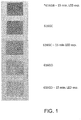
- Table 1 Mol % compositions for the glasses in FIG. 1 (reference examples).
- compositions disclosed herein are substantially free of Br - .
- compositions disclosed herein are substantially free of Li.
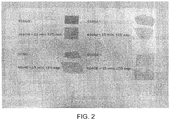
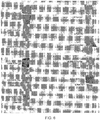
- Tables 4 and 5 list the color coordinate values at both the pre- and post-exposure states as a determination of change for each of the samples in FIGs. 1 , 2 and 3 , with the exception of sample 616GB of FIG. 1 , which depicts post-exposure state only. Exposure times of 1, 2, 5 and 15 minutes were explored and documented. Table 4 - Color coordinates of the photochromic glasses before and after exposure to 15 minute of white LED light.
- the exposure times indicate that most of the color change occurred during the first minute of exposure under the high intensity LED light source.
- Each of the samples showed some degree of reverse photochromic behavior.
- sample 616HD to be thermally darkenable, i.e., exposure to heat changed the exposed glass back to its original color state.
- the data reveal each of the samples to be thermally darkenable, i.e., exposure to heat changed the exposed glass back to its original color state.
- IX Ion exchange
- Corning Gorilla® Glass available from Corning Incorporated.
- Ion exchange is carried out by immersion of a glass sheet into a molten salt bath for a predetermined period of time, where ions within the glass sheet at or near the surface thereof are exchanged for larger metal ions, for example, from the salt bath.
- the molten salt bath may include KNO 3
- the temperature of the molten salt bath may within the range of about 400 - 500 °C
- the predetermined time period may be within the range of about 2-24 hours, and more specifically between about 2-10 hours.
- the incorporation of the larger ions into the glass strengthens the sheet by creating a compressive stress in a near surface region. A corresponding tensile stress is induced within a central region of the glass sheet to balance the compressive stress.
- Sodium ions within the glass sheet may be replaced by potassium ions from the molten salt bath, though other alkali metal ions having a larger atomic radius, such as rubidium or cesium, may replace smaller alkali metal ions in the glass. According to particular embodiments, alkali metal ions in the glass sheet may be replaced by Ag+ ions. Similarly, other alkali metal salts such as, but not limited to, sulfates, halides, and the like may be used in the ion exchange process.
- the replacement of smaller ions by larger ions at a temperature below that at which the glass network can relax produces a distribution of ions across the surface of the glass sheet that results in a stress profile.
- the larger volume of the incoming ion produces a compressive stress (CS) on the surface and tension (central tension, or CT) in the center region of the glass.
- the depth of compressive layer will in some cases be greater than about 15 microns, and in some cases greater than 20 microns, to give the highest protection against surface damage.
- Ion-exchangeable glasses that are suitable for use in the embodiments herein include borosilicate glasses.
- "ion exchangeable” means that a glass is capable of exchanging cations located at or near the surface of the glass with cations of the same valence that are either larger or smaller in size.
- Borosilicate glasses according to claim 1 having reverse photochromic properties which may be chemically strengthened in a potassium salt bath disclosed herein include the following range of compositions (mol %): 66-76 SiO 2 , 2-8 Al 2 O 3 , 10-18 B 2 O 3 , 0-4 Li 2 O, 4-12 Na 2 O, 0-6 K 2 O, 1-1.5 Ag, 1.5-2.5 Cl - , wherein Na 2 O > K 2 O and the summed amount of CuO and NiO is 0.01-0.06.
- a nonzero level of [Al 2 O 3 ] is desired since alumina is a key enabler of effective ion exchange in terms of both ion mobility and obtaining the desired level of compressive stress. Also, the concentration of Na 2 O in the composition should be sufficiently high relative to K 2 O to enable strengthening.
- FIG. 5 depicts samples in their pre-ion exchange state and their post-ion exchange state (labeled "IX"). It is noted that ion exchange also contributed to some degree of color change on at least some of the sample glasses as seen in FIG. 5 .
- IX samples were placed under a LED light source for 15 minutes of exposure to observe if a change in color still occurs. All samples exhibited a noticeable degree of color change, from darker ground state to lighter, after light exposure, as depicted in FIG. 6 , showing that even after ion strengthening the glasses retain their reverse photochromic properties.
- Table 8 provides FSM data for samples subjected to ion exchange treatment for 8 hours at 370°C with refined KNO 3 . Stress measurements were taken using an Orihara FSM-6000LE measurement instrument on all the ion-exchange strengthened samples. Only three glass sample compositions (those having sufficiently high [Na 2 O]) had enough modes for recordable data, six glass samples having one mode and two samples having no visible modes.
- a structure 100 may include a substrate 102 of interest in connection with the development of novel processes and structures to improve the photochromic properties of the substrate 102.
- the substrate 102 material may be glass, specifically Gorilla® Glass from Corning Incorporated, which is an ion-exchange glass, usually an alkali aluminosilicate glass or alkali aluminoborosilicate glass.
- Gorilla® Glass from Corning Incorporated
- the specific substrate material is not limited to glass, or Gorilla® Glass in particular, however, such material was selected for experimentation and example.
- a reverse photochromic layer on the substrate 102 may provide reverse photochromic properties to the structure 100.
- the structure 100 includes the substrate 102 having first surface (not shown) and second, opposing surface 106, and at least one reverse photochromic borosilicate glass layer 104 substantially covering the substrate 102.
- substantially covering herein means that the superior layer (i.e., the layer 104) overlies the inferior layer (i.e., the substrate 102) either directly or indirectly through one or more intermediate layers.
- the layer 104 may be disposed on either or both sides of the substrate 102. In the embodiment illustrated in FIG. 8 , there are no intermediate layers shown between, for example, the layer 104 and the substrate 102, although such intermediate layers are contemplated.
- the reverse photochromic borosilicate glass layer 104 may be formed via a single layer of material.
- the reverse photochromic borosilicate glass layer 104 may be strengthened by ion-exchange processes disclosed herein. Those skilled in the art will appreciate from the disclosure herein that the details presented will readily enable a skilled artisan to employ one or more methodologies for applying layer 104 by applying well-known layering techniques.
- the substrate 102 is substantially planar, although other embodiments may employ a curved or otherwise shaped or sculpted substrate 102. Additionally or alternatively, the thickness of the substrate 102 may vary, for aesthetic and/or functional reasons, such as employing a higher thickness at edges of the substrate 102 as compared with more central regions.
- the substrate 102 may be formed of any suitable material, such as from at least one of quartz, glass, glass-ceramic, oxide glass, ion exchanged glass, polymer, combinations thereof, or other material(s).
- any suitable glass composition may be employed, such as soda lime glass (SiO 2 , Na 2 O, CaO, etc.), metallic alloy glasses, ionic melt glass, polymer glasses (acrylic glass, polycarbonate, polyethylene terephthalate), etc.
- ALD atomic layer deposition
- ALD atomic layer deposition
- semiconductor processing has been one of the main applications for the recent developments in ALD processing, the conformality capabilities achieved by ALD on high aspect structures has applicability to the instant application. Indeed, most ALD processes are based on binary reaction sequences where two surface reactions occur and deposit a binary compound film. As there are only a finite number of surface sites, the reactions are limited to depositing a finite number of surface species.
- the two reactions may proceed in a sequential fashion to deposit a thin film with atomic level control.
- the advantages of the ALD process include: (i) precise thickness control at the Angstrom or monolayer level; and (ii) excellent step coverage and conformal deposition on high aspect ratio structures.
- the layer 104 is relatively thin, e.g., the layer 104 will generally have a thickness within some range.
- contemplated thickness ranges include at least one of: (i) between about 10 - 200 nm; (ii) between about 20 - 100 nm; and (iii) between about 30 - 90 nm. Such ranges may be suited for a particular functional property, for example, the application of a layer 104 for thin film transistor applications, sensor applications, and display device applications such as monitor and telecommunication device applications.
- Still further contemplated thickness ranges include at least one of: (i) between about 50 - 10,000 nm; (ii) between about 500 - 10,000 nm; and (iii) between about 1000 - 2000 nm.
Landscapes
- Chemical & Material Sciences (AREA)
- Materials Engineering (AREA)
- Engineering & Computer Science (AREA)
- Chemical Kinetics & Catalysis (AREA)
- General Chemical & Material Sciences (AREA)
- Geochemistry & Mineralogy (AREA)
- Life Sciences & Earth Sciences (AREA)
- Organic Chemistry (AREA)
- Health & Medical Sciences (AREA)
- Toxicology (AREA)
- Glass Compositions (AREA)
- Optical Filters (AREA)
- Surface Treatment Of Glass (AREA)
Applications Claiming Priority (3)
| Application Number | Priority Date | Filing Date | Title |
|---|---|---|---|
| US201361888680P | 2013-10-09 | 2013-10-09 | |
| PCT/US2014/059623 WO2015054346A1 (en) | 2013-10-09 | 2014-10-08 | Reverse photochromic borosilicate glasses |
| EP14786760.0A EP3055260B1 (en) | 2013-10-09 | 2014-10-08 | Reverse photochromic borosilicate glasses |
Related Parent Applications (2)
| Application Number | Title | Priority Date | Filing Date |
|---|---|---|---|
| EP14786760.0A Division EP3055260B1 (en) | 2013-10-09 | 2014-10-08 | Reverse photochromic borosilicate glasses |
| EP14786760.0A Division-Into EP3055260B1 (en) | 2013-10-09 | 2014-10-08 | Reverse photochromic borosilicate glasses |
Publications (2)
| Publication Number | Publication Date |
|---|---|
| EP3424888A1 EP3424888A1 (en) | 2019-01-09 |
| EP3424888B1 true EP3424888B1 (en) | 2019-11-27 |
Family
ID=51753475
Family Applications (2)
| Application Number | Title | Priority Date | Filing Date |
|---|---|---|---|
| EP18188056.8A Active EP3424888B1 (en) | 2013-10-09 | 2014-10-08 | Reverse photocromic borosilicate glasses |
| EP14786760.0A Active EP3055260B1 (en) | 2013-10-09 | 2014-10-08 | Reverse photochromic borosilicate glasses |
Family Applications After (1)
| Application Number | Title | Priority Date | Filing Date |
|---|---|---|---|
| EP14786760.0A Active EP3055260B1 (en) | 2013-10-09 | 2014-10-08 | Reverse photochromic borosilicate glasses |
Country Status (7)
| Country | Link |
|---|---|
| US (2) | US9527769B2 (enExample) |
| EP (2) | EP3424888B1 (enExample) |
| JP (1) | JP6463350B2 (enExample) |
| KR (1) | KR102271837B1 (enExample) |
| CN (1) | CN105813998B (enExample) |
| TW (1) | TWI647199B (enExample) |
| WO (1) | WO2015054346A1 (enExample) |
Families Citing this family (11)
| Publication number | Priority date | Publication date | Assignee | Title |
|---|---|---|---|---|
| US20140127857A1 (en) * | 2012-11-07 | 2014-05-08 | Taiwan Semiconductor Manufacturing Company, Ltd. | Carrier Wafers, Methods of Manufacture Thereof, and Packaging Methods |
| WO2015148618A1 (en) * | 2014-03-27 | 2015-10-01 | Corning Incorporated | Glass article |
| US11472730B2 (en) | 2015-06-02 | 2022-10-18 | Corning Incorporated | Laminated glass article with tinted layer |
| US10393934B2 (en) * | 2015-09-11 | 2019-08-27 | Corning Incorporated | Multi-pane window with a low emissivity layer and a photochromic glass |
| CN108025953A (zh) * | 2015-09-11 | 2018-05-11 | 康宁股份有限公司 | 光致变色多窗格窗 |
| US10618839B2 (en) | 2016-11-30 | 2020-04-14 | Corning Incorporated | Low emissivity coatings with increased ultraviolet transmissivity |
| EP3606881A4 (en) | 2017-04-04 | 2021-01-06 | Corning Incorporated | MULTI-LAYER STRUCTURE AND ITS MANUFACTURING PROCESS |
| WO2020150120A1 (en) * | 2019-01-18 | 2020-07-23 | Corning Incorporated | Photochromic glass and photochromic glass windows |
| CN111689687B (zh) * | 2020-06-17 | 2022-07-29 | 深圳南玻科技有限公司 | 一种适用于uv固化工艺的玻璃及其制备方法 |
| CN114213024B (zh) * | 2022-01-19 | 2022-09-30 | 中国耀华玻璃集团有限公司 | 一种浮法双合金槽制备光致调光玻璃的方法及装置 |
| US20230417101A1 (en) * | 2022-06-28 | 2023-12-28 | Greg Eguaoje | Transition glass |
Family Cites Families (20)
| Publication number | Priority date | Publication date | Assignee | Title |
|---|---|---|---|---|
| US1063793A (en) * | 1912-04-22 | 1913-06-03 | John W Young | Self-heating attachment for sad-irons. |
| US3208860A (en) | 1962-07-31 | 1965-09-28 | Corning Glass Works | Phototropic material and article made therefrom |
| US3306833A (en) * | 1963-03-08 | 1967-02-28 | Corning Glass Works | Method of making a phototropic glass article |
| GB1252649A (enExample) * | 1969-03-04 | 1971-11-10 | ||
| US3734754A (en) | 1970-08-19 | 1973-05-22 | Corning Glass Works | Thermally darkening photochromic glass |
| US3703388A (en) | 1970-08-19 | 1972-11-21 | Corning Glass Works | High refractive index photochromic glasses |
| US4025191A (en) | 1975-03-12 | 1977-05-24 | Corning Glass Works | Photographic contrast enhancement system using photochromic glass |
| US4018965A (en) * | 1975-04-14 | 1977-04-19 | Corning Glass Works | Photochromic sheet glass compositions and articles |
| US4125405A (en) | 1976-11-05 | 1978-11-14 | Corning Glass Works | Colored, dichroic, birefringent glass articles produced by optical alteration of additively-colored glasses containing silver and silver halides |
| US4190451A (en) | 1978-03-17 | 1980-02-26 | Corning Glass Works | Photochromic glass |
| US4168339A (en) * | 1978-07-26 | 1979-09-18 | Corning Glass Works | Photochromic microsheet |
| US4304584A (en) * | 1980-04-28 | 1981-12-08 | Corning Glass Works | Method for making polarizing glasses by extrusion |
| SU1063793A1 (ru) * | 1982-02-22 | 1983-12-30 | Научно-исследовательский институт строительной физики | Солнцезащитное ограждение |
| US4608349A (en) | 1985-11-12 | 1986-08-26 | Corning Glass Works | Photochromic glass compositions for lightweight lenses |
| JPH06316418A (ja) * | 1993-05-07 | 1994-11-15 | Sekisui Chem Co Ltd | フォトクロミックガラスの製造方法 |
| US6711917B2 (en) * | 2000-09-15 | 2004-03-30 | Guardian Industries Corporation | Photochromic float glasses and methods of making the same |
| FR2815958B1 (fr) * | 2000-10-27 | 2003-12-12 | Corning Sa | Verres mineraux borosilicates, colores, non photochromiques, absorbant les ultraviolets, preparations |
| US20080254372A1 (en) * | 2007-04-13 | 2008-10-16 | Canyon Materials, Inc. | PDR and PBR glasses for holographic data storage and/or computer generated holograms |
| US20080254373A1 (en) * | 2007-04-13 | 2008-10-16 | Canyon Materials, Inc. | Method of making PDR and PBR glasses for holographic data storage and/or computer generated holograms |
| US9222019B2 (en) | 2013-10-29 | 2015-12-29 | Ecolab Usa Inc. | Use of niobate containing compounds as corrosion inhibitors |
-
2014
- 2014-10-07 US US14/508,548 patent/US9527769B2/en not_active Expired - Fee Related
- 2014-10-08 CN CN201480067314.1A patent/CN105813998B/zh active Active
- 2014-10-08 WO PCT/US2014/059623 patent/WO2015054346A1/en not_active Ceased
- 2014-10-08 KR KR1020167011690A patent/KR102271837B1/ko not_active Expired - Fee Related
- 2014-10-08 EP EP18188056.8A patent/EP3424888B1/en active Active
- 2014-10-08 EP EP14786760.0A patent/EP3055260B1/en active Active
- 2014-10-08 JP JP2016521713A patent/JP6463350B2/ja active Active
- 2014-10-09 TW TW103135216A patent/TWI647199B/zh not_active IP Right Cessation
-
2016
- 2016-11-09 US US15/347,066 patent/US10487003B2/en active Active
Non-Patent Citations (1)
| Title |
|---|
| None * |
Also Published As
| Publication number | Publication date |
|---|---|
| TW201514120A (zh) | 2015-04-16 |
| KR20160067916A (ko) | 2016-06-14 |
| TWI647199B (zh) | 2019-01-11 |
| US9527769B2 (en) | 2016-12-27 |
| JP2016535715A (ja) | 2016-11-17 |
| US20150099130A1 (en) | 2015-04-09 |
| WO2015054346A1 (en) | 2015-04-16 |
| KR102271837B1 (ko) | 2021-07-02 |
| CN105813998B (zh) | 2018-12-07 |
| EP3055260B1 (en) | 2018-09-26 |
| CN105813998A (zh) | 2016-07-27 |
| EP3055260A1 (en) | 2016-08-17 |
| JP6463350B2 (ja) | 2019-01-30 |
| US10487003B2 (en) | 2019-11-26 |
| US20170050878A1 (en) | 2017-02-23 |
| EP3424888A1 (en) | 2019-01-09 |
Similar Documents
| Publication | Publication Date | Title |
|---|---|---|
| EP3424888B1 (en) | Reverse photocromic borosilicate glasses | |
| JP7200194B2 (ja) | イオン交換プロセスおよびそれにより得られる化学強化されたガラス基材 | |
| US20240228364A1 (en) | Transition metal-containing, ion exchangeable colored glasses | |
| JP7431872B2 (ja) | 改善された曲げ性および化学強化性を有する薄板ガラス | |
| JP5929898B2 (ja) | ディスプレイ装置用化学強化ガラス | |
| KR101534178B1 (ko) | 강화 유리 기판 및 그 제조방법 | |
| US4251278A (en) | Photochromic glasses which darken to a brown hue | |
| US10934208B2 (en) | Edge and corner-strengthened articles and methods for making same | |
| CA1190426A (en) | Very fast fading photochromic glass | |
| JP2645288B2 (ja) | 急速退色、高屈折率光互変性ガラス | |
| JPS6250421B2 (enExample) | ||
| JP6962512B1 (ja) | 結晶化ガラスおよび化学強化ガラス | |
| KR20230068387A (ko) | 결정화 유리 및 강화 결정화 유리 | |
| JP7118530B2 (ja) | 強化結晶化ガラス | |
| WO2022049823A1 (ja) | 結晶化ガラスおよび化学強化ガラス | |
| US20220064055A1 (en) | Tunable glass compositions having improved mechanical durability | |
| US20190270666A1 (en) | Glasses having resistance to photo-darkening | |
| JP7046688B2 (ja) | 強化結晶化ガラス | |
| TW202328019A (zh) | 透明β鋰輝石玻璃陶瓷 |
Legal Events
| Date | Code | Title | Description |
|---|---|---|---|
| PUAI | Public reference made under article 153(3) epc to a published international application that has entered the european phase |
Free format text: ORIGINAL CODE: 0009012 |
|
| STAA | Information on the status of an ep patent application or granted ep patent |
Free format text: STATUS: THE APPLICATION HAS BEEN PUBLISHED |
|
| AC | Divisional application: reference to earlier application |
Ref document number: 3055260 Country of ref document: EP Kind code of ref document: P |
|
| AK | Designated contracting states |
Kind code of ref document: A1 Designated state(s): AL AT BE BG CH CY CZ DE DK EE ES FI FR GB GR HR HU IE IS IT LI LT LU LV MC MK MT NL NO PL PT RO RS SE SI SK SM TR |
|
| AX | Request for extension of the european patent |
Extension state: BA ME |
|
| STAA | Information on the status of an ep patent application or granted ep patent |
Free format text: STATUS: REQUEST FOR EXAMINATION WAS MADE |
|
| 17P | Request for examination filed |
Effective date: 20190319 |
|
| RBV | Designated contracting states (corrected) |
Designated state(s): AL AT BE BG CH CY CZ DE DK EE ES FI FR GB GR HR HU IE IS IT LI LT LU LV MC MK MT NL NO PL PT RO RS SE SI SK SM TR |
|
| GRAP | Despatch of communication of intention to grant a patent |
Free format text: ORIGINAL CODE: EPIDOSNIGR1 |
|
| STAA | Information on the status of an ep patent application or granted ep patent |
Free format text: STATUS: GRANT OF PATENT IS INTENDED |
|
| INTG | Intention to grant announced |
Effective date: 20190626 |
|
| GRAS | Grant fee paid |
Free format text: ORIGINAL CODE: EPIDOSNIGR3 |
|
| GRAA | (expected) grant |
Free format text: ORIGINAL CODE: 0009210 |
|
| STAA | Information on the status of an ep patent application or granted ep patent |
Free format text: STATUS: THE PATENT HAS BEEN GRANTED |
|
| AC | Divisional application: reference to earlier application |
Ref document number: 3055260 Country of ref document: EP Kind code of ref document: P |
|
| AK | Designated contracting states |
Kind code of ref document: B1 Designated state(s): AL AT BE BG CH CY CZ DE DK EE ES FI FR GB GR HR HU IE IS IT LI LT LU LV MC MK MT NL NO PL PT RO RS SE SI SK SM TR |
|
| REG | Reference to a national code |
Ref country code: GB Ref legal event code: FG4D |
|
| REG | Reference to a national code |
Ref country code: CH Ref legal event code: EP |
|
| REG | Reference to a national code |
Ref country code: AT Ref legal event code: REF Ref document number: 1206485 Country of ref document: AT Kind code of ref document: T Effective date: 20191215 |
|
| REG | Reference to a national code |
Ref country code: DE Ref legal event code: R096 Ref document number: 602014057686 Country of ref document: DE |
|
| REG | Reference to a national code |
Ref country code: IE Ref legal event code: FG4D |
|
| REG | Reference to a national code |
Ref country code: NL Ref legal event code: MP Effective date: 20191127 |
|
| REG | Reference to a national code |
Ref country code: LT Ref legal event code: MG4D |
|
| PG25 | Lapsed in a contracting state [announced via postgrant information from national office to epo] |
Ref country code: FI Free format text: LAPSE BECAUSE OF FAILURE TO SUBMIT A TRANSLATION OF THE DESCRIPTION OR TO PAY THE FEE WITHIN THE PRESCRIBED TIME-LIMIT Effective date: 20191127 Ref country code: LV Free format text: LAPSE BECAUSE OF FAILURE TO SUBMIT A TRANSLATION OF THE DESCRIPTION OR TO PAY THE FEE WITHIN THE PRESCRIBED TIME-LIMIT Effective date: 20191127 Ref country code: BG Free format text: LAPSE BECAUSE OF FAILURE TO SUBMIT A TRANSLATION OF THE DESCRIPTION OR TO PAY THE FEE WITHIN THE PRESCRIBED TIME-LIMIT Effective date: 20200227 Ref country code: SE Free format text: LAPSE BECAUSE OF FAILURE TO SUBMIT A TRANSLATION OF THE DESCRIPTION OR TO PAY THE FEE WITHIN THE PRESCRIBED TIME-LIMIT Effective date: 20191127 Ref country code: LT Free format text: LAPSE BECAUSE OF FAILURE TO SUBMIT A TRANSLATION OF THE DESCRIPTION OR TO PAY THE FEE WITHIN THE PRESCRIBED TIME-LIMIT Effective date: 20191127 Ref country code: NO Free format text: LAPSE BECAUSE OF FAILURE TO SUBMIT A TRANSLATION OF THE DESCRIPTION OR TO PAY THE FEE WITHIN THE PRESCRIBED TIME-LIMIT Effective date: 20200227 Ref country code: GR Free format text: LAPSE BECAUSE OF FAILURE TO SUBMIT A TRANSLATION OF THE DESCRIPTION OR TO PAY THE FEE WITHIN THE PRESCRIBED TIME-LIMIT Effective date: 20200228 Ref country code: NL Free format text: LAPSE BECAUSE OF FAILURE TO SUBMIT A TRANSLATION OF THE DESCRIPTION OR TO PAY THE FEE WITHIN THE PRESCRIBED TIME-LIMIT Effective date: 20191127 |
|
| PG25 | Lapsed in a contracting state [announced via postgrant information from national office to epo] |
Ref country code: IS Free format text: LAPSE BECAUSE OF FAILURE TO SUBMIT A TRANSLATION OF THE DESCRIPTION OR TO PAY THE FEE WITHIN THE PRESCRIBED TIME-LIMIT Effective date: 20200327 Ref country code: HR Free format text: LAPSE BECAUSE OF FAILURE TO SUBMIT A TRANSLATION OF THE DESCRIPTION OR TO PAY THE FEE WITHIN THE PRESCRIBED TIME-LIMIT Effective date: 20191127 Ref country code: RS Free format text: LAPSE BECAUSE OF FAILURE TO SUBMIT A TRANSLATION OF THE DESCRIPTION OR TO PAY THE FEE WITHIN THE PRESCRIBED TIME-LIMIT Effective date: 20191127 |
|
| PG25 | Lapsed in a contracting state [announced via postgrant information from national office to epo] |
Ref country code: AL Free format text: LAPSE BECAUSE OF FAILURE TO SUBMIT A TRANSLATION OF THE DESCRIPTION OR TO PAY THE FEE WITHIN THE PRESCRIBED TIME-LIMIT Effective date: 20191127 |
|
| PG25 | Lapsed in a contracting state [announced via postgrant information from national office to epo] |
Ref country code: PT Free format text: LAPSE BECAUSE OF FAILURE TO SUBMIT A TRANSLATION OF THE DESCRIPTION OR TO PAY THE FEE WITHIN THE PRESCRIBED TIME-LIMIT Effective date: 20200419 Ref country code: EE Free format text: LAPSE BECAUSE OF FAILURE TO SUBMIT A TRANSLATION OF THE DESCRIPTION OR TO PAY THE FEE WITHIN THE PRESCRIBED TIME-LIMIT Effective date: 20191127 Ref country code: DK Free format text: LAPSE BECAUSE OF FAILURE TO SUBMIT A TRANSLATION OF THE DESCRIPTION OR TO PAY THE FEE WITHIN THE PRESCRIBED TIME-LIMIT Effective date: 20191127 Ref country code: RO Free format text: LAPSE BECAUSE OF FAILURE TO SUBMIT A TRANSLATION OF THE DESCRIPTION OR TO PAY THE FEE WITHIN THE PRESCRIBED TIME-LIMIT Effective date: 20191127 Ref country code: CZ Free format text: LAPSE BECAUSE OF FAILURE TO SUBMIT A TRANSLATION OF THE DESCRIPTION OR TO PAY THE FEE WITHIN THE PRESCRIBED TIME-LIMIT Effective date: 20191127 Ref country code: ES Free format text: LAPSE BECAUSE OF FAILURE TO SUBMIT A TRANSLATION OF THE DESCRIPTION OR TO PAY THE FEE WITHIN THE PRESCRIBED TIME-LIMIT Effective date: 20191127 |
|
| REG | Reference to a national code |
Ref country code: DE Ref legal event code: R097 Ref document number: 602014057686 Country of ref document: DE |
|
| PG25 | Lapsed in a contracting state [announced via postgrant information from national office to epo] |
Ref country code: SM Free format text: LAPSE BECAUSE OF FAILURE TO SUBMIT A TRANSLATION OF THE DESCRIPTION OR TO PAY THE FEE WITHIN THE PRESCRIBED TIME-LIMIT Effective date: 20191127 Ref country code: SK Free format text: LAPSE BECAUSE OF FAILURE TO SUBMIT A TRANSLATION OF THE DESCRIPTION OR TO PAY THE FEE WITHIN THE PRESCRIBED TIME-LIMIT Effective date: 20191127 |
|
| REG | Reference to a national code |
Ref country code: AT Ref legal event code: MK05 Ref document number: 1206485 Country of ref document: AT Kind code of ref document: T Effective date: 20191127 |
|
| PLBE | No opposition filed within time limit |
Free format text: ORIGINAL CODE: 0009261 |
|
| STAA | Information on the status of an ep patent application or granted ep patent |
Free format text: STATUS: NO OPPOSITION FILED WITHIN TIME LIMIT |
|
| PGFP | Annual fee paid to national office [announced via postgrant information from national office to epo] |
Ref country code: FR Payment date: 20200923 Year of fee payment: 7 Ref country code: GB Payment date: 20200930 Year of fee payment: 7 |
|
| 26N | No opposition filed |
Effective date: 20200828 |
|
| PG25 | Lapsed in a contracting state [announced via postgrant information from national office to epo] |
Ref country code: AT Free format text: LAPSE BECAUSE OF FAILURE TO SUBMIT A TRANSLATION OF THE DESCRIPTION OR TO PAY THE FEE WITHIN THE PRESCRIBED TIME-LIMIT Effective date: 20191127 Ref country code: SI Free format text: LAPSE BECAUSE OF FAILURE TO SUBMIT A TRANSLATION OF THE DESCRIPTION OR TO PAY THE FEE WITHIN THE PRESCRIBED TIME-LIMIT Effective date: 20191127 Ref country code: PL Free format text: LAPSE BECAUSE OF FAILURE TO SUBMIT A TRANSLATION OF THE DESCRIPTION OR TO PAY THE FEE WITHIN THE PRESCRIBED TIME-LIMIT Effective date: 20191127 |
|
| PG25 | Lapsed in a contracting state [announced via postgrant information from national office to epo] |
Ref country code: IT Free format text: LAPSE BECAUSE OF FAILURE TO SUBMIT A TRANSLATION OF THE DESCRIPTION OR TO PAY THE FEE WITHIN THE PRESCRIBED TIME-LIMIT Effective date: 20191127 |
|
| REG | Reference to a national code |
Ref country code: CH Ref legal event code: PL |
|
| PG25 | Lapsed in a contracting state [announced via postgrant information from national office to epo] |
Ref country code: MC Free format text: LAPSE BECAUSE OF FAILURE TO SUBMIT A TRANSLATION OF THE DESCRIPTION OR TO PAY THE FEE WITHIN THE PRESCRIBED TIME-LIMIT Effective date: 20191127 Ref country code: LU Free format text: LAPSE BECAUSE OF NON-PAYMENT OF DUE FEES Effective date: 20201008 |
|
| REG | Reference to a national code |
Ref country code: BE Ref legal event code: MM Effective date: 20201031 |
|
| PG25 | Lapsed in a contracting state [announced via postgrant information from national office to epo] |
Ref country code: BE Free format text: LAPSE BECAUSE OF NON-PAYMENT OF DUE FEES Effective date: 20201031 Ref country code: CH Free format text: LAPSE BECAUSE OF NON-PAYMENT OF DUE FEES Effective date: 20201031 Ref country code: LI Free format text: LAPSE BECAUSE OF NON-PAYMENT OF DUE FEES Effective date: 20201031 |
|
| PG25 | Lapsed in a contracting state [announced via postgrant information from national office to epo] |
Ref country code: IE Free format text: LAPSE BECAUSE OF NON-PAYMENT OF DUE FEES Effective date: 20201008 |
|
| PG25 | Lapsed in a contracting state [announced via postgrant information from national office to epo] |
Ref country code: TR Free format text: LAPSE BECAUSE OF FAILURE TO SUBMIT A TRANSLATION OF THE DESCRIPTION OR TO PAY THE FEE WITHIN THE PRESCRIBED TIME-LIMIT Effective date: 20191127 Ref country code: MT Free format text: LAPSE BECAUSE OF FAILURE TO SUBMIT A TRANSLATION OF THE DESCRIPTION OR TO PAY THE FEE WITHIN THE PRESCRIBED TIME-LIMIT Effective date: 20191127 Ref country code: CY Free format text: LAPSE BECAUSE OF FAILURE TO SUBMIT A TRANSLATION OF THE DESCRIPTION OR TO PAY THE FEE WITHIN THE PRESCRIBED TIME-LIMIT Effective date: 20191127 |
|
| GBPC | Gb: european patent ceased through non-payment of renewal fee |
Effective date: 20211008 |
|
| PG25 | Lapsed in a contracting state [announced via postgrant information from national office to epo] |
Ref country code: MK Free format text: LAPSE BECAUSE OF FAILURE TO SUBMIT A TRANSLATION OF THE DESCRIPTION OR TO PAY THE FEE WITHIN THE PRESCRIBED TIME-LIMIT Effective date: 20191127 |
|
| PG25 | Lapsed in a contracting state [announced via postgrant information from national office to epo] |
Ref country code: GB Free format text: LAPSE BECAUSE OF NON-PAYMENT OF DUE FEES Effective date: 20211008 |
|
| PG25 | Lapsed in a contracting state [announced via postgrant information from national office to epo] |
Ref country code: FR Free format text: LAPSE BECAUSE OF NON-PAYMENT OF DUE FEES Effective date: 20211031 |
|
| PGFP | Annual fee paid to national office [announced via postgrant information from national office to epo] |
Ref country code: DE Payment date: 20230915 Year of fee payment: 10 |
|
| REG | Reference to a national code |
Ref country code: DE Ref legal event code: R119 Ref document number: 602014057686 Country of ref document: DE |
|
| PG25 | Lapsed in a contracting state [announced via postgrant information from national office to epo] |
Ref country code: DE Free format text: LAPSE BECAUSE OF NON-PAYMENT OF DUE FEES Effective date: 20250501 |