EP3405477B1 - Inhibitoren von transglutaminasen - Google Patents
Inhibitoren von transglutaminasen Download PDFInfo
- Publication number
- EP3405477B1 EP3405477B1 EP18700023.7A EP18700023A EP3405477B1 EP 3405477 B1 EP3405477 B1 EP 3405477B1 EP 18700023 A EP18700023 A EP 18700023A EP 3405477 B1 EP3405477 B1 EP 3405477B1
- Authority
- EP
- European Patent Office
- Prior art keywords
- methyl
- cyclo
- oxo
- oxoethyl
- dihydropyridin
- Prior art date
- Legal status (The legal status is an assumption and is not a legal conclusion. Google has not performed a legal analysis and makes no representation as to the accuracy of the status listed.)
- Active
Links
Images



Classifications
-
- C—CHEMISTRY; METALLURGY
- C07—ORGANIC CHEMISTRY
- C07K—PEPTIDES
- C07K5/00—Peptides containing up to four amino acids in a fully defined sequence; Derivatives thereof
- C07K5/04—Peptides containing up to four amino acids in a fully defined sequence; Derivatives thereof containing only normal peptide links
- C07K5/06—Dipeptides
- C07K5/06139—Dipeptides with the first amino acid being heterocyclic
- C07K5/06165—Dipeptides with the first amino acid being heterocyclic and Pro-amino acid; Derivatives thereof
-
- A—HUMAN NECESSITIES
- A61—MEDICAL OR VETERINARY SCIENCE; HYGIENE
- A61K—PREPARATIONS FOR MEDICAL, DENTAL OR TOILETRY PURPOSES
- A61K47/00—Medicinal preparations characterised by the non-active ingredients used, e.g. carriers or inert additives; Targeting or modifying agents chemically bound to the active ingredient
- A61K47/50—Medicinal preparations characterised by the non-active ingredients used, e.g. carriers or inert additives; Targeting or modifying agents chemically bound to the active ingredient the non-active ingredient being chemically bound to the active ingredient, e.g. polymer-drug conjugates
- A61K47/51—Medicinal preparations characterised by the non-active ingredients used, e.g. carriers or inert additives; Targeting or modifying agents chemically bound to the active ingredient the non-active ingredient being chemically bound to the active ingredient, e.g. polymer-drug conjugates the non-active ingredient being a modifying agent
- A61K47/54—Medicinal preparations characterised by the non-active ingredients used, e.g. carriers or inert additives; Targeting or modifying agents chemically bound to the active ingredient the non-active ingredient being chemically bound to the active ingredient, e.g. polymer-drug conjugates the non-active ingredient being a modifying agent the modifying agent being an organic compound
- A61K47/548—Phosphates or phosphonates, e.g. bone-seeking
-
- A—HUMAN NECESSITIES
- A61—MEDICAL OR VETERINARY SCIENCE; HYGIENE
- A61P—SPECIFIC THERAPEUTIC ACTIVITY OF CHEMICAL COMPOUNDS OR MEDICINAL PREPARATIONS
- A61P1/00—Drugs for disorders of the alimentary tract or the digestive system
-
- A—HUMAN NECESSITIES
- A61—MEDICAL OR VETERINARY SCIENCE; HYGIENE
- A61P—SPECIFIC THERAPEUTIC ACTIVITY OF CHEMICAL COMPOUNDS OR MEDICINAL PREPARATIONS
- A61P7/00—Drugs for disorders of the blood or the extracellular fluid
- A61P7/02—Antithrombotic agents; Anticoagulants; Platelet aggregation inhibitors
-
- C—CHEMISTRY; METALLURGY
- C07—ORGANIC CHEMISTRY
- C07D—HETEROCYCLIC COMPOUNDS
- C07D213/00—Heterocyclic compounds containing six-membered rings, not condensed with other rings, with one nitrogen atom as the only ring hetero atom and three or more double bonds between ring members or between ring members and non-ring members
- C07D213/02—Heterocyclic compounds containing six-membered rings, not condensed with other rings, with one nitrogen atom as the only ring hetero atom and three or more double bonds between ring members or between ring members and non-ring members having three double bonds between ring members or between ring members and non-ring members
- C07D213/04—Heterocyclic compounds containing six-membered rings, not condensed with other rings, with one nitrogen atom as the only ring hetero atom and three or more double bonds between ring members or between ring members and non-ring members having three double bonds between ring members or between ring members and non-ring members having no bond between the ring nitrogen atom and a non-ring member or having only hydrogen or carbon atoms directly attached to the ring nitrogen atom
- C07D213/60—Heterocyclic compounds containing six-membered rings, not condensed with other rings, with one nitrogen atom as the only ring hetero atom and three or more double bonds between ring members or between ring members and non-ring members having three double bonds between ring members or between ring members and non-ring members having no bond between the ring nitrogen atom and a non-ring member or having only hydrogen or carbon atoms directly attached to the ring nitrogen atom with hetero atoms or with carbon atoms having three bonds to hetero atoms with at the most one bond to halogen, e.g. ester or nitrile radicals, directly attached to ring carbon atoms
- C07D213/72—Nitrogen atoms
- C07D213/75—Amino or imino radicals, acylated by carboxylic or carbonic acids, or by sulfur or nitrogen analogues thereof, e.g. carbamates
-
- C—CHEMISTRY; METALLURGY
- C07—ORGANIC CHEMISTRY
- C07D—HETEROCYCLIC COMPOUNDS
- C07D233/00—Heterocyclic compounds containing 1,3-diazole or hydrogenated 1,3-diazole rings, not condensed with other rings
- C07D233/54—Heterocyclic compounds containing 1,3-diazole or hydrogenated 1,3-diazole rings, not condensed with other rings having two double bonds between ring members or between ring members and non-ring members
- C07D233/66—Heterocyclic compounds containing 1,3-diazole or hydrogenated 1,3-diazole rings, not condensed with other rings having two double bonds between ring members or between ring members and non-ring members with hetero atoms or with carbon atoms having three bonds to hetero atoms with at the most one bond to halogen, e.g. ester or nitrile radicals, directly attached to ring carbon atoms
- C07D233/90—Carbon atoms having three bonds to hetero atoms with at the most one bond to halogen, e.g. ester or nitrile radicals
-
- C—CHEMISTRY; METALLURGY
- C07—ORGANIC CHEMISTRY
- C07D—HETEROCYCLIC COMPOUNDS
- C07D295/00—Heterocyclic compounds containing polymethylene-imine rings with at least five ring members, 3-azabicyclo [3.2.2] nonane, piperazine, morpholine or thiomorpholine rings, having only hydrogen atoms directly attached to the ring carbon atoms
- C07D295/16—Heterocyclic compounds containing polymethylene-imine rings with at least five ring members, 3-azabicyclo [3.2.2] nonane, piperazine, morpholine or thiomorpholine rings, having only hydrogen atoms directly attached to the ring carbon atoms acylated on ring nitrogen atoms
- C07D295/18—Heterocyclic compounds containing polymethylene-imine rings with at least five ring members, 3-azabicyclo [3.2.2] nonane, piperazine, morpholine or thiomorpholine rings, having only hydrogen atoms directly attached to the ring carbon atoms acylated on ring nitrogen atoms by radicals derived from carboxylic acids, or sulfur or nitrogen analogues thereof
- C07D295/182—Radicals derived from carboxylic acids
- C07D295/185—Radicals derived from carboxylic acids from aliphatic carboxylic acids
-
- C—CHEMISTRY; METALLURGY
- C07—ORGANIC CHEMISTRY
- C07D—HETEROCYCLIC COMPOUNDS
- C07D401/00—Heterocyclic compounds containing two or more hetero rings, having nitrogen atoms as the only ring hetero atoms, at least one ring being a six-membered ring with only one nitrogen atom
- C07D401/02—Heterocyclic compounds containing two or more hetero rings, having nitrogen atoms as the only ring hetero atoms, at least one ring being a six-membered ring with only one nitrogen atom containing two hetero rings
- C07D401/12—Heterocyclic compounds containing two or more hetero rings, having nitrogen atoms as the only ring hetero atoms, at least one ring being a six-membered ring with only one nitrogen atom containing two hetero rings linked by a chain containing hetero atoms as chain links
-
- C—CHEMISTRY; METALLURGY
- C07—ORGANIC CHEMISTRY
- C07D—HETEROCYCLIC COMPOUNDS
- C07D401/00—Heterocyclic compounds containing two or more hetero rings, having nitrogen atoms as the only ring hetero atoms, at least one ring being a six-membered ring with only one nitrogen atom
- C07D401/14—Heterocyclic compounds containing two or more hetero rings, having nitrogen atoms as the only ring hetero atoms, at least one ring being a six-membered ring with only one nitrogen atom containing three or more hetero rings
-
- C—CHEMISTRY; METALLURGY
- C07—ORGANIC CHEMISTRY
- C07D—HETEROCYCLIC COMPOUNDS
- C07D405/00—Heterocyclic compounds containing both one or more hetero rings having oxygen atoms as the only ring hetero atoms, and one or more rings having nitrogen as the only ring hetero atom
- C07D405/02—Heterocyclic compounds containing both one or more hetero rings having oxygen atoms as the only ring hetero atoms, and one or more rings having nitrogen as the only ring hetero atom containing two hetero rings
- C07D405/12—Heterocyclic compounds containing both one or more hetero rings having oxygen atoms as the only ring hetero atoms, and one or more rings having nitrogen as the only ring hetero atom containing two hetero rings linked by a chain containing hetero atoms as chain links
-
- C—CHEMISTRY; METALLURGY
- C07—ORGANIC CHEMISTRY
- C07D—HETEROCYCLIC COMPOUNDS
- C07D413/00—Heterocyclic compounds containing two or more hetero rings, at least one ring having nitrogen and oxygen atoms as the only ring hetero atoms
- C07D413/02—Heterocyclic compounds containing two or more hetero rings, at least one ring having nitrogen and oxygen atoms as the only ring hetero atoms containing two hetero rings
- C07D413/12—Heterocyclic compounds containing two or more hetero rings, at least one ring having nitrogen and oxygen atoms as the only ring hetero atoms containing two hetero rings linked by a chain containing hetero atoms as chain links
-
- C—CHEMISTRY; METALLURGY
- C07—ORGANIC CHEMISTRY
- C07D—HETEROCYCLIC COMPOUNDS
- C07D417/00—Heterocyclic compounds containing two or more hetero rings, at least one ring having nitrogen and sulfur atoms as the only ring hetero atoms, not provided for by group C07D415/00
- C07D417/02—Heterocyclic compounds containing two or more hetero rings, at least one ring having nitrogen and sulfur atoms as the only ring hetero atoms, not provided for by group C07D415/00 containing two hetero rings
- C07D417/12—Heterocyclic compounds containing two or more hetero rings, at least one ring having nitrogen and sulfur atoms as the only ring hetero atoms, not provided for by group C07D415/00 containing two hetero rings linked by a chain containing hetero atoms as chain links
-
- C—CHEMISTRY; METALLURGY
- C07—ORGANIC CHEMISTRY
- C07D—HETEROCYCLIC COMPOUNDS
- C07D417/00—Heterocyclic compounds containing two or more hetero rings, at least one ring having nitrogen and sulfur atoms as the only ring hetero atoms, not provided for by group C07D415/00
- C07D417/14—Heterocyclic compounds containing two or more hetero rings, at least one ring having nitrogen and sulfur atoms as the only ring hetero atoms, not provided for by group C07D415/00 containing three or more hetero rings
-
- C—CHEMISTRY; METALLURGY
- C07—ORGANIC CHEMISTRY
- C07D—HETEROCYCLIC COMPOUNDS
- C07D513/00—Heterocyclic compounds containing in the condensed system at least one hetero ring having nitrogen and sulfur atoms as the only ring hetero atoms, not provided for in groups C07D463/00, C07D477/00 or C07D499/00 - C07D507/00
- C07D513/02—Heterocyclic compounds containing in the condensed system at least one hetero ring having nitrogen and sulfur atoms as the only ring hetero atoms, not provided for in groups C07D463/00, C07D477/00 or C07D499/00 - C07D507/00 in which the condensed system contains two hetero rings
- C07D513/04—Ortho-condensed systems
-
- C—CHEMISTRY; METALLURGY
- C07—ORGANIC CHEMISTRY
- C07K—PEPTIDES
- C07K5/00—Peptides containing up to four amino acids in a fully defined sequence; Derivatives thereof
- C07K5/02—Peptides containing up to four amino acids in a fully defined sequence; Derivatives thereof containing at least one abnormal peptide link
- C07K5/0202—Peptides containing up to four amino acids in a fully defined sequence; Derivatives thereof containing at least one abnormal peptide link containing the structure -NH-X-X-C(=0)-, X being an optionally substituted carbon atom or a heteroatom, e.g. beta-amino acids
-
- C—CHEMISTRY; METALLURGY
- C07—ORGANIC CHEMISTRY
- C07K—PEPTIDES
- C07K5/00—Peptides containing up to four amino acids in a fully defined sequence; Derivatives thereof
- C07K5/04—Peptides containing up to four amino acids in a fully defined sequence; Derivatives thereof containing only normal peptide links
- C07K5/08—Tripeptides
- C07K5/0819—Tripeptides with the first amino acid being acidic
-
- C—CHEMISTRY; METALLURGY
- C07—ORGANIC CHEMISTRY
- C07K—PEPTIDES
- C07K5/00—Peptides containing up to four amino acids in a fully defined sequence; Derivatives thereof
- C07K5/04—Peptides containing up to four amino acids in a fully defined sequence; Derivatives thereof containing only normal peptide links
- C07K5/08—Tripeptides
- C07K5/0821—Tripeptides with the first amino acid being heterocyclic, e.g. His, Pro, Trp
-
- C—CHEMISTRY; METALLURGY
- C07—ORGANIC CHEMISTRY
- C07K—PEPTIDES
- C07K5/00—Peptides containing up to four amino acids in a fully defined sequence; Derivatives thereof
- C07K5/04—Peptides containing up to four amino acids in a fully defined sequence; Derivatives thereof containing only normal peptide links
- C07K5/10—Tetrapeptides
- C07K5/1002—Tetrapeptides with the first amino acid being neutral
- C07K5/1005—Tetrapeptides with the first amino acid being neutral and aliphatic
- C07K5/1013—Tetrapeptides with the first amino acid being neutral and aliphatic the side chain containing O or S as heteroatoms, e.g. Cys, Ser
-
- C—CHEMISTRY; METALLURGY
- C07—ORGANIC CHEMISTRY
- C07K—PEPTIDES
- C07K5/00—Peptides containing up to four amino acids in a fully defined sequence; Derivatives thereof
- C07K5/04—Peptides containing up to four amino acids in a fully defined sequence; Derivatives thereof containing only normal peptide links
- C07K5/10—Tetrapeptides
- C07K5/1019—Tetrapeptides with the first amino acid being basic
-
- C—CHEMISTRY; METALLURGY
- C07—ORGANIC CHEMISTRY
- C07K—PEPTIDES
- C07K5/00—Peptides containing up to four amino acids in a fully defined sequence; Derivatives thereof
- C07K5/04—Peptides containing up to four amino acids in a fully defined sequence; Derivatives thereof containing only normal peptide links
- C07K5/10—Tetrapeptides
- C07K5/1021—Tetrapeptides with the first amino acid being acidic
-
- C—CHEMISTRY; METALLURGY
- C07—ORGANIC CHEMISTRY
- C07K—PEPTIDES
- C07K5/00—Peptides containing up to four amino acids in a fully defined sequence; Derivatives thereof
- C07K5/04—Peptides containing up to four amino acids in a fully defined sequence; Derivatives thereof containing only normal peptide links
- C07K5/10—Tetrapeptides
- C07K5/1024—Tetrapeptides with the first amino acid being heterocyclic
-
- A—HUMAN NECESSITIES
- A61—MEDICAL OR VETERINARY SCIENCE; HYGIENE
- A61K—PREPARATIONS FOR MEDICAL, DENTAL OR TOILETRY PURPOSES
- A61K38/00—Medicinal preparations containing peptides
Definitions
- the invention relates to novel inhibitors or novel reversible inhibitors of transglutaminases, methods for their synthesis and to their use for the prophylaxis and treatment of diseases associated with transglutaminases.
- Transglutaminases are part of the class of transferases and according to EC nomenclature they are correctly designated as "protein-glutamine: amine ⁇ -glutamyl transferases" (EC 2.3.2.13). They link the ⁇ -amino group of the amino acid lysine and the ⁇ -glutamyl group of the amino acid glutamine forming an isopeptide bond while ammonia is released. In the absence of suitable amines and/or under certain conditions, deamidation of the glutamine may occur resulting in the corresponding glutamic acid.
- transglutaminases play an important role in many therapeutic areas such as the cardiovascular diseases (thrombosis and atherosclerosis), autoimmune diseases (coeliac disease, Duhring-Brocq-disease, gluten ataxia), neurodegenerative diseases (Alzheimer's disease, Parkinson's disease, Huntington's disease), dermatological diseases (ichthyosis, psoriasis, acne) as well as in wound healing and inflammatory diseases (e.g. tissue fibrosis) ( J.M. Wodzinska, Mini-Reviews in medical chemistry, 2005, 5, 279 - 292 ).
- cardiovascular diseases thrombosis and atherosclerosis
- autoimmune diseases coeliac disease, Duhring-Brocq-disease, gluten ataxia
- neurodegenerative diseases Alzheimer's disease, Parkinson's disease, Huntington's disease
- dermatological diseases ichthyosis, psoriasis, acne
- wound healing and inflammatory diseases e.g. tissue
- Coeliac disease a gluten intolerance, however, is one of the most important indications.
- Coeliac disease is characterized by a chronic inflammation of the mucosa of the small intestine.
- the intestinal epithelium is successively destroyed after ingestion of gluten-containing food resulting in reduced absorption of nutrients which again has massive impact on the patients affected and is for example associated with symptoms such as loss of weight, anemia, diarrhea, nausea, loss of appetite and fatigue. Due to these findings, there is a large demand for the development of a medicament for the treatment of coeliac disease as well as of other diseases associated with tissue transglutaminase (transglutaminase 2, TG2).
- the tissue transglutaminase is a central element during pathogenesis.
- the endogenous enzyme catalyses the deamidation of gluten/gliadin in the small intestinal mucosa and thus triggers the inflammatory response. Therefore inhibitors of tissue transglutaminase are suitable to be used as active agents for medication.
- Fibrotic disorders are characterized by the accumulation of cross-linked extracellular matrix proteins. Diabetic nephropathy, cystic fibrosis, idiopathic pulmonary fibrosis, kidney fibrosis as well as liver fibrosis belong to the most important fibrotic disorders to be addressed with the compounds disclosed.
- the human transglutaminase family consists of eight members catalyzing the unique formation of "cross-links" or isopeptide bonds between distinct substrate proteins. Since blood coagulation factor XIII (FXIII, F13) is the major factor influencing clot maturation and accretion the enzyme is considered a suitable target to potentially achieve a safer and more efficient thrombolysis at even lower dosage of clot dissolving agents and also even for thrombus prevention.
- the blood coagulation factor XIII (EC 2.3.2.13), also called plasma transglutaminase or fibrin stabilizing factor (FSF), has a unique function stabilizing the fibrin clot.
- FSF plasma transglutaminase
- the enzymatic introduction of covalent cross-links between the ⁇ -chains and subsequently the ⁇ -chains of fibrin provides mechanical stability and modulates the visco-elastic properties.
- the plasma transglutaminase decorates the clot with anti-fibrinolytic factors, especially with ⁇ 2 antiplasmin.
- factor XIII is considered a suitable target for anti-coagulation in certain risk patients due to the unique mode-of-action.
- Targeting factor XIIIa with a direct acting blocker would not impair the thrombin level or the platelet activity avoiding critical bleeding episodes.
- inhibitors may be of benefit for patients to prevent atherosclerosis.
- Very few inhibitors of factor Xllla have been described so far.
- a 66 amino acid peptide derived from the salivary gland of the giant Amazon leech Haementeria ghilianii is reported [ Finney et al. Biochem. J. 1997, 324, pp. 797-805 ].
- the pharmaceutical company Merck Sharp and Dohme developed a set of small molecule thioimidazole blockers targeting Factor XIII [ Freund et al., Biochemistry (1994), 33, 10109-10119 ].
- TG6 is expressed in neuronal tissue. Therefore TG6 inhibitors may address neurodegenerative diseases characterized by intracellular or extracellular cross-linked and insoluble protein aggregates in the brain tissue.
- inhibitors of said enzymes may be used to modulate dysregulated transglutaminase activity to therapy certain skin disorders.
- Inhibition of skin expressed transglutaminases can modulate the skin structure ("anti-aging") and improve skin conditions like acne or scarring.
- the irreversible inhibitors of transglutaminase are developed by the applicants but the intrinsic reactivity of these warheads (e.g. Michael-acceptors like vinylesters) may lead to adverse drug reactions. It is known that electrophilic warheads can react with biological nucleophiles such as thiols. The unspecific reaction with off-targets can cause severe adverse effects and trigger certain immune responses. One example is idiosyncratic drug-related toxicity disfavoring such compounds from a more general perspective. Further, the direct damage of tissue has been described for irreversible acting compounds or metabolites. Also haptenization of proteins by reactive substances may elicit an immune response. Quite often, the liver is affected by such adverse effects.
- the objective of the present invention is to provide novel, most probably reversible inhibitors of transglutaminases and methods for the synthesis of said inhibitors as well as several uses of these inhibitors.
- transglutaminase 2 or TG2 tissue transglutaminase 2 or TG2
- plasma transglutaminase also called coagulation factor XIII.
- these terms are used synonymous.
- the warheads also address other human transglutaminases like TG1, TG3, TG4, TG5, TG6 and TG7 or transglutaminases derived from other species like animals or micororganisms.
- such chemical warhead moiety is particularly selected from aldehydes (including so called masked aldehydes), ketones, ⁇ -ketoaldehydes, ⁇ -ketoketones, ⁇ -ketoacids, ⁇ -ketoesters, and ⁇ -ketoamides as well as halogenmethylketones.
- aldehydes including so called masked aldehydes
- ketones including so called masked aldehydes
- ⁇ -ketoaldehydes including so called masked aldehydes
- ⁇ -ketoketones keto-ketoacids
- ⁇ -ketoesters ⁇ -ketoamides
- R 3 is most preferably hydrogen.
- E C is selected from C terminal groups consisting of: -OH, -OCH 3 , -NH 2 , -NHCH 3 , -N(CH 3 ) 2 , -NHCH 2 CH 3 , -N(CH 2 CH 3 ) 2 , -NHCH 2 CH 2 CH 3 , -N(CH 2 CH 2 CH 3 ) 2 , -NHCH 2 CH 2 CH 3 , -N(CH 2 CH 2 CH 3 ) 2 ,
- E N is selected from N terminal groups consisting of: -H, -COCF 3 , -CH 3 , -C 2 H 5 , -C 3 H 7 , -CH(CH 3 ) 2 , -CH(C 2 H 5 ) 2 , -C 4 H 9 , -C 5 H 11 , -C 6 H 13 , -CH 2 -CH(CH 3 ) 2 , -CH 2 -CH(C 2 H 5 ) 2 , -CH(CH 3 )-C 2 H 5 , -C(CH 3 ) 3 , -CH 2 -C(CH 3 ) 3 , -cyclo-C 3 H 5 , -cyclo-C 4 H 7 , -cyclo-C 5 H 9 , -cyclo-C 6 H 11 , -CH 2 -cyclo-C 3 H 5 , -CH 2 -cyclo-C 4 H 7 , -CH 2 -cyclo-C 5 H 9
- R 4 , R 5 and R 6 represent independently of each other: -H, -F, -Cl, -Br, -I, -CH 3 , -CH 2 CH 3 , -CH(CH 3 ) 2 , -cyclo-C 3 H 5 , -OCH 3 , -OCH 2 CH 3 , -OCH(CH 3 ) 2 , -O-cyclo-C 3 H 5 , -CF 3 , -OCHF 2 , -OCF 3 , -OH, -CN, -CHO, -COCH 3 , -COCH 2 CH 3 , -COCH(CH 3 ) 2 , -COCH 2 F, -COCH 2 Cl, -COCF 3 , -CO 2 Me, -CO 2 CH 2 CH 3 , -CO 2 CH(CH 3 ) 2 , -OCOCH 3 , -OCOCF 3 , -OCOCCl 3 , -CO 2 Me
- R 7 represents -H or -CH 2 CH 2 CO 2 H.
- prodrug describes compounds according to one of the general formulae (I) to (XIV-2), wherein the compounds comprises at least one carboxylate group which is modified with a rest that is generally known by a person skilled in the art in that way that the carboxylate group of the compound is released under physiological conditions and/or at least one modified hydroxyl group which is modified with a rest that is generally known by a person skilled in the art in that way that the hydroxyl group of the inventive compond is released under physiological conditions.
- the steric dimension can be adjusted very precisely, so that a binding pocket of a desired target molecule may be addressed with highly matching measurements.
- the inventive compounds bound to the transglutaminases reversibly and inhibit the transglutaminase effectively.
- the electrophilic warheads can react with highly nucleophilic thiols in the active site of the transglutaminase. Therefore, it was found that potential unspecific reactions with off-targets are reduced. It would be expected that the inventive compounds as reversible transglutaminase inhibitor may be less toxic than the irreversible transglutaminase inhibitors.
- AS N1 is an amino acid selected from the group consisting of :
- AS N2 is an amino acid selected from the group consisting of :
- AS C1 - AS C4 are independently of each other selected from the group consisting of:
- AS C5 is selected from the group consisting of:
- AS C6 - AS C8 are independently of each other selected from the group consisting of:
- the compound has any one of the formulae ( II-1 ) - (II-5 ) : wherein
- the proline backbone can be replaced by a proline analog backbone. It is apparent that a corresponding compounds having the proline analog backbone have a same or similar biological activity compared to the compound having the proline backbone.
- the proline backbone can be replaced by any one of the following proline analog backbones:
- the present invention refers to the compound of the formula ( VIII ): wherein
- Z N represents E N -, E N -AS N1 -;
- one embodiment of the present invention is directed to the compound of the formula ( IX ), wherein
- R 7 represents -H, or -CH 2 CH 2 CO 2 H
- One embodiment of the present invention refers to the compound of the following formulae ( X-1 ) - ( X-3 ); wherein
- amino acids containing a chemical warhead are especially useful for producing the inventive compounds:
- a further aspect of the present invention relates to the production of compounds of the general formula (I).
- a method for producing the compound of the present invention comprises:
- Step 1A' is carried out between the step 1A and the step 2A:
- Step 3A' is carried out between the step 3A and the step 4A:
- an alternative method for producing the compound of the present invention comprises:
- Step 1B' is carried out between the step 1B and the step 2B:
- Step 3B' is carried out between the step 3B and the step 4B:
- AS Ci represents one of AS C1 , AS C2 , AS C3 , AS C4 , AS C5 , AS C6 , AS C7 , and AS C8 .
- AS Nj represents one of AS N1 , AS N2 , AS N3 , and AS N4 .
- H 2 AS Ci -OPG 4 means amino acid having AS Ci (one of AS C1 - AS C8 ) backbone and unprotected free amino (H 2 N-) group and carboxyl moiety protected by PG 4 group.
- (PG 5 )HAS Nj -OH means amino acid having AS Ni (one of AS N1 - AS N4 ) backbone and amino group protected by a PG 5 group [(PG 5 )HN-)] and unprotected free carboxylic acid (-CO 2 H).
- method according to the present invention for producing the compound of the present invention comprises:
- Step 1C' is carried out between the step 1C and the step 2C:
- Step 3C' is carried out between the step 3C and the step 4C:
- amethod according to the invention for producing the compound of the present invention comprises:
- AS Ci represents one of AS C1 , AS C2 , AS C3 , AS C4 , AS C5 , AS C6 , AS C7 , and AS C8 .
- AS Nj represents one of AS N1 , AS N2 , AS N3 , and AS N4 .
- H 2 AS Ci -OPG 4 means amino acid having AS Ci (one of AS C1 - AS C8 ) backbone and unprotected free amino (H 2 N-) group and carboxyl moiety protected by PG 4 group.
- (PG 5 )HAS Nj -OH means amino acid having AS Ni (one of AS N1 - AS N4 ) backbone and amino group protected by a PG 5 group [(PG 5 )HN-)] and unprotected free carboxylic acid (-CO 2 H).
- first all protecting groups PG 1 and PG 2 and PG 3 are simultaneously removed and the protecting group PG 1 is selectively re-introduced.
- protecting groups refers to commonly used protection groups in organic synthesis, preferably for amino and carboxyl groups.
- PG 1 , PG 2 , and PG 5 preferably are suitable protecting groups for amino groups.
- PG 3 and PG 4 preferably are suitable protecting groups for carboxyl groups.
- PG 1 , PG 2 , and PG 5 may be selected from the group consisting of or comprising: acetyl, benzoyl, benzyloxycarbonyl (Cbz), tert-butylcarbonyl, tert-butyloxycarbonyl (Boc), and fluorenylmethylenoxy group (Fmoc).
- PG 3 and PG 4 may be selected from the group consisting of or comprising: methoxy, ethoxy, isobutoxy, tert-butoxy, benzyloxy; preferably, tert-butoxy group.
- activating group refers to commonly used activating groups in peptide synthesis, preferably for activation of carboxyl acid and promote the coupling reaction with amino group of intermediate compound.
- AG 1 is an activating group of carboxylic acid of amino acid. This group may be introduced separate reaction or in situ reaction.
- AG 1 may be selected from the group consisting of or comprising: halides such as -F, -Br, -Cl, -I, anhydride group such as -OCOCH 3 , N-oxy-benzotriazol group and N-oxy-succinimide.
- AG1 is introduced in situ and it is well-known in peptide chemistry.
- any of the following coupling reagent can be used to introduce activating group AG1: BOP, PyBOP, AOP, PyAOP, TBTU, EEDQ, Polyphosphoric Acid (PPA), DPPA, HATU, HOBt, HOAt, DCC, EDCl, BOP-Cl, TFFH, Brop, PyBrop, and CIP.
- activating group AG1 BOP, PyBOP, AOP, PyAOP, TBTU, EEDQ, Polyphosphoric Acid (PPA), DPPA, HATU, HOBt, HOAt, DCC, EDCl, BOP-Cl, TFFH, Brop, PyBrop, and CIP.
- the chemical warhead precursor represent or In the step 4D, said warhead precursor is converted to the corresponding chemical warhead, by oxidation method, preferred, by using Dess-Martin periodinane (DMP), iodoxybenzoic acid (IBX), or hydrogen peroxide(H 2 O 2 ) in a polar solvent, in particular in DMF as described in chemical examples.
- DMP Dess-Martin periodinane
- IBX iodoxybenzoic acid
- hydrogen peroxide(H 2 O 2 ) in a polar solvent, in particular in DMF as described in chemical examples.
- Another aspect of the present invention relates to compounds according to the general formula (I) as medicine as well as their use in medicine. Especially preferred is the use as inhibitors of transglutaminases.
- the compounds according to general formula (I) described herein are especially suitable for the treatment and prophylaxis of diseases associated with and/or caused by transglutaminases.
- TG1, TG3 and TG5 are expressed in the skin, inhibitors of said enzymes may be used to modulate transglutaminase activity to therapy certain skin disorders or to influence skin structure.
- TG6 inhibitors may address neurodegenerative diseases characterized by intracellular or extracellular cross-linked and insoluble protein aggregates.
- tissue transglutaminase TG 2
- tissue transglutaminase inhibitors Another very important group of indications for tissue transglutaminase inhibitors are fibrotic disorders. Fibrotic disorders are characterized by the accumulation of cross-linked extracellular matrix proteins. Diabetic nephropathy, cystic fibrosis, idiopathic pulmonary fibrosis, kidney fibrosis as well as liver fibrosis belong to the most important fibrotic disorders to be addressed with the compounds disclosed.
- blood coagulation factor XIII (FXIII, F13) is the major factor influencing clot maturation and accretion the enzyme is considered a suitable target to potentially achieve a safer and more efficient thrombolysis.
- another aspect of the present invention is the use of the inventive compounds of the general formula (I) for the treatment or prophylaxis of cardiovascular diseases, autoimmune diseases, neurodegenerative diseases, fibrotic disorders, dermatological diseases , wound healing, and inflammatory diseases.
- inventive compounds of the general formula (I) for the treatment or prophylaxis of atherosclerosis, coeliac disease, Duhring-Brocq-disease, gluten ataxia, tissue fibrosis, cystic fibrosis, idiopathic pulmonary fibrosis, kidney fibrosis and diabetic nephropathy, liver fibrosis, thrombosis, Huntington's disease, Parkinson's disease, Alzheimer's disease, cataract, ichthyosis, acne, psoriasis, skin aging, candidosis, and other transglutaminase dependent diseases.
- transglutaminase dependent diseases comprises all diseases, dysfunctions or other impairments of the health, which are caused by or in connection with a dysfunction, perturbance or hyperactivity of transglutaminases in the body. Alternatively, it might be of benefit for certain at risk patients to prophylactically block a transglutaminase like FXIII e.g. in thrombophilic patients.
- the particular suitability of the inventive compounds of the general formula (I) is connected to the sterical and electronical properties which result from the molecule structure.
- the electrophilic warhead group appears to be an essential unit of the reversible transglutaminase inhibitors, and, especially in combination with the certain peptidomimetic backbone, the pyridinone-containing backbone, the conformationally constrained unnatural proline-based amino acids and the piperazine-containing backbone results in potent transglutaminase inhibitors, especially, transglutaminase 2 and blood coagulation factor XIII. Selectivity is obtained by implementing said components at selected positions within the backbone.
- warheads form covalent but reversible complexes with the active site cysteine or serin. This is particularly relevant to provide affinity to the target while forming a thiohemiacetal or hemiacetal respectively.
- this principle is suitable for transglutaminase inhibitors.
- the discovered warheads need to be positioned in the correct orientation replacing the former substrate glutamine.
- the backbone positions the warhead so that the thiohemiacetal is formed.
- the inventive compounds as reversible TG inhibitor have less toxicity compared with irrevisible TG inhibitor.
- cytotoxicity of transglutaminase inhibitors is evaluated with two different assays. While irreversible TG inhibitor Z006 is cytotoxic at 125 ⁇ M, the inventive compound E02 shows no influence on cell proliferation or metabolic activity up to 1 mM (highest concentration measured). It is drawback of the irreversible TG inhibitor that the unspecific reaction with off-targets can cause severe adverse effects and trigger certain immune responses. Further, the direct damage of tissue has been described for irreversible acting compounds or metabolites. Also haptenization of proteins by reactive substances may elicit an immune response. Quite often, the liver is affected by such adverse effects.
- the inventive compound has not cytotoxicity in a high contration, i.e. mmolar-range.
- tissue transglutaminase inhibition using the inventive comopund reduces transglutaminase activity and reduces ECM accumulation.
- inventive comopund has an antifibrotic effect on renal cells in proximal tubular epithelial cells. Therefore, it is supported that the inventive compound is useful for treatment of fibrosis such as tissue fibrosis, cystic fibrosis, idiopathic pulmonary fibrosis, kidney fibrosis and liver fibrosis.
- the synthesis was adapted from Venkatraman, S. et al. J. Med. Chem. 2006, 49, 6074-6086 .
- the thiosemicabazone chemistry and the protection group chemistry was performed according to basic literature knowledge.
- compund E06 was performed according to example 1, using 1-(2-chlorophenyl)piperazine (compound 5-6 ) instead of H-VPL-OMe (compound 5-1 ). Furthermore, the sequence was adjusted by first introducing the ⁇ -ketoamide moiety, followed by modifying the N-terminus and coupling of the backbone.
- compound 32 was performed according to 25 by coupling the tetrapeptide (S)-N-((S)-2-((S)-2-amino-1-cyclohexyl-2-oxoethylamino)-1-cyclohexyl-2-oxoethyl)-1-((S)-2-amino-3,3-dimethylbutanoyl)-4-oxopyrrolidine-2-carboxamide with HATU.
- tert-butyl ester 20 205 mg (0.38 mmol) of tert-butyl ester 20 were dissolved in 4 ml DCM/TFA (1:1) and stirred at room temperature for 3 h. The solvent was evaporated and the residue was dissolved in 1 ml thionyl chloride and 50 ⁇ l DMF. After stirring at room temperature for 2 h, the solvent was evaporated.
- His 6 -rhFXIII His 6 -rhFXIII, Zedira product T027
- H 2 O volume depends on original volume before lyophilization
- a buffer containing 20 mM Tris-HCl, 150 mM NaCl, 1 mM EDTA, 1 mM DTT, 189 mg/ml maltodextrin, pH 7.5.
- 15 ⁇ l of inhibitor working dilution are added per well of a 96 well microtiter plate.
- 15 ⁇ l of a 2% (v/v) DMSO solution prepared using the buffer mentioned above are added per well.
- This assay was also used to determine selectivity of inhibitors preferentially blocking FXIIIa by using TG2 instead of FXIII.
- a 10 mM inhibitor stock solution is prepared in DMSO, and from this a serial 1:2-fold dilution series is prepared also in DMSO.
- 15 ⁇ l of inhibitor working dilution are added per well of a 96 well microtiter plate.
- 15 ⁇ l of a 2% (v/v) DMSO solution prepared using the buffer mentioned above are added per well.
- IC 50 values are calculated by plotting the enzymatic activity (as percentage from control containing 2% DMSO instead of inhibitor) against the inhibitor concentration. IC 50 is defined as the inhibitor concentration blocking 50 % of initial enzyme activity.
- TG2 inhibitors, selectivity with respect to FXIII compound IC 50 TG2 [nM] IC 50 FXIII [nM] E01 600 >100,000 E02 70 >100,000 E03 750 >100,000 E04 100 >100,000 E05 150 >100,000 E06 100 >100,000 E07 100 >100,000 E16 50 >100,000 Table 2.
- TG2 inhibitors compound IC 50 TG2 [nM] E11 450 E12 950 E13 700 E14 250 E15 6,000 E17 100 E18 125 E19 350 E20 600 E21 5,000 E38 700 E39 135 E40 500 E41 1,450 E22 85 E23 1,100 E24 550 E42 1,600 E43 60 E44 80 E45 75 E46 95 E47 80 E50 300 E51 760 E52 500 E53 750 E54 550 E55 200 E56 850 E57 230 E58 280 E59 625 E60 60 E61 80 E62 70 E63 80 E64 95 E65 65 E66 120 E67 150 E68 150 E69 275 E70 265 E71 6,000 E72 6,300 E73 6,300 E74 125 E75 135 E76 550 E77 200 E78 400 E80 135 E81 740 E84 960 E82 1,350 E83 2,000 E79 530 Table 3.
- FXIII inhibitors selectivity with respect to TG2 compound IC 50 FXIII [nM] IC 50 TG2 [nM] E08 150 100 E09 150 100 E10 150 100 E25 50 5,500 E26 320 10,800 E27 60 7,800 E28 275 20,000 E29 850 > 20,000 E30 2,900 > 20,000 E31 5,000 > 20,000 E32 2,650 1,000 E33 16,000 11,500 E34 2,450 200 E35 1,950 525 E36 3,100 800 E37 2,500 390
- Example B-2 Determination of cytotoxicity of transglutaminase inhibitors
- Cells are cultivated in DMEM/10% FCS at 37°C and 5% CO 2 in a 96 well plate with an initial seeding density of 2 ⁇ 10 4 cells/ well.
- Transglutaminase inhibitors are added to the cells with final concentrations from 0.1 ⁇ M to 1 mM one hour after seeding.
- the different inhibitor dilutions are prepared in DMSO, resulting in a final concentration of 1% (v/v) DMSO in every well (2 ⁇ l inhibitor in 200 ⁇ l cell culture medium).
- Cycloheximide (2.5 ⁇ g/ml) and Camptothecin (0.2 ⁇ g/ml) are used as control compounds. All measurements are performed in triplicates.
- BrdU is added to the cells. After further incubation for 18 h, the cells are fixed and cellular DNA becomes denatured. A monoclonal antibody (conjugated with peroxidase) raised against BrdU is added to the wells and binds to BrdU which is incorporated into the DNA. Substrate solution is added and absorbance at 450 nm is recorded. Further analysis is performed according to the manufacturer's protocol.
- the tetrazolium substrate is added to the cells. Substrate turnover by the cells is measured over two hours at 450 nm (using 630 nm was reference wavelength).
- Cytotoxicity of inhibitor pairs characterized by the same backbone, but either a reversible (alpha ketoamide) or irreversible (diazooxonorleucine) warhead are given in table 4.
- a reversible (alpha ketoamide) or irreversible (diazooxonorleucine) warhead are given in table 4.
- diazooxonorleucine-warhead reduced cell proliferation and metabolic activity at concentrations from 100 ⁇ M to 500 ⁇ M (depending on the cell type) have been found.
- the reversible inhibitors showed no impact on both parameters up to the highest concentrations measured (1 mM).
- Cytotoxicity concentrations (>10% deviation from negative control) of tissue transglutaminase blockers with identical backbone but reversibly (alpha ketoamide) or irreversibly (diazooxonorleucine) reacting warhead in cell proliferation assays (BrdU) and metabolic activity assays (EZ4U).
- Fibrosis is a hallmark in diabetic nephropathy and chronic kidney diseases.
- Proximal tubular epithelial cells show increased TG2 activity and increased extracellular matrix proteins (ECM) accumulation under hyperglycemic conditions.
- ECM accumulation is a hall mark of fibrosis.
- compounds E06 and E22 were tested on proximal tubular epithelial cells cultured under normal versus hyperglycemic conditions. TG2-acitvity and ECM-accumulation was measured.
- Rattus norvegicus kidney derived cell line NRK52E was grown at 37°C in a humidified atmosphere at 5% (v/v) CO 2 in DMEM (Dulbecco's modified Eagle's medium) containing 100 ⁇ g/mL streptomycin, 100 units/ml penicillin, 20 mM glutamine, and 10% (v/v) fetal calf serum.
- DMEM Dulbecco's modified Eagle's medium
- fetal calf serum 10%
- 6 mM D-glucose were added to the medium, while addition of 24 mM and 36 mM D-glucose simulated hyperglycemic conditions.
- Reversible TG2 inhibitor E06 in the concentrations indicated in Fig. 1A was added at the time of plating to the medium.
- Reversible TG2 inhibitor E22 in the concentrations indicated in Fig. 2A was added at the time of plating to the medium.
- TG2-activity was determined in cell homogenates. Therefore, cells were removed from plates with trypsin (2 mg/mL)-EDTA (2 mM) solution, centrifuged, washed with PBS and finally stored in sucrose (0.32 mM)-Tris (5mM)-EDTA (1mM)-buffer pH7.2, containing 1 ⁇ L/mL protease inhibitor (Halt TM Protease and Phosphatase Inhibitor Cocktail, EDTA-free, ThermoFisher, #1861279). Equal amounts of cells were homogenized by sonication.
- TG2-activity was measured using the TG2-selective Tissue Transglutaminase Pico-Assay Kit (#M003, Zedira, Darmstadt, Germany) according to the manufacturer's instructions.
- One unit is defined as the amount of enzyme, which causes the formation of 1.0 ⁇ mole of hydroxamate per minute by catalysing the reaction between Z-Gln-Gly-OH and hydroxylamine at pH 6.0 at 37°C
- ECM extracellular matrix proteins
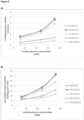
- Intracellular TG2 is increased inNRK52E-cells at hyperglycemic concentrations of 24 and 36 mM glucose ( Fig.1A , 0 ⁇ M E06 ). With increasing concentrations of E06 the TG2 activity determined in the cell homogenates decreases ( Fig.1A , 10 - 100 ⁇ M E06 ) . Production of extracellular matrix protein increases at hyperglycemic concentrations ( Fig.1B , 0 ⁇ M E06 ). The increase of ECM was reduced in a dose dependent manner by the addition of E06 to the culture medium.
- Intracellular TG2 is increased inNRK52E-cells at hyperglycemic concentrations of 24 and 36 mM glucose ( Fig.2A , 0 ⁇ M E22 ). With increasing concentrations of E22 the TG2 activity determined in the cell homogenates decreases ( Fig.2A , 10 - 100 ⁇ M E22 ).
- tissue transglutaminase inhibition using reversible tissue transglutaminase blocker E06 and E22 reduce transglutaminase activity and reduces ECM accumulation.
- E06 and E22 have an antifibrotic effect in proximal tubular epithelial cells.
- Thromboelastometry is a visco-elastic method for the assessment of blood coagulation.
- whole blood parameters like clotting time (CT), clot formation time (CFT), maximum clot firmness (MCF) and lysis index at 60 min (LI 60 ) were obtained using the ROTEM ® delta device according to the manufacturer.
- tissue plasminogen activator t-PA, Zedira product P0166
- 20 ⁇ L star-TEM ® 0.2 mol/l CaCl 2
- 20 ⁇ L r ex-TEM ® recombinant tissue factor, phospholipids, heparin inhibitor
- 10 ⁇ L inhibitor stock solution 1.8 - 0.23 mM
- 10 ⁇ L t-PA stock solution 0.72 ⁇ g/ml
- the inhibitor stock solution was replaced by 36 % DMSO / 0.36 ⁇ g/ml t-PA in PBS.
- Figure 3A and Figure 4A show dose dependent influence of compounds E25 and E27 on the reduction of maximum clot firmness (MCF) compared to control (K).
- Figure 3B and Figure 4B show dose dependent influence of compounds E25 and E27 on the clot lysis at 60 minutes ( LI 60 ) in the presence of 0.02% t-PA.
- the inhibitor was removed stepwise using Vivaspin ® centriufugal concentrators (VS2022, Sartorius Stedim) while the molecular weight of the TG2 prevents passing the ultrafiltration membrane.
- Vivaspin ® centriufugal concentrators VS2022, Sartorius Stedim
- recombinant human tissue transglutaminase Zedira, T002 was incubated with the inhibitor E16 at 1.6 ⁇ M.
- the transglutaminase activity was determined using the casein / dansylcadaverine assay (Zedira, T036).
- buffer was added to dilute the inhibitor within the reaction mixture as shown in table 5.
- the irreversible-reversible inhibitor pair Z007 and E57 was further compared using a neurite outgrowth assay (Merck, #NS220) with mouse neuroblastoma cell line N1E-115.
- Laminin-coated Millicell ® 12-well inserts were placed in a 12 well plate containing 1.2 mL differentiation medium (Merck, NS002). Then, 300 ⁇ L of a 10 6 N1E-115-cells/mL suspension were added.
- Differentiation medium contained 0 ⁇ M, 75 ⁇ M and 150 ⁇ M Nocadazole as positive controls, and 100 ⁇ M, 250 ⁇ M and 500 ⁇ M of inhibitors Z007 or E57. Nocodazole interferes with the polymerization of microtubules resulting in an antineoplastic effect.
- the plates were incubated at 37°C for 48 hours. Then the insert was transferred to a new 12 well plate with 1,200 ⁇ L of PBS per plate and finally to a plate with 400 ⁇ L of -20°C methanol per well, where the cells were fixed for 20 min at room temperature. After rinsing with PBS, the insert was stained with Neurite Staining Solution for 20 min. After rinsing the inserts in PBS cell bodies were carefully swabbed off and inserts were washed again in PBS. Inserts were then transferred into 15 mL tubes and 100 ⁇ L Neurite Stain Extraction Buffer were added to the top of the inserts. After 5 min incubation at ambient temperature, tubes were centrifuged for 1 min at 1,200 rpm. Finally 75 ⁇ L extraction buffer were removed and the absorbance was determined at 590 nm.
- Htt Insoluble protein aggregates composed of the protein huntingtin (htt) are a hallmark of Chorea Huntington. Htt is characterized by polyglutamine (polyQ)-expansions, triggering aggregation and serving as substrate for transglutaminase catalyzed cross-linking.
- polyQ polyglutamine
- N2a cells (mouse neuroblastoma cell line) transfected with Htt-exon1-97Q were grown in Dulbecco's modified Eagle's medium (DMEM) supplemented with 10% fetal calf serum, 1 mM glutamine, 100 ⁇ g/mL streptomycin, and 100 U/mL penicillin in a humidified incubator with 5% CO 2 at 37°C.
- DMEM Dulbecco's modified Eagle's medium
- cells were harvested in 0.5mL cold PBS, centrifugated, resuspended in 70 mM Tris-HCl pH 6.8, 1.5% SDS, 20% glycerol and lysed through sonication. DTT was added to a final concentration of 50 mM and the sample was boiled for 10 min in a ThermoMixer ® at 1000 rpm, followed by centrifugation for 1 h at 14,000 rpm. The supernatant was transferred to a new tube and was stored at 4°C before coating of microtiter plates.
- SDS-soluble and formic acid soluble extracts were used subsequently for coating of 96-well micro-titer-plates. Therefore, 100 ⁇ L of the cell extracts were added in each well and incubated over night at 4°C. After washing with Tris-buffered saline, 0.1% Tween 20, plates were blocked with 150 ⁇ L 1%-BSA-solution in PBS for 60 min at 37°C. After washing, 100 ⁇ L detection antibody was added and incubated for 60 min at ambient temperature. This solution was removed, the plates washed again intensively and secondary antibody was applied (goat anti-mouse IgG-HRP-conjugate) for a further 30 minutes at ambient temperature.
- the plates were intensively washed and 100 ⁇ L substrate solution (TMB-H 2 O 2 ) was added. After incubation for 60 min at room temperature the reaction was stopped by the addition of 0.2 M sulfuric acid. Extinction was measured at 450 nm in a plate reader device.
- Htt-exon1-97Q - transfected N2a-cells were grown in presence of 150 or 300 ⁇ M TG2-blocker E22 .
- SDS-soluble and formic acid soluble extracts were generated and huntingtin and cross-links (isopeptide bonds) were determined in an ELISA-format as described above.
- E22 reduces protein cross-linking in a dose dependent manner.
- the increasing amount of htt protein in the SDS-soluble fraction may be explained by reduced enzymatic cross-linking of htt, which keeps the protein soluble, because concomitantly htt-protein is reduced in the formic acid soluble fraction.
- TG2-blocker E22 supports the potential of reversible acting transglutaminase blockers for treatment of neurodegenerative disorders characterized by cross-linked insoluble protein aggregates.
- Extracellular matrix deposition is a hallmark in pulmonary fibrosis.
- the BEAS-2B cell line is derived from normal human bronchial epithelium.
- LPS lipopolysaccharides
- BEAS-2B cells were grown at 37°C and 5% CO 2 in 25mM HEPES-buffered M199-medium (Merck, Darmstadt) containing 10% FBS, 100 mg/ml streptomycin, 2 mM glutamine, 100 U/ml penicillin (supplemented with 2.5 mg/ml apotransferrin, 20 ng/ml human epidermal growth factor (EGF), 2.5 mg/ml insulin, and 0.361 mg/ml hydrocortisone).
- EMT epithelial-to-mesenchymal transition
- cells were seeded at 80% confluence on six-well plates. After one day cultivation 4 ⁇ g/mL LPS as well as 0 ⁇ M, 100 ⁇ M or 200 ⁇ M E22 were added and then incubated for further 72 h.
- Transglutaminase activity measured in LPS-stimulated BEAS-2B-cells showed dose dependent reduction upon addition of increasing amounts of E22 to the culture medium ( Fig. 7A ).
- Liver fibrosis is characterized by the formation of scar tissue as a response to liver damage.
- Activated hepatic stellate cells are the major cell type in liver fibrosis, deposing extracellular matrix protein, essentially collagens, in the space of Disse (perisinusoidal space).
- Hepatic fibrosis is the result of inflammation as a response to liver injury. Inflammation is characterized by HSC activation to a myofibroblast-like phenotype.
- Human hepatic stellate cell line LX-2 was cultured on standard plastic 6 well plates in Dulbecco's Modified Eagle's Medium containing 100 ⁇ g/mL streptomycin, 100 units/ml penicillin, 2 mM glutamine, and 10% (v/v) fetal calf serum. E22 was added to a concentration of 0 ⁇ M, 100 ⁇ M and 200 ⁇ M. Cells were grown at 37°C and 5% CO 2 humidified atmosphere. Medium was exchanged every two days. After 12 days cells were harvested and analyzed for TG2-activity and extracellular matrix deposition as described above for the demonstration of the antifibrotic effect on renal cells.
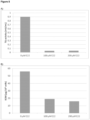
- Transglutaminase activity was reduced to ⁇ 5% of the inhibitor free control already at 100 ⁇ M reversible transglutaminase-inhibitor E22 in the culture medium ( Fig. 8A ).
- the extracellular matrix deposition on the plates was reduced to about 30% of control at both E22 concentrations.
- TG2-inhibition of HSCs reduces deposition of extracellular matrix proteins. TG2-inhibition may therefore provide an antifibrotic effect on liver fibrosis.
Landscapes
- Chemical & Material Sciences (AREA)
- Organic Chemistry (AREA)
- Health & Medical Sciences (AREA)
- Life Sciences & Earth Sciences (AREA)
- Medicinal Chemistry (AREA)
- General Health & Medical Sciences (AREA)
- Molecular Biology (AREA)
- Biophysics (AREA)
- Proteomics, Peptides & Aminoacids (AREA)
- Genetics & Genomics (AREA)
- Biochemistry (AREA)
- Veterinary Medicine (AREA)
- Pharmacology & Pharmacy (AREA)
- Animal Behavior & Ethology (AREA)
- Engineering & Computer Science (AREA)
- Public Health (AREA)
- Bioinformatics & Cheminformatics (AREA)
- Chemical Kinetics & Catalysis (AREA)
- General Chemical & Material Sciences (AREA)
- Nuclear Medicine, Radiotherapy & Molecular Imaging (AREA)
- Hematology (AREA)
- Epidemiology (AREA)
- Diabetes (AREA)
- Crystallography & Structural Chemistry (AREA)
- Pharmaceuticals Containing Other Organic And Inorganic Compounds (AREA)
- Medicines That Contain Protein Lipid Enzymes And Other Medicines (AREA)
- Enzymes And Modification Thereof (AREA)
- Pyridine Compounds (AREA)
- Plural Heterocyclic Compounds (AREA)
- Nitrogen And Oxygen Or Sulfur-Condensed Heterocyclic Ring Systems (AREA)
- Peptides Or Proteins (AREA)
- Acyclic And Carbocyclic Compounds In Medicinal Compositions (AREA)
Claims (15)
- Eine Verbindung der allgemeinen Formel (I):
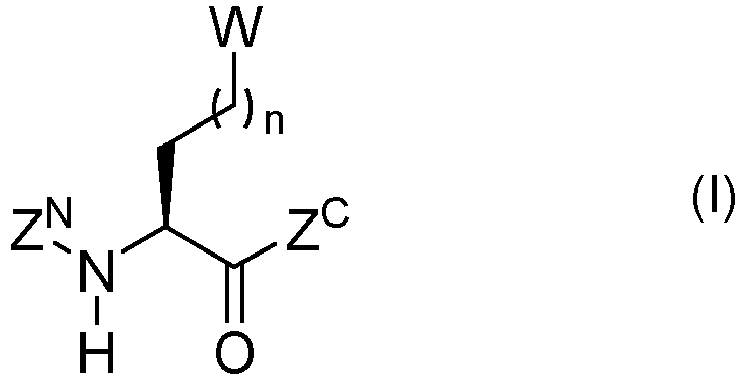 n eine ganze Zahl ausgewählt aus 1, 2 oder 3 ist;W
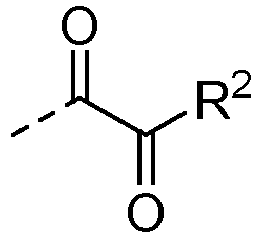 R2 -R1, -OR1, -NH2, -NH(R1), -NH(OR1) oder -N(R1)(R3) darstellt;R1 und R3 unabhängig voneinander -CH3, -CH2CH3, -CH2CH2CH3, -CH(CH3)2, -CH2CH2CH2CH3, -CH2CH2CH2CH2CH3, -CH2CH2CH2CH2CH2CH3, -CH2CH2CH2CH2CH2CH2CH3, -CH2CH(CH3)2, -CH(CH3)CH2CH3, -CH(C2H5)2, -CH2CH(C2H5)2, -C(CH3)3, -CH2-C(CH3)3, -cyclo-C3H5, -cyclo-C4H7, -cyclo-C5H9, -cyclo-C6H11, -CH2-cyclo-C3H5, -CH2-cyclo-C4H7, -CH2-cyclo-C5H9, -CH2-cyclo-C6H11, -Ph, -CH2-Ph, -CH2OCH3, -CH2OCH2CH3, -CH2CH2OCH3, -CH2CH2OCH2CH3, -CH2CO2CH3, -CH2CO2CH2CH3, -CH2CH2NHCH3, -CH2CH2N(CH3)2, -CH2S(O)2-(4-methyl-phenyl),
 -N(R1)(R3)
 ZN EN -, EN-ASN1-, EN-ASN2-ASN1-, EN-ASN3-ASN2-ASN1- oder EN-ASN4-ASN3-ASN2-ASN1- darstellt;ZC -ASC1-EC -ASC1-ASC2-EC, -ASC1-ASC2-ASC3-EC ,-ASC1-ASC2-ASC3-ASC4-EC, -ASC1-ASC2-ASC3-ASC4-ASC5-EC , -ASC1-ASC2-ASC3-ASC4-ASC5-ASC6-EC , -ASC1-ASC2-ASC3-ASC4-ASC5-ASC6-ASC7-EC, -ASC1-ASC2-ASC3-ASC4-ASC5-ASC6-ASC7-ASC8-EC , -NR9R10, -NHSO2R11, -O-L1-R8 -O-L1-O-R8, -NH-L1-O-R8, -NH-L1-NR9R10, -NHSO2-L1-R11,


 ASC1 - ASC8 und ASN1 - ASN4 unabhängig voneinander ausgewählt werden aus der Gruppe bestehend aus:





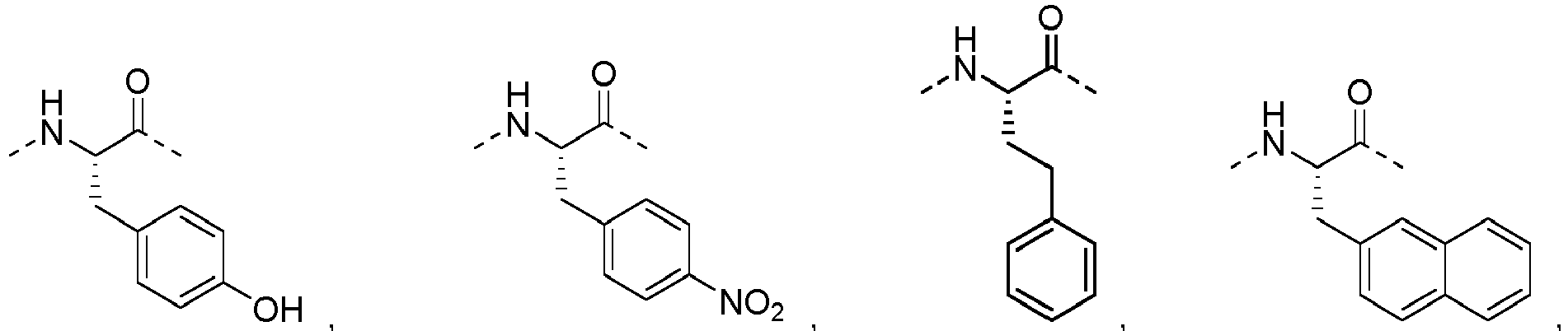


 EC ausgewählt wird aus C-terminalen Gruppen bestehend aus: -OR8, -NR9R10, -NHSO2R11, -O-L1-R8, -O-L1-O-R8, -NH-L1-O-R8, -NH-L1-NR9R10, -NHSO2-L1-R11,


 EN ausgewählt wird aus N-terminalen Gruppen bestehend aus: -H, -COCF3, -CH3, -C2H5, -C3H7, -CH(CH3)2, -CH(C2H5)2, -C4H9, -C5H11, -C6H13, -CH2-CH(CH3)2, -CH2-CH(C2H5)2, -CH(CH3)-C2H5, -C(CH3)3, -CH2-C(CH3)3, -cyclo-C3H5, -cyclo-C4H7, -cyclo-C5H9, -cyclo-C6H11, -CH2-cyclo-C3H5, -CH2-cyclo-C4H7, -CH2-cyclo-C5H9, -CH2-cyclo-C6H11, -Ph, -CH2-Ph, -CH2F, -CHF2, -CF3, -CH2Cl, -CH2Br, -CH2I, -CH2-CH2F, -CH2-CHF2, -CH2-CF3, -CH2-CH2Cl, -CH2-CH2Br, -CH2-CH2I, -CH2-CH=CH2, -CH2-C≡CH, -CHO, -COCH3, -COC2H5, -COC3H7, -COCH(CH3)2, -COCH(C2H5)2, -COC4H9, -COC5H11, -COC6H13, -COCH2-CH(CH3)2, -COCH2-CH(C2H5)2, -COCH(CH3)-C2H5, -COC(CH3)3, -COCH2-C(CH3)3, -CO-cyclo-C3H5, -CO-cyclo-C4H7, -CO-cyclo-C5H9, -CO-cyclo-C6H11, -COCH2-cyclo-C3H5, -COCH2-cyclo-C4H7, -COCH2-cyclo-C5H9, -COCH2-cyclo-C6H11, -COPh, -COCH2-Ph, -COOCH3, -COOC2H5, -COOC3H7, -COOCH(CH3)2, -COOCH(C2H5)2, -COOC4H9, -COOC5H11, -COOC6H13, -COOCH2-CH(CH3)2, -COOCH2-CH(C2H5)2, -COOCH(CH3)-C2H5, -COOC(CH3)3, -COOCH2-C(CH3)3, -COO-cyclo-C3H5, -COO-cyclo-C4H7, -COO-cyclo-C5H9, -COO-cyclo-C6H11, -COOCH2-cyclo-C3H5, -COOCH2-cyclo-C4H7, -COOCH2-cyclo-C5H9, -COOCH2-cyclo-C6H11, -COOPh, -COOCH2-Ph,


 unter der Bedingungen, dass wenn ZN EN ist und ZC EC ist, dann EC nicht -OR8 ist und/oder EN nicht -H ist;R4 , R5 und R6 unabhängig voneinander -H, -F, -Cl, -Br, -I, -CH3, -CH2CH3, -CH(CH3)2, -cyclo-C3H5, -OCH3, -OCH2CH3, -OCH(CH3)2, -O-cyclo-C3H5, -CF3, -CF2CF3, -OCHF2, -OCF3, -OCF2CF3, -OH, -CN, -CHO, -COCH3, -COCH2CH3, -COCH(CH3)2, -COCH2F, -COCH2Cl, -COCF3, -COCCl3, -CO2H, -CO2H, -CO2Me, -CO2CH2CH3, -CO2CH(CH3)2, -OCOCH3, -OCOCH2CH3, -OCOCH(CH3)2, -OCOCF3, -OCOCCl3, -NH2, -NHCH3, -N(CH3)2, -NHCH2CH3, -NHCH(CH3)2, -N(CH2CH3)2, -NH-cyclo-C3H5, -NHCOCH3, -NHCOCF3, -NHSO2CH3, -NHSO2CF3, -SCH3, -SCH2CH3, -SCH(CH3)2, -S-cyclo-C3H5, -SOCH3, -SOCF3, -SO2CH3, -SO2CF3, -SO2NH2, -SO2NHCH3, -SO2N(CH3)2, -SO2NHCH2CH3, -SO2NHCH(CH3)2, -SO2NH-cyclo-C3H5 oder -SO2N(CH2CH3)2 darstellen, oderR4 und R5 oder R5 und R6 gemeinsam die folgenden Fünf- oder Sechsringe bilden:
 R7 -H, -CH2CO2H, -CH2CH2CO2H, -CH2CH2CH2CO2H, -CH2CONH2, -CH2CH2CONH2 oder -CH2NHCONH2 darstellt;R8, R9, R10 und R11 unabhängig voneinander -H, -CH3, -CH2CH3, -CH2CH2CH3, -CH(CH3)2, -CH(C2H5)2, -CH2CH(CH3)2, -CH2-CH(C2H5)2, -C4H9, -C5H11, -C6H13, -CH(CH3)-C2H5, -C(CH3)3, -CH2-C(CH3)3,



 R12 - R29 unabhängig voneinander -H, -F, -Cl, -Br, -I, -OH, -CN, -NO2, -CH3, -C2H5, -C3H7, -CH(CH3)2, -C4H9, -CH2-CH(CH3)2, -CH(CH3)-C2H5, -C(CH3)3, -cyclo-C3H5, -CH2-cyclo-C3H5, -CH2F, -CHF2, -CF3, -CH2Cl, -CH2Br, -CH2I, -CH2-CH2F, -CH2-CHF2, -CH2-CF3, -CH2-CH2Cl, -CH2-CH2Br, -CH2-CH2I, -OCH3, -OC2H5, -OC3H7, -OCH(CH3)2, -OC(CH3)3, -OC4H9, -OCHF2, -OCF3, -OCH2CF3, -OC2F5, -OCH2OCH3, -O-cyclo-C3H5, -OCH2-cyclo-C3H5, -O-C2H4-cyclo-C3H5, -CHO, -COCH3, -COCF3, -COC2H5, -COC3H7, -COCH(CH3)2, -COC(CH3)3, -COOH, -COOCH3, -COOC2H5, -COOC3H7, -COOCH(CH3)2, -COOC(CH3)3, -OOC-CH3, -OOC-CF3, -OOC-C2H5, -OOC-C3H7, -OOC-CH(CH3)2, -OOC-C(CH3)3, -NH2, -NHCH3, -NHC2H5, -NHC3H7, -NHCH(CH3)2, -NHC(CH3)3, -N(CH3)2, -N(C2H5)2, -N(C3H7)2, -N[CH(CH3)2]2, -N[C(CH3)3]2, -NHCOCH3, -NHCOCF3, -NHCOC2H5, -NHCOC3H7, -NHCOCH(CH3)2, -NHCOC(CH3)3, -CONH2, -CONHCH3, -CONHC2H5, -CONHC3H7, -CONHCH(CH3)2, -CONH-cyclo-C3H5, -CONHC(CH3)3, -CON(CH3)2, -CON(C2H5)2, -CON(C3H7)2, -CON[CH(CH3)2]2, -CON[C(CH3)3]2, -SO2NH2, -SO2NHCH3, -SO2NHC2H5, -SO2NHC3H7, -SO2NHCH(CH3)2, -SO2NH-cyclo-C3H5, -SO2NHC(CH3)3, -SO2N(CH3)2, -SO2N(C2H5)2, -SO2N(C3H7)2, -SO2N[CH(CH3)2]2, -SO2N[C(CH3)3]2, -NHSO2CH3, -NHSO2CF3, -NHSO2C2H5, -NHSO2C3H7, -NHSO2CH(CH3)2, -NHSO2C(CH3)3, -CH=CH2, -CH2-CH=CH2, -C(CH3)=CH2, -CH=CH-CH3, -C≡CH, -C≡C-CH3, -CH2-C≡CH, -Ph, -O-Ph, -O-CH2-Ph,
 oder R12 und R13, R13 und R14, R24 und R25, R25 und R26, R27 und R28, R28 und R29 gemeinsam die folgenden Fünf- oder Sechsringe bilden können, wenn R12-R14, R24-R29 an sechsgliedrigen Ringen substituiert sind:
 RN -H, -CH3, -C2H5, -C3H7, -CH(CH3)2, -C4H9, -CH2-CH(CH3)2, -CH(CH3)-C2H5, -C(CH3)3, -cyclo-C3H5, -CH2-cyclo-C3H5, -CH2F, -CHF2, -CF3, -CH2Cl, -CH2Br, -CH2I, -CH2-CH2F, -CH2-CHF2, -CH2-CF3, -CH2-CH2Cl, -CH2-CH2Br, -CH2-CH2I, -CH2-CH=CH2, -CH2-C≡CH, -CHO, -COCH3, -COC2H5, -COC3H7, -COCH(CH3)2, -COC(CH3)3, -COOCH3, -COOC2H5, -COOC3H7, -COOCH(CH3)2, -COOC(CH3)3,

 RN1 - RN4 unabhängig voneinander -H, -CH3, -C2H5, -C3H7, -CH(CH3)2, -C4H9, -CH2-CH(CH3)2, -CH(CH3)-C2H5, -C(CH3)3, -cyclo-C3H5, -CH2-cyclo-C3H5, -CH2F, -CHF2, -CF3, -CH2Cl, -CH2Br, -CH2I, -CH2-CH2F, -CH2-CHF2, -CH2-CF3, -CH2-CH2Cl, -CH2-CH2Br, -CH2-CH2I, -CH2-CH=CH2, -CH2-C≡CH, -CH2Ph, -CHO, -COCH3, -COC2H5, -COC3H7, -COCH(CH3)2, -COC(CH3)3, -COOCH3, -COOC2H5, -COOC3H7, -COOCH(CH3)2, -COOC(CH3)3 oder -COOCH2Ph darstellen;L1 -CH2-, -CH(CH3)-, -CH(CH3)2-, -CO-, -SO-, -SO2-,


 L2 - L8 unabhängig voneinander eine kovalente Bindung, -CH2-, -CH(CH3)-, -CH(CH3)2-, -CO-, -SO-, -SO2-,


 L9 und L10 unabhängig voneinander eine kovalente Bindung, -CH2-, -CH2CH2-, -CO-, -CH2CO-, -COCH2-, -CO-CH=CH-, -COO-, -O-CO-, -CH2CO2-, -CO2CH2-, -CONH-, -NHCO-, -CH2CONH-, -CONHCH2-, -CSNH-, -NHCS-, -SO2-, -SO2CH2-, -SO2NH- oder -SO2NHCH2- sind;oder ein Diastereomer, ein Enantiomer, eine Mischung von Diastereomeren, eine Mischung von Enantiomeren, Racemate, Solvate, Hydrate oder pharmazeutisch verträgliche Salze davon;unter der Bedingung, dass die folgende Verbindung ausgeschlossen ist:
- Die Verbindung gemäß Anspruch 1 mit einer der folgenden Formeln (II-1) - (II-5):


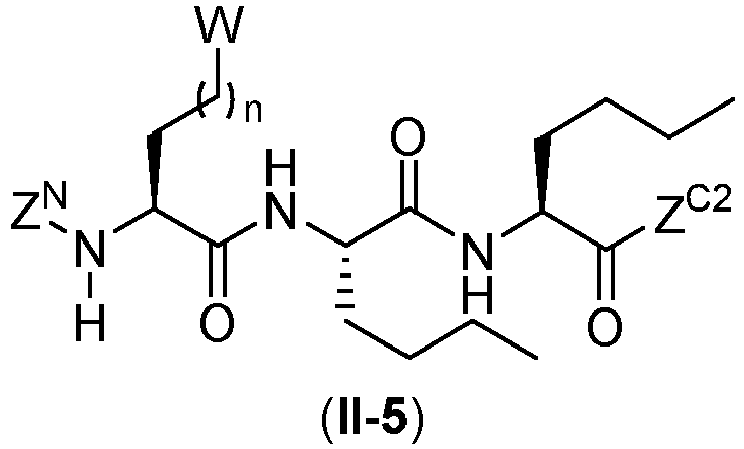 ZC2 -EC , -ASC3-EC , -ASC3-ASC4-EC , -ASC3-ASC4-ASC5-EC , -ASC3-ASC4-ASC5-ASC6-EC , -ASC3-ASC4-ASC5-ASC6-ASC7-EC , or -ASC3-ASC4-ASC5-ASC6-ASC7-ASC8-EC darstellt;ZN EN -, EN-ASN1-, EN-ASN2-ASN1-, EN-ASN3-ASN2-ASN1- oder EN-ASN4-ASN3-ASN2-ASN1- darstellt;bevorzugt ist ZN EN- oder EN-ASN1-; undEC , EN , n, ASC3 - ASC8 , ASN1 - ASN4 und W die gleichen Bedeutungen haben wie in Anspruch 1 definiert.
 - Die Verbindung gemäß Anspruch 1 oder 2 mit einer der folgenden Formeln (III-1) - (III-5):


 ZC3 -EC , -ASC4-EC , -ASC4-ASC5-EC , -ASC4-ASC5-ASC6-EC , -ASC4-ASC5-ASC6-ASC7-EC, oder -ASC4-ASC5-ASC6-ASC7-ASC8-EC darstellt;ZN EN -, EN-ASN1-, EN-ASN2-ASN1-, EN-ASN3-ASN2-ASN1-, oder EN-ASN4-ASN3-ASN2-ASN1- darstellt; undEC , EN , n, ASC4 - ASC8 , ASN1 - ASN4 und W die gleichen Bedeutungen haben wie in Anspruch 1 definiert.
 - Die Verbindung gemäß einem der Ansprüche 1 bis 3 mit einer der Formeln (VI-1) - (VI-5):


 ZN EN - oder EN-ASN1- darstellt;ZC3 -EC , -ASC4-EC, -ASC4-ASC5-EC oder -ASC4-ASC5-ASC6-EC darstellt; R2 -OCH3, -NH2, -NHCH3, -NHCH2CH3, -NHCH2CH2CH3, -NHCH2CH2CH2CH3, -NHCH2CH2CH2CH2CH3, -NH-cyclo-C3H5, oder -NHCH2Ph darstellt; undASC4 - ASC6, ASN1 , EC und EN die gleichen Bedeutungen haben wie in Anspruch 1 definiert.
 - Die Verbindung gemäß Anspruch 1 oder 2 mit einer der Formeln (VII-3) - (VII-4):
 R2 -OCH3, -NH2, -NHCH3, -NHCH2CH3, -NHCH2CH2CH3, -NHCH2CH2CH2CH3, -NHCH2CH2CH2CH2CH3, -NH-cyclo-C3H5, oder -NHCH2Ph darstellt; undZN1 EN- oder EN-ASN2- darstellt;ZC2 -EC, -ASC3-EC , -ASC3-ASC4-EC , -ASC3-ASC4-ASC5-EC , oder -ASC3-ASC4-ASC5-ASC6-EC darstellt;ASC3 - ASC6 , ASN2 , EC und EN die gleichen Bedeutungen haben wie in Anspruch 1 definiert.
 - Verbindungen der Formel (IX):
 ZC1 -EC oder -ASC2-EC darstellt;ASC2 , EC , R4 - R7 , W und ZN die gleichen Bedeutungen haben wie in Anspruch 1 definiert.
 - Die Verbindung gemäß Anspruch 6 mit der Formel (XI-3):
 ZC1 -EC darstellt;ZN EN- oder EN-ASN1 darstellt;R2 -CH3, -CH2CH3, -CH(CH3)2, -cyclo-C3H5, -Ph, -OCH3, -OCH2CH3, -NH2, -NHCH3, -N(CH3)2, -NH-cyclo-C3H5, -NH-CH2Ph, -NC(CH3)3, -NH-C5H11, -NHCH2OCH3, -NHCH2CH2OCH3, -NHCH2CO2OCH3 oder-NH-OCH2-cyclo-C5H9 darstellt; undR4 , R5 und R6 unabhängig voneinander -H, -F, -Cl, -Br, -I, -CH3, -CH2CH3, -CH(CH3)2, -cyclo-C3H5, -OCH3, -CF3, -OCF3, -OH, -CN, -COCH3, -CO2H, -CO2Me, -OCOCH3, -NH2, -NHCH3, -N(CH3)2, -NHCOCH3, -NHCOCF3, -NHSO2CH3, -NHSO2CF3, -SCH3, -SO2CH3, -SO2CF3, -SO2NH2, -SO2NHCH3 oder -SO2N(CH3)2 darstellen;R7 -H oder -CH2CH2CO2H darstellt; undASN1, EC und EN die gleichen Bedeutungen haben wie in Anspruch 1 definiert.
 - Die Verbindung gemäß Anspruch 1 mit der Formel (XIII):
 n eine ganze Zahl ausgewählt aus 1, 2 oder 3 ist;W
 R2 -R1, -OR1, -NH2, -NH(R1) oder -N(R1)(R3) darstellt;R1 und R3 unabhängig voneinander -CH3, -CH2CH3, -CH2CH2CH3, -CH(CH3)2, -CH2CH2CH2CH3, -CH2CH2CH2CH2CH3, -CH2CH2CH2CH2CH2CH3, -CH2CH2CH2CH2CH2CH2CH3, -CH2CH(CH3)2, -CH(CH3)CH2CH3, -CH(C2H5)2, -CH2CH(C2H5)2, -C(CH3)3, -CH2-C(CH3)3, -cyclo-C3H5, -cyclo-C4H7, -cyclo-C5H9, -cyclo-C6H11, -CH2-cyclo-C3H5, -CH2-cyclo-C4H7, -CH2-cyclo-C5H9, -CH2-cyclo-C6H11, -Ph, -CH2-Ph, -CH2OCH3, -CH2OCH2CH3, -CH2CH2OCH3, -CH2CH2OCH2CH3, -CH2CO2CH3, -CH2CO2CH2CH3, -CH2CH2NHCH3, -CH2CH2N(CH3)2, -CH2S(O)2-(4-methyl-phenyl),
 -N(R1)(R3)
 R19 - R20 unabhängig voneinander -H, -F, -Cl, -Br, -I, -OH, -CN, -NO2, -CH3, -C2H5, -C3H7, -CH(CH3)2, -C4H9, -CH2-CH(CH3)2, -CH(CH3)-C2H5, -C(CH3)3, -cyclo-C3H5, -CH2-cyclo-C3H5, -CH2F, -CHF2, -CF3, -CH2Cl, -CH2Br, -CH2I, -CH2-CH2F, -CH2-CHF2, -CH2-CF3, -CH2-CH2Cl, -CH2-CH2Br, -CH2-CH2I, -OCH3, -OC2H5, -OC3H7, -OCH(CH3)2, -OC(CH3)3, -OC4H9, -OCHF2, -OCF3, -OCH2CF3, -OC2F5, -OCH2OCH3, -O-cyclo-C3H5, -OCH2-cyclo-C3H5, -O-C2H4-cyclo-C3H5, -CHO, -COCH3, -COCF3, -COC2H5, -COC3H7, -COCH(CH3)2, -COC(CH3)3, -COOH, -COOCH3, -COOC2H5, -COOC3H7, -COOCH(CH3)2, -COOC(CH3)3, -OOC-CH3, -OOC-CF3, -OOC-C2H5, -OOC-C3H7, -OOC-CH(CH3)2, -OOC-C(CH3)3, -NH2, -NHCH3, -NHC2H5, -NHC3H7, -NHCH(CH3)2, -NHC(CH3)3, -N(CH3)2, -N(C2H5)2, -N(C3H7)2, -N[CH(CH3)2]2, -N[C(CH3)3]2, -NHCOCH3, -NHCOCF3, -NHCOC2H5, -NHCOC3H7, -NHCOCH(CH3)2, -NHCOC(CH3)3, -CONH2, -CONHCH3, -CONHC2H5, -CONHC3H7, -CONHCH(CH3)2, -CONH-cyclo-C3H5, -CONHC(CH3)3, -CON(CH3)2, -CON(C2H5)2, -CON(C3H7)2, -CON[CH(CH3)2]2, -CON[C(CH3)3]2, -SO2NH2, -SO2NHCH3, -SO2NHC2H5, -SO2NHC3H7, -SO2NHCH(CH3)2, -SO2NH-cyclo-C3H5, -SO2NHC(CH3)3, -SO2N(CH3)2, -SO2N(C2H5)2, -SO2N(C3H7)2, -SO2N[CH(CH3)2]2, -SO2N[C(CH3)3]2, -NHSO2CH3, -NHSO2CF3, -NHSO2C2H5, -NHSO2C3H7, -NHSO2CH(CH3)2, -NHSO2C(CH3)3, -CH=CH2, -CH2-CH=CH2, -C(CH3)=CH2, -CH=CH-CH3, -C≡CH, -C≡C-CH3 oder -CH2-C≡CH darstellen;EN ausgewählt wird aus N-terminalen Gruppen bestehend aus:
-H, -COCH3, -COCF3, -CH3, -C2H5, -C3H7, -CH(CH3)2, -C4H9, -CH2-CH(CH3)2, -CH(CH3)-C2H5, -C(CH3)3, -cyclo-C3H5, -CH2-cyclo-C3H5, -CH2F, -CHF2, -CF3, -CH2Cl, -CH2Br, -CH2I, -CH2-CH2F, -CH2-CHF2, -CH2-CF3, -CH2-CH2Cl, -CH2-CH2Br, -CH2-CH2I, -CH2-CH=CH2, -CH2-C≡CH, -CHO, -COCH3, -COC2H5, -COC3H7, -COCH(CH3)2, -COC(CH3)3, -COOCH3, -COOC2H5, -COOC3H7, -COOCH(CH3)2, -COOC(CH3)3,


 RN -H, -CH3, -C2H5, -C3H7, -CH(CH3)2, -C4H9, -CH2-CH(CH3)2, -CH(CH3)-C2H5, -C(CH3)3, -cyclo-C3H5, -CH2-cyclo-C3H5, -CH2F, -CHF2, -CF3, -CH2Cl, -CH2Br, -CH2I, -CH2-CH2F, -CH2-CHF2, -CH2-CF3, -CH2-CH2Cl, -CH2-CH2Br, -CH2-CH2I, -CH2-CH=CH2, -CH2-C≡CH, -CHO, -COCH3, -COC2H5, -COC3H7, -COCH(CH3)2, -COC(CH3)3, -COOCH3, -COOC2H5, -COOC3H7, -COOCH(CH3)2, -COOC(CH3)3,

 R27 - R29 unabhängig voneinander
-H, -F, -Cl, -Br, -I, -OH, -CN, -NO2, -CH3, -C2H5, -C3H7, -CH(CH3)2, -C4H9, -CH2-CH(CH3)2, -CH(CH3)-C2H5, -C(CH3)3, -cyclo-C3H5, -CH2-cyclo-C3H5, -CH2F, -CHF2, -CF3, -CH2Cl, -CH2Br, -CH2I, -CH2-CH2F, -CH2-CHF2, -CH2-CF3, -CH2-CH2Cl, -CH2-CH2Br, -CH2-CH2I, -OCH3, -OC2H5, -OC3H7, -OCH(CH3)2, -OC(CH3)3, -OC4H9, -OCHF2, -OCF3, -OCH2CF3, -OC2F5, -OCH2OCH3, -O-cyclo-C3H5, -OCH2-cyclo-C3H5, -O-C2H4-cyclo-C3H5, -CHO, -COCH3, -COCF3, -COC2H5, -COC3H7, -COCH(CH3)2, -COC(CH3)3, -COOH, -COOCH3, -COOC2H5, -COOC3H7, -COOCH(CH3)2, -COOC(CH3)3, -OOC-CH3, -OOC-CF3, -OOC-C2H5, -OOC-C3H7, -OOC-CH(CH3)2, -OOC-C(CH3)3, -NH2, -NHCH3, -NHC2H5, -NHC3H7, -NHCH(CH3)2, -NHC(CH3)3, -N(CH3)2, -N(C2H5)2, -N(C3H7)2, -N[CH(CH3)2]2, -N[C(CH3)3]2, -NHCOCH3, -NHCOCF3, -NHCOC2H5, -NHCOC3H7, -NHCOCH(CH3)2, -NHCOC(CH3)3, -CONH2, -CONHCH3, -CONHC2H5, -CONHC3H7, -CONHCH(CH3)2, -CONH-cyclo-C3H5, -CONHC(CH3)3, -CON(CH3)2, -CON(C2H5)2, -CON(C3H7)2, -CON[CH(CH3)2]2, -CON[C(CH3)3]2, -SO2NH2, -SO2NHCH3, -SO2NHC2H5, -SO2NHC3H7, -SO2NHCH(CH3)2, -SO2NH-cyclo-C3H5, -SO2NHC(CH3)3, -SO2N(CH3)2, -SO2N(C2H5)2, -SO2N(C3H7)2, -SO2N[CH(CH3)2]2, -SO2N[C(CH3)3]2, -NHSO2CH3, -NHSO2CF3, -NHSO2C2H5, -NHSO2C3H7, -NHSO2CH(CH3)2, -NHSO2C(CH3)3, -CH=CH2, -CH2-CH=CH2, -C(CH3)=CH2, -CH=CH-CH3, -C≡CH, -C≡C-CH3, -CH2-C≡CH, -Ph, -O-Ph, -O-CH2-Ph,
 oder R24 und R25, R25 und R26, R27 und R28, R28 und R29 gemeinsam die folgenden Fünf- oder Sechsringe bilden können, wenn R24-R29 an einem sechsgliedrigen Ring substituiert sind:
- Die Verbindung gemäß Anspruch 8 mit der Formel (XIV-1)

n, W, EN und R 27 - R29 die gleichen Bedeutungen haben wie in Anspruch 8 definiert. - Verbindung gemäß Anspruch 1 ausgewählt aus der Gruppe bestehend aus:(S)-Methyl 2-((S)-1-((S)-2-((S)-2-acetamido-6-amino-5,6-dioxohexanamido)-3-methylbutanoyl)pyrrolidin-2-carboxamido)-4-methylpentanoat (E01),(S)-Methyl 2-((S)-1-((S)-2-((S)-6-amino-2-(benzyloxycarbonylamino)-5,6-dioxohexanamido)-3-methylbutanoyl)pyrrolidin-2-carboxamido)-4-methylpentanoat (E02),(S)-2-Acetamido-N1-((S)-5-amino-1-((2S,3R)-1-((S)-1-amino-3-methyl-1-oxobutan-2-ylamino)-3-methyl-1-oxopentan-2-ylamino)-1,5-dioxopentan-2-yl)-5-oxohexandiamid (E03),(S)-N1-(1-(2-(2-Ethylbutylamino)-2-oxoethyl)-2-oxo-1,2-dihydropyridin-3-yl)-2-(1-methyl-1H-imidazol-5-carboxamido)-5-oxohexandiamid (E04),(S)-2-(2-Brom-4-methylthiazol-5-carboxamido)-N1-(1-(2-(isopentylamino)-2-oxoethyl)-2-oxo-1,2-dihydropyridin-3-yl)-5-oxohexandiamid (E05),(S)-5-Acetamido-6-(4-(2-chlorphenyl)piperazin-1-yl)-2,6-dioxohexanamid (E06),(S)-1-Acetyl-N-((S)-6-amino-1-(4-(3-methylpyridin-2-yl)piperazin-1-yl)-1,5,6-trioxohexan-2-yl)pyrrolidin-2-carboxamid (E07),(S)-1 -((S)-2-((S)-1 -((4R,7S, 10S, 13S, 16S)-7-(4-Amino-3,4-dioxobutyl)-10,13-d ibuty I-4-(carboxymethyl)-18-methyl-2,5,8,11,14-pentaoxo-3,6,9,12,15-pentaazanonadecancarbonyl)pyrrolidin-2-carboxamido)-3-(1H-indol-3-yl)propanoyl)pyrrolidin-2-carbonsäure (E08),(S)-N1-((S)-1-((R)-2-((S)-2-((S)-2-Amino-1-cyclohexyl-2-oxoethylamino)-1-cyclohexyl-2-oxoethylcarbamoyl)piperidin-1-yl)-3,3-dimethyl-1-oxobutan-2-yl)-2-(6-hydroxy-5-nitronicotinamido)-5-oxohexandiamid (E09),3-((2S)-6-Amino-1-((2S)-3-cyclopropyl-1-((1R,2S)-2-((2S)-1-((2S)-2-(1-(2,6-dimethylphenoxy)propan-2-ylcarbamoyl)-2-methylpyrrolidin-1-yl)-1-oxopentan-2-ylcarbamoyl)-6,6-dimethyl-3-azabicyclo[3.1.0]hexan-3-yl)-1-oxopropan-2-ylamino)-1,5,6-trioxohexan-2-ylcarbamoyl)-5-nitrobenzoesäure (E10),(S)-N1-(1-(2-(2-Ethylbutylamino)-2-oxoethyl)-2-oxo-1,2-dihydropyridin-3-yl)-5-oxo-2-(pyrazin-2-carboxamido)hexandiamid (E11),(S)-2-Benzamido-N1-(1-(2-(2-ethylbutylamino)-2-oxoethyl)-2-oxo-1,2-dihydropyridin-3-yl)-5-oxohexandiamid (E12),(S)-N1-(1-(2-(2-Ethylbutylamino)-2-oxoethyl)-2-oxo-1,2-dihydropyridin-3-yl)-2-(2-methyl-5-nitrobenzamido)-5-oxohexandiamid (E13),(S)-N1-(1-(2-(2-Ethylbutylamino)-2-oxoethyl)-2-oxo-1,2-dihydropyridin-3-yl)-2-(4-methylthiazole-5-carboxamido)-5-oxohexandiamid (E14),(S)-2-(5-(Dimethylamino)-naphthalin-1-sulfonamido)-N1-(1-(2-(2-ethylbutylamino)-2-oxoethyl)-2-oxo-1,2-dihydropyridin-3-yl)-5-oxohexandiamid (E15),(S)-N1-(1-(2-(2-Ethylbutylamino)-2-oxoethyl)-2-oxo-1,2-dihydropyridin-3-yl)-N6-methyl-2-(1-methyl-1H-imidazol-5-carboxamido)-5-oxohexandiamid (E16),(S)-N1-Ethyl-N6-(1-(2-(2-ethylbutylamino)-2-oxoethyl)-2-oxo-1,2-dihydropyridin-3-yl)-5-(1-methyl-1H-imidazol-5-carboxamido)-2-oxohexandiamid (E17),(S)-N1-(1-(2-(2-Ethylbutylamino)-2-oxoethyl)-2-oxo-1,2-dihydropyridin-3-yl)-2-(1-methyl-1H-imidazole-5-carboxamido)-5-oxo-N6-pentylhexandiamid (E18),(S)-N1-Cyclopropyl-N6-(1-(2-(2-ethylbutylamino)-2-oxoethyl)-2-oxo-1,2-dihydropyridin-3-yl)-5-(1-methyl-1H-imidazole-5-carboxamido)-2-oxohexandiamid (E19),(S)-N1-Benzyl-N6-(1-(2-(2-ethylbutylamino)-2-oxoethyl)-2-oxo-1,2-dihydropyridin-3-yl)-5-(1-methyl-1H-imidazol-5-carboxamido)-2-oxohexandiamid (E20),(S)-N1-tert-Butyl-N6-(1-(2-(2-ethylbutylamino)-2-oxoethyl)-2-oxo-1,2-dihydropyridin-3-yl)-5-(1-methyl-1H-imidazol-5-carboxamido)-2-oxohexandiamid (E21),(S)-2-((S)-1-Acetylpyrrolidin-2-carboxamido)-N1-(1-(2-(2-ethylbutylamino)-2-oxoethyl)-2-oxo-1,2-dihydropyridin-3-yl)-5-oxo-N6-pentylhexandiamid (E22),(S)-2-Benzamido-N6-cyclopropyl-N1-(1-(2-(2-ethylbutylamino)-2-oxoethyl)-2-oxo-1,2-dihydropyridin-3-yl)-5-oxohexandiamid (E23),(S)-Methyl 2-((S)-1-((S)-2-((S)-2-benzamido-6-(cyclopropylamino)-5,6-dioxohexanamido)-3-methylbutanoyl)pyrrolidin-2-carboxamido)-4-methylpentanoat (E24),4-((S)-1-((S)-1-((S)-2-((S)-2-((S)-2-Amino-1-cyclohexyl-2-oxoethylamino)-1-cyclohexyl-2-oxoethylcarbamoyl)-4-oxopyrrolidin-1-yl)-3,3-dimethyl-1-oxobutan-2-ylamino)-6-(methylamino)-1,5,6-trioxohexan-2-ylcarbamoyl)nicotinsäure (E25),4-((S)-1-((S)-1-((S)-2-((S)-2-((S)-2-amino-1-cyclohexy1-2-oxoethylamino)-1-cyclohexyl-2-oxoethylcarbamoyl)-4-oxopyrrolidin-1-yl)-3,3-dimethyl-1-oxobutan-2-ylamino)-6-(ethylamino)-1,5,6-trioxohexan-2-ylcarbamoyl)nicotinsäure (E26),4-((S)-1-((S)-1-((S)-2-((S)-2-((S)-2-amino-1-cyclohexy1-2-oxoethylamino)-1-cyclohexyl-2-oxoethylcarbamoyl)-4-oxopyrrolidin-1-yl)-3,3-dimethyl-1-oxobutan-2-ylamino)-1,5,6-trioxo-6-(pentylamino)hexan-2-ylcarbamoyl)nicotinsäure (E27),4-((S)-1-((S)-1-((S)-2-((S)-2-((S)-2-amino-1-cyclohexyl-2-oxoethylamino)-1-cyclohexyl-2-oxoethylcarbamoyl)-4-oxopyrrolidin-1-yl)-3,3-dimethyl-1-oxobutan-2-yl-amino)-6-(cyclopropylamino)-1,5,6-trioxohexan-2-ylcarbamoyl)nicotinsäure (E28),4-((S)-1-((S)-1-((S)-2-((S)-2-((S)-2-Amino-1-cyclohexyl-2-oxoethylamino)-1-cyclohexyl-2-oxoethylcarbamoyl)-4-oxopyrrolidin-1-yl)-3,3-dimethyl-1-oxobutan-2-ylamino)-6-(benzylamino)-1,5,6-trioxohexan-2-ylcarbamoyl)nicotinsäure (E29),4-((S)-1-((S)-1-((S)-2-((S)-2-((S)-2-Amino-1-cyclohexyl-2-oxoethylamino)-1-cyclohexyl-2-oxoethylcarbamoyl)-4-oxopyrrolidin-1-yl)-3,3-dimethyl-1-oxobutan-2-ylamino)-6-(tert-butylamino)-1,5,6-trioxohexan-2-ylcarbamoyl)nicotinsäure (E30),4-((S)-6-Amino-1-((S)-1-((S)-2-((S)-2-((S)-2-amino-1-cyclohexyl-2-oxoethylamino)-1-cyclohexyl-2-oxoethylcarbamoyl)-4-oxopyrrolidin-1-yl)-3,3-dimethyl-1-oxobutan-2-ylamino)-1,5,6-trioxohexan-2-ylcarbamoyl)nicotinsäure (E31),(S)-N1-((S)-1-((S)-2-((S)-2-((S)-2-Amino-1-cyclohexyl-2-oxoethylamino)-1-cyclohexyl-2-oxoethylcarbamoyl)-4-oxopyrrolidin-1-yl)-3,3-dimethyl-1-oxobutan-2-yl)-N6-cyclopropyl-2-(2-methylthiazol-4-carboxamido)-5-oxohexandiamid (E32),(S)-N1-((S)-1-((2R,3S)-1-((S)-1-((S)-2-((S)-1-((S)-2-Carbamoylpyrrolidin-1-yl)-3-(1H-indol-3-yl)-1-oxopropan-2-ylcarbamoyl)pyrrolidin-1-yl)-4-methyl-1-oxopentan-2-ylamino)-3-methyl-1-oxopentan-2-ylamino)-4-methyl-1-oxopentan-2-yl)-N6-cyclopropyl-2-(2-methylthiazol-4-carboxamido)-5-oxohexandiamid (E33),(S)-2-(2-Acetamidoacetamido)-N1-((S)-1-((2S,3S)-1-((S)-1-((S)-2-((S)-1-amino-3-(1H-indol-3-yl)-1-oxopropan-2-ylcarbamoyl)pyrrolidin-1-yl)-4-methyl-1-oxopentan-2-ylamino)-3-methyl-1-oxopentan-2-ylamino)-1-oxohexan-2-yl)-N6-methyl-5-oxohexandiamid (E34),(S)-2-(2-((S)-1-Acetylpyrrolidin-2-carboxamido)acetamido)-N1-((S)-1-((2S,3S)-1-((S)-1-((S)-2-((S)-1-amino-3-(1H-indol-3-yl)-1-oxopropan-2-ylcarbamoyl)pyrrolidin-1-yl)-4-methyl-1-oxopentan-2-ylamino)-3-methyl-1-oxopentan-2-ylamino)-1-oxohexan-2-yl)-N6-methyl-5-oxohexandiamid (E35),(S)-2-(2-((S)-1-(2-Acetamidoacetyl)pyrrolidin-2-carboxamido)acetamido)-N1-((S)-1-((2S,3S)-1-((S)-1-((S)-2-((S)-1-amino-3-(1H-indol-3-yl)-1-oxopropan-2-ylcarbamoyl)pyrrolidin-1-yl)-4-methyl-1-oxopentan-2-ylamino)-3-methyl-1-oxopentan-2-ylamino)-1-oxohexan-2-yl)-N6-methyl-5-oxohexandiamid (E36),(S)-2-(2-((S)-1-(2-((S)-2-acetamido-4-methylpentanamido)acetyl)pyrrolidin-2-carboxamido)acetamido)-N1-((S)-1-((2S,3S)-1-((S)-1-((S)-2-((S)-1-amino-3-(1H-indol-3-yl)-1-oxopropan-2-ylcarbamoyl)pyrrolidin-1-yl)-4-methyl-1-oxopentan-2-ylamino)-3-methyl-1-oxopentan-2-ylamino)-1-oxohexan-2-yl)-N6-methyl-5-oxohexandiamid (E37),(S)-Methyl 2-(6-(1-(2-(2-ethylbutylamino)-2-oxoethyl)-2-oxo-1,2-dihydropyridin-3-ylamino)-5-(1-methyl-1H-imidazol-5-carboxamido)-2,6-dioxohexanamido)acetat (E38),(S)-N1-(1-(2-(2-Ethylbutylamino)-2-oxoethyl)-2-oxo-1,2-dihydropyridin-3-yl)-N6-(methoxymethyl)-2-(1-methyl-1H-imidazol-5-carboxamido)-5-oxohexandiamid (E39),(S)-N1-(1-(2-(2-Ethylbutylamino)-2-oxoethyl)-2-oxo-1,2-dihydropyridin-3-yl)-2-(1-methyl-1H-imidazol-5-carboxamido)-5-oxo-N6-(thiazol-5-yl)hexandiamid (E40),(S)-N1-(1-(2-(2-Ethylbutylamino)-2-oxoethyl)-2-oxo-1,2-dihydropyridin-3-yl)-2-(1-methyl-1H-imidazol-5-carboxamido)-5-oxo-N6-(tosylmethyl)hexandiamid (E41),(S)-N1-(1-(2-(2-Ethylbutylamino)-2-oxoethyl)-4-methyl-2-oxo-1,2-dihydropyridin-3-yl)-N6-methyl-2-(1-methyl-1H-imidazol-5-carboxamido)-5-oxohexandiamid (E42),(S)-N1-(1-(2-(2-Ethylbutylamino)-2-oxoethyl)-5-methyl-2-oxo-1,2-dihydropyridin-3-yl)-N6-methyl-2-(1-methyl-1H-imidazol-5-carboxamido)-5-oxohexandiamid (E43),(S)-N1-(1-(2-(2-Ethylbutylamino)-2-oxoethyl)-6-methyl-2-oxo-1,2-dihydropyridin-3-yl)-N6-methyl-2-(1-methyl-1H-imidazol-5-carboxamido)-5-oxohexandiamid (E44),(S)-N1-(5-Chlor-1-(2-(2-ethylbutylamino)-2-oxoethyl)-2-oxo-1,2-dihydropyridin-3-yl)-N6-methyl-2-(1-methyl-1H-imidazol-5-carboxamido)-5-oxohexandiamid (E45),(S)-N1-(5-Brom-1-(2-(2-ethylbutylamino)-2-oxoethyl)-2-oxo-1,2-dihydropyridin-3-yl)-N6-methyl-2-(1-methyl-1H-imidazol-5-carboxamido)-5-oxohexandiamid (E46),(S)-N1-(1-(2-(2-Ethylbutylamino)-2-oxoethyl)-2-oxo-5-(trifluoromethyl)-1,2-dihydropyridin-3-yl)-N6-methyl-2-(1-methyl-1H-imidazol-5-carboxamido)-5-oxohexandiamid (E47),(S)-1-Methyl-N-(6-(methylamino)-1,5,6-trioxo-1-(4-(phenylsulfonyl)piperazin-1-yl)hexan-2-yl)-1H-imidazol-5-carboxamid (E48),(S)-N1-(1-Benzylpiperidin-4-yl)-N6-methyl-2-(1-methyl-1H-imidazol-5-carboxamido)-5-oxohexandiamid (E49),(S)-N1-(1-(2-(Diethylamino)-2-oxoethyl)-2-oxo-1,2-dihydropyridin-3-yl)-N6-methyl-2-(1-methyl-1H-imidazol-5-carboxamido)-5-oxohexandiamid (E50),(S)-N1-Methyl-5-(1-methyl-1H-imidazol-5-carboxamido)-N6-(1-(2-(methylsulfonamido)-2-oxoethyl)-2-oxo-1,2-dihydropyridin-3-yl)-2-oxohexandiamid (E51),(S)-Ethyl-2-(3-(2-(1-methyl-1H-imidazol-5-carboxamido)-6-(methylamino)-5,6-dioxohexanamido)-2-oxopyridin-1(2H)-yl)acetat (E52),(S)-2-Methoxyethyl-2-(3-(2-(1-methyl-1H-imidazole-5-carboxamido)-6-(methylamino)-5,6-dioxohexanamido)-2-oxopyridin-1(2H)-yl)acetat (E53),(S)-N1-(1-(2-(Methoxymethylamino)-2-oxoethyl)-2-oxo-1,2-dihydropyridin-3-yl)-N6-methyl-2-(1-methyl-1H-imidazol-5-carboxamido)-5-oxohexandiamid (E54),(S)-N1-(1-(2-((Dimethylamino)methylamino)-2-oxoethyl)-2-oxo-1,2-dihydropyridin-3-yl)-N6-methyl-2-(1-methyl-1H-imidazol-5-carboxamido)-5-oxohexandiamid (E55),(S)-N1-(1-(2-(Ethylsulfonamido)-2-oxoethyl)-2-oxo-1,2-dihydropyridin-3-yl)-N6-methyl-2-(1-methyl-1H-imidazol-5-carboxamido)-5-oxohexandiamid (E56),(S)-Benzyl-1-(1-(2-(2-ethylbutylamino)-2-oxoethyl)-2-oxo-1,2-dihydropyridin-3-ylamino)-6-(methylamino)-1,5,6-trioxohexan-2-ylcarbamate (E57),(S)-tert-Butyl-1-(1-(2-(2-ethylbutylamino)-2-oxoethyl)-2-oxo-1,2-dihydropyridin-3-ylamino)-6-(methylamino)-1,5,6-trioxohexan-2-ylcarbamat (E58),(S)-4-(1-(1-(2-(2-Ethylbutylamino)-2-oxoethyl)-2-oxo-1,2-dihydropyridin-3-ylamino)-6-(methylamino)-1,5,6-trioxohexan-2-ylamino)-4-oxobutansäure (E59),(S)-N1-(1-(2-(2-Ethylbutylamino)-2-oxoethyl)-2-oxo-1,2-dihydropyridin-3-yl)-N6-methyl-5-oxo-2-((S)-4-oxopyrrolidin-2-carboxamido)hexandiamid (E60),(S)-N1-(1-(2-(2-Ethylbutylamino)-2-oxoethyl)-2-oxo-1,2-dihydropyridin-3-yl)-2-(furan-3-carboxamido)-N6-methyl-5-oxohexandiamid (E61),(S)-N1-(1-(2-(2-Ethylbutylamino)-2-oxoethyl)-2-oxo-1,2-dihydropyridin-3-yl)-N6-methyl-2-(oxazol-5-carboxamido)-5-oxohexandiamid (E62),(S)-N1-(1-(2-(2-Ethylbutylamino)-2-oxoethyl)-2-oxo-1,2-dihydropyridin-3-yl)-N6-methyl-2-(1-methylpiperidin-4-carboxamido)-5-oxohexandiamid (E63),(S)-N1-(1-(2-(2-Ethylbutylamino)-2-oxoethyl)-2-oxo-1,2-dihydropyridin-3-yl)-N6-methyl-5-oxo-2-(pyrimidin-5-carboxamido)hexandiamid (E64),(S)-N1-(1-(2-(2-Ethylbutylamino)-2-oxoethyl)-2-oxo-1,2-dihydropyridin-3-yl)-N6-methyl-5-oxo-2-(chinoxalin-2-carboxamido)hexandiamid (E65),(S)-2-(2,4-Dimethylthiazol-5-sulfonamido)-N1-(1-(2-(2-ethylbutylamino)-2-oxoethyl)-2-oxo-1,2-dihydropyridin-3-yl)-N6-methyl-5-oxohexandiamid (E66),(S)-2-(6-Chlorimidazo[2,1-b]thiazol-5-sulfonamido)-N1-(1-(2-(2-ethylbutylamino)-2-oxoethyl)-2-oxo-1,2-dihydropyridin-3-yl)-N6-methyl-5-oxohexandiamid (E67),(S)-N1-(1-(2-(2-Ethylbutylamino)-2-oxoethyl)-2-oxo-1,2-dihydropyridin-3-yl)-N6-methyl-2-(1-methyl-1H-imidazol-2-sulfonamido)-5-oxohexandiamid (E68),(S)-N1-(1-(2-(2-Ethylbutylamino)-2-oxoethyl)-2-oxo-1,2-dihydropyridin-3-yl)-N6-methyl-5-oxo-2-(3-phenylureido)hexandiamid (E69),(S)-N1-(1-(2-(2-Ethylbutylamino)-2-oxoethyl)-2-oxo-1,2-dihydropyridin-3-yl)-N6-methyl-5-oxo-2-(3-phenylthioureido)hexandiamid (E70),(S)-N1-(1-(2-(2-Ethylbutylamino)-2-oxoethyl)-2-oxo-1,2-dihydropyridin-3-yl)-N7-methyl-2-(1-methyl-1H-imidazol-5-carboxamido)-6-oxoheptandiamid (E71),(S)-N1-Methyl-6-(1-methyl-1H-imidazol-5-carboxamido)-N7-(4-(4-methylpiperazin-1-ylsulfonyl)phenyl)-2-oxoheptandiamid (E72),(S)-N1-(1-(2-(2-Ethylbutylamino)-2-oxoethyl)-2-oxo-1,2-dihydropyridin-3-yl)-N8-methyl-2-(1-methyl-1H-imidazol-5-carboxamido)-7-oxooctandiamid (E73),(S)-N-(1-(1-(2-(2-Ethylbutylamino)-2-oxoethyl)-2-oxo-1,2-dihydropyridin-3-ylamino)-1,5,6-trioxoheptan-2-yl)-1-methyl-1H-imidazol-5-carboxamid (E74),(S)-N-(6-cyclopropyl-1-(1-(2-(2-ethylbutylamino)-2-oxoethyl)-2-oxo-1,2-dihydropyridin-3-ylamino)-1,5,6-trioxohexan-2-yl)-1-methyl-1H-imidazol-5-carboxamid (E75),(S)-N-(1-(1-(2-(2-Ethylbutylamino)-2-oxoethyl)-2-oxo-1,2-dihydropyridin-3-ylamino)-1,5,6-trioxo-6-phenylhexan-2-yl)-1-methyl-1H-imidazol-5-carboxamid (E76),(S)-Methyl-6-(1-(2-(2-ethylbutylamino)-2-oxoethyl)-2-oxo-1,2-dihydropyridin-3-ylamino)-5-(1-methyl-1H-imidazol-5-carboxamido)-2,6-dioxohexanoat (E77),(S)-2-Methoxyethyl-6-(1-(2-(2-ethylbutylamino)-2-oxoethyl)-2-oxo-1,2-dihydropyridin-3-ylamino)-5-(1-methyl-1H-imidazol-5-carboxamido)-2,6-dioxohexanoat (E78),(S)-N1-(Cyclopentylmethoxy)-N6-(1-(2-(2-ethylbutylamino)-2-oxoethyl)-2-oxo-1,2-dihydropyridin-3-yl)-5-(1-methyl-1H-imidazol-5-carboxamido)-2-oxohexandiamid (E79),(S)-N-(1-(1-(2-(2-Ethylbutylamino)-2-oxoethyl)-2-oxo-1,2-dihydropyridin-3-ylamino)-8-methyl-1,5,6-trioxononan-2-yl)-1-methyl-1H-imidazol-5-carboxamid (E80),(S)-N-(1-(1-(2-(2-Ethylbutylamino)-2-oxoethyl)-2-oxo-1,2-dihydropyridin-3-ylamino)-6-(1-methyl-1H-imidazol-4-yl)-1,5,6-trioxohexan-2-yl)-1-methyl-1H-imidazol-5-carboxamid (E81),(2S)-N1-((S)-1-((S)-1-((S)-3-Carbamoyl-3,4-dihydroisochinolin-2(1H)-yl)-3-(4-hydroxyphenyl)-1-oxopropan-2-ylamino)-3-(1H-imidazol-4-yl)-1-oxopropan-2-yl)-2-(2-(5,5-dimethyl-2-oxotetrahydrofuran-3-yl)acetamido)-N6-methyl-5-oxohexandiamid (E82),(S)-N 1-(3-((S)-3-(Biphenyl-4-yl)-1-((2S,4R)-2-carbamoyl-4-phenoxypyrrolidin-1-yl)-1-oxopropan-2-ylcarbamoyl)phenyl)-2-(2-(1,3-dimethyl-1H-pyrazol-5-yl)acetamido)-N6-methyl-5-oxohexandiamid (E83), undIsopropyl-(S)-1-((S)-1-(1-((2S,4R)-2-carbamoyl-4-hydroxypyrrolidin-1-yl)-2-methyl-1-oxopropan-2-ylamino)-5-guanidino-1-oxopentan-2-ylamino)-6-(methylamino)-1,5,6-trioxohexan-2-ylcarbamat (E84).
- Verbindung gemäß einem der Ansprüche 1 - 10 zur Verwendung in der Medizin.
- Verbindung gemäß einem der Ansprüche 1 - 10 zur Verwendung in der Behandlung oder zur Prophylaxe von Atherosklerose, Zöliakie, Duhring-Brocq-Krankheit, Gluten-Ataxie, Gewebefibrose, zystische Fibrose, Nierenfibrose und diabetische Nephropathie, Leberfibrose, Thrombose, Huntington-Krankheit, Parkinson-Krankheit, Alzheimer-Krankheit, Katarakt, Ichthyose, Akne, Psoriasis, Hautalterung und Kandidose.
- Verfahren zum Herstellen einer Verbindung gemäß Anspruch 1 umfassend:
Schritt (0): Bereitstellen einer geschützten Aminosäure mit einem chemischen Gefechtskopf; Schritt 1C: Entschützen einer Aminoschutzgruppe PG2 und einer Carboxylschutzgruppe PG3; Schritt 1C': (a) Durchführen einer Kupplungsreaktion einer aus Schritt 1C resultierenden Verbindung mit einem entsprechenden C-terminalen Aminosäurebaustein H2ASCi-OPG4; (b) Entschützen der Schutzgruppe PG4; (c) i-maliges Wiederholen der Schritte (a) und (b), wobei i 1-8 ist; Schritt 2C: Durchführen einer Kupplungsreaktion mit einem C-terminalen Baustein EC-H; Schritt 3C: Entschützen einer Aminoschutzgruppe PG1; Schritt 4C: Durchführen einer Kupplungsreaktion mit einem N-terminalen Baustein EN-AG1; - Verfahren gemäß Anspruch 13 weiter umfassend den Schritt 3C' zwischen dem Schritt 3B und dem Schritt 4C:
Schritt 3C':(d) Durchführen einer Kupplungsreaktion mit einer aus Schritt 3C resultierenden Verbindung mit einem entsprechenden N-terminalen Aminosäurebaustein (PG5)HASNj-OH;(e) Entschützen der Schutzgruppe PG5;(f) j-maliges Wiederholen der Schritte (a) und (b), wobei j 1-4 ist. - Verfahren zum Herstellen einer Verbindung gemäß Anspruch 1 umfassend:
Schritt (0): Bereitstellen einer geschützten Aminosäure (1C') mit einem chemischen Gefechtskopfvorläufer (W'); Schritt 1D: Durchführen einer Kupplungsreaktion der geschützten Aminosäure (1C') mit einem C-terminalen Peptidbaustein (C-P) oder einem C-terminalen Baustein (EC -H), um eine Verbindung 1D-1 oder 1D-2 zu erhalten; Schritt 2D: Entschützen einer Aminoschutzgruppe PG1; um eine Verbindung 2D-1 oder 2D-2 zu erhalten; Schritt 3D: Durchführen einer Kupplungsreaktion der Verbindung 2D-1 oder 2D-2 mit einem N-terminalen Peptidbaustein (N-P) oder einem N-terminalen Baustein (EN -H); um eine Verbindung 3D-1, 3D-2, 3D-3, oder 3D-4 zu erhalten; Schritt 4D: Umwandeln des chemischen Gefechtskopfvorläufers (W') der Verbindung 3D-1, 3D-2, 3D-3, oder 3D-4 in einen chemischen Gefechtskopf (W),
Applications Claiming Priority (3)
| Application Number | Priority Date | Filing Date | Title |
|---|---|---|---|
| EP16207029.6A EP3342779A1 (de) | 2016-12-27 | 2016-12-27 | Inhibitoren von transglutaminasen |
| US201762499528P | 2017-01-30 | 2017-01-30 | |
| PCT/EP2018/050085 WO2018122419A1 (en) | 2016-12-27 | 2018-01-02 | Inhibitors of transglutaminases |
Publications (3)
| Publication Number | Publication Date |
|---|---|
| EP3405477A1 EP3405477A1 (de) | 2018-11-28 |
| EP3405477C0 EP3405477C0 (de) | 2023-06-07 |
| EP3405477B1 true EP3405477B1 (de) | 2023-06-07 |
Family
ID=57777445
Family Applications (2)
| Application Number | Title | Priority Date | Filing Date |
|---|---|---|---|
| EP16207029.6A Ceased EP3342779A1 (de) | 2016-12-27 | 2016-12-27 | Inhibitoren von transglutaminasen |
| EP18700023.7A Active EP3405477B1 (de) | 2016-12-27 | 2018-01-02 | Inhibitoren von transglutaminasen |
Family Applications Before (1)
| Application Number | Title | Priority Date | Filing Date |
|---|---|---|---|
| EP16207029.6A Ceased EP3342779A1 (de) | 2016-12-27 | 2016-12-27 | Inhibitoren von transglutaminasen |
Country Status (8)
| Country | Link |
|---|---|
| US (1) | US11072634B2 (de) |
| EP (2) | EP3342779A1 (de) |
| JP (1) | JP7648339B2 (de) |
| CN (1) | CN110088120A (de) |
| AU (1) | AU2018205019C1 (de) |
| CA (1) | CA3044487A1 (de) |
| ES (1) | ES2949273T3 (de) |
| WO (1) | WO2018122419A1 (de) |
Families Citing this family (11)
| Publication number | Priority date | Publication date | Assignee | Title |
|---|---|---|---|---|
| HRP20220479T1 (hr) | 2016-06-01 | 2022-05-27 | Athira Pharma, Inc. | Spojevi |
| WO2019201432A1 (en) * | 2018-04-17 | 2019-10-24 | Zedira Gmbh | Inhibitors of blood coagulation factor xiii |
| TWI825144B (zh) * | 2018-08-10 | 2023-12-11 | 美商思達利醫藥公司 | 第二型轉麩醯胺酸酶(tg2)抑制劑 |
| WO2022013684A1 (en) | 2020-07-11 | 2022-01-20 | Pfizer Inc. | Antiviral heteroaryl ketone derivatives |
| WO2022022612A1 (en) * | 2020-07-29 | 2022-02-03 | Jacobio Pharmaceuticals Co., Ltd. | Novel glutamine analogs |
| US11351149B2 (en) | 2020-09-03 | 2022-06-07 | Pfizer Inc. | Nitrile-containing antiviral compounds |
| WO2023110138A1 (en) * | 2021-12-17 | 2023-06-22 | Zedira Gmbh | Inhibitors of transglutaminases |
| SI4192813T1 (sl) * | 2021-06-30 | 2025-03-31 | Zedira Gmbh | Zaviralci transglutaminaz |
| SI4192812T1 (sl) * | 2021-06-30 | 2025-02-28 | Zedira Gmbh | Zaviralci transglutaminaz |
| SI4192814T1 (sl) * | 2021-06-30 | 2025-02-28 | Zedira Gmbh | Zaviralci transglutaminaz |
| WO2025153465A1 (en) | 2024-01-15 | 2025-07-24 | UCB Biopharma SRL | Method for the treatment of fibrotic-related disorder associated to ibd |
Family Cites Families (5)
| Publication number | Priority date | Publication date | Assignee | Title |
|---|---|---|---|---|
| DE10054687A1 (de) * | 2000-11-03 | 2002-05-16 | N Zyme Biotec Gmbh | Inhibitoren von Transglutaminasen |
| EP1781807B1 (de) | 2004-08-11 | 2008-12-03 | N-Zyme BioTec GmbH | Fluoreszenzbasierende kinetische bestimmung der aktivität von transglutaminasen |
| DE102006052755A1 (de) * | 2006-11-08 | 2008-05-15 | N-Zyme Biotec Gmbh | Michaelsysteme als Transglutaminaseinhibitoren |
| US8614233B2 (en) * | 2007-05-29 | 2013-12-24 | Universite De Montreal | Cinnamoyl inhibitors of transglutaminase |
| WO2014028026A1 (en) * | 2012-08-17 | 2014-02-20 | Celexion, Llc | Biological synthesis of difunctional hexanes and pentanes from carbohydrate feedstocks |
-
2016
- 2016-12-27 EP EP16207029.6A patent/EP3342779A1/de not_active Ceased
-
2018
- 2018-01-02 AU AU2018205019A patent/AU2018205019C1/en active Active
- 2018-01-02 CA CA3044487A patent/CA3044487A1/en active Pending
- 2018-01-02 US US16/473,265 patent/US11072634B2/en active Active
- 2018-01-02 WO PCT/EP2018/050085 patent/WO2018122419A1/en not_active Ceased
- 2018-01-02 EP EP18700023.7A patent/EP3405477B1/de active Active
- 2018-01-02 CN CN201880005223.3A patent/CN110088120A/zh active Pending
- 2018-01-02 ES ES18700023T patent/ES2949273T3/es active Active
- 2018-01-02 JP JP2019535260A patent/JP7648339B2/ja active Active
Also Published As
| Publication number | Publication date |
|---|---|
| EP3405477C0 (de) | 2023-06-07 |
| US20190322700A1 (en) | 2019-10-24 |
| US11072634B2 (en) | 2021-07-27 |
| EP3342779A1 (de) | 2018-07-04 |
| JP2020514283A (ja) | 2020-05-21 |
| AU2018205019C1 (en) | 2022-03-03 |
| JP7648339B2 (ja) | 2025-03-18 |
| EP3405477A1 (de) | 2018-11-28 |
| CN110088120A (zh) | 2019-08-02 |
| ES2949273T3 (es) | 2023-09-27 |
| WO2018122419A1 (en) | 2018-07-05 |
| AU2018205019A1 (en) | 2019-05-30 |
| AU2018205019B2 (en) | 2021-09-16 |
| CA3044487A1 (en) | 2018-07-05 |
Similar Documents
| Publication | Publication Date | Title |
|---|---|---|
| US11072634B2 (en) | Inhibitors of transglutaminases | |
| JPH08502493A (ja) | アルギニンケト‐アミド酵素阻害剤 | |
| EP1808440B1 (de) | Nicht-kovalente Inhibitoren von Urokinase und Blutgefäßbildung | |
| KR100339456B1 (ko) | 신규펩티드유도체 | |
| JP2002521386A (ja) | ウロキナーゼおよび血管形成のインヒビター | |
| JP5718647B2 (ja) | カテプシンbの阻害剤 | |
| JPH07503961A (ja) | 血栓症抑制剤 | |
| WO1991015487A1 (en) | Novel 4h-3,1-benzoxazin-4-one derivative | |
| PT1206485E (pt) | Novos efectores da dipeptidil peptidase iv para a utilização tópica | |
| EP3781212B1 (de) | Inhibitor des blutgerinnungsfaktors xiii | |
| US20030114514A1 (en) | Pharmaceutical compositions containing anti-beta 1 integrin compounds and uses | |
| CZ277998A3 (cs) | Inhibitory serinproteázy a farmaceutický prostředek | |
| EP0815123A1 (de) | Beta-schleifenähnliche verbindungen und deren verwendung als protease-inhibitoren | |
| WO2002014349A2 (en) | Non-covalent inhibitors of urokinase and blood vessel formation | |
| WO2001056994A1 (en) | Integrin antagonists | |
| CN107337710A (zh) | 一种抗高血压活性肽The‑The‑Pro及应用和药物组合物 | |
| CN107312064A (zh) | 一种抗高血压活性肽GABA‑The‑Pro及应用和药物组合物 | |
| JP2003529528A (ja) | プロテアーゼインヒビターとしてのアミノ酸アミジノヒドラゾン、アルコキシグアニジン、およびアミノグアニジン | |
| EP1806141B1 (de) | Par-2-antagonisten | |
| CN107325153A (zh) | 一种抗高血压活性肽Citn‑Hyp‑Pro及应用和药物组合物 | |
| CN107337712A (zh) | 一种抗高血压活性肽Orn‑Hyp‑Pro及应用和药物组合物 | |
| ES2259812T3 (es) | Derivados de (3r)-3-amino-4-carboxibutiraldehido inhibidores de la liberacion de interleuquina-1/beta. | |
| JP2879280B2 (ja) | 2−ピペラジノン誘導体およびその用途 | |
| RU2312856C2 (ru) | Пептидиларгинали и способы лечения синдрома диссеминированного внутрисосудистого свертывания | |
| JP2003002843A (ja) | 組織特異的トランスポーター阻害剤 |
Legal Events
| Date | Code | Title | Description |
|---|---|---|---|
| STAA | Information on the status of an ep patent application or granted ep patent |
Free format text: STATUS: UNKNOWN |
|
| STAA | Information on the status of an ep patent application or granted ep patent |
Free format text: STATUS: THE INTERNATIONAL PUBLICATION HAS BEEN MADE |
|
| PUAI | Public reference made under article 153(3) epc to a published international application that has entered the european phase |
Free format text: ORIGINAL CODE: 0009012 |
|
| STAA | Information on the status of an ep patent application or granted ep patent |
Free format text: STATUS: REQUEST FOR EXAMINATION WAS MADE |
|
| 17P | Request for examination filed |
Effective date: 20180821 |
|
| AK | Designated contracting states |
Kind code of ref document: A1 Designated state(s): AL AT BE BG CH CY CZ DE DK EE ES FI FR GB GR HR HU IE IS IT LI LT LU LV MC MK MT NL NO PL PT RO RS SE SI SK SM TR |
|
| AX | Request for extension of the european patent |
Extension state: BA ME |
|
| STAA | Information on the status of an ep patent application or granted ep patent |
Free format text: STATUS: EXAMINATION IS IN PROGRESS |
|
| 17Q | First examination report despatched |
Effective date: 20181212 |
|
| RIN1 | Information on inventor provided before grant (corrected) |
Inventor name: HILS, MARTIN Inventor name: PASTERNACK, RALF Inventor name: BUECHOLD, CHRISTIAN |
|
| DAV | Request for validation of the european patent (deleted) | ||
| DAX | Request for extension of the european patent (deleted) | ||
| GRAP | Despatch of communication of intention to grant a patent |
Free format text: ORIGINAL CODE: EPIDOSNIGR1 |
|
| STAA | Information on the status of an ep patent application or granted ep patent |
Free format text: STATUS: GRANT OF PATENT IS INTENDED |
|
| RIC1 | Information provided on ipc code assigned before grant |
Ipc: A61K 47/54 20170101ALI20210907BHEP Ipc: C07D 295/185 20060101ALI20210907BHEP Ipc: C07D 513/04 20060101ALI20210907BHEP Ipc: C07D 417/12 20060101ALI20210907BHEP Ipc: C07D 413/12 20060101ALI20210907BHEP Ipc: C07D 405/12 20060101ALI20210907BHEP Ipc: C07D 401/12 20060101ALI20210907BHEP Ipc: C07D 213/75 20060101ALI20210907BHEP Ipc: C07D 401/14 20060101ALI20210907BHEP Ipc: A61P 1/00 20060101ALI20210907BHEP Ipc: A61P 7/02 20060101ALI20210907BHEP Ipc: C07K 5/093 20060101ALI20210907BHEP Ipc: C07K 5/02 20060101ALI20210907BHEP Ipc: C07K 5/078 20060101ALI20210907BHEP Ipc: C07K 5/117 20060101ALI20210907BHEP Ipc: C07K 5/103 20060101ALI20210907BHEP Ipc: C07K 7/06 20060101ALI20210907BHEP Ipc: C07K 5/113 20060101ALI20210907BHEP Ipc: C07D 241/04 20060101ALI20210907BHEP Ipc: C07K 5/11 20060101AFI20210907BHEP |
|
| INTG | Intention to grant announced |
Effective date: 20210927 |
|
| GRAJ | Information related to disapproval of communication of intention to grant by the applicant or resumption of examination proceedings by the epo deleted |
Free format text: ORIGINAL CODE: EPIDOSDIGR1 |
|
| GRAL | Information related to payment of fee for publishing/printing deleted |
Free format text: ORIGINAL CODE: EPIDOSDIGR3 |
|
| GRAS | Grant fee paid |
Free format text: ORIGINAL CODE: EPIDOSNIGR3 |
|
| STAA | Information on the status of an ep patent application or granted ep patent |
Free format text: STATUS: EXAMINATION IS IN PROGRESS |
|
| GRAP | Despatch of communication of intention to grant a patent |
Free format text: ORIGINAL CODE: EPIDOSNIGR1 |
|
| STAA | Information on the status of an ep patent application or granted ep patent |
Free format text: STATUS: GRANT OF PATENT IS INTENDED |
|
| INTC | Intention to grant announced (deleted) | ||
| INTG | Intention to grant announced |
Effective date: 20220304 |
|
| GRAJ | Information related to disapproval of communication of intention to grant by the applicant or resumption of examination proceedings by the epo deleted |
Free format text: ORIGINAL CODE: EPIDOSDIGR1 |
|
| GRAL | Information related to payment of fee for publishing/printing deleted |
Free format text: ORIGINAL CODE: EPIDOSDIGR3 |
|
| STAA | Information on the status of an ep patent application or granted ep patent |
Free format text: STATUS: EXAMINATION IS IN PROGRESS |
|
| GRAP | Despatch of communication of intention to grant a patent |
Free format text: ORIGINAL CODE: EPIDOSNIGR1 |
|
| STAA | Information on the status of an ep patent application or granted ep patent |
Free format text: STATUS: GRANT OF PATENT IS INTENDED |
|
| INTC | Intention to grant announced (deleted) | ||
| INTG | Intention to grant announced |
Effective date: 20220721 |
|
| GRAJ | Information related to disapproval of communication of intention to grant by the applicant or resumption of examination proceedings by the epo deleted |
Free format text: ORIGINAL CODE: EPIDOSDIGR1 |
|
| STAA | Information on the status of an ep patent application or granted ep patent |
Free format text: STATUS: EXAMINATION IS IN PROGRESS |
|
| GRAP | Despatch of communication of intention to grant a patent |
Free format text: ORIGINAL CODE: EPIDOSNIGR1 |
|
| STAA | Information on the status of an ep patent application or granted ep patent |
Free format text: STATUS: GRANT OF PATENT IS INTENDED |
|
| INTC | Intention to grant announced (deleted) | ||
| INTG | Intention to grant announced |
Effective date: 20221216 |
|
| GRAA | (expected) grant |
Free format text: ORIGINAL CODE: 0009210 |
|
| STAA | Information on the status of an ep patent application or granted ep patent |
Free format text: STATUS: THE PATENT HAS BEEN GRANTED |
|
| AK | Designated contracting states |
Kind code of ref document: B1 Designated state(s): AL AT BE BG CH CY CZ DE DK EE ES FI FR GB GR HR HU IE IS IT LI LT LU LV MC MK MT NL NO PL PT RO RS SE SI SK SM TR |
|
| REG | Reference to a national code |
Ref country code: GB Ref legal event code: FG4D |
|
| REG | Reference to a national code |
Ref country code: CH Ref legal event code: EP Ref country code: AT Ref legal event code: REF Ref document number: 1574780 Country of ref document: AT Kind code of ref document: T Effective date: 20230615 Ref country code: DE Ref legal event code: R096 Ref document number: 602018050858 Country of ref document: DE |
|
| U01 | Request for unitary effect filed |
Effective date: 20230704 |
|
| U07 | Unitary effect registered |
Designated state(s): AT BE BG DE DK EE FI FR IT LT LU LV MT NL PT SE SI Effective date: 20230713 |
|
| REG | Reference to a national code |
Ref country code: LT Ref legal event code: MG9D |
|
| REG | Reference to a national code |
Ref country code: ES Ref legal event code: FG2A Ref document number: 2949273 Country of ref document: ES Kind code of ref document: T3 Effective date: 20230927 |
|
| PG25 | Lapsed in a contracting state [announced via postgrant information from national office to epo] |
Ref country code: NO Free format text: LAPSE BECAUSE OF FAILURE TO SUBMIT A TRANSLATION OF THE DESCRIPTION OR TO PAY THE FEE WITHIN THE PRESCRIBED TIME-LIMIT Effective date: 20230907 |
|
| PG25 | Lapsed in a contracting state [announced via postgrant information from national office to epo] |
Ref country code: RS Free format text: LAPSE BECAUSE OF FAILURE TO SUBMIT A TRANSLATION OF THE DESCRIPTION OR TO PAY THE FEE WITHIN THE PRESCRIBED TIME-LIMIT Effective date: 20230607 Ref country code: HR Free format text: LAPSE BECAUSE OF FAILURE TO SUBMIT A TRANSLATION OF THE DESCRIPTION OR TO PAY THE FEE WITHIN THE PRESCRIBED TIME-LIMIT Effective date: 20230607 Ref country code: GR Free format text: LAPSE BECAUSE OF FAILURE TO SUBMIT A TRANSLATION OF THE DESCRIPTION OR TO PAY THE FEE WITHIN THE PRESCRIBED TIME-LIMIT Effective date: 20230908 |
|
| U20 | Renewal fee for the european patent with unitary effect paid |
Year of fee payment: 7 Effective date: 20231122 |
|
| PG25 | Lapsed in a contracting state [announced via postgrant information from national office to epo] |
Ref country code: SK Free format text: LAPSE BECAUSE OF FAILURE TO SUBMIT A TRANSLATION OF THE DESCRIPTION OR TO PAY THE FEE WITHIN THE PRESCRIBED TIME-LIMIT Effective date: 20230607 |
|
| PG25 | Lapsed in a contracting state [announced via postgrant information from national office to epo] |
Ref country code: IS Free format text: LAPSE BECAUSE OF FAILURE TO SUBMIT A TRANSLATION OF THE DESCRIPTION OR TO PAY THE FEE WITHIN THE PRESCRIBED TIME-LIMIT Effective date: 20231007 |
|
| PG25 | Lapsed in a contracting state [announced via postgrant information from national office to epo] |
Ref country code: SM Free format text: LAPSE BECAUSE OF FAILURE TO SUBMIT A TRANSLATION OF THE DESCRIPTION OR TO PAY THE FEE WITHIN THE PRESCRIBED TIME-LIMIT Effective date: 20230607 Ref country code: SK Free format text: LAPSE BECAUSE OF FAILURE TO SUBMIT A TRANSLATION OF THE DESCRIPTION OR TO PAY THE FEE WITHIN THE PRESCRIBED TIME-LIMIT Effective date: 20230607 Ref country code: RO Free format text: LAPSE BECAUSE OF FAILURE TO SUBMIT A TRANSLATION OF THE DESCRIPTION OR TO PAY THE FEE WITHIN THE PRESCRIBED TIME-LIMIT Effective date: 20230607 Ref country code: IS Free format text: LAPSE BECAUSE OF FAILURE TO SUBMIT A TRANSLATION OF THE DESCRIPTION OR TO PAY THE FEE WITHIN THE PRESCRIBED TIME-LIMIT Effective date: 20231007 Ref country code: CZ Free format text: LAPSE BECAUSE OF FAILURE TO SUBMIT A TRANSLATION OF THE DESCRIPTION OR TO PAY THE FEE WITHIN THE PRESCRIBED TIME-LIMIT Effective date: 20230607 |
|
| PG25 | Lapsed in a contracting state [announced via postgrant information from national office to epo] |
Ref country code: PL Free format text: LAPSE BECAUSE OF FAILURE TO SUBMIT A TRANSLATION OF THE DESCRIPTION OR TO PAY THE FEE WITHIN THE PRESCRIBED TIME-LIMIT Effective date: 20230607 |
|
| REG | Reference to a national code |
Ref country code: DE Ref legal event code: R097 Ref document number: 602018050858 Country of ref document: DE |
|
| PLBE | No opposition filed within time limit |
Free format text: ORIGINAL CODE: 0009261 |
|
| STAA | Information on the status of an ep patent application or granted ep patent |
Free format text: STATUS: NO OPPOSITION FILED WITHIN TIME LIMIT |
|
| 26N | No opposition filed |
Effective date: 20240308 |
|
| PG25 | Lapsed in a contracting state [announced via postgrant information from national office to epo] |
Ref country code: MC Free format text: LAPSE BECAUSE OF FAILURE TO SUBMIT A TRANSLATION OF THE DESCRIPTION OR TO PAY THE FEE WITHIN THE PRESCRIBED TIME-LIMIT Effective date: 20230607 |
|
| PG25 | Lapsed in a contracting state [announced via postgrant information from national office to epo] |
Ref country code: MC Free format text: LAPSE BECAUSE OF FAILURE TO SUBMIT A TRANSLATION OF THE DESCRIPTION OR TO PAY THE FEE WITHIN THE PRESCRIBED TIME-LIMIT Effective date: 20230607 |
|
| U20 | Renewal fee for the european patent with unitary effect paid |
Year of fee payment: 8 Effective date: 20241118 |
|
| PG25 | Lapsed in a contracting state [announced via postgrant information from national office to epo] |
Ref country code: IE Free format text: LAPSE BECAUSE OF NON-PAYMENT OF DUE FEES Effective date: 20240102 |
|
| PG25 | Lapsed in a contracting state [announced via postgrant information from national office to epo] |
Ref country code: IE Free format text: LAPSE BECAUSE OF NON-PAYMENT OF DUE FEES Effective date: 20240102 |
|
| PG25 | Lapsed in a contracting state [announced via postgrant information from national office to epo] |
Ref country code: CY Free format text: LAPSE BECAUSE OF FAILURE TO SUBMIT A TRANSLATION OF THE DESCRIPTION OR TO PAY THE FEE WITHIN THE PRESCRIBED TIME-LIMIT; INVALID AB INITIO Effective date: 20180102 |
|
| PG25 | Lapsed in a contracting state [announced via postgrant information from national office to epo] |
Ref country code: HU Free format text: LAPSE BECAUSE OF FAILURE TO SUBMIT A TRANSLATION OF THE DESCRIPTION OR TO PAY THE FEE WITHIN THE PRESCRIBED TIME-LIMIT; INVALID AB INITIO Effective date: 20180102 |
|
| U20 | Renewal fee for the european patent with unitary effect paid |
Year of fee payment: 9 Effective date: 20251105 |
|
| PG25 | Lapsed in a contracting state [announced via postgrant information from national office to epo] |
Ref country code: TR Free format text: LAPSE BECAUSE OF FAILURE TO SUBMIT A TRANSLATION OF THE DESCRIPTION OR TO PAY THE FEE WITHIN THE PRESCRIBED TIME-LIMIT Effective date: 20230607 |
|
| REG | Reference to a national code |
Ref country code: CH Ref legal event code: U11 Free format text: ST27 STATUS EVENT CODE: U-0-0-U10-U11 (AS PROVIDED BY THE NATIONAL OFFICE) Effective date: 20260201 |
|
| PGFP | Annual fee paid to national office [announced via postgrant information from national office to epo] |
Ref country code: GB Payment date: 20260122 Year of fee payment: 9 |
|
| PGFP | Annual fee paid to national office [announced via postgrant information from national office to epo] |
Ref country code: ES Payment date: 20260217 Year of fee payment: 9 |
|
| PGFP | Annual fee paid to national office [announced via postgrant information from national office to epo] |
Ref country code: CH Payment date: 20260201 Year of fee payment: 9 |