EP3333270A1 - Verfahren zum nachweis von cpv 2a, 2b und 2c und zur unterscheidung eines wildtyps von einem impfstofftyp - Google Patents
Verfahren zum nachweis von cpv 2a, 2b und 2c und zur unterscheidung eines wildtyps von einem impfstofftyp Download PDFInfo
- Publication number
- EP3333270A1 EP3333270A1 EP17175155.5A EP17175155A EP3333270A1 EP 3333270 A1 EP3333270 A1 EP 3333270A1 EP 17175155 A EP17175155 A EP 17175155A EP 3333270 A1 EP3333270 A1 EP 3333270A1
- Authority
- EP
- European Patent Office
- Prior art keywords
- nucleic acid
- probe
- primer
- seq
- group
- Prior art date
- Legal status (The legal status is an assumption and is not a legal conclusion. Google has not performed a legal analysis and makes no representation as to the accuracy of the status listed.)
- Granted
Links
Images



Classifications
-
- C—CHEMISTRY; METALLURGY
- C12—BIOCHEMISTRY; BEER; SPIRITS; WINE; VINEGAR; MICROBIOLOGY; ENZYMOLOGY; MUTATION OR GENETIC ENGINEERING
- C12Q—MEASURING OR TESTING PROCESSES INVOLVING ENZYMES, NUCLEIC ACIDS OR MICROORGANISMS; COMPOSITIONS OR TEST PAPERS THEREFOR; PROCESSES OF PREPARING SUCH COMPOSITIONS; CONDITION-RESPONSIVE CONTROL IN MICROBIOLOGICAL OR ENZYMOLOGICAL PROCESSES
- C12Q1/00—Measuring or testing processes involving enzymes, nucleic acids or microorganisms; Compositions therefor; Processes of preparing such compositions
- C12Q1/68—Measuring or testing processes involving enzymes, nucleic acids or microorganisms; Compositions therefor; Processes of preparing such compositions involving nucleic acids
- C12Q1/6813—Hybridisation assays
- C12Q1/6816—Hybridisation assays characterised by the detection means
-
- C—CHEMISTRY; METALLURGY
- C12—BIOCHEMISTRY; BEER; SPIRITS; WINE; VINEGAR; MICROBIOLOGY; ENZYMOLOGY; MUTATION OR GENETIC ENGINEERING
- C12Q—MEASURING OR TESTING PROCESSES INVOLVING ENZYMES, NUCLEIC ACIDS OR MICROORGANISMS; COMPOSITIONS OR TEST PAPERS THEREFOR; PROCESSES OF PREPARING SUCH COMPOSITIONS; CONDITION-RESPONSIVE CONTROL IN MICROBIOLOGICAL OR ENZYMOLOGICAL PROCESSES
- C12Q1/00—Measuring or testing processes involving enzymes, nucleic acids or microorganisms; Compositions therefor; Processes of preparing such compositions
- C12Q1/70—Measuring or testing processes involving enzymes, nucleic acids or microorganisms; Compositions therefor; Processes of preparing such compositions involving virus or bacteriophage
- C12Q1/701—Specific hybridization probes
-
- C—CHEMISTRY; METALLURGY
- C12—BIOCHEMISTRY; BEER; SPIRITS; WINE; VINEGAR; MICROBIOLOGY; ENZYMOLOGY; MUTATION OR GENETIC ENGINEERING
- C12Q—MEASURING OR TESTING PROCESSES INVOLVING ENZYMES, NUCLEIC ACIDS OR MICROORGANISMS; COMPOSITIONS OR TEST PAPERS THEREFOR; PROCESSES OF PREPARING SUCH COMPOSITIONS; CONDITION-RESPONSIVE CONTROL IN MICROBIOLOGICAL OR ENZYMOLOGICAL PROCESSES
- C12Q1/00—Measuring or testing processes involving enzymes, nucleic acids or microorganisms; Compositions therefor; Processes of preparing such compositions
- C12Q1/68—Measuring or testing processes involving enzymes, nucleic acids or microorganisms; Compositions therefor; Processes of preparing such compositions involving nucleic acids
- C12Q1/6813—Hybridisation assays
- C12Q1/6816—Hybridisation assays characterised by the detection means
- C12Q1/6823—Release of bound markers
-
- C—CHEMISTRY; METALLURGY
- C12—BIOCHEMISTRY; BEER; SPIRITS; WINE; VINEGAR; MICROBIOLOGY; ENZYMOLOGY; MUTATION OR GENETIC ENGINEERING
- C12Q—MEASURING OR TESTING PROCESSES INVOLVING ENZYMES, NUCLEIC ACIDS OR MICROORGANISMS; COMPOSITIONS OR TEST PAPERS THEREFOR; PROCESSES OF PREPARING SUCH COMPOSITIONS; CONDITION-RESPONSIVE CONTROL IN MICROBIOLOGICAL OR ENZYMOLOGICAL PROCESSES
- C12Q2600/00—Oligonucleotides characterized by their use
- C12Q2600/112—Disease subtyping, staging or classification
-
- C—CHEMISTRY; METALLURGY
- C12—BIOCHEMISTRY; BEER; SPIRITS; WINE; VINEGAR; MICROBIOLOGY; ENZYMOLOGY; MUTATION OR GENETIC ENGINEERING
- C12Q—MEASURING OR TESTING PROCESSES INVOLVING ENZYMES, NUCLEIC ACIDS OR MICROORGANISMS; COMPOSITIONS OR TEST PAPERS THEREFOR; PROCESSES OF PREPARING SUCH COMPOSITIONS; CONDITION-RESPONSIVE CONTROL IN MICROBIOLOGICAL OR ENZYMOLOGICAL PROCESSES
- C12Q2600/00—Oligonucleotides characterized by their use
- C12Q2600/156—Polymorphic or mutational markers
-
- C—CHEMISTRY; METALLURGY
- C12—BIOCHEMISTRY; BEER; SPIRITS; WINE; VINEGAR; MICROBIOLOGY; ENZYMOLOGY; MUTATION OR GENETIC ENGINEERING
- C12Q—MEASURING OR TESTING PROCESSES INVOLVING ENZYMES, NUCLEIC ACIDS OR MICROORGANISMS; COMPOSITIONS OR TEST PAPERS THEREFOR; PROCESSES OF PREPARING SUCH COMPOSITIONS; CONDITION-RESPONSIVE CONTROL IN MICROBIOLOGICAL OR ENZYMOLOGICAL PROCESSES
- C12Q2600/00—Oligonucleotides characterized by their use
- C12Q2600/158—Expression markers
Definitions
- This invention is related to a method according to the pre-characterizing clauses of claims 1, 6 and 13.
- Diagnosis of CPV-2a, CPV-2b, and CPV-2c may be ambiguous when carried out on fecal samples from dogs presenting with diarrhea few days after vaccination.
- the modified-live virus contained in the vaccines is able to replicate in the intestinal mucosa of vaccinated dogs, despite the unnatural route of administration, and to be shed in the feces albeit at low titers and for a shorter time period with respect to the wild strands.
- the detection of the nucleic acid of CPV-2a, 2b, and 2c in the feces of vaccinated dogs could be false-positive, leading to a misdiagnosis of the infection.
- the present invention aims at providing a detection method of the target nucleic acid of the VP2 gene of CPV 2a, 2b, and 2c which overcomes the false-positive and the misdiagnosis of the infection and gain accuracy and stability for detection CPV-2a, CPV-2b and CPV-2c and for discriminating wild type from vaccine type.
- the present invention also aims at providing a method of discriminating a target nucleic acid of wild type from vaccine type in a sample that overcomes the false-positive and the misdiagnosis of the infection and gain accuracy and stability for detection CPV-2a, CPV-2b and CPV-2c and for discriminating wild type from vaccine type.
- the present invention further aims at providing a method of discriminating a subject of wild type from vaccine type in a sample that overcomes the false-positive and the misdiagnosis of the infection and gain accuracy and stability for detection CPV-2a, CPV-2b and CPV-2c and for discriminating wild type from vaccine type.
- the claimed method for detection of a target nucleic acid includes detecting the target nucleic acid comprising steps:
- the claimed method of discriminating a target nucleic acid comprising steps:
- the present invention provides a PCR or real-time PCR assay for rapid identification of CPV 2a, 2b, and 2c using TaqMan probes with conjugated minor groove binder (MGB) ligands.
- MGB conjugated minor groove binder
- the Taq polymerase applied in this assay is a DNA-dependent polymerase with nexonuclease hydrolysis function.
- the fluorescent signals are detected by the quantity of the fragment of the fluorescent reporter which are cleaved from the probe hybridized to the target nucleic acid by an exonuclease hydrolysis of the DNA-dependent polymerase.
- the primer and/or probe comprise(s) a modified nucleotide or a non-nucleotide compound.
- a method for the detection of a target nucleic acid comprising the nucleic acid sequence of CPV 2a, 2b, and 2c in a sample comprising the step of:
- VP2 Due to VP2 (SEQ ID: 1) is the conserved region of CPV 2a, 2b, and 2c, all primers and probes disclosed in the present invention are selected from VP2 gene.
- the forward primer for detection of CPV 2a, 2b, and 2c are consisted of at least contiguous 12 nucleotides of a nucleic acid sequence selected from the nucleic acid sequence SEQ ID: 2, which is part of the VP2 gene
- the reverse primer consists of at least contiguous 12 nucleotides selected from the complementary nucleic acid sequence SEQ ID NO: 3.
- the probe which is one of the group of SEQ ID NO: 4 to 6, is also specific to VP2 gene.
- the presence of the fluorescence signal is indicative CPV 2a, 2b, or 2c in a sample.
- the present invention also discloses a method for discriminating the wild type from the vaccine by detecting SNP 36, SNP 899 and SNP 963 of VP2 gene.
- the nucleotide is G for wild type and A for vaccine type, where the vaccine type means the sample had once vaccinated with one of the vaccine group including Duramune MX5, Canivac 5, Vanguarad plus 5 L4 CV, Nobivac Puppy DP, Canine 6II-SL, Eurican5, Virbagen DA2Parvo.
- the nucleotide is G for wild type and Duramune MX5 and C for vaccine type, where the vaccine type means the sample had once vaccinated with one of the vaccine group including Canivac 5, Vanguarad plus 5 L4 CV, Nobivac Puppy DP, Canine 6II-SL, Eurican5, Virbagen DA2Parvo.
- the nucleotide is T for wild type, Canivac 5, Vanguarad plus 5 L4 CV, Nobivac Puppy DP, Canine 6II-SL, Eurican5, Virbagen and DA2Parvo, and A for vaccine type, where the vaccine type means the sample had once vaccinated with Duramune MX5.
- the TICD50 of the CPV of above-mentioned vaccines are greater or equal to 10 5 copy. Therefore, the primers and probes are designed specific for the wild type of the present invention. Table 1.
- the nucleotide of wild type and vaccine type Sample SNP 36 SNP 899 SNP 963 Wild type G G T Duramune MX5 A G A Canivac 5 A C T Vanguarad plus 5 L4 CV A C T Nobivac Puppy DP A C T Canine 6II-SL A C T Eurican5 A C T Virbagen DA2Parvo A C T
- a method for the discrimination wild type from vaccine type by SNP 36 comprising the step of:
- SNP 36 can be applied solely to discriminate the wild type from the vaccine type.
- the forward primer of SNP 36 is consisted of at least contiguous 12 nucleotides of a nucleic acid sequence selected from the nucleic acid sequence SEQ ID: 7, or is selected one from the group of SEQ ID: 8 to 10.
- the reverse primer is selected one from the group of SEQ ID: 11 to 13.
- the probe is selected one from the group of SEQ ID: 14 to 15.
- the probe also carries a fluorescent reporter which is selected from the group comprising FAM, HEX, VIC, CY5, or TET, and the 3'-terminal of the probe carries a quencher which is selected from a group comprising TMARA, MGB, or BHQ.
- the presence of the fluorescent signal is indicative of wild type, and the absence of the fluorescent signal is indicative of the vaccine type.
- the vaccine type means the dog had once vaccinated with one of the vaccine group including Duramune MX5, Canivac 5, Vanguarad plus 5 L4 CV, Nobivac Puppy DP, Canine 6II-SL, Eurican5, Virbagen DA2Parvo.
- the presence of the fluorescent signal is indicative the wild type, and the absence of fluorescent signal is indicative of the vaccine type.
- a method for the discrimination wild type from vaccine type by the combination of SNP 899 and SNP 963 comprising the step of:
- the forward primer is consisted of at least contiguous 12 nucleotides selected from the nucleic acid sequence SEQ ID: 16, or is selected one from the group of SEQ ID: 17 to 21.
- the reverse primer is selected one from the group of SEQ ID: 22 to 23.
- the 5'-terminal of two probes also carry distinct fluorescent reporters which are selected from the group comprising FAM, HEX, VIC, CY5, or TET, and the 3'-terminal of the probes carry a quencher which are selected from a group comprising TMARA, MGB, or BHQ.
- the probe of SNP 899 is selected one from the group of SEQ ID: 24 to 28, and the probe of SNP 963 is selected one from the group of SEQ ID: 29 to 33.
- the presence of the both fluorescent signal is indicative of wild type, and the presence of any one of the fluorescent signal is indicative of the vaccine type.
- the vaccine type means the dog had once vaccinated with one of the vaccine group including Duramune MX5, Canivac 5, Vanguarad plus 5 L4 CV, Nobivac Puppy DP, Canine 6II-SL, Eurican5, Virbagen DA2Parvo.
- the presence of both distinct fluorescent signals is indicative of the wild type, and the presence of any one of the distinct fluorescent signals is indicative of the vaccine type.
- the absence of both fluorescent signals is indicative of non-infected or low viral load sample.
- the present invention using TaqMan probes is more sensitive than traditional method, where the limit of detection (hereinafter LOD) of present invention could reach 10 1 copy on both CPV 2a, 2b, 2c detection and wild type/ vaccine type discrimination. Furthermore, the specificity of CPV 2a, 2b, 2c detection and wild type/ vaccine type discrimination is relatively high because the discrimination window could reach 10 8 copy. Therefore, the present invention is suitable for rapid and unambiguous detection of CPV 2a, 2b, and 2c and discrimination wild type from vaccine type.
- LOD limit of detection
- the present invention also provides a lateral flow immunochromatographic assay for rapid identification of CPV 2a, 2b, and 2c.
- the test results can be observed visually by the colored particles.
- labeling the type-specific probes with different antigen has ensured the detection of type-specific analyte.
- the primer and/or probe c5'-terminal of either the forward or reverse primer carries an antigen which is selected from a group comprising FITC, DIG, Biotin, Texas-red and Tamra, and the 3'-terminal of the probe carries a distinct antigen from either the first or second primer which is selected from the group comprising FITC, DIG, Biotin, Texas-red and Tamra.
- the colored particle is selected from a group of colloidal gold, latex, and carbon nanoparticles.
- sequences of both primers and probes, the detection steps, and the amplifying conditions are identical to the Taqman probe detection method of CPV 2a, 2b, and 2c detection except the amount of forward primer is less than reverse primer, and the PNA is added and participated the amplifying step.
- the analyte is added on the stripe to initiate the immunochromatographic assay.
- the presence of analyte signals in the test-line is indicative of the presence of the CPV 2a, 2b, and 2c in a sample, and the absence of analyte signals in the test-line is indicative of the absence of CPV 2a, 2b, and 2c.
- the present invention also provides a lateral flow immunochromatographic assay for discrimination wild type from vaccine type.
- the sequences of both primers and probes, the detection steps, and the amplifying conditions are identical to the SNP 36 detection except the amount of forward primer is less than reverse primer, and the PNA is added and participated the amplifying step.
- the analyte is added on the stripe to initiate the immunochromatographic assay.
- the presence of analyte signals in the test-line is indicative of the presence of the wild type, and the absence of analyte signals in the test-line is indicative of the vaccine type.
- the present invention using lateral flow immunochromatographic assay is sensitive than traditional method, where the detection limit of present invention could reach 10 1 copy on both CPV 2a, 2b, 2c detection and wild type/ vaccine type discrimination. Besides, the present invention is also specific because it can still detect the CPV 2a, 2b, 2c, or SNP 36 while the vaccine titer is relatively high (10 3 copy). Therefore, the present invention using lateral flow immunochromatographic assay is suitable for rapid and unambiguous detection of CPV 2a, 2b, and 2c and discrimination wild type from vaccine type.
- the present invention does not comprise the step of sample preparation.
- the target nucleic acid may be detected with different conditions.
- One CPV2a infected sample, one CPV2b infected sample, one CPV2c infected sample, and one healthy sample are used in embodiment 1.
- the DNA was isolated by using an AXYGEN®AxyPrep Body Fluid Viral DNA/RNA.
- Primers having SEQ ID NO: 34 and SEQ ID NO: 3 were used to amplify a VP2 2a, 2b, and 2c sequence. The primer and probe sequences are shown in Table 2.
- the probe can also be replaced to SEQ ID No: 5 or SEQ ID No: 6. Table 2.
- the amplification reaction is carried out which was measured and monitored in real-time on a BioRad CFX Connect Real-time System (BioRad Laboratories, Inc.). Each reaction mixture volume was 20 ⁇ l, and was amplified under the following conditions: Table 3. Conditions of the Amplification of the reference samples 2a 2b 2c Healthy DNA template 1 ⁇ l Primer (F) 0.5 ⁇ M Primer (R) 0.5 ⁇ M Probe 0.2 ⁇ M dNTP 0.25 mM Polymerase 5 unit Total Volume 20 ⁇ l
- reaction mixtures were firstly incubated for 1 minutes at 95°C.
- the actual amplification reaction was carried out for 50 cycles according to the following scheme:
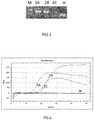
- FIG.1 shows the PCR products of the corresponding region, that is VP2, by means of agarose gel.
- the "H” represents healthy sample, and the “M” represents marker. It demonstrates that the PCR reactions with the given primer do exhibit none or less cross reactivity or amplification of unspecific sequences on both wild type samples and vaccine type samples.
- FIG. 2 shows the kinetic PCR growth curve for the given pair of primers and probe.
- sequences with known copy number are needed to perform the test.
- the sequences are prepared by the following steps: 1. Clone the wild type and vaccine type of SNP 36 corresponding region into a designated vector respectively. 2. Transform these two factor into E.coli. 3. Extract the plasmid DNA. 4. Clarify the sequences are correct with PCR or sequencing.
- Primers having SEQ ID NO: 8 for the forward primer and SEQ ID NO: 11 for the reverse primer, and probes having SEQ ID NO: 13 were used to amplify the above-mentioned wild type samples and vaccine type samples.
- the primer and probe sequences are shown in Table 4.
- the forward primers can be replaced to SEQ ID No: 9 or 10
- the reverse primers can be replaced to SEQ ID No: 12 or 13
- the probes can be replaced to SEQ ID No: 15.
- the amplification conditions are identical with the embodiment 1. Table 4.
- Primer Sequence Primers used in the examples Sequence ID Function Sequence 5'-3' SEQ ID No:8 Forward primer of SNP 36
- SEQ ID No:11 Reverse primer of SNP 36 SEQ ID No:13 probe CAGCAGGCTGACCACC Table 5.
- Conditions of the Amplification of SNP 36 Wild type samples Vaccine type samples Sample no.
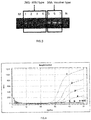
- FIG.3 shows the PCR products of the corresponding region, that is SNP 36 of VP2, by means of agarose gel.
- the "NTC” represents negative control
- the “M” represents marker. It demonstrates that the PCR reactions with the given primer do exhibit none or less cross reactivity or amplification of unspecific sequences on both wild type samples and vaccine type samples.
- FIG. 4 shows the kinetic PCR growth curve for the given pair of primers and probe.
- the probe given in this embodiment is specific to wild type of SNP 36.
- the probe is complementary to "G" since the nucleotide is G for wild type. Therefore, when the growth curve of sample no. 1-4 cross the threshold, unambiguous and specific signal are initially detectable. In the meantime, no signals are detectable of sample 5-7 because that the probe is not specific to "A" where the nucleotide is A for vaccine of SNP 36.
- the LOD of this embodiment could reach 10 1 copy on discriminating wild type from vaccine type. Furthermore, the specificity is relatively high because the discrimination window could reach 10 8 copy.
- the virus DNA of four authentic specimens are also isolated by using an AXYGEN®AxyPrep Body Fluid Viral DNA/RNA.
- the reason vaccine bulks used in this and the following embodiments is to simulate the sequence type of a vaccinated dog.
- Primers sequences, probe sequence, and the amplification conditions are identical to the specificity and sensitivity test.
- the vaccine bulks are used to carry out the amplification without dilution.
- Table 6 Conditions of the Amplification of SNP 36 for authentic specimens authentic specimen Vaccine bulks Sample no. 1 2 3 4 5 6 NTC DNA template 1 ⁇ l Primer (F) 0.5 ⁇ M Primer (R) 0.5 ⁇ M Probe 0.2 ⁇ M dNTP 0.25 mM Polymerase 5 unit Total Volume 20 ⁇ l
- 20 authentic specimens infected by CPV 2a, 2b, and 2c respectively and two distinct vaccine bulks (Duramune and Vanguard) are used in this embodiment.
- the virus DNA of 20 authentic specimens are also isolated by using an AXYGEN®AxyPrep Body Fluid Viral DNA/RNA.
- Primers having SEQ ID NO: 17 which comprises 30 contiguous nucleotides selected from SEQ ID: 16 for the forward primer and SEQ ID NO: 22 for the reverse primer, and probe having SEQ ID NO: 24 for SNP 899 and SEQ ID: 29 for SNP 963 were used to amplify the above-mentioned wild type samples and vaccine type samples.
- the primer and probe sequences are shown in Table 7.
- the amplification conditions are as shown is Table 8.
- the vaccine bulks are used to carry out the amplification without dilution.
- the forward primer can be replaced to SEQ ID No: 18, 19, 20, or 21, the reverse primers can be replaced to SEQ ID No: 23, the probe for SNP 899 can be replaced to SEQ ID No: 25, 26, 27, or 28, and the probe for SNP 963 can be replaced to SEQ ID No: 30, 31, 32, or 33.
- the amplification conditions are identical with the embodiment 1. Table 7.
- Primer and Probe Sequence Primers used in the examples Sequence ID Function Sequence 5'-3' SEQ ID No:17 Forward primer SEQ ID No:22 Reverse primer SEQ ID No:24 Probe for SNP 899 CTGAAGGAGGTACTAACTTT SEQ ID No:29 Probe for SNP 963 Table 8.
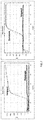
- FIG. 6 both SNP 899 and SNP963 are positive on 20 authentic specimens, which means these specimens are truly infected.
- FIG. 7 shows that there is only one fluorescent signal would be detected if the sample was vaccinated.
- FIG. 7 shows that the SNP 963 is detectable and the SNP 899 is not detectable because the nucleotide is "T” on SNP 963 which is identical to the wild type, and the nucleotide is "C" which is not identical to the wild type.
- FIG. 7 shows that there is only one fluorescent signal would be detected if the sample was vaccinated.
- One CPV2a infected sample, one CPV2b infected sample, one CPV2c infected sample, and one healthy sample are used in embodiment 4.
- the DNA was isolated by using an AXYGEN®AxyPrep Body Fluid Viral DNA/RNA.
- Primers having SEQ ID NO: 34 and SEQ ID NO: 3 were used to amplify a VP2 2a, 2b, and 2c sequence.
- the primer and probe sequences are shown in Table 2.
- the probe can also be replaced to SEQ ID No: 5 or SEQ ID No: 6.
- the labeling of primers and probe used in this embodiment is different from embodiment 1.
- the 5'-terminal of forward primer carries a DIG, and the 3'-terminal of the probe carries a FITC.
- the colored particle is colloidal gold.
- Table 9 Primer Sequence Primers used in the examples Sequence ID Function Sequence 5'-3' SEQ ID No:34 Forward primer of VP2 SEQ ID No:3 Reverse primer of VP2 SEQ ID No:4 probe GATTCAAAATATTAAC
- the amplification reaction is carried out which was measured and monitored in real-time on a BioRad CFX Connect Real-time System (BioRad Laboratories, Inc.). Each reaction mixture volume was 20 ⁇ l, and was amplified under the following conditions: Table 10. Conditions of the Amplification of the reference samples 2a 2b 2c Healthy DNA template 1 ⁇ l Primer (F) -DIG 0.3 ⁇ M Primer (R) 1 ⁇ M Probe-FITC 0.05 ⁇ M dNTP 0.25 mM Polymerase 5 unit Total Volume 20 ⁇ l
- reaction mixtures were firstly incubated for 1 minutes at 95°C.
- the actual amplification reaction was carried out for 50 cycles according to the following scheme:
- FIG.8 shows the PCR products of the corresponding region, that is VP2, by means of agarose gel.
- the "H” represents healthy sample. It demonstrates that the PCR reactions with the given primer do exhibit none or less cross reactivity or amplification of unspecific sequences on both wild type samples and vaccine type samples.
- FIG.9 shows the lateral flow for the given pair of primers and probe.
- the virus DNA of three authentic specimens are also isolated by using an AXYGEN®AxyPrep Body Fluid Viral DNA/RNA.
- the reason vaccine bulks used in this and the following embodiments is to simulate the sequence type of a vaccinated dog.
- the labeling of primers and probe used in this embodiment is different from embodiment 2.
- the 5'-terminal of forward primer carries a DIG
- the 3'-terminal of the probe carries a FITC.
- the colored particle is colloidal gold.
- Primers sequences, probe sequence, and the amplification conditions are as below listed. Table 11.
- Primer Sequence Primers used in the examples Sequence ID Function Sequence 5'-3' SEQ ID No:8 Forward primer of SNP 36 SEQ ID No:11 Reverse primer of SNP 36 SEQ ID No:13 probe CAGCAGGCTGACCACCACC
- PNA is added to the amplification to increase the specificity.
- the vaccine bulks are used to carry out the amplification without dilution.
- Table 12. Conditions of the Amplification of SNP 36 for authentic specimens authentic specimen Vaccine bulks Sample no. 1 3 5 2 4 6 DNA template 1 ⁇ l Primer (F) -DIG 0.3 ⁇ M Primer (R) 1 ⁇ M PNA 0.15 ⁇ M Probe-FITC 0.05 ⁇ M dNTP 0.25 mM Polymerase 5 unit Total Volume 20 ⁇ l
- FIG.10 shows the PCR products of the corresponding region, that is SNP 36 of VP2, by means of agarose gel.
- Sample 1, 3, 5 are authentic specimens, and sample 2, 4, 6 are from vaccine bulks. It demonstrates that the PCR reactions with the given primer do exhibit none or less cross reactivity or amplification of unspecific sequences on both wild type samples and vaccine type samples.
- FIG. 11 shows the lateral flow for the given pair of primers and probe.
- the primers and probe are specific to wild type of SNP 36.
- an unambiguous and specific colored particle is initially visible.
- the sample contains a SNP 36 wild type sequence
- a colored line can be visible on the strip.
- the colored line of vaccine bulk that is sample 2, 4, 6, is not visible because the primers and probe are not specific to the sequence.
Landscapes
- Chemical & Material Sciences (AREA)
- Life Sciences & Earth Sciences (AREA)
- Organic Chemistry (AREA)
- Health & Medical Sciences (AREA)
- Zoology (AREA)
- Wood Science & Technology (AREA)
- Proteomics, Peptides & Aminoacids (AREA)
- Engineering & Computer Science (AREA)
- Immunology (AREA)
- Microbiology (AREA)
- Physics & Mathematics (AREA)
- Molecular Biology (AREA)
- Biotechnology (AREA)
- Biophysics (AREA)
- Analytical Chemistry (AREA)
- Biochemistry (AREA)
- Bioinformatics & Cheminformatics (AREA)
- General Engineering & Computer Science (AREA)
- General Health & Medical Sciences (AREA)
- Genetics & Genomics (AREA)
- Virology (AREA)
- Measuring Or Testing Involving Enzymes Or Micro-Organisms (AREA)
Applications Claiming Priority (1)
| Application Number | Priority Date | Filing Date | Title |
|---|---|---|---|
| US15/371,223 US10233509B2 (en) | 2016-12-07 | 2016-12-07 | Method for detection CPV 2a, 2b, and 2c and for discrimination wild type from vaccine type |
Publications (2)
| Publication Number | Publication Date |
|---|---|
| EP3333270A1 true EP3333270A1 (de) | 2018-06-13 |
| EP3333270B1 EP3333270B1 (de) | 2019-12-04 |
Family
ID=59070443
Family Applications (1)
| Application Number | Title | Priority Date | Filing Date |
|---|---|---|---|
| EP17175155.5A Active EP3333270B1 (de) | 2016-12-07 | 2017-06-09 | Verfahren zum nachweis von cpv 2a, 2b und 2c und zur unterscheidung eines wildtyps von einem impfstofftyp |
Country Status (4)
| Country | Link |
|---|---|
| US (1) | US10233509B2 (de) |
| EP (1) | EP3333270B1 (de) |
| JP (3) | JP2018093859A (de) |
| CN (1) | CN108165666B (de) |
Families Citing this family (5)
| Publication number | Priority date | Publication date | Assignee | Title |
|---|---|---|---|---|
| US10233509B2 (en) * | 2016-12-07 | 2019-03-19 | Credo Biomedical Pte Ltd. | Method for detection CPV 2a, 2b, and 2c and for discrimination wild type from vaccine type |
| CN109234457A (zh) * | 2018-10-30 | 2019-01-18 | 中国农业科学院北京畜牧兽医研究所 | 一种检测犬细小病毒感染的纳米pcr方法 |
| CN109321681A (zh) * | 2018-11-05 | 2019-02-12 | 苏州蝌蚪生物技术有限公司 | 检测CPV-2a病毒的引物、核酸捕获金标试纸条、试剂盒及应用 |
| CN110643744B (zh) * | 2019-11-19 | 2022-10-21 | 南京农业大学 | 一种同时检测三种猫易感病毒的定量检测方法及其引物探针组合 |
| CN111763766B (zh) * | 2020-04-14 | 2022-12-27 | 南京农业大学 | 一步法检测犬腹泻病毒的引物对、TaqMan探针及方法与应用 |
Citations (3)
| Publication number | Priority date | Publication date | Assignee | Title |
|---|---|---|---|---|
| US20070042354A1 (en) * | 2005-08-19 | 2007-02-22 | Engelhard Eric K | Detecting pathogens in companion animals |
| CN103757139B (zh) * | 2014-02-17 | 2015-05-13 | 河南省动物疫病预防控制中心 | 犬瘟热、犬细小病毒二重TaqMan MGB荧光定量PCR检测试剂及其检测方法 |
| CN105463132A (zh) * | 2015-12-23 | 2016-04-06 | 中国农业科学院北京畜牧兽医研究所 | 犬细小病毒的遗传标记物及其特异性引物和探针 |
Family Cites Families (7)
| Publication number | Priority date | Publication date | Assignee | Title |
|---|---|---|---|---|
| NZ614571A (en) * | 2007-06-14 | 2014-12-24 | Univ Oklahoma State | Vaccines containing canine parvovirus genetic variants |
| AU2012231884B2 (en) | 2011-03-18 | 2017-03-09 | Stichting Vumc | A method of analysing a blood sample of a subject for the presence of a disease marker |
| CN103570830A (zh) * | 2013-09-30 | 2014-02-12 | 西北农林科技大学 | 一种抗犬细小病毒蛋白VP2特异性IgY的制备方法 |
| CN104195265B (zh) * | 2014-08-22 | 2016-04-20 | 广东省农业科学院动物卫生研究所 | 一种快速区分犬细小病毒野毒株与疫苗株的pcr-hrm引物和方法 |
| CN105803112A (zh) | 2016-03-28 | 2016-07-27 | 中国人民解放军成都军区疾病预防控制中心 | 用于检测犬细小病毒的引物、探针和试剂盒及检测方法 |
| CN105838826B (zh) | 2016-05-05 | 2019-12-24 | 广东省农业科学院动物卫生研究所 | 一种快速区分犬细小病毒疫苗株与野毒株的双色荧光pcr引物、探针及方法 |
| US10233509B2 (en) * | 2016-12-07 | 2019-03-19 | Credo Biomedical Pte Ltd. | Method for detection CPV 2a, 2b, and 2c and for discrimination wild type from vaccine type |
-
2016
- 2016-12-07 US US15/371,223 patent/US10233509B2/en active Active
-
2017
- 2017-03-15 JP JP2017050048A patent/JP2018093859A/ja active Pending
- 2017-06-09 EP EP17175155.5A patent/EP3333270B1/de active Active
- 2017-06-15 CN CN201710450313.0A patent/CN108165666B/zh active Active
-
2018
- 2018-11-29 JP JP2018224290A patent/JP6830087B2/ja active Active
-
2019
- 2019-07-30 JP JP2019140275A patent/JP6936835B2/ja active Active
Patent Citations (3)
| Publication number | Priority date | Publication date | Assignee | Title |
|---|---|---|---|---|
| US20070042354A1 (en) * | 2005-08-19 | 2007-02-22 | Engelhard Eric K | Detecting pathogens in companion animals |
| CN103757139B (zh) * | 2014-02-17 | 2015-05-13 | 河南省动物疫病预防控制中心 | 犬瘟热、犬细小病毒二重TaqMan MGB荧光定量PCR检测试剂及其检测方法 |
| CN105463132A (zh) * | 2015-12-23 | 2016-04-06 | 中国农业科学院北京畜牧兽医研究所 | 犬细小病毒的遗传标记物及其特异性引物和探针 |
Non-Patent Citations (9)
| Title |
|---|
| DECARO N ET AL: "A minor groove binder probe real-time PCR assay for discrimination between type 2-based vaccines and field strains of canine parvovirus", JOURNAL OF VIROLOGICAL METHODS, ELSEVIER BV, NL, vol. 136, no. 1-2, 1 September 2006 (2006-09-01), pages 65 - 70, XP027892359, ISSN: 0166-0934, [retrieved on 20060901] * |
| DECARO N ET AL: "A real-time PCR assay for rapid detection and quantitation of canine parvovirus type 2 in the feces of dogs", VETERINARY MICROBIOLOGY, ELSEVIER BV, NL, vol. 105, no. 1, 5 January 2005 (2005-01-05), pages 19 - 28, XP027620340, ISSN: 0378-1135, [retrieved on 20050105] * |
| DECARO N ET AL: "Diagnostic tools based on minor groove binder probe technology for rapid identification of vaccinal and field strains of canine parvovirus type 2b", JOURNAL OF VIROLOGICAL METHODS, ELSEVIER BV, NL, vol. 138, no. 1-2, 1 December 2006 (2006-12-01), pages 10 - 16, XP027892291, ISSN: 0166-0934, [retrieved on 20061201] * |
| FULL LENGTH RESEARCH PAPER ESTABLISHMENT AND EVALUATION OF A NOVEL TAQMAN PROBE-BASED REAL-TIME PCR FOR DETECTION OF CANINE PARVOV: "Establishment and evaluation of a novel TaqMan probe-based real-time PCR for detection of Canine Parvovirus", AFRICAN JOURNAL OF MICROBIOLOGY RESEARCH, vol. 6, no. 13, 16 April 2012 (2012-04-16), pages 3134 - 3138, XP055393426, DOI: 10.5897/AJMR11.1185 * |
| GALI BINGGA ET AL: "High resolution melting curve analysis as a new tool for rapid identification of canine parvovirus type 2 strains", MOLECULAR AND CELLULAR PROBES., vol. 28, no. 5-6, 1 October 2014 (2014-10-01), GB, pages 271 - 278, XP055393447, ISSN: 0890-8508, DOI: 10.1016/j.mcp.2014.08.001 * |
| MARINA GALLO CALDERN ET AL: "Evolution of Canine Parvovirus in Argentina between years 2003 and 2010: CPV2c has become the predominant variant affecting the domestic dog population", VIRUS RESEARCH, AMSTERDAM, NL, vol. 157, no. 1, 17 February 2011 (2011-02-17), pages 106 - 110, XP028372426, ISSN: 0168-1702, [retrieved on 20110224], DOI: 10.1016/J.VIRUSRES.2011.02.015 * |
| NAMRATA RAMDAS HINGONEKAR: "MOLECULAR CHARACTERIZATION OF VP2 GENE OF CANINE PARVO VIRUS FROM VACCINAL STRAINS BY HINGONEKAR NAMRATA RAMDAS", 1 January 2011 (2011-01-01), pages 1 - 122, XP055413936, Retrieved from the Internet <URL:http://krishikosh.egranth.ac.in/bitstream/1/5810010602/1/NAMRATA RAMDAS.pdf> [retrieved on 20171010] * |
| T. HIRASAWA ET AL: "Differentiation of Wild- and Vaccine-type Canine Parvoviruses by PCR and Restriction-enzyme Analysis", JOURNAL OF VETERINARY MEDICINE. SERIES B - ZENTRALBLATT FUER VETERINAERMEDIZIN. REINE B., vol. 42, no. 1-10, 12 January 1995 (1995-01-12), DE, pages 601 - 610, XP055393226, ISSN: 0931-1793, DOI: 10.1111/j.1439-0450.1995.tb00754.x * |
| VASILEIOS NTAFIS ET AL: "Characterization of Canine Parvovirus 2 Variants Circulating in Greece", JOURNAL OF VETERINARY DIAGNOSTIC INVESTIGATION., vol. 22, no. 5, 1 September 2010 (2010-09-01), US, pages 737 - 740, XP055413919, ISSN: 1040-6387, DOI: 10.1177/104063871002200512 * |
Also Published As
| Publication number | Publication date |
|---|---|
| US20180155797A1 (en) | 2018-06-07 |
| JP6830087B2 (ja) | 2021-02-17 |
| CN108165666B (zh) | 2021-05-28 |
| JP2019050825A (ja) | 2019-04-04 |
| JP6936835B2 (ja) | 2021-09-22 |
| US10233509B2 (en) | 2019-03-19 |
| JP2018093859A (ja) | 2018-06-21 |
| CN108165666A (zh) | 2018-06-15 |
| EP3333270B1 (de) | 2019-12-04 |
| JP2019201660A (ja) | 2019-11-28 |
Similar Documents
| Publication | Publication Date | Title |
|---|---|---|
| EP3333270B1 (de) | Verfahren zum nachweis von cpv 2a, 2b und 2c und zur unterscheidung eines wildtyps von einem impfstofftyp | |
| EP3286329B1 (de) | Verfahren für den gleichzeitigen nachweis mehrerer nukleinsäuresequenzen in einer probe | |
| CN116171333A (zh) | 用于检测严重急性呼吸综合征冠状病毒2(sars-cov-2)、甲型流感和乙型流感的组合物和方法 | |
| CN108220480B (zh) | 一种用于特异性检测hpv18的rpa荧光定量引物对、探针及试剂盒 | |
| JP2006518189A (ja) | 細菌性病原体の定量的試験 | |
| KR100950495B1 (ko) | 특정 프라이머 세트를 포함하는 결핵균을 검출하기 위한등온증폭반응용 프라이머 조성물, 키트 및 상기 프라이머세트를 이용하여 결핵균을 검출하는 방법 | |
| US20210340635A1 (en) | Materials and methods for detecting coronavirus | |
| US20050244813A1 (en) | Detection of human papillomavirus e6 mrna | |
| KR102529399B1 (ko) | 실시간 중합효소연쇄반응을 이용한 수두바이러스 검출 및 정량 방법 | |
| KR102030245B1 (ko) | 치쿤군야 바이러스 검출용 올리고뉴클레오티드 세트 및 이의 용도 | |
| KR102388060B1 (ko) | 결핵균 및 베이징 계통 결핵균의 감별을 위한 조성물 및 이를 이용한 결핵균 검출 방법 | |
| KR102149373B1 (ko) | 리프트밸리열바이러스 검출용 프라이머 세트 및 이의 용도 | |
| KR101911017B1 (ko) | 타일로렐라 에퀴제니탈리스의 검출용 조성물, 타일로렐라 에퀴제니탈리스 감염에 의한 말전염성자궁염의 진단용 조성물, 타일로렐라 에퀴제니탈리스의 검출방법, 및 타일로렐라 에퀴제니탈리스 감염에 의한 말전염성자궁염의 진단방법 | |
| EP4056718B1 (de) | Zusammensetzung zum nachweis des sars-cov-2-virusgens und covid-19-diagnoseverfahren unter verwendung von echtzeit-rt-pcr | |
| CN116219072B (zh) | 一种用于猴痘病毒检测的引物及荧光探针 | |
| US10190176B2 (en) | Primers, probes, and methods for mycobacterium tuberculosis specific diagnosis | |
| KR102695296B1 (ko) | CRISPR-Cas 기반의 노로바이러스 GII.4 특이적 검출이 가능한 신규 가이드 RNA 및 이의 활용 | |
| KR102572368B1 (ko) | 파라인플루엔자 바이러스 1형 및 3형 동시 감별 검출용 프라이머 세트 및 이의 용도 | |
| US20240110252A1 (en) | Compositions and Kits for Rapid Detection of SARS-CoV-2 and Methods of Production and Use Thereof | |
| KR102142134B1 (ko) | 광견병 바이러스 및 백신주를 감별하기 위한 프라이머 및 프로브, 및 이를 이용한 광견병 바이러스 및 백신주의 감별방법 | |
| KR102149396B1 (ko) | 한탄바이러스 검출용 프라이머 세트 및 이의 용도 | |
| KR20260019072A (ko) | 비정형 폐렴균 및 마이코플라즈마 폐렴균 항생제 내성 돌연변이 동시 검출용 프라이머 및 프로브 세트 | |
| CN118460749A (zh) | 一种用于鉴定羊种布鲁氏菌的尿嘧啶-dna糖基化酶介导多重多交叉置换扩增系统 | |
| CN117025733A (zh) | 一种探针与引物组合物、检测体系及其在aldh2基因单核苷酸多态性检测中的应用 | |
| KR20220057007A (ko) | 사스-코로나바이러스 2 감염 진단 방법 |
Legal Events
| Date | Code | Title | Description |
|---|---|---|---|
| PUAI | Public reference made under article 153(3) epc to a published international application that has entered the european phase |
Free format text: ORIGINAL CODE: 0009012 |
|
| STAA | Information on the status of an ep patent application or granted ep patent |
Free format text: STATUS: THE APPLICATION HAS BEEN PUBLISHED |
|
| AK | Designated contracting states |
Kind code of ref document: A1 Designated state(s): AL AT BE BG CH CY CZ DE DK EE ES FI FR GB GR HR HU IE IS IT LI LT LU LV MC MK MT NL NO PL PT RO RS SE SI SK SM TR |
|
| AX | Request for extension of the european patent |
Extension state: BA ME |
|
| STAA | Information on the status of an ep patent application or granted ep patent |
Free format text: STATUS: REQUEST FOR EXAMINATION WAS MADE |
|
| 17P | Request for examination filed |
Effective date: 20181207 |
|
| RBV | Designated contracting states (corrected) |
Designated state(s): AL AT BE BG CH CY CZ DE DK EE ES FI FR GB GR HR HU IE IS IT LI LT LU LV MC MK MT NL NO PL PT RO RS SE SI SK SM TR |
|
| STAA | Information on the status of an ep patent application or granted ep patent |
Free format text: STATUS: EXAMINATION IS IN PROGRESS |
|
| 17Q | First examination report despatched |
Effective date: 20190409 |
|
| GRAP | Despatch of communication of intention to grant a patent |
Free format text: ORIGINAL CODE: EPIDOSNIGR1 |
|
| GRAJ | Information related to disapproval of communication of intention to grant by the applicant or resumption of examination proceedings by the epo deleted |
Free format text: ORIGINAL CODE: EPIDOSDIGR1 |
|
| GRAP | Despatch of communication of intention to grant a patent |
Free format text: ORIGINAL CODE: EPIDOSNIGR1 |
|
| STAA | Information on the status of an ep patent application or granted ep patent |
Free format text: STATUS: GRANT OF PATENT IS INTENDED |
|
| INTG | Intention to grant announced |
Effective date: 20190625 |
|
| INTG | Intention to grant announced |
Effective date: 20190703 |
|
| RAP1 | Party data changed (applicant data changed or rights of an application transferred) |
Owner name: CREDO BIOMEDICAL PTE LTD. |
|
| GRAS | Grant fee paid |
Free format text: ORIGINAL CODE: EPIDOSNIGR3 |
|
| GRAA | (expected) grant |
Free format text: ORIGINAL CODE: 0009210 |
|
| STAA | Information on the status of an ep patent application or granted ep patent |
Free format text: STATUS: THE PATENT HAS BEEN GRANTED |
|
| AK | Designated contracting states |
Kind code of ref document: B1 Designated state(s): AL AT BE BG CH CY CZ DE DK EE ES FI FR GB GR HR HU IE IS IT LI LT LU LV MC MK MT NL NO PL PT RO RS SE SI SK SM TR |
|
| REG | Reference to a national code |
Ref country code: GB Ref legal event code: FG4D |
|
| REG | Reference to a national code |
Ref country code: CH Ref legal event code: EP |
|
| REG | Reference to a national code |
Ref country code: AT Ref legal event code: REF Ref document number: 1209471 Country of ref document: AT Kind code of ref document: T Effective date: 20191215 |
|
| REG | Reference to a national code |
Ref country code: DE Ref legal event code: R096 Ref document number: 602017009253 Country of ref document: DE |
|
| REG | Reference to a national code |
Ref country code: IE Ref legal event code: FG4D |
|
| REG | Reference to a national code |
Ref country code: NL Ref legal event code: MP Effective date: 20191204 |
|
| REG | Reference to a national code |
Ref country code: LT Ref legal event code: MG4D |
|
| PG25 | Lapsed in a contracting state [announced via postgrant information from national office to epo] |
Ref country code: BG Free format text: LAPSE BECAUSE OF FAILURE TO SUBMIT A TRANSLATION OF THE DESCRIPTION OR TO PAY THE FEE WITHIN THE PRESCRIBED TIME-LIMIT Effective date: 20200304 Ref country code: NO Free format text: LAPSE BECAUSE OF FAILURE TO SUBMIT A TRANSLATION OF THE DESCRIPTION OR TO PAY THE FEE WITHIN THE PRESCRIBED TIME-LIMIT Effective date: 20200304 Ref country code: FI Free format text: LAPSE BECAUSE OF FAILURE TO SUBMIT A TRANSLATION OF THE DESCRIPTION OR TO PAY THE FEE WITHIN THE PRESCRIBED TIME-LIMIT Effective date: 20191204 Ref country code: GR Free format text: LAPSE BECAUSE OF FAILURE TO SUBMIT A TRANSLATION OF THE DESCRIPTION OR TO PAY THE FEE WITHIN THE PRESCRIBED TIME-LIMIT Effective date: 20200305 Ref country code: LV Free format text: LAPSE BECAUSE OF FAILURE TO SUBMIT A TRANSLATION OF THE DESCRIPTION OR TO PAY THE FEE WITHIN THE PRESCRIBED TIME-LIMIT Effective date: 20191204 Ref country code: SE Free format text: LAPSE BECAUSE OF FAILURE TO SUBMIT A TRANSLATION OF THE DESCRIPTION OR TO PAY THE FEE WITHIN THE PRESCRIBED TIME-LIMIT Effective date: 20191204 Ref country code: LT Free format text: LAPSE BECAUSE OF FAILURE TO SUBMIT A TRANSLATION OF THE DESCRIPTION OR TO PAY THE FEE WITHIN THE PRESCRIBED TIME-LIMIT Effective date: 20191204 |
|
| PG25 | Lapsed in a contracting state [announced via postgrant information from national office to epo] |
Ref country code: HR Free format text: LAPSE BECAUSE OF FAILURE TO SUBMIT A TRANSLATION OF THE DESCRIPTION OR TO PAY THE FEE WITHIN THE PRESCRIBED TIME-LIMIT Effective date: 20191204 Ref country code: RS Free format text: LAPSE BECAUSE OF FAILURE TO SUBMIT A TRANSLATION OF THE DESCRIPTION OR TO PAY THE FEE WITHIN THE PRESCRIBED TIME-LIMIT Effective date: 20191204 |
|
| PG25 | Lapsed in a contracting state [announced via postgrant information from national office to epo] |
Ref country code: AL Free format text: LAPSE BECAUSE OF FAILURE TO SUBMIT A TRANSLATION OF THE DESCRIPTION OR TO PAY THE FEE WITHIN THE PRESCRIBED TIME-LIMIT Effective date: 20191204 |
|
| PG25 | Lapsed in a contracting state [announced via postgrant information from national office to epo] |
Ref country code: PT Free format text: LAPSE BECAUSE OF FAILURE TO SUBMIT A TRANSLATION OF THE DESCRIPTION OR TO PAY THE FEE WITHIN THE PRESCRIBED TIME-LIMIT Effective date: 20200429 Ref country code: ES Free format text: LAPSE BECAUSE OF FAILURE TO SUBMIT A TRANSLATION OF THE DESCRIPTION OR TO PAY THE FEE WITHIN THE PRESCRIBED TIME-LIMIT Effective date: 20191204 Ref country code: EE Free format text: LAPSE BECAUSE OF FAILURE TO SUBMIT A TRANSLATION OF THE DESCRIPTION OR TO PAY THE FEE WITHIN THE PRESCRIBED TIME-LIMIT Effective date: 20191204 Ref country code: CZ Free format text: LAPSE BECAUSE OF FAILURE TO SUBMIT A TRANSLATION OF THE DESCRIPTION OR TO PAY THE FEE WITHIN THE PRESCRIBED TIME-LIMIT Effective date: 20191204 Ref country code: NL Free format text: LAPSE BECAUSE OF FAILURE TO SUBMIT A TRANSLATION OF THE DESCRIPTION OR TO PAY THE FEE WITHIN THE PRESCRIBED TIME-LIMIT Effective date: 20191204 Ref country code: RO Free format text: LAPSE BECAUSE OF FAILURE TO SUBMIT A TRANSLATION OF THE DESCRIPTION OR TO PAY THE FEE WITHIN THE PRESCRIBED TIME-LIMIT Effective date: 20191204 |
|
| PG25 | Lapsed in a contracting state [announced via postgrant information from national office to epo] |
Ref country code: SM Free format text: LAPSE BECAUSE OF FAILURE TO SUBMIT A TRANSLATION OF THE DESCRIPTION OR TO PAY THE FEE WITHIN THE PRESCRIBED TIME-LIMIT Effective date: 20191204 Ref country code: SK Free format text: LAPSE BECAUSE OF FAILURE TO SUBMIT A TRANSLATION OF THE DESCRIPTION OR TO PAY THE FEE WITHIN THE PRESCRIBED TIME-LIMIT Effective date: 20191204 Ref country code: IS Free format text: LAPSE BECAUSE OF FAILURE TO SUBMIT A TRANSLATION OF THE DESCRIPTION OR TO PAY THE FEE WITHIN THE PRESCRIBED TIME-LIMIT Effective date: 20200404 |
|
| REG | Reference to a national code |
Ref country code: DE Ref legal event code: R097 Ref document number: 602017009253 Country of ref document: DE |
|
| REG | Reference to a national code |
Ref country code: AT Ref legal event code: MK05 Ref document number: 1209471 Country of ref document: AT Kind code of ref document: T Effective date: 20191204 |
|
| PLBE | No opposition filed within time limit |
Free format text: ORIGINAL CODE: 0009261 |
|
| STAA | Information on the status of an ep patent application or granted ep patent |
Free format text: STATUS: NO OPPOSITION FILED WITHIN TIME LIMIT |
|
| PG25 | Lapsed in a contracting state [announced via postgrant information from national office to epo] |
Ref country code: DK Free format text: LAPSE BECAUSE OF FAILURE TO SUBMIT A TRANSLATION OF THE DESCRIPTION OR TO PAY THE FEE WITHIN THE PRESCRIBED TIME-LIMIT Effective date: 20191204 |
|
| 26N | No opposition filed |
Effective date: 20200907 |
|
| PG25 | Lapsed in a contracting state [announced via postgrant information from national office to epo] |
Ref country code: PL Free format text: LAPSE BECAUSE OF FAILURE TO SUBMIT A TRANSLATION OF THE DESCRIPTION OR TO PAY THE FEE WITHIN THE PRESCRIBED TIME-LIMIT Effective date: 20191204 Ref country code: AT Free format text: LAPSE BECAUSE OF FAILURE TO SUBMIT A TRANSLATION OF THE DESCRIPTION OR TO PAY THE FEE WITHIN THE PRESCRIBED TIME-LIMIT Effective date: 20191204 Ref country code: SI Free format text: LAPSE BECAUSE OF FAILURE TO SUBMIT A TRANSLATION OF THE DESCRIPTION OR TO PAY THE FEE WITHIN THE PRESCRIBED TIME-LIMIT Effective date: 20191204 |
|
| PG25 | Lapsed in a contracting state [announced via postgrant information from national office to epo] |
Ref country code: MC Free format text: LAPSE BECAUSE OF FAILURE TO SUBMIT A TRANSLATION OF THE DESCRIPTION OR TO PAY THE FEE WITHIN THE PRESCRIBED TIME-LIMIT Effective date: 20191204 Ref country code: IT Free format text: LAPSE BECAUSE OF FAILURE TO SUBMIT A TRANSLATION OF THE DESCRIPTION OR TO PAY THE FEE WITHIN THE PRESCRIBED TIME-LIMIT Effective date: 20191204 |
|
| REG | Reference to a national code |
Ref country code: CH Ref legal event code: PL |
|
| PG25 | Lapsed in a contracting state [announced via postgrant information from national office to epo] |
Ref country code: LU Free format text: LAPSE BECAUSE OF NON-PAYMENT OF DUE FEES Effective date: 20200609 |
|
| REG | Reference to a national code |
Ref country code: BE Ref legal event code: MM Effective date: 20200630 |
|
| PG25 | Lapsed in a contracting state [announced via postgrant information from national office to epo] |
Ref country code: IE Free format text: LAPSE BECAUSE OF NON-PAYMENT OF DUE FEES Effective date: 20200609 Ref country code: LI Free format text: LAPSE BECAUSE OF NON-PAYMENT OF DUE FEES Effective date: 20200630 Ref country code: CH Free format text: LAPSE BECAUSE OF NON-PAYMENT OF DUE FEES Effective date: 20200630 |
|
| PG25 | Lapsed in a contracting state [announced via postgrant information from national office to epo] |
Ref country code: BE Free format text: LAPSE BECAUSE OF NON-PAYMENT OF DUE FEES Effective date: 20200630 |
|
| PG25 | Lapsed in a contracting state [announced via postgrant information from national office to epo] |
Ref country code: TR Free format text: LAPSE BECAUSE OF FAILURE TO SUBMIT A TRANSLATION OF THE DESCRIPTION OR TO PAY THE FEE WITHIN THE PRESCRIBED TIME-LIMIT Effective date: 20191204 Ref country code: MT Free format text: LAPSE BECAUSE OF FAILURE TO SUBMIT A TRANSLATION OF THE DESCRIPTION OR TO PAY THE FEE WITHIN THE PRESCRIBED TIME-LIMIT Effective date: 20191204 Ref country code: CY Free format text: LAPSE BECAUSE OF FAILURE TO SUBMIT A TRANSLATION OF THE DESCRIPTION OR TO PAY THE FEE WITHIN THE PRESCRIBED TIME-LIMIT Effective date: 20191204 |
|
| PG25 | Lapsed in a contracting state [announced via postgrant information from national office to epo] |
Ref country code: MK Free format text: LAPSE BECAUSE OF FAILURE TO SUBMIT A TRANSLATION OF THE DESCRIPTION OR TO PAY THE FEE WITHIN THE PRESCRIBED TIME-LIMIT Effective date: 20191204 |
|
| REG | Reference to a national code |
Ref country code: DE Ref legal event code: R082 Ref document number: 602017009253 Country of ref document: DE Representative=s name: STRAUS, ALEXANDER, DIPL.-CHEM.UNIV. DR.PHIL., DE |
|
| PGFP | Annual fee paid to national office [announced via postgrant information from national office to epo] |
Ref country code: GB Payment date: 20250402 Year of fee payment: 9 |
|
| PGFP | Annual fee paid to national office [announced via postgrant information from national office to epo] |
Ref country code: DE Payment date: 20250627 Year of fee payment: 9 |
|
| PGFP | Annual fee paid to national office [announced via postgrant information from national office to epo] |
Ref country code: FR Payment date: 20251003 Year of fee payment: 10 |