EP3319969B1 - Diaryl macrocycle polymorph - Google Patents
Diaryl macrocycle polymorph Download PDFInfo
- Publication number
- EP3319969B1 EP3319969B1 EP16821872.5A EP16821872A EP3319969B1 EP 3319969 B1 EP3319969 B1 EP 3319969B1 EP 16821872 A EP16821872 A EP 16821872A EP 3319969 B1 EP3319969 B1 EP 3319969B1
- Authority
- EP
- European Patent Office
- Prior art keywords
- compound
- formula
- alkyl
- cancer
- boc
- Prior art date
- Legal status (The legal status is an assumption and is not a legal conclusion. Google has not performed a legal analysis and makes no representation as to the accuracy of the status listed.)
- Active
Links
Images
Classifications
-
- A—HUMAN NECESSITIES
- A61—MEDICAL OR VETERINARY SCIENCE; HYGIENE
- A61K—PREPARATIONS FOR MEDICAL, DENTAL OR TOILETRY PURPOSES
- A61K31/00—Medicinal preparations containing organic active ingredients
- A61K31/33—Heterocyclic compounds
- A61K31/395—Heterocyclic compounds having nitrogen as a ring hetero atom, e.g. guanethidine or rifamycins
- A61K31/495—Heterocyclic compounds having nitrogen as a ring hetero atom, e.g. guanethidine or rifamycins having six-membered rings with two or more nitrogen atoms as the only ring heteroatoms, e.g. piperazine or tetrazines
- A61K31/505—Pyrimidines; Hydrogenated pyrimidines, e.g. trimethoprim
- A61K31/519—Pyrimidines; Hydrogenated pyrimidines, e.g. trimethoprim ortho- or peri-condensed with heterocyclic rings
-
- C—CHEMISTRY; METALLURGY
- C07—ORGANIC CHEMISTRY
- C07D—HETEROCYCLIC COMPOUNDS
- C07D498/00—Heterocyclic compounds containing in the condensed system at least one hetero ring having nitrogen and oxygen atoms as the only ring hetero atoms
- C07D498/12—Heterocyclic compounds containing in the condensed system at least one hetero ring having nitrogen and oxygen atoms as the only ring hetero atoms in which the condensed system contains three hetero rings
- C07D498/18—Bridged systems
-
- C—CHEMISTRY; METALLURGY
- C07—ORGANIC CHEMISTRY
- C07D—HETEROCYCLIC COMPOUNDS
- C07D491/00—Heterocyclic compounds containing in the condensed ring system both one or more rings having oxygen atoms as the only ring hetero atoms and one or more rings having nitrogen atoms as the only ring hetero atoms, not provided for by groups C07D451/00 - C07D459/00, C07D463/00, C07D477/00 or C07D489/00
- C07D491/12—Heterocyclic compounds containing in the condensed ring system both one or more rings having oxygen atoms as the only ring hetero atoms and one or more rings having nitrogen atoms as the only ring hetero atoms, not provided for by groups C07D451/00 - C07D459/00, C07D463/00, C07D477/00 or C07D489/00 in which the condensed system contains three hetero rings
- C07D491/18—Bridged systems
-
- A—HUMAN NECESSITIES
- A61—MEDICAL OR VETERINARY SCIENCE; HYGIENE
- A61P—SPECIFIC THERAPEUTIC ACTIVITY OF CHEMICAL COMPOUNDS OR MEDICINAL PREPARATIONS
- A61P35/00—Antineoplastic agents
-
- A—HUMAN NECESSITIES
- A61—MEDICAL OR VETERINARY SCIENCE; HYGIENE
- A61P—SPECIFIC THERAPEUTIC ACTIVITY OF CHEMICAL COMPOUNDS OR MEDICINAL PREPARATIONS
- A61P35/00—Antineoplastic agents
- A61P35/02—Antineoplastic agents specific for leukemia
-
- C—CHEMISTRY; METALLURGY
- C07—ORGANIC CHEMISTRY
- C07C—ACYCLIC OR CARBOCYCLIC COMPOUNDS
- C07C269/00—Preparation of derivatives of carbamic acid, i.e. compounds containing any of the groups, the nitrogen atom not being part of nitro or nitroso groups
- C07C269/06—Preparation of derivatives of carbamic acid, i.e. compounds containing any of the groups, the nitrogen atom not being part of nitro or nitroso groups by reactions not involving the formation of carbamate groups
-
- C—CHEMISTRY; METALLURGY
- C07—ORGANIC CHEMISTRY
- C07C—ACYCLIC OR CARBOCYCLIC COMPOUNDS
- C07C271/00—Derivatives of carbamic acids, i.e. compounds containing any of the groups, the nitrogen atom not being part of nitro or nitroso groups
- C07C271/06—Esters of carbamic acids
- C07C271/08—Esters of carbamic acids having oxygen atoms of carbamate groups bound to acyclic carbon atoms
- C07C271/10—Esters of carbamic acids having oxygen atoms of carbamate groups bound to acyclic carbon atoms with the nitrogen atoms of the carbamate groups bound to hydrogen atoms or to acyclic carbon atoms
- C07C271/16—Esters of carbamic acids having oxygen atoms of carbamate groups bound to acyclic carbon atoms with the nitrogen atoms of the carbamate groups bound to hydrogen atoms or to acyclic carbon atoms to carbon atoms of hydrocarbon radicals substituted by singly-bound oxygen atoms
-
- C—CHEMISTRY; METALLURGY
- C07—ORGANIC CHEMISTRY
- C07D—HETEROCYCLIC COMPOUNDS
- C07D487/00—Heterocyclic compounds containing nitrogen atoms as the only ring hetero atoms in the condensed system, not provided for by groups C07D451/00 - C07D477/00
- C07D487/02—Heterocyclic compounds containing nitrogen atoms as the only ring hetero atoms in the condensed system, not provided for by groups C07D451/00 - C07D477/00 in which the condensed system contains two hetero rings
- C07D487/04—Ortho-condensed systems
-
- C—CHEMISTRY; METALLURGY
- C07—ORGANIC CHEMISTRY
- C07D—HETEROCYCLIC COMPOUNDS
- C07D498/00—Heterocyclic compounds containing in the condensed system at least one hetero ring having nitrogen and oxygen atoms as the only ring hetero atoms
- C07D498/02—Heterocyclic compounds containing in the condensed system at least one hetero ring having nitrogen and oxygen atoms as the only ring hetero atoms in which the condensed system contains two hetero rings
- C07D498/06—Peri-condensed systems
-
- C—CHEMISTRY; METALLURGY
- C07—ORGANIC CHEMISTRY
- C07B—GENERAL METHODS OF ORGANIC CHEMISTRY; APPARATUS THEREFOR
- C07B2200/00—Indexing scheme relating to specific properties of organic compounds
- C07B2200/07—Optical isomers
-
- C—CHEMISTRY; METALLURGY
- C07—ORGANIC CHEMISTRY
- C07B—GENERAL METHODS OF ORGANIC CHEMISTRY; APPARATUS THEREFOR
- C07B2200/00—Indexing scheme relating to specific properties of organic compounds
- C07B2200/13—Crystalline forms, e.g. polymorphs
-
- Y—GENERAL TAGGING OF NEW TECHNOLOGICAL DEVELOPMENTS; GENERAL TAGGING OF CROSS-SECTIONAL TECHNOLOGIES SPANNING OVER SEVERAL SECTIONS OF THE IPC; TECHNICAL SUBJECTS COVERED BY FORMER USPC CROSS-REFERENCE ART COLLECTIONS [XRACs] AND DIGESTS
- Y02—TECHNOLOGIES OR APPLICATIONS FOR MITIGATION OR ADAPTATION AGAINST CLIMATE CHANGE
- Y02P—CLIMATE CHANGE MITIGATION TECHNOLOGIES IN THE PRODUCTION OR PROCESSING OF GOODS
- Y02P20/00—Technologies relating to chemical industry
- Y02P20/50—Improvements relating to the production of bulk chemicals
- Y02P20/55—Design of synthesis routes, e.g. reducing the use of auxiliary or protecting groups
Definitions
- This disclosure relates to polymorphs of (7 S ,13 R )-11-fluoro-7,13-dimethyl-6,7,13,14-tetrahydro-1,15-ethenopyrazolo[4,3- f ][1,4,8,10]benzoxatriazacyclotridecin-4(5 H )-one that are useful in the treatment of disease, such as cancer, in mammals.
- This disclosure also relates to compositions including such polymorphs, and to methods of using such compositions in the treatment of diseases, such as cancer, in mammals, especially in humans.
- Compound I The compound (7 S ,13 R )-11-fluoro-7,13-dimethyl-6,7,13,14-tetrahydro-1,15-ethenopyrazolo[4,3- f ][1,4,8,10]benzoxatriazacyclotridecin-4(5 H )-one (also herein referred to as "Compound I") represented by the formula I is a potent small-molecule multi-target kinase inhibitor showing activity against wild-type and mutant ALK (anaplastic lymphoma kinase), wild-type and mutant ROS1 (ROS1 proto-oncogene receptor tyrosine kinase), the TRK family of kinases (tropomyosin-related receptor tyrosine kinases), JAK2 of the Janus family of kinases, SRC (Src family of protein tyrosine kinases (SFKs)) and FAK (focal adhesion kinase
- Protein kinases are key regulators for cell growth, proliferation and survival.
- a variety of diseases, such as cancer, pain, neurological diseases, autoimmune diseases, and inflammation have been shown to be mediated by receptor tyrosine kinases, such as ALK, ROS1, TRK, JAK2, SRC and FAK.
- receptor tyrosine kinases such as ALK, ROS1, TRK, JAK2, SRC and FAK.
- genetic and epigenetic alterations can accumulate in cancer cells leading to abnormal activation of signal transduction pathways which drive malignant processes. Manning, G. et al., Science 2002, 298, 1912-1934 . Pharmacological inhibition of these signaling pathways presents promising intervention opportunities for targeted cancer therapies. Sawyers, C., Nature 2004, 432, 294-297 .
- While Compound I has found application in treating disease associated with receptor tyrosine kinases, such as ALK, ROS1, TRK, JAK2, SRC and FAK, it is advantageous to have polymorphic forms having improved properties, such as improved crystallinity, dissolution properties, and/or decreased hygroscopicity, while maintaining chemical and enantiomeric stability properties.
- receptor tyrosine kinases such as ALK, ROS1, TRK, JAK2, SRC and FAK
- the present disclosure provides a crystalline form of (7S,13R)-11-fluoro-7,13-dimethyl-6,7,13,14-tetrahydro-1,15-ethenopyrazolo[4,3-f][1,4,8,10]benzoxatriazacyclotridecin-4(5H)-one.
- the crystalline polymorph form of (7S, 13R)-11-fluoro-7, 13-dimethyl-6,7,13,14-tetrahydro-1,15-ethenopyrazolo[4,3-f][1,4,8,10]benzoxa-triazacyclotridecin-4(5H)-one is anhydrous.
- the crystalline polymorph form 1 of compound I can be represented by the formula
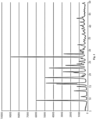
- the crystalline polymorph form has a powder X-ray diffraction pattern comprising a peak at diffraction angle (2 ⁇ ) of 27.4 ⁇ 0.1. In a further embodiment, the crystalline polymorph form has a powder X-ray diffraction pattern comprising peaks at diffraction angles (2 ⁇ ) of 9.4 ⁇ 0.1 and 27.4 ⁇ 0.1. In a further embodiment, the crystalline polymorph form has a powder X-ray diffraction pattern comprising peaks at diffraction angles (2 ⁇ ) of 9.4 ⁇ 0.1, 18.8 ⁇ 0.1, and 27.4 ⁇ 0.1.
- the crystalline polymorph form has a powder X-ray diffraction pattern comprising peaks at diffraction angles (2 ⁇ ) of 9.4 ⁇ 0.1, 16.5 ⁇ 0.1, 18.8 ⁇ 0.1, and 27.4 ⁇ 0.1.
- the crystalline polymorph form has a powder X-ray diffraction pattern comprising peaks at diffraction angles (2 ⁇ ) of 9.4 ⁇ 0.1, 16.5 ⁇ 0.1, 18.8 ⁇ 0.1, 22.8 ⁇ 0.1, and 27.4 ⁇ 0.1.
- the crystalline polymorph form has a powder X-ray diffraction pattern comprising peaks at diffraction angles (2 ⁇ ) of 9.4 ⁇ 0.1, 16.1 ⁇ 0.1, 16.5 ⁇ 0.1, 18.8 ⁇ 0.1, 22.8 ⁇ 0.1, and 27.4 ⁇ 0.1.
- the crystalline polymorph form has a powder X-ray diffraction pattern comprising peaks at diffraction angles (2 ⁇ ) of 9.4 ⁇ 0.1, 16.1 ⁇ 0.1, 16.5 ⁇ 0.1, 18.8 ⁇ 0.1, 21.2 ⁇ 0.1, 22.8 ⁇ 0.1, and 27.4 ⁇ 0.1.
- the crystalline form has a powder X-ray diffraction pattern comprising peaks at diffraction angles (2 ⁇ ) essentially the same as shown in FIG. 1 .
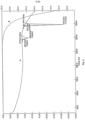
- the crystalline polymorph form has a differential scanning calorimetry (DSC) thermogram with a melting point of about 345.5 °C, and optionally the DSC thermogram is as shown in FIG. 2 .
- DSC differential scanning calorimetry
- the present disclosure further provides a pharmaceutical composition comprising a polymorph form 1 of Compound I of the formula
- the present disclosure further provides a capsule comprising pharmaceutical compositions as described herein.
- the references to methods of treatment in the this description are to be interpreted as references to compounds, pharmaceutical compositions and medicaments of the present invention for use in a method of treatment of the human (or animal) body by therapy (or for diagnosis).
- the disclosure provides a method of treating disease, especially cancer, in a mammal, including a human, the method comprising administering to the mammal a therapeutically effective amount of polymorph form 1 of (7S,13R)-11-fluoro-7,13-dimethyl-6,7,13,14-tetrahydro-1,15-ethenopyrazolo[4,3-f][1,4,8,10]benzoxa-triazacyclotridecin-4(SH)-one, as described herein, or a pharmaceutical composition comprising polymorph form 1 of (7S,13R)-11-fluoro-7,13-dimethyl-6,7,13,14-tetrahydro-1,15-ethenopyrazolo[4,3-f][1,4,8, 10]benzoxa
- the present disclosure provides a method of treating abnormal cell growth in a mammal, including a human, in need of such treatment comprising, administering to said mammal a therapeutically effective amount of the free base polymorph form 1 of Compound I.
- the abnormal cell growth is mediated by at least one genetically altered tyrosine kinase.
- the abnormal cell growth is mediated by ALK, ROS1, TRK, JAK2, SRC, FAK or a combination thereof.
- the abnormal cell growth is mediated by wild-type of mutant ALK.
- the abnormal cell growth is mediated by wild-type of mutant ROS1.
- the abnormal cell growth is mediated by wild-type of mutant TRK.
- the abnormal cell growth is mediated by wild-type of mutant JAK2.
- the abnormal cell growth is mediated by wild-type of mutant SRC.
- the abnormal cell growth is mediated by wild-type of mutant FAK.
- the abnormal cell growth is cancer.
- the cancer is selected from the group consisting of lung cancer, non-small cell lung cancer, small cell lung cancer, bone cancer, pancreatic cancer, skin cancer, cancer of the head or neck, hepatocellular carcinoma, cutaneous or intraocular melanoma, uterine cancer, ovarian cancer, rectal cancer, cancer of the anal region, stomach cancer, colon cancer, breast cancer, carcinoma of the fallopian tubes, carcinoma of the endometrium, carcinoma of the cervix, carcinoma of the vagina, carcinoma of the vulva, Hodgkin's Disease, gastric and esophago-gastric cancers, cancer of the endocrine system, cancer of the thyroid gland, cancer of the parathyroid gland, cancer of the adrenal gland, sarcoma of soft tissue, cancer of the urethra, cancer of the penis, prostate cancer, chronic or acute leukemia, lymphocytic lymphomas, such as anaplastic large cell lymphoma, cancer of the bladder
- the disclosure provides a compound of the formula II wherein R 1 and R 2 are each independently H or PG, wherein PG is selected from the group consisting of FMOC, Boc, Cbz, Ac, trifluoroacetyl, phthalimide, Bn, trityl, benzylidene, and Ts, and R 3 and R 4 are each independently C 1 -C 4 alkyl.
- the disclosure provides processes for preparing a compound of the formula B
- the present invention provides a crystalline polymorph form of the free base of (7S,13R)-11-fluoro-7,13-dimethyl-6,7,13,14-tetrahydro-1,15-ethenopyrazolo[4,3-f][1,4,8,10]benzoxatriazacyclotridecin-4(5H)-one.
- the crystalline polymorph form has a powder X-ray diffraction pattern comprising a peak at diffraction angle (2 ⁇ ) of 27.4 ⁇ 0.1; or
- the differential scanning calorimetry (DSC) thermogram has a melting point of about 345.5 °C, optionally wherein the DSC thermogram is as shown in FIG. 2 .
- composition comprising the crystalline polymorph form according to the invention.
- R 1 and R 2 are each independently H or PG, wherein PG is selected from the group consisting of FMOC, Boc, Cbz, Ac, trifluoroacetyl, phthalimide, Bn, trityl, benzylidene, and Ts, and R 3 and R 4 are each independently a C 1 -C 4 alkyl.
- R 1 and R 2 are PG.
- R 2 is H.
- R 1 is H.
- R 1 is PG.
- R 2 is PG.
- R 3 and R 4 are methyl.
- PG is Boc
- a crystalline polymorph form of the invention, or a pharmaceutical composition of the invention, for use in treating a cancer in a human optionally wherein the cancer is selected from the group consisting of lung cancer, non-small cell lung cancer, small cell lung cancer, bone cancer, pancreatic cancer, skin cancer, cancer of the head or neck, hepatocellular carcinoma, cutaneous or intraocular melanoma, uterine cancer, ovarian cancer, rectal cancer, cancer of the anal region, stomach cancer, colon cancer, breast cancer, carcinoma of the fallopian tubes, carcinoma of the endometrium, carcinoma of the cervix, carcinoma of the vagina, carcinoma of the vulva, Hodgkin's Disease, gastric and esophago-gastric cancers, cancer of the endocrine system, cancer of the thyroid gland, cancer of the parathyroid gland, cancer of the adrenal gland, sarcoma of soft tissue, cancer of the urethra, cancer of the penis, prostate cancer, chronic or acute leukemia, lymph
- alkyl includes a chain of carbon atoms, which is optionally branched and contains from 1 to 4 carbon atoms, and the like may be referred to as "lower alkyl.”
- Illustrative alkyl groups include, but are not limited to, methyl, ethyl, n-propyl, isopropyl, n-butyl, isobutyl, sec-butyl, and tert-butyl.
- abnormal cell growth refers to cell growth that is independent of normal regulatory mechanisms (e.g., loss of contact inhibition).
- treating means reversing, alleviating, inhibiting the progress of (i.e. curative treatment), or preventing the disorder or condition to which such term applies, or one or more symptoms of such disorder or condition.
- treatment refers to the act of treating as “treating” as defined immediately above.
- Preventative treatment is meant to indicate a postponement of development of a disease, a symptom of a disease, or medical condition, suppressing symptoms that may appear, or reducing the risk of developing or recurrence of a disease or symptom.
- Treating treatment includes reducing the severity of or suppressing the worsening of an existing disease, symptom, or condition.
- treatment includes ameliorating or preventing the worsening of existing disease symptoms, preventing additional symptoms from occurring, ameliorating or preventing the underlying systemic causes of symptoms, inhibiting the disorder or disease, e.g., arresting the development of the disorder or disease, relieving the disorder or disease, causing regression of the disorder or disease, relieving a condition caused by the disease or disorder, or stopping the symptoms of the disease or disorder.
- subject refers to a mammalian patient in need of such treatment, such as a human.
- the term "essentially the same" with reference to X-ray diffraction peak positions means that typical peak position and intensity variability are taken into account.
- the peak positions (2 ⁇ ) will show some inter-apparatus variability, typically as much as 0.1°.
- relative peak intensities will show inter-apparatus variability as well as variability due to degree of crystallinity, preferred orientation, prepared sample surface, and other factors known to those skilled in the art, and should be taken as qualitative measures only.
- protecting group refers to any group as commonly known to one of ordinary skill in the art that can be introduced into a molecule by chemical modification of a functional group, such as an amine or hydroxyl, to obtain chemo selectivity in a subsequent chemical reaction. It will be appreciated that such protecting groups can be subsequently removed from the functional group at a later point in a synthesis to provide further opportunity for reaction at such functional groups or, in the case of a final product, to unmask such functional group.
- Protecting groups have been described in, for example, Wuts, P. G. M., Greene, T. W., Greene, T. W., & John Wiley & Sons. (2006). Greene's protective groups in organic synthesis.
- Suitable amine protecting groups useful in connection with the present disclosure include, but are not limited to, 9-Fluorenylmethyl-carbonyl (FMOC), t -butylcarbonyl (Boc), benzyloxycarbonyl (Cbz), acetyl (Ac), trifluoroacetyl, phthalimide, benzyl (Bn), triphenylmethyl (trityl, Tr), benzylidene, and p -toluenesulfonyl (tosylamide, Ts).
- the DSC thermogram for crystalline polymorph form 1 is shown in FIG. 2 .
- the compounds and pharmaceutical compositions of the invention specifically target tyrosine receptor kinases, in particular ALK, ROS1, TRK, JAK2, SRC or FAK.
- these compounds and pharmaceutical compositions can be used to prevent, reverse, slow, or inhibit the activity of one or more of these kinases.
- methods of treatment disease mediated by one or more receptor tyrosine kinase are described herein.
- Exemplary diseases include cancer, pain, neurological diseases, autoimmune diseases, and inflammation.
- cancer includes but is not limited to lung cancer, such as non-small cell lung cancer, small cell lung cancer, and the like, bone cancer, pancreatic cancer, skin cancer, cancer of the head or neck, hepatocellular carcinoma, cutaneous or intraocular melanoma, uterine cancer, ovarian cancer, rectal cancer, cancer of the anal region, stomach cancer, colon cancer, breast cancer, carcinoma of the fallopian tubes, carcinoma of the endometrium, carcinoma of the cervix, carcinoma of the vagina, carcinoma of the vulva, Hodgkin's Disease, gastric and esophago-gastric cancers, cancer of the endocrine system, cancer of the thyroid gland, cancer of the parathyroid gland, cancer of the adrenal gland, sarcoma of soft tissue, cancer of the urethra, cancer of the penis, prostate cancer, chronic or acute leukemia,
- Pain includes, for example, pain from any source or etiology, including cancer pain, pain from chemotherapeutic treatment, nerve pain, pain from injury, or other sources.
- autoimmune diseases include, for example, rheumatoid arthritis, Sjogren syndrome, Type I diabetes, and lupus.
- exemplary neurological diseases include Alzheimer's Disease, Parkinson's Disease, Amyotrophic lateral sclerosis, and Huntington's disease.
- methods of treating inflammatory diseases of inflammation comprising administering a therapeutically effective amount of a crystalline polymorph form 1 of Compound I.
- inflammatory diseases include atherosclerosis, allergy, and inflammation from infection or injury.
- an "effective amount” means an amount or dose sufficient to generally bring about the desired therapeutic benefit in subjects needing such treatment.
- Effective amounts or doses of the compounds of the invention may be ascertained by routine methods, such as modeling, dose escalation, or clinical trials, taking into account routine factors, e.g., the mode or route of administration or drug delivery, the pharmacokinetics of the agent, the severity and course of the infection, the subject's health status, condition, and weight, and the judgment of the treating physician.
- An exemplary dose is in the range of about from about 0.1 mg to 1 g daily, or about 1 mg to 50 mg daily, or about 50 to 250 mg daily, or about 250 mg to 1 g daily.
- the total dosage may be given in single or divided dosage units (e.g., BID, TID, QID).
- the dose may be adjusted for preventative or maintenance treatment.
- the dosage or the frequency of administration, or both may be reduced as a function of the symptoms, to a level at which the desired therapeutic or prophylactic effect is maintained.
- treatment may cease. Patients may, however, require intermittent treatment on a long-term basis upon any recurrence of symptoms. Patients may also require chronic treatment on a long-term basis.
- compositions of the present disclosure may, for example, be in a form suitable for oral administration as a tablet, capsule, pill, powder, sustained release formulations, solution, suspension, for parenteral injection as a sterile solution, suspension or emulsion, for topical administration as an ointment or cream or for rectal administration as a suppository.
- the pharmaceutical composition may be in unit dosage forms suitable for single administration of precise dosages.
- the pharmaceutical composition may include conventional pharmaceutically-acceptable excipients.
- pharmaceutical compositions described herein may include other medicinal or pharmaceutical agents, carriers, adjuvants, etc.
- a pharmaceutically-acceptable excipient is a substance that is non-toxic and otherwise biologically suitable for administration to a subject. Such excipients facilitate administration of the compounds described herein and are compatible with the active ingredient.
- examples of pharmaceutically-acceptable excipients include stabilizers, lubricants, surfactants, diluents, antioxidants, binders, coloring agents, bulking agents, emulsifiers, or taste-modifying agents.
- pharmaceutical compositions according to the invention are sterile compositions. Pharmaceutical compositions may be prepared using compounding techniques known or that become available to those skilled in the art.
- compositions are also contemplated by the invention, including compositions that are in accord with national and local regulations governing such compositions.
- compositions and compounds described herein may be formulated as solutions, emulsions, suspensions, or dispersions in suitable pharmaceutical solvents or carriers, or as pills, tablets, lozenges, suppositories, sachets, dragees, granules, powders, powders for reconstitution, or capsules along with solid carriers according to conventional methods known in the art for preparation of various dosage forms.
- Pharmaceutical compositions of the invention may be administered by a suitable route of delivery, such as oral, parenteral, rectal, nasal, topical, or ocular routes, or by inhalation.
- the compositions are formulated for intravenous or oral administration.
- the compounds the invention may be provided in a solid form, such as a tablet or capsule, or as a solution, emulsion, or suspension.
- the compounds of the invention may be formulated to yield a dosage of, e.g., from about 0.1 mg to 1 g daily, or about 1 mg to 50 mg daily, or about 50 to 250 mg daily, or about 250 mg to 1 g daily.
- Oral tablets may include the active ingredient(s) mixed with compatible pharmaceutically acceptable excipients such as diluents, disintegrating agents, binding agents, lubricating agents, sweetening agents, flavoring agents, coloring agents and preservative agents.
- Suitable inert fillers include sodium and calcium carbonate, sodium and calcium phosphate, lactose, starch, sugar, glucose, methyl cellulose, magnesium stearate, mannitol, sorbitol, and the like.
- Exemplary liquid oral excipients include ethanol, glycerol, water, and the like.
- Starch, polyvinyl-pyrrolidone (PVP), sodium starch glycolate, microcrystalline cellulose, and alginic acid are exemplary disintegrating agents.
- Binding agents may include starch and gelatin.
- the lubricating agent if present, may be magnesium stearate, stearic acid, or talc. If desired, the tablets may be coated with a material such as glyceryl monostearate or glyceryl distearate to delay absorption in the gastrointestinal tract, or may be coated with an enteric coating.
- Capsules for oral administration include hard and soft gelatin capsules.
- active ingredient(s) may be mixed with a solid, semi-solid, or liquid diluent.
- Soft gelatin capsules may be prepared by mixing the active ingredient with water, an oil, such as peanut oil or olive oil, liquid paraffin, a mixture of mono and di-glycerides of short chain fatty acids, polyethylene glycol 400, or propylene glycol.
- Liquids for oral administration may be in the form of suspensions, solutions, emulsions, or syrups, or may be lyophilized or presented as a dry product for reconstitution with water or other suitable vehicle before use.
- Such liquid compositions may optionally contain: pharmaceutically-acceptable excipients such as suspending agents (for example, sorbitol, methyl cellulose, sodium alginate, gelatin, hydroxyethylcellulose, carboxymethylcellulose, aluminum stearate gel and the like); non-aqueous vehicles, e.g., oil (for example, almond oil or fractionated coconut oil), propylene glycol, ethyl alcohol, or water; preservatives (for example, methyl or propyl p-hydroxybenzoate or sorbic acid); wetting agents such as lecithin; and, if desired, flavoring or coloring agents.
- suspending agents for example, sorbitol, methyl cellulose, sodium alginate, gelatin, hydroxyethylcellulose, carboxymethyl
- the agents of the invention may be provided in sterile aqueous solutions or suspensions, buffered to an appropriate pH and isotonicity or in parenterally acceptable oil.
- Suitable aqueous vehicles include Ringer's solution and isotonic sodium chloride.
- Such forms may be presented in unit-dose form such as ampoules or disposable injection devices, in multidose forms such as vials from which the appropriate dose may be withdrawn, or in a solid form or pre-concentrate that can be used to prepare an injectable formulation.
- Illustrative infusion doses range from about 1 to 1000 ⁇ g/kg/minute of agent admixed with a pharmaceutical carrier over a period ranging from several minutes to several days.
- inventive pharmaceutical compositions may be administered using, for example, a spray formulation also containing a suitable carrier.
- inventive compositions may be formulated for rectal administration as a suppository.
- the compounds of the present invention are preferably formulated as creams or ointments or a similar vehicle suitable for topical administration.
- the inventive compounds may be mixed with a pharmaceutical carrier at a concentration of about 0.1% to about 10% of drug to vehicle.
- Another mode of administering the agents of the invention may utilize a patch formulation to effect transdermal delivery
- inventive compounds described herein may be used in pharmaceutical compositions or methods in combination with one or more additional active ingredients in the treatment of the diseases and disorders described herein.
- Further additional active ingredients include other therapeutics or agents that mitigate adverse effects of therapies for the intended disease targets. Such combinations may serve to increase efficacy, ameliorate other disease symptoms, decrease one or more side effects, or decrease the required dose of an inventive compound.
- the additional active ingredients may be administered in a separate pharmaceutical composition from a compound of the present invention or may be included with a compound of the present invention in a single pharmaceutical composition.
- the additional active ingredients may be administered simultaneously with, prior to, or after administration of a compound of the present invention.
- Combination agents include additional active ingredients are those that are known or discovered to be effective in treating the diseases and disorders described herein, including those active against another target associated with the disease.
- compositions and formulations of the invention, as well as methods of treatment can further comprise other drugs or pharmaceuticals, e.g., other active agents useful for treating or palliative for the target diseases or related symptoms or conditions.
- additional such agents include, but are not limited to, kinase inhibitors, such as EGFR inhibitors (e.g ., erlotinib, gefitinib), Raf inhibitors ( e.g., vemurafenib), VEGFR inhibitors ( e.g., sunitinib), ALK inhibitors ( e.g. , crizotinib) standard chemotherapy agents such as alkylating agents, antimetabolites, anti-tumor antibiotics, topoisomerase inhibitors, platinum drugs, mitotic inhibitors, antibodies, hormone therapies, or corticosteroids.
- suitable combination agents include anti-inflammatories such as NSAIDs.
- the pharmaceutical compositions of the invention may additional comprise one or more of such active agents, and methods of treatment may additionally comprise administering an effective amount of one or more of such active agents.
- the disclosure provides a process for preparing a compound of the formula I comprising
- the present disclosure provides processes for preparing a compound of the formula I described in the paragraphs above, comprising more than one of the step listed in the alternative. Accordingly, the present disclosure provides a process for preparing a compound of the formula I, comprising steps (a) and (b). Alternatively, the present disclosure provides a process for preparing a compound of the formula I, comprising steps (b) and (c). Alternatively, the present disclosure provides a process for preparing a compound of the formula I, comprising steps (c) and (d). Alternatively, the present disclosure provides a process for preparing a compound of the formula I, comprising steps (a), (b) and (c).
- the present disclosure provides a process for preparing a compound of the formula I, comprising steps (b), (c) and (d).
- the present disclosure provides a process for preparing a compound of the formula I, comprising steps (a), (b), (c) and (d).
- the base can be any organic base, such as an amine base.
- Suitable amine bases include, but are not limited to, DIEA, TEA, tributylamine, 2,6-lutidine, 2,2,6,6-tetramethylguanidine, and the like.
- step (a) can be carried out in the presence of a polar protic solvent, such as an alcohol solvent.
- Suitable polar protic solvents include, but are not limited to, MeOH, EtOH, iPrOH, n-BuOH, sec-BuOH, and the like.
- the polar protic solvent is n-BuOH.
- step (a) can be carried out at a temperature of from about 50 °C to about 150 °C. In some embodiments, the temperature is about 120 °C.
- the inorganic base can be any inorganic base, such as a hydroxide base.
- Suitable hydroxide bases include, but are not limited to, sodium hydroxide, lithium hydroxide, and the like.
- step (b) can be carried out in the presence of a polar protic solvent, a polar aprotic solvent or a mixture thereof.
- Suitable polar protic solvents include, but are not limited to, MeOH, EtOH, iPrOH, n-BuOH, sec-BuOH, H 2 O, and the like.
- Suitable polar aprotic solvents include, but are not limited to THF, 2-methyl-THF, Et 2 O, DCM, EtOAc, DMF, CH 3 CN, acetone, HMPT, DMSO, and the like.
- step (b) can be carried out in a mixture of solvents, such as THF/MeOH/H 2 O.
- step (b) can be carried out at a temperature of from about 30 °C to about 100 °C. In some embodiments, the temperature is about 70 °C.
- the acid can be a strong inorganic acid, such as HCl, such as 2M HCl.
- the acid can be a solution of a strong acid in a polar aprotic solvent, such as Et 2 O.
- a suitable acid for use in step (c) can include 2M HCl in Et 2 O.
- step (c) can be carried out in the presence of a further polar aprotic solvent.
- Suitable polar aprotic solvents include, but are not limited to THF, 2-methyl-THF, Et 2 O, DCM, EtOAc, DMF, CH 3 CN, acetone, HMPT, DMSO, and the like.
- the polar aprotic solvent is DCM.
- step (a) can be carried out at a temperature of from about 0 °C to about 50 °C. In some embodiments, the temperature is about 25 °C.
- the base can be any organic base, such as an amine base.
- Suitable amine bases include, but are not limited to, DIEA, TEA, tributylamine, 2,6-lutidine, 2,2,6,6-tetramethylguanidine, and the like.
- Suitable phosphinate reagents include those known to one of skill in the art that are useful in preparing an activated ester of a carboxylic acid, such as pentafluorophenyl diphenylphosphinate (FDPP).
- step (d) can be carried out in the presence of a further polar aprotic solvent or a mixture of polar aprotic solvents.
- Suitable polar aprotic solvents include, but are not limited to THF, 2-methyl-THF, Et 2 O, DCM, EtOAc, DMF, CH 3 CN, acetone, HMPT, DMSO, and the like.
- the polar aprotic solvent is a mixture of DMF and DCM.
- step (a) can be carried out at a temperature of from about -20 °C to about 50 °C. In some embodiments, the temperature is about 0 °C to about 25 °C.
- the disclosure provides a process (Method A) for preparing a compound of the formula B wherein
- the present disclosure provides processes for preparing a compound of the formula B according to Method A as described in the paragraphs above, comprising more than one of the step listed in the alternative. Accordingly, the present disclosure provides a process for preparing a compound of the formula B, comprising steps (a) and (b). Alternatively, the present disclosure provides a process for preparing a compound of the formula B, comprising steps (b) and (c). Alternatively, the present disclosure provides a process for preparing a compound of the formula B, comprising steps (c) and (d). Alternatively, the present disclosure provides a process for preparing a compound of the formula B, comprising steps (a), (b) and (c).
- the present disclosure provides a process for preparing a compound of the formula B, comprising steps (b), (c) and (d).
- the present disclosure provides a process for preparing a compound of the formula B, comprising steps (a), (b), (c) and (d).
- the azodicarboxylate reagent can be any such reagent known in the art. Suitable azodicarboxylate reagents include, but are not limited to, DEAD, diisopropyl azodicarboxylate (DIAD), di-(4-chlorobenzyl)azodicarboxylate (DCAD), and the like.
- the phosphine reagent can be any organophosphine reagent commonly known in the art, including, but not limited to triphenylphoshine, tributylphosphine, and the like.
- step (a) of Method A can be carried out in the presence of a polar aprotic solvent.
- Suitable polar aprotic solvents include, but are not limited to THF, 2-methyl-THF, Et 2 O, DCM, EtOAc, DMF, CH 3 CN, acetone, HMPT, DMSO, and the like.
- the polar aprotic solvent is DCM.
- step (a) of Method A can be carried out at a temperature of from about -20 °C to about 50 °C. In some embodiments, the temperature is about 0 °C to about 25 °C.
- R 3 and R 4 are each methyl.
- PG is Boc.
- a compound of the formula B-2 can be prepared by contacting (R)-1-aminopropan-2-ol with (Boc) 2 O in the presence of an amine base.
- step (b) of Method A can be carried out in the presence of a Lewis acid. In some embodiments, step (b) of Method A can be carried out in the presence of a water scavenger. In some embodiments, the Lewis acid and water scavenger can be the same reagent. In some embodiments, the Lewis acid and water scavenger can be different reagents. Suitable Lewis acids include, but are not limited to, copper (II) sulfate, magnesium sulfate, tetraethoxytitanium, tetraisopropxytitanium, and the like.
- Suitable water scavengers include, but are not limited to pyridinium p-toluenesulfonate, magnesium sulfate, sodium sulfate, tetraethoxytitanium, tetraisopropxytitanium, and the like.
- the Lewis acid and water scavenger is tetraethoxytitanium.
- step (b) of Method A can be carried out in the presence of a polar aprotic solvent.
- step (b) of Method A can be carried out in the presence of a mixture of polar aprotic solvents.
- Suitable polar aprotic solvents include, but are not limited to THF, 2-methyl-THF, Et 2 O, DCM, EtOAc, DMF, CH 3 CN, acetone, HMPT, DMSO, and the like.
- the polar aprotic solvent is a mixture of THF and 2-methyl-THF.
- step (b) of Method A can be carried out at a temperature of from about 0 °C to about 80 °C. In some embodiments, the temperature is about 15 °C to about 65 °C.
- R 3 and R 4 are each methyl.
- PG is Boc.
- the reducing agent can be any element or compound commonly known in the art that loses (or "donates") an electron to another chemical species in a redox chemical reaction, including but not limited hydride reagents, elemental hydrogen, silane reagents, Hantzsch ester reagents, and the like.
- Suitable reducing agents include, but are not limited to, NaBH 4 , LiAlH 4 , and H 2 .
- the reducing agent in step (c) of Method A is NaBH 4 .
- step (c) of Method A can be carried out in the presence of a polar organic solvent.
- step (c) of Method A can be carried out in the presence of a mixture of polar organic solvents.
- the polar organic solvent or mixture of polar organic solvents can be polar aprotic or polar protic.
- Suitable polar aprotic solvents include, but are not limited to THF, 2-methyl-THF, Et 2 O, DCM, EtOAc, DMF, CH 3 CN, acetone, HMPT, DMSO, and the like.
- Suitable polar protic solvents include, but are not limited to, MeOH, EtOH, iPrOH, n-BuOH, sec-BuOH, H 2 O, and the like.
- the polar aprotic solvent is a mixture of THF and H 2 O.
- step (c) of Method A can be carried out at a temperature of from about -78 °C to about 30 °C. In some embodiments, the temperature is about -50 °C to about 25 °C.
- R 3 and R 4 are each methyl.
- PG is Boc.
- the iodine reagent can be any iodine reagent known in the art useful for deprotection of a sulfinamide.
- the iodine reagent is I 2 .
- step (d) of Method A can be carried out in the presence of a polar organic solvent.
- step (d) of Method A can be carried out in the presence of a mixture of polar organic solvents.
- the polar organic solvent or mixture of polar organic solvents can be polar aprotic or polar protic.
- Suitable polar aprotic solvents include, but are not limited to THF, 2-methyl-THF, Et 2 O, DCM, EtOAc, DMF, CH 3 CN, acetone, HMPT, DMSO, and the like.
- Suitable polar protic solvents include, but are not limited to, MeOH, EtOH, iPrOH, n-BuOH, sec-BuOH, H 2 O, and the like.
- the polar aprotic solvent is a mixture of THF and H 2 O.
- step (d) of Method A can be carried out at a temperature of from about 0 °C to about 80 °C. In some embodiments, the temperature is about 25 °C to about 60 °C. In some embodiments, the temperature is about 0 °C. In some embodiments, R 3 and R 4 are each methyl. In some embodiments, PG is Boc.
- the disclosure provides a process (Method B) for preparing a compound of the formula B wherein
- the present disclosure provides processes for preparing a compound of the formula B according to Method B as described in the paragraphs above, comprising more than one of the step listed in the alternative. Accordingly, the present disclosure provides a process for preparing a compound of the formula B, comprising steps (a) and (b). Alternatively, the present disclosure provides a process for preparing a compound of the formula B, comprising steps (b) and (c). Alternatively, the present disclosure provides a process for preparing a compound of the formula B, comprising steps (a), (b) and (c).
- a compound of the formula B-7 can be reacted under conditions suitable to introduce an amine protecting group (or PG).
- Suitable protecting groups (or PG) include, but are not limited to, FMOC, Boc, Cbz, Ac, trifluoroacetyl, phthalimide, Bn, trityl, benzylidene, and Ts.
- PG is trifluoroacetyl.
- a compound of the formula B-7 can be reacted under conditions suitable to introduce a trifluoroacetyl.
- step (a) of Method B involves contacting a compound of the formula B-7 with trifluoroacetic anhydride in the presence of an organic base, such as an amine base.
- organic base such as an amine base.
- Suitable amine bases include, but are not limited to, DIEA, TEA, tributylamine, 2,6-lutidine, 2,2,6,6-tetramethylguanidine, and the like.
- step (a) of Method B can be carried out in a polar aprotic solvent.
- Suitable polar aprotic solvents include, but are not limited to THF, 2-methyl-THF, Et 2 O, DCM, EtOAc, DMF, CH 3 CN, acetone, HMPT, DMSO, and the like.
- the polar aprotic solvent is DCM.
- step (a) of Method B can be carried out at a temperature of from about -20 °C to about 25 °C. In some embodiments, the temperature is about 0 °C.
- R 4 is methyl.
- PG is trifluoroacetyl.
- the azodicarboxylate reagent can be any such reagent known in the art. Suitable azodicarboxylate reagents include, but are not limited to, DEAD, diisopropyl azodicarboxylate (DIAD), di-(4-chlorobenzyl)azodicarboxylate (DCAD), and the like.
- the phosphine reagent can be any organophosphine reagent commonly known in the art, including, but not limited to triphenylphoshine, tributylphosphine, and the like.
- step (b) of Method B can be carried out in the presence of a polar aprotic solvent.
- Suitable polar aprotic solvents include, but are not limited to THF, 2-methyl-THF, Et 2 O, DCM, EtOAc, DMF, CH 3 CN, acetone, HMPT, DMSO, and the like.
- the polar aprotic solvent is DCM.
- step (b) of Method B can be carried out at a temperature of from about -20 °C to about 50 °C. In some embodiments, the temperature is about 0 °C to about 25 °C.
- R 3 and R 4 are each methyl.
- one PG is Boc and one PG if trifluoroacetyl.
- step (c) of Method B can be carried out under conditions suitable to remove one of the PG groups in a compound of the formula B-9, while the other PG group remains intact.
- the inorganic base can be any inorganic base, such as a hydroxide base. Suitable hydroxide bases include, but are not limited to, sodium hydroxide, lithium hydroxide, and the like.
- step (c) of Method B can be carried out in the presence of a polar protic solvent, a polar aprotic solvent, or a mixture thereof.
- Suitable polar protic solvents include, but are not limited to, MeOH, EtOH, iPrOH, n-BuOH, sec-BuOH, H 2 O, and the like.
- Suitable polar aprotic solvents include, but are not limited to THF, 2-methyl-THF, Et 2 O, DCM, EtOAc, DMF, CH 3 CN, acetone, HMPT, DMSO, and the like.
- step (c) of Method B can be carried out in a mixture of solvents, such as THF/MeOH.
- step (c) of Method B can be carried out at a temperature of from about 30 °C to about 100 °C. In some embodiments, the temperature is about 50 °C.
- R 3 and R 4 are each methyl.
- one PG is Boc and one PG if trifluoroacetyl.
- the disclosure provides a process (Method C) for preparing a compound of the formula B wherein
- the present disclosure provides processes for preparing a compound of the formula B according to Method C as described in the paragraphs above, comprising more than one of the step listed in the alternative. Accordingly, the present disclosure provides a process for preparing a compound of the formula B, comprising steps (a) and (b). Alternatively, the present disclosure provides a process for preparing a compound of the formula B, comprising steps (b) and (c). Alternatively, the present disclosure provides a process for preparing a compound of the formula B, comprising steps (a), (b) and (c).
- the base can be any strong, non-nucleophilic base known to one of ordinary skill in the art.
- Suitable strong, non-nucleophilic bases include, but are not limited to, KHMDS, potassium tert-butoxide, lithium diisopropyl amide, 1,5,7-triazabicyclo(4.4.0)dec-5-ene (TBD), 7-methyl-1,5,7-triazabicyclo(4.4.0)dec-5-ene (MTBD), 1,8-diazabicyclo[5.4.0]-undec-7-ene (DBU), 1,5-diazabicyclo[4.3.0]non-5-ene (DBN), 1,1,3,3-tetramethylguanidine (TMG), and the like.
- the strong, non-nucleophilic base is KHMDS.
- step (a) of Method C can be carried out in the presence of a polar aprotic solvent.
- Suitable polar aprotic solvents include, but are not limited to THF, 2-methyl-THF, Et 2 O, DCM, EtOAc, DMF, CH 3 CN, acetone, HMPT, DMSO, and the like.
- the polar aprotic solvent is THF.
- step (a) of Method C can be carried out at a temperature of from about -20 °C to about 40 °C. In some embodiments, the temperature is about 0 °C to about 25 °C.
- R 3 is methyl.
- one PG is Boc.
- the nucleophile can be any nucleophile capable of delivering a nucleophilic carbon atom to the nitrile functional group. Suitable nucleophiles include but are not limited to, alkyl metal halide reagents, such as Grignard reagents, and organolithium reagents. In some embodiments, the nucleophile in step (b) of method C is C 1 -C 4 alkylMgBr. In some embodiments, the nucleophile in step (b) of method C is MeMgBr. In some embodiments, step (b) of Method C can be carried out in the presence of a polar aprotic solvent.
- Suitable polar aprotic solvents include, but are not limited to THF, 2-methyl-THF, Et 2 O, DCM, EtOAc, DMF, CH 3 CN, acetone, HMPT, DMSO, and the like.
- the polar aprotic solvent is THF.
- step (b) of Method C further comprises the addition of an alcohol solvent, such as methanol or ethanol, to quench the reaction.
- step (b) of Method C further comprises the addition a strong inorganic acid to form an imminium salt.
- the strong acid is an HCl ether solution.
- step (b) of Method C can be carried out at a temperature of from about -80 °C to about 40 °C. In some embodiments, the temperature is about -78 °C to about 25 °C. In some embodiments, R 3 and R 4 are methyl. In some embodiments, one PG is Boc.
- the reducing agent can be any element or compound commonly known in the art that loses (or "donates") an electron to another chemical species in a redox chemical reaction, including but not limited hydride reagents, elemental hydrogen, silane reagents, Hantzsch ester reagents, and the like. Suitable reducing agents include, H 2 and Hantzsch ester. In some embodiments, it is convenient to contact the reducing agent in the presence of a catalyst, such as an iridium catalyst, a ruthenium catalyst, a rhodium catalyst, a palladium catalyst, and the like.
- a catalyst such as an iridium catalyst, a ruthenium catalyst, a rhodium catalyst, a palladium catalyst, and the like.
- the catalyst can be any catalysts system known in the art that is capable of promoting the reduction of an imminium salt to an amine.
- the catalyst is [Ir(COD)Cl] 2 /( S , S )-f-binaphane.
- the reducing agent in step (c) of Method C is H 2 in the presence of [Ir(COD)Cl] 2 and ( S , S )-f-binaphane.
- the H 2 is applied at from about 2 atmospheres of pressure to about 15 atmospheres of pressure. In some embodiments, the H 2 is applied at about 10 atmospheres of pressure.
- step (c) of Method C can be carried out in the presence of a polar protic solvent, such as an alcohol solvent.
- a polar protic solvent such as an alcohol solvent.
- Suitable polar protic solvents include, but are not limited to, MeOH, EtOH, iPrOH, n-BuOH, sec-BuOH, and the like.
- the polar protic solvent is MeOH.
- step (c) of Method C can be carried out in the presence of a polar aprotic solvent.
- Suitable polar aprotic solvents include, but are not limited to THF, 2-methyl-THF, Et 2 O, DCM, EtOAc, DMF, CH 3 CN, acetone, HMPT, DMSO, and the like.
- the polar aprotic solvent is DCM.
- step (c) of Method C can be carried out in a mixture of a polar protic solvent and a polar aprotic solvent.
- step (c) of Method C can be carried out in a mixture of a DCM and MeOH.
- the disclosure provides a process (Method D) for preparing a compound of the formula B wherein
- the present disclosure provides processes for preparing a compound of the formula B according to Method D as described in the paragraphs above, comprising more than one of the step listed in the alternative. Accordingly, the present disclosure provides a process for preparing a compound of the formula B, comprising steps (a) and (b). Alternatively, the present disclosure provides a process for preparing a compound of the formula B, comprising steps (b) and (c). Alternatively, the present disclosure provides a process for preparing a compound of the formula B, comprising steps (a), (b) and (c).
- step (a) of Method D involves contacting a compound of the formula B-12 with trifluoroacetic anhydride in the presence of an organic base, such as an amine base.
- organic base such as an amine base.
- Suitable amine bases include, but are not limited to, DIEA, TEA, tributylamine, 2,6-lutidine, 2,2,6,6-tetramethylguanidine, and the like.
- step (a) of Method D can be carried out in a polar aprotic solvent.
- Suitable polar aprotic solvents include, but are not limited to THF, 2-methyl-THF, Et 2 O, DCM, EtOAc, DMF, CH 3 CN, acetone, HMPT, DMSO, and the like.
- the polar aprotic solvent is DCM.
- step (a) of Method D can be carried out at a temperature of from about -20 °C to about 25 °C. In some embodiments, the temperature is about 0 °C.
- R 4 is methyl.
- PG is trifluoroacetyl.
- the reducing agent can be any element or compound commonly known in the art that loses (or “donates") an electron to another chemical species in a redox chemical reaction, including but not limited hydride reagents, elemental hydrogen, silane reagents, Hantzsch ester reagents, and the like. Suitable reducing agents include, H 2 and Hantzsch ester. In some embodiments, it is convenient to contact the reducing agent in the presence of a catalyst, such as an iridium catalyst, a ruthenium catalyst, a rhodium catalyst, a palladium catalyst, and the like.
- a catalyst such as an iridium catalyst, a ruthenium catalyst, a rhodium catalyst, a palladium catalyst, and the like.
- the catalyst can be any catalysts system known in the art that is capable of promoting the reduction of an imminium salt to an amine.
- the catalyst is and [((R,R)-Me-DuPHOS)-Rh-(COD)]BF 4 .
- the reducing agent in step (b) of Method D is H 2 in the presence of and [((R,R)-Me-DuPHOS)-Rh-(COD)]BF 4 .
- the H 2 is applied at from about 2 psi to about 100 psi. In some embodiments, the H 2 is applied at about 90 psi.
- step (b) of Method D can be carried out in the presence of a polar protic solvent, such as an alcohol solvent.
- a polar protic solvent such as an alcohol solvent.
- Suitable polar protic solvents include, but are not limited to, MeOH, EtOH, iPrOH, n-BuOH, sec-BuOH, and the like.
- the polar protic solvent is MeOH.
- step (b) of Method D can be carried out in the presence of a polar aprotic solvent.
- Suitable polar aprotic solvents include, but are not limited to THF, 2-methyl-THF, Et 2 O, DCM, EtOAc, DMF, CH 3 CN, acetone, HMPT, DMSO, and the like.
- the polar aprotic solvent is DCM.
- step (b) of Method D can be carried out in a mixture of a polar protic solvent and a polar aprotic solvent.
- step (b) of Method D can be carried out in a mixture of a DCM and MeOH.
- step (c) of Method D can be carried out under conditions suitable to remove one of the PG groups in a compound of the formula B-9, while the other PG group remains intact.
- the inorganic base can be any inorganic base, such as a a carbonate base or a hydroxide.
- Suitable hydroxide bases include, but are not limited to, sodium hydroxide, lithium hydroxide, and the like.
- Suitable carbonate bases include, but are not limited to, potassium carbonate, sodium bicarbonate, sodium carbonate, and the like.
- the inorganic base is potassium carbonate.
- step (c) of Method D can be carried out in the presence of a polar protic solvent, a polar aprotic solvent, or a mixture thereof.
- Suitable polar protic solvents include, but are not limited to, MeOH, EtOH, iPrOH, n-BuOH, sec-BuOH, H 2 O, and the like.
- Suitable polar aprotic solvents include, but are not limited to THF, 2-methyl-THF, Et 2 O, DCM, EtOAc, DMF, CH 3 CN, acetone, HMPT, DMSO, and the like.
- step (c) of Method D can be carried out in MeOH.
- step (c) of Method D can be carried out at a temperature of from about 30 °C to about 100 °C. In some embodiments, the temperature is about 50 °C. In some embodiments, R 3 and R 4 are each methyl. In some embodiments, one PG is Boc and one PG if trifluoroacetyl.
- Step 2 Preparation of (R)-N-((R)-1-(5-fluoro-2-hydroxyphenyl)ethyl)-2-methylpropane-2-sulfinamide (2-3R)
- Step 1 Preparation of ethyl (R)-5-((1-(5-fluoro-2-hydroxyphenyl)ethyl)amino)pyrazolo[1,5-a]pyrimidine-3-carboxylate (3)
- reaction mixture was diluted with H 2 O (500 mL) at 16 °C, and extracted with EtOAc (500 mLx3). The combined organic layers were washed with brine (500 mL), dried over Na 2 SO 4 , filtered and concentrated under reduced pressure to give a residue.
- Step 2 Preparation of ethyl 5-(((R)-1-(2-(((S)-1-((tert-butoxycarbonyl)amino)propan-2-yl)oxy)-5-fluorophenyl)ethyl)amino)pyrazolo[1,5-a]pyrimidine-3-carboxylate (4)
- Step 3 Preparation of 5-(((R)-1-(2-(((S)-1-((tert-butoxycarbonyl)amino)propan-2-yl)oxy)-5-fluorophenyl)ethyl)amino)pyrazolo[1,5-a]pyrimidine-3-carboxylic acid (5)
- Step 4 Preparation of 5-(((R)-1-(2-(((S)-1-aminopropan-2-yl)oxy)-5-fluorophenyl)ethyl)amino)pyrazolo[1,5-a]pyrimidine-3-carboxylic acid (6)
- Step 5 Preparation of (7S,13R)-11-fluoro-7,13-dimethyl-6,7,13,14-tetrahydro-1,15-ethenopyrazolo[4,3- f ][1,4,8,10]benzoxatriazacyclotridecin-4(5H)-one (Compound I).
- the reaction was stirred for 1 hour, and LC-MS showed the completion of the coupling reaction. The same process was repeated for 2 more times.
- the final solution was stirred at ambient temperature for 63 hour (or until the reaction was shown to be completed by LC-MS).
- the reaction was quenched by addition of aqueous Na 2 CO 3 solution (2M, 150 mL), and the mixture was stirred for 15 min, and extracted with DCM (3 x 150 mL).
- the combined organic layers were washed with aqueous Na 2 CO 3 solution (1 M, 2 L), water (2 L) and dried with Na 2 SO 4 .
- the same work-up procedure was applied to the second reaction flask.
- the combined solutions were filtered and concentrated under reduced pressure to a volume of ⁇ 600 mL. A large amount of precipitate was observed during the concentration which was stirred at 0 °C for 0.5 hr and then filtered to provide a solid product (145 grams).
- the filtrate was condensed to dryness and the residue was re-dissolved in DCM (1 L), and washed with aqueous HCl solution (0.4 M, 500 mL), Na 2 CO 3 (2M, 1 L), water (1 L), and dried with Na 2 SO 4 .
- A-1 H -pyrazole-4-carboxylic acid ethyl ester (A-1) (Langchem Inc, 2.0 kg, 12.9 mol) was charged into a 50-L jacked reactor. DMF (Industrial Grade, 20 L) was then added followed by ethyl 3-ethoxyacrylate (LightChem, 3.5 kg, 24.5 mol, 1.9 eq) and Cs 2 CO 3 (NuoTai Chem, 8.0 kg, 24.5 mol, 1.9 eq). The reaction mixture was heated to 110-115 °C over 40 min and agitated at this temperature overnight. IPC by LCMS showed almost all the starting materials had been consumed.
- A-2 (2.3 kg, 11.1 mol) was charged into a 50-L jacked reactor.
- MeCN Industrial Grade, 23 L
- Neat POCl 3 (8.5 kg, 55.5 mol, 5.0 eq) was added to the mixture over 10 min with no change in reactor temperature.
- the reaction mixture was heated to 100-105°C over 1 hr and then agitated at this temperature for 2 hr. IPC by LCMS showed that the starting material had been consumed.
- the reaction solution was then transferred into a 100-L jacked reactor containing ice water (50 L, 5°C) over 1 hr.
- the combined extracts were washed with 2 M NaOH solution (75 mL), dried with Na 2 SO 4 , concentrated under reduced pressure, and dried on high vacuum.
- the residue was dissolved in 1:1 DCM:Hexane (100 mL), and extracted with 0.5 M HCl in 9:1 water:MeOH (3 ⁇ 60 mL).
- the combined aqueous extracts were washed with 1:3 DCM:Hexane (100 mL), neutralized with 2 M NaOH solution (100 mL), and extracted with DCM (3 ⁇ 100 mL).
- the combined DCM extracts were dried with Na 2 SO 4 , concentrated under reduced pressure, and dried on high vacuum to provide a white solid B-14 (797.6 mg, 53% yield for combined three steps).
- Example 25 Powder X-ray Diffraction (PXRD) of crystalline polymorph form 1 of Compound I.
- Example 26 Differential Scanning Calorimetry (DSC) of crystalline polymorph form 1 of Compound I.
- kinase binding assays were performed at DiscoveRx using the general KINOMEscan K d Protocol ( Fabian, M. A. et al., "A small molecule-kinase interaction map for clinical kinase inhibitors," Nat. Biotechnol. 2005, 23(3):329-36 ).
- kinase-tagged T7 phage strains were prepared in an E. coli host derived from the BL21 strain. E. coli were grown to log-phase and infected with T7 phage and incubated with shaking at 32°C until lysis. The lysates were centrifuged and filtered to remove cell debris.
- the remaining kinases were produced in HEK-293 cells and subsequently tagged with DNA for qPCR detection.
- Streptavidin-coated magnetic beads were treated with biotinylated small molecule ligands for 30 minutes at room temperature to generate affinity resins for kinase assays.
- the liganded beads were blocked with excess biotin and washed with blocking buffer (SeaBlock (Pierce), 1% BSA, 0.05% Tween 20, 1 mM DTT) to remove unbound ligand and to reduce nonspecific binding.
- Example 28 EML4-ALK BalF3 Stable Cell Line Creation and Cell Proliferation Assay.
- the EML4-ALK wild-type gene (variant 1) was synthesized at GenScript and cloned into pCDH-CMV-MCS-EF1-Puro plasmid (System Biosciences, Inc).
- Ba/F3-EML4-ALK wild type cell line was generated by infecting BalF3 cells with lentivirus containing EML4-ALK wide-type. Stable cell lines were selected by puromycin treatment, followed by IL-3 withdrawal. 5000 cells were seeded in 384 well white plate overnight before compound treatment. Cell proliferation was measured using CellTiter-Glo luciferase-based ATP detection assay (Promega) following the manufactures's protocol after 48 hours of various concentration of compound incubation. IC 50 determinations were performed using GraphPad Prism software (GraphPad, Inc., San Diego, CA.). Data for Compound I is presented in Table 2.
- Colorectal cell lines KM 12 (harboring endogenous TPM3-TRKA fusion gene) cells were cultured in DMEM medium, supplemented with 10% fetal bovine serum and 100 U/mL of penicillin/streptomycin. 5000 cells were seeded in 384 well white plate for 24 hours before compounds treatment. Cell proliferation was measured using CellTiter-Glo luciferase-based ATP detection assay (Promega) following the manufactures's protocol after 72 hours incubation. IC 50 determinations were performed using GraphPad Prism software (GraphPad, Inc., San Diego, CA).
- Colorectal cell line KM12 (harboring endogenous TPM3-TRKA fusion gene) cells were cultured in DMEM medium, supplemented with 10% fetal bovine serum and 100 U/mL of penicillin/streptomycin.
- Essential thrombocythemia cell line SET-2 cells (harboring endogenous JAK2 V618F point mutation) or T cell lymphoma Karpas-299 cell line (harboring endogenous NPM-ALK fusion gene) were cultured in RPMI medium, supplemented with 10% fetal bovine serum and 100 U/mL of penicillin/streptomycin.
- 5000 cells were seeded in 384 well white plate for 24 hours before compounds treatment.
- Cell proliferation was measured using CellTiter-Glo luciferase-based ATP detection assay (Promega) following the manufactures's protocol after 72 hours incubation. IC 50 determinations were performed using GraphPad Prism software (GraphPad, Inc., San Diego, CA).
- Table 2 KM 12 cell prolif. IC 50 (nM) SET2 cell proli. IC 50 (nM) Karpas 299 cell proli. IC 50 (nM) EML4-ALK BalF3 cell proli. IC 50 (nM) 0.5 242 23.7 21.1
Landscapes
- Chemical & Material Sciences (AREA)
- Organic Chemistry (AREA)
- Health & Medical Sciences (AREA)
- Public Health (AREA)
- Veterinary Medicine (AREA)
- Medicinal Chemistry (AREA)
- Pharmacology & Pharmacy (AREA)
- Life Sciences & Earth Sciences (AREA)
- Animal Behavior & Ethology (AREA)
- General Health & Medical Sciences (AREA)
- Chemical Kinetics & Catalysis (AREA)
- Nuclear Medicine, Radiotherapy & Molecular Imaging (AREA)
- General Chemical & Material Sciences (AREA)
- Epidemiology (AREA)
- Hematology (AREA)
- Oncology (AREA)
- Pharmaceuticals Containing Other Organic And Inorganic Compounds (AREA)
- Nitrogen And Oxygen Or Sulfur-Condensed Heterocyclic Ring Systems (AREA)
- Organic Low-Molecular-Weight Compounds And Preparation Thereof (AREA)
- Low-Molecular Organic Synthesis Reactions Using Catalysts (AREA)
- Indole Compounds (AREA)
Priority Applications (5)
| Application Number | Priority Date | Filing Date | Title |
|---|---|---|---|
| HRP20240780TT HRP20240780T1 (hr) | 2015-07-06 | 2016-07-05 | Polimorf diaril makrocikla |
| SM20240213T SMT202400213T1 (it) | 2015-07-06 | 2016-07-05 | Polimorfo di diaril macrociclo |
| SI201631817T SI3319969T1 (sl) | 2015-07-06 | 2016-07-05 | Diaril makrociklični polimorf |
| EP24158643.7A EP4397665A3 (en) | 2015-07-06 | 2016-07-05 | Diaryl macrocycle polymorph |
| RS20240632A RS65593B1 (sr) | 2015-07-06 | 2016-07-05 | Polimorf diaril makrocikla |
Applications Claiming Priority (3)
| Application Number | Priority Date | Filing Date | Title |
|---|---|---|---|
| US201562188846P | 2015-07-06 | 2015-07-06 | |
| US201562218672P | 2015-09-15 | 2015-09-15 | |
| PCT/US2016/040972 WO2017007759A1 (en) | 2015-07-06 | 2016-07-05 | Diaryl macrocycle polymorph |
Related Child Applications (2)
| Application Number | Title | Priority Date | Filing Date |
|---|---|---|---|
| EP24158643.7A Division EP4397665A3 (en) | 2015-07-06 | 2016-07-05 | Diaryl macrocycle polymorph |
| EP24158643.7A Division-Into EP4397665A3 (en) | 2015-07-06 | 2016-07-05 | Diaryl macrocycle polymorph |
Publications (3)
| Publication Number | Publication Date |
|---|---|
| EP3319969A1 EP3319969A1 (en) | 2018-05-16 |
| EP3319969A4 EP3319969A4 (en) | 2019-07-03 |
| EP3319969B1 true EP3319969B1 (en) | 2024-04-03 |
Family
ID=57685592
Family Applications (2)
| Application Number | Title | Priority Date | Filing Date |
|---|---|---|---|
| EP16821872.5A Active EP3319969B1 (en) | 2015-07-06 | 2016-07-05 | Diaryl macrocycle polymorph |
| EP24158643.7A Pending EP4397665A3 (en) | 2015-07-06 | 2016-07-05 | Diaryl macrocycle polymorph |
Family Applications After (1)
| Application Number | Title | Priority Date | Filing Date |
|---|---|---|---|
| EP24158643.7A Pending EP4397665A3 (en) | 2015-07-06 | 2016-07-05 | Diaryl macrocycle polymorph |
Country Status (24)
| Country | Link |
|---|---|
| US (5) | US10294242B2 (enExample) |
| EP (2) | EP3319969B1 (enExample) |
| JP (2) | JP6917974B2 (enExample) |
| KR (1) | KR102623734B1 (enExample) |
| CN (2) | CN113354653B (enExample) |
| AU (1) | AU2016289454B2 (enExample) |
| BR (1) | BR112018000297A2 (enExample) |
| CA (1) | CA2990020C (enExample) |
| DK (1) | DK3319969T3 (enExample) |
| ES (1) | ES2979111T3 (enExample) |
| FI (1) | FI3319969T3 (enExample) |
| HR (1) | HRP20240780T1 (enExample) |
| HU (1) | HUE067352T2 (enExample) |
| IL (2) | IL256443B (enExample) |
| LT (1) | LT3319969T (enExample) |
| MX (2) | MX386680B (enExample) |
| PL (1) | PL3319969T3 (enExample) |
| PT (1) | PT3319969T (enExample) |
| RS (1) | RS65593B1 (enExample) |
| RU (1) | RU2765181C2 (enExample) |
| SI (1) | SI3319969T1 (enExample) |
| SM (1) | SMT202400213T1 (enExample) |
| WO (1) | WO2017007759A1 (enExample) |
| ZA (1) | ZA201708436B (enExample) |
Families Citing this family (20)
| Publication number | Priority date | Publication date | Assignee | Title |
|---|---|---|---|---|
| WO2015112806A2 (en) | 2014-01-24 | 2015-07-30 | Tp Therapeutics, Inc. | Diaryl macrocycles as modulators of protein kinases |
| RU2732405C2 (ru) | 2015-07-02 | 2020-09-16 | Тёрнинг Поинт Терапьютикс, Инк. | Хиральные диарильные макроциклы в качестве модуляторов протеинкиназ |
| BR112018000297A2 (pt) | 2015-07-06 | 2018-09-04 | Tp Therapeutics Inc | polimorfo de macrociclo de diarila |
| WO2017015367A1 (en) * | 2015-07-21 | 2017-01-26 | Tp Therapeutics, Inc. | Chiral diaryl macrocycles and uses thereof |
| AU2017302019A1 (en) | 2016-07-28 | 2019-02-07 | Turning Point Therapeutics, Inc. | Macrocycle kinase inhibitors |
| TWI808958B (zh) * | 2017-01-25 | 2023-07-21 | 美商特普醫葯公司 | 涉及二芳基巨環化合物之組合療法 |
| CN107586796B (zh) * | 2017-07-20 | 2021-08-06 | 暨明医药科技(苏州)有限公司 | (r)-2-(1-氨基乙基)-4-氟苯酚的合成方法 |
| PT3658148T (pt) | 2017-07-28 | 2024-08-26 | Turning Point Therapeutics Inc | Compostos macrocíclicos e utilizações dos mesmos |
| RS63787B1 (sr) | 2017-12-19 | 2022-12-30 | Turning Point Therapeutics Inc | Makrociklična jedinjenja za lečenje bolesti |
| CN110386944B (zh) * | 2018-04-16 | 2021-10-29 | 深圳市塔吉瑞生物医药有限公司 | 用于抑制蛋白激酶活性的二(杂)芳基大环化合物 |
| RS66346B1 (sr) | 2018-10-22 | 2025-01-31 | Alumis Inc | Inhibitori tyk2 i njihova upotreba |
| US12410191B2 (en) | 2019-05-21 | 2025-09-09 | Zhejiang Hisun Pharmaceutical Co., Ltd. | Macrolide derivatives, preparation method and application thereof |
| WO2020257169A1 (en) * | 2019-06-19 | 2020-12-24 | Turning Point Therapeutics, Inc. | Polymorphs of a macrocyclic kinase inhibitor |
| KR20220134522A (ko) * | 2019-11-27 | 2022-10-05 | 터닝 포인트 테라퓨틱스, 인크. | 디아릴 매크로시클릭 화합물을 수반하는 병용 요법 |
| WO2021108682A1 (en) | 2019-11-27 | 2021-06-03 | Turning Point Therapeutics, Inc. | Combination therapy involving diaryl macrocyclic compounds |
| US20250262216A1 (en) * | 2020-03-02 | 2025-08-21 | Turning Point Therapeutics, Inc. | Therapeutic uses of macrocyclic compounds |
| CN113620974B (zh) * | 2020-05-08 | 2023-01-31 | 山东轩竹医药科技有限公司 | 大环类酪氨酸激酶抑制剂的晶型及其制备方法 |
| CN112174982A (zh) * | 2020-09-10 | 2021-01-05 | 上海希迈医药科技有限公司 | 一种洛普替尼晶型及其制备方法 |
| IL301385A (en) | 2020-09-16 | 2023-05-01 | Alumis Inc | TYK2 inhibitors and their use |
| WO2025217347A2 (en) | 2024-04-11 | 2025-10-16 | Bristol-Myers Squibb Company | Process of preparing repotrectinib |
Family Cites Families (71)
| Publication number | Priority date | Publication date | Assignee | Title |
|---|---|---|---|---|
| US4838925A (en) | 1986-04-25 | 1989-06-13 | E. I. Du Pont De Nemours And Company | Heterocyclic acyl sulfonamides |
| ES2021105B3 (es) | 1987-03-07 | 1991-10-16 | Bayer Ag | Procedimiento para la obtencion de 5-amino-4,6-dihalogeno piridinas. |
| ES2149869T3 (es) | 1993-03-25 | 2000-11-16 | Upjohn Co | Derivados de indol sustituidos por formil o ciano con actividad dopominergica. |
| KR100340159B1 (ko) | 1993-12-07 | 2002-11-23 | 일라이 릴리 앤드 캄파니 | 단백질키나제c억제제 |
| GB9403639D0 (en) * | 1994-02-25 | 1994-04-13 | Boots Co Plc | Therapeutic agents |
| FR2746309B1 (fr) | 1996-03-22 | 1998-04-17 | Oreal | Composition de teinture des fibres keratiniques contenant des pyrazolopyrimidineoxo ; leur utilisation pour la teinture comme coupleurs, procedes de teinture |
| RS49779B (sr) | 1998-01-12 | 2008-06-05 | Glaxo Group Limited, | Biciklična heteroaromatična jedinjenja kao inhibitori protein tirozin kinaze |
| FR2793791B1 (fr) | 1999-05-19 | 2002-01-25 | Univ Paris 7 Denis Diderot | Nouveaux composes inhibiteurs specifiques de phospholipases a2 |
| WO2002010169A1 (en) | 2000-07-31 | 2002-02-07 | F. Hoffmann-La Roche Ag | Piperazine derivatives |
| RU2275373C2 (ru) | 2000-12-08 | 2006-04-27 | Орто-Макнейл Фармасьютикал, Инк. | Макрогетероциклические соединения |
| JP2004532834A (ja) | 2001-03-23 | 2004-10-28 | イーライ・リリー・アンド・カンパニー | ヒスタミンh3受容体アンタゴニストである非イミダゾール系アリールアルキルアミン化合物、その製造および治療的使用 |
| AU2002322802A1 (en) * | 2001-07-27 | 2003-02-17 | Merck And Co., Inc. | Thrombin inhibitors |
| EP1402888A1 (en) | 2002-09-18 | 2004-03-31 | Jerini AG | The use of substituted carbocyclic compounds as rotamases inhibitors |
| US8005919B2 (en) | 2002-11-18 | 2011-08-23 | Aol Inc. | Host-based intelligent results related to a character stream |
| US7550470B2 (en) | 2002-12-11 | 2009-06-23 | Merck & Co. Inc. | Substituted pyrazolo[1,5-A]pyrimidines as tyrosine kinase inhibitors |
| CN101332303B (zh) * | 2005-01-10 | 2012-09-26 | 艾尼纳制药公司 | 用于治疗糖尿病和其相关病状以及用于治疗通过增加血液glp-1水平而改善的病状的组合疗法 |
| US8960547B2 (en) | 2007-09-19 | 2015-02-24 | E-Seek, Inc. | Document scanner with instant retrieval process |
| US8270176B2 (en) | 2008-08-08 | 2012-09-18 | Stats Chippac Ltd. | Exposed interconnect for a package on package system |
| TWM352384U (en) | 2008-08-22 | 2009-03-11 | Luff Technology Co Ltd | Wireless detection device for club and system thereof |
| ES2668834T3 (es) * | 2008-09-08 | 2018-05-22 | Merck Serono Sa | Pirimidinas macrociclicas como inhibidores de proteína quinasas |
| SI2350075T1 (sl) | 2008-09-22 | 2014-06-30 | Array Biopharma, Inc. | Substituirane imidazo (1,2b)piridazinske spojine kot Trk kinazni inhibitorji |
| CN102264736B (zh) | 2008-10-22 | 2013-08-14 | 阵列生物制药公司 | 作为TRK激酶抑制剂的取代的吡唑并[1,5-a]嘧啶化合物 |
| BRPI0914404A2 (pt) | 2008-10-31 | 2019-03-06 | Genentech Inc | "compostos, composição farmacêutica e método para tratar ou atenuar a gravidade de uma doença ou condição responsiva à inibição da atividade jak quinase em um paciente" |
| WO2010063487A1 (en) | 2008-12-05 | 2010-06-10 | Merz Pharma Gmbh & Co. Kgaa | Pyrazolopyrimidines, a process for their preparation and their use as medicine |
| WO2010086040A1 (en) | 2009-01-29 | 2010-08-05 | Biomarin Iga, Ltd. | Pyrazolo-pyrimidines for treatment of duchenne muscular dystrophy |
| AR077468A1 (es) | 2009-07-09 | 2011-08-31 | Array Biopharma Inc | Compuestos de pirazolo (1,5 -a) pirimidina sustituidos como inhibidores de trk- quinasa |
| WO2011045330A1 (en) | 2009-10-13 | 2011-04-21 | Tibotec Pharmaceuticals | Macrocyclic integrase inhibitors |
| WO2011071725A1 (en) | 2009-12-07 | 2011-06-16 | Boehringer Ingelheim International Gmbh | Heterocyclic compounds containing a pyrrolopyridine or benzimidazole core |
| US9150577B2 (en) | 2009-12-07 | 2015-10-06 | Boehringer Ingelheim International Gmbh | Heterocyclic compounds containing an indole core |
| SA111320200B1 (ar) | 2010-02-17 | 2014-02-16 | ديبيوفارم اس ايه | مركبات ثنائية الحلقة واستخداماتها كمثبطات c-src/jak مزدوجة |
| BR122019024201B1 (pt) * | 2010-05-20 | 2021-08-03 | Array Biopharma Inc | Composto macrocíclico como inibidores de trk quinase, seu uso, e composição farmacêutica |
| GB2482674B (en) | 2010-08-09 | 2012-08-22 | Rolls Royce Plc | An aerofoil, an aerofoil sub-assembly and a method of making the same |
| UY33597A (es) | 2010-09-09 | 2012-04-30 | Irm Llc | Compuestos y composiciones como inhibidores de la trk |
| WO2012034095A1 (en) | 2010-09-09 | 2012-03-15 | Irm Llc | Compounds and compositions as trk inhibitors |
| WO2012075393A2 (en) | 2010-12-02 | 2012-06-07 | President And Fellows Of Harvard College | Activators of proteasomal degradation and uses thereof |
| EP2508607A1 (en) | 2011-04-07 | 2012-10-10 | Helmholtz-Zentrum für Infektionsforschung GmbH | Medicament for liver regeneration and for treatment of liver failure |
| EP2541470B1 (en) | 2011-06-29 | 2017-10-04 | Denso Wave Incorporated | Information code and information code reader |
| WO2013001310A1 (en) | 2011-06-30 | 2013-01-03 | Centro Nacional De Investigaciones Oncológicas (Cnio) | Macrocyclic compounds and their use as cdk8 inhibitors |
| MX2014001945A (es) * | 2011-08-19 | 2014-03-27 | Merck Sharp & Dohme | Procedimiento e intermedios para la preparacion de macrolactamas. |
| WO2013045702A2 (en) | 2011-09-29 | 2013-04-04 | L'oreal | Dye composition comprising a non-glycosyl iridoid compound and a specific nucleophile or an amino or thio polymer, dyeing process, and device therefor |
| WO2013045701A2 (en) | 2011-09-29 | 2013-04-04 | L'oreal | Dyeing process using a composition comprising a glycosyl iridoid compound and a nucleophile or an amino or thio polymer, composition and devices therefor |
| MX347765B (es) | 2011-09-30 | 2017-05-12 | Oncodesign Sa | Inhibidores macrociclicos de la quinasa flt3. |
| KR20140077963A (ko) | 2011-10-20 | 2014-06-24 | 글락소스미스클라인 엘엘씨 | 시르투인 조절제로서의 치환된 비시클릭 아자-헤테로사이클 및 유사체 |
| CA2863892C (en) | 2012-03-06 | 2016-08-30 | Pfizer Inc. | Macrocyclic derivatives for the treatment of proliferative diseases |
| DK2834243T3 (en) | 2012-03-09 | 2018-07-23 | Lexicon Pharmaceuticals Inc | Pyrazole [1,5-a] pyrimidine-based compounds, compositions comprising them and methods for their use |
| RU2014140739A (ru) | 2012-03-09 | 2016-04-27 | Лексикон Фармасьютикалз, Инк. | Соединения на основе имидазо[1, 2-b]пиридазина, композиции таких соединений и способы их применения |
| GB201205669D0 (en) | 2012-03-30 | 2012-05-16 | Agency Science Tech & Res | Bicyclic heterocyclic derivatives as mnk2 and mnk2 modulators and uses thereof |
| EP2951174B1 (en) | 2013-01-30 | 2017-04-26 | Bayer Pharma Aktiengesellschaft | Amino-substituted isothiazoles |
| CN105358534A (zh) | 2013-04-23 | 2016-02-24 | 斯洛文尼亚莱柯制药股份有限公司 | 8-氯-1-甲基-苯并[d]吖庚因的新合成方法、新的中间体及其生产方法 |
| JPWO2015012328A1 (ja) | 2013-07-24 | 2017-03-02 | 武田薬品工業株式会社 | 複素環化合物 |
| US20150112816A1 (en) * | 2013-10-21 | 2015-04-23 | Disney Enterprises, Inc. | Systems and methods for providing a graphical user interface for providing brand integration within online content, managing brand integration within online content, and/or managing compensation associated with online content |
| WO2015073267A1 (en) | 2013-11-15 | 2015-05-21 | Calitor Sciences, Llc | Substituted heteroaryl compounds and methods of use |
| WO2015112806A2 (en) | 2014-01-24 | 2015-07-30 | Tp Therapeutics, Inc. | Diaryl macrocycles as modulators of protein kinases |
| BR202014004079U2 (pt) | 2014-02-21 | 2015-10-27 | Mix For You Ltda | higienizador íntimo |
| WO2016070241A1 (en) | 2014-11-03 | 2016-05-12 | Ctxt Pty Ltd | Triazine compounds, compositions and synthesis |
| HUE067779T2 (hu) | 2014-12-15 | 2024-11-28 | Cmg Pharmaceutical Co Ltd | Kondenzált gyûrûs heteroaril vegyületek és azok felhasználása TRK inhibitorokként |
| EP3259264B1 (en) | 2015-02-20 | 2022-07-27 | Rigel Pharmaceuticals, Inc. | Gdf-8 inhibitors |
| JP6575516B2 (ja) | 2015-03-09 | 2019-09-18 | 住友ゴム工業株式会社 | タイヤ |
| US10155765B2 (en) | 2015-03-12 | 2018-12-18 | Merck Sharp & Dohme Corp. | Carboxamide inhibitors of IRAK4 activity |
| US10329294B2 (en) | 2015-03-12 | 2019-06-25 | Merck Sharp & Dohme Corp. | Pyrazolopyrimidine inhibitors of IRAK4 activity |
| JP2018520992A (ja) | 2015-05-05 | 2018-08-02 | バイエル ファーマ アクチエンゲゼルシャフト | アミドで置換されているシクロヘキサン誘導体 |
| RU2732405C2 (ru) | 2015-07-02 | 2020-09-16 | Тёрнинг Поинт Терапьютикс, Инк. | Хиральные диарильные макроциклы в качестве модуляторов протеинкиназ |
| US9524416B1 (en) | 2015-07-03 | 2016-12-20 | Fingerprint Cards Ab | Fingerprint sensing device comprising three-dimensional pattern |
| BR112018000297A2 (pt) | 2015-07-06 | 2018-09-04 | Tp Therapeutics Inc | polimorfo de macrociclo de diarila |
| US10239565B2 (en) | 2015-07-17 | 2019-03-26 | John Michael Baker | Pickup truck tailgate lifting apparatus |
| WO2017015367A1 (en) | 2015-07-21 | 2017-01-26 | Tp Therapeutics, Inc. | Chiral diaryl macrocycles and uses thereof |
| EP3368039A1 (en) | 2015-10-26 | 2018-09-05 | The Regents of The University of Colorado, A Body Corporate | Point mutations in trk inhibitor-resistant cancer and methods relating to the same |
| JP6580495B2 (ja) | 2016-02-02 | 2019-09-25 | 三菱重工業株式会社 | 保持治具 |
| JP7086395B2 (ja) | 2016-03-04 | 2022-06-20 | ヴァンダービルト ユニバーシティー | 置換インドールMcl-1阻害剤 |
| US10632076B2 (en) | 2016-11-18 | 2020-04-28 | Fertin Pharma A/S | Tablet comprising separate binder and erythritol |
| WO2018112027A1 (en) | 2016-12-14 | 2018-06-21 | Development Center For Biotechnology | Antibody-drug conjugates and uses thereof |
-
2016
- 2016-07-05 BR BR112018000297A patent/BR112018000297A2/pt not_active Application Discontinuation
- 2016-07-05 MX MX2017017081A patent/MX386680B/es unknown
- 2016-07-05 PT PT168218725T patent/PT3319969T/pt unknown
- 2016-07-05 KR KR1020187002778A patent/KR102623734B1/ko active Active
- 2016-07-05 CN CN202110623105.2A patent/CN113354653B/zh active Active
- 2016-07-05 FI FIEP16821872.5T patent/FI3319969T3/fi active
- 2016-07-05 PL PL16821872.5T patent/PL3319969T3/pl unknown
- 2016-07-05 EP EP16821872.5A patent/EP3319969B1/en active Active
- 2016-07-05 HU HUE16821872A patent/HUE067352T2/hu unknown
- 2016-07-05 EP EP24158643.7A patent/EP4397665A3/en active Pending
- 2016-07-05 US US15/741,893 patent/US10294242B2/en active Active
- 2016-07-05 RS RS20240632A patent/RS65593B1/sr unknown
- 2016-07-05 CN CN201680051405.5A patent/CN108026108B/zh active Active
- 2016-07-05 WO PCT/US2016/040972 patent/WO2017007759A1/en not_active Ceased
- 2016-07-05 SM SM20240213T patent/SMT202400213T1/it unknown
- 2016-07-05 ES ES16821872T patent/ES2979111T3/es active Active
- 2016-07-05 AU AU2016289454A patent/AU2016289454B2/en active Active
- 2016-07-05 SI SI201631817T patent/SI3319969T1/sl unknown
- 2016-07-05 CA CA2990020A patent/CA2990020C/en active Active
- 2016-07-05 JP JP2018500582A patent/JP6917974B2/ja active Active
- 2016-07-05 HR HRP20240780TT patent/HRP20240780T1/hr unknown
- 2016-07-05 RU RU2018104269A patent/RU2765181C2/ru active
- 2016-07-05 LT LTEPPCT/US2016/040972T patent/LT3319969T/lt unknown
- 2016-07-05 DK DK16821872.5T patent/DK3319969T3/da active
-
2017
- 2017-12-12 ZA ZA2017/08436A patent/ZA201708436B/en unknown
- 2017-12-20 MX MX2021008145A patent/MX2021008145A/es unknown
- 2017-12-20 IL IL256443A patent/IL256443B/en active IP Right Grant
-
2019
- 2019-04-08 US US16/378,095 patent/US20190233437A1/en not_active Abandoned
-
2020
- 2020-10-15 US US17/071,569 patent/US20210094974A1/en not_active Abandoned
-
2021
- 2021-04-16 JP JP2021069649A patent/JP7212713B2/ja active Active
- 2021-05-13 IL IL283184A patent/IL283184B2/en unknown
-
2022
- 2022-09-19 US US17/933,434 patent/US12187739B2/en active Active
-
2024
- 2024-11-22 US US18/957,501 patent/US20250223298A1/en active Pending
Also Published As
Similar Documents
| Publication | Publication Date | Title |
|---|---|---|
| US12187739B2 (en) | Diaryl macrocycle polymorph | |
| CN119371353B (zh) | 泛kras抑制剂及其医药用途 | |
| US20240059669A1 (en) | Cocrystal of a cdk inhibitor | |
| EP3814341B1 (en) | Erbb receptor inhibitors | |
| US10300058B2 (en) | Tyrosine kinase inhibitor and uses thereof | |
| WO2022228576A1 (zh) | 一种靶向蛋白调节剂的化合物及其应用 | |
| KR20170139073A (ko) | B-raf 키나아제 억제제의 말레에이트 염, 결정질 형태, 제조방법, 및 이의 용도 | |
| US20220411439A1 (en) | Polymorphs of a macrocyclic kinase inhibitor | |
| HK40059224A (en) | Diaryl macrocycle polymorph and method for preparing the same | |
| KR20250078473A (ko) | Cd73 억제제의 약학적 형태 | |
| HK40059224B (en) | Diaryl macrocycle polymorph and method for preparing the same | |
| HK1254492B (en) | Diaryl macrocycle polymorph | |
| TW202342041A (zh) | 一種藥物組合物及所含活性成分化合物的製備方法 |
Legal Events
| Date | Code | Title | Description |
|---|---|---|---|
| STAA | Information on the status of an ep patent application or granted ep patent |
Free format text: STATUS: THE INTERNATIONAL PUBLICATION HAS BEEN MADE |
|
| PUAI | Public reference made under article 153(3) epc to a published international application that has entered the european phase |
Free format text: ORIGINAL CODE: 0009012 |
|
| STAA | Information on the status of an ep patent application or granted ep patent |
Free format text: STATUS: REQUEST FOR EXAMINATION WAS MADE |
|
| 17P | Request for examination filed |
Effective date: 20180205 |
|
| AK | Designated contracting states |
Kind code of ref document: A1 Designated state(s): AL AT BE BG CH CY CZ DE DK EE ES FI FR GB GR HR HU IE IS IT LI LT LU LV MC MK MT NL NO PL PT RO RS SE SI SK SM TR |
|
| AX | Request for extension of the european patent |
Extension state: BA ME |
|
| DAV | Request for validation of the european patent (deleted) | ||
| DAX | Request for extension of the european patent (deleted) | ||
| RAP1 | Party data changed (applicant data changed or rights of an application transferred) |
Owner name: TURNING POINT THERAPEUTICS, INC. |
|
| A4 | Supplementary search report drawn up and despatched |
Effective date: 20190531 |
|
| RIC1 | Information provided on ipc code assigned before grant |
Ipc: C07D 491/12 20060101ALI20190524BHEP Ipc: A61K 31/52 20060101ALI20190524BHEP Ipc: C07D 498/18 20060101ALI20190524BHEP Ipc: C07D 491/16 20060101AFI20190524BHEP Ipc: C07D 491/18 20060101ALI20190524BHEP Ipc: A61K 31/519 20060101ALI20190524BHEP |
|
| STAA | Information on the status of an ep patent application or granted ep patent |
Free format text: STATUS: EXAMINATION IS IN PROGRESS |
|
| 17Q | First examination report despatched |
Effective date: 20220324 |
|
| GRAP | Despatch of communication of intention to grant a patent |
Free format text: ORIGINAL CODE: EPIDOSNIGR1 |
|
| STAA | Information on the status of an ep patent application or granted ep patent |
Free format text: STATUS: GRANT OF PATENT IS INTENDED |
|
| INTG | Intention to grant announced |
Effective date: 20231023 |
|
| GRAS | Grant fee paid |
Free format text: ORIGINAL CODE: EPIDOSNIGR3 |
|
| GRAA | (expected) grant |
Free format text: ORIGINAL CODE: 0009210 |
|
| STAA | Information on the status of an ep patent application or granted ep patent |
Free format text: STATUS: THE PATENT HAS BEEN GRANTED |
|
| RAP3 | Party data changed (applicant data changed or rights of an application transferred) |
Owner name: TURNING POINT THERAPEUTICS, INC. |
|
| P01 | Opt-out of the competence of the unified patent court (upc) registered |
Effective date: 20240215 |
|
| AK | Designated contracting states |
Kind code of ref document: B1 Designated state(s): AL AT BE BG CH CY CZ DE DK EE ES FI FR GB GR HR HU IE IS IT LI LT LU LV MC MK MT NL NO PL PT RO RS SE SI SK SM TR |
|
| REG | Reference to a national code |
Ref country code: GB Ref legal event code: FG4D |
|
| REG | Reference to a national code |
Ref country code: CH Ref legal event code: EP |
|
| REG | Reference to a national code |
Ref country code: DE Ref legal event code: R096 Ref document number: 602016086708 Country of ref document: DE |
|
| REG | Reference to a national code |
Ref country code: IE Ref legal event code: FG4D |
|
| REG | Reference to a national code |
Ref country code: FI Ref legal event code: FGE |
|
| REG | Reference to a national code |
Ref country code: PT Ref legal event code: SC4A Ref document number: 3319969 Country of ref document: PT Date of ref document: 20240617 Kind code of ref document: T Free format text: AVAILABILITY OF NATIONAL TRANSLATION Effective date: 20240606 |
|
| REG | Reference to a national code |
Ref country code: DK Ref legal event code: T3 Effective date: 20240705 |
|
| REG | Reference to a national code |
Ref country code: SE Ref legal event code: TRGR |
|
| REG | Reference to a national code |
Ref country code: NL Ref legal event code: FP |
|
| REG | Reference to a national code |
Ref country code: HR Ref legal event code: T1PR Ref document number: P20240780 Country of ref document: HR Ref country code: HR Ref legal event code: ODRP Ref document number: P20240780 Country of ref document: HR Payment date: 20240613 Year of fee payment: 9 |
|
| REG | Reference to a national code |
Ref country code: EE Ref legal event code: FG4A Ref document number: E024381 Country of ref document: EE Effective date: 20240611 |
|
| REG | Reference to a national code |
Ref country code: ES Ref legal event code: FG2A Ref document number: 2979111 Country of ref document: ES Kind code of ref document: T3 Effective date: 20240924 |
|
| REG | Reference to a national code |
Ref country code: GR Ref legal event code: EP Ref document number: 20240401326 Country of ref document: GR Effective date: 20241007 |
|
| REG | Reference to a national code |
Ref country code: HU Ref legal event code: AG4A Ref document number: E067352 Country of ref document: HU |
|
| REG | Reference to a national code |
Ref country code: DE Ref legal event code: R097 Ref document number: 602016086708 Country of ref document: DE |
|
| PG25 | Lapsed in a contracting state [announced via postgrant information from national office to epo] |
Ref country code: AL Free format text: LAPSE BECAUSE OF FAILURE TO SUBMIT A TRANSLATION OF THE DESCRIPTION OR TO PAY THE FEE WITHIN THE PRESCRIBED TIME-LIMIT Effective date: 20240403 |
|
| PG25 | Lapsed in a contracting state [announced via postgrant information from national office to epo] |
Ref country code: AL Free format text: LAPSE BECAUSE OF FAILURE TO SUBMIT A TRANSLATION OF THE DESCRIPTION OR TO PAY THE FEE WITHIN THE PRESCRIBED TIME-LIMIT Effective date: 20240403 |
|
| PLBE | No opposition filed within time limit |
Free format text: ORIGINAL CODE: 0009261 |
|
| STAA | Information on the status of an ep patent application or granted ep patent |
Free format text: STATUS: NO OPPOSITION FILED WITHIN TIME LIMIT |
|
| 26N | No opposition filed |
Effective date: 20250106 |
|
| REG | Reference to a national code |
Ref country code: HR Ref legal event code: ODRP Ref document number: P20240780 Country of ref document: HR Payment date: 20250617 Year of fee payment: 10 |
|
| PGFP | Annual fee paid to national office [announced via postgrant information from national office to epo] |
Ref country code: HU Payment date: 20250630 Year of fee payment: 10 |
|
| PGFP | Annual fee paid to national office [announced via postgrant information from national office to epo] |
Ref country code: FI Payment date: 20250715 Year of fee payment: 10 Ref country code: ES Payment date: 20250806 Year of fee payment: 10 |
|
| PGFP | Annual fee paid to national office [announced via postgrant information from national office to epo] |
Ref country code: DE Payment date: 20250604 Year of fee payment: 10 Ref country code: DK Payment date: 20250714 Year of fee payment: 10 |
|
| PGFP | Annual fee paid to national office [announced via postgrant information from national office to epo] |
Ref country code: NO Payment date: 20250709 Year of fee payment: 10 |
|
| REG | Reference to a national code |
Ref country code: AT Ref legal event code: UEP Ref document number: 1672223 Country of ref document: AT Kind code of ref document: T Effective date: 20240403 |
|
| PGFP | Annual fee paid to national office [announced via postgrant information from national office to epo] |
Ref country code: AL Payment date: 20250703 Year of fee payment: 10 Ref country code: AT Payment date: 20250625 Year of fee payment: 10 |
|
| PGFP | Annual fee paid to national office [announced via postgrant information from national office to epo] |
Ref country code: CH Payment date: 20250801 Year of fee payment: 10 Ref country code: MT Payment date: 20250722 Year of fee payment: 10 |
|
| PGFP | Annual fee paid to national office [announced via postgrant information from national office to epo] |
Ref country code: IS Payment date: 20250704 Year of fee payment: 10 |
|
| PGFP | Annual fee paid to national office [announced via postgrant information from national office to epo] |
Ref country code: MK Payment date: 20250604 Year of fee payment: 10 |
|
| PG25 | Lapsed in a contracting state [announced via postgrant information from national office to epo] |
Ref country code: IT Free format text: LAPSE BECAUSE OF NON-PAYMENT OF DUE FEES Effective date: 20240705 |
|
| PGFP | Annual fee paid to national office [announced via postgrant information from national office to epo] |
Ref country code: CY Payment date: 20250625 Year of fee payment: 10 |
|
| PG25 | Lapsed in a contracting state [announced via postgrant information from national office to epo] |
Ref country code: IT Free format text: LAPSE BECAUSE OF NON-PAYMENT OF DUE FEES Effective date: 20240705 |
|
| PGRI | Patent reinstated in contracting state [announced from national office to epo] |
Ref country code: IT Effective date: 20241202 |
|
| PGFP | Annual fee paid to national office [announced via postgrant information from national office to epo] |
Ref country code: SM Payment date: 20260629 Year of fee payment: 11 |
|
| PGFP | Annual fee paid to national office [announced via postgrant information from national office to epo] |
Ref country code: GB Payment date: 20260601 Year of fee payment: 11 Ref country code: RS Payment date: 20260612 Year of fee payment: 11 Ref country code: PL Payment date: 20260608 Year of fee payment: 11 |
|
| PGFP | Annual fee paid to national office [announced via postgrant information from national office to epo] |
Ref country code: IT Payment date: 20260622 Year of fee payment: 11 Ref country code: GR Payment date: 20260611 Year of fee payment: 11 Ref country code: MC Payment date: 20260630 Year of fee payment: 11 |
|
| PGFP | Annual fee paid to national office [announced via postgrant information from national office to epo] |
Ref country code: LT Payment date: 20260603 Year of fee payment: 11 |
|
| PGFP | Annual fee paid to national office [announced via postgrant information from national office to epo] |
Ref country code: SE Payment date: 20260610 Year of fee payment: 11 |
|
| PGFP | Annual fee paid to national office [announced via postgrant information from national office to epo] |
Ref country code: RO Payment date: 20260630 Year of fee payment: 11 Ref country code: LU Payment date: 20260630 Year of fee payment: 11 Ref country code: IE Payment date: 20260617 Year of fee payment: 11 Ref country code: BE Payment date: 20260624 Year of fee payment: 11 |
|
| PGFP | Annual fee paid to national office [announced via postgrant information from national office to epo] |
Ref country code: HR Payment date: 20260609 Year of fee payment: 11 Ref country code: EE Payment date: 20260605 Year of fee payment: 11 |
|
| REG | Reference to a national code |
Ref country code: HR Ref legal event code: ODRP Ref document number: P20240780 Country of ref document: HR Payment date: 20260609 Year of fee payment: 11 |
|
| PGFP | Annual fee paid to national office [announced via postgrant information from national office to epo] |
Ref country code: PT Payment date: 20260624 Year of fee payment: 11 |
|
| PGFP | Annual fee paid to national office [announced via postgrant information from national office to epo] |
Ref country code: CZ Payment date: 20260629 Year of fee payment: 11 Ref country code: TR Payment date: 20260630 Year of fee payment: 11 Ref country code: NL Payment date: 20260615 Year of fee payment: 11 |
|
| PGFP | Annual fee paid to national office [announced via postgrant information from national office to epo] |
Ref country code: FR Payment date: 20260608 Year of fee payment: 11 |
|
| PGFP | Annual fee paid to national office [announced via postgrant information from national office to epo] |
Ref country code: LV Payment date: 20260603 Year of fee payment: 11 |
|
| PGFP | Annual fee paid to national office [announced via postgrant information from national office to epo] |
Ref country code: SK Payment date: 20260612 Year of fee payment: 11 |
|
| PGFP | Annual fee paid to national office [announced via postgrant information from national office to epo] |
Ref country code: BG Payment date: 20260615 Year of fee payment: 11 |
|
| PGFP | Annual fee paid to national office [announced via postgrant information from national office to epo] |
Ref country code: SI Payment date: 20260615 Year of fee payment: 11 |
|
| REG | Reference to a national code |
Ref country code: CH Ref legal event code: U11 Free format text: ST27 STATUS EVENT CODE: U-0-0-U10-U11 (AS PROVIDED BY THE NATIONAL OFFICE) Effective date: 20260801 |