EP3303568B1 - Cell - Google Patents
Cell Download PDFInfo
- Publication number
- EP3303568B1 EP3303568B1 EP16726416.7A EP16726416A EP3303568B1 EP 3303568 B1 EP3303568 B1 EP 3303568B1 EP 16726416 A EP16726416 A EP 16726416A EP 3303568 B1 EP3303568 B1 EP 3303568B1
- Authority
- EP
- European Patent Office
- Prior art keywords
- domain
- cell
- cells
- protein
- endodomain
- Prior art date
- Legal status (The legal status is an assumption and is not a legal conclusion. Google has not performed a legal analysis and makes no representation as to the accuracy of the status listed.)
- Active
Links
Images







Classifications
-
- C—CHEMISTRY; METALLURGY
- C07—ORGANIC CHEMISTRY
- C07K—PEPTIDES
- C07K14/00—Peptides having more than 20 amino acids; Gastrins; Somatostatins; Melanotropins; Derivatives thereof
- C07K14/435—Peptides having more than 20 amino acids; Gastrins; Somatostatins; Melanotropins; Derivatives thereof from animals; from humans
- C07K14/705—Receptors; Cell surface antigens; Cell surface determinants
- C07K14/70503—Immunoglobulin superfamily
- C07K14/7051—T-cell receptor (TcR)-CD3 complex
-
- A—HUMAN NECESSITIES
- A61—MEDICAL OR VETERINARY SCIENCE; HYGIENE
- A61K—PREPARATIONS FOR MEDICAL, DENTAL OR TOILETRY PURPOSES
- A61K40/00—Cellular immunotherapy
- A61K40/10—Cellular immunotherapy characterised by the cell type used
- A61K40/11—T-cells, e.g. tumour infiltrating lymphocytes [TIL] or regulatory T [Treg] cells; Lymphokine-activated killer [LAK] cells
-
- A—HUMAN NECESSITIES
- A61—MEDICAL OR VETERINARY SCIENCE; HYGIENE
- A61K—PREPARATIONS FOR MEDICAL, DENTAL OR TOILETRY PURPOSES
- A61K40/00—Cellular immunotherapy
- A61K40/30—Cellular immunotherapy characterised by the recombinant expression of specific molecules in the cells of the immune system
- A61K40/31—Chimeric antigen receptors [CAR]
-
- A—HUMAN NECESSITIES
- A61—MEDICAL OR VETERINARY SCIENCE; HYGIENE
- A61K—PREPARATIONS FOR MEDICAL, DENTAL OR TOILETRY PURPOSES
- A61K40/00—Cellular immunotherapy
- A61K40/40—Cellular immunotherapy characterised by antigens that are targeted or presented by cells of the immune system
- A61K40/41—Vertebrate antigens
- A61K40/42—Cancer antigens
-
- A—HUMAN NECESSITIES
- A61—MEDICAL OR VETERINARY SCIENCE; HYGIENE
- A61P—SPECIFIC THERAPEUTIC ACTIVITY OF CHEMICAL COMPOUNDS OR MEDICINAL PREPARATIONS
- A61P35/00—Antineoplastic agents
-
- C—CHEMISTRY; METALLURGY
- C07—ORGANIC CHEMISTRY
- C07K—PEPTIDES
- C07K16/00—Immunoglobulins [IG], e.g. monoclonal or polyclonal antibodies
- C07K16/18—Immunoglobulins [IG], e.g. monoclonal or polyclonal antibodies against material from animals or humans
- C07K16/28—Immunoglobulins [IG], e.g. monoclonal or polyclonal antibodies against material from animals or humans against receptors, cell surface antigens or cell surface determinants
- C07K16/2803—Immunoglobulins [IG], e.g. monoclonal or polyclonal antibodies against material from animals or humans against receptors, cell surface antigens or cell surface determinants against the immunoglobulin superfamily
-
- C—CHEMISTRY; METALLURGY
- C07—ORGANIC CHEMISTRY
- C07K—PEPTIDES
- C07K16/00—Immunoglobulins [IG], e.g. monoclonal or polyclonal antibodies
- C07K16/18—Immunoglobulins [IG], e.g. monoclonal or polyclonal antibodies against material from animals or humans
- C07K16/28—Immunoglobulins [IG], e.g. monoclonal or polyclonal antibodies against material from animals or humans against receptors, cell surface antigens or cell surface determinants
- C07K16/2803—Immunoglobulins [IG], e.g. monoclonal or polyclonal antibodies against material from animals or humans against receptors, cell surface antigens or cell surface determinants against the immunoglobulin superfamily
- C07K16/2809—Immunoglobulins [IG], e.g. monoclonal or polyclonal antibodies against material from animals or humans against receptors, cell surface antigens or cell surface determinants against the immunoglobulin superfamily against the T-cell receptor (TcR)-CD3 complex
-
- C—CHEMISTRY; METALLURGY
- C07—ORGANIC CHEMISTRY
- C07K—PEPTIDES
- C07K16/00—Immunoglobulins [IG], e.g. monoclonal or polyclonal antibodies
- C07K16/18—Immunoglobulins [IG], e.g. monoclonal or polyclonal antibodies against material from animals or humans
- C07K16/28—Immunoglobulins [IG], e.g. monoclonal or polyclonal antibodies against material from animals or humans against receptors, cell surface antigens or cell surface determinants
- C07K16/2803—Immunoglobulins [IG], e.g. monoclonal or polyclonal antibodies against material from animals or humans against receptors, cell surface antigens or cell surface determinants against the immunoglobulin superfamily
- C07K16/2815—Immunoglobulins [IG], e.g. monoclonal or polyclonal antibodies against material from animals or humans against receptors, cell surface antigens or cell surface determinants against the immunoglobulin superfamily against CD8
-
- C—CHEMISTRY; METALLURGY
- C07—ORGANIC CHEMISTRY
- C07K—PEPTIDES
- C07K16/00—Immunoglobulins [IG], e.g. monoclonal or polyclonal antibodies
- C07K16/18—Immunoglobulins [IG], e.g. monoclonal or polyclonal antibodies against material from animals or humans
- C07K16/28—Immunoglobulins [IG], e.g. monoclonal or polyclonal antibodies against material from animals or humans against receptors, cell surface antigens or cell surface determinants
- C07K16/2803—Immunoglobulins [IG], e.g. monoclonal or polyclonal antibodies against material from animals or humans against receptors, cell surface antigens or cell surface determinants against the immunoglobulin superfamily
- C07K16/2818—Immunoglobulins [IG], e.g. monoclonal or polyclonal antibodies against material from animals or humans against receptors, cell surface antigens or cell surface determinants against the immunoglobulin superfamily against CD28 or CD152
-
- C—CHEMISTRY; METALLURGY
- C12—BIOCHEMISTRY; BEER; SPIRITS; WINE; VINEGAR; MICROBIOLOGY; ENZYMOLOGY; MUTATION OR GENETIC ENGINEERING
- C12N—MICROORGANISMS OR ENZYMES; COMPOSITIONS THEREOF; PROPAGATING, PRESERVING, OR MAINTAINING MICROORGANISMS; MUTATION OR GENETIC ENGINEERING; CULTURE MEDIA
- C12N15/00—Mutation or genetic engineering; DNA or RNA concerning genetic engineering, vectors, e.g. plasmids, or their isolation, preparation or purification; Use of hosts therefor
- C12N15/09—Recombinant DNA-technology
- C12N15/63—Introduction of foreign genetic material using vectors; Vectors; Use of hosts therefor; Regulation of expression
- C12N15/79—Vectors or expression systems specially adapted for eukaryotic hosts
- C12N15/85—Vectors or expression systems specially adapted for eukaryotic hosts for animal cells
- C12N15/86—Viral vectors
- C12N15/867—Retroviral vectors
-
- C—CHEMISTRY; METALLURGY
- C12—BIOCHEMISTRY; BEER; SPIRITS; WINE; VINEGAR; MICROBIOLOGY; ENZYMOLOGY; MUTATION OR GENETIC ENGINEERING
- C12N—MICROORGANISMS OR ENZYMES; COMPOSITIONS THEREOF; PROPAGATING, PRESERVING, OR MAINTAINING MICROORGANISMS; MUTATION OR GENETIC ENGINEERING; CULTURE MEDIA
- C12N5/00—Undifferentiated human, animal or plant cells, e.g. cell lines; Tissues; Cultivation or maintenance thereof; Culture media therefor
- C12N5/06—Animal cells or tissues; Human cells or tissues
- C12N5/0602—Vertebrate cells
- C12N5/0634—Cells from the blood or the immune system
- C12N5/0636—T lymphocytes
-
- A—HUMAN NECESSITIES
- A61—MEDICAL OR VETERINARY SCIENCE; HYGIENE
- A61K—PREPARATIONS FOR MEDICAL, DENTAL OR TOILETRY PURPOSES
- A61K39/00—Medicinal preparations containing antigens or antibodies
- A61K2039/51—Medicinal preparations containing antigens or antibodies comprising whole cells, viruses or DNA/RNA
- A61K2039/515—Animal cells
- A61K2039/5156—Animal cells expressing foreign proteins
-
- A—HUMAN NECESSITIES
- A61—MEDICAL OR VETERINARY SCIENCE; HYGIENE
- A61K—PREPARATIONS FOR MEDICAL, DENTAL OR TOILETRY PURPOSES
- A61K39/00—Medicinal preparations containing antigens or antibodies
- A61K2039/51—Medicinal preparations containing antigens or antibodies comprising whole cells, viruses or DNA/RNA
- A61K2039/515—Animal cells
- A61K2039/5158—Antigen-pulsed cells, e.g. T-cells
-
- C—CHEMISTRY; METALLURGY
- C07—ORGANIC CHEMISTRY
- C07K—PEPTIDES
- C07K2317/00—Immunoglobulins specific features
- C07K2317/60—Immunoglobulins specific features characterized by non-natural combinations of immunoglobulin fragments
- C07K2317/62—Immunoglobulins specific features characterized by non-natural combinations of immunoglobulin fragments comprising only variable region components
- C07K2317/622—Single chain antibody (scFv)
-
- C—CHEMISTRY; METALLURGY
- C07—ORGANIC CHEMISTRY
- C07K—PEPTIDES
- C07K2319/00—Fusion polypeptide
- C07K2319/01—Fusion polypeptide containing a localisation/targetting motif
- C07K2319/02—Fusion polypeptide containing a localisation/targetting motif containing a signal sequence
-
- C—CHEMISTRY; METALLURGY
- C07—ORGANIC CHEMISTRY
- C07K—PEPTIDES
- C07K2319/00—Fusion polypeptide
- C07K2319/01—Fusion polypeptide containing a localisation/targetting motif
- C07K2319/033—Fusion polypeptide containing a localisation/targetting motif containing a motif for targeting to the internal surface of the plasma membrane, e.g. containing a myristoylation motif
-
- C—CHEMISTRY; METALLURGY
- C12—BIOCHEMISTRY; BEER; SPIRITS; WINE; VINEGAR; MICROBIOLOGY; ENZYMOLOGY; MUTATION OR GENETIC ENGINEERING
- C12N—MICROORGANISMS OR ENZYMES; COMPOSITIONS THEREOF; PROPAGATING, PRESERVING, OR MAINTAINING MICROORGANISMS; MUTATION OR GENETIC ENGINEERING; CULTURE MEDIA
- C12N2501/00—Active agents used in cell culture processes, e.g. differentation
- C12N2501/998—Proteins not provided for elsewhere
-
- C—CHEMISTRY; METALLURGY
- C12—BIOCHEMISTRY; BEER; SPIRITS; WINE; VINEGAR; MICROBIOLOGY; ENZYMOLOGY; MUTATION OR GENETIC ENGINEERING
- C12N—MICROORGANISMS OR ENZYMES; COMPOSITIONS THEREOF; PROPAGATING, PRESERVING, OR MAINTAINING MICROORGANISMS; MUTATION OR GENETIC ENGINEERING; CULTURE MEDIA
- C12N2510/00—Genetically modified cells
Definitions
- the present invention relates to fusion proteins and truncated proteins which enable the signalling pathways which are propagated following immune cell activation to be manipulated or modulated.
- Adoptive immunotherapy with autologous T cells involves the isolation of T cells from the patient followed by their stimulation, modification and/or expansion ex vivo in order to generate a population of T cells which display anti-tumour specificities. Once re-infused into the patient these cells are capable of recognizing tumour-expressed antigens and mediating tumour rejection.
- EBV-driven tumours such as lymphoproliferative disease following solid organ transplant can be effectively treated by ex vivo expanded EBV specific T-cells.
- TILs tumour infiltrating lymphocytes
- the desired anti-tumour specificity can be conferred onto the T cells through gene modification and the introduction of either a tumour-specific T cell receptor (TCR) or a chimeric antigen receptor (CAR).
- TCR tumour-specific T cell receptor
- CAR chimeric antigen receptor
- adoptively transferred T-cells may show limited persistence and expansion in vivo due to insufficient signalling, lack of IL2 or differentiation.
- adoptively transferred T-cells may succumb to inhibitory stimuli within the tumour microenvironment. For example they may become exhausted, undergo activation induced cell death consequent to over activation, or may cause on-target off-tumour effects.
- Immune checkpoints refer to the various inhibitory pathways of the immune system that are important for maintaining self-tolerance and modulating the duration and amplitude of physiological immune responses in peripheral tissues.
- tumours exploit certain immune-checkpoint pathways as a major mechanism of immune resistance, particularly against T cells that are specific for tumour antigens.
- Many of the immune checkpoints are initiated by ligand-receptor interactions, meaning that they can be blocked by antibodies or modulated by recombinant forms of ligands or receptors.
- Cytotoxic T-lymphocyte-associated antigen 4 (CTLA4) antibodies were the first of this class of immunotherapeutics to achieve US Food and Drug Administration (FDA) approval.
- CTLA4 Cytotoxic T-lymphocyte-associated antigen 4
- blockers of additional immune-checkpoint proteins such as programmed cell death protein 1 (PD1), have been developed and shown to enhance anti-tumour immunity.
- PD1 programmed cell death protein 1
- immune checkpoint inhibitors there are a multitude of inhibitory pathways triggered by a multitude of ligand:receptor interactions.
- the use of an antibody or a recombinant form of the ligand/receptor will only block one such inhibitory pathway, leaving the possibility open that the tumour can compensate for the specific immune checkpoint block using other molecules.
- the present inventors have developed a system for modulating and/or manipulating signal transduction pathways in immune cells, such as T cells and natural killer (NK) cells.
- immune cells such as T cells and natural killer (NK) cells.
- Intracellular signalling pathways are initiated and controlled by the reversible post-translational modification of proteins.
- the present inventors have determined that activating and inhibitory signalling pathways in T cells can be modulated and/or manipulated by fusion proteins or truncated proteins comprising SH2 domains from immediate T-cell signal transduction proteins.
- activating and inhibitory signalling pathways in T cells can be modulated and/or manipulated by fusion proteins or truncated proteins comprising SH2 domains from proteins which are capable of binding phosphorylated immunoreceptor tyrosine-based activation motifs (ITAM) or phosphorylated immunoreceptor tyrosine-based inhibition motifs (ITIM).
- ITAM phosphorylated immunoreceptor tyrosine-based activation motifs
- ITIM phosphorylated immunoreceptor tyrosine-based inhibition motifs
- the invention provides a cell which comprises a chimeric antigen receptor (CAR) and a truncated protein which comprises an SH2 domain from a protein which binds a phosphorylated immunoreceptor tyrosine-based inhibition motif (ITIM) but lacks a phosphatase domain.
- the truncated protein comprises the PTPN6 SH2 domain but lacks the PTPN6 phosphatase domain.
- the truncated protein comprises the SHP-2 SH2 domain but lacks the SHP-2 phosphatase domain.
- the truncated protein comprises the sequence shown as SEQ ID No. 6 or one or both of the sequences shown as SEQ ID No. 7 and 8.
- the truncated protein comprises or consists of the sequence shown as SEQ ID No. 10, 11 or 12.
- the invention also provides a nucleic acid construct which comprises a nucleic acid sequence which encodes a truncated protein according to the invention; and a nucleic acid sequence encoding a chimeric antigen receptor.
- the invention also provides a vector comprising a nucleic acid construct according to the invention.
- the invention also provides a set of vectors which comprises a nucleic acid sequence which encodes a truncated protein according to the invention; and a nucleic acid sequence encoding a chimeric antigen receptor.
- the invention also provides a pharmaceutical composition comprising a plurality of cells according to the invention.
- treating and/or preventing a disease comprises the following steps:
- the invention also provides a method for making a cell according to the invention, which comprises the step of introducing: a nucleic acid construct according to the invention, a vector according to the invention or a set of vectors according to the invention, into the cell ex vivo.
- the cell is from a sample isolated from a subject.
- T cell signalling pathways can be modulated and altered by, for example, the mechanisms described in Table 1.
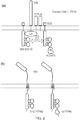
- Table 1 Application of signal modulation Type Mechanism Application Blocking signal ZAP70, SHP-2 or PTPN6 are truncated - keeping SH2 domain alone Truncated ZAP70, SHP-2 or PTPN6 competes with wild-type full-length ZAP70, SHP-2 or PTPN6. Since this does not signal, it will inhibit activation.
- Applications include, for example, with ZAP70 when a very strong activation signal is deleterious, or with PTPN6 or SHP-2 when the effect of an inhibitory signal e.g. PD1/PDL1 needs to be reduced.
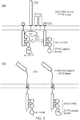
- a ZAP70 SH2 is fused to the phosphatase from PTPN6/SHP-2, or the other way round, i.e. the PTPN6/SHP-2 SH2 domain is fused with the ZAP70 kinase domain.
- the T-cell receives an inhibitory signal, it interprets it as an excitatory signal or vice versa.
- a single phospho-ITAM or ITIM leads to a concatenation of ITAMs or ITIMs leading to augmented signal or increased sensitivity to antigen.
- a "non-physiological" signal can be attached to the ITAM/ITM pathway.
- an ITAM/ITIM signal can lead to a co-stimulatory signal, or a signal such as AKT or a cytokine type signal Transcriptional signal ZAP70 SH2 or PTPN6/SHP-2 SH2 fused to protease domain along with co-expression of a membrane tethered transcription factor with a liberating protease cleavage site
- a transcriptional signal is transmitted upon immune receptor activation or inhibition.
- a signal can, for example, result in the expression of a particular cytokine upon T-cell activation or inhibition.
- activation or inhibition of a receptor results in inhibition or activation of another receptor
- the present disclosure provides a truncated protein which comprises an SH2 domain.
- the present disclosure also provides a fusion protein comprising (i) an SH2 domain; and (ii) a heterologous domain.
- the SH2 domain may be from a protein which binds a phosphorylated immunoreceptor tyrosine-based activation motif (ITAM) or from a protein which binds a phosphorylated immunoreceptor tyrosine-based inhibition motif (ITIM).
- ITAM phosphorylated immunoreceptor tyrosine-based activation motif
- ITIM phosphorylated immunoreceptor tyrosine-based inhibition motif
- An example of a protein which binds an ITAM is ZAP70.
- proteins which bind ITIMs include PTPN6 and SHP-2
- the fusion protein of the disclosure therefore comprises an SH2 domain and at least one further domain which is not present in a wild-type protein from which the SH2 domain was derived.
- Intracellular signalling pathways are initiated and controlled by the reversible post-translational modification of proteins including phosphorylation, ubiquitinylation and acetylation.
- SH2 domains are modular protein domains that serve as adaptors and mediate protein-protein interactions by binding to phosphorylated peptides in their respective protein binding partners, often cell surface receptors.
- SH2 domains typically bind a phosphorylated tyrosine residue in the context of a longer peptide motif within a target protein, and SH2 domains represent the largest class of known pTyr-recognition domains
- SH2 domains lack any intrinsic catalytic activity they are frequently coupled to independent catalytic domains and thus, in response to a specific input signal, serve to localize these catalytic domains so particular sub-cellular locations or to the vicinity of appropriate substrates, activators or inhibitors.
- SH2 domains can also be found linked to adaptor protein domains and so can serve in the formation of large multi-protein complexes.
- ZAP70 is a protein normally expressed near the surface membrane of T cells and natural killer cells. It is part of the T cell receptor (TCR), and plays a critical role in T-cell signalling. Its molecular weight is 70 kDa, and is composed of 2 N-terminal SH2 domains and a C-terminal kinase domain. It is a member of the protein-tyrosine kinase family.
- the earliest step in T cell activation is the recognition of a peptide MHC-complex on the target cell by the TCR.
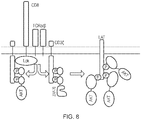
- This initial event causes the close association of Lck kinase with the cytoplasmic tail of CD3-zeta in the TCR complex.
- Lck then phosphorylates tyrosine residues in the cytoplasmic tail of CD3-zeta which allows the recruitment of ZAP70.
- ZAP70 is an SH2 containing kinase that plays a pivotal role in T cell activation following engagement of the TCR. Tandem SH2 domains in ZAP70 bind to the phosphorylated CD3 resulting in ZAP70 being phosphorylated and activated by Lck or by other ZAP70 molecules in trans.
- Active ZAP70 is then able to phosphorylate downstream membrane proteins, key among them the linker of activated T cells (LAT) protein.
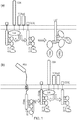
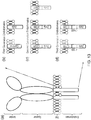
- LAT is a scaffold protein and its phosphorylation on multiple residues allows it to interact with several other SH2 domain-containing proteins including Grb2, PLC-g and Grap which recognize the phosphorylated peptides in LAT and transmit the T cell activation signal downstream ultimately resulting in a range of T cell responses. This process is summarized in Figure 1 .
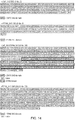
- Human ZAP70 protein has the UniProtKB accession number P43403. This sequence is 619 amino acids in length and is shown as SEQ ID NO: 1. ZAP70 amino acid sequence (SEQ ID NO: 1)
- the fusion protein of the disclosure may comprise a ZAP70 SH2 domain.
- the truncated protein of the disclosure may comprise or consist of a ZAP70 SH2 domain.
- the fusion or truncated protein may comprise or consist of the sequence shown as SEQ ID NO: 2.
- ZAP70 complete SH2 domain SEQ ID NO: 2
- ZAP70 has two SH2 domains at the N-terminal end of the sequence, at residues 10-102 and 163-254 of the sequence shown as SEQ ID No. 1.
- the truncated protein or fusion protein of the invention may therefor comprise one or both of the sequences shown as SEQ ID No. 3 and 4.
- the fusion protein may comprise a variant of SEQ ID NO: 2, 3 or 4 having at least 80, 85, 90, 95, 98 or 99% sequence identity, provided that the variant sequence is a SH2 domain sequence has the required properties.
- the variant sequence should be capable of binding to the phosphorylated tyrosine residues in the cytoplasmic tail of CD3-zeta which allow the recruitment of ZAP70.
- % sequence identity refers to the percentage of amino acid or nucleotide residues that are identical in the two sequences when they are optimally aligned. Nucleotide and protein sequence homology or identity may be determined using standard algorithms such as a BLAST program (Basic Local Alignment Search Tool at the National Center for Biotechnology Information) using default parameters, which is publicly available at http://blast.ncbi.nlm.nih.gov .
- the fusion protein may comprise the ZAP70 SH2 domain and the ZAP70 kinase domain.
- the fusion protein may comprise the sequence shown as SEQ ID NO: 1 or a variant thereof having at least 80, 85, 90, 95, 98 or 99% sequence identity.
- PTPN6 is also known as Src homology region 2 domain-containing phosphatase-1 (SHP-1). It is a member of the protein tyrosine phosphatase family.
- the N-terminal region of PTPN6 contains two tandem SH2 domains which mediate the interaction of PTPN6 and its substrates.
- the C-terminal region contains a tyrosine-protein phosphatase domain.
- PTPN6 is capable of binding to, and propagating signals from, a number of inhibitory immune receptors or ITIM containing receptors.
- inhibitory immune receptors or ITIM containing receptors include, but are not limited to, PD1, PDCD1, BTLA4, LILRB1, LAIR1, CTLA4, KIR2DL1, KIR2DL4, KIR2DL5, KIR3DL1 and KIR3DL3.
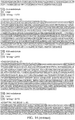
- Human PTPN6 protein has the UniProtKB accession number P29350. This sequence is 595 amino acids in length and is shown as SEQ ID NO: 5. PTPN6 amino acid sequence (SEQ ID NO: 5)
- the truncated protein of the invention may comprise or consist of a PTPN6 SH2 domain.
- the truncated protein may comprise or consist of the sequence shown as SEQ ID NO: 6.
- PTPN6 SH2 complete domain SEQ ID NO: 6
- PTPN6 has two SH2 domains at the N-terminal end of the sequence, at residues 4-100 and 110-213 of the sequence shown as SEQ ID No. 5.
- the truncated protein of the invention may therefore comprise one or both of the sequences shown as SEQ ID No. 3 and 4.
- the protein may comprise a variant of SEQ ID NO: 6, 7 or 8 having at least 80, 85, 90, 95, 98 or 99% sequence identity, provided that the variant sequence is a SH2 domain sequence has the required properties.
- the variant sequence should be capable of binding to the phosphorylated tyrosine residues in the cytoplasmic tail of at least one of PD1, PDCD1, BTLA4, LILRB1, LAIR1, CTLA4, KIR2DL1, KIR2DL4, KIR2DL5, KIR3DL1 or KIR3DL3 which allow the recruitment of PTPN6.
- the protein may comprise the PTPN6 SH2 domain and the PTPN6 phosphatase domain.
- the fusion protein may comprise the sequence shown as SEQ ID NO: 5 or a variant thereof having at least 80, 85, 90, 95, 98 or 99% sequence identity.
- SHP-2 also known as PTPN11, PTP-1D and PTP-2C is is a member of the protein tyrosine phosphatase (PTP) family.
- PTP protein tyrosine phosphatase
- SHP-2 has a domain structure that consists of two tandem SH2 domains in its N-terminus followed by a protein tyrosine phosphatase (PTP) domain.
- PTP protein tyrosine phosphatase
- PTP protein tyrosine phosphatase
- SHP-2 is auto-inhibited.
- the N-terminal SH2 domain is released from the PTP domain, catalytically activating the enzyme by relieving the auto-inhibition.
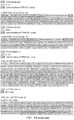
- Human SHP-2 has the UniProtKB accession number P35235-1. This sequence is 597 amino acids in length and is shown as SEQ ID NO: 9. SHP-2 amino acid sequence (SEQ ID NO: 9)
- the truncated protein of the invention may comprise or consist of a SHP-2 SH2 domain.
- the truncated protein may comprise or consist of the first SH2 domain of SHP-2, for example comprising amino acids 6-102 of SEQ ID NO. 9 or the second SH2 domain of SHP-2, for example comprising amino acids 112-216 of SHP-2.
- the truncated protein may comprise or consist of the sequence shown as SEQ ID NO: 10, 11 or 12.
- the protein may comprise a variant of SEQ ID NO: 10, 11 or 12 having at least 80, 85, 90, 95, 98 or 99% sequence identity, provided that the variant sequence is a SH2 domain sequence capable of binding an ITIM-containing domain.
- the variant sequence may be capable of binding to the phosphorylated tyrosine residues in the cytoplasmic tail of PD1, PDCD1, BTLA4, LILRB1, LAIR1, CTLA4, KIR2DL1, KIR2DL4, KIR2DL5, KIR3DL1 or KIR3DL3.
- heterologous domain refers to any protein domain which is not present in:
- the heterologous domain may be or be derivable from (e.g. part of) a different protein from ZAP70, SHP-2 or PTPN6.
- the fusion protein may comprise a fusion of ZAP70 SH2 domain and a domain from PTPN6, such as the PTPN6 kinase domain.
- the fusion protein may comprise a fusion of PTPN6 SH2 domain and a domain from ZAP70, such as the ZAP70 kinase domain.
- the present disclosure provides a fusion protein which comprises: an SH2 domain from an ITAM-binding protein; and an ITAM-containing domain.
- the present disclosure also provides a fusion protein which comprises: an SH2 domain from an ITIM-binding protein; and an ITIM-containing domain.
- amplified signalling molecules will amplify an excitatory or inhibitory signal inside an immune cell such as a T cell.
- Amplification of an activatory signal is useful in situations where it is desirable to increase the sensitivity of the immune cell (such as a CAR-T cell) to antigen. This may be the case when, for example, the target antigen is expressed at low levels on the target cells.
- WO2015/075469 describes a panel of "logic gate” chimeric antigen receptor pairs which, when expressed by a cell, such as a T cell, are capable of detecting a particular pattern of expression of at least two target antigens A and B).
- the "AND NOT gate” described in this application comprises a pair of CARs such that the T cell triggers only when antigen A but not antigen B is present on the target cell.
- one CAR recognition antigen A
- the other CAR has an inhibitory endodomain which may comprise an ITIM.
- Amplification of the inhibitory signal using an amplified signalling molecule of the present invention could be used in an AND gate to reduce or remove any residual signalling which occurs in the presence of both antigens i.e. from incomplete inhibition of the activatory CAR by the inhibitory CAR.
- the fusion protein may comprise a ZAP70 SH2 domain and an immunoreceptor tyrosine-based activation motif (ITAM)-containing domain.
- ITAM immunoreceptor tyrosine-based activation motif
- a fusion of full-length ZAP70 with an ITAM containing domain results in a structure which amplifies an activating immune signal.
- the fusion protein is recruited to a phospho-ITAM immune-receptor endodomain.
- ZAP70 functions normally to propagate the signal but also provides another set of ITAMs which become phosphorylated and recruit more ZAP70. This may be useful to increase signal strength and may increase sensitivity to low-density antigens, for example.
- the fusion may include only the ZAP70 SH2 domain with an ITAM containing endodomain (e.g. the fusion does not contain a ZAP70 kinase domain).
- the ratio of ZAP70 catalytic domains (kinase domains) with ITAMs may be varied to affect the kinetics of activation in response to dynamics of the activating receptor interactions with cognate target.
- ITAM is a conserved sequence of four amino acids that is repeated twice in the cytoplasmic tails of certain cell surface proteins of the immune system.
- the motif contains a tyrosine separated from a leucine or isoleucine by any two other amino acids, giving the signature YxxL/I.
- Two of these signatures are typically separated by between 6 and 8 amino acids in the tail of the molecule (YxxL/Ix(6-8)YxxL/I).
- ITAMs are important for signal transduction in immune cells. Hence, they are found in the tails of important cell signalling molecules such as the CD3 and ⁇ -chains of the T cell receptor complex, the CD79-alpha and -beta chains of the B cell receptor complex, and certain Fc receptors.
- the tyrosine residues within these motifs become phosphorylated following interaction of the receptor molecules with their ligands and form docking sites for other proteins involved in the signalling pathways of the cell.
- proteins are known to contain endodomains with one or more ITAM motifs.
- ITAM motifs include the CD3 epsilon chain, the CD3 gamma chain and the CD3 delta chain to name a few.
- the ITAM motif can be easily recognized as a tyrosine separated from a leucine or isoleucine by any two other amino acids, giving the signature YxxL/I.
- two of these motifs are separated by between 6 and 8 amino acids in the tail of the molecule (YxxL/Ix(6-8)YxxL/I).
- the ITAM-containing domain may be or comprise a CD3-zeta endodomain.
- the ITAM-containing domain may comprise the sequence shown as SEQ ID NO: 13 or a variant thereof having at least 80, 85, 90, 95, 98 or 99% sequence identity which retains the capacity to be phosphorylated and recruit ZAP70.
- the fusion protein may be or comprise the sequence shown as SEQ ID NO: 14, which contains a ZAP70-SH2 domain fused to a CD3-zeta endodomain.
- the fusion protein may comprise the sequence shown as SEQ ID NO: 14 or a variant thereof having at least 80, 85, 90, 95, 98 or 99% sequence identity.
- the fusion protein may comprise a PTPN6 SH2 domain and an immunoreceptor tyrosine-based inhibition motif (ITIM)-containing domain
- a fusion of full-length PTPN6 with an ITIM containing domain results in a structure which amplifies an inhibitory immune signal.
- the fusion protein is recruited to a phospho-ITIM immune-receptor endodomain.
- PTPN6 functions normally to propagate the signal but also provides another set of ITIMs which become phosphorylated and recruit more PTPN6.
- the fusion may include only the PTPN6 SH2 domain with an ITIM containing endodomain (e.g. the fusion does not contain a PTPN6 phosphatase domain).
- the ratio of PTPN6 catalytic domains (phosphatase domains) with ITIMs may be varied to affect the kinetics of activation in response to dynamics of the inhibitory receptor interactions with cognate target.
- ITIM is a conserved sequence of amino acids (S/I/V/LxYxxI/V/L) that is found in the cytoplasmic tails of many inhibitory receptors of the immune system. After ITIM-possessing inhibitory receptors interact with their ligand, their ITIM motif becomes phosphorylated by enzymes of the Src kinases, allowing them to recruit PTPN6 via interactions between the PTPN6 SH2 domain and the phosphorylated ITIM domains.
- ITIM containing endodomains include those from CD22, LAIR-1, the Killer inhibitory receptor family (KIR), LILRB1, CTLA4, PD-1, BTLA, for example.
- ITIM endodomains from PDCD1, BTLA4, LILRB1, LAIR1, CTLA4, KIR2DL1, KIR2DL4, KIR2DL5, KIR3DL1 and KIR3DL3 are shown in SEQ ID NO: 15 to 24 respectively
- the ITIM-containing domain may be or comprise a PDCD1, BTLA4, LILRB1, LAIR1, CTLA4, KIR2DL1, KIR2DL4, KIR2DL5, KIR3DL1 or KIR3DL3 endodomain.
- the ITIM-containing domain may comprise the sequence shown any of SEQ ID NO: 15 to 24 or a variant thereof having at least 80, 85, 90, 95, 98 or 99% sequence identity which retains the capacity to be phosphorylated by Src kinases and amplify an inhibitory immune signal.
- the fusion protein may be or comprise the sequence shown as SEQ ID NO: 25, which contains a PTPN6-SH2 domain fused to a PD1 endodomain.
- the fusion protein may comprise the sequence shown as SEQ ID NO: 25 or a variant thereof having at least 80, 85, 90, 95, 98 or 99% sequence identity
- the present disclosure provides a fusion protein which comprises: an SH2 domain from an ITAM-binding protein; and a phosphatase domain.
- the present disclosure also provides a fusion protein which comprises: an SH2 domain from an ITIM-binding protein; and a kinase domain.
- crosswire signalling molecules will reverse an excitatory or inhibitory signal inside an immune cell such as a T cell.
- a T-cell receives an excitatory signal, for example following recognition of a target antigen by a CAR, or MHC:peptide by a TCR, the presence of the first type of crosswire molecule will result in the cell interpreting the excitatory signal as an inhibitory signal.
- Dampening down or revising T-cell activation may be useful in a variety of situations, for example, it may be used for CAR-expressing T cells where there is a high level of expression of the target antigen on the target cell. It may be used to prevent T-cell over-activation which may lead to T cell exhaustion and/or activation-induced cell death. Preventing a T-cell becoming activated too much or too quickly may also prevent or reduce pathological side effects of CAR-T cell treatment such as cytokine release syndrome (CRS).
- CRS cytokine release syndrome
- the reverse situation is when a T-cell receives an inhibitory signal, for example following ligation of PD1, and the presence of the second type of crosswire molecule results in the cell interpreting the inhibitory signal as an excitatory signal.
- an inhibitory signal for example following ligation of PD1
- the presence of the second type of crosswire molecule results in the cell interpreting the inhibitory signal as an excitatory signal.
- Reducing or reversing T-cell inhibition will help the cell overcome the inhibitory stimuli within the hostile tumour microenvironment and should therefore increase T-cell persistence and expansion in vivo.
- the fusion protein may comprise a PTPN6 SH2 domain and a ZAP70 kinase domain.
- the present fusion protein may comprise a ZAP70 SH2 domain fused to a PTPN6 kinase domain.
- the protein comprises a ZAP70 SH2 domain fused to the phosphatase domain from PTPN6, when the T cell receives an excitatory signal it interprets it as an inhibitory signal because the PTPN6 phosphatase domain is recruited to the activated ITAM via the ZAP70 SH2 domain.
- the protein comprises a PTPN6 SH2 domain fused to the kinase domain from ZAP70
- the T cell receives an inhibitory signal it interprets it as an excitatory signal because the ZAP70 kinase domain is recruited to the activated ITIM via the PTPN6 domain.
- a fusion between PTPN6 SH2 domain and ZAP70 kinase domain will result in competition for phosphorylated ITIMs by wild-type PTPN6 blocking inhibitory signals, but in addition will transmit a paradoxical activation signal. This may have application in over-coming checkpoint blockade signals in a tumour microenvironment.
- the sequence of human ZAP70 kinase, PTPN6 phosphatase and SHP-2 phosphatase domains domains are shown as SEQ ID NO: 26, 27 and 28 respectively.
- the ZAP70 kinase domain, PTPN6 phosphatase domain or SHP-2 phosphatase domain may be or comprise the sequence shown as SEQ ID NO: 26, SEQ ID NO: 27 or SEQ ID NO: 28, respectively; or a variant thereof having at least 80, 85, 90, 95, 98 or 99% sequence identity which retains the capacity to phosphorylate or dephosphorylate downstream proteins in the same manner as the wild-type kinase/phosphatase domains.
- fusion protein comprising a PTPN6 SH2 domain fused to a ZAP70 kinase domain; a ZAP70 SH2 domain fused to a PTPN6 kinase domain; and a SHP-2 SH2 domain fused to a ZAP70 kinase domain are shown as SEQ ID NO: 29, SEQ ID NO: 30 and SEQ ID No. 61, respectively.
- the fusion protein may be or comprise the sequence shown as SEQ ID NO: 29, SEQ ID NO: 30 or SEQ ID No. 61 or a variant thereof having at least 80, 85, 90, 95, 98 or 99% sequence identity.
- the present fusion protein may comprise (i) a ZAP70, PTPN6 or SHP-2 SH2 domain; and (ii) a heterologous signalling domain.
- heterologous signalling domain refers to a signalling domain which is not present in the wild type ZAP70, PTPN6 or SHP-2 protein.
- the fusion protein comprises a ZAP70 SH2 domain, it comprises a signalling domain which is not the ZAP70 kinase domain.
- the fusion protein comprises a PTPN6 SH2 domain, it comprises a signalling domain which is not the PTPN6 phosphatase domain.
- the heterologous signalling domain may be from a signalling molecule which is not usually activated by an ITAM containing receptor.
- the heterologous signalling domain may be from a signalling molecule which is not involved in the propagation of immunological signal 1 following the binding of antigen to the TCR. Immunological signal 1 is sufficient to trigger T-cell killing of cognate target cells but does not fully activate the T-cell to proliferate and survive.
- the present disclosure provides a fusion protein which comprises (i) an SH2 domain from a protein which binds an ITAM; and (ii) a heterologous signalling domain.
- a fusion between, for example, ZAP70 and another signaling molecule not typically activated with an ITAM containing receptor may act to bypass signal from one pathway into another.
- One example is co-stimulation.
- a fusion between ZAP70 and the endodomain of CD28 may transmit a CD28 co-stimulatory signal as well as an ITAM activatory signal.
- a fusion between ZAP70 and the endodomain of 41BB or OX40 may transmit a 41BB or OX40 co-stimulatory signal.
- Other pathways may also be recruited, for instance a fusion between ZAP70 and AKT kinase domain may result in transmission of an AKT signal upon ITAM phosphorylation.
- Other examples might include Kinase domain from JAK. In this way, a T-cell may interpret a simple antigen recognition signal as transmitting a co-stimulatory or even a cytokine type signal.
- Such fusion proteins may be useful, for example, in approaches where repeated ex vivo stimulations of T cells can result in populations which lack costimulatory surface antigens and which have limited proliferative capacity in vivo resulting in limited persistence and efficacy.
- the loss of costimulatory surface antigens leading to activation of T cells solely through the TCR has been linked to a greater degree of activation induced cell death which would negatively impact in vivo efficacy and persistence.
- the effect can be reversed by the activation of surface-expressed 4-1BB and OX40 demonstrating that costimulation can prevent activation induced cell death and can support greater expansion of tumour specific T cells.
- the present disclosure provides a fusion protein which comprises (i) an SH2 domain from a protein which binds an ITIM; and (ii) a heterologous signalling domain.
- a PTPN6 SH2 domain or SHP-2 SH2 domain may be fused to a co-stimulatory endodomain so a T-cell interprets an inhibitory signal as a co-stimulatory one.
- the heterologous signalling domain may be from, for example, CD28, 41BB or OX40.
- CD28 provides a potent co-stimulatory signal - namely immunological signal 2, which triggers T-cell proliferation.
- CD28 is the receptor for CD80 (B7.1) and CD86 (B7.2) proteins.
- 41BB (CD137) is a type 2 transmembrane glycoprotein belonging to the TNF superfamily, expressed on activated T cells. Crosslinking of 41BB enhances T cell proliferation, IL-2 secretion survival and cytolytic activity.
- OX40 (CD134) is a secondary co-stimulatory molecule, expressed after 24 to 72 hours following activation; its ligand, OX40L, is also not expressed on resting antigen presenting cells, but is following their activation. Expression of OX40 is dependent on full activation of the T cell; without CD28, expression of OX40 is delayed and of fourfold lower levels. Signalling through OX40 is required for prolonged T cell survival following initial activation and proliferation.
- the CD28, 41BB and OX40 signalling domains are shown as SEQ ID NO: 31, 32 and 33, respectively.
- the heterologous signalling domain may be or comprise the sequence shown as SEQ ID NO: 31; SEQ ID NO: 32 or SEQ ID NO: 33, respectively, or a variant thereof having at least 80, 85, 90, 95, 98 or 99% sequence identity.
- the heterologous signalling domain may be or comprise an inhibitory signalling domain.
- the inhibitory signalling domain may comprise the endodomain of CD148 or CD45.
- CD148 and CD45 have been shown to act naturally on the phosphorylated tyrosines up-stream of TCR signalling.
- CD148 is a receptor-like protein tyrosine phosphatase which negatively regulates TCR signaling by interfering with the phosphorylation and function of PLC ⁇ 1 and LAT.
- CD45 present on all hematopoetic cells is a protein tyrosine phosphatase which is capable of regulating signal transduction and functional responses, again by phosphorylating PLC ⁇ 1.
- An inhibitory signalling domain may comprise all of part of a receptor-like tyrosine phosphatase.
- the phospatase may interfere with the phosphorylation and/or function of elements involved in T-cell signalling, such as PLC ⁇ 1 and/or LAT.
- the inhibitory signalling domain may be or comprise the endodomain of ICOS, CD27, BTLA, CD30, GITR or HVEM.
- the inhibitory signalling domain may comprise the sequence shown as SEQ ID NO: 34 to 39 or a variant thereof having at least 80% sequence identity.
- a variant sequence may have at least 80%, 85%, 90%, 95%, 98% or 99% sequence identity to SEQ ID NO: 34 to 39 provided that the sequence provides an effective intracellular signalling domain.
- the fusion protein may be or comprise any of the sequences shown as SEQ ID NOs: 40 to 45.
- the fusion protein may comprise the sequence shown as any of SEQ ID NOs: 40 to 45 or a variant thereof having at least 80, 85, 90, 95, 98 or 99% sequence identity
- the heterologous signalling domain may be a kinase domain.
- the heterologous signalling domain may comprise an AKT kinase domain or a JAK kinase domain.
- Akt also known as protein kinase B (PKB)
- PPKB protein kinase B
- T cells Following activation of the TCR, T cells secrete IL2 which supports survival and proliferation. However this secretion is transient and T cells that are activated and expanded in vitro become dependent on exogenous IL2 for survival.
- AKT phosphorylation following ITAM phosphorylation associated with TCR or CAR activation the dependence of activated T cells on exogenous IL2 may be reduced or removed and their proliferation and survival enhanced.
- the Akt kinase domain is shown as SEQ ID NO: 46.
- the heterologous signalling domain may be or comprise the sequence shown as SEQ ID NO: 46, or a variant thereof having at least 80, 85, 90, 95, 98 or 99% sequence identity provided that the sequence provides an effective kinase domain.
- the fusion protein may be or comprise the any of the sequences shown as SEQ ID NO: 47 to 49 and 62 which contain a ZAP70-SH2 domain fused directly to an Akt kinase domain, a ZAP70-SH2 domain fused to an Akt kinase domain via a linker a ZAP70 mutated to be non-functional and fused to an Akt kinase domain; and a dual SHP-2 SH2 domain fused to an Akt kinase domain, respectively.
- the fusion protein may comprise the sequence shown as any of SEQ ID NO: 47 to 49 or 62 or a variant thereof having at least 80, 85, 90, 95, 98 or 99% sequence identity.
- Janus kinase is a family of intracellular, nonreceptor tyrosine kinases that transduce cytokine-mediated signals via the JAK-STAT pathway.
- the four JAK family members are: Janus kinase 1 (JAK1); Janus kinase 2 (JAK2); Janus kinase 3 (JAK3); and Tyrosine kinase 2 (TYK2).
- the present disclosure also provides a fusion protein which comprises (i) an SH2 domain from a protein which binds an ITAM or ITIM-containing protein and (ii) a protease domain.
- the protease domain may be any protease which is capable of cleaving at a specific recognition sequence.
- the protease domain may be any protease which enables the separation of a single target polypeptide into two distinct polypeptides via cleavage at a specific target sequence.
- the protease domain may be a Tobacco Etch Virus (TeV) protease domain.
- TeV Tobacco Etch Virus
- TeV protease is a highly sequence-specific cysteine protease which is chymotrypsin-like proteases. It is very specific for its target cleavage site and is therefore frequently used for the controlled cleavage of fusion proteins both in vitro and in vivo.
- the consensus TeV cleavage site is ENLYFQ ⁇ S (where ' ⁇ ' denotes the cleaved peptide bond).
- Mammalian cells such as human cells, do not express endogenous TeV protease.
- TeV cleavage recognition site is shown as SEQ ID NO: 51.
- SEQ ID NO: 51 - Tev cleavage site ENLYFQS
- the TeV protease domain is shown as SEQ ID NO: 52.
- the protease domain may be or comprise the sequence shown as SEQ ID NO: 52, or a variant thereof having at least 80, 85, 90, 95, 98 or 99% sequence identity provided that the sequence provides an effective protease function.
- the fusion protein may be or comprise the sequence shown as SEQ ID NO: 53 or 54, which contains a ZAP70-SH2 domain fused to a TEV protease sequence or a PTPN6-SH2 domain fused to a TEV protease sequence; respectively.
- the fusion protein may comprise the sequence shown as SEQ ID NO: 53 or 54; or a variant thereof having at least 80, 85, 90, 95, 98 or 99% sequence identity.
- the SH2 domain and heterologous domain of the fusion protein may be separated by a linker in order to spatially separate the SH2 domain and the heterologous domain.
- a fusion protein which comprises a protease, as described in the previous section, may be co-expressed in a cell with a membrane-tethered protein having a protease cleavage site. Cleavage of the membrane-tethered protein at the protease site will release the membrane-distal part of the protein.
- the membrane tethered protein may, for example, be a membrane-tethered transcription factor.
- the transcription is released from its tether and free to transit to the nucleus.
- a fusion between ZAP70 SH2 or PTPN6 SH2 domain and a protease domain will result in membrane-proximal recruitment of the protease following ITAM or ITIM phosphorylation, respectively.
- T-cell may be programmed to express transcription factors which act to prevent the T-cell from differentiating. For instance, upon activation the T-cell may be programmed to express a cytokine such as IL2, IL7 or IL15 which may act to stimulate proliferation and survival of the T-cell, or IL12 which may convert a hostile tumour microenvironment to one which more favours immune rejection of a tumour.
- a cytokine such as IL2, IL7 or IL15 which may act to stimulate proliferation and survival of the T-cell, or IL12 which may convert a hostile tumour microenvironment to one which more favours immune rejection of a tumour.
- the protease recognition site may be any amino acid sequence which enables the protease domain of the fusion protein to specifically cleave the membrane tethered transcription factor between the membrane tether and the transcription factor.
- the protease domain is a TeV protease domain and the protease recognition site is a TeV protease recognition site.
- the membrane tether may be any sequence, signal or domain which is capable of localising the transcription factor and protease recognition site proximal to a membrane.
- the membrane tether may be a myrsitylation signal or a transmembrane domain.
- a transmembrane domain may be any protein structure which is thermodynamically stable in a membrane. This is typically an alpha helix comprising of several hydrophobic residues.
- the transmembrane domain of any transmembrane protein can be used to supply the transmembrane portion.
- the presence and span of a transmembrane domain of a protein can be determined by those skilled in the art using the TMHMM algorithm (http://www.cbs.dtu.dk/services/TMHMM-2.0/).
- transmembrane domain of a protein is a relatively simple structure, i.e a polypeptide sequence predicted to form a hydrophobic alpha helix of sufficient length to span the membrane
- an artificially designed TM domain may also be used ( US 7052906 B1 describes synthetic transmembrane components).
- the transmembrane domain may be derived from CD28, which gives good stability.
- the transcription factor may be any transcription factor chosen to stimulate a desired response following phosphorylation of the relevant ITAM or ITIM motifs.
- the transcripton factor can be natural or artificial. Artificial transcription factors may be derived from, for example, TALENs, zinc-finger assemblies or CrispR/CAS9, the latter co-expressed with a guide mRNA.
- the transcription factor will contain a nuclear localization signal to aid its transportation to the nuclease following cleavage by the protease domain.
- nucleic acid sequence (ii) (which encodes a protein comprising a membrane tethered transcription factor which comprises: (i) a membrane tether; (ii) a protease recognition site; and (iii) a transcription factor) may encode a protein which consists of or comprises the sequence shown as SEQ ID NO: 55, which contains a RQR8 domain; a CD4-Endotox1 transmembrane domain, a TEV protease recognition site and a VP16-GAL4 transcription factor.
- the protein may comprise the sequence shown as SEQ ID NO: 55; or a variant thereof having at least 80, 85, 90, 95, 98 or 99% sequence identity
- the present disclosure further provides a nucleic acid construct which comprises (a) a nucleic acid sequence encoding a fusion protein according to the first further aspect of the present disclosure which comprises a PTPN6 SH2 domain, or a truncated protein according to the third further aspect of the present disclosure; and (b) a nucleic acid sequence encoding a receptor comprising an ITIM containing endodomain.
- a fusion protein which comprises a protease, as described above, may be co-expressed in a cell with a target receptor which comprises an intracellular protease cleavage site. Cleavage of the target receptor at the protease site will release an intracellular, membrane-distal part of the target receptor.
- the target receptor may, for example, be a T-cell receptor (TCR), or a chimeric antigen receptor (CAR).
- TCR T-cell receptor
- CAR chimeric antigen receptor
- the receptor may comprise an activatory or co-stimulatory endodomain positioned at the end of the intracellular part of the protein. Cleavage at the protease cleavage site then removes the activatory or co-stimulatory endodomain from the target CAR, reducing or preventing target receptor-mediated T cell activation.
- the target receptor may comprise an inhibitory endodomain positioned at the end of the intracellular part of the protein. Cleavage at the protease cleavage site then removes the inhibitory endodomain from the target CAR, "switching-on" the potential for target receptor mediated T cell activation.
- the inhibitory endodomain may, for example, comprise a CD148 or CD45 endodomain or an ITIM-containing endodomain from a protein such a PD1, PDCD1, BTLA4, LILRB1, LAIR1, CTLA4, KIR2DL1, KIR2DL4, KIR2DL5, KIR3DL1 or KIR3DL3.
- the target receptor may comprise the sequence shown as SEQ ID NO: 56, which contains a CAR against CD33 containing an ITIM endodomain from PD-1.
- the protein may comprise the sequence shown as SEQ ID NO: 56; or a variant thereof having at least 80, 85, 90, 95, 98 or 99% sequence identity.
- the castration signal fusion protein may be used to inhibit the receptor.
- a first CAR might be constructed whereby its endodomain is separated from the transmembrane domain by a protease cleavage site.
- a second CAR recognizing a different antigen might comprise of an ITIM containing endodomain. Recognition of the cognate antigen of the second receptor would result in recruitment of the castration signal fusion protein to the membrane and subsequent cleavage at the protease recognition site. Such cleavage would separate the activating endodomain from the first receptor and prevent activation and signal propagation from said receptor.
- AML cells express CD33.
- Normal stem cells express CD33 but also express CD34, while AML cells are typically CD34 negative.
- Targeting CD33 alone to treat AML is associated with significant toxicity as it depletes normal stem cells.
- specifically targeting cells which are CD33 positive but not CD34 positive would avoid this considerable off-target toxicity.
- the receptor which comprises a protease cleavage site between a transmembrane domain and an activating endodomain may be the sequence shown as SEQ ID NO: 57, which contains a CAR against CD19 with a cleavable CD3-zeta endodomain.
- the receptor may comprise the sequence shown as SEQ ID NO: 57; or a variant thereof having at least 80, 85, 90, 95, 98 or 99% sequence identity.
- a castration signal fusion protein can be used to activate artificial signalling domains.
- a first CAR might be constructed whereby its endodomain comprises an activating endodomain fused to an inhibitory endodomain via a protease cleavage site.
- a second CAR recognizing a different antigen might comprise of an ITIM containing endodomain. Recognition of the cognate antigen of the second receptor would result in recruitment of the castration signal fusion protein to the membrane and subsequent cleavage of inhibitory endodomain from the activating endodomain of the first receptor. Cleavage, and thus separation, of the inhibitory domain from the activating domain would allow activation of the first CAR following antigen binding and hence activation of signalling via the first receptor.
- B-chronic lymphocytic leukaemia (B-CLL) is a common leukaemia which is currently treated by targeting CD19. This treats the lymphoma but also depletes the entire B-cell compartment such that the treatment has a considerable toxic effect.
- B-CLL has an unusual phenotype in that CD5 and CD19 are co-expressed. By targeting only cells which express CD5 and CD19, it would be possible to considerably reduce on-target off-tumour toxicity.
- Table 3 Cancer Type Antigens Chronic Lymphocytic Leukaemia CD5, CD19 Neuroblastoma ALK, GD2 Glioma EGFR, Vimentin Multiple myeloma BCMA, CD138 Renal Cell Carcinoma Carbonic anhydrase IX, G250 T-ALL CD2, N-Cadherin Prostate Cancer PSMA, hepsin (or others)
- the receptor which comprises an activating endodomain fused to an inhibitory endodomain via a protease cleavage site may be the sequence shown as SEQ ID NO: 58, which contains a CAR against CD19 with a CD3-zeta endodomain and a cleavable CD148 endodomain.
- the receptor may comprise the sequence shown as SEQ ID NO: 58; or a variant thereof having at least 80, 85, 90, 95, 98 or 99% sequence identity.
- the present disclosure provides a truncated protein which comprises an SH2 domain from a protein which binds a phosphorylated immunoreceptor tyrosine-based activation motif (ITAM) but lacks a kinase domain
- ITAM immunoreceptor tyrosine-based activation motif
- the truncated protein may comprise the ZAP70 SH2 domain but lack the ZAP70 kinase domain.
- the present disclosure provides a truncated protein which: (i) comprises the sequence shown as SEQ ID NO: 2 but does not comprise the sequence shown as SEQ ID NO: 26.
- Over-expression of the ZAP70 SH2 domain results in competition with full-length / wild-type ZAP70. Since the truncated ZAP70 cannot propagate signals, signal transmission is reduced in proportion to the ratio between wild-type ZAP70 and the truncated protein. This may be useful to reduce strength of T-cell activation for instance to prevent T-cell over-activation which can result in T-cell exhaustion, activation induced cell death and in a clinical setting can result in cytokine storms.
- a truncated protein of the invention comprises an SH2 domain from a protein which binds a phosphorylated immunoreceptor tyrosine-based inhibition motif (ITIM) but lacks a phosphatase domain
- the truncated protein may comprise the PTPN6 SH2 domain but lack the PTPN6 phosphatase domain.
- a truncated protein of the invention may comprise the sequence shown as SEQ ID NO: 6 but not comprise the sequence shown as SEQ ID NO: 27.
- ITIM signalling can be reduced in proportion to the ratio between wild-type PTPN6 and the truncated protein. This may be useful to reduce inhibitory signals such as PD1 signalling. This may have application when T-cells are targeting a tumour which over-expresses PDL1 (or similar inhibitory receptors) to evade immune rejection.
- a blocking signal or a cross-wire signal offers a significant advantage over traditional immune checkpoint blockade approaches which typically block a single ligand/receptor interaction, such as PD-L1/PD1, with an antibody.
- the inhibitory immune receptor class contains many members with redundancies and expression patterns which fluctuate with T-cell state.
- the use of an antibody or a recombinant ligand/receptor may effectively block one inhibitory receptor, but will not affect inhibitory signals transmitted from the rest.
- Genomic editing of individual inhibitory receptors ( Menger et al, Cancer Res. 2016 Apr 15;76(8):2087-93 ) has a similar limitation.
- Strategies of fusions between individual inhibitory receptors and co-stimulatory domains also suffer from similar limitations ( Liu et al, Cancer Res. 2016 Mar 15;76(6):1578-90 ).
- the method of the present disclosure will block (and depending on the strategy re-interpret) inhibitory signals transmitted via an ITIM. Hence an entire class of inhibitory signals are modulated.
- a list of inhibitory receptors which signal through ITIMs is provided in Table II of Odorizzi and Wherry (2012) J. Immunol. 188:2957-2965 . They include: PD1, BTLA, 2B4, CTLA-4, GP49B, Lair-1, Pir-B, PECAM-1, CD22, Siglec 7, Siglec 9, KLRG1, ILT2, CD94-NKG2A and CD5.
- the present invention provides a nucleic acid which encodes a truncated protein according to the present invention.
- polynucleotide As used herein, the terms “polynucleotide”, “nucleotide”, and “nucleic acid” are intended to be synonymous with each other.
- Nucleic acids according to the invention may comprise DNA or RNA. They may be single-stranded or double-stranded. They may also be polynucleotides which include within them synthetic or modified nucleotides. A number of different types of modification to oligonucleotides are known in the art. These include methylphosphonate and phosphorothioate backbones, addition of acridine or polylysine chains at the 3' and/or 5' ends of the molecule. For the purposes of the use as described herein, it is to be understood that the polynucleotides may be modified by any method available in the art. Such modifications may be carried out in order to enhance the in vivo activity or life span of polynucleotides of interest.
- variant in relation to a nucleotide sequence include any substitution of, variation of, modification of, replacement of, deletion of or addition of one (or more) nucleic acid from or to the sequence.
- the present invention provides a nucleic acid construct which co-expresses a truncated protein of the present invention with another protein.
- the nucleic acid construct may comprise: a nucleic acid sequence encoding a truncated protein of the present invention; and a nucleic acid encoding another protein.
- the present invention provides a nucleic acid construct which co-expresses a truncated protein of the present invention with a chimeric antigen receptor.
- the nucleic acid construct comprises: (i) a nucleic acid sequence encoding a truncated protein of the present invention; and (ii) a nucleic acid encoding a chimeric antigen receptor.
- the chimeric antigen receptor may be an activatory CAR comprising an ITAM-containing endodomain, such as CD3 zeta.
- the CAR may be an inhibitory CAR comprising a "ligation-off" endodomain, as described in WO2015/075469 which may comprise all or part of the endodomain from a receptor-like tyrosine phosphatase, such as CD148 or CD45.
- the CAR may be an inhibitory CAR comprising a "ligation-on" endodomain, as described in WO2015/075470 which may comprise an ITIM domain.
- the truncated proteins of the invention may be used together with a cell expressing a "logic gate” combination of two or more CARs.
- An OR gate comprises two activatory CARs as described in WO2015/075468 .
- An AND gate comprises an activatory CAR and a "ligation off” inhibitory CAR, as described in WO2015/075469 .
- An AND not comprises an activatory CAR and a "ligation on” inhibitory CAR, as described in WO2015/075470 .
- nucleic acid construct which comprises:
- nucleic acid construct which comprises (i) a nucleic acid sequence encoding a fusion protein comprising a SH2 domain; and a protease domain; and (ii) a nucleic acid sequence encoding a membrane tethered transcription factor which comprises: a membrane tether; a protease recognition site; and a transcription factor.
- nucleic acid construct which comprises (i) a nucleic acid sequence encoding a fusion protein which comprises an SH2 domain and a protease domain (e.g. a TeV domain); and (ii) a nucleic acid sequence encoding a receptor which comprises a protease cleavage site.
- the present disclosure provides a nucleic acid construct which comprises: (a) a nucleic acid sequence encoding a fusion protein which comprises (i) PTPN6 SH2 domain; and (ii) a protease domain (e.g. a TeV domain); (b) a nucleic acid sequence encoding a receptor which comprises a protease cleavage site; and (c) a nucleic acid sequence encoding a receptor comprising an ITIM containing endodomain.
- a nucleic acid construct which comprises: (a) a nucleic acid sequence encoding a fusion protein which comprises (i) PTPN6 SH2 domain; and (ii) a protease domain (e.g. a TeV domain); (b) a nucleic acid sequence encoding a receptor which comprises a protease cleavage site; and (c) a nucleic acid sequence encoding a receptor comprising an ITIM containing endodomain.
- the receptor may be a T-cell receptor (TCR) or a chimeric antigen receptor (CAR).
- TCR T-cell receptor
- CAR chimeric antigen receptor
- the protein encoded by nucleic acid sequence (b) may be a T-cell receptor (TCR) or a chimeric antigen receptor (CAR) which comprises: (i) a protease cleavage site between a transmembrane domain and an activating endodomain; or (ii) an activating endodomain fused to an inhibitory endodomain via a protease cleavage site.
- TCR T-cell receptor
- CAR chimeric antigen receptor
- nucleic acid construct of the invention produces discrete polypeptides, such as when it coexpresses a protein of the invention and a CAR
- it may also comprise a nucleic acid sequence enabling expression of both proteins.
- it may comprise a sequence encoding a cleavage site between the two nucleic acid sequences.
- the cleavage site may be self-cleaving, such that when the nascent polypeptide is produced, it is immediately cleaved into the two proteins without the need for any external cleavage activity.
- FMDV Foot-and-Mouth disease virus
- the co-expressing sequence may be an internal ribosome entry sequence (IRES).
- the co-expressing sequence may be an internal promoter.
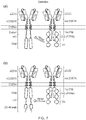
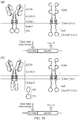
- CARs which are shown schematically in Figure 13 , are chimeric type I trans-membrane proteins which connect an extracellular antigen-recognizing domain (binder) to an intracellular signalling domain (endodomain).
- the binder is typically a single-chain variable fragment (scFv) derived from a monoclonal antibody (mAb), but it can be based on other formats which comprise an antibody-like antigen binding site.
- scFv single-chain variable fragment
- mAb monoclonal antibody
- a spacer domain is usually necessary to isolate the binder from the membrane and to allow it a suitable orientation.
- a common spacer domain used is the Fc of IgG1. More compact spacers can suffice e.g. the stalk from CD8 ⁇ and even just the IgG1 hinge alone, depending on the antigen.
- a trans-membrane domain anchors the protein in the cell membrane and connects the spacer to the endodomain.
- TNF receptor family endodomains such as the closely related OX40 and 41BB which transmit survival signals.
- OX40 and 41BB which transmit survival signals.
- CARs have now been described which have endodomains capable of transmitting activation, proliferation and survival signals.
- CAR-encoding nucleic acids may be transferred to T cells using, for example, retroviral vectors. Lentiviral vectors may be employed. In this way, a large number of cancer-specific T cells can be generated for adoptive cell transfer. When the CAR binds the target-antigen, this results in the transmission of an activating signal to the T-cell it is expressed on. Thus the CAR directs the specificity and cytotoxicity of the T cell towards tumour cells expressing the targeted antigen.
- CARs typically therefore comprise: (i) an antigen-binding domain; (ii) a spacer; (iii) a transmembrane domain; and (iii) an intracellular domain which comprises or associates with a signalling domain.
- the antigen binding domain is the portion of the CAR which recognizes antigen.
- Numerous antigen-binding domains are known in the art, including those based on the antigen binding site of an antibody, antibody mimetics, and T-cell receptors.
- the antigen-binding domain may comprise: a single-chain variable fragment (scFv) derived from a monoclonal antibody; a natural ligand of the target antigen; a peptide with sufficient affinity for the target; a single domain antibody; an artificial single binder such as a Darpin (designed ankyrin repeat protein); or a single-chain derived from a T-cell receptor.
- scFv single-chain variable fragment
- the antigen binding domain may comprise a domain which is not based on the antigen binding site of an antibody.
- the antigen binding domain may comprise a domain based on a protein/peptide which is a soluble ligand for a tumour cell surface receptor (e.g. a soluble peptide such as a cytokine or a chemokine); or an extracellular domain of a membrane anchored ligand or a receptor for which the binding pair counterpart is expressed on the tumour cell.
- the antigen binding domain may be based on a natural ligand of the antigen.
- the antigen binding domain may comprise an affinity peptide from a combinatorial library or a de novo designed affinity protein/peptide.
- CARs comprise a spacer sequence to connect the antigen-binding domain with the transmembrane domain and spatially separate the antigen-binding domain from the endodomain.
- a flexible spacer allows the antigen-binding domain to orient in different directions to facilitate binding.
- the first and second CARs may comprise different spacer molecules.
- the spacer sequence may, for example, comprise an IgG1 Fc region, an IgG1 hinge or a human CD8 stalk or the mouse CD8 stalk.
- the spacer may alternatively comprise an alternative linker sequence which has similar length and/or domain spacing properties as an IgG1 Fc region, an IgG1 hinge or a CD8 stalk.
- a human IgG1 spacer may be altered to remove Fc binding motifs.
- spacer domains mentioned above form homodimers.
- the mechanism is not limited to using homodimeric receptors and should work with monomeric receptors as long as the spacer is sufficiently rigid.
- An example of such a spacer is CD2 or truncated CD22.
- CARs are typically homodimers (see Figure 13a ), cross-pairing may result in a heterodimeric chimeric antigen receptor. This is undesirable for various reasons, for example: (1) the epitope may not be at the same "level" on the target cell so that a cross-paired CAR may only be able to bind to one antigen; (2) the VH and VL from the two different scFv could swap over and either fail to recognize target or worse recognize an unexpected and unpredicted antigen.
- the spacer of the first CAR may be sufficiently different from the spacer of the second CAR in order to avoid cross-pairing but sufficiently similar to co-localise. Pairs of orthologous spacer sequences may be employed. Examples are murine and human CD8 stalks, or alternatively spacer domains which are monomeric - for instance the ectodomain of CD2.
- the transmembrane domain is the sequence of the CAR that spans the membrane.
- a transmembrane domain may be any protein structure which is thermodynamically stable in a membrane. This is typically an alpha helix comprising of several hydrophobic residues.
- the transmembrane domain of any transmembrane protein can be used to supply the transmembrane portion of the invention.
- the presence and span of a transmembrane domain of a protein can be determined by those skilled in the art using the TMHMM algorithm (http://www.cbs.dtu.dk/services/TMHMM-2.0/).
- transmembrane domain of a protein is a relatively simple structure, i.e a polypeptide sequence predicted to form a hydrophobic alpha helix of sufficient length to span the membrane
- an artificially designed TM domain may also be used ( US 7052906 B1 describes synthetic transmembrane components).
- the transmembrane domain may be derived from CD28, which gives good receptor stability.
- the endodomain is the signal-transmission portion of the CAR. It may be part of or associate with the intracellular domain of the CAR. After antigen recognition, receptors cluster, native CD45 and CD148 are excluded from the synapse and a signal is transmitted to the cell.
- the most commonly used endodomain component is that of CD3-zeta which contains 3 ITAMs. This transmits an activation signal to the T cell after antigen is bound. CD3-zeta may not provide a fully competent activation signal and additional co-stimulatory signaling may be needed.
- chimeric CD28 and OX40 can be used with CD3-Zeta to transmit a proliferative / survival signal, or all three can be used together.
- a CAR comprises an activating endodomain
- it may comprise the CD3-Zeta endodomain alone, the CD3-Zeta endodomain with that of either CD28 or OX40 or the CD28 endodomain and OX40 and CD3-Zeta endodomain.
- Any endodomain which contains an ITAM motif can act as an activation endodomain in this invention.
- Suitable endodomains which contain an ITAM motif are described herein.
- the first CAR may comprise an activating endodomain fused to an inhibitory endodomain via a protease cleavage site.
- the inhibitory endodomain inhibits T-cell activation by the first CAR in the absence of activation of the second CAR.
- the ITIM in the endodomain of the second CAR is phosphorylated and the PTPN6/protease domain fusion protein is recruited to the membrane. This results in cleavage of the first CAR between the activating endodomain and inhibitory endodomain, thus enabling T-cell activation.
- the inhibitory endodomains may comprise any sequence which inhibits T-cell signalling by the activating CAR when it is in the same endodomain.
- the inhibitory endodomain may be or comprise a tyrosine phosphatase, such as a receptor-like tyrosine phosphatase.
- An inhibitory endodomain may be or comprise any tyrosine phosphatase that is capable of inhibiting the TCR signalling when co-localised with the activating endodomain of the CAR.
- An inhibitory endodomain may be or comprise any tyrosine phosphatase with a sufficiently fast catalytic rate for phosphorylated ITAMs that is capable of inhibiting the TCR signalling when co-localised with the activating endodomain of the CAR.
- the present invention also provides a vector, or kit of vectors which comprises one or more nucleic acid sequence(s) or construct(s) according to the present invention.
- a vector may be used to introduce the nucleic acid sequence(s) or construct(s) into a host cell so that it expresses the proteins encoded by the nucleic acid sequence or construct.
- the vector may, for example, be a plasmid or a viral vector, such as a retroviral vector or a lentiviral vector, or a transposon based vector or synthetic mRNA.
- the vector may be capable of transfecting or transducing a T cell.
- the present invention also relates to an immune cell comprising the truncated protein, nucleic acid and/or nucleic acid construct of the present invention.
- the cell may be a cytolytic immune cell.
- Cytolytic immune cells can be T cells or T lymphocytes which are a type of lymphocyte that play a central role in cell-mediated immunity. They can be distinguished from other lymphocytes, such as B cells and natural killer cells (NK cells), by the presence of a T-cell receptor (TCR) on the cell surface.
- TCR T-cell receptor
- Helper T helper cells assist other white blood cells in immunologic processes, including maturation of B cells into plasma cells and memory B cells, and activation of cytotoxic T cells and macrophages.
- TH cells express CD4 on their surface.
- TH cells become activated when they are presented with peptide antigens by MHC class II molecules on the surface of antigen presenting cells (APCs).
- APCs antigen presenting cells
- These cells can differentiate into one of several subtypes, including TH1, TH2, TH3, TH17, Th9, or TFH, which secrete different cytokines to facilitate different types of immune responses.
- Cytolytic T cells destroy virally infected cells and tumor cells, and are also implicated in transplant rejection.
- CTLs express the CD8 at their surface. These cells recognize their targets by binding to antigen associated with MHC class I, which is present on the surface of all nucleated cells.
- MHC class I MHC class I
- IL-10 adenosine and other molecules secreted by regulatory T cells, the CD8+ cells can be inactivated to an anergic state, which prevent autoimmune diseases such as experimental autoimmune encephalomyelitis.
- Memory T cells are a subset of antigen-specific T cells that persist long-term after an infection has resolved. They quickly expand to large numbers of effector T cells upon re-exposure to their cognate antigen, thus providing the immune system with "memory" against past infections.
- Memory T cells comprise three subtypes: central memory T cells (TCM cells) and two types of effector memory T cells (TEM cells and TEMRA cells). Memory cells may be either CD4+ or CD8+. Memory T cells typically express the cell surface protein CD45RO.
- Treg cells Regulatory T cells
- suppressor T cells are crucial for the maintenance of immunological tolerance. Their major role is to shut down T cell-mediated immunity toward the end of an immune reaction and to suppress auto-reactive T cells that escaped the process of negative selection in the thymus.
- Treg cells Two major classes of CD4+ Treg cells have been described - naturally occurring Treg cells and adaptive Treg cells.
- Naturally occurring Treg cells arise in the thymus and have been linked to interactions between developing T cells with both myeloid (CD11c+) and plasmacytoid (CD123+) dendritic cells that have been activated with TSLP.
- Naturally occurring Treg cells can be distinguished from other T cells by the presence of an intracellular molecule called FoxP3. Mutations of the FOXP3 gene can prevent regulatory T cell development, causing the fatal autoimmune disease IPEX.
- Adaptive Treg cells may originate during a normal immune response.
- Natural Killer Cells are a type of cytolytic cell which form part of the innate immune system. NK cells provide rapid responses to innate signals from virally infected cells in an MHC independent manner.
- NK cells (belonging to the group of innate lymphoid cells) are defined as large granular lymphocytes (LGL) and constitute the third kind of cells differentiated from the common lymphoid progenitor generating B and T lymphocytes. NK cells are known to differentiate and mature in the bone marrow, lymph node, spleen, tonsils and thymus where they then enter into the circulation.
- LGL large granular lymphocytes
- the cells of the invention may be any of the cell types mentioned above.
- T or NK cells expressing the molecules of the invention may either be created ex vivo either from a patient's own peripheral blood (1st party), or in the setting of a haematopoietic stem cell transplant from donor peripheral blood (2nd party), or peripheral blood from an unconnected donor (3rd party).
- T or NK cells expressing the molecules of the invention may be derived from ex vivo differentiation of inducible progenitor cells or embryonic progenitor cells to T cells.
- an immortalized T-cell line which retains its lytic function and could act as a therapeutic may be used.
- cells are generated by introducing DNA or RNA coding for the receptor component and signalling component by one of many means including transduction with a viral vector, transfection with DNA or RNA.
- the cell of the invention may be an ex vivo T or NK cell from a subject.
- the T or NK cell may be from a peripheral blood mononuclear cell (PBMC) sample.
- PBMC peripheral blood mononuclear cell
- T or NK cells may be activated and/or expanded prior to being transduced with nucleic acid of the invention, for example by treatment with an anti-CD3 monoclonal antibody.
- the T or NK cell of the invention may be made by:
- the T or NK cells may then by purified, for example, selected on the basis of expression of the antigen-binding domain of the antigen-binding polypeptide.
- the present invention also provides a cell which comprises a truncated protein of the invention and a chimeric antigen receptor (CAR).
- CAR chimeric antigen receptor
- the chimeric antigen receptor may be an activatory CAR comprising an ITAM-containing endodomain, such as CD3 zeta.
- the CAR may be an inhibitory CAR comprising a "ligation-off" endodomain, as described in WO2015/075469 which may comprise all or part of the endodomain from a receptor-like tyrosine phosphatase, such as CD148 or CD45.
- the CAR may be an inhibitory CAR comprising a "ligation-on" endodomain, as described in WO2015/075470 which may comprise an ITIM domain.
- the truncated proteins of the invention may be used together with a cell expressing a "logic gate” combination of two or more CARs.
- An OR gate comprises two activatory CARs as described in WO2015/075468 .
- An AND gate comprises an activatory CAR and a "ligation off” inhibitory CAR, as described in WO2015/075469 .
- An AND not comprises an activatory CAR and a "ligation on” inhibitory CAR, as described in WO2015/075470 .
- the present invention provides a cell which comprises:
- a cell which comprises (i) a fusion protein comprising an SH2 domain and a protease; and (ii) a membrane tethered transcription factor which comprises: a membrane tether, a protease recognition site; and a transcription factor.
- a cell which comprises (i) a fusion protein comprising an SH2 domain and a protease; and (ii) receptor which comprises a protease cleavage site.
- the receptor may, for example be a T-cell receptor (TCR) or a chimeric antigen receptor (CAR) which comprises: (i) a protease cleavage site between a transmembrane domain and an activating endodomain; or (ii) an activating endodomain fused to an inhibitory endodomain via a protease cleavage site.
- TCR T-cell receptor
- CAR chimeric antigen receptor
- the present invention also relates to a pharmaceutical composition containing a plurality of cells of the invention.
- the pharmaceutical composition may additionally comprise a pharmaceutically acceptable carrier, diluent or excipient.
- the pharmaceutical composition may optionally comprise one or more further pharmaceutically active polypeptides and/or compounds.
- Such a formulation may, for example, be in a form suitable for intravenous infusion.
- the cells of the present invention may be capable of killing target cells, such as cancer cells.
- the cells of the present invention may be used for the treatment of an infection, such as a viral infection.
- the cells of the invention may also be used for the control of pathogenic immune responses, for example in autoimmune diseases, allergies and graft-vs-host rejection.
- the cells of the invention may be used for the treatment of a cancerous disease, such as bladder cancer, breast cancer, colon cancer, endometrial cancer, kidney cancer (renal cell), leukemia, lung cancer, melanoma, non-Hodgkin lymphoma, pancreatic cancer, prostate cancer and thyroid cancer.
- a cancerous disease such as bladder cancer, breast cancer, colon cancer, endometrial cancer, kidney cancer (renal cell), leukemia, lung cancer, melanoma, non-Hodgkin lymphoma, pancreatic cancer, prostate cancer and thyroid cancer.
- the cells of the invention may be used to treat: cancers of the oral cavity and pharynx which includes cancer of the tongue, mouth and pharynx; cancers of the digestive system which includes oesophageal, gastric and colorectal cancers; cancers of the liver and biliary tree which includes hepatocellular carcinomas and cholangiocarcinomas; cancers of the respiratory system which includes bronchogenic cancers and cancers of the larynx; cancers of bone and joints which includes osteosarcoma; cancers of the skin which includes melanoma; breast cancer; cancers of the genital tract which include uterine, ovarian and cervical cancer in women, prostate and testicular cancer in men; cancers of the renal tract which include renal cell carcinoma and transitional cell carcinomas of the utterers or bladder; brain cancers including gliomas, glioblastoma multiforme and medullobastomas; cancers of the endocrine system including thyroid cancer, adrenal carcinoma and cancers associated with multiple
- Treatment with the cells of the invention may help prevent the escape or release of tumour cells which often occurs with standard approaches.
- Example 1 Subjugation of the T cell activation pathway to augmented or non-physiological signals
- the inventors generated several chimeric AKT constructs by linking the kinase domain of AKT to SH2 domains from Zap70, Grap, Grb2 and PLC ⁇ ( Figure 8 ).
- NT T cells In non-transduced (NT) T cells, very low levels of phosphorylation of the endogenous AKT were detectable following treatment with OKT3 to induce cross-linking and activation of the TCR ( Figure 10b :top panel). However, in cells expression the Zap-AKT construct, significant levels of phospho-AKT were observed ( Figure 10b :bottom panel).
- Linker for activation of T cell is a downstream target of ZAP70 and is bound by several SH2-containing proteins, such as Grb2, Grap and PLC ⁇ . It was anticipated that the SH2 domains from each of these LAT-binders would also allow the activation signal from CD3-zeta to be hijacked. However, this was not the case.
- the TeV protease was fused to the Zap70 SH2 domain.
- a membrane-bound transcription factor was also generated as follows: RQR8 was cloned in frame with the VP16/GAL4 transcription factor separated by a TeV cleavage site. This fusion protein allows release of the VP16/GAL4 transcription factor (which contains a nuclear localizing signal) upon TeV cleavage.
- T-cells were exposed to CD19 negative and positive targets. Transcriptional activation was measured by a Luciferase cassette responsive to GALv/VP16. Only the condition where a standard CD19 CAR was co-expressed with ZAP-TeV and the membrane tethered transcription factor resulted in selective transcriptional activation upon CD19 recognition. The CD19 CAR fused directly to TeV resulted in constitutive transcriptional activation ( Figure 12 ).
- PBMC cells were transduced as shown in the following table: Name on Figure 15 key Description Construct(s) NT Untransduced - FMC63 Transduced with CD19 CAR only SFG.aCD19_fmc63-HCH2CH3w-CD28tmZw PD1 Transduced with PD1 only pDual-PD1-GFP FMC63+PD1 Co-transduced with CD19CAR and PD1 SFG.aCD19_fmc63-HCH2CH3w-CD28tmZw and pDual-PD1-GFP FMC63-SHP1+PD1 Co-transduced with a) bicistronic construct encoding CD19CAR and truncated SHP1, and b) PD1 SFG.aCD19_fmc63-HCH2CH3w-CD28tm-Zeta_w-2A-dualSH2_SHP-1 and pDual-PD1-GFP FMC63-SHP
- the cells were co-cultured for 48 hours with SupT1 cells transduced with CD19, PDL1 or both and IFN ⁇ release measured by ELISA. The results are shown in Figure 15 .
- PBMC cells were transduced as shown in the following table: Name on Figure 16 key Description Construct(s) NT Untransduced - FMC63 Transduced with CD19 CAR only SFG.aCD19_fmc63-HCH2CH3w-CD28tmZw PD1 Transduced with PD1 only pDual-PD1-GFP FMC63+PD1 Co-transduced with CD19CAR and PD1 SFG.aCD19_fmc63-HCH2CH3w-CD28tmZw and pDual-PD1-GFP FMC63-SHP2Zap70+PD1 Co-transduced with a) bicistronic construct encoding CD19CAR and fusion of SHP2 SH2domains and Zap70 kinase, and b) PD1 SFG.aCD19_fmc63-HCH2CH3w-CD28tm-Zeta_w-2A-dualSH2_SHP-2-
- the cells were co-cultured in a 1:1 ratio for 24 hours with SupT1 cells transduced with CD19 or PDL1.
- IFN ⁇ release was measured by ELISA ( Figure 16A ).
- An increase in IFN- ⁇ production in was seen co-cultures of CAR-SHP2.Zap70 + PD1 transduced T cells with PDL1 SupT1 target cells compared with CAR + PD1 transduced T cells.
- a cytotoxicity assay was also conducted in which killing of SupT1 cells was quantified by FACS ( Figure 16B ). Near complete killing of PDL1 SupT1 targets was observed in co-cultures of PDL1 positive target cells with CAR-SHP2.Zap70 + PD1 transduced T cells. By contrast, killing was not seen with CAR + PD1 alone construct. This indicated that replacing the phosphatase domain of SHP2 with the kinase domain of Zap70 successfully converted the inhibitory PD1 signal to an activatory signal. The SHP-2-Zap70kinase fusion protein therefore successfully hijacked the inhibitory PDL1-PD1 signal and turned it into a T-cell activation signal.
Landscapes
- Health & Medical Sciences (AREA)
- Chemical & Material Sciences (AREA)
- Immunology (AREA)
- Life Sciences & Earth Sciences (AREA)
- Organic Chemistry (AREA)
- General Health & Medical Sciences (AREA)
- Genetics & Genomics (AREA)
- Biochemistry (AREA)
- Engineering & Computer Science (AREA)
- Medicinal Chemistry (AREA)
- Biophysics (AREA)
- Molecular Biology (AREA)
- Proteomics, Peptides & Aminoacids (AREA)
- Biomedical Technology (AREA)
- Zoology (AREA)
- Veterinary Medicine (AREA)
- Public Health (AREA)
- Animal Behavior & Ethology (AREA)
- Bioinformatics & Cheminformatics (AREA)
- Biotechnology (AREA)
- Wood Science & Technology (AREA)
- Epidemiology (AREA)
- General Engineering & Computer Science (AREA)
- Cell Biology (AREA)
- Microbiology (AREA)
- Hematology (AREA)
- Gastroenterology & Hepatology (AREA)
- Toxicology (AREA)
- Pharmacology & Pharmacy (AREA)
- Nuclear Medicine, Radiotherapy & Molecular Imaging (AREA)
- Chemical Kinetics & Catalysis (AREA)
- General Chemical & Material Sciences (AREA)
- Physics & Mathematics (AREA)
- Virology (AREA)
- Plant Pathology (AREA)
- Micro-Organisms Or Cultivation Processes Thereof (AREA)
- Peptides Or Proteins (AREA)
- Medicines Containing Material From Animals Or Micro-Organisms (AREA)
- Medicines Containing Antibodies Or Antigens For Use As Internal Diagnostic Agents (AREA)
- Enzymes And Modification Thereof (AREA)
Priority Applications (2)
| Application Number | Priority Date | Filing Date | Title |
|---|---|---|---|
| PL16726416T PL3303568T3 (pl) | 2015-06-01 | 2016-05-31 | Komórka |
| EP20166710.2A EP3730609A1 (en) | 2015-06-01 | 2016-05-31 | Cell |
Applications Claiming Priority (2)
| Application Number | Priority Date | Filing Date | Title |
|---|---|---|---|
| GBGB1509413.9A GB201509413D0 (en) | 2015-06-01 | 2015-06-01 | Fusion protein |
| PCT/GB2016/051576 WO2016193696A1 (en) | 2015-06-01 | 2016-05-31 | Cell |
Related Child Applications (2)
| Application Number | Title | Priority Date | Filing Date |
|---|---|---|---|
| EP20166710.2A Division EP3730609A1 (en) | 2015-06-01 | 2016-05-31 | Cell |
| EP20166710.2A Division-Into EP3730609A1 (en) | 2015-06-01 | 2016-05-31 | Cell |
Publications (2)
| Publication Number | Publication Date |
|---|---|
| EP3303568A1 EP3303568A1 (en) | 2018-04-11 |
| EP3303568B1 true EP3303568B1 (en) | 2020-05-06 |
Family
ID=53677545
Family Applications (2)
| Application Number | Title | Priority Date | Filing Date |
|---|---|---|---|
| EP16726416.7A Active EP3303568B1 (en) | 2015-06-01 | 2016-05-31 | Cell |
| EP20166710.2A Withdrawn EP3730609A1 (en) | 2015-06-01 | 2016-05-31 | Cell |
Family Applications After (1)
| Application Number | Title | Priority Date | Filing Date |
|---|---|---|---|
| EP20166710.2A Withdrawn EP3730609A1 (en) | 2015-06-01 | 2016-05-31 | Cell |
Country Status (20)
| Country | Link |
|---|---|
| US (2) | US11345734B2 (enExample) |
| EP (2) | EP3303568B1 (enExample) |
| JP (4) | JP6833727B2 (enExample) |
| KR (1) | KR102275460B1 (enExample) |
| CN (1) | CN107667170B (enExample) |
| AU (1) | AU2016272457B2 (enExample) |
| BR (1) | BR112017023190A2 (enExample) |
| CA (1) | CA2986956C (enExample) |
| CL (1) | CL2017003057A1 (enExample) |
| DK (1) | DK3303568T3 (enExample) |
| ES (1) | ES2791338T3 (enExample) |
| GB (1) | GB201509413D0 (enExample) |
| HU (1) | HUE050132T2 (enExample) |
| IL (1) | IL255594B (enExample) |
| MX (1) | MX383118B (enExample) |
| PL (1) | PL3303568T3 (enExample) |
| PT (1) | PT3303568T (enExample) |
| RU (1) | RU2729158C2 (enExample) |
| WO (1) | WO2016193696A1 (enExample) |
| ZA (1) | ZA201707334B (enExample) |
Families Citing this family (53)
| Publication number | Priority date | Publication date | Assignee | Title |
|---|---|---|---|---|
| US20170151281A1 (en) | 2015-02-19 | 2017-06-01 | Batu Biologics, Inc. | Chimeric antigen receptor dendritic cell (car-dc) for treatment of cancer |
| CN108025024B (zh) | 2015-07-28 | 2022-11-29 | 宾夕法尼亚大学董事会 | 表达嵌合抗原受体的修饰单核细胞/巨噬细胞及其用途 |
| MX2018008345A (es) * | 2016-01-11 | 2018-12-06 | Univ Leland Stanford Junior | Proteínas quiméricas y métodos de inmunoterapia. |
| IL304088A (en) * | 2016-01-11 | 2023-08-01 | Univ Leland Stanford Junior | Systems containing chimeric proteins and their uses for controlling gene expression |
| GB201620070D0 (en) * | 2016-11-28 | 2017-01-11 | Autolus Ltd | Signal transduction modifying protein |
| GB201621889D0 (en) * | 2016-12-21 | 2017-02-01 | Autolus Ltd | Cell |
| WO2018157000A1 (en) * | 2017-02-23 | 2018-08-30 | Olema Pharmaceuticals, Inc. | Compositions and methods for regulating immune system activity |
| US20200048359A1 (en) * | 2017-02-28 | 2020-02-13 | Novartis Ag | Shp inhibitor compositions and uses for chimeric antigen receptor therapy |
| JP7132249B2 (ja) * | 2017-05-15 | 2022-09-06 | オートラス リミテッド | キメラ抗原受容体(car)を含む細胞 |
| GB201707783D0 (en) * | 2017-05-15 | 2017-06-28 | Autolus Ltd | Cell |
| TWI731268B (zh) * | 2017-09-29 | 2021-06-21 | 財團法人國家衛生研究院 | 可增強抗腫瘤與抗病毒t細胞存活與其功能性之方法與組合物 |
| GB201716728D0 (en) | 2017-10-12 | 2017-11-29 | Autolus Ltd | Cell |
| GB201717524D0 (en) | 2017-10-25 | 2017-12-06 | Autolus Ltd | Vectors |
| WO2019118518A2 (en) * | 2017-12-11 | 2019-06-20 | Senti Biosciences, Inc. | Inducible cell receptors for cell-based therapeutics |
| WO2019243817A1 (en) * | 2018-06-19 | 2019-12-26 | Autolus Limited | Cell |
| CN109294982B (zh) * | 2018-09-30 | 2020-11-06 | 北京鼎成肽源生物技术有限公司 | 一种rff2细胞 |
| EP3876977A1 (en) | 2018-11-06 | 2021-09-15 | The Regents Of The University Of California | Chimeric antigen receptors for phagocytosis |
| EP3891286A4 (en) * | 2018-12-06 | 2022-10-19 | The Board of Trustees of the Leland Stanford Junior University | Regulatable cell surface receptors and related compositions and methods |
| GB201820157D0 (en) * | 2018-12-11 | 2019-01-23 | Imperial Innovations Ltd | Method of treatment |
| US20220133791A1 (en) | 2019-01-23 | 2022-05-05 | Miltenyi Biotec B.V. & Co. KG | A Combination of compositions for elimination and enhanced engraftment of hematopoietic stem cells in the bone marrow of a subject |
| CN113543792A (zh) | 2019-03-08 | 2021-10-22 | 奥托路斯有限公司 | 包含工程化嵌合抗原受体和car调节剂的组合物和方法 |
| WO2020190771A1 (en) * | 2019-03-15 | 2020-09-24 | The United States Of America, As Represented By The Secretary, Department Of Health And Human Services | Chimeric adaptor and kinase signaling proteins and their use in immunotherapy |
| US11013764B2 (en) | 2019-04-30 | 2021-05-25 | Myeloid Therapeutics, Inc. | Engineered phagocytic receptor compositions and methods of use thereof |
| JP2022531461A (ja) * | 2019-05-07 | 2022-07-06 | モデルナティエックス インコーポレイテッド | 免疫細胞活性を破壊するポリヌクレオチド及びその使用方法 |
| CN112279922B (zh) * | 2019-07-22 | 2023-07-28 | 南京助天中科科技发展有限公司 | 一种吞噬细胞嵌合抗原受体及其应用 |
| KR20220097875A (ko) | 2019-09-03 | 2022-07-08 | 마이얼로이드 테라퓨틱스, 인크. | 게놈 통합을 위한 방법 및 조성물 |
| EP4031583A4 (en) * | 2019-09-16 | 2023-11-15 | Fred Hutchinson Cancer Center | CHIMERIC RECEPTOR PROTEINS AND THEIR USES |
| ES2991652T3 (es) * | 2019-10-23 | 2024-12-04 | Stichting Het Nederlands Kanker Inst Antoni Van Leeuwenhoek Ziekenhuis | Polipéptido quimérico para regular las células inmunitarias |
| WO2021096868A1 (en) * | 2019-11-12 | 2021-05-20 | A2 Biotherapeutics, Inc. | Engineered t cell receptors and uses thereof |
| US10980836B1 (en) | 2019-12-11 | 2021-04-20 | Myeloid Therapeutics, Inc. | Therapeutic cell compositions and methods of manufacturing and use thereof |
| WO2021119489A1 (en) | 2019-12-11 | 2021-06-17 | A2 Biotherapeutics, Inc. | Lilrb1-based chimeric antigen receptor |
| CN115066249A (zh) | 2020-02-04 | 2022-09-16 | 美天施生物科技有限两合公司 | 表达用于感测可溶性抗原的适体嵌合抗原受体的免疫细胞 |
| GB202006820D0 (en) | 2020-05-07 | 2020-06-24 | Autolus Ltd | Cell |
| GB202007044D0 (en) | 2020-05-13 | 2020-06-24 | Autolus Ltd | Method |
| US12286465B2 (en) | 2020-05-28 | 2025-04-29 | Miltenyi Biotec B.V. & Co. KG | Chimeric antigen receptor with a spacer comprising C2-set Ig-like domains |
| KR20230042691A (ko) | 2020-06-04 | 2023-03-29 | 카리스마 테라퓨틱스 인코포레이티드 | 키메라 항원 수용체에 대한 신규한 작제물 |
| CA3188143A1 (en) * | 2020-06-25 | 2021-12-30 | The Methodist Hospital | Antigen-specific t cell receptors and chimeric antigen receptors, and methods of use in immune signaling modulation for cancer immunotherapy |
| EP4097486A4 (en) | 2020-08-20 | 2023-09-06 | A2 Biotherapeutics, Inc. | COMPOSITIONS AND METHODS OF TREATMENT OF POSITIVE CANCERS AT CEACAM |
| WO2022040454A1 (en) | 2020-08-20 | 2022-02-24 | A2 Biotherapeutics, Inc. | Compositions and methods for treating mesothelin positive cancers |
| EP4058474B1 (en) | 2020-08-20 | 2024-05-08 | A2 Biotherapeutics, Inc. | Compositions and methods for treating egfr positive cancers |
| US20250019740A1 (en) * | 2020-10-26 | 2025-01-16 | Board Of Regents, The University Of Texas System | Mutant proteases and uses thereof |
| JP2023549140A (ja) | 2020-11-04 | 2023-11-22 | マイエロイド・セラピューティクス,インコーポレーテッド | 操作されたキメラ融合タンパク質組成物およびその使用方法 |
| EP4240404A1 (en) | 2020-11-09 | 2023-09-13 | Miltenyi Biotec B.V. & Co. KG | Methods and compositions for eliminating engineered immune cells |
| CN118703444A (zh) * | 2021-01-22 | 2024-09-27 | 南京助天中科科技发展有限公司 | 一种嵌合抗原受体改造的nk细胞及其制备方法与应用 |
| KR20240013094A (ko) | 2021-03-17 | 2024-01-30 | 마이얼로이드 테라퓨틱스, 인크. | 조작된 키메라 융합 단백질 조성물 및 그의 사용 방법 |
| BR112023023642A2 (pt) | 2021-05-11 | 2024-01-30 | Myeloid Therapeutics Inc | Métodos e composições para integração genômica |
| JP2023008482A (ja) | 2021-07-06 | 2023-01-19 | 日本たばこ産業株式会社 | たばこ製品の香味料担持構成部材及びこの製造方法 |
| WO2023044304A1 (en) * | 2021-09-15 | 2023-03-23 | The United States Of America, As Represented By The Secretary, Department Of Health And Human Services | Chimeric adaptor and kinase signaling proteins and their use in immunotherapy |
| EP4413031A1 (en) | 2021-10-06 | 2024-08-14 | Miltenyi Biotec B.V. & Co. KG | Method for targeted gene insertion into immune cells |
| EP4426341A4 (en) * | 2021-11-04 | 2025-10-01 | Dana Farber Cancer Inst Inc | DEVELOPMENT OF INDUCIBLE CHIMERIC CLUSTERED ANTIGEN RECEPTOR (CCAR) CONSTRUCTS |
| WO2024078995A1 (en) | 2022-10-15 | 2024-04-18 | Miltenyi Biotec B.V. & Co. KG | Transduction of gammadelta t cells with pseudotyped retroviral vectors |
| GB202312009D0 (en) | 2023-08-04 | 2023-09-20 | Autolus Ltd | Methods and cell compositions |
| CN119331105B (zh) * | 2024-09-03 | 2025-10-28 | 中国人民解放军空军军医大学 | 靶向多种免疫检查点的通用多肽-protac及其应用 |
Family Cites Families (15)
| Publication number | Priority date | Publication date | Assignee | Title |
|---|---|---|---|---|
| US6004811A (en) | 1991-03-07 | 1999-12-21 | The Massachussetts General Hospital | Redirection of cellular immunity by protein tyrosine kinase chimeras |
| WO1996040199A1 (en) * | 1995-06-07 | 1996-12-19 | University Of Pennsylvania | Methods of inhibiting phagocytosis |
| US6303319B1 (en) * | 1996-02-23 | 2001-10-16 | Ariad Pharmaceuticals, Inc. | Cell based assay for identifying sh2-domain-specific signal transducer antagonist |
| GB9908807D0 (en) | 1999-04-16 | 1999-06-09 | Celltech Therapeutics Ltd | Synthetic signalling molecules |
| AU4418900A (en) | 1999-04-16 | 2000-11-02 | Celltech Therapeutics Limited | Synthetic transmembrane components |
| US7060506B2 (en) | 2000-01-31 | 2006-06-13 | Cyclacel, Ltd. | Compositions and methods for monitoring the modification of modification dependent binding partner polypeptides |
| GB0224442D0 (en) * | 2002-10-21 | 2002-11-27 | Molmed Spa | A delivery system |
| CN102070719A (zh) * | 2010-11-24 | 2011-05-25 | 中国人民解放军第四军医大学 | 一种白血病干细胞靶向可溶性蛋白TrxHis-hCD47 |
| JP6857028B2 (ja) * | 2013-03-15 | 2021-04-14 | メモリアル スローン ケタリング キャンサー センター | 免疫治療のための組成物および方法 |
| MX377283B (es) * | 2013-11-21 | 2025-03-07 | Ucl Business Ltd | Célula t o nk que coexpresa un receptor antigénico quimérico (car). |
| DK3597742T3 (da) * | 2014-10-09 | 2022-10-03 | Univ Yamaguchi | Car-udtrykkende vektor og car-udtrykkende t-celler |
| GB201620070D0 (en) | 2016-11-28 | 2017-01-11 | Autolus Ltd | Signal transduction modifying protein |
| GB201717524D0 (en) * | 2017-10-25 | 2017-12-06 | Autolus Ltd | Vectors |
| CN113543792A (zh) * | 2019-03-08 | 2021-10-22 | 奥托路斯有限公司 | 包含工程化嵌合抗原受体和car调节剂的组合物和方法 |
| GB202007044D0 (en) * | 2020-05-13 | 2020-06-24 | Autolus Ltd | Method |
-
2015
- 2015-06-01 GB GBGB1509413.9A patent/GB201509413D0/en not_active Ceased
-
2016
- 2016-05-31 DK DK16726416.7T patent/DK3303568T3/da active
- 2016-05-31 HU HUE16726416A patent/HUE050132T2/hu unknown
- 2016-05-31 WO PCT/GB2016/051576 patent/WO2016193696A1/en not_active Ceased
- 2016-05-31 EP EP16726416.7A patent/EP3303568B1/en active Active
- 2016-05-31 KR KR1020177033957A patent/KR102275460B1/ko active Active
- 2016-05-31 US US15/577,378 patent/US11345734B2/en active Active
- 2016-05-31 ES ES16726416T patent/ES2791338T3/es active Active
- 2016-05-31 JP JP2017562027A patent/JP6833727B2/ja active Active
- 2016-05-31 PL PL16726416T patent/PL3303568T3/pl unknown
- 2016-05-31 CA CA2986956A patent/CA2986956C/en active Active
- 2016-05-31 PT PT167264167T patent/PT3303568T/pt unknown
- 2016-05-31 AU AU2016272457A patent/AU2016272457B2/en active Active
- 2016-05-31 RU RU2017145074A patent/RU2729158C2/ru active
- 2016-05-31 CN CN201680030192.8A patent/CN107667170B/zh active Active
- 2016-05-31 BR BR112017023190A patent/BR112017023190A2/pt not_active Application Discontinuation
- 2016-05-31 EP EP20166710.2A patent/EP3730609A1/en not_active Withdrawn
- 2016-05-31 MX MX2017014630A patent/MX383118B/es unknown
-
2017
- 2017-10-27 ZA ZA2017/07334A patent/ZA201707334B/en unknown
- 2017-11-12 IL IL255594A patent/IL255594B/en active IP Right Grant
- 2017-11-30 CL CL2017003057A patent/CL2017003057A1/es unknown
-
2020
- 2020-05-18 JP JP2020086590A patent/JP2020115898A/ja not_active Withdrawn
-
2021
- 2021-11-12 US US17/525,244 patent/US12612443B2/en active Active
-
2022
- 2022-03-03 JP JP2022032551A patent/JP2022066380A/ja not_active Withdrawn
-
2024
- 2024-08-19 JP JP2024137629A patent/JP2024149818A/ja active Pending
Non-Patent Citations (4)
| Title |
|---|
| LIZA B JOHN ET AL: "Blockade of PD-1 immunosuppression boosts CAR T-cell therapy", ONCOIMMUNOLOGY, vol. 2, no. 10, 1 October 2013 (2013-10-01), pages e26286, XP055370472, DOI: 10.4161/onci.26286 * |
| NAN CHEN ET AL: "CAR T-cell intrinsic PD-1 checkpoint blockade: A two-in-one approach for solid tumor immunotherapy", ONCOIMMUNOLOGY, 23 December 2016 (2016-12-23), US, pages 1 - 3, XP055345977, ISSN: 2162-4011, DOI: 10.1080/2162402X.2016.1273302 * |
| SEVERA BUNDA ET AL: "Inhibition of SHP2-mediated dephosphorylation of Ras suppresses oncogenesis", NATURE COMMUNICATIONS, vol. 6, no. 1, 30 November 2015 (2015-11-30), XP055573159, DOI: 10.1038/ncomms9859 * |
| VANIA BALDAN ET AL: "A Dominant Negative SHP-2 Which Abrogates PD-1 Signalling Pathways and Restores Function of Cytotoxic CAR T Cells | Blood Journal", WASHINGTON, AMERICAN SOCIETY OF HEMATOLOGY ANNUAL MEETING, 9-12 DECEMBER 2017, 1 December 2017 (2017-12-01), pages 3190, XP055469846, Retrieved from the Internet <URL:http://www.bloodjournal.org/content/130/Suppl_1/3190> [retrieved on 20180424] * |
Also Published As
Similar Documents
| Publication | Publication Date | Title |
|---|---|---|
| US12612443B2 (en) | Cell | |
| US12187769B2 (en) | Cell | |
| EP3612568B1 (en) | Cell | |
| AU2014351557B2 (en) | Cell | |
| AU2020235395A1 (en) | Compositions and methods comprising engineered chimeric antigen receptor and modulator of CAR | |
| US20190309046A1 (en) | Signal transduction modifying protein | |
| US20200199550A1 (en) | Cell comprising a chimeric antigen receptor (car) | |
| IT202300027432A1 (it) | Cellule nk geneticamente modificate per il trattamento di tumori e malattie autoimmuni | |
| HK1246825B (en) | Cell | |
| NZ737662B2 (en) | Cell | |
| BR122025000772A2 (pt) | Célula |
Legal Events
| Date | Code | Title | Description |
|---|---|---|---|
| STAA | Information on the status of an ep patent application or granted ep patent |
Free format text: STATUS: THE INTERNATIONAL PUBLICATION HAS BEEN MADE |
|
| PUAI | Public reference made under article 153(3) epc to a published international application that has entered the european phase |
Free format text: ORIGINAL CODE: 0009012 |
|
| STAA | Information on the status of an ep patent application or granted ep patent |
Free format text: STATUS: REQUEST FOR EXAMINATION WAS MADE |
|
| 17P | Request for examination filed |
Effective date: 20171229 |
|
| AK | Designated contracting states |
Kind code of ref document: A1 Designated state(s): AL AT BE BG CH CY CZ DE DK EE ES FI FR GB GR HR HU IE IS IT LI LT LU LV MC MK MT NL NO PL PT RO RS SE SI SK SM TR |
|
| AX | Request for extension of the european patent |
Extension state: BA ME |
|
| DAV | Request for validation of the european patent (deleted) | ||
| DAX | Request for extension of the european patent (deleted) | ||
| REG | Reference to a national code |
Ref country code: HK Ref legal event code: DE Ref document number: 1246825 Country of ref document: HK |
|
| STAA | Information on the status of an ep patent application or granted ep patent |
Free format text: STATUS: EXAMINATION IS IN PROGRESS |
|
| 17Q | First examination report despatched |
Effective date: 20181016 |
|
| RAP1 | Party data changed (applicant data changed or rights of an application transferred) |
Owner name: UCL BUSINESS LTD |
|
| GRAP | Despatch of communication of intention to grant a patent |
Free format text: ORIGINAL CODE: EPIDOSNIGR1 |
|
| STAA | Information on the status of an ep patent application or granted ep patent |
Free format text: STATUS: GRANT OF PATENT IS INTENDED |
|
| INTG | Intention to grant announced |
Effective date: 20200224 |
|
| GRAS | Grant fee paid |
Free format text: ORIGINAL CODE: EPIDOSNIGR3 |
|
| GRAA | (expected) grant |
Free format text: ORIGINAL CODE: 0009210 |
|
| STAA | Information on the status of an ep patent application or granted ep patent |
Free format text: STATUS: THE PATENT HAS BEEN GRANTED |
|
| AK | Designated contracting states |
Kind code of ref document: B1 Designated state(s): AL AT BE BG CH CY CZ DE DK EE ES FI FR GB GR HR HU IE IS IT LI LT LU LV MC MK MT NL NO PL PT RO RS SE SI SK SM TR |
|
| REG | Reference to a national code |
Ref country code: GB Ref legal event code: FG4D |
|
| REG | Reference to a national code |
Ref country code: CH Ref legal event code: EP Ref country code: AT Ref legal event code: REF Ref document number: 1266747 Country of ref document: AT Kind code of ref document: T Effective date: 20200515 |
|
| REG | Reference to a national code |
Ref country code: DE Ref legal event code: R096 Ref document number: 602016035769 Country of ref document: DE |
|
| REG | Reference to a national code |
Ref country code: FI Ref legal event code: FGE |
|
| REG | Reference to a national code |
Ref country code: IE Ref legal event code: FG4D |
|
| REG | Reference to a national code |
Ref country code: PT Ref legal event code: SC4A Ref document number: 3303568 Country of ref document: PT Date of ref document: 20200608 Kind code of ref document: T Free format text: AVAILABILITY OF NATIONAL TRANSLATION Effective date: 20200528 |
|
| REG | Reference to a national code |
Ref country code: RO Ref legal event code: EPE |
|
| REG | Reference to a national code |
Ref country code: DK Ref legal event code: T3 Effective date: 20200629 |
|
| REG | Reference to a national code |
Ref country code: SE Ref legal event code: TRGR |
|
| REG | Reference to a national code |
Ref country code: NL Ref legal event code: FP |
|
| REG | Reference to a national code |
Ref country code: NO Ref legal event code: T2 Effective date: 20200506 |
|
| REG | Reference to a national code |
Ref country code: GR Ref legal event code: EP Ref document number: 20200401770 Country of ref document: GR Effective date: 20200916 |
|
| REG | Reference to a national code |
Ref country code: LT Ref legal event code: MG4D |
|
| PG25 | Lapsed in a contracting state [announced via postgrant information from national office to epo] |
Ref country code: IS Free format text: LAPSE BECAUSE OF FAILURE TO SUBMIT A TRANSLATION OF THE DESCRIPTION OR TO PAY THE FEE WITHIN THE PRESCRIBED TIME-LIMIT Effective date: 20200906 Ref country code: LT Free format text: LAPSE BECAUSE OF FAILURE TO SUBMIT A TRANSLATION OF THE DESCRIPTION OR TO PAY THE FEE WITHIN THE PRESCRIBED TIME-LIMIT Effective date: 20200506 |
|
| REG | Reference to a national code |
Ref country code: ES Ref legal event code: FG2A Ref document number: 2791338 Country of ref document: ES Kind code of ref document: T3 Effective date: 20201103 |
|
| REG | Reference to a national code |
Ref country code: AT Ref legal event code: UEP Ref document number: 1266747 Country of ref document: AT Kind code of ref document: T Effective date: 20200506 |
|
| PG25 | Lapsed in a contracting state [announced via postgrant information from national office to epo] |
Ref country code: LV Free format text: LAPSE BECAUSE OF FAILURE TO SUBMIT A TRANSLATION OF THE DESCRIPTION OR TO PAY THE FEE WITHIN THE PRESCRIBED TIME-LIMIT Effective date: 20200506 Ref country code: RS Free format text: LAPSE BECAUSE OF FAILURE TO SUBMIT A TRANSLATION OF THE DESCRIPTION OR TO PAY THE FEE WITHIN THE PRESCRIBED TIME-LIMIT Effective date: 20200506 Ref country code: HR Free format text: LAPSE BECAUSE OF FAILURE TO SUBMIT A TRANSLATION OF THE DESCRIPTION OR TO PAY THE FEE WITHIN THE PRESCRIBED TIME-LIMIT Effective date: 20200506 |
|
| REG | Reference to a national code |
Ref country code: HU Ref legal event code: AG4A Ref document number: E050132 Country of ref document: HU |
|
| PG25 | Lapsed in a contracting state [announced via postgrant information from national office to epo] |
Ref country code: AL Free format text: LAPSE BECAUSE OF FAILURE TO SUBMIT A TRANSLATION OF THE DESCRIPTION OR TO PAY THE FEE WITHIN THE PRESCRIBED TIME-LIMIT Effective date: 20200506 |
|
| RAP2 | Party data changed (patent owner data changed or rights of a patent transferred) |
Owner name: AUTOLUS LIMITED |
|
| PG25 | Lapsed in a contracting state [announced via postgrant information from national office to epo] |
Ref country code: SM Free format text: LAPSE BECAUSE OF FAILURE TO SUBMIT A TRANSLATION OF THE DESCRIPTION OR TO PAY THE FEE WITHIN THE PRESCRIBED TIME-LIMIT Effective date: 20200506 Ref country code: EE Free format text: LAPSE BECAUSE OF FAILURE TO SUBMIT A TRANSLATION OF THE DESCRIPTION OR TO PAY THE FEE WITHIN THE PRESCRIBED TIME-LIMIT Effective date: 20200506 |
|
| REG | Reference to a national code |
Ref country code: DE Ref legal event code: R097 Ref document number: 602016035769 Country of ref document: DE |
|
| PG25 | Lapsed in a contracting state [announced via postgrant information from national office to epo] |
Ref country code: MC Free format text: LAPSE BECAUSE OF FAILURE TO SUBMIT A TRANSLATION OF THE DESCRIPTION OR TO PAY THE FEE WITHIN THE PRESCRIBED TIME-LIMIT Effective date: 20200506 Ref country code: SK Free format text: LAPSE BECAUSE OF FAILURE TO SUBMIT A TRANSLATION OF THE DESCRIPTION OR TO PAY THE FEE WITHIN THE PRESCRIBED TIME-LIMIT Effective date: 20200506 |
|
| PLBE | No opposition filed within time limit |
Free format text: ORIGINAL CODE: 0009261 |
|
| STAA | Information on the status of an ep patent application or granted ep patent |
Free format text: STATUS: NO OPPOSITION FILED WITHIN TIME LIMIT |
|
| PG25 | Lapsed in a contracting state [announced via postgrant information from national office to epo] |
Ref country code: LU Free format text: LAPSE BECAUSE OF NON-PAYMENT OF DUE FEES Effective date: 20200531 |
|
| 26N | No opposition filed |
Effective date: 20210209 |
|
| PG25 | Lapsed in a contracting state [announced via postgrant information from national office to epo] |
Ref country code: BG Free format text: LAPSE BECAUSE OF NON-PAYMENT OF DUE FEES Effective date: 20201231 Ref country code: SI Free format text: LAPSE BECAUSE OF FAILURE TO SUBMIT A TRANSLATION OF THE DESCRIPTION OR TO PAY THE FEE WITHIN THE PRESCRIBED TIME-LIMIT Effective date: 20200506 |
|
| REG | Reference to a national code |
Ref country code: DE Ref legal event code: R081 Ref document number: 602016035769 Country of ref document: DE Owner name: AUTOLUS LTD., GB Free format text: FORMER OWNER: UCL BUSINESS LTD, LONDON, GB |
|
| REG | Reference to a national code |
Ref country code: GB Ref legal event code: 732E Free format text: REGISTERED BETWEEN 20220217 AND 20220223 |
|
| PG25 | Lapsed in a contracting state [announced via postgrant information from national office to epo] |
Ref country code: MT Free format text: LAPSE BECAUSE OF FAILURE TO SUBMIT A TRANSLATION OF THE DESCRIPTION OR TO PAY THE FEE WITHIN THE PRESCRIBED TIME-LIMIT Effective date: 20200506 Ref country code: CY Free format text: LAPSE BECAUSE OF FAILURE TO SUBMIT A TRANSLATION OF THE DESCRIPTION OR TO PAY THE FEE WITHIN THE PRESCRIBED TIME-LIMIT Effective date: 20200506 |
|
| REG | Reference to a national code |
Ref country code: HU Ref legal event code: GB9C Owner name: AUTOLUS LIMITED, GB Free format text: FORMER OWNER(S): UCL BUSINESS LTD, GB |
|
| PG25 | Lapsed in a contracting state [announced via postgrant information from national office to epo] |
Ref country code: MK Free format text: LAPSE BECAUSE OF FAILURE TO SUBMIT A TRANSLATION OF THE DESCRIPTION OR TO PAY THE FEE WITHIN THE PRESCRIBED TIME-LIMIT Effective date: 20200506 |
|
| REG | Reference to a national code |
Ref country code: BE Ref legal event code: PD Owner name: AUTOLUS LIMITED; GB Free format text: DETAILS ASSIGNMENT: CHANGE OF OWNER(S), ASSIGNMENT; FORMER OWNER NAME: UCL BUSINESS LTD Effective date: 20220519 |
|
| REG | Reference to a national code |
Ref country code: NL Ref legal event code: PD Owner name: UCL BUSINESS LTD; GB Free format text: DETAILS ASSIGNMENT: CHANGE OF OWNER(S), ASSIGNMENT; FORMER OWNER NAME: UCL BUSINESS LTD Effective date: 20221115 |
|
| P01 | Opt-out of the competence of the unified patent court (upc) registered |
Effective date: 20230513 |
|
| REG | Reference to a national code |
Ref country code: AT Ref legal event code: PC Ref document number: 1266747 Country of ref document: AT Kind code of ref document: T Owner name: AUTOLUS LIMITED, GB Effective date: 20241014 |
|
| PGFP | Annual fee paid to national office [announced via postgrant information from national office to epo] |
Ref country code: NL Payment date: 20250522 Year of fee payment: 10 |
|
| PGFP | Annual fee paid to national office [announced via postgrant information from national office to epo] |
Ref country code: FI Payment date: 20250520 Year of fee payment: 10 |
|
| PGFP | Annual fee paid to national office [announced via postgrant information from national office to epo] |
Ref country code: DE Payment date: 20250519 Year of fee payment: 10 Ref country code: PL Payment date: 20250516 Year of fee payment: 10 |
|
| PGFP | Annual fee paid to national office [announced via postgrant information from national office to epo] |
Ref country code: ES Payment date: 20250616 Year of fee payment: 10 Ref country code: DK Payment date: 20250521 Year of fee payment: 10 |
|
| PGFP | Annual fee paid to national office [announced via postgrant information from national office to epo] |
Ref country code: NO Payment date: 20250520 Year of fee payment: 10 |
|
| PGFP | Annual fee paid to national office [announced via postgrant information from national office to epo] |
Ref country code: IT Payment date: 20250530 Year of fee payment: 10 Ref country code: BE Payment date: 20250520 Year of fee payment: 10 |
|
| PGFP | Annual fee paid to national office [announced via postgrant information from national office to epo] |
Ref country code: PT Payment date: 20250523 Year of fee payment: 10 |
|
| PGFP | Annual fee paid to national office [announced via postgrant information from national office to epo] |
Ref country code: HU Payment date: 20250523 Year of fee payment: 10 Ref country code: FR Payment date: 20250523 Year of fee payment: 10 |
|
| PGFP | Annual fee paid to national office [announced via postgrant information from national office to epo] |
Ref country code: GR Payment date: 20250519 Year of fee payment: 10 |
|
| PGFP | Annual fee paid to national office [announced via postgrant information from national office to epo] |
Ref country code: CH Payment date: 20250601 Year of fee payment: 10 |
|
| PGFP | Annual fee paid to national office [announced via postgrant information from national office to epo] |
Ref country code: RO Payment date: 20250527 Year of fee payment: 10 Ref country code: AT Payment date: 20250519 Year of fee payment: 10 |
|
| PGFP | Annual fee paid to national office [announced via postgrant information from national office to epo] |
Ref country code: TR Payment date: 20250523 Year of fee payment: 10 |
|
| PGFP | Annual fee paid to national office [announced via postgrant information from national office to epo] |
Ref country code: CZ Payment date: 20250516 Year of fee payment: 10 |
|
| PGFP | Annual fee paid to national office [announced via postgrant information from national office to epo] |
Ref country code: IE Payment date: 20250522 Year of fee payment: 10 |
|
| PGFP | Annual fee paid to national office [announced via postgrant information from national office to epo] |
Ref country code: SE Payment date: 20250522 Year of fee payment: 10 |
|
| PGFP | Annual fee paid to national office [announced via postgrant information from national office to epo] |
Ref country code: GB Payment date: 20260324 Year of fee payment: 11 |