EP3188740B1 - Activation of marrow infiltrating lymphocytes in hypoxic alternating with normoxic conditions - Google Patents
Activation of marrow infiltrating lymphocytes in hypoxic alternating with normoxic conditions Download PDFInfo
- Publication number
- EP3188740B1 EP3188740B1 EP15838358.8A EP15838358A EP3188740B1 EP 3188740 B1 EP3188740 B1 EP 3188740B1 EP 15838358 A EP15838358 A EP 15838358A EP 3188740 B1 EP3188740 B1 EP 3188740B1
- Authority
- EP
- European Patent Office
- Prior art keywords
- mils
- hypoxic
- composition
- infiltrating lymphocytes
- days
- Prior art date
- Legal status (The legal status is an assumption and is not a legal conclusion. Google has not performed a legal analysis and makes no representation as to the accuracy of the status listed.)
- Active
Links
Images




Classifications
-
- A—HUMAN NECESSITIES
- A61—MEDICAL OR VETERINARY SCIENCE; HYGIENE
- A61K—PREPARATIONS FOR MEDICAL, DENTAL OR TOILETRY PURPOSES
- A61K35/00—Medicinal preparations containing materials or reaction products thereof with undetermined constitution
- A61K35/12—Materials from mammals; Compositions comprising non-specified tissues or cells; Compositions comprising non-embryonic stem cells; Genetically modified cells
- A61K35/14—Blood; Artificial blood
- A61K35/17—Lymphocytes; B-cells; T-cells; Natural killer cells; Interferon-activated or cytokine-activated lymphocytes
-
- C—CHEMISTRY; METALLURGY
- C12—BIOCHEMISTRY; BEER; SPIRITS; WINE; VINEGAR; MICROBIOLOGY; ENZYMOLOGY; MUTATION OR GENETIC ENGINEERING
- C12N—MICROORGANISMS OR ENZYMES; COMPOSITIONS THEREOF; PROPAGATING, PRESERVING, OR MAINTAINING MICROORGANISMS; MUTATION OR GENETIC ENGINEERING; CULTURE MEDIA
- C12N5/00—Undifferentiated human, animal or plant cells, e.g. cell lines; Tissues; Cultivation or maintenance thereof; Culture media therefor
- C12N5/06—Animal cells or tissues; Human cells or tissues
- C12N5/0602—Vertebrate cells
- C12N5/0634—Cells from the blood or the immune system
- C12N5/0636—T lymphocytes
-
- A—HUMAN NECESSITIES
- A61—MEDICAL OR VETERINARY SCIENCE; HYGIENE
- A61K—PREPARATIONS FOR MEDICAL, DENTAL OR TOILETRY PURPOSES
- A61K40/00—Cellular immunotherapy
- A61K40/10—Cellular immunotherapy characterised by the cell type used
- A61K40/11—T-cells, e.g. tumour infiltrating lymphocytes [TIL] or regulatory T [Treg] cells; Lymphokine-activated killer [LAK] cells
-
- A—HUMAN NECESSITIES
- A61—MEDICAL OR VETERINARY SCIENCE; HYGIENE
- A61K—PREPARATIONS FOR MEDICAL, DENTAL OR TOILETRY PURPOSES
- A61K40/00—Cellular immunotherapy
- A61K40/40—Cellular immunotherapy characterised by antigens that are targeted or presented by cells of the immune system
- A61K40/41—Vertebrate antigens
- A61K40/42—Cancer antigens
-
- A—HUMAN NECESSITIES
- A61—MEDICAL OR VETERINARY SCIENCE; HYGIENE
- A61P—SPECIFIC THERAPEUTIC ACTIVITY OF CHEMICAL COMPOUNDS OR MEDICINAL PREPARATIONS
- A61P35/00—Antineoplastic agents
-
- C—CHEMISTRY; METALLURGY
- C12—BIOCHEMISTRY; BEER; SPIRITS; WINE; VINEGAR; MICROBIOLOGY; ENZYMOLOGY; MUTATION OR GENETIC ENGINEERING
- C12N—MICROORGANISMS OR ENZYMES; COMPOSITIONS THEREOF; PROPAGATING, PRESERVING, OR MAINTAINING MICROORGANISMS; MUTATION OR GENETIC ENGINEERING; CULTURE MEDIA
- C12N5/00—Undifferentiated human, animal or plant cells, e.g. cell lines; Tissues; Cultivation or maintenance thereof; Culture media therefor
- C12N5/06—Animal cells or tissues; Human cells or tissues
- C12N5/0602—Vertebrate cells
- C12N5/0652—Cells of skeletal and connective tissues; Mesenchyme
- C12N5/0669—Bone marrow stromal cells; Whole bone marrow
-
- A—HUMAN NECESSITIES
- A61—MEDICAL OR VETERINARY SCIENCE; HYGIENE
- A61K—PREPARATIONS FOR MEDICAL, DENTAL OR TOILETRY PURPOSES
- A61K35/00—Medicinal preparations containing materials or reaction products thereof with undetermined constitution
- A61K35/12—Materials from mammals; Compositions comprising non-specified tissues or cells; Compositions comprising non-embryonic stem cells; Genetically modified cells
- A61K2035/124—Materials from mammals; Compositions comprising non-specified tissues or cells; Compositions comprising non-embryonic stem cells; Genetically modified cells the cells being hematopoietic, bone marrow derived or blood cells
-
- C—CHEMISTRY; METALLURGY
- C12—BIOCHEMISTRY; BEER; SPIRITS; WINE; VINEGAR; MICROBIOLOGY; ENZYMOLOGY; MUTATION OR GENETIC ENGINEERING
- C12N—MICROORGANISMS OR ENZYMES; COMPOSITIONS THEREOF; PROPAGATING, PRESERVING, OR MAINTAINING MICROORGANISMS; MUTATION OR GENETIC ENGINEERING; CULTURE MEDIA
- C12N2500/00—Specific components of cell culture medium
- C12N2500/02—Atmosphere, e.g. low oxygen conditions
-
- C—CHEMISTRY; METALLURGY
- C12—BIOCHEMISTRY; BEER; SPIRITS; WINE; VINEGAR; MICROBIOLOGY; ENZYMOLOGY; MUTATION OR GENETIC ENGINEERING
- C12N—MICROORGANISMS OR ENZYMES; COMPOSITIONS THEREOF; PROPAGATING, PRESERVING, OR MAINTAINING MICROORGANISMS; MUTATION OR GENETIC ENGINEERING; CULTURE MEDIA
- C12N2501/00—Active agents used in cell culture processes, e.g. differentation
- C12N2501/20—Cytokines; Chemokines
- C12N2501/23—Interleukins [IL]
- C12N2501/2302—Interleukin-2 (IL-2)
-
- C—CHEMISTRY; METALLURGY
- C12—BIOCHEMISTRY; BEER; SPIRITS; WINE; VINEGAR; MICROBIOLOGY; ENZYMOLOGY; MUTATION OR GENETIC ENGINEERING
- C12N—MICROORGANISMS OR ENZYMES; COMPOSITIONS THEREOF; PROPAGATING, PRESERVING, OR MAINTAINING MICROORGANISMS; MUTATION OR GENETIC ENGINEERING; CULTURE MEDIA
- C12N2501/00—Active agents used in cell culture processes, e.g. differentation
- C12N2501/998—Proteins not provided for elsewhere
Definitions
- Myeloablative chemotherapy is an accepted therapy for many hematologic malignancies including multiple myeloma albeit with minimal evidence of long-term cures.
- the myeloablative therapy also provides an ideal platform for the superimposition of immune-based therapies.
- the lymphopenia resulting from high dose chemotherapy facilitates homeostatic lymphocytic proliferation, eliminates tolerogenic antigen presenting cells (APCs), and induces cytokine release that generates a more favorable environment for adoptive T cell therapy.
- T cells to be appropriately activated and present in sufficient numbers, possess appreciable anti-tumor activity, home to the tumor site, effectively kill the tumor upon encounter, and persist over time.
- Stimulation of T cells with any technique including paramagnetic beads to which anti-CD3 and CD28 are bound can effectively reverse an anergic (tolerant) state, generate activated T cells, and significantly expand their numbers. While bead-bound anti-CD3 and CD28 provide a straightforward and robust T cell amplification in vitro, a major limitation of this approach is the non-specific stimulation of the entire T cell repertoire without enrichment of tumor specific T cells.
- TILs tumor infiltrating lymphocytes
- Bone marrow is the tumor microenvironment for many hematologic malignancies such as multiple myeloma, and thus, marrow-infiltrating lymphocytes (MILs) could be harnessed to generate tumor specific T cell therapy for these specific cancers.
- MILs marrow-infiltrating lymphocytes
- TILs hematologic malignancies
- MILs marrow-infiltrating lymphocytes
- TILs marrow-infiltrating lymphocytes
- MILs are present in all patients, can be obtained with a simple bed-side procedure, and can be rapidly expanded in all patients.
- the bone marrow In hematologic malignancies, the bone marrow represents not only the site of disease but also a unique microenvironment. Even in solid tumors, evidence exists that MILs can be enriched in memory or effector-memory T cells.
- the immune component within the bone marrow is a reservoir of antigen experienced T cells for both tumor specific T cells in host with early stage breast cancer as well as vaccine-primed T cells.
- memory CD4 cells are maintained through interactions with IL-7 expressing stromal cells and CD8 cells are maintained through the persistence of antigen expression and effective antigen presentation.
- the heightened tumor specificity of MILs in this setting is likely due to the presence of tumor as a source of antigen while their persistence is maintained through the unique immune interactions with stromal elements, cytokines, and antigen presenting cells capable of effective antigen presentation in this environment.
- Ex-vivo activated MILs possess several essential properties for adoptive T cell therapy. Upon activation, they demonstrate significant tumor specificity compared to their peripheral blood lymphocyte counterparts, and they target a broad range of antigens present on both the mature multiple myeloma plasma cells as well as their clonogenic precursors and effectively kill multiple myeloma plasma cells. Similar to TILs, MILs have a greater endogenous polyclonal antigenic specificity than peripheral lymphocytes. In contrast to TILs, MILs are present in all patients and are obtained from a more immune responsive microenvironment. As such, MILs represent a novel and promising tumor-specific approach to ACT for hematologic malignancies with bone marrow involvement.
- WO 2013/109759 A1 discloses methods and compositions for expanding T-regulatory cells ("Treg” cells), resulting in “conditioned Treg cells.”, and methods and compositions useful for modulating an autoimmune reaction and for treating or ameliorating immune-related diseases, disorders and conditions using the conditioned Treg cells.
- compositions comprising activated marrow infiltrating lymphocytes, methods of generating populations of marrow infiltrating lymphocytes, uses of the marrow infiltrating lymphocytes of the invention, and a culture device for use in cell culture, for example for use in generating populations of activated marrow infiltrating lymphocytes.
- Noonan et al (Cancer Microenvironment (2011) 4:313-323 ) discusses contributors of immunity in the bone marrow microenvironment, their interactions, and mechanisms whereby immune modulation can be translated into therapies with anti-myeloma efficacy.
- WO 2014/085437 A2 reports that marrow infiltrating lymphocytes (MILs) from patients treated with post-transplant cyclophosphamide (PTCy) can augment anti-tumor immunity, and looks at the problem of disease relapse following an allogeneic bone marrow transplant with highly tumor specific T cells.
- MILs marrow infiltrating lymphocytes
- the disclosure relates to a composition comprising marrow infiltrating lymphocytes ("MILs").
- the composition may comprise a population of MILs that expresses CD3.
- at least about 40% of the cells in the composition may be MILs from the population of MILs that expresses CD3.
- the composition may comprise MILs, and 40% of the cells may express CD3 as determined by a flow cytometry gate; thus, at least about 40% of the cells in the composition would be from the population of MILs that expresses CD3.
- the composition may comprise a population of MILs that expresses interferon gamma ("IFN ⁇ ").
- IFN ⁇ interferon gamma
- the cells in the composition may be MILs from the population of MILs that expresses IFN ⁇ .
- the composition may comprise a population of MILs that expresses CXCR4.
- at least about 98% of the cells in the composition may be MILs from the population of MILs that expresses CXCR4.
- the composition may comprise a population of MILs that expresses CD4.
- the composition may comprise a population of MILs that expresses CD8.
- the composition may comprise a population of MILs that expresses 4-1BB.
- at least about 21% of the cells in the composition may be MILs from the population of MILs that expresses 4-1BB.
- the disclosure relates to a method for activating marrow infiltrating lymphocytes ("MILs”), comprising incubating MILs in an environment comprising less than 21% oxygen.
- MILs marrow infiltrating lymphocytes
- the disclosure relates to a composition for use in a method for treating cancer in a subject.
- the method may comprise administering to the subject a composition comprising MILs.
- the method comprises removing marrow infiltrating lymphocytes ("MILs") from the subject; and incubating the MILs in an environment comprising less than 21% oxygen, thereby producing activated MILs.
- MILs marrow infiltrating lymphocytes
- MILs marrow infiltrating lymphocytes
- PBLs peripheral lymphocytes
- MILs anti-myeloma immunity correlates directly with clinical response; however, no in vivo T cell expansion or persistent clinical response has previously been observed following infusion.
- Bone marrow may be collected from a patient.
- the collected bone marrow may be frozen or immediately used, for example, to create tumor specific MILs. If the bone marrow is frozen, it is preferably thawed before incubation.
- the bone marrow may be treated to purify MILs through methods known to one of ordinary skill in the art.
- the MILs may be activated, for example, with beads, e.g ., anti-CD3/ CD28 beads.
- the ratio of beads to cells in the solution may vary; in some preferred disclosures herein, the ratio is 3 to 1.
- the MILs may be expanded in the presence of one or more antibodies, antigens, and/or cytokines, e.g ., in the absence of anti-CD3/ CD28 beads.
- the cell count for the collected bone marrow may be determined, for example, to adjust the amount of beads, antibodies, antigens, and/or cytokines to be added to the MILs.
- MILs are captured using beads specifically designed to collect the cells.
- the collected MILs are preferentially grown in a hypoxic environment, e.g ., for a first period of time.
- MILs may be placed in a tissue culture bag in X-VIVOTM 15 media supplemented with 2% AB serum and 200U of IL2. It is contemplated that other culture conditions and elements may be used as recognized by a person of ordinary skill in the art.
- the MILs may be grown in an environment of about 1% to about 7% oxygen (hypoxia; hypoxic conditions), preferably about 1% to about 3% oxygen, such as about 2% oxygen, for about 3 to about 20 days ( i.e., a first period of time), such as about 3 to about 10 days, such as 4 days.
- the hypoxic environment may be created, for example, by adding nitrous oxide to the container in which the cells are grown.
- the hypoxic environment may be created by utilizing a hypobaric chamber.
- the MILs may be grown in a normoxic environment, e.g ., 21% oxygen.
- the MILs are grown in normoxic conditions for an additional about 3 to about 7 days ( i.e., a second period of time), e.g., for a total of about 3 to about 27 days of growth, such as about 3 to about 10 days growth.
- the grown cells may then be either administered to a patient ( e.g ., either the patient or an allogenic recipient) or stored for future use.
- PBLs peripheral blood lymphocytes
- bone marrow is a reservoir of central memory cells
- tumor specific T cells from any variety of cancers have been found in the bone marrow of patients.
- hypoxic culturing conditions increase both expansion as well as tumor specificity, and thus, this approach may be used to grow MILs from a wide range of cancer patients.
- a patient's MILs are collected, expanded in hypoxic conditions for a first period of time, e.g., for about 1 day to about 20 days, and then expanded in normoxic conditions for a second period of time, e.g ., about 3 days to about 7 days.
- the cells may then be provided to the patient for treatment or stored for future use.
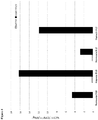
- the disclosure relates to the finding that expanding MILs in a hypoxic environment allows for in vivo T cell expansion following infusion. Specifically, MILs were grown in 2% O 2 (hypoxia) for 3 days followed by a switch to 21% O 2 (normoxia), resulting in almost a 10-fold greater tumor specificity ( Figure 4 ). Taken together, these data suggest that such growth conditions are capable of increasing the absolute number of tumor specific MILs obtained from the same source relative to MILs that a grown under only normoxic conditions.
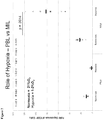
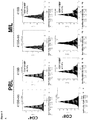
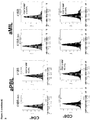
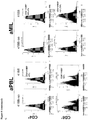
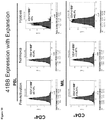
- 4-1BB 4-1BB expression was examined on MILs and compared to that on PBLs grown in various conditions. As shown in Figure 8 , the baseline expression of 4-1BB was greater in MILs than PBLs (18.2% v 8.1%).
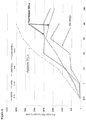
- hypoxic growth conditions increased the total T cell expansion from an average of 7.9E9 to 1.8E10. Furthermore, hypoxic growth conditions also enabled the observation of in vivo T cell expansion ( Figure 6 ,which depicts the total lymphocyte counts through day 60 for all patients).
- the disclosure relates to a composition comprising marrow infiltrating lymphocytes ("MILs").
- MILs marrow infiltrating lymphocytes
- the MILs may be activated MILs.
- the composition comprises a population of MILs that expresses CD3, i.e., wherein each cell in the population of MILs that expresses CD3 is a marrow infiltrating lymphocyte that expresses CD3, e.g., as detected by flow cytometry.
- at least about 40% of the cells in the composition may be MILs from the population of MILs that express CD3, such as at least about 45%, 50%, 55%, 60%, 65%, 70%, 75%, 80%, 85%, 86%, 87%, 88%, or even at least about 89% of the cells in the composition.
- at least about 80% of the cells in the composition may be MILs from the population of MILs that express CD3.
- about 40% to about 100% of the cells in the composition may be MILs from the population of MILs that express CD3, such as about 45% to about 100%, about 50% to about 100%, about 55% to about 100%, about 60% to about 100%, about 65% to about 100%, about 70% to about 100%, about 75% to about 100%, about 80% to about 100%, about 85% to about 100%, about 86% to about 100%, about 87% to about 100%, about 88% to about 100%, or even about 89% to about 100% of the cells in the composition.
- the composition comprises either a population of MILs that do not express CD3, e.g., as detected by flow cytometry, or a population of MILs that expresses low levels of CD3, i.e., relative to the expression level of MILs from the population of MILs that express CD3.
- the composition comprises a population of MILs that expresses interferon gamma ("IFN ⁇ "), i.e., wherein each cell in the population of MILs that expresses IFN ⁇ is a marrow infiltrating lymphocyte that expresses IFN ⁇ , e.g., as detected by flow cytometry.
- IFN ⁇ interferon gamma
- at least about 2% of the cells in the composition may be MILs from the population of MILs that express IFN ⁇ , such as at least about 2%, 3%, 4%, 5%, 6%, 7%, 8%, 9%, 10%, 11%, 12%, 13%, 14%, 15%, 16%, 17%, or even at least about 18% of the cells in the composition.
- about 2% to about 100% of the cells in the composition may be MILs from the population of MILs that express IFN ⁇ , such as about 2% to about 100%, about 3% to about 100%, about 4% to about 100%, about 5% to about 100%, about 6% to about 100%, about 7% to about 100%, about 8% to about 100%, about 9% to about 100%, about 10% to about 100%, about 11% to about 100%, about 12% to about 100%, about 13% to about 100%, about 14% to about 100%, about 15% to about 100%, about 16% to about 100%, about 17% to about 100%, or even about 18% to about 100% of the cells in the composition.
- the composition comprises either a population of MILs that do not express IFN ⁇ , e.g., as detected by flow cytometry, or a population of MILs that expresses low levels of IFN ⁇ , i.e., relative to the expression level of MILs from the population of MILs that express IFN ⁇ .
- the composition comprises a population of MILs that expresses CXCR4, i.e., wherein each cell in the population of MILs that expresses CXCR4 is a marrow infiltrating lymphocyte that expresses CXCR4, e.g., as detected by flow cytometry.
- At least about 98% of the cells in the composition may be MILs from the population of MILs that express CXCR4, such as at least about 98.1%, 98.2%, 98.3%, 98.4%, 98.5%, 98.6%, 98.7%, 98.8%, 98.9%, 99.0%, 99.1%, 99.2%, 99.3%, 99.4%, 99.5%, 99.6%, or even at least about 99.7% of the cells in the composition.
- about 98% to about 100% of the cells in the composition may be MILs from the population of MILs that express CXCR4, such as at least about 98.1% to about 100%, about 98.2% to about 100%, about 98.3% to about 100%, about 98.4% to about 100%, about 98.5% to about 100%, about 98.6% to about 100%, about 98.7% to about 100%, about 98.8% to about 100%, about 98.9% to about 100%, about 99.0% to about 100%, about 99.1% to about 100%, about 99.2% to about 100%, about 99.3% to about 100%, about 99.4% to about 100%, about 99.5% to about 100%, about 99.6% to about 100%, or even about 99.7% to about 100% of the cells in the composition.
- the composition comprises either a population of MILs that do not express CXCR4, e.g., as detected by flow cytometry, or a population of MILs that expresses low levels of CXCR4, i.e., relative to the expression level of MILs from the population of MILs that express CXCR4.
- the composition comprises a population of MILs that expresses CD4.
- the population of MILs that expresses CD4 may comprise a plurality of MILs that expresses CXCR4.
- the population of MILs that expresses CD4 may comprise a plurality of MILs that expresses 4-1BB.
- at least about 21% of the cells in the composition may be MILs from the plurality of MILs that expresses 4-1BB, such as at least about 22%, 23%, 24%, 25%, 26%, 27%, 28%, 29%, 30%, 31%, 32%, 33%, 34%, 35%, 36%, 37%, 38%, 39%, 40%, 41%, 42%, or even at least about 43% of the cells in the composition.
- about 21% to about 100% of the cells in the composition may be MILs from the plurality of MILs that expresses 4-1BB, such as about 22% to about 100%, about 23% to about 100%, about 24% to about 100%, about 25% to about 100%, about 26% to about 100%, about 27% to about 100%, about 28% to about 100%, about 29% to about 100%, about 30% to about 100%, about 31% to about 100%, about 32% to about 100%, about 33% to about 100%, about 34% to about 100%, about 35% to about 100%, about 36% to about 100%, about 37% to about 100%, about 38% to about 100%, about 39% to about 100%, about 40% to about 100%, about 41% to about 100%, about 42% to about 100%, or even about 43% to about 100% of the cells in the composition.
- the composition may comprise a population of MILs that expresses CD8.
- the population of MILs that expresses CD8 may comprise a plurality of MILs that expresses CXCR4.
- the population of MILs that expresses CD8 may comprise a plurality of MILs that expresses 4-1BB.
- at least about 21% of the cells in the composition may be MILs from the plurality of MILs that expresses 4-1BB, such as at least about 8%, 9%, 10%, 11%, 12%, 13%, 14%, 15%, 16%, 17%, 18%, 19%, 20% or even at least about 21% of the cells in the composition.
- about 2% to about 100% of the cells in the composition may be MILs from the plurality of MILs that expresses 4-1BB, such as about 8% to about 100%, about 9% to about 100%, about 10% to about 100%, about 11% to about 100%, about 12% to about 100%, about 13% to about 100%, about 14% to about 100%, about 15% to about 100%, about 16% to about 100%, about 17% to about 100%, about 18% to about 100%, about 19% to about 100%, about 20% to about 100%, or even about 21% to about 100% of the cells in the composition.
- MILs from the plurality of MILs that expresses 4-1BB such as about 8% to about 100%, about 9% to about 100%, about 10% to about 100%, about 11% to about 100%, about 12% to about 100%, about 13% to about 100%, about 14% to about 100%, about 15% to about 100%, about 16% to about 100%, about 17% to about 100%, about 18% to about 100%, about 19% to about 100%, about 20% to about 100%, or even about 21% to
- the composition comprises a population of MILs that expresses 4-1BB.
- at least about 21% of the cells in the composition may be MILs from the population of MILs that expresses 4-1BB, such as at least about 22%, 23%, 24%, 25%, 26%, 27%, 28%, 29%, 30%, 31%, 32%, 33%, 34%, 35%, 36%, 37%, 38%, 39%, 40%, 41%, 42%, or even at least about 43% of the cells in the composition.
- about 21% to 100% of the cells in the composition may be MILs from the population of MILs that expresses 4-1BB, such as about 22% to about 100%, about 23% to about 100%, about 24% to about 100%, about 25% to about 100%, about 26% to about 100%, about 27% to about 100%, about 28% to about 100%, about 29% to about 100%, about 30% to about 100%, about 31% to about 100%, about 32% to about 100%, about 33% to about 100%, about 34% to about 100%, about 35% to about 100%, about 36% to about 100%, about 37% to about 100%, about 38% to about 100%, about 39% to about 100%, about 40% to about 100%, about 41% to about 100%, about 42% to about 100%, or even about 43% to about 100% of the cells in the composition.
- the composition comprises either a population of MILs that do not express 4-1BB, e.g., as detected by flow cytometry, or a population of MILs that expresses low levels of 4-1BB, i.e., relative to the expression level of MILs from the population of MILs that express 4-1BB.
- the disclosure relates to a composition for use in a method for preventing or treating cancer in a subject, comprising administering to the subject any one of the compositions described herein.
- the method comprises administering to the subject a therapeutically-effective amount of any one of the compositions described herein.
- the method comprises administering to the subject a therapeutically-effective amount of MILs, e.g ., activated MILs, as described herein.
- the subject may have a neoplasm, such as cancer.
- the subject may have multiple myeloma.
- the subject may be a human subject.
- the disclosure relates to a method for making a composition as described herein, comprising incubating MILs in a hypoxic environment.
- the disclosure relates to a method for activating marrow infiltrating lymphocytes ("MILs"), comprising incubating MILs in a hypoxic environment.
- MILs marrow infiltrating lymphocytes
- the disclosure relates to a composition for use in a method for treating cancer in a subject.
- the method may comprise removing marrow infiltrating lymphocytes ("MILs") from the subject; incubating the MILs in a hypoxic environment, thereby producing activated MILs; and administering the activated MILs to the subject.
- MILs marrow infiltrating lymphocytes
- the hypoxic environment may comprise less than about 21% oxygen, such as less than about 20%, 19%, 18%, 17%, 16%, 15%, 14%, 13%, 12%, 11%, 10%, 9%, 8%, 7%, 6%, 5%, 4%, or less than about 3% oxygen.
- the hypoxic environment may comprise about 0% oxygen to about 20% oxygen, such as about 0% oxygen to about 19% oxygen, about 0% oxygen to about 18% oxygen, about 0% oxygen to about 17% oxygen, about 0% oxygen to about 16% oxygen, about 0% oxygen to about 15% oxygen, about 0% oxygen to about 14% oxygen, about 0% oxygen to about 13% oxygen, about 0% oxygen to about 12% oxygen, about 0% oxygen to about 11% oxygen, about 0% oxygen to about 10% oxygen, about 0% oxygen to about 9% oxygen, about 0% oxygen to about 8% oxygen, about 0% oxygen to about 7% oxygen, about 0% oxygen to about 6% oxygen, about 0% oxygen to about 5% oxygen, about 0% oxygen to about 4% oxygen, or about 0% oxygen to about 3% oxygen.
- oxygen to about 20% oxygen such as about 0% oxygen to about 19% oxygen, about 0% oxygen to about 18% oxygen, about 0% oxygen to about 17% oxygen, about 0% oxygen to about 16% oxygen, about 0% oxygen to about 15% oxygen, about 0% oxygen to about 14% oxygen
- the hypoxic environment comprises about 1% to about 7% oxygen.
- the hypoxic environment may comprise about 20%, 19%, 18%, 17%, 16%, 15%, 14%, 13%, 12%, 11%, 10%, 9%, 8%, 7%, 6%, 5%, 4%, 3%, 2%, 1%, or about 0% oxygen.
- the hypoxic environment comprises about 7%, 6%, 5%, 4%, 3%, 2%, or 1% oxygen.
- Incubating MILs in a hypoxic environment may comprise incubating the MILs, e.g., in tissue culture medium, for at least about 1 hour, such as at least about 12 hours, 18 hours, 24 hours, 30 hours, 36 hours, 42 hours, 48 hours, 60 hours, 3 days, 4 days, 5 days, 6 days, 7 days, 8 days, 9 days, 10 days, 11 days, 12 days, 13 days, or even at least about 14 days.
- Incubating may comprise incubating the MILs for about 1 hour to about 30 days, such as about 1 day to about 20 days, about 1 day to about 14 days, or about 1 day to about 12 days.
- incubating MILs in a hypoxic environment comprises incubating the MILs in a hypoxic environment for about 2 days to about 5 days.
- the method may comprise incubating MILs in a hypoxic environment for about 1 day, 2 days, 3 days, 4 days, 5 days, 6 days, 7 days, 8 day, 9 days, 10 days, 11 days, 12 days, 13 days, or 14 days.
- the method comprises incubating the MILs in a hypoxic environment for about 3 days.
- the method further comprises incubating the MILs in a normoxic environment, e.g ., after incubating the MILs in a hypoxic environment.
- the normoxic environment may comprise at least about 21% oxygen.
- the normoxic environment may comprise about 5% oxygen to about 30% oxygen, such as about 10% oxygen to about 30% oxygen, about 15% oxygen to about 25% oxygen, about 18% oxygen to about 24% oxygen, about 19% oxygen to about 23% oxygen, or about 20% oxygen to about 22% oxygen.
- the normoxic environment comprises about 21% oxygen.
- Incubating MILs in a normoxic environment may comprise incubating the MILs, e.g., in tissue culture medium, for at least about 1 hour, such as at least about 12 hours, 18 hours, 24 hours, 30 hours, 36 hours, 42 hours, 48 hours, 60 hours, 3 days, 4 days, 5 days, 6 days, 7 days, 8 days, 9 days, 10 days, 11 days, 12 days, 13 days, or even at least about 14 days.
- Incubating may comprise incubating the MILs for about 1 hour to about 30 days, such as about 1 day to about 20 days, about 1 day to about 14 days, about 1 day to about 12 days, or about 2 days to about 12 days.
- Example 1 Activation and expansion of T cells in hypoxic and normoxic environments.
- Bone marrow (BM) T cell numbers are determined using flow cytometry.
- Anti-CD3/anti-CD28 beads are added at the pre-determined ratio (beads:CD3 cell) in media with recombinant human cytokines at a predetermined concentration.
- Cells are plated in a plate, flask, or bag. Hypoxic conditions are achieved by flushing either the hypoxic chamber or cell culture bag for 3 minutes with a 95% Nitrogen and 5% CO 2 gas mixture. The receptacle is then filled with this gas mixture for 30 seconds. This leads to a 2% or less O 2 gas in the receptacle.
- Cells are cultured at 37 C for 3 or more days and the hypoxic air is released and replaced with normoxic (21% atmospheric oxygen) levels.
- Cells are stained with flurochrome conjugated antibodies for the desired determination.
- CD3, CD4, CD8, CXCR4, 41BB, CD27, CD28, CTLA-4, PD-1, CD45RO, CD62L, CD95, IFNg, IL17, live/dead dye, and/or other antibodies of interest that are directly conjugated to flurochromes are used with appropriate isotype controls. Briefly, 1 x 10 6 cells or less are washed with FACS buffer (1XHBSS/2%FBS/0.5% EDTA/0.5% NaAzide) or similar wash buffer in either a plate or a tube by spinning in a centrifuge. The wash buffer is removed and antibodies and isotype controls are added at predetermined concentrations.
- the cells are stained between 7-30 minutes at either room temperature or at 4°C .
- the cells are washed 2x with wash buffer and re-suspended in minimal wash buffer.
- the cells are then run on a flow cytometer that has been properly compensated and prepared for the flurochromes that are being utilized. 10,000 or greater numbers of events are collected for each sample. Data is analyzed utilizing FACS analysis software. Flurochrome labelled cells are compared to isotype controls for back ground removal. Data is graphed as %positive - %background.
- Bone marrow cells are enumerated at the beginning of expansion.
- the percentage of CD3+ cells is determined utilizing flow cytometry.
- Total fold expansion Total number of CD3 + MILs harvested on the final day of culture divided by the total number of CD3+ MILs on the initial day of culture.
- MILs are labelled with CFSE or a similar cell membrane integration dye according to the manufacturers' protocol.
- Autologous BM is pulsed with either media alone, a negative control (unrelated protein or lysate) or with the protein or lysate of interest.
- CFSE labelled cells are then co-cultured with pulsed autologous BM for 2-7 days.
- Cells are harvested from the tissue culture plate or flask and then stained with CD3 extracellularly and intracellularly with IFNg. Analysis of tumor specificity is determined by gating on CD3+ cells that are CFSE low (divided cells) and that are producing IFNg.
- Example 5 Activation and expansion of T cells in hypoxic and normoxic environments.
- MILs were grown in 2% O 2 (hypoxia) for 3 days followed by a switch to 21% O 2 (normoxia) for an additional 5 days in the presence or absence of IL-2.
- O 2 hypoxia
- normoxia 21% O 2
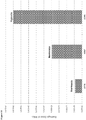
- Tumor specificity was also markedly enhanced as shown on Figure 4 .
- 4% of CFSE-low cells were tumor specific in normoxic conditions as opposed to 25.1% for MILs grown in hypoxic conditions.
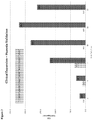
- MILs product from a patient in a first clinical study was also expanded using this method. As shown in Figure 3 , expansion of MILs in these conditions dramatically increased T cell numbers. Growth in normoxic conditions was seldom capable of expanding MILs past 7 days. In this experiment, the day-7 fold expansion was 36.3 fold in normoxic conditions as oppose to 119 in hypoxic conditions. Furthermore, the cells continued to expand up to 12 days and reached a total 220-fold expansion at 11 days before beginning to die.
- 4-1BB has been shown to be a key regulator of many of these properties. It can regulate T cell expansion, reduce apoptosis, augment the cytotoxic activity of CD8 cells and enhances survival. Furthermore, HIF1 ⁇ regulates survival of antigen-driven T cells. Chimeric antigen receptor (CAR) modified T cells with the vector expressing 4-1BB have shown significant in vivo expansion. Taken together, 4-1BB expression on activated MILs can be an important regulator of heightened survival and tumor specificity.
- One marked advantage of the method disclosed herein is that there is no need to modify the MILs in order to achieve 4-1BB enhanced expression. This advantage is shown in Figure 10 where MILs or PBLs were grown in either normoxic or hypoxic conditions.
- FIG 11 shows the results of dosing for clinical treatment.
- MILs were grown in static cultures in normoxic conditions.
- J0997 - MILs were grown in the WAVE in normoxic conditions.
- J1343 - MILs were grown for 3 days in hypoxic conditions followed by normoxic conditions.
- the absolute lymphocyte counts are graphed for the 3 trials post-autologous stem cell transplant.
- J1343 is a randomized trial in which patients either received hypoxic MILs or had no MILs infused post-transplant.
- the growth conditions of the present method have increased total T cell expansion from an average of 7.9E9 to 1.8E10. Furthermore, it shows for the first time in vivo T cell expansion as shown in Figure 6 , which is directly related to the efficacy of the method in treatment of patients. Depicted in the graph are the total lymphocyte counts through day 60 for a first set of patients.
Landscapes
- Health & Medical Sciences (AREA)
- Life Sciences & Earth Sciences (AREA)
- Engineering & Computer Science (AREA)
- Biomedical Technology (AREA)
- Chemical & Material Sciences (AREA)
- Organic Chemistry (AREA)
- General Health & Medical Sciences (AREA)
- Zoology (AREA)
- Biotechnology (AREA)
- Wood Science & Technology (AREA)
- Genetics & Genomics (AREA)
- Bioinformatics & Cheminformatics (AREA)
- Immunology (AREA)
- Animal Behavior & Ethology (AREA)
- Public Health (AREA)
- Veterinary Medicine (AREA)
- Cell Biology (AREA)
- Hematology (AREA)
- Biochemistry (AREA)
- Microbiology (AREA)
- General Engineering & Computer Science (AREA)
- Epidemiology (AREA)
- Developmental Biology & Embryology (AREA)
- Medicinal Chemistry (AREA)
- Pharmacology & Pharmacy (AREA)
- Rheumatology (AREA)
- General Chemical & Material Sciences (AREA)
- Chemical Kinetics & Catalysis (AREA)
- Nuclear Medicine, Radiotherapy & Molecular Imaging (AREA)
- Virology (AREA)
- Medicines Containing Material From Animals Or Micro-Organisms (AREA)
- Micro-Organisms Or Cultivation Processes Thereof (AREA)
Priority Applications (1)
| Application Number | Priority Date | Filing Date | Title |
|---|---|---|---|
| EP21167891.7A EP3922254A1 (en) | 2014-09-04 | 2015-09-04 | Activation of marrow infiltrating lymphocytes in hypoxic alternating with normoxic conditions |
Applications Claiming Priority (3)
| Application Number | Priority Date | Filing Date | Title |
|---|---|---|---|
| US201462045782P | 2014-09-04 | 2014-09-04 | |
| US201562186040P | 2015-06-29 | 2015-06-29 | |
| PCT/US2015/048536 WO2016037054A1 (en) | 2014-09-04 | 2015-09-04 | Activation of marrow infiltrating lymphocytes in hypoxic alternating with normoxic conditions |
Related Child Applications (1)
| Application Number | Title | Priority Date | Filing Date |
|---|---|---|---|
| EP21167891.7A Division EP3922254A1 (en) | 2014-09-04 | 2015-09-04 | Activation of marrow infiltrating lymphocytes in hypoxic alternating with normoxic conditions |
Publications (3)
| Publication Number | Publication Date |
|---|---|
| EP3188740A1 EP3188740A1 (en) | 2017-07-12 |
| EP3188740A4 EP3188740A4 (en) | 2018-05-16 |
| EP3188740B1 true EP3188740B1 (en) | 2021-04-14 |
Family
ID=55440392
Family Applications (2)
| Application Number | Title | Priority Date | Filing Date |
|---|---|---|---|
| EP15838358.8A Active EP3188740B1 (en) | 2014-09-04 | 2015-09-04 | Activation of marrow infiltrating lymphocytes in hypoxic alternating with normoxic conditions |
| EP21167891.7A Withdrawn EP3922254A1 (en) | 2014-09-04 | 2015-09-04 | Activation of marrow infiltrating lymphocytes in hypoxic alternating with normoxic conditions |
Family Applications After (1)
| Application Number | Title | Priority Date | Filing Date |
|---|---|---|---|
| EP21167891.7A Withdrawn EP3922254A1 (en) | 2014-09-04 | 2015-09-04 | Activation of marrow infiltrating lymphocytes in hypoxic alternating with normoxic conditions |
Country Status (13)
| Country | Link |
|---|---|
| US (7) | US9687510B2 (enExample) |
| EP (2) | EP3188740B1 (enExample) |
| JP (2) | JP6865160B2 (enExample) |
| KR (1) | KR20170067751A (enExample) |
| CN (1) | CN107109364A (enExample) |
| AU (2) | AU2015311761B2 (enExample) |
| CA (1) | CA2959994C (enExample) |
| DK (1) | DK3188740T3 (enExample) |
| ES (1) | ES2877108T3 (enExample) |
| IL (2) | IL250746B (enExample) |
| MX (1) | MX391017B (enExample) |
| PT (1) | PT3188740T (enExample) |
| WO (1) | WO2016037054A1 (enExample) |
Cited By (2)
| Publication number | Priority date | Publication date | Assignee | Title |
|---|---|---|---|---|
| US12611429B2 (en) | 2017-03-29 | 2026-04-28 | Iovance Biotherapeutics, Inc. | Processes for production of tumor infiltrating lymphocytes and uses of same in immunotherapy |
| US12612598B2 (en) | 2014-04-10 | 2026-04-28 | Iovance Biotherapeutics, Inc. | Enhanced expansion of tumor-infiltrating lymphocytes for adoptive cell therapy |
Families Citing this family (23)
| Publication number | Priority date | Publication date | Assignee | Title |
|---|---|---|---|---|
| WO2016037054A1 (en) | 2014-09-04 | 2016-03-10 | The Johns Hopkins University | Activation of marrow infiltrating lymphocytes in hypoxic alternating with normoxic conditions |
| JP2018520679A (ja) | 2015-06-29 | 2018-08-02 | ザ・ジョンズ・ホプキンス・ユニバーシティー | 免疫チェックポイントキメラ抗原受容体療法 |
| WO2017008019A1 (en) * | 2015-07-08 | 2017-01-12 | The Johns Hopkins University | Marrow infiltrating lymphocytes (mils) as a source of t-cells for chimeric antigen receptor (car) therapy |
| HUE066460T2 (hu) | 2016-10-26 | 2024-08-28 | Iovance Biotherapeutics Inc | A kriokonzervált tumor infiltráló limfociták restimulációja |
| TWI788307B (zh) | 2016-10-31 | 2023-01-01 | 美商艾歐凡斯生物治療公司 | 用於擴增腫瘤浸潤性淋巴細胞之工程化人造抗原呈現細胞 |
| KR102618948B1 (ko) | 2016-11-17 | 2023-12-27 | 이오반스 바이오테라퓨틱스, 인크. | 잔유 종양 침윤 림프구 및 그의 제조 및 사용 방법 |
| AU2017382243A1 (en) * | 2016-12-22 | 2019-05-02 | Windmil Therapeutics, Inc. | Compositions and methods for modulating the immune system |
| CA3049165A1 (en) | 2017-01-06 | 2018-07-12 | Iovance Biotherapeutics, Inc. | Expansion of tumor infiltrating lymphocytes with potassium channel agonists and therapeutic uses thereof |
| US11254913B1 (en) | 2017-03-29 | 2022-02-22 | Iovance Biotherapeutics, Inc. | Processes for production of tumor infiltrating lymphocytes and uses of same in immunotherapy |
| EP3737743A1 (en) | 2018-01-08 | 2020-11-18 | Iovance Biotherapeutics, Inc. | Processes for generating til products enriched for tumor antigen-specific t-cells |
| JP2021516666A (ja) * | 2018-03-22 | 2021-07-08 | ウィンドミル セラピューティクス インコーポレイテッド | 前立腺がん特異的髄浸潤リンパ球およびその使用 |
| WO2019217753A1 (en) | 2018-05-10 | 2019-11-14 | Iovance Biotherapeutics, Inc. | Processes for production of tumor infiltrating lymphocytes and uses of same in immunotherapy |
| US12611427B2 (en) | 2018-11-05 | 2026-04-28 | Iovance Biotherapeutics, Inc. | Treatment of NSCLC patients refractory for anti-PD-1 antibody |
| US20210338730A1 (en) * | 2018-11-05 | 2021-11-04 | Windmil Therapeutics, Inc. | Marrow Infiltrating Lymphocytes With Increased Clonality and Uses Thereof |
| MY210603A (en) | 2018-11-05 | 2025-10-01 | Iovance Biotherapeutics Inc | Processes for production of tumor infiltrating lymphocytes and uses of the same in immunotherapy |
| MX2021006399A (es) * | 2018-11-30 | 2021-07-15 | Windmil Therapeutics Inc | Linfocitos infiltrantes de medula osea (mils) que expresan receptores de antigenos quimericos (car), metodo de fabricacion de los mismos y metodo de uso en terapia. |
| CN114072158A (zh) * | 2019-03-22 | 2022-02-18 | 温德弥尔治疗公司 | 肺癌特异性骨髓浸润淋巴细胞及其用途 |
| US20230100744A1 (en) * | 2020-02-28 | 2023-03-30 | Windmil Therapeutics, Inc. | Methods for enriching marrow infiltrating lymphocytes ("mils"), compositions containing enriched mils, and methods of using enriched mils |
| WO2022066872A1 (en) * | 2020-09-24 | 2022-03-31 | Windmil Therapeutics, Inc. | Marrow infiltrating lymphocytes (mils) expressing t cell receptors, methods of manufacturing same, and method of using in therapy |
| JP2023546359A (ja) | 2020-10-06 | 2023-11-02 | アイオバンス バイオセラピューティクス,インコーポレイテッド | 腫瘍浸潤リンパ球療法によるnsclc患者の治療 |
| JP2024512029A (ja) | 2021-03-25 | 2024-03-18 | アイオバンス バイオセラピューティクス,インコーポレイテッド | T細胞共培養効力アッセイのための方法及び組成物、ならびに細胞療法製品との使用 |
| JP2025512401A (ja) | 2022-04-15 | 2025-04-17 | アイオバンス バイオセラピューティクス,インコーポレイテッド | 特定のサイトカインの組み合わせ及び/またはAKTi処理を使用したTIL拡張プロセス |
| WO2025160242A1 (en) * | 2024-01-23 | 2025-07-31 | H. Lee Moffitt Cancer Center And Research Institute, Inc. | Method of generating tils from cerebro spinal fluid for leptomeningeal disease |
Family Cites Families (12)
| Publication number | Priority date | Publication date | Assignee | Title |
|---|---|---|---|---|
| AU3243600A (en) | 1999-02-23 | 2000-09-14 | Kathleen S. Carswell | Improved method of culturing t cells |
| US6811788B2 (en) * | 2000-01-19 | 2004-11-02 | Baofa Yu | Combinations and methods for treating neoplasms |
| EP2111231A4 (en) * | 2007-02-13 | 2010-12-15 | Univ Northeastern | METHOD AND COMPOSITIONS FOR IMPROVING IMMUNE REACTIONS |
| WO2014085437A2 (en) * | 2012-11-27 | 2014-06-05 | The Johns Hopkins University | Use of post-transplant cyclophosphamide treated allogeneic marrow infiltrating lymphocytes to augment anti-tumor immunity |
| EP2364152A4 (en) * | 2008-11-03 | 2013-02-13 | Univ Johns Hopkins | METHOD FOR PRODUCING AND USING MARKINFILTRATING LYMPHOCYTES (MILS) |
| BR112014007947A2 (pt) * | 2011-10-03 | 2017-04-18 | Univ Los Andes | método para monitoramento, diagnóstico e/ou prognóstico de distúrbios relacionados à hipoxia usando nfat5 |
| EP2804625A4 (en) | 2012-01-17 | 2015-10-28 | Univ Northeastern | METHOD AND COMPOSITIONS FOR THE EXPANSION OF IMMUNOSUPPRESSIVE REGULATORY T CELLS IN VITRO AND USES THEREOF |
| JP2014090678A (ja) * | 2012-11-01 | 2014-05-19 | Ito En Ltd | 容器詰野菜汁及び/又は果汁含有飲料及びその製造方法、並びに容器詰野菜汁及び/又は果汁含有飲料の呈味劣化防止方法 |
| WO2016037054A1 (en) | 2014-09-04 | 2016-03-10 | The Johns Hopkins University | Activation of marrow infiltrating lymphocytes in hypoxic alternating with normoxic conditions |
| AU2017382243A1 (en) * | 2016-12-22 | 2019-05-02 | Windmil Therapeutics, Inc. | Compositions and methods for modulating the immune system |
| JP2021516666A (ja) * | 2018-03-22 | 2021-07-08 | ウィンドミル セラピューティクス インコーポレイテッド | 前立腺がん特異的髄浸潤リンパ球およびその使用 |
| MX2021006399A (es) * | 2018-11-30 | 2021-07-15 | Windmil Therapeutics Inc | Linfocitos infiltrantes de medula osea (mils) que expresan receptores de antigenos quimericos (car), metodo de fabricacion de los mismos y metodo de uso en terapia. |
-
2015
- 2015-09-04 WO PCT/US2015/048536 patent/WO2016037054A1/en not_active Ceased
- 2015-09-04 EP EP15838358.8A patent/EP3188740B1/en active Active
- 2015-09-04 KR KR1020177009084A patent/KR20170067751A/ko not_active Abandoned
- 2015-09-04 DK DK15838358.8T patent/DK3188740T3/da active
- 2015-09-04 JP JP2017512293A patent/JP6865160B2/ja not_active Expired - Fee Related
- 2015-09-04 US US15/112,353 patent/US9687510B2/en active Active
- 2015-09-04 PT PT158383588T patent/PT3188740T/pt unknown
- 2015-09-04 CN CN201580059448.3A patent/CN107109364A/zh active Pending
- 2015-09-04 CA CA2959994A patent/CA2959994C/en active Active
- 2015-09-04 ES ES15838358T patent/ES2877108T3/es active Active
- 2015-09-04 EP EP21167891.7A patent/EP3922254A1/en not_active Withdrawn
- 2015-09-04 MX MX2017002852A patent/MX391017B/es unknown
- 2015-09-04 AU AU2015311761A patent/AU2015311761B2/en not_active Ceased
-
2017
- 2017-02-23 IL IL250746A patent/IL250746B/en active IP Right Grant
- 2017-05-26 US US15/606,766 patent/US10406178B2/en active Active
- 2017-05-26 US US15/606,951 patent/US10172887B2/en active Active
-
2018
- 2018-12-03 US US16/207,864 patent/US11160830B2/en not_active Expired - Fee Related
-
2019
- 2019-07-30 US US16/526,656 patent/US11406666B2/en active Active
-
2020
- 2020-07-28 IL IL276347A patent/IL276347B/en unknown
-
2021
- 2021-02-02 AU AU2021200648A patent/AU2021200648A1/en not_active Abandoned
- 2021-04-05 JP JP2021063957A patent/JP7197213B2/ja active Active
- 2021-09-30 US US17/490,691 patent/US20220016172A1/en not_active Abandoned
-
2022
- 2022-07-14 US US17/864,546 patent/US20230000919A1/en active Pending
Non-Patent Citations (1)
| Title |
|---|
| None * |
Cited By (2)
| Publication number | Priority date | Publication date | Assignee | Title |
|---|---|---|---|---|
| US12612598B2 (en) | 2014-04-10 | 2026-04-28 | Iovance Biotherapeutics, Inc. | Enhanced expansion of tumor-infiltrating lymphocytes for adoptive cell therapy |
| US12611429B2 (en) | 2017-03-29 | 2026-04-28 | Iovance Biotherapeutics, Inc. | Processes for production of tumor infiltrating lymphocytes and uses of same in immunotherapy |
Also Published As
Similar Documents
| Publication | Publication Date | Title |
|---|---|---|
| US20230000919A1 (en) | Activation of marrow infiltrating lymphocytes in hypoxic alternating with normoxic conditions | |
| Fang et al. | Advances in NK cell production | |
| TW202039830A (zh) | 用於製造腫瘤浸潤性淋巴細胞之方法及其在免疫療法中之用途 | |
| KR101923848B1 (ko) | 면역세포 함유 조성물의 제조방법 및 암 치료용 조성물 | |
| KR20220031615A (ko) | 직접 분류에 의한 t 세포의 제조 방법 및 이의 조성물 | |
| JP2025186248A (ja) | 極めて強力なm-cenk細胞及び方法 | |
| CN105969731B (zh) | 一种利用恶性胸腹水大量制备高杀伤活性til细胞的方法 | |
| US20210087530A1 (en) | Compositions and methods for culturing and expanding cells | |
| US20240117309A1 (en) | Methods for expanding t cell populations | |
| HK40064965A (en) | Activation of marrow infiltrating lymphocytes in hypoxic alternating with normoxic conditions | |
| HK1240085B (en) | Activation of marrow infiltrating lymphocytes in hypoxic alternating with normoxic conditions | |
| HK1240085A1 (en) | Activation of marrow infiltrating lymphocytes in hypoxic alternating with normoxic conditions | |
| Tanzi et al. | Production of donor-derived cytotoxic T lymphocytes with potent anti-leukemia activity for adoptive immunotherapy in high-risk pediatric patients given haploidentical hematopoietic stem cell transplantation | |
| HK1240616A1 (en) | Activation of marrow infiltrating lymphocytes in hypoxic alternating with normoxic conditions | |
| CN117120596A (zh) | 高效的m-cenk细胞和方法 | |
| HK40100476A (zh) | 扩增t细胞群的方法 | |
| Yuji et al. | 173Once and twice filgrastim for allogeneic PBSCmobilization |
Legal Events
| Date | Code | Title | Description |
|---|---|---|---|
| STAA | Information on the status of an ep patent application or granted ep patent |
Free format text: STATUS: THE INTERNATIONAL PUBLICATION HAS BEEN MADE |
|
| PUAI | Public reference made under article 153(3) epc to a published international application that has entered the european phase |
Free format text: ORIGINAL CODE: 0009012 |
|
| STAA | Information on the status of an ep patent application or granted ep patent |
Free format text: STATUS: REQUEST FOR EXAMINATION WAS MADE |
|
| 17P | Request for examination filed |
Effective date: 20170322 |
|
| AK | Designated contracting states |
Kind code of ref document: A1 Designated state(s): AL AT BE BG CH CY CZ DE DK EE ES FI FR GB GR HR HU IE IS IT LI LT LU LV MC MK MT NL NO PL PT RO RS SE SI SK SM TR |
|
| AX | Request for extension of the european patent |
Extension state: BA ME |
|
| DAV | Request for validation of the european patent (deleted) | ||
| DAX | Request for extension of the european patent (deleted) | ||
| RIC1 | Information provided on ipc code assigned before grant |
Ipc: A61P 35/00 20060101ALI20180404BHEP Ipc: A61K 35/28 20150101ALI20180404BHEP Ipc: A61K 35/17 20150101AFI20180404BHEP |
|
| A4 | Supplementary search report drawn up and despatched |
Effective date: 20180418 |
|
| RIC1 | Information provided on ipc code assigned before grant |
Ipc: A61P 35/00 20060101ALI20180411BHEP Ipc: A61K 35/17 20150101AFI20180411BHEP Ipc: A61K 35/28 20150101ALI20180411BHEP |
|
| REG | Reference to a national code |
Ref country code: HK Ref legal event code: DE Ref document number: 1240085 Country of ref document: HK |
|
| STAA | Information on the status of an ep patent application or granted ep patent |
Free format text: STATUS: EXAMINATION IS IN PROGRESS |
|
| 17Q | First examination report despatched |
Effective date: 20190325 |
|
| GRAP | Despatch of communication of intention to grant a patent |
Free format text: ORIGINAL CODE: EPIDOSNIGR1 |
|
| STAA | Information on the status of an ep patent application or granted ep patent |
Free format text: STATUS: GRANT OF PATENT IS INTENDED |
|
| INTG | Intention to grant announced |
Effective date: 20201030 |
|
| GRAS | Grant fee paid |
Free format text: ORIGINAL CODE: EPIDOSNIGR3 |
|
| GRAA | (expected) grant |
Free format text: ORIGINAL CODE: 0009210 |
|
| STAA | Information on the status of an ep patent application or granted ep patent |
Free format text: STATUS: THE PATENT HAS BEEN GRANTED |
|
| AK | Designated contracting states |
Kind code of ref document: B1 Designated state(s): AL AT BE BG CH CY CZ DE DK EE ES FI FR GB GR HR HU IE IS IT LI LT LU LV MC MK MT NL NO PL PT RO RS SE SI SK SM TR |
|
| REG | Reference to a national code |
Ref country code: GB Ref legal event code: FG4D |
|
| REG | Reference to a national code |
Ref country code: CH Ref legal event code: EP |
|
| REG | Reference to a national code |
Ref country code: DE Ref legal event code: R096 Ref document number: 602015068208 Country of ref document: DE |
|
| REG | Reference to a national code |
Ref country code: IE Ref legal event code: FG4D |
|
| REG | Reference to a national code |
Ref country code: AT Ref legal event code: REF Ref document number: 1381689 Country of ref document: AT Kind code of ref document: T Effective date: 20210515 |
|
| REG | Reference to a national code |
Ref country code: DK Ref legal event code: T3 Effective date: 20210603 |
|
| REG | Reference to a national code |
Ref country code: PT Ref legal event code: SC4A Ref document number: 3188740 Country of ref document: PT Date of ref document: 20210623 Kind code of ref document: T Free format text: AVAILABILITY OF NATIONAL TRANSLATION Effective date: 20210616 |
|
| REG | Reference to a national code |
Ref country code: SE Ref legal event code: TRGR Ref country code: FI Ref legal event code: FGE |
|
| REG | Reference to a national code |
Ref country code: NL Ref legal event code: FP |
|
| REG | Reference to a national code |
Ref country code: GR Ref legal event code: EP Ref document number: 20210401616 Country of ref document: GR Effective date: 20210709 |
|
| REG | Reference to a national code |
Ref country code: LT Ref legal event code: MG9D |
|
| REG | Reference to a national code |
Ref country code: NO Ref legal event code: T2 Effective date: 20210414 |
|
| PG25 | Lapsed in a contracting state [announced via postgrant information from national office to epo] |
Ref country code: LT Free format text: LAPSE BECAUSE OF FAILURE TO SUBMIT A TRANSLATION OF THE DESCRIPTION OR TO PAY THE FEE WITHIN THE PRESCRIBED TIME-LIMIT Effective date: 20210414 Ref country code: HR Free format text: LAPSE BECAUSE OF FAILURE TO SUBMIT A TRANSLATION OF THE DESCRIPTION OR TO PAY THE FEE WITHIN THE PRESCRIBED TIME-LIMIT Effective date: 20210414 Ref country code: BG Free format text: LAPSE BECAUSE OF FAILURE TO SUBMIT A TRANSLATION OF THE DESCRIPTION OR TO PAY THE FEE WITHIN THE PRESCRIBED TIME-LIMIT Effective date: 20210714 |
|
| REG | Reference to a national code |
Ref country code: ES Ref legal event code: FG2A Ref document number: 2877108 Country of ref document: ES Kind code of ref document: T3 Effective date: 20211116 |
|
| PG25 | Lapsed in a contracting state [announced via postgrant information from national office to epo] |
Ref country code: PL Free format text: LAPSE BECAUSE OF FAILURE TO SUBMIT A TRANSLATION OF THE DESCRIPTION OR TO PAY THE FEE WITHIN THE PRESCRIBED TIME-LIMIT Effective date: 20210414 Ref country code: RS Free format text: LAPSE BECAUSE OF FAILURE TO SUBMIT A TRANSLATION OF THE DESCRIPTION OR TO PAY THE FEE WITHIN THE PRESCRIBED TIME-LIMIT Effective date: 20210414 Ref country code: IS Free format text: LAPSE BECAUSE OF FAILURE TO SUBMIT A TRANSLATION OF THE DESCRIPTION OR TO PAY THE FEE WITHIN THE PRESCRIBED TIME-LIMIT Effective date: 20210814 Ref country code: LV Free format text: LAPSE BECAUSE OF FAILURE TO SUBMIT A TRANSLATION OF THE DESCRIPTION OR TO PAY THE FEE WITHIN THE PRESCRIBED TIME-LIMIT Effective date: 20210414 |
|
| REG | Reference to a national code |
Ref country code: AT Ref legal event code: UEP Ref document number: 1381689 Country of ref document: AT Kind code of ref document: T Effective date: 20210414 |
|
| REG | Reference to a national code |
Ref country code: DE Ref legal event code: R097 Ref document number: 602015068208 Country of ref document: DE |
|
| PG25 | Lapsed in a contracting state [announced via postgrant information from national office to epo] |
Ref country code: RO Free format text: LAPSE BECAUSE OF FAILURE TO SUBMIT A TRANSLATION OF THE DESCRIPTION OR TO PAY THE FEE WITHIN THE PRESCRIBED TIME-LIMIT Effective date: 20210414 Ref country code: EE Free format text: LAPSE BECAUSE OF FAILURE TO SUBMIT A TRANSLATION OF THE DESCRIPTION OR TO PAY THE FEE WITHIN THE PRESCRIBED TIME-LIMIT Effective date: 20210414 Ref country code: CZ Free format text: LAPSE BECAUSE OF FAILURE TO SUBMIT A TRANSLATION OF THE DESCRIPTION OR TO PAY THE FEE WITHIN THE PRESCRIBED TIME-LIMIT Effective date: 20210414 Ref country code: SM Free format text: LAPSE BECAUSE OF FAILURE TO SUBMIT A TRANSLATION OF THE DESCRIPTION OR TO PAY THE FEE WITHIN THE PRESCRIBED TIME-LIMIT Effective date: 20210414 Ref country code: SK Free format text: LAPSE BECAUSE OF FAILURE TO SUBMIT A TRANSLATION OF THE DESCRIPTION OR TO PAY THE FEE WITHIN THE PRESCRIBED TIME-LIMIT Effective date: 20210414 |
|
| PLBE | No opposition filed within time limit |
Free format text: ORIGINAL CODE: 0009261 |
|
| STAA | Information on the status of an ep patent application or granted ep patent |
Free format text: STATUS: NO OPPOSITION FILED WITHIN TIME LIMIT |
|
| 26N | No opposition filed |
Effective date: 20220117 |
|
| PG25 | Lapsed in a contracting state [announced via postgrant information from national office to epo] |
Ref country code: IS Free format text: LAPSE BECAUSE OF FAILURE TO SUBMIT A TRANSLATION OF THE DESCRIPTION OR TO PAY THE FEE WITHIN THE PRESCRIBED TIME-LIMIT Effective date: 20210814 Ref country code: MC Free format text: LAPSE BECAUSE OF FAILURE TO SUBMIT A TRANSLATION OF THE DESCRIPTION OR TO PAY THE FEE WITHIN THE PRESCRIBED TIME-LIMIT Effective date: 20210414 Ref country code: AL Free format text: LAPSE BECAUSE OF FAILURE TO SUBMIT A TRANSLATION OF THE DESCRIPTION OR TO PAY THE FEE WITHIN THE PRESCRIBED TIME-LIMIT Effective date: 20210414 |
|
| PG25 | Lapsed in a contracting state [announced via postgrant information from national office to epo] |
Ref country code: LU Free format text: LAPSE BECAUSE OF NON-PAYMENT OF DUE FEES Effective date: 20210904 Ref country code: IE Free format text: LAPSE BECAUSE OF NON-PAYMENT OF DUE FEES Effective date: 20210904 |
|
| PG25 | Lapsed in a contracting state [announced via postgrant information from national office to epo] |
Ref country code: HU Free format text: LAPSE BECAUSE OF FAILURE TO SUBMIT A TRANSLATION OF THE DESCRIPTION OR TO PAY THE FEE WITHIN THE PRESCRIBED TIME-LIMIT; INVALID AB INITIO Effective date: 20150904 |
|
| PG25 | Lapsed in a contracting state [announced via postgrant information from national office to epo] |
Ref country code: CY Free format text: LAPSE BECAUSE OF FAILURE TO SUBMIT A TRANSLATION OF THE DESCRIPTION OR TO PAY THE FEE WITHIN THE PRESCRIBED TIME-LIMIT Effective date: 20210414 |
|
| PG25 | Lapsed in a contracting state [announced via postgrant information from national office to epo] |
Ref country code: MK Free format text: LAPSE BECAUSE OF FAILURE TO SUBMIT A TRANSLATION OF THE DESCRIPTION OR TO PAY THE FEE WITHIN THE PRESCRIBED TIME-LIMIT Effective date: 20210414 |
|
| PG25 | Lapsed in a contracting state [announced via postgrant information from national office to epo] |
Ref country code: TR Free format text: LAPSE BECAUSE OF FAILURE TO SUBMIT A TRANSLATION OF THE DESCRIPTION OR TO PAY THE FEE WITHIN THE PRESCRIBED TIME-LIMIT Effective date: 20210414 |
|
| PG25 | Lapsed in a contracting state [announced via postgrant information from national office to epo] |
Ref country code: MT Free format text: LAPSE BECAUSE OF FAILURE TO SUBMIT A TRANSLATION OF THE DESCRIPTION OR TO PAY THE FEE WITHIN THE PRESCRIBED TIME-LIMIT Effective date: 20210414 |
|
| PGFP | Annual fee paid to national office [announced via postgrant information from national office to epo] |
Ref country code: DE Payment date: 20240927 Year of fee payment: 10 Ref country code: FI Payment date: 20240925 Year of fee payment: 10 |
|
| PGFP | Annual fee paid to national office [announced via postgrant information from national office to epo] |
Ref country code: GR Payment date: 20240926 Year of fee payment: 10 Ref country code: DK Payment date: 20240925 Year of fee payment: 10 |
|
| PGFP | Annual fee paid to national office [announced via postgrant information from national office to epo] |
Ref country code: GB Payment date: 20240927 Year of fee payment: 10 Ref country code: PT Payment date: 20240828 Year of fee payment: 10 |
|
| PGFP | Annual fee paid to national office [announced via postgrant information from national office to epo] |
Ref country code: BE Payment date: 20240927 Year of fee payment: 10 |
|
| PGFP | Annual fee paid to national office [announced via postgrant information from national office to epo] |
Ref country code: FR Payment date: 20240925 Year of fee payment: 10 |
|
| PGFP | Annual fee paid to national office [announced via postgrant information from national office to epo] |
Ref country code: NL Payment date: 20240926 Year of fee payment: 10 |
|
| PGFP | Annual fee paid to national office [announced via postgrant information from national office to epo] |
Ref country code: AT Payment date: 20240821 Year of fee payment: 10 |
|
| PGFP | Annual fee paid to national office [announced via postgrant information from national office to epo] |
Ref country code: NO Payment date: 20240927 Year of fee payment: 10 Ref country code: SE Payment date: 20240927 Year of fee payment: 10 Ref country code: IT Payment date: 20240919 Year of fee payment: 10 |
|
| PGFP | Annual fee paid to national office [announced via postgrant information from national office to epo] |
Ref country code: ES Payment date: 20241001 Year of fee payment: 10 |
|
| PGFP | Annual fee paid to national office [announced via postgrant information from national office to epo] |
Ref country code: CH Payment date: 20241002 Year of fee payment: 10 |
|
| PG25 | Lapsed in a contracting state [announced via postgrant information from national office to epo] |
Ref country code: FI Free format text: LAPSE BECAUSE OF NON-PAYMENT OF DUE FEES Effective date: 20250904 |
|
| REG | Reference to a national code |
Ref country code: DK Ref legal event code: EBP Effective date: 20250930 |
|
| PG25 | Lapsed in a contracting state [announced via postgrant information from national office to epo] |
Ref country code: PT Free format text: LAPSE BECAUSE OF NON-PAYMENT OF DUE FEES Effective date: 20260304 |
|
| REG | Reference to a national code |
Ref country code: CH Ref legal event code: H13 Free format text: ST27 STATUS EVENT CODE: U-0-0-H10-H13 (AS PROVIDED BY THE NATIONAL OFFICE) Effective date: 20260425 |