EP3159403B1 - Verfahren zur herstellung von dendritischen zellen mit erhöhter spezifischer genexpression und zusammensetzung zur behandlung oder vorbeugung von autoimmunerkrankungen mit anhand des verfahrens hergestellten dendritischen zellen - Google Patents
Verfahren zur herstellung von dendritischen zellen mit erhöhter spezifischer genexpression und zusammensetzung zur behandlung oder vorbeugung von autoimmunerkrankungen mit anhand des verfahrens hergestellten dendritischen zellen Download PDFInfo
- Publication number
- EP3159403B1 EP3159403B1 EP15812791.0A EP15812791A EP3159403B1 EP 3159403 B1 EP3159403 B1 EP 3159403B1 EP 15812791 A EP15812791 A EP 15812791A EP 3159403 B1 EP3159403 B1 EP 3159403B1
- Authority
- EP
- European Patent Office
- Prior art keywords
- dendritic cells
- protein
- semi
- cells
- expression
- Prior art date
- Legal status (The legal status is an assumption and is not a legal conclusion. Google has not performed a legal analysis and makes no representation as to the accuracy of the status listed.)
- Active
Links
Images







Classifications
-
- A—HUMAN NECESSITIES
- A61—MEDICAL OR VETERINARY SCIENCE; HYGIENE
- A61K—PREPARATIONS FOR MEDICAL, DENTAL OR TOILETRY PURPOSES
- A61K39/00—Medicinal preparations containing antigens or antibodies
- A61K39/0005—Vertebrate antigens
- A61K39/0008—Antigens related to auto-immune diseases; Preparations to induce self-tolerance
-
- C—CHEMISTRY; METALLURGY
- C12—BIOCHEMISTRY; BEER; SPIRITS; WINE; VINEGAR; MICROBIOLOGY; ENZYMOLOGY; MUTATION OR GENETIC ENGINEERING
- C12Q—MEASURING OR TESTING PROCESSES INVOLVING ENZYMES, NUCLEIC ACIDS OR MICROORGANISMS; COMPOSITIONS OR TEST PAPERS THEREFOR; PROCESSES OF PREPARING SUCH COMPOSITIONS; CONDITION-RESPONSIVE CONTROL IN MICROBIOLOGICAL OR ENZYMOLOGICAL PROCESSES
- C12Q1/00—Measuring or testing processes involving enzymes, nucleic acids or microorganisms; Compositions therefor; Processes of preparing such compositions
- C12Q1/68—Measuring or testing processes involving enzymes, nucleic acids or microorganisms; Compositions therefor; Processes of preparing such compositions involving nucleic acids
- C12Q1/6876—Nucleic acid products used in the analysis of nucleic acids, e.g. primers or probes
- C12Q1/6881—Nucleic acid products used in the analysis of nucleic acids, e.g. primers or probes for tissue or cell typing, e.g. human leukocyte antigen [HLA] probes
-
- A—HUMAN NECESSITIES
- A61—MEDICAL OR VETERINARY SCIENCE; HYGIENE
- A61K—PREPARATIONS FOR MEDICAL, DENTAL OR TOILETRY PURPOSES
- A61K35/00—Medicinal preparations containing materials or reaction products thereof with undetermined constitution
- A61K35/12—Materials from mammals; Compositions comprising non-specified tissues or cells; Compositions comprising non-embryonic stem cells; Genetically modified cells
-
- A—HUMAN NECESSITIES
- A61—MEDICAL OR VETERINARY SCIENCE; HYGIENE
- A61K—PREPARATIONS FOR MEDICAL, DENTAL OR TOILETRY PURPOSES
- A61K35/00—Medicinal preparations containing materials or reaction products thereof with undetermined constitution
- A61K35/12—Materials from mammals; Compositions comprising non-specified tissues or cells; Compositions comprising non-embryonic stem cells; Genetically modified cells
- A61K35/14—Blood; Artificial blood
- A61K35/15—Cells of the myeloid line, e.g. granulocytes, basophils, eosinophils, neutrophils, leucocytes, monocytes, macrophages or mast cells; Myeloid precursor cells; Antigen-presenting cells, e.g. dendritic cells
-
- A—HUMAN NECESSITIES
- A61—MEDICAL OR VETERINARY SCIENCE; HYGIENE
- A61K—PREPARATIONS FOR MEDICAL, DENTAL OR TOILETRY PURPOSES
- A61K40/00—Cellular immunotherapy
- A61K40/10—Cellular immunotherapy characterised by the cell type used
- A61K40/11—T-cells, e.g. tumour infiltrating lymphocytes [TIL] or regulatory T [Treg] cells; Lymphokine-activated killer [LAK] cells
-
- A—HUMAN NECESSITIES
- A61—MEDICAL OR VETERINARY SCIENCE; HYGIENE
- A61K—PREPARATIONS FOR MEDICAL, DENTAL OR TOILETRY PURPOSES
- A61K40/00—Cellular immunotherapy
- A61K40/10—Cellular immunotherapy characterised by the cell type used
- A61K40/19—Dendritic cells
-
- A—HUMAN NECESSITIES
- A61—MEDICAL OR VETERINARY SCIENCE; HYGIENE
- A61K—PREPARATIONS FOR MEDICAL, DENTAL OR TOILETRY PURPOSES
- A61K40/00—Cellular immunotherapy
- A61K40/20—Cellular immunotherapy characterised by the effect or the function of the cells
- A61K40/22—Immunosuppressive or immunotolerising
-
- A—HUMAN NECESSITIES
- A61—MEDICAL OR VETERINARY SCIENCE; HYGIENE
- A61K—PREPARATIONS FOR MEDICAL, DENTAL OR TOILETRY PURPOSES
- A61K40/00—Cellular immunotherapy
- A61K40/20—Cellular immunotherapy characterised by the effect or the function of the cells
- A61K40/24—Antigen-presenting cells [APC]
-
- A—HUMAN NECESSITIES
- A61—MEDICAL OR VETERINARY SCIENCE; HYGIENE
- A61K—PREPARATIONS FOR MEDICAL, DENTAL OR TOILETRY PURPOSES
- A61K40/00—Cellular immunotherapy
- A61K40/40—Cellular immunotherapy characterised by antigens that are targeted or presented by cells of the immune system
- A61K40/41—Vertebrate antigens
- A61K40/416—Antigens related to auto-immune diseases; Preparations to induce self-tolerance
-
- A—HUMAN NECESSITIES
- A61—MEDICAL OR VETERINARY SCIENCE; HYGIENE
- A61P—SPECIFIC THERAPEUTIC ACTIVITY OF CHEMICAL COMPOUNDS OR MEDICINAL PREPARATIONS
- A61P37/00—Drugs for immunological or allergic disorders
-
- C—CHEMISTRY; METALLURGY
- C12—BIOCHEMISTRY; BEER; SPIRITS; WINE; VINEGAR; MICROBIOLOGY; ENZYMOLOGY; MUTATION OR GENETIC ENGINEERING
- C12N—MICROORGANISMS OR ENZYMES; COMPOSITIONS THEREOF; PROPAGATING, PRESERVING, OR MAINTAINING MICROORGANISMS; MUTATION OR GENETIC ENGINEERING; CULTURE MEDIA
- C12N5/00—Undifferentiated human, animal or plant cells, e.g. cell lines; Tissues; Cultivation or maintenance thereof; Culture media therefor
- C12N5/06—Animal cells or tissues; Human cells or tissues
- C12N5/0602—Vertebrate cells
- C12N5/0634—Cells from the blood or the immune system
- C12N5/0639—Dendritic cells, e.g. Langherhans cells in the epidermis
-
- C—CHEMISTRY; METALLURGY
- C12—BIOCHEMISTRY; BEER; SPIRITS; WINE; VINEGAR; MICROBIOLOGY; ENZYMOLOGY; MUTATION OR GENETIC ENGINEERING
- C12Q—MEASURING OR TESTING PROCESSES INVOLVING ENZYMES, NUCLEIC ACIDS OR MICROORGANISMS; COMPOSITIONS OR TEST PAPERS THEREFOR; PROCESSES OF PREPARING SUCH COMPOSITIONS; CONDITION-RESPONSIVE CONTROL IN MICROBIOLOGICAL OR ENZYMOLOGICAL PROCESSES
- C12Q1/00—Measuring or testing processes involving enzymes, nucleic acids or microorganisms; Compositions therefor; Processes of preparing such compositions
- C12Q1/68—Measuring or testing processes involving enzymes, nucleic acids or microorganisms; Compositions therefor; Processes of preparing such compositions involving nucleic acids
-
- G—PHYSICS
- G01—MEASURING; TESTING
- G01N—INVESTIGATING OR ANALYSING MATERIALS BY DETERMINING THEIR CHEMICAL OR PHYSICAL PROPERTIES
- G01N33/00—Investigating or analysing materials by specific methods not covered by groups G01N1/00 - G01N31/00
- G01N33/48—Biological material, e.g. blood, urine; Haemocytometers
- G01N33/50—Chemical analysis of biological material, e.g. blood, urine; Testing involving biospecific ligand binding methods; Immunological testing
- G01N33/5005—Chemical analysis of biological material, e.g. blood, urine; Testing involving biospecific ligand binding methods; Immunological testing involving human or animal cells
- G01N33/5008—Chemical analysis of biological material, e.g. blood, urine; Testing involving biospecific ligand binding methods; Immunological testing involving human or animal cells for testing or evaluating the effect of chemical or biological compounds, e.g. drugs, cosmetics
- G01N33/5044—Chemical analysis of biological material, e.g. blood, urine; Testing involving biospecific ligand binding methods; Immunological testing involving human or animal cells for testing or evaluating the effect of chemical or biological compounds, e.g. drugs, cosmetics involving specific cell types
- G01N33/5047—Cells of the immune system
-
- G—PHYSICS
- G01—MEASURING; TESTING
- G01N—INVESTIGATING OR ANALYSING MATERIALS BY DETERMINING THEIR CHEMICAL OR PHYSICAL PROPERTIES
- G01N33/00—Investigating or analysing materials by specific methods not covered by groups G01N1/00 - G01N31/00
- G01N33/48—Biological material, e.g. blood, urine; Haemocytometers
- G01N33/50—Chemical analysis of biological material, e.g. blood, urine; Testing involving biospecific ligand binding methods; Immunological testing
- G01N33/5005—Chemical analysis of biological material, e.g. blood, urine; Testing involving biospecific ligand binding methods; Immunological testing involving human or animal cells
- G01N33/5008—Chemical analysis of biological material, e.g. blood, urine; Testing involving biospecific ligand binding methods; Immunological testing involving human or animal cells for testing or evaluating the effect of chemical or biological compounds, e.g. drugs, cosmetics
- G01N33/5044—Chemical analysis of biological material, e.g. blood, urine; Testing involving biospecific ligand binding methods; Immunological testing involving human or animal cells for testing or evaluating the effect of chemical or biological compounds, e.g. drugs, cosmetics involving specific cell types
- G01N33/5073—Stem cells
-
- G—PHYSICS
- G01—MEASURING; TESTING
- G01N—INVESTIGATING OR ANALYSING MATERIALS BY DETERMINING THEIR CHEMICAL OR PHYSICAL PROPERTIES
- G01N33/00—Investigating or analysing materials by specific methods not covered by groups G01N1/00 - G01N31/00
- G01N33/48—Biological material, e.g. blood, urine; Haemocytometers
- G01N33/50—Chemical analysis of biological material, e.g. blood, urine; Testing involving biospecific ligand binding methods; Immunological testing
- G01N33/53—Immunoassay; Biospecific binding assay; Materials therefor
- G01N33/569—Immunoassay; Biospecific binding assay; Materials therefor for microorganisms, e.g. protozoa, bacteria, viruses
- G01N33/56966—Animal cells
- G01N33/56972—White blood cells
-
- G—PHYSICS
- G01—MEASURING; TESTING
- G01N—INVESTIGATING OR ANALYSING MATERIALS BY DETERMINING THEIR CHEMICAL OR PHYSICAL PROPERTIES
- G01N33/00—Investigating or analysing materials by specific methods not covered by groups G01N1/00 - G01N31/00
- G01N33/48—Biological material, e.g. blood, urine; Haemocytometers
- G01N33/50—Chemical analysis of biological material, e.g. blood, urine; Testing involving biospecific ligand binding methods; Immunological testing
- G01N33/53—Immunoassay; Biospecific binding assay; Materials therefor
- G01N33/569—Immunoassay; Biospecific binding assay; Materials therefor for microorganisms, e.g. protozoa, bacteria, viruses
- G01N33/56966—Animal cells
- G01N33/56977—HLA or MHC typing
-
- A—HUMAN NECESSITIES
- A61—MEDICAL OR VETERINARY SCIENCE; HYGIENE
- A61K—PREPARATIONS FOR MEDICAL, DENTAL OR TOILETRY PURPOSES
- A61K2239/00—Indexing codes associated with cellular immunotherapy of group A61K40/00
- A61K2239/31—Indexing codes associated with cellular immunotherapy of group A61K40/00 characterized by the route of administration
-
- C—CHEMISTRY; METALLURGY
- C12—BIOCHEMISTRY; BEER; SPIRITS; WINE; VINEGAR; MICROBIOLOGY; ENZYMOLOGY; MUTATION OR GENETIC ENGINEERING
- C12N—MICROORGANISMS OR ENZYMES; COMPOSITIONS THEREOF; PROPAGATING, PRESERVING, OR MAINTAINING MICROORGANISMS; MUTATION OR GENETIC ENGINEERING; CULTURE MEDIA
- C12N2501/00—Active agents used in cell culture processes, e.g. differentation
- C12N2501/02—Compounds of the arachidonic acid pathway, e.g. prostaglandins, leukotrienes
-
- C—CHEMISTRY; METALLURGY
- C12—BIOCHEMISTRY; BEER; SPIRITS; WINE; VINEGAR; MICROBIOLOGY; ENZYMOLOGY; MUTATION OR GENETIC ENGINEERING
- C12N—MICROORGANISMS OR ENZYMES; COMPOSITIONS THEREOF; PROPAGATING, PRESERVING, OR MAINTAINING MICROORGANISMS; MUTATION OR GENETIC ENGINEERING; CULTURE MEDIA
- C12N2501/00—Active agents used in cell culture processes, e.g. differentation
- C12N2501/20—Cytokines; Chemokines
- C12N2501/25—Tumour necrosing factors [TNF]
-
- C—CHEMISTRY; METALLURGY
- C12—BIOCHEMISTRY; BEER; SPIRITS; WINE; VINEGAR; MICROBIOLOGY; ENZYMOLOGY; MUTATION OR GENETIC ENGINEERING
- C12N—MICROORGANISMS OR ENZYMES; COMPOSITIONS THEREOF; PROPAGATING, PRESERVING, OR MAINTAINING MICROORGANISMS; MUTATION OR GENETIC ENGINEERING; CULTURE MEDIA
- C12N2501/00—Active agents used in cell culture processes, e.g. differentation
- C12N2501/998—Proteins not provided for elsewhere
-
- C—CHEMISTRY; METALLURGY
- C12—BIOCHEMISTRY; BEER; SPIRITS; WINE; VINEGAR; MICROBIOLOGY; ENZYMOLOGY; MUTATION OR GENETIC ENGINEERING
- C12Q—MEASURING OR TESTING PROCESSES INVOLVING ENZYMES, NUCLEIC ACIDS OR MICROORGANISMS; COMPOSITIONS OR TEST PAPERS THEREFOR; PROCESSES OF PREPARING SUCH COMPOSITIONS; CONDITION-RESPONSIVE CONTROL IN MICROBIOLOGICAL OR ENZYMOLOGICAL PROCESSES
- C12Q2600/00—Oligonucleotides characterized by their use
- C12Q2600/158—Expression markers
-
- G—PHYSICS
- G01—MEASURING; TESTING
- G01N—INVESTIGATING OR ANALYSING MATERIALS BY DETERMINING THEIR CHEMICAL OR PHYSICAL PROPERTIES
- G01N2800/00—Detection or diagnosis of diseases
- G01N2800/10—Musculoskeletal or connective tissue disorders
- G01N2800/101—Diffuse connective tissue disease, e.g. Sjögren, Wegener's granulomatosis
- G01N2800/102—Arthritis; Rheumatoid arthritis, i.e. inflammation of peripheral joints
-
- G—PHYSICS
- G01—MEASURING; TESTING
- G01N—INVESTIGATING OR ANALYSING MATERIALS BY DETERMINING THEIR CHEMICAL OR PHYSICAL PROPERTIES
- G01N2800/00—Detection or diagnosis of diseases
- G01N2800/24—Immunology or allergic disorders
Definitions
- the present invention relates to a method for generating semi-mature dendritic cells in which expression of NR4A2 and/or UBASH3B protein or a gene encoding NR4A2 and/or UBASH3B protein is increased at least 2-fold compared to immature dendritic cells, the method comprising the steps of:
- Dendritic cells in the skin were first found by Langerhans in 1868, and the function thereof as immunity-enhancing cells was reported by Cohn and Steinmann in 1973. In 1990s, dendritic cells were found to function as professional antigen presenting cells (APCs), and were found to play an important role in immune activation and regulation. Dendritic cells in the human body represent only about 0.3% of total circulating leukocytes, but consist of a heterogeneous population having a phenotype differentiated from that of macrophages. Dendritic cells are differentiated in that they are professional antigen-presenting cells, unlike B cells or macrophages displaying a relatively weak antigen-presenting capability.
- APCs professional antigen presenting cells
- Dendritic cells have the ability to induce a primary immune response capable of stimulating naive T cells that have not been exposed to antigen, and these dendritic cells are the only cells having the capability to induce immunological memory. It is known that dendritic cells can function to induce strong immune responses, because these dendritic cells are antigen presenting cells (APCs) that express, on the cell surface, high levels of both antigen presenting MHC molecules (I/II) and co-stimulatory molecules, for example, CD-80 and CD-86, and adhesion molecules, for example, ICAM-1, and secrete various cytokines (IFN-alpha, IL-12, IL-18, etc.).
- APCs antigen presenting cells
- I/II antigen presenting MHC molecules
- co-stimulatory molecules for example, CD-80 and CD-86
- adhesion molecules for example, ICAM-1
- IFN-alpha, IL-12, IL-18, etc. secrete various cytokines
- dendritic cells express high levels of antigen presenting molecules (HMC molecules and co-stimulatory molecules) on the cell surface, and secrete various cytokines such as IFN-alpha, IL-12 and the like, these dendritic cells can induce the generation of antigen-specific killer T cells and the proliferation and activation of Th1 cells.
- HMC molecules and co-stimulatory molecules antigen presenting molecules
- cytokines such as IFN-alpha, IL-12 and the like
- dendritic cells are the strongest antigen-presenting cells.
- a very small number of dendritic cells are present in vivo, but these cells strongly induce T cell immunity, and thus have been studied as therapeutic agents against cancers or infectious diseases in clinical studies focusing on the induction of immunity against the specific antigens.
- antigen immunogenicity was triggered by adoptive transfer of dendritic cells that were isolated from tissues or blood, antigen-pulsed, and matured in vitro.
- these dendritic cells are highly valuable as cellular vaccines for inducing antigen-specific immunity against cancer or pathogenic microbes ( Inaba, K. et al., 3. Exp. Med., 178:479, 1993 ; Inaba, K.
- a method comprising culturing human CD34+ hematopoietic cells with (i) GM-CSF, (ii) TNF- ⁇ and IL-3 and/or (iii) GM-CSF and TNF- ⁇ to induce the formation of CD1a+ hematopoietic cells, and recovering the CD1a+ human dendritic cells from the culture (European Patent No. 663,930 ); and a method comprising isolating peripheral blood cells, enriching blood progenitor cells expressing CD34 antigen, and culturing the cells with a combination of hematopoietic growth factors and cytokines ( WO 95/28479 ).
- semi-mature dendritic cells can be developed from immature dendritic cells pulsed with self-antigens selected among the overexpressed self-antigens in patients with rheumatoid arthritis. These semi-mature dendritic cells increase the expression of a specific gene and mediate immune tolerance to the selected self-antigens(autoantigen) and thus improve therapeutic efficacy on rheumatoid arthritis.
- Another object of the present invention is to provide a cell therapeutic agent that contains semi-mature dendritic cells generated by the method described above, and increases the therapeutic efficacy on an autoimmune disease by inducing immune tolerance to the same self-antigen (autoantigen) used for semi-mature dendritic cell generation, and a method for preparing the cell therapeutic agent.
- autoantigen self-antigen
- Still another object of the present invention is to provide a method for measuring an expression level of a gene or a protein, which is specifically increased by treatment with a specific self-antigen(autoantigen).
- the present invention provides a method for generating semi-mature dendritic cells in which expression of NR4A2 and/or UBASH3B protein or a gene encoding NR4A2 and/or UBASH3B protein is increased at least 2-fold compared to immature dendritic cells, the method comprising the steps of:
- the present invention also provides a method for preparing a cell therapeutic agent containing semi-mature dendritic cells, the method comprising the steps of:
- the present invention also provides a method for measuring an expression level of NR4A2 protein and/or UBASH3B protein or a gene encoding the protein in semi-mature dendritic cells, the method comprising the steps of:
- the present invention is directed to a method for generating semi-mature dendritic cells in which expression of NR4A2 and/or UBASH3B protein or a gene encoding NR4A2 and/or UBASH3B protein is increased at least 2-fold compared to that in immature dendritic cells, the method comprising the steps of:
- immature dendritic cells produced by differentiation of peripheral blood monocytes (PBMCs) from normal persons or rheumatoid arthritis patients were treated with a selected specific self-antigen(autoantigen), a cytokine and prostaglandin E2 (PGE2), thereby generating semi-mature dendritic cells.
- PBMCs peripheral blood monocytes
- autoantigen a selected specific self-antigen(autoantigen)
- PGE2 prostaglandin E2
- dendritic cells are meant to include a population of dendritic cells, and refers to professional antigen presenting cells that absorb and treat an antigen and present the treated antigen together with a MHC (major histocompatibility complex) class I complex or a MHC class II complex.
- Dendritic cells that are used in the present invention refer to cells having the typical phenotype and characteristics of dendritic cells disclosed in Steinman et al., Annual Rev. Immunol. 9:271-296, 1991 and Banchereau and Steinman Nature 392:245-252, 1998 .
- Dendritic cells include both immunogenic and tolerogenic antigen presenting cells, and are classified into immature dendritic cells (imDCs), semi-mature dendritic cells (smDCs), and mature dendritic cells (mDCs).
- imDCs immature dendritic cells
- smDCs semi-mature dendritic cells
- mDCs mature dendritic cells
- imDCs implant dendritic cells
- CD14 cell surface markers
- CCR7 and cytoplasmic protein DC-LAMP co-stimulatory molecules
- mDCs mature dendritic cells
- Mature dendritic cells show increased expression of not only DC-LAMP, but also MHC class II, CD40, CD80, CD83 and CD86, release proinflammatory cytokines, and induce increased proliferation of allogeneic T cells and syngeneic T cells in a mixed lymphocyte reaction and/or increased production of dendritic cell cytokines.
- the mature dendritic cells (mDCs) express CCR7 and CXCR4 at high levels.
- smDCs semi-mature dendritic cells
- Semi-mature dendritic cells generally have the capability to induce an immune tolerance response to an self-antigen(autoantigen).
- monocytes may have been obtained from normal persons or rheumatoid arthritis patients.
- the cells are then primarily cultured using a medium (preferably a medium supplemented with GM-CSF) on a suitable substrate.
- a medium preferably a medium supplemented with GM-CSF
- suitable substrate preferably a medium supplemented with GM-CSF
- the substrate is preferably a substrate to which cells can adhere. More preferably, the substrate is a plastic substrate which is used in tissue culture.
- factors that prevent or inhibit proliferation of non-dendritic cells may be added to the culture medium for improving yield of immature dendritic cells.
- the factors include, for example, IL-4 and/or IL-13 which inhibits macrophages. While the factors promote the proliferation of dendritic progenitor cells, they inhibit the growth of non-dendritic cells to thereby increase the number of immature dendritic cells in the medium.
- the self-antigen (autoantigen) that is used in the present invention may be, for example, one or more selected from the group consisting of ⁇ -enolase, filaggrin, PAD4 (peptidyl arginine deiminase 4), RA33 (heterogeneous nuclear ribonucleoprotein A2), fibrinogen- ⁇ , fibrinogen- ⁇ , collagen II, histone B, aggrecan, fibrin, rheumatoid factor, GPI (glucose-6-phosphate isomerase), and vimentin peptides and proteins, and citrullinated peptides and proteins thereof, or wherein the cytokine is TNF- ⁇ (tumor necrosis factor-alpha), preferably wherein the concentration of PEG2 used to treat the cells is 0.05-5 ⁇ g/mL.
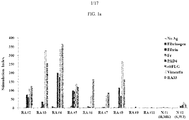
- peripheral blood monocytes which have been extracted from 9 rheumatoid arthritis patients showing an effective ELISPOT response or 2 normal persons, are sensitized with respective seven antigens, including citrullinated filaggrin (JW CreaGene), PAD4 (JW CreaGene), RA33 (JW CreaGene), vimentin (JW CreaGene), fibrinogen (Sigma-Aldrich), fibrin (Sigma-Aldrich), IgGFc (Cell Science), and a certain self-antigen (autoantigen) showing an autoreactive T cell responsiveness of 50% or more was screened.
- JW CreaGene citrullinated filaggrin
- PAD4 JW CreaGene
- RA33 JW CreaGene
- vimentin JW CreaGene
- fibrinogen Sigma-Aldrich
- fibrin Sigma-Aldrich
- IgGFc Cell Science
- autoantigen self-antigen showing an autoreactive T cell responsiveness of 50%
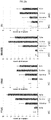
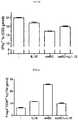
- self-antigens which show an antigen-antibody reactivity of 30% or higher ( FIG. 1a ) and to which peripheral blood monocytes secreting IFN- ⁇ shows a responsiveness of 50% or higher ( FIG. 1b ), were citrullinated filaggrin, PAD4 (peptidyl arginine deiminase 4), RA33 (heterogeneous nuclear ribonucleoprotein A2) and vimentin.
- the specific self-antigen (autoantigen) that is used to treat immature dendritic cells may be one or more selected from the group consisting of citrullinated filaggrin, PAD4 (peptidyl arginine deiminase 4), RA33 (heterogeneous nuclear ribonucleoprotein A2) and vimentin.
- self-antigen(autoantigen)-specific semi-mature dendritic cells may be produced by bring the specific antigen and the cells into “contact” with each other for a sufficient time and under sufficient conditions to enable the specific antigen to be presented from the cell surface by the semi-mature dendritic cells.
- the "contact” is "co-culture”.
- the co-culture is preferably performed for 3-10 hours, more preferably 3-8 hours, most preferably 3-4 hours.
- concentration of PEG2 used to treat the cells is preferably 0.01-5 ug/mL, and most preferably 0.5-5 ⁇ g/mL.
- the cytokine may be TNF- ⁇ (tumor necrosis factor-alpha), and is used at a concentration of 1-20 ng/ml, preferably 5-15 ng/ml.
- the semi-mature dendritic cells according to the present invention increased expression of NR4A2 and/or UBASH3B protein or a gene encoding the protein.
- the expression of PTGS2 and/or IDO protein or a gene encoding the protein in the semi-mature dendritic cells according to the present invention may further be increased, and in this case, the expression may be increased by at least twice that in immature dendritic cells.
- the NR4A2 protein a transcription factor
- dopaminergic neurons are damaged by inflammatory environments to cause Parkinson's disease, and regulated expression of NR4A2 in glias and astrocytes can provide neuron protective effects, by inhibiting the secretion of TNF- ⁇ , IL-1 ⁇ , NO and ROS.
- the UBASH3B protein has a PGM-like domain in the C-terminal region, is evolutionally similar to PGM/AcP enzyme, and has phosphorylase activity.
- This UBASH3B protein can dephosphorylate activated Src tyrosine kinase (phosphorylated) of T cells, resulting in negative regulation of T cells.
- MLN-DCs that express the PTGS2 protein interfere with Th2 differentiation and play an important role in the development of Treg.
- DCs are treated with IV IG, the secretion of PGE2 from the DCs can increase, and the expression of Cox2 in the DCs can increase while the expression of Treg can also increase to reduce EAE scores.
- the IDO protein is an enzyme functioning as indoleamine 2,3-dioxygenase, and is involved in degradation of the essential amino acid L-tryptophan.
- NR4A2 gene (NM_006186: SEQ ID NO: 11), UBASH3B gene (NM_032873: SEQ ID NO: 12), PTGS2 gene (NM_000963: SEQ ID NO: 13), and IDO gene (NM_002164: SEQ ID NO: 14) mean genes that encode NR4A2 protein, UBASH3B protein, PTGS2 protein, and IDO protein, respectively.
- the expression of the protein can be measured by an analysis method, for example, such as Western blotting, ELISA, radioimmunoassay analysis, radial immunodiffusion, tissue immunohistochemistry, immunoprecipitation assay, complement fixation assay, or FACS, and the expression of the gene may be measured by PCR, real-time PCR or RT PCR, but is not limited thereto.
- an analysis method for example, such as Western blotting, ELISA, radioimmunoassay analysis, radial immunodiffusion, tissue immunohistochemistry, immunoprecipitation assay, complement fixation assay, or FACS, and the expression of the gene may be measured by PCR, real-time PCR or RT PCR, but is not limited thereto.
- expression of a specific gene in the semi-mature dendritic cells of the present invention was measured by real-time PCR. As a result, it could be confirmed that, when the concentration of PGE2 used for treatment of the cells was 0.01-5 ⁇ g/mL, expression of NR4A2 and/or UBASH3B protein or a gene encoding the protein in the semi-mature dendritic cells increased at least 2-fold compared to that in immature dendritic cells. In addition, it could be found that expression of PTGS2 and/or IDO gene in the semi-mature dendritic cells increased, for example, at least twice.
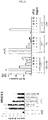
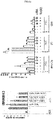
- the semi-mature dendritic cells of the present invention showed an at least 2-fold increase in expression of NR4A2 gene, an at least 5-fold increase in expression of UBASH3B gene, an at least 4-fold increase in expression of PTGS2 gene, and an at least 2-fold increase in expression of IDO gene, compared to mature dendritic cells ( FIG. 2 ).
- the present invention provides a method for measuring an expression level of NR4A2 protein and/or UBASH3B protein or a gene encoding the protein in semi-mature dendritic cells, the method comprising the steps of:
- measurement of the expression level of the protein or the gene may be performed using a conventional method, and specific examples of this method are as mentioned above.
- Measurement of the expression level of the protein or the gene may be performed, for example, by amplifying specific genes using a primer pair selected from among primers of SEQ ID NOs: 1 to 10, measuring the expression levels of the specific genes by real-time PCR, normalizing the expression levels with ⁇ -actin, and analyzing relative values, which is resulted from dividing the normalized expression levels by expression levels measured in immature dendritic cells.
- ⁇ -actin is the main component of the cytoskeleton, is expressed uniformly in most cells, is not easily changed by external conditions in nature thereof, and shows a certain high expression level.
- Such genes are referred to as housekeeping genes, and are used as reference values to compare the expression levels of specific genes.
- the expression level of ⁇ -actin as a reference value
- the expression level of NR4A2 and/or UBASH3B gene in semi-mature dendritic cells was measured and divided by the expression level of NR4A2 and/or UBASH3B gene in immature dendritic cells used as a control group.
- the method of the present invention may further comprise measuring the expression level of PTGS2 and/or IDO gene.
- the concentration of PGE2 used for treatment of the cells may be 0.05-5 ⁇ g/ml, and the time required to treat the immature dendritic cells with PGE2, the self-antigen (autoantigen) and the cytokine may be 3-10 hours.
- the self-antigen (autoantigen) may be one or more selected from the group consisting of (citrullinated filaggrin, PAD4(peptidyl arginine deiminase 4), RA33(heterogeneous nuclear ribonucleoprotein A2), and vimentin.
- the cytokine is TNF- ⁇ (tumor necrosis factor-alpha).
- an autoimmune disease that can be treated with the composition comprising the semi-mature dendritic cells of the present invention includes any disease or disorder caused by an autoimmune response in vivo, as herein disclosed.
- autoimmune disease examples include type 1 diabetes, rheumatoid arthritis, celiac disease, IgA deficiency, Crohn's disease, multiple sclerosis, systemic lupus erythematosus, Sjogren's syndrome, scleroderma, polymyositis, chronic active hepatitis, mixed connective tissue disease, primary biliary cirrhosis, pernicious anemia, autoimmune thyroiditis, idiopathic Addison's disease, vitiligo, gluten-sensitive enteropathy, Grave's disease, myasthenia gravis, autoimmune neutropenia, idiopathic thrombocytopenic purpura, cirrhosis, pemphigus vulgaris, autoimmune infertility, goodpastures syndrome, bullous pemphigoid, discoid lupus erythematosus, ulcerative colitis, dense deposits disease, and the like.
- semi-mature dendritic cells sensitized with specific self-antigens(autoantigens) were administered to 12 active rheumatoid arthritis patients.
- the patients were divided into two groups, each consisting of 6 persons, and then the cells were administered subcutaneously to each group at a concentration of 5 x 10 6 cells/0.5 mL or 1.5 x 10 7 cells/1.5 mL.
- the cells were administered a total of three times at 2-week intervals up to the first 4 weeks, and then administered a total of twice at 2-week intervals after a drug holiday of 4 weeks.
- the cells were administered for a total of 10 weeks.
- blood was sampled from the rheumatoid arthritis patients, and the reactivities of autoantibodies and T cells in the blood were measured.
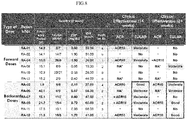
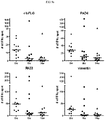
- autoantibodies against specific self-antigens (autoantigens: citrullinated filaggrin, PAD4, RA33, and vimentin) decreased ( FIGS. 10 and 11 ).
- Disclosed herein is also a cell therapeutic agent for treatment of an autoimmune disease having responsiveness to the same self-antigen(autoantigen) as an self-antigen (autoantigen) used for treatment of semi-mature dendritic cells produced by the method of the present invention, the cell therapeutic agent containing, as an active ingredient, the semi-mature dendritic cells.
- the term "cell therapeutic agent” refers to a drug used for treatment, diagnosis and prevention of diseases through a series of processes including the process of changing a cell's biological property by growing or selecting autologous, allogenic, and xenogenic cells outside the body or using other methods.
- the U.S. and Korea have controlled the cell therapeutic agent as a drug since 1993 and 2002, respectively.
- Such a cell therapeutic agent can be largely classified into two types: “a stem cell therapeutic agent” for the regeneration of tissues and the recovery of organ functions and “an immunocyte therapeutic agent” for the regulation of immune reaction, including the inhibition of immune reaction in-vivo or the accentuation of immune reaction.
- the cell therapeutic agent composition may comprise a therapeutically effective amount of a cell therapeutic agent for the treatment of diseases.
- a therapeutically effective amount is refers to an amount of an active ingredient or a pharmaceutical composition that induces a biological or medical reaction in tissue systems, animals, or humans, and is considered by researchers, veterinarians, doctors, or other clinicians.
- the therapeutically effective amount comprises an amount of inducing the alleviation of the symptoms of the disease or disorder being treated. It is obvious to those skilled in the art that cell therapeutic agent contained in the composition will be changed according to a desired effect.
- the optimum content of the cell therapeutic agent in the composition can be easily determined by those skilled in the art, and may be adjusted depending on various factors including the type and severity of a disease, the contents of other components contained in the composition, the type of formulation, the patient's age, body weight, general health condition, sex and diet, administration time, administration route, the secretion rate of the composition, duration of treatment, and concurrently used medications.
- the semi-mature dendritic cells of the present invention were administered to 12 rheumatoid arthritis at a concentration of 5 x 10 6 cells/0.5 mL or 1.5 ⁇ 10 7 cells/1.5 mL.
- the semi-mature dendritic cells functioned to reduce an autoantibody against the specific antigen, indicating that the cells have therapeutic effects ( FIGS. 10 and 11 ).
- the cell therapeutic agent of the present invention contain the semi-mature dendritic cells in an amount of 5 x 10 6 to 1.5x10 7 cells/mL, more preferably 1.5 x 10 7 cells/ml.
- IL-10 a cytokine secreted from Th2, regulatory T cells, dendritic cells and the like, is known to attack self-tissue to induce immune tolerance.
- IL-10 was quantified by an ELISA kit, and as a result, it could be seen that the semi-mature dendritic cells of the present invention secreted IL-10 in a manner dependent on the time and concentration of treatment with PGE2 ( FIG. 4 ).
- a control group transfected with siRNA for each gene at a concentration of 10-100 pmol (10, 50 and 100 pmol) it could be seen that the secretion of IL-10 from the semi-mature dendritic cells is attributable to specific genes, particularly NR4A2 and/or UBASH3B gene ( FIG. 5 ).
- the semi-mature dendritic cells of the present invention which show IL-10 secretion that was increased by expression of the NR4A2 and/or UBASH3B gene, was effective for treatment of rheumatoid arthritis ( FIGS..7a, 7b and 8 ).
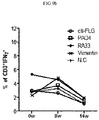
- the semi-mature dendritic cells of the present invention induced immune tolerance of T cells by IL-10 ( FIGS. 6 and 9 ).
- a cell therapeutic agent for treatment of autoimmune disease which has the effects of increasing IL-10 secretion, reducing the secretion of IFN- ⁇ from T cells, and reducing autoantibody production.
- the semi-mature dendritic cells of the present invention may be formulated in a suitable form with a pharmaceutically acceptable carrier that is generally used in cell therapy.
- the present invention provides a method for preparing a cell therapeutic agent, the cell therapeutic agent containing semi-mature dendritic cells, the method comprising the steps of:
- the expression of PTGS2 or IDO protein or a gene encoding the protein in the semi-mature dendritic cells may further be increased.
- the expression of PTGS2 or IDO protein or the gene encoding the protein in the semi-mature dendritic cells may be increased at least 2-fold compared to that in immature dendritic cells.
- measurement of the expression levels of specific genes may be performed by amplifying the specific genes using each primer pair selected from among primers of SEQ ID NOs: 1 to 10, measuring the expression levels of the specific genes by real-time PCR, normalizing the expression levels with ⁇ -actin, and dividing the normalized expression levels by expression levels measured in immature dendritic cells, thereby determining relative values.
- the expression level of NR4A2 or UBASH3B gene in the semi-mature dendritic cells is measured using as a reference value the expression level of ⁇ -actin, a kind of housekeeping gene which, is not easily changed by external conditions and shows a certain high expression level, and the measured expression level is divided by the expression level of the NR4A2 or UBASH3B gene in immature dendritic cells used as a control group.
- the concentration of PGE2 used for treatment of the cells was 0.05-5 ⁇ g/mL
- the expression levels of the NR4A2 and UBASH3B genes in the semi-mature dendritic cells increased at least 2-fold and at least 5-fold, respectively, compared to those in immature dendritic cells.
- the expression levels of PTGS2 and IDO genes in the semi-mature dendritic cells increased at least 4-fold and at least 2-fold, respectively, compared to those in immature dendritic cells.
- a pharmaceutically acceptable carrier necessary for formulation of the cell therapeutic agent of the present invention refers to a composition that is physiologically acceptable and does not cause gastric disorder, allergic reactions such as gastrointestinal disorder or vertigo, or similar reactions, when administered to humans.
- the pharmaceutically acceptable carrier include carriers for parenteral administration, such as water, suitable oil, saline solution, aqueous glucose, and glycol.
- the composition of the present invention may further comprise a stabilizer and a preservative. Suitable stabilizers include antioxidants, such as sodium bisulphite, sodium sulphite and ascorbic acid. Suitable preservatives include benzalkonium chloride, methyl- or propyl-paraben, and chlorobutanol.
- Other pharmaceutically acceptable carriers can be found in Remington's Pharmaceutical Sciences, 19th ed., Mack Publishing Company, Easton, Pa., 1995 .
- the time required to treat the cells with the self-antigen (autoantigen), the cytokine and PGE2 may be 3-10 hours.
- the self-antigen(autoantigen) may be, for example, one or more selected from the group consisting of ⁇ -enolase, filaggrin, PAD4 (peptidyl arginine deiminase 4), RA33 (heterogeneous nuclear ribonucleoprotein A2), fibrinogen- ⁇ , fibrinogen- ⁇ , collagen II, histone B, aggrecan, fibrin, rheumatoid factor, GPI (glucose-6-phosphate isomerase), and vimentin peptides and proteins, and citrullinated peptides and proteins thereof, and the cytokine may be TNF- ⁇ (tumor necrosis factor-alpha).
- RA rheumatoid arthritis
- each of a total of 9 antigens including citrullinated or non-citrullinated filaggrin (JW CreaGene), PAD4 (JW CreaGene), RA33 (JW CreaGene), vimentin (JW CreaGene), fibrinogen (Sigma-Aldrich), fibrin (Sigma-Aldrich), IgG Fc (Cell Science), GPI (JW CreaGene) and collagen (Genway), was dispensed into a 96-well plate at a concentration of 1 ⁇ g/mL, and then after 24 hours, the plate was washed with 0.05% PBS-T and blocked with 1% BSA-containing PBS for 1 hour.
- JW CreaGene citrullinated or non-citrullinated filaggrin
- PAD4 JW CreaGene
- RA33 JW CreaGene
- vimentin JW CreaGene
- fibrinogen Sigma-Aldrich
- fibrin Sigma-Ald
- the plate was washed with 0.05% PBS-T, and 100 ⁇ L of 1 ⁇ g/mL-p-nitrophenyl phosphate (Sigma-Aldrich) was dispensed into each well of the plate. After color development, 50 ⁇ L of 0.2M sodium hydroxide was dispensed into each well of the plate to stop the reaction, and the absorbance of each well at 405 nm was measured by an ELISA reader.
- the antigen-antibody reactivity of each of citrullinated filaggrin, PAD4, RA33 and vimentin was 30% or higher ( FIG. 1b ).
- the antigen-antibody reactivity means the percentage (%) of patients having a value equal to or higher than ⁇ average absorbance of normal persons x 1.5> among 100 rheumatoid arthritis patients.
- the plate was washed with 0.05% PBS-T, and 100 ⁇ L of biotinylated detection antibody was dispensed into each well, followed by incubation at room temperature for 2 hours. After 2 hours, the plate was washed with 0.05% PBS-T, and 100 ⁇ L of a 1:100 dilution of HRP-conjugated avidin was dispensed into each well, followed by incubation at room temperature for 1 hour. After 1 hour, the plate was washed with PBS, and 100 ⁇ L of an AEC substrate (BD Biosciences) was dispensed into each well. The degree of color development was measured and compared with the degree of color development measured in a control group not treated with the self-antigen (autoantigen). The spot in each well was analyzed using an ImmunoSPOT-ELISPOT reader (Cellular Technology).
- IFN- ⁇ responsiveness means the percentage (%) of patients having a value equal to or higher than ⁇ average absorbance of normal persons x 1.5> among 9 RA patients.
- citrullinated filaggrin, PAD4, RA33 and vimentin which show an antigen-antibody reactivity of 30% or higher and to which peripheral blood monocytes secreting IFN- ⁇ show a responsiveness of 50% or higher, were selected as specific self-antigens(autoantigens) to be used to sensitize semi-mature dendritic cells.
- a certain amount of peripheral blood monocytes extracted from normal persons or rheumatoid arthritis patients were dispensed into a plastic culture dish and cultured for 30 minutes to 1 hour, and then the floating cells were removed.
- the monocytes attached to the bottom were cultured in a CellGro (CellGenix) medium containing 20 ng/mL of IL-4 (JW CreaGene) and 30 ng/mL of GM-CSF (JW CreaGene) at 37°C for 3 days, and then the suspended immature dendritic cells were collected (among these cells, some immature dendritic cells were used as a control group for confirming expression of specific genes).
- the collected immature dendritic cells were suspended in the CellGro medium and dispensed into a fresh plate in a certain amount, and then the cells were stimulated for 3-10 hours by addition of 5-10 ⁇ g of the self-antigens (autoantigens: JW CreaGene) selected in Examples 1 and 2, 10 ng/mL of TNF ⁇ (Peprotech) and 0.05-5 ⁇ g/mL of PGE2 (Sigma-Aldrich).
- the stimulated semi-mature dendritic cells were frozen with human plasma albumin (JW Pharm.) containing 5% DMSO (Sigma-Aldrich) and 5% glucose (Green Cross Corp.).
- the semi-mature dendritic cells when the semi-mature dendritic cells were treated with PGE2 for 0-48 hours (particularly 3-10 hours), the semi-mature dendritic cells showed an at least 2-fold increase in expression of NR4A2 gene (NM_006186), an at least 5-fold increase in expression of UBASH3B gene (NM_032873) and an at least 3-fold increase in expression of PTGS2 gene (NM_000963), compared to the immature dendritic cells, and that expression of IDO gene (NM_002164) increased about at least 60-fold at a treatment time of 10-48 hours ( FIG. 2a ).
- the semi-mature dendritic cells treated with 0.01-5 ⁇ g/mL of PGE2 showed an at least 2-fold increase in expression of NR4A2 gene (NM_006186), an at least 5-fold increase in expression of UBASH3B gene (NM_032873), an at least 4-fold increase in expression of PTGS2 gene (NM_000963) and an at least 2-fold increase in expression of IDO gene (NM_002164), compared to the immature dendritic cells ( FIG. 2b ).
- a specific gene was knocked out by transfection with siRNA for the gene, and then changes in IL-10 secretion from the semi-mature dendritic cells and IFN- ⁇ secretion from T cells were analyzed.
- Transfection of siRNA into the semi-mature dendritic cells was performed in the following manner. A certain amount of human peripheral blood monocytes were dispensed into a plastic culture dish and allowed to stand for 30 minutes to 1 hour so as to adhere.
- the floating cells were removed, and the monocytes attached to the bottom were cultured in a CellGro (CellGenix) containing 20 ng/mL of IL-4 (JW CreaGene) and 30 ng/mL of GM-CSF (JW CreaGene) for 2 days, after which the floating immature cells were collected.
- the immature dendritic cells suspended in the CellGro medium were dispensed at a density of 5 x 10 5 -10 x 10 5 cells/well (6-well plate).
- the produced semi-mature dendritic cells were thawed, and then cultured in a 10% human AB serum (Lonza)-containing RPMI1640 containing 10 ng/mL of TNF ⁇ , IL-6, IL-1 ⁇ (Peprotech) and 200 units/mL of IFN ⁇ (LG) or containing 0.1 ⁇ g/mL of LPS (Sigma-Aldrich) or 1 ⁇ g/mL of CD40L (Peprotech).
- the culture was collected, and IL-10 in the culture was quantified using an ELISA kit (BD Biosciences).
- CD3 positive T cells with a purity of 90% or higher were separated from human peripheral blood monocytes by use of a nylon wool column, and suspended in a 10% human AB serum (Lonza)-containing RPMI1640 (Lonza) and dispensed into each well of a 48-well plate at a density of 1x10 6 cells.
- the semi-mature dendritic cells, produced and frozen by the method of Example 3, were thawed, washed with RPMI1640, suspended in the same medium, dispensed into each well at a density of 1 x 10 5 cells, and cultured under the conditions of 37°C and CO 2 .
- the cells were stimulated with 50 ng/mL of PMA (Sigam-Aldrich), 500 ng/mL of ionomycin (Sigam- Aldrich) and 1 ⁇ L/mL of brefeldin A (Ebioscience) for 4 hours, and the cell population was collected and subjected to FACS staining with anti-human CD3 antibody (BD Biosciences) and anti-human CD4 antibody (Ebioscience).
- the surface-stained FACS samples were permeabilized using a fixation/permeabilization kit (BD Biosciences), and subjected to intracellular cytokine FACS staining for anti-human IFN- ⁇ antibody.
- cytokine secretion in T cells was analyzed using a FACScalibur (BD).
- T cells were isolated according to the above-described method, and suspended in FBS (Gibco)-containing RPMI1640 (Gibco), and cultured with each test group for 7 days under the conditions of 37°C and CO 2 . After 7 days, T cells of each test group were collected and primarily FACS-stained with anti-human CD4 antibody and CD25 antibody. The surface-stained FACS samples were permeabilized using a fixation/permeabilization kit (Ebioscience). Each sample was subjected to intranuclear FACS staining for anti-human Foxp3 antibody, and then the induction (%) of regulatory cells in each sample was analyzed using a FACScalibur (BD).
- the semi-mature dendritic cells were administered to rheumatoid arthritis patients under the same conditions as described in Example 2, and then an assay was performed to monitor changes in the IFN- ⁇ reactivities of autoreactive T cells against self-antigens (autoantigens) (immune response monitoring).
- Citrullinated filaggrin (JW CreaGene), PAD4 (JW CreaGene), RA33 (JW CreaGene) and vimentin (JW CreaGene) antigens (10 ⁇ g/mL) were used, and the spot in each well was analyzed using an ImmunoSPOT-ELISPOT reader (Cellular Technology).
- treatment with the semi-mature dendritic cells of the present invention inhibited the secretion of IFN- ⁇ from T-cells in proportion to the treatment time to increase immune tolerance properties such as regulatory T-cell induction ( FIG. 9 ).
- Example 8 Administration of Semi-Mature Dendritic Cells and Blood Sampling for Immune Response Monitoring
- Vials containing the frozen semi-mature dendritic cells were thawed, and the cells were injected subcutaneously into both femoral regions of 12 rheumatoid arthritis patients (divided into two groups (high-dose group and low-dose group), each consisting of 6 persons)) in an amount of 5 ⁇ 10 6 cells/0.5 mL or 1.5 ⁇ 10 7 cells/1.5 mL.
- the semi-mature dendritic cells were administered in the same amount and manner as described above.
- blood was sampled from the rheumatoid arthritis patients, and effectiveness evaluation and immune response monitoring were performed.
- semi-mature dendritic cells may be produced by treating human immature dendritic cells in vitro with a selected specific self-antigen(autoantigen), a cytokine and PGE2.
- the produced semi-mature dendritic cells show an at least 2-fold increase in expression of NR4A2 or UBASH3B protein or a gene encoding the protein, compared to immature dendritic cells, and thus show increased secretion of IL-10, indicating that the semi-mature dendritic cells have increased immune tolerance properties.
Landscapes
- Health & Medical Sciences (AREA)
- Life Sciences & Earth Sciences (AREA)
- Engineering & Computer Science (AREA)
- Chemical & Material Sciences (AREA)
- Immunology (AREA)
- General Health & Medical Sciences (AREA)
- Biomedical Technology (AREA)
- Cell Biology (AREA)
- Zoology (AREA)
- Hematology (AREA)
- Biotechnology (AREA)
- Organic Chemistry (AREA)
- Animal Behavior & Ethology (AREA)
- Veterinary Medicine (AREA)
- Public Health (AREA)
- Epidemiology (AREA)
- Molecular Biology (AREA)
- Wood Science & Technology (AREA)
- Bioinformatics & Cheminformatics (AREA)
- Microbiology (AREA)
- Biochemistry (AREA)
- Medicinal Chemistry (AREA)
- Analytical Chemistry (AREA)
- Proteomics, Peptides & Aminoacids (AREA)
- Urology & Nephrology (AREA)
- Genetics & Genomics (AREA)
- Physics & Mathematics (AREA)
- General Engineering & Computer Science (AREA)
- Pharmacology & Pharmacy (AREA)
- Virology (AREA)
- Developmental Biology & Embryology (AREA)
- Pathology (AREA)
- General Physics & Mathematics (AREA)
- Tropical Medicine & Parasitology (AREA)
- Food Science & Technology (AREA)
- Biophysics (AREA)
- Toxicology (AREA)
- Rheumatology (AREA)
- Mycology (AREA)
- Chemical Kinetics & Catalysis (AREA)
Claims (11)
- Verfahren zur Herstellung von halbreifen dendritischen Zellen, in denen die Expression von NR4A2- und/oder UBASH3B-Protein oder einem Gen, das NR4A2- und/oder UBASH3B-Protein kodiert, im Vergleich zu unreifen dendritischen Zellen wenigstens 2-fach erhöht ist, wobei das Verfahren die folgenden Schritte umfasst:(a) Behandeln von unreifen dendritischen Zellen in vitro mit einem Selbstantigen (Autoantigen), einem Zytokin und Prostaglandin (PGE2) und(b) Bestätigen, dass die Expression von NR4A2-Protein und/oder UBASH3B-Protein oder einem Gen, das das Protein kodiert, in den halbreifen dendritischen Zellen im Vergleich zu der in unreifen dendritischen Zellen wenigstens 2-fach erhöht ist, oder
Bestätigen, dass die Expression von PTGS2- und/oder IDO-Protein oder einem Gen, das das Protein kodiert, in den halbreifen dendritischen Zellen weiter erhöht ist. - Verfahren nach Anspruch 1, wobei die unreifen dendritischen Zellen mit dem Selbstantigen (Autoantigen), dem Zytokin und PGE2 für 3-10 Stunden behandelt werden.
- Verfahren nach Anspruch 1, wobei das Selbstantigen (Autoantigen) eins oder mehrere, ausgewählt aus der Gruppe, bestehend aus α-Enolase, Filaggrin, PAD4 (Peptidylarginindeiminase 4), RA33 (heterogenes nukleäres Ribonucleoprotein A2), Fibrinogen-α, Fibrinogen-β, Kollagen II, Histon B, Aggrecan, Fibrin, rheumatoidem Faktor, GPI (Glucose-6-phosphat-Isomerase) und Vimentin-Peptiden und -Proteinen und citrullinierten Peptiden und Proteinen davon, ist, oder
wobei das Zytokin TNF-α (Tumornekrosefaktor-alpha) ist,
wobei die Konzentration von PEG2, die verwendet wird, um die Zellen zu behandeln, vorzugsweise 0,05-5 µg/ml ist. - Verfahren zur Messung des Expressionslevels von NR4A2-Protein und/oder UBASH3B-Protein oder einem Gen, das das Protein kodiert, in halbreifen dendritischen Zellen, wobei das Verfahren die folgenden Schritte umfasst :(a) Behandeln von unreifen dendritischen Zellen in vitro mit einem Selbstantigen (Autoantigen), einem Zytokin und PGE2, um halbreife dendritische Zellen herzustellen;(b) Messung des Expressionslevels des NR4A2-Proteins und/oder UBASH3B-Proteins oder des Protein-kodierenden Gens in den unreifen dendritischen Zellen;(c) Messung des Expressionslevels des NR4A2-Proteins und/oder UBASH3B-Proteins oder des Protein-kodierenden Gens in den halbreifen dendritischen Zellen und(d) Vergleichen der Expressionslevel des NR4A2-Proteins und/oder UBASH3B-Proteins oder des Protein-kodierenden Gens, die in Schritt (b) und (c) gemessen wurden.
- Verfahren nach Anspruch 4, wobei ferner die Expression von PTGS2-Protein und/oder IDO-Protein oder einem Gen, das das Protein kodiert, in den halbreifen dendritischen Zellen gemessen wird.
- Verfahren nach Anspruch 4, wobei die unreifen dendritischen Zellen mit dem Selbstantigen (Autoantigen), dem Zytokin und PGE2 für 3-10 Stunden behandelt werden.
- Verfahren nach Anspruch 4, wobei das Selbstantigen (Autoantigen) eins oder mehrere, ausgewählt aus der Gruppe, bestehend aus α-Enolase, Filaggrin, PAD4 (Peptidylarginindeiminase 4), RA33 (heterogenes nukleäres Ribonucleoprotein A2), Fibrinogen-α, Fibrinogen-β, Kollagen II, Histon B, Aggrecan, Fibrin, rheumatoidem Faktor, GPI (Glucose-6-phosphat-Isomerase) und Vimentin-Peptiden und -Proteinen und citrullinierten Peptiden und Proteinen davon, ist, oder
wobei das Zytokin TNF-α (Tumornekrosefaktor-alpha) ist,
wobei die Konzentration von PEG2, die verwendet wird, um die Zellen zu behandeln, vorzugsweise 0,05-5 µg/ml ist. - Verfahren zur Herstellung eines Zelltherapeutikums, wobei das Zelltherapeutikum halbreife dendritische Zellen enthält, wobei das Verfahren die folgenden Schritte umfasst:(a) Behandeln von unreifen dendritischen Zellen in vitro mit einem Selbstantigen (Autoantigen), einem Zytokin und PGE2, um halbreife dendritische Zellen herzustellen;(b) Bestätigen, dass die Expression von NR4A2-Protein und/oder UBASH3B-Protein oder einem Gen, das das Protein kodiert, in den halbreifen dendritischen Zellen im Vergleich zu der Expression des NR4A2- und/oder UBASH3B-Proteins oder des Protein-kodierenden Gens in unreifen dendritischen Zellen wenigstens 2-fach erhöht ist, und(c) Herstellen eines Zelltherapeutikums, das die halbreifen dendritischen Zellen enthält, in denen die Expression des NR4A2- und/oder UBASH3B-Proteins oder des Protein-kodierenden Gens wenigstens 2-fach erhöht ist.
- Verfahren nach Anspruch 8, wobei ferner die Expression von PTGS2- und/oder IDO-Protein oder einem Gen, das das Protein kodiert, in den halbreifen dendritischen Zellen gemessen wird.
- Verfahren nach Anspruch 8, wobei die unreifen dendritischen Zellen mit dem Selbstantigen (Autoantigen), dem Zytokin und PGE2 für 3-10 Stunden behandelt werden.
- Verfahren nach Anspruch 8, wobei das Selbstantigen (Autoantigen) eins oder mehrere, ausgewählt aus der Gruppe, bestehend aus α-Enolase, Filaggrin, PAD4 (Peptidylarginindeiminase 4), RA33 (heterogenes nukleäres Ribonucleoprotein A2), Fibrinogen-α, Fibrinogen-β, Kollagen II, Histon B, Aggrecan, Fibrin, rheumatoidem Faktor, GPI (Glucose-6-phosphat-Isomerase) und Vimentin-Peptiden und -Proteinen und citrullinierten Peptiden und Proteinen davon, ist, oder
wobei das Zytokin TNF-α (Tumornekrosefaktor-alpha) ist,
wobei die Konzentration von PEG2, die verwendet wird, um die Zellen zu behandeln, vorzugsweise 0,05-5 µg/ml ist.
Applications Claiming Priority (2)
| Application Number | Priority Date | Filing Date | Title |
|---|---|---|---|
| KR20140076405 | 2014-06-23 | ||
| PCT/KR2015/006337 WO2015199402A1 (ko) | 2014-06-23 | 2015-06-23 | 특정 유전자 발현이 증가된 수지상세포의 제조방법 및 이를 이용하여 제조된 수지상세포를 포함하는 자가면역질환 치료 또는 예방용 조성물 |
Publications (3)
| Publication Number | Publication Date |
|---|---|
| EP3159403A1 EP3159403A1 (de) | 2017-04-26 |
| EP3159403A4 EP3159403A4 (de) | 2018-01-24 |
| EP3159403B1 true EP3159403B1 (de) | 2020-08-05 |
Family
ID=54938421
Family Applications (1)
| Application Number | Title | Priority Date | Filing Date |
|---|---|---|---|
| EP15812791.0A Active EP3159403B1 (de) | 2014-06-23 | 2015-06-23 | Verfahren zur herstellung von dendritischen zellen mit erhöhter spezifischer genexpression und zusammensetzung zur behandlung oder vorbeugung von autoimmunerkrankungen mit anhand des verfahrens hergestellten dendritischen zellen |
Country Status (7)
| Country | Link |
|---|---|
| US (1) | US10350279B2 (de) |
| EP (1) | EP3159403B1 (de) |
| JP (1) | JP6434139B2 (de) |
| KR (1) | KR101807778B1 (de) |
| CN (1) | CN106687583B (de) |
| ES (1) | ES2817325T3 (de) |
| WO (1) | WO2015199402A1 (de) |
Families Citing this family (5)
| Publication number | Priority date | Publication date | Assignee | Title |
|---|---|---|---|---|
| CN107475193B (zh) * | 2017-08-29 | 2020-04-24 | 常晓天 | Padi4刺激的dc-cik细胞组合物及应用 |
| US12329807B2 (en) | 2018-01-18 | 2025-06-17 | Meganano Biotech, Inc. | Dead antigen stimulated immature heterogenous dendritic cells as therapeutics for diseases |
| WO2021038283A1 (en) * | 2019-08-30 | 2021-03-04 | Universidad De Chile | Autoantigenic peptides (calvicifiv), presented by tolerogenic dentritic cells, useful for the personalized treatment of rheumatoid arthritis |
| CN113249223A (zh) * | 2021-05-13 | 2021-08-13 | 深圳罗兹曼国际转化医学研究院 | 转化有表达质粒的利什曼原虫在促进dc成熟上的应用、促进dc成熟方法和表达质粒 |
| CN120192922A (zh) * | 2025-05-26 | 2025-06-24 | 华中科技大学同济医学院附属同济医院 | 一种体外诱导的耐受性树突状细胞及其制备方法和应用 |
Family Cites Families (10)
| Publication number | Priority date | Publication date | Assignee | Title |
|---|---|---|---|---|
| PT633929E (pt) | 1992-04-01 | 2004-07-30 | Merix Bioscience Inc | Metodo para proliferacao (in vitro) de precursores de celulas dentifricas e sua utilizacao para produzir imunogenios |
| FR2696751B1 (fr) | 1992-10-09 | 1994-12-09 | Cray Valley Sa | Compositions de résines chargées moulables en feuilles aptes à être transformées par compression et leur application à la production de pièces moulées. |
| DE4412794A1 (de) | 1994-04-14 | 1995-12-14 | Univ Ludwigs Albert | Verfahren zur Herstellung von dendritischen Zellen, so erhaltene Zellen und Behälter zur Durchführung dieses Verfahrens |
| EP0922758B1 (de) | 1997-10-27 | 2009-04-15 | Rockefeller University | Methode und Zusammensetzung zur Herstellung von reifen dendritischen Zellen |
| AU2002952834A0 (en) * | 2002-09-16 | 2002-12-05 | The Walter And Eliza Hall Institute Of Medical Research | A method of treating an autoimmune disease |
| EP3072958A1 (de) * | 2005-12-08 | 2016-09-28 | NorthWest Biotherapeutics, Inc. | Zusammensetzungen und verfahren zur induzierung der aktivierung unreifer monozytischer dendritenzellen |
| KR100887560B1 (ko) * | 2007-04-24 | 2009-03-09 | 크레아젠 주식회사 | 준성숙 수지상 세포를 포함하는 류마티스 관절염 치료용약제학적 조성물 |
| EP2072617A1 (de) * | 2007-12-12 | 2009-06-24 | Trimed Biotech GmbH | Verfahren zur Herstellung dendritischer Zellen |
| KR20100109099A (ko) | 2009-03-31 | 2010-10-08 | 주식회사 중외제약 | 암 특이 면역반응 유도능을 갖는 수지상 세포의 제조 방법,이 수지상 세포를 포함하는 암의 예방, 치료, 또는 전이 억제용 약제학적 조성물 및 키트 |
| JP6134785B2 (ja) | 2012-05-31 | 2017-05-24 | ジェイダブリュ クレアジェン インコーポレイテッド | 樹状細胞成熟化組成物、およびこれを用いて抗原特異的樹状細胞を製造する方法 |
-
2015
- 2015-06-23 EP EP15812791.0A patent/EP3159403B1/de active Active
- 2015-06-23 ES ES15812791T patent/ES2817325T3/es active Active
- 2015-06-23 KR KR1020150089170A patent/KR101807778B1/ko active Active
- 2015-06-23 CN CN201580039910.3A patent/CN106687583B/zh active Active
- 2015-06-23 WO PCT/KR2015/006337 patent/WO2015199402A1/ko not_active Ceased
- 2015-06-23 JP JP2017520841A patent/JP6434139B2/ja active Active
- 2015-06-23 US US15/320,010 patent/US10350279B2/en active Active
Non-Patent Citations (1)
| Title |
|---|
| None * |
Also Published As
| Publication number | Publication date |
|---|---|
| KR20150146465A (ko) | 2015-12-31 |
| ES2817325T3 (es) | 2021-04-07 |
| JP2017527302A (ja) | 2017-09-21 |
| WO2015199402A1 (ko) | 2015-12-30 |
| KR101807778B1 (ko) | 2018-01-18 |
| CN106687583A (zh) | 2017-05-17 |
| EP3159403A1 (de) | 2017-04-26 |
| JP6434139B2 (ja) | 2018-12-05 |
| EP3159403A4 (de) | 2018-01-24 |
| US10350279B2 (en) | 2019-07-16 |
| US20170209557A1 (en) | 2017-07-27 |
| CN106687583B (zh) | 2020-07-24 |
Similar Documents
| Publication | Publication Date | Title |
|---|---|---|
| Torres-Aguilar et al. | Tolerogenic dendritic cells in autoimmune diseases: crucial players in induction and prevention of autoimmunity | |
| Ding et al. | Regulatory B cells are identified by expression of TIM-1 and can be induced through TIM-1 ligation to promote tolerance in mice | |
| Martin et al. | Antigen-specific suppression of a primed immune response by dendritic cells mediated by regulatory T cells secreting interleukin-10 | |
| EP3159403B1 (de) | Verfahren zur herstellung von dendritischen zellen mit erhöhter spezifischer genexpression und zusammensetzung zur behandlung oder vorbeugung von autoimmunerkrankungen mit anhand des verfahrens hergestellten dendritischen zellen | |
| Liu et al. | Distinct subsets of human invariant NKT cells differentially regulate T helper responses via dendritic cells | |
| EP3347452B1 (de) | Neue subpopulation von cd8+cd45rclow-tregs und verwendungen davon | |
| JP2018518975A (ja) | 制御性t細胞を得る方法およびその使用 | |
| TWI572718B (zh) | 免疫抑制細胞及其製造方法和組成物 | |
| US20050032210A1 (en) | Method of preparing immuno-regulatory dendritic cells and the use thereof | |
| Lee et al. | Immunomodulatory effects of 1, 25‐dihydroxyvitamin D3 on dendritic cells promote induction of T cell hyporesponsiveness to myelin‐derived antigens | |
| US11096967B2 (en) | Pharmaceutical composition for preventing or treating regulatory T cell-mediated diseases | |
| Nasreen et al. | Steady‐state antigen‐expressing dendritic cells terminate CD4+ memory T‐cell responses | |
| Cha et al. | The effects of 1, 25-dihydroxyvitamin D3 on markers related to the differentiation and maturation of bone marrow-derived dendritic cells from control and obese mice | |
| Machcińska et al. | Cyclosporine A, in contrast to rapamycin, affects the ability of dendritic cells to induce immune tolerance mechanisms | |
| EP4531876A1 (de) | Gezielte entfernung von seneszenten zellen durch gamma-delta-t-zellen | |
| WO2023165573A1 (zh) | 用于激活整体抗肿瘤免疫系统的培养基配方物及制备激动剂激活的整体免疫效应细胞的方法 | |
| RU2766691C9 (ru) | НОВАЯ СУБПОПУЛЯЦИЯ CD8+CD45RClow КЛЕТОК TREG И ЕЕ ПРИМЕНЕНИЯ | |
| Do et al. | Bryostatin-1 in combination with calcium ionophore promotes the maturation of human umbilical cord-blood monocyte-derived dendritic cells capable of activating neonatal alloreactive T cells | |
| AU2022319971A1 (en) | Selective tolerization - methods of selectively generating tolerogenic dendritic cells | |
| Lan et al. | SPHINGOSINE 1-PHOSPHATE RECEPTOR AGONISM IMPAIRS SKIN DENDRITIC CELL MIGRATION AND HOMING TO SECONDARY LYMPHOID TISSUE: ASSOCIATION WITH PROLONGED ALLOGRAFT SURVIVAL. | |
| Klionsky | The Role of Perforin Expressing Dendritic Cells in Induction of Transplant Tolerance and in The Maintenance of Physiological Integrity | |
| Rogers et al. | CURCUMIN INDUCES CLINICALLY APPLICABLE MATURATION-ARRESTED DENDRITIC CELLS AND EXPANDS REGULATORY T CELLS IN VITRO AND IN VIVO.: 1993 | |
| Shariff et al. | CD25-SPECIFIC ANTIBODY CAN REPLACE ANTI-CD154 IN A NOVEL COMBINATION THERAPY TO ACHIEVE INDEFINITE CARDIAC ALLOGRAFT SURVIVAL IN PRE-SENSITISED RECIPIENTS: 1861 | |
| Li et al. | F. 58. Role of Plasmacytoid Dendritic Cells in the Initiation of Type I Diabetes in NOD Mice |
Legal Events
| Date | Code | Title | Description |
|---|---|---|---|
| STAA | Information on the status of an ep patent application or granted ep patent |
Free format text: STATUS: THE INTERNATIONAL PUBLICATION HAS BEEN MADE |
|
| PUAI | Public reference made under article 153(3) epc to a published international application that has entered the european phase |
Free format text: ORIGINAL CODE: 0009012 |
|
| STAA | Information on the status of an ep patent application or granted ep patent |
Free format text: STATUS: REQUEST FOR EXAMINATION WAS MADE |
|
| 17P | Request for examination filed |
Effective date: 20170112 |
|
| AK | Designated contracting states |
Kind code of ref document: A1 Designated state(s): AL AT BE BG CH CY CZ DE DK EE ES FI FR GB GR HR HU IE IS IT LI LT LU LV MC MK MT NL NO PL PT RO RS SE SI SK SM TR |
|
| AX | Request for extension of the european patent |
Extension state: BA ME |
|
| DAV | Request for validation of the european patent (deleted) | ||
| DAX | Request for extension of the european patent (deleted) | ||
| A4 | Supplementary search report drawn up and despatched |
Effective date: 20171222 |
|
| RIC1 | Information provided on ipc code assigned before grant |
Ipc: C12Q 1/68 20180101ALI20171218BHEP Ipc: A61K 35/12 20150101ALI20171218BHEP Ipc: A61P 37/06 20060101ALI20171218BHEP Ipc: C12N 5/078 20100101AFI20171218BHEP |
|
| STAA | Information on the status of an ep patent application or granted ep patent |
Free format text: STATUS: EXAMINATION IS IN PROGRESS |
|
| 17Q | First examination report despatched |
Effective date: 20190206 |
|
| GRAP | Despatch of communication of intention to grant a patent |
Free format text: ORIGINAL CODE: EPIDOSNIGR1 |
|
| STAA | Information on the status of an ep patent application or granted ep patent |
Free format text: STATUS: GRANT OF PATENT IS INTENDED |
|
| INTG | Intention to grant announced |
Effective date: 20200210 |
|
| GRAS | Grant fee paid |
Free format text: ORIGINAL CODE: EPIDOSNIGR3 |
|
| GRAA | (expected) grant |
Free format text: ORIGINAL CODE: 0009210 |
|
| STAA | Information on the status of an ep patent application or granted ep patent |
Free format text: STATUS: THE PATENT HAS BEEN GRANTED |
|
| AK | Designated contracting states |
Kind code of ref document: B1 Designated state(s): AL AT BE BG CH CY CZ DE DK EE ES FI FR GB GR HR HU IE IS IT LI LT LU LV MC MK MT NL NO PL PT RO RS SE SI SK SM TR |
|
| REG | Reference to a national code |
Ref country code: GB Ref legal event code: FG4D |
|
| REG | Reference to a national code |
Ref country code: CH Ref legal event code: EP |
|
| REG | Reference to a national code |
Ref country code: AT Ref legal event code: REF Ref document number: 1298748 Country of ref document: AT Kind code of ref document: T Effective date: 20200815 |
|
| REG | Reference to a national code |
Ref country code: DE Ref legal event code: R096 Ref document number: 602015057068 Country of ref document: DE |
|
| REG | Reference to a national code |
Ref country code: IE Ref legal event code: FG4D |
|
| REG | Reference to a national code |
Ref country code: LT Ref legal event code: MG4D |
|
| REG | Reference to a national code |
Ref country code: NL Ref legal event code: MP Effective date: 20200805 |
|
| REG | Reference to a national code |
Ref country code: AT Ref legal event code: MK05 Ref document number: 1298748 Country of ref document: AT Kind code of ref document: T Effective date: 20200805 |
|
| PG25 | Lapsed in a contracting state [announced via postgrant information from national office to epo] |
Ref country code: FI Free format text: LAPSE BECAUSE OF FAILURE TO SUBMIT A TRANSLATION OF THE DESCRIPTION OR TO PAY THE FEE WITHIN THE PRESCRIBED TIME-LIMIT Effective date: 20200805 Ref country code: HR Free format text: LAPSE BECAUSE OF FAILURE TO SUBMIT A TRANSLATION OF THE DESCRIPTION OR TO PAY THE FEE WITHIN THE PRESCRIBED TIME-LIMIT Effective date: 20200805 Ref country code: SE Free format text: LAPSE BECAUSE OF FAILURE TO SUBMIT A TRANSLATION OF THE DESCRIPTION OR TO PAY THE FEE WITHIN THE PRESCRIBED TIME-LIMIT Effective date: 20200805 Ref country code: NO Free format text: LAPSE BECAUSE OF FAILURE TO SUBMIT A TRANSLATION OF THE DESCRIPTION OR TO PAY THE FEE WITHIN THE PRESCRIBED TIME-LIMIT Effective date: 20201105 Ref country code: GR Free format text: LAPSE BECAUSE OF FAILURE TO SUBMIT A TRANSLATION OF THE DESCRIPTION OR TO PAY THE FEE WITHIN THE PRESCRIBED TIME-LIMIT Effective date: 20201106 Ref country code: PT Free format text: LAPSE BECAUSE OF FAILURE TO SUBMIT A TRANSLATION OF THE DESCRIPTION OR TO PAY THE FEE WITHIN THE PRESCRIBED TIME-LIMIT Effective date: 20201207 Ref country code: AT Free format text: LAPSE BECAUSE OF FAILURE TO SUBMIT A TRANSLATION OF THE DESCRIPTION OR TO PAY THE FEE WITHIN THE PRESCRIBED TIME-LIMIT Effective date: 20200805 Ref country code: BG Free format text: LAPSE BECAUSE OF FAILURE TO SUBMIT A TRANSLATION OF THE DESCRIPTION OR TO PAY THE FEE WITHIN THE PRESCRIBED TIME-LIMIT Effective date: 20201105 Ref country code: LT Free format text: LAPSE BECAUSE OF FAILURE TO SUBMIT A TRANSLATION OF THE DESCRIPTION OR TO PAY THE FEE WITHIN THE PRESCRIBED TIME-LIMIT Effective date: 20200805 |
|
| PG25 | Lapsed in a contracting state [announced via postgrant information from national office to epo] |
Ref country code: NL Free format text: LAPSE BECAUSE OF FAILURE TO SUBMIT A TRANSLATION OF THE DESCRIPTION OR TO PAY THE FEE WITHIN THE PRESCRIBED TIME-LIMIT Effective date: 20200805 Ref country code: PL Free format text: LAPSE BECAUSE OF FAILURE TO SUBMIT A TRANSLATION OF THE DESCRIPTION OR TO PAY THE FEE WITHIN THE PRESCRIBED TIME-LIMIT Effective date: 20200805 Ref country code: LV Free format text: LAPSE BECAUSE OF FAILURE TO SUBMIT A TRANSLATION OF THE DESCRIPTION OR TO PAY THE FEE WITHIN THE PRESCRIBED TIME-LIMIT Effective date: 20200805 Ref country code: RS Free format text: LAPSE BECAUSE OF FAILURE TO SUBMIT A TRANSLATION OF THE DESCRIPTION OR TO PAY THE FEE WITHIN THE PRESCRIBED TIME-LIMIT Effective date: 20200805 Ref country code: IS Free format text: LAPSE BECAUSE OF FAILURE TO SUBMIT A TRANSLATION OF THE DESCRIPTION OR TO PAY THE FEE WITHIN THE PRESCRIBED TIME-LIMIT Effective date: 20201205 |
|
| REG | Reference to a national code |
Ref country code: ES Ref legal event code: FG2A Ref document number: 2817325 Country of ref document: ES Kind code of ref document: T3 Effective date: 20210407 |
|
| PG25 | Lapsed in a contracting state [announced via postgrant information from national office to epo] |
Ref country code: DK Free format text: LAPSE BECAUSE OF FAILURE TO SUBMIT A TRANSLATION OF THE DESCRIPTION OR TO PAY THE FEE WITHIN THE PRESCRIBED TIME-LIMIT Effective date: 20200805 Ref country code: CZ Free format text: LAPSE BECAUSE OF FAILURE TO SUBMIT A TRANSLATION OF THE DESCRIPTION OR TO PAY THE FEE WITHIN THE PRESCRIBED TIME-LIMIT Effective date: 20200805 Ref country code: EE Free format text: LAPSE BECAUSE OF FAILURE TO SUBMIT A TRANSLATION OF THE DESCRIPTION OR TO PAY THE FEE WITHIN THE PRESCRIBED TIME-LIMIT Effective date: 20200805 Ref country code: RO Free format text: LAPSE BECAUSE OF FAILURE TO SUBMIT A TRANSLATION OF THE DESCRIPTION OR TO PAY THE FEE WITHIN THE PRESCRIBED TIME-LIMIT Effective date: 20200805 Ref country code: SM Free format text: LAPSE BECAUSE OF FAILURE TO SUBMIT A TRANSLATION OF THE DESCRIPTION OR TO PAY THE FEE WITHIN THE PRESCRIBED TIME-LIMIT Effective date: 20200805 |
|
| REG | Reference to a national code |
Ref country code: DE Ref legal event code: R097 Ref document number: 602015057068 Country of ref document: DE |
|
| PG25 | Lapsed in a contracting state [announced via postgrant information from national office to epo] |
Ref country code: AL Free format text: LAPSE BECAUSE OF FAILURE TO SUBMIT A TRANSLATION OF THE DESCRIPTION OR TO PAY THE FEE WITHIN THE PRESCRIBED TIME-LIMIT Effective date: 20200805 |
|
| PLBE | No opposition filed within time limit |
Free format text: ORIGINAL CODE: 0009261 |
|
| STAA | Information on the status of an ep patent application or granted ep patent |
Free format text: STATUS: NO OPPOSITION FILED WITHIN TIME LIMIT |
|
| PG25 | Lapsed in a contracting state [announced via postgrant information from national office to epo] |
Ref country code: SK Free format text: LAPSE BECAUSE OF FAILURE TO SUBMIT A TRANSLATION OF THE DESCRIPTION OR TO PAY THE FEE WITHIN THE PRESCRIBED TIME-LIMIT Effective date: 20200805 |
|
| 26N | No opposition filed |
Effective date: 20210507 |
|
| PG25 | Lapsed in a contracting state [announced via postgrant information from national office to epo] |
Ref country code: SI Free format text: LAPSE BECAUSE OF FAILURE TO SUBMIT A TRANSLATION OF THE DESCRIPTION OR TO PAY THE FEE WITHIN THE PRESCRIBED TIME-LIMIT Effective date: 20200805 |
|
| PG25 | Lapsed in a contracting state [announced via postgrant information from national office to epo] |
Ref country code: MC Free format text: LAPSE BECAUSE OF FAILURE TO SUBMIT A TRANSLATION OF THE DESCRIPTION OR TO PAY THE FEE WITHIN THE PRESCRIBED TIME-LIMIT Effective date: 20200805 |
|
| REG | Reference to a national code |
Ref country code: CH Ref legal event code: PL |
|
| REG | Reference to a national code |
Ref country code: BE Ref legal event code: MM Effective date: 20210630 |
|
| PG25 | Lapsed in a contracting state [announced via postgrant information from national office to epo] |
Ref country code: LU Free format text: LAPSE BECAUSE OF NON-PAYMENT OF DUE FEES Effective date: 20210623 |
|
| PG25 | Lapsed in a contracting state [announced via postgrant information from national office to epo] |
Ref country code: LI Free format text: LAPSE BECAUSE OF NON-PAYMENT OF DUE FEES Effective date: 20210630 Ref country code: IE Free format text: LAPSE BECAUSE OF NON-PAYMENT OF DUE FEES Effective date: 20210623 Ref country code: CH Free format text: LAPSE BECAUSE OF NON-PAYMENT OF DUE FEES Effective date: 20210630 |
|
| PG25 | Lapsed in a contracting state [announced via postgrant information from national office to epo] |
Ref country code: BE Free format text: LAPSE BECAUSE OF NON-PAYMENT OF DUE FEES Effective date: 20210630 |
|
| PG25 | Lapsed in a contracting state [announced via postgrant information from national office to epo] |
Ref country code: HU Free format text: LAPSE BECAUSE OF FAILURE TO SUBMIT A TRANSLATION OF THE DESCRIPTION OR TO PAY THE FEE WITHIN THE PRESCRIBED TIME-LIMIT; INVALID AB INITIO Effective date: 20150623 |
|
| PG25 | Lapsed in a contracting state [announced via postgrant information from national office to epo] |
Ref country code: CY Free format text: LAPSE BECAUSE OF FAILURE TO SUBMIT A TRANSLATION OF THE DESCRIPTION OR TO PAY THE FEE WITHIN THE PRESCRIBED TIME-LIMIT Effective date: 20200805 |
|
| PG25 | Lapsed in a contracting state [announced via postgrant information from national office to epo] |
Ref country code: MK Free format text: LAPSE BECAUSE OF FAILURE TO SUBMIT A TRANSLATION OF THE DESCRIPTION OR TO PAY THE FEE WITHIN THE PRESCRIBED TIME-LIMIT Effective date: 20200805 |
|
| PG25 | Lapsed in a contracting state [announced via postgrant information from national office to epo] |
Ref country code: MT Free format text: LAPSE BECAUSE OF FAILURE TO SUBMIT A TRANSLATION OF THE DESCRIPTION OR TO PAY THE FEE WITHIN THE PRESCRIBED TIME-LIMIT Effective date: 20200805 |
|
| PGFP | Annual fee paid to national office [announced via postgrant information from national office to epo] |
Ref country code: FR Payment date: 20250321 Year of fee payment: 11 |
|
| PGFP | Annual fee paid to national office [announced via postgrant information from national office to epo] |
Ref country code: IT Payment date: 20250321 Year of fee payment: 11 |
|
| PGFP | Annual fee paid to national office [announced via postgrant information from national office to epo] |
Ref country code: DE Payment date: 20250320 Year of fee payment: 11 |
|
| PGFP | Annual fee paid to national office [announced via postgrant information from national office to epo] |
Ref country code: GB Payment date: 20250407 Year of fee payment: 11 |
|
| PGFP | Annual fee paid to national office [announced via postgrant information from national office to epo] |
Ref country code: ES Payment date: 20250714 Year of fee payment: 11 |
|
| PG25 | Lapsed in a contracting state [announced via postgrant information from national office to epo] |
Ref country code: TR Free format text: LAPSE BECAUSE OF FAILURE TO SUBMIT A TRANSLATION OF THE DESCRIPTION OR TO PAY THE FEE WITHIN THE PRESCRIBED TIME-LIMIT Effective date: 20200805 |