EP3143019B1 - Crystalline form of 6-[(4r)-4-methyl-1,2-dioxido-1,2,6-thiadiazinan-2-yl]isoquinoline-1-carbonitrile - Google Patents
Crystalline form of 6-[(4r)-4-methyl-1,2-dioxido-1,2,6-thiadiazinan-2-yl]isoquinoline-1-carbonitrile Download PDFInfo
- Publication number
- EP3143019B1 EP3143019B1 EP15726337.7A EP15726337A EP3143019B1 EP 3143019 B1 EP3143019 B1 EP 3143019B1 EP 15726337 A EP15726337 A EP 15726337A EP 3143019 B1 EP3143019 B1 EP 3143019B1
- Authority
- EP
- European Patent Office
- Prior art keywords
- thiadiazinan
- dioxido
- isoquinoline
- methyl
- carbonitrile
- Prior art date
- Legal status (The legal status is an assumption and is not a legal conclusion. Google has not performed a legal analysis and makes no representation as to the accuracy of the status listed.)
- Not-in-force
Links
- OWEYPSLLNAFGEY-AWEZNQCLSA-N C[C@@H](CN(c(cc1)cc2c1c(C#N)ncc2)S(NC(OC(C)(C)C)=O)(=O)=O)COS(C)(=O)=O Chemical compound C[C@@H](CN(c(cc1)cc2c1c(C#N)ncc2)S(NC(OC(C)(C)C)=O)(=O)=O)COS(C)(=O)=O OWEYPSLLNAFGEY-AWEZNQCLSA-N 0.000 description 1
- QCDWCCAFBUBPGJ-ZDUSSCGKSA-N C[C@H](CN1C(OC(C)(C)C)=O)CN(c(cc2)cc3c2c(C#N)ncc3)S1(=O)=O Chemical compound C[C@H](CN1C(OC(C)(C)C)=O)CN(c(cc2)cc3c2c(C#N)ncc3)S1(=O)=O QCDWCCAFBUBPGJ-ZDUSSCGKSA-N 0.000 description 1
Images


Classifications
-
- C—CHEMISTRY; METALLURGY
- C07—ORGANIC CHEMISTRY
- C07D—HETEROCYCLIC COMPOUNDS
- C07D417/00—Heterocyclic compounds containing two or more hetero rings, at least one ring having nitrogen and sulfur atoms as the only ring hetero atoms, not provided for by group C07D415/00
- C07D417/02—Heterocyclic compounds containing two or more hetero rings, at least one ring having nitrogen and sulfur atoms as the only ring hetero atoms, not provided for by group C07D415/00 containing two hetero rings
- C07D417/04—Heterocyclic compounds containing two or more hetero rings, at least one ring having nitrogen and sulfur atoms as the only ring hetero atoms, not provided for by group C07D415/00 containing two hetero rings directly linked by a ring-member-to-ring-member bond
-
- A—HUMAN NECESSITIES
- A61—MEDICAL OR VETERINARY SCIENCE; HYGIENE
- A61K—PREPARATIONS FOR MEDICAL, DENTAL OR TOILETRY PURPOSES
- A61K31/00—Medicinal preparations containing organic active ingredients
- A61K31/33—Heterocyclic compounds
- A61K31/395—Heterocyclic compounds having nitrogen as a ring hetero atom, e.g. guanethidine or rifamycins
- A61K31/435—Heterocyclic compounds having nitrogen as a ring hetero atom, e.g. guanethidine or rifamycins having six-membered rings with one nitrogen as the only ring hetero atom
- A61K31/47—Quinolines; Isoquinolines
- A61K31/472—Non-condensed isoquinolines, e.g. papaverine
- A61K31/4725—Non-condensed isoquinolines, e.g. papaverine containing further heterocyclic rings
-
- A—HUMAN NECESSITIES
- A61—MEDICAL OR VETERINARY SCIENCE; HYGIENE
- A61K—PREPARATIONS FOR MEDICAL, DENTAL OR TOILETRY PURPOSES
- A61K31/00—Medicinal preparations containing organic active ingredients
- A61K31/33—Heterocyclic compounds
- A61K31/395—Heterocyclic compounds having nitrogen as a ring hetero atom, e.g. guanethidine or rifamycins
- A61K31/54—Heterocyclic compounds having nitrogen as a ring hetero atom, e.g. guanethidine or rifamycins having six-membered rings with at least one nitrogen and one sulfur as the ring hetero atoms, e.g. sulthiame
- A61K31/549—Heterocyclic compounds having nitrogen as a ring hetero atom, e.g. guanethidine or rifamycins having six-membered rings with at least one nitrogen and one sulfur as the ring hetero atoms, e.g. sulthiame having two or more nitrogen atoms in the same ring, e.g. hydrochlorothiazide
-
- A—HUMAN NECESSITIES
- A61—MEDICAL OR VETERINARY SCIENCE; HYGIENE
- A61K—PREPARATIONS FOR MEDICAL, DENTAL OR TOILETRY PURPOSES
- A61K45/00—Medicinal preparations containing active ingredients not provided for in groups A61K31/00 - A61K41/00
- A61K45/06—Mixtures of active ingredients without chemical characterisation, e.g. antiphlogistics and cardiaca
-
- A—HUMAN NECESSITIES
- A61—MEDICAL OR VETERINARY SCIENCE; HYGIENE
- A61K—PREPARATIONS FOR MEDICAL, DENTAL OR TOILETRY PURPOSES
- A61K9/00—Medicinal preparations characterised by special physical form
- A61K9/0012—Galenical forms characterised by the site of application
- A61K9/0053—Mouth and digestive tract, i.e. intraoral and peroral administration
-
- A—HUMAN NECESSITIES
- A61—MEDICAL OR VETERINARY SCIENCE; HYGIENE
- A61K—PREPARATIONS FOR MEDICAL, DENTAL OR TOILETRY PURPOSES
- A61K9/00—Medicinal preparations characterised by special physical form
- A61K9/20—Pills, tablets, discs, rods
-
- A—HUMAN NECESSITIES
- A61—MEDICAL OR VETERINARY SCIENCE; HYGIENE
- A61K—PREPARATIONS FOR MEDICAL, DENTAL OR TOILETRY PURPOSES
- A61K9/00—Medicinal preparations characterised by special physical form
- A61K9/48—Preparations in capsules, e.g. of gelatin, of chocolate
-
- A—HUMAN NECESSITIES
- A61—MEDICAL OR VETERINARY SCIENCE; HYGIENE
- A61P—SPECIFIC THERAPEUTIC ACTIVITY OF CHEMICAL COMPOUNDS OR MEDICINAL PREPARATIONS
- A61P1/00—Drugs for disorders of the alimentary tract or the digestive system
- A61P1/14—Prodigestives, e.g. acids, enzymes, appetite stimulants, antidyspeptics, tonics, antiflatulents
-
- A—HUMAN NECESSITIES
- A61—MEDICAL OR VETERINARY SCIENCE; HYGIENE
- A61P—SPECIFIC THERAPEUTIC ACTIVITY OF CHEMICAL COMPOUNDS OR MEDICINAL PREPARATIONS
- A61P15/00—Drugs for genital or sexual disorders; Contraceptives
-
- A—HUMAN NECESSITIES
- A61—MEDICAL OR VETERINARY SCIENCE; HYGIENE
- A61P—SPECIFIC THERAPEUTIC ACTIVITY OF CHEMICAL COMPOUNDS OR MEDICINAL PREPARATIONS
- A61P15/00—Drugs for genital or sexual disorders; Contraceptives
- A61P15/08—Drugs for genital or sexual disorders; Contraceptives for gonadal disorders or for enhancing fertility, e.g. inducers of ovulation or of spermatogenesis
-
- A—HUMAN NECESSITIES
- A61—MEDICAL OR VETERINARY SCIENCE; HYGIENE
- A61P—SPECIFIC THERAPEUTIC ACTIVITY OF CHEMICAL COMPOUNDS OR MEDICINAL PREPARATIONS
- A61P19/00—Drugs for skeletal disorders
-
- A—HUMAN NECESSITIES
- A61—MEDICAL OR VETERINARY SCIENCE; HYGIENE
- A61P—SPECIFIC THERAPEUTIC ACTIVITY OF CHEMICAL COMPOUNDS OR MEDICINAL PREPARATIONS
- A61P19/00—Drugs for skeletal disorders
- A61P19/02—Drugs for skeletal disorders for joint disorders, e.g. arthritis, arthrosis
-
- A—HUMAN NECESSITIES
- A61—MEDICAL OR VETERINARY SCIENCE; HYGIENE
- A61P—SPECIFIC THERAPEUTIC ACTIVITY OF CHEMICAL COMPOUNDS OR MEDICINAL PREPARATIONS
- A61P19/00—Drugs for skeletal disorders
- A61P19/08—Drugs for skeletal disorders for bone diseases, e.g. rachitism, Paget's disease
-
- A—HUMAN NECESSITIES
- A61—MEDICAL OR VETERINARY SCIENCE; HYGIENE
- A61P—SPECIFIC THERAPEUTIC ACTIVITY OF CHEMICAL COMPOUNDS OR MEDICINAL PREPARATIONS
- A61P19/00—Drugs for skeletal disorders
- A61P19/08—Drugs for skeletal disorders for bone diseases, e.g. rachitism, Paget's disease
- A61P19/10—Drugs for skeletal disorders for bone diseases, e.g. rachitism, Paget's disease for osteoporosis
-
- A—HUMAN NECESSITIES
- A61—MEDICAL OR VETERINARY SCIENCE; HYGIENE
- A61P—SPECIFIC THERAPEUTIC ACTIVITY OF CHEMICAL COMPOUNDS OR MEDICINAL PREPARATIONS
- A61P21/00—Drugs for disorders of the muscular or neuromuscular system
-
- A—HUMAN NECESSITIES
- A61—MEDICAL OR VETERINARY SCIENCE; HYGIENE
- A61P—SPECIFIC THERAPEUTIC ACTIVITY OF CHEMICAL COMPOUNDS OR MEDICINAL PREPARATIONS
- A61P21/00—Drugs for disorders of the muscular or neuromuscular system
- A61P21/04—Drugs for disorders of the muscular or neuromuscular system for myasthenia gravis
-
- A—HUMAN NECESSITIES
- A61—MEDICAL OR VETERINARY SCIENCE; HYGIENE
- A61P—SPECIFIC THERAPEUTIC ACTIVITY OF CHEMICAL COMPOUNDS OR MEDICINAL PREPARATIONS
- A61P25/00—Drugs for disorders of the nervous system
-
- A—HUMAN NECESSITIES
- A61—MEDICAL OR VETERINARY SCIENCE; HYGIENE
- A61P—SPECIFIC THERAPEUTIC ACTIVITY OF CHEMICAL COMPOUNDS OR MEDICINAL PREPARATIONS
- A61P25/00—Drugs for disorders of the nervous system
- A61P25/28—Drugs for disorders of the nervous system for treating neurodegenerative disorders of the central nervous system, e.g. nootropic agents, cognition enhancers, drugs for treating Alzheimer's disease or other forms of dementia
-
- A—HUMAN NECESSITIES
- A61—MEDICAL OR VETERINARY SCIENCE; HYGIENE
- A61P—SPECIFIC THERAPEUTIC ACTIVITY OF CHEMICAL COMPOUNDS OR MEDICINAL PREPARATIONS
- A61P29/00—Non-central analgesic, antipyretic or antiinflammatory agents, e.g. antirheumatic agents; Non-steroidal antiinflammatory drugs [NSAID]
-
- A—HUMAN NECESSITIES
- A61—MEDICAL OR VETERINARY SCIENCE; HYGIENE
- A61P—SPECIFIC THERAPEUTIC ACTIVITY OF CHEMICAL COMPOUNDS OR MEDICINAL PREPARATIONS
- A61P3/00—Drugs for disorders of the metabolism
-
- A—HUMAN NECESSITIES
- A61—MEDICAL OR VETERINARY SCIENCE; HYGIENE
- A61P—SPECIFIC THERAPEUTIC ACTIVITY OF CHEMICAL COMPOUNDS OR MEDICINAL PREPARATIONS
- A61P3/00—Drugs for disorders of the metabolism
- A61P3/04—Anorexiants; Antiobesity agents
-
- A—HUMAN NECESSITIES
- A61—MEDICAL OR VETERINARY SCIENCE; HYGIENE
- A61P—SPECIFIC THERAPEUTIC ACTIVITY OF CHEMICAL COMPOUNDS OR MEDICINAL PREPARATIONS
- A61P43/00—Drugs for specific purposes, not provided for in groups A61P1/00-A61P41/00
-
- A—HUMAN NECESSITIES
- A61—MEDICAL OR VETERINARY SCIENCE; HYGIENE
- A61P—SPECIFIC THERAPEUTIC ACTIVITY OF CHEMICAL COMPOUNDS OR MEDICINAL PREPARATIONS
- A61P5/00—Drugs for disorders of the endocrine system
-
- A—HUMAN NECESSITIES
- A61—MEDICAL OR VETERINARY SCIENCE; HYGIENE
- A61P—SPECIFIC THERAPEUTIC ACTIVITY OF CHEMICAL COMPOUNDS OR MEDICINAL PREPARATIONS
- A61P5/00—Drugs for disorders of the endocrine system
- A61P5/06—Drugs for disorders of the endocrine system of the anterior pituitary hormones, e.g. TSH, ACTH, FSH, LH, PRL, GH
-
- A—HUMAN NECESSITIES
- A61—MEDICAL OR VETERINARY SCIENCE; HYGIENE
- A61P—SPECIFIC THERAPEUTIC ACTIVITY OF CHEMICAL COMPOUNDS OR MEDICINAL PREPARATIONS
- A61P5/00—Drugs for disorders of the endocrine system
- A61P5/24—Drugs for disorders of the endocrine system of the sex hormones
- A61P5/26—Androgens
-
- A—HUMAN NECESSITIES
- A61—MEDICAL OR VETERINARY SCIENCE; HYGIENE
- A61P—SPECIFIC THERAPEUTIC ACTIVITY OF CHEMICAL COMPOUNDS OR MEDICINAL PREPARATIONS
- A61P7/00—Drugs for disorders of the blood or the extracellular fluid
-
- A—HUMAN NECESSITIES
- A61—MEDICAL OR VETERINARY SCIENCE; HYGIENE
- A61P—SPECIFIC THERAPEUTIC ACTIVITY OF CHEMICAL COMPOUNDS OR MEDICINAL PREPARATIONS
- A61P7/00—Drugs for disorders of the blood or the extracellular fluid
- A61P7/06—Antianaemics
-
- C—CHEMISTRY; METALLURGY
- C07—ORGANIC CHEMISTRY
- C07B—GENERAL METHODS OF ORGANIC CHEMISTRY; APPARATUS THEREFOR
- C07B2200/00—Indexing scheme relating to specific properties of organic compounds
- C07B2200/13—Crystalline forms, e.g. polymorphs
Definitions
- the present invention relates to a crystalline form of 6-[(4 R )-4-methyl-1,1-dioxido-1,2,6-thiadiazinan-2-yl]isoquinoline-1-carbonitrile, compositions thereof and to processes for the preparation thereof.
- the invention also relates to a crystalline form of 6-[(4R)-4-methyl-1,1-dioxido-1,2,6-thiadiazinan-2-yl]isoquinoline-1-carbonitrile for the treatment of diseases and disorders that are related to the modulation of the androgen receptor.
- the androgen receptor (“AR”) is a ligand-activated transcriptional regulatory protein that mediates induction of male sexual development and function through its activity with endogenous androgens. Androgenic steroids play an important role in many physiologic processes, including the development and maintenance of male sexual characteristics such as muscle and bone mass, prostate growth, spermatogenesis, and the male hair pattern.
- the endogenous steroidal androgens include testosterone and dihydrotestosterone ("DHT").
- Steroidal ligands which bind the AR and act as androgens (e.g. testosterone enanthate) or as antiandrogens (e.g. cyproterone acetate) have been known for many years and are used clinically.
- 6-[(4 R )-4-Methyl-1,1-dioxido-1,2,6-thiadiazinan-2-yl]isoquinoline-1-carbonitrile is known to be active as a selective androgen receptor modulator (SARM) and, as such, is useful for treating and/or preventing a variety of hormone-related conditions, for example, conditions associated with androgen decline, such as, inter alia, anaemia; anorexia; arthritis; bone disease; musculoskeletal impairment; cachexia; frailty; age-related functional decline in the elderly; growth hormone deficiency; hematopoietic disorders; hormone replacement; loss of muscle strength and/or function; muscular dystrophies; muscle loss following surgery; muscular atrophy; neurodegenerative disease; neuromuscular disease; obesity; osteoporosis; and, muscle wasting.
- SARM selective androgen receptor modulator
- Identification of new solid forms of a known pharmaceutical active ingredient provide a means of optimising either the physicochemical, stability, manufacturability and/or bioperformance characteristics of the active pharmaceutical ingredient without modifying its chemical structure. Based on a chemical structure, one cannot predict with any degree of certainty whether a compound will crystallise, under what conditions it will crystallise, or the solid state structure of any of those crystalline forms.
- the specific solid form chosen for drug development can have dramatic influence on the properties of the drug product. The selection of a suitable solid form is partially dictated by yield, rate and quantity of the crystalline structure.
- hygroscopicity, stability, solubility and the process profile of the solid form such as compressibility, powder flow and density are important considerations.
- This invention relates to a crystalline form of 6-[(4 R )-4-methyl-1,1-dioxido-1,2,6-thiadiazinan-2-yl]isoquinoline-1-carbonitrile.
- this invention relates to a pharmaceutical composition
- a pharmaceutical composition comprising a crystalline form of 6-[(4 R )-4-methyl-1,1-dioxido-1,2,6-thiadiazinan-2-yl]isoquinoline-1-carbonitrile and a pharmaceutical carrier or excipient.
- a method for treating a disorder or condition in a subject wherein the disorder or condition is selected from among anemia; anorexia; arthritis; bone disease; musculoskeletal impairment; cachexia; frailty; age-related functional decline in the elderly; growth hormone deficiency; hematopoietic disorders; hormone replacement; hypogonadism; loss of muscle strength and/or function; muscular dystrophies; muscle loss following surgery; muscular atrophy; neurodegenerative disease; neuromuscular disease; obesity; osteoporosis; sarcopenia, including sarcopenia in chronic obstructive pulmonary disease; and, muscle wasting comprising administering to said subject an effective amount of a crystalline form of 6-[(4 R )-4-methyl-1,1-dioxido-1,2,6-thiadiazinan-2-yl]isoquinoline-1-carbonitrile, or a pharmaceutical composition thereof, thereby treating said disease or condition.
- this invention relates to a process for preparing a crystalline form of 6-[(4 R )-4-methyl-1,1-dioxido-1,2,6-thiadiazinan-2-yl]isoquinoline-1-carbonitrile.
- the crystalline form of the present invention has been shown to have suitable physicochemical, stability, manufacturability and/or bioperformance properties which render it useful for further development.
- This invention relates to a crystalline form of 6-[(4 R )-4-methyl-1,1-dioxido-1,2,6-thiadiazinan-2-yl]isoquinoline-1-carbonitrile.
- 6-[(4 R )-4-methyl-1,1-dioxido-1,2,6-thiadiazinan-2-yl]isoquinoline-1-carbonitrile is in its free base form.
- the present invention relates to a crystalline form of 6-[(4R)-4-methyl-1,1-dioxido-1,2,6-thiadiazinan-2-yl]isoquinoline-1-carbonitrile which is Form (1).
- X-ray powder diffraction is one such suitable technique for differentiating amorphous solid forms from crystalline solid forms and for characterizing and identifying crystalline solid forms since different crystalline forms exhibit different X-ray powder patterns.
- a discussion of the theory of X-ray powder diffraction patterns can be found in Clearfield, Reibenspies and Bhuvanesh (Editors), Principles and Applications of Powder Diffraction: Edition 1, Wiley, John & Sons, Incorporated (2008 ).
- x-axis value of an x-ray powder pattern is of the order of plus or minus 0.2° 2-theta.
- a peak value reported to be at 9.2° 2-theta could occur at anywhere between 9.0° 2-theta and 9.4° 2-theta when measured on most x-ray diffractometers under most conditions.
- typical precision of a Raman shift is of the order of plus or minus 2cm -1 .
- the typical precision of a 13 C peak shift is of the order of plus or minus 0.2ppm.
- the crystalline form of 6-[(4 R )-4-methyl-1,1-dioxido-1,2,6-thiadiazinan-2-yl]isoquinoline-1-carbonitrile Form (1) exhibits an X-ray powder diffraction pattern having characteristic peaks expressed in degrees 2-theta ( ⁇ 0.2° 2-theta) at 7.8, 10.9 and 15.2.
- the crystalline form of 6-[(4 R )-4-methyl-1,1-dioxido-1,2,6-thiadiazinan-2-yl]isoquinoline-1-carbonitrile Form (1) exhibits an X-ray powder diffraction pattern having characteristic peaks expressed in degrees 2-theta ( ⁇ 0.2° 2-theta) at 7.8, 10.9, and 15.2 and one or more additional characteristic peaks expressed in degrees 2-theta ( ⁇ 0.2° 2-theta) selected from the group consisting of 17.1, 17.3, and 18.5.
- the crystalline form of 6-[(4 R )-4-methyl-1,1-dioxido-1,2,6-thiadiazinan-2-yl]isoquinoline-1-carbonitrile Form (1) exhibits an X-ray powder diffraction pattern having characteristic peaks expressed in degrees 2-theta ( ⁇ 0.2° 2-theta) at 7.8, 10.9, 15.2 and 17.1.
- the crystalline form of 6-[(4 R )-4-methyl-1,1-dioxido-1,2,6-thiadiazinan-2-yl]isoquinoline-1-carbonitrile Form (1) exhibits an X-ray powder diffraction pattern having characteristic peaks expressed in degrees 2-theta ( ⁇ 0.2° 2-theta) at 7.8, 10.9, 15.2 and 17.3.
- the crystalline form of 6-[(4 R )-4-methyl-1,1-dioxido-1,2,6-thiadiazinan-2-yl]isoquinoline-1-carbonitrile Form (1) exhibits an X-ray powder diffraction pattern having characteristic peaks expressed in degrees 2-theta ( ⁇ 0.2° 2-theta) at 7.8, 10.9, 15.2 and 18.5.
- the crystalline form of 6-[(4 R )-4-methyl-1,1-dioxido-1,2,6-thiadiazinan-2-yl]isoquinoline-1-carbonitrile Form (1) exhibits an X-ray powder diffraction pattern having characteristic peaks expressed in degrees 2-theta ( ⁇ 0.2° 2-theta) at 7.8, 10.9, 15.2, 17.1 and 17.3.
- the crystalline form of 6-[(4 R )-4-methyl-1,1-dioxido-1,2,6-thiadiazinan-2-yl]isoquinoline-1-carbonitrile Form (1) exhibits an X-ray powder diffraction pattern having characteristic peaks expressed in degrees 2-theta ( ⁇ 0.2° 2-theta) at 7.8, 10.9, 15.2 17.1, and 18.5.
- the crystalline form of 6-[(4R)-4-methyl-1,1-dioxido-1,2,6-thiadiazinan-2-yl]isoquinoline-1-carbonitrile Form (1) exhibits an X-ray powder diffraction pattern having characteristic peaks expressed in degrees 2-theta ( ⁇ 0.2° 2-theta) at 7.8, 10.9, 15.2 17.3, and 18.5.
- the crystalline form of 6-[(4 R )-4-methyl-1,1-dioxido-1,2,6-thiadiazinan-2-yl]isoquinoline-1-carbonitrile Form (1) exhibits an X-ray powder diffraction pattern having characteristic peaks expressed in degrees 2-theta ( ⁇ 0.2° 2-theta) at 7.8, 10.9, 15.2, 17.1, 17.3, and 18.5.
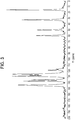
- the crystalline form of 6-[(4 R )-4-methyl-1,1-dioxido-1,2,6-thiadiazinan-2-yl]isoquinoline-1-carbonitrile Form (1) exhibits an X-ray powder diffraction pattern having characteristic peaks expressed in degrees 2-theta ( ⁇ 0.2° 2-theta) as depicted in Table 1.
- the crystalline form of 6-[(4 R )-4-methyl-1,1-dioxido-1,2,6-thiadiazinan-2-yl]isoquinoline-1-carbonitrile Form (1) exhibits a FT-Raman spectra having characteristic peaks expressed in cm -1 ( ⁇ 2cm -1 ) at 708, 1555 and 2230.
- the crystalline form of 6-[(4 R )-4-methyl-1,1-dioxido-1,2,6-thiadiazinan-2-yl]isoquinoline-1-carbonitrile Form (1) exhibits a FT-Raman spectra having characteristic peaks expressed in cm -1 ( ⁇ 2cm -1 ) as depicted in Table 2.
- the crystalline form of 6-[(4 R )-4-methyl-1,1 -dioxido-1,2,6-thiadiazinan-2-yl]isoquinoline-1-carbonitrile Form (1) exhibits a solid state NMR spectra having characteristic peaks expressed in ppm ( ⁇ 0.2ppm) at 15.3 and 136.6.
- the crystalline form of 6-[(4 R )-4-methyl-1,1-dioxido-1,2,6-thiadiazinan-2-yl]isoquinoline-1-carbonitrile Form (1) exhibits a solid state NMR spectra having characteristic peaks expressed in ppm ( ⁇ 0.2ppm) at 15.3, 136.6 and 143.2.
- the crystalline form of 6-[(4 R )-4-methyl-1,1-dioxido-1,2,6-thiadiazinan-2-yl]isoquinoline-1-carbonitrile Form (1) exhibits a solid state NMR spectra having characteristic peaks expressed in ppm ( ⁇ 0.2ppm) as depicted in Table 3.
- the crystalline form of 6-[(4 R )-4-methyl-1,1 -dioxido-1,2,6-thiadiazinan-2-yl]isoquinoline-1-carbonitrile Form (1) exhibits an X-ray powder diffraction pattern having characteristic peaks expressed in degrees 2-theta ( ⁇ 0.2° 2-theta) at 7.8 and 10.9 and exhibits a FT-Raman spectra having one or more characteristic peaks expressed in cm -1 ( ⁇ 2cm -1 ) selected from the group consisting of 708, 1555 and 2230.
- the crystalline form of 6-[(4 R )-4-methyl-1,1-dioxido-1,2,6-thiadiazinan-2-yl]isoquinoline-1-carbonitrile Form (1) exhibits an X-ray powder diffraction pattern having characteristic peaks expressed in degrees 2-theta ( ⁇ 0.2° 2-theta) at 7.8 and 10.9 and exhibits a FT-Raman spectra having a characteristic peak expressed in cm -1 ( ⁇ 2cm -1 ) at 708.
- the crystalline form of 6-[(4 R )-4-methyl-1,1-dioxido-1,2,6-thiadiazinan-2-yl]isoquinoline-1-carbonitrile Form (1) exhibits an X-ray powder diffraction pattern having characteristic peaks expressed in degrees 2-theta ( ⁇ 0.2° 2-theta) at 7.8, 10.9 and 15.2 and exhibits a FT-Raman spectra having characteristic peaks expressed in cm -1 ( ⁇ 2cm -1 ) at 708, 1555 and 2230.
- the crystalline form of 6-[(4 R )-4-methyl-1,1-dioxido-1,2,6-thiadiazinan-2-yl]isoquinoline-1-carbonitrile Form (1) exhibits an X-ray powder diffraction pattern having characteristic peaks expressed in degrees 2-theta ( ⁇ 0.2° 2-theta) at 7.8 and 10.9 and exhibits a solid state NMR spectra having a characteristic peak expressed in ppm ( ⁇ 0.2ppm) at 136.6.
- the crystalline form of 6-[(4 R )-4-methyl-1,1-dioxido-1,2,6-thiadiazinan-2-yl]isoquinoline-1-carbonitrile Form (1) exhibits an X-ray powder diffraction pattern having characteristic peaks expressed in degrees 2-theta ( ⁇ 0.2° 2-theta) at 7.8, 10.9 and 15.2 and exhibits a solid state NMR spectra having a characteristic peak expressed in ppm ( ⁇ 0.2ppm) at 136.6.
- the crystalline form of 6-[(4 R )-4-methyl-1,1-dioxido-1,2,6-thiadiazinan-2-yl]isoquinoline-1-carbonitrile Form (1) exhibits an X-ray powder diffraction pattern having characteristic peaks expressed in degrees 2-theta ( ⁇ 0.2° 2-theta) at 7.8, 10.9 and 15.2 and exhibits a solid state NMR spectra having characteristic peaks expressed in ppm ( ⁇ 0.2ppm) at 15.3 and 136.6.
- the crystalline form of 6-[(4 R )-4-methyl-1,1-dioxido-1,2,6-thiadiazinan-2-yl]isoquinoline-1-carbonitrile Form (1) exhibits a FT-Raman spectra having characteristic peaks expressed in cm -1 ( ⁇ 2cm -1 ) at 708 and 2230 and exhibits a solid state NMR spectra having a characteristic peak expressed in ppm ( ⁇ 0.2ppm) at 136.6.
- the crystalline form of 6-[(4 R )-4-methyl-1,1-dioxido-1,2,6-thiadiazinan-2-yl]isoquinoline-1-carbonitrile Form (1) exhibits a FT-Raman spectra having characteristic peaks expressed in cm -1 ( ⁇ 2cm -1 ) at 708 and 2230 and exhibits a solid state NMR spectra having characteristic peaks expressed in ppm ( ⁇ 0.2ppm) at 15.3 and 136.6.
- the crystalline form of 6-[(4 R )-4-methyl-1,1-dioxido-1,2,6-thiadiazinan-2-yl]isoquinoline-1-carbonitrile Form (1) exhibits a FT-Raman spectra having characteristic peaks expressed in cm -1 ( ⁇ 2cm -1 ) at 708, 1555 and 2230 and exhibits a solid state NMR spectra having characteristic peaks expressed in ppm ( ⁇ 0.2ppm) at 15.3 and 136.6.
- the crystalline form of 6-[(4 R )-4-methyl-1,1-dioxido-1,2,6-thiadiazinan-2-yl]isoquinoline-1-carbonitrile Form (1) exhibits an X-ray powder diffraction pattern having characteristic peaks expressed in degrees 2-theta ( ⁇ 0.2° 2-theta) at 7.8 and 10.9, a FT-Raman spectra having characteristic peaks expressed in cm -1 ( ⁇ 2cm -1 ) at 708 and 2230 and exhibits a solid state NMR spectra having a characteristic peak expressed in ppm ( ⁇ 0.2ppm) at 136.6.
- the crystalline form of 6-[(4 R )-4-methyl-1,1-dioxido-1,2,6-thiadiazinan-2-yl]isoquinoline-1-carbonitrile Form (1) exhibits an X-ray powder diffraction pattern having characteristic peaks expressed in degrees 2-theta ( ⁇ 0.2° 2-theta) at 7.8 and 10.9, a FT-Raman spectra having characteristic peaks expressed in cm -1 ( ⁇ 2cm -1 ) at 708 and 2230 and exhibits a solid state NMR spectra having characteristic peaks expressed in ppm ( ⁇ 0.2ppm) at 15.3 and 136.6.
- the crystalline form of 6-[(4 R )-4-methyl-1,1-dioxido-1,2,6-thiadiazinan-2-yl]isoquinoline-1-carbonitrile Form (1) exhibits an X-ray powder diffraction pattern having characteristic peaks expressed in degrees 2-theta ( ⁇ 0.2° 2-theta) at 7.8, 10.9 and 15.2, a FT-Raman spectra having characteristic peaks expressed in cm -1 ( ⁇ 2cm -1 ) at 708, 1555 and 2230 and exhibits a solid state NMR spectra having characteristic peaks expressed in ppm ( ⁇ 0.2ppm) at 15.3 and 136.6.
- the crystalline form of 6-[(4 R )-4-methyl-1,1-dioxido-1,2,6-thiadiazinan-2-yl]isoquinoline-1-carbonitrile Form (1) exhibits an X-ray powder diffraction pattern having characteristic peaks expressed in degrees 2-theta ( ⁇ 0.2° 2-theta) at 7.8 and 10.9 and exhibits either a FT-Raman spectra having one or more characteristic peaks expressed in cm -1 ( ⁇ 2cm -1 ) selected from the group consisting of 708, 1555 and 2230; and / or a solid state NMR spectra having a characteristic peak expressed in ppm ( ⁇ 0.2ppm) at 136.6.
- the crystalline form of 6-[(4 R )-4-methyl-1,1-dioxido-1,2,6-thiadiazinan-2-yl]isoquinoline-1-carbonitrile Form (1) exhibits a FT-Raman spectra having characteristic peaks expressed in cm -1 ( ⁇ 2cm -1 ) at 708 and 2230 and exhibits either an X-ray powder diffraction pattern having one or more characteristic peaks expressed in degrees 2-theta ( ⁇ 0.2° 2-theta) selected from the group consisting of 7.8, 10.9, 15.2, 17.1, 17.3, and 18.5; and / or a solid state NMR spectra having a characteristic peak expressed in ppm ( ⁇ 0.2ppm) at 136.6.
- the crystalline form of 6-[(4 R )-4-methyl-1,1-dioxido-1,2,6-thiadiazinan-2-yl]isoquinoline-1-carbonitrile Form (1) exhibits a solid state NMR spectra having a characteristic peak expressed in ppm ( ⁇ 0.2ppm) at 136.6 and exhibits either an X-ray powder diffraction pattern having one or more characteristic peaks expressed in degrees 2-theta ( ⁇ 0.2° 2-theta) selected from the group consisting of 7.8, 10.9, 15.2, 17.1, 17.3, and 18.5; and / or exhibits a FT-Raman spectra having one or more characteristic peaks expressed in cm -1 ( ⁇ 2cm -1 ) selected from the group consisting of 708, 1555 and 2230.
- the crystalline form of 6-[(4R)-4-methyl-1,1-dioxido-1,2,6-thiadiazinan-2-yl]isoquinoline-1-carbonitrile is anhydrous.
- the crystalline form of 6-[(4R)-4-methyl-1,1-dioxido-1,2,6-thiadiazinan-2-yl]isoquinoline-1-carbonitrile Form (1) is anhydrous.
- anhydrous shall be taken to mean that the crystalline form contains less than about 5% w/w, more preferably less than about 1% w/w and even more preferably less than about 0.5% w/w of the solvent of crystallisation or water. In another embodiment the term “anhydrous” shall be taken to mean that the crystalline form contains less than about 1% w/w of the solvent of crystallisation or water.
- 6-[(4 R )-4-methyl-1,1-dioxido-1,2,6-thiadiazinan-2-yl]isoquinoline-1-carbonitrile including crystalline 6-[(4 R )-4-methyl-1,1-dioxido-1,2,6-thiadiazinan-2-yl]isoquinoline-1-carbonitrile Form (1), can be prepared from commercially available starting materials, compounds known in the literature, or readily prepared intermediates by employing the general reaction schemes provided herein in conjunction with standard synthetic methods and procedures known to those skilled in the art. Standard synthetic methods and procedures for the preparation of organic molecules and functional group transformations and manipulations can be readily obtained from the relevant scientific literature or from standard text books in the field.
- reaction temperatures i.e. reaction temperatures, times mole rations or reactants, solvents, pressures etc.
- Optimum reaction conditions can vary with the particular reactants or solvent used.
- the starting material bromide is coupled with an aminoalcohol II under coupling conditions such as Pd-catalyzed coupling conditions.
- the hydroxyl group of compound III is activated as a leaving group by mesylate formation among other methods in the presence of a base to generate compound IV.
- the treatment of compound IV with the reagent V produces Boc-protected intermediates VI. Boc-group de-protection followed by alkylation or acylating of intermediate NH compounds culminates the synthesis forming the compound of Formula I.
- a crystalline form of 6-[(4R)-4-methyl-1,1-dioxido-1,2,6-thiadiazinan-2-yl]isoquinoline-1-carbonitrile, including Form (1) can then be prepared by crystallization of the compound of Formula I from a solvent, preferably a solvent comprising acetone or, in an alternative embodiment, from a solvent comprising acetone and water.
- a solvent preferably a solvent comprising acetone or, in an alternative embodiment, from a solvent comprising acetone and water.
- the solvent is acetone.
- the solvent is acetone and water.
- the crystalline form so prepared can be further dried, preferably under vacuum, to form the anhydrous form.
- this invention also relates to a process for preparing a crystalline form of 6-[(4R)-4-methyl-1,1-dioxido-1,2,6-thiadiazinan-2-yl]isoquinoline-1-carbonitrile, which process comprises the step of crystallization of 6-[(4R)-4-methyl-1,1 -dioxido-1,2,6-thiadiazinan-2-yl]isoquinoline-1-carbonitrile from a solvent, wherein the solvent preferably comprises acetone. In an alternative embodiment, the solvent comprises acetone and water.
- this invention also relates to a process for preparing crystalline 6-[(4R)-4-methyl-1,1 -dioxido-1,2,6-thiadiazinan-2-yl]isoquinoline-1-carbonitrile Form (1), which process comprises the step of crystallization of 6-[(4R)-4-methyl-1,1 -dioxido-1,2,6-thiadiazinan-2-yl]isoquinoline-1-carbonitrile from a solvent, wherein the solvent preferably comprises acetone. In an alternative embodiment, the solvent comprises acetone and water.
- the present invention also relates to a pharmaceutical composition
- a pharmaceutical composition comprising a crystalline form of 6-[(4 R )-4-methyl-1,1-dioxido-1,2,6-thiadiazinan-2-yl]isoquinoline-1-carbonitrile and a pharmaceutically acceptable carrier or excipient, and to methods for preparing such pharmaceutical compositions.
- the present invention also relates to a pharmaceutical composition
- a pharmaceutical composition comprising crystalline 6-[(4 R )-4-methyl-1,1-dioxido-1,2,6-thiadiazinan-2-yl]isoquinoline-1-carbonitrile Form (1) and a pharmaceutically acceptable carrier or excipient, and to methods for preparing such pharmaceutical compositions.
- excipient is taken to mean any ingredient in the pharmaceutical composition other than the crystalline form of 6-[(4 R )-4-methyl-1,1-dioxido-1,2,6-thiadiazinan-2-yl]isoquinoline-1-carbonitrile.
- excipient will depend to a large extent on factors such as the particular mode of administration, the effect of the excipient on solubility and stability, and the nature of the dosage form, which factors are well known to the person skilled in the art.
- excipient encompasses diluent, carrier or adjuvant.
- compositions suitable for the delivery of a crystalline form of 6-[(4 R )-4-methyl-1,1-dioxido-1,2,6-thiadiazinan-2-yl]isoquinoline-1-carbonitrile and methods for their preparation can be readily determined by one skilled in the art. Such compositions and methods for preparation may be found, for example, in Remington's Pharmaceutical Sciences, 19th Edition (Mack Publishing Company, 1995 ).
- compositions of the present invention are those suitable for oral administration.
- Oral administration may involve swallowing, so that the pharmaceutically active ingredient enters the gastrointestinal tract, or alternatively, oral administration may involve buccal or sublingual administration by which the pharmaceutically active ingredient enters the blood stream directly from the mouth.
- Formulations suitable for oral administration include solid formulations such as tablets, capsules containing particulates, liquids, or powders, lozenges (including liquid filled), chews, multi- and nano-particulates, gels, solid solution, liposomes, films, ovules, sprays and liquid formulations.
- Tablet formulations suitable for oral administration usually comprise from about 0.1% w/w to about 80% w/w of the active pharmaceutical ingredient, dependent on dose, more typically from 5% w/w to about 60% w/w of the dosage form.
- One of ordinary skill will appreciate that one of the factors to consider when determining the level of active pharmaceutical ingredient suitable for inclusion in a tablet for oral administration is that needed to ensure adequate patient dosing.
- tablet formulations suitable for oral administration may comprise a lower amount of active pharmaceutical ingredient, for example from about 0.1% w/w to about 20%w/w of the active pharmaceutical ingredient.
- tablets suitable for oral administration also comprise one or more of the following excipients.
- Tablets generally contain a disintegrant.
- disintegrants include sodium starch glycolate, sodium carboxymethyl cellulose, calcium carboxymethyl cellulose, croscarmellose sodium, crospovidone, polyvinylpyrrolidone, methyl cellulose, microcrystalline cellulose, lower alkyl-substituted hydroxypropyl cellulose, starch, pregelatinized starch and sodium alginate.
- the disintegrant will comprise from about 1% w/w to about 25% w/w. In one embodiment of the present invention, the disintegrant will comprise from about 5% w/w to about 20% w/w of the dosage form.
- Binders are generally used to impart cohesive qualities to a tablet formulation. Suitable binders include microcrystalline cellulose, gelatin, sugars, polyethylene glycol, natural and synthetic gums, polyvinylpyrrolidone, pregelatinized starch, hydroxypropyl cellulose and hydroxypropyl methylcellulose. Tablets may also contain diluents, such as lactose (monohydrate, spray-dried monohydrate, anhydrous and the like), mannitol, xylitol, dextrose, sucrose, sorbitol, microcrystalline cellulose, starch and dibasic calcium phosphate dihydrate.
- lactose monohydrate, spray-dried monohydrate, anhydrous and the like
- mannitol xylitol
- dextrose sucrose
- sorbitol microcrystalline cellulose
- starch dibasic calcium phosphate dihydrate
- Tablets may also optionally comprise surface active agents, such as sodium lauryl sulfate and polysorbate 80, and glidants such as silicon dioxide and talc.
- surface active agents may comprise from about 0.2% w/w to about 5% w/w of the tablet, and glidants may comprise from about 0.2% w/w to about 1% w/w of the tablet.
- Tablets also generally contain lubricants such as magnesium stearate, calcium stearate, zinc stearate, sodium stearyl fumarate, and mixtures of magnesium stearate with sodium lauryl sulfate.
- Lubricants generally comprise from about 0.25% w/w to about 10% w/w. In one embodiment of the present invention, lubricants comprise from about 0.5% w/w to about 3% w/w of the tablet.
- Other possible ingredients include anti-oxidants, colorants, flavoring agents, preservatives and taste-masking agents.
- exemplary tablet formulations comprise up to about 80% w/w of the active pharmaceutical ingredient, from about 0% w/w to about 90% w/w binder, from about 0% w/w to about 95% w/w diluent, from about 1% w/w to about 25% w/w disintegrant, and from about 0.25% w/w to about 10% w/w lubricant.
- Tablet blends may be compressed directly or by roller to form tablets. Tablet blends, or portions of blends, may alternatively be wet-, dry-, or melt-granulated, melt congealed, or extruded before tableting.
- the final formulation may comprise one or more layers, and may be coated or uncoated; it may even be encapsulated. Formulations of tablets are discussed in Pharmaceutical Dosage Forms: Tablets, Vol. 1, by H. Lieberman and L. Lachman (Marcel Dekker, New York, 1980 ).
- the particle volume mean diameter and/or the particle size distribution of the crystalline active pharmaceutical ingredient may be necessary to adjust the particle volume mean diameter and/or the particle size distribution of the crystalline active pharmaceutical ingredient to further optimise its physicochemical properties or other properties such as stability manufacturability and/or bioperformance. For example, in some cases there may be a desire to reduce the particle size to increase the rate of dissolution. Particle size reduction is also sometimes used to ensure content uniformity for formulations which have very low loading of active pharmaceutical ingredients.
- the crystalline form of the active pharmaceutical ingredient has a volume mean diameter of no more than 50 ⁇ m and a particle size distribution such that 95% of the sample volume particles have a diameter of no more than 130 ⁇ m, as measured by laser diffraction, with dry dispersion, using standard techniques.
- Formulations suitable for oral administration also include fast-dissolving or fast-disintegrating dose forms such as those described in Expert Opinion in Therapeutic Patents, 11(6), 981-986 by Lang and Chen (2001 ).
- Solid formulations for oral administration may be formulated to be immediate and/or modified release.
- Modified release includes delayed, sustained, pulsed, controlled, targeted and programmed release.
- Suitable modified release formulations for the purposes of the invention are described in US Patent No. 6,106,864 . Details of other suitable release technologies such as high energy dispersions and osmotic and coated particles are to be found in Pharmaceutical Technology On-line, 25(2), 1-14, by Verma et al. (2001 ). The use of chewing gum to achieve controlled release is described in WO-A-00/35298 .
- compositions of the present invention suitable for oral administration include consumable oral films. These are typically pliable watersoluble or water-swellable thin film dosage forms which may be rapidly dissolving or mucoadhesive and typically comprise a film-forming polymer, a binder, a solvent, a humectant, a plasticizer, a stabilizer or emulsifier, a viscosity-modifying agent and a solvent. Some components of the formulation may perform more than one function.
- the film-forming polymer may be selected from natural polysaccharides, proteins, or synthetic hydrocolloids and, when included in a composition, the film-forming polymer is typically present in the range of about 0.01% w/w to about 99% w/w, more typically in the range of about 30% w/w to about 80% w/w.
- Other possible ingredients include anti-oxidants, colorants, flavorings and flavor enhancers, preservatives, salivary stimulating agents, cooling agents, co-solvents (including oils), emollients, bulking agents, anti-foaming agents, surfactants and taste-masking agents.
- Films in accordance with the invention are typically prepared by evaporative drying of thin aqueous films coated onto a peelable backing support or paper. This may be done in a drying oven or tunnel, typically a combined coater dryer, or by freeze-drying or vacuuming.
- Liquid formulations include suspensions, solutions, syrups and elixirs. Such formulations may be employed as fillers in soft or hard capsules and typically comprise a carrier, for example, water, ethanol, polyethylene glycol, propylene glycol, methylcellulose, or a suitable oil, and one or more emulsifying agents and/or suspending agents. Liquid formulations may also be prepared by the reconstitution of a solid, for example, from a sachet.
- compositions of the present invention may also be adapted for administration of the active directly into the blood stream, into muscle, or into an internal organ.
- parenteral administration includes intravenous, intraarterial, intraperitoneal, intrathecal, intraventricular, intraurethral, intrasternal, intracranial, intramuscular and subcutaneous administration.
- Suitable devices for parenteral administration include needle (including microneedle) injectors, needle-free injectors and infusion techniques.
- Suitable pharmaceutical compositions also include those for topical administration to the skin or mucosa, that is, dermally or transdermally.
- compositions of the present invention are those adapted for intranasal administration or for inhalation, typically in the form of a dry powder (either alone, as a mixture, for example, in a dry blend with lactose, or as a mixed component particle, for example, mixed with phospholipids, such as phosphatidylcholine) from a dry powder inhaler, as an aerosol spray from a pressurized container, pump, spray, atomizer (preferably an atomizer using electrohydrodynamics to produce a fine mist), or nebulizer, with or without the use of a suitable propellant, such as 1,1,1,2-tetrafluoroethane or 1,1,1,2,3,3,3-heptafluoropropane, or as nasal drops.
- a suitable propellant such as 1,1,1,2-tetrafluoroethane or 1,1,1,2,3,3,3-heptafluoropropane, or as nasal drops.
- the powder may comprise a bioadhesive agent, for example, chitosan or cyclodextrin.
- the pressurized container, pump, spray, atomizer, or nebulizer contains a solution or suspension of the pharmaceutically active ingredient, which solution or suspension also comprises for example, ethanol, aqueous ethanol, or a suitable alternative agent for dispersing, solubilizing, or extending release of the compound, a propellant as solvent and an optional surfactant, such as sorbitan trioleate, oleic acid, or an oligolactic acid.
- the drug product Prior to use in a dry powder or suspension formulation, the drug product is micronized to a size suitable for delivery by inhalation (typically less than 5 ⁇ m).
- Capsules made, for example, from gelatin or hydroxypropylmethylcellulose
- blisters and cartridges for use in an inhaler or insufflator may be formulated to contain a powder mix of the compound of the invention, a suitable powder base such as lactose or starch and a performance modifier such as I-leucine, mannitol, or magnesium stearate.
- the lactose may be anhydrous or in the form of the monohydrate, preferably the latter.
- Formulations for intranasal administration may be formulated to be immediate and/or modified release using, for example, PGLA. Modified release includes delayed, sustained, pulsed, controlled, targeted and programmed release.
- compositions of the present invention also include those formulated to be administered directly to the eye or ear, typically in the form of drops of a micronized suspension or solution in isotonic, pH-adjusted, sterile saline.
- compositions of the present invention optionally comprise flavors.
- flavors such as menthol and levomenthol
- sweeteners such as saccharin or saccharin sodium, may be added.
- compositions of the present invention optionally also comprise soluble macromolecular entities, such as cyclodextrin and suitable derivatives thereof or polyethylene glycol-containing polymers, in order to improve the solubility, dissolution rate, taste, bioavailability and/or stability of the active ingredient when using any of the aforementioned modes of administration.
- Drug-cyclodextrin complexes for example, are found to be generally useful for most dosage forms and administration routes. Both inclusion and non-inclusion complexes may be used.
- the cyclodextrin may be used as an auxiliary additive, i.e., as a carrier, diluent, or solubilizer.
- Preferred pharmaceutical compositions of the present invention are those which are suitable for oral administration. More preferably pharmaceutical compositions of the present invention are suitable for oral administration and are in the form of a tablet or a capsule.
- a method for treating a disorder or condition in a subject wherein the disorder or condition is selected from among anemia; anorexia; arthritis; bone disease; musculoskeletal impairment; cachexia; frailty; age-related functional decline in the elderly; growth hormone deficiency; hematopoietic disorders; hormone replacement; hypogonadism; loss of muscle strength and/or function; muscular dystrophies; muscle loss following surgery; muscular atrophy; neurodegenerative disease; neuromuscular disease; obesity; osteoporosis; sarcopenia, including sarcopenia in chronic obstructive pulmonary disease; and, muscle wasting comprising administering to said subject an effective amount of a crystalline form of 6-[(4R)-4-methyl-1,1-dioxido-1,2,6-thiadiazinan-2-yl]isoquinoline-1-carbonitrile, or a pharmaceutical composition thereof, thereby treating said disease or condition.
- a method for treating a disorder or condition in a subject wherein the disorder or condition is selected from among anemia; anorexia; arthritis; bone disease; musculoskeletal impairment; cachexia; frailty; age-related functional decline in the elderly; growth hormone deficiency; hematopoietic disorders; hormone replacement; hypogonadism; loss of muscle strength and/or function; muscular dystrophies; muscle loss following surgery; muscular atrophy; neurodegenerative disease; neuromuscular disease; obesity; osteoporosis; sarcopenia, including sarcopenia in chronic obstructive pulmonary disease; and, muscle wasting comprising administering to said subject an effective amount of crystalline 6-[(4R)-4-methyl-1,1-dioxido-1,2,6-thiadiazinan-2-yl]isoquinoline-1-carbonitrile Form (1), or a pharmaceutical composition thereof, thereby treating said disease or condition.
- This invention also relates to a crystalline form of 6-[(4 R )-4-methyl-1,1-dioxido-1,2,6-thiadiazinan-2-yl]isoquinoline-1 -carbonitrile, or a pharmaceutical composition thereof, for use as a medicament.
- This invention also relates to crystalline 6-[(4 R )-4-methyl-1,1-dioxido-1,2,6-thiadiazinan-2-yl]isoquinoline-1-carbonitrile Form (1), or a pharmaceutical composition thereof, for use as a medicament.
- This invention also relates to a crystalline form of 6-[(4 R )-4-methyl-1,1-dioxido-1,2,6-thiadiazinan-2-yl]isoquinoline-1-carbonitrile, or a pharmaceutical composition thereof, for use in the treatment of a disorder or condition relating to dysregulation of an androgen receptor.
- This invention also relates to crystalline 6-[(4 R )-4-methyl-1,1-dioxido-1,2,6-thiadiazinan-2-yl]isoquinoline-1-carbonitrile Form (1), or a pharmaceutical composition thereof, for use in the treatment of a disorder or condition relating to dysregulation of an androgen receptor.
- This invention also relates to a crystalline form of 6-[(4 R )-4-methyl-1,1-dioxido-1,2,6-thiadiazinan-2-yl]isoquinoline-1-carbonitrile, or a pharmaceutical composition thereof, for use in the treatment of a disorder or condition selected from the group consisting of anemia; anorexia; arthritis; bone disease; musculoskeletal impairment; cachexia; frailty; age-related functional decline in the elderly; growth hormone deficiency; hematopoietic disorders; hormone replacement; hypogonadism; loss of muscle strength and/or function; muscular dystrophies; muscle loss following surgery; muscular atrophy; neurodegenerative disease; neuromuscular disease; obesity; osteoporosis; sarcopenia, including sarcopenia in chronic obstructive pulmonary disease; and, muscle wasting.
- a disorder or condition selected from the group consisting of anemia; anorexia; arthritis; bone disease; musculoskeletal impairment; cachexia; frailt
- This invention also relates to crystalline 6-[(4 R )-4-methyl-1,1-dioxido-1,2,6-thiadiazinan-2-yl]isoquinoline-1-carbonitrile Form (1), or a pharmaceutical composition thereof, for use in the treatment of a disorder or condition selected from the group consisting of anemia; anorexia; arthritis; bone disease; musculoskeletal impairment; cachexia; frailty; age-related functional decline in the elderly; growth hormone deficiency; hematopoietic disorders; hormone replacement; hypogonadism; loss of muscle strength and/or function; muscular dystrophies; muscle loss following surgery; muscular atrophy; neurodegenerative disease; neuromuscular disease; obesity; osteoporosis; sarcopenia, including sarcopenia in chronic obstructive pulmonary disease; and, muscle wasting.
- a disorder or condition selected from the group consisting of anemia; anorexia; arthritis; bone disease; musculoskeletal impairment; cachexia; frailty;
- This invention also relates to the use of a crystalline form of 6-[(4 R )-4-methyl-1,1-dioxido-1,2,6-thiadiazinan-2-yl]isoquinoline-1-carbonitrile, or a pharmaceutical composition thereof, for the manufacture of a medicament for the treatment of a disorder or condition relating to dysregulation of an androgen receptor.
- This invention also relates to the use of crystalline 6-[(4 R )-4-methyl-1,1-dioxido-1,2,6-thiadiazinan-2-yl]isoquinoline-1-carbonitrile Form (1), or a pharmaceutical composition thereof, for the manufacture of a medicament for the treatment of a disorder or condition relating to dysregulation of an androgen receptor.
- This invention also relates to the use of a crystalline form of 6-[(4R)-4-methyl-1,1-dioxido-1,2,6-thiadiazinan-2-yl]isoquinoline-1-carbonitrile, or a pharmaceutical composition thereof, for the manufacture of a medicament for the treatment of a disorder or condition selected from the group consisting of anemia; anorexia; arthritis; bone disease; musculoskeletal impairment; cachexia; frailty; age-related functional decline in the elderly; growth hormone deficiency; hematopoietic disorders; hormone replacement; hypogonadism; loss of muscle strength and/or function; muscular dystrophies; muscle loss following surgery; muscular atrophy; neurodegenerative disease; neuromuscular disease; obesity; osteoporosis; sarcopenia, including sarcopenia in chronic obstructive pulmonary disease; and, muscle wasting.
- a disorder or condition selected from the group consisting of anemia; anorexia; arthritis; bone disease; musculoskeletal impairment
- This invention also relates to the use of crystalline 6-[(4 R )-4-methyl-1,1-dioxido-1,2,6-thiadiazinan-2-yl]isoquinoline-1-carbonitrile Form (1), or a pharmaceutical composition thereof, for the manufacture of a medicament for the treatment of a disorder or condition selected from the group consisting of anemia; anorexia; arthritis; bone disease; musculoskeletal impairment; cachexia; frailty; age-related functional decline in the elderly; growth hormone deficiency; hematopoietic disorders; hormone replacement; hypogonadism; loss of muscle strength and/or function; muscular dystrophies; muscle loss following surgery; muscular atrophy; neurodegenerative disease; neuromuscular disease; obesity; osteoporosis; sarcopenia, including sarcopenia in chronic obstructive pulmonary disease; and, muscle wasting.
- a disorder or condition selected from the group consisting of anemia; anorexia; arthritis; bone disease; musculoskeletal impairment;
- This invention also relates to a pharmaceutical composition
- a pharmaceutical composition comprising a crystalline form of 6-[(4 R )-4-methyl-1,1-dioxido-1,2,6-thiadiazinan-2-yl]isoquinoline-1-carbonitrile for treating a disorder or condition relating to dysregulation of an androgen receptor.
- This invention also relates to a pharmaceutical composition
- a pharmaceutical composition comprising crystalline 6-[(4R)-4-methyl-1,1-dioxido-1,2,6-thiadiazinan-2-yl]isoquinoline-1-carbonitrile Form (1) for treating a disorder or condition relating to dysregulation of an androgen receptor.
- This invention also relates to a pharmaceutical composition
- a pharmaceutical composition comprising a crystalline form of 6-[(4 R )-4-methyl-1,1-dioxido-1,2,6-thiadiazinan-2-yl]isoquinoline-1-carbonitrile for treating a disorder or condition selected from the group consisting of anemia; anorexia; arthritis; bone disease; musculoskeletal impairment; cachexia; frailty; age-related functional decline in the elderly; growth hormone deficiency; hematopoietic disorders; hormone replacement; hypogonadism; loss of muscle strength and/or function; muscular dystrophies; muscle loss following surgery; muscular atrophy; neurodegenerative disease; neuromuscular disease; obesity; osteoporosis; sarcopenia, including sarcopenia in chronic obstructive pulmonary disease; and, muscle wasting.
- a disorder or condition selected from the group consisting of anemia; anorexia; arthritis; bone disease; musculoskeletal impairment; cachexia; frailt
- This invention also relates to a pharmaceutical composition
- a pharmaceutical composition comprising crystalline 6-[(4R)-4-methyl-1,1-dioxido-1,2,6-thiadiazinan-2-yl]isoquinoline-1-carbonitrile Form (1) for treating a disorder or condition selected from the group consisting of anemia; anorexia; arthritis; bone disease; musculoskeletal impairment; cachexia; frailty; age-related functional decline in the elderly; growth hormone deficiency; hematopoietic disorders; hormone replacement; hypogonadism; loss of muscle strength and/or function; muscular dystrophies; muscle loss following surgery; muscular atrophy; neurodegenerative disease; neuromuscular disease; obesity; osteoporosis; sarcopenia, including sarcopenia in chronic obstructive pulmonary disease; and, muscle wasting.
- a disorder or condition selected from the group consisting of anemia; anorexia; arthritis; bone disease; musculoskeletal impairment; cachexia; frailty; age
- the term "therapeutically effective” is intended to qualify the amount of compound or pharmaceutical compositions, or the combined amount of active ingredients in the case of combination therapy. This amount, or combined amount, will achieve the goal of treating the relevant condition.
- treat shall be taken to mean administration of the compound, pharmaceutical composition or combination to effect preventative, palliative, supportive, restorative or curative treatment.
- treatment encompasses any objective or subjective improvement in a subject with the relevant condition or disease.
- prevention treatment shall be taken to mean that the compound, pharmaceutical composition or combination is administered to a subject to inhibit or stop the relevant condition from occurring in a subject, particularly in a subject or member of a population that is significantly predisposed to the relevant condition.
- the total daily dose of the crystalline form of 6-[(4 R )-4-methyl-1,1-dioxido-1,2,6-thiadiazinan-2-yl]isoquinoline-1-carbonitrile is typically in the range of from about 0.01 mg to about 500mg depending, of course, on the mode of administration and other parameters which are well known, and which can be readily determined using standard methods, to one of ordinary skill in the art.
- the total daily dose is in the range of from about 0.1mg to about 300mg.
- the total daily dose may be administered in single or divided doses and may, at the physician's discretion, fall outside of the typical range given herein. These dosages are based on an average human subject having a weight of about 65kg to about 70kg. The physician will readily be able to determine doses for subjects whose weight falls outside this range such as infants and the elderly.
- the crystalline 6-[(4 R )-4-methyl-1,1-dioxido-1,2,6-thiadiazinan-2-yl]isoquinoline-1-carbonitrile, or pharmaceutical compositions thereof, of the present invention may also be administered in combination with a second active ingredient.
- co-administration includes the following:
- kits of the invention comprises two or more separate pharmaceutical compositions, at least one of which comprises the crystalline form of 6-[(4 R )-4-methyl-1,1-dioxido-1,2,6-thiadiazinan-2-yl]isoquinoline-1-carbonitrile of the present invention, and a means for separately retaining said compositions, such as a container, divided bottle, or divided foil packet.
- kits are the familiar blister pack used for the packaging of tablets, capsules and the like.
- a kit is particularly suitable for administering different dosage forms, for example, oral and parenteral, for administering separate compositions at different dosage intervals, or for titrating the separate compositions against one another.
- the kit typically comprises directions for administration and may be provided with a so-called memory aid.
- the crystalline form of 6-[(4 R )-4-methyl-1,1-dioxido-1 ,2,6-thiadiazinan-2-yl]isoquinoline-1-carbonitrile, or a pharmaceutical composition thereof, of the present invention may also be useful in the field of veterinary medicine.
- the dosages and dosage forms described hereinabove for human subjects can be adjusted to accommodate the varying size of animals, as is well known to those of ordinary skill in the veterinary art.
- the animal is a cattle or a swine.
- increasing lean mass generally refers to increasing muscle in an animal, which is considered in many cases a more desirable carcass for human food consumption.
- Reducing fat mass and “reducing percent fat mass” refer to reduction of fat production in an animal.
- lean:fat as for example in “increasing lean:fat” refers generally to the ratio of lean mass in an animal relative to fat mass in the animal. An increased lean:fat in an animal is in many cases considered to produce a carcass that is more desirable for human food consumption.
- F:G refers to the ratio of feed input into an animal relative to weight gain (output) in the animal. A decrease in F:G increases productivity from an economic view point. Dosage forms, the effective amount of active ingredient and suitable compositions will be known to those of ordinary skill can be used for such veterinary applications.
- the crystalline form of 6-[(4 R )-4-methyl-1,1-dioxido-1,2,6-thiadiazinan-2-yl]isoquinoline-1-carbonitrile, or a pharmaceutical composition thereof, of the present invention may also be usefully combined with other active pharmaceutical ingredients known in the veterinary fields. Such combinations may be accomplished by administering a compound of the present invention to an animal, as described herein, in one dosage form or unit, and administering the second active pharmaceutical ingredient to the animal separately, in a separate dosage form or unit. The administration to the animal of the two separate dosage forms may be at the same time or in any order. In another embodiment, the compound of the present invention and the second pharmaceutical ingredient (or additional pharmaceutical ingredients) are combined together in the same dosage form and are administered to the animal together. Examples of compounds which can be suitably administered with the crystalline compounds of the present invention for veterinary applications include beta adrenergic agonist or beta adrenergic modulator, antibiotics or steroids.
- Powder X-ray diffraction analysis was conducted using a Bruker AXS D8 ADVANCE diffractometer equipped with a Cu radiation source (K- ⁇ average). The system is equipped with a Gobel Mirror and 2.5 axial Soller slits on the primary side. The secondary side utilizes 2.5 axial Soller slits and motorized slits. Diffracted radiation was detected by a Lynx Eye XE detector. The X-ray tube voltage and amperage were set to 40 kV and 40 mA respectively.
- PXRD data file was not processed prior to peak searching.
- peaks were selected with a threshold value of 1 and a width value of 0.3 were used to make preliminary peak assignments.
- the output of automated assignments was visually checked to ensure validity and adjustments manually made if necessary, in accordance with the routine practice of one of ordinary skill. Peaks with relative intensity of ⁇ 10% were generally chosen. The peaks which were not resolved or were consistent with noise were also discarded. A typical error associated with the peak position from PXRD is +/- 0.2° 2-theta.
- PXRD x-ray powder diffraction pattern
- x-ray powder diffraction pattern x-ray powder diffraction pattern
- FT-Raman spectra analysis was conducted using a Nicolet NXR FT-Raman accessory attached to the FT-IR bench.
- the spectrometer was equipped with a 1064 nm Nd:YVO 4 laser and a liquid nitrogen cooled Germanium detector. Prior to data acquisition, instrument performance and calibration verifications were conducted using polystyrene. Samples were analyzed in glass NMR tubes that were spun during spectral collection. The spectra were collected using 0.5 W of laser power and 512 co-added scans. The collection range was 3700-50 cm -1 .
- the API spectra were recorded using 2 cm -1 resolution, and Happ-Genzel apodization was utilized for all of the spectra.
- a typical error associated with the FT-Raman peak shift is ⁇ 2cm -1 . It is expected that, due to the similarity of FT-Raman and dispersive Raman spectra techniques, peak positions reported herein obtained using FT-Raman spectroscopy would be likely to be consistent with those which would be observed using dispersive Raman spectroscopy assuming appropriate instrument calibration.
- Solid State NMR (ssNMR) spectra analysis was conducted at 25°C on a Varian 4 mm CPMAS probe positioned into a Varian VNMR 400 MHz (1H frequency) NMR spectrometer. The sample was packed into a rotor and the rotor was oriented at the magic angle and spun at 8.0 kHz.
- the carbon ssNMR spectrum was collected using a proton decoupled cross-polarization magic angle spinning (CPMAS) experiment with TOSS (Total suppression of spinning sidebands) spinning sideband suppression.
- the cross-polarization contact time was set to 3 ms and the recycle delay to 30 seconds.
- the carbon spectrum was referenced using an external standard of crystalline adamantane, setting its downfield resonance to 38.5 ppm (as determined from neat TMS).
- the ssNMR data file was processed prior to peak searching. Automatic peak picking was performed using Bruker-BioSpin TopSpin software (Version 3.1). Generally, a threshold value of 5% relative intensity was used for peak selection. A typical error associated with the 13 C chemical shift (ppm) x-axis value for ssNMR is ⁇ 0.2 ppm.
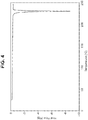
- DSC measurements were performed with a Discovery DSC (TA instruments) equipped with a refrigerated cooling accessory. Approximately 2-5 mg of solid sample was weighed into a standard /Tzero aluminum pan and non-hermetically sealed. The sample was placed in a cell with continuous dry nitrogen purge (50 mL/min) and heated from 25 °C to 250 °C at 10 °C/min heating rate. The cell constant was determined using indium and temperature calibration was performed using indium and tin as standards. The experimental data were analyzed using commercially available software (TA Universal Analysis 2000/Trios software, TA Instruments).
- 2-methyltetrahydrofuran (2-MeTHF) (10 mL/g; 8.15 moles; 817 mL; 702 g) followed by racemic-2,2'-bis(diphenylphosphino)-1,1'-binaphthyl (BINAP) (0.04 equiv (molar); 14.0 mmol; 8.74 g) and bis(dibenzylideneacetone)palladium (Pd 2 (dba) 3 ) (0.04 equiv (molar); 14.0 mmol; 8.07 g).
- 2-MeTHF 2-methyltetrahydrofuran
- 6-(bromoisoquinoline-1-carbonitrile) (1.00 equiv; 351 mmol; 81.75 g) and cesium carbonate (1.6 equiv (molar); 561 mmol; 185 g) in single portions followed by the solution of the aminoalcohol via addition funnel.
- the reaction mixture was again degassed by pulling vacuum and refilling with nitrogen three times.
- the reaction was heated to 70 °C for 3 hours.
- the reaction was cooled to ambient temperature and filtered through a pad of Celite.
- the contents of the flask were rinsed out with three 100 mL portions of 2-methyltetrahydrofuran.
- the filtrate was transferred into a 2L round bottom flask equipped with a thermocouple and mechanical stirrer under nitrogen.
- Silica Gel Silicylate SiliaMet® Thiol
- the reaction was cooled to ⁇ 30 °C and filtered again through Celite.
- the pad was washed with 100mL of 2-methyltetrahydrofuran (or until no yellow color persisted in the filtrate).
- the filtrate was placed into a 3L round bottom flask equipped with a magnetic stir bar, distillation head (with condenser and receiving flask), and thermocouple.
- the mixture was heated to 60 °C and placed under vacuum ( ⁇ 450-500 mbar) to distil out 1.3 L total of 2-methyltetrahydrofuran.
- 500 mL of toluene was added to precipitate the desired product.
- the heating mantle was removed and the reaction was allowed to reach ambient temperature.
- the mixture was stirred for 1 hour at ambient temperature and then the solids were collected by vacuum filtration on a sintered glass funnel. The cake was dried overnight on the funnel under vacuum. The following morning, the solids were transferred into an amber bottle and weighed (71.9 g; 298 mmol). The product was used in the next step without further purification.
- Example 1 In a 1L reactor equipped with a temperature probe and overhead stirring was added the product of Example 1 (20.0 g; 1.00 equiv; 82.9 mmol) and 2-methyltetrahydrofuran (2-MeTHF) (30 mL/g-pure-LR; 5.98 moles; 600 mL; 515 g). The reaction mixture was gently warmed to 40°C to achieve partial solubility. The reaction was cooled to 0°C.
- the top organic layer was removed and passed through a plug of Carbon (Darco G60) (0.5 g/g) on a filter. A significant improvement in color (dark orange to yellow) was observed.
- the solution was concentrated to 10 total volumes and used in the next step without purification.
- the reaction was cooled to ambient temperature and water (4L/kg-pure-LR; 9.17 moles; 165 mL; 165 g]) was added.
- the biphasic reaction was stirred for 1 hour at 23 °C.
- the aqueous layer was extracted and removed.
- the organic layer was passed through a plug of Carbon (Darco G60) (0.5 g/g-pure-LR; 20.7g) in a disposable filter.
- the 2-methyltetrahydrofuran solution was switched to a 10 volume solution of toluene via a constant strip-and-replace distillation to no more than 1% 2-methyltetrahydrofuran.
- the toluene solution of the reaction product (1.00 equiv; 82.9 mmol; 33.4 g; 100% assumed yield) was used as-is in the next step without further purification.
- Example 5 To a 1L reactor under nitrogen and equipped with overhead stirring and a temperature probe was added the product of Example 5 (1.00 equiv; 78.7 mmol; 33.4 g) as a solution in toluene (10 mL/g-pure-LR; 3.00 moles; 317 mL; 276 g). Next, trifluoroacetic acid (TFA) (10 equiv (molar); 787 mmol; 59.5 mL; 89.8 g) was added to the reaction over a period of 1hour keeping the internal temperature below 30°C. The dark red mixture was stirred for 1 hour.
- TFA trifluoroacetic acid
- the reaction was quenched at 23 °C by the addition of sodium carbonate (5 equiv (molar); 394 mmol; 240 mL; 278 g). The reaction was quenched slowly, over a period of 1 hour to form the TFA salt of the product. Once the charge was complete, the mixture was cooled to 0°C, held for 1hour and filtered. The next morning, the solid product (6-[(4R)-4-methyl-1,1-dioxido-1,2,6-thiadiazinan-2-yl]isoquinoline-1-carbonitrile in its free base form) was weighed (0.89 equiv; 70.0 mmol; 21.2 g; 89.0% yield) and used in the next step without further purification.
- Table 1 - PXRD Peak list for crystalline 6-[(4 R )-4-methyl-1,1-dioxido-1,2,6-thiadiazinan-2-yl]isoquinoline-1-carbonitrile free base (Form (1)) Angle degrees 2-Theta ( ⁇ 0.2° 2-theta) Intensity %* 7.8 54 10.9 69 15.2 22 15.6 17 16.8 30 17.1 92 17.3 100 18.5 82 20.1 65 21.8 23 22.8 40 23.0 76 23.4 26 24.3 44 27.7 17 28.1 24 29.0 23 29.6 15 30.0 10 31.4 13 39.5 10 *Relative intensities may vary depending on sample orientation, crystal size and / or morphology.
- An immediate release tablet formulation comprising crystalline 6-[(4R)-4-methyl-1,1-dioxido-1,2,6-thiadiazinan-2-yl]isoquinoline-1-carbonitrile (Form (1)) can be prepared as shown. Tablets can be prepared using three different strengths of active ingredient (A).
- Tablet 1 (1 mgA Dose) Tablet 2 (5mgA Dose) Tablet 3 (25mgA Dose) Ingredient mg/tablet %w/w mg/tablet %w/w mg/tablet %w/w Active (SARM) 1 1 1% 5 5% 25 5% Microcrystalline cellulose, NF 2 63.3 63% 60.7 61% 303.5 61% Lactose monohydrate, NF 3 31.7 32% 30.3 30% 151.5 30% Sodium starch glycolate, NF 4 3 3% 3 3% 15 3% Magnesium stearate. NF 5 1 1% 1 1% 5 1% Total 100 100% 100 100% 500 100% 1 Assumes 100% purity and no salt form.
- SARM Stearate
- microcrystalline cellulose and lactose monohydrate may be adjusted 2 Avicel PH102, FMC Corporation 3 Fast Flo, Foremost Farms 4 Explotab, Penwest Pharmaceuticals 5 Vegetable derived; Malinkrodt
- the tablet formulation may be prepared using direct compression or wet or dry granulation processes. Alternatively, the formulation may be used for filling hard-shell capsules or other dosage forms.
- direct compression can be used to manufacture the tablet and a standard blend-mill-blend process can be used to prepare the blend.
- a standard blend-mill-blend process can be used to prepare the blend. For example, first, all of the ingredients except magnesium stearate would be added to a bin. The material would then be mixed until well blended. The material would then be passed through a mill. The material would then be mixed again until well blended. The magnesium stearate would then be added to the mixture and mixed again. Finally, the resulting mixture would then be compressed into a tablet.
- An immediate release tablet formulation comprising crystalline 6-[(4R)-4-methyl-1,1-dioxido-1,2,6-thiadiazinan-2-yl]isoquinoline-1-carbonitrile (Form (1)) can be prepared as shown. Tablets can be prepared using three different strengths of active ingredient (A).
- Tablet 1 (1 mgA Dose) Tablet 2 (5mgA Dose) Tablet 3 (25mgA Dose) Ingredient mg/tablet %w/w mg/tablet %w/w mg/tablet %w/w Active (SARM) 1 1 1% 5 5% 25 5% Microcrystalline cellulose, NF 2 47.5 48% 45.5 46% 227.5 46% Lactose monohydrate, NF 3 47.5 48% 45.5 46% 227.5 46% Sodium starch glycolate, NF 4 3 3% 3 3% 15 3% Magnesium stearate, NF 5 1 1% 1 1% 5 1% Total 100 100% 100 100% 500 100% 1 Assumes 100% purity and no salt form.
- SARM Stearate
- microcrystalline cellulose and lactose monohydrate may be adjusted 2 Avicel PH102, FMC Corporation 3 Fast Flo, Foremost Farms 4 Explotab, Penwest Pharmaceuticals 5 Vegetable derived; Malinkrodt
- Tablets containing the ingredients shown can be prepared by the direct compression method described in Example 11.
- the formulation may be used for filling hard-shell capsules or tableted using a wet or dry granulation process.
- An immediate release tablet formulation comprising crystalline 6-[(4R)-4-methyl-1,1-dioxido-1,2,6-thiadiazinan-2-yl]isoquinoline-1-carbonitrile (Form (1) can be prepared as shown. Tablets can be prepared using three different strengths of active ingredient (A).
- Tablet 1 (1 mgA Dose) Tablet 2 (5mgA Dose) Tablet 3 (25mgA Dose)
- Ingredient mg/tablet %w/w mg/tablet %w/w mg/tablet %w/w Active (SARM) 1 1 1% 5 5% 25 5% Microcrystalline cellulose, NF 2 63.3 63% 60.7 61% 303.5 61% Calcium phosphate, dibasic anhydrous 3 31.7 32% 30.3 30% 151.5 30% Sodium starch glycolate, NF 4 3 3% 3 3% 15 3% Magnesium stearate, NF 5 1 1% 1 1% 5 1% Total 100 100% 100 100% 500 100% 1 Assumes 100% purity and no salt form.
- microcrystalline cellulose and lactose monohydrate may be adjusted 2 Avicel PH102, FMC Corporation 3 A-tab, Rhodia Incorporated 4 Explotab, Penwest Pharmaceuticals 5 Vegetable derived; Malinkrodt
- Tablets containing the ingredients shown can be prepared by the direct compression method described in Example 11.
- the formulation may be used for filling hard-shell capsules or tableted using a wet or dry granulation process.
- An immediate release tablet formulation comprising crystalline 6-[(4R)-4-methyl-1,1-dioxido-1,2,6-thiadiazinan-2-yl]isoquinoline-1-carbonitrile (Form (1)) can be prepared as shown. Tablets can be prepared using three different strengths of active ingredient (A).
- Tablet 1 (1 mgA Dose) Tablet 2 (5 mgA Dose) Tablet 3 (25mgA Dose) Ingredient mg/tablet %w/w mg/tablet %w/w mg/tablet %w/w Active (SARM) 1 1 1% 5 5% 25 5% Microcrystalline cellulose, NF 2 47.5 48% 45.5 46% 227.5 46% Calcium phosphate, dibasic anhydrous 3 47.5 48% 45.5 46% 227.5 46% Sodium starch glycolate, NF 4 3 3% 3 3% 15 3% Magnesium stearate, NF 5 1 1% 1 1% 5 1% Total 100 100% 100 100% 500 100% 1 Assumes 100% purity and no salt form.
- SARM Stearate
- microcrystalline cellulose and lactose monohydrate may be adjusted 2 Avicel PH102, FMC Corporation 3 A-tab, Rhodia Incorporated 4 Explotab, Penwest Pharmaceuticals 5 Vegetable derived; Malinkrodt
- Tablets containing the ingredients shown can be prepared by the direct compression method described in Example 11.
- the formulation may be used for filling hard-shell capsules or tableted using a wet or dry granulation process.
- characterization data disclosed herein confirms the crystalline nature of the 6-[(4R)-4-methyl-1,1-dioxido-1,2,6-thiadiazinan-2-yl]isoquinoline-1-carbonitrile free base Form (1) material and, as such, that it is a useful form for pharmaceutical development.
- crystalline materials are generally considered to be an advantageous form for drug substance manufacturing because, for example, they are more easily purified, can be prepared with higher yields, have improved filtration and drying characteristics and improved flow and handling characteristics.
- Crystalline 6-[(4 R )-4-methyl-1,1-dioxido-1,2,6-thiadiazinan-2-yl]isoquinoline-1-carbonitrile Form (1) also demonstrates physicochemical properties which render it useful for drug product manufacturing such as its thermal stability and non-hygroscopic nature demonstrated by the high DSC melting point and DSC profile.
Landscapes
- Health & Medical Sciences (AREA)
- Chemical & Material Sciences (AREA)
- Organic Chemistry (AREA)
- Public Health (AREA)
- Life Sciences & Earth Sciences (AREA)
- Veterinary Medicine (AREA)
- General Health & Medical Sciences (AREA)
- Pharmacology & Pharmacy (AREA)
- Medicinal Chemistry (AREA)
- Animal Behavior & Ethology (AREA)
- Engineering & Computer Science (AREA)
- Nuclear Medicine, Radiotherapy & Molecular Imaging (AREA)
- General Chemical & Material Sciences (AREA)
- Chemical Kinetics & Catalysis (AREA)
- Bioinformatics & Cheminformatics (AREA)
- Physical Education & Sports Medicine (AREA)
- Epidemiology (AREA)
- Diabetes (AREA)
- Orthopedic Medicine & Surgery (AREA)
- Neurology (AREA)
- Rheumatology (AREA)
- Endocrinology (AREA)
- Hematology (AREA)
- Nutrition Science (AREA)
- Neurosurgery (AREA)
- Biomedical Technology (AREA)
- Reproductive Health (AREA)
- Physiology (AREA)
- Obesity (AREA)
- Pain & Pain Management (AREA)
- Hospice & Palliative Care (AREA)
- Gynecology & Obstetrics (AREA)
- Pregnancy & Childbirth (AREA)
- Immunology (AREA)
- Child & Adolescent Psychology (AREA)
- Psychiatry (AREA)
- Pharmaceuticals Containing Other Organic And Inorganic Compounds (AREA)
- Plural Heterocyclic Compounds (AREA)
- Medicinal Preparation (AREA)
- Medicines That Contain Protein Lipid Enzymes And Other Medicines (AREA)
Priority Applications (1)
| Application Number | Priority Date | Filing Date | Title |
|---|---|---|---|
| SI201531479T SI3143019T1 (sl) | 2014-05-15 | 2015-05-01 | Kristalna oblika 6-((4R)-4-metil-1,2-dioksido-1,2,6-tiadiazinan-2-IL)isokvinolin-1- karbonitrila |
Applications Claiming Priority (3)
| Application Number | Priority Date | Filing Date | Title |
|---|---|---|---|
| US201461993693P | 2014-05-15 | 2014-05-15 | |
| US201562138037P | 2015-03-25 | 2015-03-25 | |
| PCT/IB2015/053194 WO2015173684A1 (en) | 2014-05-15 | 2015-05-01 | Crystalline form of 6-[(4r)-4-methyl-1,2-dioxido-1,2,6-thiadiazinan-2-yl]isoquinoline-1-carbonitrile |
Publications (2)
| Publication Number | Publication Date |
|---|---|
| EP3143019A1 EP3143019A1 (en) | 2017-03-22 |
| EP3143019B1 true EP3143019B1 (en) | 2020-12-16 |
Family
ID=53276206
Family Applications (1)
| Application Number | Title | Priority Date | Filing Date |
|---|---|---|---|
| EP15726337.7A Not-in-force EP3143019B1 (en) | 2014-05-15 | 2015-05-01 | Crystalline form of 6-[(4r)-4-methyl-1,2-dioxido-1,2,6-thiadiazinan-2-yl]isoquinoline-1-carbonitrile |
Country Status (21)
| Country | Link |
|---|---|
| US (1) | US9920043B2 (enExample) |
| EP (1) | EP3143019B1 (enExample) |
| JP (1) | JP6523782B2 (enExample) |
| KR (1) | KR101817889B1 (enExample) |
| CN (1) | CN106459025B (enExample) |
| AU (1) | AU2015260906B2 (enExample) |
| CA (1) | CA2891398C (enExample) |
| CY (1) | CY1123826T1 (enExample) |
| DK (1) | DK3143019T3 (enExample) |
| ES (1) | ES2845639T3 (enExample) |
| HU (1) | HUE052692T2 (enExample) |
| IL (1) | IL248918A0 (enExample) |
| MX (1) | MX371014B (enExample) |
| PL (1) | PL3143019T3 (enExample) |
| PT (1) | PT3143019T (enExample) |
| RU (1) | RU2698194C2 (enExample) |
| SG (1) | SG11201608320QA (enExample) |
| SI (1) | SI3143019T1 (enExample) |
| TW (1) | TWI553007B (enExample) |
| WO (1) | WO2015173684A1 (enExample) |
| ZA (1) | ZA201606796B (enExample) |
Families Citing this family (2)
| Publication number | Priority date | Publication date | Assignee | Title |
|---|---|---|---|---|
| ES2864079T3 (es) * | 2014-05-30 | 2021-10-13 | Pfizer | Derivados de carbonitrilo como moduladores selectivos del receptor de andrógenos |
| WO2023275715A1 (en) * | 2021-06-30 | 2023-01-05 | Pfizer Inc. | Metabolites of selective androgen receptor modulators |
Family Cites Families (11)
| Publication number | Priority date | Publication date | Assignee | Title |
|---|---|---|---|---|
| EP0089139A2 (en) | 1982-03-16 | 1983-09-21 | Beecham Group Plc | Antibiotics, their preparation and use |
| US4489075A (en) * | 1982-05-15 | 1984-12-18 | Pfizer Inc. | Cyclic sulfonamidoalkyl substituted 4-piperidinoquinazoline cardiac stimulants |
| US5376645A (en) | 1990-01-23 | 1994-12-27 | University Of Kansas | Derivatives of cyclodextrins exhibiting enhanced aqueous solubility and the use thereof |
| KR0166088B1 (ko) | 1990-01-23 | 1999-01-15 | . | 수용해도가 증가된 시클로덱스트린 유도체 및 이의 용도 |
| GB9518953D0 (en) | 1995-09-15 | 1995-11-15 | Pfizer Ltd | Pharmaceutical formulations |
| WO2000035298A1 (en) | 1996-11-27 | 2000-06-22 | Wm. Wrigley Jr. Company | Chewing gum containing medicament active agents |
| GB9711643D0 (en) | 1997-06-05 | 1997-07-30 | Janssen Pharmaceutica Nv | Glass thermoplastic systems |
| WO2004110978A2 (en) | 2003-06-10 | 2004-12-23 | Smithkline Beecham Corporation | 1-aminonaphthalenes as modulators of androgen, glucocorticoid, mineralocorticoid and progesterone receptors |
| BRPI0413820A (pt) * | 2003-08-22 | 2006-10-24 | Ligand Pharm Inc | derivados de 6-cicloamino-2-quinolinona como compostos moduladores de receptor de androgênio |
| CN101945853B (zh) * | 2007-12-21 | 2014-08-20 | 配体药物公司 | 选择性雄激素受体调节剂(sarm)及其应用 |
| MY176727A (en) * | 2012-12-03 | 2020-08-20 | Pfizer | Selective androgen receptor modulators |
-
2015
- 2015-05-01 WO PCT/IB2015/053194 patent/WO2015173684A1/en not_active Ceased
- 2015-05-01 ES ES15726337T patent/ES2845639T3/es active Active
- 2015-05-01 EP EP15726337.7A patent/EP3143019B1/en not_active Not-in-force
- 2015-05-01 PT PT157263377T patent/PT3143019T/pt unknown
- 2015-05-01 DK DK15726337.7T patent/DK3143019T3/da active
- 2015-05-01 SG SG11201608320QA patent/SG11201608320QA/en unknown
- 2015-05-01 PL PL15726337.7T patent/PL3143019T3/pl unknown
- 2015-05-01 MX MX2016014999A patent/MX371014B/es active IP Right Grant
- 2015-05-01 SI SI201531479T patent/SI3143019T1/sl unknown
- 2015-05-01 CN CN201580025357.8A patent/CN106459025B/zh not_active Expired - Fee Related
- 2015-05-01 AU AU2015260906A patent/AU2015260906B2/en not_active Ceased
- 2015-05-01 RU RU2016144671A patent/RU2698194C2/ru active
- 2015-05-01 HU HUE15726337A patent/HUE052692T2/hu unknown
- 2015-05-01 KR KR1020167031696A patent/KR101817889B1/ko not_active Expired - Fee Related
- 2015-05-01 US US15/310,570 patent/US9920043B2/en active Active
- 2015-05-13 JP JP2015097829A patent/JP6523782B2/ja not_active Expired - Fee Related
- 2015-05-14 CA CA2891398A patent/CA2891398C/en active Active
- 2015-05-14 TW TW104115438A patent/TWI553007B/zh not_active IP Right Cessation
-
2016
- 2016-10-03 ZA ZA2016/06796A patent/ZA201606796B/en unknown
- 2016-11-13 IL IL248918A patent/IL248918A0/en unknown
-
2021
- 2021-02-18 CY CY20211100138T patent/CY1123826T1/el unknown
Non-Patent Citations (1)
| Title |
|---|
| None * |
Also Published As
| Publication number | Publication date |
|---|---|
| CA2891398A1 (en) | 2015-11-15 |
| PL3143019T3 (pl) | 2021-03-22 |
| HUE052692T2 (hu) | 2021-05-28 |
| AU2015260906B2 (en) | 2017-08-31 |
| EP3143019A1 (en) | 2017-03-22 |
| JP2015218166A (ja) | 2015-12-07 |
| TW201546069A (zh) | 2015-12-16 |
| AU2015260906A1 (en) | 2016-10-20 |
| DK3143019T3 (da) | 2021-01-04 |
| MX371014B (es) | 2020-01-10 |
| RU2698194C2 (ru) | 2019-08-23 |
| CN106459025B (zh) | 2019-05-28 |
| RU2016144671A (ru) | 2018-06-15 |
| PT3143019T (pt) | 2021-01-28 |
| SG11201608320QA (en) | 2016-11-29 |
| KR20160144478A (ko) | 2016-12-16 |
| US20170073338A1 (en) | 2017-03-16 |
| CY1123826T1 (el) | 2022-05-27 |
| KR101817889B1 (ko) | 2018-01-11 |
| CA2891398C (en) | 2019-09-24 |
| WO2015173684A1 (en) | 2015-11-19 |
| US9920043B2 (en) | 2018-03-20 |
| TWI553007B (zh) | 2016-10-11 |
| CN106459025A (zh) | 2017-02-22 |
| IL248918A0 (en) | 2017-01-31 |
| MX2016014999A (es) | 2017-04-11 |
| JP6523782B2 (ja) | 2019-06-05 |
| RU2016144671A3 (enExample) | 2018-06-15 |
| SI3143019T1 (sl) | 2021-03-31 |
| ZA201606796B (en) | 2018-04-25 |
| ES2845639T3 (es) | 2021-07-27 |
Similar Documents
| Publication | Publication Date | Title |
|---|---|---|
| US10723730B2 (en) | Solid forms of a selective CDK4/6 inhibitor | |
| JP2017128605A (ja) | 抗ウイルス化合物の固体形態 | |
| US20090209549A1 (en) | Analogs of Benzoquinone-Containing Ansamycins and Methods of Use Thereof | |
| EP2970128B1 (en) | Base addition salts of nitroxoline and uses thereof | |
| JP2017061578A (ja) | 有機化合物 | |
| JP6887980B2 (ja) | 薬学的に活性な化合物の固体形態 | |
| JP6185490B2 (ja) | 3−(4−ニトロ−1−オキソイソインドリン−2−イル)ピペリジン−2,6−ジオンの固体形態 | |
| KR20200030107A (ko) | 무정형 형태의 빌란테롤 트리페나테이트 및 이의 제조방법 | |
| EP2455368A1 (en) | 2-[[[2-[(hydroxyacetyl)amino]-4-pyridinyl]methyl]thio]-n-[4-(trifluoromethoxy)phenyl]-3-pyridinecarboxamide benzene- sulfonate, crystals of same, polymorphs thereof, and processes for production thereof | |
| KR20150046369A (ko) | 데페라시록스 (icl670a)의 다형체 형태 | |
| AU2015260906B2 (en) | Crystalline form of 6-((4R)-4-methyl-1,2-dioxido-1,2,6-thiadiazinan-2-yl)isoquinoline-1-carbonitrile | |
| US11059787B2 (en) | Crystalline form of lenvatinib mesylate and methods thereof | |
| HK1234032A1 (en) | Crystalline form of 6-[(4r)-4-methyl-1,2-dioxido-1,2,6-thiadiazinan-2-yl]isoquinoline-1-carbonitrile | |
| HK1234032B (en) | Crystalline form of 6-[(4r)-4-methyl-1,2-dioxido-1,2,6-thiadiazinan-2-yl]isoquinoline-1-carbonitrile | |
| TW201125861A (en) | CDC7 inhibitor salts | |
| WO2014181213A1 (en) | Crystalline form of (sa)-(-)-3-(3-bromo-4-((2,4-difluorobenzyl)oxy)-6-methyl-2-oxopyridin-1 (2h)-yl)-n,4-dimethylbenzamide |
Legal Events
| Date | Code | Title | Description |
|---|---|---|---|
| STAA | Information on the status of an ep patent application or granted ep patent |
Free format text: STATUS: THE INTERNATIONAL PUBLICATION HAS BEEN MADE |
|
| PUAI | Public reference made under article 153(3) epc to a published international application that has entered the european phase |
Free format text: ORIGINAL CODE: 0009012 |
|
| STAA | Information on the status of an ep patent application or granted ep patent |
Free format text: STATUS: REQUEST FOR EXAMINATION WAS MADE |
|
| 17P | Request for examination filed |
Effective date: 20161215 |
|
| AK | Designated contracting states |
Kind code of ref document: A1 Designated state(s): AL AT BE BG CH CY CZ DE DK EE ES FI FR GB GR HR HU IE IS IT LI LT LU LV MC MK MT NL NO PL PT RO RS SE SI SK SM TR |
|
| AX | Request for extension of the european patent |
Extension state: BA ME |
|
| DAV | Request for validation of the european patent (deleted) | ||
| DAX | Request for extension of the european patent (deleted) | ||
| STAA | Information on the status of an ep patent application or granted ep patent |
Free format text: STATUS: EXAMINATION IS IN PROGRESS |
|
| 17Q | First examination report despatched |
Effective date: 20180103 |
|
| GRAP | Despatch of communication of intention to grant a patent |
Free format text: ORIGINAL CODE: EPIDOSNIGR1 |
|
| STAA | Information on the status of an ep patent application or granted ep patent |
Free format text: STATUS: GRANT OF PATENT IS INTENDED |
|
| INTG | Intention to grant announced |
Effective date: 20200721 |
|
| GRAS | Grant fee paid |
Free format text: ORIGINAL CODE: EPIDOSNIGR3 |
|
| GRAA | (expected) grant |
Free format text: ORIGINAL CODE: 0009210 |
|
| STAA | Information on the status of an ep patent application or granted ep patent |
Free format text: STATUS: THE PATENT HAS BEEN GRANTED |
|
| AK | Designated contracting states |
Kind code of ref document: B1 Designated state(s): AL AT BE BG CH CY CZ DE DK EE ES FI FR GB GR HR HU IE IS IT LI LT LU LV MC MK MT NL NO PL PT RO RS SE SI SK SM TR |
|
| REG | Reference to a national code |
Ref country code: GB Ref legal event code: FG4D |
|
| REG | Reference to a national code |
Ref country code: DE Ref legal event code: R096 Ref document number: 602015063514 Country of ref document: DE |
|
| REG | Reference to a national code |
Ref country code: DK Ref legal event code: T3 Effective date: 20201222 Ref country code: FI Ref legal event code: FGE |
|
| REG | Reference to a national code |
Ref country code: IE Ref legal event code: FG4D |
|
| REG | Reference to a national code |
Ref country code: AT Ref legal event code: REF Ref document number: 1345475 Country of ref document: AT Kind code of ref document: T Effective date: 20210115 |
|
| REG | Reference to a national code |
Ref country code: SE Ref legal event code: TRGR |
|
| REG | Reference to a national code |
Ref country code: PT Ref legal event code: SC4A Ref document number: 3143019 Country of ref document: PT Date of ref document: 20210128 Kind code of ref document: T Free format text: AVAILABILITY OF NATIONAL TRANSLATION Effective date: 20210121 |
|
| PGFP | Annual fee paid to national office [announced via postgrant information from national office to epo] |
Ref country code: GR Payment date: 20201230 Year of fee payment: 7 |
|
| REG | Reference to a national code |
Ref country code: RO Ref legal event code: EPE |
|
| REG | Reference to a national code |
Ref country code: GR Ref legal event code: EP Ref document number: 20200403606 Country of ref document: GR Effective date: 20210215 |
|
| REG | Reference to a national code |
Ref country code: NL Ref legal event code: FP |
|
| REG | Reference to a national code |
Ref country code: SK Ref legal event code: T3 Ref document number: E 36439 Country of ref document: SK |
|
| PGFP | Annual fee paid to national office [announced via postgrant information from national office to epo] |
Ref country code: NL Payment date: 20201220 Year of fee payment: 7 |
|
| REG | Reference to a national code |
Ref country code: EE Ref legal event code: FG4A Ref document number: E020436 Country of ref document: EE Effective date: 20210210 |
|
| PG25 | Lapsed in a contracting state [announced via postgrant information from national office to epo] |
Ref country code: NO Free format text: LAPSE BECAUSE OF FAILURE TO SUBMIT A TRANSLATION OF THE DESCRIPTION OR TO PAY THE FEE WITHIN THE PRESCRIBED TIME-LIMIT Effective date: 20210316 Ref country code: RS Free format text: LAPSE BECAUSE OF FAILURE TO SUBMIT A TRANSLATION OF THE DESCRIPTION OR TO PAY THE FEE WITHIN THE PRESCRIBED TIME-LIMIT Effective date: 20201216 |
|
| PGFP | Annual fee paid to national office [announced via postgrant information from national office to epo] |
Ref country code: EE Payment date: 20210210 Year of fee payment: 7 Ref country code: CZ Payment date: 20201126 Year of fee payment: 7 |
|
| REG | Reference to a national code |
Ref country code: HU Ref legal event code: AG4A Ref document number: E052692 Country of ref document: HU |
|
| PG25 | Lapsed in a contracting state [announced via postgrant information from national office to epo] |
Ref country code: LV Free format text: LAPSE BECAUSE OF FAILURE TO SUBMIT A TRANSLATION OF THE DESCRIPTION OR TO PAY THE FEE WITHIN THE PRESCRIBED TIME-LIMIT Effective date: 20201216 |
|
| PGFP | Annual fee paid to national office [announced via postgrant information from national office to epo] |
Ref country code: SE Payment date: 20210309 Year of fee payment: 7 Ref country code: TR Payment date: 20210119 Year of fee payment: 7 Ref country code: DK Payment date: 20210309 Year of fee payment: 7 Ref country code: BG Payment date: 20210120 Year of fee payment: 7 |
|
| PG25 | Lapsed in a contracting state [announced via postgrant information from national office to epo] |
Ref country code: HR Free format text: LAPSE BECAUSE OF FAILURE TO SUBMIT A TRANSLATION OF THE DESCRIPTION OR TO PAY THE FEE WITHIN THE PRESCRIBED TIME-LIMIT Effective date: 20201216 |
|
| PGFP | Annual fee paid to national office [announced via postgrant information from national office to epo] |
Ref country code: LU Payment date: 20210414 Year of fee payment: 7 Ref country code: SK Payment date: 20201126 Year of fee payment: 7 |
|
| REG | Reference to a national code |
Ref country code: LT Ref legal event code: MG9D |
|
| REG | Reference to a national code |
Ref country code: ES Ref legal event code: FG2A Ref document number: 2845639 Country of ref document: ES Kind code of ref document: T3 Effective date: 20210727 |
|
| PG25 | Lapsed in a contracting state [announced via postgrant information from national office to epo] |
Ref country code: SM Free format text: LAPSE BECAUSE OF FAILURE TO SUBMIT A TRANSLATION OF THE DESCRIPTION OR TO PAY THE FEE WITHIN THE PRESCRIBED TIME-LIMIT Effective date: 20201216 Ref country code: LT Free format text: LAPSE BECAUSE OF FAILURE TO SUBMIT A TRANSLATION OF THE DESCRIPTION OR TO PAY THE FEE WITHIN THE PRESCRIBED TIME-LIMIT Effective date: 20201216 |
|
| PGFP | Annual fee paid to national office [announced via postgrant information from national office to epo] |
Ref country code: FI Payment date: 20210406 Year of fee payment: 7 Ref country code: CY Payment date: 20210205 Year of fee payment: 7 Ref country code: RO Payment date: 20210405 Year of fee payment: 7 Ref country code: PT Payment date: 20210423 Year of fee payment: 7 |
|
| REG | Reference to a national code |
Ref country code: AT Ref legal event code: UEP Ref document number: 1345475 Country of ref document: AT Kind code of ref document: T Effective date: 20201216 |
|
| PGFP | Annual fee paid to national office [announced via postgrant information from national office to epo] |
Ref country code: BE Payment date: 20210409 Year of fee payment: 7 Ref country code: AT Payment date: 20210325 Year of fee payment: 7 Ref country code: SI Payment date: 20210115 Year of fee payment: 7 Ref country code: PL Payment date: 20210428 Year of fee payment: 7 Ref country code: HU Payment date: 20210202 Year of fee payment: 7 Ref country code: CH Payment date: 20210412 Year of fee payment: 7 |
|
| REG | Reference to a national code |
Ref country code: DE Ref legal event code: R097 Ref document number: 602015063514 Country of ref document: DE |
|
| PG25 | Lapsed in a contracting state [announced via postgrant information from national office to epo] |
Ref country code: IS Free format text: LAPSE BECAUSE OF FAILURE TO SUBMIT A TRANSLATION OF THE DESCRIPTION OR TO PAY THE FEE WITHIN THE PRESCRIBED TIME-LIMIT Effective date: 20210416 |
|
| PLBE | No opposition filed within time limit |
Free format text: ORIGINAL CODE: 0009261 |
|
| STAA | Information on the status of an ep patent application or granted ep patent |
Free format text: STATUS: NO OPPOSITION FILED WITHIN TIME LIMIT |
|
| PG25 | Lapsed in a contracting state [announced via postgrant information from national office to epo] |
Ref country code: AL Free format text: LAPSE BECAUSE OF FAILURE TO SUBMIT A TRANSLATION OF THE DESCRIPTION OR TO PAY THE FEE WITHIN THE PRESCRIBED TIME-LIMIT Effective date: 20201216 |
|
| 26N | No opposition filed |
Effective date: 20210917 |
|
| PG25 | Lapsed in a contracting state [announced via postgrant information from national office to epo] |
Ref country code: MC Free format text: LAPSE BECAUSE OF FAILURE TO SUBMIT A TRANSLATION OF THE DESCRIPTION OR TO PAY THE FEE WITHIN THE PRESCRIBED TIME-LIMIT Effective date: 20201216 |
|
| PGFP | Annual fee paid to national office [announced via postgrant information from national office to epo] |
Ref country code: IT Payment date: 20220512 Year of fee payment: 8 Ref country code: IE Payment date: 20220425 Year of fee payment: 8 Ref country code: GB Payment date: 20220421 Year of fee payment: 8 Ref country code: FR Payment date: 20220422 Year of fee payment: 8 Ref country code: ES Payment date: 20220609 Year of fee payment: 8 Ref country code: DE Payment date: 20220411 Year of fee payment: 8 |
|
| REG | Reference to a national code |
Ref country code: EE Ref legal event code: MM4A Ref document number: E020436 Country of ref document: EE Effective date: 20220531 |
|
| REG | Reference to a national code |
Ref country code: DK Ref legal event code: EBP Effective date: 20220531 |
|
| REG | Reference to a national code |
Ref country code: SK Ref legal event code: MM4A Ref document number: E 36439 Country of ref document: SK Effective date: 20220501 |
|
| REG | Reference to a national code |
Ref country code: CH Ref legal event code: PL |
|
| REG | Reference to a national code |
Ref country code: SE Ref legal event code: EUG |
|
| REG | Reference to a national code |
Ref country code: NL Ref legal event code: MM Effective date: 20220601 |
|
| REG | Reference to a national code |
Ref country code: AT Ref legal event code: MM01 Ref document number: 1345475 Country of ref document: AT Kind code of ref document: T Effective date: 20220501 |
|
| REG | Reference to a national code |
Ref country code: BE Ref legal event code: MM Effective date: 20220531 |
|
| PG25 | Lapsed in a contracting state [announced via postgrant information from national office to epo] |
Ref country code: SK Free format text: LAPSE BECAUSE OF NON-PAYMENT OF DUE FEES Effective date: 20220501 Ref country code: SE Free format text: LAPSE BECAUSE OF NON-PAYMENT OF DUE FEES Effective date: 20220502 Ref country code: RO Free format text: LAPSE BECAUSE OF NON-PAYMENT OF DUE FEES Effective date: 20220501 Ref country code: PT Free format text: LAPSE BECAUSE OF NON-PAYMENT OF DUE FEES Effective date: 20221102 Ref country code: LU Free format text: LAPSE BECAUSE OF NON-PAYMENT OF DUE FEES Effective date: 20220501 Ref country code: LI Free format text: LAPSE BECAUSE OF NON-PAYMENT OF DUE FEES Effective date: 20220531 Ref country code: HU Free format text: LAPSE BECAUSE OF NON-PAYMENT OF DUE FEES Effective date: 20220502 Ref country code: FI Free format text: LAPSE BECAUSE OF NON-PAYMENT OF DUE FEES Effective date: 20220501 Ref country code: EE Free format text: LAPSE BECAUSE OF NON-PAYMENT OF DUE FEES Effective date: 20220531 Ref country code: CZ Free format text: LAPSE BECAUSE OF NON-PAYMENT OF DUE FEES Effective date: 20220501 Ref country code: CH Free format text: LAPSE BECAUSE OF NON-PAYMENT OF DUE FEES Effective date: 20220531 Ref country code: AT Free format text: LAPSE BECAUSE OF NON-PAYMENT OF DUE FEES Effective date: 20220501 Ref country code: CY Free format text: LAPSE BECAUSE OF NON-PAYMENT OF DUE FEES Effective date: 20220501 |
|
| PG25 | Lapsed in a contracting state [announced via postgrant information from national office to epo] |
Ref country code: SI Free format text: LAPSE BECAUSE OF NON-PAYMENT OF DUE FEES Effective date: 20220502 Ref country code: GR Free format text: LAPSE BECAUSE OF NON-PAYMENT OF DUE FEES Effective date: 20221208 |
|
| PG25 | Lapsed in a contracting state [announced via postgrant information from national office to epo] |
Ref country code: DK Free format text: LAPSE BECAUSE OF NON-PAYMENT OF DUE FEES Effective date: 20220531 |
|
| PG25 | Lapsed in a contracting state [announced via postgrant information from national office to epo] |
Ref country code: BE Free format text: LAPSE BECAUSE OF NON-PAYMENT OF DUE FEES Effective date: 20220531 |
|
| PG25 | Lapsed in a contracting state [announced via postgrant information from national office to epo] |
Ref country code: NL Free format text: LAPSE BECAUSE OF NON-PAYMENT OF DUE FEES Effective date: 20220601 |
|
| PG25 | Lapsed in a contracting state [announced via postgrant information from national office to epo] |
Ref country code: PL Free format text: LAPSE BECAUSE OF NON-PAYMENT OF DUE FEES Effective date: 20220501 |
|
| REG | Reference to a national code |
Ref country code: DE Ref legal event code: R119 Ref document number: 602015063514 Country of ref document: DE |
|
| GBPC | Gb: european patent ceased through non-payment of renewal fee |
Effective date: 20230501 |
|
| REG | Reference to a national code |
Ref country code: IE Ref legal event code: MM4A |
|
| PG25 | Lapsed in a contracting state [announced via postgrant information from national office to epo] |
Ref country code: IE Free format text: LAPSE BECAUSE OF NON-PAYMENT OF DUE FEES Effective date: 20230501 |
|
| PG25 | Lapsed in a contracting state [announced via postgrant information from national office to epo] |
Ref country code: MK Free format text: LAPSE BECAUSE OF FAILURE TO SUBMIT A TRANSLATION OF THE DESCRIPTION OR TO PAY THE FEE WITHIN THE PRESCRIBED TIME-LIMIT Effective date: 20201216 Ref country code: IT Free format text: LAPSE BECAUSE OF NON-PAYMENT OF DUE FEES Effective date: 20230501 Ref country code: IE Free format text: LAPSE BECAUSE OF NON-PAYMENT OF DUE FEES Effective date: 20230501 Ref country code: DE Free format text: LAPSE BECAUSE OF NON-PAYMENT OF DUE FEES Effective date: 20231201 Ref country code: GB Free format text: LAPSE BECAUSE OF NON-PAYMENT OF DUE FEES Effective date: 20230501 |
|
| PG25 | Lapsed in a contracting state [announced via postgrant information from national office to epo] |
Ref country code: FR Free format text: LAPSE BECAUSE OF NON-PAYMENT OF DUE FEES Effective date: 20230531 |
|
| REG | Reference to a national code |
Ref country code: ES Ref legal event code: FD2A Effective date: 20240626 |
|
| PG25 | Lapsed in a contracting state [announced via postgrant information from national office to epo] |
Ref country code: ES Free format text: LAPSE BECAUSE OF NON-PAYMENT OF DUE FEES Effective date: 20230502 |
|
| PG25 | Lapsed in a contracting state [announced via postgrant information from national office to epo] |
Ref country code: ES Free format text: LAPSE BECAUSE OF NON-PAYMENT OF DUE FEES Effective date: 20230502 Ref country code: BG Free format text: LAPSE BECAUSE OF NON-PAYMENT OF DUE FEES Effective date: 20220501 |
|
| PG25 | Lapsed in a contracting state [announced via postgrant information from national office to epo] |
Ref country code: TR Free format text: LAPSE BECAUSE OF NON-PAYMENT OF DUE FEES Effective date: 20220501 Ref country code: MT Free format text: LAPSE BECAUSE OF FAILURE TO SUBMIT A TRANSLATION OF THE DESCRIPTION OR TO PAY THE FEE WITHIN THE PRESCRIBED TIME-LIMIT Effective date: 20201216 |