EP3142658B1 - Novel anti-infective strategy against influenza virus and s. aureus coinfections - Google Patents
Novel anti-infective strategy against influenza virus and s. aureus coinfections Download PDFInfo
- Publication number
- EP3142658B1 EP3142658B1 EP15726345.0A EP15726345A EP3142658B1 EP 3142658 B1 EP3142658 B1 EP 3142658B1 EP 15726345 A EP15726345 A EP 15726345A EP 3142658 B1 EP3142658 B1 EP 3142658B1
- Authority
- EP
- European Patent Office
- Prior art keywords
- infection
- inhibitor
- mek inhibitor
- influenza virus
- cells
- Prior art date
- Legal status (The legal status is an assumption and is not a legal conclusion. Google has not performed a legal analysis and makes no representation as to the accuracy of the status listed.)
- Active
Links
- 0 C*CCC([C@@](C1)N1*C(C1C2C1C2CCCCC**C*(C)(C)CCC1)C=N)=C1NC Chemical compound C*CCC([C@@](C1)N1*C(C1C2C1C2CCCCC**C*(C)(C)CCC1)C=N)=C1NC 0.000 description 2
- RIICRLQIUAAOOE-UHFFFAOYSA-N CC1C(C)=CCC1 Chemical compound CC1C(C)=CCC1 RIICRLQIUAAOOE-UHFFFAOYSA-N 0.000 description 1
Images
















Classifications
-
- A—HUMAN NECESSITIES
- A61—MEDICAL OR VETERINARY SCIENCE; HYGIENE
- A61K—PREPARATIONS FOR MEDICAL, DENTAL OR TOILETRY PURPOSES
- A61K45/00—Medicinal preparations containing active ingredients not provided for in groups A61K31/00 - A61K41/00
- A61K45/06—Mixtures of active ingredients without chemical characterisation, e.g. antiphlogistics and cardiaca
-
- A—HUMAN NECESSITIES
- A61—MEDICAL OR VETERINARY SCIENCE; HYGIENE
- A61K—PREPARATIONS FOR MEDICAL, DENTAL OR TOILETRY PURPOSES
- A61K38/00—Medicinal preparations containing peptides
- A61K38/04—Peptides having up to 20 amino acids in a fully defined sequence; Derivatives thereof
- A61K38/05—Dipeptides
-
- A—HUMAN NECESSITIES
- A61—MEDICAL OR VETERINARY SCIENCE; HYGIENE
- A61K—PREPARATIONS FOR MEDICAL, DENTAL OR TOILETRY PURPOSES
- A61K31/00—Medicinal preparations containing organic active ingredients
- A61K31/16—Amides, e.g. hydroxamic acids
- A61K31/165—Amides, e.g. hydroxamic acids having aromatic rings, e.g. colchicine, atenolol, progabide
- A61K31/166—Amides, e.g. hydroxamic acids having aromatic rings, e.g. colchicine, atenolol, progabide having the carbon of a carboxamide group directly attached to the aromatic ring, e.g. procainamide, procarbazine, metoclopramide, labetalol
-
- A—HUMAN NECESSITIES
- A61—MEDICAL OR VETERINARY SCIENCE; HYGIENE
- A61K—PREPARATIONS FOR MEDICAL, DENTAL OR TOILETRY PURPOSES
- A61K31/00—Medicinal preparations containing organic active ingredients
- A61K31/21—Esters, e.g. nitroglycerine, selenocyanates
- A61K31/215—Esters, e.g. nitroglycerine, selenocyanates of carboxylic acids
- A61K31/216—Esters, e.g. nitroglycerine, selenocyanates of carboxylic acids of acids having aromatic rings, e.g. benactizyne, clofibrate
-
- A—HUMAN NECESSITIES
- A61—MEDICAL OR VETERINARY SCIENCE; HYGIENE
- A61K—PREPARATIONS FOR MEDICAL, DENTAL OR TOILETRY PURPOSES
- A61K31/00—Medicinal preparations containing organic active ingredients
- A61K31/275—Nitriles; Isonitriles
- A61K31/277—Nitriles; Isonitriles having a ring, e.g. verapamil
-
- A—HUMAN NECESSITIES
- A61—MEDICAL OR VETERINARY SCIENCE; HYGIENE
- A61K—PREPARATIONS FOR MEDICAL, DENTAL OR TOILETRY PURPOSES
- A61K31/00—Medicinal preparations containing organic active ingredients
- A61K31/33—Heterocyclic compounds
- A61K31/395—Heterocyclic compounds having nitrogen as a ring hetero atom, e.g. guanethidine or rifamycins
- A61K31/435—Heterocyclic compounds having nitrogen as a ring hetero atom, e.g. guanethidine or rifamycins having six-membered rings with one nitrogen as the only ring hetero atom
- A61K31/4353—Heterocyclic compounds having nitrogen as a ring hetero atom, e.g. guanethidine or rifamycins having six-membered rings with one nitrogen as the only ring hetero atom ortho- or peri-condensed with heterocyclic ring systems
- A61K31/437—Heterocyclic compounds having nitrogen as a ring hetero atom, e.g. guanethidine or rifamycins having six-membered rings with one nitrogen as the only ring hetero atom ortho- or peri-condensed with heterocyclic ring systems the heterocyclic ring system containing a five-membered ring having nitrogen as a ring hetero atom, e.g. indolizine, beta-carboline
-
- A—HUMAN NECESSITIES
- A61—MEDICAL OR VETERINARY SCIENCE; HYGIENE
- A61K—PREPARATIONS FOR MEDICAL, DENTAL OR TOILETRY PURPOSES
- A61K31/00—Medicinal preparations containing organic active ingredients
- A61K31/33—Heterocyclic compounds
- A61K31/395—Heterocyclic compounds having nitrogen as a ring hetero atom, e.g. guanethidine or rifamycins
- A61K31/435—Heterocyclic compounds having nitrogen as a ring hetero atom, e.g. guanethidine or rifamycins having six-membered rings with one nitrogen as the only ring hetero atom
- A61K31/44—Non condensed pyridines; Hydrogenated derivatives thereof
- A61K31/4412—Non condensed pyridines; Hydrogenated derivatives thereof having oxo groups directly attached to the heterocyclic ring
-
- A—HUMAN NECESSITIES
- A61—MEDICAL OR VETERINARY SCIENCE; HYGIENE
- A61K—PREPARATIONS FOR MEDICAL, DENTAL OR TOILETRY PURPOSES
- A61K31/00—Medicinal preparations containing organic active ingredients
- A61K31/33—Heterocyclic compounds
- A61K31/395—Heterocyclic compounds having nitrogen as a ring hetero atom, e.g. guanethidine or rifamycins
- A61K31/435—Heterocyclic compounds having nitrogen as a ring hetero atom, e.g. guanethidine or rifamycins having six-membered rings with one nitrogen as the only ring hetero atom
- A61K31/44—Non condensed pyridines; Hydrogenated derivatives thereof
- A61K31/4427—Non condensed pyridines; Hydrogenated derivatives thereof containing further heterocyclic ring systems
- A61K31/4439—Non condensed pyridines; Hydrogenated derivatives thereof containing further heterocyclic ring systems containing a five-membered ring with nitrogen as a ring hetero atom, e.g. omeprazole
-
- A—HUMAN NECESSITIES
- A61—MEDICAL OR VETERINARY SCIENCE; HYGIENE
- A61K—PREPARATIONS FOR MEDICAL, DENTAL OR TOILETRY PURPOSES
- A61K31/00—Medicinal preparations containing organic active ingredients
- A61K31/33—Heterocyclic compounds
- A61K31/395—Heterocyclic compounds having nitrogen as a ring hetero atom, e.g. guanethidine or rifamycins
- A61K31/435—Heterocyclic compounds having nitrogen as a ring hetero atom, e.g. guanethidine or rifamycins having six-membered rings with one nitrogen as the only ring hetero atom
- A61K31/44—Non condensed pyridines; Hydrogenated derivatives thereof
- A61K31/445—Non condensed piperidines, e.g. piperocaine
- A61K31/4523—Non condensed piperidines, e.g. piperocaine containing further heterocyclic ring systems
-
- A—HUMAN NECESSITIES
- A61—MEDICAL OR VETERINARY SCIENCE; HYGIENE
- A61P—SPECIFIC THERAPEUTIC ACTIVITY OF CHEMICAL COMPOUNDS OR MEDICINAL PREPARATIONS
- A61P31/00—Antiinfectives, i.e. antibiotics, antiseptics, chemotherapeutics
- A61P31/04—Antibacterial agents
-
- A—HUMAN NECESSITIES
- A61—MEDICAL OR VETERINARY SCIENCE; HYGIENE
- A61P—SPECIFIC THERAPEUTIC ACTIVITY OF CHEMICAL COMPOUNDS OR MEDICINAL PREPARATIONS
- A61P31/00—Antiinfectives, i.e. antibiotics, antiseptics, chemotherapeutics
- A61P31/12—Antivirals
- A61P31/14—Antivirals for RNA viruses
- A61P31/16—Antivirals for RNA viruses for influenza or rhinoviruses
-
- C—CHEMISTRY; METALLURGY
- C12—BIOCHEMISTRY; BEER; SPIRITS; WINE; VINEGAR; MICROBIOLOGY; ENZYMOLOGY; MUTATION OR GENETIC ENGINEERING
- C12Q—MEASURING OR TESTING PROCESSES INVOLVING ENZYMES, NUCLEIC ACIDS OR MICROORGANISMS; COMPOSITIONS OR TEST PAPERS THEREFOR; PROCESSES OF PREPARING SUCH COMPOSITIONS; CONDITION-RESPONSIVE CONTROL IN MICROBIOLOGICAL OR ENZYMOLOGICAL PROCESSES
- C12Q1/00—Measuring or testing processes involving enzymes, nucleic acids or microorganisms; Compositions therefor; Processes of preparing such compositions
- C12Q1/02—Measuring or testing processes involving enzymes, nucleic acids or microorganisms; Compositions therefor; Processes of preparing such compositions involving viable microorganisms
- C12Q1/18—Testing for antimicrobial activity of a material
-
- G—PHYSICS
- G01—MEASURING; TESTING
- G01N—INVESTIGATING OR ANALYSING MATERIALS BY DETERMINING THEIR CHEMICAL OR PHYSICAL PROPERTIES
- G01N33/00—Investigating or analysing materials by specific methods not covered by groups G01N1/00 - G01N31/00
- G01N33/48—Biological material, e.g. blood, urine; Haemocytometers
- G01N33/50—Chemical analysis of biological material, e.g. blood, urine; Testing involving biospecific ligand binding methods; Immunological testing
- G01N33/5005—Chemical analysis of biological material, e.g. blood, urine; Testing involving biospecific ligand binding methods; Immunological testing involving human or animal cells
- G01N33/5008—Chemical analysis of biological material, e.g. blood, urine; Testing involving biospecific ligand binding methods; Immunological testing involving human or animal cells for testing or evaluating the effect of chemical or biological compounds, e.g. drugs, cosmetics
- G01N33/502—Chemical analysis of biological material, e.g. blood, urine; Testing involving biospecific ligand binding methods; Immunological testing involving human or animal cells for testing or evaluating the effect of chemical or biological compounds, e.g. drugs, cosmetics for testing non-proliferative effects
-
- G—PHYSICS
- G01—MEASURING; TESTING
- G01N—INVESTIGATING OR ANALYSING MATERIALS BY DETERMINING THEIR CHEMICAL OR PHYSICAL PROPERTIES
- G01N33/00—Investigating or analysing materials by specific methods not covered by groups G01N1/00 - G01N31/00
- G01N33/48—Biological material, e.g. blood, urine; Haemocytometers
- G01N33/50—Chemical analysis of biological material, e.g. blood, urine; Testing involving biospecific ligand binding methods; Immunological testing
- G01N33/5005—Chemical analysis of biological material, e.g. blood, urine; Testing involving biospecific ligand binding methods; Immunological testing involving human or animal cells
- G01N33/5008—Chemical analysis of biological material, e.g. blood, urine; Testing involving biospecific ligand binding methods; Immunological testing involving human or animal cells for testing or evaluating the effect of chemical or biological compounds, e.g. drugs, cosmetics
- G01N33/502—Chemical analysis of biological material, e.g. blood, urine; Testing involving biospecific ligand binding methods; Immunological testing involving human or animal cells for testing or evaluating the effect of chemical or biological compounds, e.g. drugs, cosmetics for testing non-proliferative effects
- G01N33/5041—Chemical analysis of biological material, e.g. blood, urine; Testing involving biospecific ligand binding methods; Immunological testing involving human or animal cells for testing or evaluating the effect of chemical or biological compounds, e.g. drugs, cosmetics for testing non-proliferative effects involving analysis of members of signalling pathways
-
- Y—GENERAL TAGGING OF NEW TECHNOLOGICAL DEVELOPMENTS; GENERAL TAGGING OF CROSS-SECTIONAL TECHNOLOGIES SPANNING OVER SEVERAL SECTIONS OF THE IPC; TECHNICAL SUBJECTS COVERED BY FORMER USPC CROSS-REFERENCE ART COLLECTIONS [XRACs] AND DIGESTS
- Y02—TECHNOLOGIES OR APPLICATIONS FOR MITIGATION OR ADAPTATION AGAINST CLIMATE CHANGE
- Y02A—TECHNOLOGIES FOR ADAPTATION TO CLIMATE CHANGE
- Y02A50/00—TECHNOLOGIES FOR ADAPTATION TO CLIMATE CHANGE in human health protection, e.g. against extreme weather
- Y02A50/30—Against vector-borne diseases, e.g. mosquito-borne, fly-borne, tick-borne or waterborne diseases whose impact is exacerbated by climate change
Definitions
- the present invention relates to MEK inhibitor for use in a method for the treatment of a co-infection comprising a bacterial infection and an influenza virus infection. Also provided are compositions comprising such inhibitors for use in the treatment of a co-infection comprising a bacterial infection and an influenza virus infection. In addition an in vitro test system, wherein the test system comprises cultured cells infected with an influenza virus and a bacterium is provided.
- Influenza A viruses are the causative agents of severe respiratory diseases resulting in significant morbidity and mortality. Most of the fatal cases in the course of an influenza virus (IV) infection are actually a result of secondary pneumonia caused by different bacteria, such as Staphylococcus aureus (S. aureus), Streptococcus pneumoniae and Haemophilus influenzae (Morens et al., 2008, Chertow et al., 2013).
- the most striking problems of bacterial co-infection are the suddenly increased pathogenicity (Iwao et al., 2012, Paddock et al., 2012, Parker et al., 2012) and a limited arsenal of potent anti-infectives against the different pathogens.
- influenza viruses The high variability of influenza viruses and the continous emergence of new strains (Neumann et al., 2009,Taubenberger et al., 2010, Parry, 2013), specific characteristics of the bacterial strains (Grundmann et al., 2006, Moran et al., 2006, Gillet et al., 2007, Shilo et al., 2011), as well as the rapid resistance development of both, influenza viruses (Hayden et al., 1992, Bright et al., 2006, Pinto et al., 2006, De Clercq et al., 2007, Pinto et al,, 2007) and bacteria (Grundmann et al., 2006, Moran et al., 2006, Shilo et al., 2011) against the available drugs/antibiotics are the major reasons for the poor treatment options.
- the current invention solves this problem in that it proposes a novel anti-infective strategy against IV and S. aureus co-infections by using single drugs. Furthermore, the present invention solves the problem of rapid resistence development of bacteria by providing drug that targets cellular factors rather than the bacterium itself.
- the present invention relates to a MEK inhibitor for use in a method for the treatment of a co-infection comprising a bacterial infection and an influenza virus infection.
- Bacterial co-infections usually occur within the first six days of an IV infection, resulting in even more fulminant illness, pneumonia and higher mortality (Iverson et al., 2011, Chertow et al., 2013). However in some cases bacterial co-infection comes up, when virus-infection already seems to be cleared. For treatment of viral/bacterial co-infections only limited possibilities exist.
- IV as intracellular pathogens, strongly depend on the cellular signaling machinery (Gong et al., 2009, Ludwig, 2009). IV acquired the ability to highjack cellular factors for its own purpose (Ludwig et al.,2003). Furthermore, IV are able to suppress the innate immune response of their hosts. Given these dependencies, cellular virus-supportive functions are most promising candidates for novel antiviral intervention (Ludwig et all., 2003, Ludwig, 2011, Planz, 2013).
- Targeting cellular rather than viral factors prevents the problem of resistance because the pathogen cannot replace the missing cellular function.
- chemical compounds are available and although in an early stage, some of them have entered clinical testing or are even already licensed.
- S. aureus division is host-cell independent. Novel antibacterial alternatives do not target essential gene products elaborated by the pathogen, but inhibit virulence factors during S. aureus infection without killing the bacterium or boosting host immunity (Park et al., 2012). Other strategies prevent colonization of S. aureus in the human host (Park et al., 2012). These compounds also exhibit a lower potential to induce resistance. Recently, there is accumulating evidence that S. aureus also uses cellular signaling for its own benefits during infection (Oviedo-Boyso et al., 2011), but such bacterial-supportive cellular factors have not yet been characterized as targets for antibacterial therapy in detail.
- the present inventors surprisingly observed, that drugs against intracellular signaling factors, such as NF ⁇ B, MEK or p38 MAP kinase, that were previously shown to possess anti influenza activity, also exhibit anti S. aureus activity and reduces both viral- and bacterial titers in a coinfection scenario.
- these signaling inhibitors are most promising candidates for the treatment of IV or S. aureus infections alone, but, most importantly also against severe influenza accompanied with bacterial coinfection.
- the MEK inhibitor is for use in the methods for the treatment of a co-infection of the present invention, wherein the the bacterial infection is mediated by a bacterium selected from the group consisting of Staphylococcaceae, Streptococcaceae, Legionellaceae, Pseudomonadaceae, Chlamydiaceae, Mycoplasmataceae, Enterobacteriaceae, Pseudomonadales and/or Pasteurellaceae.
- a bacterium selected from the group consisting of Staphylococcaceae, Streptococcaceae, Legionellaceae, Pseudomonadaceae, Chlamydiaceae, Mycoplasmataceae, Enterobacteriaceae, Pseudomonadales and/or Pasteurellaceae.
- the MEK inhibitor is for use in the methods for the treatment of a co-infection of the present invention, wherein the influenza virus infection is mediated by influenza A virus or influenza B virus, preferably the influenza A virus is H1N1, H2N2, H3N2, H6N1, H7N7, H7N9, H9N2 H10N7, H10N8 or H5N1.
- influenza A virus is H1N1.
- influenza A virus is H3N2, H5N1 and H7N9.
- the influenza A virus is H3N2, H5N1, H1N1 and H7N9.
- the MEK inhibitor is for use in the methods for the treatment of a co-infection of the present invention is selected from the group consisting of PLX-4032, AZD6244, AZD8330, AS-703026, GSK-1120212, RDEA-119, RO-5126766, RO-4987655, CI-1040, PD-0325901, GDC-0973, TAK-733, PD98059, ARRY-438162, PF-3644022 and PD184352, preferably AZD8330, GSK-1120212, GDC-0973, CI-1040, PD0325901, ARRY-438162, PF-3644022 and AZD6244, most preferably GDC-0973, CI-1040, AZD8330 and GSK-1120212.
- the MEK inhibitor is for use in the methods for the treatment of a co-infection of the present invention with a p38 inhibitor, wherein the p38 inhibitor is selected from the group consisting of SB202190, LY2228820, CAY10571, SB 203580, Tie2 Kinase Inhibitor, 2-(4-Chlorophenyl)-4-(fluorophenyl)-5-pyridin-4-yl-1,2-dihydropyrazol-3-one, CGH 2466, SB220025, Antibiotic LL Z1640-2, TAK 715, SB202190 hydrochloride, SKF 86002, AMG548, CMPD-1, EO 1428, JX 401, ML 3403, RWJ 67657, SB 202190, SB 203580, SB 203580 hydrochloride, SB 239063, SCIO 469, SX 011, TAK 715, Pamapimod, Losmapimod (GW856553), Dilmapimod (SB)
- the MEK inhibitor is for use in the methods for the treatment of a co-infection of the present invention with a NP ⁇ B inhibitor, wherein the NP ⁇ B inhibitor is selected from the group consisting of LASAG (also called LG-ASA), SC75741, MG 132, TPCA-1, PCTC, IMD 0354, Luteolin, Caffeic acid phenethyl ester, Cardamonin, PF 184, IKK 16, SC 514, Withaferin A, Arctigenin, Bay 11-7085, PSI, PR 39, Ro 106-9920, Bay 11-7821, ML-130, Celastrol, Tanshinone IIA, HU 211, Gliotoxin, CID 2858522, Honokiol, Andrographolide, 10Z-Hymenialdisine, ACHP, Pristimerin, Sulfasalazine, ML 120B dihydrochloride, Amlexanox, 9-Methylstrep
- the MEK inhibitor is for use in the methods for the treatment of a co-infection of the present invention, wherein the MEK inhibitor is combined with another MEK inhibitor, the p38 inhibitor and/or the NP ⁇ B inhibitor.
- the MEK inhibitor is for use in the methods for the treatment of a co-infection of the present invention, wherein the MEK inhibitoris combined with one or more inhibitors targeting the influenza virus and/or the bacterium.
- the MEK inhibitor is administered contemporaneously, previously or subsequently to the one or more inhibitors targeting the influenza virus and/or the bacterium.
- the MEK inhibitor can be combined with 1, 2, 3, 4, 5, 6, 7, or 8 inhibitors targeting the influenza virus.
- the MEK inhibitor can be combined with 1, 2, 3, 4, 5, 6, 7, or 8 inhibitors targeting the bacterium.
- the one or more inhibitors targeting the influenza virus is a neuraminidase inhibitor, preferably oseltamivir phosphate, zanamivir, oseltamivir or peramivir.
- the one or more inhibitors targeting the influenza virus is a compound targeting an ion channel protein (M2), preferably amantadine and/or rimantadine.
- M2 ion channel protein
- the one or more inhibitors targeting the influenza virus is a compound targeting polymerase or endonuclease activity via interfering with a component of the viral polymerase complex, PB1, PB2, PA or NP, preferably NP blocker Nucleozin or polymerase inhibitor T-705.
- the MEK inhibitor is for use in the methods for the treatment of a co-infection of the present invention
- the one or more inhibitor targeting the bacterium is an antibiotic, preferably Gentamicin, Rifampicin, Lysosthaphin, Erythromycin, Levofloxacin Vancomycin, Teicoplanin, Penicillin and Oxacillin.
- the MEK inhibitor is for use in the methods for the treatment of a co-infection of the present invention is in a subject, preferably a vertebrate.
- compositions comprising a MEK inhibitor for use in a method for the treatment of a co-infection comprising a bacterial infection and an influenza virus infection.
- the composition further comprises a carrier.
- compositions comprising a MEK inhibitor and one or more inhibitors targeting the influenza virus and/or the bacterium for use in a method for the treatment of a co-infection comprising a bacterial infection and an influenza virus infection.
- the composition further comprises a carrier.
- the MEK inhibitor is for use in the methods for the treatment of a co-infection of the present invention, wherein the MEK inhibitor reduces both the viral and bacterial infection, when contacting it with an in vitro test system, wherein the test system comprises cultured cells infected with
- the reduction of the viral infection is a reduction in plaque forming units (pfu)/ml and the reduction in the bacterial infection is a reduction in colony forming units (CFU)/ml.
- test system comprises cultured cells infected with
- the disclosure also provides for the use of the in vitro test system of the present invention for the determination of inhibitors effective in reducing a coinfection comprising a bacterial infection and an influenza virus infection.
- the reduction of the viral infection is a reduction in plaque forming units (pfu)/ml and the reduction in the bacterial infection is a reduction in colony forming units (CFU)/ml.
- the present disclosure relates to a method for detecting molecules effective in the treatment of a co-infection comprising a bacterial infection and an influenza virus infection comprising contacting the in vitro test system of the present invention with a compound of interest, wherein the compound of interest reduces both the viral and bacterial infection, compared to the in vitro test system before the contacting.
- the present disclosure relates to the use of the in vitro test systems of the present invention for the examination of innate host cell responses, which optionally includes examination of the level of signal transduction, resulting cytokine and chemokine expression, induction of apoptosis and necrosis and/or redox hemostasis regulating health and disease.
- the present disclosure furthermore relates to a cultured cell infected with an influenza virus and a bacterium.
- the present invention relates to a MEK inhibitor for use in a method for the treatment of a co-infection comprising a bacterial infection and an influenza virus infection.
- a “MEK inhibitor” may also be designated as a Mitogen Activated Proteinkinase (MAPK) kinase inhibitor.
- MAPK Mitogen Activated Proteinkinase
- MEK inhibitors of the invention preferably inhibit MEK1/2 of a subject, such as a mammal or bird as described herein.
- a MEK inhibitor of the invention does not only inhibit a MEK, preferably MEK1/2, but also its upstream kinase (i.e. MAPKKK), thereby exerting a dual inhibition.
- MAPKKK upstream kinase
- PLX-4032 may be such a dual inhibitor.
- a MEK inhibitor of the invention may in a preferred aspect by a dual inhibitor, thereby inhibiting a MEK, preferably MEK1/2 and the corresponding upstream MAPKKK.
- MEK1/2 is the MAPKK in the Ras/Raf pathway, whereby Ras/Raf acts as MAPKKK and ERK1/2 acts as MAPK.
- a MEK inhibitor can be a small molecule, large molecule, peptide, oligonucleotide, and the like.
- the MEK inhibitor may be a protein or fragment thereof or a nucleic acid molecule.
- Also included by the term MEK inhibitor is a pharmaceutically acceptable salt of the MEK inhibitor.
- the determination of whether or not a compound is a MEK inhibitor is within the skill of one of ordinary skill in the art.
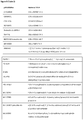
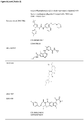
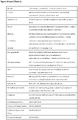
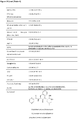
- the MEK inhibitors are selected from the group consisting of the compounds/inhibitors listed in table 1.
- the MEK inhibitors for the use of the invention are PLX-4032, AZD6244, AZD8330, AS-703026, GSK-1120212, RDEA-119, RO-5126766, RO-4987655, Cl-1040, PD-0325901, GDC-0973, TAK-733, PD98059, PD184352 ARRY-438162 and PF-3644022, preferably AZD8330, GSK-1120212, GDC-0973, CI-1040, PD0325901, ARRY-438162, PF-3644022 and AZD6244 and most preferably CI-1040, GDC-0973 (Cobimetinib), AZD8330, GSK-1120212, most preferably GDC-0973, CI-1040, AZD8330 and GSK-1120212.
- PLX-4032 AZD6244, AZD8330, GDC-0973, RDEA119, GSK1120212, RO51267766, RO4987655, TAK-733, and AS703026. Even more preferably, they are selected from AZD6244, AZD8330, GSK1120212 and PLX-4032 or from PD-0325901, AZD-6244, AZD-8330 and RDEA-119.
- MEK inhibitors are known in the art and, for example, described in Table 1 of Fremin and Meloche (2010), J. Hematol. Oncol. 11;3:8 .
- the MEK inhibitor U0126 and CI-1040 disclosed herein show an effect in co-infection scenarios as well as on bacterial infection alone.
- a p38 inhibitor for use in the methods for the prophylaxis and/or treatment of a co-infection or bacterial infection.
- a "p38 MAP kinase inhibitor” is well known in the art.
- the terms "p38 inhibitor,” “p38 kinase inhibitor,” and “p38 MAP kinase inhibitor” are used interchangeably herein.
- a p38 MAP kinase inhibitor inhibits p38 MAP kinase.
- the p38 MAP kinase inhibitor inhibits one of the isoforms of p38 MAP kinase, preferably one of the four isoforms ( ⁇ , ⁇ , ⁇ or ⁇ ) of p38 MAP kinase with the ⁇ -isoform being preferred, more preferably it inhibits any combination of two isoforms of p38 MAP kinase, even more preferably it inhibits any combination of three isoforms of p38 MAP kinase and most preferably, it inhibits all isoforms or the ⁇ , ⁇ , ⁇ and ⁇ isoform of p38 MAP kinase.
- the p38 MAP kinase inhibitor inhibits the isoform of p38 that is involved in inflammatory diseases, autoimmune diseases, destructive bone disorders, proliferative disorders, infectious diseases, viral diseases or neurodegenerative diseases. It is reported that the ⁇ -isoform of p38 MAP kinase is involved in inflammation, proliferation, differentiation and apoptosis, whereas the biological functions of p38 ⁇ , p38 ⁇ and p38 ⁇ are not yet understood completely. Accordingly, it is preferred herein that the p38 MAP kinase inhibitor inhibits the ⁇ -isoform.
- a p38 MAP kinase inhibitor can be a small molecule, large molecule, peptide, oligonucleotide, and the like.
- the p38 MAP kinase inhibitor may be a protein or fragment thereof or a nucleic acid molecule.
- Also included by the term p38 inhibitor is a pharmaceutically acceptable salt of the 38 inhibitor.
- Another p38 MAP kinase inhibitor is BIRB 796 BS (1-(5-tert-butyl-2-p-tolyl-2H-pyrazol-3-yl)-3-[4-(2-morpholin-4-yl-ethoxy)-naphthalen-1-yl]-urea); see Branger (2002), J. Immunol. 168:4070-4077 or US 6,319,921 for further p39 MAP kinase inhibitors.
- p38 MAP kinase inhibitors are AMG 548 (Amgen), BIRB 796 (Boehringer Ingelheim), VX 702 (Vertex/Kissei), SCIO 469, SCIO 323 (Scios Inc.), SB 681323 (GlaxoSmithKline), PH-797804 (Pfizer) and Org-48762-0 (Organon NV); see, for example, Lee and Dominguez in Curr Med Chem. 2005;12(25):2979-2994 and Dominguez in Curr Opin Drug Discov Devel. 2005 Jul;8(4):421-430 .
- the inhibitor may exhibit its regulatory effect upstream or downstream of p38 MAP kinase or on p38 MAP kinase directly, with the latter mode of action being preferred.
- inhibitor regulated p38 MAP kinase activity include those where the inhibitor may decrease transcription and/or translation of p38 MAP kinase, may decrease or inhibit post-translational modification and/or cellular trafficking of p38 MAP kinase, or may shorten the half-life of p38 MAP kinase.
- the inhibitor may also reversibly or irreversibly bind p38 MAP kinase, inhibit its activation, inactivate its enzymatic activity, or otherwise interfere with its interaction with downstream substrates.
- an inhibitor of p38 MAP kinase that is specific for the ⁇ -isoform of the kinase possesses at least three categories of structural features that are theorized to permit isoform specific inhibition.
- Selective binding of a candidate p38 MAP kinase inhibitor can be determined by a variety of methods.
- the genes for the various isoforms of p38 MAP kinase are known in the art.
- One of ordinary skill in the art could readily clone and express the various isoforms of the kinase, purify them, and then perform binding studies with candidate compounds to determine isoform binding characteristics. This series of experiments was performed for the ⁇ -isoform of p38 MAP kinase and provided in U.S. Pat. No. 6,617,324 B1 .
- a p38 MAP kinase inhibitor inhibits one of the four isoforms of p38 MAP kinase, more preferably it inhibits any combination of two isoforms of p38 MAP kinase, even more preferably it inhibits any combination of three isoforms of p38 MAP kinase, e.g., p38- ⁇ (MAPK14), - ⁇ (MAPK11), - ⁇ (MAPK12 or ERK6). Alternatively, but also preferred, it inhibits all four isoforms of p38 MAP kinase.
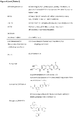
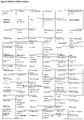
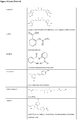
- the p38 inhibitor is selected from the group consisting of the inhibitors listed in table 2 ( Fig. 8 ). In another embodiment, the p38 inhibitor is selected from the group consisting of SB202190, LY2228820, CAY10571, SB 203580, Tie2 Kinase Inhibitor, 2-(4-Chlorophenyl)-4-(fluorophenyl)-5-pyridin-4-yl-1,2-dihydropyrazol-3-one, CGH 2466, SB220025, Antibiotic LL Z1640-2, TAK 715, SB202190 hydrochloride, SKF 86002, AMG548, CMPD-1, EO 1428, JX 401, ML 3403, RWJ 67657, SB 202190, SB 203580, SB 203580 hydrochloride, SB 239063, SCIO 469, SX 011, TAK 715, Pamapimod, Losmapimod (GW856553), Dilmapimod (SB68132
- the present disclosure is also directed to a NP ⁇ B (NFkB/NFkappaB) inhibitor for use in the methods for the prophylaxis and/or treatment of a co-infection or bacterial infection.
- NP ⁇ B NFkB/NFkappaB
- the determination of whether or not a compound is a NP ⁇ B inhibitor is within the skill of one of ordinary skill in the art.
- NF- ⁇ B nuclear factor kappa-light-chain-enhancer of activated B cells
- NF- ⁇ B is a protein complex that controls transcription of DNA.
- NF- ⁇ B is found in almost all animal cell types and is involved in cellular responses to stimuli such as stress, cytokines, free radicals, ultraviolet irradiation, oxidized LDL, and bacterial or viral antigens.
- Vertebrate NP ⁇ B transcription complexes can be any of a variety of homo- and heterodimers formed by the subunits p50 (NF ⁇ B1), p52 (NF ⁇ B2), c-Rel, RelA (p65) and ReIB ( Gilmore TD. (2006) Oncogene 25: 6680-6684 ).
- NF- ⁇ B dimers are located in the cytoplasm in an inactive form through association with any of several I ⁇ B inhibitor proteins (I ⁇ B ⁇ , ⁇ , ⁇ , ⁇ , p105 and p100).
- I ⁇ B ⁇ , ⁇ , ⁇ , ⁇ , p105 and p100 I ⁇ B inhibitor proteins
- I ⁇ B kinase (IKK) complex containing two kinase subunits, IKK ⁇ and IKK ⁇ , and an associated scaffold-like regulatory protein called NEMO (aka IKK ⁇ )
- NEMO aka IKK ⁇
- NF- ⁇ B siganling is also important for bacterial (such as S. aureus) internalisation into cells.
- the inhibitor may exhibit its regulatory effect upstream or downstream of NP ⁇ B or directly on NF ⁇ B, with the latter mode of action being preferred.
- inhibitors regulating NP ⁇ B activity include those where the inhibitor may decrease transcription and/or translation of NF ⁇ B, or may shorten the half-life of NF ⁇ B.
- the inhibitor may also reversibly or irreversibly bind NFKB, inhibit its activation, inactivate its activity, or otherwise interfere with its interaction with downstream targets, such as trgets on genes.
- an NP ⁇ B inhibitor can inhibit protein kinases such as molceules which inhibit IkBa phosphorylation by e.g. IKK inhibition.
- NFKB inhibitor may inhibit protein phosphatases, or inhibit the proteasome, or ubiquitination.
- NP ⁇ B inhibitors which may also serve as reference compounds include protein tyrosine phosphatase inhibitors, boronate, bortezomib, NPI-0052.
- a NP ⁇ B inhibitor may block the nuclear translocation of NF ⁇ B, or its binding to DNA. Examples of such inhibitors include, which may also serve as reference compounds, SN50, dehydroxymethylepoxyquinomicin and NF ⁇ B decoy ODNs.
- a NP ⁇ B inhibitor can be a small molecule, large molecule, peptide, oligonucleotide, and the like.
- the NP ⁇ B inhibitor may be a protein or fragment thereof or a nucleic acid molecule.
- Also included by the term NP ⁇ B inhibitor is a pharmaceutically acceptable salt of the NP ⁇ B inhibitor.
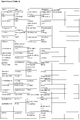
- the NP ⁇ B inhibitor is selected from the group consisting of the inhibitors/molceules as listed in tables 3 and 4 in Figures 9 and 10 .
- the NP ⁇ B inhibitor is selected from the group consisting of the inhibitors/molceules as listed in table 3 in Figure 9 .
- the NP ⁇ B inhibitor is selected from the group consisting of the inhibitors/molceules as listed in table 4 in Figure 10 .
- the NP ⁇ B inhibitor is selected from the group consisting of LASAG, SC75741 (and derivatives), MG 132, TPCA-1, PCTC, IMD 0354, Luteolin, Caffeic acid phenethyl ester, Cardamonin, PF 184, IKK 16, SC 514, Withaferin A, Arctigenin, Bay 11-7085, PSI, PR 39, Ro 106-9920, Bay 11-7821, ML-130, Celastrol, Tanshinone IIA, HU 211, Gliotoxin, CID 2858522, Honokiol, Andrographolide, 10Z-Hymenialdisine, ACHP, Pristimerin, Sulfasalazine, ML 120B dihydrochloride, Amlexanox, 9-Methylstreptimidone, N-Stearoyl phytosphingosine, 2-(1,8-naphthyridin-2-yl
- SC75741 or “SC75741 (and derivates) in addition to SC75741 also derivates of SC75741 are disclosed.
- a coumpound is an MEK inhibitor, p38 inhibitor and/or NF ⁇ B inhibitor.
- a further example of how one could determine if a compound is a MEK inhibitor and/or p38 inhibitor would be to isolate the MEK and/or p38 NF ⁇ B protein.
- the protein can be isolated from cells where the MEK and/or p38 protein is naturally expressed or where it has been overexpressed by means of transfection of an oligonucleotide or infection with a virus that directs the expression of the MEK and/or p38 protein. Additionally, MEK and/or p38 protein can also be expressed recombinantly.
- a person of ordinary skill in the art can measure the activity of the kinase in the presence or absence of a potential MEK and/or p38 inhibitor. If the kinase activity is less in the presence than in the absence of an alleged inhibitor, that inhibitor is a MEK and/or p38, respectively.
- the inhibitor should exhibit an IC50 value of about 5 ⁇ M or less, preferably 500 nm or less, more preferably 100 nm or less.
- the inhibitor should exhibit an IC50 value relative to the p38- ⁇ isoform that is preferably at least ten fold less than that observed when the same inhibitor is tested against other p38 MAP kinase isoforms in the same or comparable assay. It should be noted that IC50 values are assay dependent and may change from determination to determination. It is more important to look at relative relationships of compounds' IC50 values rather than the exact values themselves.
- An IC50 is the concentration of compound which inhibits the enzyme to 50% of the activity as measured in the absence of an inhibitor.
- IC50 values are calculated using the concentration of inhibitor that causes a 50% decrease as compared to a control. IC50 values are assay dependent and will vary from measurement to measurement. As such, IC50 values are relative values. The values assigned to a particular inhibitor are to be compared generally rather than on an absolute basis.
- Samples or assays comprising MAP and/or MAPK kinase that are treated with a potential activator, inhibitor, or modulator are compared to control samples without the inhibitor, activator, or modulator to examine the extent of inhibition.
- Control samples untreated with inhibitors
- Inhibition of MAP and/or MAPK kinase is achieved when the MAP and/or MAPK kinase activity value relative to the control is about 80%, optionally 50% or 25-0%.
- MAP and/or MAPK kinase binding activity assays of the present invention are: a MAP and/or MAPK kinase ligand blot assay ( Aymerich et al., Invest Opthalmol Vis Sci. 42:3287-93, 2001 ); a MAP and/or MAPK kinase affinity column chromatography assay ( Alberdi et al., J Biol Chem. 274:31605-12, 1999 ) and a MAP and/or MAPK kinase ligand binding assay ( Alberdi et al., J Biol Chem. 274:31605-12, 1999 ).
- the selectivity of the inhibitors may be measured by a kinase selectivity assay is described in Mihara (2008), Br. J. Pharmacol. 154(1):153-164 .
- NP ⁇ B inhibitor In the case of the NP ⁇ B inhibitor one can measure for example the gene products (proteins) of target genes of NP ⁇ B in a non-treated control cell and compare the expression of these target gene products to a cell, which has been treated with a NP ⁇ B Inhibitor.
- Some target genes are described in Oeckinghaus and Ghosh (2009) The NF- ⁇ B Family of Transcription Factors and Its Regulation. Cold Spring Harb Perspect Biol. Oct 2009; 1(4): a000034 .
- the expression level is reduced, when the cell treated with the inhibitor.
- Other strategies may be to detect IkBa degradation together with p-p65 accumulation and nuclear translocation of NP ⁇ B by Westernblot.
- NP ⁇ B interactions with DNA of cells not treated with an inhibitor compared to cells that have been treated with an inhibitor may be analysed by using an electrophoretic mobility shift assay (EMSA).
- ESA electrophoretic mobility shift assay
- the inhibitory properties of a molecule can also be analysed by comparing its action to a reference compound.
- a "reference compound” as referred to herein means a compound, which may be used as a positive control for the determination if a molecule has MEK inhibitor, p38 inhibitor and/or NP ⁇ B inhibitor properties. As such also any of the inhibitors listed herein may be used as such a reference compound.
- a possible test may be one in which cells, which are e.g. stimulated to activate the MEK, p38 and or NF ⁇ B pathway are treated with a reference compound and in parallel e.g. in a different well with a compound of interest.
- the inhibitors of the present invention can be used in a method for treating.
- treating or “treatment” includes administration of a MEK inhibitor preferably in the form of a medicament, to a subject suffering from a coinfection comprising a bacterial infection and an influenza virus infection for the purpose of ameliorating or improving symptoms.
- the terms “prophylaxis” as used herein refers to any medical or public health procedure whose purpose is to prevent a disease.
- the terms “prevent”, “prevention” and “preventing” refer to the reduction in the risk of acquiring or developing a given condition, namely a coninfection comprising an influenza virus infection and a bacterial infection or a bacterial infection alone.
- a "co-infection" as used herein comprises an influenza virus infection and a bacterial infection.
- Such a coinfection can take place by simultaneous infection of a host e.g. a subject and/or single cell with a bacterium and an influenza virus. It can also be that a host e.g. a subject and/or cell is simultaneously infected with one or more viral particles and one or more bacteria. However, such a coinfection can also take place sequentially. In such a case is firstly infected with one or more viral particles and later in time the same host and/or cell becomes infected with one or more bacteria or vice versa.
- the time period between the two infections can be a time period of at most 14 days, 13 days, 12 days, 11 days, 10 days, 9 days, 8 days, 7 days, 6 days, 5 days, 4 days, 3 days, 2 days, 1 day, 12 hours, 6 hours, 3 hours, 1.5 hours or at minimum 30 minutes.
- Such a situation may also be a superinfection, in which a second infection is superimposed on an earlier one especially by a different microbial agent of exogenous or endogenous origin that is resistant to the treatment used against the first infection.
- influenza virus infection can be mediated by influenza A virus or influenza B virus, preferably the influenza A virus is H1N1, H2N2, H3N2, H6N1, H7N7, H7N9, H9N2 H10N7, H10N8 or H5N1.
- influenza A virus is H1N1.
- influenza A virus is H3N2, H5N1 and H7N9.
- influenza A virus is H3N2, H5N1, H1N1 and H7N9.
- the present invention also relates to a "bacterial infection" which can take place in the setting of a co-infection described above in a host e.g. a subject and/or cell.
- the bacterial infection can be mediated by any bacterium, preferably it is mediated by a bacterium selected from the group consisting of Staphylococcaceae, Streptococcaceae, Legionellaceae, Pseudomonadaceae, Chlamydiaceae, Mycoplasmataceae, Enterobacteriaceae, Pseudomonadales and/or Pasteurellaceae.
- the bacterial infection is mediated by a bacterium selected from the group consisting of of Staphylococcus, preferably Staphylococcus aureus, methicillin sensitive and methicillin resistant Staphylococcus aureus, Panton-Valentine leukocidin (PVL)-expressing Staphylococcus aureus and/or Streptococcaceae, preferably Streptococcus mitis, Streptococcus pyogenes or Streptococcus pneumonia, Legionella, preferably Legionella pneumophila, Pseudomonas, preferably Pseudomonas aeruginosa, Chlamydophila, preferably Chlamydophila pneumonia, Mycoplasma, preferably Mycoplasma pneumonia, Klebsiella, preferably Klebsiella pneumonia, Moraxella, preferably Moraxella catarrhalis and/or Haemophilus, preferably Haemophilius influenza.
- the bacterium selected from the
- the inhibitors can be combined with each other.
- the MEK inhibitor is combined with another MEK inhibitor, the p38 inhibitor and/or the NP ⁇ B inhibitor.
- the term "another inhibitor” is used to clarify that e.g. one MEK inhibitor can also be combined with another MEK inhibitor, while these two MEK inhibitors are not the same.
- the MEK inhibitor Cl-1040 can be combined with the MEK inhibitor GDC-0973.
- the MEK inhibitor is administered contemporaneously, previously or subsequently to the one or more additional inhibitors targeting the influenza virus and the bacterium.
- the MEK inhibitor is for use in the methods for the treatment of a co-infection of the present invention, wherein the MEK inhibitoris combined with one or more inhibitors targeting the influenza virus and/or the bacterium.
- the MEK inhibitor is administered contemporaneously, previously or subsequently to the one or more inhibitors targeting the influenza virus and/or the bacterium.
- an inhibitor targeting the influenza virus is any inhibitor or medicament effective in influenza therapy.
- Different substances are known to be effective in reducing an influenza infection. Among them are for example neuraminidase inhibitors, compounds targeting an ion channel protein (M2) and compounds targeting polymerase or endonuclease activity via interfering with a component of the viral polymerase complex, PB1, PB2, PA or NP.
- M2 ion channel protein
- NP ion channel protein
- pharmaceutically acceptable salts of these inhibitors are envisoned.
- a “neuraminidase inhibitor” is an antiviral drug targeted at influenza virus, which works by blocking the function of the viral neuraminidase protein, thus preventing the virus from binding to a cell it aims to infect and/or preventing the virus from reproducing by budding from the host cell, since the newly produced viruses cannot bud off from the cell in which they have replicated.
- pharmaceutically acceptable salts of a neuraminidase inhibitor are oseltamivir, zanamivir, peramivir, or a pharmaceutically acceptable salt of any of these substances, such as oseltamivir phosphate, oseltamivir carboxylate, etc.
- Most preferred neuraminidase inhibitors are oseltamivir phosphate, zanamivir, oseltamivir or peramivir.
- Compounds targeting an ion channel protein are for example amantadine and/or rimantadine, while compounds targeting polymerase or endonuclease activity via interfering with a component of the viral polymerase complex, PB1, PB2, PA or NP are for example the NP blocker Nucleozin or the polymerase inhibitor T-705.
- the MEK inhibitor can be combined with one or more inhibitors targeting the bacterium.
- An inhibitor targeting the bacterium can be any inhibitor effective in reducing bacterial infection.
- a preferred inhibitor, well known to the skilled artesian is an antibiotic.
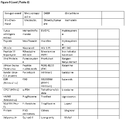
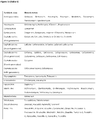
- Preferred antibiotics can be obtained from table 5 ( Fig. 11 ).
- the antibiotic is selected from the group consisting of the antibiotics as listed in table 5 ( Figure 11 ).
- the antibiotic is selected from the group consisting of the class of antibiotics as listed in table 5 ( Figure 11 ).
- the antibiotic is selected from the group consisting of the generic name of the antibiotics as listed in table 5 ( Figure 11 ).
- the "subject”, which may be treated by the inhibitors or combinations of inhibitors of the present invention preferably, is a vertebrate.
- the term "subject” means an individual in need of a treatment of a co-infection.
- the subject is a patient suffering from a co-infection or a bacterial infection alone or being at a risk thereof.
- the patient is a vertebrate, more preferably a mammal. Mammals include, but are not limited to, farm animals, sport animals, pets, primates, mice and rats.
- a mammal is as a human, dog, cat, cow, pig, mouse, rat etc., particularly preferred, it is a human.
- the subject is a human subject, which optionally is more than 1 year old and less than 14 years old; between the ages of 50 and 65, or older than 65 years of age.
- the subject is a human subject, which is selected from the group consisting of subjects who are at least 50 years old, subjects who reside in chronic care facilities, subjects who have chronic disorders of the pulmonary or cardiovascular system, subjects who required regular medical follow-up or hospitalization during the preceding year because of chronic metabolic diseases, renal dysfunction, hemoglobinopathies, or immunosuppression, subjects with less than 14 years of age, subjects between 6 months and 18 years of age who are receiving long-term aspirin therapy, and women who will be in the second or third trimester of pregnancy during the influenza season.
- the MEK inhibitor as well as the inhibitor targeting the influenza virus and the inhibitor targeting the bacterium may be administered orally, intravenously, intrapleurally, intramuscularly, topically or via inhalation.
- the MEK inhibitor is administered via nasal inhalation or orally.
- the present invention also envisages different compositions.
- the present invention relates to a composition comprising a MEK inhibitor for use in a method for the treatment of a co-infection comprising a bacterial infection and an influenza virus infection.
- a composition comprising a MEK inhibitor and one or more inhibitors targeting the influenza virus and/or the bacterium for use in a method for the treatment of a co-infection comprising a bacterial infection and an influenza virus infection.
- composition comprising the MEK inhibitor and additionally eventually one or more inhibitors targeting the the bacterium and/or one or more inhibitors targeting the influenza virus may be a pharmaceutical composition.
- compositions further comprise a carrier, preferably a pharmaceutically acceptable carrier.
- the composition can be in the form of orally administrable suspensions or tablets; nasal sprays, sterile injectable preparations (intravenously, intrapleurally, intramuscularly), for example, as sterile injectable aqueous or oleaginous suspensions or suppositories.
- these compositions When administered orally as a suspension, these compositions are prepared according to techniques available in the art of pharmaceutical formulation and may contain microcrystalline cellulose for imparting bulk, alginic acid or sodium alginate as a suspending agent, methylcellulose as a viscosity enhancer, and sweeteners/flavoring agents known in the art.
- these compositions may contain microcrystalline cellulose, dicalcium phosphate, starch, magnesium stearate and lactose and/or other excipients, binders, extenders, disintegrants, diluents, and lubricants known in the art.
- the injectable solutions or suspensions may be formulated according to known art, using suitable non-toxic, parenterally acceptable diluents or solvents, such as mannitol, 1,3-butanediol, water, Ringer's solution or isotonic sodium chloride solution, or suitable dispersing or wetting and suspending agents, such as sterile, bland, fixed oils, including synthetic mono- or diglycerides, and fatty acids, including oleic acid.
- suitable non-toxic, parenterally acceptable diluents or solvents such as mannitol, 1,3-butanediol, water, Ringer's solution or isotonic sodium chloride solution, or suitable dispersing or wetting and suspending agents, such as sterile, bland, fixed oils, including synthetic mono- or diglycerides, and fatty acids, including oleic acid.
- the inhibitor or inhibitors are preferably administered in a therapeutically effective amount.
- the pharmaceutical composition for the use of the invention and comprising a MEK inhibitor, a p38 inhibitor and/or a NFKB inhibitor and optionally one or more inhibitors targeting an influenza virus and/or one or more inhibitors targeting a bacterium is administered to a patient which is a mammal or a bird.
- suitable mammals include, but are not limited to, a mouse, a rat, a cow, a goat, a sheep, a pig, a dog, a cat, a horse, a guinea pig, a canine, a hamster, a mink, a seal, a whale, a camel, a chimpanzee, a rhesus monkey and a human, with human being preferred.
- suitable birds include, but are not limited to, a turkey, a chicken, a goose, a duck, a teal, a mallard, a starling, a Northern pintail, a gull, a swan, a Guinea fowl or water fowl to name a few.
- Human patients are a particular embodiment of the present invention.
- the "therapeutically effective amount" for each active compound/inhibitor can vary with factors including but not limited to the activity of the compound used, stability of the active compound in the patient's body, the severity of the conditions to be alleviated, the total weight of the patient treated, the route of administration, the ease of absorption, distribution, and excretion of the active compound by the body, the age and sensitivity of the patient to be treated, adverse events, and the like, as will be apparent to a skilled artisan.
- the amount of administration can be adjusted as the various factors change over time.
- the inhibitors, methods and uses described herein are applicable to both human therapy and veterinary applications.
- the compounds described herein, in particular, MEK inhibitor, a p38 inhibitor and/or a NP ⁇ B inhibitor and optionally one or more inhibitors targeting an influenza virus and/or one or more inhibitors targeting a bacterium having the desired therapeutic activity may be administered in a physiologically acceptable carrier to a subject, as described herein.
- the compounds may be formulated in a variety of ways as discussed below.
- the concentration of therapeutically active compound in the formulation may vary from about 0.1-100 wt %.
- the agents maybe administered alone or in combination with other treatments.
- Suitable oral formulations can be in the form of tablets, capsules, suspension, syrup, chewing gum, wafer, elixir, and the like.
- Pharmaceutically acceptable carriers such as binders, excipients, lubricants, and sweetening or flavoring agents can be included in the oral pharmaceutical compositions. If desired, conventional agents for modifying tastes, colors, and shapes of the special forms can also be included.
- the pharmaceutical compositions can be in lyophilized powder in admixture with suitable excipients in a suitable vial or tube.
- the drugs Before use in the clinic, the drugs may be reconstituted by dissolving the lyophilized powder in a suitable solvent system to form a composition suitable for intravenous or intramuscular injection.
- a pharmaceutical composition comprising a therapeutically effective amount of a a MEK inhibitor, a p38 inhibitor and/or a NP ⁇ B inhibitor as well as a therapeutically effective amount of a neuraminidase inhibitor chosen from the group of oseltamivir, oseltamivir phosphate, zenamivir and peramivir.
- the composition can be in an orally administrable form (e.g., tablet or capsule or syrup etc.) with a therapeutically effective amount (e.g., from 0.1 mg to 2000 mg, 0.1 mg to 1000mg, 0.1 to 500mg, 0.1 to 200mg, 30 to 300mg, 0.1 to 75mg, 0.1 to 30 mg) of a MEK inhibitor, a p38 inhibitor and/or a NF ⁇ B inhibitor and a therapeutically effective amount (e.g., from 0.1 mg to 2000 mg, 0.1 mg to 1000mg, 0.1 to 500mg, 0.1 to 200mg, 30 to 300mg, 0.1 to 75mg, 0.1 to 30 mg) of neuraminidase inhibitor as described above.
- a therapeutically effective amount e.g., from 0.1 mg to 2000 mg, 0.1 mg to 1000mg, 0.1 to 500mg, 0.1 to 200mg, 30 to 300mg, 0.1 to 75mg, 0.1 to 30 mg
- the MEK inhibitor is for use in the methods for the treatment of a co-infection of the present invention, wherein the MEK inhibitor reduces both the viral and bacterial infection, when contacting it/them with an in vitro test system, wherein the test system comprises cultured cells infected with
- test system comprises cultured cells infected with
- the in vitro test system includes a viral and bacterial infection
- these infections can be taking place sequentially or simultaneously.
- a “cultured cell” or “cultured cells” is/are cells, which are not present in their natural environment e.g. within a plant or animal. Rather a cultured cell may be a primary cell culture, which comprises cells isolated from their natural environment, or a cell line. Preferably the cultured cells are human lung epithelial cells.
- the cultured cells are seeded at a density of about 1 x10 5 , 2 x10 5 , 3 x10 5 , 4 x10 5 , 5 x10 5 , 6 x10 5 , 7 x10 5 , 8x10 5 , 9x10 5 , 10x10 5, 11 x10 5 most preferably 8x10 5 cells in 0.5 ml, 1 ml, 1.5 ml, 2 ml, 2.5 ml, 3 ml, 3.5 ml, 4 ml medium such as DMEM. Most preferred is a density of 8x10 5 cells per in 2 ml DMEM.
- Such cultured cells are infected with a virus and a bacterium or in other embodiments with a bacterium alone.
- a co-infection can take place in a sequential or simultaneous manner.
- the cultured cells may be infected first with the influenza virus and 30 minutes later with bacterium/bacteria. It is also possible to additionally add an antibiotic to the culture after 3 hours, to remove extracellular bacteria. In such a scenario the antibioticum would then become washed off again.
- contacting refers to the bringing of a cell comprising an influenza virus and a bacterium spatially into close proximity to a MEK inhibitor. This can for example mean that an inhibitor is applied to the medium in which the cultured cells are located via a syringe.
- the inhibitor Upon contacting then, if the inhibitor is active, the viral infection as well as the bacterial infection becomes reduced.
- the reduction of the viral infection is a reduction in plaque forming units (pfu)/ml and the reduction in the bacterial infection is a reduction in colony forming units (CFU)/ml.
- plaque forming units (pfu)/ml is a measure of the number of particles capable of forming plaques per unit volume, such as virus particles. It is a functional measurement rather than a measurement of the absolute quantity of particles: viral particles that are defective or which fail to infect their target cell will not produce a plaque and thus will not be counted.
- a solution of influenza virus with a concentration of 1,000 PFU/ ⁇ l indicates that 1 ⁇ l of the solution contains enough virus particles to produce 1000 infectious plaques in a cell monolayer.
- a cell culture treated with an inhibitor shows a reduced number of plaque forming units in a culture after the treatment, when compared to a culture before the treatment with an inhibor of the present invention.
- a possible "reduction in plaque forming units (pfu)/ml” is analysed in the following way. First the cultured cells, which are co-infected with an influenza virus and a bacterium are analysed for their ability to generate plaque forming units (pfu)/ml by e.g. sucking of some cells from the petridish and plating them for counting the bacterial plaques that will form. This result is then compared to the number of plaque forming units (pfu)/ml generated by cells of the same culture after the inhibitor was applied. If the number of the plaque forming units (pfu)/ml is reduced after the treatment with an inhibitor compared to the number generated before the application of the inhibitor, there is a reduction in the plaque forming units.
- the "colony forming units (CFU)/ml” estimates the number of viable bacteria in a sample. Different methods exist. For example to generate colony forming units a sample (e.g. cultured cells in a small volume) are spread across the surface of a nutrient agar plate and allowed to dry before incubation for counting. A viable bacterium is defined as the ability to multiply via binary fission under the controlled conditions. The visual appearance of a colony in a cell culture requires significant growth - when counting colonies it is uncertain if the colony arose from one cell or 1,000 cells. Therefore results are reported as CFU/ml (colony-forming units per milliliter) for liquids, and CFU/g (colony-forming units per gram) for solids to reflect this uncertainty (rather than cells/ml or cells/g).
- CFU/ml colony-forming units per milliliter
- CFU/g colony-forming units per gram
- Colony forming units (CFU)/ml can be analysed in the following way. First the cultured cells, which are co-infected with an influenza virus and a bacterium or with a bacterium alone are analysed for their ability to generate colony forming units (CFU)/ml by e.g. sucking of some cells from the petridish and plating them for counting. This result is then compared to the number of colony forming units (CFU)/ml generated by cells of the same culture after the inhibitor was applied. If the number of the colony forming units (CFU)/ml is reduced to the number generated before the application of the inhibitor, there is a reduction.
- CFU colony forming units
- H1N1 human influenza virus A/Puerto Rico/8134
- H7N7 avian influenza virus A/FPV/Bratislava/79
- S. aureus strain 6850 S. aureus strain 6850.
- Procedure of infection Human lung epithelial cells were seeded in 6-well plates (8x10 5 cells/well) in 2 ml DMEM [10%FCS].
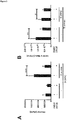
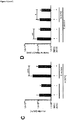
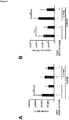
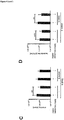
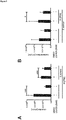
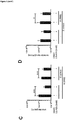
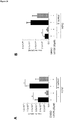
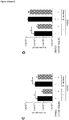
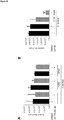
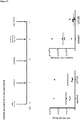
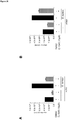
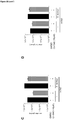
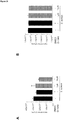
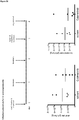
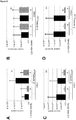
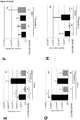
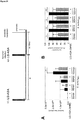
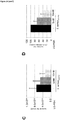
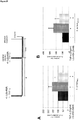
- IV titers are depicted as plaque forming units (pfu)/ml and S. aureus titers are depicted as colonie forming untits (CFU)/ml.
- Data represent the means ⁇ SD of two to three independent experiments with two biological samples. Statistical significance was evaluated by a two-tailed two sample t-test (* p ⁇ 0.05; ** p ⁇ 0.01; *** p ⁇ 0.001).
- CCL3 also known as macrophage inflammatory protein 1 ⁇ (MIP1 ⁇ )
- CCL5 also known as RANTES
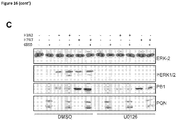
- IAV-induced CCL3 mRNA synthesis which was increased in presence of S. aureus 6850, was reduced in presence of U0126.
- IAV-induced CCL5 mRNA synthesis which was reduced in presence of S. aureus, was further reduced in presence of U0126 (50 ⁇ M).
- Cobimetinib was tested in an in vivo mouse model, influenza virus-infected mice were left untreated or treated daily with Cobimetinib and were super-infected with S. aureus 6850 ( Figure 20 ).
- the administration of Cobimetinib led to a slight but clearly detectable reduction in viral and bacterial titers in vivo. Since it has been shown recently that the maximal tolerated dose of Cobimetinib is 30mg/kg/day. Thus, the inhibitory effect might be improved by higher dosages than used in the present experiment (10mg/kg/day), which was far less from the maximal tolerated dosage.
- the effect of the NF ⁇ B-inhibitor LG-ASA (5mM) against influenza virus replication A/Puerto Rico/8/34 (H1N1) was determined in human lung epithelial cells in a singular or co-infection situation ( Figure 22/23 ) 8h ( Figure 22/23A , B , E, F ) and 18h ( Figure 22/23C , D , G, H ) post infection.
- Two different S. aureus strains were used for infection (a) S. aureusSH1000 ( Figure 22/23A-D ) and (b) S. aureus6850 ( Figure 22/23E-H ).
- a concentration dependent inhibitory effect of LG-ASA could be further demonstrated on the bacterial strain S. aureusUSA300 ( Figure 24C, D ).
- Figure 24C, D To better visualize the pathogen inhibitory effect of LG-ASA, which is visible in Figure 24A , C the untreated controls of the three independent experiments were arbitrarily set as 100% and the mean is depicted ( Figure 24B , D ).
- NF ⁇ B was induced by TNF- ⁇ stimulation 4 hours prior bacterial infection.
- the activation of NF ⁇ B resulted in the enhanced uptake of S. aureus6850 and S. aureusUSA300.
- As a control TNF- ⁇ -induced activation was simultaneously blocked by LG-ASA, which resulted in the inhibition of TNF- ⁇ -promoted bacterial uptake, as expected ( Figure 25 ).
Landscapes
- Health & Medical Sciences (AREA)
- Life Sciences & Earth Sciences (AREA)
- Chemical & Material Sciences (AREA)
- General Health & Medical Sciences (AREA)
- Medicinal Chemistry (AREA)
- Pharmacology & Pharmacy (AREA)
- Animal Behavior & Ethology (AREA)
- Public Health (AREA)
- Veterinary Medicine (AREA)
- Epidemiology (AREA)
- Engineering & Computer Science (AREA)
- Organic Chemistry (AREA)
- Immunology (AREA)
- Proteomics, Peptides & Aminoacids (AREA)
- Molecular Biology (AREA)
- Bioinformatics & Cheminformatics (AREA)
- Zoology (AREA)
- Wood Science & Technology (AREA)
- Virology (AREA)
- Analytical Chemistry (AREA)
- Biochemistry (AREA)
- Toxicology (AREA)
- Physics & Mathematics (AREA)
- Biotechnology (AREA)
- Microbiology (AREA)
- Biomedical Technology (AREA)
- Biophysics (AREA)
- Genetics & Genomics (AREA)
- General Engineering & Computer Science (AREA)
- Chemical Kinetics & Catalysis (AREA)
- Communicable Diseases (AREA)
- Emergency Medicine (AREA)
- Nuclear Medicine, Radiotherapy & Molecular Imaging (AREA)
- Oncology (AREA)
- General Chemical & Material Sciences (AREA)
- Urology & Nephrology (AREA)
- Hematology (AREA)
- Gastroenterology & Hepatology (AREA)
- Pulmonology (AREA)
- Pathology (AREA)
Priority Applications (1)
| Application Number | Priority Date | Filing Date | Title |
|---|---|---|---|
| EP20151682.0A EP3708156A1 (en) | 2014-05-16 | 2015-05-18 | Novel anti-infective strategy against influenza virus and s. aureus coinfections |
Applications Claiming Priority (2)
| Application Number | Priority Date | Filing Date | Title |
|---|---|---|---|
| LU92455 | 2014-05-16 | ||
| PCT/IB2015/053644 WO2015173788A1 (en) | 2014-05-16 | 2015-05-18 | Novel anti-infective strategy against influenza virus and s. aureus coinfections |
Related Child Applications (1)
| Application Number | Title | Priority Date | Filing Date |
|---|---|---|---|
| EP20151682.0A Division EP3708156A1 (en) | 2014-05-16 | 2015-05-18 | Novel anti-infective strategy against influenza virus and s. aureus coinfections |
Publications (2)
| Publication Number | Publication Date |
|---|---|
| EP3142658A1 EP3142658A1 (en) | 2017-03-22 |
| EP3142658B1 true EP3142658B1 (en) | 2020-01-15 |
Family
ID=50980349
Family Applications (2)
| Application Number | Title | Priority Date | Filing Date |
|---|---|---|---|
| EP15726345.0A Active EP3142658B1 (en) | 2014-05-16 | 2015-05-18 | Novel anti-infective strategy against influenza virus and s. aureus coinfections |
| EP20151682.0A Withdrawn EP3708156A1 (en) | 2014-05-16 | 2015-05-18 | Novel anti-infective strategy against influenza virus and s. aureus coinfections |
Family Applications After (1)
| Application Number | Title | Priority Date | Filing Date |
|---|---|---|---|
| EP20151682.0A Withdrawn EP3708156A1 (en) | 2014-05-16 | 2015-05-18 | Novel anti-infective strategy against influenza virus and s. aureus coinfections |
Country Status (10)
| Country | Link |
|---|---|
| US (3) | US10456440B2 (enExample) |
| EP (2) | EP3142658B1 (enExample) |
| JP (2) | JP6818676B2 (enExample) |
| KR (1) | KR102405136B1 (enExample) |
| CN (3) | CN113398271A (enExample) |
| AU (3) | AU2015260765B2 (enExample) |
| BR (1) | BR112016026556A8 (enExample) |
| CA (1) | CA2949004A1 (enExample) |
| EA (1) | EA039897B1 (enExample) |
| WO (1) | WO2015173788A1 (enExample) |
Families Citing this family (29)
| Publication number | Priority date | Publication date | Assignee | Title |
|---|---|---|---|---|
| WO2015173788A1 (en) | 2014-05-16 | 2015-11-19 | Westfaelische Wilhelms-Universitaet Muenster | Novel anti-infective strategy against influenza virus and s. aureus coinfections |
| AU2016396042A1 (en) * | 2016-03-01 | 2018-09-20 | Versitech Limited | Compositions and methods for treatment of influenza virus |
| GB201611712D0 (en) * | 2016-07-02 | 2016-08-17 | Hvivo Services Ltd | Methods and compounds for the treatment or prevention of severe or persistent influenza |
| CN109475631A (zh) * | 2016-07-08 | 2019-03-15 | 迈特斯泰公司 | 用于靶向mena蛋白同种型激酶的抗癌疗法的方法和组合物 |
| CN110291089B (zh) | 2017-01-17 | 2022-05-27 | 海帕瑞吉尼克斯股份有限公司 | 用于促进肝再生或者减少或预防肝细胞死亡的蛋白激酶抑制剂 |
| HUE055738T2 (hu) * | 2017-10-17 | 2021-12-28 | Atriva Therapeutics Gmbh | Új MEK-inhibitor vírus- és baktérium-fertõzések kezelésére |
| GB201718285D0 (en) * | 2017-11-03 | 2017-12-20 | Discuva Ltd | Antibacterial Compounds |
| GB201721793D0 (en) * | 2017-12-22 | 2018-02-07 | Hvivo Services Ltd | Methods and compunds for the treatment or prevention of hypercytokinemia and severe influenza |
| WO2020092978A1 (en) * | 2018-11-02 | 2020-05-07 | University Of Maryland, Baltimore | Inhibitors of type 3 secretion system and antibiotic therapy |
| CN110063954B (zh) * | 2019-04-10 | 2021-08-06 | 华中农业大学 | Fhpi在制备治疗猫传染性腹膜炎药物中的应用 |
| LU101183B1 (en) * | 2019-04-16 | 2020-10-16 | Atriva Therapeutics Gmbh | Novel mek-inhibitor for the treatment of viral and bacterial infections |
| CN110292593A (zh) * | 2019-08-05 | 2019-10-01 | 广州呼吸健康研究院 | 厚朴在制备抗流感药物上的应用 |
| KR20220074869A (ko) * | 2019-08-27 | 2022-06-03 | 아트리바 테라퓨틱스 게엠베하 | Mek 억제제와 캡-의존성 엔도뉴클레아제 억제제의 조합 |
| AU2020362953A1 (en) | 2019-10-08 | 2022-04-14 | Atriva Therapeutics Gmbh | MEK inhibitors for the treatment of hantavirus infections |
| CN110859845B (zh) * | 2019-12-10 | 2021-02-02 | 南京医科大学 | 丹参酮类化合物的应用 |
| EP4085054B1 (en) * | 2020-01-02 | 2025-02-19 | Helmholtz-Zentrum für Infektionsforschung GmbH | New pqsr inverse agonists |
| EP4087840A4 (en) | 2020-01-10 | 2024-01-10 | Immuneering Corporation | Mek inhibitors and therapeutic uses thereof |
| CA3173018A1 (en) * | 2020-04-22 | 2021-10-28 | Irina KUZNETSOVA | Rock inhibitors for use in treating or preventing pulmonary edema |
| KR102641463B1 (ko) * | 2020-08-18 | 2024-02-27 | 한국생명공학연구원 | 바이러스 감염질환의 예방 또는 치료를 위한 화합물, 이를 포함하는 조성물 및 이의 용도 |
| CN112552189A (zh) * | 2020-11-10 | 2021-03-26 | 中国海洋大学 | 一种盐酸金刚烷胺与白藜芦醇的药物共晶及其制备方法 |
| WO2023084489A1 (en) * | 2021-11-15 | 2023-05-19 | Pfizer Inc. | Methods of treating coronavirus disease 2019 |
| CN116159140B (zh) * | 2021-11-25 | 2025-07-25 | 中国科学院上海免疫与感染研究所 | Mapk通路抑制剂在抗病原体感染中的应用 |
| WO2023170187A1 (en) * | 2022-03-09 | 2023-09-14 | Technische Universität München | INHIBITION OF INTRACELLULAR PATHOGEN UPTAKE BY INHIBITORS OF THE IKK-α/NIK COMPLEX |
| CN115644134B (zh) * | 2022-10-31 | 2025-10-10 | 中国人民解放军军事科学院军事医学研究院 | 一种布鲁氏菌-甲型流感病毒共感染小鼠模型及其构建方法和应用 |
| KR102924378B1 (ko) | 2022-12-01 | 2026-02-10 | 서울여자대학교 산학협력단 | 카페산을 포함하는 식물바이러스 방제용 조성물 및 이를 이용한 식물바이러스 방제 방법 |
| CN118490680B (zh) * | 2023-06-20 | 2025-02-11 | 吉林省西点药业科技发展股份有限公司 | 瑞香素在制备治疗病毒性肺炎的药物中的应用 |
| CN116531389B (zh) * | 2023-07-04 | 2023-10-20 | 四川大学华西医院 | Vs6766联合雷公藤红素的应用及药物组合物 |
| CN117105810B (zh) * | 2023-10-23 | 2024-02-09 | 中国农业大学 | 一种具有广谱抗菌活性的化合物及其抗菌组合物 |
| CN119925338B (zh) * | 2025-02-10 | 2025-12-26 | 广州医科大学附属妇女儿童医疗中心 | Bay 11-7085在防治肺炎中的应用 |
Family Cites Families (17)
| Publication number | Priority date | Publication date | Assignee | Title |
|---|---|---|---|---|
| CA2297176A1 (en) | 1997-04-24 | 1998-10-29 | Ortho-Mcneil Pharmaceutical, Inc. | Substituted imidazoles useful in the treatment of inflammatory diseases |
| US6514977B1 (en) | 1997-05-22 | 2003-02-04 | G.D. Searle & Company | Substituted pyrazoles as p38 kinase inhibitors |
| US6040320A (en) | 1997-06-30 | 2000-03-21 | Ortho-Mcneil Pharmaceutical, Inc. | 2-substituted imidazoles useful in the treatment of inflammatory diseases |
| CA2306870A1 (en) | 1997-10-20 | 1999-04-29 | David Michael Goldstein | Bicyclic kinase inhibitors |
| US6147096A (en) | 1998-02-26 | 2000-11-14 | Ortho Mcneil Pharmaceutical, Inc. | Substituted pyrrolobenzimidazoles for treating inflammatory diseases |
| US6448257B1 (en) | 1998-05-22 | 2002-09-10 | Scios, Inc. | Compounds and methods to treat cardiac failure and other disorders |
| US6184226B1 (en) | 1998-08-28 | 2001-02-06 | Scios Inc. | Quinazoline derivatives as inhibitors of P-38 α |
| AU772477B2 (en) | 1998-08-28 | 2004-04-29 | Scios Inc. | Inhibitors of p38-alpha kinase |
| UA73492C2 (en) | 1999-01-19 | 2005-08-15 | Aromatic heterocyclic compounds as antiinflammatory agents | |
| US6509361B1 (en) | 1999-05-12 | 2003-01-21 | Pharmacia Corporation | 1,5-Diaryl substituted pyrazoles as p38 kinase inhibitors |
| ES2279837T3 (es) | 2000-11-20 | 2007-09-01 | Scios Inc. | Inhibidores de tipo piperidina/piperazina de la quinasa p38. |
| WO2002074242A2 (en) | 2001-03-16 | 2002-09-26 | Tyler Curiel | Inhibition of toxoplasma gondii) replication by pyridinylimidazoles |
| US7345078B2 (en) * | 2002-05-31 | 2008-03-18 | The Board Of Trustees Of Michigan State University | NF-κB inhibitors and uses thereof |
| JP2007055983A (ja) * | 2005-08-26 | 2007-03-08 | Tokyo Univ Of Science | 細胞内に侵入した病原性細菌に起因する疾患の予防・改善剤 |
| DE102008004386A1 (de) * | 2008-01-14 | 2009-07-23 | Activaero Gmbh | Verwendung eines Acetylsalicylsäuresalzes zur Behandlung viraler Infektionen |
| BR112015007616B1 (pt) | 2012-10-08 | 2022-08-09 | Atriva Therapeutics Gmbh | Uso de inibidores de mek em combinação com oseltamivir, e composição farmacêutica e seu uso |
| WO2015173788A1 (en) | 2014-05-16 | 2015-11-19 | Westfaelische Wilhelms-Universitaet Muenster | Novel anti-infective strategy against influenza virus and s. aureus coinfections |
-
2015
- 2015-05-18 WO PCT/IB2015/053644 patent/WO2015173788A1/en not_active Ceased
- 2015-05-18 CA CA2949004A patent/CA2949004A1/en active Pending
- 2015-05-18 AU AU2015260765A patent/AU2015260765B2/en not_active Ceased
- 2015-05-18 KR KR1020167035245A patent/KR102405136B1/ko not_active Expired - Fee Related
- 2015-05-18 CN CN202110506866.XA patent/CN113398271A/zh active Pending
- 2015-05-18 CN CN202310240041.7A patent/CN116942832A/zh active Pending
- 2015-05-18 EA EA201692303A patent/EA039897B1/ru unknown
- 2015-05-18 BR BR112016026556A patent/BR112016026556A8/pt not_active Application Discontinuation
- 2015-05-18 JP JP2017512462A patent/JP6818676B2/ja not_active Expired - Fee Related
- 2015-05-18 EP EP15726345.0A patent/EP3142658B1/en active Active
- 2015-05-18 EP EP20151682.0A patent/EP3708156A1/en not_active Withdrawn
- 2015-05-18 US US15/310,836 patent/US10456440B2/en active Active
- 2015-05-18 CN CN201580038887.6A patent/CN107073123A/zh not_active Withdrawn
-
2019
- 2019-09-16 US US16/571,550 patent/US11135263B2/en not_active Expired - Fee Related
-
2020
- 2020-10-13 AU AU2020256326A patent/AU2020256326B2/en not_active Ceased
- 2020-12-28 JP JP2020218254A patent/JP2021059592A/ja active Pending
-
2021
- 2021-10-01 US US17/492,088 patent/US20220096590A1/en not_active Abandoned
-
2022
- 2022-11-10 AU AU2022268364A patent/AU2022268364A1/en not_active Abandoned
Non-Patent Citations (6)
| Title |
|---|
| DATABASE BIOSIS [online] BIOSCIENCES INFORMATION SERVICE, PHILADELPHIA, PA, US; October 2013 (2013-10-01), LOEFFLER BETTINA ET AL: "Pathogenesis of Staphylococcus aureus necrotizing pneumonia: the role of PVL and an influenza coinfection", Database accession no. PREV201300758346 * |
| DUNCIA J V ET AL: "MEK inhibitors: the chemistry and biological activity of U0126, its analogs, and cyclization products", BIOORGANIC & MEDICINAL CHEMISTRY LETTERS, PERGAMON, AMSTERDAM, NL, vol. 8, no. 20, 20 October 1998 (1998-10-20), pages 2839 - 2844, XP004139571, ISSN: 0960-894X, DOI: 10.1016/S0960-894X(98)00522-8 * |
| EXPERT REVIEW OF ANTI-INFECTIVE THERAPY, vol. 11, no. 10, October 2013 (2013-10-01), pages 1041 - 1051, ISSN: 1478-7210(print), DOI: 10.1586/14787210.2013.827891 * |
| FRÃ CR MIN CHRISTOPHE ET AL: "From basic research to clinical development of MEK1/2 inhibitors for cancer therapy", JOURNAL OF HEMATOLOGY & ONCOLOGY, BIOMED CENTRAL LTD, LONDON UK, vol. 3, no. 1, 11 February 2010 (2010-02-11), pages 8, XP021070213, ISSN: 1756-8722 * |
| JANE C. DENG: "Viral-bacterial interactions-therapeutic implications", INFLUENZA AND OTHER RESPIRATORY VIRUSES, vol. 7, 1 November 2013 (2013-11-01), UK, pages 24 - 35, XP055596316, ISSN: 1750-2640, DOI: 10.1111/irv.12174 * |
| KAROLINE DROEBNER ET AL: "Antiviral activity of the MEK-inhibitor U0126 against pandemic H1N1v and highly pathogenic avian influenza virusand", ANTIVIRAL RESEARCH, ELSEVIER BV, NL, vol. 92, no. 2, 3 August 2011 (2011-08-03), pages 195 - 203, XP028325598, ISSN: 0166-3542, [retrieved on 20110811], DOI: 10.1016/J.ANTIVIRAL.2011.08.002 * |
Also Published As
| Publication number | Publication date |
|---|---|
| WO2015173788A1 (en) | 2015-11-19 |
| AU2020256326B2 (en) | 2022-12-08 |
| EA039897B1 (ru) | 2022-03-24 |
| JP2017515910A (ja) | 2017-06-15 |
| US10456440B2 (en) | 2019-10-29 |
| CN116942832A (zh) | 2023-10-27 |
| CN113398271A (zh) | 2021-09-17 |
| AU2022268364A1 (en) | 2022-12-15 |
| US20220096590A1 (en) | 2022-03-31 |
| EP3708156A1 (en) | 2020-09-16 |
| BR112016026556A8 (pt) | 2021-07-06 |
| KR20170005110A (ko) | 2017-01-11 |
| EP3142658A1 (en) | 2017-03-22 |
| CA2949004A1 (en) | 2015-11-19 |
| JP2021059592A (ja) | 2021-04-15 |
| EA201692303A1 (ru) | 2017-03-31 |
| US20200101130A1 (en) | 2020-04-02 |
| AU2015260765B2 (en) | 2020-08-13 |
| JP6818676B2 (ja) | 2021-01-20 |
| AU2015260765A1 (en) | 2016-12-01 |
| US11135263B2 (en) | 2021-10-05 |
| US20170080045A1 (en) | 2017-03-23 |
| KR102405136B1 (ko) | 2022-06-07 |
| CN107073123A (zh) | 2017-08-18 |
| AU2020256326A1 (en) | 2020-11-12 |
| BR112016026556A2 (pt) | 2017-08-15 |
Similar Documents
| Publication | Publication Date | Title |
|---|---|---|
| AU2020256326B2 (en) | Novel Anti-Infective Strategy Against Influenza Virus And S.aureus Coinfections | |
| CN111479566B (zh) | 用于治疗病毒和细菌感染的新mek抑制剂 | |
| JP6294889B2 (ja) | ウイルス疾患の処置におけるmek阻害物質 | |
| JP2025124703A (ja) | ウイルス感染および細菌感染の治療のための新規mek阻害剤 | |
| JP2026076345A (ja) | 抗ウイルス処置としてのアゼラスチン | |
| BR112020007442B1 (pt) | Uso de PD-0184264 ou um sal farmaceuticamente aceitável do mesmo e composições farmacêuticas | |
| EA042391B1 (ru) | Новый ингибитор mek для лечения вирусных и бактериальных инфекций | |
| EA047137B1 (ru) | Новый ингибитор mek для лечения вирусных и бактериальных инфекций |
Legal Events
| Date | Code | Title | Description |
|---|---|---|---|
| STAA | Information on the status of an ep patent application or granted ep patent |
Free format text: STATUS: THE INTERNATIONAL PUBLICATION HAS BEEN MADE |
|
| PUAI | Public reference made under article 153(3) epc to a published international application that has entered the european phase |
Free format text: ORIGINAL CODE: 0009012 |
|
| STAA | Information on the status of an ep patent application or granted ep patent |
Free format text: STATUS: REQUEST FOR EXAMINATION WAS MADE |
|
| 17P | Request for examination filed |
Effective date: 20161214 |
|
| AK | Designated contracting states |
Kind code of ref document: A1 Designated state(s): AL AT BE BG CH CY CZ DE DK EE ES FI FR GB GR HR HU IE IS IT LI LT LU LV MC MK MT NL NO PL PT RO RS SE SI SK SM TR |
|
| AX | Request for extension of the european patent |
Extension state: BA ME |
|
| DAV | Request for validation of the european patent (deleted) | ||
| DAX | Request for extension of the european patent (deleted) | ||
| STAA | Information on the status of an ep patent application or granted ep patent |
Free format text: STATUS: EXAMINATION IS IN PROGRESS |
|
| 17Q | First examination report despatched |
Effective date: 20170907 |
|
| REG | Reference to a national code |
Ref country code: DE Ref legal event code: R079 Ref document number: 602015045591 Country of ref document: DE Free format text: PREVIOUS MAIN CLASS: A61K0031277000 Ipc: A61P0031040000 |
|
| GRAP | Despatch of communication of intention to grant a patent |
Free format text: ORIGINAL CODE: EPIDOSNIGR1 |
|
| STAA | Information on the status of an ep patent application or granted ep patent |
Free format text: STATUS: GRANT OF PATENT IS INTENDED |
|
| RIC1 | Information provided on ipc code assigned before grant |
Ipc: A61P 31/04 20060101AFI20190715BHEP Ipc: A61P 31/16 20060101ALI20190715BHEP |
|
| INTG | Intention to grant announced |
Effective date: 20190730 |
|
| RIN1 | Information on inventor provided before grant (corrected) |
Inventor name: LUDWIG, STEPHAN Inventor name: EHRHARDT, CHRISTINA |
|
| GRAS | Grant fee paid |
Free format text: ORIGINAL CODE: EPIDOSNIGR3 |
|
| GRAA | (expected) grant |
Free format text: ORIGINAL CODE: 0009210 |
|
| STAA | Information on the status of an ep patent application or granted ep patent |
Free format text: STATUS: THE PATENT HAS BEEN GRANTED |
|
| AK | Designated contracting states |
Kind code of ref document: B1 Designated state(s): AL AT BE BG CH CY CZ DE DK EE ES FI FR GB GR HR HU IE IS IT LI LT LU LV MC MK MT NL NO PL PT RO RS SE SI SK SM TR |
|
| REG | Reference to a national code |
Ref country code: CH Ref legal event code: EP Ref country code: GB Ref legal event code: FG4D |
|
| REG | Reference to a national code |
Ref country code: IE Ref legal event code: FG4D |
|
| REG | Reference to a national code |
Ref country code: DE Ref legal event code: R096 Ref document number: 602015045591 Country of ref document: DE |
|
| REG | Reference to a national code |
Ref country code: AT Ref legal event code: REF Ref document number: 1224642 Country of ref document: AT Kind code of ref document: T Effective date: 20200215 |
|
| REG | Reference to a national code |
Ref country code: NL Ref legal event code: MP Effective date: 20200115 |
|
| REG | Reference to a national code |
Ref country code: LT Ref legal event code: MG4D |
|
| PG25 | Lapsed in a contracting state [announced via postgrant information from national office to epo] |
Ref country code: NO Free format text: LAPSE BECAUSE OF FAILURE TO SUBMIT A TRANSLATION OF THE DESCRIPTION OR TO PAY THE FEE WITHIN THE PRESCRIBED TIME-LIMIT Effective date: 20200415 Ref country code: PT Free format text: LAPSE BECAUSE OF FAILURE TO SUBMIT A TRANSLATION OF THE DESCRIPTION OR TO PAY THE FEE WITHIN THE PRESCRIBED TIME-LIMIT Effective date: 20200607 Ref country code: FI Free format text: LAPSE BECAUSE OF FAILURE TO SUBMIT A TRANSLATION OF THE DESCRIPTION OR TO PAY THE FEE WITHIN THE PRESCRIBED TIME-LIMIT Effective date: 20200115 Ref country code: RS Free format text: LAPSE BECAUSE OF FAILURE TO SUBMIT A TRANSLATION OF THE DESCRIPTION OR TO PAY THE FEE WITHIN THE PRESCRIBED TIME-LIMIT Effective date: 20200115 Ref country code: NL Free format text: LAPSE BECAUSE OF FAILURE TO SUBMIT A TRANSLATION OF THE DESCRIPTION OR TO PAY THE FEE WITHIN THE PRESCRIBED TIME-LIMIT Effective date: 20200115 |
|
| PG25 | Lapsed in a contracting state [announced via postgrant information from national office to epo] |
Ref country code: HR Free format text: LAPSE BECAUSE OF FAILURE TO SUBMIT A TRANSLATION OF THE DESCRIPTION OR TO PAY THE FEE WITHIN THE PRESCRIBED TIME-LIMIT Effective date: 20200115 Ref country code: SE Free format text: LAPSE BECAUSE OF FAILURE TO SUBMIT A TRANSLATION OF THE DESCRIPTION OR TO PAY THE FEE WITHIN THE PRESCRIBED TIME-LIMIT Effective date: 20200115 Ref country code: LV Free format text: LAPSE BECAUSE OF FAILURE TO SUBMIT A TRANSLATION OF THE DESCRIPTION OR TO PAY THE FEE WITHIN THE PRESCRIBED TIME-LIMIT Effective date: 20200115 Ref country code: GR Free format text: LAPSE BECAUSE OF FAILURE TO SUBMIT A TRANSLATION OF THE DESCRIPTION OR TO PAY THE FEE WITHIN THE PRESCRIBED TIME-LIMIT Effective date: 20200416 Ref country code: BG Free format text: LAPSE BECAUSE OF FAILURE TO SUBMIT A TRANSLATION OF THE DESCRIPTION OR TO PAY THE FEE WITHIN THE PRESCRIBED TIME-LIMIT Effective date: 20200415 Ref country code: IS Free format text: LAPSE BECAUSE OF FAILURE TO SUBMIT A TRANSLATION OF THE DESCRIPTION OR TO PAY THE FEE WITHIN THE PRESCRIBED TIME-LIMIT Effective date: 20200515 |
|
| REG | Reference to a national code |
Ref country code: DE Ref legal event code: R097 Ref document number: 602015045591 Country of ref document: DE |
|
| PG25 | Lapsed in a contracting state [announced via postgrant information from national office to epo] |
Ref country code: CZ Free format text: LAPSE BECAUSE OF FAILURE TO SUBMIT A TRANSLATION OF THE DESCRIPTION OR TO PAY THE FEE WITHIN THE PRESCRIBED TIME-LIMIT Effective date: 20200115 Ref country code: SK Free format text: LAPSE BECAUSE OF FAILURE TO SUBMIT A TRANSLATION OF THE DESCRIPTION OR TO PAY THE FEE WITHIN THE PRESCRIBED TIME-LIMIT Effective date: 20200115 Ref country code: LT Free format text: LAPSE BECAUSE OF FAILURE TO SUBMIT A TRANSLATION OF THE DESCRIPTION OR TO PAY THE FEE WITHIN THE PRESCRIBED TIME-LIMIT Effective date: 20200115 Ref country code: DK Free format text: LAPSE BECAUSE OF FAILURE TO SUBMIT A TRANSLATION OF THE DESCRIPTION OR TO PAY THE FEE WITHIN THE PRESCRIBED TIME-LIMIT Effective date: 20200115 Ref country code: ES Free format text: LAPSE BECAUSE OF FAILURE TO SUBMIT A TRANSLATION OF THE DESCRIPTION OR TO PAY THE FEE WITHIN THE PRESCRIBED TIME-LIMIT Effective date: 20200115 Ref country code: SM Free format text: LAPSE BECAUSE OF FAILURE TO SUBMIT A TRANSLATION OF THE DESCRIPTION OR TO PAY THE FEE WITHIN THE PRESCRIBED TIME-LIMIT Effective date: 20200115 Ref country code: EE Free format text: LAPSE BECAUSE OF FAILURE TO SUBMIT A TRANSLATION OF THE DESCRIPTION OR TO PAY THE FEE WITHIN THE PRESCRIBED TIME-LIMIT Effective date: 20200115 Ref country code: RO Free format text: LAPSE BECAUSE OF FAILURE TO SUBMIT A TRANSLATION OF THE DESCRIPTION OR TO PAY THE FEE WITHIN THE PRESCRIBED TIME-LIMIT Effective date: 20200115 |
|
| REG | Reference to a national code |
Ref country code: AT Ref legal event code: MK05 Ref document number: 1224642 Country of ref document: AT Kind code of ref document: T Effective date: 20200115 |
|
| PLBE | No opposition filed within time limit |
Free format text: ORIGINAL CODE: 0009261 |
|
| STAA | Information on the status of an ep patent application or granted ep patent |
Free format text: STATUS: NO OPPOSITION FILED WITHIN TIME LIMIT |
|
| 26N | No opposition filed |
Effective date: 20201016 |
|
| PG25 | Lapsed in a contracting state [announced via postgrant information from national office to epo] |
Ref country code: AT Free format text: LAPSE BECAUSE OF FAILURE TO SUBMIT A TRANSLATION OF THE DESCRIPTION OR TO PAY THE FEE WITHIN THE PRESCRIBED TIME-LIMIT Effective date: 20200115 Ref country code: MC Free format text: LAPSE BECAUSE OF FAILURE TO SUBMIT A TRANSLATION OF THE DESCRIPTION OR TO PAY THE FEE WITHIN THE PRESCRIBED TIME-LIMIT Effective date: 20200115 |
|
| PG25 | Lapsed in a contracting state [announced via postgrant information from national office to epo] |
Ref country code: PL Free format text: LAPSE BECAUSE OF FAILURE TO SUBMIT A TRANSLATION OF THE DESCRIPTION OR TO PAY THE FEE WITHIN THE PRESCRIBED TIME-LIMIT Effective date: 20200115 Ref country code: SI Free format text: LAPSE BECAUSE OF FAILURE TO SUBMIT A TRANSLATION OF THE DESCRIPTION OR TO PAY THE FEE WITHIN THE PRESCRIBED TIME-LIMIT Effective date: 20200115 |
|
| PG25 | Lapsed in a contracting state [announced via postgrant information from national office to epo] |
Ref country code: TR Free format text: LAPSE BECAUSE OF FAILURE TO SUBMIT A TRANSLATION OF THE DESCRIPTION OR TO PAY THE FEE WITHIN THE PRESCRIBED TIME-LIMIT Effective date: 20200115 Ref country code: MT Free format text: LAPSE BECAUSE OF FAILURE TO SUBMIT A TRANSLATION OF THE DESCRIPTION OR TO PAY THE FEE WITHIN THE PRESCRIBED TIME-LIMIT Effective date: 20200115 Ref country code: CY Free format text: LAPSE BECAUSE OF FAILURE TO SUBMIT A TRANSLATION OF THE DESCRIPTION OR TO PAY THE FEE WITHIN THE PRESCRIBED TIME-LIMIT Effective date: 20200115 |
|
| PG25 | Lapsed in a contracting state [announced via postgrant information from national office to epo] |
Ref country code: MK Free format text: LAPSE BECAUSE OF FAILURE TO SUBMIT A TRANSLATION OF THE DESCRIPTION OR TO PAY THE FEE WITHIN THE PRESCRIBED TIME-LIMIT Effective date: 20200115 Ref country code: AL Free format text: LAPSE BECAUSE OF FAILURE TO SUBMIT A TRANSLATION OF THE DESCRIPTION OR TO PAY THE FEE WITHIN THE PRESCRIBED TIME-LIMIT Effective date: 20200115 |
|
| PGFP | Annual fee paid to national office [announced via postgrant information from national office to epo] |
Ref country code: LU Payment date: 20220531 Year of fee payment: 8 Ref country code: IE Payment date: 20220520 Year of fee payment: 8 |
|
| PGFP | Annual fee paid to national office [announced via postgrant information from national office to epo] |
Ref country code: BE Payment date: 20220519 Year of fee payment: 8 |
|
| PGFP | Annual fee paid to national office [announced via postgrant information from national office to epo] |
Ref country code: DE Payment date: 20230519 Year of fee payment: 9 |
|
| REG | Reference to a national code |
Ref country code: BE Ref legal event code: MM Effective date: 20230531 |
|
| PG25 | Lapsed in a contracting state [announced via postgrant information from national office to epo] |
Ref country code: LU Free format text: LAPSE BECAUSE OF NON-PAYMENT OF DUE FEES Effective date: 20230518 |
|
| REG | Reference to a national code |
Ref country code: IE Ref legal event code: MM4A |
|
| PG25 | Lapsed in a contracting state [announced via postgrant information from national office to epo] |
Ref country code: IE Free format text: LAPSE BECAUSE OF NON-PAYMENT OF DUE FEES Effective date: 20230518 |
|
| PG25 | Lapsed in a contracting state [announced via postgrant information from national office to epo] |
Ref country code: IE Free format text: LAPSE BECAUSE OF NON-PAYMENT OF DUE FEES Effective date: 20230518 |
|
| PG25 | Lapsed in a contracting state [announced via postgrant information from national office to epo] |
Ref country code: BE Free format text: LAPSE BECAUSE OF NON-PAYMENT OF DUE FEES Effective date: 20230531 |
|
| PGFP | Annual fee paid to national office [announced via postgrant information from national office to epo] |
Ref country code: GB Payment date: 20240521 Year of fee payment: 10 |
|
| PGFP | Annual fee paid to national office [announced via postgrant information from national office to epo] |
Ref country code: CH Payment date: 20240602 Year of fee payment: 10 |
|
| PGFP | Annual fee paid to national office [announced via postgrant information from national office to epo] |
Ref country code: FR Payment date: 20240528 Year of fee payment: 10 |
|
| PGFP | Annual fee paid to national office [announced via postgrant information from national office to epo] |
Ref country code: IT Payment date: 20240524 Year of fee payment: 10 |
|
| REG | Reference to a national code |
Ref country code: DE Ref legal event code: R119 Ref document number: 602015045591 Country of ref document: DE |
|
| REG | Reference to a national code |
Ref country code: CH Ref legal event code: H13 Free format text: ST27 STATUS EVENT CODE: U-0-0-H10-H13 (AS PROVIDED BY THE NATIONAL OFFICE) Effective date: 20251223 |
|
| PG25 | Lapsed in a contracting state [announced via postgrant information from national office to epo] |
Ref country code: CH Free format text: LAPSE BECAUSE OF NON-PAYMENT OF DUE FEES Effective date: 20250531 |
|
| GBPC | Gb: european patent ceased through non-payment of renewal fee |
Effective date: 20250518 |
|
| PG25 | Lapsed in a contracting state [announced via postgrant information from national office to epo] |
Ref country code: GB Free format text: LAPSE BECAUSE OF NON-PAYMENT OF DUE FEES Effective date: 20250518 |
|
| PG25 | Lapsed in a contracting state [announced via postgrant information from national office to epo] |
Ref country code: DE Free format text: LAPSE BECAUSE OF NON-PAYMENT OF DUE FEES Effective date: 20251202 |
|
| PG25 | Lapsed in a contracting state [announced via postgrant information from national office to epo] |
Ref country code: IT Free format text: LAPSE BECAUSE OF NON-PAYMENT OF DUE FEES Effective date: 20250518 |
|
| PG25 | Lapsed in a contracting state [announced via postgrant information from national office to epo] |
Ref country code: FR Free format text: LAPSE BECAUSE OF NON-PAYMENT OF DUE FEES Effective date: 20250531 |