EP3085780B2 - Producing hybrid antibodies containing human variable regions and rodent constant regions - Google Patents
Producing hybrid antibodies containing human variable regions and rodent constant regions Download PDFInfo
- Publication number
- EP3085780B2 EP3085780B2 EP16171561.0A EP16171561A EP3085780B2 EP 3085780 B2 EP3085780 B2 EP 3085780B2 EP 16171561 A EP16171561 A EP 16171561A EP 3085780 B2 EP3085780 B2 EP 3085780B2
- Authority
- EP
- European Patent Office
- Prior art keywords
- locus
- mouse
- cell
- gene locus
- gene
- Prior art date
- Legal status (The legal status is an assumption and is not a legal conclusion. Google has not performed a legal analysis and makes no representation as to the accuracy of the status listed.)
- Expired - Lifetime
Links
Images



Classifications
-
- C—CHEMISTRY; METALLURGY
- C12—BIOCHEMISTRY; BEER; SPIRITS; WINE; VINEGAR; MICROBIOLOGY; ENZYMOLOGY; MUTATION OR GENETIC ENGINEERING
- C12N—MICROORGANISMS OR ENZYMES; COMPOSITIONS THEREOF; PROPAGATING, PRESERVING, OR MAINTAINING MICROORGANISMS; MUTATION OR GENETIC ENGINEERING; CULTURE MEDIA
- C12N15/00—Mutation or genetic engineering; DNA or RNA concerning genetic engineering, vectors, e.g. plasmids, or their isolation, preparation or purification; Use of hosts therefor
- C12N15/09—Recombinant DNA-technology
- C12N15/87—Introduction of foreign genetic material using processes not otherwise provided for, e.g. co-transformation
- C12N15/90—Stable introduction of foreign DNA into chromosome
- C12N15/902—Stable introduction of foreign DNA into chromosome using homologous recombination
-
- C—CHEMISTRY; METALLURGY
- C12—BIOCHEMISTRY; BEER; SPIRITS; WINE; VINEGAR; MICROBIOLOGY; ENZYMOLOGY; MUTATION OR GENETIC ENGINEERING
- C12P—FERMENTATION OR ENZYME-USING PROCESSES TO SYNTHESISE A DESIRED CHEMICAL COMPOUND OR COMPOSITION OR TO SEPARATE OPTICAL ISOMERS FROM A RACEMIC MIXTURE
- C12P21/00—Preparation of peptides or proteins
-
- A—HUMAN NECESSITIES
- A01—AGRICULTURE; FORESTRY; ANIMAL HUSBANDRY; HUNTING; TRAPPING; FISHING
- A01K—ANIMAL HUSBANDRY; AVICULTURE; APICULTURE; PISCICULTURE; FISHING; REARING OR BREEDING ANIMALS, NOT OTHERWISE PROVIDED FOR; NEW BREEDS OF ANIMALS
- A01K67/00—Rearing or breeding animals, not otherwise provided for; New or modified breeds of animals
- A01K67/027—New or modified breeds of vertebrates
- A01K67/0275—Genetically modified vertebrates, e.g. transgenic
-
- A—HUMAN NECESSITIES
- A01—AGRICULTURE; FORESTRY; ANIMAL HUSBANDRY; HUNTING; TRAPPING; FISHING
- A01K—ANIMAL HUSBANDRY; AVICULTURE; APICULTURE; PISCICULTURE; FISHING; REARING OR BREEDING ANIMALS, NOT OTHERWISE PROVIDED FOR; NEW BREEDS OF ANIMALS
- A01K67/00—Rearing or breeding animals, not otherwise provided for; New or modified breeds of animals
- A01K67/027—New or modified breeds of vertebrates
- A01K67/0275—Genetically modified vertebrates, e.g. transgenic
- A01K67/0278—Knock-in vertebrates, e.g. humanised vertebrates
-
- C—CHEMISTRY; METALLURGY
- C07—ORGANIC CHEMISTRY
- C07K—PEPTIDES
- C07K16/00—Immunoglobulins [IG], e.g. monoclonal or polyclonal antibodies
-
- C—CHEMISTRY; METALLURGY
- C07—ORGANIC CHEMISTRY
- C07K—PEPTIDES
- C07K16/00—Immunoglobulins [IG], e.g. monoclonal or polyclonal antibodies
- C07K16/18—Immunoglobulins [IG], e.g. monoclonal or polyclonal antibodies against material from animals or humans
- C07K16/28—Immunoglobulins [IG], e.g. monoclonal or polyclonal antibodies against material from animals or humans against receptors, cell surface antigens or cell surface determinants
-
- C—CHEMISTRY; METALLURGY
- C07—ORGANIC CHEMISTRY
- C07K—PEPTIDES
- C07K16/00—Immunoglobulins [IG], e.g. monoclonal or polyclonal antibodies
- C07K16/46—Hybrid immunoglobulins
- C07K16/461—Igs containing Ig-regions, -domains or -residues form different species
- C07K16/462—Igs containing a variable region (Fv) from one specie and a constant region (Fc) from another
-
- C—CHEMISTRY; METALLURGY
- C12—BIOCHEMISTRY; BEER; SPIRITS; WINE; VINEGAR; MICROBIOLOGY; ENZYMOLOGY; MUTATION OR GENETIC ENGINEERING
- C12N—MICROORGANISMS OR ENZYMES; COMPOSITIONS THEREOF; PROPAGATING, PRESERVING, OR MAINTAINING MICROORGANISMS; MUTATION OR GENETIC ENGINEERING; CULTURE MEDIA
- C12N15/00—Mutation or genetic engineering; DNA or RNA concerning genetic engineering, vectors, e.g. plasmids, or their isolation, preparation or purification; Use of hosts therefor
- C12N15/09—Recombinant DNA-technology
- C12N15/63—Introduction of foreign genetic material using vectors; Vectors; Use of hosts therefor; Regulation of expression
- C12N15/67—General methods for enhancing the expression
-
- C—CHEMISTRY; METALLURGY
- C12—BIOCHEMISTRY; BEER; SPIRITS; WINE; VINEGAR; MICROBIOLOGY; ENZYMOLOGY; MUTATION OR GENETIC ENGINEERING
- C12N—MICROORGANISMS OR ENZYMES; COMPOSITIONS THEREOF; PROPAGATING, PRESERVING, OR MAINTAINING MICROORGANISMS; MUTATION OR GENETIC ENGINEERING; CULTURE MEDIA
- C12N15/00—Mutation or genetic engineering; DNA or RNA concerning genetic engineering, vectors, e.g. plasmids, or their isolation, preparation or purification; Use of hosts therefor
- C12N15/09—Recombinant DNA-technology
- C12N15/63—Introduction of foreign genetic material using vectors; Vectors; Use of hosts therefor; Regulation of expression
- C12N15/79—Vectors or expression systems specially adapted for eukaryotic hosts
- C12N15/85—Vectors or expression systems specially adapted for eukaryotic hosts for animal cells
-
- C—CHEMISTRY; METALLURGY
- C12—BIOCHEMISTRY; BEER; SPIRITS; WINE; VINEGAR; MICROBIOLOGY; ENZYMOLOGY; MUTATION OR GENETIC ENGINEERING
- C12N—MICROORGANISMS OR ENZYMES; COMPOSITIONS THEREOF; PROPAGATING, PRESERVING, OR MAINTAINING MICROORGANISMS; MUTATION OR GENETIC ENGINEERING; CULTURE MEDIA
- C12N15/00—Mutation or genetic engineering; DNA or RNA concerning genetic engineering, vectors, e.g. plasmids, or their isolation, preparation or purification; Use of hosts therefor
- C12N15/09—Recombinant DNA-technology
- C12N15/63—Introduction of foreign genetic material using vectors; Vectors; Use of hosts therefor; Regulation of expression
- C12N15/79—Vectors or expression systems specially adapted for eukaryotic hosts
- C12N15/85—Vectors or expression systems specially adapted for eukaryotic hosts for animal cells
- C12N15/8509—Vectors or expression systems specially adapted for eukaryotic hosts for animal cells for producing genetically modified animals, e.g. transgenic
-
- C—CHEMISTRY; METALLURGY
- C12—BIOCHEMISTRY; BEER; SPIRITS; WINE; VINEGAR; MICROBIOLOGY; ENZYMOLOGY; MUTATION OR GENETIC ENGINEERING
- C12N—MICROORGANISMS OR ENZYMES; COMPOSITIONS THEREOF; PROPAGATING, PRESERVING, OR MAINTAINING MICROORGANISMS; MUTATION OR GENETIC ENGINEERING; CULTURE MEDIA
- C12N15/00—Mutation or genetic engineering; DNA or RNA concerning genetic engineering, vectors, e.g. plasmids, or their isolation, preparation or purification; Use of hosts therefor
- C12N15/09—Recombinant DNA-technology
- C12N15/87—Introduction of foreign genetic material using processes not otherwise provided for, e.g. co-transformation
- C12N15/90—Stable introduction of foreign DNA into chromosome
- C12N15/902—Stable introduction of foreign DNA into chromosome using homologous recombination
- C12N15/907—Stable introduction of foreign DNA into chromosome using homologous recombination in mammalian cells
-
- A—HUMAN NECESSITIES
- A01—AGRICULTURE; FORESTRY; ANIMAL HUSBANDRY; HUNTING; TRAPPING; FISHING
- A01K—ANIMAL HUSBANDRY; AVICULTURE; APICULTURE; PISCICULTURE; FISHING; REARING OR BREEDING ANIMALS, NOT OTHERWISE PROVIDED FOR; NEW BREEDS OF ANIMALS
- A01K2207/00—Modified animals
- A01K2207/15—Humanized animals
-
- A—HUMAN NECESSITIES
- A01—AGRICULTURE; FORESTRY; ANIMAL HUSBANDRY; HUNTING; TRAPPING; FISHING
- A01K—ANIMAL HUSBANDRY; AVICULTURE; APICULTURE; PISCICULTURE; FISHING; REARING OR BREEDING ANIMALS, NOT OTHERWISE PROVIDED FOR; NEW BREEDS OF ANIMALS
- A01K2217/00—Genetically modified animals
- A01K2217/05—Animals comprising random inserted nucleic acids (transgenic)
-
- A—HUMAN NECESSITIES
- A01—AGRICULTURE; FORESTRY; ANIMAL HUSBANDRY; HUNTING; TRAPPING; FISHING
- A01K—ANIMAL HUSBANDRY; AVICULTURE; APICULTURE; PISCICULTURE; FISHING; REARING OR BREEDING ANIMALS, NOT OTHERWISE PROVIDED FOR; NEW BREEDS OF ANIMALS
- A01K2227/00—Animals characterised by species
- A01K2227/10—Mammal
- A01K2227/105—Murine
-
- A—HUMAN NECESSITIES
- A01—AGRICULTURE; FORESTRY; ANIMAL HUSBANDRY; HUNTING; TRAPPING; FISHING
- A01K—ANIMAL HUSBANDRY; AVICULTURE; APICULTURE; PISCICULTURE; FISHING; REARING OR BREEDING ANIMALS, NOT OTHERWISE PROVIDED FOR; NEW BREEDS OF ANIMALS
- A01K2267/00—Animals characterised by purpose
- A01K2267/01—Animal expressing industrially exogenous proteins
-
- C—CHEMISTRY; METALLURGY
- C07—ORGANIC CHEMISTRY
- C07K—PEPTIDES
- C07K2317/00—Immunoglobulins specific features
- C07K2317/10—Immunoglobulins specific features characterized by their source of isolation or production
-
- C—CHEMISTRY; METALLURGY
- C07—ORGANIC CHEMISTRY
- C07K—PEPTIDES
- C07K2317/00—Immunoglobulins specific features
- C07K2317/20—Immunoglobulins specific features characterized by taxonomic origin
- C07K2317/21—Immunoglobulins specific features characterized by taxonomic origin from primates, e.g. man
-
- C—CHEMISTRY; METALLURGY
- C07—ORGANIC CHEMISTRY
- C07K—PEPTIDES
- C07K2317/00—Immunoglobulins specific features
- C07K2317/20—Immunoglobulins specific features characterized by taxonomic origin
- C07K2317/24—Immunoglobulins specific features characterized by taxonomic origin containing regions, domains or residues from different species, e.g. chimeric, humanized or veneered
-
- C—CHEMISTRY; METALLURGY
- C07—ORGANIC CHEMISTRY
- C07K—PEPTIDES
- C07K2317/00—Immunoglobulins specific features
- C07K2317/50—Immunoglobulins specific features characterized by immunoglobulin fragments
- C07K2317/51—Complete heavy chain or Fd fragment, i.e. VH + CH1
-
- C—CHEMISTRY; METALLURGY
- C07—ORGANIC CHEMISTRY
- C07K—PEPTIDES
- C07K2317/00—Immunoglobulins specific features
- C07K2317/50—Immunoglobulins specific features characterized by immunoglobulin fragments
- C07K2317/515—Complete light chain, i.e. VL + CL
-
- C—CHEMISTRY; METALLURGY
- C07—ORGANIC CHEMISTRY
- C07K—PEPTIDES
- C07K2317/00—Immunoglobulins specific features
- C07K2317/50—Immunoglobulins specific features characterized by immunoglobulin fragments
- C07K2317/56—Immunoglobulins specific features characterized by immunoglobulin fragments variable (Fv) region, i.e. VH and/or VL
-
- C—CHEMISTRY; METALLURGY
- C12—BIOCHEMISTRY; BEER; SPIRITS; WINE; VINEGAR; MICROBIOLOGY; ENZYMOLOGY; MUTATION OR GENETIC ENGINEERING
- C12N—MICROORGANISMS OR ENZYMES; COMPOSITIONS THEREOF; PROPAGATING, PRESERVING, OR MAINTAINING MICROORGANISMS; MUTATION OR GENETIC ENGINEERING; CULTURE MEDIA
- C12N2800/00—Nucleic acids vectors
- C12N2800/20—Pseudochromosomes, minichrosomosomes
- C12N2800/204—Pseudochromosomes, minichrosomosomes of bacterial origin, e.g. BAC
Definitions
- the field of this invention is a rodent that produces antibodies containing human variable regions and rodent constant regions.
- the present disclosure also relates to a method for engineering and utilizing large DNA vectors to target, via homologous recombination, and modify, in any desirable fashion, endogenous genes and chromosomal loci in eukaryotic cells.
- LTVECs large DNA targeting vectors for eukaryotic cells, termed LTVECs, are derived from fragments of cloned genomic DNA larger than those typically used by other approaches intended to perform homologous targeting in eukaryotic cells.
- the present disclosure further provides for a rapid and convenient method of detecting eukaryotic cells in which the LTVEC has correctly targeted and modified the desired endogenous gene(s) or chromosomal locus(loci).
- the present disclosure also relates to the use of these cells to generate organisms bearing the genetic modification, the organisms, themselves, and methods of use thereof.
- LTVECs provides substantial advantages over current methods. For example, since these are derived from DNA fragments larger than those currently used to generate targeting vectors, LTVECs can be more rapidly and conveniently generated from available libraries of large genomic DNA fragments (such as BAC and PAC libraries) than targeting vectors made using current technologies. In addition, larger modifications as well as modifications spanning larger genomic regions can be more conveniently generated than using current technologies. Furthermore, the present disclosure takes advantage of long regions of homology to increase the targeting frequency of "hard to target" loci, and also diminishes the benefit, if any, of using isogenic DNA in these targeting vectors.
- the present disclosure thus provides for a rapid, convenient, and streamlined method for systematically modifying virtually all the endogenous genes and chromosomal loci of a given organism.
- Gene targeting by means of homologous recombination between homologous exogenous DNA and endogenous chromosomal sequences has proven to be an extremely valuable way to create deletions, insertions, design mutations, correct gene mutations, introduce transgenes, or make other genetic modifications in mice.
- Patent No. 5,789,215 issued August 4, 1998 in the name of GenPharm International
- detecting the rare ES cells in which the standard targeting vectors have correctly targeted and modified the desired endogenous gene(s) or chromosomal locus(loci) requires sequence information outside of the homologous targeting sequences contained within the targeting vector.
- Assays for successful targeting involve standard Southern blotting or long PCR ( Cheng, et al., Nature, 369:684-5, 1994 ; Foord and Rose, PCR Methods Appl, 3:S149-61, 1994 ; Ponce and Micol, Nucleic Acids Res, 20:623, 1992 ; U.S. Patent No.
- targeting vectors with homology arms larger than those used in current methods would be extremely valuable.
- such targeting vectors could be more rapidly and conveniently generated from available libraries containing large genomic inserts (e.g. BAC or PAC libraries) than targeting vectors made using current technologies, in which such genomic inserts have to be extensively characterized and trimmed prior to use.
- larger modifications as well as modifications spanning larger genomic regions could be more conveniently generated and in fewer steps than using current technologies.
- the use of long regions of homology could increase the targeting frequency of "hard to target" loci in eukaryotic cells, since the targeting of homologous recombination in eukaryotic cells appears to be related to the total homology contained within the targeting vector ( Deng and Capecchi, Mol Cell Biol, 12:3365-71, 1992 ).
- the increased targeting frequency obtained using long homology arms could diminish any potential benefit that can be derived from using isogenic DNA in these targeting vectors.
- US 5939598A describes a method of making transgenic mice lacking endogenous heavy chains.
- WO 99/45962 describes transgenic non-human animals capable of producing heterologous antibodies.
- Described herein are novel methods that enable the use of targeting vectors containing large regions of homology so as to modify endogenous genes or chromosomal loci in eukaryotic cells via homologous recombination. Such methods overcome the above-described limitations of current technologies. In addition, the skilled artisan will readily recognize that the methods are easily adapted for use with any genomic DNA of any eukaryotic organism including, but not limited to, animals such as mouse, rat, other rodent, or human, as well as plants such as soy, corn and wheat.
- the invention provides a method of replacing in situ, in part, in a mouse ES cell, an endogenous immunoglobulin heavy chain variable region gene locus with an orthologous human gene locus, to create a modified immunoglobulin locus that produces hybrid antibodies containing human variable regions and mouse constant regions, said method comprising:
- the invention further provides a method of replacing in situ, in whole, in a mouse ES cell, an endogenous immunoglobulin heavy chain variable region gene locus with an orthologous human gene locus, to create a modified immunoglobulin locus that produces hybrid antibodies containing human variable regions and mouse constant regions, said method comprising:
- the invention further provides a mouse which:
- the invention further provides a mouse embryonic stem cell which:
- Applicants have developed a novel, rapid, streamlined, and efficient method for creating and screening eukaryotic cells which contain modified endogenous genes or chromosomal loci. This novel methods combine, for the first time:
- Described herein is a method for genetically modifying an endogenous gene or chromosomal locus in eukaryotic cells, comprising: a) obtaining a large cloned genomic fragment containing a DNA sequence of interest; b) using bacterial homologous recombination to genetically modify the large cloned genomic fragment of (a) to create a large targeting vector for use in the eukaryotic cells (LTVEC); c) introducing the LTVEC of (b) into the eukaryotic cells to modify the endogenous gene or chromosomal locus in the cells; and d) using a quantitative assay to detect modification of allele (MOA) in the eukaryotic cells of (c) to identify those eukaryotic cells in which the endogenous gene or chromosomal locus has been genetically modified.
- MOA modification of allele
- the genetic modification to the endogenous gene or chromosomal locus comprises deletion of a coding sequence, gene segment, or regulatory element; alteration of a coding sequence, gene segment, or regulatory element; insertion of a new coding sequence, gene segment, or regulatory element; creation of a conditional allele; or replacement of a coding sequence or gene segment from one species with an homologous or orthologous coding sequence from a different species.
- alteration of a coding sequence, gene segment, or regulatory element comprises a substitution, addition, or fusion, wherein the fusion comprises an epitope tag or bifunctional protein.
- the quantitative assay comprises quantitative PCR, comparative genomic hybridization, isothermic DNA amplification, or quantitative hybridization to an immobilized probe, wherein the quantitative PCR comprises TaqMan ® technology or quantitative PCR using molecular beacons.
- the eukaryotic cell is a mammalian embryonic stem cell and in particular wherein the embryonic stem cell is a mouse, rat, or other rodent embryonic stem cell.
- the endogenous gene or chromosomal locus is a mammalian gene or chromosomal locus, preferably a human gene or chromosomal locus or a mouse, rat, or other rodent gene or chromosomal locus.
- the LTVEC is capable of accommodating large DNA fragments greater than 20 kb, and in particular large DNA fragments greater than 100 kb.
- Also described herein is a genetically modified eukaryotic cell that is produced by the method described herein.
- non-human organism containing the genetically modified endogenous gene or chromosomal locus produced by the method described herein.
- non-human organism produced from the genetically modified eukaryotic cells or embryonic stem cells produced by the method described herein..
- Described herein is a non-human organism containing a genetically modified endogenous gene or chromosomal locus, produced by a method comprising the steps of: a) obtaining a large cloned genomic fragment containing a DNA sequence of interest; b) using bacterial homologous recombination to genetically modify the large cloned genomic fragment of (a) to create a large targeting vector (LTVEC) for use in embryonic stem cells; c) introducing the LTVEC of (b) into the embryonic stem cells to modify the endogenous gene or chromosomal locus in the cells; d) using a quantitative assay to detect modification of allele (MOA) in the embryonic stem cells of (c) to identify those embryonic stem cells in which the endogenous gene or chromosomal locus has been genetically modified; e) introducing the embryonic stem cell of (d) into a blastocyst; and f) introducing the blastocyst of (e)
- non-human organism containing a genetically modified endogenous gene or chromosomal locus produced by a method comprising the steps of: a) obtaining a large cloned genomic fragment containing a DNA sequence of interest; b) using bacterial homologous recombination to genetically modify the large cloned genomic fragment of (a) to create a large targeting vector for use in eukaryotic cells (LTVEC); c) introducing the LTVEC of (b) into the eukaryotic cells to genetically modify the endogenous gene or chromosomal locus in the cells; d) using a quantitative assay to detect modification of allele (MOA) in the eukaryotic cells of (c) to identify those eukaryotic cells in which the endogenous gene or chromosomal locus has been genetically modified; e) removing the nucleus from the eukaryotic cell of (d); f) introducing the nucleus of (e)
- MOA modification of all
- non-human organism containing a genetically modified endogenous gene or chromosomal locus produced by a method comprising the steps of: a) obtaining a large cloned genomic fragment containing a DNA sequence of interest; b) using bacterial homologous recombination to genetically modify the large cloned genomic fragment of (a) to create a large targeting vector for use in eukaryotic cells (LTVEC); c) introducing the LTVEC of (b) into the eukaryotic cells to genetically modify the endogenous gene or chromosomal locus in the cells; d) using a quantitative assay to detect modification of allele (MOA) in the eukaryotic cells of (c) to identify those eukaryotic cells in which the endogenous gene or chromosomal locus has been genetically modified; e) fusing the eukaryotic cell of (d) with another eukaryotic cell; f) introducing the fused
- MOA modification of all
- the non-human organism is a mouse, rat, or other rodent
- the blastocyst is a mouse, rat, or other rodent blastocyst
- the oocyte is a mouse, rat, or other rodent oocyte
- the surrogate mother is a mouse, rat, or other rodent.
- the embryonic stem cell is a mammalian embryonic stem cell, preferably a mouse, rat, or other rodent embryonic stem cell.
- Also described herein is the use of the genetically modified eukaryotic cells described herein for the production of a non-human organism, and in particular, the use of the genetically modified embryonic stem cell described herein for the production of a non-human organism.
- a method for genetically modifying an endogenous gene or chromosomal locus of interest in mouse embryonic stem cells comprising: a) obtaining a large cloned genomic fragment greater than 20 kb which contains a DNA sequence of interest, wherein the large cloned DNA fragment is homologous to the endogenous gene or chromosomal locus; b) using bacterial homologous recombination to genetically modify the large cloned genomic fragment of (a) to create a large targeting vector for use in the mouse embryonic stem cells, wherein the genetic modification is deletion of a coding sequence, gene segment, or regulatory element; c) introducing the large targeting vector of (b) into the mouse embryonic stem cells to modify the endogenous gene or chromosomal locus in the cells; and d) using a quantitative assay to detect modification of allele (MOA) in the mouse embryonic stem cells of (c) to identify those mouse embryonic stem cells in which the endogenous gene or chro
- a mouse containing a genetically modified endogenous gene or chromosomal locus of interest produced by a method comprising the steps of: a) obtaining a large cloned genomic fragment greater than 20 kb which contains a DNA sequence of interest, wherein the large cloned DNA fragment is homologous to the endogenous gene or chromosomal locus; b) using bacterial homologous recombination to genetically modify the large cloned genomic fragment of (a) to create a large targeting vector for use in the mouse embryonic stem cells, wherein the genetic modification is deletion of a coding sequence, gene segment, or regulatory element; c) introducing the large targeting vector of (b) into the mouse embryonic stem cells to modify the endogenous gene or chromosomal locus in the cells; and d) using a quantitative assay to detect modification of allele (MOA) in the mouse embryonic stem cells of (c) to identify those mouse embryonic stem cells in which the endogenous
- MOA modification of
- an endogenous immunoglobulin variable region gene locus with an homologous or orthologous human gene locus comprising:
- Another aspect of the above method is a method wherein steps (e) through (h) are repeated until the endogenous immunoglobulin variable region gene locus is replaced in whole with an homologous or orthologous human gene locus.
- immunoglobulin variable gene locus is a locus selected from the group consisting of:
- the quantitative assay comprises quantitative PCR, FISH, comparative genomic hybridization, isothermic DNA amplification, or quantitative hybridization to an immobilized probe, and in particular wherein the quantitative PCR comprises TaqMan ® technology or quantitative PCR using molecular beacons.
- an endogenous immunoglobulin variable region gene locus with its homologous or orthologous human gene locus comprising:
- the method further comprises:
- Still another preferred aspect is a method wherein steps (e) through (h) above are repeated until the endogenous immunoglobulin variable region gene locus is replaced in whole with an homologous or orthologous human gene locus.
- the immunoglobulin variable gene locus comprises a locus selected from the group consisting of
- Also described herein is a genetically modified immunoglobulin variable region gene locus produced by the methods described above; a genetically modified eukaryotic cell comprising a genetically modified immunoglobulin variable region gene locus produced by the methods described above; a non-human organism comprising a genetically modified immunoglobulin variable region gene locus produced by the methods described above; and a mouse embryonic stem cell containing a genetically modified immunoglobulin variable region gene locus produced by the methods described above.
- an embryonic stem cell wherein the mouse heavy chain variable region locus is replaced, in whole or in part, with a human heavy chain variable gene locus; an embryonic stem cell of claim wherein the mouse kappa light chain variable region locus is replaced, in whole or in part, with a human kappa light chain variable region locus; an embryonic stem cell wherein the mouse lambda light chain variable region locus is replaced, in whole or in part, with a human lambda light chain variable region locus; and an embryonic stem cell wherein the heavy and light chain variable region gene loci are replaced, in whole, with their human homologs or orthologs.
- an antibody comprising a human variable region encoded by the genetically modified variable gene locus of described above; an antibody further comprising a non-human constant region; and an antibody further comprising a human constant region.
- transgenic mouse having a genome comprising entirely human heavy and light chain variable region loci operably linked to entirely endogenous mouse constant region loci such that the mouse produces a serum containing an antibody comprising a human variable region and a mouse constant region in response to antigenic stimulation; a transgenic mouse having a genome comprising human heavy and/or light chain variable region loci operably linked to endogenous mouse constant region loci such that the mouse produces a serum containing an antibody comprising a human variable region and a mouse constant region in response to antigenic stimulation; a transgenic mouse containing an endogenous variable region locus that has been replaced with an homologous or orthologous human variable locus, such mouse being produced by a method comprising:
- immunoglobulin variable region gene locus comprises one or more loci selected from the group consisting of:
- mouse embryonic stem cell is derived from a transgenic mouse produced by the methods.
- the cell described above is a CHO cell.
- step (b) described above is isolated from a hybridoma created from the spleen of the mouse exposed to antigenic stimulation in step (a) described above.
- transgenic mouse containing an endogenous immunoglobulin variable region locus that has been replaced with an homologous or orthologous human immunoglobulin variable region locus, such mouse being produced by a method comprising:
- Also described herein is a method of creating, in a eukaryotic cell, an endogenous gene locus flanked by site-specific recombination sites comprising:
- an endogenous immunoglobulin variable gene locus flanked by a site-specific recombination site comprising:
- Also described herein is a method of creating, in a eukaryotic cell, an endogenous immunoglobulin variable gene locus flanked by site-specific recombination sites comprising:
- an endogenous immunoglobulin variable gene locus flanked by site-specific recombination sites comprising:
- a “targeting vector” is a DNA construct that contains sequences "homologous” to endogenous chromosomal nucleic acid sequences flanking a desired genetic modification(s).
- the flanking homology sequences referred to as “homology arms"
- Homologous means two or more nucleic acid sequences that are either identical or similar enough that they are able to hybridize to each other or undergo intermolecular exchange.
- Gene targeting is the modification of an endogenous chromosomal locus by the insertion into, deletion of, or replacement of the endogenous sequence via homologous recombination using a targeting vector.
- a “gene knockout” is a genetic modification resulting from the disruption of the genetic information encoded in a chromosomal locus.
- a “gene knockin” is a genetic modification resulting from the replacement of the genetic information encoded in a chromosomal locus with a different DNA sequence.
- a "knockout organism” is an organism in which a significant proportion of the organism's cells harbor a gene knockout.
- a "knockin organism” is an organism in which a significant proportion of the organism's cells harbor a gene knockin.
- a “marker” or a “selectable marker” is a selection marker that allows for the isolation of rare transfected cells expressing the marker from the majority of treated cells in the population.
- marker's gene's include, but are not limited to, neomycin phosphotransferase and hygromycin B phosphotransferase, or fluorescing proteins such as GFP.
- ES cell is an embryonic stem cell. This cell is usually derived from the inner cell mass of a blastocyst-stage embryo.
- ES cell clone is a subpopulation of cells derived from a single cell of the ES cell population following introduction of DNA and subsequent selection.
- a “flanking DNA” is a segment of DNA that is collinear with and adjacent to a particular point of reference.
- LTVECs are large targeting vectors for eukaryotic cells that are derived from fragments of cloned genomic DNA larger than those typically used by other approaches intended to perform homologous targeting in eukaryotic cells.
- non-human organism is an organism that is not normally accepted by the public as being human.
- Modification of allele refers to the modification of the exact DNA sequence of one allele of a gene(s) or chromosomal locus (loci) in a genome.
- This modification of allele includes, but is not limited to, deletions, substitutions, or insertions of as little as a single nucleotide or deletions of many kilobases spanning a gene(s) or chromosomal locus (loci) of interest, as well as any and all possible modifications between these two extremes.
- Ordering sequence refers to a sequence from one species that is the functional equivalent of that sequence in another species.
- Applicants have developed a novel, rapid, streamlined, and efficient method for creating and screening eukaryotic cells which contain modified endogenous genes or chromosomal loci.
- the modification may be gene(s) knockouts, knockins, point mutations, or large genomic insertions or deletions or other modifications.
- these cells may be embryonic stem cells which are useful for creating knockout or knockin organisms and in particular, knockout or knockin mice, for the purpose of determining the function of the gene(s) that have been altered, deleted and/or inserted.
- DNA sequencing is done by standard techniques using an ABI 373A DNA sequencer and Taq Dideoxy Terminator Cycle Sequencing Kit (Applied Biosystems, Inc., Foster City, CA).
- Step 1 Obtain a large genomic DNA clone containing the gene(s) or chromosomal locus (loci) of interest.
- a gene(s) or locus(loci) of interest can be selected based on specific criteria, such as detailed structural or functional data, or it can be selected in the absence of such detailed information as potential genes or gene fragments become predicted through the efforts of the various genome sequencing projects.
- the only sequence information that is required is approximately 80-100 nucleotides so as to obtain the genomic clone of interest as well as to generate the homology boxes used in making the LTVEC (described in detail below) and to make probes for use in quantitative MOA assays.
- a large genomic clone(s) containing this gene(s) or locus(loci) is obtained.
- This clone(s) can be obtained in any one of several ways including, but not limited to, screening suitable DNA libraries (e.g. BAC, PAC, YAC, or cosmid) by standard hybridization or PCR techniques, or by any other methods familiar to the skilled artisan.
- Step 2 Append homology boxes 1 and 2 to a modification cassette and generation of LTVEC.
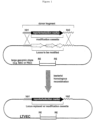
- Homology boxes mark the sites of bacterial homologous recombination that are used to generate LTVECs from large cloned genomic fragments ( Figure 1 ).
- Homology boxes are short segments of DNA, generally double-stranded and at least 40 nucleotides in length, that are homologous to regions within the large cloned genomic fragment flanking the "region to be modified".
- the homology boxes are appended to the modification cassette, so that following homologous recombination in bacteria, the modification cassette replaces the region to be modified ( Figure 1 ).
- the technique of creating a targeting vector using bacterial homologous recombination can be performed in a variety of systems ( Yang et al., Nat Biotechnol, 15:859-65, 1997 ; Muyrers et al., Nucleic Acids Res, 27:1555-7, 1999 ; Angrand et al., Nucleic Acids Res, 27:e16, 1999 ; Narayanan et al., Gene Ther, 6:442-7, 1999 ; Yu, et al., Proc Natl Acad Sci U S A, 97:5978-83, 2000 ).
- ET cloning
- Zhang et al., Nat Genet, 20:123-8, 1998 ; Narayanan et al., Gene Ther, 6:442-7, 1999 variations of this technology
- Yu, et al., Proc Natl Acad Sci U S A, 97:5978-83, 2000 refers to the recE ( Hall and Kolodner, Proc Natl Acad Sci USA, 91:3205-9, 1994 ) and recT proteins ( Kusano et al., Gene, 138:17-25, 1994 ) that carry out the homologous recombination reaction.
- RecE is an exonuclease that trims one strand of linear double-stranded DNA (essentially the donor DNA fragment described infra ) 5' to 3', thus leaving behind a linear double-stranded fragment with a 3' single-stranded overhang.
- This single-stranded overhang is coated by recT protein, which has single-stranded DNA (ssDNA) binding activity ( Kovall and Matthews, Science, 277:1824-7, 1997 ).
- ssDNA single-stranded DNA
- the ⁇ gam protein is required for protecting the donor DNA fragment from degradation by the recBC exonuclease system ( Myers and Stahl, Annu Rev Genet, 28:49-70, 1994 ) and it is required for efficient ET-cloning in recBC + hosts such as the frequently used E. coli strain DH10b.
- the region to be modified and replaced using bacterial homologous recombination can range from zero nucleotides in length (creating an insertion into the original locus) to many tens of kilobases (creating a deletion and/or a replacement of the original locus).
- the modification can result in the following:
- Step 3 Verify that each LTVEC has been engineered correctly.
- Step 4 Purification, preparation, and linearization of LTVEC DNA for introduction into eukaryotic cells.
- This step is necessary to get rid of the plasmid encoding the recombinogenic proteins that are utilized for the bacterial homologous recombination step ( Zhang et al., Nat Genet, 20:123-8, 1998 ; Narayanan et al., Gene Ther, 6:442-7, 1999 ). It is useful to get rid of this plasmid (a) because it is a high copy number plasmid and may reduce the yields obtained in the large scale LTVEC preps; (b) to eliminate the possibility of inducing expression of the recombinogenic proteins; and (c) because it may obscure physical mapping of the LTVEC.
- LTVEC DNA Before introducing the LTVEC into eukaryotic cells, larger amounts of LTVEC DNA are prepared by standard methodology (http://www.qiagen.com/literature/handbooks/plk/plklow.pdf; Sambrook, J., E. F. Fritsch And T. Maniatis. Molecular Cloning: A Laboratory Manual, Second Edition, Vols 1, 2, and 3, 1989 ; Tillett and Neilan, Biotechniques, 24:568-70, 572,1998 ).
- this step can be bypassed if a bacterial homologous recombination method that utilizes a recombinogenic prophage is used, i.e. where the genes encoding the recombinogenic proteins are integrated into the bacterial chromosome ( Yu, et al., Proc Natl Acad Sci U S A, 97:5978-83, 2000 ), is used.
- the LTVEC is preferably linearized in a manner that leaves the modified endogenous gene(s) or chromosomal locus(loci) DNA flanked with long homology arms. This can be accomplished by linearizing the LTVEC, preferably in the vector backbone, with any suitable restriction enzyme that digests only rarely. Examples of suitable restriction enzymes include NotI, PacI, SfiI, SrfI, SwaI, FseI, etc. The choice of restriction enzyme may be determined experimentally (i.e. by testing several different candidate rare cutters) or, if the sequence of the LTVEC is known, by analyzing the sequence and choosing a suitable restriction enzyme based on the analysis.
- the LTVEC has a vector backbone containing rare sites such as CosN sites, then it can be cleaved with enzymes recognizing such sites, for example ⁇ terminase ( Shizuya et al., Proc Natl Acad Sci USA, 89:8794-7, 1992 ; Becker and Gold, Proc Natl Acad Sci USA, 75:4199-203, 1978 ; Rackwitz et al., Gene, 40:259-66, 1985 ).
- Step 5 Introduction of LTVEC into eukaryotic cells and selection of cells where successful introduction of the LTVEC has taken place.
- LTVEC DNA can be introduced into eukaryotic cells using standard methodology, such as transfection mediated by calcium phosphate, lipids, or electroporation ( Sambrook, J., E. F. Fritsch And T. Maniatis. Molecular Cloning: A Laboratory Manual, Second Edition, Vols 1, 2, and 3, 1989 ).
- the cells where the LTVEC has been introduced successfully can be selected by exposure to selection agents, depending on the selectable marker gene that has been engineered into the LTVEC.
- the selectable marker is the neomycin phosphotransferase (neo) gene ( Beck, et al., Gene, 19:327-36, 1982 ).
- neo neomycin phosphotransferase
- selectable markers include any drug that has activity in eukaryotic cells ( Joyner, The Practical Approach Series, 293, 1999 ), such as hygromycin B ( Santerre, et al., Gene, 30:147-56, 1984 ; Bernard, et al., Exp Cell Res, 158:237-43, 1985 ; Giordano and McAllister, Gene, 88:285-8, 1990 ), Blasticidin S ( Izumi, et al., Exp Cell Res, 197:229-33, 1991 ), and other which are familiar to those skilled in the art.
- hygromycin B Santerre, et al., Gene, 30:147-56, 1984 ; Bernard, et al., Exp Cell Res, 158:237-43, 1985 ; Giordano and McAllister, Gene, 88:285-8, 1990
- Blasticidin S Izumi, et al., Exp Cell Res, 197:229-33, 1991
- Step 6 Screen for homologous recombination events in eukaryotic cells using quantitative assay for modification of allele (MOA).
- Eukaryotic cells that have been successfully modified by targeting the LTVEC into the locus of interest can be identified using a variety of approaches that can detect modification of allele within the locus of interest and that do not depend on assays spanning the entire homology arm or arms.
- approaches can include but are not limited to:
- TaqMan ® quantitative PCR is used to screen for successfully targeted eukaryotic cells.
- TaqMan ® is used to identify eukaryotic cells which have undergone homologous recombination wherein a portion of one of two endogenous alleles in a diploid genome has been replaced by another sequence.
- the quantitative TaqMan ® method will detect the modification of one allele by measuring the reduction in copy number (by half) of the unmodified allele. Specifically, the probe detects the unmodified allele and not the modified allele.
- TaqMan is used to quantify the number of copies of a DNA template in a genomic DNA sample, especially by comparison to a reference gene ( Lie and Petropoulos, Curr Opin Biotechnol, 9:43-8, 1998 ).
- the reference gene is quantitated in the same genomic DNA as the target gene(s) or locus(loci). Therefore, two TaqMan ® amplifications (each with its respective probe) are performed.
- One TaqMan ® probe determines the "Ct" (Threshold Cycle) of the reference gene, while the other probe determines the Ct of the region of the targeted gene(s) or locus(loci) which is replaced by successful targeting.
- the Ct is a quantity that reflects the amount of starting DNA for each of the TaqMan ® probes, i.e. a less abundant sequence requires more cycles of PCR to reach the threshold cycle. Decreasing by half the number of copies of the template sequence for a TaqMan ® reaction will result in an increase of about one Ct unit.
- TaqMan ® reactions in cells where one allele of the target gene(s) or locus(loci) has been replaced by homologous recombination will result in an increase of one Ct for the target TaqMan ® reaction without an increase in the Ct for the reference gene when compared to DNA from non-targeted cells. This allows for ready detection of the modification of one allele of the gene(s) of interest in eukaryotic cells using LTVECs.
- modification of allele (MOA) screening is the use of any method that detects the modification of one allele to identify cells which have undergone homologous recombination. It is not a requirement that the targeted alleles be identical (homologous) to each other, and in fact, they may contain polymorphisms, as is the case in progeny resulting from crossing two different strains of mice.
- MOA screening is targeting of genes which are normally present as a single copy in cells, such as some of the located on the sex chromosomes and in particular, on the Y chromosome.
- methods that will detect the modification of the single targeted allele such as quantitative PCR, Southern blottings, etc., can be used to detect the targeting event. It is clear that the method described herein can be used to generate modified eukaryotic cells even when alleles are polymorphic or when they are present in a single copy in the targeted cells.
- Step 8 Uses of genetically modified eukaryotic cells.
- Example 1 Engineering mouse ES cells bearing a deletion of the OCR10 gene.
- BAC Bacterial Artificial Chromosome
- This mOCR10 BAC contained approximately 180 kb of genomic DNA including the complete mOCR10 coding sequence.
- This BAC clone was used to generate an LTVEC which was subsequently used to delete a portion of the coding region of mOCR10 while simultaneously introducing a reporter gene whose initiation codon precisely replaced the initiation codon of OCR10, as well as insertion of a selectable marker gene useful for selection both in E. coli and mammalian cells following the reporter gene ( Figure 2 ).
- the reporter gene in this non-limiting example LacZ, the sequence of which is readily available to the skilled artisan), encodes the E. coli ⁇ -galactosidase enzyme.
- LacZ Because of the position of insertion of LacZ (its initiating codon is at the same position as the initiation codon of mOCR10) the expression of lacZ should mimic that of mOCR10, as has been observed in other examples where similar replacements with LacZ were performed using previous technologies (see “Gene trap strategies in ES cells", by W Wurst and A. Gossler, in Joyner, The Practical Approach Series, 293, 1999)
- the LacZ gene allows for a simple and standard enzymatic assay to be performed that can reveal its expression patterns in situ, thus providing a surrogate assay that reflects the normal expression patterns of the replaced gene(s) or chromosomal locus(loci).
- the modification cassette used in the construction of the mOCR10 LTVEC is the lacZ-SV40 polyA-PGKp-EM7-neo-PGK polyA cassette wherein lacZ is a marker gene as described above, SV40 polyA is a fragment derived from Simian Virus 40 ( Subramanian, et al., Prog Nucleic Acid Res Mol Biol, 19:157-64, 1976 ; Thimmappaya, et al., J Biol Chem, 253:1613-8, 1978 ; Dhar, et al., Proc Natl Acad Sci U S A, 71:371-5, 1974 ; Reddy, et al., Science, 200:494-502, 1978 ) and containing a polyadenylation site and signal ( Subramanian, et al., Prog Nucleic Acid Res Mol Biol, 19:157-64, 1976 ; Thimmappaya, et al., J Biol Chem, 253:1613-8, 1978
- a donor fragment was generated consisting of a mOCR10 homology box 1 (hb1) attached upstream from the LacZ gene in the modification cassette and a mOCR10 homology box 2 (hb2) attached downstream of the neo-PGK polyA sequence in the modification cassette ( Figure 2 ), using standard recombinant genetic engineering technology.
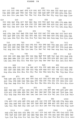
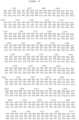
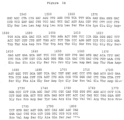
- Homology box 1 (hb1) consists of 211 bp of untranslated sequence immediately upstream of the initiating methionine of the mOCR10 open reading frame (mOCR10 ORF) ( Figure 3A-3D ).
- Homology box 2 (hb2) consists of last 216 bp of the mOCR10 ORF, ending at the stop codon ( Figure 3A-3D ).
- the mOCR10 coding sequence was replaced by the insertion cassette creating an approximately 20 kb deletion in the mOCR10 locus while leaving approximately 130 kb of upstream homology (upstream homology arm) and 32 kb of downstream homology (downstream homology arm).
- LTVECs can be more rapidly and conveniently generated from available BAC libraries than targeting vectors made using previous technologies because only a single bacterial homologous recombination step is required and the only sequence information required is that needed to generate the homology boxes.
- previous approaches for generating targeting vectors using bacterial homologous recombination require that large targeting vectors be "trimmed" prior to their introduction in ES cells ( Hill et al., Genomics, 64:111-3, 2000 ). This trimming is necessary because of the need to generate homology arms short enough to accommodate the screening methods utilized by previous approaches.
- Another obvious advantage, illustrated by the above example, is that a very large deletion spanning the mOCR10 gene (approximately 20 kb) can be easily generated in a single step.
- to accomplish the same task may require several steps and may involve marking the regions upstream and downstream of the coding sequences with IoxP sites in order to use the Cre recombinase to remove the sequence flanked by these sites after introduction of the modified locus in eukaryotic cells.
- the creation of large deletions often occurs with low efficiency using the previous targeting technologies in eukaryotic cells, because the frequency of achieving homologous recombination may be low when using targeting vectors containing large deletion flanked by relatively short homology arms.
- the high efficiency obtained using the method described herein is due to the very long homology arms present in the LTVEC that increase the rate of homologous recombination in eukaryotic cells.
- the sequence surrounding the junction of the insertion cassette and the homology sequence was verified by DNA sequencing.
- the size of the mOCR10 LTVEC was verified by restriction analysis followed by pulsed field gel electrophoresis (PFGE) ( Cantor, et al., Annu Rev Biophys Biophys Chem, 17:287-304, 1988 ; Schwartz and Cantor, Cell, 37:67-75, 1984 ).
- PFGE pulsed field gel electrophoresis
- a standard large-scale plasmid preparation of the mOCR10 LTVEC was done, the plasmid DNA was digested with the restriction enzyme NotI, which cuts in the vector backbone of the mOCR10 LTVEC, to generate linear DNA.
- DNA from individual ES cell clones was analyzed by quantitative PCR using standard TaqMan ® methodology as described (Applied Biosystems, TaqMan ® Universal PCR Master Mix, catalog number P/N 4304437; see also http://www.pebiodocs.com/pebiodocs/04304449.pdf).
- the primers and TaqMan ® probes used are as described in Figure 3A-3D .
- a total of 69 independent ES cells clones where screened and 3 were identified as positive, i.e. as clones in which one of the endogenous mOCR10 coding sequence had been replaced by the modification cassette described above.
- Yet another advantage of the method described herein is that it is also superior to previous technologies because of its ability to target difficult loci.
- the frequency of successful targeting may by as low as 1 in 2000 integration events, perhaps even lower.
- Applicants have demonstrated that such difficult loci can be targeted much more efficiently using LTVECs that contain long homology arms (i.e. greater than those allowed by previous technologies).
- the Applicants have targeted the OCR10 locus, a locus that has previously proven recalcitrant to targeting using conventional technology.
- Example 2 Increased targeting frequency and abrogation of the need to use isogenic DNA when LTVECs are used as the targeting vectors.
- the increased targeting frequency obtained using long homology arms should diminish the benefit, if any, derived from using genomic DNA in constructing LTVECs that is isogenic with (i.e. identical in sequence to) the DNA of the eukaryotic cell being targeted.
- Applicants have constructed numerous LTVECs using genomic DNA derived from the same mouse substrain as the eukaryotic cell to be targeted (presumably isogenic), and numerous other LTVECs using genomic DNA derived from mouse substrains differing from that of the eukaryotic cell to be targeted (presumably non-isogenic).
- the two sets of LTVECs exhibited similar targeting frequencies, ranging from 1-13% (Table 1), indicating that the rate of successful targeting using LTVECs does not depend on isogenicity.
- Example 3 Use of LTVEC's to produce chimeric and human antibodies
- Antibodies are composed of two chains, the light and heavy chains, each of which are composed of two domains, the variable and constant domains.
- the variable region of the antibody protein is the N-terminal portion of the antibody, which binds the antigen.
- the heavy chain variable domain is encoded by the DNA of the heavy chain variable gene locus, which is composed of the variable (V), the diversity (D), and the joining (J) gene segments.
- the light chain variable domains are encoded by the DNA of the light chain variable gene loci, kappa and lambda, which are composed of the variable (V) and joining (J) gene segments.
- variable region VDJ/VJ
- VDJ/VJ variable region
- a transgenic mouse is created that produces hybrid antibodies containing human variable regions (VDJ/VJ) and mouse constant regions. This is accomplished by a direct, in situ replacement of the mouse variable region (VDJ/VJ) genes with their human counterparts. The resultant hybrid immunoglobulin loci will undergo the natural process of rearrangements during B-cell development to produce the hybrid antibodies.
- murine Fc regions will be more specific than human Fc regions in their interactions with Fc receptors on mouse cells, complement molecules, etc. These interactions are important for a strong and specific immune response, for the proliferation and maturation of B cells, and for the affinity maturation of antibodies.
- the murine immunoglobulin heavy chain intronic enhancer, Em has been shown to be critical for V-D-J recombination as well as heavy chain gene expression during the early stages of B cell development [ Ronai, D. Berru, M., and Shulman, M. J.
- the required recombination events which occur at the immunoglobulin loci during the normal course of B cell differentiation may increase the frequency of aberrant, non-productive immunoglobulin rearrangements when these loci are inserted at improper chromosomal locations, or in multiple copies, as in currently available mice. With reductions in productive immunoglobulin rearrangement and, therefore, appropriate signaling at specific steps of B cell development the aberrant cells are eliminated. Reductions of B cell numbers at early stages of development significantly decreases the final overall B cell population and greatly limits the immune responses of the mice.
- VDJ/VJ human variable regions
- VDJ mouse heavy chain locus variable region
- BAC Large insert clones spanning the entire VDJ region of the human heavy chain locus are isolated ( Figure 4A ). The sequence of this entire region is available in the following GenBank files (AB019437, AB019438, AB019439, AB019440, AB019441, X97051 and X54713).
- large insert (BAC) clones are isolated from the ends of the mouse VDJ region as a source of homology arms ( Figure 4B ) which are used to direct integration via homologous recombination of the human VDJ sequences in a two step process.
- LTVEC1 ( Figure 4D ) is constructed by bacterial homologous recombination in E. coli.
- LTVEC1 contains, in order: a large mouse homology arm derived from the region upstream from the mouse DJ region but whose absolute endpoints are not important; a cassette encoding a selectable marker functional in ES cells (PGK-neomycinR in this example); a IoxP site; a large human insert spanning from several V gene segments through the entire DJ region; and a mouse homology arm containing the region immediately adjacent to, but not including, the mouse J segments.
- the 5' end of the downstream arm and the placement of the IoxP sites define the 3' end of the region to be replaced in the locus.
- Mouse ES cells will be transformed by standard techniques, for example, electroporation, with linearized LTVEC1. Because direct introduction of LTVEC1 results in a modification of the endogenous variable gene locus, neomycin resistant colonies can be screened for correct targeting using a MOA assay. These targeted ES cells can give rise to mice that produce antibodies with hybrid heavy chains. However, it will be preferable to proceed with subsequent steps that will eliminate the remainder of the mouse variable segments.
- LTVEC2 ( Figure 4C ) is constructed by bacterial homologous recombination in E. coli.
- LTVEC2 contains, in order: a large mouse homology arm containing the region adjacent to the most distal mouse V gene segment, but not containing any mouse V gene segments; a large insert containing a large number of distal human V gene segments; a mutant IoxP site called Iox511 [ Hoess, R.H., Wierzbicki,A. and Abremski,K. Nucleic Acids Res.
- Double targeted ES cells Mouse ES cells that were correctly targeted with LTVEC1 will then be transformed by standard techniques with linearized LTVEC2, and hygromycin resistant colonies will be screened for correct targeting using a MOA assay for modifications in the endogenous variable gene locus. Correctly targeted ES cells resulting from this transformation will hereafter be referred to as "double targeted ES cells”.
- CRE recombinase in the double targeted ES cells will result in deletion of the remainder of the mouse V region.
- the double targeted ES cells can be injected into host blastocysts for the production of chimeric mice. Breeding of the resultant chimeric mice with mice expressing CRE recombinase early in development will result in deletion of the remainder of the mouse V region in the progeny F1. This later alternative increases the likelihood that the hybrid heavy chain locus will be passed through the germline because it involves culturing the ES cells for fewer generations.
- Iox511 in LTVEC2 will allow for the insertion of additional human V gene segments into the hybrid locus.
- One approach would be to use bacterial homologous recombination to flank a large genomic DNA clone containing many additional human V gene segments with Iox511 and IoxP sites. Co-transformation of such a modified large genomic DNA clone into double targeted ES cells with a plasmid that transiently expresses CRE recombinase will result in the introduction of the additional V gene segments by cassette exchange ( Bethke,B. and Sauer,B. Nucleic Acids Res. 25:2828-2834 (1997 )).
- a second approach to the incorporation of additional V gene segments is to independently target a large genomic DNA clone containing many additional human V gene segments into the mouse locus using, for instance, the same mouse homology arms included in LTVEC2.
- the additional human V gene segments would be flanked by Iox511 and IoxP sites, and the targeted ES cells would be used to create a mouse.
- the mice derived from double targeted ES cells and the mice derived from the ES cells containing the additional V gene segments would be bred with a third mouse that directs expression of CRE recombinase during meiosis.
- Another approach is similar to that outlined above but, rather than introducing the IoxP and Iox511 sites with human LTVECs 1 and 2, they are introduced on mouse LTVECs and then CRE is used to specifically target in the human loci by cassette exchange via flanking IoxP and Iox511 sites.
- the methodology outlined below demonstrates how the LTVEC technology may be used to place flanking site specific recombination sites at the ends of any endogenous gene of interest in any non-human animal.
- Mouse LTVEC 1 contains a cassette inserted by bacterial recombination downstream of, and adjacent to, the J region. This cassette contains a IoxP site and a bacterial/mammalian selectable marker, such as hygromycin resistance.
- LTVEC1 contains, in order: a large homology arm derived from the region upstream from the mouse DJ region (but within the variable gene locus), but whose absolute endpoints are not important; a cassette encoding a selectable marker functional in ES cells (PGK-hygromycinR in this example); a IoxP site; and a homology arm containing the region immediately adjacent to, but not including, the mouse J segments.
- the 5' end of the downstream homology arm and the placement of the IoxP sites define the 3' end of the region to be replaced in the locus. Modification of the 3' end of the endogenous variable gene at the site of cassette insertion allows for the detection of correctly inserted LTVEC1 in the ES cells by an MOA assay. Drug resistance markers are flanked by FRT sites. The introduction of FRT sites allows the removal of any remaining drug resistance markers by FLPe either in ES cells or by crossing the resulting mice to a mice that expresses FLPe in cells that have germ-line potential.
- LTVEC2 is constructed by bacterial recombination to insert a cassette upstream of the most distal V region of the loci.
- This cassette contains a Iox511 site and a bacteria/mammalian selectable marker, such as neomycin resistance.
- LTVEC2 contains, in order: a large homology arm containing the region adjacent to the most distal mouse V gene segment, but not containing any mouse V gene segments; a Iox511 site in the orientation opposite to that of the wild type IoxP sites in LTVEC2 and LTVEC1; a wild type IoxP site; a second selectable marker (PGK-neomycinR in this example); and a mouse homology arm derived from the V region (and therefore within the variable gene locus), but whose absolute endpoints are not important.
- the 3' end of the upstream homology arm and the placement of the IoxP sites define the 5' end of the region to be replaced in the locus.
- Modification of the 5' end of the endogenous variable gene at the site of cassette insertion allows for the detection of correctly inserted LTVEC2 in the ES cells by an MOA assay.
- LTVECs are introduced together or sequentially into ES cells using standard techniques and screened for correct targeting using an MOA assay.
- a human BAC containing the VDJ/VJ region, in part or in whole, is modified by bacterial recombination to insert cassettes that flank the human sequences with Iox511 and IoxP sites.
- the upstream cassette is inserted just upstream of the region that will replace the mouse variable region, and contains, in order, a Iox511 site followed by a bacteria/mammalian selectable marker, such as puromycin resistance.
- the downstream cassette is inserted downstream of, and adjacent to, the J region and contains, in order, a IoxP site followed by a selectable marker for bacteria, such as spectinomycin resistance.
- the IoxP and Iox511 sites can be inserted separately, by bacterial recombination, onto overlapping BACs, which recombine with each other when transformed into ES cells.
- the upstream BAC has one cassette, recombined just upstream of the region that will replace the mouse variable region, that has a Iox511 site followed by a bacterial/mammalian selectable marker, such as neomycin resistance.
- the downstream BAC has one cassette, recombined just downstream of, and adjacent to, the J region, that contains a bacterial/mammalian selectable marker, such as puromycin resistance followed by a IoxP site.
- BACs that link the upstream and downstream BACs by overlapping homology are incorporated into the scheme. These are modified by bacterial recombination to contain bacterial/mammalian selectable markers, such as puromycin resistance, and the upstream and downstream BACs are modified to contain IoxP and Iox511 cassettes that carrying neomycin and hygromycin resistance markers.
- the human BAC(s) are co-transformed with CRE recombinase into the ES cell line containing the variable-region-flanking Iox511 and IoxP recombination sites. If overlapping BACs are used, homologous recombination occurs between them to create a larger DNA fragment, and the flanking IoxP and Iox511 sites target this large fragment into the mouse locus. Cells are selected for puromycin resistance and screened for the replacement of the mouse variable region. Alternatively, the mouse sequences can first be deleted via the two IoxP sites and then the human sequences can be introduced via the remaining Iox511 and IoxP sites.
- a fourth BAC can be inserted if LTVEC1 also contains a third site specific recombination site, e.g. Iox2272 ( Anal Biochem 2001 Mar15;290(2):260-71 ) just downstream of the bacterial/mammalian resistance gene, such as puromycin resistance, creating a LTVEC with, in order, the puromycin resistance gene, a IoxP site, and a Iox2272 site, followed by the human sequences.
- a third site specific recombination site e.g. Iox2272 ( Anal Biochem 2001 Mar15;290(2):260-71 ) just downstream of the bacterial/mammalian resistance gene, such as puromycin resistance, creating a LTVEC with, in order, the puromycin resistance gene, a IoxP site, and a Iox2272 site, followed by the human sequences.
- the Iox511/Iox2272 sites can serve as a recipient in a second round of cassette exchange, wherein the puromycin resistance gene is replaced by an additional upstream portion of the human immunoglobulin locus variable region and a different bacterial/mammalian resistance gene flanked by Iox511 and Iox2272 sites.
- Another method for inserting a larger stretch of the human variable region is to combine sequences from multiple BACs in vitro using rare restriction endonuclease cleavage sites. This is accomplished by using bacterial homologous recombination to insert a IoxP site and spectinomycin resistance gene just downstream of the last J of the most downstream BAC and inserting a second bacterial selectable marker and a rare I-Ceu1 site at the upstream end of the human sequences of the downstream BAC.
- a Iox511 site and a bacterial/mammalian selectable marker e.g.
- puromycin resistance is inserted at the upstream end of a second BAC containing a region of the human variable region upstream from the sequences in the first BAC.
- An I-Ceu1 site is inserted at the downstream end of the second BAC.
- the two BACs are ligated and a recombinant is selected in bacteria for puromycin and spectinomycin resistance.
- the resultant larger BAC contains, in order, a Iox511 site, upstream human sequences, a I-Ceu1 site, downstream human sequences, a IoxP site and a spectinomycin resistance gene.
- the region between the Iox511 site and the IoxP site are inserted into the mouse immunoglobulin locus by cassette exchange and puromycin selection as described above.
- a third method for inserting a larger stretch of the human variable region is to combine sequences from multiple BACs as described above, but using bacterial homologous recombination instead of restriction digestion/ligation.
- the same selection for recombinant BACs is applied in bacteria, except only one of the two BACs would be digested, its ends after digestion would be designed to be homologous to the other "recipient" BAC, and the recipient BAC would be in bacterial strain modified to be permissive for bacterial homologous recombination.
- the final steps in creating the human variable/mouse constant monoclonal antibody producing-mouse will be performing the equivalent variable region substitutions on the lambda and kappa light chain loci and breeding all three hybrid loci to homozygocity together in the same mouse.
- the resultant transgenic mouse will have a genome comprising entirely human heavy and light chain variable gene loci operably linked to entirely endogenous mouse constant region such that the mouse produces a serum containing an antibody comprising a human variable region and a mouse constant region in response to antigenic stimulation.
- Such a mouse may then be used as a source of DNA encoding the variable regions of human antibodies.
- DNA encoding the variable regions of the heavy and light chains of the antibody is operably linked to DNA encoding the human heavy and light chain constant regions in cells, such as a CHO cells, which are capable of expressing active antibodies.
- the cells are grown under the appropriate conditions to express the fully human antibodies, which are then recovered.
- Variable region encoding sequences may be isolated, for example, by PCR amplification or cDNA cloning.
- hybridomas made from transgenic mice comprising some or all of the human variable region immunoglobulin loci are used as a source of DNA encoding the human variable regions.
Landscapes
- Health & Medical Sciences (AREA)
- Life Sciences & Earth Sciences (AREA)
- Genetics & Genomics (AREA)
- Chemical & Material Sciences (AREA)
- Engineering & Computer Science (AREA)
- Organic Chemistry (AREA)
- Zoology (AREA)
- Biotechnology (AREA)
- Wood Science & Technology (AREA)
- Bioinformatics & Cheminformatics (AREA)
- Molecular Biology (AREA)
- General Engineering & Computer Science (AREA)
- General Health & Medical Sciences (AREA)
- Biomedical Technology (AREA)
- Biochemistry (AREA)
- Biophysics (AREA)
- Microbiology (AREA)
- Physics & Mathematics (AREA)
- Plant Pathology (AREA)
- Immunology (AREA)
- Environmental Sciences (AREA)
- Veterinary Medicine (AREA)
- Medicinal Chemistry (AREA)
- Proteomics, Peptides & Aminoacids (AREA)
- Mycology (AREA)
- Animal Behavior & Ethology (AREA)
- Animal Husbandry (AREA)
- Biodiversity & Conservation Biology (AREA)
- Cell Biology (AREA)
- Chemical Kinetics & Catalysis (AREA)
- General Chemical & Material Sciences (AREA)
- Micro-Organisms Or Cultivation Processes Thereof (AREA)
- Peptides Or Proteins (AREA)
- Measuring Or Testing Involving Enzymes Or Micro-Organisms (AREA)
- Preparation Of Compounds By Using Micro-Organisms (AREA)
- Breeding Of Plants And Reproduction By Means Of Culturing (AREA)
Description
- The field of this invention is a rodent that produces antibodies containing human variable regions and rodent constant regions. The present disclosure also relates to a method for engineering and utilizing large DNA vectors to target, via homologous recombination, and modify, in any desirable fashion, endogenous genes and chromosomal loci in eukaryotic cells. These large DNA targeting vectors for eukaryotic cells, termed LTVECs, are derived from fragments of cloned genomic DNA larger than those typically used by other approaches intended to perform homologous targeting in eukaryotic cells. The present disclosure further provides for a rapid and convenient method of detecting eukaryotic cells in which the LTVEC has correctly targeted and modified the desired endogenous gene(s) or chromosomal locus(loci). The present disclosure also relates to the use of these cells to generate organisms bearing the genetic modification, the organisms, themselves, and methods of use thereof.
- The use of LTVECs provides substantial advantages over current methods. For example, since these are derived from DNA fragments larger than those currently used to generate targeting vectors, LTVECs can be more rapidly and conveniently generated from available libraries of large genomic DNA fragments (such as BAC and PAC libraries) than targeting vectors made using current technologies. In addition, larger modifications as well as modifications spanning larger genomic regions can be more conveniently generated than using current technologies. Furthermore, the present disclosure takes advantage of long regions of homology to increase the targeting frequency of "hard to target" loci, and also diminishes the benefit, if any, of using isogenic DNA in these targeting vectors.
- The present disclosure thus provides for a rapid, convenient, and streamlined method for systematically modifying virtually all the endogenous genes and chromosomal loci of a given organism.
- Gene targeting by means of homologous recombination between homologous exogenous DNA and endogenous chromosomal sequences has proven to be an extremely valuable way to create deletions, insertions, design mutations, correct gene mutations, introduce transgenes, or make other genetic modifications in mice. Current methods involve using standard targeting vectors, with regions of homology to endogenous DNA typically totaling less than 10-20 kb, to introduce the desired genetic modification into mouse embryonic stem (ES) cells, followed by the injection of the altered ES cells into mouse embryos to transmit these engineered genetic modifications into the mouse germline (Smithies et al., Nature, 317:230-234, 1985; Thomas et al., Cell, 51:503-512, 1987; Koller et al., Proc Natl Acad Sci USA, 86:8927-8931, 1989; Kuhn et al., Science, 254:707-710, 1991; Thomas et al., Nature, 346:847-850, 1990; Schwartzberg et al., Science, 246:799-803, 1989; Doetschman et al., Nature, 330:576-578, 1987; Thomson et al., Cell, 5:313-321, 1989; DeChiara et al., Nature, 345:78-80, 1990;
U.S. Patent No. 5,789,215, issued August 4, 1998 in the name of GenPharm International) In these current methods, detecting the rare ES cells in which the standard targeting vectors have correctly targeted and modified the desired endogenous gene(s) or chromosomal locus(loci) requires sequence information outside of the homologous targeting sequences contained within the targeting vector. Assays for successful targeting involve standard Southern blotting or long PCR (Cheng, et al., Nature, 369:684-5, 1994; Foord and Rose, PCR Methods Appl, 3:S149-61, 1994; Ponce and Micol, Nucleic Acids Res, 20:623, 1992;U.S. Patent No. 5,436,149 issued to Takara Shuzo Co., Ltd.) from sequences outside the targeting vector and spanning an entire homology arm (see Definitions); thus, because of size considerations that limit these methods, the size of the homology arms are restricted to less than 10-20 kb in total (Joyner, The Practical Approach Series, 293, 1999). - The ability to utilize targeting vectors with homology arms larger than those used in current methods would be extremely valuable. For example, such targeting vectors could be more rapidly and conveniently generated from available libraries containing large genomic inserts (e.g. BAC or PAC libraries) than targeting vectors made using current technologies, in which such genomic inserts have to be extensively characterized and trimmed prior to use. In addition, larger modifications as well as modifications spanning larger genomic regions could be more conveniently generated and in fewer steps than using current technologies. Furthermore, the use of long regions of homology could increase the targeting frequency of "hard to target" loci in eukaryotic cells, since the targeting of homologous recombination in eukaryotic cells appears to be related to the total homology contained within the targeting vector (Deng and Capecchi, Mol Cell Biol, 12:3365-71, 1992). In addition, the increased targeting frequency obtained using long homology arms could diminish any potential benefit that can be derived from using isogenic DNA in these targeting vectors.
- The problem of engineering precise modifications into very large genomic fragments, such as those cloned in BAC libraries, has largely been solved through the use of homologous recombination in bacteria (Zhang, et al., Nat Genet, 20:123-8, 1998; Yang, et al., Nat Biotechnol, 15:859-65, 1997; Angrand, et al., Nucleic Acids Res, 27:e16, 1999; Muyrers, et al., Nucleic Acids Res, 27:1555-7, 1999; Narayanan, et al., Gene Ther, 6:442-7, 1999), allowing for the construction of vectors containing large regions of homology to eukaryotic endogenous genes or chromosomal loci. However, once made, these vectors have not been generally useful for modifying endogenous genes or chromosomal loci via homologous recombination because of the difficulty in detecting rare correct targeting events when homology arms are larger than 10-20 kb (Joyner, The Practical Approach Series, 293, 1999). Consequently, vectors generated using bacterial homologous recombination from BAC genomic fragments must still be extensively trimmed prior to use as targeting vectors (Hill et al., Genomics, 64:111-3, 2000). Therefore, there is still a need for a rapid and convenient methodology that makes possible the use of targeting vectors containing large regions of homology so as to modify endogenous genes or chromosomal loci in eukaryotic cells.
-
US 5939598A describes a method of making transgenic mice lacking endogenous heavy chains.WO 99/45962 - Described herein are novel methods that enable the use of targeting vectors containing large regions of homology so as to modify endogenous genes or chromosomal loci in eukaryotic cells via homologous recombination. Such methods overcome the above-described limitations of current technologies. In addition, the skilled artisan will readily recognize that the methods are easily adapted for use with any genomic DNA of any eukaryotic organism including, but not limited to, animals such as mouse, rat, other rodent, or human, as well as plants such as soy, corn and wheat.
- The invention provides a method of replacing in situ, in part, in a mouse ES cell, an endogenous immunoglobulin heavy chain variable region gene locus with an orthologous human gene locus, to create a modified immunoglobulin locus that produces hybrid antibodies containing human variable regions and mouse constant regions, said method comprising:
- (a) obtaining a cloned genomic fragment greater than 20kb in size containing a first part of the orthologous human gene locus;
- (b) using bacterial homologous recombination to genetically modify the cloned genomic fragment of (a) to create a first large targeting vector for use in the ES cell;
- (c) introducing the first targeting vector of (b) into the ES cell to replace in situ, in part, the endogenous immunoglobulin heavy chain variable region gene locus;
- (d) using a quantitative assay to detect MOA in the ES cell of (c) to identify an ES cell in which the endogenous heavy chain immunoglobulin variable region gene locus has been replaced in situ, in part, with the orthologous human gene locus;
- (e) obtaining a cloned genomic fragment greater than 20kb in size containing a second part of the orthologous human gene locus that differs from the fragment of (a);
- (f) using bacterial homologous recombination to genetically modify the cloned genomic fragment of (e) to create a second large targeting vector for use in the ES cell;
- (g) introducing the second targeting vector of (f) into the ES cell identified in step (d) to replace in situ, in part, the endogenous immunoglobulin heavy chain variable region gene locus; and
- (h) using a quantitative assay to detect MOA in the mouse ES cell of (g) to identify an ES cell in which the endogenous immunoglobulin heavy chain variable region gene locus has been replaced in situ, in part, with the orthologous human gene locus.
- The invention further provides a method of replacing in situ, in whole, in a mouse ES cell, an endogenous immunoglobulin heavy chain variable region gene locus with an orthologous human gene locus, to create a modified immunoglobulin locus that produces hybrid antibodies containing human variable regions and mouse constant regions, said method comprising:
- (a) obtaining a cloned genomic fragment greater than 20kb in size containing a first part of the orthologous human gene locus;
- (b) using bacterial homologous recombination to genetically modify the cloned genomic fragment of (a) to create a first large targeting vector for use in the ES cell;
- (c) introducing the targeting vector of (b) into the ES cells to replace in situ, in part, the endogenous immunoglobulin heavy chain variable region gene locus;
- (d) using a quantitative assay to detect MOA in the ES cell of (c) to identify an ES cell in which the endogenous immunoglobulin heavy chain variable region gene locus has been replaced in situ, in part, with the orthologous human gene locus;
- (e) obtaining a cloned genomic fragment greater than 20kb in size containing a second part of the orthologous human gene locus that differs from the fragment of (a);
- (f) using bacterial homologous recombination to genetically modify the cloned genomic fragment of (e) to create a second large targeting vector for use in the ES cell;
- (g) introducing the targeting vector of (f) into an ES cell identified in step (d) to replace in situ, in part, the endogenous immunoglobulin heavy chain variable region gene locus;
- (h) using a quantitative assay to detect MOA in the mouse ES cell of (g) to identify an ES cell in which the endogenous immunoglobulin heavy chain variable region gene locus has been replaced in situ, in part, with the orthologous human gene locus; and
- (i) repeating steps (e) to (h) until the endogenous immunoglobulin variable region gene locus is replaced in situ, in whole, with the orthologous human gene locus.
- The invention further provides a mouse which:
- (I) comprises a modified immunoglobulin heavy chain locus that produces hybrid antibodies containing human variable regions and mouse constant regions, wherein said modified immunoglobulin heavy chain locus is obtainable by the method of replacing in situ, in part, an endogenous immunoglobulin heavy chain variable region gene locus of the invention; or
- (II) comprises a modified immunoglobulin locus that produces hybrid antibodies containing human variable regions and mouse constant regions, wherein said modified immunoglobulin heavy chain locus is obtainable by the method of replacing in situ, in whole, an endogenous immunoglobulin heavy chain variable region gene locus of the invention.
- The invention further provides a mouse embryonic stem cell which:
- (I) comprises a modified immunoglobulin locus that produces hybrid antibodies containing human variable regions and mouse constant regions, wherein said modified immunoglobulin heavy chain locus is obtainable by the method of replacing in situ, in whole, an endogenous immunoglobulin heavy chain variable region gene locus of the invention; or
- (II) comprises a modified immunoglobulin locus that produces hybrid antibodies containing human variable regions and mouse constant regions, wherein said modified immunoglobulin heavy chain locus is obtainable by the method of replacing in situ, in whole, an endogenous immunoglobulin heavy chain variable region gene locus of the invention.
- In accordance with the present disclosure, Applicants have developed a novel, rapid, streamlined, and efficient method for creating and screening eukaryotic cells which contain modified endogenous genes or chromosomal loci. This novel methods combine, for the first time:
- 1. Bacterial homologous recombination to precisely engineer a desired genetic modification within a large cloned genomic fragment, thereby creating a large targeting vector for use in eukaryotic cells (LTVECs);
- 2. Direct introduction of these LTVECs into eukaryotic cells to modify the endogenous chromosomal locus of interest in these cells; and
- 3. An analysis to determine the rare eukaryotic cells in which the targeted allele has been modified as desired, involving an assay for modification of allele (MOA) of the parental allele that does not require sequence information outside of the targeting sequence, such as, for example, quantitative PCR.
- Described herein is a method for genetically modifying an endogenous gene or chromosomal locus in eukaryotic cells, comprising: a) obtaining a large cloned genomic fragment containing a DNA sequence of interest; b) using bacterial homologous recombination to genetically modify the large cloned genomic fragment of (a) to create a large targeting vector for use in the eukaryotic cells (LTVEC); c) introducing the LTVEC of (b) into the eukaryotic cells to modify the endogenous gene or chromosomal locus in the cells; and d) using a quantitative assay to detect modification of allele (MOA) in the eukaryotic cells of (c) to identify those eukaryotic cells in which the endogenous gene or chromosomal locus has been genetically modified.
- Also described herein is a method wherein the genetic modification to the endogenous gene or chromosomal locus comprises deletion of a coding sequence, gene segment, or regulatory element; alteration of a coding sequence, gene segment, or regulatory element; insertion of a new coding sequence, gene segment, or regulatory element; creation of a conditional allele; or replacement of a coding sequence or gene segment from one species with an homologous or orthologous coding sequence from a different species.
- Further described herein is a method wherein the alteration of a coding sequence, gene segment, or regulatory element comprises a substitution, addition, or fusion, wherein the fusion comprises an epitope tag or bifunctional protein.
- Also described herein is a method wherein the quantitative assay comprises quantitative PCR, comparative genomic hybridization, isothermic DNA amplification, or quantitative hybridization to an immobilized probe, wherein the quantitative PCR comprises TaqMan® technology or quantitative PCR using molecular beacons.
- Additionally described herein is a method wherein the eukaryotic cell is a mammalian embryonic stem cell and in particular wherein the embryonic stem cell is a mouse, rat, or other rodent embryonic stem cell.
- Further described herein is a method wherein the endogenous gene or chromosomal locus is a mammalian gene or chromosomal locus, preferably a human gene or chromosomal locus or a mouse, rat, or other rodent gene or chromosomal locus.
- Additionally described herein is one in which the LTVEC is capable of accommodating large DNA fragments greater than 20 kb, and in particular large DNA fragments greater than 100 kb.
- Further described herein is a genetically modified endogenous gene or chromosomal locus that is produced by the method described herein.
- Also described herein is a genetically modified eukaryotic cell that is produced by the method described herein.
- Further described herein is a non-human organism containing the genetically modified endogenous gene or chromosomal locus produced by the method described herein.
- Also described is a non-human organism produced from the genetically modified eukaryotic cells or embryonic stem cells produced by the method described herein..
- Described herein is a non-human organism containing a genetically modified endogenous gene or chromosomal locus, produced by a method comprising the steps of: a) obtaining a large cloned genomic fragment containing a DNA sequence of interest; b) using bacterial homologous recombination to genetically modify the large cloned genomic fragment of (a) to create a large targeting vector (LTVEC) for use in embryonic stem cells; c) introducing the LTVEC of (b) into the embryonic stem cells to modify the endogenous gene or chromosomal locus in the cells; d) using a quantitative assay to detect modification of allele (MOA) in the embryonic stem cells of (c) to identify those embryonic stem cells in which the endogenous gene or chromosomal locus has been genetically modified; e) introducing the embryonic stem cell of (d) into a blastocyst; and f) introducing the blastocyst of (e) into a surrogate mother for gestation.
- Additionally described herein is a non-human organism containing a genetically modified endogenous gene or chromosomal locus, produced by a method comprising the steps of: a) obtaining a large cloned genomic fragment containing a DNA sequence of interest; b) using bacterial homologous recombination to genetically modify the large cloned genomic fragment of (a) to create a large targeting vector for use in eukaryotic cells (LTVEC); c) introducing the LTVEC of (b) into the eukaryotic cells to genetically modify the endogenous gene or chromosomal locus in the cells; d) using a quantitative assay to detect modification of allele (MOA) in the eukaryotic cells of (c) to identify those eukaryotic cells in which the endogenous gene or chromosomal locus has been genetically modified; e) removing the nucleus from the eukaryotic cell of (d); f) introducing the nucleus of (e) into an oocyte; and g) introducing the oocyte of (f) into a surrogate mother for gestation.
- Further described herein is a non-human organism containing a genetically modified endogenous gene or chromosomal locus, produced by a method comprising the steps of: a) obtaining a large cloned genomic fragment containing a DNA sequence of interest; b) using bacterial homologous recombination to genetically modify the large cloned genomic fragment of (a) to create a large targeting vector for use in eukaryotic cells (LTVEC); c) introducing the LTVEC of (b) into the eukaryotic cells to genetically modify the endogenous gene or chromosomal locus in the cells; d) using a quantitative assay to detect modification of allele (MOA) in the eukaryotic cells of (c) to identify those eukaryotic cells in which the endogenous gene or chromosomal locus has been genetically modified; e) fusing the eukaryotic cell of (d) with another eukaryotic cell; f) introducing the fused eukaryotic cell of (e) into a surrogate mother for gestation.
- Preferably, the non-human organism is a mouse, rat, or other rodent; the blastocyst is a mouse, rat, or other rodent blastocyst; the oocyte is a mouse, rat, or other rodent oocyte; and the surrogate mother is a mouse, rat, or other rodent.
- Preferably, the embryonic stem cell is a mammalian embryonic stem cell, preferably a mouse, rat, or other rodent embryonic stem cell.
- Also described herein is the use of the genetically modified eukaryotic cells described herein for the production of a non-human organism, and in particular, the use of the genetically modified embryonic stem cell described herein for the production of a non-human organism.
- Additionally described herein is a method for genetically modifying an endogenous gene or chromosomal locus of interest in mouse embryonic stem cells, comprising: a) obtaining a large cloned genomic fragment greater than 20 kb which contains a DNA sequence of interest, wherein the large cloned DNA fragment is homologous to the endogenous gene or chromosomal locus; b) using bacterial homologous recombination to genetically modify the large cloned genomic fragment of (a) to create a large targeting vector for use in the mouse embryonic stem cells, wherein the genetic modification is deletion of a coding sequence, gene segment, or regulatory element; c) introducing the large targeting vector of (b) into the mouse embryonic stem cells to modify the endogenous gene or chromosomal locus in the cells; and d) using a quantitative assay to detect modification of allele (MOA) in the mouse embryonic stem cells of (c) to identify those mouse embryonic stem cells in which the endogenous gene or chromosomal locus has been genetically modified, wherein the quantitative assay is quantitative PCR. Also preferred is a genetically modified mouse embryonic stem cell produced by this method; a mouse containing a genetically modified endogenous gene or chromosomal locus produced by this method; and a mouse produced from the genetically modified mouse embryonic stem cell.
- Further described herein.is a mouse containing a genetically modified endogenous gene or chromosomal locus of interest, produced by a method comprising the steps of: a) obtaining a large cloned genomic fragment greater than 20 kb which contains a DNA sequence of interest, wherein the large cloned DNA fragment is homologous to the endogenous gene or chromosomal locus; b) using bacterial homologous recombination to genetically modify the large cloned genomic fragment of (a) to create a large targeting vector for use in the mouse embryonic stem cells, wherein the genetic modification is deletion of a coding sequence, gene segment, or regulatory element; c) introducing the large targeting vector of (b) into the mouse embryonic stem cells to modify the endogenous gene or chromosomal locus in the cells; and d) using a quantitative assay to detect modification of allele (MOA) in the mouse embryonic stem cells of (c) to identify those mouse embryonic stem cells in which the endogenous gene or chromosomal locus has been genetically modified, wherein the quantitative assay is quantitative PCR; e) introducing the mouse embryonic stem cell of (d) into a blastocyst; and f) introducing the blastocyst of (e) into a surrogate mother for gestation. Also described herein is the use of the genetically modified mouse embryonic stem cell described above for the production of a mouse.
- Additionally described herein is a method of replacing, in whole or in part, in a non-human eukaryotic cell, an endogenous immunoglobulin variable region gene locus with an homologous or orthologous human gene locus comprising:
- a) obtaining a large cloned genomic fragment containing, in whole or in part, the homologous or orthologous human gene locus;
- b) using bacterial homologous recombination to genetically modify the cloned genomic fragment of (a) to create a large targeting vector for use in the eukaryotic cells (LTVEC);
- c) introducing the LTVEC of (b) into the eukaryotic cells to replace, in whole or in part, the endogenous immunoglobulin variable gene locus; and
- d) using a quantitative assay to detect modification of allele (MOA) in the eukaryotic cells of (c) to identify those eukaryotic cells in which the endogenous immunoglobulin variable region gene locus has been replaced, in whole or in part, with the homologous or orthologous human gene locus.
- Further described herein is a method of replacing, in whole or in part, in a non-human eukaryotic cell, an endogenous immunoglobulin variable region gene locus with a homologous or orthologous human gene locus further comprising the steps:
- e) obtaining a large cloned genomic fragment containing a part of the homologous or orthologous human gene locus that differs from the fragment of (a);
- f) using bacterial homologous recombination to genetically modify the cloned genomic fragment of (e) to create a second LTVEC;
- g) introducing the second LTVEC of (f) into the eukaryotic cells identified in step (d) to replace, in whole or in part, the endogenous immunoglobulin variable gene locus; and
- h) using a quantitative assay to detect modification of allele (MOA) in the eukaryotic cells of (g) to identify those eukaryotic cells in which the endogenous immunoglobulin variable region gene locus has been replaced, in whole or in part, with the homologous or orthologous human gene locus.
- Another aspect of the above method is a method wherein steps (e) through (h) are repeated until the endogenous immunoglobulin variable region gene locus is replaced in whole with an homologous or orthologous human gene locus.
- Another aspect of the method is one in which the immunoglobulin variable gene locus is a locus selected from the group consisting of:
- a) a variable gene locus of the kappa light chain;
- b) a variable gene locus of the lambda light chain; and
- c) a variable gene locus of the heavy chain.
- Preferred is a method wherein the quantitative assay comprises quantitative PCR, FISH, comparative genomic hybridization, isothermic DNA amplification, or quantitative hybridization to an immobilized probe, and in particular wherein the quantitative PCR comprises TaqMan® technology or quantitative PCR using molecular beacons.
- Further described herein is a method of replacing, in whole or in part, in a mouse embryonic stem cell, an endogenous immunoglobulin variable region gene locus with its homologous or orthologous human gene locus comprising:
- a) obtaining a large cloned genomic fragment containing, in whole or in part, the homologous or orthologous human gene locus;
- b) using bacterial homologous recombination to genetically modify the large cloned genomic fragment of (a) to create a large targeting vector for use in the embryonic stem cells;
- c) introducing the large targeting vector of (b) into mouse embryonic stem cells to replace, in whole or in part, the endogenous immunoglobulin variable gene locus in the cells; and
- d) using a quantitative PCR assay to detect modification of allele (MOA) in the mouse embryonic stem cells of (d) to identify those mouse embryonic stem cells in which the endogenous variable gene locus has been replaced, in whole or in part, with the homologous or orthologous human gene locus.
- In another aspect described herein, the method further comprises:
- e) obtaining a large cloned genomic fragment containing a part of the homologous or orthologous human gene locus that differs from the fragment of (a);
- f) using bacterial homologous recombination to genetically modify the cloned genomic fragment of (e) to create a large targeting vector for use in the embryonic stem cells;
- g) introducing the large targeting vector of (f) into the mouse embryonic stem cells identified in step (d) to replace, in whole or in part, the endogenous immunoglobulin variable gene locus; and
- h) using a quantitative assay to detect modification of allele (MOA) in the mouse embryonic stem cells of (g) to identify those mouse embryonic stem cells in which the endogenous immunoglobulin variable region gene locus has been replaced, in whole or in part, with the homologous or orthologous human gene locus.
- Still another preferred aspect is a method wherein steps (e) through (h) above are repeated until the endogenous immunoglobulin variable region gene locus is replaced in whole with an homologous or orthologous human gene locus.
- Also preferred is a method wherein the immunoglobulin variable gene locus comprises a locus selected from the group consisting of
- a) a variable gene locus of the kappa light chain;
- b) a variable gene locus of the lambda light chain; and
- c) a variable gene locus of the heavy chain.
- Also described herein is a genetically modified immunoglobulin variable region gene locus produced by the methods described above; a genetically modified eukaryotic cell comprising a genetically modified immunoglobulin variable region gene locus produced by the methods described above; a non-human organism comprising a genetically modified immunoglobulin variable region gene locus produced by the methods described above; and a mouse embryonic stem cell containing a genetically modified immunoglobulin variable region gene locus produced by the methods described above.
- Also described herein is an embryonic stem cell wherein the mouse heavy chain variable region locus is replaced, in whole or in part, with a human heavy chain variable gene locus; an embryonic stem cell of claim wherein the mouse kappa light chain variable region locus is replaced, in whole or in part, with a human kappa light chain variable region locus; an embryonic stem cell wherein the mouse lambda light chain variable region locus is replaced, in whole or in part, with a human lambda light chain variable region locus; and an embryonic stem cell wherein the heavy and light chain variable region gene loci are replaced, in whole, with their human homologs or orthologs.
- Additionally described herein is a mouse produced from the embryonic stem cells described above.
- Further described herein is an antibody comprising a human variable region encoded by the genetically modified variable gene locus of described above; an antibody further comprising a non-human constant region; and an antibody further comprising a human constant region.
- Additionally described herein is a transgenic mouse having a genome comprising entirely human heavy and light chain variable region loci operably linked to entirely endogenous mouse constant region loci such that the mouse produces a serum containing an antibody comprising a human variable region and a mouse constant region in response to antigenic stimulation; a transgenic mouse having a genome comprising human heavy and/or light chain variable region loci operably linked to endogenous mouse constant region loci such that the mouse produces a serum containing an antibody comprising a human variable region and a mouse constant region in response to antigenic stimulation; a transgenic mouse containing an endogenous variable region locus that has been replaced with an homologous or orthologous human variable locus, such mouse being produced by a method comprising:
- a) obtaining one or more large cloned genomic fragments containing the entire homologous or orthologous human variable region locus;
- b) using bacterial homologous recombination to genetically modify the cloned genomic fragment(s) of (a) to create large targeting vector(s) for use in mouse embryonic stem cells;
- c) introducing the large targeting vector(s) of (b) into mouse embryonic stem cells to replace the entire endogenous variable region locus in the cells; and
- d) using a quantitative PCR assay to detect modification of allele (MOA) in the mouse embryonic stem cells of (c) to identify those mouse embryonic stem cells in which the entire endogenous variable region locus has been replaced with the homologous or orthologous human variable region locus;
- e) introducing the mouse embryonic stem cell of (d) into a blastocyst; and
- f) introducing the blastocyst of (e) into a surrogate mother for gestation.
- Also described herein is a transgenic mouse described above wherein the immunoglobulin variable region gene locus comprises one or more loci selected from the group consisting of:
- a) a variable gene locus of the kappa light chain;
- b) a variable gene locus of the lambda light chain; and
- c) a variable gene locus of the heavy chain.
- Also preferred are the methods described above wherein the mouse embryonic stem cell is derived from a transgenic mouse produced by the methods.
- Additionally described herein is a method of making a human antibody comprising:
- a) exposing the mouse described above to antigenic stimulation, such that the mouse produces an antibody against the antigen;
- b) isolating the DNA encoding the variable regions of the heavy and light chains of the antibody;
- c) operably linking the DNA encoding the variable regions of (b) to DNA encoding the human heavy and light chain constant regions in a cell capable of expressing active antibodies;
- d) growing the cell under such conditions as to express the human antibody; and
- e) recovering the antibody.
- Preferably, the cell described above is a CHO cell.
- Also preferred is a method wherein the DNA of step (b) described above is isolated from a hybridoma created from the spleen of the mouse exposed to antigenic stimulation in step (a) described above.
- Also preferred is the method described above wherein the DNA is isolated by PCR.
- Further described herein is a method of replacing, in whole or in part, an endogenous immunoglobulin variable region gene locus with an homologous or orthologous gene locus comprising:
- a) creating a LTVEC comprising a site-specific recombination site, a downstream homology arm containing the region immediately adjacent to, but not including, the J segments of the immunoglobulin variable gene locus region and an upstream homology arm within the variable gene locus;
- b) creating a LTVEC comprising a site-specific recombination site, an upstream homology arm containing the region adjacent to the most distal V gene segment, but not containing any V gene segments of the immunoglobulin variable gene locus region and a downstream homology arm within the variable gene locus;
- c) introducing the LTVEC s of (a) and (b) into the eukaryotic cell;
- d) using a quantitative assay to detect modification of allele (MOA) in the variable gene locus to identify those eukaryotic cells in (c) in which the site-specific recombination sites flank the endogenous variable region gene locus;
- e) creating a vector containing the site-specific recombination sequences flanking all or part of the orthologous or homologous gene locus; and
- f) introducing the vector of (e) into the eukaryotic cells identified in step (d) such that, through recombination, the endogenous immunoglobulin variable region gene locus is replaced, in whole or in part, with the homologous or orthologous gene locus.
- Also described herein is a transgenic mouse containing an endogenous immunoglobulin variable region locus that has been replaced with an homologous or orthologous human immunoglobulin variable region locus, such mouse being produced by a method comprising:
- a) creating a LTVEC comprising a site-specific recombination site and a downstream homology arm containing the region immediately adjacent to, but not including, the J segments of the mouse immunoglobulin variable gene locus region;
- b) creating a LTVEC comprising a site-specific recombination site and an upstream homology arm containing the region adjacent to the most distal mouse V gene segment, but not containing any V gene segments of the mouse immunoglobulin variable gene locus region;
- c) introducing the LTVEC s of (a) and (b) into the eukaryotic cell; using a quantitative assay to detect modification of allele (MOA) in the variable gene locus to identify those eukaryotic cells in (c) in which the site-specific recombination sites flank the endogenous immunoglobulin variable region gene locus;
- d) creating a vector containing the site-specific recombination sequences flanking all or part of the orthologous or homologous gene locus;
- e) introducing the vector of (e) into the eukaryotic cells identified in step (d) such that, through recombination, the endogenous immunoglobulin variable region gene locus is replaced, in whole or in part, with the homologous or orthologous gene locus;
- f) introducing the mouse embryonic stem cell of (d) into a blastocyst;; and introducing the blastocyst of (e) into a surrogate mother for gestation.
- Additionally described herein is a method of creating, in a eukaryotic cell, an endogenous gene locus flanked downstream by a site-specific recombination site comprising:
- a) creating a LTVEC comprising the site-specific recombination site, a downstream homology arm containing a region that flanks the 3' end of the endogenous gene locus region and an upstream homology arm within the locus;
- b) introducing the LTVEC of (a) into the eukaryotic cell; and
- c) using a quantitative assay to detect modification of allele (MOA) in the endogenous gene locus to identify those eukaryotic cells in (b) in which the endogenous gene locus is flanked downstream by the site-specific recombination site.
- Further described herein is a method of creating, in a eukaryotic cell, an endogenous gene locus flanked upstream by a site-specific recombination site comprising:
- a) creating a LTVEC comprising the site-specific recombination site, an upstream homology arm containing a region that flanks the 5' end of the endogenous gene locus region and a downstream homology arm within the locus;
- b) introducing the LTVEC of (a) into the eukaryotic cell; and
- c) using a quantitative assay to detect modification of allele (MOA) in the endogenous gene locus to identify those eukaryotic cells in (b) in which the endogenous gene locus is flanked upstream by the site-specific recombination site.
- Also described herein is a method of creating, in a eukaryotic cell, an endogenous gene locus flanked by site-specific recombination sites comprising:
- a) creating a LTVEC comprising the site-specific recombination site, a downstream homology arm containing a region that flanks the 3' end of the endogenous gene locus region and an upstream homology arm within the locus;
- b) creating a LTVEC comprising the site-specific recombination site, an upstream homology arm containing a region that flanks the 5' end of the endogenous gene locus region and a downstream homology arm within the locus;
- c) introducing the LTVEC's of (a) and (b) into the eukaryotic cell; and
- d) using a quantitative assay to detect modification of allele (MOA) in the endogenous gene locus to identify those eukaryotic cells in (c) in which the site-specific recombination sites are flanking the endogenous gene locus.
- Further described herein is a method of creating, in a eukaryotic cell, an endogenous immunoglobulin variable gene locus flanked by a site-specific recombination site comprising:
- a) creating a LTVEC comprising a site-specific recombination site, a downstream homology arm containing the region immediately adjacent to, but not including, the J segments of the immunoglobulin variable gene locus region and an upstream homology arm within the variable gene locus;
- b) introducing the LTVEC of (a) into the eukaryotic cell; and
- c) using a quantitative assay to detect modification of allele (MOA) in the variable gene locus to identify those eukaryotic cells in (b) in which the site-specific recombination site flanks the downstream end of the endogenous immunovariable variable gene locus.
- Also described herein is a method of creating, in a eukaryotic cell, an endogenous immunoglobulin variable gene locus flanked by site-specific recombination sites comprising:
- a) creating a LTVEC comprising a site-specific recombination site, an upstream homology arm containing the region adjacent to the most distal V gene segment, but not containing any V gene segments of the immunoglobulin variable gene locus region, and a downstream homology arm within the locus;
- b) introducing the LTVEC of (a) into the eukaryotic cell; and
- c) using a quantitative assay to detect modification of allele (MOA) in the variable gene locus to identify those eukaryotic cells in (c) in which the site-specific recombination sites flank the upstream end of the endogenous immunoglobulin variable region gene locus.
- Further described herein is a method of creating, in a eukaryotic cell, an endogenous immunoglobulin variable gene locus flanked by site-specific recombination sites comprising:
- a) creating a LTVEC comprising a site-specific recombination site, a downstream homology arm containing the region immediately adjacent to, but not including, the J segments of the immunoglobulin variable gene locus region, and an upstream homology arm within the locus;
- b) creating a LTVEC comprising a site-specific recombination site, an upstream homology arm containing the region adjacent to the most distal V gene segment, but not containing any V gene segments of the immunoglobulin variable gene locus region, and a downstream arm within the locus;
- c) introducing the LTVEC s of (a) and (b) into the eukaryotic cell; and
- d) using a quantitative assay to detect modification of allele (MOA) in the variable gene locus to identify those eukaryotic cells in (c) in which the site-specific recombination sites flank the endogenous immunoglobulin variable region gene locus.
-
-
Figure 1 : Schematic diagram of the generation of a typical LTVEC using bacterial homologous recombination. (hb1 =homology box 1; hb2 = homology box 2; RE = restriction enzyme site). -
Figure 2 : Schematic diagram of donor fragment and LTVEC for mouse OCR10. (hb1 =homology box 1; lacZ = β-galactosidase ORF; SV40 polyA = a DNA fragment derived fromSimian Virus 40, containing a polyadenylation site and signal; PGKp = mouse phosphoglycerate kinase (PGK) promoter; EM7 = a bacterial promoter; neo = neomycin phosphotransferase; PGK polyA = 3' untranslated region derived from the PGK gene and containing a polyadenylation site and signal; hb2 = homology box 2) -
Figure 3A-3D : Sequence of the mouse OCR10 cDNA, homology box 1 (hb1), homology box 2 (hb2), and TaqMan® probes and primers used in a quantitative PCR assay to detect modification of allele (MOA) in ES cells targeted using the mOCR10 LTVEC.- hb1:
base pairs 1 to 211 - hb2: base pairs 1586 to 1801
- TaqMan® probe and corresponding PCR primer set derived from mOCR10 exon 3:
- TaqMan® probe: nucleotides 413 to 439 - upper strand
- Primer ex3-5':
nucleotides 390 to 410 - upper strand - Primer ex3-3': nucleotides 445 to 461 - lower strand
- TaqMan® probe and corresponding PCR primer set derived from mOCR10 exon 4:
- TaqMan® probe: nucleotides 608 to 639 - upper strand
- Primer ex4-5': nucleotides 586 to 605 - upper strand
- Primer ex4-3': nucleotides 642 to 662 - lower strand
- hb1:
-
Figure 4A-4D : Schematic diagram of the two LTVECs constructed to replace the mouse VDJ region with human VDJ region. -
Figure 4A : Large insert (BAC) clones spanning the entire VDJ region of the human heavy chain locus are isolated. -
Figure 4B : In this example, large insert (BAC) clones are isolated from the ends of the mouse VDJ region as a source of homology arms which are used to direct integration via homologous recombination of the human VDJ sequences in a two step process. -
Figure 4C-4D : In the first step, LTVEC1 (Figure 4D ) is constructed by bacterial homologous recombination in E. coli. LTVEC1 contains, in order: a large mouse homology arm derived from the region upstream from the mouse DJ region, but whose absolute endpoints are not important; a cassette encoding a selectable marker functional in ES cells (PGK-neomycinR in this example); a IoxP site; a large human insert spanning from several V gene segments through the entire DJ region; and a mouse homology arm containing the region immediately adjacent to, but not including, the mouse J segments. In the second step, LTVEC2 (Figure 4C ) is constructed by bacterial homologous recombination in E. coli. LTVEC2 contains, in order: a large mouse homology arm containing the region adjacent to the most distal mouse V gene segment, but not containing any mouse V gene segments; a large insert containing a large number of distal human V gene segments; a mutant IoxP site called Iox511 in the orientation opposite to that of the wild type IoxP sites in LTVEC2 and LTVEC1 (this site will not recombine with wild type IoxP sites but will readily recombine with other Iox511 sites); a wild type IoxP site; a second selectable marker (PGK-hygromycinR in this example); and a mouse homology arm derived from the V region, but whose absolute endpoints are not important. - A "targeting vector" is a DNA construct that contains sequences "homologous" to endogenous chromosomal nucleic acid sequences flanking a desired genetic modification(s). The flanking homology sequences, referred to as "homology arms", direct the targeting vector to a specific chromosomal location within the genome by virtue of the homology that exists between the homology arms and the corresponding endogenous sequence and introduce the desired genetic modification by a process referred to as "homologous recombination".
- "Homologous" means two or more nucleic acid sequences that are either identical or similar enough that they are able to hybridize to each other or undergo intermolecular exchange.
- "Gene targeting" is the modification of an endogenous chromosomal locus by the insertion into, deletion of, or replacement of the endogenous sequence via homologous recombination using a targeting vector.
- A "gene knockout" is a genetic modification resulting from the disruption of the genetic information encoded in a chromosomal locus.
- A "gene knockin" is a genetic modification resulting from the replacement of the genetic information encoded in a chromosomal locus with a different DNA sequence.
- A "knockout organism" is an organism in which a significant proportion of the organism's cells harbor a gene knockout.
- A "knockin organism" is an organism in which a significant proportion of the organism's cells harbor a gene knockin.
- A "marker" or a "selectable marker" is a selection marker that allows for the isolation of rare transfected cells expressing the marker from the majority of treated cells in the population. Such marker's gene's include, but are not limited to, neomycin phosphotransferase and hygromycin B phosphotransferase, or fluorescing proteins such as GFP.
- An "ES cell" is an embryonic stem cell. This cell is usually derived from the inner cell mass of a blastocyst-stage embryo.
- An "ES cell clone" is a subpopulation of cells derived from a single cell of the ES cell population following introduction of DNA and subsequent selection.
- A "flanking DNA" is a segment of DNA that is collinear with and adjacent to a particular point of reference.
- "LTVECs" are large targeting vectors for eukaryotic cells that are derived from fragments of cloned genomic DNA larger than those typically used by other approaches intended to perform homologous targeting in eukaryotic cells.
- A "non-human organism" is an organism that is not normally accepted by the public as being human.
- "Modification of allele" (MOA) refers to the modification of the exact DNA sequence of one allele of a gene(s) or chromosomal locus (loci) in a genome. This modification of allele (MOA) includes, but is not limited to, deletions, substitutions, or insertions of as little as a single nucleotide or deletions of many kilobases spanning a gene(s) or chromosomal locus (loci) of interest, as well as any and all possible modifications between these two extremes.
- "Orthologous" sequence refers to a sequence from one species that is the functional equivalent of that sequence in another species.
- The description and examples presented infra are provided to illustrate the subject invention. One of skill in the art will recognize that these examples are provided by way of illustration only and are not included for the purpose of limiting the invention.
- Applicants have developed a novel, rapid, streamlined, and efficient method for creating and screening eukaryotic cells which contain modified endogenous genes or chromosomal loci. In these cells, the modification may be gene(s) knockouts, knockins, point mutations, or large genomic insertions or deletions or other modifications. By way of non-limiting example, these cells may be embryonic stem cells which are useful for creating knockout or knockin organisms and in particular, knockout or knockin mice, for the purpose of determining the function of the gene(s) that have been altered, deleted and/or inserted.
- The novel methods described herein combine, for the first time:
- 1. Bacterial homologous recombination to precisely engineer a desired genetic modification within a large cloned genomic DNA fragment, thereby creating a large targeting vector for use in eukaryotic cells (LTVECs);
- 2. Direct introduction of these LTVECs into eukaryotic cells to modify the corresponding endogenous gene(s) or chromosomal locus(loci) of interest in these cells; and
- 3. An analysis to determine the rare eukaryotic cells in which the targeted allele has been modified as desired, involving a quantitative assay for modification of allele (MOA) of the parental allele.
- It should be emphasized that previous methods to detect successful homologous recombination in eukaryotic cells cannot be utilized in conjunction with the LTVECs of Applicants' disclosure because of the long homology arms present in the LTVECs. Utilizing a LTVEC to deliberately modify endogenous genes or chromosomal loci in eukaryotic cells via homologous recombination is made possible by the novel application of an assay to determine the rare eukaryotic cells in which the targeted allele has been modified as desired, such assay involving a quantitative assay for modification of allele (MOA) of a parental allele, by employing, for example, quantitative PCR or other suitable quantitative assays for MOA.
- The ability to utilize targeting vectors with homology arms larger than those used in current methods is extremely valuable for the following reasons:
- 1. Targeting vectors are more rapidly and conveniently generated from available libraries containing large genomic inserts (e.g. BAC or PAC libraries) than targeting vectors made using previous technologies, in which the genomic inserts have to be extensively characterized and "trimmed" prior to use (explained in detail below). In addition, minimal sequence information needs to be known about the locus of interest, i.e. it is only necessary to know the approximately 80-100 nucleotides that are required to generate the homology boxes (described in detail below) and to generate probes that can be used in quantitative assays for MOA (described in detail below).
- 2. Larger modifications as well as modifications spanning larger genomic regions are more conveniently generated and in fewer steps than using previous technologies. For example, the method described herein makes possible the precise modification of large loci that cannot be accommodated by traditional plasmid-based targeting vectors because of their size limitations. It also makes possible the modification of any given locus at multiple points (e.g. the introduction of specific mutations at different exons of a multi-exon gene) in one step, alleviating the need to engineer multiple targeting vectors and to perform multiple rounds of targeting and screening for homologous recombination in ES cells.
- 3. The use of long regions of homology (long homology arms) increase the targeting frequency of "hard to target" loci in eukaryotic cells, consistent with previous findings that targeting of homologous recombination in eukaryotic cells appears to be related to the total homology contained within the targeting vector.
- 4. The increased targeting frequency obtained using long homology arms apparently diminishes the benefit, if any, from using isogenic DNA in these targeting vectors.
- 5. The application of quantitative MOA assays for screening eukaryotic cells for homologous recombination not only empowers the use of LTVECs as targeting vectors (advantages outlined above) but also reduces the time for identifying correctly modified eukaryotic cells from the typical several days to a few hours. In addition, the application of quantitative MOA does not require the use of probes located outside the endogenous gene(s) or chromosomal locus (loci) that is being modified, thus obviating the need to know the sequence flanking the modified gene(s) or locus(loci). This is a significant improvement in the way the screening has been performed in the past and makes it a much less labor-intensive and much more cost-effective approach to screening for homologous recombination events in eukaryotic cells.
- Many of the techniques used to construct DNA vectors described herein are standard molecular biology techniques well known to the skilled artisan (see e.g., Sambrook, J., E. F. Fritsch And T. Maniatis. Molecular Cloning: A Laboratory Manual, Second Edition, ; Current Protocols in Molecular Biology, Eds. Ausubel et al., Greene Publ. Assoc., Wiley Interscience, NY). All DNA sequencing is done by standard techniques using an ABI 373A DNA sequencer and Taq Dideoxy Terminator Cycle Sequencing Kit (Applied Biosystems, Inc., Foster City, CA).
- A gene(s) or locus(loci) of interest can be selected based on specific criteria, such as detailed structural or functional data, or it can be selected in the absence of such detailed information as potential genes or gene fragments become predicted through the efforts of the various genome sequencing projects. Importantly, it should be noted that it is not necessary to know the complete sequence and gene structure of a gene(s) of interest to apply the method described herein to produce LTVECs. In fact, the only sequence information that is required is approximately 80-100 nucleotides so as to obtain the genomic clone of interest as well as to generate the homology boxes used in making the LTVEC (described in detail below) and to make probes for use in quantitative MOA assays.
- Once a gene(s) or locus(loci) of interest has been selected, a large genomic clone(s) containing this gene(s) or locus(loci) is obtained. This clone(s) can be obtained in any one of several ways including, but not limited to, screening suitable DNA libraries (e.g. BAC, PAC, YAC, or cosmid) by standard hybridization or PCR techniques, or by any other methods familiar to the skilled artisan.
- Homology boxes mark the sites of bacterial homologous recombination that are used to generate LTVECs from large cloned genomic fragments (
Figure 1 ). Homology boxes are short segments of DNA, generally double-stranded and at least 40 nucleotides in length, that are homologous to regions within the large cloned genomic fragment flanking the "region to be modified". The homology boxes are appended to the modification cassette, so that following homologous recombination in bacteria, the modification cassette replaces the region to be modified (Figure 1 ). The technique of creating a targeting vector using bacterial homologous recombination can be performed in a variety of systems (Yang et al., Nat Biotechnol, 15:859-65, 1997; Muyrers et al., Nucleic Acids Res, 27:1555-7, 1999; Angrand et al., Nucleic Acids Res, 27:e16, 1999; Narayanan et al., Gene Ther, 6:442-7, 1999; Yu, et al., Proc Natl Acad Sci U S A, 97:5978-83, 2000). One example of a favored technology currently in use is ET cloning (Zhang et al., Nat Genet, 20:123-8, 1998; Narayanan et al., Gene Ther, 6:442-7, 1999) and variations of this technology (Yu, et al., Proc Natl Acad Sci U S A, 97:5978-83, 2000). ET refers to the recE (Hall and Kolodner, Proc Natl Acad Sci USA, 91:3205-9, 1994) and recT proteins (Kusano et al., Gene, 138:17-25, 1994) that carry out the homologous recombination reaction. RecE is an exonuclease that trims one strand of linear double-stranded DNA (essentially the donor DNA fragment described infra) 5' to 3', thus leaving behind a linear double-stranded fragment with a 3' single-stranded overhang. This single-stranded overhang is coated by recT protein, which has single-stranded DNA (ssDNA) binding activity (Kovall and Matthews, Science, 277:1824-7, 1997). ET cloning is performed using E. coli that transiently express the E. coli gene products of recE and recT (Hall and Kolodner, Proc Natl Acad Sci USA, 91:3205-9, 1994; Clark et al., Cold Spring Harb Symp Quant Biol, 49:453-62, 1984; Noirot and Kolodner, J Biol Chem, 273:12274-80, 1998; Thresher et al., J Mol Biol, 254:364-71, 1995; Kolodner et al., Mol Microbiol, 11:23-30, 1994; Hall et al., J Bacteriol, 175:277-87, 1993) and the bacteriophage lambda (λ) protein λgam (Murphy, J Bacteriol, 173:5808-21, 1991; Poteete et al., J Bacteriol, 170:2012-21, 1988). The λgam protein is required for protecting the donor DNA fragment from degradation by the recBC exonuclease system (Myers and Stahl, Annu Rev Genet, 28:49-70, 1994) and it is required for efficient ET-cloning in recBC+ hosts such as the frequently used E. coli strain DH10b. - The region to be modified and replaced using bacterial homologous recombination can range from zero nucleotides in length (creating an insertion into the original locus) to many tens of kilobases (creating a deletion and/or a replacement of the original locus). Depending on the modification cassette, the modification can result in the following:
- (a) deletion of coding sequences, gene segments, or regulatory elements;
- (b) alteration(s) of coding sequence, gene segments, or regulatory elements including substitutions, additions, and fusions (e.g. epitope tags or creation of bifunctional proteins such as those with GFP);
- (c) insertion of new coding regions, gene segments, or regulatory elements, such as those for selectable marker genes or reporter genes or putting new genes under endogenous transcriptional control;
- (d) creation of conditional alleles, e.g. by introduction of IoxP sites flanking the region to be excised by Cre recombinase (Abremski and Hoess, J Biol Chem, 259:1509-14, 1984), or FRT sites flanking the region to be excised by Flp recombinase (Andrews et al., Cell, 40:795-803, 1985; Meyer-Leon et al., Cold Spring Harb Symp Quant Biol, 49:797-804, 1984; Cox, Proc Natl Acad Sci USA, 80:4223-7, 1983); or
- (e) replacement of coding sequences or gene segments from one species with orthologous coding sequences from a different species, e.g. replacing a murine genetic locus with the orthologous human genetic locus to engineer a mouse where that particular locus has been 'humanized'.
- Any or all of these modifications can be incorporated into a LTVEC. A specific, non-limiting example in which an endogenous coding sequence is entirely deleted and simultaneously replaced with both a reporter gene as well as a selectable marker is provided below in Example 1, as are the advantages of the method described herein as compared to previous technologies.
- Verify that each LTVEC has been engineered correctly by:
- a. Diagnostic PCR to verify the novel junctions created by the introduction of the donor fragment into the gene(s) or chromosomal locus(loci) of interest. The PCR fragments thus obtained can be sequenced to further verify the novel junctions created by the introduction of the donor fragment into the gene(s) or chromosomal locus(loci) of interest.
- b. Diagnostic restriction enzyme digestion to make sure that only the desired modifications have been introduced into the LTVEC during the bacterial homologous recombination process.
- c. Direct sequencing of the LTVEC, particularly the regions spanning the site of the modification to verify the novel junctions created by the introduction of the donor fragment into the gene(s) or chromosomal locus(loci) of interest.
- Prepare miniprep DNA (Sambrook, J., E. F. Fritsch And T. Maniatis. Molecular Cloning: A Laboratory Manual, Second Edition, ; Tillett and Neilan, Biotechniques, 24:568-70, 572, 1998; http://www.qiagen.com/literature/handbooks/plkmini/ plm_399.pdf) of the selected LTVEC and re-transform the miniprep LTVEC DNA into E. coli using electroporation (Sambrook, J., E. F. Fritsch and T. Maniatis, Molecular Cloning: A Laboratory Manual, Second Edition, ). This step is necessary to get rid of the plasmid encoding the recombinogenic proteins that are utilized for the bacterial homologous recombination step (Zhang et al., Nat Genet, 20:123-8, 1998; Narayanan et al., Gene Ther, 6:442-7, 1999). It is useful to get rid of this plasmid (a) because it is a high copy number plasmid and may reduce the yields obtained in the large scale LTVEC preps; (b) to eliminate the possibility of inducing expression of the recombinogenic proteins; and (c) because it may obscure physical mapping of the LTVEC. Before introducing the LTVEC into eukaryotic cells, larger amounts of LTVEC DNA are prepared by standard methodology (http://www.qiagen.com/literature/handbooks/plk/plklow.pdf; Sambrook, J., E. F. Fritsch And T. Maniatis. Molecular Cloning: A Laboratory Manual, Second Edition, ; Tillett and Neilan, Biotechniques, 24:568-70, 572,1998). However, this step can be bypassed if a bacterial homologous recombination method that utilizes a recombinogenic prophage is used, i.e. where the genes encoding the recombinogenic proteins are integrated into the bacterial chromosome (Yu, et al., Proc Natl Acad Sci U S A, 97:5978-83, 2000), is used.
- To prepare the LTVEC for introduction into eukaryotic cells, the LTVEC is preferably linearized in a manner that leaves the modified endogenous gene(s) or chromosomal locus(loci) DNA flanked with long homology arms. This can be accomplished by linearizing the LTVEC, preferably in the vector backbone, with any suitable restriction enzyme that digests only rarely. Examples of suitable restriction enzymes include NotI, PacI, SfiI, SrfI, SwaI, FseI, etc. The choice of restriction enzyme may be determined experimentally (i.e. by testing several different candidate rare cutters) or, if the sequence of the LTVEC is known, by analyzing the sequence and choosing a suitable restriction enzyme based on the analysis. In situations where the LTVEC has a vector backbone containing rare sites such as CosN sites, then it can be cleaved with enzymes recognizing such sites, for example λ terminase (Shizuya et al., Proc Natl Acad Sci USA, 89:8794-7, 1992; Becker and Gold, Proc Natl Acad Sci USA, 75:4199-203, 1978; Rackwitz et al., Gene, 40:259-66, 1985).
- LTVEC DNA can be introduced into eukaryotic cells using standard methodology, such as transfection mediated by calcium phosphate, lipids, or electroporation (Sambrook, J., E. F. Fritsch And T. Maniatis. Molecular Cloning: A Laboratory Manual, Second Edition, ). The cells where the LTVEC has been introduced successfully can be selected by exposure to selection agents, depending on the selectable marker gene that has been engineered into the LTVEC. As a non-limiting example, if the selectable marker is the neomycin phosphotransferase (neo) gene (Beck, et al., Gene, 19:327-36, 1982), then cells that have taken up the LTVEC can be selected in G418-containing media; cells that do not have the LTVEC will die whereas cells that have taken up the LTVEC will survive (Santerre, et al., Gene, 30:147-56, 1984). Other suitable selectable markers include any drug that has activity in eukaryotic cells (Joyner, The Practical Approach Series, 293, 1999), such as hygromycin B (Santerre, et al., Gene, 30:147-56, 1984; Bernard, et al., Exp Cell Res, 158:237-43, 1985; Giordano and McAllister, Gene, 88:285-8, 1990), Blasticidin S (Izumi, et al., Exp Cell Res, 197:229-33, 1991), and other which are familiar to those skilled in the art.
- Eukaryotic cells that have been successfully modified by targeting the LTVEC into the locus of interest can be identified using a variety of approaches that can detect modification of allele within the locus of interest and that do not depend on assays spanning the entire homology arm or arms. Such approaches can include but are not limited to:
- (a) quantitative PCR using TaqMan® (Lie and Petropoulos, Curr Opin Biotechnol, 9:43-8, 1998);
- (b) quantitative MOA assay using molecular beacons (Tan, et al., Chemistry, 6:1107-11, 2000)
- (c) fluorescence in situ hybridization FISH (Laan, et al., Hum Genet, 96:275-80, 1995) or comparative genomic hybridization (CGH) (Forozan, et al., Trends Genet, 13:405-9, 1997; Thompson and Gray, J Cell Biochem Suppl, 139-43, 1993; Houldsworth and Chaganti, Am J Pathol, 145:1253-60, 1994);
- (d) isothermic DNA amplification (Lizardi, et al., Nat Genet, 19:225-32, 1998; Mitra and Church, Nucleic Acids Res, 27:e34, 1999); and
- (e) quantitative hybridization to an immobilized probe(s) (Southern, J. Mol. Biol. 98: 503, 1975; Kafatos FC; Jones CW; Efstratiadis A, Nucleic Acids Res 7(6):1541-52, 1979).
- Applicants provide herein an example in which TaqMan® quantitative PCR is used to screen for successfully targeted eukaryotic cells. In this non limiting example, TaqMan® is used to identify eukaryotic cells which have undergone homologous recombination wherein a portion of one of two endogenous alleles in a diploid genome has been replaced by another sequence. In contrast to traditional methods, in which a difference in restriction fragment length spanning the entire homology arm or arms indicates the modification of one of two alleles, the quantitative TaqMan® method will detect the modification of one allele by measuring the reduction in copy number (by half) of the unmodified allele. Specifically, the probe detects the unmodified allele and not the modified allele. Therefore, the method is independent of the exact nature of the modification and not limited to the sequence replacement described in this example. TaqMan is used to quantify the number of copies of a DNA template in a genomic DNA sample, especially by comparison to a reference gene (Lie and Petropoulos, Curr Opin Biotechnol, 9:43-8, 1998). The reference gene is quantitated in the same genomic DNA as the target gene(s) or locus(loci). Therefore, two TaqMan® amplifications (each with its respective probe) are performed. One TaqMan® probe determines the "Ct" (Threshold Cycle) of the reference gene, while the other probe determines the Ct of the region of the targeted gene(s) or locus(loci) which is replaced by successful targeting. The Ct is a quantity that reflects the amount of starting DNA for each of the TaqMan® probes, i.e. a less abundant sequence requires more cycles of PCR to reach the threshold cycle. Decreasing by half the number of copies of the template sequence for a TaqMan® reaction will result in an increase of about one Ct unit. TaqMan® reactions in cells where one allele of the target gene(s) or locus(loci) has been replaced by homologous recombination will result in an increase of one Ct for the target TaqMan® reaction without an increase in the Ct for the reference gene when compared to DNA from non-targeted cells. This allows for ready detection of the modification of one allele of the gene(s) of interest in eukaryotic cells using LTVECs.
- As stated above, modification of allele (MOA) screening is the use of any method that detects the modification of one allele to identify cells which have undergone homologous recombination. It is not a requirement that the targeted alleles be identical (homologous) to each other, and in fact, they may contain polymorphisms, as is the case in progeny resulting from crossing two different strains of mice. In addition, one special situation that is also covered by MOA screening is targeting of genes which are normally present as a single copy in cells, such as some of the located on the sex chromosomes and in particular, on the Y chromosome. In this case, methods that will detect the modification of the single targeted allele, such as quantitative PCR, Southern blottings, etc., can be used to detect the targeting event. It is clear that the method described herein can be used to generate modified eukaryotic cells even when alleles are polymorphic or when they are present in a single copy in the targeted cells.
-
- (a) The genetically modified eukaryotic cells generated by the methods described in
steps 1 through 7 can be employed in any in vitro or in vivo assay, where changing the phenotype of the cell is desirable. - (b) The genetically modified eukaryotic cell generated by the methods described in
steps 1 through 7 can also be used to generate an organism carrying the genetic modification. The genetically modified organisms can be generated by several different techniques including but not limited to:- 1. Modified embryonic stem (ES) cells such as the frequently used rat and mouse ES cells. ES cells can be used to create genetically modified rats or mice by standard blastocyst injection technology or aggregation techniques (Robertson, Practical Approach Series, 254, 1987; Wood, et al., Nature, 365:87-9, 1993; Joyner, The Practical Approach Series, 293, 1999), tetraploid blastocyst injection (Wang, et al., Mech Dev, 62:137-45, 1997), or nuclear transfer and cloning (Wakayama, et al., Proc Natl Acad Sci U S A, 96:14984-9, 1999). ES cells derived from other organisms such as rabbits (Wang, et al., Mech Dev, 62:137-45, 1997; Schoonjans, et al., Mol Reprod Dev, 45:439-43, 1996) or chickens (Pain, et al., Development, 122:2339-48, 1996) or other species should also be amenable to genetic modification(s) using the methods described herein.
- 2. Modified protoplasts can be used to generate genetically modified plants (for example see
US patent 5,350,689 "Zea mays plants and transgenic Zea mays plants regenerated from protoplasts or protoplast-derived cells", andUS patent 5,508,189 "Regeneration of plants from cultured guard cell protoplasts" and references therein). - 3. Nuclear transfer from modified eukaryotic cells to oocytes to generate cloned organisms with modified allele (Wakayama, et al., Proc Natl Acad Sci U S A, 96:14984-9, 1999; Baguisi, et al., Nat Biotechnol, 17:456-61, 1999; Wilmut, et al., Reprod Fertil Dev, 10:639-43, 1998; Wilmut, et al., Nature, 385:810-3, 1997; Wakayama, et al., Nat Genet, 24:108-9, 2000; Wakayama, et al., Nature, 394:369-74, 1998; Rideout, et al., Nat Genet, 24:109-10, 2000; Campbell, et al., Nature, 380:64-6, 1996).
- 4. Cell-fusion to transfer the modified allele to another cell, including transfer of engineered chromosome(s), and uses of such cell(s) to generate organisms carrying the modified allele or engineered chromosome(s) (Kuroiwa, et al., Nat Biotechnol, 18:1086-1090, 2000).
- 5. The methods described herein are also amenable to any other approaches that have been used or yet to be discovered.
- While many of the techniques used in practicing the individual steps of the methods described herein are familiar to the skilled artisan, Applicants contend that the novelty of the method described herein lies in the unique combination of those steps and techniques coupled with the never-before-described method of introducing a LTVEC directly into eukaryotic cells to modify a chromosomal locus, and the use of quantitative MOA assays to identify eukaryotic cells which have been appropriately modified. This novel combination represents a significant improvement over previous technologies for creating organisms possessing modifications of endogenous genes or chromosomal loci.
- A Bacterial Artificial Chromosome (BAC) clone carrying a large genomic DNA fragment that contained the coding sequence of the mouse OCR10 (mOCR10) gene was obtained by screening an arrayed mouse genomic DNA BAC library (Incyte Genomics) using PCR. The primers employed to screen this library were derived from the mOCR10 gene cDNA sequence.
- Two primer pairs where used:
- (a) OCR10.RAA (5'-AGCTACCAGCTGCAGATGCGGGCAG-3') and OCR10.PVIrc (5'-CTCCCCAGCCTGGGTCTGAAAGATGACG-3') which amplifies a 102 bp DNA; and
- (b) OCR10.TDY (5'-GACCTCACTTGCTACACTGACTAC-3') and OCR10.QETrc (5'-ACTTGTGTAGGCTGCAGAAGGTCTCTTG-3') which amplifies a 1500 bp DNA.
- This mOCR10 BAC contained approximately 180 kb of genomic DNA including the complete mOCR10 coding sequence. This BAC clone was used to generate an LTVEC which was subsequently used to delete a portion of the coding region of mOCR10 while simultaneously introducing a reporter gene whose initiation codon precisely replaced the initiation codon of OCR10, as well as insertion of a selectable marker gene useful for selection both in E. coli and mammalian cells following the reporter gene (
Figure 2 ). The reporter gene (in this non-limiting example LacZ, the sequence of which is readily available to the skilled artisan), encodes the E. coli β-galactosidase enzyme. Because of the position of insertion of LacZ (its initiating codon is at the same position as the initiation codon of mOCR10) the expression of lacZ should mimic that of mOCR10, as has been observed in other examples where similar replacements with LacZ were performed using previous technologies (see "Gene trap strategies in ES cells", by W Wurst and A. Gossler, in Joyner, The Practical Approach Series, 293, 1999) The LacZ gene allows for a simple and standard enzymatic assay to be performed that can reveal its expression patterns in situ, thus providing a surrogate assay that reflects the normal expression patterns of the replaced gene(s) or chromosomal locus(loci). - The modification cassette used in the construction of the mOCR10 LTVEC is the lacZ-SV40 polyA-PGKp-EM7-neo-PGK polyA cassette wherein lacZ is a marker gene as described above, SV40 polyA is a fragment derived from Simian Virus 40 (Subramanian, et al., Prog Nucleic Acid Res Mol Biol, 19:157-64, 1976; Thimmappaya, et al., J Biol Chem, 253:1613-8, 1978; Dhar, et al., Proc Natl Acad Sci U S A, 71:371-5, 1974; Reddy, et al., Science, 200:494-502, 1978) and containing a polyadenylation site and signal (Subramanian, et al., Prog Nucleic Acid Res Mol Biol, 19:157-64, 1976; Thimmappaya, et al., J Biol Chem, 253:1613-8, 1978; Dhar, et al., Proc Natl Acad Sci U S A, 71:371-5, 1974; Reddy, et al., Science, 200:494-502, 1978), PGKp is the mouse phosphoglycerate kinase (PGK) promoter (Adra, et al., Gene, 60:65-74, 1987) (which has been used extensively to drive expression of drug resistance genes in mammalian cells), EM7 is a strong bacterial promoter that has the advantage of allowing for positive selection in bacteria of the completed LTVEC construct by driving expression of the neomycin phosphotransferase (neo) gene, neo is a selectable marker that confers Kanamycin resistance in prokaryotic cells and G418 resistance in eukaryotic cells (Beck, et al., Gene, 19:327-36, 1982), and PGK polyA is a 3' untranslated region derived from the PGK gene and containing a polyadenylation site and signal (Boer, et al., Biochem Genet, 28:299-308, 1990).
- To construct the mOCR10 LTVEC, first a donor fragment was generated consisting of a mOCR10 homology box 1 (hb1) attached upstream from the LacZ gene in the modification cassette and a mOCR10 homology box 2 (hb2) attached downstream of the neo-PGK polyA sequence in the modification cassette (
Figure 2 ), using standard recombinant genetic engineering technology. Homology box 1 (hb1) consists of 211 bp of untranslated sequence immediately upstream of the initiating methionine of the mOCR10 open reading frame (mOCR10 ORF) (Figure 3A-3D ). Homology box 2 (hb2) consists of last 216 bp of the mOCR10 ORF, ending at the stop codon (Figure 3A-3D ). - Subsequently, using bacterial homologous recombination (Zhang, et al., Nat Genet, 20:123-8, 1998; Angrand, et al., Nucleic Acids Res, 27:e16, 1999; Muyrers, et al., Nucleic Acids Res, 27:1555-7, 1999; Narayanan, et al., Gene Ther, 6:442-7, 1999; Yu, et al., Proc Natl Acad Sci U S A, 97:5978-83, 2000), this donor fragment was used to precisely replace the mOCR10 coding region (from initiation methionine to stop codon) with the insertion cassette, resulting in construction of the mOCR10 LTVEC (
Figure 2 ). Thus, in this mOCR10 LTVEC, the mOCR10 coding sequence was replaced by the insertion cassette creating an approximately 20 kb deletion in the mOCR10 locus while leaving approximately 130 kb of upstream homology (upstream homology arm) and 32 kb of downstream homology (downstream homology arm). - It is important to note that LTVECs can be more rapidly and conveniently generated from available BAC libraries than targeting vectors made using previous technologies because only a single bacterial homologous recombination step is required and the only sequence information required is that needed to generate the homology boxes. In contrast, previous approaches for generating targeting vectors using bacterial homologous recombination require that large targeting vectors be "trimmed" prior to their introduction in ES cells (Hill et al., Genomics, 64:111-3, 2000). This trimming is necessary because of the need to generate homology arms short enough to accommodate the screening methods utilized by previous approaches. One major disadvantage of the method of Hill et al. is that two additional homologous recombination steps are required simply for trimming (one to trim the region upstream of the modified locus and one to trim the region downstream of the modified locus). To do this, substantially more sequence information is needed, including sequence information spanning the sites of trimming.
- In addition, another obvious advantage, illustrated by the above example, is that a very large deletion spanning the mOCR10 gene (approximately 20 kb) can be easily generated in a single step. In contrast, using previous technologies, to accomplish the same task may require several steps and may involve marking the regions upstream and downstream of the coding sequences with IoxP sites in order to use the Cre recombinase to remove the sequence flanked by these sites after introduction of the modified locus in eukaryotic cells. This may be unattainable in one step, and thus may require the construction of two targeting vectors using different selection markers and two sequential targeting events in ES cells, one to introduce the IoxP site at the region upstream of the coding sequence and another to introduce the IoxP site at the region downstream of the coding sequence. It should be further noted that the creation of large deletions often occurs with low efficiency using the previous targeting technologies in eukaryotic cells, because the frequency of achieving homologous recombination may be low when using targeting vectors containing large deletion flanked by relatively short homology arms. The high efficiency obtained using the method described herein (see below) is due to the very long homology arms present in the LTVEC that increase the rate of homologous recombination in eukaryotic cells.
- The sequence surrounding the junction of the insertion cassette and the homology sequence was verified by DNA sequencing. The size of the mOCR10 LTVEC was verified by restriction analysis followed by pulsed field gel electrophoresis (PFGE) (Cantor, et al., Annu Rev Biophys Biophys Chem, 17:287-304, 1988; Schwartz and Cantor, Cell, 37:67-75, 1984). A standard large-scale plasmid preparation of the mOCR10 LTVEC was done, the plasmid DNA was digested with the restriction enzyme NotI, which cuts in the vector backbone of the mOCR10 LTVEC, to generate linear DNA. Subsequently the linearized DNA was introduced into mouse ES cells by electroporation (Robertson, Practical Approach Series, 254, 1987; Joyner, The Practical Approach Series, 293, 1999; Sambrook, et al., Sambrook, J., E. F. Fritsch and T. Maniatis. Molecular Cloning: A Laboratory Manual, Second Edition, ). ES cells successfully transfected with the mOCR10 LTVEC were selected for in G418-containing media using standard selection methods (Robertson, Practical Approach Series, 254, 1987; Joyner, The Practical Approach Series, 293, 1999).
- To identify ES cells in which one of the two endogenous mOCR10 genes had been replaced by the modification cassette sequence, DNA from individual ES cell clones was analyzed by quantitative PCR using standard TaqMan® methodology as described (Applied Biosystems, TaqMan® Universal PCR Master Mix, catalog number P/N 4304437; see also http://www.pebiodocs.com/pebiodocs/04304449.pdf). The primers and TaqMan® probes used are as described in
Figure 3A-3D . A total of 69 independent ES cells clones where screened and 3 were identified as positive, i.e. as clones in which one of the endogenous mOCR10 coding sequence had been replaced by the modification cassette described above. - Several advantages of the MOA approach are apparent:
- (i) It does not require the use of a probe outside the locus being modified, thus obviating the need to know the sequence flanking the modified locus.
- (ii) It requires very little time to perform compared to conventional Southern blot methodology which has been the previous method of choice (Robertson, Practical Approach Series, 254, 1987, Joyner, The Practical Approach Series, 293, 1999), thus reducing the time for identifying correctly modified cells from the typical several days to just a few hours.
- This is a significant improvement in the way screening has been performed in the past and makes it a much less labor-intensive and more cost-effective approach to screening for homologous recombination events in eukaryotic cells.
- Yet another advantage of the method described herein is that it is also superior to previous technologies because of its ability to target difficult loci. Using previous technologies, it has been shown that for certain loci the frequency of successful targeting may by as low as 1 in 2000 integration events, perhaps even lower. Using the method described herein, Applicants have demonstrated that such difficult loci can be targeted much more efficiently using LTVECs that contain long homology arms (i.e. greater than those allowed by previous technologies). As the non-limiting example described above demonstrates, the Applicants have targeted the OCR10 locus, a locus that has previously proven recalcitrant to targeting using conventional technology. Using the method described herein, Applicants have shown that they have obtained successful targeting in 3 out of 69 ES cells clones in which the mOCR10 LTVEC (containing more than 160 kb of homology arms, and introducing a 20 kb deletion) had integrated, whereas using previous technology for ES cell targeting (Joyner, The Practical Approach Series, 293, 1999) using a plasmid-based vector with homology arms shorter than 10-20 kb while also introducing a deletion of less than 15 kb, no targeted events were identified among more than 600 integrants of the vector. These data clearly demonstrate the superiority of the method described herein over previous technologies.
- As noted above, the increased targeting frequency obtained using long homology arms should diminish the benefit, if any, derived from using genomic DNA in constructing LTVECs that is isogenic with (i.e. identical in sequence to) the DNA of the eukaryotic cell being targeted. To test this hypothesis, Applicants have constructed numerous LTVECs using genomic DNA derived from the same mouse substrain as the eukaryotic cell to be targeted (presumably isogenic), and numerous other LTVECs using genomic DNA derived from mouse substrains differing from that of the eukaryotic cell to be targeted (presumably non-isogenic). The two sets of LTVECs exhibited similar targeting frequencies, ranging from 1-13% (Table 1), indicating that the rate of successful targeting using LTVECs does not depend on isogenicity.
TABLE 1 SUMMARY OF GENE TARGETING USING BAC CLOSE VECTORS NON-ISOGENIC Approx. (Kb) Target Gene Description DNA Origin ES-cell LTVEC size Arm1 Arm 2 Del + clones % targeting OGH LacZ-ATG fusion SvJ CJ7 147 50 90 5 4 4 OCR10(A) LacZ-ATG fusion SvJ CJ7 130 135 8 20 1 1.4 OCR10(B) LacZ-ATG fusion SvJ CJ7 169 130 32 20 3 4.3 MA61 LacZ-ATG fusion SvJ CJ7 95 ND N/ D 30 3 4.6 MA16 LacZ-ATG fusion SvJ CJ7 120 ND N/D 8 8 13 ISOGENIC ROR1 Intracell-LacZ fusion CJ7 CJ7 55 14 14 20 5 5 ROR1 Intracell-3myc fusion CJ7 CJ7 55 14 14 20 2 2 ROR2 Brachydectyly mutation and Myt tag CJ7 CJ7 45 11 24 0.5 2 2 - In summary, the approach of creating LTVECs and directly using them as targeting vectors combined with MOA screening for homologous recombination events in ES cells creates a novel method for engineering genetically modified loci that is rapid, inexpensive and represents a significant improvement over the tedious, time-consuming methods previously in use. It thus opens the possibility of a rapid large scale in vivo functional genomics analysis of essentially any and all genes in an organism's genome in a fraction of the time and cost necessitated by previous methodologies.
- Antibodies are composed of two chains, the light and heavy chains, each of which are composed of two domains, the variable and constant domains. The variable region of the antibody protein is the N-terminal portion of the antibody, which binds the antigen. The heavy chain variable domain is encoded by the DNA of the heavy chain variable gene locus, which is composed of the variable (V), the diversity (D), and the joining (J) gene segments. The light chain variable domains are encoded by the DNA of the light chain variable gene loci, kappa and lambda, which are composed of the variable (V) and joining (J) gene segments.
- The rearrangement of variable region (VDJ/VJ) genes during the initial development of B cells is the primary mechanism whereby the immune system produces antibodies capable of recognizing the huge number of antigens that it may encounter. Essentially, through DNA rearrangements during B cell development, a huge repertoire of variable (VDJ/VJ) region sequences are assembled which are subsequently joined to a constant (C) region to produce complete heavy and light chains which assemble to form an antibody. After functional antibodies have been assembled, somatic hypermutation which occurs in the secondary lymphoid organs, introduces further diversity which enables the organism to select and optimize the affinity of the antibody.
- The production of antibodies to various antigens in non-human species initially provided great promise for the large scale production of antibodies that could be used as human therapeutics. Species differences, however, leads to the production of antibodies by humans which inactivate the foreign antibodies and cause allergic reactions. Attempts were subsequently made to "humanize" the antibodies, thus making them less likely to be recognized as foreign in humans. Initially, this process involved combining the antigen binding portions of antibodies derived from mice with the constant region of human antibodies, thereby creating recombinant antibodies that were less immunogenic in humans. A second approach which was developed was phage display, whereby human V regions are cloned into a phage display library and regions with the appropriate binding characteristics are joined to human constant regions to create human antibodies. This technology is limited, however, by the lack of antibody development and affinity maturation which naturally occurs in B cells.
- More recently, endogenous genes have been knocked out of mice, and the genes replaced with their human counterparts to produce entirely human antibodies. Unfortunately, the use of these constructs has highlighted the importance of an endogenous constant region in the development and optimization of antibodies in B cells. Mice producing fully human antibodies have reduced immune responses. This may because human antibodies produced by transgenic mice with entirely human constructs have reduced affinity as compared to their mouse counterparts. Reduced affinity could effect B-cell maturation and survival. Accordingly, the much acclaimed methods of producing humanized antibodies in mice and other organisms, wherein endogenous variable and constant regions of the mice are knocked out and replaced with their human counterparts, has not resulted in optimal antibodies.
- The use of chimeric antibodies, which utilize human variable regions (VDJ/VJ) with mouse constant regions through B cell maturation, followed by subsequent engineering of the antibodies to replace the mouse constant regions with their human counterparts, has been suggested (
U.S. Patent No. 5,770,429 issued June 23, 1998 ). However, the only methodology that has existed to date for making such chimeras has been trans-switching, wherein the formation of the chimeras is only a rare event which occurs only in heavy chains. Heretofore, there has been no mechanism to produce, in transgenic animals, large scale replacement of the entire variable gene encoding segments with human genes, thereby producing chimeras in both the heavy and light chains. Utilizing applicants technology, as disclosed herein, chimeric antibodies are generated which can then be altered, through standard technology, to create high affinity human antibodies. - A transgenic mouse is created that produces hybrid antibodies containing human variable regions (VDJ/VJ) and mouse constant regions. This is accomplished by a direct, in situ replacement of the mouse variable region (VDJ/VJ) genes with their human counterparts. The resultant hybrid immunoglobulin loci will undergo the natural process of rearrangements during B-cell development to produce the hybrid antibodies.
- Subsequently, fully-human antibodies are made by replacing the mouse constant regions with the desired human counterparts. This approach will give rise to therapeutic antibodies much more efficiently than previous methods, e.g. the "humanization" of mouse monoclonal antibodies or the generation of fully human antibodies in HuMAb mice. Further, this method will succeed in producing therapeutic antibodies for many antigens for which previous methods have failed. This mouse will create antibodies that are human (VDJ/VJ)-mouse constant region, which will have the following benefits over the previously available HuMAb mice that produce totally human antibodies. Antibodies generated by the new mouse will retain murine Fc regions which will interact more efficiently with the other components of the mouse B cell receptor complex, including the signaling components required for appropriate B cell differentiation (such as Iga and Igb). Additionally, the murine Fc regions will be more specific than human Fc regions in their interactions with Fc receptors on mouse cells, complement molecules, etc. These interactions are important for a strong and specific immune response, for the proliferation and maturation of B cells, and for the affinity maturation of antibodies.
- Because there is a direct substitution of the human V-D-J/V-J regions for the equivalent regions of the mouse loci all of the sequences necessary for proper transcription, recombination, and/or class switching will remain intact. For example, the murine immunoglobulin heavy chain intronic enhancer, Em, has been shown to be critical for V-D-J recombination as well as heavy chain gene expression during the early stages of B cell development [Ronai, D. Berru, M., and Shulman, M. J. Mol Cell Biol 19:7031-7040 (1999)], whereas the immunoglobulin heavy chain 3' enhancer region appears to be critical for class switching [Pan, Q., Petit-Frere, C., Stavnezer, J., and Hammarstrom, L. Eur J Immunol 30:1019-1029 (2000)] as well as heavy chain gene expression at later stages of B cell differentiation [Ong, J., Stevens, S., Roeder, R. G., and Eckhardt, L. A. J Immunol 160:4896-4903 (1998)]. Given these various, yet crucial, functions of the transcriptional control elements, it is desirable to maintain these sequences intact.
- The required recombination events which occur at the immunoglobulin loci during the normal course of B cell differentiation may increase the frequency of aberrant, non-productive immunoglobulin rearrangements when these loci are inserted at improper chromosomal locations, or in multiple copies, as in currently available mice. With reductions in productive immunoglobulin rearrangement and, therefore, appropriate signaling at specific steps of B cell development the aberrant cells are eliminated. Reductions of B cell numbers at early stages of development significantly decreases the final overall B cell population and greatly limits the immune responses of the mice. Since there will be only one, chimeric, heavy or light chain locus (as opposed to mutated immunoglobulin loci and with human transgenic loci integrated at distinct chromosomal locations for heavy and light chains in the currently available mice) there should be no trans-splicing or trans-rearrangements of the loci which could result in non-productive rearrangements or therapeutically irrelevant chimeric antibodies (Willers, J., Kolb, C. and Weiler, E. Immunobiology 200:150-164 (2000); Fujieda, S., Lin, Y. Q., Saxon, A., and Zhang, K. J Immunol 157:3450-3459 (1996)).
- The substitutions of the human V-D-J or V-J regions into the genuine murine chromosomal immunoglobulin loci should be substantially more stable, with increased transmission rates to progeny and decreased mosaicism of B cell genotypes compared with the currently available mice (Tomizuka, K., Shinohara, T., Yoshida, H., Uejima, H., Ohguma, A., Tanaka, S., Sato, K., Oshimura, M., and Ishida, I. Proc Natl Acad Sci (USA) 97:722-727 (2000)). Furthermore, introduction of the human variable regions (VDJ/VJ) at the genuine murine loci in vivo will maintain the appropriate global regulation of chromatin accessibility previously shown to be important for appropriately timed recombination events (Haines, B. B., and Brodeur, P. H. Eur J Immunol 28:4228-4235 (1998)).
- Approximately 1/3 of human antibodies contain lambda light chains, as compared to mice in which only 1/20 of murine antibodies contain lambda light chains. Therefore, replacing murine lambda light chain V-J sequences with lambda light chain V-J sequences derived from the human locus will serve to increase the repertoire of antibodies as well as more closely match the genuine human immune response, thus increasing the likelihood of obtaining therapeutically useful antibodies.
- An additional benefit of integrating the human sequences into the genuine murine immunoglobulin loci is that no novel integration sites are introduced which might give rise to mutagenic disruptions at the insertion site and preclude the isolation of viable homozygous mice. This will greatly simplify the production and maintenance of a breeding mouse colony.
- The following provides a novel method for producing antibodies with all of the above advantages. One skilled in the art will recognize that the general method described herein can be modified to produce equivalent results.
- Precise replacement of the mouse heavy chain locus variable region (VDJ) with its human counterpart is exemplified using a combination of homologous and site-specific recombination in the following example, which utilizes a two step process. One skilled in the art will recognize that replacement of the mouse locus with the homologous or orthologous human locus may be accomplished in one or more steps. Accordingly, the present disclosure contemplates replacement of the murine locus, in whole or in part, with each integration via homologous recombination.
- Large insert (BAC) clones spanning the entire VDJ region of the human heavy chain locus are isolated (
Figure 4A ). The sequence of this entire region is available in the following GenBank files (AB019437, AB019438, AB019439, AB019440, AB019441, X97051 and X54713). In this example, large insert (BAC) clones are isolated from the ends of the mouse VDJ region as a source of homology arms (Figure 4B ) which are used to direct integration via homologous recombination of the human VDJ sequences in a two step process. - In the first step, LTVEC1 (
Figure 4D ) is constructed by bacterial homologous recombination in E. coli. LTVEC1 contains, in order: a large mouse homology arm derived from the region upstream from the mouse DJ region but whose absolute endpoints are not important; a cassette encoding a selectable marker functional in ES cells (PGK-neomycinR in this example); a IoxP site; a large human insert spanning from several V gene segments through the entire DJ region; and a mouse homology arm containing the region immediately adjacent to, but not including, the mouse J segments. The 5' end of the downstream arm and the placement of the IoxP sites define the 3' end of the region to be replaced in the locus. Mouse ES cells will be transformed by standard techniques, for example, electroporation, with linearized LTVEC1. Because direct introduction of LTVEC1 results in a modification of the endogenous variable gene locus, neomycin resistant colonies can be screened for correct targeting using a MOA assay. These targeted ES cells can give rise to mice that produce antibodies with hybrid heavy chains. However, it will be preferable to proceed with subsequent steps that will eliminate the remainder of the mouse variable segments. - In the second step, LTVEC2 (
Figure 4C ) is constructed by bacterial homologous recombination in E. coli. LTVEC2 contains, in order: a large mouse homology arm containing the region adjacent to the most distal mouse V gene segment, but not containing any mouse V gene segments; a large insert containing a large number of distal human V gene segments; a mutant IoxP site called Iox511 [Hoess, R.H., Wierzbicki,A. and Abremski,K. Nucleic Acids Res. 14:2287-2300 (1986)] in the orientation opposite to that of the wild type IoxP sites in LTVEC2 and LTVEC1 (this site will not recombine with wild type IoxP sites but will readily recombine with other Iox511 sites); a wild type IoxP site; a second selectable marker (PGK-hygromycinR in this example); and a mouse homology arm derived from the V region, but whose absolute endpoints are not important. The 3' end of the upstream homology arm and the placement of the IoxP sites define the 5' end of the region to be replaced in the locus. Mouse ES cells that were correctly targeted with LTVEC1 will then be transformed by standard techniques with linearized LTVEC2, and hygromycin resistant colonies will be screened for correct targeting using a MOA assay for modifications in the endogenous variable gene locus. Correctly targeted ES cells resulting from this transformation will hereafter be referred to as "double targeted ES cells". - Subsequent transient expression of CRE recombinase in the double targeted ES cells will result in deletion of the remainder of the mouse V region. Alternatively, the double targeted ES cells can be injected into host blastocysts for the production of chimeric mice. Breeding of the resultant chimeric mice with mice expressing CRE recombinase early in development will result in deletion of the remainder of the mouse V region in the progeny F1. This later alternative increases the likelihood that the hybrid heavy chain locus will be passed through the germline because it involves culturing the ES cells for fewer generations.
- The inclusion of Iox511 in LTVEC2 will allow for the insertion of additional human V gene segments into the hybrid locus. One approach would be to use bacterial homologous recombination to flank a large genomic DNA clone containing many additional human V gene segments with Iox511 and IoxP sites. Co-transformation of such a modified large genomic DNA clone into double targeted ES cells with a plasmid that transiently expresses CRE recombinase will result in the introduction of the additional V gene segments by cassette exchange (Bethke,B. and Sauer,B. Nucleic Acids Res. 25:2828-2834 (1997)).
- A second approach to the incorporation of additional V gene segments is to independently target a large genomic DNA clone containing many additional human V gene segments into the mouse locus using, for instance, the same mouse homology arms included in LTVEC2. In this case, the additional human V gene segments would be flanked by Iox511 and IoxP sites, and the targeted ES cells would be used to create a mouse. The mice derived from double targeted ES cells and the mice derived from the ES cells containing the additional V gene segments would be bred with a third mouse that directs expression of CRE recombinase during meiosis. The close proximity of the two recombinant loci during meiotic pairing would result in a high frequency of CRE induced inter-chromosomal recombination as has been seen in other systems (Hérault,Y., Rassoulzadegan, M., Cuzin, F. and Duboule, D. Nature Genetics 20: 381-384 (1998)).
- Another approach is similar to that outlined above but, rather than introducing the IoxP and Iox511 sites with
human LTVECs 1 and 2, they are introduced on mouse LTVECs and then CRE is used to specifically target in the human loci by cassette exchange via flanking IoxP and Iox511 sites. The methodology outlined below demonstrates how the LTVEC technology may be used to place flanking site specific recombination sites at the ends of any endogenous gene of interest in any non-human animal. -
Mouse LTVEC 1 contains a cassette inserted by bacterial recombination downstream of, and adjacent to, the J region. This cassette contains a IoxP site and a bacterial/mammalian selectable marker, such as hygromycin resistance. LTVEC1 contains, in order: a large homology arm derived from the region upstream from the mouse DJ region (but within the variable gene locus), but whose absolute endpoints are not important; a cassette encoding a selectable marker functional in ES cells (PGK-hygromycinR in this example); a IoxP site; and a homology arm containing the region immediately adjacent to, but not including, the mouse J segments. The 5' end of the downstream homology arm and the placement of the IoxP sites define the 3' end of the region to be replaced in the locus. Modification of the 3' end of the endogenous variable gene at the site of cassette insertion allows for the detection of correctly inserted LTVEC1 in the ES cells by an MOA assay. Drug resistance markers are flanked by FRT sites. The introduction of FRT sites allows the removal of any remaining drug resistance markers by FLPe either in ES cells or by crossing the resulting mice to a mice that expresses FLPe in cells that have germ-line potential. - LTVEC2 is constructed by bacterial recombination to insert a cassette upstream of the most distal V region of the loci. This cassette contains a Iox511 site and a bacteria/mammalian selectable marker, such as neomycin resistance. LTVEC2 contains, in order: a large homology arm containing the region adjacent to the most distal mouse V gene segment, but not containing any mouse V gene segments; a Iox511 site in the orientation opposite to that of the wild type IoxP sites in LTVEC2 and LTVEC1; a wild type IoxP site; a second selectable marker (PGK-neomycinR in this example); and a mouse homology arm derived from the V region (and therefore within the variable gene locus), but whose absolute endpoints are not important. The 3' end of the upstream homology arm and the placement of the IoxP sites define the 5' end of the region to be replaced in the locus. Modification of the 5' end of the endogenous variable gene at the site of cassette insertion allows for the detection of correctly inserted LTVEC2 in the ES cells by an MOA assay. These LTVECs are introduced together or sequentially into ES cells using standard techniques and screened for correct targeting using an MOA assay.
- A human BAC containing the VDJ/VJ region, in part or in whole, is modified by bacterial recombination to insert cassettes that flank the human sequences with Iox511 and IoxP sites. The upstream cassette is inserted just upstream of the region that will replace the mouse variable region, and contains, in order, a Iox511 site followed by a bacteria/mammalian selectable marker, such as puromycin resistance. The downstream cassette is inserted downstream of, and adjacent to, the J region and contains, in order, a IoxP site followed by a selectable marker for bacteria, such as spectinomycin resistance.
- Several methods may be used to insert a larger piece of the human variable region than occurs on a single BAC isolated from a library. A few of these are described below.
- The IoxP and Iox511 sites can be inserted separately, by bacterial recombination, onto overlapping BACs, which recombine with each other when transformed into ES cells. In this case, the upstream BAC has one cassette, recombined just upstream of the region that will replace the mouse variable region, that has a Iox511 site followed by a bacterial/mammalian selectable marker, such as neomycin resistance. The downstream BAC has one cassette, recombined just downstream of, and adjacent to, the J region, that contains a bacterial/mammalian selectable marker, such as puromycin resistance followed by a IoxP site. If these two BACs are not overlapping, additional BACs that link the upstream and downstream BACs by overlapping homology are incorporated into the scheme. These are modified by bacterial recombination to contain bacterial/mammalian selectable markers, such as puromycin resistance, and the upstream and downstream BACs are modified to contain IoxP and Iox511 cassettes that carrying neomycin and hygromycin resistance markers.
- The human BAC(s) are co-transformed with CRE recombinase into the ES cell line containing the variable-region-flanking Iox511 and IoxP recombination sites. If overlapping BACs are used, homologous recombination occurs between them to create a larger DNA fragment, and the flanking IoxP and Iox511 sites target this large fragment into the mouse locus. Cells are selected for puromycin resistance and screened for the replacement of the mouse variable region. Alternatively, the mouse sequences can first be deleted via the two IoxP sites and then the human sequences can be introduced via the remaining Iox511 and IoxP sites.
- A fourth BAC can be inserted if LTVEC1 also contains a third site specific recombination site, e.g. Iox2272 (Anal Biochem 2001 Mar15;290(2):260-71) just downstream of the bacterial/mammalian resistance gene, such as puromycin resistance, creating a LTVEC with, in order, the puromycin resistance gene, a IoxP site, and a Iox2272 site, followed by the human sequences. After this BAC is integrated into the mouse immunoglobulin locus, the Iox511/Iox2272 sites can serve as a recipient in a second round of cassette exchange, wherein the puromycin resistance gene is replaced by an additional upstream portion of the human immunoglobulin locus variable region and a different bacterial/mammalian resistance gene flanked by Iox511 and Iox2272 sites.
- Another method for inserting a larger stretch of the human variable region is to combine sequences from multiple BACs in vitro using rare restriction endonuclease cleavage sites. This is accomplished by using bacterial homologous recombination to insert a IoxP site and spectinomycin resistance gene just downstream of the last J of the most downstream BAC and inserting a second bacterial selectable marker and a rare I-Ceu1 site at the upstream end of the human sequences of the downstream BAC. A Iox511 site and a bacterial/mammalian selectable marker, e.g. puromycin resistance, is inserted at the upstream end of a second BAC containing a region of the human variable region upstream from the sequences in the first BAC. An I-Ceu1 site is inserted at the downstream end of the second BAC. After digestion of both BACs with I-Ceu1 and Not1, which is unique in the vector portion of both modified BACs, the two BACs are ligated and a recombinant is selected in bacteria for puromycin and spectinomycin resistance. The resultant larger BAC contains, in order, a Iox511 site, upstream human sequences, a I-Ceu1 site, downstream human sequences, a IoxP site and a spectinomycin resistance gene. The region between the Iox511 site and the IoxP site are inserted into the mouse immunoglobulin locus by cassette exchange and puromycin selection as described above.
- A third method for inserting a larger stretch of the human variable region is to combine sequences from multiple BACs as described above, but using bacterial homologous recombination instead of restriction digestion/ligation. The same selection for recombinant BACs is applied in bacteria, except only one of the two BACs would be digested, its ends after digestion would be designed to be homologous to the other "recipient" BAC, and the recipient BAC would be in bacterial strain modified to be permissive for bacterial homologous recombination.
- The final steps in creating the human variable/mouse constant monoclonal antibody producing-mouse will be performing the equivalent variable region substitutions on the lambda and kappa light chain loci and breeding all three hybrid loci to homozygocity together in the same mouse. The resultant transgenic mouse will have a genome comprising entirely human heavy and light chain variable gene loci operably linked to entirely endogenous mouse constant region such that the mouse produces a serum containing an antibody comprising a human variable region and a mouse constant region in response to antigenic stimulation. Such a mouse may then be used as a source of DNA encoding the variable regions of human antibodies. Using standard recombinant technology, DNA encoding the variable regions of the heavy and light chains of the antibody is operably linked to DNA encoding the human heavy and light chain constant regions in cells, such as a CHO cells, which are capable of expressing active antibodies. The cells are grown under the appropriate conditions to express the fully human antibodies, which are then recovered. Variable region encoding sequences may be isolated, for example, by PCR amplification or cDNA cloning. In a preferred embodiment, hybridomas made from transgenic mice comprising some or all of the human variable region immunoglobulin loci (Kohler and Milstein, Eur. J. Immunol., 6:511-519 (1976) are used as a source of DNA encoding the human variable regions.
- In summary, the approach of creating LTVECs and directly using them as targeting vectors combined with MOA screening for homologous recombination events in ES cells creates a novel method for engineering genetically modified loci that is rapid, inexpensive and represents a significant improvement over the tedious, time-consuming methods previously in use. It thus opens the possibility of a rapid large scale in vivo functional genomics analysis of essentially any and all genes in an organism's genome in a fraction of the time and cost necessitated by previous methodologies.
- Although the foregoing invention has been described in some detail by way of illustration and examples, it will be readily apparent to those of ordinary skill in the art that certain changes and modifications may be made to the teachings of the invention.
-
- <110> Regeneron Pharmaceuticals, Inc.
- <120> METHODS OF MODIFYING EUKARYOTIC CELLS
- <130> REG 780D-WO
- <140>
PCT/US02/04500
<141> 2002-02-15 - <150>
09/784,859 - <160> 6
- <170> PatentIn version 3.0
- <210> 1
<211> 25
<212> DNA
<213> Artificial - <220>
<223> Mouse OCR10 gene primer - <400> 1
agctaccagc tgcagatgcg ggcag 25 - <210> 2
<211> 28
<212> DNA
<213> Artificial - <220>
<223> Mouse OCR10 gene primer - <400> 2
ctccccagcc tgggtctgaa agatgacg 28 - <210> 3
<211> 24
<212> DNA
<213> Artificial - <220>
<223> Mouse OCR10 gene primer - <400> 3
gacctcactt gctacactga ctac 24 - <210> 4
<211> 28
<212> DNA
<213> Artificial - <220>
<223> Mouse OCR10 gene primer - <400> 4
acttgtgtag gctgcagaag gtctcttg 28 - <210> 5
<211> 1799
<212> DNA
<213> Artificial - <220>
<223> Mouse OCR10 cDNA - <400> 5
- <210> 6
<211> 529
<212> PRT
<213> Artificial - <220>
<223> Mouse OCR10 protein - <400> 6

Claims (4)
- A method of replacing in situ, in part, in a mouse ES cell, an endogenous immunoglobulin heavy chain variable region gene locus with an orthologous human gene locus, to create a modified immunoglobulin locus that produces hybrid antibodies containing human variable regions and mouse constant regions, said method comprising:(a) obtaining a cloned genomic fragment greater than 20kb in size containing a first part of the orthologous human gene locus;(b) using bacterial homologous recombination to genetically modify the cloned genomic fragment of (a) to create a first large targeting vector for use in the ES cell;(c) introducing the first targeting vector of (b) into the ES cell to replace in situ, in part, the endogenous immunoglobulin heavy chain variable region gene locus;(d) using a quantitative assay to detect MOA in the ES cell of (c) to identify an ES cell in which the endogenous heavy chain immunoglobulin variable region gene locus has been replaced in situ, in part, with the orthologous human gene locus;(e) obtaining a cloned genomic fragment greater than 20kb in size containing a second part of the orthologous human gene locus that differs from the fragment of (a);(f) using bacterial homologous recombination to genetically modify the cloned genomic fragment of (e) to create a second large targeting vector for use in the ES cell;(g) introducing the second targeting vector of (f) into the ES cell identified in step (d) to replace in situ, in part, the endogenous immunoglobulin heavy chain variable region gene locus; and(h) using a quantitative assay to detect MOA in the mouse ES cell of (g) to identify an ES cell in which the endogenous immunoglobulin heavy chain variable region gene locus has been replaced in situ, in part, with the orthologous human gene locus.
- A method of replacing in situ, in whole, in a mouse ES cell, an endogenous immunoglobulin heavy chain variable region gene locus with an orthologous human gene locus, to create a modified immunoglobulin locus that produces hybrid antibodies containing human variable regions and mouse constant regions, said method comprising:(a) obtaining a cloned genomic fragment greater than 20kb in size containing a first part of the orthologous human gene locus;(b) using bacterial homologous recombination to genetically modify the cloned genomic fragment of (a) to create a first large targeting vector for use in the ES cell;(c) introducing the targeting vector of (b) into the ES cells to replace in situ, in part, the endogenous immunoglobulin heavy chain variable region gene locus;(d) using a quantitative assay to detect MOA in the ES cell of (c) to identify an ES cell in which the endogenous immunoglobulin heavy chain variable region gene locus has been replaced in situ, in part, with the orthologous human gene locus;(e) obtaining a cloned genomic fragment greater than 20kb in size containing a second part of the orthologous human gene locus that differs from the fragment of (a);(f) using bacterial homologous recombination to genetically modify the cloned genomic fragment of (e) to create a second large targeting vector for use in the ES cell;(g) introducing the targeting vector of (f) into an ES cell identified in step (d) to replace in situ, in part, the endogenous immunoglobulin heavy chain variable region gene locus;(h) using a quantitative assay to detect MOA in the mouse ES cell of (g) to identify an ES cell in which the endogenous immunoglobulin heavy chain variable region gene locus has been replaced in situ, in part, with the orthologous human gene locus; and(i) repeating steps (e) to (h) until the endogenous immunoglobulin variable region gene locus is replaced in situ, in whole, with the orthologous human gene locus.
- A mouse which:(I) comprises a modified immunoglobulin heavy chain locus that produces hybrid antibodies containing human variable regions and mouse constant regions, wherein said modified immunoglobulin heavy chain locus is obtainable by the method of replacing in situ, in part, an endogenous immunoglobulin heavy chain variable region gene locus of claim 1; or(II) comprises a modified immunoglobulin locus that produces hybrid antibodies containing human variable regions and mouse constant regions, wherein said modified immunoglobulin heavy chain locus is obtainable by the method of replacing in situ, in whole, an endogenous immunoglobulin heavy chain variable region gene locus of claim 2.
- A mouse embryonic stem cell which:(I) comprises a modified immunoglobulin locus that produces hybrid antibodies containing human variable regions and mouse constant regions, wherein said modified immunoglobulin heavy chain locus is obtainable by the method of replacing in situ, in whole, an endogenous immunoglobulin heavy chain variable region gene locus of claim 1; or(II) comprises a modified immunoglobulin locus that produces hybrid antibodies containing human variable regions and mouse constant regions, wherein said modified immunoglobulin heavy chain locus is obtainable by the method of replacing in situ, in whole, an endogenous immunoglobulin heavy chain variable region gene locus of claim 2.
Applications Claiming Priority (5)
| Application Number | Priority Date | Filing Date | Title |
|---|---|---|---|
| US09/784,859 US6596541B2 (en) | 2000-10-31 | 2001-02-16 | Methods of modifying eukaryotic cells |
| EP02709544.7A EP1360287B2 (en) | 2001-02-16 | 2002-02-15 | Methods of modifying eukaryotic cells |
| PCT/US2002/004500 WO2002066630A1 (en) | 2001-02-16 | 2002-02-15 | Methods of modifying eukaryotic cells |
| EP10010741.6A EP2264163B1 (en) | 2001-02-16 | 2002-02-15 | Methods of modifying eukaryotic cells |
| EP14163642.3A EP2767588B1 (en) | 2001-02-16 | 2002-02-15 | Use of mouse producing hybrid antibodies containing human variable regions and mouse constant regions as a source of dna encoding a human variable region of a said antibody |
Related Parent Applications (5)
| Application Number | Title | Priority Date | Filing Date |
|---|---|---|---|
| EP02709544.7A Division EP1360287B2 (en) | 2001-02-16 | 2002-02-15 | Methods of modifying eukaryotic cells |
| EP02709544.7A Division-Into EP1360287B2 (en) | 2001-02-16 | 2002-02-15 | Methods of modifying eukaryotic cells |
| EP14163642.3A Division EP2767588B1 (en) | 2001-02-16 | 2002-02-15 | Use of mouse producing hybrid antibodies containing human variable regions and mouse constant regions as a source of dna encoding a human variable region of a said antibody |
| EP14163642.3A Division-Into EP2767588B1 (en) | 2001-02-16 | 2002-02-15 | Use of mouse producing hybrid antibodies containing human variable regions and mouse constant regions as a source of dna encoding a human variable region of a said antibody |
| EP10010741.6A Division EP2264163B1 (en) | 2001-02-16 | 2002-02-15 | Methods of modifying eukaryotic cells |
Publications (3)
| Publication Number | Publication Date |
|---|---|
| EP3085780A1 EP3085780A1 (en) | 2016-10-26 |
| EP3085780B1 EP3085780B1 (en) | 2019-06-26 |
| EP3085780B2 true EP3085780B2 (en) | 2023-06-28 |
Family
ID=25133744
Family Applications (9)
| Application Number | Title | Priority Date | Filing Date |
|---|---|---|---|
| EP16171561.0A Expired - Lifetime EP3085780B2 (en) | 2001-02-16 | 2002-02-15 | Producing hybrid antibodies containing human variable regions and rodent constant regions |
| EP14172437.7A Revoked EP2786657B1 (en) | 2001-02-16 | 2002-02-15 | A method of producing an antibody comprising a human variable region and a rodent constant region. |
| EP19203913.9A Expired - Lifetime EP3626819B1 (en) | 2001-02-16 | 2002-02-15 | Transgenic mouse which produces hybrid antibodies containing human variable regions and mouse constant regions |
| EP14163642.3A Expired - Lifetime EP2767588B1 (en) | 2001-02-16 | 2002-02-15 | Use of mouse producing hybrid antibodies containing human variable regions and mouse constant regions as a source of dna encoding a human variable region of a said antibody |
| EP10010741.6A Expired - Lifetime EP2264163B1 (en) | 2001-02-16 | 2002-02-15 | Methods of modifying eukaryotic cells |
| EP16171559.4A Expired - Lifetime EP3085779B2 (en) | 2001-02-16 | 2002-02-15 | Method of modifying eukaryotic cells |
| EP19172361.8A Expired - Lifetime EP3572508B1 (en) | 2001-02-16 | 2002-02-15 | Hybrid antibodies containing heavy chains with human vdj region and mouse heavy chain constant region and light chains with human vj region and mouse light chain constant region |
| EP14172420.3A Expired - Lifetime EP2787075B2 (en) | 2001-02-16 | 2002-02-15 | Rodent capapble of producing hybrid antibodies containing human variable regions and rodent constant regions |
| EP02709544.7A Expired - Lifetime EP1360287B2 (en) | 2001-02-16 | 2002-02-15 | Methods of modifying eukaryotic cells |
Family Applications After (8)
| Application Number | Title | Priority Date | Filing Date |
|---|---|---|---|
| EP14172437.7A Revoked EP2786657B1 (en) | 2001-02-16 | 2002-02-15 | A method of producing an antibody comprising a human variable region and a rodent constant region. |
| EP19203913.9A Expired - Lifetime EP3626819B1 (en) | 2001-02-16 | 2002-02-15 | Transgenic mouse which produces hybrid antibodies containing human variable regions and mouse constant regions |
| EP14163642.3A Expired - Lifetime EP2767588B1 (en) | 2001-02-16 | 2002-02-15 | Use of mouse producing hybrid antibodies containing human variable regions and mouse constant regions as a source of dna encoding a human variable region of a said antibody |
| EP10010741.6A Expired - Lifetime EP2264163B1 (en) | 2001-02-16 | 2002-02-15 | Methods of modifying eukaryotic cells |
| EP16171559.4A Expired - Lifetime EP3085779B2 (en) | 2001-02-16 | 2002-02-15 | Method of modifying eukaryotic cells |
| EP19172361.8A Expired - Lifetime EP3572508B1 (en) | 2001-02-16 | 2002-02-15 | Hybrid antibodies containing heavy chains with human vdj region and mouse heavy chain constant region and light chains with human vj region and mouse light chain constant region |
| EP14172420.3A Expired - Lifetime EP2787075B2 (en) | 2001-02-16 | 2002-02-15 | Rodent capapble of producing hybrid antibodies containing human variable regions and rodent constant regions |
| EP02709544.7A Expired - Lifetime EP1360287B2 (en) | 2001-02-16 | 2002-02-15 | Methods of modifying eukaryotic cells |
Country Status (18)
| Country | Link |
|---|---|
| US (21) | US6596541B2 (en) |
| EP (9) | EP3085780B2 (en) |
| JP (7) | JP4412900B2 (en) |
| AU (1) | AU2002244023B2 (en) |
| CA (1) | CA2438390C (en) |
| CY (8) | CY1113964T1 (en) |
| CZ (1) | CZ305619B6 (en) |
| DE (6) | DE19203913T1 (en) |
| DK (9) | DK3085780T3 (en) |
| ES (8) | ES2608362T5 (en) |
| HU (1) | HU231221B1 (en) |
| MX (2) | MXPA03007325A (en) |
| NZ (1) | NZ527629A (en) |
| PL (1) | PL217086B1 (en) |
| PT (8) | PT3085779T (en) |
| TR (2) | TR201907641T4 (en) |
| WO (1) | WO2002066630A1 (en) |
| ZA (1) | ZA200306275B (en) |
Families Citing this family (1176)
| Publication number | Priority date | Publication date | Assignee | Title |
|---|---|---|---|---|
| US6908744B1 (en) * | 2000-03-14 | 2005-06-21 | Regeneron Pharmaceuticals, Inc. | Methods of stimulating cartilage formation |
| US20050144655A1 (en) | 2000-10-31 | 2005-06-30 | Economides Aris N. | Methods of modifying eukaryotic cells |
| US6596541B2 (en) | 2000-10-31 | 2003-07-22 | Regeneron Pharmaceuticals, Inc. | Methods of modifying eukaryotic cells |
| GB0115256D0 (en) | 2001-06-21 | 2001-08-15 | Babraham Inst | Mouse light chain locus |
| ES2645563T3 (en) | 2001-11-30 | 2017-12-05 | Amgen Fremont Inc. | Transgenic animals that carry human Ig light chain genes |
| WO2003057179A2 (en) | 2002-01-11 | 2003-07-17 | Biomarin Pharmaceutical, Inc. | Use of p97 as an enzyme delivery system for the delivery of therapeutic lysosomal enzymes |
| CA2473741C (en) * | 2002-01-18 | 2015-12-22 | Morphotek, Inc. | A method for generating engineered cells for locus specific gene regulation and analysis |
| USRE47770E1 (en) | 2002-07-18 | 2019-12-17 | Merus N.V. | Recombinant production of mixtures of antibodies |
| NZ537277A (en) | 2002-07-18 | 2008-04-30 | Crucell Holland Bv | Recombinant production of mixtures of antibodies |
| CA2496233A1 (en) * | 2002-09-09 | 2004-03-18 | California Institute Of Technology | Methods and compositions for the generation of humanized mice |
| WO2004106375A1 (en) | 2003-05-30 | 2004-12-09 | Merus Biopharmaceuticals B.V. I.O. | Fab library for the preparation of anti vegf and anti rabies virus fabs |
| US20100069614A1 (en) | 2008-06-27 | 2010-03-18 | Merus B.V. | Antibody producing non-human mammals |
| GB2408980B (en) * | 2003-12-09 | 2006-06-07 | Nat Biolog Standards Board | Genetic reference materials |
| EP1776383B1 (en) | 2004-07-22 | 2014-08-20 | Erasmus University Medical Center Rotterdam | Binding molecules |
| JP5514539B2 (en) * | 2006-03-31 | 2014-06-04 | メダレックス・リミテッド・ライアビリティ・カンパニー | Transgenic animals expressing chimeric antibodies for use in preparing human antibodies |
| ATE537190T1 (en) | 2006-06-02 | 2011-12-15 | Regeneron Pharma | HIGH AFFINE ANTIBODIES AGAINST THE HUMAN IL-6 RECEPTOR |
| WO2007147167A2 (en) * | 2006-06-16 | 2007-12-21 | Porous Power Technologies, Llc | Optimized microporous structure of electrochemical cells |
| CA2664343C (en) | 2006-10-02 | 2016-04-26 | Regeneron Pharmaceuticals, Inc. | High affinity human antibodies to human il-4 receptor |
| US7608693B2 (en) | 2006-10-02 | 2009-10-27 | Regeneron Pharmaceuticals, Inc. | High affinity human antibodies to human IL-4 receptor |
| RU2448979C2 (en) * | 2006-12-14 | 2012-04-27 | Ридженерон Фармасьютикалз, Инк. | Human antibodies to delta-like human ligand-4 |
| BRPI0809042B1 (en) | 2007-03-22 | 2021-08-31 | Biogen Ma Inc. | ISOLATED CD154-BINDING PROTEIN, ITS USE, AND COMPOSITION |
| KR101703299B1 (en) * | 2007-06-01 | 2017-02-06 | 오픈 모노클로날 테크놀로지, 인코포레이티드 | Compositions and methods for inhibiting endogenous immunoglobulin genes and producing transgenic human idiotype antibodies |
| JP5588866B2 (en) * | 2007-08-10 | 2014-09-10 | メダレックス エル.エル.シー. | HCO 32 and HCO 27 and related examples |
| PL2187964T3 (en) | 2007-08-10 | 2015-03-31 | Regeneron Pharma | High affinity human antibodies to human nerve growth factor |
| GB0718029D0 (en) * | 2007-09-14 | 2007-10-24 | Iti Scotland Ltd | Two step cluster deletion and humanisation |
| ES2687808T3 (en) | 2007-09-26 | 2018-10-29 | Chugai Seiyaku Kabushiki Kaisha | Constant region of modified antibody |
| KR20100103810A (en) | 2007-12-10 | 2010-09-28 | 알리바 바이오파마수티컬스, 아이엔씨. | Methods for sequential replacement of targeted region by homologous recombination |
| WO2009103082A2 (en) * | 2008-02-17 | 2009-08-20 | Porous Power Technologies, Llc | Lamination configurations for battery applications using pvdf highly porous film |
| US20090223155A1 (en) * | 2008-03-05 | 2009-09-10 | Bernard Perry | Building Construction Applications for Porous Material |
| US20090222995A1 (en) * | 2008-03-05 | 2009-09-10 | Bernard Perry | Bedding Applications for Porous Material |
| US20090226683A1 (en) * | 2008-03-05 | 2009-09-10 | Bernard Perry | Porous Material Uses in Furniture |
| US20090227163A1 (en) * | 2008-03-05 | 2009-09-10 | Bernard Perry | Protective Apparel with Porous Material Layer |
| EP2098536A1 (en) | 2008-03-05 | 2009-09-09 | 4-Antibody AG | Isolation and identification of antigen- or ligand-specific binding proteins |
| NZ601815A (en) * | 2008-03-31 | 2014-10-31 | Genentech Inc | Compositions and methods for treating and diagnosing asthma |
| EP2669298A3 (en) * | 2008-05-23 | 2014-02-26 | Ablexis, LLC | Single variable immunoglobulin domain comprising VL-DH-JL |
| US20100122358A1 (en) * | 2008-06-06 | 2010-05-13 | Crescendo Biologics Limited | H-Chain-only antibodies |
| US20090328240A1 (en) * | 2008-06-24 | 2009-12-31 | Sing George L | Genetically modified mice as predictors of immune response |
| AU2014203150C1 (en) * | 2008-06-27 | 2018-10-18 | Merus N.V. | Antibody producing non-human mammals |
| EP3456191A1 (en) * | 2008-06-27 | 2019-03-20 | Merus N.V. | Antibody producing non-human mammals |
| PL2346994T3 (en) | 2008-09-30 | 2022-04-19 | Ablexis, Llc | Knock-in mice for the production of chimeric antibodies |
| US20130064834A1 (en) | 2008-12-15 | 2013-03-14 | Regeneron Pharmaceuticals, Inc. | Methods for treating hypercholesterolemia using antibodies to pcsk9 |
| JO3672B1 (en) | 2008-12-15 | 2020-08-27 | Regeneron Pharma | High Affinity Human Antibodies to PCSK9 |
| KR101711222B1 (en) | 2008-12-18 | 2017-02-28 | 에라스무스 유니버시티 메디컬 센터 로테르담 | Non-human transgenic animals expressing humanised antibodies and use therof |
| US20100178567A1 (en) * | 2008-12-24 | 2010-07-15 | Porous Power Technologies, Llc | Mat Forming Spacers in Microporous Membrane Matrix |
| TWI544077B (en) | 2009-03-19 | 2016-08-01 | 中外製藥股份有限公司 | Antibody constant region change body |
| GB0905023D0 (en) | 2009-03-24 | 2009-05-06 | Univ Erasmus Medical Ct | Binding molecules |
| CN103755808B (en) | 2009-03-25 | 2016-02-10 | 霍夫曼-拉罗奇有限公司 | Anti-alpha 5 beta 1 antibodies and application thereof |
| CN102804297A (en) | 2009-05-20 | 2012-11-28 | 多孔渗透电力技术公司 | Treatment and adhesive for microporous membranes |
| TWI513465B (en) | 2009-06-25 | 2015-12-21 | Regeneron Pharma | Method of treating cancer with dll4 antagonist and chemotherapeutic agent |
| CA2766409C (en) | 2009-07-03 | 2023-04-25 | Avipep Pty Ltd | Immuno-conjugates and methods for producing them |
| DK3241435T3 (en) * | 2009-07-08 | 2021-08-23 | Kymab Ltd | ANIMAL MODELS AND THERAPEUTIC MOLECULES |
| US9445581B2 (en) | 2012-03-28 | 2016-09-20 | Kymab Limited | Animal models and therapeutic molecules |
| EP4502152A3 (en) | 2009-10-06 | 2025-04-30 | Regeneron Pharmaceuticals, Inc. | Genetically modified mice and engraftment |
| WO2011072204A1 (en) | 2009-12-10 | 2011-06-16 | Regeneron Pharmaceuticals, Inc. | Mice that make heavy chain antibodies |
| US20110150885A1 (en) | 2009-12-11 | 2011-06-23 | Atyr Pharma, Inc. | Aminoacyl trna synthetases for modulating hematopoiesis |
| EP3498730B1 (en) | 2009-12-21 | 2026-01-28 | Regeneron Pharmaceuticals, Inc. | Humanized fc gamma r mice |
| CA2784610C (en) | 2009-12-23 | 2020-07-14 | Avipep Pty Ltd | Immuno-conjugates and methods for producing them |
| US20130185821A1 (en) * | 2010-02-08 | 2013-07-18 | Regeneron Pharmaceuticals, Inc. | Common Light Chain Mouse |
| US20130045492A1 (en) * | 2010-02-08 | 2013-02-21 | Regeneron Pharmaceuticals, Inc. | Methods For Making Fully Human Bispecific Antibodies Using A Common Light Chain |
| SG183149A1 (en) | 2010-02-08 | 2012-09-27 | Regeneron Pharma | Common light chain mouse |
| US20120021409A1 (en) * | 2010-02-08 | 2012-01-26 | Regeneron Pharmaceuticals, Inc. | Common Light Chain Mouse |
| US9796788B2 (en) | 2010-02-08 | 2017-10-24 | Regeneron Pharmaceuticals, Inc. | Mice expressing a limited immunoglobulin light chain repertoire |
| US20110200595A1 (en) | 2010-02-18 | 2011-08-18 | Roche Glycart | TREATMENT WITH A HUMANIZED IgG CLASS ANTI EGFR ANTIBODY AND AN ANTIBODY AGAINST INSULIN LIKE GROWTH FACTOR 1 RECEPTOR |
| ES2519348T3 (en) | 2010-02-18 | 2014-11-06 | Genentech, Inc. | Neurregulin antagonists and their use in cancer treatment |
| KR101899835B1 (en) | 2010-03-24 | 2018-09-19 | 제넨테크, 인크. | Anti-lrp6 antibodies |
| PL3248462T3 (en) | 2010-03-31 | 2024-07-08 | Ablexis, Llc | Genetic engineering of mice for the production of chimeric antibodies |
| CA2797093C (en) | 2010-04-26 | 2019-10-29 | Atyr Pharma, Inc. | Innovative discovery of therapeutic, diagnostic, and antibody compositions related to protein fragments of cysteinyl-trna synthetase |
| CA2797362C (en) | 2010-04-27 | 2020-12-08 | Atyr Pharma, Inc. | Innovative discovery of therapeutic, diagnostic, and antibody compositions related to protein fragments of isoleucyl trna synthetases |
| WO2011139853A2 (en) | 2010-04-28 | 2011-11-10 | Atyr Pharma, Inc. | Innovative discovery of therapeutic, diagnostic, and antibody compositions related to protein fragments of alanyl trna synthetases |
| EP2563383B1 (en) | 2010-04-29 | 2017-03-01 | Atyr Pharma, Inc. | Innovative discovery of therapeutic, diagnostic, and antibody compositions related to protein fragments of valyl trna synthetases |
| US8986680B2 (en) | 2010-04-29 | 2015-03-24 | Atyr Pharma, Inc. | Innovative discovery of therapeutic, diagnostic, and antibody compositions related to protein fragments of Asparaginyl tRNA synthetases |
| CN103140233B (en) | 2010-05-03 | 2017-04-05 | Atyr 医药公司 | Treatment, diagnosis and the discovery of antibody compositions related to the protein fragments of methionyl-tRNA synthetase |
| WO2011139986A2 (en) | 2010-05-03 | 2011-11-10 | Atyr Pharma, Inc. | Innovative discovery of therapeutic, diagnostic, and antibody compositions related to protein fragments of arginyl-trna synthetases |
| CA2797977C (en) | 2010-05-03 | 2019-08-20 | Atyr Pharma, Inc. | Innovative discovery of therapeutic, diagnostic, and antibody compositions related to protein fragments of phenylalanyl-alpha-trna synthetases |
| EP2566499B1 (en) | 2010-05-04 | 2017-01-25 | aTyr Pharma, Inc. | Innovative discovery of therapeutic, diagnostic, and antibody compositions related to protein fragments of p38 multi-trna synthetase complex |
| CA2799197C (en) | 2010-05-14 | 2019-10-29 | Atyr Pharma, Inc. | Innovative discovery of therapeutic, diagnostic, and antibody compositions related to protein fragments of phenylalanyl-beta-trna synthetases |
| AU2011258106B2 (en) | 2010-05-27 | 2017-02-23 | Pangu Biopharma Limited | Innovative discovery of therapeutic, diagnostic, and antibody compositions related to protein fragments of glutaminyl-tRNA synthetases |
| JP2013528062A (en) | 2010-06-11 | 2013-07-08 | リジェネロン・ファーマシューティカルズ・インコーポレイテッド | Production of breedable XY female animals from XYES cells |
| US9242014B2 (en) | 2010-06-15 | 2016-01-26 | The Regents Of The University Of California | Receptor tyrosine kinase-like orphan receptor 1 (ROR1) single chain Fv antibody fragment conjugates and methods of use thereof |
| CN103228130B (en) * | 2010-06-17 | 2016-03-16 | 科马布有限公司 | Animal Models and Therapeutic Molecules |
| CN103080136B (en) | 2010-06-18 | 2015-08-12 | 霍夫曼-拉罗奇有限公司 | Anti-Axl antibody and using method |
| MY195217A (en) | 2010-06-22 | 2023-01-11 | Regeneron Pharma | MICE Expressing An Immunoglobulin Hybrid Light Chain |
| NZ605449A (en) | 2010-07-09 | 2015-03-27 | Genentech Inc | Anti-neuropilin antibodies and methods of use |
| JP6116479B2 (en) | 2010-07-12 | 2017-04-19 | エータイアー ファーマ, インコーポレイテッド | Innovative discovery of therapeutic, diagnostic and antibody compositions related to protein fragments of glycyl-tRNA synthetase |
| WO2012009705A1 (en) | 2010-07-15 | 2012-01-19 | Zyngenia, Inc. | Ang-2 binding complexes and uses thereof |
| WO2012010582A1 (en) | 2010-07-21 | 2012-01-26 | Roche Glycart Ag | Anti-cxcr5 antibodies and methods of use |
| CN103025884B (en) | 2010-07-26 | 2015-11-25 | 特里安尼公司 | Transgenic animal and using method |
| US10662256B2 (en) | 2010-07-26 | 2020-05-26 | Trianni, Inc. | Transgenic mammals and methods of use thereof |
| US10793829B2 (en) | 2010-07-26 | 2020-10-06 | Trianni, Inc. | Transgenic mammals and methods of use thereof |
| EP2601298B1 (en) * | 2010-08-02 | 2016-11-30 | Regeneron Pharmaceuticals, Inc. | Mice that make binding proteins comprising vl domains |
| KR20130045914A (en) | 2010-08-03 | 2013-05-06 | 에프. 호프만-라 로슈 아게 | Chronic lymphocytic leukemia (cll) biomarkers |
| BR112013002532A2 (en) | 2010-08-05 | 2016-05-31 | Hoffmann La Roche | anti-mhc antibody anti-viral cytokine fusion protein |
| CN104474546A (en) | 2010-08-13 | 2015-04-01 | 弗·哈夫曼-拉罗切有限公司 | Antibodies to il-1beta and il-18, for treatment of disease |
| PE20171512A1 (en) | 2010-08-13 | 2017-10-20 | Roche Glycart Ag | ANTI-FAP ANTIBODIES |
| BR112013002444A2 (en) | 2010-08-13 | 2016-05-24 | Roche Glycart Ag | isolated antibody, polynucleotide and polypeptide, composition, vector, host cell, antibody conjugate, pharmaceutical formulation, use of the antibody, methods of producing an antibody, treating an individual, inducing cell lysis of a tumor cell and diagnosing a disease in an individual |
| JP5964304B2 (en) | 2010-08-25 | 2016-08-03 | エータイアー ファーマ, インコーポレイテッド | Innovative discovery of therapeutic, diagnostic and antibody compositions related to protein fragments of tyrosyl-tRNA synthetase |
| SG10201408229WA (en) | 2010-08-31 | 2015-02-27 | Genentech Inc | Biomarkers and methods of treatment |
| CA2816763A1 (en) | 2010-11-05 | 2012-05-10 | Transbio Ltd | Markers of endothelial progenitor cells and uses thereof |
| AU2011326564A1 (en) | 2010-11-10 | 2013-05-09 | Genentech, Inc. | Methods and compositions for neural disease immunotherapy |
| JO3756B1 (en) | 2010-11-23 | 2021-01-31 | Regeneron Pharma | Human antibodies to the glucagon receptor |
| US8771696B2 (en) | 2010-11-23 | 2014-07-08 | Regeneron Pharmaceuticals, Inc. | Method of reducing the severity of stress hyperglycemia with human antibodies to the glucagon receptor |
| KR101615420B1 (en) | 2010-12-16 | 2016-04-26 | 제넨테크, 인크. | Diagnosis and treatments relating to th2 inhibition |
| AU2011349443B2 (en) | 2010-12-20 | 2015-12-24 | Genentech, Inc. | Anti-mesothelin antibodies and immunoconjugates |
| CN103261230A (en) | 2010-12-22 | 2013-08-21 | 霍夫曼-拉罗奇有限公司 | Anti-PCSK9 antibodies and methods of use |
| JP2014502607A (en) | 2011-01-03 | 2014-02-03 | エフ.ホフマン−ラ ロシュ アーゲー | Pharmaceutical composition of complex of digoxigenin conjugated with anti-DIG antibody and peptide |
| EP3252076B1 (en) | 2011-01-14 | 2019-09-04 | The Regents Of The University Of California | Diagnostic use of antibodies against ror-1 protein |
| CA2825778A1 (en) | 2011-01-28 | 2012-08-02 | Sanofi | Pharmaceutical compositions comprising human antibodies to pcsk9 |
| EP2650016A1 (en) | 2011-01-28 | 2013-10-16 | Sanofi | Human antibodies to PSCK9 for use in methods of treatment based on particular dosage regimens (11565) |
| RS58190B2 (en) | 2011-02-08 | 2021-08-31 | Medimmune Llc | Antibodies that specifically bind staphylococcus aureus alpha toxin and methods of use |
| PT4233537T (en) | 2011-02-15 | 2025-09-08 | Regeneron Pharma | Humanized m-csf mice and uses thereof |
| CN105861548B (en) | 2011-02-25 | 2020-01-10 | 瑞泽恩制药公司 | ADAM6 mice |
| WO2012122590A1 (en) | 2011-03-14 | 2012-09-20 | Cellmid Limited | Antibody recognizing n-domain of midkine |
| LT2691417T (en) | 2011-03-29 | 2018-10-25 | Roche Glycart Ag | Antibody fc variants |
| TW201249867A (en) | 2011-04-01 | 2012-12-16 | Astellas Pharma Inc | Novel anti-human il-23 receptor antibody |
| CA2828890A1 (en) | 2011-04-07 | 2012-10-11 | Genentech, Inc. | Anti-fgfr4 antibodies and methods of use |
| CA2833404A1 (en) | 2011-04-21 | 2012-10-26 | Garvan Institute Of Medical Research | Modified variable domain molecules and methods for producing and using them b |
| AR088782A1 (en) | 2011-04-29 | 2014-07-10 | Sanofi Sa | TEST SYSTEMS AND METHODS TO IDENTIFY AND CHARACTERIZE HYPOLIPEMIATING PHARMACOS |
| EP2707723B1 (en) | 2011-05-12 | 2016-02-10 | Genentech, Inc. | Multiple reaction monitoring lc-ms/ms method to detect therapeutic antibodies in animal samples using framework signature pepides |
| EP2527842B1 (en) | 2011-05-12 | 2013-06-05 | Regeneron Pharmaceuticals, Inc. | Neuropeptide release assay for sodium channels |
| WO2012158704A1 (en) | 2011-05-16 | 2012-11-22 | Genentech, Inc. | Fgfr1 agonists and methods of use |
| DK2714738T3 (en) | 2011-05-24 | 2019-01-28 | Zyngenia Inc | MULTIVALENT AND MONOVALENT MULTISPECIFIC COMPLEXES AND THEIR APPLICATIONS |
| RU2605595C2 (en) | 2011-06-13 | 2016-12-20 | СиЭсЭл Лимитид | Antibodies against g-csfr and use thereof |
| WO2012171996A1 (en) | 2011-06-15 | 2012-12-20 | F. Hoffmann-La Roche Ag | Anti-human epo receptor antibodies and methods of use |
| RU2013155695A (en) | 2011-06-30 | 2015-08-10 | Дженентек, Инк. | ANTIBODIES AGAINST C-MET |
| US10040826B2 (en) | 2011-07-05 | 2018-08-07 | Duke University | Human immunodeficiency virus type 1 (HIV-1) N-terminal deleted GP120 immunogens |
| AU2012278944B2 (en) | 2011-07-05 | 2015-09-17 | Bioasis Technologies Inc. | p97-antibody conjugates and methods of use |
| WO2013015821A1 (en) | 2011-07-22 | 2013-01-31 | The Research Foundation Of State University Of New York | Antibodies to the b12-transcobalamin receptor |
| US9120858B2 (en) | 2011-07-22 | 2015-09-01 | The Research Foundation Of State University Of New York | Antibodies to the B12-transcobalamin receptor |
| AR087305A1 (en) | 2011-07-28 | 2014-03-12 | Regeneron Pharma | STABILIZED FORMULATIONS CONTAINING ANTI-PCSK9 ANTIBODIES, PREPARATION METHOD AND KIT |
| CA2842492A1 (en) | 2011-08-05 | 2013-02-14 | Bioasis Technologies, Inc. | P97 fragments with transfer activity |
| ES2872081T3 (en) * | 2011-08-05 | 2021-11-02 | Regeneron Pharma | Humanized Universal Light Chain Mice |
| RS56876B1 (en) | 2011-08-11 | 2018-04-30 | Astellas Pharma Inc | Novel anti-human ngf antibody |
| JP2014525412A (en) | 2011-08-17 | 2014-09-29 | ジェネンテック, インコーポレイテッド | Inhibition of angiogenesis in refractory tumors |
| BR112014003431A2 (en) | 2011-08-17 | 2017-06-13 | Genentech Inc | antibody, nucleic acid, host cell, method of producing an antibody, immunoconjugate, pharmaceutical formulation, pharmaceutical agent, use of the antibody, method of treating an individual who has cancer, and time-lapse method for tumor recurrence |
| EP3415533A1 (en) | 2011-08-19 | 2018-12-19 | Regeneron Pharmaceuticals, Inc. | Anti-tie2 antibodies uses thereof |
| KR101886983B1 (en) | 2011-08-23 | 2018-08-08 | 로슈 글리카트 아게 | Fc-free antibodies comprising two fab fragments and methods of use |
| KR101870555B1 (en) | 2011-08-23 | 2018-06-22 | 로슈 글리카트 아게 | Bispecific antibodies specific for t-cell activating antigens and a tumor antigen and methods of use |
| JP2014534806A (en) | 2011-08-23 | 2014-12-25 | ロシュ グリクアート アーゲー | Anti-MCSP antibody |
| CN103930781A (en) | 2011-09-15 | 2014-07-16 | 霍夫曼-拉罗奇有限公司 | Methods of promoting differentiation |
| ES2773111T3 (en) | 2011-09-16 | 2020-07-09 | Regeneron Pharma | Proprotein convertase subtilisin / kexin 9 inhibitor (PCSK9) for use in reducing lipoprotein levels (a) |
| AU2012312515A1 (en) | 2011-09-19 | 2014-03-13 | Genentech, Inc. | Combination treatments comprising c-met antagonists and B-raf antagonists |
| AU2012311286B2 (en) * | 2011-09-19 | 2018-07-26 | Kymab Limited | Antibodies, variable domains and chains tailored for human use |
| WO2013041845A2 (en) * | 2011-09-19 | 2013-03-28 | Kymab Limited | Animals, repertoires & methods |
| CA2791109C (en) | 2011-09-26 | 2021-02-16 | Merus B.V. | Generation of binding molecules |
| WO2013045916A1 (en) | 2011-09-26 | 2013-04-04 | Kymab Limited | Chimaeric surrogate light chains (slc) comprising human vpreb |
| EP2763699A4 (en) | 2011-10-03 | 2015-05-20 | Univ Duke | VACCINE |
| US20130089562A1 (en) | 2011-10-05 | 2013-04-11 | Genenthech, Inc. | Methods of treating liver conditions using notch2 antagonists |
| PE20141562A1 (en) | 2011-10-14 | 2014-11-12 | Genentech Inc | ANTI-HTRA1 ANTIBODIES AND METHODS OF USE |
| US9358250B2 (en) | 2011-10-15 | 2016-06-07 | Genentech, Inc. | Methods of using SCD1 antagonists |
| EP4074833A1 (en) | 2011-10-17 | 2022-10-19 | Regeneron Pharmaceuticals, Inc. | Restricted immunoglobulin heavy chain mice |
| WO2013059531A1 (en) | 2011-10-20 | 2013-04-25 | Genentech, Inc. | Anti-gcgr antibodies and uses thereof |
| WO2013059740A1 (en) | 2011-10-21 | 2013-04-25 | Foundation Medicine, Inc. | Novel alk and ntrk1 fusion molecules and uses thereof |
| KR20140097205A (en) | 2011-10-28 | 2014-08-06 | 제넨테크, 인크. | Therapeutic combinations and methods of treating melanoma |
| GB2496375A (en) * | 2011-10-28 | 2013-05-15 | Kymab Ltd | A non-human assay vertebrate comprising human antibody loci and human epitope knock-in, and uses thereof |
| KR102295746B1 (en) | 2011-10-28 | 2021-09-01 | 리제너론 파아마슈티컬스, 인크. | Genetically modified major histocompatibility complex mice |
| US9591835B2 (en) | 2011-10-28 | 2017-03-14 | Regeneron Pharmaceuticals, Inc. | Genetically modified major histocompatibility complex animals |
| US9043996B2 (en) | 2011-10-28 | 2015-06-02 | Regeneron Pharmaceuticals, Inc. | Genetically modified major histocompatibility complex animals |
| RS61455B1 (en) | 2011-10-28 | 2021-03-31 | Regeneron Pharma | Genetically modified t cell receptor mice |
| RS63220B1 (en) | 2011-10-28 | 2022-06-30 | Regeneron Pharma | GENETICALLY MODIFIED MICE EXPRESSING CHIMERIC CLASS II MOLECULES OF THE MAJOR HISTOCOMPATIBILITY COMPLEX (MHC) |
| JP2015504413A (en) | 2011-10-28 | 2015-02-12 | パトリス リミテッド | PAT-LM1 epitope and methods for using the same |
| WO2013063391A2 (en) | 2011-10-28 | 2013-05-02 | Trianni, Inc. | Transgenic animals and methods of use |
| SG11201402485UA (en) | 2011-11-21 | 2014-06-27 | Genentech Inc | Purification of anti-c-met antibodies |
| GB201122047D0 (en) | 2011-12-21 | 2012-02-01 | Kymab Ltd | Transgenic animals |
| US9253965B2 (en) * | 2012-03-28 | 2016-02-09 | Kymab Limited | Animal models and therapeutic molecules |
| EP2788024A1 (en) | 2011-12-06 | 2014-10-15 | F.Hoffmann-La Roche Ag | Antibody formulation |
| SMT201900296T1 (en) | 2011-12-20 | 2019-07-11 | Regeneron Pharma | Humanized light chain mice |
| CN107881196A (en) | 2011-12-22 | 2018-04-06 | 弗·哈夫曼-拉罗切有限公司 | Expression vector tissue, new Cells for production production method and its purposes in restructuring produces polypeptide |
| SG10201700169PA (en) | 2011-12-22 | 2017-02-27 | Hoffmann La Roche | Expression vector element combinations, novel production cell generation methods and their use for the recombinant production of polypeptides |
| EP2794662A1 (en) | 2011-12-22 | 2014-10-29 | F.Hoffmann-La Roche Ag | Full length antibody display system for eukaryotic cells and its use |
| JP6040943B2 (en) * | 2011-12-22 | 2016-12-07 | アステラス製薬株式会社 | Novel anti-human CTGF antibody |
| AR089434A1 (en) | 2011-12-23 | 2014-08-20 | Genentech Inc | PROCEDURE TO PREPARE FORMULATIONS WITH HIGH CONCENTRATION OF PROTEINS |
| SG10201601747XA (en) | 2012-01-18 | 2016-04-28 | Genentech Inc | Anti-LRP5 Antibodies And Methods Of Use |
| RU2014133547A (en) | 2012-01-18 | 2016-03-10 | Дженентек, Инк. | WAYS OF APPLICATION OF FGF19 MODULATORS |
| RU2664185C2 (en) * | 2012-02-01 | 2018-08-15 | Регенерон Фармасьютикалз, Инк. | Humanized gnawing animals that express heavy chains containing vl domains |
| BR112014019741A2 (en) | 2012-02-11 | 2020-12-22 | Genentech, Inc | USES OF AN ANTAGONIST OF THE WNT VIA, USE OF ANTI-CANCER THERAPY, METHOD OF IDENTIFICATION OF AN INDIVIDUAL WITH CANCER, METHODS FOR PREVENTING, METHOD OF INHIBITION OF A CANCER CELL PROLIFERATION, USE OF AN ANGONIST ANTAGONIST TRANSLOCATION OF ISOLATED R-SPONDINA |
| KR102069397B1 (en) | 2012-02-15 | 2020-01-22 | 에프. 호프만-라 로슈 아게 | Fc-receptor based affinity chromatography |
| EP2814514B1 (en) | 2012-02-16 | 2017-09-13 | Atyr Pharma, Inc. | Histidyl-trna synthetases for treating autoimmune and inflammatory diseases |
| US9371391B2 (en) | 2012-02-28 | 2016-06-21 | Astellas Pharma Inc. | Anti-human IL-23 receptor antibody and encoding polynucleotides |
| MX2014010527A (en) | 2012-03-02 | 2014-10-14 | Regeneron Pharma | Human antibodies to clostridium difficile toxins. |
| JP2015509380A (en) | 2012-03-06 | 2015-03-30 | リジェネロン・ファーマシューティカルズ・インコーポレイテッドRegeneron Pharmaceuticals, Inc. | Common light chain mice |
| PL2825558T3 (en) | 2012-03-13 | 2019-11-29 | Hoffmann La Roche | Combination therapy for the treatment of ovarian cancer |
| HUE037659T2 (en) | 2012-03-16 | 2018-09-28 | Regeneron Pharma | Histidine Modified Light Chain Antibodies and Genetically Modified Rodents to Produce It |
| US9801362B2 (en) * | 2012-03-16 | 2017-10-31 | Regeneron Pharmaceuticals, Inc. | Non-human animals expressing pH-sensitive immunoglobulin sequences |
| WO2013138681A1 (en) | 2012-03-16 | 2013-09-19 | Regeneron Pharmaceuticals, Inc. | Mice that produce antigen-binding proteins with ph-dependent binding characteristics |
| US20140013456A1 (en) | 2012-03-16 | 2014-01-09 | Regeneron Pharmaceuticals, Inc. | Histidine Engineered Light Chain Antibodies and Genetically Modified Non-Human Animals for Generating the Same |
| WO2013148315A1 (en) | 2012-03-27 | 2013-10-03 | Genentech, Inc. | Diagnosis and treatments relating to her3 inhibitors |
| GB2502127A (en) | 2012-05-17 | 2013-11-20 | Kymab Ltd | Multivalent antibodies and in vivo methods for their production |
| US10251377B2 (en) | 2012-03-28 | 2019-04-09 | Kymab Limited | Transgenic non-human vertebrate for the expression of class-switched, fully human, antibodies |
| SG11201405059XA (en) * | 2012-03-28 | 2014-09-26 | Kymab Ltd | Transgenic non-human vertebrate for the expression of class - switched, fully human, antibodies |
| AR090549A1 (en) | 2012-03-30 | 2014-11-19 | Genentech Inc | ANTI-LGR5 AND IMMUNOCATE PLAYERS |
| TWI619729B (en) | 2012-04-02 | 2018-04-01 | 再生元醫藥公司 | Anti-hla-b*27 antibodies and uses thereof |
| WO2013157953A1 (en) | 2012-04-20 | 2013-10-24 | Merus B.V. | Methods and means for the production of ig-like molecules |
| ES2683071T3 (en) | 2012-04-25 | 2018-09-24 | Regeneron Pharmaceuticals, Inc. | Nuclease-mediated addressing with large addressing vectors |
| KR20150006000A (en) | 2012-05-01 | 2015-01-15 | 제넨테크, 인크. | Anti-pmel17 antibodies and immunoconjugates |
| JO3820B1 (en) | 2012-05-03 | 2021-01-31 | Regeneron Pharma | Human antibodies to FEL D1 and methods for their use |
| WO2013170191A1 (en) | 2012-05-11 | 2013-11-14 | Genentech, Inc. | Methods of using antagonists of nad biosynthesis from nicotinamide |
| EP2852840B1 (en) | 2012-05-23 | 2019-10-09 | F.Hoffmann-La Roche Ag | Selection method for therapeutic agents |
| AR092325A1 (en) | 2012-05-31 | 2015-04-15 | Regeneron Pharma | STABILIZED FORMULATIONS CONTAINING ANTI-DLL4 ANTIBODIES AND KIT |
| SG10201609535TA (en) * | 2012-06-05 | 2017-01-27 | Regeneron Pharma | Methods for making fully human bispecific antibodies using a common light chain |
| NZ703689A (en) | 2012-06-12 | 2016-05-27 | Regeneron Pharma | Humanized non-human animals with restricted immunoglobulin heavy chain loci |
| AR091462A1 (en) | 2012-06-15 | 2015-02-04 | Genentech Inc | ANTI-PCSK9 ANTIBODIES, FORMULATIONS, DOSAGE AND METHODS OF USE |
| SG11201407420RA (en) | 2012-07-04 | 2015-02-27 | Hoffmann La Roche | Covalently linked antigen-antibody conjugates |
| EP2869837B1 (en) | 2012-07-04 | 2016-09-14 | F. Hoffmann-La Roche AG | Anti-theophylline antibodies and methods of use |
| MX354303B (en) | 2012-07-04 | 2018-02-23 | Hoffmann La Roche | Anti-biotin antibodies and methods of use. |
| PL2870247T3 (en) | 2012-07-05 | 2019-10-31 | Hoffmann La Roche | Expression and secretion system |
| CA2874904A1 (en) | 2012-07-09 | 2014-01-16 | Genentech, Inc. | Immunoconjugates comprising anti-cd22 antibodies |
| BR112015000437A2 (en) | 2012-07-09 | 2017-06-27 | Genentech Inc | immunoconjugates, pharmaceutical formulation, methods of treating and inhibiting cell proliferation |
| KR20150027829A (en) | 2012-07-09 | 2015-03-12 | 제넨테크, 인크. | Immunoconjucates comprising anti-CD22 antibodies |
| AU2013288932A1 (en) | 2012-07-09 | 2014-12-11 | Genentech, Inc. | Immunoconjugates comprising anti - CD79b antibodies |
| PL2872157T3 (en) | 2012-07-12 | 2020-07-13 | Hangzhou Dac Biotech Co., Ltd | Conjugates of cell binding molecules with cytotoxic agents |
| SI3495387T1 (en) | 2012-07-13 | 2021-12-31 | Roche Glycart Ag | Bispecific antibodies against VEGF / against ANG-2 and their use in the treatment of vascular diseases |
| WO2014018375A1 (en) | 2012-07-23 | 2014-01-30 | Xenon Pharmaceuticals Inc. | Cyp8b1 and uses thereof in therapeutic and diagnostic methods |
| WO2014022515A1 (en) | 2012-07-31 | 2014-02-06 | Bioasis Technologies, Inc. | Dephosphorylated lysosomal storage disease proteins and methods of use thereof |
| EP3446709A1 (en) | 2012-08-07 | 2019-02-27 | F. Hoffmann-La Roche AG | Combination therapy for the treatment of glioblastoma |
| KR102502640B1 (en) | 2012-08-21 | 2023-02-23 | 사노피 바이오테크놀로지 | Methods for treating or preventing asthma by administering an il-4r antagonist |
| TR201900694T4 (en) | 2012-08-23 | 2019-02-21 | Agensys Inc | Antibody drug conjugates (ADC) that bind to 158p1d7 proteins. |
| PL3489261T3 (en) | 2012-08-24 | 2021-08-16 | The Regents Of The University Of California | Antibodies and vaccines for use in the treatment of ROR1 expressing tumors and in the inhibition of metastasis |
| EP2703008A1 (en) | 2012-08-31 | 2014-03-05 | Sanofi | Human antibodies to PCSK9 for use in methods of treating particular groups of subjects |
| EP2703009A1 (en) | 2012-08-31 | 2014-03-05 | Sanofi | Combination treatments involving antibodies to human PCSK9 |
| EP2706070A1 (en) | 2012-09-06 | 2014-03-12 | Sanofi | Combination treatments involving antibodies to human PCSK9 |
| CN118286417A (en) | 2012-09-07 | 2024-07-05 | 瑞泽恩制药公司 | Methods of treating atopic dermatitis with IL-4R antagonists |
| KR102241962B1 (en) | 2012-09-07 | 2021-04-20 | 예일 유니버시티 | Genetically modified non-human animals and methods of use thereof |
| MX2015003616A (en) | 2012-10-08 | 2015-06-05 | Roche Glycart Ag | Fc-free antibodies comprising two fab-fragments and methods of use. |
| KR20150068998A (en) * | 2012-10-12 | 2015-06-22 | 글리코박신 아게 | Methods of host cell modification |
| DK4389764T3 (en) | 2012-11-05 | 2026-04-13 | Regeneron Pharma | GENETICALLY MODIFIED RODENTS AND METHODS OF USE THEREOF |
| EP4223770A3 (en) | 2012-11-05 | 2023-10-18 | Foundation Medicine, Inc. | Novel fusion molecules and uses thereof |
| EP2914621B1 (en) | 2012-11-05 | 2023-06-07 | Foundation Medicine, Inc. | Novel ntrk1 fusion molecules and uses thereof |
| EP2917360B1 (en) | 2012-11-06 | 2020-01-08 | Medlmmune, LLC | Antibodies to s. aureus surface determinants |
| CN104755500B (en) | 2012-11-08 | 2020-10-02 | 霍夫曼-拉罗奇有限公司 | HER3 antigen binding proteins that bind to the HER3 beta-hairpin |
| BR112015010817A8 (en) | 2012-11-13 | 2018-01-23 | Genentech Inc | isolated anti-hemagglutinin antibodies, method of treating, inhibiting or preventing infections, composition, pharmaceutical composition, isolated nucleic acid, host cell, antibody production method and use of anti-hemagglutinin antibody |
| TW201438736A (en) | 2012-11-14 | 2014-10-16 | Regeneron Pharma | Methods of treating ovarian cancer with Dll4 antagonists |
| US10131682B2 (en) | 2012-11-24 | 2018-11-20 | Hangzhou Dac Biotech Co., Ltd. | Hydrophilic linkers and their uses for conjugation of drugs to a cell binding molecules |
| WO2014093908A2 (en) | 2012-12-14 | 2014-06-19 | Omt, Inc. | Polynucleotides encoding rodent antibodies with human idiotypes and animals comprising same |
| WO2014107739A1 (en) | 2013-01-07 | 2014-07-10 | Eleven Biotherapeutics, Inc. | Antibodies against pcsk9 |
| CA2898326C (en) | 2013-01-18 | 2022-05-17 | Foundation Medicine, Inc. | Methods of treating cholangiocarcinoma |
| WO2014116749A1 (en) | 2013-01-23 | 2014-07-31 | Genentech, Inc. | Anti-hcv antibodies and methods of using thereof |
| SG11201505713YA (en) | 2013-02-06 | 2015-08-28 | Regeneron Pharma | B cell lineage based immunogen design with humanized animals |
| PT2953971T (en) | 2013-02-07 | 2023-05-02 | Csl Ltd | Il-11r binding proteins and uses thereof |
| US9848587B2 (en) | 2013-02-20 | 2017-12-26 | Regeneron Pharmaceuticals, Inc. | Humanized T cell co-receptor mice |
| MX2015010841A (en) | 2013-02-20 | 2016-05-09 | Regeneron Pharma | Genetic modification of rats. |
| RS57582B1 (en) | 2013-02-20 | 2018-11-30 | Regeneron Pharma | Non-human animals with modified immunoglobulin heavy chain sequences |
| WO2014128235A1 (en) | 2013-02-22 | 2014-08-28 | F. Hoffmann-La Roche Ag | Methods of treating cancer and preventing drug resistance |
| US20150342163A1 (en) | 2013-02-22 | 2015-12-03 | Regeneron Pharmaceuticals, Inc. | Genetically modified major histocompatibility complex mice |
| SI2958937T1 (en) | 2013-02-22 | 2018-12-31 | Regeneron Pharmaceuticals, Inc. | Mice expressing humanized major histocompatibility complex |
| MX2015010789A (en) | 2013-02-26 | 2015-11-26 | Roche Glycart Ag | Anti-mcsp antibodies. |
| JP2016510751A (en) | 2013-03-06 | 2016-04-11 | ジェネンテック, インコーポレイテッド | Methods of treating and preventing anticancer drug resistance |
| AU2014249148B2 (en) * | 2013-03-11 | 2020-04-02 | Regeneron Pharmaceuticals, Inc. | Transgenic mice expressing chimeric major histocompatibility complex (mhc) class ii molecules |
| KR20150126863A (en) | 2013-03-13 | 2015-11-13 | 리제너론 파마슈티칼스 인코포레이티드 | Common light chain mouse |
| NZ711373A (en) | 2013-03-13 | 2020-07-31 | Bioasis Technologies Inc | Fragments of p97 and uses thereof |
| HUE061977T2 (en) * | 2013-03-13 | 2023-09-28 | Regeneron Pharma | Mice expressing a restricted immunoglobulin light chain repertoire |
| WO2014152358A2 (en) | 2013-03-14 | 2014-09-25 | Genentech, Inc. | Combinations of a mek inhibitor compound with an her3/egfr inhibitor compound and methods of use |
| MX2015010777A (en) | 2013-03-14 | 2016-04-25 | Genentech Inc | Anti-b7-h4 antibodies and immunoconjugates. |
| PL2967012T3 (en) | 2013-03-14 | 2021-04-19 | Erasmus University Medical Center Rotterdam | Transgenic non-human mammal for antibody production |
| BR112015021979A2 (en) | 2013-03-14 | 2017-08-29 | Regeneron Pharma | HUMAN ANTIBODIES TO GREM1 |
| EP2968565A2 (en) | 2013-03-14 | 2016-01-20 | Genentech, Inc. | Methods of treating cancer and preventing cancer drug resistance |
| US9562099B2 (en) | 2013-03-14 | 2017-02-07 | Genentech, Inc. | Anti-B7-H4 antibodies and immunoconjugates |
| MX2015011444A (en) | 2013-03-15 | 2015-12-16 | Genentech Inc | Compositions and methods for diagnosis and treatment of hepatic cancers. |
| KR20150131269A (en) | 2013-03-15 | 2015-11-24 | 제넨테크, 인크. | Biomarkers and methods of treating pd-1 and pd-l1 related conditions |
| US10993420B2 (en) | 2013-03-15 | 2021-05-04 | Erasmus University Medical Center | Production of heavy chain only antibodies in transgenic mammals |
| MX2015013163A (en) | 2013-03-15 | 2016-04-04 | Zyngenia Inc | Multivalent and monovalent multispecific complexes and their uses. |
| BR112015021521A2 (en) | 2013-03-15 | 2017-10-10 | Genentech Inc | anti-crth2 antibodies and methods for their use |
| WO2014144292A2 (en) * | 2013-03-15 | 2014-09-18 | Sanofi Pasteur Biologics , Llc | Antibodies against clostridium difficile toxins and methods of using the same |
| HK1214533A1 (en) | 2013-03-15 | 2016-07-29 | 基因泰克公司 | Methods of treating cancer and preventing cancer drug resistance |
| MX374811B (en) | 2013-03-15 | 2025-03-06 | Ac Immune Sa | ANTI-TAU ANTIBODIES AND METHODS OF USE. |
| EP3964237B1 (en) | 2013-03-15 | 2026-02-18 | Regeneron Pharmaceuticals, Inc. | Biologically active molecules, conjugates thereof, and therapeutic uses |
| US9788534B2 (en) | 2013-03-18 | 2017-10-17 | Kymab Limited | Animal models and therapeutic molecules |
| DK3456831T3 (en) | 2013-04-16 | 2021-09-06 | Regeneron Pharma | TARGETED MODIFICATION OF RAT GENOMES |
| TW201920285A (en) | 2013-04-29 | 2019-06-01 | 瑞士商赫孚孟拉羅股份公司 | FcRn-binding abolished anti-IGF-1R antibodies and their use in the treatment of vascular eye diseases |
| CA2904806C (en) | 2013-04-29 | 2021-11-23 | F. Hoffmann-La Roche Ag | Human fcrn-binding modified antibodies and methods of use |
| CA2904805A1 (en) | 2013-04-29 | 2014-11-06 | F. Hoffmann-La Roche Ag | Fc-receptor binding modified asymmetric antibodies and methods of use |
| US9783618B2 (en) | 2013-05-01 | 2017-10-10 | Kymab Limited | Manipulation of immunoglobulin gene diversity and multi-antibody therapeutics |
| US9783593B2 (en) | 2013-05-02 | 2017-10-10 | Kymab Limited | Antibodies, variable domains and chains tailored for human use |
| US11707056B2 (en) * | 2013-05-02 | 2023-07-25 | Kymab Limited | Animals, repertoires and methods |
| US20140331339A1 (en) * | 2013-05-03 | 2014-11-06 | Kymab Limited | Transgenic Non-Human Assay Vertebrates, Assays and Kits |
| SG11201509566RA (en) | 2013-05-20 | 2015-12-30 | Genentech Inc | Anti-transferrin receptor antibodies and methods of use |
| US10111953B2 (en) | 2013-05-30 | 2018-10-30 | Regeneron Pharmaceuticals, Inc. | Methods for reducing remnant cholesterol and other lipoprotein fractions by administering an inhibitor of proprotein convertase subtilisin kexin-9 (PCSK9) |
| TWI682780B (en) | 2013-05-30 | 2020-01-21 | 美商再生元醫藥公司 | Use of a pharmaceutical composition for the manufacture of a medicament for treating autosomal dominant hypercholesterolemia associated with pcsk9 gain-of-function mutations |
| EP2810955A1 (en) | 2013-06-07 | 2014-12-10 | Sanofi | Methods for inhibiting atherosclerosis by administering an inhibitor of PCSK9 |
| TW201534324A (en) | 2013-06-07 | 2015-09-16 | Sanofi Sa | Methods for inhibiting atherosclerosis by administering an inhibitor of PCSK9 |
| EP2862877A1 (en) | 2013-10-18 | 2015-04-22 | Sanofi | Methods for inhibiting atherosclerosis by administering an inhibitor of PCSK9 |
| RS59354B1 (en) | 2013-06-21 | 2019-10-31 | Sanofi Biotechnology | Methods for treating nasal polyposis by administering an il-4r antagonist |
| AR097161A1 (en) | 2013-08-01 | 2016-02-24 | Agensys Inc | ANTIBODY DRUG CONJUGATES (ADC) THAT JOIN THE CD37 PROTEINS |
| HK1220990A1 (en) | 2013-08-07 | 2017-05-19 | 瑞泽恩制药公司 | Lincrna-deficient non-human animals |
| MY177098A (en) | 2013-08-09 | 2020-09-05 | Astellas Pharma Inc | Novel anti-human tslp receptor antibody |
| EP3036543B1 (en) | 2013-08-23 | 2019-06-19 | Regeneron Pharmaceuticals, Inc. | Diagnostic tests and methods for assessing safety, efficacy or outcome of allergen-specific immunotherapy (sit) |
| AU2014311361B2 (en) | 2013-08-26 | 2018-11-29 | Regeneron Pharmaceuticals, Inc. | Pharmaceutical compositions comprising macrolide diastereomers, methods of their synthesis and therapeutic uses |
| US20150093399A1 (en) | 2013-08-28 | 2015-04-02 | Bioasis Technologies, Inc. | Cns-targeted conjugates having modified fc regions and methods of use thereof |
| US10617755B2 (en) | 2013-08-30 | 2020-04-14 | Genentech, Inc. | Combination therapy for the treatment of glioblastoma |
| US10456470B2 (en) | 2013-08-30 | 2019-10-29 | Genentech, Inc. | Diagnostic methods and compositions for treatment of glioblastoma |
| WO2015028850A1 (en) | 2013-09-02 | 2015-03-05 | Hangzhou Dac Biotech Co., Ltd | Novel cytotoxic agents for conjugation of drugs to cell binding molecule |
| BR112016004450A2 (en) | 2013-09-17 | 2017-10-17 | Genentech Inc | methods for treating a disease, for increasing the effectiveness of a treatment, for postponing and / or preventing the development of recurrence and / or resistance of a disease, for increasing sensitivity to an inhibitor, for extending the sensitivity period for an inhibitor and for extend response time to an inhibitor |
| MY191512A (en) * | 2013-09-18 | 2022-06-28 | Regeneron Pharma | Histidine engineered light chain antibodies and genetically modified non-human animals for generating the same |
| ES2681622T3 (en) * | 2013-09-18 | 2018-09-14 | Kymab Limited | Methods, cells and organisms |
| WO2015049517A2 (en) * | 2013-10-01 | 2015-04-09 | Kymab Limited | Animal models and therapeutic molecules |
| MX373298B (en) | 2013-10-11 | 2020-05-20 | Sanofi Biotechnology | USE OF A PCSK9 INHIBITOR TO TREAT HYPERLIPIDEMIA. |
| WO2015054670A1 (en) | 2013-10-11 | 2015-04-16 | Genentech, Inc. | Nsp4 inhibitors and methods of use |
| US20150147333A1 (en) | 2013-10-18 | 2015-05-28 | Genentech, Inc. | Anti-rspo antibodies and methods of use |
| JP6715767B2 (en) | 2013-10-23 | 2020-07-01 | ジェネンテック, インコーポレイテッド | Method for diagnosing and treating eosinophilic disease |
| SMT202100473T1 (en) | 2013-11-06 | 2021-09-14 | Janssen Biotech Inc | Anti-ccl17 antibodies |
| US10428157B2 (en) | 2013-11-12 | 2019-10-01 | Sanofi Biotechnology | Dosing regimens for use with PCSK9 inhibitors |
| LT3071597T (en) | 2013-11-21 | 2020-10-12 | F. Hoffmann-La Roche Ag | ANTIBODIES TO ALPHA-SUNUCLEIN AND THEIR USES |
| EP3460063B1 (en) | 2013-12-11 | 2024-03-13 | Regeneron Pharmaceuticals, Inc. | Methods and compositions for the targeted modification of a genome |
| MX388127B (en) | 2013-12-11 | 2025-03-19 | Regeneron Pharma | METHODS AND COMPOSITIONS FOR THE TARGETED MODIFICATION OF A GENOME. |
| AR098743A1 (en) | 2013-12-13 | 2016-06-08 | Genentech Inc | ANTI-CD33 ANTIBODIES AND IMMUNOCATION |
| ES2763429T5 (en) | 2013-12-17 | 2023-06-21 | Hoffmann La Roche | Methods of treating cancers using PD-1 axis binding antagonists and taxanes |
| HUE050159T2 (en) | 2013-12-17 | 2020-11-30 | Genentech Inc | Anti-CD3 antibodies and methods of administration |
| MX2016007965A (en) | 2013-12-17 | 2016-10-28 | Genentech Inc | Combination therapy comprising ox40 binding agonists and pd-1 axis binding antagonists. |
| US20150210772A1 (en) | 2013-12-17 | 2015-07-30 | Genentech, Inc. | Methods of treating cancer using pd-1 axis binding antagonists and an anti-cd20 antibody |
| TWI728373B (en) | 2013-12-23 | 2021-05-21 | 美商建南德克公司 | Antibodies and methods of use |
| CN109535254B (en) | 2013-12-24 | 2022-06-24 | 安斯泰来制药株式会社 | Anti-human BDCA-2 antibody, method for producing same, polynucleotide, expression vector, host cell and pharmaceutical composition |
| BR112016014945A2 (en) | 2014-01-03 | 2018-01-23 | F. Hoffmann-La Roche Ag | conjugate, pharmaceutical formulation and use |
| WO2015101586A1 (en) | 2014-01-03 | 2015-07-09 | F. Hoffmann-La Roche Ag | Bispecific anti-hapten/anti-blood brain barrier receptor antibodies, complexes thereof and their use as blood brain barrier shuttles |
| EP3089758B1 (en) | 2014-01-03 | 2021-01-27 | F.Hoffmann-La Roche Ag | Covalently linked helicar-anti-helicar antibody conjugates and uses thereof |
| WO2015103549A1 (en) | 2014-01-03 | 2015-07-09 | The United States Of America, As Represented By The Secretary Department Of Health And Human Services | Neutralizing antibodies to hiv-1 env and their use |
| CN110903398B (en) | 2014-01-15 | 2023-08-15 | 豪夫迈·罗氏有限公司 | Fc region variants with modified FCRN and retained protein A binding properties |
| TWI681969B (en) | 2014-01-23 | 2020-01-11 | 美商再生元醫藥公司 | Human antibodies to pd-1 |
| TWI680138B (en) | 2014-01-23 | 2019-12-21 | 美商再生元醫藥公司 | Human antibodies to pd-l1 |
| WO2015112909A1 (en) | 2014-01-24 | 2015-07-30 | Genentech, Inc. | Methods of using anti-steap1 antibodies and immunoconjugates |
| WO2015116852A1 (en) | 2014-01-29 | 2015-08-06 | Regeneron Pharmaceuticals, Inc. | Methods for treating rheumatoid arthritis by administering an il-6r antibody |
| JP6603227B2 (en) | 2014-02-03 | 2019-11-06 | バイオアシス テクノロジーズ インコーポレイテッド | P97 fusion protein |
| NZ723884A (en) | 2014-02-08 | 2023-02-24 | Genentech Inc | Methods of treating alzheimer’s disease |
| TW202239429A (en) | 2014-02-08 | 2022-10-16 | 美商建南德克公司 | Methods of treating alzheimer’s disease |
| SI3105253T1 (en) | 2014-02-12 | 2018-10-30 | F. Hoffmann-La Roche Ag | Anti-jagged1 antibodies and methods of use |
| EA201691320A1 (en) | 2014-02-14 | 2016-11-30 | Ридженерон Фармасьютикалз, Инк. | METHODS OF TREATMENT OF PATIENTS WITH HYPERSHOLESTERINEMIA, WHICH STABLE TO THERAPY WITH MODERN STATIN DOSES THERAPY |
| AU2015219339B2 (en) | 2014-02-19 | 2020-03-05 | Bioasis Technologies Inc. | P97-IDS fusion proteins |
| JP2017507939A (en) | 2014-02-21 | 2017-03-23 | ジェネンテック, インコーポレイテッド | Anti-IL-13 / IL-17 bispecific antibody and use thereof |
| IL315136A (en) | 2014-02-21 | 2024-10-01 | Sanofi Biotechnology | Methods for treating or preventing asthma by adding an IL-4R antagonist |
| JP6417421B2 (en) | 2014-02-28 | 2018-11-07 | ハンジョウ ディーエーシー バイオテック シーオー.,エルティディ.Hangzhou Dac Biotech Co.,Ltd. | Charged conjugates and their use for conjugates |
| SG11201607519VA (en) | 2014-03-14 | 2016-10-28 | Genentech Inc | Methods and compositions for secretion of heterologous polypeptides |
| CN114558129A (en) | 2014-03-17 | 2022-05-31 | 赛诺菲生物技术公司 | Methods for reducing cardiovascular risk |
| SG10201808083VA (en) | 2014-03-21 | 2018-10-30 | Regeneron Pharma | Vl antigen binding proteins exhibiting distinct binding characteristics |
| AU2015230938C1 (en) | 2014-03-21 | 2021-10-14 | Regeneron Pharmaceuticals, Inc. | Non-human animals that make single domain binding proteins |
| RU2688349C2 (en) | 2014-03-21 | 2019-05-21 | Ф. Хоффманн-Ля Рош Аг | In vitro prediction of antibody half-life in vivo |
| US20170107294A1 (en) | 2014-03-21 | 2017-04-20 | Nordlandssykehuset Hf | Anti-cd14 antibodies and uses thereof |
| EP3122900A1 (en) | 2014-03-24 | 2017-02-01 | F. Hoffmann-La Roche AG | Cancer treatment with c-met antagonists and correlation of the latter with hgf expression |
| KR20160146747A (en) | 2014-03-31 | 2016-12-21 | 제넨테크, 인크. | Combination therapy comprising anti-angiogenesis agents and ox40 binding agonists |
| SG11201607969XA (en) | 2014-03-31 | 2016-10-28 | Genentech Inc | Anti-ox40 antibodies and methods of use |
| SG10202107077QA (en) | 2014-04-02 | 2021-07-29 | Hoffmann La Roche | Method for detecting multispecific antibody light chain mispairing |
| EP4011910A1 (en) | 2014-04-03 | 2022-06-15 | IGM Biosciences, Inc. | Modified j-chain |
| EP3131931B1 (en) | 2014-04-18 | 2020-10-21 | Acceleron Pharma Inc. | Methods for increasing red blood cell levels and treating sickle-cell disease |
| WO2015164615A1 (en) | 2014-04-24 | 2015-10-29 | University Of Oslo | Anti-gluten antibodies and uses thereof |
| CA2943890A1 (en) | 2014-05-01 | 2015-11-05 | Bioasis Technologies, Inc. | P97-polynucleotide conjugates |
| NO2785538T3 (en) | 2014-05-07 | 2018-08-04 | ||
| EP3482629B1 (en) | 2014-05-19 | 2020-11-25 | Regeneron Pharmaceuticals, Inc. | Genetically modified non-human animals expressing human epo |
| JP2017522861A (en) | 2014-05-22 | 2017-08-17 | ジェネンテック, インコーポレイテッド | Anti-GPC3 antibody and immunoconjugate |
| KR20170005016A (en) | 2014-05-23 | 2017-01-11 | 제넨테크, 인크. | Mit biomarkers and methods using the same |
| ES2691529T3 (en) | 2014-05-30 | 2018-11-27 | Regeneron Pharmaceuticals, Inc. | Animals with humanized dipeptidyl peptidase iv (dpp4) |
| DK3152312T3 (en) * | 2014-06-06 | 2020-04-06 | Regeneron Pharma | METHODS AND COMPOSITIONS FOR MODIFICATION OF A TARGET LOCUS |
| MX2016016233A (en) | 2014-06-11 | 2017-03-31 | Genentech Inc | ANTI-LGR5 ANTIBODIES AND ITS USES. |
| CN114699529A (en) | 2014-06-13 | 2022-07-05 | 阿塞勒隆制药公司 | Methods and compositions for treating ulcers |
| WO2015191986A1 (en) | 2014-06-13 | 2015-12-17 | Genentech, Inc. | Methods of treating and preventing cancer drug resistance |
| TWI713453B (en) | 2014-06-23 | 2020-12-21 | 美商健生生物科技公司 | Interferon alpha and omega antibody antagonists |
| US9738897B2 (en) | 2014-06-23 | 2017-08-22 | Regeneron Pharmaceuticals, Inc. | Nuclease-mediated DNA assembly |
| DK3161128T3 (en) | 2014-06-26 | 2018-11-05 | Regeneron Pharma | METHODS AND COMPOSITIONS FOR TARGETED GENTICAL MODIFICATIONS AND PROCEDURES FOR USE THEREOF |
| TW201623329A (en) | 2014-06-30 | 2016-07-01 | 亞佛瑞司股份有限公司 | Vaccines and monoclonal antibodies targeting truncated variants of osteopontin and uses thereof |
| JP6876601B2 (en) | 2014-07-10 | 2021-05-26 | アフィリス・アクチェンゲゼルシャフトAffiris Ag | Substances and methods for use in the prevention and / or treatment of Huntington's disease |
| EP3166627A1 (en) | 2014-07-11 | 2017-05-17 | Genentech, Inc. | Notch pathway inhibition |
| JP2017523776A (en) | 2014-07-14 | 2017-08-24 | ジェネンテック, インコーポレイテッド | Glioblastoma diagnosis method and therapeutic composition thereof |
| AU2015289617B2 (en) | 2014-07-16 | 2021-04-15 | Regeneron Pharmaceuticals, Inc. | Methods for treating high cardiovascular risk patients with hypercholesterolemia |
| KR20230074283A (en) | 2014-07-16 | 2023-05-26 | 사노피 바이오테크놀로지 | METHODS FOR TREATING PATIENTS WITH HETEROZYGOUS FAMILIAL HYPERCHOLESTEROLEMIA(heFH) |
| CN106661578B (en) | 2014-08-15 | 2020-08-04 | 埃迪恩克斯股份有限公司 | Oligonucleotide decoys for pain treatment |
| TW201625689A (en) | 2014-09-12 | 2016-07-16 | 建南德克公司 | anti-B7-H4 antibody and immunoconjugate |
| MA40579A (en) | 2014-09-12 | 2016-03-17 | Genentech Inc | ANTI-CLL-1 ANTIBODIES AND IMMUNOCONJUGATES |
| SI3191135T1 (en) | 2014-09-12 | 2021-01-29 | Genentech, Inc. | Anti-her2 antibodies and immunoconjugates |
| EP3194441A1 (en) | 2014-09-16 | 2017-07-26 | Regeneron Pharmaceuticals, Inc. | Anti-glucagon antibodies and uses thereof |
| CA2957148A1 (en) | 2014-09-17 | 2016-03-24 | Genentech, Inc. | Immunoconjugates comprising anti-her2 antibodies and pyrrolobenzodiazepines |
| US20160081314A1 (en) | 2014-09-19 | 2016-03-24 | Regeneron Pharmaceuticals, Inc. | Chimeric Antigen Receptors |
| CA2979671C (en) | 2014-09-23 | 2020-03-10 | Genentech, Inc. | Methods of using anti-cd79b immunoconjugates |
| US9840557B2 (en) | 2014-09-23 | 2017-12-12 | Regeneron Pharmaceuticals, Inc. | Anti-IL-25 antibodies and uses thereof |
| BR112017007770A2 (en) | 2014-10-15 | 2018-01-16 | Regeneron Pharma | in vitro culture, hipscs population, method for modifying a genomic target locus, and, hipsc. |
| JP2017536102A (en) | 2014-10-16 | 2017-12-07 | ジェネンテック, インコーポレイテッド | Anti-alpha-synuclein antibodies and methods of use |
| WO2016061632A1 (en) | 2014-10-23 | 2016-04-28 | La Trobe University | Fn14-binding proteins and uses thereof |
| US10626176B2 (en) | 2014-10-31 | 2020-04-21 | Jounce Therapeutics, Inc. | Methods of treating conditions with antibodies that bind B7-H4 |
| KR20170086540A (en) | 2014-11-03 | 2017-07-26 | 제넨테크, 인크. | Assays for detecting t cell immune subsets and methods of use thereof |
| CA2966507A1 (en) | 2014-11-03 | 2016-05-12 | Genentech, Inc. | Methods and biomarkers for predicting efficacy and evaluation of an ox40 agonist treatment |
| PT3215528T (en) | 2014-11-06 | 2019-10-11 | Hoffmann La Roche | Fc-region variants with modified fcrn-binding and methods of use |
| CA2963974A1 (en) | 2014-11-06 | 2016-05-12 | Genentech, Inc. | Combination therapy comprising ox40 binding agonists and tigit inhibitors |
| RU2713131C1 (en) | 2014-11-06 | 2020-02-03 | Ф. Хоффманн-Ля Рош Аг | EMBODIMENTS OF Fc-REGION WITH MODIFIED BINDING PROPERTIES OF FcRn AND PROTEIN A |
| JP6929771B2 (en) | 2014-11-10 | 2021-09-01 | ジェネンテック, インコーポレイテッド | Anti-interleukin-33 antibody and its use |
| JP2018500882A (en) | 2014-11-10 | 2018-01-18 | ジェネンテック, インコーポレイテッド | Animal model of nephropathy and drug for treating it |
| WO2016077666A1 (en) | 2014-11-14 | 2016-05-19 | Regeneron Pharmaceuticals, Inc. | Method for generating high affinity antibodies |
| US10160795B2 (en) | 2014-11-14 | 2018-12-25 | The United States Of America, As Represented By The Secretary, Department Of Health And Human Services | Neutralizing antibodies to Ebola virus glycoprotein and their use |
| CA3246946A1 (en) | 2014-11-14 | 2025-11-29 | Sanofi Biotechnology | Methods for treating chronic sinusitis with nasal polyps by administering an il-4r antagonist |
| CN106999583A (en) | 2014-11-17 | 2017-08-01 | 豪夫迈·罗氏有限公司 | Combination treatment comprising OX40 combinations activator and the axle binding antagonists of PD 1 |
| EP3221361B1 (en) | 2014-11-19 | 2021-04-21 | Genentech, Inc. | Anti-transferrin receptor / anti-bace1 multispecific antibodies and methods of use |
| EP3221364B1 (en) | 2014-11-19 | 2020-12-16 | Genentech, Inc. | Antibodies against bace1 and use thereof for neural disease immunotherapy |
| JP6779876B2 (en) | 2014-11-19 | 2020-11-04 | ジェネンテック, インコーポレイテッド | Anti-transferrin receptor antibody and how to use it |
| SG11201704056XA (en) | 2014-11-20 | 2017-06-29 | Hoffmann La Roche | Combination therapy of t cell activating bispecific antigen binding molecules cd3 abd folate receptor 1 (folr1) and pd-1 axis binding antagonists |
| EP3221457B1 (en) | 2014-11-21 | 2019-03-20 | Regeneron Pharmaceuticals, Inc. | Methods and compositions for targeted genetic modification using paired guide rnas |
| BR112017010793A2 (en) | 2014-11-24 | 2017-12-26 | Regeneron Pharma | genetically modified nonhuman animal, mouse, methods for producing a genetically modified nonhuman animal and screening for drug candidates directed to an antigen of interest, and, mouse model. |
| JP6554280B2 (en) * | 2014-11-28 | 2019-07-31 | 株式会社デンソーテン | Data processing apparatus, image processing method, and program |
| MA41119A (en) | 2014-12-03 | 2017-10-10 | Acceleron Pharma Inc | METHODS OF TREATMENT OF MYELODYSPLASIC SYNDROMES AND SIDEROBLASTIC ANEMIA |
| MX386587B (en) | 2014-12-05 | 2025-03-19 | Genentech Inc | ANTI-CD79b ANTIBODIES AND METHODS OF USE. |
| SG11201703750XA (en) | 2014-12-10 | 2017-06-29 | Genentech Inc | Blood brain barrier receptor antibodies and methods of use |
| EA201791366A1 (en) | 2014-12-19 | 2018-02-28 | Чугаи Сейяку Кабусики Кайся | ANTIBODIES TO C5 AND METHODS OF THEIR APPLICATION |
| TWI701258B (en) | 2014-12-19 | 2020-08-11 | 美商再生元醫藥公司 | Human antibodies to influenza hemagglutinin |
| MX388784B (en) | 2014-12-19 | 2025-03-20 | Regeneron Pharma | METHODS AND COMPOSITIONS FOR TARGETED GENETIC MODIFICATION THROUGH SINGLE-STEP MULTIPLE TARGETING. |
| MX2017005774A (en) | 2014-12-19 | 2017-07-28 | Chugai Pharmaceutical Co Ltd | Anti-myostatin antibodies, polypeptides containing variant fc regions, and methods of use. |
| EP3233120A4 (en) | 2014-12-19 | 2018-05-30 | Monash University | Il-21 antibodies |
| US20160200815A1 (en) | 2015-01-05 | 2016-07-14 | Jounce Therapeutics, Inc. | Antibodies that inhibit tim-3:lilrb2 interactions and uses thereof |
| US20180016327A1 (en) | 2015-01-22 | 2018-01-18 | Chugai Seiyaku Kabushiki Kaisha | A Combination of Two or More Anti-C5 Antibodies and Methods of Use |
| TWI710573B (en) | 2015-01-26 | 2020-11-21 | 美商再生元醫藥公司 | Human antibodies to ebola virus glycoprotein |
| CN114773469B (en) | 2015-02-05 | 2025-12-19 | 中外制药株式会社 | Antibodies comprising ion concentration-dependent antigen binding domains, variants of the FC region, IL-8-binding antibodies and uses thereof |
| WO2016130539A2 (en) | 2015-02-09 | 2016-08-18 | Memorial Sloan Kettering Cancer Center | Multi-specific antibodies with affinity for human a33 antigen and dota metal complex and uses thereof |
| US20180022803A1 (en) | 2015-02-13 | 2018-01-25 | Biommune Technologies Inc. | Antibodies to l-type voltage gated channels and related methods |
| CA2978631C (en) | 2015-03-09 | 2023-06-27 | Agensys, Inc. | Antibody drug conjugates (adc) that bind to flt3 proteins |
| EP3271723A1 (en) | 2015-03-16 | 2018-01-24 | F. Hoffmann-La Roche AG | Methods of detecting and quantifying il-13 and uses in diagnosing and treating th2-associated diseases |
| US10285387B2 (en) | 2015-03-16 | 2019-05-14 | Regeneron Pharmaceuticals, Inc. | Non-human animal exhibiting diminished upper and lower motor neuron function and sensory perception |
| CN107438622A (en) | 2015-03-19 | 2017-12-05 | 瑞泽恩制药公司 | Non-human animals selected for antigen-binding light chain variable regions |
| WO2016146833A1 (en) | 2015-03-19 | 2016-09-22 | F. Hoffmann-La Roche Ag | Biomarkers for nad(+)-diphthamide adp ribosyltransferase resistance |
| HRP20200583T1 (en) | 2015-03-20 | 2020-07-10 | The United States Of America, As Represented By The Secretary, Department Of Health And Human Services | Neutralizing antibodies to gp120 and their use |
| MA53297A (en) | 2015-03-23 | 2022-05-04 | Jounce Therapeutics Inc | ANTI-ICOS ANTIBODIES |
| CA2978340C (en) | 2015-03-27 | 2024-05-28 | Regeneron Pharmaceuticals, Inc. | Maytansinoid derivatives, conjugates thereof, and methods of use |
| MA41919A (en) | 2015-04-06 | 2018-02-13 | Acceleron Pharma Inc | ALK4 HETEROMULTIMERS: ACTRIIB AND THEIR USES |
| EP3280435B1 (en) | 2015-04-06 | 2021-06-02 | Acceleron Pharma Inc. | Tgf-beta superfamily type i and type ii receptor heteromultimers and uses thereof |
| MX2017012829A (en) | 2015-04-06 | 2018-02-23 | Regeneron Pharma | IMMUNE RESPONSES MEDIATED BY HUMANIZED T-CELLS IN NON-HUMAN ANIMALS. |
| EP3991748A3 (en) | 2015-04-07 | 2022-08-24 | Alector LLC | Anti-sortilin antibodies and methods of use thereof |
| MX2017012805A (en) | 2015-04-07 | 2018-04-11 | Genentech Inc | Antigen binding complex having agonistic activity and methods of use. |
| ES2950399T3 (en) | 2015-04-13 | 2023-10-09 | Regeneron Pharma | Inserted humanized Sirpa-IL15 mice and methods of using them |
| EP3286315B1 (en) | 2015-04-24 | 2021-05-26 | F. Hoffmann-La Roche AG | Methods of identifying bacteria comprising binding polypeptides |
| EP3778640A1 (en) | 2015-05-01 | 2021-02-17 | Genentech, Inc. | Masked anti-cd3 antibodies and methods of use |
| WO2016179194A1 (en) | 2015-05-04 | 2016-11-10 | Jounce Therapeutics, Inc. | Lilra3 and method of using the same |
| CN116196414A (en) | 2015-05-11 | 2023-06-02 | 豪夫迈·罗氏有限公司 | Compositions and methods for treating lupus nephritis |
| DK3294770T4 (en) | 2015-05-12 | 2024-05-21 | Hoffmann La Roche | Therapeutic and diagnostic approaches to cancer |
| US10395759B2 (en) | 2015-05-18 | 2019-08-27 | Regeneron Pharmaceuticals, Inc. | Methods and systems for copy number variant detection |
| ES3063952T3 (en) | 2015-05-18 | 2026-04-21 | Agensys Inc | Antibodies that bind to axl proteins |
| WO2016187354A1 (en) | 2015-05-18 | 2016-11-24 | Agensys, Inc. | Antibodies that bind to axl proteins |
| EP3303632B2 (en) | 2015-05-29 | 2023-05-10 | F. Hoffmann-La Roche AG | Therapeutic and diagnostic methods for cancer |
| EP3302563A1 (en) | 2015-05-29 | 2018-04-11 | H. Hoffnabb-La Roche Ag | Humanized anti-ebola virus glycoprotein antibodies and methods of use |
| AU2016270587B2 (en) | 2015-05-29 | 2020-12-24 | Regeneron Pharmaceuticals, Inc. | Non-human animals having a disruption in a C9ORF72 locus |
| HK1249016A1 (en) | 2015-06-02 | 2018-10-26 | 豪夫迈‧罗氏有限公司 | Compositions and methods for using anti-il-34 antibodies to treat neurological diseases |
| WO2016196975A1 (en) | 2015-06-03 | 2016-12-08 | The United States Of America, As Represented By The Secretary Department Of Health & Human Services | Neutralizing antibodies to hiv-1 env and their use |
| NZ775762A (en) | 2015-06-05 | 2025-02-28 | Genentech Inc | Anti-tau antibodies and methods of use |
| AU2016274585A1 (en) | 2015-06-08 | 2017-12-14 | Genentech, Inc. | Methods of treating cancer using anti-OX40 antibodies |
| EP3303397A1 (en) | 2015-06-08 | 2018-04-11 | H. Hoffnabb-La Roche Ag | Methods of treating cancer using anti-ox40 antibodies and pd-1 axis binding antagonists |
| EP3307779A2 (en) | 2015-06-12 | 2018-04-18 | Alector LLC | Anti-cd33 antibodies and methods of use thereof |
| AU2016276981B2 (en) | 2015-06-12 | 2022-10-06 | Alector Llc | Anti-CD33 antibodies and methods of use thereof |
| US10017577B2 (en) | 2015-06-15 | 2018-07-10 | Genentech, Inc. | Antibodies and immunoconjugates |
| EP3310811B1 (en) | 2015-06-16 | 2021-06-16 | Genentech, Inc. | Anti-cd3 antibodies and methods of use |
| US10323094B2 (en) | 2015-06-16 | 2019-06-18 | Genentech, Inc. | Humanized and affinity matured antibodies to FcRH5 and methods of use |
| TW201718647A (en) | 2015-06-16 | 2017-06-01 | 建南德克公司 | Anti-CLL-1 antibodies and methods of use |
| ES3043088T3 (en) | 2015-06-17 | 2025-11-24 | Hoffmann La Roche | Anti-her2 antibodies and methods of use |
| HRP20260689T1 (en) | 2015-06-17 | 2026-07-17 | F. Hoffmann-La Roche Ag | Methods of treating locally advanced or metastatic breast cancers using pd-1 axis binding antagonists and taxanes |
| AU2016282334B2 (en) | 2015-06-24 | 2022-07-21 | F. Hoffmann-La Roche Ag | Anti-transferrin receptor antibodies with tailored affinity |
| WO2017004091A1 (en) | 2015-06-29 | 2017-01-05 | Genentech, Inc. | Type ii anti-cd20 antibody for use in organ transplantation |
| CA2991973C (en) | 2015-07-12 | 2021-12-07 | Suzhou M-Conj Biotech Co., Ltd. | Bridge linkers for conjugation of a cell-binding molecule |
| US9839687B2 (en) | 2015-07-15 | 2017-12-12 | Suzhou M-Conj Biotech Co., Ltd. | Acetylenedicarboxyl linkers and their uses in specific conjugation of a cell-binding molecule |
| WO2017024171A1 (en) | 2015-08-04 | 2017-02-09 | Acceleron Pharma Inc. | Methods for treating myeloproliferative disorders |
| MY188405A (en) | 2015-08-05 | 2021-12-08 | Janssen Biotech Inc | Anti-cd154 antibodies and methods of using them |
| TW201713690A (en) | 2015-08-07 | 2017-04-16 | 再生元醫藥公司 | anti-ANGPTL8 antibody and use thereof |
| CN105384825B (en) | 2015-08-11 | 2018-06-01 | 南京传奇生物科技有限公司 | A kind of bispecific chimeric antigen receptor and its application based on single domain antibody |
| EA201890519A1 (en) | 2015-08-18 | 2018-07-31 | Ридженерон Фармасьютикалз, Инк. | INHIBITING ANTIBODIES AGAINST PCSK9 FOR THE TREATMENT OF PATIENTS WITH HYPERLIPIDEMIA EXPOSING TO LIPOPROTEIN SCARVA |
| WO2017035252A1 (en) | 2015-08-24 | 2017-03-02 | Trianni, Inc. | Enhanced production of immunoglobulins |
| US9862760B2 (en) | 2015-09-16 | 2018-01-09 | Novartis Ag | Polyomavirus neutralizing antibodies |
| PE20181336A1 (en) | 2015-09-18 | 2018-08-21 | Chugai Pharmaceutical Co Ltd | ANTIBODIES THAT BIND INTERLEUKIN 8 (IL-8) AND ITS USES |
| JP6959912B2 (en) | 2015-09-23 | 2021-11-05 | ジェネンテック, インコーポレイテッド | Optimized variant of anti-VEGF antibody |
| ES2768957T3 (en) | 2015-09-24 | 2020-06-24 | Abvitro Llc | HIV Antibody Compositions and Methods of Use |
| SG10202007764TA (en) | 2015-09-25 | 2020-09-29 | Genentech Inc | Anti-tigit antibodies and methods of use |
| PT3355913T (en) | 2015-09-30 | 2024-12-18 | Igm Biosciences Inc | Binding molecules with modified j-chain |
| PE20181367A1 (en) | 2015-09-30 | 2018-08-27 | Janssen Biotech Inc | AGONIST ANTIBODIES THAT SPECIFICALLY BIND HUMAN CD40 AND METHODS OF USE |
| ES2819870T3 (en) | 2015-09-30 | 2021-04-19 | Igm Biosciences Inc | Modified J-chain binding molecules |
| SI3356404T1 (en) | 2015-10-02 | 2021-11-30 | F. Hoffmann-La Roche Ag | Anti-pd1 antibodies and methods of use |
| AR106189A1 (en) | 2015-10-02 | 2017-12-20 | Hoffmann La Roche | BIESPECTIFIC ANTIBODIES AGAINST HUMAN A-b AND THE HUMAN TRANSFERRINE RECEIVER AND METHODS OF USE |
| MX2018003822A (en) | 2015-10-02 | 2018-06-22 | Hoffmann La Roche | Bispecific anti-human cd20/human transferrin receptor antibodies and methods of use. |
| CR20180243A (en) | 2015-10-02 | 2018-07-31 | Genentech Inc | PIRROLOBENZODIAZEPIN ANTIBODY-DRUG CONJUGATES AND METHODS OF USE |
| TWI756187B (en) | 2015-10-09 | 2022-03-01 | 美商再生元醫藥公司 | Anti-lag3 antibodies and uses thereof |
| TWI824372B (en) | 2015-10-12 | 2023-12-01 | 美商再生元醫藥公司 | Antigen-binding proteins that activate the leptin receptor |
| MA43354A (en) | 2015-10-16 | 2018-08-22 | Genentech Inc | CONJUGATE DRUG CONJUGATES WITH CLOUDY DISULPHIDE |
| JP6852065B2 (en) | 2015-10-20 | 2021-03-31 | ジェネンテック, インコーポレイテッド | Calicaremycin-Antibody-Drug Conjugate and How to Use |
| US10968277B2 (en) | 2015-10-22 | 2021-04-06 | Jounce Therapeutics, Inc. | Gene signatures for determining ICOS expression |
| EP3184547A1 (en) | 2015-10-29 | 2017-06-28 | F. Hoffmann-La Roche AG | Anti-tpbg antibodies and methods of use |
| BR112018007703A2 (en) | 2015-10-30 | 2018-11-06 | Genentech Inc | antibodies, isolated nucleic acid, methods of producing an antibody and treating a disorder, pharmaceutical composition, combination therapy and use of the antibody |
| TW201730211A (en) | 2015-10-30 | 2017-09-01 | 建南德克公司 | Anti-Factor D antibodies and conjugates |
| PT3370768T (en) | 2015-11-03 | 2022-04-21 | Janssen Biotech Inc | ANTIBODIES THAT SPECIFICALLY BIND TO PD-1 AND THEIR USES |
| EP3370754B1 (en) | 2015-11-04 | 2026-04-29 | Acceleron Pharma, Inc. | Methods for increasing red blood cell levels and treating ineffective erythropoiesis |
| WO2017079768A1 (en) | 2015-11-08 | 2017-05-11 | Genentech, Inc. | Methods of screening for multispecific antibodies |
| JP7072507B2 (en) | 2015-11-23 | 2022-05-20 | アクセルロン ファーマ インコーポレイテッド | Methods for treating eye disorders |
| AU2016361462B2 (en) | 2015-11-27 | 2023-09-21 | Csl Limited | CD131 binding proteins and uses thereof |
| EP3384030A4 (en) | 2015-12-03 | 2019-07-03 | Trianni, Inc. | ENHANCED DIVERSITY OF IMMUNOGLOBULINS |
| EP3178848A1 (en) | 2015-12-09 | 2017-06-14 | F. Hoffmann-La Roche AG | Type ii anti-cd20 antibody for reducing formation of anti-drug antibodies |
| IL313608A (en) | 2015-12-09 | 2024-08-01 | Hoffmann La Roche | Type ii anti-cd20 antibody for reducing formation of anti-drug antibodies |
| KR20180087430A (en) | 2015-12-17 | 2018-08-01 | 얀센 바이오테크 인코포레이티드 | Antibodies specifically binding to HLA-DR and uses thereof |
| EA201891420A1 (en) | 2015-12-18 | 2019-02-28 | Чугаи Сейяку Кабусики Кайся | ANTIBODIES TO MYOSTATIN, POLYPEPTIDES, CONTAINING OPTIONS OF FC-REGIONS, AND METHODS OF THEIR APPLICATION |
| CN108401431B (en) | 2015-12-18 | 2022-01-25 | 中外制药株式会社 | anti-C5 antibodies and methods of use |
| ES2954153T3 (en) | 2015-12-22 | 2023-11-20 | Regeneron Pharma | Combination of anti-PD-1 antibodies and anti-CD20/anti-CD3 bispecific antibodies to treat cancer |
| BR112018011029A2 (en) | 2016-01-08 | 2018-11-21 | Hoffmann La Roche | methods for treating or delaying cancer progression and improving immune function in a cancer individual, uses of a binding antagonist and a bispecific antibody, compositions and kits |
| US20190037816A1 (en) | 2016-01-13 | 2019-02-07 | Regeneron Pharmaceuticals, Inc. | Rodents having an engineered heavy chain diversity region |
| EP3405489A1 (en) | 2016-01-20 | 2018-11-28 | Genentech, Inc. | High dose treatments for alzheimer's disease |
| MX390630B (en) | 2016-01-25 | 2025-03-21 | Regeneron Pharma | MAYTANSINOID DERIVATIVES, CONJUGATES THEREOF AND METHODS OF USE. |
| EP4414484A3 (en) | 2016-02-04 | 2025-01-15 | Trianni, Inc. | Enhanced production of immunoglobulins |
| JP6765433B2 (en) | 2016-02-12 | 2020-10-07 | リジェネロン・ファーマシューティカルズ・インコーポレイテッドRegeneron Pharmaceuticals, Inc. | Methods for detecting anomalous karyotypes |
| JP2019509059A (en) * | 2016-02-16 | 2019-04-04 | リジェネロン・ファーマシューティカルズ・インコーポレイテッドRegeneron Pharmaceuticals, Inc. | Non-human animal having mutant kynureninase gene |
| IL260931B2 (en) | 2016-02-17 | 2024-09-01 | Regeneron Pharma | Methods for treating or preventing atherosclerosis by administering an inhibitor of angptl3 |
| WO2017151502A1 (en) | 2016-02-29 | 2017-09-08 | Genentech, Inc. | Therapeutic and diagnostic methods for cancer |
| MA43734A (en) | 2016-03-03 | 2018-11-28 | Regeneron Pharma | METHODS FOR TREATING PATIENTS WITH HYPERLIPIDEMIA BY ADMINISTRATION OF A PCSK9 INHIBITOR IN COMBINATION WITH AN ANGPTL3 INHIBITOR |
| CN109153719B (en) | 2016-03-15 | 2022-12-30 | 中外制药株式会社 | Methods of treating cancer using PD-1 axis binding antagonists and anti-GPC 3 antibodies |
| CN108700598A (en) | 2016-03-25 | 2018-10-23 | 豪夫迈·罗氏有限公司 | The drug of the total antibody of multichannel and antibody conjugate quantifies measuring method |
| EP3437001A1 (en) | 2016-03-29 | 2019-02-06 | Regeneron Pharmaceuticals, Inc. | Genetic variant-phenotype analysis system and methods of use |
| JP2019513415A (en) * | 2016-04-04 | 2019-05-30 | イーティーエッチ チューリッヒ | Mammalian cell lines for protein production and library generation |
| US20170306027A1 (en) | 2016-04-06 | 2017-10-26 | Acceleron Pharma Inc. | Alk7 antagonists and uses thereof |
| EP3228630A1 (en) | 2016-04-07 | 2017-10-11 | IMBA-Institut für Molekulare Biotechnologie GmbH | Combination of an apelin antagonist and an angiogenesis inhibitor for the treatment of cancer |
| PL3439689T3 (en) | 2016-04-08 | 2022-01-31 | Regeneron Pharmaceuticals, Inc. | Methods for treating hyperlipidemia with an angptl8 inhibitor and an angptl3 inhibitor |
| EP3443004A1 (en) | 2016-04-14 | 2019-02-20 | H. Hoffnabb-La Roche Ag | Anti-rspo3 antibodies and methods of use |
| WO2017181079A2 (en) | 2016-04-15 | 2017-10-19 | Genentech, Inc. | Methods for monitoring and treating cancer |
| PL3443350T3 (en) | 2016-04-15 | 2021-05-31 | F. Hoffmann-La Roche Ag | Methods of monitoring and treating cancer |
| MD3448426T2 (en) | 2016-04-28 | 2025-09-30 | Regeneron Pharma | Methods for treating patients with familial hypercholesterolemia |
| JP6675017B2 (en) | 2016-05-02 | 2020-04-01 | エフ.ホフマン−ラ ロシュ アーゲーF. Hoffmann−La Roche Aktiengesellschaft | Contrast body-single chain target binding substance |
| JP7089483B2 (en) | 2016-05-11 | 2022-06-22 | エフ・ホフマン-ラ・ロシュ・アクチェンゲゼルシャフト | Modified anti-tenascin antibody and usage |
| TWI822521B (en) | 2016-05-13 | 2023-11-11 | 美商再生元醫藥公司 | Methods of treating skin cancer by administering a pd-1 inhibitor |
| SG10202102885UA (en) | 2016-05-20 | 2021-05-28 | Regeneron Pharma | Methods for breaking immunological tolerance using multiple guide rnas |
| CN109152843A (en) | 2016-05-20 | 2019-01-04 | 豪夫迈·罗氏有限公司 | PROTAC antibody conjugates and methods of using the same |
| CN109313200B (en) | 2016-05-27 | 2022-10-04 | 豪夫迈·罗氏有限公司 | Bioanalytical methods for characterizing site-specific antibody-drug conjugates |
| EP3252078A1 (en) | 2016-06-02 | 2017-12-06 | F. Hoffmann-La Roche AG | Type ii anti-cd20 antibody and anti-cd20/cd3 bispecific antibody for treatment of cancer |
| CN109640644B (en) | 2016-06-03 | 2021-10-26 | 瑞泽恩制药公司 | Non-human animals expressing exogenous terminal deoxynucleotidyl transferase |
| WO2017214089A1 (en) | 2016-06-06 | 2017-12-14 | Regeneron Pharmaceuticals, Inc. | Non-human animals expressing antibodies with human lambda light chains |
| JP7043425B2 (en) | 2016-06-06 | 2022-03-29 | ジェネンテック, インコーポレイテッド | Silvestrol Antibodies-Drug Conjugates and Usage |
| JP6921943B2 (en) | 2016-06-06 | 2021-08-18 | エフ.ホフマン−ラ ロシュ アーゲーF. Hoffmann−La Roche Aktiengesellschaft | Ophthalmic fusion protein with increased eye retention |
| GB201610162D0 (en) | 2016-06-10 | 2016-07-27 | Imp Innovations Ltd And Inst Pasteur | Methods |
| IL263481B2 (en) | 2016-06-14 | 2024-06-01 | Regeneron Pharma | Antibodies against C5 and their uses |
| TWI760396B (en) | 2016-06-17 | 2022-04-11 | 日商中外製藥股份有限公司 | Anti-myostatin antibodies and methods of use |
| JP7133477B2 (en) | 2016-06-24 | 2022-09-08 | ジェネンテック, インコーポレイテッド | Anti-polyubiquitin multispecific antibody |
| KR20230047507A (en) | 2016-06-27 | 2023-04-07 | 더 리젠츠 오브 더 유니버시티 오브 캘리포니아 | Cancer treatment combinations |
| JP6983824B2 (en) | 2016-07-04 | 2021-12-17 | エフ.ホフマン−ラ ロシュ アーゲーF. Hoffmann−La Roche Aktiengesellschaft | New antibody format |
| AU2017296040C1 (en) | 2016-07-15 | 2023-06-22 | Acceleron Pharma Inc. | Compositions and methods for treating pulmonary hypertension |
| TW201815821A (en) | 2016-07-18 | 2018-05-01 | 美商再生元醫藥公司 | Anti-Zika virus antibody and method of use |
| WO2018014260A1 (en) | 2016-07-20 | 2018-01-25 | Nanjing Legend Biotech Co., Ltd. | Multispecific antigen binding proteins and methods of use thereof |
| LT3490582T (en) | 2016-07-27 | 2024-07-25 | Acceleron Pharma Inc. | Compositions for use in treating myelofibrosis |
| CA3027018A1 (en) | 2016-07-29 | 2018-02-01 | Chugai Seiyaku Kabushiki Kaisha | Bispecific antibody exhibiting increased alternative fviii-cofactor-function activity |
| CN109803530A (en) | 2016-07-29 | 2019-05-24 | 瑞泽恩制药公司 | Mouse comprising causing the mutation of the truncated old information model expression of C- |
| CN116271014A (en) | 2016-08-05 | 2023-06-23 | 中外制药株式会社 | Composition for preventing or treating IL-8 related diseases |
| EP3494139B1 (en) | 2016-08-05 | 2022-01-12 | F. Hoffmann-La Roche AG | Multivalent and multiepitopic anitibodies having agonistic activity and methods of use |
| WO2018029124A1 (en) | 2016-08-08 | 2018-02-15 | F. Hoffmann-La Roche Ag | Therapeutic and diagnostic methods for cancer |
| EP3282019A1 (en) | 2016-08-09 | 2018-02-14 | Medizinische Universität Wien | Genotyping and treatment of cancer, in particular chronic lymphocytic leukemia |
| PL3896091T3 (en) | 2016-08-10 | 2024-04-29 | Legend Biotech Ireland Limited | Chimeric antigen receptors targeting bcma and methods of use thereof |
| WO2018031662A1 (en) | 2016-08-11 | 2018-02-15 | Genentech, Inc. | Pyrrolobenzodiazepine prodrugs and antibody conjugates thereof |
| CA3033665A1 (en) | 2016-08-12 | 2018-02-15 | Janssen Biotech, Inc. | Fc engineered anti-tnfr superfamily member antibodies having enhanced agonistic activity and methods of using them |
| EP3497120A1 (en) | 2016-08-12 | 2019-06-19 | Janssen Biotech, Inc. | Engineered antibodies and other fc-domain containing molecules with enhanced agonism and effector functions |
| WO2018039131A1 (en) | 2016-08-22 | 2018-03-01 | Protiva Biotherapeutics, Inc. | Anti-pd-1 antibodies, or fragments thereof, for treating hepatitis b |
| CN109641954A (en) | 2016-08-29 | 2019-04-16 | 里珍纳龙药品有限公司 | Anti-GREMLIN-1 (GREM1) antibody and method of use thereof for the treatment of pulmonary arterial hypertension |
| SG10201607778XA (en) | 2016-09-16 | 2018-04-27 | Chugai Pharmaceutical Co Ltd | Anti-Dengue Virus Antibodies, Polypeptides Containing Variant Fc Regions, And Methods Of Use |
| CN116731197A (en) | 2016-09-19 | 2023-09-12 | 豪夫迈·罗氏有限公司 | Complement factor based affinity chromatography |
| TWI787203B (en) | 2016-09-23 | 2022-12-21 | 美商建南德克公司 | Uses of il-13 antagonists for treating atopic dermatitis |
| CA3034105A1 (en) | 2016-09-23 | 2018-03-29 | Csl Limited | Coagulation factor binding proteins and uses thereof |
| MX381216B (en) | 2016-09-30 | 2025-03-12 | Regeneron Pharma | NON-HUMAN ANIMALS THAT HAVE A HEXANUCLEOTIDE REPEAT EXPANSION AT A C9ORF72 LOCUS. |
| WO2018067740A1 (en) | 2016-10-05 | 2018-04-12 | Acceleron Pharma, Inc. | Compositions and method for treating kidney disease |
| JP7050770B2 (en) | 2016-10-05 | 2022-04-08 | エフ・ホフマン-ラ・ロシュ・アクチェンゲゼルシャフト | Method for preparing antibody drug conjugate |
| KR102804118B1 (en) | 2016-10-06 | 2025-05-09 | 제넨테크, 인크. | Treatment and Diagnosis of Cancer |
| WO2018068201A1 (en) | 2016-10-11 | 2018-04-19 | Nanjing Legend Biotech Co., Ltd. | Single-domain antibodies and variants thereof against ctla-4 |
| US11312761B2 (en) | 2016-10-21 | 2022-04-26 | Adimab, Llc | Anti-respiratory syncytial virus antibodies, and methods of their generation and use |
| AU2017345786B2 (en) | 2016-10-21 | 2024-08-01 | Adimab, Llc | Anti-respiratory syncytial virus antibodies, and methods of their generation and use |
| WO2018075954A2 (en) | 2016-10-21 | 2018-04-26 | Adimab, Llc | Anti-respiratory syncytial virus antibodies, and methods of their generation and use |
| EP3532091A2 (en) | 2016-10-29 | 2019-09-04 | H. Hoffnabb-La Roche Ag | Anti-mic antibidies and methods of use |
| EP3533867A4 (en) * | 2016-10-31 | 2020-07-22 | National University Corporation Tottori University | NON-HUMAN ANIMAL PRODUCING HUMAN ANTIBODY AND METHOD FOR PRODUCING HUMAN ANTIBODY USING THEREOF |
| LT3535298T (en) | 2016-11-02 | 2021-12-27 | Jounce Therapeutics, Inc. | Antibodies to pd-1 and uses thereof |
| EP4567119A3 (en) | 2016-11-04 | 2025-09-24 | Regeneron Pharmaceuticals, Inc. | Non-human animals having an engineered immunoglobulin lambda light chain locus |
| CA3042428A1 (en) | 2016-11-08 | 2018-05-17 | Regeneron Pharmaceuticals, Inc. | Steroids and protein-conjugates thereof |
| KR20220147719A (en) | 2016-11-14 | 2022-11-03 | 항저우 디에이씨 바이오테크 씨오, 엘티디 | Conjugation linkers, cell binding molecule-drug conjugates containing the likers, methods of making and uses such conjugates with the linkers |
| CN110036029A (en) | 2016-11-17 | 2019-07-19 | 瑞泽恩制药公司 | Fat method is handled with anti-ANGPTL8 antibody |
| TW201829463A (en) | 2016-11-18 | 2018-08-16 | 瑞士商赫孚孟拉羅股份公司 | anti-HLA-G antibody and use thereof |
| WO2018091720A1 (en) | 2016-11-21 | 2018-05-24 | INSERM (Institut National de la Santé et de la Recherche Médicale) | Methods and pharmaceutical compositions for the prophylactic treatment of metastases |
| MA45890B2 (en) | 2016-11-29 | 2022-10-31 | Regeneron Pharma | Pharmaceutical composition for preventing opioid addiction |
| EP3548573B1 (en) | 2016-11-30 | 2023-03-15 | Equus UK Topco Ltd | An aqueous binder system, a coating composition & a coating |
| EP3551220B1 (en) | 2016-12-07 | 2025-01-29 | Genentech, Inc. | Anti-tau antibodies and methods of use |
| EP3551655A2 (en) | 2016-12-07 | 2019-10-16 | Genentech, Inc. | Anti-tau antibodies and methods of their use |
| CA3046432A1 (en) | 2016-12-13 | 2018-06-21 | Astellas Pharma Inc. | Anti-human cd73 antibody |
| MX2019007411A (en) | 2016-12-21 | 2019-08-29 | Hoffmann La Roche | Re-use of enzymes in in vitro glycoengineering of antibodies. |
| MX2019006123A (en) | 2016-12-21 | 2019-08-12 | Hoffmann La Roche | Method for in vitro glycoengineering of antibodies. |
| EP3559248B2 (en) | 2016-12-21 | 2024-11-20 | F. Hoffmann-La Roche AG | In vitro glycoengineering of antibodies |
| PL3558347T3 (en) | 2016-12-22 | 2026-04-20 | Regeneron Pharmaceuticals, Inc. | Method of treating an allergy with allergen-specific monoclonal antibodies |
| JP7007734B2 (en) * | 2016-12-27 | 2022-02-10 | 国立大学法人群馬大学 | How to make a conditional knockout animal |
| TW202311284A (en) | 2017-01-03 | 2023-03-16 | 美商再生元醫藥公司 | Human antibodies to s. aureus hemolysin a toxin |
| CA3050715A1 (en) | 2017-01-19 | 2018-07-26 | Open Monoclonal Technology, Inc. | Human antibodies from transgenic rodents with multiple heavy chain immunoglobulin loci |
| CA3049980A1 (en) | 2017-01-23 | 2018-07-26 | Regeneron Pharmaceuticals, Inc. | Hydroxysteroid 17-beta dehydrogenase 13 (hsd17b13) variants and uses thereof |
| US10713373B2 (en) * | 2017-02-09 | 2020-07-14 | Lifesite, Inc. | Computing system with information storage mechanism and method of operation thereof |
| BR112019016336A2 (en) | 2017-02-10 | 2020-03-31 | Regeneron Pharmaceuticals, Inc. | RADIORROTULATED ANTIBODY CONJUGATE, METHOD FOR IMAGING A FABRIC EXPRESSING LAG3 AND TO TREAT A TUMOR, AND, COMPOUND. |
| CN116715775A (en) | 2017-02-10 | 2023-09-08 | 豪夫迈·罗氏有限公司 | Anti-tryptase antibodies, compositions thereof and uses thereof |
| EP3580235B1 (en) | 2017-02-10 | 2024-05-01 | The United States of America, as represented by the Secretary, Department of Health and Human Services | Neutralizing antibodies to plasmodium falciparum circumsporozoite protein and their use |
| MX2019010295A (en) | 2017-03-01 | 2019-11-21 | Genentech Inc | DIAGNOSTIC AND THERAPEUTIC METHODS FOR CANCER. |
| EP3600442A1 (en) | 2017-03-22 | 2020-02-05 | Genentech, Inc. | Optimized antibody compositions for treatment of ocular disorders |
| PE20200010A1 (en) | 2017-04-03 | 2020-01-06 | Hoffmann La Roche | ANTIBODIES THAT JOIN STEAP-1 |
| JP7148539B2 (en) | 2017-04-03 | 2022-10-05 | エフ・ホフマン-ラ・ロシュ・アクチェンゲゼルシャフト | immunoconjugate |
| KR102461885B1 (en) | 2017-04-03 | 2022-11-03 | 에프. 호프만-라 로슈 아게 | Immunoconjugates of an anti-pd-1 antibody with a mutant il-2 or with il-15 |
| UA128387C2 (en) | 2017-04-05 | 2024-07-03 | Ф. Хоффманн-Ля Рош Аг | Anti-lag3 antibodies |
| US11603407B2 (en) | 2017-04-06 | 2023-03-14 | Regeneron Pharmaceuticals, Inc. | Stable antibody formulation |
| ES2994451T3 (en) | 2017-04-20 | 2025-01-24 | Atyr Pharma Inc | Compositions for treating lung inflammation |
| TW201841656A (en) | 2017-04-21 | 2018-12-01 | 美商建南德克公司 | Use of klk5 antagonists for treatment of a disease |
| TWI791519B (en) | 2017-04-27 | 2023-02-11 | 美商提薩羅有限公司 | Antibody agents directed against lymphocyte activation gene-3 (lag-3) and uses thereof |
| WO2018213097A1 (en) | 2017-05-15 | 2018-11-22 | University Of Rochester | Broadly neutralizing anti-influenza monoclonal antibody and uses thereof |
| KR20250008984A (en) | 2017-05-18 | 2025-01-16 | 리제너론 파마슈티칼스 인코포레이티드 | Cyclodextrin protein drug conjugates |
| IL270894B2 (en) | 2017-06-01 | 2023-04-01 | Regeneron Pharma | Human antibodies to bet v 1 and methods of use thereof |
| JP2020521791A (en) | 2017-06-02 | 2020-07-27 | エフ・ホフマン−ラ・ロシュ・アクチェンゲゼルシャフト | Type II anti-CD20 antibody and anti-CD20/CD30 bispecific antibody for the treatment of cancer |
| US10995149B2 (en) | 2017-06-05 | 2021-05-04 | Janssen Biotech, Inc. | Antibodies that specifically bind PD-1 and methods of use |
| KR20200014379A (en) | 2017-06-05 | 2020-02-10 | 얀센 바이오테크 인코포레이티드 | Engineered Multispecific Antibodies and Other Multimeric Proteins with Asymmetric CH2-CH3 Region Mutations |
| US20190031774A1 (en) | 2017-06-09 | 2019-01-31 | Sanofi Biotechnology | Methods for treating hyperlipidemia in diabetic patients by administering a pcsk9 inhibitor |
| IL299348B2 (en) | 2017-06-28 | 2025-05-01 | Regeneron Pharma | Anti-human papillomavirus (hpv) antigen-binding proteins and methods of use thereof |
| GB201710984D0 (en) | 2017-07-07 | 2017-08-23 | Kymab Ltd | Cells, vertebrates, populations & methods |
| AU2018302343B2 (en) | 2017-07-21 | 2020-11-26 | Trianni, Inc. | Single chain vh and heavy chain antibodies |
| AU2018304458B2 (en) | 2017-07-21 | 2021-12-09 | Foundation Medicine, Inc. | Therapeutic and diagnostic methods for cancer |
| EP3658581A1 (en) | 2017-07-24 | 2020-06-03 | INSERM (Institut National de la Santé et de la Recherche Médicale) | Antibodies and peptides to treat hcmv related diseases |
| CN110997013B (en) | 2017-07-24 | 2022-09-20 | 瑞泽恩制药公司 | anti-CD 8antibodies and uses thereof |
| TWI799432B (en) | 2017-07-27 | 2023-04-21 | 美商再生元醫藥公司 | Anti-ctla-4 antibodies and uses thereof |
| MY205541A (en) | 2017-08-03 | 2024-10-25 | Alector Llc | Anti-cd33 antibodies and methods of use thereof |
| JP7795860B2 (en) | 2017-09-07 | 2026-01-08 | オーガスタ ユニバーシティ リサーチ インスティテュート,インコーポレーテッド | Antibody against programmed cell death protein 1 |
| KR102755742B1 (en) | 2017-09-11 | 2025-01-15 | 모나쉬 유니버시티 | Human thrombin receptor PAR4 binding protein |
| CA3071236A1 (en) | 2017-09-29 | 2019-04-04 | Chugai Seiyaku Kabushiki Kaisha | Multispecific antigen-binding molecule having blood coagulation factor viii (fviii) cofactor function-substituting activity, and pharmaceutical formulation containing said moleculeas active ingredient |
| BR112020004977A2 (en) | 2017-09-29 | 2020-10-06 | Regeneron Pharmaceuticals, Inc. | bispecific antigen binding molecules that bind staphyocococcus target antigen and complement component and uses thereof |
| EP3476942B1 (en) | 2017-10-27 | 2022-01-26 | Trianni, Inc. | Long germline dh genes and long hcdr3 antibodies |
| US11034768B2 (en) | 2017-10-30 | 2021-06-15 | Sanofi Biotechnology | Methods for treating or preventing asthma by administering an IL-4R antagonist |
| CN111295392A (en) | 2017-11-01 | 2020-06-16 | 豪夫迈·罗氏有限公司 | Compbody-multivalent target binders |
| BR112020008031A2 (en) | 2017-11-01 | 2020-10-27 | F. Hoffmann-La Roche Ag | multispecific antibody, method for preparing multispecific antibody, set of nucleic acids, expression vector, host cell and pharmaceutical composition |
| WO2019090263A1 (en) | 2017-11-06 | 2019-05-09 | Genentech, Inc. | Diagnostic and therapeutic methods for cancer |
| CA3247730A1 (en) | 2017-11-07 | 2025-10-30 | Regeneron Pharmaceuticals, Inc. | Hydrophilic linkers for antibody drug conjugates |
| EP4640703A3 (en) | 2017-11-14 | 2026-04-08 | Chugai Seiyaku Kabushiki Kaisha | Anti-c1s antibodies and methods of use |
| KR102986081B1 (en) | 2017-11-30 | 2026-07-06 | 리제너론 파아마슈티컬스, 인크. | Anti-TRKB monoclonal antibody and method of using the same |
| WO2019113065A1 (en) * | 2017-12-05 | 2019-06-13 | Regeneron Pharmaceuticals, Inc. | Non-human animals having an engineered immunoglobulin lambda light chain and uses thereof |
| AU2018383751B2 (en) | 2017-12-13 | 2025-05-08 | Regeneron Pharmaceuticals, Inc. | Anti-C5 antibody combinations and uses thereof |
| WO2019126194A1 (en) | 2017-12-18 | 2019-06-27 | Regeneron Pharmaceuticals, Inc. | Angptl8 assay and uses thereof |
| PE20201149A1 (en) | 2017-12-21 | 2020-10-26 | Hoffmann La Roche | HLA-A2 / WT1 BINDING ANTIBODIES |
| EP4219559A3 (en) | 2017-12-22 | 2023-10-18 | Jounce Therapeutics, Inc. | Antibodies for lilrb2 |
| US20190211098A1 (en) | 2017-12-22 | 2019-07-11 | Genentech, Inc. | Use of pilra binding agents for treatment of a disease |
| KR102845020B1 (en) | 2017-12-28 | 2025-08-12 | 난징 레전드 바이오테크 씨오., 엘티디. | Antibodies and variants against PD-L1 |
| SG11202004158QA (en) | 2017-12-28 | 2020-06-29 | Nanjing Legend Biotech Co Ltd | Single-domain antibodies and variants thereof against tigit |
| CN111886246B (en) | 2017-12-29 | 2024-12-17 | 艾莱克特有限责任公司 | Anti-TMEM 106B antibodies and methods of use thereof |
| MA50259A1 (en) | 2018-01-08 | 2021-07-29 | Regeneron Pharma | Steroids and their antibody conjugates |
| US12247060B2 (en) | 2018-01-09 | 2025-03-11 | Marengo Therapeutics, Inc. | Calreticulin binding constructs and engineered T cells for the treatment of diseases |
| CA3084518A1 (en) | 2018-01-15 | 2019-07-18 | Nanjing Legend Biotech Co., Ltd. | Single-domain antibodies and variants thereof against pd-1 |
| EP3740505A1 (en) | 2018-01-16 | 2020-11-25 | Lakepharma Inc. | Bispecific antibody that binds cd3 and another target |
| US12398209B2 (en) | 2018-01-22 | 2025-08-26 | Janssen Biotech, Inc. | Methods of treating cancers with antagonistic anti-PD-1 antibodies |
| EP3638698B1 (en) | 2018-01-26 | 2021-03-03 | Regeneron Pharmaceuticals, Inc. | Anti-tmprss2 antibodies and antigen-binding fragments |
| SG11202006379UA (en) | 2018-01-26 | 2020-07-29 | Regeneron Pharma | Human antibodies to influenza hemagglutinin |
| EP3746484A4 (en) | 2018-01-31 | 2021-11-17 | Alector LLC | ANTI-MS4A6A ANTIBODIES AND PROCESSES FOR USE |
| EP3746476A1 (en) | 2018-01-31 | 2020-12-09 | Alector LLC | Anti-ms4a4a antibodies and methods of use thereof |
| JP7539834B2 (en) | 2018-02-01 | 2024-08-26 | メモリアル スローン ケタリング キャンサー センター | Antibodies to Galectin-3 and methods of use thereof |
| CN111699004A (en) | 2018-02-06 | 2020-09-22 | 豪夫迈·罗氏有限公司 | Treatment of ophthalmic disorders |
| CR20200391A (en) | 2018-02-08 | 2020-10-19 | Genentech Inc | Bispecific antigen-binding molecules and methods of use |
| KR20220098056A (en) | 2018-02-09 | 2022-07-08 | 제넨테크, 인크. | Therapeutic and diagnostic methods for mast cell-mediated inflammatory diseases |
| TWI829667B (en) | 2018-02-09 | 2024-01-21 | 瑞士商赫孚孟拉羅股份公司 | Antibodies binding to gprc5d |
| US12364736B2 (en) | 2018-02-09 | 2025-07-22 | Acceleron Pharma Inc. | Methods for treating heterotopic ossification |
| US20200399376A1 (en) | 2018-02-26 | 2020-12-24 | Genentech, Inc. | Dosing for treatment with anti-tigit and anti-pd-l1 antagonist antibodies |
| IL277127B2 (en) | 2018-03-06 | 2025-11-01 | Sanofi Biotechnology | Using pcsk9 tracking to reduce cardiovascular risk |
| EP3765517A1 (en) | 2018-03-14 | 2021-01-20 | Elstar Therapeutics, Inc. | Multifunctional molecules that bind to calreticulin and uses thereof |
| US20200040103A1 (en) | 2018-03-14 | 2020-02-06 | Genentech, Inc. | Anti-klk5 antibodies and methods of use |
| TWI827585B (en) | 2018-03-15 | 2024-01-01 | 日商中外製藥股份有限公司 | Anti-dengue virus antibodies having cross-reactivity to zika virus and methods of use |
| ES2987813T3 (en) | 2018-03-24 | 2024-11-18 | Regeneron Pharma | Methods for identifying HLA-associated tumor peptides |
| EP4534560A3 (en) | 2018-03-24 | 2025-06-11 | Regeneron Pharmaceuticals, Inc. | Genetically modified non-human animals for generating therapeutic antibodies against peptide-mhc complexes, methods of making and uses thereof |
| IL277355B2 (en) | 2018-03-26 | 2025-01-01 | Regeneron Pharma | Humanized rodents for testing therapeutic agents |
| WO2019190931A1 (en) | 2018-03-26 | 2019-10-03 | Regeneron Pharmaceuticals, Inc. | Anti-pfrh5 antibodies and antigen-binding fragments thereof |
| JP2021519073A (en) | 2018-03-29 | 2021-08-10 | ジェネンテック, インコーポレイテッド | Regulation of lactogenic activity in mammalian cells |
| AU2019241350B2 (en) | 2018-03-30 | 2025-10-02 | Nanjing Legend Biotech Co., Ltd. | Single-domain antibodies against LAG-3 and uses thereof |
| WO2019192432A1 (en) | 2018-04-02 | 2019-10-10 | 上海博威生物医药有限公司 | Lymphocyte activation gene-3 (lag-3) binding antibody and use thereof |
| TW202011029A (en) | 2018-04-04 | 2020-03-16 | 美商建南德克公司 | Methods for detecting and quantifying FGF21 |
| SMT202500283T1 (en) | 2018-04-06 | 2025-09-12 | Regeneron Pharma | A leptin receptor agonist antibody for use in increasing bone mass in a subject suffering from metabolic dysfunction or hypoleptinemia |
| WO2019195770A1 (en) | 2018-04-06 | 2019-10-10 | Atyr Pharma, Inc. | Compositions and methods comprising anti-nrp2 antibodies |
| AR114789A1 (en) | 2018-04-18 | 2020-10-14 | Hoffmann La Roche | ANTI-HLA-G ANTIBODIES AND THE USE OF THEM |
| AR115052A1 (en) | 2018-04-18 | 2020-11-25 | Hoffmann La Roche | MULTI-SPECIFIC ANTIBODIES AND THE USE OF THEM |
| CA3096703A1 (en) | 2018-05-03 | 2019-11-07 | University Of Rochester | Anti-influenza neuraminidase monoclonal antibodies and uses thereof |
| WO2019217591A1 (en) | 2018-05-09 | 2019-11-14 | Regeneron Pharmaceuticals, Inc. | Anti-msr1 antibodies and methods of use thereof |
| EA202092849A1 (en) | 2018-05-24 | 2021-03-16 | Янссен Байотек, Инк. | Monospecific and multispecific antibodies to TMEFF2 AND THEIR APPLICATION |
| BR112020023508A2 (en) | 2018-05-24 | 2021-03-30 | Janssen Biotech, Inc. | ANTI-CD3 ANTIBODIES AND USES OF THE SAME |
| MX2020012598A (en) | 2018-05-24 | 2021-05-27 | Janssen Biotech Inc | PSMA BINDING AGENTS AND THEIR USES. |
| CR20200566A (en) | 2018-05-25 | 2021-02-19 | Alector Llc | Anti-sirpa antibodies and methods of use thereof |
| SG11202010025YA (en) | 2018-05-31 | 2020-11-27 | Glyconex Inc | Therapeutic antibodies binding to biantennary lewis b and lewis y antigens |
| US20190370254A1 (en) | 2018-06-01 | 2019-12-05 | Regeneron Pharmaceuticals, Inc. | Methods and systems for sparse vector-based matrix transformations |
| JP2021525806A (en) | 2018-06-01 | 2021-09-27 | タユー ファシャ バイオテック メディカル グループ カンパニー, リミテッド | Compositions for treating diseases or conditions and their use |
| WO2019227490A1 (en) | 2018-06-01 | 2019-12-05 | Tayu Huaxia Biotech Medical Group Co., Ltd. | Compositions and methods for imaging |
| IL318469A (en) | 2018-06-14 | 2025-03-01 | Regeneron Pharma | Non-human animals capable of engineered dh-dh rearrangement and uses thereof |
| EA202190056A1 (en) | 2018-06-19 | 2021-05-28 | Ридженерон Фармасьютикалз, Инк. | ANTIBODIES AGAINST FACTOR XII / XIIa AND THEIR APPLICATION |
| TWI890148B (en) | 2018-06-23 | 2025-07-11 | 美商建南德克公司 | Methods of treating lung cancer with a pd-1 axis binding antagonist, a platinum agent, and a topoisomerase ii inhibitor |
| AU2019293589A1 (en) | 2018-06-29 | 2021-01-21 | Alector Llc | Anti-SIRP-beta1 antibodies and methods of use thereof |
| WO2020010250A2 (en) | 2018-07-03 | 2020-01-09 | Elstar Therapeutics, Inc. | Anti-tcr antibody molecules and uses thereof |
| MX2020014083A (en) | 2018-07-05 | 2021-04-12 | Hangzhou Dac Biotech Co Ltd | A CROSS-LINKED PYRROLOBENZODIAZEPINE (PBD) DIMER DERIVATIVE AND ITS CONJUGATES. |
| MX2021000239A (en) | 2018-07-10 | 2021-03-25 | Regeneron Pharma | MODIFICATION OF BINDING MOLECULES TO MINIMIZE PRE-EXISTING INTERACTIONS. |
| SMT202300110T1 (en) | 2018-07-13 | 2023-05-12 | Alector Llc | Anti-sortilin antibodies and methods of use thereof |
| KR102895164B1 (en) | 2018-07-16 | 2025-12-04 | 리제너론 파마슈티칼스 인코포레이티드 | anti-IL36R antibody |
| US12297258B2 (en) | 2018-07-17 | 2025-05-13 | Humabs Biomed Sa | Antibodies against Campylobacter species |
| EP3823611A1 (en) | 2018-07-18 | 2021-05-26 | Genentech, Inc. | Methods of treating lung cancer with a pd-1 axis binding antagonist, an antimetabolite, and a platinum agent |
| MX2021000889A (en) | 2018-07-24 | 2021-04-28 | Medimmune Llc | ANTIBODY DIRECTED AGAINST S. <i>AUREUS</i> CLUMPING FACTOR A (CLFA). |
| MX2021001431A (en) | 2018-08-10 | 2021-05-12 | Chugai Pharmaceutical Co Ltd | MOLECULE FOR BINDING ANTI-DIFFERENTIATION GROUP ANTIGEN 137 (CD137) AND ITS USE. |
| KR20210043624A (en) | 2018-08-10 | 2021-04-21 | 리제너론 파아마슈티컬스, 인크. | Pharmaceutical composition for safe and effective treatment of knee and/or hip joint pain |
| TW202021618A (en) | 2018-08-17 | 2020-06-16 | 美商23與我有限公司 | Anti-il1rap antibodies and methods of use thereof |
| KR20260109977A (en) | 2018-08-29 | 2026-07-13 | 리제너론 파아마슈티컬스, 인크. | Methods and compositions for treating subjects having rheumatoid arthritis |
| AR119259A1 (en) | 2018-08-31 | 2021-12-09 | Alector Llc | ANTI-CD33 ANTIBODIES AND METHODS OF USE THEREOF |
| GB201814281D0 (en) | 2018-09-03 | 2018-10-17 | Femtogenix Ltd | Cytotoxic agents |
| WO2020052543A1 (en) | 2018-09-10 | 2020-03-19 | Nanjing Legend Biotech Co., Ltd. | Single-domain antibodies against cd33 and constructs thereof |
| US12653168B2 (en) | 2018-09-13 | 2026-06-16 | Regeneron Pharmaceuticals, Inc. | Complement factor H gene knockout rat as a model of C3 glomerulopathy |
| CA3111401A1 (en) | 2018-09-19 | 2020-03-26 | Genentech, Inc. | Therapeutic and diagnostic methods for bladder cancer |
| AU2019342133B8 (en) | 2018-09-21 | 2025-08-07 | Genentech, Inc. | Diagnostic methods for triple-negative breast cancer |
| TW202028244A (en) | 2018-10-09 | 2020-08-01 | 美商建南德克公司 | Methods and systems for determining synapse formation |
| MX2021004173A (en) | 2018-10-09 | 2021-09-08 | Medimmune Llc | Combinations of anti-staphylococcus aureus antibodies. |
| EP3867646A1 (en) | 2018-10-18 | 2021-08-25 | F. Hoffmann-La Roche AG | Diagnostic and therapeutic methods for sarcomatoid kidney cancer |
| CA3115102A1 (en) | 2018-10-23 | 2020-04-30 | Regeneron Pharmaceuticals, Inc. | Anti-npr1 antibodies and uses thereof |
| AU2019365238A1 (en) | 2018-10-24 | 2021-05-13 | F. Hoffmann-La Roche Ag | Conjugated chemical inducers of degradation and methods of use |
| CN119033684A (en) | 2018-10-29 | 2024-11-29 | 豪夫迈·罗氏有限公司 | Antibody formulations |
| TWI843763B (en) | 2018-10-31 | 2024-06-01 | 日商安斯泰來製藥股份有限公司 | Anti-human fn14 antibody |
| US20220025058A1 (en) | 2018-11-06 | 2022-01-27 | INSERM (Institut National de la Santé et de la Recherche Médicale) | Methods and pharmaceutical compositions for the treatment of acute myeloid leukemia by eradicating leukemic stem cells |
| CA3110377A1 (en) | 2018-11-21 | 2020-05-28 | Regeneron Pharmaceuticals, Inc. | Anti-staphylococcus antibodies and uses thereof |
| BR112021010908A2 (en) | 2018-12-06 | 2021-08-31 | Genentech, Inc. | METHOD FOR TREATMENT OF DIFFUSED LARGE B-CELL LYMPHOMA, KIT AND IMMUNOCONJUGATE |
| EP3894427A1 (en) | 2018-12-10 | 2021-10-20 | Genentech, Inc. | Photocrosslinking peptides for site specific conjugation to fc-containing proteins |
| EP3894543A1 (en) | 2018-12-14 | 2021-10-20 | INSERM (Institut National de la Santé et de la Recherche Médicale) | Isolated mhc-derived human peptides and uses thereof for stimulating and activating the suppressive function of cd8cd45rc low tregs |
| GB201820554D0 (en) | 2018-12-17 | 2019-01-30 | Univ Oxford Innovation Ltd | BTLA antibodies |
| GB201820547D0 (en) | 2018-12-17 | 2019-01-30 | Oxford Univ Innovation | Modified antibodies |
| AR117327A1 (en) | 2018-12-20 | 2021-07-28 | 23Andme Inc | ANTI-CD96 ANTIBODIES AND METHODS OF USE OF THEM |
| EP3883609A2 (en) | 2018-12-20 | 2021-09-29 | The United States of America, as represented by the Secretary, Department of Health and Human Services | Ebola virus glycoprotein-specific monoclonal antibodies and uses thereof |
| CN113227131B (en) | 2018-12-20 | 2025-03-04 | 豪夫迈·罗氏有限公司 | Modified antibody Fc and methods of using the same |
| WO2020131632A1 (en) | 2018-12-20 | 2020-06-25 | Regeneron Pharmaceuticals, Inc. | Nuclease-mediated repeat expansion |
| MX2021007589A (en) | 2018-12-21 | 2021-12-10 | 23Andme Inc | Anti-il-36 antibodies and methods of use thereof. |
| TWI852977B (en) | 2019-01-10 | 2024-08-21 | 美商健生生物科技公司 | Prostate neoantigens and their uses |
| CN115120716A (en) | 2019-01-14 | 2022-09-30 | 健泰科生物技术公司 | Methods of treating cancer with PD-1 axis binding antagonists and RNA vaccines |
| SG11202107981VA (en) | 2019-01-22 | 2021-08-30 | Genentech Inc | Immunoglobulin a antibodies and methods of production and use |
| CN113795511B (en) | 2019-01-23 | 2024-07-23 | 大有华夏生物医药集团有限公司 | Anti-PD-L1 double antibody and its use |
| WO2020153467A1 (en) | 2019-01-24 | 2020-07-30 | 中外製薬株式会社 | Novel cancer antigens and antibodies of said antigens |
| GB201901197D0 (en) | 2019-01-29 | 2019-03-20 | Femtogenix Ltd | G-A Crosslinking cytotoxic agents |
| CN113474370B (en) | 2019-02-01 | 2025-04-01 | 瑞泽恩制药公司 | Anti-IL2 receptor gamma antigen binding protein |
| JP2022519631A (en) | 2019-02-12 | 2022-03-24 | リジェネロン・ファーマシューティカルズ・インコーポレイテッド | Compositions and Methods for Using Bispecific Antibodies That Bind Complement and Target Antigens |
| US12109273B2 (en) | 2019-02-15 | 2024-10-08 | Wuxi Xdc Singapore Private Limited | Process for preparing antibody-drug conjugates with improved homogeneity |
| JP7232925B2 (en) | 2019-02-15 | 2023-03-03 | ウーシー バイオロジクス アイルランド リミテッド | Process for preparing antibody drug conjugates with improved homogeneity |
| WO2020169472A2 (en) | 2019-02-18 | 2020-08-27 | INSERM (Institut National de la Santé et de la Recherche Médicale) | Methods of inducing phenotypic changes in macrophages |
| WO2020169022A1 (en) | 2019-02-18 | 2020-08-27 | Beijing Biocytogen Co., Ltd | Genetically modified non-human animals with humanized immunoglobulin locus |
| JP7579795B2 (en) | 2019-02-21 | 2024-11-08 | マレンゴ・セラピューティクス,インコーポレーテッド | Antibody molecules that bind to NKp30 and uses thereof |
| AU2020226893B2 (en) | 2019-02-21 | 2025-02-27 | Marengo Therapeutics, Inc. | Multifunctional molecules that bind to T cell related cancer cells and uses thereof |
| BR112021016173A2 (en) | 2019-02-22 | 2021-11-03 | Regeneron Pharma | Genetically modified rodent, methods of producing a genetically modified rodent and producing an anti-nav1.7 antibody, isolated rodent cell or tissue, immortalized cell line, rodent embryo, targeting nucleic acid construct, and, hybridoma |
| CN113710706A (en) | 2019-02-27 | 2021-11-26 | 豪夫迈·罗氏有限公司 | Administration for anti-TIGIT antibody and anti-CD 20 antibody or anti-CD 38 antibody treatment |
| MX2021010441A (en) | 2019-03-01 | 2021-09-21 | Allogene Therapeutics Inc | CHIMERIC ANTIGEN RECEPTORS AND BINDING AGENTS DIRECTED TO DLL3. |
| BR112021017144A2 (en) | 2019-03-08 | 2021-11-09 | Genentech Inc | Assay to detect a membrane-associated protein, methods to quantify the concentration of circulating protein, to determine whether a patient with b-cell lymphoma is likely to exhibit a response to an anti-cd20 therapy, to determine the affinity of an anti-cd20 antibody cd20, to determine the activation of t cells and method of treating a tumor |
| AU2020253531C1 (en) | 2019-04-04 | 2022-06-16 | Regeneron Pharmaceuticals, Inc. | Methods for scarless introduction of targeted modifications into targeting vectors |
| JP7506686B2 (en) | 2019-04-04 | 2024-06-26 | リジェネロン・ファーマシューティカルズ・インコーポレイテッド | Non-human animals containing a humanized coagulation factor 12 gene locus |
| MX2021012335A (en) | 2019-04-10 | 2021-11-12 | Regeneron Pharma | Human antibodies that bind ret and methods of use thereof. |
| CA3136602A1 (en) | 2019-04-15 | 2020-10-22 | Qwixel Therapeutics Llc | Fusion protein composition(s) comprising targeted masked type i interferons (ifna and ifnb) and an antibody against tumor antigen, for use in the treatment of cancer |
| KR20220002967A (en) | 2019-04-19 | 2022-01-07 | 제넨테크, 인크. | Anti-MERTK antibodies and methods of use thereof |
| AR118720A1 (en) | 2019-04-19 | 2021-10-27 | Janssen Biotech Inc | METHODS FOR TREATING PROSTATE CANCER WITH AN ANTI-PSMA / CD3 ANTIBODY |
| EP3959305A1 (en) | 2019-04-26 | 2022-03-02 | Allogene Therapeutics, Inc. | Methods of manufacturing allogeneic car t cells |
| MX2021013427A (en) | 2019-05-01 | 2022-01-31 | Sanofi Biotechnology | METHODS OF TREATING OR PREVENTING ASTHMA BY ADMINISTRATION OF AN IL-33 ANTAGONIST. |
| WO2020227228A2 (en) | 2019-05-03 | 2020-11-12 | The United States Of America, As Represented By The Secretary, Department Of Health And Human Services | Neutralizing antibodies to plasmodium falciparum circumsporozoite protein and their use |
| MX2021013222A (en) | 2019-05-03 | 2022-01-06 | Genentech Inc | Methods of treating cancer with an anti-pd-l1 antibody. |
| BR112021022815A2 (en) | 2019-05-14 | 2021-12-28 | Genentech Inc | Methods to treat follicular lymphoma, kits, immunoconjugates and polatuzumab vedotin |
| CA3137649A1 (en) | 2019-05-15 | 2020-11-19 | Chugai Seiyaku Kabushiki Kaisha | An antigen-binding molecule, a pharmaceutical composition, and a method |
| CN118359709A (en) | 2019-05-21 | 2024-07-19 | 佐治亚大学研究基金会有限公司 | Antibodies binding to human metapneumovirus fusion protein and uses thereof |
| WO2020243021A2 (en) | 2019-05-24 | 2020-12-03 | Foundation Medicine, Inc. | Ntrk fusion molecules and uses thereof |
| WO2020247452A1 (en) | 2019-06-04 | 2020-12-10 | Regeneron Pharmaceuticals, Inc. | Non-human animals comprising a humanized ttr locus with a beta-slip mutation and methods of use |
| PT3979790T (en) | 2019-06-05 | 2026-05-05 | Regeneron Pharma | Non-human animals having a limited lambda light chain repertoire expressed from the kappa locus and uses thereof |
| CN113939595A (en) | 2019-06-07 | 2022-01-14 | 瑞泽恩制药公司 | Non-human animals including humanized albumin loci |
| TWI877170B (en) | 2019-06-11 | 2025-03-21 | 美商阿列克特有限責任公司 | Methods of use of anti-sortilin antibodies |
| CN113966343A (en) | 2019-06-11 | 2022-01-21 | 瑞泽恩制药公司 | anti-PcrV antibodies that bind PcrV, compositions comprising anti-PcrV antibodies, and methods of use thereof |
| US12612452B2 (en) | 2019-06-12 | 2026-04-28 | Regeneron Pharmaceuticals, Inc. | Human antibodies to bone morphogenetic protein 6 |
| JP7743314B2 (en) | 2019-06-21 | 2025-09-24 | リジェネロン・ファーマシューティカルズ・インコーポレイテッド | Use of bispecific antigen-binding molecules that bind MUC16 and CD3 in combination with 4-1BB costimulation |
| EP3986933A1 (en) | 2019-06-21 | 2022-04-27 | Regeneron Pharmaceuticals, Inc. | Use of bispecific antigen-binding molecules that bind psma and cd3 in combination with 4-1bb co-stimulation |
| AU2019452577B2 (en) | 2019-06-29 | 2023-08-24 | Hangzhou Dac Biotech Co., Ltd. | Cell-binding molecule-Tubulysin derivative conjugate and preparation method therefor |
| KR102953869B1 (en) | 2019-07-01 | 2026-04-17 | 조에티스 서비시즈 엘엘씨 | Genetically modified mammals and methods of using the same |
| JP7744248B2 (en) | 2019-07-01 | 2025-09-25 | トリアニ・インコーポレイテッド | Transgenic mammals and methods of use thereof |
| JP2022538139A (en) | 2019-07-02 | 2022-08-31 | エフ・ホフマン-ラ・ロシュ・アクチェンゲゼルシャフト | Immune complex comprising mutant interleukin-2 and anti-CD8 antibody |
| AR119393A1 (en) | 2019-07-15 | 2021-12-15 | Hoffmann La Roche | ANTIBODIES THAT BIND NKG2D |
| KR20220034878A (en) | 2019-07-16 | 2022-03-18 | 사노피 바이오테크놀로지 | Methods of treating or preventing asthma by administering an IL-4R antagonist |
| CR20220025A (en) | 2019-07-26 | 2022-05-04 | Janssen Biotech Inc | Proteins comprising kallikrein related peptidase 2 antigen binding domains and their uses |
| PH12022550239A1 (en) | 2019-07-31 | 2022-12-19 | Alector Llc | Anti-ms4a4a antibodies and methods of use thereof |
| JP2022543553A (en) | 2019-07-31 | 2022-10-13 | エフ・ホフマン-ラ・ロシュ・アクチェンゲゼルシャフト | Antibody that binds to GPRC5D |
| WO2021018925A1 (en) | 2019-07-31 | 2021-02-04 | F. Hoffmann-La Roche Ag | Antibodies binding to gprc5d |
| US11504426B2 (en) | 2019-08-05 | 2022-11-22 | Regeneron Pharmaceuticals, Inc. | Methods for treating allergy and enhancing allergen-specific immunotherapy by administering an IL-4R antagonist |
| JP7736667B2 (en) | 2019-08-05 | 2025-09-09 | リジェネロン・ファーマシューティカルズ・インコーポレイテッド | Method for treating atopic dermatitis by administering an IL-4R antagonist |
| CN114127121B (en) | 2019-08-12 | 2025-04-11 | 北京恩瑞尼生物科技股份有限公司 | Methods and compositions for promoting and enhancing T cell-mediated immune responses through ADCC targeting of CD39 expressing cells |
| CN114502583A (en) | 2019-08-12 | 2022-05-13 | 杰特创新股份有限公司 | Complement C2 binding proteins and uses thereof |
| TW202120537A (en) | 2019-08-15 | 2021-06-01 | 美商健生生物科技公司 | Materials and methods for improved single chain variable fragments |
| EP3785536B2 (en) | 2019-08-28 | 2025-09-17 | Trianni, Inc. | Adam6 knockin mice |
| ES3064633T3 (en) | 2019-09-12 | 2026-04-28 | Hoffmann La Roche | Compositions and methods of treating lupus nephritis |
| AU2020349509A1 (en) | 2019-09-18 | 2022-03-31 | Genentech, Inc. | Anti-KLK7 antibodies, anti-KLK5 antibodies, multispecific anti-KLK5/KLK7 antibodies, and methods of use |
| MX2022003266A (en) | 2019-09-20 | 2022-04-11 | Genentech Inc | Dosing for anti-tryptase antibodies. |
| CN114746119A (en) | 2019-09-27 | 2022-07-12 | 詹森生物科技公司 | anti-CEACAM antibodies and uses thereof |
| US12441788B2 (en) | 2019-09-27 | 2025-10-14 | Inserm (Institut National De La Sante Et De La Recherche Medicale) | Anti-müllerian inhibiting substance antibodies and uses thereof |
| WO2021058729A1 (en) | 2019-09-27 | 2021-04-01 | INSERM (Institut National de la Santé et de la Recherche Médicale) | Anti-müllerian inhibiting substance type i receptor antibodies and uses thereof |
| US12590171B2 (en) | 2019-09-27 | 2026-03-31 | Nanjing GenScript Biotech Co., Ltd. | Anti-VHH domain antibodies and use thereof |
| AU2020351734A1 (en) | 2019-09-27 | 2022-04-14 | Genentech, Inc. | Dosing for treatment with anti-TIGIT and anti-PD-L1 antagonist antibodies |
| AU2020358854B2 (en) | 2019-10-03 | 2026-08-13 | Atyr Pharma, Inc. | Compositions and methods comprising anti-NRP2 antibodies |
| KR20220079590A (en) | 2019-10-04 | 2022-06-13 | 티에이이 라이프 사이언시스 | Antibody compositions comprising Fc mutations and site-specific conjugation properties |
| CR20220166A (en) | 2019-10-18 | 2022-06-15 | Genentech Inc | METHODS FOR USING ANTI-CD79B IMMUNOCONJUGATES TO TREAT DIFFUSE LARGE B-CELL LYMPHOMA |
| CA3158174A1 (en) | 2019-10-28 | 2021-05-06 | Monash University | Antibodies for binding plasmin |
| JP7611908B2 (en) | 2019-10-28 | 2025-01-10 | リジェネロン・ファーマシューティカルズ・インコーポレイテッド | Anti-hemagglutinin antibodies and methods of use thereof |
| US12527839B2 (en) | 2019-11-05 | 2026-01-20 | Acceleron Pharma Inc. | Treatments for systemic sclerosis |
| IL292458A (en) | 2019-11-06 | 2022-06-01 | Genentech Inc | Diagnostic and therapeutic methods for treatment of hematologic cancers |
| US20220396839A1 (en) | 2019-11-12 | 2022-12-15 | Foundation Medicine, Inc. | Methods of detecting a fusion gene encoding a neoantigen |
| CN114641270A (en) | 2019-11-15 | 2022-06-17 | 豪夫迈·罗氏有限公司 | Prevention of visible particle formation in aqueous protein solutions |
| EP4061405A1 (en) | 2019-11-18 | 2022-09-28 | Janssen Biotech, Inc. | Vaccines based on mutant calr and jak2 and their uses |
| US20230037414A1 (en) | 2019-11-22 | 2023-02-09 | INSERM (Institut National de la Santé et de la Recherche Médicale | Inhibitors of adrenomedullin for the treatment of acute myeloid leukemia by eradicating leukemic stem cells |
| EP4065601A1 (en) | 2019-11-25 | 2022-10-05 | Mabloc, LLC | Anti-yellow fever virus antibodies, and methods of their generation and use |
| WO2021108363A1 (en) | 2019-11-25 | 2021-06-03 | Regeneron Pharmaceuticals, Inc. | Crispr/cas-mediated upregulation of humanized ttr allele |
| WO2021113297A1 (en) | 2019-12-02 | 2021-06-10 | Regeneron Pharmaceuticals, Inc. | Peptide-mhc ii protein constructs and uses thereof |
| CN114786775A (en) | 2019-12-06 | 2022-07-22 | 赛诺菲生物技术公司 | Methods of treating COPD by administering IL-33 antagonists |
| CA3161037A1 (en) | 2019-12-09 | 2021-06-17 | Sanofi Biotechnology | Methods for treating digitally-identified il-4/il-13 related disorders |
| EP3992974A1 (en) | 2020-11-02 | 2022-05-04 | Sanofi Biotechnology | Methods for treating digitally-identified il-4/il-13 related disorders |
| JP2023506732A (en) | 2019-12-10 | 2023-02-20 | リジェネロン・ファーマシューティカルズ・インコーポレイテッド | Use of PCSK9 inhibitors to treat homozygous familial hypercholesterolemia |
| CR20220330A (en) | 2019-12-13 | 2022-08-04 | Genentech Inc | ANTI-LY6G6D ANTIBODIES AND METHODS OF USE. |
| PE20221326A1 (en) | 2019-12-13 | 2022-09-09 | Alector Llc | ANTI-MERTK ANTIBODIES AND METHODS OF USE THEREOF |
| CN114828965B (en) | 2019-12-18 | 2025-09-05 | 豪夫迈·罗氏有限公司 | Antibodies that bind to HLA-A2/MAGE-A4 |
| JP7807372B2 (en) | 2019-12-20 | 2026-01-27 | ハドソン インスティチュート オブ メディカル リサーチ | CXCL10 binding proteins and uses thereof |
| US20230340101A1 (en) | 2019-12-23 | 2023-10-26 | Sanofi Biotechnology | Methods for treating or preventing allergic asthma by administering an il-33 antagonist and/or an il-4r antagonist |
| MY202559A (en) | 2019-12-27 | 2024-05-08 | Chugai Pharmaceutical Co Ltd | Anti-ctla-4 antibody and use thereof |
| WO2021138474A2 (en) | 2020-01-03 | 2021-07-08 | Marengo Therapeutics, Inc. | Anti-tcr antibody molecules and uses thereof |
| CN115280151A (en) | 2020-01-08 | 2022-11-01 | 瑞泽恩制药公司 | Enhancing signal in mass spectrometry using amino acids |
| CN110818795B (en) | 2020-01-10 | 2020-04-24 | 上海复宏汉霖生物技术股份有限公司 | anti-TIGIT antibodies and methods of use |
| MX2022008901A (en) | 2020-01-24 | 2022-08-16 | Regeneron Pharma | Protein-antiviral compound conjugates. |
| MX2022009229A (en) | 2020-01-27 | 2022-08-16 | Regeneron Pharma | Tandem mass tag multiplexed quantitation of post-translational modifications of proteins. |
| WO2022050954A1 (en) | 2020-09-04 | 2022-03-10 | Genentech, Inc. | Dosing for treatment with anti-tigit and anti-pd-l1 antagonist antibodies |
| WO2021194481A1 (en) | 2020-03-24 | 2021-09-30 | Genentech, Inc. | Dosing for treatment with anti-tigit and anti-pd-l1 antagonist antibodies |
| WO2021154791A1 (en) | 2020-01-28 | 2021-08-05 | Regeneron Pharmaceuticals, Inc. | Non-human animals comprising a humanized pnpla3 locus and methods of use |
| US11598756B2 (en) | 2020-01-30 | 2023-03-07 | Regeneron Pharmaceuticals, Inc. | Platform for native liquid chromatography-mass spectrometry |
| BR112022015077A2 (en) | 2020-01-31 | 2022-10-04 | Genentech Inc | METHODS TO INDUCE NEOEPITOPE-SPECIFIC CD8+ T CELLS IN AN INDIVIDUAL WITH A TUMOR AND TO INDUCE CD8+ T CELL TRAFFICKING, RNA VACCINES, RNA VACCINE FOR USE AND BINDING ANTAGONISTS |
| IL294907A (en) | 2020-01-31 | 2022-09-01 | Regeneron Pharma | High-confidence compound identification using liquid chromatography-mass spectrometry |
| US20250263466A1 (en) | 2020-02-03 | 2025-08-21 | Vir Biotechnology, Inc. | Antibodies against sars-cov-2 and methods of using the same |
| EP3862023A1 (en) | 2020-02-05 | 2021-08-11 | Hangzhou DAC Biotech Co, Ltd | Conjugates of cell-binding molecules with cytotoxic agents |
| EP4099821A1 (en) | 2020-02-07 | 2022-12-14 | Regeneron Pharmaceuticals, Inc. | <smallcaps/>? ? ?klkb1? ? ? ? ?non-human animals comprising a humanizedlocus and methods of use |
| AU2021219671A1 (en) | 2020-02-10 | 2022-07-14 | Regeneron Pharmaceuticals, Inc. | Anti-Tmprss2 Antibodies and Antigen-Binding Fragments |
| US20230312704A1 (en) | 2020-02-10 | 2023-10-05 | Shanghai Escugen Biotechnology Co., Ltd. | Cldn18.2 antibody and use thereof |
| AU2021218927B2 (en) | 2020-02-10 | 2024-12-19 | Shanghai Escugen Biotechnology Co., Ltd. | Claudin 18.2 antibody and use thereof |
| US11945872B2 (en) | 2020-02-11 | 2024-04-02 | Regeneron Pharmaceuticals, Inc. | Anti-ACVR1 antibodies and uses thereof |
| TWI900527B (en) | 2020-02-12 | 2025-10-11 | 比利時商健生藥品公司 | Fgfr tyrosine kinase inhibitors and anti-pd1 agents for the treatment of urothelial carcinoma |
| IL295382B1 (en) | 2020-02-12 | 2026-08-01 | Chugai Seiyaku Kk | Anti-cd137 antigen-binding molecule for use in cancer treatment |
| TW202144388A (en) | 2020-02-14 | 2021-12-01 | 美商健生生物科技公司 | Neoantigens expressed in ovarian cancer and their uses |
| TWI890283B (en) | 2020-02-14 | 2025-07-11 | 美商基利科學股份有限公司 | Antibodies and fusion proteins that bind to ccr8 and uses thereof |
| TW202144389A (en) | 2020-02-14 | 2021-12-01 | 美商健生生物科技公司 | Neoantigens expressed in multiple myeloma and their uses |
| HUE062777T2 (en) | 2020-02-26 | 2023-12-28 | Vir Biotechnology Inc | Antibodies against sars-cov-2 |
| JP7715722B2 (en) | 2020-02-28 | 2025-07-30 | 上海復宏漢霖生物技術股▲フン▼有限公司 | Anti-CD137 constructs and uses thereof |
| KR20220145859A (en) | 2020-02-28 | 2022-10-31 | 상하이 헨리우스 바이오테크, 인크. | Anti-CD137 constructs, multispecific antibodies and uses thereof |
| PE20231517A1 (en) | 2020-03-13 | 2023-09-28 | Janssen Biotech Inc | MATERIALS AND METHODS FOR THE UNION OF SIGLEC-3/CD33 |
| EP4118114A1 (en) | 2020-03-13 | 2023-01-18 | Genentech, Inc. | Anti-interleukin-33 antibodies and uses thereof |
| CA3169626A1 (en) | 2020-03-19 | 2021-09-23 | Genentech, Inc. | Isoform-selective anti-tgf-beta antibodies and methods of use |
| US20230102342A1 (en) | 2020-03-23 | 2023-03-30 | Regeneron Pharmaceuticals, Inc. | Non-human animals comprising a humanized ttr locus comprising a v30m mutation and methods of use |
| CA3169967A1 (en) | 2020-03-24 | 2021-09-30 | Genentech, Inc. | Tie2-binding agents and methods of use |
| US12098365B2 (en) | 2020-03-26 | 2024-09-24 | Genentech, Inc. | Modified mammalian cells |
| KR20220158821A (en) | 2020-03-27 | 2022-12-01 | 리제너론 파아마슈티컬스, 인크. | Methods for Treating Atopic Dermatitis by Administering an IL-4R Antagonist |
| WO2021202590A1 (en) | 2020-03-31 | 2021-10-07 | Alector Llc | Anti-mertk antibodies and methods of use thereof |
| WO2021202235A1 (en) | 2020-04-01 | 2021-10-07 | University Of Rochester | Monoclonal antibodies against the hemagglutinin (ha) and neuraminidase (na) of influenza h3n2 viruses |
| CR20220552A (en) | 2020-04-02 | 2023-01-17 | Regeneron Pharma | ANTIBODIES AGAINST ANTI-SARS-COV-2 SPICLE GLYCOPROTEIN AND ANTIGEN-BINDING FRAGMENTS |
| WO2021203053A1 (en) | 2020-04-03 | 2021-10-07 | Vir Biotechnology, Inc. | Immunotherapy targeting a conserved region in sars coronaviruses |
| CN115698717A (en) | 2020-04-03 | 2023-02-03 | 基因泰克公司 | Cancer treatment and diagnosis methods |
| JP2023522624A (en) | 2020-04-14 | 2023-05-31 | リジェネロン・ファーマシューティカルズ・インコーポレイテッド | UV Monitoring of Chromatographic Performance by Orthogonal Partial Least Squares |
| BR112022020706A2 (en) | 2020-04-14 | 2022-11-29 | Vir Biotechnology Inc | ANTIBODIES AGAINST SARS-COV-2 AND METHODS OF THEIR USE |
| CA3168460A1 (en) | 2020-04-15 | 2021-10-21 | F. Hoffmann-La Roche Ag | Immunoconjugates |
| MX2022012821A (en) | 2020-04-16 | 2022-11-07 | Regeneron Pharma | DIELS-ALDER CONJUGATION METHODS. |
| MX2022013198A (en) | 2020-04-24 | 2022-11-14 | Genentech Inc | Methods of using anti-cd79b immunoconjugates. |
| MX2022013173A (en) | 2020-04-24 | 2022-11-30 | Hoffmann La Roche | Enzyme and pathway modulation with sulfhydryl compounds and their derivatives. |
| US11634477B2 (en) | 2020-04-28 | 2023-04-25 | The Rockefeller University | Neutralizing anti-SARS-CoV-2 antibodies and methods of use thereof |
| EP4143345A1 (en) | 2020-04-28 | 2023-03-08 | Genentech, Inc. | Methods and compositions for non-small cell lung cancer immunotherapy |
| JP2023527962A (en) | 2020-05-03 | 2023-07-03 | レヴィーナ (スジョウ) バイオファーマ カンパニー, リミテッド | Antibody Drug Conjugates (ADCs) Comprising Anti-TROP2 Antibodies, Compositions Comprising Such ADCs, and Methods of Making and Using Them |
| PH12022500020A1 (en) | 2020-05-08 | 2024-05-06 | Vir Biotechnology Inc | Antibodies against sars-cov-2 |
| MX2022014090A (en) | 2020-05-12 | 2023-02-27 | Regeneron Pharma | Anti-glp1r antagonist antibodies and methods of use thereof. |
| EP4149558A1 (en) | 2020-05-12 | 2023-03-22 | INSERM (Institut National de la Santé et de la Recherche Médicale) | New method to treat cutaneous t-cell lymphomas and tfh derived lymphomas |
| CN115605184A (en) | 2020-05-15 | 2023-01-13 | 豪夫迈·罗氏有限公司(Ch) | Prevention of visible particle formation in parenteral protein solutions |
| JP2023525898A (en) | 2020-05-19 | 2023-06-19 | エフ. ホフマン-ラ ロシュ アーゲー | Use of Chelating Agents to Prevent Formation of Visible Particles in Parenteral Protein Solutions |
| JP7862322B2 (en) | 2020-05-22 | 2026-05-19 | リジェネロン・ファーマシューティカルズ・インコーポレイテッド | A method for treating eosinophilic esophagitis by administering IL-4R inhibitors. |
| MX2022014598A (en) | 2020-05-26 | 2023-03-31 | Regeneron Pharma | Anti-sars-cov-2-spike glycoprotein antibodies and antigen-binding fragments. |
| PE20230389A1 (en) | 2020-05-27 | 2023-03-06 | Janssen Biotech Inc | PROTEINS THAT COMPRISE BINDING DOMAINS TO THE CD3 ANTIGEN AND USES OF THESE |
| PE20230460A1 (en) | 2020-05-29 | 2023-03-10 | 23Andme Inc | ANTI-CD200R1 ANTIBODIES AND METHODS OF USE OF THESE |
| CN115667532A (en) | 2020-06-02 | 2023-01-31 | 百奥赛图(北京)医药科技股份有限公司 | Genetically modified non-human animals with a common light chain immunoglobulin locus |
| CN116529260A (en) | 2020-06-02 | 2023-08-01 | 当康生物技术有限责任公司 | anti-CD 93 constructs and uses thereof |
| WO2021247769A1 (en) | 2020-06-02 | 2021-12-09 | Dynamicure Biotechnology Llc | Anti-cd93 constructs and uses thereof |
| WO2021247925A1 (en) | 2020-06-03 | 2021-12-09 | Vir Biotechnology, Inc. | Structure-guided immunotherapy against sars-cov-2 |
| CA3184495A1 (en) | 2020-06-08 | 2021-12-16 | F. Hoffmann-La Roche Ag | Anti-hbv antibodies and methods of use |
| RU2751237C1 (en) * | 2020-06-10 | 2021-07-12 | Регенерон Фармасьютикалс, Инк. | Methods and compositions for directed genome modification |
| GB202008860D0 (en) | 2020-06-11 | 2020-07-29 | Univ Oxford Innovation Ltd | BTLA antibodies |
| EP4165077A1 (en) | 2020-06-12 | 2023-04-19 | VIR Biotechnology, Inc. | Antibody therapies for sars-cov-2 infection |
| JP2023529206A (en) | 2020-06-12 | 2023-07-07 | ジェネンテック, インコーポレイテッド | Methods and compositions for cancer immunotherapy |
| WO2021257503A1 (en) | 2020-06-16 | 2021-12-23 | Genentech, Inc. | Methods and compositions for treating triple-negative breast cancer |
| WO2021257124A1 (en) | 2020-06-18 | 2021-12-23 | Genentech, Inc. | Treatment with anti-tigit antibodies and pd-1 axis binding antagonists |
| EP4168038A1 (en) | 2020-06-18 | 2023-04-26 | Regeneron Pharmaceuticals, Inc. | Activin a antibody formulations and methods of use thereof |
| US20230235040A1 (en) | 2020-06-22 | 2023-07-27 | Almirall, S.A. | Anti-il-36 antibodies and methods of use thereof |
| EP4172192A1 (en) | 2020-06-24 | 2023-05-03 | Genentech, Inc. | Apoptosis resistant cell lines |
| WO2021261620A1 (en) | 2020-06-25 | 2021-12-30 | 주식회사 휴맵 | Heterozygous transgenic animal |
| US11897945B2 (en) | 2020-07-01 | 2024-02-13 | Regeneron Pharmaceuticals, Inc. | Methods of treating allergy using anti-Bet v 1 antibodies |
| WO2022009049A1 (en) | 2020-07-06 | 2022-01-13 | Janssen Biotech, Inc. | Prostate neoantigens and their uses |
| EP4175664A2 (en) | 2020-07-06 | 2023-05-10 | Janssen Biotech, Inc. | Prostate neoantigens and their uses |
| EP4178529A1 (en) | 2020-07-07 | 2023-05-17 | F. Hoffmann-La Roche AG | Alternative surfactants as stabilizers for therapeutic protein formulations |
| US12605459B2 (en) | 2020-07-13 | 2026-04-21 | Regeneron Pharmaceuticals, Inc. | Protein-drug conjugates comprising camptothecin analogs and methods of use thereof |
| CA3185122A1 (en) | 2020-07-17 | 2022-01-20 | Cecilia Pui Chi Chiu | Anti-notch2 antibodies and methods of use |
| IL299860A (en) | 2020-07-21 | 2023-03-01 | Genentech Inc | Antibody-conjugated chemical inducers of degradation of brm and methods thereof |
| GB2597532A (en) | 2020-07-28 | 2022-02-02 | Femtogenix Ltd | Cytotoxic compounds |
| IL300121A (en) | 2020-07-29 | 2023-03-01 | Dynamicure Biotechnology Llc | Anti-cd93 constructs and uses thereof |
| JP7862361B2 (en) | 2020-07-29 | 2026-05-19 | ヤンセン バイオテツク,インコーポレーテツド | Proteins containing HLA-G antigen-binding domains and their use |
| MX2023001481A (en) | 2020-08-07 | 2023-03-08 | Regeneron Pharma | Methods for treating refractory hypercholesterolemia involving an angptl3 inhibitor. |
| CA3128035A1 (en) | 2020-08-13 | 2022-02-13 | Bioasis Technologies, Inc. | Combination therapies for delivery across the blood brain barrier |
| EP4204449A1 (en) | 2020-08-26 | 2023-07-05 | Regeneron Pharmaceuticals, Inc. | Method of treating an allergy with allergen-specific monoclonal antibodies |
| JP2023539201A (en) | 2020-08-28 | 2023-09-13 | ジェネンテック, インコーポレイテッド | CRISPR/Cas9 multiplex knockout of host cell proteins |
| US20220090060A1 (en) | 2020-09-11 | 2022-03-24 | Regeneron Pharmaceuticals, Inc. | Identification and production of antigen-specific antibodies |
| PE20231575A1 (en) | 2020-09-14 | 2023-10-04 | Ichnos Sciences SA | ANTIBODIES THAT BIND IL1RAP AND USES OF THESE |
| JP2023542295A (en) | 2020-09-14 | 2023-10-06 | リジェネロン ファーマシューティカルズ,インク. | Antibody-drug conjugates containing GLP1 peptidomimetics and uses thereof |
| MX2023002191A (en) | 2020-09-18 | 2023-03-03 | Chugai Pharmaceutical Co Ltd | Anti-hla-dq2.5 antibody and its use for the treatment of celiac disease. |
| BR112023005684A2 (en) | 2020-09-28 | 2023-11-07 | Humabs Biomed Sa | ANTIBODIES AGAINST SARS-COV-2 |
| PH12023550779A1 (en) | 2020-09-28 | 2023-11-20 | Angitia Biomedicines Ltd | Anti-sclerostin constructs and uses thereof |
| US20220169739A1 (en) | 2020-10-05 | 2022-06-02 | Sanofi Biotechnology | Methods for treating asthma in pediatric subjects by administering an il-4r antagonist |
| TW202446417A (en) | 2020-10-05 | 2024-12-01 | 美商建南德克公司 | Dosing for treatment with anti-fcrh5/anti-cd3 bispecific antibodies |
| WO2022075793A1 (en) | 2020-10-08 | 2022-04-14 | 주식회사 휴맵 | Method for preparing transgenic non-human animal having genome including humanized immunoglobulin gene locus |
| KR20230086765A (en) | 2020-10-13 | 2023-06-15 | 얀센 바이오테크 인코포레이티드 | Bio-engineered T cell mediated immunity, substances and other methods for modulating clusters of differentiation IV and/or VIII |
| EP4228764A1 (en) | 2020-10-14 | 2023-08-23 | Five Prime Therapeutics, Inc. | Anti-c-c chemokine receptor 8 (ccr8) antibodies and methods of use thereof |
| AU2021363536A1 (en) | 2020-10-20 | 2023-02-23 | F. Hoffmann-La Roche Ag | Combination therapy of PD-1 axis binding antagonists and LRRK2 inhitibors |
| US11866502B2 (en) | 2020-10-22 | 2024-01-09 | Regeneron Pharmaceuticals, Inc. | Anti-FGFR2 antibodies and methods of use thereof |
| US20240025992A1 (en) | 2020-10-22 | 2024-01-25 | Janssen Biotech, Inc. | Proteins comprising delta-like ligand 3 (dll3) antigen binding domains and their uses |
| WO2022093981A1 (en) | 2020-10-28 | 2022-05-05 | Genentech, Inc. | Combination therapy comprising ptpn22 inhibitors and pd-l1 binding antagonists |
| US11919945B2 (en) | 2020-11-04 | 2024-03-05 | The Rockefeller University | Neutralizing anti-SARS-CoV-2 antibodies |
| WO2022098638A2 (en) | 2020-11-04 | 2022-05-12 | Genentech, Inc. | Dosing for treatment with anti-cd20/anti-cd3 bispecific antibodies |
| EP4240493A2 (en) | 2020-11-04 | 2023-09-13 | Genentech, Inc. | Dosing for treatment with anti-cd20/anti-cd3 bispecific antibodies and anti-cd79b antibody drug conjugates |
| JP7716473B2 (en) | 2020-11-04 | 2025-07-31 | ジェネンテック, インコーポレイテッド | Subcutaneous administration of anti-CD20/anti-CD3 bispecific antibodies |
| WO2022102768A1 (en) | 2020-11-16 | 2022-05-19 | アステラス製薬株式会社 | Anti-tspan8-anti-cd3 bispecific antibody and anti-tspan8 antibody |
| CR20230253A (en) | 2020-11-16 | 2023-07-26 | Hoffmann La Roche | Fab high mannose glycoforms |
| PH12023551390A1 (en) | 2020-11-23 | 2023-12-04 | Humabs Biomed Sa | Broadly neutralizing antibodies against influenza neuraminidase |
| KR20230135569A (en) | 2020-11-23 | 2023-09-25 | 비르 바이오테크놀로지, 인코포레이티드 | Antibodies to influenza A virus |
| CA3199429A1 (en) | 2020-11-23 | 2022-05-27 | Davide Corti | Anti-influenza antibodies and combinations thereof |
| JP2023550785A (en) | 2020-11-25 | 2023-12-05 | ヴィア・バイオテクノロジー・インコーポレイテッド | Antibodies that bind to multiple betacoronaviruses |
| CN116723861A (en) | 2020-12-02 | 2023-09-08 | 上海复宏汉霖生物技术股份有限公司 | Anti-GARP/TGFβ antibodies and how to use them |
| JP2023553399A (en) | 2020-12-02 | 2023-12-21 | アレクトル エルエルシー | How to use anti-Sortilin antibodies |
| JP7822400B2 (en) | 2020-12-09 | 2026-03-02 | トリアンニ,インコーポレーテッド | Heavy chain-only antibodies |
| EP4262373A1 (en) | 2020-12-16 | 2023-10-25 | Regeneron Pharmaceuticals, Inc. | Mice expressing humanized fc alpha receptors |
| WO2022129120A1 (en) | 2020-12-17 | 2022-06-23 | F. Hoffmann-La Roche Ag | Anti-hla-g antibodies and use thereof |
| WO2022132904A1 (en) | 2020-12-17 | 2022-06-23 | The United States Of America, As Represented By The Secretary, Department Of Health And Human Services | Human monoclonal antibodies targeting sars-cov-2 |
| US12325752B2 (en) | 2020-12-18 | 2025-06-10 | Regeneron Pharmaceuticals, Inc. | Immunoglobulin proteins that bind to NPR1 agonists |
| CA3202429A1 (en) | 2020-12-20 | 2022-06-23 | Regeneron Pharmaceuticals, Inc. | Methods for identification of scrambled disulfides in biomolecules |
| EP4740951A3 (en) | 2020-12-22 | 2026-08-05 | Foundation Medicine, Inc. | Igh rearrangements and uses thereof |
| CA3197426A1 (en) | 2020-12-23 | 2022-06-30 | Regeneron Pharmaceuticals, Inc. | Methods for obtaining antibodies that bind transmembrane proteins and cells that produce the same |
| MX2023007401A (en) | 2020-12-23 | 2023-07-06 | Regeneron Pharma | Nucleic acids encoding anchor modified antibodies and uses thereof. |
| US20220220211A1 (en) | 2021-01-08 | 2022-07-14 | Regeneron Pharmaceuticals, Inc. | Methods for treating peanut allergy and enhancing peanut allergen-specific immunotherapy by administering an il-4r antagonist |
| WO2022148853A1 (en) | 2021-01-11 | 2022-07-14 | F. Hoffmann-La Roche Ag | Immunoconjugates |
| AU2022207252A1 (en) | 2021-01-13 | 2023-08-03 | Astellas Pharma Inc. | MULTISPECIFIC ANTIBODY BINDING TO ActRIIA, ActRIIB, AND Fn14 |
| EP4277926A1 (en) | 2021-01-15 | 2023-11-22 | The Rockefeller University | Neutralizing anti-sars-cov-2 antibodies |
| JP7894873B2 (en) | 2021-01-25 | 2026-07-24 | リジェネロン・ファーマシューティカルズ・インコーポレイテッド | Method of use for anti-PDGF-B antibodies and pulmonary hypertension (PAH) |
| WO2022159842A1 (en) | 2021-01-25 | 2022-07-28 | Vir Biotechnology, Inc. | Antibody combination therapies for sars-cov-2 infection |
| MX2023008909A (en) | 2021-01-28 | 2023-10-23 | Janssen Biotech Inc | Psma binding proteins and uses thereof. |
| CN117136197A (en) | 2021-02-09 | 2023-11-28 | 胡默波斯生物医学公司 | Antibodies against respiratory syncytial virus, human metapneumovirus and mouse pneumonia virus and methods of using the same |
| CN117396502A (en) | 2021-02-09 | 2024-01-12 | 佐治亚大学研究基金会有限公司 | Human monoclonal antibodies against pneumococcal antigens |
| AU2022221297A1 (en) | 2021-02-09 | 2023-08-03 | The United States Of America, As Represented By The Secretary, Department Of Health And Human Services | Antibodies targeting the spike protein of coronaviruses |
| WO2022175255A2 (en) | 2021-02-16 | 2022-08-25 | Janssen Pharmaceutica Nv | Trispecific antibody targeting bcma, gprc5d, and cd3 |
| WO2022184082A1 (en) | 2021-03-03 | 2022-09-09 | Sorrento Therapeutics, Inc. | Antibody-drug conjugates comprising an anti-bcma antibody |
| CN117715933A (en) | 2021-03-05 | 2024-03-15 | 当康生物技术有限责任公司 | Anti-VISTA constructs and their uses |
| WO2022187626A1 (en) | 2021-03-05 | 2022-09-09 | Regeneron Pharmaceuticals, Inc. | Anti-sars-cov-2-variant-spike glycoprotein antibodies and antigen-binding fragments |
| EP4304732A1 (en) | 2021-03-12 | 2024-01-17 | Genentech, Inc. | Anti-klk7 antibodies, anti-klk5 antibodies, multispecific anti-klk5/klk7 antibodies, and methods of use |
| EP4454652A3 (en) | 2021-03-15 | 2025-05-21 | F. Hoffmann-La Roche AG | Compositions and methods for treating lupus nephritis |
| US20240174746A1 (en) | 2021-03-18 | 2024-05-30 | Alector Llc | Anti-tmem106b antibodies and methods of use thereof |
| WO2022197877A1 (en) | 2021-03-19 | 2022-09-22 | Genentech, Inc. | Methods and compositions for time delayed bio-orthogonal release of cytotoxic agents |
| WO2022204202A1 (en) | 2021-03-23 | 2022-09-29 | Vir Biotechnology, Inc. | Antibodies that bind to multiple sarbecoviruses |
| EP4314063A1 (en) | 2021-03-23 | 2024-02-07 | Alector LLC | Anti-tmem106b antibodies for treating and preventing coronavirus infections |
| AR125210A1 (en) | 2021-03-24 | 2023-06-21 | Janssen Biotech Inc | ANTIBODIES DIRECTED TO CD22 AND CD79B |
| AR125212A1 (en) | 2021-03-24 | 2023-06-28 | Janssen Biotech Inc | PROTEINS INCLUDING CD3 ANTIGEN-BINDING DOMAINS AND THEIR USES |
| WO2022204724A1 (en) | 2021-03-25 | 2022-09-29 | Dynamicure Biotechnology Llc | Anti-igfbp7 constructs and uses thereof |
| CN116981357A (en) | 2021-03-31 | 2023-10-31 | 瑞泽恩制药公司 | Genetically modified mice containing humanized cellular immune system components with improved TCRB repertoire diversity |
| AR125255A1 (en) | 2021-04-02 | 2023-06-28 | Regeneron Pharma | METHODS OF PREDICTION AND MODULATION OF THE GLYCATION OF A PROTEIN |
| AR125344A1 (en) | 2021-04-15 | 2023-07-05 | Chugai Pharmaceutical Co Ltd | ANTI-C1S ANTIBODY |
| US20240199725A1 (en) | 2021-04-16 | 2024-06-20 | Korea University Research And Business Foundation | Human antibody targeting covid-19 virus |
| JP2024514222A (en) | 2021-04-19 | 2024-03-28 | ジェネンテック, インコーポレイテッド | Modified Mammalian Cells |
| AU2022261074B2 (en) | 2021-04-20 | 2026-07-23 | Regeneron Pharmaceuticals, Inc. | Human antibodies to artemin and methods of use thereof |
| IL307744A (en) | 2021-04-22 | 2023-12-01 | Astellas Pharma Inc | Anti-cldn4/anti-cd137 bispecific antibody |
| WO2022228706A1 (en) | 2021-04-30 | 2022-11-03 | F. Hoffmann-La Roche Ag | Dosing for treatment with anti-cd20/anti-cd3 bispecific antibody |
| CA3213632A1 (en) | 2021-04-30 | 2022-11-03 | F. Hoffmann-La Roche Ag | Dosing for combination treatment with anti-cd20/anti-cd3 bispecific antibody and anti-cd79b antibody drug conjugate |
| BR112023022878A2 (en) | 2021-05-04 | 2024-01-23 | Regeneron Pharma | MULTI-SPECIFIC FGF21 RECEPTOR AGONISTS AND THEIR USES |
| AU2022268937A1 (en) | 2021-05-05 | 2023-10-26 | Trianni, Inc. | Transgenic rodents expressing chimeric equine-rodent antibodies and methods of use thereof |
| WO2022235867A2 (en) | 2021-05-06 | 2022-11-10 | The Rockefeller University | Neutralizing anti-sars- cov-2 antibodies and methods of use thereof |
| WO2022240877A1 (en) | 2021-05-11 | 2022-11-17 | Regeneron Pharmaceuticals, Inc. | Anti-tmprss6 antibodies and uses thereof |
| EP4337266A1 (en) | 2021-05-12 | 2024-03-20 | Genentech, Inc. | Methods of using anti-cd79b immunoconjugates to treat diffuse large b-cell lymphoma |
| CN117396599A (en) | 2021-05-21 | 2024-01-12 | 基因泰克公司 | Modified cells used to produce recombinant products of interest |
| KR20240035758A (en) | 2021-05-24 | 2024-03-18 | 비르 바이오테크놀로지, 인코포레이티드 | engineered polypeptides |
| CN113278071B (en) | 2021-05-27 | 2021-12-21 | 江苏荃信生物医药股份有限公司 | Anti-human interferon alpha receptor1 monoclonal antibody and application thereof |
| JP2024520261A (en) | 2021-06-04 | 2024-05-24 | 中外製薬株式会社 | Anti-DDR2 Antibodies and Uses Thereof |
| IL308015A (en) | 2021-06-09 | 2023-12-01 | Hoffmann La Roche | A combination of a specific BRAF inhibitor (paradox breaker) and a PD-1 spindle-binding antagonist for use in cancer treatment |
| WO2022266221A1 (en) | 2021-06-16 | 2022-12-22 | Alector Llc | Monovalent anti-mertk antibodies and methods of use thereof |
| CN117642426A (en) | 2021-06-16 | 2024-03-01 | 艾莱克特有限责任公司 | Bispecific anti-MerTK and anti-PDL1 antibodies and methods of use |
| EP4355785A1 (en) | 2021-06-17 | 2024-04-24 | Amberstone Biosciences, Inc. | Anti-cd3 constructs and uses thereof |
| KR20240021943A (en) | 2021-06-18 | 2024-02-19 | 남미 테라퓨틱스, 인크. | Fusion protein composition(s) comprising masked type I interferons (IFNα and IFNβ) for use in the treatment of cancer and methods thereof |
| IL308633B2 (en) | 2021-06-25 | 2025-12-01 | Chugai Pharmaceutical Co Ltd | Use of anti-ctla-4 antibodies |
| CN117616123B (en) | 2021-06-25 | 2024-11-08 | 中外制药株式会社 | Anti-CTLA-4 antibodies |
| AU2022307659A1 (en) | 2021-07-05 | 2024-01-25 | Regeneron Pharmaceuticals, Inc. | Utilization of antibodies to shape antibody responses to an antigen |
| PE20240638A1 (en) | 2021-07-14 | 2024-03-27 | Genentech Inc | ANTI-CHEMOKINE RECEPTOR ANTIBODIES OF C-C MOTIQUE 8 (CCR8) AND METHODS OF USE |
| EP4370210A1 (en) | 2021-07-14 | 2024-05-22 | Regeneron Pharmaceuticals, Inc. | Anti-sars-cov-2-spike glycoprotein antibodies and antigen-binding fragments |
| JP2024528631A (en) | 2021-07-22 | 2024-07-30 | エフ・ホフマン-ラ・ロシュ・アクチェンゲゼルシャフト | Heterodimeric Fc domain antibodies |
| JP2024526880A (en) | 2021-07-22 | 2024-07-19 | ジェネンテック, インコーポレイテッド | Brain targeting compositions and methods of use thereof |
| AU2022316939A1 (en) | 2021-07-26 | 2024-03-07 | Regeneron Pharmaceuticals, Inc. | Methods for treating chronic spontaneous urticaria by administering an il-4r antagonist |
| KR20240038928A (en) | 2021-07-28 | 2024-03-26 | 리제너론 파마슈티칼스 인코포레이티드 | Protein-antiviral compound conjugate |
| JP2024528217A (en) | 2021-08-03 | 2024-07-26 | エフ・ホフマン-ラ・ロシュ・アクチェンゲゼルシャフト | Bispecific antibodies and methods of use |
| CN117897409A (en) | 2021-08-13 | 2024-04-16 | 基因泰克公司 | Administration of anti-tryptase antibodies |
| US20230167171A1 (en) | 2021-08-23 | 2023-06-01 | Regeneron Pharmaceuticals, Inc. | Methods for treating atopic dermatitis by administering an il-4r antagonist |
| WO2023026235A1 (en) | 2021-08-27 | 2023-03-02 | Janssen Biotech, Inc. | Anti-psma antibodies and uses thereof |
| TW202325727A (en) | 2021-08-30 | 2023-07-01 | 美商建南德克公司 | Anti-polyubiquitin multispecific antibodies |
| JP2024532620A (en) | 2021-08-30 | 2024-09-05 | ラッセン・セラピューティクス1・インコーポレイテッド | Anti-IL-11Rα antibody |
| JP2024533166A (en) | 2021-09-01 | 2024-09-12 | ヴィア・バイオテクノロジー・インコーポレイテッド | Antibody therapy for SARS-CoV-2 infection in pediatric subjects |
| WO2023034871A1 (en) | 2021-09-01 | 2023-03-09 | Vir Biotechnology, Inc. | High concentration antibody therapies for sars-cov-2 infection |
| CN113603775B (en) | 2021-09-03 | 2022-05-20 | 江苏荃信生物医药股份有限公司 | Anti-human interleukin-33 monoclonal antibody and application thereof |
| CN113683694B (en) | 2021-09-03 | 2022-05-13 | 江苏荃信生物医药股份有限公司 | Anti-human TSLP monoclonal antibody and application thereof |
| WO2023039442A1 (en) | 2021-09-08 | 2023-03-16 | Vir Biotechnology, Inc. | Broadly neutralizing antibody combination therapies for sars-cov-2 infection |
| WO2023046322A1 (en) | 2021-09-24 | 2023-03-30 | Janssen Pharmaceutica Nv | Proteins comprising cd20 binding domains, and uses thereof |
| CN118541392A (en) | 2021-09-28 | 2024-08-23 | 准星生物医药有限公司 | Various forms of molecular complexes |
| WO2023056403A1 (en) | 2021-09-30 | 2023-04-06 | Genentech, Inc. | Methods for treatment of hematologic cancers using anti-tigit antibodies, anti-cd38 antibodies, and pd-1 axis binding antagonists |
| CN118056006A (en) | 2021-10-01 | 2024-05-17 | 雅伯希勒拉生物公司 | Transgenic rodents for cell line identification and enrichment |
| EP4413998A4 (en) | 2021-10-08 | 2026-02-25 | Chugai Pharmaceutical Co Ltd | METHOD FOR PRODUCING A PRE-FILLED SYRINGE FORMULATION |
| PE20241627A1 (en) | 2021-10-14 | 2024-08-07 | Hoffmann La Roche | NEW INTERLEUKIN-7 IMMUNOCONJUGATES |
| EP4429706A1 (en) | 2021-10-14 | 2024-09-18 | F. Hoffmann-La Roche AG | Alternative pd1-il7v immunoconjugates for the treatment of cancer |
| EP4419558A1 (en) | 2021-10-19 | 2024-08-28 | Alector LLC | Anti-cd300lb antibodies and methods of use thereof |
| AU2022369296A1 (en) | 2021-10-20 | 2024-05-30 | Regeneron Pharmaceuticals, Inc. | Methods for treating prurigo nodularis by administering an il-4r antagonist |
| CN118414168A (en) | 2021-10-22 | 2024-07-30 | 里珍纳龙药品有限公司 | Factor XI A2 domain binding antibodies and methods of use thereof |
| EP4423271A2 (en) | 2021-10-28 | 2024-09-04 | Regeneron Pharmaceuticals, Inc. | Crispr/cas-related methods and compositions for knocking out c5 |
| CN117980327A (en) | 2021-11-03 | 2024-05-03 | 杭州多禧生物科技有限公司 | Specific conjugation of antibodies |
| WO2023086807A1 (en) | 2021-11-10 | 2023-05-19 | Genentech, Inc. | Anti-interleukin-33 antibodies and uses thereof |
| JP2024543248A (en) | 2021-11-10 | 2024-11-20 | トリアニ・インコーポレイテッド | Transgenic mammals and methods of use thereof |
| WO2023091887A1 (en) | 2021-11-16 | 2023-05-25 | Genentech, Inc. | Methods and compositions for treating systemic lupus erythematosus (sle) with mosunetuzumab |
| WO2023092052A1 (en) | 2021-11-19 | 2023-05-25 | Regeneron Pharmaceuticals, Inc. | Methods and compositions for reducing centralized pain |
| EP4436669A1 (en) | 2021-11-22 | 2024-10-02 | Janssen Biotech, Inc. | Compositions comprising enhanced multispecific binding agents for an immune response |
| KR20240011866A (en) | 2021-12-01 | 2024-01-26 | 추가이 세이야쿠 가부시키가이샤 | Method for preparing antibody-containing preparations |
| WO2023107957A1 (en) | 2021-12-06 | 2023-06-15 | Regeneron Pharmaceuticals, Inc. | Antagonist anti-npr1 antibodies and methods of use thereof |
| AU2022408167A1 (en) | 2021-12-08 | 2024-06-06 | Regeneron Pharmaceuticals, Inc. | Mutant myocilin disease model and uses thereof |
| AU2022411573A1 (en) | 2021-12-17 | 2024-06-27 | Shanghai Henlius Biologics Co., Ltd. | Anti-ox40 antibodies and methods of use |
| CN118488965A (en) | 2021-12-17 | 2024-08-13 | 上海复宏汉霖生物技术股份有限公司 | Anti-OX 40 antibodies, multispecific antibodies, and methods of use thereof |
| JP2025501239A (en) | 2021-12-30 | 2025-01-17 | リジェネロン・ファーマシューティカルズ・インコーポレイテッド | Methods for attenuating the atopic march by administering IL-4/IL-13 antagonists |
| MX2024008640A (en) | 2022-01-12 | 2024-07-24 | Regeneron Pharma | Camptothecin analogs conjugated to a glutamine residue in a protein, and their use. |
| MX2024008361A (en) | 2022-01-14 | 2024-09-10 | Regeneron Pharma | VERRUCARIN A DERIVATIVES AND ANTIBODY-DRUG CONJUGATES THEREOF. |
| WO2023141445A1 (en) | 2022-01-19 | 2023-07-27 | Genentech, Inc. | Anti-notch2 antibodies and conjugates and methods of use |
| EP4469159A1 (en) | 2022-01-27 | 2024-12-04 | The Rockefeller University | Broadly neutralizing anti-sars-cov-2 antibodies targeting the n-terminal domain of the spike protein and methods of use thereof |
| WO2023147470A2 (en) | 2022-01-28 | 2023-08-03 | Georgiamune Inc. | Antibodies to programmed cell death protein 1 that are pd-1 agonists |
| IL314482A (en) | 2022-02-02 | 2024-09-01 | Regeneron Pharma | Anti-TFR:GAA and anti-CD63:GAA insertions for the treatment of Pompe disease |
| WO2023150798A1 (en) | 2022-02-07 | 2023-08-10 | Regeneron Pharmaceuticals, Inc. | Compositions and methods for defining optimal treatment timeframes in lysosomal disease |
| WO2023152581A1 (en) | 2022-02-09 | 2023-08-17 | Janssen Biotech, Inc. | Method of treating cancer with psmaxcd3 antibody |
| CA3251161A1 (en) | 2022-02-10 | 2023-08-17 | The United States Of America, As Represented By The Secretary, Department Of Health And Human Services | Human monoclonal antibodies broadly targeting coronaviruses |
| CN118613498A (en) | 2022-02-11 | 2024-09-06 | 瑞泽恩制药公司 | Compositions and methods for screening 4R Tau targeting agents |
| WO2023155902A1 (en) | 2022-02-18 | 2023-08-24 | Chongqing Mingdao Haoyue Biotechnology Co., Ltd. | Intranasal formulations and anti-sars-cov-2-spike protein antibodies |
| JP2025509286A (en) | 2022-03-10 | 2025-04-11 | ビバソル, インコーポレイテッド | Antibody-drug conjugates and uses thereof |
| US20230414750A1 (en) | 2022-03-23 | 2023-12-28 | Hoffmann-La Roche Inc. | Combination treatment of an anti-cd20/anti-cd3 bispecific antibody and chemotherapy |
| KR20240163119A (en) | 2022-03-25 | 2024-11-18 | 상하이 헨리우스 바이오테크, 인크. | Anti-MSLN antibodies and methods of use |
| WO2023191816A1 (en) | 2022-04-01 | 2023-10-05 | Genentech, Inc. | Dosing for treatment with anti-fcrh5/anti-cd3 bispecific antibodies |
| WO2023201256A1 (en) | 2022-04-12 | 2023-10-19 | Vir Biotechnology, Inc. | High dose antibody therapies for sars-cov-2 infection |
| WO2023198727A1 (en) | 2022-04-13 | 2023-10-19 | F. Hoffmann-La Roche Ag | Pharmaceutical compositions of anti-cd20/anti-cd3 bispecific antibodies and methods of use |
| KR20250005335A (en) | 2022-04-26 | 2025-01-09 | 추가이 세이야쿠 가부시키가이샤 | Syringe with built-in filter containing pharmaceutical preparation |
| US20240002491A1 (en) | 2022-04-27 | 2024-01-04 | Regeneron Pharmaceuticals, Inc. | Methods for selecting patients for treatment with an ngf antagonist |
| CA3248580A1 (en) | 2022-04-29 | 2023-11-02 | Purinomia Biotech, Inc. | Methods and compositions for treating eosinophil driven diseases and disorders |
| PE20242350A1 (en) | 2022-05-03 | 2024-12-16 | Genentech Inc | ANTI-LY6E ANTIBODIES, IMMUNOCONJUGATES AND THEIR USES |
| JP2025517650A (en) | 2022-05-11 | 2025-06-10 | ジェネンテック, インコーポレイテッド | Administration for Treatment with Anti-FcRH5/Anti-CD3 Bispecific Antibody |
| US20260184814A1 (en) | 2022-05-23 | 2026-07-02 | Humabs Biomed Sa | Broadly neutralizing antibodies against influenza neuraminidase |
| WO2023230448A1 (en) | 2022-05-23 | 2023-11-30 | Vir Biotechnology, Inc. | Combination immunotherapy for influenza |
| WO2023235699A1 (en) | 2022-05-31 | 2023-12-07 | Jounce Therapeutics, Inc. | Antibodies to lilrb4 and uses thereof |
| JP2025523387A (en) | 2022-06-07 | 2025-07-23 | ジェネンテック, インコーポレイテッド | Methods for determining efficacy of lung cancer treatments including anti-PD-L1 antagonist and anti-TIGIT antagonist antibodies |
| WO2023245078A1 (en) | 2022-06-15 | 2023-12-21 | Humabs Biomed Sa | Anti-parvovirus antibodies and uses thereof |
| WO2024006472A1 (en) | 2022-06-30 | 2024-01-04 | Vir Biotechnology, Inc. | Antibodies that bind to multiple sarbecoviruses |
| WO2024011251A1 (en) | 2022-07-08 | 2024-01-11 | Regeneron Pharmaceuticals, Inc. | Methods for treating eosinophilic esophagitis in pediatric by administering an il-4r antagonist |
| WO2024015816A1 (en) | 2022-07-12 | 2024-01-18 | Regeneron Pharmaceuticals, Inc. | Antibodies to ciliary neurotrophic factor receptor (cntfr) and methods of use thereof |
| CN119585308A (en) | 2022-07-13 | 2025-03-07 | 基因泰克公司 | Administration of anti-FCRH5/anti-CD3 bispecific antibodies for treatment |
| KR20250040020A (en) | 2022-07-19 | 2025-03-21 | 제넨테크, 인크. | Dosage regimen for treatment with anti-FCRH5/anti-CD3 bispecific antibodies |
| US20240102045A1 (en) | 2022-07-19 | 2024-03-28 | Regeneron Pharmaceuticals, Inc. | Vectors, genetically modified cells, and genetically modified non-human animals comprising the same |
| CN119654349A (en) | 2022-07-22 | 2025-03-18 | 基因泰克公司 | Anti-STEAP1 antigen binding molecules and uses thereof |
| JP2025526405A (en) | 2022-07-27 | 2025-08-13 | ヒューマブス・バイオメッド・ソシエテ・アノニム | Broadly neutralizing antibodies against RSV and MPV paramyxoviruses |
| CN119497721A (en) | 2022-07-29 | 2025-02-21 | 艾莱克特有限责任公司 | Transferrin receptor antigen binding domain and its use |
| CN120659627A (en) | 2022-07-29 | 2025-09-16 | 瑞泽恩制药公司 | Compositions and methods for transferrin receptor (TFR) -mediated brain and muscle delivery |
| IL318627A (en) | 2022-07-29 | 2025-03-01 | Regeneron Pharma | Anti-tfr:payload fusions and methods of use thereof |
| MA71622A (en) | 2022-07-29 | 2025-05-30 | Alector Llc | CD98HC ANTIGEN-BINDING DOMAINS AND THEIR USES |
| AU2023314795A1 (en) | 2022-07-29 | 2025-03-06 | Alector Llc | Anti-gpnmb antibodies and methods of use thereof |
| EP4565329A1 (en) | 2022-08-01 | 2025-06-11 | The United States of America, as represented by the Secretary, Department of Health and Human Services | Monoclonal antibodies that bind to the underside of influenza viral neuraminidase |
| WO2024044770A1 (en) | 2022-08-26 | 2024-02-29 | Core Biotherapeutics, Inc. | Oligonucleotides for the treatment of breast cancer |
| WO2024047021A1 (en) | 2022-08-29 | 2024-03-07 | Sanofi | Methods for treating chronic inducible cold urticaria by administering an il-4r antagonist |
| EP4581366A1 (en) | 2022-09-01 | 2025-07-09 | Genentech, Inc. | Therapeutic and diagnostic methods for bladder cancer |
| US20260078185A1 (en) | 2022-09-07 | 2026-03-19 | Dynamicure Biotechnology Llc | Anti-vista constructs and uses thereof |
| WO2024054822A1 (en) | 2022-09-07 | 2024-03-14 | The United States Of America, As Represented By The Secretary, Department Of Health And Human Services | Engineered sars-cov-2 antibodies with increased neutralization breadth |
| KR20250075694A (en) | 2022-09-28 | 2025-05-28 | 리제너론 파마슈티칼스 인코포레이티드 | Antibody-resistant variant receptors to enhance cell-based therapies |
| EP4593590A1 (en) | 2022-09-29 | 2025-08-06 | Regeneron Pharmaceuticals, Inc. | Correction of hepatosteatosis in humanized liver animals through restoration of il6/il6r/gp130 signaling in human hepatocytes |
| WO2024077239A1 (en) | 2022-10-07 | 2024-04-11 | Genentech, Inc. | Methods of treating cancer with anti-c-c motif chemokine receptor 8 (ccr8) antibodies |
| WO2024086796A1 (en) | 2022-10-20 | 2024-04-25 | Alector Llc | Anti-ms4a4a antibodies with amyloid-beta therapies |
| CN115724975B (en) | 2022-10-20 | 2026-06-09 | 江苏荃信生物医药股份有限公司 | Anti-human interleukin 36 receptor monoclonal antibody and application thereof |
| JP2026500084A (en) | 2022-10-25 | 2026-01-06 | ジェネンテック, インコーポレイテッド | Methods for treating and diagnosing multiple myeloma |
| WO2024092133A1 (en) | 2022-10-27 | 2024-05-02 | Regeneron Pharmaceuticals, Inc. | Anti-acvr1 antibodies and their use in the treatment of trauma-induced heterotopic ossification |
| IL320362A (en) | 2022-11-01 | 2025-06-01 | Regeneron Pharma | Methods for treating hand and foot dermatitis by administering an il-4r antagonist |
| AU2023371614A1 (en) | 2022-11-04 | 2025-05-15 | Regeneron Pharmaceuticals, Inc. | Calcium voltage-gated channel auxiliary subunit gamma 1 (cacng1) binding proteins and cacng1-mediated delivery to skeletal muscle |
| US20240165227A1 (en) | 2022-11-04 | 2024-05-23 | Gilead Sciences, Inc. | Anticancer therapies using anti-ccr8 antibody, chemo and immunotherapy combinations |
| US20240190996A1 (en) | 2022-11-07 | 2024-06-13 | Regeneron Pharmaceuticals, Inc. | Factor xi catalytic domain-binding antibodies and methods of use thereof |
| IL320029A (en) | 2022-11-08 | 2025-06-01 | Genentech Inc | Compositions and methods of treating childhood onset idiopathic nephrotic syndrome |
| WO2024100170A1 (en) | 2022-11-11 | 2024-05-16 | F. Hoffmann-La Roche Ag | Antibodies binding to hla-a*02/foxp3 |
| CN120456916A (en) | 2022-11-14 | 2025-08-08 | 瑞泽恩制药公司 | Anti-FGFR3 antibodies and antigen-binding fragments and methods of use thereof |
| AU2023379457A1 (en) | 2022-11-14 | 2025-05-15 | Regeneron Pharmaceuticals, Inc. | Compositions and methods for fibroblast growth factor receptor 3-mediated delivery to astrocytes |
| WO2024112818A1 (en) | 2022-11-22 | 2024-05-30 | Humabs Biomed Sa | Engineered anti-sars-cov-2 antibodies and uses thereof |
| EP4622669A1 (en) | 2022-11-23 | 2025-10-01 | Regeneron Pharmaceuticals, Inc. | Methods for improving bone growth by administering an il-4r antagonist |
| TW202440623A (en) | 2022-11-28 | 2024-10-16 | 美商艾洛基因醫療公司 | Claudin 18.2 targeting chimeric antigen receptors and binding agents and uses thereof |
| WO2024118998A2 (en) | 2022-12-01 | 2024-06-06 | Vir Biotechnology, Inc. | Engineered anti-sars-cov-2 antibodies and methods of using the same |
| EP4588936A4 (en) | 2022-12-08 | 2026-08-12 | Changchun Bcht Biotechnology Co | Antibodies specifically binding to RSV |
| EP4634397A1 (en) | 2022-12-12 | 2025-10-22 | Genentech Inc. | Optimizing polypeptide sialic acid content |
| WO2024137381A1 (en) | 2022-12-19 | 2024-06-27 | The United States Of America, As Represented By The Secretary, Department Of Health And Human Services | Monoclonal antibodies for treating sars-cov-2 infection |
| WO2024138000A1 (en) | 2022-12-21 | 2024-06-27 | Regeneron Pharmaceuticals, Inc. | Prodrugs of topoisomerase i inhibitor for adc conjugations and methods of use thereof |
| KR20250124145A (en) | 2022-12-21 | 2025-08-19 | 젠자임 코포레이션 | anti-PD-1×4-1BB binding protein |
| WO2024138151A1 (en) | 2022-12-22 | 2024-06-27 | The United States Of America, As Represented By The Secretary, Department Of Health And Human Services | Ebolavirus (sudan and zaire) antibodies from non-human primates and human vaccinees |
| JP2026503002A (en) | 2023-01-06 | 2026-01-27 | アレクトル エルエルシー | Anti-IL18 binding protein antibodies and methods of use thereof |
| TW202430560A (en) | 2023-01-06 | 2024-08-01 | 美商拉森醫療公司 | Anti-il-18bp antibodies |
| EP4646433A1 (en) | 2023-01-06 | 2025-11-12 | Lassen Therapeutics, Inc. | Anti-il-18bp antibodies |
| WO2024148240A1 (en) | 2023-01-06 | 2024-07-11 | Lassen Therapeutics 1, Inc. | ANTI-IL-11Rα ANTIBODIES FOR TREATING THYROID EYE DISEASE |
| CN121002062A (en) | 2023-01-13 | 2025-11-21 | 再生元制药公司 | FGFR3 binding molecules and their usage |
| PE20252286A1 (en) | 2023-01-18 | 2025-09-18 | Genentech Inc | MULTI-SPECIFIC ANTIBODIES AND THEIR USES |
| TWI897189B (en) | 2023-01-18 | 2025-09-11 | 美商基利科學股份有限公司 | Chimeric transgenic immunoglobulin mice with an altered heavy chain locus and methods of making and using same |
| WO2024153722A1 (en) | 2023-01-20 | 2024-07-25 | F. Hoffmann-La Roche Ag | Immunoconjugates |
| TW202500587A (en) | 2023-02-16 | 2025-01-01 | 法商賽諾菲公司 | Cd40-binding proteins |
| EP4665410A1 (en) | 2023-02-17 | 2025-12-24 | Regeneron Pharmaceuticals, Inc. | Radiolabeled anti-lag3 antibodies for immuno-pet imaging |
| EP4676951A1 (en) | 2023-03-10 | 2026-01-14 | Genentech Inc. | Fusions with proteases and uses thereof |
| WO2024192201A1 (en) | 2023-03-15 | 2024-09-19 | Regeneron Pharmaceuticals, Inc. | Methods for obtaining antibody molecules with high affinity |
| US20240360232A1 (en) | 2023-03-22 | 2024-10-31 | Sanofi Biotechnology | Methods for treating chronic obstructive pulmonary disease (copd) by administering an il-4r antagonist |
| IL323497A (en) | 2023-03-27 | 2025-11-01 | Regeneron Pharma | Methods for treating eosinophilic gastroenteritis by administering an il-4r antagonist |
| KR20250167591A (en) | 2023-03-31 | 2025-12-01 | 제넨테크, 인크. | Anti-alpha V beta 8 integrin antibodies and methods of use |
| WO2024211211A1 (en) | 2023-04-03 | 2024-10-10 | Regeneron Pharmaceuticals, Inc. | Methods of improving transplant survival using il-2 receptor gamma chain antibodies |
| CN121985963A (en) | 2023-04-05 | 2026-05-05 | 维硕公司 | Antibody-drug conjugates and their uses |
| WO2024211234A1 (en) | 2023-04-05 | 2024-10-10 | Sorrento Therapeutics, Inc. | Antibody-drug conjugates and uses thereof |
| WO2024211236A2 (en) | 2023-04-05 | 2024-10-10 | Sorrento Therapeutics, Inc. | Antibody-drug conjugates and uses thereof |
| TW202446788A (en) | 2023-04-10 | 2024-12-01 | 美商維爾生物科技公司 | Antibodies that bind to multiple sarbecoviruses |
| WO2024214811A1 (en) | 2023-04-14 | 2024-10-17 | 中外製薬株式会社 | Method for stabilizing protein-containing pharmaceutical preparation |
| KR20260012304A (en) | 2023-04-17 | 2026-01-26 | 피크 바이오, 인크. | Antibodies and antibody-drug conjugates and methods of use and synthetic processes and intermediates |
| WO2024233341A1 (en) | 2023-05-05 | 2024-11-14 | Genentech, Inc. | Dosing for treatment with anti-fcrh5/anti-cd3 bispecific antibodies |
| AU2024269754A1 (en) | 2023-05-08 | 2025-10-23 | F. Hoffmann-La Roche Ag | Targeted interferon alpha fusion proteins and methods of use |
| AU2024268933A1 (en) | 2023-05-10 | 2025-11-20 | Chugai Seiyaku Kabushiki Kaisha | Methods and compositions for treating cancer |
| JP2026517390A (en) | 2023-05-16 | 2026-05-29 | エフ・ホフマン-ラ・ロシュ・アクチェンゲゼルシャフト | PD-1-regulated IL-2 immune cytokine and its use |
| WO2024236156A1 (en) | 2023-05-17 | 2024-11-21 | Institut National de la Santé et de la Recherche Médicale | Anti-cathepsin-d antibodies |
| TW202448933A (en) | 2023-05-31 | 2024-12-16 | 美商建南德克公司 | Methods of treating tgf beta-related disorders with anti-transforming growth factor beta 3 antibodies |
| AU2024304180A1 (en) | 2023-06-13 | 2026-01-08 | Adcentrx Therapeutics, Inc. | Methods and compositions related to antibodies and antibody drug conjugates (adcs) that bind nectin-4 proteins |
| CN119143869A (en) | 2023-06-16 | 2024-12-17 | 复旦大学 | Hepatitis B virus surface antibody and application thereof |
| JP2026522329A (en) | 2023-06-16 | 2026-07-07 | リジェネロン・ファーマシューティカルズ・インコーポレイテッド | Vectors, genetically modified cells, and genetically modified non-human animals containing them. |
| JP2026522631A (en) | 2023-06-22 | 2026-07-08 | ジェネンテック, インコーポレイテッド | Antibodies and their use |
| TW202504929A (en) | 2023-06-22 | 2025-02-01 | 美商建南德克公司 | Methods and compositions for cancer treatment |
| WO2025010424A1 (en) | 2023-07-06 | 2025-01-09 | Vir Biotechnology, Inc. | Antibodies against staphylococcus antigens and methods of using the same |
| WO2025012417A1 (en) | 2023-07-13 | 2025-01-16 | Institut National de la Santé et de la Recherche Médicale | Anti-neurotensin long fragment and anti-neuromedin n long fragment antibodies and uses thereof |
| EP4743488A1 (en) | 2023-07-13 | 2026-05-20 | VIR Biotechnology, Inc. | Broadly neutralizing antibodies against RSV and MPV paramyxoviruses |
| KR20260042526A (en) | 2023-07-19 | 2026-03-31 | 리제너론 파아마슈티컬스, 인크. | Anti-factor XII/XIIa antibody and its uses |
| IL326018A (en) | 2023-07-28 | 2026-03-01 | Regeneron Pharma | Anti-tfr:gaa and anti-cd63:gaa insertion for treatment of pompe disease |
| AR133384A1 (en) | 2023-07-28 | 2025-09-24 | Regeneron Pharma | ANTI-TFR:ACID SPHINGOMYELINASE FOR THE TREATMENT OF ACID SPHINGOMYELINASE DEFICIENCY |
| IL326398A (en) | 2023-08-07 | 2026-04-01 | Janssen Biotech Inc | GUCY2C antibodies and their uses |
| AU2024321510A1 (en) | 2023-08-07 | 2026-03-26 | Janssen Biotech, Inc. | Stabilized cd3 antigen binding agents and methods of use thereof |
| WO2025032158A1 (en) | 2023-08-08 | 2025-02-13 | Institut National de la Santé et de la Recherche Médicale | Method to treat tauopathies |
| EP4771049A1 (en) | 2023-08-28 | 2026-07-08 | Regeneron Pharmaceuticals, Inc. | Cxcr4 antibody-resistant modified receptors |
| EP4771050A1 (en) | 2023-08-28 | 2026-07-08 | Regeneron Pharmaceuticals, Inc. | Anti-cxcr4 antibodies and uses thereof |
| CN122003435A (en) | 2023-09-03 | 2026-05-08 | 科越医药(美国)有限责任公司 | Multispecific constructs comprising anti-factor D moieties |
| WO2025064761A1 (en) | 2023-09-22 | 2025-03-27 | Regeneron Pharmaceuticals, Inc. | Kras10-18 g12d off-target peptides and uses thereof |
| WO2025064738A1 (en) | 2023-09-22 | 2025-03-27 | Regeneron Pharmaceuticals, Inc. | Dntt 250-258 off-target peptides and uses thereof |
| AR133909A1 (en) | 2023-09-25 | 2025-11-12 | Hoffmann La Roche | ANTIBODY THAT BINDS TO C3bBb |
| WO2025073890A1 (en) | 2023-10-06 | 2025-04-10 | Institut National de la Santé et de la Recherche Médicale | Method to capture circulating tumor extracellular vesicles |
| CN122295135A (en) | 2023-11-03 | 2026-06-26 | 瑞泽恩制药公司 | Peptides and their antibody-drug conjugates as GLP1R agonists |
| WO2025106474A1 (en) | 2023-11-14 | 2025-05-22 | Genentech, Inc. | Therapeutic and diagnostic methods for treating cancer with anti-fcrh5/anti-cd3 bispecific antibodies |
| TW202540200A (en) | 2023-12-01 | 2025-10-16 | 美商基利科學股份有限公司 | Anti-fap-light fusion protein and use thereof |
| WO2025117384A1 (en) | 2023-12-01 | 2025-06-05 | The United States Of America, As Represented By The Secretary, Department Of Health And Human Services | Broadly neutralizing influenza hemagglutinin stem-directed antibodies |
| CN122459340A (en) | 2023-12-14 | 2026-07-24 | 豪夫迈·罗氏有限公司 | Antibodies that bind to FOLR1 and their usage |
| AU2024402334A1 (en) | 2023-12-22 | 2026-05-28 | F. Hoffmann-La Roche Ag | Activatable fusion proteins and methods of use |
| WO2025151806A1 (en) | 2024-01-11 | 2025-07-17 | Regeneron Pharmaceuticals, Inc. | P75 neurotrophin receptor (p75ntr)-binding proteins and p75ntr-mediated delivery to the nervous system |
| CN119431577A (en) | 2024-01-15 | 2025-02-14 | 江苏荃信生物医药股份有限公司 | Anti-human CD117 monoclonal antibody and its application |
| US20250242056A1 (en) | 2024-01-26 | 2025-07-31 | Regeneron Pharmaceuticals, Inc. | Methods and compositions for using plasma cell depleting agents and/or b cell depleting agents to suppress host anti-aav antibody response and enable aav transduction and re-dosing |
| WO2025165851A1 (en) | 2024-01-30 | 2025-08-07 | Regeneron Pharmaceuticals, Inc. | Methods of treating allergy using anti-bet v 1 antibodies |
| WO2025166045A1 (en) | 2024-01-31 | 2025-08-07 | Alector Llc | β-GLUCOCEREBROSIDASE ENZYMES, FUSION PROTEINS AND COMPLEXES COMPRISING THE SAME, AND METHODS OF USE THEREOF |
| WO2025166040A1 (en) | 2024-01-31 | 2025-08-07 | Alector Llc | Multi-specific binding proteins that bind to gpnmb and a blood brain barrier target and methods of use thereof |
| WO2025166077A1 (en) | 2024-01-31 | 2025-08-07 | Alector Llc | Compositions comprising progranulin and uses thereof |
| WO2025166042A1 (en) | 2024-01-31 | 2025-08-07 | Alector Llc | Cd98hc antigen-binding domains and uses therefor |
| WO2025171307A1 (en) | 2024-02-08 | 2025-08-14 | Regeneron Pharmaceuticals, Inc. | Vectors, genetically modified cells, and genetically modified non-human animals comprising the same |
| WO2025171411A1 (en) | 2024-02-09 | 2025-08-14 | Herophilus, Inc. | Compositions and methods related to modulating macrophage migration inhibitory factor (mif)-cd74 signaling and related treatments for neuroinflammatory conditions |
| WO2025179282A1 (en) | 2024-02-23 | 2025-08-28 | Flatiron Bio, Llc | Antibodies targeting epstein-barr virus proteins and methods of use |
| WO2025194126A1 (en) | 2024-03-15 | 2025-09-18 | The United States Of America, As Represented By The Secretary, Department Of Health And Human Services | Respiratory syncytial virus (rsv) g and f antibodies with high rsv-neutralizing potency |
| US20250295801A1 (en) | 2024-03-21 | 2025-09-25 | Seagen Inc. | Cd25 antibodies, antibody drug conjugates, and uses thereof |
| WO2025202147A1 (en) | 2024-03-27 | 2025-10-02 | F. Hoffmann-La Roche Ag | Interleukin-7 immunoconjugates |
| US20250388685A1 (en) | 2024-04-15 | 2025-12-25 | Sanofi Biotechnology | Methods for treating chronic rhinosinusitis without nasal polyps by administering an il-4r antagonist |
| TW202604943A (en) | 2024-04-24 | 2026-02-01 | 美商建南德克公司 | Compositions and methods of treating lupus nephritis |
| WO2025224297A1 (en) | 2024-04-26 | 2025-10-30 | Institut National de la Santé et de la Recherche Médicale | Antibodies having specificity to tgfbi and uses thereof |
| WO2025235388A1 (en) | 2024-05-06 | 2025-11-13 | Regeneron Pharmaceuticals, Inc. | Transgene genomic identification by nuclease-mediated long read sequencing |
| WO2025240335A1 (en) | 2024-05-13 | 2025-11-20 | Regeneron Pharmaceuticals, Inc. | Fgfr3 binding molecules and methods of use thereof |
| WO2025250495A1 (en) | 2024-05-28 | 2025-12-04 | Regeneron Pharmaceuticals, Inc. | Acceleration of human hepatocyte engraftment in humanized liver animals by supplementing paracrine ligands or agonists that activate human liver regeneration signals |
| WO2025259871A1 (en) | 2024-06-14 | 2025-12-18 | Gilead Sciences, Inc. | Anti-ccr8 antibodies and uses thereof |
| WO2025264572A1 (en) | 2024-06-17 | 2025-12-26 | Alector Llc | Transferrin receptor antigen-binding domains and uses therefor |
| WO2025264533A1 (en) | 2024-06-17 | 2025-12-26 | Adcentrx Therapeutics Inc. | Methods and compositions related to antibody drug conjugates (adcs) that bind steap-1 proteins |
| WO2026006724A1 (en) | 2024-06-28 | 2026-01-02 | Regeneron Pharmaceuticals, Inc. | Prame off-target peptides and uses thereof |
| WO2026006734A1 (en) | 2024-06-28 | 2026-01-02 | Regeneron Pharmaceuticals, Inc. | Off-target peptide-mhc complex conformation modeling systems and methods for antigen-recognition molecule development |
| US20260000758A1 (en) | 2024-06-28 | 2026-01-01 | Regeneron Pharmaceuticals, Inc. | Bispecific antigen binding molecules that bind gdf8 and activin a and uses thereof |
| WO2026030464A1 (en) | 2024-07-30 | 2026-02-05 | Genentech, Inc. | Dosage regimen for reducing cytokine release syndrome (crs) with anti-fcrh5/anti-cd3 bispecific antibodies in multiple myeloma therapy |
| WO2026030428A2 (en) | 2024-08-01 | 2026-02-05 | Regeneron Pharmaceuticals, Inc. | Prostate-specific antigen peptides and uses thereof |
| US20260123608A1 (en) | 2024-08-06 | 2026-05-07 | Regeneron Pharmaceuticals, Inc. | Non-human animals having modified immunoglobulin heavy chain constant region locus and uses thereof |
| WO2026039661A1 (en) | 2024-08-15 | 2026-02-19 | Regeneron Pharmaceuticals, Inc. | Non-human animals with humanized fc epsilon receptors that lack functional alpha-1, 3-galactosyltransferase (ggta1) |
| WO2026055183A1 (en) | 2024-09-03 | 2026-03-12 | Vir Biotechnology, Inc | Antiviral compositions and methods of using the same |
| US20260070995A1 (en) | 2024-09-09 | 2026-03-12 | Marcella Ruddy | Methods for treating bullous pemphigoid by administering an il-4r antagonist |
| WO2026059949A1 (en) | 2024-09-10 | 2026-03-19 | Sanofi Biotechnology | Methods for treating chronic pruritus of unknown origin (cpuo) by administering an il-4r antagonist |
| WO2026072685A1 (en) | 2024-09-25 | 2026-04-02 | Genentech, Inc. | Compositions and methods of treating lupus nephritis |
| US20260116978A1 (en) | 2024-10-28 | 2026-04-30 | Tae Life Sciences Llc | Methods of Performing Boron Neutron Capture Therapy (BNCT) in Combination with Immune Checkpoint Inhibitors to Enhance BNCT and the Anti-tumor effects of Immune Check Point Inhibitors as well as the Abscopal Effect Induced by Radiation Therapy and Methods Thereof |
| WO2026096736A1 (en) | 2024-10-31 | 2026-05-07 | Regeneron Pharmaceuticals, Inc. | Rodents expressing humanized polymeric immunoglobulin receptor |
| WO2026102349A1 (en) | 2024-11-08 | 2026-05-15 | Genentech, Inc. | Anti-interleukin-23 receptor vhh antibodies and uses thereof |
| WO2026102284A1 (en) | 2024-11-08 | 2026-05-15 | Regeneron Pharmaceuticals, Inc. | Humanized stathmin2 allele to track human tdp-43-dependent splicing changes caused by tdp-43 pathology |
| WO2026104323A1 (en) | 2024-11-12 | 2026-05-21 | F. Hoffmann-La Roche Ag | Targeted flt3l immunoconjugates and methods of use |
| WO2026104330A1 (en) | 2024-11-12 | 2026-05-21 | F. Hoffmann-La Roche Ag | Pd-1-regulated il-2 immunoconjugates and uses thereof |
| WO2026104336A1 (en) | 2024-11-13 | 2026-05-21 | F. Hoffmann-La Roche Ag | Immunoconjugates |
| WO2026117540A1 (en) | 2024-11-27 | 2026-06-04 | Vir Biotechnology, Inc. | Anti-hiv-1 antibodies and uses thereof |
| WO2026117686A1 (en) | 2024-11-27 | 2026-06-04 | Nammi Therapeutics, Inc. | FUSION PROTEIN COMPOSITION(S) COMPRISING MASKED TYPE I INTERFERONS (IFNα AND IFNβ) FOR USE IN THE TREATMENT OF CANCER AND METHODS THEREOF |
| WO2026128221A1 (en) | 2024-12-12 | 2026-06-18 | University Of Rochester | Antt-tgfbp3 antibodies to treat cancer and sarcopenia |
| WO2026132145A1 (en) | 2024-12-20 | 2026-06-25 | F. Hoffmann-La Roche Ag | Antibodies binding to tn-muc-1 |
| WO2026151982A1 (en) | 2025-01-10 | 2026-07-16 | Regeneron Pharmaceuticals, Inc. | Methods of treating food allergy by administering an il-4r antagonist and a bcma targeting agent |
Family Cites Families (70)
| Publication number | Priority date | Publication date | Assignee | Title |
|---|---|---|---|---|
| US4816567A (en) | 1983-04-08 | 1989-03-28 | Genentech, Inc. | Recombinant immunoglobin preparations |
| US5350689A (en) | 1987-05-20 | 1994-09-27 | Ciba-Geigy Corporation | Zea mays plants and transgenic Zea mays plants regenerated from protoplasts or protoplast-derived cells |
| US5202238A (en) | 1987-10-27 | 1993-04-13 | Oncogen | Production of chimeric antibodies by homologous recombination |
| GB8823869D0 (en) | 1988-10-12 | 1988-11-16 | Medical Res Council | Production of antibodies |
| FR2646438B1 (en) | 1989-03-20 | 2007-11-02 | Pasteur Institut | A METHOD FOR SPECIFIC REPLACEMENT OF A COPY OF A GENE PRESENT IN THE RECEIVER GENOME BY INTEGRATION OF A GENE DIFFERENT FROM THAT OR INTEGRATION |
| WO1991000906A1 (en) * | 1989-07-12 | 1991-01-24 | Genetics Institute, Inc. | Chimeric and transgenic animals capable of producing human antibodies |
| US6713610B1 (en) | 1990-01-12 | 2004-03-30 | Raju Kucherlapati | Human antibodies derived from immunized xenomice |
| US6673986B1 (en) | 1990-01-12 | 2004-01-06 | Abgenix, Inc. | Generation of xenogeneic antibodies |
| EP1690935A3 (en) | 1990-01-12 | 2008-07-30 | Abgenix, Inc. | Generation of xenogeneic antibodies |
| US6075181A (en) | 1990-01-12 | 2000-06-13 | Abgenix, Inc. | Human antibodies derived from immunized xenomice |
| US6657103B1 (en) | 1990-01-12 | 2003-12-02 | Abgenix, Inc. | Human antibodies derived from immunized xenomice |
| US5614396A (en) * | 1990-06-14 | 1997-03-25 | Baylor College Of Medicine | Methods for the genetic modification of endogenous genes in animal cells by homologous recombination |
| US7041871B1 (en) * | 1995-10-10 | 2006-05-09 | Genpharm International, Inc. | Transgenic non-human animals capable of producing heterologous antibodies |
| US5770429A (en) * | 1990-08-29 | 1998-06-23 | Genpharm International, Inc. | Transgenic non-human animals capable of producing heterologous antibodies |
| US5877397A (en) * | 1990-08-29 | 1999-03-02 | Genpharm International Inc. | Transgenic non-human animals capable of producing heterologous antibodies of various isotypes |
| US5625126A (en) * | 1990-08-29 | 1997-04-29 | Genpharm International, Inc. | Transgenic non-human animals for producing heterologous antibodies |
| US6255458B1 (en) * | 1990-08-29 | 2001-07-03 | Genpharm International | High affinity human antibodies and human antibodies against digoxin |
| WO1993004169A1 (en) * | 1991-08-20 | 1993-03-04 | Genpharm International, Inc. | Gene targeting in animal cells using isogenic dna constructs |
| JPH07503132A (en) | 1991-12-17 | 1995-04-06 | ジェンファーム インターナショナル,インコーポレイティド | Transgenic non-human animals capable of producing xenoantibodies |
| ES2301158T3 (en) * | 1992-07-24 | 2008-06-16 | Amgen Fremont Inc. | XENOGENIC ANTIBODY PRODUCTION. |
| DE4228162C1 (en) | 1992-08-25 | 1994-01-13 | Rajewsky Klaus Dr | Method for replacing homologous gene segments from mammals in the germline of non-human mammals |
| US5436149A (en) | 1993-02-19 | 1995-07-25 | Barnes; Wayne M. | Thermostable DNA polymerase with enhanced thermostability and enhanced length and efficiency of primer extension |
| AU6819494A (en) * | 1993-04-26 | 1994-11-21 | Genpharm International, Inc. | Transgenic non-human animals capable of producing heterologous antibodies |
| US6096878A (en) | 1993-05-10 | 2000-08-01 | Japan Tobacco Inc. | Human immunoglobulin VH gene segments and DNA fragments containing the same |
| US5523226A (en) | 1993-05-14 | 1996-06-04 | Biotechnology Research And Development Corp. | Transgenic swine compositions and methods |
| US5508189A (en) | 1994-04-26 | 1996-04-16 | Pepperdine University | Regeneration of plants from cultured guard cell protoplasts |
| US6130364A (en) | 1995-03-29 | 2000-10-10 | Abgenix, Inc. | Production of antibodies using Cre-mediated site-specific recombination |
| US6069010A (en) * | 1995-09-11 | 2000-05-30 | Axys Pharmaceuticals, Inc. | High throughput gene inactivation with large scale gene targeting |
| US5928914A (en) * | 1996-06-14 | 1999-07-27 | Albert Einstein College Of Medicine Of Yeshiva University, A Division Of Yeshiva University | Methods and compositions for transforming cells |
| US5763715A (en) | 1996-10-08 | 1998-06-09 | Stone & Webster Engineering Corp. | Butadiene removal system for ethylene plants with front end hydrogenation systems |
| EP1972194A1 (en) * | 1996-12-03 | 2008-09-24 | Amgen Fremont Inc. | Transgenic mammals having human ig loci including plural vh and vk regions and antibodies produced therefrom |
| US6075859A (en) | 1997-03-11 | 2000-06-13 | Qualcomm Incorporated | Method and apparatus for encrypting data in a wireless communication system |
| GB9823930D0 (en) * | 1998-11-03 | 1998-12-30 | Babraham Inst | Murine expression of human ig\ locus |
| DE60023451T2 (en) | 1999-02-05 | 2006-07-20 | Therapeutic Human Polyclonals, Inc., Mountain View | HUMAN POLYCLONAL ANTIBODIES MADE FROM NON-HUMAN TRANSGENIC ANIMALS |
| US6833268B1 (en) | 1999-06-10 | 2004-12-21 | Abgenix, Inc. | Transgenic animals for producing specific isotypes of human antibodies via non-cognate switch regions |
| US6355412B1 (en) | 1999-07-09 | 2002-03-12 | The European Molecular Biology Laboratory | Methods and compositions for directed cloning and subcloning using homologous recombination |
| WO2001019394A2 (en) | 1999-09-15 | 2001-03-22 | Therapeutic Human Polyclonals, Inc. | Immunotherapy with substantially human polyclonal antibody preparations purified from genetically engineered birds |
| GB2356897B (en) | 1999-12-01 | 2003-05-14 | Secr Defence | Improved nozzle |
| US20020028488A1 (en) | 2000-06-19 | 2002-03-07 | Sujay Singh | Transgenic avian species for making human and chimeric antibodies |
| IL154751A0 (en) | 2000-08-03 | 2003-10-31 | Humanized antibodies, recombination vectors, transgenic vectors and methods for the preparation of humanized antibodies from transgenic animals | |
| US20050144655A1 (en) | 2000-10-31 | 2005-06-30 | Economides Aris N. | Methods of modifying eukaryotic cells |
| US6596541B2 (en) | 2000-10-31 | 2003-07-22 | Regeneron Pharmaceuticals, Inc. | Methods of modifying eukaryotic cells |
| US7105348B2 (en) | 2000-10-31 | 2006-09-12 | Regeneron Pharmaceuticals, Inc. | Methods of modifying eukaryotic cells |
| US6586251B2 (en) | 2000-10-31 | 2003-07-01 | Regeneron Pharmaceuticals, Inc. | Methods of modifying eukaryotic cells |
| ES2645563T3 (en) | 2001-11-30 | 2017-12-05 | Amgen Fremont Inc. | Transgenic animals that carry human Ig light chain genes |
| US20030182675A1 (en) | 2002-03-22 | 2003-09-25 | Origen Therapeutics | Functional disruption of avian immunoglobulin genes |
| AU2003230741A1 (en) | 2002-03-22 | 2003-10-13 | Origen Therapeutics | Transgenic aves producing human polyclonal antibodies |
| US20040158880A1 (en) | 2003-02-05 | 2004-08-12 | Roland Buelow | Suppression of endogenous immunoglobulin expression in transgenic non-human animals expressing humanized or human antibodies |
| MXPA06000562A (en) | 2003-07-15 | 2006-03-30 | Therapeutic Human Polyclonals | Humanized immunoglobulin loci. |
| WO2005019463A1 (en) | 2003-08-11 | 2005-03-03 | Therapeutic Human Polyclonals, Inc. | Improved transgenesis with humanized immunoglobulin loci |
| US7618403B2 (en) | 2004-05-14 | 2009-11-17 | Mcneil-Ppc, Inc. | Fluid management device with fluid transport element for use within a body |
| ZA200705695B (en) | 2004-12-21 | 2009-02-25 | Astrazeneca Ab | Antibodies directed to angiopoietin-2 and uses thereof |
| AU2006231506B2 (en) * | 2005-04-04 | 2012-08-30 | Intersect Ent, Inc. | Device and methods for treating paranasal sinus conditions |
| KR101232139B1 (en) | 2005-12-13 | 2013-02-12 | 엘지디스플레이 주식회사 | Liquid Crystal Display Device |
| ATE537190T1 (en) | 2006-06-02 | 2011-12-15 | Regeneron Pharma | HIGH AFFINE ANTIBODIES AGAINST THE HUMAN IL-6 RECEPTOR |
| CA2664343C (en) | 2006-10-02 | 2016-04-26 | Regeneron Pharmaceuticals, Inc. | High affinity human antibodies to human il-4 receptor |
| RU2448979C2 (en) | 2006-12-14 | 2012-04-27 | Ридженерон Фармасьютикалз, Инк. | Human antibodies to delta-like human ligand-4 |
| JP5588865B2 (en) | 2007-07-31 | 2014-09-10 | リジェネロン・ファーマシューティカルズ・インコーポレイテッド | Human antibodies against human CD20 and methods of use thereof |
| PL2187964T3 (en) | 2007-08-10 | 2015-03-31 | Regeneron Pharma | High affinity human antibodies to human nerve growth factor |
| US8321568B2 (en) | 2008-03-31 | 2012-11-27 | Amazon Technologies, Inc. | Content management |
| US8194152B2 (en) | 2008-09-05 | 2012-06-05 | CSR Technology, Inc. | Image processing under flickering lighting conditions using estimated illumination parameters |
| DK3241435T3 (en) | 2009-07-08 | 2021-08-23 | Kymab Ltd | ANIMAL MODELS AND THERAPEUTIC MOLECULES |
| JO3182B1 (en) | 2009-07-29 | 2018-03-08 | Regeneron Pharma | Human antibiotics with high pH generation - 2 |
| SG183149A1 (en) | 2010-02-08 | 2012-09-27 | Regeneron Pharma | Common light chain mouse |
| US20120021409A1 (en) * | 2010-02-08 | 2012-01-26 | Regeneron Pharmaceuticals, Inc. | Common Light Chain Mouse |
| MY195217A (en) | 2010-06-22 | 2023-01-11 | Regeneron Pharma | MICE Expressing An Immunoglobulin Hybrid Light Chain |
| CN105861548B (en) * | 2011-02-25 | 2020-01-10 | 瑞泽恩制药公司 | ADAM6 mice |
| DK4389764T3 (en) | 2012-11-05 | 2026-04-13 | Regeneron Pharma | GENETICALLY MODIFIED RODENTS AND METHODS OF USE THEREOF |
| MX388127B (en) | 2013-12-11 | 2025-03-19 | Regeneron Pharma | METHODS AND COMPOSITIONS FOR THE TARGETED MODIFICATION OF A GENOME. |
| EP3221457B1 (en) | 2014-11-21 | 2019-03-20 | Regeneron Pharmaceuticals, Inc. | Methods and compositions for targeted genetic modification using paired guide rnas |
-
2001
- 2001-02-16 US US09/784,859 patent/US6596541B2/en not_active Expired - Lifetime
-
2002
- 2002-02-15 DK DK16171561.0T patent/DK3085780T3/en active
- 2002-02-15 DK DK19172361.8T patent/DK3572508T3/en active
- 2002-02-15 ES ES14172420T patent/ES2608362T5/en not_active Expired - Lifetime
- 2002-02-15 EP EP16171561.0A patent/EP3085780B2/en not_active Expired - Lifetime
- 2002-02-15 PT PT16171559T patent/PT3085779T/en unknown
- 2002-02-15 MX MXPA03007325A patent/MXPA03007325A/en active IP Right Grant
- 2002-02-15 AU AU2002244023A patent/AU2002244023B2/en not_active Expired
- 2002-02-15 ES ES16171559T patent/ES2725712T5/en not_active Expired - Lifetime
- 2002-02-15 DK DK02709544.7T patent/DK1360287T4/en active
- 2002-02-15 ES ES19203913T patent/ES2869225T3/en not_active Expired - Lifetime
- 2002-02-15 DK DK14163642.3T patent/DK2767588T3/en active
- 2002-02-15 EP EP14172437.7A patent/EP2786657B1/en not_active Revoked
- 2002-02-15 TR TR2019/07641T patent/TR201907641T4/en unknown
- 2002-02-15 CA CA2438390A patent/CA2438390C/en not_active Expired - Lifetime
- 2002-02-15 ES ES14172437.7T patent/ES2660749T3/en not_active Expired - Lifetime
- 2002-02-15 DK DK14172420.3T patent/DK2787075T3/en active
- 2002-02-15 EP EP19203913.9A patent/EP3626819B1/en not_active Expired - Lifetime
- 2002-02-15 EP EP14163642.3A patent/EP2767588B1/en not_active Expired - Lifetime
- 2002-02-15 EP EP10010741.6A patent/EP2264163B1/en not_active Expired - Lifetime
- 2002-02-15 DE DE19203913.9T patent/DE19203913T1/en active Pending
- 2002-02-15 EP EP16171559.4A patent/EP3085779B2/en not_active Expired - Lifetime
- 2002-02-15 PT PT141724203T patent/PT2787075T/en unknown
- 2002-02-15 EP EP19172361.8A patent/EP3572508B1/en not_active Expired - Lifetime
- 2002-02-15 EP EP14172420.3A patent/EP2787075B2/en not_active Expired - Lifetime
- 2002-02-15 PT PT100107416T patent/PT2264163E/en unknown
- 2002-02-15 DK DK16171559.4T patent/DK3085779T3/en active
- 2002-02-15 EP EP02709544.7A patent/EP1360287B2/en not_active Expired - Lifetime
- 2002-02-15 PT PT2709544T patent/PT1360287E/en unknown
- 2002-02-15 ES ES02709544T patent/ES2391391T5/en not_active Expired - Lifetime
- 2002-02-15 PT PT141636423T patent/PT2767588T/en unknown
- 2002-02-15 DK DK19203913.9T patent/DK3626819T3/en active
- 2002-02-15 DE DE14163642.3T patent/DE14163642T1/en active Pending
- 2002-02-15 ES ES14163642T patent/ES2827482T3/en not_active Expired - Lifetime
- 2002-02-15 ES ES10010741.6T patent/ES2556767T3/en not_active Expired - Lifetime
- 2002-02-15 DE DE19172361.8T patent/DE19172361T1/en active Pending
- 2002-02-15 HU HU0303187A patent/HU231221B1/en unknown
- 2002-02-15 DE DE14172437.7T patent/DE14172437T1/en active Pending
- 2002-02-15 ES ES16171561T patent/ES2744220T3/en not_active Expired - Lifetime
- 2002-02-15 PL PL364281A patent/PL217086B1/en unknown
- 2002-02-15 JP JP2002566337A patent/JP4412900B2/en not_active Expired - Lifetime
- 2002-02-15 TR TR2018/02443T patent/TR201802443T4/en unknown
- 2002-02-15 PT PT192039139T patent/PT3626819T/en unknown
- 2002-02-15 PT PT141724377T patent/PT2786657T/en unknown
- 2002-02-15 DE DE14172420.3T patent/DE14172420T1/en active Pending
- 2002-02-15 DK DK10010741.6T patent/DK2264163T3/en active
- 2002-02-15 PT PT16171561T patent/PT3085780T/en unknown
- 2002-02-15 DE DE10010741.6T patent/DE10010741T1/en active Pending
- 2002-02-15 NZ NZ527629A patent/NZ527629A/en not_active IP Right Cessation
- 2002-02-15 CZ CZ2003-2192A patent/CZ305619B6/en not_active IP Right Cessation
- 2002-02-15 DK DK14172437.7T patent/DK2786657T3/en active
- 2002-02-15 WO PCT/US2002/004500 patent/WO2002066630A1/en not_active Ceased
-
2003
- 2003-07-21 US US10/624,044 patent/US20040018626A1/en not_active Abandoned
- 2003-08-13 ZA ZA200306275A patent/ZA200306275B/en unknown
- 2003-08-15 MX MX2013012216A patent/MX343591B/en unknown
-
2006
- 2006-11-09 US US11/595,427 patent/US8791323B2/en not_active Expired - Fee Related
-
2009
- 2009-07-29 JP JP2009177054A patent/JP5345463B2/en not_active Expired - Lifetime
-
2011
- 2011-06-07 US US13/154,976 patent/US9376699B2/en not_active Expired - Fee Related
- 2011-06-20 US US13/164,176 patent/US8502018B2/en not_active Expired - Fee Related
-
2012
- 2012-02-17 JP JP2012032592A patent/JP5692863B2/en not_active Expired - Lifetime
- 2012-12-10 JP JP2012269458A patent/JP5805056B2/en not_active Expired - Lifetime
- 2012-12-10 CY CY20121101202T patent/CY1113964T1/en unknown
- 2012-12-19 US US13/719,842 patent/US10227625B2/en not_active Expired - Fee Related
- 2012-12-19 US US13/719,819 patent/US9708635B2/en not_active Expired - Fee Related
-
2013
- 2013-09-24 US US14/035,432 patent/US10378037B2/en not_active Expired - Fee Related
- 2013-09-25 US US14/036,778 patent/US20140020124A1/en not_active Abandoned
- 2013-09-25 US US14/036,774 patent/US10378039B2/en not_active Expired - Fee Related
- 2013-09-25 US US14/036,530 patent/US9382567B2/en not_active Expired - Fee Related
- 2013-09-25 US US14/036,518 patent/US10378038B2/en not_active Expired - Fee Related
- 2013-09-25 US US14/036,784 patent/US10378040B2/en not_active Expired - Fee Related
- 2013-09-25 US US14/036,865 patent/US20140017782A1/en not_active Abandoned
- 2013-09-25 US US14/036,514 patent/US9388446B2/en not_active Expired - Fee Related
- 2013-09-25 US US14/036,892 patent/US9528136B2/en not_active Expired - Fee Related
- 2013-10-04 US US14/046,279 patent/US9371553B2/en not_active Expired - Fee Related
- 2013-10-04 US US14/046,291 patent/US10526630B2/en not_active Expired - Fee Related
- 2013-10-04 US US14/046,285 patent/US10584364B2/en not_active Expired - Fee Related
- 2013-11-14 US US14/080,114 patent/US9353394B2/en not_active Expired - Fee Related
-
2014
- 2014-06-16 JP JP2014123104A patent/JP2014176391A/en not_active Withdrawn
-
2015
- 2015-12-22 CY CY20151101177T patent/CY1117254T1/en unknown
-
2016
- 2016-07-19 US US15/213,947 patent/US10640800B2/en not_active Expired - Fee Related
- 2016-08-19 JP JP2016161032A patent/JP6426670B2/en not_active Expired - Lifetime
-
2017
- 2017-01-20 CY CY20171100087T patent/CY1118500T1/en unknown
-
2018
- 2018-04-03 JP JP2018071505A patent/JP6402368B2/en not_active Expired - Lifetime
- 2018-04-26 CY CY20181100437T patent/CY1120265T1/en unknown
-
2019
- 2019-06-05 CY CY20191100592T patent/CY1122059T1/en unknown
- 2019-09-17 CY CY20191100968T patent/CY1122039T1/en unknown
-
2020
- 2020-11-11 CY CY20201101065T patent/CY1123912T1/en unknown
-
2021
- 2021-06-14 CY CY20211100526T patent/CY1124458T1/en unknown
Non-Patent Citations (2)
| Title |
|---|
| Storb: Immunoglobulin.Genes (2nd.edition) † |
| Taki et al, Science,262(19) 1268-1.271 † |
Also Published As
Similar Documents
| Publication | Publication Date | Title |
|---|---|---|
| EP3085779B1 (en) | Method of modifying eukaryotic cells | |
| US20020183275A1 (en) | Methods of modifying eukaryotic cells | |
| AU2002244023A1 (en) | Methods of modifying eukaryotic cells | |
| HK40015541B (en) | Transgenic mouse which produces hybrid antibodies containing human variable regions and mouse constant regions | |
| HK40015541A (en) | Transgenic mouse which produces hybrid antibodies containing human variable regions and mouse constant regions | |
| HK40009943A (en) | Hybrid antibodies containing heavy chains with human vdj region and mouse heavy chain constant region and light chains with human vj region and mouse light chain constant region | |
| HK1228448B (en) | Method of modifying eukaryotic cells | |
| HK1228447B (en) | Producing hybrid antibodies containing human variable regions and rodent constant regions | |
| HK1197636B (en) | A method of producing an antibody comprising a human variable region and a rodent constant region | |
| HK1198260B (en) | Rodent capable of producing hybrid antibodies containing human variable regions and rodent constant regions | |
| HK1228448A1 (en) | Method of modifying eukaryotic cells | |
| HK1197636A (en) | A method of producing an antibody comprising a human variable region and a rodent constant region | |
| HK1228447A1 (en) | Producing hybrid antibodies containing human variable regions and rodent constant regions | |
| HK1198259B (en) | Use of mouse producing hybrid antibodies containing human variable regions and mouse constant regions as a source of dna encoding a human variable region of a said antibody | |
| HK1146298B (en) | Methods of modifying eukaryotic cells | |
| HK1057058B (en) | Methods of modifying eukaryotic cells |
Legal Events
| Date | Code | Title | Description |
|---|---|---|---|
| PUAI | Public reference made under article 153(3) epc to a published international application that has entered the european phase |
Free format text: ORIGINAL CODE: 0009012 |
|
| AC | Divisional application: reference to earlier application |
Ref document number: 2767588 Country of ref document: EP Kind code of ref document: P Ref document number: 1360287 Country of ref document: EP Kind code of ref document: P Ref document number: 2264163 Country of ref document: EP Kind code of ref document: P |
|
| AK | Designated contracting states |
Kind code of ref document: A1 Designated state(s): AT BE CH CY DE DK ES FI FR GB GR IE IT LI LU MC NL PT SE TR |
|
| 17P | Request for examination filed |
Effective date: 20160927 |
|
| RBV | Designated contracting states (corrected) |
Designated state(s): AT BE CH CY DE DK ES FI FR GB GR IE IT LI LU MC NL PT SE TR |
|
| STAA | Information on the status of an ep patent application or granted ep patent |
Free format text: STATUS: EXAMINATION IS IN PROGRESS |
|
| 17Q | First examination report despatched |
Effective date: 20170104 |
|
| REG | Reference to a national code |
Ref country code: HK Ref legal event code: DE Ref document number: 1228447 Country of ref document: HK |
|
| TPAC | Observations filed by third parties |
Free format text: ORIGINAL CODE: EPIDOSNTIPA |
|
| GRAP | Despatch of communication of intention to grant a patent |
Free format text: ORIGINAL CODE: EPIDOSNIGR1 |
|
| STAA | Information on the status of an ep patent application or granted ep patent |
Free format text: STATUS: GRANT OF PATENT IS INTENDED |
|
| INTG | Intention to grant announced |
Effective date: 20190418 |
|
| GRAS | Grant fee paid |
Free format text: ORIGINAL CODE: EPIDOSNIGR3 |
|
| GRAA | (expected) grant |
Free format text: ORIGINAL CODE: 0009210 |
|
| STAA | Information on the status of an ep patent application or granted ep patent |
Free format text: STATUS: THE PATENT HAS BEEN GRANTED |
|
| AC | Divisional application: reference to earlier application |
Ref document number: 2767588 Country of ref document: EP Kind code of ref document: P Ref document number: 2264163 Country of ref document: EP Kind code of ref document: P Ref document number: 1360287 Country of ref document: EP Kind code of ref document: P |
|
| AK | Designated contracting states |
Kind code of ref document: B1 Designated state(s): AT BE CH CY DE DK ES FI FR GB GR IE IT LI LU MC NL PT SE TR |
|
| REG | Reference to a national code |
Ref country code: GB Ref legal event code: FG4D |
|
| REG | Reference to a national code |
Ref country code: CH Ref legal event code: EP Ref country code: DE Ref legal event code: R026 Ref document number: 60249945 Country of ref document: DE |
|
| PLBI | Opposition filed |
Free format text: ORIGINAL CODE: 0009260 |
|
| REG | Reference to a national code |
Ref country code: AT Ref legal event code: REF Ref document number: 1148307 Country of ref document: AT Kind code of ref document: T Effective date: 20190715 |
|
| REG | Reference to a national code |
Ref country code: DE Ref legal event code: R096 Ref document number: 60249945 Country of ref document: DE |
|
| REG | Reference to a national code |
Ref country code: IE Ref legal event code: FG4D |
|
| 26 | Opposition filed |
Opponent name: KYMAB LIMITED Effective date: 20190628 |
|
| REG | Reference to a national code |
Ref country code: CH Ref legal event code: NV Representative=s name: OFFICE ERNEST T. FREYLINGER S.A., CH |
|
| REG | Reference to a national code |
Ref country code: PT Ref legal event code: SC4A Ref document number: 3085780 Country of ref document: PT Date of ref document: 20190930 Kind code of ref document: T Free format text: AVAILABILITY OF NATIONAL TRANSLATION Effective date: 20190913 |
|
| REG | Reference to a national code |
Ref country code: NL Ref legal event code: FP |
|
| REG | Reference to a national code |
Ref country code: DK Ref legal event code: T3 Effective date: 20191003 |
|
| REG | Reference to a national code |
Ref country code: SE Ref legal event code: TRGR |
|
| REG | Reference to a national code |
Ref country code: GR Ref legal event code: EP Ref document number: 20190402863 Country of ref document: GR Effective date: 20191128 |
|
| REG | Reference to a national code |
Ref country code: ES Ref legal event code: FG2A Ref document number: 2744220 Country of ref document: ES Kind code of ref document: T3 Effective date: 20200224 |
|
| PLAX | Notice of opposition and request to file observation + time limit sent |
Free format text: ORIGINAL CODE: EPIDOSNOBS2 |
|
| PLBB | Reply of patent proprietor to notice(s) of opposition received |
Free format text: ORIGINAL CODE: EPIDOSNOBS3 |
|
| PGFP | Annual fee paid to national office [announced via postgrant information from national office to epo] |
Ref country code: LU Payment date: 20210126 Year of fee payment: 20 |
|
| PGFP | Annual fee paid to national office [announced via postgrant information from national office to epo] |
Ref country code: MC Payment date: 20210125 Year of fee payment: 20 Ref country code: PT Payment date: 20210121 Year of fee payment: 20 Ref country code: NL Payment date: 20210120 Year of fee payment: 20 Ref country code: FR Payment date: 20210120 Year of fee payment: 20 Ref country code: GR Payment date: 20210122 Year of fee payment: 20 Ref country code: IE Payment date: 20210122 Year of fee payment: 20 Ref country code: FI Payment date: 20210122 Year of fee payment: 20 Ref country code: CH Payment date: 20210120 Year of fee payment: 20 Ref country code: CY Payment date: 20210121 Year of fee payment: 20 |
|
| PGFP | Annual fee paid to national office [announced via postgrant information from national office to epo] |
Ref country code: DK Payment date: 20210122 Year of fee payment: 20 Ref country code: ES Payment date: 20210301 Year of fee payment: 20 Ref country code: GB Payment date: 20210120 Year of fee payment: 20 Ref country code: SE Payment date: 20210126 Year of fee payment: 20 Ref country code: TR Payment date: 20210127 Year of fee payment: 20 Ref country code: AT Payment date: 20210122 Year of fee payment: 20 Ref country code: BE Payment date: 20210125 Year of fee payment: 20 Ref country code: DE Payment date: 20210120 Year of fee payment: 20 |
|
| PGFP | Annual fee paid to national office [announced via postgrant information from national office to epo] |
Ref country code: IT Payment date: 20210120 Year of fee payment: 20 |
|
| REG | Reference to a national code |
Ref country code: CH Ref legal event code: PL Ref country code: DE Ref legal event code: R071 Ref document number: 60249945 Country of ref document: DE |
|
| REG | Reference to a national code |
Ref country code: NL Ref legal event code: MK Effective date: 20220214 |
|
| REG | Reference to a national code |
Ref country code: DK Ref legal event code: EUP Expiry date: 20220215 |
|
| REG | Reference to a national code |
Ref country code: GB Ref legal event code: PE20 Expiry date: 20220214 |
|
| REG | Reference to a national code |
Ref country code: BE Ref legal event code: MK Effective date: 20220215 |
|
| REG | Reference to a national code |
Ref country code: SE Ref legal event code: EUG |
|
| REG | Reference to a national code |
Ref country code: IE Ref legal event code: MK9A |
|
| REG | Reference to a national code |
Ref country code: AT Ref legal event code: MK07 Ref document number: 1148307 Country of ref document: AT Kind code of ref document: T Effective date: 20220215 |
|
| PG25 | Lapsed in a contracting state [announced via postgrant information from national office to epo] |
Ref country code: IE Free format text: LAPSE BECAUSE OF EXPIRATION OF PROTECTION Effective date: 20220215 Ref country code: GB Free format text: LAPSE BECAUSE OF EXPIRATION OF PROTECTION Effective date: 20220214 |
|
| REG | Reference to a national code |
Ref country code: ES Ref legal event code: FD2A Effective date: 20220526 |
|
| PG25 | Lapsed in a contracting state [announced via postgrant information from national office to epo] |
Ref country code: PT Free format text: LAPSE BECAUSE OF EXPIRATION OF PROTECTION Effective date: 20220223 |
|
| PG25 | Lapsed in a contracting state [announced via postgrant information from national office to epo] |
Ref country code: ES Free format text: LAPSE BECAUSE OF EXPIRATION OF PROTECTION Effective date: 20220216 |
|
| REG | Reference to a national code |
Ref country code: AT Ref legal event code: UEP Ref document number: 1148307 Country of ref document: AT Kind code of ref document: T Effective date: 20190626 |
|
| REG | Reference to a national code |
Ref country code: CH Ref legal event code: PK Free format text: TITEL |
|
| PLBP | Opposition withdrawn |
Free format text: ORIGINAL CODE: 0009264 |
|
| PUAH | Patent maintained in amended form |
Free format text: ORIGINAL CODE: 0009272 |
|
| STAA | Information on the status of an ep patent application or granted ep patent |
Free format text: STATUS: PATENT MAINTAINED AS AMENDED |
|
| P01 | Opt-out of the competence of the unified patent court (upc) registered |
Effective date: 20230404 |
|
| 27A | Patent maintained in amended form |
Effective date: 20230628 |
|
| AK | Designated contracting states |
Kind code of ref document: B2 Designated state(s): AT BE CH CY DE DK ES FI FR GB GR IE IT LI LU MC NL PT SE TR |
|
| REG | Reference to a national code |
Ref country code: DE Ref legal event code: R102 Ref document number: 60249945 Country of ref document: DE |
|
| PG25 | Lapsed in a contracting state [announced via postgrant information from national office to epo] |
Ref country code: GR Free format text: LAPSE BECAUSE OF FAILURE TO SUBMIT A TRANSLATION OF THE DESCRIPTION OR TO PAY THE FEE WITHIN THE PRESCRIBED TIME-LIMIT Effective date: 20230929 |