CN113683694B - Anti-human TSLP monoclonal antibody and application thereof - Google Patents
Anti-human TSLP monoclonal antibody and application thereof Download PDFInfo
- Publication number
- CN113683694B CN113683694B CN202111031653.2A CN202111031653A CN113683694B CN 113683694 B CN113683694 B CN 113683694B CN 202111031653 A CN202111031653 A CN 202111031653A CN 113683694 B CN113683694 B CN 113683694B
- Authority
- CN
- China
- Prior art keywords
- cdr
- tslp
- monoclonal antibody
- ser
- seq
- Prior art date
- Legal status (The legal status is an assumption and is not a legal conclusion. Google has not performed a legal analysis and makes no representation as to the accuracy of the status listed.)
- Active
Links
Images


Classifications
-
- C—CHEMISTRY; METALLURGY
- C07—ORGANIC CHEMISTRY
- C07K—PEPTIDES
- C07K16/00—Immunoglobulins [IG], e.g. monoclonal or polyclonal antibodies
- C07K16/18—Immunoglobulins [IG], e.g. monoclonal or polyclonal antibodies against material from animals or humans
- C07K16/24—Immunoglobulins [IG], e.g. monoclonal or polyclonal antibodies against material from animals or humans against cytokines, lymphokines or interferons
- C07K16/244—Interleukins [IL]
-
- A—HUMAN NECESSITIES
- A61—MEDICAL OR VETERINARY SCIENCE; HYGIENE
- A61P—SPECIFIC THERAPEUTIC ACTIVITY OF CHEMICAL COMPOUNDS OR MEDICINAL PREPARATIONS
- A61P1/00—Drugs for disorders of the alimentary tract or the digestive system
-
- A—HUMAN NECESSITIES
- A61—MEDICAL OR VETERINARY SCIENCE; HYGIENE
- A61P—SPECIFIC THERAPEUTIC ACTIVITY OF CHEMICAL COMPOUNDS OR MEDICINAL PREPARATIONS
- A61P11/00—Drugs for disorders of the respiratory system
- A61P11/02—Nasal agents, e.g. decongestants
-
- A—HUMAN NECESSITIES
- A61—MEDICAL OR VETERINARY SCIENCE; HYGIENE
- A61P—SPECIFIC THERAPEUTIC ACTIVITY OF CHEMICAL COMPOUNDS OR MEDICINAL PREPARATIONS
- A61P11/00—Drugs for disorders of the respiratory system
- A61P11/06—Antiasthmatics
-
- A—HUMAN NECESSITIES
- A61—MEDICAL OR VETERINARY SCIENCE; HYGIENE
- A61P—SPECIFIC THERAPEUTIC ACTIVITY OF CHEMICAL COMPOUNDS OR MEDICINAL PREPARATIONS
- A61P17/00—Drugs for dermatological disorders
-
- A—HUMAN NECESSITIES
- A61—MEDICAL OR VETERINARY SCIENCE; HYGIENE
- A61P—SPECIFIC THERAPEUTIC ACTIVITY OF CHEMICAL COMPOUNDS OR MEDICINAL PREPARATIONS
- A61P27/00—Drugs for disorders of the senses
- A61P27/02—Ophthalmic agents
- A61P27/14—Decongestants or antiallergics
-
- A—HUMAN NECESSITIES
- A61—MEDICAL OR VETERINARY SCIENCE; HYGIENE
- A61P—SPECIFIC THERAPEUTIC ACTIVITY OF CHEMICAL COMPOUNDS OR MEDICINAL PREPARATIONS
- A61P37/00—Drugs for immunological or allergic disorders
- A61P37/02—Immunomodulators
-
- A—HUMAN NECESSITIES
- A61—MEDICAL OR VETERINARY SCIENCE; HYGIENE
- A61P—SPECIFIC THERAPEUTIC ACTIVITY OF CHEMICAL COMPOUNDS OR MEDICINAL PREPARATIONS
- A61P37/00—Drugs for immunological or allergic disorders
- A61P37/08—Antiallergic agents
-
- C—CHEMISTRY; METALLURGY
- C07—ORGANIC CHEMISTRY
- C07K—PEPTIDES
- C07K2317/00—Immunoglobulins specific features
- C07K2317/30—Immunoglobulins specific features characterized by aspects of specificity or valency
- C07K2317/33—Crossreactivity, e.g. for species or epitope, or lack of said crossreactivity
-
- C—CHEMISTRY; METALLURGY
- C07—ORGANIC CHEMISTRY
- C07K—PEPTIDES
- C07K2317/00—Immunoglobulins specific features
- C07K2317/50—Immunoglobulins specific features characterized by immunoglobulin fragments
- C07K2317/56—Immunoglobulins specific features characterized by immunoglobulin fragments variable (Fv) region, i.e. VH and/or VL
-
- C—CHEMISTRY; METALLURGY
- C07—ORGANIC CHEMISTRY
- C07K—PEPTIDES
- C07K2317/00—Immunoglobulins specific features
- C07K2317/50—Immunoglobulins specific features characterized by immunoglobulin fragments
- C07K2317/56—Immunoglobulins specific features characterized by immunoglobulin fragments variable (Fv) region, i.e. VH and/or VL
- C07K2317/565—Complementarity determining region [CDR]
-
- C—CHEMISTRY; METALLURGY
- C07—ORGANIC CHEMISTRY
- C07K—PEPTIDES
- C07K2317/00—Immunoglobulins specific features
- C07K2317/70—Immunoglobulins specific features characterized by effect upon binding to a cell or to an antigen
- C07K2317/76—Antagonist effect on antigen, e.g. neutralization or inhibition of binding
-
- C—CHEMISTRY; METALLURGY
- C07—ORGANIC CHEMISTRY
- C07K—PEPTIDES
- C07K2317/00—Immunoglobulins specific features
- C07K2317/90—Immunoglobulins specific features characterized by (pharmaco)kinetic aspects or by stability of the immunoglobulin
- C07K2317/92—Affinity (KD), association rate (Ka), dissociation rate (Kd) or EC50 value
Landscapes
- Health & Medical Sciences (AREA)
- Chemical & Material Sciences (AREA)
- Organic Chemistry (AREA)
- Medicinal Chemistry (AREA)
- General Health & Medical Sciences (AREA)
- Life Sciences & Earth Sciences (AREA)
- Public Health (AREA)
- General Chemical & Material Sciences (AREA)
- Nuclear Medicine, Radiotherapy & Molecular Imaging (AREA)
- Chemical Kinetics & Catalysis (AREA)
- Pharmacology & Pharmacy (AREA)
- Bioinformatics & Cheminformatics (AREA)
- Animal Behavior & Ethology (AREA)
- Engineering & Computer Science (AREA)
- Veterinary Medicine (AREA)
- Immunology (AREA)
- Pulmonology (AREA)
- Biophysics (AREA)
- Genetics & Genomics (AREA)
- Molecular Biology (AREA)
- Proteomics, Peptides & Aminoacids (AREA)
- Biochemistry (AREA)
- Ophthalmology & Optometry (AREA)
- Otolaryngology (AREA)
- Dermatology (AREA)
- Peptides Or Proteins (AREA)
- Preparation Of Compounds By Using Micro-Organisms (AREA)
- Medicines Containing Antibodies Or Antigens For Use As Internal Diagnostic Agents (AREA)
- Micro-Organisms Or Cultivation Processes Thereof (AREA)
Abstract
The application provides an anti-human Thymic Stromal Lymphopoietin (TSLP) monoclonal antibody and application thereof. The monoclonal antibody against human Thymic Stromal Lymphopoietin (TSLP) of the present application comprises three heavy chain complementarity determining regions (CDR-H1, CDR-H2, and CDR-H3) and three light chain complementarity determining regions (CDR-L1, CDR-L2, and CDR-L3), wherein (a) the amino acid sequence of CDR-H1 is as set forth in SEQ ID NO:1 is shown in the specification; (b) the amino acid sequence of CDR-H2 is shown in SEQ ID NO:2 is shown in the specification; (c) the amino acid sequence of CDR-H3 is shown in SEQ ID NO:3 is shown in the specification; (d) the amino acid sequence of CDR-L1 is shown in SEQ ID NO:4 is shown in the specification; (e) the amino acid sequence of CDR-L2 is shown in SEQ ID NO:5 is shown in the specification; and (f) the amino acid sequence of CDR-L3 is as shown in SEQ ID NO: and 6. Compared with an anti-human TSLP monoclonal antibody Tezepelumab (prepared according to the expression of a patent published sequence), the anti-human Thymic Stromal Lymphopoietin (TSLP) monoclonal antibody has the advantages that the affinity of the anti-human TSLP monoclonal antibody is equivalent, the neutralizing activity at a cellular level is superior to that of Tezepelumab, and the anti-human Thymic Stromal Lymphopoietin (TSLP) monoclonal antibody is expected to show good clinical effects in the aspects of preventing and treating related diseases.
Description
Technical Field
The present application relates to the field of antibody pharmaceuticals. In particular, the present application relates to monoclonal antibodies against human Thymic Stromal Lymphopoietin (TSLP) and uses thereof.
Background
Cytokines and immune cells mediate specific physiological mechanisms or pathways, for example, pathways that lead to a variety of inflammatory disorders. Human Thymic Stromal Lymphopoietin (TSLP) is an IL-7 class cytokine produced by human epithelial cells. It promotes B cell differentiation and is also able to co-stimulate thymocytes and mature T cells. TSLP binding to human CD11c+Specific heterodimeric receptors on Dendritic Cells (DCs). The receptor heterodimer consists of a heterodimer of the common gamma-like receptor chain (TSLP receptor; TSLPR) and the IL-7R-alpha chain. See, e.g., Tonozuka et al, cytogene.cellgene.93: 23-25, 2001; pandey et al, nat. immunol.1: 59-64, 2000; l.s.park et al, j.exp.med.192: 659 670, 2000; reche et al, j.immunol.167: 336-343, 2001. Ligands bound to the receptor induce DCs to secrete chemokines that attract TH2, TARC (thymus and activation-regulated chemokine) and MDC (macrophage-derived chemokine). In addition, TSLP also induces potent DC-activated, native CD4+T cells expand, and subsequently polarize, to the TH2 phenotype, producing the pro-allergic (pro-alloergic) cytokines interleukin 4(IL-4), IL-5, IL-13, and tumor necrosis factor- α.
TSLP signal was also found to lead to activation of STAT5 transcription factor. Moreover, it has been reported that acute and chronic atopic dermatitis patients overexpress TSLP in skin wounds, indicating that TSLP expression is associated with allergic inflammation in vivo. In addition to the keratinocytes of the skin, high levels of TSLP expression have also been found in bronchial epithelial cells, smooth muscle and lung fibroblasts, supporting the possible role of TSLP in respiratory allergy indications. Furthermore, IgE-activated mast cells express very high levels of TSLP, a mechanism that may be involved in maintaining the TH2 phenotype.
About 20% of the population in western countries suffers from inflammatory disorders, e.g., allergic diseases, which include asthma, rhinitis, atopic dermatitis, and food allergies. From 50% to 80% of patients with atopic dermatitis have or develop asthma or allergic rhinitis. To date, allergy-induced asthma, atopic dermatitis and allergic rhinitis cannot be cured. Current treatments, such as the use of β -2 adrenoreceptor antagonists for asthma, eindad (Elidel) for atopic dermatitis, and H1-antihistamine for allergic rhinitis, target these symptoms. There is therefore an increasing need in the art for better therapeutic approaches to the treatment of these inflammatory disorders, in particular, allergic inflammation. The present application addresses this and other issues.
Disclosure of Invention
The application aims to provide a novel anti-human TSLP monoclonal antibody, a pharmaceutical composition containing the monoclonal antibody and pharmaceutical application of the monoclonal antibody.
The technical scheme of the application is as follows:
1. an anti-human TSLP monoclonal antibody comprising three heavy chain complementarity determining regions (CDR-H1, CDR-H2, and CDR-H3) and three light chain complementarity determining regions (CDR-L1, CDR-L2, and CDR-L3), wherein:
the amino acid sequence of CDR-H1 (CDR-H1 denotes the heavy chain CDR1 in the present specification) is as shown in SEQ ID NO:1 (SYYMS);
the amino acid sequence of CDR-H2 (CDR-H2 denotes the heavy chain CDR2 in the present specification) is as shown in SEQ ID NO:2 (FISYGGSAYHATWAQG);
the amino acid sequence of CDR-H3 (CDR-H3 denotes the heavy chain CDR3 in the present specification) is as shown in SEQ ID NO:3 (EFRSMTYGAEWGI);
the amino acid sequence of CDR-L1 (CDR-L1 in this specification represents the light chain CDR1) is set forth in SEQ ID NO:4 (QASESIYDTLA);
the amino acid sequence of CDR-L2 (CDR-L2 in this specification represents the light chain CDR2) is set forth in SEQ ID NO:5 (SASSLAS);
the amino acid sequence of CDR-L3 (CDR-L3 in this specification represents the light chain CDR3) is set forth in SEQ ID NO: and 6 (QQGYTMPDVDKNP).
2. The monoclonal antibody according to item 1, which comprises a heavy chain variable region and a light chain variable region, wherein,
the amino acid sequence of the heavy chain variable region is shown as SEQ ID NO: 7, and the amino acid sequence is EVQLVESGGGLVQPGGSLRLSCAASGFSLSSYYMSWVRQAPGKGLEWV GFISYGGSAYHATWAQGRFTISKDNSKNTLYLQMNSLRAEDTAVYYCAR EFRSMTYGAEWGIWGQGTLVTVSS;
the amino acid sequence of the light chain variable region is shown as SEQ ID NO: 8, and the amino acid sequence is AYQMTQSPSSVSASVGDRVTITCQASESIYDTLAWYQQKPGKAPKLLIYS ASSLASGVPSRFSGSGSGTDFTLTISSLQPEDFATYYCQQGYTMPDVDKN PFGGGTKVEIK.
3. An isolated nucleic acid encoding any of the foregoing monoclonal antibodies.
4. A host cell comprising the nucleic acid of item 3.
The nucleic acid may be present on a vector. The vector may be of any type, for example, a recombinant vector such as an expression vector. Any of a variety of host cells may be used. In one embodiment, the host cell is a prokaryotic cell, e.g., e. In another embodiment, the host cell is a eukaryotic cell, e.g., a mammalian cell, such as a Chinese Hamster Ovary (CHO) cell.
5. A method of producing a monoclonal antibody, the method comprising culturing the host cell of item 4 such that any of the foregoing monoclonal antibodies are produced.
The method includes expressing a recombinant vector encoding the anti-human TSLP monoclonal antibody in a suitable host cell, thereby producing the monoclonal antibody. In certain embodiments, the method comprises culturing a host cell comprising a nucleic acid encoding the anti-human TSLP monoclonal antibody, thereby expressing the nucleic acid. The method may further comprise recovering the anti-human TSLP monoclonal antibody from the host cell culture or host cell culture medium.
6. A pharmaceutical composition comprising any of the foregoing monoclonal antibodies and a pharmaceutically acceptable carrier.
The pharmaceutical composition may further comprise an additional therapeutic agent (e.g., a different anti-human TSLP antibody).
7. The pharmaceutical composition according to item 6, for use in treating a TSLP-mediated signal transduction-related disease.
8. The pharmaceutical composition according to item 7, wherein the disease associated with TSLP-mediated signal transduction is allergic asthma, allergic dermatitis, allergic rhinitis, allergic conjunctivitis, atopic dermatitis fibrosis, inflammatory bowel disease, or the like.
9. Use of any of the foregoing monoclonal antibodies in the manufacture of a medicament for treating a TSLP-mediated signal transduction-related disease.
10. The use according to item 9, wherein the disease associated with TSLP-mediated signal transduction is allergic asthma, allergic dermatitis, allergic rhinitis, allergic conjunctivitis, atopic dermatitis fibrosis, inflammatory bowel disease, or the like.
11. A method of treating a TSLP-mediated signal transduction related disease, comprising:
administering to a subject in need thereof a monoclonal antibody according to any one of the preceding or a pharmaceutical composition according to any one of the preceding.
12. The method according to item 11, wherein the disease associated with TSLP-mediated signal transduction is allergic asthma, allergic dermatitis, allergic rhinitis, allergic conjunctivitis, atopic dermatitis fibrosis, inflammatory bowel disease, or the like.
The application provides a novel anti-human TSLP monoclonal antibody, which has the advantages that compared with an anti-human TSLP monoclonal antibody in the prior art (Tezepelumab is a TSLP-targeted monoclonal antibody drug developed by Anin/Aliikang company, and the Tezepelumab is successfully used for treating the three-phase clinical NAVIGATOR of severe asthma), the binding affinity of the TSLP is equivalent, and the cell-level neutralization activity is superior to that of Tezepelumab.
The monoclonal antibody of the present application, which shows superior neutralizing activity to Tezepelumab (prepared according to expression of a patent publication sequence) at a cellular level, is expected to exhibit good clinical effects in the prevention and treatment of related diseases.
Drawings
The drawings are included to provide a further understanding of the application and are not to be construed as limiting the application. Wherein:
FIG. 1 is a diagram showing the results of nucleic acid electrophoresis for constructing a transient expression plasmid for HZD8G 2-57. Wherein, M: marker; strip 1: PCR product 8G2VH-Hu 27; strip 2: pHZDCH, HindIII/NheI; the strip 3: PCR product 8G2VK-Hu 14; the strip 4: pHZDCK, HindIII/BsiWI.
Fig. 2 is a transient expression flow diagram.
FIG. 3 is an electrophoretically detectable map of QX008N (HZD8G 2-57).
FIG. 4 is a graph showing the activity of QX008N and Tezepelumab in neutralizing human TSLP to induce phosphorylation of STAT5 in SW756-STAT5-Luciferase cells.
FIG. 5 is a graph showing the QX008N and Tezepelumab neutralizing the native TSLP-induced phosphorylation activity of SW756-STAT5-Luciferase reporter cell STAT 5.
FIG. 6 is a graph showing the QX008N and Tezepelumab neutralize cynomolgus monkey TSLP induced phosphorylation activity of SW756-STAT5-Luciferase reporter cell STAT 5.
FIG. 7 is a graph showing that QX008N and Tezepelumab, and human TSLP, induce TARC (CCL17) release from human whole blood.
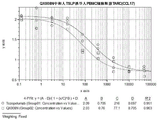
FIG. 8 is a graph showing that QX008N and Tezepelumab neutralizing human TSLP induces TARC (CCL17) release activity from human PBMC cells.
Detailed Description
The following description of the exemplary embodiments of the present application, including various details of the embodiments of the present application to assist in understanding, should be taken as exemplary only. Accordingly, those of ordinary skill in the art will recognize that various changes and modifications of the embodiments described herein can be made without departing from the scope and spirit of the present application. Also, descriptions of well-known functions and constructions are omitted in the following description for clarity and conciseness.
Technical and scientific terms used herein have the same meaning as commonly understood by one of ordinary skill in the art, and in case of conflict, the definitions in this specification shall control.
In general, the terms used in the present specification have the following meanings.
In the present specification, an "isolated" antibody is an antibody that has been separated from components of its natural environment. In certain embodiments, the antibody is purified to greater than 95% or 99% purity as determined by, for example, electrophoresis (e.g., SDS-PAGE isoelectric focusing (IEF), capillary electrophoresis), or chromatography (e.g., ion exchange or reverse phase HPLC). For a review of methods for assessing antibody purity, see, e.g., Flatman et al, j.chromatogr.b848: 79-87(2007).
In the present specification, "monoclonal antibody" means an antibody obtained from a population of substantially homogeneous antibodies, i.e., the individual antibodies comprising the population are identical and/or bind the same epitope, with the exception of possible variant antibodies (e.g., antibodies containing naturally occurring mutations or produced during the production of monoclonal antibody preparations), such variants typically being present in minute amounts. Unlike polyclonal antibody preparations, which typically include different antibodies directed against different determinants (epitopes), each monoclonal antibody of a monoclonal antibody preparation is directed against a single determinant on the antigen. Thus, the modifier "monoclonal" indicates the character of the antibody as being obtained from a substantially homogeneous population of antibodies, and is not to be construed as requiring production of the antibody by any particular method. For example, monoclonal antibodies to be used in accordance with the present application can be prepared by a variety of techniques including, but not limited to, hybridoma methods, recombinant DNA methods, phage display methods, and methods using transgenic animals comprising all or part of a human immunoglobulin locus, such methods and other exemplary methods of preparing monoclonal antibodies being described herein.
In the present specification, "affinity" refers to the strength of the sum of non-covalent interactions between a single binding site of a molecule (e.g., an antibody) and its binding partner (e.g., an antigen). Unless otherwise indicated, "binding affinity" as used in this specification refers to an intrinsic binding affinity that reflects a 1:1 interaction between members of a binding pair (e.g., antibody and antigen). The affinity of a molecule X for its partner Y can generally be determined by the equilibrium dissociation constant (K)D) And (4) showing. Affinity can be measured by common methods known in the art.
In the present specification, Human Thymic Stromal Lymphopoietin (TSLP) represents a cytokine derived from Human, the amino acid sequence of which is shown in SEQ ID NO: 9, wherein the underlined part indicates the signal peptide.
SEQ ID NO:9:
MFPFALLYVLSVSFRKIFILQLVGLVLTYDFTNCDFEKIKAAYLSTISKDLITYMSGTKSTEFNNTVSCSNRPHCLTEIQSLTFNPTAGCASLAKEMFAMKTKAALAIWCPGYSETQINATQAMKKRRKRKVTTNKCLEQVSQLQGLWRRFNRPLLKQQ
In the present specification, "anti-human TSLP monoclonal antibody" means a monoclonal antibody: it is capable of binding human TSLP with sufficient affinity such that the monoclonal antibody is useful as a diagnostic and/or therapeutic agent targeting human TSLP.
The anti-human TSLP monoclonal antibodies of the present application do not bind to target-independent proteins. Here, "unrelated protein" refers to a protein other than human TSLP as a target; here, "not to bind" means: where the binding capacity of an anti-human TSLP monoclonal antibody of the present application to human TSLP as its target is taken as 100%, the binding capacity of an anti-human TSLP monoclonal antibody of the present application to the unrelated protein is less than 10%, e.g., 9%, 8%, 7%, 6%, 5%, 4%, 3%, 2%, 1%, or 0%.
The anti-human TSLP monoclonal antibodies of the present application may not bind to TSLP from other animal species. Here, "other animal species" refers to other animal species than humans, such as marmoset, cynomolgus, pig, dog, rabbit, rat, mouse, guinea pig, and the like; here, "not to bind" means: the binding capacity of the anti-human TSLP monoclonal antibody of the present application to TSLP of other animal species is less than 10%, for example, 9%, 8%, 7%, 6%, 5%, 4%, 3%, 2%, 1%, or 0, assuming that the binding capacity of the anti-human TSLP monoclonal antibody of the present application to human TSLP as its target is 100%.
The human TSLP monoclonal antibody of the present application has an equilibrium dissociation constant (K) of 1 μ M or less, 100nM or less, 50nM or less, 40nM or lessD)。
The experimental results show that the anti-human TSLP monoclonal antibody of the present application can specifically bind to human TSLP.
The anti-human TSLP monoclonal antibody of the application is equivalent to or superior to the monoclonal antibody products of the same type on the market in terms of various biological activities. Such biological activities are for example the activity of neutralising STAT5 phosphorylation in human, native, cynomolgus TSLP-induced cells, the activity of neutralising human TSLP-induced release of TARC (CCL17) in human whole blood, human PBMC cells etc.
In one embodiment, the amino acid sequence of the heavy chain of an anti-human TSLP monoclonal antibody of the present application is as set forth in SEQ ID NO: 10 is shown in the figure; the amino acid sequence of the light chain is shown as SEQ ID NO: shown at 11.
SEQ ID NO:10
EVQLVESGGGLVQPGGSLRLSCAASGFSLSSYYMSWVRQAPGKGLEWVGFISYGGSAYHATWAQGRFTISKDNSKNTLYLQMNSLRAEDTAVYYCAREFRSMTYGAEWGIWGQGTLVTVSSASTKGPSVFPLAPSSKSTSGGTAALGCLVKDYFPEPVTVSWNSGALTSGVHTFPAVLQSSGLYSLSSVVTVPSSSLGTQTYICNVNHKPSNTKVDKKVEPKSCDKTHTCPPCPAPELLGGPSVFLFPPKPKDTLMISRTPEVTCVVVDVSHEDPEVKFNWYVDGVEVHNAKTKPREEQYNSTYRVVSVLTVLHQDWLNGKEYKCKVSNKALPAPIEKTISKAKGQPREPQVYTLPPSRDELTKNQVSLTCLVKGFYPSDIAVEWESNGQPENNYKTTPPVLDSDGSFFLYSKLTVDKSRWQQGNVFSCSVMHEALHNHYTQKSLSLSPGK
SEQ ID NO:11
AYQMTQSPSSVSASVGDRVTITCQASESIYDTLAWYQQKPGKAPKLLIYSASSLASGVPSRFSGSGSGTDFTLTISSLQPEDFATYYCQQGYTMPDVDKNPFGGGTKVEIKRTVAAPSVFIFPPSDEQLKSGTASVVCLLNNFYPREAKVQWKVDNALQSGNSQESVTEQDSKDSTYSLSSTLTLSKADYEKHKVYACEVTHQGLSSPVTKSFNRGEC
Wherein, SEQ ID NO: 10 and 11 are both humanized sequences.
In the present specification, an "isolated" nucleic acid refers to a nucleic acid molecule that has been separated from components of its natural environment. An isolated nucleic acid includes a nucleic acid molecule contained in a cell that normally contains the nucleic acid molecule, but which is present extrachromosomally or at a chromosomal location different from its natural chromosomal location.
In the present specification, "isolated nucleic acid encoding an anti-TSLP monoclonal antibody" means one or more nucleic acid molecules encoding the heavy and light chains of an antibody, including such nucleic acid molecules in a single vector or separate vectors, as well as such nucleic acid molecules present at one or more locations in a host cell.
In the present specification, "vector" means a nucleic acid molecule capable of amplifying another nucleic acid to which it is linked. The term includes vectors which are self-replicating nucleic acid structures as well as vectors which are integrated into the genome of a host cell into which they have been introduced. Certain vectors are capable of directing the expression of a nucleic acid to which they are operably linked. Such vectors are referred to herein as "expression vectors".
In the present specification, "host cell", "host cell line" and "host cell culture" are used interchangeably and refer to a cell into which an exogenous nucleic acid has been introduced, including the progeny of such a cell. Host cells include "transformants" and "transformed cells," which include the primary transformed cell and progeny derived therefrom (regardless of the number of passages). Progeny may not be identical to the parent cell in terms of nucleic acid content, but may contain mutations. Progeny of mutants screened or selected for the originally transformed cell to have the same function or biological activity are included in the present specification.
In the present specification, "pharmaceutical composition" means a preparation: it is in a form that enables the biological activity of the active ingredient contained therein to exert an effect, and the composition does not contain an additional component having unacceptable toxicity to the subject to which the formulation is to be administered.
In the present specification, "pharmaceutically acceptable carrier" means an ingredient other than an active ingredient in a pharmaceutical composition, which is non-toxic to a subject. Pharmaceutically acceptable carriers include, but are not limited to, buffers, excipients, stabilizers or preservatives.
In the present application, a "monoclonal antibody" is typically a human antibody, which can be prepared using techniques well known to those skilled in the art, for example, human antibodies are generally described in van Dijk, m.a. and van de Winkel, j.g., curr. opin. pharmacol.5: 368-.
Antibodies can be prepared by administering an immunogen to transgenic animals that have been modified to stimulate the production of fully human antibodies or fully antibodies with human variable regions against an antigen challenge, these animals typically containing a portion or all of the human immunoglobulin locus that replaces the endogenous immunoglobulin locus, or that is present extrachromosomally or randomly integrated into the animal. In such transgenic miceEndogenous immunoglobulin loci have generally been inactivated, for a review of methods for obtaining human antibodies from transgenic animals, see Lonberg, N., Nat. Biotech, (Nat. Biotech.) 23:1117-1125 (2005). See also, for example, XENOMOUSE described in U.S. Pat. Nos. 6,075,181 and 6,150,584TMA technique; U.S. Pat. No.5,770,429 A technique; U.S. Pat. No.7,041,870
 Techniques, and as described in U.S. patent application publication No. US 2007/0061900
 Provided is a technique. The human variable regions from the whole antibodies generated by such animals may be further modified, for example by combination with different human constant regions.
Human antibodies can also be made by hybridoma-based methods. Human myeloma and mouse-human hybrid myeloma cells for producing human Monoclonal antibodies have been described (see, e.g., Kozbor, D., J.Immunol.133:3001-3005 (1984); Brodeur, B.R. et al, Monoclonal Antibody Production Techniques and Applications, Marcel Dekker, Inc., New York (1987), pp.51-63; Boerner, P. et al, J.Immunol.147:86-95 (1991)). Human antibodies produced via human B-cell hybridoma technology are also described in Li, J, et al, Proc.Natl.Acad.Sci.USA103:3557-3562 (2006). Other methods include those described in, for example, U.S. Pat. No.7,189,826 (which describes the production of monoclonal human IgM antibodies from hybridoma cell lines) and Ni, Xiandai Mianyixue,26 (4); 265-268 (which describes a human-human hybridoma). The human hybridoma technique (Trioma technique) is also described in Vollmers, H.P.and Brandlein, S., Historagy and Histopathology20: 927-; vollmers, H.P.and Brandlein, S.A., Methods and Findings in Experimental and Clinical Pharmacology 27:185-191 (2005).
Human antibodies can also be generated by isolating Fv clone variable domain sequences selected from phage display libraries derived from humans, and such variable domain sequences can then be combined with the desired human constant domains.
Human antibodies can also be selected based on antibody libraries, i.e., human antibodies can be isolated by screening combinatorial libraries for antibodies having a desired activity or activities. For example, various methods for producing phage display libraries and screening such libraries for antibodies possessing desired binding characteristics are known in the art. Such Methods are reviewed, for example, in Hoogenboom, H.R. et al, Methods in Molecular Biology 178:1-37(2001), and are further described, for example, in McCafferty, J. et al, Nature 348:552-554 (1990); clackson, T.et al, Nature 352: 624-; marks, J.D., et al, J.mol.biol.222:581-597 (1992); marks, J.D.andBradbury, A., Methods in Molecular Biology 248:161-175 (2003); sidhu, S.S., et al, J.mol.biol.338:299-310 (2004); lee, C.V., et al, J.mol.biol.340:1073-1093 (2004); fellouse, F.A., Proc.Natl.Acad.Sci.USA 101: 12467-; and Lee, C.V., et al, J.Immunol.methods 284:119-132 (2004).
In some phage display methods, repertoires of VH and VL genes are separately cloned by Polymerase Chain Reaction (PCR) and randomly recombined in phage libraries, which are then screened for antigen-binding phages, as described in Winter, G.et al, Ann.Rev.Immunol.12:433-455 (1994). Phage typically display antibody fragments either as single chain fv (scfv) fragments or as Fab fragments. Libraries from immunized sources provide high affinity antibodies to the immunogen without the need to construct hybridomas. Alternatively, the nonimmune repertoire can be cloned (e.g., from humans) to provide a single source of antibodies to a large panel of non-self and also self antigens in the absence of any immunization, as described by Griffiths, A.D., et al, EMBO J,12: 725-. Finally, the generation of an unimmunized library can also be synthesized by cloning unrearranged V gene segments from stem cells and encoding the highly variable CDR3 regions using PCR primers containing random sequences and effecting rearrangement in vitro, as described by Hoogenboom, H.R. and winter, G., J.Mol.biol.227:381-388 (1992). Patent publications describing human antibody phage libraries include, for example: U.S. Pat. No.5,750,373 and U.S. patent publication Nos. 2005/0079574, 2005/0119455, 2005/0266000, 2007/0117126, 2007/0160598, 2007/0237764, 2007/0292936 and 2009/0002360.
The antibody may also be a multispecific antibody, e.g., a bispecific antibody. Bispecific antibodies are monoclonal antibodies having binding specificity for at least two different sites. Techniques for generating multispecific antibodies include, but are not limited to, recombinant co-expression of two pairs of immunoglobulin heavy and light chains with different specificities (see Milstein, C.and Cuello, A.C., Nature305:537-540 (1983); WO 93/08829; and Traunecker, A. et al, EMBO J.10:3655-3659(1991)) and "node-in-hole" engineering (see, e.g., U.S. Pat. No.5,731,168). Effects can also be manipulated electrostatically by engineering the molecules for the generation of antibody Fc-heterodimers (WO 2009/089004); crosslinking two or more antibodies or fragments (see, e.g., U.S. Pat. No.4,676,980 and Brennan, M. et al, Science229:81-83 (1985)); the use of leucine zippers to generate bispecific antibodies (see, e.g., Kostelny, S.A., et al, J.Immunol.148:1547-1553 (1992)); the "diabody" technique used to generate bispecific antibody fragments was used (see, e.g., Holliger, P. et al, Proc. Natl. Acad. Sci. USA90:6444-6448 (1993)); and the use of single chain fv (scFv) dimers (see, e.g., Gruber, M. et al, J.Immunol.152:5368-5374 (1994)); and making a trispecific antibody (as described, for example, in Tutt, A. et al, J.Immunol.147:60-69 (1991)) to generate a multispecific antibody.
Monoclonal antibodies described herein also include engineered antibodies having three or more functional antigen binding sites, including "octopus antibodies" (see, e.g., US 2006/0025576).
The antibodies herein may also include multispecific antibodies described in WO 2009/080251, WO 2009/080252, WO2009/080253, WO 2009/080254, WO 2010/112193, WO 2010/115589, WO2010/136172, WO 2010/145792, and WO 2010/145793, WO 2011/117330, WO 2012/025525, WO 2012/025530, WO 2013/026835, WO2013/026831, WO 2013/164325, or WO 2013/174873.
The monoclonal antibodies described herein may also be antibody variants, for example, it may be desirable to improve the binding affinity and/or other biological properties of the antibody. Amino acid sequence variants of an antibody can be prepared by introducing appropriate modifications into the nucleotide sequence encoding the antibody, or by peptide synthesis. Such modifications include, for example, deletions from, and/or insertions into, and/or substitutions of, residues within the amino acid sequence of the antibody. Any combination of deletions, insertions, and substitutions can be made to arrive at the final construct, so long as the final construct possesses the desired characteristics, e.g., antigen binding. Thus, in certain embodiments, antibody variants are provided having one or more amino acid substitutions in which the site of interest for the substitution mutation comprises an HVR and an FR, e.g., amino acid substitutions can be introduced into an antibody of interest and screened for products having a desired activity, e.g., retained/improved antigen binding, reduced immunogenicity, or improved ADCC or CDC.
Examples
The experimental methods used in the following examples are all conventional methods, unless otherwise specified.
Materials, reagents and the like used in the following examples are commercially available unless otherwise specified.
EXAMPLE 1 preparation of anti-human TSLP monoclonal antibody QX008N
Human thymic stromal lymphopoietin (hTSLP) is purchased from Shanghai near-shore science and technology Limited and used for immunizing New Zealand rabbits, an antigen binding specificity antibody clone is obtained by applying a B cell cloning technology, and then a monoclonal antibody which is combined with human TSLP and has human TSLP inhibition activity is screened out. Cell supernatants were tested by Binding and Blocking ELISA to select target clones. The immunization and screening process is entrusted to a commercial company for completion.
7 clones were selected in sequence for recombinant expression and sequencing. The cell-neutralizing activity of 8G2 was best determined. Thus, 8G2 clone was humanised. Performing homology alignment of human IgG Germline sequences (Germine) by using NCBI IgBlast, selecting IGHV3-66 a 01 as a heavy chain CDR grafting template, and grafting CDR regions (namely CDR-H1(SEQ ID No:1), CDR-H2(SEQ ID No:2) and CDR-H3(SEQ ID No:3)) of the heavy chain of clone 8G2 into the framework region of IGHV3-66 a 01; selecting IGKV1-12 x 01 as light chain CDR grafting template, grafting CDR region (namely CDR-L1(SEQ ID No:4), CDR-L2(SEQ ID No:5) and CDR-L3(SEQ ID No:6)) of 8G2 clone light chain into framework region of IGKV1-12 x 01; and (3) carrying out back mutation on a specific site of the framework region to obtain the variable region of the monoclonal antibody QX 008N. Finally, the humanized heavy chain variable region sequence is shown in SEQ ID NO: 7 is shown in the specification; the amino acid sequence of the humanized light chain variable region is shown as SEQ ID NO: shown in fig. 8.
The gene of the heavy chain variable region (SEQ ID NO: 7) and the gene of the light chain variable region (SEQ ID NO: 8) were obtained by PCR amplification. The HindIII and NheI are used for double enzyme digestion of the heavy chain expression plasmid pHZDCH; HindIII and BsiWI are used for double digestion of the light chain expression plasmid pHZDCK; the PCR amplified genes were inserted into the corresponding expression plasmids using Infusion recombinase, respectively, to construct the heavy chain expression plasmid pHZDDCH-8G 2VH-Hu27 and the light chain expression plasmid pHZDCK-8G2VK-Hu 14.
The results of detecting the variable region gene fragment amplified by PCR and the plasmid digested in two by nucleic acid electrophoresis are shown in FIG. 1. As can be seen from the results shown in FIG. 1, the PCR amplification results of the heavy chain variable region and the light chain variable region of the antibody and the results of double digestion of the heavy chain and light chain expression plasmids were found, wherein the plasmid sizes of the heavy chain and the light chain were about 10000bp, the heavy chain variable region was about 477bp, and the light chain variable region was about 447 bp.
The correct heavy chain expression plasmid pHZDDCH-8G 2VH-Hu27 (the amino acid sequence of the expressed heavy chain is shown in SEQ ID NO: 10) and the light chain expression plasmid pHZDCK-8G2VK-Hu14 (the amino acid sequence of the expressed light chain is shown in SEQ ID NO: 11) were co-transfected into ExpicHO-S cells. One day before transfection, ExpCHO-S cells were diluted to 3X 10⁶Individual cells/ml were passaged before transfection. On the day of transfection, cell density was diluted to 6X 10⁶Individual cells/ml, 125ml shake flasks with 25ml cells, waiting for transfection. The transfection and expression process is shown in FIG. 2.
On day 6 post-transfection, culture supernatants were harvested and subjected to one-step purification with ProteinA. The purified antibody was detected by SDS-PAGE and designated as QX008N (HZD8G2-57), and the results of detection of the antibody by protein electrophoresis are shown in FIG. 3. The protein electrophoresis was performed using denatured reducing gel, and the result of FIG. 3 shows two bands, which have sizes of about 50kDa and 25kDa, respectively, and correspond to the theoretical molecular weights of the heavy chain (49.3kDa) and the light chain (23.6 kDa).
Example 2 equilibrium dissociation constant (K)D) Measurement of (2)
The affinity of QX008N (HZD8G2-57) for human TSLP was tested using Biacore T200, all at 25 ℃. A commercial ProteinA chip is adopted, and a proper amount of antibody is fixed by a capture method, so that Rmax is about 50RU, and the capture flow rate is 10 mul/min. The antigen is subjected to gradient dilution, the flow rate of the instrument is switched to 30 mul/min, the antigen sequentially flows through a reference channel and a channel for fixing the antibody according to the sequence of the concentration from low to high, and the antigen flows through a buffer solution to serve as a negative control. After each binding and dissociation, the chip was regenerated with glycine of pH 1.5. Selecting a 1:1 binding model in Kinetics options by using self-contained analysis software of an instrument for fitting, and calculating a binding rate constant k of the antibodyaDissociation rate constant kdAnd dissociation equilibrium constant KDThe value is obtained.
In addition, when comparing the affinity of QX008N (HZD8G2-57) with that of a monoclonal antibody against human TSLP, Tezepelumab, which has been currently in clinical phase III, the detection method against the known antibody was the same as that for QX008N, and the results are shown in table 1. Wherein Tezepelumab is obtained by constructing an expression plasmid according to the A5 sequence provided by the patent US20110274687A1 and transforming ExpiCHO-S cells in self.
TABLE 1 affinity of anti-human TSLP monoclonal antibodies for binding to human TSLP
| Sample name | ka(106M-1S-1) | kd(10-5S-1) | KD(10-11M) |
| QX008N | 1.74 | 2.99 | 1.75 |
| Tezepelumab | 2.70 | 6.46 | 2.38 |
The data in the table are: each sample was tested in triplicate and the data for the mean was calculated.
Example 3 neutralization of SW756-STAT5-Luciferase reporter Gene cell STAT5 phosphorylation Activity induced by human TSLP by QX008N and Tezepelumab
The phosphorylation activity of intracellular signaling molecule STAT5 mediated by TSLPR-IL-7R of QX008N antagonistic human TSLP was determined using SW756-STAT5-Luciferase reporter cell line: cells in culture were plated at 4X 10 per well4Cells were added to 96 wells, followed by incubation at 37 ℃ and 5% CO2Incubated under conditions overnight. The pre-incubated antibody and human TSLP mixture was added to the cells at a final concentration of QX008N ranging from 0 to 50ng/ml, Tezepelumab at a final concentration ranging from 0 to 400ng/ml, and TSLP at a final concentration of 0.5 ng/ml. Then at 37 ℃ and 5% CO2Culturing for 24 hours under the condition, removing cell culture supernatant, adding 120 mu l of ONE-Glo-Luciferase Reagent into each hole, acting for 30min, taking 100 mu l of each hole to a white 96-hole plate, detecting a Luminescence fluorescence signal value, drawing a dose-effect curve, and further analyzing the antagonistic activity of the antibody, wherein the dose-effect curve is shown in figure 4.
The results shown in FIG. 4 show that QX008N can inhibit the phosphorylation of SW756-STAT5-Luciferase reporter gene cell STAT5 induced by human TSLP, and QX008N can inhibit the phosphorylation activity of SW756-STAT5-Luciferase reporter gene cell STAT5 induced by human TSLPIC of500.837ng/ml, and Tezepelumab inhibits the human TSLP-induced IC of SW756-STAT5-Luciferase reporter cell STAT5 phosphorylation activity50It was 3.8 ng/ml.
Example 4 neutralization of native TSLP induced SW756-STAT5-Luciferase reporter cell STAT5 phosphorylation activity by QX008N and Tezepelumab
The activity of QX008N in antagonizing the phosphorylation of the native TSLP by the TSLPR-IL-7R-mediated intracellular signaling molecule STAT5 was determined using the SW756-STAT5-Luciferase reporter cell line: cells in culture were plated at 4X 10 per well4Cells were added to 96 wells, followed by incubation at 37 ℃ and 5% CO2Incubated under conditions overnight. The cells were added with the pre-incubated antibody and native TSLP mixture at a final concentration of QX008N ranging from 0 to 50ng/ml, Tezepelumab at a final concentration ranging from 0 to 400ng/ml, and native TSLP at a final concentration 62.5 fold dilution from the stock. Then at 37 ℃ and 5% CO2Culturing for 24 hours under the condition, removing cell culture supernatant, adding 120 mu l of ONE-Glo-Luciferase Reagent into each hole, acting for 30min, taking 100 mu l of each hole to a white 96-hole plate, detecting a Luminescence fluorescence signal value, drawing a dose-effect curve, and further analyzing the antagonistic activity of the antibody, wherein the dose-effect curve is shown in figure 5.
The results shown in FIG. 5 show that QX008N can inhibit the natural TSLP induced phosphorylation of SW756-STAT5-Luciferase reporter gene cell STAT5, and QX008N inhibits the natural TSLP induced phosphorylation activity IC 5 of SW756-STAT5-Luciferase reporter gene cell STAT500.462ng/ml, while Tezepelumab inhibits the natural TSLP-induced IC of SW756-STAT5-Luciferase reporter cell STAT5 phosphorylation activity50It was 1.45 ng/ml.
Example 5 neutralization of cynomolgus TSLP by QX008N and Tezepelumab SW756-STAT5-Luciferase reporter cell STAT5 phosphorylation Activity
The activity of QX008N in antagonizing cynomolgus monkey TSLP on phosphorylation of intracellular signaling molecule STAT5 mediated by TSLPR-IL-7R was determined using SW756-STAT5-Luciferase reporter cell line: cells in culture were plated at 4X 10 per well4Cells were added to 96 wells, followed by incubation at 37 ℃ and 5% CO2Incubated under conditions overnight.The pre-incubated antibody and cynomolgus TSLP mixture was added to the cells at a final concentration of QX008N ranging from 0 to 50ng/ml, Tezepelumab ranging from 0 to 400ng/ml, and cynomolgus TSLP of 0.5 ng/ml. Then at 37 ℃ and 5% CO2Culturing for 24 hours under the condition, removing cell culture supernatant, adding 120 mu l of ONE-Glo-Luciferase Reagent into each hole, acting for 30min, taking 100 mu l of each hole to a white 96-hole plate, detecting a Luminescence fluorescence signal value, drawing a dose-effect curve, and further analyzing the antagonistic activity of the antibody, wherein the dose-effect curve is shown in figure 6.
The results shown in FIG. 6 show that QX008N can inhibit TSLP of cynomolgus monkey from inducing phosphorylation of SW756-STAT5-Luciferase reporter gene cell STAT5, and QX008N can inhibit TSLP of cynomolgus monkey from inducing IC 5 phosphorylation activity of SW756-STAT5-Luciferase reporter gene cell STAT550At 0.889ng/ml, while Tezepelumab inhibits the cynomolgus monkey TSLP-induced IC of SW756-STAT5-Luciferase reporter cell STAT5 phosphorylation activity50It was 1.88 ng/ml.
Example 6 neutralization of human TSLP by QX008N and Tezepelumab induces TARC (CCL17) release activity in human whole blood
Determination of the activity of QX008N antagonist against human TSLP by TSLPR-IL-7R-induced TARC (CCL17) release using human whole blood: whole blood was added to a 96-well plate at 100. mu.l/well and stored temporarily at 37 ℃ and 5% CO2Under these conditions, the pre-incubated antibody and human TSLP mixture was added to whole blood at a final concentration ranging from 0 to 10. mu.g/ml antibody, 0.5ng/ml human TSLP, and IL-33 was added at a final concentration of 0.5 ng/ml. Then at 37 ℃ and 5% CO2Culturing for 48 hours under the condition, collecting cell culture supernatant, detecting the expression of TARC (CCL17) in the supernatant by a sandwich ELISA method, drawing a dose-effect curve, and further analyzing the antagonistic activity of the antibody, wherein the dose-effect curve is shown in figure 7.
The results shown in FIG. 7 show that QX008N can inhibit TARC released from human TSLP-induced whole blood (CCL17), and that QX008N inhibits IC activity of TARC released from human TSLP-induced whole blood (CCL17)500.839ng/ml, while Tezepelumab inhibits the IC of TARC (CCL17) activity in human TSLP-induced whole blood release5023.9 ng/ml.
Example 7QX008N and Tezepelumab neutralization of human TSLP induces TARC (CCL17) release activity in human PBMC cells
Determination of the activity of QX008N antagonist against human TSLP by TSLPR-IL-7R-induced TARC (CCL17) release using human PBMC cells: PBMC were separated by density gradient centrifugation and added to a 96-well plate at 300000/well and stored temporarily at 37 ℃ and 5% CO2Under the conditions, the mixture of the antibody and human TSLP incubated in advance was added to PBMC at a final concentration ranging from 0 to 10. mu.g/ml of antibody, 0.5ng/ml of human TSLP, and IL-33 at a final concentration of 0.5ng/ml was added. Then at 37 ℃ and 5% CO2Culturing for 48 hours under the condition, collecting cell culture supernatant, detecting the expression of TARC (CCL17) in the supernatant by a sandwich ELISA method, drawing a dose-effect curve, and further analyzing the antagonistic activity of the antibody, wherein the dose-effect curve is shown in figure 8.
From the results shown in FIG. 8, it was revealed that QX008N was able to inhibit TARC (CCL17) release from human TSLP-induced PBMC cells, and that QX008N was able to inhibit IC activity of TARC (CCL17) release from human TSLP-induced PBMC cells5077.1ng/ml, while Tezepelumab inhibits the IC of TARC (CCL17) activity release from human TSLP-induced PBMC cells 50216 ng/ml.
Sequence listing
<110> Jiangsu Quanxin biomedicine GmbH
<120> anti-human TSLP monoclonal antibody and application thereof
<130> TPE01573
<160> 11
<170> PatentIn version 3.5
<210> 1
<211> 5
<212> PRT
<213> Artificial sequence
<220>
<223> Artificial sequence description: artificially synthesized sequences
<400> 1
Ser Tyr Tyr Met Ser
1 5
<210> 2
<211> 16
<212> PRT
<213> Artificial sequence
<220>
<223> Artificial sequence description: artificially synthesized sequences
<400> 2
Phe Ile Ser Tyr Gly Gly Ser Ala Tyr His Ala Thr Trp Ala Gln Gly
1 5 10 15
<210> 3
<211> 13
<212> PRT
<213> Artificial sequence
<220>
<223> Artificial sequence description: artificially synthesized sequences
<400> 3
Glu Phe Arg Ser Met Thr Tyr Gly Ala Glu Trp Gly Ile
1 5 10
<210> 4
<211> 11
<212> PRT
<213> Artificial sequence
<220>
<223> Artificial sequence description: artificially synthesized sequence
<400> 4
Gln Ala Ser Glu Ser Ile Tyr Asp Thr Leu Ala
1 5 10
<210> 5
<211> 7
<212> PRT
<213> Artificial sequence
<220>
<223> description of artificial sequences: artificially synthesized sequences
<400> 5
Ser Ala Ser Ser Leu Ala Ser
1 5
<210> 6
<211> 13
<212> PRT
<213> Artificial sequence
<220>
<223> Artificial sequence description: artificially synthesized sequences
<400> 6
Gln Gln Gly Tyr Thr Met Pro Asp Val Asp Lys Asn Pro
1 5 10
<210> 7
<211> 121
<212> PRT
<213> Artificial sequence
<220>
<223> description of artificial sequences: artificially synthesized sequences
<400> 7
Glu Val Gln Leu Val Glu Ser Gly Gly Gly Leu Val Gln Pro Gly Gly
1 5 10 15
Ser Leu Arg Leu Ser Cys Ala Ala Ser Gly Phe Ser Leu Ser Ser Tyr
20 25 30
Tyr Met Ser Trp Val Arg Gln Ala Pro Gly Lys Gly Leu Glu Trp Val
35 40 45
Gly Phe Ile Ser Tyr Gly Gly Ser Ala Tyr His Ala Thr Trp Ala Gln
50 55 60
Gly Arg Phe Thr Ile Ser Lys Asp Asn Ser Lys Asn Thr Leu Tyr Leu
65 70 75 80
Gln Met Asn Ser Leu Arg Ala Glu Asp Thr Ala Val Tyr Tyr Cys Ala
85 90 95
Arg Glu Phe Arg Ser Met Thr Tyr Gly Ala Glu Trp Gly Ile Trp Gly
100 105 110
Gln Gly Thr Leu Val Thr Val Ser Ser
115 120
<210> 8
<211> 111
<212> PRT
<213> Artificial sequence
<220>
<223> Artificial sequence description: artificially synthesized sequences
<400> 8
Ala Tyr Gln Met Thr Gln Ser Pro Ser Ser Val Ser Ala Ser Val Gly
1 5 10 15
Asp Arg Val Thr Ile Thr Cys Gln Ala Ser Glu Ser Ile Tyr Asp Thr
20 25 30
Leu Ala Trp Tyr Gln Gln Lys Pro Gly Lys Ala Pro Lys Leu Leu Ile
35 40 45
Tyr Ser Ala Ser Ser Leu Ala Ser Gly Val Pro Ser Arg Phe Ser Gly
50 55 60
Ser Gly Ser Gly Thr Asp Phe Thr Leu Thr Ile Ser Ser Leu Gln Pro
65 70 75 80
Glu Asp Phe Ala Thr Tyr Tyr Cys Gln Gln Gly Tyr Thr Met Pro Asp
85 90 95
Val Asp Lys Asn Pro Phe Gly Gly Gly Thr Lys Val Glu Ile Lys
100 105 110
<210> 9
<211> 159
<212> PRT
<213> Artificial sequence
<220>
<223> Artificial sequence description: artificially synthesized sequences
<400> 9
Met Phe Pro Phe Ala Leu Leu Tyr Val Leu Ser Val Ser Phe Arg Lys
1 5 10 15
Ile Phe Ile Leu Gln Leu Val Gly Leu Val Leu Thr Tyr Asp Phe Thr
20 25 30
Asn Cys Asp Phe Glu Lys Ile Lys Ala Ala Tyr Leu Ser Thr Ile Ser
35 40 45
Lys Asp Leu Ile Thr Tyr Met Ser Gly Thr Lys Ser Thr Glu Phe Asn
50 55 60
Asn Thr Val Ser Cys Ser Asn Arg Pro His Cys Leu Thr Glu Ile Gln
65 70 75 80
Ser Leu Thr Phe Asn Pro Thr Ala Gly Cys Ala Ser Leu Ala Lys Glu
85 90 95
Met Phe Ala Met Lys Thr Lys Ala Ala Leu Ala Ile Trp Cys Pro Gly
100 105 110
Tyr Ser Glu Thr Gln Ile Asn Ala Thr Gln Ala Met Lys Lys Arg Arg
115 120 125
Lys Arg Lys Val Thr Thr Asn Lys Cys Leu Glu Gln Val Ser Gln Leu
130 135 140
Gln Gly Leu Trp Arg Arg Phe Asn Arg Pro Leu Leu Lys Gln Gln
145 150 155
<210> 10
<211> 451
<212> PRT
<213> Artificial sequence
<220>
<223> Artificial sequence description: artificially synthesized sequences
<400> 10
Glu Val Gln Leu Val Glu Ser Gly Gly Gly Leu Val Gln Pro Gly Gly
1 5 10 15
Ser Leu Arg Leu Ser Cys Ala Ala Ser Gly Phe Ser Leu Ser Ser Tyr
20 25 30
Tyr Met Ser Trp Val Arg Gln Ala Pro Gly Lys Gly Leu Glu Trp Val
35 40 45
Gly Phe Ile Ser Tyr Gly Gly Ser Ala Tyr His Ala Thr Trp Ala Gln
50 55 60
Gly Arg Phe Thr Ile Ser Lys Asp Asn Ser Lys Asn Thr Leu Tyr Leu
65 70 75 80
Gln Met Asn Ser Leu Arg Ala Glu Asp Thr Ala Val Tyr Tyr Cys Ala
85 90 95
Arg Glu Phe Arg Ser Met Thr Tyr Gly Ala Glu Trp Gly Ile Trp Gly
100 105 110
Gln Gly Thr Leu Val Thr Val Ser Ser Ala Ser Thr Lys Gly Pro Ser
115 120 125
Val Phe Pro Leu Ala Pro Ser Ser Lys Ser Thr Ser Gly Gly Thr Ala
130 135 140
Ala Leu Gly Cys Leu Val Lys Asp Tyr Phe Pro Glu Pro Val Thr Val
145 150 155 160
Ser Trp Asn Ser Gly Ala Leu Thr Ser Gly Val His Thr Phe Pro Ala
165 170 175
Val Leu Gln Ser Ser Gly Leu Tyr Ser Leu Ser Ser Val Val Thr Val
180 185 190
Pro Ser Ser Ser Leu Gly Thr Gln Thr Tyr Ile Cys Asn Val Asn His
195 200 205
Lys Pro Ser Asn Thr Lys Val Asp Lys Lys Val Glu Pro Lys Ser Cys
210 215 220
Asp Lys Thr His Thr Cys Pro Pro Cys Pro Ala Pro Glu Leu Leu Gly
225 230 235 240
Gly Pro Ser Val Phe Leu Phe Pro Pro Lys Pro Lys Asp Thr Leu Met
245 250 255
Ile Ser Arg Thr Pro Glu Val Thr Cys Val Val Val Asp Val Ser His
260 265 270
Glu Asp Pro Glu Val Lys Phe Asn Trp Tyr Val Asp Gly Val Glu Val
275 280 285
His Asn Ala Lys Thr Lys Pro Arg Glu Glu Gln Tyr Asn Ser Thr Tyr
290 295 300
Arg Val Val Ser Val Leu Thr Val Leu His Gln Asp Trp Leu Asn Gly
305 310 315 320
Lys Glu Tyr Lys Cys Lys Val Ser Asn Lys Ala Leu Pro Ala Pro Ile
325 330 335
Glu Lys Thr Ile Ser Lys Ala Lys Gly Gln Pro Arg Glu Pro Gln Val
340 345 350
Tyr Thr Leu Pro Pro Ser Arg Asp Glu Leu Thr Lys Asn Gln Val Ser
355 360 365
Leu Thr Cys Leu Val Lys Gly Phe Tyr Pro Ser Asp Ile Ala Val Glu
370 375 380
Trp Glu Ser Asn Gly Gln Pro Glu Asn Asn Tyr Lys Thr Thr Pro Pro
385 390 395 400
Val Leu Asp Ser Asp Gly Ser Phe Phe Leu Tyr Ser Lys Leu Thr Val
405 410 415
Asp Lys Ser Arg Trp Gln Gln Gly Asn Val Phe Ser Cys Ser Val Met
420 425 430
His Glu Ala Leu His Asn His Tyr Thr Gln Lys Ser Leu Ser Leu Ser
435 440 445
Pro Gly Lys
450
<210> 11
<211> 218
<212> PRT
<213> Artificial sequence
<220>
<223> Artificial sequence description: artificially synthesized sequences
<400> 11
Ala Tyr Gln Met Thr Gln Ser Pro Ser Ser Val Ser Ala Ser Val Gly
1 5 10 15
Asp Arg Val Thr Ile Thr Cys Gln Ala Ser Glu Ser Ile Tyr Asp Thr
20 25 30
Leu Ala Trp Tyr Gln Gln Lys Pro Gly Lys Ala Pro Lys Leu Leu Ile
35 40 45
Tyr Ser Ala Ser Ser Leu Ala Ser Gly Val Pro Ser Arg Phe Ser Gly
50 55 60
Ser Gly Ser Gly Thr Asp Phe Thr Leu Thr Ile Ser Ser Leu Gln Pro
65 70 75 80
Glu Asp Phe Ala Thr Tyr Tyr Cys Gln Gln Gly Tyr Thr Met Pro Asp
85 90 95
Val Asp Lys Asn Pro Phe Gly Gly Gly Thr Lys Val Glu Ile Lys Arg
100 105 110
Thr Val Ala Ala Pro Ser Val Phe Ile Phe Pro Pro Ser Asp Glu Gln
115 120 125
Leu Lys Ser Gly Thr Ala Ser Val Val Cys Leu Leu Asn Asn Phe Tyr
130 135 140
Pro Arg Glu Ala Lys Val Gln Trp Lys Val Asp Asn Ala Leu Gln Ser
145 150 155 160
Gly Asn Ser Gln Glu Ser Val Thr Glu Gln Asp Ser Lys Asp Ser Thr
165 170 175
Tyr Ser Leu Ser Ser Thr Leu Thr Leu Ser Lys Ala Asp Tyr Glu Lys
180 185 190
His Lys Val Tyr Ala Cys Glu Val Thr His Gln Gly Leu Ser Ser Pro
195 200 205
Val Thr Lys Ser Phe Asn Arg Gly Glu Cys
210 215
Claims (9)
1. An anti-human Thymic Stromal Lymphopoietin (TSLP) monoclonal antibody comprising three heavy chain complementarity determining regions (CDR-H1, CDR-H2 and CDR-H3) and three light chain complementarity determining regions (CDR-L1, CDR-L2 and CDR-L3), wherein:
the amino acid sequence of CDR-H1 is shown in SEQ ID NO:1 is shown in the specification;
the amino acid sequence of CDR-H2 is shown in SEQ ID NO:2 is shown in the specification;
the amino acid sequence of CDR-H3 is shown in SEQ ID NO:3 is shown in the specification;
the amino acid sequence of CDR-L1 is shown in SEQ ID NO:4 is shown in the specification;
the amino acid sequence of CDR-L2 is shown in SEQ ID NO:5 is shown in the specification;
the amino acid sequence of CDR-L3 is shown in SEQ ID NO: and 6.
2. The monoclonal antibody of claim 1, comprising a heavy chain variable region and a light chain variable region, wherein,
the amino acid sequence of the heavy chain variable region is shown as SEQ ID NO: 7 is shown in the specification;
the amino acid sequence of the light chain variable region is shown as SEQ ID NO: shown in fig. 8.
3. An isolated nucleic acid encoding the monoclonal antibody of claim 1 or 2.
4. A host cell comprising the nucleic acid of claim 3.
5. A method of producing a monoclonal antibody, comprising culturing the host cell of claim 4 so that the monoclonal antibody of claim 1 or 2 is produced.
6. A pharmaceutical composition comprising the monoclonal antibody of claim 1 or 2 and a pharmaceutically acceptable carrier.
7. The pharmaceutical composition of claim 6, for treating a disease associated with TSLP-mediated signal transduction.
8. The pharmaceutical composition of claim 7, wherein the TSLP-mediated signal transduction associated disease is allergic asthma, allergic dermatitis, allergic rhinitis, allergic conjunctivitis, atopic dermatitis fibrosis, and inflammatory bowel disease.
9. Use of a monoclonal antibody according to claim 1 or 2 in the manufacture of a medicament for treating a TSLP-mediated signal transduction-related disease;
the TSLP-mediated signal transduction-related diseases are allergic asthma, allergic dermatitis, allergic rhinitis, allergic conjunctivitis, atopic dermatitis fibrosis, and inflammatory bowel disease.
Priority Applications (9)
| Application Number | Priority Date | Filing Date | Title |
|---|---|---|---|
| CN202111031653.2A CN113683694B (en) | 2021-09-03 | 2021-09-03 | Anti-human TSLP monoclonal antibody and application thereof |
| EP26181302.6A EP4778583A2 (en) | 2021-09-03 | 2021-12-09 | Anti-human tslp monoclonal antibody and use thereof |
| JP2024514001A JP7747367B2 (en) | 2021-09-03 | 2021-12-09 | Anti-human TSLP monoclonal antibody and uses thereof |
| PCT/CN2021/136757 WO2023029281A1 (en) | 2021-09-03 | 2021-12-09 | Anti-human tslp monoclonal antibody and use thereof |
| DK21955809.5T DK4397684T3 (en) | 2021-09-03 | 2021-12-09 | ANTI-HUMAN TSLP MONOCLONAL ANTIBODY AND USE THEREOF |
| EP21955809.5A EP4397684B1 (en) | 2021-09-03 | 2021-12-09 | Anti-human tslp monoclonal antibody and use thereof |
| CA3230761A CA3230761A1 (en) | 2021-09-03 | 2021-12-09 | Anti-human tslp monoclonal antibody and use thereof |
| AU2021462394A AU2021462394B2 (en) | 2021-09-03 | 2021-12-09 | Anti-human tslp monoclonal antibody and use thereof |
| US18/593,157 US12378309B2 (en) | 2021-09-03 | 2024-03-01 | Anti-human thymic stromal lymphopoietin (TSLP) monoclonal antibody and use thereof to treat disease |
Applications Claiming Priority (1)
| Application Number | Priority Date | Filing Date | Title |
|---|---|---|---|
| CN202111031653.2A CN113683694B (en) | 2021-09-03 | 2021-09-03 | Anti-human TSLP monoclonal antibody and application thereof |
Publications (2)
| Publication Number | Publication Date |
|---|---|
| CN113683694A CN113683694A (en) | 2021-11-23 |
| CN113683694B true CN113683694B (en) | 2022-05-13 |
Family
ID=78585183
Family Applications (1)
| Application Number | Title | Priority Date | Filing Date |
|---|---|---|---|
| CN202111031653.2A Active CN113683694B (en) | 2021-09-03 | 2021-09-03 | Anti-human TSLP monoclonal antibody and application thereof |
Country Status (8)
| Country | Link |
|---|---|
| US (1) | US12378309B2 (en) |
| EP (2) | EP4778583A2 (en) |
| JP (1) | JP7747367B2 (en) |
| CN (1) | CN113683694B (en) |
| AU (1) | AU2021462394B2 (en) |
| CA (1) | CA3230761A1 (en) |
| DK (1) | DK4397684T3 (en) |
| WO (1) | WO2023029281A1 (en) |
Families Citing this family (9)
| Publication number | Priority date | Publication date | Assignee | Title |
|---|---|---|---|---|
| CN113683694B (en) | 2021-09-03 | 2022-05-13 | 江苏荃信生物医药股份有限公司 | Anti-human TSLP monoclonal antibody and application thereof |
| CN114605536B (en) * | 2021-11-01 | 2023-08-29 | 江苏荃信生物医药股份有限公司 | Affinity purification method for reducing host cell protein content in the production of anti-human thymic stromal lymphopoietin monoclonal antibody |
| CN117209604B (en) * | 2021-12-02 | 2024-03-22 | 北京东方百泰生物科技股份有限公司 | An anti-TSLP monoclonal antibody, its antigen-binding fragment and its application |
| CN116217725B (en) * | 2021-12-02 | 2023-09-22 | 北京东方百泰生物科技股份有限公司 | Purification method of anti-TSLP monoclonal antibody |
| CN116675771B (en) * | 2023-03-01 | 2024-08-06 | 江苏荃信生物医药股份有限公司 | Anti-human TSLP monoclonal antibody, kit containing same and inspection method |
| IL326774A (en) * | 2023-08-25 | 2026-04-01 | Proteologix Us Inc | Anti-TSLP antibody structures and uses thereof |
| CN118324916B (en) * | 2024-06-11 | 2024-11-08 | 苏州近岸蛋白质科技股份有限公司 | A monoclonal antibody against human GPRC5D and its preparation method and use |
| WO2025259138A1 (en) * | 2024-06-13 | 2025-12-18 | Joint Stock Company "Biocad" | Monoclonal antibody to tslp and use thereof |
| CN119431593B (en) * | 2024-11-25 | 2025-11-28 | 江苏荃信生物医药股份有限公司 | Monoclonal antibody against TSLP monoclonal antibody, kit comprising same and detection method using same |
Family Cites Families (57)
| Publication number | Priority date | Publication date | Assignee | Title |
|---|---|---|---|---|
| US4676980A (en) | 1985-09-23 | 1987-06-30 | The United States Of America As Represented By The Secretary Of The Department Of Health And Human Services | Target specific cross-linked heteroantibodies |
| US6150584A (en) | 1990-01-12 | 2000-11-21 | Abgenix, Inc. | Human antibodies derived from immunized xenomice |
| US6075181A (en) | 1990-01-12 | 2000-06-13 | Abgenix, Inc. | Human antibodies derived from immunized xenomice |
| US5770429A (en) | 1990-08-29 | 1998-06-23 | Genpharm International, Inc. | Transgenic non-human animals capable of producing heterologous antibodies |
| DE69129154T2 (en) | 1990-12-03 | 1998-08-20 | Genentech, Inc., South San Francisco, Calif. | METHOD FOR ENRICHING PROTEIN VARIANTS WITH CHANGED BINDING PROPERTIES |
| WO1993008829A1 (en) | 1991-11-04 | 1993-05-13 | The Regents Of The University Of California | Compositions that mediate killing of hiv-infected cells |
| US5731168A (en) | 1995-03-01 | 1998-03-24 | Genentech, Inc. | Method for making heteromultimeric polypeptides |
| US6610833B1 (en) | 1997-11-24 | 2003-08-26 | The Institute For Human Genetics And Biochemistry | Monoclonal human natural antibodies |
| JP2003516755A (en) | 1999-12-15 | 2003-05-20 | ジェネンテック・インコーポレーテッド | Shotgun scanning, a combined method for mapping functional protein epitopes |
| PT2857516T (en) | 2000-04-11 | 2017-08-28 | Genentech Inc | Multivalent antibodies and uses therefor |
| US6596541B2 (en) | 2000-10-31 | 2003-07-22 | Regeneron Pharmaceuticals, Inc. | Methods of modifying eukaryotic cells |
| DE60131456T2 (en) | 2000-11-30 | 2008-07-10 | Medarex, Inc., Milpitas | TRANCHROMOSOMAL TRANSGEN RODENTS FOR THE MANUFACTURE OF HUMAN ANTIBODIES |
| EP1513879B1 (en) | 2002-06-03 | 2018-08-22 | Genentech, Inc. | Synthetic antibody phage libraries |
| AU2004205631A1 (en) | 2003-01-16 | 2004-08-05 | Genentech, Inc. | Synthetic antibody phage libraries |
| US7785903B2 (en) | 2004-04-09 | 2010-08-31 | Genentech, Inc. | Variable domain library and uses |
| EP1957531B1 (en) | 2005-11-07 | 2016-04-13 | Genentech, Inc. | Binding polypeptides with diversified and consensus vh/vl hypervariable sequences |
| WO2007064919A2 (en) | 2005-12-02 | 2007-06-07 | Genentech, Inc. | Binding polypeptides with restricted diversity sequences |
| GB0603683D0 (en) | 2006-02-23 | 2006-04-05 | Novartis Ag | Organic compounds |
| EP2016101A2 (en) | 2006-05-09 | 2009-01-21 | Genentech, Inc. | Binding polypeptides with optimized scaffolds |
| AR064333A1 (en) * | 2006-12-14 | 2009-04-01 | Schering Corp | ANTI-TSLP DESIGN ANTIBODY |
| CN100592373C (en) | 2007-05-25 | 2010-02-24 | 群康科技(深圳)有限公司 | Liquid crystal display panel driving device and driving method thereof |
| US7982016B2 (en) | 2007-09-10 | 2011-07-19 | Amgen Inc. | Antigen binding proteins capable of binding thymic stromal lymphopoietin |
| US9266967B2 (en) | 2007-12-21 | 2016-02-23 | Hoffmann-La Roche, Inc. | Bivalent, bispecific antibodies |
| US20090162359A1 (en) | 2007-12-21 | 2009-06-25 | Christian Klein | Bivalent, bispecific antibodies |
| US8227577B2 (en) | 2007-12-21 | 2012-07-24 | Hoffman-La Roche Inc. | Bivalent, bispecific antibodies |
| US8242247B2 (en) | 2007-12-21 | 2012-08-14 | Hoffmann-La Roche Inc. | Bivalent, bispecific antibodies |
| EP3663318A1 (en) | 2008-01-07 | 2020-06-10 | Amgen Inc. | Method for making antibody fc-heterodimeric molecules using electrostatic steering effects |
| BRPI1014089A2 (en) | 2009-04-02 | 2016-04-19 | Roche Glycart Ag | multispecific antibodies comprising full length antibodies and single chain fab fragments |
| PT2417156E (en) | 2009-04-07 | 2015-04-29 | Roche Glycart Ag | Trivalent, bispecific antibodies |
| SG176219A1 (en) | 2009-05-27 | 2011-12-29 | Hoffmann La Roche | Tri- or tetraspecific antibodies |
| US9676845B2 (en) | 2009-06-16 | 2017-06-13 | Hoffmann-La Roche, Inc. | Bispecific antigen binding proteins |
| US8703132B2 (en) | 2009-06-18 | 2014-04-22 | Hoffmann-La Roche, Inc. | Bispecific, tetravalent antigen binding proteins |
| TW201138821A (en) | 2010-03-26 | 2011-11-16 | Roche Glycart Ag | Bispecific antibodies |
| BR112013002167A2 (en) | 2010-08-24 | 2016-05-31 | Roche Glycart Ag | bispecific antibody, pharmaceutical composition, use, method of treatment of a cancer patient and a patient suffering from inflammation |
| CN103068846B9 (en) | 2010-08-24 | 2016-09-28 | 弗·哈夫曼-拉罗切有限公司 | Bispecific antibodies comprising disulfide-stabilized Fv fragments |
| KR101886983B1 (en) | 2011-08-23 | 2018-08-08 | 로슈 글리카트 아게 | Fc-free antibodies comprising two fab fragments and methods of use |
| KR101721301B1 (en) | 2011-08-23 | 2017-03-29 | 로슈 글리카트 아게 | Bispecific antigen binding molecules |
| WO2013164325A1 (en) | 2012-05-02 | 2013-11-07 | F. Hoffmann-La Roche Ag | Multispecific antigen binding proteins |
| MX2014014162A (en) | 2012-05-24 | 2015-02-04 | Hoffmann La Roche | Multispecific antibodies. |
| CN107428828A (en) * | 2015-03-11 | 2017-12-01 | 葛兰素史密斯克莱知识产权发展有限公司 | TSLP-binding protein |
| EP3842457A1 (en) | 2015-09-09 | 2021-06-30 | Novartis AG | Thymic stromal lymphopoietin (tslp)-binding molecules and methods of using the molecules |
| EA038332B1 (en) * | 2015-09-09 | 2021-08-10 | Новартис Аг | Thymic stromal lymphopoietin (tslp)-binding molecules and methods of using the molecules |
| CN106943593A (en) * | 2017-03-24 | 2017-07-14 | 浙江中医药大学 | Application of the anti-TSLP antibody in the chronic itch medicine of preventing and treating is prepared |
| EP3609917A1 (en) | 2017-04-12 | 2020-02-19 | Amgen Inc. | Treatment of asthma with anti-tslp antibody |
| CN109206514B (en) * | 2017-07-03 | 2019-10-08 | 拜西欧斯(北京)生物技术有限公司 | TSLP monoclonal antibody and its preparation method and application |
| CN109678957B (en) * | 2018-12-06 | 2021-04-06 | 浙江工业大学 | A kind of anti-human TSLP monoclonal antibody and its preparation and application |
| TWI917325B (en) | 2019-06-04 | 2026-03-11 | 大陸商江蘇恆瑞醫藥股份有限公司 | Antibodies capable of binding to tslp and the application thereof |
| JP7331298B2 (en) * | 2019-09-04 | 2023-08-23 | ビオシオン インコーポレイテッド | Antibody-conjugated TSLP and uses thereof |
| CN114887053B (en) | 2019-11-29 | 2026-04-24 | 康诺亚生物医药科技(成都)有限公司 | Development and application of a treatment agent for TSLP-related conditions |
| EP4047019A4 (en) | 2019-12-13 | 2023-11-15 | Sichuan Kelun-Biotech Biopharmaceutical Co., Ltd. | ANTI-TSLP ANTIBODIES AND USES THEREOF |
| CN111171150B (en) * | 2020-02-05 | 2020-12-08 | 北京智仁美博生物科技有限公司 | Anti-human TSLP antibody and its use |
| CN111196850B (en) * | 2020-02-07 | 2020-10-30 | 北京汇智和源生物技术有限公司 | Human thymic stromal lymphopoietin monoclonal antibody and its application |
| CN113388035B (en) | 2020-03-13 | 2026-02-27 | 迈威(上海)生物科技股份有限公司 | Antibodies specifically targeting human TSLP and their applications |
| CN114437212B (en) | 2020-11-06 | 2023-03-14 | 上海麦济生物技术有限公司 | Anti-human thymus stromal lymphopoietin antibody and its preparation method and application |
| CN113683694B (en) * | 2021-09-03 | 2022-05-13 | 江苏荃信生物医药股份有限公司 | Anti-human TSLP monoclonal antibody and application thereof |
| CN114605536B (en) | 2021-11-01 | 2023-08-29 | 江苏荃信生物医药股份有限公司 | Affinity purification method for reducing host cell protein content in the production of anti-human thymic stromal lymphopoietin monoclonal antibody |
| CN114028561B (en) | 2021-11-01 | 2022-05-20 | 江苏荃信生物医药股份有限公司 | Preparation method of anti-human Thymic Stromal Lymphopoietin (TSLP) monoclonal antibody concentrated solution |
-
2021
- 2021-09-03 CN CN202111031653.2A patent/CN113683694B/en active Active
- 2021-12-09 DK DK21955809.5T patent/DK4397684T3/en active
- 2021-12-09 EP EP26181302.6A patent/EP4778583A2/en active Pending
- 2021-12-09 AU AU2021462394A patent/AU2021462394B2/en active Active
- 2021-12-09 CA CA3230761A patent/CA3230761A1/en active Pending
- 2021-12-09 WO PCT/CN2021/136757 patent/WO2023029281A1/en not_active Ceased
- 2021-12-09 EP EP21955809.5A patent/EP4397684B1/en active Active
- 2021-12-09 JP JP2024514001A patent/JP7747367B2/en active Active
-
2024
- 2024-03-01 US US18/593,157 patent/US12378309B2/en active Active
Non-Patent Citations (1)
| Title |
|---|
| 抗TSLP全人源单链抗体筛选与初步鉴定等;朱建光;《中国免疫学杂志》;20141220;第30卷(第12期);第1662-1665页 * |
Also Published As
| Publication number | Publication date |
|---|---|
| JP7747367B2 (en) | 2025-10-01 |
| AU2021462394A1 (en) | 2024-03-21 |
| US12378309B2 (en) | 2025-08-05 |
| AU2021462394B2 (en) | 2026-06-04 |
| JP2024532495A (en) | 2024-09-05 |
| US20240352117A1 (en) | 2024-10-24 |
| EP4397684B1 (en) | 2026-06-24 |
| WO2023029281A1 (en) | 2023-03-09 |
| CA3230761A1 (en) | 2023-03-09 |
| EP4397684A1 (en) | 2024-07-10 |
| DK4397684T3 (en) | 2026-07-27 |
| EP4778583A2 (en) | 2026-07-22 |
| EP4397684A4 (en) | 2025-03-05 |
| CN113683694A (en) | 2021-11-23 |
Similar Documents
| Publication | Publication Date | Title |
|---|---|---|
| US12378309B2 (en) | Anti-human thymic stromal lymphopoietin (TSLP) monoclonal antibody and use thereof to treat disease | |
| CN111171150B (en) | Anti-human TSLP antibody and its use | |
| US12351626B2 (en) | Anti-human interleukin-33 monoclonal antibody and use thereof | |
| CN111494626B (en) | Pharmaceutical compositions for the treatment of IL-4 and/or IL-13 mediated signal transduction related disorders | |
| CN113278071B (en) | Anti-human interferon alpha receptor1 monoclonal antibody and application thereof | |
| CN111718414A (en) | Anti-human interleukin-23 monoclonal antibody and its application | |
| CN113912728B (en) | Affinity purification method for reducing host cell protein content in the production of anti-human interleukin-33 monoclonal antibody | |
| US20260098101A1 (en) | Anti-human interleukin 36 receptor monoclonal antibody and use thereof | |
| CN114605536B (en) | Affinity purification method for reducing host cell protein content in the production of anti-human thymic stromal lymphopoietin monoclonal antibody | |
| CN114728171A (en) | anti-TIGIT antibody and application thereof | |
| WO2025152667A1 (en) | Anti-human cd117 monoclonal antibody and use thereof | |
| CA3219713C (en) | Anti-human interferon .alpha. receptor 1 monoclonal antibody and application thereof | |
| CN121949542A (en) | Affinity purification method of monoclonal antibody |
Legal Events
| Date | Code | Title | Description |
|---|---|---|---|
| PB01 | Publication | ||
| PB01 | Publication | ||
| CB02 | Change of applicant information | ||
| CB02 | Change of applicant information |
Address after: Room 1310, building 1, No. 907, Yaocheng Avenue, Taizhou, Jiangsu 225300 Applicant after: Jiangsu Quanxin biomedical Co.,Ltd. Address before: No. 907, Yaocheng Avenue, Taizhou, Jiangsu 225300 Applicant before: JIANGSU QYUNS THERAPEUTICS Co.,Ltd. |
|
| SE01 | Entry into force of request for substantive examination | ||
| SE01 | Entry into force of request for substantive examination | ||
| GR01 | Patent grant | ||
| GR01 | Patent grant |