EP3009137A1 - Pyrazoline-derived compound and its use in a weekly dosage regime against inflammation and pain derived from degenerative joint disease in mammals - Google Patents
Pyrazoline-derived compound and its use in a weekly dosage regime against inflammation and pain derived from degenerative joint disease in mammals Download PDFInfo
- Publication number
- EP3009137A1 EP3009137A1 EP14382396.1A EP14382396A EP3009137A1 EP 3009137 A1 EP3009137 A1 EP 3009137A1 EP 14382396 A EP14382396 A EP 14382396A EP 3009137 A1 EP3009137 A1 EP 3009137A1
- Authority
- EP
- European Patent Office
- Prior art keywords
- treatment
- body weight
- loading dose
- dose
- compound
- Prior art date
- Legal status (The legal status is an assumption and is not a legal conclusion. Google has not performed a legal analysis and makes no representation as to the accuracy of the status listed.)
- Withdrawn
Links
Images


Classifications
-
- A—HUMAN NECESSITIES
- A61—MEDICAL OR VETERINARY SCIENCE; HYGIENE
- A61K—PREPARATIONS FOR MEDICAL, DENTAL OR TOILETRY PURPOSES
- A61K31/00—Medicinal preparations containing organic active ingredients
- A61K31/33—Heterocyclic compounds
- A61K31/395—Heterocyclic compounds having nitrogen as a ring hetero atom, e.g. guanethidine or rifamycins
- A61K31/41—Heterocyclic compounds having nitrogen as a ring hetero atom, e.g. guanethidine or rifamycins having five-membered rings with two or more ring hetero atoms, at least one of which being nitrogen, e.g. tetrazole
- A61K31/415—1,2-Diazoles
-
- A—HUMAN NECESSITIES
- A61—MEDICAL OR VETERINARY SCIENCE; HYGIENE
- A61P—SPECIFIC THERAPEUTIC ACTIVITY OF CHEMICAL COMPOUNDS OR MEDICINAL PREPARATIONS
- A61P19/00—Drugs for skeletal disorders
- A61P19/02—Drugs for skeletal disorders for joint disorders, e.g. arthritis, arthrosis
-
- A—HUMAN NECESSITIES
- A61—MEDICAL OR VETERINARY SCIENCE; HYGIENE
- A61P—SPECIFIC THERAPEUTIC ACTIVITY OF CHEMICAL COMPOUNDS OR MEDICINAL PREPARATIONS
- A61P25/00—Drugs for disorders of the nervous system
- A61P25/04—Centrally acting analgesics, e.g. opioids
-
- A—HUMAN NECESSITIES
- A61—MEDICAL OR VETERINARY SCIENCE; HYGIENE
- A61P—SPECIFIC THERAPEUTIC ACTIVITY OF CHEMICAL COMPOUNDS OR MEDICINAL PREPARATIONS
- A61P29/00—Non-central analgesic, antipyretic or antiinflammatory agents, e.g. antirheumatic agents; Non-steroidal antiinflammatory drugs [NSAID]
Definitions
- the present invention relates to the use of a pyrazoline derived compound in a particular dosage regime for the treatment of pain and inflammation associated to a degenerative joint disease or condition in mammals.
- the invention refers to the selectively COX-2 blocking compound E-6087 for use in a weekly dosage regime for the treatment of pain and inflammation associated to a degenerative joint disease such as osteoarthritis or a condition associated to any such disease such as lameness.
- the present invention is directed to the treatment of mammals, preferably of dogs.
- Degenerative joint disease also referred to as canine osteoarthritis, or osteoarthrosis
- canine osteoarthritis is a disease process characterized by pain and lameness associated with pathological changes in the tissues of synovial joints, including the loss of articular cartilage ( Sanderson, R.O., Beata, C., Flipo, R.M., Genevois, J.P., Macias, C. Tacke, S., Vezzoni, A and Innes, JF (2009). Systematic review of the management of canine osteoarthritis. The Veterinary Record, 164:418-424 . and Innes, J., O'Neil, T. and Lascelles, D. (2010) Use of non-steroidal anti-inflammatory drugs for the treatment of canine osteoarthritis. In Practice, 32: 126-137 ). Specifically, there is an increased degradation of the extracellular matrix of the articular cartilage, with subsequent production of inflammatory mediators and degenerative enzymes that lead to further degenerative and inflammatory changes.
- NSAIDs are acidic anti-inflammatory agents that inhibit the enzyme cyclooxygenase (COX) which catalyses the conversion of arachidonic acid to prostaglandins and thromboxane.
- COX-1 is considered to be the constitutive form as it produces prostaglandins that are important for normal physiological function and are produced by many tissues, including gastrointestinal cells, platelets, endothelial cells and renal cells.
- COX-2 is considered to be an inducible form of the enzyme, the expression of which is tightly controlled under basal conditions but is dramatically up regulated in the presence of inflammation.
- Proinflammatory cytokines are known to stimulate the expression of COX-2 in many cells, including synovial cells, endothelial cells, chondrocytes, osteoblasts, monocytes and macrophages. Indeed, synovial and subchondral bone tissue from hips of dogs with osteoarthritis have been shown to present increased COX-2 expression compared with healthy dogs.
- the main mechanism of action of most NSAID's is the blocking of prostaglandin synthesis by non-selectively binding to and inhibiting the action of the COX-1 and COX-2 isoenzymes.
- the major therapeutic and toxic effects of NSAIDs are associated with this mechanism, specially when long treatments are required, like in degenerative joint disease.
- Firocoxib Previcox ®
- Mavacoxib Trocoxil ®
- Robenacoxib Onsior®
- Cimicoxib Cimalgex ®
- coxibs There are currently two kinds of coxibs on the market which are subject to a different dosage regime: the ones that are administered daily (Previcox®, Onsior®, Cimalgex®) and those that are administered once-monthly (Trocoxil ®).
- the treatment of inflammatory joint disease in mammals and in particular in pets like dogs has been carried out traditionally with the daily oral administration of coxibs.
- the oral administration of medicaments in animals and pets contrary to the case of human has mainly two problems. The first is the acceptance of the medication by the animal which can vary from a good acceptance to low acceptance. To solve this problem, formulations with aroma have been developed in order to increase the animal appetite and facilitate the oral intake.
- the second problem is that a daily dosage is subjected to a very close supervision of the treatment by the person administering the medicament to the animal or pet. It is usual that owner of pets misses the administration of some doses either because an oversight or because it is complicated to have contact with the animal everyday. These problems are even more important for long or chronic treatments such as osteoarthritis where loss of adherence to the treatment to the dosage regime may result in lack of efficacy or incomplete efficacy.
- the present invention solve the above problem by the use of the compound E-6087 in a weekly dosage which tries to maintain the comfort and advantages in adherence to treatment of a long-lasting action products but maintaining a sufficient margin of security.
- E-6087 with formula: was first disclosed in EP1083171 were its anti-inflammatory activity in rats was taught. However, this document is silent about any particular dosage regime in the treatment of degenerative joint disease.
- the main object of the present invention is based in the discovery of a new dosage regime applicable to the treatment of pain and inflammation associated to degenerative joint diseases or conditions relying on the use of E-6087.
- the object of the invention is compound E-6087 for use in the treatment of pain and inflammation associated to degenerative joint diseases or conditions in mammals comprising the administration of a maintenance weekly dosage regime from 1 to 6 mg/kg of body weight.
- the weekly dosage regime presented in this invention has demonstrated to be effective in the treatment of pain and inflammation associated to degenerative joint diseases in an osteoarthritis induced model in dogs.
- the results shown in the examples demonstrate that a weekly dosage regime of E-6087 ranging from 1 to 6 mg/kg of body weight is capable of dramatically reducing lameness and pain around a week after the first dose administration and totally control lameness and pain from that moment on.
- an initial loading dose may be used in order to early achieve the desired effects of E-6087.
- the loading dose or maintenance dose regime if not otherwise specified, always refers to mg of product per kg of body weight (or mg/ kg of body weight).
- the weekly dosage regime means that the maintenance dose of E-6087 of 1 to 6 mg/kg of body weight must be administered on a 7 days basis so as to reach the desired effect. The more the administration is deferred from the established dosage regime, the less effective the treatment will be. Adhesion to the dosage regime is essential for the good results of the treatment.
- the weekly dosage regime as described in the present invention has nevertheless the advantage of combining a reasonable time between dose administrations, thus facilitating adhesion to treatment, with a reasonable margin of security.
- the loading dose is an initial dose of 2 to 12 mg/kg of body weight which must be administered at the beginning of the treatment, namely on the first day of the treatment or if divided in two doses at preferably in the first and the second day of the treatment.
- the loading dose seeks early achievement of the desired effect and it use is specially suited for severe cases.
- degenerative joint diseases are those diseases that result in the progressive loss of articular cartilage and subchondral bone.
- the causes of degenerative joint disease are varied and may include hereditary, developmental, metabolic and mechanical deficits. Symptoms may include joint pain, tenderness, stiffness, locking, and sometimes an effusion. Most commonly, degenerative joint disease is known as osteoarthritis although it may include other diseases including degenerative processes normally causing pain.
- Degenerative joint conditions are understood in the present invention as situations or symptoms occurring in a subject suffering degenerative joint disease such as, for instance lameness in an animal suffering osteoarthritis in a leg.
- compound E-6087 is used for the treatment of pain and inflammation associated to degenerative joint diseases or conditions at a maintenance weekly dosage regime selected from 1,5 to 4,5 mg/kg of body weight.
- the maintenance weekly dosage regime is 4 mg/kg of body weight.
- the maintenance weekly dosage regime is 2 mg/kg of body weight.
- the maintenance weekly dosage regime is preceded by an initial loading dose of E-6087.
- the use of a loading dose of E-6087 preceding the maintenance weekly dosage regime is optimal for the severe cases or for treating acute to chronic pain/inflammation associated to degenerative joint diseases.
- the use of a loading dose allows for the early achievement of the desired effects of E-6087.
- the loading dose may be administered in one time on the first day of treatment or divided into two doses, the first one being administered on the first day and the second one administered on the second day of treatment, or the first one and the second one being administered in different points in time of the same day. In any case, the loading dose is always administered at the beginning of the treatment and precedes the weekly dosage regime.
- the loading dose of E-6087 is about 2 to 12 mg/kg of body weight, more preferably about 3,5 to 9 mg/kg.
- the maintenance dose regime of E-6087 is preceded by the administration of a loading dose of E-6087 of 8 mg/kg of body weight which is administered in one time at 8 mg/kg or twice at 4 mg/kg.
- a loading dose of E-6087 of 8 mg/kg of body weight which is administered in one time at 8 mg/kg or twice at 4 mg/kg.
- the loading dose When the loading dose is administered once, it must be administered in the first day of the treatment.
- the loading dose is administered in two doses of 4 mg/kg, it may be administered at different points in time within the same starting day of the treatment.
- the first dose of 4 mg/kg may be administered once at the starting day of the treatment and the second one on the next day.
- the loading dose of E-6087 is preferably administered once at 8 mg/kg of body weight or if administered in two dose of 4 mg/kg of body weight, preferably the first dose is administered in the starting day of the treatment and the second one on the next day.
- the maintenance dose of E-6087 is preceded by administration of a loading dose of E-6087 of 4 mg/kg of body weight which is administered in one time at 4 mg/kg or twice at 2 mg/kg.
- a loading dose of E-6087 of 4 mg/kg of body weight which is administered in one time at 4 mg/kg or twice at 2 mg/kg.
- the loading dose When the loading dose is administered once, it must be administered in the first day of the treatment.
- the loading dose is administered in two doses of 2 mg/kg, it may be administered at different points in time within the same starting day of the treatment.
- the first dose of 2 mg/kg may be administered once at the starting day of the treatment and the second one on the next day.
- the loading dose of E-6087 is preferably administered once at 4 mg/kg of body weight or if administered in two doses of 2 mg/kg of body weight, preferably the first dose is administered in the starting day of the treatment and the second one on the next day.
- compound E-6087 is used for the treatment of pain- and inflammation-associated to degenerative joint diseases or conditions wherein there is, additionally, an intitial loading dose.
- compound E-6087 is used for the treatment of pain and inflammation associated to degenerative joint diseases or conditions at a loading dose selected from 2 to 12 mg/kg of body weight.
- the loading dose of E-6087 is about 3,5 to 9 mg/kg of body weight
- the loading dose of 8 mg/kg of body weight consists in one dose of 8 mg/kg or two doses of 4 mg/kg.
- the loading dose of E-6087 is about 4 mg/kg of body weight.
- the loading dose of 4 mg/kg of body weight consists in one dose of 4 mg/kg or two doses of 2 mg/kg.
- Another preferred embodiment of the invention is where the loading dose is 4 mg/kg of body weight and the weekly dosage regime is 2 mg/kg of body weight.
- compound E-6087 is used for the treatment of pain and inflammation associated to degenerative joint diseases or conditions in mammals following a treatment dosage regime as explained above, wherein the degenerative joint disease is osteoarthritis.
- compound E-6087 is used for the treatment of pain and inflammation associated to degenerative joint diseases or conditions in mammals following a treatment dosage regime as explained before, wherein the degenerative joint condition is lameness.
- compound E-6087 can be used for the treatment of pain- and inflammation-associated to degenerative joint diseases or conditions to any kind of mammal following a treatment dosage regime as explained before, it is particularly useful for the treatment of dogs.
- the invention refers to method for the treatment of pain- and inflammation-associated to degenerative joint diseases or conditions in mammals comprising the administration of a maintenance weekly dosage regime of E-6087 from 1 to 6 mg/kg of body weight.
- method for the treatment of the invention comprises the administration of a maintenance weekly dosage regime selected of E-6087 from 1,5 to 4,5 mg/kg of body weight.
- the method of treatment comprises the administration of a maintenance weekly dosage regime of E-6087 of 4 mg/kg of body weight.
- the method of treatment comprises the administration of a maintenance weekly dosage regime of E-6087 of 2 mg/kg of body weight.
- the maintenance weekly dosage regime is preceded by the administration of an initial loading dose of E-6087.
- a loading dose of E-6087 preceding the weekly maintenance dose is optimal in the method of treatment for the severe cases or for treating acute to chronic pain/inflammation associated to degenerative joint diseases.
- a method of treatment comprising a loading dose allows the early achievement of the desired effects of E-6087.
- the method of treatment of the invention may comprise a loading dose of E-6087 of about 2 to 12 mg/kg of body weight, more preferably of about 3,5 to 9 mg/kg.
- the maintenance dose regime of E-6087 is preceded by the administration of a loading dose of E-6087 of 8 mg/kg of body weight which is administered in one time at 8 mg/kg or twice at 4 mg/kg.
- a loading dose of E-6087 of 8 mg/kg of body weight which is administered in one time at 8 mg/kg or twice at 4 mg/kg.
- the loading dose is administered once, it must be administered in the first day of the treatment.
- the loading dose is administered in two doses of 4 mg/kg, it may be administered at different points in time within the same starting day of the treatment.
- the first dose of 4 mg/kg may be administered once at the starting day of the treatment and the second one on the next day.
- the loading dose of E-6087 is preferably administered once at 8 mg/kg of body weight or if administered in two dose of 4 mg/kg of body weight, preferably the first dose is administered in the starting day of the treatment and the second one on the next day.
- the maintenance dose of E-6087 is preceded by administration of a loading dose of E-6087 of 4 mg/kg of body weight which is administered in one time at 4 mg/kg or twice at 2 mg/kg.
- a loading dose of E-6087 of 4 mg/kg of body weight which is administered in one time at 4 mg/kg or twice at 2 mg/kg.
- the loading dose is administered once, it must be administered in the first day of the treatment.
- the loading dose is administered in two doses of 2 mg/kg, it may be administered at different points in time within the same starting day of the treatment.
- the first dose of 2 mg/kg may be administered once at the starting day of the treatment and the second one on the next day.
- the loading dose of E-6087 is preferably administered once at 4 mg/kg of body weight or if administered in two dose of 2 mg/kg of body weight, preferably the first dose is administered in the starting day of the treatment and the second one on the next day.
- the method of treatment comprises the administration of an intitial loading dose of compound E-6087.
- the method of treatment of the invention comprises the administration of a loading dose of E-6087 of about 2 to 12 mg/kg of body weight.
- the method of treatment of the invention comprises the administration of a loading dose of E-6087 of about 3,5 to 9 mg/kg of body weight.
- the method of treatment of the invention comprises the administration of a loading dose of E-6087 of about 8 mg/kg of body weight.
- the method of treatment of the invention comprises the administration of a loading dose of E-6087 of about 4 mg/kg of body weight.
- the method of treatment of the invention comprises the administration of a loading dose of E-6087 of about 8 mg/kg of body weight administered in one time 8 mg/kg or two times 4 mg/kg.
- the method of treatment of the invention comprises the administration of a loading dose of E-6087 of about 4 mg/kg of body weight administered in one time 4 mg/kg or two times 2 mg/kg.
- the method of treatment of the invention comprises the administration of a loading dose is 8 mg/kg of body weight and the weekly dosage regime is 4 mg/kg of body weight.
- the method of treatment of the invention comprises the administration of a loading dose is 4 mg/kg of body weight and the weekly dosage regime is 2 mg/kg of body weight.
- the loading dose is administered once on the first day of treatment.
- the loading dose is administered in two doses at different points in time within the same starting day of treatment.
- the loading dose is administered in two doses, the first dose is administered once at the starting day of treatment and the second dose on the next day.
- the loading dose of two times 4 mg/kg is administered at different points in time within the same starting day of treatment.
- the loading dose of two times 2 mg/kg is administered at different points in time within the same starting day of treatment.
- the loading dose is administered in two doses of 4 mg/kg, the first dose of 4 mg/kg is administered on the first day of treatment and the second dose on the next day.
- compound E-6087 is administered for the treatment of pain and inflammation associated to degenerative joint diseases or conditions in mammals following a treatment dosage regime as explained above, wherein the degenerative joint disease is osteoarthritis.
- compound E-6087 is administered for the treatment of pain and inflammation associated to degenerative joint diseases or conditions in mammals following a treatment dosage regime as explained before, wherein the degenerative joint condition is lameness.
- a further aspect of the invention is the use of the compound E-6087 for the preparation of a medicament for the treatment of pain and inflammation associated to degenerative joint diseases or conditions, at a maintenance weekly dosage regime from 1 to 6 mg/kg of body weight.
- compound E-6087 is used for the preparation of a medicament for the treatment of pain and inflammation associated to degenerative joint diseases or conditions at a maintenance weekly dosage regime from 1,5 to 4,5 mg/kg of body weight.
- the maintenance weekly dosage regime is of 4 mg/kg of body weight.
- the maintenance weekly dosage regime is of 2 mg/kg of body weight.
- compound E-6087 is used for the preparation of a medicament for the treatment of pain and inflammation associated to degenerative joint diseases or conditions wherein there is, additionally, an intitial loading dose.
- compound E-6087 is used for the preparation of a medicament for the treatment of pain and inflammation associated to degenerative joint diseases or conditions wherein said use includes an initial loading dose.
- compound E-6087 is used for the preparation of a medicament for the treatment of pain and inflammation associated to degenerative joint diseases or conditions at the maintenance weekly dosage regime and a loading dose of E-6087.
- a loading dose of E-6087 in the preparation of the medicament is optimal for the severe cases or for treating acute to chronic pain/inflammation associated to degenerative joint diseases.
- the use of a loading dose allows for the early achievement of the desired effects of E-6087.
- the loading dose may be for one time administration on the first day of treatment or divided into two doses, the first one being administered on the first day and the second one administered on the second day of treatment, or the first one and the second one are administered in different points in time of the same day. In any case, the loading dose is always administered at the beginning of the treatment and precedes the weekly dosage regime.
- E-6087 is used in the preparation of a medicament where the maintenance dose regime of E-6087 is preceded by the administration of a loading dose of E-6087 of 8 mg/kg of body weight which is administered in one time at 8 mg/kg or twice at 4 mg/kg.
- a loading dose of E-6087 of 8 mg/kg of body weight which is administered in one time at 8 mg/kg or twice at 4 mg/kg.
- the loading dose is prepared to be administered once, it must be administered in the first day of the treatment.
- the loading dose is prepared to be administered in two doses of 4 mg/kg, it may be administered at different points in time within the same starting day of the treatment.
- the first dose of 4 mg/kg may be prepared to be administered once at the starting day of the treatment and the second one on the next day.
- E-6087 is used for preparation of a medicament where the loading dose of E-6087 is preferably to be administered once at 8 mg/kg of body weight or if administered in two doses of 4 mg/kg of body weight, preferably the first dose is administered in the starting day of the treatment and the second one on the next day.
- E-6087 is used for preparation of a medicament with a loading dose of E-6087 of 8 mg/kg of body weight to be administered either in one time at 8 mg/kg or twice at 4 mg/kg, the treatment is followed by a weekly maintenance dosage of E-6087 of 4 mg/kg of body weight.
- E-6087 is used in the preparation of the medicament where the maintenance dose of E-6087 is preceded by a loading dose of E-6087 of 4 mg/kg of body weight which is administered in one time at 4 mg/kg or twice at 2 mg/kg.
- a loading dose of E-6087 of 4 mg/kg of body weight which is administered in one time at 4 mg/kg or twice at 2 mg/kg.
- the loading dose is prepared to be administered once, it must be administered in the first day of the treatment.
- the loading dose is prepared to be administered in two doses of 2 mg/kg, it may be administered at different points in time within the same starting day of the treatment.
- the first dose of 2 mg/kg may be prepared to be administered once at the starting day of the treatment and the second one on the next day.
- E-6087 is used for preparation of a medicament where the loading dose of E-6087 is preferably to be administered once at 4 mg/kg of body weight or if administered in two doses of 2 mg/kg of body weight, preferably the first dose is administered in the starting day of the treatment and the second one on the next day.
- compound E-6087 is used for the preparation of a medicament for the treatment of pain and inflammation associated to degenerative joint diseases or conditions at a loading dose selected from 2 to 12 mg/kg of body weight.
- the loading dose of E-6087 used in the preparation of the medicament is about 3,5 to 9 mg/kg of body weight
- the loading dose of E-6087 used in the preparation of the medicament is about 8 mg/kg of body weight.
- the loading dose of 8 mg/kg of body weight consists in one dose of 8 mg/kg or two doses of 4 mg/kg.
- the loading dose of E-6087 used in the preparation of the medicament is about 4 mg/kg of body weight.
- the loading dose of 4 mg/kg of body weight consists in one dose of 4 mg/kg or two doses of 2 mg/kg.
- E-6087 used in the preparation of the medicament where the loading dose is 8 mg/kg of body weight and the weekly dosage regime is 4 mg/kg of body weight.
- E-6087 used in the preparation of the medicament where the loading dose is 4 mg/kg of body weight and the weekly dosage regime is 2 mg/kg of body weight.
- compound E-6087 is used for the preparation of a medicament for the treatment of pain and inflammation associated to degenerative joint diseases or conditions in mammals following a treatment dosage regime as explained above, wherein the degenerative joint disease is osteoarthritis.
- compound E-6087 is used for the preparation of a medicament for the treatment of pain and inflammation associated to degenerative joint diseases or conditions in mammals following a treatment dosage regime as explained before, wherein the degenerative joint condition is lameness.
- compound E-6087 can be used for the preparation of a medicament for the treatment of pain and inflammation associated to degenerative joint diseases or conditions to any kind of mammal following a treatment dosage regime as explained before, it is particularly useful for the treatment of dogs.
- a final object of the invention is represented by a composition comprising the compound E-6087 formulated for its administration in a maintenance weekly dosage regime from 1 to 6 mg/kg and at least one pharmaceutically acceptable excipient.
- compositions comprising the compound E-6087 formulated for a maintenance weekly dosage regime from 1 to 6 mg/kg and at least one pharmaceutically acceptable excipient.
- compositions comprising the compound E-6087 formulated as a medicament for a maintenance weekly dosage regime from 1 to 6 mg/kg and at least one pharmaceutically acceptable excipient.
- Excipients can be selected among carriers, support materials, lubricants, fillers, solvents, diluents, colorants, flavour conditioners such as sugars, antioxidants and/or agglutinants. In the case of suppositories, this may imply waxes or fatty acid esters or preservatives, emulsifiers and/or carriers for parenteral application.
- the selection of excipients and the amounts to be used will depend on the form of application of the pharmaceutical composition.
- composition in accordance with the invention can be adapted to any form of administration, be it orally or parenterally, for example pulmonarily, nasally, rectally and/or intravenously.
- the composition is suitable for oral administration.
- composition of the invention can be formulated for oral administration in any form preferably selected from the group consisting of tablets, drageés, capsules, pills, chewing gums, powders, drops, gels, juices, syrups, solutions and suspensions.
- composition of the present invention for oral administration may also be in the form of multiparticulates, preferably microparticles, microtablets, pellets or granules, optionally compressed into a tablet, filled into a capsule or suspended in a suitable liquid. Suitable liquids are known to those skilled in the art.
- Suitable preparations for parenteral applications are solutions, suspensions, reconstitutable dry preparations or sprays.
- the compounds of the invention can be formulated as deposits in dissolved form or in patches, for percutaneous application.
- Skin applications include ointments, gels, creams, lotions, suspensions or emulsions.
- the compoosition according to the present invention may be produced according to standard procedures known to those skilled in the art.
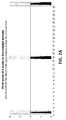
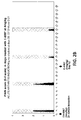
- the experimental model used in both studies was the same and it consists in the induction of an acute arthritis through the inoculation of an urate crystal suspension in the stifle (femorotibial) joint of dogs.
- this results in a transient inflammatory/painful reaction leading to a severe lameness detectable from 2 hours post-inoculation onwards and with a total duration of 8 to 10 hours, approximately. Partial or total inhibition of this reaction at a given time point after treatment administration is attributable to its pharmacological effect.
- a sodium urate crystal suspension at a concentration of 10 mg.mL-1 was prepared as follows:
- the intra-articular injections were performed under general anaesthesia using Propovet multidose at a propofol dose of 6.5 mg.kg-1 by intravenous route without premedication.
- This induction medication was intended to result in a rapid onset anaesthesia with duration of about 10 minutes of unconsciousness and full recovery within approximately 30 minutes.
- Propovet multidose half dose was re-injected to maintain appropriate anaesthesia.
- urate crystal injections were introduced in the stifle (femorotibial) joint.
- the intra-articular injection was performed under aseptic conditions using a 30 mm long and 1 mm diameter sterile needle and a 2.5 mL syringe.
- the joint was checked for successful joint puncture, by synovial aspiration.
- One millilitre of urate crystal suspension was used for each intra-articular injection.
- the duration of the induced inflammatory process was expected to be approximately 16 to 24 h and the average time of maximum lameness in untreated animals 2 to 3 hours after induction.
- Example 1 efficacy assessment of oral administration of E-6087 following an acute arthritis induction in dog.
- This study was designed to determine whether the blood levels of E-6087 achieved after one single oral dose of E-6087 at 4mg/kg in dog, do have some short and/or long-term antiinflammatory and analgesic effects.
- a second dose of E-6087 at 4mg/kg was administered to evaluate the eventual effect derived from the accumulation of the molecule in blood.
- the study had a total duration of 28 days.
- the first and third inoculations were done in the right stifle while the second and fourth inoculations were done in the left stifle.
- the anti-inflammatory and analgesic efficacy of treatments was assessed at different time points (just before the inoculation, and 0.5, 1, 2, 3, 4, 6, 9 and 12 hours later).Two clinical signs of arthritis were assessed by using a scoring system at each time point: visual lameness (whilst standing and walking) and pain at (inoculated stifle) palpation. The median, minimal and maximal values for this parameter were determined for each group at each time point. Blood sampling was performed at different time points during the study in dogs of groups I and II in order to determine blood concentrations of E-6087.
- Example 2 efficacy assessment of an oral administration of a loading dose and maintaining doses of E-6087 following an acute arthritis induction in dogs.
- Treatment regimen II Control Group Day 0 EV-6087 p.o. at 4 mg/kg Loading dose EV-6087 p.o. at 8 mg/kg - Day 1 EV-6087 p.o. at 4 mg/kg - - Day 7 EV-6087 p.o. at 4 mg/kg Maintenance dose EV-6087 p.o. at 4 mg/kg - Day 14 EV-6087 p.o. at 4 mg/kg EV-6087 p.o. at 4 mg/kg - Day 21 EV-6087 p.o. at 4 mg/kg EV-6087 p.o. at 4 mg/kg -
- the first and third inoculations were performed in the right stifle while the second inoculation was performed in the left stifle.
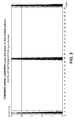
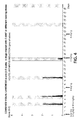
- the anti-inflammatory and analgesic efficacy of treatments was assessed at different time points (just before the inoculation, and 0.5, 1, 2, 3, 4, 6, 9 and 12 hours later).
- Blood sampling was performed at different time points during the study in dogs of groups A, B and C in order to determine blood concentrations of E-6087 and to relate it with the observed pharmacological effect.
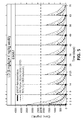
- FIG. 5 depicts the typical pharmacokinetic profile of E-6087 with the associated variability (90% confidence intervals) after administration of a loading dose of 8mg/kg followed by maintenance dose of 4 mg/kg weekly of 6087 in dogs.
Landscapes
- Health & Medical Sciences (AREA)
- Medicinal Chemistry (AREA)
- Veterinary Medicine (AREA)
- Public Health (AREA)
- General Health & Medical Sciences (AREA)
- Animal Behavior & Ethology (AREA)
- Life Sciences & Earth Sciences (AREA)
- Chemical & Material Sciences (AREA)
- Pharmacology & Pharmacy (AREA)
- Epidemiology (AREA)
- Organic Chemistry (AREA)
- Nuclear Medicine, Radiotherapy & Molecular Imaging (AREA)
- General Chemical & Material Sciences (AREA)
- Chemical Kinetics & Catalysis (AREA)
- Pain & Pain Management (AREA)
- Bioinformatics & Cheminformatics (AREA)
- Engineering & Computer Science (AREA)
- Rheumatology (AREA)
- Orthopedic Medicine & Surgery (AREA)
- Immunology (AREA)
- Physical Education & Sports Medicine (AREA)
- Biomedical Technology (AREA)
- Neurology (AREA)
- Neurosurgery (AREA)
- Pharmaceuticals Containing Other Organic And Inorganic Compounds (AREA)
- Acyclic And Carbocyclic Compounds In Medicinal Compositions (AREA)
Priority Applications (22)
| Application Number | Priority Date | Filing Date | Title |
|---|---|---|---|
| EP14382396.1A EP3009137A1 (en) | 2014-10-16 | 2014-10-16 | Pyrazoline-derived compound and its use in a weekly dosage regime against inflammation and pain derived from degenerative joint disease in mammals |
| MX2017004899A MX376725B (es) | 2014-10-16 | 2015-10-13 | Compuesto derivado de pirazolina y su uso en una pauta posológica semanal contra la inflamación y el dolor derivados de la enfermedad articular degenerativa en mamíferos |
| ES15778958T ES2828435T3 (es) | 2014-10-16 | 2015-10-13 | Compuesto derivado de pirazolina y su uso en una pauta posológica semanal contra la inflamación y el dolor derivados de la enfermedad articular degenerativa en mamíferos |
| EP15778958.7A EP3206684B1 (en) | 2014-10-16 | 2015-10-13 | Pyrazoline-derived compound and its use in a weekly dosage regimen against inflammation and pain derived from degenerative joint disease in mammals |
| US15/518,871 US11154536B2 (en) | 2014-10-16 | 2015-10-13 | Pyrazoline-derived compound and its use in a weekly dosage regime against inflammation and pain derived from degenerative joint disease in mammals |
| HUE15778958A HUE050511T2 (hu) | 2014-10-16 | 2015-10-13 | Pirazol-származékok és azok alkalmazása emlõsök degeneratív ízületi betegsége által okozott gyulladás és fájdalom elleni heti dózisadagolási protokolljában |
| JP2017539508A JP6655625B2 (ja) | 2014-10-16 | 2015-10-13 | ピラゾリン由来化合物ならびに哺乳動物における変形性関節疾患に由来する炎症および疼痛に対する週間投与計画におけるその使用 |
| CN201580068592.3A CN107257684A (zh) | 2014-10-16 | 2015-10-13 | 吡唑啉衍生的化合物及其以每周用量方案针对源自哺乳动物中的退行性关节疾病的炎症和疼痛的用途 |
| RS20200943A RS60777B1 (sr) | 2014-10-16 | 2015-10-13 | Jedinjenje izvedeno od pirazolina i njegova primena u nedeljnom doznom režimu protiv inflamacije i bola poreklom od degenerativnog oboljenja zgloba kod sisara |
| CN202210698831.5A CN115154465A (zh) | 2014-10-16 | 2015-10-13 | 化合物治疗犬中退行性关节疾病的疼痛和炎症的用途 |
| SI201531302T SI3206684T1 (sl) | 2014-10-16 | 2015-10-13 | Iz pirazolina izhajajoča spojina in njena uporaba v tedenskem režimu odmerjanja proti vnetju in bolečini izhajajočih iz degenerativne bolezni sklepov pri sesalcih |
| PCT/EP2015/073635 WO2016059028A1 (en) | 2014-10-16 | 2015-10-13 | Pyrazoline-derived compound and its use in a weekly dosage regime against inflammation and pain derived from degenerative joint disease in mammals |
| PT157789587T PT3206684T (pt) | 2014-10-16 | 2015-10-13 | Composto derivado de pirazolina e sua utilização num regime posológico semanal contra a inflamação e dor derivada de doença articular degenerativa em mamíferos |
| HRP20201233TT HRP20201233T1 (hr) | 2014-10-16 | 2015-10-13 | Spoj izveden od pirazolina i njegova primjena u tjednom doznom režimu protiv upale i bola porijeklom od degenerativnog oboljenja zgloba kod sisavaca |
| PL15778958T PL3206684T3 (pl) | 2014-10-16 | 2015-10-13 | Związek będący pochodną pirazoliny i jego zastosowanie w schemacie dawkowania raz na tydzień przeciw zapaleniu i bólowi wynikającym z choroby zwyrodnieniowej stawów u ssaków |
| LTEP15778958.7T LT3206684T (lt) | 2014-10-16 | 2015-10-13 | Iš pirazolino gautas junginys ir jo naudojimas savaitiniame dozavimo režime nuo uždegimo ir skausmo, atsirandančio dėl žinduolių degeneracinės sąnarių ligos |
| SM20200415T SMT202000415T1 (it) | 2014-10-16 | 2015-10-13 | Composto pirazolina-derivato e suo uso in un regime di dosaggio settimanale contro l'infiammazione e il dolore derivati dalla malattia degenerativa delle articolazioni nei mammiferi |
| DK15778958.7T DK3206684T3 (da) | 2014-10-16 | 2015-10-13 | Pyrazolin-afledt forbindelse og dens anvendelse i en ugentlig doseringsplan mod inflammation og smerte stammende fra degenerativ ledsygdom hos pattedyr |
| CA2964428A CA2964428C (en) | 2014-10-16 | 2015-10-13 | Pyrazoline-derived compound and its use in a weekly dosage regime against inflammation and pain derived from degenerative joint disease in mammals |
| ARP150103353A AR102295A1 (es) | 2014-10-16 | 2015-10-16 | Compuesto derivado de pirazolina y su uso en un régimen de dosificación semanal contra inflamación y dolor derivados de enfermedad articular degenerativa en mamíferos |
| TW104134072A TWI707678B (zh) | 2014-10-16 | 2015-10-16 | 以週劑量療程用於哺乳動物之抗發炎及源自退化性關節疾病疼痛之吡唑啉衍生化合物及其用途 |
| CY20201100714T CY1123243T1 (el) | 2014-10-16 | 2020-08-03 | Ενωση προερχομενη απο πυραζολινη και η χρηση τησσε ενα θεραπευτικο σχημα εβδομαδιαιας δοσολογησης εναντια στην φλεγμονη και τον πονο που προερχονται απο την εκφυλιστικη ασθενεια των αρθρωσεων στα θηλαστικα |
Applications Claiming Priority (1)
| Application Number | Priority Date | Filing Date | Title |
|---|---|---|---|
| EP14382396.1A EP3009137A1 (en) | 2014-10-16 | 2014-10-16 | Pyrazoline-derived compound and its use in a weekly dosage regime against inflammation and pain derived from degenerative joint disease in mammals |
Publications (1)
| Publication Number | Publication Date |
|---|---|
| EP3009137A1 true EP3009137A1 (en) | 2016-04-20 |
Family
ID=51844648
Family Applications (2)
| Application Number | Title | Priority Date | Filing Date |
|---|---|---|---|
| EP14382396.1A Withdrawn EP3009137A1 (en) | 2014-10-16 | 2014-10-16 | Pyrazoline-derived compound and its use in a weekly dosage regime against inflammation and pain derived from degenerative joint disease in mammals |
| EP15778958.7A Active EP3206684B1 (en) | 2014-10-16 | 2015-10-13 | Pyrazoline-derived compound and its use in a weekly dosage regimen against inflammation and pain derived from degenerative joint disease in mammals |
Family Applications After (1)
| Application Number | Title | Priority Date | Filing Date |
|---|---|---|---|
| EP15778958.7A Active EP3206684B1 (en) | 2014-10-16 | 2015-10-13 | Pyrazoline-derived compound and its use in a weekly dosage regimen against inflammation and pain derived from degenerative joint disease in mammals |
Country Status (20)
| Country | Link |
|---|---|
| US (1) | US11154536B2 (enExample) |
| EP (2) | EP3009137A1 (enExample) |
| JP (1) | JP6655625B2 (enExample) |
| CN (2) | CN107257684A (enExample) |
| AR (1) | AR102295A1 (enExample) |
| CA (1) | CA2964428C (enExample) |
| CY (1) | CY1123243T1 (enExample) |
| DK (1) | DK3206684T3 (enExample) |
| ES (1) | ES2828435T3 (enExample) |
| HR (1) | HRP20201233T1 (enExample) |
| HU (1) | HUE050511T2 (enExample) |
| LT (1) | LT3206684T (enExample) |
| MX (1) | MX376725B (enExample) |
| PL (1) | PL3206684T3 (enExample) |
| PT (1) | PT3206684T (enExample) |
| RS (1) | RS60777B1 (enExample) |
| SI (1) | SI3206684T1 (enExample) |
| SM (1) | SMT202000415T1 (enExample) |
| TW (1) | TWI707678B (enExample) |
| WO (1) | WO2016059028A1 (enExample) |
Cited By (3)
| Publication number | Priority date | Publication date | Assignee | Title |
|---|---|---|---|---|
| CN109303784A (zh) * | 2018-09-30 | 2019-02-05 | 山东省文登整骨医院 | 痛风性关节炎动物模型的构建方法 |
| EP4029502A1 (en) | 2021-01-15 | 2022-07-20 | Ecuphar N.V. | Pyrazoline-derived compound (enflicoxib) for use in the prevention and/or treatment of pain and inflammation associated to surgery in mammals |
| US12208085B2 (en) | 2022-05-31 | 2025-01-28 | Ecuphar Nv | Pyrazoline-derived compound for use in the prevention and/or treatment of pain and inflammation associated to surgery in mammals |
Families Citing this family (1)
| Publication number | Priority date | Publication date | Assignee | Title |
|---|---|---|---|---|
| AU2020267953A1 (en) * | 2019-05-08 | 2021-11-18 | Novartis Ag | Anti-CD40 antibodies for use in treatment of T1DM and insulitis |
Citations (1)
| Publication number | Priority date | Publication date | Assignee | Title |
|---|---|---|---|---|
| EP1083171A1 (en) | 1998-05-29 | 2001-03-14 | Laboratorios Del Dr. Esteve, S.A. | Pyrazoline derivatives, their preparation and application as medicaments |
Family Cites Families (3)
| Publication number | Priority date | Publication date | Assignee | Title |
|---|---|---|---|---|
| AU773615B2 (en) * | 1997-05-05 | 2004-05-27 | Pfizer Inc. | COX-2 selective carprofen for treating pain and inflammation in dogs |
| US20050131028A1 (en) * | 2003-09-11 | 2005-06-16 | Pharmacia Corporation | Methods and compositions for the extended duration treatment of pain, inflammation and inflammation-related disorders |
| MX2007010922A (es) * | 2005-03-10 | 2007-10-12 | Genentech Inc | Metodos y composiciones para modular la integridad vascular. |
-
2014
- 2014-10-16 EP EP14382396.1A patent/EP3009137A1/en not_active Withdrawn
-
2015
- 2015-10-13 PT PT157789587T patent/PT3206684T/pt unknown
- 2015-10-13 ES ES15778958T patent/ES2828435T3/es active Active
- 2015-10-13 SI SI201531302T patent/SI3206684T1/sl unknown
- 2015-10-13 RS RS20200943A patent/RS60777B1/sr unknown
- 2015-10-13 US US15/518,871 patent/US11154536B2/en active Active
- 2015-10-13 CN CN201580068592.3A patent/CN107257684A/zh active Pending
- 2015-10-13 SM SM20200415T patent/SMT202000415T1/it unknown
- 2015-10-13 CA CA2964428A patent/CA2964428C/en active Active
- 2015-10-13 HR HRP20201233TT patent/HRP20201233T1/hr unknown
- 2015-10-13 PL PL15778958T patent/PL3206684T3/pl unknown
- 2015-10-13 LT LTEP15778958.7T patent/LT3206684T/lt unknown
- 2015-10-13 WO PCT/EP2015/073635 patent/WO2016059028A1/en not_active Ceased
- 2015-10-13 JP JP2017539508A patent/JP6655625B2/ja active Active
- 2015-10-13 EP EP15778958.7A patent/EP3206684B1/en active Active
- 2015-10-13 DK DK15778958.7T patent/DK3206684T3/da active
- 2015-10-13 HU HUE15778958A patent/HUE050511T2/hu unknown
- 2015-10-13 CN CN202210698831.5A patent/CN115154465A/zh active Pending
- 2015-10-13 MX MX2017004899A patent/MX376725B/es active IP Right Grant
- 2015-10-16 AR ARP150103353A patent/AR102295A1/es not_active Application Discontinuation
- 2015-10-16 TW TW104134072A patent/TWI707678B/zh active
-
2020
- 2020-08-03 CY CY20201100714T patent/CY1123243T1/el unknown
Patent Citations (1)
| Publication number | Priority date | Publication date | Assignee | Title |
|---|---|---|---|---|
| EP1083171A1 (en) | 1998-05-29 | 2001-03-14 | Laboratorios Del Dr. Esteve, S.A. | Pyrazoline derivatives, their preparation and application as medicaments |
Non-Patent Citations (6)
| Title |
|---|
| COX S R ET AL: "The pharmacokinetics of mavacoxib, a long-acting COX-2 inhibitor, in young adult laboratory dogs.", JOURNAL OF VETERINARY PHARMACOLOGY AND THERAPEUTICS OCT 2010, vol. 33, no. 5, October 2010 (2010-10-01), pages 461 - 470, XP002736708, ISSN: 1365-2885 * |
| INNES, J.; O'NEIL, T.; LASCELLES, D.: "Use of non-steroidal anti-inflammatory drugs for the treatment of canine osteoarthritis.", PRACTICE, vol. 32, 2010, pages 126 - 137 |
| REINOSO R F ET AL: "Pharmacokinetics of E-6087, a new anti-inflammatory agent, in rats and dogs.", BIOPHARMACEUTICS & DRUG DISPOSITION SEP 2001, vol. 22, no. 6, September 2001 (2001-09-01), pages 231 - 242, XP002736707, ISSN: 0142-2782 * |
| SANDERSON, R.O.; BEATA, C.; FLIPO, R.M.; GENEVOIS, J.P.; MACIAS, C. TACKE, S.; VEZZONI, A; INNES, JF: "Systematic review of the management of canine osteoarthritis", THE VETERINARY RECORD, vol. 164, 2009, pages 418 - 424 |
| TOUTAIN P L ET AL: "A pharmacokinetic/pharmacodynamic approach vs. a dose titration for the determination of a dosage regimen: the case of nimesulide, a Cox-2 selective nonsteroidal anti-inflammatory drug in the dog.", JOURNAL OF VETERINARY PHARMACOLOGY AND THERAPEUTICS FEB 2001, vol. 24, no. 1, February 2001 (2001-02-01), pages 43 - 55, XP002736709, ISSN: 0140-7783 * |
| TOUTAIN P.L. ET AL., J. VET. PHARMACOL. THERAP., vol. 24, 2001, pages 43 - 55 |
Cited By (4)
| Publication number | Priority date | Publication date | Assignee | Title |
|---|---|---|---|---|
| CN109303784A (zh) * | 2018-09-30 | 2019-02-05 | 山东省文登整骨医院 | 痛风性关节炎动物模型的构建方法 |
| CN109303784B (zh) * | 2018-09-30 | 2020-06-23 | 山东省文登整骨医院 | 痛风性关节炎动物模型的构建方法 |
| EP4029502A1 (en) | 2021-01-15 | 2022-07-20 | Ecuphar N.V. | Pyrazoline-derived compound (enflicoxib) for use in the prevention and/or treatment of pain and inflammation associated to surgery in mammals |
| US12208085B2 (en) | 2022-05-31 | 2025-01-28 | Ecuphar Nv | Pyrazoline-derived compound for use in the prevention and/or treatment of pain and inflammation associated to surgery in mammals |
Also Published As
| Publication number | Publication date |
|---|---|
| LT3206684T (lt) | 2020-10-12 |
| EP3206684B1 (en) | 2020-06-17 |
| SI3206684T1 (sl) | 2020-11-30 |
| DK3206684T3 (da) | 2020-08-10 |
| HRP20201233T1 (hr) | 2020-11-13 |
| PT3206684T (pt) | 2020-08-24 |
| EP3206684A1 (en) | 2017-08-23 |
| JP6655625B2 (ja) | 2020-02-26 |
| RS60777B1 (sr) | 2020-10-30 |
| PL3206684T3 (pl) | 2021-01-11 |
| HUE050511T2 (hu) | 2020-12-28 |
| CA2964428C (en) | 2022-01-04 |
| CA2964428A1 (en) | 2016-04-21 |
| CY1123243T1 (el) | 2021-10-29 |
| AR102295A1 (es) | 2017-02-15 |
| TWI707678B (zh) | 2020-10-21 |
| TW201625239A (zh) | 2016-07-16 |
| JP2017531042A (ja) | 2017-10-19 |
| US11154536B2 (en) | 2021-10-26 |
| ES2828435T3 (es) | 2021-05-26 |
| US20170231961A1 (en) | 2017-08-17 |
| CN115154465A (zh) | 2022-10-11 |
| CN107257684A (zh) | 2017-10-17 |
| WO2016059028A1 (en) | 2016-04-21 |
| MX2017004899A (es) | 2018-02-12 |
| MX376725B (es) | 2025-03-07 |
| SMT202000415T1 (it) | 2020-11-10 |
Similar Documents
| Publication | Publication Date | Title |
|---|---|---|
| JP2023179764A5 (enExample) | ||
| JP2014528474A5 (enExample) | ||
| TW200533362A (en) | Use of meloxicam for the treatment of respiratory diseases in pig | |
| Kutlar et al. | A dose‐escalation phase IIa study of 2, 2‐dimethylbutyrate (HQK‐1001), an oral fetal globin inducer, in sickle cell disease | |
| EP3206684B1 (en) | Pyrazoline-derived compound and its use in a weekly dosage regimen against inflammation and pain derived from degenerative joint disease in mammals | |
| US9993496B1 (en) | Method of administering hyaluronan formulation for supporting joint health | |
| WO2020175817A1 (ko) | 섬유증의 예방, 개선 또는 치료용 조성물 | |
| WO2021074284A1 (fr) | Utilisation de nictotinamide mononucléotide (nmn) pour la prevention et/ou le traitement de la polyarthrite rhumatoïde et compositions correspondantes | |
| KR20090033871A (ko) | 비페프루녹스 및 l-dopa를 포함하는 병용 제제 | |
| KR102419769B1 (ko) | 약물 조성물 | |
| US10583153B1 (en) | Method of administering hyaluronan formulation for maintaining and supporting joint health | |
| WO2015084706A1 (en) | Intra-articular formulations and methods for treatment of osteoarthritis | |
| US20100203146A1 (en) | Intermittent dosing strategy for treating rheumatoid arthritis | |
| JP4553552B2 (ja) | 生体リズム応用キット | |
| US20160058752A1 (en) | Topical peripheral neuro-affective (tpna) therapy for neuropathic conditions | |
| WO2024030207A1 (en) | Agmatine compositions for treatment of osteoarthritis | |
| CN104208090B (zh) | 一种防治牛流行热组合物 | |
| Abyad | Cobalamin Injection: Is it Useful in Lumbosacral Diseases? | |
| AU2020263152A1 (en) | Compositions and methods for potentiating derivatives of 4-Aminophenols | |
| Spelts et al. | Pain Management | |
| MX2012015129A (es) | Composicion farmaceutica que comprende la combinacion de un agente antiinflamatorio no esteroideo, un agente adyuvante y un analgesico antineuritico, con efecto antinociceptivo. | |
| Talanov et al. | Medicinal combination of NSAIDs and carboxytherapy | |
| LASCELLES | Supportive Care for | |
| CN102727896A (zh) | D-氨基酸氧化酶抑制剂预防和/或逆转阿片耐受 | |
| CN1395926A (zh) | 对-二正丙氨磺酰苯甲酸在兽药中的应用 |
Legal Events
| Date | Code | Title | Description |
|---|---|---|---|
| PUAI | Public reference made under article 153(3) epc to a published international application that has entered the european phase |
Free format text: ORIGINAL CODE: 0009012 |
|
| AK | Designated contracting states |
Kind code of ref document: A1 Designated state(s): AL AT BE BG CH CY CZ DE DK EE ES FI FR GB GR HR HU IE IS IT LI LT LU LV MC MK MT NL NO PL PT RO RS SE SI SK SM TR |
|
| AX | Request for extension of the european patent |
Extension state: BA ME |
|
| STAA | Information on the status of an ep patent application or granted ep patent |
Free format text: STATUS: THE APPLICATION HAS BEEN PUBLISHED |
|
| STAA | Information on the status of an ep patent application or granted ep patent |
Free format text: STATUS: THE APPLICATION IS DEEMED TO BE WITHDRAWN |
|
| 18D | Application deemed to be withdrawn |
Effective date: 20161021 |