EP2935619B1 - Compounds and methods for the enrichment of mutated nucleic acid from a mixture - Google Patents
Compounds and methods for the enrichment of mutated nucleic acid from a mixture Download PDFInfo
- Publication number
- EP2935619B1 EP2935619B1 EP13814889.5A EP13814889A EP2935619B1 EP 2935619 B1 EP2935619 B1 EP 2935619B1 EP 13814889 A EP13814889 A EP 13814889A EP 2935619 B1 EP2935619 B1 EP 2935619B1
- Authority
- EP
- European Patent Office
- Prior art keywords
- nucleic acid
- allele
- mismatch
- variant
- wild
- Prior art date
- Legal status (The legal status is an assumption and is not a legal conclusion. Google has not performed a legal analysis and makes no representation as to the accuracy of the status listed.)
- Active
Links
Images




Classifications
-
- C—CHEMISTRY; METALLURGY
- C12—BIOCHEMISTRY; BEER; SPIRITS; WINE; VINEGAR; MICROBIOLOGY; ENZYMOLOGY; MUTATION OR GENETIC ENGINEERING
- C12Q—MEASURING OR TESTING PROCESSES INVOLVING ENZYMES, NUCLEIC ACIDS OR MICROORGANISMS; COMPOSITIONS OR TEST PAPERS THEREFOR; PROCESSES OF PREPARING SUCH COMPOSITIONS; CONDITION-RESPONSIVE CONTROL IN MICROBIOLOGICAL OR ENZYMOLOGICAL PROCESSES
- C12Q1/00—Measuring or testing processes involving enzymes, nucleic acids or microorganisms; Compositions therefor; Processes of preparing such compositions
- C12Q1/68—Measuring or testing processes involving enzymes, nucleic acids or microorganisms; Compositions therefor; Processes of preparing such compositions involving nucleic acids
- C12Q1/6806—Preparing nucleic acids for analysis, e.g. for polymerase chain reaction [PCR] assay
-
- C—CHEMISTRY; METALLURGY
- C07—ORGANIC CHEMISTRY
- C07F—ACYCLIC, CARBOCYCLIC OR HETEROCYCLIC COMPOUNDS CONTAINING ELEMENTS OTHER THAN CARBON, HYDROGEN, HALOGEN, OXYGEN, NITROGEN, SULFUR, SELENIUM OR TELLURIUM
- C07F15/00—Compounds containing elements of Groups 8, 9, 10 or 18 of the Periodic Table
- C07F15/0006—Compounds containing elements of Groups 8, 9, 10 or 18 of the Periodic Table compounds of the platinum group
- C07F15/0073—Rhodium compounds
-
- C—CHEMISTRY; METALLURGY
- C12—BIOCHEMISTRY; BEER; SPIRITS; WINE; VINEGAR; MICROBIOLOGY; ENZYMOLOGY; MUTATION OR GENETIC ENGINEERING
- C12Q—MEASURING OR TESTING PROCESSES INVOLVING ENZYMES, NUCLEIC ACIDS OR MICROORGANISMS; COMPOSITIONS OR TEST PAPERS THEREFOR; PROCESSES OF PREPARING SUCH COMPOSITIONS; CONDITION-RESPONSIVE CONTROL IN MICROBIOLOGICAL OR ENZYMOLOGICAL PROCESSES
- C12Q1/00—Measuring or testing processes involving enzymes, nucleic acids or microorganisms; Compositions therefor; Processes of preparing such compositions
- C12Q1/68—Measuring or testing processes involving enzymes, nucleic acids or microorganisms; Compositions therefor; Processes of preparing such compositions involving nucleic acids
- C12Q1/6813—Hybridisation assays
- C12Q1/6827—Hybridisation assays for detection of mutation or polymorphism
Definitions
- the invention pertains to the fields of nucleic acid chemistry and nucleic acid amplification.
- the invention pertains to the enrichment of low abundance mutant target nucleic acids using compounds and methods that can detect base pair mismatches in nucleic acids.
- a mutation is considered to be particular polymorphic variants at a genetic locus.
- the mutation can be a single nucleotide difference, often referred to as a point mutation.
- polymorphisms at a specific genetic locus may give rise to significantly altered cellular behavior.
- a representation of the range and frequencies of polymorphic variants at a genetic locus requires detecting alleles that are potentially present at a very low frequency. In most cases, the detection of the presence of rare mutations from a biological sample presents tremendous challenges due to the simultaneous presence of a vast excess of wild-type DNA.
- the present invention is directed to methods and compositions for enriching low abundance alleles (e.g. mutant DNA) in a sample that allows subsequent detection of such alleles.
- the invention relates to a method of enriching a variant of a target nucleic acid sequence in a mixture of nucleic acids from a sample, the target nucleic acid existing in the form of two variant sequences, wherein said variants differ at a single nucleotide position, the method comprising, providing the sample that includes the target nucleic acid sequence wherein the variant to be enriched is present in the sample in low abundance amongst a large excess of the other variant; providing an oligonucleotide that is complementary to one strand of the target nucleic acid sequence, wherein the oligonucleotide has a mismatch at the single nucleotide position with the variant to be enriched and is perfectly matched at the single nucleotide position with the other variant; providing conditions suitable for hybridization of the oligonucleotide to
- the invention in a second aspect, relates to a method for detecting a mutant allele of a target nucleic acid sequence in a mixture of nucleic acids from a sample wherein the mutant allele differs from a wild-type allele at a single nucleotide position and is present in the sample in low abundance amongst a large excess of the wild-type allele, the method comprising, enriching the mutant allele in the sample wherein the enrichment is performed by providing an oligonucleotide that is complementary to one strand of the target nucleic acid sequence, wherein the oligonucleotide has a mismatch at the single nucleotide position with the mutant allele and is perfectly matched at the single nucleotide position with the wild-type allele; providing conditions suitable for hybridization of the oligonucleotide to the target nucleic acid to generate duplex polynucleotides consisting of the oligonucleotide and one strand of either the mutant allele or the wild-
- the invention in a third aspect, relates to a method of enriching a variant of a target nucleic acid sequence in a mixture of nucleic acids from a sample, the target nucleic acid existing in the form of two variant sequences, wherein said variants differ at a single nucleotide position, the method comprising: providing the sample that includes the target nucleic acid sequence wherein the variant to be enriched is present in the sample in low abundance amongst a large excess of the other variant; heating the sample such that the mixture of nucleic acid is denatured; providing conditions suitable for the reannealing of the target nucleic acid, wherein duplex polynucleotides can be formed between one strand of one variant sequence and one strand of the other variant sequence to generate a mismatch at the single nucleotide position where the variants differ; contacting the duplex polynucleotides with a mismatch intercalating compound that is attached with an affinity label to generate a reaction mixture, wherein said mismatch intercalating compound is capable
- the invention relates to a method for detecting a mutant allele of a target nucleic acid sequence in a mixture of nucleic acids from a sample wherein the mutant allele differs from a wild-type allele at a single nucleotide position and is present in the sample in low abundance amongst a large excess of the wild-type allele, the method comprising: enriching the mutant allele in the sample wherein the enrichment is performed by: heating the sample such that the mixture of nucleic acid is denatured; providing conditions suitable for the reannealing of the target nucleic acid, wherein duplex polynucleotides can be formed between one strand of the mutant allele and one strand of the wild-type allele to generate a mismatch at the single nucleotide position where the alleles differ; contacting the duplex polynucleotides with a mismatch intercalating compound that is attached with an affinity label to generate a reaction mixture, wherein said mismatch intercalating compound is capable of
- the invention relates to a compound for enriching rare allelic DNA wherein said compound is the compound of Figure 2 .
- nucleic acid refers to polymers of nucleotides (e.g., ribonucleotides, deoxyribonucleotides, nucleotide analogs etc.) and comprising deoxyribonucleic acids (DNA), ribonucleic acids (RNA), DNA-RNA hybrids, oligonucleotides, polynucleotides, aptamers, peptide nucleic acids (PNAs), PNA-DNA conjugates, PNA-RNA conjugates, etc., that comprise nucleotides covalently linked together, either in a linear or branched fashion.
- nucleotides e.g., ribonucleotides, deoxyribonucleotides, nucleotide analogs etc.
- DNA deoxyribonucleic acids
- RNA ribonucleic acids
- DNA-RNA hybrids DNA-RNA hybrids
- oligonucleotides polynucleotides
- PNAs peptid
- a nucleic acid is typically single-stranded or double-stranded and will generally contain phosphodiester bonds, although in some cases, nucleic acid analogs are included that may have alternate backbones, including, for example, phosphoramide ( Beaucage et al. (1993) Tetrahedron 49(10):1925 ); phosphorothioate ( Mag et al. (1991) Nucleic Acids Res. 19:1437 ; and U.S. Pat. No. 5,644,048 ), phosphorodithioate ( Briu et al. (1989) J. Am. Chem. Soc.
- nucleotide analogs also may include non-naturally occurring heterocyclic bases, such as those described in, e.g., Seela et al. (1999) Helv. Chim. Acta 82:1640 . Certain bases used in nucleotide analogs act as melting temperature (Tm) modifiers.
- Tm melting temperature
- some of these include 7-deazapurines (e.g., 7-deazaguanine, 7-deazaadenine, etc.), pyrazolo[3,4-d]pyrimidines, propynyl-dN (e.g., propynyl-dU, propynyl-dC, etc.), and the like. See, e.g., U.S. Pat. No. 5,990,303 .
- heterocyclic bases include, e.g., hypoxanthine, inosine, xanthine; 8-aza derivatives of 2-aminopurine, 2,6-diaminopurine, 2-amino-6-chloropurine, hypoxanthine, inosine and xanthine; 7-deaza-8-aza derivatives of adenine, guanine, 2-aminopurine, 2,6-diaminopurine, 2-amino-6-chloropurine, hypoxanthine, inosine and xanthine; 6-azacytidine; 5-fluorocytidine; 5-chlorocytidine; 5-iodocytidine; 5-bromocytidine; 5-methylcytidine; 5-propynylcytidine; 5-bromovinyluracil; 5-fluorouracil; 5-chlorouracil; 5-iodouracil; 5-bromouracil; 5-trifluoromethyl
- nucleoside refers to a nucleic acid component that comprises a base or basic group (comprising at least one homocyclic ring, at least one heterocyclic ring, at least one aryl group, and/or the like) covalently linked to a sugar moiety (a ribose sugar or a deoxyribose sugar), a derivative of a sugar moiety, or a functional equivalent of a sugar moiety (e.g. a carbocyclic ring).
- a nucleoside includes a sugar moiety, the base is typically linked to a 1'-position of that sugar moiety.
- a base can be a naturally occurring base or a non-naturally occurring base.
- Exemplary nucleosides include ribonucleosides, deoxyribonucleosides, dideoxyribonucleosides and carbocyclic nucleosides.
- nucleotide refers to an ester of a nucleoside, e.g., a phosphate ester of a nucleoside, having one, two, three or more phosphate groups covalently linked to a 5' position of a sugar moiety of the nucleoside.
- polynucleotide and “oligonucleotide” are used interchangeably.
- Oligonucleotide is a term sometimes used to describe a shorter polynucleotide.
- An oligonucleotide may be comprised of at least 6 nucleotides, for example at least about 10-12 nucleotides, or at least about 15-30 nucleotides corresponding to a region of the designated nucleotide sequence.
- the term "enriching a variant of a target nucleic acid sequence” refers to increasing the amount of the desired variant of the target nucleic acid sequence and increasing the ratio of the desired variant relative to the undesired variant in a sample.
- the desired variant to be enriched is less prevalent in a nucleic acid sample than the undesired variant, and makes up less than 50% of the total amount of all the variants of the target nucleic acid sequence.
- the desired variant refers to a mutant allele and the undesired variant refers to a wild-type allele.
- wild-type refers to a gene or allele which has the characteristics of that gene or allele when isolated from a naturally occurring source.
- a wild-type gene or a wild-type allele is that which is most frequently observed in a population and is arbitrarily designated as the "normal” or "wild-type” form of the gene or allele.
- mutant refers to a gene or allele which displays modifications in sequence when compared to the wild-type gene or allele.
- mutation refers to a change in the sequence of nucleotides of a normally conserved nucleic acid sequence resulting in the formation of a mutant as differentiated from the normal (unaltered) or wild type sequence. Mutations can generally be divided into two general classes, namely, base-pair substitutions (e.g. single nucleotide substitutions) and frame-shift mutations. The latter entail the insertion or deletion of one to several nucleotide pairs.
- allele refers to two sequences which are different by only one or a few bases.
- mismatch DNA or heteroduplex DNA refers to DNA which includes one or more mismatch base pairings.
- a mismatch base pairing refers to a specific pair of opposing bases, in the context of a DNA duplex, which cannot form one of the hydrogen-bonded base pairs, T with A or G with C.
- Heteroduplex DNA includes double-stranded DNA in which one or more bases in one strand does or do not complement the base or bases in the opposing strand, as well as double-stranded DNA in which one or more bases of either strand does or do not have an opposing base, due to an insertion or deletion in one strand as compared to the opposing strand.
- homoduplex DNA refers to double-stranded DNA in which each strand is a complete complement of the other strand, and each base forms a hydrogen-bonded base pair with an opposing base.
- molecular binding partners and “specific binding partners” refer to pairs of molecules, typically pairs of biomolecules, that exhibit specific binding. Non-limiting examples are receptor and ligand, antibody and antigen, biotin and avidin, and biotin and streptavidin. Molecular binding partners can also be represented by binding that occurs between an "affinity label” and an “affinity matrix” as defined below.
- an “affinity” label is a molecule that can specifically bind to its molecular binding partner. The binding can be through covalent or non-covalent (e.g., ionic, hydrogen, etc.) bonds.
- an affinity label such as biotin, can selectively bind to an affinity matrix, such as streptavidin-coated beads or particles.
- an "affinity matrix” as used herein refers to a molecule that is attached to the surface of a solid support or solid matrix (e.g. magnetic latex particles, glass beads) that can specifically bind to its molecular binding partner. The binding can be through covalent or non-covalent bonds.
- an affinity matrix such as streptavidin-coated magnetic latex particles can selectively bind to an affinity label, such as biotin.
- PCR amplification or simply “PCR” refers to the polymerase chain reaction that involves the use of a nucleic acid sequence as a template for producing a large number of complements to that sequence.
- the template may be hybridized to a primer having a sequence complementary to a portion of the template sequence and contacted with a suitable reaction mixture including dNTPs and a polymerase enzyme.
- the primer is elongated by the polymerase enzyme producing a nucleic acid complementary to the original template.
- two primers are used, each of which may have a sequence which is complementary to a portion of one of the nucleic acid strands.
- the strands of the nucleic acid molecules are denatured, for example by heating, and the process is repeated, this time with the newly synthesized strands of the preceding step serving as templates in the subsequent steps.
- a PCR amplification protocol may involve a few to many cycles of denaturation, hybridization and elongation reactions to produce sufficient amounts of the target nucleic acid.
- allele-specific primer or "AS primer” refers to a primer that hybridizes to more than one variant of the target sequence, but is capable of discriminating between the variants of the target sequence in that only with one of the variants, the primer is efficiently extended by the nucleic acid polymerase under suitable conditions. With other variants of the target sequence, the extension is less efficient, inefficient or undetectable.
- the term "common primer” refers to the second primer in the pair of primers that includes an allele-specific primer.
- the common primer is not allele-specific, i.e. does not discriminate between the variants of the target sequence between which the allele-specific primer discriminates.
- complementary or “complementarity” are used in reference to antiparallel strands of polynucleotides related by the Watson-Crick base-pairing rules.
- perfectly complementary or “100% complementary” refer to complementary sequences that have Watson-Crick pairing of all the bases between the antiparallel strands, i.e. there are no mismatches between any two bases in the polynucleotide duplex. However, duplexes are formed between antiparallel strands even in the absence of perfect complementarity.
- partially complementary or “incompletely complementary” refer to any alignment of bases between antiparallel polynucleotide strands that is less than 100% perfect (e.g., there exists at least one mismatch or unmatched base in the polynucleotide duplex).
- the duplexes between partially complementary strands are generally less stable than the duplexes between perfectly complementary strands.
- sample refers to any composition containing or presumed to contain nucleic acid.
- sample includes a sample of tissue or fluid isolated from an individual for example, skin, plasma, serum, spinal fluid, lymph fluid, synovial fluid, urine, tears, blood cells, organs and tumors, and also to samples of in vitro cultures established from cells taken from an individual, including the formalin-fixed paraffin embedded tissues (FFPET) and nucleic acids isolated therefrom.
- FFFPET formalin-fixed paraffin embedded tissues
- primary sequence refers to the sequence of nucleotides in a polynucleotide or oligonucleotide. Nucleotide modifications such as nitrogenous base modifications, sugar modifications or other backbone modifications are not a part of the primary sequence. Labels, such as chromophores conjugated to the oligonucleotides are also not a part of the primary sequence. Thus two oligonucleotides can share the same primary sequence but differ with respect to the modifications and labels.
- the term "primer” refers to an oligonucleotide which hybridizes with a sequence in the target nucleic acid and is capable of acting as a point of initiation of synthesis along a complementary strand of nucleic acid under conditions suitable for such synthesis.
- the term “probe” refers to an oligonucleotide which hybridizes with a sequence in the target nucleic acid and is usually detectably labeled.
- the probe can have modifications, such as a 3'-terminus modification that makes the probe non-extendable by nucleic acid polymerases, and one or more chromophores.
- An oligonucleotide with the same sequence may serve as a primer in one assay and a probe in a different assay.
- target sequence refers to a portion of the nucleic acid sequence which is to be either amplified, detected or both.
- hybridized and “hybridization” refer to the base-pairing interaction of between two nucleic acids which results in formation of a duplex. It is not a requirement that two nucleic acids have 100% complementarity over their full length to achieve hybridization.
- selective hybridization and “specific hybridization” refer to the hybridization of a nucleic acid predominantly (50% or more of the hybridizing molecule) or nearly exclusively (90% or more of the hybridizing molecule) to a particular nucleic acid present in a complex mixture where other nucleic acids are also present.
- primers specifically hybridize to the target nucleic acids to the exclusion of non-target nucleic acids also present in the solution.
- the specifically hybridized primers drive amplification of the target nucleic acid to produce an amplification product of the target nucleic acid that is at least the most predominant amplification product and is preferably the nearly exclusive (e.g., representing 90% or more of all amplification products in the sample) amplification product.
- the non-specific amplification product is present in such small amounts that it is either non-detectable or is detected in such small amounts as to be easily distinguishable from the specific amplification product.
- probes specifically hybridize to the target nucleic acids to the exclusion of non-target nucleic acids also present in the reaction mixture. The specifically hybridized probes allow specific detection of the target nucleic acid to generate a detectable signal that is at least the most predominant signal and is preferably the nearly exclusive (e.g., representing 90% or more of all amplification products in the sample) signal.
- a key concern that faces clinical and diagnostic applications is the ability to detect clinically significant low-level mutations and minority alleles.
- the ability to detect mutations is important in many disease areas, but especially for early cancer detection from tissue biopsies and bodily fluids such as plasma or serum.
- Other areas where detecting rare mutations or alleles are significant include: disease staging and molecular profiling for prognosis or tailoring therapy to individual patients, and monitoring of therapy outcome and remission/relapse of the disease. Efficient detection of cancer-relevant mutations depends on the selectivity of the techniques and methods employed.
- Detection and identification of oncogene and tumor-suppressor gene mutations would require analysis of various types of samples, including precancerous or cancerous tissue, sputum, urine, stool, and circulating extracellular DNA in blood.
- the sample is typically composed of both wild-type and mutant DNA, and the quantity of wild-type DNA often exceeds that of mutant DNA by 10 1 to 10 8 or 10 9 -fold, which makes detection and identification of these low-abundance mutations extremely difficult.
- PCR polymerase chain reaction
- AS-PCR Allele-specific PCR
- AS-PCR is a method capable of distinguishing between sequences that differ by as little as a single nucleotide. The sensitivity and specificity of PCR and AS-PCR is such that the target variant of the nucleic acid (e.g. mutant) can be selectively amplified even in the presence of much larger amounts of non-target variants (e.g. wild-type).
- mutant DNA can be detected in an excess of wild-type DNA having a population 100 to 1,000 times greater than that of the mutant DNA.
- this level of sensitivity is insufficient for accurately detecting and identifying the extremely low concentration mutations present at ratios of 10 -3 to 10 -6 mutant to wild-type DNA. Therefore, the use of enrichment methods is often beneficial or necessary to increase the mutant concentration to a level such that accurate and precise detection can be attained.
- Binding affinities are in the order of 10 6 M -1 for Rh(bpy) 2 (chrysi) 3+ and 10 8 M -1 for Rh(bpy) 2 (phzi) 3+ .
- Affinities correlate with the destabilization associated with a mismatch.
- the correlation between affinity and mismatch stabilization can be understood on the basis of the ease of extruding the mismatched bases when the metal complex is inserted into the base pair stack.
- the most destabilized sites are most easily bound by the metal complexes. In all, the compounds bind more than 80% of mismatch sites in all possible sequence contexts.
- These rhodium-based intercalators exhibit 1,000-fold or higher selectivity for mismatched DNA sites over Watson-Crick base-paired DNA sites.
- the complexes promote direct strand scission at the mismatch site upon photoactivation.
- a single mismatch within a 2kb plasmid was shown to be capable of being bound and cleaved by these intercalator molecules.
- the present invention utilizes the mismatch-binding properties of the rhodium-based intercalators and describes the synthesis of novel modified versions of the higher binding affinity compound, Rh(bpy) 2 (phzi) 3+ , that would allow its immobilization to a solid support.
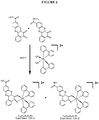
- a modified rhodium chelator compound is shown on Figure 2 .
- the mutant DNA can be captured using the immobilized (phzi) intercalator and be separated from the excess amounts of wild-type DNA that do not contain a mismatch and cannot bind to the (phzi) intercalator.
- the enriched mutant DNA population can then be subject to amplification reactions (e.g. allele-specific PCR) for detection.
- 2,3-dichloronapthalene-1,4-dione (4.5 g, 20 mmol), methyl 3,4-diaminobenzoate (3.32 g, 20 mmol), and 150 mL of pyridine were added to a 250mL round-bottom flask and placed in a reflux condenser for one hour. The solution appeared to be dark reddish-brown, but did not form any sign of precipitate. The solution was left overnight to see if any precipitate will form in room temperature.
- the intermediate was placed in a 250ml round-bottom flask and 50 mL acetic acid, 3.0 mL deionized water, and 5 mL concentrated nitric acid were added carefully in that order, with vigorous magnetic stirring. The reaction mixture was then placed in a boiling bath and refluxed. A bright yellow precipitate began to form upon heating. Due to the heavy precipitate, the stir bar became immobilized. In order to alleviate this, a further 10-mL alquot of glacial acetic acid was added. The reaction mixture was refluxed for one hour and then cooled to room temperature and filtered, yielding a golden yellow powdery solid. This product was also rinsed with 20 mL of each ethanol and diethyl ether and left to dry overnight.
- Rh(bpy)2Cl2]Cl was prepared according to Zeglis, B.M. & Barton, J.K. Nat. Protoc. 2007,2, 122-134 . Briefly, RhCl3 (0.64 g, 2.8 mmol) and hydrazine monohydrochloride (50 mg, 7.35 mmol) were dissolved in 12.5ml deionized water in a 50ml round-bottom flask. A separately prepared solution made by dissolving 0.85g (5.6 mmol) 2,2'-bipyridyl in 20-mL ethanol, and was also added to the same 50ml round-bottom flask.
- the dissolved oxygen was removed by repeated applications of vacuum followed by back-filling with argon gas. This was followed by refluxing the reaction mixture until all the materials had dissolved. After refluxing for twenty minutes, the reaction became a bright orange solution and was filtered with a sintered glass filter funnel. It is important to filter the solution while it is hot to isolate only the product that was in solution and to reject any insoluble impurities. The filtrate was then stored overnight in 4°C to promote crystallization.
- the resulting residue coated the flask and had a brown and yellow appearance, which was then dissolved in a small amount of deionized water ( ⁇ 25 mL). This solution was then stored in 4°C overnight.
- the crude product was purified by reverse phase HPLC, using a semi-preparative column under the following conditions.
- the column was equilibrated in 100% A buffer, and the entire sample amount (53-mL) was injected through the pump using 6 mL/min flow rate. After further washing with 100% A for 5 minutes, the gradient was initiated and 30-second (3-mL) fractions were collected.
- Rh(bpy) 2 (phzi-COOH)Cl3 160 mg, 195 ⁇ moles was dissolved in 20 mL DMF with vigorous magnetic stirring in a 250 mL round bottom flask.
- 100 mg (239 ⁇ moles) of EZ-Link Amine-PEG3-Biotin was dissolved in 40 mL acetonitrile. Note: A small amount of material remained undissolved.
- the EZ-Link Amine-PEG3-Biotin solution was added to the flask with stirring.
- TBTU [O-(Benzotriazol-1-yl)-N,N,N',N'-tetramethyluronium tetrafluoroborate] (Alfa Aesar, stock# L13470) was prepared in acetonitrile by dissolving 321 mg in 2-mL acetonitrile, and this was added to the reaction with stirring. The reaction was allowed to proceed at room temperature for 30 minutes, and the progress was monitored by withdrawing aliquots and analyzing by LC-MS.
- reaction above was analyzed by LC-MS using a C-8 reverse phase column and a linear gradient of 15-30% acetonitrile in 10 mM TEAA over 20 minutes.
- the column was equilibrated in 100% A buffer, and one-fifth (100-mL) of the crude product was injected through the pump using 4 mL/min flow rate. After further washing with 100% A for 5 minutes, the gradient was initiated and 60-second (3-mL) fractions were collected.
- fractions were analyzed by LC-MS, and the purest fractions were pooled and lyophilized.
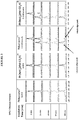
- An assay was designated for testing the ability of the rhodium chelators to intercalate and promote strand scission upon photoactivation only with a DNA duplex that contains a mismatch site.
- Oligonucleotides attached with fluorescent dyes that span the T790M point mutation of the human Epidermal Growth Factor Receptor (EGFR) gene were synthesized with the following features.
- the oligonucleotide for the sense strand of the wild-type gene having a "C" allele at amino acid position 790 was attached with the FAM fluorophore (WT-S-FAM).
- the complementary oligonucleotide for the anti-sense strand of the wild-type gene (with a "G” residue) was attached with the JA270 fluorophore (WT-AS-JA270).
- the oligonucleotide for the sense strand of the T790M mutant gene having a "T” allele was attached with the HEX fluorophore (M-S-HEX).
- the complementary oligonucleotide for the anti-sense strand of the T790M mutant gene (with an "A" residue) was attached with the Cy5.5 fluorophore (M-AS-Cy5.5).
- Duplexes generated between the wild-type oligonucleotides and between the mutant oligonucleotides would be perfectly matched, whereas duplexes generated between one wild-type oligonucleotide and one mutant oligonucleotide would carry a mismatch at the site of the point mutation.
- a duplex between the WT-S-FAM oligonucleotide and the M-AS-Cy5.5 oligonucleotide would contain a C:A mismatch which would be recognized by the rhodium chelator and be cleaved upon photoactivation.
- Rh(bpy) 2 (phzi) 3+ Figure 1
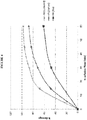
- Rh(bpy) 2 (phzi-CO2H) 3+ was incubated with 2 ⁇ M of an oligonucleotide pair consisting of either M-S-HEX and M-AS-Cy5.5 to generate a perfectly matched mutant duplex, or WT-S-FAM and M-AS-Cy5.5 to generate a C:A mismatch duplex.
- a sample is provided from which a mixture of nucleic acids, for example, human genomic DNA, can be extracted.
- the sample can be from a tissue such as skin, organs, and tumors or from fluid such as blood, plasma, serum, urine, or from any composition containing or presumed to contain nucleic acid.
- a target gene of interest for example, the human EGFR gene
- may contain a certain variation such as a point mutation that is present in low abundance amongst a large excess of the other variant of the gene, which would be the non-mutant or wild-type gene.
- an excess of an oligonucleotide (oligo C) that is complementary to and perfectly matched with one of the strands (e.g. the sense strand or strand S) of the wild-type allele of the target gene is added to a solution containing the extracted genomic DNA.
- the solution is then heated at 90°C or higher temperature to denature the double-stranded genomic DNA and then gradually cooled to a temperature to allow reannealing of the single DNA strands to occur.
- some strand S: oligo C duplexes can form in which the wild-type DNA-strand S: oligo C hybrids will be perfectly matched, but the mutant DNA-strand S: oligo C duplexes will have a mismatch at the position of the point mutation.
- the biotin-bound rhodium chelator, Rh(bpy) 2 (phzi)(PEG3-Biotin) 3+ is then added to the solution and allowed to incubate such that the chelator can bind to the mutant DNA-strand S: oligo C duplexes at the position of the mismatch.
- a solid matrix coated with streptavidin is added. Examples of such solid matrices would be streptavidin coated magnetic particles such as Streptavidin-coupled Dynabeads ® from Invitrogen, Streptavidin MagneSphere ® Paramagnetic Particles from Promega, and NanoLinkTM and MagnaLinkTM Streptavidin Magnetic Beads from Solulink.
- a magnet is used to separate the particles and wash away all the nucleic acid that is not bound to the particles, which includes the wild-type DNA and the excess of oligo C.
- the bound mutant DNA-strand S is then eluted from the magnetic particles using an appropriate elution buffer and can then serve as a template for use in an amplification reaction.
- various mutant EGFR alleles can be amplified using the allele-specific primers and TaqMan ® probes under the real-time PCR conditions disclosed in U.S. Patent Application Serial No. 13/324,705 .
- the sample is heated at high temperature (e.g. 95°C) sufficient for denaturation of the mixture of nucleic acids into single-stranded molecules.
- high temperature e.g. 95°C
- the temperature is then lowered to allow each single strand to reanneal with its complementary strand. All or almost all of the single strands that carry the mutant allele is annealed to a complementary strand that contains the wild-type allele to form mutant:wild-type mismatch duplexes.
- the biotin-bound rhodium chelator, Rh(bpy) 2 (phzi)(PEG3-Biotin) 3+ is then added to the solution and allowed to incubate such that the chelator can bind specifically to the mismatch duplexes.
- the rest of the experiment is conducted as described above resulting in an enriched population of the mutant DNA which can be used in an amplification reaction for detection.
Landscapes
- Chemical & Material Sciences (AREA)
- Organic Chemistry (AREA)
- Life Sciences & Earth Sciences (AREA)
- Health & Medical Sciences (AREA)
- Proteomics, Peptides & Aminoacids (AREA)
- Zoology (AREA)
- Engineering & Computer Science (AREA)
- Wood Science & Technology (AREA)
- Analytical Chemistry (AREA)
- Immunology (AREA)
- Bioinformatics & Cheminformatics (AREA)
- Molecular Biology (AREA)
- Biophysics (AREA)
- Biotechnology (AREA)
- Physics & Mathematics (AREA)
- Biochemistry (AREA)
- Microbiology (AREA)
- General Engineering & Computer Science (AREA)
- General Health & Medical Sciences (AREA)
- Genetics & Genomics (AREA)
- Chemical Kinetics & Catalysis (AREA)
- Measuring Or Testing Involving Enzymes Or Micro-Organisms (AREA)
- Pyridine Compounds (AREA)
- Heterocyclic Carbon Compounds Containing A Hetero Ring Having Oxygen Or Sulfur (AREA)
Applications Claiming Priority (2)
| Application Number | Priority Date | Filing Date | Title |
|---|---|---|---|
| US201261740895P | 2012-12-21 | 2012-12-21 | |
| PCT/EP2013/077282 WO2014096126A1 (en) | 2012-12-21 | 2013-12-19 | Compounds and methods for the enrichment of mutated nucleic acid from a mixture |
Publications (2)
| Publication Number | Publication Date |
|---|---|
| EP2935619A1 EP2935619A1 (en) | 2015-10-28 |
| EP2935619B1 true EP2935619B1 (en) | 2017-09-06 |
Family
ID=49886901
Family Applications (1)
| Application Number | Title | Priority Date | Filing Date |
|---|---|---|---|
| EP13814889.5A Active EP2935619B1 (en) | 2012-12-21 | 2013-12-19 | Compounds and methods for the enrichment of mutated nucleic acid from a mixture |
Country Status (6)
| Country | Link |
|---|---|
| US (1) | US9279146B2 (enExample) |
| EP (1) | EP2935619B1 (enExample) |
| JP (1) | JP2016508713A (enExample) |
| CN (1) | CN104903464B (enExample) |
| CA (1) | CA2894212C (enExample) |
| WO (1) | WO2014096126A1 (enExample) |
Families Citing this family (8)
| Publication number | Priority date | Publication date | Assignee | Title |
|---|---|---|---|---|
| EP3246416B1 (en) | 2011-04-15 | 2024-06-05 | The Johns Hopkins University | Safe sequencing system |
| WO2014070462A1 (en) | 2012-10-29 | 2014-05-08 | The Johns Hopkins University | Papanicolaou test for ovarian and endometrial cancers |
| US11286531B2 (en) | 2015-08-11 | 2022-03-29 | The Johns Hopkins University | Assaying ovarian cyst fluid |
| KR20250047324A (ko) | 2017-08-07 | 2025-04-03 | 더 존스 홉킨스 유니버시티 | 암을 평가하고 치료하기 위한 방법 및 재료 |
| EP3505643A1 (en) | 2017-12-28 | 2019-07-03 | Vito NV | Methods for detecting nucleotide variants |
| CN108998504A (zh) * | 2018-08-08 | 2018-12-14 | 鲍伟胜 | 一种提高基因突变检测灵敏度的方法 |
| WO2021163546A1 (en) | 2020-02-14 | 2021-08-19 | The Johns Hopkins University | Methods and materials for assessing nucleic acids |
| GB2603203A (en) * | 2021-02-02 | 2022-08-03 | Univ Heriot Watt | Method for enriching nucelic acids |
Family Cites Families (15)
| Publication number | Priority date | Publication date | Assignee | Title |
|---|---|---|---|---|
| US6027877A (en) * | 1993-11-04 | 2000-02-22 | Gene Check, Inc. | Use of immobilized mismatch binding protein for detection of mutations and polymorphisms, purification of amplified DNA samples and allele identification |
| US6120992A (en) | 1993-11-04 | 2000-09-19 | Valigene Corporation | Use of immobilized mismatch binding protein for detection of mutations and polymorphisms, and allele identification in a diseased human |
| US6630301B1 (en) | 1997-03-14 | 2003-10-07 | The Penn State Research Foundation | Detection of extracellular tumor-associated nucleic acid in blood plasma or serum |
| EP0929694A4 (en) | 1996-03-15 | 2002-05-02 | Penn State Res Found | DETECTION OF TUMOR-RELATED EXTRACELLULAR NUCLEIC ACID USING PLASMA OR BLOOD SERUM USING NUCLEIC ACID AMPLIFICATION TESTS |
| US6031098A (en) | 1997-08-11 | 2000-02-29 | California Institute Of Technology | Detection and treatment of duplex polynucleotide damage |
| SE9902741D0 (sv) | 1999-07-19 | 1999-07-19 | Boerries Kemper | Method for the enrichment of heteroduplexes and its use in mutation detection |
| US20020132244A1 (en) | 2000-09-27 | 2002-09-19 | Xiao-Cheng Li-Sucholeiki | Methods for detecting rare polymorphic variants in genomic DNA sequences |
| EP1349962A4 (en) | 2000-12-08 | 2007-08-08 | California Inst Of Techn | METHODS AND COMPOSITIONS FOR DETECTING DETERIORATION OF A DUPLEX POLYNUCLEOTIDE |
| GB2382137A (en) | 2001-11-20 | 2003-05-21 | Mats Gullberg | Nucleic acid enrichment |
| ATE548469T1 (de) | 2005-10-14 | 2012-03-15 | Univ State Cleveland | Verfahren zur identifizierung mehrerer mutationen oder methylierungsmarkern in einem dominierenden hintergrund von wildtyp-dna |
| US20070154892A1 (en) | 2005-12-30 | 2007-07-05 | Simon Wain-Hobson | Differential amplification of mutant nucleic acids by PCR in a mixure of nucleic acids |
| US7786298B2 (en) | 2006-01-13 | 2010-08-31 | California Institute Of Technology | Compounds and methods for nucleic acid mismatch detection |
| KR101550489B1 (ko) | 2010-03-08 | 2015-09-07 | 다나-파버 캔서 인스티튜트 인크. | 기준 차단 서열을 이용한 완전 cold-pcr 풍부화 |
| US20120164641A1 (en) | 2010-12-22 | 2012-06-28 | Roche Molecular Systems, Inc. | Methods and Compositions for Detecting Mutation in the Human Epidermal Growth Factor Receptor Gene |
| WO2013077282A1 (ja) | 2011-11-25 | 2013-05-30 | シャープ株式会社 | 液晶表示パネルの検査方法 |
-
2013
- 2013-12-06 US US14/098,789 patent/US9279146B2/en active Active
- 2013-12-19 EP EP13814889.5A patent/EP2935619B1/en active Active
- 2013-12-19 CA CA2894212A patent/CA2894212C/en active Active
- 2013-12-19 JP JP2015548545A patent/JP2016508713A/ja active Pending
- 2013-12-19 WO PCT/EP2013/077282 patent/WO2014096126A1/en not_active Ceased
- 2013-12-19 CN CN201380066924.5A patent/CN104903464B/zh active Active
Non-Patent Citations (1)
| Title |
|---|
| None * |
Also Published As
| Publication number | Publication date |
|---|---|
| US20140308664A1 (en) | 2014-10-16 |
| CN104903464A (zh) | 2015-09-09 |
| CA2894212A1 (en) | 2014-06-26 |
| WO2014096126A1 (en) | 2014-06-26 |
| CA2894212C (en) | 2018-09-04 |
| EP2935619A1 (en) | 2015-10-28 |
| US9279146B2 (en) | 2016-03-08 |
| CN104903464B (zh) | 2018-04-24 |
| JP2016508713A (ja) | 2016-03-24 |
Similar Documents
| Publication | Publication Date | Title |
|---|---|---|
| CA2894212C (en) | Compounds and methods comprising a rhodium-based intercalator for the enrichment of mutated nucleic acid from a mixture | |
| EP3074529B1 (en) | Methods for the enrichment of mutated nucleic acid from a mixture | |
| EP1994182B1 (en) | Degenerate nucleobase analogs | |
| US11261481B2 (en) | Probes for improved melt discrimination and multiplexing in nucleic acid assays | |
| US20090029478A1 (en) | Detection of target molecules through interaction with probes | |
| CN102242211A (zh) | 检测突变核酸序列的方法及试剂盒 | |
| Chen et al. | Zeptomolar-level one-pot simultaneous detection of multiple colorectal cancer microRNAs by cascade isothermal amplification | |
| NZ571966A (en) | Oligonucleotides comprising signalling pairs and hydrophobic nucleotides, stemless beacons, for detection of nucleic acids, methylation status and mutants of nucleic acids | |
| WO2012095639A2 (en) | Methods, compositions, and kits for determing the presence/absence of a varian nucleic acid sequence | |
| EP1243659B1 (en) | Method for detecting target nucleotide sequences | |
| CN104854121B (zh) | 用于核酸测序分析的标记的寡核苷酸探针 | |
| WO2005010201A2 (en) | Methods and compositions for detecting nucleic acid sequences |
Legal Events
| Date | Code | Title | Description |
|---|---|---|---|
| PUAI | Public reference made under article 153(3) epc to a published international application that has entered the european phase |
Free format text: ORIGINAL CODE: 0009012 |
|
| 17P | Request for examination filed |
Effective date: 20150721 |
|
| AK | Designated contracting states |
Kind code of ref document: A1 Designated state(s): AL AT BE BG CH CY CZ DE DK EE ES FI FR GB GR HR HU IE IS IT LI LT LU LV MC MK MT NL NO PL PT RO RS SE SI SK SM TR |
|
| AX | Request for extension of the european patent |
Extension state: BA ME |
|
| DAX | Request for extension of the european patent (deleted) | ||
| GRAP | Despatch of communication of intention to grant a patent |
Free format text: ORIGINAL CODE: EPIDOSNIGR1 |
|
| STAA | Information on the status of an ep patent application or granted ep patent |
Free format text: STATUS: GRANT OF PATENT IS INTENDED |
|
| INTG | Intention to grant announced |
Effective date: 20170517 |
|
| GRAS | Grant fee paid |
Free format text: ORIGINAL CODE: EPIDOSNIGR3 |
|
| GRAA | (expected) grant |
Free format text: ORIGINAL CODE: 0009210 |
|
| STAA | Information on the status of an ep patent application or granted ep patent |
Free format text: STATUS: THE PATENT HAS BEEN GRANTED |
|
| AK | Designated contracting states |
Kind code of ref document: B1 Designated state(s): AL AT BE BG CH CY CZ DE DK EE ES FI FR GB GR HR HU IE IS IT LI LT LU LV MC MK MT NL NO PL PT RO RS SE SI SK SM TR |
|
| REG | Reference to a national code |
Ref country code: GB Ref legal event code: FG4D |
|
| REG | Reference to a national code |
Ref country code: CH Ref legal event code: EP Ref country code: AT Ref legal event code: REF Ref document number: 926003 Country of ref document: AT Kind code of ref document: T Effective date: 20170915 |
|
| REG | Reference to a national code |
Ref country code: IE Ref legal event code: FG4D |
|
| REG | Reference to a national code |
Ref country code: DE Ref legal event code: R096 Ref document number: 602013026312 Country of ref document: DE |
|
| REG | Reference to a national code |
Ref country code: FR Ref legal event code: PLFP Year of fee payment: 5 |
|
| REG | Reference to a national code |
Ref country code: NL Ref legal event code: MP Effective date: 20170906 |
|
| REG | Reference to a national code |
Ref country code: LT Ref legal event code: MG4D |
|
| PG25 | Lapsed in a contracting state [announced via postgrant information from national office to epo] |
Ref country code: FI Free format text: LAPSE BECAUSE OF FAILURE TO SUBMIT A TRANSLATION OF THE DESCRIPTION OR TO PAY THE FEE WITHIN THE PRESCRIBED TIME-LIMIT Effective date: 20170906 Ref country code: NO Free format text: LAPSE BECAUSE OF FAILURE TO SUBMIT A TRANSLATION OF THE DESCRIPTION OR TO PAY THE FEE WITHIN THE PRESCRIBED TIME-LIMIT Effective date: 20171206 Ref country code: LT Free format text: LAPSE BECAUSE OF FAILURE TO SUBMIT A TRANSLATION OF THE DESCRIPTION OR TO PAY THE FEE WITHIN THE PRESCRIBED TIME-LIMIT Effective date: 20170906 Ref country code: HR Free format text: LAPSE BECAUSE OF FAILURE TO SUBMIT A TRANSLATION OF THE DESCRIPTION OR TO PAY THE FEE WITHIN THE PRESCRIBED TIME-LIMIT Effective date: 20170906 Ref country code: SE Free format text: LAPSE BECAUSE OF FAILURE TO SUBMIT A TRANSLATION OF THE DESCRIPTION OR TO PAY THE FEE WITHIN THE PRESCRIBED TIME-LIMIT Effective date: 20170906 |
|
| REG | Reference to a national code |
Ref country code: AT Ref legal event code: MK05 Ref document number: 926003 Country of ref document: AT Kind code of ref document: T Effective date: 20170906 |
|
| PG25 | Lapsed in a contracting state [announced via postgrant information from national office to epo] |
Ref country code: ES Free format text: LAPSE BECAUSE OF FAILURE TO SUBMIT A TRANSLATION OF THE DESCRIPTION OR TO PAY THE FEE WITHIN THE PRESCRIBED TIME-LIMIT Effective date: 20170906 Ref country code: RS Free format text: LAPSE BECAUSE OF FAILURE TO SUBMIT A TRANSLATION OF THE DESCRIPTION OR TO PAY THE FEE WITHIN THE PRESCRIBED TIME-LIMIT Effective date: 20170906 Ref country code: LV Free format text: LAPSE BECAUSE OF FAILURE TO SUBMIT A TRANSLATION OF THE DESCRIPTION OR TO PAY THE FEE WITHIN THE PRESCRIBED TIME-LIMIT Effective date: 20170906 Ref country code: BG Free format text: LAPSE BECAUSE OF FAILURE TO SUBMIT A TRANSLATION OF THE DESCRIPTION OR TO PAY THE FEE WITHIN THE PRESCRIBED TIME-LIMIT Effective date: 20171206 Ref country code: GR Free format text: LAPSE BECAUSE OF FAILURE TO SUBMIT A TRANSLATION OF THE DESCRIPTION OR TO PAY THE FEE WITHIN THE PRESCRIBED TIME-LIMIT Effective date: 20171207 |
|
| PG25 | Lapsed in a contracting state [announced via postgrant information from national office to epo] |
Ref country code: NL Free format text: LAPSE BECAUSE OF FAILURE TO SUBMIT A TRANSLATION OF THE DESCRIPTION OR TO PAY THE FEE WITHIN THE PRESCRIBED TIME-LIMIT Effective date: 20170906 |
|
| PG25 | Lapsed in a contracting state [announced via postgrant information from national office to epo] |
Ref country code: CZ Free format text: LAPSE BECAUSE OF FAILURE TO SUBMIT A TRANSLATION OF THE DESCRIPTION OR TO PAY THE FEE WITHIN THE PRESCRIBED TIME-LIMIT Effective date: 20170906 Ref country code: PL Free format text: LAPSE BECAUSE OF FAILURE TO SUBMIT A TRANSLATION OF THE DESCRIPTION OR TO PAY THE FEE WITHIN THE PRESCRIBED TIME-LIMIT Effective date: 20170906 Ref country code: RO Free format text: LAPSE BECAUSE OF FAILURE TO SUBMIT A TRANSLATION OF THE DESCRIPTION OR TO PAY THE FEE WITHIN THE PRESCRIBED TIME-LIMIT Effective date: 20170906 |
|
| PG25 | Lapsed in a contracting state [announced via postgrant information from national office to epo] |
Ref country code: AT Free format text: LAPSE BECAUSE OF FAILURE TO SUBMIT A TRANSLATION OF THE DESCRIPTION OR TO PAY THE FEE WITHIN THE PRESCRIBED TIME-LIMIT Effective date: 20170906 Ref country code: IT Free format text: LAPSE BECAUSE OF FAILURE TO SUBMIT A TRANSLATION OF THE DESCRIPTION OR TO PAY THE FEE WITHIN THE PRESCRIBED TIME-LIMIT Effective date: 20170906 Ref country code: SK Free format text: LAPSE BECAUSE OF FAILURE TO SUBMIT A TRANSLATION OF THE DESCRIPTION OR TO PAY THE FEE WITHIN THE PRESCRIBED TIME-LIMIT Effective date: 20170906 Ref country code: IS Free format text: LAPSE BECAUSE OF FAILURE TO SUBMIT A TRANSLATION OF THE DESCRIPTION OR TO PAY THE FEE WITHIN THE PRESCRIBED TIME-LIMIT Effective date: 20180106 Ref country code: SM Free format text: LAPSE BECAUSE OF FAILURE TO SUBMIT A TRANSLATION OF THE DESCRIPTION OR TO PAY THE FEE WITHIN THE PRESCRIBED TIME-LIMIT Effective date: 20170906 Ref country code: EE Free format text: LAPSE BECAUSE OF FAILURE TO SUBMIT A TRANSLATION OF THE DESCRIPTION OR TO PAY THE FEE WITHIN THE PRESCRIBED TIME-LIMIT Effective date: 20170906 |
|
| REG | Reference to a national code |
Ref country code: DE Ref legal event code: R097 Ref document number: 602013026312 Country of ref document: DE |
|
| PLBE | No opposition filed within time limit |
Free format text: ORIGINAL CODE: 0009261 |
|
| STAA | Information on the status of an ep patent application or granted ep patent |
Free format text: STATUS: NO OPPOSITION FILED WITHIN TIME LIMIT |
|
| PG25 | Lapsed in a contracting state [announced via postgrant information from national office to epo] |
Ref country code: DK Free format text: LAPSE BECAUSE OF FAILURE TO SUBMIT A TRANSLATION OF THE DESCRIPTION OR TO PAY THE FEE WITHIN THE PRESCRIBED TIME-LIMIT Effective date: 20170906 |
|
| 26N | No opposition filed |
Effective date: 20180607 |
|
| PG25 | Lapsed in a contracting state [announced via postgrant information from national office to epo] |
Ref country code: SI Free format text: LAPSE BECAUSE OF FAILURE TO SUBMIT A TRANSLATION OF THE DESCRIPTION OR TO PAY THE FEE WITHIN THE PRESCRIBED TIME-LIMIT Effective date: 20170906 |
|
| REG | Reference to a national code |
Ref country code: IE Ref legal event code: MM4A |
|
| PG25 | Lapsed in a contracting state [announced via postgrant information from national office to epo] |
Ref country code: LU Free format text: LAPSE BECAUSE OF NON-PAYMENT OF DUE FEES Effective date: 20171219 Ref country code: MT Free format text: LAPSE BECAUSE OF NON-PAYMENT OF DUE FEES Effective date: 20171219 |
|
| REG | Reference to a national code |
Ref country code: BE Ref legal event code: MM Effective date: 20171231 |
|
| PG25 | Lapsed in a contracting state [announced via postgrant information from national office to epo] |
Ref country code: IE Free format text: LAPSE BECAUSE OF NON-PAYMENT OF DUE FEES Effective date: 20171219 |
|
| PG25 | Lapsed in a contracting state [announced via postgrant information from national office to epo] |
Ref country code: BE Free format text: LAPSE BECAUSE OF NON-PAYMENT OF DUE FEES Effective date: 20171231 |
|
| PG25 | Lapsed in a contracting state [announced via postgrant information from national office to epo] |
Ref country code: HU Free format text: LAPSE BECAUSE OF FAILURE TO SUBMIT A TRANSLATION OF THE DESCRIPTION OR TO PAY THE FEE WITHIN THE PRESCRIBED TIME-LIMIT; INVALID AB INITIO Effective date: 20131219 Ref country code: MC Free format text: LAPSE BECAUSE OF FAILURE TO SUBMIT A TRANSLATION OF THE DESCRIPTION OR TO PAY THE FEE WITHIN THE PRESCRIBED TIME-LIMIT Effective date: 20170906 |
|
| PG25 | Lapsed in a contracting state [announced via postgrant information from national office to epo] |
Ref country code: CY Free format text: LAPSE BECAUSE OF FAILURE TO SUBMIT A TRANSLATION OF THE DESCRIPTION OR TO PAY THE FEE WITHIN THE PRESCRIBED TIME-LIMIT Effective date: 20170906 |
|
| PG25 | Lapsed in a contracting state [announced via postgrant information from national office to epo] |
Ref country code: MK Free format text: LAPSE BECAUSE OF FAILURE TO SUBMIT A TRANSLATION OF THE DESCRIPTION OR TO PAY THE FEE WITHIN THE PRESCRIBED TIME-LIMIT Effective date: 20170906 |
|
| PG25 | Lapsed in a contracting state [announced via postgrant information from national office to epo] |
Ref country code: TR Free format text: LAPSE BECAUSE OF FAILURE TO SUBMIT A TRANSLATION OF THE DESCRIPTION OR TO PAY THE FEE WITHIN THE PRESCRIBED TIME-LIMIT Effective date: 20170906 |
|
| PG25 | Lapsed in a contracting state [announced via postgrant information from national office to epo] |
Ref country code: PT Free format text: LAPSE BECAUSE OF FAILURE TO SUBMIT A TRANSLATION OF THE DESCRIPTION OR TO PAY THE FEE WITHIN THE PRESCRIBED TIME-LIMIT Effective date: 20170906 |
|
| PG25 | Lapsed in a contracting state [announced via postgrant information from national office to epo] |
Ref country code: AL Free format text: LAPSE BECAUSE OF FAILURE TO SUBMIT A TRANSLATION OF THE DESCRIPTION OR TO PAY THE FEE WITHIN THE PRESCRIBED TIME-LIMIT Effective date: 20170906 |
|
| REG | Reference to a national code |
Ref country code: CH Ref legal event code: U11 Free format text: ST27 STATUS EVENT CODE: U-0-0-U10-U11 (AS PROVIDED BY THE NATIONAL OFFICE) Effective date: 20260101 |
|
| PGFP | Annual fee paid to national office [announced via postgrant information from national office to epo] |
Ref country code: DE Payment date: 20251126 Year of fee payment: 13 |
|
| PGFP | Annual fee paid to national office [announced via postgrant information from national office to epo] |
Ref country code: GB Payment date: 20251119 Year of fee payment: 13 |
|
| PGFP | Annual fee paid to national office [announced via postgrant information from national office to epo] |
Ref country code: FR Payment date: 20251120 Year of fee payment: 13 |
|
| PGFP | Annual fee paid to national office [announced via postgrant information from national office to epo] |
Ref country code: CH Payment date: 20260101 Year of fee payment: 13 |