EP2923705A1 - Gesamtglycosidextrakt aus callicarpa sowie herstellungsverfahren und verwendung davon - Google Patents
Gesamtglycosidextrakt aus callicarpa sowie herstellungsverfahren und verwendung davon Download PDFInfo
- Publication number
- EP2923705A1 EP2923705A1 EP13855773.1A EP13855773A EP2923705A1 EP 2923705 A1 EP2923705 A1 EP 2923705A1 EP 13855773 A EP13855773 A EP 13855773A EP 2923705 A1 EP2923705 A1 EP 2923705A1
- Authority
- EP
- European Patent Office
- Prior art keywords
- extract
- total glycosides
- callicarpa
- group
- beautyberry
- Prior art date
- Legal status (The legal status is an assumption and is not a legal conclusion. Google has not performed a legal analysis and makes no representation as to the accuracy of the status listed.)
- Granted
Links
Images







Classifications
-
- A—HUMAN NECESSITIES
- A61—MEDICAL OR VETERINARY SCIENCE; HYGIENE
- A61K—PREPARATIONS FOR MEDICAL, DENTAL OR TOILETRY PURPOSES
- A61K36/00—Medicinal preparations of undetermined constitution containing material from algae, lichens, fungi or plants, or derivatives thereof, e.g. traditional herbal medicines
- A61K36/18—Magnoliophyta (angiosperms)
- A61K36/185—Magnoliopsida (dicotyledons)
- A61K36/53—Lamiaceae or Labiatae (Mint family), e.g. thyme, rosemary or lavender
-
- A—HUMAN NECESSITIES
- A61—MEDICAL OR VETERINARY SCIENCE; HYGIENE
- A61K—PREPARATIONS FOR MEDICAL, DENTAL OR TOILETRY PURPOSES
- A61K31/00—Medicinal preparations containing organic active ingredients
- A61K31/70—Carbohydrates; Sugars; Derivatives thereof
- A61K31/7028—Compounds having saccharide radicals attached to non-saccharide compounds by glycosidic linkages
- A61K31/7032—Compounds having saccharide radicals attached to non-saccharide compounds by glycosidic linkages attached to a polyol, i.e. compounds having two or more free or esterified hydroxy groups, including the hydroxy group involved in the glycosidic linkage, e.g. monoglucosyldiacylglycerides, lactobionic acid, gangliosides
-
- A—HUMAN NECESSITIES
- A61—MEDICAL OR VETERINARY SCIENCE; HYGIENE
- A61P—SPECIFIC THERAPEUTIC ACTIVITY OF CHEMICAL COMPOUNDS OR MEDICINAL PREPARATIONS
- A61P17/00—Drugs for dermatological disorders
-
- A—HUMAN NECESSITIES
- A61—MEDICAL OR VETERINARY SCIENCE; HYGIENE
- A61P—SPECIFIC THERAPEUTIC ACTIVITY OF CHEMICAL COMPOUNDS OR MEDICINAL PREPARATIONS
- A61P25/00—Drugs for disorders of the nervous system
- A61P25/14—Drugs for disorders of the nervous system for treating abnormal movements, e.g. chorea, dyskinesia
-
- A—HUMAN NECESSITIES
- A61—MEDICAL OR VETERINARY SCIENCE; HYGIENE
- A61P—SPECIFIC THERAPEUTIC ACTIVITY OF CHEMICAL COMPOUNDS OR MEDICINAL PREPARATIONS
- A61P25/00—Drugs for disorders of the nervous system
- A61P25/14—Drugs for disorders of the nervous system for treating abnormal movements, e.g. chorea, dyskinesia
- A61P25/16—Anti-Parkinson drugs
-
- A—HUMAN NECESSITIES
- A61—MEDICAL OR VETERINARY SCIENCE; HYGIENE
- A61P—SPECIFIC THERAPEUTIC ACTIVITY OF CHEMICAL COMPOUNDS OR MEDICINAL PREPARATIONS
- A61P25/00—Drugs for disorders of the nervous system
- A61P25/28—Drugs for disorders of the nervous system for treating neurodegenerative disorders of the central nervous system, e.g. nootropic agents, cognition enhancers, drugs for treating Alzheimer's disease or other forms of dementia
-
- A—HUMAN NECESSITIES
- A61—MEDICAL OR VETERINARY SCIENCE; HYGIENE
- A61K—PREPARATIONS FOR MEDICAL, DENTAL OR TOILETRY PURPOSES
- A61K2236/00—Isolation or extraction methods of medicinal preparations of undetermined constitution containing material from algae, lichens, fungi or plants, or derivatives thereof, e.g. traditional herbal medicine
Definitions
- the present invention relates to the field of traditional Chinese medicine, and particularly to a beautyberry total glycosides extract and a preparation method and use thereof.
- Beautyberry is a generic term of plants of the genus Callicarpa, family Verbenaceae, which has a variety of species, about 35 of them in China, and has extensive distribution.
- Ingredients contained in beautyberry are mainly flavonoid, terpenoid, phenylethanoid glycosides and volatile oils, and the like.
- Phenethyl alcohol glycosides are chemical ingredients with high concentration in beautyberry.
- Phenylethanoid glycosides are also known as phenylpropanoid glycoside compounds because they are mainly hydrocinnamoyl aglucon.
- Phenylethanoid glycosides have pain-relief, antisepsis, and antiphlogosis, antitumor, antiviral, antioxidation, hepatoprotection, and base repair effects. Phenylethanoid glycosides have evident amelioration effects on diabetes, related diseases, low learning capacity, and the like. With intensive studies on the phenylethanoid glycoside ingredients in recent years, more reports indicate that phenylethanoid glycoside compounds have effects in prevention and treatment of neurodegenerative diseases, and particularly in amelioration of senile dementia, Parkinson's disease. Chinese patent application No.
- CN200710040195.2 reports preparation of a broomrape total glycosides (phenylethanoid glycoside ingredients) extract from broomrape, and reports use of the extract in the treatment of Parkinson's disease.
- Chinese patent CN201010146367.6 discloses preparation of an extract with forsythiaside B and verbascoside as main characteristic ingredients from aerial parts of Callicarpa kochiana, and discloses use of the extract in drugs for treating senile dementia.
- broomrape is an endangered and rare traditional Chinese medicinal material with limited production.
- Callicarpa kochiana is based on wild types and has low production. Concentration of phenylethanoid glycoside ingredients in the two medicinal materials is low, so that preparation of phenylethanoid glycoside ingredients with broomrape and Callicarpa kochiana as raw materials suffers from high costs of production, and thus is not suitable for sustained development. Therefore, preparation of drugs for treating diseases such as neurodegenerative diseases from medicinal materials having abundant resources, low prices and high contents of phenylethanoid glycoside substances is desirable. In addition, because phenylethanoid glycoside substances have wide pharmacological activity, new efficacy and therapeutic effects of the phenylethanoid glycoside substances are also worthy of further development.
- An objective of the present invention is to provide a beautyberry total glycosides extract derived from Callicarpa cathayana H.T.Chang or Callicarpa formosana Rolfe.
- the extract has phenylethanoid glycoside ingredients verbascoside and Arenarioside as characteristic active ingredients, and has therapeutic efficacy against neurodegenerative diseases.
- the extract also has therapeutic efficacy against eczema or dermatitis.
- the present invention provides the following technical solutions.
- the present invention provides a beautyberry total glycosides extract, containing 18% to 45% verbascoside and 15% to 40% Arenarioside based on weight.
- the extract of the present invention is prepared from leaves (preferably dried leaves) of Callicarpa cathayana H.T.Chang or Callicarpa formosana Rolfe.
- Verbascoside and Arenarioside have structural formulae as follows:
- the concentration of verbascoside in the beautyberry extract of the present invention is 18% to 45%, preferably 28% to 45%, and preferably 28% to 38%, based on weight.
- the concentration of Arenarioside in the beautyberry extract of the present invention is 15% to 40%, preferably 24% to 40%, preferably 25% to 35%, and preferably 25% to 40%, based on weight.
- the beautyberry extract of the present invention is extracted from Callicarpa cathay ana H.T. Chang or Callicarpa formosana Rolfe.
- Callicarpa cathayana H.T.Chang and Callicarpa formosana Rolfe are two relatively common species of Callicarpa plants with distribution in Guizhou, Zhejiang, Jiangxi, Fujian, Guangdong, Jiangsu, Hubei, Guangxi, Yunnan provinces and the like. Both species have large-scale cultivation, and are important sources of local revenue. Studies performed by the present inventors show that, the leaves of these two beautyberry species contain about 2% to 6% verbascoside and 1% to 4% Arenarioside.
- Typical HPLC using the DAD detector chromatograms of the beautyberry total glycosides extracts of the present invention from Callicarpa cathayana H.T.Chang leaves and Callicarpa formosana Rolfe leaves are seen in Figs. 1 and 2 .
- Table 2 lists concentrations of phenylethanoid glycoside ingredients in different medicinal materials reported in the prior art. Table 2. Reported concentrations of phenylethanoid glycoside ingredients in medicinal materials of different sources Medicinal material Source Index ingredient Concentration reported in literatures (%) Callicarpa formosana Rolfe 1 Verbenaceae Callicarpa Verbascoside 0.73 - 1.36 Callicarpa macrophylla 2 Verbenaceae Callicarpa Verbascoside 0.22 - 1.38 Callicarpa nudiflora 3 Verbenaceae Callicarpa Verbascoside 0.04 - 0.43 Broomrape 4 Orobanchaceae Cistanche Echinacoside 0.024 - 3.13 Verbascoside 0.032 - 1.98 Leaves of Rehmannia glutinosa Libosch 5 Scrophulariaceae Rehmannia Libosch.
- the present invention provides use of the beautyberry total glycosides extract of the present invention in the preparation of food, health products or drugs for use in treatment or adjuvant treatment of neurodegenerative diseases.
- the beautyberry total glycosides extract of the present invention has a significant protective effect on nerve cells, has an evident ameliorative effect on the behavior disorder of Parkinson model mice and memory acquisition disorder of senile dementia model mice, and can effectively treat neurodegenerative diseases.
- the beautyberry total glycosides extract of the present invention can be combined with pharmaceutically acceptable auxiliary additives or food acceptable auxiliary additives, thereby to produce products for use in treatment or adjuvant treatment of neurodegenerative diseases, and the products may be food, health products or drugs, and the like.
- the products may be produced as granules, tablets, capsules, oral solutions, solid beverages, tea bags, powders and the like, as required.
- the present invention provides use of the beautyberry total glycosides extract of the present invention in the preparation of cosmetics, health products or drugs for use in treatment or adjuvant treatment of skin diseases.
- the skin diseases are selected from, but are not limited to dermatitis and eczema.
- the beautyberry total glycosides extract of the present invention has positive effects in treatment and amelioration of dermatitis - eczema symptoms of DNCB induced mice.
- the beautyberry total glycosides extract can be used to effectively treat diseases, such as dermatitis or eczema related diseases.
- the beautyberry total glycosides extract of the this aspect can be combined with pharmaceutically acceptable or food and cosmetics acceptable auxiliary additives, thereby to produce products for external use in treatment and/or amelioration of dermatitis or eczema diseases, and the products may be cosmetics, health products, and drugs, and the like.
- the products may be produced as tinctures, creams, gels, patches, embrocations, sprays and the like, as required.
- binders include, but are not limited to hydroxy propyl cellulose, corn starch, pregelatinized starch, modified corn starch, polyvinyl pyrrolidone, hydroxypropyl methylcellulose, lactose, acacia, ethyl cellulose, cellulose acetate and the like.
- the above lubricants include, but are not limited to magnesium stearate, zinc stearate, calcium stearate, talc, stearic acid, colloidal silicon dioxide, palmitinic acid and the like.
- the above disintegrating agents include, but are not limited to crosslinked sodium carboxymethyl cellulose, crosslinked polyethylene pyrrolidone, starch, potato starch, pregelatinized starch, corn starch, sodium strach glycollate, microcrystalline cellulose, hydroxy propyl cellulose and the like.
- the above flavoring agents include, but are not limited to fruit essence, aspartame, stevioside and the like.
- antioxidants include, but are not limited to butylated hydroxyanisole (BHA), butylated hydroxytoluene (BHT), propyl gallate (PG), ascorbic acid, alpha-tocopherol and the like.
- the above emulsifying agents include, but are not limited to acacia, sodium alkyl benzene sulfonate, sodium stearoyl lactylate and the like.
- the above thickening agents include, but are not limited to methylcellulose, carboxyl methyl cellulose, hydroxy propyl cellulose, agar, sodium alginate, gelatin and the like.
- the above preservatives include, but are not limited to potassium sorbate, sodium benzoate, Nipagin esters and the like.
- the present invention provides a preparation method of the beautyberry total glycosides extract.
- the beautyberry total glycosides extract of the present invention is prepared from Callicarpa cathayana H.T. Chang leaves and Callicarpa formosana Rolfe leaves, by a method of water extraction, or alcohol extraction, or water - alcohol mixture extraction.
- the present invention provides a preparation method of the beautyberry total glycosides extract, including the following steps:
- the extraction method in the step (1) is selected from a flash extraction method, a reflux extraction method, a microwave extraction method, an ultrasonic extraction method and a percolation extraction method, preferably a flash extraction method, a reflux extraction method, or a percolation extraction method, and more preferably a flash extraction method.
- the leaves of Callicarpa cathayana H.T.Chang or Callicarpa formosana Rolfe in the step (1) are preferably dried leaves.
- the leaves of Callicarpa cathayana H.T.Chang or Callicarpa formosana Rolfe are pulverized into coarse powder or the coarsest powder as defined in general notices of "Chinese Pharmacopoeia (Version 2010)".
- alcohol in the step (1) is preferably ethanol or methanol, most preferably ethanol, preferably a 60% to 90 vol% alcohol aqueous solution, more preferably a 60% to 90 vol% ethanol or methanol aqueous solution.
- the solvent in the step (1) is used in an amount of 5 to 20 times the amount of the medicinal material (i.e., 5 to 20 ml of the solvent / g of the medicinal material), preferably in an amount of 8 to 12 times the amount of the medicinal material (i.e., 8 to 12 ml of the solvent / g of the medicinal material).
- the following operation is performed one or more times after the concentration of the eluent under reduced pressure: the concentrated solution is dissolved with water, allowed to pass through a chromatographic column packed with a resin filler, washed with water and/or a dilute alcohol aqueous solution to remove impurities, and then eluted with an alcohol aqueous solution at a higher concentration.
- the eluent is collected and concentrated under reduced pressure.
- the resin filler in the step (3a) is selected from, but is not limited to a macroporous adsorbent resin, a polyamide resin and an ion exchange resin.
- the resin filler is preferably a macroporous adsorbent resin of the type HPD100, HPD200, D101, AB-8, SP825, or ADS-7, more preferably a macroporous adsorbent resin of the type D101 or AB-8.
- the dilute alcohol aqueous solution in the step (3a) is a 0 to 15 vol% dilute alcohol aqueous solution, preferably 0 to 10 vol%, and is used in an amount of 3 to 8 times the volume of the resin column bed, preferably 6 times the volume of the resin column bed.
- the volume of the resin column bed is varied according to the amount of supernatant actually to be treated. For example, a ratio of the volume of the resin column bed to the volume of the supernatant to be treated may be about 1 : 0.5 to 2.
- the alcohol is preferably ethanol or methanol, most preferably ethanol.
- the alcohol aqueous solution at a higher concentration in the step (3a) is a 30% to 90 vol% alcohol aqueous solution, preferably a 30 to 50 vol% alcohol aqueous solution, more preferably a 30 to 40 vol% alcohol aqueous solution, and is used in an amount of 2 to 6 times the volume of the resin column bed, preferably 3 to 4 times the volume of the resin column bed.
- the volume of the resin column bed is varied according to the amount of supernatant actually to be treated. For example, a ratio of the volume of the resin column bed to the volume of the supernatant to be treated may be about 1 : 0.5 to 2.
- the alcohol is preferably ethanol or methanol, most preferably ethanol.
- the organic solvent in the step (3b) is preferably n-butanol or ethyl acetate, and is used in an amount of 1 to 3 times, preferably 2 times the volume of the supernatant.
- the organic solvent is a saturated n-butanol aqueous solution.
- the beautyberry total glycosides extract of the present invention contains high amounts of active ingredients, verbascoside and Arenarioside.
- the extract has a significant protective effect on nerve cells, has an evident ameliorative effect on the behavior disorder of Parkinson model mice and memory acquisition disorder of senile dementia model mice, and can be used to prepare food, health food or drugs for treatment or adjuvant treatment of neurodegenerative diseases.
- the beautyberry total glycosides extract of the present invention has good effects in treatment and amelioration of dermatitis - eczema symptoms of DNCB induced mice.
- the beautyberry total glycosides extract can effectively treat dermatitis or eczema related diseases, and can be used to prepare cosmetics, health products or drugs for external use in treatment or adjuvant treatment of skin diseases.
- the beautyberry total glycosides extract provided by the present invention has a simple preparation process, is suitable for industrialized production, and has high yields of verbascoside and Arenarioside.
- the method of the present invention only employs water or alcohol as an extraction solvent, and the pollution is reduced.
- the resins employed are all renewable and recyclable, and the cost is low.
- the high-purity beautyberry total glycosides extract produced contains 18% to 45% (w/w) verbascoside and 15% to 40% Arenarioside (w/w). The process is stable, and the product quality is controllable.
- D101 and AB-8 macroporous adsorbent resins were both purchased from Baoen Chemical Co., LTD, Cangzhou city, Hebei province.
- the polyamide resin (80 to 120 meshes) was purchased from Sinopharm Chemical Reagent Co., LTD.
- the ethanol solution in the following examples refer to an ethanol aqueous solution, and is based on the percentage by volume.
- the term "the volume of the concentrated solution was comparable to the amount of the medicinal material” means that the amount of the concentrated solution (in ml) was equal to the amount of the original medicinal material (in g); and the volume of the resin column bed was 2 to 0.5 times the volume of supernatant to be treated.
- the centrifugation condition is 5000 rpm, for 10 minutes.
- the supernatant was passed through a D 101 macroporous adsorbent resin column, washed with water in an amount of 6 times the volume of the resin column bed, and then washed with 10% ethanol in an amount of 6 times the volume of the resin column bed.
- the aqueous washing solution and the 10% ethanol washing solution were discarded.
- Elution using 40% ethanol in an amount of 3 times the volume of the resin column bed was carried out, and eluent was collected.
- the eluent was concentrated under reduced pressure, to remove ethanol.
- the concentrated solution was diluted with water to an initial supernatant volume, then passed through a polyamide chromatographic column, and washed with water in an amount of 2 times the volume of the resin column bed.
- the aqueous washing solution was discarded. Then, elution using 30% ethanol in an amount of 3 times the volume of the resin column bed was carried out, and eluent was collected. The eluent was concentrated under reduced pressure, and dried, so as to obtain the beautyberry total glycosides extract.
- the beautyberry total glycosides extract prepared from Callicarpa cathayana H.T. Chang leaves or Callicarpa formosana Rolfe leaves has significantly higher cencentrations of verbascoside and Arenarioside compared to that prepared from Callicarpa macrophylla leaves, Callicarpa minorphylla leaves and Callicarpa nudiflora leaves.
- the Callicarpa cathayana H.T.Chang leaves or Callicarpa formosana Rolfe leaves have a significantly higher concentration of the beautyberry total glycosides.
- the supernatant was then passed through a D101 macroporous adsorbent resin column, and washed with water in an amount of 6 times the volume of the resin column bed.
- the aqueous washing solution was discarded.
- Elution using 30% ethanol in an amount of 4 times the volume of the resin column bed was carried out, and eluent was collected.
- the eluent was concentrated under reduced pressure, and dried, so as to obtain a beautyberry total glycosides extract.
- the composition of the extract was determined by the above HPLC method, with results shown in Table 4.
- Dried leaves of Callicarpa cathayana H.T.Chang were pulverized into the coarsest powder, and 90% ethanol was added therein in a 10 time amount (i.e., 10 ml per gram of the dried leaves of Callicarpa cathayana H.T.Chang ).
- Decoction was performed under reflux (heated to boiling at atmospheric pressure) for 1 h, and the decoction was performed twice. Extract liquors from the two decoctions were combined, the extract liquor was concentrated under reduced pressure to remove ethanol, and the volume of the concentrated solution was comparable to the amount of the medicinal material. Water was added therein in an amount of 1 time the volume, the mixture was stood overnight, and centrifugated to obtain supernatant.
- the supernatant was passed through a D101 macroporous adsorbent resin column, washed with water in an amount of 3 times the volume of the resin column bed, and then washed with 10% ethanol in an amount of 3 times the volume of the resin column bed. The washing solution and the 10% ethanol washing solution were discarded. Then elution using 40% ethanol in an amount of 3 times the volume of the resin column bed was carried out, and eluent was collected. The eluent was concentrated under reduced pressure, and dried, so as to obtain a beautyberry total glycosides extract. The extract was analyzed by the above HPLC method, with results shown in Table 4.
- the supernatant was passed through an HPD100 macroporous adsorbent resin column, and washed with water in an amount of 6 times the volume of the resin column bed.
- the aqueous washing solution was discarded.
- Elution using 40% ethanol in an amount of 3 times the volume of the resin column bed was carried out, and eluent was collected.
- the eluent was concentrated under reduced pressure to remove ethanol.
- the concentrated solution was diluted with water to the initial supernatant volume, then passed through an ADS-7 resin column, and washed with water in an amount of 3 times the volume of the resin column bed.
- the aqueous washing solution was discarded.
- Dried leaves of Callicarpa cathayana H.T.Chang were pulverized into the coarsest powder, and subjected to percolation extraction for 10 h with 90% ethanol at a flow rate of 1 mL/h per gram of the coarse powder of Callicarpa cathayana H.T.Chang leaves.
- the decoction was collected and concentrated under reduced pressure to remove ethanol, and the volume of the concentrated solution was comparable to the amount of the medicinal material. Water was added therein in an amount of 1 time volume, and the mixture was let stood overnight and centrifugated to obtain supernatant.
- the supernatant was passed through a D101 macroporous adsorbent resin column, washed with water in an amount of 6 times the volume of the resin column bed to remove impurities, and then washed with 10% ethanol in an amount of 6 times the volume of the resin column bed.
- the aqueous washing solution and the 10% ethanol washing solution were discarded.
- elution using 40% ethanol in an amount of 3 times the volume of the resin column bed was carried out, and eluent was collected.
- the eluent was concentrated under reduced pressure, and dried, so as to obtain a beautyberry total glycosides extract.
- the extract was determined by the above HPLC method, with results shown in Table 4.
- Dried leaves of Callicarpa cathayana H.T.Chang were pulverized into coarse powder, and subjected to percolation extraction for 10 h with 90% ethanol at a flow rate of 1 mL/h per gram of the coarse powder of Callicarpa cathayana H.T.Chang leaves.
- the decoction was collected and concentrated under reduced pressure to remove ethanol, and the volume of the concentrated solution was comparable to the amount of the medicinal material. Water was added therein in an amount of 1 time volume, the mixture was let stood overnight, and centrifugated to obtain supernatant.
- the supernatant was passed through a D101 macroporous adsorbent resin column, washed with water in an amount of 6 times the volume of the resin column bed to remove impurities, and then washed with 10% ethanol in an amount of 6 times the volume of the resin column bed.
- the aqueous washing solution and the 10% ethanol washing solution were discarded.
- elution using 40% ethanol in an amount of 3 times the volume of the resin column bed was carried out, and eluent was collected.
- the eluent was concentrated under reduced pressure, to remove ethanol.
- the concentrated solution was diluted with water to an initial supernatant volume, then passed through a polyamide chromatographic column, and washed with water in an amount of 2 times the volume of the resin column bed.
- the aqueous washing solution was discarded. Then, elution with 30% ethanol in an amount of 3 times the volume of the resin column bed was carried out, and eluent was collected. The eluent was concentrated under reduced pressure, and dried, so as to obtain a beautyberry total glycosides extract.
- the extract was determined by the above HPLC method, with results shown in Table 4.
- Dried leaves of Callicarpa cathayana H.T.Chang were pulverized into the coarsest powder, and 90% ethanol was added therein in a 10-time amount (i.e., 10 ml per gram of the dried leaves of Callicarpa cathayana H.T.Chang ).
- Decoction was performed under reflux (heated to boiling at atmospheric pressure) for 1 h, and the decoction was performed twice. Extracts from the two decoctions were combined, the extract liquor was concentrated under reduced pressure to remove ethanol, and the volume of the concentrated solution was comparable to the amount of the medicinal material. Water was added therein in an amount of 1 time volume, the mixture was let stood overnight, and centrifugated to obtain supernatant.
- Dried leaves of Callicarpa cathayana H.T.Chang were pulverized into the coarsest powder, and 90% ethanol was added therein in a 10-time amount (i.e., 10 ml per gram of the dried leaves of Callicarpa cathayana H.T.Chang ).
- Decoction was performed under reflux (heated to boiling at atmospheric pressure) for 1 h, and the decoction was performed twice. Extract liquors from the two decoctions were combined, the extract liquor was concentrated under reduced pressure to remove ethanol, and the volume of the concentrated solution was comparable to the amount of the medicinal material. Water was added therein in an amount of 1 time volume, the mixture was stood overnight, and centrifugated to obtain supernatant.
- Ethyl acetate was added into the supernatant in an amount of 2 time volume, for extraction twice.
- the ethyl acetate phases were combined, concentrated under reduced pressure, and dried, so as to obtain a beautyberry total glycosides extract.
- the extract was determined by the above HPLC method, with results shown in Table 4.
- SH-SY5Y nerve cells were purchased from ATTC (American Type Culture Collection, Rockville, MD, U.S.A). The cells was cultured with RPMI1640 medium (a product of Hyclone Company) containing 10% fetal bovine serum, 2 mM/L glutamine, as well as 1% penicillium and streptomycin doubleantibiotics, in the incubator at 37°C and 5% CO2.
- RPMI1640 medium a product of Hyclone Company
- MPP+ (1-methyl-4-phenylpyridine), MTT (thiazolyl blue), and DMSO (dimethyl sulfoxide) were all purchased from Sigma Company.
- the phosphate buffer (PBS) was made immediately before use: 8 g NaCl, 0.2 g KCl, 1.44 g Na2HPO4, and 0.24 g KH2PO4 were dissolved with distilled water and then the solution was adjusted with HCl to a pH of 7.4. Water was added to a final volume of 1 L.
- PBS phosphate buffer
- the extract tested was the beautyberry total glycosides extract prepared in Example 5 which contained 37.75 wt% verbascoside and 28.01 wt% Arenarioside.
- the beautyberry total glycosides extract prepared in Example 5, and stock solutions of verbascoside and Arenarioside prepared in 2.1 above were dissolved and formulated respectively with phosphate buffer (PBS) and the resulted solutions were diluted to test concentrations with RPMI 1640 culture medium.
- PBS phosphate buffer
- MPP+ solution was prepared by dissolving MPP+ to 1 mM with PBS.
- the test concentration of MPP+ was 500 ⁇ M diluted with the culture medium.
- MTT was formulated with PBS, at a concentration of 0.5 mg/ml, and was filtered to remove bacteria using a 0.22 ⁇ m filter membrane prior to use.
- SH-SY5Y nerve cells at a logarithmic growth phase were collected and counted with a cell counter. 200 ⁇ l of cell suspension with 4x 10 4 / ml was added into each well of the 96-well plate (converted to 8 x 10 3 / 200 ⁇ l of the culture medium) and was subjected to adherent culture in the incubator at 37°C and 5% CO2 for 24 hours.
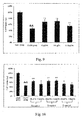
- the verbascoside monomer has a protective effect against MPP + induced SH-SY5Y nerve cell injury, as the verbascoside groups of 0.1 ⁇ M and 1 ⁇ M both have significant difference compared to the model group (p ⁇ 0.01).
- the Arenarioside monomer has a protective effect against MPP + induced SH-SY5Y nerve cell injury, wherein the Arenarioside groups at concentrations of 0.1 ⁇ M and 1 ⁇ M both have significant higher cell viability as compared with the model group (p ⁇ 0.01).
- the beautyberry total glycosides extract prepared in Example 5 of the present invention has a protective effect against MPP + induced SH-SY5Y nerve cell injury, extract groups of the present invention at three concentrations, i.e., high, medium, and low concentrations all have significant difference as compared with the model group (p ⁇ 0.01).
- the extracts tested were beautyberry total glycosides extracts prepared in Examples 4, 6 and 7 which contained 33.12 wt%, 45.06 wt% and 18.12 wt% verbascoside respectively, and 18.29 wt%, 40.25 wt% and 15.34 wt% Arenarioside respectively.
- the experiment included 8 treatment groups: (1) a blank control group, wherein RPMI 1640 culture medium was used, and incubation at 5% CO 2 and 37°C was performed for 24 h; (2) a model group, wherein RPMI 1640 culture medium containing 500 ⁇ M MPP + was used, and incubation at 5% CO 2 and 37°C was performed for 24 h; and(3) a high dose group (16 ⁇ g/mL) and a low dose group (1.6 ⁇ g/mL) of the beautyberry total glycosides extracts prepared in Examples 4, 6 and 7 of the present invention.
- the treatment method was similar to that in Example 9.
- the beautyberry total glycosides extract prepared by the present invention has a protective effect against MPP + induced SH-SY5Y nerve cell injury.
- the high dose group (16 ⁇ g/mL) of the beautyberry total glycosides extract prepared in Example 4 has significant higher cell viability compared to the model group (p ⁇ 0.01).
- the low dose group (1.6 ⁇ g/mL) of the beautyberry total glycosides extract prepared in Example 4 has also higher cell viability compared with the model group (p ⁇ 0.05).
- the high dose group (16 ⁇ g/mL) and the low dose group (1.6 ⁇ g/mL) of the beautyberry total glycosides extracts prepared in Example 6 both have significant difference as compared with the model group (p ⁇ 0.01).
- the high dose group (16 ⁇ g/mL) of the beautyberry total glycosides extract prepared in Example 7 has difference as compared with the model group (p ⁇ 0.05).
- the low dose group (1.6 ⁇ g/mL) of the beautyberry total glycosides extract prepared in Example 7 has no statistical difference as compared with the model group.
- the extracts prepared in Examples 6 and 7 were tested as the beautyberry total glycosides extracts of the present invention, wherein the beautyberry extract obtained in Example 6 contained 45.06 wt% verbascoside and 40.25 wt% Arenarioside, and the beautyberry extract obtained in Example 7 contained 18.1 wt% verbascoside and 15.34 wt% Arenarioside.
- MPTP (1-methyl-4-phenyl-1,2,3,6-tetrahydropyridine) was purchased from Sigma Company.
- Broomrape total glycosides were prepared according to the preparation method 2 in particular embodiments of Chinese patent application No.
- CN200710040195.2 contained 28.23 wt% echinacoside, 4.18 wt% verbascoside, and 5.30 wt% isoverbascoside.
- the above extracts were formulated into solution at a concentration of 10 to 30 mg/mL with normal saline.
- a mouse spontaneous activity recorder of model YLS-1A purchased from Shanghai Xinman Science and Education Equipment Co., LTD, and a mouse rotating drum motion tester of model RB-200B, purchased from Beijing Xintiandi Science and Technology Company.
- mice were randomly divided into 7 groups which included a blank control group without MPTP treatment, a model group, a broomrape total glycoside group (400 mg/kg), a high dose group (300 mg/kg) and a low dose group (100 mg/kg) of the beautyberry total glycosides extract of Example 6 of the present invention, a high dose group (300 mg/kg) and a low dose group (100 mg/kg) of the beautyberry total glycosides extract of Example 7 of the present invention, respectively.
- each drug test group was continuously dosed by gastric lavage for 14 days, 0.25 mL each time.
- the animals in model group and all groups with extract treatment were intraperitoneally injected with 0.25 mL of MPEP (0.25 mg/kg) on the 11th, 12th, 12th and 14th day of dosing. Measurements of of behavior of animals were carried out 1 day after the last dosage.
- mice spontaneous activity recorder of model YLS-1A.
- mice were placed into spontaneous activity boxes (5 mice were determined simultaneously each time, with 1 mouse in each activity box) and recorded for the mice activity automatically with the recorder to determine the activity frequency of each mouse within 5 min, and statistical treatment was carried out.
- mice Rotating drum behavior and performance of the mice in each experimental group were tested using the mouse rotating drum motion tester of model RB-200B. Before the test, the mice were trained continuously for 3 days, twice every day, at a rotation rate of 12 r/min, for a training time of 120 s. The mice were placed onto a rotating drum at a rotation rate of 35 r/min. The length of time a mouse could stay on the rotating drum is considered as the motor latency of the mouse.. Each mouse was measured 3 times.
- mice with MPTP treatments showed abnormal general behavior and performance as compared with the blank control.
- Abnormaties of these mice include erect tail, erect hair, increased salivary secretion, accelerated breathing, muscular hypotonus, sensitivity to environmental stimulation, dental tremor, and the like, with duration of generally 3 to 4 h.
- mice in the high dose group (300 mg/kg) and the low dose group (100 mg/kg) of the beautyberry total glycosides extracts of Examples 6 and 7 in the present invention and in the broomrape total glycoside group (400 mg/kg) showed significantly reduced symptoms of erect tail, erect hair, increased salivary secretion, accelerated breathing, muscular hypotonus, sensitivity to environmental stimulation, dental tremor, and the like.
- the MPTP model group hadsignificantly decreased activity frequency as compared with the blank control group (P ⁇ 0.01).
- Groups with treatments of total broomrape glycosides and the beautyberry total glycosides extract of the present invention had increased activity frequency as compared with the model group.
- the high dose group (300 mg/kg) and the low dose group (100 mg/kg) of the beautyberry total glycosides extracts of Example 6 in the present invention had significant more spontaneous activities compared with the model group (P ⁇ 0.01).
- the group (300 mg/kg) of the high-concentration beautyberry total glycosides extract of Example 7 in the present invention had significant more spontaneous activities compared with the model group (P ⁇ 0.01), whereas the group (100 mg/kg) of the low-concentration beautyberry total glycosides extract of Example 7 in the present invention had difference as compared with the model group (P ⁇ 0.05).
- the groups (300 mg/kg) of the high-concentration beautyberry total glycosides extracts of Examples 6 and 7 in the present invention both had better effects and have difference compared to the broomrape group (400 mg/kg) (P ⁇ 0.05).
- the MPTP model group had significantly shortened motion latency compared to the blank control group (P ⁇ 0.01).
- Groups or treatments of broomrape total glycosides and the beautyberry total glycosides extract of the present invention all had significantly increased rotating drum motion latency as compared with the model group (P ⁇ 0.01).
- the groups (300 mg/kg) of the high-concentration beautyberry total glycosides extracts of Examples 6 and 7 in the present invention both had better effects and had difference (P ⁇ 0.05) compared to the broomrape total glycoside group (400 mg/kg).
- the beautyberry total glycosides extracts prepared in Examples 6 and 7 were tested, wherein the beautyberry extract obtained in Example 6 contained 45.06 wt% verbascoside and 40.25 wt% Arenarioside, and the beautyberry extract obtained in Example 7 contained 18.1 wt% verbascoside and 15.34 wt% Arenarioside.
- the scopolamine hydrobromide injection solution was produced by Beijing Double-crane Pharmaceutical Company Limited by Shares.
- Callicarpa kochiana extracts were prepared according to the method of Example 1 in Chinese patent CN201010146367.6 , and contained 47.25 wt% forsythiaside B, and 17.26 wt% verbascoside as analyzed by the HPLC method.
- the above extracts were formulated into a solution at a concentration of 10 to 30 mg/mL with normal saline.
- mice were randomly divided into 7 groups, which were a blank control group, a model group, a Callicarpa kochiana total glycosides group (300 mg/kg), a high dose group (300 mg/kg) and a low dose group (100 mg/kg) of the beautyberry total glycosides extract of Example 6 of the present invention, a high dose group (300 mg/kg) and a low dose group (100 mg/kg) of the beautyberry total glycosides extract of Example 7 of the present invention, respectively.
- Each drug test group was continuously dosed by gastric lavage for 30 days, 0.25 mL each time, and the blank control group and the model group were continuously dosed with an equal amount of normal saline by lavage for 30 days.
- mice were trained 1 h after administration of drugs on the 29th day of the dosing perioed. At 15 min before the training, 1 mg/kg scopolamine was intraperitoneally injected into each animal in each experimental group except the blank control group and 1 mg/kg normal saline was intraperitoneally injected in the blank control group.
- mice waere first placed into a response chamber of the step down instrument for environmental adaptation for 3 min. Then 36 V alternating current was switched on immediately. Most of the mice jumped on the elevated platform after subjecting to electric shock to escape from the electric shock, and mice that had jumped down from the jumping platform would jump again back onto the jumping platform upon electric shock. The training was lasted for 5 min.
- Test was performed after 24 h, i.e., the last day of the dosing period, wherein the mice were placed on the jumping platform, the time (latency T) when a mouse jumped down from the elevated platform for the first time, as well as the number (error number N) of electric shock experienced within 5 min were recorded.
- mice in the model group have significantly shortened latency (p ⁇ 0.05) and significantly increased error number (p ⁇ 0.05), as compared with the blank control group, suggesting that disorders had occurred in learning and memory acquisition of the mice after scopalamine treatment.
- the latency tested of the mice can be significantly increased (P ⁇ 0.01), and the error number can be significantly reduced (P ⁇ 0.01), as compared with the model group.
- the latency tested of the mice can be increased (p ⁇ 0.05), and the error number can be reduced (P ⁇ 0.05).
- the high dose group (300 mg/kg) of the high-concentration beautyberry total glycosides extract of Example 6 in the present invention has a better effect as compared with the Callicarpa kochiana total glycosides group (300 mg/kg) (P ⁇ 0.05).
- the the beautyberry total glycosides extracts prepared in Examples 6 and 8 were tested, wherein the beautyberry total glycosides extract obtained in Example 6 contained 45.06 wt% verbascoside and 40.25 wt% Arenarioside, and the beautyberry total glycosides extract obtained in Example 8 contained 19.23 wt% verbascoside and 15.95 wt% Arenarioside.
- the beautyberry total glycosides extracts were added respectively into hot-melt vaseline to formulate samples of 10%.
- 2,4-dinitrochlorobenzene (DNCB): analytically pure, from Chengdu Gracia Chemical Technology Co., LTD, 201205147) was formulated, using acetone, into 7 w/v% and 0.5 w/v % solutions.
- DNCB 2,4-dinitrochlorobenzene
- a Codos electric clipper for pet (model: CP-7800); a micro-pipettor (eppendorf, Germany); a Bio-Tec microplate reader (ELX-800, U.S.A.); a carbon dioxide incubator (SANYO, MCO-18AIC (UV)); a Hitachi centrifuge (HICATHI, CT15E).
- mice 8 of 40 mice were assigned to a blank control group (Group A), the remaining 32 mice were used in the preparation of the mouse dermatitis - eczema models. After successful modeling, the 32 mice were randomly assigned into 8 groups: group a model group (Group B, receiving 250 mg of vaseline blank matrix), a positive control group of 999 Piyanping ointment (Group C, receiving 500 mg of the ointment / kg, equivalent to 0.375 mg/kg dexamethasone acetate), beautyberry total glycosides extract example 6 group (Group D, receiving the beautyberry total glycosides extract of Example 6 in the present invention 250 mg/kg), and beautyberry total glycosides extract example 68 group (Group E, receiving beautyberry total glycosides extract of Example 8 in the present invention 250 mg/kg). Each group has with 8 mice. Since day 2 of successful modeling, drugs were uniformly smeared on left and right parts of the back of the mice twice / day for 14 continuous days.
- IL-2 and TNF- ⁇ were collected by extraction of eyeballs of the mice, naturally coagulated at room temperature for 10 to 20 min, and was centrifugated at 3000 rpm for 20 min. Then the supernatant was collected carefully. Detection of IL-2 and TNF- ⁇ was carried out following manufacturer's instructions of the IL-2 and TNF- ⁇ kits.
- mice During the experiment no statistical difference in body mass of mice was observed among groups. No changes in hair color or diet were observed either. In the experimental groups, the mice often scratched with ear agitation after sensitization and challenging. No animal died during the observation period.
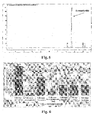
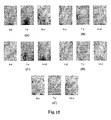
- mice After challenged with DNCB, eczematoid reaction occurred on the back of the mice, which manifested as phenomenons such as diffuse erythema edema. There were roughness, scratches, flushed, blood scabs, keratinization and obscure boundary on the DNCB applied area on the skin. 7 days after drug treatment, animals in groups receiving drugs had abated erythema and edema. 14 days after drug treatment, erythema was further abated, and the skin of some drug treated mice was returned to normal ( Fig. 15 ).
- the inflammatory cell count in derma of mice in the model group was significantly increased.
- the inflammatory cell count in derma of mice receiving extracts was significantly decreased as compared with the model group and had significant difference (P ⁇ 0.01).
- the beautyberry total glycosides extract group had no significant difference as compared with the positive control group.
- the IL-2 concentration level in serum of mice in the model group was significantly decreased as compared with the blank control group (P ⁇ 0.05).
- the IL-2 levels in serum of mice in each drug group all increased as compared with the model group, wherein the Piyanping ointment group and the group of the beautyberry total glycosides extract prepared in Example 6 of the present invention have the most significant difference as compared with the model group (P ⁇ 0.01).
- the group of the beautyberry total glycosides extract prepared in Example 8 of the present invention has no significant difference as compared with the model group.
- the TNF- ⁇ level in serum of mice in the model group significantly increased as compared with the blank control group (P ⁇ 0.01).
- the IL-2 levels in serum of mice receiving the extracts of the present invention and the positive control drug all decreased as compared with the model group.
- the Piyanping ointment group and the group of the beautyberry total glycosides extract prepared in Example 6 of the present invention had significant lower level of TNF- a as compared with the model group (P ⁇ 0.01).
- the group of the beautyberry total glycosides extract prepared in Example 8 of the present invention had lower level of TNF- a difference as compared with the model group (P ⁇ 0.05).
Landscapes
- Health & Medical Sciences (AREA)
- Life Sciences & Earth Sciences (AREA)
- Natural Medicines & Medicinal Plants (AREA)
- Public Health (AREA)
- Chemical & Material Sciences (AREA)
- Medicinal Chemistry (AREA)
- Veterinary Medicine (AREA)
- General Health & Medical Sciences (AREA)
- Pharmacology & Pharmacy (AREA)
- Animal Behavior & Ethology (AREA)
- Engineering & Computer Science (AREA)
- Bioinformatics & Cheminformatics (AREA)
- Neurology (AREA)
- Neurosurgery (AREA)
- Biomedical Technology (AREA)
- Epidemiology (AREA)
- Chemical Kinetics & Catalysis (AREA)
- General Chemical & Material Sciences (AREA)
- Nuclear Medicine, Radiotherapy & Molecular Imaging (AREA)
- Organic Chemistry (AREA)
- Microbiology (AREA)
- Alternative & Traditional Medicine (AREA)
- Biotechnology (AREA)
- Botany (AREA)
- Medical Informatics (AREA)
- Mycology (AREA)
- Molecular Biology (AREA)
- Psychology (AREA)
- Psychiatry (AREA)
- Hospice & Palliative Care (AREA)
- Dermatology (AREA)
- Pharmaceuticals Containing Other Organic And Inorganic Compounds (AREA)
Applications Claiming Priority (2)
| Application Number | Priority Date | Filing Date | Title |
|---|---|---|---|
| CN201210468493.2A CN103816296B (zh) | 2012-11-19 | 2012-11-19 | 紫珠总苷提取物及其制备方法和用途 |
| PCT/CN2013/086532 WO2014075570A1 (zh) | 2012-11-19 | 2013-11-05 | 紫珠总苷提取物及其制备方法和用途 |
Publications (3)
| Publication Number | Publication Date |
|---|---|
| EP2923705A1 true EP2923705A1 (de) | 2015-09-30 |
| EP2923705A4 EP2923705A4 (de) | 2016-06-08 |
| EP2923705B1 EP2923705B1 (de) | 2018-04-25 |
Family
ID=50730583
Family Applications (1)
| Application Number | Title | Priority Date | Filing Date |
|---|---|---|---|
| EP13855773.1A Active EP2923705B1 (de) | 2012-11-19 | 2013-11-05 | Gesamtglycosidextrakt aus callicarpa sowie herstellungsverfahren und verwendung davon |
Country Status (4)
| Country | Link |
|---|---|
| US (2) | US20150297659A1 (de) |
| EP (1) | EP2923705B1 (de) |
| CN (1) | CN103816296B (de) |
| WO (1) | WO2014075570A1 (de) |
Families Citing this family (15)
| Publication number | Priority date | Publication date | Assignee | Title |
|---|---|---|---|---|
| CN103816296B (zh) | 2012-11-19 | 2020-03-31 | 苏州润新生物科技有限公司 | 紫珠总苷提取物及其制备方法和用途 |
| CN104530147B (zh) * | 2014-11-27 | 2016-02-24 | 普正药业股份有限公司 | 一种从裸花紫珠叶中提取制备毛蕊花糖苷标准品的方法 |
| CN105343114A (zh) * | 2015-11-24 | 2016-02-24 | 上海中医药大学 | 毛蕊花糖苷的医药用途 |
| CN105560257A (zh) * | 2016-01-05 | 2016-05-11 | 李春华 | 治疗细菌感染的新型药物 |
| CN106038828A (zh) * | 2016-06-10 | 2016-10-26 | 普正药业股份有限公司 | 一种富含毛蕊花糖苷的裸花紫珠提取物及其制备方法 |
| CN106619665A (zh) * | 2016-12-10 | 2017-05-10 | 徐州诺克非医药科技有限公司 | 一种药物组合物及其应用 |
| CN109541044A (zh) * | 2017-09-22 | 2019-03-29 | 广州白云山中药业有限公司 | 地黄药材的质量检测方法 |
| CN109223810A (zh) * | 2018-10-30 | 2019-01-18 | 青岛大学 | 异毛蕊花糖苷在制备抑制瞬时感受器电位香草素受体3通道治疗瘙痒产品中的应用 |
| CN109776631A (zh) * | 2019-01-30 | 2019-05-21 | 中国人民解放军联勤保障部队第九二八医院 | 一种毛蕊花糖苷的制备方法 |
| JP7294642B2 (ja) * | 2019-04-16 | 2023-06-20 | クラシエホームプロダクツ株式会社 | 毛髪化粧料 |
| CN111632058A (zh) * | 2020-06-24 | 2020-09-08 | 新疆医科大学 | 毛蕊花糖苷在制备预防和治疗神经退行性疾病药物中的应用 |
| CN113461750A (zh) * | 2021-08-17 | 2021-10-01 | 许昌学院 | 一种从杜虹花叶中提取制备毛蕊花糖苷的方法 |
| CN114558128B (zh) * | 2022-03-17 | 2024-01-30 | 湖南师范大学 | 裸花紫珠作为鱼类疫苗佐剂及其应用 |
| CN114848728A (zh) * | 2022-03-31 | 2022-08-05 | 广东梅州职业技术学院 | 骨架型紫珠缓释颗粒及其制法与应用 |
| CN115997707B (zh) * | 2023-03-06 | 2024-11-22 | 湖南师范大学 | 一种鲇鱼苗种培育溶液、培育方法和应用 |
Family Cites Families (8)
| Publication number | Priority date | Publication date | Assignee | Title |
|---|---|---|---|---|
| US6855343B2 (en) * | 2002-05-21 | 2005-02-15 | Advanced Gene Technology, Corp | Method to ascertain the quality of herbs |
| CN101036733A (zh) * | 2007-04-16 | 2007-09-19 | 贵州益佰制药股份有限公司 | 一种紫珠止血制剂及其制备方法 |
| CN101623394B (zh) * | 2009-01-22 | 2011-12-28 | 九芝堂股份有限公司 | 一种裸花紫珠提取物及其制备方法、制剂和用途 |
| CN101797307B (zh) * | 2010-04-09 | 2011-08-10 | 广州中医药大学 | 一种含苯乙醇苷的枇杷叶紫珠提取物及其制备方法 |
| CN102258637B (zh) * | 2011-07-19 | 2014-06-25 | 九芝堂股份有限公司 | 裸花紫珠提取物及其制备方法和应用 |
| CN102266277B (zh) * | 2011-07-27 | 2014-08-13 | 九芝堂股份有限公司 | 裸花紫珠提取物在日化清洁产品中的应用 |
| CN102283947B (zh) * | 2011-07-27 | 2015-08-26 | 海南九芝堂药业有限公司 | 一种药物组合物在制备治疗术后粘连药物中的应用 |
| CN103816296B (zh) | 2012-11-19 | 2020-03-31 | 苏州润新生物科技有限公司 | 紫珠总苷提取物及其制备方法和用途 |
-
2012
- 2012-11-19 CN CN201210468493.2A patent/CN103816296B/zh active Active
-
2013
- 2013-11-05 WO PCT/CN2013/086532 patent/WO2014075570A1/zh not_active Ceased
- 2013-11-05 EP EP13855773.1A patent/EP2923705B1/de active Active
- 2013-11-05 US US14/443,634 patent/US20150297659A1/en not_active Abandoned
-
2018
- 2018-03-27 US US15/937,519 patent/US10758585B2/en not_active Expired - Fee Related
Also Published As
| Publication number | Publication date |
|---|---|
| US20180214500A1 (en) | 2018-08-02 |
| WO2014075570A1 (zh) | 2014-05-22 |
| US10758585B2 (en) | 2020-09-01 |
| CN103816296B (zh) | 2020-03-31 |
| CN103816296A (zh) | 2014-05-28 |
| US20150297659A1 (en) | 2015-10-22 |
| EP2923705A4 (de) | 2016-06-08 |
| EP2923705B1 (de) | 2018-04-25 |
Similar Documents
| Publication | Publication Date | Title |
|---|---|---|
| US10758585B2 (en) | Beautyberry total glycosides extract and preparation method and use thereof | |
| Hua et al. | Wild jujube (Ziziphus jujuba var. spinosa): A review of its phytonutrients, health benefits, metabolism, and applications | |
| US7897791B2 (en) | Purifications of pomegranate ellagitannins and their uses thereof | |
| Fu et al. | Purification and antioxidant properties of triterpenic acids from blackened jujube (Ziziphus jujuba Mill.) by macroporous resins | |
| Gao et al. | Characterization, large-scale HSCCC separation and neuroprotective effects of polyphenols from Moringa oleifera leaves | |
| CN102349945B (zh) | 大孔吸附树脂提取纯化山橿总黄酮的方法 | |
| CN115554200A (zh) | 一种具有舒缓作用的淡竹叶提取物的制备方法及应用 | |
| Li et al. | Profiling of chemical constituents of Matricarla chamomilla L. by UHPLC-Q-Orbitrap-HRMS and in vivo evaluation its anti-asthmatic activity | |
| Yang et al. | Extraction, Structural Characteristics, and Antioxidant Activity of a Glucose-Dominated Polysaccharide, NJPW, Purified from Nardostachys jatamansi (D. Don) DC. | |
| Generalić Mekinić et al. | Effect of the extraction solvent on the oleuropein content and antioxidant properties of olive leaf (cv. Oblica, Lastovka and Levantinka) extracts | |
| CN109053756B (zh) | 苯丙素类酯型儿茶素及其制备方法和应用 | |
| Zhu et al. | Quality evaluation of Lycium barbarum L. fruits from different regions in China based on 2-O-β-D-glucopyranosyl-L-ascorbic acid | |
| Cheng et al. | HPLC method for the simultaneous determination of four compounds in rat plasma after intravenous administration of Portulaca oleracea L. extract | |
| CN110204589B (zh) | 青葙子有效成分、提取方法及其在制备神经保护药物方面的应用 | |
| Zhu et al. | Adsorption and desorption of lignans, flavonoids, phenolic acids by macroporous adsorbent resins during extraction of Astragali radix and stir-fried Arctii Fructus | |
| CN114891002A (zh) | 抗炎舒缓的苦参生物碱、其制备方法及应用 | |
| CN104839377B (zh) | 老叶茶叶提取物及其在制备含片中的应用 | |
| CN102499322A (zh) | 具有促进记忆改善的保健类食品或药品 | |
| JP3438029B2 (ja) | 体液中の脂質量を調節するために枇杷核エキスを含有する医薬組成物 | |
| KR101733048B1 (ko) | 차즈기 추출물을 포함하는 콜레스테롤 대사 관련 혈관질환 개선용 식품 조성물 및 이의 제조방법 | |
| CN1265807C (zh) | 含有胡麻苷的黄酮类提取物及其应用 | |
| EP2246061B1 (de) | Brachystemma calycinum-Extrakt für Osteoarthritis | |
| CN109549883A (zh) | 一种植物抗敏舒缓剂的制备方法 | |
| CN121574137A (zh) | 一种二萜类化合物及其制备方法和抗炎用途 | |
| KR101613056B1 (ko) | 진피 및 과라나를 유효성분으로 함유하는 대사증후군의 예방, 개선 또는 치료를 위한 조성물 |
Legal Events
| Date | Code | Title | Description |
|---|---|---|---|
| PUAI | Public reference made under article 153(3) epc to a published international application that has entered the european phase |
Free format text: ORIGINAL CODE: 0009012 |
|
| 17P | Request for examination filed |
Effective date: 20150518 |
|
| AK | Designated contracting states |
Kind code of ref document: A1 Designated state(s): AL AT BE BG CH CY CZ DE DK EE ES FI FR GB GR HR HU IE IS IT LI LT LU LV MC MK MT NL NO PL PT RO RS SE SI SK SM TR |
|
| AX | Request for extension of the european patent |
Extension state: BA ME |
|
| DAX | Request for extension of the european patent (deleted) | ||
| REG | Reference to a national code |
Ref country code: DE Ref legal event code: R079 Ref document number: 602013036668 Country of ref document: DE Free format text: PREVIOUS MAIN CLASS: A61K0036850000 Ipc: A61K0036530000 |
|
| RA4 | Supplementary search report drawn up and despatched (corrected) |
Effective date: 20160510 |
|
| RIC1 | Information provided on ipc code assigned before grant |
Ipc: A61K 31/7032 20060101ALI20160503BHEP Ipc: A61P 25/16 20060101ALI20160503BHEP Ipc: A61P 17/00 20060101ALI20160503BHEP Ipc: A61P 25/28 20060101ALI20160503BHEP Ipc: A61K 36/53 20060101AFI20160503BHEP Ipc: A61K 127/00 20060101ALI20160503BHEP |
|
| 17Q | First examination report despatched |
Effective date: 20170510 |
|
| GRAP | Despatch of communication of intention to grant a patent |
Free format text: ORIGINAL CODE: EPIDOSNIGR1 |
|
| INTG | Intention to grant announced |
Effective date: 20171215 |
|
| GRAA | (expected) grant |
Free format text: ORIGINAL CODE: 0009210 |
|
| GRAS | Grant fee paid |
Free format text: ORIGINAL CODE: EPIDOSNIGR3 |
|
| AK | Designated contracting states |
Kind code of ref document: B1 Designated state(s): AL AT BE BG CH CY CZ DE DK EE ES FI FR GB GR HR HU IE IS IT LI LT LU LV MC MK MT NL NO PL PT RO RS SE SI SK SM TR |
|
| REG | Reference to a national code |
Ref country code: GB Ref legal event code: FG4D |
|
| REG | Reference to a national code |
Ref country code: CH Ref legal event code: EP |
|
| REG | Reference to a national code |
Ref country code: AT Ref legal event code: REF Ref document number: 992143 Country of ref document: AT Kind code of ref document: T Effective date: 20180515 |
|
| REG | Reference to a national code |
Ref country code: IE Ref legal event code: FG4D |
|
| REG | Reference to a national code |
Ref country code: DE Ref legal event code: R096 Ref document number: 602013036668 Country of ref document: DE |
|
| REG | Reference to a national code |
Ref country code: CH Ref legal event code: NV Representative=s name: DR. LUSUARDI AG, CH |
|
| REG | Reference to a national code |
Ref country code: NL Ref legal event code: MP Effective date: 20180425 |
|
| REG | Reference to a national code |
Ref country code: LT Ref legal event code: MG4D |
|
| PG25 | Lapsed in a contracting state [announced via postgrant information from national office to epo] |
Ref country code: NL Free format text: LAPSE BECAUSE OF FAILURE TO SUBMIT A TRANSLATION OF THE DESCRIPTION OR TO PAY THE FEE WITHIN THE PRESCRIBED TIME-LIMIT Effective date: 20180425 |
|
| PG25 | Lapsed in a contracting state [announced via postgrant information from national office to epo] |
Ref country code: PL Free format text: LAPSE BECAUSE OF FAILURE TO SUBMIT A TRANSLATION OF THE DESCRIPTION OR TO PAY THE FEE WITHIN THE PRESCRIBED TIME-LIMIT Effective date: 20180425 Ref country code: LT Free format text: LAPSE BECAUSE OF FAILURE TO SUBMIT A TRANSLATION OF THE DESCRIPTION OR TO PAY THE FEE WITHIN THE PRESCRIBED TIME-LIMIT Effective date: 20180425 Ref country code: ES Free format text: LAPSE BECAUSE OF FAILURE TO SUBMIT A TRANSLATION OF THE DESCRIPTION OR TO PAY THE FEE WITHIN THE PRESCRIBED TIME-LIMIT Effective date: 20180425 Ref country code: SE Free format text: LAPSE BECAUSE OF FAILURE TO SUBMIT A TRANSLATION OF THE DESCRIPTION OR TO PAY THE FEE WITHIN THE PRESCRIBED TIME-LIMIT Effective date: 20180425 Ref country code: BG Free format text: LAPSE BECAUSE OF FAILURE TO SUBMIT A TRANSLATION OF THE DESCRIPTION OR TO PAY THE FEE WITHIN THE PRESCRIBED TIME-LIMIT Effective date: 20180725 Ref country code: NO Free format text: LAPSE BECAUSE OF FAILURE TO SUBMIT A TRANSLATION OF THE DESCRIPTION OR TO PAY THE FEE WITHIN THE PRESCRIBED TIME-LIMIT Effective date: 20180725 Ref country code: FI Free format text: LAPSE BECAUSE OF FAILURE TO SUBMIT A TRANSLATION OF THE DESCRIPTION OR TO PAY THE FEE WITHIN THE PRESCRIBED TIME-LIMIT Effective date: 20180425 |
|
| PG25 | Lapsed in a contracting state [announced via postgrant information from national office to epo] |
Ref country code: LV Free format text: LAPSE BECAUSE OF FAILURE TO SUBMIT A TRANSLATION OF THE DESCRIPTION OR TO PAY THE FEE WITHIN THE PRESCRIBED TIME-LIMIT Effective date: 20180425 Ref country code: RS Free format text: LAPSE BECAUSE OF FAILURE TO SUBMIT A TRANSLATION OF THE DESCRIPTION OR TO PAY THE FEE WITHIN THE PRESCRIBED TIME-LIMIT Effective date: 20180425 Ref country code: HR Free format text: LAPSE BECAUSE OF FAILURE TO SUBMIT A TRANSLATION OF THE DESCRIPTION OR TO PAY THE FEE WITHIN THE PRESCRIBED TIME-LIMIT Effective date: 20180425 Ref country code: GR Free format text: LAPSE BECAUSE OF FAILURE TO SUBMIT A TRANSLATION OF THE DESCRIPTION OR TO PAY THE FEE WITHIN THE PRESCRIBED TIME-LIMIT Effective date: 20180726 |
|
| REG | Reference to a national code |
Ref country code: AT Ref legal event code: MK05 Ref document number: 992143 Country of ref document: AT Kind code of ref document: T Effective date: 20180425 |
|
| PG25 | Lapsed in a contracting state [announced via postgrant information from national office to epo] |
Ref country code: PT Free format text: LAPSE BECAUSE OF FAILURE TO SUBMIT A TRANSLATION OF THE DESCRIPTION OR TO PAY THE FEE WITHIN THE PRESCRIBED TIME-LIMIT Effective date: 20180827 |
|
| REG | Reference to a national code |
Ref country code: DE Ref legal event code: R097 Ref document number: 602013036668 Country of ref document: DE |
|
| PG25 | Lapsed in a contracting state [announced via postgrant information from national office to epo] |
Ref country code: AT Free format text: LAPSE BECAUSE OF FAILURE TO SUBMIT A TRANSLATION OF THE DESCRIPTION OR TO PAY THE FEE WITHIN THE PRESCRIBED TIME-LIMIT Effective date: 20180425 Ref country code: DK Free format text: LAPSE BECAUSE OF FAILURE TO SUBMIT A TRANSLATION OF THE DESCRIPTION OR TO PAY THE FEE WITHIN THE PRESCRIBED TIME-LIMIT Effective date: 20180425 Ref country code: SK Free format text: LAPSE BECAUSE OF FAILURE TO SUBMIT A TRANSLATION OF THE DESCRIPTION OR TO PAY THE FEE WITHIN THE PRESCRIBED TIME-LIMIT Effective date: 20180425 Ref country code: RO Free format text: LAPSE BECAUSE OF FAILURE TO SUBMIT A TRANSLATION OF THE DESCRIPTION OR TO PAY THE FEE WITHIN THE PRESCRIBED TIME-LIMIT Effective date: 20180425 Ref country code: CZ Free format text: LAPSE BECAUSE OF FAILURE TO SUBMIT A TRANSLATION OF THE DESCRIPTION OR TO PAY THE FEE WITHIN THE PRESCRIBED TIME-LIMIT Effective date: 20180425 Ref country code: EE Free format text: LAPSE BECAUSE OF FAILURE TO SUBMIT A TRANSLATION OF THE DESCRIPTION OR TO PAY THE FEE WITHIN THE PRESCRIBED TIME-LIMIT Effective date: 20180425 |
|
| PG25 | Lapsed in a contracting state [announced via postgrant information from national office to epo] |
Ref country code: SM Free format text: LAPSE BECAUSE OF FAILURE TO SUBMIT A TRANSLATION OF THE DESCRIPTION OR TO PAY THE FEE WITHIN THE PRESCRIBED TIME-LIMIT Effective date: 20180425 Ref country code: IT Free format text: LAPSE BECAUSE OF FAILURE TO SUBMIT A TRANSLATION OF THE DESCRIPTION OR TO PAY THE FEE WITHIN THE PRESCRIBED TIME-LIMIT Effective date: 20180425 |
|
| PLBE | No opposition filed within time limit |
Free format text: ORIGINAL CODE: 0009261 |
|
| STAA | Information on the status of an ep patent application or granted ep patent |
Free format text: STATUS: NO OPPOSITION FILED WITHIN TIME LIMIT |
|
| 26N | No opposition filed |
Effective date: 20190128 |
|
| PG25 | Lapsed in a contracting state [announced via postgrant information from national office to epo] |
Ref country code: SI Free format text: LAPSE BECAUSE OF FAILURE TO SUBMIT A TRANSLATION OF THE DESCRIPTION OR TO PAY THE FEE WITHIN THE PRESCRIBED TIME-LIMIT Effective date: 20180425 |
|
| PG25 | Lapsed in a contracting state [announced via postgrant information from national office to epo] |
Ref country code: MC Free format text: LAPSE BECAUSE OF FAILURE TO SUBMIT A TRANSLATION OF THE DESCRIPTION OR TO PAY THE FEE WITHIN THE PRESCRIBED TIME-LIMIT Effective date: 20180425 Ref country code: LU Free format text: LAPSE BECAUSE OF NON-PAYMENT OF DUE FEES Effective date: 20181105 |
|
| REG | Reference to a national code |
Ref country code: BE Ref legal event code: MM Effective date: 20181130 |
|
| REG | Reference to a national code |
Ref country code: IE Ref legal event code: MM4A |
|
| PG25 | Lapsed in a contracting state [announced via postgrant information from national office to epo] |
Ref country code: IE Free format text: LAPSE BECAUSE OF NON-PAYMENT OF DUE FEES Effective date: 20181105 |
|
| PG25 | Lapsed in a contracting state [announced via postgrant information from national office to epo] |
Ref country code: BE Free format text: LAPSE BECAUSE OF NON-PAYMENT OF DUE FEES Effective date: 20181130 Ref country code: AL Free format text: LAPSE BECAUSE OF FAILURE TO SUBMIT A TRANSLATION OF THE DESCRIPTION OR TO PAY THE FEE WITHIN THE PRESCRIBED TIME-LIMIT Effective date: 20180425 |
|
| PG25 | Lapsed in a contracting state [announced via postgrant information from national office to epo] |
Ref country code: MT Free format text: LAPSE BECAUSE OF NON-PAYMENT OF DUE FEES Effective date: 20181105 |
|
| PG25 | Lapsed in a contracting state [announced via postgrant information from national office to epo] |
Ref country code: TR Free format text: LAPSE BECAUSE OF FAILURE TO SUBMIT A TRANSLATION OF THE DESCRIPTION OR TO PAY THE FEE WITHIN THE PRESCRIBED TIME-LIMIT Effective date: 20180425 |
|
| PG25 | Lapsed in a contracting state [announced via postgrant information from national office to epo] |
Ref country code: HU Free format text: LAPSE BECAUSE OF FAILURE TO SUBMIT A TRANSLATION OF THE DESCRIPTION OR TO PAY THE FEE WITHIN THE PRESCRIBED TIME-LIMIT; INVALID AB INITIO Effective date: 20131105 Ref country code: CY Free format text: LAPSE BECAUSE OF FAILURE TO SUBMIT A TRANSLATION OF THE DESCRIPTION OR TO PAY THE FEE WITHIN THE PRESCRIBED TIME-LIMIT Effective date: 20180425 Ref country code: MK Free format text: LAPSE BECAUSE OF NON-PAYMENT OF DUE FEES Effective date: 20180425 |
|
| PG25 | Lapsed in a contracting state [announced via postgrant information from national office to epo] |
Ref country code: IS Free format text: LAPSE BECAUSE OF FAILURE TO SUBMIT A TRANSLATION OF THE DESCRIPTION OR TO PAY THE FEE WITHIN THE PRESCRIBED TIME-LIMIT Effective date: 20180825 |
|
| REG | Reference to a national code |
Ref country code: DE Ref legal event code: R082 Ref document number: 602013036668 Country of ref document: DE Representative=s name: HL KEMPNER PATENTANWAELTE, SOLICITORS (ENGLAND, DE Ref country code: DE Ref legal event code: R082 Ref document number: 602013036668 Country of ref document: DE Representative=s name: HL KEMPNER PATENTANWALT, RECHTSANWALT, SOLICIT, DE |
|
| PGFP | Annual fee paid to national office [announced via postgrant information from national office to epo] |
Ref country code: GB Payment date: 20221122 Year of fee payment: 10 Ref country code: FR Payment date: 20221124 Year of fee payment: 10 Ref country code: DE Payment date: 20221122 Year of fee payment: 10 |
|
| PGFP | Annual fee paid to national office [announced via postgrant information from national office to epo] |
Ref country code: CH Payment date: 20221123 Year of fee payment: 10 |
|
| REG | Reference to a national code |
Ref country code: DE Ref legal event code: R119 Ref document number: 602013036668 Country of ref document: DE |
|
| REG | Reference to a national code |
Ref country code: CH Ref legal event code: PL |
|
| PG25 | Lapsed in a contracting state [announced via postgrant information from national office to epo] |
Ref country code: CH Free format text: LAPSE BECAUSE OF NON-PAYMENT OF DUE FEES Effective date: 20231130 |
|
| GBPC | Gb: european patent ceased through non-payment of renewal fee |
Effective date: 20231105 |
|
| PG25 | Lapsed in a contracting state [announced via postgrant information from national office to epo] |
Ref country code: CH Free format text: LAPSE BECAUSE OF NON-PAYMENT OF DUE FEES Effective date: 20231130 |
|
| PG25 | Lapsed in a contracting state [announced via postgrant information from national office to epo] |
Ref country code: DE Free format text: LAPSE BECAUSE OF NON-PAYMENT OF DUE FEES Effective date: 20240601 |
|
| PG25 | Lapsed in a contracting state [announced via postgrant information from national office to epo] |
Ref country code: GB Free format text: LAPSE BECAUSE OF NON-PAYMENT OF DUE FEES Effective date: 20231105 |
|
| PG25 | Lapsed in a contracting state [announced via postgrant information from national office to epo] |
Ref country code: FR Free format text: LAPSE BECAUSE OF NON-PAYMENT OF DUE FEES Effective date: 20231130 |
|
| PG25 | Lapsed in a contracting state [announced via postgrant information from national office to epo] |
Ref country code: GB Free format text: LAPSE BECAUSE OF NON-PAYMENT OF DUE FEES Effective date: 20231105 Ref country code: FR Free format text: LAPSE BECAUSE OF NON-PAYMENT OF DUE FEES Effective date: 20231130 Ref country code: DE Free format text: LAPSE BECAUSE OF NON-PAYMENT OF DUE FEES Effective date: 20240601 |