EP2864267B1 - Thermochromes glas mit beschichtung von farbneutralem vanadiumdioxid - Google Patents
Thermochromes glas mit beschichtung von farbneutralem vanadiumdioxid Download PDFInfo
- Publication number
- EP2864267B1 EP2864267B1 EP13732868.8A EP13732868A EP2864267B1 EP 2864267 B1 EP2864267 B1 EP 2864267B1 EP 13732868 A EP13732868 A EP 13732868A EP 2864267 B1 EP2864267 B1 EP 2864267B1
- Authority
- EP
- European Patent Office
- Prior art keywords
- vanadium dioxide
- layer
- thermochromic
- coating
- glass
- Prior art date
- Legal status (The legal status is an assumption and is not a legal conclusion. Google has not performed a legal analysis and makes no representation as to the accuracy of the status listed.)
- Active
Links
Images



Classifications
-
- C—CHEMISTRY; METALLURGY
- C03—GLASS; MINERAL OR SLAG WOOL
- C03C—CHEMICAL COMPOSITION OF GLASSES, GLAZES OR VITREOUS ENAMELS; SURFACE TREATMENT OF GLASS; SURFACE TREATMENT OF FIBRES OR FILAMENTS MADE FROM GLASS, MINERALS OR SLAGS; JOINING GLASS TO GLASS OR OTHER MATERIALS
- C03C17/00—Surface treatment of glass, not in the form of fibres or filaments, by coating
- C03C17/06—Surface treatment of glass, not in the form of fibres or filaments, by coating with metals
-
- C—CHEMISTRY; METALLURGY
- C03—GLASS; MINERAL OR SLAG WOOL
- C03C—CHEMICAL COMPOSITION OF GLASSES, GLAZES OR VITREOUS ENAMELS; SURFACE TREATMENT OF GLASS; SURFACE TREATMENT OF FIBRES OR FILAMENTS MADE FROM GLASS, MINERALS OR SLAGS; JOINING GLASS TO GLASS OR OTHER MATERIALS
- C03C17/00—Surface treatment of glass, not in the form of fibres or filaments, by coating
- C03C17/22—Surface treatment of glass, not in the form of fibres or filaments, by coating with other inorganic material
- C03C17/23—Oxides
- C03C17/245—Oxides by deposition from the vapour phase
-
- C—CHEMISTRY; METALLURGY
- C03—GLASS; MINERAL OR SLAG WOOL
- C03C—CHEMICAL COMPOSITION OF GLASSES, GLAZES OR VITREOUS ENAMELS; SURFACE TREATMENT OF GLASS; SURFACE TREATMENT OF FIBRES OR FILAMENTS MADE FROM GLASS, MINERALS OR SLAGS; JOINING GLASS TO GLASS OR OTHER MATERIALS
- C03C17/00—Surface treatment of glass, not in the form of fibres or filaments, by coating
- C03C17/34—Surface treatment of glass, not in the form of fibres or filaments, by coating with at least two coatings having different compositions
- C03C17/3411—Surface treatment of glass, not in the form of fibres or filaments, by coating with at least two coatings having different compositions with at least two coatings of inorganic materials
-
- C—CHEMISTRY; METALLURGY
- C03—GLASS; MINERAL OR SLAG WOOL
- C03C—CHEMICAL COMPOSITION OF GLASSES, GLAZES OR VITREOUS ENAMELS; SURFACE TREATMENT OF GLASS; SURFACE TREATMENT OF FIBRES OR FILAMENTS MADE FROM GLASS, MINERALS OR SLAGS; JOINING GLASS TO GLASS OR OTHER MATERIALS
- C03C17/00—Surface treatment of glass, not in the form of fibres or filaments, by coating
- C03C17/34—Surface treatment of glass, not in the form of fibres or filaments, by coating with at least two coatings having different compositions
- C03C17/3411—Surface treatment of glass, not in the form of fibres or filaments, by coating with at least two coatings having different compositions with at least two coatings of inorganic materials
- C03C17/3429—Surface treatment of glass, not in the form of fibres or filaments, by coating with at least two coatings having different compositions with at least two coatings of inorganic materials at least one of the coatings being a non-oxide coating
- C03C17/3447—Surface treatment of glass, not in the form of fibres or filaments, by coating with at least two coatings having different compositions with at least two coatings of inorganic materials at least one of the coatings being a non-oxide coating comprising a halide
- C03C17/3452—Surface treatment of glass, not in the form of fibres or filaments, by coating with at least two coatings having different compositions with at least two coatings of inorganic materials at least one of the coatings being a non-oxide coating comprising a halide comprising a fluoride
-
- C—CHEMISTRY; METALLURGY
- C03—GLASS; MINERAL OR SLAG WOOL
- C03C—CHEMICAL COMPOSITION OF GLASSES, GLAZES OR VITREOUS ENAMELS; SURFACE TREATMENT OF GLASS; SURFACE TREATMENT OF FIBRES OR FILAMENTS MADE FROM GLASS, MINERALS OR SLAGS; JOINING GLASS TO GLASS OR OTHER MATERIALS
- C03C17/00—Surface treatment of glass, not in the form of fibres or filaments, by coating
- C03C17/34—Surface treatment of glass, not in the form of fibres or filaments, by coating with at least two coatings having different compositions
- C03C17/3411—Surface treatment of glass, not in the form of fibres or filaments, by coating with at least two coatings having different compositions with at least two coatings of inorganic materials
- C03C17/3429—Surface treatment of glass, not in the form of fibres or filaments, by coating with at least two coatings having different compositions with at least two coatings of inorganic materials at least one of the coatings being a non-oxide coating
- C03C17/3464—Surface treatment of glass, not in the form of fibres or filaments, by coating with at least two coatings having different compositions with at least two coatings of inorganic materials at least one of the coatings being a non-oxide coating comprising a chalcogenide
- C03C17/347—Surface treatment of glass, not in the form of fibres or filaments, by coating with at least two coatings having different compositions with at least two coatings of inorganic materials at least one of the coatings being a non-oxide coating comprising a chalcogenide comprising a sulfide or oxysulfide
-
- C—CHEMISTRY; METALLURGY
- C09—DYES; PAINTS; POLISHES; NATURAL RESINS; ADHESIVES; COMPOSITIONS NOT OTHERWISE PROVIDED FOR; APPLICATIONS OF MATERIALS NOT OTHERWISE PROVIDED FOR
- C09K—MATERIALS FOR MISCELLANEOUS APPLICATIONS, NOT PROVIDED FOR ELSEWHERE
- C09K9/00—Tenebrescent materials, i.e. materials for which the range of wavelengths for energy absorption is changed as a result of excitation by some form of energy
-
- C—CHEMISTRY; METALLURGY
- C23—COATING METALLIC MATERIAL; COATING MATERIAL WITH METALLIC MATERIAL; CHEMICAL SURFACE TREATMENT; DIFFUSION TREATMENT OF METALLIC MATERIAL; COATING BY VACUUM EVAPORATION, BY SPUTTERING, BY ION IMPLANTATION OR BY CHEMICAL VAPOUR DEPOSITION, IN GENERAL; INHIBITING CORROSION OF METALLIC MATERIAL OR INCRUSTATION IN GENERAL
- C23C—COATING METALLIC MATERIAL; COATING MATERIAL WITH METALLIC MATERIAL; SURFACE TREATMENT OF METALLIC MATERIAL BY DIFFUSION INTO THE SURFACE, BY CHEMICAL CONVERSION OR SUBSTITUTION; COATING BY VACUUM EVAPORATION, BY SPUTTERING, BY ION IMPLANTATION OR BY CHEMICAL VAPOUR DEPOSITION, IN GENERAL
- C23C14/00—Coating by vacuum evaporation, by sputtering or by ion implantation of the coating forming material
- C23C14/22—Coating by vacuum evaporation, by sputtering or by ion implantation of the coating forming material characterised by the process of coating
- C23C14/34—Sputtering
-
- H—ELECTRICITY
- H10—SEMICONDUCTOR DEVICES; ELECTRIC SOLID-STATE DEVICES NOT OTHERWISE PROVIDED FOR
- H10F—INORGANIC SEMICONDUCTOR DEVICES SENSITIVE TO INFRARED RADIATION, LIGHT, ELECTROMAGNETIC RADIATION OF SHORTER WAVELENGTH OR CORPUSCULAR RADIATION
- H10F77/00—Constructional details of devices covered by this subclass
- H10F77/30—Coatings
- H10F77/306—Coatings for devices having potential barriers
- H10F77/311—Coatings for devices having potential barriers for photovoltaic cells
- H10F77/315—Coatings for devices having potential barriers for photovoltaic cells the coatings being antireflective or having enhancing optical properties
-
- C—CHEMISTRY; METALLURGY
- C03—GLASS; MINERAL OR SLAG WOOL
- C03C—CHEMICAL COMPOSITION OF GLASSES, GLAZES OR VITREOUS ENAMELS; SURFACE TREATMENT OF GLASS; SURFACE TREATMENT OF FIBRES OR FILAMENTS MADE FROM GLASS, MINERALS OR SLAGS; JOINING GLASS TO GLASS OR OTHER MATERIALS
- C03C2217/00—Coatings on glass
- C03C2217/20—Materials for coating a single layer on glass
- C03C2217/21—Oxides
- C03C2217/24—Doped oxides
-
- C—CHEMISTRY; METALLURGY
- C03—GLASS; MINERAL OR SLAG WOOL
- C03C—CHEMICAL COMPOSITION OF GLASSES, GLAZES OR VITREOUS ENAMELS; SURFACE TREATMENT OF GLASS; SURFACE TREATMENT OF FIBRES OR FILAMENTS MADE FROM GLASS, MINERALS OR SLAGS; JOINING GLASS TO GLASS OR OTHER MATERIALS
- C03C2217/00—Coatings on glass
- C03C2217/20—Materials for coating a single layer on glass
- C03C2217/25—Metals
- C03C2217/262—Light metals other than Al
-
- C—CHEMISTRY; METALLURGY
- C03—GLASS; MINERAL OR SLAG WOOL
- C03C—CHEMICAL COMPOSITION OF GLASSES, GLAZES OR VITREOUS ENAMELS; SURFACE TREATMENT OF GLASS; SURFACE TREATMENT OF FIBRES OR FILAMENTS MADE FROM GLASS, MINERALS OR SLAGS; JOINING GLASS TO GLASS OR OTHER MATERIALS
- C03C2217/00—Coatings on glass
- C03C2217/70—Properties of coatings
-
- Y—GENERAL TAGGING OF NEW TECHNOLOGICAL DEVELOPMENTS; GENERAL TAGGING OF CROSS-SECTIONAL TECHNOLOGIES SPANNING OVER SEVERAL SECTIONS OF THE IPC; TECHNICAL SUBJECTS COVERED BY FORMER USPC CROSS-REFERENCE ART COLLECTIONS [XRACs] AND DIGESTS
- Y10—TECHNICAL SUBJECTS COVERED BY FORMER USPC
- Y10T—TECHNICAL SUBJECTS COVERED BY FORMER US CLASSIFICATION
- Y10T428/00—Stock material or miscellaneous articles
- Y10T428/31504—Composite [nonstructural laminate]
- Y10T428/31678—Of metal
Definitions
- thermochromic glass coating or a method for producing the same.
- thermochromic coatings have a temperature varying transmittance for electromagnetic radiation, e.g. IR, VIS, UV and should be used in building construction as glass window or glass facade coatings to influence the indoor climate and save energy.
- the phase transition temperature can be reduced by doping with tungsten.
- the transmittance for visible light deteriorates, but it can be increased by means of fluorine doping.
- the switching properties worsen when doped with fluorine.
- thermochromic coatings according to the present invention is in the range of 0.01 to 3.0 atomic%, preferably 0.4 to 2.6 atomic%.
- tetrafluoromethane (CF 4 ) or trifluoromethane (CHF 3 ) is added to the argon.
- the ratio of the mass flows of the gases argon, oxygen and CF 4 to one another is preferably in the range from 5.7 to 1.4 to 0.3.
- fluorinating agents such as CHF 3 .
- the fluorinated elements such as calcium fluoride, strontium fluoride and or barium fluoride are used as substrates.
- An employment of fluorinated elements and fluorine-containing gas is also an embodiment.
- the glass is first coated with a titanium dioxide layer as a seed layer and then applied a vanadium dioxide layer with the dopants.
- the doped vanadium dioxide layer is preferably covered with a cover layer, which is preferably formed as an antireflection layer.
- the power of the high frequency generator during sputtering is preferably in the range of 100 to 600 W (corresponding to 1.2 to 7.4 W / cm 2 ), most preferably 300 W (corresponding to 3.7 W / cm 2 ) in depositing the titanium oxide layer.
- the deposition temperature is preferably in the range of room temperature to 600 ° C, most preferably about 300 ° C.
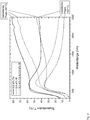
- the Fig. 3 shows the wavelength-dependent transmission behavior of vanadium dioxide layers 16 doped with different calcium concentrations and deposited on the high-frequency sputtering system with a 20 nm thick titanium oxide interlayer 14 but without an anti-reflective topcoat.
- the layers were produced at a deposition temperature of about 400 ° C. From the comparison of the curves, it can be seen that the transmittance for both phases, especially in the range from 1000 to 2500 nm, increases with increasing calcium concentration. Furthermore, a blue shift in the absorption edge increases with increasing calcium concentration which also changes the color impression of the layers from a bronze to a neutral color.
Landscapes
- Chemical & Material Sciences (AREA)
- Engineering & Computer Science (AREA)
- Materials Engineering (AREA)
- Organic Chemistry (AREA)
- Chemical Kinetics & Catalysis (AREA)
- Life Sciences & Earth Sciences (AREA)
- General Chemical & Material Sciences (AREA)
- Geochemistry & Mineralogy (AREA)
- Mechanical Engineering (AREA)
- Metallurgy (AREA)
- Surface Treatment Of Glass (AREA)
- Sustainable Development (AREA)
- Details Of Rigid Or Semi-Rigid Containers (AREA)
- Photovoltaic Devices (AREA)
- Glass Compositions (AREA)
- Coating By Spraying Or Casting (AREA)
Description
- Die Erfindung betrifft eine thermochrome Glasbeschichtung bzw. ein Verfahren zur Herstellung derselben. Solche thermochrome Beschichtungen verfügen über einen sich mit der Temperatur ändernden Transmissionsgrad für elektromagnetische Strahlung z.B. IR, VIS, UV und sollen im Gebäudebau als Glasfenster- oder Glasfassadenbeschichtungen verwendet werden, um das Raumklima im Gebäudeinneren zu beeinflussen und Energie zu sparen.
- In der
DE69910322T2 wurde eine Glasbeschichtung aus Vanadiumdioxid VO2 mit Alkalimetalldotierung beschrieben. Das Vanadiumdioxid weist einen Phasenübergang bei ca. 68°C auf. Oberhalb dieser Temperatur liegt es als metallische Phase vor und reflektiert elektromagnetische Strahlung vor allem im infraroten Spektralbereich (500 bis 2000 nm). Unterhalb dieser Temperatur liegt eine halbleitende Phase vor und lässt Infrarot-Strahlung durch. Das wird als thermochromer Effekt bezeichnet. - Die Phasenübergangstemperatur kann durch Dotierung mit Wolfram reduziert werden. Allerdings verschlechtert sich der Transmissionsgrad für sichtbares Licht, der aber mittels Fluor-Dotierung erhöht werden kann. Allerdings verschlechtern sich die Schalteigenschaften bei einer Dotierung mit Fluor.
- Vanadiumdioxid weist eine bronzene Färbung auf. Das ist besonders nachteilig, da diese Färbung als Filter für das sichtbare Licht wirkt. Damit ist die Transmission im sichtbaren Bereich der elektromagnetischen Strahlung erheblich eingeschränkt. Die oben genannte Schrift gibt dafür keine Lösung, da diese Färbung weder durch die Schichtdicke noch durch weitere Schichten verhindert werden kann.
- In der
DE3347918C2 wird die Reduktion des Vanadiumdioxids zu Vanadiumtrioxid V2O3 vorgeschlagen, welches grau ist. Vanadiumtrioxid hat einen Phasenübergang bei 168 K und ist damit nicht für die Anwendung als thermochrome Fensterglasbeschichtung geeignet. Ein geeigneter Phasenübergang liegt im Bereich 300 K bis 373 K vor - In beiden Schriften wird die Vanadiumdioxidschicht durch CVD aufgetragen. Das ist aber bei der gasförmigen Fluordotierung nachteilig, da bei Abscheidetemperaturen von über 600°C ein effektiver Fluoreinbau in das Vanadiumdioxidkristallgitter nicht möglich ist. Andererseits ist bei einer zu geringen Temperatur (< 400°C) nur eine amorphe Schicht Vanadiumdioxid abscheidbar, die nur schlechte Schalteigenschaften zeigt. Daher ist es wichtig, eine kristalline Schicht Vanadiumdioxid zu erzeugen.
- Die
WO 2010/038202 A1 schlägt eine thermochrome Schicht enthaltend Vanadiumdioxid vor, wobei das Vanadiumdioxid mit Aluminium oder Magnesium als einem ersten Dotierungselement dotiert ist. Das Vanadiumdioxid ist darüber hinaus mit einem zweiten Element dotiert ausgewählt aus der Gruppe W, Mo, Nb und Ta. - Die
US 6 110 656 A betrifft kolloidales Vanadiumoxid, was zur Herstellung von antistatischen oder elektrisch leitenden Schichten verwendet werden kann. Die D5 offenbart sowohl ein Verfahren zur Herstellung sowie Zusammensetzungen dieser Schichten, wobei aus interkalierenden kolloidalen Vanadiumoxid-Partikeln und wasserlöslichen Vinylpolymeren Gelschichten gebildet werden. Die Entgegenhaltung lehrt die technischen Eigenschaften dieser Gelschichten und offenbart, dass diese sowohl elektrisch leitfähig als auch antistatisch sein können und zudem eine erhöhte Stabilität aufweisen. - Aufgabe der vorliegenden Erfindung ist es, die Nachteile des Standes der Technik zu beseitigen bzw. zu umgehen.
- Die Aufgabe wird erfindungsgemäß durch eine thermochrome Schicht für Glas, die eine Vanadiumdioxidschicht umfasst und dadurch gekennzeichnet ist, dass die Vanadiumdioxidschicht aus Vanadiumdioxid besteht und eine Dotierung mit den Erdalkalimetallen Calcium, Barium, Strontium einzeln oder in Kombination umfasst.
- Die Konzentration eines Erdalkalimetalls der Gruppe, bestehend aus Ba, Sr und Ca, vorzugsweise Calcium, liegt im Bereich von 0,01 bis 15 Atomprozent, vorzugsweise 1,0 bis 10,0 Atomprozent.
- Bevorzugt wird diese Vanadiumdioxidschicht mit Wolfram und/oder Fluor dotiert. Die Entfärbung des Vanadiumdioxids wird erfindungsgemäß durch eine Dotierung mit Erdalkalielementen wie z.B. Calcium (Ca), Strontium (Sr), Barium (Ba) einzeln oder in Kombination erreicht. Diese Dotierung der Vanadiumdioxidschicht mit den Erdalkalielementen erfolgt direkt in das Vanadiumdioxid oder zusätzlich zur Dotierung mit Wolfram, Fluor oder anderen Elementen (z.B. Alkalimetalle - 1. HG: Li, Na, K, Rb, Cs, Elemente der 3.,4.,5. HG - z.B. B, Al, Ga, In, Si, Ge, Sn, Pb, P, As, Sb, Bi und Übergangsmetalle, außer Mg, Ca, Sr, Ba,).
- Bei der Kodotierung mit Wolfram und Calcium hat sich gezeigt, dass eine Synergie beider oben beschriebenen Effekte erzielt wird. Das hat zur Folge, dass zum einen aufgrund des Wolframeinbaus die Schalttemperatur Tc in den Bereich der Raumtemperatur herabgesetzt wird. Zum anderen führt der Einbau von Calcium bei den so hergestellten Beschichtungen zu einer Erhöhung des Lichttransmissionsgrades, insbesondere im sichtbaren Spektralbereich, wobei die Lichtabsorptionskante eine Blauverschiebung erfährt. Das optische Erscheinungsbild einer solchen Beschichtung verändert sich mit steigender Calciumkonzentration von einem bronzenen zu einem neutralen Farbeindruck.
- Die Wolframkonzentration liegt bei den thermochromen Beschichtungen entsprechend der vorliegenden Erfindung im Bereich von 0,01 bis 3,0 Atomprozent, vorzugsweise 0,4 bis 2,6 Atomprozent.
- Die Fluorkonzentration liegt im Bereich von 0,01 bis 2,0 Atomprozent, vorzugsweise 0,5 bis 1,5 Atomprozent.
- Die Vanadiumdioxidschicht weist eine Dicke von 10 bis 300 nm, vorzugsweise im Bereich von 40 bis 100 nm, auf.
- Zwischen das Glas und die Vanadiumdioxidschicht wird bevorzugt eine Kristallkeimschicht eingefügt, die die Kristallisation der Vanadiumdioxidschicht auch bei niedrigen Temperaturen (< 400°C) fördert. Hierzu verwendet man Titandioxidoder Siliziumoxid, bevorzugt Titandioxid.
Die Kristallkeimschicht (auch Zwischenschicht) weist eine Dicke von 5 bis 200 nm, vorzugsweise im Bereich von 10 bis 70 nm, auf. - Eine Nachoxidation der dotierten Vanadiumdioxidschicht, mit W oder F oder einem Erdalkalimetall der Gruppe, umfassend Ba, Sr, und Ca, oder der kodotierten Vanadiumdioxidschicht, mit W oder F und einem Erdalkalimetall der Gruppe, umfassend Ba, Sr, und Ca, kann durch eine Abdeckungsschicht verhindert werden. So wird eine Abdeckungsschicht aus den Verbindungen Aluminiumoxinitrid, Zinkoxisulfid, Zinkoxid und Zinksulfid einzeln und in Kombination aufgebracht. Diese Abdeckungsschicht dient außerdem als Anti-Reflexionsschicht, wodurch sich der Lichttransmissionsgrad zusätzlich verbessert. Es hat sich gezeigt, dass es vorteilhaft ist, wenn die Abdeckungsschicht eine Dicke von 10 bis 300 nm, bevorzugt 40 bis 100 nm, aufweist.
- Die Vanadiumdioxidschicht wird mit einem Zerstäubungsverfahren (Sputtern) abgeschieden, vorzugsweise mit einem Hochfrequenz- bzw. Radiofrequenz - Kathodenzerstäubungsverfahren oder DC - Kathodenzerstäubungsverfahren. Alternativ ist eine Beschichtung über CVD, andere PVD-Verfahren, Sol-Gel Verfahren und diese auch Plasma-unterstützt erreichbar. Als Quellen werden Targets der Elemente, Elementoxide oder Elementfluoride von Vanadium, Wolfram, Calcium, Strontium, Barium einzeln oder in Kombination verwendet. Damit ist durch Sputtern in einer Argon-Sauerstoff - Atmosphäre der Übertrag der Elemente auf das Glas als Träger durchführbar. Dabei ist das Verhältnis der Massenflüsse der Gase Argon und Sauerstoff zueinander vorzugsweise im Bereich von 5,7 zu 1,4.
- Bei zusätzlicher gasförmiger Fluordotierung wird Tetrafluormethan (CF4) oder Trifluormethan (CHF3) dem Argon zugesetzt. Dabei ist das Verhältnis der Massenflüsse der Gase Argon, Sauerstoff und CF4 zueinander vorzugsweise im Bereich von 5,7 zu 1,4 zu 0,3. Ähnliche Verhältnisse gelten beim Zusatz von anderen Fluorierungsmitteln wie CHF3.
Alternativ dazu werden die fluorierten Elemente z.B. Calciumfluorid, Strontiumfluorid und oder Bariumfluorid als Substrate eingesetzt. Ein Einsatz von fluorierten Elementen und fluorhaltigen Gas ist ebenfalls eine Ausführungsform. - Bei einer Abscheidetemperatur von Raumtemperatur bis 400°C wird das Glas zuerst mit einer Titandioxidschicht als Kristallkeimschicht überzogen und anschließend eine Vanadiumdioxidschicht mit den Dotierungen aufgebracht.
- Die dotierte Vanadiumdioxidschicht wird bevorzugt mit einer Abdeckschicht, die bevorzugt als Antireflexschicht ausgebildet ist, überschichtet.
- Die thermochrome Schicht wird für Glas (z.B. Fensterglas, Glasrohre, Trinkgläser), Solarzellen (Photovoltaik), Solarkollektoren (Warmwasseraufbereitung) verwendet.
- Die erfindungsgemäße Ausführung ist nachfolgend erläutert, wobei die Erfindung alle nachfolgend aufgeführten bevorzugten Ausführungsformen einzeln und in Kombination umfasst.
-
Fig. 1 zeigt gemäß der vorliegenden Erfindung den prinzipiellen Aufbau einer thermochromen Beschichtung 10, wie sie beispielsweise auf eine Fensterglasscheibe 12 aufgebracht werden kann. Dazu wird auf ein Glassubstrat 12 eine Titanoxidschicht 14 mit reaktiver Hochfrequenz- bzw. Radiofrequenz-Kathodenzerstäubung abgeschieden. Die so erzeugte Titanoxidschicht, bildet eine Kristallkeimschicht auf dem Glassubstrat 12. - Die Leistung des Hochfrequenzgenerators beim Sputtern liegt beim Abscheiden der Titanoxidschicht vorzugsweise im Bereich von 100 bis 600 W (entsprechen 1,2 bis 7,4 W/cm2), am meisten bevorzugt bei 300 W (entspricht 3,7 W/cm2). Die Abscheidetemperatur liegt vorzugsweise im Bereich von Raumtemperatur bis 600°C, am meisten bevorzugt bei ca. 300°C.
- Anschließend wird von einem Wolfram oder Calcium enthaltenden Vanadium-Target oder Vanadiumoxid-Target mit einer reaktiven Hochfrequenz- bzw. Radiofrequenz-Kathodenzerstäubung eine Vanadiumdioxidschicht auf die Titandioxidschicht aufgetragen. Die Vanadiumdioxidschicht 16 ist die thermochrome Schicht. Die Schicht enthält ca. 3,3% Ca mit 0,2% W und 0,3% F, Rest VO2. Alternativ enthält die Beschichtung 8,9% Ca mit 0,4% W Rest VO2. Zusätzlich wurde eine Beschichtung mit 8,9% Ca Rest VO2 hergestellt. Zusätzlich wurde eine Beschichtung mit ca. 9% Sr Rest VO2 hergestellt. Zusätzlich wurde eine Beschichtung mit ca. 9% Ba Rest VO2 hergestellt.
- Die Leistung des Hochfrequenzgenerators beim Sputtern liegt beim Abscheiden der dotierten Vanadiumdioxidschicht vorzugsweise im Bereich von 100 bis 600 W (entsprechen 1,2 bis 7,4 W/cm2), am meisten bevorzugt bei 300 W (entspricht 3,7 W/cm2), während die Abscheidetemperatur vorzugsweise im Bereich von 100 bis 600°C, am meisten bevorzugt bei ca. 400°C, liegt.
- Eine mit Fluor und einem Erdalkalimetall der Gruppe, umfassend Ba, Sr, und Ca, kodotierte Vanadiumdioxidschicht bzw. mit Wolfram und einem Erdalkalimetall der Gruppe, umfassend Ba, Sr, und Ca, kodotierte Vanadiumdioxidschicht enthält folgende bevorzugte Formeln für die thermochrome Schicht, wobei M das entsprechende Erdalkalimetall bezeichnet:
- a)
V1-X-Y WX MY O2
- b)
V1-Y MY O2-Z FZ
- Alternativ wird eine dreifach-dotierte Vanadiumdioxidschicht mit Fluor, Wolfram und einem Erdalkalimetall der Gruppe, umfassend Ba, Sr, und Ca, erzeugt. Die Zusammensetzung lässt sich durch folgende Formel beschreiben, wobei M das Erdalkalimetall bezeichnet:
- c)
V1-X-Y WX MY O2-Z FZ
- Dotierungen mit weiteren Elementen führen zu anderen Formeln und Gewichtsverhältnissen.
- Auf der thermochromen dotierten Vanadiumdioxidschicht 16 wird anschließend eine ebenfalls mit Hochfrequenz-Kathodenzerstäubung abgeschiedene Abdeckungsschicht bzw. Abdeckschicht 18 aufgebracht, welche bevorzugt aus Zinksulfid besteht. Weiterhin werden statt Zinksulfid auch Aluminiumoxinitrid, Aluminiumnitrid, Aluminiumoxid, Zinkoxisulfid oder Zinkoxid oder Mischphasen von diesen Verbindungen (inklusive Zinksulfid) eingesetzt. Diese Abdeckungsschicht 18 dient der thermochromen Schicht 16 als Schutz vor Nachoxidation und als Anti-Reflexionsschicht, wodurch vor allem im sichtbaren Spektralbereich der Lichttransmissionsgrad erhöht wird.
- Die Leistung des Hochfrequenzgenerators beim Sputtern liegt beim Abscheiden der Zinksulfid-Abdeckungsschicht vorzugsweise im Bereich von 100 bis 600 W (entsprechen 1,2 bis 7,4 W/cm2), am meisten bevorzugt bei 200 W (entspricht 2,5 W/cm2), während die Abscheidetemperatur vorzugsweise im Bereich von Raumtemperatur bis 400°C, am meisten bevorzugt bei Raumtemperatur, liegt.
- Die
Fig. 2 zeigt das wellenlängenabhängige Transmissionsverhalten für eine mit Calcium dotierte bzw. eine mit Wolfram und Calcium kodotierte an einer Hochfrequenz-Kathodenzerstäubungsanlage, auf Glas abgeschiedene Vanadiumdioxidschicht 16, ohne Titandioxidschicht 14 und ohne Anti-Reflexionsdeckschicht. Zusätzlich ist zum Vergleich eine lediglich mit Wolfram dotierte Vanadiumdioxidschicht abgebildet. Die Schichten wurden bei einer Abscheidetemperatur von ca. 600°C (ohne gasförmige Fluor-Dotierung) hergestellt. Zu sehen sind die Niedrigtemperaturphase gemessen bei 20°C und die Hochtemperaturphase bei 100°C der drei Schichten. Die lediglich mit Calcium dotierte Schicht weist hinsichtlich der lediglich mit Wolfram dotierten Schicht für den Bereich von 300 bis 2500 nm durchweg eine deutlich höhere Transmission auf. Des Weiteren zeigt die mit Calcium und Wolfram kodotierte Schicht eine geringere Transmission für den Bereich von 300 bis 2500 nm als die lediglich mit Calcium dotierte Schicht, jedoch höhere Transmission als die lediglich mit Wolfram dotierte Schicht. Insbesondere ist der Transmissionsunterschied zwischen Niedrigtemperatur- und Hochtemperaturphase deutlich größer im Vergleich zu den anderen Schichten. - Die
Fig. 3 zeigt das wellenlängenabhängige Transmissionsverhalten von mit verschiedenen Calcium-Konzentrationen dotierten an der Hochfrequenz-Kathodenzerstäubungsanlage abgeschiedenen Vanadiumdioxidschichten 16 mit einer 20 nm dicken Titanoxidzwischenschicht 14 aber ohne Anti-Reflexdeckschicht. Die Schichten wurden bei einer Abscheidetemperatur von ca. 400°C hergestellt. Aus dem Vergleich der Kurven erkennt man, dass der Transmissionsgrad für beide Phasen vor allem im Bereich von 1000 bis 2500 nm mit steigender Calcium-Konzentration größer wird. Des Weiteren ist eine Blauverschiebung der Absorptionskante mit steigender Calcium-Konzentration zu sehen, wodurch sich auch der Farbeindruck der Schichten von einer bronzenen zu einer neutralen Färbung verändert. -
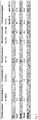
Fig. 4 zeigt eine Tabelle, welche die Schalttemperaturen, die Absorptionskanten (Bandlücke) und die ermittelten Elementkonzentrationen sowie den spektralen Transmissionsgrad der Hoch- (gemessen bei 100°C) und Niedertemperaturphase (gemessen bei 20°C) für unterschiedliche thermochrome Beschichtungen beinhaltet, wobei dieselben Bedingungen für die Schichtherstellung galten, wie bei den gemessenen Schichten inFig. 2 dargestellt. - Wie in der Tabelle dargestellt, tritt beim Kodotieren mit Wolfram und Calcium ein Synergieeffekt auf, d.h. die kodotierten Schichten weisen eine vor allem durch das Wolfram hervorgerufene Verschiebung der Schalttemperatur zu niedrigeren Temperaturen sowie eine Verschiebung der Absorptionskante zu höheren Energien bzw. zu niedrigeren Wellenlängen durch die Dotierung mit Calcium auf.
-
Fig. 5 bildet das wellenlängenabhängige Transmissionsverhalten für eine mit Strontium und eine mit Barium dotierte sowie eine undotierte an der Hochfrequenz-Kathodenzerstäubungsanlage auf Glas abgeschiedene Vanadiumdioxidschicht 16 ohne Titanoxidzwischenschicht 14 und ohne Anti-Reflexdeckschicht ab. Die Schichten wurden bei einer Abscheidetemperatur von ca. 650°C hergestellt. Die ermittelten Barium- bzw. Strontium-Konzentrationen liegen bei ca. 9 Atomprozent. - Im Vergleich zur mit Calcium dotieren Schicht in
Fig. 2 zeigen die mit Strontium und mit Barium dotieren Schichten ausFig. 5 ein ähnliches Schaltverhalten. Die Transmission im Bereich von 300 bis 2500 nm liegt deutlich höher und die Absorptionskante setzt erst bei höheren Energien bzw. niedrigeren Wellenlängen ein als bei der undotierten Vanadiumdioxidschicht inFig. 5 . - Das Erhöhen des Transmissionsgrades, vor allem im blauen Spektralbereich, hat zur Folge, dass das optische Erscheinungsbild der thermochromen Beschichtung gegenüber den aus dem Stand der Technik bekannten lediglich mit Fluor oder Wolfram dotierten Vanadiumdioxidschichten wesentlich verbessert ist und sich durch den gleichzeitigen Wolfram- oder Fluoreinbau die Schalttemperatur in den Bereich der Raumtemperatur verschiebt. Zwar steigt, wie man in
Fig. 3 sehen kann, die Transmission der erfindungsgemäßen thermochromen Beschichtung im Vergleich zur lediglich mit Wolfram dotierten Vanadiumdioxidbeschichtung auch in der Hochtemperaturphase an, jedoch bleibt der Transmissionsunterschied zwischen Hoch- und Niedrigtemperaturphase ungefähr gleich bzw. für Probe Ca48 (sieheFig. 4 ) steigt er sogar. - Zur Erreichung einer genügend guten Kristallinität des Vanadiumdioxids und damit des thermochromen Effekts ist die dotierte Vanadiumdioxidschicht auf einer Kristallkeimschicht aufzubringen, wobei neben dem Sputtern, PVD oder Sol-Gel-Methoden einsetzbar sind. Bei Sol-Gel-Methoden ist auf eine möglichst gleichmäßige Schichtdicke zu achten.
- Die Entwicklung betrifft eine Beschichtung von Glas mit thermochromen Vanadiumdioxid. Die Färbung des Vanadiumdioxids wird durch eine Dotierung mit Erdalkalielementen z.B. Ca, Sr, Ba von bronzen nach neutral (farblos) verschoben. Gleichzeitig bleibt der thermochrome Effekt bestehen.
Claims (11)
- Thermochrome Schicht für Glas (12), die eine Vanadiumdioxidschicht (16) umfasst, dadurch gekennzeichnet, dass die Vanadiumdioxidschicht aus Vanadiumdioxid besteht und eine Dotierung mit den Erdalkalimetallen Calcium, Barium, Strontium einzeln oder in Kombination umfasst.
- Thermochrome Schicht nach Anspruch 1, dadurch gekennzeichnet, dass die Vanadiumdioxidschicht (16) eine zusätzliche Dotierung mit Wolfram und/oder Fluor aufweist.
- Thermochrome Schicht nach einem der Ansprüche 1 oder 2, dadurch gekennzeichnet, dass die Vanadiumdioxidschicht (16) zusätzlich eine Kristallkeimschicht (14) und / oder eine Abdeckschicht (18) aufweist.
- Thermochrome Schicht nach einem der Ansprüche 1 bis 3, dadurch gekennzeichnet, dass die Kristallkeimschicht (14) Verbindungen wie Titandioxid, Siliziumoxid umfasst.
- Thermochrome Schicht nach einem der Ansprüche 1 bis 4, dadurch gekennzeichnet, dass die Abdeckschicht (18) Verbindungen wie Aluminiumoxinitrid, Zinkoxisulfid, Zinkoxid und Zinksulfid umfasst.
- Verfahren zur Herstellung einer thermochromen Schicht mit einer Vanadiumdioxidschicht (16) nach Anspruch 1, dadurch gekennzeichnet, dass die Vanadiumdioxidschicht (16) mit den Erdalkalimetallen Calcium, Barium, Strontium einzeln oder in Kombination dotiert wird.
- Verfahren zur Herstellung einer thermochromen Schicht nach Anspruch 6, dadurch gekennzeichnet, dass die Beschichtung eines Trägers mit den einzelnen Schichten, einer Kristallkeimschicht (14), der dotierten Vanadiumdioxidschicht (16), einer Abdeckschicht (18), durch Hochfrequenz- bzw. Radiofrequenz-Kathodenzerstäubungsverfahren oder DC-Kathodenzerstäubungsverfahren erfolgt.
- Verwendung einer thermochromen Schicht nach Anspruch 1 für Glas, Solarzellen oder Solarkollektoren.
- Verwendung einer thermochromen Schicht nach Anspruch 8 für Glas, nämlich für Fensterglas, Glasrohre oder Trinkgläser.
- Verwendung einer thermochromen Schicht nach Anspruch 8 für Solarzellen, nämlich bei der Photovoltaik.
- Verwendung einer thermochromen Schicht nach Anspruch 8 für Solarkollektoren, nämlich bei der Warmwasseraufbereitung.
Applications Claiming Priority (2)
| Application Number | Priority Date | Filing Date | Title |
|---|---|---|---|
| DE102012012219.5A DE102012012219B4 (de) | 2012-06-21 | 2012-06-21 | Thermochrome Schicht für Glas, Verfahren zur Herstellung einer thermochromen Schicht und Verwendung einer thermochromen Schicht |
| PCT/EP2013/062770 WO2013189996A1 (de) | 2012-06-21 | 2013-06-19 | Thermochromes glas mit beschichtung von farbneutralem vanadiumdioxid |
Publications (2)
| Publication Number | Publication Date |
|---|---|
| EP2864267A1 EP2864267A1 (de) | 2015-04-29 |
| EP2864267B1 true EP2864267B1 (de) | 2017-12-27 |
Family
ID=48741073
Family Applications (1)
| Application Number | Title | Priority Date | Filing Date |
|---|---|---|---|
| EP13732868.8A Active EP2864267B1 (de) | 2012-06-21 | 2013-06-19 | Thermochromes glas mit beschichtung von farbneutralem vanadiumdioxid |
Country Status (7)
| Country | Link |
|---|---|
| US (1) | US9309147B2 (de) |
| EP (1) | EP2864267B1 (de) |
| JP (1) | JP6385923B2 (de) |
| KR (1) | KR102079411B1 (de) |
| CN (1) | CN104583145B (de) |
| DE (1) | DE102012012219B4 (de) |
| WO (1) | WO2013189996A1 (de) |
Families Citing this family (9)
| Publication number | Priority date | Publication date | Assignee | Title |
|---|---|---|---|---|
| KR101761864B1 (ko) * | 2015-10-23 | 2017-08-07 | (주)세온 | 직물 처리 장치 |
| CN108351445B (zh) * | 2015-11-06 | 2021-03-23 | 柯尼卡美能达株式会社 | 热变色膜及热变色复合体 |
| US20190040520A1 (en) * | 2016-02-04 | 2019-02-07 | Ecole Polytechnique Federale De Lausanne (Epfl) | Coating for optical and electronic applications |
| FR3054676B1 (fr) | 2016-07-28 | 2018-08-31 | Commissariat A L'energie Atomique Et Aux Energies Alternatives | Dispositif thermochrome tout-solide, et procede de preparation de ce dispositif |
| WO2018105238A1 (ja) * | 2016-12-06 | 2018-06-14 | コニカミノルタ株式会社 | 二酸化バナジウム含有粒子、サーモクロミックフィルム及び二酸化バナジウム含有粒子の製造方法 |
| US10737948B2 (en) * | 2018-09-05 | 2020-08-11 | University Of South Carolina | Polar oxysulfide for nonlinear optical applications |
| KR102559753B1 (ko) * | 2018-11-01 | 2023-07-27 | 삼성전자주식회사 | 조리장치 |
| US20240140858A1 (en) * | 2022-11-01 | 2024-05-02 | University Of Central Florida Research Foundation, Inc | Smart coatings |
| CN116426265B (zh) * | 2023-04-10 | 2024-05-14 | 贵州民族大学 | 一种钨镁掺杂二氧化钒热致变色薄膜的制备方法 |
Citations (4)
| Publication number | Priority date | Publication date | Assignee | Title |
|---|---|---|---|---|
| US6110656A (en) * | 1998-09-28 | 2000-08-29 | Eastman Kodak Company | Colloidal vanadium oxide having improved stability |
| WO2010038202A1 (en) * | 2008-09-30 | 2010-04-08 | Granqvist Claes-Goeran | Thermochromic material and fabrication thereof |
| US20120107687A1 (en) * | 2010-11-03 | 2012-05-03 | Samsung Sdi Co., Ltd. | Positive electrode for rechargeable lithium battery and rechargeable lithium battery including same |
| US20130101848A1 (en) * | 2011-09-29 | 2013-04-25 | Sarbajit Banerjee | Doped Nanoparticles and Methods of Making and Using Same |
Family Cites Families (10)
| Publication number | Priority date | Publication date | Assignee | Title |
|---|---|---|---|---|
| DE2114965C3 (de) | 1971-03-27 | 1974-05-30 | Heinz 4390 Gladbeck Hoelter | Vorrichtung für die Trennmittelschwaden-Absaugung einer Druckgießmaschine |
| AU546405B2 (en) | 1982-02-01 | 1985-08-29 | Ppg Industries, Inc. | Vanadium oxide coating |
| JPS62277485A (ja) * | 1986-05-26 | 1987-12-02 | Sharp Corp | 可逆性示温材 |
| PL344578A1 (en) * | 1998-06-03 | 2001-11-05 | Bruno K Meyer | Thermochromic coating |
| DE19860026A1 (de) * | 1998-06-03 | 1999-12-09 | Bruno K Meyer | Thermochrome Beschichtung |
| GB9822338D0 (en) * | 1998-10-13 | 1998-12-09 | Glaverbel | Solar control coated glass |
| FR2809388B1 (fr) * | 2000-05-23 | 2002-12-20 | Saint Gobain Vitrage | Vitrage comprenant au moins une couche a proprietes thermochromes |
| JP3849008B2 (ja) | 2001-09-20 | 2006-11-22 | 独立行政法人産業技術総合研究所 | 高性能自動調光窓コーティング材料 |
| US8270060B2 (en) * | 2009-09-25 | 2012-09-18 | Samsung Sdi Co., Ltd. | Infrared ray transmittance controlling panel including color modifying layer |
| CN101817644B (zh) * | 2010-04-20 | 2012-08-29 | 中国科学院上海硅酸盐研究所 | 一种辐射率可调的二氧化钒基复合薄膜及其制备方法 |
-
2012
- 2012-06-21 DE DE102012012219.5A patent/DE102012012219B4/de active Active
-
2013
- 2013-06-19 JP JP2015517749A patent/JP6385923B2/ja active Active
- 2013-06-19 KR KR1020157001512A patent/KR102079411B1/ko active Active
- 2013-06-19 EP EP13732868.8A patent/EP2864267B1/de active Active
- 2013-06-19 US US14/409,989 patent/US9309147B2/en active Active
- 2013-06-19 WO PCT/EP2013/062770 patent/WO2013189996A1/de not_active Ceased
- 2013-06-19 CN CN201380031997.0A patent/CN104583145B/zh active Active
Patent Citations (4)
| Publication number | Priority date | Publication date | Assignee | Title |
|---|---|---|---|---|
| US6110656A (en) * | 1998-09-28 | 2000-08-29 | Eastman Kodak Company | Colloidal vanadium oxide having improved stability |
| WO2010038202A1 (en) * | 2008-09-30 | 2010-04-08 | Granqvist Claes-Goeran | Thermochromic material and fabrication thereof |
| US20120107687A1 (en) * | 2010-11-03 | 2012-05-03 | Samsung Sdi Co., Ltd. | Positive electrode for rechargeable lithium battery and rechargeable lithium battery including same |
| US20130101848A1 (en) * | 2011-09-29 | 2013-04-25 | Sarbajit Banerjee | Doped Nanoparticles and Methods of Making and Using Same |
Non-Patent Citations (1)
| Title |
|---|
| PRAGNA KIRIA ET AL: "Solid State Thermochromic Materials", ADVANCED MATERIALS LETTERS, vol. 1, no. 2, 1 September 2010 (2010-09-01), IN, pages 86 - 105, XP055332228, ISSN: 0976-3961, DOI: 10.5185/amlett.2010.8147 * |
Also Published As
| Publication number | Publication date |
|---|---|
| DE102012012219B4 (de) | 2014-12-24 |
| US9309147B2 (en) | 2016-04-12 |
| EP2864267A1 (de) | 2015-04-29 |
| US20150203398A1 (en) | 2015-07-23 |
| CN104583145A (zh) | 2015-04-29 |
| JP2015527958A (ja) | 2015-09-24 |
| DE102012012219A1 (de) | 2013-12-24 |
| CN104583145B (zh) | 2018-10-19 |
| KR102079411B1 (ko) | 2020-02-19 |
| WO2013189996A1 (de) | 2013-12-27 |
| JP6385923B2 (ja) | 2018-09-05 |
| KR20150036136A (ko) | 2015-04-07 |
Similar Documents
| Publication | Publication Date | Title |
|---|---|---|
| DE102012012219B4 (de) | Thermochrome Schicht für Glas, Verfahren zur Herstellung einer thermochromen Schicht und Verwendung einer thermochromen Schicht | |
| DE69701403T2 (de) | Beschichtetes glas | |
| EP1089945B1 (de) | Thermochrome beschichtung | |
| EP0114282B1 (de) | Verfahren zum Herstellen von Indiumoxid-Zinnoxid-Schichten | |
| DE102012210552B4 (de) | Farbgläser, Verfahren zu ihrer Herstellung und Verwendung | |
| DE69419224T2 (de) | Glasscheibe mit einer leitenden punktionsschicht und/oder mit einer beschichtung mit niedrigem starhlungsvermögen | |
| DE60131776T2 (de) | Verglasung mit dünnschichtstapel, mit eigenschaften für den sonnenschutz und/oder zur wärmeisolierung | |
| DE3239753C1 (de) | Farbneutrale,solarselektive Waermereflexionsschicht fuer Glasscheiben und Verfahren zur Herstellung der Schichten | |
| CH709524A2 (de) | Harte Anti-Reflex-Beschichtungen sowie deren Herstellung und Verwendung. | |
| WO2006114321A1 (de) | Entspiegelungsschicht und verfahren zu deren aufbringung | |
| DE102008028141A1 (de) | Glasprodukt | |
| DE102011056873A1 (de) | Fluorphosphatgläser | |
| EP3357881B1 (de) | Beschichtete schutzverglasung | |
| DE3303154C2 (de) | ||
| DE10241847A1 (de) | Beschichtung mit photoinduzierter Hydrophilie | |
| DE69833099T2 (de) | Transparente Substrate mit einer Häufung von Schichten mit Infrarot und/oder Sonnenstrahlung reflektierenden Eigenschaften | |
| EP1538131A1 (de) | Temperbares Low-e-Schichtsystem; Verfahren zur Herstellung und Low-e-Glasprodukt mit Schichtsystem | |
| DE19833252C2 (de) | Komposit-Lotglas mit niedriger Aufschmelztemperatur, ein Füllstoff hierfür, ein Verfahren zu seiner Herstellung sowie deren Verwendung | |
| DE102013109087B3 (de) | Flachglas mit Filterwirkung, Verfahren zu seiner Herstellung, Verwendung sowie Schichtverbund | |
| DE102013112990B4 (de) | Solar-Control-Schichtsystem mit intensivem Farbeindruck, Verfahren zu dessen Herstellung und Glaseinheit | |
| DE2828332C3 (de) | Elektrochrome Schichten mit erhöhter Kristallisationsbeständigkeit | |
| DE102005033266A1 (de) | Farbstoff-sensibilisierte Solarzelle | |
| EP0814351A2 (de) | Wärmedämmende Anti-Reflex-Beschichtung und Verfahren zu deren Herstellung | |
| DE19860026A1 (de) | Thermochrome Beschichtung | |
| DE2807035A1 (de) | Glasplatte |
Legal Events
| Date | Code | Title | Description |
|---|---|---|---|
| PUAI | Public reference made under article 153(3) epc to a published international application that has entered the european phase |
Free format text: ORIGINAL CODE: 0009012 |
|
| 17P | Request for examination filed |
Effective date: 20150121 |
|
| AK | Designated contracting states |
Kind code of ref document: A1 Designated state(s): AL AT BE BG CH CY CZ DE DK EE ES FI FR GB GR HR HU IE IS IT LI LT LU LV MC MK MT NL NO PL PT RO RS SE SI SK SM TR |
|
| AX | Request for extension of the european patent |
Extension state: BA ME |
|
| DAX | Request for extension of the european patent (deleted) | ||
| 17Q | First examination report despatched |
Effective date: 20151201 |
|
| GRAP | Despatch of communication of intention to grant a patent |
Free format text: ORIGINAL CODE: EPIDOSNIGR1 |
|
| INTG | Intention to grant announced |
Effective date: 20170814 |
|
| GRAS | Grant fee paid |
Free format text: ORIGINAL CODE: EPIDOSNIGR3 |
|
| GRAA | (expected) grant |
Free format text: ORIGINAL CODE: 0009210 |
|
| AK | Designated contracting states |
Kind code of ref document: B1 Designated state(s): AL AT BE BG CH CY CZ DE DK EE ES FI FR GB GR HR HU IE IS IT LI LT LU LV MC MK MT NL NO PL PT RO RS SE SI SK SM TR |
|
| REG | Reference to a national code |
Ref country code: GB Ref legal event code: FG4D Free format text: NOT ENGLISH |
|
| REG | Reference to a national code |
Ref country code: CH Ref legal event code: EP |
|
| REG | Reference to a national code |
Ref country code: AT Ref legal event code: REF Ref document number: 958124 Country of ref document: AT Kind code of ref document: T Effective date: 20180115 |
|
| REG | Reference to a national code |
Ref country code: IE Ref legal event code: FG4D Free format text: LANGUAGE OF EP DOCUMENT: GERMAN |
|
| REG | Reference to a national code |
Ref country code: DE Ref legal event code: R096 Ref document number: 502013009131 Country of ref document: DE |
|
| PG25 | Lapsed in a contracting state [announced via postgrant information from national office to epo] |
Ref country code: NO Free format text: LAPSE BECAUSE OF FAILURE TO SUBMIT A TRANSLATION OF THE DESCRIPTION OR TO PAY THE FEE WITHIN THE PRESCRIBED TIME-LIMIT Effective date: 20180327 Ref country code: LT Free format text: LAPSE BECAUSE OF FAILURE TO SUBMIT A TRANSLATION OF THE DESCRIPTION OR TO PAY THE FEE WITHIN THE PRESCRIBED TIME-LIMIT Effective date: 20171227 Ref country code: FI Free format text: LAPSE BECAUSE OF FAILURE TO SUBMIT A TRANSLATION OF THE DESCRIPTION OR TO PAY THE FEE WITHIN THE PRESCRIBED TIME-LIMIT Effective date: 20171227 |
|
| REG | Reference to a national code |
Ref country code: NL Ref legal event code: MP Effective date: 20171227 |
|
| REG | Reference to a national code |
Ref country code: LT Ref legal event code: MG4D |
|
| PG25 | Lapsed in a contracting state [announced via postgrant information from national office to epo] |
Ref country code: RS Free format text: LAPSE BECAUSE OF FAILURE TO SUBMIT A TRANSLATION OF THE DESCRIPTION OR TO PAY THE FEE WITHIN THE PRESCRIBED TIME-LIMIT Effective date: 20171227 Ref country code: GR Free format text: LAPSE BECAUSE OF FAILURE TO SUBMIT A TRANSLATION OF THE DESCRIPTION OR TO PAY THE FEE WITHIN THE PRESCRIBED TIME-LIMIT Effective date: 20180328 Ref country code: LV Free format text: LAPSE BECAUSE OF FAILURE TO SUBMIT A TRANSLATION OF THE DESCRIPTION OR TO PAY THE FEE WITHIN THE PRESCRIBED TIME-LIMIT Effective date: 20171227 Ref country code: HR Free format text: LAPSE BECAUSE OF FAILURE TO SUBMIT A TRANSLATION OF THE DESCRIPTION OR TO PAY THE FEE WITHIN THE PRESCRIBED TIME-LIMIT Effective date: 20171227 Ref country code: BG Free format text: LAPSE BECAUSE OF FAILURE TO SUBMIT A TRANSLATION OF THE DESCRIPTION OR TO PAY THE FEE WITHIN THE PRESCRIBED TIME-LIMIT Effective date: 20180327 |
|
| REG | Reference to a national code |
Ref country code: FR Ref legal event code: PLFP Year of fee payment: 6 |
|
| PG25 | Lapsed in a contracting state [announced via postgrant information from national office to epo] |
Ref country code: NL Free format text: LAPSE BECAUSE OF FAILURE TO SUBMIT A TRANSLATION OF THE DESCRIPTION OR TO PAY THE FEE WITHIN THE PRESCRIBED TIME-LIMIT Effective date: 20171227 |
|
| PG25 | Lapsed in a contracting state [announced via postgrant information from national office to epo] |
Ref country code: EE Free format text: LAPSE BECAUSE OF FAILURE TO SUBMIT A TRANSLATION OF THE DESCRIPTION OR TO PAY THE FEE WITHIN THE PRESCRIBED TIME-LIMIT Effective date: 20171227 Ref country code: CY Free format text: LAPSE BECAUSE OF FAILURE TO SUBMIT A TRANSLATION OF THE DESCRIPTION OR TO PAY THE FEE WITHIN THE PRESCRIBED TIME-LIMIT Effective date: 20171227 Ref country code: SK Free format text: LAPSE BECAUSE OF FAILURE TO SUBMIT A TRANSLATION OF THE DESCRIPTION OR TO PAY THE FEE WITHIN THE PRESCRIBED TIME-LIMIT Effective date: 20171227 Ref country code: CZ Free format text: LAPSE BECAUSE OF FAILURE TO SUBMIT A TRANSLATION OF THE DESCRIPTION OR TO PAY THE FEE WITHIN THE PRESCRIBED TIME-LIMIT Effective date: 20171227 Ref country code: ES Free format text: LAPSE BECAUSE OF FAILURE TO SUBMIT A TRANSLATION OF THE DESCRIPTION OR TO PAY THE FEE WITHIN THE PRESCRIBED TIME-LIMIT Effective date: 20171227 |
|
| PG25 | Lapsed in a contracting state [announced via postgrant information from national office to epo] |
Ref country code: IT Free format text: LAPSE BECAUSE OF FAILURE TO SUBMIT A TRANSLATION OF THE DESCRIPTION OR TO PAY THE FEE WITHIN THE PRESCRIBED TIME-LIMIT Effective date: 20171227 Ref country code: SM Free format text: LAPSE BECAUSE OF FAILURE TO SUBMIT A TRANSLATION OF THE DESCRIPTION OR TO PAY THE FEE WITHIN THE PRESCRIBED TIME-LIMIT Effective date: 20171227 Ref country code: RO Free format text: LAPSE BECAUSE OF FAILURE TO SUBMIT A TRANSLATION OF THE DESCRIPTION OR TO PAY THE FEE WITHIN THE PRESCRIBED TIME-LIMIT Effective date: 20171227 Ref country code: IS Free format text: LAPSE BECAUSE OF FAILURE TO SUBMIT A TRANSLATION OF THE DESCRIPTION OR TO PAY THE FEE WITHIN THE PRESCRIBED TIME-LIMIT Effective date: 20180427 Ref country code: PL Free format text: LAPSE BECAUSE OF FAILURE TO SUBMIT A TRANSLATION OF THE DESCRIPTION OR TO PAY THE FEE WITHIN THE PRESCRIBED TIME-LIMIT Effective date: 20171227 |
|
| PG25 | Lapsed in a contracting state [announced via postgrant information from national office to epo] |
Ref country code: MT Free format text: LAPSE BECAUSE OF FAILURE TO SUBMIT A TRANSLATION OF THE DESCRIPTION OR TO PAY THE FEE WITHIN THE PRESCRIBED TIME-LIMIT Effective date: 20171227 |
|
| REG | Reference to a national code |
Ref country code: DE Ref legal event code: R097 Ref document number: 502013009131 Country of ref document: DE |
|
| PLBE | No opposition filed within time limit |
Free format text: ORIGINAL CODE: 0009261 |
|
| STAA | Information on the status of an ep patent application or granted ep patent |
Free format text: STATUS: NO OPPOSITION FILED WITHIN TIME LIMIT |
|
| PG25 | Lapsed in a contracting state [announced via postgrant information from national office to epo] |
Ref country code: DK Free format text: LAPSE BECAUSE OF FAILURE TO SUBMIT A TRANSLATION OF THE DESCRIPTION OR TO PAY THE FEE WITHIN THE PRESCRIBED TIME-LIMIT Effective date: 20171227 |
|
| 26N | No opposition filed |
Effective date: 20180928 |
|
| REG | Reference to a national code |
Ref country code: DE Ref legal event code: R119 Ref document number: 502013009131 Country of ref document: DE |
|
| REG | Reference to a national code |
Ref country code: CH Ref legal event code: PL |
|
| PG25 | Lapsed in a contracting state [announced via postgrant information from national office to epo] |
Ref country code: SI Free format text: LAPSE BECAUSE OF FAILURE TO SUBMIT A TRANSLATION OF THE DESCRIPTION OR TO PAY THE FEE WITHIN THE PRESCRIBED TIME-LIMIT Effective date: 20171227 |
|
| REG | Reference to a national code |
Ref country code: IE Ref legal event code: MM4A |
|
| PG25 | Lapsed in a contracting state [announced via postgrant information from national office to epo] |
Ref country code: MC Free format text: LAPSE BECAUSE OF FAILURE TO SUBMIT A TRANSLATION OF THE DESCRIPTION OR TO PAY THE FEE WITHIN THE PRESCRIBED TIME-LIMIT Effective date: 20171227 Ref country code: LU Free format text: LAPSE BECAUSE OF NON-PAYMENT OF DUE FEES Effective date: 20180619 |
|
| PG25 | Lapsed in a contracting state [announced via postgrant information from national office to epo] |
Ref country code: DE Free format text: LAPSE BECAUSE OF NON-PAYMENT OF DUE FEES Effective date: 20190101 Ref country code: CH Free format text: LAPSE BECAUSE OF NON-PAYMENT OF DUE FEES Effective date: 20180630 Ref country code: IE Free format text: LAPSE BECAUSE OF NON-PAYMENT OF DUE FEES Effective date: 20180619 Ref country code: LI Free format text: LAPSE BECAUSE OF NON-PAYMENT OF DUE FEES Effective date: 20180630 |
|
| REG | Reference to a national code |
Ref country code: AT Ref legal event code: MM01 Ref document number: 958124 Country of ref document: AT Kind code of ref document: T Effective date: 20180619 |
|
| PG25 | Lapsed in a contracting state [announced via postgrant information from national office to epo] |
Ref country code: AT Free format text: LAPSE BECAUSE OF NON-PAYMENT OF DUE FEES Effective date: 20180619 |
|
| PG25 | Lapsed in a contracting state [announced via postgrant information from national office to epo] |
Ref country code: TR Free format text: LAPSE BECAUSE OF FAILURE TO SUBMIT A TRANSLATION OF THE DESCRIPTION OR TO PAY THE FEE WITHIN THE PRESCRIBED TIME-LIMIT Effective date: 20171227 |
|
| PG25 | Lapsed in a contracting state [announced via postgrant information from national office to epo] |
Ref country code: PT Free format text: LAPSE BECAUSE OF FAILURE TO SUBMIT A TRANSLATION OF THE DESCRIPTION OR TO PAY THE FEE WITHIN THE PRESCRIBED TIME-LIMIT Effective date: 20171227 |
|
| PG25 | Lapsed in a contracting state [announced via postgrant information from national office to epo] |
Ref country code: HU Free format text: LAPSE BECAUSE OF FAILURE TO SUBMIT A TRANSLATION OF THE DESCRIPTION OR TO PAY THE FEE WITHIN THE PRESCRIBED TIME-LIMIT; INVALID AB INITIO Effective date: 20130619 Ref country code: SE Free format text: LAPSE BECAUSE OF FAILURE TO SUBMIT A TRANSLATION OF THE DESCRIPTION OR TO PAY THE FEE WITHIN THE PRESCRIBED TIME-LIMIT Effective date: 20171227 Ref country code: MK Free format text: LAPSE BECAUSE OF NON-PAYMENT OF DUE FEES Effective date: 20171227 |
|
| PG25 | Lapsed in a contracting state [announced via postgrant information from national office to epo] |
Ref country code: AL Free format text: LAPSE BECAUSE OF FAILURE TO SUBMIT A TRANSLATION OF THE DESCRIPTION OR TO PAY THE FEE WITHIN THE PRESCRIBED TIME-LIMIT Effective date: 20171227 |
|
| PGFP | Annual fee paid to national office [announced via postgrant information from national office to epo] |
Ref country code: GB Payment date: 20250618 Year of fee payment: 13 |
|
| PGFP | Annual fee paid to national office [announced via postgrant information from national office to epo] |
Ref country code: BE Payment date: 20250618 Year of fee payment: 13 |
|
| PGFP | Annual fee paid to national office [announced via postgrant information from national office to epo] |
Ref country code: FR Payment date: 20250625 Year of fee payment: 13 |