EP2859918B1 - Cosmetic composition containing fermented ginseng berry pleurotus ferulae product - Google Patents
Cosmetic composition containing fermented ginseng berry pleurotus ferulae product Download PDFInfo
- Publication number
- EP2859918B1 EP2859918B1 EP14172346.0A EP14172346A EP2859918B1 EP 2859918 B1 EP2859918 B1 EP 2859918B1 EP 14172346 A EP14172346 A EP 14172346A EP 2859918 B1 EP2859918 B1 EP 2859918B1
- Authority
- EP
- European Patent Office
- Prior art keywords
- ginseng berry
- product
- fermented ginseng
- pleurotus ferulae
- fermented
- Prior art date
- Legal status (The legal status is an assumption and is not a legal conclusion. Google has not performed a legal analysis and makes no representation as to the accuracy of the status listed.)
- Active
Links
Images

Classifications
-
- A—HUMAN NECESSITIES
- A61—MEDICAL OR VETERINARY SCIENCE; HYGIENE
- A61K—PREPARATIONS FOR MEDICAL, DENTAL OR TOILETRY PURPOSES
- A61K8/00—Cosmetics or similar toiletry preparations
- A61K8/18—Cosmetics or similar toiletry preparations characterised by the composition
- A61K8/96—Cosmetics or similar toiletry preparations characterised by the composition containing materials, or derivatives thereof of undetermined constitution
- A61K8/97—Cosmetics or similar toiletry preparations characterised by the composition containing materials, or derivatives thereof of undetermined constitution from algae, fungi, lichens or plants; from derivatives thereof
- A61K8/9783—Angiosperms [Magnoliophyta]
- A61K8/9789—Magnoliopsida [dicotyledons]
-
- A—HUMAN NECESSITIES
- A61—MEDICAL OR VETERINARY SCIENCE; HYGIENE
- A61K—PREPARATIONS FOR MEDICAL, DENTAL OR TOILETRY PURPOSES
- A61K8/00—Cosmetics or similar toiletry preparations
- A61K8/18—Cosmetics or similar toiletry preparations characterised by the composition
- A61K8/96—Cosmetics or similar toiletry preparations characterised by the composition containing materials, or derivatives thereof of undetermined constitution
- A61K8/97—Cosmetics or similar toiletry preparations characterised by the composition containing materials, or derivatives thereof of undetermined constitution from algae, fungi, lichens or plants; from derivatives thereof
- A61K8/9728—Fungi, e.g. yeasts
-
- A—HUMAN NECESSITIES
- A61—MEDICAL OR VETERINARY SCIENCE; HYGIENE
- A61P—SPECIFIC THERAPEUTIC ACTIVITY OF CHEMICAL COMPOUNDS OR MEDICINAL PREPARATIONS
- A61P29/00—Non-central analgesic, antipyretic or antiinflammatory agents, e.g. antirheumatic agents; Non-steroidal antiinflammatory drugs [NSAID]
-
- A—HUMAN NECESSITIES
- A61—MEDICAL OR VETERINARY SCIENCE; HYGIENE
- A61P—SPECIFIC THERAPEUTIC ACTIVITY OF CHEMICAL COMPOUNDS OR MEDICINAL PREPARATIONS
- A61P37/00—Drugs for immunological or allergic disorders
- A61P37/08—Antiallergic agents
-
- A—HUMAN NECESSITIES
- A61—MEDICAL OR VETERINARY SCIENCE; HYGIENE
- A61Q—SPECIFIC USE OF COSMETICS OR SIMILAR TOILETRY PREPARATIONS
- A61Q19/00—Preparations for care of the skin
-
- A—HUMAN NECESSITIES
- A61—MEDICAL OR VETERINARY SCIENCE; HYGIENE
- A61Q—SPECIFIC USE OF COSMETICS OR SIMILAR TOILETRY PREPARATIONS
- A61Q19/00—Preparations for care of the skin
- A61Q19/02—Preparations for care of the skin for chemically bleaching or whitening the skin
-
- A—HUMAN NECESSITIES
- A61—MEDICAL OR VETERINARY SCIENCE; HYGIENE
- A61Q—SPECIFIC USE OF COSMETICS OR SIMILAR TOILETRY PREPARATIONS
- A61Q19/00—Preparations for care of the skin
- A61Q19/08—Anti-ageing preparations
-
- C—CHEMISTRY; METALLURGY
- C12—BIOCHEMISTRY; BEER; SPIRITS; WINE; VINEGAR; MICROBIOLOGY; ENZYMOLOGY; MUTATION OR GENETIC ENGINEERING
- C12P—FERMENTATION OR ENZYME-USING PROCESSES TO SYNTHESISE A DESIRED CHEMICAL COMPOUND OR COMPOSITION OR TO SEPARATE OPTICAL ISOMERS FROM A RACEMIC MIXTURE
- C12P1/00—Preparation of compounds or compositions, not provided for in groups C12P3/00 - C12P39/00, by using microorganisms or enzymes
- C12P1/02—Preparation of compounds or compositions, not provided for in groups C12P3/00 - C12P39/00, by using microorganisms or enzymes by using fungi
-
- A—HUMAN NECESSITIES
- A61—MEDICAL OR VETERINARY SCIENCE; HYGIENE
- A61K—PREPARATIONS FOR MEDICAL, DENTAL OR TOILETRY PURPOSES
- A61K2800/00—Properties of cosmetic compositions or active ingredients thereof or formulation aids used therein and process related aspects
- A61K2800/40—Chemical, physico-chemical or functional or structural properties of particular ingredients
- A61K2800/52—Stabilizers
- A61K2800/522—Antioxidants; Radical scavengers
-
- A—HUMAN NECESSITIES
- A61—MEDICAL OR VETERINARY SCIENCE; HYGIENE
- A61K—PREPARATIONS FOR MEDICAL, DENTAL OR TOILETRY PURPOSES
- A61K2800/00—Properties of cosmetic compositions or active ingredients thereof or formulation aids used therein and process related aspects
- A61K2800/80—Process related aspects concerning the preparation of the cosmetic composition or the storage or application thereof
- A61K2800/805—Corresponding aspects not provided for by any of codes A61K2800/81 - A61K2800/95
-
- A—HUMAN NECESSITIES
- A61—MEDICAL OR VETERINARY SCIENCE; HYGIENE
- A61K—PREPARATIONS FOR MEDICAL, DENTAL OR TOILETRY PURPOSES
- A61K2800/00—Properties of cosmetic compositions or active ingredients thereof or formulation aids used therein and process related aspects
- A61K2800/80—Process related aspects concerning the preparation of the cosmetic composition or the storage or application thereof
- A61K2800/85—Products or compounds obtained by fermentation, e.g. yoghurt, beer, wine
Definitions
- the present invention relates to a cosmetic composition containing, as an active ingredient, a fermented ginseng berry Pleurotus ferulae product. More specifically, the present invention relates to a cosmetic composition containing, as an active ingredient, a fermented product prepared by fermenting a ginseng berry extract with Pleurotus ferulae mycelium.
- Aging of the skin is classified into two types, i.e., intrinsic (chronological) aging and photoaging [ Gilchrest BA: J. Am. Acad. Dermatol., 21, 610-613 (1989 )]. Intrinsic aging naturally occurs due to decrease in physiologic functions with age [ Braverman IM, et al.: J. Invest. Dermatol., 78, 434-443(1982 )]. Photoaging means change associated with appearance and functions of the skin, caused by repeated exposure of the skin to solar radiation [ Ridder GM et al.: J. Am. Acad. Dermatol., 25, 751-760 (1991 )].
- aging of the skin may be caused by ultraviolet radiation, stress, disease conditions, environmental factors, wounds and activation of active oxygen species with age. As such conditions worsen, antioxidant defense mechanisms present in vivo are destructed, cells and tissues are damaged, and adult diseases and aging are facilitated. More specifically, oxidation of lipids, proteins, polysaccharides, nucleic acids and the like, which are primary components of the skin, and destruction of skin cells and tissues thus causes aging of the skin.
- oxidation of proteins involves cleavage of collagen, hyaluronic acid, elastin, proteoglycan, fibronetin and the like, which are connective tissues of the skin, results in over-inflammation, causes damage to elasticity of the skin and, in serious cases, brings about mutations caused by DNA modification, emergence of cancers and deterioration in immune function.
- MMP matrix metalloproteinase
- MMPs matrix metalloproteinases
- melanin is produced through conversion of tyrosine into dopa, dopaquinone and then dopachrome by actions of tyrosinase present in pigment cells.
- Melanin is present in the skin, which protects the body from ultraviolet radiation and has an essential function on control of hormone secretion in vivo.
- over-production of melanin is known to create spots, freckles and the like, accelerate aging of the skin and play an important role in inducing skin cancers. As such, research and development to prevent melanin over-production is actively underway.
- Ascorbic acid Japanese Patent Publication Sho. 4-9320
- hydroquinone Japanese Patent Publication Sho.
- human skin is an organ which serves as a protective membrane which protects human from external environments, and functions to prevent loss of biogenic substances such as water and electrolytes and prevent harmful substances from invading into the human.
- Skin is broadly divided into the epidermis, the dermis and subcutaneous fat.
- the epidermis is composed of keratinocytes and melanocytes.
- a keratinocyte layer which constitutes the outermost layer of the skin directly contacts external environments and thus should have high physical or chemical resistance or superior barrier property to materials, prevent release (loss) of water to the outside from the human, and maintain flexibility due to presence of a proper amount of water therein.
- TEWL transepidermal water loss
- lipid membranes i.e., sebum and cuticular lipids, of the keratinocyte layer
- a hydrophilic substance capable of retaining water called “natural moisturizing factor (NMF)", present in the keratinocyte layer is known to play an important role in moisturizing the skin.
- NMF natural moisturizing factor
- a normal keratinocyte layer maintains a water content of about 10 to about 30%, the skin becomes smooth and soft and normally exerts the function of protecting the body.
- the water content of the keratinocyte layer is 10% or less, the skin becomes rough, losses its body protection function and is aged.
- a scaling phenomenon in which scale-like keratinocytes are peeled off the surface of the skin due to weak adhesion between keratinocytes occurs.
- the dryness of the skin is due to the fact that the dry skin has a water content of the keratinocyte layer lower than that of normal skin.
- even healthy skin has bad conditions due to lack of water caused by exposure to harsh external environments, i.e., wind, cold weather, sunlight, washing or shaving.
- cosmetics containing components similar to sebum, NMF components or moisturizers such as polyols were used.
- glycerin or sorbitol having three or more hydroxyl groups (OH groups) as water-soluble polyols, exhibit excellent moisturizing effect, but renders discomfort upon use due to severe stickiness, and propylene glycol, or 1,3-butylene glycol having two hydroxyl groups (OH groups) cause side effects to the skin.
- the water retention property of the keratinocyte layer may be controlled by natural moisturizing factors (NMFs) composed of amino acids, lactic acid, urea and inorganic salts.
- NMFs natural moisturizing factors
- an extract of ginseng berries prepared by fermentation with Pleurotus ferulae mycelium exhibits anti-oxidation, anti-inflammation, collagen synthesis promotion, skin wrinkle care, whitening, moisturizing, skin barrier function and atopy alleviation effects.
- the present invention was completed based on this discovery.
- Patent Document Korean Patent No. 10-0887631 (registered on March 2, 2009 ) discloses a composition for external application to the skin containing a ginseng berry extract and a cosmetic containing the ginseng berry extract as an active ingredient.
- the present invention has been made in view of the above problems, and it is an object of the present invention to develop and provide a cosmetic composition using a ginseng berry which is applicable to skin cosmetics and has considerably safety due to non-harmness to the human body.
- a cosmetic composition containing, as an active ingredient, a fermented ginseng berry Pleurotus ferulae product obtained by fermenting a ginseng berry extract with Pleurotus ferulae.
- the cosmetic composition of the present invention is for example used for any one selected from anti-oxidation, anti-inflammation, skin wrinkle care, skin whitening, skin moisturizing and atopy alleviation.
- the ginseng berry extract is for example extracted using any one extraction solvent selected from the group consisting of water, C1-C4 anhydrous or aqueous lower alcohol, acetone, ethyl acetate, butyl acetate and 1,3-butylene glycol.
- the fermented ginseng berry Pleurotus ferulae product is preferably present in an amount of 0.0001 to 100.0% by weight, with respect to the total weight of the cosmetic composition.
- Panax ginseng C. A. Meyter used for the present invention which is called "ginseng berry” is the fruit of the 4 years or more old ginseng plant harvested for only about one week in the middle of July.
- Ginseng berry extracts have been widely utilized in a variety of applications to date. There is no research demonstrating the fact discovered by the present invention that the extract of ginseng berries fermented with Pleurotus ferulae exhibits considerably superior anti-oxidation, anti-inflammation, collagen synthesis facilitation, skin wrinkle care, whitening, moisturizing, skin barrier improvement and atopy alleviation effects, as compared to ginseng berry extracts.
- Pleurotus ferulae Lenzi is a kind of mushroom which belongs to pleurototaceae and pleurotus.
- Pleurotus ferulae is the name given to call to grow in glassroots called "ferula asafetida" in Xinjiang, China and has been artificially cultivated since 1983.
- Pleurotus ferulae is known to have been first found in the Madonic Mountain, the Sicily Island, Italy in 1963.
- Pleurotus ferulae is known to be a nutrient repository.
- Pleurotus ferulae having a delicate and soft pine fragrance had been used in China from old times due to potent medical efficacies including treatment of stomach and kidney disorders, cough drop, removal of inflammation and prevention of diseases of obstetrics and gynecology.
- the present inventors fermented ginseng berries with a variety of mushrooms as raw materials.
- the present inventors discovered that the ginseng berry fermented with Pleurotus ferulae mycelium exhibited superior anti-oxidation, anti-inflammation, collagen synthesis facilitation, skin wrinkle care, whitening, moisturizing, skin barrier improvement and atopy alleviation effects.
- the present invention was completed based on this discovery.
- the ginseng berry extract may be prepared using a common solvent in accordance with an ordinary method well-known in the art, that is, under ordinary temperature and pressure conditions.
- the ginseng berry extract which is the active ingredient of the composition of the present invention may be prepared by extracting ginseng berries using a solvent selected from the group consisting of water, C1-C4 anhydrous or aqueous lower alcohol, acetone, ethyl acetate, butyl acetate and 1,3-butylene glycol, and optionally mixing the extract.
- the solvent is preferably alcohol, more preferably ethanol, even more preferably, 70% ethanol.
- the extraction solvent is preferably added in an amount of 1 to 15-fold, more preferably 5 to 10-fold, most preferably 7-fold, of a dry weight of the ginseng berry.
- the fermented ginseng berry Pleurotus ferulae product according to the present invention may include an extract obtained by the extraction method described above and an extract obtained by a subsequent common purification process.
- the fermented ginseng berry Pleurotus ferulae product includes fragments obtained by further performing a variety of purification processes such as separation using ultrafiltration membranes having a constant cut-off value and separation using a variety of chromatography (manufactured for separation according to size, charges, and hydrophobicity or hydrophilicity).
- the fermented ginseng berry Pleurotus ferulae product according to the present invention may include a fermented product prepared in the form of a powder, obtained by a further process such as distillation under reduced pressure, and lyophilization or spray-drying.
- the content of the fermented ginseng berry Pleurotus ferulae product in the cosmetic composition of the present invention is preferably 0.0001 to 100.0% by weight, more preferably 0.001 to 90.0% by weight, most preferably 0.1 to 85.0% by weight, with respect to the total weight of the cosmetic composition.
- the fermented ginseng berry Pleurotus ferulae product according to the present invention superior anti-oxidation effect (see Experimental Example 1), superior anti-inflammatory effect (see Experimental Example 3), superior collagen synthesis effect (see Experimental Example 4), superior wrinkle alleviation effect (see Experimental Example 5), and superior whitening effect (see Experimental Example 6).
- the cosmetic composition prepared using the fermented ginseng berry Pleurotus ferulae product having the effects described above, as an active ingredient exhibits superior skin moisturizing improvement effect (see Experimental Example 7), superior skin barrier improvement effect (see Experimental Example 8), and superior atopy alleviation effect (see Experimental Example 9).
- the cosmetic composition according to the present invention may have any one formulation selected from the group consisting of solutions, suspensions, emulsions, pastes, gels, creams, lotions, powders, soaps, surfactant-containing cleansings, oils, powder foundations, emulsion foundations, wax foundations and sprays, but the present invention is not necessarily limited thereto.
- composition of the present invention may further include additives commonly used in cosmetics, such as hydrophilic or lyphophilic gelling agents, hydrophilic or lyphophilic activators, preservatives, antioxidants, solvents, flavoring agents, fillers, blockers, pigments, deodorant agents and dyes.
- additives commonly used in cosmetics, such as hydrophilic or lyphophilic gelling agents, hydrophilic or lyphophilic activators, preservatives, antioxidants, solvents, flavoring agents, fillers, blockers, pigments, deodorant agents and dyes.
- additives may be present in amounts commonly used in the art and may be for example 0.0001 to 100.0% by weight with respect to the total weight of the cosmetic composition.
- the additives and contents thereof are selected such that preferred features of the cosmetic composition according to the present invention are not impaired.
- Ginseng berries were washed with distilled water, dried, thoroughly crushed and passed through a 100 mesh sieve.
- the crushed ginseng berry granules were added to 70% ethanol such that a concentration of the resulting mixture was adjusted to 150 g/L, extracted under reflux for 5 hours three times and then macerated. Then, the resulting product was filtered through Whatman #3 filter paper, concentrated under reduced pressure at 50°C or less and lyophilized.
- Ethanol was added to the fermented ginseng berry product obtained by fermentation and then primary removal of culture bacteria so as to obtain a final 70% (V/V) aqueous ethanol solution, extracted under reflux for 5 hours three times, macerated and filtered through Whatman #3 filter paper. After filtering, the resulting extract was concentrated in a concentrator under reduced pressure at 50°C or less and lyophilized.
- Comparative Example 1 the ginseng berry extract obtained in Preparation Example 1 was fermented with Tricholoma matsutake mycelium to prepare a fermented ginseng berry Tricholoma matsutake product.
- the present experiment was performed in the same manner as in Example 1 except that Tricholoma matsutake was used, instead of Pleurotus ferulae.
- Comparative Example 1 the ginseng berry extract obtained in Preparation Example 1 was fermented with Sarcodon aspratus mycelium to prepare a fermented ginseng berry Sarcodon aspratus product.
- the present experiment was performed in the same manner as in Example 1 except that Sarcodon aspratus was used, instead of Pleurotus ferulae.
- Comparative Example 1 the ginseng berry extract obtained in Preparation Example 1 was fermented with Phellinus linteus mycelium to prepare a fermented ginseng berry Phellinus lintels product.
- the present experiment was performed in the same manner as in Example 1 except that Phellinus linteus was used, instead of Pleurotus ferulae.
- Comparative Example 1 the ginseng berry extract obtained in Preparation Example 1 was fermented with Ganoderma lucidum mycelium to prepare a fermented ginseng berry Ganoderma lucidum product.
- the present experiment was performed in the same manner as in Example 1 except that Ganoderma lucidum was used, instead of Pleurotus ferulae.
- a powder of the ginseng berry extract obtained in Preparation Example 1 and powders of fermented ginseng berry products obtained in Example 1 and Comparative Examples 1 to 4 were suspended in distilled water and free radical scavenging activities thereof were evaluated at different concentrations (0.001%, 0.002%, 0.005%, 0.01%).
- the DPPH (2,2-diphenyl-1-picrylhydrazyl) method is used to measure variation in color from absorbance at 540 nm when scavenging DPPH (2,2-Diphenyl-1-picrylhydrazyl) which is a radical whose inhibitors are stable).
- Samples used for this experiment are shown in the following Table 1 and free radical scavenging activity was measured using the following Equation 1.
- Epigallocatechin gallate (EGCG) was used as a control group.
- Epigallocatechin gallate (EGCG, epigallocatechin-3-gallate) is a polyphenol extracted from green tea leaves, which has been found to be a potent antioxidant.
- the fermented Pleurotus ferulae product (Example 1) exhibited the highest free radical scavenging activity. As free radical scavenging activity increases, antioxidative activity increases. Accordingly, the fermented ginseng berry Pleurotus ferulae product exhibits antioxidative activity higher than the ginseng berry extract.
- 'a' represents a ginseng berry extract of Preparation Example 1
- 'b' represents a fermented ginseng berry Pleurotus ferulae product of Example 1
- 'c' represents a fermented ginseng berry Tricholoma matsutake product of Comparative Example 1
- 'd' represents a fermented ginseng berry Sarcodon aspratus product of Comparative Example 2
- 'e' represents a fermented ginseng berry Phellinus linteus product of Comparative Example 3
- 'f' represents a fermented ginseng berry Ganoderma lucidum product of Comparative Example 4.
- the ginseng berry extract powder obtained in Preparation Example 1 and fermented ginseng berry product powders obtained in Example 1 and Comparative Examples 1 to 4 were suspended in distilled water to obtain different concentrations (0.001%, 0.002%, 0.005%, 0.01%) of suspensions and cell survival rates of the suspensions were measured in accordance with the following method.
- Cytotoxicty was measured by a Mosmann method which measures cell survival rate using a MTT ⁇ 3-(4,5-dimethylthiazol-2-yl)-2-5-diphenyltetrazolium bromide ⁇ reagent.
- HDF was seeded at a concentration of 1 ⁇ 10 4 cells/well on a 96-well plate and cultured under conditions of 37°C and 5% CO 2 for 24 hours. After a culture medium was removed, the HDF was cultured in a medium treated with the sample at different concentrations for 24 hours, and the medium was removed and washed twice with phosphate buffered saline (PBS). MTT was dissolved at a concentration of 5 mg/mL in PBS, 50 L of the resulting MTT solution was added to HDF and HDF was cultured under the conditions of 37°C and 5% CO 2 for 2 hours. 100 L of dimethyl sulfoxide (DMSO) was added to each well, followed by stirring for 10 minutes. Then, absorbance at 40 nm was measured.
- DMSO dimethyl sulfoxide
- the ginseng berry extract obtained in Preparation Example 1 and the fermented ginseng berry products obtained in Example 1 and Comparative Examples 1 to 4 were suspended in distilled water and anti-inflammatory effects thereof were evaluated by performing a 5-lipoxygenase inhibitory activity test under different concentration conditions (0.001%, 0.002%, 0.005%, 0.01%).
- Lipoxygenase is an enzyme which produces various chemical mediators involved in inflammatory or allergic reaction in the body. Inhibitors of lipoxygenase cause inhibition of production of a variety of chemical mediators and are thus effective in alleviating allergies. That is, as 5-lipoxygenase inhibitory capacity increases, anti-inflammatory effect increases. In the present experimental example, activity of lipoxygenase may be indicated by peroxide production measured using substrates and enzymes.
- the fermented ginseng berry products of the present invention (Example 1 and Comparative Examples 1 to 4) exhibited superior 5-lipoxygenase inhibitory capacity to the ginseng berry extract (Preparation Example 1).
- the fermented Pleurotus ferulae product (Example 1) exhibited the highest 5-lipoxygenase inhibitory capacity and the fermented ginseng berry Pleurotus ferulae product exhibited higher anti-inflammatory effects than the ginseng berry extract.
- 'a' represents a ginseng berry extract of Preparation Example 1
- 'b' represents a fermented ginseng berry Pleurotus ferulae product of Example 1
- 'c' represents a fermented ginseng berry Tricholoma matsutake product of Comparative Example 1
- 'd' represents a fermented ginseng berry Sarcodon aspratus product of Comparative Example 2
- 'e' represents a fermented ginseng berry Phellinus linteus product of Comparative Example 3
- 'f' represents a fermented ginseng berry Ganoderma lucidum product of Comparative Example 4.
- the ginseng berry extract obtained in Preparation Example 1 and the fermented ginseng berry product powders obtained in Example 1 and Comparative Examples 1 to 4 were suspended in distilled water and a collagen biosynthesis increase at different concentrations (0.001%, 0.002%, 0.005%, 0.01%) was evaluated.
- Human dermal fibroblasts were seeded on a 24-well plate at a concentration of 5 x 10 4 cells/well and cultured under the conditions of 37°C and 5% CO 2 for 24 hours, and were further cultured in serum-free DMEMs (Dulbecco's Modified Eagle's Mediums) containing the ginseng berry extract obtained in Preparation Example 1 and the fermented ginseng berry products obtained in Example 1 and Comparative Examples 1 to 4 and in a serum-free DMEM medium not containing the fermented ginseng berry product and the ginseng berry extract, as a control group.
- serum-free DMEMs Dulbecco's Modified Eagle's Mediums
- the fermented ginseng berry products of the present invention (Example 1 and Comparative Examples 1 to 4) exhibited higher collagen synthesis at all the concentrations than the ginseng berry extract (Preparation Example 1).
- the fermented Pleurotus ferulae product (Example 1) exhibited the highest collagen synthesis.
- 'a' represents a ginseng berry extract of Preparation Example 1
- 'b' represents a fermented ginseng berry Pleurotus ferulae product of Example 1
- 'c' represents a fermented ginseng berry Tricholoma matsutake product of Comparative Example 1
- 'd' represents a fermented ginseng berry Sarcodon aspratus product of Comparative Example 2
- 'e' represents a fermented ginseng berry Phellinus linteus product of Comparative Example 3
- 'f' represents a fermented ginseng berry Ganoderma lucidum product of Comparative Example 4.
- the ginseng berry extract obtained in Preparation Example 1 and the fermented ginseng berry product powders obtained in Example 1 and Comparative Examples 1 to 4 were suspended in distilled water, and wrinkle alleviation effects at different concentrations (0.001%, 0.002%, 0.005%, 0.01%) were evaluated.
- human dermal fibroblasts were irradiated with UVA at an energy of 5 J/cm 2 in a UV chamber.
- Conditions of the dose of ultraviolet radiation and culture time which maximize expression of matrix metalloproteinase (MMP-1) in fibroblasts were established through preliminary testing.
- a negative control group was wrapped with a foil and exposed to UVA for the same time.
- UVA dose was measured using a UV radiometer.
- the cells during irradiation of UVA were cultured in the medium previously used. After UVA irradiation, the cells were cultured in a fresh medium containing samples for 24 hours and 96-well plates were coated with the medium.
- the cells were treated with primary antibodies ⁇ MMP-1 (Ab-5) monoclonal antibody, MMP-1 (Ab-3) monoclonal antibody ⁇ and reaction was conducted at 37°C for 60 minutes.
- the cells were reacted with antimouse IgG (whole mouse, alkaline phosphatase conjugated) as a secondary antibody for about 60 minutes, and were then reacted with an alkaline phosphatase substrate solution (1 mg/mL p-nitrophenyl phosphate in diethanolamine buffer solution) at room temperature for 30 minutes, and absorbance at 405 nm was measured using a microplate reader.
- a control group was not treated with the sample.
- the fermented ginseng berry products of the present invention (Example 1 and Comparative Examples 1 to 4) exhibited superior MMP-1 expression inhibitory capacity to the ginseng berry extract (Preparation Example 1).
- the fermented Pleurotus ferulae product (Example 1) exhibited the highest MMP-1 exhibition inhibitory capacity.
- MMP-1 exhibition inhibitory capacity increases, skin wrinkle alleviation effect increases.
- the fermented ginseng berry Pleurotus ferulae product exhibited superior skin wrinkle alleviation effect to the ginseng berry extract.
- 'a' represents a ginseng berry extract of Preparation Example 1
- 'b' represents a fermented ginseng berry Pleurotus ferulae product of Example 1
- 'c' represents a fermented ginseng berry Tricholoma matsutake product of Comparative Example 1
- 'd' represents a fermented ginseng berry Sarcodon aspratus product of Comparative Example 2
- 'e' represents a fermented ginseng berry Phellinus linteus product of Comparative Example 3
- 'f' represents a fermented ginseng berry Ganoderma lucidum product of Comparative Example 4.
- Tyrosinase (EC 1. 14. 18. 1) as an enzyme was dissolved in a 0.05M phosphate buffer (pH 6.5) such that a concentration of 1,100 unit/ml (final 55 unit) was obtained, L-tyrosine (C 9 H 11 NO 3 , 181.19) as a substrate was dissolved in a 0.1M phosphate buffer (pH 6.5) such that a concentration of 1.5 mM (final 225 uM) was obtained, the resulting solutions were each diluted with 0.1M sodium phosphate buffer (pH 6.5), and reacted (Table 3) and further reacted at 37°C for 20 minutes, and absorbance at 492 nm was measured using an ELISA reader (enzyme-linked immunossorbent assay).
- the fermented ginseng berry Pleurotus ferulae product exhibited superior tyrosinase inhibition effect (whitening effect) to the ginseng berry extract.
- Tyrosinase (EC 1.14.18.1) is an important enzyme which performs multiple enzymatic functions in the melanosynthetic pathway. In general, as tyrosinase inhibitory capacity increases, effects associated with skin whitening and propagation inhibition of melanoma formed by malignant alteration of melanine cells increase.
- 'a' represents a ginseng berry extract of Preparation Example 1
- 'b' represents a fermented ginseng berry Pleurotus ferulae product of Example 1
- 'c' represents a fermented ginseng berry Tricholoma matsutake product of Comparative Example 1
- 'd' represents a fermented ginseng berry Sarcodon aspratus product of Comparative Example 2
- 'e' represents a fermented ginseng berry Phellinus linteus product of Comparative Example 3
- 'f' represents a fermented ginseng berry Ganoderma lucidum product of Comparative Example 4.
- a cosmetic composition containing 30.0% by weight of the fermented ginseng berry Pleurotus ferulae product obtained in Example 1 was prepared under the composition conditions shown in the following Table 4 and was referred to as "Formulation Example 1", and a cosmetic composition not containing the fermented ginseng berry Pleurotus ferulae product was prepared and referred to as "Formulation Comparative Example 1".
- Formulation Example 1 the cosmetic containing the fermented ginseng berry Pleurotus ferulae product according to the present invention exhibited a considerably high skin conductance increase, as compared to Formulation Comparative Example 1.
- skin conductance increases in proportion to skin water content the cosmetic containing the fermented ginseng berry Pleurotus ferulae product according to the present invention maintained high skin water content, as compared to a cosmetic not containing the fermented ginseng berry Pleurotus ferulae product (not shown).
- transepidemal water losses (TEWL) of humans to whom the cosmetic of Formulation Example 1 and the cosmetic of Formulation Comparative Example 1 were applied were measured using a Tewameter (TM300, Courage and Khazaka Electronic Co., Germany) and were then compared.
- the samples were applied to the right and left sides of faces of 40 women in their 20s to 40s, transepidemal water loss of an area spaced 3 cm apart to the right and 1 cm apart downward from the eye site was measured three times using Tewameter (TM300, Courage and Khazaka Electronic Co., Germany) before application and 1 hour, 2 hours, 4 hours and 6 hours after application and an average of three transepidemal water loss values was calculated.
- Formulation Example 1 15.5 14.6 12.2
- Formulation Comparative Example 1 18.1 16.9 13.8 11.2 (Unit: g/h/m 2 )
- transepidemal water loss on the facial skin of subjects to whom the cream prepared in Formulation Example 1 was applied was decreased.
- the following experiment was performed in order to confirm the effect of the cosmetic containing the fermented ginseng berry Pleurotus ferulae product according to the present invention on atopy alleviation.
- the cream of Formulation Example 1 and the cream of Formulation Comparative Example 1 were continuously applied to the atopy skin site of 10 subjects and the remaining 10 subjects, respectively, twice per day over four weeks.
- Table 7 shows comparison in atopy alleviation between subjects treated with creams prepared in Formulation Example 1 and Formulation Comparative Example 1.
- the fermented ginseng berry Pleurotus ferulae product according to the present invention exhibits considerably superior anti-oxidation, anti-inflammation, collagen synthesis facilitation, skin wrinkle care, whitening, moisturizing, skin barrier improvement and atopy alleviation effects, as compared to a ginseng berry extract.
- the present invention also provides a cosmetic composition having superior functionality.
Landscapes
- Health & Medical Sciences (AREA)
- Life Sciences & Earth Sciences (AREA)
- General Health & Medical Sciences (AREA)
- Veterinary Medicine (AREA)
- Public Health (AREA)
- Animal Behavior & Ethology (AREA)
- Mycology (AREA)
- Microbiology (AREA)
- Dermatology (AREA)
- Engineering & Computer Science (AREA)
- Biotechnology (AREA)
- Epidemiology (AREA)
- Birds (AREA)
- Botany (AREA)
- Organic Chemistry (AREA)
- Chemical & Material Sciences (AREA)
- Gerontology & Geriatric Medicine (AREA)
- Chemical Kinetics & Catalysis (AREA)
- General Chemical & Material Sciences (AREA)
- Wood Science & Technology (AREA)
- Zoology (AREA)
- Bioinformatics & Cheminformatics (AREA)
- Nuclear Medicine, Radiotherapy & Molecular Imaging (AREA)
- Medicinal Chemistry (AREA)
- Pharmacology & Pharmacy (AREA)
- Biochemistry (AREA)
- General Engineering & Computer Science (AREA)
- Genetics & Genomics (AREA)
- Pain & Pain Management (AREA)
- Pulmonology (AREA)
- Rheumatology (AREA)
- Immunology (AREA)
- Cosmetics (AREA)
- Medicines Containing Plant Substances (AREA)
- Preparation Of Compounds By Using Micro-Organisms (AREA)
Description
- The present invention relates to a cosmetic composition containing, as an active ingredient, a fermented ginseng berry Pleurotus ferulae product. More specifically, the present invention relates to a cosmetic composition containing, as an active ingredient, a fermented product prepared by fermenting a ginseng berry extract with Pleurotus ferulae mycelium.
- Aging of the skin is classified into two types, i.e., intrinsic (chronological) aging and photoaging [Gilchrest BA: J. Am. Acad. Dermatol., 21, 610-613 (1989)]. Intrinsic aging naturally occurs due to decrease in physiologic functions with age [Braverman IM, et al.: J. Invest. Dermatol., 78, 434-443(1982)]. Photoaging means change associated with appearance and functions of the skin, caused by repeated exposure of the skin to solar radiation [Ridder GM et al.: J. Am. Acad. Dermatol., 25, 751-760 (1991)]. In addition, aging of the skin may be caused by ultraviolet radiation, stress, disease conditions, environmental factors, wounds and activation of active oxygen species with age. As such conditions worsen, antioxidant defense mechanisms present in vivo are destructed, cells and tissues are damaged, and adult diseases and aging are facilitated. More specifically, oxidation of lipids, proteins, polysaccharides, nucleic acids and the like, which are primary components of the skin, and destruction of skin cells and tissues thus causes aging of the skin. In particular, oxidation of proteins involves cleavage of collagen, hyaluronic acid, elastin, proteoglycan, fibronetin and the like, which are connective tissues of the skin, results in over-inflammation, causes damage to elasticity of the skin and, in serious cases, brings about mutations caused by DNA modification, emergence of cancers and deterioration in immune function.
- Accordingly, it is necessary to protect the skin through scavenging of active oxygen species produced during in vivo metabolic processes or active oxygen species mediated by ultraviolet irradiation and inflammation, and to degenerate and proliferate damaged cells through active metabolism so as to restore the skin and keep the skin healthy. An enzyme called "matrix metalloproteinase (MMP)" as well as active oxygen species is mediated in aging. Synthesis and decomposition of the extracellular matrix such as collagen are suitably controlled in vivo, but the synthesis is deteriorated with aging, expression of collagenase, i.e., matrix metalloproteinase (MMP) is facilitated, elasticity of the skin is deteriorated and wrinkles are created. In addition, exposure to ultraviolet radiation may cause activation of such a decomposition enzyme. Thus, there is a demand for development of substances which control expression of MMP activated in cells by ultraviolet radiation or inhibit the activity of MMP. Most ingredients used as raw materials of cosmetics to date simply inhibit only activity of matrix metalloproteinases (MMPs).
- Meanwhile, melanin is produced through conversion of tyrosine into dopa, dopaquinone and then dopachrome by actions of tyrosinase present in pigment cells. Melanin is present in the skin, which protects the body from ultraviolet radiation and has an essential function on control of hormone secretion in vivo. However, over-production of melanin is known to create spots, freckles and the like, accelerate aging of the skin and play an important role in inducing skin cancers. As such, research and development to prevent melanin over-production is actively underway. Ascorbic acid (Japanese Patent Publication
Sho. 4-9320 Sho. 6-192062 Hei. 56-7710 Sho. 4-93150 - Meanwhile, human skin is an organ which serves as a protective membrane which protects human from external environments, and functions to prevent loss of biogenic substances such as water and electrolytes and prevent harmful substances from invading into the human. Skin is broadly divided into the epidermis, the dermis and subcutaneous fat. The epidermis is composed of keratinocytes and melanocytes. A keratinocyte layer which constitutes the outermost layer of the skin directly contacts external environments and thus should have high physical or chemical resistance or superior barrier property to materials, prevent release (loss) of water to the outside from the human, and maintain flexibility due to presence of a proper amount of water therein.
- In general, content of water in the skin is about 70% for the dermis, but content of water gradually decreases from the dermis to the epidermis and the keratinocyte layer. The content of water in the keratinocyte layer is about 10% to about 30%. The water supplied from the dermis is predominantly moved to an upper part of the keratinocyte layer via passive diffusion and is finally discharged to the outside. This phenomenon is referred to as a "transepidermal water loss (TEWL)" and lipid membranes, i.e., sebum and cuticular lipids, of the keratinocyte layer, are known to regulate such TEWL to a proper level.
- Meanwhile, a hydrophilic substance capable of retaining water, called "natural moisturizing factor (NMF)", present in the keratinocyte layer is known to play an important role in moisturizing the skin. When a normal keratinocyte layer maintains a water content of about 10 to about 30%, the skin becomes smooth and soft and normally exerts the function of protecting the body. However, when the water content of the keratinocyte layer is 10% or less, the skin becomes rough, losses its body protection function and is aged. For example, in the case of the dry skin, a scaling phenomenon in which scale-like keratinocytes are peeled off the surface of the skin due to weak adhesion between keratinocytes occurs. The dryness of the skin is due to the fact that the dry skin has a water content of the keratinocyte layer lower than that of normal skin. In addition, even healthy skin has bad conditions due to lack of water caused by exposure to harsh external environments, i.e., wind, cold weather, sunlight, washing or shaving.
- Accordingly, it is considerably important to suitably maintain a water content of the skin keratinocyte layer. For this purpose, cosmetics containing components similar to sebum, NMF components or moisturizers such as polyols were used. For example, glycerin or sorbitol having three or more hydroxyl groups (OH groups), as water-soluble polyols, exhibit excellent moisturizing effect, but renders discomfort upon use due to severe stickiness, and propylene glycol, or 1,3-butylene glycol having two hydroxyl groups (OH groups) cause side effects to the skin. In addition, other natural moisturizing factors such as pyrrolidone carboxylate sodium (PCA-Na), sodium lactate and urea have a problem of impairing emulsion stability due to high electrolytic property. Amino acids, collagen, or elastin have moisturizing properties, but the moisturizing properties thereof are limited.
- The water retention property of the keratinocyte layer may be controlled by natural moisturizing factors (NMFs) composed of amino acids, lactic acid, urea and inorganic salts. Development of substances for external application to the skin, which are safe, and have excellent usability and superior moisturizing effects like natural moisturizing factors, is an important research issue in cosmetics.
- On the other hand, in recent years, cosmetics using natural substances are used to reduce skin irritation caused by chemicals. A development value of natural substances as raw materials for cosmetics is gradually increased because the natural substances reduce side effects in the skin and the response of recent cosmetic consumers to cosmetics using natural ingredients is increased.
- As a result of research into applicability of a variety of natural substances to cosmetics, the inventors of the present invention discovered that an extract of ginseng berries prepared by fermentation with Pleurotus ferulae mycelium exhibits anti-oxidation, anti-inflammation, collagen synthesis promotion, skin wrinkle care, whitening, moisturizing, skin barrier function and atopy alleviation effects. The present invention was completed based on this discovery.
- (Patent Document) Korean Patent No.
10-0887631 (registered on March 2, 2009 - Therefore, the present invention has been made in view of the above problems, and it is an object of the present invention to develop and provide a cosmetic composition using a ginseng berry which is applicable to skin cosmetics and has considerably safety due to non-harmness to the human body.
- In accordance with the present invention, the above and other objects can be accomplished by the provision of a cosmetic composition containing, as an active ingredient, a fermented ginseng berry Pleurotus ferulae product obtained by fermenting a ginseng berry extract with Pleurotus ferulae.
- Meanwhile, the cosmetic composition of the present invention is for example used for any one selected from anti-oxidation, anti-inflammation, skin wrinkle care, skin whitening, skin moisturizing and atopy alleviation.
- Meanwhile, in the cosmetic composition according to the present invention, the ginseng berry extract is for example extracted using any one extraction solvent selected from the group consisting of water, C1-C4 anhydrous or aqueous lower alcohol, acetone, ethyl acetate, butyl acetate and 1,3-butylene glycol.
- Meanwhile, regarding the cosmetic composition according to the present invention, the fermented ginseng berry Pleurotus ferulae product is preferably present in an amount of 0.0001 to 100.0% by weight, with respect to the total weight of the cosmetic composition.
- The above and other objects, features and other advantages of the present invention will be more clearly understood from the following detailed description taken in conjunction with the accompanying drawings, in which:
-
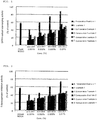
FIG. 1 is a graph showing comparison in free radical scavenging activity at different concentrations (0.001%, 0.002%, 0.005%, 0.01%) between a ginseng berry extract obtained in Preparation Example 1 and fermented ginseng berry products obtained in Example 1 and Comparative Examples 1 to 4, wherein 'EGCG' represents epigallocatechin gallate, 'a' represents a ginseng berry extract of Preparation Example 1, 'b' represents a fermented ginseng berry Pleurotus ferulae product of Example 1, 'c' represents a fermented ginseng berry Tricholoma matsutake product of Comparative Example 1, 'd' represents a fermented ginseng berry Sarcodon aspratus product of Comparative Example 2, 'e' represents a fermented ginseng berry Phellinus linteus product of Comparative Example 3, and 'f' represents a fermented ginseng berry Ganoderma lucidum product of Comparative Example 4; -
FIG. 2 is a graph showing comparison in 5-lipoxygenase inhibition activity at different concentrations (0.001%, 0.002%, 0.005%, 0.01%) between the ginseng berry extract obtained in Preparation Example 1 and the fermented ginseng berry products obtained in Example 1 and Comparative Examples 1 to 4, wherein 'NDGA' represents nordihydroguaiaretic acid, 'a' represents a ginseng berry extract of Preparation Example 1, 'b' represents a fermented ginseng berry Pleurotus ferulae product of Example 1, 'c' represents a fermented ginseng berry Tricholoma matsutake product of Comparative Example 1, 'd' represents a fermented ginseng berry Sarcodon aspratus product of Comparative Example 2, 'e' represents a fermented ginseng berry Phellinus linteus product of Comparative Example 3, and 'f' represents a fermented ginseng berry Ganoderma iucidum product of Comparative Example 4; -
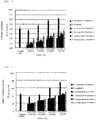
FIG. 3 is a graph showing comparison in collagen synthesis at different concentrations (0.001%, 0.002%, 0.005%, 0.01%) between the ginseng berry extract obtained in Preparation Example 1 and the fermented ginseng berry products obtained in Example 1 and Comparative Examples 1 to 4, wherein 'L-AA' represents L-ascorbic acid, 'a' represents a ginseng berry extract of Preparation Example 1, 'b' represents a fermented ginseng berry Pleurotus ferulae product of Example 1, 'c' represents a fermented ginseng berry Tricholoma matsutake product of Comparative Example 1, 'd' represents a fermented ginseng berry Sarcodon aspratus product of Comparative Example 2, 'e' represents a fermented ginseng berry Phellinus linteus product of Comparative Example 3, and 'f' represents a fermented ginseng berry Ganoderma lucidum product of Comparative Example 4; -
FIG. 4 is a graph showing comparison in MMP-1 inhibition activity at different concentrations (0.001%, 0.002%, 0.005%, 0.01%) between the ginseng berry extract obtained in Preparation Example 1 and the fermented ginseng berry products obtained in Example 1 and Comparative Examples 1 to 4, wherein 'retinol' represents retinol, 'a' represents a ginseng berry extract of Preparation Example 1, 'b' represents a fermented ginseng berry Pleurotus ferulae product of Example 1, 'c' represents a fermented ginseng berry Tricholoma matsutake product of Comparative Example 1, 'd' represents a fermented ginseng berry Sarcodon aspratus product of Comparative Example 2, 'e' represents a fermented ginseng berry Phellinus linteus product of Comparative Example 3, and 'f' represents a fermented ginseng berry Ganoderma lucidum product of Comparative Example 4; and -
FIG. 5 is a graph showing comparison in inhibition of tyrosinase activity at different concentrations (0.001%, 0.002%, 0.005%, 0.01%) between the ginseng berry extract obtained in Preparation Example 1 and the fermented ginseng berry products obtained in Example 1 and Comparative Examples 1 to 4, wherein 'Kojic acid' represents kojic acid, 'a' represents a ginseng berry extract of Preparation Example 1, 'b' represents a fermented ginseng berry Pleurotus ferulae product of Example 1, 'c' represents a fermented ginseng berry Tricholoma matsutake product of Comparative Example 1, 'd' represents a fermented ginseng berry Sarcodon aspratus product of Comparative Example 2, 'e' represents a fermented ginseng berry Phellinus linteus product of Comparative Example 3, and 'f' represents a fermented ginseng berry Ganoderma lucidum product of Comparative Example 4. - Hereinafter, embodiments of the prevent invention will be described in detail.
- Meanwhile, Panax ginseng C. A. Meyter used for the present invention which is called "ginseng berry" is the fruit of the 4 years or more old ginseng plant harvested for only about one week in the middle of July. Ginseng berry extracts have been widely utilized in a variety of applications to date. There is no research demonstrating the fact discovered by the present invention that the extract of ginseng berries fermented with Pleurotus ferulae exhibits considerably superior anti-oxidation, anti-inflammation, collagen synthesis facilitation, skin wrinkle care, whitening, moisturizing, skin barrier improvement and atopy alleviation effects, as compared to ginseng berry extracts.
- Meanwhile, Pleurotus ferulae Lenzi is a kind of mushroom which belongs to pleurototaceae and pleurotus. Pleurotus ferulae is the name given to call to grow in glassroots called "ferula asafetida" in Xinjiang, China and has been artificially cultivated since 1983. Pleurotus ferulae is known to have been first found in the Madonic Mountain, the Sicily Island, Italy in 1963. Pleurotus ferulae is known to be a nutrient repository. Pleurotus ferulae having a delicate and soft pine fragrance had been used in China from old times due to potent medical efficacies including treatment of stomach and kidney disorders, cough drop, removal of inflammation and prevention of diseases of obstetrics and gynecology.
- The present inventors fermented ginseng berries with a variety of mushrooms as raw materials. As a result, the present inventors discovered that the ginseng berry fermented with Pleurotus ferulae mycelium exhibited superior anti-oxidation, anti-inflammation, collagen synthesis facilitation, skin wrinkle care, whitening, moisturizing, skin barrier improvement and atopy alleviation effects. The present invention was completed based on this discovery.
- Meanwhile, regarding the cosmetic composition of the present invention, the ginseng berry extract may be prepared using a common solvent in accordance with an ordinary method well-known in the art, that is, under ordinary temperature and pressure conditions. For example, the ginseng berry extract which is the active ingredient of the composition of the present invention may be prepared by extracting ginseng berries using a solvent selected from the group consisting of water, C1-C4 anhydrous or aqueous lower alcohol, acetone, ethyl acetate, butyl acetate and 1,3-butylene glycol, and optionally mixing the extract. The solvent is preferably alcohol, more preferably ethanol, even more preferably, 70% ethanol. The extraction solvent is preferably added in an amount of 1 to 15-fold, more preferably 5 to 10-fold, most preferably 7-fold, of a dry weight of the ginseng berry.
- Meanwhile, the fermented ginseng berry Pleurotus ferulae product according to the present invention may include an extract obtained by the extraction method described above and an extract obtained by a subsequent common purification process. For example, the fermented ginseng berry Pleurotus ferulae product includes fragments obtained by further performing a variety of purification processes such as separation using ultrafiltration membranes having a constant cut-off value and separation using a variety of chromatography (manufactured for separation according to size, charges, and hydrophobicity or hydrophilicity).
- In addition, the fermented ginseng berry Pleurotus ferulae product according to the present invention may include a fermented product prepared in the form of a powder, obtained by a further process such as distillation under reduced pressure, and lyophilization or spray-drying.
- Meanwhile, in a preferred embodiment of the present invention, the content of the fermented ginseng berry Pleurotus ferulae product in the cosmetic composition of the present invention is preferably 0.0001 to 100.0% by weight, more preferably 0.001 to 90.0% by weight, most preferably 0.1 to 85.0% by weight, with respect to the total weight of the cosmetic composition.
- Meanwhile, as can be seen from the experiment described below, the fermented ginseng berry Pleurotus ferulae product according to the present invention superior anti-oxidation effect (see Experimental Example 1), superior anti-inflammatory effect (see Experimental Example 3), superior collagen synthesis effect (see Experimental Example 4), superior wrinkle alleviation effect (see Experimental Example 5), and superior whitening effect (see Experimental Example 6).
- It is demonstrated that the cosmetic composition prepared using the fermented ginseng berry Pleurotus ferulae product having the effects described above, as an active ingredient, exhibits superior skin moisturizing improvement effect (see Experimental Example 7), superior skin barrier improvement effect (see Experimental Example 8), and superior atopy alleviation effect (see Experimental Example 9).
- Meanwhile, the cosmetic composition according to the present invention may have any one formulation selected from the group consisting of solutions, suspensions, emulsions, pastes, gels, creams, lotions, powders, soaps, surfactant-containing cleansings, oils, powder foundations, emulsion foundations, wax foundations and sprays, but the present invention is not necessarily limited thereto.
- Meanwhile, the composition of the present invention may further include additives commonly used in cosmetics, such as hydrophilic or lyphophilic gelling agents, hydrophilic or lyphophilic activators, preservatives, antioxidants, solvents, flavoring agents, fillers, blockers, pigments, deodorant agents and dyes. These additives may be present in amounts commonly used in the art and may be for example 0.0001 to 100.0% by weight with respect to the total weight of the cosmetic composition. The additives and contents thereof are selected such that preferred features of the cosmetic composition according to the present invention are not impaired.
- The present invention will be described in more detail with reference to the following Examples.
- Ginseng berries were washed with distilled water, dried, thoroughly crushed and passed through a 100 mesh sieve. The crushed ginseng berry granules were added to 70% ethanol such that a concentration of the resulting mixture was adjusted to 150 g/L, extracted under reflux for 5 hours three times and then macerated. Then, the resulting product was filtered through
Whatman # 3 filter paper, concentrated under reduced pressure at 50°C or less and lyophilized. - 1 to 4% of glucose was added to 5g of the ginseng berry concentrate prepared in Preparation Example 1, and 0.2 to 0.5% of peptone was further added thereto, followed by sterilization. The sterilized product was inoculated at a concentration of 25 g/L with a Pleurotus ferulae Lenzi. strain culture liquid, followed by culturing. The culturing was performed in a 5L fermenter for 7 days at 37°C and a pH of 5 to 7. After culturing, the culture solution was centrifuged to primarily remove culture strain and sterilized (121°C, 15 minutes, 1.5 atm) to prevent further culturing.
- Ethanol was added to the fermented ginseng berry product obtained by fermentation and then primary removal of culture bacteria so as to obtain a final 70% (V/V) aqueous ethanol solution, extracted under reflux for 5 hours three times, macerated and filtered through
Whatman # 3 filter paper. After filtering, the resulting extract was concentrated in a concentrator under reduced pressure at 50°C or less and lyophilized. - In Comparative Example 1, the ginseng berry extract obtained in Preparation Example 1 was fermented with Tricholoma matsutake mycelium to prepare a fermented ginseng berry Tricholoma matsutake product. The present experiment was performed in the same manner as in Example 1 except that Tricholoma matsutake was used, instead of Pleurotus ferulae.
- In Comparative Example 1, the ginseng berry extract obtained in Preparation Example 1 was fermented with Sarcodon aspratus mycelium to prepare a fermented ginseng berry Sarcodon aspratus product. The present experiment was performed in the same manner as in Example 1 except that Sarcodon aspratus was used, instead of Pleurotus ferulae.
- In Comparative Example 1, the ginseng berry extract obtained in Preparation Example 1 was fermented with Phellinus linteus mycelium to prepare a fermented ginseng berry Phellinus lintels product. The present experiment was performed in the same manner as in Example 1 except that Phellinus linteus was used, instead of Pleurotus ferulae.
- In Comparative Example 1, the ginseng berry extract obtained in Preparation Example 1 was fermented with Ganoderma lucidum mycelium to prepare a fermented ginseng berry Ganoderma lucidum product. The present experiment was performed in the same manner as in Example 1 except that Ganoderma lucidum was used, instead of Pleurotus ferulae.
- A powder of the ginseng berry extract obtained in Preparation Example 1 and powders of fermented ginseng berry products obtained in Example 1 and Comparative Examples 1 to 4 were suspended in distilled water and free radical scavenging activities thereof were evaluated at different concentrations (0.001%, 0.002%, 0.005%, 0.01%).
- The DPPH (2,2-diphenyl-1-picrylhydrazyl) method is used to measure variation in color from absorbance at 540 nm when scavenging DPPH (2,2-Diphenyl-1-picrylhydrazyl) which is a radical whose inhibitors are stable). Samples used for this experiment are shown in the following Table 1 and free radical scavenging activity was measured using the following
Equation 1. Epigallocatechin gallate (EGCG) was used as a control group. Epigallocatechin gallate (EGCG, epigallocatechin-3-gallate) is a polyphenol extracted from green tea leaves, which has been found to be a potent antioxidant.TABLE 1 Materials Control group Blank of control group (Blank of C) Experimental group (Exp. Group) Blank of experimental group (Blank of E) A DPPH (MeOH) 180 µl (180 µl MeOH) 180 µl (180 µl MeOH) B Sample (20 µl solvent) (20 µl solvent) 20 µl 20 µl 
- A:
- Abs of experimental group
- B:
- Abs of blank of experimental group
- C:
- Abs of control group
- D:
- Abs of blank of control group
- Meanwhile, among fermented mushroom products, the fermented Pleurotus ferulae product (Example 1) exhibited the highest free radical scavenging activity. As free radical scavenging activity increases, antioxidative activity increases. Accordingly, the fermented ginseng berry Pleurotus ferulae product exhibits antioxidative activity higher than the ginseng berry extract.
- Meanwhile, as can be seen from the results of
FIG. 1 , the fermented ginseng berry products (Example 1 and Comparative Examples 1 to 4) exhibited superior free radical scavenging activity at all different concentrations as compared to the ginseng berry extract (Preparation Example 1). InFIG. 1 , 'a' represents a ginseng berry extract of Preparation Example 1, 'b' represents a fermented ginseng berry Pleurotus ferulae product of Example 1, 'c' represents a fermented ginseng berry Tricholoma matsutake product of Comparative Example 1, 'd' represents a fermented ginseng berry Sarcodon aspratus product of Comparative Example 2, 'e' represents a fermented ginseng berry Phellinus linteus product of Comparative Example 3, and 'f' represents a fermented ginseng berry Ganoderma lucidum product of Comparative Example 4. - Effects of the ginseng berry extract obtained in Preparation Example 1 and the fermented ginseng berry products obtained in Example 1 and Comparative Examples 1 to 4 on cells were measured. The ginseng berry extract powder obtained in Preparation Example 1 and fermented ginseng berry product powders obtained in Example 1 and Comparative Examples 1 to 4 were suspended in distilled water to obtain different concentrations (0.001%, 0.002%, 0.005%, 0.01%) of suspensions and cell survival rates of the suspensions were measured in accordance with the following method.
- Cytotoxicty was measured by a Mosmann method which measures cell survival rate using a MTT {3-(4,5-dimethylthiazol-2-yl)-2-5-diphenyltetrazolium bromide} reagent.
- HDF was seeded at a concentration of 1×10⁴ cells/well on a 96-well plate and cultured under conditions of 37°C and 5% CO2 for 24 hours. After a culture medium was removed, the HDF was cultured in a medium treated with the sample at different concentrations for 24 hours, and the medium was removed and washed twice with phosphate buffered saline (PBS). MTT was dissolved at a concentration of 5 mg/mL in PBS, 50 L of the resulting MTT solution was added to HDF and HDF was cultured under the conditions of 37°C and 5% CO2 for 2 hours. 100 L of dimethyl sulfoxide (DMSO) was added to each well, followed by stirring for 10 minutes. Then, absorbance at 40 nm was measured.
- As a result of measurement, respective samples did not exhibit cytotoxicty at all concentrations (not shown). This result demonstrates that the fermented ginseng berry Pleurotus ferulae product according to the present invention is harmless to human body and has considerably excellent stability.
- The ginseng berry extract obtained in Preparation Example 1 and the fermented ginseng berry products obtained in Example 1 and Comparative Examples 1 to 4 were suspended in distilled water and anti-inflammatory effects thereof were evaluated by performing a 5-lipoxygenase inhibitory activity test under different concentration conditions (0.001%, 0.002%, 0.005%, 0.01%).
- Lipoxygenase is an enzyme which produces various chemical mediators involved in inflammatory or allergic reaction in the body. Inhibitors of lipoxygenase cause inhibition of production of a variety of chemical mediators and are thus effective in alleviating allergies. That is, as 5-lipoxygenase inhibitory capacity increases, anti-inflammatory effect increases. In the present experimental example, activity of lipoxygenase may be indicated by peroxide production measured using substrates and enzymes.
- The present experiment was performed using samples shown in the following Table 2 and 5-lipoxygenase inhibitory activity was measured using
Equation 1. The control group was nordihydroguaiaretic acid (NDGA) which is a potent antioxidant of fats and oils.TABLE 2 Materials Control group Blank of control group (Blank of C) Experimental group (Exp. Group) Blank of experimental group (Blank of E) A Buffer 2 mL 2 mL 2 mL 2 mL B Sample 20 µl solvent 20 µl solvent 20 µl 20 µl C Enzyme 40 µl - 20 µl - D Substrate 70 µl 70 µl 70 µl 70 µl - As can be seen from results shown in
FIG. 2 , the fermented ginseng berry products of the present invention (Example 1 and Comparative Examples 1 to 4) exhibited superior 5-lipoxygenase inhibitory capacity to the ginseng berry extract (Preparation Example 1). In particular, among the fermented products, the fermented Pleurotus ferulae product (Example 1) exhibited the highest 5-lipoxygenase inhibitory capacity and the fermented ginseng berry Pleurotus ferulae product exhibited higher anti-inflammatory effects than the ginseng berry extract. - Meanwhile, in
FIG. 2 , 'a' represents a ginseng berry extract of Preparation Example 1, 'b' represents a fermented ginseng berry Pleurotus ferulae product of Example 1, 'c' represents a fermented ginseng berry Tricholoma matsutake product of Comparative Example 1, 'd' represents a fermented ginseng berry Sarcodon aspratus product of Comparative Example 2, 'e' represents a fermented ginseng berry Phellinus linteus product of Comparative Example 3, and 'f' represents a fermented ginseng berry Ganoderma lucidum product of Comparative Example 4. - The ginseng berry extract obtained in Preparation Example 1 and the fermented ginseng berry product powders obtained in Example 1 and Comparative Examples 1 to 4 were suspended in distilled water and a collagen biosynthesis increase at different concentrations (0.001%, 0.002%, 0.005%, 0.01%) was evaluated.
- Human dermal fibroblasts (HDFs) were seeded on a 24-well plate at a concentration of 5 x 10⁴ cells/well and cultured under the conditions of 37°C and 5% CO2 for 24 hours, and were further cultured in serum-free DMEMs (Dulbecco's Modified Eagle's Mediums) containing the ginseng berry extract obtained in Preparation Example 1 and the fermented ginseng berry products obtained in Example 1 and Comparative Examples 1 to 4 and in a serum-free DMEM medium not containing the fermented ginseng berry product and the ginseng berry extract, as a control group. After culturing, the supernatant present on each well was collected, and an amount of procollagen type I C-peptide (PICP) was measured using a collagen kit and was calculated in terms of ng/ml. As a result, an amount of synthesized collagen was measured. Collagen biosynthesis increase (%) was calculated in accordance with the following
Equation 2 and L-ascorbic acid (L-AA) having the effect of facilitating collagen synthesis was used as a control group.
- As can be seen from results shown in
FIG. 3 , the fermented ginseng berry products of the present invention (Example 1 and Comparative Examples 1 to 4) exhibited higher collagen synthesis at all the concentrations than the ginseng berry extract (Preparation Example 1). In particular, among the fermented products, the fermented Pleurotus ferulae product (Example 1) exhibited the highest collagen synthesis. - Meanwhile, in
FIG. 3 , 'a' represents a ginseng berry extract of Preparation Example 1, 'b' represents a fermented ginseng berry Pleurotus ferulae product of Example 1, 'c' represents a fermented ginseng berry Tricholoma matsutake product of Comparative Example 1, 'd' represents a fermented ginseng berry Sarcodon aspratus product of Comparative Example 2, 'e' represents a fermented ginseng berry Phellinus linteus product of Comparative Example 3, and 'f' represents a fermented ginseng berry Ganoderma lucidum product of Comparative Example 4. - The ginseng berry extract obtained in Preparation Example 1 and the fermented ginseng berry product powders obtained in Example 1 and Comparative Examples 1 to 4 were suspended in distilled water, and wrinkle alleviation effects at different concentrations (0.001%, 0.002%, 0.005%, 0.01%) were evaluated.
- For this experiment, human dermal fibroblasts were irradiated with UVA at an energy of 5 J/cm2 in a UV chamber. Conditions of the dose of ultraviolet radiation and culture time which maximize expression of matrix metalloproteinase (MMP-1) in fibroblasts were established through preliminary testing. A negative control group was wrapped with a foil and exposed to UVA for the same time. Here, UVA dose was measured using a UV radiometer. The cells during irradiation of UVA were cultured in the medium previously used. After UVA irradiation, the cells were cultured in a fresh medium containing samples for 24 hours and 96-well plates were coated with the medium. The cells were treated with primary antibodies {MMP-1 (Ab-5) monoclonal antibody, MMP-1 (Ab-3) monoclonal antibody} and reaction was conducted at 37°C for 60 minutes. The cells were reacted with antimouse IgG (whole mouse, alkaline phosphatase conjugated) as a secondary antibody for about 60 minutes, and were then reacted with an alkaline phosphatase substrate solution (1 mg/mL p-nitrophenyl phosphate in diethanolamine buffer solution) at room temperature for 30 minutes, and absorbance at 405 nm was measured using a microplate reader. A control group was not treated with the sample.
- As can be seen from results shown in
FIG. 4 , at all concentrations (0.001%, 0.002%, 0.005%, 0.01%), the fermented ginseng berry products of the present invention (Example 1 and Comparative Examples 1 to 4) exhibited superior MMP-1 expression inhibitory capacity to the ginseng berry extract (Preparation Example 1). - In particular, among the fermented products, the fermented Pleurotus ferulae product (Example 1) exhibited the highest MMP-1 exhibition inhibitory capacity. Generally, as MMP-1 exhibition inhibitory capacity increases, skin wrinkle alleviation effect increases. Accordingly, the fermented ginseng berry Pleurotus ferulae product exhibited superior skin wrinkle alleviation effect to the ginseng berry extract.
- Meanwhile, in
FIG. 4 , 'a' represents a ginseng berry extract of Preparation Example 1, 'b' represents a fermented ginseng berry Pleurotus ferulae product of Example 1, 'c' represents a fermented ginseng berry Tricholoma matsutake product of Comparative Example 1, 'd' represents a fermented ginseng berry Sarcodon aspratus product of Comparative Example 2, 'e' represents a fermented ginseng berry Phellinus linteus product of Comparative Example 3, and 'f' represents a fermented ginseng berry Ganoderma lucidum product of Comparative Example 4. - The following experiment was performed to confirm the effect of a cosmetic containing the fermented ginseng berry Pleurotus ferulae product according to the present invention on tyrosinase inhibition. Tyrosinase (
EC 1. 14. 18. 1) as an enzyme was dissolved in a 0.05M phosphate buffer (pH 6.5) such that a concentration of 1,100 unit/ml (final 55 unit) was obtained, L-tyrosine (C9H11NO3, 181.19) as a substrate was dissolved in a 0.1M phosphate buffer (pH 6.5) such that a concentration of 1.5 mM (final 225 uM) was obtained, the resulting solutions were each diluted with 0.1M sodium phosphate buffer (pH 6.5), and reacted (Table 3) and further reacted at 37°C for 20 minutes, and absorbance at 492 nm was measured using an ELISA reader (enzyme-linked immunossorbent assay). Kojic acid, which has effects of inhibiting tyrosinase activity and inhibiting production of melanine, was used as a control group.TABLE 3 Materials Control group Blank of control group (Blank of C) Experimental group (Exp. Group) Blank of experimental group (Blank of E) A Buffer 140 µl 150 µl 140 µl 150 µl B Sample (20 µl solvent) (20 µl solvent) 20 µl 20 µl C Enzyme 10 µl - 10 µl - D Substrate 30 µl 30 µl 30 µl 30 µl 
- A:
- Abs of experimental group
- B:
- Abs of blank of experimental group
- C:
- Abs of control group
- D:
- Abs of blank of control group
- As can be seen from results shown in
FIG. 5 , at all concentrations (0.001%, 0.002%, 0.005%, 0.01%), the fermented ginseng berry products of the present invention (Example 1 and Comparative Examples 1 to 4) exhibited superior tyrosinase inhibitory capacity to the ginseng berry extract (Preparation Example 1). - In particular, among the fermented products, the fermented ginseng berry Pleurotus ferulae product exhibited superior tyrosinase inhibition effect (whitening effect) to the ginseng berry extract.
- Tyrosinase (EC 1.14.18.1) is an important enzyme which performs multiple enzymatic functions in the melanosynthetic pathway. In general, as tyrosinase inhibitory capacity increases, effects associated with skin whitening and propagation inhibition of melanoma formed by malignant alteration of melanine cells increase.
- Meanwhile, in
FIG. 5 , 'a' represents a ginseng berry extract of Preparation Example 1, 'b' represents a fermented ginseng berry Pleurotus ferulae product of Example 1, 'c' represents a fermented ginseng berry Tricholoma matsutake product of Comparative Example 1, 'd' represents a fermented ginseng berry Sarcodon aspratus product of Comparative Example 2, 'e' represents a fermented ginseng berry Phellinus linteus product of Comparative Example 3, and 'f' represents a fermented ginseng berry Ganoderma lucidum product of Comparative Example 4. - A cosmetic composition containing 30.0% by weight of the fermented ginseng berry Pleurotus ferulae product obtained in Example 1 was prepared under the composition conditions shown in the following Table 4 and was referred to as "Formulation Example 1", and a cosmetic composition not containing the fermented ginseng berry Pleurotus ferulae product was prepared and referred to as "Formulation Comparative Example 1".
TABLE 4 Ingredients Content of formulation Example 1 (wt%) Content of Formulation Comparative Example 1 (wt%) Preparation Example 1 - 30.0 Example 1 30.0 - 1,3-BG 10.0 10.0 Glycerine 5.1 5.1 Propylene glycol 4.2 4.2 Tocopheryl acetate 3.0 3.0 Liquid paraffin 4.6 4.6 Triethylolamine 1.0 1.0 Squalane 3.1 3.1 Macadamia nut oil 2.5 2.5 Polysorbate 601.6 1.6 Sorbitan sesquoleate 1.6 1.6 Propyl paraben 0.6 0.6 Carboxyvinyl polymer 1.5 1.5 Flavor Trace Trace Preservative Trace Trace Distilled water Balance Balance Total 100 100 - The following experiment was performed in order to confirm the effect of the cosmetic containing the fermented ginseng berry Pleurotus ferulae product according to the present invention on improvement of skin moisturizing power.
- 40 subjects in their 20s to 40s who have no skin diseases were divided into two groups, each group having 20 subjects, a nutrient cream of Formulation Example 1 and a nutrient cream of Formulation Comparative Example 1 were applied over the entire region of the face twice per day for one month. Prior to application, skin conductance was measured using a corneometer (CM820 courage Khazaka electronic GmbH, Germany) under constant temperature and humidity conditions (24° C,
humidity 40%) and was set to a reference value, skin conductance increase (%) was measured after one, two and four weeks, and increases thereof were evaluated. The results are shown in the following Table 5.TABLE 5 Items After one week After two weeks After four weeks Formulation Example 1 55 59 64 Formulation Comparative Example 1 26 30 36 (Unit: %) - As a result of the experiment, Formulation Example 1, the cosmetic containing the fermented ginseng berry Pleurotus ferulae product according to the present invention exhibited a considerably high skin conductance increase, as compared to Formulation Comparative Example 1. In general, skin conductance increases in proportion to skin water content, the cosmetic containing the fermented ginseng berry Pleurotus ferulae product according to the present invention maintained high skin water content, as compared to a cosmetic not containing the fermented ginseng berry Pleurotus ferulae product (not shown).
- The following experiment was performed in order to confirm the effect of the cosmetic containing the fermented ginseng berry Pleurotus ferulae product according to the present invention on improvement of skin barrier.
- In the present experimental example, transepidemal water losses (TEWL) of humans to whom the cosmetic of Formulation Example 1 and the cosmetic of Formulation Comparative Example 1 were applied were measured using a Tewameter (TM300, Courage and Khazaka Electronic Co., Germany) and were then compared. The samples were applied to the right and left sides of faces of 40 women in their 20s to 40s, transepidemal water loss of an area spaced 3 cm apart to the right and 1 cm apart downward from the eye site was measured three times using Tewameter (TM300, Courage and Khazaka Electronic Co., Germany) before application and 1 hour, 2 hours, 4 hours and 6 hours after application and an average of three transepidemal water loss values was calculated.
TABLE 6 Items 1 hour 2 hours 4 hours 6 hours Formulation Example 1 15.5 14.6 12.2 9.2 Formulation Comparative Example 1 18.1 16.9 13.8 11.2 (Unit: g/h/m2) - As a result of measurement of transepidemal water loss, as can be seen from Table 6, transepidemal water loss on the facial skin of subjects to whom the cream prepared in Formulation Example 1 was applied was decreased. This result demonstrated that the cosmetic containing the fermented ginseng berry Pleurotus ferulae product according to the present invention exhibited superior skin barrier improvement effect, as compared to cosmetics not containing the fermented ginseng berry Pleurotus ferulae product (not shown).
- The following experiment was performed in order to confirm the effect of the cosmetic containing the fermented ginseng berry Pleurotus ferulae product according to the present invention on atopy alleviation. Among 20 subjects (3-40 olds) who suffered from atopy, the cream of Formulation Example 1 and the cream of Formulation Comparative Example 1 were continuously applied to the atopy skin site of 10 subjects and the remaining 10 subjects, respectively, twice per day over four weeks. Atopy dermatitis severity (0 point : none, 10 point : weak, 20 point : mild, 30 point : sever, 40 point : extremely sever), IgE variation, eosinophil variation, water content and skin acidity on the test site of the subjects were measured before application of the product (0 week) and at four weeks after application of the product. All the subjects who participated in the experiment had no abnormal response.
- The following Table 7 shows comparison in atopy alleviation between subjects treated with creams prepared in Formulation Example 1 and Formulation Comparative Example 1.
TABLE 7 Items Atopy dermatitis severity (point) IgE variation (mg/dl) Eosinophil variation (ea) Water content (g/cm2h) Skin acidity (pH) Before After Before After Before After Before After Before After Formulation Example 1 37.41 28.12 435.9 321.4 317 249 25.84 26.57 5.719 6.071 Formulation Comparative Example 1 37.68 31.53 443.7 363.8 321 275 26.31 25.11 5.717 5.833 n=20, p < 0.05 - As a result of the experiment, subjects to whom the cream containing the fermented ginseng berry Pleurotus ferulae product of Formulation Example 1 was applied were excellent in terms of atopy dermatitis severity as atopy skin diagnostic criteria, variation in IgE and eosinophil in blood, water content and improvement in skin acidity. The cosmetic containing the fermented ginseng berry Pleurotus ferulae product according to the present invention exhibited superior atopy alleviation to cosmetics not containing the fermented ginseng berry Pleurotus ferulae product (not shown).
- As apparent from the fore-going, the fermented ginseng berry Pleurotus ferulae product according to the present invention exhibits considerably superior anti-oxidation, anti-inflammation, collagen synthesis facilitation, skin wrinkle care, whitening, moisturizing, skin barrier improvement and atopy alleviation effects, as compared to a ginseng berry extract.
- Accordingly, the present invention also provides a cosmetic composition having superior functionality.
Claims (9)
- A composition comprising, as an active ingredient, a fermented ginseng berry Pleurotus ferulae product obtained by fermenting a ginseng berry extract with Pleurotus ferulae, or an extract of a fermented ginseng berry Pleurotus ferulae product, obtained by fermenting a ginseng berry extract with Pleurotus ferulae.
- The composition according to claim 1, for use in a method for anti-inflammation.
- The composition according to claim 1, for use in atopy alleviation.
- A cosmetic composition comprising, as an active ingredient, a fermented ginseng berry Pleurotus ferulae product obtained by fermenting a ginseng berry extract with Pleurotus ferulae, or an extract of a fermented ginseng berry Pleurotus ferulae product, obtained by fermenting a ginseng berry extract with Pleurotus ferulae.
- Use of the cosmetic composition according to claim 4, for skin wrinkle care.
- Use of the cosmetic composition according to claim 4, for skin whitening.
- Use of the cosmetic composition according to claim 4, for skin moisturizing.
- The composition according to claim 1 or 4, wherein the ginseng berry extract is extracted using any one extraction solvent selected from the group consisting of water, C1-C4 anhydrous or aqueous lower alcohol, acetone, ethyl acetate, butyl acetate and 1,3-butylene glycol.
- The composition according to claim 1 or 4, wherein the fermented ginseng berry Pleurotus ferulae product is present in an amount of 0.0001 to 100.0% by weight, with respect to the total weight of the cosmetic composition.
Applications Claiming Priority (1)
| Application Number | Priority Date | Filing Date | Title |
|---|---|---|---|
| KR1020130120984A KR101345735B1 (en) | 2013-10-11 | 2013-10-11 | Cosmetic composition with the extract of ginseng berry fermented with pleurotus ferulae |
Publications (2)
| Publication Number | Publication Date |
|---|---|
| EP2859918A1 EP2859918A1 (en) | 2015-04-15 |
| EP2859918B1 true EP2859918B1 (en) | 2017-06-07 |
Family
ID=49989275
Family Applications (1)
| Application Number | Title | Priority Date | Filing Date |
|---|---|---|---|
| EP14172346.0A Active EP2859918B1 (en) | 2013-10-11 | 2014-06-13 | Cosmetic composition containing fermented ginseng berry pleurotus ferulae product |
Country Status (8)
| Country | Link |
|---|---|
| US (2) | US20150104529A1 (en) |
| EP (1) | EP2859918B1 (en) |
| JP (1) | JP5948374B2 (en) |
| KR (1) | KR101345735B1 (en) |
| CN (1) | CN103610633B (en) |
| ES (1) | ES2638976T3 (en) |
| IN (1) | IN2014DE01491A (en) |
| WO (1) | WO2015053460A1 (en) |
Families Citing this family (11)
| Publication number | Priority date | Publication date | Assignee | Title |
|---|---|---|---|---|
| KR101697340B1 (en) * | 2014-11-24 | 2017-01-18 | 주식회사 아미코스메틱 | Cosmetic composition containing ginseng berry extracts and polygonum multiflorum extracts |
| CN105213371A (en) * | 2015-10-18 | 2016-01-06 | 苏州普罗达生物科技有限公司 | Pick up the ears lactone preparation treatment anti-inflammatory drugs in application |
| KR101890220B1 (en) * | 2016-01-11 | 2018-08-22 | 재단법인 전주농생명소재연구원 | Composition for preventing, improving and treating atopic dermatitis comprising ginseng berry extract fermented using Hericium erinaceum mycelium as effective component |
| KR101809265B1 (en) * | 2016-05-12 | 2018-01-18 | 주식회사 아미코스메틱 | Cosmetic composition for containing nicotinoyl peptide and fermented natural extracts |
| KR102635190B1 (en) * | 2016-07-20 | 2024-02-13 | (주)아모레퍼시픽 | Composition for moisturing skin comprising trans-3-O-galloyl-3,3',5,5',7- pentahydroxyflavan |
| KR102394647B1 (en) * | 2018-08-29 | 2022-05-09 | (주)아모레퍼시픽 | Composition for enhancing skin elasticity or imrproving skin wrinkles comprising ginseng cell lysate |
| KR102344704B1 (en) * | 2019-09-30 | 2021-12-30 | 에이앤펩주식회사 | Preparing method of natural fermentation extracts and use having improved contents of high functional meterials |
| KR102305449B1 (en) * | 2020-03-20 | 2021-09-27 | 주식회사 한국인삼공사 | Composition For Anti-aging Of Skin Comprising Saponin-enhanced Ginseng Extract |
| CN114940948B (en) * | 2022-04-12 | 2023-10-20 | 天津尚美化妆品有限公司 | Tricholoma matsutake and tricholoma matsutake mycelium fermentation medium and preparation method of fermentation broth |
| KR102430512B1 (en) | 2022-05-31 | 2022-08-08 | (주)아모레퍼시픽 | Reelin/vegf-c production/activation promoter and skin external composition using the same |
| EP4700131A1 (en) | 2024-08-20 | 2026-02-25 | Biorealis, S.r.o. | Process of preparing cosmetic ingredients containing cosmetically or dermatologically active components from plant or algae |
Family Cites Families (22)
| Publication number | Priority date | Publication date | Assignee | Title |
|---|---|---|---|---|
| JPS567710A (en) | 1979-06-28 | 1981-01-27 | Sansho Seiyaku Kk | Whitening cosmetic |
| JPH049320A (en) | 1990-04-25 | 1992-01-14 | Kanebo Ltd | Whitening cosmetic |
| JPH0493150A (en) | 1990-08-01 | 1992-03-25 | Matsushita Electric Ind Co Ltd | Nc machine tool |
| JPH06192062A (en) | 1992-12-24 | 1994-07-12 | Shiseido Co Ltd | Dermal external preparation |
| JP3362311B2 (en) * | 2000-04-06 | 2003-01-07 | 学校法人武庫川学院 | Wine making method and wine obtained by it |
| CN1796539A (en) * | 2004-12-24 | 2006-07-05 | 青海月王青藏药业有限责任公司 | Ferment for producing aweto in large scale and technique for processing power of fungus |
| JP5483928B2 (en) * | 2005-03-07 | 2014-05-07 | 共栄化学工業株式会社 | Cosmetics |
| JP4565241B2 (en) * | 2006-09-27 | 2010-10-20 | 学校法人武庫川学院 | Fermented plum production method and fermented plum obtained thereby |
| KR20080069833A (en) * | 2007-01-24 | 2008-07-29 | (주)바이온 | Manufacturing Method of Natural Ginseng Fermented with Cordyceps Sinensis |
| KR101374026B1 (en) * | 2007-05-23 | 2014-03-12 | 롯데칠성음료주식회사 | Fermented ginseng containing bio-conversed ginsenoside metabolites increased by co-fermentation of fungi and lactic acid bacteria |
| KR100887631B1 (en) | 2007-10-05 | 2009-03-11 | (주)아모레퍼시픽 | Skin external composition containing ginseng fruit extract |
| KR100954964B1 (en) * | 2009-11-24 | 2010-04-23 | 농업회사법인주식회사 뜰아채 | A novel pleurotus eryngii var. ferulae strain ddl01 and method of producing it |
| CN101812491B (en) * | 2010-01-31 | 2013-05-29 | 新疆大学 | A method of fermenting and producing polysaccharides from Ferulica ferulae and its oral liquid |
| KR20110098122A (en) * | 2010-02-26 | 2011-09-01 | (주)아모레퍼시픽 | Composition containing ginseng fruit fermented extract using bacteria |
| KR101804998B1 (en) * | 2010-02-26 | 2017-12-07 | (주)아모레퍼시픽 | Composition containing natural fermented extracts of ginseng berry |
| KR20110098123A (en) * | 2010-02-26 | 2011-09-01 | (주)아모레퍼시픽 | Composition containing salted fermented extract of ginseng fruit |
| CN102781422A (en) * | 2010-03-08 | 2012-11-14 | Elc管理有限责任公司 | Compositions and methods for treating skin |
| KR100997441B1 (en) * | 2010-05-24 | 2010-11-30 | 주식회사 한국천연물사이언스 | Method for preparing high purity ginsenoside rd using lactobacillus casei and cosmetic composition for anti-wrinkle comprising the high purity ginsenoside rd |
| KR102088350B1 (en) * | 2010-10-26 | 2020-03-12 | (주)아모레퍼시픽 | Cosmetic mask pack sheet of biocellulose and the method for preparing thereof |
| KR101192117B1 (en) * | 2011-01-25 | 2012-10-17 | 하효철 | Method for manufacturing of fermented ginseng or fermented red ginseng |
| CN105708833A (en) * | 2011-10-18 | 2016-06-29 | 株式会社爱茉莉太平洋 | Sirt 1 activator including syringaresinol |
| CN103889413A (en) * | 2011-10-27 | 2014-06-25 | 株式会社爱茉莉太平洋 | Composition comprising syringaresinol for improving the skin |
-
2013
- 2013-10-11 KR KR1020130120984A patent/KR101345735B1/en active Active
- 2013-11-14 CN CN201310566375.XA patent/CN103610633B/en active Active
-
2014
- 2014-04-10 US US14/250,136 patent/US20150104529A1/en not_active Abandoned
- 2014-06-04 IN IN1491DE2014 patent/IN2014DE01491A/en unknown
- 2014-06-13 ES ES14172346.0T patent/ES2638976T3/en active Active
- 2014-06-13 EP EP14172346.0A patent/EP2859918B1/en active Active
- 2014-06-30 WO PCT/KR2014/005816 patent/WO2015053460A1/en not_active Ceased
- 2014-07-03 JP JP2014137566A patent/JP5948374B2/en active Active
-
2016
- 2016-02-05 US US15/016,495 patent/US10350156B2/en active Active
Non-Patent Citations (1)
| Title |
|---|
| None * |
Also Published As
| Publication number | Publication date |
|---|---|
| JP5948374B2 (en) | 2016-07-06 |
| HK1191573A1 (en) | 2014-08-01 |
| CN103610633A (en) | 2014-03-05 |
| IN2014DE01491A (en) | 2015-06-19 |
| KR101345735B1 (en) | 2013-12-30 |
| CN103610633B (en) | 2015-08-05 |
| US10350156B2 (en) | 2019-07-16 |
| WO2015053460A1 (en) | 2015-04-16 |
| US20150104529A1 (en) | 2015-04-16 |
| EP2859918A1 (en) | 2015-04-15 |
| US20160151273A1 (en) | 2016-06-02 |
| ES2638976T3 (en) | 2017-10-24 |
| JP2015074655A (en) | 2015-04-20 |
Similar Documents
| Publication | Publication Date | Title |
|---|---|---|
| US10350156B2 (en) | Method for preparing cosmetic composition containing fermented ginseng berry Pleurotus ferulae product and use thereof | |
| KR101490762B1 (en) | Cosmetic composition comprising the polysaccharide of Hibiscus esculentus as active ingredient | |
| KR101809266B1 (en) | Cosmetic composition containing propolis complex extracts | |
| KR101663946B1 (en) | Cosmetic composition containing an ginsenoside Rg3 reinforced extract of fermentative Ginseng flower(Panax ginseng C. A. Meyer) by Aureobasidium pullulans | |
| CN102421412B (en) | Composition containing chamaecyparis obtusa polysaccharides to be externally applied to skin | |
| KR102286679B1 (en) | External composition for skin containing an enzyme-treated saponin fraction derived from the root of Camellia sinensis | |
| KR101855207B1 (en) | Cosmetic composition containing fermentative extract of terminalia ferdinandiana with increased amount of vitamin c fermented by aureobasidium pullulans | |
| KR101176528B1 (en) | Cosmetic composition comprising the extract of salvia plebeia as active ingredient | |
| KR101645476B1 (en) | Cosmetic Composition containing Fermentative Extract of Hippophae rhamnoides with Increased Amount of Vitamin C Fermented by Aureobasidium pullulans | |
| KR101207559B1 (en) | Cosmetic composition comprising the extract of Pourthiaea villosa as active ingredient | |
| KR100532633B1 (en) | Cosmetic composition having anti-inflammatory, skin-protecting, skin-elastic effects which comprise mixed plants extract | |
| KR101843976B1 (en) | Cosmetic composition comprising extract of geminated phaseolus radiatus fermented by aureobasidium pullulans | |
| KR101558186B1 (en) | Cosmetic composition containing fox bead extract | |
| KR101521239B1 (en) | Cosmetic composition for anti-aging containing the extract of fermentative Scutellaria baicalensis by Laetiporus Sulphureus | |
| KR101545552B1 (en) | Cosmetic composition for whitening containing the extract of fermentative Scutellaria baicalensis by Laetiporus Sulphureus | |
| KR20190048935A (en) | Cosmetic composition comprising extract of red onion fermented by aureobasidium pullulans | |
| KR102335682B1 (en) | Cosmetic Composition For Moisturizing Skin Comprising Fermentative Extract of Equisetum giganteum | |
| KR101521240B1 (en) | Cosmetic composition for preventing allergy and atopy containing the extract of fermentative Scutellaria baicalensis by Laetiporus Sulphureus | |
| KR101603956B1 (en) | Cosmetic composition for skin with fermented extract of green tomato and Armillaria mellea | |
| KR100997442B1 (en) | Cosmetic composition containing Moon-root extract | |
| KR20130026678A (en) | Cosmetic composition comprising the extract of lastrea japonica as active ingredient and cosmetic method therreof | |
| KR101808614B1 (en) | Cosmetic composition for anti-wrinkle and moisturizing with the extract of Stachys japonica or Stachys riederi or Stachy sieboldii Miq fermented by Lentinus lepideus | |
| KR20150045010A (en) | Cosmetic composition comprising the extract of Allium hookeri as active ingredient | |
| KR101243265B1 (en) | Cosmetic composition containing the extract of fermented jujube leaves | |
| HK1191573B (en) | Cosmetic composition containing a pleurotus ferulae-fermented liquid of ginseng berries |
Legal Events
| Date | Code | Title | Description |
|---|---|---|---|
| PUAI | Public reference made under article 153(3) epc to a published international application that has entered the european phase |
Free format text: ORIGINAL CODE: 0009012 |
|
| 17P | Request for examination filed |
Effective date: 20140613 |
|
| AK | Designated contracting states |
Kind code of ref document: A1 Designated state(s): AL AT BE BG CH CY CZ DE DK EE ES FI FR GB GR HR HU IE IS IT LI LT LU LV MC MK MT NL NO PL PT RO RS SE SI SK SM TR |
|
| AX | Request for extension of the european patent |
Extension state: BA ME |
|
| 17Q | First examination report despatched |
Effective date: 20160905 |
|
| GRAP | Despatch of communication of intention to grant a patent |
Free format text: ORIGINAL CODE: EPIDOSNIGR1 |
|
| INTG | Intention to grant announced |
Effective date: 20170203 |
|
| RIN1 | Information on inventor provided before grant (corrected) |
Inventor name: LEE, JUNG NO Inventor name: LEE, NU RIM Inventor name: LEE, DO GYEONG Inventor name: HONG, IL Inventor name: PARK, SUNG MIN Inventor name: LEE, KYUNG ROK |
|
| GRAS | Grant fee paid |
Free format text: ORIGINAL CODE: EPIDOSNIGR3 |
|
| AK | Designated contracting states |
Kind code of ref document: B1 Designated state(s): AL AT BE BG CH CY CZ DE DK EE ES FI FR GB GR HR HU IE IS IT LI LT LU LV MC MK MT NL NO PL PT RO RS SE SI SK SM TR |
|
| REG | Reference to a national code |
Ref country code: GB Ref legal event code: FG4D |
|
| GRAA | (expected) grant |
Free format text: ORIGINAL CODE: 0009210 |
|
| REG | Reference to a national code |
Ref country code: CH Ref legal event code: EP Ref country code: AT Ref legal event code: REF Ref document number: 898767 Country of ref document: AT Kind code of ref document: T Effective date: 20170615 |
|
| REG | Reference to a national code |
Ref country code: FR Ref legal event code: PLFP Year of fee payment: 4 |
|
| REG | Reference to a national code |
Ref country code: IE Ref legal event code: FG4D |
|
| REG | Reference to a national code |
Ref country code: DE Ref legal event code: R096 Ref document number: 602014010447 Country of ref document: DE |
|
| REG | Reference to a national code |
Ref country code: NL Ref legal event code: MP Effective date: 20170607 |
|
| REG | Reference to a national code |
Ref country code: ES Ref legal event code: FG2A Ref document number: 2638976 Country of ref document: ES Kind code of ref document: T3 Effective date: 20171024 |
|
| REG | Reference to a national code |
Ref country code: LT Ref legal event code: MG4D |
|
| PG25 | Lapsed in a contracting state [announced via postgrant information from national office to epo] |
Ref country code: LT Free format text: LAPSE BECAUSE OF FAILURE TO SUBMIT A TRANSLATION OF THE DESCRIPTION OR TO PAY THE FEE WITHIN THE PRESCRIBED TIME-LIMIT Effective date: 20170607 Ref country code: FI Free format text: LAPSE BECAUSE OF FAILURE TO SUBMIT A TRANSLATION OF THE DESCRIPTION OR TO PAY THE FEE WITHIN THE PRESCRIBED TIME-LIMIT Effective date: 20170607 Ref country code: HR Free format text: LAPSE BECAUSE OF FAILURE TO SUBMIT A TRANSLATION OF THE DESCRIPTION OR TO PAY THE FEE WITHIN THE PRESCRIBED TIME-LIMIT Effective date: 20170607 Ref country code: GR Free format text: LAPSE BECAUSE OF FAILURE TO SUBMIT A TRANSLATION OF THE DESCRIPTION OR TO PAY THE FEE WITHIN THE PRESCRIBED TIME-LIMIT Effective date: 20170908 Ref country code: NO Free format text: LAPSE BECAUSE OF FAILURE TO SUBMIT A TRANSLATION OF THE DESCRIPTION OR TO PAY THE FEE WITHIN THE PRESCRIBED TIME-LIMIT Effective date: 20170907 |
|
| REG | Reference to a national code |
Ref country code: AT Ref legal event code: MK05 Ref document number: 898767 Country of ref document: AT Kind code of ref document: T Effective date: 20170607 |
|
| PG25 | Lapsed in a contracting state [announced via postgrant information from national office to epo] |
Ref country code: RS Free format text: LAPSE BECAUSE OF FAILURE TO SUBMIT A TRANSLATION OF THE DESCRIPTION OR TO PAY THE FEE WITHIN THE PRESCRIBED TIME-LIMIT Effective date: 20170607 Ref country code: SE Free format text: LAPSE BECAUSE OF FAILURE TO SUBMIT A TRANSLATION OF THE DESCRIPTION OR TO PAY THE FEE WITHIN THE PRESCRIBED TIME-LIMIT Effective date: 20170607 Ref country code: BG Free format text: LAPSE BECAUSE OF FAILURE TO SUBMIT A TRANSLATION OF THE DESCRIPTION OR TO PAY THE FEE WITHIN THE PRESCRIBED TIME-LIMIT Effective date: 20170907 Ref country code: LV Free format text: LAPSE BECAUSE OF FAILURE TO SUBMIT A TRANSLATION OF THE DESCRIPTION OR TO PAY THE FEE WITHIN THE PRESCRIBED TIME-LIMIT Effective date: 20170607 Ref country code: NL Free format text: LAPSE BECAUSE OF FAILURE TO SUBMIT A TRANSLATION OF THE DESCRIPTION OR TO PAY THE FEE WITHIN THE PRESCRIBED TIME-LIMIT Effective date: 20170607 |
|
| PG25 | Lapsed in a contracting state [announced via postgrant information from national office to epo] |
Ref country code: CZ Free format text: LAPSE BECAUSE OF FAILURE TO SUBMIT A TRANSLATION OF THE DESCRIPTION OR TO PAY THE FEE WITHIN THE PRESCRIBED TIME-LIMIT Effective date: 20170607 Ref country code: AT Free format text: LAPSE BECAUSE OF FAILURE TO SUBMIT A TRANSLATION OF THE DESCRIPTION OR TO PAY THE FEE WITHIN THE PRESCRIBED TIME-LIMIT Effective date: 20170607 Ref country code: RO Free format text: LAPSE BECAUSE OF FAILURE TO SUBMIT A TRANSLATION OF THE DESCRIPTION OR TO PAY THE FEE WITHIN THE PRESCRIBED TIME-LIMIT Effective date: 20170607 Ref country code: SK Free format text: LAPSE BECAUSE OF FAILURE TO SUBMIT A TRANSLATION OF THE DESCRIPTION OR TO PAY THE FEE WITHIN THE PRESCRIBED TIME-LIMIT Effective date: 20170607 Ref country code: EE Free format text: LAPSE BECAUSE OF FAILURE TO SUBMIT A TRANSLATION OF THE DESCRIPTION OR TO PAY THE FEE WITHIN THE PRESCRIBED TIME-LIMIT Effective date: 20170607 |
|
| REG | Reference to a national code |
Ref country code: CH Ref legal event code: PL |
|
| PG25 | Lapsed in a contracting state [announced via postgrant information from national office to epo] |
Ref country code: PL Free format text: LAPSE BECAUSE OF FAILURE TO SUBMIT A TRANSLATION OF THE DESCRIPTION OR TO PAY THE FEE WITHIN THE PRESCRIBED TIME-LIMIT Effective date: 20170607 Ref country code: SM Free format text: LAPSE BECAUSE OF FAILURE TO SUBMIT A TRANSLATION OF THE DESCRIPTION OR TO PAY THE FEE WITHIN THE PRESCRIBED TIME-LIMIT Effective date: 20170607 Ref country code: IS Free format text: LAPSE BECAUSE OF FAILURE TO SUBMIT A TRANSLATION OF THE DESCRIPTION OR TO PAY THE FEE WITHIN THE PRESCRIBED TIME-LIMIT Effective date: 20171007 |
|
| REG | Reference to a national code |
Ref country code: DE Ref legal event code: R097 Ref document number: 602014010447 Country of ref document: DE |
|
| REG | Reference to a national code |
Ref country code: IE Ref legal event code: MM4A |
|
| PG25 | Lapsed in a contracting state [announced via postgrant information from national office to epo] |
Ref country code: MC Free format text: LAPSE BECAUSE OF FAILURE TO SUBMIT A TRANSLATION OF THE DESCRIPTION OR TO PAY THE FEE WITHIN THE PRESCRIBED TIME-LIMIT Effective date: 20170607 |
|
| PLBE | No opposition filed within time limit |
Free format text: ORIGINAL CODE: 0009261 |
|
| STAA | Information on the status of an ep patent application or granted ep patent |
Free format text: STATUS: NO OPPOSITION FILED WITHIN TIME LIMIT |
|
| PG25 | Lapsed in a contracting state [announced via postgrant information from national office to epo] |
Ref country code: DK Free format text: LAPSE BECAUSE OF FAILURE TO SUBMIT A TRANSLATION OF THE DESCRIPTION OR TO PAY THE FEE WITHIN THE PRESCRIBED TIME-LIMIT Effective date: 20170607 Ref country code: IE Free format text: LAPSE BECAUSE OF NON-PAYMENT OF DUE FEES Effective date: 20170613 Ref country code: CH Free format text: LAPSE BECAUSE OF NON-PAYMENT OF DUE FEES Effective date: 20170630 Ref country code: LI Free format text: LAPSE BECAUSE OF NON-PAYMENT OF DUE FEES Effective date: 20170630 Ref country code: LU Free format text: LAPSE BECAUSE OF NON-PAYMENT OF DUE FEES Effective date: 20170613 |
|
| REG | Reference to a national code |
Ref country code: BE Ref legal event code: MM Effective date: 20170630 |
|
| 26N | No opposition filed |
Effective date: 20180308 |
|
| PG25 | Lapsed in a contracting state [announced via postgrant information from national office to epo] |
Ref country code: SI Free format text: LAPSE BECAUSE OF FAILURE TO SUBMIT A TRANSLATION OF THE DESCRIPTION OR TO PAY THE FEE WITHIN THE PRESCRIBED TIME-LIMIT Effective date: 20170607 |
|
| REG | Reference to a national code |
Ref country code: FR Ref legal event code: PLFP Year of fee payment: 5 |
|
| PG25 | Lapsed in a contracting state [announced via postgrant information from national office to epo] |
Ref country code: BE Free format text: LAPSE BECAUSE OF NON-PAYMENT OF DUE FEES Effective date: 20170630 |
|
| PG25 | Lapsed in a contracting state [announced via postgrant information from national office to epo] |
Ref country code: MT Free format text: LAPSE BECAUSE OF NON-PAYMENT OF DUE FEES Effective date: 20170613 |
|
| PG25 | Lapsed in a contracting state [announced via postgrant information from national office to epo] |
Ref country code: HU Free format text: LAPSE BECAUSE OF FAILURE TO SUBMIT A TRANSLATION OF THE DESCRIPTION OR TO PAY THE FEE WITHIN THE PRESCRIBED TIME-LIMIT; INVALID AB INITIO Effective date: 20140613 |
|
| PG25 | Lapsed in a contracting state [announced via postgrant information from national office to epo] |
Ref country code: CY Free format text: LAPSE BECAUSE OF FAILURE TO SUBMIT A TRANSLATION OF THE DESCRIPTION OR TO PAY THE FEE WITHIN THE PRESCRIBED TIME-LIMIT Effective date: 20170607 |
|
| PG25 | Lapsed in a contracting state [announced via postgrant information from national office to epo] |
Ref country code: MK Free format text: LAPSE BECAUSE OF FAILURE TO SUBMIT A TRANSLATION OF THE DESCRIPTION OR TO PAY THE FEE WITHIN THE PRESCRIBED TIME-LIMIT Effective date: 20170607 |
|
| PG25 | Lapsed in a contracting state [announced via postgrant information from national office to epo] |
Ref country code: TR Free format text: LAPSE BECAUSE OF FAILURE TO SUBMIT A TRANSLATION OF THE DESCRIPTION OR TO PAY THE FEE WITHIN THE PRESCRIBED TIME-LIMIT Effective date: 20170607 |
|
| PG25 | Lapsed in a contracting state [announced via postgrant information from national office to epo] |
Ref country code: PT Free format text: LAPSE BECAUSE OF FAILURE TO SUBMIT A TRANSLATION OF THE DESCRIPTION OR TO PAY THE FEE WITHIN THE PRESCRIBED TIME-LIMIT Effective date: 20170607 |
|
| PG25 | Lapsed in a contracting state [announced via postgrant information from national office to epo] |
Ref country code: AL Free format text: LAPSE BECAUSE OF FAILURE TO SUBMIT A TRANSLATION OF THE DESCRIPTION OR TO PAY THE FEE WITHIN THE PRESCRIBED TIME-LIMIT Effective date: 20170607 |
|
| P01 | Opt-out of the competence of the unified patent court (upc) registered |
Effective date: 20230419 |
|
| PGFP | Annual fee paid to national office [announced via postgrant information from national office to epo] |
Ref country code: IT Payment date: 20250530 Year of fee payment: 12 |
|
| PGFP | Annual fee paid to national office [announced via postgrant information from national office to epo] |
Ref country code: ES Payment date: 20250701 Year of fee payment: 12 |
|
| PGFP | Annual fee paid to national office [announced via postgrant information from national office to epo] |
Ref country code: GB Payment date: 20260626 Year of fee payment: 13 |
|
| PGFP | Annual fee paid to national office [announced via postgrant information from national office to epo] |
Ref country code: DE Payment date: 20260626 Year of fee payment: 13 |
|
| PGFP | Annual fee paid to national office [announced via postgrant information from national office to epo] |
Ref country code: FR Payment date: 20260629 Year of fee payment: 13 |