EP2810711A1 - Dehydrierungskatalysator für ameisensäure, verfahren zur herstellung von wasserstoff und verfahren zur herstellung von deuteriumgas oder deuteriertem wasserstoff - Google Patents
Dehydrierungskatalysator für ameisensäure, verfahren zur herstellung von wasserstoff und verfahren zur herstellung von deuteriumgas oder deuteriertem wasserstoff Download PDFInfo
- Publication number
- EP2810711A1 EP2810711A1 EP13741077.5A EP13741077A EP2810711A1 EP 2810711 A1 EP2810711 A1 EP 2810711A1 EP 13741077 A EP13741077 A EP 13741077A EP 2810711 A1 EP2810711 A1 EP 2810711A1
- Authority
- EP
- European Patent Office
- Prior art keywords
- formic acid
- catalyst
- dehydrogenation
- heavy
- group
- Prior art date
- Legal status (The legal status is an assumption and is not a legal conclusion. Google has not performed a legal analysis and makes no representation as to the accuracy of the status listed.)
- Granted
Links
- AJWPNPRVIIMZOG-WPTBIAPKSA-N CC(CC1)[C@H](C)/C1=C\C Chemical compound CC(CC1)[C@H](C)/C1=C\C AJWPNPRVIIMZOG-WPTBIAPKSA-N 0.000 description 1
Images
Classifications
-
- C—CHEMISTRY; METALLURGY
- C01—INORGANIC CHEMISTRY
- C01B—NON-METALLIC ELEMENTS; COMPOUNDS THEREOF; METALLOIDS OR COMPOUNDS THEREOF NOT COVERED BY SUBCLASS C01C
- C01B3/00—Hydrogen; Gaseous mixtures containing hydrogen; Separation of hydrogen from mixtures containing it; Purification of hydrogen
- C01B3/02—Production of hydrogen or of gaseous mixtures containing a substantial proportion of hydrogen
- C01B3/32—Production of hydrogen or of gaseous mixtures containing a substantial proportion of hydrogen by reaction of gaseous or liquid organic compounds with gasifying agents, e.g. water, carbon dioxide, air
- C01B3/323—Catalytic reaction of gaseous or liquid organic compounds other than hydrocarbons with gasifying agents
- C01B3/326—Catalytic reaction of gaseous or liquid organic compounds other than hydrocarbons with gasifying agents characterised by the catalyst
-
- B—PERFORMING OPERATIONS; TRANSPORTING
- B01—PHYSICAL OR CHEMICAL PROCESSES OR APPARATUS IN GENERAL
- B01J—CHEMICAL OR PHYSICAL PROCESSES, e.g. CATALYSIS OR COLLOID CHEMISTRY; THEIR RELEVANT APPARATUS
- B01J31/00—Catalysts comprising hydrides, coordination complexes or organic compounds
- B01J31/16—Catalysts comprising hydrides, coordination complexes or organic compounds containing coordination complexes
- B01J31/18—Catalysts comprising hydrides, coordination complexes or organic compounds containing coordination complexes containing nitrogen, phosphorus, arsenic or antimony as complexing atoms, e.g. in pyridine ligands, or in resonance therewith, e.g. in isocyanide ligands C=N-R or as complexed central atoms
- B01J31/1805—Catalysts comprising hydrides, coordination complexes or organic compounds containing coordination complexes containing nitrogen, phosphorus, arsenic or antimony as complexing atoms, e.g. in pyridine ligands, or in resonance therewith, e.g. in isocyanide ligands C=N-R or as complexed central atoms the ligands containing nitrogen
- B01J31/181—Cyclic ligands, including e.g. non-condensed polycyclic ligands, comprising at least one complexing nitrogen atom as ring member, e.g. pyridine
- B01J31/1815—Cyclic ligands, including e.g. non-condensed polycyclic ligands, comprising at least one complexing nitrogen atom as ring member, e.g. pyridine with more than one complexing nitrogen atom, e.g. bipyridyl, 2-aminopyridine
-
- B—PERFORMING OPERATIONS; TRANSPORTING
- B01—PHYSICAL OR CHEMICAL PROCESSES OR APPARATUS IN GENERAL
- B01J—CHEMICAL OR PHYSICAL PROCESSES, e.g. CATALYSIS OR COLLOID CHEMISTRY; THEIR RELEVANT APPARATUS
- B01J31/00—Catalysts comprising hydrides, coordination complexes or organic compounds
- B01J31/16—Catalysts comprising hydrides, coordination complexes or organic compounds containing coordination complexes
- B01J31/22—Organic complexes
- B01J31/2282—Unsaturated compounds used as ligands
- B01J31/2295—Cyclic compounds, e.g. cyclopentadienyls
-
- C—CHEMISTRY; METALLURGY
- C01—INORGANIC CHEMISTRY
- C01B—NON-METALLIC ELEMENTS; COMPOUNDS THEREOF; METALLOIDS OR COMPOUNDS THEREOF NOT COVERED BY SUBCLASS C01C
- C01B3/00—Hydrogen; Gaseous mixtures containing hydrogen; Separation of hydrogen from mixtures containing it; Purification of hydrogen
- C01B3/02—Production of hydrogen or of gaseous mixtures containing a substantial proportion of hydrogen
- C01B3/22—Production of hydrogen or of gaseous mixtures containing a substantial proportion of hydrogen by decomposition of gaseous or liquid organic compounds
-
- C—CHEMISTRY; METALLURGY
- C01—INORGANIC CHEMISTRY
- C01B—NON-METALLIC ELEMENTS; COMPOUNDS THEREOF; METALLOIDS OR COMPOUNDS THEREOF NOT COVERED BY SUBCLASS C01C
- C01B4/00—Hydrogen isotopes; Inorganic compounds thereof prepared by isotope exchange, e.g. NH3 + D2 → NH2D + HD
-
- C—CHEMISTRY; METALLURGY
- C07—ORGANIC CHEMISTRY
- C07F—ACYCLIC, CARBOCYCLIC OR HETEROCYCLIC COMPOUNDS CONTAINING ELEMENTS OTHER THAN CARBON, HYDROGEN, HALOGEN, OXYGEN, NITROGEN, SULFUR, SELENIUM OR TELLURIUM
- C07F15/00—Compounds containing elements of Groups 8, 9, 10 or 18 of the Periodic Table
- C07F15/0006—Compounds containing elements of Groups 8, 9, 10 or 18 of the Periodic Table compounds of the platinum group
- C07F15/0033—Iridium compounds
-
- B—PERFORMING OPERATIONS; TRANSPORTING
- B01—PHYSICAL OR CHEMICAL PROCESSES OR APPARATUS IN GENERAL
- B01J—CHEMICAL OR PHYSICAL PROCESSES, e.g. CATALYSIS OR COLLOID CHEMISTRY; THEIR RELEVANT APPARATUS
- B01J2231/00—Catalytic reactions performed with catalysts classified in B01J31/00
- B01J2231/70—Oxidation reactions, e.g. epoxidation, (di)hydroxylation, dehydrogenation and analogues
- B01J2231/76—Dehydrogenation
- B01J2231/763—Dehydrogenation of -CH-XH (X= O, NH/N, S) to -C=X or -CX triple bond species
-
- B—PERFORMING OPERATIONS; TRANSPORTING
- B01—PHYSICAL OR CHEMICAL PROCESSES OR APPARATUS IN GENERAL
- B01J—CHEMICAL OR PHYSICAL PROCESSES, e.g. CATALYSIS OR COLLOID CHEMISTRY; THEIR RELEVANT APPARATUS
- B01J2531/00—Additional information regarding catalytic systems classified in B01J31/00
- B01J2531/001—General concepts, e.g. reviews, relating to catalyst systems and methods of making them, the concept being defined by a common material or method/theory
- B01J2531/002—Materials
- B01J2531/005—Catalytic metals
-
- B—PERFORMING OPERATIONS; TRANSPORTING
- B01—PHYSICAL OR CHEMICAL PROCESSES OR APPARATUS IN GENERAL
- B01J—CHEMICAL OR PHYSICAL PROCESSES, e.g. CATALYSIS OR COLLOID CHEMISTRY; THEIR RELEVANT APPARATUS
- B01J2531/00—Additional information regarding catalytic systems classified in B01J31/00
- B01J2531/02—Compositional aspects of complexes used, e.g. polynuclearity
- B01J2531/0202—Polynuclearity
- B01J2531/0205—Bi- or polynuclear complexes, i.e. comprising two or more metal coordination centres, without metal-metal bonds, e.g. Cp(Lx)Zr-imidazole-Zr(Lx)Cp
-
- B—PERFORMING OPERATIONS; TRANSPORTING
- B01—PHYSICAL OR CHEMICAL PROCESSES OR APPARATUS IN GENERAL
- B01J—CHEMICAL OR PHYSICAL PROCESSES, e.g. CATALYSIS OR COLLOID CHEMISTRY; THEIR RELEVANT APPARATUS
- B01J2531/00—Additional information regarding catalytic systems classified in B01J31/00
- B01J2531/02—Compositional aspects of complexes used, e.g. polynuclearity
- B01J2531/0213—Complexes without C-metal linkages
- B01J2531/0216—Bi- or polynuclear complexes, i.e. comprising two or more metal coordination centres, without metal-metal bonds, e.g. Cp(Lx)Zr-imidazole-Zr(Lx)Cp
-
- B—PERFORMING OPERATIONS; TRANSPORTING
- B01—PHYSICAL OR CHEMICAL PROCESSES OR APPARATUS IN GENERAL
- B01J—CHEMICAL OR PHYSICAL PROCESSES, e.g. CATALYSIS OR COLLOID CHEMISTRY; THEIR RELEVANT APPARATUS
- B01J2531/00—Additional information regarding catalytic systems classified in B01J31/00
- B01J2531/80—Complexes comprising metals of Group VIII as the central metal
- B01J2531/82—Metals of the platinum group
- B01J2531/821—Ruthenium
-
- B—PERFORMING OPERATIONS; TRANSPORTING
- B01—PHYSICAL OR CHEMICAL PROCESSES OR APPARATUS IN GENERAL
- B01J—CHEMICAL OR PHYSICAL PROCESSES, e.g. CATALYSIS OR COLLOID CHEMISTRY; THEIR RELEVANT APPARATUS
- B01J2531/00—Additional information regarding catalytic systems classified in B01J31/00
- B01J2531/80—Complexes comprising metals of Group VIII as the central metal
- B01J2531/82—Metals of the platinum group
- B01J2531/822—Rhodium
-
- B—PERFORMING OPERATIONS; TRANSPORTING
- B01—PHYSICAL OR CHEMICAL PROCESSES OR APPARATUS IN GENERAL
- B01J—CHEMICAL OR PHYSICAL PROCESSES, e.g. CATALYSIS OR COLLOID CHEMISTRY; THEIR RELEVANT APPARATUS
- B01J2531/00—Additional information regarding catalytic systems classified in B01J31/00
- B01J2531/80—Complexes comprising metals of Group VIII as the central metal
- B01J2531/82—Metals of the platinum group
- B01J2531/827—Iridium
-
- C—CHEMISTRY; METALLURGY
- C01—INORGANIC CHEMISTRY
- C01B—NON-METALLIC ELEMENTS; COMPOUNDS THEREOF; METALLOIDS OR COMPOUNDS THEREOF NOT COVERED BY SUBCLASS C01C
- C01B2203/00—Integrated processes for the production of hydrogen or synthesis gas
- C01B2203/02—Processes for making hydrogen or synthesis gas
-
- C—CHEMISTRY; METALLURGY
- C01—INORGANIC CHEMISTRY
- C01B—NON-METALLIC ELEMENTS; COMPOUNDS THEREOF; METALLOIDS OR COMPOUNDS THEREOF NOT COVERED BY SUBCLASS C01C
- C01B2203/00—Integrated processes for the production of hydrogen or synthesis gas
- C01B2203/02—Processes for making hydrogen or synthesis gas
- C01B2203/0266—Processes for making hydrogen or synthesis gas containing a decomposition step
- C01B2203/0277—Processes for making hydrogen or synthesis gas containing a decomposition step containing a catalytic decomposition step
-
- C—CHEMISTRY; METALLURGY
- C01—INORGANIC CHEMISTRY
- C01B—NON-METALLIC ELEMENTS; COMPOUNDS THEREOF; METALLOIDS OR COMPOUNDS THEREOF NOT COVERED BY SUBCLASS C01C
- C01B2203/00—Integrated processes for the production of hydrogen or synthesis gas
- C01B2203/10—Catalysts for performing the hydrogen forming reactions
- C01B2203/1041—Composition of the catalyst
-
- C—CHEMISTRY; METALLURGY
- C01—INORGANIC CHEMISTRY
- C01B—NON-METALLIC ELEMENTS; COMPOUNDS THEREOF; METALLOIDS OR COMPOUNDS THEREOF NOT COVERED BY SUBCLASS C01C
- C01B2203/00—Integrated processes for the production of hydrogen or synthesis gas
- C01B2203/12—Feeding the process for making hydrogen or synthesis gas
- C01B2203/1205—Composition of the feed
- C01B2203/1211—Organic compounds or organic mixtures used in the process for making hydrogen or synthesis gas
-
- H—ELECTRICITY
- H01—ELECTRIC ELEMENTS
- H01M—PROCESSES OR MEANS, e.g. BATTERIES, FOR THE DIRECT CONVERSION OF CHEMICAL ENERGY INTO ELECTRICAL ENERGY
- H01M8/00—Fuel cells; Manufacture thereof
- H01M8/06—Combination of fuel cells with means for production of reactants or for treatment of residues
- H01M8/0606—Combination of fuel cells with means for production of reactants or for treatment of residues with means for production of gaseous reactants
- H01M8/065—Combination of fuel cells with means for production of reactants or for treatment of residues with means for production of gaseous reactants by dissolution of metals or alloys; by dehydriding metallic substances
-
- Y—GENERAL TAGGING OF NEW TECHNOLOGICAL DEVELOPMENTS; GENERAL TAGGING OF CROSS-SECTIONAL TECHNOLOGIES SPANNING OVER SEVERAL SECTIONS OF THE IPC; TECHNICAL SUBJECTS COVERED BY FORMER USPC CROSS-REFERENCE ART COLLECTIONS [XRACs] AND DIGESTS
- Y02—TECHNOLOGIES OR APPLICATIONS FOR MITIGATION OR ADAPTATION AGAINST CLIMATE CHANGE
- Y02E—REDUCTION OF GREENHOUSE GAS [GHG] EMISSIONS, RELATED TO ENERGY GENERATION, TRANSMISSION OR DISTRIBUTION
- Y02E60/00—Enabling technologies; Technologies with a potential or indirect contribution to GHG emissions mitigation
- Y02E60/30—Hydrogen technology
- Y02E60/50—Fuel cells
-
- Y—GENERAL TAGGING OF NEW TECHNOLOGICAL DEVELOPMENTS; GENERAL TAGGING OF CROSS-SECTIONAL TECHNOLOGIES SPANNING OVER SEVERAL SECTIONS OF THE IPC; TECHNICAL SUBJECTS COVERED BY FORMER USPC CROSS-REFERENCE ART COLLECTIONS [XRACs] AND DIGESTS
- Y02—TECHNOLOGIES OR APPLICATIONS FOR MITIGATION OR ADAPTATION AGAINST CLIMATE CHANGE
- Y02P—CLIMATE CHANGE MITIGATION TECHNOLOGIES IN THE PRODUCTION OR PROCESSING OF GOODS
- Y02P20/00—Technologies relating to chemical industry
- Y02P20/50—Improvements relating to the production of bulk chemicals
- Y02P20/52—Improvements relating to the production of bulk chemicals using catalysts, e.g. selective catalysts
Definitions
- the present invention relates to a method for producing hydrogen using a catalyst for dehydrogenation of formic acid, and a method for producing heavy hydrogen gas or heavy-hydrogenated hydrogen using heavy water and heavy formic acid.
- Hydrogen (H 2 ) has been produced in an amount of about five hundred billion Nm 3 all over the world.
- the hydrogen has attracted much attention as future clean energy as well as has been applied for a variety of uses such as refinement of oil or production of ammonia.
- a fuel cell is capable of efficiently supplying electricity when the hydrogen is supplied externally thereto.
- the hydrogen is highly reactive gas, so that it is difficult to be transported and stored. Therefore, there has been a need for a safe and inexpensive transportation and storage technology in order to stably supply the hydrogen.
- a poisoning substance is by-produced on a surface of an electrode catalyst by the action of carbon monoxide.
- high purity hydrogen generally containing 10 ppm or less of carbon monoxide.
- a method for storing hydrogen as high pressure gas in a gas cylinder is commonly used.
- this method there are problems of safety upon transportation of the high pressure gas, and hydrogen brittleness of container materials.
- a method for storing hydrogen gas in the form of liquid hydrogen under extremely low temperature is also used.
- a catalyst for dehydrogenation of formic acid is applied to a technology for producing heavy hydrogen gas which is used for producing an expensive heavy-hydrogenated compound.
- the heavy-hydrogenated compound has been widely utilized as, for example, a label compound in investigation of a mechanism of a reaction through tracing the reaction or in structural analysis of a biological substance. Recently, it has also attracted the interest as pharmaceuticals, agricultural chemicals, organic EL materials, or optical fibers. However, production of the heavy-hydrogenated compound has conventionally needed to include a number of steps, so that the resultant heavy-hydrogenated compound was very expensive, and only limited types of heavy-hydrogenated compounds were obtained.
- D 2 Extremely expensive deuterium gas
- the heavy hydrogen gas (D 2 , T 2 ) can be produced from hydrogen gas (H 2 ) and heavy water (D 2 O, T 2 O), which are both easily available, through an H/D exchange reaction.
- H 2 hydrogen gas
- D 2 O, T 2 O heavy water
- NPL 8 time-consuming pretreatment
- NPL 12 describes a multinuclear catalyst for production of alcohols through reduction of ketones using formic acid.
- the turnover frequency per hour of the catalyst was very low, i.e., up to 20, so that the catalyst is never expected to be used as a catalyst for dehydrogenation of formic acid.
- An object of the present invention is to provide a catalyst for dehydrogenation of formic acid which allows hydrogen (H 2 ), heavy hydrogen gas (D 2 , T 2 ), or heavy-hydrogenated hydrogen (HD, HT) containing no carbon monoxide to be highly efficiently produced through dehydrogenation of formic acid.
- Another object of the present invention is to provide a method for producing heavy hydrogen gas (D 2 , T 2 ) or heavy-hydrogenated hydrogen (HD, HT) using heavy water and/or heavy formic acid in a highly efficient, simple, and inexpensive manner.
- a still another object of the present invention is to provide a method for producing pressurized hydrogen such as high pressure hydrogen so as to stably and continuously supply hydrogen in a required amount to a hydrogen consuming device such as a fuel cell.
- the present inventors conducted extensive studies to solve the above-described problems and consequently have found that a multinuclear metal complex represented by the following Formula (1) is useful as a catalyst for dehydrogenation of formic acid, to thereby complete the present invention.
- the present invention is composed of the following technical means:
- a catalyst for dehydrogenation of formic acid of the present invention allows hydrogen (H 2 ) to be produced from a hydrogen storage material, formic acid, and allows heavy hydrogen gas (D 2 , T 2 ) and/or heavy-hydrogenated hydrogen (HD, HT) to be produced from heavy formic acid and/or heavy water in a highly efficiently manner without by-producing carbon monoxide which poisons a catalyst for, for example, a fuel cell.
- the present invention also allow hydrogen isotope gas, which has been conventionally stored in, for example, a gas cylinder, to be stored in formic acid in the liquid form, which results in an extremely easy transportation and storage of the hydrogen isotope gas.
- a catalyst for dehydrogenation of formic acid of the present invention can be very inexpensively produced since it can be prepared with a catalyst ligand which is more inexpensively available than the catalyst described in PTL 7 while it has epoch-makingly excellent catalyst performance which is equivalent to that of the catalyst described in PTL 7.
- heavy hydrogen means deuterium (D) or tritium (T); heavy-hydrogenation means deuteration and tritiation; and hydrogen isotope gas means heavy hydrogen gas (D 2 , T 2 ) and heavy-hydrogenated hydrogen (HD, HT).
- Formic acid and/or a formic acid salt refers to the formic acid alone, the formic acid salt alone, a mixture of the formic acid with the formic acid salt, or a mixture of the formic acid or the formic acid salt with an acid or a base. Heavy formic acid and/or heavy formic acid salt has the same meaning as in the above sentence.
- a dehydrogenation reaction of formic acid represented by the following scheme highly efficiently generates hydrogen and carbon dioxide.
- a catalyst for dehydrogenation of formic acid of the present invention allows hydrogen gas containing no carbon monoxide to be produced under a mild condition in a highly selective and highly efficient manner.
- heavy hydrogen gas (D 2 , T 2 ), heavy-hydrogenated hydrogen (HD, HT), or both thereof can be produced in a highly efficient manner through a dehydrogenation reaction of formic acid represented by the following scheme in the case where heavy water and/or heavy formic acid and/or heavy formic acid salt are used.
- the heavy hydrogen gas (D 2 , T 2 ), the heavy-hydrogenated hydrogen (HD, HT), or both thereof can be produced in a highly efficient manner through a dehydrogenation reaction of formic acid represented by the following scheme in the case where formic acid and/or formic acid salt in the heavy water are used.
- examples of the transition metal M include iridium, rhodium, ruthenium, cobalt, osmium, nickel, iron, palladium or platinum. Particularly preferred is iridium.
- the substituents R 1 to R 6 are each independently a hydrogen atom, an alkyl group, a phenyl group, a nitro group, a halogen group, a sulfonate group (sulfo group), a carboxylate group (carboxy group), an alkoxy group, or an alkyl amino group, provided that when Q i is nitrogen, R i is absent at a position corresponding to the nitrogen.
- examples of the elements Q 1 to Q 6 include carbon or nitrogen. Particularly preferably, all of the elements are carbon.
- L 1 and L 2 are an aromatic anionic ligand or an aromatic ligand, and may be substituted or unsubstituted.
- they are a cyclopentadienyl ligand or a benzene ligand, and may be substituted or unsubstituted.
- alkyl groups may be substituted with an alkyl group, an aromatic group, a hydroxyl group (-OH), an ester group (-COOR), an amide group (-CONRR'), a halogen atom (-X), an alkoxy group (-OR), an alkylthio group (-SR), an amino group (-NRR'), a carboxylate group (-COOH), a nitro group, or a sulfonate group (-SO 3 H), which may be same as or different from each other.
- Particularly preferred is a pentamethylcyclopentadienyl ligand or a hexamethylbenzene ligand in which all of substituents are methyl groups.
- the ligands Y 1 and Y 2 may be a ligand of a hydrogen atom (-H), a heavy hydrogen atom (-D, -T), a water molecule (-OH 2 ), a heavy water molecule (-OD 2 , -OT 2 ), a hydroxide ion (-OH), a heavy-hydrogenated hydroxide ion (-OD, -OT), an alkoxide ion, a halide ion, a carbonate ion, a sulfate ion, a nitrate ion, an acetate ion, or a formate ion, or may be absent.
- the alkoxide ion is not particularly limited. Examples thereof include an alkoxide ion derived from, for example, methanol, ethanol, n-propyl alcohol, isopropyl alcohol, n-butyl alcohol, sec-butyl alcohol, isobutyl alcohol, or tert-butyl alcohol.
- the ligands Y 1 and Y 2 may be relatively easy substituted or desorbed depending on the type thereof.
- ligands in a chloro complex represented by the Formula (4) are exchanged with water molecules in water to thereby produce an aqua complex represented by the Formula (5), as shown in the following scheme.
- the aqua complex represented by the Formula (5) is deprotonated under a basic condition to thereby produce an oxo complex represented by the Formula (6).
- the aqua complex represented by the Formula (5) is easily converted to a hydride complex represented by the Formula (7) in the presence of hydrogen gas or formic acid/formic acid salt.
- the chloro complex represented by the Formula (4) is, in heavy water, converted to a complex represented by the Formula (9) in which ligands are substituted with heavy water molecules (-D 2 O, -T 2 O), or is deprotonated under a basic condition to thereby produce a heavy-hydrogenated oxo complex (-OD, -OT), and then, easily converted to a deuteride complex (10) in the presence of hydrogen gas or a formic acid molecule.
- the isomer also can be used in the present invention.
- a tautomer or a stereoisomer e.g., a geometric isomer, a conformational isomer, and an optical isomer
- the isomer also can be used in the present invention.
- m is preferably 0 to 5, more preferably 2, 3, or 4.
- a counter ion thereof is not particularly limited.
- an anion serving as the counter ion include a hexafluorophosphate ion (PF 6 - ), a tetrafluoroborate ion (BF 4 - ), a hydroxide ion (OH - ), an acetate ion, a carbonate ion, a phosphate ion, a sulfate ion, a nitrate ion, a halide ion (e.g., a fluoride ion (F - ), a chloride ion (Cl - ), a bromide ion (Br - ), and an iodide ion (I - )), a hypohalite ion (e.g., a hypofluorite ion, a hypochlorite ion
- PF 6 - hexafluorophosphate ion
- Examples of a cation serving as the counter ion include, but are not limited to, various metal ions, such as a lithium ion, a magnesium ion, a sodium ion, a potassium ion, a calcium ion, a barium ion, a strontium ion, an yttrium ion, a scandium ion, and a lanthanoid ion; and a hydrogen ion.
- these counter ions may be present alone, or two or more of these counter ions may be concomitantly present.
- the above description is intended to only exemplify possible mechanisms, and the present invention is not limited thereto.
- the alkyl group is not particularly limited in the present invention.
- examples thereof include a methyl group, an ethyl group, an n-propyl group, an isopropyl group, an n-butyl group, an isobutyl group, a sec-butyl group and a tert-butyl group, a pentyl group, a hexyl group, a heptyl group, an octyl group, a nonyl group, a decyl group, an undecyl group, a dodecyl group, a tridecyl group, a tetradecyl group, a pentadecyl group, a hexadecyl group, a heptadecyl group, an octadecyl group, a nonadecyl group, and an icosyl group.
- alkyl group examples are the same as the above mentioned group.
- the alcohol and the alkoxide ion are not particularly limited. Examples thereof include alcohols and alkoxide ions derived from the aforementioned alkyl groups.
- halogen refers to any halogen element. Examples thereof include fluorine, chlorine, bromine, and iodine. In the present invention, in the case where a substituent has an isomer, any isomer may be used unless otherwise restricted.
- a "propyl group” as referred to simply herein may be an n-propyl group or an isopropyl group.
- a "butyl group” as referred to simply herein may be any of an n-butyl group, an isobutyl group, a sec-butyl group, and a tert-butyl group.
- the above description is intended to only exemplify possible mechanisms, and the present invention is not limited thereto.
- a catalyst for dehydrogenation of formic acid of the present invention is a catalyst for dehydrogenation of formic acid containing, as an effective ingredient, a multinuclear metal complex represented by any of the Formulae (1) to (10), a tautomer or stereoisomer thereof, or a salt thereof.
- the effective ingredient of the catalyst for dehydrogenation consists of at least one compounds selected from the group consisting of a multinuclear metal complex represented by any of the Formulae (1) to (10), a tautomer thereof, a stereoisomer thereof, and a salt thereof.
- one or more compounds serving as the effective ingredient may be used as-is as the catalyst for dehydrogenation of formic acid of the present invention, or a mixture of the above-described isomers may be used as the catalyst.
- Other ingredients may be appropriately added in addition to the compounds serving as the effective ingredient.
- Formic acid is dehydrogenated by the action of the catalyst for dehydrogenation of formic acid of the present invention to thereby generate hydrogen (H 2 ) and carbon dioxide (CO 2 ).
- a method for dehydrogenating formic acid of the present invention includes at least one step selected from the group consisting of a step of stirring a solution containing the catalyst for dehydrogenation of formic acid of the present invention and formic acid and/or a formic acid salt, and a step of heating the solution.
- the formic acid and/or the formic acid salt are added to a solution of any of the compounds (1) to (10), and then, the resultant solution is left to stand and, as necessary, heated.
- heating temperature is not particularly limited, but is, for example, 0°C to 200°C, preferably 20°C to 100°C, and more preferably 40°C to 80°C.
- a method for collecting generated hydrogen is not particularly limited. For example, a known method such as a downward displacement of water method or an upward displacement method may be appropriately used.
- the solvent is not particularly limited.
- the solvent may be water or an organic solvent, and one solvent may be used alone or two or more solvents may be used in combination.
- any of the compounds (1) to (10) is soluble in water, it is preferred to use water or heavy water from the viewpoint of a simple procedure.
- the organic solvent is not particularly limited, but a highly polar solvent is preferable from the viewpoint of solubility of the catalyst.
- nitriles such as acetonitrile, propionitrile, butyronitrile, or benzonitrile
- primary alcohols such as methanol, ethanol, n-propyl alcohol, or n-butyl alcohol
- secondary alcohols such as isopropyl alcohol or s-butyl alcohol
- tertiary alcohols such as t-butyl alcohol
- polyhydric alcohols such as ethylene glycol or propylene glycol
- ethers such as tetrahydrofuran, dioxane, dimethoxyethane, or diethyl ether
- amides such as dimethylformamide or dimethylacetamide
- sulfoxides such as dimethyl sulfoxide
- esters such as ethyl acetate.
- formic acid as a raw material may be in the form of a solution or a salt.
- a concentration of any of catalysts represented by the compounds (1) to (10) in the solution is not particularly limited, but, for example, 0.0001 mmol/L to 50 mmol/L, preferably 0.005 mmol/L to 20 mmol/L.
- a ratio of amount of substance (the number of molecules) of catalyst molecules to that of formic acid molecules is not particularly limited, but, for example, the ratio formic acid molecules : catalyst molecules is 100:1 to 1:100,000,000 at the start of the reaction.
- Hydrogen can be continuously produced by additionally adding or continuously adding dropwise formic acid molecules during the reaction.
- a formic molecule includes formic acid and a formic acid salt, which may be used alone or as a mixture thereof. In the case where the mixture is used, it is generally used in a pH range of 1 to 9, but formic acid may be dehydrogenated at a pH out of the above range by additionally adding an acid or a base.
- examples of a counter cation include, but not limited thereto, various metal ions such as a lithium ion, a magnesium ion, a sodium ion, a potassium ion, a calcium ion, a barium ion, a strontium ion, an yttrium ion, a scandium ion, or a lanthanoid ion; an ammonium ion, tetramethyl ammonium, and tetraethyl ammonium.
- these counter ions may be present alone, or two or more of these counter ions may be concomitantly present.
- formic acid is dehydrogenated typically under atmospheric pressure to thereby produce carbon dioxide gas and hydrogen gas having atmospheric pressure.
- the reaction container may be pressurized by the produced gas.
- a gas pressure in the reaction container is not particularly limited, but is, for example, 0 MPa to 100 MPa, preferably 1 MPa to 10 MPa.
- the dehydrogenation reaction of formic acid is not interfered even under high pressure and generates the gas. Accordingly, as the progression of the reaction, pressure inside of the reaction container is spontaneously increased, which allows high pressure hydrogen gas to be spontaneously supplied without pressurizing by means of external energy.
- the catalyst for dehydrogenation of formic acid of the present invention significantly accelerates the dehydrogenation of formic acid by the concerted action of two metals.
- a mononuclear iridium catalyst represented by the following Formula (11) which has a structure similar to the multinuclear iridium catalyst represented by the Formula (4) exhibits almost no catalyst performance.
- the multinuclear iridium catalyst of the present invention has obviously excellent performance than the mononuclear catalyst.
- two metals are needed to accelerate the dehydrogenation of formic acid.
- the catalyst of the present invention can be used as a catalyst for dehydrogenation of formic acid in, for example, a formic acid fuel cell.
- the cell contains the catalyst for dehydrogenation of formic acid of the present invention and includes therein a mechanism for generating hydrogen by dehydrogenating formic acid according to the above described method.
- a specific configuration of the fuel cell is not particularly limited, and, for example, a configuration of a known fuel cell can be appropriately applied thereto.
- the application of the catalyst for dehydrogenation of formic acid of the present invention is not limited to those mentioned above, and, for example, the catalyst for dehydrogenation of formic acid according to the present invention can be used in every technical field in which hydrogen (H 2 ) is needed to be supplied.
- a catalyst consists of an isolated compound serving as an effective ingredient selected from the group consisting of a multinuclear metal catalyst represented by the General Formula (1), a tautomer thereof, a stereoisomer thereof, and a salt thereof; or a mixture thereof or a catalyst containing the compound serving as the effective ingredient.
- hydrogen isotope gas can be produced from an aqueous solution of formic acid in which formic acid (formic acid salt), water, or both thereof is heavy-hydrogenated.
- heavy formic acid and/or heavy formic acid salt are used, they are generally used in a pH range of 1 to 9, but formic acid may be dehydrogenated at a pH out of the above range by additionally adding an acid or a base.
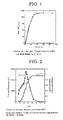
- the turnover frequency of the catalyst was 32,000 per 1 hour, which indicated the best catalyst performance in the world at this reaction temperature.
- a generated gas component was measured by means of a gas chromatography GL SCIENCES (GC390), hydrogen was measured by means of a thermal conductivity detector (TCD), and carbon dioxide and carbon monoxide were measured by means of a methanizer and a flame ionization detector (FID).
- TCD thermal conductivity detector
- FID flame ionization detector
- reaction solution was passed through a column (TSKgel SCX (H + ): TOSOH) using a 2 mM phosphate aqueous solution as a developing solution, and the resultant flow-through was measured at a wavelength of 210 nm. It was found that the concentration was 0.5 M. From these results, it was found that the dehydrogenation reaction efficiently progressed in an amount corresponding to that of formic acid.
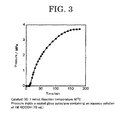
- the catalyst had the highest activity at a pH range of 2.5 to 4, in particular, at a pH of about 3.5, and that the catalyst had a sufficiently high activity even at a pH of about 1.8, at which formic acid was used alone, and almost no formic acid remained after the reaction. From these results, it was found that the dehydrogenation reaction efficiently progressed in an amount corresponding to that of formic acid.
- Table 1 Dehydrogenation reaction of formic acid in the presence of multinuclear iridium complex (4) Solution amount/ mL Catalyst concentration Reaction period/ min Reaction temperature/ °C TOF/ h -1 TON Residual formic acid concentration/ M 20 50 ⁇ M 150 50 11,900 10,100 0.495 20 50 ⁇ M 90 60 27,600 10,400 0.48 40 25 ⁇ M 60 70 59,000 20,200 0.495 40 25 ⁇ M 30 80 107,000 20,200 0.495 Reaction solution: 1 M HCOOH/HCOONa (1:1), pH 3.5
- the compound represented by the following Formula (12) was synthesized using dichloro(pentamethylcyclopentadienyl)rhodium(III) dimer according to Catalyst synthesis 1.
- the gas yield was measured and it was found that the turnover frequency (TOF) per 1 molecule of the catalyst per 1 hour was 1,200 per hour.
- the compound represented by the following Formula (13) was synthesized using dichloro(hexamethylbenzene)ruthenium(II) dimer according to Catalyst synthesis 1. To a degassed solution of 1 M formic acid/sodium formate (1:1) in water (10 mL), was added the chloride of the multinuclear ruthenium complex represented by the following Formula (13) (3.5 mg, 4 ⁇ mol), followed by stirring at 60°C. It was confirmed that a gas was generated in the reaction solution.
- the gas yield was below the measurement threshold.
- the present invention allows hydrogen gas (H 2 ), heavy hydrogen gas (D 2 , T 2 ) or heavy-hydrogenated hydrogen (HD, HT) to be produced in a highly efficient, simple, and inexpensive manner. That is, formic acid can be utilized as a hydrogen storage material, and be efficiently dehydrogenated by the action of a catalyst for dehydrogenation of formic acid of the present invention to thereby produce hydrogen.
- the catalyst for dehydrogenation of formic acid of the present invention can be easily prepared since it contains a catalyst ligand which is inexpensively commercially available.
- the dehydrogenation reaction is a selective reaction, so that hydrogen can be obtained without by-producing carbon monoxide. Therefore, hydrogen can be supplied as fuel for a fuel cell without employing a gas reforming device.
- Hydrogen isotope gas can be supplied in a simple and inexpensive manner due to the use of heavy formic acid and/or heavy water.
Landscapes
- Chemical & Material Sciences (AREA)
- Organic Chemistry (AREA)
- Inorganic Chemistry (AREA)
- Engineering & Computer Science (AREA)
- General Health & Medical Sciences (AREA)
- Chemical Kinetics & Catalysis (AREA)
- Health & Medical Sciences (AREA)
- Materials Engineering (AREA)
- Combustion & Propulsion (AREA)
- Hydrogen, Water And Hydrids (AREA)
- Catalysts (AREA)
- Organic Low-Molecular-Weight Compounds And Preparation Thereof (AREA)
- Fuel Cell (AREA)
Applications Claiming Priority (2)
| Application Number | Priority Date | Filing Date | Title |
|---|---|---|---|
| JP2012015087 | 2012-01-27 | ||
| PCT/JP2013/051606 WO2013111860A1 (ja) | 2012-01-27 | 2013-01-25 | ギ酸の脱水素化触媒、水素製造方法、重水素ガスまたは重水素化水素の製造方法 |
Publications (3)
| Publication Number | Publication Date |
|---|---|
| EP2810711A1 true EP2810711A1 (de) | 2014-12-10 |
| EP2810711A4 EP2810711A4 (de) | 2015-11-18 |
| EP2810711B1 EP2810711B1 (de) | 2019-10-30 |
Family
ID=48873571
Family Applications (1)
| Application Number | Title | Priority Date | Filing Date |
|---|---|---|---|
| EP13741077.5A Active EP2810711B1 (de) | 2012-01-27 | 2013-01-25 | Dehydrierungskatalysator für ameisensäure, verfahren zur herstellung von wasserstoff und verfahren zur herstellung von deuteriumgas oder deuteriertem wasserstoff |
Country Status (4)
| Country | Link |
|---|---|
| US (1) | US9315381B2 (de) |
| EP (1) | EP2810711B1 (de) |
| JP (1) | JP5896539B2 (de) |
| WO (1) | WO2013111860A1 (de) |
Cited By (2)
| Publication number | Priority date | Publication date | Assignee | Title |
|---|---|---|---|---|
| WO2015083007A1 (en) * | 2013-12-02 | 2015-06-11 | King Abdullah University Of Science And Technology | Metal-ligand cooperative catalysis through n-h arm deprotonation/pyridine dearomatiztion for efficient hydrogen generation from formic acid |
| CN114759202A (zh) * | 2022-04-15 | 2022-07-15 | 中南大学 | 催化甲酸制氢的催化剂及其制备方法和应用 |
Families Citing this family (11)
| Publication number | Priority date | Publication date | Assignee | Title |
|---|---|---|---|---|
| JPWO2015053317A1 (ja) | 2013-10-11 | 2017-03-09 | 国立研究開発法人産業技術総合研究所 | ギ酸の脱水素化に用いる触媒、ギ酸の脱水素化方法、水素製造方法 |
| JP6502091B2 (ja) * | 2014-12-26 | 2019-04-17 | 国立研究開発法人産業技術総合研究所 | 高圧水素製造法および製造システム |
| KR101912251B1 (ko) | 2016-09-19 | 2018-10-29 | 한국과학기술연구원 | 개미산의 탈수소화 반응용 촉매 및 이의 제조방법 |
| US10688474B2 (en) | 2016-09-29 | 2020-06-23 | Korea Institute Of Science And Technology | Catalyst for dehydrogenation reaction of formate and hydrogenation reaction of bicarbonate and preparation method thereof |
| JP7082401B2 (ja) * | 2018-05-25 | 2022-06-08 | 国立研究開発法人産業技術総合研究所 | 二酸化炭素の水素化に用いる錯体触媒、メタノール製造方法 |
| DE102019205316A1 (de) * | 2019-04-12 | 2020-10-15 | Siemens Aktiengesellschaft | Energieeffiziente Wasserstoffherstellung |
| JP7372130B2 (ja) * | 2019-12-09 | 2023-10-31 | 日東電工株式会社 | 水素貯蔵方法、水素ガスの製造方法及び水素ガス製造システム |
| JP7764384B2 (ja) | 2020-09-03 | 2025-11-05 | 日東電工株式会社 | ギ酸塩の製造方法、及びギ酸の製造方法 |
| CN114957339B (zh) * | 2022-03-25 | 2023-11-24 | 大连理工大学 | 一类新型配合物的合成方法及其催化甲酸储放氢应用 |
| AU2024274795A1 (en) * | 2023-05-25 | 2025-12-11 | University Of Southern California | On-site generation of clean, ultra-high pressure hydrogen via catalytic reforming of methanol and other alcohols |
| JP7705107B1 (ja) * | 2024-09-24 | 2025-07-09 | 康夫 辻野 | 重水素合成方法、および重水素合成装置 |
Family Cites Families (12)
| Publication number | Priority date | Publication date | Assignee | Title |
|---|---|---|---|---|
| JP4009728B2 (ja) | 2002-12-25 | 2007-11-21 | 独立行政法人産業技術総合研究所 | 新規化合物、それを用いた触媒、それを用いた二酸化炭素と水素から蟻酸を製造する方法及び二酸化炭素の固定化方法 |
| JP3968431B2 (ja) | 2003-01-21 | 2007-08-29 | 独立行政法人産業技術総合研究所 | 二酸化炭素と水素から蟻酸を製造する方法及び二酸化炭素の固定化方法および光を照射させることによってこれらを促進させる方法 |
| JP4822253B2 (ja) | 2005-08-23 | 2011-11-24 | 独立行政法人産業技術総合研究所 | 二酸化炭素と水素からギ酸塩の製造方法 |
| CA2650704A1 (en) * | 2006-04-28 | 2007-11-08 | Northwestern University | Salts of pyridazine compounds |
| EP1918247A1 (de) | 2006-10-18 | 2008-05-07 | Ecole Polytechnique Fédérale de Lausanne (EPFL) | Herstellung von Wasserstoff aus Ameisensäure |
| WO2008059630A1 (en) * | 2006-11-17 | 2008-05-22 | Osaka University | Catalyst for decomposition of formic acid, method for decomposition of formic acid, process for production of hydrogen, apparatus for production or decomposition of formic acid, and method for storage or generation of hydrogen |
| JP5030175B2 (ja) | 2008-09-11 | 2012-09-19 | 独立行政法人産業技術総合研究所 | 重水素化化合物製造用触媒及びそれを用いた重水素化化合物の製造方法 |
| JP2010083730A (ja) | 2008-10-01 | 2010-04-15 | Osaka Univ | 重水素(d2)および重水素化水素(hd)の少なくとも一方を製造する方法およびこれに使用するギ酸分解用触媒 |
| JP5397806B2 (ja) | 2009-03-12 | 2014-01-22 | 国立大学法人大阪大学 | 重水素(d2)および重水素化水素(hd)の少なくとも一方を製造する方法、並びにこれに使用するギ酸分解用触媒 |
| JP5544630B2 (ja) | 2010-03-04 | 2014-07-09 | 国立大学法人大阪大学 | 単核金属錯体、水素化還元触媒、脱水素用触媒、水素化還元生成物の製造方法、水素(h2)の製造方法および脱水素反応生成物の製造方法 |
| EP2655340B1 (de) * | 2010-12-21 | 2015-01-21 | Novartis AG | Bi-heteroarylverbindungen als vps34-inhibitoren |
| EP2755966B1 (de) * | 2011-09-13 | 2017-03-15 | Brookhaven Science Associates LLC | Bimetallische katalysatoren für co2-hydrierung und h2-erzeugung aus ameisensäure und/oder salzen davon |
-
2013
- 2013-01-25 WO PCT/JP2013/051606 patent/WO2013111860A1/ja not_active Ceased
- 2013-01-25 EP EP13741077.5A patent/EP2810711B1/de active Active
- 2013-01-25 JP JP2013555320A patent/JP5896539B2/ja not_active Expired - Fee Related
- 2013-01-25 US US14/374,012 patent/US9315381B2/en not_active Expired - Fee Related
Cited By (4)
| Publication number | Priority date | Publication date | Assignee | Title |
|---|---|---|---|---|
| WO2015083007A1 (en) * | 2013-12-02 | 2015-06-11 | King Abdullah University Of Science And Technology | Metal-ligand cooperative catalysis through n-h arm deprotonation/pyridine dearomatiztion for efficient hydrogen generation from formic acid |
| US10300469B1 (en) | 2013-12-02 | 2019-05-28 | King Abdullah University Of Science And Technology | Metal-ligand cooperative catalysis through N-H arm deprotonation/pyridine dearomatiztion for efficient hydrogen generation from formic acid |
| CN114759202A (zh) * | 2022-04-15 | 2022-07-15 | 中南大学 | 催化甲酸制氢的催化剂及其制备方法和应用 |
| CN114759202B (zh) * | 2022-04-15 | 2023-12-15 | 中南大学 | 催化甲酸制氢的催化剂及其制备方法和应用 |
Also Published As
| Publication number | Publication date |
|---|---|
| US20150166337A1 (en) | 2015-06-18 |
| JPWO2013111860A1 (ja) | 2015-05-11 |
| US9315381B2 (en) | 2016-04-19 |
| EP2810711B1 (de) | 2019-10-30 |
| WO2013111860A1 (ja) | 2013-08-01 |
| EP2810711A4 (de) | 2015-11-18 |
| JP5896539B2 (ja) | 2016-03-30 |
Similar Documents
| Publication | Publication Date | Title |
|---|---|---|
| EP2810711B1 (de) | Dehydrierungskatalysator für ameisensäure, verfahren zur herstellung von wasserstoff und verfahren zur herstellung von deuteriumgas oder deuteriertem wasserstoff | |
| EP3505243B1 (de) | Katalysator zur dehydrierung von ameisensäure, verfahren zur dehydrierung von ameisensäure und verfahren zur herstellung von wasserstoff | |
| Hull et al. | Reversible hydrogen storage using CO2 and a proton-switchable iridium catalyst in aqueous media under mild temperatures and pressures | |
| JP4875576B2 (ja) | ギ酸分解用触媒、ギ酸の分解方法、水素製造方法、ギ酸製造および分解用装置、水素貯蔵および発生方法 | |
| JP4572393B2 (ja) | ギ酸分解用触媒、ギ酸の分解方法、水素製造方法、ギ酸製造および分解用装置、水素貯蔵および発生方法 | |
| Maenaka et al. | Catalytic interconversion between hydrogen and formic acid at ambient temperature and pressure | |
| Liao et al. | Post-synthetic exchange (PSE) of UiO-67 frameworks with Ru/Rh half-sandwich units for visible-light-driven H 2 evolution and CO 2 reduction | |
| Langer et al. | Low‐pressure hydrogenation of carbon dioxide catalyzed by an iron pincer complex exhibiting noble metal activity | |
| Oldenhof et al. | Base-Free Production of H 2 by Dehydrogenation of Formic Acid Using An Iridium-bisMETAMORPhos Complex. | |
| JP5812290B2 (ja) | 二酸化炭素の水素化またはギ酸の脱水素化に用いる触媒、該触媒を用いる二酸化炭素の水素化方法、ギ酸の脱水素化方法、水素の貯蔵および製造方法 | |
| US9169281B2 (en) | Mononuclear metal complex, hydrogenation reduction catalyst, dehydrogenation catalyst, method for producing hydrogenation reduction product, method for producing hydrogen (H2), and method for producing dehydrogenation reaction product | |
| JP2010083730A (ja) | 重水素(d2)および重水素化水素(hd)の少なくとも一方を製造する方法およびこれに使用するギ酸分解用触媒 | |
| JP5397806B2 (ja) | 重水素(d2)および重水素化水素(hd)の少なくとも一方を製造する方法、並びにこれに使用するギ酸分解用触媒 | |
| JP5030175B2 (ja) | 重水素化化合物製造用触媒及びそれを用いた重水素化化合物の製造方法 | |
| JP6090957B2 (ja) | ギ酸の脱水素化に用いる触媒、ギ酸の脱水素化方法、水素製造方法 | |
| Fortunato et al. | Visible-Light Driven Acetylene Semi-Hydrogenation to Ethylene with a Copper Photosensitizer and a Cobaloxime Catalyst | |
| Wang | A Study of Homogeneous Hydrogenation of CO2 to Formic Acid and Formic Acid Dehydrogenation | |
| JP2016037415A (ja) | 一酸化炭素の製造方法 | |
| Argent et al. | Carbon Dioxide Hydrogenation | |
| Naidu et al. | Synthesis, characterization and reactivity studies of electrophilic ruthenium (ii) complexes: a study of H 2 activation and labilization |
Legal Events
| Date | Code | Title | Description |
|---|---|---|---|
| PUAI | Public reference made under article 153(3) epc to a published international application that has entered the european phase |
Free format text: ORIGINAL CODE: 0009012 |
|
| 17P | Request for examination filed |
Effective date: 20140821 |
|
| AK | Designated contracting states |
Kind code of ref document: A1 Designated state(s): AL AT BE BG CH CY CZ DE DK EE ES FI FR GB GR HR HU IE IS IT LI LT LU LV MC MK MT NL NO PL PT RO RS SE SI SK SM TR |
|
| AX | Request for extension of the european patent |
Extension state: BA ME |
|
| DAX | Request for extension of the european patent (deleted) | ||
| RIC1 | Information provided on ipc code assigned before grant |
Ipc: B01J 31/22 20060101AFI20151007BHEP Ipc: H01M 8/06 20060101ALI20151007BHEP Ipc: C01B 3/22 20060101ALI20151007BHEP |
|
| RA4 | Supplementary search report drawn up and despatched (corrected) |
Effective date: 20151016 |
|
| STAA | Information on the status of an ep patent application or granted ep patent |
Free format text: STATUS: EXAMINATION IS IN PROGRESS |
|
| 17Q | First examination report despatched |
Effective date: 20190211 |
|
| GRAP | Despatch of communication of intention to grant a patent |
Free format text: ORIGINAL CODE: EPIDOSNIGR1 |
|
| STAA | Information on the status of an ep patent application or granted ep patent |
Free format text: STATUS: GRANT OF PATENT IS INTENDED |
|
| INTG | Intention to grant announced |
Effective date: 20190517 |
|
| GRAS | Grant fee paid |
Free format text: ORIGINAL CODE: EPIDOSNIGR3 |
|
| GRAA | (expected) grant |
Free format text: ORIGINAL CODE: 0009210 |
|
| STAA | Information on the status of an ep patent application or granted ep patent |
Free format text: STATUS: THE PATENT HAS BEEN GRANTED |
|
| AK | Designated contracting states |
Kind code of ref document: B1 Designated state(s): AL AT BE BG CH CY CZ DE DK EE ES FI FR GB GR HR HU IE IS IT LI LT LU LV MC MK MT NL NO PL PT RO RS SE SI SK SM TR |
|
| REG | Reference to a national code |
Ref country code: GB Ref legal event code: FG4D |
|
| REG | Reference to a national code |
Ref country code: CH Ref legal event code: EP |
|
| REG | Reference to a national code |
Ref country code: AT Ref legal event code: REF Ref document number: 1195562 Country of ref document: AT Kind code of ref document: T Effective date: 20191115 |
|
| REG | Reference to a national code |
Ref country code: DE Ref legal event code: R096 Ref document number: 602013062245 Country of ref document: DE |
|
| REG | Reference to a national code |
Ref country code: IE Ref legal event code: FG4D |
|
| REG | Reference to a national code |
Ref country code: LT Ref legal event code: MG4D |
|
| PG25 | Lapsed in a contracting state [announced via postgrant information from national office to epo] |
Ref country code: FI Free format text: LAPSE BECAUSE OF FAILURE TO SUBMIT A TRANSLATION OF THE DESCRIPTION OR TO PAY THE FEE WITHIN THE PRESCRIBED TIME-LIMIT Effective date: 20191030 Ref country code: NO Free format text: LAPSE BECAUSE OF FAILURE TO SUBMIT A TRANSLATION OF THE DESCRIPTION OR TO PAY THE FEE WITHIN THE PRESCRIBED TIME-LIMIT Effective date: 20200130 Ref country code: GR Free format text: LAPSE BECAUSE OF FAILURE TO SUBMIT A TRANSLATION OF THE DESCRIPTION OR TO PAY THE FEE WITHIN THE PRESCRIBED TIME-LIMIT Effective date: 20200131 Ref country code: PT Free format text: LAPSE BECAUSE OF FAILURE TO SUBMIT A TRANSLATION OF THE DESCRIPTION OR TO PAY THE FEE WITHIN THE PRESCRIBED TIME-LIMIT Effective date: 20200302 Ref country code: BG Free format text: LAPSE BECAUSE OF FAILURE TO SUBMIT A TRANSLATION OF THE DESCRIPTION OR TO PAY THE FEE WITHIN THE PRESCRIBED TIME-LIMIT Effective date: 20200130 Ref country code: SE Free format text: LAPSE BECAUSE OF FAILURE TO SUBMIT A TRANSLATION OF THE DESCRIPTION OR TO PAY THE FEE WITHIN THE PRESCRIBED TIME-LIMIT Effective date: 20191030 Ref country code: LV Free format text: LAPSE BECAUSE OF FAILURE TO SUBMIT A TRANSLATION OF THE DESCRIPTION OR TO PAY THE FEE WITHIN THE PRESCRIBED TIME-LIMIT Effective date: 20191030 Ref country code: ES Free format text: LAPSE BECAUSE OF FAILURE TO SUBMIT A TRANSLATION OF THE DESCRIPTION OR TO PAY THE FEE WITHIN THE PRESCRIBED TIME-LIMIT Effective date: 20191030 Ref country code: PL Free format text: LAPSE BECAUSE OF FAILURE TO SUBMIT A TRANSLATION OF THE DESCRIPTION OR TO PAY THE FEE WITHIN THE PRESCRIBED TIME-LIMIT Effective date: 20191030 Ref country code: LT Free format text: LAPSE BECAUSE OF FAILURE TO SUBMIT A TRANSLATION OF THE DESCRIPTION OR TO PAY THE FEE WITHIN THE PRESCRIBED TIME-LIMIT Effective date: 20191030 Ref country code: NL Free format text: LAPSE BECAUSE OF FAILURE TO SUBMIT A TRANSLATION OF THE DESCRIPTION OR TO PAY THE FEE WITHIN THE PRESCRIBED TIME-LIMIT Effective date: 20191030 |
|
| REG | Reference to a national code |
Ref country code: NL Ref legal event code: MP Effective date: 20191030 |
|
| PG25 | Lapsed in a contracting state [announced via postgrant information from national office to epo] |
Ref country code: HR Free format text: LAPSE BECAUSE OF FAILURE TO SUBMIT A TRANSLATION OF THE DESCRIPTION OR TO PAY THE FEE WITHIN THE PRESCRIBED TIME-LIMIT Effective date: 20191030 Ref country code: IS Free format text: LAPSE BECAUSE OF FAILURE TO SUBMIT A TRANSLATION OF THE DESCRIPTION OR TO PAY THE FEE WITHIN THE PRESCRIBED TIME-LIMIT Effective date: 20200229 Ref country code: RS Free format text: LAPSE BECAUSE OF FAILURE TO SUBMIT A TRANSLATION OF THE DESCRIPTION OR TO PAY THE FEE WITHIN THE PRESCRIBED TIME-LIMIT Effective date: 20191030 |
|
| PG25 | Lapsed in a contracting state [announced via postgrant information from national office to epo] |
Ref country code: AL Free format text: LAPSE BECAUSE OF FAILURE TO SUBMIT A TRANSLATION OF THE DESCRIPTION OR TO PAY THE FEE WITHIN THE PRESCRIBED TIME-LIMIT Effective date: 20191030 |
|
| PG25 | Lapsed in a contracting state [announced via postgrant information from national office to epo] |
Ref country code: DK Free format text: LAPSE BECAUSE OF FAILURE TO SUBMIT A TRANSLATION OF THE DESCRIPTION OR TO PAY THE FEE WITHIN THE PRESCRIBED TIME-LIMIT Effective date: 20191030 Ref country code: EE Free format text: LAPSE BECAUSE OF FAILURE TO SUBMIT A TRANSLATION OF THE DESCRIPTION OR TO PAY THE FEE WITHIN THE PRESCRIBED TIME-LIMIT Effective date: 20191030 Ref country code: RO Free format text: LAPSE BECAUSE OF FAILURE TO SUBMIT A TRANSLATION OF THE DESCRIPTION OR TO PAY THE FEE WITHIN THE PRESCRIBED TIME-LIMIT Effective date: 20191030 Ref country code: CZ Free format text: LAPSE BECAUSE OF FAILURE TO SUBMIT A TRANSLATION OF THE DESCRIPTION OR TO PAY THE FEE WITHIN THE PRESCRIBED TIME-LIMIT Effective date: 20191030 |
|
| REG | Reference to a national code |
Ref country code: DE Ref legal event code: R097 Ref document number: 602013062245 Country of ref document: DE |
|
| REG | Reference to a national code |
Ref country code: AT Ref legal event code: MK05 Ref document number: 1195562 Country of ref document: AT Kind code of ref document: T Effective date: 20191030 |
|
| PG25 | Lapsed in a contracting state [announced via postgrant information from national office to epo] |
Ref country code: SM Free format text: LAPSE BECAUSE OF FAILURE TO SUBMIT A TRANSLATION OF THE DESCRIPTION OR TO PAY THE FEE WITHIN THE PRESCRIBED TIME-LIMIT Effective date: 20191030 Ref country code: SK Free format text: LAPSE BECAUSE OF FAILURE TO SUBMIT A TRANSLATION OF THE DESCRIPTION OR TO PAY THE FEE WITHIN THE PRESCRIBED TIME-LIMIT Effective date: 20191030 Ref country code: IT Free format text: LAPSE BECAUSE OF FAILURE TO SUBMIT A TRANSLATION OF THE DESCRIPTION OR TO PAY THE FEE WITHIN THE PRESCRIBED TIME-LIMIT Effective date: 20191030 Ref country code: MC Free format text: LAPSE BECAUSE OF FAILURE TO SUBMIT A TRANSLATION OF THE DESCRIPTION OR TO PAY THE FEE WITHIN THE PRESCRIBED TIME-LIMIT Effective date: 20191030 |
|
| REG | Reference to a national code |
Ref country code: CH Ref legal event code: PL |
|
| PLBE | No opposition filed within time limit |
Free format text: ORIGINAL CODE: 0009261 |
|
| STAA | Information on the status of an ep patent application or granted ep patent |
Free format text: STATUS: NO OPPOSITION FILED WITHIN TIME LIMIT |
|
| GBPC | Gb: european patent ceased through non-payment of renewal fee |
Effective date: 20200130 |
|
| 26N | No opposition filed |
Effective date: 20200731 |
|
| REG | Reference to a national code |
Ref country code: BE Ref legal event code: MM Effective date: 20200131 |
|
| PG25 | Lapsed in a contracting state [announced via postgrant information from national office to epo] |
Ref country code: FR Free format text: LAPSE BECAUSE OF NON-PAYMENT OF DUE FEES Effective date: 20200131 Ref country code: LU Free format text: LAPSE BECAUSE OF NON-PAYMENT OF DUE FEES Effective date: 20200125 Ref country code: GB Free format text: LAPSE BECAUSE OF NON-PAYMENT OF DUE FEES Effective date: 20200130 |
|
| PG25 | Lapsed in a contracting state [announced via postgrant information from national office to epo] |
Ref country code: CH Free format text: LAPSE BECAUSE OF NON-PAYMENT OF DUE FEES Effective date: 20200131 Ref country code: LI Free format text: LAPSE BECAUSE OF NON-PAYMENT OF DUE FEES Effective date: 20200131 Ref country code: BE Free format text: LAPSE BECAUSE OF NON-PAYMENT OF DUE FEES Effective date: 20200131 Ref country code: AT Free format text: LAPSE BECAUSE OF FAILURE TO SUBMIT A TRANSLATION OF THE DESCRIPTION OR TO PAY THE FEE WITHIN THE PRESCRIBED TIME-LIMIT Effective date: 20191030 Ref country code: SI Free format text: LAPSE BECAUSE OF FAILURE TO SUBMIT A TRANSLATION OF THE DESCRIPTION OR TO PAY THE FEE WITHIN THE PRESCRIBED TIME-LIMIT Effective date: 20191030 |
|
| PG25 | Lapsed in a contracting state [announced via postgrant information from national office to epo] |
Ref country code: IE Free format text: LAPSE BECAUSE OF NON-PAYMENT OF DUE FEES Effective date: 20200125 |
|
| PGFP | Annual fee paid to national office [announced via postgrant information from national office to epo] |
Ref country code: DE Payment date: 20201120 Year of fee payment: 9 |
|
| PG25 | Lapsed in a contracting state [announced via postgrant information from national office to epo] |
Ref country code: TR Free format text: LAPSE BECAUSE OF FAILURE TO SUBMIT A TRANSLATION OF THE DESCRIPTION OR TO PAY THE FEE WITHIN THE PRESCRIBED TIME-LIMIT Effective date: 20191030 Ref country code: MT Free format text: LAPSE BECAUSE OF FAILURE TO SUBMIT A TRANSLATION OF THE DESCRIPTION OR TO PAY THE FEE WITHIN THE PRESCRIBED TIME-LIMIT Effective date: 20191030 Ref country code: CY Free format text: LAPSE BECAUSE OF FAILURE TO SUBMIT A TRANSLATION OF THE DESCRIPTION OR TO PAY THE FEE WITHIN THE PRESCRIBED TIME-LIMIT Effective date: 20191030 |
|
| PG25 | Lapsed in a contracting state [announced via postgrant information from national office to epo] |
Ref country code: MK Free format text: LAPSE BECAUSE OF FAILURE TO SUBMIT A TRANSLATION OF THE DESCRIPTION OR TO PAY THE FEE WITHIN THE PRESCRIBED TIME-LIMIT Effective date: 20191030 |
|
| REG | Reference to a national code |
Ref country code: DE Ref legal event code: R119 Ref document number: 602013062245 Country of ref document: DE |
|
| PG25 | Lapsed in a contracting state [announced via postgrant information from national office to epo] |
Ref country code: DE Free format text: LAPSE BECAUSE OF NON-PAYMENT OF DUE FEES Effective date: 20220802 |