EP2793948B1 - Thyroid stimulating hormone compositions - Google Patents
Thyroid stimulating hormone compositions Download PDFInfo
- Publication number
- EP2793948B1 EP2793948B1 EP12812433.6A EP12812433A EP2793948B1 EP 2793948 B1 EP2793948 B1 EP 2793948B1 EP 12812433 A EP12812433 A EP 12812433A EP 2793948 B1 EP2793948 B1 EP 2793948B1
- Authority
- EP
- European Patent Office
- Prior art keywords
- rhtsh
- peg
- subunit
- tsh
- composition
- Prior art date
- Legal status (The legal status is an assumption and is not a legal conclusion. Google has not performed a legal analysis and makes no representation as to the accuracy of the status listed.)
- Active
Links
Images









Classifications
-
- A—HUMAN NECESSITIES
- A61—MEDICAL OR VETERINARY SCIENCE; HYGIENE
- A61K—PREPARATIONS FOR MEDICAL, DENTAL OR TOILETRY PURPOSES
- A61K47/00—Medicinal preparations characterised by the non-active ingredients used, e.g. carriers or inert additives; Targeting or modifying agents chemically bound to the active ingredient
- A61K47/50—Medicinal preparations characterised by the non-active ingredients used, e.g. carriers or inert additives; Targeting or modifying agents chemically bound to the active ingredient the non-active ingredient being chemically bound to the active ingredient, e.g. polymer-drug conjugates
- A61K47/51—Medicinal preparations characterised by the non-active ingredients used, e.g. carriers or inert additives; Targeting or modifying agents chemically bound to the active ingredient the non-active ingredient being chemically bound to the active ingredient, e.g. polymer-drug conjugates the non-active ingredient being a modifying agent
- A61K47/56—Medicinal preparations characterised by the non-active ingredients used, e.g. carriers or inert additives; Targeting or modifying agents chemically bound to the active ingredient the non-active ingredient being chemically bound to the active ingredient, e.g. polymer-drug conjugates the non-active ingredient being a modifying agent the modifying agent being an organic macromolecular compound, e.g. an oligomeric, polymeric or dendrimeric molecule
- A61K47/59—Medicinal preparations characterised by the non-active ingredients used, e.g. carriers or inert additives; Targeting or modifying agents chemically bound to the active ingredient the non-active ingredient being chemically bound to the active ingredient, e.g. polymer-drug conjugates the non-active ingredient being a modifying agent the modifying agent being an organic macromolecular compound, e.g. an oligomeric, polymeric or dendrimeric molecule obtained otherwise than by reactions only involving carbon-to-carbon unsaturated bonds, e.g. polyureas or polyurethanes
- A61K47/60—Medicinal preparations characterised by the non-active ingredients used, e.g. carriers or inert additives; Targeting or modifying agents chemically bound to the active ingredient the non-active ingredient being chemically bound to the active ingredient, e.g. polymer-drug conjugates the non-active ingredient being a modifying agent the modifying agent being an organic macromolecular compound, e.g. an oligomeric, polymeric or dendrimeric molecule obtained otherwise than by reactions only involving carbon-to-carbon unsaturated bonds, e.g. polyureas or polyurethanes the organic macromolecular compound being a polyoxyalkylene oligomer, polymer or dendrimer, e.g. PEG, PPG, PEO or polyglycerol
-
- A—HUMAN NECESSITIES
- A61—MEDICAL OR VETERINARY SCIENCE; HYGIENE
- A61K—PREPARATIONS FOR MEDICAL, DENTAL OR TOILETRY PURPOSES
- A61K47/00—Medicinal preparations characterised by the non-active ingredients used, e.g. carriers or inert additives; Targeting or modifying agents chemically bound to the active ingredient
- A61K47/50—Medicinal preparations characterised by the non-active ingredients used, e.g. carriers or inert additives; Targeting or modifying agents chemically bound to the active ingredient the non-active ingredient being chemically bound to the active ingredient, e.g. polymer-drug conjugates
-
- A—HUMAN NECESSITIES
- A61—MEDICAL OR VETERINARY SCIENCE; HYGIENE
- A61K—PREPARATIONS FOR MEDICAL, DENTAL OR TOILETRY PURPOSES
- A61K38/00—Medicinal preparations containing peptides
- A61K38/16—Peptides having more than 20 amino acids; Gastrins; Somatostatins; Melanotropins; Derivatives thereof
- A61K38/17—Peptides having more than 20 amino acids; Gastrins; Somatostatins; Melanotropins; Derivatives thereof from animals; from humans
- A61K38/22—Hormones
- A61K38/24—Follicle-stimulating hormone [FSH]; Chorionic gonadotropins, e.g. HCG; Luteinising hormone [LH]; Thyroid-stimulating hormone [TSH]
-
- A—HUMAN NECESSITIES
- A61—MEDICAL OR VETERINARY SCIENCE; HYGIENE
- A61K—PREPARATIONS FOR MEDICAL, DENTAL OR TOILETRY PURPOSES
- A61K47/00—Medicinal preparations characterised by the non-active ingredients used, e.g. carriers or inert additives; Targeting or modifying agents chemically bound to the active ingredient
- A61K47/30—Macromolecular organic or inorganic compounds, e.g. inorganic polyphosphates
- A61K47/34—Macromolecular compounds obtained otherwise than by reactions only involving carbon-to-carbon unsaturated bonds, e.g. polyesters, polyamino acids, polysiloxanes, polyphosphazines, copolymers of polyalkylene glycol or poloxamers
-
- A—HUMAN NECESSITIES
- A61—MEDICAL OR VETERINARY SCIENCE; HYGIENE
- A61P—SPECIFIC THERAPEUTIC ACTIVITY OF CHEMICAL COMPOUNDS OR MEDICINAL PREPARATIONS
- A61P35/00—Antineoplastic agents
-
- A—HUMAN NECESSITIES
- A61—MEDICAL OR VETERINARY SCIENCE; HYGIENE
- A61K—PREPARATIONS FOR MEDICAL, DENTAL OR TOILETRY PURPOSES
- A61K38/00—Medicinal preparations containing peptides
Definitions
- Thyroid cancer is a collection of diseases in which there is uncontrolled growth of cells derived from the thyroid.
- Thyroid cancer commonly has been classified as differentiated thyroid cancer, including papillary, follicular and Hurthle cell cancer, and other thyroid cancers, including medullary and anaplastic cancer. Over time, some differentiated thyroid cancers become less well differentiated, and may be classified as de-differentiated or poorly-differentiated cancer.
- Administration of Thyroid Stimulating Hormone (TSH) to patients can play a role in the diagnostic or therapeutic approach for various thyroid diseases, including goiter and thyroid cancer. For these diseases, the pharmacokinetic profile of the administered TSH may be important for the optimal success of the diagnostic or therapeutic procedures.
- TSH Thyroid Stimulating Hormone
- TSH Recombinant human TSH (rhTSH), marketed as THYROGEN ® Thyroid Stimulating Hormone (Genzyme Corp., NDA 2-898), is dosed in multiple injections on consecutive days, followed by RAI dosing and blood draw for tumor diagnostics on day 3 and 5.
- This strict dosing regimen has been necessitated by the relatively short duration of action of TSH, which also results in reduced efficacy and side effects.
- a TSH composition with prolonged duration of action will likely improve treatment and detection of various thyroid diseases and reduce side effects.
- WO 2005/056046 refers to methods for treating inflammation using THS, wherein a polyalkyl oxide polymer is attached to its N-terminus.
- the present invention relates to compositions of recombinant Thyroid Stimulating Hormone (rhTSH) conjugated with a (one or more) polyalkylene glycol polymer, such as polyethylene glycol (PEG), that prolongs the duration of rhTSH action in vivo, according to claims 1 and 7. Additionally, the invention relates to methods for producing a rhTHS conjugated to at least one polyalkylene glycol polymer according to claims 12 and 13.
- the rhTSH of the present invention described herein can be used for treatment of patients in need thereof with thyroid conditions according to claim 18.
- compositions comprising human rhTSH, wherein at least one polyalkylene glycol polymer is attached to a carbohydrate site of the rhTSH at a) a sialic acid group selected from the group consisting of ASN52 of the rhTSH ⁇ subunit, ASN78 of the rhTSH ⁇ subunit, and ASN23 of the rhTSH ⁇ subunit or a combination thereof; or at b)a galactose located at ASN52 of the rhTSH ⁇ subunit, ASN78 of the rhTSH ⁇ subunit, ASN23 of the rhTSH ⁇ subunit or a combination thereof.
- the TSH of the compositions is isolated from a mammal, for example, a human, or the TSH is recombinant mammalian TSH, for example, recombinant human TSH (rhTSH).
- compositions of the invention exhibits an enhanced T4 response compared to a control.
- the polyalkylene glycol polymer attached to the carbohydrate site of TSH is polyethylene glycol (PEG).
- PEG polyethylene glycol
- the PEG has an average molecular weight of between about 3,000 and about 100,000 Daltons.
- one or more than one linear or branched PEG molecules is/are attached to TSH.
- the invention further pertains to a composition
- a composition comprising a mutated recombinant human Thyroid Stimulating Hormone (rhTSH) and at least one polyalkylene glycol polymer
- the mutated rhTSH comprises a rhTSH in which one or more amino acid residues has been substituted with a cysteine residue, wherein the amino acid residue that has been substituted with cysteine is located on the alpha subunit of rhTSH at an amino acid position selected from the group consisting of ASN66, THR69, and GLY22, and combinations thereof; or is located on the beta subunit of rhTSH at the amino acid position of VAL118; or any combination thereof; and wherein the polyalkylene glycol polymer is attached to the mutated rhTSH at the cysteine residue, and the mutated rhTSH is biologically active is described.
- rhTSH human Thyroid Stimulating Hormone
- the mutated TSH with the cysteine modification has attached polyethylene glycol (PEG) as the polyalkylene glycol polymer.
- PEG polyethylene glycol
- the PEG has an average molecular weight of between about 3,000 and about 100,000 Daltons.
- one or more than one linear or branched or combinations of PEG molecules is/are attached to TSH.
- compositions comprising an effective therapeutic amount of a composition of the invention along with a pharmaceutically acceptable carrier are described.
- compositions are used for treating a thyroid condition in a patient in need thereof, by administering to the patient an effective amount of the pharmaceutical compositions of the invention.
- the thyroid condition is thyroid cancer.
- the composition is delivered by intramuscular injection.
- the invention also relates to methods of producing a PEGylated, biologically active recombinant human thyroid stimulating hormone (rhTSH) comprising attaching at least one polyalkylene glycol polymer to a carbohydrate site of a rhTSH at a) a sialic acid group selected from the group consisting of ASN52 of the rhTSH ⁇ subunit, ASN78 of the rhTSH ⁇ subunit, and ASN23 of the rhTSH ⁇ subunit or a combination thereof; or at b)a galactose located at ASN52 of the rhTSH ⁇ subunit, ASN78 of the rhTSH ⁇ subunit, ASN23 of the rhTSH ⁇ subunit or a combination thereof.
- rhTSH human thyroid stimulating hormone
- the invention pertains to a method of producing a PEGylated, biologically active mutated recombinant human thyroid stimulating hormone (rhTSH) comprising (a) introducing one or more additional cysteine residues into the amino acid sequence of TSH, thereby producing a mutated TSH, wherein the cysteine residue replaces an endogenous amino acid residue located on the alpha subunit of rhTSH at an amino acid position selected from the group consisting of ASN66, THR69, and GLY22, and combinations thereof, or located on the beta subunit of rhTSH at the amino acid position of VAL118, and combinations thereof; and (b) attaching one or more polyalkylene glycol polymers to the one or more cysteine residues introduced in step a), thereby producing a biologically active mutated rhTSH conjugated to at least one polyalkylene glycol polymer.
- the cysteine residue replaces an endogenous amino acid residue in rhTSH.
- the invention also relates to compositions for use in treating a thyroid condition in a subject in need thereof, comprising administering an effective amount of the PEGylated, biologically active recombinant human thyroid stimulating hormone (rhTSH) of the present invention.
- rhTSH human thyroid stimulating hormone
- THYROGEN ® Thyroid Stimulating Hormone (Genzyme Corp., NDA 2-898) is recombinant human TSH (rhTSH) currently marketed for the diagnosis and/or treatment of thyroid cancer. It is sold as a lyophilized powder for reconstitution with water prior to intramuscular administration.
- rhTSH thyroid-stimulating hormone
- conjugating a polyalkylene glycol polymer e.g., polyethylene glycol to rhTSH
- a polyalkylene glycol polymer e.g., polyethylene glycol
- rhTSH beneficially altered the pharmacokinetic profile and pharmacodynamic profile of rhTSH.
- N-terminal PEGylation, lysine PEGylation and carbohydrate polymer attachment of rhTSH were studied. The expectation was that N-terminal PEGylation of rhTSH would result in a TSH with prolonged duration of action, whereas lysine PEGylation and carbohydrate PEGylation of TSH would result in a severe decrease in the potency of rhTSH.
- the invention is directed to a composition
- a composition comprising recombinant human Thyroid Stimulating Hormone (rhTSH), wherein at least one polyalkylene glycol polymer is attached to a carbohydrate site of the rhTSH at a) a sialic acid group selected from the group consisting of ASN52 of the rhTSH ⁇ subunit, ASN78 of the rhTSH ⁇ subunit, and ASN23 of the rhTSH ⁇ subunit or a combination thereof; or at b)a galactose located at ASN52 of the rhTSH ⁇ subunit, ASN78 of the rhTSH ⁇ subunit, ASN23 of the rhTSH ⁇ subunit or a combination thereof.
- rhTSH recombinant human Thyroid Stimulating Hormone
- the invention is directed to a composition
- a composition comprising a mutated recombinant human Thyroid Stimulating Hormone (rhTSH) and at least one polyalkylene glycol polymer, wherein the mutated rhTSH comprises a rhTSH in which one or more amino acid residues has been substituted with a cysteine residue, wherein the amino acid residue that has been substituted with cysteine is located on the alpha subunit of rhTSH at an amino acid position selected from the group consisting of ASN66, THR69, and GLY22, and combinations thereof; or is located on the beta subunit of rhTSH at the amino acid position of VAL118; or any combination thereof; and wherein the polyalkylene glycol polymer is attached to the mut
- the PEGylated rhTSH compositions provided herein have one or more of the following improved therapeutic index effects relative to rhTSH that is not conjugated to a polyethylene glycol polymer: enhanced solubility, decreased proteolysis, decreased immunogenicity, reduced rate of kidney clearance, prolonged blood circulation lifetime, increased duration of action and altered distribution and absorption.
- TSH is a glycoprotein having two subunits, the alpha and the beta subunit.
- the ⁇ (alpha) subunit i.e., chorionic gonadotropin alpha
- the ⁇ (beta) subunit is unique to TSH, and determines its function.
- rhTSH refers to recombinantly synthesized TSH.
- the recombinant DNA methods described herein are generally those set forth in Sambrook et al., Molecular Cloning: A Laboratory Manual (Cold String Harbor Laboratory Press, 1989 , and /or Current Protocols in Molecular Biology (Ausubel et al., eds., Green Publishers Inc., and Wiley and Sons 1994 , with Supplements).
- recombinant refers to a polynucleotide synthesized or otherwise manipulated in vitro (e.g., "recombinant polynucleotide”), and to methods of using recombinant polynucleotides to produce gene products in cells or other biological systems, and to a polypeptide ("recombinant protein") encoded by a recombinant polynucleotide.
- rhTSH used in the methods and compositions described herein can be purified from naturally-occurring mammalian sources, such as bovine, porcine, primate, or human, or alternatively isolated in a recombinant form from non-naturally-occurring sources using methods known in the art, such as described in U.S. Patent Nos. 5,840,566 and 6,365,127 .
- conjugation of macromolecules to polymers can be used for effectively altering the in vivo efficacy of drugs by changing the balance between their pharmacodynamic and pharmacokinetic properties.
- polymers e.g., polysaccharides, polymers of sialic acid, hydroxyethyl starch and polyalkylene glycols (e.g., polypropylene glycol, polybutylene glycol, polyethylene glycol) and other like moieties
- conjugation often leads to loss of binding affinity of the drug and, in effect, loss of potency.
- a decrease of potency is offset by a longer circulating half-life of the polymer-modified drugs making the resultant pharmacokinetic (PK) and pharmacodynamic (PD) profiles useful for therapy.
- PEG polyethylene glycol
- Polyethylene glycol is a non-antigenic inert polymer that has been shown to prolong the length of time a protein circulates in the body.
- these common PEG reagents attach to primary and secondary amines on proteins, generally at lysine residues and/or at the N-terminal amino acid.
- PEG is commercially available in different sizes and, once attached, can be tailored for individual indications by using the variation of sizes and multiple attachments to a single drug molecule.
- PEG has been shown to improve plasma half-life of the injected PEGylated protein but as stated above, potency can be lost due to steric hindrance by PEG ( Fishburn, C.S., J Pharm Sci 97:4167 (2008 )).
- a detailed understanding of structure-function relationship of the target protein to be PEGylated is helpful for generating PEGylated products that retain maximum functional activity.
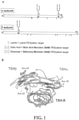
- the N-termini appear to be most distant from the receptor interaction region, and thus are likely ideal sites for PEG attachment to minimize loss of receptor binding upon PEGylation (See FIG.1 B) . Since there are many lysines in TSH, and some of them are near the receptor binding site, PEG attachment at lysines would be expected to interfere with receptor binding.
- TSH is a glycosylated protein.
- the carbohydrate chains constitute 15-25% of its weight and include three asparagine-linked carbohydrate chains. Two of these chains are found on the alpha subunit of TSH, linked to asparagine 52 (ASN 52) and asparagine 78 (ASN 78), respectively, and the third is on the beta subunit of TSH, linked to asparagine 23(ASN 23).
- Asparagine-linked carbohydrate chains are potential PEG conjugation sites, however, on the TSH protein their respective proximities to the receptor interaction region, in particular, ASN 52, suggests that PEG conjugation at such sites would likely have a negative effect on receptor binding. Thus, selecting potential sites for conjugation of polymers to TSH presented much uncertainty.
- polyalkylene glycol As used herein, “polyalkeylene glycol (PAG)” includes polyethylene glycol (PEG), polypropylene glycol (PPG), polybutylene glycol, and the like. The polymers can be linear or branched. The PAG is attached covalently to a molecule.
- attachment refers to the coupling or conjugation of a site or moiety of the TSH protein and a polymer, such as a polyalkylene glycol, e.g., either directly covalently joined to one another, or else is indirectly covalently joined to one another through an intervening moiety or moieties, such as a bridge, spacer, or linkage moiety or moieties.
- a polymer such as a polyalkylene glycol
- Carbohydrate site refers to a carbohydrate side chain found on rhTSH.
- the site can be a naturally glycosylated site or a site that has been enzymatically provided.
- the carbohydrate site is specifically selected to meet desired criteria for optimal rhTSH interaction with the receptor or for other functional requirements such as folding or mobility of the protein.
- the carbohydrate site is available for attachment of a polymer moiety such as PEG.
- Typical carbohydrate sites on the protein are asparagine, serine or threonine.
- rhTSH has three asparagine-linked carbohydrate chains.
- a single polymer is attached to rhTSH.
- multiple polymers are attached the rhTSH.
- the multiple attached polymers can be of a single specie or multiple species.
- a single PEG molecule is attached to the protein the protein is referred to as "monoPEGylated” and in the case where more than one PEG molecule is attached the protein is referred to as "multiPEGylated”.
- an individual PEG attached to the protein vis a vis other attached PEGs
- the molecular weight range of the PEG molecule is 3,000-100,000 Daltons. In certain embodiments, the molecular weight of the PEG attached is 5kD, 10kD, 20kD, 30kD, 40kD, or 60kD or combinations thereof.
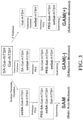
- sialic acid-mediated PEGylation referred to as "SAM”
- GAM(-) galactose-mediated PEGylation
- GAM(+) sialic acid removal coupled with galactose-mediated PEGylation
- Site-specific methods of PEGylation to rhTSH are also included in the present invention.
- One such method attaches PEG to cysteine residues using cysteine-reactive PEGs.
- cysteine-reactive PEGs A number of highly specific, cysteine-reactive PEGs with different reactive groups (e.g., maleimide, vinylsulfone) and different size PEGs (2-40 kDa) are commercially available.
- these PEG reagents selectively attach to "free" cysteine residues, i.e., cysteine residues not involved in disulfide bonds in the target protein.
- one of two cysteines involved in a native disulfide bond may be deleted or substituted with another amino acid, leaving a native cysteine (the cysteine residue in the protein that normally would form a disulfide bond with the deleted or substituted cysteine residue) free and available for chemical modification.
- the amino acid substituted for the cysteine would be a neutral amino acid such as serine or alanine.
- cysteine residues can be introduced at any useful position on the protein.
- the newly added "free” cysteines can then serve as sites for the specific attachment of a PEG molecule using cysteine-reactive PEGs.
- the added cysteine residue is a substitution for an existing amino acid in a protein.
- Cysteine residues can be added preceding the amino-terminus of the protein, after the carboxy- terminus of the protein, or inserted between two amino acids in the protein.
- mutant TSH refers to a TSH where one or more amino acids of the wild-type TSH have been substituted with another amino acid that permits the formation of one or more glycosylation sites on the TSH molecule.
- the amino acid substitution of TSH enables site-specific coupling of at least one polymer, such as a polyalkylene glycol.
- site-specific coupling with PEG molecules to the mutant rhTSH allows the generation of a rhTSH that possesses the pharmacodynamic and pharmacokinetic benefits of a polyethylene-glycosylated rhTSH.
- amino acid substitution with cysteine can be at the positions shown for the mutants in Tables 1 and 2.
- the substitution does not substantially change the structural characteristic of native TSH.
- the amino acid residue that has been substituted with cysteine is located at an amino acid position on the alpha subunit of recombinant human TSH selected from the group consisting of ASN66, THR69, and GLY22, and combinations thereof; or is located on the beta subunit of rhTSH at the amino acid position of VAL118; or any combination thereof; and the polyalkylene glycol polymer is attached to the mutated rhTSH at the cysteine residue, and the mutated rhTSH is biologically active is described.
- the rhTSH compositions described herein are biologically active.
- biologically active means that the rhTSH compositions of the invention have one or more of the following effects: longer duration of action, prolonged half-life, increased duration of T4 release, higher AUEC, positive shift in Tmax, and a lower peak-to-trough exposure that can reduce side effects.
- the compositions are compared to a control and the effect is substantially similar, somewhat less or somewhat greater or substantially greater.
- the biological activity of rhTSH compositions produced according to the present invention can be assessed using a variety of techniques known to those of skill in the art.
- control refers to native (wild-type) TSH or rhTSH.
- compositions of this invention when administered to a patient in need thereof (e.g., a thyroid cancer patient who had near-total or total thyroidectomy), will provide a blood serum concentration of rhTSH that has been tailored for the indicated use.
- the duration of action for the compositions described herein is increased by at least 2-fold over rhTSH.
- the duration of action for the TSH compositions is increased by at least 3-fold over rhTSH.
- compositions provide longer half-life (t1/2), compared to rhTSH.
- t1/2 is up to 23-fold longer than rhTSH in rat.
- the T4 level is shown to have a greater sustained effect over rhTSH.
- T4 level in rhTSH group was back to vehicle level by 48 hours post-dose whereas in one embodiment T4 was sustained for 168 hours post-dose.
- an effective Tmax refers to a “Time of the Peak Height Concentration", which is characteristic of the composition in reference.
- An “effective Cmax” as used herein refers to a “Peak Height Concentration”, which is characteristic of the composition in reference.
- an effective Tmax and Cmax provide a blood (or serum or plasma) concentration time curve in which the concentration of a drug is in a therapeutic range.
- t1/2 refers to the duration of action of a drug is known and the period of time required for the concentration or amount of drug in the body to be reduced by one-half.
- the nucleic acid sequence of the alpha subunit of human TSH is:
- amino acid sequence of the alpha subunit of human TSH is: (SEQ ID NO: 2)
- the nucleic acid sequence of the beta subunit of human TSH is:
- the amino acid sequence of the beta subunit of human TSH is: FCIPTEYTMHIERRECAYCLTINTTICAGYCMTRDINGKLFLPKYALS QDVCTYRDFIYRTVEIPGCPLHVAPYFSYPVALSCKCGKCNTDYSD CIHEAIKTNYCTKPQKSYLVGFSV (SEQ ID NO: 4)
- amino acid residues corresponding to amino acid residues of the subunits of TSH is intended to indicate the amino acid residues corresponding to the sequence of wild-type TSH subunits (SEQ ID NOs: 2 and 4 ) when the sequences are aligned.
- Amino acid sequence homology/identity is conveniently determined from aligned sequences, using a suitable computer program for sequence alignment, such as, e.g., the ClustalW program, version 1.8, 1999 ( Thompson et al., 1994, Nucleic Acid Research, 22: 4673-4680 ).
- Sodium periodate oxidation 25 mM sodium periodate (Sigma, 311448) in 100 mM sodium acetate, pH 5.6 was added to 4.5 mg/ml TSH in 100 mM sodium acetate, pH 5.6 to final concentrations ranging from 0.2 mM to 2mM, in a glass vial wrapped in aluminum foil. The mixture was gently shaken on ice in the dark for 30 minutes. After 30 minutes, 50% glycerol was added to 3% of the reaction volume and then shaken for 15 minutes. The mixture was then buffer exchanged to 100 mM sodium acetate, pH 5.6, and concentrated to a TSH concentration of at least 4.3 mg/ml in order to perform the PEGylation.
- PEGylation The appropriate size aminoxy PEG (100 mg/ml in dH 2 O) was added to the oxidized TSH to varying (PEG:Protein) molar ratios. The reaction volume was adjusted with 100 mM sodium acetate, pH 5.6, to a final TSH concentration of 4 mg/ml. The mixture was then incubated at 25°C for 16 hours or at 8°C for 16 hours with gentle shaking. After incubation, a 50 molar excess of 0.05M hydroxylamine was added to quench the reaction mix and incubated at 25°C for 6 hours with gentle shaking.
- Neuraminidase Treatment 20 mU neuraminidase (His6-Clostridium neuramindase (520 mU/ul)) was added per mg TSH and incubated at 37°C for 6 hours.
- Catalase/Galactose Oxidase Treatment 2 U Catalase (Sigma 442 U/ ⁇ l) per mg TSH was added to the neuraminidase treated TSH. 4 ⁇ g galactose oxidase (Worthington GAO, 1.2 mg/ml) per mg TSH was added to the mixture and then incubated at 37°C for 16 hours. After incubation the mixture was buffer-exchanged and concentrated into 100 mM sodium acetate, pH 5.6, to a concentration of at least 5.5 mg/ml in order to perform the PEGylation.
- PEGylation The appropriate size aminoxy PEG (100 mg/ml in dH 2 O) was added to the oxidized and buffer-exchanged TSH to the (PEG:Protein) molar ratio of 1:1. The reaction volume was adjusted with 100 mM sodium acetate, pH 5.6, so that the final TSH concentration in the reaction was 5 mg/ml. The mixture was then incubated at 25°C for 16 hours with gentle shaking. A 50 molar excess of 0.05M hydroxylamine (m.w. 69.49) was then added to the reaction mix and incubated at 25°C for 6 hours with gentle shaking.
- Catalase/Galactose Oxidase Treatment 2 U Catalase (Sigma 442 U/ ⁇ l) per mg and 4 ⁇ g galactose oxidase (Worthington GAO, 1.2 mg/ml) per mg were added to TSH. The mixture was then incubated at 37°C for 16 hours. After incubation the mixture was buffer-exchanged and concentrated into 100 mM sodium acetate, pH 5.6, to a final concentration of at least 5.5 mg/ml in order to perform the PEGylation.
- PEGylation The appropriate size aminoxy PEG (100 mg/ml in dH 2 O) was added to the oxidized and buffer-exchanged TSH to the (PEG:Protein) molar ratio of 1:2. The reaction volume was adjusted with 100 mM sodium acetate, pH 5.6, so that the final TSH concentration in the reaction was 5 mg/ml. The mixture was then incubated at 25°C for 16 hours with gentle shaking. A 50 molar excess of 0.05M hydroxylamine (m.w. 69.49) was then added to the reaction mix and incubated at 25°C for 6 hours with gentle shaking.
- Appropriate size aldehyde PEG (100 mg/ml in reaction buffer) was added to a final concentration of 5 mg/ml rhTSH at varying (PEG:Protein) ratios in 100mM sodium acetate, pH 5 or pH 5.6, with 20mM sodium cyanoborohydride. Incubation was done at 25°C for 16 hours or 8°C for up to 2 days, before quenching the reaction with 0.1 volume of 1M Tris, pH 7.5, for 3 hours at 25°C.
- N-terminal mono-PEGylation with 40kD PEG resulted in an 11.1 -fold decrease of in vitro TSH receptor binding affinity, compared to the rhTSH control.
- Lysine conjugation with N-hydroxysuccinimide ester (NHS) PEG was explored.
- PBS phosphate-buffered saline
- Final TSH concentration was 0.8 mg per ml.
- PEGylation was done at 25°C or 37°C for 1.5 hours or 19.5 hours.
- the short incubation time tested (1.5 hour) showed the same results as long incubation time (19.5 hours). This was presumably due to a rapid hydrolysis of NHS PEG in aqueous solution.
- the extent of PEGylation depended on the (PEG:Protein) molar ratios, with higher PEG molar excess producing more multi-PEGylated conjugates.
- TSH single mutants were designed and prepared to introduce cysteines for site-specific PEGylation. These mutants were designed to minimize its effect on protein folding, receptor binding and for their potentials to be effectively conjugated.
- the mutation site should not be located at or adjacent to a receptor binding site; 2) The mutation site should not be located at or adjacent to an alpha/beta subunit dimerization interface; 3) The mutation site should not be located at or adjacent to a disulfide bond; 4) Avoid sites that when mutated, result in dramatic loss in specific activity based on reported literature; 5) The mutation site should be solvent exposed for subsequent PEGylation; 6) Select sites that would evenly cover most of the TSH surface opposite of the receptor binding site to fully evaluate PEGylation feasibility at each region.
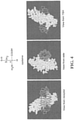
- the beta-carbon positions of the selected mutants were exposed to solvent in our structure model as shown in FIG. 4 . This predicts that these positions are likely to be accessible for PEGylation reagents when mutated to cysteine.
- the first three sites selected in Table 1 were native glycosylation sites in TSH.
- DNAs encoding rhTSH genes were synthesized and cloned into a Gateway entry vector (for example, pDONOR221). Oligonucleotide-based site-directed mutagenesis was used to introduce Cys mutations at multiple sites on both TSH subunits. The resulting wild-type and mutant vectors were shuffled into expression vectors (for example, pCEP4.DEST) via Gateway cloning. Proteins were prepared from transiently transfected HEK293 cell media and characterized by biochemical and cell-based assays, e.g., gel electrophoresis, Western blotting, SEC-HPLC chromatography, PEG modification yield and cell reporter assays.
- biochemical and cell-based assays e.g., gel electrophoresis, Western blotting, SEC-HPLC chromatography, PEG modification yield and cell reporter assays.
- TSH G22C(alpha), TSH N66C(alpha), TSH T69C(alpha), and TSH V118C (beta) had the best expression levels (See FIG. 5 ).
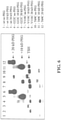
- PEGylation experiments suggested that TSH G22C(alpha), TSH N66C(alpha), TSH T69C(alpha), and TSH V118C (beta) were effectively PEGylated (See FIG. 6 for representative PEGylation results).
- M71C(alpha) seemed to form aggregates in the PEGylation incubation. (Data not shown). The decision was made to move selected mutants (e.g., G22C) forward for large scale production and in vivo studies (See Table 2).
- Table 2 # Mutant Subunit Expression Monomer PEGylation Away from TSHR Selected leads 1 WT *** *** 2 N52C(a) alpha ND 3 N78C(a) alpha ND 4 N23C(b) beta ND 5 V118C(b) beta * *** * 6 M71C(a) alpha ** * 7 N66C(a) alpha ** ** ** ** ** 8 T69C(a) alpha ** ** ** *** ** #2 9 G22C(a) alpha ** *** *** *** #1 10 T21C(b) beta ND 11 E63C(b) beta ND 12 D56C(b) beta ND
- Cys mutants were prepared from CHO pools. DNAs encoding the wild-type (WT) and mutant rhTSH genes were codon-optimized and synthesized. These genes were cloned into CHO expression vectors (for example, pGEN600, pGEN620) for transient transfection into CHO cells. Transfected CHO cells were amplified with methotrexate (MTX) selection. The resulting CHO pools were used for scale-up protein production.
- WT wild-type
- mutant rhTSH genes were codon-optimized and synthesized. These genes were cloned into CHO expression vectors (for example, pGEN600, pGEN620) for transient transfection into CHO cells. Transfected CHO cells were amplified with methotrexate (MTX) selection. The resulting CHO pools were used for scale-up protein production.
- MTX methotrexate
- the cysteine TSH mutants were found to be capped at the introduced cysteine after expression and purification, thus additional reducing methodology was needed to create PEGylated mutant TSH.
- the mutant TSH first needed to be reduced with a mild reductant to release the cap from the introduced cysteine without irreversibly breaking the native disulfide bonds that would inactivate the protein.
- cysteine reductant was removed together with the cap to allow the disulfides to reform.
- the "de-capped” introduced cysteine was then selectively conjugated to a cysteine-reactive PEG reagent.
- TSH has 11% cysteine content (23/210 amino acids), which makes the introduction of a 24 th cysteine into TSH without scrambling the native disulfides (and thus dramatically lowering receptor binding affinity) particularly difficult. Consequently, we had to screen multiple positions for introducing the cysteine mutation, with only a few that could be successfully conjugated with a PEG.
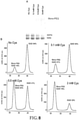
- G22C rhTSH was produced from CHO cells for site-specific PEGylation. Cysteine was added to G22C rhTSH (1-2mg/ml) to a final concentration of 2mM after optimization experiments shown in FIG. 8 . The protein was incubated overnight at 4oC to remove the cap on Cys22. The mixture was dialfiltered into PEGylation buffer (10 mM sodium phosphate, 2mM EDTA, pH 7.0). PEG was added to the protein to get 5x molar excess and incubated at 25oC for 2 hours. The PEGylation was stopped with 2x cysteine and the yield was checked by SEC-HPLC. The pH of the action mixture was lowered to pH5.0 and then loaded onto a monoS column for purification.
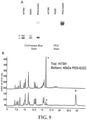
- FIG.8 The SEC-HPLC profiles of several PEGylation reactions are shown in FIG.8 . Approximately 75% mono-PEGylated G22C TSH was obtained, which is very effective conjugation. Confirmation of subunit- and site-specific conjugation of G22C is shown in FIG. 9A - FIG. 9B .
- Samples were purified over a monoS column (GE Healthcare) and eluted using a gradient with 10mM sodium acetate pH5 and 10mM sodium acetate, 1 M sodium chloride pH5 at a flow rate of 4ml/min.
- the gradient started with 0% mobile phase B (10mM sodium acetate, 1 M sodium chloride pH5) then increased to 50% mobile phase B over 25 column volumes followed by 100% mobile phase B to wash the column.
- Pre-poured gradient gels (4-12% Bis Tris, Invitrogen) were loaded with 4-5 ⁇ g TSH.
- MOPS (3-(N-morpholino)propanesulfonic acid ) running buffer (Invitrogen) was prepared.
- the electrophoresis apparatus was placed in an ice bucket with ice.
- the gel ran for approximately 50 minutes at 200V and was then rinsed three times, 5 minutes each with distilled water.
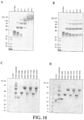
- 50 ml 5% barium chloride was added to the gel and then shaken for 10 minutes. The barium chloride was removed by rinsing the gel for 5 minutes with distilled water. The distilled water was then removed and the gel was first stained for PEG with 1x potassium iodide/ iodine solution until the bands were visible.
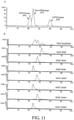
- FIG. 12 shows the peptide map and N-terminal sequencing results of the 40 kD SAM conjugate. Only 3 tryptic glycopeptides (AT9, AT6, BT3) were detected, indicating the site specificity of carbohydrate PEGylation. Underlined N corresponds to N-linked glycosylation site.
- Subunit-specific PEGylation was calculated by measuring the relative amount of unPEGylated ⁇ and ⁇ subunits after isolating them from the PEGylated subunits, using two consecutive reversed-phase HPLC runs. This method of inference was used because chromatographic conditions that resolve PEGylated ⁇ and ⁇ subunits could not be identified. Samples (100 ⁇ g) were concentrated to 20 ⁇ l by centrifugal ultrafiltration and then denatured in 6 M guanidine hydrochloride, 10 mM sodium phosphate, 100 mM sodium chloride, pH 7.0.
- the samples were adjusted to 50 ⁇ l with water and then reduced by addition of 4.7 ⁇ l of 2 M dithiothreitol and 150 ⁇ l of 6 M guanidine hydrochloride, 0.1 M Tris, pH 8.5, overlayed with nitrogen and incubated at 25°C overnight. Free thiols were then alkylated by adding 9.3 ⁇ l of 2 M iodoacetamide, overlaying with nitrogen, and incubating for 2 hr at 25°C. The alkylation reaction was quenched by adding 150 ⁇ l of 0.25% trifluoroacetic acid. Reduced and alkylated unPEGylated TSH subunits were profiled by the second reversed-phase HPLC run.
- the HPLC column setup was identical to that indicated above with the exception that solvent A consisted of 0.1% trifluoroacetic acid in water and solvent B consisted of 0.08% trifluoroacetic acid in acetonitrile and the column was held at 50°C.
- the column was eluted with a linear gradient of 2-75%B in 15 min at 0.3 ml/min.
- the relative percentage of unPEGylated ⁇ vs. ⁇ subunits was determined by integration of the resulting A214 nm chromatograms ( FIG. 13C ) from triple injections per sample. The relative percentage of PEGylated ⁇ vs. ⁇ subunits was then taken as the inverse of these values.
- Purified PEGylated conjugates were analyzed by in vitro porcine TSH receptor binding assay using the TSH Receptor Autoantibody 2nd Generation ELISA kit from RSR Limited (Kronus, Star, ID). Instead of using the biotinylated human monoclonal autoantibody to the TSH receptor provided by the kit, we biotinylated Thyrogen ® (rhTSH) to use for competitive inhibition of binding to TSH receptor. Binding of biotinylated rhTSH to immobilized porcine TSH receptor was inhibited by either rhTSH control or PEGylated rhTSH conjugates and IC 50 values were measured.
- Thyrogen ® was biotinylated with 1.7 to 1.8 biotins per protein using the ChromaLink TM Biotin Labeling Reagent according to the manufacturer's protocol (QED Bioscience Inc., San Diego, CA) and buffer exchanged into 50mM sodium phosphate, 150mM sodium chloride pH 7.0 with a Zeba TM Desalt Spin Column (Thermo Scientific, Rockford, IL).
- ChromaLink TM Biotin Labeling Reagent QED Bioscience Inc., San Diego, CA
- a Zeba TM Desalt Spin Column Thermo Scientific, Rockford, IL.
- In vitro measurement of receptor binding was performed by competition of biotinylated Thyrogen ® and PEG-rhTSH conjugate for binding to porcine TSH receptor immobilized onto 96-well plates supplied with the TSH Receptor Autoantibody 2 nd Generation ELISA kit from RSR Limited (Kronus, Star, ID).
- PEG-rhTSH conjugates were serially diluted 1:5 from 16 ⁇ M to 41pM in assay buffer (100mM HEPES pH 7.5, 20mM EDTA, 1% BSA, 0.5% Triton X-100) and mixed 1:1 with biotinylated Thyrogen ® diluted 1000-fold in assay buffer. The mixture was added to each receptor-coated well and incubated at 25°C for 25 minutes. Unbound rhTSH was washed away and streptavidin peroxidase was added at 25°C for 20 minutes according to the RSR Limited ELISA protocol to determine the amount of biotinylated Thyrogen ® bound to the plate.
- assay buffer 100mM HEPES pH 7.5, 20mM EDTA, 1% BSA, 0.5% Triton X-100
- TMB tetramethylbenzidine
- N-terminus and lysine PEGylation yielded conjugates with lower TSH receptor affinity than carbohydrate conjugation.
- N-terminal mono-PEGylation with 40kD PEG resulted in 10.8-fold lower receptor binding affinity compared to the TSH control.
- Lysine-PEGylation with 40kD PEG resulted in 31.2-fold lower receptor binding affinity compared to the TSH control.
- GAM+ mono-PEGylation resulted in 2.2-fold lower receptor binding affinity for 20kD PEG conjugation and 3.6-fold lower receptor binding affinity for 40kD PEG conjugation.
- SAM mono-PEGylation also resulted in moderate decrease in in vitro TSH receptor binding affinity compared to N-terminal PEGylation, ranging from 2.1- to 5.3-fold decrease, depending on the size of PEG conjugated.
- GAM(-) mono-PEGylation caused the greatest loss among all the carbohydrate PEGylation strategies, with 20kD PEG conjugation causing 2.7-fold decrease and 40kD PEG conjugation, 8.0-fold decrease in in vitro TSH receptor binding affinity. (See Tables 3a and 3b and FIG. 14 ).
- rhTSH The pharmacokinetics of rhTSH and PEGylated rhTSH (20kD SAM, 20kD GAM(-), 20kD GAM(+), 40kD GAM(+)) was evaluated in male and female rats following a single intramuscular (IM) injection.
- rhTSH or PEGylated rhTSH (20kD SAM, 20kD GAM(-), 20kD GAM(+), 40kD GAM(+)) was administered IM to fasted male and female jugular vein cannulated rats at a dose of 0.5 mg/kg. Due to dose volume limitations, animals received test articles in the form of two or three intramuscular injections into quadriceps muscle. Legs were alternated for dosing. Blood samples were collected from the animals pre-dose and at the following post-dosage time points: 0.5, 1, 2, 4, 8, 24, and 48 hours. Food was removed from the animal cages on the evening prior to test article administration. Animals had access to water during this time.
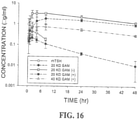
- the PK data showed that 20 kD SAM and 20 kD GAM(-) have >5-fold prolonged t1/2, prolonged Tmax and increased exposure (area under the curve, AUC) compared to rhTSH control.
- the PK profile of 20 kD GAM(+) showed less improvement compared to 20kD SAM and 20kD GAM(-), and 40kD GAM(+) showed only a moderate improvement.
- Increased value of Vz apparent volume of distribution
- the serum T4 concentration was measured to collect the pharmacodynamic data (See FIG. 15 ), using ACE clinical chemistry system (Alfa Wassermann Diagnostic Technologies, LLC) according to manufacturer's protocol.
- PEGylated rhTSH (10kD multiSAM, 10kD SAM, 40kD SAM, 40kD GAM(-)) was evaluated in male and female rats following a single intramuscular (IM) injection.
- rhTSH or PEGylated rhTSH (10kD multiSAM, 10kD SAM, 40kD SAM, 40kD GAM(-)) was administered IM to fasted male and female jugular vein cannulated rats at a dose of 0.5 mg/kg. Due to dose volume limitations, animals received test articles in the form of two or three intramuscular injections into quadriceps muscle. Legs were alternated for dosing. Blood samples were from the animals pre-dose and at the following post-dosage time points: 0.5, 1, 3, 6, 24, 48, 72, and 96 hours. Food was removed from the animal cages on the evening prior to test article administration. Animals had access to water during this time.
- Food was added back to cages following pre-dose sample collections and test article administration. Food was removed again at the end of each day such that animals were fasted for the post-dose sample collection in the following mornings. Food was added back to cages after each post-dose sample collection. Blood was collected from the single port jugular cannula. Approximately 400 ⁇ l of whole blood was collected into serum separator tubes and processed for serum. The serum was separated into two tubes ( ⁇ 100 ⁇ l each). All samples were stored at -80°C until they were analyzed for rhTSH or PEGylated rhTSH concentration by TSH ELISA. Following the last sample collection animals were euthanized with CO 2 .
- the PK data showed that 10 kD multi-SAM, 40 kD SAM, and 40 kD GAM(-) have 14 ⁇ 23-fold prolonged t1/2, prolonged Tmax and increased exposure (area under the curve, AUC) compared to rhTSH control. (See FIG. 17 and Table 7)
- the improvement observed in the PK profiles of 40 kD SAM and 40 kD GAM(-) is greater than that of 20 kD SAM and 20 kD GAM(-) in Example 13.
- MultiPEGylation (10kD multiSAM) had a greater increase of plasma half-life compared to monoPEGylation of the same size PEG (10kD SAM).
- 10kD multiSAM had 13.7-fold increase to 46.8 ⁇ 10.4 hours compared to rhTSH control whereas 10kD SAM had only 4.6-fold increase to 15.8 ⁇ 1.23 hour.
- Tmax PEG-size dependent delay in concentration peak time
- High binding 96-well ELISA plates were coated with murine anti-hCG capture antibody at 1.33 ⁇ g/mL diluted in 0.1M sodium bicarbonate buffer at pH 9.2, and added at 100 ⁇ L per well.
- a standard rhTSH or PEGylated rhTSH curve was prepared from purified protein and diluted in sample dilution buffer (SDB) consisting of 1.0% w/v BSA in 1X plate wash. The standard was diluted from 25-1.463 ng/mL, 8.334-0.488 ng/mL or 5.556 to 0.325 ng/mL using a 2:3 serial dilution scheme, depending on the qualified linear range of rhTSH or PEGylated rhTSH species per assay.
- Samples were diluted in SDB at no less than a 1:10 dilution.
- 500 ng/mL, and 25 ng/mL rhTSH controls prepared in normal rat serum are diluted 1:100 and 1:10 respectively in SDB.
- a 0.5 ng/mL rhTSH control prepared in SDB was added undiluted.
- Coated plates were washed and 100 ⁇ L of samples, standards and controls were added to the plates and incubated for 1 hour at 37°C.
- Biotinylated anti-rhTSH monoclonal detection antibody (clone TS8) was diluted in SDB according to the appropriate dilution specific to each lot. Plates were washed and 100 ⁇ L of the diluted biotinylated detection antibody was added to the wells and incubated for 1 hour at 37°C.
- SA-HRP Streptavidin-horseradish peroxidase conjugate
- TMB tetramethyl benzidine
- TMB stop buffer 100 ⁇ L was added to all wells, and the plate was read at 450nm.
- mice The pharmacodynamics of PEGylated rhTSH was evaluated in male mice following a single IP injection, three days post T3 pellet implantation.
- the endogenous mouse T4 was suppressed during the study period by implantation of slow-release T3 pellet three days prior to dosing (See vehicle group in FIG. 18A - FIG. 18D ). Therefore, only the amount of T4 released by rhTSH control or PEGylated rhTSH conjugates was measured. Due to limited blood volume of mouse, four time points of 6, 24, 48 and 72 hours post-dose were collected.
- mice were anesthetized with isoflurane and a 0.1 mg T3 pellet (T-261, Alternative Research of America) was implanted subcutaneously using a trochar. At three days post pellet implantation, a single dose of rhTSH (0.4 or 4.0 mg/kg) or PEGylated rhTSH (4 mg/kg) was administered IP to male mice (ICR strain, 6 weeks of age, Taconic Farms). Animals were anesthetized with isoflurane and blood samples were collected from the retro-orbital plexus. Group 1 blood samples were collected pre-dose (animals 1-4), 6 (animals 5-8), 24, 48 and 72 hours following test article administration.
- Blood samples from all other groups were collected at 6, 24, 48, and 72 hours following test article administration. Approximately 60 ⁇ l of whole blood was collected into micro-hematocrit capillary tubes and processed for serum. Following the last sample collection, animals were euthanized with CO 2. All serum samples were stored at -80°C until they were analyzed for T4 concentrations by the ACE ® clinical chemistry T4 assay. Serum T4 concentration was measured by ACE clinical chemistry system (Alfa Wassermann Diagnostic Technologies, LLC) according to manufacturer's protocol.
- 10 KD Multi SAM and 40 KD SAM appeared to be promising candidates based on the PK (Example 14) and PD (Example 16) data.
- 10 KD Multi-GAM(+) appeared promising as well, but did not have as much improved duration of action compared to the two more promising candidates.
- PEGylated rhTSH 40kD SAM was evaluated at three different dose levels in male mice following a single intraperitoneal (IP) injection, three days post T3 pellet implantation.
- Group 1 blood samples were collected 6 (animals 1-4), 24, 48, 72 and 96 (animals 5-8) hours following test article administration. Blood samples from all other groups were collected at 6, 24, 48, and 72 hours following test article administration. Approximately 60 ⁇ l of whole blood was collected into micro-hematocrit capillary tubes and processed for serum. Following the last sample collection, animals were euthanized with CO 2 . All serum samples were stored at -80°C until they were analyzed for T4 concentrations by the ACE ® clinical chemistry T4 assay. Serum T4 concentration was measured by ACE clinical chemistry system (Alfa Wassermann Diagnostic Technologies, LLC) according to manufacturer's protocol.
- Example 18 Pharmacodynamic Analysis of PEGylated rhTSH in Male and Female Sprague Dawley Rats Following a Single IM Injection, Three Days Post T3 Pellet Implantation
- the pharmacodynamics of PEGylated rhTSH was evaluated in male and female rats following a single intramuscular (IM) injection, three days post T3 pellet implantation.
- T3 pellet T-261, Innovative Research of America
- rhTSH or PEGylated rhTSH was administered IM to male and female jugular vein cannulated rats at a dose of 0.0 mg/kg (vehicle), 0.04 mg/kg, 0.4 mg/kg, or 0.65 mg/kg.
- 0.0 mg/kg vehicle
- 0.04 mg/kg 0.04 mg/kg
- 0.4 mg/kg 0.65 mg/kg
- 0.65 mg/kg dose was determined based on the content of monoPEGylated species. Due to dose volume limitations, animals received test articles in the form of two intramuscular injections into the quadriceps muscle.
- Blood samples were collected from the animals pre-dose and at the following post-dosage time points: 1, 3, 6, 24, 48, 72, 96, 120, 144, and 168 hours. Blood was collected from the single port jugular cannula. Approximately 250 ⁇ l of whole blood was collected into serum separator tubes and the blood was allowed to clot for a minimum of 30 minutes. Tubes were spun in a centrifuge at 10,000 rpm for 5 minutes and the serum was separated into two tubes ( ⁇ 50 ⁇ l each). All samples were stored at -80°C until they were analyzed for T4 concentrations by the ACE ® clinical chemistry T4 assay.
- Tmax of rhTSH occurred at 6 hours post-dose and returned to baseline (i.e., vehicle group levels) by 72 hour post-dose.
- 10 KD multiSAM Tmax occurred at 24 hours post-dose and returned to baseline at 72 hours post-dose for 0.04 mg/kg dose and 96 hours post-dose for 0.4 mg/kg dose.
- Low dose data showed decreased potency of 10 KD multiSAM relative to rhTSH in this model, which may reflect decreased TSH receptor binding affinity.
- High dose data confirmed enhanced pharmacodynamic effects with 10 KD multiSAM at 48 and 72 hours post-dose.
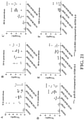
- All candidates including 40kD multiSAM and 50kD multiSAM showed enhanced T4 response compared to rhTSH at 0.4 mg/kg, which might have been in part mediated by shift in Tmax to 24 hours post-dose. Prolonged pharmacodynamic activity was observed through 96-120 hours post-dose. (For 40kD multiSAM and 50kD multiSAM, 0.65 mg/kg dose equaled to 0.4 mg/kg based on the percentage content of monoPEGylated species in these conjugates.) For all test articles, approximately 95% of the pharmacodynamic effects were observed within 96 hours post-dose following intramuscular administration. Higher AUECs observed with PEGylated conjugates is driven by higher T4 levels between 24-96 hours post-dose.
- Example 19 Pharmacodynamic Analysis of PEGylated rhTSH in Male and Female Sprague Dawley Rats Following a Single IM Injection, Three Days Post T3 Pellet Implantation
- the pharmacodynamics of PEGylated rhTSH was evaluated in male and female rats following a single intramuscular (IM) injection, three days post T3 pellet implantation.
- T3 pellet T-261, Innovative Research of America
- rhTSH or PEGylated rhTSH was administered IM to male and female jugular vein cannulated rats at a dose of 0.0 mg/kg (vehicle), 0.4 mg/kg, or 0.65 mg/kg.
- 0.65 mg/kg dose was determined based on the content of monoPEGylated species. Due to dose volume limitations, animals received test articles in the form of two intramuscular injections into the quadriceps muscle. Legs were alternated for dosing.
- Blood samples were collected from the animals pre-dose and at the following post-dosage time points: 6 ( FIG.21A ), 24 ( FIG.21B ), 48 ( FIG.21C ), 72 ( FIG.21D ), 96 ( FIG.21E ), and 168 ( FIG.21F ) hours.
- Blood was collected from the single port jugular cannula. Approximately 250 ⁇ l of whole blood was collected into serum separator tubes and the blood was allowed to clot for a minimum of 30 minutes. Tubes were spun in a centrifuge at 10,000 rpm for 5 minutes and the serum was separated into two tubes ( ⁇ 50 ⁇ l each).
- PEGylated rhTSH (10KD MultiSAM and 40KD SAM) was evaluated in male and female rats following a single intramuscular (IM) injection, three days post T3 pellet implantation.
- T3 pellet T-261, Innovative Research of America
- T-261 1.5 mg T3 pellet
- a single dose of vehicle or PEGylated rhTSH (10KD MultiSAM or 40KD SAM) was administered IM to male and female jugular vein cannulated rats at a dose of 0.0 mg/kg (vehicle), 0.1, 0.2, 0.4, or 1.0 mg/kg as specified in Table 15. Due to dose volume limitations, animals received test articles in the form of two intramuscular injections into the quadriceps muscle. Legs were alternated for dosing.
- Blood samples were collected from the animals pre-dose and at the following post-dosage time points: 6, 24, 48, 72, 96, and 168 hours. Blood was collected from the single port jugular cannula. Approximately 250 ⁇ l of whole blood was collected into serum separator tubes and the blood was allowed to clot for a minimum of 30 minutes. Tubes were spun in a centrifuge at 10,000 rpm for 5 minutes and the serum was separated into two tubes ( ⁇ 50 ⁇ l each). All samples were stored at -80°C until they were analyzed for T4 concentrations by the ACE clinical chemistry T4 assay. Following the last sample collection animals were euthanized with CO 2 .
- Serum T4 concentration was measured by ACE clinical chemistry system (Alfa Wassermann Diagnostic Technologies, LLC) according to manufacturer's protocol. Table 15 Grou p Anima l #'s Male Anima l #'s Femal e Pellet Dose Route Test Article Dose ( mg/kg) /Route 1 1-2 3-4 T3, 1.5mg SC Vehicle (0.2% BSA in PBS) 0.0/IM 2 5-6 7-9 T3, 1.5mg SC PEG rhTSH 10KD MultiSAM 0.2/IM 3 10-11 12-14 T3, 1.5mg SC PEG rhTSH 10KD MultiSAM 0.4/IM 4 15-16 17-19 T3, 1.5mg SC PEG rhTSH 10KD MultiSAM 1.0/IM 5 20-22 23-24 T3, 1.5mg SC PEG rhTSH 40KD SAM 0.1/IM 6 25-27 28-29 T3, 1.5mg SC PEG rhTSH 40KD SAM 0.2/IM 7 30-32 33-34 T3,
- Example 21 Pharmacodynamic (PD) Evaluation of PEGylated Cys-Mutant TSH (40KD G22C) Compared to Two Dose Levels of PEGylated rhTSH (40KD SAM) in Male and Female Sprague Dawley Rats Following a Single IM Injection, Three Days Post T3 Pellet Implantation
- T3 pellet T-261, Innovative Research of America
- T-261 1.5 mg T3 pellet
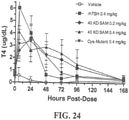
- a single dose of vehicle, rhTSH, PEGylated rhTSH (40KD SAM), or PEGylated Cys-mutant TSH (40KD G22C) was administered IM to male and female jugular vein cannulated rats at a dose of 0.0 mg/kg (vehicle), 0.2 or 0.4 mg/kg. Due to dose volume limitations, animals received test articles in the form of two intramuscular injections into the quadriceps muscle. Legs were alternated for dosing.
- Blood samples were collected from the animals pre-dose and at the following post-dosage time points: 6, 24, 48, 72, 96, and 168 hours. Blood was collected from the single port jugular cannula. Approximately 250 ⁇ l of whole blood was collected into serum separator tubes and the blood was allowed to clot for a minimum of 30 minutes. Tubes were spun in a centrifuge at 10,000 rpm for 5 minutes and the serum was separated into two tubes ( ⁇ 50 ⁇ l each). All samples were stored at -80°C until they were analyzed for T4 concentrations by the ACE clinical chemistry T4 assay. Following the last sample collection animals were euthanized with CO 2 .
- Serum T4 concentration was measured by ACE clinical chemistry system (Alfa Wassermann Diagnostic Technologies, LLC) according to manufacturer's protocol. Table 17 Grou p Anima l #'s Male Anima l #'s Femal e Pellet Dose Route Test Article Dose (mg/kg) /Route 1 1-2 3 T3, 1.5mg SC Vehicle (0.2% BSA in PBS) 0.0/IM 2 4 5-6 T3, 1.5mg SC rhTSH 0.4/IM 3 7-9 10-12 T3, 1.5mg SC PEGylated rhTSH (40KD SAM) 0.2/IM 4 13-15 16-18 T3, 1.5mg SC PEGylated rhTSH (40KD SAM) 0.4/IM 5 19-21 22-24 T3, 1.5mg SC PEGylated Cys-mutant TSH (40KD G22C) 0.4/IM Table 18 Assessment of Prolongation by AUEC (Area Under the Effective Curve) Calculation AUEC Calculation(hr
Landscapes
- Health & Medical Sciences (AREA)
- Life Sciences & Earth Sciences (AREA)
- Chemical & Material Sciences (AREA)
- Animal Behavior & Ethology (AREA)
- Medicinal Chemistry (AREA)
- Pharmacology & Pharmacy (AREA)
- General Health & Medical Sciences (AREA)
- Public Health (AREA)
- Veterinary Medicine (AREA)
- Epidemiology (AREA)
- Bioinformatics & Cheminformatics (AREA)
- Engineering & Computer Science (AREA)
- Endocrinology (AREA)
- Proteomics, Peptides & Aminoacids (AREA)
- Zoology (AREA)
- Reproductive Health (AREA)
- Gastroenterology & Hepatology (AREA)
- Immunology (AREA)
- Organic Chemistry (AREA)
- Nuclear Medicine, Radiotherapy & Molecular Imaging (AREA)
- General Chemical & Material Sciences (AREA)
- Chemical Kinetics & Catalysis (AREA)
- Inorganic Chemistry (AREA)
- Peptides Or Proteins (AREA)
- Medicinal Preparation (AREA)
- Medicines That Contain Protein Lipid Enzymes And Other Medicines (AREA)
- Preparation Of Compounds By Using Micro-Organisms (AREA)
Applications Claiming Priority (2)
| Application Number | Priority Date | Filing Date | Title |
|---|---|---|---|
| US201161577412P | 2011-12-19 | 2011-12-19 | |
| PCT/US2012/067705 WO2013095905A1 (en) | 2011-12-19 | 2012-12-04 | Thyroid stimulating hormone compositions |
Publications (2)
| Publication Number | Publication Date |
|---|---|
| EP2793948A1 EP2793948A1 (en) | 2014-10-29 |
| EP2793948B1 true EP2793948B1 (en) | 2022-03-23 |
Family
ID=47520247
Family Applications (1)
| Application Number | Title | Priority Date | Filing Date |
|---|---|---|---|
| EP12812433.6A Active EP2793948B1 (en) | 2011-12-19 | 2012-12-04 | Thyroid stimulating hormone compositions |
Country Status (7)
| Country | Link |
|---|---|
| US (4) | US20140357846A1 (enExample) |
| EP (1) | EP2793948B1 (enExample) |
| JP (1) | JP6255348B2 (enExample) |
| KR (1) | KR102071731B1 (enExample) |
| CN (1) | CN104220097B (enExample) |
| BR (1) | BR112014014868B1 (enExample) |
| WO (1) | WO2013095905A1 (enExample) |
Families Citing this family (3)
| Publication number | Priority date | Publication date | Assignee | Title |
|---|---|---|---|---|
| KR101687270B1 (ko) | 2013-10-29 | 2016-12-19 | 한국 한의학 연구원 | 상륙 추출물 또는 이의 분획물을 함유하는 갑상선 질환의 예방 또는 치료용 조성물 |
| KR101794289B1 (ko) * | 2015-11-05 | 2017-11-06 | 주식회사 프로젠 | 재조합 인간 갑상선 자극 호르몬을 포함하는 조성물 및 상기 재조합 인간 갑상선 자극 호르몬의 정제 방법 |
| MA45473A (fr) * | 2016-04-04 | 2019-02-13 | Shire Human Genetic Therapies | Inhibiteur de c1 estérase conjugué et ses utilisations |
Family Cites Families (14)
| Publication number | Priority date | Publication date | Assignee | Title |
|---|---|---|---|---|
| US4179337A (en) * | 1973-07-20 | 1979-12-18 | Davis Frank F | Non-immunogenic polypeptides |
| EP0228604A3 (en) | 1985-12-11 | 1988-10-12 | Sloan-Kettering Institute For Cancer Research | Isolation of a gene encoding human thyrotropin beta subunit |
| NZ513077A (en) * | 1999-01-14 | 2004-03-26 | Bolder Biotechnology Inc | Methods for making proteins containing free cysteine residues |
| JP2005537244A (ja) * | 2002-06-28 | 2005-12-08 | ナステック・ファーマシューティカル・カンパニー・インコーポレーテッド | 療法化合物の粘膜搬送を増進させるための、上皮接合部接着分子の生理機能を調節する組成物および方法 |
| GB0216780D0 (en) * | 2002-07-19 | 2002-08-28 | Bradford Particle Design Ltd | Methods of particle formation |
| MXPA05006688A (es) * | 2002-12-19 | 2006-02-22 | Nektar Therapeutics Al Corp | Conjugados de polimero con una variante de cianovirina. |
| CA2547631A1 (en) * | 2003-12-05 | 2005-06-23 | Zymogenetics, Inc. | Methods for treating inflammation using thyroid stimulating hormone |
| JP5216580B2 (ja) * | 2005-05-25 | 2013-06-19 | ノヴォ ノルディスク アー/エス | グリコペグ化第ix因子 |
| US20080171696A1 (en) * | 2005-10-21 | 2008-07-17 | Avigenics, Inc. | Pharmacodynamically enhanced therapeutic proteins |
| US20090208480A1 (en) * | 2006-08-04 | 2009-08-20 | Yue Huang | Long half-life recombinant butyrylcholinesterase |
| PL2063909T3 (pl) * | 2006-09-19 | 2013-05-31 | Genzyme Corp | Formulacje do terapeutycznego podawania hormonu tyreotropowego (TSH) |
| CN102037004A (zh) * | 2008-01-08 | 2011-04-27 | 生物种属学股份公司 | 使用寡糖基转移酶的多肽的糖缀合 |
| EP2569331A1 (en) * | 2010-05-10 | 2013-03-20 | Perseid Therapeutics LLC | Polypeptide inhibitors of vla4 |
| IT1404011B1 (it) * | 2010-12-03 | 2013-11-08 | Uni Degli Studi Magna Graecia Di Catanzaro | Nanovettore coniugato con tsh per il trattamento del cancro della tiroide |
-
2012
- 2012-12-04 EP EP12812433.6A patent/EP2793948B1/en active Active
- 2012-12-04 CN CN201280069717.0A patent/CN104220097B/zh active Active
- 2012-12-04 KR KR1020147019638A patent/KR102071731B1/ko active Active
- 2012-12-04 BR BR112014014868-6A patent/BR112014014868B1/pt not_active IP Right Cessation
- 2012-12-04 WO PCT/US2012/067705 patent/WO2013095905A1/en not_active Ceased
- 2012-12-04 JP JP2014547275A patent/JP6255348B2/ja active Active
-
2014
- 2014-06-18 US US14/308,284 patent/US20140357846A1/en not_active Abandoned
-
2016
- 2016-04-12 US US15/096,879 patent/US20170065725A1/en not_active Abandoned
-
2017
- 2017-12-22 US US15/852,581 patent/US20180326082A1/en not_active Abandoned
-
2022
- 2022-05-23 US US17/751,433 patent/US20230126645A1/en not_active Abandoned
Also Published As
| Publication number | Publication date |
|---|---|
| JP2015502363A (ja) | 2015-01-22 |
| US20140357846A1 (en) | 2014-12-04 |
| US20170065725A1 (en) | 2017-03-09 |
| HK1198424A1 (en) | 2015-04-24 |
| US20230126645A1 (en) | 2023-04-27 |
| KR102071731B1 (ko) | 2020-01-30 |
| WO2013095905A1 (en) | 2013-06-27 |
| BR112014014868B1 (pt) | 2022-12-27 |
| JP6255348B2 (ja) | 2017-12-27 |
| EP2793948A1 (en) | 2014-10-29 |
| BR112014014868A2 (pt) | 2020-10-27 |
| KR20140103165A (ko) | 2014-08-25 |
| CN104220097B (zh) | 2019-08-09 |
| CN104220097A (zh) | 2014-12-17 |
| US20180326082A1 (en) | 2018-11-15 |
Similar Documents
| Publication | Publication Date | Title |
|---|---|---|
| CN105148287B (zh) | Fviii的位点定向修饰 | |
| US20230126645A1 (en) | Thyroid stimulating hormone compositions | |
| US8901277B2 (en) | Interferon alpha mutant and its polyethylene glycol derivative | |
| KR20070072924A (ko) | 화학적으로 개질된 인간 성장 호르몬 콘쥬게이트 | |
| WO2008017603A1 (en) | G-csf site-specific mono-conjugates | |
| WO2012109975A1 (zh) | 聚乙二醇化犬源尿酸氧化酶类似物蛋白及其制备方法和用途 | |
| TWI281864B (en) | N-terminally monopegylated human growth hormone conjugates and process for their preparation | |
| CN111194223B (zh) | 与白蛋白具有较佳结合亲和力的药物分子 | |
| HK1198424B (en) | Thyroid stimulating hormone compositions | |
| HK1226754A1 (en) | Site-directed modification of fviii | |
| HK1218718B (zh) | Fviii的位点定向修饰 |
Legal Events
| Date | Code | Title | Description |
|---|---|---|---|
| PUAI | Public reference made under article 153(3) epc to a published international application that has entered the european phase |
Free format text: ORIGINAL CODE: 0009012 |
|
| 17P | Request for examination filed |
Effective date: 20140716 |
|
| AK | Designated contracting states |
Kind code of ref document: A1 Designated state(s): AL AT BE BG CH CY CZ DE DK EE ES FI FR GB GR HR HU IE IS IT LI LT LU LV MC MK MT NL NO PL PT RO RS SE SI SK SM TR |
|
| AX | Request for extension of the european patent |
Extension state: BA ME |
|
| REG | Reference to a national code |
Ref country code: HK Ref legal event code: DE Ref document number: 1198424 Country of ref document: HK |
|
| STAA | Information on the status of an ep patent application or granted ep patent |
Free format text: STATUS: EXAMINATION IS IN PROGRESS |
|
| 17Q | First examination report despatched |
Effective date: 20170323 |
|
| RAP1 | Party data changed (applicant data changed or rights of an application transferred) |
Owner name: GENZYME CORPORATION |
|
| REG | Reference to a national code |
Ref country code: DE Ref legal event code: R079 Ref document number: 602012077903 Country of ref document: DE Free format text: PREVIOUS MAIN CLASS: A61K0047480000 Ipc: A61K0047600000 |
|
| RIC1 | Information provided on ipc code assigned before grant |
Ipc: A61P 35/00 20060101ALI20210907BHEP Ipc: A61K 38/24 20060101ALI20210907BHEP Ipc: A61K 47/60 20170101AFI20210907BHEP |
|
| GRAP | Despatch of communication of intention to grant a patent |
Free format text: ORIGINAL CODE: EPIDOSNIGR1 |
|
| STAA | Information on the status of an ep patent application or granted ep patent |
Free format text: STATUS: GRANT OF PATENT IS INTENDED |
|
| INTG | Intention to grant announced |
Effective date: 20211015 |
|
| GRAS | Grant fee paid |
Free format text: ORIGINAL CODE: EPIDOSNIGR3 |
|
| GRAA | (expected) grant |
Free format text: ORIGINAL CODE: 0009210 |
|
| STAA | Information on the status of an ep patent application or granted ep patent |
Free format text: STATUS: THE PATENT HAS BEEN GRANTED |
|
| AK | Designated contracting states |
Kind code of ref document: B1 Designated state(s): AL AT BE BG CH CY CZ DE DK EE ES FI FR GB GR HR HU IE IS IT LI LT LU LV MC MK MT NL NO PL PT RO RS SE SI SK SM TR |
|
| REG | Reference to a national code |
Ref country code: GB Ref legal event code: FG4D |
|
| REG | Reference to a national code |
Ref country code: CH Ref legal event code: EP |
|
| REG | Reference to a national code |
Ref country code: DE Ref legal event code: R096 Ref document number: 602012077903 Country of ref document: DE |
|
| REG | Reference to a national code |
Ref country code: IE Ref legal event code: FG4D |
|
| REG | Reference to a national code |
Ref country code: AT Ref legal event code: REF Ref document number: 1476995 Country of ref document: AT Kind code of ref document: T Effective date: 20220415 |
|
| REG | Reference to a national code |
Ref country code: LT Ref legal event code: MG9D |
|
| REG | Reference to a national code |
Ref country code: NL Ref legal event code: MP Effective date: 20220323 |
|
| PG25 | Lapsed in a contracting state [announced via postgrant information from national office to epo] |
Ref country code: SE Free format text: LAPSE BECAUSE OF FAILURE TO SUBMIT A TRANSLATION OF THE DESCRIPTION OR TO PAY THE FEE WITHIN THE PRESCRIBED TIME-LIMIT Effective date: 20220323 Ref country code: RS Free format text: LAPSE BECAUSE OF FAILURE TO SUBMIT A TRANSLATION OF THE DESCRIPTION OR TO PAY THE FEE WITHIN THE PRESCRIBED TIME-LIMIT Effective date: 20220323 Ref country code: NO Free format text: LAPSE BECAUSE OF FAILURE TO SUBMIT A TRANSLATION OF THE DESCRIPTION OR TO PAY THE FEE WITHIN THE PRESCRIBED TIME-LIMIT Effective date: 20220623 Ref country code: LT Free format text: LAPSE BECAUSE OF FAILURE TO SUBMIT A TRANSLATION OF THE DESCRIPTION OR TO PAY THE FEE WITHIN THE PRESCRIBED TIME-LIMIT Effective date: 20220323 Ref country code: HR Free format text: LAPSE BECAUSE OF FAILURE TO SUBMIT A TRANSLATION OF THE DESCRIPTION OR TO PAY THE FEE WITHIN THE PRESCRIBED TIME-LIMIT Effective date: 20220323 Ref country code: BG Free format text: LAPSE BECAUSE OF FAILURE TO SUBMIT A TRANSLATION OF THE DESCRIPTION OR TO PAY THE FEE WITHIN THE PRESCRIBED TIME-LIMIT Effective date: 20220623 |
|
| REG | Reference to a national code |
Ref country code: AT Ref legal event code: MK05 Ref document number: 1476995 Country of ref document: AT Kind code of ref document: T Effective date: 20220323 |
|
| PG25 | Lapsed in a contracting state [announced via postgrant information from national office to epo] |
Ref country code: LV Free format text: LAPSE BECAUSE OF FAILURE TO SUBMIT A TRANSLATION OF THE DESCRIPTION OR TO PAY THE FEE WITHIN THE PRESCRIBED TIME-LIMIT Effective date: 20220323 Ref country code: GR Free format text: LAPSE BECAUSE OF FAILURE TO SUBMIT A TRANSLATION OF THE DESCRIPTION OR TO PAY THE FEE WITHIN THE PRESCRIBED TIME-LIMIT Effective date: 20220624 Ref country code: FI Free format text: LAPSE BECAUSE OF FAILURE TO SUBMIT A TRANSLATION OF THE DESCRIPTION OR TO PAY THE FEE WITHIN THE PRESCRIBED TIME-LIMIT Effective date: 20220323 |
|
| PG25 | Lapsed in a contracting state [announced via postgrant information from national office to epo] |
Ref country code: NL Free format text: LAPSE BECAUSE OF FAILURE TO SUBMIT A TRANSLATION OF THE DESCRIPTION OR TO PAY THE FEE WITHIN THE PRESCRIBED TIME-LIMIT Effective date: 20220323 |
|
| PG25 | Lapsed in a contracting state [announced via postgrant information from national office to epo] |
Ref country code: SM Free format text: LAPSE BECAUSE OF FAILURE TO SUBMIT A TRANSLATION OF THE DESCRIPTION OR TO PAY THE FEE WITHIN THE PRESCRIBED TIME-LIMIT Effective date: 20220323 Ref country code: SK Free format text: LAPSE BECAUSE OF FAILURE TO SUBMIT A TRANSLATION OF THE DESCRIPTION OR TO PAY THE FEE WITHIN THE PRESCRIBED TIME-LIMIT Effective date: 20220323 Ref country code: RO Free format text: LAPSE BECAUSE OF FAILURE TO SUBMIT A TRANSLATION OF THE DESCRIPTION OR TO PAY THE FEE WITHIN THE PRESCRIBED TIME-LIMIT Effective date: 20220323 Ref country code: PT Free format text: LAPSE BECAUSE OF FAILURE TO SUBMIT A TRANSLATION OF THE DESCRIPTION OR TO PAY THE FEE WITHIN THE PRESCRIBED TIME-LIMIT Effective date: 20220725 Ref country code: ES Free format text: LAPSE BECAUSE OF FAILURE TO SUBMIT A TRANSLATION OF THE DESCRIPTION OR TO PAY THE FEE WITHIN THE PRESCRIBED TIME-LIMIT Effective date: 20220323 Ref country code: EE Free format text: LAPSE BECAUSE OF FAILURE TO SUBMIT A TRANSLATION OF THE DESCRIPTION OR TO PAY THE FEE WITHIN THE PRESCRIBED TIME-LIMIT Effective date: 20220323 Ref country code: CZ Free format text: LAPSE BECAUSE OF FAILURE TO SUBMIT A TRANSLATION OF THE DESCRIPTION OR TO PAY THE FEE WITHIN THE PRESCRIBED TIME-LIMIT Effective date: 20220323 Ref country code: AT Free format text: LAPSE BECAUSE OF FAILURE TO SUBMIT A TRANSLATION OF THE DESCRIPTION OR TO PAY THE FEE WITHIN THE PRESCRIBED TIME-LIMIT Effective date: 20220323 |
|
| PG25 | Lapsed in a contracting state [announced via postgrant information from national office to epo] |
Ref country code: PL Free format text: LAPSE BECAUSE OF FAILURE TO SUBMIT A TRANSLATION OF THE DESCRIPTION OR TO PAY THE FEE WITHIN THE PRESCRIBED TIME-LIMIT Effective date: 20220323 Ref country code: IS Free format text: LAPSE BECAUSE OF FAILURE TO SUBMIT A TRANSLATION OF THE DESCRIPTION OR TO PAY THE FEE WITHIN THE PRESCRIBED TIME-LIMIT Effective date: 20220723 Ref country code: AL Free format text: LAPSE BECAUSE OF FAILURE TO SUBMIT A TRANSLATION OF THE DESCRIPTION OR TO PAY THE FEE WITHIN THE PRESCRIBED TIME-LIMIT Effective date: 20220323 |
|
| REG | Reference to a national code |
Ref country code: DE Ref legal event code: R097 Ref document number: 602012077903 Country of ref document: DE |
|
| PLBE | No opposition filed within time limit |
Free format text: ORIGINAL CODE: 0009261 |
|
| STAA | Information on the status of an ep patent application or granted ep patent |
Free format text: STATUS: NO OPPOSITION FILED WITHIN TIME LIMIT |
|
| PG25 | Lapsed in a contracting state [announced via postgrant information from national office to epo] |
Ref country code: DK Free format text: LAPSE BECAUSE OF FAILURE TO SUBMIT A TRANSLATION OF THE DESCRIPTION OR TO PAY THE FEE WITHIN THE PRESCRIBED TIME-LIMIT Effective date: 20220323 |
|
| 26N | No opposition filed |
Effective date: 20230102 |
|
| PG25 | Lapsed in a contracting state [announced via postgrant information from national office to epo] |
Ref country code: SI Free format text: LAPSE BECAUSE OF FAILURE TO SUBMIT A TRANSLATION OF THE DESCRIPTION OR TO PAY THE FEE WITHIN THE PRESCRIBED TIME-LIMIT Effective date: 20220323 |
|
| PG25 | Lapsed in a contracting state [announced via postgrant information from national office to epo] |
Ref country code: IT Free format text: LAPSE BECAUSE OF FAILURE TO SUBMIT A TRANSLATION OF THE DESCRIPTION OR TO PAY THE FEE WITHIN THE PRESCRIBED TIME-LIMIT Effective date: 20220323 |
|
| REG | Reference to a national code |
Ref country code: CH Ref legal event code: PL |
|
| REG | Reference to a national code |
Ref country code: BE Ref legal event code: MM Effective date: 20221231 |
|
| PG25 | Lapsed in a contracting state [announced via postgrant information from national office to epo] |
Ref country code: LU Free format text: LAPSE BECAUSE OF NON-PAYMENT OF DUE FEES Effective date: 20221204 |
|
| PG25 | Lapsed in a contracting state [announced via postgrant information from national office to epo] |
Ref country code: LI Free format text: LAPSE BECAUSE OF NON-PAYMENT OF DUE FEES Effective date: 20221231 Ref country code: IE Free format text: LAPSE BECAUSE OF NON-PAYMENT OF DUE FEES Effective date: 20221204 Ref country code: CH Free format text: LAPSE BECAUSE OF NON-PAYMENT OF DUE FEES Effective date: 20221231 |
|
| PG25 | Lapsed in a contracting state [announced via postgrant information from national office to epo] |
Ref country code: BE Free format text: LAPSE BECAUSE OF NON-PAYMENT OF DUE FEES Effective date: 20221231 |
|
| PG25 | Lapsed in a contracting state [announced via postgrant information from national office to epo] |
Ref country code: HU Free format text: LAPSE BECAUSE OF FAILURE TO SUBMIT A TRANSLATION OF THE DESCRIPTION OR TO PAY THE FEE WITHIN THE PRESCRIBED TIME-LIMIT; INVALID AB INITIO Effective date: 20121204 |
|
| PG25 | Lapsed in a contracting state [announced via postgrant information from national office to epo] |
Ref country code: CY Free format text: LAPSE BECAUSE OF FAILURE TO SUBMIT A TRANSLATION OF THE DESCRIPTION OR TO PAY THE FEE WITHIN THE PRESCRIBED TIME-LIMIT Effective date: 20220323 |
|
| PG25 | Lapsed in a contracting state [announced via postgrant information from national office to epo] |
Ref country code: MK Free format text: LAPSE BECAUSE OF FAILURE TO SUBMIT A TRANSLATION OF THE DESCRIPTION OR TO PAY THE FEE WITHIN THE PRESCRIBED TIME-LIMIT Effective date: 20220323 |
|
| PG25 | Lapsed in a contracting state [announced via postgrant information from national office to epo] |
Ref country code: MC Free format text: LAPSE BECAUSE OF FAILURE TO SUBMIT A TRANSLATION OF THE DESCRIPTION OR TO PAY THE FEE WITHIN THE PRESCRIBED TIME-LIMIT Effective date: 20220323 |
|
| PG25 | Lapsed in a contracting state [announced via postgrant information from national office to epo] |
Ref country code: MC Free format text: LAPSE BECAUSE OF FAILURE TO SUBMIT A TRANSLATION OF THE DESCRIPTION OR TO PAY THE FEE WITHIN THE PRESCRIBED TIME-LIMIT Effective date: 20220323 |
|
| PG25 | Lapsed in a contracting state [announced via postgrant information from national office to epo] |
Ref country code: MT Free format text: LAPSE BECAUSE OF FAILURE TO SUBMIT A TRANSLATION OF THE DESCRIPTION OR TO PAY THE FEE WITHIN THE PRESCRIBED TIME-LIMIT Effective date: 20220323 |
|
| PGFP | Annual fee paid to national office [announced via postgrant information from national office to epo] |
Ref country code: DE Payment date: 20241001 Year of fee payment: 13 |
|
| PGFP | Annual fee paid to national office [announced via postgrant information from national office to epo] |
Ref country code: GB Payment date: 20241001 Year of fee payment: 13 |
|
| PGFP | Annual fee paid to national office [announced via postgrant information from national office to epo] |
Ref country code: FR Payment date: 20250930 Year of fee payment: 14 |
|
| PG25 | Lapsed in a contracting state [announced via postgrant information from national office to epo] |
Ref country code: TR Free format text: LAPSE BECAUSE OF FAILURE TO SUBMIT A TRANSLATION OF THE DESCRIPTION OR TO PAY THE FEE WITHIN THE PRESCRIBED TIME-LIMIT Effective date: 20220323 |