EP2790708B1 - Zusammensetzungen und verfahren zur modifizierung einer vorbestimmten zielnucleinsäuresequenz - Google Patents
Zusammensetzungen und verfahren zur modifizierung einer vorbestimmten zielnucleinsäuresequenz Download PDFInfo
- Publication number
- EP2790708B1 EP2790708B1 EP12857977.8A EP12857977A EP2790708B1 EP 2790708 B1 EP2790708 B1 EP 2790708B1 EP 12857977 A EP12857977 A EP 12857977A EP 2790708 B1 EP2790708 B1 EP 2790708B1
- Authority
- EP
- European Patent Office
- Prior art keywords
- sequence
- nucleic acid
- protein
- scna
- target
- Prior art date
- Legal status (The legal status is an assumption and is not a legal conclusion. Google has not performed a legal analysis and makes no representation as to the accuracy of the status listed.)
- Active
Links
Images


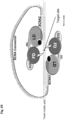


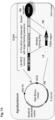
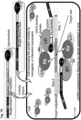

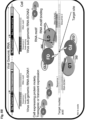



Classifications
-
- A—HUMAN NECESSITIES
- A61—MEDICAL OR VETERINARY SCIENCE; HYGIENE
- A61K—PREPARATIONS FOR MEDICAL, DENTAL OR TOILETRY PURPOSES
- A61K31/00—Medicinal preparations containing organic active ingredients
- A61K31/70—Carbohydrates; Sugars; Derivatives thereof
- A61K31/7088—Compounds having three or more nucleosides or nucleotides
- A61K31/7105—Natural ribonucleic acids, i.e. containing only riboses attached to adenine, guanine, cytosine or uracil and having 3'-5' phosphodiester links
-
- A—HUMAN NECESSITIES
- A61—MEDICAL OR VETERINARY SCIENCE; HYGIENE
- A61K—PREPARATIONS FOR MEDICAL, DENTAL OR TOILETRY PURPOSES
- A61K31/00—Medicinal preparations containing organic active ingredients
- A61K31/70—Carbohydrates; Sugars; Derivatives thereof
- A61K31/7088—Compounds having three or more nucleosides or nucleotides
- A61K31/711—Natural deoxyribonucleic acids, i.e. containing only 2'-deoxyriboses attached to adenine, guanine, cytosine or thymine and having 3'-5' phosphodiester links
-
- A—HUMAN NECESSITIES
- A61—MEDICAL OR VETERINARY SCIENCE; HYGIENE
- A61K—PREPARATIONS FOR MEDICAL, DENTAL OR TOILETRY PURPOSES
- A61K31/00—Medicinal preparations containing organic active ingredients
- A61K31/70—Carbohydrates; Sugars; Derivatives thereof
- A61K31/7088—Compounds having three or more nucleosides or nucleotides
- A61K31/7115—Nucleic acids or oligonucleotides having modified bases, i.e. other than adenine, guanine, cytosine, uracil or thymine
-
- A—HUMAN NECESSITIES
- A61—MEDICAL OR VETERINARY SCIENCE; HYGIENE
- A61K—PREPARATIONS FOR MEDICAL, DENTAL OR TOILETRY PURPOSES
- A61K31/00—Medicinal preparations containing organic active ingredients
- A61K31/70—Carbohydrates; Sugars; Derivatives thereof
- A61K31/7088—Compounds having three or more nucleosides or nucleotides
- A61K31/712—Nucleic acids or oligonucleotides having modified sugars, i.e. other than ribose or 2'-deoxyribose
-
- A—HUMAN NECESSITIES
- A61—MEDICAL OR VETERINARY SCIENCE; HYGIENE
- A61K—PREPARATIONS FOR MEDICAL, DENTAL OR TOILETRY PURPOSES
- A61K31/00—Medicinal preparations containing organic active ingredients
- A61K31/70—Carbohydrates; Sugars; Derivatives thereof
- A61K31/7088—Compounds having three or more nucleosides or nucleotides
- A61K31/7125—Nucleic acids or oligonucleotides having modified internucleoside linkage, i.e. other than 3'-5' phosphodiesters
-
- A—HUMAN NECESSITIES
- A61—MEDICAL OR VETERINARY SCIENCE; HYGIENE
- A61K—PREPARATIONS FOR MEDICAL, DENTAL OR TOILETRY PURPOSES
- A61K31/00—Medicinal preparations containing organic active ingredients
- A61K31/70—Carbohydrates; Sugars; Derivatives thereof
- A61K31/7088—Compounds having three or more nucleosides or nucleotides
- A61K31/713—Double-stranded nucleic acids or oligonucleotides
-
- A—HUMAN NECESSITIES
- A61—MEDICAL OR VETERINARY SCIENCE; HYGIENE
- A61K—PREPARATIONS FOR MEDICAL, DENTAL OR TOILETRY PURPOSES
- A61K38/00—Medicinal preparations containing peptides
-
- C—CHEMISTRY; METALLURGY
- C07—ORGANIC CHEMISTRY
- C07K—PEPTIDES
- C07K19/00—Hybrid peptides, i.e. peptides covalently bound to nucleic acids, or non-covalently bound protein-protein complexes
-
- C—CHEMISTRY; METALLURGY
- C12—BIOCHEMISTRY; BEER; SPIRITS; WINE; VINEGAR; MICROBIOLOGY; ENZYMOLOGY; MUTATION OR GENETIC ENGINEERING
- C12N—MICROORGANISMS OR ENZYMES; COMPOSITIONS THEREOF; PROPAGATING, PRESERVING, OR MAINTAINING MICROORGANISMS; MUTATION OR GENETIC ENGINEERING; CULTURE MEDIA
- C12N15/00—Mutation or genetic engineering; DNA or RNA concerning genetic engineering, vectors, e.g. plasmids, or their isolation, preparation or purification; Use of hosts therefor
-
- C—CHEMISTRY; METALLURGY
- C12—BIOCHEMISTRY; BEER; SPIRITS; WINE; VINEGAR; MICROBIOLOGY; ENZYMOLOGY; MUTATION OR GENETIC ENGINEERING
- C12N—MICROORGANISMS OR ENZYMES; COMPOSITIONS THEREOF; PROPAGATING, PRESERVING, OR MAINTAINING MICROORGANISMS; MUTATION OR GENETIC ENGINEERING; CULTURE MEDIA
- C12N15/00—Mutation or genetic engineering; DNA or RNA concerning genetic engineering, vectors, e.g. plasmids, or their isolation, preparation or purification; Use of hosts therefor
- C12N15/09—Recombinant DNA-technology
- C12N15/10—Processes for the isolation, preparation or purification of DNA or RNA
- C12N15/102—Mutagenizing nucleic acids
-
- C—CHEMISTRY; METALLURGY
- C12—BIOCHEMISTRY; BEER; SPIRITS; WINE; VINEGAR; MICROBIOLOGY; ENZYMOLOGY; MUTATION OR GENETIC ENGINEERING
- C12N—MICROORGANISMS OR ENZYMES; COMPOSITIONS THEREOF; PROPAGATING, PRESERVING, OR MAINTAINING MICROORGANISMS; MUTATION OR GENETIC ENGINEERING; CULTURE MEDIA
- C12N15/00—Mutation or genetic engineering; DNA or RNA concerning genetic engineering, vectors, e.g. plasmids, or their isolation, preparation or purification; Use of hosts therefor
- C12N15/09—Recombinant DNA-technology
- C12N15/11—DNA or RNA fragments; Modified forms thereof; Non-coding nucleic acids having a biological activity
- C12N15/62—DNA sequences coding for fusion proteins
-
- C—CHEMISTRY; METALLURGY
- C12—BIOCHEMISTRY; BEER; SPIRITS; WINE; VINEGAR; MICROBIOLOGY; ENZYMOLOGY; MUTATION OR GENETIC ENGINEERING
- C12N—MICROORGANISMS OR ENZYMES; COMPOSITIONS THEREOF; PROPAGATING, PRESERVING, OR MAINTAINING MICROORGANISMS; MUTATION OR GENETIC ENGINEERING; CULTURE MEDIA
- C12N15/00—Mutation or genetic engineering; DNA or RNA concerning genetic engineering, vectors, e.g. plasmids, or their isolation, preparation or purification; Use of hosts therefor
- C12N15/09—Recombinant DNA-technology
- C12N15/63—Introduction of foreign genetic material using vectors; Vectors; Use of hosts therefor; Regulation of expression
- C12N15/79—Vectors or expression systems specially adapted for eukaryotic hosts
- C12N15/82—Vectors or expression systems specially adapted for eukaryotic hosts for plant cells, e.g. plant artificial chromosomes (PACs)
- C12N15/8201—Methods for introducing genetic material into plant cells, e.g. DNA, RNA, stable or transient incorporation, tissue culture methods adapted for transformation
- C12N15/8213—Targeted insertion of genes into the plant genome by homologous recombination
-
- C—CHEMISTRY; METALLURGY
- C12—BIOCHEMISTRY; BEER; SPIRITS; WINE; VINEGAR; MICROBIOLOGY; ENZYMOLOGY; MUTATION OR GENETIC ENGINEERING
- C12N—MICROORGANISMS OR ENZYMES; COMPOSITIONS THEREOF; PROPAGATING, PRESERVING, OR MAINTAINING MICROORGANISMS; MUTATION OR GENETIC ENGINEERING; CULTURE MEDIA
- C12N15/00—Mutation or genetic engineering; DNA or RNA concerning genetic engineering, vectors, e.g. plasmids, or their isolation, preparation or purification; Use of hosts therefor
- C12N15/09—Recombinant DNA-technology
- C12N15/63—Introduction of foreign genetic material using vectors; Vectors; Use of hosts therefor; Regulation of expression
- C12N15/79—Vectors or expression systems specially adapted for eukaryotic hosts
- C12N15/82—Vectors or expression systems specially adapted for eukaryotic hosts for plant cells, e.g. plant artificial chromosomes (PACs)
- C12N15/8241—Phenotypically and genetically modified plants via recombinant DNA technology
- C12N15/8242—Phenotypically and genetically modified plants via recombinant DNA technology with non-agronomic quality (output) traits, e.g. for industrial processing; Value added, non-agronomic traits
- C12N15/8243—Phenotypically and genetically modified plants via recombinant DNA technology with non-agronomic quality (output) traits, e.g. for industrial processing; Value added, non-agronomic traits involving biosynthetic or metabolic pathways, i.e. metabolic engineering, e.g. nicotine, caffeine
- C12N15/825—Phenotypically and genetically modified plants via recombinant DNA technology with non-agronomic quality (output) traits, e.g. for industrial processing; Value added, non-agronomic traits involving biosynthetic or metabolic pathways, i.e. metabolic engineering, e.g. nicotine, caffeine involving pigment biosynthesis
-
- C—CHEMISTRY; METALLURGY
- C12—BIOCHEMISTRY; BEER; SPIRITS; WINE; VINEGAR; MICROBIOLOGY; ENZYMOLOGY; MUTATION OR GENETIC ENGINEERING
- C12N—MICROORGANISMS OR ENZYMES; COMPOSITIONS THEREOF; PROPAGATING, PRESERVING, OR MAINTAINING MICROORGANISMS; MUTATION OR GENETIC ENGINEERING; CULTURE MEDIA
- C12N15/00—Mutation or genetic engineering; DNA or RNA concerning genetic engineering, vectors, e.g. plasmids, or their isolation, preparation or purification; Use of hosts therefor
- C12N15/09—Recombinant DNA-technology
- C12N15/63—Introduction of foreign genetic material using vectors; Vectors; Use of hosts therefor; Regulation of expression
- C12N15/79—Vectors or expression systems specially adapted for eukaryotic hosts
- C12N15/82—Vectors or expression systems specially adapted for eukaryotic hosts for plant cells, e.g. plant artificial chromosomes (PACs)
- C12N15/8241—Phenotypically and genetically modified plants via recombinant DNA technology
- C12N15/8242—Phenotypically and genetically modified plants via recombinant DNA technology with non-agronomic quality (output) traits, e.g. for industrial processing; Value added, non-agronomic traits
- C12N15/8243—Phenotypically and genetically modified plants via recombinant DNA technology with non-agronomic quality (output) traits, e.g. for industrial processing; Value added, non-agronomic traits involving biosynthetic or metabolic pathways, i.e. metabolic engineering, e.g. nicotine, caffeine
- C12N15/8251—Amino acid content, e.g. synthetic storage proteins, altering amino acid biosynthesis
-
- C—CHEMISTRY; METALLURGY
- C12—BIOCHEMISTRY; BEER; SPIRITS; WINE; VINEGAR; MICROBIOLOGY; ENZYMOLOGY; MUTATION OR GENETIC ENGINEERING
- C12N—MICROORGANISMS OR ENZYMES; COMPOSITIONS THEREOF; PROPAGATING, PRESERVING, OR MAINTAINING MICROORGANISMS; MUTATION OR GENETIC ENGINEERING; CULTURE MEDIA
- C12N15/00—Mutation or genetic engineering; DNA or RNA concerning genetic engineering, vectors, e.g. plasmids, or their isolation, preparation or purification; Use of hosts therefor
- C12N15/09—Recombinant DNA-technology
- C12N15/87—Introduction of foreign genetic material using processes not otherwise provided for, e.g. co-transformation
- C12N15/90—Stable introduction of foreign DNA into chromosome
- C12N15/902—Stable introduction of foreign DNA into chromosome using homologous recombination
-
- C—CHEMISTRY; METALLURGY
- C12—BIOCHEMISTRY; BEER; SPIRITS; WINE; VINEGAR; MICROBIOLOGY; ENZYMOLOGY; MUTATION OR GENETIC ENGINEERING
- C12N—MICROORGANISMS OR ENZYMES; COMPOSITIONS THEREOF; PROPAGATING, PRESERVING, OR MAINTAINING MICROORGANISMS; MUTATION OR GENETIC ENGINEERING; CULTURE MEDIA
- C12N15/00—Mutation or genetic engineering; DNA or RNA concerning genetic engineering, vectors, e.g. plasmids, or their isolation, preparation or purification; Use of hosts therefor
- C12N15/09—Recombinant DNA-technology
- C12N15/87—Introduction of foreign genetic material using processes not otherwise provided for, e.g. co-transformation
- C12N15/90—Stable introduction of foreign DNA into chromosome
- C12N15/902—Stable introduction of foreign DNA into chromosome using homologous recombination
- C12N15/907—Stable introduction of foreign DNA into chromosome using homologous recombination in mammalian cells
-
- C—CHEMISTRY; METALLURGY
- C12—BIOCHEMISTRY; BEER; SPIRITS; WINE; VINEGAR; MICROBIOLOGY; ENZYMOLOGY; MUTATION OR GENETIC ENGINEERING
- C12N—MICROORGANISMS OR ENZYMES; COMPOSITIONS THEREOF; PROPAGATING, PRESERVING, OR MAINTAINING MICROORGANISMS; MUTATION OR GENETIC ENGINEERING; CULTURE MEDIA
- C12N9/00—Enzymes; Proenzymes; Compositions thereof; Processes for preparing, activating, inhibiting, separating or purifying enzymes
- C12N9/14—Hydrolases (3)
- C12N9/16—Hydrolases (3) acting on ester bonds (3.1)
- C12N9/22—Ribonucleases [RNase]; Deoxyribonucleases [DNase]
-
- A—HUMAN NECESSITIES
- A61—MEDICAL OR VETERINARY SCIENCE; HYGIENE
- A61K—PREPARATIONS FOR MEDICAL, DENTAL OR TOILETRY PURPOSES
- A61K48/00—Medicinal preparations containing genetic material which is inserted into cells of the living body to treat genetic diseases; Gene therapy
-
- C—CHEMISTRY; METALLURGY
- C07—ORGANIC CHEMISTRY
- C07K—PEPTIDES
- C07K2319/00—Fusion polypeptide
- C07K2319/01—Fusion polypeptide containing a localisation/targetting motif
-
- C—CHEMISTRY; METALLURGY
- C07—ORGANIC CHEMISTRY
- C07K—PEPTIDES
- C07K2319/00—Fusion polypeptide
- C07K2319/01—Fusion polypeptide containing a localisation/targetting motif
- C07K2319/09—Fusion polypeptide containing a localisation/targetting motif containing a nuclear localisation signal
Definitions
- the present invention relates to compositions for targeting and modifying nucleic acid sequences utilizing a programmable molecular complex.
- genomic nucleotide sequences A major area of interest in biology and medicine is targeted alteration of genomic nucleotide sequences. Such alterations include insertion, deletion and replacement of endogenous chromosomal nucleic acid sequences. Past attempts have been made by others to alter genomic sequences by different techniques.
- Gene targeting is a biotechnological tool desired for genome manipulation or genome functional modification. Gene targeting can induce a change in a specific genomic location which may or may not, be related to coding sequences.
- a predefined endogenous gene or another predefined endogenous nucleic acid sequence, is either targeted for cleavage resulting in deletion, mutation, insertion or replacement or targeted for chemical modification by targeted gene-functional modification.
- One advantage of gene-targeting over untargeted transgenic organism production is the possibility to modify or delete existing genomic sequences without insertion of foreign DNA, or alternatively, place a foreign donor DNA, by insertion or replacement, in a predefined locus. It is advantageous to be able to thus manipulate a sequence without superfluous sequences, as these are undesired by breeders, farmers, consumers and regulatory agencies, and while many techniques for avoiding such sequences have been suggested, each suffers from its own shortcomings.
- the strategies for gene targeting in Eukaryotes are dependent on two cellular dsDNA break repair mechanisms: The homologous recombination (HR) and non-homologous-end-joining (NHEJ) repair pathways.
- HR homologous recombination
- NHEJ non-homologous-end-joining
- HR can be induced by dsDNA breaks.
- a dsDNA break is not essential, but may improve the efficiency if located near the recombination site.
- HR mediated gene targeting which functions usefully well in many organisms such as bacteria, yeast and the primitive plant, moss. HR has also been utilized in higher organisms such as drosophila, mice, and humans. Rates of HR in these organisms are about 10 ⁇ -6, and can be increased to over 10 ⁇ -2, in assisted HR, by creating a gene specific DSB. Low rates of transformants are one reason these methods are not prevalent in gene therapy or breeding programs.
- enzyme based methods use a DNA-binding protein which has both a desired catalytic activity and the ability to bind the desired target sequence through a protein-nucleic-acid interaction in a manner similar to restriction enzymes.
- examples include meganucleases which are naturally occurring or engineered rare sequence cutting enzymes, zinc finger nucleases (ZFNs) or transcription activator-like nucleases (TALENs) which contain the FokI catalytic nuclease subunit linked to a modified DNA binding domain and can cut one predetermined sequence each.
- the binding domain is comprised of chains of amino-acids folding into customized zinc finger domains.
- TALENs similarly, 34 amino acid repeats originating from transcription factors fold into a huge DNA-binding domain.
- these enzymes can cleave genomic DNA to form a double strand break (DSB) or create a nick which can be repaired by one of two repair pathways, non-homologous end joining (NHEJ) or homologous recombination (HR).
- NHEJ non-homologous end joining
- HR homologous recombination
- the NHEJ pathway can potentially result in specific mutations, deletions, insertions or replacement events.
- the HR pathway results in replacement of the targeted sequence by a supplied donor sequence.
- nucleic acids are supplied to the organism and endogenous processes bring about DNA repair or gene-targeting through unassisted homologous recombination or integration of the oligonucleotide into the genome.
- These nucleic acids can be supplied using viral-vectors, plasmid vectors, T-DNA vectors and double-stranded DNA oligonucleotides.
- Shorter nucleotides termed Triple-helix forming oligonucleotides (TFOs) are used for Oligonucleotide-based mismatch repair, and can attain repair of point mutations or up to 4 nucleotide repair.
- DSBs Double strand breaks (DSB) in DNA are necessary for HR. Specific pre-existing DSBs are not essential but improve efficiency. Natural breaks in DNA are randomly located and rare, and thus efficiency, thus, must be low (10 ⁇ -6). DSBs can be randomly induced by ionizing radiation or oxidizing chemicals, improving efficiency at the expense of genotoxicity. In an improvement to this system, assisted HR or repair has been performed in the past using non-enzymatic DNA cleavage assisted by chemical modification of the terminus of a nucleic acid.
- oligonucleotides or modified oligonucleotides, derived from single-stranded DNA (ssDNA), otherwise known as "small synthetic single-stranded oligodeoxynucleotides (ODNs or ssODNs).
- ssDNA single-stranded DNA
- ODNs or ssODNs small synthetic single-stranded oligodeoxynucleotides
- Oligonucleotide-enzyme conjugates are a combination of the two methods comprising of a nucleic acid covalently bound in-vitro to a catalytic enzyme prior to supplying the conjugate to the organism. These methods, in contrast to enzyme-only methods are modular, allowing preparation of conjugates aimed at a diversity of target sequences.
- the main disadvantage of oligonucleotide-enzyme conjugates is that they cannot self-assemble in vivo, thereby severely limiting their usefulness for genome editing in vivo.
- Additional critical disadvantage of such systems known in the art is that in uses of these conjugates the enzyme component is active as a monomer, and thus any binding of the enzyme to a nucleic acid, specific or not, will result in cleavage. Such non-specific cleavage severely reduces the safety of such systems, as they might introduce undesired changes/mutations at undesired locations.
- Non-conjugated oligonucleotide-protein systems have also been used to cleave a ssDNA substrate.
- a Class-IIS Restriction Enzyme, FokI which cleaves outside its recognition site was used in vitro, in conjunction with a hairpin forming oligonucleotide which reconstitutes the FokI recognition sequence, with a PolIk enzyme and dNTPs to create a double-strand section of DNA primed by the oligonucleotide to be cleaved.
- FokI has only a 5-nucleotide recognition site this implies there are thousands of potential cleavage sites in a whole genome, rendering this system useless for genome editing.
- NHEJ pathway is the predominant endogenous mechanism.
- the plant DNA-repair machinery does not permit efficient HR between donor and chromosomal DNA. Indeed, it is widely accepted that foreign donor DNA molecules, which are often delivered by Agrobacterium-mediated genetic transformation, are recognized by the plant Non-Homologous End Joining (NHEJ) pathway, which leads to their random integration throughout the host genome.
- NHEJ Non-Homologous End Joining
- nucleases in vivo. These include rare-sequence cutting nucleases (rare-cutters) such as meganucleases or chimeric meganucleases, derived from homing endonucleases, custom-made recombinant Zinc-Finger-Nucleases (ZFNs), or custom-made recombinant TAL effector nucleases.
- rare-sequence cutting nucleases such as meganucleases or chimeric meganucleases, derived from homing endonucleases, custom-made recombinant Zinc-Finger-Nucleases (ZFNs), or custom-made recombinant TAL effector nucleases.
- Zinc Finger Nucleases are chimeric proteins, constructed as hybrids between the FokI nuclease subunit and synthetic zinc-finger (ZF) domains. Zinc Finger Nucleases do not contain a nucleic acid component. ZFNs are designed to specifically recognize nucleotide triplets through a combination of several ZF motifs.
- ZFNs cannot be constructed to recognize all sequences due to their inherent ability to recognize only a limited subset of nucleotide triplets.
- ZFNs have also been utilized to create artificial transcription factors both for activation and for repression of genes, for altering gene regulation.
- Zinc finger based transcription factors cannot bind all sequences, being limited in length of recognition site and limited to several specific tri-nucleotide motifs, and thus cannot be utilized to activate or suppress all possible genes.
- Schierling et. al. disclose a novel zinc finger nuclease platform with a sequence-specific cleavage module.
- Eisenschmidt K, et. al. disclose a programmed restriction endonuclease for highly specific DNA cleavage.
- WO 2006/027099 is directed to enzyme conjugates with a programmable specificity, which react in a highly specific manner with DNA.
- Kubo et. al. disclose the control of intracellular delivery of oligonucleotides by signal peptides and genetic expression in human cells.
- Jinek et. al. disclose a programmable Dual-RNA-Guided DNA endonuclease in adaptive bacterial immunity.
- WO 2012/129373 is directed to methods for producing a complex transgenic trait locus.
- WO 2011/017315 relates to methods and compositions for gene targeting utilizing fusion molecules comprising a recombinase domain and a sequence-specific DNA-binding domain.
- the present invention provides nucleoprotein compositions for modifying nucleic acid sequences, in-vivo or in-vitro.
- the novel nucleoprotein composition provided herein is used to edit or functionally modify a predetermined nucleic acid sequence target precisely, reliably and cost effectively.
- the nucleoprotein composition disclosed herein is used for gene-targeting and/or targeted gene-functional modification including generation of breaks in one or two strands of the target nucleic acid to initiate gene mutation, deletion, gene replacement, and integration of a foreign nucleic acid molecule.
- the nucleoprotein composition for modifying a predetermined target site in a target nucleic acid sequence in a target cell the composition comprises
- the present invention provides an advantageous composition
- a protein effector module or a nucleic acid molecule encoding the same
- a programming/targeting nucleic-acid module which can self-assemble in-vivo into a specific, active nucleic acid modifying molecular nucleoprotein complex.
- the nucleic acid also termed herein as a "programming moiety", “programming oligonucleotide” or “specificity-conferring nucleic acid” (SCNA) provides the specificity and binding capabilities of the molecular complex to the target nucleic acid through base-pairing of said specificity-conferring nucleic acid and a target nucleic acid.
- the protein effector component or module of this complex is designed to bind/link/attach to the specificity determining nucleic acid by a chemical moiety attached to the oligonucleotide, a modification of a nucleotide or nucleotides on the oligonucleotide, a specific recognition sequence on the oligonucleotide, and the like, or combinations thereof.
- the compositions disclosed herein confer higher specificity with a wide range of desired target sequences, are less genotoxic, modular in their assembly, reliable, utilize a single platform without customization, practical for independent use outside of specialized core-facilities, and have a shorter development time frame and reduced costs.
- the activity of the protein module may result in the modification of the target nucleic acid sequence and/or the functional modification of the target nucleic acid.
- Target nucleic acid modification include mutation, deletion, insertion, and replacement.
- Target nucleic acid functional modification may lead to, but is not limited to: changes in transcriptional activation, transcriptional inactivation, alternative splicing, chromatin rearrangement, pathogen inactivation, virus inactivation, change in cellular localization, compartmentalization of nucleic acid, and the like, or combinations thereof. Any editing action or other modification effected by the protein moiety is directed or guided to an intended (predefined) specific target nucleic acid by its linkage to the specificity-conferring nucleic acid.
- each single type of protein component may be combined with an unlimited assortment of nucleotide-sequences of specificity determining nucleic acids concomitantly or separately, to allow similar action on different sections of intended target nucleic acid.
- This allows overcoming shortcoming of state of the art methods, by providing a versatile, reliable and cost effective methods and compositions for modifying predetermined nucleic acid sequence targets.
- only one type of protein is to be provided with any combination or multiplicity of specificity determining nucleic acid types.
- This also includes the possibility to concomitantly use more than one type of protein component with more than one type of specificity determining nucleic acids.
- the complex disclosed herein is modular and can self-assemble within a target cell either in vivo or in vitro, allowing the supply of one type of protein moiety at a time with one or a multiplicity of specificity-determining oligonucleotides concomitantly.
- the protein component can be delivered to a desired cell(s) and expressed in vivo, awaiting the delivery of any appropriate SCNA at a later time.
- the protein component and the SCNA may be delivered simultaneously, or essentially simultaneously.
- the combination of the protein component and the SCNA preferably within the desired target cell, may accomplish the induction of specific genomic double strand breaks (DSBs), or any other desired nucleic acid modification, in vivo.
- the methods disclosed herein are not limited to the introduction of point mutations to the target nucleic acid, as the molecular complex can target any nucleic-acid sequence or pair of sequences, cut/restrict/cleave in close proximity to them, and consequentially delete a small or large nucleic acid section, or cut/restrict/cleave the sequence in order to initiate a removal, or an insertion, or a replacement of any nucleic acid sequence.
- the present invention in embodiments thereof, discloses for the first time expression of a protein component in-vivo and its binding/attachment to the SCNA(s) by self-assembling in-vivo to form a molecular complex in-vivo, without the need of prior covalent/chemical linking between the protein moiety and the targeting nucleic acid.
- the SCNA bound to the protein in contrast to the oligonucleotide-based systems known in the art, is not intended to function as a donor, but rather as a specificity conferring moiety, and does not become part of the modified nucleic acid.
- the SCNA can be expressed in vivo in a manner that causes the assembly of all the components of the molecular complex with a single delivery event.
- the effector protein can be designed to be active only upon it's dimerization (i.e. it must form a dimer to be active), whereby the dimerization can be controlled such that an active dimer can only form when it is targeted/programmed by an SCNA and bound to its target site, for example, when the molecular distances between the monomeric partners (proteins) of the dimer are precise enough.
- the molecular complex is activated only at its intended target site, thereby enhancing specificity and reliability.
- one protein component may be expressed to form/produce homo-dimers, each programmed/targeted by a different oligonucleotide conferring specificity.
- viral expression systems which are known in the art for use for protein expression in-vivo, are often limited to the production of one protein due to size constraints, and are often exclusive to similar viruses due to cross protection, using one protein component has thus a critical advantage for that mode of delivery.
- SCNAs programming oligonucleotides
- oligonucleotides can be supplied concomitantly with a single protein effector moiety, it is possible to modify more than one target at the same time, providing additional advantages over methods know in the art. This can be useful, for example, for rapidly knocking out a multiplicity of genes, or for inserting several different traits in different locations, or for tagging several different locations with one donor nucleotide tag.
- an unprogrammed protein component i.e. a protein not attached/linked to a programming oligonucleotide
- a programming oligonucleotide has no or very low affinity to target nucleic acids
- improved specificity and safety and reduced genotoxicity are advantageously obtained.
- the effector or catalytic domain of the protein component is only active upon dimerization, whereby at least two programming oligonucleotides (SCNAs) must bind the target flanking sequences to cause protein dimerization and activation.
- SCNAs programming oligonucleotides
- Two sufficiently long programming oligonucleotides can impart the very high theoretical specificity needed in high complexity genomes by creating extensive complementarity with the binding sites.
- the unprogrammed expressed protein has no affinity to the target nucleic acid it does not bind, and/or modify the target nucleic acid.
- the programming oligonucleotides are delivered/supplied separately to the target cell (which already expresses the unprogrammed protein component), or in conditions where oligonucleotides are depleted from the target cell (for example, by dilution or degradation) no unspecific cleavage can occur, thereby increasing safety and reducing genotoxicity.
- both directed non-homologous-end-joining (NHEJ) and assisted homologous recombination (HR) may be utilized specifically and in a programmable manner to achieve one or more of the following:
- the advantages of the compositions disclosed herein include the creation of a general enzymatic complex construction scheme that can target an unlimited selection of sequences.
- a protein component has been optimized for a specific purpose (e.g. dsDNA cleavage)
- SCNA programming nucleic acid
- the diversity of target sequences to be affected is achieved by the design of the SCNA, without the difficult and time-consuming necessity of protein re-design and optimization, which is inherent in other methods known in the art, such as, TALENs, ZFNs and Meganucleases, where the protein itself must be changed and adapted for every target sequence.
- SCNAs Designing and preparing synthetic SCNAs is relatively simple, rapid and relatively inexpensive. It is also possible, in some embodiments of this inventiondisclosure, to produce SCNAs in-vivo, circumventing the necessity to deliver chemically synthesized SCNAs to a cell. Furthermore, SCNAs can be designed to base pair to almost any desired target sequence, and thus, can direct the molecular complex to almost any target sequence. Moreover, several target sequences may be used in the same cell concomitantly. For example, in editing functions which require more than one cleavage site, such as deletion or replacement of specific stretches of nucleic acid, by simply providing four different SCNAs and one protein moiety.
- nucleo-protein composition for modifying a predetermined target site in a target nucleic acid sequence in a target cell, the composition comprising:
- the functional domain comprises a catalytic domain.
- the polypeptide further comprises a subcellular localization domain.
- Modifying the target nucleic acid is selected from: mutation, deletion, insertion, replacement, and double-strand-break creation.
- the SCNA comprises a nucleic acid molecule selected from the group consisting of a single-strand DNA, a single strand RNA, a double strand RNA, a modified DNA, a modified RNA, a locked-nucleic acid (LNA) and a peptide-nucleic acid (PNA) or combinations thereof.
- a nucleic acid molecule selected from the group consisting of a single-strand DNA, a single strand RNA, a double strand RNA, a modified DNA, a modified RNA, a locked-nucleic acid (LNA) and a peptide-nucleic acid (PNA) or combinations thereof.
- the recognition region of the SCNA comprises a modification selected from 5'-end modification, 3'-end modification, and internal modification.
- the chemical modification is selected from the group consisting of a nucleotide modification, and addition of a non nucleotide moiety.
- the non nucleotide moiety is selected from: Biotin, Fluorescein, Amine-linkers, oligo-peptides, Aminoallyl, a dye molecule, fluorophores, Digoxigenin, Acrydite, Adenylation, Azide, NHS-Ester, Cholesteryl-TEG, Alkynes, Photocleavable Biotin, Thiol, Dithiol.
- the nucleotide modification is selected from the group consisting of phosphate, 2-Aminopurine, Trimer-20, 2,6-Diaminopurine, 5-Bromo-deoxiUridine, DeoxiUridine, Inverted dT, dideoxi-nucleotides, 5-methyl deoxyCytidine, deoxyInosine, 5-nitroindole, 2-O-methyl RNA bases, Iso-dC, Iso-dG, Fluorine modified bases and Phosphorothioate bonds.
- the modification is selected from the group consisting of a nucleotide modification, Biotin, Fluorescein, Amine-linkers, oligo-peptides, Aminoallyl, a dye molecule, fluorophores, Digoxygenin, Acrydite, Adenylation, Azide, NHS-Ester, Cholesteryl-TEG, Alkynes, Photocleavable Biotin, Thiol, Dithiol, Modified bases, phosphate, 2-Aminopurine, Trimer-20, 2,6-Diaminopurine, 5-Bromo-deoxiUridine, DeoxiUridine, Inverted dT, dideoxi-nucleotides, 5-methyl deoxyCytidine, deoxyInosine, 5-nitroindole, 2-O-methyl RNA bases, Iso-dC, Iso-dG, Flourine modified bases and Phosphorothioate bonds, and proteins covalently bound by their interaction with the specific nucle
- proteins covalently bound by their interaction with the specific nucleotide sequences may be selected from, but not limited to: Agrobacterium VirD2 protein, Picornavirus VPg, Topoisomerase, PhiX174 phage A protein, PhiX A* protein and any variants thereof.
- the attachment/binding/association between the modification on the SCNA and the linking domain results from an interaction of a binding-pair selected from non-covalent interaction of a binding-pair selected from, but not limited to: Biotin-Avidin; Biotin-Streptavidin; Biotin-modified forms of Avidin; protein-protein; protein-nucleic acid interactions; ligand-receptor interactions; ligand-substrate interactions; antibody-antigen; single chain antibody-antigen; antibody or single chain antibody-hapten; hormone-hormone binding protein; receptor-agonist; receptor-receptor antagonist; IgG-protein A; enzyme-enzyme cofactor; enzyme-enzyme inhibitor; single-strand DNA-VirE2; StickyC - dsDNA; RISC - RNA; viral coat protein-nucleic acid; anti-Fluorescein single-chain variable fragment antibody (anti-FAM ScFV) - Fluorescein; anti-DIG single-chain variable fragment (s)
- the recognition region of the SCNA comprises a nucleotide motif capable of specifically attaching/binding/associating to the linking domain of the chimeric protein.
- the attachment/association/binding between the nucleotide motif and the linking domain is selected from, but not limited to: Zinc finger protein- Zinc finger motif; restriction enzyme recognition domain- restriction enzyme recognition sequence; DNA binding domain of transcription factor- DNA motif; repressor- operator; Leucine zipper -promoter; Helix loop helix- E box domain; RNA binding motifs comprising Arginine-Rich Motif domains, ⁇ protein domains, RNA Recognition Motif (RRM) domains, K-Homology Domains, Double Stranded RNA Binding Motifs, RNA-binding Zinc Fingers, and RNA-Targeting Enzymes-cognate specific RNA sequence; HIV-rev protein- Stem IIB of the HIV rev response element (RRE); Bovine immunodefic
- the target nucleic acid is DNA.
- the target DNA is genomic DNA.
- the target nucleic acid sequence is an extra-chromosomal nucleic acid sequence.
- the extra-chromosomal target nucleic acid sequence resides in an organelle selected from the group consisting of mitochondria, chloroplast, amyloplast and chromoplast.
- the target nucleic acid sequence is a viral nucleic acid sequence.
- the target nucleic acid sequence is a prokaryotic nucleic acid sequence.
- the target nucleic acid sequence is a synthetic nucleic acid sequence.
- the modification is selected from mutation, deletion, insertion, replacement, binding, and double-strand-break creation.
- the chimeric protein (programmable polypeptide) comprises a protein moiety having a nucleic acid modifying activity.
- the chimeric protein comprises a protein moiety having a nucleic acid functional modifier, wherein the functional modification is selected from the group consisting of transcriptional activation, transcriptional inactivation, RNA transcript silencing, alternative RNA splicing, chromatin rearrangement, cellular parasite and virus inactivation and change in cellular localization or compartmentalization of said target nucleic acid sequence.
- the SCNA comprises a molecule selected from the group consisting of a single-strand DNA, a single strand RNA, a double strand RNA, a modified DNA, a modified RNA, a locked-nucleic acid (LNA) and a peptide-nucleic acid (PNA) or combinations thereof.
- the SCNA comprises a specificity-defining sequence configured to specifically interact with the target nucleic acid.
- the interaction between the SCNA and the target nucleic acid is through base pairing, selected from the group consisting of a full double helix base pairing, a partial double helix base pairing, a full triple helix base pairing, a partial triple helix base pairing, and D-loops or branched forms, formed by said base pairing.
- the SCNA comprises a recognition region, configured to associate/bind/attach with a linking domain of the chimeric protein.
- the recognition region comprises a modification selected from the group consisting of 5'-end modification, 3'-end modification, and internal modification.
- the modification is selected from nucleotide modification, Biotin, Fluorescein, Amine-linkers, oligo-peptides, Aminoallyl, a dye molecule, fluorophores, Digoxygenin, Acrydite, Adenylation, Azide, NHS-Ester, Cholesteryl-TEG, Alkynes, Photocleavable Biotin, Thiol, Dithiol, Modified bases, phosphate, 2-Aminopurine, Trimer-20, 2,6-Diaminopurine, 5-Bromo-deoxiUridine, DeoxiUridine, Inverted dT, dideoxi-nucleotides, 5-methyl deoxyCytidine, deoxyInosine, 5-nitroindole, 2-O-methyl
- the association/binding/attachment between the modification on the SCNA and the linking domain results from a non-covalent interaction of a binding-pair selected from: Biotin-Avidin; Biotin-Streptavidin; Biotin-modified forms of Avidin; Protein-protein interactions; protein-nucleic acid interactions; ligand-receptor interactions; ligand-substrate interactions; antibody-antigen interactions; single chain antibody-antigen; antibody or single chain antibody-hapten interactions; hormone-hormone binding protein; receptor-agonist; receptor-receptor antagonist; anti-Fluorescein single-chain variable fragment antibody (anti-FAM ScFV) - Fluorescein; anti-DIG single-chain variable fragment (scFv) immunoglobin (DIG-ScFv) - Digoxigenin (DIG); IgG- protein A; enzyme-enzyme cofactor; enzyme-enzyme inhibitor; single-strand DNA-VirE2; StickyC - dsDNA; RISC -
- binding/association between the specificity conferring nucleic acid sequence and the linking domain of the protein moiety is covalently created in vivo.
- the covalent association of the linking domain and the SCNA results from a biological interaction of Agrobacterium VirD2- Right border sequence or any variants thereof, and is created in a bacterium comprising Agrobacterium.
- the recognition region comprises a nucleotide motif capable of interacting/attaching/binding with the linking domain of the chimeric protein.
- the interaction pair is selected from: Zinc finger protein- Zinc finger motif; restriction enzyme recognition domain- restriction enzyme recognition sequence; DNA binding domain of transcription factor- DNA motif; repressor- operator; Leucine zipper - promoter; Helix loop helix- E box domain; RNA binding motifs comprising Arginine-Rich Motif domains, ⁇ protein domains, RNA Recognition Motif (RRM) domains, K-Homology Domains, Double Stranded RNA Binding Motifs, RNA-binding Zinc Fingers, and RNA-Targeting Enzymes- cognate specific RNA sequence; HIV-rev protein- Stem IIB of the HIV rev response element (RRE); Bovine immunodeficiency virus (BIV) Tat main binding domain- loop 1 of the BIV trans-acting response element (TAR) sequence; Phage lambd
- the predetermined target nucleic acid sequence is involved in a genetic trait, and the modification results in changes in the transcription or translation of a genetic element, by a technical procedure selected from the group consisting of permanently replacing, knocking-out, temporarily or permanently enhancing, shutting-off, knocking-down, and frameshifting.
- the genetic trait is modified by editing the genetic element sequence itself, its regulatory sequences, genes regulating the gene of interest or their regulatory sequences in a regulatory chain of events.
- nucleo-protein complex wherein a physical association between the protein moiety and the specificity conferring nucleic acid moiety form a programmed functional complex.
- the physical association between the linking domain of the protein moiety and the SCNA is based on an affinity interaction selected from the group consisting of ligand-receptor, ligand-substrate, hydrogen bonds, van der Waals bonds, ionic bonds and hydrophobic interaction.
- a host cell having a predetermined genetic modification in a predetermined target site comprising the composition disclosed herein.
- the host cell may be any type of cell, such as, but not limited to: vertebrate cell, mammalian cell, human cell, animal cell, plant cell, invertebrate cell, nematodal cell, insect cell, and a stem cell.
- compositions for modifying a predetermined target nucleic acid comprising a protein moiety, (also referred to herein as a “programmable moiety” or programmable polypeptide), and a nucleic acid moiety, (also referred to herein as a “specificity-conferring nucleic acid” (SCNA) or "the programming nucleic acid”).
- a protein moiety also referred to herein as a "programmable moiety” or programmable polypeptide
- SCNA specificity-conferring nucleic acid
- the components of the molecular complex self-assemble in-vivo in a living cell, organism, tissue, callus, organ or part thereof, whether differentiated or not, in the presence of a target nucleic acid sequence(s) to form an active, programmed functional molecular complex.
- each intervening number there between with the same degree of precision is explicitly contemplated.
- the numbers 7 and 8 are contemplated in addition to 6 and 9, and for the range 6.0-7.0, the number 6.0, 6.1, 6.2, 6.3, 6.4, 6.5, 6.6, 6.7, 6.8, 6.9 and 7.0 are explicitly contemplated.
- administering is directed to providing a pharmaceutical agent or composition to a subject, and includes, but is not limited to, administering by a medical professional and self-administering.
- Parenteral administration means administration not through the intestines. Parenteral administration includes, but is not limited to, subcutaneous administration, intravenous administration, or intramuscular administration.
- Subcutaneous administration means administration just below the skin.
- Intravenous administration means administration into a vein.
- “Intratumoral administration” means administration within a tumor.
- “Chemoembolization” means a procedure in which the blood supply to a tumor is blocked surgically or mechanically and chemotherapeutic agents are administered directly into the tumor.
- antisense refers to nucleotide sequences which are complementary to a specific DNA or RNA sequence.
- antisense strand is used in reference to a nucleic acid strand that is complementary to the "sense" strand.
- Antisense molecules may be produced by any method, including synthesis by ligating the gene(s) of interest in a reverse orientation to a viral promoter which permits the synthesis of a complementary strand. Once introduced into a cell, this transcribed strand combines with natural sequences produced by the cell to form duplexes. These duplexes then block either the further transcription or translation. In this manner, mutant phenotypes may be generated.
- Autonomously replicating vectors are defined here as to comprise any natural or un-natural nucleic acid sequence capable of replicating within a host, comprising but not limited to viruses, modified viruses, certain recombinant vectors and plasmids, replicons and intracellular parasites.
- Cell is defined here as to comprise any type of cell, prokaryotic or a eukaryotic cell, isolated or not, cultured or not, differentiated or not, and comprising also higher level organizations of cells such as tissues, organs, calli, organisms or parts thereof.
- Exemplary cells include, but are not limited to: vertebrate cells, mammalian cells, human cells, plant cells, animal cells, invertebrate cells, nematodal cells, insect cells, stem cells, and the like.
- “Complement” or “complementary” as used herein means Watson-Crick (e.g., A-T/U and C-G) or Hoogsteen base pairing between nucleotides or nucleotide analogs of nucleic acid molecules.
- a full complement or fully complementary may mean 100% complementary base pairing between nucleotides or nucleotide analogs of nucleic acid molecules. Partial complementary may mean less than 100% complementarity, for example 80% complementarity.
- delivery vector or “ delivery vectors” is directed to any delivery vector which can be used in the present invention to put into cell contact or deliver inside cells or subcellular compartments agents/chemicals and molecules (proteins or nucleic acids) needed in the present invention. It includes, but is not limited to, transducing vectors, liposomal delivery vectors, plasmid delivery vectors, viral delivery vectors, bacterial delivery vectors, drug delivery vectors, chemical carriers, polymeric carriers, lipoplexes, polyplexes, dendrimers, microbubbles (ultrasound contrast agents), nanoparticles, emulsions or other appropriate transfer vectors. These delivery vectors allow delivery of molecules, chemicals, macromolecules (genes, nucleic acid(s), proteins), or other vectors such as plasmids and T-DNA. These delivery vectors are molecule carriers.
- Dose as used herein means a specified quantity of a pharmaceutical agent provided in a single administration.
- a dose may be administered in two or more boluses, tablets, or injections.
- the desired dose requires a volume not easily accommodated by a single injection.
- two or more injections may be used to achieve the desired dose.
- a dose may be administered in two or more injections to minimize injection site reaction in an individual.
- Dosage unit as used herein means a form in which a pharmaceutical agent is provided.
- a dosage unit is a vial containing lyophilized oligonucleotide.
- a dosage unit is a vial containing reconstituted oligonucleotide.
- Donor nucleic acid is defined here as any nucleic acid supplied to an organism or receptacle to be inserted or recombined wholly or partially into the target sequence either by DNA repair mechanisms, homologous recombination (HR), or by non-homologous end-joining (NHEJ).
- Duration means the period of time during which an activity or event continues. In certain embodiments, the duration of treatment is the period of time during which doses of a pharmaceutical agent or pharmaceutical composition are administered.
- Expression vector as used herein means any nucleic acid designed to artificially encode an exogenous protein or proteins in a host cell.
- expression vectors comprise plasmid DNA, T-DNA, Virus- RNA, ssDNA or dsDNA, Replicons, autonomously replicating vectors, linear ssDNA, linear dsDNA, phi polymerase products, RNA transcript, circular RNA, and in some applications of the disclosure, genomic and organellar DNA transferred into the host cell.
- Fram is used herein to indicate a non-full length part of a nucleic acid or polypeptide.
- a fragment is itself also a nucleic acid or polypeptide, respectively.
- Gene as used herein may be a natural (e.g., genomic) or synthetic gene comprising transcriptional and/or translational regulatory sequences and/or a coding region and/or non-translated sequences (e.g., introns, 5'- and 3'-untranslated sequences).
- the coding region of a gene may be a nucleotide sequence coding for an amino acid sequence or a functional RNA, such as tRNA, rRNA, catalytic RNA, siRNA, miRNA or antisense RNA.
- a gene may also be an mRNA or cDNA corresponding to the coding regions (e.g., exons and miRNA) optionally comprising 5'- or 3'-untranslated sequences linked thereto.
- a gene may also be an amplified nucleic acid molecule produced in vitro comprising all or a part of the coding region and/or 5'- or 3'-untranslated sequences linked thereto.
- Gene targeting is used herein as any genetic technique that induces a permanent change to a target nucleic acid sequence including deletion, insertion, mutation and replacement of nucleotides in a target sequence.
- Genomic modification is used herein as any modification generated in a genome or a chromosome or extra-chromosomal DNA or organellar DNA of an organism as the result of gene targeting or gene-functional modification.
- Host cell used herein may be a naturally occurring cell or a transformed cell that may contain a vector.
- Host cells may be cultured cells, explants, cells in vivo, and the like.
- Host cells may be prokaryotic cells such as E. coli, or eukaryotic cells such as plant, yeast, insect, amphibian, or mammalian cells, such as CHO and HeLa.
- said host cell is a whole or partial, differentiated or undifferentiated, cell in organism, organ, tissue or callus.
- Identity or “identity” as used herein in the context of two or more nucleic acids or polypeptide sequences mean that the sequences have a specified percentage of residues that are the same over a specified region. The percentage may be calculated by optimally aligning the two sequences, comparing the two sequences over the specified region, determining the number of positions at which the identical residue occurs in both sequences to yield the number of matched positions, dividing the number of matched positions by the total number of positions in the specified region, and multiplying the result by 100 to yield the percentage of sequence identity.
- the residues of the single sequence are included in the denominator but not the numerator of the calculation.
- thymine (T) and uracil (U) may be considered equivalent.
- Identity may be performed manually or by using a computer sequence algorithm such as BLAST or BLAST 2.0.
- Inhibit as used herein may mean prevent, suppress, repress, reduce or eliminate.
- In-vitro is defined herein as an artificial environment outside the membranes of a whole or partial, differentiated or undifferentiated, living organism, organ, tissue, callus or cell. In some embodiments, the term in-vitro is not inside a viable cell.
- In-vivo is defined herein as inside a whole or partial, differentiated or undifferentiated, organism, organ, tissue, callus or cell.
- kits as used herein may comprise the compositions described herein together with any or all of the following: assay reagents, buffers, probes and/or primers, and sterile saline or another pharmaceutically acceptable emulsion and suspension base.
- the kits may include instructional materials containing directions (e.g., protocols) for the practice of the methods described herein.
- Label as used herein means a composition detectable by spectroscopic, photochemical, biochemical, immunochemical, chemical, or other physical means.
- useful labels include 32 P, fluorescent dyes, electron-dense reagents, enzymes (e.g., as commonly used in an ELISA), biotin, digoxigenin, or haptens and other entities which can be made detectable.
- a label may be incorporated into nucleic acids and proteins at any position.
- Mismatch means a nucleobase of a first nucleic acid that is not capable of pairing with a nucleobase at a corresponding position of a second nucleic acid.
- Modified oligonucleotide as used herein means an oligonucleotide having one or more modifications relative to a naturally occurring terminus, sugar, nucleobase, and/or internucleoside linkage.
- Modulation as used herein means a perturbation of function and/or activity and/or structure. In certain embodiments, modulation means an increase in gene expression. In certain embodiments, modulation means a decrease in gene expression.
- “Mutant” as used herein refers to a sequence in which at least a portion of the functionality of the sequence has been lost, for example, changes to the sequence in a promoter or enhancer region will affect at least partially the expression of a coding sequence in an organism.
- the term “mutation,” refers to any change in a sequence in a nucleic acid sequence that may arise such as from a deletion, addition, substitution, or rearrangement. The mutation may also affect one or more steps that the sequence is involved in. For example, a change in a DNA sequence may lead to the synthesis of an altered mRNA and/or a protein that is active, partially active or inactive.
- Nucleic acids may be single stranded or double stranded, or may contain portions of both double stranded and single stranded sequence.
- the nucleic acid may be DNA, both genomic and cDNA, RNA, or a hybrid, where the nucleic acid may contain combinations of deoxyribo- and ribo-nucleotides, and combinations of bases including uracil, adenine, thymine, cytosine, guanine, inosine, xanthine hypoxanthine, isocytosine and isoguanine.
- Nucleic acids may be obtained by chemical synthesis methods or by recombinant methods.
- a nucleic acid will generally contain phosphodiester bonds, although nucleic acid analogs may be included that may have at least one different linkage, e.g., phosphoramidate, phosphorothioate, phosphorodithioate, or O-methylphosphoroamidite linkages and peptide nucleic acid backbones and linkages.
- Other analog nucleic acids include those with positive backbones; non-ionic backbones, and non-ribose backbones, including those described in U.S. Pat. Nos. 5,235,033 and 5,034,506 .
- Nucleic acids containing one or more non-naturally occurring or modified nucleotides are also included within one definition of nucleic acids.
- the modified nucleotide analog may be located for example at the 5'-end and/or the 3'-end of the nucleic acid molecule.
- Representative examples of nucleotide analogs may be selected from sugar- or backbone-modified ribonucleotides. It should be noted, however, that also nucleobase-modified ribonucleotides, i.e. ribonucleotides, containing a non-naturally occurring nucleobase instead of a naturally occurring nucleobase such as uridines or cytidines modified at the 5-position, e.g.
- the 2'-OH-group may be replaced by a group selected from H, OR, R, halo, SH, SR, NH2, NHR, NR2 or CN, wherein R is C1-C6 alkyl, alkenyl or alkynyl and halo is F, Cl, Br or 1.
- Modified nucleotides also include nucleotides conjugated with cholesterol through, e.g., a hydroxyprolinol linkage. Modifications of the ribose-phosphate backbone may be done for a variety of reasons, e.g., to increase the stability and half-life of such molecules in physiological environments, to enhance diffusion across cell membranes, or as probes on a biochip.
- the backbone modification may also enhance resistance to degradation, such as in the harsh endocytic environment of cells.
- the backbone modification may also reduce nucleic acid clearance by hepatocytes, such as in the liver. Mixtures of naturally occurring nucleic acids and analogs may be made; alternatively, mixtures of different nucleic acid analogs, and mixtures of naturally occurring nucleic acids and analogs may be made.
- “Operably linked” used herein may mean that expression of a gene is under the control of a promoter with which it is spatially connected.
- a promoter may be positioned 5' (upstream) or 3' (downstream) of a gene under its control.
- the distance between the promoter and a gene may be approximately the same as the distance between that promoter and the gene it controls in the gene from which the promoter is derived. As is known in the art, variation in this distance may be accommodated without loss of promoter function.
- Promoter may mean a synthetic or naturally-derived molecule which is capable of conferring, activating or enhancing expression of a nucleic acid in a cell.
- a promoter may comprise one or more specific transcriptional regulatory sequences to further enhance expression and/or to alter the spatial expression and/or temporal expression of same.
- a promoter may also comprise distal enhancer or repressor elements, which can be located as much as several thousand base pairs from the start site of transcription.
- a promoter may be derived from sources including viral, bacterial, fungal, plants, insects, and animals.
- a promoter may regulate the expression of a gene component constitutively, or differentially with respect to cell, the tissue or organ in which expression occurs or, with respect to the developmental stage at which expression occurs, or in response to external stimuli such as physiological stresses, pathogens, metal ions, or inducing agents.
- promoters include the bacteriophage T7 promoter, bacteriophage T3 promoter, SP6 promoter, lac operator-promoter, tac promoter, SV40 late promoter, SV40 early promoter, RSV-LTR promoter, CMV IE promoter, , CaMV 35S promoter, NOS promoter, heat-shock promoters, Steroid-regulated promoters, Metal-regulated promoters, Seed promoters and plant ubiquitin promoters.
- Recombinant host cells refers to cells which have been transformed with vectors constructed using recombinant DNA techniques.
- Selectable marker used herein may mean any gene which confers a phenotype on a host cell, tissue, organ, callus or organism in which it is expressed to facilitate their identification and/or selection of those which are transfected or transformed with a genetic construct.
- selectable markers include the ampicillin-resistance gene (AmpR), tetracycline-resistance gene (TcR), bacterial kanamycin-resistance gene (KanR), zeocin resistance gene, the AURI-C gene which confers resistance to the antibiotic aureobasidin A, phosphinothricin-resistance gene (Bar), neomycin phosphotransferase gene (nptII), hygromycin-resistance gene, beta-glucuronidase (GUS) gene, chloramphenicol acetyltransferase (CAT) gene, green fluorescent protein (GFP)-encoding gene and luciferase gene.
- AmpR ampicillin-resistance gene
- TcR tetracycline-resistance gene
- KanR bacterial kanamycin-resistance gene
- zeocin resistance gene the AURI-C gene which confers resistance to the antibiotic aure
- a selectable marker can be produced from a modification of an endogenous gene, for example abolishment of a chemokine receptor expressed and displayed on the surface of a cell when a mutation of this gene results in a frame-shift mutation and can then be negatively selected with an antibody, or for example a W568L mutation in the Tobacco Acetolactate synthase gene which results in resistance the herbicides chlorsulfuron and imazaquin.
- Stringent hybridization conditions mean conditions under which a first nucleic acid sequence (e.g., probe) will hybridize to a second nucleic acid sequence (e.g., target), such as in a complex mixture of nucleic acids. Stringent conditions are sequence-dependent and will be different in different circumstances. Stringent conditions may be selected to be about 5-10°C lower than the thermal melting point (T m ) for the specific sequence at a defined ionic strength and pH.
- the T m may be the temperature (under defined ionic strength, pH, and nucleic acid concentration) at which 50% of the probes complementary to the target hybridize to the target sequence at equilibrium (as the target sequences are present in excess, at T m , 50% of the probes are occupied at equilibrium).
- Stringent conditions may be those in which the salt concentration is less than about 1.0 M sodium ion, such as about 0.01-1.0 M sodium ion concentration (or other salts) at pH 7.0 to 8.3 and the temperature is at least about 30°C for short probes (e.g., about 10-50 nucleotides) and at least about 60°C for long probes (e.g., greater than about 50 nucleotides). Stringent conditions may also be achieved with the addition of destabilizing agents such as formamide. For selective or specific hybridization, a positive signal may be at least 2 to 10 times background hybridization.
- Exemplary stringent hybridization conditions include the following: 50% formamide, 5x SSC, and 1% SDS, incubating at 42°C, or, 5x SSC, 1% SDS, incubating at 65°C, with wash in 0.2x SSC, and 0.1% SDS at 65°C.
- “complementary” as used herein means that a first sequence is at least 60%, 65%, 70%, 75%, 80%, 85%, 90%, 95%, 97%, 98% or 99% identical to the complement of a second sequence over a region of 8, 9, 10, 11, 12, 13, 14, 15, 16, 17, 18, 19, 20, 21, 22, 23, 24, 25, 30, 35, 40, 45, 50, 55, 60, 65, 70, 75, 80, 85, 90, 95, 100 or more nucleotides, or that the two sequences hybridize under stringent hybridization conditions.
- substantially identical means that a first and a second sequence are at least 60%, 65%, 70%, 75%, 80%, 85%, 90%, 95%, 97%, 98% or 99% identical over a region of 8, 9, 10, 11, 12, 13, 14, 15, 16, 17, 18, 19, 20, 21, 22, 23, 24, 25, 30, 35, 40, 45, 50, 55, 60, 65, 70, 75, 80, 85, 90, 95, 100 or more nucleotides or amino acids, or with respect to nucleic acids, if the first sequence is substantially complementary to the complement of the second sequence.
- Target nucleic acid or “target sequence” as used herein is any desired predetermined nucleic acid sequence to be acted upon, including but not limited to coding or non-coding sequences, genes, exons or introns, regulatory sequences, intergenic sequences, synthetic sequences and intracellular parasite sequences.
- the target nucleic acid resides within a target cell, tissue, organ or organism.
- the target nucleic acid comprises a target site, which includes one or more nucleotides within the target sequence, which are modified to any extent by the methods and compositions disclosed herein.
- the target site may comprise one nucleotide.
- the target site may comprise 1-300 nucleotides.
- the target site may comprise about 1-100 nucleotides.
- the target site may comprise about 1-50 nucleotides.
- the target site may comprise about 1-35 nucleotides.
- a target nucleic acid may include more than one target site, that may be identical or different.
- Target gene modification are directed to any genetic technique that results in a permanent or temporary alteration in a target nucleic acid, including but not limited to deletion, insertion, mutation, replacement, nicking, methylation, acetylation, ligation, recombination, helix unwinding, chemical modification, labelling, activation, inactivation and repression of one or more nucleotides in a target sequence.
- “Therapy” as used herein means a disease treatment method.
- therapy includes, but is not limited to, chemotherapy, surgical resection, transplant, and/or chemoembolization.
- the term is directed to an organism having one or more target gene modification(s) in it's genome, introduced by the compositions and methods disclosed herein.
- modification is selected from: insertion, mutation, replacement of one or more nucleotides, nicking, methylation, acetylation, ligation, recombination, helix unwinding, chemical modification, labelling, activation, inactivation and/or repression.
- the organism may be any type of organism, such as, human, animal, plant, and the like.
- Transient expression or “transiently expressing” used herein may refer to the transcription, or translation from a provided nucleic acid in a whole or partial, differentiated or undifferentiated, organism, organ, tissue, callus or cell, said expression being limited due to non-integration of the provided nucleic acid into the stable nucleic acids of the organism, organ, tissue, callus or cell comprising the genome or organellar nucleic acids.
- Vectors for transient expression comprise provided linear or circular ssDNA, dsDNA or RNA, plasmids, autonomously replicating vectors, viruses, in-vitro transcripts, T-DNA, synthetic nucleic acids and modified derivatives thereof.
- transient expression is non-hereditable by definition, it may be expressed continuously in cell lineages and autonomously transferred from cell to cell due to nucleic acid replication outside of a chromosome or an organellar-genome.
- Treating” or “treating” used herein when referring to protection of a subject from a condition may mean preventing, suppressing, repressing, or eliminating the condition.
- Preventing the condition involves administering a composition described herein to a subject prior to onset of the condition.
- Suppressing the condition involves administering the composition to a subject after induction of the condition but before its clinical appearance.
- Repressing the condition involves administering the composition to a subject after clinical appearance of the condition such that the condition is reduced or prevented from worsening.
- Elimination of the condition involves administering the composition to a subject after clinical appearance of the condition such that the subject no longer suffers from the condition.
- nucleic acid means (i) a portion of a referenced nucleotide sequence; (ii) the complement of a referenced nucleotide sequence or portion thereof; (iii) a nucleic acid that is substantially identical to a referenced nucleic acid or the complement thereof; or (iv) a nucleic acid that hybridizes under stringent conditions to the referenced nucleic acid, complement thereof, or a sequence substantially identical thereto.
- Vector as used herein means a nucleic acid sequence used for the purpose of nucleic acid delivery.
- a vector may be used in this disclosure to bring about genetic transformation, the expression of a protein, the transcription of an RNA, or to be used directly as a Donor for homologous recombination or non-homologous end-joining.
- a vector may be a plasmid DNA, T-DNA, Virus- RNA, ssDNA or dsDNA, Replicons, autonomously replicating vectors, linear or circular ssDNA, linear or circular dsDNA, branched phi polymerase products, nucleic acid dendrimers, RNA transcript, circular RNA, bacteriophage, bacterial artificial chromosome or yeast artificial chromosome and in some applications of this inventiondisclosure, genomic and organellar DNA transferred into the host cell.
- a vector may be either non-replicating, a self-replicating extrachromosomal vector or a vector which integrates into a host genome.
- wild type sequence refers to a coding, a non-coding or an interface sequence which is an allelic form of sequence that performs the natural or normal function for that sequence. Wild type sequences include multiple allelic forms of a cognate sequence, for example, multiple alleles of a wild type sequence may encode silent or conservative changes to the protein sequence that a coding sequence encodes.
- the composition comprising the programmable molecular complex which comprises a protein (polypeptidic) moiety, and a nucleic acid moiety, self-assemble in-vivo in a living cell, organism, tissue, callus, organ or part thereof, in the presence of a target nucleic acid sequence(s) to form an active, programmed functional molecular complexes.
- the various programmed molecular complexes can be constructed to permanently modify an existing or imminent eukaryotic, prokaryotic, synthetic, intracellular parasite or viral target sequence such as that found in a genome, a nucleus, a chromosome, a cytoplasm, an organelle, or an extra-chromosomal nucleic acid.
- the target modification performed by the action of the molecular complex comprises heritable and non-heritable, permanent genetic changes/modifications.
- the target is comprised of a nucleic acid involved in a genetic trait of interest which would be advantageous to alter.
- Alterations in the targeted sequence include, for example, but not limited to: permanent deletion, mutation, insertion of nucleic acids, and replacement of a targeted sequence with another nucleic acid sequence, knocking-out, frame-shifting, or any change in any fashion of the transcription or translation of a gene, its regulatory sequences, the genes regulating the gene of interest or their regulatory sequences in a regulatory chain of events.
- Permanent changes to the target nucleic acid include, for example, genetic material editing or sequence alterations such as nucleic-acid mutation, deletion, insertion, replacement and recombination.
- Target modification include, for example, target functional modification which can lead in the cell to changes in transcriptional activation, transcriptional inactivation, RNA silencing, alternative RNA splicing, chromatin rearrangement, intracellular parasite inactivation, and changes in cellular localization or compartmentalization of the target nucleic acid.
- the design of the programmable molecular complex is based on its ability to self-assemble, its ability to target a predefined intended sequence on a target nucleic acid, and its ability to act upon the target sequence in a predetermined fashion.
- the components of the complex are modular and adjustable to be suitable for 1) particular types of molecular action required, 2) the target, and 3) the desired nucleic acid delivery method used for its expression in-vivo.
- the methods and compositions of the present disclosure have several advantages over other systems known in the art.
- the protein moieties of the complex are inactive as monomers, and only correct spacing, within a limited range, of the two SCNA oligonucleotides that bind the target nucleic acid at a predetermined sequence, will result in placement of the effector domains of the protein moieties such that they dimerize and are able to specifically act upon the desired, predetermined target site.
- Such a setting whereby only dimers of programmed molecular complexes (i.e. complex which comprises a protein moiety linked to the SCNA, which is bound to the target nucleic acid), reduces or completely eliminates potential off-site or non-specific cleavage, since the protein moiety by itself does not bind the target nucleic acid and does not act as a monomer.
- the active portion (functional domain), of the molecular complex is designed to be activated only upon dimerization of the functional domain of the protein moiety.
- the unprogrammed protein component is designed to have low or practically no non-specific affinity to nucleic acid sequence and to the target site.
- point modification such as, for example, a point mutation mediated by a nuclease domain, or alternatively, a point methylation mediated by a methylase domain
- two SCNAs designed to bind sequences flanking the target site, should be present to affect the correct spacing of the proteins and allow both their binding and their dimerization with each other.
- the sequence-specificity of the complex advantageously enhances the sequence-specificity of the complex.
- two different sites flanking the region of interest may need to be cleaved concomitantly.
- only one exogenous protein component needs to be expressed along with four SCNAs.
- the oligonucleotides are depleted, either by dilution or by degradation, the unprogrammed expressed protein has no affinity to the target nucleic acid and will cease to act upon it (i.e, in this case, cease cleaving the target nucleic acid).
- the protein (polypeptide) moiety may be expressed as separate polypeptides or as one contiguous protein (polypeptide).
- the protein moiety (component) has different identifiable domain(s), identifiable according to structure and/or function (utility).
- one structural domain may have more than one utility domain, that is, a separable structural domain may have several functions.
- the protein moiety comprises the following structural and/or utility domains: a) an "effector domain" (functional domain), that can interact with and consequently affect the target nucleic acid; and b) a "linking domain", that can directly or indirectly specifically bind the SCNA; and and d) interdomain connectors or spacers; and any combination thereof.
- the "Effector Domain” (also termed herein as “Functional Domain”), interacts with the target nucleic acid after assembly of the molecular complex and exert the intended effect on the target sequence.
- This domain has an enzymatic or catalytic function, comprising a nucleic acid modifying activity.
- This domain is derived from a Fok I nuclease, the effector domain being devoid of the FokI recognition site and binding domain.
- the effector domain is devoid of a specific target-nucleic acid binding site, i.e., it cannot specifically bind a specific target sequence.
- the "Linking Domain” is designed to directly or indirectly specifically bind/attach the SCNA (and in particular, to the SCNA recognition region).
- the binding/attachment between the linking domain and the SCNA can be direct, or indirect through, for example, a modification on the SCNA.
- the attachments/binding/linking between the linking domain and the SCNA enables in vivo the assemblage of the SCNA with the protein moiety.
- the linking domain is constructed by fusing the amino-acid sequence of the protein moiety to amino-acids incorporating a domain which specifically binds a nucleotide sequence or a chemical or a biological element on the specificity-conferring nucleic acid.
- the physical interaction between the Linking Domain and the Specificity Conferring Nucleic Acid can be due to, but is not limited to, an affinity due to one or more of the following types of interactions; ligand-receptor, ligand-substrate, Hydrogen bonds, van der Waals bonds, Covalent bonds formed in-vivo, Ionic bonds and hydrophobic interactions.
- Non-covalent binding examples comprise, one or more, or of fragments or portions or modified forms of the following: binding-pair examples: Biotin-Avidin; Biotin-Streptavidin; Biotin-modified forms of Avidin; Protein-protein; nucleic acid-protein; ligand-receptor; substrate-ligand; antigen-antibody; antigen-single chain antibody; hapten- antibody or -single chain antibody; hormone-hormone binding protein; agonist-receptor; receptor antagonist-receptor; protein A- IgG; enzyme cofactor- enzyme; enzyme inhibitor-enzyme; single-strand DNA-VirE2; dsDNA-StickyC; RNA- Argonaute family protein; dsRNA-RnaseIII family protein; nucleic acid-viral coat protein and Agrobacterium VirD2 or parts thereof- VirD2 binding protein, whereby each of the Specificity-Conferring Nucleic Acid and Linking Domain comprise one of the pair members.
- the Linking Domain contains a single chain antibody ScFV capable of binding the dye Fluorescein which in turn is chemically linked via a linker to a 5'-terminus or a 3'-terminus of the Specificity-Conferring Nucleic Acid, thus enabling the association of the protein moiety and the nucleic acid moiety of the programmable complex.
- the Linking Domain is derived from the C. Elegans PUF5 binding element eight triple-helical repeat, and the Specificity-conferring nucleic acid (SCNA) contains the RNA sequence as set forth in SEQ ID NO:1 (CUCUGUAUCUUGU) at or sufficiently near one of its termini.
- RNA sequence/molecule capable of forming secondary or tertiary structures located within the SCNA, interacts with the linking domain of the protein moiety, which is an RNA-motif-binding Linking Domain, derived from the viral TAT proteins (such as, HIV, BIV, and the like).
- a 20-mer boxB RNA hairpin binding sequence from bacteriophage Phi21 is located on the SCNA and is capable of binding/attaching it's counterpart linking Domain on the protein moiety, which is derived from the RNA-binding protein (RBP) bacteriophage Phi21 NProtein.
- the Linking Domain is derived from a protein which binds Agrobacterium VirD2 protein, comprising VirD2 - binding proteins found in bacteria comprising VBP1, VBP2 and VBP3 and artificial single chain antibodies designed to bind VirD2.
- the SCNA is produced as a ssDNA from a T-DNA in an Agrobacterium, where it is covalently bound at its 5'- terminus to tyrosine 29 of VirD2 which is required for the covalent association, whereby the covalent binding occurs in-vivo.
- the catalysis occurs in the bacterium and the complex is subsequently exported from the bacterium through a bacterial secretion system into a eukaryotic cell comprising whole or partial plant-, animal- and human- cells, tissues, calli and organs.
- the VirD2-binding domain in the Linking Domain binds the VirD2 protein attached to the SCNA thus enabling the association of the protein moiety and the nucleic acid moiety of the programmable complex.
- modifications to VirD2 expressed in the bacterium could be designed that would decrease DNA integration and could be of benefit to avoid non-specific DNA integration.
- Covalent binding formed in vivo in the target organism comprise, respectively, on the recognition region of the SCNA, and in the Linking domain, one or more, of fragments or portions or modified forms of, but not limited to, the following binding-pair example paired by a dash symbol; the RB sequence of T-DNA GTTTACCCGCCAATATATCCTGTCA (SEQ ID NO: 2) - Agrobacterium VirD2; Picornavirus RNA - VPg; DNA - Topoisomerase; PhiX174 phage origin sequence on ssDNA- PhiX174 phage A protein or PhiX A* protein, and the like.
- a synthetic ssDNA oligonucleotide containing an RB sequence at or near its 5'-terminus is delivered to a cell where it encounters the protein moiety.
- the protein harbours a portion of VirD2 capable of cleaving the RB sequence and subsequently binds the rest of the oligonucleotide containing the sequence TCA at its 5' end, an appropriate spacer, and a target-base-pairing sequence, thus effectively "programming" the molecular complex in-vivo.
- the linking domain is devoid of a specific target-nucleic acid binding site, i.e., it cannot specifically bind a specific target sequence.
- a "cellular localization domain" which can localize the protein moiety or the programmed protein moiety or the assembled complex to a specific cellular or sub cellular localization in a living cell, may optionally be part of the protein moiety.
- the cellular localization domain may be constructed by fusing the amino-acid sequence of the protein moiety to amino-acids incorporating a domain comprising a Nuclear localization signal (NLS); a Mitochondrial leader sequence (MLS); a Chloroplast leader sequence; and/or any sequences designed to transport or lead or localize a protein to a nucleic acid containing organelle, a cellular compartment or any subdivision of a cell.
- NLS Nuclear localization signal
- MLS Mitochondrial leader sequence
- Chloroplast leader sequence Chloroplast leader sequence
- the organism is eukaryotic and the cellular localization domain comprises a nuclear localization domain (NLS) which allows the protein access to the nucleus and the genomic DNA within.
- NLS nuclear localization domain
- the sequence of said NLS may comprise any functional NLS positively charged sequence comprising, for example, the SV40NLS sequence PKKKRKV (SEQ ID NO: 3).
- this domain is comprised of a leader sequence enabling the entry of the protein moiety or of the programmed nucleo-protein into an organelle, enabling the desired modification of the organelle DNA by the complex.
- a sequence derived from the Yeast mitochondrial Cox4p (MLSLRQSIRFFKPATRTLCSSRYLL (SEQ ID NO: 4)) or a sequence derived from the human malate dehydrogenase mitochondrial leader sequence (MLS) (MLSALARPASAALRRSFSTSAQNNAKVAVLGAS (SEQ ID NO: 5)) or derived from the Arabidopsis Lipoic acid synthase (NCBI Ref. Seq. ID: NP_179682.1 designated herein as SEQ ID NO: 6: MHSRSALLYRFLRPASRCFSSSS) may be used to localize the complex into a mitochondrial matrix to modify mitochondrial DNA.
- One use of this application may include the curing of maternally inherited mitochondrial DNA defects in various Eukaryotes, such as Chronic Progressive External Ophthalmoplegia Syndrome in Humans. Another example is inducing defects to bring about male sterility in plants used for hybrid plant production.
- the mitochondrial target is an ATPase and reconstitutes the function of the pcf locus in Petunia.
- interdomain connectors or spacers designed to allow the desired function of the complex by serving as molecular adapters or hinges.
- Many such connectors may be foreseen by those skilled in the art.
- Choice of connector may affect the specificity of the programmed molecular complex by affecting the range of target nucleic acid in reach of the functional domain active site.
- the C' of the Linking Domain and the N' of the Functional Domain are flexibly connected with the amino acids GGSGG (SEQ ID NO: 7), spanning about 15 Angstrom.
- a rigid Alpha-helix linker with the amino acids NIHHVTWHMDFP (SEQ ID NO: 8) spanning about 16 Angstrom is used.
- a rigid helical linker with the amino acids PNSLIVP (SEQ ID NO: 9) spanning about 16.88 Angstrom is used.
- a disordered coiled linker with the amino acids TGLDSP (SEQ ID NO: 10) spanning about 15.55 Angstrom is used.
- Extra amino acids encoded by restriction enzyme sites may be added in the interdomain connector to facilitate exchanging protein modules (e.g. GSLE (SEQ ID NO: 11) encoding BamHI/XhoI).
- the nucleic-acid moiety of the molecular complex termed herein "Specificity-conferring nucleic acid” (SCNA) or "programming nucleic acid” comprises different portions (regions) and functions.
- One portion (region) defines the target region to be acted upon, and contains the specificity-defining sequence.
- the specificity-defining sequence in the SCNA defines its specificity to the target nucleic acid by base pairing. This pairing may form, for example, but not limited to: a full or partial double helix, a full or partial triple helix, D-loops and branched forms, and may be the result of hydrogen bonds or Hoogsteen hydrogen bonds or combinations thereof.
- the specificity-defining sequence is capable of interacting with the target nucleic acids, at regions which are proximate to, or flanking the target site. In some embodiments, the specificity-defining sequence of the SCNA does not bind/interact with the target site. In some embodiments, the specificity-defining sequence may include any number of nucleotides. For example, the specificity-defining sequence may be at a length of about 3-200 nucleotides. For example, the specificity-defining sequence may be at a length of about 10-100 nucleotides. For example, the specificity-defining sequence may be at a length of about 15-50 nucleotides. For example, the specificity-defining sequence may be at a length of over about 18 nucleotides.
- a second portion of the SCNA is the recognition region (portion), which is a region that can specifically bind/attach/recognize the linking domain of the protein moiety.
- this recognition region may be and/or include a modification or a Linking-Domain-recognition sequence (also termed herein as SCNA nucleotide motif or SCNA linking domain-binding nucleotide sequence).
- the recognition region may be an integral part or may be linked (for example, covalently) to the specificity-defining sequence, and may be composed of a sequence or a modification which enables the binding of the SCNA to the Linking Domain of the protein moiety, as detailed above.
- the two SCNA are comprised of a molecule of the following types: single-strand DNA, single strand RNA, double strand RNA, modified DNA, modified RNA, locked-nucleic acid (LNA), peptide-nucleic acid (PNA) and any combinations of the above.
- the SCNA may additionally include one or a multiplicity of modifications which may enhance its stability, enhance its specificity to the target, modify its affinity to nucleic acids and/or enable its binding to the Linking Domain of the complex.
- the modifications is positioned at its 5' end, at its 3' end and internally on the SCNA.
- the modifications include.
- the SCNA may further include optional spacer sequences that may be used for optimizing the molecular distances and degrees of freedom necessary to bring together the linking domain and a target nucleic acid.
- the spacer sequences may be at a length of about 0-100 nucleotides.
- the spacer may be at a length of about 0-6 nucleotides.
- the SCNA may be produced chemically and/or biologically, in-vitro and in-vivo, and the modification may be pre-synthesized or added post-synthesis.
- the SCNA is produced chemically and is composed of phosphorothioate-modified ssDNA which is modified at one of its termini by the linking of a C6-Fluorescein dye molecule.
- This SCNA is consequently delivered to a cell, (for example, by particle bombardment, Polyethylene glycol transfection, liposomes, viral particles, silicon-carbide whiskers and/or electroporation) where it encounters both the protein component of the molecular complex, which comprises a Linking Domain comprising a single chain antibody ScFV capable of binding the dye Fluorescein, thus programming the molecular complex, and delivering/targeting the complex to its intended target nucleotide sequence.
- the SCNA does not bind/interact with the target site.
- FIGs. 1A-B are schematic cartoons (not to scale) showing elements/components of a programmable molecular complex, according to some embodiments.
- the schematic cartoons (not to scale) of Figs 1A-B show a molecule of a programmable protein moiety as a monomer, and two molecules of specificity conferring nucleic acids (SCNA). As shown in Figs.
- the protein moiety is a polypeptide (a chain of amino-acids) arranged into several structural/functional domains: a linking domain (LD), a functional or Effector Domain (FD); an optional Cellular Localization Domain (CLD) and an optional interdomain connector(s) (IDC), each defined by their role in the molecular complex.
- the function of the linking domain is to bind the SCNA.
- the function of the Effector domain is to interact with the target nucleic acid and structurally modify the target site and/or modify it's function and/or the function of the entire target nucleic acid.
- the function of the optional cellular localization domain is to localize the protein complex to the same cellular or subcellular compartment as the target nucleic acid.
- the function of the optional interdomain connectors is to allow optimal molecular distances and degrees of freedom between domains for the proper function of the complex.
- the SCNAs are comprised of a nucleic acid chain or a modified nucleic acid chain (comb shape) and include a modification, preferably at one of its termini (shown in Fig. 1A as black oval) for binding to the protein moiety, or a sequence, (termed the SCNA-nucleotide motif, or Linking-domain-binding nucleotide sequence or Linking-Domain-recognition sequence or segment, shown in Fig. 1B , arrow marked comb), which can bind the linking domain on the protein moiety.
- the specificity determining portion of the SCNA is single stranded.
- the SCNA may form double strand segments/regions (by self annealing, such as forming hairpin loops).
- the specificity of the SCNA to a predetermined target nucleic acid sequence is achieved through a stretch of base-pairing nucleic acids or modified nucleic acids (Target nucleic acid base-pairing, comb shape), also termed the variable sequence, which may include any number of nucleotides, such as, 3- 200 nucleotides, and any ranges thereof.
- the length can be 10-100 nucleotides.
- the length can be at least 18 nucleotides.
- Spacer sequences may be present for optimizing the molecular distances and degrees of freedom necessary to bring together the linking domain and a target nucleic acid.
- the spacer sequences may be at a length of about 0-100 nucleotides.
- the spacer may be at a length of about 0-6 nucleotides.
- Action or effect of the functional domain of the protein moiety, which occurs upon binding to the SCNA linking domain and dimerization and its consequent co-localization to the target nucleic acid is portrayed as a lightning symbol ("Action/Effect").
- Figs. 2A-B are schematic cartoons showing the assembly of the programmable molecular complex, according to some embodiments.
- the schematic cartoons (not to scale) of Figs 2A-B demonstrate mode of assembly of the components of the programmable molecular complex on a target nucleic acid.
- two protein monomers bind two different SCNAs, each having a different specificity determinant in its variable sequence region. These SCNAs base pair and bind with predefined homologous sequences on a target nucleic acid (marked in the Figs. as "Target nucleic acid").
- This base pairing can form a double- or a triple-helix with the Target nucleic acid, depending whether the target is double- or single-stranded (illustrated in these figures, as dsDNA).
- Both SCNAs can bind either the same strand or opposite strands as required, in an optimized distance.
- the SCNAs can bind the protein Linking Domain through a modification on their terminus ( Fig. 2A ) or through an SCNA-nucleotide motif ( Fig. 2B ). Upon assembly the Functional Domain prompts its effect on the predetermined target site (marked as "Target site”) on the target nucleic acid.
- FIG. 3 demonstrates a 3D Modeled example of a molecular complex designed for cleavage of a predefined nuclear dsDNA target sequence, according to some embodiments.
- a programmed dimerized protein moiety is shown in association with its Target dsDNA (A, shown in part).
- Each monomer of the protein moiety is comprised of a Functional Domain derived from a FokI nuclease subunit (B); a cellular localization domain derived from the SV40NLS (C); a Linking Domain derived from an anti-Fluorescein single-chain variable fragment antibody (anti-FAM ScFV, D) and an interdomain connector (E).
- Each Linking Domain (D) is shown bound to a Specificity Conferring Nucleic Acid, SCNA ssDNA (F, shown in part) through its modifier 6-carboxy Fluorescein molecule (G), which is covalently bound to the terminus of each SCNA.
- Expected cleavage sites (target site) of the target dsDNA (shown as balls on the helix backbone) are marked with arrows 300A-B.
- Each SCNA is depicted here as forming a partial triple-helix occupying the major groove of the dsDNA target-flanking sequence.
- Figs. 4A-B are schematic drawings (not to scale) of exemplary mode of assembly of the components of the programmable molecular complex on a target nucleic acid, according to some embodiments.
- SCNA1, SCNA2 two monomers of the protein moiety bind two different SCNAs (SCNA1, SCNA2), each having a different specificity determinant in the variable sequence region.
- SCNAs reside on a single nucleic acid and are connected with a sequence of undetermined sequence or length which does not base-pair with the Target, referred to herein as the"SCNA connector".
- the SCNA connector may include any sequence of nucleotides, at any length (X(n)).
- X(n) signifies an undetermined length of RNA nucleotides connecting the two specificity conferring regions to each other.
- the expected optimal length (n) is about, for example, between 10-100 nucleotides.
- the length is about 35-73 nucleotides (nts).
- the length is over about 70 nucleotides.
- the length is shorter than about 35 nucleotides.
- This base pairing can form a double- or a triple-helix with the target nucleic acid, depending whether the target is double- or single-stranded (in the example illustrated in Figs. 4A-B , dsDNA).
- both SCNAs can bind either the same strand or opposite strands of the target nucleic acid as required, in a distance optimized to achieve a desired result.
- only one dual connected SCNA containing nucleic acid is needed to target a target site, by flanking both ends of the target site.
- the SCNAs can bind the binding site of the Linking Domain (indentation in Linking domain) of the protein moiety, via SCNA-nucleotide motifs on both SCNAs (marked combs in Linking domain binding site, Fig. 4A , or through a modification on both termini (black ovals in Linking domain binding site, Fig. 4B ).
- the Functional Domain may prompt its effect on the target site in the target nucleic acid.
- methods for delivery of the SCNA into the organism or cell comprise the multitude of methods known to those skilled in the art and are generally those optimal for the organism or cell type used in the relevant circumstance. These can include delivery of nucleic acid by the biological methods of: infection using autonomously replicating vectors, transgenic virus infection or transduction, including the use of deconstructed or partial viruses, inoculation, agrobacterium T-DNA delivery, breeding, crossing, grafting, organelle transfer, chromosome transfer, cell fusion; the chemical mediated uptake methods of: using transfection agents, DEAE-Dextran, Calcium phosphate, artificial lipids, dendrimers, polymers (PEG etc.), proteins/ peptides, virus-like particles; the mechanical methods of: bombardment, injection/microinjection, pressure, whiskers; and the electrical method of electroporation, and any method that alters the cellular plasma membrane, allowing nucleic acids to actively or passively enter the cell.
- methods for delivery of the nucleic acid encoding the protein module into the organism or cell comprise the multitude of methods known to those skilled in the art and are generally those optimal for the organism or cell type used in the relevant circumstance. These can include delivery of nucleic acid by crossing or breeding an organism with a transgenic organism carrying the gene or by the biological methods of: infection using autonomously replicating vectors, transgenic virus infection or transduction, including the use of deconstructed or partial viruses, inoculation, agrobacterium T-DNA delivery, grafting, organelle transfer, chromosome transfer, cell fusion; the chemical mediated uptake methods of: using transfection agents, DEAE-Dextran, Calcium phosphate, artificial lipids, dendrimers, polymers (PEG etc.), proteins/ peptides, virus-like particles; the mechanical methods of: bombardment, injection/microinjection, pressure, whiskers; and the electrical method of electroporation, and any method that alters the cellular plasma membrane, allowing nucleic acids to actively or passively enter
- methods for delivery of "donor DNA”, in the subgroup of uses requiring such a DNA comprising gene-insertion or gene replacement comprise similar methods to those described for delivery of the nucleic acid which encodes the protein module.
- This DNA can be either single stranded, double stranded or partially double stranded, linear or circular.
- This DNA can be supplied on a single vector or on several vectors, concurrently or separately from the nucleic acid encoding the protein component of the molecular complex and from the specificity-determining programming nucleic acid.
- nucleic acids can be delivered, by choosing from the appropriate aforementioned delivery methods, to a plant or a part of a plant, to a plant tissue or organ such as an embryo, pollen, ovum, anther, stigma, whole flower, cotyledon, leaf, root, stem, petiole, to isolated plant cells such as protoplasts, or to differentiated or undifferentiated cultured plant tissue, callus, or cells.
- a plant tissue or organ such as an embryo, pollen, ovum, anther, stigma, whole flower, cotyledon, leaf, root, stem, petiole
- isolated plant cells such as protoplasts, or to differentiated or undifferentiated cultured plant tissue, callus, or cells.
- nucleic acids can be delivered to a fungus, including unicellular and multicellular fungi, and to a member of the animal kingdom including invertebrates (such as arthropods and nematodes), vertebrates (such as birds, fish, mammals, reptiles, and amphibians) and to parts of these organisms including organs, cultured organs, tissues, cultured tissues, isolated cells, cell cultures, cell lines and stem cells such as human embryonic stem cells or human hematopoietic stem cells.
- invertebrates such as arthropods and nematodes
- vertebrates such as birds, fish, mammals, reptiles, and amphibians
- parts of these organisms including organs, cultured organs, tissues, cultured tissues, isolated cells, cell cultures, cell lines and stem cells such as human embryonic stem cells or human hematopoietic stem cells.
- FIG. 5 shows a schematic illustration demonstrating delivery options of the programmable molecular complex to a cell using in-vitro produced SCNAs, according to some embodiments.
- a general scheme for selecting an appropriate delivery method is shown.
- a nucleic acid molecule encoding for the protein moiety is selected from the left hand column and delivered using applicable methods selected from the next two columns.
- a synthetic SCNA is supplied through methods selected from those shown in the two right columns.
- a nucleic acid encoding for the protein brings about the expression of the protein by its translation in-vivo from a template RNA molecule. If the delivered nucleic acid molecule is comprised of dsDNA, it may first transcribe to RNA (via a designated promoter).
- the delivered nucleic acid molecule may first be complemented to dsDNA and then transcribed. If the delivered nucleic acid molecule is comprised of RNA, such as that encoding a virus or another autonomously replicating vector, it may proceed through replication via a minus strand before being translated. The translated protein can then be localized to the desired subcellular compartment, according to its localization signal (if present).
- the SCNAs may be delivered concomitantly or separately from the nucleic acid molecule encoding for the protein moiety by the same or different delivery method. Once the SCNA, protein moiety and Target nucleic acid are co-localized within the cell, they may assemble to form an active molecular dimeric complex. Donor DNA, if required, may also be delivered separately or simultaneously.
- Fig. 6 is a general scheme demonstrating the delivery of the programmable molecular complex to a cell using an in-vivo produced SCNA, according to some embodiments.
- a nucleic acid molecule encoding the protein moiety is selected from the left hand column and delivered using applicable methods selected from the next three columns.
- In-vivo produced SCNAs arc encoded by a nucleic acid molecule provided for that purpose and introduced into the cell using these same methods.
- the nucleic acid molecules encoding for the protein moiety and/or the SCNA may be delivered separately or concomitantly.
- the nucleic acid encoding the SCNA expresses the SCNA by transcription or nucleic acid cleavage.
- the delivered nucleic acid molecule may be first transcribed to RNA via a designated promoter. If the delivered nucleic acid molecule is comprised of ssDNA it may first be complemented to dsDNA and then transcribed. If the delivered nucleic acid molecule is comprised of RNA such as that encoding a virus or another autonomously replicating vector, it may proceed through replication via a minus strand.
- the nucleic acid encoding the protein is expressed via its translation in-vivo from an RNA molecule produced in a manner similar to that described for the SCNA. The translated protein can then be localized to the desired subcellular compartment, according to its localization signal (if present).
- the nucleic acid molecules encoding for the protein moiety and/or the nucleic acid molecules encoding for the SCNAs may be delivered concomitantly (at the same time) or separately, by identical or different delivery methods. Once the SCNA, protein moiety and Target nucleic acid are co-localized within the cell, they may assemble to form an active molecular dimeric complex. Donor DNA, if required, may also be delivered separately or simultaneously.
- the biological synthesis in-vivo of the SCNA may be performed by several routes, such as, but not limited to: (a) the use of Agrobacterium to synthesize both nucleic acid and the Linking-Domain-binding moiety, in this example VirD2, which also catalyzes their covalent linking. Agrobacterium then facilitates the transfer to a cell of a ssDNA covalently bound to VirD2, (b) the use of Agrobacterium to transfer a T-DNA to a cell, said T-DNA comprising promoters driving the synthesis in the cell of RNA SCNAs having an RNA domain that binds the Linking Domain of the complex upon their converging.
- routes such as, but not limited to: (a) the use of Agrobacterium to synthesize both nucleic acid and the Linking-Domain-binding moiety, in this example VirD2, which also catalyzes their covalent linking. Agrobacterium then facilitates the transfer to a cell of a ss
- the complex, expressed in the target cell assembles through an RNA-protein interaction
- the complex, expressed in the target cell assembles through an RNA-protein interaction.
- Figs. 7A-B are schematic drawings (not to scale) showing non-limiting examples of delivery of the SCNA to a cell using a single-strand DNA produced in Agrobacterium.
- Shown in Fig. 7A is a non-limiting example of the use of Agrobacterium for production of ssDNA SCNA bound to a protein, VirD2, in vivo, at its 5' end.
- the targeting variable SCNA sequence is inserted into a multiple cloning site (MCS) in a plasmid capable of replicating in Agrobacterium. Agrobacterium is then transformed with this plasmid.
- MCS multiple cloning site
- the Ti plasmid Right Border (RB) sequence on the plasmid is cleaved and ssDNA is bound by VirD2 in the bacterium.
- 3 nucleotides of the RB sequence are left behind at the 5' of the sequence after cleavage, and 21 nucleotides of the Ti plasmid left Border (LB) sequence are left behind after cleavage at the 3' of the sequence.
- the LB sequence can further aid in SCNA stabilization and in screening for unwanted integration events. Mutated forms of Agrobacteria, (for example, those missing VirE1 or VirE2 or with partial VirD2 functionality) are useful for the inhibition of unwanted integration events.
- Agrobacterium then exports the T-DNA comprising the SCNA bound to VirD2 into the cell.
- Shown in Fig. 7B is a non-limiting example of the use of a bacterial secretion system to deliver SCNAs to a host cell.
- One or a multiplicity of agrobacteria transformed with different T-DNAs encoding different SCNA sequences are used to infect one cell.
- the VirD2-bound ssDNA SCNA thus created in the bacteria and exported to the host cell can then encounter and bind the Linking Domain of the protein moiety through an interaction between the VirD2 protein and the VirD2-binding domain in the Linking Domain in the host cell.
- An example for such a VirD2-binding Linking Domain comprises an artificial single-chain variable fragment of an antibody (scFv) produced against VirD2.
- the SCNA can thus bring about the assembly of the molecular complex on a Target nucleic acid.
- FIGS. 8A-B are schematic illustrations demonstrating the delivery of SCNA to a cell using RNA SCNAs produced inside the host cell, from an Agrobacterium delivered T-DNA ( Fig. 8A ) or from a nucleic acid delivered by an autonomously replicating vector such as a virus ( Fig. 8B ).
- the RNA SCNAs presented in these figures include an SCNA-RNA motif (marked combs) which can bind a corresponding RNA-binding motif of the Linking Domain of the protein moiety. As shown in Fig.
- the SCNA sequences are inserted into a multiple cloning site (MCS) in a plasmid capable of replicating in Agrobacterium and containing the appropriate Eukaryotic promoters for the transcription of one or a multiplicity of RNA SCNAs in the infected cell.
- Fig. 8B The SCNA sequence(s) is/are inserted into the genome of a virus or a virus-derived autonomously replicating vector each under the control of a sub-genomic (sg) promoter for the transcription of one or a multiplicity of RNA SCNAs in the infected cell.
- sg sub-genomic
- the nucleic acid molecule encoding for the protein-moiety coding may be delivered to the target cell beforehand, together with (concomitantly) or after the delivery of the SCNA encoding nucleic acid molecule.
- the protein moiety and the SCNA are expressed in the cell, the assembly of the molecular complex on the target nucleic acid occurs.
- Fig. 9 shows a schematic illustration (not to scale) of a non-limiting example of a delivery vehicle or vector for concomitant delivery of the composition comprising the components necessary for the assembly of a programmable molecular complex to a susceptible target Eukaryotic cell in a single delivery event, according to some embodiments.
- the desired action is replacement of a genomic DNA stretch (the target nucleic acid), with a predetermined sequence the "Donor cassette".
- the domains of the protein moiety include: a Functional Domain, derived from a nuclease and having a nucleic cleavage activity; a cellular localization domain, which is a nuclear localization signal (NLS); and Linking Domain capable of recognizing and binding an RNA motif on the SCNAs.
- a biological delivery system is used. Agrobacterium is transformed with a plasmid vector, such as plasmid (800), which contains various functional/structural sequences, such as, bacterial selectable marker, various origins of replication sites (E.
- the plasmid vector transfected Agrobacterium
- Agrobacterium is then brought into contact with the target organism cells.
- Agrobacterium forms a T-DNA from the region between the Right border (RB) and the Left border (LB) sequences and secretes it into the Eukaryotic cell.
- the ssDNA of the T-DNA is delivered to the nucleus, complemented in-vivo to become dsDNA, and transcribed to RNA from the compatible promoters (P) on the plasmid.
- the thus formed transcript of the protein moiety is translated to form the designated protein.
- Transcripts from the SCNA cassette which comprise an RNA motif sequence are bound by a specific RNA sequence-binding domain in the protein moiety.
- the Donor cassette contains a sufficiently long sequence that can recombine with the target nucleic acid in the presence of a double strand break (DSB) formed adjacent to the recombination site.
- the SCNAs are designed to target and hybridize sequences flanking the sequence to be replaced.
- a similar plasmid, lacking border sequences, or a linear DNA of similar construction can further be used to transfect cells in a non-biological delivery system, to the same effect.
- alterations/modifications in the targeted sequence include, for example, but not limited to: permanent deletion, mutation, insertion of nucleic acids, and replacement of a targeted sequence with another nucleic acid sequence, knocking-out, frame-shifting, or any change in any fashion of the transcription or translation of a gene, its regulatory sequences, the genes regulating the gene of interest or their regulatory sequences in a regulatory chain of events.
- Fig. 10 is a schematic illustration (not to scale) demonstrating the use of a programmed molecular complex to create a mutation in a Target nucleic acid, according to some embodiments.
- the Functional Domain of the protein moiety is derived from a nuclease, and the mutation of the target site on the target nucleic acid is achieved through the creation of a dsDNA break (DSB) in the Target nucleic acid in a predefined location.
- the SCNA-programmed molecular complexes self-assemble by SCNA base-pairing with a corresponding target sequence on the target nucleic acid.
- the Functional Domain Upon assembly of the components of the complex, the Functional Domain is dimerized and the nuclease is activated, cleaving the target site, which is located, in this example, at or near the midpoint, between the two SCNA molecules, thereby creating a DSB (for example, the DSB can have 4 nucleotide 5'-overhangs such as those created by the restriction enzyme FokI).
- NHEJ Cellular Non homologous end-joining
- Fig. 11 is a schematic illustration (not to scale) demonstrating the use of a programmed molecular complex to insert one or a multiplicity of nucleotides into a Target nucleic acid using a supplied Donor nucleic acid, according to some embodiments.
- the Functional Domain of the protein moiety is derived from a nuclease, and a dsDNA break (DSB) in the target nucleic acid at a predefined location (target site) assists the process of Homologous Recombination (HR).
- DSB dsDNA break
- the SCNA-programmed molecular complexes self-assemble by SCNA base-pairing with a corresponding target sequence.
- the Functional Domain Upon assembly of the components of the complex, the Functional Domain is dimerized and the nuclease is activated, thereby cleaving the target nucleic acid at the target site, which may be located, for example, at or near the midpoint between the two SCNA molecules, thereby creating a DSB.
- the Donor DNA contains the sequence to be inserted and sufficiently long stretches of nucleotides, flanking this sequence which are essentially identical to the Target sequence flanking the intended DSB point. These flanking sequences may then recombine (X) with the target nucleic acid through the cellular process of HR, thus replacing a predetermined stretch of nucleotides in the Target nucleic acid, and in effect bringing about an Insertion of the desired sequence.
- the distance between the SCNAs is widened, thus interfering with dimerization of the Functional Domain, thereby ending the action of the complex.
- the activated programmed complex may continue to recleave the same sequence for repeated attempts at insertion.
- Fig. 12 is a schematic illustration (not to scale) demonstrating the use of a programmed molecular complex in the replacement, insertion and/or deletion of one or a multiplicity of nucleotides in a Target nucleic acid using a supplied Donor nucleic acid, according to some embodiments.
- the Functional Domain of the protein moiety is derived from a nuclease, and a dsDNA break (DSB) in the Target nucleic acid in a predefined location (target site) assists the process of Homologous Recombination (HR).
- DSB dsDNA break
- SCNA-programmed molecular complexes self-assemble by SCNA base-pairing with a predetermined target sequence.
- the Functional Domain is dimerized and the nuclease is activated, cleaving the target nucleic acid at the target site, which may be located, for example, at or near the midpoint between the two SCNA molecules, thereby creating a DSB.
- the Donor DNA contains the exogenous sequence to be inserted instead of the endogenous target sequence to be removed as well as sufficiently long stretches of nucleotide flanking this exogenous sequence, which are essentially identical to the Target sequence flanking the intended sequence to be removed.
- flanking sequences may then recombine (X) with the Target DNA through the cellular process of HR, thus replacing a stretch of DNA in the Target DNA and in effect bringing about a replacement of an undesired endogenous sequence by a desired exogenous sequence.
- SCNA binding sites on the Target nucleic acid may be designed to be abolished, thus ending the action of the complex.
- the complex may continue to recleave the same sequence for repeated attempts at recombination.
- Fig. 13 is a schematic illustration (not to scale) demonstrating the use of a programmed molecular complex to create a deletion of one or a consecutive multiplicity of nucleotides from a target nucleic acid, according to some embodiments.
- the Functional Domain of the protein moiety is derived from a nuclease, and the deletion is achieved through the creation of two dsDNA breaks (DSBs) in the Target nucleic acid at two predefined locations.
- DSBs dsDNA breaks
- the Functional Domains are dimerized and the nucleases are activated, cleaving the target nucleic acid at the target site, which may be located at or near the midpoint between each pair of SCNA molecules creating DSBs. Concomitant or sequential cleavage of both sites essentially eliminates, or deletes, the sequence in between.
- NHEJ Cellular Non homologous end-joining
- repair mechanisms attempt to repair the DSB and while doing so may: 1) make a perfect ligation of the target DNA flanking the deleted sequence, while the activate complex may continue to recleave the same sequence until depletion of complex components (left hand panel); 2) make a perfect re-ligation of each separate DSB- while the complex may continue to recleave the same sequence for repeated attempts at deletion until depletion of complex components; 3) remove one or a multiplicity of nucleotides ("pacman" figure, right hand panel) in the DSB gap, thus narrowing the distance between the SCNAs and abolishing Functional Domain dimerization, thereby ending the action of the complex; or 4) add one or a multiplicity of nucleotides in the DSB gap thus widening the distance between the SCNAs and abolishing Functional Domain dimerization, thereby ending the action of the complex.
- pacman figure, right hand panel
- Fig. 14 is a schematic illustration demonstrating the use of a programmed molecular complex to replace one or a multiplicity of nucleotides in a Target nucleic acid using a supplied Donor nucleic acid, according to some embodiments.
- the Functional Domain of the protein moiety is derived from a nuclease, and the replacement is achieved through the creation of two dsDNA breaks (DSBs) in the Target nucleic acid in two predefined locations (target sites), creating a deletion, and supplying a linear or linearized DNA Donor to fill the gap.
- DSBs dsDNA breaks
- SCNA-programmed molecular complexes self-assemble by SCNA base-pairing with corresponding target sequences.
- the Functional Domains Upon assembly of the components of the complex, the Functional Domains are dimerized and the nucleases are activated, cleaving the target at or near the midpoint between each pair of SCNA molecules, thereby creating DSBs. Concomitant or sequential cleavage of both sites essentially eliminates, or deletes, the sequence region in between.
- NHEJ Cellular Non homologous end-joining
- repair mechanisms attempt to repair the DSB and while doing so may: 1) make a perfect pair of ligations of the Donor into the Target abolishing Functional Domain dimerization, thereby ending the action of the complex; 2) make a perfect ligation of the target nucleic acid sequence flanking the deleted sequence - whereas the complex may continue to recleave the same sequence for repeated attempts at replacement until depletion of complex components; 3) make a perfect re-ligation of each separate DSB, whereas the complex may continue to recleave the same sequence for repeated attempts at replacement until depletion of complex components; 4) remove one or a multiplicity of nucleotides in a DSB gap, thus narrowing the distance between the SCNAs and abolishing Functional Domain dimerization, thereby ending the action of the complex; or 5) add one or a multiplicity of nucleotides in a DSB gap thus widening the distance between the SCNAs and abolishing Functional Domain dimerization
- compositions of the present invention can be used to replace any genomic sequence with a homologous, non-identical sequence.
- a mutant genomic sequence can be replaced by its wild-type counterpart, thereby providing methods for treatment of e.g., genetic disease, inherited disorders, cancer, and autoimmune disease.
- one allele of a gene can be replaced by a different allele using the methods disclosed herein.
- Exemplary genetic diseases include, but are not limited to, achondroplasia, achromatopsia, acid maltase deficiency, acquired immunodeficiencies, adenosine deaminase deficiency (OMIM No.
- adrenoleukodystrophy aicardi syndrome, alpha-I antitrypsin deficiency, alpha-thalassemia, androgen insensitivity syndrome, apert syndrome, arrhythmogenic right ventricular, dysplasia, ataxia telangictasia, barth syndrome, beta-thalassemia, blue rubber bleb nevus syndrome, canavan disease, chronic granulomatous diseases (CGD), cri du chat syndrome, cystic fibrosis, dercum's disease, ectodermal dysplasia, Fanconi's anemia, fibrodysplasia ossificans progressive, fragile X syndrome, galactosemis, Gaucher's disease, generalized gangliosidoses (e.g., GM1), hemochromatosis, hemoglobinopathies (e.g., sickle cell anemia, the hemoglobin C mutation in the 6.sup.th codon of beta-globin, alpha-thalass
- leukodystrophy e.g., Gaucher's disease, GM1, Fabry disease and Tay-Sachs disease
- lysosomal storage diseases e.g., Gaucher's disease, GM1, Fabry disease and Tay-Sachs disease
- Marfan syndrome e.g., Marfan syndrome
- Moebius syndrome e.g., mucopolysaccahidosis
- This example describes a bioassay suitable for testing and optimizing permutations in the design and use of the programmable molecular complex, such as, for testing its activity in different organisms or cells, for testing different delivery methods, and for testing the editing functions of mutation, replacement, deletion and insertion.
- Visual reporter systems are used, based on repair of a STOP codon which is placed inside the reporter coding sequence.
- the reporter in these examples is Green Fluorescent Protein (GFP).
- GFP Green Fluorescent Protein
- DSB double strand breaks
- This assay may thus give a good indication of gene targeting efficiency.
- This assay is known also as the "STOP GFP" assay.
- This visual assay is designed to target plasmid or genomic DNA in-vivo. In the following examples, an Arabidopsis protoplast based bioassay is used.
- the aforementioned reporter systems are delivered into protoplasts on a plasmid, co-delivered with the plasmid expressing the protein moiety of the molecular complex in-vivo and co-delivered with a pair of ssDNA Specificity Conferring Nucleic Acids (SCNA) modified, in this example, with a terminal (NHS-Ester-)-Digoxigenin (DIG).
- SCNA ssDNA Specificity Conferring Nucleic Acids
- DIG ssDNA Specificity Conferring Nucleic Acids
- a second modification for exonuclease protection, (phosphorothioate) is added at the opposite terminus (here marked with an asterisk).
- the plasmid vectors used herein comprise plant promoters.
- the molecular complex designed for this application is composed of two sequences of homologous nucleic acids for specificity determination (SCNAs) and a chimeric protein component containing a nuclease which binds to the SCNAs in vivo.
- SCNAs homologous nucleic acids for specificity determination
- the resulting cleavage of the predetermined target site (STOP codon) of the target nucleic acid (GFP coding sequence) results in its desired mutation, by endogenous processes.
- the programmable molecular complex in this example consists of 2 identical monomers of a protein moiety and two different SCNA molecules (as schematically illustrated in Figs. 1A and 2A ).
- the protein moiety contains an amino-acid sequence modified from a FokI nuclease domain as the Functional Domain; an amino-acid sequence adapted from anti-DIG (Digoxigenin) single-chain variable fragment (scFv) immunoglobin (DIG-ScFv) similar to that described in (Huston et. al, 1988) as Linking Domain; an SV40NLS (SEQ ID NO: 3, PKKKRKV) as a nuclear localization domain and a ⁇ 15 ⁇ inter-domain connector (SEQ ID NO:7, GGSGG).
- the nucleic acid sequence encoding for the protein moiety is inserted into suitable expression vectors (pUC based vectors (pSAT)), including a NOS or 35S promoter.
- the nucleic acid end-modification of the SCNA is an NHS-Ester linked Digoxigenin (DIG) that is attached to the 5' or 3' position of the SCNA oligonucleotide.
- DIG NHS-Ester linked Digoxigenin
- Amino-acid sequence (one letter code) of the protein moiety of the molecular complex (NLS-Fokl-nuclease sequence With Digoxygenin ScFv) is as designated in SEQ ID NO: 12, and is encoded by the sequence as set forth in SEQ ID NO: 13.
- the length of the SCNA of the complementary, target-base-pairing oligonucleotide is preferentially at least 18 bases.
- the SCNA can also contain a small number (e.g. 1-6, in one example 6, in other example, 2) of non-target-base-pairing nucleotides (N's) of any sequence composition that serve as a spacer between the DIG-NHS terminal-modifier and the target-complementary nucleotides.
- N's non-target-base-pairing nucleotides
- SCNAs are preferably designed to fit in the target DNA major groove by modulating the distance between SCNAs, to enable an orientation of the target helix that allows Linking Domains of a dimerized programmable molecular complex to bind.
- Choice of interdomain connector between the globular Functional Domain and the Linking Domain (in the example shown here is GSLEGGSGG (SEQ ID NO: 14)) also influences the optimal SCNA distance as it either restricts or permits movement in the "hinge” between these two domains.
- Addition of non-target-base-pairing nucleotides (“N's") changes both the distance between SCNAs and the rotational orientation on the target helix as it changes the flexibility of the SCNA relative to the protein and the helix. These unpaired nucleotides are not constrained to the target DNA major groove.
- the targeted sequence is, for this 24 nucleotide example: AAAAAAAAAAYYYYYYYYYXXXXXYYYYYYYYYCCCCCCCCCC, where Y+X represents the number of nucleotides between the SCNA base-pairing sites, then the designed SCNAs base-pair with areas A and C and the cleavage resulting in DSB is in or adjacent to the X area.
- the SCNAs can be complementary to either sense or antisense strands, but are chosen preferably to base-pair with the sense (untranscribed) sequence.
- Both SCNAs can base-pair with the same strand, as the protein moiety's position is situated at the "near end" of the SCNA as defined by the 5' or 3' modification of the primer being at the "near end” (as illustrated in Fig 2A ).
- Distance optimization between SCNAs, as well as preferred strand, are one of several criteria tested in this bioassay.
- Target nucleic acid containing a target site (STOP codon, (TAG)) includes the nucleotide sequence set forth in SEQ ID NO: 15 (“STOP-GFP"), where the TAG stop codon is located at nucleotide 878:
- STOP-GFP STOP codon,
- the mCherry donor for examples 1B and 1C includes a promoter-less and terminator-less coding sequence, set forth in SEQ ID NO: 16: The following target site sequence is targeted in examples 1A through 1C:
- First target for example 1C is identical to the 1A and 1B target.
- Bioassay setup Arabidopsis protoplast preparation is based on Wu et. al. (Wu et. al., 2009): Plant material: Arabidopsis grown under 16hr day optimal light (150microEinstein ⁇ m-2 ⁇ s-1) at 22 degrees C.
- Protoplasts suspended in W5 solution are screened for GFP/mCherry activity 3 days after transfection using an automated flow-cytometer (FACS).
- GFP is detected by excitation at 488nm with emission detected by 530/30 filter.
- mCherry excitation and emission are 561nm and 610/20 filter. Threshold and compensation factors are set to exclude any false positives.
- Example 1A Point mutation by induced DSB.
- cleavage of the target results in a Double-Strand-Break (DSB) in the plasmid DNA target.
- This DSB is designed to be created in the STOP codon site, which is digested and is repaired by the NHEJ repair mechanism as set forth in the exemplary illustration of Figure 10 (mutation).
- NHEJ is prone to mutations, and some of these mutations may abolish the STOP codon and restore an open reading frame resulting in an active GFP open reading frame (ORF).
- ORF GFP is then detected by means of microscopy or flow cytometer (FACS), enabling the measurement of system efficiency and comparison between variables for its improvement.
- FACS flow cytometer
- Example 1B Specific integration into an induced genomic DSB.
- the in-frame GFP stop codon sequence is targeted with the programmed molecular complex.
- a linear dsDNA donor is added, comprising a promoter-less, terminator-less mCherry reporter gene containing only the CDS.
- mCherry expressing protoplasts are detected by red fluorescence by means of microscopy or flow cytometer (FACS), enabling the measurement of system efficiency and comparison between variables for its improvement.
- the mCherry excitation and emission are 561nm and 610/20 filter. Since the donor DNA contains a promoter-less mCherry, its activity can be achieved by promoter trapping.
- the targeted GFP cassette is cleaved to form a DSB wherein any linear DNA may be ligated. Since excess of the mCherry CDS linear dsDNA is supplied, it is trapped in the DSB, causing, in some cases, translation in frame of the mCherry protein.
- Targeted plasmids with such specific insertion of the mCherry into the GFP targeted sequence are further analyzed by PCR with the following primers: one binding the target plasmid DNA sequence, and one binding the inserted DNA:
- a bacterial antibiotic resistance (NPT-II coding cassette, without an origin of replication) is provided into the protoplasts as a linear dsDNA.
- This DNA is inserted instead of the mCherry CDS of examples 1B and 1C, and screened by extracting total DNA from protoplasts, transforming the DNA including plasmids with or without insertions into E. coli, and growing these on a medium containing Kanamycin. Resistant bacteria have plasmids that trapped the NPT-II cassette.
- the GFP-target site is PCR-amplified with primers spanning the expected insertion site.
- Example 1C Gene replacement through NHEJ repair mechanism.
- the GFP coding sequence is replaced with mCherry CDS via endogenous NHEJ.
- two DSBs are created.
- two sets of SCNAs are used in conjunction with the mCherry linear dsDNA donor. Since the donor DNA contains promoter-less mCherry, its activity can be achieved by promoter trapping.
- the targeted GFP cassette can therefore trap the mCherry CDS.
- the mCherry is analyzed by FACS or microscope with excitation and emission detected at 561nm and 610/20 filters, respectively.
- mCherry positive protoplast are sorted by FACS and subsequently subjected to DNA extraction, direct transformation of the total DNA which includes plasmids into E. coli, growth on antibiotic containing media, and performing two colony-PCR reactions on each bacterial colony with two primer sets:
- Colonies which produce an amplification product in both PCR reactions contain a plasmid which has been targeted in Arabidopsis protoplasts to produce a correctly oriented replacement event through the NHEJ repair pathway, and are further sequenced for verification.
- genomic DNA is amplified directly by PCR from single protoplasts using said primers.
- genome-modified plants can be regenerated from non-GFP expressing, mCherry expressing protoplasts, portions of which can be similarly analyzed.
- EXAMPLE 2 DNA Double strand break induction, mutation and insertion, in a monocotyledon cereal plant genome.
- the IPK1 gene encodes inositol-1,3,4,5,6-pentakisphosphate 2-kinase which is involved in phytate biosynthesis in maize seeds.
- Phytate when fed to non-ruminant livestock, is an anti-nutritional component that contributes to environmental phosphorus pollution.
- Targeting IPK1 may reduce the seed phosphorus by 75%.
- Two paralogous Zea mays IPK genes sharing 98% sequence identity exist in the maize genome. In this example, the IPK1 sequence based on Genbank Accession #: EF447274 is targeted.
- Target site in the target nucleotide sequence is a target site in the target nucleotide sequence
- the resulting cleavage of the predetermined Target site IPK1 by the programmed molecular complex result in its mutation or in insertion of a donor DNA into the DSB created by the programmed complex, as desired, aided by endogenous processes.
- the programmable molecular complex here consists of 2 identical monomers of a protein moiety and two different SCNA molecules. In this example, the protein moiety is identical to that of example 1.
- nucleic acid end-modification of the SCNA is an NHS-Ester linked Digoxigenin (DIG) that is attached to the 5' or 3' position of the oligonucleotide.
- DIG NHS-Ester linked Digoxigenin
- the rational design of the SCNA is essentially as described in Example 1.
- the length of the SCNA of the complementary, target-base-pairing oligonucleotide is preferentially at least 18 bases.
- the SCNA can also contain a small number (e.g. 1-6, in one example 6, in other example, 2) of non-target-base-pairing nucleotides (N's) of any sequence composition that serve as a spacer between the DIG-NHS terminal-modifier and the target-complementary nucleotides.
- IPK1-SR-1710 /5DIGN/NNNNNNCTGTGGGGCCATATCCCAGAA*C (the nucleic acids only are designated herein as SEQ ID NO: 36)
- genomic DSB in Maize plants and specific integration of GFP sequence into the IPK1 gene forming a knockout mutation and expression of GFP in the IPK1 locus are tested.
- the programmed molecular complex forms the genomic DSB in the IPK1 sequence, initiating the integration of the donor DNA into the IPK1 sequence through homologous recombination.
- This example, 2A is performed on maize protoplasts which are analyzed by FACS for GFP activity.
- a transient expression assay using maize mesophyll protoplasts (Sheen, 2001) is used with electroporation-induced nucleic-acid delivery in addition or alternatively to a Polybrene-induced delivery protocol:
- Freshly isolated protoplasts (about 2x10 ⁇ 6) are incubated for about 6 to 12h with about 20-50 microgram of transfecting DNA comprising modified-ssDNA SCNAs, a plasmid encoding the Protein Moiety, Donor DNA (where applicable), and 30 microgram of the polycation Polybrene (hcxadimcthrinc bromide).
- the transfection mixture is diluted by addition of growth medium and the cells are then incubated further for about 30h before being assayed for transient gene expression:
- FACS Fluorescence-activated cell sorting
- the protoplasts are subjected to analysis by extraction of genomic DNA and its amplification by PCR using the primers 1F and 1R below and subsequent digestion with BspHI of the PCR product.
- BspHI uncleavable products of more or less similar size to wild-type result from precise targeting events coupled with imprecise re-ligation, larger sized PCR-products result from insertions into the target site as desired.
- the PCR product is subjected to CEL I Enzymatic Mutation Detection Assay, in accordance with the instructions in the SURVEYOR Mutation Detection Kit (Transgenomics, USA). This assay is used to evaluate the effectivity of mutation of IPK1 DNA by gene targeting by the programmed molecular complex.
- Donor sequence for experiment 2A GFP is fused to IPK1 sequence and thus GFP expression can happen only by precise homologous recombination (HR).
- the sequence of the entire donor sequence is as set forth in SEQ ID NO: 46.
- the sequence homologous to IPK1 necessary for recombination is nucleotides 1-621 and 1960-2610 of SEQ ID NO:46, and the GFP cassette is encoded by nucleotides 622-1959.
- the programmed molecular complex forms the genomic DSB in the IPK1 sequence initiating the integration of the donor DNA into the IPK1 sequence through homologous recombination.
- This example is performed on maize calli which are transfected by DNA bombardment and then grown under Bialaphos (Basta) selection.
- Calli bombarded with the modified ssDNA-SCNA, the plasmid encoding the programmable molecular complex protein moiety and the donor DNA containing bar resistance CDS expression cassette are grown on regeneration medium containing 2.5mg/L Bialaphos. Only calli that include cells where the bar gene coding sequence are integrated into the IPK1 locus through HR are able to grow under these conditions, therefore, plant material still proliferating after 1 month on this medium is deemed genome-modified as desired.
- the Corynebacterium diphtheria toxin A (DT-A) cassette is an autonomous cassette that expresses the DT-A under heat shock (HS) conditions (42 degrees C).
- HS heat shock
- calli is split into HS induced calli and uninduced calli. Only calli which contain a perfect HR event do not express the DT-A. Calli that contain randomly integrated plasmid, which contains both the donor DNA and the DT-A cassette express the DT-A and consequently die.
- calli are subjected to PCR analysis using the primers 1F and 1R shown in example 2A, followed by digestion of the product, as above, with BspHI.
- the Donor plasmid contains both a bar resistance cassette, to be inserted into the IPK1 cleavage site, and a DT-A cassette which should not recombine into the IPK1 locus, as a non-specific integration event marker:
- the bar resistance cassette is flanked by sequences homologous to IPK1 (nts. 1-621 and 2338-2988 of SEQ ID NO:47) necessary for HR, while the DT-A cassette is located outside the homologous sequence flanked site.
- the bar cassette (nts.
- SEQ ID NO: 47 contains a CaMv 35S constitutive promoter; the Streptomyces hygroscopicus bar gene CDS for phosphinothricin acetyl transferase conferring glufosinate ammonium resistance (nts. 1526-2078 of SEQ ID NO:47); and the NOS terminator - downstream from the bar CDS.-The entire 2B Donor sequence is set forth in SEQ ID NO: 47.
- a second cassette encoding diphtheria toxin A, DT-A, (from GenBank: AB535096.1) under the control of a Heat-shock inducible promoter (HS-Promotor of Arabidopsis HSP18.2 from GenBank: X17295.1) and terminated with a NOS terminator has the sequence as set forth in SEQ ID NO: 48.
- EXAMPLE 3 Induction of predetermined chromosomal double strand breaks (DSBs) in living cells of Arabidopsis.
- the enzyme Phytoene Desaturase is involved in the conversion of phytoene to zeta-carotene in carotenoid biosynthesis. Disruption of Arabidopsis phytoene desaturase results in albino and dwarf phenotypes. This phenotype is explained by impaired chlorophyll, carotenoid, and gibberellin biosynthesis. Thus, a mutation in this gene is phenotypically detectable.
- a chromosomal double-strand break (DSB) in the endogenous PDS gene is specifically induced in order to create a point mutation through a frameshift, thus knocking out the function of the gene by utilizing the NHEJ endogenous pathway.
- DSB chromosomal double-strand break
- a chromosomal double-strand break specifically induced in the endogenous PDS gene in order to create an Insertion of a mCherry Donor sequence into an endogenous PDS sequence to knock out PDS by assisted homologous recombination using the programmable molecular complex.
- an Arabidopsis protoplast based bioassay is used.
- the protoplasts are delivered with a plasmid expressing the protein moiety of the molecular complex in-vivo and co-delivered with a pair of ssDNA Specificity Conferring Nucleic Acids (SCNA) modified, in this example, with a terminal Fluorescein (6-carboxy-Fluorescein, 6-FAM), each SCNA having such a modification at either the 3'-terminus or the 5'-terminus (/36-FAM/and /56-FAM/, respectfully).
- SCNA ssDNA Specificity Conferring Nucleic Acids
- a second modification for exonuclease protection such as phosphorothioate, is added at the opposite terminus, as may internal phosphorothioate bonds for endonuclease protection.
- the coding sequences for the Protein Moiety and the Donor DNA are concomitantly delivered on a single plasmid using a PEG transfection protocol (Wu et. al., 2009).
- Modified ssDNA SCNAs are synthetically produced and delivered together with the plasmid using PEG as above.
- the protein moiety encoded on a plasmid, contains an amino-acid sequence adapted from a FokI nuclease domain as the Functional Domain; an amino-acid sequence adapted from anti-Fluorescein single-chain variable fragment (scFv) immunoglobin (Protein Data Bank accession codes 1X9Q, 1FLR_H), as Linking Domain; an SV40NLS (PKKKRKV: SEQ ID NO: 3) as a nuclear localization domain and a ⁇ 15 ⁇ inter-domain connector (GGSGG: SEQ ID NO: 7).
- the protein moiety of the molecular complex described in this example has the amino-acid sequence as set forth in SEQ ID NO: 49 and is encoded by the nucleotide sequence as set forth in SEQ ID NO:50.
- SCNA specificity-conferring nucleic acid
- the design of the SCNA is essentially as described in Example 1.
- the length of the SCNA of the complementary, target-base-pairing oligonucleotide is preferentially at least 18 bases.
- the SCNA can also contain a small number (e.g. 1-6, in one example 6, in other example, 2) of non-target-base-pairing nucleotides (N's) of any sequence composition that serve as a spacer between the 6-FAM terminal-modifier and the target-complementary nucleotides.
- SCNAs may be targeted to either strand, thus, for the shown target, 4 SCNA pairing options exist:
- Donor sequence is DONOR PD-MCHERRY-S having the sequence as set forth in SEQ ID NO: 59 (mCherry encoding ORF is at nucleotides 662-1372 of SEQ ID NO:59).
- Bioassay setup Arabidopsis protoplast preparation is based on (Wu et. al., 2009) and is similar to that of example 1 with differences in the transfection step:
- experiment 3A DNA from pooled protoplasts is analyzed by PCR and restriction fragment analysis of the PCR product.
- the PCR is conducted with the primers:
- Abolishment of cleavage with the restriction enzyme DdeI in at least a portion of the amplified DNA indicates at least some successful gene targeting and directed mutation of the genomic template.
- a Donor DNA encoding mCherry is fused in frame to the endogenous PDS gene.
- mRNA produced from this gene encodes a disrupted PDS fused to a full mCherry immediately followed by a STOP codon ("PD-mCherry").
- Protoplasts suspended in W5 solution are screened for mCherry activity 3 days after transfection using an automated flow-cytometer (FACS) machine.
- FACS flow-cytometer
- PDS-modified protoplasts are detected by FACS analysis, where an insertion of mCherry donor is detectable by mCherry fluorescence using a 561nm excitation wavelength and detection of 590-630nm emission. Threshold and compensation factors are set to exclude any false positives.
- EXAMPLE 4 In-vivo genomic DNA targeting and gene-replacement in the dicotyledonous plant Tobacco.
- Acetolactate synthase is an enzyme in the biosynthetic pathways of valine, leucine, and isoleucine in plants. Mutations in this gene result in resistance to several herbicides. For example, mutations in the SuRB gene in tobacco have been shown to provide the following herbicide resistances: S647T - imazaquin, P191A - chlorsulfuron, W568L - chlorsulfuron and imazaquin
- the Tobacco ALS is targeted in order to replace the wild-type gene with a herbicide tolerant mutated version by assisted homologous-recombination mediated gene replacement.
- Expression and assembly of the programmed molecular complex in tobacco plants is, performed here in two steps. Delivery of the protein moiety is achieved by infecting a Tobacco plant with a Tobacco Rattle Virus (TRV)-based viral protein expression vector such as a vector modified from pTRV2 (Vainstein et. al., 2011) for the delivery and expression of the programmable protein moiety in-planta.
- TRV Tobacco Rattle Virus
- SCNA Delivery of SCNA into plants expressing the protein moiety is achieved by infecting the plants with Agrobacterium carrying a T-DNA encoding both a pair of RNA-SCNAs and a Donor sequence.
- RNA-SCNAs in this example bind the Linking Domain of the Protein Moiety of the Molecular complex using the 20-mer boxB RNA hairpin binding sequence from bacteriophage Phi21 (SEQ ID NO: 62: 5'-UUCACCUCUAACCGGGUGAG-3') as the "SCNA nucleotide motif' schematically exemplified in Figure 1B .
- the Linking Domain in this example is derived from the RNA-binding protein (RBP) bacteriophage Phi21 NProtein (SEQ ID NO: 63: N'-GTAKSRYKARRAELIAER-C').
- RBP RNA-binding protein
- the hairpin is not on the target but rather on the SCNA, and the action of the binding protein is thus not limited to a specific recognition site on the target RNA itself, but can be used to target any sequence, including DNA, depending exclusively on the variable SCNA target base-pairing sequence adjacent to the invariable RBP-binding hairpin.
- the target nucleic acid (gene) in this example is SuRB (GenBank accession GI:19778) and the desired amino acid mutation is P191A - conferring chlorsulfuron resistance.
- SuRB GeneBank accession GI:19778
- P191A - conferring chlorsulfuron resistance P191A - conferring chlorsulfuron resistance.
- the targeted sequence is 28 nucleotide in this example: AAAAAAAAAAYYYYYYYYYYYXXXXXXYYYYYYYYYYCCCCCCCCCCCC, where Y+X represents the number of nucleotides between the SCNA base-pairing sites, then the designed SCNAs base-pair with areas A and C and the cleavage resulting in DSB is in or adjacent to the X area.
- the SCNAs can be complementary to either sense or antisense strands, but are chosen preferably to base-pair with the sense (untranscribed) sequence. Both SCNAs can base-pair with the same strand, as the protein moiety's position is situated at the "near end" of the SCNA as defined by the 5' or 3' modification of the primer being at the "near end".
- SCNAs base-pair to sequences flanking the target site that is to be cleaved on either strand, thus, for the shown target, utilizing a 28bp target gap: 4 SCNA pairing options exist:
- the targeted sequence is, for this 23 nucleotide example: AAAAAAAAAAYYYYYYYYYXXXXXXYYYYYYYCCCCCCCCCC, where Y+X represents the number of nucleotides between the SCNA base-pairing sites, then the designed SCNAs base-pair with areas A and C and the cleavage resulting in DSB is in or adjacent to the X area.
- the SCNAs can be complementary to either sense or antisense strands, but are chosen preferably to base-pair with the sense (untranscribed) sequence. Both SCNAs can base-pair with the same strand, as the protein moiety's position is situated at the "near end" of the SCNA as defined by the 5' or 3' modification of the primer being at the "near end".
- SCNAs base-pair to sequences flanking the target site to be cleaved on either strand, utilizing a 31bp target gap, result in 4 SCNA pairing options:
- UUCACCUCUAACCGGGUGAG (SEQ ID NO:62) is the sequence of the 20-mer boxB RNA hairpin binding sequence from bacteriophage Phi21, and functions as the Linking-domain-binding segment of the SCNA (schematically marked as "SCNA nucleotide motif' in Figure 1B ).
- Coding sequence of the ALS SURB CDS (unaltered) is set forth in SEQ ID NO: 85.
- DONOR P191A donor has altered nucleotide sequence to create a Proline to Alanine (P191A) mutation and to enable restriction enzyme analysis.
- the sequence of this donor is set forth as SEQ ID NO: 86.
- Altered sequence is as set forth in nucleotides 544-591 of SEQ ID NO: 86.
- natural host plants petunia, Nicotiana tabacum or N. Benthamiana plants are first inoculated with a pTRV-based or pTRVdelta2b-based vector (Vainstein et. al., 2011), which is designed to express, in this example, the programmable molecular construct under the control of a viral subgenomic promoter.
- plant leaves are collected and plant sap, used here as inoculum, is extracted by crushing the leaves in phosphate buffer (20mM, pH 6.8), optionally supplemented with a nonionic wetting agent such as Silwet L-77 (about 0.015%).
- RNA reverse transcribing the RNA using a primer 3' from the foreign gene insertion site
- Target tobacco plants, about 1 month old, are then infected by lightly abrading their leaves with carborundum and rubbing the sap on the leaf surface.
- TRV-based self-replicating vector carrying the programmable molecular complex infects the plant and spreads systemically to leaves, meristems and non-inoculated tissues and organs. While still unprogrammed the said complex is inactive as a nuclease.
- leaf-disks are excised under sterile conditions.
- Leaf disk transient expression is done in a manner similar to (Gallois & Marinho, 1995). Briefly, disks are vacuum infiltrated with a suitable strain of Agrobacterium (e.g. EHA105) pre-transformed with one binary plasmid (e.g.
- pRCS pSOUP + pGreen, or other suitable binary vector
- SCNAs are transcribed upon T-strand import into the cell, assemble with the programmable protein to form a programmed molecular complex which is then imported into the nucleus where it specifically cleaves a DSB in the SurB locus in the tobacco genomic DNA.
- Donor DNA from the T-DNA then recombines with the SurB gene near this DSB bringing about the desired mutation.
- Leaf disks are placed on selection medium containing 420 nM chlorsulfuron as described by Kochevenko (Kochevenko & Willmitzcr, 2003) and in the detailed protocol below.
- Agrobacterium is killed with a suitable antibiotic (Carbenicillin 250ug/ml + Vancomycin 250ug/ml), and callus developing from leaf-disks is permitted to form shoots grown into herbicide resistant genome-modified plants.
- Regenerating plants are screened for chlorsulfuron resistance on Murashige and Skoog medium containing 420 nM chlorsulfuron as described by Kochevenko et. al. Only plants that grow on chlorsulfuron have an altered ALS gene, indicating that ALS was targeted by the programmed molecular complex and that the Donor was properly recombined into the correct location.
- EXAMPLE 5 Targeted chemical modification of DNA using a Programmed Molecular Complex.
- DNA methylation is catalyzed by DNA methyltransferases, which transfer a methyl group (-CH3) from S-adenosyl-L-methionine to the C-5 position of cytosine residues.
- DNA methyltransferases Three active DNA methyltransferases, DNMT1, DNMT3A, and DNMT3B, have been identified in humans and mice. Methylation in these examples is of DNA on the Cytosine of a CpG sequence.
- SAM or AdoMet-MTase S-adenosylmethionine-dependent methyltransferases
- AdoMet-MTases are enzymes that use S-adenosyl-L-methionine (SAM or AdoMet) as a substrate for methyltransfer, creating the product S-adenosyl-L-homocysteine (AdoHcy).
- DNMT3A Both the DNMT1 and DNMT3 families of methyltransferases contain the highly conserved C-5 methyltransferase motifs at their C termini, but they show no sequence similarity in their N-terminal regions.
- DNMT3A also binds deacetylases and is recruited by a sequence-specific repressor to silence transcription.
- DNMT3A associates with the histone deacetylase HDAC1 using its ATRX homology domain. This domain of DNMT3A represents an independent transcriptional repressor domain whose silencing functions require HDAC activity.
- DNMT3A acts as a co-repressor protein carrying deacetylase activity and can be targeted to specific regulatory foci via its association with DNA-binding transcription.
- DNMT3A also cooperates with RP58 to repress transcription in a methylation-independent manner.
- methyltransferase activity is localized to a specific locus using SCNAs.
- DNMT3A a portion of the C' of DNMT3A is used to construct a methyltransferase-based programmable molecular complex.
- the PWWP domains which target DNMT3A to pericentric heterochromatin, the Zinc-finger domains, the ADD domains, the ATRX region which causes its association the histone deacetylase HDAC1, and the whole regulatory N'-part of the protein are removed, keeping the region comprising the AdoMet_MTase region (www.uniprot.org Q9Y6K1).
- the C-terminus of DNMT3A and B contain the catalytic domain.
- the active site is C710 (numbering is based on the translated GenBank accession AF067972.2).
- DNMT3A forms a DNMT3L:DNMT3A:DNMT3A:DNMT3L heterotetramer complex.
- DNMT3L is inactive as a methylase, and DNMT3A can dimerize and is active without DNMT3L.
- DNMT3A is functional in the homodimeric form.
- the complex shows specific contacts at the DNMT3A homodimer interface (dimer interface) and dimerization brings two enzyme active sites separated by approximately one helical turn, in B-form DNA.
- a programmed molecular complex dimer localized to a specific locus by the SCNA can bring about methylation of cytosines at CpG sites about 10-11 base pairs apart.
- the mutation R729A in the C' terminal AdoMet_MTase region is used in this example.
- the DNMT3A mutants that form dimers instead of tetramers on DNA are R771A , E733A, R729A , F732A, and Y735A.
- a plasmid is used as the target nucleic acid. Directed methylation of different locations on the gene encoding the mCherry on both strands is tested on the pSAT6-mCherry plasmid by methylation sensitive restriction analysis.
- Detection of transfected cells is done by FACS analysis at wavelength 561nm excitation and emission detected by 610/20 filter.
- the protein, encoded on the delivered plasmid contains an amino-acid sequence adapted from the AdoMet_MTase region containing the catalytic site of a methyltransferase based on human DNA (cytosine-5)-methyltransferase 3A (DNMT3A PDB accession 2QRV is used to elucidate 3D structure).
- a mutation, R729 or R771 (based on the translated GenBank AF067972.2 numbering) is added to abolish tetramerization with the regulatory DNMTL without disrupting DNMT3A dimerization or reducing Kcat.
- the amino acid sequence (translated according to GenBank AF067972.2) of the methyltransferase region of this example is set forth in SEQ ID NO: 87 (DNMT3A AdoMet_MTase region R729A)
- the protein moiety has the amino-acid sequence set forth in SEQ ID NO: 88, encoded by the nucleic acid sequence set forth as SEQ ID NO: 89:
- the Target sequence for the methylation assay is based on a mCherry coding cassette cloned into the MCS site of pSAT6-MCS (AY818383.1 GI:56553596) and includes the nucleotide sequence as set forth in SEQ ID NO: 90.
- the mCherry coding sequence (cds) is as set forth in nucleotides 952-1671 of SEQ ID NO: 90.
- 3'- and 5'-6FAM (6 carboxy-Fluorescein) Linking-domain-binding-sites are labeled, by /36-FAM/ and /56-FAM/ respectively.
- one SCNA is sufficient for DNA methylation, it is possible to use more than one SCNA, spaced correctly to allow protein dimerization to enhance specificity.
- a double transfection strategy is utilized to allow the expression of the protein moiety of the molecular complex before introduction of SCNAs and Target DNA.
- Arabidopsis protoplast preparation is based on Wu (Wu et. al., 2009) and is similar to that of example 1 with differences in the transfection step:
- EXAMPLE 6 Targeted genome modification in Humans: CCR5 gene deletion in human hematopoietic stem cells.
- C-C chemokine receptor type 5 (CCR5, GenBank Acc. Nr. NT_022517.18) is a chemokine receptor expressed and displayed on the surface of T cells, macrophages, dendritic cells and microglia.
- a mutation of this gene - CCRS- ⁇ 32 which consists of a 32 base deletion, results in a frame-shift mutation which introduces 31 new amino-acids at the C'-terminus of the truncated protein, and confers resistance to smallpox and some types of Human Immunodeficiency Virus (HIV). This allele is found in about 10% of Europeans but is rare in other groups.
- CCRS or portions of this gene are deleted from hematopoietic stem cells (HSC) extracted from HIV infected patients that do not have the ⁇ 32 allele.
- HSC hematopoietic stem cells
- the protein moiety is composed of a nuclease-based Functional Domain (modified FokI nuclease domain, as above) and an RNA-motif-binding Linking Domain (derived from the BIV TAT protein minimal BIV TAT peptide SGPRPRGTRGKGRRIRR (SEQ ID NO: 93) domain, where the linking domain of the protein moiety binds the particular RNA sequence UUCAGCUCGUGUAGCUCAUUAGCUCCGAGCU (SEQ ID NO: 94) which is the BIV TAR loop 1. Delivery of the nucleic acid encoding for the protein moiety is performed concomitantly with the delivery of the specificity conferring nucleic acid (SCNA) by Adenoviral vector, for their transient expression. Adenoviruses do not integrate into the host genome.
- SCNA specificity conferring nucleic acid
- the molecular complexes Upon introduction and expression in the target cells (HSC), the molecular complexes self-assemble on the CCRS target gene, allowing the protein moieties to dimerize and cleave the CCRS sequence, to cause a deletion of portions of this gene, as intended. Following this genetic modification, the thus created gene-modified HSCs, or their descendants are autologously retransplanted to the patient. Cells which have been modified are enriched by selection by removing CCRS displaying cells prior to grafting. CCR5 mutated T-cells and macrophages develop from these HSCs becoming resistant to HIV infection. Most of the Adenovirus and the molecular complex components clear from the HSCs before grafting, having completed their function.
- SCNAs are designed to allow modification/cleavage in the TTTCCATACAGTCAGTATCAATTCTGGAAGAA target sequence (SEQ ID NO: 102). Cleavage and DSB formation mediated by these pairs alone can, in some cases, through endogenous mechanisms, cause a mutation that can lead to a frame shift.
- Cleavage and DSB formation mediated by these pairs alone can, in some cases, through endogenous mechanisms, cause a mutation that can lead to a frame shift.
- CCRS gene pairs of SCNAs targeting at least two targets on CCRS are used: Deletion of substantially all of the CCRS coding sequence are induced by using CCRS-ATG region binding SCNAs and CCR5-STOP codon region binding SCNAs, concomitantly.
- the protein moiety of the molecular complex is expressed via a nucleotide sequence carried in an Adenovirus-based expression system, such as, Adeno-X TM Adenoviral System 3 (Clontcch Laboratories (CA, USA)) and used according to manufacturer instructions.
- an Adenovirus-based expression system such as, Adeno-X TM Adenoviral System 3 (Clontcch Laboratories (CA, USA)
- CA Ad TM Adenoviral System 3
- the protein moiety is delivered by naked RNA transfection.
- Functional Domain derived from the FokI nuclease subunit (as above).
- Linking Domain minimal BIV TAT peptide SGPRPRGTRGKGRRIRR (SEQ ID NO: 93) domain.
- NLS Nuclear localization signal domain of SV40 (SV40NLS).
- the Assembled BIV TAT- based programmable protein moiety of this example has the amino acid sequence as set forth in SEQ ID NO: 114, which is encoded by the nucleic acid sequence as set forth in SEQ ID NO: 115.
- the targeted sequence is, 27 nucleotides: AAAAAAAAAAYYYYYYYYYYYXXXXXXYYYYYYYYYYCCCCCCCCCCCCCCCCCCCCCCCCCCCCCCCCCCCCCCCCCCCCCCCCCCCCCCCCCCCCCCCCCCCCCCCCCCCCCCCCCCCCCCCCCCCCCCCCCCCCCCCCCCCCCCCCCCCCCCCCCCCCCCCCCCCCCCCCCCCCCCCCCCCCCCCCCCCCCCCCCCCCCCCCCCCCCCCCCCCCCCCCCCCCCCCCCCCCCCCCCCCCCCCCCCCCCCCCCCCCCCCCCCCCCCCCCCCCCCCCCCCCCCCCCCCCCCCCCCCCCCCCCCCCCCCCCCCCCCCCCCCCCCCCCCCCCCCCCCCCCCCCCCCCCCCCCCCCCCCCCCCCCCCCCCCCCCCCCCCCCCCCCCCCCCCCCCCCCCCCCCCCCCCCCCCCCCCCCCCCCCCCCCCCCCCCCCCCCCCCCCCCCCCCCCCCCCCCCCCCCC
- Detection and selection of CCR5 non-expressing/presenting cells vs. wild type CCRS expressing cells is performed by FACS analysis, using a monoclonal mouse anti-Human CCRS antibody (R&D systems Catalog nr. FABSP1).
- a protoplast system in the monocot maize (Marrs & Urioste, 1995; Rhodes et. al., 1988) is used as a bioassay.
- maize protoplasts are electroporated to introduce a plasmid for transient expression. These protoplasts may then be regenerated if so desired.
- a protein moiety composed of the Gal4 transcriptional activator domain, excluding the UAS binding domain, and a linking domain composed of the anti-Fluorescein ScFV, together with a Fluorescein-modified SCNA, is used to activate the expression of a reporter gene.
- the DNA binding domain of the Gal4 is removed and replaced with a Linking Domain of the protein moiety.
- two reporter plasmids are used, which can express GFP (option 1) or ⁇ -glucoronidase (GUS, option 2) only if a transcriptional activator is bound to a sequence upstream from a TATA box.
- this sequence is a 6X-UAS, known to be activated by Gal4 protein.
- the UAS sequences are removed from the target nucleic acid and the SCNA binds at minus 62 (62nt downstream from the TATA box), thus essentially attaining the same result but without any natural promoter.
- the protein moiety shown below and the SCNA can be co-transfected using electroporation.
- Protein moiety amino acid sequence comprising an N' nuclear-targeted Gal4 activation domain fused via an interdomain connector to an anti-Fluorescein ScFv is designated herein as SEQ ID NO: 132 and is encoded by the nucleotide sequence as set for the in SEQ ID NO: 157.
- the first example utilizes a target plasmid with 6 UAS repeats:
- the target plasmid contains, in the following order (5'->3'), a 6UAS promoter region followed by a TATA box and is designated herein in SEQ ID NO: 180:
- the end modification of the SCNAs is 6-carboxy fluorescein (6FAM). 5' or 3' modification shown as /5-6FAM/ or /3-6FAM/ respectively. N represents any nucleotide.
- the second example utilizes a target plasmid lacking a promoter for controlling expression of the reported gene:
- the target plasmid contains, in the following order, a plasmid backbone sequence followed by a TATA box:
- a spacer sequence (SEQ ID NO: 199): AGGAAGTTCATTTCATTTGGRGAGGACACGCTGAACC;
- Maize protoplasts are tested for GFP expression (option 1) using microscopic or flow-cytometric methods.
- GFP positive cells indicate the functioning of the programmed complex.
- the percentage of GFP positive cells allows the calculation of relative efficiencies between experiments conducted to improve different parameters of the system. Absence of GFP in cells missing the proper components of the complex (e.g. by using control non-specific SCNAs) allows to measure the limits of specificity.
- Maize protoplasts are tested for GUS expression (option 2) by staining the cells with X-Gluc in 0.45M mannitol and incubating overnight at 37°C, and detected using a microscope.
- GUS positive cells stained blue
- the percentage of GUS positive cells allows us to calculate relative efficiencies between experiments conducted to improve different parameters of the system. Absence of GUS in cells missing the proper components of the complex (e.g. by using control non-specific SCNAs) allows us to measure the limits of specificity.
- EXAMPLE 8 Gene-Targeting in organellar DNA.
- organelles such as mitochondria and plastids contain their own genomes. Furthermore, in plants, they may also contain sub-genomic circular DNAs. Modifying mitochondrial DNA can have implications for treatment of human disease and for agricultural uses, among others. Challenges for these modifications include, among other technical hurdles, the delivery and activation of a reasonably efficient, sequence-specific system necessary for gene-editing into the organelle.
- Cytoplasmic male sterility is a valuable plant trait used extensively by commercial seed companies as a method of protecting their seed lines. Thus it is advantageous to either repair CMS in existing lines or create CMS in new lines. Cytoplasmic male sterility can be due to the failure of plants to produce functional anthers, pollen, or male gametes as the result of specific nuclear and mitochondrial interactions.
- a characterized cytoplasmic male sterility trait in petunia which is caused by a combined deletion and insertion into the atp9 gene in mitochondrial DNA which encodes the subunit 9 of an ATPase, is used. This results in disruption of the proton-translocating function of the mitochondrial ATPase multiprotein complex leading to male sterility.
- the protein moiety of the programmable molecular complex of this example is designed to harbor a mitochondrial localization signal to ensure the localization of the programmed molecular complex inside the mitochondria.
- Other methods to transfer nucleic acids into mitochondria include the use of liposomes or electroporation. Plant mitochondria, and specifically in a plant from the solanaceae which includes Petunia, actively import DNA via the permeability transition pore complex. The process is restricted to double-strand DNA, but has no obvious sequence specificity. Donor sequences can be delivered, for example, either as linear purified PCR fragments, linearized plasmids, or as circular plasmids, depending on the method of delivery.
- Selection of cells containing a replacement or insertion event can be achieved by a Chloramphenicol resistance operon encoded in the Donor DNA.
- the protein moiety comprises:
- the Assembled BIV TAT- based programmable protein moiety of this example has the amino acid sequence set forth in SEQ ID NO: 205, which is encoded by the nucleotide sequence set forth in SEQ ID NO:206.
- the SCNA Linking-Domain-binding RNA sequence used in this example is derived from the BIV TAR loop 1 comprising the nucleic acids sequence UUCAGCUCGUGUAGCUCAUUAGCUCCGAGCU (SEQ ID NO: 117).
- the SCNA may thus be either directly delivered to isolated mitochondria (by electroporation of mitochondria in the presence of a DNA encoding the SCNA under a bacterial promoter) or delivered to the cytoplasm (by Agrobacterium mediated transient transcription) and "pulled" into the mitochondria by the protein moiety bound to it and comprising an MLS.
- mitochondria are isolated and a Donor DNA is transfected into the isolated mitochondria.
- Target nucleic acid sequences for these examples include:
- Example 8A Directed DNA-mutation in organellar DNA, without organelle isolation. Targeting ATP9 to form a mutation which causes CMS by creating a non-functional protein ATP9 protein.
- the SCNAs are designed to form a single DSB in the target site, that is repaired by the endogenous NHEJ repair pathway, creating frameshifts in part of the coding sequence.
- ATP9 Target site GCAAAACAATTATTTGGTTATGCCATTTTGG (SEQ ID NO: 118).
- Petunia leaves are inoculated using a standard leaf infiltration method as known in the art, with Agrobacterium harboring T-DNA derived from a binary vector plasmid encoding the protein moiety, and the RNA-SCNAs (as schematically shown in Fig. 8A ).
- the components of the Programmed molecular complex are expressed in the cytoplasm, self-assemble, and are then localize to the mitochondria by the mitochondrial import machinery, via the MLS exhibited on the surface of protein moiety.
- the programmed molecular complex (comprising the protein moiety and the targeting SCNA) then targets the ATP9 gene in mitochondrial DNA thus forming mutated mitochondria.
- DNA is purified from the plants and the ATP9 sequence is amplified by PCR using primers:
- the PCR product is then subjected to CEL I Enzymatic Mutation Detection Assay (SURVEYOR Mutation Detection Kit (Transgenomics, USA)). This assay is used to evaluate the effectivity of mutation of mitochondrial DNA by gene targeting with a programmed molecular complex.
- CEL I Enzymatic Mutation Detection Assay SURVEYOR Mutation Detection Kit (Transgenomics, USA)
- Example 8B Directed DNA-insertion in organellar DNA.
- ATP9 is targeted to form a pcf-like mutant by inserting a Donor DNA containing the selection marker chloramphenicol into the ATP9 locus.
- Example 8A petunia leaves are inoculated using a standard leaf infiltration method with Agrobacterium harboring T-DNA derived from a binary vector plasmid encoding the protein moiety of the programmed molecular complex, and the SCNAs. After transfection, the components of the Programmed molecular complex are expressed in the cytoplasm, self-assemble, and are localize into the mitochondria by the mitochondrial import machinery via the MLS exhibited on the surface of protein moiety. After about 12-72 Hrs infiltrated leaves are used for mitochondrial preparation.
- a plasmid vector or a linear PCR product comprising the Donor DNA of this example is delivered by electroporation into isolated mitochondria. The electroporated mitochondria are then transplanted into fresh Petunia protoplasts by microinjection. The injected protoplasts are regenerated on Chloramphenicol selection media allowing only the PCF like mitochondria to survive in the cells.
- the 8B DONOR DNA (atp9 changed to pcf-like) is set forth in SEQ ID NO: 125:
- the programmed molecular complex cleaves the atp9 gene in its coding sequence, downstream of the region homologous to pcf. This results in homologous recombination (HR) between the pcf-like Donor and the cleaved atp9 gene.
- HR homologous recombination
- the donor contains a chloramphenicol resistance cassette allowing selection for mitochondria resistant to chloramphenicol.
- Injected protoplasts which are able to regenerate on selection media containing chloramphenicol contain the DNA-modified targeted mitochondria. Callus resulting from these protoplasts is capable of shoot differentiation, and ultimately whole plants are formed resulting in regenerated plants containing only the targeted mitochondria.
- Male sterile Petunia is thus achieved by regenerating plants from calli containing chloramphenicol resistant mitochondria.
- Example 8C Directed DNA-Replacement in organellar DNA.
- pcf mutant is targeted to form an active repaired ATP9 sequence using a Donor DNA containing a resistance to Chloramphenicol.
- the Donor DNA is designed to be integrated by HR into the pcf locus, creating a STOP codon to recreate an intact ATP9 protein devoid of the superfluous amino-acid sequence causing the pcf disorder.
- a Chloramphenicol resistance cassette (AY230218.1 GI:30267504) in the Donor DNA is used for selection of repaired mitochondria.
- the CDS on the donor are in an operon based design.
- the chloramphenicol sequence is shown in underlined lowercase.
- a plasmid vector comprising the Donor DNA of this example, the SCNA shown in example 8C and the protein moiety of example 8A are delivered by electroporation into isolated mitochondria, in this example on a single plasmid similar in design to that schematically shown in Figure 9 .
- the electroporated mitochondria are transplanted into Petunia protoplasts by microinjection.
- the protoplasts are sown on Chloramphenicol selection media. Callus resulting from these protoplasts is capable of shoot differentiation (Frearson et. al., 1973), and ultimately whole plants are formed resulting in regenerated plants containing only the targeted mitochondria. These petunia plants are screened for male-fertility.
- Target site in pcf AGACTTACATCACGATGTCTTTTTCTTCGTT (SEQ ID NO: 126) SCNAs flanking target site:
- the sequence of the 8C DONOR is as set forth in SEQ ID NO: 131.
- EXAMPLE 9 Genomic modification of mammalian cells: Preventing FAS receptor mediated death.
- the FAS receptor also known as apoptosis antigen 1 (APO-1, APT, TNFRSF6, CD95), is a protein that in humans is encoded by the TNFRSF6 gene located on chromosome 10 in humans (GenBank accession NC_000010 REGION: 90750288..90775542 GPC_000000034 VERSION NC_000010.10 GI:224589801).
- the Fas receptor is a death receptor displayed on the surface of cells that leads to programmed cell death (apoptosis) by forming the death-inducing signaling complex (DISC) upon ligand binding.
- DISC death-inducing signaling complex
- Fas ligand or FasL (CD95L) is a homotrimeric type II transmembrane protein. Soluble FasL is less active than its membrane-bound counterpart and does not induce receptor trimerization and DISC formation.
- DD death domain
- the receptor complex Upon ensuing death domain (DD) aggregation, the receptor complex is internalized and initiates a cascade of events through caspases, eventually leading to DNA degradation, membrane blebbing, and other hallmarks of apoptosis. This event can also be mimicked by binding of an agonistic Fas antibody, used in the example here.
- FasR Eight splice variants of FasR are known, which are translated into seven isoforms of the protein.
- Apoptosis-inducing Fas receptor is dubbed isoform 1 and is a type 1 transmembrane protein.
- Fas protein has 319 amino acids, is divided into 3 domains: an extracellular domain, a transmembrane domain, and a cytoplasmic domain.
- the extracellular domain has 157 amino acids and is rich in cysteine residues.
- the transmembrane and cytoplasmic domains have 17 and 145 amino acids respectively.
- Exons 1 through 5 encode the extracelluar region which can interact with FasR trimer.
- Exon 6 encodes the transmembrane region.
- Exons 7-9 encode the intracellular region.
- the protein moiety is as described in Example 3.
- the protein moiety of the molecular complex described in this example has the amino-acid sequence set forth in SEQ ID NO: 49.
- SCNA specificity-conferring nucleic acid
- the length of the SCNA of the complementary, target-base-pairing oligonucleotide is preferentially at least 18 bases.
- the SCNA can also contain a small number (e.g. 0-6, in this example 6) of non-target-base-pairing nucleotides (N's) of any sequence composition that serve as a spacer between the 6-FAM terminal-modifier and the target-complementary nucleotides.
- the targeted sequence is, for this 24 nucleotide example: AAAAAAAAAAYYYYYYYYYXXXXXYYYYYYYYYCCCCCCCCCC, where Y+X represents the number of nucleotides between the SCNA base-pairing sites, then the designed SCNAs base-pair with areas A and C and the cleavage resulting in DSB is in or adjacent to the X area.
- the SCNAs can be complementary to either sense or antisense strands, but are chosen preferably to base-pair with the sense (untranscribed) sequence. Both SCNAs can base-pair with the same strand, as the protein moiety's position is situated at the "near end" of the SCNA as defined by the 5' or 3' modification of the primer being at the "near end".
- the target sequences examples are:
- PCR-amplification of the target with these primers forms (in unmodified DNA) a 240bp PCR product digested with EcoRI forming fragments of 134bp and 106bp. EcoRI digestion is abolished by accurate targeting.
- N symbolizes any nucleotide.
- Phosphorothioate-bonds are symbolized by an asterisk (*).
- each SCNA pair can cause a mutation that knocks out the FAS receptor
- deletion of a whole stretch of DNA resulting from targeting more than one site in the gene can disable the activity of FASR outright.
- using the SCNAs in examples A-C may result in mutations abolishing FasR activity
- using any of these SCNAs together with the SCNA of example D leads to a major genomic deletion that abolishes FasR activity.
- a bioassay for detecting an induced specific mutation in Human genomic DNA is as follows: HeLa and Jurkat Cells are transfected with a plasmid encoding the protein moiety of the programmable molecular complex together with the relevant ssDNA SCNAs using the transfection agents (Mirus, USA) TransIT-HeLaMONSTER or TransIT-LT1 for formulating the plasmid DNA and TransIT-Oligo for formulating the SCNA ssDNA. Once incubated for the allotted time, both sets of formulated DNA-transfection-agent mixes are supplied simultaneously to the cells, to target chromosomal FasR.
- Transfected cells are plated in duplicates 20-24 h prior to the treatment with a combination of 200 ng/ml anti-FasR agonistic antibody (Anti-Fas mAb, clone 2R2 Cat. No.: MC-121, Kamiya Biomedical Company, or monoclonal anti CD95 Clone 7C11, Cat. No.: PN IM2387 Beckman-Coulter) and optionally, a sensitizing agent such as Dicumarol 100 micromolar.
- Anti-FasR agonistic antibody Anti-FasR mAb, clone 2R2 Cat. No.: MC-121, Kamiya Biomedical Company, or monoclonal anti CD95 Clone 7C11, Cat. No.: PN IM2387 Beckman-Coulter
- a sensitizing agent such as Dicumarol 100 micromolar.
- FACS Flow cytometry
- EXAMPLE 10 Editing plasmid DNA sequence in-vivo. Antibiotic resistance modification.
- This example is for a bioassay suitable for testing and fine-tuning permutations in the basic design of the programmable molecular complex; for testing its application in different organisms or cells; for testing different delivery methods; and for testing the editing functions of mutation, replacement, deletion and insertion.
- Bacterial selectable marker genes are used to determine the gene targeting efficiency when targeting plasmid DNA.
- an Arabidopsis protoplast based bioassay is used.
- protoplasts are delivered with the reporter system and the molecular complex on a plasmid, co-delivered with paired ssDNA SCNA modified with a terminal Digoxigenin (NHS Ester) (DIG), one SCNA having such a modification at the 3'-terminus and the other at the 5'-terminus.
- DIG Digoxigenin
- a second modification for exonuclease protection such as phosphorothioate, may be added at the opposite terminus.
- the protein moiety is as described in Example 1.
- the nucleic acid end-modification of the SCNA is an NHS-Ester linked Digoxigenin (DIG), attached to the 5' or 3' position of the oligonucleotide.
- DIG NHS-Ester linked Digoxigenin
- Amino-acid sequence (one letter code) of the protein moiety of the molecular complex (NLS-FokI-nuclease sequence With Digoxygenin ScFv is set forth in (SEQ ID NO: 12):
- the length of the SCNA of the complementary, target-base-pairing oligonucleotide is preferentially at least 18 bases.
- the SCNA can also contain a small number (e.g. 1-6, in one example 6, in other example, 2) of non-target-base-pairing nucleotides ("N's") of any sequence composition that serve as a spacer between the DIG-NHS terminal-modifier and the target-complementary nucleotides.
- the targeted sequence is, for this 24 nucleotide example: AAAAAAAAAAYYYYYYYYYXXXXXYYYYYYYYYCCCCCCCCCC, where Y+X represents the number of nucleotides between the SCNA base-pairing sites, then the designed SCNAs base-pair with areas A and C and the cleavage resulting in DSB is in or adjacent to the X area.
- the SCNAs can be complementary to either sense or antisense strands, but are chosen preferably to base-pair with the sense (untranscribed) sequence. Both SCNAs can base-pair with the same strand, as the protein moiety's position is situated at the "near end" of the SCNA as defined by the 5' or 3' modification of the primer being at the "near end".
- the target plasmid pTGD (schematically represented in Fig. 15 ) comprises 4 main sections:
- This plasmid multiplies in bacterial cells such as E. coli cells.
- the SCNAs the target plasmid pTGD encoding the programmable molecular complex protein moiety and a donor DNA (in examples 10B, 10C) are delivered into Arabidopsis protoplasts.
- DNA is extracted from the transfected protoplasts (Kit A1120 Promega Corp.) and transformed into E. coli bacterial competent cells (Kit L3002 Promega Corp.).
- the transfected bacteria are spread on LB medium containing Kanamycin in a concentration of 100microgram/ml. Colonies are grown for about 16h at 37 degrees C.
- the colonies are then transferred in replica to Ampicillin (100 microgram/ml) or Tetracycline (100 microgram/ml) LB plates and grown for another 16h at 37 degrees C.
- Colonies from each replica are counted. Number of Kanamycin resistant colonies suggests total plasmid number which also represents total target number. Colonies which are not resistant to Ampicillin are colonies that contain a plasmid successfully targeted validating the editing functions of "Mutation” or “Deletion”. Colonies resistant to Tetracycline but not to Ampicillin represent integration of the donor DNA into the target plasmid by NHEJ validating the editing function of "Replacement”. Colonies that are resistant to both Ampicillin and Tetracycline are colonies containing plasmids that were targeted, had the donor integrated into the Ampicillin target sequence, but did not replace it validating the editing function of "Insertion”.
- Plasmids are then subjected to PCR and sequence analysis for verification of the results with the primers:
- Example 10A Targeted mutation in the AMPR cassette.
- the detection assay is performed essentially as described above ("detection assay") with the following additional details: pTGD plasmid is transfected together with SCNAs flanking target sequence 1 (SEQ ID NO: 161) to Arabidopsis protoplasts. DNA is purified and transformed into E. coli competent cells which are spread on LB Kan medium. A replica is made on LB AMP plates. Colonies that lost resistance to AMP contain a targeted plasmid.
- pTGD plasmid is transfected together with SCNAs flanking target sequence 1 and a linear dsDNA Tetracycline (Tet) donor, produced as a PCR product, into Arabidopsis protoplasts.
- DNA is purified and transformed into E. coli competent cells which are spread on LB Km medium.
- a replica is made on both LB AMP and on LB Tet plates. Colonies that lost resistance to AMP contain a targeted plasmid. Colonies resistant to Tet represent plasmids containing specifically integrated donor DNA.
- the detection assay is performed essentially as described above ("detection assay") with the following additional details: pTGD plasmid is transfected together with SCNAs directed against target sequence 1 and SCNAs against target sequence 2 (SEQ ID NO: 170), together with the Tetracycline (Tet) donor DNA to Arabidopsis protoplasts. DNA is purified and transformed into E. coli competent cells which are spread on LB Km medium. A replica is made on LB AMP and on LB Tet plates. Colonies that lose resistance to AMP contain a targeted plasmid. Tet resistant colonies represent specifically integrated donor DNA. The AMP sensitive colonies are subjected to PCR analysis with primers A961F and A2161R. Colonies that contain a plasmid incorporating the Tet donor (ca. 1.9Kb) instead of the AMP (ca. 860bp) target sequence demonstrate gene replacement events.
- Colonies sensitive to both AMP and to Tet demonstrate gene deletion through NHEJ.
- Colonies resistant to both Tet and AMP contain a plasmid incorporating the TetR donor without deletion of the Amp resistance cassette and demonstrate targeted donor integration or "insertion".
- Bioassay setup Arabidopsis protoplast preparation is based on Wu et. al. (2009), and is similar to that of example 1 with differences in the transfection step:
- Protoplasts are then subjected to DNA extraction as described in the Detection Assay.
- Targeted AmpR Cassette is as set forth in SEQ ID NO: 160.
- SCNA pairs are chosen one left (L) and one right (R) irrespective of sense (S) or antisense (AS) strand: Choice of SCNA pair combination is a tested parameter in the experiment.
- Target sequence T1 on AMPR cassette TATGAGTATTCAACATTTCCG (SEQ ID NO: 161) (ATG start codon is underlined)
- Donor sequence encoding Tetracycline resistance from Cloning vector pSoup, EU048870.1 GI:155733614 is as set forth in SEQ ID NO: 179.
- EXAMPLE 11 Construction of the programmable molecular complex to act with a pair of connected SCNA sequences.
- the programmable molecular complex is designed to operate with a single nucleic acid molecule incorporating dual target sequence binding nucleic acid sequences, here designated as a connected pair of Specificity Conferring Nucleic Acid sequences (SCNA sequences) as schematically illustrated in Figs. 4A and 4B .
- SCNA sequences Specificity Conferring Nucleic Acid sequences
- a disrupted GFP target sequence is repaired by removal or mutation of a STOP codon.
- the resulting cleavage of the predetermined Target GFP leads to point mutation that may restore GFP activity.
- an Arabidopsis protoplast based bioassay in which the protoplasts are delivered with the reporter system (target plasmid), protein moiety expressing plasmid, co-delivered with either:
- target plasmid reporter system
- protein moiety expressing plasmid co-delivered with either:
- 12A (schematically illustrated in Fig. 4A ) - A nucleic acid encoding an RNA, RNA composed of two SCNA sequences modified, in this example, by the 20-mer boxB RNA hairpin binding sequence from bacteriophage Phi21 (SEQ ID NO: 62: 5'-UUCACCUCUAACCGGGUGAG-3') and an "SCNA Connector", a non-target hybridizing stretch of nucleotides of undefined sequence or length.
- RNA-SCNAs in this example bind the Linking Domain of the Protein Moiety of the two Molecular complexes using the 20-mer boxB RNA hairpin binding sequence from bacteriophage Phi21 (5'-UUCACCUCUAACCGGGUGAG-3'(SEQ ID NO: 62), or: In example 11B schematically illustrated in Fig.
- the protein moiety in example 11A contains an amino-acid sequence derived from a FokI nuclease domain as the Functional Domain, Linking Domain in derived from the RNA-binding protein (RBP) bacteriophage Phi21 NProtein (SEQ ID NO: 63: N'-GTAKSRYKARRAELIAER-C'), an SV40NLS (PKKKRKV: SEQ ID NO: 3) as a nuclear localization domain and an inter-domain connector (SEQ ID NO: 14: GSLEGGSGG).
- RBP RNA-binding protein
- PKKRKV SEQ ID NO: 3
- the protein moiety in example 11B contains an amino-acid sequence adapted from a FokI nuclease domain as the Functional Domain; an amino-acid sequence adapted from anti-DIG single-chain variable fragment (scFv) immunoglobin (DIG-ScFv) similar to that described in (Huston et. al., 1988) as Linking Domain; an SV40NLS (PKKKRKV: SEQ ID NO: 3) as a nuclear localization domain and an inter-domain connector (SEQ ID NO: 14: GSLEGGSGG).
- the nucleic acid end-modifications of the SCNA are NHS-Ester linked Digoxigenin (DIG) and are attached to both the 5' and the 3' position of the oligonucleotide.
- DIG NHS-Ester linked Digoxigenin
- Example 11A Phi21NP based Programmable Molecular Complex protein moiety sequence:
- Bacteriophage Phi21 NProtein (SEQ ID NO: 63: GTAKSRYKARRAELIAER) at or near the N' terminus as in the full-length N-protcin the RNA-binding peptide is situated at the N-terminus.
- Interdomain connectors various poly-amino-acid linkers are tested for optimal function of the programmed molecular complex.
- Amino-acid sequence of the protein moiety of the molecular complex is assembled in the N' terminus of the protein moiety of the programmable molecular construct and the nuclear localization signal, SV40NLS, is located at the C' terminus and the interdomain linker is GGSGG (SEQ ID NO: 7).
- Example 11B Amino-acid sequence (one letter code) of the protein moiety of the molecular complex (NLS-FokI-nuclease with Digoxygenin ScFv, is set forth in SEQ ID NO: 12).
- the SCNA length of the complementary, target-base-pairing oligonucleotide can be at any predeteremined length.
- the length is at least 18 bases.
- the SCNA can also contain a small number (preferably 0-6, more preferably 1-2) of non-target-base-pairing nucleotides (N's) of any sequence composition that serve as a spacer between the A) Phi21 boxB RNA hairpin terminal modifier in example 11A or 11B) DIG-NHS terminal-modifier in example 12B, and the complementary nucleotides.
- the SCNAs are connected by a non-target-base pairing sequence designated the "SCNA Connecter" in Figure 14 or X(n) in the sequences of this example.
- X(n) signifies an undetermined length of RNA nucleotides connecting the two specificity conferring regions to each other.
- the SCNAs can be complementary to either sense or antisense strands, but are chosen preferably to base-pair with the sense (untranscribed) sequence though two options are shown here for each example. Both SCNA sequences can base-pair with the same strand, as the protein moiety position is situated at the "near end" of the SCNA as defined by the 5' or 3' modification of the primer being at the "near end”.
- Target "STOP GFP" containing plasmid for the assays of Examples 11A and 11B contains the nucleic acid sequence as set forth in (SEQ ID NO: 181).
- Example 11A (Phi21NP based)
- Sense or antisense hybridizing dual SCNAs are constructed:
- the 20-mer boxB PHI sequence 5'-UUCACCUCUAACCGGGUGAG-3' (SEQ ID NO: 62) is underlined. Specificity-conferring sequences on the dual SCNA are marked in the schematic drawings of Figs. 4A-B as SCNA1 and SCNA2. N's signify a short stretch (0-6) of any nucleotide, X(n) signifies a non-target hybridizing stretch of nucleotides of undefined sequence or length (SCNA Connector).
- Sense or antisense hybridizing dual SCNAs are constructed:
- Bioassay setup Arabidopsis protoplast preparation is based on Wu et. al. (Wu et. al., 2009) and is similar to that of example 1 with differences in the transfection step:
- Protoplasts are then subjected to FACS or DNA extraction as described below.
- cleavage of the target by the molecular complex results in a Double-Strand-Break (DSB) in the plasmid DNA target.
- This DSB is created in the STOP codon site, which is digested and is repaired by endogenous NHEJ repair mechanism.
- NHEJ is prone to mutations, and some of these mutations may abolish the STOP codon and restore an open reading frame resulting in an active GFP open reading frame (ORF).
- ORF GFP is then detected by means of microscopy or flow cytometer (FACS), enabling the measurement of system efficiency and comparison between variables for its improvement.
- FACS flow cytometer
- the gene targeting efficiency is determined as the percentage of positive GFP cells.
- Protoplasts suspended in W5 solution are screened for GFP activity 3 days after transfection using an automated flow-cytometer (FACS).
- FACS flow-cytometer
- GFP is detected by excitation at 488nm with emission detected by 530/30 filter.
- Threshold and compensation factors are set to exclude any false positives.
- the target sequence is a STOP codon coupled with a diagnostic restriction site (SpeI AC TAG T, STOP underlined) in the GFP coding sequence.
- a diagnostic restriction site SpeI AC TAG T, STOP underlined
- the assay is analyzed by FACS as described herein below or by purifying plasmid DNA from the protoplasts using a plasmid miniprep kit (Bioneer K3030) as following: protoplasts in W5 solution are precipitated, and lysed by addition of 250ul Buffer 1 and proceeding with the protocol as for bacterial pellets in the manufacturer's instructions.
- the region between the SCNAs is amplified from resulting plasmid preparation by PCR. PCR products are exhaustively cleaved with SpeI. After electrophoresis uncleaved products are excised from the gel, cloned into a T/A cloning vector (pUC57/T Fermentas) and individual clones are sequenced to detect different mutation events.
- a set of target plasmids (pTARGET-STOPGFP(n), Fig 16 .) containing a disrupted GFP reporter coding sequence (STOP-GFP) are created.
- CDS GFP coding sequence
- SCNAbs SCNA binding sequences
- Inserts, as outlined in Fig. 16 are inserted using the restriction enzymes NcoI and MscI.
- the target sequence is a STOP codon coupled with a diagnostic restriction site (SpcI AC TAG T (SEQ ID NO:215) or Bell TGA TCA (SEQ ID NO:216), STOP underlined) in the artificial N' leader.
- plasmids include 1) a promoter operably linked to the GFP sequence. Assay can be conducted in different Eukaryotes. In this example, a plant promoter such as NosP is used for conducting the experiment in Arabidopsis protoplasts. 2) a pair of SCNA binding sites (SCNA1bs and SCNA2bs); 3) a Target site containing a STOP codon; 4) a GFP coding sequence and 5) a transcription terminator sequence, in this example NosT.
- a plant promoter such as NosP is used for conducting the experiment in Arabidopsis protoplasts.
- SCNA1bs and SCNA2bs a pair of SCNA binding sites (SCNA1bs and SCNA2bs); 3) a Target site containing a STOP codon; 4) a GFP coding sequence and 5) a transcription terminator sequence, in this example NosT.
- the schematic cartoon (not to scale) shown in Fig. 16 , illustrates a set of eight exemplary constructs in a set of plasmids pTarget-STOPGFP(n), containing a disrupted Green Fluorescent Protein (GFP) reporter coding sequence (STOPGFP), where "n” signifies a serial number as shown in the table in Fig. 16 .
- the set of inserts of variable length and composition are delineated by an NcoI restriction site encompassing the start codon and an MscI site at the opposite end.
- SCNA1bs is located in the GFP-artificial N' leader and SCNA2bs is located in the GFP coding sequence.
- Desired cleavage positions on the top and bottom strands due to expected four bp 5' overhangs, are shown, where ⁇ 2 numbers are in even-numbered inserts and ⁇ 3 numbers in odd-numbered inserts, due to uncertainty caused by the positioning of the catalytic location "on" a nucleotide instead of between nucleotides.
- endogenous repair mechanisms may cause imperfect repair causing the deletion, mutation or addition of non-templated nucleotides.
- Some of these repaired sequences may cause the abolishment of the STOP codon and of the diagnostic restriction site coupled with a frame shift restoring GFP expression.
- the minimal restoring events, addition or deletion of nucleotides or point mutations are shown in the rightmost column of the table.
- Each molecular complex is co transfected into Arabidopsis protoplasts as described herein below:
- Bioassay setup Arabidopsis protoplast preparation is based on (Wu et. al.) and is similar to that of example 1 with differences in the transfection step:
- the STOP codon and diagnostic restriction site are abolished by a deletion, an insertion or a point mutation event ( Fig. 16 ).
- Repair in a specific frame can also restore GFP expression ( Fig. 16 ).
- the assay is analyzed by FACS or by purifying plasmid DNA from the protoplasts using a plasmid miniprep kit (Bioneer K3030) as following: protoplasts in W5 solution are precipitated, and lysed by addition of 250ul Buffer 1 and proceeding with the protocol as for bacterial pellets in the manufacturer's instructions.
- the "spacer" region is amplified from resulting plasmid preparation by PCR.
- PCR products are exhaustively cleaved with SpeI (37°C) or BclI (50°C) as appropriate. After electrophoresis, uncleaved products are excised from the gel, cloned into a T/A cloning vector (pUC57/T Fermentas) and individual clones are sequenced to detect different mutation events.
- SpeI 37°C
- BclI 50°C
- the gene targeting efficiency is then determined as the percentage of positive GFP cells.
- Protoplasts suspended in W5 solution are screened for GFP activity 3 days after transfection using an automated flow-cytometer (FACS).
- FACS flow-cytometer
- GFP is detected by excitation at 488nm with emission detected by 530/30 filter. Threshold and compensation factors are set to exclude any false positives.
- Controls included in the experiment are 1) use of illegitimate (non-base pairing) SCNAs to control for non-specific cleavage, 2) use of a pTARGET-STOPGFP missing one target binding site to control for non-dimer action, 3) use of pTARGET-GFP, a similar plasmid without the GFP-disrupting STOP codon and having an in-frame GFP as a positive control, 4) use of pTARGET-STOP-I-SceI-GFP, a plasmid similar to pTARGET-STOPGFP but containing an I-SceI restriction site near the GFP-disrupting STOP codon, in conjunction with pSAT4-NLS-I-SceI, a plasmid expressing a nuclear localized I-SceI restriction enzyme in plant cells, as a comparative heterologous system control.
Landscapes
- Health & Medical Sciences (AREA)
- Life Sciences & Earth Sciences (AREA)
- Genetics & Genomics (AREA)
- Chemical & Material Sciences (AREA)
- Engineering & Computer Science (AREA)
- Molecular Biology (AREA)
- Organic Chemistry (AREA)
- Bioinformatics & Cheminformatics (AREA)
- Biotechnology (AREA)
- Biomedical Technology (AREA)
- Zoology (AREA)
- Wood Science & Technology (AREA)
- General Engineering & Computer Science (AREA)
- General Health & Medical Sciences (AREA)
- Biochemistry (AREA)
- Microbiology (AREA)
- Biophysics (AREA)
- Medicinal Chemistry (AREA)
- Physics & Mathematics (AREA)
- Plant Pathology (AREA)
- Public Health (AREA)
- Pharmacology & Pharmacy (AREA)
- Epidemiology (AREA)
- Animal Behavior & Ethology (AREA)
- Veterinary Medicine (AREA)
- Cell Biology (AREA)
- Proteomics, Peptides & Aminoacids (AREA)
- Mycology (AREA)
- Crystallography & Structural Chemistry (AREA)
- Immunology (AREA)
- Nutrition Science (AREA)
- Peptides Or Proteins (AREA)
- Medicines That Contain Protein Lipid Enzymes And Other Medicines (AREA)
- Micro-Organisms Or Cultivation Processes Thereof (AREA)
- Enzymes And Modification Thereof (AREA)
- Preparation Of Compounds By Using Micro-Organisms (AREA)
- Measuring Or Testing Involving Enzymes Or Micro-Organisms (AREA)
- Breeding Of Plants And Reproduction By Means Of Culturing (AREA)
Claims (5)
- Nukleoprotein-Zusammensetzung zur Veränderung einer vorbestimmten Zielstelle in einer Ziel-Nukleinsäuresequenz in einer Ziel-Zelle, wobei die Zusammensetzung folgendes umfasst:(a) ein programmierbares Polypeptid, wobei das Polypeptid folgendes umfasst:(i) eine von einer FokI-Nuklease abgeleitete Effektor-Domäne, wobei der Effektor-Domäne die FokI -Erkennungsstelle und die Bindungsdomänen fehlen;(ii) ein Interdomain-Verbindungsstück oder Abstandshalter; und(iii) eine Verknüpfungsdomäne, die an eine von zwei spezifitätsverleihenden Nukleinsäuren (SCNAs) bindet, wobei die Verknüpfungsdomäne keine spezifische Ziel-Nukleinsäure-Bindungsstelle aufweist;wobei das Polypeptid ein Dimer bilden muss, um aktiv zu sein,
und;(b) zwei SCNA-Oligonukleotide, welche an die Ziel-Nukleinsäuresequenz an eine vorbestimmte Sequenz binden, was zu einer Platzierung der Effektor-Domäne des Polypeptids führt, so dass das Polypeptid dimerisiert und in der Lage ist, spezifisch auf die vorbestimmte Zielstelle einzuwirken, wobei jedes der zwei SCNA-Oligonukleotide folgendes umfasst:wobei das Zusammenfügen des Polypeptids und der beiden SCNA-Oligonukleotide innerhalb der Zielzelle nach Dimerisierung der Effektordomäne einen funktionellen Nukleoproteinkomplex bildet, der in der Lage ist, die Zielnukleinsäure an der Zielstelle spezifisch zu verändern, und wobei die Veränderung die Erzeugung von Brüchen in einem oder zwei Strängen der Ziel-Nukleinsäure umfasst, um Genmutation, Deletion, Genaustausch und Integration eines fremden Nukleinsäuremoleküls einzuleiten.(i) einen variablen Sequenzbereich, der Nukleinsäuren mit Abschnitten umfasst, welche mit der Ziel-Nukleinsäure Basenpaarung eingehen können, oder veränderte Nukleinsäuren umfasst, wobei jedes der beiden SCNA-Oligonukleotide eine unterschiedliche Spezifitätsdeterminante in seinem variablen Sequenzbereich aufweist; und(ii) einen Erkennungsbereich, der mit hoher Bindungsaffinität spezifisch an die Verknüpfungsdomäne bindet, wobei der Erkennungsbereich folgendes umfasst:(A) eine chemische Veränderung, wobei die Wechselwirkung zwischen der chemischen Veränderung und der verknüpfenden Domäne aus einer nichtkovalenten Wechselwirkung eines Bindungspaares resultiert, das aus der Gruppe ausgewählt ist, die aus folgendem besteht: Biotin-Avidin; Biotin-Streptavidin; Biotin-veränderte Formen von Avidin; Protein-Protein-Wechselwirkungen; Protein-Nukleinsäure-Wechselwirkungen; Ligand-Rezeptor-Wechselwirkungen; Ligand-Substrat-Wechselwirkungen; Antikörper-Antigen-Wechselwirkungen; einkettige Antikörper-Antigen-Wechselwirkungen; Antikörper- oder einkettige Antikörper-Hapten-Wechselwirkungen; Hormon-Hormonbindungsprotein; Rezeptor-Agonist, Rezeptor-Rezeptor-Antagonist, Anti-Fluorescein-Antikörper mit einkettigem variablem Fragment (anti-FAM ScFV) - Fluorescein; Anti-DIG-Immunglobin mit einkettigem variablem Fragment (scFv) (DIG-ScFv) - Digoxigenin (DIG); IgG-Protein A; Enzym-Enzym-Kofaktor; Hüllprotein-Nukleinsäure und Agrobacterium VirD2- VirD2-Bindungsprotein Enzym-Enzym-Inhibitor; Einzelstrang-DNA-VirE2; StickyCdsDNA; RISC-RNA; virales Hüllprotein-Nukleinsäure und Agrobacterium VirD2- VirD2-Bindungsprotein; oder(B) ein Nukleotidmotiv, das mit der Verbindungsdomäne in Wechselwirkung tritt, sich an sie anlagert oder an sie bindet, wobei die Wechselwirkung ausgewählt ist aus der Gruppe bestehend aus Zinkfingerprotein - Zinkfingermotiv; Restriktionsenzym-Erkennungsdomäne - Restriktionsenzym-Erkennungssequenz; DNA-Bindungsdomäne des Transkriptionsfaktors - DNA-Motiv; Repressor - Operator; Leucin-Zipper - Promotor; Helix-Loop-Helix - E-Box-Domäne; RNA-Bindungsmotive, die Arginin-reiche Motivdomänen umfassend αβ-Proteindomänen; RNA Erkennungsmotiv (RRM)-Domänen; K-Homologie-Domänen; doppelsträngige RNA-Bindungsmotive; RNA-bindende Zinkfinger; und RNA-Targeting-Enzyme - kognitive spezifische RNA-Sequenz; HIV-rev-Protein - Stamm IIB des HIV rev response element (RRE); Tat-Hauptbindungsdomäne des Rinderimmunschwächevirus (BIV) - Schleife 1 der TAR-Sequenz (trans-acting response element) des BIV; N-Proteine der Phagen lambda, phi21 und P22 - die boxB-Schleifen-Haarnadeln an den N-Nutzungsstellen (nut) in ihren jeweiligen RNA; oder(C) eine Nukleotidsequenz, die kovalent an ein Protein gebunden ist, das aus der Gruppe ausgewählt ist, die aus dem Agrobacterium VirD2-Protein, dem Picornavirus VPg, der Topoisomerase, dem PhiX174-Phagen A-Protein und dem PhiX A*-Protein besteht; - Zusammensetzung gemäß Anspruch 1, wobei das programmierbare Polypeptid ferner eine subzelluläre Lokalisierungsdomäne umfasst.
- Zusammensetzung gemäß Anspruch 1 oder 2, wobei die beiden SCNA-Oligonukleotide jeweils eine Nukleinsäure umfassen, die aus der Gruppe bestehend aus einer Einzelstrang-DNA, einer Einzelstrang-RNA, einer Doppelstrang-RNA, einer veränderten DNA, einer veränderten RNA, einer Locked-Nukleinsäure (LNA) und einer Peptid-Nukleinsäure (PNA) oder Kombinationen davon ausgewählt ist.
- Zusammensetzung gemäß einem der Ansprüche 1 bis 3, wobei der Erkennungsbereich der beiden SCNA-Oligonukleotide eine chemische Veränderung umfasst, die aus der Gruppe bestehend aus einer Veränderung am 5'-Ende, einer Veränderung am 3'-Ende und einer internen Veränderung ausgewählt ist.
- Die Zusammensetzung gemäß einem der Ansprüche 1 bis 4, wobei die chemische Veränderung aus der Gruppe bestehend aus: einer Veränderung eines Nukleotids, Biotin, Fluorescein, Amin-Linkern, Oligo-Peptiden, Aminoallyl, einem Farbstoffmolekül, Fluorophoren, Digoxigenin, Acrydit, Adenylierung, Azid, NHS-Ester, Cholesteryl-TEG, Alkinen, photospaltbarem Biotin, Thiol, Dithiol, veränderten Basen, Phosphat, 2-Aminopurin, Trimer-20, 2,6-Diaminopurin, 5-Brom-DesoxiUridin, DeoxiUridin, Inverted dT, Dideoxi-Nukleotide, 5-Methyl-DesoxyCytidin, DesoxyInosin, 5-Nitroindol, 2-0-Methyl-RNA-Basen, Iso-dC, Iso-dG, durch Fluor veränderte Basen und Phosphorothioat-Bindungen und einem Protein, das durch seine Wechselwirkung mit einer spezifischen Nukleotidsequenz kovalent gebunden ist, ausgewählt ist.
Applications Claiming Priority (2)
| Application Number | Priority Date | Filing Date | Title |
|---|---|---|---|
| US201161576423P | 2011-12-16 | 2011-12-16 | |
| PCT/IL2012/050528 WO2013088446A1 (en) | 2011-12-16 | 2012-12-16 | Compositions and methods for modifying a predetermined target nucleic acid sequence |
Publications (3)
| Publication Number | Publication Date |
|---|---|
| EP2790708A1 EP2790708A1 (de) | 2014-10-22 |
| EP2790708A4 EP2790708A4 (de) | 2015-11-04 |
| EP2790708B1 true EP2790708B1 (de) | 2024-10-23 |
Family
ID=48611953
Family Applications (1)
| Application Number | Title | Priority Date | Filing Date |
|---|---|---|---|
| EP12857977.8A Active EP2790708B1 (de) | 2011-12-16 | 2012-12-16 | Zusammensetzungen und verfahren zur modifizierung einer vorbestimmten zielnucleinsäuresequenz |
Country Status (14)
| Country | Link |
|---|---|
| US (5) | US11458157B2 (de) |
| EP (1) | EP2790708B1 (de) |
| JP (1) | JP2015500648A (de) |
| CN (1) | CN104080462B (de) |
| AU (2) | AU2012354062B2 (de) |
| BR (1) | BR112014014105B1 (de) |
| CA (2) | CA2858801C (de) |
| IL (2) | IL253372B (de) |
| IN (1) | IN2014MN00974A (de) |
| PH (1) | PH12014501360B1 (de) |
| RU (1) | RU2663354C2 (de) |
| UA (1) | UA115772C2 (de) |
| WO (1) | WO2013088446A1 (de) |
| ZA (1) | ZA201403785B (de) |
Families Citing this family (94)
| Publication number | Priority date | Publication date | Assignee | Title |
|---|---|---|---|---|
| EA024121B9 (ru) | 2010-05-10 | 2017-01-30 | Дзе Реджентс Ов Дзе Юниверсити Ов Калифорния | Композиции эндорибонуклеаз и способы их использования |
| US9528124B2 (en) | 2013-08-27 | 2016-12-27 | Recombinetics, Inc. | Efficient non-meiotic allele introgression |
| US10920242B2 (en) | 2011-02-25 | 2021-02-16 | Recombinetics, Inc. | Non-meiotic allele introgression |
| WO2013066438A2 (en) | 2011-07-22 | 2013-05-10 | President And Fellows Of Harvard College | Evaluation and improvement of nuclease cleavage specificity |
| UA116097C2 (uk) | 2011-12-11 | 2018-02-12 | Зе Стейт Оф Ізраел, Міністрі Оф Агрікалче Енд Руерал Девелопмент, Агрікалчерал Рісьоч Організейшн, (А.Р.О.), Волкані Сентре | Спосіб модуляції провідності устячка рослини |
| GB201122458D0 (en) | 2011-12-30 | 2012-02-08 | Univ Wageningen | Modified cascade ribonucleoproteins and uses thereof |
| US10058078B2 (en) | 2012-07-31 | 2018-08-28 | Recombinetics, Inc. | Production of FMDV-resistant livestock by allele substitution |
| AU2013344375B2 (en) | 2012-11-16 | 2017-09-14 | Transposagen Biopharmaceuticals, Inc. | Site-specific enzymes and methods of use |
| EP4282419A1 (de) | 2012-12-20 | 2023-11-29 | Purdue Research Foundation | Chimären antigenrezeptor exprimierende t-zellen als antikrebsmittel |
| SG11201507378UA (en) | 2013-03-14 | 2015-10-29 | Caribou Biosciences Inc | Compositions and methods of nucleic acid-targeting nucleic acids |
| US9902973B2 (en) | 2013-04-11 | 2018-02-27 | Caribou Biosciences, Inc. | Methods of modifying a target nucleic acid with an argonaute |
| GB201311057D0 (en) | 2013-06-21 | 2013-08-07 | Univ Greenwich | Antisense oligonucleotide compositions |
| US20150044192A1 (en) | 2013-08-09 | 2015-02-12 | President And Fellows Of Harvard College | Methods for identifying a target site of a cas9 nuclease |
| US9340799B2 (en) | 2013-09-06 | 2016-05-17 | President And Fellows Of Harvard College | MRNA-sensing switchable gRNAs |
| US9388430B2 (en) | 2013-09-06 | 2016-07-12 | President And Fellows Of Harvard College | Cas9-recombinase fusion proteins and uses thereof |
| US10538570B2 (en) * | 2013-09-30 | 2020-01-21 | Northwestern University | Targeted and modular exosome loading system |
| AU2014337790B2 (en) | 2013-10-25 | 2019-09-26 | Livestock Improvement Corporation Limited | Genetic markers and uses therefor |
| US20150166984A1 (en) | 2013-12-12 | 2015-06-18 | President And Fellows Of Harvard College | Methods for correcting alpha-antitrypsin point mutations |
| EP4063503A1 (de) | 2014-02-11 | 2022-09-28 | The Regents of the University of Colorado, a body corporate | Crispr-aktiviertes multiplexed-genom-engineering |
| WO2015174514A1 (ja) * | 2014-05-16 | 2015-11-19 | 株式会社カネカ | アグロバクテリウム、及びそれを用いた形質転換植物の製造方法 |
| JP2017518082A (ja) * | 2014-06-17 | 2017-07-06 | ポセイダ セラピューティクス, インコーポレイテッド | ゲノム中の特異的遺伝子座にタンパク質を指向させるための方法およびその使用 |
| WO2016022363A2 (en) | 2014-07-30 | 2016-02-11 | President And Fellows Of Harvard College | Cas9 proteins including ligand-dependent inteins |
| CN107075545A (zh) | 2014-07-30 | 2017-08-18 | 哈佛学院院长及董事 | 探针文库构建 |
| EP3229586B1 (de) | 2014-12-10 | 2025-07-30 | Regents of the University of Minnesota | Genetisch modifizierte zellen, gewebe und organe zur behandlung von krankheiten |
| US10738290B2 (en) * | 2015-04-21 | 2020-08-11 | Novartis Ag | RNA-guided gene editing system and uses thereof |
| JP6873917B2 (ja) * | 2015-05-12 | 2021-05-19 | サンガモ セラピューティクス, インコーポレイテッド | ヌクレアーゼ介在性遺伝子発現調節 |
| ES2886599T3 (es) | 2015-06-17 | 2021-12-20 | Poseida Therapeutics Inc | Composiciones y métodos para dirigir proteínas a loci específicos en el genoma |
| GB2557123B (en) | 2015-07-31 | 2021-11-03 | Univ Minnesota | Modified cells and methods of therapy |
| CN108138155A (zh) | 2015-10-20 | 2018-06-08 | 先锋国际良种公司 | 经由指导cas系统恢复非功能性基因产物的功能及使用方法 |
| SG10202104041PA (en) | 2015-10-23 | 2021-06-29 | Harvard College | Nucleobase editors and uses thereof |
| AU2016348439B2 (en) * | 2015-11-04 | 2023-03-09 | Atreca, Inc. | Combinatorial sets of nucleic acid barcodes for analysis of nucleic acids associated with single cells |
| MX2018008345A (es) | 2016-01-11 | 2018-12-06 | Univ Leland Stanford Junior | Proteínas quiméricas y métodos de inmunoterapia. |
| IL304088A (en) | 2016-01-11 | 2023-08-01 | Univ Leland Stanford Junior | Systems containing chimeric proteins and their uses for controlling gene expression |
| US9896696B2 (en) * | 2016-02-15 | 2018-02-20 | Benson Hill Biosystems, Inc. | Compositions and methods for modifying genomes |
| US11326161B2 (en) | 2016-02-18 | 2022-05-10 | President And Fellows Of Harvard College | Methods and systems of molecular recording by CRISPR-Cas system |
| EP3426780A1 (de) | 2016-03-11 | 2019-01-16 | Pioneer Hi-Bred International, Inc. | Neuartige cas9-systeme und verfahren zur verwendung |
| US12144850B2 (en) | 2016-04-08 | 2024-11-19 | Purdue Research Foundation | Methods and compositions for car T cell therapy |
| CN105779609A (zh) * | 2016-04-15 | 2016-07-20 | 上海伊丽萨生物科技有限公司 | 一种超敏免疫检测方法 |
| ES2915562T3 (es) | 2016-06-24 | 2022-06-23 | Univ Colorado Regents | Métodos para generar bibliotecas combinatorias con código de barras |
| KR20250103795A (ko) | 2016-08-03 | 2025-07-07 | 프레지던트 앤드 펠로우즈 오브 하바드 칼리지 | 아데노신 핵염기 편집제 및 그의 용도 |
| US11661590B2 (en) | 2016-08-09 | 2023-05-30 | President And Fellows Of Harvard College | Programmable CAS9-recombinase fusion proteins and uses thereof |
| WO2018039438A1 (en) | 2016-08-24 | 2018-03-01 | President And Fellows Of Harvard College | Incorporation of unnatural amino acids into proteins using base editing |
| US20190225974A1 (en) | 2016-09-23 | 2019-07-25 | BASF Agricultural Solutions Seed US LLC | Targeted genome optimization in plants |
| CN107880132B (zh) * | 2016-09-30 | 2022-06-17 | 北京大学 | 一种融合蛋白及使用其进行同源重组的方法 |
| SG11201903089RA (en) | 2016-10-14 | 2019-05-30 | Harvard College | Aav delivery of nucleobase editors |
| GB2573406B (en) | 2016-10-18 | 2021-11-10 | Univ Minnesota | Tumor infiltrating lymphocytes and methods of therapy |
| CN116242687A (zh) * | 2016-11-08 | 2023-06-09 | 哈佛学院院长及董事 | 使用merfish、扩展显微术和相关技术进行多重成像 |
| WO2018119359A1 (en) | 2016-12-23 | 2018-06-28 | President And Fellows Of Harvard College | Editing of ccr5 receptor gene to protect against hiv infection |
| ES3010559T3 (en) | 2017-02-28 | 2025-04-03 | Endocyte Inc | Compositions and methods for car t cell therapy |
| EP3592381A1 (de) | 2017-03-09 | 2020-01-15 | President and Fellows of Harvard College | Krebsimpfstoff |
| US11898179B2 (en) | 2017-03-09 | 2024-02-13 | President And Fellows Of Harvard College | Suppression of pain by gene editing |
| WO2018165629A1 (en) | 2017-03-10 | 2018-09-13 | President And Fellows Of Harvard College | Cytosine to guanine base editor |
| WO2018176009A1 (en) | 2017-03-23 | 2018-09-27 | President And Fellows Of Harvard College | Nucleobase editors comprising nucleic acid programmable dna binding proteins |
| US11661624B2 (en) | 2017-03-30 | 2023-05-30 | Pioneer Hi-Bred International, Inc. | Methods of identifying and characterizing gene editing variations in nucleic acids |
| WO2018209320A1 (en) | 2017-05-12 | 2018-11-15 | President And Fellows Of Harvard College | Aptazyme-embedded guide rnas for use with crispr-cas9 in genome editing and transcriptional activation |
| US11591620B2 (en) | 2017-05-18 | 2023-02-28 | Cargill, Incorporated | Genome editing system |
| WO2018218150A1 (en) | 2017-05-26 | 2018-11-29 | President And Fellows Of Harvard College | Systems and methods for high-throughput image-based screening |
| US10011849B1 (en) | 2017-06-23 | 2018-07-03 | Inscripta, Inc. | Nucleic acid-guided nucleases |
| US9982279B1 (en) | 2017-06-23 | 2018-05-29 | Inscripta, Inc. | Nucleic acid-guided nucleases |
| JP2020530307A (ja) | 2017-06-30 | 2020-10-22 | インティマ・バイオサイエンス,インコーポレーテッド | 遺伝子治療のためのアデノ随伴ウイルスベクター |
| CN111801345A (zh) | 2017-07-28 | 2020-10-20 | 哈佛大学的校长及成员们 | 使用噬菌体辅助连续进化(pace)的进化碱基编辑器的方法和组合物 |
| CN111263810A (zh) * | 2017-08-22 | 2020-06-09 | 纳匹基因公司 | 使用多核苷酸指导的核酸内切酶的细胞器基因组修饰 |
| EP3676376B1 (de) | 2017-08-30 | 2025-01-15 | President and Fellows of Harvard College | Hocheffiziente baseneditoren mit gam |
| CN107759673B (zh) * | 2017-09-27 | 2021-06-04 | 复旦大学 | 可对hbv的dna进行表观甲基化修饰的蛋白分子及其应用 |
| US11795443B2 (en) | 2017-10-16 | 2023-10-24 | The Broad Institute, Inc. | Uses of adenosine base editors |
| WO2019118949A1 (en) | 2017-12-15 | 2019-06-20 | The Broad Institute, Inc. | Systems and methods for predicting repair outcomes in genetic engineering |
| US20200362366A1 (en) | 2018-01-12 | 2020-11-19 | Basf Se | Gene underlying the number of spikelets per spike qtl in wheat on chromosome 7a |
| US11311576B2 (en) | 2018-01-22 | 2022-04-26 | Seattle Children's Hospital | Methods of use for CAR T cells |
| CA3091674A1 (en) | 2018-02-23 | 2019-08-29 | Endocyte, Inc. | Sequencing method for car t cell therapy |
| WO2019217294A1 (en) | 2018-05-06 | 2019-11-14 | Emendobio Inc. | Differential knockout of an allele of a heterozygous elane gene |
| US12157760B2 (en) | 2018-05-23 | 2024-12-03 | The Broad Institute, Inc. | Base editors and uses thereof |
| AU2019274597B2 (en) | 2018-05-25 | 2025-11-13 | Pioneer Hi-Bred International, Inc. | Systems and methods for improved breeding by modulating recombination rates |
| EP3814370A4 (de) * | 2018-06-27 | 2022-06-22 | Altius Institute For Biomedical Sciences | Nukleasen für genomeditierung |
| EP3820495A4 (de) | 2018-07-09 | 2022-07-20 | The Broad Institute Inc. | Rna-programmierbare epigenetische rna-modifikatoren und deren verwendungen |
| WO2020092453A1 (en) | 2018-10-29 | 2020-05-07 | The Broad Institute, Inc. | Nucleobase editors comprising geocas9 and uses thereof |
| CN109355246B (zh) * | 2018-11-21 | 2022-02-11 | 河南农业大学 | 一种拟南芥叶肉细胞原生质体及其制备方法和应用 |
| RU2712497C1 (ru) * | 2018-11-26 | 2020-01-29 | Автономная некоммерческая образовательная организация высшего образования Сколковский институт науки и технологий | Средство разрезания ДНК на основе Cas9 белка из биотехнологически значимой бактерии Clostridium cellulolyticum |
| RU2712492C1 (ru) * | 2018-11-26 | 2020-01-29 | Автономная некоммерческая образовательная организация высшего образования Сколковский институт науки и технологий | Средство разрезания днк на основе cas9 белка из defluviimonas sp. |
| CA3122569A1 (en) | 2018-12-13 | 2020-06-18 | President And Fellows Of Harvard College | Amplification methods and systems for merfish and other applications |
| US12351837B2 (en) | 2019-01-23 | 2025-07-08 | The Broad Institute, Inc. | Supernegatively charged proteins and uses thereof |
| WO2020163379A1 (en) | 2019-02-05 | 2020-08-13 | Emendobio Inc. | Crispr compositions and methods for promoting gene editing of ribosomal protein s19 (rps19) gene |
| EP3942043A2 (de) | 2019-03-19 | 2022-01-26 | The Broad Institute, Inc. | Verfahren und zusammensetzungen zur editierung von nukleotidsequenzen |
| WO2020214842A1 (en) | 2019-04-17 | 2020-10-22 | The Broad Institute, Inc. | Adenine base editors with reduced off-target effects |
| US12435330B2 (en) | 2019-10-10 | 2025-10-07 | The Broad Institute, Inc. | Methods and compositions for prime editing RNA |
| KR20220163940A (ko) | 2020-02-04 | 2022-12-12 | 시애틀 칠드런즈 호스피탈 디/비/에이 시애틀 칠드런즈 리서치 인스티튜트 | 항-디니트로페놀 키메라 항원 수용체 |
| WO2021178569A2 (en) * | 2020-03-04 | 2021-09-10 | Regents Of The University Of Minnesota | Anti-dr5 polypeptides and methods of use thereof |
| CN111514949B (zh) * | 2020-04-27 | 2020-12-01 | 四川大学 | 一种微流控芯片及其制备方法 |
| BR112022022603A2 (pt) | 2020-05-08 | 2023-01-17 | Broad Inst Inc | Métodos e composições para edição simultânea de ambas as fitas de sequência alvo de nucleotídeos de fita dupla |
| EP4288530A4 (de) * | 2021-02-05 | 2025-02-19 | University of Massachusetts | Prime-editor-system zur in-vivo-genomeditierung |
| EP4095243A1 (de) * | 2021-05-25 | 2022-11-30 | European Molecular Biology Laboratory | System zur hybridisierungsbasierten präzisionsgenomspaltung und -editierung und verwendungen davon |
| EP4636084A3 (de) | 2021-10-08 | 2025-12-24 | Pencil Biosciences Limited | Synthetisches genomeditiersystem |
| WO2023084522A1 (en) * | 2021-11-12 | 2023-05-19 | Targetgene Biotechnologies Ltd. | Systems and methods for trans-modulation of immune cells by genetic manipulation of immune regulatory genes |
| CN114717259B (zh) * | 2022-05-26 | 2023-06-20 | 山西大学 | 一种温控诱导型基因编辑系统及其应用 |
| CN118001292B (zh) * | 2023-09-01 | 2024-11-29 | 香港中文大学(深圳) | 靶向rna的组合物及其用途 |
Family Cites Families (27)
| Publication number | Priority date | Publication date | Assignee | Title |
|---|---|---|---|---|
| US5034506A (en) | 1985-03-15 | 1991-07-23 | Anti-Gene Development Group | Uncharged morpholino-based polymers having achiral intersubunit linkages |
| US5235033A (en) | 1985-03-15 | 1993-08-10 | Anti-Gene Development Group | Alpha-morpholino ribonucleoside derivatives and polymers thereof |
| US4935357A (en) * | 1986-02-05 | 1990-06-19 | New England Biolabs, Inc. | Universal restriction endonuclease |
| HU217212B (hu) * | 1989-12-22 | 1999-12-28 | Applied Research Systems, ARS Holding M.V. | Endogén gének expressziójának módosítása szabályozóelemmel |
| US6544780B1 (en) | 2000-06-02 | 2003-04-08 | Genphar, Inc. | Adenovirus vector with multiple expression cassettes |
| WO2002031166A2 (en) * | 2000-10-13 | 2002-04-18 | Crosslink Genetics Corporation | Artificial transcriptional factors and methods of use |
| WO2003089587A2 (en) * | 2002-04-16 | 2003-10-30 | Promega Corporation | Method to enhance homologous recombination |
| JP2006502748A (ja) * | 2002-09-05 | 2006-01-26 | カリフォルニア インスティテュート オブ テクノロジー | 遺伝子ターゲッティングを誘発するキメラヌクレアーゼの使用方法 |
| JP4555292B2 (ja) | 2003-08-08 | 2010-09-29 | サンガモ バイオサイエンシズ インコーポレイテッド | 標的化された切断及び組換えの方法及び組成物 |
| DE102004043155A1 (de) * | 2004-09-03 | 2006-03-23 | TransMIT Gesellschaft für Technologietransfer mbH | Hochspezifisch mit DNA interagierende Enzym-Konjugate mit programmierbarer Spezifität |
| US20070042404A1 (en) * | 2005-08-19 | 2007-02-22 | Huimin Zhao | Compositions and method for detecting endonuclease activity |
| NZ597299A (en) | 2005-08-26 | 2013-03-28 | Dupont Nutrition Biosci Aps | Use of a cas gene in combination with CRISPR repeats for modulating resistance in a cell |
| WO2008130629A2 (en) * | 2007-04-19 | 2008-10-30 | Codon Devices, Inc. | Engineered nucleases and their uses for nucleic acid assembly |
| EP2215252A4 (de) | 2007-12-07 | 2011-01-26 | Prec Biosciences Inc | Rational entworfene meganukleasen mit erkennungssequenzen aus dnase-hypersensitiven regionen des menschlichen genoms |
| US20100076057A1 (en) * | 2008-09-23 | 2010-03-25 | Northwestern University | TARGET DNA INTERFERENCE WITH crRNA |
| US9404098B2 (en) | 2008-11-06 | 2016-08-02 | University Of Georgia Research Foundation, Inc. | Method for cleaving a target RNA using a Cas6 polypeptide |
| ES2550202T3 (es) * | 2009-08-03 | 2015-11-05 | Recombinetics, Inc. | Métodos y composiciones para la modificación dirigida de genes |
| JP2013511979A (ja) * | 2009-11-27 | 2013-04-11 | ビーエーエスエフ プラント サイエンス カンパニー ゲーエムベーハー | キメラエンドヌクレアーゼおよびその使用 |
| NO2510096T3 (de) * | 2009-12-10 | 2015-03-21 | ||
| EP3156062A1 (de) | 2010-05-17 | 2017-04-19 | Sangamo BioSciences, Inc. | Neuartige dna-bindende proteine und verwendungen davon |
| EP2392208B1 (de) * | 2010-06-07 | 2016-05-04 | Helmholtz Zentrum München Deutsches Forschungszentrum für Gesundheit und Umwelt (GmbH) | Fusionsproteine, die eine DNA-Bindungsdomäne eines TAL-Effektorproteins und eine unspezifische Spaltungsdomäne einer Restriktionsnuklease umfassen, und deren Verwendung |
| KR101736503B1 (ko) | 2010-08-06 | 2017-05-16 | 가부시키가이샤 시세이도 | 엘라스타제 저해제 |
| EP2689019A2 (de) | 2011-03-23 | 2014-01-29 | Pioneer Hi-Bred International Inc. | Verfahren zur herstellung eines komplexen transgenen trait locus |
| GB201122458D0 (en) | 2011-12-30 | 2012-02-08 | Univ Wageningen | Modified cascade ribonucleoproteins and uses thereof |
| LT3401400T (lt) * | 2012-05-25 | 2019-06-10 | The Regents Of The University Of California | Būdai ir kompozicijos, skirtos rnr molekulės nukreipiamai tikslinės dnr modifikacijai ir rnr molekulės nukreipiamam transkripcijos moduliavimui |
| US8697359B1 (en) | 2012-12-12 | 2014-04-15 | The Broad Institute, Inc. | CRISPR-Cas systems and methods for altering expression of gene products |
| US9340799B2 (en) * | 2013-09-06 | 2016-05-17 | President And Fellows Of Harvard College | MRNA-sensing switchable gRNAs |
-
2012
- 2012-12-16 EP EP12857977.8A patent/EP2790708B1/de active Active
- 2012-12-16 PH PH1/2014/501360A patent/PH12014501360B1/en unknown
- 2012-12-16 AU AU2012354062A patent/AU2012354062B2/en active Active
- 2012-12-16 US US14/364,216 patent/US11458157B2/en active Active
- 2012-12-16 JP JP2014546733A patent/JP2015500648A/ja active Pending
- 2012-12-16 WO PCT/IL2012/050528 patent/WO2013088446A1/en not_active Ceased
- 2012-12-16 RU RU2014129015A patent/RU2663354C2/ru active
- 2012-12-16 CA CA2858801A patent/CA2858801C/en active Active
- 2012-12-16 UA UAA201408005A patent/UA115772C2/uk unknown
- 2012-12-16 BR BR112014014105-3A patent/BR112014014105B1/pt active IP Right Grant
- 2012-12-16 CA CA3226329A patent/CA3226329A1/en active Pending
- 2012-12-16 IN IN974MUN2014 patent/IN2014MN00974A/en unknown
- 2012-12-16 CN CN201280062262.XA patent/CN104080462B/zh active Active
-
2014
- 2014-05-23 ZA ZA2014/03785A patent/ZA201403785B/en unknown
-
2017
- 2017-03-03 US US15/449,468 patent/US11690866B2/en active Active
- 2017-03-03 US US15/449,492 patent/US11278560B2/en active Active
- 2017-04-28 US US15/582,384 patent/US10220052B2/en active Active
- 2017-07-09 IL IL253372A patent/IL253372B/en active IP Right Grant
- 2017-07-09 IL IL253373A patent/IL253373A0/en active IP Right Grant
- 2017-11-28 AU AU2017268502A patent/AU2017268502B2/en active Active
-
2023
- 2023-05-15 US US18/317,447 patent/US20240148771A1/en active Pending
Also Published As
Similar Documents
| Publication | Publication Date | Title |
|---|---|---|
| US20240148771A1 (en) | Compositions and methods for modifying a predetermined target nucleic acid sequence | |
| US10415046B2 (en) | Precision gene targeting to a particular locus in maize | |
| Svitashev et al. | Targeted mutagenesis, precise gene editing, and site-specific gene insertion in maize using Cas9 and guide RNA | |
| JP5902631B2 (ja) | 標的化ゲノム変更 | |
| CN111373041A (zh) | 用于基因组编辑和调节转录的crispr/cas系统和方法 | |
| JP2020505074A (ja) | ゲノム工学のためのエンドヌクレアーゼに対する修復鋳型の結合 | |
| CA3025828A1 (en) | Hybrid nucleic acid sequences for genome engineering | |
| WO2018117746A1 (ko) | 동물 배아의 염기 교정용 조성물 및 염기 교정 방법 | |
| US12331291B2 (en) | Split complementary base editing systems based on bimolecular deaminases and uses thereof | |
| US20250129388A1 (en) | Temperature regulated crispr-cas systems and methods of use thereof | |
| CN120322549A (zh) | 利用锁核酸对向导rna化学修饰以用于rna引导的核酸酶介导的基因编辑 | |
| US11788098B2 (en) | Plant transformation | |
| HK1203362B (en) | Compositions and methods for modifying a predetermined target nucleic acid sequence | |
| IL232832A (en) | Methods and compositions for altering nucleic acid sequence are known in advance | |
| NZ626105B2 (en) | Compositions and methods for modifying a predetermined target nucleic acid sequence | |
| US11859219B1 (en) | Methods of altering a target nucleotide sequence with an RNA-guided nuclease and a single guide RNA | |
| JP2025521592A (ja) | 切出し、逆位、及び部位特異的組込みのためのCasエキソヌクレアーゼ融合タンパク質及び関連する方法 | |
| JP2026507938A (ja) | 部位特異的組込みのためのCas融合タンパク質及び関連する方法 |
Legal Events
| Date | Code | Title | Description |
|---|---|---|---|
| PUAI | Public reference made under article 153(3) epc to a published international application that has entered the european phase |
Free format text: ORIGINAL CODE: 0009012 |
|
| 17P | Request for examination filed |
Effective date: 20140701 |
|
| AK | Designated contracting states |
Kind code of ref document: A1 Designated state(s): AL AT BE BG CH CY CZ DE DK EE ES FI FR GB GR HR HU IE IS IT LI LT LU LV MC MK MT NL NO PL PT RO RS SE SI SK SM TR |
|
| DAX | Request for extension of the european patent (deleted) | ||
| REG | Reference to a national code |
Ref country code: HK Ref legal event code: DE Ref document number: 1203362 Country of ref document: HK |
|
| RA4 | Supplementary search report drawn up and despatched (corrected) |
Effective date: 20151007 |
|
| RIC1 | Information provided on ipc code assigned before grant |
Ipc: A61K 31/711 20060101ALI20151001BHEP Ipc: A61K 48/00 20060101ALI20151001BHEP Ipc: C12N 15/82 20060101ALN20151001BHEP Ipc: A61K 38/00 20060101ALI20151001BHEP Ipc: C12N 15/10 20060101ALN20151001BHEP Ipc: A61K 31/713 20060101ALI20151001BHEP Ipc: A61K 31/7115 20060101ALI20151001BHEP Ipc: A61K 31/712 20060101ALI20151001BHEP Ipc: C12N 5/10 20060101ALI20151001BHEP Ipc: C07K 19/00 20060101ALI20151001BHEP Ipc: A61K 31/7125 20060101ALI20151001BHEP Ipc: C12N 9/22 20060101ALN20151001BHEP Ipc: C12N 15/00 20060101ALN20151001BHEP Ipc: C12N 15/90 20060101ALN20151001BHEP Ipc: A61K 31/7105 20060101AFI20151001BHEP Ipc: C12N 15/62 20060101ALI20151001BHEP |
|
| STAA | Information on the status of an ep patent application or granted ep patent |
Free format text: STATUS: EXAMINATION IS IN PROGRESS |
|
| 17Q | First examination report despatched |
Effective date: 20170929 |
|
| TPAC | Observations filed by third parties |
Free format text: ORIGINAL CODE: EPIDOSNTIPA |
|
| RIC1 | Information provided on ipc code assigned before grant |
Ipc: C12N 15/90 20060101ALN20240513BHEP Ipc: C12N 15/82 20060101ALN20240513BHEP Ipc: C12N 15/10 20060101ALN20240513BHEP Ipc: C12N 15/00 20060101ALN20240513BHEP Ipc: C12N 9/22 20060101ALN20240513BHEP Ipc: C07K 19/00 20060101ALI20240513BHEP Ipc: C12N 15/62 20060101ALI20240513BHEP Ipc: C12N 5/10 20060101ALI20240513BHEP Ipc: A61K 31/712 20060101ALI20240513BHEP Ipc: A61K 31/713 20060101ALI20240513BHEP Ipc: A61K 31/7125 20060101ALI20240513BHEP Ipc: A61K 31/7115 20060101ALI20240513BHEP Ipc: A61K 31/711 20060101ALI20240513BHEP Ipc: A61K 48/00 20060101ALI20240513BHEP Ipc: A61K 38/00 20060101ALI20240513BHEP Ipc: A61K 31/7105 20060101AFI20240513BHEP |
|
| GRAP | Despatch of communication of intention to grant a patent |
Free format text: ORIGINAL CODE: EPIDOSNIGR1 |
|
| STAA | Information on the status of an ep patent application or granted ep patent |
Free format text: STATUS: GRANT OF PATENT IS INTENDED |
|
| INTG | Intention to grant announced |
Effective date: 20240628 |
|
| GRAS | Grant fee paid |
Free format text: ORIGINAL CODE: EPIDOSNIGR3 |
|
| GRAA | (expected) grant |
Free format text: ORIGINAL CODE: 0009210 |
|
| STAA | Information on the status of an ep patent application or granted ep patent |
Free format text: STATUS: THE PATENT HAS BEEN GRANTED |
|
| AK | Designated contracting states |
Kind code of ref document: B1 Designated state(s): AL AT BE BG CH CY CZ DE DK EE ES FI FR GB GR HR HU IE IS IT LI LT LU LV MC MK MT NL NO PL PT RO RS SE SI SK SM TR |
|
| REG | Reference to a national code |
Ref country code: GB Ref legal event code: FG4D |
|
| REG | Reference to a national code |
Ref country code: CH Ref legal event code: EP |
|
| REG | Reference to a national code |
Ref country code: DE Ref legal event code: R096 Ref document number: 602012081159 Country of ref document: DE |
|
| P01 | Opt-out of the competence of the unified patent court (upc) registered |
Free format text: CASE NUMBER: APP_56312/2024 Effective date: 20241015 |
|
| REG | Reference to a national code |
Ref country code: IE Ref legal event code: FG4D |
|
| REG | Reference to a national code |
Ref country code: LT Ref legal event code: MG9D |
|
| REG | Reference to a national code |
Ref country code: NL Ref legal event code: MP Effective date: 20241023 |
|
| REG | Reference to a national code |
Ref country code: AT Ref legal event code: MK05 Ref document number: 1734281 Country of ref document: AT Kind code of ref document: T Effective date: 20241023 |
|
| PG25 | Lapsed in a contracting state [announced via postgrant information from national office to epo] |
Ref country code: NL Free format text: LAPSE BECAUSE OF FAILURE TO SUBMIT A TRANSLATION OF THE DESCRIPTION OR TO PAY THE FEE WITHIN THE PRESCRIBED TIME-LIMIT Effective date: 20241023 |
|
| PG25 | Lapsed in a contracting state [announced via postgrant information from national office to epo] |
Ref country code: NL Free format text: LAPSE BECAUSE OF FAILURE TO SUBMIT A TRANSLATION OF THE DESCRIPTION OR TO PAY THE FEE WITHIN THE PRESCRIBED TIME-LIMIT Effective date: 20241023 |
|
| PG25 | Lapsed in a contracting state [announced via postgrant information from national office to epo] |
Ref country code: HR Free format text: LAPSE BECAUSE OF FAILURE TO SUBMIT A TRANSLATION OF THE DESCRIPTION OR TO PAY THE FEE WITHIN THE PRESCRIBED TIME-LIMIT Effective date: 20241023 Ref country code: PT Free format text: LAPSE BECAUSE OF FAILURE TO SUBMIT A TRANSLATION OF THE DESCRIPTION OR TO PAY THE FEE WITHIN THE PRESCRIBED TIME-LIMIT Effective date: 20250224 Ref country code: IS Free format text: LAPSE BECAUSE OF FAILURE TO SUBMIT A TRANSLATION OF THE DESCRIPTION OR TO PAY THE FEE WITHIN THE PRESCRIBED TIME-LIMIT Effective date: 20250223 |
|
| PG25 | Lapsed in a contracting state [announced via postgrant information from national office to epo] |
Ref country code: FI Free format text: LAPSE BECAUSE OF FAILURE TO SUBMIT A TRANSLATION OF THE DESCRIPTION OR TO PAY THE FEE WITHIN THE PRESCRIBED TIME-LIMIT Effective date: 20241023 |
|
| PG25 | Lapsed in a contracting state [announced via postgrant information from national office to epo] |
Ref country code: BG Free format text: LAPSE BECAUSE OF FAILURE TO SUBMIT A TRANSLATION OF THE DESCRIPTION OR TO PAY THE FEE WITHIN THE PRESCRIBED TIME-LIMIT Effective date: 20241023 |
|
| PG25 | Lapsed in a contracting state [announced via postgrant information from national office to epo] |
Ref country code: ES Free format text: LAPSE BECAUSE OF FAILURE TO SUBMIT A TRANSLATION OF THE DESCRIPTION OR TO PAY THE FEE WITHIN THE PRESCRIBED TIME-LIMIT Effective date: 20241023 |
|
| PG25 | Lapsed in a contracting state [announced via postgrant information from national office to epo] |
Ref country code: NO Free format text: LAPSE BECAUSE OF FAILURE TO SUBMIT A TRANSLATION OF THE DESCRIPTION OR TO PAY THE FEE WITHIN THE PRESCRIBED TIME-LIMIT Effective date: 20250123 |
|
| PG25 | Lapsed in a contracting state [announced via postgrant information from national office to epo] |
Ref country code: LV Free format text: LAPSE BECAUSE OF FAILURE TO SUBMIT A TRANSLATION OF THE DESCRIPTION OR TO PAY THE FEE WITHIN THE PRESCRIBED TIME-LIMIT Effective date: 20241023 Ref country code: AT Free format text: LAPSE BECAUSE OF FAILURE TO SUBMIT A TRANSLATION OF THE DESCRIPTION OR TO PAY THE FEE WITHIN THE PRESCRIBED TIME-LIMIT Effective date: 20241023 Ref country code: GR Free format text: LAPSE BECAUSE OF FAILURE TO SUBMIT A TRANSLATION OF THE DESCRIPTION OR TO PAY THE FEE WITHIN THE PRESCRIBED TIME-LIMIT Effective date: 20250124 |
|
| PG25 | Lapsed in a contracting state [announced via postgrant information from national office to epo] |
Ref country code: PL Free format text: LAPSE BECAUSE OF FAILURE TO SUBMIT A TRANSLATION OF THE DESCRIPTION OR TO PAY THE FEE WITHIN THE PRESCRIBED TIME-LIMIT Effective date: 20241023 |
|
| PG25 | Lapsed in a contracting state [announced via postgrant information from national office to epo] |
Ref country code: RS Free format text: LAPSE BECAUSE OF FAILURE TO SUBMIT A TRANSLATION OF THE DESCRIPTION OR TO PAY THE FEE WITHIN THE PRESCRIBED TIME-LIMIT Effective date: 20250123 |
|
| PG25 | Lapsed in a contracting state [announced via postgrant information from national office to epo] |
Ref country code: SM Free format text: LAPSE BECAUSE OF FAILURE TO SUBMIT A TRANSLATION OF THE DESCRIPTION OR TO PAY THE FEE WITHIN THE PRESCRIBED TIME-LIMIT Effective date: 20241023 |
|
| PG25 | Lapsed in a contracting state [announced via postgrant information from national office to epo] |
Ref country code: MC Free format text: LAPSE BECAUSE OF FAILURE TO SUBMIT A TRANSLATION OF THE DESCRIPTION OR TO PAY THE FEE WITHIN THE PRESCRIBED TIME-LIMIT Effective date: 20241023 |
|
| PG25 | Lapsed in a contracting state [announced via postgrant information from national office to epo] |
Ref country code: DK Free format text: LAPSE BECAUSE OF FAILURE TO SUBMIT A TRANSLATION OF THE DESCRIPTION OR TO PAY THE FEE WITHIN THE PRESCRIBED TIME-LIMIT Effective date: 20241023 |
|
| PG25 | Lapsed in a contracting state [announced via postgrant information from national office to epo] |
Ref country code: EE Free format text: LAPSE BECAUSE OF FAILURE TO SUBMIT A TRANSLATION OF THE DESCRIPTION OR TO PAY THE FEE WITHIN THE PRESCRIBED TIME-LIMIT Effective date: 20241023 |
|
| PG25 | Lapsed in a contracting state [announced via postgrant information from national office to epo] |
Ref country code: RO Free format text: LAPSE BECAUSE OF FAILURE TO SUBMIT A TRANSLATION OF THE DESCRIPTION OR TO PAY THE FEE WITHIN THE PRESCRIBED TIME-LIMIT Effective date: 20241023 |
|
| REG | Reference to a national code |
Ref country code: DE Ref legal event code: R097 Ref document number: 602012081159 Country of ref document: DE |
|
| PG25 | Lapsed in a contracting state [announced via postgrant information from national office to epo] |
Ref country code: SK Free format text: LAPSE BECAUSE OF FAILURE TO SUBMIT A TRANSLATION OF THE DESCRIPTION OR TO PAY THE FEE WITHIN THE PRESCRIBED TIME-LIMIT Effective date: 20241023 |
|
| PG25 | Lapsed in a contracting state [announced via postgrant information from national office to epo] |
Ref country code: CZ Free format text: LAPSE BECAUSE OF FAILURE TO SUBMIT A TRANSLATION OF THE DESCRIPTION OR TO PAY THE FEE WITHIN THE PRESCRIBED TIME-LIMIT Effective date: 20241023 |
|
| PG25 | Lapsed in a contracting state [announced via postgrant information from national office to epo] |
Ref country code: IT Free format text: LAPSE BECAUSE OF FAILURE TO SUBMIT A TRANSLATION OF THE DESCRIPTION OR TO PAY THE FEE WITHIN THE PRESCRIBED TIME-LIMIT Effective date: 20241023 |
|
| PG25 | Lapsed in a contracting state [announced via postgrant information from national office to epo] |
Ref country code: LU Free format text: LAPSE BECAUSE OF NON-PAYMENT OF DUE FEES Effective date: 20241216 |
|
| PLBE | No opposition filed within time limit |
Free format text: ORIGINAL CODE: 0009261 |
|
| STAA | Information on the status of an ep patent application or granted ep patent |
Free format text: STATUS: NO OPPOSITION FILED WITHIN TIME LIMIT |
|
| PG25 | Lapsed in a contracting state [announced via postgrant information from national office to epo] |
Ref country code: SE Free format text: LAPSE BECAUSE OF FAILURE TO SUBMIT A TRANSLATION OF THE DESCRIPTION OR TO PAY THE FEE WITHIN THE PRESCRIBED TIME-LIMIT Effective date: 20241023 |
|
| 26N | No opposition filed |
Effective date: 20250724 |
|
| REG | Reference to a national code |
Ref country code: BE Ref legal event code: MM Effective date: 20241231 |
|
| PG25 | Lapsed in a contracting state [announced via postgrant information from national office to epo] |
Ref country code: BE Free format text: LAPSE BECAUSE OF NON-PAYMENT OF DUE FEES Effective date: 20241231 |
|
| PG25 | Lapsed in a contracting state [announced via postgrant information from national office to epo] |
Ref country code: IE Free format text: LAPSE BECAUSE OF NON-PAYMENT OF DUE FEES Effective date: 20241216 |
|
| REG | Reference to a national code |
Ref country code: CH Ref legal event code: U11 Free format text: ST27 STATUS EVENT CODE: U-0-0-U10-U11 (AS PROVIDED BY THE NATIONAL OFFICE) Effective date: 20260101 |
|
| PGFP | Annual fee paid to national office [announced via postgrant information from national office to epo] |
Ref country code: DE Payment date: 20251119 Year of fee payment: 14 |
|
| PGFP | Annual fee paid to national office [announced via postgrant information from national office to epo] |
Ref country code: GB Payment date: 20251120 Year of fee payment: 14 |
|
| PGFP | Annual fee paid to national office [announced via postgrant information from national office to epo] |
Ref country code: FR Payment date: 20251124 Year of fee payment: 14 |
|
| PGFP | Annual fee paid to national office [announced via postgrant information from national office to epo] |
Ref country code: CH Payment date: 20260101 Year of fee payment: 14 |
|
| PG25 | Lapsed in a contracting state [announced via postgrant information from national office to epo] |
Ref country code: CY Free format text: LAPSE BECAUSE OF FAILURE TO SUBMIT A TRANSLATION OF THE DESCRIPTION OR TO PAY THE FEE WITHIN THE PRESCRIBED TIME-LIMIT Effective date: 20241023 |