EP2735312B1 - Anti-glycation agent comprising a garcinia kola extract or fraction - Google Patents
Anti-glycation agent comprising a garcinia kola extract or fraction Download PDFInfo
- Publication number
- EP2735312B1 EP2735312B1 EP13193929.0A EP13193929A EP2735312B1 EP 2735312 B1 EP2735312 B1 EP 2735312B1 EP 13193929 A EP13193929 A EP 13193929A EP 2735312 B1 EP2735312 B1 EP 2735312B1
- Authority
- EP
- European Patent Office
- Prior art keywords
- glycation
- extract
- collagen
- agent
- garcinia kola
- Prior art date
- Legal status (The legal status is an assumption and is not a legal conclusion. Google has not performed a legal analysis and makes no representation as to the accuracy of the status listed.)
- Active
Links
Images

Classifications
-
- A—HUMAN NECESSITIES
- A61—MEDICAL OR VETERINARY SCIENCE; HYGIENE
- A61K—PREPARATIONS FOR MEDICAL, DENTAL OR TOILETRY PURPOSES
- A61K8/00—Cosmetics or similar toiletry preparations
- A61K8/18—Cosmetics or similar toiletry preparations characterised by the composition
- A61K8/30—Cosmetics or similar toiletry preparations characterised by the composition containing organic compounds
- A61K8/49—Cosmetics or similar toiletry preparations characterised by the composition containing organic compounds containing heterocyclic compounds
- A61K8/4973—Cosmetics or similar toiletry preparations characterised by the composition containing organic compounds containing heterocyclic compounds with oxygen as the only hetero atom
- A61K8/498—Cosmetics or similar toiletry preparations characterised by the composition containing organic compounds containing heterocyclic compounds with oxygen as the only hetero atom having 6-membered rings or their condensed derivatives, e.g. coumarin
-
- A—HUMAN NECESSITIES
- A61—MEDICAL OR VETERINARY SCIENCE; HYGIENE
- A61K—PREPARATIONS FOR MEDICAL, DENTAL OR TOILETRY PURPOSES
- A61K31/00—Medicinal preparations containing organic active ingredients
- A61K31/33—Heterocyclic compounds
- A61K31/335—Heterocyclic compounds having oxygen as the only ring hetero atom, e.g. fungichromin
- A61K31/35—Heterocyclic compounds having oxygen as the only ring hetero atom, e.g. fungichromin having six-membered rings with one oxygen as the only ring hetero atom
- A61K31/352—Heterocyclic compounds having oxygen as the only ring hetero atom, e.g. fungichromin having six-membered rings with one oxygen as the only ring hetero atom condensed with carbocyclic rings, e.g. methantheline
- A61K31/353—3,4-Dihydrobenzopyrans, e.g. chroman, catechin
-
- A—HUMAN NECESSITIES
- A61—MEDICAL OR VETERINARY SCIENCE; HYGIENE
- A61K—PREPARATIONS FOR MEDICAL, DENTAL OR TOILETRY PURPOSES
- A61K36/00—Medicinal preparations of undetermined constitution containing material from algae, lichens, fungi or plants, or derivatives thereof, e.g. traditional herbal medicines
- A61K36/18—Magnoliophyta (angiosperms)
- A61K36/185—Magnoliopsida (dicotyledons)
- A61K36/38—Clusiaceae, Hypericaceae or Guttiferae (Hypericum or Mangosteen family), e.g. common St. Johnswort
-
- A—HUMAN NECESSITIES
- A61—MEDICAL OR VETERINARY SCIENCE; HYGIENE
- A61K—PREPARATIONS FOR MEDICAL, DENTAL OR TOILETRY PURPOSES
- A61K8/00—Cosmetics or similar toiletry preparations
- A61K8/18—Cosmetics or similar toiletry preparations characterised by the composition
- A61K8/96—Cosmetics or similar toiletry preparations characterised by the composition containing materials, or derivatives thereof of undetermined constitution
- A61K8/97—Cosmetics or similar toiletry preparations characterised by the composition containing materials, or derivatives thereof of undetermined constitution from algae, fungi, lichens or plants; from derivatives thereof
- A61K8/9783—Angiosperms [Magnoliophyta]
- A61K8/9789—Magnoliopsida [dicotyledons]
-
- A—HUMAN NECESSITIES
- A61—MEDICAL OR VETERINARY SCIENCE; HYGIENE
- A61Q—SPECIFIC USE OF COSMETICS OR SIMILAR TOILETRY PREPARATIONS
- A61Q19/00—Preparations for care of the skin
- A61Q19/08—Anti-ageing preparations
-
- A—HUMAN NECESSITIES
- A61—MEDICAL OR VETERINARY SCIENCE; HYGIENE
- A61K—PREPARATIONS FOR MEDICAL, DENTAL OR TOILETRY PURPOSES
- A61K2236/00—Isolation or extraction methods of medicinal preparations of undetermined constitution containing material from algae, lichens, fungi or plants, or derivatives thereof, e.g. traditional herbal medicine
Definitions
- This invention relates to an anti-glycation agent comprising a Garcinia kola extract or fraction for use in inhibiting the glycation of proteins, in particular the glycation of proteins of the skin involved in cutaneous aging, in particular collagen.
- This invention also relates to a method for determining the activity of compounds for inhibiting the glycation of cutaneous proteins, in particular for inhibiting the glycation of collagen.
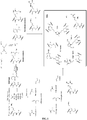
- Non-enzymatic glycation reactions also called browning reactions, were first described in 1912 by Maillard (C. R. Acad. Sci. 1912, 154, 66-67 ). More specifically, it is a cascade of reactions involving reducing sugars and proteins and leading to a multitude of glycation end products, more commonly called “Advanced Glycation End-products” (AGEs), as shown in figure 1 .
- AGEs Advanced Glycation End-products
- the glycation observed in the Maillard reaction is a non-enzymatic process involving a sugar, such as, for example, glucose, fructose or ribose, which reacts with the primary amine of an amino acid residue, such as, for example, lysine or arginine, particularly an amino acid residue of a protein, to form a Schiff base.
- a sugar such as, for example, glucose, fructose or ribose
- an amino acid residue such as, for example, lysine or arginine, particularly an amino acid residue of a protein
- the latter are, for example, pyrraline, pentosidine, crossline, N ⁇ (2-carboxyethyl)-lysine (CEL), glyoxal-lysine dimer (GOLD), methylglyoxal-lysine dimer (MOLD), 3DG-ARG imidazolone or versperlysines A, B, C.
- AGEs cause damage that may be the origin of general skin aging phenomena such as loss of elasticity, drying, thinning, appearance of spots, stiffening, and appearance of lines and wrinkles.
- damage may be the origin of general skin aging phenomena such as loss of elasticity, drying, thinning, appearance of spots, stiffening, and appearance of lines and wrinkles.
- skin it is primarily the glycation of collagen fibers that is responsible for cutaneous aging.
- Molecules capable of inhibiting the formation of AGEs and/or destroying them (“Advanced Glycation End products inhibitors and/or Breakers" - AGEIBs) are therefore good candidates as active cosmetic agents, in particular for fighting aging.
- Anti-AGEs molecules may also be antioxidants, i.e. molecules capable of trapping reactive oxygen species (ROS) or capable of complexing the metal cations involved in the Fenton reaction (e.g. polyphenols).
- ROS reactive oxygen species
- the antioxidant and chemoprotective activities of Garcinia kola biflavonoids has been described by Farombi et al. ( Farombi et al. Int. J. Environ. Res. Public. Health, 2011, 8(6), 2533-2555 ).
- the antihepatotoxic effects of Garcinia kola seeds has been disclosed ( Iwu, Experientia, 1985, 41(5), 699-700 ).
- molecules or extracts without or with a weak antioxidant activity may be anti-AGEs.
- a certain number of active agents, natural or synthetic, are known for their anti-glycation effect, such as aminoguanidine, quercetin, garcinol, benfotiamine, pyridoxamine, ergothioneine, resveratrol, curcumin, carnosine, rutin or guanidine.
- Plant extracts may also be used, such as cornflower, green tea or thyme extracts, or extracts of plants of the Hypericaceae or Ericaceae families.
- the AGEIBs cited above do not have a significant anti-glycation activity for the skin proteins involved in cutaneous aging. Moreover, in the case of plant extracts, problems of supply, production costs and preservation of biodiversity may limit their availability.
- Derbré et al. discloses a method based on fluorescence detection to evaluate the anti-glycation activity of anti-AGEs. This method uses the serum albumin bovine protein (BSA) and a sugar (glucose, fructose, or ribose) to test various anti-AGEs ( Derbré et al. Anal. Bioanal. Chem. 2010, 398(4), 1747-1758 ).
- BSA serum albumin bovine protein
- sugar glucose, fructose, or ribose
- the anti-AGEs activity of compounds can be determined by immunochemical tests using monoclonal antibodies. However, these tests have the disadvantage of being costly and difficult to adapt to high-speed screening.
- Enzymatic tests are also used to determine anti-AGEs activities. This type of test consists of evaluating the inactivation of the RNase under conditions promoting the formation of AGEs. However, this test is not specific to skin proteins and is not representative of cutaneous aging phenomena associated with the glycation of skin proteins.
- albumin is a protein that is not present in the skin. Consequently, the compounds identified by this type of test have a demonstrated albumin glycation inhibiting activity, but this does not anticipate their activity on proteins present in the skin.
- the solution envisaged by the Applicant is to develop a new fluorimetric method using, as the test protein, a characteristic skin protein known to be involved in aging, such as collagen.
- Collagen is particularly valuable as a test protein because it contains numerous lysine residues, making it very sensitive to glycation.
- the Applicant therefore developed a new rapid and automatable method making it possible to determine the glycation-inhibiting activity on cutaneous proteins, in particular collagen, of compounds and/or plant extracts.
- the method of the invention makes it possible to obtain a result within 24 hours and uses collagen solubilized in an acid medium, prior to incubation.
- the method of the invention makes it possible to compare the activities of pure molecules and molecules in mixtures, comprising those obtained from plant extracts.
- the implementation of the method of the invention made it possible to evaluate plant extracts for their anti-glycation activity.
- the Applicant demonstrated that Garcinia kola extracts have a very strong glycation-inhibiting activity on collagen. Without willing to be linked by any theory, it appears that the biflavonoids present in the Garcinia kola extract of the invention play a major role in the collagen anti-glycation activity identified.
- Garcinia kola is a plant cultivated in a number of African countries, in particular in Nigeria, and the fruits and seeds of which are nutritionally valuable. Locally, Garcinia kola is used primarily as a medicinal plant. Garcinia kola extracts are used in particular in traditional medicine to treat bronchitis, laryngitis, oral infections, colic, dysentery and headaches. Various studies have made it possible to demonstrate the efficacy of this plant for treating the conditions cited but also ocular and liver diseases, bacterial and viral infections or osteoarthritis ( Iwu et al. J. Ethnopharmacol. 1987, 21, 127-138 , Farombi et al. Int. J. Environ. Res.
- Garcinia kola extracts have an anti-glycation activity.
- no composition comprising Garcinia kola extracts used as anti-glycation agents, in particular for fighting skin aging, has yet been reported.
- the invention relates to a Garcinia kola extract for use in inhibiting proteins glycation ; said extract being rich in at least one biflavonoid selected from the group comprising GB1, GB1a, GB2 and kolaflavanone, i.e. comprising a total biflavonoid concentration of more than 5%, preferably more than 20%, preferably more than 40% bioflavonoids expressed in GB2 equivalents, assayed by HPLC-UV at 290 nm.
- the Garcinia kola extract is obtained from Garcinia kola seeds, fruits, epicarp, leaves, bark, wood or roots, and preferably from Garcinia kola seeds.
- the Garcinia kola parts extracted are first dried.
- the extract is obtained from dried Garcinia kola seeds.
- the Garcinia kola seeds are dried then ground prior to extraction.
- the Garcinia kola extract is rich in at least one biflavonoid selected from GB1, GB1a, GB2 and kolaflavanone.
- a biflavonoid-rich extract comprises a concentration of more than 5% biflavonoids expressed in GB2 equivalents, assayed by HPLC-UV at 290 nm, preferably more than 40% biflavonoids expressed in GB2.
- the Garcinia kola extract also comprises garcinoic acid.
- the extract is liquid. In a second embodiment, the extract is a dry extract.
- the present description describes a process for extracting active agents from plants, preferably from Garcinia kola seeds, comprising placing the plant material to be extracted, preferably dried and/or preferably ground, in contact with a solvent, then extraction at high temperature and pressure.
- the extract is obtained by extraction under pressure, preferably using the Büchi Speed Extractor.
- This extraction method allows to reduce the consumption of solvent and to increase the extraction speed.
- the solvent is preferably introduced at high pressure and temperature into the extraction vessel containing the matrix to be extracted. The high temperature increases the solubility of the substances of interest in the extraction solvent and accelerates their matrix desorption kinetics.
- the solvent used for the extraction is water, an alcohol, a hydrocarbon, a halogenated hydrocarbon, acetone, ethyl acetate or a mixture of these solvents.
- the alcohol is methanol or ethanol, preferably ethanol.
- the extraction solvent is a mixture of water-alcohol, preferably a mixture of water-ethanol, in which the two solvents are preferably in 1:1 proportions.
- the solvent is ethyl acetate.
- the extraction is performed at a temperature ranging from 40 to 200°C, preferably 50 to 150°C, more preferably 80 to 120°C, even more preferably around 100°C.
- the extraction is performed at a pressure ranging from 50 to 150 bars, preferably 80 to 120 bars, more preferably around 100 bars.
- 2 to 5 extraction cycles are performed, preferably 3 extraction cycles lasting between 2 and 20 min, preferably 2 min to 10 min.
- a plurality of successive extractions are performed. In one described embodiment, a plurality of successive extractions are performed with different solvents.
- a second preferred embodiment is described, wherein the extraction is a supercritical extraction, preferably in the presence of supercritical CO 2 as the solvent.
- a third preferred embodiment is described, wherein the extraction is a subcritical extraction, preferably in the presence of subcritical water as the solvent.
- the solvent containing the extract is partially or completely evaporated so as to provide the liquid or dry biflavonoid-rich extract of the invention.
- the extraction yield is greater than 3% m/m, and preferably the extraction yield is between 10 and 15% m/m.
- the extraction device can be a conventional extraction device known to a person skilled in the art such as, for example, a maceration device, a Soxhlet-type apparatus, a supercritical or subcritical extractor, or an accelerated solvent extraction apparatus.
- this invention also relates to an anti-glycation agent for use in inhibiting proteins glycation, said agent comprising a Garcinia kola fraction rich in at least one biflavonoid selected from the group comprising GB1, GB1a, GB2 and kolaflavanone, characterized in that it comprises a total biflavonoid concentration of more than 5%, preferably more than 20%, preferably more than 40% biflavonoids expressed in GB2 equivalents, assayed by HPLC-UV at 290 nm, and comprising at least one compound selected from the group comprising consistency factors, emollients, emulsifiers, surfactants, thickeners, moistening agents, gelling agents, fragrances, preservatives, dyes and pH adjusters.
- a Garcinia kola fraction rich in at least one biflavonoid selected from the group comprising GB1, GB1a, GB2 and kolaflavanone characterized in that it
- the fraction is obtained by implementing a Garcinia kola extract fractionation process described above or obtained by the extraction process of the invention, said fractionation being performed by normal-phase liquid chromatography on a solid support, by reverse-phase liquid chromatography on a solid support, by atmospheric-pressure liquid chromatography, by medium-pressure liquid chromatography, by high-performance liquid chromatography, by flash chromatography, by countercurrent chromatography, or by a combination of these methods.
- the fraction is obtained by filtration on polyamide of a solution comprising the extract described above.
- This type of filtration allows to remove all or some of the tannins present in the extract and thus enrich the biflavonoid fraction.
- the solution used for the filtration is alcoholic, preferably an ethanol solution.
- the fraction of the invention is obtained by precipitation.
- the fraction of the invention is a dry fraction.
- different fractions of the Garcinia kola extract are obtained by fractionation by chromatography, preferably by silica gel chromatography with a polar eluent, preferably a mixture of dichloromethane and methanol.
- the fractions are rich in biflavonoids such as, for example GB1, GB1a, GB2 or kolaflavanone, garcinoic acid, polyols, flavonoids, sugars or tannins.
- the invention also relates to an anti-glycation agent for use in inhibiting proteins glycation; said anti-glycation agent comprising a Garcinia kola fraction rich in at least one biflavonoid selected from the group comprising GB1, GB1a, GB2 and kolaflavanone, characterized in that it comprises a total biflavonoid concentration of more than 5%, preferably more than 20%, preferably more than 40% biflavonoids expressed in GB2 equivalents, assayed by HPLC-UV at 290 nm and in that it is obtained by a process comprising the steps of:
- Cosmetic composition comprising an anti-glvcation agent according to the invention
- the invention also relates to a cosmetic composition for use in the inhibition of proteins glycation, said cosmetic composition comprising an anti-glycation agent according to the invention, in association with a cosmetically acceptable carrier.
- the cosmetic composition for use in inhibiting proteins glycation of the invention comprises 0.1 to 2% of Garcinia kola extract of the invention in weight relative to the total weight of the composition.
- the cosmetic composition of the invention comprises 0.1 to 2% of the fraction of the invention in weight relative to the total weight of the composition.
- the cosmetic composition of the invention comprises a Garcinia kola extract or a Garcinia kola fraction, in association with a cosmetically acceptable carrier, which may preferably be a cosmetic base or a cosmetically acceptable oil.
- a cosmetically acceptable carrier which may preferably be a cosmetic base or a cosmetically acceptable oil.
- the cosmetic composition of the invention comprises 0.1 to 2% Garcinia kola extract of the invention in weight relative to the total weight of the composition and a cosmetically acceptable carrier.
- the cosmetic base comprises at least one compound selected from the group comprising at least one consistency factor, at least one emollient, at least one surfactant and at least one preservative or a mixture of these compounds.
- the cosmetic composition of the invention also comprises at least one compound selected from the group comprising consistency factors such as a butyrospermum parkii extract (shea butter), glyceryl dibehenate, cetearyl alcohol, illipe butter, glyceryl undecylenate or tribehenin; emollients such as apricot kernel oil, Rosa Rubiginosa seed oil, octyldodecyl myristate, coco caprylate, capric/caprylic triglyceride, or propanediol dicaprylate; emulsifiers such as glyceryl stearate; surfactants such as coco glucoside; thickeners such as corn starch; stabilizers; moistening agents such as glycerin or diglycerin; gelling agents such as xanthan gum; fragrances; preservatives such as gluconolactone, sodium benzoate, benzyl alcohol or dehydroacetic acid;
- the cosmetic composition also comprises a compound selected from the group comprising antioxidants such as tocopherol; UV filters; skin relaxants; anti-glycation agents; lipolytic agents; anti-irritants; hydrating agents such as trehalose, sodium hyaluronate, damask rose water; rye seed extract, Chondrus Crispus extract or Aloe Barbadensis leaf juice powder; antibacterial agents; antimicrobial agents; antifungal agents; anti-allergenic agents; antibiotics; anti-acne agents; nutrients such as vitamins; whitening agents; chelating agents such as phytic acid; feel agents such as polylactic acid or lauroyl lysine; or a mixture of these compounds.
- antioxidants such as tocopherol
- UV filters skin relaxants
- anti-glycation agents such as sodium hyaluronate, damask rose water
- rye seed extract such as Chondrus Crispus extract or Aloe Barbadensis leaf juice powder
- antibacterial agents such as
- the cosmetic composition of the inventions does not include tocol or one of its salts of derivatives. In another embodiment, the cosmetic composition of the invention does not include tocotrienols or one of its salts of derivatives. In another embodiment, the cosmetic composition of the invention does not include tocopherol, or one of its salts of derivatives.
- the cosmetic composition of the invention also comprises compounds commonly used in cosmetic compositions and known to a person skilled in the art.
- the cosmetic composition of the invention is in the form of a solution, an emulsion, a suspension or a paste.
- the cosmetic composition of the invention comprises a cosmetic base and water and is in the form of an oil-in-water or a water-in-oil emulsion.
- the cosmetic composition is in a topically administrable form.
- the cosmetic composition of the invention may be in any form conventionally used for topical administration such as, for example, a cream, a milk, a serum, a mask, an aqueous gel, a pomade, a lotion, an emulsion, a foam, a suspension or a paste.
- the cosmetic composition of the invention is stable for a period of at least one year under standard storage conditions.
- the present description also describes the use of the Garcinia kola extract, the fraction and/or the composition of the invention for inhibiting glycation of proteins, preferably skin proteins, more preferably collagen.
- the Garcinia kola extract or fraction described above may be used as an anti-glycation agent for preventing and/or fighting cutaneous aging.
- the anti-glycation agent and/or the composition of the invention is used before the start of the first signs of skin aging.
- the Garcinia kola extract, the fraction and/or the composition of the invention is used after the appearance of the first signs of skin aging.
- the anti-glycation agent and/or the composition is administered once to twice per day.
- the Garcinia kola extract, the fraction and/or the composition of the invention is administered in the morning and/or in the evening.
- the composition of the invention may be applied to the skin by regular massage.
- the invention also relates to a cosmetic treatment method, more specifically a method for preventing and/or limiting cutaneous aging, in which a cosmetic composition of the invention is applied to the skin of a subject in order to fight cutaneous aging.
- the invention also relates to a method for determining the collagen glycation inhibiting activity of an anti-glycation agent according to the invention, comprising the following steps:
- the substance tested by the method of the invention is a compound, a mixture of compounds or an extract, preferably a plant extract.
- the method of the invention comprises the following steps:
- the collagen is type-I collagen.
- Type-I collagen constitutes around 90% of the collagen of vertebrates and is present in particular in the skin, in particular in the dermis.
- the target collagen is calf skin collagen.
- ribose is used as a sugar in the method of the invention.
- the use of ribose, more reactive, enables faster formation of AGEs and more specifically of pentosidine ( Grandhee et al., J. Biol. Chem. 1991, 266, 11649-11653 ).
- the method of the invention is suitable for identifying active agents preventing the glycation of skin proteins.
- the Applicant demonstrated that the method for identifying anti-glycation activities of the invention, i.e. on type-I collagen soluble in an aqueous medium, is far superior to the methods of the prior art.
- the type-I collagen protein is a better model than albumin for determining the anti-glycation activities of cutaneous proteins of a compound.
- the choice of a type-I collagen soluble in an aqueous medium enabled the Applicant to reduce the incubation time.
- the choice of sugar, i.e. ribose allowed to have a much faster method than the methods of the prior art on collagen.
- this method is automatable and enables rapid or high-speed screening.
- the collagen is solubilized in an aqueous solvent, preferably an aqueous acid solvent, and more preferably acetic acid.
- the acid solvent has a concentration ranging from 0.1 to 1N, preferably 0.1N.
- the collagen solution used to perform the test preferably has a concentration of 0.1%.
- the collagen solution is a 0.1% calf skin type-I collagen solution in acetic acid 0.1N.
- the sugar is selected from the group comprising ribose, glucose, fructose or a mixture, preferably the sugar is ribose, and, more preferably, D-ribose.
- the collagen, the sugar and the antiglycation agent to be tested are placed in a buffered aqueous solution, preferably a solution with a pH ranging from 6 to 8.5, more preferably a pH of 7.4.
- the buffered solution is a phosphate buffer, preferably a phosphate buffer at pH 7.4.
- the solution is then incubated.
- the incubation step lasts for a period of 24 to 72 hours, and more preferably around 24 hours.
- the antiglycation agent to be tested is added to a previously incubated solution comprising the collagen, the sugar and the phosphate buffer, preferably previously incubated for a period of at least 1 day, and preferably at least 1 day.
- the incubation step is performed at a temperature ranging from 15 to 60 °C, preferably at 37 °C.
- the incubation solution has a collagen concentration ranging from 0.001 to 10%, preferably from 0.01 to 1%.
- the incubation solution has a sugar concentration ranging from 0.01 M to 1 M, preferably from 0.1 to 0.5 M.
- the incubation solution has a concentration of antiglycation agent to be tested ranging from 0.01 to 10%.
- the incubation ranges from 6 to 168 hours, and is preferably between 20 and 30 hours, and more preferably around 24 hours.
- the fluorescence measurement is performed by means of a spectrofluorometer, preferably a Tecan Infinite M200 spectrofluorometer accompanied by the Tecan Magellan software.
- the method of the invention is automatable.
- the automation is performed by adapting the method described by Derbré et al. (Anal. Bioanal. Chem. 2010, 398, 1747-1758 ).
- the method of the invention can be performed using 96-well plates.
- type-I collagen, ribose and the antiglycation agent to be tested are incubated in phosphate buffer at pH 7.4 at 37 °C.
- the method of the invention enables to determine the concentration of an antiglycation agent allowing to inhibit 50% (ICso) of terminal the glycation of the substrate collagen, by the sugar, preferably D-ribose.
- the percentages (%) are percentages in weight relative to the total weight of the extract, the material or the main composition concerned.
- Example 1 Preparation of a Garcinia Kola extract according to the invention
- Extractions on a Büchi Speed Extractor were performed using, as the solvent: water, ethanol and a water/ethanol (50/50) mixture under the following conditions:
- pressurized extraction cycles are performed according to the table below: cycle heating maintenance extraction cell drainage 1 5 min 0 2 min 2 1 min 10 min 2 min 3 1 min 10 min 2 min
- the extracts were then evaporated with the rotary evaporator (50°C), after filtration on cotton, to obtain the different dry extracts.
- kolaviron extraction (GB1, GB1a, GB2 and kolaflavanone) was also performed according to the protocol described by Farombi et al. Int. J. Env. Res. Public Health, 2011, 8, 2533-2555 , and slightly modified:
- the HPLC conditions used are: - Waters 2695® separation module - Photodiode Array Detector Waters® 2996 detector - software: Empower® - samples: 5 mg/mL in a mixture of H 2 0/MeOH (50/50), injection of 20 ⁇ L - LiChrospher column 100 RP18 (150 x 4.6mm, 5 ⁇ m, Agilent Technologies), - gradient: table below (flow rate: 1 mL/min) time Solvent A (H 2 0, HCOOH 0.1%) Solvent B (acetonitrile) 0 min 80% 20% 20 min 35% 65% 23 min 10% 90% 25 min 80% 20% 33 min 80% 20%
- Calibration curve 20 ⁇ L of methanol solutions of GB2 at concentrations of 0.125 mg/mL, 0.25 mg/mL, 0.5 mg/mL and 1.0 mg/mL are injected in HPLC as described above. The area below the curve of the peak corresponding to GB2 (at 290 nm) is calculated for each concentration by means of the Empower software. The calibration curve representing the concentration as a function of the area of the GB2 peaks is drawn and its equation determined.
- the equivalents in GB2 of the extracts are measured after injection in HPLC of Garcinia kola extract at concentrations of 0.5 and 1.0 mg/mL, as described above.
- the sum of the areas of the peaks corresponding to the biflavonoids in the extract is calculated by means of the Empower software.
- the total biflavonoid concentration in the extract is determined by means of the calibration curve.
- the mass spectra are produced by means of an Esquire 3000 PLUS ion trap (Bruker) and are processed by the DataAnalysis software.
- HPLC-MS makes it possible to identify (TIC) several compounds that cannot be detected in UV: alpha acids: humulinone and an oxide derivative, as well as a tocotrienol, garcinoic acid.
- alpha acids humulinone and an oxide derivative, as well as a tocotrienol, garcinoic acid.
- the peak at 7.2 min (m/z 529) could correspond to a polyoltype derivative.
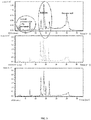
- aqueous, ethanol and hydro-ethanol extracts of Garcinia kola have similar chromatographic profiles ( Figure 3 ). It is possible, however, to note that kolaviron is present in a larger quantity in the ethanol extracts. The presence is noted in the three extracts of garcinoic acid (tocotrienol) and polar compounds the NMR of which suggests that they are polyol(s).
- Example 3 Physicochemical properties of the ethanol extract- Biflavonoid-rich extract
- the quantification by HPLC-UV of the ethanol extract shows that it contains 48% biflavonoids (quantification at 290 nm expressed in equivalence of the pure biflavonoid GB2 used as an external standard).
- the aqueous extract contains 5% biflavonoids when the same method is used.
- Example 4 Cosmetic composition comprising the Garcinia Kola extract according to the invention: face cream
- Example 5 Identification of the formation of AGEs and determination of an anti-AGE activity on type-I collagen
- Calf skin collagen (0.1 mg/mL) and ribose (0.5 M) are incubated in phosphate buffer 50 mM pH 7.4 at 37°C in a 96-well Greiner bio-one plate with a black bottom (100 ⁇ L).
- the same experiment is performed in the presence of an AGE formation inhibitor, such as aminoguanidine (1 mg/mL, DMSO 10 %).
- the following control solutions are also prepared: collagen (0.1 mg/mL) with or without an AGE formation inhibitor (1 mg/mL, DMSO 10 %) is incubated in phosphate buffer 50 mM pH 7.4 at 37°C.
- the fluorescence of the pentosidine-type AGEs ( ⁇ exc 335 nm and ⁇ em 385 nm) is measured on an Infinite M200 apparatus (Tecan) controlled with the Magellan software (Tecan).
- Example 7 Determination of the anti-AGEs activity of the Garcinia kola extract according to the invention
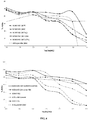
- the aqueous extracts as well as the intermediate extracts obtained in the kolaviron extraction were tested on collagen ( Figure 4 ).
- An extraction performed on seed teguments shows that the teguments (GKT teg) do not have an anti-glycation activity.
- the ethanol extract was evaluated for its anti-glycation activity on albumin, calf skin collagen and for its antioxidant potential ( cf . table below).
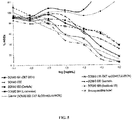
- the ethanol extract has an activity substantially similar to that of kolaviron (respectively ICso of 0.16 and 0.10 mg/mL).
- the polyols present in the Garcinia kola extract do not have an anti-glycation activity on calf skin collagen while garcinoic acid has a real anti-glycation activity, but nevertheless inferior to that of kolaviron.
- This extract also has a high antioxidant potential on the two models used (DPPH and ORAC); it is also more active than the aqueous Garcinia kola extract on these same models.
- the ethanol extract of St. John's wort has both an antioxidant activity according to the DPPH and ORAC tests, and an anti-AGE activity on albumin and collagen.
Landscapes
- Health & Medical Sciences (AREA)
- Life Sciences & Earth Sciences (AREA)
- Public Health (AREA)
- Veterinary Medicine (AREA)
- Animal Behavior & Ethology (AREA)
- General Health & Medical Sciences (AREA)
- Epidemiology (AREA)
- Natural Medicines & Medicinal Plants (AREA)
- Birds (AREA)
- Botany (AREA)
- Chemical & Material Sciences (AREA)
- Engineering & Computer Science (AREA)
- Pharmacology & Pharmacy (AREA)
- Biotechnology (AREA)
- Microbiology (AREA)
- Medicinal Chemistry (AREA)
- Mycology (AREA)
- Gerontology & Geriatric Medicine (AREA)
- Dermatology (AREA)
- Alternative & Traditional Medicine (AREA)
- Medical Informatics (AREA)
- Cosmetics (AREA)
- Medicines Containing Plant Substances (AREA)
Applications Claiming Priority (1)
| Application Number | Priority Date | Filing Date | Title |
|---|---|---|---|
| FR1261090A FR2998173B1 (fr) | 2012-11-21 | 2012-11-21 | Extrait de garcinia kola, utilisation pour son action anti-glycation |
Publications (2)
| Publication Number | Publication Date |
|---|---|
| EP2735312A1 EP2735312A1 (en) | 2014-05-28 |
| EP2735312B1 true EP2735312B1 (en) | 2021-07-07 |
Family
ID=48083212
Family Applications (1)
| Application Number | Title | Priority Date | Filing Date |
|---|---|---|---|
| EP13193929.0A Active EP2735312B1 (en) | 2012-11-21 | 2013-11-21 | Anti-glycation agent comprising a garcinia kola extract or fraction |
Country Status (4)
| Country | Link |
|---|---|
| US (1) | US9107849B2 (enExample) |
| EP (1) | EP2735312B1 (enExample) |
| JP (1) | JP2014101365A (enExample) |
| FR (1) | FR2998173B1 (enExample) |
Families Citing this family (9)
| Publication number | Priority date | Publication date | Assignee | Title |
|---|---|---|---|---|
| FR3044223B1 (fr) * | 2015-11-30 | 2019-05-24 | Laboratoires M&L | Composition cosmetique et utilisation |
| FR3062853A1 (fr) * | 2017-02-14 | 2018-08-17 | Laboratoire Shigeta | Utilisation de 2,5-dicetopiperazines en tant qu’agents cosmetiques |
| KR102429147B1 (ko) * | 2017-05-24 | 2022-08-04 | 주식회사 씨티씨바이오 | 콜라비론의 제조방법 |
| CN110574927B (zh) * | 2019-08-30 | 2022-07-26 | 北京姿美堂生物技术有限公司 | 一种抗糖化组合物及其制备方法 |
| CN111920799B (zh) * | 2020-08-14 | 2023-05-12 | 唐山克里福蒂生物科技有限公司 | 一种苦乐果有效成分组合物及其制备方法和应用 |
| CN112544690B (zh) * | 2020-12-15 | 2023-03-24 | 西南林业大学 | 一种食用菌产品的保鲜加工方法 |
| CN113440498B (zh) * | 2021-06-18 | 2023-11-28 | 沈阳农业大学 | 一种藤黄酸纳米粒及其制备方法和应用 |
| KR102863635B1 (ko) * | 2023-02-20 | 2025-09-24 | 건국대학교 글로컬산학협력단 | 산수유 씨앗 추출물을 유효성분으로 포함하는 건선 예방 또는 치료용 조성물 |
| CN117752568A (zh) * | 2023-12-21 | 2024-03-26 | 科丝美诗(中国)化妆品有限公司 | 一种强化皮肤屏障的护肤组合物及其制备方法 |
Family Cites Families (5)
| Publication number | Priority date | Publication date | Assignee | Title |
|---|---|---|---|---|
| US5972357A (en) * | 1996-12-19 | 1999-10-26 | Kikkoman Corporation | Healthy foods and cosmetics |
| JP2001226249A (ja) * | 2000-02-17 | 2001-08-21 | Ichimaru Pharcos Co Ltd | 植物水蒸気蒸留水含有化粧料組成物 |
| JP2004026689A (ja) * | 2002-06-24 | 2004-01-29 | Osaka Bioscience Institute | 新規抗マラリア剤 |
| JP2004059519A (ja) * | 2002-07-30 | 2004-02-26 | Noevir Co Ltd | 痩身用皮膚化粧料 |
| JP5937782B2 (ja) * | 2011-01-11 | 2016-06-22 | 国立大学法人 大分大学 | V型コラーゲン遺伝子転写促進剤 |
-
2012
- 2012-11-21 FR FR1261090A patent/FR2998173B1/fr not_active Expired - Fee Related
-
2013
- 2013-11-18 JP JP2013237673A patent/JP2014101365A/ja active Pending
- 2013-11-19 US US14/083,768 patent/US9107849B2/en not_active Expired - Fee Related
- 2013-11-21 EP EP13193929.0A patent/EP2735312B1/en active Active
Non-Patent Citations (1)
| Title |
|---|
| None * |
Also Published As
| Publication number | Publication date |
|---|---|
| FR2998173B1 (fr) | 2015-05-01 |
| FR2998173A1 (fr) | 2014-05-23 |
| US9107849B2 (en) | 2015-08-18 |
| EP2735312A1 (en) | 2014-05-28 |
| JP2014101365A (ja) | 2014-06-05 |
| US20140142171A1 (en) | 2014-05-22 |
Similar Documents
| Publication | Publication Date | Title |
|---|---|---|
| EP2735312B1 (en) | Anti-glycation agent comprising a garcinia kola extract or fraction | |
| Rudnicki et al. | Antioxidant and antiglycation properties of Passiflora alata and Passiflora edulis extracts | |
| EP3509707B1 (en) | Aqueous extract of prunus persica and process for preparing the same | |
| Povichit et al. | Phenolic content and in vitro inhibitory effects on oxidation and protein glycation of some Thai medicinal plants | |
| EP2356977B1 (de) | Zubereitungen mit Holzextrakten von Gleditschien | |
| JP7758679B2 (ja) | ラベンダーの水性抽出物を得る方法、そのような抽出物を含む組成物、およびその化粧的使用 | |
| Wahab et al. | Assessment of antioxidant capacity, anti-collagenase and anti-elastase assays of Malaysian unfermented cocoa bean for cosmetic application | |
| CN107920981B (zh) | 暗黄降低用皮肤外用剂 | |
| Liao et al. | The cellular antioxidant and anti-glycation capacities of phenolics from Georgia peaches | |
| Sekar et al. | Formulation and evaluation of novel antiaging cream containing rambutan fruits extract | |
| UA89510C2 (uk) | Композиція на рослинних екстрактах ajuga reptans для профілактики втрати волосся, стимулювання росту волосся, регулювання секреції сальних залоз | |
| JP3502415B2 (ja) | メイラード反応阻害剤 | |
| CN112770722A (zh) | 小花风车子提取物在化妆品中的用途 | |
| HK1245631A1 (zh) | 柔毛肖乳香的水醇提取物、包含其的化妆品组合物及其美容用途 | |
| KR101831366B1 (ko) | 닥나무 추출물 제조 방법 | |
| KR101837446B1 (ko) | 알파-망고스틴, 베타-망고스틴, 감마-망고스틴 또는 가르탄닌 화합물을 유효성분으로 함유하는 피부 주름 개선 또는 피부 보습용 조성물 | |
| EP3967319A1 (en) | Composition for skin protection comprising kaempferol saccharides compounds | |
| JP2017178899A (ja) | ニトロ化タンパク質分解剤 | |
| US20110135772A1 (en) | Skin care agent and compositions thereof | |
| JP2010132632A (ja) | タンパク質糖化抑制剤 | |
| ES2292882T3 (es) | Extracto de litchi sinensis que contiene proantocianidinas oligomericas. | |
| FR3067604A1 (fr) | Extrait d'helichrysum italicum obtenu au moyen de solvants eutectiques profonds | |
| JP6047793B2 (ja) | 酵素活性阻害剤 | |
| KR20180124443A (ko) | 흰목이버섯 자실체 추출물을 포함하는 피부장벽강화용 화장료 조성물 | |
| US20250177276A1 (en) | Composition for cellular dna damage repair comprising kaempferol saccharides compounds |
Legal Events
| Date | Code | Title | Description |
|---|---|---|---|
| PUAI | Public reference made under article 153(3) epc to a published international application that has entered the european phase |
Free format text: ORIGINAL CODE: 0009012 |
|
| 17P | Request for examination filed |
Effective date: 20131121 |
|
| AK | Designated contracting states |
Kind code of ref document: A1 Designated state(s): AL AT BE BG CH CY CZ DE DK EE ES FI FR GB GR HR HU IE IS IT LI LT LU LV MC MK MT NL NO PL PT RO RS SE SI SK SM TR |
|
| AX | Request for extension of the european patent |
Extension state: BA ME |
|
| R17P | Request for examination filed (corrected) |
Effective date: 20141128 |
|
| RBV | Designated contracting states (corrected) |
Designated state(s): AL AT BE BG CH CY CZ DE DK EE ES FI FR GB GR HR HU IE IS IT LI LT LU LV MC MK MT NL NO PL PT RO RS SE SI SK SM TR |
|
| STAA | Information on the status of an ep patent application or granted ep patent |
Free format text: STATUS: EXAMINATION IS IN PROGRESS |
|
| 17Q | First examination report despatched |
Effective date: 20180514 |
|
| GRAP | Despatch of communication of intention to grant a patent |
Free format text: ORIGINAL CODE: EPIDOSNIGR1 |
|
| STAA | Information on the status of an ep patent application or granted ep patent |
Free format text: STATUS: GRANT OF PATENT IS INTENDED |
|
| INTG | Intention to grant announced |
Effective date: 20210210 |
|
| GRAS | Grant fee paid |
Free format text: ORIGINAL CODE: EPIDOSNIGR3 |
|
| GRAA | (expected) grant |
Free format text: ORIGINAL CODE: 0009210 |
|
| STAA | Information on the status of an ep patent application or granted ep patent |
Free format text: STATUS: THE PATENT HAS BEEN GRANTED |
|
| AK | Designated contracting states |
Kind code of ref document: B1 Designated state(s): AL AT BE BG CH CY CZ DE DK EE ES FI FR GB GR HR HU IE IS IT LI LT LU LV MC MK MT NL NO PL PT RO RS SE SI SK SM TR |
|
| REG | Reference to a national code |
Ref country code: GB Ref legal event code: FG4D |
|
| REG | Reference to a national code |
Ref country code: AT Ref legal event code: REF Ref document number: 1407906 Country of ref document: AT Kind code of ref document: T Effective date: 20210715 |
|
| REG | Reference to a national code |
Ref country code: DE Ref legal event code: R096 Ref document number: 602013078229 Country of ref document: DE |
|
| REG | Reference to a national code |
Ref country code: IE Ref legal event code: FG4D |
|
| REG | Reference to a national code |
Ref country code: LT Ref legal event code: MG9D |
|
| REG | Reference to a national code |
Ref country code: NL Ref legal event code: MP Effective date: 20210707 |
|
| REG | Reference to a national code |
Ref country code: AT Ref legal event code: MK05 Ref document number: 1407906 Country of ref document: AT Kind code of ref document: T Effective date: 20210707 |
|
| PG25 | Lapsed in a contracting state [announced via postgrant information from national office to epo] |
Ref country code: SE Free format text: LAPSE BECAUSE OF FAILURE TO SUBMIT A TRANSLATION OF THE DESCRIPTION OR TO PAY THE FEE WITHIN THE PRESCRIBED TIME-LIMIT Effective date: 20210707 Ref country code: HR Free format text: LAPSE BECAUSE OF FAILURE TO SUBMIT A TRANSLATION OF THE DESCRIPTION OR TO PAY THE FEE WITHIN THE PRESCRIBED TIME-LIMIT Effective date: 20210707 Ref country code: LT Free format text: LAPSE BECAUSE OF FAILURE TO SUBMIT A TRANSLATION OF THE DESCRIPTION OR TO PAY THE FEE WITHIN THE PRESCRIBED TIME-LIMIT Effective date: 20210707 Ref country code: AT Free format text: LAPSE BECAUSE OF FAILURE TO SUBMIT A TRANSLATION OF THE DESCRIPTION OR TO PAY THE FEE WITHIN THE PRESCRIBED TIME-LIMIT Effective date: 20210707 Ref country code: BG Free format text: LAPSE BECAUSE OF FAILURE TO SUBMIT A TRANSLATION OF THE DESCRIPTION OR TO PAY THE FEE WITHIN THE PRESCRIBED TIME-LIMIT Effective date: 20211007 Ref country code: NL Free format text: LAPSE BECAUSE OF FAILURE TO SUBMIT A TRANSLATION OF THE DESCRIPTION OR TO PAY THE FEE WITHIN THE PRESCRIBED TIME-LIMIT Effective date: 20210707 Ref country code: NO Free format text: LAPSE BECAUSE OF FAILURE TO SUBMIT A TRANSLATION OF THE DESCRIPTION OR TO PAY THE FEE WITHIN THE PRESCRIBED TIME-LIMIT Effective date: 20211007 Ref country code: RS Free format text: LAPSE BECAUSE OF FAILURE TO SUBMIT A TRANSLATION OF THE DESCRIPTION OR TO PAY THE FEE WITHIN THE PRESCRIBED TIME-LIMIT Effective date: 20210707 Ref country code: PT Free format text: LAPSE BECAUSE OF FAILURE TO SUBMIT A TRANSLATION OF THE DESCRIPTION OR TO PAY THE FEE WITHIN THE PRESCRIBED TIME-LIMIT Effective date: 20211108 Ref country code: ES Free format text: LAPSE BECAUSE OF FAILURE TO SUBMIT A TRANSLATION OF THE DESCRIPTION OR TO PAY THE FEE WITHIN THE PRESCRIBED TIME-LIMIT Effective date: 20210707 Ref country code: FI Free format text: LAPSE BECAUSE OF FAILURE TO SUBMIT A TRANSLATION OF THE DESCRIPTION OR TO PAY THE FEE WITHIN THE PRESCRIBED TIME-LIMIT Effective date: 20210707 |
|
| PG25 | Lapsed in a contracting state [announced via postgrant information from national office to epo] |
Ref country code: PL Free format text: LAPSE BECAUSE OF FAILURE TO SUBMIT A TRANSLATION OF THE DESCRIPTION OR TO PAY THE FEE WITHIN THE PRESCRIBED TIME-LIMIT Effective date: 20210707 Ref country code: LV Free format text: LAPSE BECAUSE OF FAILURE TO SUBMIT A TRANSLATION OF THE DESCRIPTION OR TO PAY THE FEE WITHIN THE PRESCRIBED TIME-LIMIT Effective date: 20210707 Ref country code: GR Free format text: LAPSE BECAUSE OF FAILURE TO SUBMIT A TRANSLATION OF THE DESCRIPTION OR TO PAY THE FEE WITHIN THE PRESCRIBED TIME-LIMIT Effective date: 20211008 |
|
| REG | Reference to a national code |
Ref country code: DE Ref legal event code: R097 Ref document number: 602013078229 Country of ref document: DE |
|
| PG25 | Lapsed in a contracting state [announced via postgrant information from national office to epo] |
Ref country code: DK Free format text: LAPSE BECAUSE OF FAILURE TO SUBMIT A TRANSLATION OF THE DESCRIPTION OR TO PAY THE FEE WITHIN THE PRESCRIBED TIME-LIMIT Effective date: 20210707 |
|
| PLBE | No opposition filed within time limit |
Free format text: ORIGINAL CODE: 0009261 |
|
| STAA | Information on the status of an ep patent application or granted ep patent |
Free format text: STATUS: NO OPPOSITION FILED WITHIN TIME LIMIT |
|
| PG25 | Lapsed in a contracting state [announced via postgrant information from national office to epo] |
Ref country code: SM Free format text: LAPSE BECAUSE OF FAILURE TO SUBMIT A TRANSLATION OF THE DESCRIPTION OR TO PAY THE FEE WITHIN THE PRESCRIBED TIME-LIMIT Effective date: 20210707 Ref country code: SK Free format text: LAPSE BECAUSE OF FAILURE TO SUBMIT A TRANSLATION OF THE DESCRIPTION OR TO PAY THE FEE WITHIN THE PRESCRIBED TIME-LIMIT Effective date: 20210707 Ref country code: RO Free format text: LAPSE BECAUSE OF FAILURE TO SUBMIT A TRANSLATION OF THE DESCRIPTION OR TO PAY THE FEE WITHIN THE PRESCRIBED TIME-LIMIT Effective date: 20210707 Ref country code: EE Free format text: LAPSE BECAUSE OF FAILURE TO SUBMIT A TRANSLATION OF THE DESCRIPTION OR TO PAY THE FEE WITHIN THE PRESCRIBED TIME-LIMIT Effective date: 20210707 Ref country code: CZ Free format text: LAPSE BECAUSE OF FAILURE TO SUBMIT A TRANSLATION OF THE DESCRIPTION OR TO PAY THE FEE WITHIN THE PRESCRIBED TIME-LIMIT Effective date: 20210707 Ref country code: AL Free format text: LAPSE BECAUSE OF FAILURE TO SUBMIT A TRANSLATION OF THE DESCRIPTION OR TO PAY THE FEE WITHIN THE PRESCRIBED TIME-LIMIT Effective date: 20210707 |
|
| REG | Reference to a national code |
Ref country code: DE Ref legal event code: R119 Ref document number: 602013078229 Country of ref document: DE |
|
| 26N | No opposition filed |
Effective date: 20220408 |
|
| PG25 | Lapsed in a contracting state [announced via postgrant information from national office to epo] |
Ref country code: MC Free format text: LAPSE BECAUSE OF FAILURE TO SUBMIT A TRANSLATION OF THE DESCRIPTION OR TO PAY THE FEE WITHIN THE PRESCRIBED TIME-LIMIT Effective date: 20210707 |
|
| REG | Reference to a national code |
Ref country code: CH Ref legal event code: PL |
|
| GBPC | Gb: european patent ceased through non-payment of renewal fee |
Effective date: 20211121 |
|
| PG25 | Lapsed in a contracting state [announced via postgrant information from national office to epo] |
Ref country code: LU Free format text: LAPSE BECAUSE OF NON-PAYMENT OF DUE FEES Effective date: 20211121 Ref country code: IT Free format text: LAPSE BECAUSE OF FAILURE TO SUBMIT A TRANSLATION OF THE DESCRIPTION OR TO PAY THE FEE WITHIN THE PRESCRIBED TIME-LIMIT Effective date: 20210707 Ref country code: BE Free format text: LAPSE BECAUSE OF NON-PAYMENT OF DUE FEES Effective date: 20211130 |
|
| REG | Reference to a national code |
Ref country code: BE Ref legal event code: MM Effective date: 20211130 |
|
| PG25 | Lapsed in a contracting state [announced via postgrant information from national office to epo] |
Ref country code: IE Free format text: LAPSE BECAUSE OF NON-PAYMENT OF DUE FEES Effective date: 20211121 Ref country code: GB Free format text: LAPSE BECAUSE OF NON-PAYMENT OF DUE FEES Effective date: 20211121 Ref country code: DE Free format text: LAPSE BECAUSE OF NON-PAYMENT OF DUE FEES Effective date: 20220601 |
|
| PG25 | Lapsed in a contracting state [announced via postgrant information from national office to epo] |
Ref country code: HU Free format text: LAPSE BECAUSE OF FAILURE TO SUBMIT A TRANSLATION OF THE DESCRIPTION OR TO PAY THE FEE WITHIN THE PRESCRIBED TIME-LIMIT; INVALID AB INITIO Effective date: 20131121 |
|
| PG25 | Lapsed in a contracting state [announced via postgrant information from national office to epo] |
Ref country code: CY Free format text: LAPSE BECAUSE OF FAILURE TO SUBMIT A TRANSLATION OF THE DESCRIPTION OR TO PAY THE FEE WITHIN THE PRESCRIBED TIME-LIMIT Effective date: 20210707 |
|
| P01 | Opt-out of the competence of the unified patent court (upc) registered |
Effective date: 20230525 |
|
| PG25 | Lapsed in a contracting state [announced via postgrant information from national office to epo] |
Ref country code: LI Free format text: LAPSE BECAUSE OF NON-PAYMENT OF DUE FEES Effective date: 20220630 Ref country code: CH Free format text: LAPSE BECAUSE OF NON-PAYMENT OF DUE FEES Effective date: 20220630 |
|
| PGFP | Annual fee paid to national office [announced via postgrant information from national office to epo] |
Ref country code: FR Payment date: 20231120 Year of fee payment: 11 |
|
| PG25 | Lapsed in a contracting state [announced via postgrant information from national office to epo] |
Ref country code: MK Free format text: LAPSE BECAUSE OF FAILURE TO SUBMIT A TRANSLATION OF THE DESCRIPTION OR TO PAY THE FEE WITHIN THE PRESCRIBED TIME-LIMIT Effective date: 20210707 |
|
| PG25 | Lapsed in a contracting state [announced via postgrant information from national office to epo] |
Ref country code: MT Free format text: LAPSE BECAUSE OF FAILURE TO SUBMIT A TRANSLATION OF THE DESCRIPTION OR TO PAY THE FEE WITHIN THE PRESCRIBED TIME-LIMIT Effective date: 20210707 |
|
| PG25 | Lapsed in a contracting state [announced via postgrant information from national office to epo] |
Ref country code: FR Free format text: LAPSE BECAUSE OF NON-PAYMENT OF DUE FEES Effective date: 20241130 |
|
| PG25 | Lapsed in a contracting state [announced via postgrant information from national office to epo] |
Ref country code: TR Free format text: LAPSE BECAUSE OF FAILURE TO SUBMIT A TRANSLATION OF THE DESCRIPTION OR TO PAY THE FEE WITHIN THE PRESCRIBED TIME-LIMIT Effective date: 20210707 |