EP2720709B1 - Ciliary-neurotrophic-factor-varianten - Google Patents
Ciliary-neurotrophic-factor-varianten Download PDFInfo
- Publication number
- EP2720709B1 EP2720709B1 EP12727648.3A EP12727648A EP2720709B1 EP 2720709 B1 EP2720709 B1 EP 2720709B1 EP 12727648 A EP12727648 A EP 12727648A EP 2720709 B1 EP2720709 B1 EP 2720709B1
- Authority
- EP
- European Patent Office
- Prior art keywords
- nucleic acid
- peptide
- acid molecule
- cntf
- disease
- Prior art date
- Legal status (The legal status is an assumption and is not a legal conclusion. Google has not performed a legal analysis and makes no representation as to the accuracy of the status listed.)
- Not-in-force
Links
- 108010005939 Ciliary Neurotrophic Factor Proteins 0.000 title claims description 86
- 102100031614 Ciliary neurotrophic factor Human genes 0.000 title claims description 83
- 108010038501 Interleukin-6 Receptors Proteins 0.000 claims description 37
- 102100037792 Interleukin-6 receptor subunit alpha Human genes 0.000 claims description 35
- 208000037265 diseases, disorders, signs and symptoms Diseases 0.000 claims description 32
- 210000004027 cell Anatomy 0.000 claims description 31
- 108090000765 processed proteins & peptides Proteins 0.000 claims description 28
- 235000001014 amino acid Nutrition 0.000 claims description 27
- 150000001413 amino acids Chemical group 0.000 claims description 26
- 229940024606 amino acid Drugs 0.000 claims description 24
- 102100031615 Ciliary neurotrophic factor receptor subunit alpha Human genes 0.000 claims description 18
- 239000003814 drug Substances 0.000 claims description 18
- 201000010099 disease Diseases 0.000 claims description 16
- 208000035475 disorder Diseases 0.000 claims description 16
- 108020004707 nucleic acids Proteins 0.000 claims description 16
- 102000039446 nucleic acids Human genes 0.000 claims description 16
- 150000007523 nucleic acids Chemical class 0.000 claims description 16
- 125000000539 amino acid group Chemical group 0.000 claims description 13
- 208000008589 Obesity Diseases 0.000 claims description 8
- 230000006378 damage Effects 0.000 claims description 7
- 208000023105 Huntington disease Diseases 0.000 claims description 6
- 239000013598 vector Substances 0.000 claims description 6
- 108010000063 Ciliary Neurotrophic Factor Receptor Proteins 0.000 claims description 5
- 238000012217 deletion Methods 0.000 claims description 5
- 230000037430 deletion Effects 0.000 claims description 5
- 208000014674 injury Diseases 0.000 claims description 5
- 210000002569 neuron Anatomy 0.000 claims description 5
- 208000033808 peripheral neuropathy Diseases 0.000 claims description 5
- DHMQDGOQFOQNFH-UHFFFAOYSA-N Glycine Chemical compound NCC(O)=O DHMQDGOQFOQNFH-UHFFFAOYSA-N 0.000 claims description 4
- QNAYBMKLOCPYGJ-REOHCLBHSA-N L-alanine Chemical compound C[C@H](N)C(O)=O QNAYBMKLOCPYGJ-REOHCLBHSA-N 0.000 claims description 4
- 208000017442 Retinal disease Diseases 0.000 claims description 4
- 235000004279 alanine Nutrition 0.000 claims description 4
- 230000037396 body weight Effects 0.000 claims description 4
- ZDXPYRJPNDTMRX-UHFFFAOYSA-N glutamine Natural products OC(=O)C(N)CCC(N)=O ZDXPYRJPNDTMRX-UHFFFAOYSA-N 0.000 claims description 4
- 235000004554 glutamine Nutrition 0.000 claims description 4
- 210000000653 nervous system Anatomy 0.000 claims description 4
- 230000008733 trauma Effects 0.000 claims description 4
- MTCFGRXMJLQNBG-REOHCLBHSA-N (2S)-2-Amino-3-hydroxypropansäure Chemical compound OC[C@H](N)C(O)=O MTCFGRXMJLQNBG-REOHCLBHSA-N 0.000 claims description 3
- 208000002705 Glucose Intolerance Diseases 0.000 claims description 3
- 206010018429 Glucose tolerance impaired Diseases 0.000 claims description 3
- WHUUTDBJXJRKMK-UHFFFAOYSA-N Glutamic acid Natural products OC(=O)C(N)CCC(O)=O WHUUTDBJXJRKMK-UHFFFAOYSA-N 0.000 claims description 3
- 206010022489 Insulin Resistance Diseases 0.000 claims description 3
- CKLJMWTZIZZHCS-REOHCLBHSA-N L-aspartic acid Chemical compound OC(=O)[C@@H](N)CC(O)=O CKLJMWTZIZZHCS-REOHCLBHSA-N 0.000 claims description 3
- WHUUTDBJXJRKMK-VKHMYHEASA-N L-glutamic acid Chemical compound OC(=O)[C@@H](N)CCC(O)=O WHUUTDBJXJRKMK-VKHMYHEASA-N 0.000 claims description 3
- ZDXPYRJPNDTMRX-VKHMYHEASA-N L-glutamine Chemical compound OC(=O)[C@@H](N)CCC(N)=O ZDXPYRJPNDTMRX-VKHMYHEASA-N 0.000 claims description 3
- AGPKZVBTJJNPAG-WHFBIAKZSA-N L-isoleucine Chemical compound CC[C@H](C)[C@H](N)C(O)=O AGPKZVBTJJNPAG-WHFBIAKZSA-N 0.000 claims description 3
- ROHFNLRQFUQHCH-YFKPBYRVSA-N L-leucine Chemical compound CC(C)C[C@H](N)C(O)=O ROHFNLRQFUQHCH-YFKPBYRVSA-N 0.000 claims description 3
- ROHFNLRQFUQHCH-UHFFFAOYSA-N Leucine Natural products CC(C)CC(N)C(O)=O ROHFNLRQFUQHCH-UHFFFAOYSA-N 0.000 claims description 3
- 208000021642 Muscular disease Diseases 0.000 claims description 3
- MTCFGRXMJLQNBG-UHFFFAOYSA-N Serine Natural products OCC(N)C(O)=O MTCFGRXMJLQNBG-UHFFFAOYSA-N 0.000 claims description 3
- AYFVYJQAPQTCCC-UHFFFAOYSA-N Threonine Natural products CC(O)C(N)C(O)=O AYFVYJQAPQTCCC-UHFFFAOYSA-N 0.000 claims description 3
- 239000004473 Threonine Substances 0.000 claims description 3
- 206010002026 amyotrophic lateral sclerosis Diseases 0.000 claims description 3
- 230000000295 complement effect Effects 0.000 claims description 3
- 235000018417 cysteine Nutrition 0.000 claims description 3
- XUJNEKJLAYXESH-UHFFFAOYSA-N cysteine Natural products SCC(N)C(O)=O XUJNEKJLAYXESH-UHFFFAOYSA-N 0.000 claims description 3
- 235000013922 glutamic acid Nutrition 0.000 claims description 3
- 239000004220 glutamic acid Substances 0.000 claims description 3
- 229960000310 isoleucine Drugs 0.000 claims description 3
- AGPKZVBTJJNPAG-UHFFFAOYSA-N isoleucine Natural products CCC(C)C(N)C(O)=O AGPKZVBTJJNPAG-UHFFFAOYSA-N 0.000 claims description 3
- 230000002503 metabolic effect Effects 0.000 claims description 3
- 210000002161 motor neuron Anatomy 0.000 claims description 3
- 208000015122 neurodegenerative disease Diseases 0.000 claims description 3
- 230000009467 reduction Effects 0.000 claims description 3
- 208000001072 type 2 diabetes mellitus Diseases 0.000 claims description 3
- 208000024827 Alzheimer disease Diseases 0.000 claims description 2
- 108020004705 Codon Proteins 0.000 claims description 2
- 239000004471 Glycine Substances 0.000 claims description 2
- 206010061216 Infarction Diseases 0.000 claims description 2
- XUJNEKJLAYXESH-REOHCLBHSA-N L-Cysteine Chemical compound SC[C@H](N)C(O)=O XUJNEKJLAYXESH-REOHCLBHSA-N 0.000 claims description 2
- ONIBWKKTOPOVIA-BYPYZUCNSA-N L-Proline Chemical compound OC(=O)[C@@H]1CCCN1 ONIBWKKTOPOVIA-BYPYZUCNSA-N 0.000 claims description 2
- FFFHZYDWPBMWHY-VKHMYHEASA-N L-homocysteine Chemical compound OC(=O)[C@@H](N)CCS FFFHZYDWPBMWHY-VKHMYHEASA-N 0.000 claims description 2
- FFEARJCKVFRZRR-BYPYZUCNSA-N L-methionine Chemical compound CSCC[C@H](N)C(O)=O FFEARJCKVFRZRR-BYPYZUCNSA-N 0.000 claims description 2
- COLNVLDHVKWLRT-QMMMGPOBSA-N L-phenylalanine Chemical compound OC(=O)[C@@H](N)CC1=CC=CC=C1 COLNVLDHVKWLRT-QMMMGPOBSA-N 0.000 claims description 2
- AYFVYJQAPQTCCC-GBXIJSLDSA-N L-threonine Chemical compound C[C@@H](O)[C@H](N)C(O)=O AYFVYJQAPQTCCC-GBXIJSLDSA-N 0.000 claims description 2
- QIVBCDIJIAJPQS-VIFPVBQESA-N L-tryptophane Chemical compound C1=CC=C2C(C[C@H](N)C(O)=O)=CNC2=C1 QIVBCDIJIAJPQS-VIFPVBQESA-N 0.000 claims description 2
- OUYCCCASQSFEME-QMMMGPOBSA-N L-tyrosine Chemical compound OC(=O)[C@@H](N)CC1=CC=C(O)C=C1 OUYCCCASQSFEME-QMMMGPOBSA-N 0.000 claims description 2
- 208000002720 Malnutrition Diseases 0.000 claims description 2
- 201000009623 Myopathy Diseases 0.000 claims description 2
- 206010028648 Myopathy toxic Diseases 0.000 claims description 2
- 208000023137 Myotoxicity Diseases 0.000 claims description 2
- 206010028980 Neoplasm Diseases 0.000 claims description 2
- 208000018737 Parkinson disease Diseases 0.000 claims description 2
- ONIBWKKTOPOVIA-UHFFFAOYSA-N Proline Natural products OC(=O)C1CCCN1 ONIBWKKTOPOVIA-UHFFFAOYSA-N 0.000 claims description 2
- 201000007737 Retinal degeneration Diseases 0.000 claims description 2
- QIVBCDIJIAJPQS-UHFFFAOYSA-N Tryptophan Natural products C1=CC=C2C(CC(N)C(O)=O)=CNC2=C1 QIVBCDIJIAJPQS-UHFFFAOYSA-N 0.000 claims description 2
- 201000011510 cancer Diseases 0.000 claims description 2
- 210000002932 cholinergic neuron Anatomy 0.000 claims description 2
- 230000001684 chronic effect Effects 0.000 claims description 2
- 230000007850 degeneration Effects 0.000 claims description 2
- 230000002638 denervation Effects 0.000 claims description 2
- 206010012601 diabetes mellitus Diseases 0.000 claims description 2
- 201000001421 hyperglycemia Diseases 0.000 claims description 2
- 230000007574 infarction Effects 0.000 claims description 2
- 208000015181 infectious disease Diseases 0.000 claims description 2
- 230000036210 malignancy Effects 0.000 claims description 2
- 230000001071 malnutrition Effects 0.000 claims description 2
- 235000000824 malnutrition Nutrition 0.000 claims description 2
- 229930182817 methionine Natural products 0.000 claims description 2
- 201000000585 muscular atrophy Diseases 0.000 claims description 2
- 201000006938 muscular dystrophy Diseases 0.000 claims description 2
- 210000005036 nerve Anatomy 0.000 claims description 2
- 208000015380 nutritional deficiency disease Diseases 0.000 claims description 2
- COLNVLDHVKWLRT-UHFFFAOYSA-N phenylalanine Natural products OC(=O)C(N)CC1=CC=CC=C1 COLNVLDHVKWLRT-UHFFFAOYSA-N 0.000 claims description 2
- 230000004258 retinal degeneration Effects 0.000 claims description 2
- ZKZBPNGNEQAJSX-UHFFFAOYSA-N selenocysteine Chemical compound [SeH]CC(N)C(O)=O ZKZBPNGNEQAJSX-UHFFFAOYSA-N 0.000 claims description 2
- 201000009032 substance abuse Diseases 0.000 claims description 2
- 208000011580 syndromic disease Diseases 0.000 claims description 2
- 231100000167 toxic agent Toxicity 0.000 claims description 2
- 239000003440 toxic substance Substances 0.000 claims description 2
- 239000003053 toxin Substances 0.000 claims description 2
- 231100000765 toxin Toxicity 0.000 claims description 2
- 108700012359 toxins Proteins 0.000 claims description 2
- 229960004799 tryptophan Drugs 0.000 claims description 2
- OUYCCCASQSFEME-UHFFFAOYSA-N tyrosine Natural products OC(=O)C(N)CC1=CC=C(O)C=C1 OUYCCCASQSFEME-UHFFFAOYSA-N 0.000 claims description 2
- 125000002987 valine group Chemical group [H]N([H])C([H])(C(*)=O)C([H])(C([H])([H])[H])C([H])([H])[H] 0.000 claims description 2
- 239000002773 nucleotide Substances 0.000 claims 5
- 125000003729 nucleotide group Chemical group 0.000 claims 5
- FWMNVWWHGCHHJJ-SKKKGAJSSA-N 4-amino-1-[(2r)-6-amino-2-[[(2r)-2-[[(2r)-2-[[(2r)-2-amino-3-phenylpropanoyl]amino]-3-phenylpropanoyl]amino]-4-methylpentanoyl]amino]hexanoyl]piperidine-4-carboxylic acid Chemical compound C([C@H](C(=O)N[C@H](CC(C)C)C(=O)N[C@H](CCCCN)C(=O)N1CCC(N)(CC1)C(O)=O)NC(=O)[C@H](N)CC=1C=CC=CC=1)C1=CC=CC=C1 FWMNVWWHGCHHJJ-SKKKGAJSSA-N 0.000 claims 3
- 208000004929 Facial Paralysis Diseases 0.000 claims 1
- 239000006035 Tryptophane Substances 0.000 claims 1
- 208000036826 VIIth nerve paralysis Diseases 0.000 claims 1
- 235000009582 asparagine Nutrition 0.000 claims 1
- 125000000613 asparagine group Chemical class N[C@@H](CC(N)=O)C(=O)* 0.000 claims 1
- 235000003704 aspartic acid Nutrition 0.000 claims 1
- OQFSQFPPLPISGP-UHFFFAOYSA-N beta-carboxyaspartic acid Natural products OC(=O)C(N)C(C(O)=O)C(O)=O OQFSQFPPLPISGP-UHFFFAOYSA-N 0.000 claims 1
- 125000004122 cyclic group Chemical group 0.000 claims 1
- 230000002068 genetic effect Effects 0.000 claims 1
- 210000001320 hippocampus Anatomy 0.000 claims 1
- 230000002757 inflammatory effect Effects 0.000 claims 1
- -1 methyl threonine Chemical compound 0.000 claims 1
- 125000002924 primary amino group Chemical group [H]N([H])* 0.000 claims 1
- 238000011477 surgical intervention Methods 0.000 claims 1
- 230000000694 effects Effects 0.000 description 24
- 102100037795 Interleukin-6 receptor subunit beta Human genes 0.000 description 18
- 101710152369 Interleukin-6 receptor subunit beta Proteins 0.000 description 18
- 101001042362 Homo sapiens Leukemia inhibitory factor receptor Proteins 0.000 description 15
- 102100021747 Leukemia inhibitory factor receptor Human genes 0.000 description 15
- 101000993348 Homo sapiens Ciliary neurotrophic factor receptor subunit alpha Proteins 0.000 description 14
- 101000993364 Homo sapiens Ciliary neurotrophic factor Proteins 0.000 description 13
- 239000002299 complementary DNA Substances 0.000 description 11
- 108090000623 proteins and genes Proteins 0.000 description 11
- 102000004169 proteins and genes Human genes 0.000 description 10
- 102000004127 Cytokines Human genes 0.000 description 9
- 108090000695 Cytokines Proteins 0.000 description 9
- 108090001005 Interleukin-6 Proteins 0.000 description 8
- 102000004889 Interleukin-6 Human genes 0.000 description 8
- 102000004196 processed proteins & peptides Human genes 0.000 description 8
- 235000018102 proteins Nutrition 0.000 description 8
- 102000005962 receptors Human genes 0.000 description 8
- 108020003175 receptors Proteins 0.000 description 8
- 241000282414 Homo sapiens Species 0.000 description 7
- 108010014210 axokine Proteins 0.000 description 7
- 230000015572 biosynthetic process Effects 0.000 description 7
- 238000001516 cell proliferation assay Methods 0.000 description 7
- 230000035755 proliferation Effects 0.000 description 7
- 125000003275 alpha amino acid group Chemical group 0.000 description 6
- 125000000637 arginyl group Chemical group N[C@@H](CCCNC(N)=N)C(=O)* 0.000 description 6
- 210000003719 b-lymphocyte Anatomy 0.000 description 6
- 230000001886 ciliary effect Effects 0.000 description 6
- 229940079593 drug Drugs 0.000 description 6
- 239000012634 fragment Substances 0.000 description 6
- 235000020824 obesity Nutrition 0.000 description 6
- 239000006144 Dulbecco’s modified Eagle's medium Substances 0.000 description 5
- 102000015696 Interleukins Human genes 0.000 description 5
- 108010063738 Interleukins Proteins 0.000 description 5
- 241001529936 Murinae Species 0.000 description 5
- 238000006467 substitution reaction Methods 0.000 description 5
- 230000001225 therapeutic effect Effects 0.000 description 5
- 108010025020 Nerve Growth Factor Proteins 0.000 description 4
- 102000007072 Nerve Growth Factors Human genes 0.000 description 4
- 238000004925 denaturation Methods 0.000 description 4
- 230000036425 denaturation Effects 0.000 description 4
- 230000035772 mutation Effects 0.000 description 4
- 239000012460 protein solution Substances 0.000 description 4
- 238000000746 purification Methods 0.000 description 4
- 239000000725 suspension Substances 0.000 description 4
- 206010048998 Acute phase reaction Diseases 0.000 description 3
- 239000004475 Arginine Substances 0.000 description 3
- 208000028389 Nerve injury Diseases 0.000 description 3
- HEMHJVSKTPXQMS-UHFFFAOYSA-M Sodium hydroxide Chemical group [OH-].[Na+] HEMHJVSKTPXQMS-UHFFFAOYSA-M 0.000 description 3
- 230000004658 acute-phase response Effects 0.000 description 3
- ODKSFYDXXFIFQN-UHFFFAOYSA-N arginine Natural products OC(=O)C(N)CCCNC(N)=N ODKSFYDXXFIFQN-UHFFFAOYSA-N 0.000 description 3
- 239000000872 buffer Substances 0.000 description 3
- 210000004899 c-terminal region Anatomy 0.000 description 3
- 230000004663 cell proliferation Effects 0.000 description 3
- 230000004069 differentiation Effects 0.000 description 3
- 229960002743 glutamine Drugs 0.000 description 3
- RAXXELZNTBOGNW-UHFFFAOYSA-N imidazole Natural products C1=CNC=N1 RAXXELZNTBOGNW-UHFFFAOYSA-N 0.000 description 3
- 230000003993 interaction Effects 0.000 description 3
- 239000003446 ligand Substances 0.000 description 3
- 230000008764 nerve damage Effects 0.000 description 3
- 230000000926 neurological effect Effects 0.000 description 3
- 239000003900 neurotrophic factor Substances 0.000 description 3
- 238000007910 systemic administration Methods 0.000 description 3
- QKNYBSVHEMOAJP-UHFFFAOYSA-N 2-amino-2-(hydroxymethyl)propane-1,3-diol;hydron;chloride Chemical compound Cl.OCC(N)(CO)CO QKNYBSVHEMOAJP-UHFFFAOYSA-N 0.000 description 2
- 125000001433 C-terminal amino-acid group Chemical group 0.000 description 2
- 206010006895 Cachexia Diseases 0.000 description 2
- 102220496805 DNA dC->dU-editing enzyme APOBEC-3A_R28E_mutation Human genes 0.000 description 2
- 208000012902 Nervous system disease Diseases 0.000 description 2
- 208000025966 Neurological disease Diseases 0.000 description 2
- 206010037660 Pyrexia Diseases 0.000 description 2
- 101000993333 Rattus norvegicus Ciliary neurotrophic factor Proteins 0.000 description 2
- 238000010521 absorption reaction Methods 0.000 description 2
- VREFGVBLTWBCJP-UHFFFAOYSA-N alprazolam Chemical compound C12=CC(Cl)=CC=C2N2C(C)=NN=C2CN=C1C1=CC=CC=C1 VREFGVBLTWBCJP-UHFFFAOYSA-N 0.000 description 2
- 230000003579 anti-obesity Effects 0.000 description 2
- 230000032823 cell division Effects 0.000 description 2
- 210000003169 central nervous system Anatomy 0.000 description 2
- 238000005119 centrifugation Methods 0.000 description 2
- 229960002433 cysteine Drugs 0.000 description 2
- 238000010828 elution Methods 0.000 description 2
- 238000002474 experimental method Methods 0.000 description 2
- 229960002989 glutamic acid Drugs 0.000 description 2
- 230000006698 induction Effects 0.000 description 2
- 238000011835 investigation Methods 0.000 description 2
- BPHPUYQFMNQIOC-NXRLNHOXSA-N isopropyl beta-D-thiogalactopyranoside Chemical compound CC(C)S[C@@H]1O[C@H](CO)[C@H](O)[C@H](O)[C@H]1O BPHPUYQFMNQIOC-NXRLNHOXSA-N 0.000 description 2
- 229960003136 leucine Drugs 0.000 description 2
- 210000004185 liver Anatomy 0.000 description 2
- 230000001404 mediated effect Effects 0.000 description 2
- 239000000203 mixture Substances 0.000 description 2
- 230000004770 neurodegeneration Effects 0.000 description 2
- 230000000508 neurotrophic effect Effects 0.000 description 2
- 230000003472 neutralizing effect Effects 0.000 description 2
- 239000008188 pellet Substances 0.000 description 2
- 239000012071 phase Substances 0.000 description 2
- 210000001948 pro-b lymphocyte Anatomy 0.000 description 2
- 230000009696 proliferative response Effects 0.000 description 2
- 102220141930 rs778259023 Human genes 0.000 description 2
- 229960001153 serine Drugs 0.000 description 2
- 230000011664 signaling Effects 0.000 description 2
- 238000002415 sodium dodecyl sulfate polyacrylamide gel electrophoresis Methods 0.000 description 2
- 239000000126 substance Substances 0.000 description 2
- 239000006228 supernatant Substances 0.000 description 2
- 230000004083 survival effect Effects 0.000 description 2
- 238000003786 synthesis reaction Methods 0.000 description 2
- 238000012360 testing method Methods 0.000 description 2
- 230000001228 trophic effect Effects 0.000 description 2
- FDKWRPBBCBCIGA-REOHCLBHSA-N (2r)-2-azaniumyl-3-$l^{1}-selanylpropanoate Chemical compound [Se]C[C@H](N)C(O)=O FDKWRPBBCBCIGA-REOHCLBHSA-N 0.000 description 1
- CCAIIPMIAFGKSI-DMTCNVIQSA-N (2s,3r)-3-hydroxy-2-(methylazaniumyl)butanoate Chemical compound CN[C@@H]([C@@H](C)O)C(O)=O CCAIIPMIAFGKSI-DMTCNVIQSA-N 0.000 description 1
- 229920001817 Agar Polymers 0.000 description 1
- 229920000936 Agarose Polymers 0.000 description 1
- 241000894006 Bacteria Species 0.000 description 1
- 208000006373 Bell palsy Diseases 0.000 description 1
- 241000282693 Cercopithecidae Species 0.000 description 1
- 102000016989 Ciliary Neurotrophic Factor Receptor Human genes 0.000 description 1
- FDKWRPBBCBCIGA-UWTATZPHSA-N D-Selenocysteine Natural products [Se]C[C@@H](N)C(O)=O FDKWRPBBCBCIGA-UWTATZPHSA-N 0.000 description 1
- 206010012411 Derailment Diseases 0.000 description 1
- 241001198387 Escherichia coli BL21(DE3) Species 0.000 description 1
- 101710145505 Fiber protein Proteins 0.000 description 1
- 241000287828 Gallus gallus Species 0.000 description 1
- 208000003098 Ganglion Cysts Diseases 0.000 description 1
- 241000282412 Homo Species 0.000 description 1
- PMMYEEVYMWASQN-DMTCNVIQSA-N Hydroxyproline Chemical compound O[C@H]1CN[C@H](C(O)=O)C1 PMMYEEVYMWASQN-DMTCNVIQSA-N 0.000 description 1
- 206010060378 Hyperinsulinaemia Diseases 0.000 description 1
- 102000010781 Interleukin-6 Receptors Human genes 0.000 description 1
- 230000004163 JAK-STAT signaling pathway Effects 0.000 description 1
- HNDVDQJCIGZPNO-YFKPBYRVSA-N L-histidine Chemical compound OC(=O)[C@@H](N)CC1=CN=CN1 HNDVDQJCIGZPNO-YFKPBYRVSA-N 0.000 description 1
- 241001465754 Metazoa Species 0.000 description 1
- 241000699670 Mus sp. Species 0.000 description 1
- 206010028289 Muscle atrophy Diseases 0.000 description 1
- 101710135898 Myc proto-oncogene protein Proteins 0.000 description 1
- 102100038895 Myc proto-oncogene protein Human genes 0.000 description 1
- 201000002481 Myositis Diseases 0.000 description 1
- 125000001429 N-terminal alpha-amino-acid group Chemical group 0.000 description 1
- 108091008604 NGF receptors Proteins 0.000 description 1
- 102000007339 Nerve Growth Factor Receptors Human genes 0.000 description 1
- 108010076504 Protein Sorting Signals Proteins 0.000 description 1
- 102000007056 Recombinant Fusion Proteins Human genes 0.000 description 1
- 108010008281 Recombinant Fusion Proteins Proteins 0.000 description 1
- 241000283984 Rodentia Species 0.000 description 1
- 239000012505 Superdex™ Substances 0.000 description 1
- 208000005400 Synovial Cyst Diseases 0.000 description 1
- 101710150448 Transcriptional regulator Myc Proteins 0.000 description 1
- 208000027418 Wounds and injury Diseases 0.000 description 1
- 230000009471 action Effects 0.000 description 1
- 230000004913 activation Effects 0.000 description 1
- 239000004480 active ingredient Substances 0.000 description 1
- 230000002411 adverse Effects 0.000 description 1
- 238000001042 affinity chromatography Methods 0.000 description 1
- 239000008272 agar Substances 0.000 description 1
- 230000003321 amplification Effects 0.000 description 1
- 238000010171 animal model Methods 0.000 description 1
- 238000013459 approach Methods 0.000 description 1
- 230000001174 ascending effect Effects 0.000 description 1
- 230000001580 bacterial effect Effects 0.000 description 1
- 102000012740 beta Adrenergic Receptors Human genes 0.000 description 1
- 108010079452 beta Adrenergic Receptors Proteins 0.000 description 1
- 230000003115 biocidal effect Effects 0.000 description 1
- 230000004071 biological effect Effects 0.000 description 1
- 230000006583 body weight regulation Effects 0.000 description 1
- 230000001612 cachectic effect Effects 0.000 description 1
- 239000012876 carrier material Substances 0.000 description 1
- 238000003570 cell viability assay Methods 0.000 description 1
- 238000012512 characterization method Methods 0.000 description 1
- 239000013522 chelant Substances 0.000 description 1
- 238000006243 chemical reaction Methods 0.000 description 1
- 230000001713 cholinergic effect Effects 0.000 description 1
- 238000000978 circular dichroism spectroscopy Methods 0.000 description 1
- 239000002131 composite material Substances 0.000 description 1
- 125000000151 cysteine group Chemical group N[C@@H](CS)C(=O)* 0.000 description 1
- 230000001086 cytosolic effect Effects 0.000 description 1
- 239000013578 denaturing buffer Substances 0.000 description 1
- 230000001419 dependent effect Effects 0.000 description 1
- 238000001212 derivatisation Methods 0.000 description 1
- 238000001514 detection method Methods 0.000 description 1
- 238000011161 development Methods 0.000 description 1
- 238000000502 dialysis Methods 0.000 description 1
- PMMYEEVYMWASQN-UHFFFAOYSA-N dl-hydroxyproline Natural products OC1C[NH2+]C(C([O-])=O)C1 PMMYEEVYMWASQN-UHFFFAOYSA-N 0.000 description 1
- 231100000673 dose–response relationship Toxicity 0.000 description 1
- 239000003532 endogenous pyrogen Substances 0.000 description 1
- 238000011067 equilibration Methods 0.000 description 1
- 239000013604 expression vector Substances 0.000 description 1
- 210000000256 facial nerve Anatomy 0.000 description 1
- 125000000524 functional group Chemical group 0.000 description 1
- 238000001415 gene therapy Methods 0.000 description 1
- 238000010353 genetic engineering Methods 0.000 description 1
- 125000000404 glutamine group Chemical group N[C@@H](CCC(N)=O)C(=O)* 0.000 description 1
- 229960002449 glycine Drugs 0.000 description 1
- 230000000971 hippocampal effect Effects 0.000 description 1
- 210000004295 hippocampal neuron Anatomy 0.000 description 1
- HNDVDQJCIGZPNO-UHFFFAOYSA-N histidine Natural products OC(=O)C(N)CC1=CN=CN1 HNDVDQJCIGZPNO-UHFFFAOYSA-N 0.000 description 1
- 229960002591 hydroxyproline Drugs 0.000 description 1
- 230000003451 hyperinsulinaemic effect Effects 0.000 description 1
- 201000008980 hyperinsulinism Diseases 0.000 description 1
- 230000005847 immunogenicity Effects 0.000 description 1
- 230000003308 immunostimulating effect Effects 0.000 description 1
- 210000003000 inclusion body Anatomy 0.000 description 1
- 238000011534 incubation Methods 0.000 description 1
- 230000031146 intracellular signal transduction Effects 0.000 description 1
- 150000002597 lactoses Chemical class 0.000 description 1
- 201000010901 lateral sclerosis Diseases 0.000 description 1
- 108010052620 leukocyte endogenous mediator Proteins 0.000 description 1
- 239000007791 liquid phase Substances 0.000 description 1
- 238000011068 loading method Methods 0.000 description 1
- 125000003588 lysine group Chemical group [H]N([H])C([H])([H])C([H])([H])C([H])([H])C([H])([H])C([H])(N([H])[H])C(*)=O 0.000 description 1
- 210000001161 mammalian embryo Anatomy 0.000 description 1
- 238000004519 manufacturing process Methods 0.000 description 1
- 230000007246 mechanism Effects 0.000 description 1
- 239000002609 medium Substances 0.000 description 1
- 239000002184 metal Substances 0.000 description 1
- 229960004452 methionine Drugs 0.000 description 1
- 239000000178 monomer Substances 0.000 description 1
- 208000005264 motor neuron disease Diseases 0.000 description 1
- 230000020763 muscle atrophy Effects 0.000 description 1
- 210000004126 nerve fiber Anatomy 0.000 description 1
- 210000004498 neuroglial cell Anatomy 0.000 description 1
- 230000002232 neuromuscular Effects 0.000 description 1
- 230000016273 neuron death Effects 0.000 description 1
- 230000006576 neuronal survival Effects 0.000 description 1
- 201000001119 neuropathy Diseases 0.000 description 1
- 230000007823 neuropathy Effects 0.000 description 1
- 230000000324 neuroprotective effect Effects 0.000 description 1
- 239000002547 new drug Substances 0.000 description 1
- 238000003199 nucleic acid amplification method Methods 0.000 description 1
- 210000004205 output neuron Anatomy 0.000 description 1
- 230000001734 parasympathetic effect Effects 0.000 description 1
- 230000002093 peripheral effect Effects 0.000 description 1
- 239000008194 pharmaceutical composition Substances 0.000 description 1
- 230000000144 pharmacologic effect Effects 0.000 description 1
- 238000009522 phase III clinical trial Methods 0.000 description 1
- 229960005190 phenylalanine Drugs 0.000 description 1
- 230000035790 physiological processes and functions Effects 0.000 description 1
- 239000000902 placebo Substances 0.000 description 1
- 229940068196 placebo Drugs 0.000 description 1
- 229920000136 polysorbate Polymers 0.000 description 1
- 238000012545 processing Methods 0.000 description 1
- 229960002429 proline Drugs 0.000 description 1
- 230000001681 protective effect Effects 0.000 description 1
- 230000004853 protein function Effects 0.000 description 1
- 238000011160 research Methods 0.000 description 1
- 210000001116 retinal neuron Anatomy 0.000 description 1
- 102200015136 rs398122975 Human genes 0.000 description 1
- 235000016491 selenocysteine Nutrition 0.000 description 1
- 229940055619 selenocysteine Drugs 0.000 description 1
- 230000001953 sensory effect Effects 0.000 description 1
- 238000000926 separation method Methods 0.000 description 1
- 239000007790 solid phase Substances 0.000 description 1
- 210000000278 spinal cord Anatomy 0.000 description 1
- 238000003153 stable transfection Methods 0.000 description 1
- 230000000638 stimulation Effects 0.000 description 1
- 238000001356 surgical procedure Methods 0.000 description 1
- 230000002889 sympathetic effect Effects 0.000 description 1
- 229940124597 therapeutic agent Drugs 0.000 description 1
- 229960002898 threonine Drugs 0.000 description 1
- 238000006257 total synthesis reaction Methods 0.000 description 1
- FGMPLJWBKKVCDB-UHFFFAOYSA-N trans-L-hydroxy-proline Natural products ON1CCCC1C(O)=O FGMPLJWBKKVCDB-UHFFFAOYSA-N 0.000 description 1
- 229960004441 tyrosine Drugs 0.000 description 1
- 238000005406 washing Methods 0.000 description 1
- 208000016261 weight loss Diseases 0.000 description 1
- 230000004580 weight loss Effects 0.000 description 1
Images



Classifications
-
- C—CHEMISTRY; METALLURGY
- C07—ORGANIC CHEMISTRY
- C07K—PEPTIDES
- C07K14/00—Peptides having more than 20 amino acids; Gastrins; Somatostatins; Melanotropins; Derivatives thereof
- C07K14/435—Peptides having more than 20 amino acids; Gastrins; Somatostatins; Melanotropins; Derivatives thereof from animals; from humans
- C07K14/475—Growth factors; Growth regulators
- C07K14/48—Nerve growth factor [NGF]
-
- C—CHEMISTRY; METALLURGY
- C07—ORGANIC CHEMISTRY
- C07K—PEPTIDES
- C07K14/00—Peptides having more than 20 amino acids; Gastrins; Somatostatins; Melanotropins; Derivatives thereof
- C07K14/435—Peptides having more than 20 amino acids; Gastrins; Somatostatins; Melanotropins; Derivatives thereof from animals; from humans
- C07K14/475—Growth factors; Growth regulators
-
- A—HUMAN NECESSITIES
- A61—MEDICAL OR VETERINARY SCIENCE; HYGIENE
- A61K—PREPARATIONS FOR MEDICAL, DENTAL OR TOILETRY PURPOSES
- A61K38/00—Medicinal preparations containing peptides
Definitions
- the invention relates to ciliary neurotrophic factor (CNTF) variants which, because of the loss of the affinity for the interleukin-6 receptor (IL-6R), can be used with particularly few side effects as a therapeutic agent in CNTF-related disorders or diseases.
- CNTF ciliary neurotrophic factor
- glycoprotein130 gp130
- IL interleukin
- CNTF Ciliary Neurotrophic Factor
- CNTF was originally identified as a trophic factor that promotes survival of neurons in the chicken embryo ciliary ganglion ( Adler R, Landa KB, Manthorpe M, Varon S. Cholinergic neuronotrophic factors: intraocular distribution of trophic activity for ciliary neurons. Science 1979; 204 (4400): 1434-6 ). Further investigations showed that this effect is not only present in parasympathetic, but also in other peripheral as well as sympathetic, sensory and motor ( Barbin G, Manthorpe M, Varon S. Purification of the chick eye ciliary neuronotrophic factor. J Neurochem 1984; 43 (5): 1468-78 ; Sendtner M, Kreutzberg GW, Thoenen H.
- Ciliary neurotrophic factor prevents the degeneration of motor neurons after axotomy. Nature 1990; 345 (6274): 440-1 ) but also different central nerve cells was detectable ( NY NY, Li YP, van dS, I, Panayotatos N, Alderson RF, Lindsay RM. Ciliary neurotrophic factor enhances neuronal survival in embryonic rat hippocampal cultures. J Neurosci 1991; 11 (10): 3124-34 ; Hagg T, Quon D, Higaki J, Varon S. Ciliary neurotrophic factor neuronal degeneration and promotes low affinity NGF receptor expression in the adult rat CNS.
- the alpha component of the CNTF receptor is required for signaling and potential CNTF targets in the adult and during development.
- Ciliary neurotrophic factor prevents retrograde neuronal death in the adult central nervous system. Proc Natl Acad Sci USA 1993; 90 (6): 2222-6 ).
- CNTF is an evolutionarily conserved molecule whose physiological functions are mainly restricted to the neuromuscular axis ( Perret D, Guillet C, Elson G, Froger J, Plun-Favreau H, Rousseau F, Chabbert M, Gauchert JM, Gascan H. Two different contact sites are recruited by cardiotrophin-like cytokines (CLC) to generate the CLC / CLF and CLC / sCNTFRalpha composite cytokines. J Biol Chem 2004; 279 (42): 43961-70 ). Structurally and functionally, CNTF has some peculiarities that distinguish this factor from most other cytokines in the gp130 group.
- CLC cardiotrophin-like cytokines
- CNTF IL-6 receptor
- CNTFR ⁇ -receptor
- the interleukin-6 receptor can serve as an alpha-receptor for CTNF. J Biol Chem 2003; 278 (11): 9528-35 ).
- CNTF Due to its neurotrophic potential, CNTF has been tested as a potential therapeutic in various neurodegenerative diseases. Animal models could have protective effects ( Anderson KD, Panayotatos N, Corcoran TL, Lindsay RM, Wiegand SJ. Ciliary neurotrophic factor protects striatal output neurons in an animal model of Huntington's disease. Proc Natl Acad Sci USA 1996; 93 (14): 7346-51 . Emerich DF, Winn SR, Hantraye PM, Peschanski M, Chen EY, Chu Y, McDermott P, Baetke EE, Kordower JH. Protective effect of encapsulated cells producing neurotrophic factor CNTF in a monkey model of Huntington's disease.
- rat CNTF has a four-fold higher activity than human CNTF ( Masiakowski P, Liu HX, Radziejewski C, Lottspeich F, Oberthuer W, Wong V, Lindsay RM, Furth ME, Panayotatos N. Recombinant human and rat ciliary neurotrophic factors. J Neurochem 1991; 57 (3): 1003-12 ).
- Responsible for this is an amino acid at position 63 of the protein which is arginine (R) in the rat and glutamine (Q) in humans.
- the substitution Q63R produced a human CNTF variant whose activity corresponds to that of rat CNTF ( Panayotatos N, Radziejewska E, Acheson A, Pearsall D, Thadani A, Wong V. Ciliary Neurotrophic Factors. J Biol Chem 1993; 268 (25): 19000-3 ). Further investigations showed that to a certain extent N- or C-terminal deletions led to an increase in activity or at least did not adversely affect CNTF activity ( Negro A, Corsa V, Corona G, Grandi C, Skaper SD, Callegaro L. Structure-function studies of human ciliary neurotrophic factor.
- the CNTF analogue Axokine ® developed by Regeneron has already been tested as a potential anti-obesity drug. However, in clinical studies, the formation of neutralizing antibodies to CNTF has been observed in many patients, and this substance has not been launched.
- CNTF or CNTF analogs have heretofore been very problematic due to the severe side effects associated with their systemic administration.
- the fact that CNTF at high concentration is capable of binding to its IL-6R receptor in addition to its original receptor may possibly be responsible for some of the IL-6R mediated side effects of systemically applied CNTF such as fever ( Shapiro L, Zhang XX, Rupp RG, Wolff SM, Dinarello CA.
- Ciliary neurotrophic factor is an endogenous pyrogen. Proc Natl Acad Sci USA 1993; 90 (18): 8614-8 ) or the induction of an acute phase response in the liver ( Dittrich F, Thoen H, Sendter M. Ciliary neurotrophic factor: pharmacokinetics and acute-phase response in rat. Ann Neurol 1994; 35 (2): 151-63 ) to explain.
- These effects could be avoided by a monospecificity for the CNTFR.
- CNTF has B-cell and thus immunostimulatory activity due to the activation of IL-6R.
- B cell stimulation it is possible that the observed pronounced antibody formation on B cell stimulation can be explained by the ability of the administered CNTF to bind and activate the IL-6R.
- a CNTF variant that is unable to activate the IL-6R may no longer possess this property.
- B cells do not express CNTFR, such CNTF variant should not be able to stimulate B cells. It is therefore obvious that antibody formation against the CNTF variant does not occur.
- CNTF variants with no or low affinity for IL-6R which make it possible to avoid IL-6R-related side effects, are interesting candidates for a new generation of CNTF drugs against neurological diseases and for the regulation of body weight.
- CNTF variants according to the invention are CNTF molecules with no or low affinity for the IL-6R, so that these molecules with low affinity than the CNTF bind to the IL-6R.
- This affinity loss is surprisingly achieved by a single amino acid substitution, namely the replacement of the arginine residue at position 28 of the wild-type human CNTF (SEQ ID NO: 7) with a non-positively-charged amino acid residue.
- IL-6R mediated side effects could be systemically applied CNTF such as fever or the induction of an acute phase response in the liver can be avoided by the IL-6R affinity loss achieved by the invention.
- the CNTF variants of the invention should not be able to stimulate B cells so that antibody formation against these CNTF molecules could possibly be eliminated. Because of these possibilities of avoiding IL-6R-related side effects, the CNTF variants according to the invention are particularly suitable as CNTF therapeutics.
- the present invention relates to CNTF variants which recruit the CNTFR as an ⁇ receptor but, in contrast to the wild-type CNTF, do not or only to a very limited extent interact with the IL-6R. This is achieved by the exchange according to the invention of the arginine residue at position 28 of the wild-type human CNTF (SEQ ID: NO 7) against a non-positively-charged amino acid residue.
- the non-positively-charged amino acid residue is preferably an alanine, aspartic, aspartic, cysteine, glutamine, glutamic acid, glycine, isoleucine, leucine, methionine, phenylalanine, proline , Selenocysteine, serine, threonine, Tryptophan, tyrosine or valine residue.
- the replacement at position 28 of the wild-type human CNTF (SEQ ID: NO 7) is not carried out by the following positively charged amino acid residues: histidine or lysine residue.
- the amino acid substitution according to the invention is carried out in the CNTF variant mutCNTF (SEQ ID: NO 3 and 4).
- SEQ ID NO 8 represents the general sequence according to the invention of the CNTF variants starting from mutCNTF, in which the exchange of the arginine residue takes place at position 15 against a non-positively charged amino acid residue. In a preferred embodiment of the invention, this involves the replacement of arginine (R) at position 28 of wild-type human CNTF (position 15 of mutCNTF) with glutamic acid (E) (NNTF-1, SEQ ID: NO 5 and SEQ ID : NO 6).
- the inventors have the CNTF variant mutCNTF (SEQ ID: NO 3 and 4) and the R28E-CNTF variant (NNTF-1, SEQ ID: NO 5 and 6) according to the invention, as described in the examples, first in the form of inclusion bodies bacterial system expressed, then purified and then refolded. This was followed by activity testing on two different BAF / 3 cell lines which, in addition to the required ⁇ subunits, express either the CNTFR or the IL-6R, providing specificity to the CNTF variant. The loss of affinity is illustrated by the fact that only the interaction of an interleukin with the corresponding receptor setting can promote cell proliferation.
- Fig. 1 shows the proteins mutCNTF and NNTF-1 in the form of so-called band models, wherein the four labeled with A to D ⁇ -helices are shown schematically as a structural feature of the IL-6 family.
- CNTF variant mutCNTF is a modified variant of the CNTF derivative Axokine ® (C17A, Q63R, C-terminal deletion of 15 amino acids).
- Axokine ® has a 3 to 5-fold higher efficacy than the wild-type CNTF ( Preti A. Axokine (Regeneron). IDrugs 2003; 6 (7) 696-701 ) and was therefore chosen as the basis for these studies.
- the N-terminus in mutCNTF was shortened by 14 amino acids.
- Fig. 4 shows the proliferative response of mutCNTF, IL-6 and NNTF-1 on CNTFR, gp130 and LIFR stably transfected BAF / 3 cells (BAF / 3 CNTFR-gp130-LIFR) and Fig. 5 the proliferative response to IL-6R ⁇ , gp130 and LIFR stably transfected BAF / 3 cells (BAF / 3 IL-6R-gp130-LIFR). Both cell lines were incubated with increasing concentrations of CNTF, IL-6 and NNTF-1 and then subjected to a biochemical proliferation assay. As a measure of the cell division, the absorption at 570 nm was determined photometrically, which is directly proportional to the number of living cells.
- mutCNTF and NNTF-1 are able to stimulate the proliferation of BAF / 3 CNTFR-gp130-LIFR cells, on the other hand only mutCNTF and not NNTF-1 an activity on BAF / 3 IL Has -6R gp130 LIFR cells.
- IL-6 was able to stimulate only the proliferation of BAF / 3 IL-6R gp130 LIFR cells ( Figs. 4 and 5 ).
- NNTF-1 is functionally opposed to the original mutCNTF molecule.
- the representative comparison parameter used in each case was the mutCNTF-induced half-maximal proliferation rate, which was based on BAF / 3 CNTFR-gp130-LIFR cells at a cytokine concentration of 0.00137 ⁇ g / ml and on BAF / 3 IL-6R-gp130-LIFR cells at 0.333 ⁇ g / ml was reached (s. Figs. 4 and 5 ). It is clear that NNTF-1 has no significant activity on BAF / 3 IL-6R gp130 LIFR cells compared to mutCNTF. In contrast, the activity of NNTF-1 on BAF / 3 CNTFR gp130 LIFR cells is comparable to that of mutCNTF.
- this cytokine variant according to the invention was compared to the two cytokines IL-6 and mutCNTF on the cell lines BAF / 3 CNTFR-gp130-LIFR and BAF / 3 IL-6R-gp130-LIFR tested.
- IL-6 demonstrated the already known ability to proliferate BAF / 3 IL-6R gp130 LIFR cells.
- mutCNTF also showed this effect, but only at comparably higher concentrations. It can be concluded that mutCNTF has a (albeit weak) affinity for IL-6R.
- NNTF-1 did not show such an effect even at high concentrations:
- the proliferation and survival of the BAF / 3 IL-6R-gp130-LIFR cells could no longer be stimulated by NNTF-1.
- the experiments with BAF / 3 CNTFR gp130 LIFR cells showed that they react with proliferation on mutCNTF as expected. From the results it can be concluded that NNTF-1, unlike mutCNTF, can no longer bind to the IL-6R. This could be demonstrated by cell proliferation, which occurs only when the ligand binds to its receptor and subsequently triggers the intracellular signaling cascade. In addition, however, the binding properties of the CNTFR were not measurably affected by the amino acid substitution R28E in NNTF-1.
- replacing a single amino acid is sufficient to reduce the affinity of mutCNTF for IL-6R so that cell proliferation is no longer possible.
- the present invention thus relates to nucleic acid molecules coding for CNTF variants which have a non-positively charged amino acid residue instead of the arginine residue at position 28 of the human wild-type CNTF (SEQ ID: NO 7).
- the subject of the invention are also their biologically active fragments.
- Being biologically active means that the fragments have no affinity for the IL-6R according to the proliferation assay given in the examples or any other detection method known to the person skilled in the art, and consequently are specific for the CNTFR, like the underlying complete peptides.
- Preference is given to derivatives in which one or more amino acids are absent N- or C-terminally. However, amino acids from the sequence may also be deleted.
- Such fragments preferably have not more than 30% deleted amino acids.
- the invention furthermore relates to those CNTF peptides in which individual amino acids are exchanged. These are preferably conservative substitutions, ie amino acids with similar properties are replaced, for example alanine against serine, leucine against isoleucine, etc. It is preferred here that not more than 10% of the amino acids in the peptides are replaced.
- individual amino acids may also be replaced by non-natural amino acids, i. by amino acids which carry further functional groups, for example hydroxyproline, methylthreonine, homocysteine, etc. Also in this case preferably not more than 10% of the amino acids are modified accordingly.
- the peptides may carry derivatizations, for example amidated, glycosylated, acetylated, sulfated or phosphorylated.
- the present invention further provides a production process for the peptides of the invention.
- the constructive total synthesis of customary solid phases in the sense of Merrifield synthesis or a liquid phase synthesis is possible.
- the synthetic strategy and the structure of the peptides and derivatives derived therefrom with the corresponding protected amino acids are known in the art.
- the present invention furthermore relates to a vector characterized by a nucleic acid molecule according to the invention and a host cell characterized by a vector according to the invention which is capable of expressing a peptide according to the invention.
- Host cell characterized by the vector of claim 5.
- the present invention also relates to a pharmaceutical composition
- a pharmaceutical composition comprising a peptide according to the invention for various therapeutic indications.
- the peptides can be used as highly pure substances or - if sufficient for use - within a partially purified peptide mixture or as a mixture of several inventive peptides.
- Another object of the invention is a medicament with a peptide according to the invention for the treatment of CNTF-related disorder or disease.
- the present invention thus also relates to a medicament with a peptide according to the invention for the treatment of obesity and related therewith Diseases such as obesity-associated insulin resistance, glucose intolerance, diabetes, hyperglycemia or hyperinsulinemia and / or to reduce body weight.
- Diseases such as obesity-associated insulin resistance, glucose intolerance, diabetes, hyperglycemia or hyperinsulinemia and / or to reduce body weight.
- the present invention furthermore relates to a medicament with a peptide according to the invention for the treatment of CNTF-related neurological or differentiation disorder or disease or nerve damage.
- Such CNTF-related neurological or differentiation disorders or nerve damage include degenerative diseases such as retinal degenerations, diseases or disorders involving the spinal cord, cholinergic neurons or hippocampal neurons, or diseases or disorders involving motor neurons such as amyotrophs Lateral sclerosis or that of the facial nerve, such as facial nerve palsy.
- Other diseases or disorders that may be treated include peripheral neuropathy, Alzheimer's disease, Parkinson's disease, Huntington's disease, or muscle atrophy, such as from denervation, chronic abuse, metabolic and malnutrition, or a condition such as muscular dystrophy syndrome, myopathy, inflammatory Muscle disease, toxic myopathy, nerve trauma, peripheral neuropathy, drug or toxin-induced injury, or motor neuropathy.
- the present invention also relates to diseases or disorders resulting from damage to the nervous system, such damage being caused by trauma, surgery, infarction, infection and malignancy, or by the action of a toxic agent.
- the present invention also has as its subject matter a medicament for the treatment of obesity and related disorders and / or for the reduction of body weight and for the treatment of CNTF-related neurological or differentiation disorder or disease or nerve damage, as at least one of its active ingredients contain a peptide according to the invention and comprises a suitable pharmacological carrier.
- the SOE-PCR for the generation of a point mutation proceeds in several steps.
- two primers are created which are located at exactly complementary positions of the template DNA and include the position of the base triplets to be replaced.
- the template is thus not completely amplified, but in two parts, each with the terminal 5 'primer and the mutation containing 3' primer and vice versa. This results in two DNA fragments which, because of their complementary ends, can be joined together in a final ligation PCR using only the terminal primers ( Fig. 3 ).
- the amplification of the DNA was carried out according to the following scheme: initial denaturation 95 ° C / 120 s 30 x denaturation 95 ° C / 60 s accretion 55 ° C / 60 s renewal 72 ° C / 60 s final extension 72 ° C / 300 s
- the ligation PCR was performed under the following conditions: initial denaturation 95 ° C / 60 s 30 x denaturation 95 ° C / 60 s accretion 55 ° C / 120 s renewal 72 ° C / 180 s final extension 72 ° C / 300 s
- E. coli strain BL21 DE3 pLysS (Novagen, Madison, USA) was used. Expression was carried out in one liter of autoclaved LB medium supplemented with a corresponding selection antibiotic. For this, in a first step, colonies of the previously transformed bacteria were picked from the agar plate and incubated overnight in a small volume of 50 ml, 10 ml of this then transferred to the expression batch and the batch in an incubator at 180 rpm and 37 ° C to shaken to an OD 600 of 0.8.
- the expression was induced with the aid of the lactose analogue isopropyl- ⁇ -D-thiogalactopyranoside (IPTG) in a final concentration of 1 mM. After 4 hours, the batch was centrifuged for 20 minutes at 4,000 rpm and the pellets stored in 50 ml centrifuge tubes at -20 ° C until they were cleaned.
- IPTG lactose analogue isopropyl- ⁇ -D-thiogalactopyranoside
- the pelleted expression approach was used in a series of 5 repetitions in 100 ml of 1 ⁇ PBS resuspended (initial addition of 0.1% (v / v) Tween ® 20), by means of the homogenizer SONOPULS HD 2200 (BANDELIN, Berlin, D) 3 once sonicated for a minute on ice (30% power) and pelleted again at 15,000 rpm for 20 min, allowing the supernatant to be discarded. After the last centrifugation step, the pellets were taken up in a total of 12 ml denaturing buffer 1 (6 M GuHCl, 50 mM Tris-HCl pH 8.0). Following the overnight incubation at room temperature on a roller table, the protein solution was centrifuged for 10 min at 10,000 rpm and the supernatant stored at -20 ° C until further processing.
- 12 ml denaturing buffer 1 (6 M GuHCl, 50 mM Tris-HCl pH 8.0
- the ⁇ KTAexplorer TM FPLC system (Pharmacia Biotech, Uppsala, S) was used to separate monomeric from aggregated multimeric proteins. After washing the HiLoad 16/60 Superdex 75 pg (column volume 120 ml) with 120 ml of 0.5 M NaOH connected to the explorer system, equilibration was carried out with 240 ml of degassed and sterile filtered 50 mM CAPS pH 11.0 and loading of the column with 2 ml of the dialyzed protein solution.
- the proteins were detected at 280 nm, then the fractionated elution volume was analyzed by SDS-PAGE and concentrated by centrifugation concentrators (Vivaspin 20, MWCO 10,000, Sartorius, Aubagne, F) to 0.5 to 1 mg / ml.
- IL-6 was prepared as described ( Fischer, M, Goldschmitt, J, Peschel, C, Brakenhoff, JP, Kallen, KJ, Wollmer, A, Grotzinger, J and Rose-John, SI A bioactive designer cytokines for human hematopoietic progenitor cell expansion. Nat Biotechnol 1997; 15: 142-145 ).
- the cells were washed three times with sterile PBS, counted and resuspended in DMEM (+ / +) in a concentration of 5 x 10 3/100 ul. After addition of the corresponding cytokines mutCNTF or NNTF-1, in each case 100 ⁇ l / well were pipetted into a 96-well plate and cultivated for two days using an ascending concentration series beginning at 1 ⁇ g / ml and ending with 1 ⁇ g / ml cytokine, and then to perform the proliferation assays. The cells were cultured at 37 ° C and a CO 2 content of 5%.
- the proliferation of the cells was determined using the CellTiter Blue Cell Viability Assay (Promega GmbH, Mannheim) according to the manufacturer's protocol and, as a measure of cell division, the absorption at 570 nm was determined photometrically, which is directly proportional to the number of living cells. All values were determined by triplicate determination.
Landscapes
- Chemical & Material Sciences (AREA)
- Health & Medical Sciences (AREA)
- Life Sciences & Earth Sciences (AREA)
- Organic Chemistry (AREA)
- General Health & Medical Sciences (AREA)
- Gastroenterology & Hepatology (AREA)
- Biochemistry (AREA)
- Biophysics (AREA)
- Zoology (AREA)
- Genetics & Genomics (AREA)
- Medicinal Chemistry (AREA)
- Molecular Biology (AREA)
- Proteomics, Peptides & Aminoacids (AREA)
- Toxicology (AREA)
- Medicines That Contain Protein Lipid Enzymes And Other Medicines (AREA)
- Peptides Or Proteins (AREA)
Description
- Die Erfindung betrifft Ciliary-Neurotrophic-Factor (CNTF)-Varianten, welche wegen des Verlustes der Affinität für den Interleukin-6 Rezeptor (IL-6R) besonders nebenwirkungsarm als Therapeutikum bei mit in CNTF in Zusammenhang stehenden Störungen oder Erkrankungen eingesetzt werden können.
- Bei der Entwicklung neuer Medikamente, die nicht nur sicher und effektiv das Gewicht reduzieren, sondern gleichzeitig die häufig mit der Adipositas vergesellschafteten metabolischen Entgleisungen wie Insulinresistenz und Glucoseintoleranz positiv beeinflussen können, ist eine Klasse körpereigener Moleküle zum Gegenstand aktueller Untersuchungen geworden. Es handelt sich dabei um so genannte Glykoprotein130 (gp130)-Liganden aus der Gruppe der Interleukin(IL)-6 artigen Zytokine, wobei insbesondere der Ciliary Neurotrophic Factor (CNTF) und seine Analoga als potentielle Antiadiposita erforscht werden (Febbraio MA. gp130 receptor ligands as potential therapeutic targets for obesity. J Clin Invest 2007; 117(4):841-9).
- CNTF wurde ursprünglich als trophischer Faktor, der das Überleben von Neuronen im Ziliarganglion von Hühnerembryonen fördert, identifiziert (Adler R, Landa KB, Manthorpe M, Varon S. Cholinergic neuronotrophic factors: intraocular distribution of trophic activity for ciliary neurons. Science 1979; 204(4400):1434-6). Weitere Untersuchungen ergaben, dass dieser Effekt nicht nur bei parasympathischen, sondern darüber hinaus bei anderen peripheren wie sympathischen, sensorischen und motorischen (Barbin G, Manthorpe M, Varon S. Purification of the chick eye ciliary neuronotrophic factor. J Neurochem 1984; 43(5):1468-78; Sendtner M, Kreutzberg GW, Thoenen H. Ciliary neurotrophic factor prevents the degeneration of motor neurons after axotomy. Nature 1990; 345(6274):440-1) aber auch verschiedenen zentralen Nervenzellen nachweisbar war (Ip NY, Li YP, van dS, I, Panayotatos N, Alderson RF, Lindsay RM. Ciliary neurotrophic factor enhances neuronal survival in embryonic rat hippocampal cultures. J Neurosci 1991; 11(10):3124-34; Hagg T, Quon D, Higaki J, Varon S. Ciliary neurotrophic factor prevents neuronal degeneration and promotes low affinity NGF receptor expression in the adult rat CNS. Neuron 1992; 8(1):145-58; Ip NY, McClain J, Barrezueta NX, Aldrich TH, Pan L, Li Y, Wiegand SJ, Friedman B, Davis S, Yancopoulos GD. The alpha component of the CNTF receptor is required for signaling and defines potential CNTF targets in the adult and during development. Neuron 1993; 10(1):89-102; Clatterbuck RE, Price DL, Koliatsos VE. Ciliary neurotrophic factor prevents retrograde neuronal death in the adult central nervous system. Proc Natl Acad Sci U S A 1993; 90(6):2222-6). CNTF ist ein evolutionär stark konserviertes Molekül, dessen physiologische Funktionen sich hauptsächlich auf die neuromuskuläre Achse beschränken (Perret D, Guillet C, Elson G, Froger J, Plun-Favreau H, Rousseau F, Chabbert M, Gauchert JM, Gascan H. Two different contact sites are recruited by cardiotrophinlike cytokine (CLC) to generate the CLC/CLF and CLC/sCNTFRalpha composite cytokines. J Biol Chem 2004; 279(42):43961-70). Strukturell und funktionell weist CNTF einige Besonderheiten auf, durch welche sich dieser Faktor von den meisten anderen Zytokinen der gp130-Gruppe unterscheidet. Zum einen besitzt er kein Signalpeptid, kann somit also auch nicht sezerniert werden. Dies führte schon frühzeitig zu der Vermutung, dass es sich hierbei um ein zytosolisch gelagertes und nur bei Schädigungen der Nervenfaser freigesetztes Protein handelt (Masiakowski P, Liu HX, Radziejewski C, Lottspeich F, Oberthuer W, Wong V, Lindsay RM, Furth ME, Panayotatos N. Recombinant human and rat ciliary neurotrophic factors. J Neurochem 1991; 57(3):1003-12.; Stöckli KA, Lottspeich F, Sendtner M, Masiakowski P, Carroll P, Gotz R, Lindholm D, Thoenen H. Molecular cloning, expression and regional distribution of rat ciliary neurotrophic factor. Nature 1989; 342(6252):920-3). Zum anderen ist CNTF bei hoher Konzentration dazu in der Lage, neben seinem originären α-Rezeptor (CNTFR), auch an den IL-6 Rezeptor (IL-6R) zu binden (Schuster B, Kovaleva M, Sun Y, Regenhard P, Matthews V, Grotzinger J, Rose-John S, Kallen KJ. Signaling of human ciliary neurotrophic factor (CNTF) revisited. The interleukin-6 receptor can serve as an alpha-receptor for CTNF. J Biol Chem 2003; 278(11):9528-35).
- Aufgrund seines neurotrophen Potentials wurde CNTF als mögliches Therapeutikum bei verschiedenen neurodegenerativen Erkrankungen getestet. Tiermodelle konnten protektive Effekte (Anderson KD, Panayotatos N, Corcoran TL, Lindsay RM, Wiegand SJ. Ciliary neurotrophic factor protects striatal output neurons in an animal model of Huntington disease. Proc Natl Acad Sci U S A 1996; 93(14):7346-51.; Emerich DF, Winn SR, Hantraye PM, Peschanski M, Chen EY, Chu Y, McDermott P, Baetke EE, Kordower JH. Protective effect of encapsulated cells producing neurotrophic factor CNTF in a monkey model of Huntington's disease. Nature 1997; 386(6623):395-9) und eine Phase-I-Studie die Sicherheit von intrazerebral appliziertem CNTF bei Chorea Huntington nachweisen (Bloch J, Bachoud-Levi AC, Deglon N, Lefaucheur JP, Winkel L, Palfi S, Nguyen JP, Bourdet C, Gaura V, Remy P, Brugieres P, Boisse MF, Baudic S, Cesaro P, Hantraye P, Aebischer P, Peschanski M. Neuroprotective gene therapy for Huntington's disease, using polymer-encapsulated cells engineered to secrete human ciliary neurotrophic factor: results of a phase I study. Hum Gene Ther 2004; 15(10):968-75). Bei Patienten mit amyotropher Lateralsklerose hingegen zeigte das im Rahmen einer klinischen Phase-III-Studie subkutan injizierte CNTF keinen Einfluss auf die Progression der Krankheit (Miller RG, Petajan JH, Bryan WW, Armon C, Barohn RJ, Goodpasture JC, Hoagland RJ, Parry GJ, Ross MA, Stromatt SC. A placebo-controlled trial of recombinant human ciliary neurotrophic (rhCNTF) factor in amyotrophic lateral sclerosis. rhCNTF ALS Study Group. Ann Neurol 1996; 39(2):256-60). Dafür entwickelte sich bei einigen Patienten in dieser Studie ein dosisabhängiger Gewichtsverlust, der die schon zuvor beobachtete Kachexie nach systemischer Gabe von CNTF an Mäuse bestätigte (Henderson JT, Seniuk NA, Richardson PM, Gauldie J, Roder JC. Systemic administration of ciliary neurotrophic factor induces cachexia in rodents. J Clin Invest 1994; 93(6):2632-8). Infolgedessen konzentrierte man sich auf die Erschließung der Mechanismen, die zu einer solchen Reduktion des Körpergewichts führen, um sie anschließend gezielt beeinflussen zu können. Dabei bleibt aber festzustellen, dass CNTF kein physiologischer Gewichtsregulator ist und seine kachektischen Effekte ausschließlich nach exogener Verabreichung im Rahmen von Tierexperimenten und klinischen Studien beobachtet wurden.
- Schon frühzeitig war bekannt, dass CNTF aus Ratten eine vierfach höhere Aktivität aufweist als menschliches CNTF (Masiakowski P, Liu HX, Radziejewski C, Lottspeich F, Oberthuer W, Wong V, Lindsay RM, Furth ME, Panayotatos N. Recombinant human and rat ciliary neurotrophic factors. J Neurochem 1991; 57(3):1003-12). Verantwortlich dafür ist eine Aminosäure an Position 63 des Proteins bei der es sich in der Ratte um Arginin (R) und beim Menschen um Glutamin (Q) handelt. Durch die Substitution Q63R konnte eine menschliche CNTF-Variante erzeugt werden, deren Aktivität der von Ratten-CNTF entspricht (Panayotatos N, Radziejewska E, Acheson A, Pearsall D, Thadani A, Wong V. Exchange of a single amino acid interconverts the specific activity and gel mobility of human and rat ciliary neurotrophic factors. J Biol Chem 1993; 268(25):19000-3). Weitere Untersuchungen zeigten, dass in gewissem Maße auch N- oder C-terminale Deletionen zu einer Aktivitätssteigerung führten oder die CNTF-Aktivität zumindest nicht negativ beeinflussten (Negro A, Corsa V, Corona G, Grandi C, Skaper SD, Callegaro L. Structure-function studies of human ciliary neurotrophic factor. Neurochem Res 1994; 19(2):223-7; Krüttgen A, Grotzinger J, Kurapkat G, Weis J, Simon R, Thier M, Schroder M, Heinrich P, Wollmer A, Comeau M. Human ciliary neurotrophic factor: a structurefunction analysis. Biochem J 1995; 309 (Pt 1):215-20). Diese Erkenntnisse führten schließlich zur Generierung von Axokine®, einem CNTF-Analogon, das sich vom natürlichen humanen CNTF durch gezielte Veränderungen unterscheidet (Deletion der letzten 15 C-terminalen Aminosäuren, Austausch des Cysteins an Position 17 durch Alanin sowie des Glutamins an Position 63 durch Arginin) (Peterson WM, Wang Q, Tzekova R, Wiegand SJ. Ciliary neurotrophic factor and stress stimuli activate the Jak-STAT pathway in retinal neurons and glia. J Neurosci 2000; 20(11):4081-90) und das als potentielles Therapeutikum gegen Adipositas getestet wird (Preti A. Axokine (Regeneron). IDrugs 2003; 6(7):696-701). Vor kurzem wurde außerdem der Nachweis erbracht, dass die Aktivität von Axokine® sogar bei gleichzeitiger Entfernung N- und C-terminaler Aminosäuren erhalten bleibt (Breusing K. Generierung und Charakterisierung eines verbesserten Ciliary Neurotrophic Factors (CNTF). Inauguraldissertation zur Erlangung der Doktorwürde der Medizinischen Fakultät der Christian-Albrechts-Universität zu Kiel 2007).
- Das von der Firma Regeneron entwickeltes CNTF-Analogon Axokine® wurde bereits als potentielles Therapeutikum gegen Adipositas getestet. Allerdings wurde bei klinischen Studien die Bildung von neutralisierenden Antikörpern gegen CNTF bei zahlreichen Patienten beobachtet, und diese Substanz kam nicht auf den Markt.
- Die therapeutische Verwendung von CNTF bzw. CNTF-Analoga erwies sich bisher als sehr problematisch aufgrund der starken Nebenwirkungen, die mit ihrer systemischen Verabreichung verbunden sind. Die Tatsache, dass CNTF bei hoher Konzentration dazu in der Lage ist, neben seinem originären Rezeptor auch an den IL-6R zu binden, kann möglicherweise einige der IL-6R-vermittelten Begleiterscheinungen von systemisch appliziertem CNTF wie Fieber (Shapiro L, Zhang XX, Rupp RG, Wolff SM, Dinarello CA. Ciliary neurotrophic factor is an endogenous pyrogen. Proc Natl Acad Sci U S A 1993; 90(18):8614-8) oder die Induktion einer Akut-Phase-Antwort in der Leber (Dittrich F, Thoenen H, Sendtner M. Ciliary neurotrophic factor: pharmacokinetics and acute-phase response in rat. Ann Neurol 1994; 35(2):151-63) erklären. Diese Effekte könnten durch eine Monospezifität für den CNTFR vermieden werden.
- Die bei klinischen Studien beobachtete Bildung von neutralisierenden Antikörpern gegen CNTF ist ein weiterer bisher sehr problematischer Aspekt des Einsatzes von CNTF als Medikament. Diese Antikörper können sowohl die therapeutische Wirkung des Medikamentes gefährden als auch mit dem körpereigenen CNTF interferieren, möglicherweise mit gravierenden Folgen. Daher haben sich nicht nur die Firma Regeneron, sondern auch die Firmen Xencor und Merck mit der Abschwächung der Immunogenizität von CNTF auseinandergesetzt (s.
WO 02/070698 A2 US 2005/0064555 A1 undUS 2005/0069987 A1 ). - CNTF besitzt wegen der Aktivierung des IL-6R eine B-Zell- und somit eine immunstimulierende Aktivität. Es ist also möglich, dass die beobachtete ausgeprägte Antikörperbildung auf die B-Zell-Stimulierung durch die Fähigkeit des verabreichten CNTF, den IL-6R zu binden und zu aktivieren, zu erklären ist. Eine CNTF-Variante, die nicht in der Lage ist, den IL-6R zu aktivieren, würde diese Eigenschaft möglicherweise nicht mehr besitzen. Da B-Zellen andererseits keinen CNTFR exprimieren, sollte eine solche CNTF-Variante nicht in der Lage sein, B-Zellen zu stimulieren. Es liegt somit nahe, dass damit die Antikörperbildung gegen die CNTF-Variante unterbleibt.
- Es besteht dringender Bedarf an neuen Therapeutika gegen Adipositas und gegen neurologische Erkrankungen. CNTF-Varianten ohne oder mit geringer Affinität zum IL-6R, die es ermöglichen, IL-6R-bezogene Nebenwirkungen zu vermeiden, sind interessante Kandidaten für eine neue Generation von CNTF-Medikamenten gegen neurologische Erkrankungen und zur Regulation des Körpergewichts.
- Der vorliegenden Erfindung liegt damit die Aufgabe zugrunde, neue CNTF-Varianten ohne oder mit geringer Affinität zum IL-6R bereitzustellen, die als Therapeutika ohne IL-6R-bezogene Nebenwirkungen verwendet werden können.
- Erfindungsgemäß wird diese Aufgabe durch CNTF-Varianten mit den Merkmalen des Anspruch 1 gelöst. Die Unteransprüche geben vorteilhafte Ausführungen der Erfindung wieder.
- Bei erfindungsgemäßen CNTF-Varianten handelt es sich um CNTF-Moleküle ohne oder mit geringer Affinität zum IL-6R, so dass diese Moleküle mit geringer Affinität als der CNTF an den IL-6R binden. Dieser Affinitätsverlust wird überraschenderweise durch eine einzige A-minosäurensubstitution, nämlich den Austausch vom Arginin-Rest an Position 28 vom humanen Wildtyp-CNTF (SEQ ID:NO 7) gegen einen nicht-positiv-geladenen Aminosäurerest, erreicht. Somit könnten IL-6R-vermittelte Begleiterscheinungen von systemisch appliziertem CNTF wie Fieber oder die Induktion einer Akut-Phase-Antwort in der Leber durch den von der Erfindung erreichten Affmitätsverlust für den IL-6R vermieden werden. Die erfindungsgemäßen CNTF-Varianten sollten außerdem nicht in der Lage sein, B-Zellen zu stimulieren, so dass die Antikörperbildung gegen diese CNTF-Moleküle möglicherweise unterbleiben könnte. Wegen dieser Möglichkeiten, IL-6R-bezogene Nebenwirkungen zu vermeiden, sind die erfindungsgemäßen CNTF-Varianten besonders geeignet als CNTF-Therapeutika.
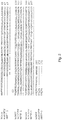
- Die Erfindung wird in den Figuren näher veranschaulicht. Es zeigen:
- Fig. 1
- die Struktur von mutCNTF und NNTF-1;
- Fig. 2
- das Alignment der Aminosäuresequenzen des humanen CNTF, mutCNTF und NNTF-1;
- Fig. 3
- die PCR-Strategie zur Erzeugung von NNTF-1;
- Fig. 4
- einen Proliferationsassay mit BAF/3 CNTFR-gp130-LIFR Zellen;
- Fig. 5
- einen Proliferationsassay mit BAF/3 IL-6R-gp130-LIFR Zellen; und
- Fig. 6
- einen Aktivitätsvergleich zwischen mutCNTF und NNTF-1.
- Gegenstand der vorliegenden Erfindung sind CNTF-Varianten, welche den CNTFR als α-Rezeptor rekrutieren aber im, Gegensatz zum Wildtyp-CNTF, nicht oder nur in sehr geringem Maße mit dem IL-6R interagieren. Dies wird durch den erfindungsgemäßen Austausch vom Arginin-Rest an Position 28 vom humanen Wildtyp-CNTF (SEQ ID:NO 7) gegen einen nicht-positiv-geladenen Aminosäurerest erreicht.
- Erfindungsgemäß handelt es sich bei dem nicht-positiv-geladenen Aminosäurerest bevorzugt um einen Alanin-, Asparagin-, Asparaginsäure-, Cystein-, Glutamin-, Glutaminsäure-, Glycin-, Isoleucin-, Leucin-, Methionin-, Phenylalanin-, Prolin-, Selenocystein-, Serin-, Threonin-, Tryptophan-, Tyrosin- oder Valin-Rest. Erfindungsgemäß erfolgt der Austausch an Position 28 vom humanen Wildtyp-CNTF (SEQ ID:NO 7) nicht durch folgende positiv-geladene A-minosäurereste: Histidin- oder Lysin-Rest.
- In einer speziellen Ausführungsform der Erfindung erfolgt die erfindungsgemäße Aminosäurensubstitution bei der CNTF-Variante mutCNTF (SEQ ID:NO 3 und 4). SEQ ID:NO 8 stellt die allgemeine erfindungsgemäße Sequenz der CNTF-Varianten ausgehend von mutCNTF dar, bei denen an Position 15 der Austausch des Arginin-Restes gegen einen nicht-positiv-geladenen Aminosäurerest erfolgt. In einer bevorzugten Ausführung der Erfindung handelt es sich dabei um den Austausch von Arginin (R) an Position 28 vom humanen Wildtyp-CNTF (Position 15 von mutCNTF) gegen Glutaminsäure (E) (NNTF-1; SEQ ID:NO 5 und SEQ ID:NO 6).
- Die Erfinder haben die CNTF-Variante mutCNTF (SEQ ID:NO 3 und 4) und die erfindungsgemäße R28E-CNTF-Variante (NNTF-1; SEQ ID:NO 5 und 6) wie in den Beispielen beschrieben zunächst in Form von Einschlusskörpern durch ein bakterielles System exprimiert, dann gereinigt und anschließend rückgefaltet. Darauf hin erfolgte die Aktivitätstestung auf zwei verschiedenen BAF/3-Zelllinien, die, neben den erforderlichen β-Untereinheiten, entweder den CNTFR oder den IL-6R exprimieren, wodurch der Spezifitätsnachweis für die CNTF-Variante erbracht wurde. Der Affinitätsverlust wird dadurch verdeutlicht, dass nur die Interaktion eines Interleukins mit dem entsprechenden Rezeptorsetting die Zellproliferation fördern kann.
-
Fig. 1 zeigt die Proteine mutCNTF und NNTF-1 in Form sogenannter Bandmodelle, wobei die vier mit A bis D beschrifteten α-Helices als Strukturmerkmal der IL-6-Familie schematisch dargestellt sind. Bei der verwendeten CNTF-Variante mutCNTF handelt es sich um eine modifizierte Variante des CNTF-Derivats Axokine® (C17A, Q63R, C-terminale Deletion von 15 Aminosäuren). Axokine® weist eine 3- bis 5-fach höhere Wirksamkeit als das Wildtyp-CNTF (Preti A. Axokine (Regeneron). IDrugs 2003; 6(7):696-701) und wurde daher als Grundlage für diese Studien gewählt. In mutCNTF wurde zusätzlich der N-Terminus um 14 Aminosäuren verkürzt. Die Deletion der 14 N-terminalen Aminosäuren sollte keine Auswirkungen auf die Proteinfunktion haben, da sie kein Bestandteil der α-Helix A sind. In der erfmdungsgemäßen CNTF-Variante NNTF-1 wurde eine weitere Punktmutation eingefügt, welche für einen Aminosäureaustausch an der Stelle 28 (R28E, Nummerierung bezieht sich auf den Wildtyp-CNTF; SEQ ID:NO 7) codiert (Fig. 2 ). - Als Template zur Erzeugung der NNTF-1 cDNA fungierte die cDNA des mutCNTF (SEQ ID:NO 3) im Vektor pPCR-Script-mutCNTF. Unter Verwendung der Primerpaare
- T7prom [5 -GTAATACGACTCACTATAGGGC-3']
- + P6forw [5'-CAAGGAAGATTGAGTCAGACCTGACTG-3'] und
- P7rev [5'-CAGTCAGGTCTGACTCAATCTTCCTTG-3']
- + M13rev: [5'-CAGGAAACAGCTATGACCAT-3']
- Die beiden C-terminal c-myc und His-getaggten rekombinanten Proteine mutCNTF und NNTF-1 wurden wie in Beispiel 2 beschrieben hergestellt.
- Die Aktivitätstestung der Proteine mutCNTF und NNTF-1 erfolgte auf den murinen pro-B-Zelllinien BAF/3 CNTFR-gp130-LIFR bzw. BAF/3 IL-6R-gp130-LIFR (Beispiel 3). Sie exprimieren dank stabiler Transfektion neben den β-Rezeptoren gp130 und LIFR, als α-Rezeptor entweder den CNTFR oder den IL-6R, sodass nur ein zur Interaktion mit dem entsprechenden Rezeptorsetting befähigtes Interleukin ihre Proliferation fördern kann.
-
Fig. 4 zeigt die proliferative Antwort von mutCNTF, IL-6 und NNTF-1 auf mit CNTFR, gp130 und LIFR stabil transfizierten BAF/3-Zellen (BAF/3 CNTFR-gp130-LIFR) undFig. 5 die proliferative Antwort auf mit IL-6Rα, gp130 und LIFR stabil transfizierten BAF/3-Zellen (BAF/3 IL-6R-gp130-LIFR). Beide Zelllinien wurden mit steigender Konzentration von CNTF, IL-6 und NNTF-1 inkubiert und anschließend einem biochemischen Proliferationsassay unterzogen. Als Maß für die Zellteilung wurde photometrisch die Absorption bei 570 nm ermittelt, die direkt proportional zur Anzahl der lebenden Zellen ist. - Die dargestellten Proliferationsassays verdeutlichen, dass mutCNTF und NNTF-1 einerseits dazu in der Lage sind, die Vermehrung der BAF/3 CNTFR-gp130-LIFR-Zellen zu stimulieren, anderseits aber nur mutCNTF und nicht NNTF-1 eine Aktivität auf BAF/3 IL-6R-gp130-LIFR-Zellen besitzt. IL-6 konnte, wie erwartet, nur die Proliferation von BAF/3 IL-6R-gp130-LIFR-Zellen stimulieren (
Figs. 4 und5 ). - In
Fig. 6 ist abschließend NNTF-1 dem ursprünglichen mutCNTF-Molekül funktionell gegenübergestellt. Als repräsentativer Vergleichsparameter diente jeweils die durch mutCNTFinduzierte halbmaximale Proliferationsrate, welche auf BAF/3 CNTFR-gp130-LIFR-Zellen bei einer Zytokinkonzentration von 0,00137 µg/ml und auf BAF/3 IL-6R-gp130-LIFR-Zellen bei 0,333 µg/ml erreicht wurde (s.Figs. 4 und5 ). Dabei wird deutlich, dass NNTF-1 im Vergleich zu mutCNTF keine signifikante Aktivität auf BAF/3 IL-6R-gp130-LIFR-Zellen aufweist. Hingegen ist die Aktivität von NNTF-1 auf BAF/3 CNTFR-gp130-LIFR-Zellen vergleichbar mit der von mutCNTF. - Um zu untersuchen, ob mit NNTF-1 der gewünschte Verlust der Interaktion mit dem IL-6R erzielt werden kann, wurde diese erfindungsgemäße Zytokinvariante im Vergleich mit den beiden Zytokinen IL-6 und mutCNTF auf den Zelllinien BAF/3 CNTFR-gp130-LIFR und BAF/3 IL-6R-gp130-LIFR getestet. IL-6 zeigte die bereits bekannte Eigenschaft, BAF/3 IL-6R-gp130-LIFR-Zellen zur Proliferation zu bringen. mutCNTF zeigte diesen Effekt ebenfalls, aber erst bei vergleichbar höheren Konzentrationen. Daraus kann geschlossen werden, dass mutCNTF eine (wenn auch schwache) Affinität zum IL-6R besitzt. NNTF-1 hingegen zeigte auch bei hohen Konzentrationen keinen solchen Effekt: Die Proliferation und das Überleben der BAF/3 IL-6R-gp130-LIFR-Zellen konnten durch NNTF-1 nicht mehr stimuliert werden. Die Versuche mit BAF/3 CNTFR-gp130-LIFR-Zellen zeigten, dass diese, wie erwartet, mit Proliferation auf mutCNTF reagieren. Aus den Ergebnissen lässt sich schlussfolgern, dass NNTF-1, im Gegensatz zu mutCNTF, nicht mehr an den IL-6R binden kann. Dies konnte mittels der Zellproliferation, die nur erfolgt, wenn der Ligand an seinen Rezeptor bindet und darauf hin die intrazelluläre Signalkaskade auslöst, nachgewiesen werden. Zusätzlich wurde aber durch den Aminosäurenaustausch R28E in NNTF-1 die Bindungseigenschaften an den CNTFR nicht messbar beeinflusst. Überraschenderweise reicht der Austausch einer einzigen Aminosäure, um die Affinität von mutCNTF zum IL-6R so zu reduzieren, dass keine Zellproliferation mehr möglich ist. Dadurch wird gleichzeitig eine zentrale Rolle des Arginin-Restes 28 vom humanen CNTF bei der Interaktion zwischen Zytokin und Rezeptor impliziert.
- Gegenstand der vorliegenden Erfindung sind somit Nukleinsäuremoleküle, die für CNTF-Varianten codieren, welche anstatt des Arginin-Rests an Position 28 vom humanen Wildtyp-CNTF (SEQ ID:NO 7) einen nicht-positiv-geladenen Aminosäurerest aufweisen.
- Gegenstand der Erfindung sind neben den beschriebenen CNTF-Peptiden, die anstatt des Arginin-Rests an Position 28 vom humanen Wildtyp-CNTF (SEQ ID:NO 7) einen nicht-positiv-geladenen Aminosäurerest aufweisen, auch deren biologisch aktive Fragmente. Biologisch aktiv bedeutet, dass die Fragmente gemäß dem in den Beispielen angegebenen Proliferationsassay oder einem anderen dem Fachmann bekannten Nachweisverfahren keine Affinität zum IL-6R aufweisen und demzufolge spezifisch für den CNTFR sind, wie die zugrundeliegenden kompletten Peptide. Bevorzugt handelt es sich um Derivate, bei denen N- oder C-terminal eine oder mehrere Aminosäuren fehlen. Es können jedoch auch Aminosäuren aus der Sequenz deletiert sein. Solche Fragmente weisen bevorzugt nicht mehr als 30 % deletierte Aminosäuren auf.
- Gegenstand der Erfindung sind weiterhin solche CNTF-Peptide, bei denen einzelne Aminosäuren ausgetauscht sind. Bevorzugt handelt es sich dabei um konservative Austausche, d. h. Aminosäuren mit ähnlichen Eigenschaften werden ersetzt, beispielsweise Alanin gegen Serin, Leucin gegen Isoleucin, etc. Hier wird bevorzugt, dass nicht mehr als 10 % der Aminosäuren in den Peptiden ersetzt werden.
- Darüber hinaus können auch einzelne Aminosäuren durch nicht-natürliche Aminosäuren ersetzt sein, d.h. durch Aminosäuren, die weitere funktionelle Gruppen tragen, beispielsweise Hydroxyprolin, Methylthreonin, Homocystein, etc. Auch in diesem Fall sind bevorzugt nicht mehr als 10 % der Aminosäuren entsprechend modifiziert. Weiterhin können die Peptide Derivatisierungen tragen, beispielsweise amidiert, glycosiliert, acetyliert, sulfatiert oder phosphoryliert sein.
- Die vorliegende Erfindung stellt des Weiteren ein Herstellungsverfahren für die erfindungsgemäßen Peptide bereit. Neben der gentechnischen Herstellung der Peptide ist auch die aufbauende Totalsynthese an üblichen Festphasen im Sinne der Merrifield-Synthese oder einer Flüssigphasensynthese möglich. Die Synthesestrategie und der Aufbau der Peptide und von ihnen abgeleiteter Derivate mit den entsprechend geschützten Aminosäuren sind dem Fachmann bekannt.
- Die vorliegende Erfindung betrifft außerdem einen Vektor, gekennzeichnet durch ein erfindungsgemäßes Nukleinsäuremolekül sowie eine Wirtszelle, gekennzeichnet durch einen erfindungsgemäßen Vektor, die in der Lage ist, ein erfindungsgemäßes Peptid zu exprimieren.
- Wirtszelle, gekennzeichnet durch den Vektor nach Anspruch 5.
- Die vorliegende Erfindung betrifft außerdem ein Arzneimittel mit einem erfindungsgemäßen Peptid für verschiedene therapeutische Indikationen. Dazu können die Peptide als hochreine Stoffe oder - wenn für die Verwendung ausreichend - innerhalb eines teilweise gereinigten Peptidgemisches oder als Gemisch mehrerer erfindungsgemäßer Peptide verwendet werden.
- Ein weiterer Gegenstand der Erfindung ist ein Arzneimittel mit einem erfindungsgemäßen Peptid zur Behandlung einer mit CNTF im Zusammenhang stehenden Störung oder Erkrankung.
- Gegenstand der vorliegenden Erfindung ist somit auch ein Arzneimittel mit einem erfindungsgemäßen Peptid zur Behandlung von Adipositas und damit in Zusammenhang stehenden Erkrankungen wie Adipositas-assoziierter Insulinresistenz, Glucoseintoleranz, Diabetes, Hyperglykämie oder Hyperinsulinämie und/oder zur Verringerung des Körpergewichts.
- Gegenstand der vorliegenden Erfindung ist ferner ein Arzneimittel mit einem erfindungsgemäßen Peptid zur Behandlung einer mit CNTF im Zusammenhang stehenden neurologischen oder Differenzierungs-Störung oder -Erkrankung oder einer Nervenschädigung.
- Solche mit CNTF im Zusammenhang stehende neurologische oder Differenzierungs-Störungen oder -Erkrankungen oder Nervenschädigungen umfassen degenerative Erkrankungen, wie Netzhautdegenerationen, Erkrankungen oder Störungen, die das Rückenmark, cholinerge Neuronen oder Hippokampus-Neuronen umfassen, oder Erkrankungen oder Störungen, die Motoneuronen umfassen, wie amyotrophe Lateralsklerose oder die des Nervus facialis, wie Facialisparese. Andere Erkrankungen oder Störungen, die behandelt werden können, umfassen periphere Neuropathie, Alzheimer-Krankheit, Parkinson-Krankheit, Chorea Huntington oder Muskelatrophie, die beispielsweise von Denervierung, chronischem Missbrauch, Stoffwechselbelastung und Mangelernährung oder einem Zustand wie dem Muskeldystrophiesyndrom, angebotener Myopathie, einer entzündlichen Muskelerkrankung, toxischer Myopathie, Nerventrauma, peripherer Neuropathie, Arzneistoff- oder Toxin-induzierter Schädigung oder Motoneuropathie, resultieren. Die vorliegende Erfindung bezieht sich auch auf Erkrankungen oder Störungen, die aus einer Schädigung des Nervensystems resultieren, wobei eine solche Schädigung durch ein Trauma, einen chirurgischen Eingriff, einen Infarkt, eine Infektion und Malignität oder durch Einwirken eines toxischen Mittels verursacht werden kann.
- Die vorliegende Erfindung hat auch als Gegenstand ein Arzneimittel zur Behandlung von Adipositas und damit in Zusammenhang stehenden Erkrankungen und/oder zur Verringerung des Körpergewichts sowie zur Behandlung einer mit CNTF im Zusammenhang stehenden neurologischen oder Differenzierungs-Störung oder -Erkrankung oder Nervenschädigung, das als mindestens einen seiner aktiven Wirkstoffe ein erfindungsgemäßes Peptid enthält und ein geeigneten pharmakologischen Träger umfasst.
- Die Erfindung wird anhand der folgenden Beispiele näher beschrieben.
- Die SOE-PCR zur Erzeugung einer Punktmutation verläuft in mehreren Schritten. Zusätzlich zu den endständigen Primern einer normalen PCR erstellt man zwei Primer die an exakt komplementären Positionen der Template-DNA liegen und die Position des zu ersetzenden Basentripletts einschließen. Das Template wird somit nicht komplett amplifiziert, sondern in zwei Teilen, jeweils mit dem endständigen 5'-Primer und dem die Mutation enthaltenden 3'-Primer und umgekehrt. Somit entstehen zwei DNA-Fragmente die aufgrund ihrer komplementären Enden in einer finalen Ligations-PCR, welche nur die endständigen Primer verwendet, miteinander verbunden werden können (
Fig. 3 ). - Die Amplifizierung der DNA erfolgte nach folgendem Schema:
initiale Denaturierung 95 °C / 120 s 30 x Denaturierung 95 °C / 60 s Anlagerung 55 °C / 60 s Verlängerung 72 °C / 60 s finale Verlängerung 72 °C / 300 s - Die Ligations-PCR wurde unter folgenden Bedingungen durchgeführt:
initiale Denaturierung 95 °C / 60 s 30 x Denaturierung 95 °C / 60 s Anlagerung 55 °C / 120 s Verlängerung 72 °C / 180 s finale Verlängerung 72 °C / 300 s -
- P6forw 5'-CAAGGAAGATTGAGTCAGACCTGACTG-3'
- P7rev 5'-CAGTCAGGTCTGACTCAATCTTCCTTG-3'
- T7prom 5'-GTAATACGACTCACTATAGGGC-3'
- M13rev 5'-CAGGAAACAGCTATGACCAT-3'
- Für die Proteinexpression der im Expressionsvektor pET-23a(+) (Novagen, Gibbstown, USA) klonierten Inserts NNTF-1 und mutCNTF wurde E.coli-Stamm BL21(DE3)pLysS (Novagen, Madison, USA) verwendet. Die Expression erfolgte in einem Liter autoklaviertem und mit entsprechendem Selektionsantibiotikum versetztem LB-Medium. Hierzu wurden in einem ersten Schritt Kolonien der zuvor transformierten Bakterien von der Agarplatte gepickt und in einem kleinen Volumen von 50 ml über Nacht inkubiert, aus diesem anschließend 10 ml in den Expressionsansatz überführt und der Ansatz in einem Inkubator bei 180 rpm und 37 °C bis zu einer OD600 von 0,8 geschüttelt. Daraufhin erfolgte die Induktion der Expression mit Hilfe des Lactose-Analogons Isopropyl-β-D-thiogalactopyranosid (IPTG) in einer Endkonzentration von 1 mM. Nach 4 Stunden wurde der Ansatz für 20 min bei 4.000 rpm zentrifugiert und die Pellets bis zu ihrer Reinigung in 50-ml-Zentrifugenröhrchen bei -20 °C gelagert. Der pelletierte Expressionsansatz wurde in einer Serie von 5 Wiederholungen in jeweils 100 ml 1xPBS resuspendiert (initial unter Zusatz von 0,1 % (v/v) Tween® 20), mit Hilfe des Homogenisators SONOPULS HD 2200 (BANDELIN, Berlin, D) 3-mal für eine min auf Eis sonifiziert (30 % Leistung) und erneut 20 min bei 15.000 rpm pelletiert, wobei der Überstand verworfen werden konnte. Nach dem letzten Zentrifugationsschritt erfolgte die Aufnahme der Pellets in insgesamt 12 ml denaturierendem Puffer 1 (6 M GuHCl; 50 mM Tris-HCl pH 8,0). Im Anschluss an die Übernacht-Inkubation bei Zimmertemperatur auf einem Rolltisch wurde die Proteinlösung 10 min bei 10.000 rpm zentrifugiert und der Überstand bis zur weiteren Verarbeitung bei -20 °C gelagert.
- Eine weitere Reinigung erfolgte durch Metallchelat-Affinitätschromatographie. Als Trägermaterial der Säule dienten 2 ml Ni-NTA-Agarose (Qiagen, Hilden, D). Diese wurde zweimal mit 10 ml 1x PB S gewaschen, einmal mit 10 ml Puffer 1 äquilibriert und anschließend mit 10 ml Proteinlösung beschickt, woraufhin der Säuleninhalt für 10 Minuten bei Raumtemperatur auf einem Rolltisch inkubierte. Nach dem Durchlauf erfolgten zwei Waschschritte mit jeweils 10 ml Puffer 1 und die Elution des Proteins mit 3 x 4 ml Puffer 2 (6 M GuHCl; 50 mM Tris-HCl pH 8,0; 250 mM Imidazol). Der Erfolg der Reinigung wurde mittels SDS-PAGE überprüft.
- Da die in GuHCl gelösten Proteine in denaturierter Form vorlagen erfolgte eine Dialyse, bei der Proteinlösung [1 mg/ml] in einem Volumenverhältnis von 1:1000 zweimal für 12 Stunden gegen 50mM CAPS pH 11,0 bei 4 °C. Die korrekte Faltung wurde mittels CD-Spektroskopie verifiziert.
- Zuletzt wurde das FPLC-System ÄKTAexplorer™ (Pharmacia Biotech,Uppsala, S) angewendet, um monomere von aggregierten multimeren Proteinen zu trennen. Nach dem Waschen der an das Explorersystem angeschlossenen HiLoad 16/60 Superdex 75 pg (Säulenvolumen 120 ml) mit 120 ml 0,5 M NaOH erfolgte die Äquilibrierung mit 240 ml entgastem und steril filtriertem 50 mM CAPS pH 11,0 und das Beladen der Säule mit 2 ml der dialysierten Proteinlösung. Während des Trennungsprozesses wurden die Proteine bei 280 nm detektiert, anschließend das fraktionierte Elutionsvolumen durch SDS-PAGE analysiert und mittels Zentrifugationskonzentratoren (Vivaspin 20, MWCO 10.000; Sartorius, Aubagne, F) auf 0,5 bis 1 mg/ml konzentriert.
- Die beiden Proteine mutCNTF und NNTF-1 wurden als Monomer dargestellt. IL-6 wurde hergestellt wie beschrieben (Fischer, M, Goldschmitt, J, Peschel, C, Brakenhoff, JP, Kallen, KJ, Wollmer, A, Grotzinger, J and Rose-John, S. I. A bioactive designer cytokine for human hematopoietic progenitor cell expansion. Nat Biotechnol 1997; 15: 142-145).
- Die Untersuchung der biologischen Aktivität von NNTF-1 und mutCNTF erfolgte auf zwei zuvor stabil mit den benötigten Rezeptorkomponenten transfizierten BAF/3-Zelllininen (48):
- Zelllinie: BAF/3 IL-6R-gp130-LIFR
- Herkunft: murine pro-B-Zellen, stabil transfiziert mit cDNA für gp130, IL-6R, LIFR
- Kultivierung: in Suspension, DMEM + 10 % FCS + 1 % P/S, IL-6 [10 ng/ml]
- Zelllinie: BAF/3 CNTFR-gp130-LIFR
- Herkunft: murine pro-B-Zellen, stabil transfiziert mit cDNA für gp130, CNTFR, LIFR
- Kultivierung: in Suspension, DMEM + 10 % FCS + 1 % P/S, CNTF [10 ng/ml]
- Die Zellen wurden dreimal mit sterilem PBS gewaschen, gezählt und in DMEM (+/+) in einer Konzentration von 5 x 10³/100 µl resuspendiert. Nach Zugabe der entsprechenden Zytokine mutCNTF oder NNTF-1 wurden jeweils 100 µl/well in eine 96-well-Platte pipettiert und für zwei Tage anhand einer aufsteigenden Konzentrationsreihe beginnend mit 1 pg/ml und endend mit 1 µg/ml Zytokin kultiviert, um anschließend die Proliferationsassays durchzuführen. Die Zellen wurden bei 37 °C und einem CO2-Gehalt von 5 % kultiviert. Die Proliferation der Zellen wurde mit Hilfe des CellTiter-Blue Cell Viability Assay (Promega GmbH, Mannheim) nach Protokoll des Herstellers bestimmt und als Maß für die Zellteilung wurde photometrisch die Absorption bei 570 nm ermittelt, die direkt proportional zur Anzahl der lebenden Zellen ist. Alle Werte wurden durch Dreifachbestimmung ermittelt.
-
- <110> Christian-Albrechts-Universität zu Kiel
- <120> Ciliary-Neurotrophic-Factor-Varianten
- <130> P 88422
- <160> 8
- <170> PatentIn version 3.5
- <210> 1
<211> 603
<212> DNA
<213> Homo sapiens - <220>
<221> misc_feature
<222> (82)..(84)
<223> n ist a, c, g, oder t, wobei das Codon an der Position 82-84 für eine nicht-positiv-geladene Aminosäure codiert - <400> 1

- <210> 2
<211> 200
<212> PRT
<213> Homo sapiens - <220>
<221> MISC_FEATURE
<222> (28) .. (28)
<223> Xaa steht für jeden nicht-positiv-geladenen Aminosäurerest - <400> 2


- <210> 3
<211> 519
<212> DNA
<213> artificial - <220>
<223> artificial - <400> 3


- <210> 4
<211> 172
<212> PRT
<213> artificial - <220>
<223> artificial - <400> 4


- <210> 5
<211> 519
<212> DNA
<213> artificial - <220>
<223> artificial - <400> 5

- <210> 6
<211> 172
<212> PRT
<213> artificial - <220>
<223> artificial - <400> 6


- <210> 7
<211> 200
<212> PRT
<213> Homo sapiens - <400> 7


- <210> 8
<211> 172
<212> PRT
<213> artificial - <220>
<223> artificial - <220>
<221> misc_feature
<222> (15)..(15)
<223> Xaa steht für jeden nicht-positiv-geladenen Aminosäurerest - <400> 8


Claims (15)
- Nukleinsäuremolekül, ausgewählt aus der Gruppe bestehend ausa) einem Nukleinsäuremolekül mit der in SEQ ID NO: 1 dargestellten Nukleotidsequenz,b) einem Nukleinsäuremolekül, das ein Peptid mit der in SEQ ID NO: 2 dargestellten Aminosäuresequenz codiert,c) einem Nukleinsäuremolekül, dessen Komplementärstrang an ein Nukleinsäuremolekül nach a) oder b) hybridisiert und das für ein Peptid codiert, das an den Ciliary-Neurotrophic-Factor-Rezeptor (CNTFR) bindet, wobei das Peptid mit geringerer Affinität als der Ciliary-Neurotrophic-Factor an den Interleukin-6 Rezeptor (IL-6R) bindet,d) einem Nukleinsäuremolekül, dessen Nukleotidsequenz von der Nukleotidsequenz eines Nukleinsäuremoleküls nach c) aufgrund des degenerierten genetischen Codes abweicht,wobei das Codon an Position 82-84 des Nukleinsäuremoleküls nach a) für eine nicht-positiv geladene Aminosäure codiert und das Peptid an der in SEQ ID NO: 2 gezeigten Position 28 einen nicht-positiv geladenen Aminosäurerest aufweist.
- Nukleinsäuremolekül nach Anspruch 1, dadurch gekennzeichnet, dass der nicht-positiv geladene Aminosäurerest ausgewählt ist aus der Gruppe bestehend aus Alanin-, Asparagin-, Asparaginsäure-, Cystein-, Glutamin-, Glutaminsäure-, Glycin-, Isoleucin-, Leucin-, Methionin-, Phenylalanin-, Prolin-, Selenocystein-, Serin-, Threonin-, Tryptophan-, Tyrosin- oder Valin-Rest.
- Nukleinsäuremolekül nach Anspruch 1 oder 2, dadurch gekennzeichnet, dass das Nukleinsäuremolekül ein Peptid codiert, welches an den CNTFR bindet, wobei das Peptid keine oder geringe Affinität zum IL-6R aufweist, und wobei das Peptid eine Aminosäuresequenz aufweist, bei der im Vergleich zu der in SEQ ID NO: 2 dargestellten Aminosäuresequenz einzelne Aminosäuren substituiert sind, wobei nicht mehr als 10% der Aminosäuren ersetzt sind, wobei der nicht-positiv geladene Aminosäurerest in der Position Xaa nicht substituiert ist.
- Nukleinsäuremolekül mit der in SEQ ID NO: 5 dargestellten Nukleotidsequenz.
- Vektor, gekennzeichnet durch ein Nukleinsäuremolekül mit der Nukleotidsequenz nach einem der vorhergehenden Ansprüche.
- Wirtszelle, gekennzeichnet durch ein Nukleinsäuremolekül nach einem der Ansprüche 1 bis 4.
- Wirtszelle, gekennzeichnet durch den Vektor nach Anspruch 5.
- Peptid,(a) das die in SEQ ID NO: 2 oder die in SEQ ID NO: 8 dargestellte Aminosäuresequenz aufweist, wobei Xaa ein nicht-positiv geladener Aminosäurerest ist; oder(b) bei dem im Vergleich zu einem der Peptide von (a) einzelne Aminosäuren substituiert sind, wobei nicht mehr als 10 % der Aminosäuren ersetzt sind, wobei der nicht-positiv geladene Aminosäurerest in der Position Xaa nicht substituiert ist,wobei das Peptid an den CNTFR bindet und nicht oder mit geringerer Affinität als der CNTF an den IL-6R bindet.
- Peptid nach Anspruch 8, dadurch gekennzeichnet, dass das Peptid ein zyklisches, amidiertes, acetyliertes, sulfatiertes, phosphoryliertes, glycosiliertes oder oxidiertes Derivat ist.
- Peptid nach einem der Ansprüche 8 bis 9, dadurch gekennzeichnet, dass ≤ 10% der angegebenen Aminosäuren mit nicht-natürlich vorkommenden Aminosäuren substituiert sind.
- Peptid nach Anspruch 10, dadurch gekennzeichnet, dass die nicht-natürlich vorkommenden Aminosäuren ausgewählt sind aus der Gruppe bestehend aus Hydroxyprolin, Methylthreonin oder Homocystein.
- Arzneimittel mit einem Peptid nach einem der Ansprüche 8-11 zur Verwendung bei der Behandlung einer mit CNTF im Zusammenhang stehenden Störung oder Erkrankung.
- Arzneimittel zur Verwendung bei der Behandlung nach Anspruch 12, wobei die Erkrankung oder Störung eine Erkrankung oder einer Störung des Nervensystems ist.
- Arzneimittel zur Verwendung bei der Behandlung nach Anspruch 12, wobei es sich um folgende Erkrankung oder Störung des Nervensystems handelt: degenerative Erkrankungen, wie Netzhautdegenerationen, Erkrankungen oder Störungen, die das Rückenmark, cholinerge Neuronen oder Hippokampus-Neuronen umfassen, oder Erkrankungen oder Störungen, die Motoneuronen umfassen, wie amyotrophe Lateralsklerose oder die des Nervus facialis, wie Facialisparese; periphere Neuropathie, Alzheimer-Krankheit, Parkinson-Krankheit, Chorea Huntington oder Muskelatrophie, die beispielsweise von Denervierung, chronischem Missbrauch, Stoffwechselbelastung und Mangelernährung oder einem Zustand wie dem Muskeldystrophiesyndrom, angeborener Myopathie, einer entzündlichen Muskelerkrankung, toxischer Myopathie, Nerventrauma, peripherer Neuropathie, Arzneistoff- oder Toxin-induzierter Schädigung oder Motoneuropathie, resultieren, sowie Erkrankungen oder Störungen, die aus einer Schädigung des Nervensystems resultieren, wobei eine solche Schädigung durch ein Trauma, einen chirurgischen Eingriff, einen Infarkt, eine Infektion und Malignität oder durch Einwirken eines toxischen Mittels verursacht werden kann.
- Arzneimittel nach Anspruch 12 zur Verwendung bei der Behandlung nach Anspruch 12, wobei die Erkrankung oder Störung Adipositas oder mit Adipositas assoziierter Insulinresistenz, Glucoseintoleranz, Diabetes, Hyperglykämie oder Hyperinsulinämie ist, und/oder die Behandlung der Verringerung des Körpergewichts dient.
Applications Claiming Priority (2)
| Application Number | Priority Date | Filing Date | Title |
|---|---|---|---|
| DE102011104822A DE102011104822A1 (de) | 2011-06-18 | 2011-06-18 | Ciliary-Neutrophic-Factor-Varianten |
| PCT/EP2012/061143 WO2012175378A1 (de) | 2011-06-18 | 2012-06-13 | Ciliary-neurotrophic-factor-varianten |
Publications (2)
| Publication Number | Publication Date |
|---|---|
| EP2720709A1 EP2720709A1 (de) | 2014-04-23 |
| EP2720709B1 true EP2720709B1 (de) | 2017-08-09 |
Family
ID=46298403
Family Applications (1)
| Application Number | Title | Priority Date | Filing Date |
|---|---|---|---|
| EP12727648.3A Not-in-force EP2720709B1 (de) | 2011-06-18 | 2012-06-13 | Ciliary-neurotrophic-factor-varianten |
Country Status (4)
| Country | Link |
|---|---|
| US (1) | US9187542B2 (de) |
| EP (1) | EP2720709B1 (de) |
| DE (1) | DE102011104822A1 (de) |
| WO (1) | WO2012175378A1 (de) |
Families Citing this family (1)
| Publication number | Priority date | Publication date | Assignee | Title |
|---|---|---|---|---|
| CA3045925A1 (en) * | 2016-12-06 | 2018-06-14 | The Board Of Trustees Of The Leland Stanford Junior University | Ciliary neurotrophic factor receptor ligand-binding agents and methods of using the same |
Family Cites Families (4)
| Publication number | Priority date | Publication date | Assignee | Title |
|---|---|---|---|---|
| IT1261787B (it) * | 1993-06-23 | 1996-06-03 | Angeletti P Ist Richerche Bio | Metodologia per la selezione di superagonisti, antagonisti e super- antagonisti di ormoni del cui complesso recettoriale fa parte gp 130. |
| CA2439682A1 (en) | 2001-03-02 | 2002-09-12 | Merck Patent Gesellschaft Mit Beschrankter Haftung | Modified ciliary neurotrophic factor (cntf) with reduced immunogenicity |
| US20050064555A1 (en) | 2003-07-09 | 2005-03-24 | Xencor, Inc. | Ciliary neurotrophic factor variants |
| US20050069987A1 (en) | 2003-09-30 | 2005-03-31 | Daly Thomas J. | Modified ciliary neurotrophic factor polypeptides with reduced antigenicity |
-
2011
- 2011-06-18 DE DE102011104822A patent/DE102011104822A1/de not_active Withdrawn
-
2012
- 2012-06-13 WO PCT/EP2012/061143 patent/WO2012175378A1/de not_active Ceased
- 2012-06-13 EP EP12727648.3A patent/EP2720709B1/de not_active Not-in-force
- 2012-06-13 US US14/127,460 patent/US9187542B2/en not_active Expired - Fee Related
Non-Patent Citations (1)
| Title |
|---|
| None * |
Also Published As
| Publication number | Publication date |
|---|---|
| WO2012175378A1 (de) | 2012-12-27 |
| DE102011104822A8 (de) | 2013-03-07 |
| DE102011104822A1 (de) | 2012-12-20 |
| US9187542B2 (en) | 2015-11-17 |
| EP2720709A1 (de) | 2014-04-23 |
| US20140171620A1 (en) | 2014-06-19 |
Similar Documents
| Publication | Publication Date | Title |
|---|---|---|
| DE69900816T2 (de) | Modifizierter ciliary neurotrophic factor (cntf), und verfahren zu dessen herstellung und verwendung | |
| DE69131514T2 (de) | Herstellung von biologisch aktiven rekombinanten Mitgliedern der NGF/BDNF-Familie neurotroper Proteine | |
| DE69029934T2 (de) | Aus dem gehirn stammender neurotropher faktor | |
| DE69738074T2 (de) | Reinigung von neurotrophinen | |
| DE69309702T2 (de) | Modifizierte ciliare neurotrophische faktoren (cntf) | |
| DE69233008T2 (de) | Fusionierung von Peptiden und Proteinen mit Thioredoxin und thioredoxin-ähnlichen Molekülen | |
| DE69507507T2 (de) | Konjugate bdnf und nt-3 mit einem wasserlöslichen polymer | |
| DE3650088T2 (de) | Inhibin und dessen reinigung. | |
| DE69530403T2 (de) | Analogen des keratinozytenwachstumfaktors | |
| EP0888384B1 (de) | Fusionspolypeptid zur beeinflussung von wechselwirkungen zwischen proteinen | |
| DE69635675T2 (de) | Verkürzter aus einer gliazelllinie gewonnener neurotropher faktor | |
| DD299196A5 (de) | Neurotrophin-3, ein neuartiger neurotropher faktor, der mit dem nervenwachstumsfaktor und dem hirnderivatisierten neurotrophen faktor verwandt ist | |
| DE69726884T2 (de) | Menschliches sdf-5 protein und diesbezügliche zusammensetzungen | |
| DE69033937T2 (de) | Verfahren zur Herstellung von genetischen Vektoren zur Expression vom Nerven-Wachstumsfaktor in eukaryotischen Zellen | |
| EP1151095B1 (de) | Polypeptidvarianten mit erhoehter heparin-bindungsfaehigkeit | |
| DE60220879T2 (de) | Polymer-konjugate von neublastin und methoden für deren verwendung | |
| DE69819145T2 (de) | Bioabbaubare mikropartikeln mit verzögerter wirkstofffreisetzung | |
| DE69712124T2 (de) | Hormones de croissance humaines mutantes et leur utilisation | |
| EP0837938A2 (de) | Verwendung von mp52 oder mp121 zur behandlung und prävention von erkrankungen des nervensystems | |
| DE69837719T2 (de) | Herstellungsverfahren von lactalbumin | |
| EP1904522B1 (de) | Verfahren zur reinigung von g-csf | |
| DE69737766T2 (de) | Zusammensetzungen von stammzellfaktor (scf)-analogen und auf diese bezogene verfahren | |
| DE60124532T2 (de) | Neue polypeptide aus bienengift und verfahren zu deren verwendung | |
| DE69332047T2 (de) | Neurotrophe faktoren mit veränderter rezeptorbindungsspezifität | |
| DE69230879T2 (de) | Verwendung von Hepatocyten-Wachstumsfaktoren zur Herstellung eines Vermehrungssystems für Hematopoietische Stammzellen |
Legal Events
| Date | Code | Title | Description |
|---|---|---|---|
| PUAI | Public reference made under article 153(3) epc to a published international application that has entered the european phase |
Free format text: ORIGINAL CODE: 0009012 |
|
| 17P | Request for examination filed |
Effective date: 20131113 |
|
| AK | Designated contracting states |
Kind code of ref document: A1 Designated state(s): AL AT BE BG CH CY CZ DE DK EE ES FI FR GB GR HR HU IE IS IT LI LT LU LV MC MK MT NL NO PL PT RO RS SE SI SK SM TR |
|
| DAX | Request for extension of the european patent (deleted) | ||
| 17Q | First examination report despatched |
Effective date: 20151209 |
|
| REG | Reference to a national code |
Ref country code: DE Ref legal event code: R079 Ref document number: 502012010980 Country of ref document: DE Free format text: PREVIOUS MAIN CLASS: A61K0038180000 Ipc: A61K0038000000 |
|
| RIC1 | Information provided on ipc code assigned before grant |
Ipc: C07K 14/475 20060101ALI20170215BHEP Ipc: C07K 14/48 20060101ALI20170215BHEP Ipc: A61K 38/00 20060101AFI20170215BHEP |
|
| GRAP | Despatch of communication of intention to grant a patent |
Free format text: ORIGINAL CODE: EPIDOSNIGR1 |
|
| INTG | Intention to grant announced |
Effective date: 20170330 |
|
| GRAS | Grant fee paid |
Free format text: ORIGINAL CODE: EPIDOSNIGR3 |
|
| GRAA | (expected) grant |
Free format text: ORIGINAL CODE: 0009210 |
|
| AK | Designated contracting states |
Kind code of ref document: B1 Designated state(s): AL AT BE BG CH CY CZ DE DK EE ES FI FR GB GR HR HU IE IS IT LI LT LU LV MC MK MT NL NO PL PT RO RS SE SI SK SM TR |
|
| REG | Reference to a national code |
Ref country code: GB Ref legal event code: FG4D Free format text: NOT ENGLISH |
|
| REG | Reference to a national code |
Ref country code: CH Ref legal event code: EP Ref country code: AT Ref legal event code: REF Ref document number: 916088 Country of ref document: AT Kind code of ref document: T Effective date: 20170815 |
|
| REG | Reference to a national code |
Ref country code: IE Ref legal event code: FG4D Free format text: LANGUAGE OF EP DOCUMENT: GERMAN |
|
| REG | Reference to a national code |
Ref country code: DE Ref legal event code: R096 Ref document number: 502012010980 Country of ref document: DE |
|
| REG | Reference to a national code |
Ref country code: NL Ref legal event code: MP Effective date: 20170809 |
|
| REG | Reference to a national code |
Ref country code: LT Ref legal event code: MG4D |
|
| PG25 | Lapsed in a contracting state [announced via postgrant information from national office to epo] |
Ref country code: FI Free format text: LAPSE BECAUSE OF FAILURE TO SUBMIT A TRANSLATION OF THE DESCRIPTION OR TO PAY THE FEE WITHIN THE PRESCRIBED TIME-LIMIT Effective date: 20170809 Ref country code: NO Free format text: LAPSE BECAUSE OF FAILURE TO SUBMIT A TRANSLATION OF THE DESCRIPTION OR TO PAY THE FEE WITHIN THE PRESCRIBED TIME-LIMIT Effective date: 20171109 Ref country code: NL Free format text: LAPSE BECAUSE OF FAILURE TO SUBMIT A TRANSLATION OF THE DESCRIPTION OR TO PAY THE FEE WITHIN THE PRESCRIBED TIME-LIMIT Effective date: 20170809 Ref country code: SE Free format text: LAPSE BECAUSE OF FAILURE TO SUBMIT A TRANSLATION OF THE DESCRIPTION OR TO PAY THE FEE WITHIN THE PRESCRIBED TIME-LIMIT Effective date: 20170809 Ref country code: HR Free format text: LAPSE BECAUSE OF FAILURE TO SUBMIT A TRANSLATION OF THE DESCRIPTION OR TO PAY THE FEE WITHIN THE PRESCRIBED TIME-LIMIT Effective date: 20170809 Ref country code: LT Free format text: LAPSE BECAUSE OF FAILURE TO SUBMIT A TRANSLATION OF THE DESCRIPTION OR TO PAY THE FEE WITHIN THE PRESCRIBED TIME-LIMIT Effective date: 20170809 |
|
| PG25 | Lapsed in a contracting state [announced via postgrant information from national office to epo] |
Ref country code: GR Free format text: LAPSE BECAUSE OF FAILURE TO SUBMIT A TRANSLATION OF THE DESCRIPTION OR TO PAY THE FEE WITHIN THE PRESCRIBED TIME-LIMIT Effective date: 20171110 Ref country code: IS Free format text: LAPSE BECAUSE OF FAILURE TO SUBMIT A TRANSLATION OF THE DESCRIPTION OR TO PAY THE FEE WITHIN THE PRESCRIBED TIME-LIMIT Effective date: 20171209 Ref country code: RS Free format text: LAPSE BECAUSE OF FAILURE TO SUBMIT A TRANSLATION OF THE DESCRIPTION OR TO PAY THE FEE WITHIN THE PRESCRIBED TIME-LIMIT Effective date: 20170809 Ref country code: PL Free format text: LAPSE BECAUSE OF FAILURE TO SUBMIT A TRANSLATION OF THE DESCRIPTION OR TO PAY THE FEE WITHIN THE PRESCRIBED TIME-LIMIT Effective date: 20170809 Ref country code: BG Free format text: LAPSE BECAUSE OF FAILURE TO SUBMIT A TRANSLATION OF THE DESCRIPTION OR TO PAY THE FEE WITHIN THE PRESCRIBED TIME-LIMIT Effective date: 20171109 Ref country code: LV Free format text: LAPSE BECAUSE OF FAILURE TO SUBMIT A TRANSLATION OF THE DESCRIPTION OR TO PAY THE FEE WITHIN THE PRESCRIBED TIME-LIMIT Effective date: 20170809 Ref country code: ES Free format text: LAPSE BECAUSE OF FAILURE TO SUBMIT A TRANSLATION OF THE DESCRIPTION OR TO PAY THE FEE WITHIN THE PRESCRIBED TIME-LIMIT Effective date: 20170809 |
|
| PG25 | Lapsed in a contracting state [announced via postgrant information from national office to epo] |
Ref country code: CZ Free format text: LAPSE BECAUSE OF FAILURE TO SUBMIT A TRANSLATION OF THE DESCRIPTION OR TO PAY THE FEE WITHIN THE PRESCRIBED TIME-LIMIT Effective date: 20170809 Ref country code: RO Free format text: LAPSE BECAUSE OF FAILURE TO SUBMIT A TRANSLATION OF THE DESCRIPTION OR TO PAY THE FEE WITHIN THE PRESCRIBED TIME-LIMIT Effective date: 20170809 Ref country code: DK Free format text: LAPSE BECAUSE OF FAILURE TO SUBMIT A TRANSLATION OF THE DESCRIPTION OR TO PAY THE FEE WITHIN THE PRESCRIBED TIME-LIMIT Effective date: 20170809 |
|
| REG | Reference to a national code |
Ref country code: DE Ref legal event code: R097 Ref document number: 502012010980 Country of ref document: DE |
|
| PG25 | Lapsed in a contracting state [announced via postgrant information from national office to epo] |
Ref country code: IT Free format text: LAPSE BECAUSE OF FAILURE TO SUBMIT A TRANSLATION OF THE DESCRIPTION OR TO PAY THE FEE WITHIN THE PRESCRIBED TIME-LIMIT Effective date: 20170809 Ref country code: SK Free format text: LAPSE BECAUSE OF FAILURE TO SUBMIT A TRANSLATION OF THE DESCRIPTION OR TO PAY THE FEE WITHIN THE PRESCRIBED TIME-LIMIT Effective date: 20170809 Ref country code: EE Free format text: LAPSE BECAUSE OF FAILURE TO SUBMIT A TRANSLATION OF THE DESCRIPTION OR TO PAY THE FEE WITHIN THE PRESCRIBED TIME-LIMIT Effective date: 20170809 Ref country code: SM Free format text: LAPSE BECAUSE OF FAILURE TO SUBMIT A TRANSLATION OF THE DESCRIPTION OR TO PAY THE FEE WITHIN THE PRESCRIBED TIME-LIMIT Effective date: 20170809 |
|
| PLBE | No opposition filed within time limit |
Free format text: ORIGINAL CODE: 0009261 |
|
| STAA | Information on the status of an ep patent application or granted ep patent |
Free format text: STATUS: NO OPPOSITION FILED WITHIN TIME LIMIT |
|
| REG | Reference to a national code |
Ref country code: FR Ref legal event code: PLFP Year of fee payment: 7 |
|
| 26N | No opposition filed |
Effective date: 20180511 |
|
| PGFP | Annual fee paid to national office [announced via postgrant information from national office to epo] |
Ref country code: DE Payment date: 20180625 Year of fee payment: 7 |
|
| PG25 | Lapsed in a contracting state [announced via postgrant information from national office to epo] |
Ref country code: SI Free format text: LAPSE BECAUSE OF FAILURE TO SUBMIT A TRANSLATION OF THE DESCRIPTION OR TO PAY THE FEE WITHIN THE PRESCRIBED TIME-LIMIT Effective date: 20170809 |
|
| PGFP | Annual fee paid to national office [announced via postgrant information from national office to epo] |
Ref country code: FR Payment date: 20180625 Year of fee payment: 7 |
|
| PG25 | Lapsed in a contracting state [announced via postgrant information from national office to epo] |
Ref country code: MT Free format text: LAPSE BECAUSE OF FAILURE TO SUBMIT A TRANSLATION OF THE DESCRIPTION OR TO PAY THE FEE WITHIN THE PRESCRIBED TIME-LIMIT Effective date: 20170809 |
|
| PGFP | Annual fee paid to national office [announced via postgrant information from national office to epo] |
Ref country code: GB Payment date: 20180626 Year of fee payment: 7 |
|
| REG | Reference to a national code |
Ref country code: CH Ref legal event code: PL |
|
| REG | Reference to a national code |
Ref country code: BE Ref legal event code: MM Effective date: 20180630 |
|
| REG | Reference to a national code |
Ref country code: IE Ref legal event code: MM4A |
|
| PG25 | Lapsed in a contracting state [announced via postgrant information from national office to epo] |
Ref country code: LU Free format text: LAPSE BECAUSE OF NON-PAYMENT OF DUE FEES Effective date: 20180613 Ref country code: MC Free format text: LAPSE BECAUSE OF FAILURE TO SUBMIT A TRANSLATION OF THE DESCRIPTION OR TO PAY THE FEE WITHIN THE PRESCRIBED TIME-LIMIT Effective date: 20170809 |
|
| PG25 | Lapsed in a contracting state [announced via postgrant information from national office to epo] |
Ref country code: CH Free format text: LAPSE BECAUSE OF NON-PAYMENT OF DUE FEES Effective date: 20180630 Ref country code: LI Free format text: LAPSE BECAUSE OF NON-PAYMENT OF DUE FEES Effective date: 20180630 Ref country code: IE Free format text: LAPSE BECAUSE OF NON-PAYMENT OF DUE FEES Effective date: 20180613 |
|
| PG25 | Lapsed in a contracting state [announced via postgrant information from national office to epo] |
Ref country code: BE Free format text: LAPSE BECAUSE OF NON-PAYMENT OF DUE FEES Effective date: 20180630 |
|
| REG | Reference to a national code |
Ref country code: AT Ref legal event code: MM01 Ref document number: 916088 Country of ref document: AT Kind code of ref document: T Effective date: 20180613 |
|
| PG25 | Lapsed in a contracting state [announced via postgrant information from national office to epo] |
Ref country code: AT Free format text: LAPSE BECAUSE OF NON-PAYMENT OF DUE FEES Effective date: 20180613 |
|
| REG | Reference to a national code |
Ref country code: DE Ref legal event code: R119 Ref document number: 502012010980 Country of ref document: DE |
|
| GBPC | Gb: european patent ceased through non-payment of renewal fee |
Effective date: 20190613 |
|
| PG25 | Lapsed in a contracting state [announced via postgrant information from national office to epo] |
Ref country code: TR Free format text: LAPSE BECAUSE OF FAILURE TO SUBMIT A TRANSLATION OF THE DESCRIPTION OR TO PAY THE FEE WITHIN THE PRESCRIBED TIME-LIMIT Effective date: 20170809 |
|
| PG25 | Lapsed in a contracting state [announced via postgrant information from national office to epo] |
Ref country code: DE Free format text: LAPSE BECAUSE OF NON-PAYMENT OF DUE FEES Effective date: 20200101 Ref country code: GB Free format text: LAPSE BECAUSE OF NON-PAYMENT OF DUE FEES Effective date: 20190613 |
|
| PG25 | Lapsed in a contracting state [announced via postgrant information from national office to epo] |
Ref country code: HU Free format text: LAPSE BECAUSE OF FAILURE TO SUBMIT A TRANSLATION OF THE DESCRIPTION OR TO PAY THE FEE WITHIN THE PRESCRIBED TIME-LIMIT; INVALID AB INITIO Effective date: 20120613 Ref country code: PT Free format text: LAPSE BECAUSE OF FAILURE TO SUBMIT A TRANSLATION OF THE DESCRIPTION OR TO PAY THE FEE WITHIN THE PRESCRIBED TIME-LIMIT Effective date: 20170809 |
|
| PG25 | Lapsed in a contracting state [announced via postgrant information from national office to epo] |
Ref country code: FR Free format text: LAPSE BECAUSE OF NON-PAYMENT OF DUE FEES Effective date: 20190630 Ref country code: MK Free format text: LAPSE BECAUSE OF NON-PAYMENT OF DUE FEES Effective date: 20170809 Ref country code: CY Free format text: LAPSE BECAUSE OF FAILURE TO SUBMIT A TRANSLATION OF THE DESCRIPTION OR TO PAY THE FEE WITHIN THE PRESCRIBED TIME-LIMIT Effective date: 20170809 |
|
| PG25 | Lapsed in a contracting state [announced via postgrant information from national office to epo] |
Ref country code: AL Free format text: LAPSE BECAUSE OF FAILURE TO SUBMIT A TRANSLATION OF THE DESCRIPTION OR TO PAY THE FEE WITHIN THE PRESCRIBED TIME-LIMIT Effective date: 20170809 |