EP2566816B1 - Flockungshilfsmittel für die titandioxidherstellung - Google Patents
Flockungshilfsmittel für die titandioxidherstellung Download PDFInfo
- Publication number
- EP2566816B1 EP2566816B1 EP11717274.2A EP11717274A EP2566816B1 EP 2566816 B1 EP2566816 B1 EP 2566816B1 EP 11717274 A EP11717274 A EP 11717274A EP 2566816 B1 EP2566816 B1 EP 2566816B1
- Authority
- EP
- European Patent Office
- Prior art keywords
- aminoalkyl
- meth
- acrylamide
- cationic polymer
- flocculation
- Prior art date
- Legal status (The legal status is an assumption and is not a legal conclusion. Google has not performed a legal analysis and makes no representation as to the accuracy of the status listed.)
- Active
Links
Images

Classifications
-
- C—CHEMISTRY; METALLURGY
- C22—METALLURGY; FERROUS OR NON-FERROUS ALLOYS; TREATMENT OF ALLOYS OR NON-FERROUS METALS
- C22B—PRODUCTION AND REFINING OF METALS; PRETREATMENT OF RAW MATERIALS
- C22B34/00—Obtaining refractory metals
- C22B34/10—Obtaining titanium, zirconium or hafnium
- C22B34/12—Obtaining titanium or titanium compounds from ores or scrap by metallurgical processing; preparation of titanium compounds from other titanium compounds see C01G23/00 - C01G23/08
- C22B34/1236—Obtaining titanium or titanium compounds from ores or scrap by metallurgical processing; preparation of titanium compounds from other titanium compounds see C01G23/00 - C01G23/08 obtaining titanium or titanium compounds from ores or scrap by wet processes, e.g. by leaching
- C22B34/1259—Obtaining titanium or titanium compounds from ores or scrap by metallurgical processing; preparation of titanium compounds from other titanium compounds see C01G23/00 - C01G23/08 obtaining titanium or titanium compounds from ores or scrap by wet processes, e.g. by leaching treatment or purification of titanium containing solutions or liquors or slurries
-
- C—CHEMISTRY; METALLURGY
- C01—INORGANIC CHEMISTRY
- C01G—COMPOUNDS CONTAINING METALS NOT COVERED BY SUBCLASSES C01D OR C01F
- C01G23/00—Compounds of titanium
- C01G23/04—Oxides; Hydroxides
- C01G23/047—Titanium dioxide
-
- C—CHEMISTRY; METALLURGY
- C01—INORGANIC CHEMISTRY
- C01G—COMPOUNDS CONTAINING METALS NOT COVERED BY SUBCLASSES C01D OR C01F
- C01G23/00—Compounds of titanium
- C01G23/04—Oxides; Hydroxides
- C01G23/047—Titanium dioxide
- C01G23/053—Producing by wet processes, e.g. hydrolysing titanium salts
-
- C—CHEMISTRY; METALLURGY
- C22—METALLURGY; FERROUS OR NON-FERROUS ALLOYS; TREATMENT OF ALLOYS OR NON-FERROUS METALS
- C22B—PRODUCTION AND REFINING OF METALS; PRETREATMENT OF RAW MATERIALS
- C22B3/00—Extraction of metal compounds from ores or concentrates by wet processes
- C22B3/20—Treatment or purification of solutions, e.g. obtained by leaching
- C22B3/44—Treatment or purification of solutions, e.g. obtained by leaching by chemical processes
-
- C—CHEMISTRY; METALLURGY
- C22—METALLURGY; FERROUS OR NON-FERROUS ALLOYS; TREATMENT OF ALLOYS OR NON-FERROUS METALS
- C22B—PRODUCTION AND REFINING OF METALS; PRETREATMENT OF RAW MATERIALS
- C22B34/00—Obtaining refractory metals
- C22B34/10—Obtaining titanium, zirconium or hafnium
- C22B34/12—Obtaining titanium or titanium compounds from ores or scrap by metallurgical processing; preparation of titanium compounds from other titanium compounds see C01G23/00 - C01G23/08
- C22B34/1236—Obtaining titanium or titanium compounds from ores or scrap by metallurgical processing; preparation of titanium compounds from other titanium compounds see C01G23/00 - C01G23/08 obtaining titanium or titanium compounds from ores or scrap by wet processes, e.g. by leaching
- C22B34/124—Obtaining titanium or titanium compounds from ores or scrap by metallurgical processing; preparation of titanium compounds from other titanium compounds see C01G23/00 - C01G23/08 obtaining titanium or titanium compounds from ores or scrap by wet processes, e.g. by leaching using acidic solutions or liquors
- C22B34/125—Obtaining titanium or titanium compounds from ores or scrap by metallurgical processing; preparation of titanium compounds from other titanium compounds see C01G23/00 - C01G23/08 obtaining titanium or titanium compounds from ores or scrap by wet processes, e.g. by leaching using acidic solutions or liquors containing a sulfur ion as active agent
-
- Y—GENERAL TAGGING OF NEW TECHNOLOGICAL DEVELOPMENTS; GENERAL TAGGING OF CROSS-SECTIONAL TECHNOLOGIES SPANNING OVER SEVERAL SECTIONS OF THE IPC; TECHNICAL SUBJECTS COVERED BY FORMER USPC CROSS-REFERENCE ART COLLECTIONS [XRACs] AND DIGESTS
- Y02—TECHNOLOGIES OR APPLICATIONS FOR MITIGATION OR ADAPTATION AGAINST CLIMATE CHANGE
- Y02P—CLIMATE CHANGE MITIGATION TECHNOLOGIES IN THE PRODUCTION OR PROCESSING OF GOODS
- Y02P10/00—Technologies related to metal processing
- Y02P10/20—Recycling
Definitions
- the present invention relates to a process for the recovery of titanium dioxide by the sulfate process in which a titanium-containing starting material is digested with sulfuric acid to obtain a solids-containing digestion solution (black solution), from which titanium dioxide is obtained in further, downstream process steps, wherein Feeding to the further process steps, the solids are sedimented from the digestion solution and separated to obtain a substantially solids-free digestion solution (black liquor), the sedimentation flocculating the solids by a flocculation aid and a coagulant, the flocculant being a cationic polymer Based on aminoalkyl (meth) acrylamide and / or aminoalkyl (meth) acrylate and the coagulant contains a cationic polymer based on poly-Diallyldimethylammoniumchlorid (poly-DADMAC).
- poly-DADMAC poly-Diallyldimethylammoniumchlorid
- Either the titanium-containing ore (ilmenite or titanium slag) is mixed with a sulfuric acid at a concentration of about 65 to 80 wt .-% and then in a first pulping step, the digestion reaction by the addition of fuming sulfuric acid (oleum) to the reaction mixture and the resulting Reaction heat started or the titanium-containing ore (ilmenite or titanium slag) is treated with a sulfuric acid concentration of about 86 to 96 wt .-% and then triggered in a first digestion step, the digestion reaction by adding water or dilute sulfuric acid and the resulting heat of reaction. Alternatively, it is also possible, the digestion reaction by heating the Reaction mixture to start.
- the temperature of the respective digestion reaction mixture rises rapidly to about 180 to 220 ° C and generally forms a solid digestion cake as a solid reaction mass.
- the temperature slowly drops to about 150 ° C.
- the solid reaction mass is dissolved in a third digestion step in dilute sulfuric acid and / or water to a still solid solution or suspension, the so-called solids-containing black solution.
- the black solution has a different composition. If ilmenite is used as a titanium-containing starting material, the black solution obtained contains trivalent iron (Fe (III)) and virtually no trivalent titanium (Ti (III)), but almost exclusively tetravalent titanium (Ti (IV)). The content of these substances depends essentially on the composition of the ilmenite and to a lesser extent on the process conditions. For the further processing of the digestion solution or the black solution, the lowest possible content of trivalent iron (Fe (III)) is desired in order to avoid the incorporation of iron into the titanium dioxide matrix during the hydrolysis or in a subsequent filtration and washing step.
- the trivalent iron in the black solution can be converted by reduction into bivalent iron (Fe (II)). This is achieved, for example, by reducing the trivalent iron to divalent iron by means of metallic iron, preferably iron scrap. The divalent iron can then be separated in later downstream process steps as green salt and / or filter salt.
- solids-free black solution In order to be able to process the solids-containing black solution, if appropriate after reduction of the trivalent iron present in the solution, it is necessary for this black solution to be solids-free by means of solids separation Solution or digestion solution, the so-called solids-free black solution.
- the solid particles contained in the black solution which are, for example, residues of the titanium-containing starting material, for example undigested ore, and / or undesired by-products, such as iron or chromium or sparingly soluble salts, are removed. This is necessary in order to obtain titanium dioxide in sufficient purity in the subsequent, further process steps and stages.
- the solids separation can be carried out, for example, by centrifugation, sedimentation or by filtration. As a rule, this solids separation takes place after flocculation by addition of flocculation aids by means of vacuum filters or filter presses, for example. a rotary vacuum filter or a chamber or membrane filter press.
- Corresponding flocculation aids are known in the art and essentially comprise acrylamide-based cationic polymers, in particular a copolymer of acrylamide and a cationic aminoalkyl acrylate, such as, for example, dimethylaminoethyl acrylate-methyl chloride quaternary (DMAEA), for example poly-DMAEA.
- acrylamide-based cationic polymers in particular a copolymer of acrylamide and a cationic aminoalkyl acrylate, such as, for example, dimethylaminoethyl acrylate-methyl chloride quaternary (DMAEA), for example poly-DMAEA.
- the molecular weights of such polymers are usually in the range of 2 million g / mol to over 10 million g / mol.
- the residue to be sedimented black solution from a bimodal particle spectrum ie consists of fine and very fine particles.
- the residue is preferably flocculated with an increased proportion of fine particles, whereas the finely divided residue is for the most part unbound remains.
- the known processes therefore have the disadvantage that the black solution after solids separation essentially has a residual content of fine solid particles with diameters of 1-5 ⁇ m, which can not be reduced further in this process stage using conventional processes.
- the fine fraction is usually removed in the further process by separation of green salt (Fe (II) sulfate heptahydrate) in the downstream crystallization of the black solution and / or by a subsequent fine filtration. In the case of green salt separation, this leads to high quality losses and furthermore to reduced throughputs in the fine filtration.
- the invention is therefore based on the object of developing an improved process for solids separation from a solids-containing black solution, which is suitable for further reducing the residual solids content of the black solution after solids separation (sedimentation).
- This object is achieved according to the invention by providing a process for recovering titanium dioxide by the sulphate process, in which the solids are flocculated from a solids-containing digestion solution by adding at least one flocculation aid and at least one coagulant, wherein the flocculation aid is a cationic polymer based on Aminoalkyl (meth) acrylamide and / or aminoalkyl (meth) acrylate and the coagulant comprises a poly-diallyldimethylammonium chloride (poly-DADMAC) based cationic polymer.
- the flocculation aid is a cationic polymer based on Aminoalkyl (meth) acrylamide and / or aminoalkyl (meth) acrylate
- the coagulant comprises a poly-diallyldimethylammonium chloride (poly-DADMAC) based cationic polymer.
- Poly-DADMAC is a polymer that can be prepared by the reaction of allyl chloride with dimethylamine to diallyldimethylammonium chloride (DADMAC) and subsequent polymerization to poly-DADMAC. This process is schematic in FIG. 1 shown.
- the alkyl radical is a linear or branched, preferably linear hydrocarbon radical having 1-10 carbon atoms, preferably methyl, ethyl, propyl, n-butyl and isobutyl, more preferably ethyl or propyl.
- the cationic polymer based on aminoalkyl (meth) acrylamide or aminoalkyl (meth) acrylate is a homopolymer or a copolymer with acrylamide or methacrylamide.
- the cationic polymer based on aminoalkyl (meth) acrylamide or aminoalkyl (meth) acrylate is a homopolymer or copolymer based on aminoalkylacrylamide or aminoalkylacrylate.
- the aminoalkyl (meth) acrylamide may be, for example, a dimethylaminopropylacrylamide (N- (3-dimethylaminopropyl) acrylamide) or dimethylaminoethylacrylamide such as quaternized dimethylaminopropylacrylamide methyl chloride or dimethylaminopropylacrylamide methylsulfate (3-acrylamidopropyltrimethylammonium chloride or 3-acrylamidopropyltrimethylammonium sulfate) or dimethylaminoethylacrylamide methylchloride / methylsulfate (3-acrylamidoethyltrimethylammonium chloride or 3-acrylamidoethyltrimethylammonium sulfate) or sulfuric acid protonated dimethylaminopropylacrylamide (3-acrylamidopropyldimethylammonium sulfate) or Dimethylaminoethylacrylamide (3-acrylamidoe
- the cationic polymer based on aminoalkyl (meth) acrylamide or aminoalkyl (meth) acrylate is a homopolymer of sulfuric acid protonated dimethylaminopropylacrylamide (3-acrylamidopropyldimethylammonium sulfate). Such a polymer and its representation is schematically shown in FIG FIG. 2 shown.
- quaternized refers to a tetravalent atom, preferably a nitrogen atom.
- a quaternary compound can be produced, for example, by the addition of an electrophilic compound.
- the quaternary N atom then carries a positive charge.
- Quaternization thus refers to an organic chemical reaction in which the number of bonds (to organic radicals) in an atom is increased to four. An example is the conversion of tertiary amines into quaternary ammonium compounds by alkylation.
- the aminoalkyl (meth) acrylate may be a dimethylaminoethyl acrylate (DMAEA) or dimethylaminopropyl acrylate, such as.
- DAEA dimethylaminoethyl acrylate
- the cationic polymer based on aminoalkyl (meth) acrylamide or aminoalkyl (meth) acrylate is a copolymer of 2-acryloxyethyltrimethylammonium chloride and acrylamide, in particular a random copolymer.
- a copolymer as well as its representation is schematically in FIG. 3 shown.
- the flocculant may also be mixtures of the aforementioned polymers based on aminoalkyl (meth) acrylamide or aminoalkyl (meth) acrylate.
- Both the flocculant and the coagulant may be solution polymers.
- the flocculation aid and / or the coagulant may be a polymer granule.
- the molecular weight of the cationic polymers of the flocculant is usually in the range between about 2 and> 10 million Da (g / mol).
- the molecular weight of the polymers of the coagulant is usually in the range of ⁇ 2.5 million Da (g / mol), for example in the range of 10,000-2,000,000 g / mol.
- the flocculant, the coagulant or both are used as aqueous solution.
- the concentration of the flocculant may be 0.05-0.3% by weight, preferably about 0.1% by weight, based on the total weight of the solution.
- the concentration of the coagulant in the aqueous solution may be in the range 0.05-1 wt%, preferably about 0.1 wt%, based on the total weight of the solution.
- flocculants and coagulants are used in a ratio of about 2: 1 to about 20: 1, preferably about 10: 1.
- the flocculant in the form of an aqueous solution (0.1% by weight) in an amount of about 1-5% by volume, based on the volume of the digestion solution can be added to the digestion solution.
- the amount of the coagulant (aqueous solution 0.1% by weight) added to the digestion solution may be about 0.1-1% by volume based on the volume of the digestion solution.
- the amount of flocculant adjunct to the Digestion solution is added 0.0001 to 0.01 wt .-% based on the mass of the digestion solution.
- the amount of coagulant added to the digestion solution may be, for example, 0.00001 to 0.01% by weight.
- the coagulant is added to the solids-containing digestion solution prior to flocculation aid. In further embodiments coagulants and flocculants are added simultaneously to the digestion solution.
- the coagulant may also be added to the digestion solution after the flocculation aid.
- the titanium-containing starting material used according to the process of the invention may be, for example, titanium-containing ore such as ilmenite or titanium slag, or mixtures thereof.
- the method according to the invention may further include, before the flocculation step, a reduction step in which the trivalent iron present in the digestion solution is reduced by addition of a suitable reducing agent, such as metallic iron.
- a suitable reducing agent such as metallic iron.
- the flocculation can be carried out at elevated temperature.
- the temperature of the digestion solution in the flocculation step is about 40-90 ° C, preferably about 70 ° C.
- the present invention also relates to a combination flocculation aid for the flocculation of solids from a solids-containing digestion solution obtained in the recovery of titanium dioxide by the sulphate process by the digestion of a titaniferous source with sulfuric acid, the combination flocculation aid being a cationic polymer based on aminoalkyl (meth ) acrylamide and / or aminoalkyl (meth) acrylate and a cationic polymer based on poly-Diallyldimethylammoniumchlorid (poly-DADMAC) base.
- poly-DADMAC poly-Diallyldimethylammoniumchlorid
- the cationic polymer may be selected from the above-described homopolymers and copolymers based on aminoalkyl (meth) acrylamide and aminoalkyl (meth) acrylate.
- the cationic polymer based on aminoalkyl (meth) acrylamide or aminoalkyl (meth) acrylate, the cationic polymer based on poly-diallyldimethylammonium chloride (poly-DADMAC) or both may, for example, be solution polymers.
- the combination flocculation aid is present as a liquid solution which may be diluted with a suitable solvent, such as water, as needed prior to use.
- a suitable solvent such as water
- one or both of the ingredients may be polymer granules, which may be either used as a solid or dissolved in a suitable solvent as needed prior to use.
- the combination flocculation aid may also be an aqueous solution of said polymers.
- this aqueous solution can be ready for use, i. contain about 0.05 to 1 wt .-% of the polymers, or present as a concentrate, which must be diluted with water before use.
- the mass ratio of the cationic polymer is based on aminoalkyl (meth) acrylamide or aminoalkyl (meth) acrylate and the cationic polymer on poly-diallyldimethylammonium chloride (poly-DADMAC) Base in the combination flocculation aid about 2: 1 to 20: 1, preferably about 10: 1.
Landscapes
- Chemical & Material Sciences (AREA)
- Life Sciences & Earth Sciences (AREA)
- Environmental & Geological Engineering (AREA)
- General Life Sciences & Earth Sciences (AREA)
- Geology (AREA)
- Organic Chemistry (AREA)
- Engineering & Computer Science (AREA)
- Mechanical Engineering (AREA)
- Materials Engineering (AREA)
- Metallurgy (AREA)
- Manufacturing & Machinery (AREA)
- Inorganic Chemistry (AREA)
- Chemical Kinetics & Catalysis (AREA)
- General Chemical & Material Sciences (AREA)
- Geochemistry & Mineralogy (AREA)
- Separation Of Suspended Particles By Flocculating Agents (AREA)
Description
- Die vorliegende Erfindung bezieht sich auf ein Verfahren zur Gewinnung von Titandioxid nach dem Sulfatverfahren, bei welchem ein titanhaltiger Ausgangsstoff mit Schwefelsäure aufgeschlossen wird, um eine feststoffhaltige Aufschlusslösung (Schwarzlösung) zu erhalten, aus welcher in weiteren, nachgeordneten Verfahrensschritten Titandioxid gewonnen wird, wobei, vor Zuführung zu den weiteren Verfahrensschritten, die Feststoffe aus der Aufschlusslösung sedimentiert und abgetrennt werden, um eine im Wesentlichen feststofffreie Aufschlusslösung (Schwarzlösung) zu erhalten, wobei bei der Sedimentation die Feststoffe durch ein Flockungshilfsmittel und ein Koagulationsmittel ausgeflockt werden, wobei das Flockungshilfsmittel ein kationisches Polymer auf Basis von Aminoalkyl(meth)acrylamid und/oder Aminoalkyl(meth)acrylat enthält und das Koagulationsmittel ein kationisches Polymer auf poly-Diallyldimethylammoniumchlorid (poly-DADMAC) Basis enthält.
- Sulfatverfahren zur Herstellung bzw. Gewinnung von Titandioxid sind im Stand der Technik bekannt (siehe z.B. Industrial Inorganic Pigments (Herausgeber G. Buxbaum, Wiley-VCH, Weinheim, 3. Auflage 2005, Seite 59 bis 61) oder Ullmann's Enzyklopädie der Technischen Chemie, 4. Ausgabe, Band 15 (1979)). Danach wird zunächst das titanhaltige Erz, beispielsweise Ilmenit oder Titanschlacke, gemahlen und dann mit Schwefelsäure zu einer Reaktionsmischung gemischt. In dieser Mischung kann die Aufschlussreaktion dann auf unterschiedliche Weise ausgelöst werden. Entweder wird das titanhaltige Erz (Ilmenit oder Titanschlacke) mit einer Schwefelsäure einer Konzentration von ca. 65 bis 80 Gew.-% gemischt und dann in einem ersten Aufschlussschritt die Aufschlussreaktion durch die Zugabe von rauchender Schwefelsäure (Oleum) zu der Reaktionsmischung und die dabei entstehende Reaktionswärme gestartet oder das titanhaltige Erz (Ilmenit oder Titanschlacke) wird mit einer Schwefelsäure einer Konzentration von ca. 86 bis 96 Gew.-% versetzt und dann in einem ersten Aufschlussschritt die Aufschlussreaktion durch Zugabe von Wasser oder verdünnter Schwefelsäure und die dabei entstehende Reaktionswärme ausgelöst. Alternativ ist es auch möglich, die Aufschlussreaktion durch Aufheizen der Reaktionsmischung zu starten. Nach dem Start der exothermen Reaktion steigt die Temperatur der jeweiligen Aufschlussreaktionsmischung schnell auf ungefähr 180 bis 220 °C an und bildet im Allgemeinen einen festen Aufschlusskuchen als feste Reaktionsmasse aus. Während der anschließenden Reifung dieser festen Reaktionsmasse als zweitem Aufschlussschritt fällt die Temperatur langsam auf ungefähr 150 °C ab. Hiernach wird die feste Reaktionsmasse in einem dritten Aufschlussschritt in verdünnter Schwefelsäure und/oder Wasser zu einer noch feststoffhaltigen Lösung oder Suspension, der so genannten feststoffhaltigen Schwarzlösung, gelöst.
- Je nach verwendetem titanhaltigem Ausgangsstoff (Ilmenit oder Titanschlacke) weist die Schwarzlösung eine unterschiedliche Zusammensetzung auf. Wird Ilmenit als titanhaltiger Ausgangsstoff eingesetzt, enthält die gewonnene Schwarzlösung dreiwertiges Eisen (Fe(III)) und so gut wie kein dreiwertiges Titan (Ti(III)), sondern fast ausschließlich vierwertiges Titan (Ti(IV)). Der Gehalt an diesen Stoffen hängt im Wesentlichen von der Zusammensetzung des Ilmenits und in geringerem Maße von den Verfahrensbedingungen ab. Für die weitere Bearbeitung der Aufschlusslösung bzw. der Schwarzlösung ist ein möglichst geringer Gehalt an dreiwertigem Eisen (Fe(III)) gewünscht, um den Einbau von Eisen in die Titandioxidmatrix während der Hydrolyse oder in einem nachgeschalteten Filtrations- und Waschschritt zu vermeiden. Eisenverunreinigungen in der Titandioxidmatrix führen beispielsweise bei der Herstellung von Pigmenten zu unerwünschten optischen Eigenschaften und sind daher nachteilig. Aus diesem Grund kann das dreiwertige Eisen in der Schwarzlösung durch Reduktion in zweiwertiges Eisen (Fe(II)) überführt werden. Dies wird beispielsweise dadurch erreicht, dass das dreiwertige Eisen mittels metallischem Eisen, bevorzugt Eisenschrott, zu zweiwertigem Eisen reduziert wird. Das zweiwertige Eisen kann dann in späteren nachgeschalteten Verfahrensschritten als Grünsalz und/oder Filtersalz abgetrennt werden.
- Um die feststoffhaltige Schwarzlösung, gegebenenfalls nach erfolgter Reduktion des in der Lösung befindlichen dreiwertigen Eisens, weiterverarbeiten zu können, ist es notwendig diese Schwarzlösung durch Feststoffabtrennung zu einer feststofffreien Lösung oder Aufschlusslösung, der sogenannten feststofffreien Schwarzlösung, aufzubereiten. Dabei werden die in der Schwarzlösung befindlichen Feststoffpartikel, bei denen es sich beispielsweise um Rückstände des titanhaltigen Ausgangsmaterials, beispielsweise nicht aufgeschlossenes Erz, und/oder unerwünschte Nebenprodukte, wie Eisen oder Chrom bzw. schwerlösliche Salze handelt, entfernt. Das ist notwendig, um in den sich anschließenden, weiteren Verfahrensschritten und -stufen Titandioxid in ausreichender Reinheit zu gewinnen.
- Die Feststoffabtrennung kann beispielsweise durch Zentrifugation, Sedimentation oder durch Filtration erfolgen. In der Regel erfolgt diese Feststoffabtrennung nach Flockung durch Zugabe von Flockungshilfsmitteln mittels Vakuumfiltern oder Filterpressen, z .B. einem Vakuumdrehfilter oder einer Kammer- oder Membranfilterpresse.
- Viele der zu sedimentierenden Partikel in der Schwarzlösung, besitzen eine Ladung oder ein Dipolmoment. Falls die Abstoßung zwischen den einzelnen Teilchen größer ist als die Schwerkraft, können diese Teilchen nicht zum Grund des Behälters sedimentieren und bleiben in Suspension. Erst der Zusatz eines Flockungshilfsmittels kann durch eine entsprechende Gegenladung die Abstoßungskräfte minimieren, so dass sich die einzelnen Partikel sowohl untereinander als auch über Agglomerate miteinander verbinden und aufgrund der Schwerkraft sedimentieren. Entsprechende Flockungshilfsmittel sind im Stand der Technik bekannt und enthalten im Wesentlichen kationische Polymere auf Acrylamid-Basis, insbesondere ein Copolymer aus Acrylamid und einem kationischen Aminoalkylacrylat, wie beispielsweise quartärem Dimethylaminoethylacrylat-Methylchlorid (DMAEA), zum Beispiel poly-DMAEA. Die Molekulargewichte solcher Polymere liegen üblicherweise im Bereich von 2 Mio. g/mol bis über 10 Mio. g/mol.
- Es hat sich allerdings gezeigt, dass der zu sedimentierende Rückstand der Schwarzlösung aus einem bimodalen Teilchenspektrum, d.h. aus fein- und feinstanteiligen Partikeln besteht. Mit den bekannten kationischen hochmolekularen Flockungshilfsmitteln wird bevorzugt der Rückstand mit einem erhöhten Anteil an Feinpartikeln geflockt wohingegen der feinstdisperse Rest größtenteils ungebunden bleibt. Die bekannten Verfahren haben daher den Nachteil, dass die Schwarzlösung nach der Feststoffabtrennung im Wesentlichen einen Restgehalt an feinen Feststoffpartikeln mit Durchmessern von 1-5 µm aufweist, der in dieser Verfahrensstufe mit herkömmlichen Verfahren nicht weiter reduziert werden kann. Der Feinanteil wird üblicherweise im weiteren Prozess durch Abtrennung von Grünsalz (Fe(II)sulfat Heptahydrat) in der nachgeschalteten Kristallisation der Schwarzlösung und/oder durch eine nachfolgende Feinfiltration entfernt. Dieses führt bei der Grünsalzabtrennung zu hohen Qualitätsverlusten und weiterhin zu reduzierten Durchsatzmengen in der Feinfiltration.
- Der Erfindung liegt daher die Aufgabe zugrunde ein verbessertes Verfahren zur Feststoffabtrennung aus einer feststoffhaltigen Schwarzlösung zu entwickeln, das geeignet ist den Restfeststoffgehalt der Schwarzlösung nach der Feststoffabtrennung (Sedimentation) weiter zu reduzieren.
- Diese Aufgabe wird erfindungsgemäß dadurch gelöst, dass ein Verfahren zur Gewinnung von Titandioxid nach dem Sulfatverfahren bereitgestellt wird, bei dem das Ausflocken der Feststoffe aus einer feststoffhaltige Aufschlusslösung durch Zugabe mindestens eines Flockungshilfsmittels und mindestens eines Koagulationsmittels erfolgt, wobei das Flockungshilfsmittel ein kationisches Polymer auf Basis von Aminoalkyl(meth)acrylamid und/oder Aminoalkyl(meth)acrylat und das Koagulationsmittel ein kationisches Polymer auf poly-Diallyldimethylammoniumchlorid (poly-DADMAC) Basis umfasst.
- In einem ersten Aspekt betrifft die Erfindung somit ein Verfahren zur Gewinnung von Titandioxid nach dem Sulfatverfahren, wobei das Verfahren umfasst:
- Aufschluss eines titanhaltigen Ausgangsstoffes mit Schwefelsäure, um eine feststoffhaltige Aufschlusslösung zu erhalten, und
- Ausflocken und Abtrennen der Feststoffe aus der feststoffhaltigen Aufschlusslösung, um eine im Wesentlichen feststofffreie Aufschlusslösung zu erhalten, wobei das Ausflocken der Feststoffe durch Zugabe mindestens eines Flockungshilfsmittels und mindestens eines Koagulationsmittels erfolgt, wobei das Flockungshilfsmittel ein kationisches Polymer auf Basis von Aminoalkyl(meth)acrylamid und/oder Aminoalkyl(meth)acrylat und das Koagulationsmittel ein kationisches Polymer auf poly-Diallyldimethylammoniumchlorid (poly-DADMAC) Basis umfasst.
- Bei poly-DADMAC handelt es sich um ein Polymer, das durch die Reaktion von Allylchlorid mit Dimethylamin zu Diallyldimethylammoniumchlorid (DADMAC) und anschließende Polymerisation zu poly-DADMAC hergestellt werden kann. Dieser Prozess ist schematisch in
Figur 1 dargestellt. - In bevorzugten Ausführungsformen ist der Alkylrest ein linearer oder verzweigter, vorzugsweise linearer Kohlenwasserstoffrest mit 1-10 Kohlenstoffatomen, vorzugsweise Methyl, Ethyl, Propyl, n-Butyl und Isobutyl, noch bevorzugter Ethyl oder Propyl.
- In verschiedenen Ausführungsformen der Erfindung ist das kationische Polymer auf Basis von Aminoalkyl(meth)acrylamid oder Aminoalkyl(meth)acrylat ein Homopolymer oder ein Copolymer mit Acrylamid oder Methacrylamid.
- In bestimmten Ausführungsformen der Erfindung, ist das kationische Polymer auf Basis von Aminoalkyl(meth)acrylamid oder Aminoalkyl(meth)acrylat ein Homopolymer oder Copolymer auf Basis von Aminoalkylacrylamid oder Aminoalkylacrylat.
- Das Aminoalkyl(meth)acrylamid kann beispielsweise ein Dimethylaminopropylacrylamid (N-(3-Dimethylaminopropyl)acrylamid) oder Dimethylaminoethylacrylamid sein, wie beispielsweise quaternisiertes Dimethylaminopropylacrylamid Methylchlorid oder Dimethylaminopropylacrylamid Methylsulfat (3-Acrylamidpropyltrimethylammoniumchlorid oder 3-Acrylamidpropyltrimethylammoniumsulfat) oder Dimethylaminoethylacrylamid Methylchlorid/Methylsulfat (3-Acrylamidethyltrimethylammoniumchlorid oder 3-Acrylamidethyltrimethylammoniumsulfat) oder mit Schwefelsäure protoniertes Dimethylaminopropylacrylamid (3-Acrylamidpropyldimethylammoniumsulfat) oder Dimethylaminoethylacrylamid (3-Acrylamidethyldimethylammoniumsulfat), bzw. ein entsprechendes Methacrylamid.
- In einer Ausführungsform ist das kationische Polymer auf Basis von Aminoalkyl(meth)acrylamid oder Aminoalkyl(meth)acrylat ein Homopolymer von mit Schwefelsäure protoniertem Dimethylaminopropylacrylamid (3-Acrylamidpropyldimethylammoniumsulfat). Ein solches Polymer sowie dessen Darstellung ist schematisch in
Figur 2 dargestellt. - Der Ausdruck "quaternisiert", "quaterniert" oder "quartär", wie er in dieser Anmeldung verwendet wird, bezieht sich auf ein tetravalentes Atom, vorzugsweise ein Stickstoffatom. Eine solche quartäre Verbindung kann beispielsweise durch die Zugabe einer elektrophilen Verbindung erzeugt werden. Im Fall eines Stickstoffatoms trägt das quartäre N-Atom dann eine positive Ladung. "Quaternisierung" bezieht sich somit auf eine organisch chemische Reaktion, bei der an einem Atom die Zahl der Bindungen (an organische Reste) auf vier erhöht wird. Ein Beispiel ist die Überführung tertiärer Amine in quartäre Ammoniumverbindungen durch Alkylierung.
- In weiteren Ausführungsformen der Erfindung kann das Aminoalkyl(meth)acrylat ein Dimethylaminoethylacrylat (DMAEA) oder Dimethylaminopropylacrylat, wie z. B. quartäres Dimethylaminoethylacrylat methylchlorid (2-Acryloxyethyltrimethylammoniumchlorid) oder Dimethylaminopropylacrylat methylchlorid, bzw. ein entsprechendes Methacrylat sein.
- In einer Ausführungsform handelt es sich bei dem kationischen Polymer auf Basis von Aminoalkyl(meth)acrylamid oder Aminoalkyl(meth)acrylat um ein Copolymer von 2-Acryloxyethyltrimethylammoniumchlorid und Acrylamid, insbesondere ein statistisches Copolymer. Ein solches Copolymer sowie dessen Darstellung ist schematisch in
Figur 3 dargestellt. - In bestimmten Ausführungsformen kann es sich bei dem Flockungshilfsmittel auch um Mischungen der vorgenannten Polymere auf Basis von Aminoalkyl(meth)acrylamid oder Aminoalkyl(meth)acrylat handeln.
- Sowohl bei dem Flockungshilfsmittel als auch dem Koagulationsmittel kann es sich um Lösungspolymerisate handeln. Alternativ kann das Flockungshilfsmittel und/oder das Koagulationsmittel ein Polymergranulat sein.
- Das Molekulargewicht der kationischen Polymere des Flockungshilfsmittels liegt üblicherweise im Bereich zwischen ca. 2 und >10 Mio Da (g/mol).
- Das Molekulargewicht der Polymere des Koagulationsmittels liegt üblicherweise im Bereich <2,5 Mio Da (g/mol), beispielsweise im Bereich von 10.000-2.000.000 g/mol.
- In bestimmten Ausführungsformen des Verfahrens gemäß der Erfindung, werden das Flockungshilfsmittel, das Koagulationsmittel oder beide als wässrige Lösung verwendet. In einer solchen wässrigen Lösung kann die Konzentration des Flockungshilfsmittels 0,05 - 0,3 Gew.-%, vorzugsweise etwa 0,1 Gew.-% bezogen auf das Gesamtgewicht der Lösung betragen. Die Konzentration des Koagulationsmittels in der wässrigen Lösung kann im Bereich 0,05 - 1 Gew.-%, vorzugsweise bei etwa 0,1 Gew.-% bezogen auf das Gesamtgewicht der Lösung liegen.
- In bestimmten Ausführungsformen des erfindungsgemäßen Verfahrens werden Flockungshilfsmittel und Koagulationsmittel in einem Verhältnis von etwa 2:1 bis etwa 20:1, vorzugsweise etwa 10:1, eingesetzt.
- In einer Ausführungsform der erfindungsgemäßen Verfahren kann das Flockungshilfsmittel in Form einer wässrigen Lösung (0,1 Gew.-%) in einer Menge von etwa 1 - 5 Vol.-% bezogen auf das Volumen der Aufschlusslösung zu der Aufschlusslösung gegeben werden. Die Menge des Koagulationsmittels (wässrige Lösung 0,1 Gew.-%), die zu der Aufschlusslösung gegeben wird, kann etwa 0,1 - 1 Vol.-% bezogen auf das Volumen der Aufschlusslösung betragen. In anderen Ausführungsformen beträgt die Menge des Flockungshilfsmittels, die zu der Aufschlusslösung gegeben wird 0,0001 bis 0,01 Gew.-% bezogen auf die Masse der Aufschlusslösung. Die Menge des Koagulationsmittels, die zu der Aufschlusslösung gegeben wird, kann zum Beispiel 0,00001 bis 0,01 Gew.-% betragen.
- In bestimmten Ausführungsformen des Verfahrens wird das Koagulationsmittel zeitlich vor dem Flockungshilfsmittel zu der feststoffhaltigen Aufschlusslösung gegeben. In weiteren Ausführungsformen werden Koagulationsmittel und Flockungshilfsmittel gleichzeitig zu der Aufschlusslösung gegeben.
- In besonderen Ausführungsformen der Erfindung kann das Koagulationsmittel auch nach dem Flockungshilfsmittel zu der Aufschlusslösung gegeben werden.
- Nach dem nach einem der vorhergehenden Ansprüche, dadurch gekennzeichnet, dass die Abtrennung der ausgeflockten Feststoffe von der Schwarzlösung mittels eines Unterlauf- und/oder Überlaufbehälters erfolgt.
- Bei dem gemäß dem erfindungsgemäßen Verfahren verwendeten titanhaltigen Ausgangsstoff kann es sich beispielsweise um titanhaltiges Erz wie Ilmenit oder Titanschlacke, oder Mischungen davon handeln.
- Das erfindungsgemäße Verfahren kann des Weiteren vor dem Ausflockungsschritt einen Reduktionsschritt beinhalten, in welchem das in der Aufschlusslösung befindliche dreiwertige Eisen durch Zugabe eines geeigneten Reduktionsmittels, wie beispielsweise metallischem Eisen, reduziert wird. In einem solchen Fall wird dann die reduzierte, feststoffhaltige Aufschlusslösung (Schwarzlösung) dem Ausflockungsschritt unterzogen.
- In dem erfindungsgemäßen Verfahren, kann die Ausflockung bei erhöhter Temperatur durchgeführt werden. In einer Ausführungsform beträgt daher die Temperatur der Aufschlusslösung bei dem Ausflockungsschritt etwa 40 -90 °C, vorzugsweise etwa 70 °C.
- In einem weiteren Aspekt betrifft die vorliegende Erfindung auch ein Kombinationsflockungshilfsmittel für die Ausflockung von Feststoffen aus einer bei der Gewinnung von Titandioxid nach dem Sulfatverfahren durch den Aufschluss eines titanhaltigen Ausgangsstoffes mit Schwefelsäure erhaltenen feststoffhaltigen Aufschlusslösung, wobei das Kombinationsflockungshilfsmittel ein kationisches Polymer auf Basis von Aminoalkyl(meth)acrylamid und/oder Aminoalkyl(meth)acrylat und ein kationisches Polymer auf poly-Diallyldimethylammoniumchlorid (poly-DADMAC) Basis enthält.
- In bestimmten Ausführungsformen der Erfindung kann das kationische Polymer aus den oben beschriebenen Homopolymeren und Copolymeren auf Basis von Aminoalkyl(meth)acrylamid und Aminoalkyl(meth)acrylat ausgewählt werden.
- Bei dem kationischen Polymer auf Basis von Aminoalkyl(meth)acrylamid oder Aminoalkyl(meth)acrylat, dem kationischen Polymer auf poly-Diallyldimethylammoniumchlorid (poly-DADMAC) Basis oder beiden kann es beispielsweise um Lösungspolymerisate handeln. In einem solchen Fall liegt das Kombinationsflockungshilfsmittel als flüssige Lösung vor, die vor dem Gebrauch nach Bedarf mit einem geeigneten Lösungsmittel, wie zum Beispiel Wasser, verdünnt werden kann. Alternativ kann es sich bei einem oder beiden Bestandteilen um Polymergranulate handeln, die entweder als Feststoff eingesetzt oder vor der Verwendung nach Bedarf in einem geeigneten Lösungsmittel gelöst werden können.
- In einer Ausführungsform kann es sich bei dem Kombinationsflockungshilfsmittel auch um eine wässrige Lösung der genannten Polymere handeln. Dabei kann diese wässrige Lösung gebrauchsfertig sein, d.h. etwa 0,05 bis 1 Gew.-% der Polymere enthalten, oder als Konzentrat vorliegen, das vor Gebrauch mit Wasser verdünnt werden muss.
- In einer Ausführungsform beträgt das Massenverhältnis des kationischen Polymers auf Basis von Aminoalkyl(meth)acrylamid oder Aminoalkyl(meth)acrylat und des kationischen Polymers auf poly-Diallyldimethylammoniumchlorid (poly-DADMAC) Basis in dem Kombinationsflockungshilfsmittel etwa 2:1 bis 20:1, vorzugsweise etwa 10:1.
- Weitere Ausführungsformen der Erfindung sind in den Ansprüchen und den Beispielen enthalten. Die folgenden Beispiele dienen der Veranschaulichung der Erfindung, wobei die Erfindung nicht auf diese speziellen Ausführungsformen beschränkt ist.
- Es wurde ein Vergleich verschiedener, kommerziell erhältlicher kationischer Flockungshilfsmittel hinsichtlich ihres Flockungs- und Sedimentationsverhaltens durchgeführt. Dazu wurde eine reduzierte Ilmenitlösung jeweils mit den Flockungshilfsmitteln Sedipur CF 8501 (BASF AG) und Drewfloc K 4000 (früher: Praestol Titan 100 M (Ashland)) und zusätzlich mit alternativen Flockungshilfsmitteln geflockt und im Folgenden die Sedimentvolumina und Feststoffgehalte in den Überständen bestimmt. Es wurden die folgenden, kommerziell erhältlichen Flockungshilfsmittel und Koagulationsmittel verwendet:
- Sedipur CF 8501 (BASF): stark kationisches statistisches Copolymer aus Acrylamid und quartärem Dimethylaminoethylacrylat methylchlorid (DMAEA) in Granulatform, Molekulargewicht ca. 3-5 Mio g/mol, ca. 80 % kationische Ladung.
- Sedipur CL 920 (BASF): kationisches Polymere auf poly-Diallyldimethylammoniumchlorid (poly-DADMAC) Basis als Lösungspolymerisat, Molekulargewicht max. 2 Mio g/mol.
- Drewfloc K 4000 (früher: Praestol Titan 100 M (Ashland)): sehr stark kationischer Polyelektrolyt aus mit Schwefelsäure protoniertem Dimethylaminopropylacrylamid (DIMAPA) als Lösungspolymerisat, Molekulargewicht 6 - 8 Mio g/mol, ca. 100 % kationische Ladung.
- Praestol 185 K (Ashland): niedrigmolekularer, sehr stark kationischer Polyelektrolyt auf Basis eines quaternären Acrylsäurederivates; 1-Propanaminium-N,N,N-Trimethyl-3-[(1-oxo-2-propenyl)amino]-chlorid
- Amerfloc 487 (früher: Praestol 187K (Ashland)): niedrigmolekularer, sehr stark kationischer Polyelektrolyt auf Basis von poly-Diallyldimethylammoniumchlorid (poly-DADMAC), Molekulargewicht max. 500.000 g/mol.
- Praestol 190 K (Ashland): niedrigmolekulares, sehr stark kationisches polyquaternäres Copolymer auf Basis von Methanamin (Methylamin) und Epichlorhydrin. Sedipur NF 104 (BASF): nichtionisches Flockungshilfsmittel
- (Sedipur CL 950 / 951 (BASF): Epichlorhydrin und Dimethylamin Copolymere, Molekulargewicht ca. 50.000 g/mol (CL 950) bzw. ca. 200.000 g/mol (CL 951)
- Je 1000ml der Ilmenit-Ausganglösung wurden in einem Standzylinder auf 60°C +/-1,5°C temperiert und die in Tabelle 2 aufgeführte Menge an Koagulationsmittel (0,1 %ig) zugegeben und mit 5 Hüben eingearbeitet. Danach wurde die in Tabelle 2 aufgeführte Menge an Flockungshilfsmittel (0,1 %ig) zugegeben und mit 15 Hüben eingearbeitet. Als Kontrollen dienten Lösungen, zu denen nur das Flockungshilfsmittel zugegeben wurde.
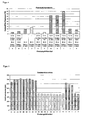
Tabelle 2 - Flockungshilfsmittel und Koagulationsmittel Nr. Koagulationsmittel Flockungshilfsmittel Produkt Zugabemenge Produkt Zugabemenge A Sedipur CL 920 3,5ml Sedipur CF 8501 35ml B Sedipur CL 920 7,0ml Sedipur CF 8501 35ml C - - Sedipur CF 8501 35ml D - - Drewfloc K 4000 (früher Praestol Titan 100 M) 35ml E Amerfloc 487 (früher Praestol 187 K) 3,5ml Drewfloc K 4000 35ml F Amerfloc 487 7,0ml Drewfloc K 4000 35ml G Sedipur CL 950 7,0ml Sedipur CF 8501 35ml H Sedipur CL 951 7,0ml Sedipur CF 8501 35ml I Sedipur NF 104 7,0ml Sedipur CF 8501 35ml J Praestol 185 K 7,0ml Drewfloc K 4000 35ml K Praestol 190 K 7,0ml Drewfloc K 4000 35ml - Nach 30 Minuten Inkubation in einem Trockenschrank bei 60° C wurde die Sedimenthöhe bestimmt und ein 50 ml Aliquot (auf der Höhe von ca. 800 ml des Standzylinders) abgenommen. Das abgenommene Aliquot wurde über einen 0,45 µm Membranfilter filtriert, der Filterrückstand gewaschen und bei 900 °C für eine Stunde getrocknet und geglüht um die Feststoffrestmenge gravimetrisch zu bestimmen. Jeder der Versuche A-F wurde dreimal durchgeführt. Die Versuche G-K wurden nur einmal durchgeführt Die Mittelwerte aus diesen drei Versuchen bzw. die Ergebnisse der Einzelversuche sind in
Figur 4 und 5 graphisch dargestellt. - Die in den
Figuren 4 und 5 dargestellten Ergebnisse zeigen, dass der Feststoffrückstand in der Aufschlusslösung durch den Einsatz der erfindungsgemäßen Kombinationsflockungshilfsmittel deutlich, d.h. in allen Fällen unter 5%, reduziert werden kann, wohingegen die Vergleichsversuche mit einem üblichen Flockungshilfsmittel, d.h. ohne Koagulationsmittel, schlechte Rückstandswerte von über 9 % bzw. fast 13 % zeigen. - Ferner zeigt der Vergleich mit Kombinationsflockungshilfsmitteln, in denen andere Koagulationsmittel als poly-DADMAC eingesetzt werden (Versuche G-K), dass der Feststoffgehalt der Aufschlusslösung im Vergleich zu den Kombinationsflockungshilfsmitteln mit poly-DADMAC Additiven deutlich höher ausfällt. Gemessen an den Flockungsversuchen mit ausschließlich Flockungshilfsmitteln (C+D), wird bei den Versuchreihen G-I zudem ein um fast 4fach höherer Wert an Rückstandswerten nachgewiesen.
| Erz | Datum | FS-Geh. [g/l] | Dichte [g/ml] | TiO2 [%] | TiO2 [g/l] | Ti3+ [g/kg] | Ges. Säure [%] | FeSO4 [%] | SZ | FeZ |
| Ilmenit | 22.02.2010 | 13 | 1,6 | 10 | 161 | 6 | 19 | 22 | 1,9 | 2,2 |
Claims (16)
- Verfahren zur Gewinnung von Titandioxid nach dem Sulfatverfahren, wobei das Verfahren umfasst:- Aufschluss eines titanhaltigen Ausgangsstoffes mit Schwefelsäure, um eine feststofthaltige Aufschlusslösung zu erhalten, und- Ausflocken und Abtrennen der Feststoffe aus der feststoffhaltigen Aufschlusslösung, um eine im Wesentlichen feststofffreie Aufschlusslösung zu erhalten, dadurch gekennzeichnet, dass
das Ausflocken der Feststoffe durch Zugabe mindestens eines Flockungshilfsmittels und mindestens eines Koagulationsmittels erfolgt, wobei das Flockungshilfsmittel ein kationisches Polymer auf Basis von Aminoalkyl(meth)acrylamid und/oder Aminoalkyl(meth)acrylat und das Koagulationsmittel ein kationisches Polymer auf poly-Diallyldimethylammoniumchlorid (poly-DADMAC) Basis umfasst. - Verfahren nach Anspruch 1, dadurch gekennzeichnet, dass das Flockungshilfsmittel ein kationisches Polymer auf Basis eines Copolymers aus Acrylamid und einem Aminoalkyl(meth)acrylamid oder Aminoalkyl(meth)acrylat enthält.
- Verfahren nach Anspruch 1, dadurch gekennzeichnet, dass das Flockungshilfsmittel ein kationisches Polymer auf Basis eines Homopolymers aus Aminoalkyl(meth)acrylamid oder Aminoalkyl(meth)acrylat enthält.
- Verfahren nach einem der Ansprüche 1-3, dadurch gekennzeichnet, dass das Aminoalkyl(meth)acrylamid ausgewählt wird aus der Gruppe bestehend aus Dimethylaminopropylacrylamid (DIMAPA), Dimethylaminopropylmethacrylamid, Dimethylaminoethylacrylamid und Dimethylaminoethylmethacrylamid und Mischungen davon.
- Verfahren nach einem der Ansprüche 1-4, dadurch gekennzeichnet, dass das Aminoalkyl(meth)acrylat ausgewählt wird aus der Gruppe bestehend aus Dimethylaminoethylacrylat (DMAEA), Dimethylaminoethylmethacrylat, Dimethylaminopropylacrylat und Dimethylaminopropylmethacrylat und Mischungen davon.
- Verfahren nach Anspruch 4, dadurch gekennzeichnet, dass das Dimethylaminopropylacrylamid (DIMAPA) mit Schwefelsäure protoniertes oder mit Methylchlorid oder Methylsulfat quaternisiertes Dimethylaminopropylacrylamid ist.
- Verfahren nach Anspruch 5, wobei das Dimethylaminoethylacrylat (DMAEA) quartäres Dimethylaminoethylacrylat methylchlorid (2-Acryloxyethyltrimethylammoniumchlorid) ist.
- Verfahren nach einem der vorhergehenden Ansprüche, dadurch gekennzeichnet, dass Flockungshilfsmittel und Koagulationsmittel in einem Verhältnis von 2:1 bis 20:1 eingesetzt werden.
- Verfahren nach einem der vorhergehenden Ansprüche, dadurch gekennzeichnet, dass das Flockungshilfsmittel in einer Menge von 0,0001 - 0,01 Gew.-% bezogen auf das Gewicht der Aufschlusslösung zu der Aufschlusslösung gegeben wird.
- Verfahren nach einem der vorhergehenden Ansprüche, dadurch gekennzeichnet, dass das Koagulationsmittel in einer Menge von 0,00001 - 0,01 Gew.-% bezogen auf das Gewicht der Aufschlusslösung zu der Aufschlusslösung gegeben wird.
- Verfahren nach einem der vorhergehenden Ansprüche, dadurch gekennzeichnet, dass die Temperatur der Aufschlusslösung bei dem Ausflockungsschritt 40 - 90°C beträgt.
- Verfahren nach einem der vorhergehenden Ansprüche, dadurch gekennzeichnet, dass das Ausflocken der Feststoffe aus der feststoffhaltigen Aufschlusslösung für 15 - 60 Minuten durchgeführt wird.
- Kombinationsflockungshilfsmiftel für die Ausflockung von Feststoffen aus einer bei der Gewinnung von Titandioxid nach dem Sulfatverfahren durch den Aufschluss eines titanhaltigen Ausgangsstoffes mit Schwefelsäure erhaltenen feststoffhaltigen Aufschlusslösung, dadurch gekennzeichnet, dass das Flockungshilfsmittel ein kationisches Polymer auf Basis von Aminoalkyl(meth)acrylamid und/oder Aminoalkyl(meth)acrylat und ein kationisches Polymer auf poly-Diallyldimethylammoniumchlorid (poly-DADMAC) Basis enthält.
- Kombinationsflockungshilfsmittel nach Anspruch 13, dadurch gekennzeichnet, dass das kationische Polymer auf Basis von Aminoalkyl(meth)acrylamid und/oder Aminoalkyl(meth)acrylat ein Copolymer aus Acrylamid und einem Aminoalkyl(meth)acrylat enthält.
- Kombinationsflockungshilfsmittel nach Anspruch 13, dadurch gekennzeichnet, dass das kationische Polymer auf Basis von Aminoalkyl(meth)acrylamid und/oder Aminoalkyl(meth)acrylat ein Homopolymer aus einem Aminoalkyl(meth)acrylamid enthält.
- Kombinationsflockungshilfsmittel nach einem der Ansprüche 13-15, dadurch gekennzeichnet, dass das Massenverhältnis des kationischen Polymers auf Acrylamid-Basis und des kationischen Polymers auf poly-Diallyldimethylammoniumchlorid (poly-DADMAC) in dem Kombinationsflockungshilfsmittel 2:1 bis 20:1 beträgt.
Priority Applications (2)
| Application Number | Priority Date | Filing Date | Title |
|---|---|---|---|
| SI201130395T SI2566816T1 (sl) | 2010-05-04 | 2011-05-02 | Flokulacijsko pomoĹľno sredstvo za pripravo titanovega dioksida |
| PL11717274T PL2566816T3 (pl) | 2010-05-04 | 2011-05-02 | Środek pomocniczy do flokulacji przy wytwarzaniu dwutlenku tytanu |
Applications Claiming Priority (2)
| Application Number | Priority Date | Filing Date | Title |
|---|---|---|---|
| DE102010019375A DE102010019375A1 (de) | 2010-05-04 | 2010-05-04 | Flockungshilfsmittel für die Titandioxidherstellung |
| PCT/EP2011/056949 WO2011138272A1 (de) | 2010-05-04 | 2011-05-02 | Flockungshilfsmittel für die titandioxidherstellung |
Publications (2)
| Publication Number | Publication Date |
|---|---|
| EP2566816A1 EP2566816A1 (de) | 2013-03-13 |
| EP2566816B1 true EP2566816B1 (de) | 2014-11-05 |
Family
ID=44202915
Family Applications (1)
| Application Number | Title | Priority Date | Filing Date |
|---|---|---|---|
| EP11717274.2A Active EP2566816B1 (de) | 2010-05-04 | 2011-05-02 | Flockungshilfsmittel für die titandioxidherstellung |
Country Status (6)
| Country | Link |
|---|---|
| EP (1) | EP2566816B1 (de) |
| DE (1) | DE102010019375A1 (de) |
| ES (1) | ES2528749T3 (de) |
| PL (1) | PL2566816T3 (de) |
| SI (1) | SI2566816T1 (de) |
| WO (1) | WO2011138272A1 (de) |
Families Citing this family (2)
| Publication number | Priority date | Publication date | Assignee | Title |
|---|---|---|---|---|
| ES2607441T3 (es) * | 2012-03-15 | 2017-03-31 | Xtract Gmbh | Procedimiento para la granulación de material en partículas obtenido de procesos industriales, el granulado así producido |
| DE102012105640A1 (de) * | 2012-06-27 | 2014-01-02 | Sachtleben Pigment Gmbh | Verwendung von Aufschlussrückstand aus der Titandioxidproduktion als Füllstoff |
Family Cites Families (7)
| Publication number | Priority date | Publication date | Assignee | Title |
|---|---|---|---|---|
| US3023162A (en) * | 1956-04-10 | 1962-02-27 | Rohm & Haas | Dewatering aqueous suspensions with quaternized dialkylaminoalkyl acrylates or methacrylates |
| US4578255A (en) * | 1984-12-27 | 1986-03-25 | Kaiser Aluminum Chemical Corporation | Purification of Bayer process liquors |
| GB8519107D0 (en) * | 1985-07-29 | 1985-09-04 | Allied Colloids Ltd | Flocculation process |
| DE3544909A1 (de) * | 1985-12-19 | 1987-06-25 | Stockhausen Chem Fab Gmbh | Copolymere aus acrylamid und dimethylaminopropylacrylamid als flockungsmittel und verfahren zum entwaessern von klaerschlaemmen unter verwendung dieser flockungsmittel |
| US5133874A (en) * | 1990-12-24 | 1992-07-28 | American Cyanamid Company | Removal of humate from bayer alumina liquors |
| CA2248479A1 (en) * | 1997-09-29 | 1999-03-29 | Calvin T. Tobison | Starch/cationic polymer combinations as coagulants for the mining industry |
| DE10119685A1 (de) * | 2001-04-20 | 2002-10-24 | Stockhausen Chem Fab Gmbh | Entfernung nicht-wasserlöslicher Substanzen aus Metallaufschlüssen |
-
2010
- 2010-05-04 DE DE102010019375A patent/DE102010019375A1/de not_active Ceased
-
2011
- 2011-05-02 PL PL11717274T patent/PL2566816T3/pl unknown
- 2011-05-02 EP EP11717274.2A patent/EP2566816B1/de active Active
- 2011-05-02 WO PCT/EP2011/056949 patent/WO2011138272A1/de not_active Ceased
- 2011-05-02 ES ES11717274.2T patent/ES2528749T3/es active Active
- 2011-05-02 SI SI201130395T patent/SI2566816T1/sl unknown
Also Published As
| Publication number | Publication date |
|---|---|
| EP2566816A1 (de) | 2013-03-13 |
| ES2528749T3 (es) | 2015-02-12 |
| SI2566816T1 (sl) | 2015-03-31 |
| PL2566816T3 (pl) | 2015-04-30 |
| WO2011138272A1 (de) | 2011-11-10 |
| DE102010019375A1 (de) | 2011-11-10 |
Similar Documents
| Publication | Publication Date | Title |
|---|---|---|
| DE2249602C2 (de) | Wasserlösliches Copolymeres mit hohem Molekulargewicht, Verfahren zu seiner Herstellung und seine Verwendung als Flockungsmittel | |
| DE2311222A1 (de) | Mittel und verfahren zum ausflocken von in wasser suspendierten feststoffen | |
| EP0529453A2 (de) | Verfahren zur Abtrennung von schwerlösliche Sulfide bildenden Metallen aus technischen Abwässern | |
| DE1176362B (de) | Verfahren zur Herstellung von Polyaddukten | |
| EP0464043B1 (de) | Verwendung von nicht hydrolysierten n-vinylformamid-einheiten enthaltenden copolymerisaten als flockungs- und entwässerungsmittel | |
| DE2817551C2 (de) | Titandioxidhydrat mit besonderer Struktur sowie seine Herstellung | |
| DE102010019375A1 (de) | Flockungshilfsmittel für die Titandioxidherstellung | |
| EP2742000A1 (de) | Verfahren zur herstellung von hochreinem magnesiumhydroxid und magnesiumoxid | |
| DE2056032A1 (de) | Verfahren zur Herstellung von wasser loslichen Polyelektrolvtpolvmensaten und ihre Verwendung als Flockungsmittel | |
| EP1383934A1 (de) | Entfernung nicht-wasserlöslicher substanzen aus lösungen wässriger metallaufschlüsse | |
| EP0492188A2 (de) | Polyelektrolytkomplexe | |
| DE69017049T2 (de) | Verfahren zum entfernen von anorganischen gels und nichtzusammendrückbaren feststoffen aus sauren medien. | |
| DE2003064A1 (de) | Verfahren zur Herstellung neuer linearer oder vernetzter organischer siliciumdioxydhaltiger Polymerisate | |
| DE1223554B (de) | Verfahren zur Herstellung von Misch-polymerisaten des Acrylnitrils | |
| DD142960A5 (de) | Verfahren zur gewinnung von desinfizierten feststoffen aus klaerschlamm | |
| DE2911308A1 (de) | Chelatharze, verfahren zu ihrer herstellung und ihre verwendung | |
| DE112020002390T5 (de) | Neues verfahren zur filtration von 2-acrylamido-2-methylpropansulfonsäure | |
| DE2700654C2 (de) | ||
| EP0706499B1 (de) | Verfahren zur verringerung des gehalts an feindispergierten feststoffen in prozesswässern der papierherstellung | |
| DE19520804C2 (de) | Cellulosepartikel, die im Innern kationische Gruppen aufweisen, Verfahren zu ihrer Herstellung und ihre Verwendung | |
| DE60117733T2 (de) | Kautschukkomplexe und Verfahren zu ihrer Herstellung | |
| DE102005050201B3 (de) | Herstellung halogenidarmer Polymerlösungen mit kationischen Aminogruppen | |
| EP2679622B1 (de) | Verwendung von Aufschlussrückstand aus der Titandioxidproduktion als Füllstoff | |
| DE3118373A1 (de) | Azoinitiatoren mit emulgatorwirkung und ihre verwendung | |
| DE2746102A1 (de) | Verfahren zur klaerung von rohwasser |
Legal Events
| Date | Code | Title | Description |
|---|---|---|---|
| PUAI | Public reference made under article 153(3) epc to a published international application that has entered the european phase |
Free format text: ORIGINAL CODE: 0009012 |
|
| 17P | Request for examination filed |
Effective date: 20121019 |
|
| AK | Designated contracting states |
Kind code of ref document: A1 Designated state(s): AL AT BE BG CH CY CZ DE DK EE ES FI FR GB GR HR HU IE IS IT LI LT LU LV MC MK MT NL NO PL PT RO RS SE SI SK SM TR |
|
| DAX | Request for extension of the european patent (deleted) | ||
| 17Q | First examination report despatched |
Effective date: 20131206 |
|
| RIC1 | Information provided on ipc code assigned before grant |
Ipc: C22B 3/44 20060101ALI20140527BHEP Ipc: C01G 23/047 20060101ALI20140527BHEP Ipc: C22B 3/00 20060101ALI20140527BHEP Ipc: C01G 23/053 20060101AFI20140527BHEP Ipc: C22B 34/12 20060101ALI20140527BHEP |
|
| GRAP | Despatch of communication of intention to grant a patent |
Free format text: ORIGINAL CODE: EPIDOSNIGR1 |
|
| INTG | Intention to grant announced |
Effective date: 20140707 |
|
| GRAS | Grant fee paid |
Free format text: ORIGINAL CODE: EPIDOSNIGR3 |
|
| GRAA | (expected) grant |
Free format text: ORIGINAL CODE: 0009210 |
|
| AK | Designated contracting states |
Kind code of ref document: B1 Designated state(s): AL AT BE BG CH CY CZ DE DK EE ES FI FR GB GR HR HU IE IS IT LI LT LU LV MC MK MT NL NO PL PT RO RS SE SI SK SM TR |
|
| REG | Reference to a national code |
Ref country code: GB Ref legal event code: FG4D Free format text: NOT ENGLISH |
|
| REG | Reference to a national code |
Ref country code: CH Ref legal event code: EP |
|
| REG | Reference to a national code |
Ref country code: AT Ref legal event code: REF Ref document number: 694512 Country of ref document: AT Kind code of ref document: T Effective date: 20141115 |
|
| REG | Reference to a national code |
Ref country code: IE Ref legal event code: FG4D Free format text: LANGUAGE OF EP DOCUMENT: GERMAN |
|
| REG | Reference to a national code |
Ref country code: DE Ref legal event code: R096 Ref document number: 502011004886 Country of ref document: DE Effective date: 20141218 |
|
| REG | Reference to a national code |
Ref country code: SE Ref legal event code: TRGR |
|
| REG | Reference to a national code |
Ref country code: ES Ref legal event code: FG2A Ref document number: 2528749 Country of ref document: ES Kind code of ref document: T3 Effective date: 20150212 |
|
| REG | Reference to a national code |
Ref country code: NL Ref legal event code: T3 |
|
| REG | Reference to a national code |
Ref country code: NO Ref legal event code: T2 Effective date: 20141105 |
|
| REG | Reference to a national code |
Ref country code: LT Ref legal event code: MG4D |
|
| PG25 | Lapsed in a contracting state [announced via postgrant information from national office to epo] |
Ref country code: IS Free format text: LAPSE BECAUSE OF FAILURE TO SUBMIT A TRANSLATION OF THE DESCRIPTION OR TO PAY THE FEE WITHIN THE PRESCRIBED TIME-LIMIT Effective date: 20150305 Ref country code: LT Free format text: LAPSE BECAUSE OF FAILURE TO SUBMIT A TRANSLATION OF THE DESCRIPTION OR TO PAY THE FEE WITHIN THE PRESCRIBED TIME-LIMIT Effective date: 20141105 Ref country code: PT Free format text: LAPSE BECAUSE OF FAILURE TO SUBMIT A TRANSLATION OF THE DESCRIPTION OR TO PAY THE FEE WITHIN THE PRESCRIBED TIME-LIMIT Effective date: 20150305 |
|
| REG | Reference to a national code |
Ref country code: PL Ref legal event code: T3 |
|
| REG | Reference to a national code |
Ref country code: FR Ref legal event code: PLFP Year of fee payment: 5 |
|
| PG25 | Lapsed in a contracting state [announced via postgrant information from national office to epo] |
Ref country code: RS Free format text: LAPSE BECAUSE OF FAILURE TO SUBMIT A TRANSLATION OF THE DESCRIPTION OR TO PAY THE FEE WITHIN THE PRESCRIBED TIME-LIMIT Effective date: 20141105 Ref country code: LV Free format text: LAPSE BECAUSE OF FAILURE TO SUBMIT A TRANSLATION OF THE DESCRIPTION OR TO PAY THE FEE WITHIN THE PRESCRIBED TIME-LIMIT Effective date: 20141105 Ref country code: CY Free format text: LAPSE BECAUSE OF FAILURE TO SUBMIT A TRANSLATION OF THE DESCRIPTION OR TO PAY THE FEE WITHIN THE PRESCRIBED TIME-LIMIT Effective date: 20141105 Ref country code: GR Free format text: LAPSE BECAUSE OF FAILURE TO SUBMIT A TRANSLATION OF THE DESCRIPTION OR TO PAY THE FEE WITHIN THE PRESCRIBED TIME-LIMIT Effective date: 20150206 Ref country code: HR Free format text: LAPSE BECAUSE OF FAILURE TO SUBMIT A TRANSLATION OF THE DESCRIPTION OR TO PAY THE FEE WITHIN THE PRESCRIBED TIME-LIMIT Effective date: 20141105 |
|
| PG25 | Lapsed in a contracting state [announced via postgrant information from national office to epo] |
Ref country code: DK Free format text: LAPSE BECAUSE OF FAILURE TO SUBMIT A TRANSLATION OF THE DESCRIPTION OR TO PAY THE FEE WITHIN THE PRESCRIBED TIME-LIMIT Effective date: 20141105 Ref country code: EE Free format text: LAPSE BECAUSE OF FAILURE TO SUBMIT A TRANSLATION OF THE DESCRIPTION OR TO PAY THE FEE WITHIN THE PRESCRIBED TIME-LIMIT Effective date: 20141105 Ref country code: SK Free format text: LAPSE BECAUSE OF FAILURE TO SUBMIT A TRANSLATION OF THE DESCRIPTION OR TO PAY THE FEE WITHIN THE PRESCRIBED TIME-LIMIT Effective date: 20141105 |
|
| PGFP | Annual fee paid to national office [announced via postgrant information from national office to epo] |
Ref country code: CZ Payment date: 20150430 Year of fee payment: 5 Ref country code: SE Payment date: 20150520 Year of fee payment: 5 Ref country code: FI Payment date: 20150513 Year of fee payment: 5 Ref country code: ES Payment date: 20150520 Year of fee payment: 5 Ref country code: NO Payment date: 20150515 Year of fee payment: 5 Ref country code: SI Payment date: 20150430 Year of fee payment: 5 Ref country code: GB Payment date: 20150521 Year of fee payment: 5 |
|
| REG | Reference to a national code |
Ref country code: DE Ref legal event code: R097 Ref document number: 502011004886 Country of ref document: DE |
|
| PGFP | Annual fee paid to national office [announced via postgrant information from national office to epo] |
Ref country code: BE Payment date: 20150520 Year of fee payment: 5 Ref country code: PL Payment date: 20150430 Year of fee payment: 5 Ref country code: IT Payment date: 20150511 Year of fee payment: 5 Ref country code: FR Payment date: 20150521 Year of fee payment: 5 Ref country code: NL Payment date: 20150520 Year of fee payment: 5 |
|
| PLBE | No opposition filed within time limit |
Free format text: ORIGINAL CODE: 0009261 |
|
| STAA | Information on the status of an ep patent application or granted ep patent |
Free format text: STATUS: NO OPPOSITION FILED WITHIN TIME LIMIT |
|
| 26N | No opposition filed |
Effective date: 20150806 |
|
| REG | Reference to a national code |
Ref country code: CH Ref legal event code: PL |
|
| PG25 | Lapsed in a contracting state [announced via postgrant information from national office to epo] |
Ref country code: LI Free format text: LAPSE BECAUSE OF NON-PAYMENT OF DUE FEES Effective date: 20150531 Ref country code: MC Free format text: LAPSE BECAUSE OF FAILURE TO SUBMIT A TRANSLATION OF THE DESCRIPTION OR TO PAY THE FEE WITHIN THE PRESCRIBED TIME-LIMIT Effective date: 20141105 Ref country code: LU Free format text: LAPSE BECAUSE OF FAILURE TO SUBMIT A TRANSLATION OF THE DESCRIPTION OR TO PAY THE FEE WITHIN THE PRESCRIBED TIME-LIMIT Effective date: 20150502 Ref country code: CH Free format text: LAPSE BECAUSE OF NON-PAYMENT OF DUE FEES Effective date: 20150531 |
|
| REG | Reference to a national code |
Ref country code: IE Ref legal event code: MM4A |
|
| REG | Reference to a national code |
Ref country code: DE Ref legal event code: R082 Ref document number: 502011004886 Country of ref document: DE Representative=s name: DEMSKI & NOBBE PATENTANWAELTE, DE |
|
| PG25 | Lapsed in a contracting state [announced via postgrant information from national office to epo] |
Ref country code: IE Free format text: LAPSE BECAUSE OF NON-PAYMENT OF DUE FEES Effective date: 20150502 |
|
| PG25 | Lapsed in a contracting state [announced via postgrant information from national office to epo] |
Ref country code: RO Free format text: LAPSE BECAUSE OF FAILURE TO SUBMIT A TRANSLATION OF THE DESCRIPTION OR TO PAY THE FEE WITHIN THE PRESCRIBED TIME-LIMIT Effective date: 20141105 |
|
| PG25 | Lapsed in a contracting state [announced via postgrant information from national office to epo] |
Ref country code: BE Free format text: LAPSE BECAUSE OF NON-PAYMENT OF DUE FEES Effective date: 20160531 |
|
| REG | Reference to a national code |
Ref country code: NO Ref legal event code: MMEP |
|
| PG25 | Lapsed in a contracting state [announced via postgrant information from national office to epo] |
Ref country code: MT Free format text: LAPSE BECAUSE OF FAILURE TO SUBMIT A TRANSLATION OF THE DESCRIPTION OR TO PAY THE FEE WITHIN THE PRESCRIBED TIME-LIMIT Effective date: 20141105 |
|
| REG | Reference to a national code |
Ref country code: NL Ref legal event code: MM Effective date: 20160601 |
|
| GBPC | Gb: european patent ceased through non-payment of renewal fee |
Effective date: 20160502 |
|
| PG25 | Lapsed in a contracting state [announced via postgrant information from national office to epo] |
Ref country code: CZ Free format text: LAPSE BECAUSE OF NON-PAYMENT OF DUE FEES Effective date: 20160502 Ref country code: NO Free format text: LAPSE BECAUSE OF NON-PAYMENT OF DUE FEES Effective date: 20160531 Ref country code: FI Free format text: LAPSE BECAUSE OF NON-PAYMENT OF DUE FEES Effective date: 20160502 |
|
| PG25 | Lapsed in a contracting state [announced via postgrant information from national office to epo] |
Ref country code: IT Free format text: LAPSE BECAUSE OF NON-PAYMENT OF DUE FEES Effective date: 20160502 Ref country code: NL Free format text: LAPSE BECAUSE OF NON-PAYMENT OF DUE FEES Effective date: 20160601 Ref country code: SE Free format text: LAPSE BECAUSE OF NON-PAYMENT OF DUE FEES Effective date: 20160503 |
|
| REG | Reference to a national code |
Ref country code: FR Ref legal event code: ST Effective date: 20170131 |
|
| REG | Reference to a national code |
Ref country code: SI Ref legal event code: KO00 Effective date: 20170216 |
|
| PG25 | Lapsed in a contracting state [announced via postgrant information from national office to epo] |
Ref country code: FR Free format text: LAPSE BECAUSE OF NON-PAYMENT OF DUE FEES Effective date: 20160531 |
|
| PG25 | Lapsed in a contracting state [announced via postgrant information from national office to epo] |
Ref country code: HU Free format text: LAPSE BECAUSE OF FAILURE TO SUBMIT A TRANSLATION OF THE DESCRIPTION OR TO PAY THE FEE WITHIN THE PRESCRIBED TIME-LIMIT; INVALID AB INITIO Effective date: 20110502 Ref country code: GB Free format text: LAPSE BECAUSE OF NON-PAYMENT OF DUE FEES Effective date: 20160502 Ref country code: SM Free format text: LAPSE BECAUSE OF FAILURE TO SUBMIT A TRANSLATION OF THE DESCRIPTION OR TO PAY THE FEE WITHIN THE PRESCRIBED TIME-LIMIT Effective date: 20141105 Ref country code: SI Free format text: LAPSE BECAUSE OF NON-PAYMENT OF DUE FEES Effective date: 20160503 Ref country code: BG Free format text: LAPSE BECAUSE OF FAILURE TO SUBMIT A TRANSLATION OF THE DESCRIPTION OR TO PAY THE FEE WITHIN THE PRESCRIBED TIME-LIMIT Effective date: 20141105 |
|
| REG | Reference to a national code |
Ref country code: AT Ref legal event code: MM01 Ref document number: 694512 Country of ref document: AT Kind code of ref document: T Effective date: 20160502 |
|
| PG25 | Lapsed in a contracting state [announced via postgrant information from national office to epo] |
Ref country code: TR Free format text: LAPSE BECAUSE OF FAILURE TO SUBMIT A TRANSLATION OF THE DESCRIPTION OR TO PAY THE FEE WITHIN THE PRESCRIBED TIME-LIMIT Effective date: 20141105 Ref country code: AT Free format text: LAPSE BECAUSE OF NON-PAYMENT OF DUE FEES Effective date: 20160502 |
|
| PG25 | Lapsed in a contracting state [announced via postgrant information from national office to epo] |
Ref country code: PL Free format text: LAPSE BECAUSE OF NON-PAYMENT OF DUE FEES Effective date: 20160502 |
|
| PG25 | Lapsed in a contracting state [announced via postgrant information from national office to epo] |
Ref country code: ES Free format text: LAPSE BECAUSE OF NON-PAYMENT OF DUE FEES Effective date: 20160503 |
|
| PG25 | Lapsed in a contracting state [announced via postgrant information from national office to epo] |
Ref country code: MK Free format text: LAPSE BECAUSE OF FAILURE TO SUBMIT A TRANSLATION OF THE DESCRIPTION OR TO PAY THE FEE WITHIN THE PRESCRIBED TIME-LIMIT Effective date: 20141105 |
|
| PG25 | Lapsed in a contracting state [announced via postgrant information from national office to epo] |
Ref country code: AL Free format text: LAPSE BECAUSE OF FAILURE TO SUBMIT A TRANSLATION OF THE DESCRIPTION OR TO PAY THE FEE WITHIN THE PRESCRIBED TIME-LIMIT Effective date: 20141105 |
|
| REG | Reference to a national code |
Ref country code: ES Ref legal event code: FD2A Effective date: 20181113 |
|
| REG | Reference to a national code |
Ref country code: DE Ref legal event code: R082 Ref document number: 502011004886 Country of ref document: DE Representative=s name: SEYER & NOBBE PATENTANWAELTE PARTNERSCHAFTSGES, DE |
|
| PGFP | Annual fee paid to national office [announced via postgrant information from national office to epo] |
Ref country code: DE Payment date: 20250519 Year of fee payment: 15 |