EP2463371B1 - Sirna conjugate and preparation method thereof - Google Patents
Sirna conjugate and preparation method thereof Download PDFInfo
- Publication number
- EP2463371B1 EP2463371B1 EP10775118.2A EP10775118A EP2463371B1 EP 2463371 B1 EP2463371 B1 EP 2463371B1 EP 10775118 A EP10775118 A EP 10775118A EP 2463371 B1 EP2463371 B1 EP 2463371B1
- Authority
- EP
- European Patent Office
- Prior art keywords
- sirna
- polymer compound
- bond
- conjugate
- peg
- Prior art date
- Legal status (The legal status is an assumption and is not a legal conclusion. Google has not performed a legal analysis and makes no representation as to the accuracy of the status listed.)
- Active
Links
- 0 CC(CCC(*)=N)=O Chemical compound CC(CCC(*)=N)=O 0.000 description 1
Images






Classifications
-
- C—CHEMISTRY; METALLURGY
- C12—BIOCHEMISTRY; BEER; SPIRITS; WINE; VINEGAR; MICROBIOLOGY; ENZYMOLOGY; MUTATION OR GENETIC ENGINEERING
- C12N—MICROORGANISMS OR ENZYMES; COMPOSITIONS THEREOF; PROPAGATING, PRESERVING, OR MAINTAINING MICROORGANISMS; MUTATION OR GENETIC ENGINEERING; CULTURE MEDIA
- C12N15/00—Mutation or genetic engineering; DNA or RNA concerning genetic engineering, vectors, e.g. plasmids, or their isolation, preparation or purification; Use of hosts therefor
- C12N15/09—Recombinant DNA-technology
- C12N15/11—DNA or RNA fragments; Modified forms thereof; Non-coding nucleic acids having a biological activity
-
- C—CHEMISTRY; METALLURGY
- C07—ORGANIC CHEMISTRY
- C07F—ACYCLIC, CARBOCYCLIC OR HETEROCYCLIC COMPOUNDS CONTAINING ELEMENTS OTHER THAN CARBON, HYDROGEN, HALOGEN, OXYGEN, NITROGEN, SULFUR, SELENIUM OR TELLURIUM
- C07F7/00—Compounds containing elements of Groups 4 or 14 of the Periodic Table
- C07F7/02—Silicon compounds
- C07F7/08—Compounds having one or more C—Si linkages
- C07F7/0834—Compounds having one or more O-Si linkage
- C07F7/0836—Compounds with one or more Si-OH or Si-O-metal linkage
-
- A—HUMAN NECESSITIES
- A61—MEDICAL OR VETERINARY SCIENCE; HYGIENE
- A61K—PREPARATIONS FOR MEDICAL, DENTAL OR TOILETRY PURPOSES
- A61K47/00—Medicinal preparations characterised by the non-active ingredients used, e.g. carriers or inert additives; Targeting or modifying agents chemically bound to the active ingredient
- A61K47/50—Medicinal preparations characterised by the non-active ingredients used, e.g. carriers or inert additives; Targeting or modifying agents chemically bound to the active ingredient the non-active ingredient being chemically bound to the active ingredient, e.g. polymer-drug conjugates
- A61K47/51—Medicinal preparations characterised by the non-active ingredients used, e.g. carriers or inert additives; Targeting or modifying agents chemically bound to the active ingredient the non-active ingredient being chemically bound to the active ingredient, e.g. polymer-drug conjugates the non-active ingredient being a modifying agent
- A61K47/56—Medicinal preparations characterised by the non-active ingredients used, e.g. carriers or inert additives; Targeting or modifying agents chemically bound to the active ingredient the non-active ingredient being chemically bound to the active ingredient, e.g. polymer-drug conjugates the non-active ingredient being a modifying agent the modifying agent being an organic macromolecular compound, e.g. an oligomeric, polymeric or dendrimeric molecule
- A61K47/59—Medicinal preparations characterised by the non-active ingredients used, e.g. carriers or inert additives; Targeting or modifying agents chemically bound to the active ingredient the non-active ingredient being chemically bound to the active ingredient, e.g. polymer-drug conjugates the non-active ingredient being a modifying agent the modifying agent being an organic macromolecular compound, e.g. an oligomeric, polymeric or dendrimeric molecule obtained otherwise than by reactions only involving carbon-to-carbon unsaturated bonds, e.g. polyureas or polyurethanes
- A61K47/60—Medicinal preparations characterised by the non-active ingredients used, e.g. carriers or inert additives; Targeting or modifying agents chemically bound to the active ingredient the non-active ingredient being chemically bound to the active ingredient, e.g. polymer-drug conjugates the non-active ingredient being a modifying agent the modifying agent being an organic macromolecular compound, e.g. an oligomeric, polymeric or dendrimeric molecule obtained otherwise than by reactions only involving carbon-to-carbon unsaturated bonds, e.g. polyureas or polyurethanes the organic macromolecular compound being a polyoxyalkylene oligomer, polymer or dendrimer, e.g. PEG, PPG, PEO or polyglycerol
-
- A—HUMAN NECESSITIES
- A61—MEDICAL OR VETERINARY SCIENCE; HYGIENE
- A61K—PREPARATIONS FOR MEDICAL, DENTAL OR TOILETRY PURPOSES
- A61K48/00—Medicinal preparations containing genetic material which is inserted into cells of the living body to treat genetic diseases; Gene therapy
-
- A—HUMAN NECESSITIES
- A61—MEDICAL OR VETERINARY SCIENCE; HYGIENE
- A61K—PREPARATIONS FOR MEDICAL, DENTAL OR TOILETRY PURPOSES
- A61K9/00—Medicinal preparations characterised by special physical form
- A61K9/10—Dispersions; Emulsions
- A61K9/107—Emulsions ; Emulsion preconcentrates; Micelles
- A61K9/1075—Microemulsions or submicron emulsions; Preconcentrates or solids thereof; Micelles, e.g. made of phospholipids or block copolymers
-
- A—HUMAN NECESSITIES
- A61—MEDICAL OR VETERINARY SCIENCE; HYGIENE
- A61P—SPECIFIC THERAPEUTIC ACTIVITY OF CHEMICAL COMPOUNDS OR MEDICINAL PREPARATIONS
- A61P31/00—Antiinfectives, i.e. antibiotics, antiseptics, chemotherapeutics
-
- A—HUMAN NECESSITIES
- A61—MEDICAL OR VETERINARY SCIENCE; HYGIENE
- A61P—SPECIFIC THERAPEUTIC ACTIVITY OF CHEMICAL COMPOUNDS OR MEDICINAL PREPARATIONS
- A61P31/00—Antiinfectives, i.e. antibiotics, antiseptics, chemotherapeutics
- A61P31/04—Antibacterial agents
-
- A—HUMAN NECESSITIES
- A61—MEDICAL OR VETERINARY SCIENCE; HYGIENE
- A61P—SPECIFIC THERAPEUTIC ACTIVITY OF CHEMICAL COMPOUNDS OR MEDICINAL PREPARATIONS
- A61P31/00—Antiinfectives, i.e. antibiotics, antiseptics, chemotherapeutics
- A61P31/12—Antivirals
-
- A—HUMAN NECESSITIES
- A61—MEDICAL OR VETERINARY SCIENCE; HYGIENE
- A61P—SPECIFIC THERAPEUTIC ACTIVITY OF CHEMICAL COMPOUNDS OR MEDICINAL PREPARATIONS
- A61P35/00—Antineoplastic agents
-
- C—CHEMISTRY; METALLURGY
- C07—ORGANIC CHEMISTRY
- C07H—SUGARS; DERIVATIVES THEREOF; NUCLEOSIDES; NUCLEOTIDES; NUCLEIC ACIDS
- C07H21/00—Compounds containing two or more mononucleotide units having separate phosphate or polyphosphate groups linked by saccharide radicals of nucleoside groups, e.g. nucleic acids
- C07H21/02—Compounds containing two or more mononucleotide units having separate phosphate or polyphosphate groups linked by saccharide radicals of nucleoside groups, e.g. nucleic acids with ribosyl as saccharide radical
-
- C—CHEMISTRY; METALLURGY
- C08—ORGANIC MACROMOLECULAR COMPOUNDS; THEIR PREPARATION OR CHEMICAL WORKING-UP; COMPOSITIONS BASED THEREON
- C08G—MACROMOLECULAR COMPOUNDS OBTAINED OTHERWISE THAN BY REACTIONS ONLY INVOLVING UNSATURATED CARBON-TO-CARBON BONDS
- C08G65/00—Macromolecular compounds obtained by reactions forming an ether link in the main chain of the macromolecule
- C08G65/02—Macromolecular compounds obtained by reactions forming an ether link in the main chain of the macromolecule from cyclic ethers by opening of the heterocyclic ring
- C08G65/32—Polymers modified by chemical after-treatment
- C08G65/329—Polymers modified by chemical after-treatment with organic compounds
- C08G65/335—Polymers modified by chemical after-treatment with organic compounds containing phosphorus
- C08G65/3356—Polymers modified by chemical after-treatment with organic compounds containing phosphorus having nitrogen in addition to phosphorus
-
- C—CHEMISTRY; METALLURGY
- C12—BIOCHEMISTRY; BEER; SPIRITS; WINE; VINEGAR; MICROBIOLOGY; ENZYMOLOGY; MUTATION OR GENETIC ENGINEERING
- C12N—MICROORGANISMS OR ENZYMES; COMPOSITIONS THEREOF; PROPAGATING, PRESERVING, OR MAINTAINING MICROORGANISMS; MUTATION OR GENETIC ENGINEERING; CULTURE MEDIA
- C12N15/00—Mutation or genetic engineering; DNA or RNA concerning genetic engineering, vectors, e.g. plasmids, or their isolation, preparation or purification; Use of hosts therefor
- C12N15/09—Recombinant DNA-technology
- C12N15/11—DNA or RNA fragments; Modified forms thereof; Non-coding nucleic acids having a biological activity
- C12N15/111—General methods applicable to biologically active non-coding nucleic acids
-
- C—CHEMISTRY; METALLURGY
- C12—BIOCHEMISTRY; BEER; SPIRITS; WINE; VINEGAR; MICROBIOLOGY; ENZYMOLOGY; MUTATION OR GENETIC ENGINEERING
- C12N—MICROORGANISMS OR ENZYMES; COMPOSITIONS THEREOF; PROPAGATING, PRESERVING, OR MAINTAINING MICROORGANISMS; MUTATION OR GENETIC ENGINEERING; CULTURE MEDIA
- C12N15/00—Mutation or genetic engineering; DNA or RNA concerning genetic engineering, vectors, e.g. plasmids, or their isolation, preparation or purification; Use of hosts therefor
- C12N15/09—Recombinant DNA-technology
- C12N15/11—DNA or RNA fragments; Modified forms thereof; Non-coding nucleic acids having a biological activity
- C12N15/113—Non-coding nucleic acids modulating the expression of genes, e.g. antisense oligonucleotides; Antisense DNA or RNA; Triplex- forming oligonucleotides; Catalytic nucleic acids, e.g. ribozymes; Nucleic acids used in co-suppression or gene silencing
-
- C—CHEMISTRY; METALLURGY
- C12—BIOCHEMISTRY; BEER; SPIRITS; WINE; VINEGAR; MICROBIOLOGY; ENZYMOLOGY; MUTATION OR GENETIC ENGINEERING
- C12N—MICROORGANISMS OR ENZYMES; COMPOSITIONS THEREOF; PROPAGATING, PRESERVING, OR MAINTAINING MICROORGANISMS; MUTATION OR GENETIC ENGINEERING; CULTURE MEDIA
- C12N15/00—Mutation or genetic engineering; DNA or RNA concerning genetic engineering, vectors, e.g. plasmids, or their isolation, preparation or purification; Use of hosts therefor
- C12N15/09—Recombinant DNA-technology
- C12N15/87—Introduction of foreign genetic material using processes not otherwise provided for, e.g. co-transformation
-
- A—HUMAN NECESSITIES
- A61—MEDICAL OR VETERINARY SCIENCE; HYGIENE
- A61K—PREPARATIONS FOR MEDICAL, DENTAL OR TOILETRY PURPOSES
- A61K47/00—Medicinal preparations characterised by the non-active ingredients used, e.g. carriers or inert additives; Targeting or modifying agents chemically bound to the active ingredient
- A61K47/30—Macromolecular organic or inorganic compounds, e.g. inorganic polyphosphates
- A61K47/34—Macromolecular compounds obtained otherwise than by reactions only involving carbon-to-carbon unsaturated bonds, e.g. polyesters, polyamino acids, polysiloxanes, polyphosphazines, copolymers of polyalkylene glycol or poloxamers
-
- B—PERFORMING OPERATIONS; TRANSPORTING
- B82—NANOTECHNOLOGY
- B82Y—SPECIFIC USES OR APPLICATIONS OF NANOSTRUCTURES; MEASUREMENT OR ANALYSIS OF NANOSTRUCTURES; MANUFACTURE OR TREATMENT OF NANOSTRUCTURES
- B82Y5/00—Nanobiotechnology or nanomedicine, e.g. protein engineering or drug delivery
-
- C—CHEMISTRY; METALLURGY
- C12—BIOCHEMISTRY; BEER; SPIRITS; WINE; VINEGAR; MICROBIOLOGY; ENZYMOLOGY; MUTATION OR GENETIC ENGINEERING
- C12N—MICROORGANISMS OR ENZYMES; COMPOSITIONS THEREOF; PROPAGATING, PRESERVING, OR MAINTAINING MICROORGANISMS; MUTATION OR GENETIC ENGINEERING; CULTURE MEDIA
- C12N2310/00—Structure or type of the nucleic acid
- C12N2310/10—Type of nucleic acid
- C12N2310/11—Antisense
-
- C—CHEMISTRY; METALLURGY
- C12—BIOCHEMISTRY; BEER; SPIRITS; WINE; VINEGAR; MICROBIOLOGY; ENZYMOLOGY; MUTATION OR GENETIC ENGINEERING
- C12N—MICROORGANISMS OR ENZYMES; COMPOSITIONS THEREOF; PROPAGATING, PRESERVING, OR MAINTAINING MICROORGANISMS; MUTATION OR GENETIC ENGINEERING; CULTURE MEDIA
- C12N2310/00—Structure or type of the nucleic acid
- C12N2310/10—Type of nucleic acid
- C12N2310/14—Type of nucleic acid interfering nucleic acids [NA]
-
- C—CHEMISTRY; METALLURGY
- C12—BIOCHEMISTRY; BEER; SPIRITS; WINE; VINEGAR; MICROBIOLOGY; ENZYMOLOGY; MUTATION OR GENETIC ENGINEERING
- C12N—MICROORGANISMS OR ENZYMES; COMPOSITIONS THEREOF; PROPAGATING, PRESERVING, OR MAINTAINING MICROORGANISMS; MUTATION OR GENETIC ENGINEERING; CULTURE MEDIA
- C12N2310/00—Structure or type of the nucleic acid
- C12N2310/30—Chemical structure
- C12N2310/35—Nature of the modification
- C12N2310/351—Conjugate
-
- C—CHEMISTRY; METALLURGY
- C12—BIOCHEMISTRY; BEER; SPIRITS; WINE; VINEGAR; MICROBIOLOGY; ENZYMOLOGY; MUTATION OR GENETIC ENGINEERING
- C12N—MICROORGANISMS OR ENZYMES; COMPOSITIONS THEREOF; PROPAGATING, PRESERVING, OR MAINTAINING MICROORGANISMS; MUTATION OR GENETIC ENGINEERING; CULTURE MEDIA
- C12N2310/00—Structure or type of the nucleic acid
- C12N2310/30—Chemical structure
- C12N2310/35—Nature of the modification
- C12N2310/351—Conjugate
- C12N2310/3515—Lipophilic moiety, e.g. cholesterol
-
- C—CHEMISTRY; METALLURGY
- C12—BIOCHEMISTRY; BEER; SPIRITS; WINE; VINEGAR; MICROBIOLOGY; ENZYMOLOGY; MUTATION OR GENETIC ENGINEERING
- C12N—MICROORGANISMS OR ENZYMES; COMPOSITIONS THEREOF; PROPAGATING, PRESERVING, OR MAINTAINING MICROORGANISMS; MUTATION OR GENETIC ENGINEERING; CULTURE MEDIA
- C12N2320/00—Applications; Uses
- C12N2320/30—Special therapeutic applications
-
- C—CHEMISTRY; METALLURGY
- C12—BIOCHEMISTRY; BEER; SPIRITS; WINE; VINEGAR; MICROBIOLOGY; ENZYMOLOGY; MUTATION OR GENETIC ENGINEERING
- C12N—MICROORGANISMS OR ENZYMES; COMPOSITIONS THEREOF; PROPAGATING, PRESERVING, OR MAINTAINING MICROORGANISMS; MUTATION OR GENETIC ENGINEERING; CULTURE MEDIA
- C12N2320/00—Applications; Uses
- C12N2320/50—Methods for regulating/modulating their activity
- C12N2320/51—Methods for regulating/modulating their activity modulating the chemical stability, e.g. nuclease-resistance
-
- Y—GENERAL TAGGING OF NEW TECHNOLOGICAL DEVELOPMENTS; GENERAL TAGGING OF CROSS-SECTIONAL TECHNOLOGIES SPANNING OVER SEVERAL SECTIONS OF THE IPC; TECHNICAL SUBJECTS COVERED BY FORMER USPC CROSS-REFERENCE ART COLLECTIONS [XRACs] AND DIGESTS
- Y10—TECHNICAL SUBJECTS COVERED BY FORMER USPC
- Y10S—TECHNICAL SUBJECTS COVERED BY FORMER USPC CROSS-REFERENCE ART COLLECTIONS [XRACs] AND DIGESTS
- Y10S977/00—Nanotechnology
- Y10S977/70—Nanostructure
- Y10S977/773—Nanoparticle, i.e. structure having three dimensions of 100 nm or less
-
- Y—GENERAL TAGGING OF NEW TECHNOLOGICAL DEVELOPMENTS; GENERAL TAGGING OF CROSS-SECTIONAL TECHNOLOGIES SPANNING OVER SEVERAL SECTIONS OF THE IPC; TECHNICAL SUBJECTS COVERED BY FORMER USPC CROSS-REFERENCE ART COLLECTIONS [XRACs] AND DIGESTS
- Y10—TECHNICAL SUBJECTS COVERED BY FORMER USPC
- Y10S—TECHNICAL SUBJECTS COVERED BY FORMER USPC CROSS-REFERENCE ART COLLECTIONS [XRACs] AND DIGESTS
- Y10S977/00—Nanotechnology
- Y10S977/902—Specified use of nanostructure
- Y10S977/904—Specified use of nanostructure for medical, immunological, body treatment, or diagnosis
- Y10S977/906—Drug delivery
Definitions
- the present invention relates to a conjugate in which a polymer compound for improving delivery of siRNA useful in gene therapy of cancers and other infectious diseases is conjugated to the siRNA by using a degradable or a non-degradable bond, a method for preparing the conjugate, and a method for delivering the siRNA using the conjugate.
- RNA interference refers to a mechanism, which is post-transcriptional gene silencing initiated by a double-stranded RNA (dsRNA) via nucleotide sequence specific manner in a gene expression process, and this mechanism is first found in C. elegans, and commonly found in plant, fruitfly, and vertebrate ( Fire et al., Nature, 391:806-811, 1998 ; Novina & Sharp, Nature, 430:161-164, 2004 ).
- dsRNA double-stranded RNA
- RNA interference occurs in such a manner that dsRNA of 19 ⁇ 25bp entering in the cell is bound with an RISC (RNA-induced silencing complex), and only an antisense (guide) strand is bound with mRNA such that it is complementary to the nucelotide sequence of the mRNA, thereby degrading target mRNA by endonuclease domains existing in the RICS ( Rana, T.M., Nat. Rev. Mol.Cell Biol., 8:23-36, 2007 ; Tomari, Y. and Zamore, P.D., Genes Dev., 19: 517-529, 2005 ).
- RISC RNA-induced silencing complex
- dsRNA When the dsRNA is delivered into a cell, it is specifically bound to a target mRNA sequence to degrade the mRNA, and thereby, it is considered as a new tool capable of regulating gene expression.
- a target mRNA sequence When the dsRNA is delivered into a cell, it is specifically bound to a target mRNA sequence to degrade the mRNA, and thereby, it is considered as a new tool capable of regulating gene expression.
- siRNA is a substance gaining a lot of interest as a agent for gene therapy ever since it was reported to have an excellent effect in inhibiting expression of a specific gene in animal cells.
- siRNA is expected to be an alternative therapeutic agent to an antisense oligonuceotide (ODN) currently being used as a therapeutic agent, as a result of a 20-year research ( Dana J. Gary et al. Journal of Controlled Release 121:64-73, 2007 ).
- ODN antisense oligonuceotide
- RNA interference suppresses gene expression by using a mechanism naturally existing in a living system.
- 'Bevasiranib' recently developed as a therapeutic agent for wet age-related macular disease by OPKO Inc., is a siRNA which acts selectively on a vascular endotherial growth factor (VEGF) inducing neovascularization to inhibit expression of the VEGF, and passes through three phases of clinical trial ( Dejneka NS et al., Mol Vis., 28(14):997-1005, 2008 ).
- VEGF vascular endotherial growth factor
- therapeutic agents including siRNAs targeting various genes are currently being developed ( Ryan P. Million, Nature Reviews Drug Discovery 7: 115 - 116, 2008 ).
- in vivo siRNA delivery has many problems to be solved, such as degradation by enzymes in the blood, interaction with components in the blood, and non-specific delivery to cells ( Shigeru Kawakami and Mitsuru Hashida, Drug Metab. Pharmacokinet. 22(3): 142-151, 2007 ). Attempts to overcome these problems are in progress by partially using nuclease resistant nucleoside analogues or improving delivery techniques.
- Examples of the improved delivery techniques include gene delivery techniques using viruses such as adenoviruses, retroviruses, etc., and gene delivery techniques by non-viral vectors using liposomes, cationic lipid, and cationic polymer compounds.
- viral carriers has a problem in safety since delivered genes are likely to be integrated into a chromosome of a host to induce abnormality in normal functions of genes of the host and activate oncogenes, and in addition, may cause autoimmune diseases due to successive expression of viral genes even in small amounts, or may not lead to efficient protective immunity in a case where modified viral infection is induced from the viral carriers.
- non-viral carriers are less efficient than the viral carriers, but have advantages of low side effects and inexpensive production costs, considering in vivo safety and economic feasibility ( Lehrman S., Nature. 401(6753): 517-518, 1999 ).
- non-viral delivery methods require to effectively protect enzymatic or non-enzymatic degradation in order to deliver RNA molecules including siRNA, one method of which is to utilize DNA expression plasmids encoding a short hairpin RNA (shRNA).
- shRNA short hairpin RNA
- a system through DNA has an advantage in that siRNA is expressed only while an expression vector exists.
- a recent study on chemical modification of siRNA has proposed a method for improving the stability against nucleases and the low intracellular uptake ( Shigery Kawakami and Mitsuru Hashida. Drug Metab. Parmacokinet. 22 (3) : 142-151, 2007 ).
- a phosphorodiester bond which is a part degraded by the nuclease, was modified with a phosphorothioate linkage or the 2' portion of a pentose is modified with 2'-O-meRNA, 2'-deoxy-2'-fluouridine, or a locked nucleic acid (LNA) formed by linking the 2' portion and the 4' portion, and as a result, the stability in the serum was improved (( Braasch D. A. et al. Bioorg. Med. Chem. Lett. 14:1139-1143, 2003 ; Chiu Y.L.
- RNA, 9:1034-1048, 2003 Amarzguioui M. et al. Nucleic Acid Res. 31:589-595, 2003 ).
- a functional group is linked to a 3'-end region of a sense (anti-guide) strand, resulting in improvement in pharmacokinetic characteristics compared with a control, and high efficiency is induced at the time of application in vivo through a balance between hydrophilicity and hydrophobilicity of siRNA ( Soutschek J. et al. Nature 432:173-178 2004 ).
- Kim S H ET AL "Local and systemic delivery of VEGF siRNA using polyelectrolyte complex micelles for effective treatment of cancer", JOURNAL OF CONTROLLED RELEASE, ELSEVIER, AMSTERDAM, NL, vol. 129, no. 2, 14 July 2008, pages 107-116 , discloses the use of PEC micelles as a novel approach to siRNA-based gene therapy for cancer treatment.
- An object of the present invention is to provide a conjugate in which a hydrophilic or hydrophobic polymer compound, which is a biocompatible polymer compound, is - conjugated to an end of a sense strand or an antisense strand of siRNA by using a degradable or non-degradable bond, in order to improve the intracellular delivery efficiency of the siRNA.
- Another object of the present invention is to provide a solid support containing a polymer compound, especially, a polymer compound of which stability is proved when applied to human body, for example, polyethylene glycol
- PEG poly(ethylene glycol)
- a method for efficiently preparing an oligonucleotide including RNA, DNA, RNA-DNA chimera, and analog thereof, in which PEG is bound to the 3' end thereof by using the support PEG
- Still another object of the present invention is to provide a method for preparing the siRNA conjugate and a method for delivering siRNA using the siRNA conjugate.
- a first of the present invention provides an siRNA-polymer compound conjugate of the following structure: A-X-R-Y-B wherein, one of A and B is a hydrophilic polymer compound and the other is a hydrophobic compound; X and Y are independently a simple covalent bond or a linker meditated covalent bond; and R is siRNA, wherein the hydrophobic compound is C 16 ⁇ C 50 hydrocarbon or cholesterol which has a molecular weight of 250 to 1,000.
- a second third of the present invention provides a conjugate in which a single strand of the siRNA (R) is composed of 19 to 31 nucleotides.
- a third of the present invention provides a conjugate in which the covalent bond (X, Y) is a non-degradable bond or a degradable bond.
- a fourth of the present invention provides a conjugate in which the non-degradable bond is an amide bond or a phosphate bond.
- An fifth of the present invention provides a conjugate in which the degradable bond is selected from a disulfide bond, an acid-cleavable bond, an ester bond, an anhydride bond, a biodegradable bond and an enzyme-cleavable bond.
- a sixth of the present invention provides a conjugate in which the hydrophilic polymer compound (A or B) is a non-ionic polymer compound having a molecular weight of 1,000 to 10,000.
- a seventh of the present invention provides a conjugate in which the hydrophilic polymer compound is selected from a group consisting of polyethylene glycol (PEG), polyvinylpyrolidone, and polyoxazoline.
- the hydrophilic polymer compound is selected from a group consisting of polyethylene glycol (PEG), polyvinylpyrolidone, and polyoxazoline.
- the present invention provides a method for preparing an siRNA conjugate as defined above, the method including:
- a ninth of the present invention provides a nanoparticle consisting of siRNA conjugates of the first of the present invention.
- a tenth of the present invention provides the above nanoparticle for use in a method for gene therapy.
- a eleventh of the present invention provides the above use for gene therapy in which the nanoparticles are administered into the body by oral administration or intravenous injection.
- a twelfth of the present invention provides a pharmaceutical composition including a pharmaceutically effective amount of the siRNA conjugates of the first of the present invention.
- a thirteenth of the present invention provides a pharmaceutical composition including a pharmaceutically effective amount of the nanoparticles of the present invention.
- the present invention provides an siRNA-polymer compound conjugate of the following structure: A-X-R-Y-B wherein, one of A and B is a hydrophilic polymer compound and the other is a hydrophobic compound; X and Y are independently a simple covalent bond or a linker mediated covalent bond; and R is siRNA, wherein the hydrophobic compound is C 16 ⁇ C 50 hydrocarbon or cholesterol which has a molecular weight of 250 to 1,000.
- an oligonucleotide strand of the siRNA may include 19 to 31 nucleotides. Any siRNA derived from genes that is used or is likely to be used for gene therapy or study may be employed as the siRNA usable in the present invention.
- the hydrophobic polymer compound is a hydrophobic polymer compound having a molecular weight of 250 to 1,000.
- Examples of the hydrophobic polymer compound may include. C16 ⁇ C50 hydrocarbon, and cholesterol.
- the hydrophobic polymer compound is not limited to only the hydrocarbon and the cholesterol.
- the hydrophobic polymer compound causes a hydrophobic interaction to function to form a micelle consisting of siRNA-hydrophobic polymer compound conjugates.
- the saturated hydrocarbon has an advantage in that it can be easily conjugated to the siRNA during manufacturing of the siRNA, and thus, it is very suitable for manufacturing conjugates of the present invention.
- the covalent bond (i.e., X, Y) may be any one of a non-degradable or a degradable bond.
- a non-degradable or a degradable bond there may be an amide bond or a phosphate bond in the non-degradable bond, and there may be a disulfide bond, an acid-cleavable bond, an ester bond, an anhydride bond, a biodegradable bond and an enzyme-cleavable bond in the degradable bond.
- the non-degradable or the degradable bond is not limited thereto.
- the linker mediating the bond covalently binds the hydrophilic polymer (or the hydrophobic polymer) and an end of a residue derived from the siRNA, and is not particularly limited as long as it can provide a degradable bond in a certain environment, as necessary. Therefore, the linker may include any compound that can be bound with the siRNA and/or the hydrophilic polymer (or the hydrophobic polymer) to activate them during the manufacturing procedure of the conjugate.
- the hydrophilic polymer compound may be a non-ionic polymer compound having a molecular weight of 1,000 to 10,000.
- the hydrophilic polymer compound may include a non-ionic hydrophilic polymer compound of polyethylene glycol, polyvinylpyrolidone, polyoxazoline, and the like, but is not limited thereto.
- a functional group of the hydrophilic polymer compound may be replaced by another functional group, as necessary.
- PEG is very suitable for manufacturing the conjugates of the present invention since it has various molecular weights, has an end capable of introducing functional groups, has excellent biocompatibility, does not induce immune reactions, and increases the water-solubility to improve gene delivery efficiency in vivo.
- polyethylene glycol-bound solid support of the following structure:
- the solid support includes, for example, CPG, polystyrene, silica gel, cellulose paper, etc., but is not necessarily limited thereto;
- R is alkyl, alkenyl, alkynyl, aryl, arylalkyl, heteroalkyl, or heteroaryl;
- m is an integer of 2 to 18;
- n is an integer of 5 to 120 (molar mass 282 ⁇ 5300);
- X is 4-monomethoxytrityl, 4,4'-dimethoxytrityl, or 4,4',4"-trimethoxytrityl] and removed after acid treatment to become hydrogen.
- the solid support is CPG, it may have a diameter of 40 ⁇ 180 ⁇ m and a pore size of 500 ⁇ -3000 ⁇ .
- the present invention provides a method for preparing an conjugate comprising siRNA and PEG by using the polyethylene glycol-bound solid support. More specifically, a method for preparing an siRNA conjugate is provided, the method comprising:
- the siRNA can be prepared by linking phosphordiester bonds building an RNA backbone structure, using ⁇ -cyanoethyl phosphoramidite ( Shina et al. Nucleic Acids Research, 12:4539-4557, 1984 ). For example, a series of procedures consisting of deblocking, coupling, oxidation and capping were repeatedly performed on a sold support on which nucleotide was attached, by using an RNA synthesizer, to obtain the reactant containing a desired length of RNA.
- the present invention is not limited thereto.
- the present invention provides a nanoparticle consisting of siRNA conjugates.
- the siRNA-polymer compound conjugates of the present invention can form a nanoparticle structure by interaction therebetween, and the siRNA-polymer compound conjugate and the nanoparticle consisting of the siRNA-polymer compound conjugates thus obtained improve intracellular delivery of siRNA and can be applicable for therapeutic treatment of disease models.
- the preparation of conjugates, and characteristics and intracellular delivery efficiency and effect of the nanoparticle consisting of the conjugates will be in detail described in the examples to be described later.
- the present invention provides the above nanoparticle for use in gene therapy.
- the above use for gene therapy includes preparing the nanoparticles each consisting of the siRNA-polymer compound conjugates and administering the nanoparticles into the body of an animal.
- the present invention provides a pharmaceutical composition including a pharmaceutically effective amount of the nanoparticles each consisting of the siRNA conjugates.
- composition of the present invention can be prepared to include one or more of pharmaceutically acceptable carriers in addition to the above-described active components, for administration.
- the pharmaceutically acceptable carrier needs to be compatible with the active components of the present invention.
- the pharmaceutically acceptable carrier may be used by mixing with saline solution, sterilized water, Ringer's solution, buffered saline solution, dextrose solution, maltodextrin solution, glycerol and ethanol, and one or more thereof, and as necessary, other common additives such as antioxidants, buffer solution, bacteriostatic agents, or the like, may be added thereto.
- compositions for injection such as aqueous solution, suspension, emulsion, or the like.
- composition of the present invention can be preferably formulated according to specific diseases or components, by using appropriate methods in the art or methods disclosed in Remington's pharmaceutical Science (Mack Publishing company, Easton PA ).
- the pharmaceutical composition of the present invention can be determined by those skilled in the art, based on syndromes and disease severity of patients. Also, the pharmaceutical composition of the present invention can be formulated in various types such as powder, tablet, capsule, liquid, injectable, ointment, syrup, and the like, and can be provided in single-dosage or multi-dosage container, for example, a sealed ample, a bottle, or the like.
- the pharmaceutical composition of the present invention can be orally or parenterally administered.
- the administration route of the pharmaceutical composition according to the present invention may include, but is not limited to, oral, intravenous, intramuscular, intramedullary, intrathecal, intracardiac, dermal, subcutaneous, intraperitoneal, enteral, sublingual, or topical administration.
- the pharmaceutical composition of the present invention can be formulated in an appropriate formulation by using the known arts.
- the dosage of the composition of the present invention has various ranges depending on weight, age, gender, health status, diet, administration time and method, excretion rate, and disease severity of patient, and can be easily determined by those skilled in the art.
- the nanoparticle consisting of siRNA-polymer compound conjugates of the present invention can improve in vivo stability of siRNA to efficiently deliver a therapeutic siRNA into the cell, and can be very useful in a basic research for biotechnology and medical industry as a new type of siRNA delivery system, as well as a tool for siRNA treatment of cancers and other infective diseases since it can exhibit siRNA activity in a relatively low concentration of dosage even without transfection reagents.
- Example 1 Preparation of solid support for preparing 3'-PEG oligonucleotide
- Example 1-1 Preparation of 3'-PEG reagents (Compounds A, B, and C) for binding with LCAA-CPG
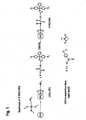
- 3'-PEG-CPG was prepared as shown in the following reaction formula.
- Example 1-1-1 Preparation of 2-[bis-(4-dimethoxytrityl)-poly(ethylene glycol)]
- Example 1-2 Binding of LCAA-CPG and 3'-PEG reagent (Compound A)
- Example 1-2-2 Preparation of 3'-PEG-CPG (2000 ⁇ ) using succinic acid 2-[bis-(4-dimethoxytrityl)-poly(ethylene glycol)][Compound A]
- Example 1-3 Binding of LCAA-CPG (2000 ⁇ ) and 3'-PEG reagent (Compound B)
- LCAA-CPG 2000 ⁇
- a solution in which 205mg (2eq) of the compound B and 55 ⁇ l of triethylamine were dissolved in 2Ml of pyridine was equally mixed with the LCAA-CPG solution.
- the resultant substance was reacted at 50 ⁇ 60°C for 8 hours, and then the mixture after completion of reaction was filtered.
- the filtered coupling-CPG was washed with methanol, water, and methylene chloride in that order, followed by vacuum drying.
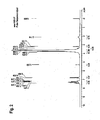
- FIG. 6 shows Maldi-Tof molecular weight determination results of siRNAs prepared by using 3'-PEG-CPG as a starting material, as shown in the example 2 to be described later.
- LCAA-CPG 2000 ⁇
- a solution in which 200mg of the compound C and 55 ⁇ l of triethylamine were dissolved in 2Ml of pyridine was equally mixed with the LCAA-CPG solution.
- the resultant substance was reacted at 50 ⁇ 60°C for 8 hours, and then the mixture after completion of reaction was filtered.
- the filtered coupling-CPG was washed with methanol, water, and methylene chloride in that order, followed by vacuum drying.
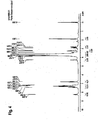
- FIG. 7 shows results of siRNAs prepared by using 3'-PEG-CPG as a starting material, as shown in the example 2 to be described later.
- 3'-PEG-CPG preparation sequence sense 5'-AAGGAGAUCAACAUUUUCA(dTdT)-PEG(6664.96Da + 2000Da) (Sequence ID No. 1) antisense 5'-UGAAAAUGUUGAUCUCCUU(dTdT)-PEG(6592.84Da + 2000Da) (Sequence ID No. 5)
- Maldi-Tof molecular weight has increased by the molecular weight (2000Da) of PEG.
- survivin siRNA was used in order to suppress survivin.
- the survivin is a protein expressed commonly in most neoplastic tumors or transformed cell lines, tested until now, and thus it is expected to become an important target in anticancer treatment ( Abbrosini G. et al. Nat. Med. 3(8): 917-921, 1997 ).
- a survivin siRNA sequence of the present invention when composed of 19 nucleotides, consists of a sense strand of the Sequence ID No. 1 and an antisense strand having a sequence complementary to the sense strand, and beside this, when composed of 23, 27, or 31 nucleotides, has a base sequence of the Sequence ID No. 2, 3, or 4. (Ssequence ID No.
- the siRNA was prepared by linking phosphordiester bonds building an RNA backbone structure, using ⁇ -cyanoethyl phosphoramidite ( Shina et al. Nucleic Acids Research, 12:4539-4557, 1984 ). Specifically, a series of procedures consisting of deblocking, coupling, oxidation and capping were repeatedly performed on a sold support on which nucleotide was attached, by using an RNA synthesizer (384 Synthesizer, BIONEER, Korea), to obtain the reactant containing a desired length of RNA.
- RNA synthesizer 384 Synthesizer, BIONEER, Korea
- the siRNA-polymer compound conjugate was prepared by linking PEG to a 5'-end region, or hexadecane (C16) or octadecane (C18) saturated hydrocarbon, to the 5'-end region by using a dodecane linker, which is a hydrophobic polymer compound.
- a dodecane linker which is a hydrophobic polymer compound.
- the above-mentioned reaction was performed by using 3'PEG-CPG prepared in the example 1 as a support, to obtain the siRNA-polymer compound conjugate in which PEG was provided to 3'-end region.
- the resultant substance was reacted in a constant temperature bath of 90°C for 3 minutes, and then again reacted at 37°C, to prepare a double-stranded siRNA-polymer compound conjugate.
- the prepared siRNA-polymer compound conjugates have structures shown in Table 1. Annealing of the prepared siRNA-polymer compound conjugates was confirmed through electrophoresis photographs ( FIG. 8 ).
- Example 3 Evaluation on stability of siRNA-polymer compound conjugates in vivo conditions
- siRNA-polymer compound conjugates prepared and separated in the Example 2 have improved stability compared with a naked siRNA in which none of polymer compound is bound.
- the naked siRNA without modification and the siRNA-polymer compound conjugates 1 to 5 prepared in the Example 2 were incubated for 0, 1, 3, 6, 9, 12, 24, 36, or 48 hours, in a culture medium containing 10% fetal bovine serum (FBS), which imitates in vivo conditions, and then the degrees to which the siRNA was degraded were evaluated by using electrophoresis.
- FBS fetal bovine serum
- siRNA-polymer compound conjugates having PEG introduced therein exhibited siRNA stability for up to 48 hours ( FIG. 9 ).
- the siRNA stability was exhibited for 12 hours to 24 hours even under the condition of 100% serum.
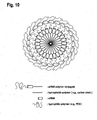
- a nanoparticle consisting of siRNA-polymer compound conjugates that is to say, a micelle is formed by hydrophobic interaction between hydrophobic polymer compounds provided at ends of the siRNAs ( FIG. 10 ).
- the sizes of the nanoparticles were measured using a zeta-potential measuring instrument.
- the sizes of nanoparticles consisting of the respective siRNA-polymer compound conjugates 9 to 13 prepared in the Example 2, and siRNAs were measured.
- siRNA and the siRNA-polymer compound conjugates were dissolved in 1Ml of distilled water, and then the nanoparticles thereof was homogenized (200W, 40 kHz, 5 sec) by using an ultrasonic homogenizer (Wiseclean, DAIHAN, Korean).
- the sizes of the homogenized nanoparticles were measured by using the zeta-potential measuring instrument (Nano-ZS, MALVERN, UK).
- the refractive index and absorption index for materials were set to 1.454 and 0.001, respectively, and the temperature of water as a solvent, 25°C, was input, and the viscosity and refractive index thereof were input.
- a one-time measurement consists of 20 repetitive size measurements, and this measurement was performed three times.
- FIG. 11 shows size results of naked siRNA nanoparticles, measured by the zeta-potential measuring instrument. It showed that sizes of 142 ⁇ 295nm (maximum point: 164nm) account for 73.5% of total nanoparticles each consisting of siRNAs.
- FIG. 12 shows size results of nanoparticles each consisting of siRNA-polymer compound conjugate 9, measured by the zeta-potential measuring instrument. It showed that sizes of 4.19 ⁇ 7.53nm (maximum point: 6.50nm) account for 59.1% of total nanoparticles each consisting of siRNA-polymer compound conjugate 9.
- FIG. 13 shows size results of nanoparticles each consisting of siRNA-polymer compound conjugate 10, measured by the zeta-potential measuring instrument. It showed that sizes of 5.61 ⁇ 10.1nm (maximum point: 8.72nm) account for 58.9% of total nanoparticles each consisting of siRNA-polymer compound conjugate 10.
- FIG. 14 shows size results of nanoparticles each consisting of siRNA-polymer compound conjugate 11, measured by the zeta-potential measuring instrument. It showed that sizes of 5.61 ⁇ 10.1nm (maximum point: 8.72nm) account for 45.6% of total nanoparticles each consisting of siRNA-polymer compound conjugate 11.
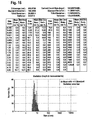
- FIG. 15 shows size results of nanoparticles each consisting of siRNA-polymer compound conjugate 12, measured by the zeta-potential measuring instrument. It showed that sizes of 4.85 ⁇ 5.61nm account for 23.6%, sizes of 21.0 ⁇ 32.7nm accounts for 23.5%, and sizes of 68.1 ⁇ 78.8nm accounts for 23.1% of total nanoparticles each consisting of siRNA-polymer compound conjugate 12.
- FIG. 16 shows size results of nanoparticles each consisting of siRNA-polymer compound conjugate 13, measured by the zeta-potential measuring instrument. It showed that sizes of 4.85 ⁇ 8.72nm (the maximum point: 5.61nm) account for 84.6% of total nanoparticles each consisting of siRNA-polymer compound conjugate 13.
- the sizes of the nanoparticles were mostly 4 ⁇ 8nm.
- the sizes of nanoparticles were variously measured, the reason of which is considered that respective nanoparticles aggregated as time passes during the measuring process, even though homogenization is performed using the ultrasonic homogenizer.
- the measured sizes of nanoparticles each consisting of siRNA conjugates exhibit 100nm or less, which are sufficient sizes to be endocytosed into cells through pinocytosis ( Kenneth A. Dawson et al. nature nanotechnology 4:84-85, 2009 ).
- Example 5 Inhibition of expression of target genes in tumor cell lines by using siRNA-polymer compound conjugates with transfection reagents
- Human cervical cancer cell lines which are tumor cell lines, were respectively transfected with siRNA-polymer compound conjugates 1 to 8 prepared in the Example 2, and expression levels of survivin gene in the transfected tumor cell lines were analyzed.
- HeLa Human cervical cancer cells
- ATCC American Type Culture Collection
- RPMI 1640 culture medium GIBCO, Invitrogen, USA
- 10%(v/v) fetal bovine serum, penicillin 100units/Ml, and streptomycin 100 ⁇ g/Ml were added at 37°C under the condition of 5%(v/v) CO 2 .
- Example 5-2 Inhibition of expression of target gene by using siRNA-polymer compound conjugates
- HeLa tumor cell lines were transfected with siRNA-polymer compound conjugates 1 to 8 of Sequence ID No. 1, prepared in the Example 2, and expression of survivin genes in the transfected tumor cell lines were analyzed.
- Example 5-2-1 Transfection of tumor cell lines by using siRNA-polymer compound conjugates
- Example 5-1 1.3 x 10 5 tumor cell lines cultured in the Example 5-1 were cultured in the RPMI 1640 medium within a 6-well plate at 37°C for 18 hours under the condition of 5%(v/v) CO 2 , followed by removal of the medium, and then 800 ⁇ l of the Opti-MEM medium (GIBCO, USA) was dispensed for each well.
- the transfection solution was dispensed to each of the wells in which the Opti-MEM medium had been dispersed, and the tumor cells were cultured for 6 hours, followed by removal of the Opti-MEM medium.
- 2.5 Ml of the RPMI 1640 culture medium is dispensed thereto, and then the tumor cells were cultured at 37°C under the condition of 5%(v/v) CO 2 for 24 hours.
- Total RNA was extracted from the cell line transfected in the example 5-2-1 to prepare cDNA, and then the quantity of the survivin gene mRNA was relatively quantitated through the realtime PCR.
- Example 5-2-2-1 Separation of RNA and preparation of cDNA from the transfected cells
- RNA was extracted from the cell line transfected in the example 5-2-1 by using an RNA extraction kit (AccuPrep Cell total RNA extraction kit, BIONEER, Korea), and cDNA was prepared from the extracted RNA by using an RNA reverse transcriptase (AccuPower CycleScript RT Premix/dT 20 , BIONEER, Korea), as follows.
- RNA-primer hybridization 30°C for 1 minute and synthesis of cDNA at 52°C for 4 minutes were repeated six times. Then inactivation of enzyme was performed at 95°C for 5 minutes to finish the amplification reaction.
- Example 5-2-2-2 Relative quantitative analysis of survivin gene mRNA
- the relative quantity of the survivin mRNA was quantitated through the realtime PCR by using the cDNA prepared in the example 5-2-2-1 as a template as follows.
- the cDNA prepared in the example 5-2-2-1 was 1/5-diluted with the distilled water in each well of a 96-well plate, and then 3 ⁇ l of the diluted cDNA, 10 ⁇ l of 2 ⁇ GreenStarTM PCR master mix (BIONEER, Korea), 6 ⁇ l of distilled water, and 1 ⁇ l of survivin qPCR primer (10pmole/ ⁇ l each, BIONEER, Korea) were input to prepare a mixture liquid in order to analyze the survivin expression level.
- HMBS Hydroxymethylbilane synthase
- HPRT1 Hydroxanthine phosphoribosyl-transferase1
- UBC Ubiquitin C
- YWHAZ Tyrosine 3-monooxygenase/tryptophan 5-monooxygenase activation protein, zeta polypeptide
- HK genes housekeeping genes
- the cDNA prepared in the example 5-2-2-1 was 1/5-diluted, and then 3 ⁇ l of the diluted cDNA, 10 ⁇ l of 2 ⁇ GreenStarTM PCR master mix (BIONEER, Korea), 6 ⁇ l of distilled water, and 1 ⁇ l of qPCR primer of each HK gene (10pmole/ ⁇ l each, BIONEER, Korea) were input to prepare a HK gene realtime PCR mixture liquid in each well of the 96-well
- Enzyme activation and secondary structure of cDNA were removed by the reaction at 95°C for 15 minutes. Then, four steps of denaturing at 94°C for 30 seconds, annealing at 58°C for 30 seconds, extension at 72°C for 30 seconds, and SYBR green scan, were repetitively performed 42 times, and then the final extension at 72°C for 3 minutes was performed. Then, the temperature was kept at 55°C for 1 minute, and a melting curve of 55°C ⁇ 95°C was analyzed.
- the survivin Ct (threshold cycle) values obtained respectively were corrected by using the mRNA values (normalization factor, NF) normalized through the HK genes, and then ⁇ Ct values were obtained between the Ct value of a control group treated with only a transfection reagent and the corrected Ct values.
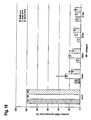
- the expression rates of survivin mRNA were compared with one another by using the ⁇ Ct values and the calculation equation of 2 (- ⁇ Ct ) X100 ( FIG. 17 ).
- mock means the control group treated with only the transfection reagent.
- RNAi effect of the siRNA was varied depending on end modification types of the siRNA-polymer compound conjugates in which PEG, the hydrophilic polymer compound was conjugated.
- the conjugates 6 to 8 each having the end modification type in which PEG was conjugated to the 3'-end region, exhibited expression-inhibiting degrees similar to that of the naked siRNA. Therefore, the conjugates 6 to 8 are expected to have a little steric hindrance in forming a complex with an RNA-induced silencing complex (RISC) on the RNAi mechanism of the siRNA.
- RISC RNA-induced silencing complex
- siRNA-PEG conjugates exhibited higher inhibition of target gene mRNA expression in a low concentration (20nM) treatment condition than in a high concentration (100nM) treatment condition, and thus it is expected that siRNA is prevented from being bound with the RISC due to the PEG as the concentration condition of the siRNA-PEG conjugate is higher.
- Example 5-3 Inhibition of expression of target gene by using long-sequence siRNA-polymer compound conjugates
- siRNA-hydrophilic polymer compound conjugates When the cells were transfected with siRNA-hydrophilic polymer compound conjugates together with a transfection reagent, inhibition of target gene mRNA expression was anaylzed.
- siRNAs in which end modification into the structure of siRNA-polymer compound conjugate 4 was induced for each base sequence of siRNA Sequence ID No. 1 to 4, were used.
- Example 5-3-1 Transfection of tumor cell lines by using siRNA-polymer compound conjugates
- Example 5-1 1.3 ⁇ 10 5 tumor cell lines cultured in the Example 5-1 were cultured in the RPMI 1640 medium within a 6-well plate at 37°C for 24 hours under the condition of 5%(v/v) CO 2 , followed by removal of the medium, and then 800 ⁇ l of the Opti-MEM medium was dispensed for each well.
- RNA was extracted from the cell line transfected in the example 5-3-1 to prepare cDNA, and then the quantity of survivin gene mRNA was relatively quantitated through the real-time PCR.
- Example 5-3-2-1 Separation of RNA and preparation of cDNA from the transfected cells
- RNA was extracted from the cell line transfected in the example 5-3-1 by using an RNA extraction kit (AccuPrep Cell total RNA extraction kit, BIONEER, Korea), and cDNA was prepared from the extracted RNA by using an RNA reverse transcriptase (AccuPower CycleScript RT Premix/dT 20 , BIONEER, Korea), as follows.
- RNA-primer hybridization 30°C for 1 minute and preparation of cDNA at 52°C for 4 minutes were repeated six times. Then inactivation of enzyme was performed at 95°C for 5 minutes to finish the amplification reaction.
- the relative quantity of the survivin gene mRNA was quantitated through the realtime PCR by using the cDNA prepared in the example 5-3-2-1 as a template as follows.
- the cDNA prepared in the example 5-3-2-1 was 1/5-diluted in each well of a 96-well plate, and then 3 ⁇ l of the diluted cDNA, 10 ⁇ l of 2 ⁇ GreenStarTM PCR master mix (BIONEER, Korea), 6 ⁇ l of distilled water, and 1 ⁇ l of survivin qPCR primer (10pmole/ ⁇ l each, BIONEER, Korea) were input to prepare a mixture liquid in order to analyze the survivin expression level.
- the cDNA prepared in the example 5-3-2-1 was 1/5-diluted, and then 3 ⁇ l of the diluted cDNA, 10 ⁇ l of 2 ⁇ GreenStarTM PCR master mix (BIONEER, Korea), 6 ⁇ l of distilled water, and 1 ⁇ l of qPCR primer of each HK gene (10pmole/ ⁇ l each, BIONEER, Korea) were input to prepare a HK gene realtime PCR mixture liquid in each well of the 96-well plate. The following reaction was performed on the 96-well plate containing the mixture liquid by using an ExicyclerTM 96 Real-Time Quantitative Thermal Block (BIONEER, Korea).
- Enzyme activation and secondary structure of cDNA were removed by the reaction at 95°C for 15 minutes. Then, four steps of denaturing at 94°C for 30 seconds, annealing at 58°C for 30 seconds, extension at 72°C for 30 seconds, and SYBR green scan were repetitively performed 42 times, and then the final extension at 72°C for 3 minutes was performed. Then the temperature was kept at 55°C for 1 minute, and a melting curve of 55°C ⁇ 95°C was analyzed.
- the survivin Ct (threshold cycle) values obtained respectively were corrected by using the mRNA values (normalization factor, NF) normalized through the HK genes, and then ⁇ Ct values were obtained between the Ct value of a control group treated with only the transfection reagent and the corrected Ct values.
- the expression rates of survivin mRNA were compared with one another by using the ⁇ Ct values and the calculation equation of 2 (- ⁇ Ct) X100 ( FIG. 18 ).
- mock means the control group treated with only the transfection reagent
- 19mer, 23mer, 27mer, and 31mer represent Sequence ID No. 1 to 4, respectively.
- 5'P+P represents a structure of the siRNA-polymer compound conjugate 4.
- the cells were treated with 20nM and 100nM respectively, and the inhibition degrees of the target gene expression were compared with one another.
- the long-chain naked siRNAs transformed in the form of siRNA-polymer compound conjugate 4 exhibited less difference in inhibition of the target gene mRNA expression, compared with the naked siRNA. Therefore, it could be found that the transformed long-chain siRNA decreases the steric hindrance phenomenon due to PEG compared with a shot chain.
- the siRNA in a case of the long-chain siRNA, the siRNA is cleaved in a structure of 19+2 by a dicer in an operation mechanism of RNAi, and the cleaved siRNA is bound to an RISC complex to cause the operation mechanism of RNAi.
- the long-chain siRNA in which PEG is provided at both end regions, causes existence of a large quantity of siRNAs without PEG attachment, and thus has a relatively high interaction with the RISC complex, compared with the Sequence ID No. 1, which is believed to maintain the RNAi induction effect.
- Example 6 Inhibition of expression of target gene in tumor cell lines by using only siRNA-polymer compound conjugates without transfection reagents
- HeLa tumor cell lines were transfected with siRNA-polymer compound conjugates 1 to 14 prepared in the Example 2, and expression of survivin genes of the transfected tumor cell lines was analyzed.
- Example 6-1 Culture of tumor cell lines
- HeLa Human uterine cancer cells
- ATCC American Type Culture Collection
- RPMI 1640 culture medium GIBCO/Invitrogen, USA
- 10%(v/v) fetal bovine serum, penicillin 100units/Ml, and streptomycin 100 ⁇ g/Ml were added, at 37°C under the conditions of 5%(v/v) CO 2 .
- Example 6-2 Transfection of tumor cell lines by using siRNA-polymer compound conjugates
- Example 6-1 1.3 x 10 5 tumor cell lines cultured in the Example 6-1 were cultured in the RPMI 1640 medium in a 6-well plate at 37°C for 24 hours under the condition of 5 % (v/v) CO 2 , followed by removal of the medium, and then 900 ⁇ l of the Opti-MEM medium was dispensed for each well.
- Opti-MEM medium 100 ⁇ l of the Opti-MEM medium, 5 or 10 ⁇ l of the respective siRNA-polymer compound conjugates 9 to 14 (1nmole/ ⁇ l prepared in the example 2 were added thereto (finally treated 500nM or 1 ⁇ M), and micelles consisting of siRNA-hydrophobic polymer compound conjugates were homogenized through sonication by high frequency sounds, to prepare the solution.
- the transfection solution was dispensed to each of the wells in which the Opti-MEM medium had been dispersed, and the tumor cells were cultured for 24 hours, followed by addition of 1Ml of RPMI 1640 medium containing 20% FBS.
- the cells were further cultured at 37°C for 24 hours under the condition of 5% (v/v) CO 2 , treated with siRNA-polymer compound conjugates, and then cultured for total 48 hours.
- Example 6-3 Relative quantitative analysis of survivin gene mRNA
- RNA was extracted from the cell line transfected in the example 6-2 to prepare cDNA, and then the quantity of survivin gene mRNA was relatively quantitated through the real-time PCR.
- Example 6-3-1 Separation of RNA and preparation of cDNA from the transfected cells
- RNA was extracted from the cell line transfected in the example 6-2 by using an RNA extraction kit (AccuPrep Cell total RNA extraction kit, BIONEER, Korea), and cDNA was prepared from the extracted RNA by using an RNA reverse transcriptase (AccuPower CycleScript RT Premix/dT 20 , BIONEER, Korea), as follows.
- RNA-primer hybridization 30°C for 1 minute and preparation of cDNA at 52°C for 4 minutes were repeated six times. Then inactivation of enzyme was performed at 95°C for 5 minutes to finish the amplification reaction.
- the relative quantity of survivin gene mRNA was quantitated through the realtime PCR by using the cDNA prepared in the example 6-3-1 as a template as follows.
- the cDNA prepared in the example 6-3-1 was 1/5-diluted in each well of a 96-well plate, and then 3 ⁇ l of the diluted cDNA, 10 ⁇ l of 2 ⁇ GreenStarTM PCR master mix(BIONEER, Korea), 6 ⁇ l of distilled water, and 1 ⁇ l of survivin qPCR prinier (10pmole/ ⁇ l each, BIONEER, Korea) were used to prepare a mixture liquid in order to analyze the survivin expression level.
- HMBS Hydroxymethyl-bilane synthase
- HPRT1 Hydroxanthine phosphoribosyl-transferase1
- UBC Ubiquitin C
- YWHAZ Tyrosine 3-monooxygenase/tryptophan 5-monooxygenase activation protein, zeta polypeptide
- HK genes housekeeping genes
- Enzyme activation and secondary structure of cDNA were removed by the reaction at 95°C for 15 minutes. Then, four steps of denaturing at 94°C for 30 seconds, annealing at 58°C for 30 seconds, extension at 72°C for 30 seconds, and SYBR green scan were repetitively performed 42 times, and then the final extension at 72°C for 3 minutes was performed. Then the temperature was kept at 55°C for 1 minute, and a melting curve of 55°C ⁇ 95°C was analyzed.
- the survivin Ct (threshold cycle) values obtained respectively were corrected by using the mRNA values (normalization factor, NF) normalized through the HK genes, and then ⁇ Ct value was obtained between the Ct value of a control group treated with only the transfection reagent and the corrected Ct values.
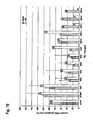
- the expression rates of survivin mRNA were compared with one another by using the ⁇ Ct values and the calculation equation of 2 (- ⁇ Ct) X 100 ( FIG. 19 ).
- the siRNA PEG conjugates of the conjugates 2 to 5 highly inhibit the survivin mRNA level, compared with the siRNA-polymer compound conjugate 1, unlike the result of the case in which transfection was performed through the transfection reagent.
- the siRNA-polymer compound conjugates 1 to 5 exhibited higher RNAi effect in a low concentration (500nM) than in a high concentration.
- the siRNA-hydrophobic polymer compound conjugates of the conjugates 9 to 14 exhibited a lower inhibition of the survivin mRNA expression level, compared with the siRNA conjugates 1 to 5, when treated at the same concentration (500nM).
- the high concentration condition (1uM) particularly the end modification of the siRNA-polymer compound conjugate 14 leads to high inhibition effect of the survivin mRNA expression level.
Landscapes
- Health & Medical Sciences (AREA)
- Chemical & Material Sciences (AREA)
- Life Sciences & Earth Sciences (AREA)
- Engineering & Computer Science (AREA)
- Genetics & Genomics (AREA)
- Organic Chemistry (AREA)
- Molecular Biology (AREA)
- Biomedical Technology (AREA)
- General Health & Medical Sciences (AREA)
- Biotechnology (AREA)
- Bioinformatics & Cheminformatics (AREA)
- Biochemistry (AREA)
- General Engineering & Computer Science (AREA)
- Wood Science & Technology (AREA)
- Zoology (AREA)
- Medicinal Chemistry (AREA)
- Veterinary Medicine (AREA)
- Public Health (AREA)
- Pharmacology & Pharmacy (AREA)
- Animal Behavior & Ethology (AREA)
- Biophysics (AREA)
- Plant Pathology (AREA)
- Microbiology (AREA)
- Physics & Mathematics (AREA)
- General Chemical & Material Sciences (AREA)
- Chemical Kinetics & Catalysis (AREA)
- Epidemiology (AREA)
- Nuclear Medicine, Radiotherapy & Molecular Imaging (AREA)
- Oncology (AREA)
- Communicable Diseases (AREA)
- Dispersion Chemistry (AREA)
- Polymers & Plastics (AREA)
- Virology (AREA)
- Pharmaceuticals Containing Other Organic And Inorganic Compounds (AREA)
- Medicinal Preparation (AREA)
- Medicines That Contain Protein Lipid Enzymes And Other Medicines (AREA)
- Apparatus Associated With Microorganisms And Enzymes (AREA)
- Other Resins Obtained By Reactions Not Involving Carbon-To-Carbon Unsaturated Bonds (AREA)
- Polyethers (AREA)
Priority Applications (2)
| Application Number | Priority Date | Filing Date | Title |
|---|---|---|---|
| EP13185358.2A EP2682466B1 (en) | 2009-05-14 | 2010-05-13 | siRNA conjugate and preparation method thereof |
| EP13159602.5A EP2626427A3 (en) | 2009-05-14 | 2010-05-13 | Sirna conjugate and preparation method thereof |
Applications Claiming Priority (2)
| Application Number | Priority Date | Filing Date | Title |
|---|---|---|---|
| KR1020090042297A KR101224828B1 (ko) | 2009-05-14 | 2009-05-14 | siRNA 접합체 및 그 제조방법 |
| PCT/KR2010/003039 WO2010131916A2 (ko) | 2009-05-14 | 2010-05-13 | siRNA 접합체 및 그 제조방법 |
Related Child Applications (3)
| Application Number | Title | Priority Date | Filing Date |
|---|---|---|---|
| EP13185358.2A Division EP2682466B1 (en) | 2009-05-14 | 2010-05-13 | siRNA conjugate and preparation method thereof |
| EP13185358.2A Division-Into EP2682466B1 (en) | 2009-05-14 | 2010-05-13 | siRNA conjugate and preparation method thereof |
| EP13159602.5A Division-Into EP2626427A3 (en) | 2009-05-14 | 2010-05-13 | Sirna conjugate and preparation method thereof |
Publications (3)
| Publication Number | Publication Date |
|---|---|
| EP2463371A2 EP2463371A2 (en) | 2012-06-13 |
| EP2463371A4 EP2463371A4 (en) | 2013-01-16 |
| EP2463371B1 true EP2463371B1 (en) | 2015-08-26 |
Family
ID=43085466
Family Applications (3)
| Application Number | Title | Priority Date | Filing Date |
|---|---|---|---|
| EP10775118.2A Active EP2463371B1 (en) | 2009-05-14 | 2010-05-13 | Sirna conjugate and preparation method thereof |
| EP13159602.5A Withdrawn EP2626427A3 (en) | 2009-05-14 | 2010-05-13 | Sirna conjugate and preparation method thereof |
| EP13185358.2A Active EP2682466B1 (en) | 2009-05-14 | 2010-05-13 | siRNA conjugate and preparation method thereof |
Family Applications After (2)
| Application Number | Title | Priority Date | Filing Date |
|---|---|---|---|
| EP13159602.5A Withdrawn EP2626427A3 (en) | 2009-05-14 | 2010-05-13 | Sirna conjugate and preparation method thereof |
| EP13185358.2A Active EP2682466B1 (en) | 2009-05-14 | 2010-05-13 | siRNA conjugate and preparation method thereof |
Country Status (10)
| Country | Link |
|---|---|
| US (4) | US8779114B2 (https=) |
| EP (3) | EP2463371B1 (https=) |
| JP (3) | JP5758381B2 (https=) |
| KR (1) | KR101224828B1 (https=) |
| CN (3) | CN102439148B (https=) |
| AU (1) | AU2010248239B2 (https=) |
| BR (1) | BRPI1012141B1 (https=) |
| CA (2) | CA2761749C (https=) |
| RU (2) | RU2558258C2 (https=) |
| WO (1) | WO2010131916A2 (https=) |
Families Citing this family (45)
| Publication number | Priority date | Publication date | Assignee | Title |
|---|---|---|---|---|
| KR101224828B1 (ko) | 2009-05-14 | 2013-01-22 | (주)바이오니아 | siRNA 접합체 및 그 제조방법 |
| CA2859127C (en) * | 2011-12-15 | 2017-04-25 | Bioneer Corporation | Novel oligonucleotide conjugates and use thereof |
| KR101722948B1 (ko) * | 2012-01-05 | 2017-04-04 | (주)바이오니아 | 리간드가 결합된 이중나선 올리고 rna 구조체 및 그 제조방법 |
| CN104114704A (zh) * | 2012-01-05 | 2014-10-22 | 株式会社百奥尼 | 高效率的纳米颗粒型双螺旋寡rna结构体及其制备方法 |
| WO2013109057A1 (ko) * | 2012-01-18 | 2013-07-25 | (주)바이오니아 | 자성나노입자-samirna 복합체 및 그 제조방법 |
| RU2015114330A (ru) | 2012-09-17 | 2016-11-10 | У.Р. Грейс Энд Ко.-Конн. | Хроматографические среды и устройства |
| CA2887069A1 (en) | 2012-10-05 | 2014-04-10 | Bioneer Corporation | Amphiregulin-specific double-helical oligo-rna, double-helical oligo-rna structure comprising double-helical oligo-rna, and composition for preventing or treating respiratory diseases containing same |
| EP2930180B1 (en) * | 2012-12-06 | 2021-11-10 | Kyowa Hakko Bio Co., Ltd. | Double-stranded ribonucleic acid for adjuvants |
| US9695421B2 (en) | 2013-07-05 | 2017-07-04 | Bioneer Corporation | Dengue virus-specific siRNA, double helix oligo-RNA structure comprising siRNA, and composition for suppressing proliferation of dengue virus comprising RNA structure |
| WO2015002513A2 (ko) * | 2013-07-05 | 2015-01-08 | (주)바이오니아 | 호흡기 질환 연관 유전자 특이적 siRNA, 그러한 siRNA를 포함하는 이중나선 올리고 RNA 구조체 및 이를 포함하는 호흡기 질환 예방 또는 치료용 조성물 |
| CN105705638B (zh) * | 2013-07-05 | 2019-11-26 | 柏业公司 | 改善的具有高效能的纳米颗粒型寡核苷酸结构及其制备方法 |
| KR20150006742A (ko) * | 2013-07-09 | 2015-01-19 | (주)바이오니아 | 간암 연관 유전자 특이적 siRNA, 그러한 siRNA를 포함하는 이중나선 올리고 RNA 구조체 및 이를 포함하는 암 예방 또는 치료용 조성물 |
| KR20150006743A (ko) * | 2013-07-09 | 2015-01-19 | (주)바이오니아 | 간암 연관 유전자 특이적 siRNA, 그러한 siRNA를 포함하는 이중나선 올리고 RNA 구조체 및 이를 포함하는 암 예방 또는 치료용 조성물 |
| CN106459974A (zh) * | 2014-04-04 | 2017-02-22 | 柏业公司 | 新颖的双链寡rna和包含它的用于预防或治疗纤维化或呼吸系统疾病的药物组合物 |
| JP6914189B2 (ja) | 2014-05-02 | 2021-08-04 | ダブリュー・アール・グレース・アンド・カンパニー−コーンW R Grace & Co−Conn | 官能化担体材料並びに官能化担体材料を作製及び使用する方法 |
| CN107922559B (zh) * | 2014-10-15 | 2020-07-24 | 康涅狄格大学 | 用于药物递送的生物可还原的自装配液晶嵌段共聚物 |
| CN107921407B (zh) | 2015-06-05 | 2022-07-05 | 格雷斯公司 | 生物处理吸附澄清剂及其制备和使用方法 |
| WO2016204515A1 (ko) * | 2015-06-15 | 2016-12-22 | (주)바이오니아 | STAT3 유전자 특이적 siRNA, 그러한 siRNA를 포함하는 이중나선 올리고 RNA 구조체, 이를 포함하는 조성물 및 이의 용도 |
| KR101861738B1 (ko) | 2016-08-24 | 2018-05-29 | (주)바이오니아 | 마이크로 rna를 포함하는 이중나선 올리고 rna 구조체 |
| AU2018237139A1 (en) * | 2017-03-22 | 2019-10-17 | The Regents Of The University Of California | Modified oligonucleotides and therapeutic uses thereof |
| WO2019105437A1 (zh) * | 2017-12-01 | 2019-06-06 | 苏州瑞博生物技术有限公司 | 一种核酸、含有该核酸的组合物与缀合物及制备方法和用途 |
| WO2019105435A1 (zh) | 2017-12-01 | 2019-06-06 | 苏州瑞博生物技术有限公司 | 一种核酸、含有该核酸的组合物与缀合物及制备方法和用途 |
| CN110945130B (zh) | 2017-12-01 | 2024-04-09 | 苏州瑞博生物技术股份有限公司 | 一种核酸、含有该核酸的组合物与缀合物及制备方法和用途 |
| CA3083968C (en) | 2017-12-01 | 2024-04-23 | Suzhou Ribo Life Science Co., Ltd. | Double-stranded oligonucleotide, composition and conjugate comprising double-stranded oligonucleotide, preparation method thereof and use thereof |
| JP7365052B2 (ja) | 2017-12-01 | 2023-10-19 | スーチョウ リボ ライフ サイエンス カンパニー、リミテッド | 核酸、当該核酸を含む組成物及び複合体ならびに調製方法と使用 |
| EP3732185B1 (en) | 2017-12-29 | 2025-02-26 | Suzhou Ribo Life Science Co., Ltd. | Conjugates and preparation and use thereof |
| KR102141124B1 (ko) * | 2018-01-30 | 2020-08-04 | (주)바이오니아 | 이중 가닥 miRNA를 포함하는 이중나선 올리고뉴클레오타이드 구조체 및 이의 용도 |
| KR102746742B1 (ko) | 2018-05-25 | 2024-12-26 | (주)바이오니아 | 엠피레귤린 유전자 특이적 이중가닥 올리고뉴클레오티드 및 이를 포함하는 섬유증 관련 질환 및 호흡기 관련 질환 예방 및 치료용 조성물 |
| US11918600B2 (en) | 2018-08-21 | 2024-03-05 | Suzhou Ribo Life Science Co., Ltd. | Nucleic acid, pharmaceutical composition and conjugate containing nucleic acid, and use thereof |
| EP3862024A4 (en) | 2018-09-30 | 2022-08-17 | Suzhou Ribo Life Science Co., Ltd. | SIRNA CONJUGATE, METHOD FOR ITS PRODUCTION AND ITS USE |
| KR102473989B1 (ko) * | 2018-11-28 | 2022-12-07 | (주)바이오니아 | 안드로젠 수용체 특이적 서열을 포함하는 이중나선 올리고뉴클레오티드 구조체, 및 이를 포함하는 탈모 예방 및 발모용 조성물 |
| US12496347B2 (en) | 2018-12-28 | 2025-12-16 | Suzhou Ribo Life Science Co., Ltd. | Nucleic acid, composition and conjugate containing nucleic acid, preparation method therefor and use thereof |
| WO2020149644A1 (ko) | 2019-01-15 | 2020-07-23 | (주)바이오니아 | Dkk1 유전자를 표적으로 하는 이중나선 올리고뉴클레오티드, 이를 포함하는 구조체 및 이를 포함하는 탈모 예방 또는 발모용 조성물 |
| AU2020280438B2 (en) | 2019-05-22 | 2025-03-06 | Suzhou Ribo Life Science Co., Ltd. | Nucleic acid, pharmaceutical composition, conjugate, preparation method, and use |
| WO2020233680A1 (zh) | 2019-05-22 | 2020-11-26 | 苏州瑞博生物技术股份有限公司 | 核酸、药物组合物与缀合物及制备方法和用途 |
| JP7610268B2 (ja) | 2019-05-22 | 2025-01-08 | スーチョウ リボ ライフ サイエンス カンパニー、リミテッド | 核酸、薬物組成物及び複合体ならびに調製方法と使用 |
| EP3978609A4 (en) | 2019-05-24 | 2024-02-07 | Suzhou Ribo Life Science Co., Ltd. | Nucleic acid, pharmaceutical composition, conjugate, preparation method, and use |
| KR102757180B1 (ko) | 2019-11-22 | 2025-01-21 | (주)바이오니아 | Ctgf 유전자 특이적 이중가닥 올리고뉴클레오티드 및 이를 포함하는 섬유증 관련 질환 및 호흡기 관련 질환 예방 및 치료용 조성물 |
| AU2021270895B2 (en) | 2020-05-14 | 2025-01-30 | Bioneer Corporation | Composition for preventing or treating obesity-related disease containing amphiregulin-specific double-stranded oligonucleotide structure |
| CN116157521A (zh) | 2020-05-22 | 2023-05-23 | 柏业公司 | 双链寡核苷酸和用于治疗covid-19的含有其的组合物 |
| KR102272800B1 (ko) | 2020-06-30 | 2021-07-05 | 국방과학연구소 | 코로나바이러스 특이적 이중가닥 올리고뉴클레오티드 및 이를 포함하는 코로나바이러스 감염증-19 예방 및 치료용 조성물 |
| CN116847888A (zh) * | 2021-02-25 | 2023-10-03 | 柏业公司 | 用于减轻毛发变白、促进毛发生长和/或预防或减轻脱发的包含双链miRNA作为活性成分的组合物 |
| CN117677402A (zh) | 2021-03-08 | 2024-03-08 | 柏业公司 | 用于使用超声雾化器施用用于预防或治疗包括covid-19的呼吸道病毒感染、由病毒感染引起的肺纤维化或呼吸道疾病的双链寡核苷酸结构的组合物 |
| CN120225676A (zh) | 2022-12-02 | 2025-06-27 | 上海舶望制药有限公司 | 双环脱碱基核酸类似物以及由它们制备的寡聚化合物 |
| CN115747220A (zh) * | 2022-12-04 | 2023-03-07 | 山西医科大学第二医院 | 主动靶向型阳离子碳点携载Survivin siRNA递送系统及其应用 |
Citations (1)
| Publication number | Priority date | Publication date | Assignee | Title |
|---|---|---|---|---|
| WO2009021728A2 (en) * | 2007-08-13 | 2009-02-19 | Max-Planck Gesellschaft Zur Förderung Der Wissenschaften E.V., Berlin | Targeted block copolymer micelles |
Family Cites Families (16)
| Publication number | Priority date | Publication date | Assignee | Title |
|---|---|---|---|---|
| US5141813A (en) * | 1989-08-28 | 1992-08-25 | Clontech Laboratories, Inc. | Multifunctional controlled pore glass reagent for solid phase oligonucleotide synthesis |
| US5451463A (en) * | 1989-08-28 | 1995-09-19 | Clontech Laboratories, Inc. | Non-nucleoside 1,3-diol reagents for labeling synthetic oligonucleotides |
| US6221959B1 (en) * | 1994-11-18 | 2001-04-24 | Supratek Pharma, Inc. | Polynucleotide compositions |
| US6348583B1 (en) * | 1999-08-30 | 2002-02-19 | Bio-Rad Laboratories, Inc. | Poly(ether-thioether), poly(ether-sulfoxide) and poly(ether-sulfone) nucleic acids |
| US7491805B2 (en) * | 2001-05-18 | 2009-02-17 | Sirna Therapeutics, Inc. | Conjugates and compositions for cellular delivery |
| EP2305812A3 (en) | 2002-11-14 | 2012-06-06 | Dharmacon, Inc. | Fuctional and hyperfunctional sirna |
| US8324365B2 (en) * | 2003-04-03 | 2012-12-04 | Korea Advanced Institute Of Science And Technology | Conjugate for gene transfer comprising oligonucleotide and hydrophilic polymer, polyelectrolyte complex micelles formed from the conjugate, and methods for preparation thereof |
| US7851615B2 (en) * | 2003-04-17 | 2010-12-14 | Alnylam Pharmaceuticals, Inc. | Lipophilic conjugated iRNA agents |
| BRPI0410886A (pt) * | 2003-06-03 | 2006-07-04 | Isis Pharmaceuticals Inc | composto de filamento duplo, composição farmacêutica, sal farmaceuticamente aceitável, métodos de modificação do ácido nucleico que codifica a survivina humana, de inibição da expressão da suvivina em células ou tecidos, e de tratamento de uma condição associada com a expressão ou superexpressão da suvivina, e, oligonucleotìdeo de rnai de filamento único |
| KR101147147B1 (ko) * | 2004-04-01 | 2012-05-25 | 머크 샤프 앤드 돔 코포레이션 | Rna 간섭의 오프 타겟 효과 감소를 위한 변형된폴리뉴클레오타이드 |
| CA2619533C (en) * | 2005-08-17 | 2014-02-04 | Bioneer Corporation | Sirna-hydrophilic polymer conjugates for intracellular delivery of sirna and method thereof |
| US8101741B2 (en) | 2005-11-02 | 2012-01-24 | Protiva Biotherapeutics, Inc. | Modified siRNA molecules and uses thereof |
| AU2007280690C1 (en) * | 2006-07-31 | 2012-08-23 | Curevac Gmbh | Nucleic acid of formula (I): GIXmGn, or (II): CIXmCn, in particular as an immune-stimulating agent/adjuvant |
| DK2548962T3 (en) * | 2007-09-19 | 2016-04-11 | Applied Biosystems Llc | Sirna sequence-independent modification formats to reduce off-target phenotype effects in RNAI and stabilized forms thereof |
| TW200927177A (en) * | 2007-10-24 | 2009-07-01 | Nat Inst Of Advanced Ind Scien | Lipid-modified double-stranded RNA having potent RNA interference effect |
| KR101224828B1 (ko) | 2009-05-14 | 2013-01-22 | (주)바이오니아 | siRNA 접합체 및 그 제조방법 |
-
2009
- 2009-05-14 KR KR1020090042297A patent/KR101224828B1/ko active Active
-
2010
- 2010-05-13 EP EP10775118.2A patent/EP2463371B1/en active Active
- 2010-05-13 EP EP13159602.5A patent/EP2626427A3/en not_active Withdrawn
- 2010-05-13 CA CA2761749A patent/CA2761749C/en active Active
- 2010-05-13 WO PCT/KR2010/003039 patent/WO2010131916A2/ko not_active Ceased
- 2010-05-13 CN CN201080021324.3A patent/CN102439148B/zh active Active
- 2010-05-13 JP JP2012510752A patent/JP5758381B2/ja active Active
- 2010-05-13 CN CN201210301551.2A patent/CN102888404B/zh active Active
- 2010-05-13 BR BRPI1012141A patent/BRPI1012141B1/pt active IP Right Grant
- 2010-05-13 US US13/319,885 patent/US8779114B2/en active Active
- 2010-05-13 CN CN201310147988.XA patent/CN103233003B/zh active Active
- 2010-05-13 AU AU2010248239A patent/AU2010248239B2/en active Active
- 2010-05-13 RU RU2011150787/10A patent/RU2558258C2/ru active
- 2010-05-13 EP EP13185358.2A patent/EP2682466B1/en active Active
- 2010-05-13 CA CA2871888A patent/CA2871888A1/en not_active Abandoned
-
2012
- 2012-09-13 US US13/613,071 patent/US8772472B2/en active Active
-
2013
- 2013-05-08 JP JP2013098798A patent/JP5797688B2/ja active Active
- 2013-11-21 RU RU2013151977/10A patent/RU2571218C2/ru active
-
2014
- 2014-05-30 US US14/291,656 patent/US20140350233A1/en not_active Abandoned
- 2014-05-30 US US14/291,540 patent/US9211343B2/en active Active
- 2014-12-02 JP JP2014244541A patent/JP2015107115A/ja active Pending
Patent Citations (1)
| Publication number | Priority date | Publication date | Assignee | Title |
|---|---|---|---|---|
| WO2009021728A2 (en) * | 2007-08-13 | 2009-02-19 | Max-Planck Gesellschaft Zur Förderung Der Wissenschaften E.V., Berlin | Targeted block copolymer micelles |
Non-Patent Citations (1)
| Title |
|---|
| KIM S H ET AL: "Local and systemic delivery of VEGF siRNA using polyelectrolyte complex micelles for effective treatment of cancer", JOURNAL OF CONTROLLED RELEASE, ELSEVIER, AMSTERDAM, NL, vol. 129, no. 2, 14 July 2008 (2008-07-14), pages 107 - 116, XP022735030, ISSN: 0168-3659, [retrieved on 20080314], DOI: 10.1016/J.JCONREL.2008.03.008 * |
Also Published As
Similar Documents
| Publication | Publication Date | Title |
|---|---|---|
| EP2463371B1 (en) | Sirna conjugate and preparation method thereof | |
| EP2796150B1 (en) | Novel oligonucleotide conjugates and use thereof | |
| KR101752812B1 (ko) | 고효율 나노입자형 이중나선 올리고 rna 구조체 및 그의 제조방법 | |
| RU2670164C2 (ru) | Улучшенная олигонуклеотидная конструкция типа наночастицы, обладающая высокой эффективностью, и способ ее получения | |
| KR101241852B1 (ko) | siRNA 접합체 및 그 제조방법 | |
| KR101392973B1 (ko) | siRNA 접합체 및 그 제조방법 | |
| AU2015200143A1 (en) | Sirna conjugate and preparation method thereof |
Legal Events
| Date | Code | Title | Description |
|---|---|---|---|
| PUAI | Public reference made under article 153(3) epc to a published international application that has entered the european phase |
Free format text: ORIGINAL CODE: 0009012 |
|
| 17P | Request for examination filed |
Effective date: 20111117 |
|
| AK | Designated contracting states |
Kind code of ref document: A2 Designated state(s): AL AT BE BG CH CY CZ DE DK EE ES FI FR GB GR HR HU IE IS IT LI LT LU LV MC MK MT NL NO PL PT RO SE SI SK SM TR |
|
| DAX | Request for extension of the european patent (deleted) | ||
| A4 | Supplementary search report drawn up and despatched |
Effective date: 20121219 |
|
| RIC1 | Information provided on ipc code assigned before grant |
Ipc: C12N 15/11 20060101AFI20121213BHEP Ipc: C07H 21/02 20060101ALI20121213BHEP Ipc: A61K 48/00 20060101ALI20121213BHEP Ipc: C12N 15/87 20060101ALI20121213BHEP |
|
| 17Q | First examination report despatched |
Effective date: 20140211 |
|
| REG | Reference to a national code |
Ref country code: DE Ref legal event code: R079 Ref document number: 602010027025 Country of ref document: DE Free format text: PREVIOUS MAIN CLASS: C12N0015110000 Ipc: C12N0015113000 |
|
| RIC1 | Information provided on ipc code assigned before grant |
Ipc: C12N 15/113 20100101AFI20150213BHEP Ipc: A61K 47/48 20060101ALI20150213BHEP |
|
| GRAP | Despatch of communication of intention to grant a patent |
Free format text: ORIGINAL CODE: EPIDOSNIGR1 |
|
| INTG | Intention to grant announced |
Effective date: 20150413 |
|
| GRAS | Grant fee paid |
Free format text: ORIGINAL CODE: EPIDOSNIGR3 |
|
| GRAA | (expected) grant |
Free format text: ORIGINAL CODE: 0009210 |
|
| AK | Designated contracting states |
Kind code of ref document: B1 Designated state(s): AL AT BE BG CH CY CZ DE DK EE ES FI FR GB GR HR HU IE IS IT LI LT LU LV MC MK MT NL NO PL PT RO SE SI SK SM TR |
|
| REG | Reference to a national code |
Ref country code: GB Ref legal event code: FG4D |
|
| REG | Reference to a national code |
Ref country code: CH Ref legal event code: EP |
|
| REG | Reference to a national code |
Ref country code: AT Ref legal event code: REF Ref document number: 745219 Country of ref document: AT Kind code of ref document: T Effective date: 20150915 |
|
| REG | Reference to a national code |
Ref country code: IE Ref legal event code: FG4D |
|
| REG | Reference to a national code |
Ref country code: DE Ref legal event code: R096 Ref document number: 602010027025 Country of ref document: DE |
|
| REG | Reference to a national code |
Ref country code: CH Ref legal event code: NV Representative=s name: RENTSCH PARTNER AG, CH |
|
| REG | Reference to a national code |
Ref country code: NL Ref legal event code: FP |
|
| REG | Reference to a national code |
Ref country code: AT Ref legal event code: MK05 Ref document number: 745219 Country of ref document: AT Kind code of ref document: T Effective date: 20150826 |
|
| REG | Reference to a national code |
Ref country code: LT Ref legal event code: MG4D |
|
| PG25 | Lapsed in a contracting state [announced via postgrant information from national office to epo] |
Ref country code: LV Free format text: LAPSE BECAUSE OF FAILURE TO SUBMIT A TRANSLATION OF THE DESCRIPTION OR TO PAY THE FEE WITHIN THE PRESCRIBED TIME-LIMIT Effective date: 20150826 Ref country code: LT Free format text: LAPSE BECAUSE OF FAILURE TO SUBMIT A TRANSLATION OF THE DESCRIPTION OR TO PAY THE FEE WITHIN THE PRESCRIBED TIME-LIMIT Effective date: 20150826 Ref country code: GR Free format text: LAPSE BECAUSE OF FAILURE TO SUBMIT A TRANSLATION OF THE DESCRIPTION OR TO PAY THE FEE WITHIN THE PRESCRIBED TIME-LIMIT Effective date: 20151127 Ref country code: FI Free format text: LAPSE BECAUSE OF FAILURE TO SUBMIT A TRANSLATION OF THE DESCRIPTION OR TO PAY THE FEE WITHIN THE PRESCRIBED TIME-LIMIT Effective date: 20150826 Ref country code: NO Free format text: LAPSE BECAUSE OF FAILURE TO SUBMIT A TRANSLATION OF THE DESCRIPTION OR TO PAY THE FEE WITHIN THE PRESCRIBED TIME-LIMIT Effective date: 20151126 |
|
| PG25 | Lapsed in a contracting state [announced via postgrant information from national office to epo] |
Ref country code: SE Free format text: LAPSE BECAUSE OF FAILURE TO SUBMIT A TRANSLATION OF THE DESCRIPTION OR TO PAY THE FEE WITHIN THE PRESCRIBED TIME-LIMIT Effective date: 20150826 Ref country code: IS Free format text: LAPSE BECAUSE OF FAILURE TO SUBMIT A TRANSLATION OF THE DESCRIPTION OR TO PAY THE FEE WITHIN THE PRESCRIBED TIME-LIMIT Effective date: 20151226 Ref country code: PT Free format text: LAPSE BECAUSE OF FAILURE TO SUBMIT A TRANSLATION OF THE DESCRIPTION OR TO PAY THE FEE WITHIN THE PRESCRIBED TIME-LIMIT Effective date: 20151228 Ref country code: AT Free format text: LAPSE BECAUSE OF FAILURE TO SUBMIT A TRANSLATION OF THE DESCRIPTION OR TO PAY THE FEE WITHIN THE PRESCRIBED TIME-LIMIT Effective date: 20150826 Ref country code: HR Free format text: LAPSE BECAUSE OF FAILURE TO SUBMIT A TRANSLATION OF THE DESCRIPTION OR TO PAY THE FEE WITHIN THE PRESCRIBED TIME-LIMIT Effective date: 20150826 Ref country code: ES Free format text: LAPSE BECAUSE OF FAILURE TO SUBMIT A TRANSLATION OF THE DESCRIPTION OR TO PAY THE FEE WITHIN THE PRESCRIBED TIME-LIMIT Effective date: 20150826 Ref country code: PL Free format text: LAPSE BECAUSE OF FAILURE TO SUBMIT A TRANSLATION OF THE DESCRIPTION OR TO PAY THE FEE WITHIN THE PRESCRIBED TIME-LIMIT Effective date: 20150826 |
|
| REG | Reference to a national code |
Ref country code: FR Ref legal event code: PLFP Year of fee payment: 7 |
|
| PG25 | Lapsed in a contracting state [announced via postgrant information from national office to epo] |
Ref country code: EE Free format text: LAPSE BECAUSE OF FAILURE TO SUBMIT A TRANSLATION OF THE DESCRIPTION OR TO PAY THE FEE WITHIN THE PRESCRIBED TIME-LIMIT Effective date: 20150826 Ref country code: DK Free format text: LAPSE BECAUSE OF FAILURE TO SUBMIT A TRANSLATION OF THE DESCRIPTION OR TO PAY THE FEE WITHIN THE PRESCRIBED TIME-LIMIT Effective date: 20150826 Ref country code: IT Free format text: LAPSE BECAUSE OF FAILURE TO SUBMIT A TRANSLATION OF THE DESCRIPTION OR TO PAY THE FEE WITHIN THE PRESCRIBED TIME-LIMIT Effective date: 20150826 Ref country code: SK Free format text: LAPSE BECAUSE OF FAILURE TO SUBMIT A TRANSLATION OF THE DESCRIPTION OR TO PAY THE FEE WITHIN THE PRESCRIBED TIME-LIMIT Effective date: 20150826 Ref country code: CZ Free format text: LAPSE BECAUSE OF FAILURE TO SUBMIT A TRANSLATION OF THE DESCRIPTION OR TO PAY THE FEE WITHIN THE PRESCRIBED TIME-LIMIT Effective date: 20150826 |
|
| REG | Reference to a national code |
Ref country code: DE Ref legal event code: R097 Ref document number: 602010027025 Country of ref document: DE |
|
| PG25 | Lapsed in a contracting state [announced via postgrant information from national office to epo] |
Ref country code: RO Free format text: LAPSE BECAUSE OF FAILURE TO SUBMIT A TRANSLATION OF THE DESCRIPTION OR TO PAY THE FEE WITHIN THE PRESCRIBED TIME-LIMIT Effective date: 20150826 |
|
| PLBE | No opposition filed within time limit |
Free format text: ORIGINAL CODE: 0009261 |
|
| STAA | Information on the status of an ep patent application or granted ep patent |
Free format text: STATUS: NO OPPOSITION FILED WITHIN TIME LIMIT |
|
| 26N | No opposition filed |
Effective date: 20160530 |
|
| PG25 | Lapsed in a contracting state [announced via postgrant information from national office to epo] |
Ref country code: SI Free format text: LAPSE BECAUSE OF FAILURE TO SUBMIT A TRANSLATION OF THE DESCRIPTION OR TO PAY THE FEE WITHIN THE PRESCRIBED TIME-LIMIT Effective date: 20150826 |
|
| PG25 | Lapsed in a contracting state [announced via postgrant information from national office to epo] |
Ref country code: LU Free format text: LAPSE BECAUSE OF FAILURE TO SUBMIT A TRANSLATION OF THE DESCRIPTION OR TO PAY THE FEE WITHIN THE PRESCRIBED TIME-LIMIT Effective date: 20160513 |
|
| REG | Reference to a national code |
Ref country code: IE Ref legal event code: MM4A |
|
| REG | Reference to a national code |
Ref country code: FR Ref legal event code: PLFP Year of fee payment: 8 |
|
| PG25 | Lapsed in a contracting state [announced via postgrant information from national office to epo] |
Ref country code: IE Free format text: LAPSE BECAUSE OF NON-PAYMENT OF DUE FEES Effective date: 20160513 |
|
| REG | Reference to a national code |
Ref country code: CH Ref legal event code: PCAR Free format text: NEW ADDRESS: BELLERIVESTRASSE 203 POSTFACH, 8034 ZUERICH (CH) |
|
| REG | Reference to a national code |
Ref country code: FR Ref legal event code: PLFP Year of fee payment: 9 |
|
| PG25 | Lapsed in a contracting state [announced via postgrant information from national office to epo] |
Ref country code: SM Free format text: LAPSE BECAUSE OF FAILURE TO SUBMIT A TRANSLATION OF THE DESCRIPTION OR TO PAY THE FEE WITHIN THE PRESCRIBED TIME-LIMIT Effective date: 20150826 Ref country code: HU Free format text: LAPSE BECAUSE OF FAILURE TO SUBMIT A TRANSLATION OF THE DESCRIPTION OR TO PAY THE FEE WITHIN THE PRESCRIBED TIME-LIMIT; INVALID AB INITIO Effective date: 20100513 Ref country code: CY Free format text: LAPSE BECAUSE OF FAILURE TO SUBMIT A TRANSLATION OF THE DESCRIPTION OR TO PAY THE FEE WITHIN THE PRESCRIBED TIME-LIMIT Effective date: 20150826 |
|
| PG25 | Lapsed in a contracting state [announced via postgrant information from national office to epo] |
Ref country code: MK Free format text: LAPSE BECAUSE OF FAILURE TO SUBMIT A TRANSLATION OF THE DESCRIPTION OR TO PAY THE FEE WITHIN THE PRESCRIBED TIME-LIMIT Effective date: 20150826 Ref country code: MT Free format text: LAPSE BECAUSE OF NON-PAYMENT OF DUE FEES Effective date: 20160531 Ref country code: TR Free format text: LAPSE BECAUSE OF FAILURE TO SUBMIT A TRANSLATION OF THE DESCRIPTION OR TO PAY THE FEE WITHIN THE PRESCRIBED TIME-LIMIT Effective date: 20150826 Ref country code: MC Free format text: LAPSE BECAUSE OF FAILURE TO SUBMIT A TRANSLATION OF THE DESCRIPTION OR TO PAY THE FEE WITHIN THE PRESCRIBED TIME-LIMIT Effective date: 20150826 |
|
| PG25 | Lapsed in a contracting state [announced via postgrant information from national office to epo] |
Ref country code: BG Free format text: LAPSE BECAUSE OF FAILURE TO SUBMIT A TRANSLATION OF THE DESCRIPTION OR TO PAY THE FEE WITHIN THE PRESCRIBED TIME-LIMIT Effective date: 20150826 |
|
| PG25 | Lapsed in a contracting state [announced via postgrant information from national office to epo] |
Ref country code: AL Free format text: LAPSE BECAUSE OF FAILURE TO SUBMIT A TRANSLATION OF THE DESCRIPTION OR TO PAY THE FEE WITHIN THE PRESCRIBED TIME-LIMIT Effective date: 20150826 |
|
| PGFP | Annual fee paid to national office [announced via postgrant information from national office to epo] |
Ref country code: DE Payment date: 20250319 Year of fee payment: 16 |
|
| PGFP | Annual fee paid to national office [announced via postgrant information from national office to epo] |
Ref country code: BE Payment date: 20250410 Year of fee payment: 16 |
|
| PGFP | Annual fee paid to national office [announced via postgrant information from national office to epo] |
Ref country code: CH Payment date: 20250601 Year of fee payment: 16 |
|
| PGFP | Annual fee paid to national office [announced via postgrant information from national office to epo] |
Ref country code: GB Payment date: 20260312 Year of fee payment: 17 |
|
| PGFP | Annual fee paid to national office [announced via postgrant information from national office to epo] |
Ref country code: NL Payment date: 20260317 Year of fee payment: 17 |
|
| PGFP | Annual fee paid to national office [announced via postgrant information from national office to epo] |
Ref country code: FR Payment date: 20260309 Year of fee payment: 17 |