EP2363710B1 - Isolierung und identifizierung von t-zellen - Google Patents
Isolierung und identifizierung von t-zellen Download PDFInfo
- Publication number
- EP2363710B1 EP2363710B1 EP10182296.3A EP10182296A EP2363710B1 EP 2363710 B1 EP2363710 B1 EP 2363710B1 EP 10182296 A EP10182296 A EP 10182296A EP 2363710 B1 EP2363710 B1 EP 2363710B1
- Authority
- EP
- European Patent Office
- Prior art keywords
- cells
- cell
- antigen
- myelin
- vaccine
- Prior art date
- Legal status (The legal status is an assumption and is not a legal conclusion. Google has not performed a legal analysis and makes no representation as to the accuracy of the status listed.)
- Expired - Lifetime
Links
Images
Classifications
-
- G—PHYSICS
- G01—MEASURING; TESTING
- G01N—INVESTIGATING OR ANALYSING MATERIALS BY DETERMINING THEIR CHEMICAL OR PHYSICAL PROPERTIES
- G01N33/00—Investigating or analysing materials by specific methods not covered by groups G01N1/00 - G01N31/00
- G01N33/48—Biological material, e.g. blood, urine; Haemocytometers
- G01N33/50—Chemical analysis of biological material, e.g. blood, urine; Testing involving biospecific ligand binding methods; Immunological testing
- G01N33/5005—Chemical analysis of biological material, e.g. blood, urine; Testing involving biospecific ligand binding methods; Immunological testing involving human or animal cells
- G01N33/5008—Chemical analysis of biological material, e.g. blood, urine; Testing involving biospecific ligand binding methods; Immunological testing involving human or animal cells for testing or evaluating the effect of chemical or biological compounds, e.g. drugs, cosmetics
- G01N33/5044—Chemical analysis of biological material, e.g. blood, urine; Testing involving biospecific ligand binding methods; Immunological testing involving human or animal cells for testing or evaluating the effect of chemical or biological compounds, e.g. drugs, cosmetics involving specific cell types
- G01N33/5047—Cells of the immune system
- G01N33/505—Cells of the immune system involving T-cells
-
- G—PHYSICS
- G01—MEASURING; TESTING
- G01N—INVESTIGATING OR ANALYSING MATERIALS BY DETERMINING THEIR CHEMICAL OR PHYSICAL PROPERTIES
- G01N33/00—Investigating or analysing materials by specific methods not covered by groups G01N1/00 - G01N31/00
- G01N33/48—Biological material, e.g. blood, urine; Haemocytometers
- G01N33/50—Chemical analysis of biological material, e.g. blood, urine; Testing involving biospecific ligand binding methods; Immunological testing
- G01N33/53—Immunoassay; Biospecific binding assay; Materials therefor
-
- C—CHEMISTRY; METALLURGY
- C12—BIOCHEMISTRY; BEER; SPIRITS; WINE; VINEGAR; MICROBIOLOGY; ENZYMOLOGY; MUTATION OR GENETIC ENGINEERING
- C12N—MICROORGANISMS OR ENZYMES; COMPOSITIONS THEREOF; PROPAGATING, PRESERVING, OR MAINTAINING MICROORGANISMS; MUTATION OR GENETIC ENGINEERING; CULTURE MEDIA
- C12N5/00—Undifferentiated human, animal or plant cells, e.g. cell lines; Tissues; Cultivation or maintenance thereof; Culture media therefor
-
- A—HUMAN NECESSITIES
- A61—MEDICAL OR VETERINARY SCIENCE; HYGIENE
- A61K—PREPARATIONS FOR MEDICAL, DENTAL OR TOILETRY PURPOSES
- A61K39/00—Medicinal preparations containing antigens or antibodies
- A61K39/0005—Vertebrate antigens
- A61K39/0008—Antigens related to auto-immune diseases; Preparations to induce self-tolerance
-
- A—HUMAN NECESSITIES
- A61—MEDICAL OR VETERINARY SCIENCE; HYGIENE
- A61K—PREPARATIONS FOR MEDICAL, DENTAL OR TOILETRY PURPOSES
- A61K40/00—Cellular immunotherapy
- A61K40/10—Cellular immunotherapy characterised by the cell type used
- A61K40/11—T-cells, e.g. tumour infiltrating lymphocytes [TIL] or regulatory T [Treg] cells; Lymphokine-activated killer [LAK] cells
-
- A—HUMAN NECESSITIES
- A61—MEDICAL OR VETERINARY SCIENCE; HYGIENE
- A61K—PREPARATIONS FOR MEDICAL, DENTAL OR TOILETRY PURPOSES
- A61K40/00—Cellular immunotherapy
- A61K40/20—Cellular immunotherapy characterised by the effect or the function of the cells
- A61K40/22—Immunosuppressive or immunotolerising
-
- A—HUMAN NECESSITIES
- A61—MEDICAL OR VETERINARY SCIENCE; HYGIENE
- A61K—PREPARATIONS FOR MEDICAL, DENTAL OR TOILETRY PURPOSES
- A61K40/00—Cellular immunotherapy
- A61K40/30—Cellular immunotherapy characterised by the recombinant expression of specific molecules in the cells of the immune system
- A61K40/32—T-cell receptors [TCR]
-
- A—HUMAN NECESSITIES
- A61—MEDICAL OR VETERINARY SCIENCE; HYGIENE
- A61K—PREPARATIONS FOR MEDICAL, DENTAL OR TOILETRY PURPOSES
- A61K40/00—Cellular immunotherapy
- A61K40/40—Cellular immunotherapy characterised by antigens that are targeted or presented by cells of the immune system
- A61K40/41—Vertebrate antigens
- A61K40/414—Nervous system antigens
-
- A—HUMAN NECESSITIES
- A61—MEDICAL OR VETERINARY SCIENCE; HYGIENE
- A61K—PREPARATIONS FOR MEDICAL, DENTAL OR TOILETRY PURPOSES
- A61K40/00—Cellular immunotherapy
- A61K40/40—Cellular immunotherapy characterised by antigens that are targeted or presented by cells of the immune system
- A61K40/41—Vertebrate antigens
- A61K40/416—Antigens related to auto-immune diseases; Preparations to induce self-tolerance
-
- A—HUMAN NECESSITIES
- A61—MEDICAL OR VETERINARY SCIENCE; HYGIENE
- A61P—SPECIFIC THERAPEUTIC ACTIVITY OF CHEMICAL COMPOUNDS OR MEDICINAL PREPARATIONS
- A61P19/00—Drugs for skeletal disorders
- A61P19/02—Drugs for skeletal disorders for joint disorders, e.g. arthritis, arthrosis
-
- A—HUMAN NECESSITIES
- A61—MEDICAL OR VETERINARY SCIENCE; HYGIENE
- A61P—SPECIFIC THERAPEUTIC ACTIVITY OF CHEMICAL COMPOUNDS OR MEDICINAL PREPARATIONS
- A61P25/00—Drugs for disorders of the nervous system
-
- A—HUMAN NECESSITIES
- A61—MEDICAL OR VETERINARY SCIENCE; HYGIENE
- A61P—SPECIFIC THERAPEUTIC ACTIVITY OF CHEMICAL COMPOUNDS OR MEDICINAL PREPARATIONS
- A61P25/00—Drugs for disorders of the nervous system
- A61P25/28—Drugs for disorders of the nervous system for treating neurodegenerative disorders of the central nervous system, e.g. nootropic agents, cognition enhancers, drugs for treating Alzheimer's disease or other forms of dementia
-
- A—HUMAN NECESSITIES
- A61—MEDICAL OR VETERINARY SCIENCE; HYGIENE
- A61P—SPECIFIC THERAPEUTIC ACTIVITY OF CHEMICAL COMPOUNDS OR MEDICINAL PREPARATIONS
- A61P37/00—Drugs for immunological or allergic disorders
-
- A—HUMAN NECESSITIES
- A61—MEDICAL OR VETERINARY SCIENCE; HYGIENE
- A61P—SPECIFIC THERAPEUTIC ACTIVITY OF CHEMICAL COMPOUNDS OR MEDICINAL PREPARATIONS
- A61P37/00—Drugs for immunological or allergic disorders
- A61P37/02—Immunomodulators
-
- A—HUMAN NECESSITIES
- A61—MEDICAL OR VETERINARY SCIENCE; HYGIENE
- A61P—SPECIFIC THERAPEUTIC ACTIVITY OF CHEMICAL COMPOUNDS OR MEDICINAL PREPARATIONS
- A61P37/00—Drugs for immunological or allergic disorders
- A61P37/02—Immunomodulators
- A61P37/04—Immunostimulants
-
- A—HUMAN NECESSITIES
- A61—MEDICAL OR VETERINARY SCIENCE; HYGIENE
- A61P—SPECIFIC THERAPEUTIC ACTIVITY OF CHEMICAL COMPOUNDS OR MEDICINAL PREPARATIONS
- A61P37/00—Drugs for immunological or allergic disorders
- A61P37/02—Immunomodulators
- A61P37/06—Immunosuppressants, e.g. drugs for graft rejection
-
- A—HUMAN NECESSITIES
- A61—MEDICAL OR VETERINARY SCIENCE; HYGIENE
- A61P—SPECIFIC THERAPEUTIC ACTIVITY OF CHEMICAL COMPOUNDS OR MEDICINAL PREPARATIONS
- A61P9/00—Drugs for disorders of the cardiovascular system
-
- C—CHEMISTRY; METALLURGY
- C12—BIOCHEMISTRY; BEER; SPIRITS; WINE; VINEGAR; MICROBIOLOGY; ENZYMOLOGY; MUTATION OR GENETIC ENGINEERING
- C12N—MICROORGANISMS OR ENZYMES; COMPOSITIONS THEREOF; PROPAGATING, PRESERVING, OR MAINTAINING MICROORGANISMS; MUTATION OR GENETIC ENGINEERING; CULTURE MEDIA
- C12N5/00—Undifferentiated human, animal or plant cells, e.g. cell lines; Tissues; Cultivation or maintenance thereof; Culture media therefor
- C12N5/06—Animal cells or tissues; Human cells or tissues
- C12N5/0602—Vertebrate cells
-
- C—CHEMISTRY; METALLURGY
- C12—BIOCHEMISTRY; BEER; SPIRITS; WINE; VINEGAR; MICROBIOLOGY; ENZYMOLOGY; MUTATION OR GENETIC ENGINEERING
- C12N—MICROORGANISMS OR ENZYMES; COMPOSITIONS THEREOF; PROPAGATING, PRESERVING, OR MAINTAINING MICROORGANISMS; MUTATION OR GENETIC ENGINEERING; CULTURE MEDIA
- C12N5/00—Undifferentiated human, animal or plant cells, e.g. cell lines; Tissues; Cultivation or maintenance thereof; Culture media therefor
- C12N5/06—Animal cells or tissues; Human cells or tissues
- C12N5/0602—Vertebrate cells
- C12N5/0634—Cells from the blood or the immune system
- C12N5/0636—T lymphocytes
-
- G—PHYSICS
- G01—MEASURING; TESTING
- G01N—INVESTIGATING OR ANALYSING MATERIALS BY DETERMINING THEIR CHEMICAL OR PHYSICAL PROPERTIES
- G01N33/00—Investigating or analysing materials by specific methods not covered by groups G01N1/00 - G01N31/00
- G01N33/48—Biological material, e.g. blood, urine; Haemocytometers
- G01N33/50—Chemical analysis of biological material, e.g. blood, urine; Testing involving biospecific ligand binding methods; Immunological testing
- G01N33/53—Immunoassay; Biospecific binding assay; Materials therefor
- G01N33/564—Immunoassay; Biospecific binding assay; Materials therefor for pre-existing immune complex or autoimmune disease, i.e. systemic lupus erythematosus, rheumatoid arthritis, multiple sclerosis, rheumatoid factors or complement components C1-C9
-
- A—HUMAN NECESSITIES
- A61—MEDICAL OR VETERINARY SCIENCE; HYGIENE
- A61K—PREPARATIONS FOR MEDICAL, DENTAL OR TOILETRY PURPOSES
- A61K35/00—Medicinal preparations containing materials or reaction products thereof with undetermined constitution
- A61K35/12—Materials from mammals; Compositions comprising non-specified tissues or cells; Compositions comprising non-embryonic stem cells; Genetically modified cells
- A61K2035/122—Materials from mammals; Compositions comprising non-specified tissues or cells; Compositions comprising non-embryonic stem cells; Genetically modified cells for inducing tolerance or supression of immune responses
-
- A—HUMAN NECESSITIES
- A61—MEDICAL OR VETERINARY SCIENCE; HYGIENE
- A61K—PREPARATIONS FOR MEDICAL, DENTAL OR TOILETRY PURPOSES
- A61K2239/00—Indexing codes associated with cellular immunotherapy of group A61K40/00
- A61K2239/31—Indexing codes associated with cellular immunotherapy of group A61K40/00 characterized by the route of administration
-
- A—HUMAN NECESSITIES
- A61—MEDICAL OR VETERINARY SCIENCE; HYGIENE
- A61K—PREPARATIONS FOR MEDICAL, DENTAL OR TOILETRY PURPOSES
- A61K2239/00—Indexing codes associated with cellular immunotherapy of group A61K40/00
- A61K2239/38—Indexing codes associated with cellular immunotherapy of group A61K40/00 characterised by the dose, timing or administration schedule
-
- G—PHYSICS
- G01—MEASURING; TESTING
- G01N—INVESTIGATING OR ANALYSING MATERIALS BY DETERMINING THEIR CHEMICAL OR PHYSICAL PROPERTIES
- G01N2800/00—Detection or diagnosis of diseases
- G01N2800/28—Neurological disorders
- G01N2800/285—Demyelinating diseases; Multipel sclerosis
Definitions
- the present invention relates generally to the field of diagnosis and treatment of autoimmune disease, such as multiple sclerosis (MS). More particularly, it concerns the isolation of antigen-specific T cells. In addition, the present invention concerns the use of antigen-specific T cells for the treatment of autoimmune disease, such as MS.
- MS multiple sclerosis
- Intercellular recognition complexes formed by T cell receptors (TCR) on cytotoxic T lymphocytes or T helper cells and MHC/peptide complexes on antigen presenting cells (APC) are a common recognition component in a diverse set of cell-cell encounters that activate T cells both during the development of the repertoire of T cells within an individual organism (positive selection; negative selection; peripheral survival) and during the control (T helper) and effector stages (T killer) of an adaptive immune response.
- antigens are recognized by hypervariable molecules, such as antibodies or TCRs, which are expressed with sufficiently diverse structures to be able to recognize any antigen.
- Antibodies can bind to any part of the surface of an antigen.
- TCRs are restricted to binding to short peptides bound to class I or class II molecules of the major histocompatibility complex (MHC) on the surface of APCs.
- MHC major histocompatibility complex
- TCRs are heterodimers composed of two chains which can be ⁇ (alpha-beta) or ⁇ (gamma-delta).
- the structure of TCRs is very similar to that of immunoglobulins (Ig).
- Each chain has two extracellular domains, which are immunoglobulin folds.
- the amino-terminal domain is highly variable and called the variable (V) domain.
- the domain closest to the membrane is the constant (C) domain.
- CDR complementarity determining regions Proximal to the membrane, each TCR chain has a short connecting sequence with a cysteine residue that forms a disulfide bond between both chains.
- TCR loci ⁇ , ⁇ , ⁇ and ⁇
- the four TCR loci have a germ-line organization very similar to that of Ig.
- ⁇ and ⁇ chains are produced by rearrangements of V and J segments whereas ⁇ and ⁇ chains are produced by rearrangements of V, D, and J segments.
- the gene segments for TCR chains are located on different chromosomes, except the ⁇ -chain gene segments that are between the V and J gene segments of the ⁇ chain.
- the location of 8-chain gene segments has a significance: a productive rearrangement of ⁇ -chain gene segments deletes C genes of the 8-chain, so that in a given cell the ⁇ heterodimer cannot be co-expressed with the ⁇ receptor.
- mice there are about 100 V ⁇ and 50 J ⁇ genes segments and only one C ⁇ segment.
- the 8-chain gene family has about 10 V, 2 D, and 2 J gene segments.
- the ⁇ -chain gene family has 20-30 V segments and two identical repeats containing 1 D ⁇ , 6 J ⁇ and 1 C ⁇ . Finally, the ⁇ -chain gene family contains 7 V and 3 different J-C repeats. In humans the organization is similar to that of mice, but the number of segments varies.
- the rearrangements of gene segments in ⁇ and ⁇ chains is similar to that of Igs.
- the ⁇ chain like the light chain of Ig is encoded by V, J, and C gene segments.
- the ⁇ chain like the heavy chain of Ig, is encoded by V, D, and J gene segments. Rearrangements of ⁇ chain gene segments result in VJ joining and rearrangements of ⁇ chain result in VDJ joining.
- the ⁇ and ⁇ chains are expressed linked by a disulfide bond in the membrane of T cells.
- TCR gene segments are flanked by recognition signal sequences (RSS) containing a heptamer and a nonamer with an intervening sequence of either 12 nucleotides (one turn) or 23 nucleotides (two turn).
- RAG-1 and RAG-2 enzymes encoded by recombination-activating genes (RAG-1 and RAG-2) are responsible for the recombination processes.
- RAG1/2 recognize the RSS and join V-J and V-D-J segments in the same manner as in Ig rearrangements. Briefly, these enzymes cut one DNA strand between the gene segment and the RSS and catalyze the formation of a hairpin in the coding sequence. The signal sequence is subsequently excised.
- V and J segments in ⁇ chains and V, D and J segments in ⁇ chains produces a large number of possible molecules, thereby creating a diversity of TCRs.
- Diversity is also achieved in TCRs by alternative joining of gene segments.
- ⁇ and ⁇ gene segments can be joined in alternative ways. RSS flanking gene segments in ⁇ and ⁇ gene segments can generate VJ and VDJ in the ⁇ chain, and VJ, VDJ, and VDDJ on the ⁇ chain.
- diversity is also produced by variability in the joining of gene segments.
- Hypervariable loops of the TCR known as complementarity determining regions (CDRs) recognize the composite surface made from a MHC molecule and a bound peptide.
- CDRs complementarity determining regions
- the CDR2 loops of ⁇ and ⁇ contact only the MHC molecule on the surface of APC, while the CDR1 and CDR3 loops contact both the peptide and MHC molecule.
- TCRs have more limited diversity in the CDR1 and CDR2.
- diversity of the CDR3 loops in TCRs is higher than that of Ig, because TCRs can join more than one D segment leading to augmented junctional diversity.
- autoreactive T cells can also be isolated from normal individuals without the consequences of autoimmune diseases. It has been established that antigen recognition of autoreactivity by itself is not sufficient to mediate the autodestructive process. One of the prerequisites for autoreactive T cells to be pathogenic is that they must be activated.
- Autoreactive T cells are implicated in the pathogenesis of autoimmune diseases, such as multiple sclerosis (MS) and rheumatoid arthritis (RA).
- the pathogenesis of autoreactive T cells in MS is generally held to arise from T cell responses to myelin antigens, in particular myelin basic protein (MBP).
- MBP-reactive T cells are found to undergo in vivo activation, and occur at a higher precursor frequency in blood and cerebrospinal fluid in patients with MS as opposed to control individuals.
- These MBP-reactive T cells produce T H 1 cytokines, e.g. IL-2, TNF ⁇ , and ⁇ -interferon (IFN ⁇ ), which facilitate migration of inflammatory cells into the central nervous system and exacerbate myelin-destructive inflammatory responses in MS.
- T H 1 cytokines e.g. IL-2, TNF ⁇ , and ⁇ -interferon (IFN ⁇
- Myelin-reactive T cells have also been shown to be involved in the pathogenesis of experimental autoimmune encephalomyelitis (EAE) in animals, which resembles MS.
- EAE experimental autoimmune encephalomyelitis
- EAE can be induced actively in susceptible animals by injecting myelin proteins emulsified in an adjuvant or passively by injecting myelin-reactive T-cell lines and clones derived from myelin-sensitized animals.
- myelin-reactive T cells When activated in vitro, very small numbers of myelin-reactive T cells are required to induce EAE, while 100-fold more resting T cells with the same reactivity are incapable of mediating EAE.
- EAE has been shown to be prevented and also treated by vaccination with inactivated myelin-reactive T cells, a procedure called T-cell vaccination ( Ben-Nun et al., Nature, 1981; 292: 60-61 ).
- T-cell vaccination induces regulatory immune responses comprised of anti-idiotypic T cells and anti-ergotypic T cells, which lead to the depletion of myelin-reactive T cells.
- myelin-reactive T cells By depleting myelin-reactive T cells, therapeutic effects are observed in EAE and other experimental autoimmune disease models ( Lider et al., Science, 1988; 239:820-822 ; Lohse et al., Science, 1989; 244: 820-822 ).
- T cell vaccination Due to the success in autoimmune disease models, T cell vaccination has recently advanced to clinical trials in patients with MS.Based on the results in experimental models such as EAE, it is believed that depletion of autoreactive T cells may improve the clinical course of MS and other autoimmune diseases.
- MBP-reactive T cells reappeared at about the same time as the accelerated progression.
- the reappearing MBP-reactive T cells originated from different clonal populations that were not detected before vaccination, suggesting that MBP-reactive T cells may undergo clonal shift or epitope spreading.
- Clonal shift of MBP-reactive T cells has been observed in previous studies (Zhang et al . 1995) and may be associated with the on-going disease process.
- T cell vaccine treatment for each patient must be individualized because the T cell receptors of myelin-reactive T cells are highly diverse and vary between different MS patients ( Vandevyver et al., Eur. J. Immunol., 1995; 25:958-968 , Wucherpfennig et al., J. Immunol., 1994; 152:5581-5592 , Hong et al., J. Immunol., 1999; 163:3530-3538 ).
- T cell vaccine In addition to being individualized for each patient, up to 8 weeks is required to produce a given T cell vaccine using current procedures.
- Production of a T cell vaccine begins with isolating mononuclear cells from the cerebrospinal fluid (CSFMCs) or peripheral blood (PBMCs) of a patient.
- CSFMCs cerebrospinal fluid
- PBMCs peripheral blood
- the isolated mononuclear cells are then cultured with myelin peptides for 7-10 days to activate myelin-reactive T cells. Cultures are then tested for specific proliferation to myelin peptides by measuring [ 3 H]-thymidine incorporation in the presence of myelin peptides over a period of 3 days.
- T cell lines Cultures testing positive for specific proliferation to myelin peptides are then serially diluted to obtain clonal T cell lines or directly expanded. The cells are then cultured up to 6-8 weeks to expand the T cells.
- the T cells are homogenous with a single pattern of V ⁇ -D ⁇ -J ⁇ gene usage.
- three to six of the clonal cell lines are combined to produce a heterogeneous formulation with multiple patterns of V ⁇ -D ⁇ -J ⁇ gene usage.
- the final T cell vaccine product is produced by direct expansion, the T cells are heterogeneous with more than one pattern of V ⁇ -D ⁇ -J ⁇ gene usage.
- the present generally directed to methods of isolating antigen-specific T cells and more particularly T cells specific for self or autoantigens.
- the methods for isolating one or more T cells specific for an antigen of interest generally comprise incubating a sample comprising T cells obtained from a patient with said antigen or a derivative thereof; selecting one or more T cells that express one or more first markers selected from the group consisting of CD69, CD4, CD25, CD36 and HLADR; and one or more second markers selected from the group consisting of IL-2, IFNg, TNF ⁇ , IL5, IL-10 and IL-13.
- the methods of the disclosure are particularly useful for isolating autoreactive T cells which play a role in the pathogenesis of autoimmune diseases.
- the methods of the disclosure also permit the diagnosis of autoimmune disease as well as monitoring the progression of the disease and for monitoring the efficacy of treatments for the disease.
- the methods of the invention also allow the preparation of autologous T cell vaccines for the treatment of T cell related autoimmune diseases.
- the methods for vaccine preparation generally involve the isolation of antigen-specific T cells as described above optionally followed by subsequent culturing steps which allows the expansion of the population of isolated antigen-specific T cells.
- the invention is also directed to T cell vaccines and pharmaceutical compositions comprising antigen-specific T cells isolated using the methods of the invention.
- the methods of the disclosure are also useful for characterizing T cell receptors and their encoding nucleic acids.
- Autoantigen or “self-antigen” as used herein refers to an antigen or epitope which is native to the mammal which is immunogenic in said mammal disease is conserved in that species of mammal and which may be involved in the pathogenesis of autoimmune.
- CD “cluster of differentiation” or “common determinant” as used herein refers to cell surface molecules recognized by antibodies. Expression of some CDs is specific for cells of a particular lineage or maturational pathway, and the expression of others varies according to the state of activation, position, or differentiation of the same cells.
- nucleotide sequences in the context of nucleotide sequences means that the nucleotide sequence is not limited to the specific sequence described, but also includes variations in that sequence, which may include nucleotide additions, deletions, substitutions, or modifications to the extent that the variations to the described sequence retain the ability to hybridize under moderate or highly stringent conditions to the complement of the described sequence.
- peptide or polypeptide sequences “derived from” or “a derivative thereof” means that the peptide or polypeptide is not limited to the specific sequence described, but also includes variations in that sequence, which may include amino acid additions, deletions, substitutions, or modifications to the extent that the variations in the listed sequence retain the ability to elicit an immune response to the described sequence.
- Immunogenic when used to describe a peptide or polypeptide, means the peptide or polypeptide is able to induce an immune response, either T cell mediated, antibody, or both.
- Immuno-related disease means a disease in which the immune system is involved in the pathogenesis of the disease.
- a subset of immune-related diseases are autoimmune diseases.
- Autoimmune diseases include, but are not limited to, rheumatoid arthritis, myasthenia gravis, multiple sclerosis, psoriasis, systemic lupus erythematosus, autoimmune thyroiditis (Hashimoto's thyroiditis), Graves' disease, inflammatory bowel disease, autoimmune uveoretinitis, polymyositis, and certain types of diabetes.
- rheumatoid arthritis myasthenia gravis, multiple sclerosis, psoriasis, systemic lupus erythematosus, autoimmune thyroiditis (Hashimoto's thyroiditis), Graves' disease, inflammatory bowel disease, autoimmune uveoretinitis, polymyositis, and certain types of diabetes.
- PCR means the polymerase chain reaction, for example, as generally described in U.S. Pat. No. 4,683,202 (issued July 28, 1987 to Mullis ).
- PCR is an amplification technique wherein selected oligonucleotides, or primers, may be hybridized to nucleic acid templates in the presence of a polymerization agent (such as a DNA or RNA polymerase) and nucleotide triphosphates, whereby extension products may be formed from the primers. These products may then be denatured and used as templates in a cycling reaction that amplifies the number and amount of existing nucleic acids which may facilitate their subsequent detection.
- a polymerization agent such as a DNA or RNA polymerase
- nucleotide triphosphates whereby extension products may be formed from the primers.
- a “Peptide” or “polypeptide” is a linked sequence of amino acids and may be natural, synthetic, or a modification or combination of natural and synthetic.
- Primer means an oligonucleotide, whether natural, synthetic, or a modification thereof, capable of acting as a point of initiation of nucleotide synthesis sufficiently complementary to a specific nucleotide sequence on a template molecule.
- Probe means an oligonucleotide, whether natural, synthetic, or a modification thereof, capable of specifically binding to a sufficiently complementary nucleotide sequence.
- T cell mediated disease means a disease arising as a result of T cells recognizing self-antigens.
- Treatment when referring to protection of an animal from a disease, means preventing, suppressing, repressing, or completely eliminating the disease.
- Preventing the disease involves administering a composition of the present invention to an animal prior to onset of the disease.
- Suppressing the disease involves administering a composition of the present invention to an animal after induction of the disease but before its clinical appearance.
- Repressing the disease involves administering a composition of the present invention to an animal after clinical appearance of the disease.
- T cells may be activated and expanded in cell culture by incubation with an antigen target and antigen presenting cells. Once activated, T cells undergo a complex cascade of cell signaling which leads to the transcription and expression of many gene products.
- the invention described herein takes advantage of gene products specific for activated T cells for the identification and isolation of T cells with desired antigen specificity.
- the present disclosure is directed to a method for isolating a T cell that is specific for an antigen of interest.
- a sample comprising T cells is incubated with a particular antigen, which causes the activation of a T cell specific for the antigen of interest.
- the sample may be incubated with the antigen for 1 to 7 days.
- the sample may also be incubated with the antigen for less than 1 day.
- the sample may also be incubated with the antigen for less than 16 hours.
- the sample may also be incubated with the antigen for less than 12 hours.
- the sample may also be incubated with the antigen for less than 8 hours.
- the sample may also be incubated with the antigen for less than 4 hours.
- the sample may also be incubated with the antigen for less than 2 hours.
- a T cell specific for the antigen of interest may then be isolated by selecting for T cells that express gene products of T cells activated as described above. Subsets of activated T cells may be isolated by selecting for T cells with subset-specific gene products or cell surface markers (e.g., CD4 vs. CD8).
- the antigen of interest includes myelin basic protein (MBP), proteolipid protein (PLP), myelin oligodendrocyte glycoprotein (MOG), or a fragment thereof.
- the antigen of interest may also be an immunodominant fragment including, but not limited to, residues 83-99 or residue 151-170 of MBP.
- the antigen of interest may also be a combination of two or more individual antigens of interest.
- the antigen or a derivative thereof, used to activate the T cells may be any immunogen which is capable of eliciting an immune response to the antigen of interest.
- the activating antigen may be the antigen of interest, or a derivative thereof.
- the activating antigen may be MBP, PLP, MOG, or a fragment and/or derivative thereof.
- the activating antigen may also be an immunodominant fragment including, but not limited to, residues 83-99 or residue 151-170 of MBP, or a fragment and/or derivative thereof.
- the activating antigen may also be a combination of two or more individual activating antigens.
- the activating antigen may be used one or more times to activate T cells specific for an antigen of interest.
- the T cells may be present in any sample comprising mononuclear cells.
- the sample may be isolated from the peripheral blood or cerebral spinal fluid of an MS patient or from the synovial fluid of a RA patient.
- T cells from patients with other autoimmune diseases may be similarly isolated from peripheral blood and/or tissues involved with the disease.
- Mononuclear cells may be enriched in the sample by using centrifugation techniques known to those in the art including, but not limited to, Ficoll® gradients.
- T cells may also be enriched in the sample by using positive selection, negative selection, or a combination thereof for expression of gene products of T cells.
- the gene product for identifying or negatively selecting for activated T cells may be a cell surface marker or cytokine, or a combination thereof.
- Cell surface markers for identifying activated T cells include, but are not limited to, CD69, CD4, CD8, CD25, HLA-DR, CD28, and CD134.
- CD69 is an early activation marker found on B and T lymphocytes, NK cells and granulocytes.
- CD25 is an IL-2 receptor and is a marker for activated T cells and B cells.
- CD4 is a TCR coreceptor and is marker for thymoctes, T H 1-and T H 2-type T cells, monocytes, and macrophages.
- CD8 is also a TCR coreceptor and is marker for cytotoxic T cells.
- CD134 is expressed only in activated CD4 + T cells.
- Cell surface markers for negatively selecting for activated T cells include, but are not limited to, CD36, CD40, and CD44.
- CD28 acts as a stimulatory T-cell activation pathway independent of the T-cell receptor pathway and is expressed on CD4 + and CD8 + cells.
- CD36 is a membrane glycoprotein and is a marker for platelets, monocytes and endothelial cells.
- CD40 is a marker for B cells, macrophages and dendritic cells.
- CD44 is a marker for macrophages and other phagocytic cells.
- Subsets of T cells may be isolated by using positive selection, negative selection, or a combination thereof for expression of cell surface gene products of helper T cells or cytotoxic T cells (e.g., CD4 vs. CD8).
- Cytokines for identifying activated T cells include, but are not limited to cytokines produced by T H 1-type T cells (cell-mediated response) and T H 2-type T cells (antibody response). Cytokines for identifying activated T H 1-type T cells include, but are not limited to, IL-2, gamma interferon ( ⁇ IFN) and tissue necrosis factor alpha (TNF ⁇ ). Cytokines for identifying activated T H 2-type T cells include, but not limited to, IL-4, IL-5, IL-10 and IL-13. Subsets of T cells may also be isolated by using positive selection, negative selection, or a combination thereof for expression of cytokine gene products of helper T cells or cytotoxic T cells (e.g., ⁇ IFN vs. IL4).
- cytotoxic T cells e.g., ⁇ IFN vs. IL4
- An activated T H 1-type T cell specific for an antigen of interest may be isolated by identifying cells that express CD69, CD4, CD25, IL-2, IFN ⁇ , TNF ⁇ , or a combination thereof.
- An activated T H 1-type T cell specific for an antigen of interest may also be isolated by identifying cells that express CD69 and CD4 together with IFN ⁇ or TNF ⁇ .
- An activated TH 2 -type T cell specific for an antigen of interest may be isolated by identifying cells that express CD69, CD4, IL-4, IL-5, IL-10, IL-13, or a combination thereof.
- a combination of an activated T H 1-type T cell and a T H 2-type T cell specific for an antigen of interest may be isolated by identifying cells that express CD69, CD4, CD25, IL-2, IFN ⁇ , TNF ⁇ , or a combination thereof and cells that express CD69, CD4, IL-4, IL-5, IL-10, IL-13, or a combination thereof/
- the gene products used for positive or negative selection of activated T cells may be identified by immunoselection techniques known to those in the art which utilize antibodies including, but not limited to, fluorescence activated cell sorting (FACS), magnetic cell sorting, panning, and chromatography.
- Immunoselection of two or more markers on activated T cells may be performed in one or more steps, wherein each step positively or negatively selects for one or more markers.
- FACS fluorescence activated cell sorting
- the two or more different antibodies may be labeled with different fluorophores.
- Magnetic cell sorting may be performed using super-paramagnetic microbeads composed of iron oxide and a polysaccharide coat.
- the microbeads may be approximately 50 nanometers in diameter, and have a volume about one-millionth that of a typical mammalian cell.
- the microbeads are preferably small enough to remain in colloidal suspension, which permits rapid, efficient binding to cell surface antigens.
- the microbeads preferably do not interfere with flow cytometry, are biodegradable, and have negligible effects on cellular functions.
- the antibody coupling to the microbeads may be direct or indirect, via a second antibody to a ligand such as fluorescein.
- the antibody may be of classes IgG, IgM, IgA, IgD, and IgE, or fragments or derivatives thereof, including Fab, F(ab') 2 , Fd, and single chain antibodies, diabodies, bispecific antibodies, bifunctional antibodies and derivatives thereof.
- the antibody may be a monoclonal antibody, polyclonal antibody, affinity purified antibody, or mixtures thereof which exhibits sufficient binding specificity to an epitope of a gene product specific for activated T cells, or a sequence derived therefrom.
- the antibody may also be a chimeric antibody.
- the antibody may be derivatized by the attachment of one or more chemical, peptide, or polypeptide moieties known in the art that allow the identification and/or selection of the activated T cell to which the antibody is bound.
- the antibody may be conjugated with a chemical moiety such as a fluorescent dye.
- An activated T cell bound by a fluorescently labeled antibody may be isolated using techniques including, but not limited to, fluorescence activated cell sorting (FACS).
- FACS fluorescence activated cell sorting
- the antibody may also be conjugated with a magnetic particle, such as a paramagnetic microbead (Miltenyi Biotec, Germany).
- An activated T cell bound by a magnetically labeled antibody may be isolated using techniques including, but not limited to, magnetic cell sorting.
- the antibody may directly bind to the gene product and may be used for cell selection.
- magnetofluorescent liposomes Scheffold, et al. Nature Med 6:107-110, 2000 ) may be used for cell selection.
- conventional fluorescently labeled antibodies may not be sensitive enough to detect the presence of the cell surface expressed gene product.
- Fluorophore-containing liposomes may be conjugated to antibodies with the specificity of interest, thereby allowing detection of the cell surface expressed gene product.
- the antibody may be used after permeabilizing the cells.
- the intracellular gene product if it is ultimately secreted from the cell may be detected as it is secreted through the cell membrane using a "catch" antibody on the cell surface.
- the catch antibody may be a double antibody that is specific for two different antigens: (i) the secreted gene product of interest and (ii) a cell surface protein.
- the cell surface protein may be any surface marker present on T cells, in particular, or lymphocytes, in general, (e.g., CD45).
- the catch antibody may first bind to the cell surface protein and then bind to the intracellular gene product of interest as it is secreted through the membrane, thereby retaining the gene product on the cell surface.
- a labeled antibody specific for the captured gene product may then be used to bind to the captured gene product, which allows the selection of the activated T cell ( Manz, et al. Proc. Natl. Acad. Sci. USA 92:1921-1925, 1995 ).
- cytokines are also found expressed at low concentration on the cell surface.
- ⁇ IFN is displayed at a low concentration on the cell surface with kinetics similar to those of intracellular ⁇ IFN expression ( Asakicher, et al. Eur J. Immunol, 1996, 26:263-267 ).
- conventional fluorescently labeled antibodies or fluorophore containing liposomes may be used for detecting the cytokine of interest.
- fluorophore containing liposomes may be used for detecting the cytokine of interest.
- One of ordinary skill in the art will recognize other techniques for detecting and selecting extracellular and intracellular gene products specific for activated T cells.
- the T cells may be enriched by at least 90% from whole blood.
- the T cells may also be enriched by at least 95% from whole blood.
- the T cells may also be enriched by at least 98% from whole blood.
- the T cells may also be isolated at least 99.5% from whole blood.
- the T cell specific for an antigen of interest isolated by the method of the first aspect.
- the present disclosure is directed to a method for isolating T cells that are specific for one or more antigens of interest.
- a sample comprising T cells is incubated with one or more antigens, which cause the activation of T cells specific for one or more antigens.
- T cells specific for one or more antigens may then be isolated.
- the T cells may have a heterogeneous pattern of V ⁇ -D ⁇ -J ⁇ gene usage that express different TCRs which are each specific for an antigen of interest.
- the T cells may also have a heterogeneous pattern of V ⁇ -D ⁇ -J ⁇ gene usage that express different TCRs which are specific for more than one antigen of interest.
- T cells comprising a heterogeneous pattern of V ⁇ -D ⁇ -J ⁇ gene usage may be used to formulate a polyclonal T cell vaccine which may prevent epitope spreading in vaccinated patients.
- the T cells specific for one or more antigens of interest isolated by the method of the third aspect.
- a method of determining the relative frequency of T cells specific for one or more antigens of interest in a sample by determining the number of T cells isolated by the method of the first or third aspects.
- a patient with an autoimmune disease may be diagnosed by obtaining a sample from a patient and isolating autoreactive T cells by the method of the first or third aspects.
- the autoimmune disease may be diagnosed by comparing the level of autoreactive T cells in a patient to a control.
- the level of autoreactive T cells may be determined in accordance with the method of the fifth aspect.
- an autoimmune disease may be monitored by determining the frequency of autoreactive T cells in a sample from a patient with an autoimmune disease in accordance with the fifth aspect.
- the severity of symptoms of the autoimmune disease may correlate with the number of autoreactive T cells.
- an increase in the number of autoreactive T cells in the sample may be used as an indication to apply treatments intended to minimize the severity of the symptoms and/or treat the disease before the symptoms appear.
- a composition may be produced for treating an autoimmune disease by inactivating autoreactive T cells which have been isolated (and optionally expanded in culture as described herein) by the method of the first or third aspects.
- the autoreactive T cells may be inactivated using a number of techniques known to those in the art including, but not limited to, chemical inactivation or irradiation.
- the autoreactive T cells may be preserved either before or after inactivation using a number of techniques known to those in the art including, but not limited to, cryopreservation.
- the composition may be used as a vaccine to deplete autoreactive T cells in autoimmune patients.
- the composition may be a pharmaceutical composition, which may be produced using methods well known in the art.
- Pharmaceutical compositions used as preclinical and clinical therapeutics in the treatment of disease or disorders may be produced by those of skill, employing accepted principles of diagnosis and treatment. Such principles are known in the art, and are set forth, for example, in Braunwald et al., eds., Harrison's Principles of Internal Medicine, 11th Ed., McGraw-Hill, publisher, New York, N.Y. (1987 ).
- the pharmaceutical composition may be administered to any animal which may experience the beneficial effects of the composition. Animals receiving the pharmaceutical composition may be humans or other mammals.
- the present invention is drawn to a composition produced by the method of the eighth aspect of the present invention.
- the composition may be a vaccine, which may be used to deplete autoreactive T cells in autoimmune patients.
- an autoimmune disease may be treated in patients with autoreactive T cells by administering a composition according to the ninth aspect of the present invention.
- the composition may be a vaccine, which may lead to the depletion of autoreactive T cells in the patient.
- a vaccine may comprise autoreactive T cells comprising homogeneous ("monoclonal") or heterogeneous (“polyclonal”) patterns of V ⁇ -D ⁇ -J ⁇ gene usage.
- Clinical studies indicate that autoimmune patients receiving autologous monoclonal T cell vaccination may show a gradual decline in the immunity against myelin-reactive T cells. In some cases, the reappearing autoreactive T cells may originate from different clonal populations, suggesting that myelin-reactive T cells may undergo clonal shift or epitope spreading potentially associated with the ongoing disease process. Clonal shift or epitope spreading may be a problem in autoimmune diseases mediated by autoreactive T cells.
- a vaccine comprising polyclonal autoreactive T cells capable of depleting multiple populations of autoreactive T cells may avoid problems with clonal shift or epitope spreading.
- the composition may be a pharmaceutical composition, which is administered by any means that achieve their intended purpose.
- administration may be by parenteral, subcutaneous, intravenous, intraarterial, intradermal, intramuscular, intraperitoneal, transdermal, transmucosal, intracerebral, intrathecal, or intraventricular routes.
- administration may be by the oral route.
- the pharmaceutical compositions may be administered parenterally by bolus injection or by gradual perfusion over time.
- the dosage administered may be dependent upon the age, sex, health, and weight of the recipient, kind of concurrent treatment, if any, frequency of treatment, and the nature of the effect desired.
- the dose ranges for the administration of the pharmaceutical compositions may be large enough to produce the desired effect, whereby, for example, autoreactive T cells are depleted, as measured by the seventh aspect, is achieved, and the autoimmune disease is significantly prevented, suppressed, or treated.
- the doses may not be so large as to cause adverse side effects, such as unwanted cross reactions, generalized immunosuppression, anaphylactic reactions and the like.
- the pharmaceutical compositions may further comprise suitable pharmaceutically acceptable carriers comprising excipients and auxiliaries which may facilitate processing of the active compositions into preparations which can be used pharmaceutically.
- Additives to the pharmaceutical compositions may include the inclusion of an adjuvant, such as alum, chitosan, or other adjuvants known in the art. (See, for example, Warren et al., Ann. Rev. Immunol. 4:369-388 (1986 ); Chedid, L., Feder. Proc. 45:2531-2560 (1986 ).
- the pharmaceutical compositions may also further comprise liposomes to enhance delivery or bioactivity, using methods and compounds known in the art.
- Suitable formulations for parenteral administration include aqueous solutions of the inactivated autoreactive T cells, for example, water-soluble salts in aqueous solution.
- oil suspensions comprising inactivated autoreactive T cells may be administered.
- Suitable lipophilic solvents or vehicles include fatty oils, for example, sesame oil, or synthetic fatty acid esters, for example, ethyl oleate or triglycerides.
- Aqueous injection suspensions may contain substances which increase the viscosity of the suspension include, for example, sodium carboxymethyl cellulose, sorbitol, and/or dextran. The suspension may also contain stabilizers.
- the inactivated autoreactive T cells may be formulated using conventional pharmaceutically acceptable parenteral vehicles for administration by injection. These vehicles may be nontoxic and therapeutic, and a number of formulations are set forth in Remington's Pharmaceutical Sciences, (supra). Nonlimiting examples of excipients are water, saline, Ringer's solution, dextrose solution and Hank's balanced salt solution. Pharmaceutical compositions may also contain minor amounts of additives such as substances that maintain isotonicity, physiological pH, and stability.
- the inactivated autoreactive T cells may be formulated at total cell concentrations including from about 5x10 2 cells/ml to about 1x10 9 cells /ml.
- Preferred doses of the inactivated autoreactive T cells for use in preventing, suppressing, or treating an autoimmune disease may be in the range of about 2x10 6 cells to about 9x10 7 cells.
- the first primer of the primer pair may be an oligonucleotide of about 15 to 30 nucleotides in length that hybridizes to a nucleic acid comprising the variable region of the TCR gene.
- the second primer of the primer pair may be an oligonucleotide of about 15 to 30 nucleotides in length that hybridizes to a nucleic acid comprising the constant region of the TCR gene.
- the primer pair may be used to amplify a nucleic acid that hybridizes to the V ⁇ -D ⁇ -J ⁇ region of the TCR gene.
- Nucleic acids encoding one or more T cell receptors from T cells may be amplified from a sample by the polymerase chain reaction (PCR) using any particular PCR technique or equipment known in the art.
- PCR amplification may follow a procedure wherein a reaction mixture is prepared that contains the following ingredients: 5 ⁇ L 10xPCR buffer II (100 mM Tris-HCl, pH 8.3, 500 mM KCl), 3 ⁇ L 25 mM MgCl 2 , 1 ⁇ L 10 mM dNTP mix, 0.3 ⁇ L Taq polymerase (5 U/ ⁇ L) (AmpliTaq Gold, Perkin Elmer, Norwalk, Conn.), 30 pmol of a first primer, 30 pmol of a second primer, and 1 ⁇ L of sample DNA.
- the polymerase may be stable at temperatures of at least 95°C, have a processivity of 50-60 and have an extension rate of greater than 50 nucleotides per minute
- the PCR reaction may be performed with an amplification profile of 1 min at 95°C (denaturation), 20 sec at 56°C (annealing), and 40 sec at 72°C (extension) for a total of 40 cycles.
- the reaction mixture Before the first cycle begins, the reaction mixture may undergo an initial denaturation for a period of about 5 min to 15 min. Similarly, after the final cycle is complete, the reaction mixture may undergo a final extension for a period of about 5 min to 10 min.
- Certain PCR reactions may work with as few as 15 to 20 cycles or as many as 50 cycles. Depending upon the specific PCR reaction, longer or shorter incubation times and higher or lower temperatures for each step of the amplification profile may be used.
- the sample comprising the Target Sequence may be a nucleic acid, such as genomic DNA, cDNA, DNA previously amplified by PCR, or any other form of DNA.
- the sample may be isolated, directly or indirectly, from any animal or human tissue comprising T cells, such as peripheral blood mononuclear-cells-(PBMC).
- PBMC peripheral blood mononuclear-cells-
- Genomic DNA may be isolated directly from a tissue comprising T cells.
- cDNA may be isolated indirectly by reverse transcription of mRNA directly isolated from a tissue comprising T cells.
- the ability to detect the Target Sequence may be enhanced by isolating the sample DNA indirectly by amplification of genomic DNA, cDNA, or any other form of DNA, by a two-step PCR reaction.
- a first PCR amplification reaction may be performed to amplify a preliminary fragment that is larger than, and comprises, a fragment to which the first and second primers are capable of selectively binding on opposite strands.
- a second PCR amplification reaction may then be performed, using the preliminary fragment as a template with the first and second primers, to amplify a fragment comprising the Target Sequence.
- the second PCR reaction is "semi-nested.” If neither the first or second primer is used in the first PCR reaction to amplify the preliminary fragment, the second PCR reaction is "nested.”
- one or more nucleic acids encoding one or more T cell receptors from T cells may be amplified by performing a first PCR reaction using a first preliminary primer that anneals to the V ⁇ region of the TCR gene and a second preliminary primer that anneals to the C ⁇ region of the TCR gene, which amplifies a preliminary fragment that extends from V ⁇ through the V ⁇ -D ⁇ -J ⁇ junction to C ⁇ , followed by a second PCR reaction which may be nested or semi-nested.
- a first PCR reaction using a first preliminary primer that anneals to the V ⁇ region of the TCR gene and a second preliminary primer that anneals to the C ⁇ region of the TCR gene, which amplifies a preliminary fragment that extends from V ⁇ through the V ⁇ -D ⁇ -J ⁇ junction to C ⁇
- a second PCR reaction which may be nested or semi-nested.
- the amplified product may be detected by a number of procedures. For example, an aliquot of amplification product may be loaded onto an electrophoresis gel, to which an electric field is applied to separate DNA molecules by size. In another method, an aliquot of amplification product may be loaded onto a gel stained with SYBR green, ethidium bromide, or another molecule that will bind to DNA and emit a detectable signal. A dried gel may contain a labeled oligonucleotide that hybridizes to the Target Sequence, from which an autoradiograph may be taken by exposing the gel to film.
- mononuclear cells may be obtained from the cerebrospinal fluid (CSFMCs) of MS patients.
- CSFMCs cerebrospinal fluid
- Peripheral blood mononuclear cells (PBMCs) were isolated from the whole blood by standard Ficoll gradient separation method. Specifically, heparinized blood was diluted with Hanks balanced salt solution (HBSS) (1:1 blood/HBSS) and then slowly laid over the Ficoll-hypaque solution in a centrifuge tube and centrifuged for 20 minutes at 1800 rpm, 18°C to 25°C, with no brake.
- HBSS Hanks balanced salt solution
- PBMCs were then washed by adding excess HBSS and centrifuged at 1700 rpm for 10 minutes at 18°C to 25°C.
- Purified PBMCs were washed three times in RPMI 1640 medium by centrifugation and subsequently resuspended in AIM V medium (Gibco, Grand Island, N.Y.). Cell number was counted and cells were plated onto 96-well U-bottomed culture plates at a density of 200,000 cells/well. All plates were labeled with patient number and patient initials.
- the cells were incubated at 37°C in the presence of synthetic peptides listed in Table 1 corresponding to the known immunodominant regions of three myelin proteins, myelin basic protein (MBP), proteolipid protein (PLP), and myelin oligodendrocyte glycoprotein (MOG) at a concentration of 20 ⁇ g/ml. Plates were placed in a CO 2 incubator at 37°C and visually inspected daily. Cells were cultured for 7-10 days without change of culture medium to selectively grow antigen-specific T cells.
- MBP myelin basic protein
- PGP proteolipid protein
- MOG myelin oligodendrocyte glycoprotein
- Myelin Antigen Peptides Amino Acid Sequences Myelin basic protein, peptide-1 (MBP-1) ENPVVHFFKNIVTPRTP SEQ ID NO. 1 Myelin basic protein, peptide-2 (MBP-2) SKIFKLGGRDSRSGSPMARR SEQ ID NO. 2 Proteolipid protein, peptide-3 (PLP-3) LFGGCGHEALTGTEKLIETY SEQ ID NO. 3 Proteolipid protein, peptide-4 (PLP-4) WTTCQSIAFPSKTSASIGSL SEQ ID NO.
- a Cytokine Catch Reagent (Miltenyi Biotec) (as described above) is used in order to detect the intracellular cytokine ⁇ IFN or TNF ⁇ when ultimately excreted from the cell. Briefly, the Cytokine Catch Reagent (typically a bispecific antibody which binds to both the activated T cell marker and the secreted cytokine) is incubated first with the cells at 4-8° C in order to bind to the CD45 molecule on the cell surfaces or other activated T cell surface marker such as CD69.
- the Cytokine Catch Reagent typically a bispecific antibody which binds to both the activated T cell marker and the secreted cytokine
- the cells with the bound Cytokine Catch Reagent are then incubated at 37° C for 45 minutes to allow the ⁇ IFN or TNF ⁇ within the cell to also bind to the Cytokine Catch Reagent as the cytokine is secreted from inside the cell during this incubation period.
- ⁇ IFN or TNF ⁇ now bound to the cell surface by the Cytokine Catch Reagent which is then detected using an antibody specific for cytokine of interest conjugated to the fluorochrome PE.
- the cell surface molecules CD4 and CD69 are detected using antibodies conjugated to different fluorochromes.
- the CD4 + cell population is selected first by gating and then, within this population, the "double-positive" (CD69 and IFN ⁇ or CD69 and TNF ⁇ ) stained cells are separated by FACS and collected aseptically.
- the isolated myelin-reactive T cells are then directly expanded by stimulating with rIL-2, PHA, anti-CD3 or other general T cell mitogen in the presence of irradiated autologous PBMCs for 7-10 days.
- Myelin-reactive T cells lines are propagated in culture until the total cell number reached approximately 20 million.
- Two to 100 ml of blood are collected from the patient and one or more synthetic peptides are added directly to the whole blood to prime, or stimulate, the T lymphocytes.
- the peptides correspond to the known immunodominant regions of three myelin proteins, myelin basic protein (MBP), proteolipid protein (PLP), and myelin oligodendrocyte glycoprotein (MOG).
- MBP myelin basic protein
- PGP proteolipid protein
- MOG myelin oligodendrocyte glycoprotein
- Myelin peptide-activated T cells are detected by permeabilizing the cell membrane with a detergent solution, washing the cells, then incubating with one or more staining antibodies to detect CD4 or CD69 molecules on the cell surface or IFN ⁇ or TNF ⁇ intracellularly.
- the staining antibodies are conjugated to different fluorochromes so that they fluoresce at different wavelengths when excited by a 488 nanometer laser by FASC analysis.
- the population of CD4 + T cells is selected first by using the CD4 + cells for gating and then within this population, the cells that are immunoreactive with both antibodies (CD69 and ⁇ IFN or CD69 and TNF ⁇ ) are identified.
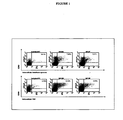
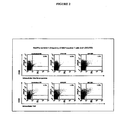
- This population of "double-positive" myelin-reactive T cells has been shown to increase significantly in multiple sclerosis (MS) patients as compared to healthy controls in a similar study ( Figure 1 , MS patient, Figure 2 , healthy control).
- the number of myelin-reactive T cells circulating in the blood of a patient may be determined before, during and after treatment to determine the effect of an MS therapy on the autoreactive T cell population.
- the endpoint may be determined as either the percentage of double-positive stained cells or as the absolute number of double-positive stained cells.
- Whole blood is obtained from a patient and stimulated with one or more synthetic peptides as described in Example 2.
- the blood is incubated with the peptides for 3 to 16 hours to activate the myelin-specific T cells.
- the cells may be re-challenged with antigens in a short re-stimulation assay prior to staining with magnetofluorescent liposomes conjugated to antibodies against IFN ⁇ ,TNF ⁇ , or a combination thereof.
- the cells are also stained with an antibody to CD4 and/or CD69.
- the stained myelin-reactive T cells are detected as described in Example 2.
- TCR T cell receptor
- V ⁇ variable beta chain
- RR-MS and SP-MS received three subcutaneous injections of irradiated autologous myelin-reactive T cell clones isolated by direct expansion, with three additional injections 4, 12 and 20 weeks thereafter. Patients were monitored for changes in the precursor frequency of myelin-reactive T cells, rate of relapse, expanded disability status score (EDSS) and MRI lesion activities over a period of 24 months. The results were compared with pre-vaccination values in a self-paired manner.
- myelin-reactive T cell clones prepared according to Example 1 are activated with phytohemagglutinin (PHA) (4 ⁇ g /ml) in the presence of irradiated PBMCs as a source of accessory cells. Cells are then cultured for 10 days in RPMI 1640 media supplemented with 10% heat-inactivated human AB serum and 100 units per mL of rIL-2.
- PHA phytohemagglutinin
- Activated myelin-reactive T cells are subsequently washed three times with sterile saline to remove residual PHA, rIL-2 and cell debris and finally resuspended in 2 ml of saline. After irradiation (10,000 rads, 137 Ce source), the cells are injected subcutaneously on two arms (1 ml/arm).
- the number of T cells used for vaccination range from 40 x 10 6 to 80 x 10 6 cells per injection and are chosen by an extrapolation of T cell doses effective in experimental animals on the basis of relative skin surface areas (Ben-Nun et al., 1981). Each patient receives two subcutaneous injections followed by repeat injections at 4, 12 and 20 weeks.
- Time to progression is determined by an increase of at least 1.0 on the EDSS (Poser et al., 1983) persisting for at least 2 months.
- On-study exacerbations are defined by the appearance of new neurological symptoms or worsening of pre-existing neurological symptoms lasting for at least 48 hours, accompanied by objective change on neurological examination (worsening of at least 0.5 point on EDSS). Patients are instructed to report events between the scheduled regular visits, and are examined by a neurologist if symptoms suggested an exacerbation. Safety assessments included adverse events, vital signs and physical examinations at regular visits. The differences in the clinical variables in study patients before and after T cell vaccination are analyzed using the Wilcoxon's rank-sum test.
Landscapes
- Health & Medical Sciences (AREA)
- Life Sciences & Earth Sciences (AREA)
- Engineering & Computer Science (AREA)
- Immunology (AREA)
- General Health & Medical Sciences (AREA)
- Chemical & Material Sciences (AREA)
- Biomedical Technology (AREA)
- Public Health (AREA)
- Veterinary Medicine (AREA)
- Animal Behavior & Ethology (AREA)
- Bioinformatics & Cheminformatics (AREA)
- Epidemiology (AREA)
- Organic Chemistry (AREA)
- Hematology (AREA)
- Biotechnology (AREA)
- Medicinal Chemistry (AREA)
- Cell Biology (AREA)
- Microbiology (AREA)
- Urology & Nephrology (AREA)
- Zoology (AREA)
- Molecular Biology (AREA)
- Wood Science & Technology (AREA)
- Genetics & Genomics (AREA)
- Biochemistry (AREA)
- Pharmacology & Pharmacy (AREA)
- Chemical Kinetics & Catalysis (AREA)
- General Chemical & Material Sciences (AREA)
- Nuclear Medicine, Radiotherapy & Molecular Imaging (AREA)
- Physics & Mathematics (AREA)
- General Engineering & Computer Science (AREA)
- Food Science & Technology (AREA)
- Analytical Chemistry (AREA)
- General Physics & Mathematics (AREA)
- Pathology (AREA)
- Rheumatology (AREA)
- Neurology (AREA)
- Neurosurgery (AREA)
- Rehabilitation Therapy (AREA)
- Tropical Medicine & Parasitology (AREA)
- Mycology (AREA)
Claims (10)
- Autologe T-Zellen-Vakzine, die deaktivierte T-Zellen umfasst, die für die Seq.-ID Nr. 1 bis 6 spezifisch sind.
- Vakzine nach Anspruch 1, worin die Vakzine aus T-Zellen besteht, die für die Seq.-ID Nr. 1 bis 6 spezifisch sind.
- Verfahren zur Herstellung einer Vakzine nach Anspruch 1 zur Behandlung von multipler Sklerose, das Folgendes umfasst:(a) das Inkubieren einer Probe, die aus einem mit der Vakzine zu behandelnden Patienten isolierte T-Zellen umfasst, in Gegenwart von mit multipler Sklerose verbundenen Antigenen oder Derivaten davon; worin die Derivate die Fähigkeit beibehalten, eine Immunantwort auf die mit multipler Sklerose verbundenen Antigene auszulösen; und(b) das Deaktivieren der Zellen aus (a),worin die mit multipler Sklerose verbundenen Antigene die Seq.-ID Nr. 1 bis 6 umfassen.
- Verfahren nach Anspruch 3, worin eine oder mehrere T-Zellen aus (b) aus den Zellen aus (a) ausgewählt werden und worin die T-Zellen aus (b) einen oder mehrere aus der aus CD69, CD4, CD8, CD25 und HLA-DR bestehenden Gruppe ausgewählte erste Marker und einen oder mehrere aus der aus IL-2, γIFN, TNFα, IL-5, IL-10 und IL-13 bestehenden Gruppe ausgewählte zweite Marker exprimieren.
- Verfahren nach Anspruch 3, worin die mit multipler Sklerose verbundenen Antigene aus den Seq.-ID Nr. 1 bis 6 bestehen.
- Verfahren nach Anspruch 3, worin die Probe T-Zellen des peripheren Blutes umfasst.
- Verfahren nach Anspruch 3, worin die Probe T-Zellen der Zerebrospinalflüssigkeit umfasst.
- Verfahren nach Anspruch 3, worin das Deaktivieren der Zellen in (b) durch Bestrahlung oder chemische Behandlung erfolgt.
- Vakzine nach einem der Ansprüche 1 bis 2 zur Verwendung in einem Verfahren zur Behandlung eines Patienten mit multipler Sklerose.
- Verwendung einer Vakzine nach einem der Ansprüche 1 bis 2 zur Herstellung eines Medikaments zur Behandlung von multipler Sklerose.
Applications Claiming Priority (2)
| Application Number | Priority Date | Filing Date | Title |
|---|---|---|---|
| US40252102P | 2002-08-08 | 2002-08-08 | |
| EP03784936.1A EP1546719B1 (de) | 2002-08-08 | 2003-08-06 | Isolierung und identifizierung von t-zellen |
Related Parent Applications (5)
| Application Number | Title | Priority Date | Filing Date |
|---|---|---|---|
| EP03784936.1A Division-Into EP1546719B1 (de) | 2002-08-08 | 2003-08-06 | Isolierung und identifizierung von t-zellen |
| EP03784936.1A Division EP1546719B1 (de) | 2002-08-08 | 2003-08-06 | Isolierung und identifizierung von t-zellen |
| WOPCT/US03/24548 Previously-Filed-Application | 2003-08-06 | ||
| EP03784936.1 Division | 2003-08-06 | ||
| PCT/US2003/024548 Previously-Filed-Application WO2004015070A2 (en) | 2002-08-08 | 2003-08-06 | Isolation and identification of t cells |
Publications (2)
| Publication Number | Publication Date |
|---|---|
| EP2363710A1 EP2363710A1 (de) | 2011-09-07 |
| EP2363710B1 true EP2363710B1 (de) | 2015-07-01 |
Family
ID=31715870
Family Applications (2)
| Application Number | Title | Priority Date | Filing Date |
|---|---|---|---|
| EP10182296.3A Expired - Lifetime EP2363710B1 (de) | 2002-08-08 | 2003-08-06 | Isolierung und identifizierung von t-zellen |
| EP03784936.1A Expired - Lifetime EP1546719B1 (de) | 2002-08-08 | 2003-08-06 | Isolierung und identifizierung von t-zellen |
Family Applications After (1)
| Application Number | Title | Priority Date | Filing Date |
|---|---|---|---|
| EP03784936.1A Expired - Lifetime EP1546719B1 (de) | 2002-08-08 | 2003-08-06 | Isolierung und identifizierung von t-zellen |
Country Status (18)
| Country | Link |
|---|---|
| US (2) | US7695713B2 (de) |
| EP (2) | EP2363710B1 (de) |
| JP (2) | JP4705371B2 (de) |
| KR (1) | KR100795840B1 (de) |
| CN (1) | CN100567987C (de) |
| AU (1) | AU2003258090B2 (de) |
| BR (1) | BRPI0305769A8 (de) |
| CA (2) | CA2492848C (de) |
| ES (2) | ES2537951T3 (de) |
| IL (1) | IL166332A (de) |
| MX (1) | MXPA05001044A (de) |
| NO (2) | NO338881B1 (de) |
| NZ (1) | NZ537816A (de) |
| PL (1) | PL214283B1 (de) |
| PT (2) | PT2363710E (de) |
| RU (1) | RU2327487C2 (de) |
| WO (1) | WO2004015070A2 (de) |
| ZA (1) | ZA200500985B (de) |
Families Citing this family (27)
| Publication number | Priority date | Publication date | Assignee | Title |
|---|---|---|---|---|
| US7381535B2 (en) | 2002-07-10 | 2008-06-03 | The Board Of Trustees Of The Leland Stanford Junior | Methods and compositions for detecting receptor-ligand interactions in single cells |
| EP2363710B1 (de) * | 2002-08-08 | 2015-07-01 | Baylor College Of Medicine | Isolierung und identifizierung von t-zellen |
| EP1824886B1 (de) | 2004-11-17 | 2010-12-22 | Amgen Inc. | Vollständige humane monoklonale antikörper gegen il-13 |
| JP5276846B2 (ja) * | 2005-09-13 | 2013-08-28 | 国立大学法人三重大学 | T細胞レセプターをコードする核酸が挿入されてなるベクター及び該レセプターを発現する細胞 |
| SG170051A1 (en) * | 2006-03-02 | 2011-04-29 | Antitope Ltd | T cell assays |
| ES2686593T3 (es) | 2006-05-31 | 2018-10-18 | The Regents Of The University Of California | Expresión de CD127 que correlaciona inversamente con FoxP3 y la función supresora de Treg CD4+ |
| GB0707933D0 (en) * | 2007-04-24 | 2007-05-30 | Apitope Technology Bristol Ltd | Disease markers |
| US20090062237A1 (en) * | 2007-06-15 | 2009-03-05 | Mayo Foundation For Medical Education And Research | Evaluating immune competence |
| CN102223894A (zh) * | 2008-11-21 | 2011-10-19 | 迈阿密大学 | 用于产生粘膜和系统免疫的hiv/siv疫苗 |
| WO2011008502A2 (en) * | 2009-06-29 | 2011-01-20 | California Institute Of Technology | Isolation of unknown rearranged t-cell receptors from single cells |
| WO2011080349A1 (en) * | 2010-01-04 | 2011-07-07 | Inserm (Institut National De La Sante Et De La Recherche Medicale) | Detection method of anti-myelin autoreactive t-cells and diagnostic method of autoimmune disease |
| EP2539470B1 (de) * | 2010-02-24 | 2017-02-22 | The Board of Trustees of The Leland Stanford Junior University | Diagnose-, prognose- und behandlungsverfahren für autoimmunerkrankungen |
| DE102011050550A1 (de) * | 2011-05-20 | 2012-11-22 | Wolfgang Göhde | Verfahren und Anordnung zur Quantifizierung von Untergruppen aus einer Mischpopulation von Zellen |
| KR102107862B1 (ko) | 2011-07-01 | 2020-05-07 | 베크만 컬터, 인코포레이티드 | 조절 t 세포, 및 cd6-발현 또는 cd4, cd25 및 cd127의 조합을 사용하여 이를 확인 및 단리하는 방법 |
| BR112014007418A2 (pt) * | 2011-09-28 | 2017-12-12 | Cb Biotechnologies Inc | identificação de respostas imunes adaptativas específicas de antígeno usando arm-pcr e sequênciamento de alta performance |
| FR2992427A1 (fr) * | 2012-06-20 | 2013-12-27 | Assist Publ Hopitaux De Paris | Methode de pronostic d'un lymphome et kit pour sa mise en oeuvre |
| US10900072B2 (en) * | 2012-06-27 | 2021-01-26 | Rutgers, The State University Of New Jersey | Rapid assays for T-cell activation by RNA measurements using flow cytometry |
| GB201300684D0 (en) | 2013-01-15 | 2013-02-27 | Apitope Int Nv | Peptide |
| JP6508873B2 (ja) * | 2014-01-20 | 2019-05-08 | 国立大学法人富山大学 | 抗原特異的t細胞受容体の取得方法 |
| AU2016315752B2 (en) | 2015-08-31 | 2021-08-05 | Cedars-Sinai Medical Center | Novel blood cell biomarker for late onset Alzheimer's disease |
| JP6830893B2 (ja) * | 2015-09-11 | 2021-02-17 | アステラス製薬株式会社 | 腎前駆細胞を製造する方法 |
| EP3465203A4 (de) | 2016-05-25 | 2020-07-29 | The Council of the Queensland Institute of Medical Research | Verfahren für immuntherapie |
| AU2017290119A1 (en) * | 2016-06-28 | 2019-01-24 | Geneius Biotechnology, Inc. | T cell compositions for immunotherapy |
| CN110430886A (zh) * | 2017-01-20 | 2019-11-08 | 阿塔拉生物制药股份有限公司 | 使用自体t细胞治疗多发性硬化的方法 |
| JP7193054B2 (ja) * | 2017-06-14 | 2022-12-20 | シンガポール ヘルス サービシズ ピーティーイー. リミテッド | 自己免疫疾患の臨床転帰を評価するための方法及びキット |
| EP3731860A1 (de) | 2017-12-29 | 2020-11-04 | The Henry M. Jackson Foundation for the Advancement of Military Medicine, Inc. | Zusammensetzungen und verfahren zur behandlung von autoimmunerkrankungen |
| PL445027A1 (pl) * | 2023-05-29 | 2024-12-02 | Uniwersytet Medyczny w Łodzi | Sposób diagnozowania stwardnienia rozsianego in vitro |
Family Cites Families (72)
| Publication number | Priority date | Publication date | Assignee | Title |
|---|---|---|---|---|
| JPS5852225A (ja) * | 1981-09-22 | 1983-03-28 | Mitsui Pharmaceut Inc | 脱髄疾患治療剤 |
| US5766920A (en) * | 1982-08-11 | 1998-06-16 | Cellcor, Inc. | Ex vivo activation of immune cells |
| US4550086A (en) * | 1983-02-16 | 1985-10-29 | Dana-Farber Cancer Institute, Inc. | Monoclonal antibodies that recognize human T cells |
| IL69686A (en) * | 1983-09-11 | 1988-03-31 | Yeda Res & Dev | Compositions containing cell membrane proteins and process for their preparation |
| US4608365A (en) * | 1984-03-30 | 1986-08-26 | University Of Southern California | Treatment of neurologic functions |
| US4677061A (en) * | 1984-10-19 | 1987-06-30 | Genetic Systems Corporation | T-cell lymphocyte subset monitoring of immunologic disease |
| US4898856A (en) * | 1984-10-29 | 1990-02-06 | Chaovanee Aroonsakul | Method for treating central nervous system diseases |
| US4898857A (en) * | 1984-10-29 | 1990-02-06 | Chaovanee Aroonsakul | Treating control nervous system diseases |
| US4902680A (en) | 1984-10-29 | 1990-02-20 | Chaovanee Aroonsakul | Treating central nervous system diseases |
| US4897389A (en) * | 1984-10-29 | 1990-01-30 | Chaovanee Aroonsakul | Treating central nervous system diseases |
| US4683202A (en) | 1985-03-28 | 1987-07-28 | Cetus Corporation | Process for amplifying nucleic acid sequences |
| CA1296622C (en) * | 1986-08-12 | 1992-03-03 | Jeffrey E. Anderson | Method and apparatus for automated assessment of the immunoregulatory status of the mononuclear leukocyte immune system |
| US5849298A (en) * | 1987-06-24 | 1998-12-15 | Autoimmune Inc. | Treatment of multiple sclerosis by oral administration of bovine myelin |
| US5039660A (en) * | 1988-03-02 | 1991-08-13 | Endocon, Inc. | Partially fused peptide pellet |
| US4902857A (en) * | 1988-12-27 | 1990-02-20 | American Telephone And Telegraph Company, At&T Bell Laboratories | Polymer interconnect structure |
| US5242687A (en) * | 1989-03-15 | 1993-09-07 | Tkb Associates Limited Partnership | Method of reducing cellular immune response involving T-cells using CD8-bearing antigen presenting cells |
| US6221352B1 (en) * | 1989-03-21 | 2001-04-24 | The Immune Response Corporation | Method of preventing the proliferation of Vβ14 or Vβ17-Expressing T cells |
| US5612035A (en) * | 1989-03-21 | 1997-03-18 | The Immune Response Corporation | Vaccination against diseases resulting from pathogenic responses by specific T cell populations |
| US6207645B1 (en) * | 1989-03-21 | 2001-03-27 | The Immune Response Corporation | Vaccination and methods against diseases resulting from pathogenic responses by specific T cell populations |
| US5861164A (en) * | 1989-03-21 | 1999-01-19 | The Immune Response Corporation | Vaccination against diseases resulting from pathogenic responses by specific T cell populations |
| US6007815A (en) * | 1989-03-21 | 1999-12-28 | The Immune Response Corporation | Anti-idiotype vaccination against diseases resulting from pathogenic responses by specific T cell populations |
| US5837246A (en) * | 1989-03-21 | 1998-11-17 | The Immune Response Corporation | Vaccination and methods against diseases resulting from pathogenic responses by specific T cell populations |
| US5614192A (en) * | 1989-07-19 | 1997-03-25 | Connective Therapeutics, Inc. | T cell receptor peptides as therapeutics for immune-related disease |
| US5776459A (en) * | 1989-07-19 | 1998-07-07 | Connetics Corporation | TCR V beta 5 peptides |
| US5298396A (en) * | 1989-11-15 | 1994-03-29 | National Jewish Center For Immunology And Respiratory Medicine | Method for identifying T cells disease involved in autoimmune disease |
| IL165071A (en) | 1990-03-30 | 2008-06-05 | Autoimmune Inc | A peptide with the ability to stimulate a subset of T cells from multiple sclerosis patients |
| AU8407091A (en) | 1990-07-06 | 1992-02-04 | Allergene, Inc. | Mouse/human heterohybrid cell line el41 and methods for the production of human monoclonal antibodies |
| US5668117A (en) * | 1991-02-22 | 1997-09-16 | Shapiro; Howard K. | Methods of treating neurological diseases and etiologically related symptomology using carbonyl trapping agents in combination with previously known medicaments |
| US5211952A (en) * | 1991-04-12 | 1993-05-18 | University Of Southern California | Contraceptive methods and formulations for use therein |
| US6083503A (en) * | 1991-08-28 | 2000-07-04 | The United States Of America As Represented By The Department Of Health And Human Services | Interleukin-2 stimulated T lymphocyte cell death for the treatment of autoimmune diseases, allergic responses, and graft rejection |
| US5480895A (en) * | 1991-09-27 | 1996-01-02 | New York Society For The Relief Of The Ruptured And Crippled, Maintaining The Hospital For Special Surgery | Method of producing antibodies to a restricted population of T lymphocytes, antibodies produced therefrom and methods of use thereof |
| US5545716A (en) * | 1992-09-08 | 1996-08-13 | University Of Florida | Superantigen agonist and antagonist peptides |
| EP0688223A4 (de) * | 1993-03-12 | 1998-05-13 | Cellcor Inc | -i(IN VITRO) 'ASSAY' ZUM MESSEN DES GRADES DER AKTIVIERUNG VON IMMUNZELLEN |
| US5494899A (en) * | 1993-04-07 | 1996-02-27 | Oklahoma Medical Research Foundation | Selective regulation of B lymphocyte precursors by hormones |
| EP0698087A1 (de) | 1993-05-14 | 1996-02-28 | Dr. L. Willems Instituut | Humane, monoklonale t-zelle, ihre präparation und ihre verwendung zur diagnose von infektiösen oder autoimmunkrankheiten |
| IL110787A0 (en) * | 1993-08-27 | 1994-11-11 | Sandoz Ag | Biodegradable polymer, its preparation and pharmaceutical composition containing it |
| US5956058A (en) * | 1993-11-05 | 1999-09-21 | Seiko Epson Corporation | Ink jet print head with improved spacer made from silicon single-crystal substrate |
| US5552300A (en) | 1994-01-13 | 1996-09-03 | T Cell Sciences, Inc. | T cell antigen receptor V region proteins and methods of preparation thereof |
| US6410518B1 (en) * | 1994-05-31 | 2002-06-25 | Isis Pharmaceuticals, Inc. | Antisense oligonucleotide inhibition of raf gene expression |
| US5674487A (en) * | 1994-09-28 | 1997-10-07 | Univ Jefferson | Method for treating autoimmune diseases |
| US6033661A (en) * | 1995-06-07 | 2000-03-07 | Thomas Jefferson University | Composition and method for allogenetic mononuclear cell immunotherapy |
| US5723503A (en) | 1994-09-28 | 1998-03-03 | Thomas Jefferson University | Biological treatment for rheumatoid arthritis |
| US6096314A (en) * | 1994-10-07 | 2000-08-01 | Yeda Research And Development Co. Ltd. | Peptides and pharmaceutical compositions comprising them |
| DE69525544T2 (de) * | 1994-11-18 | 2002-08-22 | Neurocrine Biosciences, Inc. | Peptidanaloga des menschlichen myelinbasischen proteins mit substitution in position 91 zur behandlung von multipler sklerose |
| FR2727117A1 (fr) * | 1994-11-18 | 1996-05-24 | Geffard Michel | Utilisation de conjugues de la polylysine pour la preparation de medicaments utiles dans le traitement des maladies neurodegeneratives et des affections degeneratives a caractere autoimmun |
| US6218166B1 (en) * | 1994-12-09 | 2001-04-17 | John Wayne Cancer Institute | Adjuvant incorporation into antigen carrying cells: compositions and methods |
| US5874531A (en) * | 1995-03-07 | 1999-02-23 | President And Fellows Of Harvard College | Identification of self and non-self antigens implicated autoimmune disease |
| US5869057A (en) * | 1995-06-07 | 1999-02-09 | Rock; Edwin P. | Recombinant vaccines to break self-tolerance |
| SE9502921D0 (sv) * | 1995-08-23 | 1995-08-23 | Astra Ab | New compounds |
| US5739307A (en) * | 1995-08-28 | 1998-04-14 | Washington University | Polynucleotide encoding neurturin neurotrophic factor |
| US5716946A (en) * | 1996-02-13 | 1998-02-10 | Wisconsin Alumni Research Foundation | Multiple sclerosis treatment |
| WO1997035879A1 (en) * | 1996-03-28 | 1997-10-02 | Immulogic Pharmaceutical Corporation | Myelin oligodendrocyte glycoprotein peptides and uses thereof |
| US5750356A (en) * | 1996-05-31 | 1998-05-12 | Anergen, Inc. | Method for monitoring T cell reactivity |
| US5849886A (en) * | 1996-07-10 | 1998-12-15 | Oy Aboatech Ab | Extraction of myelin basic protein |
| US20010031253A1 (en) * | 1996-07-24 | 2001-10-18 | Gruenberg Micheal L. | Autologous immune cell therapy: cell compositions, methods and applications to treatment of human disease |
| US6130087A (en) * | 1996-10-07 | 2000-10-10 | Fordham University | Methods for generating cytotoxic T cells in vitro |
| JP2001509135A (ja) * | 1996-10-11 | 2001-07-10 | ザ リージェンツ オブ ザ ユニバーシティ オブ カリフォルニア | 混合リンパ球と組み合わせた腫瘍細胞を用いるガン免疫療法 |
| US6054292A (en) * | 1997-07-18 | 2000-04-25 | Incyte Pharmaceuticals, Inc. | T-cell receptor protein |
| US20020009448A1 (en) * | 1997-09-19 | 2002-01-24 | Leslie P. Weiner | T-cell vaccination for the treatment of multiple sclerosis |
| US20020072493A1 (en) * | 1998-05-19 | 2002-06-13 | Yeda Research And Development Co. Ltd. | Activated T cells, nervous system-specific antigens and their uses |
| US20020001841A1 (en) * | 1998-06-26 | 2002-01-03 | Keld Kaltoft | Continuous t-cell lines |
| EP1090299A1 (de) * | 1998-06-26 | 2001-04-11 | Biomira, Inc. | Methoden zum bestimmen der t-zellaktivität |
| AU5906099A (en) | 1998-09-04 | 2000-03-27 | Baylor College Of Medicine | T cell peptides as therapeutics for immune-related disease |
| HUP0202574A2 (en) * | 1999-02-23 | 2002-12-28 | Baylor College Medicine | T cell receptor vbetha-dbetha-jbetha sequence and methods for its detection |
| US6187750B1 (en) * | 1999-08-25 | 2001-02-13 | Everyoung Technologies, Inc. | Method of hormone treatment for patients with symptoms consistent with multiple sclerosis |
| WO2001031021A1 (en) * | 1999-10-28 | 2001-05-03 | Universite De Geneve | Multiple sclerosis-related superantigen |
| US6746670B2 (en) * | 2000-08-15 | 2004-06-08 | Schering Corporation | Regulatory T cells; methods |
| MXPA03001569A (es) | 2000-08-22 | 2004-12-13 | Baylor College Medicine | Secuencia de vbeta-dbeta-jbeta del receptor de celula y metodos para su deteccion. |
| US7658926B2 (en) * | 2001-09-14 | 2010-02-09 | Opexa Pharmaceuticals, Inc. | Autologous T-cell vaccines materials and methods |
| US20030153073A1 (en) * | 2001-11-07 | 2003-08-14 | Paul Rogers | Expansion of T cells in vitro and expanded T cell populations |
| US20050181459A1 (en) * | 2002-06-11 | 2005-08-18 | Matthew Baker | Method for mapping and eliminating T cell epitopes |
| EP2363710B1 (de) * | 2002-08-08 | 2015-07-01 | Baylor College Of Medicine | Isolierung und identifizierung von t-zellen |
-
2003
- 2003-08-06 EP EP10182296.3A patent/EP2363710B1/de not_active Expired - Lifetime
- 2003-08-06 ES ES03784936.1T patent/ES2537951T3/es not_active Expired - Lifetime
- 2003-08-06 WO PCT/US2003/024548 patent/WO2004015070A2/en not_active Ceased
- 2003-08-06 AU AU2003258090A patent/AU2003258090B2/en not_active Ceased
- 2003-08-06 BR BRPI0305769A patent/BRPI0305769A8/pt not_active IP Right Cessation
- 2003-08-06 PT PT101822963T patent/PT2363710E/pt unknown
- 2003-08-06 ES ES10182296.3T patent/ES2545736T3/es not_active Expired - Lifetime
- 2003-08-06 JP JP2004527772A patent/JP4705371B2/ja not_active Expired - Fee Related
- 2003-08-06 PL PL374673A patent/PL214283B1/pl unknown
- 2003-08-06 RU RU2005106842/15A patent/RU2327487C2/ru not_active IP Right Cessation
- 2003-08-06 KR KR1020057001587A patent/KR100795840B1/ko not_active Expired - Fee Related
- 2003-08-06 PT PT37849361T patent/PT1546719E/pt unknown
- 2003-08-06 US US10/524,300 patent/US7695713B2/en not_active Expired - Fee Related
- 2003-08-06 CN CNB038192349A patent/CN100567987C/zh not_active Expired - Fee Related
- 2003-08-06 NZ NZ537816A patent/NZ537816A/en not_active IP Right Cessation
- 2003-08-06 CA CA2492848A patent/CA2492848C/en not_active Expired - Fee Related
- 2003-08-06 EP EP03784936.1A patent/EP1546719B1/de not_active Expired - Lifetime
- 2003-08-06 MX MXPA05001044A patent/MXPA05001044A/es active IP Right Grant
- 2003-08-06 CA CA2759572A patent/CA2759572A1/en not_active Abandoned
-
2005
- 2005-01-17 IL IL166332A patent/IL166332A/en not_active IP Right Cessation
- 2005-01-26 NO NO20050447A patent/NO338881B1/no not_active IP Right Cessation
- 2005-02-02 ZA ZA200500985A patent/ZA200500985B/xx unknown
-
2010
- 2010-02-23 US US12/711,160 patent/US20100239548A1/en not_active Abandoned
- 2010-04-21 JP JP2010098263A patent/JP2010178759A/ja active Pending
-
2015
- 2015-04-16 NO NO20150482A patent/NO20150482L/no not_active Application Discontinuation
Also Published As
Similar Documents
| Publication | Publication Date | Title |
|---|---|---|
| EP2363710B1 (de) | Isolierung und identifizierung von t-zellen | |
| US10577586B2 (en) | Compositions and methods for modulating an immune response | |
| JP5906168B2 (ja) | 腫瘍細胞調製物によってinvitroでナチュラルキラー細胞を活性化させるための方法 | |
| US7972848B2 (en) | Isolation and identification of cross-reactive T cells | |
| TW202039540A (zh) | 一種治療ebv相關性癌症之抗lmp2 tcr-t細胞療法 | |
| Venken et al. | Memory CD4+ CD127high T cells from patients with multiple sclerosis produce IL-17 in response to myelin antigens | |
| EP2420833B1 (de) | T-Zell Vakzin | |
| HK1082520B (en) | T cell vaccine and the method for preparing the same | |
| Friedman et al. | Increasing T-cell age reduces effector activity but preserves proliferative capacity in a murine allogeneic major histocompatibility complex-mismatched bone marrow transplant model | |
| SNG | The Role of MHCI Quality and Quantity in Determining CD8 T cell Development, Survival and Function | |
| Anti-Idiotypic | Preferential Recognition of TCR |
Legal Events
| Date | Code | Title | Description |
|---|---|---|---|
| PUAI | Public reference made under article 153(3) epc to a published international application that has entered the european phase |
Free format text: ORIGINAL CODE: 0009012 |
|
| AC | Divisional application: reference to earlier application |
Ref document number: 1546719 Country of ref document: EP Kind code of ref document: P |
|
| AK | Designated contracting states |
Kind code of ref document: A1 Designated state(s): AT BE BG CH CY CZ DE DK EE ES FI FR GB GR HU IE IT LI LU MC NL PT RO SE SI SK TR |
|
| AX | Request for extension of the european patent |
Extension state: AL LT LV MK |
|
| 17P | Request for examination filed |
Effective date: 20120306 |
|
| 17Q | First examination report despatched |
Effective date: 20140603 |
|
| GRAJ | Information related to disapproval of communication of intention to grant by the applicant or resumption of examination proceedings by the epo deleted |
Free format text: ORIGINAL CODE: EPIDOSDIGR1 |
|
| GRAP | Despatch of communication of intention to grant a patent |
Free format text: ORIGINAL CODE: EPIDOSNIGR1 |
|
| INTG | Intention to grant announced |
Effective date: 20150113 |
|
| GRAS | Grant fee paid |
Free format text: ORIGINAL CODE: EPIDOSNIGR3 |
|
| GRAA | (expected) grant |
Free format text: ORIGINAL CODE: 0009210 |
|
| AC | Divisional application: reference to earlier application |
Ref document number: 1546719 Country of ref document: EP Kind code of ref document: P |
|
| AK | Designated contracting states |
Kind code of ref document: B1 Designated state(s): AT BE BG CH CY CZ DE DK EE ES FI FR GB GR HU IE IT LI LU MC NL PT RO SE SI SK TR |
|
| REG | Reference to a national code |
Ref country code: GB Ref legal event code: FG4D |
|
| REG | Reference to a national code |
Ref country code: AT Ref legal event code: REF Ref document number: 734260 Country of ref document: AT Kind code of ref document: T Effective date: 20150715 Ref country code: CH Ref legal event code: EP |
|
| REG | Reference to a national code |
Ref country code: IE Ref legal event code: FG4D |
|
| REG | Reference to a national code |
Ref country code: DE Ref legal event code: R096 Ref document number: 60347776 Country of ref document: DE |
|
| REG | Reference to a national code |
Ref country code: ES Ref legal event code: FG2A Ref document number: 2545736 Country of ref document: ES Kind code of ref document: T3 Effective date: 20150915 |
|
| REG | Reference to a national code |
Ref country code: SE Ref legal event code: TRGR |
|
| PGFP | Annual fee paid to national office [announced via postgrant information from national office to epo] |
Ref country code: LU Payment date: 20150813 Year of fee payment: 13 |
|
| REG | Reference to a national code |
Ref country code: PT Ref legal event code: SC4A Free format text: AVAILABILITY OF NATIONAL TRANSLATION Effective date: 20150819 |
|
| PGFP | Annual fee paid to national office [announced via postgrant information from national office to epo] |
Ref country code: DK Payment date: 20150811 Year of fee payment: 13 Ref country code: MC Payment date: 20150811 Year of fee payment: 13 Ref country code: IE Payment date: 20150810 Year of fee payment: 13 |
|
| REG | Reference to a national code |
Ref country code: NL Ref legal event code: FP |
|
| REG | Reference to a national code |
Ref country code: AT Ref legal event code: MK05 Ref document number: 734260 Country of ref document: AT Kind code of ref document: T Effective date: 20150701 |
|
| REG | Reference to a national code |
Ref country code: EE Ref legal event code: FG4A Ref document number: E011055 Country of ref document: EE Effective date: 20150922 |
|
| PGFP | Annual fee paid to national office [announced via postgrant information from national office to epo] |
Ref country code: AT Payment date: 20150810 Year of fee payment: 13 |
|
| REG | Reference to a national code |
Ref country code: GR Ref legal event code: EP Ref document number: 20150401907 Country of ref document: GR Effective date: 20151022 |
|
| PG25 | Lapsed in a contracting state [announced via postgrant information from national office to epo] |
Ref country code: FI Free format text: LAPSE BECAUSE OF FAILURE TO SUBMIT A TRANSLATION OF THE DESCRIPTION OR TO PAY THE FEE WITHIN THE PRESCRIBED TIME-LIMIT Effective date: 20150701 |
|
| PG25 | Lapsed in a contracting state [announced via postgrant information from national office to epo] |
Ref country code: AT Free format text: LAPSE BECAUSE OF FAILURE TO SUBMIT A TRANSLATION OF THE DESCRIPTION OR TO PAY THE FEE WITHIN THE PRESCRIBED TIME-LIMIT Effective date: 20150701 |
|
| REG | Reference to a national code |
Ref country code: DE Ref legal event code: R097 Ref document number: 60347776 Country of ref document: DE |
|
| PG25 | Lapsed in a contracting state [announced via postgrant information from national office to epo] |
Ref country code: CZ Free format text: LAPSE BECAUSE OF FAILURE TO SUBMIT A TRANSLATION OF THE DESCRIPTION OR TO PAY THE FEE WITHIN THE PRESCRIBED TIME-LIMIT Effective date: 20150701 Ref country code: DK Free format text: LAPSE BECAUSE OF FAILURE TO SUBMIT A TRANSLATION OF THE DESCRIPTION OR TO PAY THE FEE WITHIN THE PRESCRIBED TIME-LIMIT Effective date: 20150701 Ref country code: SK Free format text: LAPSE BECAUSE OF FAILURE TO SUBMIT A TRANSLATION OF THE DESCRIPTION OR TO PAY THE FEE WITHIN THE PRESCRIBED TIME-LIMIT Effective date: 20150701 |
|
| PLBE | No opposition filed within time limit |
Free format text: ORIGINAL CODE: 0009261 |
|
| STAA | Information on the status of an ep patent application or granted ep patent |
Free format text: STATUS: NO OPPOSITION FILED WITHIN TIME LIMIT |
|
| PG25 | Lapsed in a contracting state [announced via postgrant information from national office to epo] |
Ref country code: RO Free format text: LAPSE BECAUSE OF FAILURE TO SUBMIT A TRANSLATION OF THE DESCRIPTION OR TO PAY THE FEE WITHIN THE PRESCRIBED TIME-LIMIT Effective date: 20150701 |
|
| 26N | No opposition filed |
Effective date: 20160404 |
|
| REG | Reference to a national code |
Ref country code: FR Ref legal event code: PLFP Year of fee payment: 14 |
|
| PG25 | Lapsed in a contracting state [announced via postgrant information from national office to epo] |
Ref country code: SI Free format text: LAPSE BECAUSE OF FAILURE TO SUBMIT A TRANSLATION OF THE DESCRIPTION OR TO PAY THE FEE WITHIN THE PRESCRIBED TIME-LIMIT Effective date: 20150701 |
|
| PGFP | Annual fee paid to national office [announced via postgrant information from national office to epo] |
Ref country code: NL Payment date: 20160810 Year of fee payment: 14 |
|
| PGFP | Annual fee paid to national office [announced via postgrant information from national office to epo] |
Ref country code: DE Payment date: 20160802 Year of fee payment: 14 Ref country code: IT Payment date: 20160822 Year of fee payment: 14 Ref country code: EE Payment date: 20160727 Year of fee payment: 14 Ref country code: GB Payment date: 20160803 Year of fee payment: 14 Ref country code: CH Payment date: 20160812 Year of fee payment: 14 |
|
| PGFP | Annual fee paid to national office [announced via postgrant information from national office to epo] |
Ref country code: FR Payment date: 20160712 Year of fee payment: 14 Ref country code: GR Payment date: 20160722 Year of fee payment: 14 Ref country code: PT Payment date: 20160801 Year of fee payment: 14 Ref country code: SE Payment date: 20160811 Year of fee payment: 14 |
|
| PGFP | Annual fee paid to national office [announced via postgrant information from national office to epo] |
Ref country code: ES Payment date: 20160712 Year of fee payment: 14 Ref country code: TR Payment date: 20160719 Year of fee payment: 14 Ref country code: BE Payment date: 20160713 Year of fee payment: 14 |
|
| PG25 | Lapsed in a contracting state [announced via postgrant information from national office to epo] |
Ref country code: MC Free format text: LAPSE BECAUSE OF NON-PAYMENT OF DUE FEES Effective date: 20160831 |
|
| PG25 | Lapsed in a contracting state [announced via postgrant information from national office to epo] |
Ref country code: HU Free format text: LAPSE BECAUSE OF FAILURE TO SUBMIT A TRANSLATION OF THE DESCRIPTION OR TO PAY THE FEE WITHIN THE PRESCRIBED TIME-LIMIT; INVALID AB INITIO Effective date: 20030806 Ref country code: BG Free format text: LAPSE BECAUSE OF FAILURE TO SUBMIT A TRANSLATION OF THE DESCRIPTION OR TO PAY THE FEE WITHIN THE PRESCRIBED TIME-LIMIT Effective date: 20150701 |
|
| REG | Reference to a national code |
Ref country code: IE Ref legal event code: MM4A |
|
| PG25 | Lapsed in a contracting state [announced via postgrant information from national office to epo] |
Ref country code: CY Free format text: LAPSE BECAUSE OF FAILURE TO SUBMIT A TRANSLATION OF THE DESCRIPTION OR TO PAY THE FEE WITHIN THE PRESCRIBED TIME-LIMIT Effective date: 20150701 |
|
| PG25 | Lapsed in a contracting state [announced via postgrant information from national office to epo] |
Ref country code: IE Free format text: LAPSE BECAUSE OF NON-PAYMENT OF DUE FEES Effective date: 20160806 |
|
| PG25 | Lapsed in a contracting state [announced via postgrant information from national office to epo] |
Ref country code: LU Free format text: LAPSE BECAUSE OF NON-PAYMENT OF DUE FEES Effective date: 20160806 |
|
| REG | Reference to a national code |
Ref country code: DE Ref legal event code: R119 Ref document number: 60347776 Country of ref document: DE |
|
| REG | Reference to a national code |
Ref country code: EE Ref legal event code: MM4A Ref document number: E011055 Country of ref document: EE Effective date: 20170831 |
|
| REG | Reference to a national code |
Ref country code: CH Ref legal event code: PL |
|
| REG | Reference to a national code |
Ref country code: NL Ref legal event code: MM Effective date: 20170901 |
|
| GBPC | Gb: european patent ceased through non-payment of renewal fee |
Effective date: 20170806 |
|
| PG25 | Lapsed in a contracting state [announced via postgrant information from national office to epo] |
Ref country code: LI Free format text: LAPSE BECAUSE OF NON-PAYMENT OF DUE FEES Effective date: 20170831 Ref country code: CH Free format text: LAPSE BECAUSE OF NON-PAYMENT OF DUE FEES Effective date: 20170831 Ref country code: SE Free format text: LAPSE BECAUSE OF NON-PAYMENT OF DUE FEES Effective date: 20170807 |
|
| REG | Reference to a national code |
Ref country code: FR Ref legal event code: ST Effective date: 20180430 |
|
| PG25 | Lapsed in a contracting state [announced via postgrant information from national office to epo] |
Ref country code: PT Free format text: LAPSE BECAUSE OF NON-PAYMENT OF DUE FEES Effective date: 20180206 Ref country code: EE Free format text: LAPSE BECAUSE OF NON-PAYMENT OF DUE FEES Effective date: 20170831 Ref country code: GR Free format text: LAPSE BECAUSE OF NON-PAYMENT OF DUE FEES Effective date: 20180305 |
|
| REG | Reference to a national code |
Ref country code: BE Ref legal event code: FP Effective date: 20150917 Ref country code: BE Ref legal event code: MM Effective date: 20170831 |
|
| PG25 | Lapsed in a contracting state [announced via postgrant information from national office to epo] |
Ref country code: NL Free format text: LAPSE BECAUSE OF NON-PAYMENT OF DUE FEES Effective date: 20170901 |
|
| PG25 | Lapsed in a contracting state [announced via postgrant information from national office to epo] |
Ref country code: DE Free format text: LAPSE BECAUSE OF NON-PAYMENT OF DUE FEES Effective date: 20180301 Ref country code: GB Free format text: LAPSE BECAUSE OF NON-PAYMENT OF DUE FEES Effective date: 20170806 |
|
| PG25 | Lapsed in a contracting state [announced via postgrant information from national office to epo] |
Ref country code: BE Free format text: LAPSE BECAUSE OF NON-PAYMENT OF DUE FEES Effective date: 20170831 Ref country code: FR Free format text: LAPSE BECAUSE OF NON-PAYMENT OF DUE FEES Effective date: 20170831 Ref country code: IT Free format text: LAPSE BECAUSE OF NON-PAYMENT OF DUE FEES Effective date: 20170806 |
|
| REG | Reference to a national code |
Ref country code: ES Ref legal event code: FD2A Effective date: 20181030 |
|
| PG25 | Lapsed in a contracting state [announced via postgrant information from national office to epo] |
Ref country code: ES Free format text: LAPSE BECAUSE OF NON-PAYMENT OF DUE FEES Effective date: 20170807 |
|
| PG25 | Lapsed in a contracting state [announced via postgrant information from national office to epo] |
Ref country code: TR Free format text: LAPSE BECAUSE OF NON-PAYMENT OF DUE FEES Effective date: 20170806 |