EP2361792A2 - Anhängerkupplung - Google Patents
Anhängerkupplung Download PDFInfo
- Publication number
- EP2361792A2 EP2361792A2 EP11154817A EP11154817A EP2361792A2 EP 2361792 A2 EP2361792 A2 EP 2361792A2 EP 11154817 A EP11154817 A EP 11154817A EP 11154817 A EP11154817 A EP 11154817A EP 2361792 A2 EP2361792 A2 EP 2361792A2
- Authority
- EP
- European Patent Office
- Prior art keywords
- coupling
- display
- lever
- trailer
- coupling according
- Prior art date
- Legal status (The legal status is an assumption and is not a legal conclusion. Google has not performed a legal analysis and makes no representation as to the accuracy of the status listed.)
- Granted
Links
Images



Classifications
-
- B—PERFORMING OPERATIONS; TRANSPORTING
- B60—VEHICLES IN GENERAL
- B60D—VEHICLE CONNECTIONS
- B60D1/00—Traction couplings; Hitches; Draw-gear; Towing devices
- B60D1/01—Traction couplings or hitches characterised by their type
- B60D1/06—Ball-and-socket hitches
- B60D1/065—Ball-and-socket hitches characterised by the hitch mechanism
Definitions
- the invention relates to a trailer hitch having the features in the preamble of the main claim.
- Such a trailer hitch with a display for the Kupplungsverschleiss is from the DE 26 40 650 known.
- the trailer hitch has a clutch housing in which a clutch lever is pivotally mounted, which contacts a clutch shell and opens the trailer hitch by acting upon and closes.
- the wear indicator consists of a multi-colored scale, which is arranged on the side wall of an upwardly curved shoulder of the clutch housing.
- the clutch lever carries on a side wall a pointer, which is aligned radially to the pivot bearing of the clutch lever and points to the scale.
- the invention solves this problem with the features in the main claim.
- the claimed display offers higher accuracy and less tolerance dependency. It also has a higher display size. In particular, it can also assume the function of a snap-in display.
- the claimed display also offers the advantage of improved operator protection. It is inexpensive to manufacture and assemble. It can be replaced if damaged. In addition, it can be housed hidden in the closed position and driving in the interior of the coupling housing and is subject to a lesser extent than previously damaging environmental factors.
- the display is more visible to the operator and easier to use. He can perceive the display, especially in the usual operating position and during operation with a view from the top of the trailer hitch.
- it can largely close the housing opening, which is preferably located at the top, and protect it against the ingress of soiling. In particular, operator errors and injuries are largely excluded.
- the front area of the housing opening can be used for locking, which at the same time offers protection against injury and dirt through its covering function.
- the clarity and perceptibility of the information conveyed by the ad is better for the user.
- the display is present and conspicuous even in the open position of the trailer hitch, so that it can not be overlooked by untrained users. It provides the user with a kind of operator guidance and gives him greater certainty that the trailer hitch is in a safe operating condition and that he has also operated the trailer hitch correctly. This is particularly advantageous in connection with the implemented snap-in display.
- the display can have a plurality of different display elements that can also transport different information.
- the display elements can be visible in dependence on the rotational position of the clutch lever and thus also in dependence on the closed position of the clutch and the existing wear.
- the display elements offer high visibility and are self-explanatory. Even inexperienced users, their meaning is immediately clear. The scope of information of the ad is thus not only better and clearer, but also larger than in previously known ads.
- the display support can protrude at least partially through the housing opening when the trailer hitch is properly closed, wherein the display elements are visible from the outside and transmit the respective information. If the display support is not visible, this can also convey information, such as a faulty closing of the trailer hitch, in particular a lack of engagement of the trailer hitch on the tension member, in particular on the ball head.
- At least one display element is designed as a label, in particular (OPEN), and at least one other as a symbol, in particular as a wedge or as a (+) and / or (-) character.
- OPEN label
- at least one other as a symbol, in particular as a wedge or as a (+) and / or (-) character.
- a colored, in particular multi-colored training is also favorable.
- the clutch lever and the display carrier have positively locking interlocking connecting elements.
- the invention relates to a trailer hitch (1) with a display (2), which indicates the state of wear and / or the correct engagement of the trailer hitch (1) on the tension member to a user.
- Trailer coupling (1) shown in its components is intended for attachment to trailers and is designed in particular as a ball-hitch trailer hitch. It acts together with a towing vehicle arranged pulling element, which is designed for example as a ball head (8).
- FIG. 1 shows the closed position.
- the trailer hitch (1) has a coupling housing (3) which has on the front side a ball-shaped dome (7) for receiving the ball head (8) and at the rear region a shaft (4) for connection to a trailer part (5).
- the trailer part (5) can be used with unbraked trailers e.g. a drawbar part of a V or pipe drawbar.
- the trailer part (5) may e.g. a casserole or other casserole or measuring organ.
- the closing mechanism of the trailer hitch (1) comprises on the one hand a manually operable clutch lever (13) which is movably mounted on the clutch housing (3) and with which the trailer hitch (1) is opened and closed.
- the clutch lever (13) is mounted in the embodiment shown about a bearing (17) with a transversely oriented to the housing axis (18) on the housing side walls pivotally. It has, for example, an angled shape with a handle (15) at the top and an adjoining and downwardly extending lever shaft (16), which has a substantially straight or elongated shape and which also carries the bearing (17).
- Below the bearing (17) has the Lever shaft (16) has an extension (19) which has a ramp surface on the underside.
- a latching opening (21) on the extension (19) may be arranged.
- the locking mechanism further comprises a coupling shell (9), which is pivotally mounted via a likewise transversely directed axis and a bearing (10) in the clutch housing (3). It has a dome-shaped or arched and to the ball head (8) adapted front, which is pressed in the closed position against the ball head (8).
- the coupling shell (9) has a protruding projection (11), which at the top has a contact surface (12) which cooperates with the extension (19) on the coupling lever (13).
- the projection (11) can also be arranged a projection (22) which engages in the open position of the trailer hitch (1) on the latching opening (21).
- the assignment of the locking elements can also be reversed.
- the coupling shell (9) may comprise a restoring element, e.g. a return spring (not shown), which forces itself when not applied by the clutch lever (13) in the open position.
- a restoring element e.g. a return spring (not shown)
- To close the trailer hitch (1) slides the extension (19) in a downward pivotal movement of the clutch lever (13) or handle (15) on the ramp surface (12) and presses the coupling shell (9) against the ball head (8).
- the closed position can be self-locking.
- the clutch lever (13) protrudes with its shaft (16) through an opening (6) at the top of the coupling housing (3).
- the housing opening (6) can be peripherally enclosed by an upwardly directed collar (33) of the housing wall.
- FIG. 1 shown spring-loaded (38) lock (20) in the interior of the clutch lever (13) be present, the part (36,37) protrudes from the clutch lever (13) and must be operated to open and swing the clutch lever (13).
- the example pivotable latch (20) may have an on the handle (15) arranged external actuating part (36) and arranged on the lever front side external stop lug (37) which engages over a front portion (39) of the opening (6) and in locking position on Collar (33) abuts and thereby prevents the lever opening.
- the lock (20) in turn supports the reaction torque on the clutch lever (13).
- the stop lug (37) largely covers the opening area (39) and forms access and injury protection. When unlocking the stop lug (37) is turned back and can dive at the release lever rotation in the housing interior.
- the display (2) has at least one display carrier (23) connected to the clutch lever (13) and co-moving during its pivoting movements. is arranged in the region of the housing opening (6). It is preferably located on the rear side (14) of the clutch lever (13) and moves in the rear opening area (32).
- the display carrier (23) is preferably arranged on the rear side (14) of the lever shaft (16) and optionally below the angled handle (15).
- the rear opening area (32) may be adapted in shape to the contour of the display carrier (23) and close to it.
- the display carrier (23) signals the degree of wear of the trailer hitch (1). He can alternatively or additionally signal the opening position of the trailer hitch (1). He has for this purpose one or more display elements (26,27,28,29). These can be one have different design. They can also have different meaning contents.
- the display carrier (23) movable with the clutch lever (13) cooperates with the closely adjacent edge of the housing opening (6), in particular the rear opening area (32).
- the rear edge (34) forms a reference line or edge.
- FIG. 1 and 2 show the assignment of the display carrier (23) to the clutch lever (13).
- the display support (23) is shown in perspective.
- the display support (23) has a curved shape.
- it can be designed as a curved piece (24), which is arranged on the lever shaft (16) and is preferably located in the region of its axis (18).
- the display carrier (23) or the elbow (24) are bent at least partially concentric with the axis (18).
- the arc region (25) which carries on the periphery of the display elements (26,27,28,29), concentric to the axis (18) bent.
- the bow area (25) or the associated angle ⁇ in FIG. 1 is for example 60-80 °, in particular about 70 °. This can essentially be the possible actuation and swivel angle of the clutch lever (13). Throughout the actuation path, display information may be visible.
- the elbow (24) may have a strip shape.
- side walls (35) are provided on both sides, whereby the display carrier (23) receives a laterally closed shell shape and to the close to the side opening margins.
- the side walls (35) at the free end of a the lever shaft (16) corresponding contour so that the display support (23) on the lever back (14) can tightly fit.
- the elbow (24) and in particular the concentric arc portion (25) are arranged close to the rear edge (34). This is only a narrow gap, which is too small for fingers and reduces the risk of injury and contamination.
- the gap width remains essentially the same due to the concentric arc shape during the lever movements. The same applies to the narrow lateral gap on the side walls (35).
- the display carrier (23) may be formed as a plastic part or in another suitable manner. It can be connected to the clutch lever (13) in any suitable manner.
- the clutch lever (13) and the display carrier (23) form-fitting interlocking connecting elements (30,31).
- On the display support (23) are for this purpose e.g. arranged on the edge side connecting elements (30) in the form of laterally angled hooks, wherein the coupling lever (13) for this purpose has matching connecting elements (31) in the form of receiving openings.
- the clutch lever (13) can be divided longitudinally and consist of two shell halves. In the slot-like receiving openings (31), the hooks (30) can be inserted, wherein the compound is fixed during the subsequent riveting of the shell halves. The hooks (30) ensure a positive fixation.
- the display elements (26,27,28,29) can be designed differently. They are preferably designed as optical display elements and have different meaning contents. At least one display element (26) can be designed as a label. At least one other display element (27, 28, 29) can be executed as a symbol. Furthermore, colored embodiments of the display elements (26,27,28,29) and in the other color differences for signaling different meaning contents are possible.
- the one and in the embodiment shown lower display element (26) is e.g. executed as a label. It can e.g. signal the opening position of the clutch lever (13).
- the lettering may be (OPEN) or different. The letters can be arranged one above the other in a row.
- the upward-facing display element (27) can signal the normal and wear-free operating state. It can be executed as a symbol, in particular as a (+) sign.
- the next higher display element (28) can signal existing wear of the trailer hitch (1). It may also indicate the degree of wear, it may be formed as a correspondingly suitable symbol.
- the indicator member (28) has a triangular wedge shape that tapers upwardly from a broad base. Wear on the trailer hitch (1) can occur both on the coupling shell (9) and / or the cap (7) and on the coupling ball (8). The wear can be e.g. in the form of abrasion.
- the coupling shell (9) and / or the cap (7) may have at the contact points to the coupling ball (8) friction surfaces, which are subject to erosion over time.
- the uppermost display element (29) can signal a no longer tolerable wear situation and for this purpose have a corresponding training. It is designed, for example, as a symbol, in particular as a (-) sign and can also be colored, for example in red.
- the display elements (26,27,28,29) can be applied in any manner on the circumference of the curved display carrier (23). You can e.g. be printed or molded or molded. Plastic molding, such as that shown, increases the visibility and durability of the display elements.
- FIG. 4 shows a normal operating position of the trailer hitch (1) without wear.
- the illustrated closed position of the trailer hitch (1) has the coupling shell (9) early blocking contact with the coupling ball (8), so that the clutch lever (13) can not be pivoted far.
- the immersion depth of the display carrier (23) is relatively small.
- the display element (27) is visible above the housing opening (6,32) and its collar (33).
- the strong approximation of the curved portion (25) and the display element (27) on the adjacent collar edge (34), the signal assignment is easy to see clearly.
- the usually side and behind the trailer hitch (1) standing operator can see the below the handle (15) and the Schaft Wegseite display (2) well and clearly with a view from diagonally above.
- the display element (27) can also signal to the operator the correct engagement of the trailer hitch (1) on the ball head (8). This will be discussed later.
- FIGS. 6 and 7 clarify the condition at the beginning of wear. Wear in the closed position, the clutch lever (13) continue to turn down and the coupling shell (9) move more towards the ball head (8) back. Accordingly, the immersion depth of the display carrier (23) in the rear opening region (32) is greater. The display element (27) now disappears, wherein in the region of the opening or collar edge (34) the next indicator (28) for the wear indicator appears.
- the wedge shape visually indicates the degree of wear. The greater the wear, the greater the immersion depth and the shorter and narrower the visible wedge area becomes.
- FIGS. 8 and 9 illustrate a worn condition of the trailer hitch (1), which is no longer safe to drive. Due to wear the Zuspannweg and the Abschwenkwinkel of the clutch lever (13) is maximum, so now the display element (28) for the still tolerable degree of wear has disappeared and only the last display element (29) is visible, which is a warning symbol. The operator is then held to check the trailer hitch (1) and / or the ball head (8) and repair if necessary.
- the display support (23) can go even deeper into the rear opening area (32). also immerse, so that none of the display elements is more visible and possibly the lever shaft (16) even at the rear opening edge (34) abuts.
- Such a condition may be an indication that the trailer hitch (1) is not properly engaged on the hitch ball (8) or that the hitch ball (8) has a maximum defect and is completely unusable. Both relate to the driving safety of the team in the highest degree and forces to review the clutch and equipment situation.
- FIGS. 10 and 11 show the opening position of the trailer hitch (1) with pivoted up clutch lever (13).
- the display support (23) has emerged maximally from the rear opening area (32), so that the lowest display element (26), eg the label (OPEN) is visible.
- the operator is informed of the open position.
- the open position can be maintained in the aforementioned manner by the mutual locking of the clutch lever (13) and the coupling shell (9).
- FIGS. 4 and 5 bring. Possibly. abuts the curved coupling shell (9) with its lower protruding edge early on the coupling ball (8), so that the display element (26) does not completely disappear.
- One or more parts thereof, in particular letters, remain legible. This is an indication to the operator of the faulty latching and hitching situation. In other cases, the swivel and Zuspannweg be excessively large, so that the above-mentioned display situation arises for the faulty Ankuppel ein.
- the trailer hitch can also be adapted to other types and shapes of coupling elements and designed accordingly in their construction.
- the co-moving display support (23) may alternatively at the Front of the clutch lever (13) and in particular its lever shaft (16) are located.
- a correspondingly different display carrier formed as a round disk on one or both side walls of the coupling lever (13), in particular the lever shaft (16).
- Such a display disk can be immersed in a corresponding slot-shaped opening on the housing top.
- the display elements can be arranged at a disc on the front side instead of the circumference.
- the number and design of the display elements (26, 27, 28, 29) can vary.
- An opening indication can be dispensed with, in particular if another locking indicator is present and arranged, for example, on the dome (7).
- a lock indicator can, for example, as in the EP 0 695 654 A1 be educated.
- the Verschleissan Strape can be reduced to a single display element, which signals, for example, by its shape, in particular a wedge shape, and / or its color, eg a color gradient or a color change, the degree of wear and the critical Verschleiss Symposium.
- the clutch lever (13) may have a different kinematics and storage, where it is held, for example, raised and lowered. Accordingly, the arrangement and shape of the display medium changes.
- the coupling shell (9) can be adapted accordingly in terms of its shape and kinematics and can be, for example, a sliding part.
- the clutch lever (13) also have a different shape. It may, for example, have a straight shape and / or possibly have a handle opening at the upper shaft end.
- the trailer hitch (1) may have further components which are not shown in the embodiment shown. This can be, for example, an additional friction clutch with lateral friction tappets, with which the tendency of a trailer to spin and spin can be reduced. Furthermore, an anti-theft device may be present. This can be in particular a lock, but also another additional mechanism.
Landscapes
- Engineering & Computer Science (AREA)
- Transportation (AREA)
- Mechanical Engineering (AREA)
- Mechanical Operated Clutches (AREA)
- Arrangement And Mounting Of Devices That Control Transmission Of Motive Force (AREA)
Abstract
Description
- Die Erfindung betrifft eine Anhängerkupplung mit den Merkmalen im Oberbegriff des Hauptanspruchs.
- Eine solche Anhängerkupplung mit einer Anzeige für den Kupplungsverschleiss ist aus der
DE 26 40 650 bekannt. Die Anhängerkupplung besitzt ein Kupplungsgehäuse, in dem ein Kupplungshebel schwenkbar gelagert ist, welcher eine Kupplungsschale kontaktiert und durch deren Beaufschlagung die Anhängerkupplung öffnet und schließt. Die Verschleissanzeige besteht aus einer mehrfarbigen Skala, die an der Seitenwand eines nach oben gewölbten Ansatzes des Kupplungsgehäuses angeordnet ist. Der Kupplungshebel trägt an einer Seitenwand einen Zeiger, der radial zum Schwenklager des Kupplungshebels ausgerichtet ist und der auf die Skala weist. Diese Anzeige ist relativ ungenau und hängt stark von den bestehenden Form- und Bearbeitungstoleranzen der Anhängerkupplung ab. Sie ist ferner dauernden Umgebungseinflüssen ausgesetzt und kann mit der Zeit ihre Anzeigewirkung verlieren. - Aus der
EP 0 695 654 A1 ist eine andere Kugelkopf-Anhängerkupplung mit einer Verschleissanzeige bekannt, bei der der schwenkbare Kupplungshebel von der Kupplungsschale entkoppelt ist und stattdessen ein zusätzliches schwenkbares Sperrteil betätigt, welches seinerseits auf die Kupplungsschale einwirkt. Durch diese Entkopplung kann in der Schließstellung der Anhängerkupplung der Kupplungshebel eine abgeschwenkte, niedrige Endlage einnehmen. Die Verschleissanzeige ist am Sperrteil angeordnet und besteht aus einem Signalkopf, der durch eine frontseitige Öffnung des Kupplungshebels ragt. Der Verschleiss wird durch die Relativstellung zwischen dem Signalkopf und der Hebelöffnung signalisiert. Auch hier bestehen erhebliche Toleranzeinflüsse. - Es ist Aufgabe der vorliegenden Erfindung, eine Anhängerkupplung mit einer besseren Anzeigemöglichkeit anzubieten.
- Die Erfindung löst diese Aufgabe mit den Merkmalen im Hauptanspruch.
- Die beanspruchte Anzeige bietet eine höhere Genauigkeit sowie eine geringere Toleranzabhängigkeit. Sie hat ferner einen höheren Anzeigeumfang. Insbesondere kann sie auch die Funktion einer Einrastanzeige übernehmen.
- Die beanspruchte Anzeige bietet ferner den Vorteil eines verbesserten Verletzungsschutzes für den Bediener. Sie ist kostengünstig in der Herstellung und Montage. Sie kann bei Schäden ausgewechselt werden. Außerdem kann sie in Schließstellung und im Fahrbetrieb verborgen im Inneren des Kupplungsgehäuses untergebracht werden und unterliegt in einem geringeren Maß als bisher schädigenden Umwelteinflüssen.
- Die Anzeige ist für den Bediener besser sichtbar und leichter nutzbar. Er kann die Anzeige insbesondere in der üblichen Bedienungsstellung und während der Bedienung mit Blick von oben auf die Anhängerkupplung wahrnehmen. Zudem kann sie mit ihrem gebogenen Anzeigenträger die bevorzugt oben liegende Gehäuseöffnung weitgehend verschließen und gegen Eindringen von Verschmutzungen schützen. Insbesondere sind hierbei Bedienfehler und Verletzungen weitgehend ausgeschlossen. Hierfür ist eine Anordnung der Anzeige an der Hebelrückseite und ggf. unterhalb eines Griffteils von Vorteil. Der vordere Bereich der Gehäuseöffnung kann für eine Verriegelung genutzt werden, die zugleich durch ihre Abdeckfunktion einen Verletzungs-und Verschmutzungsschutz bietet.
- Neben der Anzeigengenauigkeit ist auch die Deutlichkeit und Wahrnehmbarkeit der mit der Anzeige vermittelten Information für den Benutzer besser. Insbesondere ist die Anzeige auch in der Öffnungsstellung der Anhängerkupplung präsent und auffällig, sodass sie auch von ungeübten Benutzern nicht übersehen werden kann. Sie vermittelt dem Benutzer eine Art Bedienerführung und gibt ihm eine größere Sicherheit, dass die Anhängerkupplung sich in einem betriebssicheren Zustand befindet und dass er außerdem die Anhängerkupplung korrekt bedient hat. Dies ist insbesondere in Verbindung mit der implementierten Einrastanzeige von Vorteil.
- Die Anzeige kann mehrere unterschiedliche Anzeigeelemente aufweisen, die auch unterschiedliche Informationen transportieren können. Die Anzeigeelemente können in Abhängigkeit von der Drehstellung des Kupplungshebels und damit auch in Abhängigkeit von der Schließstellung der Kupplung und des bestehenden Verschleisses sichtbar werden. Die Anzeigeelemente bieten eine hohe Wahrnehmbarkeit und sind selbsterklärend. Auch ungeübten Benutzern ist ihre Bedeutung sofort klar. Der Informationsumfang der Anzeige ist dadurch nicht nur besser und deutlicher, sondern auch größer als bei vorbekannten Anzeigen.
- Der Anzeigenträger kann bei korrekt geschlossener Anhängerkupplung zumindest bereichsweise durch die Gehäuseöffnung ragen, wobei die Anzeigeelemente von außen sichtbar sind und die jeweilige Information übermitteln. Wenn der Anzeigenträger nicht sichtbar ist, kann dies ebenfalls eine Information übermitteln, z.B. eine fehlerhaftes Schließen der Anhängerkupplung, insbesondere einen fehlenden Eingriff der Anhängerkupplung am Zugorgan, insbesondere am Kugelkopf.
- Für die Ausgestaltung der Anzeigeelemente gibt es mehrere alternative oder kombinative Möglichkeiten, wobei z.B. mindestens ein Anzeigeelement als Beschriftung, insbesondere (OPEN), und mindestens ein anderes als Symbol, insbesondere als Keil oder als (+) und/oder (-) Zeichen, ausgebildet ist. Günstig ist auch eine farbige, insbesondere mehrfarbige Ausbildung.
- In konstruktiver Hinsicht ist eine Ausbildung des Anzeigenträgers als Kunststoffteil günstig. Vorteilhafterweise haben ferner der Kupplungshebel und der Anzeigenträger formschlüssig ineinander greifende Verbindungselemente.
- In den Unteransprüchen sind weitere vorteilhafte Ausgestaltungen der Erfindung angegeben.
- Die Erfindung ist in den Zeichnungen beispielsweise und schematisch dargestellt. Im Einzelnen zeigen:
-
Figur 1 : eine Anhängerkupplung mit einer Anzeige in einer teilweise aufgebrochenen Seitenansicht, -
Figur 2 : eine perspektivische Ansicht eines Kupplungshebels, -
Figur 3 : eine perspektivische Ansicht eines Anzeigenträgers, -
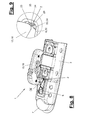
Figur 4 : eine perspektivische Ansicht der Anhängerkupplung in Schließstellung bei ordnungsgemäßem Zustand, -
Figur 5 : eine vergrößerte Ansicht des Details V vonFigur 4 , -
Figur 6 : eine perspektivische Ansicht der geschlossenen Anhängerkupplung bei beginnendem Verschleiss, -
Figur 7 : eine vergrößerte Ansicht des Details VII vonFigur 6 , -
Figur 8 : eine geschlossene Anhängerkupplung im verschlissenen Zustand, -
Figur 9 : eine vergrößerte Ansicht des Detailauschnitts IX vonFigur 8 , -
Figur 10 : eine perspektivische Ansicht der Anhängerkupplung in Öffnungsstellung und -
Figur 11 : eine vergrößerte Ansicht des Ausschnitts XI vonFigur 10 . - Die Erfindung betrifft eine Anhängerkupplung (1) mit einer Anzeige (2), die den Verschleisszustand und/oder das korrekte Einrasten der Anhängerkupplung (1) auf dem Zugorgan einem Benutzer anzeigt.
- Die in
Figur 1 in ihren Bestandteilen dargestellte Anhängerkupplung (1) ist zum Anbau an Anhänger vorgesehen und ist insbesondere als Kugelkopf-Anhängerkupplung ausgebildet. Sie wirkt zusammen mit einem am Zugfahrzeug angeordneten Zugorgan, welches beispielsweise als Kugelkopf (8) ausgebildet ist.Figur 1 zeigt die Schließstellung. - Die Anhängerkupplung (1) weist ein Kupplungsgehäuse (3) auf, welches an der Vorderseite eine kugelabschnittsförmige Kalotte (7) zur Aufnahme des Kugelkopfs (8) und am rückwärtigen Bereich einen Schaft (4) zur Verbindung mit einem Anhängerteil (5) aufweist. Das Anhängerteil (5) kann bei ungebremsten Anhängern z.B. ein Deichselteil einer V- oder Rohrdeichsel sein. Bei gebremsten Anhängern mit einer Auflaufbremse kann das Anhängerteil (5) z.B. eine Auflaufstange oder ein anderes Auflauf- oder Messorgan sein.
- Der Schließmechanismus der Anhängerkupplung (1) umfasst zum einen einen handbedienbaren Kupplungshebel (13), der beweglich am Kupplungsgehäuse (3) gelagert ist und mit dem die Anhängerkupplung (1) geöffnet und geschlossen wird. Der Kupplungshebel (13) ist im gezeigten Ausführungsbeispiel um ein Lager (17) mit einer quer zum Gehäuse ausgerichteten Achse (18) an den Gehäuseseitenwänden schwenkbar gelagert. Er besitzt z.B. eine abgewinkelte Form mit einem Griff (15) an der Oberseite und einem daran anschließenden und sich nach unten erstreckenden Hebelschaft (16), der eine im wesentlichen gerade oder gestreckte Form hat und der auch das Lager (17) trägt. Unterhalb des Lagers (17) weist der Hebelschaft (16) einen Fortsatz (19) auf, der an der Unterseite eine Auflauffläche besitzt. An der Schaftvorderseite kann eine Rastöffnung (21) am Fortsatz (19) angeordnet sein.
- Der Schließmechanismus umfasst ferner eine Kupplungsschale (9), die über eine ebenfalls quer gerichtete Achse und ein Lager (10) im Kupplungsgehäuse (3) schwenkbar gelagert ist. Sie weist eine kalottenförmige bzw. gewölbte und an den Kugelkopf (8) angepasste Vorderseite auf, welche in Schließstellung gegen den Kugelkopf (8) gepresst wird. Im rückwärtigen Bereich besitzt die Kupplungsschale (9) einen abstehenden Ansatz (11), der an der Oberseite eine Anlauffläche (12) aufweist, die mit dem Fortsatz (19) am Kupplungshebel (13) zusammenwirkt. Am Ansatz (11) kann auch ein Vorsprung (22) angeordnet sein, der in Öffnungsstellung der Anhängerkupplung (1) an der Rastöffnung (21) einrastet. Die Zuordnung der Rastelemente kann auch umgekehrt sein.
- Die Kupplungsschale (9) kann ein rückstellendes Element, z.B. eine Rückstellfeder (nicht dargestellt), aufweisen, die sich bei Nichtbeaufschlagung durch den Kupplungshebel (13) in die Öffnungsstellung zwingt. Zum Schließen der Anhängerkupplung (1) gleitet der Fortsatz (19) bei einer abwärts gerichteten Schwenkbewegung des Kupplungshebels (13) bzw. Griffs (15) auf der Auflauffläche (12) auf und drückt die Kupplungsschale (9) gegen den Kugelkopf (8). Die Schließstellung kann selbsthemmend sein.
- Der Kupplungshebel (13) ragt mit seinem Schaft (16) durch eine Öffnung (6) an der Oberseite des Kupplungsgehäuses (3). Die Gehäuseöffnung (6) kann von einem nach oben gerichteten Kragen (33) der Gehäusewandung randseitig umschlossen sein.
- Ferner kann eine in
Figur 1 dargestellte federbelastete (38) Verriegelung (20) im Innenraum des Kupplungshebels (13) vorhanden sein, die teilweise (36,37) aus dem Kupplungshebel (13) herausragt und die zum Öffnen und Hochschwenken des Kupplungshebels (13) betätigt werden muss. Die z.B. schwenkbare Verriegelung (20) kann ein am Griff (15) angeordnetes externes Betätigungsteil (36) und eine an der Hebelvorderseite angeordnete externe Anschlagnase (37) aufweisen, die einen vorderen Bereich (39) der Öffnung (6) übergreift und in Sperrstellung am Kragen (33) anschlägt und dadurch die Hebelöffnung verhindert. Die Verriegelung (20) stützt das Reaktionsmoment ihrerseits am Kupplungshebel (13) ab. Die Anschlagnase (37) deckt den Öffnungsbereich (39) weitgehend ab und bildet Zugriffs- und Verletzungsschutz. Bei einer Entriegelung wird die Anschlagnase (37) zurückgedreht und kann bei der frei gegebenen Hebeldrehung in den Gehäuseinnenraum eintauchen. - Die Anzeige (2) weist mindestens einen mit dem Kupplungshebel (13) verbundenen und bei dessen Schwenkbewegungen mitbewegten Anzeigenträger (23) auf. ist im Bereich der Gehäuseöffnung (6) angeordnet. Er befindet sich vorzugsweise an der Rückseite (14) des Kupplungshebels (13) und bewegt sich im rückwärtigen Öffnungsbereich (32). Der Anzeigenträger (23) ist vorzugsweise an der Rückseite (14) des Hebelschafts (16) und ggf. unterhalb des abgewinkelten Griffs (15) angeordnet. Der rückwärtige Öffnungsbereich (32) kann in seiner Form an die Kontur des Anzeigenträgers (23) angepasst sein und nahe an diesen heranreichen.
- Der Anzeigenträger (23) signalisiert den Verschleissgrad der Anhängerkupplung (1). Er kann alternativ oder zusätzlich die Öffnungsstellung der Anhängerkupplung (1) signalisieren. Er weist hierfür ein oder mehrere Anzeigeelemente (26,27,28,29) auf. Diese können eine unterschiedliche Gestaltung haben. Sie können auch unterschiedliche Bedeutungsinhalte haben.
- Der mit dem Kupplungshebel (13) bewegliche Anzeigenträger (23) wirkt mit dem eng benachbarten Rand der Gehäuseöffnung (6), insbesondere des hinteren Öffnungsbereichs (32), zusammen. Der rückwärtige Rand (34) bildet eine Bezugslinie oder Sichtkante. Hierbei sind je nach Drehstellung des Kupplungshebels (13) ein oder mehrere Anzeigeelemente (26,27,28,29) oberhalb dieses Rands (34) sichtbar. Dies wird nachfolgend in Verbindung mit den
Figuren 4 bis 11 näher erläutert. -
Figur 1 und2 zeigen die Zuordnung des Anzeigenträgers (23) zum Kupplungshebel (13). InFigur 3 ist der Anzeigenträger (23) perspektivisch dargestellt. - Der Anzeigenträger (23) besitzt eine gebogene Form. Er kann hierfür als Bogenstück (24) ausgebildet sein, das am Hebelschaft (16) angeordnet ist und sich dabei bevorzugt im Bereich seiner Achse (18) befindet. Der Anzeigenträger (23) bzw. das Bogenstück (24) sind zumindest bereichsweise konzentrisch zur Achse (18) gebogen. Hierbei ist insbesondere der Bogenbereich (25), der am Umfang die Anzeigeelemente (26,27,28,29) trägt, konzentrisch zur Achse (18) gebogen. Der Bogenbereich (25) bzw. der zugehörige Winkel α in
Figur 1 beträgt z.B. 60 - 80°, insbesondere ca. 70°. Dies kann im Wesentlichen der mögliche Betätigungs- und Schwenkwinkel des Kupplungshebels (13) sein. Während des gesamten Betätigungswegs kann eine Anzeigeinformation sichtbar sein. - Das Bogenstück (24) kann eine Streifenform haben. Im gezeigten Ausführungsbeispiel sind beidseits Seitenwände (35) vorgesehen, wodurch der Anzeigenträger (23) eine seitlich geschlossene Schalenform erhält und an die seitlichen Öffnungsränder nahe heranreicht. Die Seitenwände (35) haben am freien Ende eine dem Hebelschaft (16) entsprechende Kontur, sodass der Anzeigenträger (23) an der Hebelrückseite (14) dicht anliegen kann.
- Das Bogenstück (24) und insbesondere der konzentrische Bogenbereich (25) sind nahe am rückwärtigen Rand (34) angeordnet. Hierbei besteht nur ein schmaler Spalt, der zu klein für Finger ist und der die Verletzungs- und Verschmutzungsgefahr mindert. Die Spaltweite bleibt durch die konzentrische Bogenform bei den Hebelbewegungungen im Wesentlichen gleich. Das Gleiche gilt für den schmalen seitlichen Spalt an den Seitenwänden (35).
- Der Anzeigenträger (23) kann als Kunststoffteil oder in anderer geeigneter Weise ausgebildet sein. Er kann mit dem Kupplungshebel (13) in beliebig geeigneter Weise verbunden werden. Im gezeigten Ausführungsbeispiel weisen der Kupplungshebel (13) und der Anzeigenträger (23) formschlüssig ineinander greifende Verbindungselemente (30,31) auf. Am Anzeigenträger (23) sind hierfür z.B. randseitig Verbindungselemente (30) in Form von seitlich abgewinkelten Haken angeordnet, wobei der Kupplungshebel (13) hierzu passende Verbindungselemente (31) in Form von Aufnahmeöffnungen aufweist. Der Kupplungshebel (13) kann längs geteilt sein und aus zwei Schalenhälften bestehen. In deren schlitzartige Aufnahmeöffnungen (31) können die Haken (30) eingelegt werden, wobei die Verbindung beim anschließenden Vernieten der Schalenhälften fixiert wird. Die Haken (30) sorgen für eine formschlüssige Fixierung.
- Wie
Figur 2 verdeutlicht, können die Anzeigeelemente (26,27,28,29) unterschiedlich ausgebildet sein. Sie sind bevorzugt als optische Anzeigeelemente konzipiert und haben unterschiedliche Bedeutungsinhalte. Mindestens ein Anzeigeelement (26) kann als Beschriftung ausgebildet sein. Mindestens ein anderes Anzeigeelement (27,28,29) kann als Symbol ausgeführt sein. Ferner sind farbige Ausbildungen der Anzeigeelemente (26,27,28,29) und im weiteren Farbunterschiede zur Signalisierung unterschiedlicher Bedeutungsinhalte möglich. - Das eine und im gezeigten Ausführungsbeispiel untere Anzeigeelement (26) ist z.B. als Beschriftung ausgeführt. Es kann z.B. die Öffnungsstellung des Kupplungshebels (13) signalisieren. Der Schriftzug kann (OPEN) oder anders lauten. Die Buchstaben können in einer Reihe übereinander angeordnet sein.
- Das in Richtung nach oben nächstfolgende Anzeigeelement (27) kann den normalen und verschleissfreien Betriebszustand signalisieren. Es kann als Symbol, insbesondere als (+)-Zeichen ausgeführt sein.
- Das nächsthöhere Anzeigeelement (28) kann bestehenden Verschleiss der Anhängerkupplung (1) signalisieren. Es kann dabei auch den Verschleissgrad angeben, wobei es als ein entsprechend geeignetes Symbol ausgebildet sein kann. In der gezeigten Form hat das Anzeigeelement (28) eine dreieckige Keilform, die sich von einer breiten Basis nach oben verjüngt. Verschleiss an der Anhängerkupplung (1) kann sowohl an der Kupplungsschale (9) und/oder der Kalotte (7), als auch an der Kupplungskugel (8) entstehen. Der Verschleiss kann z.B. in Form von Abrieb vorliegen. Die Kupplungsschale (9) und/oder die Kalotte (7) können an den Kontaktstellen zur Kupplungskugel (8) Reibflächen aufweisen, die mit der Zeit einem Abtrag unterliegen.
- Das oberste Anzeigeelemente (29) kann eine nicht mehr tolerierbare Verschleisssituation signalisieren und hierfür eine entsprechende Ausbildung haben. Sie ist z.B. als Symbol, insbesondere als (-)-Zeichen ausgeführt und kann auch farblich, z.B. in roter Farbe, abgesetzt sein. Die anderen Anzeigeelemente (27,28) können demgegenüber in neutraler Farbe oder auch z.B. in Grün gehalten sein.
- Die Anzeigeelemente (26,27,28,29) können in beliebiger Weise auf dem Umfang des gebogenen Anzeigenträgers (23) appliziert sein. Sie können z.B. aufgedruckt oder angeformt bzw. eingeformt sein. Eine plastische Formgebung wie in der gezeigten Art erhöht die Wahrnehmbarkeit und die Dauerhaftigkeit der Anzeigeelemente.
-
Figur 4 zeigt eine normale Betriebsstellung der Anhängerkupplung (1) ohne Verschleiss. In der dargestellten Schließstellung der Anhängerkupplung (1) hat die Kupplungsschale (9) früh sperrenden Kontakt mit der Kupplungskugel (8), sodass der Kupplungshebel (13) nicht weit abgeschwenkt werden kann. Dementsprechend ist die Eintauchtiefe des Anzeigenträgers (23) relativ klein. Hierdurch ist oberhalb der Gehäuseöffnung (6,32) und ihres Kragens (33) das Anzeigeelement (27) sichtbar. Durch die starke Annäherung des Bogenabschnitts (25) und des Anzeigeelements (27) an dem benachbarten Kragenrand (34) ist die Signalzuordnung leicht und deutlich zu erkennen. Der üblicherweise seitlich und hinter der Anhängerkupplung (1) stehende Bediener kann die unterhalb des Griffes (15) und an der Schaftrückseite befindliche Anzeige (2) gut und deutlich mit Sicht von schräg oben erkennen. Das Anzeigeelement (27) kann dem Bediener auch das korrekte Einrasten der Anhängerkupplung (1) auf dem Kugelkopf (8) signalisieren. Hierauf wird später noch eingegangen. -
Figur 6 und 7 verdeutlichen den Zustand bei beginnendem Verschleiss. Verschleissbedingt kann in der Schließstellung der Kupplungshebel (13) weiter nach unten drehen und die Kupplungsschale (9) stärker in Richtung zum Kugelkopf (8) hin bewegen. Dementsprechend größer ist die Eintauchtiefe des Anzeigenträgers (23) im hinteren Öffnungsbereich (32). Das Anzeigeelement (27) verschwindet nun, wobei im Bereich des Öffnungs- bzw. Kragenrandes (34) das nächste Anzeigeelement (28) für die Verschleissanzeige erscheint. Die Keilform signalisiert dabei optisch den Verschleissgrad. Je größer der Verschleiss ist, desto größer wird die Eintauchtiefe und desto kürzer und schmäler wird der sichtbare Keilbereich. -
Figur 8 und 9 verdeutlichen einen verschlissenen Zustand der Anhängerkupplung (1), der nicht mehr fahrtauglich ist. Verschleissbedingt ist der Zuspannweg und der Abschwenkwinkel des Kupplungshebels (13) maximal, sodass nun auch das Anzeigeelement (28) für den noch tolerablen Verschleissgrad verschwunden ist und nur noch das letzte Anzeigeelement (29) sichtbar ist, welches ein Warnsymbol darstellt. Der Bediener ist dann gehalten, die Anhängerkupplung (1) und/oder den Kugelkopf (8) überprüfen und ggf. reparieren zu lassen. - Wenn sich kein Kugelkopf (8) in der Aufnahmeöffnung des Kupplungsgehäuses (3) befindet und für die Wegbewegung des Kupplungshebels (13) und der Kupplungsschale (9) kein Widerstand besteht, kann der Anzeigenträger (23) noch tiefer in den rückwärtigen Öffnungsbereich (32) auch eintauchen, sodass keines der Anzeigeelemente mehr sichtbar ist und der Hebelschaft (16) ggf. sogar am hinteren Öffnungsrand (34) anschlägt. Ein solcher Zustand kann eine Anzeige dafür sein, dass die Anhängerkupplung (1) nicht korrekt auf der Kupplungskugel (8) eingerastet ist oder dass die Kupplungskugel (8) einen maximalen Defekt hat und völlig unbrauchbar ist. Beides betrifft die Fahrsicherheit des Gespanns in höchstem Maße und zwingt zur Überprüfung der Kupplung- und Gerätesituation.
-
Figur 10 und 11 zeigen die Öffnungsstellung der Anhängerkupplung (1) mit hochgeschwenktem Kupplungshebel (13). In dieser Situation ist der Anzeigenträger (23) maximal aus dem rückwärtigen Öffnungsbereich (32) aufgetaucht, sodass auch das unterste Anzeigeelement (26), z.B. die Beschriftung (OPEN) sichtbar ist. Hierdurch wird dem Bediener die Öffnungsstellung signalisiert. Die Öffnungsstellung kann in der vorerwähnten Weise durch die gegenseitige Verrastung des Kupplungshebels (13) und der Kupplungsschale (9) gehalten werden. - Wenn der Bediener aus dieser Öffnungsstellung heraus den Kupplungshebel (13) abwärts schwenkt, verschwindet bei korrekter Ankupplungssituation das Anzeigeelement (26) im rückwärtigen Öffnungsbereich (32) vollständig, sodass über dem als Anzeigelinie dienenden hinteren Öffnungs- oder Kragenrand (34) nur die anderen Anzeigeelemente (27,28,29) sichtbar sind. Dies entspricht der Anzeigesituation von
Figur 4 und 5 . Der Bediener kann dann auch sicher sein, dass die Anhängerkupplung (1) korrekt auf der Kupplungskugel (8) eingerastet ist. - Sollte keine korrekte Einrastung vorliegen, lässt sich die Anhängerkupplung (1) je nach Auflagesituation auf der Kupplungskugel (8) nicht in die gezeigte Position von
Figur 4 und 5 bringen. Ggf. stößt die gewölbte Kupplungsschale (9) mit ihrem unteren vorstehenden Rand frühzeitig an der Kupplungskugel (8) an, sodass das Anzeigeelement (26) nicht vollständig verschwindet. Es bleiben ein oder mehrere Teile davon, insbesondere Buchstaben, lesbar. Dies ist für den Bediener ein Hinweis auf die fehlerhafte Einrast- und Ankuppelsituation. In anderen Fällen kann der Schwenk- und Zuspannweg übermäßig groß sein, sodass die eingangs erwähnte Anzeigesituation für die fehlerhafte Ankuppelstellung entsteht. - Abwandlungen der gezeigten und beschriebenen Ausführungsform sind in verschiedener Weise möglich. Außer für Kupplungskugeln (8) kann die Anhängerkupplung auch an andere Arten und Formen von Kuppelelementen angepasst und in ihrer Konstruktion entsprechend ausgelegt werden. Der mitbewegte Anzeigenträger (23) kann sich alternativ an der Vorderseite des Kupplungshebels (13) und insbesondere seines Hebelschafts (16) befinden. Desgleichen ist es möglich, einen entsprechend anderen und als runde Scheibe ausgebildeten Anzeigenträger an ein oder beiden Seitenwänden des Kupplungshebels (13), insbesondere Hebelschafts (16), anzubringen. Eine derartige Anzeigescheibe kann in eine entsprechende schlitzförmige Öffnung an der Gehäuseoberseite eintauchen. Die Anzeigeelemente können bei einer Scheibe an der Stirnseite statt am Umfang angeordnet sein. Ferner kann die Zahl und Ausbildung der Anzeigeelemente (26,27,28,29) variieren. Auf eine Öffnungsanzeige kann verzichtet werden, insbesondere wenn eine andere Einrastanzeige vorhanden und z.B. an der Kalotte (7) angeordnet ist. Eine solche Einrastanzeige kann z.B. wie in der
EP 0 695 654 A1 ausgebildet sein. Die Verschleissanzeige kann auf ein einzelnes Anzeigeelement reduziert werden, welches z.B. durch seine Form, insbesondere eine Keilform, und/oder seine Farbgebung, z.B. einen Farbverlauf oder einen Farbwechsel, den Verschleissgrad und den kritischen Verschleissbereich signalisiert. - Ferner sind konstruktive Änderungen der Anhängervorrichtung (1) und ihrer Bestandteile möglich. Der Kupplungshebel (13) kann eine andere Kinematik und Lagerung haben, wobei er z.B. heb- und senkbar gehalten ist. Dementsprechend ändert sich die Anordnung und Formgebung des Anzeigenträgers. Die Kupplungsschale (9) kann in ihrer Formgebung und Kinematik entsprechend angepasst sein und kann z.B. ein Schiebeteil darstellen. Alternativ kann der Kupplungshebel (13) auch eine andere Formgebung haben. Er kann z.B. eine gerade Form haben und/oder ggf. eine Grifföffnung am oberen Schaftende aufweisen.
- Die Anhängerkupplung (1) kann weitere Bestandteile aufweisen, die im gezeigten Ausführungsbeispiel nicht dargestellt sind. Dies kann z.B. eine zusätzliche Reibkupplung mit seitlichen Reibstößeln sein, mit der die Schlinger- und Schleuderneigung eines Anhängers reduziert werden kann. Ferner kann eine Diebstahlsicherung vorhanden sein. Dies kann insbesondere ein Schloss, aber auch eine andere zusätzliche Mechanik sein.
-
- 1
- Anhängerkupplung
- 2
- Anzeige, Verschleiß- und Einrastanzeige
- 3
- Kupplungsgehäuse
- 4
- Schaft
- 5
- Anhängerteil, Deichsel, Auflaufstange
- 6
- Öffnung, Gehäuseöffnung
- 7
- Kalotte
- 8
- Kugelkopf
- 9
- Kupplungsschale
- 10
- Lager
- 11
- Ansatz
- 12
- Anlauffläche
- 13
- Kupplungshebel
- 14
- Rückseite
- 15
- Griff
- 16
- Hebelschaft
- 17
- Lager
- 18
- Achse
- 19
- Fortsatz
- 20
- Verriegelung
- 21
- Rastöffnung
- 22
- Vorsprung
- 23
- Anzeigenträger
- 24
- Bogenstück, Schale
- 25
- Bogenabschnitt
- 26
- Anzeigeelement, Beschriftung, Öffnungsstellung
- 27
- Anzeigeelement, Symbol, OK-Anzeige
- 28
- Anzeigeelement, Symbol, Verschleißgrad
- 29
- Anzeigeelement,Symbol, Warnhinweis
- 30
- Verbindungselement, Haken
- 31
- Verbindungselement, Aufnahmeöffnung
- 32
- rückwärtiger Öffnungsbereich
- 33
- Kragen, Gehäusekragen
- 34
- Rand, Bezugskante
- 35
- Seitenwand
- 36
- Betätigungsteil
- 37
- Anschlagnase
- 38
- vorderer Öffnungsbereich
- ∝
- Schwenkwinkel
Claims (15)
- Anhängerkupplung mit einem Kupplungsgehäuse (3), einem schwenkbaren Kupplungshebel (13) und einer Anzeige (2) für den Kupplungsverschleiß, wobei der durch eine Gehäuseöffnung (6) an der Oberseite des Kupplungsgehäuses (3) ragende Kupplungshebel (13) eine Kupplungsschale (9) kontaktiert und durch deren Beaufschlagung die Anhängerkupplung (1) öffnet und schließt, dadurch gekennzeichnet, dass die Anzeige (2) einen mit dem Kupplungshebel (13) verbundenen und mitbewegten Anzeigenträger (23) aufweist, der im Bereich der Gehäuseöffnung (6) angeordnet ist.
- Anhängerkupplung nach Anspruch 1, dadurch gekennzeichnet, dass der Anzeigenträger (23) ein oder mehrere Anzeigeelemente (26,27,28,29) trägt, die den Verschleißgrad und/oder die Öffnungsstellung der Anhängerkupplung (1) signalisieren.
- Anhängerkupplung nach Anspruch 1 oder 2, dadurch gekennzeichnet, dass der Anzeigenträger (23) bei korrekt geschlossener Anhängerkupplung (1) zumindest bereichsweise durch die Gehäuseöffnung (6) ragt.
- Anhängerkupplung nach Anspruch 1, 2 oder 3, dadurch gekennzeichnet, dass die Anzeigeelemente (26,27,28,29) unterschiedlich ausgebildet sind und/oder unterschiedliche Bedeutungsinhalte haben.
- Anhängerkupplung nach einem der vorhergehenden Ansprüche, dadurch gekennzeichnet, dass der Anzeigenträger (23) mit dem Rand (34) der Gehäuseöffnung (6) zusammenwirkt, wobei je nach Drehstellung des Kupplungshebels (13) ein oder mehrere Anzeigeelemente (26,27,28,29) sichtbar sind.
- Anhängerkupplung nach einem der vorhergehenden Ansprüche, dadurch gekennzeichnet, dass der Anzeigenträger (23) an der Rückseite (14) des Kupplungshebels (13) angeordnet ist.
- Anhängerkupplung nach einem der vorhergehenden Ansprüche, dadurch gekennzeichnet, dass der Anzeigenträger (23) von einem rückwärtigen Öffnungsbereich (32) eng umgeben ist, wobei die Gehäuseöffnung (6), insbesondere ein rückwärtiger Öffnungsbereich (32) einen hochstehenden Kragen (33) aufweist.
- Anhängerkupplung nach einem der vorhergehenden Ansprüche, dadurch gekennzeichnet, dass der Anzeigenträger (23) eine gebogene Form aufweist.
- Anhängerkupplung nach einem der vorhergehenden Ansprüche, dadurch gekennzeichnet, dass der Anzeigenträger (23) als Bogenstück (24) ausgebildet ist, das am Hebelschaft (16) im Bereich der Achse (18) des Kupplungshebels (13) angeordnet ist.
- Anhängerkupplung nach einem der vorhergehenden Ansprüche, dadurch gekennzeichnet, dass der Anzeigenträger (23) zumindest bereichsweise konzentrisch zur Achse (18) des Kupplungshebels (13) gebogen ist, wobei insbesondere der Bogenbereich (25) mit den Anzeigeelementen (26,27,28,29) konzentrisch zur Achse (18) des Kupplungshebels (13) gebogen ist.
- Anhängerkupplung nach einem der vorhergehenden Ansprüche, dadurch gekennzeichnet, dass der Anzeigenträger (23) eine seitlich geschlossene Schalenform aufweist und an der Hebelrückseite (14) anliegt.
- Anhängerkupplung nach einem der vorhergehenden Ansprüche, dadurch gekennzeichnet, dass der Kupplungshebel (13) unterhalb der Achse (18) einen Fortsatz (19) aufweist, der mit einer Auflauffläche (12) an der schwenkbar gelagerten (10) Kupplungsschale (9) zusammenwirkt.
- Anhängerkupplung nach einem der vorhergehenden Ansprüche, dadurch gekennzeichnet, dass der Kupplungshebel (13) eine Verriegelung (20) gegen unbeabsichtigtes Öffnen aufweist.
- Anhängerkupplung nach einem der vorhergehenden Ansprüche, dadurch gekennzeichnet, dass der Kupplungshebel (13) und die federbelastete Kupplungsschale (9) in der Öffnungsstellung der Anhängerkupplung (1) verrastbar sind.
- Anhängerkupplung nach einem der vorhergehenden Ansprüche, dadurch gekennzeichnet, dass die Kupplungsschale (9) einen Ansatz (11) aufweist, der in Öffnungsstellung mit einer Rastöffnung (21) am Kupplungshebel (13) zusammenwirkt.
Applications Claiming Priority (1)
| Application Number | Priority Date | Filing Date | Title |
|---|---|---|---|
| DE202010000223U DE202010000223U1 (de) | 2010-02-18 | 2010-02-18 | Anhängerkupplung |
Publications (3)
| Publication Number | Publication Date |
|---|---|
| EP2361792A2 true EP2361792A2 (de) | 2011-08-31 |
| EP2361792A3 EP2361792A3 (de) | 2012-12-12 |
| EP2361792B1 EP2361792B1 (de) | 2018-04-18 |
Family
ID=44168488
Family Applications (1)
| Application Number | Title | Priority Date | Filing Date |
|---|---|---|---|
| EP11154817.8A Active EP2361792B1 (de) | 2010-02-18 | 2011-02-17 | Anhängerkupplung |
Country Status (2)
| Country | Link |
|---|---|
| EP (1) | EP2361792B1 (de) |
| DE (1) | DE202010000223U1 (de) |
Families Citing this family (1)
| Publication number | Priority date | Publication date | Assignee | Title |
|---|---|---|---|---|
| DE202012103133U1 (de) | 2012-08-20 | 2013-11-28 | Al-Ko Kober Se | Anhängekupplung |
Citations (2)
| Publication number | Priority date | Publication date | Assignee | Title |
|---|---|---|---|---|
| DE2640650A1 (de) | 1976-09-09 | 1978-03-16 | Al Ko France S A | Kupplung fuer fahrzeuganhaenger, insbesondere kugelkupplung fuer wohnwagen |
| EP0695654A1 (de) | 1994-08-03 | 1996-02-07 | Al-Ko Kober Ag | Kugelkopf-Anhängerkupplung |
Family Cites Families (2)
| Publication number | Priority date | Publication date | Assignee | Title |
|---|---|---|---|---|
| DE8030400U1 (de) | 1980-11-14 | 1982-04-29 | Fa.Albert Berndes, 4990 Lübbecke | Zugkugelkupplung mit Verschleißanzeige |
| DE202005011444U1 (de) * | 2005-07-18 | 2006-11-16 | Al-Ko Kober Ag | Anhängerkupplung mit Einrastsicherung |
-
2010
- 2010-02-18 DE DE202010000223U patent/DE202010000223U1/de not_active Expired - Lifetime
-
2011
- 2011-02-17 EP EP11154817.8A patent/EP2361792B1/de active Active
Patent Citations (2)
| Publication number | Priority date | Publication date | Assignee | Title |
|---|---|---|---|---|
| DE2640650A1 (de) | 1976-09-09 | 1978-03-16 | Al Ko France S A | Kupplung fuer fahrzeuganhaenger, insbesondere kugelkupplung fuer wohnwagen |
| EP0695654A1 (de) | 1994-08-03 | 1996-02-07 | Al-Ko Kober Ag | Kugelkopf-Anhängerkupplung |
Also Published As
| Publication number | Publication date |
|---|---|
| EP2361792A3 (de) | 2012-12-12 |
| EP2361792B1 (de) | 2018-04-18 |
| DE202010000223U1 (de) | 2011-07-07 |
Similar Documents
| Publication | Publication Date | Title |
|---|---|---|
| DE19859961C2 (de) | Anhängerkupplung mit einem schwenkbaren Kugelhals | |
| DE102008010966B4 (de) | Anordnung für ein Fahrzeug mit einer Entriegelungsvorrichtung und einer Kamera | |
| DE69501940T2 (de) | Abnehmbare Befestigung eines Fahrzeugsitzuntergestells auf einem Boden | |
| DE69531071T2 (de) | Verriegelung für eine Sattelkupplung | |
| DE102012011225A1 (de) | Wischblatt und Verbindungsanordnung für eine Scheibenwischanlageeines Fahrzeugs | |
| DE102010000158A1 (de) | Sperreinrichtung für handbetätigte hintere Fahrzeugfenster, Handkurbel mit Sperreinrichtung und Fahrzeug damit | |
| EP2361792B1 (de) | Anhängerkupplung | |
| DE212020000684U1 (de) | Sicherheitsverschluss, insbesondere für ein Gepäckstück | |
| DE1296023B (de) | Anhaengerkupplung, insbesondere fuer Sattelschlepper | |
| DE9412514U1 (de) | Kugelkopf-Anhängerkupplung | |
| EP1745949B1 (de) | Anhängerkupplung mit Einrastsicherung | |
| DE69403425T2 (de) | Sperrvorrichtung für Autotür | |
| DE69811498T2 (de) | Reifenkette mit verbessertem Entriegelungssystem | |
| EP2700516B1 (de) | Anhängekupplung | |
| DE69707977T2 (de) | Automatische Anhängervorrichtung für Fahrzeuge, insbesondere für Landwirtschaftsfahrzeuge | |
| EP3372448B1 (de) | Sicherungseinrichtung | |
| DE60319921T2 (de) | Kupplungshaken insbesondere für die Dreipunktkraftheberunterlenker eines Traktors | |
| DE3033663A1 (de) | Kupplungshaken | |
| DE10342915B4 (de) | Anhängevorrichtung für Kraftfahrzeuge | |
| DE2723073C2 (de) | ||
| DE3800184C2 (de) | ||
| EP4173855A1 (de) | Anhängevorrichtung und aufnahmevorrichtung | |
| DE1077562B (de) | Mit einer íÀKinderschutzíÂ-Verriegelungs-vorrichtung versehenes Tuerschloss, insbesondere fuer Tueren von Strassen-Kraftfahrzeugen | |
| DE102005007122B4 (de) | Kraftfahrzeugsitz mit vorklappbarer Rückenlehne | |
| DE202024100699U1 (de) | Anhängerkupplung |
Legal Events
| Date | Code | Title | Description |
|---|---|---|---|
| PUAI | Public reference made under article 153(3) epc to a published international application that has entered the european phase |
Free format text: ORIGINAL CODE: 0009012 |
|
| AK | Designated contracting states |
Kind code of ref document: A2 Designated state(s): AL AT BE BG CH CY CZ DE DK EE ES FI FR GB GR HR HU IE IS IT LI LT LU LV MC MK MT NL NO PL PT RO RS SE SI SK SM TR |
|
| AX | Request for extension of the european patent |
Extension state: BA ME |
|
| PUAL | Search report despatched |
Free format text: ORIGINAL CODE: 0009013 |
|
| AK | Designated contracting states |
Kind code of ref document: A3 Designated state(s): AL AT BE BG CH CY CZ DE DK EE ES FI FR GB GR HR HU IE IS IT LI LT LU LV MC MK MT NL NO PL PT RO RS SE SI SK SM TR |
|
| AX | Request for extension of the european patent |
Extension state: BA ME |
|
| RIC1 | Information provided on ipc code assigned before grant |
Ipc: B60D 1/06 20060101AFI20121106BHEP |
|
| 17P | Request for examination filed |
Effective date: 20130610 |
|
| RBV | Designated contracting states (corrected) |
Designated state(s): AL AT BE BG CH CY CZ DE DK EE ES FI FR GB GR HR HU IE IS IT LI LT LU LV MC MK MT NL NO PL PT RO RS SE SI SK SM TR |
|
| 17Q | First examination report despatched |
Effective date: 20150812 |
|
| RAP1 | Party data changed (applicant data changed or rights of an application transferred) |
Owner name: AL-KO TECHNOLOGY AUSTRIA GMBH |
|
| GRAP | Despatch of communication of intention to grant a patent |
Free format text: ORIGINAL CODE: EPIDOSNIGR1 |
|
| STAA | Information on the status of an ep patent application or granted ep patent |
Free format text: STATUS: GRANT OF PATENT IS INTENDED |
|
| INTG | Intention to grant announced |
Effective date: 20170120 |
|
| GRAJ | Information related to disapproval of communication of intention to grant by the applicant or resumption of examination proceedings by the epo deleted |
Free format text: ORIGINAL CODE: EPIDOSDIGR1 |
|
| STAA | Information on the status of an ep patent application or granted ep patent |
Free format text: STATUS: EXAMINATION IS IN PROGRESS |
|
| INTC | Intention to grant announced (deleted) | ||
| APBK | Appeal reference recorded |
Free format text: ORIGINAL CODE: EPIDOSNREFNE |
|
| APBN | Date of receipt of notice of appeal recorded |
Free format text: ORIGINAL CODE: EPIDOSNNOA2E |
|
| APBR | Date of receipt of statement of grounds of appeal recorded |
Free format text: ORIGINAL CODE: EPIDOSNNOA3E |
|
| APAF | Appeal reference modified |
Free format text: ORIGINAL CODE: EPIDOSCREFNE |
|
| APBV | Interlocutory revision of appeal recorded |
Free format text: ORIGINAL CODE: EPIDOSNIRAPE |
|
| GRAP | Despatch of communication of intention to grant a patent |
Free format text: ORIGINAL CODE: EPIDOSNIGR1 |
|
| STAA | Information on the status of an ep patent application or granted ep patent |
Free format text: STATUS: GRANT OF PATENT IS INTENDED |
|
| INTG | Intention to grant announced |
Effective date: 20171221 |
|
| GRAS | Grant fee paid |
Free format text: ORIGINAL CODE: EPIDOSNIGR3 |
|
| APBT | Appeal procedure closed |
Free format text: ORIGINAL CODE: EPIDOSNNOA9E |
|
| GRAA | (expected) grant |
Free format text: ORIGINAL CODE: 0009210 |
|
| STAA | Information on the status of an ep patent application or granted ep patent |
Free format text: STATUS: THE PATENT HAS BEEN GRANTED |
|
| AK | Designated contracting states |
Kind code of ref document: B1 Designated state(s): AL AT BE BG CH CY CZ DE DK EE ES FI FR GB GR HR HU IE IS IT LI LT LU LV MC MK MT NL NO PL PT RO RS SE SI SK SM TR |
|
| REG | Reference to a national code |
Ref country code: GB Ref legal event code: FG4D Free format text: NOT ENGLISH |
|
| REG | Reference to a national code |
Ref country code: CH Ref legal event code: EP |
|
| REG | Reference to a national code |
Ref country code: AT Ref legal event code: REF Ref document number: 990028 Country of ref document: AT Kind code of ref document: T Effective date: 20180515 |
|
| REG | Reference to a national code |
Ref country code: IE Ref legal event code: FG4D Free format text: LANGUAGE OF EP DOCUMENT: GERMAN |
|
| REG | Reference to a national code |
Ref country code: DE Ref legal event code: R096 Ref document number: 502011014050 Country of ref document: DE |
|
| REG | Reference to a national code |
Ref country code: NL Ref legal event code: MP Effective date: 20180418 |
|
| REG | Reference to a national code |
Ref country code: LT Ref legal event code: MG4D |
|
| PG25 | Lapsed in a contracting state [announced via postgrant information from national office to epo] |
Ref country code: NL Free format text: LAPSE BECAUSE OF FAILURE TO SUBMIT A TRANSLATION OF THE DESCRIPTION OR TO PAY THE FEE WITHIN THE PRESCRIBED TIME-LIMIT Effective date: 20180418 |
|
| PG25 | Lapsed in a contracting state [announced via postgrant information from national office to epo] |
Ref country code: NO Free format text: LAPSE BECAUSE OF FAILURE TO SUBMIT A TRANSLATION OF THE DESCRIPTION OR TO PAY THE FEE WITHIN THE PRESCRIBED TIME-LIMIT Effective date: 20180718 Ref country code: FI Free format text: LAPSE BECAUSE OF FAILURE TO SUBMIT A TRANSLATION OF THE DESCRIPTION OR TO PAY THE FEE WITHIN THE PRESCRIBED TIME-LIMIT Effective date: 20180418 Ref country code: BG Free format text: LAPSE BECAUSE OF FAILURE TO SUBMIT A TRANSLATION OF THE DESCRIPTION OR TO PAY THE FEE WITHIN THE PRESCRIBED TIME-LIMIT Effective date: 20180718 Ref country code: SE Free format text: LAPSE BECAUSE OF FAILURE TO SUBMIT A TRANSLATION OF THE DESCRIPTION OR TO PAY THE FEE WITHIN THE PRESCRIBED TIME-LIMIT Effective date: 20180418 Ref country code: AL Free format text: LAPSE BECAUSE OF FAILURE TO SUBMIT A TRANSLATION OF THE DESCRIPTION OR TO PAY THE FEE WITHIN THE PRESCRIBED TIME-LIMIT Effective date: 20180418 Ref country code: PL Free format text: LAPSE BECAUSE OF FAILURE TO SUBMIT A TRANSLATION OF THE DESCRIPTION OR TO PAY THE FEE WITHIN THE PRESCRIBED TIME-LIMIT Effective date: 20180418 Ref country code: LT Free format text: LAPSE BECAUSE OF FAILURE TO SUBMIT A TRANSLATION OF THE DESCRIPTION OR TO PAY THE FEE WITHIN THE PRESCRIBED TIME-LIMIT Effective date: 20180418 Ref country code: ES Free format text: LAPSE BECAUSE OF FAILURE TO SUBMIT A TRANSLATION OF THE DESCRIPTION OR TO PAY THE FEE WITHIN THE PRESCRIBED TIME-LIMIT Effective date: 20180418 |
|
| PG25 | Lapsed in a contracting state [announced via postgrant information from national office to epo] |
Ref country code: LV Free format text: LAPSE BECAUSE OF FAILURE TO SUBMIT A TRANSLATION OF THE DESCRIPTION OR TO PAY THE FEE WITHIN THE PRESCRIBED TIME-LIMIT Effective date: 20180418 Ref country code: HR Free format text: LAPSE BECAUSE OF FAILURE TO SUBMIT A TRANSLATION OF THE DESCRIPTION OR TO PAY THE FEE WITHIN THE PRESCRIBED TIME-LIMIT Effective date: 20180418 Ref country code: GR Free format text: LAPSE BECAUSE OF FAILURE TO SUBMIT A TRANSLATION OF THE DESCRIPTION OR TO PAY THE FEE WITHIN THE PRESCRIBED TIME-LIMIT Effective date: 20180719 Ref country code: RS Free format text: LAPSE BECAUSE OF FAILURE TO SUBMIT A TRANSLATION OF THE DESCRIPTION OR TO PAY THE FEE WITHIN THE PRESCRIBED TIME-LIMIT Effective date: 20180418 |
|
| PG25 | Lapsed in a contracting state [announced via postgrant information from national office to epo] |
Ref country code: PT Free format text: LAPSE BECAUSE OF FAILURE TO SUBMIT A TRANSLATION OF THE DESCRIPTION OR TO PAY THE FEE WITHIN THE PRESCRIBED TIME-LIMIT Effective date: 20180820 |
|
| REG | Reference to a national code |
Ref country code: DE Ref legal event code: R097 Ref document number: 502011014050 Country of ref document: DE |
|
| PG25 | Lapsed in a contracting state [announced via postgrant information from national office to epo] |
Ref country code: EE Free format text: LAPSE BECAUSE OF FAILURE TO SUBMIT A TRANSLATION OF THE DESCRIPTION OR TO PAY THE FEE WITHIN THE PRESCRIBED TIME-LIMIT Effective date: 20180418 Ref country code: DK Free format text: LAPSE BECAUSE OF FAILURE TO SUBMIT A TRANSLATION OF THE DESCRIPTION OR TO PAY THE FEE WITHIN THE PRESCRIBED TIME-LIMIT Effective date: 20180418 Ref country code: RO Free format text: LAPSE BECAUSE OF FAILURE TO SUBMIT A TRANSLATION OF THE DESCRIPTION OR TO PAY THE FEE WITHIN THE PRESCRIBED TIME-LIMIT Effective date: 20180418 Ref country code: CZ Free format text: LAPSE BECAUSE OF FAILURE TO SUBMIT A TRANSLATION OF THE DESCRIPTION OR TO PAY THE FEE WITHIN THE PRESCRIBED TIME-LIMIT Effective date: 20180418 Ref country code: SK Free format text: LAPSE BECAUSE OF FAILURE TO SUBMIT A TRANSLATION OF THE DESCRIPTION OR TO PAY THE FEE WITHIN THE PRESCRIBED TIME-LIMIT Effective date: 20180418 |
|
| PLBE | No opposition filed within time limit |
Free format text: ORIGINAL CODE: 0009261 |
|
| STAA | Information on the status of an ep patent application or granted ep patent |
Free format text: STATUS: NO OPPOSITION FILED WITHIN TIME LIMIT |
|
| PG25 | Lapsed in a contracting state [announced via postgrant information from national office to epo] |
Ref country code: IT Free format text: LAPSE BECAUSE OF FAILURE TO SUBMIT A TRANSLATION OF THE DESCRIPTION OR TO PAY THE FEE WITHIN THE PRESCRIBED TIME-LIMIT Effective date: 20180418 Ref country code: SM Free format text: LAPSE BECAUSE OF FAILURE TO SUBMIT A TRANSLATION OF THE DESCRIPTION OR TO PAY THE FEE WITHIN THE PRESCRIBED TIME-LIMIT Effective date: 20180418 |
|
| 26N | No opposition filed |
Effective date: 20190121 |
|
| PG25 | Lapsed in a contracting state [announced via postgrant information from national office to epo] |
Ref country code: SI Free format text: LAPSE BECAUSE OF FAILURE TO SUBMIT A TRANSLATION OF THE DESCRIPTION OR TO PAY THE FEE WITHIN THE PRESCRIBED TIME-LIMIT Effective date: 20180418 |
|
| REG | Reference to a national code |
Ref country code: CH Ref legal event code: PL |
|
| PG25 | Lapsed in a contracting state [announced via postgrant information from national office to epo] |
Ref country code: LU Free format text: LAPSE BECAUSE OF NON-PAYMENT OF DUE FEES Effective date: 20190217 Ref country code: MC Free format text: LAPSE BECAUSE OF FAILURE TO SUBMIT A TRANSLATION OF THE DESCRIPTION OR TO PAY THE FEE WITHIN THE PRESCRIBED TIME-LIMIT Effective date: 20180418 |
|
| REG | Reference to a national code |
Ref country code: BE Ref legal event code: MM Effective date: 20190228 |
|
| REG | Reference to a national code |
Ref country code: IE Ref legal event code: MM4A |
|
| PG25 | Lapsed in a contracting state [announced via postgrant information from national office to epo] |
Ref country code: CH Free format text: LAPSE BECAUSE OF NON-PAYMENT OF DUE FEES Effective date: 20190228 Ref country code: LI Free format text: LAPSE BECAUSE OF NON-PAYMENT OF DUE FEES Effective date: 20190228 |
|
| PG25 | Lapsed in a contracting state [announced via postgrant information from national office to epo] |
Ref country code: IE Free format text: LAPSE BECAUSE OF NON-PAYMENT OF DUE FEES Effective date: 20190217 |
|
| PG25 | Lapsed in a contracting state [announced via postgrant information from national office to epo] |
Ref country code: BE Free format text: LAPSE BECAUSE OF NON-PAYMENT OF DUE FEES Effective date: 20190228 |
|
| PG25 | Lapsed in a contracting state [announced via postgrant information from national office to epo] |
Ref country code: TR Free format text: LAPSE BECAUSE OF FAILURE TO SUBMIT A TRANSLATION OF THE DESCRIPTION OR TO PAY THE FEE WITHIN THE PRESCRIBED TIME-LIMIT Effective date: 20180418 |
|
| REG | Reference to a national code |
Ref country code: AT Ref legal event code: MM01 Ref document number: 990028 Country of ref document: AT Kind code of ref document: T Effective date: 20190217 |
|
| PG25 | Lapsed in a contracting state [announced via postgrant information from national office to epo] |
Ref country code: AT Free format text: LAPSE BECAUSE OF NON-PAYMENT OF DUE FEES Effective date: 20190217 |
|
| PG25 | Lapsed in a contracting state [announced via postgrant information from national office to epo] |
Ref country code: MT Free format text: LAPSE BECAUSE OF FAILURE TO SUBMIT A TRANSLATION OF THE DESCRIPTION OR TO PAY THE FEE WITHIN THE PRESCRIBED TIME-LIMIT Effective date: 20180418 |
|
| PG25 | Lapsed in a contracting state [announced via postgrant information from national office to epo] |
Ref country code: CY Free format text: LAPSE BECAUSE OF FAILURE TO SUBMIT A TRANSLATION OF THE DESCRIPTION OR TO PAY THE FEE WITHIN THE PRESCRIBED TIME-LIMIT Effective date: 20180418 |
|
| PG25 | Lapsed in a contracting state [announced via postgrant information from national office to epo] |
Ref country code: IS Free format text: LAPSE BECAUSE OF FAILURE TO SUBMIT A TRANSLATION OF THE DESCRIPTION OR TO PAY THE FEE WITHIN THE PRESCRIBED TIME-LIMIT Effective date: 20180818 |
|
| PG25 | Lapsed in a contracting state [announced via postgrant information from national office to epo] |
Ref country code: HU Free format text: LAPSE BECAUSE OF FAILURE TO SUBMIT A TRANSLATION OF THE DESCRIPTION OR TO PAY THE FEE WITHIN THE PRESCRIBED TIME-LIMIT; INVALID AB INITIO Effective date: 20110217 |
|
| PG25 | Lapsed in a contracting state [announced via postgrant information from national office to epo] |
Ref country code: MK Free format text: LAPSE BECAUSE OF FAILURE TO SUBMIT A TRANSLATION OF THE DESCRIPTION OR TO PAY THE FEE WITHIN THE PRESCRIBED TIME-LIMIT Effective date: 20180418 |
|
| PGFP | Annual fee paid to national office [announced via postgrant information from national office to epo] |
Ref country code: GB Payment date: 20260219 Year of fee payment: 16 |
|
| PGFP | Annual fee paid to national office [announced via postgrant information from national office to epo] |
Ref country code: DE Payment date: 20260217 Year of fee payment: 16 |
|
| PGFP | Annual fee paid to national office [announced via postgrant information from national office to epo] |
Ref country code: FR Payment date: 20260223 Year of fee payment: 16 |