EP2290077B1 - Natural IGM antibodies and inhibitors thereof - Google Patents
Natural IGM antibodies and inhibitors thereof Download PDFInfo
- Publication number
- EP2290077B1 EP2290077B1 EP10185693.8A EP10185693A EP2290077B1 EP 2290077 B1 EP2290077 B1 EP 2290077B1 EP 10185693 A EP10185693 A EP 10185693A EP 2290077 B1 EP2290077 B1 EP 2290077B1
- Authority
- EP
- European Patent Office
- Prior art keywords
- antibody
- igm
- inhibitor
- peptide
- binding
- Prior art date
- Legal status (The legal status is an assumption and is not a legal conclusion. Google has not performed a legal analysis and makes no representation as to the accuracy of the status listed.)
- Expired - Lifetime
Links
Images











Classifications
-
- C—CHEMISTRY; METALLURGY
- C07—ORGANIC CHEMISTRY
- C07K—PEPTIDES
- C07K7/00—Peptides having 5 to 20 amino acids in a fully defined sequence; Derivatives thereof
- C07K7/04—Linear peptides containing only normal peptide links
- C07K7/08—Linear peptides containing only normal peptide links having 12 to 20 amino acids
-
- A—HUMAN NECESSITIES
- A61—MEDICAL OR VETERINARY SCIENCE; HYGIENE
- A61P—SPECIFIC THERAPEUTIC ACTIVITY OF CHEMICAL COMPOUNDS OR MEDICINAL PREPARATIONS
- A61P29/00—Non-central analgesic, antipyretic or antiinflammatory agents, e.g. antirheumatic agents; Non-steroidal antiinflammatory drugs [NSAID]
-
- A—HUMAN NECESSITIES
- A61—MEDICAL OR VETERINARY SCIENCE; HYGIENE
- A61P—SPECIFIC THERAPEUTIC ACTIVITY OF CHEMICAL COMPOUNDS OR MEDICINAL PREPARATIONS
- A61P43/00—Drugs for specific purposes, not provided for in groups A61P1/00-A61P41/00
-
- A—HUMAN NECESSITIES
- A61—MEDICAL OR VETERINARY SCIENCE; HYGIENE
- A61P—SPECIFIC THERAPEUTIC ACTIVITY OF CHEMICAL COMPOUNDS OR MEDICINAL PREPARATIONS
- A61P9/00—Drugs for disorders of the cardiovascular system
- A61P9/10—Drugs for disorders of the cardiovascular system for treating ischaemic or atherosclerotic diseases, e.g. antianginal drugs, coronary vasodilators, drugs for myocardial infarction, retinopathy, cerebrovascula insufficiency, renal arteriosclerosis
-
- C—CHEMISTRY; METALLURGY
- C07—ORGANIC CHEMISTRY
- C07K—PEPTIDES
- C07K16/00—Immunoglobulins [IGs], e.g. monoclonal or polyclonal antibodies
-
- C—CHEMISTRY; METALLURGY
- C07—ORGANIC CHEMISTRY
- C07K—PEPTIDES
- C07K16/00—Immunoglobulins [IGs], e.g. monoclonal or polyclonal antibodies
- C07K16/18—Immunoglobulins [IGs], e.g. monoclonal or polyclonal antibodies against material from animals or humans
-
- C—CHEMISTRY; METALLURGY
- C07—ORGANIC CHEMISTRY
- C07K—PEPTIDES
- C07K16/00—Immunoglobulins [IGs], e.g. monoclonal or polyclonal antibodies
- C07K16/18—Immunoglobulins [IGs], e.g. monoclonal or polyclonal antibodies against material from animals or humans
- C07K16/28—Immunoglobulins [IGs], e.g. monoclonal or polyclonal antibodies against material from animals or humans against receptors, cell surface antigens or cell surface determinants
-
- A—HUMAN NECESSITIES
- A61—MEDICAL OR VETERINARY SCIENCE; HYGIENE
- A61K—PREPARATIONS FOR MEDICAL, DENTAL OR TOILETRY PURPOSES
- A61K39/00—Medicinal preparations containing antigens or antibodies
- A61K2039/505—Medicinal preparations containing antigens or antibodies comprising antibodies
-
- A—HUMAN NECESSITIES
- A61—MEDICAL OR VETERINARY SCIENCE; HYGIENE
- A61K—PREPARATIONS FOR MEDICAL, DENTAL OR TOILETRY PURPOSES
- A61K39/00—Medicinal preparations containing antigens or antibodies
- A61K2039/57—Medicinal preparations containing antigens or antibodies characterised by the type of response, e.g. Th1, Th2
-
- A—HUMAN NECESSITIES
- A61—MEDICAL OR VETERINARY SCIENCE; HYGIENE
- A61K—PREPARATIONS FOR MEDICAL, DENTAL OR TOILETRY PURPOSES
- A61K38/00—Medicinal preparations containing peptides
-
- A—HUMAN NECESSITIES
- A61—MEDICAL OR VETERINARY SCIENCE; HYGIENE
- A61K—PREPARATIONS FOR MEDICAL, DENTAL OR TOILETRY PURPOSES
- A61K39/00—Medicinal preparations containing antigens or antibodies
-
- C—CHEMISTRY; METALLURGY
- C07—ORGANIC CHEMISTRY
- C07K—PEPTIDES
- C07K2317/00—Immunoglobulins specific features
- C07K2317/30—Immunoglobulins specific features characterized by aspects of specificity or valency
- C07K2317/34—Identification of a linear epitope shorter than 20 amino acid residues or of a conformational epitope defined by amino acid residues
-
- C—CHEMISTRY; METALLURGY
- C07—ORGANIC CHEMISTRY
- C07K—PEPTIDES
- C07K2317/00—Immunoglobulins specific features
- C07K2317/50—Immunoglobulins specific features characterized by immunoglobulin fragments
- C07K2317/52—Constant or Fc region; Isotype
Definitions
- Nucleated cells are highly sensitive to hypoxia and even short periods of ischemia in multi-cellular organisms can have dramatic effects on cellular morphology, gene transcription, and enzymatic processes. Mitochondria, as the major site of oxygen metabolism, are particularly sensitive to changes in oxygen levels and during hypoxia release reactive oxygen species that chemically modify intracellular constituents such as lipids and proteins. Clinically these effects manifest as an inflammatory response in the patient. Despite intensive investigations of cellular responses to hypoxia little is known regarding the initiation of acute inflammation.
- Acute inflammatory responses can result from a wide range of diseases and naturally occurring events such as stroke and myocardial infarction. Common medical procedures can also lead to localized and systemic inflammation. Left untreated inflammation can result in significant tissue loss and may ultimately lead to multi-system failure and death. Interfering with the inflammatory response after injury may be one method to reduce tissue loss.
- Inflammatory diseases or disorders are potentially life-threatening, costly, and affect a large number of people every year. Thus, effective treatments of inflammatory diseases or disorders are needed.
- the present invention provides an inhibitor of natural IgM antibodies, wherein the inhibitor is an isolated antibody or antigen-binding fragment thereof that binds to a self-antigen, inhibits binding of a natural IgM antibody to the self-antigen, and blocks complement activation, wherein the self-antigen is the amino acid sequence SEQ ID NO:38.
- the natural IgM antibody may be a pathogenic antibody.
- the antibody of the invention may inhibit the binding of natural IgM antibody IgM CM-22 to the amino acid sequence of SEQ ID NO: 38.
- the antibody of the invention may be a monoclonal antibody.
- the antibody may be selected from the group consisting of chimeric, CDR grafted and humanized antibodies.
- the inhibitor of the invention may be an antigen-binding fragment.
- the antigen binding fragment may be a Fab fragment, a F(ab')2 fragment or scFv fragment.
- the inhibitor of the invention for use in treating an inflammatory condition triggered by binding of natural IgM antibodies.
- the inflammatory condition may be selected from the group consisting of reperfusion injury, ischemia injury, stroke, autoimmune hemolytic anemia, idiopathic thrombocytopenic purpura, rheumatoid arthritis, celiac disease, hyper-IgM immunodeficiency, arteriosclerosis, coronary artery disease, sepsis, myocarditis, encephalitis, transplant rejection, hepatitis, thyroiditis, osteoporosis, polymyositis, dermatomyositis, Type I diabetes, gout, dermatitis, alopecia greata, systemic lupus erythematosus, lichen sclerosis, diabetic retinopathy, pelvic inflammatory disease, periodontal disease, arthritis, juvenile chronic arthritis, psoriasis, osteoporosis, nephropathy in diabetes mellitus, asthma,
- the inhibitor of the invention for use in treating an inflammatory condition triggered by binding of natural IgM antibodies, wherein the inflammatory condition is reperfusion injury or ischemia injury.
- the reperfusion or ischemic injury may follow a naturally occurring episode.
- the naturally occurring episode may be stroke or myocardial infarction.
- the reperfusion or ischemic injury may follow a surgical procedure.
- the surgical procedure may be selected from the group consisting of angioplasty, stenting procedure, atherectomy and bypass surgery.
- the reperfusion or ischemic injury may occur in a cardiovascular tissue.
- the inhibitor of the invention may be an IgG.
- the invention also provides a pharmaceutical composition comprising the inhibitor of the invention and a pharmaceutically acceptable excipient.
- an inhibitor of the invention for the preparation of a medicament for treating an inflammatory condition triggered by binding of natural IgM antibodies.
- the IgM inhibitor may be a peptide that specifically binds to a natural IgM and thereby blocks binding to the antigen and/or complement activation.
- the peptide may include the following consensus sequence:
- Nucleic acids may encode peptides that specifically bind to natural IgM antibodies as well as vectors and host cells for expressing the peptides. Certain nucleic acids may be SEQ ID NOs: 13, 15, 17, 19, 21, 23, 25, 27, 29, 31, 33, 35 and 37.
- Methods of treating an inflammatory disease in a subject by administering to the subject a pharmaceutical composition comprising an IgM inhibitor are disclosed herein.
- a and “an” are used herein to refer to one or to more than one (i.e., to at least one) of the grammatical object of the article.
- an element means one element or more than one element.
- amino acid is used herein to refer to either natural or synthetic amino acids, including glycine and D or L optical isomers, and amino acid analogs and peptidomimetics.
- Antibody is used herein to refer to binding molecules including immunoglobulin molecules and immunologically active portions of immunoglobulin molecules, i.e., molecules that contain an antigen-binding site.
- Immunoglobulin molecules useful in the invention can be of any class (e.g., IgG, IgE, IgM, IgD, and IgA) or subclass.
- Native antibodies and immunoglobulins are usually heterotetrameric glycoproteins of about 150,000 daltons, composed of two identical light chains and two identical heavy chains. Each heavy chain has at one end a variable domain followed by a number of constant domains. Each light chain has a variable domain at one end and a constant domain at its other end.
- Antibodies include, but are not limited to, polyclonal, monoclonal, bispecific, chimeric, partially or fully humanized antibodies, fully human antibodies (i.e., generated in a transgenic mouse expressing human immunoglobulin genes), camel antibodies, and anti-idiotypic antibodies.
- An antibody, or generally any molecule "blinds specifically" to an antigen (or other molecule) if the antibody binds preferentially to the antigen, and, e.g., has less than about 30%, preferably 20%, 10%, or 1% cross-reactivity with another molecule.
- the terms "antibody” and “immunoglobulin” are used interchangeably.
- Antibody fragment or “antibody portion” are used herein to refer to any derivative of an antibody which is less than full-length.
- the antibody fragment retains at least a significant portion of the full-length antibody's specific binding ability.
- Examples of antibody fragments include, but are not limited to, Fab, Fab', F(ab') 2 . scFv, Fv, dsFv diabody, minibody, Fd fragments, and single chain antibodies.
- the antibody fragment may be produced by any means. For instance, the antibody fragment may be enzymatically or chemically produced by fragmentation of an intact antibody, it maybe recombinantly produced from a gene encoding the partial antibody sequence, or it may be wholly or partially synthetically produced.
- the antibody fragment may optionally be a single chain antibody fragment. Alternatively, the fragment may comprise multiple chains which are linked together, for instance, by disulfide linkages. The fragment may also optionally be a multimolecular complex.
- a functional antibody fragment will typically comprise at least about 50 amino acids and more typically will comprise at least about 200 amino acids.
- Antigen-binding site is used herein to refer to the variable domain of a heavy chain associated with the variable domain of a light chain.
- Bind or “binding” are used herein to refer to detectable relationships or associations (e.g. biochemical interactions) between molecules.
- Cells “host cells” or “recombinant host cells” are terms used interchangeably herein. It is understood that such terms refer not only to the particular subject cell but to the progeny or potential progeny of such a cell. Because certain modifications may occur in succeeding generations due to either mutation or environmental influences, such progeny may not, in fact, be identical to the parent cell, but are still included within the scope of the term as used herein.
- Consensus sequence is used herein to refer to the sequence formed from the most frequently occurring amino acids (or nucleotides) in a family of related sequences (See. e.g., Winnaker, From Genes to Clones, 1987). In a family of proteins, each position in the consensus sequence is occupied by the amino acid occurring most frequently at that position in the family. If two amino acids occur equally frequently, either can be included in the consensus sequence.
- a “consensus framework” refers to the framework region in the consensus immunoglobulin sequence.
- a “conservative amino acid substitution” is one in which the amino acid residue is replaced with an amino acid residue having a similar side chain.
- Families of amino acid residues having similar side chains have been defined in the art. These families include amino acids with basic side chains (e.g., lysine, arginine, histidine), acidic side chains (e.g., aspartic acid, glutamic acid), uncharged polar side chains (e.g., glycine, asparagine, glutamine, serine, threonine, tyrosine, cysteine), nonpolar side chains (e.g., alanine, valine, leucine, isoleucine, proline, phenylalanine, methionine, tryptophan), beta-branched side chains (e.g., threonine, valine, isoleucine) and aromatic side chains (e.g., tyrosine, phenylalanine, tryptophan, histidine).
- a predicted nonessential amino acid residue in a natural immunoglobulin can be preferably replaced with another amino acid residue from the same side chain family.
- mutations can be introduced randomly along all or part of a natural immunoglobulin coding sequence, such as by saturation mutagenesis, and the resultant mutants can be screened for biological activity.
- Detectable label is used herein to refer to a molecule capable of detection, including, but not limited to, radioactive isotopes, fluorophores, chemiluminescent moieties, enzymes, enzyme substrates, enzyme cofactors, enzyme inhibitors, dyes, metal ions, ligands (e.g., biotin or haptens) and the like.
- Fluorophore refers to a substance or a portion thereof which is capable of exhibiting fluorescence in the detectable range.
- labels which may be used under the invention include fluorescein, rhodamine, dansyl, umbelliferone, Texas red, luminol, NADPH, beta-galactosidase, and horseradish peroxidase.
- IgM inhibitor refers to an agent that reduces or blocks (completely or partially) an interaction between a natural antibody and another molecule involved in an inflammatory cascade.
- An inhibitor may antagonize one or more of the following activities of a natural IgM: (i) inhibit or reduce an interaction (e.g., binding) between the IgM and an ischemia-specific antigen; (ii) inhibit or reduce an interaction (e.g., binding) between the natural IgM and a component of the complement pathway, e.g., Clq; (iii) neutralize the natural IgM by, e.g., sequestering the immunoglobulin and/or targeting its degradation; or (iv) inhibit or reduce production of the natural IgM e.g., blocks synthesis, assembly, and/or posttranslational modifications of the IgM.
- the inhibitor can be a protein or a peptide, an antibody or fragment thereof (e.g., an antimonide
- Interaction refers to a physical association between two or more molecules, e.g., binding.
- the interaction may be direct or indirect.
- Inflammatory disease is used herein to refer to a disease or disorder that is caused or contributed to by a complicated set of functional and cellular adjustments involving acute or chronic changes in microcirculation, movement of fluids, and influx and activation of inflammatory cells (e.g., leukocytes) and complement, and included autoimmune diseases.
- inflammatory cells e.g., leukocytes
- diseases and conditions include, but are not limited to: reperfusion injury, ischemia injury, stroke, autoimmune hemolytic anemia, idiopathic thrombocytopenic purpura, rheumatoid arthritis, celiac disease, hyper-IgM immunodeficiency, arteriosclerosis, coronary artery disease, sepsis, myocarditis, encephalitis, transplant rejection, hepatitis, thyroiditis (e.g.
- Hashimoto's thyroiditis Graves disease
- osteoporosis polymyositis
- dermatomyositis Type I diabetes
- gout dermatitis
- alopecia areata
- systemic lupus erythematosus lichen sclerosis
- ulcerative colitis diabetic retinopathy
- pelvic inflammatory disease periodontal disease, arthritis, juvenile chronic arthritis (e.g.
- CNS Central Nervous System
- psoriasis psoriasis
- osteoporosis nephropathy in diabetes mellitus, asthma, pelvic inflammatory disease, chronic inflammatory liver disease, chronic inflammatory lung disease, lung fibrosis, liver fibrosis, Crohn's disease, burns, and other acute and chronic inflammatory diseases of the Central Nervous System (CNS; e.g. multiple sclerosis), gastrointestinal system, the skin and associated structures, the immune system, the hepato-biliary system, or any site in the body where pathology can occur with an inflammatory component.
- CNS Central Nervous System
- an "isolated" molecule e.g., an isolated IgM, refers to a condition of being separate or purified from other molecules present in the natural environment.
- Natural IgM is used herein to refer to an IgM antibody that is naturally produced in a mammal (e.g., a human). They have a pentameric ring structure wherein the individual monomers resemble IgGs thereby having two light ( ⁇ or ⁇ ) chains and two heavy ( ⁇ ) chains. Further, the heavy chains contain an additional C H 4 domain. The monomers form a pentamer by disulfide bonds between adjacent heavy chains. The pentameric ring is closed by the disulfide bonding between a J chain and two heavy chains. Because of its high number of antigen binding sites, a natural IgM antibody is an effective agglutinator of antigen. Production of natural IgM antibodies in a subject are important in the initial activation oF B-cells, macrophages, and the complement system. IgM is the first immunoglobulin synthesized in an antibody response.
- Nucleic acid is used herein to refer to polynucleotides such as deoxyribonucleic acid (DNA), and, where appropriate, ribonucleic acid (RNA).
- DNA deoxyribonucleic acid
- RNA ribonucleic acid
- the term should also be understood to include, as equivalents, analogs of either RNA or DNA made from nucleotide analogs, and, as applicable to the embodiment being described, single (sense or antisense) and double-stranded polynucleotides.
- coding sequence is "operably linked" to another coding sequence when RNA polymerase will transcribe the two coding sequences into a single mRNA, which is then translated into a single polypeptide having amino acids derived from both coding sequences.
- the coding sequences need not be contiguous to one another so long as the expressed sequences ultimately process to produce the desired protein.
- An expression control sequence operatively linked to a coding sequence is ligated such that expression of the coding sequence is achieved under conditions compatible with the expression control sequences.
- expression control sequences refers to nucleic acid sequences that regulate the expression of a nucleic acid sequence to which it is operatively linked. Expression control sequences are operatively linked to a nucleic acid sequence when the expression control sequences control and regulate the transcription and, as appropriate, translation of the nucleic acid sequence.
- expression control sequences can include appropriate promoters, enhancers, transcription terminators, a start codon (i.e., ATG) in front of a protein-encoding gene, splicing signals for introns, maintenance of the correct reading frame of that gene to permit proper translation of the mRNA, and stop codons.
- control sequences is intended to include, at a minimum, components whose presence can influence expression, and can also include additional components whose presence is advantageous, for example, leader sequences and fusion partner sequences. Expression control sequences can include a promoter.
- Peptide is used herein to refer to a polymer of amino acids of relatively short length (e.g. less than 50 amino acids).
- the polymer may be linear or branched, it may comprise modified amino acids, and it may be interrupted by non-amino acids.
- the term also encompasses an amino acid polymer that has been modified; for example, disulfide bond formation, glycosylation, lipidation, acetylation, phosphorylation, or any other manipulation, such as conjugation with a labelling component.
- Promoter is used herein to refer to a minimal sequence sufficient to direct transcription
- those promoter elements which are sufficient to render promoter-dependent gene expression controllable for cell-type specific, tissue-specific, or inducible by external signals or agents; such elements may be located in the 5' or 3' regions of the of a polynucleotide sequence. Both constitutive and inducible promoters, are included in the invention (see e.g., Bitter et al., Methods in Enzymology 153:516-544, 1987 ).
- inducible promoters such as pL of bacteriophage, plac, ptrp, ptac (ptrp-lac hybrid promoter) and the like may be used.
- promoters derived from the genome of mammalian cells e.g., metallothionein promoter
- mammalian viruses e.g., the retrovirus long terminal repeat; the adenovirus late promoter; the vaccinia virus 7.5K promoter
- Promoters produced by recombinant DNA or synthetic techniques may also be used to provide for transcription of the nucleic acid sequences of the invention.
- Tissue-specific regulatory elements may be used. Including, for example, regulatory elements from genes or viruses that are differentially expressed in different tissues.
- Specifically binds is used herein to refer to the interaction between two molecules to form a complex that is relatively stable under physiologic conditions.
- the term is used herein in reference to various molecules, including, for example, the interaction of an antibody and an antigen (e.g. a peptide).
- Specific binding can be characterized by a dissociation constant of at least about 1x10 -6 M, generally at least about 1x10 -7 M, usually at least about 1x10 -8 M, and particularly at least about 1x10 -9 M or 1x10 -10 M or greater.
- Methods for determining whether two molecules specifically bind are well known and include, for example, equilibrium dialysis, surface plasmon resonance, and the like.
- “Stringency hybridization” or “hybridizes under low stringency, medium stringency, high stringency, or very high stringency conditions” is used herein to describes conditions for hybridization and washing.
- Guidance for performing hybridization reactions can be found in Current Protocols in Molecular Biology, John Wiley & Sons, N.Y. (1989), 6.3.1-6:3.6 . Aqueous and non-aqueous methods are described in that reference and either can be used.
- hybridization conditions referred to herein are as follows: 1) low stringency hybridization conditions in 6X sodium chloride/sodium citrate (SSC) at about 45°C, followed by two washes in 0.2X SSC, 0.1% SDS at least at 50°C (the temperature of the washes can be increased to 55°C for low stringency conditions); 2) medium stringency hybridization conditions in 6X SSC at about 45°C, followed by one or more washes in 0.2X SSC, 0.1% SDS at 60°C; 3) high stringency hybridization conditions in 6X SSC at about 45°C, followed by one or more washes in 0.2X SSC, 0.1% SDS at 65°C; and preferably 4) very high stringency hybridization conditions are 0.5M sodium phosphate, 7% SDS at 65°C, followed by one or more washes at 0.2X SSC, 1% SDS at 65°C. Very high stringency conditions (4) are the preferred conditions and the ones that should be used unless otherwise specified. Calculations of homology or sequence
- the sequences are aligned for optimal comparison purposes (e.g., gaps can be introduced in one or both of a first and a second amino acid or nucleic acid sequence for optimal alignment and non-homologous sequences can be disregarded for comparison purposes).
- the length of a reference sequence aligned for comparison purposes is at least 30%, preferably at least 40%, more preferably at least 50%, 60%, and even more preferably at least 70%, 80%, 90%, 100% of the length of the reference sequence.
- the amino acid residues or nucleotides at corresponding amino acid positions or nucleotide positions are then compared. When a position in the first sequence is occupied by the same amino acid residue or nucleotide as the corresponding position in the second sequence, then the molecules are identical at that position.
- the percent identity between the two sequences is a function of the number of identical positions shared by the sequences and the percent homology between two sequences is a function of the number of conserved positions shared by the sequences, taking into account the number of gaps, and the length of each gap, which need to be introduced for optimal alignment of the two sequences.
- the comparison of sequences and determination of percent identity and/or homology between two sequences can be accomplished using a mathematical algorithm.
- the percent identity between two amino acid sequences is determined using the Needleman and Wunsch ((1970) J. Mol. Biol.
- the percent identity between two nucleotide sequences is determined using the GAP program in the GCG software package (available on the world wide web with the extension gcg.com), using a NWSgapdna CMP matrix and a gap weight of 40, 50, 60, 70; or 80 and a length weight of 1, 2, 3, 4, 5, or 6.
- a particularly preferred set of parameters are a Blossum 62 scoring matrix with a gap penalty of 12, a gap extend penalty of 4, and a frame shift gap penalty of 5.
- the percent identity and/or homology between two amino acid or nucleotide sequences can be determined using the algorithm of E. Meyers and W. Miller ((1989) CABIOS, 4:11-17 ) which has been incorporated into the ALIGN program (version 2.0), using a PAM120 weight residue table, a gap length penalty of 12 and a gap penalty of 4.
- Treating is used herein to refer to any treatment of, or prevention of, or inhibition of a disorder or disease in a subject and includes by way of example,: (a) preventing the disease or disorder from occurring in a subject that may be predisposed to the disease or disorder, but has not yet been diagnosed as having it; (b) inhibiting the disease or disorder, i.e., arresting its progression; or (c) relieving or ameliorating the disease or disorder, i.e., causing regression.
- treating as used herein includes, for example, repair and regeneration of damaged or injured tissue or cells at the site of injury or prophylactic treatments to prevent damage, e.g., before surgery.
- Vector refers to a nucleic acid molecule, which is capable of transporting another nucleic acid to which it has been operatively linked and can include a plasmid, cosmid, or viral vector.
- a plasmid, cosmid, or viral vector is an episome, i.e., a nucleic acid capable of extra-chromosomal replication.
- Preferred vectors are those capable of autonomous replication and/or expression of nucleic acids to which they are linked.
- Vectors may be capable of directing the expression of genes to which they are operatively linked.
- a vector may also be capable of integrating into the host DNA..
- plasmid and “vector” are used interchangeably as a plasmid, (a circular arrangement of double stranded DNA) is the most commonly used form of a vector.
- vectors include, e.g., replication defective retroviruses, adenoviruses and adeno-associated viruses.
- the present invention is based, at least in part, on the identification of natural immunoglobulins (Ig), in particular natural IgMs.
- Ig immunoglobulins
- Certain IgMs may be obtained from the hybridoma that has been deposited with the American Type Culture Collection and provided Accession Number PTA-3507.
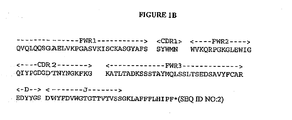
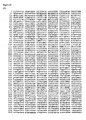
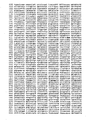
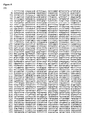
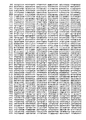
- the nucleotide sequence of the heavy chain variable region of the IgM produced from hybridoma PTA-3507, IgM CM-22 (also referred to as 22A5 IgM) is shown in Figure 1A (SEQ ID NO: 1), and the amino acid sequence is shown in Figure 1B (SEQ ID NO: 2).
- the CDR1 domain of the heavy chain variable region corresponds to amino acids 31 to 35 of SEQ ID NO: 2 (SEQ ID NO: 4), which is encoded by nucleotides 91-105 of SEQ ID NO: 1 (SEQ ID NO: 3), and the CDR2 domain of the heavy chain variable region corresponds to amino acids 50 to 66 of SEQ ID NO: 2 (SEQ ID NO: 6), which is encoded by nucleotides 148-198 of SEQ ID NO: 1 (SEQ ID NO: 5).
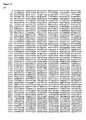
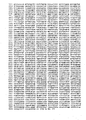
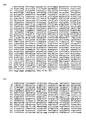
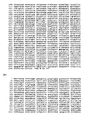
- the nucleotide sequence of the light chain variable region of IgM CM-22 is shown in Figure 2A (SEQ ID NO: 7), and the amino acid sequence is shown in Figure 2B (SEQ ID NO: 8).
- the CDR1 domain of the light chain variable region corresponds to amino acids 23 to 37 of SEQ ID NO: 8 (SEQ ID NO: 10), which is encoded by nucleotides 67-111 of SEQ ID NO: 7 (SEQ ID NO: 9), and the CDR2 domain of the light chain variable region corresponds to amino acids 53 to 59 of SEQ ID NO: 8 (SEQ ID NO: 12), which is encoded by nucleotides 157 to 177 of SEQ ID NO: 7 (SEQ ID NO: 11). Due to the degeneracy of the genetic code, other nucleotide sequences can encode the amino acid sequences listed herein.
- nucleic acid compositions disclosed herein while often in a native sequence (except for modified restriction sites and the like), from either cDNA, genomic or mixtures may be mutated, in accordance with standard techniques. For coding sequences, these mutations, may affect the amino acid sequence as desired.
- nucleotide sequences substantially identical to or derived from native V, D, J, constant, switches and other such sequences are described herein.
- an isolated nucleic acid can comprise an IgM CM-22 (or 22A5 IgM) heavy chain variable region nucleotide sequence having a nucleotide sequence as shown in Figure 1A (SEQ ID NO: 1), or a sequence, which is at least 80%, 90%, 95%, 96%, 97%, 98%, or 99% identical to SEQ ID NO: 1.
- a nucleic acid molecule may comprise the heavy chain CDR1 nucleotide sequence of SEQ ID NO: 3, or a portion thereof. Further, the nucleic acid molecule may comprise the heavy chain CDR2 nucleotide sequence of SEQ ID NO:5, or a portion thereof.
- the nucleic acid molecule may comprise a heavy chain CDR1 nucleotide sequence of SEQ ID NO: 3, or portion thereof, and a heavy chain CDR2 nucleotide sequence of SEQ ID NO: 5, or a portion thereof.
- the nucleic acid molecules may comprise heavy chain sequences, e.g. SEQ ID NO: 1, SEQ ID NO: 3, SEQ ID NO: 5, or combinations thereof, or encompass nucleotides having at least 80%, 90%, 95%, 96%, 97%, 98%, and 99% sequence identity to SEQ ID NOs: 1, 3 or 5.
- nucleic acid molecules may comprise heavy chain sequences, which hybridize under stringent conditions, e.g., low, medium, high or very high stringency conditions, to SEQ ID NOs: 1, 3 or 5.
- nucleic acid molecules having at least 80%, 90%, 95%, 96%, 97 %, 98%, and 99% sequence identity with a nucleic acid molecule encoding a heavy chain polypeptide, e.g., a heavy chain polypeptide of SEQ ID NOs: 2, 4 or 6. Also disclosed are nucleic acid molecules which hybridize to nucleic acid sequences encoding a heavy chain variable region of a natural antibody or portion thereof, e.g., a heavy chain variable region of SEQ ID NO: 2,4 or 6.
- nucleic acid that encodes a IgM GM-22 (22A5 IgM) light chain variable region nucleotide sequence having a nucleotide sequence as shown in Figure 2A (SEQ ID NO: 7), or a sequence at least 80%, 90%, 95%, 96%, 97%, 98%, 99% identical to SEQ ID NO: 7.
- the nucleic acid molecule may comprise the light chain CDR1 nucleotide sequence of SEQ ID NO: 9, or a portion thereof.
- the nucleic acid molecule may comprise the light chain CDR2 nucleotide sequence of SEQ ID NO: 11, or a portion thereof.
- the nucleic acid molecule may comprise a light chain CDR1 nucleotide sequence of SEQ ID NO: 9, or portion thereof, and a light chain CDR2 nucleotide sequence of SEQ ID NO: 11, or portion thereof.
- the nucleic acid molecules may comprise light chain sequences, e.g. SEQ ID NOs: 7, 9 or 11, or combinations thereof, or encompass nucleotides having at least 80%, 90%, 95%, 96%, 97 %, 98%, and 99% sequence identity to SEQ ID NOs: 7, 9 or 11.
- Further nucleic acid molecules may comprise light chain sequences, which hybridize under stringent conditions, e.g. low, medium, high or very high stringency conditions, to SEQ ID NOs: 7, 9 or 11.
- Nucleic acid molecules can have at least 80%, 90%, 95%, 96%, 97 %, 98% or 99% sequence identity with a nucleic acid molecule encoding a light chain polypeptide, e.g., a light chain polypeptide of SEQ ID NOs: 8, 10, or 12.
- a nucleic acid molecule encoding a light chain polypeptide, e.g., a light chain polypeptide of SEQ ID NOs: 8, 10, or 12.
- nucleic acid molecules which hybridize to a nucleic acid sequence encoding a light chain variable region of a natural antibody or portion thereof, e.g., a light chain variable region of SEQ ID NOs: 8, 10 or 12.
- nucleic acid encoding a heavy chain CDR1 domain comprising the amino acid sequence of SEQ ID NO: 4, or a fragment or modified form thereof.
- This nucleic acid can encode only the CDR1 region or can encode an entire antibody heavy chain variable region or a fragment thereof.
- the nucleic acid can encode a heavy chain variable region having a CDR2 domain comprising the amino acid sequence of SEQ ID NO: 6.
- an isolated nucleic acid encoding a heavy chain CDR2 domain comprising the amino acid sequence of SEQ ID NO: 6, or a fragment or modified form thereof.
- This nucleic acid can encode only the CDR2 region or can encode an entire antibody heavy chain variable region or a fragment thereof.
- the nucleic acid can encode a light chain variable region having a CDR1 domain comprising the amino acid sequence of SEQ ID NO: 4.
- nucleic acid encoding a light chain CDR1 domain comprising the amino acid sequence of SEQ ID NO: 10, or a fragment or modified form thereof.
- This nucleic acid can encode only the CDR1 region or can encode an entire antibody light chain variable region.
- the nucleic acid can encode a light chain variable region having a CDR2 domain comprising the amino acid sequence of SEQ ID NO: 12.
- the isolated nucleic acid can also encode a light chain CDR2 domain comprising the amino acid sequence of SEQ NO: 12, or a fragment or modified form thereof.
- This nucleic acid can encode only the CDR2 region or can encode an entire antibody light chain variable region.
- the nucleic acid can encode a light chain variable region having a CDR1 domain comprising the amino acid sequence of SEQ ID NO: 10.
- the nucleic acid encoding the heavy or light chain variable region can be of murine or human origin, or can comprise a combination of murine and human amino acid sequences.
- the nucleic acid can encode a heavy chain variable region comprising the CDR1 of SEQ ID NO: 2 (SEQ ID NO: 4) and/or the CDR2 of SEQ ID NO: 2 (SEQ ID NO: 6), and a human framework sequence.
- the nucleic acid can encode a light chain variable region comprising the CDR1 of SEQ ID NO: 8 (SEQ ID NO: 10) and/or the CDR2 of SEQ ID NO: 8 (SEQ ID NO: 12), and a human framework sequence.
- Vectors may contain the above-described nucleic acids and host cells may contain the expression vectors.
- polypeptides and fragments of the IgM CM-22 heavy chain variable regions and/or light chain variable regions may comprise, for example, the amino acid sequences of SEQ ID NOs: 8, 10 or 12, or fragments or combinations thereof; or SEQ ID NO: 2, 4, or 6, or fragments or combinations thereof.
- the polypeptides may include polypeptides having at least, but not more than 20, 10, 5, 4, 3, 2, or 1 amino acid that differs from SEQ ID NOs: 8, 10, 12, 2, 4 or 6.
- Polypeptides may include polypeptides that retain biological activity, e.g., the ability to bind an ischemia-specific antigen, and/or the ability to bind complement.
- the polypeptides may comprise polypeptides having at least 80%, 90%, 95%, 96%, 97%, 98% and 99% sequence identity with a light chain variable region, or portion thereof, e.g. a light chain variable region polypeptide of SEQ ID NOs: 8, 10, or 12.
- the polypeptides may comprise polypeptides having at least 80%, 90%, 95%, 96%, 97%, 98%, and 99% sequence identity with a heavy chain variable region, or portion thereof, e.g. a heavy chain variable region polypeptide of SEQ ID NOs: 2, 4, or 6.
- Polypeptides may comprise the amino acid sequence of SEQ ID NO: 8 and SEQ ID NO: 2, further comprising an IRES sequence.
- An IgM inhibitor may be a peptide that specifically binds to a natural IgM and thereby blocks binding to the antigen.
- Such peptides can include, but are not limited to, the asparagine-rich peptides described in Table 1 below.
- Table 1 Amino acid sequences of natural IgM antibody-binding peptides SEQ ID NO: SEQUENCE Name 14 xNNNxNNxNNNN Asparagine-rich Consensus 16 YNNNNGNYTYRN P1 18 ANTRNGATNNNM P2 20 CDSSCDSVGNCN P3 22 WNNNGRNACNAN P4 24 HNSTSNGCNDNV P5 26 NSNSRYNSNSNN P6 28 KRNNHNNHNRSN P7 30 NGNNVNGNRNNN P8 32 NVANHNNSNHGN P9 34 SYNNNNHVSNRN P10
- the peptides can also include certain "self-peptides” as described in Table 2 below.
- Table 2 Amino acid sequences of self-peptides SEQ ID NO: SEQUENCE Name 36 LMKNMDPLNDI Self-1 38 LMKNMDPLNDNV Self-2 ("N-2")
- modified peptides whose activity may be identified and/or assayed using a variety of methods well known to the skilled artisan.
- binding of the peptide to the IgM may be detected using biological assays, Western blotting, immunoprecipitation, or immonocytochemical techniques, such as those described below.
- the biological activity e.g., the ability to a bind natural IgM antibody
- the biological activity of a modified peptide can be characterized relative to that of P8 (SEQ ID NO: 30) or N2 (SEQ ID NO: 38).
- modified peptides when designed to retain at least one activity of the naturally-occurring form of the protein, are considered "functional equivalents" of the peptides described in more detail herein.
- modified peptides may be produced, for instance, by amino acid substitution, deletion, or addition, which substitutions may consist in whole or part by conservative amino acid substitutions.
- Mutagenesis of the peptide may give rise to homologs, which have improved in vivo half-lives relative to the corresponding wild-type peptide.
- the altered peptide may be rendered more stable to proteolytic degradation or other cellular processes which result in destruction or inactivation of the protein.
- the amino acid sequences for a population of peptide homologs can be aligned, preferably to promote the highest homology possible.
- Such a population of variants may include, for example, homologs from one or more species, or homologs from the same species but which differ due to mutation.
- Amino acids which appear at each position of the aligned sequences are selected to create a degenerate set of combinatorial sequences.
- the combinatorial library is produced by way of a degenerate library of genes encoding a library of polypeptides which each include at least a portion of potential peptide sequences.
- a mixture of synthetic oligonucleotides may be enzymatically ligated into gene sequences such that the degenerate set of potential nucleotide sequences are expressible as individual polypeptides, or alternatively, as a set of larger fusion proteins (e.g., for phage display).
- the library of potential homologs may be generated from a degenerate oligonucleotide sequence.
- Chemical synthesis of a degenerate gene sequence may be carried out in an automatic DNA synthesizer, and the synthetic genes may then be ligated into an appropriate vector for expression.
- One purpose of a degenerate set of genes is to provide, in one mixture, all of the sequences encoding the desired set of potential peptide sequences.
- the synthesis of degenerate oligonucleotides is well known in the art (see for example, Narang, SA (1983) Tetrahedron 39:3 ; Itakura et al., (1981) Recombinant DNA, Proc. 3rd Cleveland Sympos.
- mutagenesis may be utilized to generate a combinatorial library.
- peptide homologs may be generated and isolated from a library by screening using, for example, alanine scanning mutagenesis and the like ( Ruf et al., (1994) Biochemistry 33:1565-1572 ; Wang et al., (1994) J. Biol. Chem. 269:3095-3099 ; Balint et al., (1993) Gene 137:109-118 ; Grodberg et al., (1993) Eur. J. Biochem. 218:597-601 ; Nagashima et al., (1993) J. Biol. Chem.
- a wide range of techniques are known in the art for screening gene products of combinatorial libraries made by point mutations and truncations, and for screening cDNA libraries for gene products having a certain property (e.g., the ability to bind a natural IgM antibody). Such techniques will be generally adaptable for rapid screening of the gene libraries generated by the combinatorial mutagenesis of peptide homologs.
- the most widely used techniques for screening large gene libraries typically comprises cloning the gene library into replicable expression vectors, transforming appropriate cells with the resulting library of vectors, and expressing the combinatorial genes under conditions in which detection of a desired activity facilitates relatively easy isolation of the vector encoding the gene whose product was detected.
- Each of the illustrative assays described below are amenable to high through-put analysis as necessary to screen large numbers of degenerate sequences created by combinatorial mutagenesis techniques.
- candidate combinatorial gene products are passed over a column containing beads having attached to it the binding protein, such as an IgM or portion thereof.
- the binding protein such as an IgM or portion thereof.
- Those candidate combinatorial gene products that are retained on the column may be further characterized for binding to IgMs in a manner that could be useful in blocking natural IgM antibody binding and treating inflammatory diseases.
- the gene library may be expressed as a fusion protein on the surface of a viral particle.
- foreign peptide sequences may be expressed on the surface of infectious phage, thereby conferring two benefits.
- coli filamentous phages M13, fd, and fl are most often used in phage display libraries, as either of the phage gIII or gVIII coat proteins may be used to generate fusion proteins without disrupting the ultimate packaging of the viral particle ( Ladner et al., PCT publication WO 90/02909 ; Garrard et al., PCT publication WO 92/09690 ; Marks et al., (1992) J. Biol. Chem. 267:16007-16010 ; Griffiths et al., (1993) EMBO J.
- phage coat proteins may be used as appropriate.
- mimetics e.g., non-peptide agents
- the critical residues of a peptide which are involved in molecular recognition of a natural IgM antibody may be determined and used to generate peptidomimetics that bind to a natural IgM antibody.
- the peptidomimetic may then be used as an inhibitor of the wild-type protein by binding to the natural IgM antibodies and covering up the critical residues needed for interaction with the wild-type protein, thereby preventing interaction of the protein and the natural IgM antibody.
- Peptidomimetic compounds may be generated which mimic those residues in binding to the natural IgM antibody.
- non-hydrolyzable peptide analogs of such residues may be generated using benzodiazepine (e.g., see Freidinger et al., in Peptides: Chemistry and Biology, G.R. Marshall ed., ESCOM Publisher: Leiden, Netherlands, 1988 ), azepine (e.g., see Huffman et al., in Peptides: Chemistry and Biology, G.R. Marshall ed., ESCOM Publisher: Leiden, Netherlands, 1988 ), substituted gamma lactam rings ( Garvey et al., in Peptides: Chemistry and Biology, G.R.
- nucleic acids which encode the peptides discussed above.
- Exemplary nucleic acids are provided in Table 3.
- Table 3 Nucleic acids encoding natural IgM antibody-binding peptides SEQ ID NO: SEQUENCE Name 13 Aparagine-rich Consensus 15 P1 17 P2 19 P3 21 P4 23 P5 25 P6 27 P7 29 P8 31 P9 33 P10 35 Self-1 37 Self-2
- an "R” corresponds to a base that may be a A or G
- a “S” corresponds to a base that may be a G or C
- a "V” corresponds to a base that may be an A, C or G
- a "Y” corresponds to a base that may be a C or T
- a "W” corresponds to a base that may be an A or T
- a "D” corresponds to a base that may be an A, G or T
- a "M” corresponds to a base that may be an A or C
- a "H” corresponds to a base that may be an A, C or T
- a "N” corresponds to a base that may be an A, C, G or T
- a "K” corresponds to a base that may be a G or T
- a "B” corresponds to a base that may be a C, G or T.
- DNA sequence polymorphisms that lead to changes in the amino acid sequences of the subject proteins will exist among mammalian cells.
- these variations in one or more nucleotides (from less than 1 % up to about 3 or 5% or possibly more of the nucleotides) of the nucleic acids encoding a particular peptide may exist among individuals of a given species due to natural allelic variation. Nucleotide variations and resulting amino acid polymorphisms are disclosed herein.
- Preferred nucleic acids encode a peptide, which is at least about 60%, 70%, 80%, 85%, 90%, 95%, 98%, 99% homologous or more with an amino acid sequence of SED ID NO: 14, 16, 18, 20, 22, 24, 26, 28, 30, 32, 34, 36, 38 or another peptide disclosed herein.
- Nucleic acids which encode peptides having an activity of a peptide of the invention and having at least about 60%, 70%, 80%, 85%, 90%, 95%, 98%, 99% homology or more with SEQ ID NO: 14, 16, 18, 20, 22, 24, 26, 28, 30, 32, 34, 36, 38, or another peptide of the invention are disclosed herein.
- nucleic acid sequences which have been optimized for improved expression in a host cell by altering the frequency of codon usage in the nucleic acid sequence to approach the frequency of preferred codon usage of the host cell. Due to codon degeneracy, it is possible to optimize the nucleotide sequence without effecting the amino acid sequence of an encoded polypeptide.
- nucleotide sequence that encodes the peptides set forth in SEQ ID NO: 14, 16, 18, 20, 22, 24, 26, 28, 30, 32, 34, 36, 38 or other peptides of the invention.
- Nucleic acids disclosed herein may also contain linker sequences, modified restriction endonuclease sites and other sequences useful for molecular cloning, expression or purification of such recombinant polypeptides.
- a nucleic acid encoding a peptide may be obtained from mRNA or genomic DNA from any organism in accordance with protocols described herein, as well as those generally known to those skilled in the art.
- a cDNA encoding a peptide of the invention may be obtained by isolating total mRNA from an organism, e.g. a bacteria, virus, mammal, etc. Double stranded cDNAs may then be prepared from the total mRNA, and subsequently inserted into a suitable plasmid or bacteriophage vector using any one of a number of known techniques.
- a gene encoding peptide disclosed herein may also be closed using established polymerase chain reaction techniques in accordance with the nucleotide sequence information disclosed herein.
- an expression vector comprising a nucleotide sequence encoding a peptide and operably linked to at least one regulatory sequence. It should be understood that the design of the expression vector may depend on such factors as the choice of the host cell to be transformed and/or the type of protein desired to be expressed. Moreover, the vector's copy number, the ability to control that copy number and the expression of any other protein encoded by the vector, such as antibiotic markers, should also be considered.
- the subject gene constructs may be used to cause expression of a peptide disclosed herein in cells propagated in culture, e.g., to produce proteins or polypeptides, including fusion proteins or polypetides for purification.
- the host cell may be any prokaryotic or eukaryotic cell.
- a polypeptide disclosed herein may be expressed in bacterial cells, such as E. coli , insect cells (baculovirus), yeast, or mammalian cells.
- suitable host cells are known to those skilled in the art.
- the host cell may be supplemented with tRNA molecules not typically found in the host so as to optimize expression of the peptide.
- Other methods suitable for maximizing expression of the peptide will be known to those in the art.
- Peptide inhibitors may be synthesized, for example, chemically, ribosomally in a cell free system, or ribosomally within a cell.
- Chemical synthesis of peptides of the invention may be carried out using a variety of art recognized methods, including stepwise solid phase synthesis, semi-synthesis through the conformationally-assisted re-ligation of peptide fragments, enzymatic ligation of cloned or synthetic peptide segments, and chemical ligation.
- Merrifield et al. in J. Am. Chem. Soc., Volume 85, page 2149 (1964 ) by Houghten et al. in Proc. Natl. Acad. Sci.
- Native chemical ligation employs a chemoselective reaction of two unprotected peptide segments to produce a transient thioester-linked intermediate.
- the transient thioester-linked intermediate then spontaneously undergoes a rearrangement to provide the full length ligation product having a native peptide bond at the ligation site.
- Full length ligation products are chemically identical to proteins produced by cell free synthesis. Full length ligation products may be refolded and/or oxidized, as allowed, to form native disulfide-containing protein molecules.
- An in vitro translation systems is, generally, a translation system which is a cell-free extract containing at least the minimum elements necessary for translation of an RNA molecule into a protein.
- An in vitro translation system typically comprises at least ribosomes, tRNAs, initiator methionyl-tRNAMet, proteins or complexes involved in translation, e.g., eIF2, eIF3, the cap-binding (CB) complex, comprising the cap-binding protein (CBP) and eukaryotic initiation factor 4F (eIF4F).
- CBP cap-binding protein
- eIF4F eukaryotic initiation factor 4F
- in vitro translation systems examples include eukaryotic lysates, such as rabbit reticulocyte lysates, rabbit oocyte lysates, human cell lysates, insect cell lysates and wheat germ extracts. Lysates are commercially available from manufacturers such as Promega Corp., Madison, Wis.; Stratagene, La Jolla, Calif.; Amersham, Arlington Heights, Ill.; and GIBCO/BRL, Grand Island, N.Y. In vitro translation systems typically comprise macromolecules, such as enzymes, translation, initiation and elongation factors, chemical reagents, and ribosomes. In addition, an in vitro transcription system may be used.
- eukaryotic lysates such as rabbit reticulocyte lysates, rabbit oocyte lysates, human cell lysates, insect cell lysates and wheat germ extracts. Lysates are commercially available from manufacturers such as Promega Corp., Madison, Wis.; Stratagene, La Jolla
- Such systems typically comprise at least an RNA polymerase holoenzyme, ribonucleotides and any necessary transcription initiation, elongation and termination factors.
- In vitro transcription and translation may be carried out within in the same reaction to produce peptides from one or more isolated DNAs.
- Nucleic acids encoding peptide inhibitors may be expressed in vitro by DNA transfer into a suitable host cell. Expression of peptides may be facilitated by inserting the nucleic acids encoding the peptides into a vector, such as a plasmid, virus or other vehicle known in the art that has been manipulated by insertion or incorporation of the natural antibody-binding peptide genetic sequences.
- a vector such as a plasmid, virus or other vehicle known in the art that has been manipulated by insertion or incorporation of the natural antibody-binding peptide genetic sequences.
- Such vectors contain a promoter sequence, which facilitates the efficient transcription of the inserted genetic sequence of the host.
- the vector typically contains an origin of replication, a promoter, as well as specific genes which allow phenotypic selection of the transformed cells.
- Vectors suitable for use in the present invention include, but are not limited to the T7-based expression vector for expression in bacteria ( Rosenberg, et al., Gene, 56:125, 1987 ), the pMSXND expression vector for expression in mammalian cells ( Lee and Nathans, J. Biol. Chem., 263:3521, 1988 ) and baculovirus-derived vectors for expression in insect cells.
- the DNA segment can be present in the vector operably linked to regulatory elements, for example, a promoter (e.g., T7, metallothionein I, or polyhedrin promoters).
- Nucleic acids encoding peptide inhibitors may be expressed in either prokaryotes or eukaryotes.
- Hosts can include microbial, yeast, insect, and mammalian organisms. Methods of expressing DNA sequences having eukaryotic or viral sequences in prokaryotes are well known in the art.
- Biologically functional viral and plasmid DNA vectors capable of expression and replication in a host are known in the art. Such vectors can incorporate DNA sequences of the invention. Methods which are well known to those skilled in the art can be used to construct vectors containing the natural antibody-binding peptide coding sequence and appropriate transcriptional/translational control signals.
- host-expression vector systems include but are not limited to microorganisms such as bacteria transformed with recombinant bacteriophage DNA, plasmid DNA, or cosmid DNA expression vectors; yeast transformed with recombinant yeast expression vectors; plant cell systems infected with recombinant virus expression vectors (e.g., cauliflower mosaic virus, CaMV; tobacco mosaic virus, TMV) or transformed with recombinant plasmid expression vectors (e.g., Ti plasmid); insect cell systems infected with recombinant virus expression vectors (e.g., baculovirus); or animal cell systems infected with recombinant virus expression vectors (e.g., retroviruses, adenovirus, vaccinia virus), or transformed animal cell systems engineered for stable expression.
- microorganisms such as bacteria transformed with recombinant bacteriophage DNA, plasmid DNA, or cosmid DNA expression vectors; yeast transformed with recombinant yeast expression vectors
- any of a number of suitable transcription and translation elements including constitutive and inducible promoters, transcription enhancer elements, transcription terminators, etc. may be used in the expression vector (see e.g., Bitter et al., 1987, Methods in Enzymology, 153:516-544 ).
- inducible promoters such as pL of bacteriophage y, plac, ptrp, ptac (ptrp-lac hybrid promoter) and the like may be used.
- promoters derived from the genome of mammalian cells e.g., metallothionein promoter
- mammalian viruses e.g., the retrovirus long terminal repeat; the adenovirus late promoter; the vaccinia virus 7.5K promoter
- promoteters produced by recombinant DNA or synthetic techniques may also be used.
- yeast a number of vectors containing constitutive or inducible promoters may be used.
- Current Protocols in Molecular Biology Vol. 2, 1988, Ed. Ausubel et al., Greene Publish. Assoc. & Wiley Interscience, Ch. 13 ; Grant et al., 1987, Expression and Secretion Vectors for Yeast, in Methods in Enzymology, Eds. Wu & Grossman, 31987, Acad. Press, N.Y., Vol. 153, pp.516-544 ; Glover, 1986, DNA Cloning, Vol. II, IRL Press, Wash., D.C., Ch.
- yeast promoter such as ADH or LEU2 or an inducible promoter such as GAL may be used ( Cloning in Yeast, Ch. 3, R. Rothstein In: DNA Cloning Vol. 11, A Practical Approach, Ed. D M Glover, 1986, IRL Press, Wash., D.C .).
- vectors may be used which promote integration of foreign DNA sequences into the yeast chromosome.
- Eukaryotic systems and preferably mammalian expression systems, allow for proper post-translational modifications of expressed mammalian proteins to occur.
- Eukaryotic cells which possess the cellular machinery for proper processing of the primary transcript, glycosylation, phosphorylation, and advantageously, plasma membrane insertion of the gene product may be used as host cells.
- Mammalian cell systems which utilize recombinant viruses or viral elements to direct expression maybe engineered.
- a natural antibody-binding peptide coding sequence may be ligated to an adenovirus transcription/-translation control complex, e.g., the late promoter and tripartite leader sequence.
- the vaccinia virus 7.5K promoter may be used. (e.g., see, Mackett et al., 1982, Proc. Natl. Acad. Sci. USA 79: 7415-7419 ; Mackett et al., 1984, J. Virol. 49: 857-864 ; Panicali et al., 1982, Proc. Natl. Acad.
- vectors based on bovine papilloma virus which have the ability to replicate as extrachromosomal elements ( Sarver, et al., 1981, Mol. Cell. Biol. 1: 486 ). Shortly after entry of this DNA into mouse cells, the plasmid replicates to about 100 to 200 copies per cell. Transcription of the inserted cDNA does not require integration of the plasmid into the host's chromosome, thereby yielding a high level of expression.
- These vectors can be used for stable expression by including a selectable marker in the plasmid, such as, for example, the neo gene.
- the retroviral genome can be modified for use as a vector capable of introducing and directing the expression of a natural antibody-binding peptide gene in host cells ( Cone & Mulligan, 1984, Proc. Natl. Acad. Sci. USA 81:6349-6353 ).
- High level expression may also be achieved using inducible promoters, including, but not limited to, the metallothionine IIA promoter and heat shock promoters.
- host cells can be transformed with a cDNA controlled by appropriate expression control elements (e.g., promoter, enhancer, sequences, transcription terminators, polyadenylation sites, etc.) and a selectable marker.
- expression control elements e.g., promoter, enhancer, sequences, transcription terminators, polyadenylation sites, etc.
- selectable marker in the recombinant plasmid confers resistance to the selection and allows cells to stably integrate the plasmid into their chromosomes and grow to form foci which in turn can be cloned and expanded into cell lines.
- engineered cells may be allowed to grow for 1-2 days in an enriched media, and then are switched to a selective media.
- a number of selection systems may be used, including but not limited to the herpes simplex virus thymidine kinase ( Wigler, et al., 1977, Cell 11: 223 ), hypoxanthine-guanine phosphoribosyltransferase ( Szybalska & Szybalski, 1962, Proc. Natl. Acad. Sci.
- adenine phosphoribosyltransferase genes can be employed in tk - , hgprt - or aprt - cells respectively.
- antimetabolite resistance can be used as the basis of selection for dhfr, which confers resistance to methotrexate ( Wigler, et al., 1980, Natl. Acad. Sci. USA 77: 3567 ; O'Hare, et al., 1981, Proc. Natl. Acad. Sci.
- Additional selectable genes include trpB, which allows cells to utilize indole in place of tryptophan; hisD, which allows cells to utilize histinol in place of histidine ( Hartman & Mulligan, 1988, Proc. Natl. Acad. Sci. USA 85: 8047 ); and ODC (ornithine decarboxylase) which confers resistance to the ornithine decarboxylase inhibitor, 2-(difluoromethyl)-DL-omithine, DFMO ( McConlogue L., 1987, In: Current Communications in Molecular Biology, Cold Spring Harbor Laboratory ed .).
- suitable cell types include but are not limited to cells of the following types: NIH 3T3 (Murine), C2C12, L6, and P19.
- C2C12 and L6 myoblasts will differentiate spontaneously in culture and form myotubes depending on the particular growth conditions (Yaffe and Saxel, 1977; Yaffe, 1968)
- P19 is an embryonic carcinoma cell line.
- Such cells are described, for example, in the Cell Line Catalog of the American Type Culture Collection (ATCC). These cells can be stably transformed by a method known to the skilled artisan.
- Eukaryotic cells can also be cotransformed with DNA sequences encoding natural antibody-binding peptides, and a second foreign DNA molecule encoding a selectable phenotype, such as the herpes simplex thymidine kinase gene.
- Another method is to use a eukaryotic viral vector, such as simian virus 40 (SV40) or bovine papilloma virus, to transiently infect or transform eukaryotic cells and express the protein.
- a eukaryotic viral vector such as simian virus 40 (SV40) or bovine papilloma virus
- SV40 simian virus 40
- bovine papilloma virus bovine papilloma virus
- a signal sequence may be used to direct the peptide out of the host cell where it is synthesized.
- the signal sequence is positioned in the coding region of nucleic acid sequence, or directly at the 5' end of the coding region.
- Many signal sequences have been identified, and any that are functional in the selected host cell may be used. Accordingly, the signal sequence may be homologous or heterologous to the polypeptide. Additionally, the signal sequence may be chemically synthesized using recombinant DNA techniques well known in the art.
- the amount of peptide produced in the host cell can be evaluated using standard methods known in the art. Such methods include, without limitation, Western blot analysis, SDS-polyacrylamide gel electrophoresis, non-denaturing gel electrophoresis, HPLC separation, immunoprecipitation, and/or activity assays such as DNA binding gel shift assays.
- the majority of the peptide will likely be found in the cell culture medium. If, however, the peptide is not secreted, it will be present in the cytoplasm (for eukaryotic, Gram-positive bacteria, and insect host cells) or in the periplasm (for Gram-negative bacteria host cells).
- the host cells are typically first disrupted mechanically or osmotically to release the cytoplasmic contents into a buffered solution.
- the peptide is then isolated from this solution. Purification of the peptide from solution can thereafter be accomplished using a variety of techniques. If the peptide has been synthesized such that it contains a tag such as hexahistidine or other small peptides at either its carboxyl or amino terminus, it may be purified in a one-step process by passing the solution through an affinity column where the column matrix has a high affinity for the tag or for the peptide directly (i.e., a monoclonal antibody).
- polyhistidine binds with great affinity and specificity to nickel, thus an affinity column of nickel (such as the Qiagen nickel columns) can be used for purification.
- an affinity column of nickel such as the Qiagen nickel columns
- the peptide has no tag and it is not practical to use an antibody to purify the peptide
- other well known procedures for purification can be used. Such procedures include, without limitation, ion exchange chromatography, molecular sieve chromatography, HPLC, native gel electrophoresis in combination with gel elution, and preparative isoelectric focusing ("Isoprime” machine/technique, Hoefer Scientific). In some cases, two or more of these techniques may be combined to achieve increased purity.
- the contents of the periplasm or cytoplasm can be extracted from the host cell using any standard technique known to the skilled artisan.
- the host cells can be lysed to release the contents of the periplasm by the use of a French press, homogenization, and/or sonication. The homogenate can then be centrifuged.
- IgM inhibitors may also be antibodies that compete with natural IgMs in binding to antigen.
- Methods of producing antibodies are well known in the art.
- a monoclonal antibody against a target e.g., a pathogenic immunoglobulin or an ischemia specific antigen on a cell
- a target e.g., a pathogenic immunoglobulin or an ischemia specific antigen on a cell
- a monoclonal antibody against a target e.g., a pathogenic immunoglobulin or an ischemia specific antigen on a cell
- somatic cell hybridization procedures are preferred, in principle, other techniques for producing monoclonal antibody can be employed e.g., viral or oncogenic transformation of B lymphocytes.
- the preferred animal system for preparing hybridomas is the murine system.
- Hybridoma production in the mouse is a very well-established procedure. Immunization protocols and techniques for isolation of immunized splenocytes for fusion are known in the art. Fusion partners (e.g., murine myeloma cells) and fusion procedures are also known.
- Human monoclonal antibodies can be generated using transgenic mice carrying the human immunoglobulin genes rather than mouse immunoglobulin genes. Splenocytes from these transgenic mice immunized with the antigen of interest are used to produce hybridomas that secrete human mAbs with specific affinities for epitopes from a human protein (see, e.g., Wood et al. International Application WO 91/00906 , Kucherl apati et al. PCT publication WO 91/10741 ; Lonberg et al. International Application WO 92/03918 ; Kay et al. International Application 92/03917 ; Lonberg, N. et al.
- hybridomas can be generated from human CD5+, B-1 cells.
- "humanized" murine hybridomas can be used that recognize cross-reactive "ischemic antigen”.
- Monoclonal antibodies can also be generated by other methods known to those skilled in the art of recombinant DNA technology.
- An alternative method referred to as the "combinatorial antibody display” method, has been developed to identify and isolate antibody fragments having a particular antigen specificity, and can be utilized to produce monoclonal antibodies (for descriptions of combinatorial antibody display see e.g., Sastry et al. 1989 PNAS 86:5,728 ; Huse et al. 1989 Science 246:1275 ; and Orlandi et al. 1989 PNAS 86:3833 ). After immunizing an animal with an immunogen as described above, the antibody repertoire of the resulting B-cell pool is cloned.
- Methods are generally known for obtaining the DNA sequence of the variable regions of a diverse population of immunoglobulin molecules by using a mixture of oligomer primers and PCR.
- mixed oligonucleotide primers corresponding to the 5' leader (signal peptide) sequences and/or framework 1 (FR1) sequences, as well as primer to a conserved 3' constant region primer can be used for PCR amplification of the heavy and light chain variable regions from a number of murine antibodies ( Larrick et al., 1991, Biotechniques 11:152-156 ).
- a similar strategy can also been used to amplify human heavy and light chain variable regions from human antibodies ( Larrick et al., 1991, Methods: Companion to Methods in Enzymology 2:106-110 ).
- RNA is isolated from B lymphocytes, for example, peripheral blood cells, bone marrow, or spleen preparations, using standard protocols (e.g., U.S. Patent No. 4,683,202 ; Orlandi, et al. PNAS (1989) 86:3833-3837 ; Sastry et al., PNAS (1989) 86:5728-5732 ; and Huse et al. (1989) Science 246:1275-1281 .) First-strand cDNA is synthesized using primers specific for the constant region of the heavy chain(s) and each of the ⁇ and ⁇ light chains, as well as primers for the signal sequence.
- variable region PCR primers the variable regions of both heavy and light chains are amplified, each alone or in combination, and ligated into appropriate vectors for further manipulation in generating the display packages.
- Oligonucleotide primers useful in amplification protocols may be unique or degenerate or incorporate inosine at degenerate positions. Restriction endonuclease recognition sequences may also be incorporated into the primers to allow for the cloning of the amplified fragment into a vector in a predetermined reading frame for expression.
- the V-gene library cloned from the immunization-derived antibody repertoire can be expressed by a population of display packages, preferably derived from filamentous phage; to form an antibody display library.
- the display package comprises a system that allows the sampling of very large variegated antibody display libraries, rapid sorting after each affinity separation round, and easy isolation of the antibody gene from purified display packages.
- kits for generating phage display libraries e.g., the Pharmacia Recombinant Phage Antibody System , catalog no. 27-9400-01; and the Stratagene SurfZAPTM phage display kit, catalog no.
- examples of methods and reagents particularly amenable for use in generating a variegated antibody display library can be found in, for example, Ladner et al. U.S. Patent No. 5,223,409 ; Kang et al. International Publication No. WO 92/18619 ; Dower et al. International Publication No. WO 91/17271 ; Winter et al. International Publication WO 92/20791 ; Markland et al. International Publication No. WO 92/15679 ; Breitling et al. International Publication WO 93/01288 ; McCafferty et al. International Publication No.
- WO 92/01047 Garrard et al. International Publication No. WO 92/09690 ; Ladner et al. International Publication No. WO 90/02809 ; Fuchs et al. (1991) Bio/Technology 9:1370-1372 ; Hay et al. (1992) Human Antibody Hybridomas 3:81-85 ; Huse et al. (1989) Science 246:1275-1281 ; Griffths et al. (1993) EMBO J 12:725-734 ; Hawkins et al. (1992) J. Mol. Biol. 226:889-896 ; Clackson et al.
- V region domains of heavy and light chains can be expressed on the same polypeptide, joined by a flexible linker to form a single-chain Fv fragment, and the scFV gene subsequently cloned into the desired expression vector or phage genome.
- a flexible linker As generally described in McCafferty et al., Nature (1990) 348:552-554 , complete V H and V L domains of an antibody, joined by a flexible (Gly 4 -Ser) 3 linker can be used to produce a single chain antibody which can render the display package separable based on antigen affinity. Isolated scFV antibodies immunoreactive with the antigen can subsequently be formulated into a pharmaceutical preparation for use in the subject method.
- the antibody library is screened with the target antigen, or peptide fragment thereof, to identify and isolate packages that express an antibody having specificity for the target antigen.
- Nucleic acid encoding the selected antibody can be recovered from the display package (e.g., from the phage genome) and subcloned into other expression vectors by standard recombinant DNA techniques.
- Specific antibody molecules with high affinities for a surface protein can be made according to methods known to those in the art, e.g., methods involving screening of libraries ( Ladner, R.C., et al., U.S. Patent 5,233,409 ; Ladner, R.C., et al., U.S. Patent 5,403,484 ). Further, these libraries can be used in screens to obtain binding determinants that are mimetics of the structural determinants of antibodies.
- the Fv binding surface of a particular antibody molecule interacts with its target ligand according to principles of protein-protein interactions, hence sequence data for V H and V L (the latter of which may be of the ⁇ or ⁇ chain type) can be used in protein engineering techniques known to those with skill in the art.
- sequence data for V H and V L can be used in protein engineering techniques known to those with skill in the art.
- Details of the protein surface that comprises the binding determinants can be obtained from antibody sequence information, by a modeling procedure using previously determined three-dimensional structures from other antibodies obtained from NMR studies or crystallographic data. See for example Bajorath, J. and S. Sheriff, 1996, Proteins: Struct., Funct., and Genet. 24 (2), 152-157 ; Webster, D.M. and A. R. Rees, 1995, "Molecular modeling of antibody-combining sites," in S.
- a variegated peptide library can be expressed by a population of display packages to form a peptide display library.
- the display package comprises a system that allows the sampling of very large variegated peptide display libraries, rapid sorting after each affinity separation round, and easy isolation of the peptide-encoding gene from purified display packages.
- Peptide display libraries can be in, e.g., prokaryotic organisms and viruses, which can be amplified quickly, are relatively easy to manipulate, and which allow the creation of large number of clones.
- Preferred display packages include, for example, vegetative bacterial cells, bacterial spores, and most preferably, bacterial viruses (especially DNA viruses). Eukaryotic cells, including yeast and their spores, can be used as potential display packages. Phage display libraries are described above.
- soluble receptor e.g., a target antigen
- affinity chromatography with an appropriate "receptor”, e.g., a target antigen
- identification of the isolated binding agents or ligands by conventional techniques (e.g., mass spectrometry and NMR).
- the soluble receptor is conjugated to a label (e.g., fluorophores, colorimetric enzymes, radioisotopes, or luminescent compounds) that can be detected to indicate ligand binding.
- a label e.g., fluorophores, colorimetric enzymes, radioisotopes, or luminescent compounds
- immobilized compounds can be selectively released and allowed to diffuse through a membrane to interact with a receptor.
- Combinatorial libraries of compounds can also be synthesized with "tags" to encode the identity of each member of the library (see, e.g., W.C. Still et al., International Application WO 94/08051 ).
- this method features the use of inert but readily detectable tags that are attached to the solid support or to the compounds. When an active compound is detected, the identity of the compound is determined by identification of the unique accompanying tag.
- This tagging method permits the synthesis of large libraries of compounds which can be identified at very low levels among the total set of all compounds in the library.
- An antibody of the present invention can be one in which the variable region, or a portion thereof, e.g., the complementarity determining regions (CDR or CDRs), are generated in a non-human organism, e.g., a rat or mouse. Chimeric, CDR-grafted, and humanized antibodies are within the invention. Antibodies generated in a non-human organism, e.g., a rat or mouse, and then modified, e.g., in the variable framework or constant region, to decrease antigenicity in a human are within the invention. Any modification is within the scope of the invention so long as the antibody has at least one antigen binding portion.
- CDR or CDRs complementarity determining regions
- Chimeric antibodies e.g. mouse-human monoclonal antibodies
- Chimeric antibodies can be produced by recombinant DNA techniques known in the art. For example, a gene encoding the Fc constant region of a murine (or other species) monoclonal antibody molecule is digested with restriction enzymes to remove the region encoding the murine Fc, and the equivalent portion of a gene encoding a human Fc constant region is substituted.
- a chimeric antibody can be further humanized by replacing sequences of the Fv variable region which are not directly involved in antigen binding with equivalent sequences from human Fv variable regions.
- General methods for generating humanized antibodies are provided by Morrison, S. L., 1985, Science 229:1202-1207 by Oi et al., 1986, BioTechniques 4:214 , and by Queen et al. US 5,585,089 , US 5,693,761 and US 5,693,762 . Those methods include isolating, manipulating, and expressing the nucleic acid sequences that encode all or part of immunoglobulin Fv variable regions from at least one of a heavy or light chain.
- Sources of such nucleic acid are well known to those skilled in the art and, for example, may be obtained from 7E3, an anti-GPII b III a antibody producing hybridoma.
- the recombinant DNA encoding the chimeric antibody, or fragment thereof, can then be cloned into an appropriate expression vector.
- Suitable humanized antibodies can alternatively be produced by CDR substitution.
- Humanized or CDR-grafted antibodies can be produced by CDR-grafting or CDR substitution, wherein one, two, or all CDRs of an immunoglobulin chain can be replaced. See e.g., U.S. Patent 5,225,539 ; Jones et al. 1986 Nature 321:552-525 ; Verhoeyan et al. 1988 Science 239:1534 ; Beidler et al. 1988 J. Immunol. 141:4053-4060 ; Winter US 5,225,539 . Winter describes a CDR-grafting method which may be used to prepare the humanized antibodies of the present invention (UK Patent Application GB 2188638A, filed on March 26, 1987 ; Winter US 5,225,539 ).
- a humanized or CDR-grafted antibody will have at least one or two but generally all recipient CDRs (of heavy and/or light immunoglobulin chains) replaced with a donor CDR.
- the donor will be a rodent antibody, e.g., a rat or mouse antibody, and the recipient will be a human framework or a human consensus framework.
- the immunoglobulin providing the CDRs is called the "donor” and the immunoglobulin providing the framework is called the "acceptor.”
- the donor immunoglobulin is a non-human (e.g., rodent).
- the acceptor framework can be a naturally-occurring (e.g., a human) framework or a consensus framework, or a sequence about 85% or higher, preferably 90%, 95%, 99% or higher identical thereto.
- All of the CDRs of a particular antibody may be replaced with at least a portion of a non-human CDR or only some of the CDRs may be replaced with non-human CDRs. It is only necessary to replace the number of CDRs required for binding of the humanized antibody to the Fc receptor.
- chimeric and humanized antibodies in which specific amino acids have been substituted, deleted or added.
- preferred humanized antibodies have amino acid substitutions in the framework region, such as to improve binding to the antigen.
- a humanized antibody will have framework residues identical to the donor framework residue or to another amino acid other than the recipient framework residue.
- amino acids located in the human framework region can be replaced with the amino acids located at the corresponding positions in the mouse antibody. Such substitutions are known to improve binding of humanized antibodies to the antigen in some instances.
- Antibody fragments of the invention are obtained using conventional procedures known to those with skill in the art. For example, digestion of an antibody with pepsin yields F(ab')2 fragments and multiple small fragments. Mercaptoethanol reduction of an antibody yields individual heavy and light chains. Digestion of an antibody with papain yields individual Fab fragments and the Fc fragment.
- the invention also features a modified natural immunoglobulin, e.g., which functions as an antagonist.
- the modified natural immunoglobulin e.g., modified pathogenic immunoglobulin
- Variants of the pathogenic immunoglobulin can be generated by mutagenesis, e.g., discrete point mutation, the insertion or deletion of sequences or the truncation of a pathogenic immunoglobulin.
- An antagonist of a natural immunoglobulin can inhibit one or more of the activities of the naturally occurring form of the pathogenic immunoglobulin by, for example, being capable of binding to an ischemic specific antigen, but incapable of activating a complement pathway.
- specific biological effects can be elicited by treatment with a variant of limited function.
- the site within the natural immunoglobulin (e.g., a pathogenic IgM) that binds C1q can be mutated such that it is no longer capable of binding C1q.
- the CH2 domain of an IgG and the CH4 domain of an IgM, which are known to contain binding sites for C1q can be mutated (see WO 94/29351 ).
- the carboxyl terminal half of the CH2 domain of an IgG (residues 231 to 239, preferably within 234 to 239), which appear to mediate C1q binding and subsequent complement activation, can be mutated.
- the antibodies of the present invention have a mutation that alters complement binding or activity.
- Antibodies in which amino acids have been added, deleted or substituted are referred to herein as modified antibodies or altered antibodies.
- the methods used for causing such changes in nucleotide or amino acid sequence will vary depending upon the desired results.
- Variants of a natural immunoglobulin can be identified by screening combinatorial libraries of mutants, e.g., truncation mutants, of a natural immunoglobulin for agonist or antagonist activity.
- fragments e.g., N terminal, C terminal, or internal fragments, of a natural immunoglobulin coding sequence can be used to generate a variegated population of fragments for screening and subsequent selection of variants of this protein.
- Variants in which a cysteine residue is added or deleted or in which a residue that is glycosylated is added or deleted are particularly preferred.
- REM Recursive ensemble mutagenesis
- Cell based assays can be exploited to analyze a variegated library.
- a library of expression vectors can be transfected into a cell line, e.g., a cell line, which ordinarily responds to the protein in a substrate-dependent manner. Plasmid DNA can then be recovered from the cells which score for inhibition, or alternatively, potentiation of signaling by the pathogenic immunoglobulin-substrate, and the individual clones further characterized.
- a natural immunoglobulin e.g., a pathogenic immunoglobulin having a non-wild type activity, e.g., an antagonist, agonist, or super agonist of a naturally occurring pathogenic immunoglobulin.
- the method includes: altering the sequence of a natural immunoglobulin, e.g., by substitution or deletion of one or more residues of a non-conserved region, a domain or residue disclosed herein, and testing the altered polypeptide for the desired activity.
- a method for making a fragment or analog of a natural immunoglobulin e.g., a pathogenic immunoglobulin having an altered biological activity of a naturally occurring pathogenic immunoglobulin.
- the method includes: altering the sequence, e.g., by substitution or deletion of one or more residues, of a pathogenic immunoglobulin, e.g., altering the sequence of a non-conserved region, or a domain or residue described herein, and testing the altered polypeptide for the desired activity.
- the modified natural immunoglobulin may have a reduced ability to activate complement. For example, one or more of the amino acid residues involved in complement binding and/or activation are mutated.
- the modified natural antibody may comprise at least the CDR1 region of SEG ID NO: 8 (SEQ ID NO: 10), or antigen binding portions thereof, and/or at least the CDR2 region of SEQ ID NO: 8 (SEQ ID NO: 12), or antigen binding portions thereof.
- the modified antibody may comprise at least the CDR1 region of SEQ ID NO: 2 (SEQ ID NO: 4), or antigen binding portions thereof, and/or at least the CDR2 region of SEQ ID NO: 2 (SEQ ID NO: 6), or antigen binding portions thereof.
- the modified antibody may comprise the CDR1 region of SEQ ID NO: 8 (SEQ ID NO: 10) and the CDR2 region of SEQ ID NO: 8 (SEQ ID NO: 12) or antigen binding portions thereof.
- the modified antibody may also comprise the CDR1 region of SEQ ID NO: 2 (SEQ ID NO: 4) and the CDR2 region of SEQ ID NO: 2 (SEQ ID NO: 6) or antigen binding portions thereof.
- the modified antibody may also comprise the CDR1 region of SEQ ID NO: 8 (SEQ ID NO: 10) and the CDR2 region of SEQ ID NO: 8 (SEQ ID NO: 12) and the modified antibody comprises the CDR1 region of SEQ NO: 2 (SEQ ID NO: 4) and the CDR2 region of SEQ ID NO: 2 (SEQ ID NO: 6) or antigen binding portions thereof.
- the modified natural antibody can be a human antibody having a binding affinity to the ischemic-specific antigen, similar, e.g., greater than, less than, or equal to, the binding affinity of the antibody produced by the hybridoma deposited with the ATCC, having the accession number PTA-3507.
- the natural antibody can be a non-human antibody, e.g., a cow, goat, mouse, rat, sheep, pig, or rabbit.
- the non-human antibody can be a murine antibody.
- the natural antibody may also be a recombinant antibody.
- the natural antibody can be a humanized antibody.
- the modified natural antibody may be an IgM or IgM antibody.
- the isolated natural immunoglobulin can possess the same antigenic specificity as the immunoglobulin produced by the hybridoma deposited with the ATCC, having accession number PTA-3507.
- inhibitors of an interaction between a natural IgM antibody and an antigen or a component of the complement pathway may be identified from one or more (e.g., a plurality of) test compounds, comprising (i) providing a reaction mixture which includes the natural IgM antibody and the antigen or the component of the complement pathway under conditions that allow binding of the natural IgM antibody and the antigen or the component of the complement pathway to occur; (ii) contacting the natural IgM antibody and the antigen or the component of the complement pathway with one or more test compounds (e.g., members of a combinatorial library); and (iii) detecting any changes in binding of the natural IgM antibody and the antigen or the component of the complement in the presence of a given test compound relative to that detected in the absence of the test compound.
- test compounds e.g., members of a combinatorial library
- a change e.g., decrease in the level of binding between the natural IgM antibody and the antigen or the component of the complement pathway in the presence of the test compound relative to that detected in the absence of the test compound indicates that the test compound is an inhibitor of the interaction between the natural IgM antibody and the antigen or the component of the complement pathway.
- the method can further include pre-treating the natural IgM antibodies with one or more test compounds.
- the pre-treated natural IgM antibodies can then be injected into mice deficient in natural immunoglobulins.
- the methods may be performed in vitro.
- the contacting step may be effected in vivo.
- the antigen may be myosin, an endothelial tissue or lysate obtained from a subject e.g., a human patient with reperfusion or ischemic injury.
- the component of the complement pathway may be a component of the classical pathway of complement.
- the component of the complement pathway may be a Cl molecule or a subunit thereof (e.g., Clq).
- the natural IgM antibody or antigen can be labelled with a detectable signal, e.g., flurophores, colorimetric enzymes, radioisotopes, luminescent compounds, and the like.
- the method can further include repeating at least one step, e.g., the contacting step with a second or subsequent member or members of the library.
- a plurality of test compounds e.g., library members
- the plurality of compounds can include at least 10, 10 2 , 10 3 , 10 4 , 10 5 , 10 6 , 10 7 , 10 8 compounds.
- the plurality of test compounds, e.g., library members may share a structural or functional characteristic.
- the test compound can be a peptide or a small organic molecule.
- the inhibitor may be a small organic molecule that may be identified in a combinatorial library.
- the synthesis of combinatorial libraries is well known in the art and has been reviewed (see, e.g., E.M. Gordon et al., J. Med. Chem. (1994) 37:1385-1401 ; DeWitt, S. H.; Czarnik, A. W. Acc. Chem. Res. (1996) 29:114 ; Armstrong, R. W.; Combs, A. P.; Tempest, P. A.; Brown, S. D.; Keating, T. A. Acc. Chem. Res. (1996) 29:123 ; Ellman, J. A. Acc. Chem. Res. (1996) 29:132 ; Gordon, E.
- Libraries of compounds of the invention can be prepared according to a variety of methods, some of which are known in the art.
- a "split-pool" strategy can be implemented in the following way: beads of a functionalized polymeric support are placed in a plurality of reaction vessels; a variety of polymeric supports suitable for solid-phase peptide synthesis are known, and some are commercially available (for examples, see, e.g., M. Bodansky "Principles of Peptide Synthesis", 2nd edition, Springer-Verlag, Berlin (1993 )).
- a solution of a different activated amino acid To each aliquot of beads is added a solution of a different activated amino acid, and the reactions are allowed to proceed to yield a plurality of immobilized amino acids, one in each reaction vessel.
- the aliquots of derivatized beads are then washed, "pooled” (i.e., recombined), and the pool of beads is again divided, with each aliquot being placed in a separate reaction vessel.
- Another activated amino acid is then added to each aliquot of beads. The cycle of synthesis is repeated until a desired peptide length is obtained.
- amino acids added at each synthesis cycle can be randomly selected; alternatively, amino acids can be selected to provide a "biased" library, e.g., a library in which certain portions of the inhibitor are selected non-randomly, e.g., to provide an inhibitor having known structural similarity or homology to a known peptide capable of interacting with an antibody, e.g., the an anti-idiotypic antibody antigen binding site.
- a biassed e.g., a library in which certain portions of the inhibitor are selected non-randomly, e.g., to provide an inhibitor having known structural similarity or homology to a known peptide capable of interacting with an antibody, e.g., the an anti-idiotypic antibody antigen binding site.
- the "split-pool” strategy results in a library of peptides, e.g., inhibitors, which can be used to prepare a library of test compounds of the invention.
- a "diversomer library” is created by the method of Hobbs DeWitt et al. (Proc. Natl. Acad. Sci. USA 90:6909 (1993 )).
- Other synthesis methods including the "tea-bag” technique of Houghten (see, e.g., Houghten et al., Nature 354:84-86 (1991 )) can also be used to synthesize libraries of compounds according to the subject invention.
- Libraries of compounds can be screened to determine whether any members of the library have a desired activity, and, if so, to identify the active species. Methods of screening combinatorial libraries have been described (see, e.g., Gordon et al., J Med. Chem. , supra ) . Soluble compound libraries can be screened by affinity chromatography with an appropriate receptor to isolate ligands for the receptor, followed by identification of the isolated ligands by conventional techniques (e.g., mass spectrometry, NMR, and the. like).
- Immobilized compounds can be screened by contacting the compounds with a soluble receptor; preferably, the soluble receptor is conjugated to a label (e.g., fluorophores, colorimetric enzymes, radioisotopes, luminescent compounds, and the like) that can be detected to indicate ligand binding.
- a label e.g., fluorophores, colorimetric enzymes, radioisotopes, luminescent compounds, and the like
- immobilized compounds can be selectively released and allowed to diffuse through a membrane to interact with a receptor. Exemplary assays useful for screening the libraries of the invention are described below.
- Compounds of the invention can be screened for the ability to interact with a natural immunoglobulin by assaying the activity of each compound to bind directly to the immunoglobulin or to inhibit an interaction between the immunoglobulin and an ischemic antigen, e.g., by incubating the test compound with an immunoglobulin and a lysate, e.g., an endothelial cell lysate, e.g., in one well of a multiwell plate, such as a standard 96-well microtiter plate.
- the activity of each individual compound can be determined.
- a well or wells having no test compound can be used as a control.
- the activity of each test compound can be determined by assaying each well.
- the activities of a plurality of test compounds can be determined in parallel.
- IgM inhibitors may be modified, for example to increase solubility and/or facilitate purification, identification, detection, and/or structural characterization. Exemplary modifications, include, for example, addition of: glutathione S-transferase (GST), protein A, protein G, calmodulin-binding peptide, thioredoxin, maltose binding protein, HA, myc, poly-arginine, poly-His, poly-His-Asp or FLAG fusion proteins and tags.
- GST glutathione S-transferase
- protein A protein G
- calmodulin-binding peptide thioredoxin
- maltose binding protein HA
- myc poly-arginine
- poly-His poly-His-Asp or FLAG fusion proteins and tags.
- an IgM inhibitors may comprise one or more heterologous fusions.
- peptides may contain multiple copies of the same fusion domain or may contain fusions to two or more different
- the fusions may occur at the N-terminus of the peptide, at the C-terminus of the peptide, or at both the N- and C-terminus of the peptide. It is also within the scope of the invention to include linker sequences between a peptide of the invention and the fusion domain in order to facilitate construction of the fusion protein or to optimize protein expression or structural constraints of the fusion protein.
- the peptide may be constructed so as to contain protease cleavage sites between the fusion peptide and peptide of the invention in order to remove the tag after protein expression or thereafter.
- suitable endoproteases include, for example, Factor Xa and TEV proteases.
- fusion genes are well known. Essentially, the joining of various DNA fragments coding for different polypeptide sequences is performed in accordance with conventional techniques, employing blunt-ended or stagger-ended termini for ligation, restriction enzyme digestion to provide for appropriate termini, filling-in of cohesive ends as appropriate, alkaline phosphatase treatment to avoid undesirable joining, and enzymatic ligation.
- the fusion gene may be synthesized by conventional techniques including automated DNA synthesizers.
- PCR amplification of gene fragments may be carried out using anchor primers which give rise to complementary overhangs between two consecutive gene fragments, which may subsequently be annealed to generate a chimeric gene sequence (see, for example, Current Protocols in Molecular Biology, eds. Ausubel et al., John Wiley & Sons: 1992 ).
- IgM inhibitors may be chemically modified based on linkage to a polymer.
- the polymer is typically water soluble so that the inhibitor to which it is attached does not precipitate in an aqueous environment, such as a physiological environment.
- the polymer may have a single reactive group, such as an active ester for acylation or an aldehyde for alkylation, so that the degree of polymerization may be controlled.
- a preferred reactive aldehyde is polyethylene glycol propionaldehyde, which is water stable, or mono C1-C10 alkoxy or aryloxy derivatives thereof (see U.S. Pat. No. 5,252,714 ).
- the polymer may be branched or unbranched.
- the polymer will be pharmaceutically acceptable.
- the water soluble polymer, or mixture thereof if desired may be selected from the group consisting of, for example, polyethylene glycol (PEG), monomethoxy-polyethylene glycol, dextran, cellulose, or other carbohydrate based polymers, poly-(N-vinyl pyrrolidone) polyethylene glycol, propylene glycol homopolymers, a polypropylene oxide/ethylene oxide co-polymer, polyoxyethylated polyols (e.g., glycerol) and polyvinyl alcohol.
- PEG polyethylene glycol
- monomethoxy-polyethylene glycol dextran
- cellulose or other carbohydrate based polymers
- poly-(N-vinyl pyrrolidone) polyethylene glycol propylene glycol homopolymers
- a polypropylene oxide/ethylene oxide co-polymer polyoxyethylated polyols (e.g., glycerol
- IgM inhibitors may be labeled, for example with an isotopic label to facilitate its detection using nuclear magnetic resonance or another applicable technique.
- exemplary isotopic labels include radioisotopic labels such as, for example, potassium-40 ( 40 K), carton-14 ( 14C ), tritium ( 3 H), sulphur-35 ( 35 S), phosphorus-32 ( 32 P), technetium-99m ( 99m Tc), thallium-201 ( 201 Tl), gallium-67 ( 67 Ga), indium-111 ( 111 In), iodine-123 ( 123 I), iodine-131 (131 I), yttrium-90 ( 90 Y), samarium-153 ( 153 Sm), rhenium-186 ( 186 Re), rhenium-188 ( 188 Re), dysprosium-165 ( 165 Dy) and holmium-166 ( 166 Ho).
- radioisotopic labels such as, for example, potassium-40 ( 40 K), carton-14 ( 14C ), trit
- the isotopic label may also be an atom with non zero nuclear spin, including, for example, hydrogen-1 ( 1 H), hydrogen-2 ( 2 H), hydrogen-3 ( 3 H), phosphorous-31 ( 31 P), sodium-23 ( 23 Na), nitrogen-14 ( 14 N), nitrogen-15 ( 15 N), carbon-13 ( 13 C) and fluorine-19 ( 19 F).
- the inhibitor is uniformly labeled with an isotopic label, for example, wherein at least 50%, 70%, 80%, 90%, 95%, or 98% of the inhibitor is labeled.
- the isotopic label is located in one or more specific locations within the inhibitor, for example, the label may be specifically incorporated into one or more of the leucine residues of a peptide.
- a single inhibitor may comprise two or more different isotopic labels, for example, a peptide may comprise both 15 N and 13 C labeling.
- Inhibitors may be labelled with a fluorescent label.
- An inhibitor may be fused to a heterologous polypeptide sequence which produces a detectable fluorescent signal, including, for example, green fluorescent protein (GFP), enhanced green fluorescent protein (EGFP), Renilla reniformis green fluorescent protein, GFPmut2, GFPuv4, enhanced yellow fluorescent protein (EYFP), enhanced cyan fluorescent protein (ECFP), enhanced blue fluorescent protein (EBFP), citrine and red fluorescent protein from discosoma (dsRED).
- GFP green fluorescent protein
- EGFP enhanced green fluorescent protein
- Renilla reniformis green fluorescent protein GFPmut2, GFPuv4, enhanced yellow fluorescent protein (EYFP), enhanced cyan fluorescent protein (ECFP), enhanced blue fluorescent protein (EBFP), citrine and red fluorescent protein from discosoma (dsRED).
- GFP green fluorescent protein
- EGFP enhanced green fluorescent protein
- Renilla reniformis green fluorescent protein GFPmut2, GFPuv4, enhanced yellow fluorescent protein (EYFP), enhanced cyan fluorescent
- Toxicity and therapeutic efficacy of natural antibody inhibitors including natural IgM antibody-binding peptides or modified natural IgM antibodies can be determined by standard pharmaceutical procedures in cell cultures or experimental animals, e.g., for determining the LD 50 (the dose lethal to 50% of the population) and the ED 50 (the dose therapeutically effective in 50% of the population).
- the dose ratio between toxic and therapeutic effects is the therapeutic index and it can be expressed as the ratio LD 50 /ED 50 .
- Natural antibody inhibitors which exhibit large therapeutic effects are preferred.
- the data obtained from the cell culture assays and animal studies can be used in formulating a range of dosage for use in humans.
- the dosage of a natural antibody inhibitor or a natural antibody-binding peptides lies preferably within a range of circulating concentrations that include the ED 50 with little or no toxicity.
- the dosage may vary within this range depending upon the dosage form employed and the route of administration utilized.
- the therapeutically effective dose can be estimated initially from cell culture assays.
- a dose may be formulated in animal models to achieve a circulating plasma concentration range that includes the IC 50 (i.e., the concentration of the test compound which achieves a half-maximal inhibition of symptoms) as determined in cell culture.
- IC 50 i.e., the concentration of the test compound which achieves a half-maximal inhibition of symptoms
- levels in plasma may be measured, for example, by high performance liquid chromatography.
- a single bolus of a natural antibody inhibitor including a natural IgM antibody-binding peptide and modified natural IgM antibodies may be administered prior to, contemporaneously with, or subsequent to a tissue injury.
- a single dose injection will be a few hours, a few days or a few weeks after tissue injury.
- the present invention is based in part upon the discovery that a natural IgM antibody inhibitor prevents reperfusion injury.
- a single unit dosage delivery can be immediately adjacent to the site of injury or can be, for example, to a vessel that drains or flows to the site of injury.
- a natural IgM antibody inhibitor such as natural IgM antibody-binding peptide or modified natural IgM antibody is administered initially at a point in time prior to the time of damage of the target organ or tissue. This may be a useful approach in subjects who are determined to be at risk for reperfusion injury, such as those with a history of reperfusion injury or those about to undergo surgery.
- a single bolus of a natural IgM antibody inhibitor can be followed by subsequence administrations of a natural IgM antibody inhibitor as continuous infusions or additional single bolus deliveries.
- the inhibitor may be administer in sequential exposures over a period of hours, days, weeks, months or years.
- additional therapeutic agents can be combined with, administered prior to or subsequent to administration of a natural antibody-binding peptide or another natural antibody inhibitor.
- Other therapeutic agents that may be administered with an natural IgM antibody inhibitor include, but are not limited to, anti-coagulation agents and complement inhibitors.
- the subject inhibitors may be provided in pharmaceutically acceptable carriers or formulated for a variety of modes of administration, including systemic and topical or localized administration. Techniques and formulations generally may be found in Remmington's Pharmaceutical Sciences, Meade Publishing Co., Easton, PA .
- the inhibitor is provided for transmucosal or transdermal delivery.
- penetrants appropriate to the barrier to be permeated are used in the formulation with the polypeptide.
- penetrants are generally known in the art, and include, for example, for transmucosal administration bile salts and fusidic acid derivatives.
- detergents may be used to facilitate permeation.
- Transmucosal administration may be through nasal sprays or using suppositories.
- the inhibitors of the invention are formulated into ointments, salves, gels, or creams as generally known in the art.
- compositions according to the invention are prepared by bringing a natural IgM antibody inhibitors into a form suitable for administration to a subject using carriers, excipients and additives or auxiliaries.
- carriers or auxiliaries include magnesium carbonate, titanium dioxide, lactose, mannitol and other sugars, talc, milk protein, gelatin, starch, vitamins, cellulose and its derivatives, animal and vegetable oils, polyethylene glycols and solvents, such as sterile water, alcohols, glycerol and polyhydric alcohols.
- Intravenous vehicles include fluid and nutrient replenishers.
- Preservatives include antimicrobial, anti-oxidants, chelating agents and inert gases.
- compositions include aqueous solutions, non-toxic excipients, including salts, preservatives, buffers and the like, as described, for instance, in Remington's Pharmaceutical Sciences, 15th ed. Easton: Mack Publishing Co., 1405-1412, 1461-1487 (1975 ) and The National Formulary XIV., 14th ed. Washington: American Pharmaceutical Association (1975 ).
- the pH and exact concentration of various components of the pharmaceutical composition are adjusted according to routine skills in the art. See Goodman and Gilman's The Pharmacological Basis for Therapeutics (7th ed .).
- the pharmaceutical compositions are preferably prepared and administered in dose units.
- Solid dose units are tablets, capsules and suppositories and including, for example, alginate based pH dependent release gel caps.
- For treatment of a subject depending on activity of the compound, manner of administration, nature and severity of the disorder, age and body weight of the subject, different daily doses are necessary. Under certain circumstances, however, higher or lower daily doses may be appropriate.
- the administration of the daily dose can be carried out both by single administration in the form of an individual dose unit or by several smaller dose units and also by multiple administration of subdivided doses at specific intervals.
- compositions according to the invention may be administered locally or systemically in a therapeutically effective dose. Amounts effective for this use will, of course, depend on the severity of the disease and the weight and general state of the subject. As discussed above, dosages used in vitro may provide useful guidance in the amounts useful for in situ administration of the pharmaceutical composition, and animal models may be used to determine effective dosages for treatment of particular disorders. Various considerations are described, e.g., in Langer, Science, 249: 1527, (1990 ); Gilman et al. (eds.) (1990).
- the invention provides a pharmaceutical composition useful for administering a natural antibody-binding peptide to a subject in need of such treatment.
- administering the pharmaceutical composition of the invention may be accomplished by any means known to the skilled artisan.
- a “subject” refers to a mammal, most preferably a human.
- the natural IgM antibody inhibitor can be administered parenterally, enterically, by injection, rapid infusion, nasopharyngeal absorption, dermal absorption, rectally and orally.
- Pharmaceutically acceptable carrier preparations for parenteral administration include sterile or aqueous or non-aqueous solutions, suspensions, and emulsions. Examples of non-aqueous solvents are propylene glycol, polyethylene glycol, vegetable oils such as olive oil, and injectable organic esters such as ethyl oleate.
- Carriers for occlusive dressings can be used to increase skin permeability and enhance antigen absorption.
- Liquid dosage forms for oral administration may generally comprise a liposome solution containing the liquid dosage form.
- Suitable solid or liquid pharmaceutical preparation forms are, for example, granules, powders, tablets, coated tablets, (micro)capsules, suppositories, syrups, emulsions, suspensions, creams, aerosols, drops or injectable solution in ampule form and also preparations with protracted release of active compounds, in whose preparation excipients and additives and/or auxiliaries such as disintegrants, binders, coating agents, swelling agents, lubricants, flavorings, sweeteners and elixirs containing inert diluents commonly used in the art, such as purified water.
- the disease or disorder is a gastrointestinal disorder oral formulations or suppository formulations are preferred.
- Sterile injectable solutions can be prepared by incorporating a natural antibody-binding peptide in the required amount (e.g., about 10 ⁇ g to about 10 mg/kg) in an appropriate solvent and then sterilizing, such as by sterile filtration. Further, powders can be prepared by standard techniques such as freeze drying or vacuum drying.
- a natural IgM antibody inhibitor may be prepared with a biodegradable carrier for sustained release characteristics for either sustained release in the GI tract or for target organ implantation with long term active agent release characteristics to the intended site of activity.
- Biodegradable polymers include, for example, ethylene vinyl acetate, polyanhydrides, polyglycolic acids, polylactic acids, collagen, polyorthoesters, and poly acetic acid. Liposomal formulation can also be used.
- Another means of delivering natural IgM antibody inhibitor is by delivering host cells that express natural antibody-binding peptides to a site or tissue in need of repair.
- the cells may be delivered in conjunction with various delivery vehicles, including biocompatible biodegradable or non-biodegradable sponges (e.g., collagen, or other extracellular matrix materials), cotton, polyglycolic acid, cat gut sutures, cellulose, gelatin, dextran, polyamide, a polyester, a polystyrene, a polypropylene, a polyacrylate, a polyvinyl, a polycarbonate, a polytetrafluorethylene, or a nitrocellulose compound formed into a three-dimensional structure (see, for example, U.S. Pat. No. 5,858,721 to Naughton, et al. ,).
- parenteral administration such as subcutaneous, intramuscular or intravenous injection.
- the dose of the active ingredient to be administered depends on the basis of the medical prescriptions according to age, weight and the individual response of the patient.
- the daily non-weighted dosage for the patient can be between about 2.5-5.0 mg/Kg, e.g., about 2.5-3.0 mg/Kg, about 3.0-3.5 mg/Kg, about 3.5-4.0 mg/Kg, about 4.0-4.5 mg/Kg, and about 4.5-5.0 mg/Kg.
- the pharmaceutical composition for parenteral administration can be prepared in an injectable form comprising the active principle and a suitable vehicle.
- Vehicles for the parenteral administration are well known in the art and comprise, for example, water, saline solution, Ringer solution and/or dextrose.
- the vehicle can contain small amounts of excipients in order to maintain the stability and isotonicity of the pharmaceutical preparation.
- compositions may, if desired, be presented in a pack or dispenser device which may contain one or more unit dosage forms containing the active ingredient.
- the pack may for example comprise metal or plastic foil, such as a blister pack.
- the pack or dispenser device may be accompanied by instructions for administration.
- IgM inhibitors such as natural IgM antibody-binding peptides or modified natural IgM antibodies, may be used for treating a number of inflammatory diseases and conditions that are triggered by binding of natural IgM antibodies.
- the inhibitors may be used to treat inflammatory diseases or conditions such as reperfusion injury, ischemia injury, stroke, autoimmune hemolytic anemia, idiopathic thrombocytopenic purpura, rheumatoid arthritis, celiac disease, hyper-IgM immunodeficiency, arteriosclerosis, coronary artery disease, sepsis, myocarditis, encephalitis, transplant rejection, hepatitis, thyroiditis (e.g., Hashimoto's thyroiditis, Graves disease), osteoporosis, polymyositis, dermatomyositis, Type I diabetes, gout, dermatitis, alopecia areata, systemic lupus erythematosus, lichen sclerosis
- An inflammatory condition such as reperfusion or ischemic injury may result following a naturally occurring episode, e.g., as a stroke or myocardial infarction.
- Reperfusion or ischemic injury may also occur during and/or following a surgical procedure.
- Exemplary surgical procedures that cause can cause injury include a vessel-corrective technique selected from the group consisting of angioplasty, stenting procedure, atherectomy, and bypass surgery.
- reperfusion or ischemic injury occurs in a cardiovascular tissue, such as the heart.
- diseases or conditions that are triggered by binding of natural IgM antibodies may be treated or prevented in a subject by removing from the subject or inactivating a natural or pathogenic IgM and/or B cells producing the pathogenic immunoglobulin (e.g., B-1 cells as described herein), thereby reducing the amount of the pathogenic immunoglobulin and/or B cells present in the subject.
- a natural or pathogenic IgM and/or B cells producing the pathogenic immunoglobulin e.g., B-1 cells as described herein
- the methods described herein may comprise removing from the subject or inactivating a pathogenic immunoglobulin, e.g., a pathogenic IgM as described herein, and/or B-cells producing the pathogenic IgM (e.g., B-1 cells as described herein), thereby reducing the amount of the pathogenic immunoglobulin and/or B cells present in the subject.
- a pathogenic immunoglobulin e.g., a pathogenic IgM as described herein
- B-cells producing the pathogenic IgM e.g., B-1 cells as described herein
- the removing or inactivating step may be performed ex vivo.
- the pathogenic immunoglobulins or B cells can be removed by hemoperfusion. Alternatively, the B cells can be removed using a B cell-specific antibody (e.g., an anti-B-1 antibody or an anti-CD5 antibody or anti-CD 11 G/CD 18).
- the pathogenic immunoglobulin e.g., an IgM
- the pathogenic immunoglobulin can be removed by contacting blood from a subject with an immobilized antigen (e.g., an ischemia-specific antigen) or an immobilized anti-idiotypic antibody.
- the removing or inactivating step of the pathogenic immunoglobulin may be performed by administering an anti-idiotypic antibody to the subject.
- the removing or inactivating step of the B cell may be performed by administering to the subject a B cell targeting moiety (e.g., an antibody or an antigen binding fragment thereof, or an antigen) coupled to a toxin, e.g., ricin or diphteria toxin.
- a B cell targeting moiety e.g., an antibody or an antigen binding fragment thereof, or an antigen
- the subject is a mammal, e.g., a rodent (e.g., a mouse) or a primate (e.g., a human).
- the subject has sustained a reperfusion or ischemic injury following a naturally occurring episode, e.g., as a stroke, and the removing step is carried out within minutes, one to five hours, five to ten hours, ten to twenty hours, one to five days, following the naturally occurring episode.
- the reperfusion or ischemic injury occurs in a cardiovascular tissue, e.g., the heart, and the reperfusion or ischemic injury is prevented and/or decreased by, removing from the subject, the pathogenic immunoglobulin, and/or the B cells, prior to, during, and/or following the surgical procedure.
- the removing step can be carried out at least one to five hours, five to ten hours, ten to twenty hours, or one, two or three days prior to the surgical procedure.
- the removing step can also be continued for appropriate time intervals during and after the surgical procedure.
- Described herein is a method for detecting the presence of a natural IgM antibody in a biological sample. Detection of a natural IgM antibody in a subject, particularly a mammal, and especially a human, will provide a diagnostic method for diagnosis of an inflammatory disease or condition in the subject. In general, the method involves contacting the biological sample with a compound or an agent capable of detecting natural IgM antibody of the invention or a nucleic acid of the invention in the sample.
- biological sample when used in reference to a diagnostic assay is intended to include tissues, cells and biological fluids isolated from a subject, as well as tissues, cells and fluids present within a subject.
- the detection method may be used to detect the presence of a natural IgM antibody or a nucleic acid of the invention in a biological sample in vitro as well as in vivo.
- in vitro techniques for detection of a nucleic acid of the invention include Northern hybridizations and in situ hybridizations.
- in vitro techniques for detection of polypeptides of the invention include enzyme linked immunosorbent assays (ELISAs), Western blots, immunoprecipitations, immunofluorescence, radioimmunoassays and competitive binding assays.
- Nucleic acids for diagnosis may be obtained from an infected individual's cells and tissues, such as bone, blood, muscle, cartilage, and skin. Nucleic acids, e.g., DNA and RNA, may be used directly for detection or may be amplified, e.g., enzymatically by using PCR or other amplification technique, prior to analysis. Using amplification, characterization of the species and strain of prokaryote present in an individual, may be made by an analysis of the genotype of the prokaryote gene. Deletions and insertions can be detected by a change in size of the amplified product in comparison to the genotype of a reference sequence.
- Point mutations can be identified by hybridizing a nucleic acid, e.g., amplified DNA, to a nucleic acid of the invention, which nucleic acid may be labeled. Perfectly matched sequences can be distinguished from mismatched duplexes by RNase digestion or by differences in melting temperatures. DNA sequence differences may also be detected by alterations in the electrophoretic mobility of the DNA fragments in gels, with or without denaturing agents, or by direct DNA sequencing. See, e.g. Myers et al., Science, 230: 1242 (1985 ). Sequence changes at specific locations also may be revealed by nuclease protection assays, such as RNase and S1 protection or a chemical cleavage method. See, e.g., Cotton et al., Proc. Natl. Acad. Sci., USA, 85: 4397-4401 (1985 ).
- Agents for detecting a nucleic acid disclosed herein, e.g., comprising the sequence set forth in a subject nucleic acid sequence include labeled nucleic acid probes capable of hybridizing to a nucleic acid of the invention.
- the nucleic acid probe can comprise, for example, the full length sequence of a nucleic acid of the invention, or an equivalent thereof, or a portion thereof, such as an oligonucleotide of at least 15, 30, 50, 100, 250 or 500 nucleotides in length and sufficient to specifically hybridize under stringent conditions to a subject nucleic acid sequence, or the complement thereof.
- Agents for detecting a polypeptide of the invention include labeled anti-antibodies capable of binding to a natural IgM antibody of the invention.
- Anti-idiotypic antibodies may be polyclonal, or alternatively, monoclonal. An intact anti-idiotypic antibody, or a fragment thereof can be used.
- Labeling the probe or antibody also encompasses direct labeling of the probe or antibody by coupling (e.g., physically linking) a detectable substance to the probe or antibody, as well as indirect labeling of the probe or antibody by reactivity with another reagent that is directly labeled. Examples of indirect labeling include detection of a primary antibody using a fluorescently labeled secondary antibody and end-labeling of a DNA probe with biotin such that it can be detected with fluorescently labeled streptavidin.
- Detection of a nucleic acid of the invention in a biological sample may involve the use of a probe/primer in a polymerase chain reaction (PCR) (see, e.g. U.S. Pat. Nos. 4,683,195 and 4,683,202 ), such as anchor PCR or RACE PCR, or, alternatively, in a ligation chain reaction (LCR) (see, e.g., Landegran et al. (1988) Science 241:1077-1080 ; and Nakazawa et al. (1994) PNAS 91:360-364 ), the latter of which can be particularly useful for distinguishing between orthologs of polynucleotides of the invention (see Abravaya et al.
- PCR polymerase chain reaction
- LCR ligation chain reaction
- This method can include the steps of collecting a sample of cells from a patient, isolating nucleic acid (e.g., genomic, mRNA or both) from the cells of the sample, contacting the nucleic acid sample with one or more primers which specifically hybridize to a nucleic acid of the invention under conditions such that hybridization and amplification of the polynucleotide (if present) occurs, and detecting the presence or absence of an amplification product, or detecting the size of the amplification product and comparing the length to a control sample.
- nucleic acid e.g., genomic, mRNA or both
- a method for detecting the presence of a natural IgM antibody in a sample comprising: (a) providing a sample to be tested for the presence of a natural IgM antibody; (b) contacting the sample with an anti-idiotypic antibody reactive against about eight consecutive amino acid residues of a subject amino acid sequence from such species under conditions which permit association between the anti-idiotypic antibody and its ligand; and (c) detecting interaction of the anti-idiotypic antibody with its ligand, thereby detecting the presence of a natural IgM antibody in the sample.
- a method for detecting the presence of a natural IgM antibody in a sample comprising: (a) providing a sample to be tested for the presence of a natural IgM antibody; (b) contacting the sample with an anti-idiotypic antibody that binds specifically to a polypeptide of the invention from such species under conditions which permit association between the anti-idiotypic antibody and its ligand; and (c) detecting interaction of the anti-idiotypic antibody with its ligand, thereby detecting the presence of such species in the sample.
- a method for diagnosing a patient suffering from an inflammatory disease or condition related to the presence of a natural IgM antibody comprising: (a) obtaining a biological sample from a patient; (b) detecting the presence or absence of a polypeptide of the invention, e.g., a natural IgM antibody, or a nucleic acid encoding a polypeptide of the invention, in the sample; and (c) diagnosing a patient suffering from such an inflammatory disease or condition based on the presence of a polypeptide of the invention, or a nucleic acid encoding a polypeptide of the invention, in the patient sample.
- the diagnostic assays may also be used to monitor the effectiveness of a treatment in an individual suffering from an inflammatory disease or condition related to a natural IgM antibody.
- the presence and/or amount of a nucleic acid of the invention or a polypeptide of the invention can be detected in an individual suffering from an inflammatory disease or condition related to a natural IgM antibody before and after treatment with a natural IgM antibody therapeutic agent.
- Any change in the level of a polynucleotide or polypeptide of the invention after treatment of the individual with the therapeutic agent can provide information about the effectiveness of the treatment course. In particular, no change, or a decrease, in the level of a polynucleotide or polypeptide of the invention present in the biological sample will indicate that the therapeutic is successfully combating such disease or disorder.
- polypeptides disclosed herein can be detected in vivo in a subject by introducing into the subject a labeled antibody specific for a polypeptide of the invention, e.g., an anti-idiotypic antibody to detect natural IgM antibodies.
- a labeled antibody specific for a polypeptide of the invention e.g., an anti-idiotypic antibody to detect natural IgM antibodies.
- the anti-idiotypic antibody can be labeled with a radionuclide marker whose presence and location in a subject can be detected by standard imaging techniques.
- a “radionuclide” refers to molecule that is capable of generating a detectable image that can be detected either by the naked eye or using an appropriate instrument, e.g. positron emission tomography (PET), and single photon emission tomography (SPECT).
- Radionuclides useful within the present disclosure include penetrating photon emitters including gamma emitters and X-ray emitters. These rays accompany nuclear transformation such as electron capture, beta emission and isomeric transition. Radionuclides useful include those with photons between 80 and 400 keV and positron producers, 511 keV annihilation photons and acceptable radiation doses due to absorbed photons, particles and half life.
- Radionuclides include radioactive isotopes of an element.
- Examples ofradionuclides include 123 I, 125 I, 99m Tc, 18 F, 68 Ga, 62 Cu, 111 In, 131 I, 186 Re, 188 Re, 90 Y, 212 Bi, 211 At, 89 Sr, 166 Ho, 153 Sm, 67 Cu, 64 Cu, 100 Pd, 212 Pb, 109 Pd, 67 Ga, 94 Tc, 105 Rh, 95 Ru, 177 Lu, 170 Lu 11 C, and 76 Br.
- An anti-idiotypic antibody that recognizes a natural IgM antibody of the present invention may be labeled with 99m Tc.
- 99m Tc a commonly used radionuclide in Nuclear Medicine, combines desirable physical properties with a 6 hr half-life and a 140-KeV gamma energy (85% as gamma photons) and widespread availability, since it can readily be eluted from molybdenum generators.
- the imaging agents of the disclosure may be used in the following manner.
- An effective amount of the imaging agent (from 1 to 50 mCi) may be combined with a pharmaceutically acceptable carrier for use in imaging studies.
- an effective amount of the imaging agent of the disclosure is defined as an amount sufficient to yield an acceptable image using equipment which is available for clinical use.
- An effective amount of the imaging agent of the disclosure may be administered in more than one injection. Effective amounts of the imaging agent of the disclosure will vary according to factors such as the degree of susceptibility of the individual, the age, sex, and weight of the individual, idiosyncratic responses of the individual and dosimetry. Effective amounts of the imaging agent of the disclosure will also vary according to instrument and film-related factors. Optimization of such factors is well within the level of skill of a person skilled in the art.
- the amount of imaging agent used for diagnostic purposes and the duration of the imaging study will depend upon the nature and severity of the condition being treated, on the nature of therapeutic treatments which the patient has undergone, and on the idiosyncratic responses of the patient. Ultimately, the attending physician will decide the amount of imaging agent to administer to each individual patient and the duration of the imaging study.
- the pharmaceutically acceptable carrier for an imaging agent of the disclosure may include any and all solvents, dispersion media, coatings, antibacterial and antifungal agents, isotonic agents, absorption delaying agents, and the like. The use of such media and agents for pharmaceutically active substances is well known in the art.
- the imaging agent of the disclosure may further be administered to an individual in an appropriate diluent or adjuvant, co-administered with enzyme inhibitors or in an appropriate carrier such as human serum albumin or liposomes. Supplementary active compounds can also be incorporated into the imaging agent of the disclosure.
- Pharmaceutically acceptable diluents include saline and aqueous buffer solutions.
- Adjuvants contemplated herein include resorcinols, non-ionic surfactants such as polyoxyethylene oleyl ether and nhexadecyl polyethylene ether.
- Enzyme inhibitors include pancreatic trypsin inhibitor, diethylpyrocarbonate, and trasylol.
- Liposomes include water-in-oil-in-water CGF emulsions as well as conventional liposomes ( Strejan et al. (1984) J. Neuroimmunol. 7,27 ).
- the imaging agent of the disclosure may be administered parenterally as injections (intravenous, intramuscular or subcutaneous).
- the imaging agent may be formulated as a sterile, pyrogen-free, parenterally acceptable aqueous solution.
- the preparation of such parenterally acceptable solutions, having due regard to pH, isotonicity, stability, and the like, is within the skill in the art.
- Certain pharmaceutical compositions of this disclosure suitable for parenteral administration comprise one or more imaging agents in combination with one or more pharmaceutically acceptable sterile powders which may be reconstituted into sterile injectable solutions or dispersions just prior to use, which may contain antioxidants, buffers, bacteriostats, solutes which render the formulation isotonic with the blood of the intended recipient or suspending or thickening agents.
- a formulation for injection should contain, in addition to the cardiovascular imaging agent, an isotonic vehicle such as sodium chloride solution, Ringer's solution, dextrose solution, dextrose and sodium chloride solution, lactated Ringer's solution, dextran solution, sorbitol solution, a solution containing polyvinyl alcohol, or an osmotically balanced solution comprising a surfactant and a viscosity-enhancing agent, or other vehicle as known in the art.
- the formulation used in the present disclosure may also contain stabilizers, preservatives, buffers, antioxidants, or other additives known to those of skill in the art.
- kits for detecting the presence of a natural IgM antibody in a biological sample are also described.
- a kit can comprise a labelled compound or agent capable of detecting a polynucleotide or polypeptide of the invention in a biological sample; means for determining the amount of a natural IgM antibody in the sample; and means for comparing the amount of a natural IgM antibody in the sample with a standard.
- An unlabeled compound may also be provided with instructions for labeling the compound.
- the compound or agent can be packaged in a suitable container.
- the kit can further comprise instructions for using the kit to detect a polynucleotide or polypeptide of the invention.
- mice deficient in the complement system were resistant to ischemia-reperfusion injury.
- mice deficient in complement C3 were treated in the hindlimb model.
- the C3-/- mice were partially protected from injury based on an approximate 50% reduction in permeability index (see Weiser et al. (1996) J. Exp. Med. 1857-1864 ).
- complement C3 is essential for induction of full injury in this murine model.
- the serum complement system can be activated by at least three distinct pathways, classical, lectin or alternative. Knowing which pathway is involved, is important as it suggests a mechanism for injury.
- the classical pathways is activated very efficiently by IgM and IgG isotypes of immunoglobulin or by the serum recognition protein C-reactive protein.
- the lectin pathway is activated following recognition of specific carbohydrates such as mannan by mannan binding lectin (MBL) ( Epstein et al., (1996) Immunol 8, 29-35 ).
- complement C4 is required in forming an enzyme complex with C2 that catalyzes cleavage of the central component C3.
- the alternative pathway activates spontaneously leading to conversion of C3 to its active form (C3b) and attachment to foreign-or self-tissues.
- the pathway is tightly regulated as all host cells express inhibitors of amplification of the complement pathway by inactivating, or displacing the C3 convertase ( Muller-Eberhard, H.J., (1988) Ann. Rev. Biochem. 57, 321-347 ).
- One approach for determining the pathway involved is use of mice deficient in C4, i.e., cannot form C3 convertase via classical or lectin pathways.
- mice deficient in either C3 or C4 with wild type (WT) controls in the hindlimb model revealed that C4 was also required for induction of full injury (Weiser et al. supra ) . This finding was important as it suggested that antibody or MBL might be involved.
- mice deficient in immunoglobulin were resistant to ischemia-reperfusion injury.
- mice totally deficient in immunoglobulin, RAG2-/- (recombinase activating gene-2 deficient) were characterized along with the complement deficient animals in the intestinal model.
- the RAG-2-/- mice were protected to a similar level as observed in the complement deficient animals (Weiser et al. supra ). Since the RAG2-/- animals are also missing mature lymphocytes, it was important to determine that the pathogenic effect was antibody dependent ( Shinkai et al. (1992) Cell 68, 855-867 ).
- B-1 cells have a distinct phenotype from more conventional B-2, cells in that they express low levels of IgD and CD23 and a major fraction express the cell surface protein CD5 ( Hardy et al., (1994) Immunol. Rev.: 137, 91 ; Kantor et al. (1993) Annu. Rev. Immunol. 11, 501-538,1993 .
- B-1 cells are also distinguished by reduced circulation in mice, limited frequency in the peripheral lymph nodes and spleen and are primarily localized within the peritoneal cavity.
- mice in the intestinal I/R model were characterized. Surprisingly, the Cr2-/- mice were equally protected as the complete-antibody deficient mice ( Figure 3 ). Comparison of survival over a five-day period following treatment in the intestinal model demonstrated a significant increase in mortality of the WT compared to Cr2-deficient animals. Consistent with an increased mortality, a dramatic reduction in injury was observed in tissue sections harvested from treated WT or Cr2-/- deficient mice.
- This Example describes the generation of a specific hybridoma clone from normal B-1 cells and the identification of one clone that produces a pathogenic IgM.
- the pathogenic IgM was shown to restore injury in vivo to antibody deficient mice.
- B-1 cells are responsible for secreting the pathogenic IgM.
- engraftment of the receptor deficient mice (Cr2-/-) with B-1 cells from normal mice restored injury, confirming the importance of B-I cells.
- a panel of hybridoma clones were constructed from an enriched pool of peritoneal B-1 cells harvested from normal mice.
- the general approach for preparing hybridomas from enriched fraction of peritoneal cells includes harvesting peritoneal cells from mice treated 7 days earlier with IL-10 and subsequently enriched for CD23 negative B cells by negative selection with magnetic beads. Enriched B cells are analyzed by FACS following staining with IgM, Mac-1 and CD23 specific Mab. The enriched population is further activated by culturing with LPS for 24 hours. Activated cells are hybridized with fusion partner myeloma cells in the presence of PEG and grown in HAT-selective medium. Hybridomas are screened for IgM secreting clones by ELISA, and positive wells are expanded for purification of IgM.
- mice Twenty-two IgM-secreting hybridoma clones were analyzed by pooling an equal amount of IgM product from each of the clones. Treatment of antibody-deficient mice with the pooled IgM restored injury similar to that seen with pooled IgM from serum. This finding confirmed that the pathogenic IgM was among the twenty-two hybridomas produced. By dividing the pools into two fractions, i.e., 1-11 and 12-22, and treatment mice with the two fractions, the pathogenic antibody was found to fractionate with the pool that included clone # 22. Finally, mice were reconstituted with either clone 17 or 22. Clone 22 restored injury whereas the other clones did not (see Figure 4 ).
- B-1 cells develop in early fetal life as a distinct population (Kantor et al. (1993) supra).
- B-1 cells develop from the same progenitors as conventional B cells but depending on their environment, i.e., encounter with antigen, they develop into B-1 or retain the B-2 cell phenotype ( Wortis, H.H. (1992) Int. Rev. Immunol. 8, 235 ; Clarke, J. (1998) Exp. Med. 187, 1325-1334 ).
- B-1 cells are not replenished from adult bone marrow at the same frequency as B-2 cells and that their phenotype is more similar to that of early fetal liver B cells or neonatal bone marrow (BM) cells. Consistent with an early origin, their repertoire tends to be biased towards expression of more proximal V H genes and N-nucleotide addition is limited ( Gu et al. (1990) EMBO J 9, 2133 ; Feeney, J. (1990) Exp. Med. 172, 1377 ).
- B-1 cells are self-renewed and that antigen stimulation might be important in their renewal, expansion or even initial selection ( Hayakawa et al., (1986) Eur. J. Immunol. 16, 1313 ). Indeed inherent to the conventional model, B-1 cells must be antigen selected.
- BCR B-cell receptor
- B-1 cells likewise utilize co-receptor signaling to enhance the BCR signal.
- bacteria express typical B-1 cell antigens such as phosphoryl choline and it is not unreasonable that coating of bacteria with complement ligand C3d would enhance crosslinking of the co-receptor with the BCR and enhance overall signaling.
- antigens expressed at lower concentrations might require complement enhancement in order for the cognate B-cell to recognize it and expand or be positively selected.
- Another role for complement receptors is in localizing antigen on follicular dendritic cells (FDC) within the lymphoid compartment.
- FDC follicular dendritic cells
- B-1 cells undergo positive selection are not known. It is possible that they must encounter cognate antigen in early fetal development or in neonatal BM. If this is the case, it might be expected that complement receptors on stromal cells within these compartments bind antigen for presentation to B cells. It is possible that complement receptors could participate in both stages of development First, they might enhance antigens signaling in initial positive selection. Secondly, as selected B-1 cells are replenished at peripheral sites, complement receptors might again be involved in enhancement of BCR signaling.
- Figure 5 is a schematic diagram of the proposed role for complement and complement receptors in positive selection of peritoneal B-1 lymphocytes.
- the interaction of complement-ligand coated antigens self- and non-self results in co-ligation of the CD21/CD19 co-receptor and BCR on the cell surface leading to enhanced signaling and positive selection.
- a 12-mer M-13 phage display library (New England Biolab, MA) was screened by 4 rounds with MBL-beads coated with IgM CM-22 and 2 rounds with IgM CM-75 according to the manufacturer's recommendation. Phage clones were selected from the enriched pool and the nucleotide sequence of the relevant phage gene determined for at least ten clones. Selected peptides were synthesized with purity>95% in Harvard Proteomic Core or New England Peptide, Inc. (Gardner, MA ).
- IgM binding to phage or phage-specific peptides was determined by coating a 96-well plate with saturating amounts of antigen. Subsequent to blocking, IgM was added (1 or 10 ⁇ g/ml) for 2 hr at 37°C. Plates were washed and then developed with alkaline phosphatase-labeled goat anti-mouse IgM (Sigma, MO).
- Binding of IgM to NMHC-II was determined by culturing 96-well plates previously coated with specific rabbit antibody (NMHC-II A & B; Covance Research Products; NMHC-II C a gift from Dr. Adelstein, NHLBI, NIH, Bethesda, MD) or pan-myosin Hc (Sigma, MO) with intestinal lysates prepared from IgM CM-22 reconstituted RAG-1 -/- mice either sham treated or treated for ischemia as described ( Zhang et al. (2004) PNAS USA 101 :3886-91 ). Lysates were prepared as described for immune precipitation (see below). Alkaline-phosphatase labeled goat anti-mouse IgM (Sigma, MO) was then used to detect bound IgM.
- Surgical protocol for RI was performed as previously described ( Zhang et al. (2004) PNAS USA 101:3886-91 ). Briefly, a laparotomy is performed, and a microclip (125g pressure, Roboz, MD) was applied to the superior mesenteric artery and bilateral circulation limited with silk sutures flanking a 20 cm segment of the jejunum. After 40 minutes of ischemia, the microclip was removed, and reperfusion of the mesenteric vasculature was confirmed by the return of pulsation to the vascular arcade and a change to pink color. The incision was closed, and all animals kept warm for 3 hours.
- a microclip 125g pressure, Roboz, MD
- Reconstituted RAG-1 -/- animals received either IgM mixed with peptide or saline in 0.2 ml volume intravenously 30 min before the initial laparotomy. WT animals were treated with saline or peptide i.v. 5 minutes prior to reperfusion. At the end of reperfusion, the ischemic segment of the jejunum was harvested and the central 4 cm was cut for pathological analysis.
- Cryostat sections of intestinal tissues were stained by hematoxylin and eosin (H&E) and examined by light microscopy for mucosal damage.
- Pathology score was assessed based on procedure by Chiu ( Chiu et al, Arch Surg 101: 84-488, 970 ; Chiu, et al, Arch Surg 101: 478-483, 1970 ) that included direct inspection of all microvilli over a 4 cm stretch of jejuneum as described.
- cryosections fixed with 4% (w/v) paraformaldehyde were incubated for varying periods with either biotin-labeled anti-mouse IgM (Becton Dickinson, CA) followed by 1 hour with streptavidin-Alexa-568 (1:500 dilution, Molecular Probes, OR).
- C4 deposition was detected by staining with FITC-labeled rabbit anti-huC4c (DAKO, CO), followed by anti-rabbit-Alexa 488 (Molecular Probes, OR).
- IgM CM-22 or IgM CM-31 An IgM (IgM CM-22 or IgM CM-31 ) antibody was immobilized by amine coupling in a BiaCore SPR CM5 TM chip flowcell at a density of 33,400 response units (RU) ⁇ 33 ng/mm 2 as described. Vorup-Jensen et al, PNAS USA 100: 873-1878,2003 . Briefly, a reference flow cell was prepared by coupling of ethanolamine-HCl. Peptides, diluted in PBS running buffer, were flowed separately over the IgM-coupled surface and the reference at a rate of 10 ⁇ l/min at 25 °C and with the data collection rate at 10 Hz.
- the injection phase had a duration of 240 s (end of injection phases are marked by arrow heads in Figures 9A , B and D). Binding isotherms were derived by subtracting the response in the reference cell from the response of the IgM-coupled surface. Following each run, the surface was regenerated by infecting 40 ⁇ l 0.05% (v/v) polyoxyethylenesorbitan monolaureate/PBS.
- Frozen tissues were homogenized in a lysis buffer containing detergent and a cocktail of enzyme inhibitors.
- a sample of lysate is analyzed for total protein content (Bio-Rad kit) to insure similar levels of protein for analysis. Lysates are mixed with sepharose beads coated with rat anti-mouse IgM for 1 hr at 4°C. Subsequently, beads were pelleted gently, washed in lysis buffer and then boiled in SDS-sample buffer under reducing conditions to elute bound complexes. Samples were fractionated on 6% (w/v) polyacrylamide SDS gels and subsequently fixed and then stained with either coomassie blue or silver stain to identify protein bands.
- Example 8 Identification of asparagine-rich peptides that bind natural IgM antibody
- IgM CM-22 a natural IgM antibody that binds ischemic tissue in the intestinal RI model, which support our hypothesis that ischemic tissue was altered relative to normal tissue and that neo-epitopes expressed during ischemia were targets for an innate response to self.
- IgM CM-22 a M-13 phage-display library of random 12-mer amino acid sequences was screened using beads coated with the specific IgM.
- Phage displayed peptides bind to IgM CM-22 Phage Clone Sequence SEQ ID NO: P1 YNNNNGNYTYRN 16 P2 ANTRNGATNNNM 18 P3 CDSSCDSVGNCN 20 P4 WNNNGRNACNAN 22 P5 HNSTSNGCNDNV 24 P6 NSNSRYNSNSNN 26 P7 KRNNHNNHNRSN 28 P8 NGNNVNGNRNNN 30 P9 NVANHNNSNHGN 32 P10 SYNNNNHVSNRN 34 Asparagine-rich Consensus xNNNxNNxNNNN 14
- a 12- amino acid peptide (P8) was synthesized based on the phage sequence and assayed for inhibition of phage P8 binding to IgM CM-22 ( Figure 6B ). Titration of increasing amounts of P8 peptide yielded 50% inhibition at an estimated concentration of 10 ⁇ mole. This assay indicates a reasonable overall avidity of binding based on multiple binding sites expressed on the phage surface. This result suggested that IgM CM-22 binding to phage PS was specific for the peptide region and that the synthetic peptide could be used as a mimotope for the actual antigen.
- RAG-1 -/- mice were reconstituted with an optimal amount of IgM CM-22 , treated for intestinal ischemia and reperfused for varying lengths of time, i.e., 0 minutes or 15 minutes before harvesting of tissues.
- Immune complexes of IgM-antigen were isolated from lysates of jejuneum at the varying time points and fractionated by SDS-PAGE under reducing conditions. Analysis of the stained gels indicated common bands at lower molecular weight for all time points ( Figure 8A ). However, at 15 minutes, a band at high molecular weight (> 200 kD) was identified ( Figure 8A ).
- Protein bands were excised from stained gels, enzymatically digested and peptides analyzed by Tandem Mass Spec as described. Kocks et al, Mol Cell Proteomics 2: 1188-1197,2003 . Analysis of eluted peptides indicated that the common bands at approximately 25, 50 and 75 kDa represented immunoglobulin light chain (Lc), and IgG heavy chain (Hc) and IgM Hc, respectively. Analysis of the high molecular weight band yielded peptide sequences homologous to non-muscle myosin heavy chain (NMHC) type II isoforms A and C (Table 5).
- NMHC non-muscle myosin heavy chain
- NMHC-II A and B are approximately 85% homologous; whereas NMHC-II C is approximately 65% similar.
- Golomb et al, J Biol Chem 279: 2800-2808, 2004 The three isotypes are highly conserved among mice and humans.
- RAG-1 -/- mice were reconstitute with a purified IgG fraction of rabbit anti-pam myosin heavy chain. Analysis of tissues of sham treated RAG-1 -/- following reconstitution with the rabbit IgG mice showed no evidence of injury or deposition of IgG.
- ischemic RAG-1 -/- mice reconstituted with the pan-myosin IgG prior to reperfusion developed significant RI compared to saline controls (33 ⁇ 11 versus 11 ⁇ 8, p ⁇ 0.028) ( Figure 8C ). Accordingly, myosin is exposed to antibody in circulation following ischemia.
Landscapes
- Chemical & Material Sciences (AREA)
- Health & Medical Sciences (AREA)
- Organic Chemistry (AREA)
- General Health & Medical Sciences (AREA)
- Life Sciences & Earth Sciences (AREA)
- Medicinal Chemistry (AREA)
- Immunology (AREA)
- Proteomics, Peptides & Aminoacids (AREA)
- Molecular Biology (AREA)
- Biochemistry (AREA)
- Genetics & Genomics (AREA)
- Biophysics (AREA)
- Chemical Kinetics & Catalysis (AREA)
- Pharmacology & Pharmacy (AREA)
- Nuclear Medicine, Radiotherapy & Molecular Imaging (AREA)
- Animal Behavior & Ethology (AREA)
- Engineering & Computer Science (AREA)
- Public Health (AREA)
- Veterinary Medicine (AREA)
- Bioinformatics & Cheminformatics (AREA)
- General Chemical & Material Sciences (AREA)
- Vascular Medicine (AREA)
- Urology & Nephrology (AREA)
- Cardiology (AREA)
- Heart & Thoracic Surgery (AREA)
- Pain & Pain Management (AREA)
- Rheumatology (AREA)
- Peptides Or Proteins (AREA)
- Medicines Containing Antibodies Or Antigens For Use As Internal Diagnostic Agents (AREA)
- Micro-Organisms Or Cultivation Processes Thereof (AREA)
- Medicines That Contain Protein Lipid Enzymes And Other Medicines (AREA)
- Preparation Of Compounds By Using Micro-Organisms (AREA)
Applications Claiming Priority (3)
| Application Number | Priority Date | Filing Date | Title |
|---|---|---|---|
| US54912304P | 2004-03-01 | 2004-03-01 | |
| US58864804P | 2004-07-16 | 2004-07-16 | |
| EP05723931A EP1725659B1 (en) | 2004-03-01 | 2005-03-01 | Natural igm antibodies and inhibitors thereof |
Related Parent Applications (2)
| Application Number | Title | Priority Date | Filing Date |
|---|---|---|---|
| EP05723931A Division EP1725659B1 (en) | 2004-03-01 | 2005-03-01 | Natural igm antibodies and inhibitors thereof |
| EP05723931.1 Division | 2005-03-01 |
Publications (3)
| Publication Number | Publication Date |
|---|---|
| EP2290077A2 EP2290077A2 (en) | 2011-03-02 |
| EP2290077A3 EP2290077A3 (en) | 2011-05-18 |
| EP2290077B1 true EP2290077B1 (en) | 2016-01-27 |
Family
ID=34922704
Family Applications (2)
| Application Number | Title | Priority Date | Filing Date |
|---|---|---|---|
| EP10185693.8A Expired - Lifetime EP2290077B1 (en) | 2004-03-01 | 2005-03-01 | Natural IGM antibodies and inhibitors thereof |
| EP05723931A Expired - Lifetime EP1725659B1 (en) | 2004-03-01 | 2005-03-01 | Natural igm antibodies and inhibitors thereof |
Family Applications After (1)
| Application Number | Title | Priority Date | Filing Date |
|---|---|---|---|
| EP05723931A Expired - Lifetime EP1725659B1 (en) | 2004-03-01 | 2005-03-01 | Natural igm antibodies and inhibitors thereof |
Country Status (9)
| Country | Link |
|---|---|
| US (5) | US7442783B2 (enExample) |
| EP (2) | EP2290077B1 (enExample) |
| JP (3) | JP5557982B2 (enExample) |
| AT (1) | ATE498010T1 (enExample) |
| AU (1) | AU2005219839B9 (enExample) |
| CA (1) | CA2560066A1 (enExample) |
| DE (1) | DE602005026260D1 (enExample) |
| IL (1) | IL177825A (enExample) |
| WO (1) | WO2005085288A2 (enExample) |
Families Citing this family (7)
| Publication number | Priority date | Publication date | Assignee | Title |
|---|---|---|---|---|
| US20100136684A1 (en) * | 2004-03-01 | 2010-06-03 | Carroll Michael C | Natural IgM Antibodies |
| ATE498010T1 (de) | 2004-03-01 | 2011-02-15 | Immune Disease Inst Inc | Natürliche igm-antikörper und inhibitoren davon |
| WO2011071883A1 (en) | 2009-12-07 | 2011-06-16 | Decimmune Therapeutics, Inc. | Anti-inflammatory antibodies and uses therefor |
| CN103221062A (zh) * | 2010-06-03 | 2013-07-24 | 阿布拉西斯生物科学有限责任公司 | 外周血sparc 结合抗体及其用途 |
| WO2014055392A2 (en) * | 2012-10-01 | 2014-04-10 | Decimmune Therapeutics, Inc. | Method of protecting cardiac function |
| US9409977B2 (en) | 2013-03-12 | 2016-08-09 | Decimmune Therapeutics, Inc. | Humanized, anti-N2 antibodies |
| JP6551825B2 (ja) * | 2014-02-10 | 2019-07-31 | 公立大学法人首都大学東京 | クロマチン構造制御剤 |
Family Cites Families (60)
| Publication number | Priority date | Publication date | Assignee | Title |
|---|---|---|---|---|
| US4816567A (en) | 1983-04-08 | 1989-03-28 | Genentech, Inc. | Recombinant immunoglobin preparations |
| JPS6147500A (ja) | 1984-08-15 | 1986-03-07 | Res Dev Corp Of Japan | キメラモノクロ−ナル抗体及びその製造法 |
| EP0173494A3 (en) | 1984-08-27 | 1987-11-25 | The Board Of Trustees Of The Leland Stanford Junior University | Chimeric receptors by dna splicing and expression |
| GB8422238D0 (en) | 1984-09-03 | 1984-10-10 | Neuberger M S | Chimeric proteins |
| JPS61134325A (ja) | 1984-12-04 | 1986-06-21 | Teijin Ltd | ハイブリツド抗体遺伝子の発現方法 |
| US4683195A (en) | 1986-01-30 | 1987-07-28 | Cetus Corporation | Process for amplifying, detecting, and/or-cloning nucleic acid sequences |
| US4683202A (en) | 1985-03-28 | 1987-07-28 | Cetus Corporation | Process for amplifying nucleic acid sequences |
| US5225539A (en) | 1986-03-27 | 1993-07-06 | Medical Research Council | Recombinant altered antibodies and methods of making altered antibodies |
| GB8607679D0 (en) | 1986-03-27 | 1986-04-30 | Winter G P | Recombinant dna product |
| US5266480A (en) | 1986-04-18 | 1993-11-30 | Advanced Tissue Sciences, Inc. | Three-dimensional skin culture system |
| US5223409A (en) | 1988-09-02 | 1993-06-29 | Protein Engineering Corp. | Directed evolution of novel binding proteins |
| AU4308689A (en) | 1988-09-02 | 1990-04-02 | Protein Engineering Corporation | Generation and selection of recombinant varied binding proteins |
| EP0411060A4 (en) | 1988-09-06 | 1991-04-03 | Asarco Incorporated | Method and burner for melting copper |
| US5530101A (en) | 1988-12-28 | 1996-06-25 | Protein Design Labs, Inc. | Humanized immunoglobulins |
| US5198346A (en) | 1989-01-06 | 1993-03-30 | Protein Engineering Corp. | Generation and selection of novel DNA-binding proteins and polypeptides |
| US5096815A (en) | 1989-01-06 | 1992-03-17 | Protein Engineering Corporation | Generation and selection of novel dna-binding proteins and polypeptides |
| WO1991000906A1 (en) | 1989-07-12 | 1991-01-24 | Genetics Institute, Inc. | Chimeric and transgenic animals capable of producing human antibodies |
| AU6886791A (en) | 1989-11-13 | 1991-06-13 | Affymax Technologies N.V. | Spatially-addressable immobilization of anti-ligands on surfaces |
| AU7163091A (en) * | 1989-12-12 | 1991-07-18 | Biomedical Research Institute | Novel malarial sporozoite peptide antigens |
| WO1991010741A1 (en) | 1990-01-12 | 1991-07-25 | Cell Genesys, Inc. | Generation of xenogeneic antibodies |
| US5427908A (en) | 1990-05-01 | 1995-06-27 | Affymax Technologies N.V. | Recombinant library screening methods |
| JPH06508511A (ja) | 1990-07-10 | 1994-09-29 | ケンブリッジ アンティボディー テクノロジー リミティド | 特異的な結合ペアーの構成員の製造方法 |
| GB9015198D0 (en) | 1990-07-10 | 1990-08-29 | Brien Caroline J O | Binding substance |
| CA2090473A1 (en) | 1990-08-29 | 1992-03-01 | Robert M. Kay | Homologous recombinatin in mammalian cells |
| ATE158021T1 (de) | 1990-08-29 | 1997-09-15 | Genpharm Int | Produktion und nützung nicht-menschliche transgentiere zur produktion heterologe antikörper |
| US5252714A (en) | 1990-11-28 | 1993-10-12 | The University Of Alabama In Huntsville | Preparation and use of polyethylene glycol propionaldehyde |
| DK0564531T3 (da) | 1990-12-03 | 1998-09-28 | Genentech Inc | Berigelsesfremgangsmåde for variantproteiner med ændrede bindingsegenskaber |
| AU663300B2 (en) | 1990-12-06 | 1995-10-05 | Affymetrix, Inc. | Very large scale immobilized polymer synthesis |
| JP4146512B2 (ja) | 1991-03-01 | 2008-09-10 | ダイアックス コープ. | 小型タンパク質 |
| ES2223040T3 (es) | 1991-04-10 | 2005-02-16 | The Scripps Research Institute | Bibliotecas de receptor heterodimerilo que usan fagemidos. |
| DE4122599C2 (de) | 1991-07-08 | 1993-11-11 | Deutsches Krebsforsch | Phagemid zum Screenen von Antikörpern |
| JP3939338B2 (ja) | 1991-11-22 | 2007-07-04 | アフィメトリックス, インコーポレイテッド | ポリマー合成に対する組合わせの戦略 |
| US5233409A (en) | 1992-02-25 | 1993-08-03 | Schwab Karl W | Color analysis of organic constituents in sedimentary rocks for thermal maturity |
| US5359115A (en) | 1992-03-26 | 1994-10-25 | Affymax Technologies, N.V. | Methods for the synthesis of phosphonate esters |
| US5573905A (en) | 1992-03-30 | 1996-11-12 | The Scripps Research Institute | Encoded combinatorial chemical libraries |
| US5288514A (en) | 1992-09-14 | 1994-02-22 | The Regents Of The University Of California | Solid phase and combinatorial synthesis of benzodiazepine compounds on a solid support |
| PT665897E (pt) | 1992-10-01 | 2003-11-28 | Trustees Of Columbia U In The | Bibliotecas quimicas combinatorias complexas codificadas com etiquetas |
| US6174530B1 (en) | 1993-05-05 | 2001-01-16 | Gryphon Sciences | Homogeneous polyoxime compositions and their preparation by parallel assembly |
| WO1994029351A2 (en) | 1993-06-16 | 1994-12-22 | Celltech Limited | Antibodies |
| US5362899A (en) | 1993-09-09 | 1994-11-08 | Affymax Technologies, N.V. | Chiral synthesis of alpha-aminophosponic acids |
| US6184344B1 (en) | 1995-05-04 | 2001-02-06 | The Scripps Research Institute | Synthesis of proteins by native chemical ligation |
| US6376653B1 (en) | 1998-09-28 | 2002-04-23 | Smithkline Beecham Plc | Tie2 antagonist antibodies |
| WO2001088088A2 (en) * | 2000-05-18 | 2001-11-22 | Hyseq, Inc. | Novel nucleic acids and polypeptides |
| JP2002531107A (ja) * | 1998-12-03 | 2002-09-24 | フェージテック,インコーポレーテッド | バクテリオファージゲノミクスに基づく新規抗微生物剤の開発 |
| WO2001064835A2 (en) * | 2000-02-28 | 2001-09-07 | Hyseq, Inc. | Novel nucleic acids and polypeptides |
| NZ512941A (en) | 1999-01-15 | 2003-09-26 | Us Agriculture | Length polymorphisms in microsatellite (simple sequence repeat - SSR) DNA markers and their use as genetic markers in pine |
| US6753314B1 (en) * | 1999-04-01 | 2004-06-22 | Curagen Corporation | Protein-protein complexes and methods of using same |
| US6355481B1 (en) * | 1999-06-18 | 2002-03-12 | Emory University | Hybridoma cell line and monoclonal antibody for huntingtin protein |
| US6436703B1 (en) * | 2000-03-31 | 2002-08-20 | Hyseq, Inc. | Nucleic acids and polypeptides |
| DE60141463D1 (de) * | 2000-06-08 | 2010-04-15 | Immune Disease Inst Inc | Methoden und verbindungen zur hemmung immunoglobulin-vermittelter reperfusions-verletzungen |
| DK1325033T3 (da) * | 2000-10-10 | 2010-04-06 | Genentech Inc | Inhibering af komplement C5 aktivering til behandlingen og forebyggelsen af forsinket xenograf- eller akut vaskulær afstødning |
| US7319139B2 (en) * | 2001-01-29 | 2008-01-15 | Biogen Idec, Inc. | TAG-72 specific CH2 domain deleted antibodies |
| US20040131607A1 (en) | 2001-06-08 | 2004-07-08 | Carroll Michael C. | Methods and compositions for inhibiting immunoglobulin-mediated reperfusion injury |
| AU2002357382A1 (en) * | 2001-12-21 | 2003-07-30 | Diadexus, Inc. | Compositions and methods relating to endometrial specific genes and proteins |
| AU2002364105A1 (en) * | 2001-12-21 | 2003-07-15 | Diadexus, Inc. | Compositions and methods relating to endometrial specific genes and proteins |
| US7709610B2 (en) * | 2003-05-08 | 2010-05-04 | Facet Biotech Corporation | Therapeutic use of anti-CS1 antibodies |
| ATE498010T1 (de) * | 2004-03-01 | 2011-02-15 | Immune Disease Inst Inc | Natürliche igm-antikörper und inhibitoren davon |
| US20100136684A1 (en) | 2004-03-01 | 2010-06-03 | Carroll Michael C | Natural IgM Antibodies |
| US7612181B2 (en) * | 2005-08-19 | 2009-11-03 | Abbott Laboratories | Dual variable domain immunoglobulin and uses thereof |
| IT1395574B1 (it) | 2009-09-14 | 2012-10-16 | Guala Dispensing Spa | Dispositivo di erogazione |
-
2005
- 2005-03-01 AT AT05723931T patent/ATE498010T1/de not_active IP Right Cessation
- 2005-03-01 WO PCT/US2005/006276 patent/WO2005085288A2/en not_active Ceased
- 2005-03-01 EP EP10185693.8A patent/EP2290077B1/en not_active Expired - Lifetime
- 2005-03-01 US US11/069,834 patent/US7442783B2/en not_active Expired - Lifetime
- 2005-03-01 EP EP05723931A patent/EP1725659B1/en not_active Expired - Lifetime
- 2005-03-01 AU AU2005219839A patent/AU2005219839B9/en not_active Ceased
- 2005-03-01 JP JP2007501869A patent/JP5557982B2/ja not_active Expired - Fee Related
- 2005-03-01 DE DE602005026260T patent/DE602005026260D1/de not_active Expired - Lifetime
- 2005-03-01 CA CA002560066A patent/CA2560066A1/en not_active Abandoned
-
2006
- 2006-08-31 IL IL177825A patent/IL177825A/en not_active IP Right Cessation
-
2008
- 2008-10-28 US US12/259,767 patent/US20090176966A1/en not_active Abandoned
-
2011
- 2011-02-01 JP JP2011019668A patent/JP5618852B2/ja not_active Expired - Fee Related
-
2013
- 2013-04-09 US US13/859,054 patent/US9657060B2/en not_active Expired - Fee Related
-
2014
- 2014-04-24 JP JP2014089965A patent/JP2014155497A/ja active Pending
-
2015
- 2015-07-23 US US14/806,924 patent/US9914751B2/en not_active Expired - Lifetime
-
2017
- 2017-05-08 US US15/588,933 patent/US20170342109A1/en not_active Abandoned
Also Published As
| Publication number | Publication date |
|---|---|
| US20140127214A1 (en) | 2014-05-08 |
| JP5618852B2 (ja) | 2014-11-05 |
| IL177825A (en) | 2013-02-28 |
| JP2008504807A (ja) | 2008-02-21 |
| US9914751B2 (en) | 2018-03-13 |
| US20050276811A1 (en) | 2005-12-15 |
| US20160280740A1 (en) | 2016-09-29 |
| AU2005219839B9 (en) | 2011-12-22 |
| EP2290077A2 (en) | 2011-03-02 |
| US20170342109A1 (en) | 2017-11-30 |
| US7442783B2 (en) | 2008-10-28 |
| JP5557982B2 (ja) | 2014-07-23 |
| JP2014155497A (ja) | 2014-08-28 |
| JP2011139704A (ja) | 2011-07-21 |
| IL177825A0 (en) | 2006-12-31 |
| DE602005026260D1 (de) | 2011-03-24 |
| WO2005085288A2 (en) | 2005-09-15 |
| US20090176966A1 (en) | 2009-07-09 |
| US9657060B2 (en) | 2017-05-23 |
| AU2005219839A1 (en) | 2005-09-15 |
| CA2560066A1 (en) | 2005-09-15 |
| EP1725659B1 (en) | 2011-02-09 |
| HK1154904A1 (en) | 2012-05-04 |
| ATE498010T1 (de) | 2011-02-15 |
| AU2005219839B2 (en) | 2011-11-24 |
| EP1725659A2 (en) | 2006-11-29 |
| EP2290077A3 (en) | 2011-05-18 |
| WO2005085288A3 (en) | 2006-08-03 |
Similar Documents
| Publication | Publication Date | Title |
|---|---|---|
| US9914751B2 (en) | Natural IGM antibodies and inhibitors thereof | |
| JP2002531065A (ja) | 疾患の診断及び治療において有用な生物学的材料及び方法 | |
| CA2230116A1 (en) | Neutralizing monoclonal antibodies to respiratory syncytial virus | |
| KR20230082071A (ko) | SARS-CoV-2 변이체들에 특이적으로 결합하는 항체 | |
| US20100136684A1 (en) | Natural IgM Antibodies | |
| US20240199725A1 (en) | Human antibody targeting covid-19 virus | |
| KR20210128252A (ko) | 코로나-19 바이러스 표적 인간 항체 | |
| US20040131607A1 (en) | Methods and compositions for inhibiting immunoglobulin-mediated reperfusion injury | |
| AU2012200909B2 (en) | Natural lgM antibodies and inhibitors thereof | |
| CN1977043B (zh) | 天然IgM抗体及其抑制剂 | |
| US20230295284A1 (en) | Enhanced-affinity anti-ecm nanobody-cytokine fusions and their applications | |
| HK1154904B (en) | Natural igm antibodies and inhibitors thereof | |
| EP1286682B1 (en) | Methods and compositions for inhibiting immunoglobulin-mediated-reperfusion injury | |
| KR20220163625A (ko) | 신규한 코로나-19 바이러스 표적 인간 항체 | |
| WO1994025483A1 (en) | Immunotherapeutic peptides derived from toxic shock syndrome toxin-1, antibodies thereto, their uses in pharmaceutical compositions and diagnosis | |
| HK1150533A (en) | Methods and compositions for inhibiting immunoglobulin-mediated reperfusion injury | |
| NZ618046A (en) | Fc receptor binding proteins |
Legal Events
| Date | Code | Title | Description |
|---|---|---|---|
| PUAI | Public reference made under article 153(3) epc to a published international application that has entered the european phase |
Free format text: ORIGINAL CODE: 0009012 |
|
| AC | Divisional application: reference to earlier application |
Ref document number: 1725659 Country of ref document: EP Kind code of ref document: P |
|
| AK | Designated contracting states |
Kind code of ref document: A2 Designated state(s): AT BE BG CH CY CZ DE DK EE ES FI FR GB GR HU IE IS IT LI LT LU MC NL PL PT RO SE SI SK TR |
|
| PUAL | Search report despatched |
Free format text: ORIGINAL CODE: 0009013 |
|
| AK | Designated contracting states |
Kind code of ref document: A3 Designated state(s): AT BE BG CH CY CZ DE DK EE ES FI FR GB GR HU IE IS IT LI LT LU MC NL PL PT RO SE SI SK TR |
|
| 17P | Request for examination filed |
Effective date: 20111118 |
|
| RIN1 | Information on inventor provided before grant (corrected) |
Inventor name: HECHTMAN, HERBERT B. Inventor name: MOORE, FRANCIS D., JR. Inventor name: CARROL, MICHAEL C. |
|
| 17Q | First examination report despatched |
Effective date: 20120111 |
|
| REG | Reference to a national code |
Ref country code: HK Ref legal event code: DE Ref document number: 1154904 Country of ref document: HK |
|
| GRAP | Despatch of communication of intention to grant a patent |
Free format text: ORIGINAL CODE: EPIDOSNIGR1 |
|
| INTG | Intention to grant announced |
Effective date: 20150813 |
|
| GRAS | Grant fee paid |
Free format text: ORIGINAL CODE: EPIDOSNIGR3 |
|
| GRAA | (expected) grant |
Free format text: ORIGINAL CODE: 0009210 |
|
| AC | Divisional application: reference to earlier application |
Ref document number: 1725659 Country of ref document: EP Kind code of ref document: P |
|
| AK | Designated contracting states |
Kind code of ref document: B1 Designated state(s): AT BE BG CH CY CZ DE DK EE ES FI FR GB GR HU IE IS IT LI LT LU MC NL PL PT RO SE SI SK TR |
|
| REG | Reference to a national code |
Ref country code: GB Ref legal event code: FG4D |
|
| REG | Reference to a national code |
Ref country code: CH Ref legal event code: EP |
|
| REG | Reference to a national code |
Ref country code: AT Ref legal event code: REF Ref document number: 772736 Country of ref document: AT Kind code of ref document: T Effective date: 20160215 |
|
| REG | Reference to a national code |
Ref country code: IE Ref legal event code: FG4D |
|
| REG | Reference to a national code |
Ref country code: DE Ref legal event code: R096 Ref document number: 602005048392 Country of ref document: DE |
|
| REG | Reference to a national code |
Ref country code: FR Ref legal event code: PLFP Year of fee payment: 12 |
|
| REG | Reference to a national code |
Ref country code: LT Ref legal event code: MG4D |
|
| REG | Reference to a national code |
Ref country code: NL Ref legal event code: MP Effective date: 20160127 |
|
| REG | Reference to a national code |
Ref country code: AT Ref legal event code: MK05 Ref document number: 772736 Country of ref document: AT Kind code of ref document: T Effective date: 20160127 |
|
| PG25 | Lapsed in a contracting state [announced via postgrant information from national office to epo] |
Ref country code: NL Free format text: LAPSE BECAUSE OF FAILURE TO SUBMIT A TRANSLATION OF THE DESCRIPTION OR TO PAY THE FEE WITHIN THE PRESCRIBED TIME-LIMIT Effective date: 20160127 |
|
| PG25 | Lapsed in a contracting state [announced via postgrant information from national office to epo] |
Ref country code: ES Free format text: LAPSE BECAUSE OF FAILURE TO SUBMIT A TRANSLATION OF THE DESCRIPTION OR TO PAY THE FEE WITHIN THE PRESCRIBED TIME-LIMIT Effective date: 20160127 Ref country code: IT Free format text: LAPSE BECAUSE OF FAILURE TO SUBMIT A TRANSLATION OF THE DESCRIPTION OR TO PAY THE FEE WITHIN THE PRESCRIBED TIME-LIMIT Effective date: 20160127 Ref country code: FI Free format text: LAPSE BECAUSE OF FAILURE TO SUBMIT A TRANSLATION OF THE DESCRIPTION OR TO PAY THE FEE WITHIN THE PRESCRIBED TIME-LIMIT Effective date: 20160127 Ref country code: GR Free format text: LAPSE BECAUSE OF FAILURE TO SUBMIT A TRANSLATION OF THE DESCRIPTION OR TO PAY THE FEE WITHIN THE PRESCRIBED TIME-LIMIT Effective date: 20160428 |
|
| PG25 | Lapsed in a contracting state [announced via postgrant information from national office to epo] |
Ref country code: BE Free format text: LAPSE BECAUSE OF NON-PAYMENT OF DUE FEES Effective date: 20160331 Ref country code: PT Free format text: LAPSE BECAUSE OF FAILURE TO SUBMIT A TRANSLATION OF THE DESCRIPTION OR TO PAY THE FEE WITHIN THE PRESCRIBED TIME-LIMIT Effective date: 20160527 Ref country code: SE Free format text: LAPSE BECAUSE OF FAILURE TO SUBMIT A TRANSLATION OF THE DESCRIPTION OR TO PAY THE FEE WITHIN THE PRESCRIBED TIME-LIMIT Effective date: 20160127 Ref country code: IS Free format text: LAPSE BECAUSE OF FAILURE TO SUBMIT A TRANSLATION OF THE DESCRIPTION OR TO PAY THE FEE WITHIN THE PRESCRIBED TIME-LIMIT Effective date: 20160527 Ref country code: PL Free format text: LAPSE BECAUSE OF FAILURE TO SUBMIT A TRANSLATION OF THE DESCRIPTION OR TO PAY THE FEE WITHIN THE PRESCRIBED TIME-LIMIT Effective date: 20160127 Ref country code: AT Free format text: LAPSE BECAUSE OF FAILURE TO SUBMIT A TRANSLATION OF THE DESCRIPTION OR TO PAY THE FEE WITHIN THE PRESCRIBED TIME-LIMIT Effective date: 20160127 Ref country code: LT Free format text: LAPSE BECAUSE OF FAILURE TO SUBMIT A TRANSLATION OF THE DESCRIPTION OR TO PAY THE FEE WITHIN THE PRESCRIBED TIME-LIMIT Effective date: 20160127 |
|
| REG | Reference to a national code |
Ref country code: DE Ref legal event code: R097 Ref document number: 602005048392 Country of ref document: DE |
|
| PG25 | Lapsed in a contracting state [announced via postgrant information from national office to epo] |
Ref country code: LU Free format text: LAPSE BECAUSE OF FAILURE TO SUBMIT A TRANSLATION OF THE DESCRIPTION OR TO PAY THE FEE WITHIN THE PRESCRIBED TIME-LIMIT Effective date: 20160301 Ref country code: DK Free format text: LAPSE BECAUSE OF FAILURE TO SUBMIT A TRANSLATION OF THE DESCRIPTION OR TO PAY THE FEE WITHIN THE PRESCRIBED TIME-LIMIT Effective date: 20160127 Ref country code: MC Free format text: LAPSE BECAUSE OF FAILURE TO SUBMIT A TRANSLATION OF THE DESCRIPTION OR TO PAY THE FEE WITHIN THE PRESCRIBED TIME-LIMIT Effective date: 20160127 Ref country code: EE Free format text: LAPSE BECAUSE OF FAILURE TO SUBMIT A TRANSLATION OF THE DESCRIPTION OR TO PAY THE FEE WITHIN THE PRESCRIBED TIME-LIMIT Effective date: 20160127 |
|
| REG | Reference to a national code |
Ref country code: CH Ref legal event code: PL |
|
| REG | Reference to a national code |
Ref country code: HK Ref legal event code: GR Ref document number: 1154904 Country of ref document: HK |
|
| PG25 | Lapsed in a contracting state [announced via postgrant information from national office to epo] |
Ref country code: RO Free format text: LAPSE BECAUSE OF FAILURE TO SUBMIT A TRANSLATION OF THE DESCRIPTION OR TO PAY THE FEE WITHIN THE PRESCRIBED TIME-LIMIT Effective date: 20160127 Ref country code: CZ Free format text: LAPSE BECAUSE OF FAILURE TO SUBMIT A TRANSLATION OF THE DESCRIPTION OR TO PAY THE FEE WITHIN THE PRESCRIBED TIME-LIMIT Effective date: 20160127 Ref country code: SK Free format text: LAPSE BECAUSE OF FAILURE TO SUBMIT A TRANSLATION OF THE DESCRIPTION OR TO PAY THE FEE WITHIN THE PRESCRIBED TIME-LIMIT Effective date: 20160127 |
|
| PLBE | No opposition filed within time limit |
Free format text: ORIGINAL CODE: 0009261 |
|
| STAA | Information on the status of an ep patent application or granted ep patent |
Free format text: STATUS: NO OPPOSITION FILED WITHIN TIME LIMIT |
|
| REG | Reference to a national code |
Ref country code: IE Ref legal event code: MM4A |
|
| PG25 | Lapsed in a contracting state [announced via postgrant information from national office to epo] |
Ref country code: BE Free format text: LAPSE BECAUSE OF FAILURE TO SUBMIT A TRANSLATION OF THE DESCRIPTION OR TO PAY THE FEE WITHIN THE PRESCRIBED TIME-LIMIT Effective date: 20160127 |
|
| 26N | No opposition filed |
Effective date: 20161028 |
|
| PG25 | Lapsed in a contracting state [announced via postgrant information from national office to epo] |
Ref country code: CH Free format text: LAPSE BECAUSE OF NON-PAYMENT OF DUE FEES Effective date: 20160331 Ref country code: LI Free format text: LAPSE BECAUSE OF NON-PAYMENT OF DUE FEES Effective date: 20160331 Ref country code: IE Free format text: LAPSE BECAUSE OF NON-PAYMENT OF DUE FEES Effective date: 20160301 |
|
| PG25 | Lapsed in a contracting state [announced via postgrant information from national office to epo] |
Ref country code: SI Free format text: LAPSE BECAUSE OF FAILURE TO SUBMIT A TRANSLATION OF THE DESCRIPTION OR TO PAY THE FEE WITHIN THE PRESCRIBED TIME-LIMIT Effective date: 20160127 Ref country code: BG Free format text: LAPSE BECAUSE OF FAILURE TO SUBMIT A TRANSLATION OF THE DESCRIPTION OR TO PAY THE FEE WITHIN THE PRESCRIBED TIME-LIMIT Effective date: 20160427 |
|
| REG | Reference to a national code |
Ref country code: FR Ref legal event code: PLFP Year of fee payment: 13 |
|
| PGFP | Annual fee paid to national office [announced via postgrant information from national office to epo] |
Ref country code: FR Payment date: 20170327 Year of fee payment: 13 |
|
| PGFP | Annual fee paid to national office [announced via postgrant information from national office to epo] |
Ref country code: GB Payment date: 20170327 Year of fee payment: 13 |
|
| PGFP | Annual fee paid to national office [announced via postgrant information from national office to epo] |
Ref country code: DE Payment date: 20170329 Year of fee payment: 13 |
|
| PG25 | Lapsed in a contracting state [announced via postgrant information from national office to epo] |
Ref country code: CY Free format text: LAPSE BECAUSE OF FAILURE TO SUBMIT A TRANSLATION OF THE DESCRIPTION OR TO PAY THE FEE WITHIN THE PRESCRIBED TIME-LIMIT Effective date: 20160127 Ref country code: HU Free format text: LAPSE BECAUSE OF FAILURE TO SUBMIT A TRANSLATION OF THE DESCRIPTION OR TO PAY THE FEE WITHIN THE PRESCRIBED TIME-LIMIT; INVALID AB INITIO Effective date: 20050301 |
|
| PG25 | Lapsed in a contracting state [announced via postgrant information from national office to epo] |
Ref country code: TR Free format text: LAPSE BECAUSE OF FAILURE TO SUBMIT A TRANSLATION OF THE DESCRIPTION OR TO PAY THE FEE WITHIN THE PRESCRIBED TIME-LIMIT Effective date: 20160127 |
|
| REG | Reference to a national code |
Ref country code: DE Ref legal event code: R119 Ref document number: 602005048392 Country of ref document: DE |
|
| GBPC | Gb: european patent ceased through non-payment of renewal fee |
Effective date: 20180301 |
|
| PG25 | Lapsed in a contracting state [announced via postgrant information from national office to epo] |
Ref country code: DE Free format text: LAPSE BECAUSE OF NON-PAYMENT OF DUE FEES Effective date: 20181002 |
|
| PG25 | Lapsed in a contracting state [announced via postgrant information from national office to epo] |
Ref country code: GB Free format text: LAPSE BECAUSE OF NON-PAYMENT OF DUE FEES Effective date: 20180301 |
|
| PG25 | Lapsed in a contracting state [announced via postgrant information from national office to epo] |
Ref country code: FR Free format text: LAPSE BECAUSE OF NON-PAYMENT OF DUE FEES Effective date: 20180331 |