EP2195426B1 - System for capturing and modifying large pieces of genomic dna and constructing organisms with synthetic chloroplasts - Google Patents
System for capturing and modifying large pieces of genomic dna and constructing organisms with synthetic chloroplasts Download PDFInfo
- Publication number
- EP2195426B1 EP2195426B1 EP08836521.8A EP08836521A EP2195426B1 EP 2195426 B1 EP2195426 B1 EP 2195426B1 EP 08836521 A EP08836521 A EP 08836521A EP 2195426 B1 EP2195426 B1 EP 2195426B1
- Authority
- EP
- European Patent Office
- Prior art keywords
- dna
- yeast
- vector
- chloroplast
- vectors
- Prior art date
- Legal status (The legal status is an assumption and is not a legal conclusion. Google has not performed a legal analysis and makes no representation as to the accuracy of the status listed.)
- Active
Links
- 210000003763 chloroplast Anatomy 0.000 title claims description 225
- 108020004414 DNA Proteins 0.000 claims description 377
- 239000013598 vector Substances 0.000 claims description 335
- 238000000034 method Methods 0.000 claims description 171
- 240000004808 Saccharomyces cerevisiae Species 0.000 claims description 167
- 108090000623 proteins and genes Proteins 0.000 claims description 110
- 150000007523 nucleic acids Chemical class 0.000 claims description 97
- 102000039446 nucleic acids Human genes 0.000 claims description 95
- 108020004707 nucleic acids Proteins 0.000 claims description 95
- 239000003550 marker Substances 0.000 claims description 73
- 230000001580 bacterial effect Effects 0.000 claims description 52
- 230000000243 photosynthetic effect Effects 0.000 claims description 48
- 238000002744 homologous recombination Methods 0.000 claims description 45
- 230000006801 homologous recombination Effects 0.000 claims description 45
- 108700031407 Chloroplast Genes Proteins 0.000 claims description 41
- 108091033319 polynucleotide Proteins 0.000 claims description 37
- 102000040430 polynucleotide Human genes 0.000 claims description 37
- 239000002157 polynucleotide Substances 0.000 claims description 37
- 238000012986 modification Methods 0.000 claims description 36
- 230000004048 modification Effects 0.000 claims description 36
- 230000035772 mutation Effects 0.000 claims description 33
- 230000006798 recombination Effects 0.000 claims description 28
- 238000005215 recombination Methods 0.000 claims description 27
- 230000010076 replication Effects 0.000 claims description 27
- 241001474374 Blennius Species 0.000 claims description 26
- 108020004998 Chloroplast DNA Proteins 0.000 claims description 24
- 238000012217 deletion Methods 0.000 claims description 23
- 230000037430 deletion Effects 0.000 claims description 23
- 230000008707 rearrangement Effects 0.000 claims description 20
- 101150050575 URA3 gene Proteins 0.000 claims description 18
- 101150009006 HIS3 gene Proteins 0.000 claims description 14
- 210000002230 centromere Anatomy 0.000 claims description 14
- 230000029553 photosynthesis Effects 0.000 claims description 13
- 238000010672 photosynthesis Methods 0.000 claims description 13
- 101150096273 ADE2 gene Proteins 0.000 claims description 9
- 230000003362 replicative effect Effects 0.000 claims description 9
- 238000003780 insertion Methods 0.000 claims description 5
- 230000037431 insertion Effects 0.000 claims description 5
- 101150109301 lys2 gene Proteins 0.000 claims description 3
- 241000206602 Eukaryota Species 0.000 claims description 2
- 241000168525 Haematococcus Species 0.000 claims description 2
- 101150007280 LEU2 gene Proteins 0.000 claims description 2
- 241000195663 Scenedesmus Species 0.000 claims description 2
- 230000004543 DNA replication Effects 0.000 claims 6
- 108020000946 Bacterial DNA Proteins 0.000 claims 3
- 241000195651 Chlorella sp. Species 0.000 claims 1
- 241001560459 Dunaliella sp. Species 0.000 claims 1
- 210000004027 cell Anatomy 0.000 description 192
- 235000014680 Saccharomyces cerevisiae Nutrition 0.000 description 149
- 239000000047 product Substances 0.000 description 92
- 230000014509 gene expression Effects 0.000 description 70
- 241000195597 Chlamydomonas reinhardtii Species 0.000 description 63
- 102000004190 Enzymes Human genes 0.000 description 62
- 108090000790 Enzymes Proteins 0.000 description 62
- 229940088598 enzyme Drugs 0.000 description 62
- 241000196324 Embryophyta Species 0.000 description 60
- 150000003505 terpenes Chemical class 0.000 description 54
- 241000195493 Cryptophyta Species 0.000 description 49
- 230000009466 transformation Effects 0.000 description 44
- 241000894006 Bacteria Species 0.000 description 42
- 238000004519 manufacturing process Methods 0.000 description 40
- 230000037361 pathway Effects 0.000 description 37
- 238000011049 filling Methods 0.000 description 31
- 239000013612 plasmid Substances 0.000 description 31
- 230000006870 function Effects 0.000 description 30
- 239000012634 fragment Substances 0.000 description 28
- 238000010367 cloning Methods 0.000 description 27
- 241000195633 Dunaliella salina Species 0.000 description 24
- 210000003463 organelle Anatomy 0.000 description 23
- 108091028043 Nucleic acid sequence Proteins 0.000 description 22
- 239000000446 fuel Substances 0.000 description 21
- 230000001131 transforming effect Effects 0.000 description 20
- 230000002792 vascular Effects 0.000 description 20
- 239000002773 nucleotide Substances 0.000 description 19
- 125000003729 nucleotide group Chemical group 0.000 description 19
- 230000001105 regulatory effect Effects 0.000 description 19
- 229930027917 kanamycin Natural products 0.000 description 18
- 229960000318 kanamycin Drugs 0.000 description 18
- SBUJHOSQTJFQJX-NOAMYHISSA-N kanamycin Chemical compound O[C@@H]1[C@@H](O)[C@H](O)[C@@H](CN)O[C@@H]1O[C@H]1[C@H](O)[C@@H](O[C@@H]2[C@@H]([C@@H](N)[C@H](O)[C@@H](CO)O2)O)[C@H](N)C[C@@H]1N SBUJHOSQTJFQJX-NOAMYHISSA-N 0.000 description 18
- 229930182823 kanamycin A Natural products 0.000 description 18
- 239000002609 medium Substances 0.000 description 18
- 235000007586 terpenes Nutrition 0.000 description 18
- 238000007792 addition Methods 0.000 description 17
- 230000003115 biocidal effect Effects 0.000 description 17
- 229930195733 hydrocarbon Natural products 0.000 description 17
- 150000002430 hydrocarbons Chemical class 0.000 description 17
- 230000010354 integration Effects 0.000 description 17
- KCXVZYZYPLLWCC-UHFFFAOYSA-N EDTA Chemical compound OC(=O)CN(CC(O)=O)CCN(CC(O)=O)CC(O)=O KCXVZYZYPLLWCC-UHFFFAOYSA-N 0.000 description 16
- 239000002245 particle Substances 0.000 description 16
- 239000013605 shuttle vector Substances 0.000 description 16
- 210000005253 yeast cell Anatomy 0.000 description 16
- 229920001817 Agar Polymers 0.000 description 15
- OKTJSMMVPCPJKN-UHFFFAOYSA-N Carbon Chemical compound [C] OKTJSMMVPCPJKN-UHFFFAOYSA-N 0.000 description 15
- 241000588724 Escherichia coli Species 0.000 description 15
- 239000008272 agar Substances 0.000 description 15
- 238000010353 genetic engineering Methods 0.000 description 15
- 239000000243 solution Substances 0.000 description 15
- 108020004705 Codon Proteins 0.000 description 14
- 229910052799 carbon Inorganic materials 0.000 description 14
- 235000014113 dietary fatty acids Nutrition 0.000 description 14
- 239000000194 fatty acid Substances 0.000 description 14
- 229930195729 fatty acid Natural products 0.000 description 14
- 150000004665 fatty acids Chemical class 0.000 description 14
- 230000012010 growth Effects 0.000 description 14
- 239000000203 mixture Substances 0.000 description 14
- 238000001727 in vivo Methods 0.000 description 13
- 101710121765 Endo-1,4-beta-xylanase Proteins 0.000 description 12
- 108700039887 Essential Genes Proteins 0.000 description 12
- 239000002585 base Substances 0.000 description 12
- 229920001184 polypeptide Polymers 0.000 description 12
- 108090000765 processed proteins & peptides Proteins 0.000 description 12
- 102000004196 processed proteins & peptides Human genes 0.000 description 12
- 101150075980 psbA gene Proteins 0.000 description 12
- UCSJYZPVAKXKNQ-HZYVHMACSA-N streptomycin Chemical compound CN[C@H]1[C@H](O)[C@@H](O)[C@H](CO)O[C@H]1O[C@@H]1[C@](C=O)(O)[C@H](C)O[C@H]1O[C@@H]1[C@@H](NC(N)=N)[C@H](O)[C@@H](NC(N)=N)[C@H](O)[C@H]1O UCSJYZPVAKXKNQ-HZYVHMACSA-N 0.000 description 12
- 239000004215 Carbon black (E152) Substances 0.000 description 11
- XIXADJRWDQXREU-UHFFFAOYSA-M lithium acetate Chemical compound [Li+].CC([O-])=O XIXADJRWDQXREU-UHFFFAOYSA-M 0.000 description 11
- 229940071257 lithium acetate Drugs 0.000 description 11
- 102000004169 proteins and genes Human genes 0.000 description 11
- 101710165761 (2E,6E)-farnesyl diphosphate synthase Proteins 0.000 description 10
- 101710156207 Farnesyl diphosphate synthase Proteins 0.000 description 10
- 102100035111 Farnesyl pyrophosphate synthase Human genes 0.000 description 10
- 101710125754 Farnesyl pyrophosphate synthase Proteins 0.000 description 10
- 101710089428 Farnesyl pyrophosphate synthase erg20 Proteins 0.000 description 10
- 101710150389 Probable farnesyl diphosphate synthase Proteins 0.000 description 10
- 238000004458 analytical method Methods 0.000 description 10
- 210000002706 plastid Anatomy 0.000 description 10
- 239000002028 Biomass Substances 0.000 description 9
- LFQSCWFLJHTTHZ-UHFFFAOYSA-N Ethanol Chemical compound CCO LFQSCWFLJHTTHZ-UHFFFAOYSA-N 0.000 description 9
- 102100023072 Neurolysin, mitochondrial Human genes 0.000 description 9
- 239000003242 anti bacterial agent Substances 0.000 description 9
- 239000002243 precursor Substances 0.000 description 9
- 235000018102 proteins Nutrition 0.000 description 9
- 108020005345 3' Untranslated Regions Proteins 0.000 description 8
- 108010001817 Endo-1,4-beta Xylanases Proteins 0.000 description 8
- 230000008901 benefit Effects 0.000 description 8
- 238000005119 centrifugation Methods 0.000 description 8
- 238000006243 chemical reaction Methods 0.000 description 8
- 230000000593 degrading effect Effects 0.000 description 8
- 239000006166 lysate Substances 0.000 description 8
- -1 phosphinotricin Chemical compound 0.000 description 8
- 238000000844 transformation Methods 0.000 description 8
- 108020003589 5' Untranslated Regions Proteins 0.000 description 7
- 108700010070 Codon Usage Proteins 0.000 description 7
- 230000000694 effects Effects 0.000 description 7
- 238000005516 engineering process Methods 0.000 description 7
- 230000002538 fungal effect Effects 0.000 description 7
- 230000008569 process Effects 0.000 description 7
- 239000006228 supernatant Substances 0.000 description 7
- 230000008685 targeting Effects 0.000 description 7
- IJGRMHOSHXDMSA-UHFFFAOYSA-N Atomic nitrogen Chemical compound N#N IJGRMHOSHXDMSA-UHFFFAOYSA-N 0.000 description 6
- PEDCQBHIVMGVHV-UHFFFAOYSA-N Glycerine Chemical compound OCC(O)CO PEDCQBHIVMGVHV-UHFFFAOYSA-N 0.000 description 6
- FAPWRFPIFSIZLT-UHFFFAOYSA-M Sodium chloride Chemical compound [Na+].[Cl-] FAPWRFPIFSIZLT-UHFFFAOYSA-M 0.000 description 6
- HEMHJVSKTPXQMS-UHFFFAOYSA-M Sodium hydroxide Chemical compound [OH-].[Na+] HEMHJVSKTPXQMS-UHFFFAOYSA-M 0.000 description 6
- 238000000137 annealing Methods 0.000 description 6
- 238000000338 in vitro Methods 0.000 description 6
- 238000009630 liquid culture Methods 0.000 description 6
- 239000000463 material Substances 0.000 description 6
- 230000036961 partial effect Effects 0.000 description 6
- 108091008146 restriction endonucleases Proteins 0.000 description 6
- UNFWWIHTNXNPBV-WXKVUWSESA-N spectinomycin Chemical compound O([C@@H]1[C@@H](NC)[C@@H](O)[C@H]([C@@H]([C@H]1O1)O)NC)[C@]2(O)[C@H]1O[C@H](C)CC2=O UNFWWIHTNXNPBV-WXKVUWSESA-N 0.000 description 6
- 229960000268 spectinomycin Drugs 0.000 description 6
- 230000006641 stabilisation Effects 0.000 description 6
- 238000011105 stabilization Methods 0.000 description 6
- 229960005322 streptomycin Drugs 0.000 description 6
- 108091035539 telomere Proteins 0.000 description 6
- 102000055501 telomere Human genes 0.000 description 6
- 244000105624 Arachis hypogaea Species 0.000 description 5
- 238000013459 approach Methods 0.000 description 5
- 210000004436 artificial bacterial chromosome Anatomy 0.000 description 5
- 238000004520 electroporation Methods 0.000 description 5
- 238000005286 illumination Methods 0.000 description 5
- BPHPUYQFMNQIOC-NXRLNHOXSA-N isopropyl beta-D-thiogalactopyranoside Chemical compound CC(C)S[C@@H]1O[C@H](CO)[C@H](O)[C@H](O)[C@H]1O BPHPUYQFMNQIOC-NXRLNHOXSA-N 0.000 description 5
- 239000007788 liquid Substances 0.000 description 5
- 230000037353 metabolic pathway Effects 0.000 description 5
- 210000001938 protoplast Anatomy 0.000 description 5
- 230000028327 secretion Effects 0.000 description 5
- 210000003411 telomere Anatomy 0.000 description 5
- 210000001519 tissue Anatomy 0.000 description 5
- IHPKGUQCSIINRJ-CSKARUKUSA-N (E)-beta-ocimene Chemical compound CC(C)=CC\C=C(/C)C=C IHPKGUQCSIINRJ-CSKARUKUSA-N 0.000 description 4
- 108020004465 16S ribosomal RNA Proteins 0.000 description 4
- 102000005575 Cellulases Human genes 0.000 description 4
- 108010084185 Cellulases Proteins 0.000 description 4
- HEDRZPFGACZZDS-UHFFFAOYSA-N Chloroform Chemical compound ClC(Cl)Cl HEDRZPFGACZZDS-UHFFFAOYSA-N 0.000 description 4
- 108091026890 Coding region Proteins 0.000 description 4
- 244000064895 Cucumis melo subsp melo Species 0.000 description 4
- 235000010469 Glycine max Nutrition 0.000 description 4
- 244000068988 Glycine max Species 0.000 description 4
- 241000219823 Medicago Species 0.000 description 4
- 241001465754 Metazoa Species 0.000 description 4
- 108091093105 Nuclear DNA Proteins 0.000 description 4
- 235000010617 Phaseolus lunatus Nutrition 0.000 description 4
- 235000010627 Phaseolus vulgaris Nutrition 0.000 description 4
- 244000046052 Phaseolus vulgaris Species 0.000 description 4
- 240000006394 Sorghum bicolor Species 0.000 description 4
- 239000004098 Tetracycline Substances 0.000 description 4
- 239000007983 Tris buffer Substances 0.000 description 4
- ISAKRJDGNUQOIC-UHFFFAOYSA-N Uracil Chemical compound O=C1C=CNC(=O)N1 ISAKRJDGNUQOIC-UHFFFAOYSA-N 0.000 description 4
- 244000301083 Ustilago maydis Species 0.000 description 4
- 240000008042 Zea mays Species 0.000 description 4
- 239000002253 acid Substances 0.000 description 4
- 229960000723 ampicillin Drugs 0.000 description 4
- AVKUERGKIZMTKX-NJBDSQKTSA-N ampicillin Chemical compound C1([C@@H](N)C(=O)N[C@H]2[C@H]3SC([C@@H](N3C2=O)C(O)=O)(C)C)=CC=CC=C1 AVKUERGKIZMTKX-NJBDSQKTSA-N 0.000 description 4
- 230000003321 amplification Effects 0.000 description 4
- 210000001106 artificial yeast chromosome Anatomy 0.000 description 4
- 101150088806 atpA gene Proteins 0.000 description 4
- 230000001851 biosynthetic effect Effects 0.000 description 4
- 229930002875 chlorophyll Natural products 0.000 description 4
- 235000019804 chlorophyll Nutrition 0.000 description 4
- ATNHDLDRLWWWCB-AENOIHSZSA-M chlorophyll a Chemical compound C1([C@@H](C(=O)OC)C(=O)C2=C3C)=C2N2C3=CC(C(CC)=C3C)=[N+]4C3=CC3=C(C=C)C(C)=C5N3[Mg-2]42[N+]2=C1[C@@H](CCC(=O)OC\C=C(/C)CCC[C@H](C)CCC[C@H](C)CCCC(C)C)[C@H](C)C2=C5 ATNHDLDRLWWWCB-AENOIHSZSA-M 0.000 description 4
- 210000000349 chromosome Anatomy 0.000 description 4
- 239000002299 complementary DNA Substances 0.000 description 4
- 150000001875 compounds Chemical class 0.000 description 4
- 230000029087 digestion Effects 0.000 description 4
- 244000013123 dwarf bean Species 0.000 description 4
- 238000001976 enzyme digestion Methods 0.000 description 4
- 238000002474 experimental method Methods 0.000 description 4
- 238000001502 gel electrophoresis Methods 0.000 description 4
- 230000002068 genetic effect Effects 0.000 description 4
- 239000001257 hydrogen Substances 0.000 description 4
- 229910052739 hydrogen Inorganic materials 0.000 description 4
- 230000001965 increasing effect Effects 0.000 description 4
- 238000002955 isolation Methods 0.000 description 4
- 230000000670 limiting effect Effects 0.000 description 4
- 238000003199 nucleic acid amplification method Methods 0.000 description 4
- 235000015097 nutrients Nutrition 0.000 description 4
- SCVFZCLFOSHCOH-UHFFFAOYSA-M potassium acetate Chemical compound [K+].CC([O-])=O SCVFZCLFOSHCOH-UHFFFAOYSA-M 0.000 description 4
- 238000002360 preparation method Methods 0.000 description 4
- 101150010007 psbD gene Proteins 0.000 description 4
- 101150074945 rbcL gene Proteins 0.000 description 4
- 238000012216 screening Methods 0.000 description 4
- 241000894007 species Species 0.000 description 4
- 230000004083 survival effect Effects 0.000 description 4
- 229960002180 tetracycline Drugs 0.000 description 4
- 229930101283 tetracycline Natural products 0.000 description 4
- 235000019364 tetracycline Nutrition 0.000 description 4
- 150000003522 tetracyclines Chemical class 0.000 description 4
- 238000013518 transcription Methods 0.000 description 4
- 230000035897 transcription Effects 0.000 description 4
- 238000013519 translation Methods 0.000 description 4
- LENZDBCJOHFCAS-UHFFFAOYSA-N tris Chemical compound OCC(N)(CO)CO LENZDBCJOHFCAS-UHFFFAOYSA-N 0.000 description 4
- XLYOFNOQVPJJNP-UHFFFAOYSA-N water Substances O XLYOFNOQVPJJNP-UHFFFAOYSA-N 0.000 description 4
- 108091032973 (ribonucleotides)n+m Proteins 0.000 description 3
- QTBSBXVTEAMEQO-UHFFFAOYSA-N Acetic acid Chemical compound CC(O)=O QTBSBXVTEAMEQO-UHFFFAOYSA-N 0.000 description 3
- 244000045232 Canavalia ensiformis Species 0.000 description 3
- 235000009467 Carica papaya Nutrition 0.000 description 3
- 240000006432 Carica papaya Species 0.000 description 3
- 241001147674 Chlorarachniophyceae Species 0.000 description 3
- 241000218631 Coniferophyta Species 0.000 description 3
- 240000001980 Cucurbita pepo Species 0.000 description 3
- 241000192700 Cyanobacteria Species 0.000 description 3
- 102000004594 DNA Polymerase I Human genes 0.000 description 3
- 108010017826 DNA Polymerase I Proteins 0.000 description 3
- 238000001712 DNA sequencing Methods 0.000 description 3
- 102000016928 DNA-directed DNA polymerase Human genes 0.000 description 3
- 108010014303 DNA-directed DNA polymerase Proteins 0.000 description 3
- WEEGYLXZBRQIMU-UHFFFAOYSA-N Eucalyptol Chemical compound C1CC2CCC1(C)OC2(C)C WEEGYLXZBRQIMU-UHFFFAOYSA-N 0.000 description 3
- 241000195623 Euglenida Species 0.000 description 3
- 241000233866 Fungi Species 0.000 description 3
- CEAZRRDELHUEMR-URQXQFDESA-N Gentamicin Chemical compound O1[C@H](C(C)NC)CC[C@@H](N)[C@H]1O[C@H]1[C@H](O)[C@@H](O[C@@H]2[C@@H]([C@@H](NC)[C@@](C)(O)CO2)O)[C@H](N)C[C@@H]1N CEAZRRDELHUEMR-URQXQFDESA-N 0.000 description 3
- 229930182566 Gentamicin Natural products 0.000 description 3
- 244000299507 Gossypium hirsutum Species 0.000 description 3
- 241000206759 Haptophyceae Species 0.000 description 3
- FBOZXECLQNJBKD-ZDUSSCGKSA-N L-methotrexate Chemical compound C=1N=C2N=C(N)N=C(N)C2=NC=1CN(C)C1=CC=C(C(=O)N[C@@H](CCC(O)=O)C(O)=O)C=C1 FBOZXECLQNJBKD-ZDUSSCGKSA-N 0.000 description 3
- QIVBCDIJIAJPQS-VIFPVBQESA-N L-tryptophane Chemical compound C1=CC=C2C(C[C@H](N)C(O)=O)=CNC2=C1 QIVBCDIJIAJPQS-VIFPVBQESA-N 0.000 description 3
- 241000219739 Lens Species 0.000 description 3
- FYYHWMGAXLPEAU-UHFFFAOYSA-N Magnesium Chemical compound [Mg] FYYHWMGAXLPEAU-UHFFFAOYSA-N 0.000 description 3
- 235000017587 Medicago sativa ssp. sativa Nutrition 0.000 description 3
- 229930193140 Neomycin Natural products 0.000 description 3
- 235000002637 Nicotiana tabacum Nutrition 0.000 description 3
- 244000061176 Nicotiana tabacum Species 0.000 description 3
- 240000007594 Oryza sativa Species 0.000 description 3
- 235000007164 Oryza sativa Nutrition 0.000 description 3
- 238000010222 PCR analysis Methods 0.000 description 3
- 235000008577 Pinus radiata Nutrition 0.000 description 3
- 241000218621 Pinus radiata Species 0.000 description 3
- 241000206572 Rhodophyta Species 0.000 description 3
- 235000002595 Solanum tuberosum Nutrition 0.000 description 3
- 244000061456 Solanum tuberosum Species 0.000 description 3
- 235000011684 Sorghum saccharatum Nutrition 0.000 description 3
- 238000002105 Southern blotting Methods 0.000 description 3
- 108010022394 Threonine synthase Proteins 0.000 description 3
- 244000098338 Triticum aestivum Species 0.000 description 3
- QIVBCDIJIAJPQS-UHFFFAOYSA-N Tryptophan Natural products C1=CC=C2C(CC(N)C(O)=O)=CNC2=C1 QIVBCDIJIAJPQS-UHFFFAOYSA-N 0.000 description 3
- 235000005824 Zea mays ssp. parviglumis Nutrition 0.000 description 3
- 235000002017 Zea mays subsp mays Nutrition 0.000 description 3
- 229940088710 antibiotic agent Drugs 0.000 description 3
- 230000008238 biochemical pathway Effects 0.000 description 3
- 238000004113 cell culture Methods 0.000 description 3
- 230000000295 complement effect Effects 0.000 description 3
- 235000005822 corn Nutrition 0.000 description 3
- 102000004419 dihydrofolate reductase Human genes 0.000 description 3
- 235000005489 dwarf bean Nutrition 0.000 description 3
- 239000003623 enhancer Substances 0.000 description 3
- 210000003527 eukaryotic cell Anatomy 0.000 description 3
- 239000003502 gasoline Substances 0.000 description 3
- 239000001963 growth medium Substances 0.000 description 3
- 230000002363 herbicidal effect Effects 0.000 description 3
- 239000004009 herbicide Substances 0.000 description 3
- 125000005842 heteroatom Chemical group 0.000 description 3
- XMGQYMWWDOXHJM-UHFFFAOYSA-N limonene Natural products CC(=C)C1CCC(C)=CC1 XMGQYMWWDOXHJM-UHFFFAOYSA-N 0.000 description 3
- 239000012139 lysis buffer Substances 0.000 description 3
- 239000011777 magnesium Substances 0.000 description 3
- 229910052749 magnesium Inorganic materials 0.000 description 3
- 230000001404 mediated effect Effects 0.000 description 3
- 238000012269 metabolic engineering Methods 0.000 description 3
- 230000004060 metabolic process Effects 0.000 description 3
- 229960000485 methotrexate Drugs 0.000 description 3
- 229960004927 neomycin Drugs 0.000 description 3
- 229910052757 nitrogen Inorganic materials 0.000 description 3
- 210000000056 organ Anatomy 0.000 description 3
- 239000008188 pellet Substances 0.000 description 3
- 230000000644 propagated effect Effects 0.000 description 3
- 238000000746 purification Methods 0.000 description 3
- 239000011535 reaction buffer Substances 0.000 description 3
- 239000011780 sodium chloride Substances 0.000 description 3
- 239000000758 substrate Substances 0.000 description 3
- 238000012360 testing method Methods 0.000 description 3
- 230000002103 transcriptional effect Effects 0.000 description 3
- 230000003612 virological effect Effects 0.000 description 3
- NDVASEGYNIMXJL-NXEZZACHSA-N (+)-sabinene Chemical compound C=C1CC[C@@]2(C(C)C)[C@@H]1C2 NDVASEGYNIMXJL-NXEZZACHSA-N 0.000 description 2
- GRWFGVWFFZKLTI-IUCAKERBSA-N (-)-α-pinene Chemical compound CC1=CC[C@@H]2C(C)(C)[C@H]1C2 GRWFGVWFFZKLTI-IUCAKERBSA-N 0.000 description 2
- 101710195549 (S)-beta-macrocarpene synthase Proteins 0.000 description 2
- FAMPSKZZVDUYOS-UHFFFAOYSA-N 2,6,6,9-tetramethylcycloundeca-1,4,8-triene Chemical compound CC1=CCC(C)(C)C=CCC(C)=CCC1 FAMPSKZZVDUYOS-UHFFFAOYSA-N 0.000 description 2
- SEHFUALWMUWDKS-UHFFFAOYSA-N 5-fluoroorotic acid Chemical compound OC(=O)C=1NC(=O)NC(=O)C=1F SEHFUALWMUWDKS-UHFFFAOYSA-N 0.000 description 2
- 235000007173 Abies balsamea Nutrition 0.000 description 2
- 244000283070 Abies balsamea Species 0.000 description 2
- 102000000452 Acetyl-CoA carboxylase Human genes 0.000 description 2
- 108010016219 Acetyl-CoA carboxylase Proteins 0.000 description 2
- 241000589155 Agrobacterium tumefaciens Species 0.000 description 2
- 240000007241 Agrostis stolonifera Species 0.000 description 2
- 244000144725 Amygdalus communis Species 0.000 description 2
- 235000011437 Amygdalus communis Nutrition 0.000 description 2
- 108010065511 Amylases Proteins 0.000 description 2
- 102000013142 Amylases Human genes 0.000 description 2
- 244000226021 Anacardium occidentale Species 0.000 description 2
- 244000099147 Ananas comosus Species 0.000 description 2
- 235000007119 Ananas comosus Nutrition 0.000 description 2
- 235000010777 Arachis hypogaea Nutrition 0.000 description 2
- 235000007319 Avena orientalis Nutrition 0.000 description 2
- 244000075850 Avena orientalis Species 0.000 description 2
- 235000014469 Bacillus subtilis Nutrition 0.000 description 2
- 241000335053 Beta vulgaris Species 0.000 description 2
- 108010018763 Biotin carboxylase Proteins 0.000 description 2
- 235000011331 Brassica Nutrition 0.000 description 2
- 241000219198 Brassica Species 0.000 description 2
- 240000002791 Brassica napus Species 0.000 description 2
- 235000011299 Brassica oleracea var botrytis Nutrition 0.000 description 2
- 240000003259 Brassica oleracea var. botrytis Species 0.000 description 2
- 241000195940 Bryophyta Species 0.000 description 2
- UXVMQQNJUSDDNG-UHFFFAOYSA-L Calcium chloride Chemical compound [Cl-].[Cl-].[Ca+2] UXVMQQNJUSDDNG-UHFFFAOYSA-L 0.000 description 2
- 241001674345 Callitropsis nootkatensis Species 0.000 description 2
- 244000025254 Cannabis sativa Species 0.000 description 2
- 235000003255 Carthamus tinctorius Nutrition 0.000 description 2
- 244000020518 Carthamus tinctorius Species 0.000 description 2
- 235000010523 Cicer arietinum Nutrition 0.000 description 2
- 244000045195 Cicer arietinum Species 0.000 description 2
- 240000006740 Cichorium endivia Species 0.000 description 2
- 244000298479 Cichorium intybus Species 0.000 description 2
- 241000207199 Citrus Species 0.000 description 2
- 241001672694 Citrus reticulata Species 0.000 description 2
- 235000013162 Cocos nucifera Nutrition 0.000 description 2
- 244000060011 Cocos nucifera Species 0.000 description 2
- 229920000742 Cotton Polymers 0.000 description 2
- 235000009847 Cucumis melo var cantalupensis Nutrition 0.000 description 2
- 240000008067 Cucumis sativus Species 0.000 description 2
- 235000009854 Cucurbita moschata Nutrition 0.000 description 2
- 235000009852 Cucurbita pepo Nutrition 0.000 description 2
- 235000009355 Dianthus caryophyllus Nutrition 0.000 description 2
- 240000006497 Dianthus caryophyllus Species 0.000 description 2
- 244000078127 Eleusine coracana Species 0.000 description 2
- YQYJSBFKSSDGFO-UHFFFAOYSA-N Epihygromycin Natural products OC1C(O)C(C(=O)C)OC1OC(C(=C1)O)=CC=C1C=C(C)C(=O)NC1C(O)C(O)C2OCOC2C1O YQYJSBFKSSDGFO-UHFFFAOYSA-N 0.000 description 2
- 240000002395 Euphorbia pulcherrima Species 0.000 description 2
- 108030004269 Gamma-terpinene synthases Proteins 0.000 description 2
- WQZGKKKJIJFFOK-GASJEMHNSA-N Glucose Natural products OC[C@H]1OC(O)[C@H](O)[C@@H](O)[C@@H]1O WQZGKKKJIJFFOK-GASJEMHNSA-N 0.000 description 2
- 239000005562 Glyphosate Substances 0.000 description 2
- 244000020551 Helianthus annuus Species 0.000 description 2
- 235000003222 Helianthus annuus Nutrition 0.000 description 2
- 241000238631 Hexapoda Species 0.000 description 2
- 235000005206 Hibiscus Nutrition 0.000 description 2
- 235000007185 Hibiscus lunariifolius Nutrition 0.000 description 2
- 244000284380 Hibiscus rosa sinensis Species 0.000 description 2
- 235000007340 Hordeum vulgare Nutrition 0.000 description 2
- 240000005979 Hordeum vulgare Species 0.000 description 2
- 244000267823 Hydrangea macrophylla Species 0.000 description 2
- 235000014486 Hydrangea macrophylla Nutrition 0.000 description 2
- UFHFLCQGNIYNRP-UHFFFAOYSA-N Hydrogen Chemical compound [H][H] UFHFLCQGNIYNRP-UHFFFAOYSA-N 0.000 description 2
- SIKJAQJRHWYJAI-UHFFFAOYSA-N Indole Chemical compound C1=CC=C2NC=CC2=C1 SIKJAQJRHWYJAI-UHFFFAOYSA-N 0.000 description 2
- RRHGJUQNOFWUDK-UHFFFAOYSA-N Isoprene Chemical group CC(=C)C=C RRHGJUQNOFWUDK-UHFFFAOYSA-N 0.000 description 2
- KFZMGEQAYNKOFK-UHFFFAOYSA-N Isopropanol Chemical compound CC(C)O KFZMGEQAYNKOFK-UHFFFAOYSA-N 0.000 description 2
- HNDVDQJCIGZPNO-YFKPBYRVSA-N L-histidine Chemical compound OC(=O)[C@@H](N)CC1=CN=CN1 HNDVDQJCIGZPNO-YFKPBYRVSA-N 0.000 description 2
- 235000003228 Lactuca sativa Nutrition 0.000 description 2
- 240000008415 Lactuca sativa Species 0.000 description 2
- 108091026898 Leader sequence (mRNA) Proteins 0.000 description 2
- 235000014647 Lens culinaris subsp culinaris Nutrition 0.000 description 2
- 241000219745 Lupinus Species 0.000 description 2
- 235000007688 Lycopersicon esculentum Nutrition 0.000 description 2
- TWRXJAOTZQYOKJ-UHFFFAOYSA-L Magnesium chloride Chemical compound [Mg+2].[Cl-].[Cl-] TWRXJAOTZQYOKJ-UHFFFAOYSA-L 0.000 description 2
- 241000218922 Magnoliophyta Species 0.000 description 2
- 235000014826 Mangifera indica Nutrition 0.000 description 2
- 240000007228 Mangifera indica Species 0.000 description 2
- 108020005196 Mitochondrial DNA Proteins 0.000 description 2
- 240000005561 Musa balbisiana Species 0.000 description 2
- 241000234479 Narcissus Species 0.000 description 2
- 240000007817 Olea europaea Species 0.000 description 2
- 108700026244 Open Reading Frames Proteins 0.000 description 2
- 235000007199 Panicum miliaceum Nutrition 0.000 description 2
- 235000007195 Pennisetum typhoides Nutrition 0.000 description 2
- 240000007377 Petunia x hybrida Species 0.000 description 2
- ISWSIDIOOBJBQZ-UHFFFAOYSA-N Phenol Chemical compound OC1=CC=CC=C1 ISWSIDIOOBJBQZ-UHFFFAOYSA-N 0.000 description 2
- IAJOBQBIJHVGMQ-UHFFFAOYSA-N Phosphinothricin Natural products CP(O)(=O)CCC(N)C(O)=O IAJOBQBIJHVGMQ-UHFFFAOYSA-N 0.000 description 2
- 241000218606 Pinus contorta Species 0.000 description 2
- 235000013267 Pinus ponderosa Nutrition 0.000 description 2
- 235000008566 Pinus taeda Nutrition 0.000 description 2
- 241000218679 Pinus taeda Species 0.000 description 2
- 235000010582 Pisum sativum Nutrition 0.000 description 2
- 240000004713 Pisum sativum Species 0.000 description 2
- 108010059820 Polygalacturonase Proteins 0.000 description 2
- 241000219000 Populus Species 0.000 description 2
- ATUOYWHBWRKTHZ-UHFFFAOYSA-N Propane Chemical compound CCC ATUOYWHBWRKTHZ-UHFFFAOYSA-N 0.000 description 2
- 240000001416 Pseudotsuga menziesii Species 0.000 description 2
- 108020004511 Recombinant DNA Proteins 0.000 description 2
- 241000208422 Rhododendron Species 0.000 description 2
- 108010083644 Ribonucleases Proteins 0.000 description 2
- 102000006382 Ribonucleases Human genes 0.000 description 2
- 235000007238 Secale cereale Nutrition 0.000 description 2
- 244000082988 Secale cereale Species 0.000 description 2
- 240000005498 Setaria italica Species 0.000 description 2
- VMHLLURERBWHNL-UHFFFAOYSA-M Sodium acetate Chemical compound [Na+].CC([O-])=O VMHLLURERBWHNL-UHFFFAOYSA-M 0.000 description 2
- 240000003768 Solanum lycopersicum Species 0.000 description 2
- 229940100389 Sulfonylurea Drugs 0.000 description 2
- 101150006914 TRP1 gene Proteins 0.000 description 2
- 241000223892 Tetrahymena Species 0.000 description 2
- 244000269722 Thea sinensis Species 0.000 description 2
- 244000299461 Theobroma cacao Species 0.000 description 2
- 235000009470 Theobroma cacao Nutrition 0.000 description 2
- 102000005488 Thioesterase Human genes 0.000 description 2
- 108091036066 Three prime untranslated region Proteins 0.000 description 2
- 241000218638 Thuja plicata Species 0.000 description 2
- 241000592342 Tracheophyta Species 0.000 description 2
- 241000219793 Trifolium Species 0.000 description 2
- 235000021307 Triticum Nutrition 0.000 description 2
- LVTKHGUGBGNBPL-UHFFFAOYSA-N Trp-P-1 Chemical compound N1C2=CC=CC=C2C2=C1C(C)=C(N)N=C2C LVTKHGUGBGNBPL-UHFFFAOYSA-N 0.000 description 2
- 240000003021 Tsuga heterophylla Species 0.000 description 2
- 244000078534 Vaccinium myrtillus Species 0.000 description 2
- 235000010749 Vicia faba Nutrition 0.000 description 2
- 240000006677 Vicia faba Species 0.000 description 2
- 235000002098 Vicia faba var. major Nutrition 0.000 description 2
- 241000219977 Vigna Species 0.000 description 2
- 240000004922 Vigna radiata Species 0.000 description 2
- 235000010721 Vigna radiata var radiata Nutrition 0.000 description 2
- 235000011469 Vigna radiata var sublobata Nutrition 0.000 description 2
- 235000010726 Vigna sinensis Nutrition 0.000 description 2
- 241000588902 Zymomonas mobilis Species 0.000 description 2
- 230000001133 acceleration Effects 0.000 description 2
- 238000009825 accumulation Methods 0.000 description 2
- 150000001335 aliphatic alkanes Chemical class 0.000 description 2
- ANVAOWXLWRTKGA-XHGAXZNDSA-N all-trans-alpha-carotene Chemical compound CC=1CCCC(C)(C)C=1/C=C/C(/C)=C/C=C/C(/C)=C/C=C/C=C(C)C=CC=C(C)C=CC1C(C)=CCCC1(C)C ANVAOWXLWRTKGA-XHGAXZNDSA-N 0.000 description 2
- 150000001413 amino acids Chemical class 0.000 description 2
- 235000019418 amylase Nutrition 0.000 description 2
- 229940025131 amylases Drugs 0.000 description 2
- 230000001195 anabolic effect Effects 0.000 description 2
- 210000004507 artificial chromosome Anatomy 0.000 description 2
- 239000010426 asphalt Substances 0.000 description 2
- 125000004429 atom Chemical group 0.000 description 2
- 102000006995 beta-Glucosidase Human genes 0.000 description 2
- 108010047754 beta-Glucosidase Proteins 0.000 description 2
- UAHWPYUMFXYFJY-UHFFFAOYSA-N beta-myrcene Chemical compound CC(C)=CCCC(=C)C=C UAHWPYUMFXYFJY-UHFFFAOYSA-N 0.000 description 2
- 230000006696 biosynthetic metabolic pathway Effects 0.000 description 2
- 230000015572 biosynthetic process Effects 0.000 description 2
- 244000022203 blackseeded proso millet Species 0.000 description 2
- 239000000872 buffer Substances 0.000 description 2
- 239000001110 calcium chloride Substances 0.000 description 2
- 229910001628 calcium chloride Inorganic materials 0.000 description 2
- 239000001506 calcium phosphate Substances 0.000 description 2
- 229910000389 calcium phosphate Inorganic materials 0.000 description 2
- 235000011010 calcium phosphates Nutrition 0.000 description 2
- CRPUJAZIXJMDBK-UHFFFAOYSA-N camphene Chemical compound C1CC2C(=C)C(C)(C)C1C2 CRPUJAZIXJMDBK-UHFFFAOYSA-N 0.000 description 2
- 125000004432 carbon atom Chemical group C* 0.000 description 2
- 235000021466 carotenoid Nutrition 0.000 description 2
- 150000001747 carotenoids Chemical class 0.000 description 2
- 239000003153 chemical reaction reagent Substances 0.000 description 2
- 239000003795 chemical substances by application Substances 0.000 description 2
- 235000003733 chicria Nutrition 0.000 description 2
- 229960005091 chloramphenicol Drugs 0.000 description 2
- WIIZWVCIJKGZOK-RKDXNWHRSA-N chloramphenicol Chemical compound ClC(Cl)C(=O)N[C@H](CO)[C@H](O)C1=CC=C([N+]([O-])=O)C=C1 WIIZWVCIJKGZOK-RKDXNWHRSA-N 0.000 description 2
- 235000020971 citrus fruits Nutrition 0.000 description 2
- 239000000571 coke Substances 0.000 description 2
- 238000010276 construction Methods 0.000 description 2
- 239000010779 crude oil Substances 0.000 description 2
- 238000005520 cutting process Methods 0.000 description 2
- 150000001924 cycloalkanes Chemical class 0.000 description 2
- 230000009089 cytolysis Effects 0.000 description 2
- 235000013399 edible fruits Nutrition 0.000 description 2
- 230000005284 excitation Effects 0.000 description 2
- 239000013604 expression vector Substances 0.000 description 2
- 230000004136 fatty acid synthesis Effects 0.000 description 2
- ODKNJVUHOIMIIZ-RRKCRQDMSA-N floxuridine Chemical compound C1[C@H](O)[C@@H](CO)O[C@H]1N1C(=O)NC(=O)C(F)=C1 ODKNJVUHOIMIIZ-RRKCRQDMSA-N 0.000 description 2
- 229960000961 floxuridine Drugs 0.000 description 2
- 239000007789 gas Substances 0.000 description 2
- 239000000499 gel Substances 0.000 description 2
- 239000008103 glucose Substances 0.000 description 2
- XDDAORKBJWWYJS-UHFFFAOYSA-N glyphosate Chemical compound OC(=O)CNCP(O)(O)=O XDDAORKBJWWYJS-UHFFFAOYSA-N 0.000 description 2
- 229940097068 glyphosate Drugs 0.000 description 2
- PCHJSUWPFVWCPO-UHFFFAOYSA-N gold Chemical compound [Au] PCHJSUWPFVWCPO-UHFFFAOYSA-N 0.000 description 2
- 229910052737 gold Inorganic materials 0.000 description 2
- 239000010931 gold Substances 0.000 description 2
- HNDVDQJCIGZPNO-UHFFFAOYSA-N histidine Natural products OC(=O)C(N)CC1=CN=CN1 HNDVDQJCIGZPNO-UHFFFAOYSA-N 0.000 description 2
- 238000009396 hybridization Methods 0.000 description 2
- 230000001939 inductive effect Effects 0.000 description 2
- 230000000977 initiatory effect Effects 0.000 description 2
- 239000003350 kerosene Substances 0.000 description 2
- 230000001533 ligninolytic effect Effects 0.000 description 2
- 235000001510 limonene Nutrition 0.000 description 2
- 229940087305 limonene Drugs 0.000 description 2
- 150000002632 lipids Chemical class 0.000 description 2
- 239000010687 lubricating oil Substances 0.000 description 2
- 230000002934 lysing effect Effects 0.000 description 2
- 230000002101 lytic effect Effects 0.000 description 2
- 210000004962 mammalian cell Anatomy 0.000 description 2
- 238000013507 mapping Methods 0.000 description 2
- 229910052751 metal Inorganic materials 0.000 description 2
- 239000002184 metal Substances 0.000 description 2
- VNWKTOKETHGBQD-UHFFFAOYSA-N methane Chemical compound C VNWKTOKETHGBQD-UHFFFAOYSA-N 0.000 description 2
- 238000000520 microinjection Methods 0.000 description 2
- 230000003472 neutralizing effect Effects 0.000 description 2
- 239000003921 oil Substances 0.000 description 2
- 235000019198 oils Nutrition 0.000 description 2
- 125000001477 organic nitrogen group Chemical group 0.000 description 2
- 235000020232 peanut Nutrition 0.000 description 2
- 239000003348 petrochemical agent Substances 0.000 description 2
- 239000003208 petroleum Substances 0.000 description 2
- 239000003209 petroleum derivative Substances 0.000 description 2
- 239000004033 plastic Substances 0.000 description 2
- 229920003023 plastic Polymers 0.000 description 2
- 235000011056 potassium acetate Nutrition 0.000 description 2
- 238000012545 processing Methods 0.000 description 2
- 210000001236 prokaryotic cell Anatomy 0.000 description 2
- 238000003906 pulsed field gel electrophoresis Methods 0.000 description 2
- 230000002285 radioactive effect Effects 0.000 description 2
- 238000007894 restriction fragment length polymorphism technique Methods 0.000 description 2
- 235000009566 rice Nutrition 0.000 description 2
- 238000007363 ring formation reaction Methods 0.000 description 2
- 229940016590 sarkosyl Drugs 0.000 description 2
- 108700004121 sarkosyl Proteins 0.000 description 2
- 229920006395 saturated elastomer Polymers 0.000 description 2
- 239000001632 sodium acetate Substances 0.000 description 2
- 235000017281 sodium acetate Nutrition 0.000 description 2
- KSAVQLQVUXSOCR-UHFFFAOYSA-M sodium lauroyl sarcosinate Chemical compound [Na+].CCCCCCCCCCCC(=O)N(C)CC([O-])=O KSAVQLQVUXSOCR-UHFFFAOYSA-M 0.000 description 2
- ATHGHQPFGPMSJY-UHFFFAOYSA-N spermidine Chemical compound NCCCCNCCCN ATHGHQPFGPMSJY-UHFFFAOYSA-N 0.000 description 2
- 238000010561 standard procedure Methods 0.000 description 2
- 239000000126 substance Substances 0.000 description 2
- YROXIXLRRCOBKF-UHFFFAOYSA-N sulfonylurea Chemical class OC(=N)N=S(=O)=O YROXIXLRRCOBKF-UHFFFAOYSA-N 0.000 description 2
- 230000008093 supporting effect Effects 0.000 description 2
- 239000011269 tar Substances 0.000 description 2
- 108020002982 thioesterase Proteins 0.000 description 2
- YHBUQBJHSRGZNF-UHFFFAOYSA-N trans-α-Bisabolene Chemical compound CC(C)=CCC=C(C)C1CCC(C)=CC1 YHBUQBJHSRGZNF-UHFFFAOYSA-N 0.000 description 2
- 238000001890 transfection Methods 0.000 description 2
- 238000011426 transformation method Methods 0.000 description 2
- QORWJWZARLRLPR-UHFFFAOYSA-H tricalcium bis(phosphate) Chemical compound [Ca+2].[Ca+2].[Ca+2].[O-]P([O-])([O-])=O.[O-]P([O-])([O-])=O QORWJWZARLRLPR-UHFFFAOYSA-H 0.000 description 2
- WFKWXMTUELFFGS-UHFFFAOYSA-N tungsten Chemical compound [W] WFKWXMTUELFFGS-UHFFFAOYSA-N 0.000 description 2
- 229910052721 tungsten Inorganic materials 0.000 description 2
- 239000010937 tungsten Substances 0.000 description 2
- 229940035893 uracil Drugs 0.000 description 2
- 239000001993 wax Substances 0.000 description 2
- 108010082737 zymolyase Proteins 0.000 description 2
- BQOFWKZOCNGFEC-BDAKNGLRSA-N (+)-Delta3-carene Chemical compound C1C(C)=CC[C@H]2C(C)(C)[C@@H]12 BQOFWKZOCNGFEC-BDAKNGLRSA-N 0.000 description 1
- 108030001864 (+)-bornyl diphosphate synthases Proteins 0.000 description 1
- 229930006713 (+)-car-3-ene Natural products 0.000 description 1
- 108030004879 (+)-delta-cadinene synthases Proteins 0.000 description 1
- BBPXZLJCPUPNGH-CMKODMSKSA-N (-)-Abietadiene Chemical compound CC1(C)CCC[C@]2(C)[C@@H](CCC(C(C)C)=C3)C3=CC[C@H]21 BBPXZLJCPUPNGH-CMKODMSKSA-N 0.000 description 1
- 108030004260 (-)-beta-pinene synthases Proteins 0.000 description 1
- CXNPLSGKWMLZPZ-GIFSMMMISA-N (2r,3r,6s)-3-[[(3s)-3-amino-5-[carbamimidoyl(methyl)amino]pentanoyl]amino]-6-(4-amino-2-oxopyrimidin-1-yl)-3,6-dihydro-2h-pyran-2-carboxylic acid Chemical compound O1[C@@H](C(O)=O)[C@H](NC(=O)C[C@@H](N)CCN(C)C(N)=N)C=C[C@H]1N1C(=O)N=C(N)C=C1 CXNPLSGKWMLZPZ-GIFSMMMISA-N 0.000 description 1
- 229930000060 (E)-alpha-bisabolene Natural products 0.000 description 1
- 101710100916 (E)-beta-farnesene synthase Proteins 0.000 description 1
- 108030004942 (E)-gamma-bisabolene synthases Proteins 0.000 description 1
- 101710129983 (E,E)-alpha-farnesene synthase Proteins 0.000 description 1
- ONVABDHFQKWOSV-UHFFFAOYSA-N 16-Phyllocladene Natural products C1CC(C2)C(=C)CC32CCC2C(C)(C)CCCC2(C)C31 ONVABDHFQKWOSV-UHFFFAOYSA-N 0.000 description 1
- QRBLKGHRWFGINE-UGWAGOLRSA-N 2-[2-[2-[[2-[[4-[[2-[[6-amino-2-[3-amino-1-[(2,3-diamino-3-oxopropyl)amino]-3-oxopropyl]-5-methylpyrimidine-4-carbonyl]amino]-3-[(2r,3s,4s,5s,6s)-3-[(2s,3r,4r,5s)-4-carbamoyl-3,4,5-trihydroxy-6-(hydroxymethyl)oxan-2-yl]oxy-4,5-dihydroxy-6-(hydroxymethyl)- Chemical compound N=1C(C=2SC=C(N=2)C(N)=O)CSC=1CCNC(=O)C(C(C)=O)NC(=O)C(C)C(O)C(C)NC(=O)C(C(O[C@H]1[C@@]([C@@H](O)[C@H](O)[C@H](CO)O1)(C)O[C@H]1[C@@H]([C@](O)([C@@H](O)C(CO)O1)C(N)=O)O)C=1NC=NC=1)NC(=O)C1=NC(C(CC(N)=O)NCC(N)C(N)=O)=NC(N)=C1C QRBLKGHRWFGINE-UGWAGOLRSA-N 0.000 description 1
- VWFJDQUYCIWHTN-YFVJMOTDSA-N 2-trans,6-trans-farnesyl diphosphate Chemical compound CC(C)=CCC\C(C)=C\CC\C(C)=C\CO[P@](O)(=O)OP(O)(O)=O VWFJDQUYCIWHTN-YFVJMOTDSA-N 0.000 description 1
- IVBZYUKCNLJUDA-UHFFFAOYSA-N 3,3a,6-trimethyl-1-(propan-2-yl)-2,3,3a,4-tetrahydro-1h-indene Chemical compound C1C=C(C)C=C2C(C(C)C)CC(C)C21C IVBZYUKCNLJUDA-UHFFFAOYSA-N 0.000 description 1
- 101710186512 3-ketoacyl-CoA thiolase Proteins 0.000 description 1
- 101710163881 5,6-dihydroxyindole-2-carboxylic acid oxidase Proteins 0.000 description 1
- 108010014293 5-epi-aristolochene synthase Proteins 0.000 description 1
- JCAIWDXKLCEQEO-PGHZQYBFSA-N 5beta,9alpha,10alpha-labda-8(20),13-dien-15-yl diphosphate Chemical compound CC1(C)CCC[C@@]2(C)[C@H](CCC(/C)=C/COP(O)(=O)OP(O)(O)=O)C(=C)CC[C@@H]21 JCAIWDXKLCEQEO-PGHZQYBFSA-N 0.000 description 1
- 108010000951 8-epicedrol synthase Proteins 0.000 description 1
- 240000004507 Abelmoschus esculentus Species 0.000 description 1
- 235000004507 Abies alba Nutrition 0.000 description 1
- 235000014081 Abies amabilis Nutrition 0.000 description 1
- 244000101408 Abies amabilis Species 0.000 description 1
- 244000178606 Abies grandis Species 0.000 description 1
- 235000017894 Abies grandis Nutrition 0.000 description 1
- 235000004710 Abies lasiocarpa Nutrition 0.000 description 1
- BBPXZLJCPUPNGH-UHFFFAOYSA-N Abietadien Natural products CC1(C)CCCC2(C)C(CCC(C(C)C)=C3)C3=CCC21 BBPXZLJCPUPNGH-UHFFFAOYSA-N 0.000 description 1
- 240000005020 Acaciella glauca Species 0.000 description 1
- 108010000700 Acetolactate synthase Proteins 0.000 description 1
- 235000009436 Actinidia deliciosa Nutrition 0.000 description 1
- 244000298697 Actinidia deliciosa Species 0.000 description 1
- 241000186361 Actinobacteria <class> Species 0.000 description 1
- 102000007469 Actins Human genes 0.000 description 1
- 108010085238 Actins Proteins 0.000 description 1
- 235000001674 Agaricus brunnescens Nutrition 0.000 description 1
- 229920000936 Agarose Polymers 0.000 description 1
- 241000589158 Agrobacterium Species 0.000 description 1
- 241000234282 Allium Species 0.000 description 1
- 235000005254 Allium ampeloprasum Nutrition 0.000 description 1
- 240000006108 Allium ampeloprasum Species 0.000 description 1
- 235000002732 Allium cepa var. cepa Nutrition 0.000 description 1
- 240000002234 Allium sativum Species 0.000 description 1
- 101710151101 Alpha-zingiberene synthase Proteins 0.000 description 1
- 241000219318 Amaranthus Species 0.000 description 1
- 235000004047 Amorpha fruticosa Nutrition 0.000 description 1
- 240000002066 Amorpha fruticosa Species 0.000 description 1
- 244000144730 Amygdalus persica Species 0.000 description 1
- 235000001274 Anacardium occidentale Nutrition 0.000 description 1
- 235000003276 Apios tuberosa Nutrition 0.000 description 1
- 240000007087 Apium graveolens Species 0.000 description 1
- 235000015849 Apium graveolens Dulce Group Nutrition 0.000 description 1
- 235000010591 Appio Nutrition 0.000 description 1
- 241000218156 Aquilegia Species 0.000 description 1
- 101000906787 Arabidopsis thaliana 1,8-cineole synthase 1, chloroplastic Proteins 0.000 description 1
- 101000906782 Arabidopsis thaliana 1,8-cineole synthase 2, chloroplastic Proteins 0.000 description 1
- 101100163849 Arabidopsis thaliana ARS1 gene Proteins 0.000 description 1
- 235000003911 Arachis Nutrition 0.000 description 1
- 235000010744 Arachis villosulicarpa Nutrition 0.000 description 1
- 241000203069 Archaea Species 0.000 description 1
- 101001065065 Aspergillus awamori Feruloyl esterase A Proteins 0.000 description 1
- 241001465318 Aspergillus terreus Species 0.000 description 1
- 235000007558 Avena sp Nutrition 0.000 description 1
- 235000000832 Ayote Nutrition 0.000 description 1
- 244000063299 Bacillus subtilis Species 0.000 description 1
- 241000218993 Begonia Species 0.000 description 1
- 235000016068 Berberis vulgaris Nutrition 0.000 description 1
- 235000021533 Beta vulgaris Nutrition 0.000 description 1
- 241000219310 Beta vulgaris subsp. vulgaris Species 0.000 description 1
- 101710110830 Beta-agarase Proteins 0.000 description 1
- 101710137820 Beta-caryophyllene synthase Proteins 0.000 description 1
- 101710129460 Beta-phellandrene synthase Proteins 0.000 description 1
- 108010006654 Bleomycin Proteins 0.000 description 1
- 108030000358 Botryococcene synthases Proteins 0.000 description 1
- 244000178993 Brassica juncea Species 0.000 description 1
- 235000014698 Brassica juncea var multisecta Nutrition 0.000 description 1
- 235000011293 Brassica napus Nutrition 0.000 description 1
- 235000006008 Brassica napus var napus Nutrition 0.000 description 1
- 240000000385 Brassica napus var. napus Species 0.000 description 1
- 240000007124 Brassica oleracea Species 0.000 description 1
- 235000003899 Brassica oleracea var acephala Nutrition 0.000 description 1
- 235000011301 Brassica oleracea var capitata Nutrition 0.000 description 1
- 235000017647 Brassica oleracea var italica Nutrition 0.000 description 1
- 235000001169 Brassica oleracea var oleracea Nutrition 0.000 description 1
- 240000008100 Brassica rapa Species 0.000 description 1
- 235000006618 Brassica rapa subsp oleifera Nutrition 0.000 description 1
- 235000000540 Brassica rapa subsp rapa Nutrition 0.000 description 1
- 235000004977 Brassica sinapistrum Nutrition 0.000 description 1
- 241000220243 Brassica sp. Species 0.000 description 1
- 235000004936 Bromus mango Nutrition 0.000 description 1
- 235000012766 Cannabis sativa ssp. sativa var. sativa Nutrition 0.000 description 1
- 235000012765 Cannabis sativa ssp. sativa var. spontanea Nutrition 0.000 description 1
- 235000002566 Capsicum Nutrition 0.000 description 1
- 241000218645 Cedrus Species 0.000 description 1
- 235000013912 Ceratonia siliqua Nutrition 0.000 description 1
- 240000008886 Ceratonia siliqua Species 0.000 description 1
- 241000219312 Chenopodium Species 0.000 description 1
- 241000195585 Chlamydomonas Species 0.000 description 1
- 235000007516 Chrysanthemum Nutrition 0.000 description 1
- 244000189548 Chrysanthemum x morifolium Species 0.000 description 1
- 235000007542 Cichorium intybus Nutrition 0.000 description 1
- 241001633993 Cineraria Species 0.000 description 1
- 108020004638 Circular DNA Proteins 0.000 description 1
- 108030003505 Cis-muuroladiene synthases Proteins 0.000 description 1
- 244000241235 Citrullus lanatus Species 0.000 description 1
- 235000012828 Citrullus lanatus var citroides Nutrition 0.000 description 1
- 235000008733 Citrus aurantifolia Nutrition 0.000 description 1
- 235000005979 Citrus limon Nutrition 0.000 description 1
- 244000131522 Citrus pyriformis Species 0.000 description 1
- 240000000560 Citrus x paradisi Species 0.000 description 1
- 101710118490 Copalyl diphosphate synthase Proteins 0.000 description 1
- 244000018436 Coriandrum sativum Species 0.000 description 1
- 241000522193 Coronilla Species 0.000 description 1
- 235000004035 Cryptotaenia japonica Nutrition 0.000 description 1
- 241000219112 Cucumis Species 0.000 description 1
- 235000015510 Cucumis melo subsp melo Nutrition 0.000 description 1
- 235000015001 Cucumis melo var inodorus Nutrition 0.000 description 1
- 240000002495 Cucumis melo var. inodorus Species 0.000 description 1
- 235000010071 Cucumis prophetarum Nutrition 0.000 description 1
- 235000010799 Cucumis sativus var sativus Nutrition 0.000 description 1
- 235000009804 Cucurbita pepo subsp pepo Nutrition 0.000 description 1
- 241000219130 Cucurbita pepo subsp. pepo Species 0.000 description 1
- 235000003954 Cucurbita pepo var melopepo Nutrition 0.000 description 1
- 244000007835 Cyamopsis tetragonoloba Species 0.000 description 1
- 241000612153 Cyclamen Species 0.000 description 1
- 235000017788 Cydonia oblonga Nutrition 0.000 description 1
- 244000019459 Cynara cardunculus Species 0.000 description 1
- 235000019106 Cynara scolymus Nutrition 0.000 description 1
- FBPFZTCFMRRESA-FSIIMWSLSA-N D-Glucitol Natural products OC[C@H](O)[C@H](O)[C@@H](O)[C@H](O)CO FBPFZTCFMRRESA-FSIIMWSLSA-N 0.000 description 1
- IGXWBGJHJZYPQS-SSDOTTSWSA-N D-Luciferin Chemical compound OC(=O)[C@H]1CSC(C=2SC3=CC=C(O)C=C3N=2)=N1 IGXWBGJHJZYPQS-SSDOTTSWSA-N 0.000 description 1
- WQZGKKKJIJFFOK-QTVWNMPRSA-N D-mannopyranose Chemical compound OC[C@H]1OC(O)[C@@H](O)[C@@H](O)[C@@H]1O WQZGKKKJIJFFOK-QTVWNMPRSA-N 0.000 description 1
- 230000004544 DNA amplification Effects 0.000 description 1
- 240000004585 Dactylis glomerata Species 0.000 description 1
- 235000012040 Dahlia pinnata Nutrition 0.000 description 1
- 244000033273 Dahlia variabilis Species 0.000 description 1
- 241000208296 Datura Species 0.000 description 1
- 235000002767 Daucus carota Nutrition 0.000 description 1
- 244000000626 Daucus carota Species 0.000 description 1
- CYCGRDQQIOGCKX-UHFFFAOYSA-N Dehydro-luciferin Natural products OC(=O)C1=CSC(C=2SC3=CC(O)=CC=C3N=2)=N1 CYCGRDQQIOGCKX-UHFFFAOYSA-N 0.000 description 1
- 241000202296 Delphinium Species 0.000 description 1
- 108010054248 Delta-selinene synthase Proteins 0.000 description 1
- BQOFWKZOCNGFEC-UHFFFAOYSA-N Delta3-Carene Natural products C1C(C)=CCC2C(C)(C)C12 BQOFWKZOCNGFEC-UHFFFAOYSA-N 0.000 description 1
- 229920002307 Dextran Polymers 0.000 description 1
- 235000011511 Diospyros Nutrition 0.000 description 1
- 244000236655 Diospyros kaki Species 0.000 description 1
- 235000014466 Douglas bleu Nutrition 0.000 description 1
- 235000007349 Eleusine coracana Nutrition 0.000 description 1
- 235000013499 Eleusine coracana subsp coracana Nutrition 0.000 description 1
- 108010067770 Endopeptidase K Proteins 0.000 description 1
- 108030004983 Epi-cedrol synthases Proteins 0.000 description 1
- XVULBTBTFGYVRC-UHFFFAOYSA-N Episclareol Natural products CC1(C)CCCC2(C)C(CCC(O)(C)C=C)C(C)(O)CCC21 XVULBTBTFGYVRC-UHFFFAOYSA-N 0.000 description 1
- 244000024675 Eruca sativa Species 0.000 description 1
- 235000014755 Eruca sativa Nutrition 0.000 description 1
- OTMSDBZUPAUEDD-UHFFFAOYSA-N Ethane Chemical compound CC OTMSDBZUPAUEDD-UHFFFAOYSA-N 0.000 description 1
- 244000004281 Eucalyptus maculata Species 0.000 description 1
- 108091029865 Exogenous DNA Proteins 0.000 description 1
- 108700024394 Exon Proteins 0.000 description 1
- 235000009419 Fagopyrum esculentum Nutrition 0.000 description 1
- 240000008620 Fagopyrum esculentum Species 0.000 description 1
- VWFJDQUYCIWHTN-UHFFFAOYSA-N Farnesyl pyrophosphate Natural products CC(C)=CCCC(C)=CCCC(C)=CCOP(O)(=O)OP(O)(O)=O VWFJDQUYCIWHTN-UHFFFAOYSA-N 0.000 description 1
- 241000234643 Festuca arundinacea Species 0.000 description 1
- 241000218218 Ficus <angiosperm> Species 0.000 description 1
- BJGNCJDXODQBOB-UHFFFAOYSA-N Fivefly Luciferin Natural products OC(=O)C1CSC(C=2SC3=CC(O)=CC=C3N=2)=N1 BJGNCJDXODQBOB-UHFFFAOYSA-N 0.000 description 1
- 240000006927 Foeniculum vulgare Species 0.000 description 1
- 235000004204 Foeniculum vulgare Nutrition 0.000 description 1
- 235000016623 Fragaria vesca Nutrition 0.000 description 1
- 240000009088 Fragaria x ananassa Species 0.000 description 1
- 235000011363 Fragaria x ananassa Nutrition 0.000 description 1
- 241000287828 Gallus gallus Species 0.000 description 1
- 108010061047 Gamma-humulene synthase Proteins 0.000 description 1
- 241000204888 Geobacter sp. Species 0.000 description 1
- 241000735332 Gerbera Species 0.000 description 1
- 108010048467 Germacrene C synthase Proteins 0.000 description 1
- 108030004951 Germacrene-A synthases Proteins 0.000 description 1
- 241000245654 Gladiolus Species 0.000 description 1
- 240000005322 Gloxinia perennis Species 0.000 description 1
- 239000005561 Glufosinate Substances 0.000 description 1
- 240000000047 Gossypium barbadense Species 0.000 description 1
- 235000009429 Gossypium barbadense Nutrition 0.000 description 1
- 235000009432 Gossypium hirsutum Nutrition 0.000 description 1
- 108010043121 Green Fluorescent Proteins Proteins 0.000 description 1
- 102000004144 Green Fluorescent Proteins Human genes 0.000 description 1
- 229920002488 Hemicellulose Polymers 0.000 description 1
- 241000234473 Hippeastrum Species 0.000 description 1
- 241000282412 Homo Species 0.000 description 1
- 241000701024 Human betaherpesvirus 5 Species 0.000 description 1
- 108090001042 Hydro-Lyases Proteins 0.000 description 1
- 102000004867 Hydro-Lyases Human genes 0.000 description 1
- 206010020649 Hyperkeratosis Diseases 0.000 description 1
- 241001495448 Impatiens <genus> Species 0.000 description 1
- 102000015696 Interleukins Human genes 0.000 description 1
- 108010063738 Interleukins Proteins 0.000 description 1
- 235000021506 Ipomoea Nutrition 0.000 description 1
- 241000207783 Ipomoea Species 0.000 description 1
- 235000002678 Ipomoea batatas Nutrition 0.000 description 1
- 244000017020 Ipomoea batatas Species 0.000 description 1
- 101710183158 Isopimaradiene synthase Proteins 0.000 description 1
- 108010025815 Kanamycin Kinase Proteins 0.000 description 1
- ROHFNLRQFUQHCH-YFKPBYRVSA-N L-leucine Chemical compound CC(C)C[C@H](N)C(O)=O ROHFNLRQFUQHCH-YFKPBYRVSA-N 0.000 description 1
- 241000219729 Lathyrus Species 0.000 description 1
- 241000209499 Lemna Species 0.000 description 1
- 244000207740 Lemna minor Species 0.000 description 1
- 235000006439 Lemna minor Nutrition 0.000 description 1
- 101001110310 Lentilactobacillus kefiri NADP-dependent (R)-specific alcohol dehydrogenase Proteins 0.000 description 1
- 235000010643 Leucaena leucocephala Nutrition 0.000 description 1
- 240000007472 Leucaena leucocephala Species 0.000 description 1
- ROHFNLRQFUQHCH-UHFFFAOYSA-N Leucine Natural products CC(C)CC(N)C(O)=O ROHFNLRQFUQHCH-UHFFFAOYSA-N 0.000 description 1
- 108090000364 Ligases Proteins 0.000 description 1
- 102000003960 Ligases Human genes 0.000 description 1
- 108010054320 Lignin peroxidase Proteins 0.000 description 1
- 108090001060 Lipase Proteins 0.000 description 1
- 102000004882 Lipase Human genes 0.000 description 1
- 239000004367 Lipase Substances 0.000 description 1
- 241000208682 Liquidambar Species 0.000 description 1
- 235000006552 Liquidambar styraciflua Nutrition 0.000 description 1
- WHXSMMKQMYFTQS-UHFFFAOYSA-N Lithium Chemical compound [Li] WHXSMMKQMYFTQS-UHFFFAOYSA-N 0.000 description 1
- 240000004296 Lolium perenne Species 0.000 description 1
- 108030004940 Longifolene synthases Proteins 0.000 description 1
- 108060001084 Luciferase Proteins 0.000 description 1
- 239000005089 Luciferase Substances 0.000 description 1
- DDWFXDSYGUXRAY-UHFFFAOYSA-N Luciferin Natural products CCc1c(C)c(CC2NC(=O)C(=C2C=C)C)[nH]c1Cc3[nH]c4C(=C5/NC(CC(=O)O)C(C)C5CC(=O)O)CC(=O)c4c3C DDWFXDSYGUXRAY-UHFFFAOYSA-N 0.000 description 1
- 239000006142 Luria-Bertani Agar Substances 0.000 description 1
- 239000006137 Luria-Bertani broth Substances 0.000 description 1
- UPYKUZBSLRQECL-UKMVMLAPSA-N Lycopene Natural products CC(=C/C=C/C=C(C)/C=C/C=C(C)/C=C/C1C(=C)CCCC1(C)C)C=CC=C(/C)C=CC2C(=C)CCCC2(C)C UPYKUZBSLRQECL-UKMVMLAPSA-N 0.000 description 1
- JEVVKJMRZMXFBT-XWDZUXABSA-N Lycophyll Natural products OC/C(=C/CC/C(=C\C=C\C(=C/C=C/C(=C\C=C\C=C(/C=C/C=C(\C=C\C=C(/CC/C=C(/CO)\C)\C)/C)\C)/C)\C)/C)/C JEVVKJMRZMXFBT-XWDZUXABSA-N 0.000 description 1
- 241000208467 Macadamia Species 0.000 description 1
- 235000018330 Macadamia integrifolia Nutrition 0.000 description 1
- 240000007575 Macadamia integrifolia Species 0.000 description 1
- 235000011430 Malus pumila Nutrition 0.000 description 1
- 235000015103 Malus silvestris Nutrition 0.000 description 1
- 108010059896 Manganese peroxidase Proteins 0.000 description 1
- 240000003183 Manihot esculenta Species 0.000 description 1
- 235000004456 Manihot esculenta Nutrition 0.000 description 1
- 108091022912 Mannose-6-Phosphate Isomerase Proteins 0.000 description 1
- 240000004658 Medicago sativa Species 0.000 description 1
- 235000010624 Medicago sativa Nutrition 0.000 description 1
- 241000213996 Melilotus Species 0.000 description 1
- 235000009072 Mesembryanthemum Nutrition 0.000 description 1
- 241000219480 Mesembryanthemum Species 0.000 description 1
- 101100261636 Methanothermobacter marburgensis (strain ATCC BAA-927 / DSM 2133 / JCM 14651 / NBRC 100331 / OCM 82 / Marburg) trpB2 gene Proteins 0.000 description 1
- 101001014220 Monascus pilosus Dehydrogenase mokE Proteins 0.000 description 1
- 101150054907 Mrps12 gene Proteins 0.000 description 1
- 108010085220 Multiprotein Complexes Proteins 0.000 description 1
- 102000007474 Multiprotein Complexes Human genes 0.000 description 1
- 101100059658 Mus musculus Cetn4 gene Proteins 0.000 description 1
- 241000234295 Musa Species 0.000 description 1
- 235000003805 Musa ABB Group Nutrition 0.000 description 1
- 235000018290 Musa x paradisiaca Nutrition 0.000 description 1
- 101000997933 Mycobacterium tuberculosis (strain ATCC 25618 / H37Rv) (2E,6E)-farnesyl diphosphate synthase Proteins 0.000 description 1
- 101001015102 Mycobacterium tuberculosis (strain ATCC 25618 / H37Rv) Dimethylallyltranstransferase Proteins 0.000 description 1
- 235000006508 Nelumbo nucifera Nutrition 0.000 description 1
- 240000002853 Nelumbo nucifera Species 0.000 description 1
- 235000006510 Nelumbo pentapetala Nutrition 0.000 description 1
- 101000737877 Nicotiana suaveolens 1,8-cineol synthase, chloroplastic Proteins 0.000 description 1
- 235000002725 Olea europaea Nutrition 0.000 description 1
- 101000894711 Origanum vulgare Bicyclo-germacrene synthase Proteins 0.000 description 1
- 229940122060 Ornithine decarboxylase inhibitor Drugs 0.000 description 1
- 102000052812 Ornithine decarboxylases Human genes 0.000 description 1
- 108700005126 Ornithine decarboxylases Proteins 0.000 description 1
- 229910019142 PO4 Inorganic materials 0.000 description 1
- 235000001591 Pachyrhizus erosus Nutrition 0.000 description 1
- 244000215747 Pachyrhizus erosus Species 0.000 description 1
- 235000018669 Pachyrhizus tuberosus Nutrition 0.000 description 1
- 108010085387 Patchoulol synthase Proteins 0.000 description 1
- 241000208181 Pelargonium Species 0.000 description 1
- 101000573542 Penicillium citrinum Compactin nonaketide synthase, enoyl reductase component Proteins 0.000 description 1
- 244000038248 Pennisetum spicatum Species 0.000 description 1
- 244000115721 Pennisetum typhoides Species 0.000 description 1
- 239000006002 Pepper Substances 0.000 description 1
- 108091005804 Peptidases Proteins 0.000 description 1
- 102000035195 Peptidases Human genes 0.000 description 1
- 239000001888 Peptone Substances 0.000 description 1
- 108010080698 Peptones Proteins 0.000 description 1
- 241000218196 Persea Species 0.000 description 1
- 244000025272 Persea americana Species 0.000 description 1
- 235000008673 Persea americana Nutrition 0.000 description 1
- 244000062780 Petroselinum sativum Species 0.000 description 1
- 241000222385 Phanerochaete Species 0.000 description 1
- 241000219833 Phaseolus Species 0.000 description 1
- 235000006089 Phaseolus angularis Nutrition 0.000 description 1
- 244000100170 Phaseolus lunatus Species 0.000 description 1
- LTQCLFMNABRKSH-UHFFFAOYSA-N Phleomycin Natural products N=1C(C=2SC=C(N=2)C(N)=O)CSC=1CCNC(=O)C(C(O)C)NC(=O)C(C)C(O)C(C)NC(=O)C(C(OC1C(C(O)C(O)C(CO)O1)OC1C(C(OC(N)=O)C(O)C(CO)O1)O)C=1NC=NC=1)NC(=O)C1=NC(C(CC(N)=O)NCC(N)C(N)=O)=NC(N)=C1C LTQCLFMNABRKSH-UHFFFAOYSA-N 0.000 description 1
- 108010035235 Phleomycins Proteins 0.000 description 1
- 108010064785 Phospholipases Proteins 0.000 description 1
- 102000015439 Phospholipases Human genes 0.000 description 1
- 102100035362 Phosphomannomutase 2 Human genes 0.000 description 1
- OAICVXFJPJFONN-UHFFFAOYSA-N Phosphorus Chemical compound [P] OAICVXFJPJFONN-UHFFFAOYSA-N 0.000 description 1
- 101100124346 Photorhabdus laumondii subsp. laumondii (strain DSM 15139 / CIP 105565 / TT01) hisCD gene Proteins 0.000 description 1
- 108010081996 Photosystem I Protein Complex Proteins 0.000 description 1
- 108010060806 Photosystem II Protein Complex Proteins 0.000 description 1
- 240000000020 Picea glauca Species 0.000 description 1
- 235000008127 Picea glauca Nutrition 0.000 description 1
- 241000218595 Picea sitchensis Species 0.000 description 1
- 235000005205 Pinus Nutrition 0.000 description 1
- 241000218602 Pinus <genus> Species 0.000 description 1
- 235000008331 Pinus X rigitaeda Nutrition 0.000 description 1
- 235000011613 Pinus brutia Nutrition 0.000 description 1
- 241000018646 Pinus brutia Species 0.000 description 1
- 235000008593 Pinus contorta Nutrition 0.000 description 1
- 241001236219 Pinus echinata Species 0.000 description 1
- 235000005018 Pinus echinata Nutrition 0.000 description 1
- 235000011334 Pinus elliottii Nutrition 0.000 description 1
- 241000142776 Pinus elliottii Species 0.000 description 1
- 244000019397 Pinus jeffreyi Species 0.000 description 1
- 235000017339 Pinus palustris Nutrition 0.000 description 1
- 241000555277 Pinus ponderosa Species 0.000 description 1
- 235000013269 Pinus ponderosa var ponderosa Nutrition 0.000 description 1
- 235000013268 Pinus ponderosa var scopulorum Nutrition 0.000 description 1
- 235000016761 Piper aduncum Nutrition 0.000 description 1
- 240000003889 Piper guineense Species 0.000 description 1
- 235000017804 Piper guineense Nutrition 0.000 description 1
- 235000008184 Piper nigrum Nutrition 0.000 description 1
- 241000219843 Pisum Species 0.000 description 1
- 108010064851 Plant Proteins Proteins 0.000 description 1
- 235000015266 Plantago major Nutrition 0.000 description 1
- 241000209504 Poaceae Species 0.000 description 1
- 239000002202 Polyethylene glycol Substances 0.000 description 1
- 241000985694 Polypodiopsida Species 0.000 description 1
- 235000001855 Portulaca oleracea Nutrition 0.000 description 1
- PXRCIOIWVGAZEP-UHFFFAOYSA-N Primaeres Camphenhydrat Natural products C1CC2C(O)(C)C(C)(C)C1C2 PXRCIOIWVGAZEP-UHFFFAOYSA-N 0.000 description 1
- 235000000497 Primula Nutrition 0.000 description 1
- 241000245063 Primula Species 0.000 description 1
- 108010059712 Pronase Proteins 0.000 description 1
- 239000004365 Protease Substances 0.000 description 1
- 108010076504 Protein Sorting Signals Proteins 0.000 description 1
- 108020001991 Protoporphyrinogen Oxidase Proteins 0.000 description 1
- 102000005135 Protoporphyrinogen oxidase Human genes 0.000 description 1
- 244000018633 Prunus armeniaca Species 0.000 description 1
- 235000009827 Prunus armeniaca Nutrition 0.000 description 1
- 241001290151 Prunus avium subsp. avium Species 0.000 description 1
- 235000006029 Prunus persica var nucipersica Nutrition 0.000 description 1
- 235000006040 Prunus persica var persica Nutrition 0.000 description 1
- 244000017714 Prunus persica var. nucipersica Species 0.000 description 1
- 108091008109 Pseudogenes Proteins 0.000 description 1
- 102000057361 Pseudogenes Human genes 0.000 description 1
- 235000008572 Pseudotsuga menziesii Nutrition 0.000 description 1
- 235000005386 Pseudotsuga menziesii var menziesii Nutrition 0.000 description 1
- 241000508269 Psidium Species 0.000 description 1
- 240000001679 Psidium guajava Species 0.000 description 1
- 235000013929 Psidium pyriferum Nutrition 0.000 description 1
- 244000294611 Punica granatum Species 0.000 description 1
- 235000014360 Punica granatum Nutrition 0.000 description 1
- 235000014443 Pyrus communis Nutrition 0.000 description 1
- 244000088415 Raphanus sativus Species 0.000 description 1
- 235000006140 Raphanus sativus var sativus Nutrition 0.000 description 1
- 235000011449 Rosa Nutrition 0.000 description 1
- 235000004789 Rosa xanthina Nutrition 0.000 description 1
- 241000109329 Rosa xanthina Species 0.000 description 1
- 235000017848 Rubus fruticosus Nutrition 0.000 description 1
- 240000007651 Rubus glaucus Species 0.000 description 1
- 235000011034 Rubus glaucus Nutrition 0.000 description 1
- 235000009122 Rubus idaeus Nutrition 0.000 description 1
- 108010018903 S-linalool synthase Proteins 0.000 description 1
- 241000235070 Saccharomyces Species 0.000 description 1
- 241000209051 Saccharum Species 0.000 description 1
- 240000000111 Saccharum officinarum Species 0.000 description 1
- 235000007201 Saccharum officinarum Nutrition 0.000 description 1
- 101000737868 Salvia fruticosa Cineole synthase 1, chloroplastic Proteins 0.000 description 1
- 241000235347 Schizosaccharomyces pombe Species 0.000 description 1
- 101100097319 Schizosaccharomyces pombe (strain 972 / ATCC 24843) ala1 gene Proteins 0.000 description 1
- 101100199945 Schizosaccharomyces pombe (strain 972 / ATCC 24843) rps1201 gene Proteins 0.000 description 1
- 241001138418 Sequoia sempervirens Species 0.000 description 1
- 235000008515 Setaria glauca Nutrition 0.000 description 1
- 235000007226 Setaria italica Nutrition 0.000 description 1
- 235000002597 Solanum melongena Nutrition 0.000 description 1
- 244000061458 Solanum melongena Species 0.000 description 1
- 235000007230 Sorghum bicolor Nutrition 0.000 description 1
- 244000062793 Sorghum vulgare Species 0.000 description 1
- 235000009337 Spinacia oleracea Nutrition 0.000 description 1
- 244000300264 Spinacia oleracea Species 0.000 description 1
- 235000009184 Spondias indica Nutrition 0.000 description 1
- 229920002472 Starch Polymers 0.000 description 1
- 108091081024 Start codon Proteins 0.000 description 1
- 241001112810 Streptocarpus Species 0.000 description 1
- 229930006000 Sucrose Natural products 0.000 description 1
- CZMRCDWAGMRECN-UGDNZRGBSA-N Sucrose Chemical compound O[C@H]1[C@H](O)[C@@H](CO)O[C@@]1(CO)O[C@@H]1[C@H](O)[C@@H](O)[C@H](O)[C@@H](CO)O1 CZMRCDWAGMRECN-UGDNZRGBSA-N 0.000 description 1
- 235000021536 Sugar beet Nutrition 0.000 description 1
- NINIDFKCEFEMDL-UHFFFAOYSA-N Sulfur Chemical compound [S] NINIDFKCEFEMDL-UHFFFAOYSA-N 0.000 description 1
- 108030000407 Syn-copalyl-diphosphate synthases Proteins 0.000 description 1
- 108030004977 Syn-pimara-7,15-diene synthases Proteins 0.000 description 1
- 241000192707 Synechococcus Species 0.000 description 1
- 241000192584 Synechocystis Species 0.000 description 1
- 235000012308 Tagetes Nutrition 0.000 description 1
- 241000736851 Tagetes Species 0.000 description 1
- FRJSECSOXKQMOD-HQRMLTQVSA-N Taxa-4(5),11(12)-diene Chemical compound C1C[C@]2(C)CCC=C(C)[C@H]2C[C@@H]2CCC(C)=C1C2(C)C FRJSECSOXKQMOD-HQRMLTQVSA-N 0.000 description 1
- 108020005038 Terminator Codon Proteins 0.000 description 1
- 108030004268 Terpinolene synthases Proteins 0.000 description 1
- 235000006468 Thea sinensis Nutrition 0.000 description 1
- 102000006601 Thymidine Kinase Human genes 0.000 description 1
- 108020004440 Thymidine kinase Proteins 0.000 description 1
- 240000006909 Tilia x europaea Species 0.000 description 1
- 235000011941 Tilia x europaea Nutrition 0.000 description 1
- 102000007641 Trefoil Factors Human genes 0.000 description 1
- 241000499912 Trichoderma reesei Species 0.000 description 1
- 235000015724 Trifolium pratense Nutrition 0.000 description 1
- 235000001484 Trigonella foenum graecum Nutrition 0.000 description 1
- 244000250129 Trigonella foenum graecum Species 0.000 description 1
- 235000019714 Triticale Nutrition 0.000 description 1
- 235000008554 Tsuga heterophylla Nutrition 0.000 description 1
- 241000722923 Tulipa Species 0.000 description 1
- 241000722921 Tulipa gesneriana Species 0.000 description 1
- 235000015919 Ustilago maydis Nutrition 0.000 description 1
- 235000003095 Vaccinium corymbosum Nutrition 0.000 description 1
- 235000017537 Vaccinium myrtillus Nutrition 0.000 description 1
- 108030003566 Valencene synthases Proteins 0.000 description 1
- 235000007212 Verbena X moechina Moldenke Nutrition 0.000 description 1
- 240000001519 Verbena officinalis Species 0.000 description 1
- 235000001594 Verbena polystachya Kunth Nutrition 0.000 description 1
- 235000007200 Verbena x perriana Moldenke Nutrition 0.000 description 1
- 235000002270 Verbena x stuprosa Moldenke Nutrition 0.000 description 1
- 108010053355 Vetispiradiene synthase Proteins 0.000 description 1
- 241000219873 Vicia Species 0.000 description 1
- 235000002096 Vicia faba var. equina Nutrition 0.000 description 1
- 240000002895 Vicia hirsuta Species 0.000 description 1
- 235000010711 Vigna angularis Nutrition 0.000 description 1
- 240000007098 Vigna angularis Species 0.000 description 1
- 241000863480 Vinca Species 0.000 description 1
- 241000405217 Viola <butterfly> Species 0.000 description 1
- 235000009754 Vitis X bourquina Nutrition 0.000 description 1
- 235000012333 Vitis X labruscana Nutrition 0.000 description 1
- 240000006365 Vitis vinifera Species 0.000 description 1
- 235000014787 Vitis vinifera Nutrition 0.000 description 1
- 108700040099 Xylose isomerases Proteins 0.000 description 1
- 235000007244 Zea mays Nutrition 0.000 description 1
- 101000720152 Zea mays Acyclic sesquiterpene synthase Proteins 0.000 description 1
- 240000003307 Zinnia violacea Species 0.000 description 1
- FJJCIZWZNKZHII-UHFFFAOYSA-N [4,6-bis(cyanoamino)-1,3,5-triazin-2-yl]cyanamide Chemical compound N#CNC1=NC(NC#N)=NC(NC#N)=N1 FJJCIZWZNKZHII-UHFFFAOYSA-N 0.000 description 1
- 101150067314 aadA gene Proteins 0.000 description 1
- 229930014549 abietadiene Natural products 0.000 description 1
- 108010093941 acetylxylan esterase Proteins 0.000 description 1
- 150000007513 acids Chemical class 0.000 description 1
- 239000011543 agarose gel Substances 0.000 description 1
- 238000000246 agarose gel electrophoresis Methods 0.000 description 1
- 238000013019 agitation Methods 0.000 description 1
- 239000003513 alkali Substances 0.000 description 1
- OENHQHLEOONYIE-UKMVMLAPSA-N all-trans beta-carotene Natural products CC=1CCCC(C)(C)C=1/C=C/C(/C)=C/C=C/C(/C)=C/C=C/C=C(C)C=CC=C(C)C=CC1=C(C)CCCC1(C)C OENHQHLEOONYIE-UKMVMLAPSA-N 0.000 description 1
- 235000020224 almond Nutrition 0.000 description 1
- 108090000637 alpha-Amylases Proteins 0.000 description 1
- XCPQUQHBVVXMRQ-UHFFFAOYSA-N alpha-Fenchene Natural products C1CC2C(=C)CC1C2(C)C XCPQUQHBVVXMRQ-UHFFFAOYSA-N 0.000 description 1
- 102000005840 alpha-Galactosidase Human genes 0.000 description 1
- 108010030291 alpha-Galactosidase Proteins 0.000 description 1
- 108010084650 alpha-N-arabinofuranosidase Proteins 0.000 description 1
- 239000011795 alpha-carotene Substances 0.000 description 1
- 235000003903 alpha-carotene Nutrition 0.000 description 1
- ANVAOWXLWRTKGA-HLLMEWEMSA-N alpha-carotene Natural products C(=C\C=C\C=C(/C=C/C=C(\C=C\C=1C(C)(C)CCCC=1C)/C)\C)(\C=C\C=C(/C=C/[C@H]1C(C)=CCCC1(C)C)\C)/C ANVAOWXLWRTKGA-HLLMEWEMSA-N 0.000 description 1
- PSVBPLKYDMHILE-UHFFFAOYSA-N alpha-humulene Natural products CC1=C/CC(C)(C)C=CCC=CCC1 PSVBPLKYDMHILE-UHFFFAOYSA-N 0.000 description 1
- VYBREYKSZAROCT-UHFFFAOYSA-N alpha-myrcene Natural products CC(=C)CCCC(=C)C=C VYBREYKSZAROCT-UHFFFAOYSA-N 0.000 description 1
- MVNCAPSFBDBCGF-UHFFFAOYSA-N alpha-pinene Natural products CC1=CCC23C1CC2C3(C)C MVNCAPSFBDBCGF-UHFFFAOYSA-N 0.000 description 1
- 229940126575 aminoglycoside Drugs 0.000 description 1
- 150000003863 ammonium salts Chemical class 0.000 description 1
- HMTAHNDPLDKYJT-CBBWQLFWSA-N amorpha-4,11-diene Chemical compound C1=C(C)CC[C@H]2[C@H](C)CC[C@@H](C(C)=C)[C@H]21 HMTAHNDPLDKYJT-CBBWQLFWSA-N 0.000 description 1
- HMTAHNDPLDKYJT-UHFFFAOYSA-N amorphadiene Natural products C1=C(C)CCC2C(C)CCC(C(C)=C)C21 HMTAHNDPLDKYJT-UHFFFAOYSA-N 0.000 description 1
- 210000004102 animal cell Anatomy 0.000 description 1
- NERNKRPBSOBEHC-UHFFFAOYSA-N anti-copalol Natural products CC1(C)CCCC2(C)C(CCC(C)=CCO)C(=C)CCC21 NERNKRPBSOBEHC-UHFFFAOYSA-N 0.000 description 1
- 230000000340 anti-metabolite Effects 0.000 description 1
- 229940121375 antifungal agent Drugs 0.000 description 1
- 239000003429 antifungal agent Substances 0.000 description 1
- 229940100197 antimetabolite Drugs 0.000 description 1
- 239000002256 antimetabolite Substances 0.000 description 1
- 235000016520 artichoke thistle Nutrition 0.000 description 1
- 235000000183 arugula Nutrition 0.000 description 1
- QVGXLLKOCUKJST-UHFFFAOYSA-N atomic oxygen Chemical compound [O] QVGXLLKOCUKJST-UHFFFAOYSA-N 0.000 description 1
- MXWJVTOOROXGIU-UHFFFAOYSA-N atrazine Chemical compound CCNC1=NC(Cl)=NC(NC(C)C)=N1 MXWJVTOOROXGIU-UHFFFAOYSA-N 0.000 description 1
- 230000010310 bacterial transformation Effects 0.000 description 1
- 239000011324 bead Substances 0.000 description 1
- 239000011648 beta-carotene Substances 0.000 description 1
- 235000013734 beta-carotene Nutrition 0.000 description 1
- TUPZEYHYWIEDIH-WAIFQNFQSA-N beta-carotene Natural products CC(=C/C=C/C=C(C)/C=C/C=C(C)/C=C/C1=C(C)CCCC1(C)C)C=CC=C(/C)C=CC2=CCCCC2(C)C TUPZEYHYWIEDIH-WAIFQNFQSA-N 0.000 description 1
- NDVASEGYNIMXJL-UHFFFAOYSA-N beta-sabinene Natural products C=C1CCC2(C(C)C)C1C2 NDVASEGYNIMXJL-UHFFFAOYSA-N 0.000 description 1
- 229960002747 betacarotene Drugs 0.000 description 1
- 229960000074 biopharmaceutical Drugs 0.000 description 1
- 235000021029 blackberry Nutrition 0.000 description 1
- CXNPLSGKWMLZPZ-UHFFFAOYSA-N blasticidin-S Natural products O1C(C(O)=O)C(NC(=O)CC(N)CCN(C)C(N)=N)C=CC1N1C(=O)N=C(N)C=C1 CXNPLSGKWMLZPZ-UHFFFAOYSA-N 0.000 description 1
- 229960001561 bleomycin Drugs 0.000 description 1
- OYVAGSVQBOHSSS-UAPAGMARSA-O bleomycin A2 Chemical compound N([C@H](C(=O)N[C@H](C)[C@@H](O)[C@H](C)C(=O)N[C@@H]([C@H](O)C)C(=O)NCCC=1SC=C(N=1)C=1SC=C(N=1)C(=O)NCCC[S+](C)C)[C@@H](O[C@H]1[C@H]([C@@H](O)[C@H](O)[C@H](CO)O1)O[C@@H]1[C@H]([C@@H](OC(N)=O)[C@H](O)[C@@H](CO)O1)O)C=1N=CNC=1)C(=O)C1=NC([C@H](CC(N)=O)NC[C@H](N)C(N)=O)=NC(N)=C1C OYVAGSVQBOHSSS-UAPAGMARSA-O 0.000 description 1
- 235000021014 blueberries Nutrition 0.000 description 1
- 210000000081 body of the sternum Anatomy 0.000 description 1
- 239000001273 butane Substances 0.000 description 1
- 239000006227 byproduct Substances 0.000 description 1
- 235000009120 camo Nutrition 0.000 description 1
- 229930006739 camphene Natural products 0.000 description 1
- ZYPYEBYNXWUCEA-UHFFFAOYSA-N camphenilone Natural products C1CC2C(=O)C(C)(C)C1C2 ZYPYEBYNXWUCEA-UHFFFAOYSA-N 0.000 description 1
- OSQPUMRCKZAIOZ-UHFFFAOYSA-N carbon dioxide;ethanol Chemical compound CCO.O=C=O OSQPUMRCKZAIOZ-UHFFFAOYSA-N 0.000 description 1
- 150000001732 carboxylic acid derivatives Chemical class 0.000 description 1
- 150000001746 carotenes Chemical class 0.000 description 1
- 235000005473 carotenes Nutrition 0.000 description 1
- 108010073469 casbene synthetase Proteins 0.000 description 1
- 239000005018 casein Substances 0.000 description 1
- BECPQYXYKAMYBN-UHFFFAOYSA-N casein, tech. Chemical compound NCCCCC(C(O)=O)N=C(O)C(CC(O)=O)N=C(O)C(CCC(O)=N)N=C(O)C(CC(C)C)N=C(O)C(CCC(O)=O)N=C(O)C(CC(O)=O)N=C(O)C(CCC(O)=O)N=C(O)C(C(C)O)N=C(O)C(CCC(O)=N)N=C(O)C(CCC(O)=N)N=C(O)C(CCC(O)=N)N=C(O)C(CCC(O)=O)N=C(O)C(CCC(O)=O)N=C(O)C(COP(O)(O)=O)N=C(O)C(CCC(O)=N)N=C(O)C(N)CC1=CC=CC=C1 BECPQYXYKAMYBN-UHFFFAOYSA-N 0.000 description 1
- 235000021240 caseins Nutrition 0.000 description 1
- 235000020226 cashew nut Nutrition 0.000 description 1
- 230000001925 catabolic effect Effects 0.000 description 1
- 150000001768 cations Chemical class 0.000 description 1
- SVURIXNDRWRAFU-OGMFBOKVSA-N cedrol Chemical compound C1[C@]23[C@H](C)CC[C@H]3C(C)(C)[C@@H]1[C@@](O)(C)CC2 SVURIXNDRWRAFU-OGMFBOKVSA-N 0.000 description 1
- PCROEXHGMUJCDB-UHFFFAOYSA-N cedrol Natural products CC1CCC2C(C)(C)C3CC(C)(O)CC12C3 PCROEXHGMUJCDB-UHFFFAOYSA-N 0.000 description 1
- 229940026455 cedrol Drugs 0.000 description 1
- 230000022131 cell cycle Effects 0.000 description 1
- 230000003915 cell function Effects 0.000 description 1
- 239000013592 cell lysate Substances 0.000 description 1
- 210000000170 cell membrane Anatomy 0.000 description 1
- 210000002421 cell wall Anatomy 0.000 description 1
- 230000001413 cellular effect Effects 0.000 description 1
- 239000001913 cellulose Substances 0.000 description 1
- 229920002678 cellulose Polymers 0.000 description 1
- 108010080434 cephalosporin-C deacetylase Proteins 0.000 description 1
- 235000013339 cereals Nutrition 0.000 description 1
- 235000005607 chanvre indien Nutrition 0.000 description 1
- 235000019693 cherries Nutrition 0.000 description 1
- 108010031100 chloroplast transit peptides Proteins 0.000 description 1
- RFFOTVCVTJUTAD-UHFFFAOYSA-N cineole Natural products C1CC2(C)CCC1(C(C)C)O2 RFFOTVCVTJUTAD-UHFFFAOYSA-N 0.000 description 1
- 229960005233 cineole Drugs 0.000 description 1
- 239000013599 cloning vector Substances 0.000 description 1
- 238000000975 co-precipitation Methods 0.000 description 1
- 238000002485 combustion reaction Methods 0.000 description 1
- 238000004891 communication Methods 0.000 description 1
- 239000012141 concentrate Substances 0.000 description 1
- 238000010411 cooking Methods 0.000 description 1
- 244000038559 crop plants Species 0.000 description 1
- 210000004748 cultured cell Anatomy 0.000 description 1
- 229930186364 cyclamen Natural products 0.000 description 1
- 230000001461 cytolytic effect Effects 0.000 description 1
- 210000000805 cytoplasm Anatomy 0.000 description 1
- 230000006837 decompression Effects 0.000 description 1
- 238000000432 density-gradient centrifugation Methods 0.000 description 1
- 230000008021 deposition Effects 0.000 description 1
- 238000013461 design Methods 0.000 description 1
- 238000011161 development Methods 0.000 description 1
- 230000018109 developmental process Effects 0.000 description 1
- 230000001079 digestive effect Effects 0.000 description 1
- 235000004879 dioscorea Nutrition 0.000 description 1
- 238000007598 dipping method Methods 0.000 description 1
- 229930004069 diterpene Natural products 0.000 description 1
- 150000004141 diterpene derivatives Chemical class 0.000 description 1
- 229940079593 drug Drugs 0.000 description 1
- 239000003814 drug Substances 0.000 description 1
- VLCYCQAOQCDTCN-UHFFFAOYSA-N eflornithine Chemical compound NCCCC(N)(C(F)F)C(O)=O VLCYCQAOQCDTCN-UHFFFAOYSA-N 0.000 description 1
- 239000000806 elastomer Substances 0.000 description 1
- 229920001971 elastomer Polymers 0.000 description 1
- 238000001962 electrophoresis Methods 0.000 description 1
- 210000002472 endoplasmic reticulum Anatomy 0.000 description 1
- CECREIRZLPLYDM-UHFFFAOYSA-N ent-epimanool Natural products CC1(C)CCCC2(C)C(CCC(O)(C)C=C)C(=C)CCC21 CECREIRZLPLYDM-UHFFFAOYSA-N 0.000 description 1
- ONVABDHFQKWOSV-HPUSYDDDSA-N ent-kaur-16-ene Chemical compound C1C[C@H](C2)C(=C)C[C@@]32CC[C@@H]2C(C)(C)CCC[C@@]2(C)[C@@H]31 ONVABDHFQKWOSV-HPUSYDDDSA-N 0.000 description 1
- 230000002255 enzymatic effect Effects 0.000 description 1
- 238000012869 ethanol precipitation Methods 0.000 description 1
- 108010038658 exo-1,4-beta-D-xylosidase Proteins 0.000 description 1
- 108010093305 exopolygalacturonase Proteins 0.000 description 1
- 238000000605 extraction Methods 0.000 description 1
- 238000000855 fermentation Methods 0.000 description 1
- 230000004151 fermentation Effects 0.000 description 1
- 239000000835 fiber Substances 0.000 description 1
- 239000012530 fluid Substances 0.000 description 1
- 239000004459 forage Substances 0.000 description 1
- 238000013467 fragmentation Methods 0.000 description 1
- 238000006062 fragmentation reaction Methods 0.000 description 1
- 239000003205 fragrance Substances 0.000 description 1
- 239000000295 fuel oil Substances 0.000 description 1
- 238000010230 functional analysis Methods 0.000 description 1
- 125000000524 functional group Chemical group 0.000 description 1
- 230000004927 fusion Effects 0.000 description 1
- 235000004611 garlic Nutrition 0.000 description 1
- 238000012239 gene modification Methods 0.000 description 1
- 230000005017 genetic modification Effects 0.000 description 1
- 235000013617 genetically modified food Nutrition 0.000 description 1
- 239000011521 glass Substances 0.000 description 1
- 239000003365 glass fiber Substances 0.000 description 1
- IAJOBQBIJHVGMQ-BYPYZUCNSA-N glufosinate-P Chemical compound CP(O)(=O)CC[C@H](N)C(O)=O IAJOBQBIJHVGMQ-BYPYZUCNSA-N 0.000 description 1
- 235000021331 green beans Nutrition 0.000 description 1
- 239000005090 green fluorescent protein Substances 0.000 description 1
- 238000010438 heat treatment Methods 0.000 description 1
- 108010002430 hemicellulase Proteins 0.000 description 1
- 230000002573 hemicellulolytic effect Effects 0.000 description 1
- 239000011487 hemp Substances 0.000 description 1
- 235000008216 herbs Nutrition 0.000 description 1
- 101150113423 hisD gene Proteins 0.000 description 1
- 125000004435 hydrogen atom Chemical group [H]* 0.000 description 1
- 229930190166 impatien Natural products 0.000 description 1
- 230000001976 improved effect Effects 0.000 description 1
- 238000010348 incorporation Methods 0.000 description 1
- PZOUSPYUWWUPPK-UHFFFAOYSA-N indole Natural products CC1=CC=CC2=C1C=CN2 PZOUSPYUWWUPPK-UHFFFAOYSA-N 0.000 description 1
- RKJUIXBNRJVNHR-UHFFFAOYSA-N indolenine Natural products C1=CC=C2CC=NC2=C1 RKJUIXBNRJVNHR-UHFFFAOYSA-N 0.000 description 1
- 229910017053 inorganic salt Inorganic materials 0.000 description 1
- 239000002917 insecticide Substances 0.000 description 1
- 229940047122 interleukins Drugs 0.000 description 1
- 239000000543 intermediate Substances 0.000 description 1
- 108010090785 inulinase Proteins 0.000 description 1
- SVURIXNDRWRAFU-UHFFFAOYSA-N juniperanol Natural products C1C23C(C)CCC3C(C)(C)C1C(O)(C)CC2 SVURIXNDRWRAFU-UHFFFAOYSA-N 0.000 description 1
- 235000021374 legumes Nutrition 0.000 description 1
- 108010091662 levopimaradiene synthase Proteins 0.000 description 1
- 239000004571 lime Substances 0.000 description 1
- 125000000396 limonene group Chemical group 0.000 description 1
- 235000019421 lipase Nutrition 0.000 description 1
- 239000003915 liquefied petroleum gas Substances 0.000 description 1
- 229910052744 lithium Inorganic materials 0.000 description 1
- 235000014684 lodgepole pine Nutrition 0.000 description 1
- 239000000314 lubricant Substances 0.000 description 1
- 235000012661 lycopene Nutrition 0.000 description 1
- 239000001751 lycopene Substances 0.000 description 1
- OAIJSZIZWZSQBC-GYZMGTAESA-N lycopene Chemical compound CC(C)=CCC\C(C)=C\C=C\C(\C)=C\C=C\C(\C)=C\C=C\C=C(/C)\C=C\C=C(/C)\C=C\C=C(/C)CCC=C(C)C OAIJSZIZWZSQBC-GYZMGTAESA-N 0.000 description 1
- 229960004999 lycopene Drugs 0.000 description 1
- 229910001629 magnesium chloride Inorganic materials 0.000 description 1
- 238000012423 maintenance Methods 0.000 description 1
- CECREIRZLPLYDM-QGZVKYPTSA-N manool Chemical compound CC1(C)CCC[C@]2(C)[C@@H](CC[C@](O)(C)C=C)C(=C)CC[C@H]21 CECREIRZLPLYDM-QGZVKYPTSA-N 0.000 description 1
- JKMAMXHNJFUAFT-UHFFFAOYSA-N manool Natural products CC1(C)CCCC2(C)C(CCC(O)C=C)C(=C)CCC12 JKMAMXHNJFUAFT-UHFFFAOYSA-N 0.000 description 1
- 238000005259 measurement Methods 0.000 description 1
- 235000013372 meat Nutrition 0.000 description 1
- 230000021121 meiosis Effects 0.000 description 1
- 239000012528 membrane Substances 0.000 description 1
- 239000002923 metal particle Substances 0.000 description 1
- 235000019713 millet Nutrition 0.000 description 1
- 239000006151 minimal media Substances 0.000 description 1
- 210000003470 mitochondria Anatomy 0.000 description 1
- 230000002438 mitochondrial effect Effects 0.000 description 1
- 230000011278 mitosis Effects 0.000 description 1
- 230000000394 mitotic effect Effects 0.000 description 1
- 238000001823 molecular biology technique Methods 0.000 description 1
- 238000010369 molecular cloning Methods 0.000 description 1
- 229910000403 monosodium phosphate Inorganic materials 0.000 description 1
- 235000019799 monosodium phosphate Nutrition 0.000 description 1
- 229930003658 monoterpene Natural products 0.000 description 1
- 150000002773 monoterpene derivatives Chemical class 0.000 description 1
- 235000002577 monoterpenes Nutrition 0.000 description 1
- 238000002703 mutagenesis Methods 0.000 description 1
- 231100000350 mutagenesis Toxicity 0.000 description 1
- IJDNQMDRQITEOD-UHFFFAOYSA-N n-butane Chemical compound CCCC IJDNQMDRQITEOD-UHFFFAOYSA-N 0.000 description 1
- OFBQJSOFQDEBGM-UHFFFAOYSA-N n-pentane Natural products CCCCC OFBQJSOFQDEBGM-UHFFFAOYSA-N 0.000 description 1
- 150000002823 nitrates Chemical class 0.000 description 1
- 210000004940 nucleus Anatomy 0.000 description 1
- 235000014571 nuts Nutrition 0.000 description 1
- 239000002818 ornithine decarboxylase inhibitor Substances 0.000 description 1
- 239000001301 oxygen Substances 0.000 description 1
- 229910052760 oxygen Inorganic materials 0.000 description 1
- 235000002252 panizo Nutrition 0.000 description 1
- 238000003068 pathway analysis Methods 0.000 description 1
- 230000002351 pectolytic effect Effects 0.000 description 1
- 235000019319 peptone Nutrition 0.000 description 1
- 235000011197 perejil Nutrition 0.000 description 1
- 239000000575 pesticide Substances 0.000 description 1
- 235000021317 phosphate Nutrition 0.000 description 1
- 125000002467 phosphate group Chemical group [H]OP(=O)(O[H])O[*] 0.000 description 1
- 108010082527 phosphinothricin N-acetyltransferase Proteins 0.000 description 1
- 150000003013 phosphoric acid derivatives Chemical class 0.000 description 1
- 229910052698 phosphorus Inorganic materials 0.000 description 1
- 239000011574 phosphorus Substances 0.000 description 1
- 235000021118 plant-derived protein Nutrition 0.000 description 1
- 239000013600 plasmid vector Substances 0.000 description 1
- 229920001223 polyethylene glycol Polymers 0.000 description 1
- 238000003752 polymerase chain reaction Methods 0.000 description 1
- 238000001556 precipitation Methods 0.000 description 1
- CBIDRCWHNCKSTO-UHFFFAOYSA-N prenyl diphosphate Chemical compound CC(C)=CCO[P@](O)(=O)OP(O)(O)=O CBIDRCWHNCKSTO-UHFFFAOYSA-N 0.000 description 1
- 125000002924 primary amino group Chemical group [H]N([H])* 0.000 description 1
- 230000001902 propagating effect Effects 0.000 description 1
- 239000001294 propane Substances 0.000 description 1
- 238000000751 protein extraction Methods 0.000 description 1
- 101150058614 psbH gene Proteins 0.000 description 1
- 235000015136 pumpkin Nutrition 0.000 description 1
- GRWFGVWFFZKLTI-UHFFFAOYSA-N rac-alpha-Pinene Natural products CC1=CCC2C(C)(C)C1C2 GRWFGVWFFZKLTI-UHFFFAOYSA-N 0.000 description 1
- 235000003499 redwood Nutrition 0.000 description 1
- 230000001172 regenerating effect Effects 0.000 description 1
- 230000022532 regulation of transcription, DNA-dependent Effects 0.000 description 1
- 230000008439 repair process Effects 0.000 description 1
- 239000011347 resin Substances 0.000 description 1
- 229920005989 resin Polymers 0.000 description 1
- 230000000717 retained effect Effects 0.000 description 1
- 101150015537 rps12 gene Proteins 0.000 description 1
- 101150098466 rpsL gene Proteins 0.000 description 1
- 229910052594 sapphire Inorganic materials 0.000 description 1
- 239000010980 sapphire Substances 0.000 description 1
- 238000005204 segregation Methods 0.000 description 1
- 239000006152 selective media Substances 0.000 description 1
- 238000012163 sequencing technique Methods 0.000 description 1
- 229930004725 sesquiterpene Natural products 0.000 description 1
- 150000004354 sesquiterpene derivatives Chemical class 0.000 description 1
- 238000010008 shearing Methods 0.000 description 1
- 230000035939 shock Effects 0.000 description 1
- 235000000673 shore pine Nutrition 0.000 description 1
- 239000001509 sodium citrate Substances 0.000 description 1
- NLJMYIDDQXHKNR-UHFFFAOYSA-K sodium citrate Chemical compound O.O.[Na+].[Na+].[Na+].[O-]C(=O)CC(O)(CC([O-])=O)C([O-])=O NLJMYIDDQXHKNR-UHFFFAOYSA-K 0.000 description 1
- AJPJDKMHJJGVTQ-UHFFFAOYSA-M sodium dihydrogen phosphate Chemical compound [Na+].OP(O)([O-])=O AJPJDKMHJJGVTQ-UHFFFAOYSA-M 0.000 description 1
- 239000002689 soil Substances 0.000 description 1
- 244000000000 soil microbiome Species 0.000 description 1
- 238000000638 solvent extraction Methods 0.000 description 1
- 239000000600 sorbitol Substances 0.000 description 1
- 229940063673 spermidine Drugs 0.000 description 1
- 239000007921 spray Substances 0.000 description 1
- 235000020354 squash Nutrition 0.000 description 1
- 230000000087 stabilizing effect Effects 0.000 description 1
- 239000008107 starch Substances 0.000 description 1
- 235000019698 starch Nutrition 0.000 description 1
- 230000003068 static effect Effects 0.000 description 1
- 150000003431 steroids Chemical class 0.000 description 1
- 239000012536 storage buffer Substances 0.000 description 1
- 238000006467 substitution reaction Methods 0.000 description 1
- 239000005720 sucrose Substances 0.000 description 1
- 229940124530 sulfonamide Drugs 0.000 description 1
- 150000003456 sulfonamides Chemical class 0.000 description 1
- 229910052717 sulfur Inorganic materials 0.000 description 1
- 239000011593 sulfur Substances 0.000 description 1
- 239000000725 suspension Substances 0.000 description 1
- 238000003786 synthesis reaction Methods 0.000 description 1
- 230000002194 synthesizing effect Effects 0.000 description 1
- 108010087432 terpene synthase Proteins 0.000 description 1
- 150000003535 tetraterpenes Chemical class 0.000 description 1
- 235000009657 tetraterpenes Nutrition 0.000 description 1
- 231100000331 toxic Toxicity 0.000 description 1
- 230000002588 toxic effect Effects 0.000 description 1
- ZCIHMQAPACOQHT-ZGMPDRQDSA-N trans-isorenieratene Natural products CC(=C/C=C/C=C(C)/C=C/C=C(C)/C=C/c1c(C)ccc(C)c1C)C=CC=C(/C)C=Cc2c(C)ccc(C)c2C ZCIHMQAPACOQHT-ZGMPDRQDSA-N 0.000 description 1
- 238000012546 transfer Methods 0.000 description 1
- 230000009261 transgenic effect Effects 0.000 description 1
- 230000007704 transition Effects 0.000 description 1
- 230000032258 transport Effects 0.000 description 1
- 235000001019 trigonella foenum-graecum Nutrition 0.000 description 1
- 150000003648 triterpenes Chemical class 0.000 description 1
- 101150081616 trpB gene Proteins 0.000 description 1
- 101150111232 trpB-1 gene Proteins 0.000 description 1
- 238000002255 vaccination Methods 0.000 description 1
- 235000015112 vegetable and seed oil Nutrition 0.000 description 1
- 230000035899 viability Effects 0.000 description 1
- 108700026220 vif Genes Proteins 0.000 description 1
- 239000013603 viral vector Substances 0.000 description 1
- 229940088594 vitamin Drugs 0.000 description 1
- 239000011782 vitamin Substances 0.000 description 1
- 235000013343 vitamin Nutrition 0.000 description 1
- 229930003231 vitamin Natural products 0.000 description 1
- 241000228158 x Triticosecale Species 0.000 description 1
- 150000003735 xanthophylls Chemical class 0.000 description 1
- 235000008210 xanthophylls Nutrition 0.000 description 1
- OENHQHLEOONYIE-JLTXGRSLSA-N β-Carotene Chemical compound CC=1CCCC(C)(C)C=1\C=C\C(\C)=C\C=C\C(\C)=C\C=C\C=C(/C)\C=C\C=C(/C)\C=C\C1=C(C)CCCC1(C)C OENHQHLEOONYIE-JLTXGRSLSA-N 0.000 description 1
- DGVVWUTYPXICAM-UHFFFAOYSA-N β‐Mercaptoethanol Chemical compound OCCS DGVVWUTYPXICAM-UHFFFAOYSA-N 0.000 description 1
Images
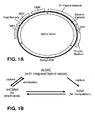
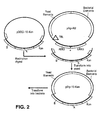

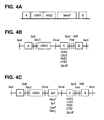


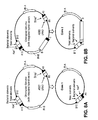
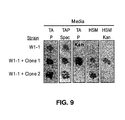
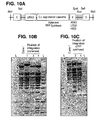


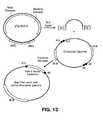
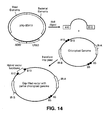

Classifications
-
- C—CHEMISTRY; METALLURGY
- C12—BIOCHEMISTRY; BEER; SPIRITS; WINE; VINEGAR; MICROBIOLOGY; ENZYMOLOGY; MUTATION OR GENETIC ENGINEERING
- C12N—MICROORGANISMS OR ENZYMES; COMPOSITIONS THEREOF; PROPAGATING, PRESERVING, OR MAINTAINING MICROORGANISMS; MUTATION OR GENETIC ENGINEERING; CULTURE MEDIA
- C12N15/00—Mutation or genetic engineering; DNA or RNA concerning genetic engineering, vectors, e.g. plasmids, or their isolation, preparation or purification; Use of hosts therefor
- C12N15/09—Recombinant DNA-technology
- C12N15/63—Introduction of foreign genetic material using vectors; Vectors; Use of hosts therefor; Regulation of expression
-
- C—CHEMISTRY; METALLURGY
- C12—BIOCHEMISTRY; BEER; SPIRITS; WINE; VINEGAR; MICROBIOLOGY; ENZYMOLOGY; MUTATION OR GENETIC ENGINEERING
- C12N—MICROORGANISMS OR ENZYMES; COMPOSITIONS THEREOF; PROPAGATING, PRESERVING, OR MAINTAINING MICROORGANISMS; MUTATION OR GENETIC ENGINEERING; CULTURE MEDIA
- C12N15/00—Mutation or genetic engineering; DNA or RNA concerning genetic engineering, vectors, e.g. plasmids, or their isolation, preparation or purification; Use of hosts therefor
- C12N15/09—Recombinant DNA-technology
- C12N15/63—Introduction of foreign genetic material using vectors; Vectors; Use of hosts therefor; Regulation of expression
- C12N15/79—Vectors or expression systems specially adapted for eukaryotic hosts
-
- C—CHEMISTRY; METALLURGY
- C12—BIOCHEMISTRY; BEER; SPIRITS; WINE; VINEGAR; MICROBIOLOGY; ENZYMOLOGY; MUTATION OR GENETIC ENGINEERING
- C12N—MICROORGANISMS OR ENZYMES; COMPOSITIONS THEREOF; PROPAGATING, PRESERVING, OR MAINTAINING MICROORGANISMS; MUTATION OR GENETIC ENGINEERING; CULTURE MEDIA
- C12N15/00—Mutation or genetic engineering; DNA or RNA concerning genetic engineering, vectors, e.g. plasmids, or their isolation, preparation or purification; Use of hosts therefor
- C12N15/09—Recombinant DNA-technology
- C12N15/63—Introduction of foreign genetic material using vectors; Vectors; Use of hosts therefor; Regulation of expression
- C12N15/79—Vectors or expression systems specially adapted for eukaryotic hosts
- C12N15/80—Vectors or expression systems specially adapted for eukaryotic hosts for fungi
- C12N15/81—Vectors or expression systems specially adapted for eukaryotic hosts for fungi for yeasts
-
- C—CHEMISTRY; METALLURGY
- C12—BIOCHEMISTRY; BEER; SPIRITS; WINE; VINEGAR; MICROBIOLOGY; ENZYMOLOGY; MUTATION OR GENETIC ENGINEERING
- C12N—MICROORGANISMS OR ENZYMES; COMPOSITIONS THEREOF; PROPAGATING, PRESERVING, OR MAINTAINING MICROORGANISMS; MUTATION OR GENETIC ENGINEERING; CULTURE MEDIA
- C12N15/00—Mutation or genetic engineering; DNA or RNA concerning genetic engineering, vectors, e.g. plasmids, or their isolation, preparation or purification; Use of hosts therefor
- C12N15/09—Recombinant DNA-technology
- C12N15/63—Introduction of foreign genetic material using vectors; Vectors; Use of hosts therefor; Regulation of expression
- C12N15/79—Vectors or expression systems specially adapted for eukaryotic hosts
- C12N15/82—Vectors or expression systems specially adapted for eukaryotic hosts for plant cells, e.g. plant artificial chromosomes (PACs)
-
- C—CHEMISTRY; METALLURGY
- C12—BIOCHEMISTRY; BEER; SPIRITS; WINE; VINEGAR; MICROBIOLOGY; ENZYMOLOGY; MUTATION OR GENETIC ENGINEERING
- C12N—MICROORGANISMS OR ENZYMES; COMPOSITIONS THEREOF; PROPAGATING, PRESERVING, OR MAINTAINING MICROORGANISMS; MUTATION OR GENETIC ENGINEERING; CULTURE MEDIA
- C12N15/00—Mutation or genetic engineering; DNA or RNA concerning genetic engineering, vectors, e.g. plasmids, or their isolation, preparation or purification; Use of hosts therefor
- C12N15/09—Recombinant DNA-technology
- C12N15/63—Introduction of foreign genetic material using vectors; Vectors; Use of hosts therefor; Regulation of expression
- C12N15/79—Vectors or expression systems specially adapted for eukaryotic hosts
- C12N15/82—Vectors or expression systems specially adapted for eukaryotic hosts for plant cells, e.g. plant artificial chromosomes (PACs)
- C12N15/8201—Methods for introducing genetic material into plant cells, e.g. DNA, RNA, stable or transient incorporation, tissue culture methods adapted for transformation
- C12N15/8214—Plastid transformation
-
- C—CHEMISTRY; METALLURGY
- C12—BIOCHEMISTRY; BEER; SPIRITS; WINE; VINEGAR; MICROBIOLOGY; ENZYMOLOGY; MUTATION OR GENETIC ENGINEERING
- C12N—MICROORGANISMS OR ENZYMES; COMPOSITIONS THEREOF; PROPAGATING, PRESERVING, OR MAINTAINING MICROORGANISMS; MUTATION OR GENETIC ENGINEERING; CULTURE MEDIA
- C12N15/00—Mutation or genetic engineering; DNA or RNA concerning genetic engineering, vectors, e.g. plasmids, or their isolation, preparation or purification; Use of hosts therefor
- C12N15/09—Recombinant DNA-technology
- C12N15/63—Introduction of foreign genetic material using vectors; Vectors; Use of hosts therefor; Regulation of expression
- C12N15/79—Vectors or expression systems specially adapted for eukaryotic hosts
- C12N15/82—Vectors or expression systems specially adapted for eukaryotic hosts for plant cells, e.g. plant artificial chromosomes (PACs)
- C12N15/8241—Phenotypically and genetically modified plants via recombinant DNA technology
- C12N15/8242—Phenotypically and genetically modified plants via recombinant DNA technology with non-agronomic quality (output) traits, e.g. for industrial processing; Value added, non-agronomic traits
- C12N15/8243—Phenotypically and genetically modified plants via recombinant DNA technology with non-agronomic quality (output) traits, e.g. for industrial processing; Value added, non-agronomic traits involving biosynthetic or metabolic pathways, i.e. metabolic engineering, e.g. nicotine, caffeine
Definitions
- the first type of vector is one capable of transferring small insert DNA between yeast and bacteria.
- a second type of vector is a fragmenting vector which creates interstitial or terminal deletions in yeast artificial chromosomes (YACs).
- YACs yeast artificial chromosomes
- the small insert shuttle vectors are able to recombine with and recover homologous sequences. They are centromere-based and replicate stably and autonomously in yeast, but also contain a high-copy origin of replication for maintenance as bacterial plasmids. However, these vectors are limited by their small insert capacity.
- the second type of vector (also known as fragmenting vectors) has recombinogenic sequences, but is unable to transfer the recovered insert DNA to bacteria for large preparations of DNA.
- YACs may be chimeric or contain additional DNA regions that are not required for the particular functional study.
- Types of vectors available for cloning large fragments in bacteria are cosmids, P1s and bacterial artificial chromosomes (BACs). These vectors are limited to bacteria and cannot be shuttled to yeast for modification by homologous recombination. Bacterial vectors are also limited in their use for transforming plants and algae. For example, though chloroplasts are thought to originate from the endosymbiosis of photosynthetic bacteria into eukaryotic hosts translation of chloroplasts in more complex. Adding to the complexity of genetically engineering plants and algae is the presence of multiple chloroplasts with multiple copies of the chloroplast genome. Thus, there exists a need for developing a method to express proteins from large fragments of DNA in the chloroplasts of plants and algae
- the present invention relates to compositions and methods of isolating, characterizing, and/or modifying large DNA, including entire genomes of bacteria and chloroplasts.
- the compositions include shuttle vectors into which target DNA may be inserted.
- the methods include modifying or manipulating target DNA by removing, adding or rearranging portions and introducing the modified DNA into a host.
- yeast element is a yeast centromere, a yeast autonomous replicating sequence, yeast auxotrophic marker, or a combination thereof.
- the DNA may be from a non-vascular photosynthetic organism, for example a macroalgae, microalgae, Ch. vulgaris, C. reinhardtii, D. salina , S. quadricanda or H. pluvalis.
- the genomic DNA is modified, for example by insertion of a heterologous or homologous polynucleotide, deletion of one or more nucleic acid bases, mutation of one or more nucleic acid bases, rearrangement of one or more polynucleotides, or a combination thereof.
- the modification is synthetic.
- Vectors of the present invention when transformed into a host cell, may result in production of a product not naturally produced by the host cell. Some examples of such products include biomass-degrading enzymes, a fatty acids, terpenes or terpenoids.
- vectors of the present invention may further comprise one or more selection markers, for example, a yeast marker, a yeast antibiotic resistance marker, a yeast auxotrophic marker, a bacterial marker, a bacterial antibiotic resistance marker, a bacterial auxotrophic marker, an algae marker, an algae antibiotic resistance marker, an algae auxotrophic marker, or a combination thereof.
- Selection markers for example, a yeast marker, a yeast antibiotic resistance marker, a yeast auxotrophic marker, a bacterial marker, a bacterial antibiotic resistance marker, a bacterial auxotrophic marker, an algae marker, an algae antibiotic resistance marker, an algae auxotrophic marker, or a combination thereof.
- Vectors of the present invention may also contain chloroplast genomic DNA which comprises 1) 1-200 genes; 2) all essential chloroplast genes;and/or 3) 30-400 kb.
- host cell comprising the vectors described herein.
- Exemplary host cells may be naturally non-photosynthetic or photosynthetic and include, for example, Saccharomyces cerevisiae, Escherichia coli , macroalgae, microalgae, Ch. vulgaris, C. reinhardtii, D. salina, S. quadricanda or H. pluvalis.
- a method for producing a vector involves inserting targeting DNA into a vector - where the vector comprises a yeast centromere, a yeast autonomous replicating sequence, and a bacterial origin of replication, transforming an organism with the vector and capturing a portion of a chloroplast genome, thus producing a vector with a portion of a chloroplast genome.
- the targeting DNA is chloroplast genomic DNA.
- This method may be used to capture a portion of a genome which is 10-400 kb in length.
- the capturing step occurs by recombination.
- the captured portion of a chloroplast genome may be co-transformed into an organism with a vector, thus the recombination step may occur in vivo.
- Organisms used to practice methods disclosed herein may be eukaryotic and/or photosynthetic.
- the organism is a non-vascular photosynthetic organism, for example a macroalgae, microalgae, Ch. vulgaris, C. reinhardtii, D. salina, S. quadricanda or H. pluvalis.
- Organisms used to practice methods disclosed herein may also be non-photosynthetic, for example yeast.
- a non-photosynthetic organism may contain exogenous chloroplast DNA.
- an additional step of modifying a portion of a chloroplast genome is utilized. A modification may be achieved through homologous recombination.
- Such recombination may occur in an organism, for example a eukaryotic and/or photosynthetic organism.
- the organism is a non-vascular photosynthetic organism, for example a macroalgae, microalgae, Ch. vulgaris, C. reinhardtii, D. salina, S. quadricanda or H. pluvalis.
- the organism may be non-photosynthetic, for example a yeast.
- the step may comprise addition of a polynucleotide, deletion of one or more nucleic acid bases, mutation of one or more nucleic acid bases, rearrangement or a polynucleotide, or combination thereof.
- an isolated vector comprising essential chloroplast genes, a selectable marker and a manipulation in one or more nucleic acids in the vector.
- essential chloroplast genes are cloned from a non-vascular photoshynthetic organism such as macroalgae, microalgae, Ch. vulgaris, C. reinhardtii, D. salina, S. quadricanda or H. pluvalis.
- Essential chloroplast genes for use in the vectors described herein may be synthetic.
- the vectors described herein may further comprise an expression cassette, which may further comprise a region for integration into target DNA, for example organelle DNA.
- the vectors described herein may also contain one or more selection markers, for example, an auxotrophic marker, an antibiotic resistance marker, a chloroplast marker, or combinations thereof.
- the essential chloroplast genes are those required for chloroplast function, photosynthesis, carbon fixation, production of one or more hydrocarbons, or a combination thereof.
- Essential chloroplast genes may comprise up to 200 genes and/or consist of up to 400 kb.
- a manipulation in one or more nucleic acids is an addition, deletion, mutation, or rearrangement.
- expression of the vector in a host cell produces a product not naturally produced by said host cell.
- expression of a vector of the present invention results in an increase production of a product naturally produced by said host cell. Examples of such products are biomass degrading enzymes, fatty acids, terpenes or terpenoids.
- one aspect of the present invention is an isolated chloroplast comprising a vector of the present invention.
- a host cell comprising a vector of the present invention is provided.
- Host cells useful in the present invention may be naturally non-photosynthetic or naturally photosynthetic. Examples of organisms useful for the present invention include Saccharomyces cerevisiae, Escherichia coli, macroalgae, microalgae, Ch. vulgaris, C. reinhardtii, D. salina, S. quadricanda or H. pluvalis.
- a method for transforming a cell or organism comprising inserting into said cell or organism a vector comprising all essential chloroplast genes and optionally one or more genes not naturally occurring in said cell or organism.
- the method further comprises the step of eliminating substantially all chloroplast genomes in said cell or organism.
- a cell or organism useful for this method may be photosynthetic, non-photosynthetic and/or eukaryotic.
- a cell or organism useful for this method may be non-vascular.
- the vector for use in this method may also comprise an expression cassette and the expression cassette may be capable of integrating into non-nuclear DNA.
- the one or more genes not naturally occurring in the cell or organism is a gene in the isoprenoid pathway, MVA pathway, or MEP pathway.
- the essential chloroplast genes are those that are required for chloroplast function, photosynthesis, carbon fixation, production of one or more hydrocarbons, or a combination thereof.
- a method for modifying an organism comprising the steps of transforming the organism with a vector comprising one or more polynucleotides sufficient to perform chloroplast function.
- a vector useful for this method further comprises a sequence for production or secretion of a compound from said organism.
- the compound is an isoprenoid.
- the vector comprises all essential chloroplast genes.
- the essential chloroplast genes are rearranged or mutated.
- An organism useful for some embodiments comprises essentially no chloroplast genome prior to transformation.
- Yet another method provided herein is a method for making a product from an organism comprising the step of transforming said organism with a vector comprising at least 20 kb of genomic DNA and one or more of the following: (i) a gene not naturally occurring in said organism; (ii) a deletion in a gene naturally occurring in said organism; (iii) a rearrangement of genes naturally occurring in said organism; and (iv) a mutation in a gene naturally occurring in said organism.
- the organism is naturally photosynthetic.
- the additional genes encode enzymes in the isoprenoid pathway, MVA pathway, or MEP pathway.
- the present disclosure provides a method for transforming a cell or organism comprising inserting into said cell or organism a chloroplast and a vector comprising all essential chloroplast genes.
- the present disclosure also provides a method of producing an artificial chloroplast genome comprising the steps of: (a) providing a vector comprising one or more essential chloroplast genes; (b) adding to said vector a DNA fragment; (c) transforming a cell or organism with the vector produced by step (b); and (d) determining whether chloroplast function exists with said added DNA fragment.
- the added DNA fragments comprises one or more coding regions for an enzyme in the isoprenoid, MVA or MEP pathway.
- the present disclosure also provides a shuttle vector comprising a chloroplast genome.
- a genome may be modified.
- a vector comprising an isolated, functional chloroplast genome A chloroplast genome useful in such a vector may be modified.
- a method of producing an artificial chloroplast genome comprising the steps of: (a) providing a vector comprising all essential chloroplast genes; and (b) removing, adding, mutating, or rearranging DNA from the chloroplast genome. Such a method may further comprise the steps of transforming a redacted genome into a host organism; and (d) determining chloroplast function in the host organism. In some instances, steps (b), (c), and (d) are repeated. In still other instances, the chloroplast genome is from an organism selected from the group consisting of: macroalgae, microalgae, Ch. vulgaris, C. reinhardtii, D. salina, S. quadricanda or H. pluvalis.
- the host organism is selected from the group consisting of: macroalgae, microalgae, Ch . vulgaris, C. reinhardtii, D. salina, S. quadricanda or H. pluvalis.
- the method may further comprise the step of removing redundant DNA from a chloroplast genome.
- the vector comprises all or substantially all of a chloroplast genome.
- a chloroplast genome useful in the present invention may be cloned from a photosynthetic organism or may be a synthetic chloroplast genome.
- the vector further comprises a gene not naturally occurring in the host organism, for example a gene from the isoprenoid pathway, MVA pathway, or MEP pathway.
- Yet another method provided herein is a method of producing an artificial chloroplast genome comprising the steps of: (a) providing a vector comprising an entire chloroplast genome; (b) deleting a portion of said entire chloroplast genome; and (c) determining whether chloroplast function exists without said deleted portion.
- a composition comprising an isolated and functional chloroplast genome is provided.
- a composition comprises a modification to said chloroplast genome.
- an ex vivo vector comprising a nucleic acid comprising at least about 10% of a chloroplast genome and a manipulation in one or more nucleic acids in the vector.
- the nucleic acid is cloned from a non-vascular photosynthetic organism, for example a macroalgae, microalgae, Ch. vulgaris, C. reinhardtii, D. salina, S. quadricanda or H. pluvalis.
- the nucleic acid is synthetic.
- a vector of the present invention may further comprise an expression cassette and an expression cassette may further comprise a region for integration into target DNA.
- the target DNA is organelle DNA.
- a vector useful in the present invention may further comprise one or more selection markers, for example an auxotrophic marker, an antibiotic resistance marker, a chloroplast marker, or combinations thereof.
- a manipulation in one or more nucleic acids in a vector may be an addition, deletion, mutation, or rearrangement. Expression of the vector may result in production of a product not naturally produced by a host cell and/or an increase production of a product naturally produced by a host cell. Examples of some products of the present invention include a terpene, terpenoid, fatty acid, or biomass degrading enzyme.
- an ex vivo vector comprising a nucleic acid comprising at least about 20 kilobases of a chloroplast genome and a manipulation in one or more nucleic acids in said vector.
- the nucleic acid is cloned from a non-vascular photosynthetic organism, for example a macroalgae, microalgae, Ch. vulgaris, C. reinhardtii, D. salina, S. quadricanda or H. pluvalis.
- the nucleic acid is synthetic.
- a vector of the present invention may further comprise an expression cassette and an expression cassette may further comprise a region for integration into target DNA.
- the target DNA is organelle DNA.
- a vector useful in the present invention may further comprise one or more selection markers, for example an auxotrophic marker, an antibiotic resistance marker, a chloroplast marker, or combinations thereof.
- a manipulation in one or more nucleic acids in a vector may be an addition, deletion, mutation, or rearrangement. Expression of the vector may result in production of a product not naturally produced by a host cell and/or an increase production of a product naturally produced by a host cell. Examples of some products of the present invention include a terpene, terpenoid, fatty acid, or biomass degrading enzyme.
- a method of producing a vector containing a reconstructed genome comprising: introducing two or more vectors into a host cell, wherein the vectors comprise fragments of a genome, recombining the vectors into a single vector comprising at least about 90% of a genome, thereby producing a vector containing a reconstructed genome.
- the host cell is eukaryotic, for example, S. cerevisiae.
- the genome is an organelle genome.
- the organelle may be a chloroplast, for example a chloroplast from an alga, particularly a microalga such as Ch. vulgaris, C. reinhardtii, D. salina, S. quadricanda or H. pluvalis.
- the two or more vectors comprise a selectable marker.
- at least one of said fragments is synthetic.
- a further step comprising modifying a portion of the genome is useful in this method.
- Such a modification may comprise an addition, deletion, mutation, or rearrangement.
- the modification is the addition of an exogenous nucleic acid which results in the production or increased production of a terpene, terpenoid, fatty acid or biomass degrading enzyme.
- HIS3 yeast HIS3 gene
- TRPI yeast TRPI gene
- URA3 yeast URA3 gene
- ADE2 yeast ADE2 gene
- LYS2 yeast LYS2 gene
- TEL yeast telomere
- CEN yeast centromere
- ARS autonomously replicating sequences, yeast origin of replication
- 5FOA 5-fluoroorotic acid
- Kan kanamycin resistance gene
- P1 plasmid rep P1 plasmid replicon
- p1 lytic rep p1 lytic replicon.
- Figure 1 provides a general description of a hybrid vector of the present invention.
- Figure 1A Vector schematic.
- Figure 1B DNA shuttling between organisms.
- Figure 2 is a schematic showing construction of a hybrid vector.
- Figure 3 is a schematic showing sites of integration in chloroplast genome DNA. Circled numbers indicate target sites for modification. The box indicates the site targeted by the hybrid gap-filling vector
- Figures 4 A, B, and C is a schematic of selectable markers for modification and/or stabilization.
- Figure 5 is a schematic for introduction of hybrid vector into chloroplast genome DNA.
- Figure 6 is PCR data showing integration of hybrid vector (and stabilization vector) in algae.
- Figure 7 shows analysis of captured DNA.
- Figure 7A Restriction digest with Eco RI of isolated vectors containing chloroplast(L, ladder; C, parent hybrid vector; 1, Clone 1; and 2; Clone 2).
- Figure 7B Restriction digest with Eco RI of isolates of Clone 1 that were passaged through yeast (L, ladder; C,; 1, Clone 1; and A-M; yeast isolates).
- Figure 7C Southern analysis of Clones I and 2 digested with Eco RI and probed with radioactive Hind III-digested total DNA from C . reinhardtii.
- Figures 8 A and B is a schematic showing architecture of isolated ex vivo vectors containing chloroplast genome DNA.
- Figure 9 shows growth of parent and transformed algae cells under various selection conditions.
- Figure 10 is a schematic of restriction analysis for manipulation vectors.
- Figure 10A Schematic of vector architecture.
- Figure 10B Analysis of modified vector by restriction analysis with Eco RI
- Figure 11 shows modification of a chloroplast genome to produce a biomass-degrading enzyme.
- Figure 11A PCR screen of isolated transformants.
- Figure 11B Endoxylanase activity from isolated transformants.
- Figures 12 shows a PCR screen of isolated transformants modified to produce isoprenoids with the FPP synthase expression cassette targeted to site 3 ( Figure 12A ) or site 4 ( Figure 12B ).
- Figure 13 is a schematic showing capture of a partial chloroplast genome using recombination in yeast.
- Figure 14 is a schematic showing capture of an entire chloroplast genome using recombination in yeast.
- Figure 15 is a schematic showing reassembly of an entire chloroplast genome using recombination in yeast.
- Standard reference literature teaching general methodologies and principles of yeast genetics useful for selected aspects of the invention include: Sherman et al. "Laboratory Course Manual Methods in Yeast Genetics", Cold Spring Harbor Laboratory, Cold Spring Harbor, N.Y., 1986 and Guthrie et al., "Guide to Yeast Genetics and Molecular Biology", Academic, New York, 1991 .
- any suitable materials and/or methods known to those of skill can be utilized in carrying out the instant invention.
- Materials and/or methods for practicing the instant invention are described. Materials, reagents and the like to which reference is made in the following description and examples are obtainable from commercial sources, unless otherwise noted.
- This invention teaches methods and describes tools for capturing and modifying large pieces of DNA. It is especially useful for modifying genomic DNA, including the whole genome of an organism or organelle, or a part thereof. Novel prophetic uses of the invention are also described.
- the invention relates to the manipulation and delivery of large nucleic acids.
- the invention further relates to recombinational cloning vectors and systems and to methods of using the same.
- Contemporary methods for genetically engineering genomes are time intensive (> 1 month) and allow for only a limited number of manipulations at a time. If multiple modifications to a target genome are desired, the process must be iterated, further increasing the time required to generate a desired strain.
- metabolic engineering and/or synthetic biology require numerous modifications to a genome, these technologies are not amenable to rapid introduction of modifications to a genome.
- a new technology that allows for multiple modification of the chloroplast genome in a short amount of time will enable the application of metabolic engineering and/or synthetic biology to chloroplast genomes. The disclosure herein describes such technology.
- the instant invention provides a versatile, recombinational approach to the capture, cloning, and manipulation of large nucleic acids from target cells and organelles (e.g., chloroplasts).
- target cells and organelles e.g., chloroplasts.
- One aspect of the present invention provides a recombinational cloning system. More specifically, the invention provides vectors, which in some embodiments, rely on homologous recombination technologies to mediate the isolation and manipulation of large nucleic acid segments.
- Another aspect of the present invention provides methods for using such recombinational cloning vectors to clone, to manipulate and to deliver large nucleic acids to target cells and/or organelles such as chloroplasts.
- homologous recombination is performed in vitro. In a particularly preferred embodiment of the invention, homologous recombination is performed in vivo. In a more preferred embodiment, homologous recombination occurs in an algae cell. In another more preferred embodiment, homologous recombination occurs in a yeast cell. In one preferred embodiment, homologous recombination occurs in Saccharomyces cerevisiae or Saccharomyces pombe. In yeast, the combination of efficient recombination processes and the availability of numerous selectable markers provides for rapid and complex engineering of target DNA sequences.
- yeast technology will enable the application of metabolic engineering and/or synthetic biology to chloroplast genomes.
- One aspect of the present invention provides an isolated vector comprising a yeast element, a bacterial origin of replication, and at least 20 kb genomic DNA.
- the yeast element is a yeast centromere, a yeast autonomous replicating sequence, or a combination thereof.
- the DNA may be from a non-vascular photosynthetic organism, for example a macroalgae, microalgae, Ch. vulgaris, C. reinhardtii, D. salina, S. quadricanda or H.
- the genomic DNA is modified, for example by insertion of a heterologous or homologous polynucleotide, deletion of one or more nucleic acid bases, mutation of one or more nucleic acid bases, rearrangement of one or more polynucleotides, or a combination thereof.
- the modification is synthetic.
- Vectors of the present invention when transformed into a host cell, may result in production of a product not naturally produced by the host cell. Some examples of such products include biomass-degrading enzymes, a fatty acids, terpenes or terpenoids.
- vectors of the present invention may further comprise one or more selection markers, for example, a yeast marker, a yeast antibiotic resistance marker, a bacterial marker, a bacterial antibiotic resistance marker, an algae marker, an algae antibiotic resistance marker or a combination thereof.
- Selection markers for example, a yeast marker, a yeast antibiotic resistance marker, a bacterial marker, a bacterial antibiotic resistance marker, an algae marker, an algae antibiotic resistance marker or a combination thereof.
- Vectors of the present invention may also contain chloroplast genomic DNA which comprises 1) 1-200 genes; 2) all essential chloroplast genes;and/or 3) 30-400 kb.
- host cell comprising the vectors described herein.
- Exemplary host cells may be naturally non-photosynthetic or photosynthetic and include, for example, Saccharomyces cerevisiae, Escherichia coli , macroalgae, microalgae, Ch. vulgaris, C. reinhardtii, D. salina, S. quadricanda or H. pluvalis.
- a method for producing a vector involves inserting targeting DNA into a vector - where the vector comprises a yeast centromere, a yeast autonomous replicating sequence, and a bacterial origin of replication, transforming an organism with the vector and capturing a portion of a chloroplast genome, thus producing a vector with a portion of a chloroplast genome.
- the targeting DNA is chloroplast genomic DNA.
- This method may be used to capture a portion of a genome which is 10-400 kb in length.
- the capturing step occurs by recombination.
- the captured portion of a chloroplast genome may be co-transformed into an organism with a vector, thus the recombination step may occur in vivo.
- Organisms used to practice methods disclosed herein may be eukaryotic and/or photosynthetic.
- the organism is a non-vascular photosynthetic organism, for example a macroalgae, microalgae, Ch. vulgaris, C. reinhardtii, D. salina, S. quadricanda or H. pluvalis.
- Organisms used to practice methods disclosed herein may also be non-photosynthetic, for example yeast.
- a non-photosynthetic organism may contain exogenous chloroplast DNA.
- an additional step of modifying a portion of a chloroplast genome is utilized. A modification may be achieved through homologous recombination.
- Such recombination may occur in an organism, for example a eukaryotic and/or photosynthetic organism.
- the organism is a non-vascular photosynthetic organism, for example a macroalgae, microalgae, Ch. vulgaris, C. reinhardtii, D. salina, S. quadricanda or H. pluvalis.
- the organism may be non-photosynthetic, for example a yeast.
- the step may comprise addition of a polynucleotide, deletion of one or more nucleic acid bases, mutation of one or more nucleic acid bases, rearrangement or a polynucleotide, or combination thereof.
- an isolated vector comprising essential chloroplast genes, a selectable marker and a manipulation in one or more nucleic acids in the vector.
- essential chloroplast genes are cloned from a non-vascular photoshynthetic organism such as macroalgae, microalgae, Ch. vulgaris, C. reinhardtii, D. salina , S. quadricanda or H. pluvalis.
- Essential chloroplast genes for use in the vectors described herein may be synthetic.
- the vectors described herein may further comprise an expression cassette, which may further comprise a region for integration into target DNA, for example organelle DNA.
- the vectors described herein may also contain one or more selection markers, for example, an auxotrophic marker, an antibiotic resistance marker, a chloroplast marker, or combinations thereof.
- the essential chloroplast genes are those required for chloroplast function, photosynthesis, carbon fixation, production of one or more hydrocarbons, or a combination thereof.
- Essential chloroplast genes may comprise up to 200 genes and/or consist of up to 400 kb.
- a manipulation in one or more nucleic acids is an addition, deletion, mutation, or rearrangement.
- expression of the vector in a host cell produces a product not naturally produced by said host cell.
- expression of a vector of the present invention results in an increase production of a product naturally produced by said host cell. Examples of such products are biomass degrading enzymes, fatty acids, terpenes or terpenoids.
- one aspect of the present invention is an isolated chloroplast comprising a vector of the present invention.
- a host cell comprising a vector of the present invention is provided.
- Host cells useful in the present invention may be naturally non-photosynthetic or naturally photosynthetic. Examples of organisms useful for the present invention include Saccharomyces cerevisiae, Escherichia coli, macroalgae, microalgae, Ch. vulgaris, C. reinhardtii, D. salina, S. quadricanda or H. pluvalis.
- a method for transforming a cell or organism comprising inserting into said cell or organism a vector comprising all essential chloroplast genes and optionally one or more genes not naturally occurring in said cell or organism.
- the method further comprises the step of eliminating substantially all chloroplast genomes in said cell or organism.
- a cell or organism useful for this method may be photosynthetic, non-photosynthetic and/or eukaryotic.
- a cell or organism useful for this method may be non-vascular.
- the vector for use in this method may also comprise an expression cassette and the expression cassette may be capable of integrating into non-nuclear DNA.
- the one or more genes not naturally occurring in the cell or organism is a gene in the isoprenoid pathway, MVA pathway, or MEP pathway.
- the essential chloroplast genes are those that are required for chloroplast function, photosynthesis, carbon fixation, production of one or more hydrocarbons, or a combination thereof.
- a method for modifying an organism comprising the steps of transforming the organism with a vector comprising one or more polynucleotides sufficient to perform chloroplast function.
- a vector useful for this method further comprises a sequence for production or secretion of a compound from said organism.
- the compound is an isoprenoid.
- the vector comprises all essential chloroplast genes.
- the essential chloroplast genes are rearranged or mutated.
- An organism useful for some embodiments comprises essentially no chloroplast genome prior to transformation.
- Yet another method provided herein is a method for making a product from an organism comprising the step of transforming said organism with a vector comprising at least 20 kb of genomic DNA and one or more of the following: (i) a gene not naturally occurring in said organism; (ii) a deletion in a gene naturally occurring in said organism; (iii) a rearrangement of genes naturally occurring in said organism; and (iv) a mutation in a gene naturally occurring in said organism.
- the organism is naturally photosynthetic.
- the additional genes encode enzymes in the isoprenoid pathway, MVA pathway, or MEP pathway.
- the present disclosure provides a method for transforming a cell or organism comprising inserting into said cell or organism a chloroplast and a vector comprising all essential chloroplast genes.
- the present disclosure also provides a method of producing an artificial chloroplast genome comprising the steps of: (a) providing a vector comprising one or more essential chloroplast genes; (b) adding to said vector a DNA fragment; (c) transforming a cell or organism with the vector produced by step (b); and (d) determining whether chloroplast function exists with said added DNA fragment.
- the added DNA fragments comprises one or more coding regions for an enzyme in the isoprenoid, MVA or MEP pathway.
- the present disclosure also provides a shuttle vector comprising a chloroplast genome.
- a genome may be modified.
- a vector comprising an isolated, functional chloroplast genome A chloroplast genome useful in such a vector may be modified.
- a method of producing an artificial chloroplast genome comprising the steps of: (a) providing a vector comprising all essential chloroplast genes; and (b) removing, adding, mutating, or rearranging DNA from the chloroplast genome. Such a method may further comprise the steps of transforming a redacted genome into a host organism; and (d) determining chloroplast function in the host organism. In some instances, steps (b), (c), and (d) are repeated. In still other instances, the chloroplast genome is from an organism selected from the group consisting of: macroalgae, microalgae, Ch. vulgaris, C. reinhardtii, D. salina, S. quadricanda or H. pluvalis.
- the host organism is selected from the group consisting of: macroalgae, microalgae, Ch. vulgaris, C. reinhardtii, D. salina, S. quadricanda or H. pluvalis.
- the method may further comprise the step of removing redundant DNA from a chloroplast genome.
- the vector comprises all or substantially all of a chloroplast genome.
- a chloroplast genome useful in the present invention may be cloned from a photosynthetic organism or may be a synthetic chloroplast genome.
- the vector further comprises a gene not naturally occurring in the host organism, for example a gene from the isoprenoid pathway, MVA pathway, or MEP pathway.
- Yet another method provided herein is a method of producing an artificial chloroplast genome comprising the steps of: (a) providing a vector comprising an entire chloroplast genome; (b) deleting a portion of said entire chloroplast genome; and (c) determining whether chloroplast function exists without said deleted portion.
- a composition comprising an isolated and functional chloroplast genome is provided.
- a composition comprises a modification to said chloroplast genome.
- an ex vivo vector comprising a nucleic acid comprising at least about 10% of a chloroplast genome and a manipulation in one or more nucleic acids in the vector.
- the nucleic acid is cloned from a non-vascular photosynthetic organism, for example a macroalgae, microalgae, Ch. vulgaris, C. reinhardtii, D. salina, S. quadricanda or H. pluvalis.
- the nucleic acid is synthetic.
- a vector of the present invention may further comprise an expression cassette and an expression cassette may further comprise a region for integration into target DNA.
- the target DNA is organelle DNA.
- a vector useful in the present invention may further comprise one or more selection markers, for example an auxotrophic marker, an antibiotic resistance marker, a chloroplast marker, or combinations thereof.
- a manipulation in one or more nucleic acids in a vector may be an addition, deletion, mutation, or rearrangement. Expression of the vector may result in production of a product not naturally produced by a host cell and/or an increase production of a product naturally produced by a host cell. Examples of some products of the present invention include a terpene, terpenoid, fatty acid, or biomass degrading enzyme.
- an ex vivo vector comprising a nucleic acid comprising at least about 20 kilobases of a chloroplast genome and a manipulation in one or more nucleic acids in said vector.
- the nucleic acid is cloned from a non-vascular photosynthetic organism, for example a macroalgae, microalgae, Ch. vulgaris, C. reinhardtii, D. salina, S. quadricanda or H. pluvalis.
- the nucleic acid is synthetic.
- a vector of the present invention may further comprise an expression cassette and an expression cassette may further comprise a region for integration into target DNA.
- the target DNA is organelle DNA.
- a vector useful in the present invention may further comprise one or more selection markers, for example an auxotrophic marker, an antibiotic resistance marker, a chloroplast marker, or combinations thereof.
- a manipulation in one or more nucleic acids in a vector may be an addition, deletion, mutation, or rearrangement. Expression of the vector may result in production of a product not naturally produced by a host cell and/or an increase production of a product naturally produced by a host cell. Examples of some products of the present invention include a terpene, terpenoid, fatty acid, or biomass degrading enzyme.
- a method of producing a vector containing a reconstructed genome comprising: introducing two or more vectors into a host cell, wherein the vectors comprise fragments of a genome, recombining the vectors into a single vector comprising at least about 90% of a genome, thereby producing a vector containing a reconstructed genome.
- the host cell is eukaryotic, for example, S. cerevisiae.
- the genome is an organelle genome.
- the organelle may be a chloroplast, for example a chloroplast from an alga, particularly a microalga such as Ch. vulgaris, C. reinhardtii, D. salina, S. quadricanda or H. pluvalis.
- the two or more vectors comprise a selectable marker.
- at least one of said fragments is synthetic.
- a further step comprising modifying a portion of the genome is useful in this method.
- Such a modification may comprise an addition, deletion, mutation, or rearrangement.
- the modification is the addition of an exogenous nucleic acid which results in the production or increased production of a terpene, terpenoid, fatty acid or biomass degrading enzyme.
- An advantage of this invention is that it provides for the cloning, manipulation, and delivery of a vector containing chloroplast genome DNA consisting of up to all chloroplast genes (or sequences).
- the chloroplast genome DNA contained in the vector can be obtained by recombination of a hybrid cloning vector with one contiguous fragment of DNA or by recombination of two or more contiguous fragments of DNA.
- the methods and compositions of the present invention may include captured and/or modified large pieces of DNA may comprise DNA from an organelle, such as mitochondrial DNA or plastid DNA (e.g., chloroplast DNA).
- the captured and/or modified large pieces of DNA may also comprise the entirety of an organelle's genome, e.g., a chloroplast genome.
- the captured and/or modified large pieces of DNA comprise a portion of a chloroplast genome.
- a chloroplast genome may originate from any vascular or non-vascular plant, including algae, bryophytes (e.g., mosses, ferns), gymnosperms (e.g., conifers), and angiosperms (e.g., flowering plants - trees, grasses, herbs, shrubs).
- a chloroplast genome, or essential portions thereof may comprise synthetic DNA, rearranged DNA, deletions, additions, and/or mutations.
- a chloroplast genome, or portions thereof may comprise a one or more deletions, additions, mutations, and/or rearrangements. The deletions, additions, mutations, and/or rearrangements may be naturally found in an organism, for example a naturally occurring mutation, or may not be naturally found in nature.
- chloroplast or plastid genomes of a number of organisms are widely available, for example, at the public database from the NCBI Organelle Genomes section available at http://www.ncbi.nlm.nih.gov/genomes/static/euk_o.html.
- the target DNA sequence described herein may comprise at least 1, 2, 3, 4, or 5 deletions, additions, mutations, and/or rearrangements as compared to a control sequence (naturally occurring sequence).
- the mutations may be functional or nonfunctional.
- a functional mutation may have an effect on a cellular function when the mutation is present in a host cell as compared to a control cell without the mutation.
- a non-functional mutation may be silent in function, for example, there is no discernable difference in phenotype of a host cell without the mutation as compared to a cell with the mutation.
- Captured and/or modified large pieces of DNA may comprise a minimal or minimized chloroplast genome (e.g., the minimum number of genes and/or DNA fragment, required for chloroplast functionality).
- the captured and/or modified DNA may comprise the essential chloroplast genes, it may comprise a portion or all, or substantially all of the essential chloroplast genes.
- An essential gene may be a gene that is essential for one or more metabolic processes or biochemical pathways.
- An essential gene may be a gene required for chloroplast function, such as photosynthesis, carbon fixation, or hydrocarbon production.
- An essential gene may also be a gene that is essential for gene expression, such as transcription, translation, or other process(es) that affect gene expression.
- the essential genes may comprise mutations or rearrangements.
- Essential genes may also comprise a minimally functional set of genes to perform a function.
- a particular function e.g., photosynthesis
- this set would still comprise essential genes because the function is still performed.
- Modified DNA may comprise at least 5, 10, 15, 20, 25, 30, 40, or 50 essential genes.
- the DNA may comprise essential chloroplast genomic sequence of up to 150kb in length.
- the DNA may comprise essential chloroplast genes as well as non-essential chloroplast gene sequences.
- the DNA may be single stranded or double stranded, linear or circular, relaxed or supercoiled.
- the DNA may also be in the form of an expression cassette.
- an expression cassette may comprise an essential gene to be expressed in a host cell.
- the expression cassette may comprise one or more essential genes as well as DNA sequences that promote the expression of the essential genes.
- the expression cassette may also comprise a region for integration into target DNA of a host.
- the expression cassette may also comprise one or more essential genes and one or more genes not naturally occurring in a host cell comprising the expression cassette.
- captured and/or modified pieces of DNA may comprise the entire genome of a plastid or organelle.
- a plastid or organelle For example, about 10%, 11%, 12%, 13%, 14%, 15%, 16%, 17%, 18%, 19%, 20%, 30%, 31%, 32%, 33%, 34%, 35%, 36%, 37%, 38%, 39%, 40%, 41%, 42%, 43%, 44%, 45%, 46%, 47%, 48%, 49%, 50%, 51%, 52%, 53%, 54%, 55%, 56%, 57%, 58%, 59%, 60%, 61%, 62%, 63%, 64%, 65%, 66%, 67%, 68%, 69%, 70%, 71%, 72%, 73%, 74%, 75%, 76%, 77%, 78%, 79%, 80%, 81%, 82%, 83%, 84%, 85%, 86%, 87%, 88%, 89%, 90%, 91%, 92%, 93%
- the captured and/or modified large pieces of DNA may comprise 10-100%, 20-100%, 30-100%, 40-100%, 50-100%, 60-100%, 70-100%, 80-100%, or 90-100% of the entire genome of a plastid or cell.
- the captured and/or modified large pieces of DNA may comprise about 10 kb, 11 kb, 12 kb, 13 kb, 14 kb, 15 kb, 16 kb, 17 kb, 18 kb, 19 kb, 20 kb, 21 kb, 22 kb, 23 kb, 24 kb, 25 kb, 26 kb, 27 kb, 28 kb, 29 kb, 30 kb, 31 kb, 32 kb, 33 kb, 34 kb, 35 kb, 36 kb, 37 kb, 38 kb, 39 kb, 40 kb, 41 kb, 42 kb, 43 kb, 44 kb, 45 kb, 46 kb, 47 kb, 48 kb, 49 kb, 50 kb, 51 kb, 52 kb, 53 kb, 54 kb, 55 kb, 56 kb, 57
- the captured and or modified large pieces of DNA may comprise about 10-400 kb, 50-350 kb, 100-300 kb, 100-200 kb, 200-300 kb, 150-200 kb, 200-250 kb genomic DNA
- the captured and or modified large pieces of DNA may comprise about 15, 16, 17, 18, 19, 20, 21, 22, 23, 24, 25, 26, 27, 28, 29, 30, 31, 32, 33, 34, 35, 36, 37, 38, 39, 40, 41, 42, 43, 44, 45, 46, 47, 48, 49, 50, 51, 52, 53, 54, 55, 56, 57, 58, 59, 60, 61, 62, 63, 64, 65, 66, 67, 68, 69, 70, 71, 72, 73, 74, 75, 76, 77, 78, 79, 80, 81, 82, 83, 84, 85, 86, 87, 88, 89, 90, 91, 92, 93, 94, 95, 96, 97, 98, 99, 100, 101, 102, 103, 104, 105, 106, 107, 108, 109, 110, 111, 112, 113, 114, 115, 116, 117, 118,
- the present invention also provides vectors comprising a cassette-able chloroplast genome or portion thereof (e.g., a removable DNA fragment comprising a chloroplast genome or functional portion thereof).
- a vector of the present invention may comprise functional chloroplast units (e.g., a unit essential for metabolic processes, photosynthesis, gene expression, photosystem I, photosystem II).
- Vectors of the present invention may comprise a transplantable chloroplast genome or portion thereof.
- the vectors of the present invention may comprise a transferable chloroplast genome or portion thereof.
- the vectors comprise: 1) one or more large pieces of modified DNA; 2) all genes necessary to carry out photosynthesis; 3) all genes required for chloroplast survival and/or function; 4) essential chloroplast genes; and/or 5) sufficient naturally occurring or modified chloroplast genes to perform one or more chloroplast functions, such as photosynthesis.
- a vector may comprise a portion, substantially all, or all of the essential chloroplast genes.
- a vector may comprise at least 5, 10, 15, 20, 25, 30, 40, 50, 60, 70, 80, 90, 100 or more essential genes.
- a vector may comprise chloroplast DNA of 10, 20, 30, 40, 50, 60, 70, 80, 90, 100, 110, 120, 130, 140, 150, 160, 170, 180, 190, 200, 210, 220, 230, 240, 250 kb or more in length.
- a vector may comprise essential chloroplast genes as well as non-essential chloroplast gene sequences.
- a vector may comprise one or more, or all, essential chloroplast genes and/or one or more genes not naturally occurring in a host cell comprising a vector.
- a vector may comprise chloroplast genes and genes not naturally occurring in the chloroplast.
- a vector may comprise one or more essential chloroplast genes and/or one or more DNA sequences or genes involved in chloroplast function, photosynthesis, carbon fixation, and/or hydrocarbon production.
- a vector may comprise a sequence required for photosynthesis and a sequence involved in the isoprenoid production, MVA, and/or MEP pathways, such as a DNA sequence encoding a terpene synthase, or other polypeptide that produces a hydrocarbon, such as a terpene or isoprenoid.
- the invention further provides methods for cloning, manipulating and delivering a large target nucleic acid to a cell or particle, such as, for example, yeasts or bacteria.
- yeast-bacteria cloning system See, e.g., U.S. Patent Nos. 5,866,404 and 7,083,971 and Hokanson et al., (2003) Human Gene Ther.: 14: 329-339 ).
- the vectors herein e.g., cloning system
- the vectors herein is comprised of a shuttle vector that contains elements for function and replication in both yeast and bacteria, allowing it to stably function and replicate in either organism.
- This composition of functional and replicative elements yields a hybrid system which enjoys the benefits of both genetic engineering systems.
- yeast e.g., S. cerevisiae
- yeast are well understood and a powerful assortment of molecular biology tools exists for genetic engineering in yeast.
- the invention produces a gap-filled vector by homologous recombination among the two arms and the target nucleic acid.
- at least one arm further comprises an origin of replication.
- each arm further comprises a rare restriction endonuclease recognition site.
- Homologous recombination may be performed in vitro or in vivo, for example, in a fungal cell (e.g., S. cerevisiae, Sz. pombe or U. maydis ).
- the invention also provides a eukaryotic host cell harboring the recombinational cloning system or vector according to the invention, for example, in a fungal cell (e.g., S . cerevisiae, Sz. pombe or U. maydis ).
- a gap-filled linear vector may be converted to a circular vector in vitro (e.g. using T4 ligase) or in vivo, for example, in a bacterium.
- the circular vectors of interest can be amplified, purified, cut and used to recover sufficient amounts of DNA to be introduced either directly into a cell or into a suitable delivery system for subsequent delivery to a target cell.
- the methodology offers great versatility to clone and to modify any large bacterial or non-bacterial genome, and easily facilitate the use thereof as recombinational vectors.
- Direct delivery of a gap-filled vector into a cell may be performed by methods well known in the field such as, for example, calcium phosphate transformation methodologies or electroporation (see Sambrook et al., supra).
- the invention provides a method for producing a recombinant delivery unit including the steps of: (a) producing a gap-filled vector containing a target sequence; (b) optionally circularizing the gap-filled vector segments of the invention; (c) propagating the vector, and (d) introducing the gap-filled vector in a delivery unit.
- Bacterial systems are useful for amplifying and purifying DNA, and for functionally testing the genetic modifications and their effect on pathways.
- One embodiment of the present invention provides cloning system will aid in the cloning and modifying of any large genome and easily facilitate the cloning and introduction of pathways. With the ability to deliver whole pathways, certain embodiments of the present invention allow for a system biological approach to problem solving.
- target DNA e.g., genomic DNA
- sites may be created by, but not limited to, gap-repair cloning, wherein a gap is created in the vector, usually by restrictive enzyme digestion prior to transformation into the yeast.
- the target DNA is mixed with the vector, the target DNA is recombined into the vector. This operation is called "gap filling.” This recombination can occur in bacteria, yeast, the original host organism, another organism, or in vitro. In some embodiments, recombination is performed in yeast because of the high rate of homologous recombination.
- the target DNA can be modified in many ways including adding, altering, or removing DNA sequences.
- the target DNA is genomic DNA.
- the target DNA is organelle (e.g., mitochondria or chloroplast) DNA.
- target DNA is modified by adding, altering or removing genes, coding sequences, partial coding sequences, regulatory elements, positive and/or negative selection markers, recombination sites, restriction sites, and/or codon bias sites.
- the target DNA sequence may be codon biased for expression in the organism being transformed.
- codon bias sites For example, the target DNA sequence may be codon biased for expression in the organism being transformed.
- the skilled artisan is well aware of the "codon-bias" exhibited by a specific host cell in usage of nucleotide codons to specify a given amino acid. Without being bound by theory, by using a host cell's preferred codons, the rate of translation may be greater.
- the codons of the present invention may be A/T rich, for example, A/T rich in the third nucleotide position of the codons.
- the A/T rich codon bias is used for algae.
- at least 50% of the third nucleotide position of the codons are A or T.
- at least 60%, 70%, 80%, 90%, or 99% of the third nucleotide position of the codons are A or T. (see also U.S. Publication No. 2004/0014174 ).
- modifications are well known in the art and can be performed in numerous ways.
- the modifications may be performed using cloned sequences.
- the modifications may be performed using synthetic DNA.
- Genetic manipulations include cloning large pieces of target DNA (e.g., chromosomes, genomes) and/or dividing and reorganizing target DNA based on functional relations between genes, such as metabolic pathways or operons. Genetic manipulations also include introducing and removing metabolic pathways, recombining DNA into functional units (e.g., metabolic pathways, synthetic operons), and/or determining sites of instability in large pieces of DNA (e.g., sites where a native or non-native host tends to delete or recombine a sequence of DNA).
- target DNA e.g., chromosomes, genomes
- Genetic manipulations also include introducing and removing metabolic pathways, recombining DNA into functional units (e.g., metabolic pathways, synthetic operons), and/or determining sites of instability in large pieces of DNA (e.g., sites where a native or non-native host tends to delete or recombine a sequence of DNA).
- Target DNA may be DNA from a prokaryote.
- Target DNA may also be genomic DNA, mitochondrial DNA, or chloroplast DNA from a eukaryote. Examples of such organisms from which genomic and/or organelle DNA may serve as target DNA include, but are not limited to Z .
- algae e.g., macroalgae or microalgae, such as Chlamydomonas reinhardtii ), a rhodophyte, a chlorophyte, a heteroachiphyte, a tribophyte, a glaucophyte, a chlorarachniophyte, a euglenoid, a haptophyte, a cryptomonad, a dinoflagellum, or a phytoplankton.
- algae e.g., macroalgae or microalgae, such as Chlamydomonas reinhardtii
- a rhodophyte e.g., a chlorophyte, a hetero
- tribophyte e.g., a glaucophyte
- chlorarachniophyte euglenoid
- haptophyte a crypto
- Genetic manipulations of the present invention may include stabilizing large pieces of DNA by removing or inserting sequences that force transformed cells to preserve certain sequences of DNA and to stably maintain the sequences in its progeny. Genetic manipulations may also include altering codons of the target DNA, vector DNA, and/or synthetic DNA to reflect any codon bias of the host organism. Additionally, genetic manipulations of the present invention may include determining the minimal set of genes required for an organism to be viable. In another embodiment, the genetic manipulations of the present invention include determining the minimal set of genes required for a certain metabolic pathway to be created or maintained.
- the genetic manipulations of the present invention may include determining redundant genes both within a genome, and between two genomes (e.g., redundancy between the nuclear and chloroplast genome). Additionally, the genetic manipulations of the present invention may include determining a functional sequence of DNA that could be artificially synthesized (e.g. the genes in a certain metabolic pathway, the genes of a functional genome). In another embodiment, the genetic manipulations of the present invention include creating DNA and genomes packaged into cassettes (e.g., sites within a vector where genes can be easily inserted or removed). The genetic manipulations of the present invention may also include creating a nuclear or organelle genome that is viable in multiple species (e.g. a transplantable chloroplast genome). Furthermore, the genetic manipulations of the present invention may include a method for testing the viability of any of these manipulations or creations (e.g., transferring a shuttle vector back into a host system and assaying for survival).
- a vector or other recombinant nucleic acid molecule may include a nucleotide sequence encoding a selectable marker.
- selectable marker or “selection marker” refers to a polynucleotide (or encoded polypeptide) that confers a detectable phenotype.
- a selectable marker generally encodes a detectable polypeptide, for example, a green fluorescent protein or an enzyme such as luciferase, which, when contacted with an appropriate agent (a particular wavelength of light or luciferin, respectively) generates a signal that can be detected by eye or using appropriate instrumentation ( Giacomin, Plant Sci. 116:59-72, 1996 ; Scikantha, J. Bacteriol.
- a selectable marker generally is a molecule that, when present or expressed in a cell, provides a selective advantage (or disadvantage) to the cell containing the marker, for example, the ability to grow in the presence of an agent that otherwise would kill the cell.
- a selectable marker can provide a means to obtain prokaryotic cells or plant cells or both that express the marker and, therefore, can be useful as a component of a vector of the invention (see, for example, Bock, supra, 2001).
- selectable markers include, but are not limited to, those that confer antimetabolite resistance, for example, dihydrofolate reductase, which confers resistance to methotrexate ( Reiss, Plant Physiol. (Life Sci. Adv.) 13:143-149, 1994 ); neomycin phosphotransferase, which confers resistance to the aminoglycosides neomycin, kanamycin and paromycin ( Herrera-Estrella, EMBO J.
- hygro which confers resistance to hygromycin
- Marsh, Gene 32:481-485, 1984 trpB, which allows cells to utilize indole in place of tryptophan
- hisD which allows cells to utilize histinol in place of histidine
- mannose-6-phosphate isomerase which allows cells to utilize mannose
- WO 94/20627 mannose-6-phosphate isomerase which allows cells to utilize mannose
- ornithine decarboxylase which confers resistance to the ornithine decarboxylase inhibitor, 2-(difluoromethyl)-DL-ornidtine (DFMO; McConlogue, 1987, In: Current Communications in Molecular Biology, Cold Spring Harbor Laboratory ed .); and deaminase from Aspergillus terreus, which confers resistance to Blasticidin S ( Tamura, Biosci. Biotechnol. Biochem. 59:2336-2338, 1995 ).
- Additional selectable markers include those that confer herbicide resistance, for example, phosphinothricin acetyltransferase gene, which confers resistance to phosphinothricin ( White et al., Nucl. Acids Res. 18:1062, 1990 ; Spencer et al., Theor. Appl. Genet. 79:625-631, 1990 ), a mutant EPSPV-synthase, which confers glyphosate resistance ( Hinchee et al., BioTechnology 91:915-922, 1998 ), a mutant acetolactate synthase, which confers imidazolione or sulfonylurea resistance ( Lee et al., EMBO J.
- herbicide resistance for example, phosphinothricin acetyltransferase gene, which confers resistance to phosphinothricin ( White et al., Nucl. Acids Res. 18:1062, 1990
- psbA which confers resistance to atrazine
- atrazine Smeda et al., Plant Physiol. 103:911-917, 1993
- protoporphyrinogen oxidase see U.S. Pat. No. 5,767,373
- markers conferring resistance to an herbicide such as glufosinate include polynucleotides that confer dihydrofolate reductase (DHFR) or neomycin resistance for eukaryotic cells and tetracycline; ampicillin resistance for prokaryotes such as E.
- DHFR dihydrofolate reductase
- neomycin resistance for eukaryotic cells and tetracycline
- ampicillin resistance for prokaryotes such as E.
- chloroplast transformation involves introducing regions of chloroplast DNA flanking a desired nucleotide sequence, allowing for homologous recombination of the exogenous DNA into the target chloroplast genome.
- one to 1.5 kb flanking nucleotide sequences of chloroplast genomic DNA may be used.
- point mutations in the chloroplast 16S rRNA and rps12 genes which confer resistance to spectinomycin and streptomycin, can be utilized as selectable markers for transformation ( Svab et al., Proc. Natl. Acad. Sci., USA 87:8526-8530, 1990 ), and can result in stable homoplasmic transformants, at a frequency of approximately one per 100 bombardments of target leaves.
- Microprojectile mediated transformation also can be used to introduce a polynucleotide into a plant cell chloroplast ( Klein et al., Nature 327:70-73, 1987 ).
- This method utilizes microprojectiles such as gold or tungsten, which are coated with the desired polynucleotide by precipitation with calcium chloride, spermidine or polyethylene glycol.
- the microprojectile particles are accelerated at high speed into a plant tissue using a device such as the BIOLISTIC PD-1000 particle gun (BioRad; Hercules Calif.).
- BIOLISTIC PD-1000 particle gun BioRad; Hercules Calif.
- Microprojectile mediated transformation has been used, for example, to generate a variety of transgenic plant species, including cotton, tobacco, corn, hybrid poplar and papaya.
- Important cereal crops such as wheat, oat, barley, sorghum and rice also have been transformed using microprojectile mediated delivery ( Duan et al., Nature Biotech. 14:494-498, 1996 ; Shimamoto, Curr. Opin. Biotech. 5:158-162, 1994 ).
- the transformation of most dicotyledonous plants is possible with the methods described above. Transformation of monocotyledonous plants also can be transformed using, for example, biolistic methods as described above, protoplast transformation, electroporation of partially permeabilized cells, introduction of DNA using glass fibers, the glass bead agitation method, and the like.
- Transformation frequency may be increased by replacement of recessive rRNA or r-protein antibiotic resistance genes with a dominant selectable marker, including, but not limited to the bacterial aadA gene ( Svab and Maliga, Proc. Natl. Acad. Sci., USA 90:913-917, 1993 ). Approximately 15 to 20 cell division cycles following transformation are generally required to reach a homoplastidic state. It is apparent to one of skill in the art that a chloroplast may contain multiple copies of its genome, and therefore, the term "homoplasmic" or “homoplasmy” refers to the state where all copies of a particular locus of interest are substantially identical.
- Plastid expression in which genes are inserted by homologous recombination into all of the several thousand copies of the circular plastid genome present in each plant cell, takes advantage of the enormous copy number advantage over nuclear-expressed genes to permit expression levels that can readily exceed 10% of the total soluble plant protein.
- nucleotide sequences of target DNA, vector DNA, or synthetic DNA on the vectors of the invention can further include codons biased for expression of the nucleotide sequences in the organism transformed.
- codons in the nucleotide sequences are A/T rich in a third nucleotide position of the codons.
- at least 50% of the third nucleotide position of the codons may be A or T.
- the codons are G/C rich, for example at least 50% of the third nucleotide positions of the codons may be G or C.
- nucleotide sequences of the shuttle vectors of the present invention can be adapted for chloroplast expression.
- a nucleotide sequence herein can comprise a chloroplast specific promoter or chloroplast specific regulatory control region.
- the nucleotide sequences can also be adapted for nuclear expression.
- a nucleotide sequence can comprise a nuclear specific promoter or nuclear specific regulatory control regions.
- the nuclear sequences can encode a protein with a targeting sequence that encodes a chloroplast targeting protein (e.g., a chloroplast transit peptide), or a signal peptide that directs a protein to the endomembrane system for deposition in the endoplasmic reticulum or plasma membrane.
- nucleotides sequences e.g., an ORF isolated from an exogenous source
- nucleotide sequences encoding fuel biosynthetic enzymes can be introduced into the chloroplast of a photosynthetic organism.
- Nucleotide sequences encoding fuel biosynthetic enzymes can also be introduced into the nuclear genome of the photosynthetic organisms. Nucleotide sequences introduced into the nuclear genome can direct accumulation of the biosynthetic enzyme in the cytoplasm of the cell, or may direct accumulation of the biosynthetic enzyme in the chloroplast of the photosynthetic organism.
- Regulatory control sequences can include one or more of the following: a promoter, an intron, an exon, processing elements, 3' untranslated region, 5' untranslated region, RNA stability elements, or translational enhancers
- a promoter may be one or more of the following: a promoter adapted for expression in the organism, an algal promoter, a chloroplast promoter, and a nuclear promoter, any of which may be a native or synthetic promoters.
- a regulatory control sequence can be inducible or autoregulatable.
- a regulatory control sequence can include autologous and/or heterologous sequences.
- control sequences can be flanked by a first homologous sequence and a second homologous sequence.
- the first and second homologous sequences can each be at least 500 nucleotides in length.
- the homologous sequences can allow for either homologous recombination or can act to insulate the heterologous sequence to facilitate gene expression.
- Vectors may also comprise sequences involved in producing products useful as biopharmaceuticals, such as, but not limited to, antibodies (including functional portions thereof), interleukins and other immune modulators, and antibiotics. See, e.g., Mayfield et al., (2003) Proc. Nat'l Acad. Sci.: 100 (438-42 ) and U.S. Pub. No. 2004/0014174 .
- Vectors of the present invention may comprise a cassette-able bacterial genome or portion thereof (e.g., a removable DNA fragment comprising a bacterial genome or functional portion thereof). Additionally, vectors of the present invention may comprise functional genomic units (e.g., a unit essential for metabolic processes, biochemical pathways, gene expression). Vectors of the present invention may comprise a transplantable bacterial genome or portion thereof. Vectors of the present invention may comprise a transferable bacterial genome or portion thereof.
- the large piece of target DNA is modified.
- the modified DNA may comprise all genes necessary to carry out ethanologenesis, all genes required for the Entner-Duodorff pathway, the glucose tolerance pathway, the ethanol tolerance pathway, the carboxylic acid byproduct resistance pathway, the acetic acid tolerance pathway, the sugar transport pathway, sugar fermentation pathways, and/or the cellulose and hemicellulose digestive pathways.
- Hybrid cloning systems and methods of the invention combine the high versatility of yeast as a system for the capture and manipulation of a given nucleic acid and the high efficiency of bacterial systems for the amplification of such nucleic acid.
- Recombinational vectors relying on homologous recombination to mediate the isolation, manipulation and delivery of large nucleic acid fragments were constructed.
- the invention described herein also provides methods for using such recombinational cloning vectors to clone, to manipulate and to deliver large nucleic acids.
- the invention provides methods for using such recombinational cloning systems as potentiators of biochemical pathway analysis, organelle analysis, and synthetic chloroplast construction.
- the vectors of the present invention may be introduced into yeast.
- the yeast may be a suitable strain of Saccharomyces cerevisiae; however, other yeast models may be utilized. Introduction of vectors into yeast may allow for genetic manipulation of the vectors.
- Yeast vectors have been described extensively in the literature and methods of manipulating the same also are well known as discussed hereinafter (see e.g., Ketner et al. (1994) Proc. Natl. Acad. Sci. (USA) 91:6186 6190 ).
- a bacterial type vectors include, but are not limited to, the P1 artificial chromosome, bacterial artificial chromosome (BAC) and single copy plasmid F factors ( Shizuya et al. (1992) Proc. Natl. Acad. Sci. 89:8794 8797 ).
- bacterial vectors are well known in the art (e.g., Vietnamese et al. (1994) Nature 6:84 89 ).
- the invention also provides a shuttle vector comprising a yeast selectable marker, a bacterial selectable marker, a telomere, a centromere, a yeast origin of replication, and/or a bacterial origin of replication.
- Shuttle vectors of the present invention may enable homologous recombination in yeast to capture and to integrate in a vector of interest a target nucleic acid of interest.
- Shuttle vectors may allow for the manipulation of target DNA in any of the hosts to which the vectors can be introduced.
- shuttle vector components may be removed, leaving just the modified target DNA.
- extraction of vector sequences can be performed using standard methodologies and may occur in any host cell.
- the target nucleic acid of interest can be a large nucleic acid, and can include, for example, a vector, such as a viral vector, including the foreign gene of interest contained therein.
- the target nucleic acid can also be a bacterial (including archaebacteria and eubacteria), viral, fungal, protist, plant or animal genome, or a portion thereof.
- the target nucleic acid of one embodiment of the present invention comprises an entire prokaryotic genome.
- a target nucleic acid of the present invention may comprises the chloroplast genome of a eukaryotic organism.
- Shuttle vectors according to the invention may comprise an appropriately oriented DNA that functions as a telomere in yeast and a centromere.
- Any suitable telomere may be used.
- Suitable telomeres include without limitation telomeric repeats from many organisms, which can provide telomeric function in yeast.
- the terminal repeat sequence in humans (TTAGGG) N is identical to that in trypanosomes and similar to that in yeast ((TG) 1-3 ) N and Tetrahymena (TTGGG) N ( Szostak & Blackburn (1982) Cell 29:245 255 ; Brown (1988) EMBO J. 7:2377 2385 ; and Moyzis et al. (1988) Proc. Natl. Acad. Sci. 85:6622 6626 ).
- centromere is used herein to identify a nucleic acid, which mediates the stable replication and precise partitioning of the vectors of the invention at meiosis and at mitosis thereby ensuring proper segregation into daughter cells.
- Suitable centromeres include, without limitation, the yeast centromere, CEN4, which confers mitotic and meiotic stability on large linear plasmids ( Murray & Szostak (1983) Nature 305:189 193 ; Carbon (1984) Cell 37:351 353 ; and Clark et al. (1990) Nature 287:504 509 )).
- At least one of the two segments of the circular vector according to the invention includes at least one replication system that is functional in a host cell/particle of choice.
- a replication system that is functional in a host cell/particle of choice.
- replication system(s) include those which are functional in prokaryotes, such as, for example, P1 plasmid replicon, ori, P1 lytic replicon, ColE1, BAC, single copy plasmid F factors and the like.
- Either one or both segments, and/or the circular vector may further include a yeast origin of replication capable of supporting the replication of large nucleic acids.
- Non-limiting examples of replication regions according to the invention include the autonomously replicating sequence or "ARS element.” ARS elements were identified as yeast sequences that conferred high-frequency transformation.
- Tetrahymena DNA termini have been used as ARS elements in yeast along with ARS1 and ARS4 ( Kiss et al. (1981) Mol. Cell Biol. 1:535 543 ; Stinchcomb et al. (1979) Nature 282:39 ; and Barton & Smith (1986) Mol. Cell Biol. 6:2354 ).
- segment e.g., those corresponding to the yeast and bacterial elements of the gap-filling shuttle vector
- the first and/or the second segment according to an aspect of the invention may be joined in a circularized vector form (e.g., plasmid form). Circularization can occur in vivo or in vitro using the segment of interest. Alternatively, a circular vector of interest can be used.
- the term "vector” designates a plasmid or phage DNA or other nucleic acid into which DNA or other nucleic acid may be cloned.
- the vector may replicate autonomously in a host cell and may be characterized further by one or a small number of restriction endonuclease recognition sites at which such nucleic acids may be cut in a determinable fashion and into which nucleic acid fragments may be inserted.
- the vector further may contain a selectable marker suitable for the identification of cells transformed with the vector.
- Target nucleic acids of the invention may vary considerably in complexity.
- the target nucleic acid may include viral, prokaryotic or eukaryotic DNA, cDNA, exonic (coding), and/or intronic (noncoding) sequences.
- the target nucleic acid of the invention may include one or more genes.
- a target nucleic acid may be a chromosome, genome, or operon and/or a portion of a chromosome, genome or operon.
- a target nucleic acid may comprise coding sequences for all the genes in a pathway, the minimum complement of genes necessary for survival of an organelle, and/or the minimum complement of genes necessary for survival of an organism.
- a target nucleic acid may comprise Zymomonas mobilis DNA sequence, including, but not limited to genomic DNA and/or cDNA.
- a target nucleic acid may comprise eukaryotic chloroplast DNA sequence, including but not limited to, chloroplast genome DNA and/or cDNA.
- a target nucleic acid may comprise cyanobacteria DNA, including but not limited to genomic DNA and/or cDNA.
- the target nucleic acid also may be of any origin and/or nature.
- the gene may also comprise a promoter operably linked to the coding sequence in order to effectively promote transcription. Enhancers, repressors and other regulatory sequences may also be included in order to modulate activity of the gene, as is well known in the art.
- a gene as provided herein can refer to a gene that is found in the genome of the individual host cell (i.e., endogenous) or to a gene that is not found in the genome of the individual host cell (i.e., exogenous or a "foreign gene"). Foreign genes may be from the same species as the host or from different species.
- the DNA may contain any control sequences necessary for expression of the gene in the required orientation for expression.
- intron refers to a DNA sequence present in a given gene which is not translated into protein and is generally found between exons.
- Genetic elements comprising a region that encodes a polypeptide or a region that regulates transcription or translation or other processes important to expression of the polypeptide in a host cell, or a polynucleotide comprising both a region that encodes a polypeptide and a region operably linked thereto that regulates expression.
- Genetic elements may be comprised within a vector that replicates as an episomal element; that is, as a molecule physically independent of the host cell genome. They may be comprised within mini-chromosomes, such as those that arise during amplification of transfected DNA by methotrexate selection in eukaryotic cells. Genetic elements also may be comprised within a host cell genome; not in their natural state but, rather, following manipulation such as isolation, cloning and introduction into a host cell in the form of purified DNA or in a vector, among others.
- Vectors of the present invention may contain sufficient linear identity or similarity (homology) to have the ability to hybridize to a portion of a target nucleic acid made or which is single-stranded, such as a gene, a transcriptional control element or intragenic DNA.
- a target nucleic acid made or which is single-stranded, such as a gene, a transcriptional control element or intragenic DNA.
- hybridization is ordinarily the result of base-specific hydrogen bonding between complementary strands, preferably to form Watson-Crick base pairs.
- homology can be inferred from the observation of a homologous recombination event.
- such homology is from about 8 to about 1000 bases of the linear nucleic acid.
- such homology is from about 12 to about 500 bases.
- homology may extend over longer stretches of nucleic acids.
- Homologous recombination is a type of genetic recombination, a process of physical rearrangement occurring between two strands of DNA. Homologous recombination involves the alignment of similar sequences, a crossover between the aligned DNA strands, and breaking and repair of the DNA to produce an exchange of material between the strands. The process homologous recombination naturally occurs in organisms and is also utilized as a molecular biology technique for introducing genetic changes into organism.
- the vectors of the invention may be modified further to include functional entities other than the target sequence which may find use in the preparation of the construct(s), amplification, transformation or transfection of a host cell, and--if applicable--for integration in a host cell.
- the vector may comprise regions for integration into host DNA. Integration may be into nuclear DNA of a host cell. In some embodiments, integration may be into non-nuclear DNA, such as chloroplast DNA.
- Other functional entities of the vectors may include, but are not limited to, markers, linkers and restriction sites.
- a target nucleic acid may include a regulatory nucleic acid. This refers to any sequence or nucleic acid which modulates (either directly or indirectly, and either up or down) the replication, transcription and/or expression of a nucleic acid controlled thereby. Control by such regulatory nucleic acid may make a nucleic acid constitutively or inducibly transcribed and/or translated. Any of the nucleotide sequences herein may further comprise a regulatory control sequence. Examples of regulatory control sequences can include, without limitation, one or more of the following: a promoter, an intron, an exon, processing elements, 3' untranslated region, 5' untranslated region, RNA stability elements, or translational enhancers.
- a promoter may be one or more of the following: a promoter adapted for expression in the organism (e.g., bacterial, fungal, viral, plant, mammalian, or protist), an algal promoter, a chloroplast (or other plastid) promoter, a mitochondrial promoter, and a nuclear promoter, any of which may be a native or synthetic promoters.
- a regulatory control sequence can be inducible or autoregulatable.
- a regulatory control sequence can include autologous and/or heterologous sequences. In some cases, control sequences can be flanked by a first homologous sequence and a second homologous sequence. The first and second homologous sequences can each be at least 500 nucleotides in length. The homologous sequences can allow for either homologous recombination or can act to insulate the heterologous sequence to facilitate gene expression.
- target DNA, vector DNA or other DNA present in a shuttle vector of the present invention does not result in production of a polypeptide product but rather allows for secretion of the product from the cell.
- the nucleotide sequence may encode a protein that enhances or initiates or increases the rate of secretion of a product from an organism to the external environment.
- segments of vectors and/or vectors of the invention may include a transcriptional regulatory region such as, for example, a transcriptional initiation region.
- transcriptional initiation sequences include thymidine kinase promoters, beta-actin promoters, immunoglobin promoters, methallothionein promoters, human cytomegalovirus promoters and SV40 promoters.
- One embodiment of the invention provides a method of producing a gap-filled vector.
- a gap-filled vector may undergo homologous recombination and insertion of a target nucleic acid according to the invention by filling in the region (gap) between the sequences homologous to the 5' and the 3' regions of the target nucleic acid.
- Another method combines: (i) a first segment including a first nucleic acid homologous to the 5' terminus of a target nucleic acid, a first selectable marker and a first cyclization element; (ii) a target nucleic acid; and (iii) a second segment including a second nucleic acid homologous to the 3' terminus of a target nucleic acid, a second selectable marker and a second cyclization element, under conditions which allow homologous recombination.
- One embodiment of the invention produces a gap-filled vector by homologous recombination between the two arms and the target nucleic acid.
- the exchange between the homologous regions found in the arms and the target nucleic acid is effected by homologous recombination at any point between the homologous nucleic acids.
- the "gap filling" essentially is insertion (i.e., subcloning) of the target sequence into the vector.
- Homologous recombination may be effected in vitro according to methodologies well known in the art.
- the method of the invention can be practiced using yeast lysate preparations. Homologous recombination may take place in vivo.
- the method of the invention may be practiced using any host cell capable of supporting homologous recombination events such as, for example, bacteria, yeast and mammalian cells.
- any host cell capable of supporting homologous recombination events such as, for example, bacteria, yeast and mammalian cells.
- Techniques that may be used to introduce the vector into a host cell of interest include calcium phosphate/DNA coprecipitation, electroporation, bacterial-protoplast fusion, microinjection of DNA into the nucleus and so on.
- a number of protocols may be used virtually interchangeably, for example, to transfect mammalian cells, as set forth for example in Keown et al. (Meth. Enzymol. 185:527 537, 1990 ).
- Transformation may be achieved by using a soil bacterium, such as Agrobacterium tumefaciens.
- Agrobacterium tumefaciens may carry an engineered plasmid vector, or carrier of selected extra genes.
- Plant tissue, such as leaves, are cut in small pieces, eg. 10x1 10mm, and soaked for 10 minutes in a fluid containing suspended Agrobacterium. Some cells along the cut is transformed by the bacterium, that inserts its DNA into the cell. Placed on selectable rooting and shooting media, the plants will regrow. Some plants species can be transformed just by dipping the flowers into suspension of Agrobacteria and then planting the seeds in a selective medium.
- the gene gun is part of a method called the biolistic (also known as bioballistic) method, and under certain conditions, DNA (or RNA) become "sticky," adhering to biologically inert particles such as metal atoms (usually tungsten or gold).
- DNA or RNA
- adherey adhering to biologically inert particles such as metal atoms (usually tungsten or gold).
- metal atoms usually tungsten or gold.
- Uncoated metal particles could also be shot through a solution containing DNA surrounding the cell thus picking up the genetic material and proceeding into the living cell.
- a perforated plate stops the shell cartridge but allows the slivers of metal to pass through and into the living cells on the other side.
- the biolistic method is most useful for inserting genes into plant cells such as pesticide or herbicide resistance. Different methods have been used to accelerate the particles: these include pneumatic devices; instruments utilizing a mechanical impulse or macroprojectile; centripetal, magnetic or electrostatic forces; spray or vaccination guns; and apparatus based on acceleration by shock wave, such as electric discharge (for example, see Christou and McCabe, 1992, Agracetus, Inc. Particle Gun Transformation of Crop Plants Using Electric Discharge (ACCELLTM Technology )).
- Transformation can be performed, for example, according to the method of Cohen et al. (Proc. Natl. Acad. Sci. USA, 69:2110 (1972 )), the protoplast method ( Mol. Gen. Genet., 168:111 (1979 )), or the competent method ( J. Mol. Biol., 56:209 (1971 )) when the hosts are bacteria ( E. coli, Bacillus subtilis, and such), the method of Hinnen et al. (Proc. Natl. Acad. Sci. USA, 75:1927 (1978 )), or the lithium method ( J. Bacteriol., 153:163 (1983 )) when the host is S.
- the nutrient media preferably comprises a carbon source, an inorganic nitrogen source, or an organic nitrogen source necessary for the growth of host cells (transformants).
- the carbon source are glucose, dextran, soluble starch, and sucrose
- examples of the inorganic or organic nitrogen source are ammonium salts, nitrates, amino acids, corn steep liquor, peptone, casein, meat extract, soy bean cake, and potato extract.
- the media may comprise other nutrients (for example, an inorganic salt (for example, calcium chloride, sodium dihydrogenphosphate, and magnesium chloride), vitamins, antibiotics (for example, tetracycline, neomycin, ampicillin, kanamycin, etc.).
- Media for some photosynthetic organisms may not require a carbon source as such organisms may be photoautotrophs and, thus, can produce their own carbon sources.
- Cultivation and/or selection are performed by methods known in the art. Cultivation and selection conditions such as temperature, pH of the media, and cultivation time are selected appropriately for the vectors, host cells and methods of the present invention.
- Cultivation and selection conditions such as temperature, pH of the media, and cultivation time are selected appropriately for the vectors, host cells and methods of the present invention.
- One of skill in the art will recognize that there are numerous specific media and cultivation/selection conditions which can be used depending on the type of host cell (transformant) and the nature of the vector (e.g., which selectable markers are present).
- the media herein are merely described by way of example and are not limiting.
- the hosts are bacteria, actinomycetes, yeast, or filamentous fungi
- media comprising the nutrient source(s) mentioned above are appropriate.
- examples of preferable media are LB media, M9 media ( Miller et al. Exp. Mol. Genet., Cold Spring Harbor Laboratory, p.431 (1972 )), and so on.
- yeast an example of medium is Burkhoter minimal medium ( Bostian, Proc. Natl. Acad. Sci. USA, 77:4505 (1980 )).
- yeast selectable markers examples include, but are not limited to, HIS3, TRP1, URA3, LEU2 and ADE markers.
- a vector or segment thereof may comprise two or more selectable markers.
- a segment of a vector of the present invention may comprise an ADE marker to be lost upon homologous recombination with the target nucleic acid, and a HIS3 marker.
- the other segment may comprise a TRP1 marker. Selection is achieved by growing transformed cells on a suitable drop-out selection media (see e.g., Watson et al.
- NIS3 allows for selection of cells containing the first segment.
- TRP1 allows for selection of cells containing the second segment.
- ADE allows screening and selection of clones in which homologous recombination took place. ADE enables color selection (red).
- Recombinant yeast cells may be selected using the selectable markers described herein according to methods well known in the art. Hence, one skilled in the art will appreciate that recombinant yeast cells harboring a gap-filled vector of the invention may be selected on the basis of the selectable markers included therein. For example, recombinant vectors carrying HIS3 and TRP1 may be selected by growing transformed yeast cells in the presence of drop-out selection media lacking histidine and tryptophan. Isolated positive clones may be purified further and analyzed to ascertain the presence and structure of the recombinant vector of the invention by, e.g., restriction analysis, electrophoresis, Southern blot analysis, polymerase chain reaction or the like.
- the invention further provides gap-filled vectors engineered according to the method of the invention.
- a vector is the product of homologous recombination between the segments or vectors of the invention and a target nucleic acid of choice.
- the invention also provides a prokaryotic cell and/or a eukaryotic host cell harboring the cloning system or vector according to the invention.
- the organism can be unicellular or multicellular.
- the organism may be naturally photosynthetic or naturally non-photosynthetic. Other examples of organisms that can be transformed include vascular and non-vascular organisms.
- a vector of the present invention may contain, at least, a promoter, an initiation codon, the polynucleotide encoding a protein, and a termination codon.
- the vectors of the present invention may also contain, if required, a polynucleotide for gene amplification (marker) that is usually used.
- the vectors of the present invention may comprise sequences that result in production of a product naturally, or not naturally, produced in the organism comprising the vector.
- the product encoded by one or more sequences on a vector is a polypeptide, for example an enzyme.
- Enzymes utilized in practicing the present invention may be encoded by nucleotide sequences derived from any organism, including bacteria, plants, fungi and animals.
- Vectors may also comprise nucleotide sequences that affect the production or secretion of a product from the organism. In some instances, such nucleotide sequence(s) encode one or more enzymes that function in isoprenoid biosynthetic pathway.
- polypeptides in the isoprenoid biosynthetic pathway include synthases such as C5, C10, C15, C20, C30, and C40 synthases.
- the enzymes are isoprenoid producing enzymes.
- an isoprenoid producing enzyme produces isoprenoids with two phosphate groups (e.g., GPP synthase, FPP synthase, DMAPP synthase).
- isoprenoid producing enzymes produce isoprenoids with zero, one, three or more phosphates or may produce isoprenoids with other functional groups.
- Polynucleotides encoding enzymes and other proteins useful in the present invention may be isolated and/or synthesized by any means known in the art, including, but not limited to cloning, sub-cloning, and PCR.
- An isoprenoid producing enzyme for use in the present invention may also be botryococcene synthase, ⁇ -caryophyllene synthase, germacrene A synthase, 8-epicedrol synthase, valencene synthase, (+)- ⁇ -cadinene synthase, germacrene C synthase, (E)- ⁇ -farnesene synthase, casbene synthase, vetispiradiene synthase, 5-epi-aristolochene synthase, aristolchene synthase, ⁇ -humulene, (E,E)- ⁇ -farnesene synthase, (-)- ⁇ -pinene synthase, ⁇ -terpinene synthase, limonene cyclase, linalool synthase, (+)-bornyl diphosphate synthase, levopimaradiene synthas
- biomass-degrading enzymes include: cellulolytic enzymes, hemicellulolytic enzymes, pectinolytic enzymes, xylanases, ligninolytic enzymes, cellulases, cellobiases, softening enzymes (e.g., endopolygalacturonase), amylases, lipases, proteases, RNAses, DNAses, inulinase, lysing enzymes, phospholipases, pectinase, pullulanase, glucose isomerase, endoxylanase, beta-xylosidase, alpha-L-arabinofuranosidase, alpha-glucoronidase, alpha-galactosidase, acetylxylan esterase, and feruloyl esterase.
- biomass-degrading enzymes include: cellulolytic enzymes, hemicellulolytic enzymes, pectinolytic enzymes, x
- genes that encode such enzymes include, but are not limited to, amylases, cellulases, hemicellulases, (e.g., ⁇ -glucosidase, endocellulase, exocellulase), exo- ⁇ -glucanase, endo- ⁇ -glucanase and xylanse (endoxylanase and exoxylanse).
- ligninolytic enzymes include, but are not limited to, lignin peroxidase and manganese peroxidase from Phanerochaete chryososporium.
- the present invention contemplates making enzymes that contribute to the production of fatty acids, lipids or oils by transforming host cells (e.g., alga cells such as C . reinhardtii, D. salina, H. pluvalis and cyanobacterial cells) and/or organisms comprising host cells with nucleic acids encoding one or more different enzymes.
- the enzymes that contribute to the production of fatty acids, lipids or oils are anabolic enzymes.
- anabolic enzymes that contribute to the synthesis of fatty acids include, but are not limited to, acetyl-CoA carboxylase, ketoreductase, thioesterase, malonyltransferase, dehydratase, acyl-CoA ligase, ketoacylsynthase, enoylreductase and a desaturase.
- the enzymes are catabolic or biodegrading enzymes.
- a single enzyme is produced.
- Some host cells may be transformed with multiple genes encoding one or more enzymes.
- a single transformed cell may contain exogenous nucleic acids encoding enzymes that make up an entire fatty acid synthesis pathway.
- a pathway might include genes encoding an acetyl CoA carboxylase, a malonyltransferase, a ketoacylsynthase, and a thioesterase.
- Cells transformed with entire pathways and/or enzymes extracted from them can synthesize complete fatty acids or intermediates of the fatty acid synthesis pathway.
- constructs may contain multiple copies of the same gene, and/or multiple genes encoding the same enzyme from different organisms, and/or multiple genes with mutations in one or more parts of the coding sequences.
- a product e.g. fuel, fragrance, insecticide
- a hydrocarbon-rich molecule e.g. a terpene.
- a terpene (classified by the number of isoprene units) can be a hemiterpene, monoterpene, sesquiterpene, diterpene, triterpene, or tetraterpene.
- the terpene is a terpenoid (aka isoprenoid), such as a steroid or carotenoid.
- Subclasses of carotenoids include carotenes and xanthophylls.
- a fuel product is limonene, 1, 8-cineole, ⁇ -pinene, camphene, (+)-sabinene, myrcene, abietadiene, taxadiene, farnesyl pyrophosphate, amorphadiene, (E)- ⁇ -bisabolene, beta carotene, alpha carotene, lycopene, or diapophytoene.
- Some of these terpenes are pure hydrocarbons (e.g. limonene) and others are hydrocarbon derivatives (e.g. cineole).
- Fuel products include petrochemical products and their precursors and all other substances that may be useful in the petrochemical industry.
- Fuel products include, for example, petroleum products, and precursors of petroleum, as well as petrochemicals and precursors thereof.
- the fuel product may be used for generating substances, or materials, useful in the petrochemical industry, including petroleum products and petrochemicals.
- the fuel or fuel products may be used in a combustor such as a boiler, kiln, dryer or furnace.
- Other examples of combustors are internal combustion engines such as vehicle engines or generators, including gasoline engines, diesel engines, jet engines, and others. Fuel products may also be used to produce plastics, resins, fibers, elastomers, lubricants, and gels.
- Examples of products contemplated herein include hydrocarbon products and hydrocarbon derivative products.
- a hydrocarbon product is one that consists of only hydrogen molecules and carbon molecules.
- a hydrocarbon derivative product is a hydrocarbon product with one or more heteroatoms, wherein the heteroatom is any atom that is not hydrogen or carbon. Examples of heteroatoms include, but not limited to, nitrogen, oxygen, sulfur, and phosphorus.
- Some products are hydrocarbon-rich, wherein as least 50%, 60%, 70%, 80%, 90%, or 95% of the product by weight is made up carbon and hydrogen.
- Fuel products such as hydrocarbons, may be precursors or products conventionally derived from crude oil, or petroleum, such as, but not limited to, liquid petroleum gas, naptha (ligroin), gasoline, kerosene, diesel, lubricating oil, heavy gas, coke, asphalt, tar, and waxes.
- fuel products may include small alkanes (for example, 1 to approximately 4 carbons) such as methane, ethane, propane, or butane, which may be used for heating (such as in cooking) or making plastics.
- Fuel products may also include molecules with a carbon backbone of approximately 5 to approximately 9 carbon atoms, such as naptha or ligroin, or their precursors.
- Other fuel products may be about 5 to about 12 carbon atoms or cycloalkanes used as gasoline or motor fuel. Molecules and aromatics of approximately 10 to approximately 18 carbons, such as kerosene, or its precursors, may also be fuel products. Fuel products may also include molecules, or their precursors, with more than 12 carbons, such as used for lubricating oil. Other fuel products include heavy gas or fuel oil, or their precursors, typically containing alkanes, cycloalkanes, and aromatics of approximately 20 to approximately 70 carbons. Fuel products also includes other residuals from crude oil, such as coke, asphalt, tar, and waxes, generally containing multiple rings with about 70 or more carbons, and their precursors.
- organisms that can be transformed using the vectors and methods herein include vascular and non-vascular organisms.
- the organism can be prokaroytic or eukaroytic.
- the organism can be unicellular or multicellular.
- Eukaryotic cells such as a fungal cell (e.g., Saccharomyces cerevisiae, Schizosaccharomyces pombe or Ustilago maydis ) may be transformed using the methods and compositions of the present invention.
- Methods for introducing nucleic acids in a fungal/yeast cells are well known in the art. Hence, such a step may be accomplished by conventional transformation methodologies.
- suitable methodologies include electroporation, alkali cations protocols and spheroplast transformation.
- non-vascular photosynthetic organisms include bryophtyes, such as marchantiophytes or anthocerotophytes.
- the organism is a cyanobacteria.
- the organism is algae (e.g., macroalgae or microalgae).
- the algae can be unicellular or multicellular algae.
- the organism is a rhodophyte, chlorophyte, heteronochphyte, tribophyte, glaucophyte, chlorarachniophyte, euglenoid, haptophyte, cryptomonad, dinoflagellum, or phytoplankton.
- microalga C . reinhardtii.
- the use of microalgae to express a polypeptide or protein complex according to a method of the invention provides the advantage that large populations of the microalgae can be grown, including commercially (Cyanotech Corp.; Kailua-Kona HI), thus allowing for production and, if desired, isolation of large amounts of a desired product.
- the ability to express, for example, functional polypeptides, including protein complexes, in the chloroplasts of any plant and/or modifiy the chloroplasts or any plant allows for production of crops of such plants and, therefore, the ability to conveniently produce large amounts of the polypeptides.
- the methods of the invention can be practiced using any plant having chloroplasts, including, for example, macroalgae, for example, marine algae and seaweeds, as well as plants that grow in soil, for example, corn ( Zea mays ), Brassica sp. (e.g., B. napus, B. rapa, B.
- chloroplasts including, for example, macroalgae, for example, marine algae and seaweeds, as well as plants that grow in soil, for example, corn ( Zea mays ), Brassica sp. (e.g., B. napus, B. rapa, B.
- juncea particularly those Brassica species useful as sources of seed oil, alfalfa ( Medicago sativa ), rice ( Oryza sativa ), rye ( Secale cereale ), sorghum ( Sorghum bicolor , Sorghum vulgare ), millet (e.g., pearl millet ( Pennisetum glaucum ), proso millet ( Panicum miliaceum ), foxtail millet ( Setaria italica ), finger millet ( Eleusine coracana )), sunflower ( Helianthus annuus ), safflower ( Carthamus tinctorius ), wheat ( Triticum aestivum ), soybean ( Glycine max ), tobacco ( Nicotiana tabacum ), potato ( Solanum tuberosum ), peanuts ( Arachis hypogaea ), cotton ( Gossypium barbadense, Gossypium hirsutum ), sweet potato ( Ipomoea bat
- Ornamentals such as azalea ( Rhododendron spp.), hydrangea ( Macrophylla hydrangea ), hibiscus ( Hibiscus rosasanensis ), roses ( Rosa spp.), tulips ( Tulipa spp.), daffodils ( Narcissus spp.), petunias ( Petunia hybrida ), carnation ( Dianthus caryophyllus ), poinsettia ( Euphorbia pulcherrima ), and chrysanthemum are also included.
- Ornamentals such as azalea ( Rhododendron spp.), hydrangea ( Macrophylla hydrangea ), hibiscus ( Hibiscus rosasanensis ), roses ( Rosa spp.), tulips ( Tulipa spp.), daffodils ( Narcissus spp.), petunias ( Petuni
- Additional ornamentals useful for practicing a method of the invention include impatiens, Begonia, Pelargonium, Viola, Cyclamen, Verbena, Vinca, Tagetes, Primula, Saint Paulia, Agertum, Amaranthus, Antihirrhinum, Aquilegia, Cineraria, Clover, Cosmo, Cowpea, Dahlia, Datura, Delphinium, Gerbera, Gladiolus, Gloxinia, Hippeastrum, Mesembryanthemum, Salpiglossos, and Zinnia.
- Conifers that may be employed in practicing the present invention include, for example, pines such as loblolly pine ( Pinus taeda ), slash pine ( Pinus elliotii ) , ponderosa pine ( Pinus ponderosa ), lodgepole pine ( Pinus contorta), and Monterey pine ( Pinus radiata ) , Douglas-fir ( Pseudotsuga menziesii) ; Western hemlock ( Tsuga ultilane ); Sitka spruce ( Picea glauca ); redwood ( Sequoia sempervirens ); true firs such as silver fir ( Abies amabilis ) and balsam fir ( Abies balsamea ); and cedars such as Western red cedar ( Thuja plicata ) and Alaska yellow-cedar ( Chamaecyparis nootkatensis ) .
- pines such as loblolly pine ( Pinus ta
- Leguminous plants useful for practicing a method of the invention include beans and peas.
- Beans include guar, locust bean, fenugreek, soybean, garden beans, cowpea, mung bean, lima bean, fava bean, lentils, chickpea, etc.
- Legumes include, but are not limited to, Arachis, e.g., peanuts, Vicia, e.g., crown vetch, hairy vetch, adzuki bean, mung bean, and chickpea, Lupinus, e.g., lupine, trifolium, Phaseolus, e.g., common bean and lima bean, Pisum, e.g., field bean, Melilotus, e.g., clover, Medicago, e.g., alfalfa, Lotus, e.g., trefoil, lens, e.g., lentil, and false indigo.
- Arachis e.g., peanuts
- Vicia e.g., crown vetch, hairy vetch, adzuki bean, mung bean, and chickpea
- Lupinus e.g., lupine, trifolium
- Phaseolus e.g., common bean and lim
- Preferred forage and turf grass for use in the methods of the invention include alfalfa, orchard grass, tall fescue, perennial ryegrass, creeping bent grass, and redtop.
- Other plants useful in the invention include Acacia, aneth, artichoke, arugula, blackberry, canola, cilantro, clementines, escarole, eucalyptus, fennel, grapefruit, honey dew, jicama, kiwifruit, lemon, lime, mushroom, nut, okra, orange, parsley, persimmon, plantain, pomegranate, poplar, radiata pine, radicchio, Southern pine, sweetgum, tangerine, triticale, vine, yams, apple, pear, quince, cherry, apricot, melon, hemp, buckwheat, grape, raspberry, chenopodium, blueberry, nectarine, peach, plum, strawberry, watermelon
- plant is used broadly herein to refer to a eukaryotic organism containing plastids, particularly chloroplasts, and includes any such organism at any stage of development, or to part of a plant, including a plant cutting, a plant cell, a plant cell culture, a plant organ, a plant seed, and a plantlet.
- a plant cell is the structural and physiological unit of the plant, comprising a protoplast and a cell wall.
- a plant cell can be in the form of an isolated single cell or a cultured cell, or can be part of higher organized unit, for example, a plant tissue, plant organ, or plant.
- a plant cell can be a protoplast, a gamete producing cell, or a cell or collection of cells that can regenerate into a whole plant.
- a seed which comprises multiple plant cells and is capable of regenerating into a whole plant, is considered plant cell for purposes of this disclosure.
- a plant tissue or plant organ can be a seed, protoplast, callus, or any other groups of plant cells that is organized into a structural or functional unit.
- Particularly useful parts of a plant include harvestable parts and parts useful for propagation of progeny plants.
- a harvestable part of a plant can be any useful part of a plant, for example, flowers, pollen, seedlings, tubers, leaves, stems, fruit, seeds, roots, and the like.
- a part of a plant useful for propagation includes, for example, seeds, fruits, cuttings, seedlings, tubers, rootstocks, and the like.
- Eukaryotic host cells may be a fungal cell (e.g., S. cerevisiae, Sz. pombe or U. maydis ).
- Examples of prokaryotic host cells include E. coli and B. subtilis, cyanobacteria and photosynthetic bacteria (e.g. species of the genus Synechocystis or the genus Synechococcus or the genus Athrospira ).
- Examples of non-vascular plants which may be a host organism (or the source of target DNA) include bryophtyes, such as marchantiophytes or anthocerotophytes.
- the organism is algae (e.g., macroalgae or microalgae, such as Chlamydomonas reinhardtii, Chorella vulgaris, Dunaliella salina, Haematococcus pluvalis, Scenedesmus ssp.).
- the algae can be unicellular or multicellular algae.
- the organism is a rhodophyte, chlorophyte, heteronochphyte, tribophyte, glaucophyte, chlorarachniophyte, euglenoid, haptophyte, cryptomonad, dinoflagellum, or phytoplankton.
- algae e.g., macroalgae or microalgae, such as Chlamydomonas reinhardtii, Chorella vulgaris, Dunaliella salina, Haematococcus pluvalis, Scenedesmus ssp.
- the algae can be unicellular or multicellular algae.
- DNA is isolated and analyzed according to methods known in the art.
- An alternative method for preparing purified chloroplast DNA from Chlamydomonas reinhardtii involves embedding algae cells or purified chloroplasts in low-melt agarose plugs to prevent shearing of the DNA.
- Chloroplasts are isolated by lysing whole cells in a nitrogen decompression chamber and separating intact cells and debris from the chloroplasts by percoll density gradient centrifugation. To lyse the cells and/or chloroplasts, the plugs are incubated at 55°C for 36 hours in lysis buffer (0.5 M EDTA, 1% Sarkosyl, 0.2 mg/mL proteinase K).
- yeast cells from agar plate or liquid culture
- the solution is added to the PCR mixture directly.
- plasmid DNA from yeast desired clones are grown in selective liquid media (e.g., CSM-Trp) to saturation at 30°C.
- the solution is incubated for 1 hr at 37°C.
- 300 uL of denaturing solution 1% SDS and 0.2N NaOH is added and solution is incubated at 60°C for 15 min.
- Plasmid Maxi kit QIAGEN is used to prepare plasmid DNA from the cell pellets.
- DNA samples prepared from algae, yeast, or bacteria are analyzed by pulse-field gel electrophoresis (PFGE), or digested with the appropriate restriction endonuclease (e.g., Smal) and analyzed by PFGE, conventional agarose gel electrophoresis, and/or Southern blot.
- PFGE pulse-field gel electrophoresis
- Standard protocols useful for these purposes are fully described in Gemmill et al. (in "Advances in Genome Biology", Vol. 1, "Unfolding The Genome,” pp 217 251, edited by Ram S. Verma ).
- E. coli strains DH10B or Genehog are made electrocompetent by growing the cells to an OD 600 of 0.7, then collected and washed twice with ice-cold 10% glycerol, flash frozen in a dry-ice ethanol bath and kept at -80°C.
- Total yeast or algae DNA is prepared and electroporated into E . coli by using, for example, a 0.1 cm cuvette at 1,800 V, 200 ohms and 25 mF in a Bio-Rad Gene Pulsar Electroporator.
- Cells are allowed to recover and clones are selected on agar growth media containing one or more antibiotics, such as kanamycin (50 ⁇ g/mL), ampicillin (100 ⁇ g/mL), gentamycin (50 ⁇ g/mL), tetracycline (51 ⁇ g/mL), or chloramphenicol (34 ⁇ g/mL).
- antibiotics such as kanamycin (50 ⁇ g/mL), ampicillin (100 ⁇ g/mL), gentamycin (50 ⁇ g/mL), tetracycline (51 ⁇ g/mL), or chloramphenicol (34 ⁇ g/mL).
- Yeast strains YPH857, YPH858 or AB1380 may be transformed by the lithium acetate method as described in Sheistl & Geitz (Curr. Genet. 16:339 346, 1989 ) and Sherman et al., "Laboratory Course Manual Methods in Yeast Genetics” (Cold Spring Harbor Laboratory Press, Cold Spring Harbor, 1986 ) or a spheroplast method such as the one described by Sipiczki et al., Curr. Microbiol., 12(3):169-173 (1985 ). Yeast transformants are selected and screened on agar media lacking amino and/or nucleic acids, such as tryptophan, leucine, or uracil. Standard methods for yeast growth and phenotype testing are employed as described by Sherman et al., supra.
- Algae strains csc 137c (mt+), W1.1, or W1-1 may be transformed by particle bombardment.
- Cells are grown to late log phase (approximately 7 days) in TAP medium in the presence or absence of 0.5 mM 5-fluorodeoxyuridine ( Gorman and Levine, Proc. Natl. Acad. Sci., USA 54:1665-1669, 1965 , which is incorporated herein by reference) at 23°C under constant illumination of 450 Lux on a rotary shaker set at 100 rpm.
- Fifty ml of cells are harvested by centrifugation at 4,000xg at 23°C for 5 min. The supernatant is decanted and cells resuspended in 4 ml TAP medium for subsequent chloroplast transformation by particle bombardment (Cohen et al., supra, 1998).
- Example 3 A hybrid gap-filling vector to capture a chloroplast genome
- the hybrid gap filling vector backbone contains yeast elements that allow it to function as a yeast artificial plasmid (YAP) and bacterial elements that allow it to function as a plasmid artificial chromosome (PAC).
- the yeast elements include a yeast selection marker sequence (e.g. TRP1 or LEU2 ), a yeast centromere sequence (CEN), and a yeast autonomously replicating nucleotide sequence (ARS).
- Bacterial elements include a P1 or bacterial origin of replication sequence and a bacterial selection maker sequence (e.g. Kan r ).
- the vector pDOCI (SEQ ID NO. 1) was generated. Portions of pTRP-AU ( FIG. 2 ) were amplified using PCR primer pairs that anneal to sites surrounding the region encompassing TEL, ADE2 , and URA3 . One pair amplifies a region within the yeast elements (SEQ ID NOs. 21 and 22) and the other pair amplifies a region within the bacterial elements (SEQ ID NOs. 23 and 24). The PCR products were assembled into a single DNA fragment by PCR assembly using a single primer pair (SEQ ID NOs. 21 and 24). The assembled product was digested with Not I and ligated to Not I-digested pUC-SE (SEQ ID NO. 2) to form pDOCI (SEQ ID NO. 1).
- the vector pDOCI-10 (SEQ ID NO. 3) was generated. Portions of the C . reinhardtii chloroplast genome were PCR amplified using two primer pairs specific for two adjacent regions (SEQ ID NOs. 25 and 26 and SEQ ID NOs. 27 and 28) near the psbD locus. ( Fig. 3 ; indicated by number 10 surrounded by a box). Each PCR product was digested with Not I and I -Sce I and ligated to pDOCI (SEQ ID NO. 1) that was digested with I -Sce I to form pDOCI-10 (SEQ ID NO. 3).
- pSE-3HB-Kan (SEQ ID NO. 4), which contains a kanamycin resistance encoding gene from bacteria, which is regulated by the 5' UTR and promoter sequence for the atpA gene from C . reinhardtii and the 3' UTR sequence for the rbcL gene from from C . reinhardtii, was digested with SnaB I , which liberated the kanamycin resistance cassette.
- the cassett was ligated to SnaB I-digested pDOCI-10 to form pDOCI-10-Kan (SEQ ID NO. 5).
- the hybrid gap-filling for capturing chloroplast DNA was constructed using recombination in yeast ( Fig. 2 ). Briefly, pDOCI-10-Kan was digested with Pac I and Asc I to liberate the cassette that introduces chloroplast genome-specific elements into the hybrid gap-filling vector. This cassette was transformed along with pTRP-AU into the yeast strain YPH858 using the lithium acetate method. Homologous recombination takes place in vivo in the transformed yeast cells. Transformants that correctly integrated with cassette were isolated based on growth on CSM-Trp agar media containing 5-fluorooratic acid (5-FOA) and by red color.
- 5-FOA 5-fluorooratic acid
- Plasmid DNA was isolated from yeast clones that were grown in CSM-Trp liquid media and transformed into E. coli (DH10B). To generate large amounts of pTRP-10-Kan, DH10B cells harboring pTRP-10-Kan were grown to saturation at 37°C in LB+Kan (50 ug/mL), and then diluted 1:20 in LB+Kan+IPTG and grown for 4 hours at 37°C. DNA was prepared from the bacterial culture using the Plasmid Maxi kit (QIAGEN).
- composition of the vector was verified by DNA sequencing of the entire plasmid.
- Example 4 Vectors to stabilize and/or modify chloroplast genome DNA in an exogenous host
- heterologous DNA are instable in host organisms such as yeast or bacteria. This may be due to multiple factors, including, but not limited to, the presence of toxic gene products or codon bias and/or lack of selective pressure. Therefore, the target DNA within the shuttle vector may be altered within yeast or bacteria. For example, certain portions of a target DNA sequence (e.g., coding regions or promoters) may be deleted or moved by recombination within the host organism. In a similar way, when a shuttle vector carrying the target DNA is transferred back to the organism (or a closely related species) that donated the target DNA, the target DNA can become unstable.
- a target DNA sequence e.g., coding regions or promoters
- Such sites of instability and susceptible sequences are readily discovered by determining which pieces of genomic DNA elude capture or disappear over time. These sites can be detected by comparing initially isolated gap-filling target DNA plasmids with plasmids isolated from transformed strains which have been sequentially passaged in the laboratory under conditions which select for the presence of the plasmid-encoded selectable marker (e.g., TRP1) or by comparison with native target DNA (e.g., C . reinhardtii chloroplast DNA). Such comparison may be performed, for example, by restriction fragment length polymorphism (RFLP) analysis or direct sequencing.
- RFLP restriction fragment length polymorphism
- FIG. 4 shows examples of arrangements of selectable markers in the multiple cloning site of a vector.
- pSE-3HB-Strep is a vector that targets a streptomycin resistance encoding gene from bacteria, which is regulated by the 5' UTR and promoter sequence for the atpA gene from C . reinhardtii and the 3' UTR sequence for the rbcL gene from C . reinhardtii, to the 3HB locus of the C . reinhardtii chloroplast genome.
- 800-1000 bp regions were amplified using PCR primer pairs that anneal to 5' and 3' regions flanking the sites indicated by numbered circles in Fig. 3 (site 1-5', SEQ ID NOs. 29 and 30; site 1-3', SEQ ID NOs. 31 and 32; site 3-5', SEQ ID NOs. 33 and 34; site 3-3', SEQ ID NOs. 35 and 36; site 4-5', SEQ ID NOs. 37 and 38; site 4-3', SEQ ID NOs. 39 and 40; site 5-5', SEQ ID NOs. 41 and 42; site 5-3', SEQ ID NOs. 43 and 44; and site 7-5', SEQ ID NOs.
- Each marker pair contains the URA3 gene (SEQ ID NO. 8), which was PCR amplified from pRS416.
- Each marker pair also contains the LEU2 gene (SEQ ID NO. 9) amplified from pRS415, the HIS3 gene (SEQ ID NO. 10) amplified from pRS413, the ADE2 gene (SEQ ID NO. 11) amplified from pTrp-AU, the LYS2 gene (SEQ ID NO. 12) amplified from S. cerevisiae genomic DNA, or the kanMX6 gene (SEQ ID NO.
- the primers used for the URA3 gene add the Xma I restriction site to the 5' end (SEQ ID NO. 49) and Sal I and Sacl I to the 3' end (SEQ ID NO. 50).
- the primers used for the LEU2, HIS3, ADE2, LYS2, and G418 r genes add the Xma I restriction site to the 5' end (SEQ ID NO. 51 for LEU2 , SEQ ID NO. 52 for HIS3 , SEQ ID NO. 53 for ADE2, SEQ ID NO. 54 for LYS2, and SEQ ID NO.
- URA3 is used in each case because it allows for positive and negative selection. Marker pairs can be introduced based on selection for either gene (in the case of a single modification), the non- URA3 gene in the case of two or more modification. Then the markers can be removed by introducing DNA with terminal sequences homologous to those surrounding the marker pairs and selecting for growth on minimal media containing 5-FOA.
- antibiotic resistance markers were cloned into the yeast selection marker pairs.
- the bacterial stability markers include, but are not limited to, the ampicillin resistance gene (Amp r SEQ ID NO. 14) amplified from pET-21a, the tetracycline resistance gene (Tet r , SEQ ID NO. 15) amplified from pBR322, the chloramphenicol resistance gene (Cam r , SEQ ID NO. 16) amplified from pETcoco-1, and the gentamycin resistance gene (Gent r , SEQ ID NO. 17) amplified from pJQ200.
- primer pairs SEQ ID NOs. 61 and 62 for Amp r , SEQ ID NOs.
- PCR product was digested with Xma I and ligated into Xma I-digested pUC1- URA3 / ADE2 , pUC3- URA3 / LEU2, pUC4- URA3 / HIS3, pUC5- URA3 / ADE2, and pUC7-URA3 / LYS2.
- Fig. 4C shows the arrangement of the yeast and bacterial stability markers.
- pTRP-10-Kan and pSE-3HB-Strep-AU were transformed into algae cells.
- pTRP-10-Kan was digested with Not I to linearize the vector such that the chloroplast targeting elements on are on each end ( FIG. 5 ).
- pSE-3HB-Strep-AU was transformed as circular DNA.
- C . reinhardtii strain 137c (mt+).
- Cells are grown to late log phase (approximately 7 days) in the presence of 0.5 mM 5-fluorodeoxyuridine in TAP medium ( Gorman and Levine, Proc. Natl. Acad. Sci., USA 54:1665-1669,1965 , which is incorporated herein by reference) at 23°C under constant illumination of 450 Lux on a rotary shaker set at 100 rpm.
- Fifty ml of cells are harvested by centrifugation at 4,000xg at 23°C for 5 min.
- the supernatant is decanted and cells resuspended in 4 ml TAP medium for subsequent chloroplast transformation by particle bombardment (Cohen et al., supra, 1998). All transformations are carried out under kanamycin selection (100 ⁇ g/ml) in which resistance is conferred by the gene encoded by the segment in Fig. 5 labeled "Kan.” (Chlamydomonas Stock Center, Duke University).
- PCR is used to identify transformed strains.
- 10 6 algae cells (from agar plate or liquid culture) are suspended in 10 mM EDTA and heated to 95°C for 10 minutes, then cooled to near 23°C.
- a PCR cocktail consisting of reaction buffer, MgC12, dNTPs, PCR primer pair(s), DNA polymerase, and water is prepared.
- Algae lysate in EDTA is added to provide a template for the reaction.
- the magnesium concentration is varied to compensate for amount and concentration of algae lysate and EDTA added.
- Annealing temperature gradients are employed to determine optimal annealing temperature for specific primer pairs.
- Fig. 6 shows examples of isolated algae strains that contain pTrp-10-Kan with and without pSE-3HB-Strep-AU. Strains that integrated pTRP-10-Kan were identified using any of a set of primer pairs that amplify different regions in the vector backbone (Lane 1, SEQ ID NOs. 69 and 70; Lane 2, SEQ ID NOs. 71 and 72; Lane 3, SEQ ID NOs. 73 and 74; Lane 4, SEQ ID NOs. 75 and 76; Lane 5, SEQ ID NOs. 77 and 78; Lane 6, SEQ ID NOs. 79 and 80; Lane 7, SEQ ID NOs. 81 and 82; Lane 8, SEQ ID NOs.
- Example 6 Capture of a chloroplast genome into an exogenous host
- C . reinhardtii chloroplast DNA is isolated using standard techniques as described above.
- C. reinhardtii chloroplast DNA containing the pTRP-10-Kan vector with or without pSE-3HB-Strep-AU was used to transform bacteria.
- Electrocompetent E. coli strains DH10B or Genehog were transformed and selected on LB agar growth medium with kanamycin (50 mg/l).
- DNA from individual clones was isolated by growing the cells to saturation at 37°C in LB liquid growth medium with kanamycin (50 mg/l). Saturated cell cultures are diluted 1:20 in LB+Kan+IPTG and grown at 37°C for 4 hours.
- the Plasmid Maxi kit (QIAGEN) is used to prepare plasmid DNA from the isolated clones.
- Fig. 7A shows the restriction analysis of two types of clones obtained from bacterial transformation (Clone 1 and Clone 2) compared to the parent hybrid vector (Clone C).
- Clones 1 and 2 are composed of > 100 kb of DNA while the parent hybrid vector is composed of only 23 kb of DNA, demonstrating that large portions of DNA were indeed captured by the hybrid vector.
- Restriction mapping indicates that Clone I comprises approximately half of the chloroplast genome ( FIG. 8A ).
- DNA sequencing of the regions flanking the hybrid vector indicate that a recombination event occurred between the 3' UTR of the C . reinhardtii kanamycin resistance cassette (which is the 3' UTR from the rbcL gene in C. reinhardtii) and the 3' UTR of the C.
- Clone 1 was transformed into the yeast strain AB 1380 by the lithium acetate method and transfomants were selected on CSM-Trp agar media. Transformants were PCR screened using a primer pair (SEQ ID NOs 97 and 98) that amplifies a region with the chloroplast genome DNA of Clone 1. Desired clones are those that give rise to a PCR product of expected size. Individual PCR-positive clones were streaked to generate multiple clones per isolate. DNA was prepared from the isolated yeast clones and transformed into bacteria.
- Bacteria were PCR screened using a primer pair (SEQ ID NOs 97 and 98) that amplifies a region within the chloroplast genome DNA of Clone 1. Desired clones are those that give PCR products of expected size. DNA was prepared from the isolated bacterial clones and analyzed by restriction digest with EcoR I . Fig. 7B shows that all isolated clones have restriction maps that are identical to the originally isolated Clone 1. Thus, the hybrid vector supports stable replication in yeast.
- Clones 1 and 2 prepared from bacteria were digested with EcoR I , separated by gel electrophoresis, transferred to a membrane, and probed with radioactive Hind III-digested total DNA from C . reinhardtii.
- Fig. 7C shows that the DNA in Clones 1 and 2 give rise to a signal, thus indicating that the captured DNA is chloroplast genome DNA.
- Transformants were selected by growth on HSM, indicating that function of the psbA gene locus was restored. Clones were also subsequently checked for growth on TAP, TAP with spectinomycin (150 ⁇ g/ml),TAP with kanamycin (100 ⁇ g/ml), HSM, and HSM with kanamycin (100 ⁇ g/ml).
- Fig. 9 shows that W1-1 transformed with Clone 1 is able to grow on all media types.
- Fig. 9 also shows that W1-1 transformed with Clone 2 is unable to grow on media containing kanamycin, which is expected since Clone 2 does not contain a Kan resistance marker.
- an algae expression cassette was cloned into the yeast marker vectors described in EXAMPLE 4. Briefly, a C. reinhardtii chloroplast expression vector was digested with SpeI to liberate a fragment of DNA (SEQ ID NO. 18) with xylanase from T. reesei regulated by the 5' UTR for the psbD gene from C. reinhardtii and the 3' UTR for the psbA gene from C . reinhardtii.
- Fig. 10A shows the arrangement of the various elements in the new vectors.
- Chloroplast genome DNA was modified by transforming the modification vector into yeast that harbored the captured DNA. For transformation, all modification vectors were linearized by digestion with Not I .
- Yeast harboring Clone 1 (from EXAMPLE 6) were grown to saturation in CSM-Trp media at 30°C, then diluted 1:20 in YPAD and grown for 4 hours at 30°C. Yeast were transformed using the lithium-acetate method and transformants were selected for by growth on CSM-Ura media.
- Transformants were propagated on CSM-Trp-Ura media and then PCR screened using primers specific for the xylanase expression cassette (SEQ ID NOs 95 and 96) and a region within the chloroplast genome DNA (SEQ ID NOs 97 and 98). Desired clones are those that give PCR products of expected size for both reactions.
- DNA was prepared from the isolated yeast clones and transformed into bacteria. Bacteria were PCR screened using primers specific for the xylanase expression cassette (SEQ ID NOs 95 and 96) and a region within the chloroplast genome DNA (SEQ ID NOs 97 and 98). Desired clones are those that give PCR products of expected size for both reactions.
- DNA was prepared from the isolated bacterial clones and analyzed by restriction digest with EcoR I .
- Fig. 10B shows that clones were isolated that have restriction maps that are consistent with integration of the xylanase expression cassette in the desired position.
- Transformants were identified by growth on HSM, indicating that function of the psbA gene locus was restored.
- PCR is used to identify transformants that also contain the endoxylanase expression cassette.
- 10 6 algae cells (from agar plate or liquid culture) are suspended in 10 mM EDTA and heated to 95°C for 10 minutes, then cooled to near 23°C.
- a PCR cocktail consisting of reaction buffer, MgC12, dNTPs, PCR primer pair(s) (Table 2), DNA polymerase, and water is prepared.
- Algae lysate in EDTA is added to provide a template for the reaction.
- the magnesium concentration is varied to compensate for amount and concentration of algae lysate and EDTA added.
- Annealing temperature gradients are employed to determine optimal annealing temperature for specific primer pairs.
- a primer pair (SEQ ID NOs 95 and 96) was used which amplifies a region within the endoxylanase expression cassette. Desired clones are those that yield PCR products of expected size.
- Fig. 11A shows that multiple algae strains were obtained that contain the endoxylanase expression cassette (PCR products indicated with asterisk).
- xylanase substrate was added.
- EnzCheck Ultra Xylanase substrate (Invitrogen) was dissolved at a concentration of 50ug/ml in 100mM sodium acetate pH 4.8, and 50ul of substrate was added to each well of the microplate.
- the fluorescent signal was measured in a SpectraMax M2 microplate reader (Molecular Devices), with an excitation wavelength of 360 nm and an emission wavelength of 460 nm, without a cutoff filter and with the plate chamber set to 42 degrees Celsius.
- the fluorescence signal was measured for 15 minutes, and the enzyme velocity was calculated with Softmax Pro v5.2 (Molecular Devices). Enzyme velocities were recorded as RFU/minute.
- Fig. 11B shows that multiple algae strains containing the xylanase expression cassette at site 1, 3, and 4 (see FIGS. 3 and 10 ) were obtained that produce functional xylanase enzyme.
- Example 9 Modification of a chloroplast genome to produce terpenes
- an algae expression cassette was cloned into the yeast marker vectors described in EXAMPLE 4. Briefly, a C . reinhardtii chloroplast expression vector was digested with SpeI to liberate a fragment of DNA (SEQ ID NO. 19) with FPP synthase from G. gallus regulated by the 5' UTR for the psbD gene from C. reinhardtii and the 3' UTR for the psbA gene from C. reinhardtii.
- Fig. 10A shows the arrangement of the various elements in the new vectors.
- Chloroplast genome DNA was modified by transforming the modification vector into yeast that harbored the captured DNA. For transformation, all modification vectors were linearized by digestion with Not I .
- Yeast harboring Clone 1 (from EXAMPLE 6) were grown to saturation in CSM-Trp media at 30°C, then diluted 1:20 in YPAD and grown for 4 hours at 30°C. Yeast were transformed using the lithium-acetate method and transformants were selected for by growth on CSM-Ura media.
- Transformants were propagated on CSM-Trp-Ura media and then PCR screened using primers specific for the FPP synthase expression cassette (SEQ ID NOs 95 and 99) and a region within the chloroplast genome DNA (SEQ ID NOs 97 and 98). Desired clones are those that gave PCR products of expected size for both reactions.
- DNA was prepared from the isolated yeast clones and transformed into bacteria. Bacteria were PCR screened using primers specific for the FPP synthase expression cassette (SEQ ID NOs 95 and 99) and a region within the chloroplast genome DNA (SEQ IDs 97 and 98). Desired clones are those that gave PCR products of expected size for both reactions.
- DNA was prepared from the isolated bacterial clones and analyzed by restriction digest. Fig. 10C shows that clones were isolated that have restriction maps that are consistent with integration of the FPP synthase expression cassette in the desired position.
- Transformants were identified by growth on HSM, indicating that function of the psbA gene locus was restored.
- PCR is used to identify transformants that also contain the FPP synthase expression cassette.
- 10 6 algae cells (from agar plate or liquid culture) are suspended in 10 mM EDTA and heated to 95°C for 10 minutes, then cooled to near 23°C.
- a PCR cocktail consisting of reaction buffer, MgC12, dNTPs, PCR primer pair(s), DNA polymerase, and water is prepared.
- Algae lysate in EDTA is added to provide a template for the reaction.
- the magnesium concentration is varied to compensate for amount and concentration of algae lysate and EDTA added.
- Annealing temperature gradients are employed to determine optimal annealing temperature for specific primer pairs.
- a primer pair was used which amplifies a region within the endoxylanase expression cassette. Desired clones are those that yield PCR products of expected size. Multiple algae strains were obtained that contain the FPP synthase expression cassette at ( FIG. 12 , PCR products indicated with asterisk).
- Example 11 Gap-filling a partial chloroplast genome
- a system is established using a hybrid gap-filling vector to capture chloroplast DNA by recombination in yeast ( FIG. 13 ).
- the vector pDOCI-B5A10 (SEQ ID NO. 20) was generated. Portions of the C . reinhardtii chloroplast genome were PCR amplified using two primer pairs specific for a region adjacent the psbD gene (A10, SEQ ID NOs. 27 and 28) and a region adjacent the near the psbH gene (B5, SEQ ID NOs. 787 and 788). Each PCR product was digested with Not I and I -Sce I and ligated to pDOCI (SEQ ID NO. 1) that was digested with I -Sce I to form pDOCI-B5A10 (SEQ ID NO. 20).
- the hybrid gap-filling for capturing chloroplast DNA was constructed using recombination in yeast. Briefly, pDOCI-B5A10 (SEQ ID NO. 20) was digested with Pac I and Asc I to liberate the cassette that introduces chloroplast genome-specific elements into the hybrid gap-filling vector. This cassette was transformed along with pTRP-AU into the yeast strain YPH858 using the lithium acetate method. Homologous recombination takes place in vivo in the transformed yeast cells. Transformants that correctly integrated with cassette were isolated based on growth on CSM-Trp agar media containing 5-fluorooratic acid (5-FOA) and by red color.
- 5-FOA 5-fluorooratic acid
- Plasmid DNA was isolated from yeast clones that were grown in CSM-Trp liquid media and transformed into E. coli (DH10B). To generate large amounts of pTRP-10-Kan, DH10B cells harboring pTRP-10-Kan were grown to saturation at 37°C in LB+Kan (50 ug/mL), and then diluted 1:20 in LB+Kan+IPTG and grown for 4 hours at 37°C. DNA was prepared from the bacterial culture using the Plasmid Maxi kit (QIAGEN).
- the desired genomic DNA is captured by using the sites in a gap filling vector that have high homology to the regions of the target genomic DNA (indicated by A10 and B5 in FIG. 13 ).
- Linearized gap filling vector DNA and chloroplast genome DNA are used to transform S. cerevisiae using the lithium acetate or spheroplast methods as described in EXAMPLE 2.
- Homologous recombination takes place in vivo in the transformed yeast cells.
- the DNA can be stably replicated in both yeast and bacterial systems.
- the gap filling vector contains the selectable marker TRP 1.
- the yeast cells are plated on tryptophan-free medium to screen for positive transformants.
- Transformed strains growing on the tryptophan-free medium are screened for the presence of target DNA inserts in the gap filling plasmid.
- Such screening can be by any known method in the art, for example, restriction enzyme digestion, PCR and/or gel electrophoresis.
- Yeast transformants screened by PCR using primers specific for chloroplast genome DNA SEQ IDs 89 and 90. Desired clones are those that give a PCR product of expected size. DNA is prepared from the isolated yeast clones and transformed into bacteria. Bacterial transformants are PCR screened using primers specific for chloroplast genome DNA (SEQ IDs 89 and 90). Desired clones are those that give a PCR product of expected size. DNA is prepared from the isolated bacterial clones and analyzed by restriction digest with EcoR I.
- Example 12 Gap-filling a complete chloroplast genome
- a system is established using a hybrid gap-filling vector to capture a complete chloroplast genome by recombination in yeast ( FIG. 14 ).
- the hybrid gap-filling for capturing chloroplast DNA, pTRP-10 was constructed using recombination in yeast. Briefly, pDOCI-10 (described in EXAMPLE 3, SEQ ID NO. 3) was digested with Pac I and Asc I to liberate the cassette that introduces chloroplast genome-specific elements into the hybrid gap-filling vector. This cassette was transformed along with pTRP-AU into the yeast strain YPH858 using the lithium acetate method. Homologous recombination takes place in vivo in the transformed yeast cells.
- Transformants that correctly integrated with cassette were isolated based on growth on CSM-Trp agar media containing 5-fluorooratic acid (5-FOA) and by red color.
- 5-FOA selects for clones that lack a functional URA3 gene and the red color results when the ADE2 gene is eliminated.
- Plasmid DNA was isolated from yeast clones that were grown in CSM-Trp liquid media and transformed into E. coli (DH10B). To generate large amounts of pTRP-10-Kan, DH10B cells harboring pTRP-10-Kan were grown to saturation at 37°C in LB+Kan (50 ug/mL), and then diluted 1:20 in LB+Kan+IPTG and grown for 4 hours at 37°C. DNA was prepared from the bacterial culture using the Plasmid Maxi kit (QIAGEN).
- the desired genomic DNA is captured by using the sites in a gap filling vector that have high homology to the adjacent regions of the target genomic DNA (indicated by A10 and B10 in FIG. 14 ).
- Linearized gap filling vector DNA and chloroplast genome DNA are used to transform S. cerevisiae using the lithium acetate or spheroplast methods as described in EXAMPLE 2.
- Homologous recombination takes place in vivo in the transformed yeast cells.
- the DNA can be stably replicated in both yeast and bacterial systems.
- the gap filling vector contains the selectable marker TRP 1.
- the yeast cells are plated on tryptophan-free medium to screen for positive transformants.
- Transformed strains growing on the tryptophan-free medium are screened for the presence of target DNA inserts in the gap filling plasmid.
- Such screening can be by any known method in the art, for example, restriction enzyme digestion, PCR and/or gel electrophoresis.
- Yeast transformants screened by PCR using primers specific for chloroplast genome DNA SEQ IDs 89 and 90. Desired clones are those that give a PCR product of expected size. DNA is prepared from the isolated yeast clones and transformed into bacteria. Bacterial transformants are PCR screened using primers specific for chloroplast genome DNA (SEQ IDs 89 and 90). Desired clones are those that give a PCR product of expected size. DNA is prepared from the isolated bacterial clones and analyzed by restriction digest with EcoR I.
- Example 13 Reassembly on a complete chloroplast genome
- the chloroplast genome may be divided into different plasmids, which, in total, comprise the entirety of the genome ( FIG. 15 ). In such instances, capture of smaller portions may facilitate rapid and complex modification of multiple positions within the genome.
- the chloroplast genome fragments are then combined to reform a complete (and possibly modified) chloroplast genome.
- the chloroplast is divided between two vectors.
- One vector consists of the chloroplast genome DNA from B5 to A10, or nucleotide 76,400 to 176,500 (according to the sequence available from NCBI, NC_005353), respectively.
- This vector may be obtained by the procedure describe in EXAMPLE 11.
- the other vector consists of the chloroplast genome DNA from B10 to A5, or nucleotide 176,500 to 76,400 (according to the sequence available from NCBI, NC_005353), respectively.
- This vector is the same one as Clone 1 described in may be obtained by the procedure described in EXAMPLE 6. Both vector share the hybrid vector sequence and can use that as a region of homology for recombination.
- the recombination event insert the hybrid vector sequenc between regions A10 and B10 ( Fig. 5 ). However, there is no homology sufficient to facilitate recombination that joins regions A5 and B5 ( Fig. 5 ). Thus, a third vector is added that has selectable markers between sequences homologous to A5 and B5.
- the chloroplast genome is reassembled by combining all three vectors and transforming S. cerevisiae using the lithium acetate or spheroplast methods as described in EXAMPLE 2. Homologous recombination takes place in vivo in the transformed yeast cells. Once the target DNA is created via homologous recombination, the DNA can be stably replicated in both yeast and bacterial systems. As indicated in Fig. 15 , the third vector contains the selectable markers URA3 and ADE2. Therefore, the yeast cells are plated on tryptophan-free medium to screen for positive transformants.
- Transformed strains growing on the uracil and/or adenine-free medium are screened for the presence of target DNA inserts in the gap filling plasmid.
- Screening can be by any known method in the art, for example, restriction enzyme digestion, PCR and/or gel electrophoresis.
- Yeast transformants screened by PCR using primers specific for chloroplast genome DNA SEQ IDs 89 and 90. Desired clones are those that give a PCR product of expected size. DNA is prepared from the isolated yeast clones and transformed into bacteria. Bacterial transformants are PCR screened using primers specific for chloroplast genome DNA (SEQ IDs 89 and 90). Desired clones are those that give a PCR product of expected size. DNA is prepared from the isolated bacterial clones and analyzed by restriction digest with EcoR I.
- Example 14 Vectors and methods to remove regions chloroplast genome DNA in an exogenous host
- 800-1000 bp regions of chloroplast DNA are amplified using PCR primer pairs that anneal to 5' and 3' regions flanking the sites indicated in Fig. 4 (site 1-5', SEQ ID NOs. 1079 and 1080; site 1-3', SEQ ID NOs. 1125 and 1126; site 3-5', SEQ ID NOs. 1083 and 1084; site 3-3', SEQ ID NOs. 1129 and 1130; site 4-5', SEQ ID NOs. 1087 and 1088; site 4-3', SEQ ID NOs. 1133 and 1134; site 5-5', SEQ ID NOs. 789 and 790; site 5-3', SEQ ID NOs.
- Pairs of PCR products from the 5' and 3' regions for different sites are digested with Not I and I- Sce I, mixed, and ligated to Not I-digested pUC-SE (SEQ ID NO. 2). Pairs of yeast selection markers (described in EXAMPLE 4) are cloned between the 5' and 3' fragments using Sal I .
- Regions of chloroplast genome DNA are removed by transforming the deletion vector into yeast that harbor the captured DNA.
- all modification vectors were linearized by digestion with Not I.
- Yeast harboring the desired clone are grown to saturation in CSM-Trp media at 30°C, then diluted 1:20 in YPAD and grown for 4 hours at 30°C.
- Yeast were transformed using the lithium-acetate method and transformants were selected for by growth on CSM-Ura media. Transformants were propagated on CSM-Trp-Ura media and then PCR screened using primers specific for the targeted region and a region of the chloroplast genome DNA not targeted by the deletion vector.
- Desired clones are those that give not product for the targeted region, but do give a PCR product of expected size for the untargeted area.
- DNA is prepared from the isolated yeast clones and transformed into bacteria. Bacteria PCR screened using primers specific for the targeted region and a region of the chloroplast genome DNA not targeted by the deletion vector. Desired clones are those that give not product for the targeted region, but do give a PCR product of expected size for the untargeted area. DNA is prepared from the isolated bacterial clones and analyzed by restriction digest.
Landscapes
- Health & Medical Sciences (AREA)
- Genetics & Genomics (AREA)
- Life Sciences & Earth Sciences (AREA)
- Engineering & Computer Science (AREA)
- Biotechnology (AREA)
- Biomedical Technology (AREA)
- Bioinformatics & Cheminformatics (AREA)
- Organic Chemistry (AREA)
- Chemical & Material Sciences (AREA)
- General Engineering & Computer Science (AREA)
- Zoology (AREA)
- Wood Science & Technology (AREA)
- Molecular Biology (AREA)
- Microbiology (AREA)
- Plant Pathology (AREA)
- Physics & Mathematics (AREA)
- Biochemistry (AREA)
- General Health & Medical Sciences (AREA)
- Biophysics (AREA)
- Cell Biology (AREA)
- Mycology (AREA)
- Nutrition Science (AREA)
- Micro-Organisms Or Cultivation Processes Thereof (AREA)
- Measuring Or Testing Involving Enzymes Or Micro-Organisms (AREA)
Applications Claiming Priority (2)
| Application Number | Priority Date | Filing Date | Title |
|---|---|---|---|
| US97802407P | 2007-10-05 | 2007-10-05 | |
| PCT/US2008/011540 WO2009045550A2 (en) | 2007-10-05 | 2008-10-06 | System for capturing and modifying large pieces of genomic dna and constructing organisms with synthetic chloroplasts |
Publications (3)
| Publication Number | Publication Date |
|---|---|
| EP2195426A2 EP2195426A2 (en) | 2010-06-16 |
| EP2195426A4 EP2195426A4 (en) | 2010-12-01 |
| EP2195426B1 true EP2195426B1 (en) | 2013-06-12 |
Family
ID=40042337
Family Applications (1)
| Application Number | Title | Priority Date | Filing Date |
|---|---|---|---|
| EP08836521.8A Active EP2195426B1 (en) | 2007-10-05 | 2008-10-06 | System for capturing and modifying large pieces of genomic dna and constructing organisms with synthetic chloroplasts |
Country Status (12)
| Country | Link |
|---|---|
| EP (1) | EP2195426B1 (enExample) |
| JP (1) | JP5666908B2 (enExample) |
| KR (1) | KR101389254B1 (enExample) |
| CN (1) | CN101939423A (enExample) |
| AU (1) | AU2008307471B2 (enExample) |
| CA (1) | CA2698627A1 (enExample) |
| DK (1) | DK2195426T3 (enExample) |
| GB (2) | GB2460351B (enExample) |
| IL (1) | IL204250A (enExample) |
| MX (1) | MX2010003157A (enExample) |
| NZ (1) | NZ583682A (enExample) |
| WO (1) | WO2009045550A2 (enExample) |
Families Citing this family (14)
| Publication number | Priority date | Publication date | Assignee | Title |
|---|---|---|---|---|
| MX2010003644A (es) | 2007-10-08 | 2010-06-23 | Synthetic Genomics Inc | Ensamble de acidos nucleicos grandes. |
| CA2773675A1 (en) * | 2009-09-15 | 2011-03-24 | Sapphire Energy, Inc. | A system for transformation of the chloroplast genome of scenedesmus sp. and dunaliella sp. |
| CN104277974B (zh) * | 2013-07-03 | 2017-09-15 | 中国科学院植物研究所 | 一种分离产氢衣藻叶绿体的方法 |
| CN104419701B (zh) * | 2013-08-29 | 2019-01-11 | 天津大学 | 多片段dna的酵母快速组装方法 |
| JP6226464B2 (ja) * | 2013-09-30 | 2017-11-08 | 花王株式会社 | チオエステラーゼ改変体を用いた脂質の製造方法 |
| KR101946180B1 (ko) | 2014-08-25 | 2019-02-08 | 지니위브 바이오사이언시스, 인코포레이티드 | 비-복제 형질도입 입자 및 형질도입 입자-기반 리포터 시스템 |
| US11008602B2 (en) | 2017-12-20 | 2021-05-18 | Roche Molecular Systems, Inc. | Non-replicative transduction particles and transduction particle-based reporter systems |
| CN109536525B (zh) * | 2019-02-20 | 2019-08-23 | 中国科学院烟台海岸带研究所 | 一种杜氏盐藻叶绿体同源重组空载体及其应用 |
| CN110669789B (zh) * | 2019-12-04 | 2020-04-14 | 中国科学院烟台海岸带研究所 | 一种雨生红球藻叶绿体表达系统及其应用 |
| CN111440733A (zh) * | 2020-02-07 | 2020-07-24 | 天津大学 | 产松油醇的重组酿酒酵母及构建方法及应用 |
| CN115807021A (zh) * | 2022-08-01 | 2023-03-17 | 深圳大学 | 一种莱茵衣藻人工叶绿体基因组合成组装与功能测试的方法 |
| CN115948450B (zh) * | 2022-08-01 | 2024-02-13 | 深圳大学 | 一种莱茵衣藻叶绿体-酿酒酵母-大肠杆菌穿梭载体及其构建方法与应用 |
| CN116218750B (zh) * | 2022-10-14 | 2024-11-26 | 天津科技大学 | 一种解淀粉芽孢杆菌底盘菌及其构建方法与应用 |
| CN118256412B (zh) * | 2024-04-01 | 2024-09-27 | 湖北大学 | 运动发酵单胞菌的工程菌株、制备方法及应用 |
Family Cites Families (10)
| Publication number | Priority date | Publication date | Assignee | Title |
|---|---|---|---|---|
| US7129391B1 (en) * | 1988-09-26 | 2006-10-31 | Auburn University | Universal chloroplast integration and expression vectors, transformed plants and products thereof |
| US5866404A (en) * | 1995-12-06 | 1999-02-02 | Yale University | Yeast-bacteria shuttle vector |
| US5976846A (en) | 1996-01-13 | 1999-11-02 | Passmore; Steven E. | Method for multifragment in vivo cloning and mutation mapping |
| NZ502742A (en) * | 1997-08-07 | 2004-04-30 | Univ Auburn | Universal chloroplast integration and expression vectors, transformed plants and products thereof |
| AU5217599A (en) * | 1998-07-27 | 2000-02-21 | Genotypes, Inc. | Automatic eukaryotic artificial chromosome vector |
| CA2336590A1 (en) * | 1999-06-07 | 2000-12-14 | Cell Genesys, Inc. | Hybrid yeast-bacteria cloning system and uses thereof |
| CN1997743B (zh) * | 2004-03-03 | 2011-12-21 | 国立大学法人奈良先端科学技术大学院大学 | 通过叶绿体技术提高植物生产能力的方法 |
| EP1629096A1 (en) * | 2004-05-10 | 2006-03-01 | BASF Plant Science GmbH | Methods for assembling multiple expression constructs |
| DK2162537T3 (da) * | 2007-06-01 | 2012-04-23 | Sapphire Energy Inc | Anvendelse af genetisk modificerede organismer til at frembringe biomasse-nedbrydende enzymer. |
| WO2009103065A2 (en) * | 2008-02-15 | 2009-08-20 | Ramesha Chakkodabylu S | Compositions and methods for production of biofuels |
-
2008
- 2008-10-06 KR KR1020107008929A patent/KR101389254B1/ko not_active Expired - Fee Related
- 2008-10-06 NZ NZ583682A patent/NZ583682A/en not_active IP Right Cessation
- 2008-10-06 DK DK08836521.8T patent/DK2195426T3/da active
- 2008-10-06 MX MX2010003157A patent/MX2010003157A/es active IP Right Grant
- 2008-10-06 JP JP2010528006A patent/JP5666908B2/ja not_active Expired - Fee Related
- 2008-10-06 AU AU2008307471A patent/AU2008307471B2/en not_active Ceased
- 2008-10-06 GB GB0913302A patent/GB2460351B/en not_active Expired - Fee Related
- 2008-10-06 WO PCT/US2008/011540 patent/WO2009045550A2/en not_active Ceased
- 2008-10-06 CA CA2698627A patent/CA2698627A1/en not_active Abandoned
- 2008-10-06 CN CN2008801097736A patent/CN101939423A/zh active Pending
- 2008-10-06 EP EP08836521.8A patent/EP2195426B1/en active Active
- 2008-10-06 GB GB0818260A patent/GB2453648C2/en not_active Expired - Fee Related
-
2010
- 2010-03-02 IL IL204250A patent/IL204250A/en not_active IP Right Cessation
Also Published As
| Publication number | Publication date |
|---|---|
| DK2195426T3 (da) | 2013-09-08 |
| WO2009045550A3 (en) | 2009-07-30 |
| EP2195426A2 (en) | 2010-06-16 |
| KR101389254B1 (ko) | 2014-04-24 |
| GB2453648C (en) | 2012-12-05 |
| JP2010539979A (ja) | 2010-12-24 |
| CA2698627A1 (en) | 2009-04-09 |
| GB2460351A (en) | 2009-12-02 |
| GB2453648B (en) | 2011-01-05 |
| WO2009045550A2 (en) | 2009-04-09 |
| MX2010003157A (es) | 2010-05-21 |
| NZ583682A (en) | 2012-07-27 |
| EP2195426A4 (en) | 2010-12-01 |
| CN101939423A (zh) | 2011-01-05 |
| AU2008307471A1 (en) | 2009-04-09 |
| IL204250A (en) | 2012-12-31 |
| GB0913302D0 (en) | 2009-09-02 |
| GB2460351B (en) | 2011-03-30 |
| JP5666908B2 (ja) | 2015-02-12 |
| GB2453648C2 (en) | 2012-12-19 |
| GB0818260D0 (en) | 2008-11-12 |
| GB2453648A (en) | 2009-04-15 |
| GB2453648A8 (en) | 2010-11-17 |
| AU2008307471B2 (en) | 2013-05-02 |
| KR20100085930A (ko) | 2010-07-29 |
Similar Documents
| Publication | Publication Date | Title |
|---|---|---|
| EP2195426B1 (en) | System for capturing and modifying large pieces of genomic dna and constructing organisms with synthetic chloroplasts | |
| US8314222B2 (en) | System for capturing and modifying large pieces of genomic DNA and constructing organisms with chloroplasts | |
| RU2666916C2 (ru) | Сконструированная способами инженерии платформа для встраивания трансгена (etip) для нацеливания генов и стэкинга признаков | |
| AU2008260557B2 (en) | Use of genetically modified organisms to generate biomass degrading enzymes | |
| WO2017105991A1 (en) | Methods and compositions for t-rna based guide rna expression | |
| US10793867B2 (en) | Methods for targeted transgene-integration using custom site-specific DNA recombinases | |
| US20090269816A1 (en) | System for capturing and modifying large pieces of genomic DNA and constructing organisms with synthetic chloroplasts | |
| Yin et al. | Precise characterization and tracking of stably inherited artificial minichromosomes made by telomere-mediated chromosome truncation in Brassica napus | |
| CA2405364A1 (en) | Transgenic plants | |
| US20100050301A1 (en) | System for capturing and modifying large pieces of genomic dna and constructing vascular plants with synthetic chloroplast genomes | |
| AU2013203045B2 (en) | System for capturing and modifying large pieces of genomic DNA and constructing organisms with synthetic chloroplasts | |
| Tang et al. | Improvement of chloroplast transformation using CRISPR/Cas9 | |
| AU2023288913A1 (en) | Induction of meiotic recombination using a crispr system | |
| US20150344895A1 (en) | Methods of modifying algal cell genomes | |
| Mussgnug | Nuclear transformation and toolbox development | |
| US11549121B2 (en) | Episomal DNA vectors for plant genetic engineering | |
| AU2012241142B2 (en) | Use of genetically modified organisms to generate biomass degrading enzymes | |
| Cody | Author Contributions | |
| CN118995790A (zh) | 大型海藻CRISPR/Cas9基因编辑系统和应用 | |
| Robson | The construction of an expression vector for the transformation of the grape chloroplast genome | |
| Pootakham et al. | Reverse genetics in Chlamydomonas: a platform for isolating insertional mutants | |
| Cai et al. | Zinc finger nuclease-mediated gene targeting in plants |
Legal Events
| Date | Code | Title | Description |
|---|---|---|---|
| PUAI | Public reference made under article 153(3) epc to a published international application that has entered the european phase |
Free format text: ORIGINAL CODE: 0009012 |
|
| 17P | Request for examination filed |
Effective date: 20100323 |
|
| AK | Designated contracting states |
Kind code of ref document: A2 Designated state(s): AT BE BG CH CY CZ DE DK EE ES FI FR GB GR HR HU IE IS IT LI LT LU LV MC MT NL NO PL PT RO SE SI SK TR |
|
| AX | Request for extension of the european patent |
Extension state: AL BA MK RS |
|
| A4 | Supplementary search report drawn up and despatched |
Effective date: 20101029 |
|
| RIC1 | Information provided on ipc code assigned before grant |
Ipc: C12N 15/00 20060101AFI20090428BHEP Ipc: C07K 14/705 20060101ALI20101025BHEP Ipc: C07K 14/52 20060101ALI20101025BHEP Ipc: C07H 21/04 20060101ALI20101025BHEP Ipc: C12N 15/09 20060101ALI20101025BHEP |
|
| GRAP | Despatch of communication of intention to grant a patent |
Free format text: ORIGINAL CODE: EPIDOSNIGR1 |
|
| GRAP | Despatch of communication of intention to grant a patent |
Free format text: ORIGINAL CODE: EPIDOSNIGR1 |
|
| GRAS | Grant fee paid |
Free format text: ORIGINAL CODE: EPIDOSNIGR3 |
|
| INTG | Intention to grant announced |
Effective date: 20130402 |
|
| GRAA | (expected) grant |
Free format text: ORIGINAL CODE: 0009210 |
|
| AK | Designated contracting states |
Kind code of ref document: B1 Designated state(s): AT BE BG CH CY CZ DE DK EE ES FI FR GB GR HR HU IE IS IT LI LT LU LV MC MT NL NO PL PT RO SE SI SK TR |
|
| AX | Request for extension of the european patent |
Extension state: AL BA MK RS |
|
| REG | Reference to a national code |
Ref country code: GB Ref legal event code: FG4D |
|
| REG | Reference to a national code |
Ref country code: CH Ref legal event code: EP |
|
| REG | Reference to a national code |
Ref country code: AT Ref legal event code: REF Ref document number: 616710 Country of ref document: AT Kind code of ref document: T Effective date: 20130615 |
|
| REG | Reference to a national code |
Ref country code: IE Ref legal event code: FG4D |
|
| REG | Reference to a national code |
Ref country code: DE Ref legal event code: R096 Ref document number: 602008025333 Country of ref document: DE Effective date: 20130808 |
|
| REG | Reference to a national code |
Ref country code: DK Ref legal event code: T3 |
|
| REG | Reference to a national code |
Ref country code: SE Ref legal event code: TRGR |
|
| REG | Reference to a national code |
Ref country code: NL Ref legal event code: T3 |
|
| PG25 | Lapsed in a contracting state [announced via postgrant information from national office to epo] |
Ref country code: FI Free format text: LAPSE BECAUSE OF FAILURE TO SUBMIT A TRANSLATION OF THE DESCRIPTION OR TO PAY THE FEE WITHIN THE PRESCRIBED TIME-LIMIT Effective date: 20130612 Ref country code: NO Free format text: LAPSE BECAUSE OF FAILURE TO SUBMIT A TRANSLATION OF THE DESCRIPTION OR TO PAY THE FEE WITHIN THE PRESCRIBED TIME-LIMIT Effective date: 20130912 Ref country code: SI Free format text: LAPSE BECAUSE OF FAILURE TO SUBMIT A TRANSLATION OF THE DESCRIPTION OR TO PAY THE FEE WITHIN THE PRESCRIBED TIME-LIMIT Effective date: 20130612 Ref country code: ES Free format text: LAPSE BECAUSE OF FAILURE TO SUBMIT A TRANSLATION OF THE DESCRIPTION OR TO PAY THE FEE WITHIN THE PRESCRIBED TIME-LIMIT Effective date: 20130923 Ref country code: LT Free format text: LAPSE BECAUSE OF FAILURE TO SUBMIT A TRANSLATION OF THE DESCRIPTION OR TO PAY THE FEE WITHIN THE PRESCRIBED TIME-LIMIT Effective date: 20130612 Ref country code: GR Free format text: LAPSE BECAUSE OF FAILURE TO SUBMIT A TRANSLATION OF THE DESCRIPTION OR TO PAY THE FEE WITHIN THE PRESCRIBED TIME-LIMIT Effective date: 20130913 |
|
| REG | Reference to a national code |
Ref country code: AT Ref legal event code: MK05 Ref document number: 616710 Country of ref document: AT Kind code of ref document: T Effective date: 20130612 |
|
| REG | Reference to a national code |
Ref country code: LT Ref legal event code: MG4D |
|
| PG25 | Lapsed in a contracting state [announced via postgrant information from national office to epo] |
Ref country code: HR Free format text: LAPSE BECAUSE OF FAILURE TO SUBMIT A TRANSLATION OF THE DESCRIPTION OR TO PAY THE FEE WITHIN THE PRESCRIBED TIME-LIMIT Effective date: 20130612 Ref country code: BG Free format text: LAPSE BECAUSE OF FAILURE TO SUBMIT A TRANSLATION OF THE DESCRIPTION OR TO PAY THE FEE WITHIN THE PRESCRIBED TIME-LIMIT Effective date: 20130912 |
|
| PG25 | Lapsed in a contracting state [announced via postgrant information from national office to epo] |
Ref country code: LV Free format text: LAPSE BECAUSE OF FAILURE TO SUBMIT A TRANSLATION OF THE DESCRIPTION OR TO PAY THE FEE WITHIN THE PRESCRIBED TIME-LIMIT Effective date: 20130612 |
|
| PG25 | Lapsed in a contracting state [announced via postgrant information from national office to epo] |
Ref country code: EE Free format text: LAPSE BECAUSE OF FAILURE TO SUBMIT A TRANSLATION OF THE DESCRIPTION OR TO PAY THE FEE WITHIN THE PRESCRIBED TIME-LIMIT Effective date: 20130612 Ref country code: AT Free format text: LAPSE BECAUSE OF FAILURE TO SUBMIT A TRANSLATION OF THE DESCRIPTION OR TO PAY THE FEE WITHIN THE PRESCRIBED TIME-LIMIT Effective date: 20130612 Ref country code: SK Free format text: LAPSE BECAUSE OF FAILURE TO SUBMIT A TRANSLATION OF THE DESCRIPTION OR TO PAY THE FEE WITHIN THE PRESCRIBED TIME-LIMIT Effective date: 20130612 Ref country code: IS Free format text: LAPSE BECAUSE OF FAILURE TO SUBMIT A TRANSLATION OF THE DESCRIPTION OR TO PAY THE FEE WITHIN THE PRESCRIBED TIME-LIMIT Effective date: 20131012 Ref country code: CZ Free format text: LAPSE BECAUSE OF FAILURE TO SUBMIT A TRANSLATION OF THE DESCRIPTION OR TO PAY THE FEE WITHIN THE PRESCRIBED TIME-LIMIT Effective date: 20130612 Ref country code: PT Free format text: LAPSE BECAUSE OF FAILURE TO SUBMIT A TRANSLATION OF THE DESCRIPTION OR TO PAY THE FEE WITHIN THE PRESCRIBED TIME-LIMIT Effective date: 20131014 |
|
| PG25 | Lapsed in a contracting state [announced via postgrant information from national office to epo] |
Ref country code: RO Free format text: LAPSE BECAUSE OF FAILURE TO SUBMIT A TRANSLATION OF THE DESCRIPTION OR TO PAY THE FEE WITHIN THE PRESCRIBED TIME-LIMIT Effective date: 20130612 Ref country code: PL Free format text: LAPSE BECAUSE OF FAILURE TO SUBMIT A TRANSLATION OF THE DESCRIPTION OR TO PAY THE FEE WITHIN THE PRESCRIBED TIME-LIMIT Effective date: 20130612 |
|
| PLBE | No opposition filed within time limit |
Free format text: ORIGINAL CODE: 0009261 |
|
| STAA | Information on the status of an ep patent application or granted ep patent |
Free format text: STATUS: NO OPPOSITION FILED WITHIN TIME LIMIT |
|
| 26N | No opposition filed |
Effective date: 20140313 |
|
| PG25 | Lapsed in a contracting state [announced via postgrant information from national office to epo] |
Ref country code: MC Free format text: LAPSE BECAUSE OF FAILURE TO SUBMIT A TRANSLATION OF THE DESCRIPTION OR TO PAY THE FEE WITHIN THE PRESCRIBED TIME-LIMIT Effective date: 20130612 Ref country code: IT Free format text: LAPSE BECAUSE OF FAILURE TO SUBMIT A TRANSLATION OF THE DESCRIPTION OR TO PAY THE FEE WITHIN THE PRESCRIBED TIME-LIMIT Effective date: 20130612 |
|
| GBPC | Gb: european patent ceased through non-payment of renewal fee |
Effective date: 20131006 |
|
| REG | Reference to a national code |
Ref country code: DE Ref legal event code: R097 Ref document number: 602008025333 Country of ref document: DE Effective date: 20140313 |
|
| PG25 | Lapsed in a contracting state [announced via postgrant information from national office to epo] |
Ref country code: GB Free format text: LAPSE BECAUSE OF NON-PAYMENT OF DUE FEES Effective date: 20131006 |
|
| PG25 | Lapsed in a contracting state [announced via postgrant information from national office to epo] |
Ref country code: TR Free format text: LAPSE BECAUSE OF FAILURE TO SUBMIT A TRANSLATION OF THE DESCRIPTION OR TO PAY THE FEE WITHIN THE PRESCRIBED TIME-LIMIT Effective date: 20130612 Ref country code: CY Free format text: LAPSE BECAUSE OF FAILURE TO SUBMIT A TRANSLATION OF THE DESCRIPTION OR TO PAY THE FEE WITHIN THE PRESCRIBED TIME-LIMIT Effective date: 20130612 |
|
| PG25 | Lapsed in a contracting state [announced via postgrant information from national office to epo] |
Ref country code: LU Free format text: LAPSE BECAUSE OF NON-PAYMENT OF DUE FEES Effective date: 20131006 Ref country code: HU Free format text: LAPSE BECAUSE OF FAILURE TO SUBMIT A TRANSLATION OF THE DESCRIPTION OR TO PAY THE FEE WITHIN THE PRESCRIBED TIME-LIMIT; INVALID AB INITIO Effective date: 20081006 |
|
| PG25 | Lapsed in a contracting state [announced via postgrant information from national office to epo] |
Ref country code: MT Free format text: LAPSE BECAUSE OF FAILURE TO SUBMIT A TRANSLATION OF THE DESCRIPTION OR TO PAY THE FEE WITHIN THE PRESCRIBED TIME-LIMIT Effective date: 20130612 |
|
| REG | Reference to a national code |
Ref country code: FR Ref legal event code: PLFP Year of fee payment: 8 |
|
| PGFP | Annual fee paid to national office [announced via postgrant information from national office to epo] |
Ref country code: NL Payment date: 20150825 Year of fee payment: 8 |
|
| PGFP | Annual fee paid to national office [announced via postgrant information from national office to epo] |
Ref country code: IE Payment date: 20150814 Year of fee payment: 8 Ref country code: DK Payment date: 20150826 Year of fee payment: 8 |
|
| PGFP | Annual fee paid to national office [announced via postgrant information from national office to epo] |
Ref country code: BE Payment date: 20150825 Year of fee payment: 8 Ref country code: SE Payment date: 20150825 Year of fee payment: 8 Ref country code: FR Payment date: 20150918 Year of fee payment: 8 |
|
| PGFP | Annual fee paid to national office [announced via postgrant information from national office to epo] |
Ref country code: DE Payment date: 20150825 Year of fee payment: 8 |
|
| PG25 | Lapsed in a contracting state [announced via postgrant information from national office to epo] |
Ref country code: BE Free format text: LAPSE BECAUSE OF NON-PAYMENT OF DUE FEES Effective date: 20161031 |
|
| REG | Reference to a national code |
Ref country code: DE Ref legal event code: R119 Ref document number: 602008025333 Country of ref document: DE |
|
| REG | Reference to a national code |
Ref country code: DK Ref legal event code: EBP Effective date: 20161031 |
|
| REG | Reference to a national code |
Ref country code: NL Ref legal event code: MM Effective date: 20161101 |
|
| REG | Reference to a national code |
Ref country code: IE Ref legal event code: MM4A |
|
| REG | Reference to a national code |
Ref country code: FR Ref legal event code: ST Effective date: 20170630 |
|
| PG25 | Lapsed in a contracting state [announced via postgrant information from national office to epo] |
Ref country code: FR Free format text: LAPSE BECAUSE OF NON-PAYMENT OF DUE FEES Effective date: 20161102 Ref country code: DE Free format text: LAPSE BECAUSE OF NON-PAYMENT OF DUE FEES Effective date: 20170503 |
|
| PG25 | Lapsed in a contracting state [announced via postgrant information from national office to epo] |
Ref country code: SE Free format text: LAPSE BECAUSE OF NON-PAYMENT OF DUE FEES Effective date: 20161007 Ref country code: NL Free format text: LAPSE BECAUSE OF NON-PAYMENT OF DUE FEES Effective date: 20161101 |
|
| PGFP | Annual fee paid to national office [announced via postgrant information from national office to epo] |
Ref country code: CH Payment date: 20170920 Year of fee payment: 10 |
|
| PG25 | Lapsed in a contracting state [announced via postgrant information from national office to epo] |
Ref country code: IE Free format text: LAPSE BECAUSE OF NON-PAYMENT OF DUE FEES Effective date: 20161006 Ref country code: DK Free format text: LAPSE BECAUSE OF NON-PAYMENT OF DUE FEES Effective date: 20161031 |
|
| REG | Reference to a national code |
Ref country code: BE Ref legal event code: MM Effective date: 20161031 |
|
| REG | Reference to a national code |
Ref country code: CH Ref legal event code: PL |
|
| PG25 | Lapsed in a contracting state [announced via postgrant information from national office to epo] |
Ref country code: LI Free format text: LAPSE BECAUSE OF NON-PAYMENT OF DUE FEES Effective date: 20181031 Ref country code: CH Free format text: LAPSE BECAUSE OF NON-PAYMENT OF DUE FEES Effective date: 20181031 |