EP1885751B1 - Heparin-Bindungsstelle enthaltendes Knochenmorphogenetisches Protein 6 und osteogene Vorrichtungen und pharmazeutische Produkte, die diese enthalten - Google Patents
Heparin-Bindungsstelle enthaltendes Knochenmorphogenetisches Protein 6 und osteogene Vorrichtungen und pharmazeutische Produkte, die diese enthalten Download PDFInfo
- Publication number
- EP1885751B1 EP1885751B1 EP06743556A EP06743556A EP1885751B1 EP 1885751 B1 EP1885751 B1 EP 1885751B1 EP 06743556 A EP06743556 A EP 06743556A EP 06743556 A EP06743556 A EP 06743556A EP 1885751 B1 EP1885751 B1 EP 1885751B1
- Authority
- EP
- European Patent Office
- Prior art keywords
- bmp
- protein
- reindeer
- bone morphogenetic
- bone
- Prior art date
- Legal status (The legal status is an assumption and is not a legal conclusion. Google has not performed a legal analysis and makes no representation as to the accuracy of the status listed.)
- Active
Links
Images




Classifications
-
- C—CHEMISTRY; METALLURGY
- C07—ORGANIC CHEMISTRY
- C07K—PEPTIDES
- C07K14/00—Peptides having more than 20 amino acids; Gastrins; Somatostatins; Melanotropins; Derivatives thereof
- C07K14/435—Peptides having more than 20 amino acids; Gastrins; Somatostatins; Melanotropins; Derivatives thereof from animals; from humans
- C07K14/475—Growth factors; Growth regulators
- C07K14/51—Bone morphogenetic factor; Osteogenins; Osteogenic factor; Bone-inducing factor
-
- A—HUMAN NECESSITIES
- A61—MEDICAL OR VETERINARY SCIENCE; HYGIENE
- A61P—SPECIFIC THERAPEUTIC ACTIVITY OF CHEMICAL COMPOUNDS OR MEDICINAL PREPARATIONS
- A61P19/00—Drugs for skeletal disorders
-
- A—HUMAN NECESSITIES
- A61—MEDICAL OR VETERINARY SCIENCE; HYGIENE
- A61P—SPECIFIC THERAPEUTIC ACTIVITY OF CHEMICAL COMPOUNDS OR MEDICINAL PREPARATIONS
- A61P19/00—Drugs for skeletal disorders
- A61P19/08—Drugs for skeletal disorders for bone diseases, e.g. rachitism, Paget's disease
-
- A—HUMAN NECESSITIES
- A61—MEDICAL OR VETERINARY SCIENCE; HYGIENE
- A61K—PREPARATIONS FOR MEDICAL, DENTAL OR TOILETRY PURPOSES
- A61K38/00—Medicinal preparations containing peptides
Definitions
- the present invention relates to bone formation inducing proteins called bone morphogenetic proteins (BMP), especially BMP-6, containing a heparin binding site, nucleic acid molecules encoding said proteins, vectors containing said nucleic acid molecules and host cells expressing said proteins.
- BMP bone morphogenetic proteins
- the present invention relates also to the use of said bone morphogenetic proteins for treating disorders, such as disorders related to bone and cartilage formation.
- the present invention further relates to osteogenic devices and pharmaceutical compositions containing said proteins.
- BMPs bone inducing agent
- the biological activity of BMPs has been determined by bioassay in rat or mouse muscle bounces or by ALP measurements in mammalian cell cultures.
- BMPs are part of the TGF- ⁇ superfamily and like all the family members they have multiple effects on cell migration, growth and differentiation especially in bone formation and tissue repair but also in embryogenesis or cancer. They are low molecular weight hydrophobic glycoproteins which are soluble to chaotrophic agents such as urea and guanidinium hydrochloride but are resistant to several proteases, for example collagenases.
- BMPs are produced as large precursor molecules which are processed proteolytically to mature peptides after the translation. Like all the members of TGF- ⁇ superfamily, BMPs have the pattern of seven cysteine residues in their C-terminal mature region. Between these cysteines there are three disulfide bonds within mature BMP monomers and one disulfide bond which combines two monomers into a biologically active BMP dimer.
- BMPs act through specific transmembrane receptors located on cell surface of the target cells.
- the BMP receptors are serin-threonin kinases which resemble TGF- ⁇ receptors and are divided into two subgroups: type I and type II receptors.
- BMPs can bind strongly only to the heterotetrameric complex of these receptors. This complex formation is essential to the BMP signal transduction.
- Smads specific signal molecules
- BMPs 2-7 and 9 16 different BMPs have been characterized and seven of them (BMPs 2-7 and 9) have shown to be able to induce bone formation when implanted in ectopic sites.
- BMPs 2 and 4 are 86% identical and BMPs 5, 6 and 7 are 78% identical. Between these two groups the identity is only about 56%.
- the amino acid sequence of BMP-3 is about 45% alike with BMPs 2 and 4 and BMP-9 is 50-55% identical with BMPs 2, 4, 5, 6 and 7. Due to high homology and small variety in size, BMPs are quite difficult, very time consuming and expensive to separate, purify and identify from each other at protein level. This is the reason why most of the BMPs are nowadays being produced using molecular biological tools. Different kinds of recombinant protein techniques have been tested and both eukaryotic and prokaryotic systems have been utilized.
- Antlers of Cervidae family form an interesting research area.
- Antlers are bony cranial organs typical to the Cervidae family and they differ from Bovidae horns in their growing pattern. Antlers grow from the tip and males cast them away once per year. It has been suggested that antlers are the fastest growing structures through the mammalian species and they are known to be the only structures that regenerate completely every year.
- Antlers are formed by modified endochondral ossification meaning that the process is performed through the highly vascularized cartilage model which is calcified and finally transformed into bone.
- Antlers form an interesting model of adult regenerating mineralized tissue, and bone remodeling has been shown to continue until the time of antler casting. Although the ultimate reason for the amazing speed of antler growth has not yet been resolved, antlers have been shown to contain several BMPs. Deer antler has been proven to express BMP-2 and BMP-4 ( Feng et al. 1997 Biochim Biophys Acta 1350:47-52 ; Feng et al. 1995 Biochim Biophys Acta 1263:163-168 ). In addition, reindeer antlers express BMP-3b ( Kapanen et al. 2002 J Biomed Mat Res 59:78-83 ). Yet, it is also possible that there is one or more totally uncovered factor(s) which are responsible for antler growth speed.
- BMPs extracted from demineralized bone matrix and BMPs produced by recombinant technique are very interesting and highly potential alternatives to bone grafting. Different BMPs have been used in many experimental and clinical studies.
- Bone morphogenetic protein 6 has been characterized from many different origins including some mammalian species like mouse, rat, human and bovine. Yet, it has not been characterized from deer animals unlike BMP-2, BMP-3b and BMP-4 which all have been cloned from antlers of either deer or reindeer, both members of Cervidae family (Feng et al. 1997; Feng et al. 1995; Kapanen et al. 2002). Considering the fact that BMP-6 is an important regulator molecule in chondrogenesis it is probable that it is expressed in antlers just as the earlier cloned members of BMP family.
- BMP-3b has been the only BMP characterized in reindeer antler tissue (Kapanen et al. 2002).
- US 5 399 677 discloses DNA molecules encoding mutant forms of bone morphogenetic proteins.
- the mutant forms of BMP can be produced bacterially and refolded to produce biologically active homodimers or heterodimers of BMP.
- a method of making such mutant BMP is also disclosed. Said mutant forms are useful since they are correctly folded when produced in bacterial hosts.
- WO 98/51354 discloses osteogenic devices and methods of use thereof for repair of bone and cartilage defects.
- the method for producing new bone growth at bone defect site in a mammal comprises the step of implanting in a defect site a calcium phosphate matrix comprising at least one osteogenic protein.
- Said osteogenic proteins include several morphogens, such as bone morphogenetic proteins.
- US 6 207 813 discloses purified human BMP-6 proteins and processes for producing them.
- the publication also discloses commonly known pharmaceutical compositions, medical uses and methods employing said human BMP-6 protein.
- BMP-6 has been localized in hypertrophic cartilage and it is an important regulator in chondrocyte maturation process.
- mouse BMP-6 overexpressing CHO cells were introduced directly into the subcutaneous tissue of athymic nude mice, they formed tumors surrounded by extensive connective tissue containing large regions of cartilage and bone. This suggests that BMP-6 induces endochondral bone formation in vivo.
- BMP-6 has also been indicated to enhance osteoblastic differentiation of pluripotent mesenchymal progenitor cells in vitro when the cells were transfected with vector overexpressing mouse BMP-6.
- recombinant human BMP-6 has been shown to take part in osteoblastic differentiation of bone marrow stromal cells in vitro.
- the osteoinductive activity of recombinant human BMP-6 produced in CHO cells has been verified by in vivo test in rat muscle.
- the biological activity of BMP-6 from any origin produced as recombinant protein in E . coli system has not yet been published. Neither has anybody published information of the biological activity of BMP-6 cloned from the antler tissue of any member of Cervidae family.
- EP 1131087 discloses further use for morphogenetic proteins, such as BMP proteins. It is shown that exposing cancer cells to morphogens inhibits cancer cell growth and causes such cells to differentiate away from the cancerous phenotype. The use of morphogen can influence cancer cell fate and, in turn, alleviate the symptoms of cancer.
- Preferred morphogens disclosed include BMP-6.
- WO 90/11366 discloses BMP proteins including a bovine BMP-6 for which DNA and amino acid sequences are presented.
- the amino acid sequence does not correspond to the one currently known for bovine BMP-6 but instead it is identical to the reindeer BMP-6 disclosed herein.
- the activity or other properties of said BMP-6 are not tested or described in WO 90/11366 .
- BMP proteins bone and cartilage forming inducers or for alleviating the symptoms of cancer are already known, there is still need for better methods for isolating such proteins and for better morphogenetic proteins, for example ones which possess more efficient bone forming properties or are more soluble. Such proteins would be useful for better therapeutic methods and applications. Also methods for producing such proteins would be useful.
- AU 762 387 B2 (OSTEOGENETICS GMBH) 26 June 2003 (2003-06-26) discloses that the expression of human BMP-2 variants with increased heparin-binding ability, obtained by introduction of a heparin binding site having the sequence RKRA or the sequence RKRAKHKQ at the N-terminal site of the BMP-2 variants, can induce bone formation in vivo, without the induction of inflammation or other intolerance.
- RUPPERT R ET AL "HUMAN BONE MORPHOGENETIC PROTEIN 2 CONTAINS A HEPARIN-BINDING SITE WHICH MODIFIES ITS BIOLOGICAL ACTIVITY", EUROPEAN JOURNAL OF BIOCHEMISTRY, BERLIN; DE, vol. 237, no. 1, 1 April 1996 (1996-04-01), pages 295-302 , discloses a cDNA encoding mature human BMP-2 that could be efficiently expressed in E. coli, and after renaturation, a dimeric BMP-2 protein was prepared which was functionally active and could induce ectopic bone formation in vivo.
- the N-terminal sequence of BMP-2 contains a heparin-binding site containing the amino acid sequence QAKHKQRKR.
- the present invention relates to an isolated bone morphogenetic protein 6 (BMP-6), containing a heparin binding site (HBS).
- BMP-6 bone morphogenetic protein 6
- HBS heparin binding site
- the heparin binding site improves the expression of the recombinant BMP-6 protein and also enhances the biological activity thereof. Further, the heparin binding site significantly helps the expression of recombinant bone morphogenetic proteins in bacterial cells, such as E . coli.
- the BMP-6 protein isolated from reindeer despite having high sequence homology with already known bone morphogenetic proteins, has very advantageous properties related to bone and cartilage forming. Said properties are substantially better than the properties of the known corresponding BMP proteins. Said bone morphogenetic protein and homologues thereof are useful for inducing bone and cartilage formation in several kinds of applications, such as therapeutic applications.
- the isolated bone morphogenetic protein 6 may include also the propeptide part of the protein. The presence of this part stabilizes the BMP and modulate its functional activity.
- the cDNA of the BMP-6 protein of the present invention was truncated without causing any changes in protein sequence to get as high expression levels as possible when produced as recombinant protein in a host cell system.
- a heparin binding site (HBS) was added in front of the rdBMP-6 gene and this addition made the expression possible also in E. coli TOP10 strain where the expression of plain rdBMP-6 was blocked.
- One aspect of the present invention relates to an isolated bone morphogenetic protein 6 containing the essential amino acids of amino acid sequence of SEQ ID NO: 1.
- Another aspect of the present invention relates to said isolated bone morphogenetic protein further containing a BMP propeptide.
- Another aspect of the present invention relates to an isolated DNA molecule encoding said bone morphogenetic proteins.
- Still another aspect of the present invention relates to a nucleic acid vector containing said isolated DNA molecule.
- Still another aspect of the present invention relates to a recombinant host cell containing said DNA molecule or the nucleic acid vector mentioned above.
- bone morphogenetic protein which is produced by culturing said recombinant host cell to express said bone morphogenetic protein and by recovering said bone morphogenetic protein from said host cell.
- Still another aspect of the present invention relates to a recombinant host cell expressing said bone morphogenetic protein.
- Still another aspect of the present invention relates to a pharmaceutical composition containing said bone morphogenetic protein.
- Still another aspect of the present invention relates to said isolated bone morphogenetic protein for use as medicament.
- Still another aspect of the present invention relates to an osteogenic device for treating said disorders said device containing said isolated bone morphogenetic protein.
- Still another aspect of the present invention relates to a method for inducing the formation of cartilage and/or bone by treating said cartilage and/or bone with said isolated bone morphogenetic protein.
- Disclosed is also a method for treating said disorders related to bone or cartilage defects wherein regeneration, repair or growth thereof is desired, administering said isolated bone morphogenetic protein to a patient suffering from said disorders.
- Still another aspect of the present invention relates to a method for improving the expression of a recombinant BMP protein in a bacterial host by adding a heparin binding site to the amino terminus of said protein to be expressed.
- the present invention provides a bone morphogenetic protein 6 with a heparin binding site (HBS).
- HBS heparin binding site
- said heparin binding site is located at the amino terminus of said BMP, such as before the sequence of SEQ ID NO: 1 .
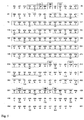
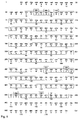
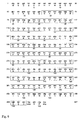
- the heparin binding site contains amino acid sequence AKHKQRKRGT ( Figure 8 ). Another sequence disclosed is QAKHKQRKRGT ( Figure 6 ).
- the reindeer BMP-6 protein is described herein in details.
- BMP-6 protein of the invention or "bone morphogenetic protein of the invention” refer to a protein having bone morphogenetic (or morphogenic as both words are used interchangeably) activity, such as BMP-6 isolated from reindeer as described herein (SEQ ID NO: 1 of the attached sequence listing or rdBMP-6 in the alignment above), and includes homologues, analogs, derivatives and fragments thereof.
- the definition refers also to modifications described below, such as a BMP containing a specific functional sequence, e.g. heparin binding site, propeptide or the like.
- homologues or derivatives include functional derivatives of said protein, such as proteins derived from the original reindeer BMP-6 protein or any BMP from any species.
- the derivatives may differ in length and they may contain amino acid insertions, deletions and substitutions, as a person skilled in the art well knows.
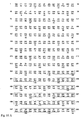
- characteristic for the bone morphogenetic protein 6 of the present invention e.g. as disclosed in the alignment above, are the amino acids differing from the known BMP-6 proteins, such as the amino acids differing from the human counterpart, especially Pro3 and Prol6.
- the regions containing these amino acids are conserved in a bone morphogenetic protein of the present invention.
- These may be the amino acids 3-23, or more preferably amino acids 3-16, in the SEQ ID NO: 1 or homologue thereof.
- the amino acids 3 and 16 are prolines which have a strong effect on the folding of the mature protein and therefore also on the function of the protein.
- the amino acids 3 and 23 define the region containing amino acids differing from the human BMP-6 counterpart.
- homologues having deletions such as deletions of few amino acids, preferably 1-10 amino acids, more preferably 1-5 amino acids, most preferably 1-3 amino acids, in carboxyl terminus or amino terminus resulting in shorter polypeptide are in the scope of the present invention as long as said deletions do not affect the characteristic amino acids of the BMP-6. It is preferred that said homologues have the advantageous properties of the original reindeer BMP-6 proteins, said properties being related to said characteristic amino acids and/or the region around them.
- Said homologues may have amino acid substitutions which do not substantially affect the function and effect of the protein of the invention.
- amino acid not located in the active site or near it may be substituted with another amino acid having similar structural and/or chemical properties (e.g. hydrophobic or hydrophilic), i.e. conservative amino acid replacement, amino acid as long as said substitution does not substantially alter the function or folding of the mature protein.
- conservative amino acid replacement amino acid as long as said substitution does not substantially alter the function or folding of the mature protein.
- amino acid properties divided into groups are hydrophobic (Met, Ala, Val, Leu, Ile), neutral hydrophilic (Cys, Ser, Thr), acidic (Asp, Glu), basic (Asn, Gln, His, Lys, Arg), residues that influence chain orientation (Gly, Pro) and aromatic (Trp, Tyr, Phe) amino acids. Substitutions within said groups are generally not likely to cause major changes in the structure of the polypeptide backbone (e.g. a sheet or helical conformation), the charge or hydrophobicity of the molecule or the bulk of the side chain.
- substitutions within said groups are generally not likely to cause major changes in the structure of the polypeptide backbone (e.g. a sheet or helical conformation), the charge or hydrophobicity of the molecule or the bulk of the side chain.
- the homologues of the BMP-6 include for example any known bone morphogenetic protein which contains or has been modified to contain at least part of the conserved amino acids or sequences as described above or corresponding area in a homologous BMP in the case the numbering should differ. Also any currently unknown BMP-6 protein from any species modified as described is in the scope of the invention.
- the reindeer BMP-6 has seven substituted amino acids P3, G4, A10, P16, A17, S21 and A23 defined from the mature BMP-6 protein as disclosed in SEQ ID NO: 1. In one embodiment these amino acids are characteristic for the BMP-6. More specifically P3 and/or P16 are especially characteristic for the BMP-6 .
- the BMP-6 is any BMP containing the consensus sequence between the two prolines: P-G/S/N-R/K-R/H-Q/N-Q-A/S/N-R-N/S-R/A/K-S/A-T/S/N-P.
- This consensus sequence has been defined from a sequence alignment of several similar BMP-6, BMP-5 and BMP-7 proteins from different species, such as shown in the ClustalX alignment below. Said consensus sequence corresponds to the amino acids 3-16 of SEQ ID NO: 1.
- consensus sequences may be defined, for example ones defining an area around the second proline (pro16 in SEQ ID NO: 1), such as R-N/S-R/A/K-S/A-T/S/N-P-A-Q-D-V, or similar sequences differing in length, e.g. by 1-5 amino acids.
- consensus sequences may be defined from the alignment below or similar alignments made by aligning different related BMP proteins.
- the BMP-6, BMP-5 and BMP-7 sequences aligned are from reindeer, bovine, rat, mouse, human, chicken and African clawed frog ( Xenopus laevis ).
- said BMP-6 is any BMP-6 comprising the amino acids 3-16 of the SEQ ID NO: 1.
- Said amino acid locations are calculated from amino terminus of any general mature BMP-6 protein, such as the protein of SEQ ID NO: 1 or a homologue, derivative or fragment thereof, wherein the sequence at the amino terminus begins with SA, as for example in reindeer (see the sequence alignment above or SEQ ID NO: 1), or at a corresponding area. If there were any insertions or deletions of amino acids in the amino acid sequence of said homologue affecting the numbering, these should be taken into account when defining the location of said essential amino acids, for example by aligning the sequences as described above and then defining the locations of said amino acids.
- any of said homologues, of the BMP-6 protein should substantially have the function and efficiency disclosed herein. Because all the known BMP-6 proteins are highly conserved, defining the location of said essential prolines is unambiguous, such as in the case of human BMP-6. Also, said locations can be easily defined also from other BPMs (see the alignment above). Generally such level of homology may be at least 70%, preferably 80%, more preferably 90% and most preferably 93% at the amino acid level.
- the BMP-6 of the present invention is a BMP or homologue, thereof containing the amino acid sequence of SEQ ID NO: 1.
- the homologues mentioned in these embodiments shall contain at least one of the characteristic amino acids described above. Said homologues, do not include the known BMP-6 proteins as such, such as hBMP-6, since they do not contain said characteristic amino acids of the BMP of the present invention. However, a known BMP modified to contain at least one of said characteristic amino acids may be considered as such homologue.
- One embodiment of the present invention provides the BMP-6 as described above with a propeptide of SEQ ID NO: 2 .
- Said propeptide plays a role in the control of the BMP-6 protein and in the proper folding of the protein. Similar propeptides are known in the art (see Regulation of bone morphogenetic protein activity by pro domains and proprotein convertases. Constam DB, Robertson EJ. J Cell Biol. 1999 Jan 11; 144(1):139-49 .)
- the BMP propeptide may be inserted in the amino terminus of a BMP-6 protein, wherein the propeptide facilitates the folding of the mature protein. Later on the propeptide may be cleaved off.
- nucleic acid molecule such as a DNA or RNA molecule, encoding said BMP-6 of the invention, with the heparin binding site and with or without the propeptide. Because of the degeneracy of the genetic code there are a number of different nucleic acid sequences encoding the BMP of the invention, said heparin binding site or said propeptide. All such nucleic acid variants are in the scope of the present invention.
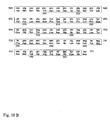
- said nucleic acid molecule is a DNA molecule. Non-limiting examples of said DNA sequences are disclosed in figures 5-10 .
- One embodiment of the present invention provides a replicable nucleotide vector containing the nucleic acid molecule described above in operative association with an expression control sequence thereof.
- Such vector may be used for producing recombinant BMP-6 of the present invention in a suitable host system.
- the nucleic acid encoding the BMP-6 of the invention may be inserted into said replicable vector for cloning or for expression.
- Various vectors are publicly available.
- the vector may, for example, be in the form of a plasmid, cosmid, viral particle or phage.
- the appropriate nucleic acid sequence may be inserted into the vector by a variety of procedures. In general, DNA is inserted into an appropriate restriction endonuclease site(s) using techniques well known in the art.
- Vector components may include for example one or more signal sequence(s), an origin of replication, one or more marker genes, an enhancer element, a promoter, and a transcription termination sequence. Construction of such suitable vectors containing one or more of these components employs standard ligation techniques which are well known to a person skilled in the art.
- BMP may be produced recombinantly by expressing in any suitable host cell, such as bacterial host cell.
- suitable host cell such as bacterial host cell.
- Such methods are well known in the art and they are described in literature. It is essential that the protein is folded properly during the expression and it contains the necessary post-translational modifications.
- E . coli can not make post-translational modifications typical for mammalian cell systems.
- the inventors of the present invention have produced recombinant reindeer BMP-6 mature part in E. coli and after purification and refolding managed to prove it to be in biologically active form.
- a protein such as a BMP
- the protein generally shows lowered immunogenicity when compared to a similar protein expressed in for example yeast host. This may be useful later when the protein is utilized, for example administered as a medicament.
- E . coli produces proteins without modifications, such as glycosylation. This is particularly useful for proteins for which glycosylation is not a requirement, but which could be a problem if the protein is produced in other systems (e.g.
- One embodiment of the present invention provides a host cell containing the nucleotide molecule or the nucleotide vector described above.
- Suitable cells include all prokaryotic and eukaryotic cells which are able to express the protein of the invention.
- Such host cells are well known in the art and a person skilled in the art can easily choose a suitable one.
- Non-limiting examples of said cells are widely used Escherichia coli cells, such as TOP10, Origami B (DE3) or Rosetta (DE3) strains.
- BMP-6 produced by culturing said cell to express said protein and by recovering said expressed protein from said host cell. Any suitable methods for recovering or isolating the protein may be used and such methods are well-known in the art.
- the BMP of the invention may be used for treating disorders related to bone, cartilage, tendon or periodontal defects or diseases or the like wherein regeneration, repair or growth thereof is desired, or other diseases. Since BMP proteins generally lack species specificity, the patient suffering from said defect may be any suitable animal, preferably mammal, such as human, and the BMP protein used for treatment may be of any suitable origin. The use of related BMP proteins for several types of therapeutical applications is well-known in the art (see e.g. US 6 245 889 and WO98/51354 ).
- disorders related to bone, cartilage, tendon or tooth defects refers generally to any known disorder wherein bone, cartilage, tendon or periodontal healing or reconstruction, i.e. regeneration, is desired.
- treatments of disorders related to bone, cartilage, tendon or periodontal defects or diseases or the like are regeneration, repair and growth of bone and periodontal tissue; regeneration, repair and growth of bone in mammals, such as human; treatment of abnormalities of bone formation or regeneration; wound healing, ectopic bone induction and healing of segmental bone defects in vertebrates; treatment of skeletal disorders and deformations; repair of large bone defects originating from trauma, excision of tumors or congenital malformations, reconstructing bone stocks worn off by an implanted endoprothesis in revision operations and healing delayed or non-united fractures; repair of bone and cartilage defects such as critical size defects, non-critical size defects, non-union fractures, segmental non-union of fractures; acute fractures, chondral defects, osteochondral defects
- the BMP-6 may be provided, in any application described herein, together with one or more additional morphogenetic proteins, such as another BMP protein species or the like. Generally this provides a synergetic effect, as it is known in the art.
- additional morphogenetic proteins such as another BMP protein species or the like.
- other therapeutically useful agents may be provided, such as epidermal growth factor, fibroblast growth factor and transforming growth factors ( US 6 245 889 ).
- Said additional morphogenetic protein may be originated from reindeer, such as any other reindeer BMP protein.
- the BMP-6 of the present invention is provided as a dimer, as a homodimer or as a heterodimer together with another BMP protein as described above.
- the BMP protein as a dimer or together with another factor or protein, as described above, is used for manufacturing medicament for treating disorders described in the specification.
- an osteogenic device such as an implant, is provided containing the BMP-6 of the invention.
- the osteogenic device may contain a biocompatible matrix, such as a calcium phosphate, carboxy methyl cellulose or collagen matrix or combinations thereof.
- said calcium phosphate matrix is a hydroxyapatite matrix.
- Said matrix may provide slow release of the BMP protein and/or the appropriate environment for presentation of the BMP protein.
- the osteogenic device may also contain a metal implant surrounded by said biocompatible matrix.
- One example of said metal is titanium.
- Non-limiting examples of the different framing materials, carriers or frames for forming e.g. different kinds of osteogenic devices or the like with the protein of the present invention are a medium in the form of powder, sponge, strip, film, gel, web or solution or suspension; semi-solid liquid carrier suitable for intramuscular, intravenous, intramedullary or intra-articular injection; isolated mesenchymal stem cells; any pharmaceutically acceptable vehicle; crusted auto- or allograft; any pharmaceutically acceptable matrix; a material selected from the group comprising hydroxyapatite, coral, collagen, polymers (e.g.
- binding agents selected from the group comprising mannitol, dextrans, white petrolatum, alkyl and methyl celluloses, wetting agents such as sodium salt, fobrin glue, mammalian fibrinogen and thrombin and combinations and admixtures thereof.
- the osteogenic device may be for example a structurally stable, three-dimensional implant in form of a cube, cylinder or block or in the shape of an anatomical form or an injectable form. Examples of osteogenic devices, useful materials and techniques are disclosed in book “ Skeletal reconstruction and bioimplantation” (T. Sam Lindholm, 1997, Springer-Verlag, Heidelberg, Germany ).
- a pharmaceutical composition containing a therapeutically effective amount of BMP- 6 protein of the invention together with a pharmaceutically acceptable vehicle or carrier.
- Said pharmaceutical compositions may be used for treating disorders related to bone, cartilage, tendon or periodontal defects or diseases, .
- One embodiment of the present invention provides a method for inducing the formation of bone, cartilage, tendon, tooth or the like wherein said bone, cartilage, tendon, tooth or the like is treated with the BMP of the invention or combinations thereof as described above, in vitro .
- a method for treating disorders described in the specification comprising administering the isolated BMP of the present invention to a patient suffering from said disorders.
- Said BMP may be administered as a pharmaceutical composition or as an osteogenic device described above.
- Further morphogenetic proteins or other useful agents may be administered together with said BMP of the invention, as described above, to enhance the therapeutical effect.
- recombinant reindeer BMPs such as BMP-6, BMP-3c and BMP-4 mature parts with and without heparin-binding site (HBS) according to embodiments of the present invention were produced in E . coli.
- HBS heparin-binding site
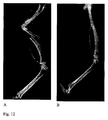
- the in vivo bioassay is a standard method used for assaying BMP activity since its discovery. It includes implantation of BMP in the hindquarter muscle of a mouse and estimation of heterotopic new bone induction after 10-21 days by radiology and histology.
- Image analysis in determination of BMP activity is done by attenuation of X-ray beam through bone and it can be seen on the radiograph as an X-ray-positive "radioplaque" shadow compared to soft tissues. This is the basis for radiographic detection and radiomorphometric quantitation of newly formed bone after implantation of BMP or other bone inductive agent in a heterotopic or an orthotopic site.
- FIG. 12A is a reference implanted with hBMP-6 and 12B is a sample implanted with BMP-6 of the present invention.
- the bioassay was carried out as described in Marshall R. Urist, J.J. Chang, A. Lietze, Y. K. Huo, A. G. Brownell and R. J. DeLange (1987): Preparation and Bioassay of Bone Morphogenetic Protein and Polypeptide Fragments, Methods Enzymol 146: 294-312 .
- HBS heparin binding site
- HBS located in the N-terminus of rdBMP-2 contains 10 basic amino acid residues and is reminiscent of known or postulated heparin-binding sites in other growth factors. It is possible that the interaction between protein with HBS and extracellular matrix might have an important effect on the establishment of morphogenetic gradients during development by limiting the free diffusion of a protein. Therefore, it was assumed that HBS could also improve the biological activity of recombinant rdBMP-6 by prolonging the duration of disappearance of protein from the implantation site, which was also demonstrated by bioassay.
- the antlers of a 3-year-old male reindeer were cut off and frozen in liquid nitrogen immediately after slaughtering.
- the frozen antlers were cut in 0.5 cm slices and stored at -70°C.
- Reindeer antler mRNA was isolated using the QuickPrep ® Micro mRNA Purification Kit (Pharmacia Biotech).
- a part of the reindeer antler slice was cut in small pieces (about 1 mm 3 ) and 0.1 g of this tissue was added to 0.6 ml of Extraction Buffer containing guanidinium thiocyanate and N-lauroyl sarcosine.
- the tissue was homogenized with Ultra Turrax for 3 times 10 seconds on ice and cooled between every homogenization. 1.2 ml of Elution Buffer was added and suspension was further homogenized for 1 times 10 seconds. A uniform suspension was obtained.
- the reindeer antler homogenate and Oligo(dT)-Cellulose were centrifuged at top speed [14,000 rpm, RT, Centrifuge 5415 C (Eppendorf)] for 1 minute.
- the buffer from the Oligo(dT)-Cellulose pellet was removed and the cleared tissue homogenate was placed on the top of it.
- the tube was inverted to resuspend the Oligo(dT)-Cellulose pellet.
- the suspension was gently mixed for 5 minutes and centrifuged at top speed [14,000 rpm, RT, Centrifuge 5415 C (Eppendorf)] for 10 seconds. The supernatant was discarded.
- Oligo(dT)-Cellulose was resuspended in High-Salt Buffer [10 mM Tris-HCl (pH 7.5), 1 mM EDTA, 0.5 M NaCl] and suspension was centrifuged at top speed [14,000 rpm, RT, Centrifuge 5415 C (Eppendorf)] for 10 seconds. Washings with High-Salt Buffer were repeated for 5 times and 2 additional times with Low-Salt Buffer [10 mM Tris-HCl (pH 7.5), 1 mM EDTA, 0.1 M NaCl]. 3 ml Low-Salt Buffer was added and suspension was transferred to MicroSpin Column. The MicroSpin Column was placed in Eppendorf tube and centrifuged at top speed for 5 seconds. Oligo(dT)-Cellulose in the column was rinsed for 3 times with Low-Salt Buffer.
- High-Salt Buffer 10 mM Tris-HCl (pH 7.5), 1 mM EDTA,
- the reindeer antler mRNA was eluted to a clean Eppendorf tube from the MicroSpin Column by adding 0.2 ml 65°C Elution Buffer (QuickPrep ® Micro mRNA Purification Kit, Pharmacia Biotech) to the column and centrifuging at top speed [14,000 rpm, RT, Centrifuge 5415 C (Eppendorf)] for 5 seconds. The elution step was repeated twice.
- the isolated mRNA was precipitated by adding 5 ⁇ l of glycogen solution (5-10 mg/ml in DEPC-treated H 2 O), 1/10 volume K Acetate solution (2.5 M potassium acetate, pH 5.0) and 0.5 ml absolute ethanol (chilled to -20°C) to each elution.
- Precipitation was allowed to occur at -20°C for at least 30 minutes and mRNA was centrifuged at top speed [14,000 rpm, 4°C, Centrifuge 5415 C (Eppendorf)] for 5 minutes. Precipitated mRNA was stored at -70°C until cDNA synthesis was performed.
- Reverse transcription of the reindeer antler mRNA was performed by modifying the instructions of the Time Saver TM cDNA Synthesis Kit (Pharmacia Biotech). 3 ⁇ g of mRNA was heat-denatured at 65°C for 10 minutes and chilled on ice.
- 0.2 ⁇ mol DTT, 0.5 ⁇ g Oligo(dT) 12-18 Primer and heat-denatured mRNA were added to First strand reaction mix containing FPLC pure TM Cloned Murine Reverse Transcriptase, RNAguard TM , RNase/DNase-Free BSA, dNTPs (dATP, dCTP, dGTP and dTTP) in aqueous buffer (Time Saver TM cDNA Synthesis Kit, Pharmacia Biotech). The mixed solution was incubated at 37 °C for 1 hour. After the incubation, the First strand reaction mix was added to the Second strand reaction mix containing E. coli RNase H and E.
- the part of the cDNA of the reindeer BMP-6 was amplified by PCR (Polymerase chain reaction) method using degenerative primers (5'-CGG(C)ATCTACAAGGACTGTGTT(G)G(A)TGGG-3') and (3'-GTCCGG(A)GCC(T)TGTGCCTGCCACTAA-5') (Table 3) designed on the basis of homology of already known BMP-6 genes of the different mammalian species (human, rat and mouse).
- the 50 ⁇ l of PCR reaction mixture contained 0.4 mM dNTPs (PCR Core Kit, Roche) and 0.7 U/pl Expand High Fidelity enzyme mix (thermostable Taq polymerase + proofreading polymerase, Roche) in Expand High Fidelity buffer with MgCl 2 (Expand High Fidelity PCR System, Roche).
- the reaction was performed under the following program using Mastercycler personel apparatus (Eppendorf): initial denaturation at 94°C for 4 minutes and 25 cycles of denaturation 94°C for 1 minute, annealing of the primers 55°C for 1 minute, elongation of DNA strands 72°C for 2 minutes. The final extension was performed at 72°C for 10 minutes. Table 3.
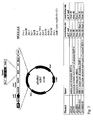
- PCR products were purified straight from the PCR reaction mix by Wizard ® PCR Preps DNA Purification System (Promega) and ligated into the pGEM ® -T vector ( Figure 1 ) by T4 DNA Ligase (pGEM ® -T Vector System I; Promega).
- pGEM ® -T Vector System I T4 DNA Ligase
- 0.3 ⁇ g of purified PCR product and 2.3 ⁇ g/ml of pGEM ® -T vector were added to ligation buffer containing 18 mM Tris-HCl (pH 7.8), 6 mM MgCl 2 , 6 mM DTT, 0.3 mM ATP, 3% polyethylene glycol and 0.14 U/ ⁇ l T4 DNA Ligase in total volume of 66 ⁇ l.
- the reaction was allowed to occur at +16°C water bath which was allowed to cool to +4 °C overnight.
- the newly formed plasmid was named as pMSU1 (
- the competent Escherichia coli TOP10 F' cells were produced by the calcium chloride/ magnesium chloride procedure. 2 ml of LB-medium was inoculated with E. coli TOP10 F' cells and grown overnight at 37°C with shaking (225 rpm). Next morning 100 ml of fresh LB medium was inoculated with 1 ml of overnight culture and the culture was grown at 37°C with shaking (225 rpm) to an OD 600 of 0.5-0.6. The cultured cells were collected by centrifugation (2500 x g, 5 min), resuspended in 10 ml of 0.1 M MgCl 2 solution and collected again by centrifugation (2500 x g, 5 min).
- the cells were resuspended in 10 ml of 0.1 M CaCl 2 solution, incubated in ice bath for 30 minutes and recollected by centrifugation (2500 x g, 5 min).
- the CaCl 2 treatment was repeated except that in the second time 3.5 ml of CaCl 2 was used and the incubation time was 1 hour.
- Glycerol was added to suspension to final concentration of 14% (v/v) and the solution was divided into 200 ⁇ l portions.
- the competent E. coli TOP10 F' cells were frozen in liquid nitrogen and stored at -70 °C.
- the competent Escherichia coli TOP10 F' cells were melted in ice bath for 15 minutes. 20 ⁇ l of ligation mix (described above) was added to 100 ⁇ l of TCM (10 mM Tris-HCl, 10 mM CaCl 2 , 10 mM MgCl 2 , pH 7.0) and mixed with 200 ⁇ l of the competent E. coli cells. The mixture was incubated in ice bath for 30 minutes before the heat shock (43°C, 3 minutes). After the heat shock 800 ⁇ l of LB medium was added and the cells were allowed to regenerate for 30 minutes at 37°C. The transformed cells were collected by centrifugation at top speed for 2 minutes and resuspended to 30 ⁇ l of growth medium.
- the cell suspension was plated to two LB plates containing 25 ⁇ g/ml ampicillin covered with 1 mmol IPTG (isopropyl- ⁇ -D-thiogalactopyranoside) and 2.4 nmol X-gal (5-bromo-4-chloro-3-indolyl- ⁇ -D-galactoside) and the cells were grown at the plates overnight at 37°C.
- IPTG isopropyl- ⁇ -D-thiogalactopyranoside
- X-gal 5-bromo-4-chloro-3-indolyl- ⁇ -D-galactoside
- the plasmids were isolated by Wizard ® Plus Minipreps DNA Purification System (Promega) and then further purified by ethanol precipitation. The cDNA identity was confirmed by sequencing with ABI Prism (Perkin-Elmer Corporation). The sequencing reaction was performed using DYEnamic ET Terminator Cycle Sequencing Kit (Amersham Pharmacia Biotech) and Mastercycler Personel apparatus (Eppendorf). The primers in the PCR reaction for sequencing were (5'-TAATACGACTCACTATAGGGCGA-3') and (3'-ATTTAGGTAACACTATAGAATAC-5') (Table 4) and the program was as follows: 25 cycles of denaturation 94°C for 30 seconds, annealing 50°C for 15 seconds, elongation for 60°C.
- the amplified PCR products were precipitated by ethanol precipitation method.
- 10 ⁇ l reaction 1 ⁇ l of 1.5 M Na-acetate - 250 mM EDTA buffer and 95-100% ethanol was added so that the final ethanol concentration was 75%.
- the precipitation was allowed to occur in ice bath for 7 minutes and then the mixture was centrifuged for 20 minutes. The supernatant was discarded and the pellet was washed with 125 ⁇ l of 70% ethanol in RT. The solution was centrifuged briefly and the washing ethanol was removed as precisely as possible. The pellet was dried in 37°C for a few minutes until all the ethanol was completely fumed.
- the ABI Prism apparatus was located in Department of medical biochemistry and molecular biology, University of Oulu, Finland and the final sequencing was performed there.
- the nucleotide sequence and the corresponding amino acid sequence of partial cDNA of reindeer BMP-6 is seen in figure 10 .
- Example 2 Expression of the natural and nucleotide mutated recombinant reindeer BMP-6 mature part in Escherichia coli TOP10 F', Origami B (DE3) and Rosetta (DE3) cells
- the mature part of reindeer BMP-6 was amplified from the pMSU1 plasmid by PCR method using homology primers (5'-GGATCCGTCGGCCCCCGGGCGGCGCCGGCAG-3') and (3'-AAGCTTGTGGCAGCCACAGGCCCGGACGAC-5') and for nucleotide mutated mature part version (5'-GGATCCGTCGGCCCCGGGGCGCCGCCGCCAG-3') and (5'-AAGCTTGTGGCAGCCGCAGGCGCGGACGAC-3') (see Example 2 Part B). Primers are also seen in Table 3. There were recognition sites for restriction enzymes Bam HI and Hind III at the 5'- and 3'-end of primers respectively.
- the 50 ⁇ l of PCR reaction mixtures contained 0.4 mM dNTPs (PCR Core Kit, Roche) and 0.7 U/ ⁇ l Expand High Fidelity enzyme mix (thermostable Taq polymerase + proofreading polymerase, Roche) in Expand High Fidelity buffer with MgCl 2 (Roche).
- the PCR reactions were performed under the following program using Mastercycler personel apparatus (Eppendorf): initial denaturation at 94°C for 4 minutes and 25 cycles of denaturation 94°C for 1 minute, annealing of the primers 55°C for 1 minute, elongation of DNA strands 72°C for 2 minutes.
- the final extension was performed at 72°C for 10 minutes.
- the PCR products were purified directly from the PCR reaction mixtures using Wizard ® PCR Preps (Promega) and ligated to the pGEM ® -T vectors.
- the newly formed plasmids with the natural and nucleotide mutated mature part of the reindeer BMP-6 were named as pMU2 and pMU8, respectively ( Figure 1 ).
- Mutations P6, R8, R10, R137 and C139 were performed using PCR technique (see Example 2 Part A) and mutations P99, P103 and R132 were performed after the mature part subcloning into pTrcHis 2A (see Example 2 Part B) by QuickChange TM Site-Directed Mutagenesis Kit (Stratagene) following the instructions of the kit manual.
- the oligos used in the mutations performed by the kit are shown in Table 5. Table 5.
- Amino acids are numbered according to sequence of recombinant rdBMP-6 produced from plasmid pMU90 (see Figure 5).
- Amino acid Natural codon / frequence Mutated codon / frequence P6 cc c / 5.1 cc g / 22.0 R8 eg g / 5.4 cg c / 20.6 R10 cg g / 5.4 cg c / 20.6 P99 cc c / 5.1 cc g / 22.0 P103 cc c / 5.1 cc g / 22.0 R132 a g g /1.7 cg c / 20.6 R137 cg g / 5.4 cg c / 20.6 C139 tg t / 5.1 tg c / 6.2
- E. coli cells [TOP10, Origami B (DE3) and Rosetta (DE3)] containing either pMU20, pMU90, pETrd6A or pETrd6 were grown overnight in 50 ml of SOB medium containing ampicillin (50 pg/ml) and for Rosetta (DE3) cells also chloramphenicol (35 ⁇ g/ml) in +37°C with shaking (225 rpm).
- SOB medium containing antibiotics mentioned above, was inoculated with 24 ml of overnight culture and incubated in +37°C with shaking (225 rpm) until OD 600 was 0.6 when the cells were in mid-log phase.
- pellet was suspended (200 rpm/minute, overnight, RT) in lysis buffer 6 M GuHCl - 20 mM Na-phosphate - 0.5 M NaCl (pH 8.0, 35 mg/ml) when all the remaining intact E . coli cells are erupted and inclusion bodies made soluble. Suspension was centrifuged (26,000 g, 45 min, RT), pellet discarded and recombinant protein in soluble form in remaining supernatant. Finally, to be sure to get rid of all cell remnants, supernatant was filtered through 45 ⁇ m filter.
- the nucleotide mutated recombinant reindeer BMP-6 expressed from pETrd6 in Escherichia coli Origami B (DE3) or Rosetta (DE3) cells was precipitated by isoelectric precipitation in pH 9.69. Isoelectric point was determined by computer calculations according to amino acid sequence of the recombinant reindeer BMP-6 ( Figure 7 ). The precipitant was collected by centrifugation (12,000 x g, 30 min, RT) and resuspended in lysis buffer (6 M GuHCl - 20 mM Na-phosphate - 0.5 M NaCl; pH 8.0).
- Escherichia coli cells were lysed by shaking in 6 M GuHCl - 20 mM Na-phosphate - 0.5 M NaCl (pH 8.0) for 2 hours and filtrated through 45 ⁇ m filter.
- IMAC method pre-packed HiTrap Chelating HP affinity columns (Amersham Pharmacia Biotech) were used. Columns were charged with Co 2+ , Cu 2+ or Ni 2+ ions according to instruction manual applied by supplier. The aid of the use of the his-tag-epitope at the end of the rdBMP-6 protein was that the his-tag-epitope bound up in the metal ion charged column and the impurities caused from E . coli cell debris flow through.
- the BMP-6 fractions analyzed by SDS-PAGE were pooled and dialyzed against water. After dialysis precipitated protein was collected by centrifugation and resuspended in 8 M Urea, 0.1 M Tris/HCl, pH 8 in the presence of 100 mM DTT, 1 mM EDTA and incubated for 2 h at 25 degrees. The pH was lowered to pH 3-4 by drop wise addition of 1 M HCl. The DTT was removed completely by dialysis against 6 M urea, 10 mM HCl for 2 h at 25°C. Dialysis was continued at 4°C overnight against 6 M urea. Refolding of recombinant rdBMP-6 was performed by two-step dialysis.
- the first dialysis solution was 20 mM Tris-HCl - 150 mM NaCl - 3 M urea (pH 7.5).
- the dialysis buffer was changed at least six times during two to three days. Desalted sample was centrifuged and pellet was dried by lyophilization. At that point the purity of BMP-6 was 75% and its refolding measured by non-reducing SDS-PAGE was 50%. Quantification of the refold dimer of recombinant reindeer BMP-6 on Coomassie Brilliant Blue stained gels was done densitometrically.
- HBS heparin binding site
- the mature part was amplified from pMSU1 ( Figure 1 ).
- the primers used there was Kpn I restriction site in the beginning of the 5' end primers and Hind III restriction site at the end of the 3' primers.
- the primers for amplification of the natural mature part of reindeer BMP-6 were (5'-GGTACCTCGGCCCCCGGGCGGCGCCGGCAG-3') and (5'-AAGCTTGTGGCAGCCACAGGCCCGGACGAC-3') and for the amplification of the nucleotide mutated mature part of reindeer BMP-6 (5'-GGTACCTCGGCCCCGGGGCGCCGCCGCCAG-3') and (5'-AAGCTTGTGGCAGCCACAGGCCCGGACGAC-3').
- the primers are also shown in Table 3. PCR reactions, purification of PCR products and ligation reactions to pGEM ® -T vector were performed as described in Example 1 Part C and D.
- pGEM ® -T vector containing the natural mature part of reindeer BMP-6 was named pMU12 and pGEM ® -T vector containing nucleotide mutated mature part of reindeer BMP-6 was called pMU11. Both constructs are schematically presented in Figure 1 .
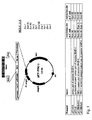
- the new constructs were named pTrcHBSrd6A (natural mature part) and pTrcHBSrd6 (nucleotide mutated mature part) ( Figure 2 ) and both constructs were checked by sequencing (see Example 2 Part C).
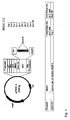
- Insertion of the natural and nucleotide mutated mature part of reindeer BMP-6 with heparin binding site to pET22b(+) was performed exactly the same way as the subcloning of the natural and nucleotide mutated mature part of reindeer BMP-6 from pGEM ® -T vector to the expression vector pTrcHis 2A described in Example 2 Part B. Transformations were performed as described in Example 1 Part F and in Example 2 Part C. The new constructs were named pETHBSrd6A (the natural mature part of reindeer BMP-6) and pETHBSrd6 (the nucleotide mutated mature part of reindeer BMP-6) ( Figure 3 ).
- Example 5 Purification and refolding of nucleotide mutated recombinant reindeer BMP-6 mature part with heparin binding site (HBSrdBMP-6)
- Escherichia coli cells were lysed by shaking in 6 M GuHCl - 20 mM Na-phosphate - 0.5 M NaCl (pH 8.0) for 2 hours and filtrated through 45 ⁇ m filter.
- IMAC purification method pre-packed HiTrap Chelating HP affinity columns (Amersham Pharmacia Biotech) were used. Columns were charged with Co 2+ , Cu 2+ or Ni 2+ ions according to instruction manual applied by supplier. Filtrated lysate was applied to the column and washed with 15 times the bed volume of lysis buffer. Second washing step was performed by 40 times the bed volume of 6 M Urea - 20 mM Na-phosphate - 0.5 M NaCl (pH 7.5).
- third washing buffer there was 0.05 M imidazole added into second washing buffer and the washing volume was 15 times the bed volume.
- Recombinant HBSrdBMP-6 was eluted from the column by imidazole gradient from 0.05 M to 500 mM in 6 M Urea - 20 mM Na-phosphate - 0.5 M NaCl (pH 7.5). The fractions were analyzed by SDS-PAGE and the ones containing the most highly purified recombinant HBSrdBMP-6 were combined and dialyzed against 100 mM Na-phosphate buffer (pH 7.5) over the weekend.
- Precipitated recombinant protein was colleted by centrifugation and solved in 8 M Urea - 100 mM Na-phosphate - 10 mM Tris-HCl (pH 7.5). Before Heparin affinity column purification the recombinant protein solution was filtrated through 45 ⁇ m filter.
- Refolding of recombinant HBSrdBMP-6 was performed as described in Example 3 part D for recombinant rdBMP-6.
- Example 6 The biological activity test of nucleotide mutated recombinant reindeer BMP-6 mature part with and without heparin binding site
- the biological activity of the lyophilized recombinant HBSrdBMP-6 was tested by implanting less than one mg of recombinant HBSrdBMP-6 absorbed into Lyostrypt ® collagen sponge in mouse tight muscle pouches. After 21 days the hind legs were roentgenographed and the implant sites dissected and fixed in 10% neutral formalin solution. Fixed implants were cut into 4 ⁇ m sections and stained with hematoxylin-eosin. Sections were examined with a light microscope.
- a new bone formation as an area and optical density was evaluated by radiographs.
- the radiographic images were transferred into a computer by using an optical scanner (HP Scan Jet, Hewlett Packard, USA).
- Ectopic and orthopic new bone formations were evaluated as the areas (mm 2 ) of calcified tissue visible in the radiographs defined by using the Scion Image Beta 4.02 (Scion Corp., USA) software.
- the mean optical density (mmal) of the defined area was measured with the same equipment.
- Calibration of the optical density was performed by using an aluminum wedge (Al) with 0.25 mmal steps, giving a calibrated density range up to 4 mmal.
- Example 7 Expression of the recombinant reindeer BMP-6 mature part in Rapid Translation System RTS 500
- Primers for sequencing the construct were (5'-TAATACGACTCACTATAGGGCGA-3') and (3'-GCTAGTTATTGCTCAGCGG-5') (table 4).
- primers there were recognition sites for restriction enzymes Ksp I (Sac II) and Bam HI at the 5'- and 3'-end of primers, respectively and they were utilized in subcloning of the natural mature part of reindeer BMP-6.
- Plasmids pMU2/2 and pIVEX 2.4c (0.5 ⁇ g) were digested in 10 ⁇ l volume of 10 mM Tris-HCl, 10 mM MgCl 2 , 1 mM dithioerythritol, pH 7.5 (SuRE Cut Buffer L, Roche) with 1 U/ ⁇ l of each restriction enzyme.
- the restriction enzymes were inactivated before the ligation and the ligation reaction was performed as described in Example 2 Part C.
- the newly formed construct was named as pMU500 ( Figure 4 ).
- the RTS 500 reaction was performed following the instructions of Rapid Translation System RTS 500 E . coli Circular Template Kit Instruction Manual.
- the amino acid sequence of the recombinant protein with respective nucleotide sequence is presented in Figure 9 .
- Example 8 Addition of heparin binding site in front of the mature part of the reindeer BMP-3c/138, BMP-3c/110 and BMP-4/116
- Kpnl restriction sites were created in front of the mature parts of rdBMP-3c/138, BMP-3c/110 and rdBMP-4 with PCR method (Example 2A). Templates in these reactions were BMP genes cloned previously in pTrcHis2A vector between BarH I and Hind III restriction sites. Primers (Sigma-Genosys) designed for these reactions are in table 8. Table 8.
- HBS variants of rdBMPs the mature parts of reindeer BMP-3c/138, BMP-3c/110 and BMP-4 were amplified from cDNAs cloned in pTrcHis2A. After that all the mature parts were ligated into pTrcHBS (see the construction of pTrcHBS in Example 4, part A) and three different heparin binding site containing vectors were formed. They were named pTrcHBSrd3c/138, pTrcHBSrd3c/110 and pTrcHBSrd4.
- Example 2 Expression tests were done as described earlier (Example 2, part E). All of the three different BMP proteins were produced in TOP10 E. coli cells and the produced cells were harvested and collected by centrifugation. After that, the collected cells were first washed several times and erupted, lysed and finally filtered the soluble recombinant BMP proteins in inclusion body form to get the proteins free from cell remnants (see Example 3, part A).
- Immobilized metal affinity chromatography was used to purify the BMP proteins.
- Pre-packed HiTrap Chelating HP affinity columns (Amersham Biosciences) were charged with Co 2+ , Cu 2+ or Ni 2+ ions according to manufactures procedure. Filtered supernatant of reindeer recombinant proteins was applied in column. After washing the column several times (Example 3, part C) the most of the impurities was removed. The purified proteins were eluted from the column by pH gradient (Example 3, part C), analyzed by SDS-PAGE and used for the refolding experiments.
- nucleotide sequence obtained from ABI Prism reactions was analyzed with computer and it was compared to already known BMP sequences. Due to homology searches the newly cloned cDNA seemed to be most homological with bovine BMP-6 (nucleotide homology 95.0% and amino acid homology 99.1 %). Nucleotide and amino acid homologies of BMP-6 proteins between mammalian species are presented in Table 1. The nucleotide sequence of reindeer BMP-6 and the corresponding amino acid sequence of partial cDNA of reindeer BMP-6 are shown in Figure 10 .
- pTrcHBS vector was constructed. By cloning the natural rdBMP-6 mature part and nucleotide mutated rdBMP-6 mature part in pTrcHBS the vectors pTrcHBSrd6A and pTrcHBSrd6 were obtained. Successful induction of both recombinant HBSrdBMP-6A and HBSrdBMP-6 was verified by SDS-PAGE but the expression level of nucleotide mutated HBSrdBMP-6 was significantly higher.
- the natural and nucleotide mutated reindeer BMP-6 mature part was cloned with and without heparin binding site to pET22b(+) and four new plasmids were named as pETrd6A, pETrd6, pETHBSrd6A and pETHBSrd6 and both Rosetta (DE3) and Origami B (DE3) cells were transformed with all of them separately.
- pETrd6A pETrd6, pETHBSrd6A and pETHBSrd6
- Rosetta Rosetta
- Origami B DE3
- Recombinant reindeer rdBMP-6 protein was overexpressed in E . coli. After the wash treatment, isoelectric point precipitation and solubilization of the inclusion bodies the content of recombinant reindeer rdBMP-6 was 85%.
- the next purification step was the immobilized metal affinity chromatography (IMAC). After the elution of the column with pH gradient, the purity of rdBMP-6 measured from the SDS-PAGE was up to 75%.
- the isolated protein with the mature part of rdBMP-6 had a MW of 20,300 Da as shown by the electrophoretic mobility on SDS-PAGE under reducing conditions ( Figure 11 ).
- Recombinant reindeer rdBMP-6-HBS protein was overexpressed in E. coli and produced as inclusion bodies (IBs). After the wash treatment, isoelectric point precipitation and solubilization of the inclusion bodies the content of recombinant reindeer rdBMP-6-HBS was 85%.
- the next purification step was the immobilized metal affinity chromatography (IMAC). After the elution of the column with pH gradient, the purity of rdBMP-6-HBS measured from the SDS-PAGE was up to 75%.
- the isolated protein with the mature part of rdBMP-6-HBS had a MW of 21,600 Da as shown by the electrophoretic mobility on SDS-PAGE under reducing conditions ( Figure 11 ).
- the osteoinductive activity induced by rdBMP-6 was increased in dose dependent manner (Table 2).
- the recombinant reindeer BMP-6 was proven to be more potent inducer of bone formation.
- the bone forming activity of reindeer BMP-6-HBS seemed to be in proportion to rdBMP-6 whereas bovine BMP-6 was responded only at the biggest amount studied.
- the in vitro refolding of the denatured rdBMP-3c proteins was quantified by measuring of the refold dimer of the protein on Coomassie Brilliant Blue stained gels densitometrically.
- the amount of refolding measured by non-reducing SDS-PAGE was by the rdBMP-3c proteins without HBS 50% and by the HBSrdBMP-3c over 70%.
- Recombinant reindeer HBSrdBMP-4 protein was slightly overexpressed in E. coli and produced as inclusion bodies (IBs). After the wash treatment, isoelectric point precipitation and solubilization of the inclusion bodies, they were next purified with the affinity chromatography (IMAC and heparin). After the elution of the columns, the purity of HBSrdBMP-4 measured from the SDS-PAGE was up to 75%.
- the isolated proteins with the mature part of HBSrdBMP-4 had a MW of 17,700 Da as shown by the electrophoretic mobility on SDS-PAGE under reducing conditions.
- the in vitro refolding of the denatured HBSrdBMP-4 protein was quantified by measuring of the refold dimer of the protein on Coomassie Brilliant Blue stained gels densitometrically. The amount of refolding measured by non-reducing SDS-PAGE was by HBSBMP-4 protein over 60%.
- HBSrdBMP-4 protein produced in E. coli TOP10 expression system showed biological activity when implanted in mouse tight muscle pouch. Furthermore, the refolding of the rdBMP-4 with HBS was significantly higher than without HBS, which makes the HBSrdBMP-4 of great value (data now shown).
Landscapes
- Health & Medical Sciences (AREA)
- Chemical & Material Sciences (AREA)
- Life Sciences & Earth Sciences (AREA)
- Organic Chemistry (AREA)
- General Health & Medical Sciences (AREA)
- Medicinal Chemistry (AREA)
- Orthopedic Medicine & Surgery (AREA)
- Physical Education & Sports Medicine (AREA)
- Biochemistry (AREA)
- Toxicology (AREA)
- Genetics & Genomics (AREA)
- Gastroenterology & Hepatology (AREA)
- Molecular Biology (AREA)
- Proteomics, Peptides & Aminoacids (AREA)
- Zoology (AREA)
- Engineering & Computer Science (AREA)
- Bioinformatics & Cheminformatics (AREA)
- Biophysics (AREA)
- Chemical Kinetics & Catalysis (AREA)
- General Chemical & Material Sciences (AREA)
- Nuclear Medicine, Radiotherapy & Molecular Imaging (AREA)
- Pharmacology & Pharmacy (AREA)
- Animal Behavior & Ethology (AREA)
- Public Health (AREA)
- Veterinary Medicine (AREA)
- Rheumatology (AREA)
- Medicines That Contain Protein Lipid Enzymes And Other Medicines (AREA)
- Peptides Or Proteins (AREA)
Claims (20)
- Isoliertes knochenmorphogenetisches Protein 6 (bone morphogenetic protein 6; BMP-6), dadurch gekennzeichnet, dass es am Aminoterminus eine Heparin-Bindungsstelle enthält, die die Aminosäuresequenz AKHKQRKRGT enthält.
- Knochenmorphogenetisches Protein 6 nach Anspruch 1,
dadurch gekennzeichnet, dass es die Konsensussequenz P-G/S/N-R/K-R/H-R/K-Q/N-Q-A/S/N-R-N/S-R/A/K-S/A-T/S/N-P enthält. - Knochenmorphogenetisches Protein nach Anspruch 2,
dadurch gekennzeichnet, dass es die Aminosäuren 3-16 von SEQ ID NO: 1 enthält. - Knochenmorphogenetisches Protein nach Anspruch 3,
dadurch gekennzeichnet, dass es die Aminosäuresequenz von SEQ ID NO: 1 enthält. - Isoliertes DNA-Molekül, dadurch gekennzeichnet, dass es das BMP eines der Ansprüche 1 bis 4 codiert.
- Nukleotidvektor, dadurch gekennzeichnet, dass er das isolierte DNA-Molekül nach Anspruch 5 enthält.
- Rekombinante Wirtszelle, dadurch gekennzeichnet, dass sie den Nukleotidvektor nach Anspruch 6 enthält.
- Verfahren zur Verbesserung der Expression eines rekombinanten knochenmorphogenetischen Proteins 6 in einem bakteriellen Wirt, gekennzeichnet durch Zugabe einer Heparin-Bindungsstelle, die die Aminosäuresequenz AKHKQRKRGT enthält, zum Aminoterminus des genannten zu exprimierenden Proteins.
- Verfahren nach Anspruch 8, dadurch gekennzeichnet, dass das zu exprimierende knochenmorphogenetische Protein ferner das BMP-Propeptid von SEQ ID NO: 2 enthält.
- Rekombinanter Wirt oder Verfahren nach einem der Ansprüche 7 bis 9, dadurch gekennzeichnet, dass der bakterielle Wirt Escherichia coli ist.
- Rekombinanter Wirt oder Verfahren nach Anspruch 10,
dadurch gekennzeichnet, dass der bakterielle Wirt eine E. coli TOP10-, Origami B (DE3)- oder Rosetta (DE3)-Zelle ist. - Pharmazeutische Zusammensetzung, dadurch gekennzeichnet, dass sie das BMP nach einem der Ansprüche 1 bis 4 enthält.
- Pharmazeutische Zusammensetzung nach Anspruch 12,
dadurch gekennzeichnet, dass sie das BMP als Homodimer oder als Heterodimer zusammen mit einem weiteren knochenmorphogenetischen Protein enthält. - Pharmazeutische Zusammensetzung nach Anspruch 12 oder 13, dadurch gekennzeichnet, dass sie ferner ein weiteres knochenmorphogenetisches Protein, einen epidermalen Wachstumsfaktor, einen Fibroblasten-Wachstumsfaktor oder einen transformierenden Wachstumsfaktor enthält.
- Osteogene Vorrichtung, dadurch gekennzeichnet, dass sie das BMP nach einem der Ansprüche 1 bis 4 enthält.
- Osteogene Vorrichtung nach Anspruch 15, dadurch gekennzeichnet, dass sie das BMP als Homodimer oder als Heterodimer zusammen mit einem weiteren knochenmorphogenetischen Protein enthält.
- Osteogene Vorrichtung nach Anspruch 15 oder 16, dadurch gekennzeichnet, dass sie ferner ein weiteres knochenmorphogenetisches Protein, einen epidermalen Wachstumsfaktor, einen Fibroblasten-Wachstumsfaktor oder einen transformierenden Wachstumsfaktor enthält.
- Osteogene Vorrichtung nach einem der Ansprüche 15 bis 17, dadurch gekennzeichnet, dass sie eine biokompatible Matrix enthält.
- Osteogene Vorrichtung nach Anspruch 18, dadurch gekennzeichnet, dass die biokompatible Matrix Calciumphosphat, Carboxymethylcellulose oder Kollagen oder Kombinationen davon enthält.
- Verfahren zur Induktion der Bildung von Knochen, Knorpel, Sehne oder Zahn in vitro, gekennzeichnet durch die Behandlung des Knochens, des Knorpels, der Sehne oder des Zahns mit dem BMP eines der Ansprüche 1 bis 4.
Applications Claiming Priority (4)
| Application Number | Priority Date | Filing Date | Title |
|---|---|---|---|
| FI20055257A FI121070B (fi) | 2005-05-27 | 2005-05-27 | Luun morfogeneettinen proteiini 6, sitä koodaava DNA, nukleotidivektori, rekombinantti isäntäsolu, farmaseuttinen koostumus ja osteogeeninen väline |
| FI20055258A FI119373B (fi) | 2005-05-27 | 2005-05-27 | Luun proteiineja |
| FI20055256A FI118736B (fi) | 2005-05-27 | 2005-05-27 | Luun morfogeneettinen proteiini |
| PCT/FI2006/050214 WO2006125868A1 (en) | 2005-05-27 | 2006-05-26 | Bone morphogenetic proteins containing a heparin binding site and osteogenic devices and pharmaceutical products containing thereof |
Publications (3)
| Publication Number | Publication Date |
|---|---|
| EP1885751A1 EP1885751A1 (de) | 2008-02-13 |
| EP1885751A4 EP1885751A4 (de) | 2009-04-01 |
| EP1885751B1 true EP1885751B1 (de) | 2011-11-16 |
Family
ID=37451667
Family Applications (1)
| Application Number | Title | Priority Date | Filing Date |
|---|---|---|---|
| EP06743556A Active EP1885751B1 (de) | 2005-05-27 | 2006-05-26 | Heparin-Bindungsstelle enthaltendes Knochenmorphogenetisches Protein 6 und osteogene Vorrichtungen und pharmazeutische Produkte, die diese enthalten |
Country Status (4)
| Country | Link |
|---|---|
| US (1) | US7910552B2 (de) |
| EP (1) | EP1885751B1 (de) |
| AT (1) | ATE533781T1 (de) |
| WO (1) | WO2006125868A1 (de) |
Families Citing this family (4)
| Publication number | Priority date | Publication date | Assignee | Title |
|---|---|---|---|---|
| WO2012023113A2 (en) | 2010-08-20 | 2012-02-23 | Wyeth Llc | Designer osteogenic proteins |
| WO2012029148A1 (ja) | 2010-09-01 | 2012-03-08 | 株式会社オステオファーマ | 組換えヒト骨形成タンパク質-2凍結乾燥製剤 |
| AU2015374114B2 (en) | 2014-12-29 | 2018-07-26 | Bioventus, Llc | Systems and methods for improved delivery of osteoinductive molecules in bone repair |
| CN110092816B (zh) * | 2018-01-29 | 2023-08-01 | 上海市第一人民医院 | 预防和治疗纤维化的小分子多肽及其应用 |
Family Cites Families (16)
| Publication number | Priority date | Publication date | Assignee | Title |
|---|---|---|---|---|
| US5939388A (en) * | 1986-07-01 | 1999-08-17 | Rosen; Vicki A. | Methods of administering BMP-5 compositions |
| US5187076A (en) * | 1986-07-01 | 1993-02-16 | Genetics Institute, Inc. | DNA sequences encoding BMP-6 proteins |
| US5459047A (en) | 1986-07-01 | 1995-10-17 | Genetics Institute, Inc. | BMP-6 proteins |
| US5106626A (en) | 1988-10-11 | 1992-04-21 | International Genetic Engineering, Inc. | Osteogenic factors |
| US5284756A (en) | 1988-10-11 | 1994-02-08 | Lynn Grinna | Heterodimeric osteogenic factor |
| ES2113857T3 (es) | 1989-03-28 | 1998-05-16 | Genetics Inst | Composiciones osteoinductoras. |
| DE69133338T2 (de) | 1990-09-26 | 2004-04-15 | Genetics Institute, LLC, Cambridge | Bmp-5-derivate |
| US5399677A (en) | 1993-12-07 | 1995-03-21 | Genetics Institute, Inc. | Mutants of bone morphogenetic proteins |
| US6083690A (en) | 1995-06-02 | 2000-07-04 | Osteoscreen, Inc. | Methods and compositions for identifying osteogenic agents |
| US20030032586A1 (en) | 1997-05-15 | 2003-02-13 | David C. Rueger | Compositions for morphogen-induced osteogenesis |
| US7601685B2 (en) | 1998-08-27 | 2009-10-13 | Eidgenossische Technische Hochschule Zurich | Growth factor modified protein matrices for tissue engineering |
| PT1131087E (pt) | 1998-11-13 | 2004-12-31 | Curis Inc | Metodos de alivio de sintomas de cancro |
| DE19906096A1 (de) * | 1999-02-13 | 2000-08-17 | Walter Sebald | Protein mit einem Heparin-bindenden Epitop |
| WO2003042661A2 (en) | 2001-11-13 | 2003-05-22 | Protein Design Labs, Inc. | Methods of diagnosis of cancer, compositions and methods of screening for modulators of cancer |
| US20040253606A1 (en) | 2002-11-26 | 2004-12-16 | Protein Design Labs, Inc. | Methods of detecting soft tissue sarcoma, compositions and methods of screening for soft tissue sarcoma modulators |
| KR101013999B1 (ko) * | 2004-03-19 | 2011-02-14 | 재단법인서울대학교산학협력재단 | 표면에 골조직 형성 증진 펩타이드가 고정된 차폐막 및임플란트 |
-
2006
- 2006-05-26 EP EP06743556A patent/EP1885751B1/de active Active
- 2006-05-26 US US11/921,069 patent/US7910552B2/en active Active
- 2006-05-26 AT AT06743556T patent/ATE533781T1/de active
- 2006-05-26 WO PCT/FI2006/050214 patent/WO2006125868A1/en not_active Ceased
Also Published As
| Publication number | Publication date |
|---|---|
| EP1885751A1 (de) | 2008-02-13 |
| WO2006125868A1 (en) | 2006-11-30 |
| ATE533781T1 (de) | 2011-12-15 |
| US7910552B2 (en) | 2011-03-22 |
| EP1885751A4 (de) | 2009-04-01 |
| US20100143433A1 (en) | 2010-06-10 |
Similar Documents
| Publication | Publication Date | Title |
|---|---|---|
| CA2265508C (en) | Bone morphogenetic protein-16 (bmp-16) compositions | |
| FI119696B (fi) | BMP-11:tä koodaavat DNA-sekvenssit, valmistusmenetelmä ja käytöt in vitro | |
| US5986056A (en) | Chordin compositions | |
| US5932216A (en) | Antibodies to bone morphogenetic protein-10 (BMP-10) | |
| US7151086B2 (en) | Bone morphogenetic protein (BMP)-17 and BMP-18 compositions | |
| WO1996033215A1 (en) | Novel protein and process for producing the same | |
| CA2220010A1 (en) | Bmp-15 compositions | |
| US5939388A (en) | Methods of administering BMP-5 compositions | |
| JP2003506086A (ja) | TGF−βファミリーの単量体タンパク質 | |
| JP3981405B2 (ja) | 形態形成蛋白質溶解型複合体,及びその組成 | |
| JP4272357B2 (ja) | 新規な骨誘導活性を有する単量体蛋白質およびそれらからなる骨・軟骨疾患の予防および治療薬 | |
| OA10987A (en) | A game-type flavouring agent | |
| US7910552B2 (en) | Bone morphogenetic proteins containing a heparin binding site and osteogenic devices and pharmaceutical products containing thereof | |
| EP1885750B1 (de) | Knochenmorphogenetisches protein 4 und osteogene vorrichtungen und pharmazeutische produkte, die dieses enthalten | |
| US7851435B2 (en) | Bone morphogenetic protein 3 and osteogenic devices and pharmaceutical products containing thereof | |
| FI121070B (fi) | Luun morfogeneettinen proteiini 6, sitä koodaava DNA, nukleotidivektori, rekombinantti isäntäsolu, farmaseuttinen koostumus ja osteogeeninen väline | |
| FI119373B (fi) | Luun proteiineja | |
| FI118736B (fi) | Luun morfogeneettinen proteiini | |
| JP3527760B2 (ja) | 新規骨形成誘導蛋白質、それをコードするdna及び該蛋白質の製造方法並びにそれを有効成分とする骨形成誘導剤 | |
| CA2574929C (en) | Bone morphogenetic protein (bmp)-17 and bmp-18 and compositions | |
| CN100448890C (zh) | 来源于mp-52蛋白质的新型蛋白质及其制备方法和用途 | |
| AU763300B2 (en) | Bone morphogenetic protein-16 (BMP-16) compositions | |
| AU3655397A (en) | Bone morphogenetic protein-16 (bmp-16) compositions |
Legal Events
| Date | Code | Title | Description |
|---|---|---|---|
| PUAI | Public reference made under article 153(3) epc to a published international application that has entered the european phase |
Free format text: ORIGINAL CODE: 0009012 |
|
| 17P | Request for examination filed |
Effective date: 20071211 |
|
| AK | Designated contracting states |
Kind code of ref document: A1 Designated state(s): AT BE BG CH CY CZ DE DK EE ES FI FR GB GR HU IE IS IT LI LT LU LV MC NL PL PT RO SE SI SK TR |
|
| DAX | Request for extension of the european patent (deleted) | ||
| A4 | Supplementary search report drawn up and despatched |
Effective date: 20090304 |
|
| 17Q | First examination report despatched |
Effective date: 20090619 |
|
| GRAP | Despatch of communication of intention to grant a patent |
Free format text: ORIGINAL CODE: EPIDOSNIGR1 |
|
| RIC1 | Information provided on ipc code assigned before grant |
Ipc: C12N 15/70 20060101ALI20110519BHEP Ipc: A61K 38/18 20060101ALI20110519BHEP Ipc: C07K 14/51 20060101AFI20110519BHEP |
|
| RTI1 | Title (correction) |
Free format text: BONE MORPHOGENETIC PROTEIN 6 CONTAINING A HEPARIN BINDING SITE AND OSTEOGENIC DEVICES AND PHARMACEUTICAL PRODUCTS CONTAINING THEREOF |
|
| RIC1 | Information provided on ipc code assigned before grant |
Ipc: A61P 19/08 20060101ALI20110523BHEP Ipc: A61K 38/18 20060101ALI20110523BHEP Ipc: C12N 15/70 20060101ALI20110523BHEP Ipc: C07K 14/51 20060101AFI20110523BHEP |
|
| GRAS | Grant fee paid |
Free format text: ORIGINAL CODE: EPIDOSNIGR3 |
|
| GRAA | (expected) grant |
Free format text: ORIGINAL CODE: 0009210 |
|
| AK | Designated contracting states |
Kind code of ref document: B1 Designated state(s): AT BE BG CH CY CZ DE DK EE ES FI FR GB GR HU IE IS IT LI LT LU LV MC NL PL PT RO SE SI SK TR |
|
| RAP1 | Party data changed (applicant data changed or rights of an application transferred) |
Owner name: BBS - BIOACTIVE BONE SUBSTITUTES OY |
|
| REG | Reference to a national code |
Ref country code: GB Ref legal event code: FG4D |
|
| RIN1 | Information on inventor provided before grant (corrected) |
Inventor name: BIRR, ELLI Inventor name: KORKALA, HELI Inventor name: HIETALA, OILI Inventor name: ULMANEN, MARI Inventor name: JUUSTILA, MARJA Inventor name: JALOVAARA, PEKKA |
|
| REG | Reference to a national code |
Ref country code: CH Ref legal event code: EP |
|
| REG | Reference to a national code |
Ref country code: IE Ref legal event code: FG4D |
|
| REG | Reference to a national code |
Ref country code: DE Ref legal event code: R096 Ref document number: 602006025856 Country of ref document: DE Effective date: 20120112 |
|
| REG | Reference to a national code |
Ref country code: NL Ref legal event code: VDEP Effective date: 20111116 |
|
| LTIE | Lt: invalidation of european patent or patent extension |
Effective date: 20111116 |
|
| PG25 | Lapsed in a contracting state [announced via postgrant information from national office to epo] |
Ref country code: IS Free format text: LAPSE BECAUSE OF FAILURE TO SUBMIT A TRANSLATION OF THE DESCRIPTION OR TO PAY THE FEE WITHIN THE PRESCRIBED TIME-LIMIT Effective date: 20120316 Ref country code: LT Free format text: LAPSE BECAUSE OF FAILURE TO SUBMIT A TRANSLATION OF THE DESCRIPTION OR TO PAY THE FEE WITHIN THE PRESCRIBED TIME-LIMIT Effective date: 20111116 |
|
| PG25 | Lapsed in a contracting state [announced via postgrant information from national office to epo] |
Ref country code: PL Free format text: LAPSE BECAUSE OF FAILURE TO SUBMIT A TRANSLATION OF THE DESCRIPTION OR TO PAY THE FEE WITHIN THE PRESCRIBED TIME-LIMIT Effective date: 20111116 Ref country code: GR Free format text: LAPSE BECAUSE OF FAILURE TO SUBMIT A TRANSLATION OF THE DESCRIPTION OR TO PAY THE FEE WITHIN THE PRESCRIBED TIME-LIMIT Effective date: 20120217 Ref country code: BE Free format text: LAPSE BECAUSE OF FAILURE TO SUBMIT A TRANSLATION OF THE DESCRIPTION OR TO PAY THE FEE WITHIN THE PRESCRIBED TIME-LIMIT Effective date: 20111116 Ref country code: SI Free format text: LAPSE BECAUSE OF FAILURE TO SUBMIT A TRANSLATION OF THE DESCRIPTION OR TO PAY THE FEE WITHIN THE PRESCRIBED TIME-LIMIT Effective date: 20111116 Ref country code: NL Free format text: LAPSE BECAUSE OF FAILURE TO SUBMIT A TRANSLATION OF THE DESCRIPTION OR TO PAY THE FEE WITHIN THE PRESCRIBED TIME-LIMIT Effective date: 20111116 Ref country code: LV Free format text: LAPSE BECAUSE OF FAILURE TO SUBMIT A TRANSLATION OF THE DESCRIPTION OR TO PAY THE FEE WITHIN THE PRESCRIBED TIME-LIMIT Effective date: 20111116 Ref country code: PT Free format text: LAPSE BECAUSE OF FAILURE TO SUBMIT A TRANSLATION OF THE DESCRIPTION OR TO PAY THE FEE WITHIN THE PRESCRIBED TIME-LIMIT Effective date: 20120316 Ref country code: SE Free format text: LAPSE BECAUSE OF FAILURE TO SUBMIT A TRANSLATION OF THE DESCRIPTION OR TO PAY THE FEE WITHIN THE PRESCRIBED TIME-LIMIT Effective date: 20111116 |
|
| PG25 | Lapsed in a contracting state [announced via postgrant information from national office to epo] |
Ref country code: CY Free format text: LAPSE BECAUSE OF FAILURE TO SUBMIT A TRANSLATION OF THE DESCRIPTION OR TO PAY THE FEE WITHIN THE PRESCRIBED TIME-LIMIT Effective date: 20111116 |
|
| PG25 | Lapsed in a contracting state [announced via postgrant information from national office to epo] |
Ref country code: DK Free format text: LAPSE BECAUSE OF FAILURE TO SUBMIT A TRANSLATION OF THE DESCRIPTION OR TO PAY THE FEE WITHIN THE PRESCRIBED TIME-LIMIT Effective date: 20111116 Ref country code: CZ Free format text: LAPSE BECAUSE OF FAILURE TO SUBMIT A TRANSLATION OF THE DESCRIPTION OR TO PAY THE FEE WITHIN THE PRESCRIBED TIME-LIMIT Effective date: 20111116 Ref country code: EE Free format text: LAPSE BECAUSE OF FAILURE TO SUBMIT A TRANSLATION OF THE DESCRIPTION OR TO PAY THE FEE WITHIN THE PRESCRIBED TIME-LIMIT Effective date: 20111116 Ref country code: SK Free format text: LAPSE BECAUSE OF FAILURE TO SUBMIT A TRANSLATION OF THE DESCRIPTION OR TO PAY THE FEE WITHIN THE PRESCRIBED TIME-LIMIT Effective date: 20111116 Ref country code: BG Free format text: LAPSE BECAUSE OF FAILURE TO SUBMIT A TRANSLATION OF THE DESCRIPTION OR TO PAY THE FEE WITHIN THE PRESCRIBED TIME-LIMIT Effective date: 20120216 |
|
| PG25 | Lapsed in a contracting state [announced via postgrant information from national office to epo] |
Ref country code: RO Free format text: LAPSE BECAUSE OF FAILURE TO SUBMIT A TRANSLATION OF THE DESCRIPTION OR TO PAY THE FEE WITHIN THE PRESCRIBED TIME-LIMIT Effective date: 20111116 Ref country code: IT Free format text: LAPSE BECAUSE OF FAILURE TO SUBMIT A TRANSLATION OF THE DESCRIPTION OR TO PAY THE FEE WITHIN THE PRESCRIBED TIME-LIMIT Effective date: 20111116 |
|
| REG | Reference to a national code |
Ref country code: AT Ref legal event code: MK05 Ref document number: 533781 Country of ref document: AT Kind code of ref document: T Effective date: 20111116 |
|
| PLBE | No opposition filed within time limit |
Free format text: ORIGINAL CODE: 0009261 |
|
| STAA | Information on the status of an ep patent application or granted ep patent |
Free format text: STATUS: NO OPPOSITION FILED WITHIN TIME LIMIT |
|
| 26N | No opposition filed |
Effective date: 20120817 |
|
| REG | Reference to a national code |
Ref country code: DE Ref legal event code: R097 Ref document number: 602006025856 Country of ref document: DE Effective date: 20120817 |
|
| PG25 | Lapsed in a contracting state [announced via postgrant information from national office to epo] |
Ref country code: MC Free format text: LAPSE BECAUSE OF NON-PAYMENT OF DUE FEES Effective date: 20120531 |
|
| REG | Reference to a national code |
Ref country code: CH Ref legal event code: PL |
|
| PG25 | Lapsed in a contracting state [announced via postgrant information from national office to epo] |
Ref country code: AT Free format text: LAPSE BECAUSE OF FAILURE TO SUBMIT A TRANSLATION OF THE DESCRIPTION OR TO PAY THE FEE WITHIN THE PRESCRIBED TIME-LIMIT Effective date: 20111116 Ref country code: LI Free format text: LAPSE BECAUSE OF NON-PAYMENT OF DUE FEES Effective date: 20120531 Ref country code: CH Free format text: LAPSE BECAUSE OF NON-PAYMENT OF DUE FEES Effective date: 20120531 |
|
| REG | Reference to a national code |
Ref country code: IE Ref legal event code: MM4A |
|
| PG25 | Lapsed in a contracting state [announced via postgrant information from national office to epo] |
Ref country code: ES Free format text: LAPSE BECAUSE OF FAILURE TO SUBMIT A TRANSLATION OF THE DESCRIPTION OR TO PAY THE FEE WITHIN THE PRESCRIBED TIME-LIMIT Effective date: 20120227 Ref country code: IE Free format text: LAPSE BECAUSE OF NON-PAYMENT OF DUE FEES Effective date: 20120526 |
|
| PG25 | Lapsed in a contracting state [announced via postgrant information from national office to epo] |
Ref country code: FI Free format text: LAPSE BECAUSE OF FAILURE TO SUBMIT A TRANSLATION OF THE DESCRIPTION OR TO PAY THE FEE WITHIN THE PRESCRIBED TIME-LIMIT Effective date: 20111116 |
|
| PG25 | Lapsed in a contracting state [announced via postgrant information from national office to epo] |
Ref country code: TR Free format text: LAPSE BECAUSE OF FAILURE TO SUBMIT A TRANSLATION OF THE DESCRIPTION OR TO PAY THE FEE WITHIN THE PRESCRIBED TIME-LIMIT Effective date: 20111116 |
|
| PG25 | Lapsed in a contracting state [announced via postgrant information from national office to epo] |
Ref country code: LU Free format text: LAPSE BECAUSE OF NON-PAYMENT OF DUE FEES Effective date: 20120526 |
|
| PG25 | Lapsed in a contracting state [announced via postgrant information from national office to epo] |
Ref country code: HU Free format text: LAPSE BECAUSE OF FAILURE TO SUBMIT A TRANSLATION OF THE DESCRIPTION OR TO PAY THE FEE WITHIN THE PRESCRIBED TIME-LIMIT Effective date: 20060526 |
|
| REG | Reference to a national code |
Ref country code: FR Ref legal event code: PLFP Year of fee payment: 11 |
|
| REG | Reference to a national code |
Ref country code: FR Ref legal event code: PLFP Year of fee payment: 12 |
|
| REG | Reference to a national code |
Ref country code: FR Ref legal event code: PLFP Year of fee payment: 13 |
|
| PGFP | Annual fee paid to national office [announced via postgrant information from national office to epo] |
Ref country code: DE Payment date: 20250529 Year of fee payment: 20 |
|
| PGFP | Annual fee paid to national office [announced via postgrant information from national office to epo] |
Ref country code: GB Payment date: 20250528 Year of fee payment: 20 |
|
| PGFP | Annual fee paid to national office [announced via postgrant information from national office to epo] |
Ref country code: FR Payment date: 20250527 Year of fee payment: 20 |