EP1794299B1 - Host-vector system for antibiotic-free cole1 plasmid propagation - Google Patents
Host-vector system for antibiotic-free cole1 plasmid propagation Download PDFInfo
- Publication number
- EP1794299B1 EP1794299B1 EP05789661.5A EP05789661A EP1794299B1 EP 1794299 B1 EP1794299 B1 EP 1794299B1 EP 05789661 A EP05789661 A EP 05789661A EP 1794299 B1 EP1794299 B1 EP 1794299B1
- Authority
- EP
- European Patent Office
- Prior art keywords
- plasmid
- rna
- protein
- gene
- sequence
- Prior art date
- Legal status (The legal status is an assumption and is not a legal conclusion. Google has not performed a legal analysis and makes no representation as to the accuracy of the status listed.)
- Expired - Lifetime
Links
Images





Classifications
-
- C—CHEMISTRY; METALLURGY
- C12—BIOCHEMISTRY; BEER; SPIRITS; WINE; VINEGAR; MICROBIOLOGY; ENZYMOLOGY; MUTATION OR GENETIC ENGINEERING
- C12N—MICROORGANISMS OR ENZYMES; COMPOSITIONS THEREOF; PROPAGATING, PRESERVING, OR MAINTAINING MICROORGANISMS; MUTATION OR GENETIC ENGINEERING; CULTURE MEDIA
- C12N15/00—Mutation or genetic engineering; DNA or RNA concerning genetic engineering, vectors, e.g. plasmids, or their isolation, preparation or purification; Use of hosts therefor
- C12N15/09—Recombinant DNA-technology
- C12N15/63—Introduction of foreign genetic material using vectors; Vectors; Use of hosts therefor; Regulation of expression
- C12N15/70—Vectors or expression systems specially adapted for E. coli
Definitions
- the present invention relates to the field of plasmid propagation, in particular for production of plasmid DNA and recombinant proteins.
- plasmid carrying a therapeutic gene of interest is introduced into patients; transient expression of the gene in the target cells leads to the desired therapeutic effect.
- Recombinant plasmids carrying the therapeutic gene of interest are obtained by cultivation of bacteria.
- an antibiotic resistance gene is included in the plasmid backbone. Selection for plasmids is achieved by growing the cells in a medium containing the respective antibiotic, in which only plasmid bearing cells are able to grow.
- a second drawback of plasmids that bear antibiotic resistance genes is a potential contamination of the final product with residual antibiotic. In view of possible immune sensitization, this is an issue, especially in the case of beta-lactam antibiotics.
- kan gene kanamycin resistance gene
- IPTG or allolactose inducer
- the strain cannot grow on kanamycin-containing medium. Transformation with a high copy number plasmid containing the lac operator leads to kan expression by titrating lac I from the operator. Only cells that contain a high plasmid copy number are able to survive after addition of kanamycin.
- the major drawback of this concept is the fact that, again, the use of antibiotics is indispensable.
- ColE1-type plasmids plasmids with a ColE1 origin of replication
- ColEl-type plasmids replicate their DNA by using a common mechanism that involves synthesis of two RNA molecules, interaction of these molecules with each other on the one hand and with the template plasmid DNA on the other hand (Helinski, 1996; Kues and Stahl, 1989).
- ColE1-type plasmids are the naturally occurring ColEl plasmids pMB, p15A, pJHCMW1, as well as the commonly used and commercially available cloning vehicles such as pBR322 and related vectors, the pUC plasmids, the pET plasmids and the pBluescript vectors (e.g. Bhagwat and Person, 1981; Balbas et al., 1988; Bolivar, 1979; Vieira and Messing, 1982).
- ColE1 initiation of replication and regulation of replication have been extensively described (e.g.: Tomizawa, 1981, 1984, 1986, 1989, 1990; Chan et al., 1985; Eguchi et al., 1991a; Cesareni et al., 1991).
- the ColE1 region contains two promoters for two RNAs that are involved in regulation of replication. (Hiszczynska-Sawicka, et.al.,1998).
- Replication from a ColE1-type plasmid starts with the transcription of the preprimer RNA II, 555 bp upstream of the replication origin, by the host's RNA polymerase.
- RNA II folds into specific hairpin structures and, after polymerization of about 550 nucleotides, begins to form a hybrid with the template DNA. Subsequently, the RNA II preprimer is cleaved by RNaseH to form the active primer with a free 3' OH terminus, which is accessible for DNA polymerase I (Lin-Chao and Cohen, 1991; Merlin and Polisky, 1995).
- RNA I an antisense RNA of 108 nucleotides, complementary to the 5' end of RNA II, is transcribed. Transcription of RNA I starts 445 bp upstream from the replication origin, to approximately where the transcription of RNA II starts. RNA I inhibits primer formation and thus replication by binding to the elongating RNA II molecule before the RNA/DNA hybrid is formed.
- RNA I and RNA II form several stem loops. They initially interact by base-pairing between their complementary loops to form a so-called "kissing complex". Subsequently, RNA I hybridizes along RNA II, and a stable duplex is formed. Formation of the kissing complex is crucial for inhibition of replication. As it is the rate limiting step, is has been closely investigated (Gregorian and Crothers, 1995). WO2005/052167 makes use of an antisence-based system for maintaining a plasmid.
- the rom/rop transcript of ColE1 contributes to plasmid copy number control by increasing the rate of complex formation between RNA II and RNA I.
- the gene encoding rom/rop has been deleted on some derivatives of pBR322, for example on pUC 19.
- the present invention relates, in a first aspect to a non-naturally occurring bacterial cell containing,
- the DNA sequence i) is a foreign DNA sequence.
- the protein encoded by said foreign DNA i) is toxic or lethal to the host cell.
- the present invention relates to a host-vector system comprising a plasmid with a ColE1 origin of replication and a bacterial host cell in which said plasmid can be replicated, wherein said host-vector system comprises
- the invention makes use of the RNA-based copy number control mechanism of ColE1-type plasmids for regulating the expression of one or more genes that are present in the bacterial host cell, preferably inserted in the bacterial genome, and serve as selection markers.
- the DNA sequence of i) (or the RNA transcribed from such DNA, respectively) is referred to as "marker gene” (or “marker RNA”, respectively).
- the marker gene encodes a protein that is lethal or toxic per se .
- the term “marker gene” also encompasses genes the expression of which results in a toxic effect that is not directly due to the expression product, but is based on other mechanisms, e.g. generation of a toxic substance upon expression of the marker gene.
- the protein encoded by the marker gene is termed the "marker protein”; in the case that the marker protein is a lethal or toxic protein, it is referred to as "toxic protein”.
- the marker protein is not lethal or toxic per se or due to a toxic effect generated upon its expression, but by repressing the transcription of a gene that is essential for growth of said bacterial cell.
- Such marker protein, or the DNA encoding it, respectively, is referred to as “repressor” or “repressor gene”, respectively, and the gene that is essential for growth of the bacterial cells is referred to as "essential gene”.
- RNA II-like sequence an RNA sequence that mimics parts of an RNA II sequence.
- operably associated means that the DNA sequence i) and the DNA sequence ii) are positioned relative to each other in such a way that expression of the marker protein encoded by said DNA sequence i) is modulated by said RNA sequence ii) (the RNA II-like sequence).
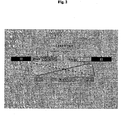
- RNA I-mediated marker gene down-regulation or silencing is shown in Fig. 1 :
- the host can only survive in the presence of the plasmid, because the plasmid provides the RNA I sequence that is complementary to the RNA II-like sequence and therefore hybridizes to the marker gene transcript, thus preventing the translation of the toxic protein.
- regulation of the system is based on RNA-RNA interaction between the RNA I of the plasmid and, complementary thereto, an RNA II-like sequence of defined length that is positioned upstream or downstream the ribosomal binding site of the marker gene sequence, usually within the host's mRNA.
- RNA II-like sequence The length of the RNA II-like sequence and its distance and position relative to the ribosomal binding site and to the start codon of the marker gene must be such that the plasmid-free host is able to translate the mRNA; which means that care must be taken that the RNA II-like sequence does not interfere with ribosomal binding and translation.
- the inserted RNA II-like sequence must be designed and positioned such that it guarantees sufficient RNA-RNA interaction of the complementary sequences, so that when the plasmid is present, the RNA I transcribed therefrom binds to the mRNA of the host in an extent sufficient to inhibit translation of the marker gene. Inhibition of the marker gene must be to an extent such that an advantage in growth is provided, as compared to cells where no plasmid, hence no RNA I, is present
- the bacterial host is engineered such that in the absence of the ColE1-type plasmid the marker mRNA is translated into a marker protein, and in presence of a ColE1-type plasmid, translation of the protein is completely or partially suppressed.
- said mRNA encodes a toxic protein that partially or completely inhibits cell growth, hosts that contain the plasmid will survive the toxicity or outgrow plasmid-free hosts.
- a toxic protein is toxic in the sense that it partially or completely inhibits growth of the cells, at least to an extent to which cells without the marker gene have an advantage with regard to growth rate. If there are two populations of cells, on the one hand a population with the marker gene and, on the other hand, a population without or with an inhibited marker gene, in an equimolar distribution, the cell population without or with an inhibited marker gene will increase to 99% of the population in less than 10 generations.
- expression of the marker gene is regulated by an additional mechanism, e.g. by induction.
- an inducible promoter is advantageously used for transcriptional control, which promotes mRNA transcription only upon addition of an inducer. Examples are the T7 promoter in a T7-polymerase producing host, given that T7-polymerase is under control of the IPTG, or the lactose-inducible Lac-promoter, or an arabinose-inducible promoter.
- said marker gene codes for a protein that is not per se toxic, but acts via an indirect mechanism, e.g. an enzyme, which, after addition of a substrate, modifies that substrate to a toxic substance.
- an enzyme e.g. an enzyme
- SacB from Bacillus subtilis.
- sacB encodes a protein called levan sucrase. This protein turns sucrose into levan, a substance that is toxic to bacteria.
- RNA I sequence of the ColE1-type plasmid represents an essential feature that contributes to the advantages of the system. It provides selection criteria for plasmid-bearing hosts without the use of additional selection markers on the plasmid, e.g. antibiotic resistance genes. Thus, the invention provides an innovative system for antibiotic-free selection of ColE1-type plasmids.
- ColE1-type plasmids are plasmids with a narrow host range. Replication is limited to E. coli and related bacteria such as Salmonella and Klebsiella (Kues and Stahl, 1989). Thus, the only mandatory property of the host is that it has the ability to replicate ColE1 plasmids. Suitable hosts are the widely used Escherichia Coli strains K12 or the B strain or related commercially available strains, e.g. JM108, TGI, DHSalpha, Nova Blue, XL1 Blue, HMS 174 or L121 (for review see Casali, 2003).
- Preferred genetic features of the host cell are mutations that improve plasmid stability and quality or recovery of intact recombinant protein.
- desirable genetic traits are recA (absence of homologous recombination), endA (absence of endonuclease I activity, which improves the quality of plasmid minipreps) or ompT (absence of an outer membrane protease), hsdr (abolished restriction but not methylation of certain sequences), hsdS (abolished restriction and methylation of certain sequences).
- HMS174(DE3) Novagen
- HMS174(DE3)pLysS Another example for a suitable host is HMS174(DE)pLysS, which additionally contains the pACYCI84 plasmid (Cm R ) that carries the gene for the T7-lysozyme to decrease the transcriptional activity of the T7-Promoter in the un-induced state.
- Fig. 2 The principle of a construct suitable for engineering the host cells is shown in Fig. 2 :
- the kanamycin resistance cassette can be obtained, by way of example, from the pUC4K vector (Invitrogen). It can be cloned into the fragment at two different sites, namely before or after the marker gene. To avoid unintended premature transcription of the marker gene before it is turned on deliberately, the gene is preferably inserted in the opposite direction of the chromosomal genes.
- the marker construct is integrated in the bacterial genome.
- This can be achieved by conventional methods, e.g. by using linear fragments that contain flanking sequences homologous to a neutral site on the chromosome, for example to the attTN7-site (Rogers et al., 1986; Waddel and Craig, 1988; Craig, 1989) or to the recA site. Fragments are transformed into the host, e.g. E. coli strains MG1655 or HMS174 that contain the plasmid pKD46 (Datsenko and Wanner; 2000). This plasmid carries the ⁇ Red function ( ⁇ , ⁇ exo) that promotes recombination in vivo .
- DY378 (Yu et al., 2000), an E . coli K12 strain which carries the defective ⁇ prophage, can be used.
- the chromosomal locus including the expression fragment can be brought into the HMS174(DE3) genome via transduction by P1 phage. Positive clones are selected for antibiotic resistance, e.g. in the case of using the Kan cassette for kanamycin, or chloramphenicol.
- the resistance genes can be eliminated afterwards using the FLP recombinase function based on the site-specific recombination system of the yeast 2 micron plasmid, the FLP recombinase and its recombination target sites FRTs (Datsenko and Wanner, 2000).
- the construct integrated in the host's genome it may be present on a phage or a plasmid that is different from a ColE1-type plasmid and that is compatible with the system of the invention in the sense that it does not influence expression of the marker gene (and the gene of interest).
- plasmids or phages examples include pACYC184 (which is a derivative of miniplasmid p15A; see Chang and Cohen, 1978), R1-miniplasmids (Diaz and Staudenbauer, 1982),F1-based plasmids or filamentous phages (Lin, 1984) or the plasmid pMMB67EH (form et al., 1986) that was used in the experiments of the invention.
- the arms are preferably in the range of 50 - 400 bp. In the Example homologous arms of 250 and 350 bp are used.
- the promoter region has to contain suitable operator sequences (e.g. the Lac operator) that allow control of gene expression.
- the T7 promoter, the tac or the trc promoter, the lac or the lacUV5 promoter, the p BAD promoter (Guzman et al., 1995), the trp promoter (inhibited by tryptophan), the P 1 promoter (with c i repressor) or the gal promoter are used.
- IPTG isopropyl thiogalactoside, an artificial inducer of the Lac operon
- lactose lactose
- a tightly regulable promoter like the arabinose-inducible PBAD promoter (Guzman et al., 1995) is preferably used, in particular in the case that the marker protein is per se toxic to the cells.
- Another way to control expression of the marker gene is by using constitutive promoters in combination with a gene that is non-toxic (e.g. a reporter gene) or only toxic under defined conditions, e.g. the Bacillus subtilis sacB gene. SacB is only toxic to E. coli when sucrose is present..
- the promoter is chosen in coordination with the effect of the marker gene product and the required efficiency of down-regulation or silencing effect of RNA I. For example, for a construct containing a non-toxic or less toxic marker gene, a stronger promoter is desirable.
- RNA II-like sequences that are complementary to RNA I (10-555 nt) have to be presented upstream of the marker gene, together with a ribosome binding site (Shine-Dalgarno sequence) that is upstream, downstream or embedded within said RNA II-like sequence.
- Shine-Dalgarno sequence refers to a short stretch of nucleotides on a prokaryotic mRNA molecule upstream of the translational start site, that serves to bind to ribosomal RNA and thereby brings the ribosome to the initiation codon on the mRNA.
- the SD sequence When located upstream of the RNA II-like sequence, the SD sequence, preferably consisting of 7 nucleotides (GAAGGAG) should be located approximately 4 to 15 bp, e.g. 7 bp, upstream of the ATG start codon of the marker gene.
- this sequence should be inserted such that only the stem region is altered, loop structures and preferably the whole secondary structure should stay intact in order to allow antisense RNA interaction with RNA I and formation of a kissing complex.
- the construct results in a fusion product comprising the marker sequence and the RNA II-like sequence.
- the RNA II-live sequence is inserted between the ribosomal binding site and the start codon; this approach is limited to the maximal gap possible to allow translation, e.g. IS to 20 bp. (If the distance between the ribosomal binding site and the start codon increases, translational efficiency decreases.)
- the RNA II-like sequence can be translationally coupled with the marker gene.
- a construct may be used that starts with a start ATG, followed by the RNA II-like sequence, a further ribosome binding site, a sequence which represents an overlap between a stop and a start codon, e.g. TGATG, and the marker sequence.
- the marker gene is only translated when the RNA II-like sequence has been translated before and separately from the marker gene.
- the advantage of this set up is that protein fusion to the marker gene is not required. This approach provides the option of separate translation, which may be beneficial for some marker proteins, e.g. in the case of some repressors like the Tet repressor.
- RNA I The interaction between RNA I and the marker mRNA that contains the RNA II-like sequence has the purpose to inhibit binding of the ribosome, thereby abolishing translation.
- Said mRNA is under control of an inducible promoter (e.g. the lac, arabinose or 17 promoter) and after induction (e.g. by IPTG, lactose, arabinose), expression of said marker gene is down-regulated, whenever sufficient RNA I is produced from the plasmid's origin of replication.
- an inducible promoter e.g. the lac, arabinose or 17 promoter
- IPTG IPTG, lactose, arabinose
- the marker gene encodes a lethal protein or a toxic protein that inhibits cell growth at least to a certain extent (as defined above); in this case, expression results in cell death or decreased cell growth (in plasmid-free cells), whereas down-regulation provides cell-growth (in plasmid-bearing cells).
- the marker gene may encode any protein the expression of which is to be regulated during growth of bacterial cells, for whatever purpose.
- the marker gene may be a reporter gene, as described below (2.4.).
- RNA I which is normally responsible for down-regulation of plasmid replication, acts as "gene-silencer", while inhibition of replication is decreased.
- the use of the system of the present invention results in an increase of plasmid replication, which is beneficial for survival of the bacterial host cells.
- RNA I-mediated down-regulation of the marker gene which is a key feature of the invention, can be applied to any gene the expression of which, for any given purpose, is to be regulated.
- RNA I-mediated down-regulation is useful for marker genes that are conditionally lethal to the host (e.g. see Davison, 2002, for review).
- marker genes that are toxic per se and suitable in the present invention are genes encoding restriction nucleases (e.g. CviAII, a restriction endonuclease originating from Chlorella virus PBCV-1; Zhang et al., 1992), EcoRI (Tones et al., 2000), genes encoding toxins that interact with proteins, e.g.
- restriction nucleases e.g. CviAII, a restriction endonuclease originating from Chlorella virus PBCV-1; Zhang et al., 1992), EcoRI (Tones et al., 2000
- genes encoding toxins that interact with proteins e.g.
- streptavidin or Stv13 (a truncated, easy soluble streptavidin variant), as described by Szafransky et al., 1997; Kaplan et al., 1999; Sano et al., 1995, which act by deprivation of biotin, an essential protein in cell growth);genes encoding proteins that damage membranes (the E gene protein of ⁇ X174 (Ronchel et al., 1998; Haidinger et al., 2002), gef (Jensen et al., 1993; Klemm et al., 1995), relF (Knudsen et al., 1995); genes that encode other bacterial toxins, e.g.
- the marker gene is selected from genes encoding restriction nucleases, streptavidin or genes that have an indirect toxic effect, e.g. SacB, as described above.
- the toxic marker protein is not lethal or toxic per se or due to a toxic effect upon its expression, but a repressor protein which acts by repressing the transcription of a gene that is essential for growth of said bacterial cell.
- RNA I-mediated down-regulation in the presence of the plasmid affects the repressor.
- the promoter of an essential gene is modified by providing a binding DNA sequence (an "operator"), preferably the natural promoter is replaced by a complete, inducible promoter (containing an operator sequence) in such way that the expressed repressor protein, e.g. the Tet repressor, can bind to that operator, thereby inhibiting transcription and regulating expression of the essential gene, e.g. murA (by expression of the Tet repressor.).
- the operator is a DNA sequence to which its specific repressor or enhancer is bound, whereby the transcription of the adjacent gene is regulated, e.g. the lac operator located in the lac promoter with the sequence TGGAATTGTGAGCGGATAACAATT (SEQ ID NO: 53; Gilbert and Maxam, 1973) or derivatives thereof (Bahl et al., 1977).
- the repressor gene which should not be present in the wild-type host, is engineered into the genome under the control of an inducible promoter, e.g. the T7, the lac or the tac promoter. Under normal growth conditions, the repressor is not expressed. After induction, by e.g.
- RNA I is produced which can bind to the repressor mRNA, which had been modified accordingly.
- the translation of the repressor is inhibited (analogously to any other toxic marker protein). Consequently, the essential gene product can be produced and the cells maintain viable and grow.
- the bacterial host comprises, besides the RNA II-like sequence, one of its essentials genes (as naturally embedded in the bacterial genome) under the control of an inducible promoter (which has been engineered into the genome to modify or, preferably completely replace the naturally occurring promoter of the essential gene).
- the promoter region controlling the essential gene also contains a DNA sequence (operator) that is recognized and specifically bound by said repressor protein.
- the repressor gene which is engineered into the bacterial chromosome, is also under the control of an inducible promoter that is different from the promoter controlling the essential gene in thus independently inducible.
- Essential bacterial genes are known from the literature, e.g.
- a repressor is a protein that binds to an operator located within the promoter of an operon, thereby down-regulation transcription of the gene(s) located within said operon.
- repressors suitable in the present invention are the tetracyclin repressor (tet) protein TetR, which regulates transcription of a family of tetracycline resistance determinants in Gram-negative bacteria and binds to tetracyclin (Beck, et al., 1982; Postle et al., 1984), the tryptophan repressor (trp), which binds to the operator of the trp operon, which contains the tryptophan biosynthesis gene (Yanofski et al., 1987).
- inducible promoters examples include promoters, where transcription starts upon addition of a substance, thus being regulable by the environment, e.g. the lac promoter, which is inducible by IPTG (Jacob and Monod, 1961), the arabinose-promoter (pBAD), inducible by arabinose (Guzman et al., 1995), and copper-inducible promoters (Rouch and Brown, 1997).
- lac promoter which is inducible by IPTG (Jacob and Monod, 1961), the arabinose-promoter (pBAD), inducible by arabinose (Guzman et al., 1995), and copper-inducible promoters (Rouch and Brown, 1997).
- tet-repressor tetR
- tetR tet-repressor
- the first set of constructs comprises cassettes that serve to replace (or modify) promoters of specific essential genes on the genome.
- the second type of cassettes serve as test constructs employing GFP as a surrogate for an essential gene to provide proof of concept.
- the aim of the experiments using the GFP test constructs is to evaluate regulatory cascades, promoter strengths and thus adjustment of all interacting components of the system.
- the marker gene is a reporter gene, e.g. encoding GFP (Green Fluorescent Protein), hSOD (human superoxide dismutase), CAT (chloramphenicol acetyltransferase) or luciferase.
- GFP Green Fluorescent Protein
- hSOD human superoxide dismutase
- CAT chloramphenicol acetyltransferase
- luciferase e.g. encoding GFP (Green Fluorescent Protein), hSOD (human superoxide dismutase), CAT (chloramphenicol acetyltransferase) or luciferase.
- a reporter gene is useful in cultivation processes whenever information on the presence or absence of a ColE1-type plasmid in a host cell or on plasmid copy number is needed. Such information is particularly useful when fermentation processes are to be optimized with regard to control of plasmid copy number.
- a reporter gene may also serve as a surrogate of a toxic marker gene, and may thus be used in experimental settings that aim at proving the functionality of constructs to be employed for the gene-regulating or silencing and to determine their effect on a toxic marker gene.
- the reporter gene "green fluorescent protein” served as a model in the initial experiments of the invention. Due to its auto-fluorescence (Tsien, 1998) GFP was considered suitable to substitute the marker gene, or the essential gene, respectively, in the initial experiments.
- the marker gene may be an endogenous host gene, which may be any gene of interest that is intended to be regulated.
- the host cell is engineered such that the sequence encoding the RNA II- like sequence is operably associated with the relevant host gene, as described in 2.3.
- ColE1-type plasmids with their natural RNA I/RNA II pairs, as well as with modified RNA I and/or RNA II sequences, e.g. as described in WO 02/29067 , may be used.
- ColE1-type plasmids are the naturally occurring ColEl plasmids pMB1, p15A, pJHCMW1, as well as the commonly used and commercially available cloning vehicles such as pBR322 and related vectors, the pUC plasmids, the pET plasmids and the pBluescript vectors.
- the plasmid basically only contains the ColE1 origin of replication and the gene expression cassette carrying the gene of interest.
- the gene of interest on the plasmid and its promoter depend on the type of application; the invention is not limited in any way with respect to the gene of interest, e.g. a therapeutic gene.
- the gene may be operably associated to an eukaryotic promoter, e.g. the CMV promoter.
- the present invention can be widely used in state-of-the-art fermentations, both for plasmid DNA production and for producing recombinant proteins.
- the cells can be cultivated in controlled fermenters in so-called "batch fermentations", in which all nutrients are provided at the beginning and in which no nutrients are added during cultivation. Cultivations of this type may be carried out with culture media containing so called “complex components" as carbon and nitrogen sources, as described e.g. by O'Kennedy et al., 2003, and Lahijani et al., 1996, and in WO 96/40905 , US 5,487,986 and WO 02/064752 .
- synthetic media may be used for pDNA production, e.g. defined culture media that are specifically designed for pDNA production (Wang et al., 2001; WO 02/064752 ).
- the present invention may also be used in fed batch fermentations of E . coli, in which one or more nutrients are supplied to the culture by feeding, typically by using a feed-back control algorithm by feeding nutrients in order to control a process parameter at a defined set point.
- Feed-back control is hence directly related to cell activities throughout fermentation.
- Control parameters which may be used for feed-back control of fermentations include pH value, on line measured cell density or dissolved oxygen tension (DOT).
- DOT dissolved oxygen tension
- Another, more complex algorithm uses both the DOT and the pH value as control parameters for a feed-back cultivation method ( US 5,955,323; Chen et al., 1997 ).
- Another feeding mode is based on the supply of feeding medium following an exponential function.
- the feeding rate is controlled based on a desired specific growth rate ⁇ .
- WO 96/40905 and O'Kennedy et al., 2003 describe methods that use an exponential fed-batch process for plasmid DNA production.
- Lahijani et al., 1996 describe combining exponential feeding with temperature-controllable enhancement of plasmid replication.
- the invention may be applied in a process for producing plasmid DNA, in which E. coli cells are first grown in a pre culture and subsequently fermented in a main culture, the main culture being a fed-batch process comprising a batch phase and a feeding phase.
- the culture media of the batch phase and the culture medium added during the feeding phase are chemically defined, and the culture medium of the feeding phase contains a growth-limiting substrate and is added at a feeding rate that follows a pre-defined exponential function, thereby controlling the specific growth rate at a pre-defined value.
- the inducer may be added to the batch at the beginning and/or pulse-wise (both in a batch and in fed-batch cultivations). During the feed phase, the inducer may be added pulse-wise or continuously.
- the cells are harvested and the plasmid DNA is isolated and purified according to processes known in the art, e.g. by methods based on anion exchange and gel permeation chromatography, as described in US 5,981,735 or by using two chromatographic steps, i.e. an anion exchange chromatography as the first step and reversed phase chromatography as the second step, as described in US 6,197,553 .
- Another suitable method for manufacturing plasmid DNA is described in WO 03/051483 , which uses two different chromatographic steps, combined with a monolithic support.
- any method may be used that has proven useful for expressing a gene of interest in E. coli , in particular from a ColE1 type plasmid (see, for review, e.g. Jonasson et al., 2002; Balbas, 2001).
- the protein may be obtained intracellularly (completely or partially soluble or as inclusion bodies) or by secretion (into the cell culture medium or the periplasmic space) from batch fermentations or, preferably, fed-batch cultivations, using complex, synthetic or semisynthetic media.
- the gene of interest In plasmid DNA production, usually plasmid DNA for gene therapy applications, the gene of interest is not expressed in the bacterial host cell. In view of its application in mammals, preferably in humans, where it is to be ultimately expressed, the gene of interest is usually operably associated with a eukaryotic promoter. In contrast, for recombinant production of proteins in E. coli , the gene of interest is to be expressed in the host cell therefore under the control of a prokaryotic promoter.
- the two promoters i.e. the promoter controlling the marker gene and the promoter controlling the gene of interest, may be different or the same, as long as no interference occurs that disturbs expression of either one.
- the promoters are differently regulated.
- the promoter controlling the marker gene is active at the start of the fermentation process and produces moderate amounts of mRNA, while the promoter of the gene of interest is rather strong and activated at a chosen time-point during fermentation.
- inducible promoters are used for both the gene of interest and the marker gene, they are usually chosen such that they are turned on by different inducers.
- the marker gene may be under an inducible and the gene of interest under a constitutive promoter, or vice versa. This applies both for methods in which the marker gene construct is integrated in the bacterial host genome and in which the marker gene construct is contained in a plasmid or phage, as described above.
- the invention has the great advantage that all replicated plasmids are devoid of antibiotic resistance genes and are therefore, in addition to gene therapy applications, suitable for all applications for which the absence of antibiotic resistance genes is required or desirable, e.g. for the generation of recombinant yeast strains that are intended for human and animal food production or for the generation of recombinant plants.
- oligonucleotides as shown in Table 1 are used: Table 1: SEQ ID NO: Primer Length Sequence 1 T7 rbs@st-loop2+1 159 mer 2 T7-atg-loop2-sbulge 161 mer 3 T7Prom-sRNA I_ColE1-back 45mer 4 asRNA I_ColE1-for 20mer 5' AACAAAAAAACCACCGCTAC 3' 5 T7Prom-RNA IIse_ColEI-back 45mer 6 RNA IIse_ColEI-for 20mer 5' ACAGTATTTGGTATCTGCGC 3' 7 oligo-T7prom-p11a-back 23mer 5'GAAATTAATACGACTCACTATAG 3' SEQ ID NO: Primer Length SEQUENCE 8 oligo-GFP-for 23mer 5'ACCATCTAATTCAACAAGAATTG 3'
- oligonucleotides of SEQ ID NO: 1 and 2 containing the RNA-I complementary sequence in the context with the T7 promoter and ribosomal binding site, and the first 60 nucleotides of the GFP cDNA are amplified using oligonucleotide of SEQ ID NO: 7 and 8 and used for in vitro transcription by T7 polymerase (see Example 1).
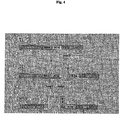
- Oligonucleotide of SEQ ID NO: 1 contains loop 1 and loop 2 of RNA I (equivalent to III in Fig. 4 )
- the oligonucleotide of SEQ ID NO: 2 contains loop 2 of RNA I (equivalent to II in Fig. 4 ).
- Oligonucleotides of SEQ ID NO: 3 and 4 are used to amplify RNA I (110 bp) from a ColE1 plasmid and to incorporate the T7 promoter for in vitro transcription.
- Oligonucleotides of SEQ ID NO: 5 and 6 are used to amplify RNA II 180nt from a ColE1 plasmid and to incorporate the T7 promoter for in vitro transcription.
- Oligonucleotides of SEQ ID NO: 7 and 8 are also used to produce DNA for the negative control (equivalent to I in Fig. 4 ) from pet11aGFP as template.
- Negative control is a fragment of the green fluorescent protein mRNA in context with the T7 promoter and a ribosomal binding site.
- RNA hybrids of RNA I to different synthetic RNAs and to RNA II are subjected to a gel shift assay.
- RNA II-like sequence transcribed in vitro and incubated with in vitro transcribed RNA I. Hybridization is detected on native RNA-polyacrylamide gels.
- RNA I and synthetic constructs with RNA II hairpin structures at their 5' end are obtained by in vitro transcription (Ampliscribe, T7-Flash Transcription Kit; Epicentre) ( Fig 2 ).
- 110 bp of RNA I and RNA II each from pBR322 ori and oligonucleotides (oligonucleotides SEQ ID NO: 1 and 2) obtained from Metabion are amplified by PCR and serve as linear DNA templates for in vitro transcription.
- RNAs are heated separately, prior to hybridization.
- Gels are 75 mm thick, 5% (w/v) polyacrylamide (60:1) and are run in a mini protein gel apparatus (Pharmacia) cooled with ice cold water.
- the running buffer is 1x Tris-borate (89 mM Tris (pH 8.3), 89 mM boric acid) containing 5 mM MgCl 2 . Bands are stained with ethidium bromide and viewed using a UV transilluminator.
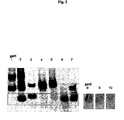
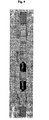
- Gel 1 of Fig. 3 shows positive (RNAII108 nt, corresponding to the complete RNAI sequence and negative control. If a reaction has occurred between the two RNAs, the (marked) RNAI band appears weaker, because it is retarded.
- Loop2GFP (lane 9) shows a slightly weakened RNA I band compared to the negative control, whereas Loop1+2GFP (lane 10) shows a dramatic decrease in the RNA I band, indicating formation of a kissing complex. This data shows that RNA-RNA interaction with the presence of only one loop is efficient.
- Loop constructs that indicate formation of a kissing complex on the gel - even a weak one - are cloned into pMMB67EH and pBluescriptII KS+ and tested for GFP expression. Since interaction of RNA I with a marker containing two hairpin loops is stronger, this construct is considered the favorite candidate for the in vivo experiments.
- RNA II stem loops are cloned into an expression vector. Secondary structures and proper folding of the transcript are confirmed by the computer program RNAfold (Gene Quest, Vienna RNA folding procedure; see Zuker, 1999).
- RNAfold Gene Quest, Vienna RNA folding procedure; see Zuker, 1999.
- an expression vector with a non-ColE1 origin for example pMMB67EH (Fürste et al., 1986) is considered useful to circumvent RNA I-target interactions within the plasmid and to determine whether GFP expression is hampered by the presence of additional sequences in proximity of the ribosomal binding site. This is considered to be an important point, because additional sequences and secondary structures on or near the ribosomal track usually decrease or even completely inhibit gene expression (Malmgren, 1996; Ringquist, 1993).
- RNA II-like sequences are constructed ( Fig. 4 ). Two different RNA II-like sequences are inserted upstream of the GFP coding sequences, under control of the T7 promoter and lac operator.
- the gfp gene is amplified from pGFPmut3.1 by primers NheI-GFP-back and BamHI-GFP-for (for primer sequences see Table 2).
- the T7/lacO promoter - with and without RNAII loops/RBS combinations - is fully synthesized on primers (HindIII-T7GFP-back) and together with BamHI-GFP-for used to amplify gfp or synthesized on oligos (T7al3-oligo and T7L12ras -oligo) and fused to the amplified gfp by NheI restriction site.
- the constructs are cloned into the pMMB67EH vector to confirm GFP expression in spite of additional sequences in proximity to the ribosomal binding site. Both constructs produce GFP, but expression is significantly lower as compared to a construct without hairpin loops.
- the two constructs are cloned into vector pBluescript containing the Tn7 homologies and the kanamycin resistance gene, which serves for selection of hosts that have the capacity to integrate the entire cassette into the chromosome.
- the GFP cassettes are inserted on the bacterial chromosome as described before.
- Fig. 4 shows constructs that are cloned into pMMB67EH and also inserted on the genome of HMS174(DE3).
- T7aL3GFP and T7112rasGFP show GFP expression when cloned into pMMB67EH
- these expression cassettes - and T7GFP as a negative control - are inserted on the bacterial chromosome for testing their ability to serve as a target for antisense RNAI.
- the constructs are cloned into vector pBluescript KSII+ by BamHI and Hind III restriction sites.
- the Tn7 homologies are amplified from E.
- the entire plasmids are digested by NotI and KpnI for the cassette and by Alw44I for the digestion of the plasmid backbone.
- the gel purified linear cassette is inserted on the bacterial chromosome of MG1655 carrying the Red Helper plasmid pKD46.
- the chromosomal section carrying the inserted fragment is transferred to HMS174(DE3) by PI transduction. Correct insertion of the expression cassettes is confirmed by PCR (external primers (Table 3) and internal primers).
- chromosomal insertion site attTn7 is chosen (deBoy and Craig, 2000), which is situated in the non-coding region between genes glmS and phoS within the transcriptional terminator ofglmS. By the specified Tn7 primers only this transcriptional terminator is replaced by the cassette. (Yu and coworkers demonstrated that homologies of 40 bp are sufficient for integration of linear fragments into the chromosome (Yu et al., 2000)). As better results are obtained with longer homologies, they are extended to 300 bp on one side and 240 bp on the other side.
- HMS174(DE3) does not seem to be suitable for direct integration of linear DNA by Red Helper plasmid
- MG1655 is used for initial integration and by P1 transduction the recombinant chromosomal section is transferred into HMS174(DE3).
- the obtained strains are designated I) IS5, II) IS11 and III) IS13 and tested for GFP expression and RNAI-mediated gene silencing effect in shake flask experiments.
- overnight cultures are diluted 1:100 and grown until OD 600 ⁇ 0.5.
- IPTG is added for induction. Fluorescence is measured by the microplate reader SPECTRAmax GeminiXS and software, SOFTmax Pro (Molecular devices) at excitation wavelength 488 nm and emission 530 nm with a 515 nm cutoff filter.
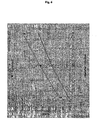
- IS5 is transformed with different plasmids, including pET11a, pET3d, pMMB67EH and pBR322, to check for undesired interaction between plasmid and genomic gene expression ( Fig. 6 ). It is found that only when the GFP mRNA contains the RNA II-like sequence and a ColE1 plasmid is used that does not contain homologous sequences to the cassette on the genome, e.g. the T7 promoter or the lac operator, a defined gene silencing effect can be observed. No interference between host and plasmid disturbs the antisense reaction when using pBR322 related plasmids that are typically used in gene therapy.
- Fig. 5 shows the comparison of strains IS11 and IS13 with and without pBR322.
- Rfu/OD are fluorescence units related to optical density. The increase of GFP fluorescence is observed after induction in intervals of 1.5 hrs.
- Fig. 6 shows the results of the shake flask experiments with ISS containing various plasmids.
- pBR322 and related plasmids show no interference between host and plasmid.
- the E . coli strains IS11 and IS5 are analyzed during a fed-batch fermentation process, with and without the presence of plasmid pBR322.
- Table 4 summarizes the experimental set-up of four fed-batch fermentations. Each strain is grown either in the presence or absence of pBR322.
- Fig. 7a shows bacterial dry mass (BDM) and GFP expression of IS11 with or without maintenance of pBR322. While the total BDM is identical for both fermentations, the GFP concentration is drastically decreased when pBR322 is present (50%).
- the curve progression of GFP measurements strongly indicates inhibition of GFP translation by the plasmid's presence, hence, its replication, and confirms the expectation that RNA I and the modified mRNA of GFP interact, thereby hampering translation ( Fig. 7a ).
- the first essential gene to be tested is map (Li et al., 2004), the gene for the methionine aminopeptidase, which is located at min 4 of the E . coli chromosome, 357 base pairs from the rpsB-tsf operon and 201 bp from the T44-RNA gene.
- the two genes are transcribed divergently and promoters do not overlap. This is an essential point, because the promoter of the essential gene is to be removed entirely and replaced by an inducible promoter that is specific for a chosen repressor.
- Chang et al, 1989 described a conditionally lethal mutant strain which has the map gene controlled by the lac promoter.
- map cassette a 67 bp chromosomal section is replaced containing the map promoters (Chang et al, 1989).
- two strong transcriptional terminators T1 and T2 from the rrnB operon are added to the integration cassette.
- the second gene that is tested is murA (Brown et al, 1995), which has been described as an essential E. coli gene.
- the gene murA encoding the enzyme UDP- N -acetylglucosamine enolpyruvyl transferase for the first committed step of bacterial cell wall biosynthesis, is situated on the E. coli chromosome at 69.3 min Herring and Blattner compared death curves of several conditional lethal amber mutants in their publication (Herring and Blattner, 2004), amongst others also those of map and murA mutants. But of all the mutations murA is far the most bactericidal showing the best and fastest killing rate in non-permissive medium.
- Fig. 8 shows the principle of a construct based on an essential gene, including replacement of essential gene promoter.
- the constructs for genomic integration are cloned into vector pBluescript KSII+ again.
- the essential gene homologies, each ⁇ 300 bp are amplified from MG1655 colonies with primer pairs SacI-map1-for / NotI-map1-back and XhoI-map2-back / KpnI-map2-for for the map homologies and primer pairs SacI-murA1-for / NotI-murA1-back and XhoI-murA2-back / KpnI-murA2-for for the murA homologies (for primer sequences see Table 5).
- the assembled vectors pBSKmap ⁇ plac-T12-Cat> and pBSKmurA ⁇ plac-T12-Cat> are digested by SacI and KpnI and the linearized cassettes are inserted on the genome of MG1655 as described previously. Correct integration of the cassettes is verified by PCR combining external primers (map1 extern, map2 extern, murA1 extern, murA2 extern; Table 5) and internal primers.
- Table 5 The primers for essential and test gene constructs are shown in Table 5.
- Table 5 SEQ ID NO: Primer Sequence 25 Not-map1-back 26 SacI-map1-for 27 XhoI- map2-back 28 KpnI- map2-for 29 map2 extern 5' TTC GGG TTC CAG TAA CGG G 3' 30 map1extern 5'TTT CGA GGT ATC GCC GTG G 3' 31 SacI-murA1- for 32 NotI-murA1-back 33 XhoI- murA2-back 34 KpnI- murA2- I for 35 murA1 extern 5' GTA CAA CCG CCA GGT AGT G 3' 36 murA2 extern 5' GTC TGA TTT ATC AGC GAG GC 3' 37 HindIII-SalI-Cat-back 38 XhoI-Cat-for 39 BamHI-T12-for 40 HindIII-T12-back 41 BamHI-placO-back 42 NotI-placO-for
- ribosomal binding site (RBS) is provided on the primers NotI-map/murA-for, as it is intended not to replace the native RBS by the cassette to keep gene expression pattern as normal as possible. So the aim is to replace any promoter in front of the essential gene but to keep the native RBS intact.
- Fig. 9 The principal of the constructs, exemplified by pBluescriptKSII+, is shown in Fig. 9 .
- the plasmid pBSKTn7 ⁇ pLtetOgfp-T7aL3tetR-Cat> is constructed in several successive cloning steps from pBSKTn7 ⁇ T7a13GFP> as starting vector and intermediate plasmids containing the individual fragments (for primer sequences see Table 5 and 6).
- Tn7 homology 1 is amplified from a bacterial template using primers SacI-Tn7/1-back and EcoRI-Tn7/1-for
- Tn7 homology 2 is amplified using primers XhoI-Tn7/2-back and KpnI-Tn7/2-for
- rrnBT12 terminators are amplified using primers EcoRI-T12-back and HindIII-SalI-T12 for and the cat gene is amplified by primers HindIII-SalI-Cat-back and XhoI-Cat-for. (Table 5).
- the tetracyclin repressor gene ( tetR ) is amplified from the tetracycline resistant strain IS1 (HMS174(DE3) ilv500::Tn10) containing Tn10 by primers NheI-tetR-back and BamHI-tetR-for.
- the tet-inducible pLtetO promoter is fully synthesized on a primer (HindIII-PLtetO-NotI-RBS-GFP back) and together with primer EcoRI-GFP-for used to amplify gfp .
- the shake flask experiment with HMS-GTC is performed to test if the synthetic promoter pLtetO is working and tetR with the small fusion peptide (Loop3) on its N-terminus is still efficient in operator-binding.
- the induced media contain 0.1 mmol IPTG, and is increased to 0.5 mmol IPTG at OD 0.5. This high amount of IPTG is the reason of the growth inhibition of the induced flask ( Fig. 10 ). IPTG addition shuts down transcription of the gfp gene, indicating that the reaction cascade functions properly. The low - and constant - basal GFP level in the induced flask is apparently caused by remaining GFP from the overnight culture without IPTG.
- the HMS-GTC shake flask results are compared with shake flask experiments of the same host and MG1655-GTC containing plasmid pBR322.
- MG1655 lacks the DE3 prophage and thus the T7-polymerase and so serves as negative control. Presence of pBR322 always shows increased GFP expression.
- Table 7 the mean ratio (plasmid/no plasmid) of ng GFP/OD in the shake flasks is calculated and both hosts containing a chromosomal copy of the cassette as well as different induction strategies are compared.
- RNAI and its antisense reaction with the loop3 of RNAII is the antagonist of the inducer IPTG.
- IPTG is a strong inducer and RNAI-loop3 antisense reaction is comparatively weak.
Landscapes
- Genetics & Genomics (AREA)
- Health & Medical Sciences (AREA)
- Life Sciences & Earth Sciences (AREA)
- Engineering & Computer Science (AREA)
- Wood Science & Technology (AREA)
- Organic Chemistry (AREA)
- Biomedical Technology (AREA)
- Biotechnology (AREA)
- General Engineering & Computer Science (AREA)
- Chemical & Material Sciences (AREA)
- Zoology (AREA)
- Bioinformatics & Cheminformatics (AREA)
- Biophysics (AREA)
- Microbiology (AREA)
- Plant Pathology (AREA)
- Molecular Biology (AREA)
- Biochemistry (AREA)
- General Health & Medical Sciences (AREA)
- Physics & Mathematics (AREA)
- Micro-Organisms Or Cultivation Processes Thereof (AREA)
- Preparation Of Compounds By Using Micro-Organisms (AREA)
- Breeding Of Plants And Reproduction By Means Of Culturing (AREA)
- Peptides Or Proteins (AREA)
- Measuring Or Testing Involving Enzymes Or Micro-Organisms (AREA)
Priority Applications (1)
| Application Number | Priority Date | Filing Date | Title |
|---|---|---|---|
| EP05789661.5A EP1794299B1 (en) | 2004-09-17 | 2005-09-08 | Host-vector system for antibiotic-free cole1 plasmid propagation |
Applications Claiming Priority (3)
| Application Number | Priority Date | Filing Date | Title |
|---|---|---|---|
| EP04022201 | 2004-09-17 | ||
| PCT/EP2005/054450 WO2006029985A2 (en) | 2004-09-17 | 2005-09-08 | Host-vector system for antibiotic-free cole1 plasmid propagation |
| EP05789661.5A EP1794299B1 (en) | 2004-09-17 | 2005-09-08 | Host-vector system for antibiotic-free cole1 plasmid propagation |
Publications (2)
| Publication Number | Publication Date |
|---|---|
| EP1794299A2 EP1794299A2 (en) | 2007-06-13 |
| EP1794299B1 true EP1794299B1 (en) | 2015-09-02 |
Family
ID=34926585
Family Applications (1)
| Application Number | Title | Priority Date | Filing Date |
|---|---|---|---|
| EP05789661.5A Expired - Lifetime EP1794299B1 (en) | 2004-09-17 | 2005-09-08 | Host-vector system for antibiotic-free cole1 plasmid propagation |
Country Status (13)
| Country | Link |
|---|---|
| US (2) | US20060063232A1 (enExample) |
| EP (1) | EP1794299B1 (enExample) |
| JP (1) | JP5301832B2 (enExample) |
| KR (2) | KR101023066B1 (enExample) |
| CN (2) | CN103555644B (enExample) |
| AR (2) | AR050649A1 (enExample) |
| AU (1) | AU2005284136B2 (enExample) |
| BR (1) | BRPI0515436A (enExample) |
| CA (1) | CA2580009C (enExample) |
| IL (1) | IL181919A (enExample) |
| NZ (1) | NZ554236A (enExample) |
| TW (1) | TWI311152B (enExample) |
| WO (1) | WO2006029985A2 (enExample) |
Families Citing this family (23)
| Publication number | Priority date | Publication date | Assignee | Title |
|---|---|---|---|---|
| GB0327056D0 (en) * | 2003-11-20 | 2003-12-24 | Cobra Biolog Ltd | Plasmid maintenance |
| AU2008252990B2 (en) | 2007-05-17 | 2015-01-15 | Boehringer Ingelheim Rcv Gmbh & Co Kg | Method for producing a recombinant protein on a manufacturing scale |
| EP2152889B1 (en) * | 2007-05-29 | 2017-03-15 | Nature Technology Corporation | Vectors and methods for genetic immunization |
| EP2173879A4 (en) * | 2007-07-16 | 2010-10-20 | Royal Veterinary College | GEN / INHIBITOR COMBINATIONS WITH MUTUAL SUPPRESSION FOR THE ANTIBIOTIC-FREE SELECTION OF RECOMBINANT STRAINS |
| JP5538691B2 (ja) * | 2007-11-22 | 2014-07-02 | 独立行政法人科学技術振興機構 | Rna−蛋白質相互作用モチーフを利用した蛋白質応答翻訳制御システム |
| EP2500427B1 (en) | 2007-11-22 | 2014-07-30 | Japan Science and Technology Agency | Translation regulation system in cell or artifical cell model by using low-molecular-weight RNA |
| HUE031597T2 (en) * | 2009-05-22 | 2017-07-28 | Merial Inc | Antibiotic-free plasmid |
| US20110269184A1 (en) | 2009-07-16 | 2011-11-03 | Boehringer Ingelheim Rcv Gmbh & Co. Kg | Method for controlling plasmid copy number in e.coli |
| WO2012082946A2 (en) * | 2010-12-14 | 2012-06-21 | The Regents Of The University Of California | Creation of super-stable coie1 plasmids by duplication of sl 1-4 sequence and point mutations. |
| GB201021795D0 (en) * | 2010-12-21 | 2011-02-02 | Msd Biolog Uk Ltd | Expression Process |
| EP2890404B1 (en) | 2012-08-29 | 2018-06-13 | Nature Technology Corporation | Dna plasmids with improved expression |
| WO2014077863A1 (en) | 2012-11-19 | 2014-05-22 | Nature Technology Corporation | Replicative minicircle vectors with improved expression |
| JP7161991B2 (ja) * | 2016-11-02 | 2022-10-27 | アーチャーディーエックス, エルエルシー | 免疫レパートリーシーケンシングのための核酸サンプル調製の方法 |
| CN107142272A (zh) * | 2017-06-05 | 2017-09-08 | 南京金斯瑞生物科技有限公司 | 一种控制大肠杆菌中质粒复制的方法 |
| DK3456821T4 (da) | 2017-09-19 | 2024-04-15 | Deutsches Krebsforsch | Ikke-integrerende dna-vektorer til genetisk modifikation af celler |
| WO2019057774A1 (en) | 2017-09-19 | 2019-03-28 | Deutsches Krebsforschungszentrum | NON-INTEGRATING DNA VECTORS FOR THE GENETIC MODIFICATION OF CELLS |
| JP7520719B2 (ja) | 2018-03-21 | 2024-07-23 | アルデブロン,エル.エル.シー. | 生成が改良されたウイルス及び非ウイルスのナノプラスミドベクター |
| JP7661015B2 (ja) | 2020-06-12 | 2025-04-14 | ナガセヴィータ株式会社 | 目的タンパク質の製造方法 |
| WO2023166132A1 (en) * | 2022-03-04 | 2023-09-07 | Gen-H Genetic Engineering Heidelberg Gmbh | Microorganism strain for antibiotic-free plasmid-based fermentation and method for generation thereof |
| CN117187281A (zh) * | 2023-09-11 | 2023-12-08 | 云舟生物科技(广州)股份有限公司 | 一种无抗性质粒生产系统及其应用 |
| CN118028194B (zh) * | 2023-12-26 | 2024-09-06 | 浙江大学 | 基因组精简的恶臭假单胞菌菌株 |
| WO2025160245A1 (en) | 2024-01-25 | 2025-07-31 | Aldevron, L.L.C. | Viral and non-viral nanoplasmid vectors with improved production |
| WO2025231315A2 (en) | 2024-05-03 | 2025-11-06 | Aldevron, L.L.C. | Bacterial host strains |
Citations (1)
| Publication number | Priority date | Publication date | Assignee | Title |
|---|---|---|---|---|
| WO2005052167A2 (en) * | 2003-11-20 | 2005-06-09 | Cobra Biologics Limited | Plasmid maintenance |
Family Cites Families (6)
| Publication number | Priority date | Publication date | Assignee | Title |
|---|---|---|---|---|
| GB9215541D0 (en) * | 1992-07-22 | 1992-09-02 | Celltech Ltd | Protein expression system |
| US5922583A (en) * | 1995-10-17 | 1999-07-13 | Biostar Inc. | Methods for production of recombinant plasmids |
| EP1195436A1 (en) | 2000-10-04 | 2002-04-10 | BOEHRINGER INGELHEIM INTERNATIONAL GmbH | Expression vectors with modified ColE1 origin of replication for control of plasmid copy number |
| US20040248083A1 (en) * | 2001-05-17 | 2004-12-09 | Mikkelsen Jacob Giehm | Vectors for gene therapy |
| SE0102204D0 (sv) * | 2001-06-21 | 2001-06-21 | Leif Isaksson | New method |
| CN1490056A (zh) * | 2002-10-18 | 2004-04-21 | ��¡���ɵ°��̲��о����� | 针对hiv-1的免疫方法和组合物 |
-
2005
- 2005-09-06 TW TW94130459A patent/TWI311152B/zh not_active IP Right Cessation
- 2005-09-08 JP JP2007531743A patent/JP5301832B2/ja not_active Expired - Lifetime
- 2005-09-08 BR BRPI0515436-7A patent/BRPI0515436A/pt not_active IP Right Cessation
- 2005-09-08 CN CN201310409070.8A patent/CN103555644B/zh not_active Expired - Lifetime
- 2005-09-08 WO PCT/EP2005/054450 patent/WO2006029985A2/en not_active Ceased
- 2005-09-08 KR KR20077007467A patent/KR101023066B1/ko not_active Expired - Lifetime
- 2005-09-08 CN CNA2005800377789A patent/CN101052722A/zh active Pending
- 2005-09-08 CA CA 2580009 patent/CA2580009C/en not_active Expired - Lifetime
- 2005-09-08 KR KR1020107017286A patent/KR20100101689A/ko not_active Ceased
- 2005-09-08 NZ NZ554236A patent/NZ554236A/en not_active IP Right Cessation
- 2005-09-08 AU AU2005284136A patent/AU2005284136B2/en not_active Expired
- 2005-09-08 EP EP05789661.5A patent/EP1794299B1/en not_active Expired - Lifetime
- 2005-09-14 US US11/226,795 patent/US20060063232A1/en not_active Abandoned
- 2005-09-19 AR ARP050103886 patent/AR050649A1/es not_active Application Discontinuation
-
2007
- 2007-03-14 IL IL181919A patent/IL181919A/en not_active IP Right Cessation
-
2008
- 2008-10-28 US US12/259,662 patent/US9297014B2/en active Active
-
2011
- 2011-01-21 AR ARP110100203 patent/AR079958A2/es unknown
Patent Citations (1)
| Publication number | Priority date | Publication date | Assignee | Title |
|---|---|---|---|---|
| WO2005052167A2 (en) * | 2003-11-20 | 2005-06-09 | Cobra Biologics Limited | Plasmid maintenance |
Non-Patent Citations (2)
| Title |
|---|
| CRANENBURGH R M ET AL: "Escherichia coli strains that allow antibiotic-free plasmid selection and maintenance by repressor titration", NUCLEIC ACIDS RESEARCH, OXFORD UNIVERSITY PRESS, SURREY, GB LNKD- DOI:10.1093/NAR/29.5.E26, vol. 29, no. 5, 1 March 2001 (2001-03-01), pages E26, XP002253525, ISSN: 0305-1048 * |
| PICHLER S.: "Produktion resistenzfreier Plasmide für den therapeutischen EInsatz von DNA im Bereich der Humanmedizin", MASTER THESIS FROM UNIVERISITY OF NATURAL RESOURCES AND AND LIFE SCIENCES, August 2000 (2000-08-01), Vienna, pages 1 - 43 * |
Also Published As
| Publication number | Publication date |
|---|---|
| IL181919A (en) | 2012-04-30 |
| CA2580009C (en) | 2013-12-17 |
| AR050649A1 (es) | 2006-11-08 |
| AU2005284136B2 (en) | 2011-07-14 |
| TWI311152B (en) | 2009-06-21 |
| TW200621985A (en) | 2006-07-01 |
| KR101023066B1 (ko) | 2011-03-24 |
| AU2005284136A1 (en) | 2006-03-23 |
| CN103555644A (zh) | 2014-02-05 |
| US20090263861A1 (en) | 2009-10-22 |
| KR20100101689A (ko) | 2010-09-17 |
| EP1794299A2 (en) | 2007-06-13 |
| KR20070059130A (ko) | 2007-06-11 |
| NZ554236A (en) | 2010-05-28 |
| WO2006029985A3 (en) | 2006-07-27 |
| CN101052722A (zh) | 2007-10-10 |
| US9297014B2 (en) | 2016-03-29 |
| BRPI0515436A (pt) | 2008-07-22 |
| AR079958A2 (es) | 2012-02-29 |
| JP2008512998A (ja) | 2008-05-01 |
| US20060063232A1 (en) | 2006-03-23 |
| IL181919A0 (en) | 2007-07-04 |
| CN103555644B (zh) | 2018-06-01 |
| JP5301832B2 (ja) | 2013-09-25 |
| WO2006029985A2 (en) | 2006-03-23 |
| CA2580009A1 (en) | 2006-03-23 |
Similar Documents
| Publication | Publication Date | Title |
|---|---|---|
| US9297014B2 (en) | Host-vector system antibiotic-free ColE1 plasmid propagation | |
| Lin-Chao et al. | The rate of processing and degradation of antisense RNAI regulates the replication of ColE1-type plasmids in vivo | |
| Wegerer et al. | Optimization of an E. coli L-rhamnose-inducible expression vector: test of various genetic module combinations | |
| Williams et al. | Generic plasmid DNA production platform incorporating low metabolic burden seed‐stock and fed‐batch fermentation processes | |
| Cranenburgh et al. | Effect of plasmid copy number and lac operator sequence on antibiotic-free plasmid selection by operator-repressor titration in Escherichia coli | |
| US11618899B2 (en) | Cloning and expression vectors and systems | |
| Srinivas et al. | Escherichia coli vectors having stringently repressible replication origins allow a streamlining of Crispr/Cas9 gene editing | |
| EP1924693B1 (en) | Hybrid portable origin of replication plasmids | |
| PL222067B1 (pl) | Kaseta ekspresyjna, zastosowanie kasety ekspresyjnej, wektor ekspresyjny, komórka prokariotycznego gospodarza zawierająca wektor ekspresyjny, szczep bakteryjny oraz sposób wytwarzania polipeptydu | |
| US20110269184A1 (en) | Method for controlling plasmid copy number in e.coli | |
| JP2007151542A (ja) | 相同組換えによる目的遺伝子のクローニング及び発現方法 | |
| KR101461408B1 (ko) | 신규 선택 시스템 | |
| MX2007003110A (en) | Host-vector system for antibiotic-free cole1 plasmid propagation | |
| US8999672B2 (en) | Compositions and processes for improved plasmid DNA production | |
| Zh et al. | Design and study on characteristics of auto-and smoothly regulated genetic element O3/PlacUV5/Olac→ lacI | |
| CA2549263A1 (en) | Systems for tightly regulated gene expression | |
| KR20250042179A (ko) | CRISPR-Cas9-기반의 플라스미드 DNA 주형의 선형화 | |
| CN1989255A (zh) | 降低细胞中的自发突变率 | |
| CN117178056A (zh) | 用于生产无缝dna载体的方法 | |
| WO2025241623A1 (zh) | 一种翻译调控元件、表达载体、药物组合物、疫苗组合物、构建方法、表达目的蛋白的方法及应用 | |
| CN120400098A (zh) | 一种Cas12核酸酶突变体及其应用 | |
| Geist et al. | TraM protein of plasmid R1: in vitro selection of the target region reveals two consensus 7 bp binding motifs spaced by a 4 bp linker of defined sequence | |
| Zolotukhina et al. | Mutational Analysis of a Leader Region of the Escherichia coli ribB Gene |
Legal Events
| Date | Code | Title | Description |
|---|---|---|---|
| PUAI | Public reference made under article 153(3) epc to a published international application that has entered the european phase |
Free format text: ORIGINAL CODE: 0009012 |
|
| 17P | Request for examination filed |
Effective date: 20070417 |
|
| AK | Designated contracting states |
Kind code of ref document: A2 Designated state(s): AT BE BG CH CY CZ DE DK EE ES FI FR GB GR HU IE IS IT LI LT LU LV MC NL PL PT RO SE SI SK TR |
|
| TPAC | Observations filed by third parties |
Free format text: ORIGINAL CODE: EPIDOSNTIPA |
|
| DAX | Request for extension of the european patent (deleted) | ||
| 17Q | First examination report despatched |
Effective date: 20080714 |
|
| RAP1 | Party data changed (applicant data changed or rights of an application transferred) |
Owner name: BOEHRINGER INGELHEIM RCV GMBH & CO KG |
|
| GRAP | Despatch of communication of intention to grant a patent |
Free format text: ORIGINAL CODE: EPIDOSNIGR1 |
|
| GRAS | Grant fee paid |
Free format text: ORIGINAL CODE: EPIDOSNIGR3 |
|
| GRAP | Despatch of communication of intention to grant a patent |
Free format text: ORIGINAL CODE: EPIDOSNIGR1 |
|
| RIN1 | Information on inventor provided before grant (corrected) |
Inventor name: PFAFFENZELLER, IRENE Inventor name: GRABHERR, REINGARD |
|
| INTG | Intention to grant announced |
Effective date: 20140617 |
|
| GRAP | Despatch of communication of intention to grant a patent |
Free format text: ORIGINAL CODE: EPIDOSNIGR1 |
|
| INTG | Intention to grant announced |
Effective date: 20141110 |
|
| GRAP | Despatch of communication of intention to grant a patent |
Free format text: ORIGINAL CODE: EPIDOSNIGR1 |
|
| INTG | Intention to grant announced |
Effective date: 20150318 |
|
| GRAS | Grant fee paid |
Free format text: ORIGINAL CODE: EPIDOSNIGR3 |
|
| GRAA | (expected) grant |
Free format text: ORIGINAL CODE: 0009210 |
|
| AK | Designated contracting states |
Kind code of ref document: B1 Designated state(s): AT BE BG CH CY CZ DE DK EE ES FI FR GB GR HU IE IS IT LI LT LU LV MC NL PL PT RO SE SI SK TR |
|
| REG | Reference to a national code |
Ref country code: GB Ref legal event code: FG4D |
|
| REG | Reference to a national code |
Ref country code: AT Ref legal event code: REF Ref document number: 746656 Country of ref document: AT Kind code of ref document: T Effective date: 20150915 Ref country code: CH Ref legal event code: EP |
|
| REG | Reference to a national code |
Ref country code: IE Ref legal event code: FG4D |
|
| REG | Reference to a national code |
Ref country code: DE Ref legal event code: R096 Ref document number: 602005047411 Country of ref document: DE |
|
| REG | Reference to a national code |
Ref country code: FR Ref legal event code: PLFP Year of fee payment: 11 |
|
| REG | Reference to a national code |
Ref country code: NL Ref legal event code: FP |
|
| PG25 | Lapsed in a contracting state [announced via postgrant information from national office to epo] |
Ref country code: LT Free format text: LAPSE BECAUSE OF FAILURE TO SUBMIT A TRANSLATION OF THE DESCRIPTION OR TO PAY THE FEE WITHIN THE PRESCRIBED TIME-LIMIT Effective date: 20150902 Ref country code: GR Free format text: LAPSE BECAUSE OF FAILURE TO SUBMIT A TRANSLATION OF THE DESCRIPTION OR TO PAY THE FEE WITHIN THE PRESCRIBED TIME-LIMIT Effective date: 20151203 Ref country code: FI Free format text: LAPSE BECAUSE OF FAILURE TO SUBMIT A TRANSLATION OF THE DESCRIPTION OR TO PAY THE FEE WITHIN THE PRESCRIBED TIME-LIMIT Effective date: 20150902 Ref country code: LV Free format text: LAPSE BECAUSE OF FAILURE TO SUBMIT A TRANSLATION OF THE DESCRIPTION OR TO PAY THE FEE WITHIN THE PRESCRIBED TIME-LIMIT Effective date: 20150902 |
|
| REG | Reference to a national code |
Ref country code: LT Ref legal event code: MG4D |
|
| PG25 | Lapsed in a contracting state [announced via postgrant information from national office to epo] |
Ref country code: SE Free format text: LAPSE BECAUSE OF FAILURE TO SUBMIT A TRANSLATION OF THE DESCRIPTION OR TO PAY THE FEE WITHIN THE PRESCRIBED TIME-LIMIT Effective date: 20150902 Ref country code: PL Free format text: LAPSE BECAUSE OF FAILURE TO SUBMIT A TRANSLATION OF THE DESCRIPTION OR TO PAY THE FEE WITHIN THE PRESCRIBED TIME-LIMIT Effective date: 20150902 Ref country code: ES Free format text: LAPSE BECAUSE OF FAILURE TO SUBMIT A TRANSLATION OF THE DESCRIPTION OR TO PAY THE FEE WITHIN THE PRESCRIBED TIME-LIMIT Effective date: 20150902 |
|
| PG25 | Lapsed in a contracting state [announced via postgrant information from national office to epo] |
Ref country code: SK Free format text: LAPSE BECAUSE OF FAILURE TO SUBMIT A TRANSLATION OF THE DESCRIPTION OR TO PAY THE FEE WITHIN THE PRESCRIBED TIME-LIMIT Effective date: 20150902 Ref country code: EE Free format text: LAPSE BECAUSE OF FAILURE TO SUBMIT A TRANSLATION OF THE DESCRIPTION OR TO PAY THE FEE WITHIN THE PRESCRIBED TIME-LIMIT Effective date: 20150902 Ref country code: IS Free format text: LAPSE BECAUSE OF FAILURE TO SUBMIT A TRANSLATION OF THE DESCRIPTION OR TO PAY THE FEE WITHIN THE PRESCRIBED TIME-LIMIT Effective date: 20160102 Ref country code: IT Free format text: LAPSE BECAUSE OF FAILURE TO SUBMIT A TRANSLATION OF THE DESCRIPTION OR TO PAY THE FEE WITHIN THE PRESCRIBED TIME-LIMIT Effective date: 20150902 Ref country code: CZ Free format text: LAPSE BECAUSE OF FAILURE TO SUBMIT A TRANSLATION OF THE DESCRIPTION OR TO PAY THE FEE WITHIN THE PRESCRIBED TIME-LIMIT Effective date: 20150902 |
|
| PG25 | Lapsed in a contracting state [announced via postgrant information from national office to epo] |
Ref country code: PT Free format text: LAPSE BECAUSE OF FAILURE TO SUBMIT A TRANSLATION OF THE DESCRIPTION OR TO PAY THE FEE WITHIN THE PRESCRIBED TIME-LIMIT Effective date: 20160104 Ref country code: RO Free format text: LAPSE BECAUSE OF FAILURE TO SUBMIT A TRANSLATION OF THE DESCRIPTION OR TO PAY THE FEE WITHIN THE PRESCRIBED TIME-LIMIT Effective date: 20150902 |
|
| REG | Reference to a national code |
Ref country code: DE Ref legal event code: R097 Ref document number: 602005047411 Country of ref document: DE |
|
| REG | Reference to a national code |
Ref country code: IE Ref legal event code: MM4A |
|
| PG25 | Lapsed in a contracting state [announced via postgrant information from national office to epo] |
Ref country code: MC Free format text: LAPSE BECAUSE OF FAILURE TO SUBMIT A TRANSLATION OF THE DESCRIPTION OR TO PAY THE FEE WITHIN THE PRESCRIBED TIME-LIMIT Effective date: 20150902 |
|
| PLBE | No opposition filed within time limit |
Free format text: ORIGINAL CODE: 0009261 |
|
| STAA | Information on the status of an ep patent application or granted ep patent |
Free format text: STATUS: NO OPPOSITION FILED WITHIN TIME LIMIT |
|
| PG25 | Lapsed in a contracting state [announced via postgrant information from national office to epo] |
Ref country code: IE Free format text: LAPSE BECAUSE OF NON-PAYMENT OF DUE FEES Effective date: 20150908 |
|
| 26N | No opposition filed |
Effective date: 20160603 |
|
| PG25 | Lapsed in a contracting state [announced via postgrant information from national office to epo] |
Ref country code: DK Free format text: LAPSE BECAUSE OF FAILURE TO SUBMIT A TRANSLATION OF THE DESCRIPTION OR TO PAY THE FEE WITHIN THE PRESCRIBED TIME-LIMIT Effective date: 20150902 Ref country code: SI Free format text: LAPSE BECAUSE OF FAILURE TO SUBMIT A TRANSLATION OF THE DESCRIPTION OR TO PAY THE FEE WITHIN THE PRESCRIBED TIME-LIMIT Effective date: 20150902 |
|
| REG | Reference to a national code |
Ref country code: FR Ref legal event code: PLFP Year of fee payment: 12 |
|
| PG25 | Lapsed in a contracting state [announced via postgrant information from national office to epo] |
Ref country code: BE Free format text: LAPSE BECAUSE OF FAILURE TO SUBMIT A TRANSLATION OF THE DESCRIPTION OR TO PAY THE FEE WITHIN THE PRESCRIBED TIME-LIMIT Effective date: 20150902 |
|
| PG25 | Lapsed in a contracting state [announced via postgrant information from national office to epo] |
Ref country code: HU Free format text: LAPSE BECAUSE OF FAILURE TO SUBMIT A TRANSLATION OF THE DESCRIPTION OR TO PAY THE FEE WITHIN THE PRESCRIBED TIME-LIMIT; INVALID AB INITIO Effective date: 20050908 Ref country code: BG Free format text: LAPSE BECAUSE OF FAILURE TO SUBMIT A TRANSLATION OF THE DESCRIPTION OR TO PAY THE FEE WITHIN THE PRESCRIBED TIME-LIMIT Effective date: 20150902 |
|
| PG25 | Lapsed in a contracting state [announced via postgrant information from national office to epo] |
Ref country code: CY Free format text: LAPSE BECAUSE OF FAILURE TO SUBMIT A TRANSLATION OF THE DESCRIPTION OR TO PAY THE FEE WITHIN THE PRESCRIBED TIME-LIMIT Effective date: 20150902 |
|
| PG25 | Lapsed in a contracting state [announced via postgrant information from national office to epo] |
Ref country code: TR Free format text: LAPSE BECAUSE OF FAILURE TO SUBMIT A TRANSLATION OF THE DESCRIPTION OR TO PAY THE FEE WITHIN THE PRESCRIBED TIME-LIMIT Effective date: 20150902 |
|
| REG | Reference to a national code |
Ref country code: FR Ref legal event code: PLFP Year of fee payment: 13 |
|
| PG25 | Lapsed in a contracting state [announced via postgrant information from national office to epo] |
Ref country code: LU Free format text: LAPSE BECAUSE OF NON-PAYMENT OF DUE FEES Effective date: 20150908 |
|
| REG | Reference to a national code |
Ref country code: AT Ref legal event code: UEP Ref document number: 746656 Country of ref document: AT Kind code of ref document: T Effective date: 20150902 |
|
| REG | Reference to a national code |
Ref country code: FR Ref legal event code: PLFP Year of fee payment: 14 |
|
| P01 | Opt-out of the competence of the unified patent court (upc) registered |
Effective date: 20230508 |
|
| PGFP | Annual fee paid to national office [announced via postgrant information from national office to epo] |
Ref country code: DE Payment date: 20240918 Year of fee payment: 20 |
|
| PGFP | Annual fee paid to national office [announced via postgrant information from national office to epo] |
Ref country code: GB Payment date: 20240919 Year of fee payment: 20 |
|
| PGFP | Annual fee paid to national office [announced via postgrant information from national office to epo] |
Ref country code: FR Payment date: 20240924 Year of fee payment: 20 |
|
| PGFP | Annual fee paid to national office [announced via postgrant information from national office to epo] |
Ref country code: NL Payment date: 20240918 Year of fee payment: 20 |
|
| PGFP | Annual fee paid to national office [announced via postgrant information from national office to epo] |
Ref country code: AT Payment date: 20240919 Year of fee payment: 20 |
|
| PGFP | Annual fee paid to national office [announced via postgrant information from national office to epo] |
Ref country code: CH Payment date: 20241001 Year of fee payment: 20 |
|
| REG | Reference to a national code |
Ref country code: DE Ref legal event code: R071 Ref document number: 602005047411 Country of ref document: DE |
|
| REG | Reference to a national code |
Ref country code: NL Ref legal event code: MK Effective date: 20250907 |
|
| REG | Reference to a national code |
Ref country code: CH Ref legal event code: PL |
|
| REG | Reference to a national code |
Ref country code: GB Ref legal event code: PE20 Expiry date: 20250907 |
|
| REG | Reference to a national code |
Ref country code: AT Ref legal event code: MK07 Ref document number: 746656 Country of ref document: AT Kind code of ref document: T Effective date: 20250908 |