EP1764357A1 - Selective androgen receptor modulators and methods of use thereof - Google Patents
Selective androgen receptor modulators and methods of use thereof Download PDFInfo
- Publication number
- EP1764357A1 EP1764357A1 EP06026706A EP06026706A EP1764357A1 EP 1764357 A1 EP1764357 A1 EP 1764357A1 EP 06026706 A EP06026706 A EP 06026706A EP 06026706 A EP06026706 A EP 06026706A EP 1764357 A1 EP1764357 A1 EP 1764357A1
- Authority
- EP
- European Patent Office
- Prior art keywords
- compound
- another embodiment
- androgen receptor
- selective androgen
- formula
- Prior art date
- Legal status (The legal status is an assumption and is not a legal conclusion. Google has not performed a legal analysis and makes no representation as to the accuracy of the status listed.)
- Withdrawn
Links
- 239000000849 selective androgen receptor modulator Substances 0.000 title claims abstract description 173
- 238000000034 method Methods 0.000 title claims description 51
- 150000001875 compounds Chemical class 0.000 claims abstract description 415
- 206010060862 Prostate cancer Diseases 0.000 claims abstract description 61
- 239000003098 androgen Substances 0.000 claims abstract description 60
- 208000000236 Prostatic Neoplasms Diseases 0.000 claims abstract description 56
- 102000001307 androgen receptors Human genes 0.000 claims abstract description 56
- 108010080146 androgen receptors Proteins 0.000 claims abstract description 56
- 239000000203 mixture Substances 0.000 claims abstract description 43
- 150000003839 salts Chemical class 0.000 claims description 71
- 229940083324 Selective androgen receptor modulator Drugs 0.000 claims description 63
- 150000001204 N-oxides Chemical class 0.000 claims description 59
- 239000013078 crystal Substances 0.000 claims description 58
- 239000000825 pharmaceutical preparation Substances 0.000 claims description 58
- 239000002207 metabolite Substances 0.000 claims description 57
- 229940127557 pharmaceutical product Drugs 0.000 claims description 57
- 229910052794 bromium Inorganic materials 0.000 claims description 31
- 229910052801 chlorine Inorganic materials 0.000 claims description 31
- 125000002023 trifluoromethyl group Chemical group FC(F)(F)* 0.000 claims description 31
- 229910052740 iodine Inorganic materials 0.000 claims description 29
- 239000008194 pharmaceutical composition Substances 0.000 claims description 29
- 229910052731 fluorine Inorganic materials 0.000 claims description 27
- 239000012535 impurity Substances 0.000 claims description 21
- 125000000217 alkyl group Chemical group 0.000 claims description 20
- 230000027455 binding Effects 0.000 claims description 18
- 125000001997 phenyl group Chemical group [H]C1=C([H])C([H])=C(*)C([H])=C1[H] 0.000 claims description 17
- VUWZPRWSIVNGKG-UHFFFAOYSA-N fluoromethane Chemical group F[CH2] VUWZPRWSIVNGKG-UHFFFAOYSA-N 0.000 claims description 15
- 125000006340 pentafluoro ethyl group Chemical group FC(F)(F)C(F)(F)* 0.000 claims description 14
- JNCMHMUGTWEVOZ-UHFFFAOYSA-N F[CH]F Chemical group F[CH]F JNCMHMUGTWEVOZ-UHFFFAOYSA-N 0.000 claims description 13
- 239000003085 diluting agent Substances 0.000 claims description 12
- 238000004519 manufacturing process Methods 0.000 claims description 12
- 125000003118 aryl group Chemical group 0.000 claims description 11
- 125000001188 haloalkyl group Chemical group 0.000 claims description 10
- 125000003342 alkenyl group Chemical group 0.000 claims description 9
- 125000004982 dihaloalkyl group Chemical group 0.000 claims description 8
- 238000002360 preparation method Methods 0.000 claims description 8
- 125000004385 trihaloalkyl group Chemical group 0.000 claims description 8
- 125000001495 ethyl group Chemical group [H]C([H])([H])C([H])([H])* 0.000 claims description 7
- 239000003937 drug carrier Substances 0.000 claims description 6
- 125000002496 methyl group Chemical group [H]C([H])([H])* 0.000 claims description 6
- 125000002527 bicyclic carbocyclic group Chemical group 0.000 claims description 5
- 125000000623 heterocyclic group Chemical group 0.000 claims description 5
- 125000004122 cyclic group Chemical group 0.000 claims description 4
- 238000001794 hormone therapy Methods 0.000 claims description 4
- 229910052739 hydrogen Inorganic materials 0.000 claims description 4
- XSXHWVKGUXMUQE-UHFFFAOYSA-N osmium dioxide Inorganic materials O=[Os]=O XSXHWVKGUXMUQE-UHFFFAOYSA-N 0.000 claims description 4
- 238000000338 in vitro Methods 0.000 claims description 3
- 125000000896 monocarboxylic acid group Chemical group 0.000 claims 1
- 238000011282 treatment Methods 0.000 abstract description 45
- 230000003247 decreasing effect Effects 0.000 abstract description 34
- 208000001132 Osteoporosis Diseases 0.000 abstract description 31
- 230000001195 anabolic effect Effects 0.000 abstract description 31
- 230000001548 androgenic effect Effects 0.000 abstract description 28
- 208000008589 Obesity Diseases 0.000 abstract description 25
- 235000020824 obesity Nutrition 0.000 abstract description 25
- 201000004384 Alopecia Diseases 0.000 abstract description 24
- 230000003676 hair loss Effects 0.000 abstract description 22
- 206010028980 Neoplasm Diseases 0.000 abstract description 21
- 239000003795 chemical substances by application Substances 0.000 abstract description 21
- 208000007502 anemia Diseases 0.000 abstract description 20
- 230000007423 decrease Effects 0.000 abstract description 20
- 230000036651 mood Effects 0.000 abstract description 20
- 208000003556 Dry Eye Syndromes Diseases 0.000 abstract description 19
- 206010013774 Dry eye Diseases 0.000 abstract description 19
- 230000019771 cognition Effects 0.000 abstract description 19
- 208000024963 hair loss Diseases 0.000 abstract description 19
- 206010058359 Hypogonadism Diseases 0.000 abstract description 18
- 230000004075 alteration Effects 0.000 abstract description 18
- 208000029725 Metabolic bone disease Diseases 0.000 abstract description 17
- 206010049088 Osteopenia Diseases 0.000 abstract description 17
- 201000011510 cancer Diseases 0.000 abstract description 17
- 239000003446 ligand Substances 0.000 abstract description 17
- 208000001076 sarcopenia Diseases 0.000 abstract description 17
- 201000001880 Sexual dysfunction Diseases 0.000 abstract description 16
- 229940088597 hormone Drugs 0.000 abstract description 16
- 239000005556 hormone Substances 0.000 abstract description 16
- 231100000872 sexual dysfunction Toxicity 0.000 abstract description 16
- 230000001568 sexual effect Effects 0.000 abstract description 14
- 230000001684 chronic effect Effects 0.000 abstract description 13
- 206010004446 Benign prostatic hyperplasia Diseases 0.000 abstract description 12
- 230000032683 aging Effects 0.000 abstract description 11
- 230000006907 apoptotic process Effects 0.000 abstract description 11
- 230000001939 inductive effect Effects 0.000 abstract description 9
- 206010006187 Breast cancer Diseases 0.000 abstract description 8
- 208000026310 Breast neoplasm Diseases 0.000 abstract description 8
- 201000009273 Endometriosis Diseases 0.000 abstract description 8
- 208000010228 Erectile Dysfunction Diseases 0.000 abstract description 8
- 206010033128 Ovarian cancer Diseases 0.000 abstract description 8
- 206010061535 Ovarian neoplasm Diseases 0.000 abstract description 8
- 208000002495 Uterine Neoplasms Diseases 0.000 abstract description 8
- 230000001154 acute effect Effects 0.000 abstract description 8
- 238000009165 androgen replacement therapy Methods 0.000 abstract description 8
- 201000001881 impotence Diseases 0.000 abstract description 8
- 230000003387 muscular Effects 0.000 abstract description 8
- 230000002265 prevention Effects 0.000 abstract description 8
- 206010046766 uterine cancer Diseases 0.000 abstract description 8
- 230000002280 anti-androgenic effect Effects 0.000 abstract description 7
- 230000008685 targeting Effects 0.000 abstract description 5
- -1 isocarporate Chemical compound 0.000 description 55
- 239000000651 prodrug Substances 0.000 description 49
- 229940002612 prodrug Drugs 0.000 description 49
- 241001465754 Metazoa Species 0.000 description 46
- 210000002307 prostate Anatomy 0.000 description 32
- 210000003205 muscle Anatomy 0.000 description 31
- MUMGGOZAMZWBJJ-DYKIIFRCSA-N Testostosterone Chemical compound O=C1CC[C@]2(C)[C@H]3CC[C@](C)([C@H](CC4)O)[C@@H]4[C@@H]3CCC2=C1 MUMGGOZAMZWBJJ-DYKIIFRCSA-N 0.000 description 30
- 210000001519 tissue Anatomy 0.000 description 29
- 230000000694 effects Effects 0.000 description 25
- 210000001625 seminal vesicle Anatomy 0.000 description 23
- 239000000243 solution Substances 0.000 description 23
- 201000010653 vesiculitis Diseases 0.000 description 23
- 210000004027 cell Anatomy 0.000 description 22
- 102000005962 receptors Human genes 0.000 description 21
- 108020003175 receptors Proteins 0.000 description 21
- 239000000126 substance Substances 0.000 description 20
- IAZDPXIOMUYVGZ-WFGJKAKNSA-N Dimethyl sulfoxide Chemical compound [2H]C([2H])([2H])S(=O)C([2H])([2H])[2H] IAZDPXIOMUYVGZ-WFGJKAKNSA-N 0.000 description 18
- 241000700159 Rattus Species 0.000 description 18
- 229940125904 compound 1 Drugs 0.000 description 17
- JCXJVPUVTGWSNB-UHFFFAOYSA-N Nitrogen dioxide Chemical compound O=[N]=O JCXJVPUVTGWSNB-UHFFFAOYSA-N 0.000 description 15
- PDMMFKSKQVNJMI-BLQWBTBKSA-N Testosterone propionate Chemical compound C1CC2=CC(=O)CC[C@]2(C)[C@@H]2[C@@H]1[C@@H]1CC[C@H](OC(=O)CC)[C@@]1(C)CC2 PDMMFKSKQVNJMI-BLQWBTBKSA-N 0.000 description 15
- 230000001965 increasing effect Effects 0.000 description 15
- 229960003604 testosterone Drugs 0.000 description 15
- 229960001712 testosterone propionate Drugs 0.000 description 15
- XEKOWRVHYACXOJ-UHFFFAOYSA-N Ethyl acetate Chemical compound CCOC(C)=O XEKOWRVHYACXOJ-UHFFFAOYSA-N 0.000 description 13
- 210000000988 bone and bone Anatomy 0.000 description 13
- OPFJDXRVMFKJJO-ZHHKINOHSA-N N-{[3-(2-benzamido-4-methyl-1,3-thiazol-5-yl)-pyrazol-5-yl]carbonyl}-G-dR-G-dD-dD-dD-NH2 Chemical compound S1C(C=2NN=C(C=2)C(=O)NCC(=O)N[C@H](CCCN=C(N)N)C(=O)NCC(=O)N[C@H](CC(O)=O)C(=O)N[C@H](CC(O)=O)C(=O)N[C@H](CC(O)=O)C(N)=O)=C(C)N=C1NC(=O)C1=CC=CC=C1 OPFJDXRVMFKJJO-ZHHKINOHSA-N 0.000 description 12
- 229940030486 androgens Drugs 0.000 description 12
- 229940126086 compound 21 Drugs 0.000 description 12
- VYPSYNLAJGMNEJ-UHFFFAOYSA-N Silicium dioxide Chemical compound O=[Si]=O VYPSYNLAJGMNEJ-UHFFFAOYSA-N 0.000 description 11
- 239000003814 drug Substances 0.000 description 11
- 239000003921 oil Substances 0.000 description 11
- 235000019198 oils Nutrition 0.000 description 11
- RTZKZFJDLAIYFH-UHFFFAOYSA-N Diethyl ether Chemical compound CCOCC RTZKZFJDLAIYFH-UHFFFAOYSA-N 0.000 description 10
- 201000000585 muscular atrophy Diseases 0.000 description 10
- 230000003204 osmotic effect Effects 0.000 description 10
- CSCPPACGZOOCGX-UHFFFAOYSA-N Acetone Chemical compound CC(C)=O CSCPPACGZOOCGX-UHFFFAOYSA-N 0.000 description 9
- 102000012673 Follicle Stimulating Hormone Human genes 0.000 description 9
- 108010079345 Follicle Stimulating Hormone Proteins 0.000 description 9
- 206010028289 Muscle atrophy Diseases 0.000 description 9
- HEMHJVSKTPXQMS-UHFFFAOYSA-M Sodium hydroxide Chemical compound [OH-].[Na+] HEMHJVSKTPXQMS-UHFFFAOYSA-M 0.000 description 9
- 208000027418 Wounds and injury Diseases 0.000 description 9
- 239000000556 agonist Substances 0.000 description 9
- 125000003178 carboxy group Chemical group [H]OC(*)=O 0.000 description 9
- KRKNYBCHXYNGOX-UHFFFAOYSA-N citric acid Chemical compound OC(=O)CC(O)(C(O)=O)CC(O)=O KRKNYBCHXYNGOX-UHFFFAOYSA-N 0.000 description 9
- 230000001419 dependent effect Effects 0.000 description 9
- 229940079593 drug Drugs 0.000 description 9
- 206010016256 fatigue Diseases 0.000 description 9
- 229940028334 follicle stimulating hormone Drugs 0.000 description 9
- 239000007787 solid Substances 0.000 description 9
- 125000001424 substituent group Chemical group 0.000 description 9
- 102000009151 Luteinizing Hormone Human genes 0.000 description 8
- 108010073521 Luteinizing Hormone Proteins 0.000 description 8
- FAPWRFPIFSIZLT-UHFFFAOYSA-M Sodium chloride Chemical compound [Na+].[Cl-] FAPWRFPIFSIZLT-UHFFFAOYSA-M 0.000 description 8
- 210000004369 blood Anatomy 0.000 description 8
- 239000008280 blood Substances 0.000 description 8
- 230000008859 change Effects 0.000 description 8
- 229940125898 compound 5 Drugs 0.000 description 8
- 230000012010 growth Effects 0.000 description 8
- 229940040129 luteinizing hormone Drugs 0.000 description 8
- XLYOFNOQVPJJNP-UHFFFAOYSA-N water Substances O XLYOFNOQVPJJNP-UHFFFAOYSA-N 0.000 description 8
- 239000002253 acid Chemical class 0.000 description 7
- 239000005557 antagonist Substances 0.000 description 7
- 238000013270 controlled release Methods 0.000 description 7
- 230000006378 damage Effects 0.000 description 7
- 150000002148 esters Chemical class 0.000 description 7
- 238000001727 in vivo Methods 0.000 description 7
- 230000003637 steroidlike Effects 0.000 description 7
- 238000012360 testing method Methods 0.000 description 7
- 239000003981 vehicle Substances 0.000 description 7
- CPKVUHPKYQGHMW-UHFFFAOYSA-N 1-ethenylpyrrolidin-2-one;molecular iodine Chemical compound II.C=CN1CCCC1=O CPKVUHPKYQGHMW-UHFFFAOYSA-N 0.000 description 6
- QTBSBXVTEAMEQO-UHFFFAOYSA-N Acetic acid Chemical compound CC(O)=O QTBSBXVTEAMEQO-UHFFFAOYSA-N 0.000 description 6
- XKRFYHLGVUSROY-UHFFFAOYSA-N Argon Chemical compound [Ar] XKRFYHLGVUSROY-UHFFFAOYSA-N 0.000 description 6
- WSFSSNUMVMOOMR-UHFFFAOYSA-N Formaldehyde Chemical compound O=C WSFSSNUMVMOOMR-UHFFFAOYSA-N 0.000 description 6
- OKKJLVBELUTLKV-UHFFFAOYSA-N Methanol Chemical compound OC OKKJLVBELUTLKV-UHFFFAOYSA-N 0.000 description 6
- 206010052428 Wound Diseases 0.000 description 6
- 206010003883 azoospermia Diseases 0.000 description 6
- 229940064804 betadine Drugs 0.000 description 6
- 208000037265 diseases, disorders, signs and symptoms Diseases 0.000 description 6
- 230000036541 health Effects 0.000 description 6
- 239000007788 liquid Substances 0.000 description 6
- 229940068886 polyethylene glycol 300 Drugs 0.000 description 6
- 239000000725 suspension Substances 0.000 description 6
- 210000001550 testis Anatomy 0.000 description 6
- 229960003484 testosterone enanthate Drugs 0.000 description 6
- VOCBWIIFXDYGNZ-IXKNJLPQSA-N testosterone enanthate Chemical compound C1CC2=CC(=O)CC[C@]2(C)[C@@H]2[C@@H]1[C@@H]1CC[C@H](OC(=O)CCCCCC)[C@@]1(C)CC2 VOCBWIIFXDYGNZ-IXKNJLPQSA-N 0.000 description 6
- BPICBUSOMSTKRF-UHFFFAOYSA-N xylazine Chemical compound CC1=CC=CC(C)=C1NC1=NCCCS1 BPICBUSOMSTKRF-UHFFFAOYSA-N 0.000 description 6
- 229960001600 xylazine Drugs 0.000 description 6
- 238000005160 1H NMR spectroscopy Methods 0.000 description 5
- YMWUJEATGCHHMB-UHFFFAOYSA-N Dichloromethane Chemical compound ClCCl YMWUJEATGCHHMB-UHFFFAOYSA-N 0.000 description 5
- 206010017076 Fracture Diseases 0.000 description 5
- WQZGKKKJIJFFOK-GASJEMHNSA-N Glucose Natural products OC[C@H]1OC(O)[C@H](O)[C@@H](O)[C@@H]1O WQZGKKKJIJFFOK-GASJEMHNSA-N 0.000 description 5
- VEXZGXHMUGYJMC-UHFFFAOYSA-N Hydrochloric acid Chemical compound Cl VEXZGXHMUGYJMC-UHFFFAOYSA-N 0.000 description 5
- YQEZLKZALYSWHR-UHFFFAOYSA-N Ketamine Chemical compound C=1C=CC=C(Cl)C=1C1(NC)CCCCC1=O YQEZLKZALYSWHR-UHFFFAOYSA-N 0.000 description 5
- 239000002202 Polyethylene glycol Substances 0.000 description 5
- 239000003263 anabolic agent Substances 0.000 description 5
- 239000007864 aqueous solution Substances 0.000 description 5
- 229910052786 argon Inorganic materials 0.000 description 5
- 230000015572 biosynthetic process Effects 0.000 description 5
- 239000003433 contraceptive agent Substances 0.000 description 5
- 230000002254 contraceptive effect Effects 0.000 description 5
- 239000008121 dextrose Substances 0.000 description 5
- 239000000839 emulsion Substances 0.000 description 5
- 230000035558 fertility Effects 0.000 description 5
- 125000002887 hydroxy group Chemical group [H]O* 0.000 description 5
- 208000000509 infertility Diseases 0.000 description 5
- 230000036512 infertility Effects 0.000 description 5
- 238000010255 intramuscular injection Methods 0.000 description 5
- 239000007927 intramuscular injection Substances 0.000 description 5
- 238000001990 intravenous administration Methods 0.000 description 5
- 229960003299 ketamine Drugs 0.000 description 5
- 230000037257 muscle growth Effects 0.000 description 5
- VLKZOEOYAKHREP-UHFFFAOYSA-N n-Hexane Chemical class CCCCCC VLKZOEOYAKHREP-UHFFFAOYSA-N 0.000 description 5
- 229920001223 polyethylene glycol Polymers 0.000 description 5
- 239000011780 sodium chloride Substances 0.000 description 5
- 150000003431 steroids Chemical class 0.000 description 5
- 238000001644 13C nuclear magnetic resonance spectroscopy Methods 0.000 description 4
- 0 CC=C(*C(C([*+])COc1ccc(*2CC2)cc1)=O)C=C(*)C(N=C)=C Chemical compound CC=C(*C(C([*+])COc1ccc(*2CC2)cc1)=O)C=C(*)C(N=C)=C 0.000 description 4
- 206010006895 Cachexia Diseases 0.000 description 4
- LFQSCWFLJHTTHZ-UHFFFAOYSA-N Ethanol Chemical compound CCO LFQSCWFLJHTTHZ-UHFFFAOYSA-N 0.000 description 4
- DNIAPMSPPWPWGF-UHFFFAOYSA-N Propylene glycol Chemical compound CC(O)CO DNIAPMSPPWPWGF-UHFFFAOYSA-N 0.000 description 4
- 238000001994 activation Methods 0.000 description 4
- 230000007059 acute toxicity Effects 0.000 description 4
- 231100000403 acute toxicity Toxicity 0.000 description 4
- 229910052799 carbon Inorganic materials 0.000 description 4
- 210000003169 central nervous system Anatomy 0.000 description 4
- 201000010099 disease Diseases 0.000 description 4
- 231100000673 dose–response relationship Toxicity 0.000 description 4
- 235000019439 ethyl acetate Nutrition 0.000 description 4
- 210000002216 heart Anatomy 0.000 description 4
- 239000002502 liposome Substances 0.000 description 4
- 210000000056 organ Anatomy 0.000 description 4
- 230000008569 process Effects 0.000 description 4
- 230000017854 proteolysis Effects 0.000 description 4
- 238000011552 rat model Methods 0.000 description 4
- 230000002441 reversible effect Effects 0.000 description 4
- 229960001866 silicon dioxide Drugs 0.000 description 4
- 239000002904 solvent Substances 0.000 description 4
- 230000021595 spermatogenesis Effects 0.000 description 4
- 229910001220 stainless steel Inorganic materials 0.000 description 4
- 239000010935 stainless steel Substances 0.000 description 4
- 230000000638 stimulation Effects 0.000 description 4
- 238000003786 synthesis reaction Methods 0.000 description 4
- 230000001225 therapeutic effect Effects 0.000 description 4
- YSGQGNQWBLYHPE-CFUSNLFHSA-N (7r,8r,9s,10r,13s,14s,17s)-17-hydroxy-7,13-dimethyl-2,6,7,8,9,10,11,12,14,15,16,17-dodecahydro-1h-cyclopenta[a]phenanthren-3-one Chemical compound C1C[C@]2(C)[C@@H](O)CC[C@H]2[C@@H]2[C@H](C)CC3=CC(=O)CC[C@@H]3[C@H]21 YSGQGNQWBLYHPE-CFUSNLFHSA-N 0.000 description 3
- ZWEHNKRNPOVVGH-UHFFFAOYSA-N 2-Butanone Chemical compound CCC(C)=O ZWEHNKRNPOVVGH-UHFFFAOYSA-N 0.000 description 3
- NIXOWILDQLNWCW-UHFFFAOYSA-N Acrylic acid Chemical compound OC(=O)C=C NIXOWILDQLNWCW-UHFFFAOYSA-N 0.000 description 3
- UHOVQNZJYSORNB-UHFFFAOYSA-N Benzene Chemical compound C1=CC=CC=C1 UHOVQNZJYSORNB-UHFFFAOYSA-N 0.000 description 3
- 208000010392 Bone Fractures Diseases 0.000 description 3
- OYPRJOBELJOOCE-UHFFFAOYSA-N Calcium Chemical compound [Ca] OYPRJOBELJOOCE-UHFFFAOYSA-N 0.000 description 3
- 108090000790 Enzymes Proteins 0.000 description 3
- 102000004190 Enzymes Human genes 0.000 description 3
- 239000001856 Ethyl cellulose Substances 0.000 description 3
- ZZSNKZQZMQGXPY-UHFFFAOYSA-N Ethyl cellulose Chemical compound CCOCC1OC(OC)C(OCC)C(OCC)C1OC1C(O)C(O)C(OC)C(CO)O1 ZZSNKZQZMQGXPY-UHFFFAOYSA-N 0.000 description 3
- PEDCQBHIVMGVHV-UHFFFAOYSA-N Glycerine Chemical compound OCC(O)CO PEDCQBHIVMGVHV-UHFFFAOYSA-N 0.000 description 3
- 229920002907 Guar gum Polymers 0.000 description 3
- 229920002153 Hydroxypropyl cellulose Polymers 0.000 description 3
- 241000124008 Mammalia Species 0.000 description 3
- 239000007832 Na2SO4 Substances 0.000 description 3
- MUBZPKHOEPUJKR-UHFFFAOYSA-N Oxalic acid Chemical compound OC(=O)C(O)=O MUBZPKHOEPUJKR-UHFFFAOYSA-N 0.000 description 3
- 229920002556 Polyethylene Glycol 300 Polymers 0.000 description 3
- PMZURENOXWZQFD-UHFFFAOYSA-L Sodium Sulfate Chemical compound [Na+].[Na+].[O-]S([O-])(=O)=O PMZURENOXWZQFD-UHFFFAOYSA-L 0.000 description 3
- DBMJMQXJHONAFJ-UHFFFAOYSA-M Sodium laurylsulphate Chemical compound [Na+].CCCCCCCCCCCCOS([O-])(=O)=O DBMJMQXJHONAFJ-UHFFFAOYSA-M 0.000 description 3
- 229920002125 Sokalan® Polymers 0.000 description 3
- 229920002472 Starch Polymers 0.000 description 3
- YXFVVABEGXRONW-UHFFFAOYSA-N Toluene Chemical compound CC1=CC=CC=C1 YXFVVABEGXRONW-UHFFFAOYSA-N 0.000 description 3
- 238000002679 ablation Methods 0.000 description 3
- 230000003213 activating effect Effects 0.000 description 3
- 230000004913 activation Effects 0.000 description 3
- 239000004480 active ingredient Substances 0.000 description 3
- 230000001270 agonistic effect Effects 0.000 description 3
- 239000000051 antiandrogen Substances 0.000 description 3
- 230000008901 benefit Effects 0.000 description 3
- WQZGKKKJIJFFOK-VFUOTHLCSA-N beta-D-glucose Chemical compound OC[C@H]1O[C@@H](O)[C@H](O)[C@@H](O)[C@@H]1O WQZGKKKJIJFFOK-VFUOTHLCSA-N 0.000 description 3
- 230000037396 body weight Effects 0.000 description 3
- 239000011575 calcium Substances 0.000 description 3
- 229910052791 calcium Inorganic materials 0.000 description 3
- 239000002775 capsule Substances 0.000 description 3
- 229960001631 carbomer Drugs 0.000 description 3
- 230000005754 cellular signaling Effects 0.000 description 3
- 238000006243 chemical reaction Methods 0.000 description 3
- 235000015165 citric acid Nutrition 0.000 description 3
- 229940125782 compound 2 Drugs 0.000 description 3
- 238000011161 development Methods 0.000 description 3
- 230000018109 developmental process Effects 0.000 description 3
- 210000003743 erythrocyte Anatomy 0.000 description 3
- 235000019325 ethyl cellulose Nutrition 0.000 description 3
- 229920001249 ethyl cellulose Polymers 0.000 description 3
- 238000011156 evaluation Methods 0.000 description 3
- 239000000284 extract Substances 0.000 description 3
- 238000009472 formulation Methods 0.000 description 3
- 239000003163 gonadal steroid hormone Substances 0.000 description 3
- 239000000665 guar gum Substances 0.000 description 3
- 235000010417 guar gum Nutrition 0.000 description 3
- 229960002154 guar gum Drugs 0.000 description 3
- 229910052736 halogen Inorganic materials 0.000 description 3
- 150000002367 halogens Chemical class 0.000 description 3
- 235000011167 hydrochloric acid Nutrition 0.000 description 3
- 239000001863 hydroxypropyl cellulose Substances 0.000 description 3
- 235000010977 hydroxypropyl cellulose Nutrition 0.000 description 3
- 238000002513 implantation Methods 0.000 description 3
- 208000015181 infectious disease Diseases 0.000 description 3
- 208000021267 infertility disease Diseases 0.000 description 3
- 208000014674 injury Diseases 0.000 description 3
- 238000001361 intraarterial administration Methods 0.000 description 3
- 230000003834 intracellular effect Effects 0.000 description 3
- 210000003734 kidney Anatomy 0.000 description 3
- 239000012669 liquid formulation Substances 0.000 description 3
- 210000004185 liver Anatomy 0.000 description 3
- 210000004072 lung Anatomy 0.000 description 3
- 239000002583 male contraceptive agent Substances 0.000 description 3
- 239000000463 material Substances 0.000 description 3
- 230000007935 neutral effect Effects 0.000 description 3
- 208000008634 oligospermia Diseases 0.000 description 3
- 230000036616 oligospermia Effects 0.000 description 3
- 231100000528 oligospermia Toxicity 0.000 description 3
- 239000008188 pellet Substances 0.000 description 3
- 230000000144 pharmacologic effect Effects 0.000 description 3
- 150000002989 phenols Chemical class 0.000 description 3
- 229920000642 polymer Polymers 0.000 description 3
- 230000003389 potentiating effect Effects 0.000 description 3
- 230000000750 progressive effect Effects 0.000 description 3
- 108090000623 proteins and genes Proteins 0.000 description 3
- 238000001953 recrystallisation Methods 0.000 description 3
- 230000036301 sexual development Effects 0.000 description 3
- 108091005475 signaling receptors Proteins 0.000 description 3
- 102000035025 signaling receptors Human genes 0.000 description 3
- 239000000741 silica gel Substances 0.000 description 3
- 229910002027 silica gel Inorganic materials 0.000 description 3
- 239000011734 sodium Substances 0.000 description 3
- 235000019333 sodium laurylsulphate Nutrition 0.000 description 3
- 229910052938 sodium sulfate Inorganic materials 0.000 description 3
- 210000000952 spleen Anatomy 0.000 description 3
- 239000008107 starch Substances 0.000 description 3
- 235000019698 starch Nutrition 0.000 description 3
- 229940032147 starch Drugs 0.000 description 3
- 102000005969 steroid hormone receptors Human genes 0.000 description 3
- 238000007920 subcutaneous administration Methods 0.000 description 3
- 238000001356 surgical procedure Methods 0.000 description 3
- 239000003826 tablet Substances 0.000 description 3
- 230000002485 urinary effect Effects 0.000 description 3
- 239000002677 5-alpha reductase inhibitor Substances 0.000 description 2
- 208000030507 AIDS Diseases 0.000 description 2
- 208000007848 Alcoholism Diseases 0.000 description 2
- 206010002091 Anaesthesia Diseases 0.000 description 2
- CIWBSHSKHKDKBQ-JLAZNSOCSA-N Ascorbic acid Chemical compound OC[C@H](O)[C@H]1OC(=O)C(O)=C1O CIWBSHSKHKDKBQ-JLAZNSOCSA-N 0.000 description 2
- VTYYLEPIZMXCLO-UHFFFAOYSA-L Calcium carbonate Chemical compound [Ca+2].[O-]C([O-])=O VTYYLEPIZMXCLO-UHFFFAOYSA-L 0.000 description 2
- 206010007559 Cardiac failure congestive Diseases 0.000 description 2
- 206010008190 Cerebrovascular accident Diseases 0.000 description 2
- VEXZGXHMUGYJMC-UHFFFAOYSA-M Chloride anion Chemical compound [Cl-] VEXZGXHMUGYJMC-UHFFFAOYSA-M 0.000 description 2
- HEDRZPFGACZZDS-UHFFFAOYSA-N Chloroform Chemical compound ClC(Cl)Cl HEDRZPFGACZZDS-UHFFFAOYSA-N 0.000 description 2
- 229920002261 Corn starch Polymers 0.000 description 2
- ONIBWKKTOPOVIA-SCSAIBSYSA-N D-Proline Chemical compound OC(=O)[C@H]1CCCN1 ONIBWKKTOPOVIA-SCSAIBSYSA-N 0.000 description 2
- 229930182820 D-proline Natural products 0.000 description 2
- 206010015719 Exsanguination Diseases 0.000 description 2
- VZCYOOQTPOCHFL-OWOJBTEDSA-N Fumaric acid Chemical compound OC(=O)\C=C\C(O)=O VZCYOOQTPOCHFL-OWOJBTEDSA-N 0.000 description 2
- 108010010803 Gelatin Proteins 0.000 description 2
- 201000005569 Gout Diseases 0.000 description 2
- 206010018634 Gouty Arthritis Diseases 0.000 description 2
- 206010019280 Heart failures Diseases 0.000 description 2
- 102000001554 Hemoglobins Human genes 0.000 description 2
- 108010054147 Hemoglobins Proteins 0.000 description 2
- 208000032843 Hemorrhage Diseases 0.000 description 2
- 206010020100 Hip fracture Diseases 0.000 description 2
- 101000685982 Homo sapiens NAD(+) hydrolase SARM1 Proteins 0.000 description 2
- CPELXLSAUQHCOX-UHFFFAOYSA-N Hydrogen bromide Chemical compound Br CPELXLSAUQHCOX-UHFFFAOYSA-N 0.000 description 2
- 206010020772 Hypertension Diseases 0.000 description 2
- DGAQECJNVWCQMB-PUAWFVPOSA-M Ilexoside XXIX Chemical compound C[C@@H]1CC[C@@]2(CC[C@@]3(C(=CC[C@H]4[C@]3(CC[C@@H]5[C@@]4(CC[C@@H](C5(C)C)OS(=O)(=O)[O-])C)C)[C@@H]2[C@]1(C)O)C)C(=O)O[C@H]6[C@@H]([C@H]([C@@H]([C@H](O6)CO)O)O)O.[Na+] DGAQECJNVWCQMB-PUAWFVPOSA-M 0.000 description 2
- 206010024264 Lethargy Diseases 0.000 description 2
- WHNWPMSKXPGLAX-UHFFFAOYSA-N N-Vinyl-2-pyrrolidone Chemical compound C=CN1CCCC1=O WHNWPMSKXPGLAX-UHFFFAOYSA-N 0.000 description 2
- 102100023356 NAD(+) hydrolase SARM1 Human genes 0.000 description 2
- 102000007399 Nuclear hormone receptor Human genes 0.000 description 2
- 108020005497 Nuclear hormone receptor Proteins 0.000 description 2
- 235000019483 Peanut oil Nutrition 0.000 description 2
- NBIIXXVUZAFLBC-UHFFFAOYSA-N Phosphoric acid Chemical compound OP(O)(O)=O NBIIXXVUZAFLBC-UHFFFAOYSA-N 0.000 description 2
- UIIMBOGNXHQVGW-UHFFFAOYSA-M Sodium bicarbonate Chemical class [Na+].OC([O-])=O UIIMBOGNXHQVGW-UHFFFAOYSA-M 0.000 description 2
- 208000006011 Stroke Diseases 0.000 description 2
- 235000019486 Sunflower oil Nutrition 0.000 description 2
- 208000002847 Surgical Wound Diseases 0.000 description 2
- 210000001015 abdomen Anatomy 0.000 description 2
- 230000005856 abnormality Effects 0.000 description 2
- 239000000654 additive Substances 0.000 description 2
- 239000002671 adjuvant Substances 0.000 description 2
- 230000001476 alcoholic effect Effects 0.000 description 2
- 125000004453 alkoxycarbonyl group Chemical group 0.000 description 2
- 125000003282 alkyl amino group Chemical group 0.000 description 2
- 239000002168 alkylating agent Substances 0.000 description 2
- 229940100198 alkylating agent Drugs 0.000 description 2
- 125000003368 amide group Chemical group 0.000 description 2
- 125000003277 amino group Chemical class 0.000 description 2
- 229940124325 anabolic agent Drugs 0.000 description 2
- 230000037005 anaesthesia Effects 0.000 description 2
- 238000000540 analysis of variance Methods 0.000 description 2
- 238000004458 analytical method Methods 0.000 description 2
- 238000010171 animal model Methods 0.000 description 2
- 229940046836 anti-estrogen Drugs 0.000 description 2
- 230000001833 anti-estrogenic effect Effects 0.000 description 2
- 229940030495 antiandrogen sex hormone and modulator of the genital system Drugs 0.000 description 2
- 239000002246 antineoplastic agent Substances 0.000 description 2
- 229940041181 antineoplastic drug Drugs 0.000 description 2
- 210000000702 aorta abdominal Anatomy 0.000 description 2
- 238000013459 approach Methods 0.000 description 2
- 239000003886 aromatase inhibitor Substances 0.000 description 2
- 125000003710 aryl alkyl group Chemical group 0.000 description 2
- 238000003556 assay Methods 0.000 description 2
- 125000004429 atom Chemical group 0.000 description 2
- 230000004071 biological effect Effects 0.000 description 2
- 210000000601 blood cell Anatomy 0.000 description 2
- 239000000969 carrier Substances 0.000 description 2
- 230000015556 catabolic process Effects 0.000 description 2
- 210000000170 cell membrane Anatomy 0.000 description 2
- 230000001413 cellular effect Effects 0.000 description 2
- 208000026106 cerebrovascular disease Diseases 0.000 description 2
- 238000000576 coating method Methods 0.000 description 2
- 229940075614 colloidal silicon dioxide Drugs 0.000 description 2
- 239000008120 corn starch Substances 0.000 description 2
- 229940099112 cornstarch Drugs 0.000 description 2
- 238000007405 data analysis Methods 0.000 description 2
- 230000007850 degeneration Effects 0.000 description 2
- 238000013461 design Methods 0.000 description 2
- 206010012601 diabetes mellitus Diseases 0.000 description 2
- 125000004663 dialkyl amino group Chemical group 0.000 description 2
- FLKPEMZONWLCSK-UHFFFAOYSA-N diethyl phthalate Chemical compound CCOC(=O)C1=CC=CC=C1C(=O)OCC FLKPEMZONWLCSK-UHFFFAOYSA-N 0.000 description 2
- 208000035475 disorder Diseases 0.000 description 2
- 239000006185 dispersion Substances 0.000 description 2
- 210000005069 ears Anatomy 0.000 description 2
- 230000007613 environmental effect Effects 0.000 description 2
- 230000010437 erythropoiesis Effects 0.000 description 2
- 239000000262 estrogen Substances 0.000 description 2
- 229940011871 estrogen Drugs 0.000 description 2
- 239000000328 estrogen antagonist Substances 0.000 description 2
- 150000002170 ethers Chemical class 0.000 description 2
- 229960004667 ethyl cellulose Drugs 0.000 description 2
- 238000002474 experimental method Methods 0.000 description 2
- 230000008622 extracellular signaling Effects 0.000 description 2
- 238000003818 flash chromatography Methods 0.000 description 2
- 235000013305 food Nutrition 0.000 description 2
- 229920000159 gelatin Polymers 0.000 description 2
- 239000008273 gelatin Substances 0.000 description 2
- 229940014259 gelatin Drugs 0.000 description 2
- 235000019322 gelatine Nutrition 0.000 description 2
- 235000011852 gelatine desserts Nutrition 0.000 description 2
- 230000002068 genetic effect Effects 0.000 description 2
- XLXSAKCOAKORKW-UHFFFAOYSA-N gonadorelin Chemical class C1CCC(C(=O)NCC(N)=O)N1C(=O)C(CCCN=C(N)N)NC(=O)C(CC(C)C)NC(=O)CNC(=O)C(NC(=O)C(CO)NC(=O)C(CC=1C2=CC=CC=C2NC=1)NC(=O)C(CC=1NC=NC=1)NC(=O)C1NC(=O)CC1)CC1=CC=C(O)C=C1 XLXSAKCOAKORKW-UHFFFAOYSA-N 0.000 description 2
- 238000007489 histopathology method Methods 0.000 description 2
- 108091008039 hormone receptors Proteins 0.000 description 2
- 238000002657 hormone replacement therapy Methods 0.000 description 2
- 230000002209 hydrophobic effect Effects 0.000 description 2
- 229940071676 hydroxypropylcellulose Drugs 0.000 description 2
- 230000006872 improvement Effects 0.000 description 2
- 231100000535 infertility Toxicity 0.000 description 2
- 150000007529 inorganic bases Chemical class 0.000 description 2
- 229910052500 inorganic mineral Inorganic materials 0.000 description 2
- 239000000543 intermediate Substances 0.000 description 2
- 238000007912 intraperitoneal administration Methods 0.000 description 2
- 230000007774 longterm Effects 0.000 description 2
- HQKMJHAJHXVSDF-UHFFFAOYSA-L magnesium stearate Chemical compound [Mg+2].CCCCCCCCCCCCCCCCCC([O-])=O.CCCCCCCCCCCCCCCCCC([O-])=O HQKMJHAJHXVSDF-UHFFFAOYSA-L 0.000 description 2
- 230000004060 metabolic process Effects 0.000 description 2
- 230000027939 micturition Effects 0.000 description 2
- 239000011707 mineral Substances 0.000 description 2
- 239000002480 mineral oil Substances 0.000 description 2
- 235000010446 mineral oil Nutrition 0.000 description 2
- 150000007522 mineralic acids Chemical class 0.000 description 2
- 238000002156 mixing Methods 0.000 description 2
- 238000012544 monitoring process Methods 0.000 description 2
- 230000020763 muscle atrophy Effects 0.000 description 2
- 208000010125 myocardial infarction Diseases 0.000 description 2
- 239000004006 olive oil Substances 0.000 description 2
- 235000008390 olive oil Nutrition 0.000 description 2
- 230000003287 optical effect Effects 0.000 description 2
- 150000007524 organic acids Chemical class 0.000 description 2
- 230000008520 organization Effects 0.000 description 2
- 201000008482 osteoarthritis Diseases 0.000 description 2
- 150000002924 oxiranes Chemical class 0.000 description 2
- 239000000312 peanut oil Substances 0.000 description 2
- 230000002093 peripheral effect Effects 0.000 description 2
- 239000003208 petroleum Substances 0.000 description 2
- 235000011007 phosphoric acid Nutrition 0.000 description 2
- 239000006187 pill Substances 0.000 description 2
- 229920001983 poloxamer Polymers 0.000 description 2
- 229920001987 poloxamine Polymers 0.000 description 2
- 229920000036 polyvinylpyrrolidone Polymers 0.000 description 2
- 235000013855 polyvinylpyrrolidone Nutrition 0.000 description 2
- BWHMMNNQKKPAPP-UHFFFAOYSA-L potassium carbonate Chemical compound [K+].[K+].[O-]C([O-])=O BWHMMNNQKKPAPP-UHFFFAOYSA-L 0.000 description 2
- 239000000047 product Substances 0.000 description 2
- 239000000583 progesterone congener Substances 0.000 description 2
- 238000004393 prognosis Methods 0.000 description 2
- 235000013772 propylene glycol Nutrition 0.000 description 2
- 238000001243 protein synthesis Methods 0.000 description 2
- 125000000714 pyrimidinyl group Chemical group 0.000 description 2
- 238000010992 reflux Methods 0.000 description 2
- 230000001850 reproductive effect Effects 0.000 description 2
- 238000011160 research Methods 0.000 description 2
- 230000004044 response Effects 0.000 description 2
- 229920006395 saturated elastomer Polymers 0.000 description 2
- 210000004706 scrotum Anatomy 0.000 description 2
- 230000036299 sexual function Effects 0.000 description 2
- 230000011664 signaling Effects 0.000 description 2
- 210000002027 skeletal muscle Anatomy 0.000 description 2
- 230000007958 sleep Effects 0.000 description 2
- 229940083542 sodium Drugs 0.000 description 2
- 229910052708 sodium Inorganic materials 0.000 description 2
- 239000003549 soybean oil Substances 0.000 description 2
- 235000012424 soybean oil Nutrition 0.000 description 2
- 238000013222 sprague-dawley male rat Methods 0.000 description 2
- 239000003381 stabilizer Substances 0.000 description 2
- 108020003113 steroid hormone receptors Proteins 0.000 description 2
- 125000000446 sulfanediyl group Chemical group *S* 0.000 description 2
- 239000002600 sunflower oil Substances 0.000 description 2
- 239000004094 surface-active agent Substances 0.000 description 2
- 208000011580 syndromic disease Diseases 0.000 description 2
- 230000009885 systemic effect Effects 0.000 description 2
- 238000002560 therapeutic procedure Methods 0.000 description 2
- 125000004001 thioalkyl group Chemical group 0.000 description 2
- FYSNRJHAOHDILO-UHFFFAOYSA-N thionyl chloride Chemical compound ClS(Cl)=O FYSNRJHAOHDILO-UHFFFAOYSA-N 0.000 description 2
- 238000011200 topical administration Methods 0.000 description 2
- VZCYOOQTPOCHFL-UHFFFAOYSA-N trans-butenedioic acid Natural products OC(=O)C=CC(O)=O VZCYOOQTPOCHFL-UHFFFAOYSA-N 0.000 description 2
- 238000013518 transcription Methods 0.000 description 2
- 230000035897 transcription Effects 0.000 description 2
- 230000014616 translation Effects 0.000 description 2
- GETQZCLCWQTVFV-UHFFFAOYSA-N trimethylamine Chemical compound CN(C)C GETQZCLCWQTVFV-UHFFFAOYSA-N 0.000 description 2
- 210000003708 urethra Anatomy 0.000 description 2
- 238000007879 vasectomy Methods 0.000 description 2
- 235000013311 vegetables Nutrition 0.000 description 2
- 230000003313 weakening effect Effects 0.000 description 2
- 230000003442 weekly effect Effects 0.000 description 2
- 238000005303 weighing Methods 0.000 description 2
- SJAYUJDJZUWFDO-SSDOTTSWSA-N (2r)-1-(2-methylprop-2-enoyl)pyrrolidine-2-carboxylic acid Chemical compound CC(=C)C(=O)N1CCC[C@@H]1C(O)=O SJAYUJDJZUWFDO-SSDOTTSWSA-N 0.000 description 1
- WWTBZEKOSBFBEM-SPWPXUSOSA-N (2s)-2-[[2-benzyl-3-[hydroxy-[(1r)-2-phenyl-1-(phenylmethoxycarbonylamino)ethyl]phosphoryl]propanoyl]amino]-3-(1h-indol-3-yl)propanoic acid Chemical compound N([C@@H](CC=1C2=CC=CC=C2NC=1)C(=O)O)C(=O)C(CP(O)(=O)[C@H](CC=1C=CC=CC=1)NC(=O)OCC=1C=CC=CC=1)CC1=CC=CC=C1 WWTBZEKOSBFBEM-SPWPXUSOSA-N 0.000 description 1
- QDSWNDMHSBZXKX-JTQLQIEISA-N (r)-3-bromo-2-hydroxy-2-methyl-n-[4-nitro-3-(trifluoromethyl)phenyl]propanamide Chemical compound BrC[C@@](O)(C)C(=O)NC1=CC=C([N+]([O-])=O)C(C(F)(F)F)=C1 QDSWNDMHSBZXKX-JTQLQIEISA-N 0.000 description 1
- 108091032973 (ribonucleotides)n+m Proteins 0.000 description 1
- NVKAWKQGWWIWPM-ABEVXSGRSA-N 17-β-hydroxy-5-α-Androstan-3-one Chemical compound C1C(=O)CC[C@]2(C)[C@H]3CC[C@](C)([C@H](CC4)O)[C@@H]4[C@@H]3CC[C@H]21 NVKAWKQGWWIWPM-ABEVXSGRSA-N 0.000 description 1
- MIJDSYMOBYNHOT-UHFFFAOYSA-N 2-(ethylamino)ethanol Chemical compound CCNCCO MIJDSYMOBYNHOT-UHFFFAOYSA-N 0.000 description 1
- UTKUVRNVYFTEHF-UHFFFAOYSA-N 4-nitro-3-(trifluoromethyl)aniline Chemical compound NC1=CC=C([N+]([O-])=O)C(C(F)(F)F)=C1 UTKUVRNVYFTEHF-UHFFFAOYSA-N 0.000 description 1
- 229940113178 5 Alpha reductase inhibitor Drugs 0.000 description 1
- 244000215068 Acacia senegal Species 0.000 description 1
- RZVAJINKPMORJF-UHFFFAOYSA-N Acetaminophen Chemical compound CC(=O)NC1=CC=C(O)C=C1 RZVAJINKPMORJF-UHFFFAOYSA-N 0.000 description 1
- QTBSBXVTEAMEQO-UHFFFAOYSA-M Acetate Chemical compound CC([O-])=O QTBSBXVTEAMEQO-UHFFFAOYSA-M 0.000 description 1
- NIXOWILDQLNWCW-UHFFFAOYSA-M Acrylate Chemical compound [O-]C(=O)C=C NIXOWILDQLNWCW-UHFFFAOYSA-M 0.000 description 1
- 102000009027 Albumins Human genes 0.000 description 1
- 108010088751 Albumins Proteins 0.000 description 1
- GUBGYTABKSRVRQ-XLOQQCSPSA-N Alpha-Lactose Chemical compound O[C@@H]1[C@@H](O)[C@@H](O)[C@@H](CO)O[C@H]1O[C@@H]1[C@@H](CO)O[C@H](O)[C@H](O)[C@H]1O GUBGYTABKSRVRQ-XLOQQCSPSA-N 0.000 description 1
- QGZKDVFQNNGYKY-UHFFFAOYSA-O Ammonium Chemical compound [NH4+] QGZKDVFQNNGYKY-UHFFFAOYSA-O 0.000 description 1
- 206010002261 Androgen deficiency Diseases 0.000 description 1
- 229940124011 Androgen receptor agonist Drugs 0.000 description 1
- 208000032467 Aplastic anaemia Diseases 0.000 description 1
- 229940122815 Aromatase inhibitor Drugs 0.000 description 1
- 108010011485 Aspartame Proteins 0.000 description 1
- 206010065687 Bone loss Diseases 0.000 description 1
- CPELXLSAUQHCOX-UHFFFAOYSA-M Bromide Chemical compound [Br-] CPELXLSAUQHCOX-UHFFFAOYSA-M 0.000 description 1
- 239000004255 Butylated hydroxyanisole Substances 0.000 description 1
- KCBAMQOKOLXLOX-BSZYMOERSA-N CC1=C(SC=N1)C2=CC=C(C=C2)[C@H](C)NC(=O)[C@@H]3C[C@H](CN3C(=O)[C@H](C(C)(C)C)NC(=O)CCCCCCCCCCNCCCONC(=O)C4=C(C(=C(C=C4)F)F)NC5=C(C=C(C=C5)I)F)O Chemical compound CC1=C(SC=N1)C2=CC=C(C=C2)[C@H](C)NC(=O)[C@@H]3C[C@H](CN3C(=O)[C@H](C(C)(C)C)NC(=O)CCCCCCCCCCNCCCONC(=O)C4=C(C(=C(C=C4)F)F)NC5=C(C=C(C=C5)I)F)O KCBAMQOKOLXLOX-BSZYMOERSA-N 0.000 description 1
- OKTJSMMVPCPJKN-UHFFFAOYSA-N Carbon Chemical compound [C] OKTJSMMVPCPJKN-UHFFFAOYSA-N 0.000 description 1
- 229920002134 Carboxymethyl cellulose Polymers 0.000 description 1
- 208000031229 Cardiomyopathies Diseases 0.000 description 1
- 208000018380 Chemical injury Diseases 0.000 description 1
- 101000709520 Chlamydia trachomatis serovar L2 (strain 434/Bu / ATCC VR-902B) Atypical response regulator protein ChxR Proteins 0.000 description 1
- 108010066551 Cholestenone 5 alpha-Reductase Proteins 0.000 description 1
- 208000017667 Chronic Disease Diseases 0.000 description 1
- 208000006545 Chronic Obstructive Pulmonary Disease Diseases 0.000 description 1
- 208000000094 Chronic Pain Diseases 0.000 description 1
- 208000035473 Communicable disease Diseases 0.000 description 1
- 206010053138 Congenital aplastic anaemia Diseases 0.000 description 1
- FBPFZTCFMRRESA-KVTDHHQDSA-N D-Mannitol Chemical compound OC[C@@H](O)[C@@H](O)[C@H](O)[C@H](O)CO FBPFZTCFMRRESA-KVTDHHQDSA-N 0.000 description 1
- 108020004414 DNA Proteins 0.000 description 1
- 206010011971 Decreased interest Diseases 0.000 description 1
- FMGSKLZLMKYGDP-UHFFFAOYSA-N Dehydroepiandrosterone Natural products C1C(O)CCC2(C)C3CCC(C)(C(CC4)=O)C4C3CC=C21 FMGSKLZLMKYGDP-UHFFFAOYSA-N 0.000 description 1
- 229920002307 Dextran Polymers 0.000 description 1
- FEWJPZIEWOKRBE-JCYAYHJZSA-N Dextrotartaric acid Chemical compound OC(=O)[C@H](O)[C@@H](O)C(O)=O FEWJPZIEWOKRBE-JCYAYHJZSA-N 0.000 description 1
- 206010013801 Duchenne Muscular Dystrophy Diseases 0.000 description 1
- 206010013975 Dyspnoeas Diseases 0.000 description 1
- LVGKNOAMLMIIKO-UHFFFAOYSA-N Elaidinsaeure-aethylester Natural products CCCCCCCCC=CCCCCCCCC(=O)OCC LVGKNOAMLMIIKO-UHFFFAOYSA-N 0.000 description 1
- 206010014561 Emphysema Diseases 0.000 description 1
- 201000004939 Fanconi anemia Diseases 0.000 description 1
- 208000036119 Frailty Diseases 0.000 description 1
- 230000005526 G1 to G0 transition Effects 0.000 description 1
- 102000018997 Growth Hormone Human genes 0.000 description 1
- 108010051696 Growth Hormone Proteins 0.000 description 1
- 208000031886 HIV Infections Diseases 0.000 description 1
- 208000037357 HIV infectious disease Diseases 0.000 description 1
- 206010018910 Haemolysis Diseases 0.000 description 1
- 206010019233 Headaches Diseases 0.000 description 1
- 241000282412 Homo Species 0.000 description 1
- 206010071119 Hormone-dependent prostate cancer Diseases 0.000 description 1
- 206010020710 Hyperphagia Diseases 0.000 description 1
- 208000015710 Iron-Deficiency Anemia Diseases 0.000 description 1
- 206010022998 Irritability Diseases 0.000 description 1
- HNDVDQJCIGZPNO-YFKPBYRVSA-N L-histidine Chemical compound OC(=O)[C@@H](N)CC1=CN=CN1 HNDVDQJCIGZPNO-YFKPBYRVSA-N 0.000 description 1
- GUBGYTABKSRVRQ-QKKXKWKRSA-N Lactose Natural products OC[C@H]1O[C@@H](O[C@H]2[C@H](O)[C@@H](O)C(O)O[C@@H]2CO)[C@H](O)[C@@H](O)[C@H]1O GUBGYTABKSRVRQ-QKKXKWKRSA-N 0.000 description 1
- 206010024229 Leprosy Diseases 0.000 description 1
- 208000008930 Low Back Pain Diseases 0.000 description 1
- 208000002720 Malnutrition Diseases 0.000 description 1
- 229930195725 Mannitol Natural products 0.000 description 1
- YJPIGAIKUZMOQA-UHFFFAOYSA-N Melatonin Natural products COC1=CC=C2N(C(C)=O)C=C(CCN)C2=C1 YJPIGAIKUZMOQA-UHFFFAOYSA-N 0.000 description 1
- AFVFQIVMOAPDHO-UHFFFAOYSA-N Methanesulfonic acid Chemical compound CS(O)(=O)=O AFVFQIVMOAPDHO-UHFFFAOYSA-N 0.000 description 1
- 229920000168 Microcrystalline cellulose Polymers 0.000 description 1
- 102000003979 Mineralocorticoid Receptors Human genes 0.000 description 1
- 108090000375 Mineralocorticoid Receptors Proteins 0.000 description 1
- 102000008934 Muscle Proteins Human genes 0.000 description 1
- 108010074084 Muscle Proteins Proteins 0.000 description 1
- 201000003793 Myelodysplastic syndrome Diseases 0.000 description 1
- 206010068871 Myotonic dystrophy Diseases 0.000 description 1
- HSHXDCVZWHOWCS-UHFFFAOYSA-N N'-hexadecylthiophene-2-carbohydrazide Chemical compound CCCCCCCCCCCCCCCCNNC(=O)c1cccs1 HSHXDCVZWHOWCS-UHFFFAOYSA-N 0.000 description 1
- 208000028389 Nerve injury Diseases 0.000 description 1
- 206010033307 Overweight Diseases 0.000 description 1
- 229910019142 PO4 Inorganic materials 0.000 description 1
- 208000002193 Pain Diseases 0.000 description 1
- 206010033557 Palpitations Diseases 0.000 description 1
- 208000010886 Peripheral nerve injury Diseases 0.000 description 1
- 208000031845 Pernicious anaemia Diseases 0.000 description 1
- 206010035004 Pickwickian syndrome Diseases 0.000 description 1
- 208000005374 Poisoning Diseases 0.000 description 1
- 208000000474 Poliomyelitis Diseases 0.000 description 1
- 229920002319 Poly(methyl acrylate) Polymers 0.000 description 1
- 229920000037 Polyproline Polymers 0.000 description 1
- 229920001213 Polysorbate 20 Polymers 0.000 description 1
- 239000004372 Polyvinyl alcohol Substances 0.000 description 1
- ZLMJMSJWJFRBEC-UHFFFAOYSA-N Potassium Chemical compound [K] ZLMJMSJWJFRBEC-UHFFFAOYSA-N 0.000 description 1
- RJKFOVLPORLFTN-LEKSSAKUSA-N Progesterone Chemical class C1CC2=CC(=O)CC[C@]2(C)[C@@H]2[C@@H]1[C@@H]1CC[C@H](C(=O)C)[C@@]1(C)CC2 RJKFOVLPORLFTN-LEKSSAKUSA-N 0.000 description 1
- OFOBLEOULBTSOW-UHFFFAOYSA-N Propanedioic acid Natural products OC(=O)CC(O)=O OFOBLEOULBTSOW-UHFFFAOYSA-N 0.000 description 1
- XBDQKXXYIPTUBI-UHFFFAOYSA-M Propionate Chemical compound CCC([O-])=O XBDQKXXYIPTUBI-UHFFFAOYSA-M 0.000 description 1
- 208000001431 Psychomotor Agitation Diseases 0.000 description 1
- 208000015634 Rectal Neoplasms Diseases 0.000 description 1
- 206010038743 Restlessness Diseases 0.000 description 1
- 208000019802 Sexually transmitted disease Diseases 0.000 description 1
- 206010041243 Social avoidant behaviour Diseases 0.000 description 1
- 206010041349 Somnolence Diseases 0.000 description 1
- 235000021355 Stearic acid Nutrition 0.000 description 1
- 108010085012 Steroid Receptors Proteins 0.000 description 1
- KDYFGRWQOYBRFD-UHFFFAOYSA-N Succinic acid Natural products OC(=O)CCC(O)=O KDYFGRWQOYBRFD-UHFFFAOYSA-N 0.000 description 1
- 229930006000 Sucrose Natural products 0.000 description 1
- CZMRCDWAGMRECN-UGDNZRGBSA-N Sucrose Chemical compound O[C@H]1[C@H](O)[C@@H](CO)O[C@@]1(CO)O[C@@H]1[C@H](O)[C@@H](O)[C@H](O)[C@@H](CO)O1 CZMRCDWAGMRECN-UGDNZRGBSA-N 0.000 description 1
- QAOWNCQODCNURD-UHFFFAOYSA-N Sulfuric acid Chemical compound OS(O)(=O)=O QAOWNCQODCNURD-UHFFFAOYSA-N 0.000 description 1
- FEWJPZIEWOKRBE-UHFFFAOYSA-N Tartaric acid Natural products [H+].[H+].[O-]C(=O)C(O)C(O)C([O-])=O FEWJPZIEWOKRBE-UHFFFAOYSA-N 0.000 description 1
- 208000002903 Thalassemia Diseases 0.000 description 1
- DOOTYTYQINUNNV-UHFFFAOYSA-N Triethyl citrate Chemical compound CCOC(=O)CC(O)(C(=O)OCC)CC(=O)OCC DOOTYTYQINUNNV-UHFFFAOYSA-N 0.000 description 1
- 206010046543 Urinary incontinence Diseases 0.000 description 1
- 206010048049 Wrist fracture Diseases 0.000 description 1
- 238000002441 X-ray diffraction Methods 0.000 description 1
- HPFVBGJFAYZEBE-XNBTXCQYSA-N [(8r,9s,10r,13s,14s)-10,13-dimethyl-3-oxo-1,2,6,7,8,9,11,12,14,15,16,17-dodecahydrocyclopenta[a]phenanthren-17-yl] 3-cyclopentylpropanoate Chemical compound C([C@H]1[C@H]2[C@@H]([C@]3(CCC(=O)C=C3CC2)C)CC[C@@]11C)CC1OC(=O)CCC1CCCC1 HPFVBGJFAYZEBE-XNBTXCQYSA-N 0.000 description 1
- 238000010521 absorption reaction Methods 0.000 description 1
- 230000001133 acceleration Effects 0.000 description 1
- 230000002378 acidificating effect Effects 0.000 description 1
- 150000001252 acrylic acid derivatives Chemical class 0.000 description 1
- 230000009471 action Effects 0.000 description 1
- 239000011149 active material Substances 0.000 description 1
- 239000013543 active substance Substances 0.000 description 1
- 210000004100 adrenal gland Anatomy 0.000 description 1
- 239000007801 affinity label Substances 0.000 description 1
- 230000002776 aggregation Effects 0.000 description 1
- 238000004220 aggregation Methods 0.000 description 1
- 206010001584 alcohol abuse Diseases 0.000 description 1
- 201000007930 alcohol dependence Diseases 0.000 description 1
- 208000025746 alcohol use disease Diseases 0.000 description 1
- 235000010443 alginic acid Nutrition 0.000 description 1
- 239000000783 alginic acid Substances 0.000 description 1
- 229920000615 alginic acid Polymers 0.000 description 1
- 229960001126 alginic acid Drugs 0.000 description 1
- 150000004781 alginic acids Chemical class 0.000 description 1
- 125000001931 aliphatic group Chemical group 0.000 description 1
- 150000001338 aliphatic hydrocarbons Chemical class 0.000 description 1
- 239000012670 alkaline solution Substances 0.000 description 1
- 230000002152 alkylating effect Effects 0.000 description 1
- 230000029936 alkylation Effects 0.000 description 1
- 238000005804 alkylation reaction Methods 0.000 description 1
- 231100000360 alopecia Toxicity 0.000 description 1
- 229910000147 aluminium phosphate Inorganic materials 0.000 description 1
- 150000001408 amides Chemical class 0.000 description 1
- 206010068168 androgenetic alopecia Diseases 0.000 description 1
- 229940094957 androgens and estrogen Drugs 0.000 description 1
- 229960003473 androstanolone Drugs 0.000 description 1
- 230000003042 antagnostic effect Effects 0.000 description 1
- 239000000427 antigen Substances 0.000 description 1
- 102000036639 antigens Human genes 0.000 description 1
- 108091007433 antigens Proteins 0.000 description 1
- 230000004596 appetite loss Effects 0.000 description 1
- 239000008365 aqueous carrier Substances 0.000 description 1
- 239000003125 aqueous solvent Substances 0.000 description 1
- 229940046844 aromatase inhibitors Drugs 0.000 description 1
- 125000006615 aromatic heterocyclic group Chemical group 0.000 description 1
- 238000005899 aromatization reaction Methods 0.000 description 1
- 235000010323 ascorbic acid Nutrition 0.000 description 1
- 239000011668 ascorbic acid Substances 0.000 description 1
- 229960005070 ascorbic acid Drugs 0.000 description 1
- IAOZJIPTCAWIRG-QWRGUYRKSA-N aspartame Chemical compound OC(=O)C[C@H](N)C(=O)N[C@H](C(=O)OC)CC1=CC=CC=C1 IAOZJIPTCAWIRG-QWRGUYRKSA-N 0.000 description 1
- 239000000605 aspartame Substances 0.000 description 1
- 235000010357 aspartame Nutrition 0.000 description 1
- 229960003438 aspartame Drugs 0.000 description 1
- 206010003549 asthenia Diseases 0.000 description 1
- QVGXLLKOCUKJST-UHFFFAOYSA-N atomic oxygen Chemical compound [O] QVGXLLKOCUKJST-UHFFFAOYSA-N 0.000 description 1
- 230000006399 behavior Effects 0.000 description 1
- 230000003542 behavioural effect Effects 0.000 description 1
- 150000001558 benzoic acid derivatives Chemical class 0.000 description 1
- WPYMKLBDIGXBTP-UHFFFAOYSA-N benzoic acid group Chemical group C(C1=CC=CC=C1)(=O)O WPYMKLBDIGXBTP-UHFFFAOYSA-N 0.000 description 1
- 125000001797 benzyl group Chemical group [H]C1=C([H])C([H])=C(C([H])=C1[H])C([H])([H])* 0.000 description 1
- VJGNLOIQCWLBJR-UHFFFAOYSA-M benzyl(tributyl)azanium;chloride Chemical compound [Cl-].CCCC[N+](CCCC)(CCCC)CC1=CC=CC=C1 VJGNLOIQCWLBJR-UHFFFAOYSA-M 0.000 description 1
- 239000003613 bile acid Substances 0.000 description 1
- 239000011230 binding agent Substances 0.000 description 1
- 230000033228 biological regulation Effects 0.000 description 1
- 230000000740 bleeding effect Effects 0.000 description 1
- 210000004204 blood vessel Anatomy 0.000 description 1
- 238000006664 bond formation reaction Methods 0.000 description 1
- 208000015322 bone marrow disease Diseases 0.000 description 1
- 230000010072 bone remodeling Effects 0.000 description 1
- 230000037118 bone strength Effects 0.000 description 1
- 210000004556 brain Anatomy 0.000 description 1
- 239000012267 brine Substances 0.000 description 1
- 239000000872 buffer Substances 0.000 description 1
- KDYFGRWQOYBRFD-NUQCWPJISA-N butanedioic acid Chemical compound O[14C](=O)CC[14C](O)=O KDYFGRWQOYBRFD-NUQCWPJISA-N 0.000 description 1
- 235000019282 butylated hydroxyanisole Nutrition 0.000 description 1
- CZBZUDVBLSSABA-UHFFFAOYSA-N butylated hydroxyanisole Chemical compound COC1=CC=C(O)C(C(C)(C)C)=C1.COC1=CC=C(O)C=C1C(C)(C)C CZBZUDVBLSSABA-UHFFFAOYSA-N 0.000 description 1
- 229940043253 butylated hydroxyanisole Drugs 0.000 description 1
- 230000002308 calcification Effects 0.000 description 1
- 229910000019 calcium carbonate Inorganic materials 0.000 description 1
- BPKIGYQJPYCAOW-FFJTTWKXSA-I calcium;potassium;disodium;(2s)-2-hydroxypropanoate;dichloride;dihydroxide;hydrate Chemical compound O.[OH-].[OH-].[Na+].[Na+].[Cl-].[Cl-].[K+].[Ca+2].C[C@H](O)C([O-])=O BPKIGYQJPYCAOW-FFJTTWKXSA-I 0.000 description 1
- BVKZGUZCCUSVTD-UHFFFAOYSA-N carbonic acid Chemical compound OC(O)=O BVKZGUZCCUSVTD-UHFFFAOYSA-N 0.000 description 1
- 239000001768 carboxy methyl cellulose Substances 0.000 description 1
- 235000010948 carboxy methyl cellulose Nutrition 0.000 description 1
- 239000008112 carboxymethyl-cellulose Substances 0.000 description 1
- 230000001756 cardiomyopathic effect Effects 0.000 description 1
- 235000010980 cellulose Nutrition 0.000 description 1
- 229920002678 cellulose Polymers 0.000 description 1
- 239000001913 cellulose Substances 0.000 description 1
- 239000003153 chemical reaction reagent Substances 0.000 description 1
- 201000001352 cholecystitis Diseases 0.000 description 1
- 201000001883 cholelithiasis Diseases 0.000 description 1
- 238000013375 chromatographic separation Methods 0.000 description 1
- 208000020832 chronic kidney disease Diseases 0.000 description 1
- 239000011248 coating agent Substances 0.000 description 1
- 208000029742 colonic neoplasm Diseases 0.000 description 1
- 239000012230 colorless oil Substances 0.000 description 1
- 229940126208 compound 22 Drugs 0.000 description 1
- 229940125833 compound 23 Drugs 0.000 description 1
- 229940126214 compound 3 Drugs 0.000 description 1
- 229920001577 copolymer Polymers 0.000 description 1
- 239000006071 cream Substances 0.000 description 1
- 229960000913 crospovidone Drugs 0.000 description 1
- 230000009260 cross reactivity Effects 0.000 description 1
- 239000012043 crude product Substances 0.000 description 1
- WZHCOOQXZCIUNC-UHFFFAOYSA-N cyclandelate Chemical compound C1C(C)(C)CC(C)CC1OC(=O)C(O)C1=CC=CC=C1 WZHCOOQXZCIUNC-UHFFFAOYSA-N 0.000 description 1
- 125000006165 cyclic alkyl group Chemical group 0.000 description 1
- MRKZAZMYXYSBDG-UHFFFAOYSA-N cyclopentyl propanoate Chemical compound CCC(=O)OC1CCCC1 MRKZAZMYXYSBDG-UHFFFAOYSA-N 0.000 description 1
- 229960000978 cyproterone acetate Drugs 0.000 description 1
- UWFYSQMTEOIJJG-FDTZYFLXSA-N cyproterone acetate Chemical compound C1=C(Cl)C2=CC(=O)[C@@H]3C[C@@H]3[C@]2(C)[C@@H]2[C@@H]1[C@@H]1CC[C@@](C(C)=O)(OC(=O)C)[C@@]1(C)CC2 UWFYSQMTEOIJJG-FDTZYFLXSA-N 0.000 description 1
- GHVNFZFCNZKVNT-UHFFFAOYSA-N decanoic acid Chemical class CCCCCCCCCC(O)=O GHVNFZFCNZKVNT-UHFFFAOYSA-N 0.000 description 1
- 238000006731 degradation reaction Methods 0.000 description 1
- FMGSKLZLMKYGDP-USOAJAOKSA-N dehydroepiandrosterone Chemical compound C1[C@@H](O)CC[C@]2(C)[C@H]3CC[C@](C)(C(CC4)=O)[C@@H]4[C@@H]3CC=C21 FMGSKLZLMKYGDP-USOAJAOKSA-N 0.000 description 1
- 239000003599 detergent Substances 0.000 description 1
- 230000006866 deterioration Effects 0.000 description 1
- 230000001627 detrimental effect Effects 0.000 description 1
- 235000014113 dietary fatty acids Nutrition 0.000 description 1
- 230000009699 differential effect Effects 0.000 description 1
- 230000001079 digestive effect Effects 0.000 description 1
- 150000004683 dihydrates Chemical class 0.000 description 1
- 229940042399 direct acting antivirals protease inhibitors Drugs 0.000 description 1
- 239000002552 dosage form Substances 0.000 description 1
- 239000006196 drop Substances 0.000 description 1
- 239000003792 electrolyte Substances 0.000 description 1
- 239000003480 eluent Substances 0.000 description 1
- 230000002996 emotional effect Effects 0.000 description 1
- 239000003995 emulsifying agent Substances 0.000 description 1
- 208000028208 end stage renal disease Diseases 0.000 description 1
- 201000000523 end stage renal failure Diseases 0.000 description 1
- 239000006274 endogenous ligand Substances 0.000 description 1
- 239000003623 enhancer Substances 0.000 description 1
- SEACYXSIPDVVMV-UHFFFAOYSA-L eosin Y Chemical compound [Na+].[Na+].[O-]C(=O)C1=CC=CC=C1C1=C2C=C(Br)C(=O)C(Br)=C2OC2=C(Br)C([O-])=C(Br)C=C21 SEACYXSIPDVVMV-UHFFFAOYSA-L 0.000 description 1
- GKIPXFAANLTWBM-UHFFFAOYSA-N epibromohydrin Chemical compound BrCC1CO1 GKIPXFAANLTWBM-UHFFFAOYSA-N 0.000 description 1
- 230000001856 erectile effect Effects 0.000 description 1
- 210000005225 erectile tissue Anatomy 0.000 description 1
- 210000003617 erythrocyte membrane Anatomy 0.000 description 1
- 230000032050 esterification Effects 0.000 description 1
- 238000005886 esterification reaction Methods 0.000 description 1
- 102000015694 estrogen receptors Human genes 0.000 description 1
- 108010038795 estrogen receptors Proteins 0.000 description 1
- HQPMKSGTIOYHJT-UHFFFAOYSA-N ethane-1,2-diol;propane-1,2-diol Chemical compound OCCO.CC(O)CO HQPMKSGTIOYHJT-UHFFFAOYSA-N 0.000 description 1
- LVGKNOAMLMIIKO-QXMHVHEDSA-N ethyl oleate Chemical compound CCCCCCCC\C=C/CCCCCCCC(=O)OCC LVGKNOAMLMIIKO-QXMHVHEDSA-N 0.000 description 1
- 229940093471 ethyl oleate Drugs 0.000 description 1
- 238000013401 experimental design Methods 0.000 description 1
- 210000003414 extremity Anatomy 0.000 description 1
- 239000000194 fatty acid Substances 0.000 description 1
- 229930195729 fatty acid Natural products 0.000 description 1
- 150000004665 fatty acids Chemical class 0.000 description 1
- 208000001031 fetal erythroblastosis Diseases 0.000 description 1
- 239000012530 fluid Substances 0.000 description 1
- YUCFVHQCAFKDQG-UHFFFAOYSA-N fluoromethane Chemical group F[CH] YUCFVHQCAFKDQG-UHFFFAOYSA-N 0.000 description 1
- 239000001530 fumaric acid Substances 0.000 description 1
- 230000005714 functional activity Effects 0.000 description 1
- 125000000524 functional group Chemical group 0.000 description 1
- 125000002541 furyl group Chemical group 0.000 description 1
- 208000020694 gallbladder disease Diseases 0.000 description 1
- 208000001130 gallstones Diseases 0.000 description 1
- 239000000499 gel Substances 0.000 description 1
- 239000007903 gelatin capsule Substances 0.000 description 1
- 150000002334 glycols Chemical class 0.000 description 1
- 210000002149 gonad Anatomy 0.000 description 1
- 239000002434 gonadorelin derivative Substances 0.000 description 1
- 239000008187 granular material Substances 0.000 description 1
- 239000000122 growth hormone Substances 0.000 description 1
- 229940093915 gynecological organic acid Drugs 0.000 description 1
- 125000005843 halogen group Chemical group 0.000 description 1
- 231100000869 headache Toxicity 0.000 description 1
- 230000005802 health problem Effects 0.000 description 1
- 230000008588 hemolysis Effects 0.000 description 1
- MNWFXJYAOYHMED-UHFFFAOYSA-M heptanoate Chemical compound CCCCCCC([O-])=O MNWFXJYAOYHMED-UHFFFAOYSA-M 0.000 description 1
- 208000009601 hereditary spherocytosis Diseases 0.000 description 1
- HNDVDQJCIGZPNO-UHFFFAOYSA-N histidine Natural products OC(=O)C(N)CC1=CN=CN1 HNDVDQJCIGZPNO-UHFFFAOYSA-N 0.000 description 1
- 230000013632 homeostatic process Effects 0.000 description 1
- 229940125697 hormonal agent Drugs 0.000 description 1
- 230000003054 hormonal effect Effects 0.000 description 1
- 208000033519 human immunodeficiency virus infectious disease Diseases 0.000 description 1
- 150000004677 hydrates Chemical class 0.000 description 1
- 239000000017 hydrogel Substances 0.000 description 1
- 230000007062 hydrolysis Effects 0.000 description 1
- 238000006460 hydrolysis reaction Methods 0.000 description 1
- 150000004679 hydroxides Chemical class 0.000 description 1
- 239000001866 hydroxypropyl methyl cellulose Substances 0.000 description 1
- 235000010979 hydroxypropyl methyl cellulose Nutrition 0.000 description 1
- 229920003088 hydroxypropyl methyl cellulose Polymers 0.000 description 1
- 125000002883 imidazolyl group Chemical group 0.000 description 1
- 239000012729 immediate-release (IR) formulation Substances 0.000 description 1
- 230000005847 immunogenicity Effects 0.000 description 1
- 239000007943 implant Substances 0.000 description 1
- 238000000099 in vitro assay Methods 0.000 description 1
- 230000000415 inactivating effect Effects 0.000 description 1
- 238000010348 incorporation Methods 0.000 description 1
- 238000011534 incubation Methods 0.000 description 1
- 230000006698 induction Effects 0.000 description 1
- 239000003701 inert diluent Substances 0.000 description 1
- 230000002458 infectious effect Effects 0.000 description 1
- 238000002329 infrared spectrum Methods 0.000 description 1
- 238000001802 infusion Methods 0.000 description 1
- 239000004615 ingredient Substances 0.000 description 1
- 239000003112 inhibitor Substances 0.000 description 1
- 230000002401 inhibitory effect Effects 0.000 description 1
- 230000000977 initiatory effect Effects 0.000 description 1
- 238000002347 injection Methods 0.000 description 1
- 239000007924 injection Substances 0.000 description 1
- 102000027411 intracellular receptors Human genes 0.000 description 1
- 108091008582 intracellular receptors Proteins 0.000 description 1
- 238000007918 intramuscular administration Methods 0.000 description 1
- 238000010253 intravenous injection Methods 0.000 description 1
- 230000002427 irreversible effect Effects 0.000 description 1
- JJWLVOIRVHMVIS-UHFFFAOYSA-N isopropylamine Chemical compound CC(C)N JJWLVOIRVHMVIS-UHFFFAOYSA-N 0.000 description 1
- 125000000842 isoxazolyl group Chemical group 0.000 description 1
- 210000003127 knee Anatomy 0.000 description 1
- 239000008101 lactose Substances 0.000 description 1
- 230000000670 limiting effect Effects 0.000 description 1
- 230000033001 locomotion Effects 0.000 description 1
- 235000021266 loss of appetite Nutrition 0.000 description 1
- 208000019017 loss of appetite Diseases 0.000 description 1
- 239000006210 lotion Substances 0.000 description 1
- 239000000314 lubricant Substances 0.000 description 1
- 239000000395 magnesium oxide Substances 0.000 description 1
- CPLXHLVBOLITMK-UHFFFAOYSA-N magnesium oxide Inorganic materials [Mg]=O CPLXHLVBOLITMK-UHFFFAOYSA-N 0.000 description 1
- 235000019359 magnesium stearate Nutrition 0.000 description 1
- AXZKOIWUVFPNLO-UHFFFAOYSA-N magnesium;oxygen(2-) Chemical compound [O-2].[Mg+2] AXZKOIWUVFPNLO-UHFFFAOYSA-N 0.000 description 1
- 238000012423 maintenance Methods 0.000 description 1
- VZCYOOQTPOCHFL-UPHRSURJSA-N maleic acid Chemical compound OC(=O)\C=C/C(O)=O VZCYOOQTPOCHFL-UPHRSURJSA-N 0.000 description 1
- 239000011976 maleic acid Substances 0.000 description 1
- 230000003211 malignant effect Effects 0.000 description 1
- 230000001071 malnutrition Effects 0.000 description 1
- 235000000824 malnutrition Nutrition 0.000 description 1
- 239000000594 mannitol Substances 0.000 description 1
- 235000010355 mannitol Nutrition 0.000 description 1
- 229960003987 melatonin Drugs 0.000 description 1
- DRLFMBDRBRZALE-UHFFFAOYSA-N melatonin Chemical compound COC1=CC=C2NC=C(CCNC(C)=O)C2=C1 DRLFMBDRBRZALE-UHFFFAOYSA-N 0.000 description 1
- 238000002844 melting Methods 0.000 description 1
- 230000008018 melting Effects 0.000 description 1
- 230000009245 menopause Effects 0.000 description 1
- 229960000270 methylestrenolone Drugs 0.000 description 1
- 239000000693 micelle Substances 0.000 description 1
- 239000004530 micro-emulsion Substances 0.000 description 1
- 229940016286 microcrystalline cellulose Drugs 0.000 description 1
- 235000019813 microcrystalline cellulose Nutrition 0.000 description 1
- 239000008108 microcrystalline cellulose Substances 0.000 description 1
- 230000004048 modification Effects 0.000 description 1
- 238000012986 modification Methods 0.000 description 1
- 230000009456 molecular mechanism Effects 0.000 description 1
- 150000004682 monohydrates Chemical class 0.000 description 1
- 201000006938 muscular dystrophy Diseases 0.000 description 1
- 210000004165 myocardium Anatomy 0.000 description 1
- 125000001624 naphthyl group Chemical group 0.000 description 1
- 230000008764 nerve damage Effects 0.000 description 1
- 230000000926 neurological effect Effects 0.000 description 1
- 239000012457 nonaqueous media Substances 0.000 description 1
- 239000003956 nonsteroidal anti androgen Substances 0.000 description 1
- 239000000346 nonvolatile oil Substances 0.000 description 1
- 238000000655 nuclear magnetic resonance spectrum Methods 0.000 description 1
- 230000000269 nucleophilic effect Effects 0.000 description 1
- 235000015097 nutrients Nutrition 0.000 description 1
- 208000015380 nutritional deficiency disease Diseases 0.000 description 1
- QIQXTHQIDYTFRH-UHFFFAOYSA-N octadecanoic acid Chemical compound CCCCCCCCCCCCCCCCCC(O)=O QIQXTHQIDYTFRH-UHFFFAOYSA-N 0.000 description 1
- OQCDKBAXFALNLD-UHFFFAOYSA-N octadecanoic acid Natural products CCCCCCCC(C)CCCCCCCCC(O)=O OQCDKBAXFALNLD-UHFFFAOYSA-N 0.000 description 1
- 239000002674 ointment Substances 0.000 description 1
- 235000005985 organic acids Nutrition 0.000 description 1
- 150000007530 organic bases Chemical class 0.000 description 1
- 150000002895 organic esters Chemical class 0.000 description 1
- 208000005368 osteomalacia Diseases 0.000 description 1
- 208000002865 osteopetrosis Diseases 0.000 description 1
- 235000020830 overeating Nutrition 0.000 description 1
- 235000006408 oxalic acid Nutrition 0.000 description 1
- 239000007800 oxidant agent Substances 0.000 description 1
- 229910052760 oxygen Inorganic materials 0.000 description 1
- 239000001301 oxygen Substances 0.000 description 1
- 238000007911 parenteral administration Methods 0.000 description 1
- 239000004031 partial agonist Substances 0.000 description 1
- 230000036961 partial effect Effects 0.000 description 1
- 230000007170 pathology Effects 0.000 description 1
- 239000000137 peptide hydrolase inhibitor Substances 0.000 description 1
- 230000000737 periodic effect Effects 0.000 description 1
- 210000000578 peripheral nerve Anatomy 0.000 description 1
- 230000002085 persistent effect Effects 0.000 description 1
- 239000000546 pharmaceutical excipient Substances 0.000 description 1
- 239000003444 phase transfer catalyst Substances 0.000 description 1
- 125000000951 phenoxy group Chemical group [H]C1=C([H])C([H])=C(O*)C([H])=C1[H] 0.000 description 1
- DYUMLJSJISTVPV-UHFFFAOYSA-N phenyl propanoate Chemical compound CCC(=O)OC1=CC=CC=C1 DYUMLJSJISTVPV-UHFFFAOYSA-N 0.000 description 1
- WVDDGKGOMKODPV-ZQBYOMGUSA-N phenyl(114C)methanol Chemical compound O[14CH2]C1=CC=CC=C1 WVDDGKGOMKODPV-ZQBYOMGUSA-N 0.000 description 1
- NBIIXXVUZAFLBC-UHFFFAOYSA-K phosphate Chemical compound [O-]P([O-])([O-])=O NBIIXXVUZAFLBC-UHFFFAOYSA-K 0.000 description 1
- 239000010452 phosphate Substances 0.000 description 1
- 150000003016 phosphoric acids Chemical class 0.000 description 1
- 230000000704 physical effect Effects 0.000 description 1
- 239000004014 plasticizer Substances 0.000 description 1
- 230000004983 pleiotropic effect Effects 0.000 description 1
- 231100000572 poisoning Toxicity 0.000 description 1
- 230000000607 poisoning effect Effects 0.000 description 1
- 229920001993 poloxamer 188 Polymers 0.000 description 1
- 229920000747 poly(lactic acid) Polymers 0.000 description 1
- 239000004626 polylactic acid Substances 0.000 description 1
- 229920000193 polymethacrylate Polymers 0.000 description 1
- 239000000256 polyoxyethylene sorbitan monolaurate Substances 0.000 description 1
- 235000010486 polyoxyethylene sorbitan monolaurate Nutrition 0.000 description 1
- 235000010482 polyoxyethylene sorbitan monooleate Nutrition 0.000 description 1
- 229920001184 polypeptide Polymers 0.000 description 1
- 108010026466 polyproline Proteins 0.000 description 1
- 229920001451 polypropylene glycol Polymers 0.000 description 1
- 229920000053 polysorbate 80 Polymers 0.000 description 1
- 229920002451 polyvinyl alcohol Polymers 0.000 description 1
- 235000013809 polyvinylpolypyrrolidone Nutrition 0.000 description 1
- 229920000523 polyvinylpolypyrrolidone Polymers 0.000 description 1
- 239000001267 polyvinylpyrrolidone Substances 0.000 description 1
- 239000013641 positive control Substances 0.000 description 1
- 239000011591 potassium Substances 0.000 description 1
- 229910052700 potassium Inorganic materials 0.000 description 1
- 229910000027 potassium carbonate Inorganic materials 0.000 description 1
- 229920001592 potato starch Polymers 0.000 description 1
- 229940116317 potato starch Drugs 0.000 description 1
- 229940069328 povidone Drugs 0.000 description 1
- 239000000843 powder Substances 0.000 description 1
- 229960002847 prasterone Drugs 0.000 description 1
- 230000035935 pregnancy Effects 0.000 description 1
- 239000003755 preservative agent Substances 0.000 description 1
- MFDFERRIHVXMIY-UHFFFAOYSA-N procaine Chemical compound CCN(CC)CCOC(=O)C1=CC=C(N)C=C1 MFDFERRIHVXMIY-UHFFFAOYSA-N 0.000 description 1
- 229960004919 procaine Drugs 0.000 description 1
- 102000004196 processed proteins & peptides Human genes 0.000 description 1
- 108090000765 processed proteins & peptides Proteins 0.000 description 1
- 102000003998 progesterone receptors Human genes 0.000 description 1
- 108090000468 progesterone receptors Proteins 0.000 description 1
- 230000007425 progressive decline Effects 0.000 description 1
- 230000002062 proliferating effect Effects 0.000 description 1
- 230000001737 promoting effect Effects 0.000 description 1
- 201000001514 prostate carcinoma Diseases 0.000 description 1
- 102000004169 proteins and genes Human genes 0.000 description 1
- 238000000746 purification Methods 0.000 description 1
- 125000004309 pyranyl group Chemical group O1C(C=CC=C1)* 0.000 description 1
- 125000003373 pyrazinyl group Chemical group 0.000 description 1
- 125000003226 pyrazolyl group Chemical group 0.000 description 1
- 125000004076 pyridyl group Chemical group 0.000 description 1
- 125000000168 pyrrolyl group Chemical group 0.000 description 1
- 230000009257 reactivity Effects 0.000 description 1
- 229940044601 receptor agonist Drugs 0.000 description 1
- 239000000018 receptor agonist Substances 0.000 description 1
- 229940044551 receptor antagonist Drugs 0.000 description 1
- 239000002464 receptor antagonist Substances 0.000 description 1
- 229940100618 rectal suppository Drugs 0.000 description 1
- 239000006215 rectal suppository Substances 0.000 description 1
- 210000000664 rectum Anatomy 0.000 description 1
- 230000009467 reduction Effects 0.000 description 1
- 230000002829 reductive effect Effects 0.000 description 1
- 238000009256 replacement therapy Methods 0.000 description 1
- 238000012552 review Methods 0.000 description 1
- 210000004761 scalp Anatomy 0.000 description 1
- 238000012216 screening Methods 0.000 description 1
- 230000000276 sedentary effect Effects 0.000 description 1
- 230000035945 sensitivity Effects 0.000 description 1
- 210000002966 serum Anatomy 0.000 description 1
- 230000035946 sexual desire Effects 0.000 description 1
- 208000007056 sickle cell anemia Diseases 0.000 description 1
- 230000019491 signal transduction Effects 0.000 description 1
- 239000000377 silicon dioxide Substances 0.000 description 1
- 235000012239 silicon dioxide Nutrition 0.000 description 1
- 201000002859 sleep apnea Diseases 0.000 description 1
- 208000019116 sleep disease Diseases 0.000 description 1
- 208000022925 sleep disturbance Diseases 0.000 description 1
- 230000000391 smoking effect Effects 0.000 description 1
- 210000002460 smooth muscle Anatomy 0.000 description 1
- 235000015424 sodium Nutrition 0.000 description 1
- HRZFUMHJMZEROT-UHFFFAOYSA-L sodium disulfite Chemical compound [Na+].[Na+].[O-]S(=O)S([O-])(=O)=O HRZFUMHJMZEROT-UHFFFAOYSA-L 0.000 description 1
- 229940001584 sodium metabisulfite Drugs 0.000 description 1
- 235000010262 sodium metabisulphite Nutrition 0.000 description 1
- 239000008109 sodium starch glycolate Substances 0.000 description 1
- 229940079832 sodium starch glycolate Drugs 0.000 description 1
- 229920003109 sodium starch glycolate Polymers 0.000 description 1
- HPALAKNZSZLMCH-UHFFFAOYSA-M sodium;chloride;hydrate Chemical compound O.[Na+].[Cl-] HPALAKNZSZLMCH-UHFFFAOYSA-M 0.000 description 1
- 230000009870 specific binding Effects 0.000 description 1
- 230000000920 spermatogeneic effect Effects 0.000 description 1
- 210000000278 spinal cord Anatomy 0.000 description 1
- 208000020431 spinal cord injury Diseases 0.000 description 1
- 239000007858 starting material Substances 0.000 description 1
- 239000008117 stearic acid Substances 0.000 description 1
- 239000003270 steroid hormone Substances 0.000 description 1
- 238000003756 stirring Methods 0.000 description 1
- 239000005720 sucrose Substances 0.000 description 1
- 239000001117 sulphuric acid Substances 0.000 description 1
- 235000011149 sulphuric acid Nutrition 0.000 description 1
- 239000000829 suppository Substances 0.000 description 1
- 230000001629 suppression Effects 0.000 description 1
- 238000013268 sustained release Methods 0.000 description 1
- 239000012730 sustained-release form Substances 0.000 description 1
- 208000024891 symptom Diseases 0.000 description 1
- 239000011975 tartaric acid Substances 0.000 description 1
- 235000002906 tartaric acid Nutrition 0.000 description 1
- 150000003515 testosterones Chemical class 0.000 description 1
- RWRDLPDLKQPQOW-UHFFFAOYSA-N tetrahydropyrrole Substances C1CCNC1 RWRDLPDLKQPQOW-UHFFFAOYSA-N 0.000 description 1
- 229940124597 therapeutic agent Drugs 0.000 description 1
- 125000000335 thiazolyl group Chemical group 0.000 description 1
- 125000001544 thienyl group Chemical group 0.000 description 1
- RTKIYNMVFMVABJ-UHFFFAOYSA-L thimerosal Chemical compound [Na+].CC[Hg]SC1=CC=CC=C1C([O-])=O RTKIYNMVFMVABJ-UHFFFAOYSA-L 0.000 description 1
- 229940033663 thimerosal Drugs 0.000 description 1
- 239000012049 topical pharmaceutical composition Substances 0.000 description 1
- 108091005703 transmembrane proteins Proteins 0.000 description 1
- 102000035160 transmembrane proteins Human genes 0.000 description 1
- 239000001069 triethyl citrate Substances 0.000 description 1
- VMYFZRTXGLUXMZ-UHFFFAOYSA-N triethyl citrate Natural products CCOC(=O)C(O)(C(=O)OCC)C(=O)OCC VMYFZRTXGLUXMZ-UHFFFAOYSA-N 0.000 description 1
- 235000013769 triethyl citrate Nutrition 0.000 description 1
- 150000004684 trihydrates Chemical class 0.000 description 1
- 229940096973 urethral suppository Drugs 0.000 description 1
- 239000006217 urethral suppository Substances 0.000 description 1
- 208000024470 urgency of urination Diseases 0.000 description 1
- 201000002327 urinary tract obstruction Diseases 0.000 description 1
- 210000002700 urine Anatomy 0.000 description 1
- 229920002554 vinyl polymer Polymers 0.000 description 1
- 210000001835 viscera Anatomy 0.000 description 1
- 230000000007 visual effect Effects 0.000 description 1
- 229920003169 water-soluble polymer Polymers 0.000 description 1
- 239000001993 wax Substances 0.000 description 1
Images

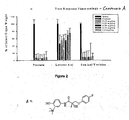
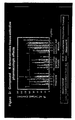
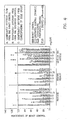
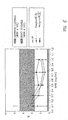


Classifications
-
- C—CHEMISTRY; METALLURGY
- C07—ORGANIC CHEMISTRY
- C07C—ACYCLIC OR CARBOCYCLIC COMPOUNDS
- C07C233/00—Carboxylic acid amides
- C07C233/01—Carboxylic acid amides having carbon atoms of carboxamide groups bound to hydrogen atoms or to acyclic carbon atoms
- C07C233/02—Carboxylic acid amides having carbon atoms of carboxamide groups bound to hydrogen atoms or to acyclic carbon atoms having nitrogen atoms of carboxamide groups bound to hydrogen atoms or to carbon atoms of unsubstituted hydrocarbon radicals
- C07C233/04—Carboxylic acid amides having carbon atoms of carboxamide groups bound to hydrogen atoms or to acyclic carbon atoms having nitrogen atoms of carboxamide groups bound to hydrogen atoms or to carbon atoms of unsubstituted hydrocarbon radicals with carbon atoms of carboxamide groups bound to acyclic carbon atoms of an acyclic saturated carbon skeleton
- C07C233/07—Carboxylic acid amides having carbon atoms of carboxamide groups bound to hydrogen atoms or to acyclic carbon atoms having nitrogen atoms of carboxamide groups bound to hydrogen atoms or to carbon atoms of unsubstituted hydrocarbon radicals with carbon atoms of carboxamide groups bound to acyclic carbon atoms of an acyclic saturated carbon skeleton having the nitrogen atom of at least one of the carboxamide groups bound to a carbon atom of a six-membered aromatic ring
-
- C—CHEMISTRY; METALLURGY
- C07—ORGANIC CHEMISTRY
- C07D—HETEROCYCLIC COMPOUNDS
- C07D215/00—Heterocyclic compounds containing quinoline or hydrogenated quinoline ring systems
- C07D215/02—Heterocyclic compounds containing quinoline or hydrogenated quinoline ring systems having no bond between the ring nitrogen atom and a non-ring member or having only hydrogen atoms or carbon atoms directly attached to the ring nitrogen atom
- C07D215/16—Heterocyclic compounds containing quinoline or hydrogenated quinoline ring systems having no bond between the ring nitrogen atom and a non-ring member or having only hydrogen atoms or carbon atoms directly attached to the ring nitrogen atom with hetero atoms or with carbon atoms having three bonds to hetero atoms with at the most one bond to halogen, e.g. ester or nitrile radicals, directly attached to ring carbon atoms
- C07D215/20—Oxygen atoms
- C07D215/22—Oxygen atoms attached in position 2 or 4
- C07D215/227—Oxygen atoms attached in position 2 or 4 only one oxygen atom which is attached in position 2
-
- A—HUMAN NECESSITIES
- A61—MEDICAL OR VETERINARY SCIENCE; HYGIENE
- A61K—PREPARATIONS FOR MEDICAL, DENTAL OR TOILETRY PURPOSES
- A61K31/00—Medicinal preparations containing organic active ingredients
- A61K31/16—Amides, e.g. hydroxamic acids
- A61K31/165—Amides, e.g. hydroxamic acids having aromatic rings, e.g. colchicine, atenolol, progabide
-
- A—HUMAN NECESSITIES
- A61—MEDICAL OR VETERINARY SCIENCE; HYGIENE
- A61K—PREPARATIONS FOR MEDICAL, DENTAL OR TOILETRY PURPOSES
- A61K31/00—Medicinal preparations containing organic active ingredients
- A61K31/33—Heterocyclic compounds
- A61K31/395—Heterocyclic compounds having nitrogen as a ring hetero atom, e.g. guanethidine or rifamycins
- A61K31/40—Heterocyclic compounds having nitrogen as a ring hetero atom, e.g. guanethidine or rifamycins having five-membered rings with one nitrogen as the only ring hetero atom, e.g. sulpiride, succinimide, tolmetin, buflomedil
- A61K31/403—Heterocyclic compounds having nitrogen as a ring hetero atom, e.g. guanethidine or rifamycins having five-membered rings with one nitrogen as the only ring hetero atom, e.g. sulpiride, succinimide, tolmetin, buflomedil condensed with carbocyclic rings, e.g. carbazole
- A61K31/404—Indoles, e.g. pindolol
-
- A—HUMAN NECESSITIES
- A61—MEDICAL OR VETERINARY SCIENCE; HYGIENE
- A61K—PREPARATIONS FOR MEDICAL, DENTAL OR TOILETRY PURPOSES
- A61K31/00—Medicinal preparations containing organic active ingredients
- A61K31/33—Heterocyclic compounds
- A61K31/395—Heterocyclic compounds having nitrogen as a ring hetero atom, e.g. guanethidine or rifamycins
- A61K31/435—Heterocyclic compounds having nitrogen as a ring hetero atom, e.g. guanethidine or rifamycins having six-membered rings with one nitrogen as the only ring hetero atom
- A61K31/47—Quinolines; Isoquinolines
- A61K31/4706—4-Aminoquinolines; 8-Aminoquinolines, e.g. chloroquine, primaquine
-
- A—HUMAN NECESSITIES
- A61—MEDICAL OR VETERINARY SCIENCE; HYGIENE
- A61K—PREPARATIONS FOR MEDICAL, DENTAL OR TOILETRY PURPOSES
- A61K31/00—Medicinal preparations containing organic active ingredients
- A61K31/66—Phosphorus compounds
- A61K31/661—Phosphorus acids or esters thereof not having P—C bonds, e.g. fosfosal, dichlorvos, malathion or mevinphos
-
- A—HUMAN NECESSITIES
- A61—MEDICAL OR VETERINARY SCIENCE; HYGIENE
- A61P—SPECIFIC THERAPEUTIC ACTIVITY OF CHEMICAL COMPOUNDS OR MEDICINAL PREPARATIONS
- A61P13/00—Drugs for disorders of the urinary system
- A61P13/08—Drugs for disorders of the urinary system of the prostate
-
- A—HUMAN NECESSITIES
- A61—MEDICAL OR VETERINARY SCIENCE; HYGIENE
- A61P—SPECIFIC THERAPEUTIC ACTIVITY OF CHEMICAL COMPOUNDS OR MEDICINAL PREPARATIONS
- A61P15/00—Drugs for genital or sexual disorders; Contraceptives
-
- A—HUMAN NECESSITIES
- A61—MEDICAL OR VETERINARY SCIENCE; HYGIENE
- A61P—SPECIFIC THERAPEUTIC ACTIVITY OF CHEMICAL COMPOUNDS OR MEDICINAL PREPARATIONS
- A61P15/00—Drugs for genital or sexual disorders; Contraceptives
- A61P15/08—Drugs for genital or sexual disorders; Contraceptives for gonadal disorders or for enhancing fertility, e.g. inducers of ovulation or of spermatogenesis
-
- A—HUMAN NECESSITIES
- A61—MEDICAL OR VETERINARY SCIENCE; HYGIENE
- A61P—SPECIFIC THERAPEUTIC ACTIVITY OF CHEMICAL COMPOUNDS OR MEDICINAL PREPARATIONS
- A61P15/00—Drugs for genital or sexual disorders; Contraceptives
- A61P15/16—Masculine contraceptives
-
- A—HUMAN NECESSITIES
- A61—MEDICAL OR VETERINARY SCIENCE; HYGIENE
- A61P—SPECIFIC THERAPEUTIC ACTIVITY OF CHEMICAL COMPOUNDS OR MEDICINAL PREPARATIONS
- A61P17/00—Drugs for dermatological disorders
- A61P17/14—Drugs for dermatological disorders for baldness or alopecia
-
- A—HUMAN NECESSITIES
- A61—MEDICAL OR VETERINARY SCIENCE; HYGIENE
- A61P—SPECIFIC THERAPEUTIC ACTIVITY OF CHEMICAL COMPOUNDS OR MEDICINAL PREPARATIONS
- A61P19/00—Drugs for skeletal disorders
-
- A—HUMAN NECESSITIES
- A61—MEDICAL OR VETERINARY SCIENCE; HYGIENE
- A61P—SPECIFIC THERAPEUTIC ACTIVITY OF CHEMICAL COMPOUNDS OR MEDICINAL PREPARATIONS
- A61P19/00—Drugs for skeletal disorders
- A61P19/08—Drugs for skeletal disorders for bone diseases, e.g. rachitism, Paget's disease
-
- A—HUMAN NECESSITIES
- A61—MEDICAL OR VETERINARY SCIENCE; HYGIENE
- A61P—SPECIFIC THERAPEUTIC ACTIVITY OF CHEMICAL COMPOUNDS OR MEDICINAL PREPARATIONS
- A61P19/00—Drugs for skeletal disorders
- A61P19/08—Drugs for skeletal disorders for bone diseases, e.g. rachitism, Paget's disease
- A61P19/10—Drugs for skeletal disorders for bone diseases, e.g. rachitism, Paget's disease for osteoporosis
-
- A—HUMAN NECESSITIES
- A61—MEDICAL OR VETERINARY SCIENCE; HYGIENE
- A61P—SPECIFIC THERAPEUTIC ACTIVITY OF CHEMICAL COMPOUNDS OR MEDICINAL PREPARATIONS
- A61P21/00—Drugs for disorders of the muscular or neuromuscular system
- A61P21/06—Anabolic agents
-
- A—HUMAN NECESSITIES
- A61—MEDICAL OR VETERINARY SCIENCE; HYGIENE
- A61P—SPECIFIC THERAPEUTIC ACTIVITY OF CHEMICAL COMPOUNDS OR MEDICINAL PREPARATIONS
- A61P25/00—Drugs for disorders of the nervous system
- A61P25/22—Anxiolytics
-
- A—HUMAN NECESSITIES
- A61—MEDICAL OR VETERINARY SCIENCE; HYGIENE
- A61P—SPECIFIC THERAPEUTIC ACTIVITY OF CHEMICAL COMPOUNDS OR MEDICINAL PREPARATIONS
- A61P25/00—Drugs for disorders of the nervous system
- A61P25/24—Antidepressants
-
- A—HUMAN NECESSITIES
- A61—MEDICAL OR VETERINARY SCIENCE; HYGIENE
- A61P—SPECIFIC THERAPEUTIC ACTIVITY OF CHEMICAL COMPOUNDS OR MEDICINAL PREPARATIONS
- A61P27/00—Drugs for disorders of the senses
- A61P27/02—Ophthalmic agents
-
- A—HUMAN NECESSITIES
- A61—MEDICAL OR VETERINARY SCIENCE; HYGIENE
- A61P—SPECIFIC THERAPEUTIC ACTIVITY OF CHEMICAL COMPOUNDS OR MEDICINAL PREPARATIONS
- A61P3/00—Drugs for disorders of the metabolism
- A61P3/04—Anorexiants; Antiobesity agents
-
- A—HUMAN NECESSITIES
- A61—MEDICAL OR VETERINARY SCIENCE; HYGIENE
- A61P—SPECIFIC THERAPEUTIC ACTIVITY OF CHEMICAL COMPOUNDS OR MEDICINAL PREPARATIONS
- A61P35/00—Antineoplastic agents
-
- A—HUMAN NECESSITIES
- A61—MEDICAL OR VETERINARY SCIENCE; HYGIENE
- A61P—SPECIFIC THERAPEUTIC ACTIVITY OF CHEMICAL COMPOUNDS OR MEDICINAL PREPARATIONS
- A61P35/00—Antineoplastic agents
- A61P35/02—Antineoplastic agents specific for leukemia
-
- A—HUMAN NECESSITIES
- A61—MEDICAL OR VETERINARY SCIENCE; HYGIENE
- A61P—SPECIFIC THERAPEUTIC ACTIVITY OF CHEMICAL COMPOUNDS OR MEDICINAL PREPARATIONS
- A61P43/00—Drugs for specific purposes, not provided for in groups A61P1/00-A61P41/00
-
- A—HUMAN NECESSITIES
- A61—MEDICAL OR VETERINARY SCIENCE; HYGIENE
- A61P—SPECIFIC THERAPEUTIC ACTIVITY OF CHEMICAL COMPOUNDS OR MEDICINAL PREPARATIONS
- A61P5/00—Drugs for disorders of the endocrine system
- A61P5/24—Drugs for disorders of the endocrine system of the sex hormones
- A61P5/26—Androgens
-
- A—HUMAN NECESSITIES
- A61—MEDICAL OR VETERINARY SCIENCE; HYGIENE
- A61P—SPECIFIC THERAPEUTIC ACTIVITY OF CHEMICAL COMPOUNDS OR MEDICINAL PREPARATIONS
- A61P5/00—Drugs for disorders of the endocrine system
- A61P5/24—Drugs for disorders of the endocrine system of the sex hormones
- A61P5/28—Antiandrogens
-
- A—HUMAN NECESSITIES
- A61—MEDICAL OR VETERINARY SCIENCE; HYGIENE
- A61P—SPECIFIC THERAPEUTIC ACTIVITY OF CHEMICAL COMPOUNDS OR MEDICINAL PREPARATIONS
- A61P7/00—Drugs for disorders of the blood or the extracellular fluid
- A61P7/06—Antianaemics
-
- C—CHEMISTRY; METALLURGY
- C07—ORGANIC CHEMISTRY
- C07C—ACYCLIC OR CARBOCYCLIC COMPOUNDS
- C07C235/00—Carboxylic acid amides, the carbon skeleton of the acid part being further substituted by oxygen atoms
- C07C235/02—Carboxylic acid amides, the carbon skeleton of the acid part being further substituted by oxygen atoms having carbon atoms of carboxamide groups bound to acyclic carbon atoms and singly-bound oxygen atoms bound to the same carbon skeleton
- C07C235/04—Carboxylic acid amides, the carbon skeleton of the acid part being further substituted by oxygen atoms having carbon atoms of carboxamide groups bound to acyclic carbon atoms and singly-bound oxygen atoms bound to the same carbon skeleton the carbon skeleton being acyclic and saturated
- C07C235/16—Carboxylic acid amides, the carbon skeleton of the acid part being further substituted by oxygen atoms having carbon atoms of carboxamide groups bound to acyclic carbon atoms and singly-bound oxygen atoms bound to the same carbon skeleton the carbon skeleton being acyclic and saturated having the nitrogen atom of at least one of the carboxamide groups bound to a carbon atom of a six-membered aromatic ring
-
- C—CHEMISTRY; METALLURGY
- C07—ORGANIC CHEMISTRY
- C07C—ACYCLIC OR CARBOCYCLIC COMPOUNDS
- C07C235/00—Carboxylic acid amides, the carbon skeleton of the acid part being further substituted by oxygen atoms
- C07C235/02—Carboxylic acid amides, the carbon skeleton of the acid part being further substituted by oxygen atoms having carbon atoms of carboxamide groups bound to acyclic carbon atoms and singly-bound oxygen atoms bound to the same carbon skeleton
- C07C235/04—Carboxylic acid amides, the carbon skeleton of the acid part being further substituted by oxygen atoms having carbon atoms of carboxamide groups bound to acyclic carbon atoms and singly-bound oxygen atoms bound to the same carbon skeleton the carbon skeleton being acyclic and saturated
- C07C235/18—Carboxylic acid amides, the carbon skeleton of the acid part being further substituted by oxygen atoms having carbon atoms of carboxamide groups bound to acyclic carbon atoms and singly-bound oxygen atoms bound to the same carbon skeleton the carbon skeleton being acyclic and saturated having at least one of the singly-bound oxygen atoms further bound to a carbon atom of a six-membered aromatic ring, e.g. phenoxyacetamides
- C07C235/24—Carboxylic acid amides, the carbon skeleton of the acid part being further substituted by oxygen atoms having carbon atoms of carboxamide groups bound to acyclic carbon atoms and singly-bound oxygen atoms bound to the same carbon skeleton the carbon skeleton being acyclic and saturated having at least one of the singly-bound oxygen atoms further bound to a carbon atom of a six-membered aromatic ring, e.g. phenoxyacetamides having the nitrogen atom of at least one of the carboxamide groups bound to a carbon atom of a six-membered aromatic ring
-
- C—CHEMISTRY; METALLURGY
- C07—ORGANIC CHEMISTRY
- C07C—ACYCLIC OR CARBOCYCLIC COMPOUNDS
- C07C235/00—Carboxylic acid amides, the carbon skeleton of the acid part being further substituted by oxygen atoms
- C07C235/02—Carboxylic acid amides, the carbon skeleton of the acid part being further substituted by oxygen atoms having carbon atoms of carboxamide groups bound to acyclic carbon atoms and singly-bound oxygen atoms bound to the same carbon skeleton
- C07C235/32—Carboxylic acid amides, the carbon skeleton of the acid part being further substituted by oxygen atoms having carbon atoms of carboxamide groups bound to acyclic carbon atoms and singly-bound oxygen atoms bound to the same carbon skeleton the carbon skeleton containing six-membered aromatic rings
- C07C235/38—Carboxylic acid amides, the carbon skeleton of the acid part being further substituted by oxygen atoms having carbon atoms of carboxamide groups bound to acyclic carbon atoms and singly-bound oxygen atoms bound to the same carbon skeleton the carbon skeleton containing six-membered aromatic rings having the nitrogen atom of at least one of the carboxamide groups bound to a carbon atom of a six-membered aromatic ring
-
- C—CHEMISTRY; METALLURGY
- C07—ORGANIC CHEMISTRY
- C07C—ACYCLIC OR CARBOCYCLIC COMPOUNDS
- C07C255/00—Carboxylic acid nitriles
- C07C255/49—Carboxylic acid nitriles having cyano groups bound to carbon atoms of six-membered aromatic rings of a carbon skeleton
- C07C255/58—Carboxylic acid nitriles having cyano groups bound to carbon atoms of six-membered aromatic rings of a carbon skeleton containing cyano groups and singly-bound nitrogen atoms, not being further bound to other hetero atoms, bound to the carbon skeleton
- C07C255/60—Carboxylic acid nitriles having cyano groups bound to carbon atoms of six-membered aromatic rings of a carbon skeleton containing cyano groups and singly-bound nitrogen atoms, not being further bound to other hetero atoms, bound to the carbon skeleton at least one of the singly-bound nitrogen atoms being acylated
-
- C—CHEMISTRY; METALLURGY
- C07—ORGANIC CHEMISTRY
- C07C—ACYCLIC OR CARBOCYCLIC COMPOUNDS
- C07C335/00—Thioureas, i.e. compounds containing any of the groups, the nitrogen atoms not being part of nitro or nitroso groups
- C07C335/04—Derivatives of thiourea
- C07C335/16—Derivatives of thiourea having nitrogen atoms of thiourea groups bound to carbon atoms of six-membered aromatic rings of a carbon skeleton
- C07C335/18—Derivatives of thiourea having nitrogen atoms of thiourea groups bound to carbon atoms of six-membered aromatic rings of a carbon skeleton being further substituted by singly-bound oxygen atoms
-
- C—CHEMISTRY; METALLURGY
- C07—ORGANIC CHEMISTRY
- C07D—HETEROCYCLIC COMPOUNDS
- C07D209/00—Heterocyclic compounds containing five-membered rings, condensed with other rings, with one nitrogen atom as the only ring hetero atom
- C07D209/02—Heterocyclic compounds containing five-membered rings, condensed with other rings, with one nitrogen atom as the only ring hetero atom condensed with one carbocyclic ring
- C07D209/04—Indoles; Hydrogenated indoles
- C07D209/08—Indoles; Hydrogenated indoles with only hydrogen atoms or radicals containing only hydrogen and carbon atoms, directly attached to carbon atoms of the hetero ring
-
- C—CHEMISTRY; METALLURGY
- C07—ORGANIC CHEMISTRY
- C07D—HETEROCYCLIC COMPOUNDS
- C07D271/00—Heterocyclic compounds containing five-membered rings having two nitrogen atoms and one oxygen atom as the only ring hetero atoms
- C07D271/12—Heterocyclic compounds containing five-membered rings having two nitrogen atoms and one oxygen atom as the only ring hetero atoms condensed with carbocyclic rings or ring systems
Definitions
- the present invention relates to a novel class of androgen receptor targeting agents (ARTA), which are selective androgen receptor modulators (SARM).
- SARM compounds are useful for a) male contraception; b) treatment of a variety of hormone-related conditions, for example conditions associated with Androgen Decline in Aging Male (ADAM), such as fatigue, depression, decreased libido, sexual dysfunction, erectile dysfunction, hypogonadism, osteoporosis, hair loss, anemia, obesity, sarcopenia, osteopenia, osteoporosis, benign prostate hyperplasia, alterations in mood and cognition and prostate cancer; c) treatment of conditions associated with Androgen Decline in Female (ADIF), such as sexual dysfunction, decreased sexual libido, hypogonadism, sarcopenia, osteopenia, osteoporosis, alterations in cognition and mood, depression, anemia, hair loss, obesity, endometriosis, breast cancer, uterine cancer and ovarian cancer;
- the androgen receptor (“AR”) is a ligand-activated transcriptional regulatory protein that mediates induction of male sexual development and function through its activity with endogenous androgens. Androgens are generally known as the male sex hormones.
- the androgenic hormones are steroids which are produced in the body by the testes and the cortex of the adrenal gland or can be synthesized in the laboratory. Androgenic steroids play an important role in many physiologic processes, including the development and maintenance of male sexual characteristics such as muscle and bone mass, prostate growth, spermatogenesis, and the male hair pattern ( Matsumoto, Endocrinol. Met Clin. N. Am. 23:857-75 (1994) ).
- the endogenous steroidal androgens include testosterone and dihydrotestosterone ("DHT").
- Testosterone is the principal steroid secreted by the testes and is the primary circulating androgen found in the plasma of males. Testosterone is converted to DHT by the enzyme 5 alpha-reductase in many peripheral tissues. DHT is thus thought to serve as the intracellular mediator for most androgen actions ( Zhou, et al., Molec. Endocrinol. 9:208-18 (1995) ).
- steroidal androgens include esters of testosterone, such as the cypionate, propionate, phenylpropionate, cyclopentylpropionate, isocarporate, enanthate, and decanoate esters, and other synthetic androgens such as 7-Methyl-Nortestosterone ("MENT') and its acetate ester ( Sundaram et al., "7 Alpha-Methyl-Nortestosterone(MENT): The Optimal Androgen For Male Contraception," Ann. Med., 25:199-205 (1993) (“Sundaram”)). Because the AR is involved in male sexual development and function, the AR is a likely target for effecting male contraception or other forms of hormone replacement therapy.
- esters of testosterone such as the cypionate, propionate, phenylpropionate, cyclopentylpropionate, isocarporate, enanthate, and decanoate esters
- Contraception is a difficult subject under any circumstance. It is fraught with cultural and social stigma, religious implications, and, most certainly, significant health concerns. This situation is only exacerbated when the subject focuses on male contraception.
- society has looked to women to be responsible for contraceptive decisions and their consequences. Although concern over sexually transmitted diseases has made men more aware of the need to develop safe and responsible sexual habits, women still often bear the brunt of contraceptive choice. Women have a number of choices, from temporary mechanical devices such as sponges and diaphragms to temporary chemical devices such as spermicides.
- the only options available for men include the use of condoms and vasectomy.
- Condom use is not favored by many men because of the reduced sexual sensitivity, the interruption in sexual spontaneity, and the significant possibility of pregnancy caused by breakage or misuse. Vasectomies are also not favored. If more convenient methods of birth control were available to men, particularly long-term methods which require no preparative activity immediately prior to a sexual act, such methods could significantly increase the likelihood that men would take more responsibility for contraception.
- testosterone esters have been developed which are more slowly absorbed after intramuscular injection and thus result in greater androgenic effect.
- Testosterone enanthate is the most widely used of these esters. While testosterone enanthate has been valuable in terms of establishing the feasibility of hormonal agents for male contraception, it has several drawbacks, including the need for weekly injections and the presence of supraphysiologic peak levels of testosterone immediately following intramuscular injection ( Wu, "Effects of Testosterone Enanthate in Normal Men: Experience From a Multicenter Contraceptive Efficacy Study," Fertility and Sterility 65:626-36(1996) ).
- Steroidal ligands which bind the AR and act as androgens (e.g. testosterone enanthate) or as antiandrogens (e.g. cyproterone acetate) have been known for many years and are used clinically (Wu 1988). Although nonsteroidal antiandrogens are in clinical use for hormone-dependent prostate cancer, nonsteroidal androgens have not been reported. For this reason, research on male contraceptives has focused solely on steroidal compounds.
- Prostate cancer is one of the most frequently occurring cancers among men in the United States, with hundreds of thousands of new cases diagnosed each year. Unfortunately, over sixty percent of newly diagnosed cases of prostate cancer are found to be pathologically advanced, with no cure and a dismal prognosis.
- One approach to this problem is to find prostate cancer earner through screening programs and thereby reduce the number of advanced prostate cancer patients.
- Another strategy is to develop drugs to prevent prostate cancer.
- One third of all men over 50 years of age have a latent form of prostate cancer that may be activated into the life-threatening clinical prostate cancer form. The frequency of latent prostatic tumors has been shown to increase substantially with each decade of life from the 50s (5.3-14%) to the 90s (40-80%).
- Osteoporosis is a systemic skeletal diseaseor CHaracterized by low bone mass and deterioration of bone tissue, with a consequent increase in bone fragility and susceptibility to fracture.
- the condition affects more than 25 million people and causes more than 1.3 million fractures each year, including 500,000 spine, 250,000 hip and 240,000 wrist fractures annually.
- Hip fractures are the most serious consequence of osteoporosis, with 5-20% of patients dying within one year, and over 50% of survivors being incapacitated.
- the elderly are at greatest risk of osteoporosis, and the problem is therefore predicted to increase significantly with the aging of the population.
- Worldwide fracture incidence is forecasted to increase three-fold over the next 60 years, and one study estimated that there will be 4.5 million hip fractures worldwide in 2050.
- ADAM Androgen decline in the aging male
- ADAM Androgen decline in the aging male
- the syndrome is characterized by alterations in the physical and intellectual domains that correlate with and can be corrected by manipulation of the androgen milieu.
- ADAM is characterized biochemically by a decrease not only in serum androgen, but also in other hormones, such as growth hormone, melatonin and dehydroepiandrosterone.
- Clinical manifestations include fatigue, depression, decreased libido, sexual dysfunction, erectile dysfunction, hypogonadism, osteoporosis, hair loss, obesity, sarcopenia, osteopenia, benign prostate hyperplasia, and alterations in mood and cognition.
- Androgen Deficiency in Female refers to a variety of hormone-related conditions including, common in females after middle agest. The syndrome is characterized by sexual dysfunction, decreased sexual libido, hypogonadism, sarcopenia, osteopenia, osteoporosis, alterations in cognition and mood, anemia, depression, anemia, hair loss, obesity, endometriosis, breast cancer, uterine cancer and ovarian cancer.
- Muscle wasting refers to the progressive loss of muscle mass and/or to the progressive weakening and degeneration of muscles, including the skeletal or voluntary muscles, which control movement, cardiac muscles, which control the heart (cardiomyopathics), and smooth muscles.
- Chronic muscle wasting is a chronic condition (i.e. persisting over a long period of time) characterized by progressive loss of muscle mass, weakening and degeneration of muscle.
- the loss of muscle mass that occurs during muscle wasting call be characterized by a muscle protein breakdown or degradation. Protein degradation occurs because of an unusually high rate of protein degradation, an unusually low rate of protein synthesis, or a combination of both. Protein degradation, whether caused by a high degree of protein degradation or a low degree of protein synthesis, leads to a decrease in muscle mass and to muscle wasting.
- Muscle wasting is associated with chronic, neurological, genetic or infectious pathologies, diseases, illnesses or conditions. These include Muscular Dystrophies such as Duchenne Muscular Dystrophy and Myotonic Dystrophy; Muscle Atrophies such as Post-Polio Muscle Atrophy (PPMA); Cachexias such as Cardiac Cachexia, AIDS Cachexia and Cancer Cachexia, malnutrition, Leprosy, Diabetes, Renal Diseaseor CHronic Obstructive Pulmonary Disease (COPD), Cancer, end stage Renal failure, Emphysema, Osteomalacia, HIV Infection, AIDS, and Cardiomyopathy, In addition, other circumstances and conditions are linked to and can cause muscle wasting.
- Muscular Dystrophies such as Duchenne Muscular Dystrophy and Myotonic Dystrophy
- Muscle Atrophies such as Post-Polio Muscle Atrophy (PPMA)
- Cachexias such as Cardiac Cachexia, AIDS Cachexia and Cancer Cachexia
- New innovative approaches are urgently needed at both the basic science and clinical levels to develop compounds which are useful for a) male contraception; b) treatment of a variety of hormone-related conditions, for example conditions associated with Androgen Decline in Aging Male (ADAM), such as fatigue, depression, decreased libido, sexual dysfunction, erectile dysfunction, hypogonadism, osteoporosis, hair loss, anemia, obesity, sarcopenia, osteopenia, osteoporosis, benign prostate hyperplasia, alterations in mood and cognition and prostate cancer; c) treatment of conditions associated with ADIF, such as sexual dysfunction, decreased sexual libido, hypogonadism, sarcopenia, osteopenia, osteoporosis, alterations in cognition and mood, depression, anemia, hair loss, obesity, endometriosis, breast cancer, uterine cancer and ovarian cancer; d) treatment and/or prevention of acute and/or chronic muscular wasting conditions; e) preventing and/or treating dry
- This invention provides a class of androgen receptor targeting agents (ARTA).
- the agents define a new subclass of compounds, which are selective androgen receptor modulators (SARM).
- SARM selective androgen receptor modulators
- Several of the SARM compounds have been found to have an unexpected androgenic and anabolic activity of a nonsteroidal ligand for the androgen receptor.
- Other SARM compounds have been found to have an unexpected antiandrogenic activity of a nonsteroidal ligand for the androgen receptor.
- the SARM compounds are useful for a) male contraception; b) treatment of a variety of hormone-related conditions, for example conditions associated with Androgen Decline in Aging Male (ADAM), such as fatigue, depression, decreased libido, sexual dysfunction, erectile dysfunction, hypogonadism, osteoporosis, hair loss, anemia, obesity, sarcopenia, osteopenia, osteoporosis, benign prostate hyperplasia, alterations in mood and cognition and prostate cancer; c) treatment of conditions associated with Androgen Decline in Female (ADIF), such as sexual dysfunction, decreased sexual libido, hypogonadism, sarcopenia, osteopenia, osteoporosis, alterations in cognition and mood, depression, anemia, hair loss, obesity, endometriosis, breast cancer, uterine cancer and ovarian cancer; d) treatment and/or prevention of acute and/or chronic muscular wasting conditions; e) preventing and/or treating a variety of hormone-related conditions
- the present invention provides a selective androgen receptor modulator (SARM) compound represented by the structure of formula (IIa): wherein X is O, CH 2 , NH, Se, PR, NO or NR; T is OH, OR, -NHCOCH 3 , or NHCOR; Z is NO 2 ; CN, COOH, COR, NHCOR or CONHR; Y is CF 3 ; I, Br, Cl, CN, CR 3 or SnR 3 ; or Z and Y together with the benzene ring to which they are attached form a fused bicyclic carbocyclic or heterocyclic ring system; Q is F, Cl, Br or I; R is alkyl, halo alkyl, dihaloalkyl, trihaloalkyl, CH 2 F, CHF 2 , CF 3 , CF 2 CF 3 , aryl, phenyl, F, Cl, Br, I, alkenyl or OH; and R 1 is CH 3
- the present invention provides an analog, isomer, metabolite, derivative, pharmaceutically acceptable salt, pharmaceutical product, hydrate, N-oxide, impurity, prodrug, polymorph or crystal of the compound of formula (IIa), or any combination thereof.
- Q is F. In another embodiment of formula (IIa), Q is CL In another embodiment of formula (IIa), Q is Br. In another embodiment of formula (IIa), Q is I.
- X in compound (IIa) is O.
- Z in compound (Ia) is NO 2 .
- Z in compound (IIa) is CN.
- Z in compound (IIa) is NO 2 , with the proviso that Q is not F.
- Y in compound (IIa) is CF 3 .
- T in compound (I) is OH.
- R 1 in compound (IIa) is CH 3 .
- the present invention provides a selective androgen receptor modulator (SARM) compound represented by the structure of formula (IIb): wherein X is O, CH 2 , NH, Se, PR, NO or NR; T is OH, OR, -NHCOCH 3 , or NHCOR; Z is H, F, Cl, Br or I; Y is CF 3 , I, Br, Cl, CN, CR 3 or SnR 3 ; Q is alkyl, F, I, Br, Cl, CF 3 , CN CR 3 , SnR 3 , NR 2 , NHCOCH 3 , NHCOCF 3 , NHCOR, NHCONH 2 , NHCONHR, NHCONR 2 , NHCOOR, OCONHR, CONHR, NHCSCH 3 , NHCSCF 3 , NHCSR, NHCSNH 2 , NHCSNHR, NHCSNR 2 , NHSO 2 CH 3 , NHSO 2 R, OR, COR,
- the present invention provides an analog, isomer, metabolite, derivative, pharmaceutically acceptable salt, pharmaceutical product, hydrate, N-oxide, impurity, prodrug, polymorph or crystal of the compound of formula (IIb), or any combination thereof.
- Z is H. In another embodiment of formula (IIb), Z is F. In another embodiment of formula (IIb), Z is Cl. In another embodiment of formula (IIb), Z is Br. In another embodiment of formula (IIb), Z is I.
- X in compound (IIb) is O.
- Y in compound (I) is CF 3 .
- T in compound (IIb) is OH.
- R 1 in compound (IIb) is CH 3 .
- Q in compound (IIb) is F.
- Q in compound (IIb) is Cl.
- Q in compound (IIb) is Br.
- Q in compound (IIb) is L
- Q in compound (IIb) is in the para position.
- Z in compound (IIb) is in the para position.
- Y in compound (IIb) is in the meta position.
- the present invention provides a selective androgen receptor modulator (SARM) compound represented by the structure: and/or its analog, isomer, metabolite, derivative, pharmaceutically acceptable salt, pharmaceutical product, hydrate, N-oxide, impurity, prodrug, polymorph or crystal of the compound of formula (IIb), or any combination thereof.
- SARM selective androgen receptor modulator
- the present invention provides a selective androgen receptor modulator (SARM) compound represented by the structure: and/or its analog, isomer, metabolite, derivative, pharmaceutically acceptable salt, pharmaceutical product, hydrate, N-oxide, impurity, prodrug, polymorph or crystal of the compound of formula (IIb), or any combination thereof.
- SARM selective androgen receptor modulator
- the SARM compound of any of the above formulas is an androgen receptor agonist.
- the present invention provides a composition
- a composition comprising the selective androgen receptor modulator compound of the present invention and/or its analog, derivative, isomer, metabolite, pharmaceutically acceptable salt, pharmaceutical product, hydrate, N-oxide, prodrug, polymorph, crystal or any combination thereof; and a suitable carder or diluent.
- the present invention provides a pharmaceutical composition
- a pharmaceutical composition comprising the selective androgen receptor modulator compound of the present invention and/or its analog, derivative, isomer, metabolite, pharmaceutical product, hydrate or N-oxide or any combination thereof; and a suitable carrier or diluent.
- the present invention provides a method of binding a selective androgen receptor modulator compound to an androgen receptor, comprising the step of contacting the androgen receptor with the selective androgen receptor modulator compound of the present invention and/or its analog, derivative, isomer, metabolite, pharmaceutically acceptable salt, pharmaceutical product, hydrate, N-oxide, prodrug, polymorph, crystal or any combination thereof, in an amount effective to bind the selective androgen receptor modulator compound to the androgen receptor.
- the present invention provides a method of suppressing spermatogenesis in a subject comprising contacting an androgen receptor of the subject with the selective androgen receptor modulator compound of the present invention and/or its analog, derivative, isomer, metabolite, pharmaceutically acceptable salt, pharmaceutical product, hydrate, N-oxide, prodrug, polymorph, crystal or any combination thereof, in an amount effective to suppress sperm production.
- the present invention provides a method of contraception in a male subject, comprising the step of administering to the subject the selective androgen receptor modulator compound of the present invention and/or its analog, derivative, isomer, metabolite, pharmaceutically acceptable salt, pharmaceutical product, hydrate, N-oxide, prodrug, polymorph, crystal or any combination thereof, in an amount effective to suppress sperm production in the subject, thereby effecting contraception in the subject.
- the present invention provides a method of hormone therapy comprising the step of contacting an androgen receptor of a subject with the selective androgen receptor modulator compound of the present invention and/or its analog, derivative, isomer, metabolite, pharmaceutically acceptable salt, pharmaceutical product, hydrate, N-oxide, prodrug, polymorph, crystal or any combination thereof, in an amount effective to effect a change in an androgen-dependent condition.
- the present invention provides a method of hormone replacement therapy comprising the step of contacting an androgen receptor of a subject with the selective androgen receptor modulator compound of the present invention and/or its analog, derivative, isomer, metabolite, pharmaceutically acceptable salt, pharmaceutical product, hydrate, N-oxide, prodrug, polymorph, crystal or any combination thereof, in an amount effective to effect a change in an androgen-dependent condition.
- the present invention provides a method of treating a subject having a hormone related condition, comprising the step of administering to the subject the selective androgen receptor modulator compound of the present invention and/or its analog, derivative, isomer, metabolite, pharmaceutically acceptable salt, pharmaceutical product, hydrate, N-oxide, prodrug, polymorph, crystal or any combination thereof, in an amount effective to effect a change in an androgen-dependent condition.
- the present invention provides a method of treating a subject suffering from prostate cancer, comprising the step of administering to said subject the selective androgen receptor modulator compound of the present invention and/or its analog, derivative, isomer, metabolite, pharmaceutically acceptable salt, pharmaceutical product, hydrate, N-oxide, prodrug, polymorph, crystal or any combination thereof, in an amount effective to treat prostate cancer in the subject.
- the present invention provides a method of preventing prostate cancer in a subject, comprising the step of administering to the subject the selective androgen receptor modulator compound of the present invention and/or its analog, derivative, isomer, metabolite, pharmaceutically acceptable salt, pharmaceutical product, hydrate, N-oxide, prodrug, polymorph, crystal or any combination thereof, in an amount effective to prevent prostate cancer in the subject.
- the present invention provides a method of delaying the progression of prostate cancer in a subject suffering from prostate cancer, comprising the step of administering to said subject the selective androgen receptor modulator compound of the present invention and/or its analog, derivative, isomer, metabolite, pharmaceutically acceptable salt, pharmaceutical product, hydrate, N-oxide, prodrug, polymorph, crystal or any combination thereof, in an amount effective to delay the progression of prostate cancer in the subject.
- the present invention provides a method of preventing the recurrence of prostate cancer in a subject suffering from prostate cancer, comprising the step of administering to said subject the selective androgen receptor modulator compound of the present invention and/or its analog, derivative, isomer, metabolite, pharmaceutically acceptable salt, pharmaceutical product, hydrate, N-oxide, prodrug, polymorph, crystal or any combination thereof, in an amount effective to prevent the recurrence of prostate cancer in the subject.
- the present invention provides a method of treating the recurrence of prostate cancer in a subject suffering from prostate cancer, comprising the step of administering to said subject the selective androgen receptor modulator compound of the present invention and/or its analog, derivative, isomer, metabolite, pharmaceutically acceptable salt, pharmaceutical product, hydrate, N-oxide, prodrug, polymorph, crystal or any combination thereof in an amount effective to treat the recurrence of prostate cancer in the subject.
- the present invention provides a method of treating a dry eye condition in a subject suffering from dry eyes, comprising the step of contacting an androgen receptor of a subject with the selective androgen receptor modulator compound of the present invention and/or its analog, derivative, isomer, metabolite, pharmaceutically acceptable salt, pharmaceutical product, hydrate, N-oxide, prodrug, polymorph, crystal or any combination thereof, in an amount effective to treat dry eyes in the subject.
- the present invention provides a method of preventing a dry eye condition in a subject, comprising the step of contacting an androgen receptor of a subject with the selective androgen receptor modulator compound of the present invention and/or its analog, derivative, isomer, metabolite, pharmaceutically acceptable salt, pharmaceutical product, hydrate, N-oxide, prodrug, polymorph, crystal or any combination thereof, in an amount effective to prevent dry eyes in the subject.
- the present invention provides a a method of inducing apoptosis in a cancer cell, comprising the step of contacting the cell with with the selective androgen receptor modulator compound of the present invention and/or its analog, derivative, isomer, metabolite, pharmaceutically acceptable salt, pharmaceutical product, hydrate, N-oxide, prodrug, polymorph, crystal or any combination thereof, in an amount effective to induce apoptosis in the cancer cell.
- novel selective androgen receptor modulator compounds of the present invention are useful for a) male contraception; b) treatment of a variety of hormone-related conditions, for example conditions associated with ADAM, such as fatigue, depression, decreased libido, sexual dysfunction, erectile dysfunction, hypogonadism, osteoporosis, hair loss, obesity, sarcopenia, osteopenia, benign prostate hyperplasia, and alterations in mood and cognition; c) treatment of conditions associated with ADIF, such as sexual dysfunction, decreased sexual libido, hypogonadism, sarcopenia, osteopenia, osteoporosis, alterations in cognition and mood, depression, anemia, hair loss, obesity, endometriosis, breast cancer, uterine cancer and ovarian cancer; d) treatment and/or prevention of acute and/or chronic muscular wasting conditions; e) preventing and/or treating dry eye conditions; f) oral androgen replacement therapy; g) decreasing
- the selective androgen receptor modulator compounds of the present invention offer a significant advance over steroidal androgen treatment.
- Several of the selective androgen receptor modulator compounds of the present invention have unexpected androgenic and anabolic activity of a nonsteroidal ligand for the androgen receptor.
- Other selective androgen receptor modulator compounds of the present invention have unexpected antiandrogenic activity of a nonsteroidal ligand for the androgen receptor.
- treatment with the selective androgen receptor modulator compounds of the present invention will not be accompanied by serious side effects, inconvenient modes of administration, or high costs and will still have the advantages of oral bioavailability, lack of cross-reactivity with other steroid receptors, and long biological half-lives.
- Figure 1 Androgenic and Anabolic activity of Compounds 1-4. Rats were left untreated (intact control), castrated (0 mg/day control), or treated with 0.1, 0.3, 0.5, 0.75 and 1.0 mg/day of compound 1 (Fig 1A), compound 2 (Fig 1B), compound 3 (Fig 1C) or compound 4 (Fig 1D), and the weight of androgen-responsive tissues (prostate, semimal vesicles and levator ani muscle) was determined.
- Figure 2 Androgenic and Anabolic activity of Compound 5. Rats were left untreated (intact control), castrated (0 mg/day control), or treated with 0.1, 0.25, 0.5, 0.75 and 1.0 mg/day of compound 5, and the weight of androgen-resppnsive tissues (prostate, semimal vesicles and levator ani muscle) was determined.
- Figure 3 Androgenic and Anabolic activity of Compound 6 in rats. Rats were left untreated (intact control), castrated (castrated control), treated with 0.1, 0.3, 0.5, 0.75 and 1.0 mg/day testosterone propionate (TP), or treated with 0.1, 0.3, 0.5, 0.75 and 1.0 mg/day Compound V, and the weight of androgen-responsive tissues (prostate, semimal vesicles and levator ani muscle) was determined.
- Figure 4 Androgenic and Anabolic activity of Compound 1 in rats. Rats were left untreated (intact control), castrated (castrated control), treated with 0.1, 0.3, 0.5, 0.75 and 1.0 mg/day testosterone propionate (TP), or treated with 0.1, 0.3, 0.5, 0.75 and 1.0 mg/day Compound 1, and the weight of androgen-responsive tissues (prostate, semimal vesicles and levator ani muscle) was determined.
- FIG. 5 Effects of Compound 1 and Compound 21 on LH Levels.
- this invention provides a class of androgen receptor targeting agents (ARTA).
- the agents define a new subclass of compounds, which are selective androgen receptor modulators (SARM).
- SARM selective androgen receptor modulators
- Several of the SARM compounds have been found to have an unexpected androgenic and anabolic activity of a nonsteroidal ligand for the androgen receptor.
- Other SARM compounds have been found to have an unexpected antiandrogenic activity of a nonsteroidal ligand for the androgen receptor.
- the SARM compounds are useful for a) male contraception; b) treatment of a variety of hormone-related conditions, for example conditions associated with Androgen Decline in Aging Male (ADAM), such as fatigue, depression, decreased libido, sexual dysfunction, erectile dysfunction, hypogonadism, osteoporosis, hair loss, anemia, obesity, sarcopenia, osteopenia, osteoporosis, benign prostate hyperplasia, alterations in mood and cognition and prostate cancer; c) treatment of conditions associated with Androgen Decline in Female (ADIF), such as sexual dysfunction, decreased sexual libido, hypogonadism, sarcopenia, osteopenia, osteoporosis, alterations in cognition and mood, depression, anemia, hair loss, obesity, endometriosis, breast cancer, uterine cancer and ovarian cancer; d) treatment and/or prevention of acute and/or chronic muscular wasting conditions; e) preventing and/or treating a variety of hormone-related conditions
- the present invention provides a selective androgen receptor modulator (SARM) compound represented by the structure of formula (IIa): wherein X is O, CH 2 , NH, Se, PR, NO or NR; T is OH, OR, -NHCOCH 3 , or NHCOR; Z is NO 2 ; CN, COOH, COR, NHCOR or CONHR; Y is CF 3 , I, Br, Cl, CN, CR 3 or SuR 3 ; or Z and Y together with the benzene ring to which they are attached form a fused bicyclic carbocyclic or heterocyclic ring system; Q is F, Cl, Br or I; R is alkyl, haloalkyl, dihaloalkyl, trihaloalkyl, CH 2 F, CHF 2 , CF 3 , CF 2 CF 3 , aryl, phenyl, F, Cl, Br, I, alkenyl or OH; and R 1 is CH 3
- this invention provides an analog of the compound of formula (Ia). In another embodiment, this invention provides a derivative of the compound of formula (Ia). In another embodiment, this invention provides an isomer of the compound of formula (Ia). In another embodiment, this invention provides a metabolite of the compound of formula (Ia). In another embodiment, this invention provides a pharmaceutically acceptable salt of the compound of formula (Ia). In another embodiment, this invention provides a pharmaceutical product of the compound of formula (Ia). In another embodiment, this invention provides a hydrate of the compound of formula (Ia). In another embodiment, this invention provides an N-oxide of the compound of formula (Ia). In another embodiment, this invention provides an impurity of the compound of formula (Ia).
- this invention provides a prodrug of the compound of formula (Ia). In another embodiment, this invention provides a polymorph of the compound of formula (Ia). In another embodiment, this invention provides a crystal of the compound of formula (Ia). In another embodiment, this invention provides a combination of any of an analog, derivative, metabolite, isomer, pharmaceutically acceptable salt, pharmaceutical product, hydrate, N-oxide, impurity, prodrug, polymorph or crystal of the compound of formula (Ia).
- Q is F. In another embodiment of formula (Ia), Q is CL In another embodiment of formula (Ia), Q is Br. In another embodiment of formula (Ia), Q is I.
- X in compound (Ia) is O.
- Z in compound (Ia) is NO 2 .
- Z in compound (Ia) is CN.
- Z in compound (Ia) is NO 2 , with the proviso that Q is not F.
- Y in compound (Ia) is CF 3 .
- T in compound (I) is OH.
- R 1 in compound (Ia) is CH 3 .
- Q in compound (Ia) is in the para position.
- Z in compound (Ia) is in the para position.
- Y in compound (Ia) is in the meta position.
- the compound of formula (Ia) is represented by the structure of formula (IIa): wherein Z, Y and Q are as defined above for formula (Ia).
- the present invention provides a selective androgen receptor modulator (SARM) compound represented by the structure of formula (Ib): wherein X is O, CH 2 , NH, Se, PR, NO or NR; T is OH, OR, -NHCOCH 3 , or NHCOR; Z is H, F, Cl, Br or I; Y is CF 3 , I, Br, Cl, CN, CR 3 or SnR 3 ; Q is alkyl, F, I, Br, Cl, CF 3 , CN CR 3 , SnR 3 , NR 2 , NHCOCH 3 , NHCOCF 3 , NHCOR, NHCONH 2 , NHCONHR, NHCONR 2 , NHCOOR, OCONHR, CONHR, NHCSCH 3 , NHCSCF 3 , NHCSR, NHCSNH 2 , NHCSNHR, NHCSNR 2 , NHSO 2 CH 3 , NHSO 2 R, OR, COR, COR, C
- this invention provides an analog of the compound of formula (Ib). In another embodiment, this invention provides a derivative of the compound of fonnula (Ib). In another embodiment, this invention provides an isomer of the compound of formula (Ib). In another embodiment, this invention provides a metabolite of the compound of formula (Ib). In another embodiment, this invention provides a pharmaceutically acceptable salt of the compound of formula (Ib). In another embodiment, this invention provides a pharmaceutical product of the compound of formula (Ib). In another embodiment, this invention provides a hydrate of the compound of formula (Ib). In another embodiment, this invention provides an N-oxide of the compound of formula (Ib). In another embodiment, this invention provides an impurity of the compound of formula (Ib).
- this invention provides a prodrug of the compound of formula (Ib). In another embodiment, this invention provides a polymorph of the compound of formula (Ib). In another embodiment, this invention provides a crystal of the compound of formula (Ib). In another embodiment, this invention provides a combination of any of an analog, derivative, metabolite, isomer, pharmaceutically acceptable salt, pharmaceutical product, hydrate, N-oxide, impurity, prodrug, polymorph or crystal of the compound of formula (Ib).
- Z is H. In another embodiment of formula (Ib), Z is F. In another embodiment of formula (Ib), Z is Cl. In another embodiment of formula (Ib), Z is Br. In another embodiment of formula (Ib), Z is I.
- X in compound (Ib) is O.
- Y in compound (I) is CF 3 .
- T in compound (Ib) is OH.
- R 1 in compound (Ib) is CH 3 .
- Q in compound (Ib) is F.
- Q in compound (Ib) is Cl.
- Q in compound (Ib) is Br.
- Q in compound (Ib) is L
- Q in compound (Ib) is in the para position.
- Z in compound (Ib) is in the para position.
- Y in compound (Ib) is in the meta position.
- the compound of formula (Ib) is represented by the structure of formula IIb: wherein Z, Y and Q are as defined above for formula (Ib).
- the present invention provides a selective androgen receptor modulator (SARM) compound represented by the structure of formula (Ic): wherein X is O, CH 2 , NH, Se, PR, NO or NR; T is OH, OR, -NHCOCH 3 , or NHCOR; Z is NO 2 , CN, COOH, COR, NHCOR or CONHR; Y is F, Cl, Br or I; Q is F, Cl, Br or I; R is alkyl, haloalkyl, dihaloalkyl, trihaloalkyl, CH 2 F, CHF 2 , CF 3 , CF 2 CF 3 , aryl, phenyl, F, Cl, Br, I, or alkenyl or OH; and R 1 is CH 3 , CH 2 F, CHF 2 , CF 3 , CH 2 CH 3 , or CF 2 CF 3
- this invention provides an analog of the compound of formula (Ic). In another embodiment, this invention provides a derivative of the compound of formula (Ic). In another embodiment, this invention provides an isomer of the compound of formula (Ic). In another embodiment, this invention provides a metabolite of the compound of formula (Ic). In another embodiment, this invention provides a pharmaceutically acceptable salt of the compound of formula (Ic). In another embodiment, this invention provides a pharmaceutical product of the compound of formula (Ic). In another embodiment, this invention provides a hydrate of the compound of formula (Ic). In another embodiment, this invention provides an N-oxide of the compound of formula (Ic). In another embodiment, this invention provides an impurity of the compound of formula (Ic).
- this invention provides a prodrug of the compound of formula (Ic). In another embodiment, this invention provides a polymorph of the compound of formula (Ic). In another embodiment, this invention provides a crystal of the compound of formula (Ic). In another embodiment, this invention provides a combination of any of an analog, derivative, metabolite, isomer, pharmaceutically acceptable salt, pharmaceutical product, hydrate, N-oxide, impurity, prodrug, polymorph or crystal of the compound of formula (Ic).
- Y is F. In another embodiment of formula (Ic), Y is Cl. In another embodiment of formula (Ic), Y is Br. In another embodiment of formula (Ic), Y is I. In another embodiment of formula (Ic), Q is F. In another embodiment of formula (Ic), Q is Cl. In another embodiment of formula (Ic), Q is Br. In another embodiment of formula (Ic), Q is I.
- Y is F and Z is F. In one embodiment of formula (Ic), Y is F and Z is Cl. In one embodiment of formula (Ic), Y is F and Z is Br. In one embodiment of formula (Ic), Y is F and Z is I.
- Y is Cl and Z is F. In one embodiment of formula (Ic), Y is Cl and Z is Cl. In one embodiment of formula (Ic), Y is Cl and Z is Br. In one embodiment of formula (Ic), Y is Cl and Z is L
- Y is Br and Z is F. In one embodiment of formula (Ic), Y is Br and Z is Cl. In one embodiment of formula (Ic), Y is Br and Z is Br. In one embodiment of formula (Ic), Y is Br and Z is I.
- Y is I and Z is F. In one embodiment of formula (Ic), Y is I and Z is Cl. In one embodiment of formula (Ic), Y is I and Z is Br. In one embodiment of formula (Ic), Y is I and Z is I.
- X in compound (Ic) is O.
- Z in compound (Ic) is NO 2 .
- Z in compound (Ic) is CN.
- T in compound (Ic) is OH.
- R 1 in compound (Ic) is CH 3 .
- Q in compound (Ic) is in the para position.
- Z in compound (Ic) is in the para position.
- Y in compound (Ic) is in the meta position.
- the compound of formula (Ic) is represented by the structure of formula (IIc): wherein Z, Y and Q are as defined above for formula (Ic).
- the present invention provides a selective androgen receptor modulator (SARM) compound represented by the structure of formula (Id): wherein X is O, CH 2 , NH, Se, PR, NO or NR; T is OH, OR, NHCOCH 3 , or NHCOR; Z is H, F, I, Br, Cl, NO 2 , CN, COOH, COR, NHCOR or CONHR; Y is CF 3 , F, I, Br, Cl, CN, CR 3 or SnR 3 ; or Z and Y together with the benzene ring to which they are attached form a fused bicyclic carbocyclic or heterocyclic ring system; Q is alkyl, F, I, Br, Cl, CF 3 , CN CR 3 , SnR 3 , NR 2 , NHCOCH 3 , NHCOCF 3 , NHCOR, NHCONH 2 , NHCONHR, NHCONR 2 , NHCOOR, O
- this invention provides an analog of the compound of formula (Id). In another embodiment, this invention provides a derivative of the compound of formula (Id). In another embodiment, this invention provides an isomer of the compound of formula (Id). In another embodiment, this invention provides a metabolite of the compound of formula (Id). In another embodiment, this invention provides a pharmaceutically acceptable salt of the compound of formula (Id). In another embodiment, this invention provides a pharmaceutical product of the compound of formula (Id). In another embodiment, this invention provides a hydrate of the compound of formula (Id). In another embodiment, this invention provides an N-oxide of the compound of formula (Id). In another embodiment, this invention provides an impurity of the compound of formula (Id).
- this invention provides a prodrug of the compound of formula (Id). In another embodiment, this invention provides a polymorph of the compound of formula (Id). In another embodiment, this invention provides a crystal of the compound of formula (Id). In another embodiment, this invention provides a combination of any of an analog, derivative, metabolite, isomer, pharmaceutically acceptable salt, pharmaceutical product, hydrate, N-oxide, impurity, prodrug, polymorph or crystal of the compound of formula (Id).
- X in compound (Id) is O.
- Z in compound (Id) is NO 2 .
- Z in compound (Id) is CN.
- Z in compound (Id) is H.
- Z in compound (Id) is Cl.
- Z in compound (Id) is Br.
- Z in compound (Id) is F.
- Z in compound (Id) is I.
- Y in compound (Id) is CF 3 .
- Y in compound (Id) is Cl.
- Y in compound (Id) is Br.
- Y in compound (Id) is F.
- Y in compound (Id) is I.
- Q in compound (Id) is NHCOCH 3 .
- Q in compound (Id) is F.
- Q in compound (Id) is Cl.
- Q in compound (Id) is Br.
- Q in compound (Id) is I.
- T in compound (Id) is OH.
- R 1 in compound (Id) is CH 3 .
- the present invention provides a selective androgen receptor modulator (SARM) compound represented by the structure of formula (IId): wherein Z, Y and Q are as represented above for compound (1c).
- SARM selective androgen receptor modulator
- this invention provides an analog of the compound of formula (IId). In another embodiment, this invention provides a derivative of the compound of formula (IId). In another embodiment, this invention provides an isomer of the compound of formula (IId). In another embodiment, this invention, provides a metabolite of the compound of formula (IId). In another embodiment, this invention provides a pharmaceutically acceptable salt of the compound of formula (IId). In another embodiment, this invention provides a pharmaceutical product of the compound of formula (IId). In another embodiment, this invention provides a hydrate of the compound of formula (IId). In another embodiment, this invention provides an N-oxide of the compound of formula (IId). In another embodiment, this invention provides an impurity of the compound of formula (IId).
- this invention provides a prodrug of the compound of formula (IId). In another embodiment, this invention provides a polymorph of the compound of formula (IId). In another embodiment, this invention provides a crystal of the compound of formula (IId). In another embodiment, this invention provides a combination of any of an analog, derivative, metabolite, isomer, pharmaceutically acceptable salt, pharmaceutical product, hydrate, N-oxide, impurity, prodrug, polymorph or crystal of the compound of formula (IId).
- X in compound (IId) is O.
- Z in compound (I) is NO 2 .
- Z in compound (IId) is CN.
- Z in compound (IId) is H.
- Z in compound (IId) is Cl.
- Z in compound (IId) is Br.
- Z in compound (IId) is F.
- Z in compound (IId) is I.
- Y in compound (IId) is CF 3 .
- Y in compound (I) is Cl.
- Y in compound (IId) is Br.
- Y in compound (IId) is F.
- Y in compound (IId) is I.
- Q in compound (IId) is NHCOCH 3 .
- Q in compound (IId) is F.
- Q in compound (IId) is Cl.
- Q in compound (IId) is Br.
- Q in compound (IId) is I.
- T in compound (IId) is OH.
- R 1 in compound (IId) is CH 3 .
- the substituents Z and Y can be in any position of the ring carrying these substituents (hereinafter "A ring").
- the substituent Z is in the para position of the A ring.
- the substituent Y is in the meta position of the A ring.
- the substituent Z is in the para position of the A ring and substituent Y is in the meta position of the A ring.
- the substitutent Z is NO 2 and is in the para position of the A ring.
- the substitutent Z is CN and is in the para position of the A ring.
- the substitutent Z is F and is in the para position of the A ring.
- the substitutent Z is Cl and is in the para position of the A ring. In another embodiment, the substitutent Z is Br and is in the para position of the A ring. In another embodiment, the substitutent Z is I and is in the para position of the A ring. In another embodiment, the substitutent Z is H. In another embodiment, the substitutent Y is CF 3 and is in the meta position of the A ring. In another embodiment, the substitutent Y is F and is in the meta position of the A ring. In another embodiment, the substitutent Y is Cl and is in the meta position of the A ring. In another embodiment, the substitutent Y is Br and is in the meta position of the A ring. In another embodiment, the substitutent Y is I and is in the meta position of the A ring.
- one of Z or Y together with the benzene ring to which it is attached is a fused bicyclic carbocyclic or heterocyclic ring system, such as, but not being limited to: natphthyl, quinalzolyl, pyrimidinyl, and the like.
- the substituent Q can be in any position of the ring carrying these substituents (hereinafter "B ring").
- the substitutent Q is in the para position of the B ring.
- Q is F and is in the para position of the B ring.
- Q is Cl and is in the para position of the B ling.
- Q is Br and is in the para position of the B ring.
- Q is I and is in the para position of the B ring.
- Q is NHCOCH 3 and is in the para position of the B ring.
- the substituent R is defined herein as an alkyl, haloalkyl, dihaloalkyl, trihaloalkyl, CH 2 F, CHF 2 , CF 3 , CF 2 CF 3 ; aryl phenyl, F, Cl, Br, I, alkenyl, or hydroxyl (OH).
- alkyl group refers to a saturated aliphatic hydrocarbon, including straight-chain, brauched-chain and cyclic alkyl groups. In one embodiment, the alkyl group has 1-12 carbons. In another embodiment, the alkyl group has 1-7 carbons. In another embodiment, the alkyl group has 1-6 carbons. In another embodiment, the alkyl group has 1-4 carbons. The alkyl group may be-uosubstituted or substituted by one or more groups selected from halogen (e.g.
- haloalkyl group refers to an alkyl group as defined above, which is substituted by one or more halogen atoms, e.g. by F, Cl, Br or L
- halogen refers to elements of Group VII or the periodic table, e.g. F, Cl, Br or I.
- aryl group refers to an aromatic group having at least one carbocyclic aromatic group or heterocyclic aromatic group, which may be unsubstituted or substituted by one or more groups selected from halogen (e.g. F, Cl, Br, I), haloalkyl, hydroxy, alkoxy carbonyl, amido, alkylamido, dialkylamido, nitro, amino, alkylamino, dialkylamino, carboxy or thio or thioalkyl.
- halogen e.g. F, Cl, Br, I
- Nonlimiting examples of aryl rings are phenyl, naphthyl, pyranyl, pyrrolyl, pyrazinyl, pyrimidinyl, pyrazolyl, pyridinyl, furanyl, thiophenyl, thiazolyl, imidazolyl, isoxazolyl, and the like.
- a “hydroxyl” group refers to an OH group.
- An “alkenyl” group refers to a group having at least one carbon to carbon double bond.
- arylalkyl refers to an alkyl bound to an aryl, wherein alkyl and aryl areas defined above.
- An example of an aralkyl group is a benzyl group.
- the present invention relates to the use of a SARM compound and/or its analog, derivative, isomer, metabolite, pharmaceutically acceptable salt, pharmaceutical product, hydrate, N-oxide, prodrug, polymorph or crystal or combinations thereof.
- the invention relates to the use of an analog of the SARM compound.
- the invention relates to the use of a derivative of the SARM compound.
- the invention relates to the use of an isomer of the SARM compound.
- the invention relates to the use of a metabolite of the SARM compound.
- the invention relates to the use of a pharmaceutically acceptable salt of the SARM compound.
- the invention relates to the use of a pharmaceutical product of the SARM compound. In another embodiment, the invention relates to the use of a hydrate of the SARM compound. In another embodiment, the invention relates to the use of an N-oxide of the SARM compound, In another embodiment, the invention, relates to the use of a prodrug of the SARM compound. In another embodiment, the invention relates to the use of a polymorph of the SARM compound. In another embodiment, the invention relates to the use of a crystal of the SARM compound.
- the invention relates to the use of any of a combination of an analog, derivative, isomer, metabolite, pharmaceutically acceptable salt, pharmaceutical product, hydrate, or N-oxide, prodrug, polymorph or crystal of the SARM compounds of the present invention.
- isomer includes, but is not limited to, optical isomers and analogs, structural isomers and analogs, conformational isomers and analogs, and the like.
- this invention encompasses the use of various optical isomers of the SARM compounds.
- the SARM compounds of the present invention contain at least one chiral center. Accordingly, the SARM compounds used in the methods of the present invention may exist in, and be isolated in, optically-active or racemic forms. Some compounds may also exhibit polymorphism. It is to be understood that the present invention encompasses any racemic, optically-active, polymorphic, or stereroisomeric form, or mixtures thereof, which form possesses properties useful in the methods as described herein.
- the SARM compounds are the pure (R)-isomers. In another embodiment, the SARM compounds are the pure (S)-isomers.
- the SARM compounds are a mixture of the (R) and the (S) isomers. In another embodiment, the SARM compounds are a racemic mixture comprising an equal amount of the (R) and the (S) isomers. It is well known in the art how to prepare optically-active forms (for example, by resolution of the racemic form by recrystallization techniques, by synthesis from optically-active starting materials, by chiral synthesis, or by chromatographic separation using a chiral stationary phase).
- the invention includes pharmaceutically acceptable salts of amino-substituted compounds with organic and inorganic acids, for example, citric acid and hydrochloric acid.
- the invention also includes N-oxides of the amino substituents of the compounds described herein.
- Pharmaceutically acceptable salts can also be prepared from the phenolic compounds by treatment with inorganic bases, for example, sodium hydroxide.
- esters of the phenolic compounds can be made with aliphatic and aromatic carboxylic acids, for example, acetic acid and benzoic acid esters.
- This invention further includes derivatives of the SARM compounds.
- derivatives includes but is not limited to ether derivatives, acid derivatives, amide derivatives, ester derivatives and the like.
- this invention further includes hydrates of the SARM compounds.
- hydrate includes but is not limited to hemihydrate, monohydrate, dihydrate, trihydrate and the like.
- This invention further includes metabolites of the SARM compounds.
- metabolites means any substance produced from another substance by metabolism or a metabolic process.
- This invention further includes pharmaceutical products of the SARM compounds.
- pharmaceutical product means a composition suitable for pharmaceutical use (pharmaceutical composition), as defined herein.
- prodrugs of the SARM compounds means a substance which can be converted in-vivo into a biologically active agent by such reactions as hydrolysis, esterification, desterification, activation, salt formation and the like.
- This invention further includes crystals of the SARM compounds. Furthermore, this invention provides polymorphs of the SARM compounds.
- crystal means a substance in a crystalline state.
- polymorph refers to a particular crystalline state of a substance, having particular physical properties such as X-ray diffraction, IR spectra, melting point, and the like.
- SARM compounds are a novel class of androgen receptor targeting agents ("ARTA"), that have previously been shown to be useful for a) male contraception; b) treatment of a variety of hormone-related conditions, for example conditions associated with Androgen Decline in Aging Male (ADAM), such as fatigue, depression, decreased libido, sexual dysfunction, erectile dysfunction, hypogonadism, osteoporosis, hair loss, anemia, obesity, sarcopenia, osteopenia, osteoporosis, benign prostate hyperplasia, alterations in mood and cognition and prostate cancer; c) treatment of conditions associated with Androgen Decline in Female (ADIF), such as sexual dysfunction, decreased sexual libido, hypogonadism, sarcopenia, osteopenia, osteoporosis, alterations in cognition and mood, depression, anemia, hair loss, obesity, endometriosis, breast cancer, uterine cancer and ovarian cancer; d) treatment and
- ARTA androgen receptor
- cell signaling receptors receptors for extracellular signaling molecules are collectively referred to as "cell signaling receptors".
- Many cell signaling receptors are transmembrane proteins on a cell surface; when they bind an extracellular signaling molecule (i.e., a ligand), they become activated so as to generate a cascade of intracellular signals that alter the behavior of the cell.
- the receptors are inside the cell and the signaling ligand has to enter the cell to activate them; these signaling molecules therefore must be sufficiently small and hydrophobic to diffuse across the plasma membrane of the cell.
- Steroid hormones are one example of small hydrophobic molecules that diffuse directly across the plasma membrane of target cells and bind to intracellular cell signaling receptors. These receptors are structurally related and constitute the intracellular receptor superfamily (or steroid-hormone receptor superfamily). Steroid hormone receptors include progesterone receptors, estrogen receptors, androgen receptors, glueocorticoid receptors, and mineralocorticoid receptors. The present invention is particularly directed to androgen receptors.
- the receptors can be blocked to prevent ligand binding.
- affinity If the affinity of a substance is greater than the original hormone, it will compete with the hormone and bind the binding site more frequently.
- signals may be sent through the receptor into the cell, causing the cell to respond in some fashion. This is called activation.
- the activated receptor On activation, the activated receptor then directly regulates the transcription of specific genes. But the substance and the receptor may have certain attributes, other than affinity, in order to activate the cell. Chemical bonds between atoms of the substance and the atoms of the receptors may form. In some cases, this leads to a change in the configuration of the receptor, which is enough to begin the activation process (called signal transduction).
- the present invention is directed to selective androgen receptor modulator compounds which are agonist compounds.
- a receptor agonist is a substance which binds receptors and activates them.
- the SARM compounds of the present invention are useful in binding to and activating steroidal hormone receptors.
- the agonist compound of the present invention is an agonist which binds me androgen receptor.
- the compound has high affinity for the androgen receptor.
- the agonist compound also has anabolic activity.
- the present invention provides selective androgen modulator compounds which have agonistic and anabolic activity of a nonsteroidal compound for the androgen receptor.
- the present invention is directed to selective androgen receptor modulator compounds which are antagonist compounds.
- a receptor antagonist is a substance which binds receptors and inactivates them.
- the SARM compounds of the present invention are useful in binding to and inactivating steroidal hormone receptors.
- the antagonist compound of the present invention is an antagonist which binds the androgen receptor.
- the compound has high affinity for the androgen receptor.
- the SARM compounds of the present invention can be classified as partial AR agonist/antagonists.
- the SARMs are AR agonists in some tissues, to cause increased transcription of AR-responsive genes (e.g. muscle anabolic effect). In other tissues, these compounds serve as inhibitors at the AR to prevent agonistic effects of the native androgens.
- AR agonistic activity can be determined by monitoring the ability of the SARM compounds to maintain and/or stimulate the growth of AR containing tissue such as prostate and seminal vesicles, as measured by weight
- AR antagonistic activity can be determined by monitoring the ability of the SARM compounds to inhibit the growth of AR containing tissue.
- the compounds of the present invention bind either reversibly or irreversibly to an androgen receptor.
- the androgen receptor is an androgen receptor of a mammal.
- the androgen receptor is an androgen receptor of a human.
- the SARM compounds bind reversibly to the androgen receptor of a mammal, for example a human. Reversible binding of a compound to a receptor means that a compound can detach from the receptor after binding.
- the SARM compounds bind irreversibly to the androgen receptor of a mammal, for example a human.
- the compounds of the present invention may contain a functional group (e.g. affinity label) that allows alkylation of the androgen receptor (i.e. covalent bond formation).
- the compounds are alkylating agents which bind irreversibly to the receptor and, accordingly, cannot be displaced by a steroid, such as the endogenous ligands DHT and testosterone.
- An "alkylating agent” is defined herein as an agent which alkylates (forms a covalent bond) with a cellular component, such as DNA, RNA or enzyme. It is a highly reactive chemical that introduces alkyl radicals into biologically active molecules and thereby prevents their proper functioning.
- the alkylating moiety is an electrophilic group that interacts with nucleophilic moieties in cellular components.
- a method for binding the SARM compounds of the present invention to an androgen receptor by contacting the receptor with a SARM compound and/or its analog, derivative, isomer, metabolite, pharmaceutically acceptable salt, pharmaceutical product, hydrate, N-oxide, prodrug, polymorph, crystal or any combination thereof, under conditions effective to cause the selective androgen receptor modulator compound to bind the androgen receptor.
- the binding of the selective androgen receptor modulator compounds to the androgen receptor enables the compounds of the present invention to be useful as a male contraceptive and in a number of hormone therapies.
- the agonist compounds bind to and activate the androgen receptor.
- the antagonist compounds bind to and inactivate the androgen receptor. Binding of the agonist or antagonist compounds is either reversible or irreversible.
- a method for suppressing spermatogenesis in a subject by contacting an androgen receptor of the subject with a SARM compound of the present invention and/or its analog, derivative, isomer, metabolite, pharmaceutically acceptable salt, pharmaceutical product, hydrate, N-oxide, prodrug, polymorph, crystal or any combination thereof, in an amount effective to bind the selective androgen receptor modulator compound to the androgen receptor and suppress spermatogenesis.
- the present invention provides a method of contraception in a male subject, comprising the step of administering to the subject a SARM compound of the present invention, and/or its analog, derivative, isomer, metabolite, pharmaceutically acceptable salt, pharmaceutical product, hydrate, N-oxide, prodrug, polymorph, crystal or any combination thereof, in an amount effective to suppress sperm production in the subject, thereby effecting contraception in the subject.
- a method for hormonal therapy in a patient which includes contacting an androgen receptor of a patient with a SARM compound of the present invention and/or its analog, derivative, isomer, metabolite, pharmaceutically acceptable salt, pharmaceutical product, hydrate, N-oxide, prodrug, polymorph, crystal or any combination thereof, in an amount effective to bind the selective androgen receptor modulator compound to the androgen receptor and effect a change in an androgen-dependent condition.
- a method for hormonal replacement therapy in a patient which includes contacting an androgen receptor of a patient with a SARM compound of the present invention and/or its analog, derivative, isomer, metabolite, pharmaceutically acceptable salt, pharmaceutical product, hydrate, N-oxide, prodrug, polymorph, crystal or any combination thereof, in an amount effective to bind the selective androgen receptor modulator compound to the androgen receptor and effect a change in an androgen-dependent condition.
- a method for treating a subject having a hormone related condition which includes administering to the subject a SARM compound of the present invention and/or its analog, derivative, isomer, metabolite, pharmaceutically acceptable salt, pharmaceutical product, hydrate, N-oxide, prodrug, polymorph, crystal or any combination thereof, in an amount effective to bind the SARM compound to the androgen receptor and effect a change in an androgen-dependent condition.
- Androgen-dependent conditions which may be treated according to the present invention include those conditions which are associated with aging, such as hypogonadism, sarcopenia, erythropoiesis, osteoporosis, and any other conditions determined to be dependent upon low androgen (e.g., testosterone) levels.
- a method for treating a subject suffering from prostate cancer comprising the step of administering to the subject a SARM compound of the present invention and/or its analog, derivative, isomer, metabolite, pharmaceutically acceptable salt, pharmaceutical product, hydrate, N-oxide, prodrug, polymorph, crystal or any combination thereof, in an amount effective to treat prostate cancer in the subject.
- a method for preventing prostate cancer in a subject comprising the step of administering to the subject a SARM compound of the present invention and/or its analog, derivative, isomer, metabolite, pharmaceutically acceptable salt, pharmaceutical product, hydrate, N-oxide, prodrug, polymorph, crystal or any combination thereof, in an amount effective to prevent prostate cancer in the subject.
- a method for delaying the progression of prostate cancer in a subject suffering from prostate cancer comprising the step of administering to the subject a SARM compound of the present invention and/or its analog, derivative, isomer, metabolite, pharmaceutically acceptable salt, pharmaceutical product, hydrate, N-oxide, prodrug, polymorph, crystal or any combination thereof in an amount effective to delay the progression of prostate cancer in the subject.
- a method for preventing the recurrence of prostate cancer in a subject suffering from prostate cancer comprising the step of administering to the subject a SARM compound of the present invention and/or its analog, derivative, isomer, metabolite, pharmaceutically acceptable salt, pharmaceutical product, hydrate, N-oxide, prodrug, polymorph, crystal or any combination thereof, in an amount effective to prevent the recurrence of prostate cancer in the subject.
- a method for treating the recurrence of prostate cancer in a subject suffering from prostate cancer comprising the step of administering to the subject a SARM compound of the present invention and/or its analog, derivative, isomer, metabolite, pharmaceutically acceptable salt, pharmaceutical product, hydrate, N-oxide, prodrug, polymorph, crystal or any combination thereof, in an amount effective to treat the recurrence of prostate cancer in the subject.
- a method for treating a dry eye condition in a subject suffering from dry eyes comprising the step of administering to said subject the selective androgen receptor modulator compound of the present invention and/or its analog, derivative, isomer, metabolite, pharmaceutically acceptable salt, pharmaceutical product, hydrate, N-oxide, prodrug, polymorph, crystal or any combination thereof, in an amount effective to treat dry eyes in the subject.
- a method for preventing a dry eye condition in a subject comprising the step of administering to said subject the selective androgen receptor modulator compound of the present invention and/or its analog, derivative, isomer, metabolite, pharmaceutically acceptable salt, pharmaceutical product, hydrate, N-oxide, prodrug, polymorph, crystal or any combination thereof, in an amount effective to prevent dry eyes in the subject.
- the present invention provides a a method of inducing apoptosis in a cancer cell, comprising the step of contacting the cell with with the selective androgen receptor modulator compound of the present invention and/or its analog, derivative, isomer, metabolite, pharmaceutically acceptable salt, pharmaceutical product, hydrate, N-oxide, prodrug, polymorph, crystal or any combination thereof, in an amount effective to induce apoptosis in said cancer cell.
- contacting means that the SARM compound of the present invention is introduced into a sample containing the enzyme in a test tube, flask, tissue culture or Chip, array, plate, microplate, capillary, or the like, and incubated at a temperature and time sufficient to permit binding of the SARM to the enzyme.
- Methods for contacting the samples with the SARM or other specific binding components are known to those skilled in the art and may be selected depending on the type of assay protocol to be run. Incubation methods are also standard and are known to those skilled in the art.
- the term "contacting" means that the SARM compound of the present invention is introduced into a subject receiving treatment, and the SARM compound is allowed to come in contact with the androgen receptor in vivo.
- libido means sexual desire.
- erectile means capable of being erected.
- An erectile tissue is a tissue, which is capable of being greatly dilated and made rigid by the distension of the numerous blood vessels which it contains.
- Hypogonadism is a condition resulting from or characterised by abnormally decreased functional activity of the gonads, with retardation of growth and sexual development
- Ostopenia refers to decreased calcification or density of bone. This is a term which encompasses all skeletal systems in which such a condition is noted.
- Osteoporosis refers to a thinning of the bones with reduction in bone mass due to depletion of calcium and bone protein. Osteoporosis predisposes a person to fractures, which are often slow to heal and heal poorly. Unchecked osteoporosis can lead to changes in posture, physical abnormality, and decreased mobility.
- BPH benign prostate hyperplasia
- the obstruction of urinary flow can also lead to a general lack of control over urination, including difficulty initiating urination when desired, as well as difficulty in preventing urinary flow because of the inability to empty urine from the bladder, a condition known as overflow urinary incontinence, which can lead to urinary obstruction and to urinary failure.
- Cognition refers to the process of knowing, specifically the process of being aware, knowing, thinking, learning and judging. Cognition is related to the fields of psychology, linguistics, computer science, neuroscience, mathematics, ethology and philosophy. The term “mood” refers to a temper or state of the mind. As contemplated herein, alterations means any change for the positive or negative, in cognition and/or mood.
- depression refers to an illness that involves the body, mood and thoughts, that affects the way a person eats, sleeps and the way one feels about oneself, and thinks about things.
- the signs and symptoms of depression include loss of interest in activities, loss of appetite or overeating, loss of emotional expression, an empty mood, feelings of hopelessness, pessimism, guilt or helplessness, social withdrawal, fatigue, sleep disturbances, trouble concentrating, remembering, or making decisions, restlessness, irritability, headaches, digestive disorders or chronic pain.
- hair loss medically known as alopecia, refers to baldness as in the very common type of male-pattern baldness. Baldness typically begins with patch hair loss on the scalp and sometimes progresses to complete baldness and even loss of body hair. Hair loss affects both males and females.
- Anemia refers to the condition of having less than the normal number of red blood cells or less than the normal quantity of hemoglobin in the blood. The oxygen-carrying capacity of the blood is, therefore, decreased. Persons with anemia may feel tired and fatigue easily, appear pale, develop palpitations and become usually short of breath. Anemia is caused by four basic factors: a) hemorrhage (bleeding); b) hemolysis (excessive destruction of red blood cells); c) underproduction of red blood cells; and d) not enough normal hemoglobin.
- anemia there are many forms of anemia, including aplastic anemia, benzene poisoning, Fanconi anemia, hemolytic disease of the newborn, hereditary spherocytosis, iron deficiency anemia, osteopetrosis, pernicious anemia, sickle cell disease, thalassemia, myelodysplastic syndrome, and a variety of bone marrow diseases.
- the SARM compounds of the present invention are useful in preventing and/or treating any one or more of the above-listed forms of anemia.
- Obesity refers to the state of being well above one's normal weight. Traditionally, a person is considered to be obese if they are more than 20 percent over their ideal weight. Obesity has been more precisely defined by the National Institute of Health (NIB) as a Body to Mass Index (BMT) of 30 or above. Obesity is often multifactorial, based on both genetic and behavioral factors. Overweight due to obesity is a significant contributor to health problems.
- NNIB National Institute of Health
- BMT Body to Mass Index
- Type 2 diabetes adult-onset diabetes; high blood pressure (hypertension); stroke (cerebrovascular accident or CVA); heart attack (myocardial infarction or MI); heart failure (congestive heart failure); cancer (certain forms such as cancer of the prostate and cancer of the colon and rectum); gallstones and gallbladder disease (cholecystitis); Gout and gouty arthritis; osteoarthritis (degenerative arthritis) of the knees, hips, and the lower back; sleep apnea (failure to breath normally during sleep, lowering blood oxygen); and Pickwickian syndrome (obesity, red face, underventilation and drowsiness).
- the term "obesity" includes any one of the above-listed obesity related conditions and diseases.
- SARM compounds of the present invention are useful in preventing and/or treating obesity and any one or more of the above-listed obesity-related conditions and diseases.
- Prostate cancer is one of the most frequently occurring cancers among men in the United States, with hundreds of thousands of new cases diagnosed each year. Over sixty percent of newly diagnosed cases of prostate cancer are found to be pathologically advanced, with no cure and a dismal prognosis.
- One third of all men over 50 years of age have a latent form of prostate cancer that may be activated into the life-threatening clinical prostate cancer form.
- the frequency of latent prostatic tumors has been shown to increase substantially with each decade of life from the 50s (5.3-14%) to the 90s (40-80%).
- the number of people with latent prostate cancer is the same across all cultures, ethnic groups, and races, yet the frequency of clinically aggressive cancer is markedly different. This suggests that environmental factors may play a role in activating latent prostate cancer.
- the treatment methods of the present invention comprise, in one embodiment, administering a pharmaceutical preparation comprising the SARM compound and/or its analog, derivative, isomer, metabolite, pharmaceutically acceptable salt, pharmaceutical product, hydrate, N-oxide, prodrug, polymorph, crystal or any combination thereof; and a pharmaceutically acceptable carrier.
- composition means a composition comprising an "effective amount" of the active ingredient, i.e. the SARM compound, together with a pharmaceutically acceptable carrier or diluent.
- an “effective amount” as used herein refers to that amount which provides a therapeutic effect for a given condition and administration regimen.
- An “effective amount” of the SARM compounds as used herein can be in the range of 1-500 mg/day. In one embodiment the dosage is in the range of 1-100 mg/day. In another embodiment the dosage is in the range of 100-500 mg/day. In another embodiment the dosage is in a range of 45-60 mg/day. In another embodiment the dosage is in the range of 15-25 mg/day. In another embodiment the dosage is in the range of 55-65 mg/day. In another embodiment the dosage is in the range of 45-60 mg/day.
- the SARM compounds can be administered daily, in single dosage forms containing the entire amount of daily dose, or can be administered daily in multiple doses such as twice daily or three times daily.
- the SARM compounds can also be administered intermittently, for example every other day, 3 days a.week, four days a week, five days a week and the
- the term “treating” includes preventative as well as disorder remitative treatment.
- the terms “reducing”, “suppressing” and “inhibiting” have their commonly understood meaning of lessening or decreasing.
- the term “facilitating” is giving its commonly understood meaning of increasing the rate.
- the term “promoting” is given its commonly understood meaning of increasing.
- progression means increasing in scope or severity, advancing, growing or becoming worse.
- administering refers to bringing a subject in contact with a SARM compound of the present invention.
- administration can be accomplished in vitro, i.e. in a test tube, or in vivo, i.e. in cells or tissues of living organisms, for example humans.
- the present invention encompasses administering the compounds of the present invention to a subject.
- the subject is a mammalian subject In another embodiment, the subject is a human.
- compositions containing the SARM agent can be administered to a subject by any method known to a person skilled in the art, such as parenterally, paracancerally, transmucosally, transdermally, intramuscularly, intravenously, intradermally, subcutaneously, intraperitonealy, intraventricularly, intracranially, intravaginally or intratumorally.
- the pharmaceutical compositions are administered orally, and are thus formulated in a form suitable for oral administration, i.e. as a solid or a liquid preparation.
- Suitable solid oral formulations include tablets, capsules, pills, granules, pellets and the like.
- Suitable liquid oral formulations include solutions, suspensions, dispersions, emulstions, oils and the like.
- the SARM compounds are formulated in a capsule.
- the compositions of the present invention comprise in addition to the SARM active compound and the inert carrier or diluent, a hard gelating capsule.
- the pharmaceutical compositions are administered by intravenous, intraarterial, or intramuscular injection of a liquid preparation.
- suitable liquid formulations include solutions, suspensions, dispersions, emulsions, oils and the like.
- the pharmaceutical compositions are administered intravenously, and are thus formulated in a form suitable for intravenous administration.
- the pharmaceutical compositions are administered intraarterially, and are thus formulated in a form suitable for intraarterial administration.
- the pharmaceutical compositions are administered intramuscularly, and are thus formulated in a form suitable for intramuscular administration.
- the pharmaceutical compositions are administered topically to body surfaces, and are thus formulated in a form suitable for topical administration.
- Suitable topical formulations include gels, ointments, creams, lotions, drops and the like.
- the SARM agents or their physiologically tolerated derivatives such as salts, esters, N-oxides, and the like are prepared and applied as solutions, suspensions, or emulsions in a physiologically acceptable diluent with or without a pharmaceutical carrier.
- the pharmaceutical compositions are administered as a suppository, for example a rectal suppository or a urethral suppository. Further, in another embodiment, the pharmaceutical compositions are administered by subcutaneous implantation of a pellet. In a further embodiment, the pellet provides for controlled release of SARM agent over a period of time.
- the active compound can be delivered in a vesicle, in particular a liposome (see Langer, Science 249:1527-1533 (1990) ; Treat et aL, in Liposomes in the Therapy of Infectious Disease and Cancer, Lopez- Berestein and Fidler (eds.), Liss, New York, pp. 353-365 (1989 ); Lopez-Berestein, ibid., pp. 317-327 ; see generally ibid).
- a liposome see Langer, Science 249:1527-1533 (1990) ; Treat et aL, in Liposomes in the Therapy of Infectious Disease and Cancer, Lopez- Berestein and Fidler (eds.), Liss, New York, pp. 353-365 (1989 ); Lopez-Berestein, ibid., pp. 317-327 ; see generally ibid).
- carrier or diluents are well known to those skilled in the art.
- the carrier or diluent may be a solid carrier or diluent for solid formuations, a liquid carrier or diluent for liquid formulations, or mixtures thereof.
- Solid carriers/diluents include, but are not limited to, a gum, a starch (e.g. com starch, pregeletanized starch), a sugar (e.g., lactose, mannitol, sucrose, dextrose), a cellulosic material (e.g. microcrystalline cellulose), an acrylate (e.g. polymethylacrylate), calcium carbonate, magnesium oxide, tale, or mixtures thereof.
- a starch e.g. com starch, pregeletanized starch
- a sugar e.g., lactose, mannitol, sucrose, dextrose
- a cellulosic material e.g. microcrystalline cellulose
- an acrylate e.g. polymethylacrylate
- pharmaceutically acceptable carriers may be aqueous or non-aqueous solutions, suspensions, emulsions or oils.
- non-aqueous solvents are propylene glycol, polyethylene glycol, and injectable organic esters such as ethyl oleate.
- Aqueous carriers include water, alcoholic/aqueous solutions, emulsions or suspensions, including saline and buffered media.
- oils are those of petroleum, animal, vegetable, or synthetic origin, for example, peanut oil, soybean oil, mineral oil, olive oil, sunflower oil, and fish-liver oil.
- Parenteral vehicles for subcutaneous, intravenous, intraarterial, or intramuscular injection
- Intravenous vehicles include fluid and nutrient replenishers, electrolyte replenishers such as those based on Ringer's dextrose, and the like.
- sterile liquids such as water and oils, with or without the addition of a surfactant and other pharmaceutically acceptable adjuvants.
- water, saline, aqueous dextrose and related sugar solutions, and glycols such as propylene glycols or polyethylene glycol are preferred liquid carriers, particularly for injectable solutions.
- oils are those of petroleum, animal, vegetable, or synthetic origin, for example, peanut oil, soybean oil, mineral oil, olive oil, sunflower oil, and fish-liver oil.
- compositions may further comprise binders (e.g. acacia, cornstarch, gelatin, carbomer, ethyl cellulose, guar gum, hydroxypropyl cellulose, hydroxypropyl methyl cellulose, povidone), disintegrating agents (e.g.
- binders e.g. acacia, cornstarch, gelatin, carbomer, ethyl cellulose, guar gum, hydroxypropyl cellulose, hydroxypropyl methyl cellulose, povidone
- disintegrating agents e.g.
- cornstarch potato starch, alginic acid, silicon dioxide, croscarmelose sodium, crospovidone, guar gum, sodium starch glycolate), buffers (e.g., Tris-HCI., acetate, phosphate) of various pH and ionic strength, additives such as albumin or gelatin to prevent absorption to surfaces, detergents (e.g., Tween 20, Tween 80, Pluronic F68, bile acid salts), protease inhibitors, surfactants (e.g.
- sodium lauryl sulfate sodium lauryl sulfate
- permeation enhancers solubilizing agents (e.g., glycerol, polyethylene glycerol), auti-oxidants (e.g., ascorbic acid, sodium metabisulfite, butylated hydroxyanisole), stabilizers (e.g. hydroxypropyl cellulose, hyroxypropylmethyl cellulose), viscosity increasing agents(e.g. carbomer, colloidal silicon dioxide, ethyl cellulose, guar gum), sweetners (e.g. aspartame, citric acid), preservatives (e.g., Thimerosal, benzyl alcohol, parabens), lubricants (e.g.
- stearic acid magnesium stearate, polyethylene glycol, sodium lauryl sulfate), flow-aids (e.g. colloidal silicon dioxide), plasticizers (e.g. diethyl phthalate, triethyl citrate), emulsifiers (e.g. carbomer, hydroxypropyl cellulose, sodium lauryl sulfate), polymer coatings (e.g., poloxamers or poloxamines), coating and film forming agents (e.g. ethyl cellulose, acrylates, polymethacrylates) and/or adjuvants.
- plasticizers e.g. diethyl phthalate, triethyl citrate
- emulsifiers e.g. carbomer, hydroxypropyl cellulose, sodium lauryl sulfate
- polymer coatings e.g., poloxamers or poloxamines
- coating and film forming agents e.g. ethyl cellulose
- the pharmaceutical compositions provided herein are controlled release compositions, i.e. compositions in which the SARM compound is released over a period of time after administration.
- Controlled or sustained release compositions include formulation in lipophilic depots (e.g. fatty acids, waxes, oils).
- the composition is an immediate release composition, i.e. a composition in which all of the SARM compound is released immediately after administration.
- the pharmaceutical composition can be delivered in a controlled release system.
- the agent may be administered using intravenous infusion, an implantable osmotic pump, a transdermal patch, liposomes, or other modes of administration.
- a pump may be used (see Langer, supra; Sefton, CRC Crit. Ref. Biomed. Eng. 14:201 (1987 ); Buchwald et al., Surgery 88:507 (1980 ); Saudek et al., N. Engl. J. Med. 321:574 (1989 ).
- polymeric materials can be used.
- a controlled release system can be placed in proximity to the therapeutic target, i.e., the brain, thus requiring only a fraction of the systemic dose (see, e.g., Goodson, in Medical Applications of Controlled Release, supra, vol. 2, pp. 115-138 (1984) .
- Other controlled release systems are discussed in the review by Langer (Science 249:1527-1533 (1990) .
- compositions may also include incorporation of the active material into or onto particulate preparations of polymeric compounds such as polylactic acid, polglycolic acid, hydrogels, etc, or onto liposomes, microemulsions, micelles, unilamellar or multilamellar vesicles, erythrocyte ghosts, or spheroplasts.)
- polymeric compounds such as polylactic acid, polglycolic acid, hydrogels, etc, or onto liposomes, microemulsions, micelles, unilamellar or multilamellar vesicles, erythrocyte ghosts, or spheroplasts.
- particulate compositions coated with polymers e.g. poloxamers or poloxamines
- polymers e.g. poloxamers or poloxamines
- Also comprehended by the invention are compounds modified by the covalent attachment of water-soluble polymers such as polyethylene glycol, copolymers of polyethylene glycol and polypropylene glycol, carboxymethyl cellulose, dextran, polyvinyl alcohol, polyvinylpyrrolidone or polyproline.
- the modified compounds are known to exhibit substantially longer half-lives in blood following intravenous injection than do the corresponding unmodified compounds (Abuchowski et aL, 1981; Newmark et al., 1982; and Katre et al., 1987).
- Such modifications may also increase the compound's solubility in aqueous solution, eliminate aggregation, enhance the physical and chemical stability of the compound, and greatly reduce the immunogenicity and reactivity of the compound.
- the desired in vivo biological activity may be achieved by the administration of such polymer-compound abducts less frequently or in lower doses than with the unmodified compound.
- compositions which contain an active component are well understood in the art, for example by mixing, granulating, or tablet-forming processes.
- the active therapeutic ingredient is often mixed with excipients which are pharmaceutically acceptable and compatible with the active ingredient.
- excipients which are pharmaceutically acceptable and compatible with the active ingredient.
- the SARM agents or their physiologically tolerated derivatives such as salts, esters, N-oxides, and the like are mixed with additives customary for this purpose, such as vehicles, stabilizers, or inert diluents, and converted by customary methods into suitable forms for administration, such as tablets, coated tablets, hard or soft gelatin capsules, aqueous, alcoholic or oily solutions.
- the SARM agents or their physiologically tolerated derivatives such as salts, esters, N-oxides, and the like are converted into a solution, suspension, or emulsion, if desired with the substances customary and suitable for this purpose, for example, solubilizers or other.
- compositions can be formulated into the composition as neutralized pharmaceutically acceptable salt forms.
- Pharmaceutically acceptable salts include the acid addition salts (formed with the free amino groups of the polypeptide or antibody molecule), which are formed with inorganic acids such as, for example, hydrochloric or phosphoric acids, or such organic acids as acetic, oxalic, tartaric, mandelic, and the like. Salts formed from the free carboxyl groups can also be derived from inorganic bases such as, for example, sodium, potassium, ammonium, calcium, or ferric hydroxides, and such organic bases as isopropylamine, trimethylamine, 2-ethylamino ethanol, histidine, procaine, and the like.
- the salts of the SARM will be pharmaceutically acceptable salts.
- Other salts may, however, be useful in the preparation of the compounds according to the invention or of their pharmaceutically acceptable salts.
- Suitable pharmaceutically acceptable salts of the compounds of this invention include acid addition salts which may, for example, be formed by mixing a solution of the compound according to the invention with a solution of a pharmaceutically acceptable acid such as hydrochloric acid, sulphuric acid, methanesulphonic acid, fumaric acid, maleic acid, succinic acid, acetic acid, benzoic: acid, oxalic acid, citric acid, tartaric acid, carbonic acid or phosphoric acid.
- a pharmaceutically acceptable acid such as hydrochloric acid, sulphuric acid, methanesulphonic acid, fumaric acid, maleic acid, succinic acid, acetic acid, benzoic: acid, oxalic acid, citric acid, tartaric acid, carbonic acid or phosphoric acid.
- the methods of the present invention comprise administering a SARM compound as the sole active ingredient.
- a SARM compound as the sole active ingredient.
- agents include, but are not limited to: LHRH analogs, reversible antiandrogens, antiestrogens, anticancer drugs, 5-alpha reductase inhibitors, aromatase
- the present invention provides compositions and pharmaceutical compositions comprising a selective androgen receptor modulator compound, in combination with an LHRH analog.
- the present invention provides compositions and pharmaceutical compositions comprising a selective androgen receptor modulator compound, in combination with a reversible antiandrogen.
- the present invention provides compositions and pharmaceutical compositions comprising a selective androgen receptor modulator compound, in combination with an antiestrogen.
- the present invention provides compositions and pharmaceutical compositions comprising a selective androgen receptor modulator compound, in combination with an anticancer drug.
- the present invention provides compositions and pharmaceutical compositions comprising a selective androgen receptor modulator compound, in combination with a 5-alpha reductase inhibitor. In another embodiment, the present invention provides compositions and pharmaceutical compositions comprising a selective androgen receptor modulator compound, in combination with an aromatase inhibitor. In another embodiment, the present invention provides compositions and pharmaceutical compositions comprising a selective androgen receptor modulator compound, in combination with a progestin. In another embodiment, the present invention provides compositions and pharmaceutical compositions comprising a selective androgen receptor modulator compound, in combination with an agent acting through other nuclear hormone receptors.
- Binding affinities of select B-ring F, Cl, Br, Iated SARMS were determined and are represented in Table 1: TABLE 1: Name Structure MW RBA(%) Ki 1 402.3 26.4 2.3 ⁇ 0.0.06 2 419 7.6 8.6 ⁇ 1.2 3 462 5.3 12.6 ⁇ 1.8 4 510 2.7 27 ⁇ 1.6
- Rats were randomly distributed into treatment groups groups. One day prior to the start of drug treatment, animals were individually removed from the cage, weighed and anesthetized with an intraperitoneal dose of ketamine/xylazine (87/13 mg/kg; approximately 1 mL per kg). When appropriately anesthetized (i.e., no response to toe pinch), the animals' ears were marked for identification purposes. Animals were then placed on a sterile pad and their abdomen and scrotum washed with betadine and 70% alcohol. The testes were removed via a midline scrotal incision, with sterile suture being used to ligate supra-testicular tissue prior to surgical removal of each testis. The surgical wound site was closed with sterile stainless steel wound clips, and the site cleaned with betadine. The animals were allowed to recover on a sterile pad (until able to stand) and then returned to their cage.
- ketamine/xylazine 87/13 mg/kg; approximately 1 mL per
- Osmotic pumps contained the appropriate treatment dissolved in polyethylene glycol 300 (PEG300). Osmotic pumps were filled with the appropriate solution one day prior to implantation. Animals were monitored daily for signs of acute toxicity to drug treatment (e.g., lethargy, rough coat).
- the weights of all organs were normalized to body weight, and analyzed for any statistical significant difference by single-factor ANOVA.
- the weights of prostate and seminal vesicle were used as indexes for evaluation of androgenic activity, and the levator ani muscle weight was used to evaluate the anabolic activity.
- the weights of prostate, seminal vesicle, and levator ani muscle in castrated rats decreased significantly, due to the ablation of endogenous androgen production.
- Treatment with increasing dosages of compounds 1-4 resulted in a tissue-selective increase in levator ani muscle weights, with, little or no stimulation of prostate and seminal vesicle growth (i.e. the prostate and seminal vesicle weights were less than 40% of that observed in intact animals for compound 2, and less than 20% for compounds 1, 3 and 4).
- compounds 1-4 are potent nonsteroidal anabolic agents. This is a significant improvement over previous compounds, in that these compound selectively stimulate muscle growth and other anabolic effects while having less effect on the prostate and seminal vesicles. This may be particularly relevant in aging men with concerns related to the development or progression of prostate cancer.
- the binding affinitiy of select compound 5 is represented in Table 2: TABLE 2: Name Structure MW Ki 5 382.3 3.3 ⁇ 0.08
- compound 5 demonstrated tissue-selective pharmacological effects in castrated male rats, with higher efficacy in anabolic tissues (i.e. levator ani) as compared to androgenic tissues (i.e. prostate and seminal vesicles).
- Compound 5 demonstrated little pharmacologic activity in the prostate (8.7 ⁇ 1.39% of intact at 1.0 mg/day dose) and sminal vesicles (10.7 ⁇ 0.91% of intact at 1.0 mg/day dose), suggesting that it acts as a weak partial agonist in these tissues.
- compound 5 demonstrates highly efficacious anabolic activity at 1.0 mg/day dose, returning the levator ani muscle to 75.2 ⁇ 9.51% of that observed in intact animals. TABLE 3.
- the binding affinitiy of select compound 6 is represented in Table 4: TABLE 4: Name Structure MW Ki 6 398.8 3.4 ⁇ 0.08
- the weights of prostate, seminal vesicle, and levator ani muscle in castrated, vehicle-treated rats decreased significantly, due to the ablation of endogenous androgen production.
- Exogenous administration of testosterone propionate, an androgenic and anabolic steroid increased the weights of prostate, seminal vesicle, and levator ani muscle in castrated rats in a dose-dependent manner.
- Treatment with compound 6 resulted in dose-dependent increases in prostate, seminal vesicle and levator ani muscle weights.
- compound 6 Compared with testosterone propionate, compound 6 showed lower potency and intrinsic activity in increasing the weights of prostate and seminal vesicle, but a greater potency and intrinsic activity in increasing the weight of levator ani muscle. Particularly, compound V, at a dose as low as 0.3 mg/day, was able to maintain the levator am muscle weight of castrated animals in the same level as that of intact animals. Thus, compound 6 is a potent nonsteroidal anabolic agent with less androgenic activity but more anabolic activity than testosterone propionate. As in compounds 1-5 above, this is a significant improvement in that this compound selectively stimulates muscle growth and other anabolic effects while having less effect on the prostate and seminal vesicles.
- Rats were randomly distributed into twenty-nine (29) groups, with 5 animals per group. Treatment groups are described in Table 6.
- animals in groups 2 through 29 were individually removed from the cage, weighed and anesthetized with an intraperitoneal dose of ketamine/xylazine (87/13 mg/kg; approximately 1 mL per kg).
- ketamine/xylazine 87/13 mg/kg; approximately 1 mL per kg.
- the animals' ears were marked for identification purposes. Animals were then placed on a sterile pad and their abdomen and scrotum washed with betadine and 70% alcohol.
- testes were removed via a midline scrotal incision, with sterile suture being used to ligate supra-testicular tissue prior to surgical removal of each testis.
- the surgical wound site was closed with sterile stainless steel wound clips, and the site cleaned with betadine.
- the animals were allowed to recover on a sterile pad (until able to stand) and then returned to their cage.
- Osmotic pumps contained the appropriate treatment (designated in Table 1) dissolved in polyethylene glycol 300 (PEG300). Osmotic pumps were filled with the appropriate solution one day prior to implantation. Animals were monitored daily for signs of acute toxicity to drug treatment (e.g., lethargy, rough coat).
- the weights of all organs were normalized to body weight, and analyzed for any statistical significant difference by single-factor ANOVA.
- the weights of prostate and seminal vesicle were used as indexes for evaluation of androgenic activity, and the levator ani muscle weight was used to evaluate the anabolic activity.
- the weights of prostate, seminal vesicle, and levator ani muscle in castrated, vehicle-treated rats decreased significantly, due to the ablation of endogenous androgen production.
- Exogenous administration of testosterone propionate, an androgenic and anabolic steroid increased the weights of prostate, seminal vesicle, and levator ani muscle in castrated rats in a dose-dependent manner.
- the R-isomer of compound 1, and S-isomers of compounds 22 and 23 showed no effect on the weights of prostate, seminal vesicle, and levator ani muscle in castrated animals (data not shown).
- the S-isomer of compound 1 ( Figure 4) resulted in dose-dependent increases in prostate, seminal vesicle and levator ani muscle weights.
- Compound 1 but showed great tissue selectivity. Compound 1 significantly increased levator ani muscle weights, but showed little to no ability to stimulate prostate and seminal vesicle growth (i.e., the prostate and seminal vesicle weights were less than 20% of that observed in intact animals or in animals treated with testosterone propionate).
- Compound 1 showed selective anabolic activity in comparison with testosterone propionate, an androgenic and anabolic steroid.
- the tissue-selective activity is actually one of the advantages of nonsteroidal androgens in terms of anabolic-related applications.
- compound 1 is a member of a class of selective androgen receptor modulators (SARMS) that demonstrates potent anabolic effects (e.g., muscle growth) with less androgenic activity (e.g., prostatic growth).
- SARMS selective androgen receptor modulators
- This new class of drugs has several advantages over non-selective androgens, including potential therapeutic applications in males and females for modulation of fertility, erythropoiesis, osteoporosis, sexual libido and in men with or at high risk for prostate. cancer.
- Figures 5 and 6 demonstrate the effects of compound 1 and compound 21 on LH and FSH levels in rats. These results further demonstrate the novelty of these SARMs, due to their differential effects on these reproductive hormones, thus demonstrating the tissue-specific pharmacologic activity.
- LH levels in castrated animals treated with TP aud compound 1 were significantly lower than those of untreated animals (i.e., castrated controls) at doses greater than or equal to 0.3 mg/day.
- higher doses (i.e., 0.5 mg/day or higher) of compound 21 were required before significant decreases in LH levels were observed.
- compound 21 does not suppress LH levels at doses that are capable of eliciting maximal stimulation of levator ani muscle growth.
- FSH levels in castrated animals treated with compound 1 were significantly lower than those of untreated animals (i.e., castrated controls) at doses of 0.5 mg/day or higher. Similarly, lower FSH levels were observed in animals treated with TP. However, only this difference was only significant at a dose of 0.75 mg/day. FSH levels in animals treated with compound 21 were not significantly different from those of untreated animals at any dose level tested. Thus, compound 21 does not suppress FSH levels at doses that are capable of eliciting maximal stimulation of levator ani muscle growth.
- Thionyl chloride (8.6 g, 72 mmol) was added dropwise under argon to a solution of bromoacid R-131 (11.0 g, 60 mmol) in 70 mL of DMA at-5 to -10 °C. The resulting mixture was stirred for 2 h under the same conditions.
- a solution of 4-nitro-3-trifluoromethyl-aniline (12.4 g, 60 mmol) in 80 mL of DMA was added dropwise to the above solution, and the resulting mixture was stirred overnight at room temperature.
Landscapes
- Health & Medical Sciences (AREA)
- Chemical & Material Sciences (AREA)
- Organic Chemistry (AREA)
- Public Health (AREA)
- Animal Behavior & Ethology (AREA)
- Veterinary Medicine (AREA)
- General Health & Medical Sciences (AREA)
- Life Sciences & Earth Sciences (AREA)
- Medicinal Chemistry (AREA)
- Pharmacology & Pharmacy (AREA)
- Nuclear Medicine, Radiotherapy & Molecular Imaging (AREA)
- General Chemical & Material Sciences (AREA)
- Chemical Kinetics & Catalysis (AREA)
- Bioinformatics & Cheminformatics (AREA)
- Engineering & Computer Science (AREA)
- Epidemiology (AREA)
- Physical Education & Sports Medicine (AREA)
- Endocrinology (AREA)
- Reproductive Health (AREA)
- Diabetes (AREA)
- Orthopedic Medicine & Surgery (AREA)
- Rheumatology (AREA)
- Neurology (AREA)
- Hematology (AREA)
- Neurosurgery (AREA)
- Biomedical Technology (AREA)
- Dermatology (AREA)
- Urology & Nephrology (AREA)
- Obesity (AREA)
- Psychiatry (AREA)
- Pain & Pain Management (AREA)
- Child & Adolescent Psychology (AREA)
- Oncology (AREA)
- Gynecology & Obstetrics (AREA)
- Pregnancy & Childbirth (AREA)
- Ophthalmology & Optometry (AREA)
- Acyclic And Carbocyclic Compounds In Medicinal Compositions (AREA)
- Pharmaceuticals Containing Other Organic And Inorganic Compounds (AREA)
- Medicines Containing Plant Substances (AREA)
- Organic Low-Molecular-Weight Compounds And Preparation Thereof (AREA)
Priority Applications (1)
| Application Number | Priority Date | Filing Date | Title |
|---|---|---|---|
| EP10075692A EP2305636A1 (en) | 2002-10-16 | 2003-10-14 | Selective androgen receptor modulators and methods of use thereof |
Applications Claiming Priority (3)
| Application Number | Priority Date | Filing Date | Title |
|---|---|---|---|
| US10/270,732 US6998500B2 (en) | 2000-08-24 | 2002-10-16 | Selective androgen receptor modulators and methods of use thereof |
| US10/371,213 US7026500B2 (en) | 2000-08-24 | 2003-02-24 | Halogenated selective androgen receptor modulators and methods of use thereof |
| EP03777595A EP1558565B1 (en) | 2002-10-16 | 2003-10-14 | Halogenated selective androgen receptor modulators and methods of use thereof |
Related Parent Applications (1)
| Application Number | Title | Priority Date | Filing Date |
|---|---|---|---|
| EP03777595A Division EP1558565B1 (en) | 2002-10-16 | 2003-10-14 | Halogenated selective androgen receptor modulators and methods of use thereof |
Publications (1)
| Publication Number | Publication Date |
|---|---|
| EP1764357A1 true EP1764357A1 (en) | 2007-03-21 |
Family
ID=32109809
Family Applications (3)
| Application Number | Title | Priority Date | Filing Date |
|---|---|---|---|
| EP10075692A Withdrawn EP2305636A1 (en) | 2002-10-16 | 2003-10-14 | Selective androgen receptor modulators and methods of use thereof |
| EP03777595A Expired - Lifetime EP1558565B1 (en) | 2002-10-16 | 2003-10-14 | Halogenated selective androgen receptor modulators and methods of use thereof |
| EP06026706A Withdrawn EP1764357A1 (en) | 2002-10-16 | 2003-10-14 | Selective androgen receptor modulators and methods of use thereof |
Family Applications Before (2)
| Application Number | Title | Priority Date | Filing Date |
|---|---|---|---|
| EP10075692A Withdrawn EP2305636A1 (en) | 2002-10-16 | 2003-10-14 | Selective androgen receptor modulators and methods of use thereof |
| EP03777595A Expired - Lifetime EP1558565B1 (en) | 2002-10-16 | 2003-10-14 | Halogenated selective androgen receptor modulators and methods of use thereof |
Country Status (22)
| Country | Link |
|---|---|
| US (1) | US7026500B2 (enExample) |
| EP (3) | EP2305636A1 (enExample) |
| JP (4) | JP4764719B2 (enExample) |
| KR (3) | KR101068779B1 (enExample) |
| CN (3) | CN101062023A (enExample) |
| AT (1) | ATE430125T1 (enExample) |
| AU (1) | AU2003287074B2 (enExample) |
| BR (1) | BR0314891A (enExample) |
| CA (3) | CA2538095C (enExample) |
| CY (1) | CY1109858T1 (enExample) |
| DE (1) | DE60327456D1 (enExample) |
| DK (1) | DK1558565T3 (enExample) |
| EA (2) | EA014932B1 (enExample) |
| ES (1) | ES2324606T3 (enExample) |
| GE (2) | GEP20094820B (enExample) |
| HR (2) | HRP20070457A2 (enExample) |
| IL (2) | IL182880A0 (enExample) |
| MX (1) | MXPA05004076A (enExample) |
| PT (1) | PT1558565E (enExample) |
| SI (1) | SI1558565T1 (enExample) |
| TW (1) | TWI332955B (enExample) |
| WO (1) | WO2004035736A2 (enExample) |
Families Citing this family (84)
| Publication number | Priority date | Publication date | Assignee | Title |
|---|---|---|---|---|
| US7759520B2 (en) * | 1996-11-27 | 2010-07-20 | University Of Tennessee Research Foundation | Synthesis of selective androgen receptor modulators |
| US7645898B2 (en) * | 2000-08-24 | 2010-01-12 | University Of Tennessee Research Foundation | Selective androgen receptor modulators and method of use thereof |
| US7855229B2 (en) * | 2000-08-24 | 2010-12-21 | University Of Tennessee Research Foundation | Treating wasting disorders with selective androgen receptor modulators |
| US7919647B2 (en) | 2000-08-24 | 2011-04-05 | University Of Tennessee Research Foundation | Selective androgen receptor modulators and methods of use thereof |
| US7622503B2 (en) | 2000-08-24 | 2009-11-24 | University Of Tennessee Research Foundation | Selective androgen receptor modulators and methods of use thereof |
| US8445534B2 (en) * | 2000-08-24 | 2013-05-21 | University Of Tennessee Research Foundation | Treating androgen decline in aging male (ADAM)-associated conditions with SARMs |
| US20040260108A1 (en) * | 2001-06-25 | 2004-12-23 | Dalton James T. | Metabolites of selective androgen receptor modulators and methods of use thereof |
| US20030232792A1 (en) * | 2000-08-24 | 2003-12-18 | Dalton James T. | Selective androgen receptor modulators and methods of use thereof |
| US20070173546A1 (en) * | 2000-08-24 | 2007-07-26 | Dalton James T | Selective androgen receptor modulators and method of use thereof |
| US20070161608A1 (en) * | 2001-12-06 | 2007-07-12 | Dalton James T | Selective androgen receptor modulators for treating muscle wasting |
| CA2469340A1 (en) * | 2001-12-06 | 2003-06-19 | Gtx Inc. | Treating muscle wasting with selective androgen receptor modulators |
| US8853266B2 (en) * | 2001-12-06 | 2014-10-07 | University Of Tennessee Research Foundation | Selective androgen receptor modulators for treating diabetes |
| US7772433B2 (en) * | 2002-02-28 | 2010-08-10 | University Of Tennessee Research Foundation | SARMS and method of use thereof |
| JP2006506369A (ja) * | 2002-10-15 | 2006-02-23 | ユニバーシティ・オブ・テネシー・リサーチ・ファウンデーション | メチレン架橋選択的アンドロゲン受容体調節剤及びその使用方法 |
| US20040197928A1 (en) * | 2002-10-15 | 2004-10-07 | Dalton James T. | Method for detecting selective androgen receptor modulators |
| CA2501874A1 (en) * | 2002-10-16 | 2004-04-29 | Gtx, Inc. | Treating androgen decline in aging male (adam)-associated conditions with sarms |
| US20060276539A1 (en) * | 2002-10-16 | 2006-12-07 | Dalton James T | Treating Androgen Decline in Aging Male (ADAM)- associated conditions with SARMS |
| US8309603B2 (en) | 2004-06-07 | 2012-11-13 | University Of Tennessee Research Foundation | SARMs and method of use thereof |
| AU2004204800B8 (en) * | 2003-01-13 | 2011-05-26 | University Of Tennessee Research Foundation | Large-scale synthesis of selective androgen receptor modulators |
| JP2006516286A (ja) * | 2003-01-22 | 2006-06-29 | ジーティーエックス・インコーポレイテッド | Sarmによる女性のアンドロゲン減少に関連する病気の治療 |
| FI20030958A0 (fi) * | 2003-06-27 | 2003-06-27 | Orion Corp | Uusia yhdisteitä |
| CN101721402B (zh) * | 2003-10-14 | 2013-03-13 | 田纳西大学研究基金会 | 用选择性雄激素受体调节剂治疗骨相关病症 |
| EA200501761A1 (ru) * | 2003-12-16 | 2006-04-28 | Джи Ти Икс, ИНК. | Пролекарственные формы селективных модуляторов андрогеновых рецепторов и способы их применения |
| MXPA06013958A (es) * | 2004-06-07 | 2007-03-15 | Univ Tennessee Res Foundation | Moduladores del receptor de androgenos selectivo metodos para utilizar los mismos. |
| US9884038B2 (en) | 2004-06-07 | 2018-02-06 | University Of Tennessee Research Foundation | Selective androgen receptor modulator and methods of use thereof |
| US20110237664A1 (en) * | 2004-06-07 | 2011-09-29 | Dalton James T | Selective androgen receptor modulators for treating diabetes |
| US9889110B2 (en) | 2004-06-07 | 2018-02-13 | University Of Tennessee Research Foundation | Selective androgen receptor modulator for treating hormone-related conditions |
| US9492400B2 (en) | 2004-11-04 | 2016-11-15 | Massachusetts Institute Of Technology | Coated controlled release polymer particles as efficient oral delivery vehicles for biopharmaceuticals |
| EP2425715B1 (en) * | 2005-08-31 | 2014-03-05 | University of Tennessee Research Foundation | Treating symptoms of renal disease with selective androgen receptor modulators (SARM) |
| US9267937B2 (en) * | 2005-12-15 | 2016-02-23 | Massachusetts Institute Of Technology | System for screening particles |
| ES2776100T3 (es) | 2006-03-31 | 2020-07-29 | Massachusetts Inst Technology | Sistema para el suministro dirigido de agentes terapéuticos |
| EP2019691B1 (en) | 2006-05-15 | 2020-08-12 | Massachusetts Institute of Technology | Polymers for functional particles |
| US20110052697A1 (en) * | 2006-05-17 | 2011-03-03 | Gwangju Institute Of Science & Technology | Aptamer-Directed Drug Delivery |
| US8288366B2 (en) | 2006-06-20 | 2012-10-16 | Chochinov Ronald H | Formulation for hair growth |
| WO2007150030A2 (en) | 2006-06-23 | 2007-12-27 | Massachusetts Institute Of Technology | Microfluidic synthesis of organic nanoparticles |
| WO2008008433A2 (en) * | 2006-07-12 | 2008-01-17 | University Of Tennessee Research Foundation | Substituted acylanilides and methods of use thereof |
| US9844528B2 (en) | 2006-08-24 | 2017-12-19 | University Of Tennessee Research Foundation | SARMs and method of use thereof |
| US10010521B2 (en) | 2006-08-24 | 2018-07-03 | University Of Tennessee Research Foundation | SARMs and method of use thereof |
| CN101528214B (zh) | 2006-08-24 | 2013-06-05 | 田纳西大学研究基金会 | 取代的n-酰基苯胺及其使用方法 |
| US9730908B2 (en) | 2006-08-24 | 2017-08-15 | University Of Tennessee Research Foundation | SARMs and method of use thereof |
| US20100303723A1 (en) * | 2006-11-20 | 2010-12-02 | Massachusetts Institute Of Technology | Drug delivery systems using fc fragments |
| EP2134830A2 (en) * | 2007-02-09 | 2009-12-23 | Massachusetts Institute of Technology | Oscillating cell culture bioreactor |
| US20090074828A1 (en) | 2007-04-04 | 2009-03-19 | Massachusetts Institute Of Technology | Poly(amino acid) targeting moieties |
| WO2008124634A1 (en) | 2007-04-04 | 2008-10-16 | Massachusetts Institute Of Technology | Polymer-encapsulated reverse micelles |
| GEP20125571B (en) | 2007-08-07 | 2012-07-10 | Takeda Pharmaceutical | Pyrrolidin-2-one derivatives as androgen receptor modulators |
| US7968603B2 (en) | 2007-09-11 | 2011-06-28 | University Of Tennessee Research Foundation | Solid forms of selective androgen receptor modulators |
| WO2009036206A1 (en) * | 2007-09-11 | 2009-03-19 | University Of Tennessee Research Foundation | Solid forms of selective androgen receptor modulators |
| ES2647538T3 (es) | 2007-09-28 | 2017-12-22 | Pfizer Inc. | Direccionamiento a células de cáncer usando nanopartículas |
| MX350501B (es) | 2007-10-12 | 2017-09-07 | Massachusetts Inst Technology | Nanotecnologia de vacuna. |
| EP2489656A1 (en) | 2007-12-21 | 2012-08-22 | Ligand Pharmaceuticals Inc. | Selective androgen receptor modulators (sarms) and uses thereof |
| EP2915529B1 (en) | 2008-05-07 | 2017-06-14 | The Regents of The University of California | Therapeutic replenishment and enrichment of ocular surface lubrication |
| US8506944B2 (en) | 2008-05-07 | 2013-08-13 | The Regents Of The University Of California | Replenishment and enrichment of ocular surface lubrication |
| US8591905B2 (en) * | 2008-10-12 | 2013-11-26 | The Brigham And Women's Hospital, Inc. | Nicotine immunonanotherapeutics |
| US8343498B2 (en) * | 2008-10-12 | 2013-01-01 | Massachusetts Institute Of Technology | Adjuvant incorporation in immunonanotherapeutics |
| US8343497B2 (en) | 2008-10-12 | 2013-01-01 | The Brigham And Women's Hospital, Inc. | Targeting of antigen presenting cells with immunonanotherapeutics |
| US8277812B2 (en) * | 2008-10-12 | 2012-10-02 | Massachusetts Institute Of Technology | Immunonanotherapeutics that provide IgG humoral response without T-cell antigen |
| CA2759332A1 (en) * | 2009-04-21 | 2010-10-28 | Selecta Biosciences, Inc. | Immunonanotherapeutics providing a th1-biased response |
| MX2012008110A (es) * | 2010-01-11 | 2012-10-03 | Gtx Inc | Metodos para tratar una disfuncion de glandula de meibomio. |
| WO2012071340A1 (en) | 2010-11-23 | 2012-05-31 | Metamagnetics Inc. | Antenna module having reduced size, high gain, and increased power efficiency |
| US9622992B2 (en) | 2012-07-13 | 2017-04-18 | Gtx, Inc. | Method of treating androgen receptor (AR)-positive breast cancers with selective androgen receptor modulator (SARMs) |
| PL2872482T3 (pl) | 2012-07-13 | 2021-03-08 | Oncternal Therapeutics, Inc. | Sposób leczenia raków sutka z użyciem selektywnego modulatora receptora androgenowego (sarm) |
| US10987334B2 (en) | 2012-07-13 | 2021-04-27 | University Of Tennessee Research Foundation | Method of treating ER mutant expressing breast cancers with selective androgen receptor modulators (SARMs) |
| US10258596B2 (en) | 2012-07-13 | 2019-04-16 | Gtx, Inc. | Method of treating HER2-positive breast cancers with selective androgen receptor modulators (SARMS) |
| US9744149B2 (en) | 2012-07-13 | 2017-08-29 | Gtx, Inc. | Method of treating androgen receptor (AR)-positive breast cancers with selective androgen receptor modulator (SARMs) |
| US10314807B2 (en) | 2012-07-13 | 2019-06-11 | Gtx, Inc. | Method of treating HER2-positive breast cancers with selective androgen receptor modulators (SARMS) |
| US9969683B2 (en) | 2012-07-13 | 2018-05-15 | Gtx, Inc. | Method of treating estrogen receptor (ER)-positive breast cancers with selective androgen receptor modulator (SARMS) |
| RU2483742C1 (ru) * | 2012-07-18 | 2013-06-10 | Татьяна Владимировна Буткова | Способ лечения расстройств эрекции и расстройств полового влечения |
| CN105828811B (zh) * | 2013-12-23 | 2022-04-08 | Bcn肽类股份有限公司 | 用于在溶酶体贮积症或糖原贮积病的治疗中使用的作为胞吐作用活化化合物的比卡鲁胺类似物或(s)-比卡鲁胺 |
| EP3094323A4 (en) | 2014-01-17 | 2017-10-11 | Ligand Pharmaceuticals Incorporated | Methods and compositions for modulating hormone levels |
| RU2577225C1 (ru) * | 2015-03-27 | 2016-03-10 | Общество С Ограниченной Ответственностью "Парафарм" | Препарат и способ для лечения дефицита андрогенов у женщин, содержащий энтомологические протеины |
| RU2620020C2 (ru) * | 2015-10-06 | 2017-05-22 | Рустем Фрунзевич Байкеев | Способ идентификации сексуального статуса женщины с сексуальным либидо |
| EP3814272A4 (en) | 2018-05-11 | 2022-03-02 | Phosphorex, Inc. | Microparticles and nanoparticles having negative surface charges |
| CN112566666A (zh) | 2018-05-14 | 2021-03-26 | 努瓦申生物公司 | 靶向抗癌核激素受体的化合物 |
| CA3133929A1 (en) | 2019-04-19 | 2020-10-22 | Lin Zhi | Crystalline forms and methods of producing crystalline forms of a compound |
| AU2020274113A1 (en) * | 2019-05-14 | 2021-11-11 | Nuvation Bio Inc. | Anti-cancer nuclear hormone receptor-targeting compounds |
| WO2021097046A1 (en) | 2019-11-13 | 2021-05-20 | Nuvation Bio Inc. | Anti-cancer nuclear hormone receptor-targeting compounds |
| AU2021357354A1 (en) | 2020-10-08 | 2023-04-20 | Targimmune Therapeutics Ag | Immunotherapy for the treatment of cancer |
| JP2024510792A (ja) | 2021-03-23 | 2024-03-11 | ニューベイション・バイオ・インコーポレイテッド | 抗がん核内ホルモン受容体標的化化合物 |
| JP2024516024A (ja) | 2021-05-03 | 2024-04-11 | ニューベイション・バイオ・インコーポレイテッド | 抗がん核内ホルモン受容体標的化化合物 |
| WO2023079142A2 (en) | 2021-11-05 | 2023-05-11 | Targimmune Therapeutics Ag | Targeted linear conjugates comprising polyethyleneimine and polyethylene glycol and polyplexes comprising the same |
| JP2025537203A (ja) | 2022-11-07 | 2025-11-14 | ターグイミューン セラピューティクス アクチエンゲゼルシャフト | ポリエチレンイミンおよびポリエチレングリコールを含むpsma標的化線状コンジュゲートならびにそれを含むポリプレックス |
| EP4615510A1 (en) | 2022-11-07 | 2025-09-17 | TargImmune Therapeutics AG | Polyplexes of nucleic acids and targeted conjugates comprising polyethyleneimine and polyethylene glycol |
| EP4615511A1 (en) | 2022-11-07 | 2025-09-17 | TargImmune Therapeutics AG | Targeted linear conjugates comprising polyethyleneimine and polyethylene glycol and polyplexes comprising the same |
| WO2025238236A1 (en) | 2024-05-16 | 2025-11-20 | Targimmune Therapeutics Ag | Polyplexes of nucleic acids and targeted conjugates comprising polyethyleneimine and polyethylene glycol |
Citations (2)
| Publication number | Priority date | Publication date | Assignee | Title |
|---|---|---|---|---|
| WO2002016310A1 (en) * | 2000-08-24 | 2002-02-28 | The University Of Tennessee Research Corporation | Selective androgen receptor modulators and methods of use thereof |
| WO2003065992A2 (en) * | 2002-02-07 | 2003-08-14 | Gtx, Inc. | Treating benign prostate hyperplasia with sarms |
Family Cites Families (29)
| Publication number | Priority date | Publication date | Assignee | Title |
|---|---|---|---|---|
| GB1360001A (en) | 1971-06-16 | 1974-07-17 | Scherico Ltd | Pharmaceutical compositions comprising substituted anilides |
| US3875229A (en) | 1972-11-24 | 1975-04-01 | Schering Corp | Substituted carboxanilides |
| JPS6044294B2 (ja) | 1976-04-15 | 1985-10-02 | 帝国臓器製薬株式会社 | アニリド誘導体 |
| US4139638A (en) | 1976-09-23 | 1979-02-13 | Schering Corporation | Methods for the treatment of hirsutism |
| DE2862100D1 (en) | 1977-10-12 | 1983-01-05 | Ici Plc | Acylanilides, process for their manufacture and pharmaceutical and veterinary compositions containing them |
| US4191775A (en) | 1977-12-15 | 1980-03-04 | Imperial Chemical Industries Limited | Amide derivatives |
| NZ197008A (en) | 1980-05-22 | 1984-10-19 | Ici Ltd | Acylanilide derivatives and pharmaceutical compositions |
| JPS57171904A (en) | 1981-04-15 | 1982-10-22 | Mitsubishi Petrochem Co Ltd | Tri- or tetra-substituted phenoxycarboxylic acid anilide type herbicide |
| LU88769I2 (fr) | 1982-07-23 | 1996-11-05 | Zeneca Ltd | Bicalutamide et ses sels et esters pharmaceutiquement acceptables (Casodex (R)) |
| GB8617652D0 (en) | 1986-07-18 | 1986-08-28 | Ici Plc | Acylanilide derivatives |
| GB8617653D0 (en) | 1986-07-18 | 1986-08-28 | Ici Plc | Amide derivatives |
| US5162504A (en) | 1988-06-03 | 1992-11-10 | Cytogen Corporation | Monoclonal antibodies to a new antigenic marker in epithelial prostatic cells and serum of prostatic cancer patients |
| DE9217131U1 (de) * | 1992-12-08 | 1993-03-11 | Chr. Berghöfer GmbH & Co. KG, 3500 Kassel | Armatur für einen Schlauch oder ein flexibles Rohr mit einer profilierten Außenfläche |
| JPH09508125A (ja) | 1994-01-21 | 1997-08-19 | セプラコー,インコーポレイテッド | 光学的純正r−(−)−カソデックスを使用した男性ホルモン依存疾患治療のための方法と組成 |
| US5609849A (en) | 1994-03-11 | 1997-03-11 | The Trustees Of The University Of Pennsylvania | Serotonin (5-HT1A) receptor ligands and imaging agents |
| US5656651A (en) | 1995-06-16 | 1997-08-12 | Biophysica Inc. | Androgenic directed compositions |
| WO1998005962A1 (en) | 1996-08-02 | 1998-02-12 | Panvera Corporation | A method for quantitating competitive binding of molecules to proteins utilizing fluorescence polarization |
| US6492554B2 (en) | 2000-08-24 | 2002-12-10 | The University Of Tennessee Research Corporation | Selective androgen receptor modulators and methods of use thereof |
| US6071957A (en) | 1996-11-27 | 2000-06-06 | The University Of Tennessee Research Corporation | Irreversible non-steroidal antagonist compound and its use in the treatment of prostate cancer |
| US6160011A (en) | 1997-05-30 | 2000-12-12 | The University Of Tennessee Research Corporation | Non-steroidal agonist compounds and their use in male hormone therapy |
| AU7723198A (en) * | 1997-06-04 | 1998-12-21 | University Of Tennessee Research Corporation, The | Non-steroidal radiolabeled agonist/antagonist compounds and their use in prostate cancer imaging |
| JP2003511467A (ja) | 1999-10-14 | 2003-03-25 | ブリストル−マイヤーズ スクイブ カンパニー | アンドロゲンレセプターリガンド結合ドメインの結晶構造 |
| US6583306B1 (en) | 1999-10-19 | 2003-06-24 | Nobex Corporation | Methods of asymmetrically synthesizing enantiomers of Casodex, its derivatives and intermediates thereof |
| BR0015124A (pt) | 1999-10-27 | 2002-07-02 | Nobex Corp | Método de preparação de um enanciÈmero substancialmente puro |
| EP1118811A3 (de) * | 2000-01-19 | 2003-05-21 | Witzenmann GmbH | Flexibles Leitungselement mit einer an mindestens einem Ende angebrachten Anschlussvorrichtung |
| IL152719A0 (en) | 2000-06-28 | 2003-06-24 | Bristol Myers Squibb Co | Selective androgen receptor modulators and methods for their identification |
| US6645974B2 (en) | 2001-07-31 | 2003-11-11 | Merck & Co., Inc. | Androgen receptor modulators and methods for use thereof |
| CA2469340A1 (en) * | 2001-12-06 | 2003-06-19 | Gtx Inc. | Treating muscle wasting with selective androgen receptor modulators |
| AR053090A1 (es) * | 2004-07-20 | 2007-04-25 | Osi Pharm Inc | Imidazotriazinas como inhibidores de proteina quinasas y su uso para la preparacion de medicamentos |
-
2003
- 2003-02-24 US US10/371,213 patent/US7026500B2/en not_active Expired - Fee Related
- 2003-10-14 CN CNA2007101041899A patent/CN101062023A/zh active Pending
- 2003-10-14 GE GEAP200310055A patent/GEP20094820B/en unknown
- 2003-10-14 BR BR0314891-2A patent/BR0314891A/pt not_active IP Right Cessation
- 2003-10-14 CA CA002538095A patent/CA2538095C/en not_active Expired - Fee Related
- 2003-10-14 HR HR20070457A patent/HRP20070457A2/xx not_active Application Discontinuation
- 2003-10-14 EP EP10075692A patent/EP2305636A1/en not_active Withdrawn
- 2003-10-14 CA CA002502355A patent/CA2502355A1/en not_active Abandoned
- 2003-10-14 AT AT03777595T patent/ATE430125T1/de active
- 2003-10-14 ES ES03777595T patent/ES2324606T3/es not_active Expired - Lifetime
- 2003-10-14 DK DK03777595T patent/DK1558565T3/da active
- 2003-10-14 GE GEAP20038798A patent/GEP20084434B/en unknown
- 2003-10-14 KR KR1020057006606A patent/KR101068779B1/ko not_active Expired - Fee Related
- 2003-10-14 KR KR1020077010374A patent/KR101069612B1/ko not_active Expired - Fee Related
- 2003-10-14 CA CA002588083A patent/CA2588083A1/en not_active Abandoned
- 2003-10-14 CN CNA2007100842211A patent/CN100999481A/zh active Pending
- 2003-10-14 WO PCT/US2003/032507 patent/WO2004035736A2/en not_active Ceased
- 2003-10-14 EP EP03777595A patent/EP1558565B1/en not_active Expired - Lifetime
- 2003-10-14 CN CN200380106307XA patent/CN1726185B/zh not_active Expired - Fee Related
- 2003-10-14 MX MXPA05004076A patent/MXPA05004076A/es active IP Right Grant
- 2003-10-14 EA EA200700854A patent/EA014932B1/ru not_active IP Right Cessation
- 2003-10-14 SI SI200331644T patent/SI1558565T1/sl unknown
- 2003-10-14 DE DE60327456T patent/DE60327456D1/de not_active Expired - Lifetime
- 2003-10-14 EP EP06026706A patent/EP1764357A1/en not_active Withdrawn
- 2003-10-14 KR KR1020107029192A patent/KR101107031B1/ko not_active Expired - Fee Related
- 2003-10-14 PT PT03777595T patent/PT1558565E/pt unknown
- 2003-10-14 EA EA200500648A patent/EA011744B1/ru not_active IP Right Cessation
- 2003-10-14 JP JP2005501406A patent/JP4764719B2/ja not_active Expired - Fee Related
- 2003-10-14 HR HR20050334A patent/HRP20050334A2/xx not_active Application Discontinuation
- 2003-10-14 AU AU2003287074A patent/AU2003287074B2/en not_active Ceased
- 2003-10-16 TW TW092128713A patent/TWI332955B/zh not_active IP Right Cessation
-
2006
- 2006-03-07 JP JP2006060868A patent/JP2006199704A/ja active Pending
-
2007
- 2007-04-30 IL IL182880A patent/IL182880A0/en unknown
- 2007-05-02 JP JP2007121464A patent/JP4694529B2/ja not_active Expired - Fee Related
-
2008
- 2008-04-17 IL IL190931A patent/IL190931A0/en unknown
-
2009
- 2009-07-23 CY CY20091100794T patent/CY1109858T1/el unknown
-
2010
- 2010-12-20 JP JP2010282886A patent/JP2011052027A/ja active Pending
Patent Citations (2)
| Publication number | Priority date | Publication date | Assignee | Title |
|---|---|---|---|---|
| WO2002016310A1 (en) * | 2000-08-24 | 2002-02-28 | The University Of Tennessee Research Corporation | Selective androgen receptor modulators and methods of use thereof |
| WO2003065992A2 (en) * | 2002-02-07 | 2003-08-14 | Gtx, Inc. | Treating benign prostate hyperplasia with sarms |
Also Published As
Similar Documents
| Publication | Publication Date | Title |
|---|---|---|
| EP1558565B1 (en) | Halogenated selective androgen receptor modulators and methods of use thereof | |
| US6998500B2 (en) | Selective androgen receptor modulators and methods of use thereof | |
| US7253210B2 (en) | Methylene-bridged selective androgen receptor modulators and methods of use thereof | |
| US7759520B2 (en) | Synthesis of selective androgen receptor modulators | |
| US7022870B2 (en) | N-bridged selective androgen receptor modulators and methods of use thereof | |
| US6995284B2 (en) | Synthesis of selective androgen receptor modulators | |
| US7214693B2 (en) | Heterocyclic selective androgen receptor modulators and methods of use thereof | |
| US7518013B2 (en) | Selective androgen receptor modulators | |
| EP1487458B1 (en) | Multi-substituted selective androgen receptor modulators and methods of use thereof | |
| US20030232792A1 (en) | Selective androgen receptor modulators and methods of use thereof | |
| US20040260108A1 (en) | Metabolites of selective androgen receptor modulators and methods of use thereof | |
| US20090264534A1 (en) | Selective androgen receptor modulators | |
| US20060287547A1 (en) | Selective androgen receptor modulators | |
| US20040147489A1 (en) | Haloacetamide and azide substituted compounds and methods of use thereof | |
| US20050038110A1 (en) | Selective androgen receptor modulators and methods of use thereof | |
| US20060258628A1 (en) | Compositions comprising 5-alpha reductase inhibitors, and SARMs and methods of use thereof | |
| EP2266577B1 (en) | Multi-substituted selective androgen receptor modulators and methods of use therof | |
| HK1097826A (en) | Selective androgen receptor modulators and methods of use thereof | |
| HK1156298A (en) | Selective androgen receptor modulators and methods of use thereof | |
| HK1080070B (en) | Halogenated selective androgen receptor modulators and methods of use thereof | |
| AU2006200749A1 (en) | Halogenated selective androgen receptor modulators and methods of use thereof | |
| HK1152492A (en) | Multi-substitued selective androgen receptor modulators and methods of use therof |
Legal Events
| Date | Code | Title | Description |
|---|---|---|---|
| PUAI | Public reference made under article 153(3) epc to a published international application that has entered the european phase |
Free format text: ORIGINAL CODE: 0009012 |
|
| AC | Divisional application: reference to earlier application |
Ref document number: 1558565 Country of ref document: EP Kind code of ref document: P |
|
| AK | Designated contracting states |
Kind code of ref document: A1 Designated state(s): AT BE BG CH CY CZ DE DK EE ES FI FR GB GR HU IE IT LI LU MC NL PT RO SE SI SK TR |
|
| AX | Request for extension of the european patent |
Extension state: AL LT LV MK |
|
| RIN1 | Information on inventor provided before grant (corrected) |
Inventor name: MILLER, DUANE D. Inventor name: DALTON, JAMES T. |
|
| REG | Reference to a national code |
Ref country code: HK Ref legal event code: DE Ref document number: 1097826 Country of ref document: HK |
|
| 17P | Request for examination filed |
Effective date: 20070920 |
|
| 17Q | First examination report despatched |
Effective date: 20071030 |
|
| AKX | Designation fees paid |
Designated state(s): AT BE BG CH CY CZ DE DK EE ES FI FR GB GR HU IE IT LI LU MC NL PT RO SE SI SK TR |
|
| GRAP | Despatch of communication of intention to grant a patent |
Free format text: ORIGINAL CODE: EPIDOSNIGR1 |
|
| STAA | Information on the status of an ep patent application or granted ep patent |
Free format text: STATUS: THE APPLICATION IS DEEMED TO BE WITHDRAWN |
|
| 18D | Application deemed to be withdrawn |
Effective date: 20121002 |
|
| REG | Reference to a national code |
Ref country code: HK Ref legal event code: WD Ref document number: 1097826 Country of ref document: HK |