EP1724281B1 - Pathogenic infection detection compositions and methods - Google Patents
Pathogenic infection detection compositions and methods Download PDFInfo
- Publication number
- EP1724281B1 EP1724281B1 EP04805124A EP04805124A EP1724281B1 EP 1724281 B1 EP1724281 B1 EP 1724281B1 EP 04805124 A EP04805124 A EP 04805124A EP 04805124 A EP04805124 A EP 04805124A EP 1724281 B1 EP1724281 B1 EP 1724281B1
- Authority
- EP
- European Patent Office
- Prior art keywords
- lysozyme
- polypeptide
- xaa
- fluid
- assay
- Prior art date
- Legal status (The legal status is an assumption and is not a legal conclusion. Google has not performed a legal analysis and makes no representation as to the accuracy of the status listed.)
- Expired - Lifetime
Links
- 238000000034 method Methods 0.000 title claims description 125
- 230000001717 pathogenic effect Effects 0.000 title claims description 52
- 239000000203 mixture Substances 0.000 title claims description 51
- 238000001514 detection method Methods 0.000 title description 37
- 208000015181 infectious disease Diseases 0.000 title description 30
- 235000010335 lysozyme Nutrition 0.000 claims description 454
- 229960000274 lysozyme Drugs 0.000 claims description 445
- 239000004325 lysozyme Substances 0.000 claims description 445
- 108010014251 Muramidase Proteins 0.000 claims description 436
- 108010062010 N-Acetylmuramoyl-L-alanine Amidase Proteins 0.000 claims description 436
- 108090000765 processed proteins & peptides Proteins 0.000 claims description 404
- 102000004196 processed proteins & peptides Human genes 0.000 claims description 375
- 229920001184 polypeptide Polymers 0.000 claims description 365
- 230000027455 binding Effects 0.000 claims description 112
- 101001018100 Homo sapiens Lysozyme C Proteins 0.000 claims description 103
- 238000003556 assay Methods 0.000 claims description 81
- 239000000523 sample Substances 0.000 claims description 76
- 244000052769 pathogen Species 0.000 claims description 64
- 208000006379 syphilis Diseases 0.000 claims description 47
- 241000282414 Homo sapiens Species 0.000 claims description 44
- 210000004027 cell Anatomy 0.000 claims description 42
- 239000012530 fluid Substances 0.000 claims description 40
- 241000589884 Treponema pallidum Species 0.000 claims description 38
- 108091035707 Consensus sequence Proteins 0.000 claims description 37
- 239000012528 membrane Substances 0.000 claims description 32
- 125000003275 alpha amino acid group Chemical group 0.000 claims description 31
- 102000016943 Muramidase Human genes 0.000 claims description 28
- 238000001262 western blot Methods 0.000 claims description 21
- 230000035945 sensitivity Effects 0.000 claims description 19
- 210000002966 serum Anatomy 0.000 claims description 19
- 239000007787 solid Substances 0.000 claims description 19
- 241000894006 Bacteria Species 0.000 claims description 17
- 241000700605 Viruses Species 0.000 claims description 15
- 239000012472 biological sample Substances 0.000 claims description 15
- 239000013612 plasmid Substances 0.000 claims description 15
- 102000004190 Enzymes Human genes 0.000 claims description 14
- 108090000790 Enzymes Proteins 0.000 claims description 14
- -1 aqueous humor Substances 0.000 claims description 14
- 229940088598 enzyme Drugs 0.000 claims description 14
- 239000000463 material Substances 0.000 claims description 14
- BEPSGCXDIVACBU-IUCAKERBSA-N Pro-His Chemical compound C([C@@H](C(=O)O)NC(=O)[C@H]1NCCC1)C1=CN=CN1 BEPSGCXDIVACBU-IUCAKERBSA-N 0.000 claims description 13
- 239000003795 chemical substances by application Substances 0.000 claims description 13
- 238000003018 immunoassay Methods 0.000 claims description 12
- 230000002223 anti-pathogen Effects 0.000 claims description 10
- 230000028993 immune response Effects 0.000 claims description 9
- 239000008267 milk Substances 0.000 claims description 9
- 244000045947 parasite Species 0.000 claims description 9
- 239000002245 particle Substances 0.000 claims description 9
- 241000204031 Mycoplasma Species 0.000 claims description 7
- 210000004369 blood Anatomy 0.000 claims description 6
- 239000008280 blood Substances 0.000 claims description 6
- 210000001175 cerebrospinal fluid Anatomy 0.000 claims description 6
- 230000002496 gastric effect Effects 0.000 claims description 6
- 239000011347 resin Substances 0.000 claims description 6
- 229920005989 resin Polymers 0.000 claims description 6
- 102000029797 Prion Human genes 0.000 claims description 5
- 108091000054 Prion Proteins 0.000 claims description 5
- 239000011324 bead Substances 0.000 claims description 5
- 210000000416 exudates and transudate Anatomy 0.000 claims description 5
- 210000004392 genitalia Anatomy 0.000 claims description 5
- 238000007818 agglutination assay Methods 0.000 claims description 4
- 238000001574 biopsy Methods 0.000 claims description 4
- 239000011159 matrix material Substances 0.000 claims description 4
- 210000002381 plasma Anatomy 0.000 claims description 4
- 206010003445 Ascites Diseases 0.000 claims description 3
- 102100028802 Calsyntenin-3 Human genes 0.000 claims description 3
- UBHPUQAWSSNQLQ-DCAQKATOSA-N Cys-Pro-His Chemical compound C1C[C@H](N(C1)C(=O)[C@H](CS)N)C(=O)N[C@@H](CC2=CN=CN2)C(=O)O UBHPUQAWSSNQLQ-DCAQKATOSA-N 0.000 claims description 3
- 206010061218 Inflammation Diseases 0.000 claims description 3
- 208000005228 Pericardial Effusion Diseases 0.000 claims description 3
- 206010036790 Productive cough Diseases 0.000 claims description 3
- 241000282849 Ruminantia Species 0.000 claims description 3
- 210000001742 aqueous humor Anatomy 0.000 claims description 3
- 210000003567 ascitic fluid Anatomy 0.000 claims description 3
- 210000000941 bile Anatomy 0.000 claims description 3
- 210000000481 breast Anatomy 0.000 claims description 3
- 235000021277 colostrum Nutrition 0.000 claims description 3
- 210000003022 colostrum Anatomy 0.000 claims description 3
- 210000003743 erythrocyte Anatomy 0.000 claims description 3
- 230000002550 fecal effect Effects 0.000 claims description 3
- 108010040030 histidinoalanine Proteins 0.000 claims description 3
- 230000004054 inflammatory process Effects 0.000 claims description 3
- 235000013336 milk Nutrition 0.000 claims description 3
- 210000004080 milk Anatomy 0.000 claims description 3
- 210000004912 pericardial fluid Anatomy 0.000 claims description 3
- 230000003169 placental effect Effects 0.000 claims description 3
- 210000004910 pleural fluid Anatomy 0.000 claims description 3
- 238000003127 radioimmunoassay Methods 0.000 claims description 3
- 210000003296 saliva Anatomy 0.000 claims description 3
- 210000000582 semen Anatomy 0.000 claims description 3
- 210000003802 sputum Anatomy 0.000 claims description 3
- 208000024794 sputum Diseases 0.000 claims description 3
- 210000001179 synovial fluid Anatomy 0.000 claims description 3
- 210000001138 tear Anatomy 0.000 claims description 3
- 238000007817 turbidimetric assay Methods 0.000 claims description 3
- 210000002700 urine Anatomy 0.000 claims description 3
- 210000004381 amniotic fluid Anatomy 0.000 claims description 2
- 230000002708 enhancing effect Effects 0.000 claims description 2
- 239000010954 inorganic particle Substances 0.000 claims description 2
- 230000005298 paramagnetic effect Effects 0.000 claims description 2
- 210000005253 yeast cell Anatomy 0.000 claims description 2
- 102100033468 Lysozyme C Human genes 0.000 description 411
- 108090000623 proteins and genes Proteins 0.000 description 153
- 235000018102 proteins Nutrition 0.000 description 145
- 102000004169 proteins and genes Human genes 0.000 description 145
- 235000001014 amino acid Nutrition 0.000 description 93
- 229940024606 amino acid Drugs 0.000 description 85
- 150000001413 amino acids Chemical class 0.000 description 82
- 241000287828 Gallus gallus Species 0.000 description 78
- 239000003153 chemical reaction reagent Substances 0.000 description 47
- 230000005764 inhibitory process Effects 0.000 description 41
- 108091007433 antigens Proteins 0.000 description 35
- 102000036639 antigens Human genes 0.000 description 35
- XUJNEKJLAYXESH-REOHCLBHSA-N L-Cysteine Chemical compound SC[C@H](N)C(O)=O XUJNEKJLAYXESH-REOHCLBHSA-N 0.000 description 33
- 239000000427 antigen Substances 0.000 description 33
- 230000035772 mutation Effects 0.000 description 33
- 238000012360 testing method Methods 0.000 description 32
- 241000588724 Escherichia coli Species 0.000 description 29
- 230000035931 haemagglutination Effects 0.000 description 28
- 239000003112 inhibitor Substances 0.000 description 28
- 239000012634 fragment Substances 0.000 description 26
- CKLJMWTZIZZHCS-REOHCLBHSA-N L-aspartic acid Chemical compound OC(=O)[C@@H](N)CC(O)=O CKLJMWTZIZZHCS-REOHCLBHSA-N 0.000 description 25
- DHMQDGOQFOQNFH-UHFFFAOYSA-N Glycine Chemical compound NCC(O)=O DHMQDGOQFOQNFH-UHFFFAOYSA-N 0.000 description 24
- WHUUTDBJXJRKMK-VKHMYHEASA-N L-glutamic acid Chemical compound OC(=O)[C@@H](N)CCC(O)=O WHUUTDBJXJRKMK-VKHMYHEASA-N 0.000 description 22
- 230000000845 anti-microbial effect Effects 0.000 description 22
- 230000000694 effects Effects 0.000 description 22
- XLYOFNOQVPJJNP-UHFFFAOYSA-N water Substances O XLYOFNOQVPJJNP-UHFFFAOYSA-N 0.000 description 22
- 238000007792 addition Methods 0.000 description 21
- 238000002360 preparation method Methods 0.000 description 21
- 239000000499 gel Substances 0.000 description 20
- 230000003993 interaction Effects 0.000 description 20
- WHUUTDBJXJRKMK-UHFFFAOYSA-N Glutamic acid Natural products OC(=O)C(N)CCC(O)=O WHUUTDBJXJRKMK-UHFFFAOYSA-N 0.000 description 19
- KDXKERNSBIXSRK-YFKPBYRVSA-N L-lysine Chemical compound NCCCC[C@H](N)C(O)=O KDXKERNSBIXSRK-YFKPBYRVSA-N 0.000 description 19
- KDXKERNSBIXSRK-UHFFFAOYSA-N Lysine Natural products NCCCCC(N)C(O)=O KDXKERNSBIXSRK-UHFFFAOYSA-N 0.000 description 19
- 238000010790 dilution Methods 0.000 description 19
- 239000012895 dilution Substances 0.000 description 19
- 230000002255 enzymatic effect Effects 0.000 description 19
- 101000637373 Homo sapiens Sperm acrosome membrane-associated protein 3 Proteins 0.000 description 18
- 102100032147 Sperm acrosome membrane-associated protein 3 Human genes 0.000 description 18
- 230000001580 bacterial effect Effects 0.000 description 18
- 230000000844 anti-bacterial effect Effects 0.000 description 17
- 238000000746 purification Methods 0.000 description 17
- 239000003814 drug Substances 0.000 description 16
- 229910001868 water Inorganic materials 0.000 description 16
- 238000006243 chemical reaction Methods 0.000 description 15
- 239000003446 ligand Substances 0.000 description 15
- 239000000243 solution Substances 0.000 description 15
- DCXYFEDJOCDNAF-REOHCLBHSA-N L-asparagine Chemical compound OC(=O)[C@@H](N)CC(N)=O DCXYFEDJOCDNAF-REOHCLBHSA-N 0.000 description 14
- FAPWRFPIFSIZLT-UHFFFAOYSA-M Sodium chloride Chemical compound [Na+].[Cl-] FAPWRFPIFSIZLT-UHFFFAOYSA-M 0.000 description 14
- 239000000872 buffer Substances 0.000 description 14
- 201000010099 disease Diseases 0.000 description 14
- 208000037265 diseases, disorders, signs and symptoms Diseases 0.000 description 14
- 229940079593 drug Drugs 0.000 description 14
- 238000011534 incubation Methods 0.000 description 14
- 108020004414 DNA Proteins 0.000 description 13
- 241000701074 Human alphaherpesvirus 2 Species 0.000 description 13
- 150000007523 nucleic acids Chemical class 0.000 description 13
- AYFVYJQAPQTCCC-GBXIJSLDSA-N L-threonine Chemical compound C[C@@H](O)[C@H](N)C(O)=O AYFVYJQAPQTCCC-GBXIJSLDSA-N 0.000 description 12
- 125000003295 alanine group Chemical group N[C@@H](C)C(=O)* 0.000 description 12
- 108020004707 nucleic acids Proteins 0.000 description 12
- 102000039446 nucleic acids Human genes 0.000 description 12
- 239000013598 vector Substances 0.000 description 12
- 208000024827 Alzheimer disease Diseases 0.000 description 11
- KZSNJWFQEVHDMF-UHFFFAOYSA-N Valine Chemical compound CC(C)C(N)C(O)=O KZSNJWFQEVHDMF-UHFFFAOYSA-N 0.000 description 11
- 150000001875 compounds Chemical class 0.000 description 11
- 108020001507 fusion proteins Proteins 0.000 description 11
- 102000037865 fusion proteins Human genes 0.000 description 11
- 102000013415 peroxidase activity proteins Human genes 0.000 description 11
- 108040007629 peroxidase activity proteins Proteins 0.000 description 11
- 241000894007 species Species 0.000 description 11
- 230000001225 therapeutic effect Effects 0.000 description 11
- MTCFGRXMJLQNBG-REOHCLBHSA-N (2S)-2-Amino-3-hydroxypropansäure Chemical compound OC[C@H](N)C(O)=O MTCFGRXMJLQNBG-REOHCLBHSA-N 0.000 description 10
- ZDXPYRJPNDTMRX-VKHMYHEASA-N L-glutamine Chemical compound OC(=O)[C@@H](N)CCC(N)=O ZDXPYRJPNDTMRX-VKHMYHEASA-N 0.000 description 10
- AGPKZVBTJJNPAG-WHFBIAKZSA-N L-isoleucine Chemical compound CC[C@H](C)[C@H](N)C(O)=O AGPKZVBTJJNPAG-WHFBIAKZSA-N 0.000 description 10
- 239000006180 TBST buffer Substances 0.000 description 10
- 238000002474 experimental method Methods 0.000 description 10
- 230000002401 inhibitory effect Effects 0.000 description 10
- 239000004471 Glycine Substances 0.000 description 9
- ROHFNLRQFUQHCH-YFKPBYRVSA-N L-leucine Chemical compound CC(C)C[C@H](N)C(O)=O ROHFNLRQFUQHCH-YFKPBYRVSA-N 0.000 description 9
- 241001465754 Metazoa Species 0.000 description 9
- HEMHJVSKTPXQMS-UHFFFAOYSA-M Sodium hydroxide Chemical compound [OH-].[Na+] HEMHJVSKTPXQMS-UHFFFAOYSA-M 0.000 description 9
- 230000001420 bacteriolytic effect Effects 0.000 description 9
- 238000003745 diagnosis Methods 0.000 description 9
- 238000000338 in vitro Methods 0.000 description 9
- 108010001336 Horseradish Peroxidase Proteins 0.000 description 8
- COLNVLDHVKWLRT-QMMMGPOBSA-N L-phenylalanine Chemical compound OC(=O)[C@@H](N)CC1=CC=CC=C1 COLNVLDHVKWLRT-QMMMGPOBSA-N 0.000 description 8
- 125000002777 acetyl group Chemical group [H]C([H])([H])C(*)=O 0.000 description 8
- 125000000539 amino acid group Chemical group 0.000 description 8
- 239000003593 chromogenic compound Substances 0.000 description 8
- 235000018417 cysteine Nutrition 0.000 description 8
- GNBHRKFJIUUOQI-UHFFFAOYSA-N fluorescein Chemical compound O1C(=O)C2=CC=CC=C2C21C1=CC=C(O)C=C1OC1=CC(O)=CC=C21 GNBHRKFJIUUOQI-UHFFFAOYSA-N 0.000 description 8
- 230000006870 function Effects 0.000 description 8
- HNDVDQJCIGZPNO-UHFFFAOYSA-N histidine Natural products OC(=O)C(N)CC1=CN=CN1 HNDVDQJCIGZPNO-UHFFFAOYSA-N 0.000 description 8
- 235000014304 histidine Nutrition 0.000 description 8
- 239000000178 monomer Substances 0.000 description 8
- 229940051921 muramidase Drugs 0.000 description 8
- 238000002741 site-directed mutagenesis Methods 0.000 description 8
- 239000000758 substrate Substances 0.000 description 8
- 239000006228 supernatant Substances 0.000 description 8
- 238000011282 treatment Methods 0.000 description 8
- 238000005406 washing Methods 0.000 description 8
- DCXYFEDJOCDNAF-UHFFFAOYSA-N Asparagine Chemical compound OC(=O)C(N)CC(N)=O DCXYFEDJOCDNAF-UHFFFAOYSA-N 0.000 description 7
- 241000194032 Enterococcus faecalis Species 0.000 description 7
- 241000725303 Human immunodeficiency virus Species 0.000 description 7
- 125000000174 L-prolyl group Chemical group [H]N1C([H])([H])C([H])([H])C([H])([H])[C@@]1([H])C(*)=O 0.000 description 7
- MSFSPUZXLOGKHJ-UHFFFAOYSA-N Muraminsaeure Natural products OC(=O)C(C)OC1C(N)C(O)OC(CO)C1O MSFSPUZXLOGKHJ-UHFFFAOYSA-N 0.000 description 7
- 108010013639 Peptidoglycan Proteins 0.000 description 7
- 108010029485 Protein Isoforms Proteins 0.000 description 7
- 102000001708 Protein Isoforms Human genes 0.000 description 7
- 241000191967 Staphylococcus aureus Species 0.000 description 7
- 241000191963 Staphylococcus epidermidis Species 0.000 description 7
- 241000193985 Streptococcus agalactiae Species 0.000 description 7
- 125000003178 carboxy group Chemical group [H]OC(*)=O 0.000 description 7
- UQLDLKMNUJERMK-UHFFFAOYSA-L di(octadecanoyloxy)lead Chemical compound [Pb+2].CCCCCCCCCCCCCCCCCC([O-])=O.CCCCCCCCCCCCCCCCCC([O-])=O UQLDLKMNUJERMK-UHFFFAOYSA-L 0.000 description 7
- 229940032049 enterococcus faecalis Drugs 0.000 description 7
- 235000020256 human milk Nutrition 0.000 description 7
- 239000011780 sodium chloride Substances 0.000 description 7
- 239000000126 substance Substances 0.000 description 7
- UAIUNKRWKOVEES-UHFFFAOYSA-N 3,3',5,5'-tetramethylbenzidine Chemical compound CC1=C(N)C(C)=CC(C=2C=C(C)C(N)=C(C)C=2)=C1 UAIUNKRWKOVEES-UHFFFAOYSA-N 0.000 description 6
- 241000588832 Bordetella pertussis Species 0.000 description 6
- 108091003079 Bovine Serum Albumin Proteins 0.000 description 6
- 241000606768 Haemophilus influenzae Species 0.000 description 6
- HNDVDQJCIGZPNO-YFKPBYRVSA-N L-histidine Chemical compound OC(=O)[C@@H](N)CC1=CN=CN1 HNDVDQJCIGZPNO-YFKPBYRVSA-N 0.000 description 6
- OKKJLVBELUTLKV-UHFFFAOYSA-N Methanol Chemical compound OC OKKJLVBELUTLKV-UHFFFAOYSA-N 0.000 description 6
- 241000191938 Micrococcus luteus Species 0.000 description 6
- 241000588652 Neisseria gonorrhoeae Species 0.000 description 6
- 240000004808 Saccharomyces cerevisiae Species 0.000 description 6
- 241000700584 Simplexvirus Species 0.000 description 6
- 241000193998 Streptococcus pneumoniae Species 0.000 description 6
- 241000193996 Streptococcus pyogenes Species 0.000 description 6
- 241000589892 Treponema denticola Species 0.000 description 6
- 241000607626 Vibrio cholerae Species 0.000 description 6
- 241000607265 Vibrio vulnificus Species 0.000 description 6
- 230000004520 agglutination Effects 0.000 description 6
- 230000015572 biosynthetic process Effects 0.000 description 6
- 210000001124 body fluid Anatomy 0.000 description 6
- 239000013078 crystal Substances 0.000 description 6
- 238000002405 diagnostic procedure Methods 0.000 description 6
- 230000029087 digestion Effects 0.000 description 6
- 239000000539 dimer Substances 0.000 description 6
- RAXXELZNTBOGNW-UHFFFAOYSA-N imidazole Natural products C1=CNC=N1 RAXXELZNTBOGNW-UHFFFAOYSA-N 0.000 description 6
- 238000001727 in vivo Methods 0.000 description 6
- 230000004044 response Effects 0.000 description 6
- 239000012898 sample dilution Substances 0.000 description 6
- 238000012216 screening Methods 0.000 description 6
- 239000007790 solid phase Substances 0.000 description 6
- 238000010186 staining Methods 0.000 description 6
- 229940031000 streptococcus pneumoniae Drugs 0.000 description 6
- 210000001519 tissue Anatomy 0.000 description 6
- QKNYBSVHEMOAJP-UHFFFAOYSA-N 2-amino-2-(hydroxymethyl)propane-1,3-diol;hydron;chloride Chemical compound Cl.OCC(N)(CO)CO QKNYBSVHEMOAJP-UHFFFAOYSA-N 0.000 description 5
- 102000002260 Alkaline Phosphatase Human genes 0.000 description 5
- 108020004774 Alkaline Phosphatase Proteins 0.000 description 5
- 241000186427 Cutibacterium acnes Species 0.000 description 5
- 102000016928 DNA-directed DNA polymerase Human genes 0.000 description 5
- 108010014303 DNA-directed DNA polymerase Proteins 0.000 description 5
- 241000710198 Foot-and-mouth disease virus Species 0.000 description 5
- 241000233866 Fungi Species 0.000 description 5
- 108010070675 Glutathione transferase Proteins 0.000 description 5
- 102100029100 Hematopoietic prostaglandin D synthase Human genes 0.000 description 5
- 241000700588 Human alphaherpesvirus 1 Species 0.000 description 5
- KZSNJWFQEVHDMF-BYPYZUCNSA-N L-valine Chemical compound CC(C)[C@H](N)C(O)=O KZSNJWFQEVHDMF-BYPYZUCNSA-N 0.000 description 5
- ROHFNLRQFUQHCH-UHFFFAOYSA-N Leucine Natural products CC(C)CC(N)C(O)=O ROHFNLRQFUQHCH-UHFFFAOYSA-N 0.000 description 5
- 239000002033 PVDF binder Substances 0.000 description 5
- 241000589517 Pseudomonas aeruginosa Species 0.000 description 5
- 201000003176 Severe Acute Respiratory Syndrome Diseases 0.000 description 5
- 238000010521 absorption reaction Methods 0.000 description 5
- 238000001042 affinity chromatography Methods 0.000 description 5
- 235000004279 alanine Nutrition 0.000 description 5
- 235000009582 asparagine Nutrition 0.000 description 5
- 229960001230 asparagine Drugs 0.000 description 5
- 235000003704 aspartic acid Nutrition 0.000 description 5
- OQFSQFPPLPISGP-UHFFFAOYSA-N beta-carboxyaspartic acid Natural products OC(=O)C(N)C(C(O)=O)C(O)=O OQFSQFPPLPISGP-UHFFFAOYSA-N 0.000 description 5
- 230000004071 biological effect Effects 0.000 description 5
- 239000010839 body fluid Substances 0.000 description 5
- 229940098773 bovine serum albumin Drugs 0.000 description 5
- 230000008859 change Effects 0.000 description 5
- 150000001945 cysteines Chemical class 0.000 description 5
- 238000012217 deletion Methods 0.000 description 5
- 230000037430 deletion Effects 0.000 description 5
- 239000013024 dilution buffer Substances 0.000 description 5
- RWSXRVCMGQZWBV-WDSKDSINSA-N glutathione Chemical compound OC(=O)[C@@H](N)CCC(=O)N[C@@H](CS)C(=O)NCC(O)=O RWSXRVCMGQZWBV-WDSKDSINSA-N 0.000 description 5
- 230000007062 hydrolysis Effects 0.000 description 5
- 238000006460 hydrolysis reaction Methods 0.000 description 5
- 230000001965 increasing effect Effects 0.000 description 5
- 229960000310 isoleucine Drugs 0.000 description 5
- AGPKZVBTJJNPAG-UHFFFAOYSA-N isoleucine Natural products CCC(C)C(N)C(O)=O AGPKZVBTJJNPAG-UHFFFAOYSA-N 0.000 description 5
- 238000002823 phage display Methods 0.000 description 5
- 229920002981 polyvinylidene fluoride Polymers 0.000 description 5
- 239000000047 product Substances 0.000 description 5
- 229940055019 propionibacterium acne Drugs 0.000 description 5
- 238000012163 sequencing technique Methods 0.000 description 5
- 238000002415 sodium dodecyl sulfate polyacrylamide gel electrophoresis Methods 0.000 description 5
- 239000002904 solvent Substances 0.000 description 5
- 239000000725 suspension Substances 0.000 description 5
- 239000004474 valine Substances 0.000 description 5
- 241000606123 Bacteroides thetaiotaomicron Species 0.000 description 4
- 241000283707 Capra Species 0.000 description 4
- 208000035473 Communicable disease Diseases 0.000 description 4
- 239000003155 DNA primer Substances 0.000 description 4
- 241000194031 Enterococcus faecium Species 0.000 description 4
- 241000192125 Firmicutes Species 0.000 description 4
- 241000701024 Human betaherpesvirus 5 Species 0.000 description 4
- FFEARJCKVFRZRR-BYPYZUCNSA-N L-methionine Chemical compound CSCC[C@H](N)C(O)=O FFEARJCKVFRZRR-BYPYZUCNSA-N 0.000 description 4
- OUYCCCASQSFEME-QMMMGPOBSA-N L-tyrosine Chemical compound OC(=O)[C@@H](N)CC1=CC=C(O)C=C1 OUYCCCASQSFEME-QMMMGPOBSA-N 0.000 description 4
- 241000589242 Legionella pneumophila Species 0.000 description 4
- 241000283973 Oryctolagus cuniculus Species 0.000 description 4
- 241000293871 Salmonella enterica subsp. enterica serovar Typhi Species 0.000 description 4
- MTCFGRXMJLQNBG-UHFFFAOYSA-N Serine Natural products OCC(N)C(O)=O MTCFGRXMJLQNBG-UHFFFAOYSA-N 0.000 description 4
- 206010061372 Streptococcal infection Diseases 0.000 description 4
- QAOWNCQODCNURD-UHFFFAOYSA-N Sulfuric acid Chemical compound OS(O)(=O)=O QAOWNCQODCNURD-UHFFFAOYSA-N 0.000 description 4
- AYFVYJQAPQTCCC-UHFFFAOYSA-N Threonine Natural products CC(O)C(N)C(O)=O AYFVYJQAPQTCCC-UHFFFAOYSA-N 0.000 description 4
- 239000004473 Threonine Substances 0.000 description 4
- 239000007983 Tris buffer Substances 0.000 description 4
- 241000607479 Yersinia pestis Species 0.000 description 4
- AVKUERGKIZMTKX-NJBDSQKTSA-N ampicillin Chemical compound C1([C@@H](N)C(=O)N[C@H]2[C@H]3SC([C@@H](N3C2=O)C(O)=O)(C)C)=CC=CC=C1 AVKUERGKIZMTKX-NJBDSQKTSA-N 0.000 description 4
- 229960000723 ampicillin Drugs 0.000 description 4
- 238000004458 analytical method Methods 0.000 description 4
- ODKSFYDXXFIFQN-UHFFFAOYSA-N arginine Natural products OC(=O)C(N)CCCNC(N)=N ODKSFYDXXFIFQN-UHFFFAOYSA-N 0.000 description 4
- 244000052616 bacterial pathogen Species 0.000 description 4
- 108091008324 binding proteins Proteins 0.000 description 4
- 229910052799 carbon Inorganic materials 0.000 description 4
- 230000003197 catalytic effect Effects 0.000 description 4
- 210000002421 cell wall Anatomy 0.000 description 4
- 229940096384 chicken egg white lysozyme Drugs 0.000 description 4
- 230000007423 decrease Effects 0.000 description 4
- 239000008367 deionised water Substances 0.000 description 4
- 229910021641 deionized water Inorganic materials 0.000 description 4
- 238000011161 development Methods 0.000 description 4
- 238000010586 diagram Methods 0.000 description 4
- 239000000975 dye Substances 0.000 description 4
- 235000013601 eggs Nutrition 0.000 description 4
- 239000000284 extract Substances 0.000 description 4
- 235000013922 glutamic acid Nutrition 0.000 description 4
- 239000004220 glutamic acid Substances 0.000 description 4
- 229940047650 haemophilus influenzae Drugs 0.000 description 4
- 230000028996 humoral immune response Effects 0.000 description 4
- 230000006872 improvement Effects 0.000 description 4
- 239000003550 marker Substances 0.000 description 4
- 229930182817 methionine Natural products 0.000 description 4
- 230000004048 modification Effects 0.000 description 4
- 238000012986 modification Methods 0.000 description 4
- 239000003068 molecular probe Substances 0.000 description 4
- 229910052757 nitrogen Inorganic materials 0.000 description 4
- 125000004433 nitrogen atom Chemical group N* 0.000 description 4
- 125000004430 oxygen atom Chemical group O* 0.000 description 4
- 238000002331 protein detection Methods 0.000 description 4
- 239000011541 reaction mixture Substances 0.000 description 4
- 230000002829 reductive effect Effects 0.000 description 4
- 238000006467 substitution reaction Methods 0.000 description 4
- 238000013518 transcription Methods 0.000 description 4
- 230000035897 transcription Effects 0.000 description 4
- LENZDBCJOHFCAS-UHFFFAOYSA-N tris Chemical compound OCC(N)(CO)CO LENZDBCJOHFCAS-UHFFFAOYSA-N 0.000 description 4
- 229940118696 vibrio cholerae Drugs 0.000 description 4
- 230000003612 virological effect Effects 0.000 description 4
- QRXMUCSWCMTJGU-UHFFFAOYSA-N 5-bromo-4-chloro-3-indolyl phosphate Chemical compound C1=C(Br)C(Cl)=C2C(OP(O)(=O)O)=CNC2=C1 QRXMUCSWCMTJGU-UHFFFAOYSA-N 0.000 description 3
- 241000589155 Agrobacterium tumefaciens Species 0.000 description 3
- 241000256182 Anopheles gambiae Species 0.000 description 3
- 239000004475 Arginine Substances 0.000 description 3
- 241000120506 Bluetongue virus Species 0.000 description 3
- 241000588779 Bordetella bronchiseptica Species 0.000 description 3
- 241000588780 Bordetella parapertussis Species 0.000 description 3
- SGHZXLIDFTYFHQ-UHFFFAOYSA-L Brilliant Blue Chemical compound [Na+].[Na+].C=1C=C(C(=C2C=CC(C=C2)=[N+](CC)CC=2C=C(C=CC=2)S([O-])(=O)=O)C=2C(=CC=CC=2)S([O-])(=O)=O)C=CC=1N(CC)CC1=CC=CC(S([O-])(=O)=O)=C1 SGHZXLIDFTYFHQ-UHFFFAOYSA-L 0.000 description 3
- 241001148106 Brucella melitensis Species 0.000 description 3
- 241001148111 Brucella suis Species 0.000 description 3
- 241000589875 Campylobacter jejuni Species 0.000 description 3
- 102000014914 Carrier Proteins Human genes 0.000 description 3
- 241001647372 Chlamydia pneumoniae Species 0.000 description 3
- 108091026890 Coding region Proteins 0.000 description 3
- 102000053602 DNA Human genes 0.000 description 3
- 241000725619 Dengue virus Species 0.000 description 3
- 238000002965 ELISA Methods 0.000 description 3
- 238000012286 ELISA Assay Methods 0.000 description 3
- 241000223931 Eimeria acervulina Species 0.000 description 3
- 208000007212 Foot-and-Mouth Disease Diseases 0.000 description 3
- 241000224467 Giardia intestinalis Species 0.000 description 3
- 108010024636 Glutathione Proteins 0.000 description 3
- JLXVRFDTDUGQEE-YFKPBYRVSA-N Gly-Arg Chemical compound NCC(=O)N[C@H](C(O)=O)CCCN=C(N)N JLXVRFDTDUGQEE-YFKPBYRVSA-N 0.000 description 3
- 241000606790 Haemophilus Species 0.000 description 3
- 241000589989 Helicobacter Species 0.000 description 3
- 241001453258 Helicobacter hepaticus Species 0.000 description 3
- 208000001688 Herpes Genitalis Diseases 0.000 description 3
- 208000009889 Herpes Simplex Diseases 0.000 description 3
- 241000701806 Human papillomavirus Species 0.000 description 3
- 125000000570 L-alpha-aspartyl group Chemical group [H]OC(=O)C([H])([H])[C@]([H])(N([H])[H])C(*)=O 0.000 description 3
- QIVBCDIJIAJPQS-VIFPVBQESA-N L-tryptophane Chemical compound C1=CC=C2C(C[C@H](N)C(O)=O)=CNC2=C1 QIVBCDIJIAJPQS-VIFPVBQESA-N 0.000 description 3
- 125000000510 L-tryptophano group Chemical group [H]C1=C([H])C([H])=C2N([H])C([H])=C(C([H])([H])[C@@]([H])(C(O[H])=O)N([H])[*])C2=C1[H] 0.000 description 3
- 241000186779 Listeria monocytogenes Species 0.000 description 3
- 241000701409 Lymantria dispar multiple nucleopolyhedrovirus Species 0.000 description 3
- 239000004472 Lysine Substances 0.000 description 3
- 241000588655 Moraxella catarrhalis Species 0.000 description 3
- 101710159910 Movement protein Proteins 0.000 description 3
- 101710164418 Movement protein TGB2 Proteins 0.000 description 3
- 108010085220 Multiprotein Complexes Proteins 0.000 description 3
- 102000007474 Multiprotein Complexes Human genes 0.000 description 3
- 241000187482 Mycobacterium avium subsp. paratuberculosis Species 0.000 description 3
- 241000187479 Mycobacterium tuberculosis Species 0.000 description 3
- 241000588650 Neisseria meningitidis Species 0.000 description 3
- 241000921898 Neisseria meningitidis serogroup A Species 0.000 description 3
- 241000588677 Neisseria meningitidis serogroup B Species 0.000 description 3
- 108091034117 Oligonucleotide Proteins 0.000 description 3
- 241001129119 Panine betaherpesvirus 2 Species 0.000 description 3
- 241000606856 Pasteurella multocida Species 0.000 description 3
- 241000223960 Plasmodium falciparum Species 0.000 description 3
- 241001505293 Plasmodium ovale Species 0.000 description 3
- 241000223830 Plasmodium yoelii Species 0.000 description 3
- 241000605862 Porphyromonas gingivalis Species 0.000 description 3
- 239000004365 Protease Substances 0.000 description 3
- 102100024147 Protein phosphatase 1 regulatory subunit 14A Human genes 0.000 description 3
- 241000589776 Pseudomonas putida Species 0.000 description 3
- 241000589615 Pseudomonas syringae Species 0.000 description 3
- 241000589771 Ralstonia solanacearum Species 0.000 description 3
- 241000293869 Salmonella enterica subsp. enterica serovar Typhimurium Species 0.000 description 3
- 102100021225 Serine hydroxymethyltransferase, cytosolic Human genes 0.000 description 3
- 241000607768 Shigella Species 0.000 description 3
- 241000194019 Streptococcus mutans Species 0.000 description 3
- QAOWNCQODCNURD-UHFFFAOYSA-L Sulfate Chemical compound [O-]S([O-])(=O)=O QAOWNCQODCNURD-UHFFFAOYSA-L 0.000 description 3
- 241000712908 Tacaribe mammarenavirus Species 0.000 description 3
- 241000607272 Vibrio parahaemolyticus Species 0.000 description 3
- 241000589636 Xanthomonas campestris Species 0.000 description 3
- JLCPHMBAVCMARE-UHFFFAOYSA-N [3-[[3-[[3-[[3-[[3-[[3-[[3-[[3-[[3-[[3-[[3-[[5-(2-amino-6-oxo-1H-purin-9-yl)-3-[[3-[[3-[[3-[[3-[[3-[[5-(2-amino-6-oxo-1H-purin-9-yl)-3-[[5-(2-amino-6-oxo-1H-purin-9-yl)-3-hydroxyoxolan-2-yl]methoxy-hydroxyphosphoryl]oxyoxolan-2-yl]methoxy-hydroxyphosphoryl]oxy-5-(5-methyl-2,4-dioxopyrimidin-1-yl)oxolan-2-yl]methoxy-hydroxyphosphoryl]oxy-5-(6-aminopurin-9-yl)oxolan-2-yl]methoxy-hydroxyphosphoryl]oxy-5-(6-aminopurin-9-yl)oxolan-2-yl]methoxy-hydroxyphosphoryl]oxy-5-(6-aminopurin-9-yl)oxolan-2-yl]methoxy-hydroxyphosphoryl]oxy-5-(6-aminopurin-9-yl)oxolan-2-yl]methoxy-hydroxyphosphoryl]oxyoxolan-2-yl]methoxy-hydroxyphosphoryl]oxy-5-(5-methyl-2,4-dioxopyrimidin-1-yl)oxolan-2-yl]methoxy-hydroxyphosphoryl]oxy-5-(4-amino-2-oxopyrimidin-1-yl)oxolan-2-yl]methoxy-hydroxyphosphoryl]oxy-5-(5-methyl-2,4-dioxopyrimidin-1-yl)oxolan-2-yl]methoxy-hydroxyphosphoryl]oxy-5-(5-methyl-2,4-dioxopyrimidin-1-yl)oxolan-2-yl]methoxy-hydroxyphosphoryl]oxy-5-(6-aminopurin-9-yl)oxolan-2-yl]methoxy-hydroxyphosphoryl]oxy-5-(6-aminopurin-9-yl)oxolan-2-yl]methoxy-hydroxyphosphoryl]oxy-5-(4-amino-2-oxopyrimidin-1-yl)oxolan-2-yl]methoxy-hydroxyphosphoryl]oxy-5-(4-amino-2-oxopyrimidin-1-yl)oxolan-2-yl]methoxy-hydroxyphosphoryl]oxy-5-(4-amino-2-oxopyrimidin-1-yl)oxolan-2-yl]methoxy-hydroxyphosphoryl]oxy-5-(6-aminopurin-9-yl)oxolan-2-yl]methoxy-hydroxyphosphoryl]oxy-5-(4-amino-2-oxopyrimidin-1-yl)oxolan-2-yl]methyl [5-(6-aminopurin-9-yl)-2-(hydroxymethyl)oxolan-3-yl] hydrogen phosphate Polymers Cc1cn(C2CC(OP(O)(=O)OCC3OC(CC3OP(O)(=O)OCC3OC(CC3O)n3cnc4c3nc(N)[nH]c4=O)n3cnc4c3nc(N)[nH]c4=O)C(COP(O)(=O)OC3CC(OC3COP(O)(=O)OC3CC(OC3COP(O)(=O)OC3CC(OC3COP(O)(=O)OC3CC(OC3COP(O)(=O)OC3CC(OC3COP(O)(=O)OC3CC(OC3COP(O)(=O)OC3CC(OC3COP(O)(=O)OC3CC(OC3COP(O)(=O)OC3CC(OC3COP(O)(=O)OC3CC(OC3COP(O)(=O)OC3CC(OC3COP(O)(=O)OC3CC(OC3COP(O)(=O)OC3CC(OC3COP(O)(=O)OC3CC(OC3COP(O)(=O)OC3CC(OC3COP(O)(=O)OC3CC(OC3COP(O)(=O)OC3CC(OC3CO)n3cnc4c(N)ncnc34)n3ccc(N)nc3=O)n3cnc4c(N)ncnc34)n3ccc(N)nc3=O)n3ccc(N)nc3=O)n3ccc(N)nc3=O)n3cnc4c(N)ncnc34)n3cnc4c(N)ncnc34)n3cc(C)c(=O)[nH]c3=O)n3cc(C)c(=O)[nH]c3=O)n3ccc(N)nc3=O)n3cc(C)c(=O)[nH]c3=O)n3cnc4c3nc(N)[nH]c4=O)n3cnc4c(N)ncnc34)n3cnc4c(N)ncnc34)n3cnc4c(N)ncnc34)n3cnc4c(N)ncnc34)O2)c(=O)[nH]c1=O JLCPHMBAVCMARE-UHFFFAOYSA-N 0.000 description 3
- 241000606834 [Haemophilus] ducreyi Species 0.000 description 3
- 230000004075 alteration Effects 0.000 description 3
- DZHSAHHDTRWUTF-SIQRNXPUSA-N amyloid-beta polypeptide 42 Chemical compound C([C@@H](C(=O)N[C@@H](C)C(=O)N[C@@H](CCC(O)=O)C(=O)N[C@@H](CC(O)=O)C(=O)N[C@H](C(=O)NCC(=O)N[C@@H](CO)C(=O)N[C@@H](CC(N)=O)C(=O)N[C@@H](CCCCN)C(=O)NCC(=O)N[C@@H](C)C(=O)N[C@H](C(=O)N[C@@H]([C@@H](C)CC)C(=O)NCC(=O)N[C@@H](CC(C)C)C(=O)N[C@@H](CCSC)C(=O)N[C@@H](C(C)C)C(=O)NCC(=O)NCC(=O)N[C@@H](C(C)C)C(=O)N[C@@H](C(C)C)C(=O)N[C@@H]([C@@H](C)CC)C(=O)N[C@@H](C)C(O)=O)[C@@H](C)CC)C(C)C)NC(=O)[C@H](CC=1C=CC=CC=1)NC(=O)[C@@H](NC(=O)[C@H](CC(C)C)NC(=O)[C@H](CCCCN)NC(=O)[C@H](CCC(N)=O)NC(=O)[C@H](CC=1N=CNC=1)NC(=O)[C@H](CC=1N=CNC=1)NC(=O)[C@@H](NC(=O)[C@H](CCC(O)=O)NC(=O)[C@H](CC=1C=CC(O)=CC=1)NC(=O)CNC(=O)[C@H](CO)NC(=O)[C@H](CC(O)=O)NC(=O)[C@H](CC=1N=CNC=1)NC(=O)[C@H](CCCNC(N)=N)NC(=O)[C@H](CC=1C=CC=CC=1)NC(=O)[C@H](CCC(O)=O)NC(=O)[C@H](C)NC(=O)[C@@H](N)CC(O)=O)C(C)C)C(C)C)C1=CC=CC=C1 DZHSAHHDTRWUTF-SIQRNXPUSA-N 0.000 description 3
- 239000005557 antagonist Substances 0.000 description 3
- 239000004599 antimicrobial Substances 0.000 description 3
- 235000009697 arginine Nutrition 0.000 description 3
- 229940009098 aspartate Drugs 0.000 description 3
- 229940038698 brucella melitensis Drugs 0.000 description 3
- 238000012512 characterization method Methods 0.000 description 3
- 238000013375 chromatographic separation Methods 0.000 description 3
- 238000004587 chromatography analysis Methods 0.000 description 3
- 239000000356 contaminant Substances 0.000 description 3
- 238000011109 contamination Methods 0.000 description 3
- XUJNEKJLAYXESH-UHFFFAOYSA-N cysteine Natural products SCC(N)C(O)=O XUJNEKJLAYXESH-UHFFFAOYSA-N 0.000 description 3
- 230000009089 cytolysis Effects 0.000 description 3
- 230000004927 fusion Effects 0.000 description 3
- 238000002523 gelfiltration Methods 0.000 description 3
- 201000004946 genital herpes Diseases 0.000 description 3
- 229940085435 giardia lamblia Drugs 0.000 description 3
- 229930195712 glutamate Natural products 0.000 description 3
- ZDXPYRJPNDTMRX-UHFFFAOYSA-N glutamine Natural products OC(=O)C(N)CCC(N)=O ZDXPYRJPNDTMRX-UHFFFAOYSA-N 0.000 description 3
- 235000004554 glutamine Nutrition 0.000 description 3
- 239000001963 growth medium Substances 0.000 description 3
- 230000003053 immunization Effects 0.000 description 3
- 238000003780 insertion Methods 0.000 description 3
- 230000037431 insertion Effects 0.000 description 3
- 238000002955 isolation Methods 0.000 description 3
- 239000010410 layer Substances 0.000 description 3
- 235000018977 lysine Nutrition 0.000 description 3
- 230000007246 mechanism Effects 0.000 description 3
- 238000010369 molecular cloning Methods 0.000 description 3
- 231100000350 mutagenesis Toxicity 0.000 description 3
- 230000008520 organization Effects 0.000 description 3
- 229940051027 pasteurella multocida Drugs 0.000 description 3
- 229920000136 polysorbate Polymers 0.000 description 3
- 230000004850 protein–protein interaction Effects 0.000 description 3
- 238000001228 spectrum Methods 0.000 description 3
- 239000003826 tablet Substances 0.000 description 3
- RTKIYNMVFMVABJ-UHFFFAOYSA-L thimerosal Chemical compound [Na+].CC[Hg]SC1=CC=CC=C1C([O-])=O RTKIYNMVFMVABJ-UHFFFAOYSA-L 0.000 description 3
- 230000009261 transgenic effect Effects 0.000 description 3
- 230000014616 translation Effects 0.000 description 3
- 238000010396 two-hybrid screening Methods 0.000 description 3
- 241000712461 unidentified influenza virus Species 0.000 description 3
- 208000020154 Acnes Diseases 0.000 description 2
- 108091093088 Amplicon Proteins 0.000 description 2
- 101710137189 Amyloid-beta A4 protein Proteins 0.000 description 2
- 101710151993 Amyloid-beta precursor protein Proteins 0.000 description 2
- 102100022704 Amyloid-beta precursor protein Human genes 0.000 description 2
- 244000105975 Antidesma platyphyllum Species 0.000 description 2
- 208000004429 Bacillary Dysentery Diseases 0.000 description 2
- 241000193738 Bacillus anthracis Species 0.000 description 2
- 206010006500 Brucellosis Diseases 0.000 description 2
- 102100028797 Calsyntenin-2 Human genes 0.000 description 2
- OKTJSMMVPCPJKN-UHFFFAOYSA-N Carbon Chemical compound [C] OKTJSMMVPCPJKN-UHFFFAOYSA-N 0.000 description 2
- 241001445332 Coxiella <snail> Species 0.000 description 2
- 208000011231 Crohn disease Diseases 0.000 description 2
- 201000003883 Cystic fibrosis Diseases 0.000 description 2
- 238000001712 DNA sequencing Methods 0.000 description 2
- RTZKZFJDLAIYFH-UHFFFAOYSA-N Diethyl ether Chemical compound CCOCC RTZKZFJDLAIYFH-UHFFFAOYSA-N 0.000 description 2
- 241001115402 Ebolavirus Species 0.000 description 2
- 241001198387 Escherichia coli BL21(DE3) Species 0.000 description 2
- 108090000288 Glycoproteins Proteins 0.000 description 2
- 102000003886 Glycoproteins Human genes 0.000 description 2
- 206010018612 Gonorrhoea Diseases 0.000 description 2
- 208000031886 HIV Infections Diseases 0.000 description 2
- 208000037357 HIV infectious disease Diseases 0.000 description 2
- 241000711549 Hepacivirus C Species 0.000 description 2
- 101001033280 Homo sapiens Cytokine receptor common subunit beta Proteins 0.000 description 2
- 206010020751 Hypersensitivity Diseases 0.000 description 2
- QNAYBMKLOCPYGJ-REOHCLBHSA-N L-alanine Chemical compound C[C@H](N)C(O)=O QNAYBMKLOCPYGJ-REOHCLBHSA-N 0.000 description 2
- ODKSFYDXXFIFQN-BYPYZUCNSA-N L-arginine Chemical compound OC(=O)[C@@H](N)CCCN=C(N)N ODKSFYDXXFIFQN-BYPYZUCNSA-N 0.000 description 2
- ODKSFYDXXFIFQN-BYPYZUCNSA-P L-argininium(2+) Chemical compound NC(=[NH2+])NCCC[C@H]([NH3+])C(O)=O ODKSFYDXXFIFQN-BYPYZUCNSA-P 0.000 description 2
- 125000000393 L-methionino group Chemical group [H]OC(=O)[C@@]([H])(N([H])[*])C([H])([H])C(SC([H])([H])[H])([H])[H] 0.000 description 2
- 241000222722 Leishmania <genus> Species 0.000 description 2
- 208000015439 Lysosomal storage disease Diseases 0.000 description 2
- 201000009906 Meningitis Diseases 0.000 description 2
- OVRNDRQMDRJTHS-UHFFFAOYSA-N N-acelyl-D-glucosamine Natural products CC(=O)NC1C(O)OC(CO)C(O)C1O OVRNDRQMDRJTHS-UHFFFAOYSA-N 0.000 description 2
- OVRNDRQMDRJTHS-FMDGEEDCSA-N N-acetyl-beta-D-glucosamine Chemical compound CC(=O)N[C@H]1[C@H](O)O[C@H](CO)[C@@H](O)[C@@H]1O OVRNDRQMDRJTHS-FMDGEEDCSA-N 0.000 description 2
- 125000001429 N-terminal alpha-amino-acid group Chemical group 0.000 description 2
- 206010028980 Neoplasm Diseases 0.000 description 2
- 239000000020 Nitrocellulose Substances 0.000 description 2
- 108091028043 Nucleic acid sequence Proteins 0.000 description 2
- 240000007594 Oryza sativa Species 0.000 description 2
- 235000007164 Oryza sativa Nutrition 0.000 description 2
- 206010033078 Otitis media Diseases 0.000 description 2
- 108091005804 Peptidases Proteins 0.000 description 2
- 101800001386 Peptide II Proteins 0.000 description 2
- 241000009328 Perro Species 0.000 description 2
- 201000005702 Pertussis Diseases 0.000 description 2
- 241000286209 Phasianidae Species 0.000 description 2
- 206010035148 Plague Diseases 0.000 description 2
- 206010035664 Pneumonia Diseases 0.000 description 2
- 206010038357 Renal amyloidosis Diseases 0.000 description 2
- 108700008625 Reporter Genes Proteins 0.000 description 2
- 102100037486 Reverse transcriptase/ribonuclease H Human genes 0.000 description 2
- 241000606701 Rickettsia Species 0.000 description 2
- 241000713124 Rift Valley fever virus Species 0.000 description 2
- 241000710799 Rubella virus Species 0.000 description 2
- 241000315672 SARS coronavirus Species 0.000 description 2
- 206010039438 Salmonella Infections Diseases 0.000 description 2
- 229920002684 Sepharose Polymers 0.000 description 2
- 206010040550 Shigella infections Diseases 0.000 description 2
- CDBYLPFSWZWCQE-UHFFFAOYSA-L Sodium Carbonate Chemical compound [Na+].[Na+].[O-]C([O-])=O CDBYLPFSWZWCQE-UHFFFAOYSA-L 0.000 description 2
- PXIPVTKHYLBLMZ-UHFFFAOYSA-N Sodium azide Chemical compound [Na+].[N-]=[N+]=[N-] PXIPVTKHYLBLMZ-UHFFFAOYSA-N 0.000 description 2
- 206010041925 Staphylococcal infections Diseases 0.000 description 2
- 208000007107 Stomach Ulcer Diseases 0.000 description 2
- 101710120037 Toxin CcdB Proteins 0.000 description 2
- 101000715044 Treponema pallidum (strain Nichols) Putative DD-carboxypeptidase TP_0574 Proteins 0.000 description 2
- GSEJCLTVZPLZKY-UHFFFAOYSA-N Triethanolamine Chemical compound OCCN(CCO)CCO GSEJCLTVZPLZKY-UHFFFAOYSA-N 0.000 description 2
- GRQCSEWEPIHLBI-JQWIXIFHSA-N Trp-Asn Chemical compound C1=CC=C2C(C[C@H](N)C(=O)N[C@@H](CC(N)=O)C(O)=O)=CNC2=C1 GRQCSEWEPIHLBI-JQWIXIFHSA-N 0.000 description 2
- QIVBCDIJIAJPQS-UHFFFAOYSA-N Tryptophan Natural products C1=CC=C2C(CC(N)C(O)=O)=CNC2=C1 QIVBCDIJIAJPQS-UHFFFAOYSA-N 0.000 description 2
- ONWMQORSVZYVNH-UWVGGRQHSA-N Tyr-Asn Chemical compound NC(=O)C[C@@H](C(O)=O)NC(=O)[C@@H](N)CC1=CC=C(O)C=C1 ONWMQORSVZYVNH-UWVGGRQHSA-N 0.000 description 2
- 241000700647 Variola virus Species 0.000 description 2
- 206010047400 Vibrio infections Diseases 0.000 description 2
- 238000002835 absorbance Methods 0.000 description 2
- 239000002253 acid Substances 0.000 description 2
- 230000002378 acidificating effect Effects 0.000 description 2
- 230000004913 activation Effects 0.000 description 2
- 238000013019 agitation Methods 0.000 description 2
- 208000026935 allergic disease Diseases 0.000 description 2
- 230000007815 allergy Effects 0.000 description 2
- 244000037640 animal pathogen Species 0.000 description 2
- 230000001130 anti-lysozyme effect Effects 0.000 description 2
- 238000013459 approach Methods 0.000 description 2
- 238000003149 assay kit Methods 0.000 description 2
- 229940065181 bacillus anthracis Drugs 0.000 description 2
- 230000008901 benefit Effects 0.000 description 2
- 229960002685 biotin Drugs 0.000 description 2
- 239000011616 biotin Substances 0.000 description 2
- 230000000903 blocking effect Effects 0.000 description 2
- XJMXIWNOKIEIMX-UHFFFAOYSA-N bromo chloro 1h-indol-2-yl phosphate Chemical compound C1=CC=C2NC(OP(=O)(OBr)OCl)=CC2=C1 XJMXIWNOKIEIMX-UHFFFAOYSA-N 0.000 description 2
- 206010006451 bronchitis Diseases 0.000 description 2
- 201000006824 bubonic plague Diseases 0.000 description 2
- 201000011510 cancer Diseases 0.000 description 2
- 238000004113 cell culture Methods 0.000 description 2
- 238000005119 centrifugation Methods 0.000 description 2
- 230000000295 complement effect Effects 0.000 description 2
- NKLPQNGYXWVELD-UHFFFAOYSA-M coomassie brilliant blue Chemical compound [Na+].C1=CC(OCC)=CC=C1NC1=CC=C(C(=C2C=CC(C=C2)=[N+](CC)CC=2C=C(C=CC=2)S([O-])(=O)=O)C=2C=CC(=CC=2)N(CC)CC=2C=C(C=CC=2)S([O-])(=O)=O)C=C1 NKLPQNGYXWVELD-UHFFFAOYSA-M 0.000 description 2
- 230000009260 cross reactivity Effects 0.000 description 2
- 239000012228 culture supernatant Substances 0.000 description 2
- ATDGTVJJHBUTRL-UHFFFAOYSA-N cyanogen bromide Chemical compound BrC#N ATDGTVJJHBUTRL-UHFFFAOYSA-N 0.000 description 2
- 230000001351 cycling effect Effects 0.000 description 2
- 230000001086 cytosolic effect Effects 0.000 description 2
- 230000003247 decreasing effect Effects 0.000 description 2
- 208000002925 dental caries Diseases 0.000 description 2
- LEOJDCQCOZOLTQ-UHFFFAOYSA-N dibutylcarbamothioyl n,n-dibutylcarbamodithioate Chemical compound CCCCN(CCCC)C(=S)SC(=S)N(CCCC)CCCC LEOJDCQCOZOLTQ-UHFFFAOYSA-N 0.000 description 2
- 208000001848 dysentery Diseases 0.000 description 2
- 238000001962 electrophoresis Methods 0.000 description 2
- 230000009881 electrostatic interaction Effects 0.000 description 2
- 238000011156 evaluation Methods 0.000 description 2
- 201000007891 familial visceral amyloidosis Diseases 0.000 description 2
- 235000013861 fat-free Nutrition 0.000 description 2
- 102000034287 fluorescent proteins Human genes 0.000 description 2
- 108091006047 fluorescent proteins Proteins 0.000 description 2
- 235000013305 food Nutrition 0.000 description 2
- 201000005917 gastric ulcer Diseases 0.000 description 2
- 238000001502 gel electrophoresis Methods 0.000 description 2
- 125000000291 glutamic acid group Chemical group N[C@@H](CCC(O)=O)C(=O)* 0.000 description 2
- 229960003180 glutathione Drugs 0.000 description 2
- 208000001786 gonorrhea Diseases 0.000 description 2
- 235000009424 haa Nutrition 0.000 description 2
- 230000036541 health Effects 0.000 description 2
- 208000002672 hepatitis B Diseases 0.000 description 2
- 230000005745 host immune response Effects 0.000 description 2
- 102000055647 human CSF2RB Human genes 0.000 description 2
- 208000033519 human immunodeficiency virus infectious disease Diseases 0.000 description 2
- 244000052637 human pathogen Species 0.000 description 2
- 238000002649 immunization Methods 0.000 description 2
- 230000002163 immunogen Effects 0.000 description 2
- 238000003364 immunohistochemistry Methods 0.000 description 2
- 239000007943 implant Substances 0.000 description 2
- 238000000126 in silico method Methods 0.000 description 2
- 230000002458 infectious effect Effects 0.000 description 2
- 208000027866 inflammatory disease Diseases 0.000 description 2
- 206010022000 influenza Diseases 0.000 description 2
- 108091006086 inhibitor proteins Proteins 0.000 description 2
- BPHPUYQFMNQIOC-NXRLNHOXSA-N isopropyl beta-D-thiogalactopyranoside Chemical compound CC(C)S[C@@H]1O[C@H](CO)[C@H](O)[C@H](O)[C@H]1O BPHPUYQFMNQIOC-NXRLNHOXSA-N 0.000 description 2
- 108091070119 ivy family Proteins 0.000 description 2
- 108010045069 keyhole-limpet hemocyanin Proteins 0.000 description 2
- 230000002147 killing effect Effects 0.000 description 2
- 238000002372 labelling Methods 0.000 description 2
- 229940115932 legionella pneumophila Drugs 0.000 description 2
- 208000032839 leukemia Diseases 0.000 description 2
- 230000000670 limiting effect Effects 0.000 description 2
- 239000007788 liquid Substances 0.000 description 2
- 230000001806 lysozymelike Effects 0.000 description 2
- 201000004792 malaria Diseases 0.000 description 2
- 238000004949 mass spectrometry Methods 0.000 description 2
- 230000001404 mediated effect Effects 0.000 description 2
- 230000000813 microbial effect Effects 0.000 description 2
- 238000002703 mutagenesis Methods 0.000 description 2
- 229950006780 n-acetylglucosamine Drugs 0.000 description 2
- JPXMTWWFLBLUCD-UHFFFAOYSA-N nitro blue tetrazolium(2+) Chemical compound COC1=CC(C=2C=C(OC)C(=CC=2)[N+]=2N(N=C(N=2)C=2C=CC=CC=2)C=2C=CC(=CC=2)[N+]([O-])=O)=CC=C1[N+]1=NC(C=2C=CC=CC=2)=NN1C1=CC=C([N+]([O-])=O)C=C1 JPXMTWWFLBLUCD-UHFFFAOYSA-N 0.000 description 2
- 229920001220 nitrocellulos Polymers 0.000 description 2
- 239000002773 nucleotide Substances 0.000 description 2
- 125000003729 nucleotide group Chemical group 0.000 description 2
- 238000010647 peptide synthesis reaction Methods 0.000 description 2
- COLNVLDHVKWLRT-UHFFFAOYSA-N phenylalanine Natural products OC(=O)C(N)CC1=CC=CC=C1 COLNVLDHVKWLRT-UHFFFAOYSA-N 0.000 description 2
- 230000003389 potentiating effect Effects 0.000 description 2
- 239000002243 precursor Substances 0.000 description 2
- 230000000069 prophylactic effect Effects 0.000 description 2
- 235000019419 proteases Nutrition 0.000 description 2
- 238000000159 protein binding assay Methods 0.000 description 2
- 239000012460 protein solution Substances 0.000 description 2
- 230000002285 radioactive effect Effects 0.000 description 2
- 238000002708 random mutagenesis Methods 0.000 description 2
- 108020003175 receptors Proteins 0.000 description 2
- 102000005962 receptors Human genes 0.000 description 2
- 230000009467 reduction Effects 0.000 description 2
- 235000009566 rice Nutrition 0.000 description 2
- 206010039447 salmonellosis Diseases 0.000 description 2
- 238000002864 sequence alignment Methods 0.000 description 2
- 238000013207 serial dilution Methods 0.000 description 2
- 201000005113 shigellosis Diseases 0.000 description 2
- 235000020183 skimmed milk Nutrition 0.000 description 2
- 238000010561 standard procedure Methods 0.000 description 2
- 238000003860 storage Methods 0.000 description 2
- 239000001117 sulphuric acid Substances 0.000 description 2
- 235000011149 sulphuric acid Nutrition 0.000 description 2
- 238000012546 transfer Methods 0.000 description 2
- 238000013519 translation Methods 0.000 description 2
- 201000008827 tuberculosis Diseases 0.000 description 2
- OUYCCCASQSFEME-UHFFFAOYSA-N tyrosine Natural products OC(=O)C(N)CC1=CC=C(O)C=C1 OUYCCCASQSFEME-UHFFFAOYSA-N 0.000 description 2
- 239000011534 wash buffer Substances 0.000 description 2
- 108091032973 (ribonucleotides)n+m Proteins 0.000 description 1
- HUDPLKWXRLNSPC-UHFFFAOYSA-N 4-aminophthalhydrazide Chemical compound O=C1NNC(=O)C=2C1=CC(N)=CC=2 HUDPLKWXRLNSPC-UHFFFAOYSA-N 0.000 description 1
- QCVGEOXPDFCNHA-UHFFFAOYSA-N 5,5-dimethyl-2,4-dioxo-1,3-oxazolidine-3-carboxamide Chemical compound CC1(C)OC(=O)N(C(N)=O)C1=O QCVGEOXPDFCNHA-UHFFFAOYSA-N 0.000 description 1
- 208000030507 AIDS Diseases 0.000 description 1
- HRPVXLWXLXDGHG-UHFFFAOYSA-N Acrylamide Chemical compound NC(=O)C=C HRPVXLWXLXDGHG-UHFFFAOYSA-N 0.000 description 1
- 241000251468 Actinopterygii Species 0.000 description 1
- 108010011170 Ala-Trp-Arg-His-Pro-Gln-Phe-Gly-Gly Proteins 0.000 description 1
- 102000013455 Amyloid beta-Peptides Human genes 0.000 description 1
- 108010090849 Amyloid beta-Peptides Proteins 0.000 description 1
- 244000217177 Anacolosa luzoniensis Species 0.000 description 1
- 235000007911 Anacolosa luzoniensis Nutrition 0.000 description 1
- 241000272525 Anas platyrhynchos Species 0.000 description 1
- 241000256186 Anopheles <genus> Species 0.000 description 1
- 108700042778 Antimicrobial Peptides Proteins 0.000 description 1
- 102000044503 Antimicrobial Peptides Human genes 0.000 description 1
- 101100018022 Arabidopsis thaliana HSP70-14 gene Proteins 0.000 description 1
- 208000002109 Argyria Diseases 0.000 description 1
- 108010001478 Bacitracin Proteins 0.000 description 1
- 108010077805 Bacterial Proteins Proteins 0.000 description 1
- 208000035143 Bacterial infection Diseases 0.000 description 1
- 102100026189 Beta-galactosidase Human genes 0.000 description 1
- 241000255791 Bombyx Species 0.000 description 1
- 241000255789 Bombyx mori Species 0.000 description 1
- 241000283690 Bos taurus Species 0.000 description 1
- 108010075254 C-Peptide Proteins 0.000 description 1
- 241000282836 Camelus dromedarius Species 0.000 description 1
- BVKZGUZCCUSVTD-UHFFFAOYSA-L Carbonate Chemical compound [O-]C([O-])=O BVKZGUZCCUSVTD-UHFFFAOYSA-L 0.000 description 1
- 108010078791 Carrier Proteins Proteins 0.000 description 1
- 241000282693 Cercopithecidae Species 0.000 description 1
- 241000282994 Cervidae Species 0.000 description 1
- 241000606153 Chlamydia trachomatis Species 0.000 description 1
- 241000282552 Chlorocebus aethiops Species 0.000 description 1
- 241000282602 Colobus Species 0.000 description 1
- 241000272201 Columbiformes Species 0.000 description 1
- 241000711573 Coronaviridae Species 0.000 description 1
- 241000709687 Coxsackievirus Species 0.000 description 1
- 241000272450 Cracidae Species 0.000 description 1
- 102000012410 DNA Ligases Human genes 0.000 description 1
- 108010061982 DNA Ligases Proteins 0.000 description 1
- 230000004568 DNA-binding Effects 0.000 description 1
- BWGNESOTFCXPMA-UHFFFAOYSA-N Dihydrogen disulfide Chemical compound SS BWGNESOTFCXPMA-UHFFFAOYSA-N 0.000 description 1
- 206010061818 Disease progression Diseases 0.000 description 1
- KCXVZYZYPLLWCC-UHFFFAOYSA-N EDTA Chemical compound OC(=O)CN(CC(O)=O)CCN(CC(O)=O)CC(O)=O KCXVZYZYPLLWCC-UHFFFAOYSA-N 0.000 description 1
- 241000710945 Eastern equine encephalitis virus Species 0.000 description 1
- 241001144268 Echidna Species 0.000 description 1
- 102000002322 Egg Proteins Human genes 0.000 description 1
- 108010000912 Egg Proteins Proteins 0.000 description 1
- 241000196324 Embryophyta Species 0.000 description 1
- 108010042407 Endonucleases Proteins 0.000 description 1
- 102000004533 Endonucleases Human genes 0.000 description 1
- 206010014889 Enterococcal infections Diseases 0.000 description 1
- 241000283074 Equus asinus Species 0.000 description 1
- 241000283073 Equus caballus Species 0.000 description 1
- 241000620209 Escherichia coli DH5[alpha] Species 0.000 description 1
- 241000617590 Escherichia coli K1 Species 0.000 description 1
- 241001646719 Escherichia coli O157:H7 Species 0.000 description 1
- 108010074124 Escherichia coli Proteins Proteins 0.000 description 1
- 241000701533 Escherichia virus T4 Species 0.000 description 1
- 102000010834 Extracellular Matrix Proteins Human genes 0.000 description 1
- 108010037362 Extracellular Matrix Proteins Proteins 0.000 description 1
- 241000207201 Gardnerella vaginalis Species 0.000 description 1
- IKAIKUBBJHFNBZ-LURJTMIESA-N Gly-Lys Chemical compound NCCCC[C@@H](C(O)=O)NC(=O)CN IKAIKUBBJHFNBZ-LURJTMIESA-N 0.000 description 1
- 241000282575 Gorilla Species 0.000 description 1
- 241000590002 Helicobacter pylori Species 0.000 description 1
- 241000700721 Hepatitis B virus Species 0.000 description 1
- 241000709721 Hepatovirus A Species 0.000 description 1
- 241000238631 Hexapoda Species 0.000 description 1
- 101001063456 Homo sapiens Leucine-rich repeat-containing G-protein coupled receptor 5 Proteins 0.000 description 1
- 241000282620 Hylobates sp. Species 0.000 description 1
- XQFRJNBWHJMXHO-RRKCRQDMSA-N IDUR Chemical compound C1[C@H](O)[C@@H](CO)O[C@H]1N1C(=O)NC(=O)C(I)=C1 XQFRJNBWHJMXHO-RRKCRQDMSA-N 0.000 description 1
- 102000001706 Immunoglobulin Fab Fragments Human genes 0.000 description 1
- 108010054477 Immunoglobulin Fab Fragments Proteins 0.000 description 1
- 102000012745 Immunoglobulin Subunits Human genes 0.000 description 1
- 108010079585 Immunoglobulin Subunits Proteins 0.000 description 1
- 241000712431 Influenza A virus Species 0.000 description 1
- 101710154327 Inhibitor of vertebrate lysozyme Proteins 0.000 description 1
- 239000007836 KH2PO4 Substances 0.000 description 1
- ONIBWKKTOPOVIA-BYPYZUCNSA-N L-Proline Chemical compound OC(=O)[C@@H]1CCCN1 ONIBWKKTOPOVIA-BYPYZUCNSA-N 0.000 description 1
- 125000003580 L-valyl group Chemical group [H]N([H])[C@]([H])(C(=O)[*])C(C([H])([H])[H])(C([H])([H])[H])[H] 0.000 description 1
- 102100031036 Leucine-rich repeat-containing G-protein coupled receptor 5 Human genes 0.000 description 1
- VTAJIXDZFCRWBR-UHFFFAOYSA-N Licoricesaponin B2 Natural products C1C(C2C(C3(CCC4(C)CCC(C)(CC4C3=CC2)C(O)=O)C)(C)CC2)(C)C2C(C)(C)CC1OC1OC(C(O)=O)C(O)C(O)C1OC1OC(C(O)=O)C(O)C(O)C1O VTAJIXDZFCRWBR-UHFFFAOYSA-N 0.000 description 1
- 108050000633 Lysozyme C Proteins 0.000 description 1
- 241000282560 Macaca mulatta Species 0.000 description 1
- 101710175625 Maltose/maltodextrin-binding periplasmic protein Proteins 0.000 description 1
- 241000581002 Murex Species 0.000 description 1
- 241000699666 Mus <mouse, genus> Species 0.000 description 1
- 101100339462 Mus musculus Hoatz gene Proteins 0.000 description 1
- 241000186367 Mycobacterium avium Species 0.000 description 1
- 241000186362 Mycobacterium leprae Species 0.000 description 1
- OVRNDRQMDRJTHS-RTRLPJTCSA-N N-acetyl-D-glucosamine Chemical class CC(=O)N[C@H]1C(O)O[C@H](CO)[C@@H](O)[C@@H]1O OVRNDRQMDRJTHS-RTRLPJTCSA-N 0.000 description 1
- MNLRQHMNZILYPY-MDMHTWEWSA-N N-acetyl-alpha-D-muramic acid Chemical compound OC(=O)[C@@H](C)O[C@H]1[C@H](O)[C@@H](CO)O[C@H](O)[C@@H]1NC(C)=O MNLRQHMNZILYPY-MDMHTWEWSA-N 0.000 description 1
- MBLBDJOUHNCFQT-LXGUWJNJSA-N N-acetylglucosamine Natural products CC(=O)N[C@@H](C=O)[C@@H](O)[C@H](O)[C@H](O)CO MBLBDJOUHNCFQT-LXGUWJNJSA-N 0.000 description 1
- 108020004485 Nonsense Codon Proteins 0.000 description 1
- 241000272458 Numididae Species 0.000 description 1
- 108700026244 Open Reading Frames Proteins 0.000 description 1
- 241001415946 Opisthocomus hoazin Species 0.000 description 1
- 238000012408 PCR amplification Methods 0.000 description 1
- 229910019142 PO4 Inorganic materials 0.000 description 1
- 108090000526 Papain Proteins 0.000 description 1
- 241001504519 Papio ursinus Species 0.000 description 1
- 241000287882 Pavo Species 0.000 description 1
- 241001494479 Pecora Species 0.000 description 1
- 241000269908 Platichthys flesus Species 0.000 description 1
- 229920003171 Poly (ethylene oxide) Polymers 0.000 description 1
- 229920001213 Polysorbate 20 Polymers 0.000 description 1
- 241000282405 Pongo abelii Species 0.000 description 1
- ONIBWKKTOPOVIA-UHFFFAOYSA-N Proline Natural products OC(=O)C1CCCN1 ONIBWKKTOPOVIA-UHFFFAOYSA-N 0.000 description 1
- 101710202575 Putative lysozyme Proteins 0.000 description 1
- 102000009572 RNA Polymerase II Human genes 0.000 description 1
- 108010009460 RNA Polymerase II Proteins 0.000 description 1
- 101710118046 RNA-directed RNA polymerase Proteins 0.000 description 1
- 241000700159 Rattus Species 0.000 description 1
- 108020004511 Recombinant DNA Proteins 0.000 description 1
- 102000007056 Recombinant Fusion Proteins Human genes 0.000 description 1
- 108010008281 Recombinant Fusion Proteins Proteins 0.000 description 1
- 241000725643 Respiratory syncytial virus Species 0.000 description 1
- 239000011542 SDS running buffer Substances 0.000 description 1
- 241000288961 Saguinus imperator Species 0.000 description 1
- 241000282695 Saimiri Species 0.000 description 1
- 241000277331 Salmonidae Species 0.000 description 1
- 108091081021 Sense strand Proteins 0.000 description 1
- 208000019802 Sexually transmitted disease Diseases 0.000 description 1
- BQCADISMDOOEFD-UHFFFAOYSA-N Silver Chemical compound [Ag] BQCADISMDOOEFD-UHFFFAOYSA-N 0.000 description 1
- 241000256011 Sphingidae Species 0.000 description 1
- 241000191940 Staphylococcus Species 0.000 description 1
- NINIDFKCEFEMDL-UHFFFAOYSA-N Sulfur Chemical compound [S] NINIDFKCEFEMDL-UHFFFAOYSA-N 0.000 description 1
- 241000282898 Sus scrofa Species 0.000 description 1
- 241000223997 Toxoplasma gondii Species 0.000 description 1
- 241000589886 Treponema Species 0.000 description 1
- 241000255985 Trichoplusia Species 0.000 description 1
- 241000710886 West Nile virus Species 0.000 description 1
- 238000002441 X-ray diffraction Methods 0.000 description 1
- 230000001594 aberrant effect Effects 0.000 description 1
- QPMSXSBEVQLBIL-CZRHPSIPSA-N ac1mix0p Chemical compound C1=CC=C2N(C[C@H](C)CN(C)C)C3=CC(OC)=CC=C3SC2=C1.O([C@H]1[C@]2(OC)C=CC34C[C@@H]2[C@](C)(O)CCC)C2=C5[C@]41CCN(C)[C@@H]3CC5=CC=C2O QPMSXSBEVQLBIL-CZRHPSIPSA-N 0.000 description 1
- 230000030120 acrosome reaction Effects 0.000 description 1
- 230000009471 action Effects 0.000 description 1
- 230000003213 activating effect Effects 0.000 description 1
- 239000013543 active substance Substances 0.000 description 1
- 239000011543 agarose gel Substances 0.000 description 1
- 239000000556 agonist Substances 0.000 description 1
- 125000001931 aliphatic group Chemical group 0.000 description 1
- 150000001408 amides Chemical class 0.000 description 1
- 230000003321 amplification Effects 0.000 description 1
- 230000003941 amyloidogenesis Effects 0.000 description 1
- 239000012491 analyte Substances 0.000 description 1
- 210000004102 animal cell Anatomy 0.000 description 1
- 230000003042 antagnostic effect Effects 0.000 description 1
- 239000003242 anti bacterial agent Substances 0.000 description 1
- 230000003602 anti-herpes Effects 0.000 description 1
- 230000000692 anti-sense effect Effects 0.000 description 1
- 230000002421 anti-septic effect Effects 0.000 description 1
- 230000000840 anti-viral effect Effects 0.000 description 1
- 230000000890 antigenic effect Effects 0.000 description 1
- 125000003118 aryl group Chemical group 0.000 description 1
- 125000000613 asparagine group Chemical group N[C@@H](CC(N)=O)C(=O)* 0.000 description 1
- OHDRQQURAXLVGJ-HLVWOLMTSA-N azane;(2e)-3-ethyl-2-[(e)-(3-ethyl-6-sulfo-1,3-benzothiazol-2-ylidene)hydrazinylidene]-1,3-benzothiazole-6-sulfonic acid Chemical compound [NH4+].[NH4+].S/1C2=CC(S([O-])(=O)=O)=CC=C2N(CC)C\1=N/N=C1/SC2=CC(S([O-])(=O)=O)=CC=C2N1CC OHDRQQURAXLVGJ-HLVWOLMTSA-N 0.000 description 1
- 229960003071 bacitracin Drugs 0.000 description 1
- 229930184125 bacitracin Natural products 0.000 description 1
- CLKOFPXJLQSYAH-ABRJDSQDSA-N bacitracin A Chemical compound C1SC([C@@H](N)[C@@H](C)CC)=N[C@@H]1C(=O)N[C@@H](CC(C)C)C(=O)N[C@H](CCC(O)=O)C(=O)N[C@@H]([C@@H](C)CC)C(=O)N[C@@H]1C(=O)N[C@H](CCCN)C(=O)N[C@@H]([C@@H](C)CC)C(=O)N[C@H](CC=2C=CC=CC=2)C(=O)N[C@@H](CC=2N=CNC=2)C(=O)N[C@H](CC(O)=O)C(=O)N[C@@H](CC(N)=O)C(=O)NCCCC1 CLKOFPXJLQSYAH-ABRJDSQDSA-N 0.000 description 1
- 208000022362 bacterial infectious disease Diseases 0.000 description 1
- 238000007630 basic procedure Methods 0.000 description 1
- 108010005774 beta-Galactosidase Proteins 0.000 description 1
- 230000003115 biocidal effect Effects 0.000 description 1
- 239000013060 biological fluid Substances 0.000 description 1
- OWMVSZAMULFTJU-UHFFFAOYSA-N bis-tris Chemical compound OCCN(CCO)C(CO)(CO)CO OWMVSZAMULFTJU-UHFFFAOYSA-N 0.000 description 1
- 229940052491 bordetella pertussis Drugs 0.000 description 1
- 210000005013 brain tissue Anatomy 0.000 description 1
- 210000004899 c-terminal region Anatomy 0.000 description 1
- 150000001720 carbohydrates Chemical class 0.000 description 1
- 235000014633 carbohydrates Nutrition 0.000 description 1
- 230000015556 catabolic process Effects 0.000 description 1
- 239000006143 cell culture medium Substances 0.000 description 1
- 238000012832 cell culture technique Methods 0.000 description 1
- 239000013592 cell lysate Substances 0.000 description 1
- 230000006037 cell lysis Effects 0.000 description 1
- 210000000170 cell membrane Anatomy 0.000 description 1
- 239000013553 cell monolayer Substances 0.000 description 1
- 229940038705 chlamydia trachomatis Drugs 0.000 description 1
- OJYGBLRPYBAHRT-IPQSZEQASA-N chloralose Chemical compound O1[C@H](C(Cl)(Cl)Cl)O[C@@H]2[C@@H](O)[C@@H]([C@H](O)CO)O[C@@H]21 OJYGBLRPYBAHRT-IPQSZEQASA-N 0.000 description 1
- 229960004407 chorionic gonadotrophin Drugs 0.000 description 1
- 238000010367 cloning Methods 0.000 description 1
- 230000002860 competitive effect Effects 0.000 description 1
- 238000002967 competitive immunoassay Methods 0.000 description 1
- 230000009918 complex formation Effects 0.000 description 1
- 239000012141 concentrate Substances 0.000 description 1
- 229940124301 concurrent medication Drugs 0.000 description 1
- 230000021615 conjugation Effects 0.000 description 1
- 108091036078 conserved sequence Proteins 0.000 description 1
- 238000007796 conventional method Methods 0.000 description 1
- 238000002425 crystallisation Methods 0.000 description 1
- 230000008025 crystallization Effects 0.000 description 1
- 238000002447 crystallographic data Methods 0.000 description 1
- 108010004073 cysteinylcysteine Proteins 0.000 description 1
- 230000008260 defense mechanism Effects 0.000 description 1
- 238000006731 degradation reaction Methods 0.000 description 1
- 238000004925 denaturation Methods 0.000 description 1
- 230000036425 denaturation Effects 0.000 description 1
- 230000001419 dependent effect Effects 0.000 description 1
- 238000013461 design Methods 0.000 description 1
- 239000000645 desinfectant Substances 0.000 description 1
- 230000000368 destabilizing effect Effects 0.000 description 1
- 239000003599 detergent Substances 0.000 description 1
- 239000010432 diamond Substances 0.000 description 1
- 239000003085 diluting agent Substances 0.000 description 1
- 229940042399 direct acting antivirals protease inhibitors Drugs 0.000 description 1
- 230000005750 disease progression Effects 0.000 description 1
- BNIILDVGGAEEIG-UHFFFAOYSA-L disodium hydrogen phosphate Chemical compound [Na+].[Na+].OP([O-])([O-])=O BNIILDVGGAEEIG-UHFFFAOYSA-L 0.000 description 1
- 229910000397 disodium phosphate Inorganic materials 0.000 description 1
- 239000012153 distilled water Substances 0.000 description 1
- 210000000969 egg white Anatomy 0.000 description 1
- 235000014103 egg white Nutrition 0.000 description 1
- 238000010828 elution Methods 0.000 description 1
- 210000002889 endothelial cell Anatomy 0.000 description 1
- 238000012407 engineering method Methods 0.000 description 1
- 238000005516 engineering process Methods 0.000 description 1
- 239000013604 expression vector Substances 0.000 description 1
- 210000002744 extracellular matrix Anatomy 0.000 description 1
- 238000000605 extraction Methods 0.000 description 1
- 230000035558 fertility Effects 0.000 description 1
- 230000004720 fertilization Effects 0.000 description 1
- 239000012894 fetal calf serum Substances 0.000 description 1
- 210000002950 fibroblast Anatomy 0.000 description 1
- 238000001914 filtration Methods 0.000 description 1
- 239000007850 fluorescent dye Substances 0.000 description 1
- 235000019249 food preservative Nutrition 0.000 description 1
- 239000005452 food preservative Substances 0.000 description 1
- 125000000524 functional group Chemical group 0.000 description 1
- 230000002538 fungal effect Effects 0.000 description 1
- 230000005021 gait Effects 0.000 description 1
- 238000001641 gel filtration chromatography Methods 0.000 description 1
- 150000004676 glycans Chemical class 0.000 description 1
- 125000003147 glycosyl group Chemical group 0.000 description 1
- 125000003630 glycyl group Chemical group [H]N([H])C([H])([H])C(*)=O 0.000 description 1
- 108010015792 glycyllysine Proteins 0.000 description 1
- LPLVUJXQOOQHMX-UHFFFAOYSA-N glycyrrhetinic acid glycoside Natural products C1CC(C2C(C3(CCC4(C)CCC(C)(CC4C3=CC2=O)C(O)=O)C)(C)CC2)(C)C2C(C)(C)C1OC1OC(C(O)=O)C(O)C(O)C1OC1OC(C(O)=O)C(O)C(O)C1O LPLVUJXQOOQHMX-UHFFFAOYSA-N 0.000 description 1
- 239000001685 glycyrrhizic acid Substances 0.000 description 1
- 229960004949 glycyrrhizic acid Drugs 0.000 description 1
- UYRUBYNTXSDKQT-UHFFFAOYSA-N glycyrrhizic acid Natural products CC1(C)C(CCC2(C)C1CCC3(C)C2C(=O)C=C4C5CC(C)(CCC5(C)CCC34C)C(=O)O)OC6OC(C(O)C(O)C6OC7OC(O)C(O)C(O)C7C(=O)O)C(=O)O UYRUBYNTXSDKQT-UHFFFAOYSA-N 0.000 description 1
- 235000019410 glycyrrhizin Nutrition 0.000 description 1
- LPLVUJXQOOQHMX-QWBHMCJMSA-N glycyrrhizinic acid Chemical compound O([C@@H]1[C@@H](O)[C@H](O)[C@H](O[C@@H]1O[C@@H]1C([C@H]2[C@]([C@@H]3[C@@]([C@@]4(CC[C@@]5(C)CC[C@@](C)(C[C@H]5C4=CC3=O)C(O)=O)C)(C)CC2)(C)CC1)(C)C)C(O)=O)[C@@H]1O[C@H](C(O)=O)[C@@H](O)[C@H](O)[C@H]1O LPLVUJXQOOQHMX-QWBHMCJMSA-N 0.000 description 1
- PCHJSUWPFVWCPO-UHFFFAOYSA-N gold Chemical compound [Au] PCHJSUWPFVWCPO-UHFFFAOYSA-N 0.000 description 1
- 239000010931 gold Substances 0.000 description 1
- 229910052737 gold Inorganic materials 0.000 description 1
- 239000011544 gradient gel Substances 0.000 description 1
- 229940037467 helicobacter pylori Drugs 0.000 description 1
- 208000010710 hepatitis C virus infection Diseases 0.000 description 1
- 238000013537 high throughput screening Methods 0.000 description 1
- 238000012188 high-throughput screening assay Methods 0.000 description 1
- 125000000487 histidyl group Chemical group [H]N([H])C(C(=O)O*)C([H])([H])C1=C([H])N([H])C([H])=N1 0.000 description 1
- 101150002000 hsp-3 gene Proteins 0.000 description 1
- 210000004251 human milk Anatomy 0.000 description 1
- 210000004408 hybridoma Anatomy 0.000 description 1
- 230000036571 hydration Effects 0.000 description 1
- 238000006703 hydration reaction Methods 0.000 description 1
- 229910052739 hydrogen Inorganic materials 0.000 description 1
- 239000001257 hydrogen Substances 0.000 description 1
- 230000003301 hydrolyzing effect Effects 0.000 description 1
- 230000002209 hydrophobic effect Effects 0.000 description 1
- 210000001822 immobilized cell Anatomy 0.000 description 1
- 210000000987 immune system Anatomy 0.000 description 1
- 230000000984 immunochemical effect Effects 0.000 description 1
- 238000003317 immunochromatography Methods 0.000 description 1
- 238000010820 immunofluorescence microscopy Methods 0.000 description 1
- 238000012744 immunostaining Methods 0.000 description 1
- 238000000099 in vitro assay Methods 0.000 description 1
- 238000010348 incorporation Methods 0.000 description 1
- 230000036512 infertility Effects 0.000 description 1
- 230000002452 interceptive effect Effects 0.000 description 1
- 238000004255 ion exchange chromatography Methods 0.000 description 1
- RCRODHONKLSMIF-UHFFFAOYSA-N isosuberenol Natural products O1C(=O)C=CC2=C1C=C(OC)C(CC(O)C(C)=C)=C2 RCRODHONKLSMIF-UHFFFAOYSA-N 0.000 description 1
- 150000002632 lipids Chemical class 0.000 description 1
- 239000007791 liquid phase Substances 0.000 description 1
- 239000012160 loading buffer Substances 0.000 description 1
- 125000003588 lysine group Chemical group [H]N([H])C([H])([H])C([H])([H])C([H])([H])C([H])([H])C([H])(N([H])[H])C(*)=O 0.000 description 1
- 229920002521 macromolecule Polymers 0.000 description 1
- 238000003760 magnetic stirring Methods 0.000 description 1
- 210000004962 mammalian cell Anatomy 0.000 description 1
- 210000001161 mammalian embryo Anatomy 0.000 description 1
- 238000004519 manufacturing process Methods 0.000 description 1
- 238000013507 mapping Methods 0.000 description 1
- 241001515942 marmosets Species 0.000 description 1
- 229910021645 metal ion Inorganic materials 0.000 description 1
- 238000002156 mixing Methods 0.000 description 1
- 230000037230 mobility Effects 0.000 description 1
- 238000003032 molecular docking Methods 0.000 description 1
- 230000004001 molecular interaction Effects 0.000 description 1
- 238000012544 monitoring process Methods 0.000 description 1
- 210000001616 monocyte Anatomy 0.000 description 1
- 229910000402 monopotassium phosphate Inorganic materials 0.000 description 1
- 210000004877 mucosa Anatomy 0.000 description 1
- 231100000219 mutagenic Toxicity 0.000 description 1
- 230000003505 mutagenic effect Effects 0.000 description 1
- 210000004897 n-terminal region Anatomy 0.000 description 1
- 239000013642 negative control Substances 0.000 description 1
- 230000037434 nonsense mutation Effects 0.000 description 1
- 238000003199 nucleic acid amplification method Methods 0.000 description 1
- 238000007899 nucleic acid hybridization Methods 0.000 description 1
- 238000002515 oligonucleotide synthesis Methods 0.000 description 1
- 150000002482 oligosaccharides Polymers 0.000 description 1
- 230000003287 optical effect Effects 0.000 description 1
- 210000000056 organ Anatomy 0.000 description 1
- 201000005261 otitis interna Diseases 0.000 description 1
- 238000010979 pH adjustment Methods 0.000 description 1
- 229940055729 papain Drugs 0.000 description 1
- 235000019834 papain Nutrition 0.000 description 1
- 230000003071 parasitic effect Effects 0.000 description 1
- 230000036961 partial effect Effects 0.000 description 1
- 230000009340 pathogen transmission Effects 0.000 description 1
- 230000008506 pathogenesis Effects 0.000 description 1
- 239000000137 peptide hydrolase inhibitor Substances 0.000 description 1
- 239000000816 peptidomimetic Substances 0.000 description 1
- 239000008194 pharmaceutical composition Substances 0.000 description 1
- 230000000144 pharmacologic effect Effects 0.000 description 1
- 239000012071 phase Substances 0.000 description 1
- NBIIXXVUZAFLBC-UHFFFAOYSA-K phosphate Chemical compound [O-]P([O-])([O-])=O NBIIXXVUZAFLBC-UHFFFAOYSA-K 0.000 description 1
- 239000010452 phosphate Substances 0.000 description 1
- 230000026731 phosphorylation Effects 0.000 description 1
- 238000006366 phosphorylation reaction Methods 0.000 description 1
- 230000010399 physical interaction Effects 0.000 description 1
- 239000013600 plasmid vector Substances 0.000 description 1
- 229920003023 plastic Polymers 0.000 description 1
- 239000004033 plastic Substances 0.000 description 1
- 229920002401 polyacrylamide Polymers 0.000 description 1
- 239000000256 polyoxyethylene sorbitan monolaurate Substances 0.000 description 1
- 235000010486 polyoxyethylene sorbitan monolaurate Nutrition 0.000 description 1
- 239000003910 polypeptide antibiotic agent Substances 0.000 description 1
- 229920001282 polysaccharide Polymers 0.000 description 1
- 239000005017 polysaccharide Substances 0.000 description 1
- 239000011148 porous material Substances 0.000 description 1
- 239000013641 positive control Substances 0.000 description 1
- 230000004481 post-translational protein modification Effects 0.000 description 1
- 238000011886 postmortem examination Methods 0.000 description 1
- GNSKLFRGEWLPPA-UHFFFAOYSA-M potassium dihydrogen phosphate Chemical compound [K+].OP(O)([O-])=O GNSKLFRGEWLPPA-UHFFFAOYSA-M 0.000 description 1
- 230000002265 prevention Effects 0.000 description 1
- 230000008569 process Effects 0.000 description 1
- 238000012545 processing Methods 0.000 description 1
- 238000011321 prophylaxis Methods 0.000 description 1
- 230000013777 protein digestion Effects 0.000 description 1
- 239000012268 protein inhibitor Substances 0.000 description 1
- 229940121649 protein inhibitor Drugs 0.000 description 1
- 230000006916 protein interaction Effects 0.000 description 1
- 238000001742 protein purification Methods 0.000 description 1
- 238000001243 protein synthesis Methods 0.000 description 1
- 230000017854 proteolysis Effects 0.000 description 1
- 230000006337 proteolytic cleavage Effects 0.000 description 1
- 238000010791 quenching Methods 0.000 description 1
- 230000000171 quenching effect Effects 0.000 description 1
- 239000011535 reaction buffer Substances 0.000 description 1
- 238000011084 recovery Methods 0.000 description 1
- 238000011160 research Methods 0.000 description 1
- 238000012827 research and development Methods 0.000 description 1
- 108091008146 restriction endonucleases Proteins 0.000 description 1
- 230000000717 retained effect Effects 0.000 description 1
- 238000000926 separation method Methods 0.000 description 1
- 230000000405 serological effect Effects 0.000 description 1
- 230000001568 sexual effect Effects 0.000 description 1
- 229910052709 silver Inorganic materials 0.000 description 1
- 239000004332 silver Substances 0.000 description 1
- 150000003384 small molecules Chemical class 0.000 description 1
- 229910000033 sodium borohydride Inorganic materials 0.000 description 1
- 239000012279 sodium borohydride Substances 0.000 description 1
- 229910000029 sodium carbonate Inorganic materials 0.000 description 1
- AIDBEARHLBRLMO-UHFFFAOYSA-M sodium;dodecyl sulfate;2-morpholin-4-ylethanesulfonic acid Chemical compound [Na+].OS(=O)(=O)CCN1CCOCC1.CCCCCCCCCCCCOS([O-])(=O)=O AIDBEARHLBRLMO-UHFFFAOYSA-M 0.000 description 1
- 239000002594 sorbent Substances 0.000 description 1
- 238000001179 sorption measurement Methods 0.000 description 1
- 230000009870 specific binding Effects 0.000 description 1
- 230000000087 stabilizing effect Effects 0.000 description 1
- 239000005720 sucrose Substances 0.000 description 1
- 229910052717 sulfur Inorganic materials 0.000 description 1
- 239000011593 sulfur Substances 0.000 description 1
- 210000002437 synoviocyte Anatomy 0.000 description 1
- 238000011287 therapeutic dose Methods 0.000 description 1
- 238000002560 therapeutic procedure Methods 0.000 description 1
- 238000005382 thermal cycling Methods 0.000 description 1
- 229940033663 thimerosal Drugs 0.000 description 1
- 239000003104 tissue culture media Substances 0.000 description 1
- 108091006106 transcriptional activators Proteins 0.000 description 1
- 230000010415 tropism Effects 0.000 description 1
- 229960005486 vaccine Drugs 0.000 description 1
- 244000052613 viral pathogen Species 0.000 description 1
- 230000001018 virulence Effects 0.000 description 1
- 239000000304 virulence factor Substances 0.000 description 1
- 230000007923 virulence factor Effects 0.000 description 1
- 230000000007 visual effect Effects 0.000 description 1
- 230000005186 women's health Effects 0.000 description 1
- 210000004340 zona pellucida Anatomy 0.000 description 1
Images


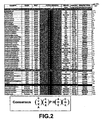
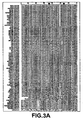
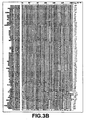
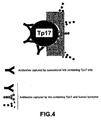
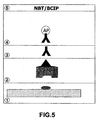

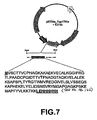
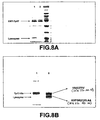
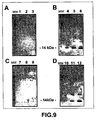
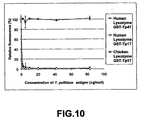
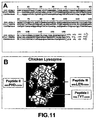
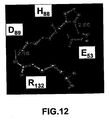
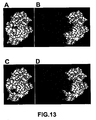
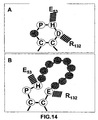

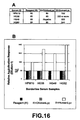
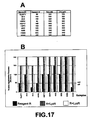
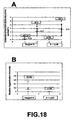


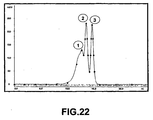

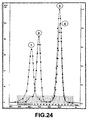
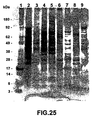


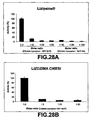


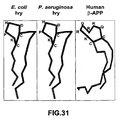

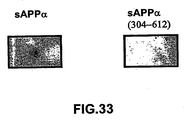


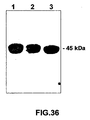
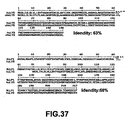

Classifications
-
- A—HUMAN NECESSITIES
- A61—MEDICAL OR VETERINARY SCIENCE; HYGIENE
- A61K—PREPARATIONS FOR MEDICAL, DENTAL OR TOILETRY PURPOSES
- A61K38/00—Medicinal preparations containing peptides
- A61K38/16—Peptides having more than 20 amino acids; Gastrins; Somatostatins; Melanotropins; Derivatives thereof
- A61K38/164—Peptides having more than 20 amino acids; Gastrins; Somatostatins; Melanotropins; Derivatives thereof from bacteria
-
- A—HUMAN NECESSITIES
- A61—MEDICAL OR VETERINARY SCIENCE; HYGIENE
- A61P—SPECIFIC THERAPEUTIC ACTIVITY OF CHEMICAL COMPOUNDS OR MEDICINAL PREPARATIONS
- A61P1/00—Drugs for disorders of the alimentary tract or the digestive system
- A61P1/02—Stomatological preparations, e.g. drugs for caries, aphtae, periodontitis
-
- A—HUMAN NECESSITIES
- A61—MEDICAL OR VETERINARY SCIENCE; HYGIENE
- A61P—SPECIFIC THERAPEUTIC ACTIVITY OF CHEMICAL COMPOUNDS OR MEDICINAL PREPARATIONS
- A61P1/00—Drugs for disorders of the alimentary tract or the digestive system
- A61P1/04—Drugs for disorders of the alimentary tract or the digestive system for ulcers, gastritis or reflux esophagitis, e.g. antacids, inhibitors of acid secretion, mucosal protectants
-
- A—HUMAN NECESSITIES
- A61—MEDICAL OR VETERINARY SCIENCE; HYGIENE
- A61P—SPECIFIC THERAPEUTIC ACTIVITY OF CHEMICAL COMPOUNDS OR MEDICINAL PREPARATIONS
- A61P11/00—Drugs for disorders of the respiratory system
-
- A—HUMAN NECESSITIES
- A61—MEDICAL OR VETERINARY SCIENCE; HYGIENE
- A61P—SPECIFIC THERAPEUTIC ACTIVITY OF CHEMICAL COMPOUNDS OR MEDICINAL PREPARATIONS
- A61P11/00—Drugs for disorders of the respiratory system
- A61P11/16—Central respiratory analeptics
-
- A—HUMAN NECESSITIES
- A61—MEDICAL OR VETERINARY SCIENCE; HYGIENE
- A61P—SPECIFIC THERAPEUTIC ACTIVITY OF CHEMICAL COMPOUNDS OR MEDICINAL PREPARATIONS
- A61P13/00—Drugs for disorders of the urinary system
- A61P13/12—Drugs for disorders of the urinary system of the kidneys
-
- A—HUMAN NECESSITIES
- A61—MEDICAL OR VETERINARY SCIENCE; HYGIENE
- A61P—SPECIFIC THERAPEUTIC ACTIVITY OF CHEMICAL COMPOUNDS OR MEDICINAL PREPARATIONS
- A61P15/00—Drugs for genital or sexual disorders; Contraceptives
- A61P15/02—Drugs for genital or sexual disorders; Contraceptives for disorders of the vagina
-
- A—HUMAN NECESSITIES
- A61—MEDICAL OR VETERINARY SCIENCE; HYGIENE
- A61P—SPECIFIC THERAPEUTIC ACTIVITY OF CHEMICAL COMPOUNDS OR MEDICINAL PREPARATIONS
- A61P15/00—Drugs for genital or sexual disorders; Contraceptives
- A61P15/16—Masculine contraceptives
-
- A—HUMAN NECESSITIES
- A61—MEDICAL OR VETERINARY SCIENCE; HYGIENE
- A61P—SPECIFIC THERAPEUTIC ACTIVITY OF CHEMICAL COMPOUNDS OR MEDICINAL PREPARATIONS
- A61P15/00—Drugs for genital or sexual disorders; Contraceptives
- A61P15/18—Feminine contraceptives
-
- A—HUMAN NECESSITIES
- A61—MEDICAL OR VETERINARY SCIENCE; HYGIENE
- A61P—SPECIFIC THERAPEUTIC ACTIVITY OF CHEMICAL COMPOUNDS OR MEDICINAL PREPARATIONS
- A61P25/00—Drugs for disorders of the nervous system
- A61P25/28—Drugs for disorders of the nervous system for treating neurodegenerative disorders of the central nervous system, e.g. nootropic agents, cognition enhancers, drugs for treating Alzheimer's disease or other forms of dementia
-
- A—HUMAN NECESSITIES
- A61—MEDICAL OR VETERINARY SCIENCE; HYGIENE
- A61P—SPECIFIC THERAPEUTIC ACTIVITY OF CHEMICAL COMPOUNDS OR MEDICINAL PREPARATIONS
- A61P27/00—Drugs for disorders of the senses
- A61P27/16—Otologicals
-
- A—HUMAN NECESSITIES
- A61—MEDICAL OR VETERINARY SCIENCE; HYGIENE
- A61P—SPECIFIC THERAPEUTIC ACTIVITY OF CHEMICAL COMPOUNDS OR MEDICINAL PREPARATIONS
- A61P29/00—Non-central analgesic, antipyretic or antiinflammatory agents, e.g. antirheumatic agents; Non-steroidal antiinflammatory drugs [NSAID]
-
- A—HUMAN NECESSITIES
- A61—MEDICAL OR VETERINARY SCIENCE; HYGIENE
- A61P—SPECIFIC THERAPEUTIC ACTIVITY OF CHEMICAL COMPOUNDS OR MEDICINAL PREPARATIONS
- A61P31/00—Antiinfectives, i.e. antibiotics, antiseptics, chemotherapeutics
-
- A—HUMAN NECESSITIES
- A61—MEDICAL OR VETERINARY SCIENCE; HYGIENE
- A61P—SPECIFIC THERAPEUTIC ACTIVITY OF CHEMICAL COMPOUNDS OR MEDICINAL PREPARATIONS
- A61P31/00—Antiinfectives, i.e. antibiotics, antiseptics, chemotherapeutics
- A61P31/04—Antibacterial agents
-
- A—HUMAN NECESSITIES
- A61—MEDICAL OR VETERINARY SCIENCE; HYGIENE
- A61P—SPECIFIC THERAPEUTIC ACTIVITY OF CHEMICAL COMPOUNDS OR MEDICINAL PREPARATIONS
- A61P31/00—Antiinfectives, i.e. antibiotics, antiseptics, chemotherapeutics
- A61P31/04—Antibacterial agents
- A61P31/06—Antibacterial agents for tuberculosis
-
- A—HUMAN NECESSITIES
- A61—MEDICAL OR VETERINARY SCIENCE; HYGIENE
- A61P—SPECIFIC THERAPEUTIC ACTIVITY OF CHEMICAL COMPOUNDS OR MEDICINAL PREPARATIONS
- A61P31/00—Antiinfectives, i.e. antibiotics, antiseptics, chemotherapeutics
- A61P31/12—Antivirals
- A61P31/14—Antivirals for RNA viruses
-
- A—HUMAN NECESSITIES
- A61—MEDICAL OR VETERINARY SCIENCE; HYGIENE
- A61P—SPECIFIC THERAPEUTIC ACTIVITY OF CHEMICAL COMPOUNDS OR MEDICINAL PREPARATIONS
- A61P31/00—Antiinfectives, i.e. antibiotics, antiseptics, chemotherapeutics
- A61P31/12—Antivirals
- A61P31/14—Antivirals for RNA viruses
- A61P31/16—Antivirals for RNA viruses for influenza or rhinoviruses
-
- A—HUMAN NECESSITIES
- A61—MEDICAL OR VETERINARY SCIENCE; HYGIENE
- A61P—SPECIFIC THERAPEUTIC ACTIVITY OF CHEMICAL COMPOUNDS OR MEDICINAL PREPARATIONS
- A61P31/00—Antiinfectives, i.e. antibiotics, antiseptics, chemotherapeutics
- A61P31/12—Antivirals
- A61P31/14—Antivirals for RNA viruses
- A61P31/18—Antivirals for RNA viruses for HIV
-
- A—HUMAN NECESSITIES
- A61—MEDICAL OR VETERINARY SCIENCE; HYGIENE
- A61P—SPECIFIC THERAPEUTIC ACTIVITY OF CHEMICAL COMPOUNDS OR MEDICINAL PREPARATIONS
- A61P31/00—Antiinfectives, i.e. antibiotics, antiseptics, chemotherapeutics
- A61P31/12—Antivirals
- A61P31/20—Antivirals for DNA viruses
-
- A—HUMAN NECESSITIES
- A61—MEDICAL OR VETERINARY SCIENCE; HYGIENE
- A61P—SPECIFIC THERAPEUTIC ACTIVITY OF CHEMICAL COMPOUNDS OR MEDICINAL PREPARATIONS
- A61P31/00—Antiinfectives, i.e. antibiotics, antiseptics, chemotherapeutics
- A61P31/12—Antivirals
- A61P31/20—Antivirals for DNA viruses
- A61P31/22—Antivirals for DNA viruses for herpes viruses
-
- A—HUMAN NECESSITIES
- A61—MEDICAL OR VETERINARY SCIENCE; HYGIENE
- A61P—SPECIFIC THERAPEUTIC ACTIVITY OF CHEMICAL COMPOUNDS OR MEDICINAL PREPARATIONS
- A61P33/00—Antiparasitic agents
- A61P33/02—Antiprotozoals, e.g. for leishmaniasis, trichomoniasis, toxoplasmosis
- A61P33/06—Antimalarials
-
- A—HUMAN NECESSITIES
- A61—MEDICAL OR VETERINARY SCIENCE; HYGIENE
- A61P—SPECIFIC THERAPEUTIC ACTIVITY OF CHEMICAL COMPOUNDS OR MEDICINAL PREPARATIONS
- A61P35/00—Antineoplastic agents
-
- A—HUMAN NECESSITIES
- A61—MEDICAL OR VETERINARY SCIENCE; HYGIENE
- A61P—SPECIFIC THERAPEUTIC ACTIVITY OF CHEMICAL COMPOUNDS OR MEDICINAL PREPARATIONS
- A61P35/00—Antineoplastic agents
- A61P35/02—Antineoplastic agents specific for leukemia
-
- A—HUMAN NECESSITIES
- A61—MEDICAL OR VETERINARY SCIENCE; HYGIENE
- A61P—SPECIFIC THERAPEUTIC ACTIVITY OF CHEMICAL COMPOUNDS OR MEDICINAL PREPARATIONS
- A61P37/00—Drugs for immunological or allergic disorders
- A61P37/02—Immunomodulators
- A61P37/04—Immunostimulants
-
- A—HUMAN NECESSITIES
- A61—MEDICAL OR VETERINARY SCIENCE; HYGIENE
- A61P—SPECIFIC THERAPEUTIC ACTIVITY OF CHEMICAL COMPOUNDS OR MEDICINAL PREPARATIONS
- A61P37/00—Drugs for immunological or allergic disorders
- A61P37/08—Antiallergic agents
-
- A—HUMAN NECESSITIES
- A61—MEDICAL OR VETERINARY SCIENCE; HYGIENE
- A61P—SPECIFIC THERAPEUTIC ACTIVITY OF CHEMICAL COMPOUNDS OR MEDICINAL PREPARATIONS
- A61P43/00—Drugs for specific purposes, not provided for in groups A61P1/00-A61P41/00
-
- C—CHEMISTRY; METALLURGY
- C07—ORGANIC CHEMISTRY
- C07K—PEPTIDES
- C07K14/00—Peptides having more than 20 amino acids; Gastrins; Somatostatins; Melanotropins; Derivatives thereof
- C07K14/195—Peptides having more than 20 amino acids; Gastrins; Somatostatins; Melanotropins; Derivatives thereof from bacteria
- C07K14/20—Peptides having more than 20 amino acids; Gastrins; Somatostatins; Melanotropins; Derivatives thereof from bacteria from Spirochaetales (O), e.g. Treponema, Leptospira
-
- C—CHEMISTRY; METALLURGY
- C12—BIOCHEMISTRY; BEER; SPIRITS; WINE; VINEGAR; MICROBIOLOGY; ENZYMOLOGY; MUTATION OR GENETIC ENGINEERING
- C12N—MICROORGANISMS OR ENZYMES; COMPOSITIONS THEREOF; PROPAGATING, PRESERVING, OR MAINTAINING MICROORGANISMS; MUTATION OR GENETIC ENGINEERING; CULTURE MEDIA
- C12N9/00—Enzymes; Proenzymes; Compositions thereof; Processes for preparing, activating, inhibiting, separating or purifying enzymes
- C12N9/14—Hydrolases (3)
- C12N9/24—Hydrolases (3) acting on glycosyl compounds (3.2)
- C12N9/2402—Hydrolases (3) acting on glycosyl compounds (3.2) hydrolysing O- and S- glycosyl compounds (3.2.1)
- C12N9/2462—Lysozyme (3.2.1.17)
-
- G—PHYSICS
- G01—MEASURING; TESTING
- G01N—INVESTIGATING OR ANALYSING MATERIALS BY DETERMINING THEIR CHEMICAL OR PHYSICAL PROPERTIES
- G01N33/00—Investigating or analysing materials by specific methods not covered by groups G01N1/00 - G01N31/00
- G01N33/48—Biological material, e.g. blood, urine; Haemocytometers
- G01N33/50—Chemical analysis of biological material, e.g. blood, urine; Testing involving biospecific ligand binding methods; Immunological testing
- G01N33/53—Immunoassay; Biospecific binding assay; Materials therefor
- G01N33/569—Immunoassay; Biospecific binding assay; Materials therefor for microorganisms, e.g. protozoa, bacteria, viruses
- G01N33/56911—Bacteria
-
- G—PHYSICS
- G01—MEASURING; TESTING
- G01N—INVESTIGATING OR ANALYSING MATERIALS BY DETERMINING THEIR CHEMICAL OR PHYSICAL PROPERTIES
- G01N33/00—Investigating or analysing materials by specific methods not covered by groups G01N1/00 - G01N31/00
- G01N33/48—Biological material, e.g. blood, urine; Haemocytometers
- G01N33/50—Chemical analysis of biological material, e.g. blood, urine; Testing involving biospecific ligand binding methods; Immunological testing
- G01N33/53—Immunoassay; Biospecific binding assay; Materials therefor
- G01N33/569—Immunoassay; Biospecific binding assay; Materials therefor for microorganisms, e.g. protozoa, bacteria, viruses
- G01N33/56983—Viruses
-
- G—PHYSICS
- G01—MEASURING; TESTING
- G01N—INVESTIGATING OR ANALYSING MATERIALS BY DETERMINING THEIR CHEMICAL OR PHYSICAL PROPERTIES
- G01N33/00—Investigating or analysing materials by specific methods not covered by groups G01N1/00 - G01N31/00
- G01N33/48—Biological material, e.g. blood, urine; Haemocytometers
- G01N33/50—Chemical analysis of biological material, e.g. blood, urine; Testing involving biospecific ligand binding methods; Immunological testing
- G01N33/53—Immunoassay; Biospecific binding assay; Materials therefor
- G01N33/569—Immunoassay; Biospecific binding assay; Materials therefor for microorganisms, e.g. protozoa, bacteria, viruses
- G01N33/571—Immunoassay; Biospecific binding assay; Materials therefor for microorganisms, e.g. protozoa, bacteria, viruses for venereal disease, e.g. syphilis, gonorrhoea
-
- G—PHYSICS
- G01—MEASURING; TESTING
- G01N—INVESTIGATING OR ANALYSING MATERIALS BY DETERMINING THEIR CHEMICAL OR PHYSICAL PROPERTIES
- G01N33/00—Investigating or analysing materials by specific methods not covered by groups G01N1/00 - G01N31/00
- G01N33/48—Biological material, e.g. blood, urine; Haemocytometers
- G01N33/50—Chemical analysis of biological material, e.g. blood, urine; Testing involving biospecific ligand binding methods; Immunological testing
- G01N33/53—Immunoassay; Biospecific binding assay; Materials therefor
- G01N33/573—Immunoassay; Biospecific binding assay; Materials therefor for enzymes or isoenzymes
-
- G—PHYSICS
- G01—MEASURING; TESTING
- G01N—INVESTIGATING OR ANALYSING MATERIALS BY DETERMINING THEIR CHEMICAL OR PHYSICAL PROPERTIES
- G01N2333/00—Assays involving biological materials from specific organisms or of a specific nature
- G01N2333/195—Assays involving biological materials from specific organisms or of a specific nature from bacteria
- G01N2333/20—Assays involving biological materials from specific organisms or of a specific nature from bacteria from Spirochaetales (O), e.g. Treponema, Leptospira
-
- G—PHYSICS
- G01—MEASURING; TESTING
- G01N—INVESTIGATING OR ANALYSING MATERIALS BY DETERMINING THEIR CHEMICAL OR PHYSICAL PROPERTIES
- G01N2333/00—Assays involving biological materials from specific organisms or of a specific nature
- G01N2333/90—Enzymes; Proenzymes
- G01N2333/914—Hydrolases (3)
- G01N2333/924—Hydrolases (3) acting on glycosyl compounds (3.2)
-
- G—PHYSICS
- G01—MEASURING; TESTING
- G01N—INVESTIGATING OR ANALYSING MATERIALS BY DETERMINING THEIR CHEMICAL OR PHYSICAL PROPERTIES
- G01N2469/00—Immunoassays for the detection of microorganisms
- G01N2469/20—Detection of antibodies in sample from host which are directed against antigens from microorganisms
-
- G—PHYSICS
- G01—MEASURING; TESTING
- G01N—INVESTIGATING OR ANALYSING MATERIALS BY DETERMINING THEIR CHEMICAL OR PHYSICAL PROPERTIES
- G01N2500/00—Screening for compounds of potential therapeutic value
- G01N2500/02—Screening involving studying the effect of compounds C on the interaction between interacting molecules A and B (e.g. A = enzyme and B = substrate for A, or A = receptor and B = ligand for the receptor)
-
- G—PHYSICS
- G01—MEASURING; TESTING
- G01N—INVESTIGATING OR ANALYSING MATERIALS BY DETERMINING THEIR CHEMICAL OR PHYSICAL PROPERTIES
- G01N2800/00—Detection or diagnosis of diseases
- G01N2800/06—Gastro-intestinal diseases
- G01N2800/065—Bowel diseases, e.g. Crohn, ulcerative colitis, IBS
-
- G—PHYSICS
- G01—MEASURING; TESTING
- G01N—INVESTIGATING OR ANALYSING MATERIALS BY DETERMINING THEIR CHEMICAL OR PHYSICAL PROPERTIES
- G01N2800/00—Detection or diagnosis of diseases
- G01N2800/24—Immunology or allergic disorders
-
- G—PHYSICS
- G01—MEASURING; TESTING
- G01N—INVESTIGATING OR ANALYSING MATERIALS BY DETERMINING THEIR CHEMICAL OR PHYSICAL PROPERTIES
- G01N2800/00—Detection or diagnosis of diseases
- G01N2800/28—Neurological disorders
- G01N2800/2814—Dementia; Cognitive disorders
- G01N2800/2821—Alzheimer
-
- G—PHYSICS
- G01—MEASURING; TESTING
- G01N—INVESTIGATING OR ANALYSING MATERIALS BY DETERMINING THEIR CHEMICAL OR PHYSICAL PROPERTIES
- G01N2800/00—Detection or diagnosis of diseases
- G01N2800/34—Genitourinary disorders
- G01N2800/347—Renal failures; Glomerular diseases; Tubulointerstitial diseases, e.g. nephritic syndrome, glomerulonephritis; Renovascular diseases, e.g. renal artery occlusion, nephropathy
-
- Y—GENERAL TAGGING OF NEW TECHNOLOGICAL DEVELOPMENTS; GENERAL TAGGING OF CROSS-SECTIONAL TECHNOLOGIES SPANNING OVER SEVERAL SECTIONS OF THE IPC; TECHNICAL SUBJECTS COVERED BY FORMER USPC CROSS-REFERENCE ART COLLECTIONS [XRACs] AND DIGESTS
- Y02—TECHNOLOGIES OR APPLICATIONS FOR MITIGATION OR ADAPTATION AGAINST CLIMATE CHANGE
- Y02A—TECHNOLOGIES FOR ADAPTATION TO CLIMATE CHANGE
- Y02A50/00—TECHNOLOGIES FOR ADAPTATION TO CLIMATE CHANGE in human health protection, e.g. against extreme weather
- Y02A50/30—Against vector-borne diseases, e.g. mosquito-borne, fly-borne, tick-borne or waterborne diseases whose impact is exacerbated by climate change
Definitions
- the present invention generally features diagnostic compositions and methods derived from the characterization of the binding of a lysozyme polypeptide to a Treponema pallidum P17 polypeptide (Tp17) or Tp17-like polypeptides.
- the invention provides methods and compositions for increasing or decreasing the binding between a lysozyme and a TP-17 or a TP-17 like polypeptide.
- Syphilis is a disease caused by Treponema pallidum (hereinafter also referred to as "Tp") infection.
- Tp Treponema pallidum
- the diagnosis of syphilis is generally made by an immunoassay of anti-Tp antibody in the blood using, for example, the Treponema pallidum Hemagglutination Test (TPHA), the Fluorescent Treponema Antibody Absorption Test (FTA-ABS) and/or the Treponema pallidum Immobilization Test (TPI), as well as enzyme-linked immunol sorbent assay (ELISA) and Western Blot systems.
- TPHA Treponema pallidum Hemagglutination Test
- FSA-ABS Fluorescent Treponema Antibody Absorption Test
- TPI Treponema pallidum Immobilization Test
- ELISA enzyme-linked immunol sorbent assay
- the TPI test involves a microscopic assessment of the extent to which complement activating antibodies in a patient's serum inhibit the mobility of Tp. This test is not generally used as a diagnostic due to its high cost.
- the TPHA test involves agglutination ofpatient serum antibodies with erythrocytes to which the Tp sonicate antigen is bound.
- the FTA-ABS test involves indirect immunofluorescence microscopy to detect the binding of specific antibodies in patient serum to Tp attached to a solid support via a fluorescent-labelled secondary antibody. Although these assays are widely used, they lack the sensitivity required for detecting early stage or low level infection, when Tp antibody levels in the body fluids are very low.
- Tp antigen binding partners i.e ., Tp antigen binding partners
- the invention provides compositions and methods for the detection of a pathogen infection.
- the invention generally relates to the discovery that the Treponema pallidum polypeptide, Tp17, binds to lysozyme, an anti-microbial peptide produced by the host, and inhibits lysozyme's anti-microbial activity.
- the binding site on Tp17 for lysozyme and the binding site on lysozyme for Tp17 were identified.
- the invention also provides for the identification of mutant lysozyme polypeptides containing mutations that interfere with or destabilize TP17 binding Such polypeptides, or fragments thereof, are useful in preventing or treating a pathogen infection.
- the invention provides for improved diagnostic assays based on the detection of antibodies that bind to a Tp17 - lysozyme complex.
- a lysozyme binding motif on Tp17 also provides useful compositions and methods for the detection or inhibition of lysozyme, as well as the detection of specific pathogens and inhibition of the corresponding infections besides syphilis.
- pathogen-derived polypeptides are useful in the diagnosis, prophylaxis, and treatment of a number of diseases, including diseases related to aberrant lysozyme activity. Those polypeptides also provide a useful affinity tag for use in protein purification using inexpensive lysozyme affinity chromatography.
- the invention generally features a method as describes in claim 1. method, kits and compositions as defined in claims 2 to 34. In related aspects, the invention features.
- substantially pure mutant lysozyme polypeptide containing at least one amino acid mutation that reduces binding between the mutant lysozyme polypeptide and a Tp17-like polypeptide (e.g., reduces binding by 5%, 10%, 25%. 50%, 75%, 85%, or 95% relative to wild-type binding), where the mutant lysozyme polypeptide retains at least 50%, 60%, 75%, 85%, or 95% of the anti-microbial activity of s corresponding wild-type lysozyme polypeptide.
- the mutation may reduce binding between the mutant lysozyme polypeptide and a Tp17-like polypeptide by at least 5% relative to wild-type lysozyme polypeptide binding, or the mutation affect a surface charge in the corresponding wild-type polypeptide.
- the mutation may be in a positively charged amino acid residue, in a negatively charged amino acid residue, or in a hydrophobic amino acid residue of a wild-type lysozyme polypeptide that contacts a Tp17-like polypeptide.
- the mutation may be of at least one, two, three, four, or more amino acid positions selected from the group consisting of Lys19, Arg23, Lys51, Gly 55, Asn57, Arg131, Asn132 and Arg133 of human lysozyme or may be present at a corresponding position in a lysozyme derived from another species (e.g., prokaryotic, eukaryotic, mammalian).
- another species e.g., prokaryotic, eukaryotic, mammalian.
- nucleic acid molecules encoding the a fore mentioned lysozyme polypeptides, a vector containing such a nucleic acid molecule, and a host cell containing this vector.
- the lysozyme polypeptide may be contacted with the Tp 17-like polypeptide prior to, during, or after contacting the biological sample.
- the assay is an immunoassay (e.g., enzyme-linked immunoabsorbent assay ELISA), Western blot, immunoagglutination assay, radioimmunoassay, turbidimetric assay, nephelometric assay, immunochromatographic assay, chemiluminescent assay, and fluorescent assay).
- immunoassay e.g., enzyme-linked immunoabsorbent assay ELISA
- Western blot e.g., Western blot, immunoagglutination assay, radioimmunoassay, turbidimetric assay, nephelometric assay, immunochromatographic assay, chemiluminescent assay, and fluorescent assay.
- the biological sample is selected from the group consisting of blood, serum, plasma, tears, saliva, sputum, nasal fluid, ear fluid, genital fluid, breast fluid, milk, colostrum, placental fluid, perspiration, synovial fluid, ascites fluid, gastrointestinal fluid, exudate, trausudate, pleural fluid, pericardial fluid, amniotic fluid, cerebrospinal fluid, bile, gastric fluid, semen, fecal material, upper airway fluid, peritoneal fluid, fluid harvested from a site of inflammation, fluid harvested from a pooled collection site, bronchial lavage, urine, biopsy material, aqueous humor, material from the forestomach of a ruminant animal, nucleated cell sample, any fluid associated with a mucosal surface, hair, and skin.
- the method is used to diagnose syphilis.
- the Tp17-1ike polypeptide is derived from a pathogen selected from the group consisting of a bacteria, a virus, a parasite, a plasmid, a prion, a mycoplasma, and a mycotic agent
- the pathogen is Escherichia coli, Pseudomonas aeruginosa, Pseudomonas putida, Yersinia pestis, Shigella fexnerii, Treponema denticola, Vibrio cholerae, Vibrio vulnificus, Vibrio parahemolyticus.
- the pathogen is Treponema denticola, Bacteroides thetaiotaomicron, Coxiella burnetti, Haemophilus influenzae, Neisseria gonorrhoeae, Legionella pneumophila, Staphylococcus, aureus, and Salmonella typhi, Neisseria meningitidis serogroup A and serogroup B, Vibrio cholerae, Vibrio vulnificus, Haemophilus ducreyi, and Bordetellapertussis.
- the pathogen is Treponema pallidum.
- the motif contains the amino acid consensus sequence CS2: Xaa1 Xaa2 Pro His Xaa3 Xaa4, (SEQ ID NO:3), where Xaa1 is Cys, Lys, Val, Ala, or is absent; Xaa 2 is Ala, Cys, or Lys; Xaa 3 is Ala, Asp, or Glu, and Xaa 4 is Cys, Gly, or Lys.
- the Tp17-like polypeptide contains the sequence Cys Xaa 1 Xaa 2 Xaa 3 Pro His Xaa 4 Xaa 5 Xaa 6 Xaa 7 Xaa 8 Xaa 9 Xaa 10 Xaa 11 Xaa 12 Xaa 13 Cys (SEQ ID NO:2), where Xaa 1 , Xaa 2 , Xaa 3 , Xaa 4 , Xaa 5 , Xaa 6 , Xaa 7 , Xaa 8 , Xaa 9 , Xaa 10 , Xaa 11 , Xaa 12 , or Xaa 13 is any amino acid or is absent.
- the motif contains an amino acid consensus sequence CS3: Xaa Cys Pro His Ala Gly (SEQ ID NO:25), where Xaa is Cys or Val.
- the motif is selected from the group consisting of CCPHAG (SEQ ID NO:4), VCPHAG (SEQ ID NO:5), VAPHDC (SEQ ID NO:6), KAPHDK (SEQ ID NO:7), VKPHDG (SEQ ID NO:8); KKPHAK (SEQ ID NO:9), KAPHEK (SEQ ID NO:10), KKPHAC (SEQ ID NO:11), VAPHAG (SEQ ID NO:12), VKPHAK (SEQ ID NO:13), VKPHAC (SEQ ID NO:14), VAPHEG (SEQ ID NO:15), VKPHEK (SEQ ID NO:16), VCPHEK (SEQ ID NO:17), CKPHAG (SEQ ID NO: 18),
- the lysozyme polypeptide contains the following amino acid sequence: where Xaa is any amino acid or is absent.
- the Tp17-like polypeptide or the lysozyme polypeptide, or a fragment thereof is isolated from a biological sample, is a recombinant polypeptide, is fused to an affinity tag, is affixed to a solid support (e.g., a resin, a gel, a bead, a well, a column, a chip, a membrane, a matrix, a plate, and a filter device), is derived from a human polypeptide, is detectably labeled (e.g., labeled with a fluorophore, a fluorescent protein, a chromophore, a radioactive moiety, a luminiferous moiety, and an enzymatically active label).
- the lysozyme polypeptide and the Tp17-like polypeptide are present in a molecular ratio of between about 0.001 and about 1,000,000.
- compositions and methods of the invention are useful for identifying and/or quantifying antibodies to pathogens such as, for example, Treponema pallidum, Escherichia coli (e.g., E. coli O157:H7 and E .
- pathogens such as, for example, Treponema pallidum, Escherichia coli (e.g., E. coli O157:H7 and E .
- pathogens such as Mycobacterium paratuberculosis, Ebola virus, Rift Valley Fever virus, Severe Acute Respiratory Syndrome (SARS) virus, Small Pox virus, Bacillus anthracis, Leishmania Spp., mycoplasma, rickettsia, fungi, and yeast are detected.
- compositions for detecting anti-pathogen antibodies in a sample comprising (a) a polypeptide comprising the amino acid sequence of TAPHRGLATLYNGDC (SEQ ID NO:26) or CSPEVGQMDC (SEQ ID NO:27), and (b) an a full-length lysozyme polypeptide or a fragment thereof.
- lysozyme (A) and Tp17-like polypeptides (B) are present in a molar ratio (A/B) of between about 0.001 and about 1,000,000. In a preferred embodiment, lysozyme (A) and Tp 17-like polypeptides (B) are present in a molar ratio (A/B) of between about 0.01 and about 1,000,000. In another preferred embodiment, lysozyme (A) and Tp17-like polypeptides (B) are present in a molar ratio (A/B) of between about 0.1 and about 1,000,000. Most preferably, lysozyme (A) and Tp17-like polypeptides (B) are present in a molar ratio (A/B) of between about 1 and about 1000, between about 10 and about 1000, or between about 100 and about 1000.
- the methods of the invention are used to diagnose diseases such as, for example, syphilis, HIV infection, genital herpes, bubonic plague, dysentery, shigellosis, dental caries, E . coli infection, cystic fibrosis, tuberculosis, cholerae, group A or group B streptococcal infections, staphylococcal infections, gastric ulcer, whooping cough, Enterococcal infections, chlamydiosis, brucellosis, otitis media, otitis interna, meningitis, influenza infection, malaria, Hepatitis B, and Hepatitis C virus infections.
- diseases such as, for example, syphilis, HIV infection, genital herpes, bubonic plague, dysentery, shigellosis, dental caries, E . coli infection, cystic fibrosis, tuberculosis, cholerae, group A or group B streptococcal infections, staphyloc
- the methods of the invention are used to diagnose salmonellosis, gonorrhea, vibriosis, colibacillosis, pneumonia, bronchitis, severe acute respiratory syndrome (SARS), and cytoplasmic storage diseases, such as lysosomal storage diseases.
- SARS severe acute respiratory syndrome
- the invention also finds application in methods for detecting lysozymes in a sample by contacting the sample with a Tp17-like polypeptide and detecting the binding of the Tp17-like polypeptide to the lysozyme.
- Lysozyme anti-microbial activity is reduced by contacting a sample with a Tp17-like polypeptide under conditions that permit binding of the Tp17-like polypeptide to the lysozyme.
- the sample may be a pathogen preparation, such as, for example, a bacteria, a virus, a parasite, a plasmid, a mycoplasma, a mycotic agent (e.g., fungus and yeast), and a prion preparation.
- the sample may also be a material that needs to be rendered free of lysozyme contamination, such as a biological sample (e.g., throat aspirate, hemoculture, cerebrospinal fluid), culture vessel, cell culture, cuvette, swab, clinical diagnostic apparatus or assay material, medical instrument, fluid, water, food, medicine, implant, or graft.
- a biological sample e.g., throat aspirate, hemoculture, cerebrospinal fluid
- culture vessel e.g., cell culture, cuvette, swab, clinical diagnostic apparatus or assay material
- medical instrument e.g., water, food, medicine, implant, or graft.
- the methods of the invention may also be used for reducing lysozyme anti-microbial activity in a subject (e.g., an animal, such as human) by administering to the subject an effective amount of a Tp17-like polypeptides.
- a subject e.g., an animal, such as human
- the methods are used to treat or prevent diseases such as cancer, infectious disease, inflammatory disease, Alzheimer's disease, renal amyloidosis, leukemia, Crohn's disease, and allergy, which are associated with increased lysozyme activity over normal levels.
- Tp17-like polypeptide is meant an amino acid sequence, or fragment thereof, that comprises a Xaa n Pro His Xaa n consensus sequence and that has the ability to bind to a lysozyme polypeptide or to inhibit a biological activity of lysozyme.
- Exemplary TP17-like polypeptides are provided in Figures 1 and 2 .
- Tp17-like polypeptides include, but are not limited to, all variants, homologs, and mutants of Tp17, full length or fragments thereof, and fusion proteins containing any of the above as a material part.
- a TP17-like polypeptide comprises a Xaa n Pro His Xaa n consensus sequence and is at least 50%, 75%, 85%, 95%, or 99% identical to TP17 (Genbank Accession No. P29722; SEQ ID NO:31) or a fragment thereof.
- a "Tp17-like polypeptide" comprises the following consensus sequence: CX(1,5)[KRH][AG][KRH]X(0,2)[KR]X(0,1)[EDQN]C(SEQ ID No:178) and binds lysozyme.
- mutant Tp17-like polypeptide is meant a TP-17-like polypeptide having at least one amino acid change relative to the sequence of a naturally-occurring sequence. Such changes include, for example, amino acid substitutions, deletions, or insertions.
- mutant Tp17-like polypeptide homologs, mutants, fragments, substitutions and modifications retain the ability to bind to lysozyme.
- such polypeptides bind lysozyme, but fail to inhibit its anti-microbial activity.
- Figure 7 describes exemplary methods for targeted and random identification of polypeptide mutants.
- Tp17-like nucleic acid molecule or "mutant Tp17-like nucleic acid molecule” is meant a nucleic acid sequence encoding a Tp17-like or mutant Tp17-like polypeptide, respectively.
- APP-like polypeptide is meant a polypeptide that binds lysozyme and that contains the following consensus sequence:
- lysozyme polypeptide is meant an amino acid sequence comprising the following consensus sequence and having anti-microbial activity or enzymatic activities. Exemplary lysozyme polypeptides are listed in Figures 3A and 3B . In one preferred embodiment, a lysozyme polypeptide is at least 50%, 75%, 85%, 95%, or 99% identical to human lysozyme (Genbank Accession No. NP_000230, NP_783862, NP_115906, NP_898881, NP_653235, NP_065159, NP_776246, NP_995328, NP_002280).
- mutant lysozyme polypeptide is meant a lysozyme amino acid sequence containing at least one amino acid change relative to a naturally occurring lysozyme amino acid sequence.
- lysozyme nucleic acid molecule or “mutant lysozyme nucleic acid molecule” is meant a nucleic acid molecule encoding a lysozyme or mutant lysozyme polypeptide, respectively.
- the invention features compositions and methods relating to the detection of subjects having a pathogen infection, such as Treponema pallidum.
- a pathogen infection such as Treponema pallidum.
- this invention is based, in part, on the discovery that a pathogen-expressed polypeptide, Tp17, binds to and inhibits lysozyme, a host-expressed anti-microbial polypeptide. Because many pathogens express Tp17-related proteins, this method of inhibiting a host immune response is likely to be conserved among a large number of pathogens. Accordingly, the invention provides for methods of treating or preventing a pathogen infection based on this observation. In addition, the invention provides for improved diagnostic assays based on the detection of antibodies that bind to a Tp17 - lysozyme complex.
- compositions and methods of the invention comprise Treponema pallidum P17 (Tp17) polypeptide (Genbank Accession No- P29722; SEQ ID NO:31) and Tp17-like polypeptides. These polypeptides share certain structural similarities, as illustrated in Figures 1A , 1B , and 2 , collectively referred to herein as "Tp17-like polypeptides" and/or functional similarities, such as the ability to bind lysozyme or inhibit lysozyme enzymatic or anti-microbial activity.
- Tp 17 polypeptide binds to lysozyme: the polypeptide sequence VCPHAG (SEQ ID NO:5) at amino acid positions 28-33 and the polypeptide sequence KAPHEK (SEQ ID NO:10) at amino acid positions 114-119.
- Figures 1A and 2 provide an alignment of exemplary Tp17-like polypeptides from a number of bacterial, viral, parasitic, and mammalian species, along with their accession numbers. In particular, the alignment shown in Figure 2 identifies an evolutionarily conserved consensus sequence, Xaa n Pro His Xaa n , which is common to all TP 17-like polypeptides.
- a Tp17-like polypeptide comprises the Amino acid consensus sequence of Xaa n Pro His Xaa n (SEQ ID NO:1), wherein Xaa is any amino acid, is absent, or is a peptide bond, and n is at least one.
- the Tp17-like polypeptide comprises the amino acid consensus sequence CS1: Cys Xaa 1 Xaa 2 Xaa 3 Pro His Xaa 4 Xaa 5 Xaa 6 Xaa 7 Xaa 8 Xaa 9 Xaa 10 Xaa 11 Xaa 12 Xaa 13 Cys (SEQ ID NO:2), wherein Xaa 1 , Xaa 2 , Xaa 3 , Xaa 4 , Xaa 5 , Xaa 6 , Xaa 7 , Xaa 8 , Xaa 9 , Xaa 10 , Xaa 11 , Xaa 12 , or Xaa 13 is any amino acid, no amino acid, or a peptide bond.
- Xaa 1 is Lys, Gly, Ile, Arg, Leu, Ala, Ser, Thr, Gln, Asn, Phe, no amino acid, or a peptide bond
- Xaa 2 is Thr, His, Cys, Gln, Asn, Ile, Ser, Leu, no amino acid, or a peptide bond
- Xaa 3 is His, Lys, no amino acid, or a peptide bond
- Xaa 4 is Asn, Gly, Tyr, Leu, Ala, Cys, Glu, Thr, Arg, Met, Pro, Ile, Val, Phe, His, Gln, Lys, no amino acid, or a peptide bond
- Xaa 5 is His, Arg, Asn, Leu, Ser, Lys, Glu, Gly, Pro, Ile, Thr, Cys, Trp, Val, Gln, Phe, Ala, Asp, no amino acid, or a peptide bond
- a preferred Tp17-like polypeptide that does not strictly fit the consensus CS 1 is the human immunodeficiency virus (HIV-1) Int protein with the related motif CSPEVGQMDC (SEQ ID NO:27) and the foot and mouth disease virus (FMDV) virus protein VP1 with the related motif TAPHRGLATLYNGDC (SEQ ID NO:26) ( Figure 1A ).
- HAV-1 human immunodeficiency virus
- FMDV foot and mouth disease virus
- the Tp17-like polypeptide comprises the amino acid consensus sequence CS2: Xaa 1 Xaa 2 Pro His Xaa 3 Xaa 4 (SEQ ID NO:3), wherein Xaa 1 is Cys, Lys, Val, Ala, no amino acid or a peptide bond; Xaa 2 is Ala, Cys, or Lys; Xaa 3 is Ala, Asp, or Glu, and Xaa 4 is Cys, Gly, or Lys.
- the Tp17-like polypeptide comprises the amino acid sequence CCPHAG (SEQ ID NO:4), VCPHAG (SEQ ID NO:5), VAPHDC (SEQ ID NO:6), KAPHDK (SEQ ID NO:7), VKPHDG (SEQ ID NO:8), KKPHAK (SEQ ID NO:9), KAPHEK (SEQ ID NO:10), KKPHAC (SEQ ID NO:11), VAPHAG (SEQ ID NO:12), VKPHAK (SEQ ID NO:13), VKPHAC (SEQ ID NO:14), VAPHEG (SEQ ID NO:15), VKPHEK (SEQ ID NO:16), VCPHEK (SEQ ID NO:17), CKPHAG (SEQ ID NO:18), ACPHAG (SEQ ID NO:19), KCPHDC (SEQ ID NO:20), VKPHDK (SEQ ID NO:21), KKPHAG (SEQ ID NO:22), or CAPHEK (SEQ ID NO:4),
- the Tp17-like polypeptide does not comprise the Ivy protein. In another embodiment, the invention does not comprise a protein comprising CKPHDC (SEQ ID NO:24).
- Figure 7 describes exemplary methods for targeted and random identification of polypeptide mutants.
- Lysozyme causes the hydrolysis of bacterial cell walls. It is generally found in fluids contacting mucosal surfaces as well as other body fluids and constitutes a defense mechanism against bacterial infections.
- the enzyme cleaves the glycosidic bond between carbon number 1 of N-acetylmuramic acid and carbon number 4 of N-acetyl-D-glucosamine. In vivo, these two carbohydrates are polymerized to form a cell wall polysaccharide. Lysozyme has a multi-domain, mixed alpha and beta fold structure, containing four conserved disulfide bonds.
- Lysozyme also has a strong antiviral effect against herpes simplex virus (HSV) and HIV type 1 (HIV-1).
- HSV herpes simplex virus
- HIV-1 HIV type 1
- lysozyme enhances the anti-herpetic activity of glycyrrhizic acid in in vitro assays ( Lampi et al. (2001) Antivir. Chem. Chemother. 12:125-131 ).
- Lysozyme levels are lower in patients suffering from HSV infection compared to healthy controls, suggesting that pathogen infection is associated with a decrease in lysozyme production or an inhibition of lysozyme activity.
- the instant invention provides, at least in part, an explanation of how lysozyme activity is inhibited by proteins produced by invading pathogenic viruses, suggesting a mechanism by which pathogenic viruses evade lysis by lysozyme by producing an inhibitor therefor.
- the instant invention therefore provides compositions and methods for relieving lysozyme inhibition in vitro and for the prevention or treatment of pathogen infection in vivo.
- compositions and methods of the invention comprise human lysozyme and polypeptides with sequence similarities thereto.
- Figures 3A and 3B provide an alignment of lysozyme polypeptides from a number of species, including duck, chicken, quail, guinea fowl, pheasant, peafowl, turkey, chachalaca, goat, sheep, cow, deer, pig, rat, mouse, dog, rabbit, monkey, grivet, rhesus monkey, baboon, marmoset, tamarin, squirrel monkey, gorilla, human, orangutan, gibbon, colobus, langur, camel, possum, trout, flounder, fish, dog, horse, donkey, echidna, pigeon, hoatzin, anopheles, bombyx, cecropoia, silkmoth, trichoplusia, hornworm, and webworm.
- the alignment of the lysozyme proteins defines a lysozyme consensus sequence of: wherein Xaa is any amino acid or is absent
- the lysozyme consensus sequence comprises the sequence of where amino acid conservation is represented according to Risler comparisons symbols ( Risler et al. (1988) J. Mol. Biol. 204:1019 ).
- Risler comparisons symbols Risler et al. (1988) J. Mol. Biol. 204:1019 ).
- X represents any amino acid or is absent
- upper case letters correspond to 100% amino acid conservation
- lower-case letters correspond to a value of amino acid conservation comprised between 50% and 90%.
- conservative changes shared by more than 50% of the sequences are represented using the following symbols: $ corresponds to leucine or methionine, ! corresponds to isoleucine or valine, and # corresponds to asparagine or aspartic acid.
- lysozyme or “lysozyme polypeptide” encompasses all homologs, mutants, full-length or fragments, substitutions and modifications thereof, including deletions and additions thereto.
- a lysozyme polypeptide includes a mutation that decreases its ability to bind to or otherwise associate or interact with a Tp17-like polypeptide.
- the mutant lysozyme polypeptide is resistant to inhibition by a pathogen-expressed Tp17-like polypeptide.
- Example 7 describes exemplary methods for targeted and random identification of inhibition-resistant lysozyme mutants.
- Exogenous lysozyme is lysozyme that originates outside of, e.g., is not naturally occurring or occurs in a significantly lower concentration in, the sample or Tp17-like polypeptide preparation used in the methods of the invention.
- exogenous lysozyme is lysozyme that is added to the sample or to the Tp17-like polypeptide to make up the compositions and methods of the invention.
- the invention also provides purified or recombinant variants of aTp17-like polypeptides or lysozyme polypeptide, including homologs, mutants, and derivatives.
- recombinant mutant polypeptides contain specific mutations (e.g., missense mutations, insertions, deletions, or nonsense mutations) that inhibit the biological activity of the recombinant polypeptide relative to a native Tp17-like polypeptide or lysozyme polypeptide.
- Tp17-like mutant polypeptides bind lysozyme with an affinity that is equal to or greater than the affinity of a naturally-occurring polypeptide, but fail to inhibit the anti-microbial activity of lysozyme, such as its ability to cleave a pathogen-expressed polysacharide.
- Such Tp17-like mutant polypeptides are useful in treating or preventing a pathogen infection.
- Particularly advantageous mutant lysozyme polypeptides of the invention are incapable of binding, or exhibit reduced binding to a Tp17-like polypeptide relative to a native lysozyme ( Figure 3 ).
- binding e.g., binding affinity or quantity
- binding affinity or quantity is reduced by at least 5%, 10%, 25%, 50%, 75%, 85%, 95%, or 100%.
- Other advantageous lysozyme polypeptides retain the ability to bind a Tp17-like polypeptide, but such binding does not inhibit the anti-microbial activity of the lysozyme polypeptide, such as its enzymatic activity.
- Tp17-like polypeptide or lysozyme polypeptide can be generated by mutagenesis, for example, by introducing a discrete point mutation(s), an insertion, a deletion or other modifications and alterations.
- mutant Tpl7-like polypeptides or lysozyme polypeptides that retain substantially the same, or merely a subset, of the biological activity of the Tp17-like polypeptide or lysozyme polypeptide from which the mutant polypeptide was derived.
- antagonistic forms of a Tp17-like polypeptide or lysozyme polypeptide can be generated. Such antagonists inhibit the function of a naturally occurring Tp17-like polypeptide or lysozyme polypeptide, by competitively binding to a naturally occurring ligand..
- the purified or recombinant homologs of Tp17-like polypeptides or lysozyme polypeptides of the present invention also include naturally occurring homologs of the wild-type Tp17-like polypeptides or lysozyme polypeptides that are naturally resistant to proteolytic cleavage.
- Tp17-like polypeptides or lysozyme polypeptides may also be chemically modified to create Tp17-like polypeptide or lysozyme polypeptide derivatives, respectively, by forming covalent or aggregate conjugates with other chemical moieties, such as glycosyl groups, lipids, phosphate, acetyl groups, and the like.
- Covalent derivatives of Tp17-like polypeptides or lysozyme polypeptides can be prepared by linking the chemical moieties to functional groups on amino acid side chains of the protein or at the N-terminus or at the C-terminus of the protein.
- Modification of the structure of the Tp1 7-like polypeptides or lysozyme polypeptides can be for such purposes as enhancing therapeutic or prophylactic efficacy, stability (e.g., ex vivo shelf life and resistance to proteolytic degradation), or post-translational modifications (e.g ., to alter phosphorylation pattern of protein).
- modified or mutant Tp17-like polypeptides or lysozyme polypeptides when designed to retain at least one activity of the naturally-occurring form of the Tp17-like polypeptides or lysozyme polypeptides, or to produce specific antagonists thereof, are considered functional equivalents of the Tp17-like polypeptides or lysozyme polypeptides described in more detail herein.
- modified Tp17-like polypeptides or lysozyme polypeptides can be produced, for instance, by amino acid substitution, deletion, or addition.
- the substitutional variant may be a substituted conserved amino acid or a substituted non-conserved amino acid.
- Whether a change in the amino acid sequence of a peptide results in a functional Tp17-like polypeptide or lysozyme polypeptide homolog can be readily determined by assessing the ability of the variant peptide to produce a response in an assay or in cells in a fashion similar to the wild-type protein, or competitively inhibit such a response.
- Polypeptides in which more than one replacement has taken place can readily be tested in the same manner. Assays and reagents useful for testing such homologs are exemplified throughout the specification.
- polypeptide thus includes naturally occurring peptides or proteins, as well as synthetic or recombinantly produced peptides or proteins.
- the polypeptide may encompass amino acid chains of any length, wherein the amino acid residues are linked by covalant peptide bonds.
- peptidomimetics of such polypeptides wherein amino acids and/or peptide bonds have been replaced by functional analogs are also encompassed by the invention.
- an amino acid encompasses a non-naturally occurring amino acid analog.
- This invention further contemplates a method for generating sets of combinatorial mutants of Tp17-like polypeptides or lysozyme polypeptides as well as truncation mutants, and is especially useful for identifying potential variant sequences ( e.g. , homologs).
- the purpose of screening such combinatorial libraries is to generate, for example, novel mutant Tp17-like polypeptides or mutant lysozyme polypeptides that can act as either agonists or antagonist, or alternatively, possess novel activities altogether.
- combinatorially-derived mutant polypeptides can be generated that have an increased potency relative to a naturally-occurring (wild-type) form of the polypeptide.
- the invention features isolated Tp17-like polypeptides or lysozyme polypeptides, preferably substantially pure preparations, e.g. , of body-fluid derived or recombinantly produced polypeptides.
- the Tp17-like polypeptides or lysozyme polypeptides can comprise full length polypeptides or can comprise smaller fragments corresponding to one or more particular motifs/domains, or fragments comprising at least about 5, 6, 7, 8, 9, 10, 11, 12, 13, 14, 15, about 20, about 25, about 50, about 75, about 100, about 125, about 148, amino acids in length, for example.
- Peptides may be produced by direct peptide synthesis using solid phase techniques (e.g ., Stewart et al. (1969) Solid Phase Peptide Synthesis, WH Freeman Co. San Francisco ; Merrifield (1963) J. Am. Chem. Soc. 85:2149-2154 ).
- In vitro protein synthesis may be performed by in vitro coupled transcription and translation, for example using a TnT® (Promega, Madison, WI) or RTS (Roche Applied Science, Barcelona, Spain) kits or using an automated approach, for example, using an Applied Biosystems 431A Peptide Synthesizer (Perkin Elmer, Foster City, CA) according to the manufacturers instructions.
- Peptides may be made by one or more methods and chemically joined to produce a full length molecule.
- the characterization of the lysozyme binding site on Tp17 and the consensus sequence of that binding site that is shared by a number of pathogen-derived Tp17-like polypeptides can be exploited to provide inhibitors of lysozyme/Tp17-like polypeptide binding and methods of making and using them as diagnostics ( e.g ., probes), prophylactics, or treatments for a number of pathogenic diseases or diseases characterized by altered lysozyme activity.
- the invention provides natural and genetically modified variants of lysozymes, including homologs, mutants, and derivatives and methods of making them, that are unable to bind to Tp17-like polypeptides , which retain other lysozyme functions, such as peptidoglycan binding and hydrolysis for example, thereby escaping inhibition by the Tp17-like polypeptides.
- These non-wildtype lysozymes, including homologs, mutants and derivatives can be used to treat or prevent many pathogenic diseases, including syphilis, AIDS, and genital herpes.
- the invention also provides Tp17-like mutant polypeptides that have altered lysozyme binding sequences, and mutant lysozyme polypeptides that have altered Tpl7-like polypeptide binding sequences.
- these mutant polypeptides exhibit altered binding affinities.
- Particularly preferred are Tp17-like mutant polypeptides having an increase (e.g., 5%, 10%, 25%, 50%, 75%, or 100%) in their binding to lysozyme relative to a native Tp17-like polypeptide.
- Such mutant polypeptides compete with a native Tp17-like polypeptide for binding to lysozyme.
- Tp17-like mutant polypeptides that bind to lysozyme with at least native affinity, but that fail to inhibit a lysozyme anti-microbial activity, such as an enzymatic activity.
- Particularly preferred lysozyme mutant polypeptides have altered binding sites that reduce (e.g., 5%, 10%, 25%, 50%, 75%, or 100%) or eliminate binding to a Tp17-related polypeptide.
- Other preferred lysozyme mutant polypeptides bind a Tp17-related polypeptide, but such binding does not reduce or eliminate lysozyme anti-microbial activity.
- Tp17-related polypeptide or in a lysozyme polypeptide alter in vitro or in vivo function, for example, as effected by site-directed mutagenesis or combinatorial biochemistry.
- lysozyme variants that have lost the ability to bind to peptidoglycan but retain the ability to bind to Tp17-like polypeptide are provided.
- the invention further provides Tp17-like polypeptides that can be used to make fusion polypeptides with a polypeptide of interest, which can be inexpensively affinity purified using lysozyme (e.g ., that is bound to a solid support, such as a resin, bead, well, chip, column, gel, membrane, or filter device).
- lysozyme e.g ., that is bound to a solid support, such as a resin, bead, well, chip, column, gel, membrane, or filter device.
- sequence information provided by the instant invention also provides specific probes for the identification of Tp17-like polypeptides using a lysozyme as a probe, or identification of lysozyme using a Tp17-like polypeptide as a probe.
- antibodies can be raised to sequences that define these binding sites using standard methods.
- the instant invention also provides methods and compositions for improved detection of anti-pathogen antibodies in a sample, for example, as diagnosis of pathogen infection. While examples of such diagnostic methods may specifically relate to syphilis, one skilled in the art will understand that such methods are generally useful for detecting an immune response against virtually any pathogen that produces a Tp17-like polypeptide.
- the diagnostic methods of the invention involve the detection of an anti-pathogen antibody in a sample using reagents that include, among other things, lysozyme.
- Example 8 provides a description of an exemplary syphilis assay for anti-Tp17-like polypeptide antibodies. The above and other methods are discussed in more detail below.
- a syphilitic subject generates an immune response not only against an isolated Tp17 protein, but also against the Tp17 polypeptide/lysozyme complex.
- Contacting a biological sample from such a subject with lysozyme allows for the detection of antibodies that recognize the Tp17/lysozyme complex, and increases the sensitivity of the syphilis diagnostic assay.
- any pathogen diagnostic method that involves detection of an antibody that recognizes a Tp17-like protein/lysozyme complex is enhanced by the inclusion of lysozyme in the assay reagents.
- the addition of lysozyme to an assay reagent increases the sensitivity of the diagnostic method by at least 5%, 10%, 25%, 50%, 75%, or even by as much as 85% or 95% relative to standard diagnostic methods.
- the invention provides compositions and methods for detecting anti-pathogen antibodies in a sample that are indicative of the presence of, infection by, or immune response (e.g., humoral immune response) to a bacterial pathogen, such as, for example, Treponema pallidum, Escherichia coli, Pseudomonas aeruginosa, Pseudomonas putida, Yersinia pestis, Shigella flexnerii, Treponema denticola, Vibrio cholerae, Vibrio vulnificus, Vibrio parahemolyticus, Chlamydia pneumoniae, Staphylococcus aureus, Staphylococcus epidermidis, Streptococcus pneumoniae, Streptococcus agalactiae, Streptococcus mutans, Streptococcus pyogenes, Enterococcus faecalis, Bordetella bronchiseptica
- the composition is used to detect the presence of, infection by, or immune response (e.g., humoral immune response) to a viral pathogen, such as, for example, Coxsackie virus, Herpes Simplex Virus type 2, Influenza A virus, TACARIBE virus, Bluetongue virus, Chimpanzee cytomegalovirus, Hepatitis B, Hepatitis C virus, Human cytomegalovirus (HCMV), Human papilloma virus, Dengue virus, eastern equine encephalitis virus, Foot and Mouth Disease (HMD), Human immunodeficiency virus, Rubella virus, and LdMNPV.
- a viral pathogen such as, for example, Coxsackie virus, Herpes Simplex Virus type 2, Influenza A virus, TACARIBE virus, Bluetongue virus, Chimpanzee cytomegalovirus, Hepatitis B, Hepatitis C virus, Human cytomegalovirus (HCMV), Human papilloma virus, Dengue
- composition is used to detect the presence of, infection by, or immune response (e.g., humoral immune response) to a parasite, such as, for example, Plasmodium falciparum, Plasmodium ovale, Emeiria tenella, Eimeria acervulina, Giardia lamblia, Plasmodium yoelii and pathogens carried by Anopheles gambiae.
- immune response e.g., humoral immune response
- a parasite such as, for example, Plasmodium falciparum, Plasmodium ovale, Emeiria tenella, Eimeria acervulina, Giardia lamblia, Plasmodium yoelii and pathogens carried by Anopheles gambiae.
- the composition is used to detect the presence of, infection by, or immune response (e.g., humoral immune response) to Mycobacterium paratuberculosis, Ebola virus, Rift Valley Fever virus, Severe Acute Respiratory Syndrome (SARS) virus, Small Pox virus, Bacillus anthracis, Leishmania Spp., mycoplasma, rickettsia, fungi, or yeast
- immune response e.g., humoral immune response
- Mycobacterium paratuberculosis e.g., Ebola virus, Rift Valley Fever virus, Severe Acute Respiratory Syndrome (SARS) virus, Small Pox virus, Bacillus anthracis, Leishmania Spp., mycoplasma, rickettsia, fungi, or yeast
- immune response e.g., humoral immune response
- the Tp17-like polypeptide or lysozyme polypeptide may comprise an affinity tag, such as, for example, glutathione S-transferase (GST), 6-histidine tail (HIS), maltose binding protein, elastin-like peptide, or a Strep-Tag (IBA, Goettingen, Germany).
- GST glutathione S-transferase
- HIS 6-histidine tail
- maltose binding protein elastin-like peptide
- elastin-like peptide or a Strep-Tag (IBA, Goettingen, Germany).
- the Tp17-like polypeptide, lysozyme, and/or Tpl7-like polypeptide-lysozyme complex may be attached to a solid support such as a resin, bead, well, chip, column, gel, membrane, matrix, plate, or filter device.
- the use of a multi-well plate or a microchip is useful
- the method of the invention comprises detecting binding, if present, of anti-pathogen antibodies present in the sample to (i) the Tpl7-like polypeptide alone; (ii) the lysozyme alone; or (iii) the Tp17-like polypeptide-lysozyme complex.
- the method comprises the steps of (a) contacting a sample with a Tp17-like polypeptide under conditions that permit binding of an antibody in the sample to the Tpl7-like polypeptide; and (b) contacting the sample with a substantially pure, exogenous lysozyme under conditions that permit binding of an antibody to the lysozyme.
- the Tp17-like polypeptide and lysozyme may be bound to each other or otherwise associated such that an antibody can bind to both the Tp17-like polypeptide and lysozymes, e.g ., a complex of the Tp17-like polypeptide and lysozyme. Binding of the antibody to the Tp17-like polypeptide, lysozyme, or their complex may occur at 15-25 °C, or any temperature that allows binding of the antibody to the Tp17-like polypeptide and/or lysozyme.
- the assay is an agglutination assay, such as, for example, a hemagglutination assay performed as described in Examples 8 and 9.
- the carrier particles used in the agglutination assay may be, for example, red blood cells, protein aggregate particles, polymeric particles, inorganic particles, paramagnetic particles, or yeast cells.
- hemagglutination is enhanced by at least about 0.1 to about 20 fold, about 0.3 to about 10 fold, or about 1 to about 10 fold, for example, preferably at least about 3-fold, by the addition of lysozyme.
- the lysozyme may be from the same species as the subject from which the assay sample is taken (e.g., human).
- the lysozyme is added to the Tp17-like polypeptide reagent, the dilution buffer, or any of the reagents or vessels used in the assay and may be added at any time, once or in installments, e.g ., before, during or after the sample has contacted the remainder of the reagents or vessels of the assay.
- exogenous lysozyme is present in a concentration range of about 1 femtogram/ml to about 999 milligrams/ml.
- lysozyme is present in a concentration range of about 1 nanogram/ml to about 999 microganis/ml (e.g., 1, 10, 25, 50, 100, 250, 500, or 1000 nanograms or micrograms/ml).
- anti-pathogen antibodies are detected using an ELISA assay.
- Methods for carrying out ELISA assays are well known in the art. Briefly, for detecting the presence of antibodies to Tp17-like polypeptides in a sample, for example, a solid phase, such as an ELISA plate, is coated with a Tp17-like polypeptide alone, a combination of Tp17-like polypeptide and lysozyme, or lysozyme alone, in separate wells on a plate. After washing, a sample that may contain an anti-Tp17-like polypeptide antibody, an anti-Tp17-like polypeptide-lysozyme complex antibody, and/or anti-lysozyme antibody is added to the wells.
- the sample may be applied to several wells of the ELISA plate, and detected via direct labeling (if appropriate), by using a secondary binding partner for the anti-Tp17-like polypeptide antibody such as a rabbit anti-human IgG that has a detectable label, or by using a tertiary antibody or detection reagent (e.g., streptavidin-biotin or labeled protein A or protein G). Alternatively, detection can also be achieved using labeled Tpl7-like polypeptide. If the specific antibodies are differentially labeled, detection of more than one antibody can occur in the same sample, for example in the same well of the ELISA plate.
- a secondary binding partner for the anti-Tp17-like polypeptide antibody such as a rabbit anti-human IgG that has a detectable label
- a tertiary antibody or detection reagent e.g., streptavidin-biotin or labeled protein A or protein G.
- detection can also be achieved using labeled Tp
- the ELISA values for the variously treated wells can be compared to determine the presence of antibodies to Tp17-like polypeptide alone, Tp17-like polypeptide-lysozyme complex, and/or lysozyme alone.
- any of the immunoassays described herein may be used in the practice of detecting antibodies to Tp17-like polypeptide and the Tp17-like polypeptide-lysozyme complex by the use of lysozyme which creates, either in the liquid or solid phase, Tp17-like polypeptide-lysozyme complexes that can bind to their cognate antibodies, according to standard methods.
- the assay is likely enhanced by the addition of lysozyme because the lysozyme forms complexes with the Tp17-like polypeptides, thereby forming substrate for binding with antibodies that bind only to the Tp17-lysozyme complex and not to Tp17-like polypeptide alone.
- lysozyme forms complexes with the Tp17-like polypeptides, thereby forming substrate for binding with antibodies that bind only to the Tp17-lysozyme complex and not to Tp17-like polypeptide alone.
- the assay can be accomplished by using a natural purified or recombinant lysozyme that does not have peptidoglycan binding activity (e.g ., a lysozyme mutant) so that binding of the lysozyme to the Tp17-like polypeptide is enriched.
- a natural purified or recombinant lysozyme that does not have peptidoglycan binding activity e.g ., a lysozyme mutant
- This selective binding can be achieved, for example, by site-directed mutagenesis of lysozyme, or other methods known in the art, for example, as described in Example 7.
- the lysozyme molecule can be altered to remove its ability to bind to a Tp17-like polypeptide, so that the resulting mutant is resistant to inhibition by a Tp17-like polypeptide.
- Such mutants may display an enhanced antimicrobial activity against pathogens equipped with Tp17-like polypeptide virulence factors. Mutations localized in the lysozyme coding sequence, selected so that acetyl muramidase and/or antimicrobial activities are not affected, destabilize the lysozymes/inhibitor interaction and confer resistance to inhibition by pathogen proteins such as the T. pallidum Tp17 antigen or members of the Ivy family. Such mutant lysozymes represent novel and interesting compositions for the treatment of infectious diseases. In addition, given their improved potency and spectrum of activity, they are superior to the chicken lysozyme presently used in commercially available medicinal preparations.
- compositions and methods of the invention may also be used for detecting a pathogen in a sample.
- Compositions comprising a ligand capable of binding to a Tp17-like polypeptide, such as lysozyme polypeptide or a molecule that can compete with lysozyme binding, may be used.
- the ligand may be a monoclonal antibody, a polyclonal antibody, or an Fab fragment that binds to the Tp17-like polypeptide.
- the ligands may be detected directly, e.g ., linked to a detection molecule, such as a fluorophore, a fluorescent protein, chromophore, radioactive moiety, luminiferous moiety or enzymatically active reporter or label.
- a detection molecule such as a fluorophore, a fluorescent protein, chromophore, radioactive moiety, luminiferous moiety or enzymatically active reporter or label.
- Exemplary detection molecules are well known in the art, for example, fluorescein conjugates, horseradish peroxidase conjugates, alkaline phosphatase conjugates and isoluminol conjugates.
- a sample is contacted with lysozyme or with another Tp17-like ligand under conditions that permit binding of the ligand to a pathogen or a pathogen polypeptide and the binding of the lysozyme to the pathogen or pathogen polypeptide, if present, is detected. Such binding is indicative of the presence of the pathogen or pathogen polypeptide in the sample.
- compositions and methods of the invention are also useful for detecting the presence of lysozyme in a sample.
- a sample is contacted with a Tp17-like polypeptide and binding of the Tp17-like polypeptide to the lysozyme in the sample is detected
- compositions and methods of the invention may be embodied in diagnostic or therapeutic kits containing at least one of a Tp17-like polypeptide, lysozyme, and a ligand therefore.
- Reagents necessary or useful for the administration, assay, or purification of the Tp17-like polypeptide or lysozyme polypeptide may also be included in the kit, such as reaction vessels (e.g ., comprising a solid support, resin, bead, well, chip, column, gel, membrane, and filter device), control standards, or instruction manuals.
- Such diagnostic or therapeutic kits are useful for the diagnosis or treatment of a pathogen infection, such as syphilis or herpes, or for Alzheimer's disease.
- the Tp17-like polypeptides, or fragments thereof, of the invention are useful as affinity tags for use in affinity chromotography using lysozyme polypeptides, for example, that are linked to a solid support, such as a column.
- the invention therefore provides recombinant fusion proteins (e.g ., Tp17 fusion proteins) comprising a first polypeptide sequence linked by a peptide bond to a second polypeptide sequence, wherein the first polypeptide sequence comprises a Tpl7-like polypeptide and the second polypeptide sequence comprises an amino acid sequence of interest.
- the first polypeptide sequence is not naturally linked to the second polypeptide sequence.
- the Tp17-like polypeptide acts as a purification cassette that is used to bind the polypeptide of interest to the lysozyme affinity column.
- the purification cassette can be positioned anywhere on the molecule, e.g ., at the N terminus or the C terminus of the polypeptide of interest. Alternatively, the purification cassette can be positioned between the N terminus and the C terminus.
- the recombinant fusion polypeptide is prepared by linking a first polypeptide sequence by a peptide bond to a second polypeptide sequence, wherein the first polypeptide sequence comprises a Tp17-like polypeptide purification cassette and the second polypeptide sequence comprises an amino acid sequence of interest.
- the Tp 17 fusion protein is then used in methods for purifying the polypeptide of interest by contacting a sample comprising the Tp17 fusion protein with lysozyme under conditions that permit the Tp17-like polypeptide to bind to lysozyme.
- the complex formed is then washed and the Tp17 fusion protein is eluted from the lysozyme and the protein of interest may be isolated from the purification cassette according to methods well known in the art.
- the TP17-like polypeptide fragment is a 5, 10, 15, 20, 25, 50, 75, or 100 amino acid fragment that comprises at least a lysozyme-binding consensus sequence (e.g., SEQ ID NO: 1).
- Suitable monoclonal antibodies for use in the immunoassays of the invention may be prepared by standard hybridoma methods, using differential binding assays to ensure that the antibodies are specific for a Tp17-like polypeptide, lysozyme, a Tp17-like polypeptide-lysozyme complex or other antigen of interest and do not show cross-reactivity, or show limited cross-reactivity between the related proteins.
- suitable monoclonal antibodies may be prepared using antibody engineering methods such as phage display.
- phage antibody libraries are known in the art, and several phage antibody libraries are commercially available from, for example, MorphoSys (Martinsried, Germany), Cambridge Antibody Technology (Cambridge, UK) and Dyax (Cambridge, MA). Suitable phage display methods are described, for example, in U.S. Patent Nos. 6,300,064 and 5,969,108 , which are hereby incorporated by reference in their entirety. See also, for example " Antibody Engineering,” McCafferty et al. (Eds.)(IRL Press 1996 ) and references therein. Phage display antibody methods can use libraries of antibodies in the Fab or scFv format. Once the antibody heavy and light chain genes are recovered from the phage antibodies, antibodies in any suitable format may be prepared ( e.g ., whole antibodies, Fab, scfv, etc.).
- Camelid antibodies which contain only heavy immunoglobulin chains. See, for example, Muyldermans et al. (2001) J. Biotechnol. 74:277-302 and references therein.
- polyclonal antibody preparations may be used for detection of antigens such as Tp17-like polypeptides, lysozyme, or other antigen of interest.
- Phage display methods also can be used to prepare reproducible populations of polyclonal antibodies.
- an antibody library can be exhaustively depleted of clones that cross-react by absorption on other antigens bound to a solid surface, and then panned over a solid surface to identify antibodies that bind to the antigen of interest.
- the resulting population of clones can also be depleted of cross-reactive clones by absorption over surfaces bearing irrelevant proteins, such as bovine serum albumin, etc., using methods well known in the art. This results in identification of a population of antibodies that specifically bind to an antigen of interest.
- Polyclonal antibodies specific for an antigen of interest may also be prepared using traditional animal-based methods. These antigens, such as, for example, peptides, can be conjugated at their N- or C-terminus to carrier proteins such as bovine serum albumin (BSA) or keyhole limpet hemocyanin (KLH) and used to immunize animals, such as rabbits, using well-known immunization regimes.
- BSA bovine serum albumin
- KLH keyhole limpet hemocyanin
- Specific polyclonal antibodies can be obtained from the serum of the animal by, for example, affinity chromatography over a matrix containing the peptide used for immunization bound to a solid support.
- antisera raised against Tp17-like polypeptides can be adsorbed against other polypeptides bound to a solid support to remove any cross-reactive antibodies, and vice-versa.
- immunoassays Any of a number of immunoassays may be used in the practice of the methods of the invention.
- enzyme-linked immunosorbent assay ELISA
- agglutination assays agglutination assays
- radioimmunoassays agglutination assays
- turbidimetric assays agglutination assays
- nephelometric assay nephelometric assay
- immunochromatography chemiluminescence assays
- fluorescent assay are well known in the art, and are described in detail herein ( Andreotti et al. (2003) Biotechniques 35:850-859 ).
- a solid phase such as an ELISA plate
- lysozyme a sample that may contain a Tp17-like polypeptide
- the sample may be applied to several wells of the ELISA plate, and detected via direct labeling (if appropriate), by using an antibody to a Tp17-like polypeptide that is labeled, or by using secondary antibody and tertiary antibody or detection reagents (streptavidin-biotin) or labeled protein A or protein G.
- the specific antibodies are differentially labeled, detection of more than one antigen can occur in the same sample, for example in the same well of the ELISA plate. This requires use of labels that produce distinct signals that can be independently quantified, for example, by using dyes with different UV absorption maxima.
- Useful dyes and spectra include, but are not limited to, ABTS (2, 2' - azinobis (3-ethylbenthiazoline-b-sulphonic acid) chromogenic substrate for horseradish peroxidase (absorbs light at 410 nm) and TMB (3, 3', 5, 5' - Tetramethyl benzidine) chromogenic substrate for horseradish peroxidase (absorbs light at 450 nm after the addition of 1 M H 2 SO 4 .
- Tp17-like polypeptide could be obtained using a generic antibody that binds to a Tp17-like polypeptide, followed by enzymatic protein digestion and detection with Tp17-like polypeptide-specific antibodies.
- CNBr digestion of proteins are described in Kaiser et al. (1999) Anal. Biochem. 266:1-8 .
- Western Blot for example, duplicate protein samples may be electrophoresed on an acrylamide gel and transferred to a membrane such as nitrocellulose or PVDF.
- a membrane such as nitrocellulose or PVDF.
- One blot is detected with antibody for Tp17-like polypeptide and one blot is detected with antibody to a control protein.
- These primary antibodies are then detected, for example, with labeled secondary antibodies.
- antibodies specific for a protein of interest and a control protein are each labeled with a different fluorescent dye and are reacted with the same blot simultaneously. The fluorescence intensity of each dye is measured, and the ratio of the intensity indicates the ratio of the two proteins.
- a Far Western blot involves the immobilization of a protein to a solid support, probing of the support with a ligand likely to bind directly to protein and immunodetection of the bound protein-ligand.
- An exemplary Far Western blot is shown in Figure 5 and described in detail in Example 2.
- duplicate tissue sections may be treated with antibodies specific to a polypeptide of interest and a control polypeptide. These primary antibodies may be directly labeled or may be detected with suitable secondary antibodies. Staining intensity can be measured with a charge-coupled device (CCD) camera and the proteins quantitated. The ratio of the staining intensity indicates the ratio of the protein amounts. Alternatively, a single section can be stained with both antibodies if the antibodies have been labeled with different fluorescent labels.
- CCD charge-coupled device
- Spot/slot blot techniques also are well known in the art.
- identical amounts of a biological sample containing Tp17-like polypeptide antibody, Tp17-like polypeptide-lysozyme complex antibody, or lysozyme antibody may be directly spotted onto a membrane and detected with Tp17-like polypeptide, lysozyme, and/or the Tp17-like polypeptide-lysozyme complex, as described above.
- the probes may be labeled or a secondary ligand may be used.
- biosensor-based methods are known in the art and may be used for detecting and quantitating anti-Tp17-like polypeptide antibodies, anti-Tp17-like polypeptide-lysozyme complex antibodies, or anti-lysozyme antibodies.
- samples containing antibodies specific to Tp17-like polypeptide and/or lysozyme may be bound to the surface of the biosensor such that when Tp17-like polypeptide and/or lysozyme binds to the coated surface a detectable change occurs in some property of the surface.
- Biosensors measure, for example, mass changes at the surface, changes in electrical properties, or changes in optical properties.
- Biosensor-based methods are available from, for example, Biacore (Piscataway, NJ) and are suitable for use in the present invention for detecting and quantitating changes in the levels of antibodies to Tp17-like polypeptide and/or lysozyme. See also, for example, the protein detection methods described in U.S. Patent No. 6,225,047 , the contents of which are hereby incorporated by reference in their entirety, and Davies et al. (1999) Biotechniques 27:1258-61 . Commercial protein chip detection methods are available from Ciphergen (Fremont, CA). The invention can be scaled up to detect or differentiate between two or more pathogens, e.g., to determine if a strain of bacteria is a drug-resistant strain or is incapable of binding to or inhibiting lysozyme.
- any of the methods described herein may be competitive immunoassays, which are well known in the art.
- a competitive sandwich immunoassay may be performed for measuring the level of antibody for a Tp17-like polypeptide and/or lysozyme in which known Tp17-like polypeptide antibodies are used to compete with the Tp17-like polypeptide antibody in the sample for binding to Tp17-like polypeptide.
- serial dilutions of known Tp-like polypeptide antibodies may be incubated with the sample or with the Tp17-like polypeptide prior to addition to the assay.
- Mass spectrometric methods for protein detection may also be used to detect and quantify changes in the levels of antibodies, or fragments thereof, to Tp17-like polypeptide and/or lysozyme in a sample, for example. See, for example, the methods described in U.S. Patent Nos. 5,719,060 ; 5,894,063 ; and Shimizu et al. (2002) J. Chromatogr. B. Analyt. Technol. Biomed. Life Sci. 25:776:15-30 ; Kiernan et al. (2002) Anal. Biochem. 301:49-56 ; and Pramanik et al. (2002) Protein Sci. 11:2676-87 . Mass spectrometry based protein detection methods are also available from Ciphergen (Fremont, CA).
- the sample analyzed or treated using any of the compositions and methods of the invention may comprise a body sample such as blood, serum, plasma, tears, saliva, nasal fluid, sputum, ear fluid, genital fluid, breast fluid, colostrum, milk, placental fluid, perspirate, synovial fluid, ascites fluid, cerebrospinal fluid, bile, gastric fluid, gastrointestinal fluid, exudate, transudate, pleural fluid, pericardial fluid, semen, fecal material, upper airway fluid, peritoneal fluid, fluid harvested from a site of inflammation or other immune response, fluid harvested from a pooled collection site, bronchial lavage, urine, aqueous humor, biopsy material, material from the forestomach of a ruminant animal, nucleated cell sample, fluid associated with a mucosal surface, for example.
- the compositions and methods according to the invention can be performed on dry cell samples (e.g ., hair or skin) or biopsy samples of any tissue in which
- sample also means any diagnostic, experimental, or clinical sample that may be suspected to contain lysozymes or a Tp17-like polypeptide, or that otherwise requires testing or treatment for the presence of lysozyme or a Tp 17-like polypeptide, or antibody thereto, such as a culture vessel, cuvette, swab, medical instrument ( e.g ., surgical instrument).
- a sample may also be a cell or fluid culture (e.g ., throat aspirate, cerebrospinal fluid sample, hemoculture).
- a sample may be a pathogen preparation, such as, for example, a bacteria, a virus, a parasite, a plasmid, a mycoplasma, a mycotic agent (e.g. , fungus, yeast), or prion preparation.
- the sample may be a liquid or solid agent, such as a food, a medicine, an implant, a graft, a tissue or cell culture medium, a water sample, or other solution, reagent or apparatus for which sterility is desired or required.
- compositions and methods can be used to diagnose pathogen contamination or infection, e.g ., pathogen-related diseases such as, for example, syphilis, HIV infection, genital herpes, bubonic plague, dysentery, shigellosis, dental caries, E .
- pathogen contamination or infection e.g ., pathogen-related diseases such as, for example, syphilis, HIV infection, genital herpes, bubonic plague, dysentery, shigellosis, dental caries, E .
- compositions and methods of the invention are useful in the diagnosis of cytoplasmic storage diseases such as lysosomal storage diseases.
- compositions and methods of the invention can be used to diagnose diseases such as cancer, infectious disease, inflammatory disease, Alzheimer's disease, renal amyloidosis, leukemia, Crohn's disease, and allergy.
- diseases such as cancer, infectious disease, inflammatory disease, Alzheimer's disease, renal amyloidosis, leukemia, Crohn's disease, and allergy.
- Cultured primary or permanent animal or bacterial cell lines may be: primary cells (including, but not restricted to, monocytes, synoviocytes, fibroblasts, and endothelial cells) derived from the same subject as the fluid sample or derived from another individual; permanent cell lines from a range of tissue and organ origins (including, but not restricted to, cell lines available from public access repositories such as American Tissue Type Collection); or primary or permanent cell lines that have been stably transacted with "promoter-readout" constructs.
- primary cells including, but not restricted to, monocytes, synoviocytes, fibroblasts, and endothelial cells
- tissue and organ origins including, but not restricted to, cell lines available from public access repositories such as American Tissue Type Collection
- primary or permanent cell lines that have been stably transacted with "promoter-readout" constructs.
- Bacterial cell culture techniques are well known in the art. For example, bacterial cells may be grown in 2XYT broth on a shaker at 37°C. Methods for growing bacteria transformed with a plasmid or virus may also include growth in selective agents such as ampicillin or other antibiotic. Preparations of cells and cell lysates, as well as purification of proteins and nucleic acids are also well known in the art.
- the methods described herein are useful therefore as a diagnostic and a prognostic tool, as a means for treating or immunizing against disease, for monitoring disease progression and resolution, for tracking the response, or lack thereof, to therapy, for evaluating the efficacy of alternative or concomitant medication; and for establishing the correct therapeutic dose of a medication.
- the methods described herein may also be used, in the context of drug research and development, to assess the potential efficacy and side effects of investigational and approved drugs in biological samples collected in the course of animal testing and/or Phase I, II, III, and IV clinical trials and/or post-marketing studies. Practice of the invention will be more fully understood from the following examples, which are presented herein for illustrative purposes only, and should not be construed as limiting the invention in any way.
- EXAMPLE 1 Chicken Lysozyme Copurifies With Recombinant Forms Of The Treponema Pallidum 17 kDa Antigen
- T. pallidum Tp17 antigen GST-Tp17 or Tp17-HIS
- This "contaminant" protein which had a molecular weight of 14KDa and did not react with an anti-Tp 17 polyclonal serum, was identified as chicken lysozyme as described below.
- Tp17 and the "contaminant” A protein fraction containing both entities (Tp17 and the "contaminant") was separated by PAGE-SDS, excised from the gel and subjected to N-terminal amino acid sequencing. The experiment yielded short N-terminal peptide sequences (6-7 amino acids) that matched perfectly with the expected sequence of the T . pallidum Tp17 antigen or chicken lysozyme, which was included in the cell paste resuspension buffer to facilitate bacterial cell lysis. These observations suggested that Tp17 interacts physically with chicken lysozyme. Experimental protocols corresponding to the purification of GST-Tp17 and Tp17-HIS, as well as microsequencing experiments, are presented below.
- E . coli DH5 ⁇ containing pGEX2T-Tp17 ( Akins et al. (1993) Infect Immun. 61:1202-1210 ) ( Figure 6 ) was grown in a 5 liter fermenter in 2xYT broth ( Sambrook et al. (1989) Molecular Cloning: A Laboratory Manual 2nd, Chris Nolan (Ed.) Cold Spring Harbor Press .) with 100 ⁇ g/ml ampicillin (Roche Diagnostics, Barcelona, Spain). The culture was induced with 0.3mM IPTG (Roche Diagnostics Mannheim, Germany) for four hours.
- Cells were harvested and resuspended in 50mM Tris (pH 8.0), 85mM NaCl, 2mM EDTA, 1% Polyoxyethylene 10 tridecil ether, containing protease a inhibitor cocktail (1 ml/g of cell paste, Sigma-Aldrich, Madrid, Spain) and 0.5mg/ml chicken lysozyme (Sigma-Aldrich, Madrid, Spain). After incubation for 50 minutes, cells were sonicated and centrifuged at 28,000 g. The recombinant GST-Tp17 was purified from the supernatant by ion exchange chromatography (Q Sepharose XL, Amersham Biosciences, Cerdanyola, Spain).
- the flowthrough was further purified by glutathione affinity chromatography (glutathione sepharose FF, Amersham, Cerdanyola, Spain). A 100mM reduced glutathione buffer was used to elute the GST-Tp17. The fractions collected were analysed by gel electrophoresis. Another purification process was performed without using lysozyme following the same protocol.
- the gene sequence encoding the mature Tp17 protein coding sequence (including residues 23 to 156 of the Tp17 sequence deposited under the NCBI accession number P29722) was PCR amplified using the pProExHT-Tp17 (Dr. Norgard, University of Dallas, Texas, USA) vector as a template.
- PCR amplification was performed using an Expand High Fidelity PCR system kit (Roche Diagnostics, Mannheim, Germany) and oligonucleotides P17-NdeI (5'- AGA TAT ACA TAT GGT CTC GTG CAC AAC CGT GTG TCC GCA CGC CGG GAA GGC CAA -3') (SEQ ID NO:33) and P17-rev1 (XhoI) (5'- ATG TAG CGA ACG GAG TTA -3') (SEQ ID NO:34) under the conditions recommended by the supplier (Roche Diagnostics, Mannheim, Germany). Thermal cycling conditions were as follows: a denaturation cycle (1 min. at 94°C) followed by 30 amplification cycles (1 min.
- PCR amplicon ( ⁇ 300bp) was purified using the Nucleotrap purification system (Macherey-Nagel, Düren, Germany). 1 ⁇ g of purified PCR fragment and 1 ⁇ g of purified pET24a plasmid were each digested with 10 units of Nde I and 10 units of Xho I using the conditions recommended by the supplier (Roche Diagnostics, Mannheim, Germany). Restricted fragments were separated through a 0.8% agarose gel (Sambrook et al.
- Plasmid DNA was prepared from 10 individual clones and analyzed by restriction endonuclease digestion using Nde I and Xho I. Eight out of ten clones contained the correct pET24a-Tp17 recombinant plasmid. The sequence of one plasmid clone was verified by DNA sequencing (DNA Sequencing Facility, UAB, Barcelona, Spain) and was subsequently used to transform the E . coli BL21 (DE3) Rosetta (Novagen, Madison, WI) expression strain. The resulting strain was named EcBK633 (see Figure 7 ).
- the recombinant E . coli EcBK633 was grown in a 5 liter bioreactor in 2xYT broth with ampicillin (Roche Diagnostics, Mannheim, Germany). The culture was induced with 1mM IPTG (Roche Diagnostics, Mannheim, Germany) for four hours. Cells were harvested and resuspended in 50mM Tris (pH 8.5) containing protease inhibitors (Sigma-Aldrich Madrid, Spain) and 0.6mg/ml chicken lysozyme (Sigma-Aldrich, Madrid, Spain). After incubation for 45 minutes, cells were sonicated and centrifuged at 30,100 g.
- the recombinant Tp17-HIS was purified from the supernatant by metal ion affinity chromatography, using nickel-charged resin (Chelating HP; Amersham, Cerdanyola, Spain) and a gradient elution 10 - 200mM imidazole (Merck, Darhmstadt, Germany) and 500mM imidazole as recommended by the supplier. The fractions collected were analyzed by gel electrophoresis and Western Blot.
- the membrane was then incubated for 1 hour at room temperature (18-22°C) in 5 ml of BlottoTM (BioRad, Hercules, California) containing PBS, 0.05 % w/v Tween and 10% w/v of dried, non-fat skimmed milk (PBST).
- BlottoTM BioRad, Hercules, California
- the membrane was then processed as follows: (1) three 10 minute washes with PBST, (2) 1 hour incubation at room temperature (18-22°C) in the presence of 10 mls of a human serum from a patient with syphilis diluted 1/200 in Blotto TM , (3) three 10 minute washes with PBST, (4) 1 hour incubation at room temperature with 10 mls an alkaline phosphatase-conjugate, rabbit-anti-human polyclonal serum (BioRad, Hercules, California, USA) diluted 1/2000 in PBST, (5) three 10 minute washes with PBST, and (6) a final incubation with 5 ml of NBT/BCIP alkaline phosphatase chromogenic substrate (Sigma-Aldrich, Madrid, Spain) until color development. As shown in Figure 8B , this assay detects binding of the human IgG to the 17kDa (Tp17-HIS) but not to the 14kDa protein.
- the chromatographic fraction containing the purified Tp17-HIS with the contaminant protein (14kDa) and a protein molecular weight marker (SeeBlue Plus IITM, Invitrogen SA, Barcelona, Spain) was separated electrophoretically through a 15% SDS-PAGE gel as described in Sambrook et al. (1989). Subsequently, the proteins in the gel were electro-transferred to an ImmobilonTM P PVDF membrane (Millipore Corp., Bedford, MA) using the suppliers guidelines. The membrane was stained with Coomassie Brilliant Blue R250 and the two bands were cut and dried for sequencing analysis. The N-terminal analysis by automatic Edman degradation was performed in a Beckman LF3000 sequencer with a PTH-amino acid analyzer (System Gold, Beckman Coulter, Fullerton, California).
- sequences obtained were: NH2- VS(C)TTV -COOH for the 17KDa protein (SEQ ID NO:35). NH2- KVFGR(C)ELAA -COOH for the 14kDa protein (SEQ ID NO:36).
- the 17kDa protein N-terminal sequence corresponded to the Treponema pallidum Tp17 and the 14kDa protein sequence corresponded to the chicken lysozyme.
- EXAMPLE 2 Far Western Detection of Tp17 Binding to Chicken and Human Lysozyme
- T. pallidum 17 kDa (Tp 17) protein antigen copurifies with chicken lysozyme strongly suggested a direct physical interaction between both proteins.
- a Far-Western blot lysozyme-protein interaction assay was performed. The assay is summarized in Figure 5 and comprises generally the following three steps: (1) immobilization of purified lysozyme onto a membrane; (2) probing of the membrane with a ligand likely to bind directly to the lysozyme; and (3) immunodetection of the bound lysozyme-ligand. A detailed experimental procedure is presented below.
- Purified chicken egg white lysozyme and human breast milk lysozyme were purchased from Sigma-Aldrich (Madrid, Spain). Two series of aliquot fractions containing 1 ⁇ g, 5 ⁇ g, and 10 ⁇ g of purified lysozyme and a protein molecular weight marker (SeeBlue Plus IITM, Invitrogen SA, Barcelona, Spain) were separated electrophoretically through a 4-12% SDS-PAGE gel using the conditions recommended by the supplier (Invitrogen). The gel was then processed for Western blotting as described in Sambrook et al. (1989) according to art known methods, and the proteins were electro-transferred to an ImmobilonTM P PVDF membrane (Millipore Corp., Bedford, Massachusetts).
- a protein molecular weight marker SeeBlue Plus IITM, Invitrogen SA, Barcelona, Spain
- the presence of lysozyme immobilized onto the PVDF membrane was assessed by staining for 1 minute with Ponceau S stain (Sigma-Aldrich, Madrid, Spain), and then destained by vigorous washing for 5 minutes with desionized water.
- the membrane was divided in two, each portion containing a protein ladder and three quantities of chicken or human lysozyme (1 ⁇ g, 5 ⁇ g and 10 ⁇ g per lane). Each membrane was then incubated for 16 hours at 4°C in 5 ml of TBST (10 mM Tris-HCl, pH 8.0, 150 mM NaCl, 0.05 % weight/vol.
- pallidum Tp17 antigen binds strongly and specifically to human and chicken lysozyme, and (ii) this property is contained between residues 22 to 156 of Tp17 (numbers relate to the Tp17 peptide sequence deposited under accession number P29722).
- This assay is used to characterize novel lysozyme binding proteins as well as to identify lysozyme mutants unable to bind lysozyme's cognate inhibitor. Conversely, this assay is used to screen for Tp17 mutants unable to bind or associate with lysozyme. This assay is also used to screen for substances (e.g ., peptides, proteins, drugs, antibodies, nucleic acids, PNAs, etc.) that interfere with the binding of lysozyme to its cognate inhibitor.
- substances e.g ., peptides, proteins, drugs, antibodies, nucleic acids, PNAs, etc.
- EXAMPLE 3 The T. Pallidum Tp17 Protein Antigen Inhibits The Antibacterial Activity Of Chicken And Human Lysozyme
- Lysozymes are well characterized antibacterial agents found on mucosal surfaces and in biological fluids. Due to their potent acetyl-muramidase enzymatic activity, lysozymes are capable of hydrolyzing cell wall peptidoglycan, thereby killing many pathogenic bacteria. The strong binding between Tp17 and human lysozyme suggested that this binding may alter the antibacterial activity of lysozyme. This hypothesis is consistent with the observation that (i) T. pallidum is a mucosal pathogen and (ii) it is in contact with human lysozyme in its ecological niche, throughout its infectious life cycle.
- the antibacterial activity of both human and chicken lysozyme was assayed using an EnzCheck ® lysozyme assay kit (Molecular Probes, Eugene, Oregon).
- the assay comprises the use of Fluorescein-labeled Micrococcus lysodeikticus bacterial cells as a fluorescent substrate of lysozyme.
- the peptidoglycan layer is directly accessible to lysozyme, and has been Fluorescein-labeled such that fluorescence is naturally quenched.
- quenching is relieved and fluorescein is released in a quantity that is proportional to lysozyme activity.
- the following experimental protocol was used.
- this assay is used to characterize novel lysozyme inhibitors as well as to identify lysozyme mutants unable to bind its cognate inhibitor and/or that is insensitive to inhibition by Tp17, Ivy, or other Tp17-like proteins.
- the assay also provides a useful screen for substances (e.g ., peptides, proteins, drugs, antibodies, nucleic acids, or PNAs, etc.) that interfere with the inhibition of lysozyme's antibacterial activity.
- the Ivy/chicken lysozyme three dimensional crystal structure was examined for residues located at the interface between both molecules.
- the Cn3D three dimensional molecular structure viewer was used to analyze the molecular interactions between Ivy and chicken lysozyme.
- all the numbering refers and corresponds to the data archived under the following NCBI accession numbers: P00698 for chicken lysozyme, NP_000230 for human lysozyme, P45502 for E. coli Ivy, and P29722 for T. pallidum Tp17.
- Peptide II displayed a finger-like structure composed of a cys-cys disulfide bridge closing at both ends a peptide loop comprising a KPHD motif (SEQ ID NO:40; Figure 14A ).
- a refined analysis of the amino acid present in this loop revealed two strong non-covalent, electrostatic interactions: between H 88-ivy and E 53-chkcLys , and between D 89-ivy and R 132-chkcLys .
- Figures 13A-13D illustrate that the salt bridge involving D 89-ivy R 132-chkcLys was partially exposed to the water molecules of the solvent ( Figures 13C and 13D ), while the salt bridge involving H 88-ivy E 53-chkcLys was completely buried and consequently protected from the solvent by the protein-protein interface ( Figures 13A and 13B ). Given that hydration of a salt bridge reduces its bonding strength, the H 88-ivy E 53-chkcLys salt bridge is less likely to be broken by the solvent than the D 89-ivy R 132-chkcLys salt bridge.
- Figures 13A and 13B also show that the H 88-ivy E 53-chkcLys salt bridge blocked the accessibility to the glutamic acid 53 (E 53 ) of chicken lysozyme.
- Glutamic Acid number 53 (E 53 ) and Aspartic acid 71 (D 71 ) in the full length lysozyme sequence correspond to residues E 35 and D 53 of the mature lysozyme peptide chain.
- E 53 together with D 53 in mature chicken lysozyme (or in human lysozyme) are conserved across all known lysozyme sequences and are thought to be the two catalytic residues required for the hydrolysis of the peptidoglycan ( Malcolm et al. (1989) Proc. Natl. Acad. Sci. USA 86:133-7 ).
- Tp17_pep1 NH2-29 C P H A G K A K A E K V E C 42-COOH (SEQ IDS NO:41)
- Tp17_pep2 NH2-114 K A P H E K E 120-COOH (SEQ ID NO:42)
- Tp17_pep1 is closely related to the NH2-85 CKPHDCG 91-COOH motif (SEQ ID NO:38) of E . coli Ivy protein but differs by the presence of a nine amino acid stretch separating the histidine residue from the aspartic acid residue.
- Figure 14B and as found for the Ivy motif ( Figure 14A ), bridging of the two flanking cysteines likely brings the critical histidine and aspartic acid residues in close spatial proximity, possibly in a configuration able to contact with residues E 53 and R 132 of lysozyme.
- the function of the possible 9 amino acid loop of Tp17 is presently unknown, its composition suggest that it is highly hydrophilic and probably immunogenic.
- the Tp17_pep2 is also closely related to the NH2 -CKPHDCG- COOH motif SEQ ID NO:38 of the E. coli Ivy protein, since it shares the critical PH residues followed by an acid residue (D/E).
- Tp17-like polypeptides are illustrated in Figures 1A , 1B , and 2 .
- pertussis can be grouped into the following consensus sequence: CX(0,3)PHX(0,14), which corresponds to Cys Xaa 1 Xaa 2 Xaa 3 Pro His Xaa 4 Xaa 5 Xaa 6 Xaa 7 Xaa 8 Xaa 9 Xaa 10 Xaa 11 Xaa 12 Xaa 13 Xaa 14 Xaa 15 Xaa 16 Xaa 17 Cys (SEQ ID NO: 176), wherein Xaa is any amino acid or is absent.
- Proteins (from P. gingivalis and H. pylori) are slightly atypical variants that could be gouped under the following consensus: CX(0,3)HX(0,10)C which corresponds to Cys Xaa 1 Xaa2 Xaa 3 His Xaa 4 Xaa 5 Xaa 6 Xaa 7 Xaa 8 Xaa 9 Xaa 10 Xaa 11 Xaa 12 Xaa 13 Cys (SEQ ID NO: 175), wherein x is any amino acid or is absent.
- the gJ protein from HSV-2 is also a lysozyme binding/inhibitor protein. Strikingly, the consensus lysozyme binding motif is absent from the closely related HSV-1 gJ protein ( Figure 15 ). This observation provides a possible explanation for clinical observations documenting a preferential but not exclusive tropism of HSV-1 for the orofacial region whereas HSV-2 is found most frequently in the lysozyme-rich, genital mucosa ( Lowhagen et al. (2002) Acta Derm. Venereol.
- mutant lysozyme substantially retains the desired anti-microbial activity (e.g., at least about 30%, 50%, or even 80%) of the corresponding wild-type lysozyme.
- desired anti-microbial activity e.g., at least about 30%, 50%, or even 80%
- Such lysozyme mutants are obtained using both targeted and random approaches.
- QuikChange® Site-Directed Mutagenesis Kit following the guidelines recommended by the supplier (Stratagene, La Jolla, CA) Briefly, the QuikChange® Site-Directed Mutagenesis Kit is used to make point mutations, switch amino acids, and delete or insert single or multiple amino acids.
- the QuikChange® site-directed mutagenesis method is performed using PfuTurbo ® DNA polymerase and a temperature cycler. PfuTurbo® DNA polymerase replicates both plasmid strands with high fidelity and without displacing the mutant oligonucleotide primers.
- the basic procedure utilizes a supercoiled double-stranded DNA (dsDNA) vector with an insert of interest and two synthetic oligonucleotide primers containing the desired mutation.
- the oligonucleotide primers are extended during temperature cycling by PfuTurbo DNA polymerase. Incorporation of the oligonucleotide primers generates a mutated plasmid containing staggered nicks. Following temperature cycling, the product is treated with Dpn I.
- the Dpn I endonuclease (target sequence: 5'-Gm 6 ATC-3') is specific for methylated and hemimethylated DNA and is used to digest the parental DNA template and to select for mutation-containing synthesized DNA.
- DNA isolated from almost all E. coli strains is dam methylated and therefore susceptible to Dpn I digestion.
- the nicked vector DNA containing the desired mutations is then transformed into XL1-Blue supercompetent cells.
- the small amount of starting DNA template required to perform this method, the high fidelity of the PfuTurbo DNA polymerase, and the low number of thermal cycles all contribute to the high mutation efficiency and decreased potential for generating random mutations during the reaction.
- the two-hybrid system is based on the observation that many eukaryotic transcriptional activators consists of two physically discrete modular domains: the DNA-binding domain (DNA-BD) and the activation domain (AD).
- DNA-BD binds to a specific promoter sequence and the AD directs the RNA polymerase II complex to transcribe the downstream gene conferring a selectable/screenable phenotype.
- AD activation domain
- the domains act as independent modules: neither alone can activate transcription, but each domain continues to function when fused to other proteins.
- Suitable commercial systems include the ready-to-use BacterioMatch ® II Two-Hybrid System (Stratagene, La Jolla, CA) or the BD MatchmakerTM system (BD Biosciences Clontech, Palo Alto, CA, .
- Lysozyme and Tp17 are expressed. If the two proteins interact, the DNA-BD and the AD domains are brought into close proximity and activate transcription of a reporter gene.
- interaction is detected by screening for observable physiological or structural change (e.g ., color of the colony, emission of fluorescence, enzymatic activity, etc.).
- AD and DNA-BD domains are fused with lysozyme and Tp17 respectively, transformed into an appropriate microbial host (e.g ., bacteria or yeast), and the resulting transformants are screened for the appearance of blue colonies indicative of the activation of the reporter gene (e.g ., beta-galactosidase).
- an appropriate microbial host e.g ., bacteria or yeast
- the resulting transformants are screened for the appearance of blue colonies indicative of the activation of the reporter gene (e.g ., beta-galactosidase).
- EXAMPLE 8 Human But Not Chicken Lysozyme Improves The Sensitivity Of Hemagglutination Kits Used For Syphilis Diagnostics
- Example 3 demonstrates that, in vitro, the T. pallidum 17 kDa protein Tp17 strongly binds to chicken and human lysozyme, and strongly inhibits the antibacterial activity of both lysozymes.
- the following experiment demonstrates that these binding and inhibition interactions also occur in vivo during the infection of human mucosal surfaces by T. pallidum.
- new epitopes are likely formed and exposed to the immune system.
- Syphilitic patients may raise an immune response against Tp17 epitopes as well as against epitopes shared by the Tp17-lysozyme complex or even lysozyme alone, as shown in Figure 4 .
- Purified chicken egg white lysozyme (L-6876) and human breast milk lysozyme (L-6394) were obtained from Sigma-Aldrich (Madrid, Spain).
- An amount of chicken or human lysozyme sufficient to maintain the proportion: 3 ⁇ g lysozyme / 1 ⁇ g Tp17 was added to a hemagglutination reagent (Biokit SA, Lliça d'Amunt, Spain) prepared as follows.
- Chicken red cells were tanned, fixed, and coated with GST-Tp17 (40 ⁇ g/ml) as previously described ( Herbert et al. (1979) Passive Haemagglutination With Special Reference to the Tanned Cell Technique. Handbook of Experimental Immunology (vol.
- the hemagglutination reaction was performed as follows. In a round-bottom microtiter plate (U-shaped), 25 ⁇ l of diluent (Syphagen TPHA, Biokit SA, Barcelona, Spain) was added to well 1, 100 ⁇ l to well 2 and 25 ⁇ l to each of wells 3 to 8. 25 ⁇ l of sample was added to well 1. The content of well 1 was mixed and 25 ⁇ l was transferred to well 2 and mixed. 25 ⁇ l from well 2 to well 3. Serial two-fold dilutions were then made through well 8. 25 ⁇ l from well 8 was discarded. 75 ⁇ l of hemagglutination reagent was added to wells 3-8 (the final sample dilutions were 1/80 to 1/2560).
- the contents of the wells were mixed using a shaker for at least 30 seconds.
- the plate was covered and incubated for 1 hour at room temperature.
- the results of the assay were read applying the following criteria.
- a result was scored positive either when a smooth mat of cells covering the entire bottom of the well or when a smooth mat of cells partially covering the bottom of the well and surrounded by a heavy ring of cells was observed.
- a result was scored negative either when a button of cells with a small central opening or when a button of cells with or without a very small hole in the center was observed.
- the titer of a sample corresponded to the highest dilution giving a positive reaction. The cut-off of this technique was 1/80.
- the addition of human lysozyme to the assay improves the intensity of hemagglutination (i.e., hemagglutination occurred at higher dilutions in the presence of human lysozyme compared to the absence of lysozyme) in a concentration dependent manner.
- This improvement appeared to be specific for human lysozyme because the addition of chicken lysozyme did not enhance the response.
- the addition of human lysozyme drastically improved the sensitivity of the syphilis hemagglutination reagent and allowed for the detection of antibodies that are not detected in kits presently in the market.
- Human breast milk is a natural source of human lysozyme.
- purifying lysozyme from this body fluid is tedious due to: (i) its low abundance, (ii) the difficulty in ensuring a regular and reproducible supply, (iii) the possible contamination with undetected pathogen, as well as (iv) social and ethical concerns.
- a recombinant source of human lysozyme is therefore preferred for use on an industrial scale. The potency of both natural human breast milk-derived lysozyme and recombinant human lysozyme derived from transgenic rice was compared.
- Purified natural human breast milk lysozyme (L-6394; Sigma-Aldrich, Madrid, Spain) had 101,000 units/mg protein and a 10% lysozyme content.
- Purified recombinant human transgenic rice lysozyme (159-53LZ-90P; Ventria Bioscience, Sacramento, California) had 187,000 units/mg protein and a 90% lysozyme content.
- the unit definition for both lysozymes is as follows.
- One unit produces an increment of the absorbance at 450 nm of 0.001 per minute at pH 6.24 at 25°C, using a suspension of Micrococcus lysodeikticus as substrate, in a 2.6 ml reaction mixture (1 cm light path) ( Shugar et al. (1952) Biochem. Biophys. 8:302-309 ).
- the proportion 594 units of human lysozyme / ⁇ g GST-Tp17 of each was used.
- a hemoaggulutination reaction, as detailed in Example 8 was performed, adding an equivalent amount of either the natural or recombinant lysozyme to the hemagglutination syphilis reagent. The potency of both lysozymes was tested against positive and negative syphilis samples.
- Figure 18A illustrates that the addition of recombinant human lysozyme to a hemagglutination syphilis reagent substantially improved the assay sensitivity.
- 14 of the 19 samples that tested negative using the reagent that did not contain lysozyme were in fact positive when lysozyme was added to the reaction.
- Figure 18B the visual discrimination between a positive and negative reaction is simplified when recombinant human lysozyme is added to the reagent.
- Figure 19 illustrates the performance (relative hemoaglutination intensity) of two hemagglutinantion reagents, with (reagent LysR) or without (reagent R) recombinant human lysozyme (LysR).
- Figure 20 illustrates that the addition of recombinant human lysozyme (LysR) to a hemagglutination syphilis reagent does not give false positives results.
- LysR recombinant human lysozyme
- the potency of recombinant human lysozyme is thus equivalent to that of natural breast milk lysozyme.
- Recombinant lysozyme can therefore substitute for natural lysozyme for diagnostic applications.
- EXAMPLE 10 Human Lysozyme Improves the Sensitivity Of Enzyme-Linked Immunosorbent Assay (ELISA) Kits Used For Syphilis Diagnostics
- Syphilis screening is routinely performed using enzyme-linked immunosorbent assays (ELISA) kits. These kits detect the binding of anti-syphilis antibodies to T . pallidum antigens immobilized in the wells of a microtiter plate. Detection of the binding of anti-syphilis antibodies to the plate is normally carried out by means of either an enzyme-labeled antiserum directed against human Fc antibody chains (second generation kit) or an enzyme-labeled T. pallidum antigen (third generation kit).
- ELISA enzyme-linked immunosorbent assays
- an enzyme substrate solution containing a chromogen is added. This solution develops a blue color if the sample is positive. The blue color changes to yellow after blocking the reaction with sulphuric acid. The intensity of color is proportional to the anti- T . pallidum antibody concentration in the sample. Wells containing negative samples remain colorless.
- test is performed by incubating test specimens in the wells of a microtiter plate coated with T. pallidum proteins (e.g ., recombinant Top15, Tp17 or Tp47 antigens).
- T. pallidum proteins e.g ., recombinant Top15, Tp17 or Tp47 antigens.
- the specific IgG and IgM antibodies present in the sample bind to the solid-phase antigens.
- the wells are washed to remove residual test sample and T. pallidum antigens conjugated with the enzyme peroxidase are added.
- the conjugate binds to the captured specific antibodies. After another washing to eliminate unbound material, a solution of enzyme substrate and chromogen is added. This solution develops a blue color if the sample contains anti- T pallidum antibodies. The blue color changes to yellow after blocking the reaction with sulphuric acid. The intensity of color is proportional to the anti- T . pallidum antibody concentration in the sample.
- recombinant human lysozyme Ventria Bioscience, Ventura, CA
- recombinant human lysozyme was added at 2.86 ⁇ g/ml to the Bioelisa Syphilis 3.0 ELISA plates.
- recombinant human lysozyme was added either in the sample dilution buffer at a concentration of 10.8 ⁇ g/ml, or in the conjugate dilution buffer at a concentration of 1.08 ⁇ g/ml .
- the Human Lysozyme/Tp1 7 protein complex is highly antigenic, and, as described above, it is useful in diagnostic assay. Isolation of purified Human Lysozyme/Tp17 complex facilitates the performance of structural studies, such as protein crystallization and determination of the atomic structure via X-ray diffraction. Using the experimental procedures described below, mg quantities of purified Human Lysozyme / Tp17-HIS complex were obtained.
- Tp17-His protein obtained as described in example 1, was further purified via gel filtration chromatography in order to separate monomers and dimers from other aggregated forms ( Figure 22 ).
- An HR 16/50 column (1.6 cm diameter x 60 cm height; Amersham Biosciences, Cerdanyola, Spain) filled with 100 ml of Superose 12 HR was equilibrated with two column volume of gel filtration buffer (Tris 20mM NaCl 300mM, pH8.0). A 2 ml sample containing 8 mg of Tp17-HIS fusion protein was then injected and chromatography was performed at a flow rate of 1-1.25 ml/min under a constant pressure of pressure 0.70 MPa.
- Recombinant human lysozyme (commercially obtained from Ventria Bioscience, Sacramento, CA, USA) consisted of highly homogenous monomeric proteins as shown in by assay result depicted Figure 23 .
- Tp17-HIS monomers and Tp17-HIS dimers were incubated separately for 30 minutes at 22 °C without agitation in the presence of a 2-fold molar excess of purified recombinant human lysozyme (Ventria Bioscience, Sacramento, CA, USA).
- the human lysozyme /Tp17 complexes were separated from non-assembled monomers by gel filtration through Superose 12 HR 16/50 gel as described above.
- the fractions corresponding to the Tp17-HIS / Human lysozyme peak were collected and concentrated using Centricon Plus 20 (UFC2LGC08, The Millipore Corporation, Bedford, MA, USA) devices with a 10kDa cut-off. Buffer was exchanged during centrifugal filtration by washing with three column volumes (10 ml) of Tris-HCl 10mM, NaCl 50mM, pH 8.0.
- Tp17-His monomers / human lysozyme and Tp17-His dimers / human lysozyme were recovered at 1.62 mg/ml and 1.57 mg/ml, respectively.
- Final protein recovery yield was 60 % for Tp17-His monomers / human lysozyme complexes and 44 % for Tp17-His dimers / human lysozyme complexes.
- Tp17 and Tp17-like proteins share the capacity to bind human lysozyme. Based upon this observation, generic method were devised that provide for the detection of Tp17-like proteins in total protein extracts from pathogenic organisms.
- human lysozyme conjugated with a detectable marker is hybridized to a protein sample. Binding of the lysozyme identifies a Tp17-like polypeptide in the sample.
- Human Lysozyme-Horseraddish Peroxidase conjugates were produced by mixing 9.72 mg of recombinant human lysozyme (159-53LZ-90P; Ventria Bioscience, Sacramento, CA, USA) and 13.6 mg of activated peroxidase (POD) (1.428.861; Roche, Mannheim, Germany) in a total volume of 3.5 ml carbonate buffer (Sodium carbonate/- hydrogenocarbonate 50mM, pH 9.55). The conjugation reaction was carried out for 2 hours at 25°C in a water bath with manual agitation every 30 minutes.
- POD activated peroxidase
- the reaction was terminated by the successive addition of 364 ⁇ l of Triethanolamine 2M (108379; Merck, Darmstadt, Germany), and 455 ⁇ l of Sodium borohydride (45,288-2; Sigma Aldrich Chemie, Steinheim, Germany) at a concentration of 4 mg/ml in deionized water.
- the resulting solution was agitated manually for 15 seconds and then incubated for 30 minutes at 2-8°C. Then, 227 ⁇ l of Triethanolamine 2M was added and the mixture was incubated for 2 hours at 2-8°C.
- Glycine 1M (104201; Merck, Darmstadt, Germany) was added and the solution was dialysed for 15 hours against TSG buffer (Tris-HCl 20 mM, NaCl 150 mM, Glycine 10 mM, pH 7.5). The solution was then clarified by centrifugation for 30 minutes at 15.000g. 4.5 ml of supernatant was recovered. 500 ⁇ l of BSA (Pentex Miles Inc., Kankakee, IL, USA; 10% weight/volume in TSG buffer (Tris-HCl) and 25 ⁇ l of merthiolate - gentamycine sulfate were added to the conjugate.
- TSG buffer Tris-HCl 20 mM, NaCl 150 mM, Glycine 10 mM, pH 7.5.
- Merthiolate - gentamycine sulfate was prepared by dissolving 25 mg of Gentamycine sulfate (22191 E1; Jescuder, Terrassa, Spain) and 400 mg of Thimerosal (T-5125 Sigma, Saint Louis, MO, USA) in 8.0 ml of fetal calf serum. The pH was then adjusted to pH 8.0 with sodium hydroxide (5M). The conjugate was then sterile filtered through Millex GV a 0.22 ⁇ m filter (SLGV R04 NL; The Millipore Corporation, Bedford, MA, USA) and was stored protected from light at 2-8°C until use.
- a 15 ⁇ l sample containing 2 to 20 ⁇ g of pathogen derived protein is mixed with 5 ⁇ l of NuPAGE® LDS loading buffer (4X) (Invitrogen, Carlsbad, CA, USA) and immediately separated on a 4-12% NuPAGE® Novex Bis-Tris polyacrylamide gel (NPO323BOX; Invitrogen, Carlsbad, CA, USA) using NuPAGE® MES SDS running buffer (1X) (NP0002; Invitrogen, Carlsbad, CA, USA).
- the applied voltage is 165 Volts constant for 35 minutes.
- the gel is recovered and incubated for 15 minutes in electrotransfer buffer (ET buffer: 25 mM Tris, 192 mM Glycine, 10% Methanol, no pH adjustment).
- electrotransfer buffer 25 mM Tris, 192 mM Glycine, 10% Methanol, no pH adjustment.
- the separated proteins on the gel are then electrophoretically transferred to an IMMOBILON® P membrane (IPVH00010; The Millipore Corporation, Bedford, MA, USA).
- the membrane was prepared by rinsing once with methanol and twice with deionized water. For performing electrophoretic transfer, the applied voltage was held constant at 65 volts for one hour.
- the membrane After electrotransfer, the membrane is incubated 1 hour at 22°C in TBST (Tris-HCl 10 mM pH8.0, NaCl 150mM, Tween 20) supplemented by 5% (weight/volume) of SVELTESSE® skimmed milk (Nestlé Espa ⁇ a, Barcelona, Spain). The membrane is next rinsed with TBST and then incubated for 1 hour at 22°C in TBST-milk containing the HuLYS-HRP conjugate, which is diluted 1/5000. After incubation the membrane is washed three times in TBST.
- TBST Tris-HCl 10 mM pH8.0, NaCl 150mM, Tween 20
- TMB 3,3',5,5'-Tetramethylbenzidine
- SIGMA-ALDRICH Inc. Saint-louis, MO, USA
- a single band migrating at 17 kDa and corresponding to Ivy is detected in an Escherichia coli BL21 (DE3)cell extract.
- EXAMPLE 13 Gram-positive bacterial pathogens secretes human lysozyme inhibitors
- Gram positive bacteria lack an outer membrane and display to the culture medium a thick peptidoglycan layer. As a consequence, these bacteria are likely to be more sensitive to lysozyme killing than Gram negative bacteria. Thus, we hypothesized that Gram positive bacteria that are human pathogens possess lysozyme inhibitors. Due to the absence of an outer-membrane, these inhibitors may be present in the bacterial culture medium.
- EXAMPLE 14 Methods of identifying candidate compounds that inhibits Tp17/lysozyme complex formation or stability
- Tp17 and Tp17-like proteins are expressed by numerous human and animal pathogens (e.g., virus, bacteria, fungi, and protozoa). Drugs that interfere with the formation of and/or the stability of HuLYS/Tp17-like protein complexes are promising antimicrobial candidate compounds that can be used to prevent or treat a pathogen infection in a subject.
- an in vitro screening test was devised as described below. It will be apparent to one skilled in the art that this test is useful for high throughput screening of biological extracts and chemical libraries. As shown in Figure 27 , an exemplary method involves the following steps:
- PBS 10X was prepared by dissolving 29 g of Na 2 HPO 4 /12 H 2 O, 2 g of KH 2 PO 4 and 80 g of NaCl in 1 liter of distilled, apyrogenic water and adjusting the pH to pH 6.8 with sodium hydroxide (10M).
- BSA-Glycine solution was prepared by dissolving 10 g of BSA (81-003; Pentex Miles Inc., Kankakee, USA), 7.5 g of Glycine (500190; Merck, Darmstadt, Germany) and 1 g of sodium azide (6688; Merck, Darmstadt, Germany) in 1 liter of distilled water (MilliQ grade, The Millipore Corporation, Bedford, MA, USA).
- ELISA wash buffer 10X, TMB chromogenic substrate and TMB dilution buffer are commercially available (BioELISA ANTI-HBS 96 wells kit, 3000-1101; biokit SA, Lliça d'Amunt, Spain).
- ELISA sample dilution buffer was obtained from BioELISA Syphilis 3.0 (3000-1148; biokit SA, Lliça d'Amunt, Spain).
- Purified GST-Tp17 protein produced as described in example 1, was resuspended in PBS 1X at a concentration of 0.4 ⁇ g/ml and 150 ⁇ l of that solution was dispensed in 96 wells microtiter plates (MaxiSorpTM LockwellTM ; NUNC, Roskilde, Denmark) and incubated during 16 hours at room temperature (22°C). Next, 100 ⁇ l of BSA-Glycine solution was added and incubated for 1 hour at 22°C. The wells were then emptied by aspiration and filled immediately with 200 ⁇ l of BSA-sucrose. Incubation was performed for 1 hour 30 minutes at 22°C. The liquid contents of each well was carefully aspired and the plates were then air-dried for 3 hours in a dry room (15% relative humidity) before being packaged in air-tight plastic bags.
- Chicken Lysozyme is a potent antimicrobial enzyme active against both bacteria and viruses.
- Commercial preparations that contain Lysozyme as an active agent include, but are not limited to, LIZIPAINA® (Boehringer Ingelheim, San Cugat del Valleben, Spain) and LISOZIMA CHIESI (CHIESI ESPA ⁇ A SA, Barcelona, Spain). Since the Tp17 protein was shown to inhibit the enzymatic antibacterial activity of purified chicken lysozyme in vitro, we postulated that Tp17 may also inhibit the antibacterial activity of LIZIPAlNA® and LISOZIMA CHIESI.
- LIZIPAINA® containing 5mg chicken lysozyme per tablet
- LISOZIMA CHIESI containing 250 mg chicken lysozyme per tablet
- Tp17 and Tp17-like proteins are capable of inhibiting the enzymatic antibacterial activity of two commercially available antimicrobial drugs. It is likely that some of the therapeutic efficacy provided by LIZIPAMA®, LISOZIMA CHIESI, and related drugs is lost in vivo due to Tp17 and Tp17-like protein inhibition. As discussed above, Tp17 and Tp17-like proteins are widely expressed by bacterial, viral, fungal and parasite human pathogens. Consequently, lysozyme variants that are not subject to enzymatic inhibition by Tp17 and Tp17-like proteins are a promising class of novel antimicrobial drugs.
- EXAMPLE 16 The antibacterial activity of r-LysozymeTM is not inhibited by Tp17
- rLysozymeTM is a highly purified recombinant lysozyme that is recommended for the lysis of E. coli cells.
- the enzyme catalyzes the hydrolysis of N-Aetylmuramide linkages in the bacterial cell wall.
- the specific activity of rLysozyme solution (1.700.000 U/mg) is 250 times greater than that of chicken egg white lysozyme and therefore less enzyme is required to achieve E . coli Lysis.
- rLysozymeTM is optimally active at a physiological pH (6.0-8.0) that is compatible with Novagen's line of protein and nucleic acids extraction reagents.
- rLysozymeTM was not susceptible to the inhibition of GST-Tp17 or Tp17-HIS, while the antibacterial activity of human lysozyme was strongly inhibited. Interestingly, we reproducibly observed a slight increase (in the range of 20%) of the rLysozymeTM antibacterial activity in presence of Tp17. Taken together, these results suggest that rLysozymeTM is not susceptible to inhibition by Tp17 and possibly Tp-17 like proteins. As a consequence, rLysozymeTM represents a novel and promising antimicrobial drug that could eventually substitute for chicken lysozyme in various therapeutic preparations intended for human and animal use. Additionally, it can be used as an antiseptic and /or as a food preservative.
- EXAMPLE 17 The Alzheimer precursor protein ( ⁇ APP) shares structural similarity with Tp17-like proteins.
- ⁇ -APP Beta Amyloid Precursor Protein
- EXAMPLE 18 Human lysozyme binds to immobilized Ahheimer precursor protein ( ⁇ APP).
- the lysozyme binding site identified in ⁇ -APP lies at the extreme N-terminus of the protein and spans residues 92 to 116.
- the isoform APP751 (751 amino acid long) is an exemplary APP-like polypeptide.
- the conclusions drawn from this figure are also true for isoforms APP695 and APP770.
- the amino acid numbers refer to amino acid positions in the ⁇ -APP sequence deposited under Genbank accession number NP_958816.
- the lysozyme binding site is located between residues 92 to 116. Specifically, we used a longer fragment of ⁇ -APP derivative, called sAPP ⁇ and a shorter fragment called sAPP ⁇ (304-612).
- Both sAPP ⁇ and sAPP ⁇ (304-612) are derived from the APP695 isoform and consequently lack the kunitz protease .inhibitor domain (residues 289 to 342 in APP770 and APP751).
- sAPP ⁇ product number: S9564
- sAPP ⁇ (302-612) product number: S8065
- S8065 product number: S8065
- 10 ⁇ g of each protein was spotted onto a Nytran membrane (Scleicher & Schuell, Dassel, Germany). Non-specific adsorption sites were blocked by incubation for one hour in TBST-milk.
- the membrane was incubated for one hour with horse radish peroxidase (POD)-labeled human lysozyme diluted 1/1000 in TBST-milk. Next, the membrane was washed three times, for 5 minutes each wash, with TBST. Staining was performed by adding 5 ml of POD chromogenic substrate (TMB, product number: T0565, Sigma). As shown in Figure 33 , huLYS bound to sAPP ⁇ , but not to sAPP ⁇ (302-612). This observation suggested that the ⁇ -APP protein binds to huLYS, and that the binding site is located in the N-terminal region, between residues 92 and 116 of ⁇ -APP. These data define a novel pharmacological target for the treatment of Alzheimer disease. Moreover, the ⁇ -APP/huLYS protein complex likely serves as a diagnostic marker of Alzheimer's disease.
- POD horse radish peroxidase
- compositions and methods related to Alzheimer's disease feature fragments of a substantially pure APP-like polypeptide comprising an amino acid sequence of Cys Xaa 1 Xaa 2 Xaa 3 Xaa 4 Xaa 5 Xaa 6 Xaa 7 Xaa 8 Xaa 9 Xaa 10 Xaa 11 Xaa 12 Xaa 13 Cys (SEQ ID NO: 177), where Xaa 1 , Xaa 2 , Xaa 3 , Xaa 4 and Xaa 5 are any amino acid or are absent, Xaa 6 is amino acid K, R or H, Xaa 7 is A or G, Xaa 8 is K, R, or H, Xaa 9 and Xaa 10 are any amino acid or are absent, Xaa 11 is amino acid K or R, Xaa 12 is any amino acid or is absent, and Xaa 13 is amino acid E, D, Q or N.
- compositions and methods also feature as nucleic acid molecules encoding this polypeptide fragments, vectors for the expression of such fragments, and host cells containing these vectors.
- Such fragments may be expressed as recombinant polypeptides and used for the generation of antibodies that recognize the fragment or that recognize the fragment when complexed to a lysozyme polypeptide.
- Antibodies that specifically bind to an APP-like polypeptide/lysozyme complex are useful in methods for diagnosing Alzheimer's disease in a subject, where the antibody is used to probe a biological sample from the subject, such as a serum sample, a cerebrospinal fluid sample, or a tissue sample.
- a biological sample from the subject such as a serum sample, a cerebrospinal fluid sample, or a tissue sample.
- a definitive diagnosis of Alzheimer's disease generally requires a post-mortem examination of brain tissue from a subject.
- the present compositions and methods which facilitate the diagnosis of Alzheimer's disease in bodily fluids obtained from a living subject, provide a significant improvement over existing diagnostic methods.
- the present invention provides a method of diagnosing Alzheimer's disease by detecting the presence in a sample from the subject of a complex between an APP-like polypeptide and a lysozyme polypeptide, or the presence of an antibody that binds to such a complex. Further, a method is provided for identifying a candidate compound that modulates binding between the APP-like polypeptide and a lysozyme polypeptide through detecting a reduction in binding between the Tp17-like polypeptide and the lysozyme polypeptide in the presence of the candidate compound
- H 31 and His 104 of Tp17 contributed to huLYS inhibition, we performed site-directed mutagenesis of the gene encoding GST-Tp17 ( Figure 35A ).
- the H 31 A and His 104 A GST-Tp17 mutant polypeptides were generated by introducing two nucleotide changes in the pGEX2T-Tp17 plasmid vector using the QuickChange® Site-directed mutagenesis kit (Stratagene, La Jolla, CA, USA).
- mutagenic oligonucleotides Fw_CPAAG (5'-CCG TGT GTC CGG CCG CCG GGA AGG C-3') (SEQ. ID.
- Non-methylated DNA template was eliminated by Dpnl digestion and the resulting digestion mixture was used to transform XL-1 Blue® supercompetent cells. Mutant plasmids were selected by restriction mapping the resulting PCR amplicons. The presence of the H 31 A mutation was confirmed by sequencing the full-length mutated Tp17 gene. Mutant GST-Tp17 carrying the H 31 A or the His 104 A mutation was then produced and purified as described in Example 1. Lysozyme inhibition assays were performed as described below.
- the resulting fluorescent data shown in Figure 35B , represents the mean and standard deviation corresponding to the reading of three independent wells.
- a negative control well contained 50 ⁇ l of deoinized water and 50 ⁇ l of Fluorescein-labeled Micrococcus lysodeikticus suspension.
- H 31 A and His 104 A mutant polypeptides showed a decrease in lysozyme inhibition, but retained their ability to bind lysozyme ( Figure 36 ).
- Figure 36 amino acid positions 31 and 104 contribute to lysozyme binding and /or inhibition. Therefore, embodiments of a mutant Tp17 according to the present invention includes one or more mutations at and/or around H 31 and His 104 of Tp-17 and corresponding sites in other Tp-17 like pathogens. Such a mutant can interfere with normal inhibition of a Tp-17 like protein in vivo and therefore having therapeutic effects desribed above.
- EXAMPLE 21 Tp17 May bind to SLLP1 lysozyme-like protein
- a unique, non-bacteriolytic, chicken or conventional-type (C-type) lysozyme-like protein, SLLP1 is present in the acrosome of human sperm ( Mandal et al. Biol Reprod. 68:1525-37, 2003 ).
- C-type lysozymes are bacteriolytic and can bind to N-acetylglucosamines linked by beta-1,4 glycosidic bonds.
- Most of the invariant residues (17 out of 20), including all the cysteines, are conserved in SLLP1, but the two catalytic residues E35 and D52 conserved in C-lysozymes have been replaced in SLLP1 with T and N, respectively, to become T122 and N139.
- SLLP1 could be a potential receptor for the egg oligosaccharide residue N-acetylglucosamine, which is present in the extracellular matrix over the egg plasma membrane, within the perivitelline space, pores of zona pellucida, and cumulus layers.
- huLYS, chkLYS and SLLP1 share more than 55% sequence identity.
- human lysozyme and chicken lysozyme share 63% amino acid sequence identity
- SLLP1 and human lysozyme share 58% sequence identity.
- Tp17 is able to bind to both huLYS and chkLYS, and based on the high level of sequence identity present between these proteins, it is likely that Tp17-like polypeptides including Tp17 are also capable of binding to SLLP1. This interaction may facilitate pathogen transmission during sexual contact.
- an SLLP1/Tp17-like polypeptide complex represents a promising therapeutic target for the control of human and animal fertility.
- adminstering an effective amount of a Tp-17 like polypeptide may serve as a method of contraception as it interferes with normal docking of a spermatozoa to a cognate receptor at an egg cell surface.
- candidate compounds that decrease the binding of a Tp17-like polypeptide to SLLP1 are useful inhibitors of sexually transmitted disease. Methods for screening for such compounds are described above.
- mutant SLLP1 containing amino acid alterations of T122 to E and/or of N139 to D, especially the double mutant containing both mutations back to the conserved sequence of C-type lysozyme, are likely to acquire bacteriolytic activity. Mutant SLLP1 containing these mutations would likely fail to bind Tp17-like polypeptides and would likely have increased lysozyme enzymatic activity relative to chicken lysozyme, for example. As such, mutant SLLP1 may be used for its enhanced antimicrobial, e.g., bacteriolytic, capability as a pharmaceutical composition or disinfectant.
- lysozyme variant such as bacteriophage T4's lysozyme
- One embodiment of such a composition may include between about 2 to 100 mg of the lysozyme variant (preferably about 5 mg), about 2 mg of papain and/or about 3 mg of bacitracin.
- a preferred embodiment is dissolvable for oral intake.
Landscapes
- Health & Medical Sciences (AREA)
- Life Sciences & Earth Sciences (AREA)
- Chemical & Material Sciences (AREA)
- Engineering & Computer Science (AREA)
- General Health & Medical Sciences (AREA)
- Medicinal Chemistry (AREA)
- Organic Chemistry (AREA)
- Immunology (AREA)
- Veterinary Medicine (AREA)
- Public Health (AREA)
- Animal Behavior & Ethology (AREA)
- Pharmacology & Pharmacy (AREA)
- Chemical Kinetics & Catalysis (AREA)
- Nuclear Medicine, Radiotherapy & Molecular Imaging (AREA)
- General Chemical & Material Sciences (AREA)
- Molecular Biology (AREA)
- Virology (AREA)
- Bioinformatics & Cheminformatics (AREA)
- Biomedical Technology (AREA)
- Hematology (AREA)
- Urology & Nephrology (AREA)
- Biotechnology (AREA)
- Biochemistry (AREA)
- Microbiology (AREA)
- Oncology (AREA)
- Tropical Medicine & Parasitology (AREA)
- General Physics & Mathematics (AREA)
- Pathology (AREA)
- Communicable Diseases (AREA)
- Analytical Chemistry (AREA)
- Physics & Mathematics (AREA)
- Food Science & Technology (AREA)
- Cell Biology (AREA)
- Genetics & Genomics (AREA)
- Pulmonology (AREA)
- Zoology (AREA)
- Wood Science & Technology (AREA)
- Proteomics, Peptides & Aminoacids (AREA)
- Gastroenterology & Hepatology (AREA)
- Reproductive Health (AREA)
Priority Applications (1)
| Application Number | Priority Date | Filing Date | Title |
|---|---|---|---|
| EP04805124A EP1724281B1 (en) | 2003-12-23 | 2004-12-23 | Pathogenic infection detection compositions and methods |
Applications Claiming Priority (3)
| Application Number | Priority Date | Filing Date | Title |
|---|---|---|---|
| EP03380307 | 2003-12-23 | ||
| PCT/ES2004/000581 WO2005061532A1 (es) | 2003-12-23 | 2004-12-23 | Composiciones y procedimientos para detectar infección patógena |
| EP04805124A EP1724281B1 (en) | 2003-12-23 | 2004-12-23 | Pathogenic infection detection compositions and methods |
Publications (2)
| Publication Number | Publication Date |
|---|---|
| EP1724281A1 EP1724281A1 (en) | 2006-11-22 |
| EP1724281B1 true EP1724281B1 (en) | 2013-02-13 |
Family
ID=34707292
Family Applications (1)
| Application Number | Title | Priority Date | Filing Date |
|---|---|---|---|
| EP04805124A Expired - Lifetime EP1724281B1 (en) | 2003-12-23 | 2004-12-23 | Pathogenic infection detection compositions and methods |
Country Status (5)
| Country | Link |
|---|---|
| US (6) | US7700727B2 (cg-RX-API-DMAC7.html) |
| EP (1) | EP1724281B1 (cg-RX-API-DMAC7.html) |
| JP (2) | JP5414972B2 (cg-RX-API-DMAC7.html) |
| ES (1) | ES2405848T3 (cg-RX-API-DMAC7.html) |
| WO (1) | WO2005061532A1 (cg-RX-API-DMAC7.html) |
Families Citing this family (21)
| Publication number | Priority date | Publication date | Assignee | Title |
|---|---|---|---|---|
| EP1724281B1 (en) * | 2003-12-23 | 2013-02-13 | Biokit S.A. | Pathogenic infection detection compositions and methods |
| US20060217893A1 (en) * | 2005-01-07 | 2006-09-28 | Yanbin Li | Method for detecting an unknown contaminant concentration in a substance |
| US20090148870A1 (en) * | 2006-05-18 | 2009-06-11 | Ericson Daniel G | Rapid Detection of Mycobacterium Tuberculosis and Antimicrobial Drug Resistance |
| US20100120016A1 (en) * | 2006-09-01 | 2010-05-13 | Yanbin Li | Methods and systems for detection of contaminants |
| CN102365295A (zh) * | 2009-01-30 | 2012-02-29 | 阿德利夫股份有限公司 | 构象动力肽 |
| CN101858914B (zh) * | 2010-05-19 | 2013-03-27 | 厦门大学附属中山医院 | 梅毒特异性总抗体胶体金免疫层析检测试剂条及其制备方法 |
| US20130266554A1 (en) * | 2010-09-16 | 2013-10-10 | Novozymes A/S | Lysozymes |
| RU2481101C2 (ru) * | 2010-12-15 | 2013-05-10 | Владимир Николаевич Иванов | Фармацевтическая композиция, содержащая ферменты: лизоцим, пероксидазу, повиаргол и липосомы, для местного применения |
| EP2537858A1 (en) | 2011-06-20 | 2012-12-26 | Commissariat à l'Énergie Atomique et aux Énergies Alternatives | Small efficient cell penetrating peptides derived from the scorpion toxin maurocalcine |
| WO2013006795A2 (en) * | 2011-07-07 | 2013-01-10 | Humanitas International Foundation | Antiviral compositions and methods of their use |
| US20140228248A1 (en) * | 2011-09-28 | 2014-08-14 | Biomed Valley Discoveries, Inc. | Methods and compositions for detecting infections |
| WO2013085540A2 (en) * | 2011-12-09 | 2013-06-13 | The Ohio State University Research Foundation | Cry crystals for the production of antimicrobial proteins |
| US20130210747A1 (en) | 2012-02-13 | 2013-08-15 | University Of Southern California | Methods and Therapeutics Comprising Ligand-Targeted ELPs |
| US20150218280A1 (en) | 2012-08-10 | 2015-08-06 | University Of Southern California | CD20 scFv-ELPs METHODS AND THERAPEUTICS |
| US10597696B2 (en) | 2013-09-18 | 2020-03-24 | University Of Notre Dame Du Lac | Detection of Niemann-Pick disease comprising detection of lysozyme and cathepsins |
| CN104761621B (zh) * | 2014-01-06 | 2016-04-13 | 长春新悦然科技有限公司 | 一种抗菌蛋白 |
| KR101933217B1 (ko) | 2017-12-28 | 2018-12-27 | (주) 에빅스젠 | 피부 염증 억제용 펩티드 및 이를 포함하는 피부 염증 예방 또는 치료용 조성물 |
| CN111206025B (zh) * | 2020-02-28 | 2022-02-15 | 江南大学 | 一种比活提高的溶菌酶突变体 |
| US20230173030A1 (en) * | 2020-05-05 | 2023-06-08 | Phasebio Pharmaceuticals, Inc. | Vasoactive intestinal peptide fusion proteins for the treatment of covid-19 |
| CN114213551B (zh) * | 2021-12-03 | 2023-04-11 | 四川农业大学 | 一种高表达重组生物蛋白api及其制备方法和应用 |
| CN113881610B (zh) * | 2021-12-06 | 2022-02-25 | 北京量化健康科技有限公司 | 多形拟杆菌bp8e及其应用 |
Family Cites Families (40)
| Publication number | Priority date | Publication date | Assignee | Title |
|---|---|---|---|---|
| US4065354A (en) * | 1974-10-10 | 1977-12-27 | Syva Company | Lysozyme conjugates for enzyme immunoassays |
| US4076797A (en) | 1976-09-28 | 1978-02-28 | Hoffmann-La Roche Inc. | Radioimmunoassay |
| US4294817A (en) | 1977-11-25 | 1981-10-13 | International Diagnostic Technology, Inc. | Method of fluoro immunoassay |
| US4288426A (en) | 1980-03-20 | 1981-09-08 | Research Corporation | Serological test for syphilis |
| JPS5871457A (ja) | 1981-10-23 | 1983-04-28 | Fujirebio Inc | 梅毒検査用試薬の製造法 |
| US4514498A (en) | 1982-05-26 | 1985-04-30 | The Board Of Regents, The University Of Texas System | Hybrid cell lines producing monoclonal antibodies directed against Treponema |
| US4740467A (en) | 1982-05-26 | 1988-04-26 | Board Of Regents, The University Of Texas | Methods for diagnosing syphilis |
| US4777133A (en) | 1984-06-11 | 1988-10-11 | The United States Of America As Represented By The Secretary Of The Department Of Health And Human Services | Device for quantitative endpoint determination in immunofluorescence using microfluorophotometry |
| US4683195A (en) | 1986-01-30 | 1987-07-28 | Cetus Corporation | Process for amplifying, detecting, and/or-cloning nucleic acid sequences |
| US4894328A (en) | 1986-03-26 | 1990-01-16 | Board Of Regents, The University Of Texas System | Immunodiagnostic test for syphilis and other treponemal infections |
| US5681934A (en) | 1986-09-30 | 1997-10-28 | Board Of Regents, The University Of Texas System | 47-kilodalton antigen of Treponema pallidum |
| US5350842A (en) | 1986-09-30 | 1994-09-27 | Board Of Regents, The University Of Texas System | DNAs encoding Treponema pallidum antigens |
| ES2120401T3 (es) * | 1986-11-17 | 1998-11-01 | Scios Inc | Proteina recombinante amiloide relacionados con la enfermedad de alzheimer. |
| US5008199A (en) | 1987-11-19 | 1991-04-16 | Warner-Lambert Company | Hybridoma cell line and monoclonal antibodies to Treponema denticola ATCC 33520 |
| US5055405A (en) | 1987-11-19 | 1991-10-08 | Warner-Lambert Company | Hybridoma cell line and monoclonal antibodies to Treponema species T. denticola JD-1 and Treponema 10A |
| NO177065C (no) * | 1988-09-26 | 1995-07-12 | Labofina Sa | Framgangsmåte for framstilling av enzymatisk aktivt humant lysozym |
| US5514553A (en) | 1989-05-22 | 1996-05-07 | The United States Of America As Represented By The Secretary Of The Navy | Production of monoclonal antibodies to Treponema denticola by hybridoma TDII, IAA11 |
| US4959304A (en) | 1989-05-22 | 1990-09-25 | United States Of America As Represented By The Secretary Of The Navy | Production of monoclonal antibodies to treponema denticola by hybridoma TDIII, IIIBB2 |
| US5372928A (en) | 1989-09-15 | 1994-12-13 | Chiron Corporation | Hepatitis C virus isolates |
| US4997932A (en) * | 1989-11-13 | 1991-03-05 | Boehringer Mannheim Corporation | Method and kit for purifying nucleic acids |
| US5474900A (en) | 1990-03-16 | 1995-12-12 | Sekisui Chemical Co., Ltd. | Process for preparing purified syphilis antigen from Treponema palljdum |
| GB9015198D0 (en) | 1990-07-10 | 1990-08-29 | Brien Caroline J O | Binding substance |
| US6313094B1 (en) | 1990-12-11 | 2001-11-06 | Japan Energy Corporation | β-amino-α-hydroxycarboxylic acid derivatives and HIV protease inhibitors |
| US5155022A (en) | 1991-02-08 | 1992-10-13 | Becton, Dickinson And Company | Assay for lyme disease |
| US5965702A (en) | 1991-10-21 | 1999-10-12 | Abbott Laboratories | Borrelia burgdorferi antigens and uses thereof |
| DE69432791T2 (de) | 1993-05-28 | 2004-06-03 | Baylor College Of Medicine, Houston | Verfahren und massenspektrometer zur desorption und ionisierung von analyten |
| US5578456A (en) | 1994-02-28 | 1996-11-26 | Fujirebio Inc. | Anti-treponema pallidum antibody immunoassay |
| US5635182A (en) * | 1994-06-16 | 1997-06-03 | Genetics Institute, Inc. | Method of detecting ligand interactions |
| US5962245A (en) * | 1995-04-05 | 1999-10-05 | The Picower Institute For Medical Research | Methods for detecting the presence of advanced glycosylation endproducts |
| EP0859841B1 (en) | 1995-08-18 | 2002-06-19 | MorphoSys AG | Protein/(poly)peptide libraries |
| DE19536166C1 (de) | 1995-09-29 | 1997-03-06 | Siegfried Dr Krell | Verfahren zur Bestimmung von Antikörpern gegen Treponema pallidum (Syphilis) |
| CA2193870C (en) * | 1995-12-25 | 2000-07-18 | Nobuyuki Ise | Treponema pallidum fused antigen and assay for anti-treponema pallidum antibodies using the same fused antigen |
| JPH10218895A (ja) * | 1997-02-14 | 1998-08-18 | Higeta Shoyu Co Ltd | 改変タンパク質、それをコードするdna、そのdnaを含む組換えベクター、その組換えベクターを含む形質転換体、改変タンパク質の製造法、抗トレポネーマ・パリダム抗体の測定法及び測定用試薬、梅毒感染診断薬並びに抗トレポネーマ・パリダム抗体の製造法 |
| EP0984065A4 (en) * | 1997-02-14 | 2002-07-24 | Higeta Shoyu Kk | MODIFIED PROTEINANTIGENT FROM TREPONEMA PALLADIUM. |
| DE19723463A1 (de) * | 1997-06-04 | 1998-12-10 | Dade Behring Marburg Gmbh | Immunchemische Bestimmung von multivalenten Analyten |
| NZ516848A (en) | 1997-06-20 | 2004-03-26 | Ciphergen Biosystems Inc | Retentate chromatography apparatus with applications in biology and medicine |
| DE19749973C1 (de) | 1997-11-05 | 1998-10-22 | Klaus Dr Duering | Lysozym-analoge Proteine und Peptide mit antimikrobieller Wirkung, ihre Herstellung und ihre Verwendung |
| US6083700A (en) * | 1998-06-26 | 2000-07-04 | Incyte Pharmaceuticals, Inc. | Human goose-type lysozyme |
| IT1319277B1 (it) * | 2000-10-24 | 2003-09-26 | Chiesi Farma Spa | Proteine di fusione utili per il trattamento di immunizzazione dellamalattia di alzheimer. |
| EP1724281B1 (en) * | 2003-12-23 | 2013-02-13 | Biokit S.A. | Pathogenic infection detection compositions and methods |
-
2004
- 2004-12-23 EP EP04805124A patent/EP1724281B1/en not_active Expired - Lifetime
- 2004-12-23 WO PCT/ES2004/000581 patent/WO2005061532A1/es not_active Ceased
- 2004-12-23 ES ES04805124T patent/ES2405848T3/es not_active Expired - Lifetime
- 2004-12-23 JP JP2006546204A patent/JP5414972B2/ja not_active Expired - Fee Related
-
2005
- 2005-04-27 US US11/116,144 patent/US7700727B2/en not_active Expired - Fee Related
- 2005-09-06 US US11/220,372 patent/US20060063149A1/en not_active Abandoned
-
2006
- 2006-04-05 US US11/398,377 patent/US20060269976A1/en not_active Abandoned
- 2006-04-06 US US11/398,937 patent/US20060286119A1/en not_active Abandoned
- 2006-04-06 US US11/398,889 patent/US20060270835A1/en not_active Abandoned
- 2006-04-06 US US11/398,884 patent/US20060275317A1/en not_active Abandoned
-
2009
- 2009-08-21 JP JP2009192620A patent/JP5133306B2/ja not_active Expired - Fee Related
Also Published As
| Publication number | Publication date |
|---|---|
| JP5133306B2 (ja) | 2013-01-30 |
| WO2005061532A1 (es) | 2005-07-07 |
| JP2008502318A (ja) | 2008-01-31 |
| US20050277181A1 (en) | 2005-12-15 |
| EP1724281A1 (en) | 2006-11-22 |
| JP5414972B2 (ja) | 2014-02-12 |
| US20060063149A1 (en) | 2006-03-23 |
| WO2005061532A8 (es) | 2005-08-04 |
| US20060270835A1 (en) | 2006-11-30 |
| ES2405848T3 (es) | 2013-06-04 |
| US20060275317A1 (en) | 2006-12-07 |
| US7700727B2 (en) | 2010-04-20 |
| US20060269976A1 (en) | 2006-11-30 |
| JP2009291208A (ja) | 2009-12-17 |
| US20060286119A1 (en) | 2006-12-21 |
Similar Documents
| Publication | Publication Date | Title |
|---|---|---|
| JP5133306B2 (ja) | 病原体感染の検出のための組成物および方法 | |
| CN102083853A (zh) | 融合蛋白及其在利什曼病的诊断和治疗中的用途 | |
| WO2018102659A1 (en) | Serological assay for zika virus infection | |
| US11639930B2 (en) | Enhanced chemiluminescent enzyme-linked immunosorbent assay for detection of antibodies against Babesia microti | |
| US8591899B2 (en) | Diagnosis of Bacillus anthracis infection based on detection of bacterial secreted biomarkers | |
| CN116157412A (zh) | 与寡聚脂多糖结合蛋白有关的用途、方法和产品 | |
| US10228370B2 (en) | Recombinant Trypanosoma cruzi JL7 antigen variants and their use for detecting Chagas disease | |
| US20250258182A1 (en) | Rocky mountain spotted fever detection and treatment | |
| US11492381B2 (en) | Quantitative enzyme-linked immunoassay (ELISA) to approximate complement fixing antibody titers in serum from patients with coccidioidomycosis | |
| EP3611183B1 (en) | Epitope peptide specifically recognizing autoantibody against aquaporin 5, and use thereof | |
| JP2008292242A (ja) | 豚浮腫病のスクリーニング方法 | |
| KR20170134978A (ko) | 클라미디아 수이스의 검출을 위한 방법 및 펩타이드 | |
| WO2022253260A1 (zh) | 新型冠状病毒及其突变株中和抗体的检测试剂盒 | |
| US20080269115A1 (en) | Immunogenic Sars Domain | |
| US8455210B2 (en) | Biochip, and method for the selective identification of Chlamydia trachomatis infections | |
| AU2023418645A1 (en) | Compositions and methods for the detection of mycoplasma | |
| KR20220007992A (ko) | 재조합 브루셀라 캐니스 면역원성 단백질 및 이를 이용한 개 브루셀라병 진단 방법 | |
| CN112180096A (zh) | 用于诊断线虫感染的新测定法 | |
| EP3072902A1 (en) | Recombinant Trypanosoma cruzi JL7 antigen variants and their use for detecting Chagas disease |
Legal Events
| Date | Code | Title | Description |
|---|---|---|---|
| PUAI | Public reference made under article 153(3) epc to a published international application that has entered the european phase |
Free format text: ORIGINAL CODE: 0009012 |
|
| 17P | Request for examination filed |
Effective date: 20060605 |
|
| AK | Designated contracting states |
Kind code of ref document: A1 Designated state(s): AT BE BG CH CY CZ DE DK EE ES FI FR GB GR HU IE IS IT LI LT LU MC NL PL PT RO SE SI SK TR |
|
| 17Q | First examination report despatched |
Effective date: 20070118 |
|
| DAX | Request for extension of the european patent (deleted) | ||
| RIC1 | Information provided on ipc code assigned before grant |
Ipc: A61P 25/28 20060101ALI20070309BHEP Ipc: A61P 31/04 20060101ALI20070309BHEP Ipc: A61K 39/245 20060101ALI20070309BHEP Ipc: A61K 39/02 20060101ALI20070309BHEP Ipc: A61K 38/47 20060101ALI20070309BHEP Ipc: G01N 33/68 20060101ALI20070309BHEP Ipc: G01N 33/571 20060101ALI20070309BHEP Ipc: C12N 15/56 20060101ALI20070309BHEP Ipc: C12N 15/31 20060101ALI20070309BHEP Ipc: C12N 9/36 20060101ALI20070309BHEP Ipc: C07K 14/47 20060101ALI20070309BHEP Ipc: C07K 14/20 20060101AFI20070309BHEP |
|
| REG | Reference to a national code |
Ref country code: DE Ref legal event code: R079 Ref document number: 602004040998 Country of ref document: DE Free format text: PREVIOUS MAIN CLASS: C07K0014200000 Ipc: A61K0038160000 |
|
| RIC1 | Information provided on ipc code assigned before grant |
Ipc: C12N 9/36 20060101ALI20120420BHEP Ipc: C07K 14/20 20060101ALI20120420BHEP Ipc: G01N 33/569 20060101ALI20120420BHEP Ipc: A61K 38/16 20060101AFI20120420BHEP |
|
| GRAP | Despatch of communication of intention to grant a patent |
Free format text: ORIGINAL CODE: EPIDOSNIGR1 |
|
| GRAS | Grant fee paid |
Free format text: ORIGINAL CODE: EPIDOSNIGR3 |
|
| GRAA | (expected) grant |
Free format text: ORIGINAL CODE: 0009210 |
|
| AK | Designated contracting states |
Kind code of ref document: B1 Designated state(s): AT BE BG CH CY CZ DE DK EE ES FI FR GB GR HU IE IS IT LI LT LU MC NL PL PT RO SE SI SK TR |
|
| REG | Reference to a national code |
Ref country code: GB Ref legal event code: FG4D |
|
| REG | Reference to a national code |
Ref country code: AT Ref legal event code: REF Ref document number: 596104 Country of ref document: AT Kind code of ref document: T Effective date: 20130215 |
|
| REG | Reference to a national code |
Ref country code: IE Ref legal event code: FG4D |
|
| REG | Reference to a national code |
Ref country code: DE Ref legal event code: R096 Ref document number: 602004040998 Country of ref document: DE Effective date: 20130411 |
|
| REG | Reference to a national code |
Ref country code: SE Ref legal event code: TRGR |
|
| REG | Reference to a national code |
Ref country code: NL Ref legal event code: T3 |
|
| REG | Reference to a national code |
Ref country code: ES Ref legal event code: FG2A Ref document number: 2405848 Country of ref document: ES Kind code of ref document: T3 Effective date: 20130604 |
|
| REG | Reference to a national code |
Ref country code: AT Ref legal event code: MK05 Ref document number: 596104 Country of ref document: AT Kind code of ref document: T Effective date: 20130213 |
|
| REG | Reference to a national code |
Ref country code: LT Ref legal event code: MG4D |
|
| PG25 | Lapsed in a contracting state [announced via postgrant information from national office to epo] |
Ref country code: BG Free format text: LAPSE BECAUSE OF FAILURE TO SUBMIT A TRANSLATION OF THE DESCRIPTION OR TO PAY THE FEE WITHIN THE PRESCRIBED TIME-LIMIT Effective date: 20130513 Ref country code: CY Free format text: LAPSE BECAUSE OF FAILURE TO SUBMIT A TRANSLATION OF THE DESCRIPTION OR TO PAY THE FEE WITHIN THE PRESCRIBED TIME-LIMIT Effective date: 20130213 Ref country code: IS Free format text: LAPSE BECAUSE OF FAILURE TO SUBMIT A TRANSLATION OF THE DESCRIPTION OR TO PAY THE FEE WITHIN THE PRESCRIBED TIME-LIMIT Effective date: 20130613 Ref country code: AT Free format text: LAPSE BECAUSE OF FAILURE TO SUBMIT A TRANSLATION OF THE DESCRIPTION OR TO PAY THE FEE WITHIN THE PRESCRIBED TIME-LIMIT Effective date: 20130213 Ref country code: LT Free format text: LAPSE BECAUSE OF FAILURE TO SUBMIT A TRANSLATION OF THE DESCRIPTION OR TO PAY THE FEE WITHIN THE PRESCRIBED TIME-LIMIT Effective date: 20130213 |
|
| PG25 | Lapsed in a contracting state [announced via postgrant information from national office to epo] |
Ref country code: BE Free format text: LAPSE BECAUSE OF FAILURE TO SUBMIT A TRANSLATION OF THE DESCRIPTION OR TO PAY THE FEE WITHIN THE PRESCRIBED TIME-LIMIT Effective date: 20130213 Ref country code: PT Free format text: LAPSE BECAUSE OF FAILURE TO SUBMIT A TRANSLATION OF THE DESCRIPTION OR TO PAY THE FEE WITHIN THE PRESCRIBED TIME-LIMIT Effective date: 20130613 Ref country code: SI Free format text: LAPSE BECAUSE OF FAILURE TO SUBMIT A TRANSLATION OF THE DESCRIPTION OR TO PAY THE FEE WITHIN THE PRESCRIBED TIME-LIMIT Effective date: 20130213 Ref country code: GR Free format text: LAPSE BECAUSE OF FAILURE TO SUBMIT A TRANSLATION OF THE DESCRIPTION OR TO PAY THE FEE WITHIN THE PRESCRIBED TIME-LIMIT Effective date: 20130514 Ref country code: FI Free format text: LAPSE BECAUSE OF FAILURE TO SUBMIT A TRANSLATION OF THE DESCRIPTION OR TO PAY THE FEE WITHIN THE PRESCRIBED TIME-LIMIT Effective date: 20130213 Ref country code: PL Free format text: LAPSE BECAUSE OF FAILURE TO SUBMIT A TRANSLATION OF THE DESCRIPTION OR TO PAY THE FEE WITHIN THE PRESCRIBED TIME-LIMIT Effective date: 20130213 |
|
| PG25 | Lapsed in a contracting state [announced via postgrant information from national office to epo] |
Ref country code: RO Free format text: LAPSE BECAUSE OF FAILURE TO SUBMIT A TRANSLATION OF THE DESCRIPTION OR TO PAY THE FEE WITHIN THE PRESCRIBED TIME-LIMIT Effective date: 20130213 Ref country code: SK Free format text: LAPSE BECAUSE OF FAILURE TO SUBMIT A TRANSLATION OF THE DESCRIPTION OR TO PAY THE FEE WITHIN THE PRESCRIBED TIME-LIMIT Effective date: 20130213 Ref country code: DK Free format text: LAPSE BECAUSE OF FAILURE TO SUBMIT A TRANSLATION OF THE DESCRIPTION OR TO PAY THE FEE WITHIN THE PRESCRIBED TIME-LIMIT Effective date: 20130213 Ref country code: EE Free format text: LAPSE BECAUSE OF FAILURE TO SUBMIT A TRANSLATION OF THE DESCRIPTION OR TO PAY THE FEE WITHIN THE PRESCRIBED TIME-LIMIT Effective date: 20130213 Ref country code: CZ Free format text: LAPSE BECAUSE OF FAILURE TO SUBMIT A TRANSLATION OF THE DESCRIPTION OR TO PAY THE FEE WITHIN THE PRESCRIBED TIME-LIMIT Effective date: 20130213 |
|
| PLBE | No opposition filed within time limit |
Free format text: ORIGINAL CODE: 0009261 |
|
| STAA | Information on the status of an ep patent application or granted ep patent |
Free format text: STATUS: NO OPPOSITION FILED WITHIN TIME LIMIT |
|
| 26N | No opposition filed |
Effective date: 20131114 |
|
| REG | Reference to a national code |
Ref country code: DE Ref legal event code: R097 Ref document number: 602004040998 Country of ref document: DE Effective date: 20131114 |
|
| REG | Reference to a national code |
Ref country code: CH Ref legal event code: PL |
|
| PG25 | Lapsed in a contracting state [announced via postgrant information from national office to epo] |
Ref country code: MC Free format text: LAPSE BECAUSE OF FAILURE TO SUBMIT A TRANSLATION OF THE DESCRIPTION OR TO PAY THE FEE WITHIN THE PRESCRIBED TIME-LIMIT Effective date: 20130213 Ref country code: LU Free format text: LAPSE BECAUSE OF FAILURE TO SUBMIT A TRANSLATION OF THE DESCRIPTION OR TO PAY THE FEE WITHIN THE PRESCRIBED TIME-LIMIT Effective date: 20131223 |
|
| REG | Reference to a national code |
Ref country code: IE Ref legal event code: MM4A |
|
| PG25 | Lapsed in a contracting state [announced via postgrant information from national office to epo] |
Ref country code: IE Free format text: LAPSE BECAUSE OF NON-PAYMENT OF DUE FEES Effective date: 20131223 Ref country code: LI Free format text: LAPSE BECAUSE OF NON-PAYMENT OF DUE FEES Effective date: 20131231 Ref country code: CH Free format text: LAPSE BECAUSE OF NON-PAYMENT OF DUE FEES Effective date: 20131231 |
|
| PG25 | Lapsed in a contracting state [announced via postgrant information from national office to epo] |
Ref country code: TR Free format text: LAPSE BECAUSE OF FAILURE TO SUBMIT A TRANSLATION OF THE DESCRIPTION OR TO PAY THE FEE WITHIN THE PRESCRIBED TIME-LIMIT Effective date: 20130213 |
|
| PG25 | Lapsed in a contracting state [announced via postgrant information from national office to epo] |
Ref country code: HU Free format text: LAPSE BECAUSE OF FAILURE TO SUBMIT A TRANSLATION OF THE DESCRIPTION OR TO PAY THE FEE WITHIN THE PRESCRIBED TIME-LIMIT; INVALID AB INITIO Effective date: 20041223 |
|
| REG | Reference to a national code |
Ref country code: FR Ref legal event code: PLFP Year of fee payment: 12 |
|
| REG | Reference to a national code |
Ref country code: FR Ref legal event code: PLFP Year of fee payment: 13 |
|
| PG25 | Lapsed in a contracting state [announced via postgrant information from national office to epo] |
Ref country code: IT Free format text: LAPSE BECAUSE OF NON-PAYMENT OF DUE FEES Effective date: 20151223 |
|
| PG25 | Lapsed in a contracting state [announced via postgrant information from national office to epo] |
Ref country code: IT Free format text: LAPSE BECAUSE OF NON-PAYMENT OF DUE FEES Effective date: 20151223 |
|
| PGRI | Patent reinstated in contracting state [announced from national office to epo] |
Ref country code: IT Effective date: 20170710 |
|
| REG | Reference to a national code |
Ref country code: FR Ref legal event code: PLFP Year of fee payment: 14 |
|
| PGFP | Annual fee paid to national office [announced via postgrant information from national office to epo] |
Ref country code: SE Payment date: 20191227 Year of fee payment: 16 Ref country code: NL Payment date: 20191226 Year of fee payment: 16 |
|
| PGFP | Annual fee paid to national office [announced via postgrant information from national office to epo] |
Ref country code: IT Payment date: 20191219 Year of fee payment: 16 Ref country code: FR Payment date: 20191226 Year of fee payment: 16 |
|
| PGFP | Annual fee paid to national office [announced via postgrant information from national office to epo] |
Ref country code: DE Payment date: 20191231 Year of fee payment: 16 Ref country code: ES Payment date: 20200102 Year of fee payment: 16 Ref country code: GB Payment date: 20200102 Year of fee payment: 16 |
|
| REG | Reference to a national code |
Ref country code: DE Ref legal event code: R119 Ref document number: 602004040998 Country of ref document: DE |
|
| REG | Reference to a national code |
Ref country code: SE Ref legal event code: EUG |
|
| REG | Reference to a national code |
Ref country code: NL Ref legal event code: MM Effective date: 20210101 |
|
| GBPC | Gb: european patent ceased through non-payment of renewal fee |
Effective date: 20201223 |
|
| PG25 | Lapsed in a contracting state [announced via postgrant information from national office to epo] |
Ref country code: NL Free format text: LAPSE BECAUSE OF NON-PAYMENT OF DUE FEES Effective date: 20210101 |
|
| PG25 | Lapsed in a contracting state [announced via postgrant information from national office to epo] |
Ref country code: FR Free format text: LAPSE BECAUSE OF NON-PAYMENT OF DUE FEES Effective date: 20201231 |
|
| PG25 | Lapsed in a contracting state [announced via postgrant information from national office to epo] |
Ref country code: SE Free format text: LAPSE BECAUSE OF NON-PAYMENT OF DUE FEES Effective date: 20201224 Ref country code: GB Free format text: LAPSE BECAUSE OF NON-PAYMENT OF DUE FEES Effective date: 20201223 Ref country code: DE Free format text: LAPSE BECAUSE OF NON-PAYMENT OF DUE FEES Effective date: 20210701 |
|
| REG | Reference to a national code |
Ref country code: ES Ref legal event code: FD2A Effective date: 20220412 |
|
| PG25 | Lapsed in a contracting state [announced via postgrant information from national office to epo] |
Ref country code: ES Free format text: LAPSE BECAUSE OF NON-PAYMENT OF DUE FEES Effective date: 20201224 |
|
| PG25 | Lapsed in a contracting state [announced via postgrant information from national office to epo] |
Ref country code: IT Free format text: LAPSE BECAUSE OF NON-PAYMENT OF DUE FEES Effective date: 20201223 |