EP1721978B1 - Séquences nucléotidiques codant pour des régions variables de chaines alpha des récepteurs des lymphocytes humains ainsi que leurs applications - Google Patents
Séquences nucléotidiques codant pour des régions variables de chaines alpha des récepteurs des lymphocytes humains ainsi que leurs applications Download PDFInfo
- Publication number
- EP1721978B1 EP1721978B1 EP06009929A EP06009929A EP1721978B1 EP 1721978 B1 EP1721978 B1 EP 1721978B1 EP 06009929 A EP06009929 A EP 06009929A EP 06009929 A EP06009929 A EP 06009929A EP 1721978 B1 EP1721978 B1 EP 1721978B1
- Authority
- EP
- European Patent Office
- Prior art keywords
- sequences
- seq
- sequence
- dna
- human
- Prior art date
- Legal status (The legal status is an assumption and is not a legal conclusion. Google has not performed a legal analysis and makes no representation as to the accuracy of the status listed.)
- Expired - Lifetime
Links
- 108091028043 Nucleic acid sequence Proteins 0.000 title claims abstract description 16
- 210000004698 lymphocyte Anatomy 0.000 title abstract description 14
- 239000002773 nucleotide Substances 0.000 claims abstract description 53
- 125000003729 nucleotide group Chemical group 0.000 claims abstract description 53
- 108020004414 DNA Proteins 0.000 claims abstract description 44
- 239000002299 complementary DNA Substances 0.000 claims abstract description 35
- 108091034117 Oligonucleotide Proteins 0.000 claims abstract description 33
- 239000012634 fragment Substances 0.000 claims abstract description 31
- 108090000765 processed proteins & peptides Proteins 0.000 claims abstract description 23
- JLCPHMBAVCMARE-UHFFFAOYSA-N [3-[[3-[[3-[[3-[[3-[[3-[[3-[[3-[[3-[[3-[[3-[[5-(2-amino-6-oxo-1H-purin-9-yl)-3-[[3-[[3-[[3-[[3-[[3-[[5-(2-amino-6-oxo-1H-purin-9-yl)-3-[[5-(2-amino-6-oxo-1H-purin-9-yl)-3-hydroxyoxolan-2-yl]methoxy-hydroxyphosphoryl]oxyoxolan-2-yl]methoxy-hydroxyphosphoryl]oxy-5-(5-methyl-2,4-dioxopyrimidin-1-yl)oxolan-2-yl]methoxy-hydroxyphosphoryl]oxy-5-(6-aminopurin-9-yl)oxolan-2-yl]methoxy-hydroxyphosphoryl]oxy-5-(6-aminopurin-9-yl)oxolan-2-yl]methoxy-hydroxyphosphoryl]oxy-5-(6-aminopurin-9-yl)oxolan-2-yl]methoxy-hydroxyphosphoryl]oxy-5-(6-aminopurin-9-yl)oxolan-2-yl]methoxy-hydroxyphosphoryl]oxyoxolan-2-yl]methoxy-hydroxyphosphoryl]oxy-5-(5-methyl-2,4-dioxopyrimidin-1-yl)oxolan-2-yl]methoxy-hydroxyphosphoryl]oxy-5-(4-amino-2-oxopyrimidin-1-yl)oxolan-2-yl]methoxy-hydroxyphosphoryl]oxy-5-(5-methyl-2,4-dioxopyrimidin-1-yl)oxolan-2-yl]methoxy-hydroxyphosphoryl]oxy-5-(5-methyl-2,4-dioxopyrimidin-1-yl)oxolan-2-yl]methoxy-hydroxyphosphoryl]oxy-5-(6-aminopurin-9-yl)oxolan-2-yl]methoxy-hydroxyphosphoryl]oxy-5-(6-aminopurin-9-yl)oxolan-2-yl]methoxy-hydroxyphosphoryl]oxy-5-(4-amino-2-oxopyrimidin-1-yl)oxolan-2-yl]methoxy-hydroxyphosphoryl]oxy-5-(4-amino-2-oxopyrimidin-1-yl)oxolan-2-yl]methoxy-hydroxyphosphoryl]oxy-5-(4-amino-2-oxopyrimidin-1-yl)oxolan-2-yl]methoxy-hydroxyphosphoryl]oxy-5-(6-aminopurin-9-yl)oxolan-2-yl]methoxy-hydroxyphosphoryl]oxy-5-(4-amino-2-oxopyrimidin-1-yl)oxolan-2-yl]methyl [5-(6-aminopurin-9-yl)-2-(hydroxymethyl)oxolan-3-yl] hydrogen phosphate Polymers Cc1cn(C2CC(OP(O)(=O)OCC3OC(CC3OP(O)(=O)OCC3OC(CC3O)n3cnc4c3nc(N)[nH]c4=O)n3cnc4c3nc(N)[nH]c4=O)C(COP(O)(=O)OC3CC(OC3COP(O)(=O)OC3CC(OC3COP(O)(=O)OC3CC(OC3COP(O)(=O)OC3CC(OC3COP(O)(=O)OC3CC(OC3COP(O)(=O)OC3CC(OC3COP(O)(=O)OC3CC(OC3COP(O)(=O)OC3CC(OC3COP(O)(=O)OC3CC(OC3COP(O)(=O)OC3CC(OC3COP(O)(=O)OC3CC(OC3COP(O)(=O)OC3CC(OC3COP(O)(=O)OC3CC(OC3COP(O)(=O)OC3CC(OC3COP(O)(=O)OC3CC(OC3COP(O)(=O)OC3CC(OC3COP(O)(=O)OC3CC(OC3CO)n3cnc4c(N)ncnc34)n3ccc(N)nc3=O)n3cnc4c(N)ncnc34)n3ccc(N)nc3=O)n3ccc(N)nc3=O)n3ccc(N)nc3=O)n3cnc4c(N)ncnc34)n3cnc4c(N)ncnc34)n3cc(C)c(=O)[nH]c3=O)n3cc(C)c(=O)[nH]c3=O)n3ccc(N)nc3=O)n3cc(C)c(=O)[nH]c3=O)n3cnc4c3nc(N)[nH]c4=O)n3cnc4c(N)ncnc34)n3cnc4c(N)ncnc34)n3cnc4c(N)ncnc34)n3cnc4c(N)ncnc34)O2)c(=O)[nH]c1=O JLCPHMBAVCMARE-UHFFFAOYSA-N 0.000 claims abstract description 20
- 102000004196 processed proteins & peptides Human genes 0.000 claims abstract description 12
- 230000001225 therapeutic effect Effects 0.000 claims abstract description 8
- 239000013604 expression vector Substances 0.000 claims abstract description 5
- 239000013598 vector Substances 0.000 claims abstract description 5
- 230000000890 antigenic effect Effects 0.000 claims abstract description 4
- 210000004408 hybridoma Anatomy 0.000 claims abstract description 4
- 210000001744 T-lymphocyte Anatomy 0.000 claims description 43
- 238000000034 method Methods 0.000 claims description 30
- 230000003321 amplification Effects 0.000 claims description 28
- 238000003199 nucleic acid amplification method Methods 0.000 claims description 28
- 239000000523 sample Substances 0.000 claims description 27
- 238000001514 detection method Methods 0.000 claims description 12
- 108020004635 Complementary DNA Proteins 0.000 claims description 8
- 239000000074 antisense oligonucleotide Substances 0.000 claims description 7
- 238000012230 antisense oligonucleotides Methods 0.000 claims description 7
- 108020000948 Antisense Oligonucleotides Proteins 0.000 claims description 6
- 239000000203 mixture Substances 0.000 claims description 5
- 238000009007 Diagnostic Kit Methods 0.000 claims description 3
- 231100000433 cytotoxic Toxicity 0.000 claims description 3
- 230000001472 cytotoxic effect Effects 0.000 claims description 3
- 239000012472 biological sample Substances 0.000 claims description 2
- 238000013518 transcription Methods 0.000 claims description 2
- 230000035897 transcription Effects 0.000 claims description 2
- 239000003550 marker Substances 0.000 claims 1
- 210000004027 cell Anatomy 0.000 abstract description 24
- 108700028369 Alleles Proteins 0.000 abstract description 2
- 102000054584 human Y acceptor Human genes 0.000 abstract 1
- 108700023876 human Y acceptor Proteins 0.000 abstract 1
- 108090000623 proteins and genes Proteins 0.000 description 40
- 108020004999 messenger RNA Proteins 0.000 description 21
- 235000018102 proteins Nutrition 0.000 description 20
- 102000004169 proteins and genes Human genes 0.000 description 20
- 108091008874 T cell receptors Proteins 0.000 description 15
- 102000016266 T-Cell Antigen Receptors Human genes 0.000 description 15
- 238000003752 polymerase chain reaction Methods 0.000 description 14
- 230000014509 gene expression Effects 0.000 description 11
- 102000007469 Actins Human genes 0.000 description 10
- 108010085238 Actins Proteins 0.000 description 10
- 108091032973 (ribonucleotides)n+m Proteins 0.000 description 9
- LFQSCWFLJHTTHZ-UHFFFAOYSA-N Ethanol Chemical compound CCO LFQSCWFLJHTTHZ-UHFFFAOYSA-N 0.000 description 9
- HEDRZPFGACZZDS-UHFFFAOYSA-N Chloroform Chemical compound ClC(Cl)Cl HEDRZPFGACZZDS-UHFFFAOYSA-N 0.000 description 8
- ISWSIDIOOBJBQZ-UHFFFAOYSA-N Phenol Chemical compound OC1=CC=CC=C1 ISWSIDIOOBJBQZ-UHFFFAOYSA-N 0.000 description 8
- 238000004458 analytical method Methods 0.000 description 8
- 101000702488 Rattus norvegicus High affinity cationic amino acid transporter 1 Proteins 0.000 description 7
- 108020003175 receptors Proteins 0.000 description 7
- 238000002105 Southern blotting Methods 0.000 description 6
- 201000010099 disease Diseases 0.000 description 6
- 208000037265 diseases, disorders, signs and symptoms Diseases 0.000 description 6
- 238000000605 extraction Methods 0.000 description 6
- 238000009396 hybridization Methods 0.000 description 6
- 238000000338 in vitro Methods 0.000 description 6
- 108020004705 Codon Proteins 0.000 description 5
- 102100034343 Integrase Human genes 0.000 description 5
- 108010092799 RNA-directed DNA polymerase Proteins 0.000 description 5
- 239000011543 agarose gel Substances 0.000 description 5
- 235000001014 amino acid Nutrition 0.000 description 5
- 150000001413 amino acids Chemical class 0.000 description 5
- 238000004519 manufacturing process Methods 0.000 description 5
- 230000002093 peripheral effect Effects 0.000 description 5
- 239000000047 product Substances 0.000 description 5
- 238000011282 treatment Methods 0.000 description 5
- 108091035707 Consensus sequence Proteins 0.000 description 4
- 102000004190 Enzymes Human genes 0.000 description 4
- 108090000790 Enzymes Proteins 0.000 description 4
- 229940024606 amino acid Drugs 0.000 description 4
- 239000000427 antigen Substances 0.000 description 4
- 108091007433 antigens Proteins 0.000 description 4
- 102000036639 antigens Human genes 0.000 description 4
- 238000003745 diagnosis Methods 0.000 description 4
- 229940088598 enzyme Drugs 0.000 description 4
- 238000001727 in vivo Methods 0.000 description 4
- 239000000463 material Substances 0.000 description 4
- 239000012528 membrane Substances 0.000 description 4
- 239000013612 plasmid Substances 0.000 description 4
- FWMNVWWHGCHHJJ-SKKKGAJSSA-N 4-amino-1-[(2r)-6-amino-2-[[(2r)-2-[[(2r)-2-[[(2r)-2-amino-3-phenylpropanoyl]amino]-3-phenylpropanoyl]amino]-4-methylpentanoyl]amino]hexanoyl]piperidine-4-carboxylic acid Chemical compound C([C@H](C(=O)N[C@H](CC(C)C)C(=O)N[C@H](CCCCN)C(=O)N1CCC(N)(CC1)C(O)=O)NC(=O)[C@H](N)CC=1C=CC=CC=1)C1=CC=CC=C1 FWMNVWWHGCHHJJ-SKKKGAJSSA-N 0.000 description 3
- WEVYAHXRMPXWCK-UHFFFAOYSA-N Acetonitrile Chemical compound CC#N WEVYAHXRMPXWCK-UHFFFAOYSA-N 0.000 description 3
- 108010014303 DNA-directed DNA polymerase Proteins 0.000 description 3
- 102000016928 DNA-directed DNA polymerase Human genes 0.000 description 3
- PEDCQBHIVMGVHV-UHFFFAOYSA-N Glycerine Chemical compound OCC(O)CO PEDCQBHIVMGVHV-UHFFFAOYSA-N 0.000 description 3
- 241001465754 Metazoa Species 0.000 description 3
- HEMHJVSKTPXQMS-UHFFFAOYSA-M Sodium hydroxide Chemical compound [OH-].[Na+] HEMHJVSKTPXQMS-UHFFFAOYSA-M 0.000 description 3
- 108010006785 Taq Polymerase Proteins 0.000 description 3
- 239000000872 buffer Substances 0.000 description 3
- 238000006243 chemical reaction Methods 0.000 description 3
- 230000008878 coupling Effects 0.000 description 3
- 238000010168 coupling process Methods 0.000 description 3
- 238000005859 coupling reaction Methods 0.000 description 3
- 238000002347 injection Methods 0.000 description 3
- 239000007924 injection Substances 0.000 description 3
- 238000003780 insertion Methods 0.000 description 3
- 230000037431 insertion Effects 0.000 description 3
- 230000004048 modification Effects 0.000 description 3
- 238000012986 modification Methods 0.000 description 3
- 230000006798 recombination Effects 0.000 description 3
- 108091008146 restriction endonucleases Proteins 0.000 description 3
- 238000002560 therapeutic procedure Methods 0.000 description 3
- 230000009466 transformation Effects 0.000 description 3
- QKNYBSVHEMOAJP-UHFFFAOYSA-N 2-amino-2-(hydroxymethyl)propane-1,3-diol;hydron;chloride Chemical compound Cl.OCC(N)(CO)CO QKNYBSVHEMOAJP-UHFFFAOYSA-N 0.000 description 2
- 229920000936 Agarose Polymers 0.000 description 2
- QGZKDVFQNNGYKY-UHFFFAOYSA-N Ammonia Chemical compound N QGZKDVFQNNGYKY-UHFFFAOYSA-N 0.000 description 2
- 241000972773 Aulopiformes Species 0.000 description 2
- 208000023275 Autoimmune disease Diseases 0.000 description 2
- 102100031102 C-C motif chemokine 4 Human genes 0.000 description 2
- 101100054773 Caenorhabditis elegans act-2 gene Proteins 0.000 description 2
- 101100000858 Caenorhabditis elegans act-3 gene Proteins 0.000 description 2
- 230000004544 DNA amplification Effects 0.000 description 2
- 108010010803 Gelatin Proteins 0.000 description 2
- 206010071602 Genetic polymorphism Diseases 0.000 description 2
- 102000003886 Glycoproteins Human genes 0.000 description 2
- 108090000288 Glycoproteins Proteins 0.000 description 2
- 241000282412 Homo Species 0.000 description 2
- HEFNNWSXXWATRW-UHFFFAOYSA-N Ibuprofen Chemical compound CC(C)CC1=CC=C(C(C)C(O)=O)C=C1 HEFNNWSXXWATRW-UHFFFAOYSA-N 0.000 description 2
- 239000004677 Nylon Substances 0.000 description 2
- 238000012408 PCR amplification Methods 0.000 description 2
- FAPWRFPIFSIZLT-UHFFFAOYSA-M Sodium chloride Chemical compound [Na+].[Cl-] FAPWRFPIFSIZLT-UHFFFAOYSA-M 0.000 description 2
- 108091081024 Start codon Proteins 0.000 description 2
- 238000000376 autoradiography Methods 0.000 description 2
- 230000001580 bacterial effect Effects 0.000 description 2
- 239000011324 bead Substances 0.000 description 2
- 230000008901 benefit Effects 0.000 description 2
- 230000027455 binding Effects 0.000 description 2
- 238000010804 cDNA synthesis Methods 0.000 description 2
- 238000003776 cleavage reaction Methods 0.000 description 2
- 238000012217 deletion Methods 0.000 description 2
- 230000037430 deletion Effects 0.000 description 2
- 238000004925 denaturation Methods 0.000 description 2
- 230000036425 denaturation Effects 0.000 description 2
- 230000002255 enzymatic effect Effects 0.000 description 2
- 239000008273 gelatin Substances 0.000 description 2
- 229920000159 gelatin Polymers 0.000 description 2
- 235000019322 gelatine Nutrition 0.000 description 2
- 235000011852 gelatine desserts Nutrition 0.000 description 2
- 238000010353 genetic engineering Methods 0.000 description 2
- 210000004602 germ cell Anatomy 0.000 description 2
- ZJYYHGLJYGJLLN-UHFFFAOYSA-N guanidinium thiocyanate Chemical compound SC#N.NC(N)=N ZJYYHGLJYGJLLN-UHFFFAOYSA-N 0.000 description 2
- 208000026278 immune system disease Diseases 0.000 description 2
- 230000000977 initiatory effect Effects 0.000 description 2
- 229920001778 nylon Polymers 0.000 description 2
- 238000005215 recombination Methods 0.000 description 2
- 206010039073 rheumatoid arthritis Diseases 0.000 description 2
- 235000019515 salmon Nutrition 0.000 description 2
- 230000007017 scission Effects 0.000 description 2
- 238000012163 sequencing technique Methods 0.000 description 2
- 238000006467 substitution reaction Methods 0.000 description 2
- 230000014621 translational initiation Effects 0.000 description 2
- KMEMIMRPZGDOMG-UHFFFAOYSA-N 2-cyanoethoxyphosphonamidous acid Chemical compound NP(O)OCCC#N KMEMIMRPZGDOMG-UHFFFAOYSA-N 0.000 description 1
- VKIGAWAEXPTIOL-UHFFFAOYSA-N 2-hydroxyhexanenitrile Chemical compound CCCCC(O)C#N VKIGAWAEXPTIOL-UHFFFAOYSA-N 0.000 description 1
- OPIFSICVWOWJMJ-AEOCFKNESA-N 5-bromo-4-chloro-3-indolyl beta-D-galactoside Chemical compound O[C@@H]1[C@@H](O)[C@@H](O)[C@@H](CO)O[C@H]1OC1=CNC2=CC=C(Br)C(Cl)=C12 OPIFSICVWOWJMJ-AEOCFKNESA-N 0.000 description 1
- 102000002260 Alkaline Phosphatase Human genes 0.000 description 1
- 108020004774 Alkaline Phosphatase Proteins 0.000 description 1
- USFZMSVCRYTOJT-UHFFFAOYSA-N Ammonium acetate Chemical compound N.CC(O)=O USFZMSVCRYTOJT-UHFFFAOYSA-N 0.000 description 1
- 239000005695 Ammonium acetate Substances 0.000 description 1
- 241001156002 Anthonomus pomorum Species 0.000 description 1
- 101100408296 Autographa californica nuclear polyhedrosis virus AC24 gene Proteins 0.000 description 1
- 229910021580 Cobalt(II) chloride Inorganic materials 0.000 description 1
- 108091026890 Coding region Proteins 0.000 description 1
- 208000035473 Communicable disease Diseases 0.000 description 1
- 102000053602 DNA Human genes 0.000 description 1
- 239000003298 DNA probe Substances 0.000 description 1
- 230000007023 DNA restriction-modification system Effects 0.000 description 1
- 108700003861 Dominant Genes Proteins 0.000 description 1
- 241000588724 Escherichia coli Species 0.000 description 1
- 108091027305 Heteroduplex Proteins 0.000 description 1
- 206010020751 Hypersensitivity Diseases 0.000 description 1
- 108060003951 Immunoglobulin Proteins 0.000 description 1
- 102000001706 Immunoglobulin Fab Fragments Human genes 0.000 description 1
- 108010054477 Immunoglobulin Fab Fragments Proteins 0.000 description 1
- 102000008394 Immunoglobulin Fragments Human genes 0.000 description 1
- 108010021625 Immunoglobulin Fragments Proteins 0.000 description 1
- 241001093403 Lettuce italian necrotic virus Species 0.000 description 1
- 108020005187 Oligonucleotide Probes Proteins 0.000 description 1
- 108090000526 Papain Proteins 0.000 description 1
- 102000057297 Pepsin A Human genes 0.000 description 1
- 108090000284 Pepsin A Proteins 0.000 description 1
- 102000003992 Peroxidases Human genes 0.000 description 1
- 108091000080 Phosphotransferase Proteins 0.000 description 1
- 239000004365 Protease Substances 0.000 description 1
- 108091008109 Pseudogenes Proteins 0.000 description 1
- 102000057361 Pseudogenes Human genes 0.000 description 1
- VMHLLURERBWHNL-UHFFFAOYSA-M Sodium acetate Chemical compound [Na+].CC([O-])=O VMHLLURERBWHNL-UHFFFAOYSA-M 0.000 description 1
- 210000000662 T-lymphocyte subset Anatomy 0.000 description 1
- 206010043376 Tetanus Diseases 0.000 description 1
- 102000004357 Transferases Human genes 0.000 description 1
- 108090000992 Transferases Proteins 0.000 description 1
- 101150117115 V gene Proteins 0.000 description 1
- 101000872823 Xenopus laevis Probable histone deacetylase 1-A Proteins 0.000 description 1
- 239000008351 acetate buffer Substances 0.000 description 1
- 230000003213 activating effect Effects 0.000 description 1
- 208000026935 allergic disease Diseases 0.000 description 1
- 230000007815 allergy Effects 0.000 description 1
- 125000003275 alpha amino acid group Chemical group 0.000 description 1
- 229910021529 ammonia Inorganic materials 0.000 description 1
- 229940043376 ammonium acetate Drugs 0.000 description 1
- 235000019257 ammonium acetate Nutrition 0.000 description 1
- 108010058966 bacteriophage T7 induced DNA polymerase Proteins 0.000 description 1
- 102000005936 beta-Galactosidase Human genes 0.000 description 1
- 108010005774 beta-Galactosidase Proteins 0.000 description 1
- 230000000903 blocking effect Effects 0.000 description 1
- 210000001124 body fluid Anatomy 0.000 description 1
- 239000010839 body fluid Substances 0.000 description 1
- AIYUHDOJVYHVIT-UHFFFAOYSA-M caesium chloride Chemical compound [Cl-].[Cs+] AIYUHDOJVYHVIT-UHFFFAOYSA-M 0.000 description 1
- 239000000969 carrier Substances 0.000 description 1
- 230000024245 cell differentiation Effects 0.000 description 1
- 238000005119 centrifugation Methods 0.000 description 1
- 239000003638 chemical reducing agent Substances 0.000 description 1
- 238000002038 chemiluminescence detection Methods 0.000 description 1
- 238000004587 chromatography analysis Methods 0.000 description 1
- 238000010367 cloning Methods 0.000 description 1
- 150000001875 compounds Chemical class 0.000 description 1
- 230000009260 cross reactivity Effects 0.000 description 1
- 239000012043 crude product Substances 0.000 description 1
- 238000012258 culturing Methods 0.000 description 1
- 125000000151 cysteine group Chemical group N[C@@H](CS)C(=O)* 0.000 description 1
- 230000008021 deposition Effects 0.000 description 1
- 238000011161 development Methods 0.000 description 1
- 230000018109 developmental process Effects 0.000 description 1
- 210000003162 effector t lymphocyte Anatomy 0.000 description 1
- 238000001962 electrophoresis Methods 0.000 description 1
- 230000008030 elimination Effects 0.000 description 1
- 238000003379 elimination reaction Methods 0.000 description 1
- 210000003527 eukaryotic cell Anatomy 0.000 description 1
- 239000011521 glass Substances 0.000 description 1
- 230000002209 hydrophobic effect Effects 0.000 description 1
- 230000028993 immune response Effects 0.000 description 1
- 210000000987 immune system Anatomy 0.000 description 1
- 230000003053 immunization Effects 0.000 description 1
- 238000002649 immunization Methods 0.000 description 1
- 230000002163 immunogen Effects 0.000 description 1
- 102000018358 immunoglobulin Human genes 0.000 description 1
- 229940072221 immunoglobulins Drugs 0.000 description 1
- 238000007901 in situ hybridization Methods 0.000 description 1
- 238000011065 in-situ storage Methods 0.000 description 1
- 230000003993 interaction Effects 0.000 description 1
- 238000001990 intravenous administration Methods 0.000 description 1
- 238000002955 isolation Methods 0.000 description 1
- 125000000741 isoleucyl group Chemical group [H]N([H])C(C(C([H])([H])[H])C([H])([H])C([H])([H])[H])C(=O)O* 0.000 description 1
- BPHPUYQFMNQIOC-NXRLNHOXSA-N isopropyl beta-D-thiogalactopyranoside Chemical compound CC(C)S[C@@H]1O[C@H](CO)[C@H](O)[C@H](O)[C@H]1O BPHPUYQFMNQIOC-NXRLNHOXSA-N 0.000 description 1
- 150000002540 isothiocyanates Chemical class 0.000 description 1
- 210000003734 kidney Anatomy 0.000 description 1
- 238000002372 labelling Methods 0.000 description 1
- 230000007246 mechanism Effects 0.000 description 1
- 230000008018 melting Effects 0.000 description 1
- 238000002844 melting Methods 0.000 description 1
- 230000002297 mitogenic effect Effects 0.000 description 1
- 210000000865 mononuclear phagocyte system Anatomy 0.000 description 1
- 150000007523 nucleic acids Chemical group 0.000 description 1
- 239000002751 oligonucleotide probe Substances 0.000 description 1
- 229940055729 papain Drugs 0.000 description 1
- 235000019834 papain Nutrition 0.000 description 1
- 230000035515 penetration Effects 0.000 description 1
- 229940111202 pepsin Drugs 0.000 description 1
- 238000010647 peptide synthesis reaction Methods 0.000 description 1
- 108040007629 peroxidase activity proteins Proteins 0.000 description 1
- COLNVLDHVKWLRT-QMMMGPOBSA-N phenylalanine group Chemical group N[C@@H](CC1=CC=CC=C1)C(=O)O COLNVLDHVKWLRT-QMMMGPOBSA-N 0.000 description 1
- 102000020233 phosphotransferase Human genes 0.000 description 1
- 239000013600 plasmid vector Substances 0.000 description 1
- 239000012985 polymerization agent Substances 0.000 description 1
- 229920001184 polypeptide Polymers 0.000 description 1
- 238000001556 precipitation Methods 0.000 description 1
- 230000002285 radioactive effect Effects 0.000 description 1
- 239000011541 reaction mixture Substances 0.000 description 1
- 230000009257 reactivity Effects 0.000 description 1
- 230000008707 rearrangement Effects 0.000 description 1
- 230000009467 reduction Effects 0.000 description 1
- 230000004044 response Effects 0.000 description 1
- 238000012216 screening Methods 0.000 description 1
- 238000000926 separation method Methods 0.000 description 1
- 238000002864 sequence alignment Methods 0.000 description 1
- 239000001632 sodium acetate Substances 0.000 description 1
- 235000017281 sodium acetate Nutrition 0.000 description 1
- 239000011780 sodium chloride Substances 0.000 description 1
- 210000001082 somatic cell Anatomy 0.000 description 1
- 238000001179 sorption measurement Methods 0.000 description 1
- 230000009870 specific binding Effects 0.000 description 1
- 230000004936 stimulating effect Effects 0.000 description 1
- 238000003786 synthesis reaction Methods 0.000 description 1
- 230000009885 systemic effect Effects 0.000 description 1
- 238000012360 testing method Methods 0.000 description 1
- 125000000341 threoninyl group Chemical group [H]OC([H])(C([H])([H])[H])C([H])(N([H])[H])C(*)=O 0.000 description 1
- 238000013519 translation Methods 0.000 description 1
- 238000002054 transplantation Methods 0.000 description 1
- 210000003171 tumor-infiltrating lymphocyte Anatomy 0.000 description 1
- 238000011144 upstream manufacturing Methods 0.000 description 1
- 229960005486 vaccine Drugs 0.000 description 1
- 238000012795 verification Methods 0.000 description 1
- 239000011592 zinc chloride Substances 0.000 description 1
- 235000005074 zinc chloride Nutrition 0.000 description 1
- JIAARYAFYJHUJI-UHFFFAOYSA-L zinc dichloride Chemical compound [Cl-].[Cl-].[Zn+2] JIAARYAFYJHUJI-UHFFFAOYSA-L 0.000 description 1
Images

Classifications
-
- C—CHEMISTRY; METALLURGY
- C07—ORGANIC CHEMISTRY
- C07K—PEPTIDES
- C07K14/00—Peptides having more than 20 amino acids; Gastrins; Somatostatins; Melanotropins; Derivatives thereof
- C07K14/435—Peptides having more than 20 amino acids; Gastrins; Somatostatins; Melanotropins; Derivatives thereof from animals; from humans
- C07K14/705—Receptors; Cell surface antigens; Cell surface determinants
- C07K14/70503—Immunoglobulin superfamily
- C07K14/7051—T-cell receptor (TcR)-CD3 complex
-
- A—HUMAN NECESSITIES
- A61—MEDICAL OR VETERINARY SCIENCE; HYGIENE
- A61P—SPECIFIC THERAPEUTIC ACTIVITY OF CHEMICAL COMPOUNDS OR MEDICINAL PREPARATIONS
- A61P37/00—Drugs for immunological or allergic disorders
-
- A—HUMAN NECESSITIES
- A61—MEDICAL OR VETERINARY SCIENCE; HYGIENE
- A61K—PREPARATIONS FOR MEDICAL, DENTAL OR TOILETRY PURPOSES
- A61K38/00—Medicinal preparations containing peptides
-
- Y—GENERAL TAGGING OF NEW TECHNOLOGICAL DEVELOPMENTS; GENERAL TAGGING OF CROSS-SECTIONAL TECHNOLOGIES SPANNING OVER SEVERAL SECTIONS OF THE IPC; TECHNICAL SUBJECTS COVERED BY FORMER USPC CROSS-REFERENCE ART COLLECTIONS [XRACs] AND DIGESTS
- Y10—TECHNICAL SUBJECTS COVERED BY FORMER USPC
- Y10S—TECHNICAL SUBJECTS COVERED BY FORMER USPC CROSS-REFERENCE ART COLLECTIONS [XRACs] AND DIGESTS
- Y10S435/00—Chemistry: molecular biology and microbiology
- Y10S435/81—Packaged device or kit
Definitions
- the present invention relates to a novel nucleotide sequence encoding an ⁇ -chain variable region of T cell receptors, the corresponding peptide segment and diagnostic and therapeutic applications.
- T-cell receptors receptors recognizing antigens on the surface of mature T lymphocytes (hereinafter referred to as T-cell receptors) have a structure that is somewhat analogous to those of immunoglobulins. Thus, they include heterodimeric structures comprising ⁇ and ⁇ glycoprotein chains or ⁇ and ⁇ glycoprotein chains (see Meuer et al (1), Moingeon et al (2), Brenner et al (3), Bank et al. (4)).
- the repertoire of T cell receptors must be able to cope with the immense diversity of antigenic determinants. This is obtained by genetic recombination of the different discontinuous segments of the genes which encode the different structural regions of the T cell receptors.
- the genes comprise V segments (variable segments), possibly D segments (diversity segments), segments J (joining segments) and C segments (constant segments).
- V segments variable segments
- D segments diversity segments
- segments J joining segments
- C segments constant segments.
- specific genes are created by recombination of the V, D and J segments for the ⁇ and 6 loci and V and J segments for the ⁇ and ⁇ loci. These specific combinations as well as the pairing of the two chains create combinatorial diversity.
- This diversity is strongly amplified by two additional mechanisms, namely the imprecise joining of the V-D-J or V-J segments and the addition of nucleotides corresponding to the N region (Davis et al (5)).
- V gene segments are already known. These segments have been grouped into subfamilies as a function of the similarity of the sequences. By definition, segments with more than 75% similarity in the nucleotide sequence were considered to be members of the same subfamily (Crews et al., 6). The known V ⁇ gene segments were thus classified into 22 subfamilies, of which 14 with a single limb (see Concannon et al (7), Kimura et al (8), Wilson et al (9)).
- WO 90/06758 monoclonal antibodies directed against specific segments of the variable parts of T cell receptors, especially ⁇ and ⁇ chains. These monoclonal antibodies are useful not only as diagnostic tools but also as therapeutic tools, for example with respect to rheumatoid arthritis.
- the present invention aims to enrich the repertoire of gene segments coding for variable regions of ⁇ -chains of T-cell receptors by providing a new V ⁇ gene segment.
- the subject of the present invention is therefore a nucleotide sequence coding for an ⁇ -chain variable region of human T cell receptors, corresponding to the cDNA comprising the nucleotide sequence of the V ⁇ segment corresponding to the sequence SEQ ID No. 6.
- nucleotide sequences corresponding to cDNAs corresponding to all or part of the nucleotide sequences denotes both the complete sequences and fragments of these sequences, including short fragments (oligonucleotides) which find applications as probes. (generally having at least 10 nucleotides) or as a primer (generally having at least 15 nucleotides).
- the invention encompasses all the novel oligonucleotides which are fragments of the V ⁇ sequence according to the invention.
- sequences which differ by one or two nucleotides correspond to variations that have been observed experimentally during the determination of the nucleotide sequence of several cDNAs.
- the present invention also relates to the peptides encoded by nucleotide sequences according to the invention as well as alleles and derivatives thereof which have the same function.
- the present invention encompasses the peptides constituted by or comprising a peptide sequence encoded by the nucleotide sequences according to the invention as well as the fragments of these peptides. It also encompasses peptides which differ from one or more amino acids and which have the same function. These peptides may correspond to modifications such as those known with muteins or to allelic variations. In particular, it has been shown that certain gene segments coding for variable T-chain regions in humans are subject to a phenomenon of genetic polymorphism called allelic variation (25). The present invention encompasses peptides derived from this phenomenon.
- the present invention can be reproduced in particular by bispecific gene amplification (polymerase chain reaction or PCR) starting from peripheral lymphocytes expressing the MRNA including the variable segment corresponding to the sequence ID No. 6 of the invention or alternatively by applying this PCR technique to genomic DNA of any somatic cell of a randomly selected individual.
- the invention can also be reproduced by preparing the above gene sequence by chemical synthesis of oligonucleotides.
- the peptides according to the invention can be obtained by conventional peptide synthesis. They can also be obtained by applying known genetic engineering techniques including the insertion of a DNA sequence coding for a peptide according to the invention into an expression vector such as a plasmid and the transformation of cells with this invention. expression vector.
- the subject of the present invention is therefore also plasmids and expression vectors comprising a DNA sequence coding for a peptide according to the invention as well as hosts transformed with this vector.
- the subject of the present invention is also antibodies, and in particular monoclonal antibodies, directed against an antigenic determinant belonging to or comprising a peptide according to the invention.
- Monoclonal antibodies can be obtained by any of the techniques that allow the production of antibody molecules from cell line culture. These techniques include the different techniques using hybridomas.
- the production of antibodies can be obtained in the animal by immunization of the animals by injection of the peptides or fragments according to the invention, whether natural, recombinant or synthetic, optionally after coupling with an immunogen such as toxoid tetanus, or by injection of human T cells expressing the corresponding sequences on their surface, including recombinant cells transfected with the corresponding coding sequences.
- an immunogen such as toxoid tetanus
- the subject of the present invention is also hybridomas producing monoclonal antibodies directed against the polypeptides according to the invention.
- the present invention also encompasses the monoclonal antibody fragments and derivatives according to the invention which are reactive with defined variable regions of the T cell receptors.
- These fragments are notably the F (ab ') 2 fragments which can be obtained by cleavage.
- enzymatic antibody molecules with pepsin Fab 'fragments which can be obtained by reduction of disulfide bridges of F (ab') 2 fragments and Fab fragments which can be obtained by enzymatic cleavage of antibody molecules with papain in the presence of a reducing agent.
- These fragments can also be obtained by genetic engineering.
- the monoclonal antibody derivatives are, for example, antibodies or fragments of these antibodies to which markers such as a radioisotope are linked.
- the monoclonal antibody derivatives are also antibodies or fragments of these antibodies to which therapeutically active molecules, in particular cytotoxic compounds, are bound.
- the products of the invention find several types of application in the field of diagnosis and in the field of therapy.
- the oligonucleotides contained in the nucleotide sequences according to the invention can be used to constitute detection probes (generally at least 10 nucleotides) capable of hybridizing to an ⁇ -chain variable region or primers for the amplification of DNA ( generally comprising at least 15 nucleotides and preferably at least 17 nucleotides) capable of binding to a sequence to be amplified.
- detection probes generally at least 10 nucleotides
- primers for the amplification of DNA generally comprising at least 15 nucleotides and preferably at least 17 nucleotides
- the primers find application in PCR reactions in a method such as that defined in c above.
- the monoclonal antibodies, fragments or derivatives of these antibodies according to the invention can be used to study T-type immune responses, for example in the field of autoimmune diseases of oncology, allergy, transplantation and infectious diseases.
- T-type immune responses for example in the field of autoimmune diseases of oncology, allergy, transplantation and infectious diseases.
- the repertoire of the different variable segments ⁇ of the T-receptor can be studied, whether they are blood T-cells or tissues.
- the techniques used can be in vitro or in vivo methods.
- the samples used may be samples of body fluids or tissue samples.
- the techniques used may include flow cytofluorimetry for analyzing blood T lymphocytes or histopathologically cut immunoperoxidase markings to study tissue infiltrating lymphocytes.
- antibodies, fragments or derivatives thereof are administered by the usual routes, for example by the intravenous route, and the immunospecific binding is detected. This can be achieved for example in the case where a radioisotope labeled antibody is used.
- Oligonucleotides contained in nucleotide sequences according to the invention can be used in therapy as antisense oligonucleotides. Indeed, it is known that it is possible in vitro to inhibit the expression of a transcribed gene in human lymphocytes by incubating these lymphocytes with an antisense oligonucleotide specific for the gene in question (26). These antisense oligonucleotides generally comprise at least 10 and, preferably, at least 16 nucleotides. These antisense oligonucleotides may be in particular the inverted and complemented sequences corresponding to the nucleotides upstream of the translation initiation site (ATG).
- ATG translation initiation site
- antisense oligonucleotides specific for a V ⁇ or J ⁇ gene segment is to abolish (or greatly reduce) the expression of a T receptor comprising this V ⁇ or J ⁇ segment and therefore of to obtain a clonal deletion phenomenon at the level of the specific reactivity of the T lymphocytes.
- the antisense oligonucleotides can not only be used in vitro on human T lymphocytes which are then reinjected, but also in vivo by local or systemic injection, preferably after modifications to to increase in vivo stability and penetration within T cells of these oligonucleotides.
- the monoclonal antibodies according to the invention may be used to modulate the immune system.
- the antibodies can be administered to block the interaction of effector T cells with their specific antigen.
- Anti-T receptor antibodies bound to, for example, a cytotoxic molecule or a radioisotope can also be administered so as to obtain a clonal deletion, by specific binding on an ⁇ -chain of a T-cell receptor.
- the monoclonal antibodies according to the invention can be used therapeutically at low mitogenic concentrations so as to specifically activate certain subsets of T cells or can be used at much higher concentrations to bind to the relevant receptors and thereby mark these subsets. for elimination by the reticuloendothelial system.
- T-cell subsets related to a disease.
- the exact nature of this therapeutic modulation namely blocking or suppressing a particular subset of T cells or, on the contrary, stimulating and activating a particular subset, will depend on the disease in question and the specific subset of T cells concerned.
- This type of treatment has an advantage over current treatments using antibodies such as anti-CD3 antibody treatment in kidney transplant patients with a rejection problem, since the invention does not there will be no modulation of the entire T cell population but only the subset of T cells expressing the particular ⁇ sub-family of T cell receptors.
- T cells are often oligoclonal, it is generally appropriate to use in therapy "cocktails" of several antibodies.
- Anti-V ⁇ antibodies can also be used to select in vitro T lymphocytes, for example by passing through a column containing beads carrying the antibody. This separation of certain T lymphocytes can be used for culturing these lymphocytes before reinjecting them to the patient.
- peptide sequences according to the invention that is to say the peptide sequences encoded by the nucleotide sequences according to the invention or the fragments of these sequences (generally comprising at least 8 to 10 amino acids).
- sequences or fragments, administered to humans or animals can act as decoys, that is to say they will bind to the epitope carried by the harmful antigen and prevent the reaction of normal T cells with the antigen, thus preventing the development of an aggressive disease against self determinants. They can also be used as immunogens in the manufacture of vaccines (possibly after coupling to protein carriers).
- RNA sources were peripheral lymphocytes of an individual. Total RNA was prepared according to the guanidinium isothiocyanate and cesium chloride method (Chirgwin (10)) or the one-step method by extraction with guanidinium isothiocyanate, phenol and chloroform (Chomczynski (11)).
- the first strand of cDNA was synthesized in one volume Final 50 microliter at a temperature of 42 ° C for 1 hour using 5 micrograms of total RNA, reverse transcriptase and primer A specific for the C ⁇ region consisting of the sequence 5'-GTTGCTCCAGGCCACAGCACTG (SEQ ID No. 21) .
- This material was then purified by phenol / chloroform extraction and ammonium acetate precipitation. After selection of a 0.45 / 1 kb fraction on an agarose gel, the addition of a dG end to the RNA / cDNA hetero duplex in CoCl2 addition buffer with 14 deoxynucleotidyl terminal units was performed.
- Tdt transferase
- the first strand of G-end cDNA was precipitated with ethanol and amplified using the PCR (Polymerase Chain Reaction technique described by Saiki et al (12)) in a final volume of 100 microliters containing 50 mM KCl, 10 mM Tris-Cl pH 8.3, 1.5 mM MgCl 2, 0.1% (w / v) gelatin, 200 micromoles dNTP, 2.5 Taq polymerase and 100 picomoles of two primers.
- the two primers used are, on the one hand, a poly-C primer (5'-GCATGCGCGCGG CCGCGGAGG-14C) (SEQ ID NO: 22) described by Loh et al. (13) as well as a primer B specific for the C ⁇ region (5'-GTCCATAGACCTC ATGTCCAGCACAG) (SEQ ID No. 23).
- each cycle comprises a denaturation step at 92 ° C. for 1 minute, a hybridization step at 55 ° C. for 2 minutes. and an elongation period at 72 ° C for 4 minutes.
- the amplified products are then precipitated with ethanol, resuspended in 30 mM sodium acetate pH5, 50 mM NaCl, 1 mM ZnCl2, 5% v / v glycerol, and 1/10 of this material is purified by size function on 1% low melting agarose gel.
- a second amplification phase is then performed directly on approximately 10% of the band containing agarose following the same conditions as above, except that the primer 5'-ATACACATCAGAATTC TTACTTTG (SEQ ID No. 24) is used as primer C specific for the C ⁇ region.
- the reaction mixture is then precipitated with ethanol and resuspended in 60 ⁇ l H2O.
- 1/3 of the product of the second amplification is digested with Sac II, separated on 1% agarose gel and purified by adsorption on glass beads.
- the material is inserted into the Bluescript SK + vector (Stratagene, La Jolla, USA) and the recombinants obtained are used to transform XL1-blue strains of E. Coli (Stratagene).
- a test is carried out on the white colonies using a "dot blot" technique and as a probe a third oligonucleotide specific for the C ⁇ region (5'-GTCACTGG ATTTAGAGTCT) (SEQ ID No. 25) labeled with 32 P.
- the plasmid DNA was extracted from positive colonies and sequenced on both strands by the dideoxy method by chain termination (Sanger et al. (14)) with the Sequenase 2.0 (United States Biochemicals, Cleveland, USA) according to the supplier's recommendations. Except for SEQ ID NO: 5, all nucleotide sequences were determined on both strands using at least two distinct cDNA clones.
- the DNA was extracted from the human erythroleukemic cell line K562 and digested with one of the following restriction enzymes: EcoR I, BamH I or Hind III. DNA (15 micrograms) was electrophoresed on 0.7% agarose and transferred to nylon membranes as described by Triebel et al. (18). Hybridizations were performed at 65 ° C with 6 x SSC, 0.5% SDS, 5 x Denhardt's and 100 micrograms of denatured salmon sperm DNA for 16 hours. The membranes were washed at 65 ° C with 2 x SSC, 0.2% SDS.
- V ⁇ probes were used for probes obtained by amplification of VJC cDNA (> 500 bp) comprising V ⁇ fragments corresponding to the sequences SEQ ID Nos. 1 to 5 using as primer the poly-C primer and the primer C
- the probes were purified on 1% agarose gel.
- 32 P-labeled DNA probes were prepared from the agarose-purified fragments by the Feinberg method (19).
- sequences V ⁇ and J ⁇ described are shown in the sequence listing respectively under SEQ ID Nos. 1 to 11 and SEQ ID Nos. 12, 13 and 15 to 20.
- the sequences SEQ ID Nos. 2 to 5 correspond to new subfamilies. (respectively designated V ⁇ 25, V ⁇ 26, V ⁇ 27 and V ⁇ 29) while the sequences SEQ ID No. 1 and 6 to 11 correspond to extensions of known V ⁇ segments.
- SEQ ID No. 1 (IGR a 02) corresponds to an extension of the 5 'side of the LINV sequence (171 bp) (Mengle-Gaw (20)): This sequence defines the subfamily tentatively referred to as V ⁇ w24.
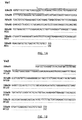
- SEQ ID No. 6 (IGR a 08): This sequence corresponds to an extension on the 5 'side of the sequence of the clone V ⁇ 1 AE11 (Klein et al (21)). The two aligned sequences are represented on the Figure 1A .
- SEQ ID No. 7 (IGR a 09) This sequence corresponds to an extension coding for the NH2 terminal end of the sequence V ⁇ 2 AF110 (Klein already cited).
- the two aligned sequences are represented on the Fig. 1B .
- the sequence ID No. 7 corresponds to a consensus sequence. In position 206 the existence of a T instead of a C was observed.
- SEQ ID NO: 8 (IGR at 010) : This sequence corresponds to an extension of the 5 'region of the V ⁇ clone HAP35 (Yoshikai (22)).
- the two aligned sequences are represented on the Fig. 1 C .
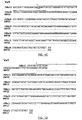
- the sequence ID No. 8 corresponds to a consensus sequence. We have observed in position 307 the existence of a G instead of an A and in position 360 the existence of a T instead of a C.
- IGR 11 This sequence corresponds to an extension of the 3 'side of the sequence V ⁇ 7 HAP12 (Yoshikai already cited).
- the sequence alignment is represented on the Fig. 1D .
- the sequence ID No. 9 corresponds to a consensus sequence.
- the presence of a C instead of a T.sub.1 SEQ ID No. 10 (IGR a 12) was observed in position 86.
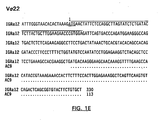
- This sequence comprises the complete coding region of a gene of the subfamily V ⁇ 22 which previously had been identified by the partial sequence (113 bp) AC9 (Klein already cited).
- the two aligned sequences are represented on the Fig. 1E .
- IGRa 13 This sequence corresponds in part to the clones HAVT 32 and HAVT 35 (belonging to the subfamily V ⁇ 16 (8) and which have been described as pseudogenes. the addition of a nucleotide at position 108, SEQ ID No. 11 encodes an original variable region of a T cell receptor. Furthermore, this sequence is homologous to a HSTCAYM sequence (Klein et al. For the coding part, however, the sequence SEQ ID No. 11 is the only one that is complete and coding.
- Oligonucleotides specific for the different V ⁇ sub-families can be used as primers for the amplification of DNA corresponding to these different V ⁇ sub-families, with a view for example to a study of the expression of certain V ⁇ sub-families in a patient and finally a diagnosis of immune disorders, as noted above.
- Nitta et al. (29) described the predominant expression of V ⁇ 7 genes in tumor-infiltrating lymphocytes.
- Sottini et al. (30) have described the study of the V ⁇ repertoire in patients with rheumatoid arthritis.
- Oligonucleotides were therefore selected and synthesized for this purpose and, if necessary, modifications of one or two nucleotides were introduced relative to the natural sequences to reduce cross reactivities between subfamilies.
- the present invention thus also relates to an oligonucleotide, which can be used as a primer for the amplification of DNA corresponding to a variable ⁇ -chain region of T cell receptors, of sequence SEQ ID No. 26.
- the subject of the present invention is also the use, as a primer for the amplification of DNA corresponding to an ⁇ -chain variable region of T cell receptors, of an oligonucleotide of sequence SEQ ID No. 26.
- the oligonucleotide belonging to the C ⁇ segment used for the amplification may be chosen in particular from the sequences SEQ ID NO: 55 and 56.
- This pair of control primers may correspond to two C ⁇ segments, for example the C ⁇ F and C ⁇ K primers corresponding to the sequences SEQ ID Nos. 61 and 62.
- a detection probe C ⁇ (corresponding, for example, to the sequence SEQ ID No. 63).
- this pair of primers may also consist of two primers belonging to ⁇ -actin, in particular those corresponding to the sequences SEQ ID Nos. 58 and 59.
- a detection probe corresponding to a sequence of ⁇ -actin is then used, such as the sequence SEQ ID No. 60.
- sequences SEQ ID Nos. 26 to 47 correspond to sequences belonging to clones of known subfamilies V ⁇ 1 to V ⁇ 22 (accessible in the EMBL database) or to sequences that differ from it by one or two nucleotides.
- sequences SEQ ID Nos. 49, 50, 51, 52 and 54 corresponding to sequences belonging to clones of new sub-families of the invention correspond to sub-families provisionally designated V ⁇ w24, V ⁇ w25, V ⁇ w26, V ⁇ w27 and V ⁇ w29 (w indicating that the designation is pending a definitive designation).
- sequences SEQ ID Nos. 48 and 53 correspond to sequences belonging to respectively IGRa01 and IGRa06 clones of known subfamilies but which have not yet received a definitive designation (respectively V ⁇ w23 and V ⁇ w28) of which a member element has already described (Hinkkanen A. et al (31) and Bernard O. et al (32)). The complete sequence of IGRa06 has not been published yet.
- sequences SEQ ID No. 55 and 56 are two examples of oligonucleotides that can be used as C ⁇ primers for amplification.
- sequence SEQ ID No. 57 is the sequence of a C ⁇ probe that can be used for the detection of the amplified DNAs.
- sequences SEQ ID Nos. 58, 59 and 60 are respectively the sequences of a pair of oligonucleotides belonging to the ⁇ -actin sequence which can be used for the control of the amplification and the sequence of a probe for detect the corresponding amplified DNAs.
- the position indicated is the position of the 5 'end from the ATG translation prediction initiation site.
- the position is given relative to the first nucleotide of the sequence.
- the underlined nucleotides correspond to the misapplications introduced with respect to the natural sequence.
- the oligonucleotides were synthesized on an Applied Biosystems 381A automated DNA synthesizer using the ⁇ -cyanoethylphosphoramidite method (Sinha et al (33)) and following the protocol recommended by the manufacturer.
- the Oligonucleotides were detritylated in the apparatus, cleaved from the support and deprotected with ammonia (at 60 ° C for 5 hours).
- the crude products were purified by reversed-phase high pressure chromatography on a C 18 ⁇ -bondapak column using a gradient of acetonitrile (9 to 15%) in 0.01 M triethylammonium acetate buffer at pH 5.5. .
- the amplification carried out using the primers according to the invention can be in particular the PCR (Polymerase Chain Reaction) technique as described by Saiki et al. (12) and U3-A-4,683,195, 4,683,202, 4,889,818.
- PCR Polymerase Chain Reaction
- PCR For PCR, one can use double-stranded DNA that is denatured or a cDNA obtained from RNA using reverse transcriptase as mentioned above.
- the polymerization agent is a DNA polymerase, especially Taq polymerase.
- the amplification cycle is repeated 25 to 40 times.
- the probes used for the detection of amplified sequences can be obtained by labeling oligonucleotides with a radioactive isotope, which leads to detection by autoradiography, or by coupling with an enzyme such as peroxidase (ECL Amersham system). alkaline phosphatase or ⁇ -galactosidase (Tropix ozyme system), which leads to chemiluminescence detection.
- ECL Amersham system alkaline phosphatase or ⁇ -galactosidase
- Tropix ozyme system which leads to chemiluminescence detection.
- RNA Peripheral lymphocytes of a healthy individual were prepared by centrifugation on a density gradient.
- Total RNA was extracted by the one-step method by extraction with guanidium isothiocyanate, phenol and chloroform (Chomczynski, 11).
- the complementary DNA was synthesized in a final volume of 20 ⁇ l at 42 ° C. for 1 hour using 1 to 5 ⁇ g of total RNA, the reverse transcriptase and the C ⁇ B primer (1.25 ⁇ M).
- the material obtained was then heated at 95 ° C. for 3 minutes before being subjected to PCR amplification using in parallel each of the V ⁇ primers. specific corresponding to SEQ sequences. ID Nos. 26 to 54 and the C ⁇ B primer specific for the C ⁇ region (SEQ ID No. 56).
- This amplification was carried out in a final volume of 10 ⁇ l per tube containing 50 mM KCl, 10 mM tris-HCl pH 8.3, 1.5 mM 0.1% MgCl 2 (weight / volume) of gelatin, ⁇ M of dNTP, 0.25 units of Taq polymerase and 0.25 ⁇ M of each primer.
- control amplification was performed from 25 mM of a 877 base pair ⁇ -actin DNA fragment prepared by PCR and Act 1 and Act 2 primers (SEQ ID NO: 58 and 59). ) specific to actin.
- 30 rounds of amplification were performed followed by a final elongation step of 5 minutes at 72 ° C.
- Each cycle included a denaturation step at 94 ° C for 1 minute, a hybridization step at 65 ° C for 1 minute and an elongation period at 72 ° C for 1 minute.
- the products obtained were separated by electrophoresis on a 2% agarose gel, transferred to nylon membranes in an alkaline buffer and simultaneously hybridized with the oligonucleotide probes C ⁇ C (SEQ ID No. 57) and Act 3 (SEQ ID No. 60) labeled with 32P by the enzyme polynucleotidyl T4 kinase.
- Hybridization was performed at 42 ° C for 16 hours in buffer containing 6x SSC, 0.5% SDS, 5x Denhart's, 0.05% P04H2Na and 100 ⁇ g / ml denatured salmon sperm DNA.
- the membranes were then washed with 6x SSC, 20mM PO4H2Na, twice at room temperature for 5 minutes and once at 50 ° C for 30 minutes and then autoradiographed.
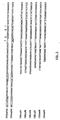
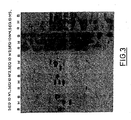
- Actin control (877 base pair band) allows verification of amplification in all wells. A specific signal appears below this band, the size of which corresponds to the size of the corresponding amplified fragments, each fragment having a length corresponding to the distance between the location of the specific V ⁇ oligonucleotide and the C ⁇ primer.
Landscapes
- Health & Medical Sciences (AREA)
- Chemical & Material Sciences (AREA)
- Immunology (AREA)
- Life Sciences & Earth Sciences (AREA)
- Organic Chemistry (AREA)
- Medicinal Chemistry (AREA)
- General Health & Medical Sciences (AREA)
- Proteomics, Peptides & Aminoacids (AREA)
- Biochemistry (AREA)
- Biophysics (AREA)
- Gastroenterology & Hepatology (AREA)
- Genetics & Genomics (AREA)
- Zoology (AREA)
- Molecular Biology (AREA)
- Toxicology (AREA)
- Cell Biology (AREA)
- Chemical Kinetics & Catalysis (AREA)
- Public Health (AREA)
- Engineering & Computer Science (AREA)
- General Chemical & Material Sciences (AREA)
- Nuclear Medicine, Radiotherapy & Molecular Imaging (AREA)
- Pharmacology & Pharmacy (AREA)
- Animal Behavior & Ethology (AREA)
- Bioinformatics & Cheminformatics (AREA)
- Veterinary Medicine (AREA)
- Measuring Or Testing Involving Enzymes Or Micro-Organisms (AREA)
- Micro-Organisms Or Cultivation Processes Thereof (AREA)
- Preparation Of Compounds By Using Micro-Organisms (AREA)
- Peptides Or Proteins (AREA)
- Computer And Data Communications (AREA)
- Test And Diagnosis Of Digital Computers (AREA)
Applications Claiming Priority (3)
| Application Number | Priority Date | Filing Date | Title |
|---|---|---|---|
| FR9101487A FR2672616B1 (fr) | 1991-02-08 | 1991-02-08 | Sequences nucleotidiques codant pour des regions variables de chaines alpha des recepteurs de lymphocytes t humains, segments peptidiques correspondants et les applications diagnostiques et therapeutiques. |
| FR9104527A FR2675156B1 (fr) | 1991-04-12 | 1991-04-12 | Sequences nucleotidiques codant pour des regions variables de chaines alpha des recepteurs des lymphocytes t humains, segments peptidiques correspondants et les applications diagnostiques et therapeutiques. |
| EP92905817A EP0529033B1 (fr) | 1991-02-08 | 1992-02-07 | Sequences nucleotidiques codant pour des regions variables de chaines alpha des recepteurs des lymphocytes humains ainsi que leurs applications |
Related Parent Applications (2)
| Application Number | Title | Priority Date | Filing Date |
|---|---|---|---|
| EP92905817A Division EP0529033B1 (fr) | 1991-02-08 | 1992-02-07 | Sequences nucleotidiques codant pour des regions variables de chaines alpha des recepteurs des lymphocytes humains ainsi que leurs applications |
| EP92905817.0 Division | 1992-08-28 |
Publications (2)
| Publication Number | Publication Date |
|---|---|
| EP1721978A1 EP1721978A1 (fr) | 2006-11-15 |
| EP1721978B1 true EP1721978B1 (fr) | 2011-04-06 |
Family
ID=26228502
Family Applications (2)
| Application Number | Title | Priority Date | Filing Date |
|---|---|---|---|
| EP06009929A Expired - Lifetime EP1721978B1 (fr) | 1991-02-08 | 1992-02-07 | Séquences nucléotidiques codant pour des régions variables de chaines alpha des récepteurs des lymphocytes humains ainsi que leurs applications |
| EP92905817A Expired - Lifetime EP0529033B1 (fr) | 1991-02-08 | 1992-02-07 | Sequences nucleotidiques codant pour des regions variables de chaines alpha des recepteurs des lymphocytes humains ainsi que leurs applications |
Family Applications After (1)
| Application Number | Title | Priority Date | Filing Date |
|---|---|---|---|
| EP92905817A Expired - Lifetime EP0529033B1 (fr) | 1991-02-08 | 1992-02-07 | Sequences nucleotidiques codant pour des regions variables de chaines alpha des recepteurs des lymphocytes humains ainsi que leurs applications |
Country Status (12)
| Country | Link |
|---|---|
| US (3) | US5817511A (enExample) |
| EP (2) | EP1721978B1 (enExample) |
| JP (1) | JPH05509234A (enExample) |
| KR (1) | KR100242278B1 (enExample) |
| AT (2) | ATE338134T1 (enExample) |
| AU (1) | AU660660B2 (enExample) |
| CA (1) | CA2079879C (enExample) |
| DE (2) | DE69233652T2 (enExample) |
| DK (1) | DK0529033T3 (enExample) |
| ES (1) | ES2271940T3 (enExample) |
| IE (1) | IE920413A1 (enExample) |
| WO (1) | WO1992013949A1 (enExample) |
Families Citing this family (22)
| Publication number | Priority date | Publication date | Assignee | Title |
|---|---|---|---|---|
| CA2072356A1 (en) * | 1989-12-29 | 1991-06-30 | James L. Urban | Diagnosis and treatment of diseases |
| US7294712B2 (en) * | 1990-06-04 | 2007-11-13 | Aventis Pharma S.A. | Nucleotide sequences coding for variable regions of β chains of human T lymphocyte receptors, corresponding peptide segments and the diagnostic and therapeutic uses |
| ATE338134T1 (de) * | 1991-02-08 | 2006-09-15 | Aventis Pharma Sa | Nukleotidsequenzen, die für die veränderlichen bereiche der alpha-ketten menschlicher t-zell- rezeptoren kodieren sowie ihre verwendungen |
| CA2079881C (fr) * | 1991-02-12 | 2007-11-06 | Thierry Hercend | Sequences nucleotidiques codant pour des regions variables de chaines .beta. des recepteurs des lymphocytes t humains, segments peptidiques correspondants et les applications diagnostiques et therapeutiques |
| DE4225569C2 (de) * | 1992-08-03 | 1996-04-25 | Max Planck Gesellschaft | Verwendung einer Sonde zur Tumordiagnostik oder Tumortherapie |
| JP3875730B2 (ja) * | 1993-02-22 | 2007-01-31 | サノフィ・アベンティス株式会社 | 自己免疫疾患の予防治療剤 |
| EP0753060A4 (en) * | 1994-04-18 | 1999-11-24 | New York Society | PRESERVED T-CELL RECEPTOR SEQUENCES |
| EP1095948A1 (en) * | 1999-10-28 | 2001-05-02 | Universitätsklinikum Freiburg | Idiotype vaccines |
| KR100363271B1 (ko) * | 2000-06-12 | 2002-12-05 | 주식회사 동진쎄미켐 | 포토레지스트 리무버 조성물 |
| US20060275747A1 (en) * | 2001-12-07 | 2006-12-07 | Hardy Stephen F | Endogenous retrovirus up-regulated in prostate cancer |
| EP1532161B1 (en) | 2002-06-13 | 2012-02-15 | Novartis Vaccines and Diagnostics, Inc. | Vectors for expression of hml-2 polypeptides |
| WO2004005465A2 (en) * | 2002-07-03 | 2004-01-15 | Institute For Scientific Research, Inc. | Compositions and methods for the detection of human t cell receptor variable family gene expression |
| FR2863274B1 (fr) | 2003-12-05 | 2012-11-16 | Commissariat Energie Atomique | Procede d'evaluation quantitative d'un rearrangement ou d'une recombinaison genetique ciblee d'un individu et ses applications. |
| EP2044949A1 (en) | 2007-10-05 | 2009-04-08 | Immutep | Use of recombinant lag-3 or the derivatives thereof for eliciting monocyte immune response |
| JP5829606B2 (ja) * | 2009-06-29 | 2015-12-09 | カリフォルニア・インスティテュート・オブ・テクノロジーCalifornia Institute Oftechnology | 単一細胞からの未知の再配列されたt細胞受容体の単離 |
| GB201322626D0 (en) | 2013-12-19 | 2014-02-05 | Immutep S A | Combined preparations for the treatment of cancer |
| EA201691488A1 (ru) | 2014-01-24 | 2017-02-28 | Дана-Фарбер Кэнсер Инститьют, Инк. | Молекулы антител против pd-1 и их применения |
| MY187246A (en) | 2014-03-14 | 2021-09-14 | Novartis Ag | Antibody molecules to lag-3 and uses thereof |
| US10202640B2 (en) * | 2014-05-07 | 2019-02-12 | The Board Of Trustees Of The Leland Stanford Junior University | Single cell analysis of T cells using high-throughput multiplex amplification and deep sequencing |
| GB201500374D0 (en) | 2015-01-09 | 2015-02-25 | Immutep S A | Combined preparations for the treatment of cancer |
| PT3317301T (pt) | 2015-07-29 | 2021-07-09 | Novartis Ag | Terapias de associação compreendendo moléculas de anticorpo contra lag-3 |
| AU2016369537B2 (en) | 2015-12-17 | 2024-03-14 | Novartis Ag | Antibody molecules to PD-1 and uses thereof |
Family Cites Families (7)
| Publication number | Priority date | Publication date | Assignee | Title |
|---|---|---|---|---|
| US4874845A (en) * | 1984-06-13 | 1989-10-17 | Massachusetts Institute Of Technology | T lymphocyte receptor subunit |
| EP0200350A3 (en) * | 1985-04-15 | 1987-05-13 | The Ontario Cancer Institute | Nucleic acid encoding a t-cell antigen receptor polypeptide |
| KR960001741B1 (ko) * | 1985-12-03 | 1996-02-05 | 티 셀 사이언시즈, 인코포레이티드 | 세포-없는 t 세포항원 수용체 단백질의 감지방법 |
| US4892827A (en) * | 1986-09-24 | 1990-01-09 | The United States Of America As Represented By The Department Of Health And Human Services | Recombinant pseudomonas exotoxins: construction of an active immunotoxin with low side effects |
| US5223426A (en) * | 1988-12-15 | 1993-06-29 | T Cell Sciences, Inc. | Monoclonal antibodies reactive with defined regions of the t-cell antigen receptor |
| US5216132A (en) * | 1990-01-12 | 1993-06-01 | Protein Design Labs, Inc. | Soluble t-cell antigen receptor chimeric antigens |
| ATE338134T1 (de) * | 1991-02-08 | 2006-09-15 | Aventis Pharma Sa | Nukleotidsequenzen, die für die veränderlichen bereiche der alpha-ketten menschlicher t-zell- rezeptoren kodieren sowie ihre verwendungen |
-
1992
- 1992-02-07 AT AT92905817T patent/ATE338134T1/de active
- 1992-02-07 ES ES92905817T patent/ES2271940T3/es not_active Expired - Lifetime
- 1992-02-07 WO PCT/FR1992/000111 patent/WO1992013949A1/fr not_active Ceased
- 1992-02-07 KR KR1019920702482A patent/KR100242278B1/ko not_active Expired - Lifetime
- 1992-02-07 DE DE69233652T patent/DE69233652T2/de not_active Expired - Lifetime
- 1992-02-07 AU AU13603/92A patent/AU660660B2/en not_active Expired
- 1992-02-07 DE DE69233804T patent/DE69233804D1/de not_active Expired - Lifetime
- 1992-02-07 CA CA002079879A patent/CA2079879C/fr not_active Expired - Lifetime
- 1992-02-07 JP JP4505541A patent/JPH05509234A/ja active Pending
- 1992-02-07 EP EP06009929A patent/EP1721978B1/fr not_active Expired - Lifetime
- 1992-02-07 DK DK92905817T patent/DK0529033T3/da active
- 1992-02-07 AT AT06009929T patent/ATE504650T1/de not_active IP Right Cessation
- 1992-02-07 IE IE041392A patent/IE920413A1/en unknown
- 1992-02-07 EP EP92905817A patent/EP0529033B1/fr not_active Expired - Lifetime
-
1995
- 1995-04-19 US US08/348,572 patent/US5817511A/en not_active Expired - Lifetime
-
1996
- 1996-03-22 US US08/620,467 patent/US5798231A/en not_active Expired - Lifetime
-
1998
- 1998-03-12 US US09/041,090 patent/US6114516A/en not_active Expired - Lifetime
Also Published As
| Publication number | Publication date |
|---|---|
| CA2079879C (fr) | 2007-11-06 |
| WO1992013949A1 (fr) | 1992-08-20 |
| IE920413A1 (en) | 1992-08-12 |
| US5798231A (en) | 1998-08-25 |
| EP1721978A1 (fr) | 2006-11-15 |
| US5817511A (en) | 1998-10-06 |
| EP0529033B1 (fr) | 2006-08-30 |
| US6114516A (en) | 2000-09-05 |
| ATE338134T1 (de) | 2006-09-15 |
| AU1360392A (en) | 1992-09-07 |
| EP0529033A1 (fr) | 1993-03-03 |
| KR100242278B1 (ko) | 2000-02-01 |
| JPH05509234A (ja) | 1993-12-22 |
| DE69233652D1 (de) | 2006-10-12 |
| AU660660B2 (en) | 1995-07-06 |
| DE69233652T2 (de) | 2007-09-27 |
| DK0529033T3 (da) | 2007-01-08 |
| CA2079879A1 (fr) | 1992-08-09 |
| ATE504650T1 (de) | 2011-04-15 |
| ES2271940T3 (es) | 2007-04-16 |
| DE69233804D1 (de) | 2011-05-19 |
Similar Documents
| Publication | Publication Date | Title |
|---|---|---|
| EP0529033B1 (fr) | Sequences nucleotidiques codant pour des regions variables de chaines alpha des recepteurs des lymphocytes humains ainsi que leurs applications | |
| CA2079881C (fr) | Sequences nucleotidiques codant pour des regions variables de chaines .beta. des recepteurs des lymphocytes t humains, segments peptidiques correspondants et les applications diagnostiques et therapeutiques | |
| AU659687B2 (en) | Antibodies in immunosuppression | |
| AU7840694A (en) | Interaction of t-cell receptors and antigen in autoimmune disease | |
| US6596536B1 (en) | Nucleotide sequences coding for variable regions of the alpha chains of human T lymphocyte receptors, corresponding peptide segments and the diagnostic and therapeutic uses | |
| CA2051651A1 (fr) | Anticorps monoclonaux reconnaissant un peptide associe a un antigene majeur d'histocompatibilite | |
| BE1014938A4 (fr) | Sequence d'adn codant pour une proteine de canal sodique, sa production et son utilisation. | |
| EP0499555B1 (fr) | Molécules d'ADN recombinants codant pour une chaíne du récepteur de l'antigène des cellules T, procédé de préparation, anticorps et médicaments les renfermant | |
| US7294712B2 (en) | Nucleotide sequences coding for variable regions of β chains of human T lymphocyte receptors, corresponding peptide segments and the diagnostic and therapeutic uses | |
| FR2675156A1 (fr) | Sequences nucleotidiques codant pour des regions variables de chaines alpha des recepteurs des lymphocytes t humains, segments peptidiques correspondants et les applications diagnostiques et therapeutiques. | |
| FR2672616A1 (fr) | Sequences nucleotidiques codant pour des regions variables de chaines alpha des recepteurs de lymphocytes t humains, segments peptidiques correspondants et les applications diagnostiques et therapeutiques. | |
| JPH06113881A (ja) | ヒト型モノクローナル抗ペプチド抗体及びこれをコードするdna | |
| FR2675155A1 (fr) | Sequences nucleotidiques codant pour des regions variables de chaines beta des recepteurs des lymphocytes t humains, segments peptidiques correspondants et les applications diagnostiques et therapeutiques. | |
| FR2672617A1 (fr) | Sequences nucleotidiques codant pour des regions variables de chaines beta des recepteurs des lymphocytes t humains, segments peptidiques correspondants et les applications diagnostiques et therapeutiques. | |
| FR2722209A1 (fr) | Recepteur opioide kappa humain, acides nucleiques et utilisations | |
| FR2665365A1 (fr) | Antigene de plasmodium falciparum susceptible d'induire des anticorps protecteurs - application a la vaccination. | |
| EP0534878A1 (fr) | Molécules d'ADN recombinants contenant la partie codante d'une chaîne Vbêta17 du récepteur pour l'antigène des cellules T et leurs utilisations | |
| EP0524899A1 (fr) | Nouvelles molécules d'ADN recombinants contenant la partie codante d'une chaîne VB2 du récepteur pour l'antigène des cellules T, procédé de préparation, anticorps et médicaments les renfermant | |
| WO2001055219A2 (fr) | PROTEINE DE FUSION scsCNTFR/NNT-1 |
Legal Events
| Date | Code | Title | Description |
|---|---|---|---|
| PUAI | Public reference made under article 153(3) epc to a published international application that has entered the european phase |
Free format text: ORIGINAL CODE: 0009012 |
|
| AC | Divisional application: reference to earlier application |
Ref document number: 0529033 Country of ref document: EP Kind code of ref document: P |
|
| AK | Designated contracting states |
Kind code of ref document: A1 Designated state(s): AT BE CH DE DK ES FR GB GR IT LI LU MC NL SE |
|
| 17P | Request for examination filed |
Effective date: 20070515 |
|
| 17Q | First examination report despatched |
Effective date: 20070615 |
|
| AKX | Designation fees paid |
Designated state(s): AT BE CH DE DK ES FR GB GR IT LI LU MC NL SE |
|
| GRAP | Despatch of communication of intention to grant a patent |
Free format text: ORIGINAL CODE: EPIDOSNIGR1 |
|
| GRAS | Grant fee paid |
Free format text: ORIGINAL CODE: EPIDOSNIGR3 |
|
| GRAA | (expected) grant |
Free format text: ORIGINAL CODE: 0009210 |
|
| AC | Divisional application: reference to earlier application |
Ref document number: 0529033 Country of ref document: EP Kind code of ref document: P |
|
| AK | Designated contracting states |
Kind code of ref document: B1 Designated state(s): AT BE CH DE DK ES FR GB GR IT LI LU MC NL SE |
|
| REG | Reference to a national code |
Ref country code: GB Ref legal event code: FG4D Free format text: NOT ENGLISH |
|
| REG | Reference to a national code |
Ref country code: CH Ref legal event code: EP |
|
| REF | Corresponds to: |
Ref document number: 69233804 Country of ref document: DE Date of ref document: 20110519 Kind code of ref document: P |
|
| REG | Reference to a national code |
Ref country code: DE Ref legal event code: R096 Ref document number: 69233804 Country of ref document: DE Effective date: 20110519 |
|
| REG | Reference to a national code |
Ref country code: NL Ref legal event code: VDEP Effective date: 20110406 |
|
| PG25 | Lapsed in a contracting state [announced via postgrant information from national office to epo] |
Ref country code: SE Free format text: LAPSE BECAUSE OF FAILURE TO SUBMIT A TRANSLATION OF THE DESCRIPTION OR TO PAY THE FEE WITHIN THE PRESCRIBED TIME-LIMIT Effective date: 20110406 |
|
| PG25 | Lapsed in a contracting state [announced via postgrant information from national office to epo] |
Ref country code: GR Free format text: LAPSE BECAUSE OF FAILURE TO SUBMIT A TRANSLATION OF THE DESCRIPTION OR TO PAY THE FEE WITHIN THE PRESCRIBED TIME-LIMIT Effective date: 20110707 Ref country code: ES Free format text: LAPSE BECAUSE OF FAILURE TO SUBMIT A TRANSLATION OF THE DESCRIPTION OR TO PAY THE FEE WITHIN THE PRESCRIBED TIME-LIMIT Effective date: 20110717 Ref country code: AT Free format text: LAPSE BECAUSE OF FAILURE TO SUBMIT A TRANSLATION OF THE DESCRIPTION OR TO PAY THE FEE WITHIN THE PRESCRIBED TIME-LIMIT Effective date: 20110406 |
|
| PG25 | Lapsed in a contracting state [announced via postgrant information from national office to epo] |
Ref country code: NL Free format text: LAPSE BECAUSE OF FAILURE TO SUBMIT A TRANSLATION OF THE DESCRIPTION OR TO PAY THE FEE WITHIN THE PRESCRIBED TIME-LIMIT Effective date: 20110406 |
|
| REG | Reference to a national code |
Ref country code: DE Ref legal event code: R071 Ref document number: 69233804 Country of ref document: DE |
|
| REG | Reference to a national code |
Ref country code: DE Ref legal event code: R071 Ref document number: 69233804 Country of ref document: DE |
|
| PLBE | No opposition filed within time limit |
Free format text: ORIGINAL CODE: 0009261 |
|
| STAA | Information on the status of an ep patent application or granted ep patent |
Free format text: STATUS: NO OPPOSITION FILED WITHIN TIME LIMIT |
|
| REG | Reference to a national code |
Ref country code: CH Ref legal event code: PL |
|
| BE20 | Be: patent expired |
Owner name: AVENTIS PHARMA S.A. Effective date: 20120207 |
|
| PG25 | Lapsed in a contracting state [announced via postgrant information from national office to epo] |
Ref country code: DK Free format text: LAPSE BECAUSE OF FAILURE TO SUBMIT A TRANSLATION OF THE DESCRIPTION OR TO PAY THE FEE WITHIN THE PRESCRIBED TIME-LIMIT Effective date: 20110406 |
|
| 26N | No opposition filed |
Effective date: 20120110 |
|
| REG | Reference to a national code |
Ref country code: DE Ref legal event code: R097 Ref document number: 69233804 Country of ref document: DE Effective date: 20120110 |
|
| REG | Reference to a national code |
Ref country code: GB Ref legal event code: PE20 Expiry date: 20120206 |
|
| PG25 | Lapsed in a contracting state [announced via postgrant information from national office to epo] |
Ref country code: GB Free format text: LAPSE BECAUSE OF EXPIRATION OF PROTECTION Effective date: 20120206 |
|
| PG25 | Lapsed in a contracting state [announced via postgrant information from national office to epo] |
Ref country code: DE Free format text: LAPSE BECAUSE OF EXPIRATION OF PROTECTION Effective date: 20120208 |