EP1554384B1 - E.coli wirtszellen mit modifizierten phos/psts periplasmischen phosphat-bindinde proteine , und verfahren zur herstellung von rekombinanten fabs - Google Patents
E.coli wirtszellen mit modifizierten phos/psts periplasmischen phosphat-bindinde proteine , und verfahren zur herstellung von rekombinanten fabs Download PDFInfo
- Publication number
- EP1554384B1 EP1554384B1 EP03756575.1A EP03756575A EP1554384B1 EP 1554384 B1 EP1554384 B1 EP 1554384B1 EP 03756575 A EP03756575 A EP 03756575A EP 1554384 B1 EP1554384 B1 EP 1554384B1
- Authority
- EP
- European Patent Office
- Prior art keywords
- phos
- protein
- coli
- proteins
- polyd
- Prior art date
- Legal status (The legal status is an assumption and is not a legal conclusion. Google has not performed a legal analysis and makes no representation as to the accuracy of the status listed.)
- Expired - Lifetime
Links
Images







Classifications
-
- C—CHEMISTRY; METALLURGY
- C07—ORGANIC CHEMISTRY
- C07K—PEPTIDES
- C07K14/00—Peptides having more than 20 amino acids; Gastrins; Somatostatins; Melanotropins; Derivatives thereof
- C07K14/195—Peptides having more than 20 amino acids; Gastrins; Somatostatins; Melanotropins; Derivatives thereof from bacteria
- C07K14/24—Peptides having more than 20 amino acids; Gastrins; Somatostatins; Melanotropins; Derivatives thereof from bacteria from Enterobacteriaceae (F), e.g. Citrobacter, Serratia, Proteus, Providencia, Morganella, Yersinia
- C07K14/245—Escherichia (G)
-
- C—CHEMISTRY; METALLURGY
- C12—BIOCHEMISTRY; BEER; SPIRITS; WINE; VINEGAR; MICROBIOLOGY; ENZYMOLOGY; MUTATION OR GENETIC ENGINEERING
- C12N—MICROORGANISMS OR ENZYMES; COMPOSITIONS THEREOF; PROPAGATING, PRESERVING, OR MAINTAINING MICROORGANISMS; MUTATION OR GENETIC ENGINEERING; CULTURE MEDIA
- C12N1/00—Microorganisms; Compositions thereof; Processes of propagating, maintaining or preserving microorganisms or compositions thereof; Processes of preparing or isolating a composition containing a microorganism; Culture media therefor
- C12N1/20—Bacteria; Culture media therefor
Definitions
- the present invention relates to E.coli host cells for use in the expression of recombinant proteins and more specifically provides improved E.coli host cells for the manufacture of recombinant antibodies.
- recombinant proteins are manufactured using either mammalian or bacterial cell lines engineered to produce the protein of interest by insertion of a recombinant plasmid containing the gene for that protein. Proteins are either secreted directly from the cell into the surrounding growth media or they are made intracellularly.
- the first step of a purification process involves lysis or disruption of the cell, which can be done by a variety of methods, including mechanical shear, osmotic shock, or enzymatic treatments.
- WO 98/18946 discloses a process for bacterial production of polypeptides.
- EP 0 737 747 relates to cytoplasmatic expression in E. coli of antibodies, antibody fragments and fusions thereof.
- the present invention solves the problem described above by providing improved E.coli host cells for the manufacture of recombinant antibodies characterised in that said cells have been genetically modified in order to change at least one physical property of an E.coli protein PstS which in the wild type co-purify with said recombinant antibody. More particularly, the present invention provides an E.coli host cell expressing a recombinant antibody characterized in that the E.coli host cell has been genetically modified in order to change the isoelectric point of the E.coli Phosphate binding protein PstS and wherein the isoelectric point has been altered by:
- the purification process for antibodies produced in E.coli can be improved by altering the physical properties of selected E.coli proteins so they no longer co-purify with the recombinant antibody.
- the E.coli host cells of the present invention it is possible to improve the purification process for antibodies produced using said cells, for example the process may be quicker and/or more economical than for those produced in wild type E.coli. Therefore, improvements in the purification of an antibody in the present invention may be considered to be any advantageous alteration to a purification process resulting from modifications in the physical properties of E.coli host proteins. Improvements may include but are not limited to improvements in speed of purification, reduction in purification costs or increase in quality of antibody produced.
- the purification process for a recombinant antibody is improved by the removal of an entire purification step resulting in both cost and time savings.
- the step that is removed is an affinity chromatography step, an ion exchange step, a size exclusion step or a hydrophobic interaction step.
- the step that is removed during the purification of an antibody Fab' fragment is a hydrophobic interaction step and the E.coli protein that is altered is the Phosphate binding protein (PhoS/PstS).
- removal of said step leads to cost savings of approximately 15% compared to the original purification process on a molar Fab' basis.
- the purification process for recombinant antibodies produced in the host cells of the present invention is improved by reducing the amount of column matrix required, hence reducing material costs and process times. Preferably this is achieved by reducing the number of contaminating host proteins which normally co-purify with the recombinant antibody and reduce the capacity of the column to bind antibody.
- the column capacity that is increased is a cation exchange column and the E.coli host proteins that are altered to prevent binding to that column are Dipeptide binding protein (DppA), Maltose binding protein (MBP) and Thioredoxin.
- DppA Dipeptide binding protein
- MBP Maltose binding protein
- Thioredoxin Thioredoxin
- E.coli host cells for the manufacture of recombinant antibodies.
- the E.coli host cells of the present invention may be naturally occurring organisms or mutated organisms capable of producing recombinant antibodies.
- the host organism is an organism or the progeny of an organism which has been transformed using recombinant DNA techniques with a heterologous DNA sequence which codes for the production of a recombinant antibody.
- Specific host E.coli strains suitable for use in the present invention include but are not limited to MC4100, TG1, TG2, DHB4, DH5 ⁇ , DH1, BL21, XL1Blue.
- One preferred E. coli host is E.
- coli W3110 (ATCC 27,325) a commonly used host strain for recombinant protein fermentations. Expression of any foreign gene in E. coli is achieved by insertion of a cDNA copy of the gene into an expression vector.
- Many forms of expression vector are available. Such vectors usually comprise a plasmid origin of DNA replication, an antibiotic selectable marker and a promoter and transcriptional terminator separated by a multi-cloning site (expression cassette) and a DNA sequence encoding a ribosome binding site.
- wild type' refers to the host cell in which a contaminating host protein has not been modified. It is possible that other proteins in this host cell have been modified for purposes outside this invention.
- the E.coli host proteins selected for genetic modification are proteins that in the wild type are known to co-purify with the recombinant antibody during purification.
- the term 'co-purify' refers to the purification of one protein with another under the same set of purification conditions. Typically this refers to the purification of contaminating E.coli proteins along with a recombinantly expressed antibody during purification processes such as chromatography.
- the term 'genetic modification' refers to one or more deletion, insertion, substitution or mutation of a gene sequence resulting in a change in the physical properties of the protein encoded by that gene. Preferably these changes do not affect the physiological or biological activity of the encoded protein.
- hydrophobic and hydrophilic amino acids refers to the net effect of hydrophobic and hydrophilic amino acids over a whole protein surface, or in localised surface patches, on solubility of the protein in water or organic solvents and its interaction with solid surfaces and matrices.
- pl can be calculated from the net charge of the amino acid residues of the polypeptide or can be determined by isoelectric focusing
- the term 'physical property' refers to the physical nature of the protein itself rather than its physiological or biological activity.
- physical property refers to characteristics of the protein such as size, hydrophobicity and isoelectric point. Which physical property of the E.coli host protein is altered will be dictated by the purification process for the recombinant antibody and the improvements that are required. For example, the isoelectric point of a protein may be altered to prevent it binding to a particular ion exchange column under certain conditions.
- the physical properties of contaminating E.coli proteins that are altered by genetic modification can include, but are not limited to, isoelectric point and/or size and/or hydrophobicity.
- the size of the protein refers to the molecular weight of the protein.
- Alterations to the physical properties of the contaminating proteins can be made using any combination of addition, deletion, substitution or insertion of specific sequences within the encoding nucleotide sequence.
- the physical properties of the protein are altered by the addition or deletion of at least one amino acid at the N or C terminus.
- a physical property of a contaminating host protein is altered by the addition of an amino acid tag to the C-terminus.
- the physical property that is altered is the isoelectric point and the amino acid tag is a poly-aspartic acid tag attached to the C-terminus.
- the E.coli proteins altered by the addition of said tag are Dipeptide binding protein (DppA), Maltose binding protein (MBP), Thioredoxin and Phosphate binding protein (PhoS/PstS).
- DppA Dipeptide binding protein
- MBP Maltose binding protein
- MBP Maltose binding protein
- Thioredoxin Thioredoxin
- Phosphate binding protein Phosphate binding protein
- the pl of the E.coli Phosphate binding protein (PhoS/PstS) is reduced from 7.2 to 5.1 by the addition of a poly-aspartic acid tag (polyD), containing 6 aspartic acid residues to the C-terminus.
- polyD poly-aspartic acid tag
- residues of the contaminating E.coli protein are modified to alter its physical properties, either alone or in combination with the addition of N or C terminal tags.
- Such changes can include insertions or deletions to alter the size of the protein or amino acid substitutions to alter pi or hydrophobicity.
- these residues are located on the surface of the protein.
- surface residues of the PhoS protein are altered in order to reduce the pl of the protein.
- residues that have been implicated to be important in phosphate binding (Bass, US5,304,472 ) are avoided in order to maintain a functional PhoS protein.
- lysine residues that project far out of the surface of the protein or are in or near large groups of basic residues are targeted.
- the PhoS protein has a hexa poly-aspartic acid tag attached to the C-terminus whilst surface residues at the opposite end of the molecule are targeted for substitution.
- Preferably selected lysine residues are substituted for glutamic acid or aspartic acid to confer a greater potential pl change than when changing neutral residues to acidic ones.
- the designation for a substitution mutant herein consists of a letter followed by a number followed by a letter. The first letter designates the amino acid in the wild-type protein. The number refers to the amino acid position where the amino acid substitution is being made, and the second letter designates the amino acid that is used to replace the wild-type amino acid.
- lysine residues (K) 275, 107, 109, 110, 262, 265, 266, 309, 313 are substituted for glutamic acid (E), as single or combined mutations, in addition lysine(K)318 may be substituted for aspartic acid (D) as a single or combined mutation.
- the single mutations are K262E, K265E and K266E.
- the combined mutations are K265/266E and K110/265/266E. More preferably, all mutations are combined with the polyaspartic acid (polyD) tag attached at the C-terminus and optionally also with the K318D substitution.
- the mutations result in a reduction in pi of at least 2 units.
- the mutations of the present invention reduce the pl of PhoS from 7.2 to between about 4 and about 5.5.
- the pi of the PhoS protein of E.coli is reduced from 7.2 to about 4.9, about 4.8 and about 4.5 using the mutations polyD K318D, polyD K265/266E and polyD K110/265/266E respectively.
- E.coli host proteins result in proteins which no longer co-purify with the recombinant antibody during the desired purification step.
- alterations to the PhoS protein result in a protein which does not co-purify on ion exchange with an antibody Fab' fragment and preferably a previously required hydrophobic interaction step is no longer necessary.
- all mutations to the PhoS protein result in proteins that no longer elute from a cation exchange column at the same salt concentration as the recombinant antibody.
- the mutant PhoS proteins will elute at less than 100mM NaCl, whereas the antibody elutes at 200mM at pH 4.5.
- mutant PhoS proteins will not bind a cation exchange column at all at a pH of 5.0 or less. In one embodiment of the present invention the mutant PhoS proteins will bind an anion exchange column at pH8 or greater where the wild type PhoS does not.
- mutant PhoS proteins remain functional as determined by their ability to complement a PhoS deficient E.coli strain, ANCC75 ( Amemura et al., 1982, Journal of Bacteriology, 152, 692-701 ).
- ANCC75 PhoS deficient E.coli strain
- all mutations in E.coli host proteins do not affect the growth of E.coli or the yield of recombinant antibody compared to wild type.
- the recombinant antibody produced in the E.coli host cells of the present invention is any immunoglobulin molecule including any antigen binding immunoglobulin fragment, such as Fv, Fab, Fab' and F(ab') 2 fragments, and any derivatives thereof, such as single chain Fv fragments.
- the production of antibodies is well known in the art and antibody fragments are routinely produced in E.coli by refolding from inclusion bodies or by functional expression by secretion to the bacterial periplasm ( Plückthun and Pack 1997, Immunotechnology, 3,83-105 ; Verma et al., 1998, Journal of Immunological Methods, 216, 165-181 ).
- the purification process for a given antibody is the sequence of purification steps required to generate pure recombinant antibody following expression of said antibody in E.coli.
- the purification of recombinant antibodies is well known in the art and for each antibody a purification process can be devised which generates the maximum yield and purity using the least number of purification steps.
- Recombinant antibodies can be purified using one or more purification steps, examples of which include ion exchange chromatography, hydrophobic interaction chromatography, size exclusion, isoelectric focusing, Reverse Phase HPLC, chromatofocusing, SDS-PAGE, ammonium sulfate precipitation, and affinity chromatography (e.g. using protein A, protein G, or antigen as the capture reagent).
- the person skilled in the art can determine which physical property or properties of said contaminating protein(s) it would be desirable to change, such that the purification of the recombinant antibody can be improved for example, by using fewer or different purification steps. For example, it may be appropriate to reduce or increase the size of the contaminating protein(s) to allow separation from the recombinant antibody using size exclusion chromatography rather than by using an expensive affinity chromatography step. Alternatively it may be appropriate to alter the isoelectric point or hydrophobicity of the contaminating protein to allow separation by ion exchange or hydrophobic interaction chromatography. A person skilled in the art can easily identify the optimal change in physical property for a contaminating protein in a given purification process. It may also be desirable to change the properties of more than one E.coli protein and/or more than one physical property of said proteins.
- E.coli proteins which co-purify with the recombinant antibody and determined which physical properties of said proteins is would be desirable to change to improve the purification process, it is necessary to clone the gene encoding said proteins so that the alterations in physical properties can be made.
- This is routine for someone skilled in the art and first requires that protein sequence is obtained from the protein. This can be achieved for example, by N-terminal sequencing of proteins from western blots or sequencing of tryptic or CNBr fragments generated from said blots, all of which are routine methods for obtaining protein sequence.
- Such western blots can be generated from SDS-PAGE gels on which column fractions containing the contaminating host protein have been electrophoresed.
- the amino acid sequence obtained from said proteins can then be used to identify by homology searching the full protein and DNA sequence from databases such as SwissProt or Genbank given that the entire genomic sequence of E.coli is publicly available ( Blattner et al., 1997, Science, 277 1453-1462 ).
- the gene encoding the contaminating protein can then be cloned using well known techniques such as PCR using primers based on the nucleic acid sequence and using E.coli DNA as a template.
- the gene can then be modified to generate the required physical changes in the protein that will result in improved purification of the recombinant antibody.
- the methods for altering the physical properties of proteins are well known in the art and many systematic changes may be required to achieve the desired result. From analysis of the protein sequence, sequence alignments and crystal structure, if available, it is possible for the person skilled in the art to identify regions of the protein that may be amenable to alteration. The regions chosen will depend on the intended changes in physical property. For example, to alter the pl or hydrophobicity of the protein it will be necessary to focus on surface exposed residues of a particular charge or hydrophobicity.
- Alterations in size may focus on particular domains that can be deleted or modified.
- Computer programs such as Rasmol or WebLab Viewer Lite are useful for viewing crystal structures of proteins enabling judicious and informed choices of which residues to change. Additional information on residues important for the activity or structure of the protein may be available in the public domain.
- the protein will remain functional and examination of protein sequence alignments and crystal structures if available, should enable active site regions to be avoided. If the crystal structure is not available, identification of residues that can be altered without destroying protein function or expression can be tested using methods well known in the art such as alanine scanning mutagenesis ( Cunningham and Wells, 1989, Science, 244, 1081-1085 ).
- a preferred method of altering the physical properties of proteins is by the addition of protein tags, the methods for which are widely known in the art. To date these have been used to alter the properties of recombinant proteins to aid their purification rather than to alter contaminating host proteins. When these tags are used on the recombinant protein they need to be removed from the purified protein in order to restore protein function, enhance its solubility or for therapeutic purposes because the tag is antigenic. This can often present difficulties and may be the biggest impediment to the successful application of this technology ( Sassenfeld, 1990, Tibtech, 8, 88-93 ). In the present invention removal of such tags is not required as the tag is used to change the pl of contaminating E.coli proteins rather than the recombinant antibody itself.
- tags appropriate for altering the isoelectric point of a protein are poly-arginine tags ( Sassenfeld and Brewer, 1984, Biotechnology, 2, 76-81 ; Brewer US 4,532,207 ; Niederauer et a/., 1996, Biotechnology Progress, 10, 237-245 ; Stempfer et al., 1996, Nature Biotechnology, 14, 329-334 ), poly-glutamic acid tags ( Dalb ⁇ ge et al., 1987, Bio/Technology, 5, 1447-1457 ; Niederauer et al ., 1996) and bespoke protein domain tags ( Gräslund et al., 2000, Protein Engineering, 13, 703-709 and Gräslund et al., 2002, Journal of Chromatography, 942, 157-166 ).
- Tags that can be used to alter hydrophobicity include poly-phenylalanine tags ( Persson et al., 1988, Analytical Biochemistry, 172, 330-337 ) and elastin-like polypeptides ( Meyer and Cholkoti, 1999, Nature Biotechnology, 17, 1112-1115 ).
- proteins and domains of proteins that have been used as viable fusion partners which increase the size of the target protein, including alkaline phosphatase ( Carrier et al., 1995, Journal of Immunological Methods, 181, 177-186 ), ⁇ -galactosidase ( Nielsen et al., 1988, JIMM 111, 1-9 ), maltose binding protein ( di Guan et al., 1988, Gene, 67, 21-30 ), GST (glutathione S transferase, Smith and Johnson 1988, Gene, 67, 31-40 ), cellulose binding domain ( Ong et al., 1989, Bio/Technology, 7, 604-607 ), DsbA ( Collins-Racie et al., 1995, Bio/Technology, 13, 982-987 ), DsbC (Novagen), thioredoxin and NusA (Novagen).
- Such fusions can result in an increase in size of 10-60kDa.
- Such tags may be used alone or in
- subtilisin Another preferred method of altering the physical properties of host proteins is the modification of specific residues, the methods for which are well known in the art.
- the electrostatic properties of a subtilisin have been modified by changing the surface charges of the subtilisin through the introduction of multiple charged amino acid residues using the X-ray crystal structure as a guide ( Egmond et al., 1996, In Subtilisin Enzymes: Practical Protein Engineering, R Bott and C Betzel eds, 219-228 ).
- Marttila et al., 1998, FEBS Letters, 441, 313-317 have produced several charge mutants of avidin with pis ranging from 9.4 to 4.7, compared to the native pl of 10.5.
- the mutants were generated by replacing basic residues such as lysine and arginine with neutral or acidic amino acids based on known crystallographic data together with comparative sequence alignments.
- Mutations to specific residues can be achieved by methods well known in the art such as oligonucleotide-mediated mutagenesis ( Zoller and Smith, 1982, Nucleic Acid Research, 10, 6487 ).
- oligonucleotide-mediated mutagenesis Zoller and Smith, 1982, Nucleic Acid Research, 10, 6487 .
- To make changes to the isoelectric point of a protein it is necessary to mutate neutral amino acids to ones of the desired charge, or to change residues for ones with opposite charges (i.e. lysine/arginine for aspartic/glutamic acid.
- lysine/arginine for aspartic/glutamic acid.
- acidic amino acids such as aspartic acid and glutamic acid.
- To decrease the pl the choice of substitutions should be reversed.
- hydrophobicity of the contaminating protein it may be desirable to reduce the hydrophobicity of the contaminating protein and this can be achieved by replacing hydrophobic residues such as valine, leucine, isoleucine, phenylalanine, tryptophan, methionine and proline with more hydrophilic or polar residues such as serine, threonine, cysteine, tyrosine, aspartic acid, glutamic acid, asparagine, glutamine, histidine, lysine or arginine.
- amino acid substitutions should be reversed.
- contaminating protein it is also possible to reduce the size of the contaminating protein by identifying specific domains or parts of the protein that can be deleted without affecting protein expression and optionally function. These may be N or C-terminal domains or exposed loops that can be deleted to form in frame fusions. Alternatively amino acid tags or protein domains, such as those described earlier may be fused to the protein in order to increase the size of the contaminating protein to improve separation using size exclusion chromatography.
- the altered protein In order to test each mutant the altered protein must be expressed in an E.coli host cell that does not express the unmodified protein. This can be achieved by using an E.coli host that does not express the gene, such as a deletion mutant, or by culturing said host under conditions where expression of the gene is repressed.
- the altered contaminating protein can be introduced by way of a plasmid, which will result in high levels of expression of said protein.
- the mutant protein can be tested by direct integration of the altered gene into the E.coli genome, thus replacing the endogenous gene.
- each altered protein can be confirmed by SDS-PAGE analysis following fermentation of the E.coli. There may be cases where the altered protein will not express properly and these mutations should be avoided.
- the alterations in physical properties can be evaluated by chromatography and gel electrophoresis. For example if the alteration should lead to a decrease in size this can be tested on a size exclusion column and on SDS-PAGE. If the alteration should lead to a change in pi this can be tested using ion exchange chromatography and isoelectric focusing. If the alteration should lead to a change in hydrophobicity this can be tested using hydrophobic interaction chromatography and solvent solubility. It should be possible for one skilled in the art to evaluate the altered proteins by these methods in the absence of the recombinant protein. Optionally, separation from the recombinant antibody can be confirmed by spiking the extract with purified recombinant antibody before testing.
- the biological function of the modified E.coli protein is retained whilst the physical properties of the protein are altered.
- the functionality of the mutant can be tested in a number of ways widely known in the art depending on the identity of the protein.
- the mutant protein can be tested in a biological assay that demonstrates its biological activity if this is known for example, an enzyme assay.
- the gene encoding the mutant protein can be used to complement an E.coli mutant lacking the gene of interest followed by testing biological activity or cell growth. Many of these mutants already exist or can easily be created by one skilled in the art.
- the improved E.coli host cell is transformed with the desired recombinant antibody gene sequence as in the original wild type E.coli expression system.
- the E. coli host cell is then cultured under the same conditions as the original wild type and cell growth and yield of the recombinant antibody measured and compared to wild type. Yield of recombinant antibody can be tested using standard methods known in the art for the recombinant antibody used. For example, antibody Fab' fragments can be quantified by ELISA. Preferably no adverse effect on antibody yield or E.coli growth should be observed. Should adverse effects be observed one of the other selected mutations should be used or new mutations should be generated. One skilled in the art will know that these mutations can be tested systematically or in parallel.
- the recombinant antibody should be purified using the desired process and the presence of the altered host protein(s) monitored by for example, SDS-PAGE.
- the altered host protein(s) should behave as expected due to the changes in physical properties and no longer co-purify with the recombinant antibody.
- coli W3110 (ATCC ref. 27325) were rendered competent for electroporation by washing and concentration three times in ice cold sterile 10% (v/v) glycerol for electroporation using a BioRad Gene Pulser with pulse control machine at 2000V 25mS and 200 ⁇ .
- a fresh single fresh W3110 colony was grown in 100ml of 2xPY media at 37°C until the OD 600 reached ⁇ 0.5 - 0.8. Thereafter the culture was cooled on ice for 15 minutes before pelleting the cells in ice cold centrifuge tubes at 4°C at 4000g for 10 minutes.
- the cell pellet was resuspended, washed and re-pelleted 3 times in ice cold 10% (v/v) glycerol made up in sterile de-ionised water. After the final pelleting step the cell pellet was resuspended in a final volume of 10ml of ice cold 10% (v/v) glycerol made up in sterile de-ionised water. Cells were used immediately or frozen in liquid N 2 and stored at - 70°C.
- Bacterial complex and phosphate free media Bacterial complex and phosphate free media.
- 'PO 4 free' defined media was the MOPS media described by Neidhardt et a/., 1974 Journal of Bacteriology, 119, 736-747 supplemented with glucose at 0.5% (w/v), casamino acids at 0.5% (w/v), and thiamine at 1mM.
- Cells destined for integration events were grown using 2 x PY (2% agar (w/v), 1% phytone (w/v), 0.5% yeast extract (w/v), 0.5% NaCl (w/v) and made to pH 7.0 with 1 M NaOH). Media were supplemented with 3% agar (w/v), carbenicillin at 200 ⁇ g/ml or chloramphenicol at 20 ⁇ g/mL IPTG at 200 ⁇ M and XP at 40 ⁇ g/ml as appropriate.
- ELISA plates were coated overnight at 4°C with HP6045 at 2 ⁇ gml -1 in PBS (HP6045, a mouse IgG2a monoclonal anti-human IgG Pan Fd (CH 1 ), was obtained from hybridoma HP6045 from ATCC. Immunoglobulin was recovered from the culture supernatant by Protein A purification, and traces of bovine IgG were removed on a sheep anti-bovine IgG column).
- TMB 3-3'-5-5' tetramethylbenzidine
- the wild type PhoS gene along with ⁇ 700bp of 3' chromosomal sequence was PCR cloned using W3110 E .coli as a template as a Dra I- Bst B I restriction fragment into pSK-(Stratagene).
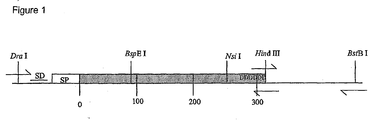
- three base pair changes were made just 3' to the stop codon of the PhoS gene to incorporate a novel Hind III site (see Figure 1 for schematic plan).
- final gene constructs were shuttled as Sal I-BamH I fragments into pKO3 for recombination into the E. coli chromosome.
- the sequence for the PhoS gene and it's surrounding genomic sequence were found in the literature and public databases (Surin et al., 1984 and Blattner et al., 1997).
- the PhoS coding sequence along with some 3' genomic sequence was cloned in two parts by PCR using Taq polymerase.
- the oligonucleotides used for this are shown in Table 1. Three base pairs immediately after the stop codon were changed using PCR mutagenesis to encode a Hind III site.
- the PhoS coding region, including any changes to the 3' of the gene could be cloned as Dra I -Hind III restriction fragments into Sma I -Hind III restricted pSK- plasmid.
- Changes made to the 3' end of the PhoS gene include coding regions that encode for poly(hexa) aspartic acids, and poly(hexa) aspartic acids with a K318D change.
- Mutations to surface residues were performed using oligonucleotide directed mutagenic PCR using oligos (shown in Table 1) that spanned useful restriction sites as shown in Figure 1 . Hence by use of PCR and restriction cloning it is possible to construct and mix these mutations. Table 1. Oligonucleotides used for construction, mutagenesis, sequencing and screening of PhoS genes.
- flanking regions of 100% sequence identity on either side of the inserted sequence.
- the length of these flanking regions is usually in the order of 200-1000bp ( Hamilton et al., 1989, Journal of Bacteriology, 171, 4617-4622 ).
- Approximately 700bp of chromosomal sequence 3' to the mutagenic changes was PCR cloned by virtue of an introduced Hin d III site and an innate Bst B I site. This Hind III-BstB I fragment was cloned into Hin d III-Cla I restricted pSK-.
- PhoS genes of interest had the 3' chromosomal flanking region described above cloned in behind it by moving the 676bp Hin d III- Xho I fragment of 3' chromosomal flanking region into similarly restricted PhoS expression plasmids.
- the PhoS integration cassette was moved as a 1852bp Bam H I-Sal I restriction fragment into similarly restricted pKO3 homologous recombination/replacement plasmid ( Link et al., 1997, Journal of Bacteriology, 179, 6228-6237 ).
- the plasmid pKO3 (Link et al., 1997) was used to generate markerless chromosomal gene replacements.
- the plasmid uses the temperature sensitive mutant of the pSC101 origin of replication along with a chloramphenicol marker to force and select for chromosomal integration events.
- the sacB gene which encodes for levansucrase is lethal to E. coli grown on sucrose and hence (along with the chloramphenicol marker and pSC101 origin) is used to force and select for de-integration and plasmid curing events.
- This methodology had been described previously ( Hamilton et al., 1989, Journal of Bacteriology, 171, 4617-4622 and Blomfield et al., 1991, Molecular Microbiology, 5, 1447-1457 ).
- PhoS strains such as ANCC75 ( Amemura et al., 1982, Journal of Bacteriology, 152, 692-701 ) constitutively express alkaline phosphatase (AP) due to a disconnection in their PO 4 sensing and scavenging abilities. It is possible to complement the phoS lesion with a plasmid expressed PhoS gene and complementation can be detected using chromogenic substrates for alkaline phosphatase such as 5-bromo-4-chloro-3-indolyl phosphate (XP), or para-nitrophenyl phosphate (pNPP), to assay for AP activity on agar plates or in liquid media respectively.
- alkaline phosphatase such as 5-bromo-4-chloro-3-indolyl phosphate (XP), or para-nitrophenyl phosphate (pNPP)
- XP agar plates XP was included at 40 ⁇ g/ml along with isopropyl ⁇ -D-thiogalactopyranoside (IPTG) at 200 ⁇ M and antibiotic and then colonies grown overnight at 37°C.
- IPTG isopropyl ⁇ -D-thiogalactopyranoside
- 10-100 ⁇ l samples of induced culture with an OD 600 of ⁇ 1.0 were made up to 1 ml with 1.5M Tris.Cl pH 8.0 containing 25 ⁇ l of 0.1 % SDS (w/v) and 50 ⁇ l of chloroform, vortex mixed for 5s and pre-incubated at 30°C for 5 minutes.
- the assay was started by adding and mixing by inversion 200 ⁇ l of 15mM pNPP and stopped after 10 minutes by adding and mixing by inversion 200 ⁇ l of 1 M KH 2 PO 4 .
- the assay was performed at 30°C. After pelleting of the cells in a microfuge the absorbance of the supernatant at 420 nm was measured relative to a blank.
- One unit of alkaline phosphatase activity was defined as ⁇ A 420 OD 600 -1 min -1 .
- Molecular mass for Fab was determined using Micromass Ultima triple quadrupole spectrometer in positive ion electrospray ionization mode. Fab" samples were desalted to remove Tris by multiple volume exchanges with 10mM ammonium acetate using Microcon concentrators with a 10kDa membrane cut-off size (Amicon, U.K.).
- SDS-PAGE gels were 4-12% NuPAGE gels from Invitrogen run in MES buffer using SeeBlue2 standards. They were either stained with Coomassie or proteins were transferred to PVDF membrane using 1 ⁇ 2x Towbin buffer. IEF gels were pH 3-10 IEF vertical slab gels from Invitrogen using Serva standards pl 3-10, stained with Coomassie. After destaining gels were scanned and / or dried between cellulose membranes.
- Fab' fragments expressed in E.coli were routinely purified from periplasmic extracts using three chromatography steps.
- the first step was cation exchange at pH 4.5 during which the antibody Fab' fragment binds to the cation exchange column.
- the Fab' fragment was eluted from cation exchange and then run on anion exchange at pH8. The Fab' fragment does not bind anion exchange at this pH and was collected in the flow through.
- a final, hydrophobic interaction chromatography (HIC) step was required to remove a single abundant E.coli protein that co-purified through both ion exchange steps, as determined by SDS-PAGE.
- DppA Dipeptide binding protein
- MBP Maltose binding protein
- Thioredoxin a hypothetical 24kDa protein
- a periplasmic fraction produced from a standard E.coli W3110 fermentation was extracted overnight at 30°C in 100mM Tris.Cl 10mM EDTA pH8.0. After centrifugation the supernatant was diluted with H 2 O and acetic acid until its pH was ⁇ 4.5 and its conductivity was ⁇ 3.5 mS cm -1 . This was loaded on to a cation exchange column in the normal manner. After washing the bound proteins were eluted. The Fab' and its fragments were removed by passing the eluate down a ProteinG column twice and Protein L once and then the Fab' free eluate was concentrated with an Amicon stirred cell with 10kDa cut-off membrane.
- PhoS K/D polyD wild type PhoS
- Periplasmic extracts were simulated by pooling of flow through and elution samples from cation exchange experiments and buffer exchanged to 20mM Tris.Cl pH 8.0.
- Samples for wt PhoS, PhoS polyD and PhoS K/D polyD were run on a small Poros HQ anion exchange column.
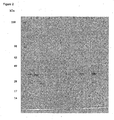
- the results shown in Figure 2 show that although the wt PhoS protein does not bind to the column at this pH both the polyD and K318D polyD versions of PhoS do bind. Hence under these conditions it is likely that in addition to the pl changes that have occurred due to the presence of the polyD tag, the tag itself may be acting as an 'affinity tail' under these conditions.
- Such groups of basic residues may form a significant charge patch that can interact with a purification matrix.
- strategic placement of one or more acidic residues may break up' such a patch i . e . significantly alter the net charge at such an area and hence result in large local changes in ability to interact with a purification matrix.
- the C-terminus was already altered with the polyD tail which is situated at one end of the 'split rugby ball' shaped PhoS protein it was desirable to find at least some residues that were at the opposite end of PhoS protein from the C-terminus.
- PhoS genes encoding these four mutations were constructed and tested for expression in E. coli and cation exchange purification performance at pH 4.5.
- the single K275E mutation (pDPH192) was found to be poorly tolerated by E. coli and / or was precipitated after the periplasmic extract was adjusted to pH 4.5. In addition, for protein that was recovered from cells the cation exchange elution performance was not increased over that of the PhoS polyD protein.
- the triple mutation at K107/109/110E gave no detectable protein after elution from cation exchange. This was due both to very poor levels of expression in E . coli (as shown by an induction time course) but also possibly due to precipitation whilst the periplasmic extract was adjusted to pH 4.5. However, since these mutations were the only ones that were at the opposite end of the PhoS 'rugby ball' from the polyD tail it was subsequently split into single mutations for further analysis.
- the triple mutation at K309/313/318E (pDPH194) had improved cation exchange elution performance relative to the PhoS polyD (73mM vs. 83mM NaCl respectively) and normal levels of expression, however the elution at 73mM was not sufficiently improved over that of the K318D single mutation + polyD (pDPH188) hence no further work was performed on these triple mutations.
- K107E mutation was largely responsible for the deleterious effects of this triple mutation since the single K109E and K110E mutations were able to produce more protein.
- K109E (pDPH199) and K110E (pDPH200) showed improved cation exchange elution performance (52-55mM NaCl) and better than K107E (pDPH198) at 70mM NaCl.
- K109 and 110E were combined (pDPH201) to test for additional / synergistic effects.
- this double K109/110E mutation could not be expressed or recovered after adjusting to pH 4.5.
- the double K265/266E (pDPH207) mutant has good levels of protein expression / recovery and additive effects on cation exchange elution performance, since this protein is eluted at 38mM NaCl (compared to 60mM and 58mM for the single mutations alone).
- K110/265/266E mutant pDPH209
- the K110/265/266E mutant pDPH211
- the K265/266E+K318D mutant pDPH211
- K110/265/266E + K318D pDPH210
- PhoS polyD PhoS K265/266E polyD
- PhoS K110/265/266E polyD The elution of all three mutations at lower salt concentrations than the wild type PhoS should allow separation of the mutant PhoS from the Fab' by gradient or step elution from the cation exchange column.
- the pl of the mutants it may be possible to prevent them binding to the cation exchange column by increasing the pH of the buffers whilst not affecting Fab' binding.
- Another alternative may be to rely on the anion exchange step to remove the mutated PhoS.
- the pls of the mutant PhoS proteins were determined below.
- the E. coli strain ANCC75 (Amemura et al., 1982) was used to provide a phoS genetic background. These cells permanently have a phenotype as if they are PO 4 starved and hence due to feedback through the pho regulon induce high levels of alkaline phosphatase even in the presence of PO 4 . Growth of such cells on solid media that contains XP can distinguish between cells that have high or low levels of alkaline phosphatase.
- the genes encoding three mutant PhoS proteins (polyD, K265/266E polyD and K110/265/266E polyD) were assembled along with a length of 3' chromosomal flanking region into the chromosomal replacement plasmid pKO3.
- a null version of PhoS was made with an oligonucleotide that had two in frame stop codons in the signal peptide coding region (plasmids pDPH217-220 respectively). These were electroporated into W3110 E. coli and tested for recombination and plasmid curing as described in the methods.
- Strain DPH3 was transformed with a plasmid expressing the desired Fab'.
- a standard fermentation was performed and no obvious deficiencies or difficulties were observed during the growth or induction phase.
- Samples taken throughout the fermentation were assayed in the usual manner by ELISA after Tris/EDTA extraction.
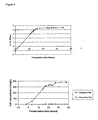
- the data in Figure 6 show that the growth was normal and that Fab' accumulation in the periplasm was some 380mg/L at harvest, well within the normal range for this Fab'.
- Cell pellets were found to be firm and easy to resuspend after centrifugation, normally a sign of good cell integrity.
- Pellets representing 50 ml of harvest culture were extracted overnight at 30°C in Tris/EDTA then prepared for cation exchange purification as described previously.
- the pH was increased from 4.5 to 5.0 so that the mutant PhoS of strain DPH3 (pl 4.5) would not bind to the cation exchange column but the Fab' fragment would.
- the conductivity was 3.0mS/cm.
- the sample was applied to a 5ml SP sepharose column and load, flow through and elution samples analysed by Coomassie stained SDS-PAGE. Samples were concentrated where appropriate using 10kDa cut-off spin columns to enable visualisation with Coomassie stained gels.
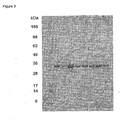
- the SDS-PAGE gel in Figure 7 shows that under these pH and conductivity conditions the mutant PhoS from DPH3 does not bind to the SP sepharose column, whilst wt PhoS from W3110 does bind.
- Strains DPH1, DPH2 and DPH3 were transformed with a plasmid expressing a Fab' with a higher pl than the Fab' used in example 8 that is typically purified on ion exchange at pH6.
- a standard fermentation was performed and separation of the PhoS variants from the Fab by cation exchange chromatography was tested as described previously at pH5, 5.5 and 6.
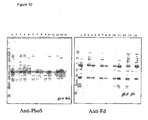
- PhoS K265/266E polyD has a distinct coomassie stained PhoS band in the flow through ( Fig. 9 , lane 5).
- the anti-PhoS immunoblot shows only a trace amount of PhoS in the elute fraction ( Fig. 10 , lane 6).
- PhoS K265/266E polyD effectively does not bind to SP sepharose at pH5.0.
- the binding properties of the wild type PhoS encoded by the parent W3110 strain when loaded at pH5.0 are shown in lane 12 of Fig. 9 .
- Anti-PhoS immunoblots show the vast majority of the wild type PhoS in the elute fraction although a trace amount can be detected in the flow through ( Fig. 10 , lanes 11 and 12).
- the trace amounts of PhoS detected by immunoblotting in the elute fraction in these experiments may be a reflection of the minimal amount of column washing used during this rapid analytical method, whilst trace wild type PhoS in the flow through may represent weak binding to the column or a column / buffer front artifact).
Landscapes
- Chemical & Material Sciences (AREA)
- Health & Medical Sciences (AREA)
- Life Sciences & Earth Sciences (AREA)
- Organic Chemistry (AREA)
- Engineering & Computer Science (AREA)
- Genetics & Genomics (AREA)
- General Health & Medical Sciences (AREA)
- Wood Science & Technology (AREA)
- Medicinal Chemistry (AREA)
- Zoology (AREA)
- Bioinformatics & Cheminformatics (AREA)
- Biochemistry (AREA)
- Biotechnology (AREA)
- Gastroenterology & Hepatology (AREA)
- Tropical Medicine & Parasitology (AREA)
- Virology (AREA)
- Proteomics, Peptides & Aminoacids (AREA)
- Biomedical Technology (AREA)
- Microbiology (AREA)
- Biophysics (AREA)
- Molecular Biology (AREA)
- General Engineering & Computer Science (AREA)
- Preparation Of Compounds By Using Micro-Organisms (AREA)
- Peptides Or Proteins (AREA)
- Micro-Organisms Or Cultivation Processes Thereof (AREA)
Claims (7)
- E.coli-Wirtszelle, die einen rekombinanten Antikörper exprimiert, dadurch gekennzeichnet, dass die E.coli-Wirtszelle genetisch modifiziert worden ist, um den isolelektrischen Punkt des phosphatbindenden Proteins PstS aus E.coli zu verändern, und wobei der isoelektrische Punkt durch Folgendes verändert worden ist:Hinzufügen eines Polyasparaginsäure-Tags an den C-Terminus des phosphatbindenden Proteins und/oderdurch Verändern von einem oder mehreren der Aminosäurereste, die sich an der Oberfläche des phosphatbindenden Proteins PstS aus E.coli befinden, durch Folgendes:(a) Substituieren von einem oder mehreren Lysin- und/oder Argininresten durch Asparaginsäure oder eine Glutaminsäure oder(b) Substituieren von einem oder mehreren Asparaginsäure- und/oder Glutaminsäureresten durch Lysin oder Arginin.
- Wirtszelle nach Anspruch 1, wobei der isoelektrische Punkt des phosphatbindenden Proteins PstS durch Substituieren von einem Lysine an den Resten 110, 265, 266 oder 318 durch Glutamin oder Asparaginsäure erniedrigt worden ist.
- Wirtszelle nach Anspruch 1, wobei der isoelektrische Punkt des phosphatbindenden Proteins PstS durch Hinzufügen eines Polyasparaginsäure-Tags an den C-Terminus erniedrigt worden ist.
- Wirtszelle nach Anspruch 1, wobei der isoelektrische Punkt des phosphatbindenden Proteins PstS durch Substituieren der Lysine an den Resten 265 oder 266 durch Glutamin und durch Hinzufügen eines Polyasparaginsäure-Tags an den C-Terminus erniedrigt worden ist.
- Wirtszelle nach Anspruch 1, wobei der isoelektrische Punkt des phosphatbindenden Proteins PstS durch Substituieren der Lysine an den Resten 110, 265 oder 266 durch Glutamin und durch Hinzufügen eines Polyasparaginsäure-Tags an den C-Terminus erniedrigt worden ist.
- Wirtszelle nach den Ansprüchen 1-5, wobei es sich bei dem rekombinanten Antikörper um ein Fab oder ein Fab'-Fragment handelt.
- Verfahren zur Herstellung eines rekombinanten Antikörpers, das das Fermentieren einer Wirtszelle nach den Ansprüchen 5 oder 6 umfasst.
Applications Claiming Priority (3)
| Application Number | Priority Date | Filing Date | Title |
|---|---|---|---|
| GBGB0224082.8A GB0224082D0 (en) | 2002-10-16 | 2002-10-16 | Biological products |
| GB0224082 | 2002-10-16 | ||
| PCT/GB2003/004474 WO2004035792A1 (en) | 2002-10-16 | 2003-10-15 | E.coli host cells with modified phos/psts periplasmic phosphate-binding proteins, and method of manufacturing recombinant fabs |
Publications (2)
| Publication Number | Publication Date |
|---|---|
| EP1554384A1 EP1554384A1 (de) | 2005-07-20 |
| EP1554384B1 true EP1554384B1 (de) | 2015-04-01 |
Family
ID=9946027
Family Applications (1)
| Application Number | Title | Priority Date | Filing Date |
|---|---|---|---|
| EP03756575.1A Expired - Lifetime EP1554384B1 (de) | 2002-10-16 | 2003-10-15 | E.coli wirtszellen mit modifizierten phos/psts periplasmischen phosphat-bindinde proteine , und verfahren zur herstellung von rekombinanten fabs |
Country Status (8)
| Country | Link |
|---|---|
| US (2) | US7662609B2 (de) |
| EP (1) | EP1554384B1 (de) |
| JP (1) | JP2006502727A (de) |
| AU (1) | AU2003301318B2 (de) |
| CA (1) | CA2502152A1 (de) |
| ES (1) | ES2541358T3 (de) |
| GB (1) | GB0224082D0 (de) |
| WO (1) | WO2004035792A1 (de) |
Families Citing this family (34)
| Publication number | Priority date | Publication date | Assignee | Title |
|---|---|---|---|---|
| GB0224082D0 (en) * | 2002-10-16 | 2002-11-27 | Celltech R&D Ltd | Biological products |
| AU2006232287B2 (en) | 2005-03-31 | 2011-10-06 | Chugai Seiyaku Kabushiki Kaisha | Methods for producing polypeptides by regulating polypeptide association |
| DE102006004871A1 (de) | 2006-02-02 | 2007-08-09 | Wacker Chemie Ag | Mikroorganismenstamm zur Produktion von rekombinanten Proteinen |
| CN104761637B (zh) | 2006-03-31 | 2021-10-15 | 中外制药株式会社 | 调控抗体血液动力学的方法 |
| EP2009101B1 (de) | 2006-03-31 | 2017-10-25 | Chugai Seiyaku Kabushiki Kaisha | Antikörpermodifikationsverfahren für die aufreinigung eines bispezifischen antikörpers |
| EP2101780B1 (de) * | 2006-11-21 | 2013-10-09 | Kalobios Pharmaceuticals, Inc. | Verfahren zur behandlung chronischer entzündungskrankheiten mithilfe eines gm-csf-agonisten |
| KR101680906B1 (ko) | 2007-09-26 | 2016-11-30 | 추가이 세이야쿠 가부시키가이샤 | 항체 정상영역 개변체 |
| ES2595638T3 (es) | 2007-09-26 | 2017-01-02 | Chugai Seiyaku Kabushiki Kaisha | Método para modificar el punto isoeléctrico de un anticuerpo mediante la sustitución de aminoácidos en una CDR |
| EP2826789A1 (de) | 2009-03-19 | 2015-01-21 | Chugai Seiyaku Kabushiki Kaisha | Variante einer konstanten Region eines Antikörpers |
| JP5717624B2 (ja) | 2009-03-19 | 2015-05-13 | 中外製薬株式会社 | 抗体定常領域改変体 |
| US10150808B2 (en) | 2009-09-24 | 2018-12-11 | Chugai Seiyaku Kabushiki Kaisha | Modified antibody constant regions |
| GB201000591D0 (en) | 2010-01-14 | 2010-03-03 | Ucb Pharma Sa | Bacterial hoist strain |
| GB201000588D0 (en) | 2010-01-14 | 2010-03-03 | Ucb Pharma Sa | Bacterial host strain |
| GB201000587D0 (en) | 2010-01-14 | 2010-03-03 | Ucb Pharma Sa | Bacterial hoist strain |
| GB201000590D0 (en) | 2010-01-14 | 2010-03-03 | Ucb Pharma Sa | Bacterial host strain |
| WO2011108714A1 (ja) | 2010-03-04 | 2011-09-09 | 中外製薬株式会社 | 抗体定常領域改変体 |
| GB201012603D0 (en) | 2010-07-27 | 2010-09-08 | Ucb Pharma Sa | Protein purification |
| TWI452136B (zh) | 2010-11-17 | 2014-09-11 | 中外製藥股份有限公司 | A multiple specific antigen-binding molecule that replaces the function of Factor VIII in blood coagulation |
| PT3434767T (pt) | 2010-11-30 | 2026-01-23 | Chugai Pharmaceutical Co Ltd | Agente terapêutico indutor de citotoxicidade |
| EP2546267A1 (de) | 2011-07-13 | 2013-01-16 | UCB Pharma S.A. | Bakterienwirtsstamm mit rekombinanter DsbC-Expression |
| JP6116565B2 (ja) * | 2011-08-25 | 2017-04-19 | エフ.ホフマン−ラ ロシュ アーゲーF. Hoffmann−La Roche Aktiengesellschaft | 陽イオンおよび陰イオン交換クロマトグラフィー法 |
| JP5966448B2 (ja) * | 2012-03-05 | 2016-08-10 | 資生ケミカル株式会社 | 改変されたマルチ銅オキシダーゼ及びこれを用いたケラチン繊維用染色剤 |
| GB201208367D0 (en) | 2012-05-14 | 2012-06-27 | Ucb Pharma Sa | Biological product |
| CN112522353A (zh) * | 2012-10-10 | 2021-03-19 | 中外制药株式会社 | 经修饰的宿主细胞的建立方法 |
| WO2014125955A1 (ja) * | 2013-02-15 | 2014-08-21 | 国立大学法人京都工芸繊維大学 | 抗体のリフォールディング方法、リフォールディングされた抗体の製造方法、リフォールディングされた抗体、及びこれらの利用 |
| ES2881306T3 (es) | 2013-09-27 | 2021-11-29 | Chugai Pharmaceutical Co Ltd | Método para la producción de heteromultímeros de polipéptidos |
| JP7082484B2 (ja) | 2015-04-01 | 2022-06-08 | 中外製薬株式会社 | ポリペプチド異種多量体の製造方法 |
| DK3287523T3 (da) | 2015-04-24 | 2022-07-25 | Ajinomoto Kk | Fremgangsmåde til sekretorisk fremstilling af protein |
| AU2016381992B2 (en) | 2015-12-28 | 2024-01-04 | Chugai Seiyaku Kabushiki Kaisha | Method for promoting efficiency of purification of Fc region-containing polypeptide |
| CR20180554A (es) | 2016-04-28 | 2019-01-10 | Chugai Pharmaceutical Co Ltd | Preparaciones que contienen anticuerpos |
| CN110461358A (zh) | 2017-03-31 | 2019-11-15 | 公立大学法人奈良县立医科大学 | 可用于预防和/或治疗凝血因子ⅸ异常、包含代替凝血因子ⅷ的功能的多特异性抗原结合分子的药物组合物 |
| CN119161488A (zh) | 2017-11-01 | 2024-12-20 | 中外制药株式会社 | 具有降低的生物活性的抗体变体和同种型 |
| EP3788150A4 (de) * | 2018-05-04 | 2022-01-26 | Sigma-Aldrich Co. LLC | Herstellung von rekombinanten proteinen mit reduzierten niveaus an wirtszellproteinen |
| WO2020018936A1 (en) | 2018-07-20 | 2020-01-23 | Marquette University | Process for controlled adsorption and desorption of phosphate from liquids using phosphate-selective proteins |
Family Cites Families (9)
| Publication number | Priority date | Publication date | Assignee | Title |
|---|---|---|---|---|
| GB224082A (en) | 1923-10-26 | 1924-11-06 | Jacques De Jong | Electrical power-transmitting set |
| US4532207A (en) | 1982-03-19 | 1985-07-30 | G. D. Searle & Co. | Process for the preparation of polypeptides utilizing a charged amino acid polymer and exopeptidase |
| US5304472A (en) | 1992-11-20 | 1994-04-19 | Genentech, Inc. | Method of controlling polypeptide production in bacterial cells |
| GB9411356D0 (en) | 1994-06-07 | 1994-07-27 | Delta Biotechnology Ltd | Yeast strains |
| US5789199A (en) | 1994-11-03 | 1998-08-04 | Genentech, Inc. | Process for bacterial production of polypeptides |
| DE19513676A1 (de) | 1995-04-11 | 1996-10-17 | Behringwerke Ag | Cytoplasmatische Expression von Antikörpern, Antikörperfragmenten und Antikörperfragmentfusionsmolekülen in E.coli |
| AU781915B2 (en) | 1999-04-14 | 2005-06-23 | Gtc Biotherapeutics, Inc. | Method of purifying heterologous proteins |
| GB0222743D0 (en) | 2002-10-01 | 2002-11-06 | Celltech R&D Ltd | Chemical compounds |
| GB0224082D0 (en) * | 2002-10-16 | 2002-11-27 | Celltech R&D Ltd | Biological products |
-
2002
- 2002-10-16 GB GBGB0224082.8A patent/GB0224082D0/en not_active Ceased
-
2003
- 2003-10-15 ES ES03756575.1T patent/ES2541358T3/es not_active Expired - Lifetime
- 2003-10-15 EP EP03756575.1A patent/EP1554384B1/de not_active Expired - Lifetime
- 2003-10-15 CA CA002502152A patent/CA2502152A1/en not_active Abandoned
- 2003-10-15 US US10/531,402 patent/US7662609B2/en not_active Expired - Fee Related
- 2003-10-15 WO PCT/GB2003/004474 patent/WO2004035792A1/en not_active Ceased
- 2003-10-15 JP JP2004544473A patent/JP2006502727A/ja not_active Abandoned
- 2003-10-15 AU AU2003301318A patent/AU2003301318B2/en not_active Ceased
-
2009
- 2009-12-22 US US12/645,064 patent/US20100285530A1/en not_active Abandoned
Also Published As
| Publication number | Publication date |
|---|---|
| AU2003301318B2 (en) | 2008-09-04 |
| CA2502152A1 (en) | 2004-04-29 |
| GB0224082D0 (en) | 2002-11-27 |
| EP1554384A1 (de) | 2005-07-20 |
| AU2003301318A1 (en) | 2004-05-04 |
| US20100285530A1 (en) | 2010-11-11 |
| US20070054354A1 (en) | 2007-03-08 |
| WO2004035792A1 (en) | 2004-04-29 |
| JP2006502727A (ja) | 2006-01-26 |
| US7662609B2 (en) | 2010-02-16 |
| ES2541358T3 (es) | 2015-07-17 |
Similar Documents
| Publication | Publication Date | Title |
|---|---|---|
| EP1554384B1 (de) | E.coli wirtszellen mit modifizierten phos/psts periplasmischen phosphat-bindinde proteine , und verfahren zur herstellung von rekombinanten fabs | |
| Bouley et al. | The PDZ domain of OutC and the N-terminal region of OutD determine the secretion specificity of the type II out pathway of Erwinia chrysanthemi | |
| CN106456769B (zh) | 重组crm197在大肠杆菌中的增强产生 | |
| JP4243104B2 (ja) | 重要なタンパク質の細菌培養上清中への分泌のための融合タンパク質 | |
| AU2017200545B2 (en) | Bacterial host strain comprising a mutant spr gene and a wild-type Tsp gene | |
| RU2441071C2 (ru) | Способы получения растворимых многопроходных трансмембранных белков | |
| EP0992588B1 (de) | DsbA/DsbB/DsbC/DsbD Expressionsplasmid | |
| HUE033555T2 (hu) | Bakteriális gazdasejt, amely rekombináns DSBC-t expresszál és csökkentett TSP-aktivitása van | |
| CN102209725B (zh) | 缺乏功能性ii组荚膜基因簇的大肠埃希氏菌bl21菌株 | |
| JP7016552B2 (ja) | 組換えタンパク質の分泌を増加させる方法 | |
| WO2014046484A1 (ko) | 가용성 재조합 단백질의 발현, 추출 및 정제 방법 | |
| Charbonnier et al. | Overexpression, refolding, and purification of the histidine-tagged outer membrane efflux protein OprM of Pseudomonas aeruginosa | |
| KR102301138B1 (ko) | 옥신토모듈린 생산용 융합태그 | |
| Humphreys et al. | Engineering of Escherichia coli to improve the purification of periplasmic Fab′ fragments: changing the pI of the chromosomally encoded PhoS/PstS protein | |
| NO305253B1 (no) | E. coli-bakterier og fremgangsmÕte for fremstilling av et °nsket, heterologt protein | |
| KR100963302B1 (ko) | 대장균 유래 ptsL 프로모터를 함유하는 재조합벡터 및이를 이용한 외래 단백질의 제조방법 | |
| US9096880B2 (en) | Solubility enhancing peptide and use thereof | |
| CN104136460A (zh) | 减少1->3读框移位的方法 | |
| KR100497204B1 (ko) | 유산균으로부터 분리된 신규한 분비신호 | |
| JPH09224685A (ja) | 細菌株及びプラスミド | |
| JP4696915B2 (ja) | タンパク質の分泌産生システム | |
| KR100655493B1 (ko) | 작은 열 충격 단백질을 이용한 목적단백질의 제조방법 | |
| Li et al. | Systematic engineering of Bacillus amyloliquefaciens for efficient bovine lactoferrin production | |
| Metcalf | Engineering heterologous protein secretion for improved production | |
| KR100819479B1 (ko) | Pas 변이체 및 이를 포함하는 벡터 |
Legal Events
| Date | Code | Title | Description |
|---|---|---|---|
| PUAI | Public reference made under article 153(3) epc to a published international application that has entered the european phase |
Free format text: ORIGINAL CODE: 0009012 |
|
| 17P | Request for examination filed |
Effective date: 20050517 |
|
| AK | Designated contracting states |
Kind code of ref document: A1 Designated state(s): AT BE BG CH CY CZ DE DK EE ES FI FR GB GR HU IE IT LI LU MC NL PT RO SE SI SK TR |
|
| AX | Request for extension of the european patent |
Extension state: AL LT LV MK |
|
| RAP1 | Party data changed (applicant data changed or rights of an application transferred) |
Owner name: UCB PHARMA, S.A. |
|
| REG | Reference to a national code |
Ref country code: DE Ref legal event code: R079 Ref document number: 60347464 Country of ref document: DE Free format text: PREVIOUS MAIN CLASS: C12N0015310000 Ipc: C12N0001200000 |
|
| RIC1 | Information provided on ipc code assigned before grant |
Ipc: C12N 1/20 20060101AFI20130425BHEP Ipc: C07K 14/245 20060101ALI20130425BHEP Ipc: C12N 15/31 20060101ALI20130425BHEP |
|
| GRAP | Despatch of communication of intention to grant a patent |
Free format text: ORIGINAL CODE: EPIDOSNIGR1 |
|
| INTG | Intention to grant announced |
Effective date: 20130717 |
|
| GRAS | Grant fee paid |
Free format text: ORIGINAL CODE: EPIDOSNIGR3 |
|
| GRAP | Despatch of communication of intention to grant a patent |
Free format text: ORIGINAL CODE: EPIDOSNIGR1 |
|
| INTG | Intention to grant announced |
Effective date: 20141023 |
|
| GRAS | Grant fee paid |
Free format text: ORIGINAL CODE: EPIDOSNIGR3 |
|
| GRAA | (expected) grant |
Free format text: ORIGINAL CODE: 0009210 |
|
| AK | Designated contracting states |
Kind code of ref document: B1 Designated state(s): AT BE BG CH CY CZ DE DK EE ES FI FR GB GR HU IE IT LI LU MC NL PT RO SE SI SK TR |
|
| AX | Request for extension of the european patent |
Extension state: AL LT LV MK |
|
| REG | Reference to a national code |
Ref country code: GB Ref legal event code: FG4D |
|
| REG | Reference to a national code |
Ref country code: CH Ref legal event code: EP |
|
| REG | Reference to a national code |
Ref country code: IE Ref legal event code: FG4D |
|
| REG | Reference to a national code |
Ref country code: DE Ref legal event code: R096 Ref document number: 60347464 Country of ref document: DE Effective date: 20150513 |
|
| REG | Reference to a national code |
Ref country code: AT Ref legal event code: REF Ref document number: 719091 Country of ref document: AT Kind code of ref document: T Effective date: 20150515 |
|
| REG | Reference to a national code |
Ref country code: ES Ref legal event code: FG2A Ref document number: 2541358 Country of ref document: ES Kind code of ref document: T3 Effective date: 20150717 |
|
| REG | Reference to a national code |
Ref country code: NL Ref legal event code: VDEP Effective date: 20150401 |
|
| REG | Reference to a national code |
Ref country code: AT Ref legal event code: MK05 Ref document number: 719091 Country of ref document: AT Kind code of ref document: T Effective date: 20150401 |
|
| REG | Reference to a national code |
Ref country code: LT Ref legal event code: MG9D |
|
| PG25 | Lapsed in a contracting state [announced via postgrant information from national office to epo] |
Ref country code: NL Free format text: LAPSE BECAUSE OF FAILURE TO SUBMIT A TRANSLATION OF THE DESCRIPTION OR TO PAY THE FEE WITHIN THE PRESCRIBED TIME-LIMIT Effective date: 20150401 |
|
| PG25 | Lapsed in a contracting state [announced via postgrant information from national office to epo] |
Ref country code: PT Free format text: LAPSE BECAUSE OF FAILURE TO SUBMIT A TRANSLATION OF THE DESCRIPTION OR TO PAY THE FEE WITHIN THE PRESCRIBED TIME-LIMIT Effective date: 20150803 Ref country code: FI Free format text: LAPSE BECAUSE OF FAILURE TO SUBMIT A TRANSLATION OF THE DESCRIPTION OR TO PAY THE FEE WITHIN THE PRESCRIBED TIME-LIMIT Effective date: 20150401 Ref country code: CZ Free format text: LAPSE BECAUSE OF FAILURE TO SUBMIT A TRANSLATION OF THE DESCRIPTION OR TO PAY THE FEE WITHIN THE PRESCRIBED TIME-LIMIT Effective date: 20150401 |
|
| PG25 | Lapsed in a contracting state [announced via postgrant information from national office to epo] |
Ref country code: AT Free format text: LAPSE BECAUSE OF FAILURE TO SUBMIT A TRANSLATION OF THE DESCRIPTION OR TO PAY THE FEE WITHIN THE PRESCRIBED TIME-LIMIT Effective date: 20150401 Ref country code: GR Free format text: LAPSE BECAUSE OF FAILURE TO SUBMIT A TRANSLATION OF THE DESCRIPTION OR TO PAY THE FEE WITHIN THE PRESCRIBED TIME-LIMIT Effective date: 20150702 |
|
| REG | Reference to a national code |
Ref country code: DE Ref legal event code: R097 Ref document number: 60347464 Country of ref document: DE |
|
| PG25 | Lapsed in a contracting state [announced via postgrant information from national office to epo] |
Ref country code: DK Free format text: LAPSE BECAUSE OF FAILURE TO SUBMIT A TRANSLATION OF THE DESCRIPTION OR TO PAY THE FEE WITHIN THE PRESCRIBED TIME-LIMIT Effective date: 20150401 Ref country code: EE Free format text: LAPSE BECAUSE OF FAILURE TO SUBMIT A TRANSLATION OF THE DESCRIPTION OR TO PAY THE FEE WITHIN THE PRESCRIBED TIME-LIMIT Effective date: 20150401 |
|
| PLBE | No opposition filed within time limit |
Free format text: ORIGINAL CODE: 0009261 |
|
| STAA | Information on the status of an ep patent application or granted ep patent |
Free format text: STATUS: NO OPPOSITION FILED WITHIN TIME LIMIT |
|
| PG25 | Lapsed in a contracting state [announced via postgrant information from national office to epo] |
Ref country code: SK Free format text: LAPSE BECAUSE OF FAILURE TO SUBMIT A TRANSLATION OF THE DESCRIPTION OR TO PAY THE FEE WITHIN THE PRESCRIBED TIME-LIMIT Effective date: 20150401 Ref country code: RO Free format text: LAPSE BECAUSE OF NON-PAYMENT OF DUE FEES Effective date: 20150401 |
|
| 26N | No opposition filed |
Effective date: 20160105 |
|
| PG25 | Lapsed in a contracting state [announced via postgrant information from national office to epo] |
Ref country code: LU Free format text: LAPSE BECAUSE OF FAILURE TO SUBMIT A TRANSLATION OF THE DESCRIPTION OR TO PAY THE FEE WITHIN THE PRESCRIBED TIME-LIMIT Effective date: 20151015 Ref country code: SI Free format text: LAPSE BECAUSE OF FAILURE TO SUBMIT A TRANSLATION OF THE DESCRIPTION OR TO PAY THE FEE WITHIN THE PRESCRIBED TIME-LIMIT Effective date: 20150401 |
|
| PG25 | Lapsed in a contracting state [announced via postgrant information from national office to epo] |
Ref country code: MC Free format text: LAPSE BECAUSE OF FAILURE TO SUBMIT A TRANSLATION OF THE DESCRIPTION OR TO PAY THE FEE WITHIN THE PRESCRIBED TIME-LIMIT Effective date: 20150401 |
|
| REG | Reference to a national code |
Ref country code: IE Ref legal event code: MM4A |
|
| PG25 | Lapsed in a contracting state [announced via postgrant information from national office to epo] |
Ref country code: BE Free format text: LAPSE BECAUSE OF FAILURE TO SUBMIT A TRANSLATION OF THE DESCRIPTION OR TO PAY THE FEE WITHIN THE PRESCRIBED TIME-LIMIT Effective date: 20150401 |
|
| REG | Reference to a national code |
Ref country code: FR Ref legal event code: PLFP Year of fee payment: 14 |
|
| PG25 | Lapsed in a contracting state [announced via postgrant information from national office to epo] |
Ref country code: IE Free format text: LAPSE BECAUSE OF NON-PAYMENT OF DUE FEES Effective date: 20151015 |
|
| PGFP | Annual fee paid to national office [announced via postgrant information from national office to epo] |
Ref country code: ES Payment date: 20160915 Year of fee payment: 14 |
|
| PGFP | Annual fee paid to national office [announced via postgrant information from national office to epo] |
Ref country code: DE Payment date: 20161011 Year of fee payment: 14 Ref country code: GB Payment date: 20161012 Year of fee payment: 14 Ref country code: CH Payment date: 20161013 Year of fee payment: 14 |
|
| PGFP | Annual fee paid to national office [announced via postgrant information from national office to epo] |
Ref country code: IT Payment date: 20161024 Year of fee payment: 14 |
|
| PG25 | Lapsed in a contracting state [announced via postgrant information from national office to epo] |
Ref country code: HU Free format text: LAPSE BECAUSE OF FAILURE TO SUBMIT A TRANSLATION OF THE DESCRIPTION OR TO PAY THE FEE WITHIN THE PRESCRIBED TIME-LIMIT; INVALID AB INITIO Effective date: 20031015 Ref country code: BG Free format text: LAPSE BECAUSE OF FAILURE TO SUBMIT A TRANSLATION OF THE DESCRIPTION OR TO PAY THE FEE WITHIN THE PRESCRIBED TIME-LIMIT Effective date: 20150401 |
|
| PG25 | Lapsed in a contracting state [announced via postgrant information from national office to epo] |
Ref country code: CY Free format text: LAPSE BECAUSE OF FAILURE TO SUBMIT A TRANSLATION OF THE DESCRIPTION OR TO PAY THE FEE WITHIN THE PRESCRIBED TIME-LIMIT Effective date: 20150401 Ref country code: SE Free format text: LAPSE BECAUSE OF FAILURE TO SUBMIT A TRANSLATION OF THE DESCRIPTION OR TO PAY THE FEE WITHIN THE PRESCRIBED TIME-LIMIT Effective date: 20150401 |
|
| REG | Reference to a national code |
Ref country code: FR Ref legal event code: PLFP Year of fee payment: 15 |
|
| PGFP | Annual fee paid to national office [announced via postgrant information from national office to epo] |
Ref country code: FR Payment date: 20170918 Year of fee payment: 15 |
|
| PGFP | Annual fee paid to national office [announced via postgrant information from national office to epo] |
Ref country code: TR Payment date: 20171013 Year of fee payment: 15 |
|
| REG | Reference to a national code |
Ref country code: DE Ref legal event code: R119 Ref document number: 60347464 Country of ref document: DE |
|
| REG | Reference to a national code |
Ref country code: CH Ref legal event code: PL |
|
| GBPC | Gb: european patent ceased through non-payment of renewal fee |
Effective date: 20171015 |
|
| PG25 | Lapsed in a contracting state [announced via postgrant information from national office to epo] |
Ref country code: DE Free format text: LAPSE BECAUSE OF NON-PAYMENT OF DUE FEES Effective date: 20180501 Ref country code: CH Free format text: LAPSE BECAUSE OF NON-PAYMENT OF DUE FEES Effective date: 20171031 Ref country code: GB Free format text: LAPSE BECAUSE OF NON-PAYMENT OF DUE FEES Effective date: 20171015 Ref country code: LI Free format text: LAPSE BECAUSE OF NON-PAYMENT OF DUE FEES Effective date: 20171031 |
|
| PG25 | Lapsed in a contracting state [announced via postgrant information from national office to epo] |
Ref country code: IT Free format text: LAPSE BECAUSE OF NON-PAYMENT OF DUE FEES Effective date: 20171015 |
|
| REG | Reference to a national code |
Ref country code: ES Ref legal event code: FD2A Effective date: 20181221 |
|
| PG25 | Lapsed in a contracting state [announced via postgrant information from national office to epo] |
Ref country code: ES Free format text: LAPSE BECAUSE OF NON-PAYMENT OF DUE FEES Effective date: 20171016 |
|
| PG25 | Lapsed in a contracting state [announced via postgrant information from national office to epo] |
Ref country code: FR Free format text: LAPSE BECAUSE OF NON-PAYMENT OF DUE FEES Effective date: 20181031 |
|
| PG25 | Lapsed in a contracting state [announced via postgrant information from national office to epo] |
Ref country code: TR Free format text: LAPSE BECAUSE OF NON-PAYMENT OF DUE FEES Effective date: 20181015 |