EP1333082A1 - Flüssigkristallines Medium mit hoher Doppelbrechung und verbesserter UV-Stabilität - Google Patents
Flüssigkristallines Medium mit hoher Doppelbrechung und verbesserter UV-Stabilität Download PDFInfo
- Publication number
- EP1333082A1 EP1333082A1 EP03002196A EP03002196A EP1333082A1 EP 1333082 A1 EP1333082 A1 EP 1333082A1 EP 03002196 A EP03002196 A EP 03002196A EP 03002196 A EP03002196 A EP 03002196A EP 1333082 A1 EP1333082 A1 EP 1333082A1
- Authority
- EP
- European Patent Office
- Prior art keywords
- compounds
- weight
- liquid
- crystalline medium
- medium according
- Prior art date
- Legal status (The legal status is an assumption and is not a legal conclusion. Google has not performed a legal analysis and makes no representation as to the accuracy of the status listed.)
- Granted
Links
- HBXFIXSFKULBOG-UHFFFAOYSA-N Cc1cc(F)c(C)c(F)c1 Chemical compound Cc1cc(F)c(C)c(F)c1 HBXFIXSFKULBOG-UHFFFAOYSA-N 0.000 description 1
Classifications
-
- C—CHEMISTRY; METALLURGY
- C09—DYES; PAINTS; POLISHES; NATURAL RESINS; ADHESIVES; COMPOSITIONS NOT OTHERWISE PROVIDED FOR; APPLICATIONS OF MATERIALS NOT OTHERWISE PROVIDED FOR
- C09K—MATERIALS FOR MISCELLANEOUS APPLICATIONS, NOT PROVIDED FOR ELSEWHERE
- C09K19/00—Liquid crystal materials
- C09K19/04—Liquid crystal materials characterised by the chemical structure of the liquid crystal components, e.g. by a specific unit
- C09K19/06—Non-steroidal liquid crystal compounds
- C09K19/08—Non-steroidal liquid crystal compounds containing at least two non-condensed rings
- C09K19/10—Non-steroidal liquid crystal compounds containing at least two non-condensed rings containing at least two benzene rings
- C09K19/12—Non-steroidal liquid crystal compounds containing at least two non-condensed rings containing at least two benzene rings at least two benzene rings directly linked, e.g. biphenyls
-
- C—CHEMISTRY; METALLURGY
- C09—DYES; PAINTS; POLISHES; NATURAL RESINS; ADHESIVES; COMPOSITIONS NOT OTHERWISE PROVIDED FOR; APPLICATIONS OF MATERIALS NOT OTHERWISE PROVIDED FOR
- C09K—MATERIALS FOR MISCELLANEOUS APPLICATIONS, NOT PROVIDED FOR ELSEWHERE
- C09K19/00—Liquid crystal materials
- C09K19/04—Liquid crystal materials characterised by the chemical structure of the liquid crystal components, e.g. by a specific unit
- C09K19/42—Mixtures of liquid crystal compounds covered by two or more of the preceding groups C09K19/06 - C09K19/40
- C09K19/44—Mixtures of liquid crystal compounds covered by two or more of the preceding groups C09K19/06 - C09K19/40 containing compounds with benzene rings directly linked
-
- C—CHEMISTRY; METALLURGY
- C09—DYES; PAINTS; POLISHES; NATURAL RESINS; ADHESIVES; COMPOSITIONS NOT OTHERWISE PROVIDED FOR; APPLICATIONS OF MATERIALS NOT OTHERWISE PROVIDED FOR
- C09K—MATERIALS FOR MISCELLANEOUS APPLICATIONS, NOT PROVIDED FOR ELSEWHERE
- C09K19/00—Liquid crystal materials
- C09K19/04—Liquid crystal materials characterised by the chemical structure of the liquid crystal components, e.g. by a specific unit
- C09K19/42—Mixtures of liquid crystal compounds covered by two or more of the preceding groups C09K19/06 - C09K19/40
- C09K19/46—Mixtures of liquid crystal compounds covered by two or more of the preceding groups C09K19/06 - C09K19/40 containing esters
-
- C—CHEMISTRY; METALLURGY
- C09—DYES; PAINTS; POLISHES; NATURAL RESINS; ADHESIVES; COMPOSITIONS NOT OTHERWISE PROVIDED FOR; APPLICATIONS OF MATERIALS NOT OTHERWISE PROVIDED FOR
- C09K—MATERIALS FOR MISCELLANEOUS APPLICATIONS, NOT PROVIDED FOR ELSEWHERE
- C09K19/00—Liquid crystal materials
- C09K19/04—Liquid crystal materials characterised by the chemical structure of the liquid crystal components, e.g. by a specific unit
- C09K2019/0444—Liquid crystal materials characterised by the chemical structure of the liquid crystal components, e.g. by a specific unit characterized by a linking chain between rings or ring systems, a bridging chain between extensive mesogenic moieties or an end chain group
- C09K2019/0466—Liquid crystal materials characterised by the chemical structure of the liquid crystal components, e.g. by a specific unit characterized by a linking chain between rings or ring systems, a bridging chain between extensive mesogenic moieties or an end chain group the linking chain being a -CF2O- chain
-
- C—CHEMISTRY; METALLURGY
- C09—DYES; PAINTS; POLISHES; NATURAL RESINS; ADHESIVES; COMPOSITIONS NOT OTHERWISE PROVIDED FOR; APPLICATIONS OF MATERIALS NOT OTHERWISE PROVIDED FOR
- C09K—MATERIALS FOR MISCELLANEOUS APPLICATIONS, NOT PROVIDED FOR ELSEWHERE
- C09K19/00—Liquid crystal materials
- C09K19/04—Liquid crystal materials characterised by the chemical structure of the liquid crystal components, e.g. by a specific unit
- C09K19/06—Non-steroidal liquid crystal compounds
- C09K19/08—Non-steroidal liquid crystal compounds containing at least two non-condensed rings
- C09K19/10—Non-steroidal liquid crystal compounds containing at least two non-condensed rings containing at least two benzene rings
- C09K19/12—Non-steroidal liquid crystal compounds containing at least two non-condensed rings containing at least two benzene rings at least two benzene rings directly linked, e.g. biphenyls
- C09K2019/121—Compounds containing phenylene-1,4-diyl (-Ph-)
- C09K2019/123—Ph-Ph-Ph
-
- C—CHEMISTRY; METALLURGY
- C09—DYES; PAINTS; POLISHES; NATURAL RESINS; ADHESIVES; COMPOSITIONS NOT OTHERWISE PROVIDED FOR; APPLICATIONS OF MATERIALS NOT OTHERWISE PROVIDED FOR
- C09K—MATERIALS FOR MISCELLANEOUS APPLICATIONS, NOT PROVIDED FOR ELSEWHERE
- C09K19/00—Liquid crystal materials
- C09K19/04—Liquid crystal materials characterised by the chemical structure of the liquid crystal components, e.g. by a specific unit
- C09K19/06—Non-steroidal liquid crystal compounds
- C09K19/08—Non-steroidal liquid crystal compounds containing at least two non-condensed rings
- C09K19/30—Non-steroidal liquid crystal compounds containing at least two non-condensed rings containing saturated or unsaturated non-aromatic rings, e.g. cyclohexane rings
- C09K19/3001—Cyclohexane rings
- C09K19/3003—Compounds containing at least two rings in which the different rings are directly linked (covalent bond)
- C09K2019/301—Cy-Cy-Ph
-
- C—CHEMISTRY; METALLURGY
- C09—DYES; PAINTS; POLISHES; NATURAL RESINS; ADHESIVES; COMPOSITIONS NOT OTHERWISE PROVIDED FOR; APPLICATIONS OF MATERIALS NOT OTHERWISE PROVIDED FOR
- C09K—MATERIALS FOR MISCELLANEOUS APPLICATIONS, NOT PROVIDED FOR ELSEWHERE
- C09K19/00—Liquid crystal materials
- C09K19/04—Liquid crystal materials characterised by the chemical structure of the liquid crystal components, e.g. by a specific unit
- C09K19/06—Non-steroidal liquid crystal compounds
- C09K19/08—Non-steroidal liquid crystal compounds containing at least two non-condensed rings
- C09K19/30—Non-steroidal liquid crystal compounds containing at least two non-condensed rings containing saturated or unsaturated non-aromatic rings, e.g. cyclohexane rings
- C09K19/3001—Cyclohexane rings
- C09K19/3003—Compounds containing at least two rings in which the different rings are directly linked (covalent bond)
- C09K2019/3016—Cy-Ph-Ph
-
- C—CHEMISTRY; METALLURGY
- C09—DYES; PAINTS; POLISHES; NATURAL RESINS; ADHESIVES; COMPOSITIONS NOT OTHERWISE PROVIDED FOR; APPLICATIONS OF MATERIALS NOT OTHERWISE PROVIDED FOR
- C09K—MATERIALS FOR MISCELLANEOUS APPLICATIONS, NOT PROVIDED FOR ELSEWHERE
- C09K19/00—Liquid crystal materials
- C09K19/04—Liquid crystal materials characterised by the chemical structure of the liquid crystal components, e.g. by a specific unit
- C09K19/06—Non-steroidal liquid crystal compounds
- C09K19/08—Non-steroidal liquid crystal compounds containing at least two non-condensed rings
- C09K19/30—Non-steroidal liquid crystal compounds containing at least two non-condensed rings containing saturated or unsaturated non-aromatic rings, e.g. cyclohexane rings
- C09K19/3001—Cyclohexane rings
- C09K19/3003—Compounds containing at least two rings in which the different rings are directly linked (covalent bond)
- C09K2019/3021—Cy-Ph-Ph-Cy
-
- C—CHEMISTRY; METALLURGY
- C09—DYES; PAINTS; POLISHES; NATURAL RESINS; ADHESIVES; COMPOSITIONS NOT OTHERWISE PROVIDED FOR; APPLICATIONS OF MATERIALS NOT OTHERWISE PROVIDED FOR
- C09K—MATERIALS FOR MISCELLANEOUS APPLICATIONS, NOT PROVIDED FOR ELSEWHERE
- C09K19/00—Liquid crystal materials
- C09K19/04—Liquid crystal materials characterised by the chemical structure of the liquid crystal components, e.g. by a specific unit
- C09K19/06—Non-steroidal liquid crystal compounds
- C09K19/08—Non-steroidal liquid crystal compounds containing at least two non-condensed rings
- C09K19/30—Non-steroidal liquid crystal compounds containing at least two non-condensed rings containing saturated or unsaturated non-aromatic rings, e.g. cyclohexane rings
- C09K19/3001—Cyclohexane rings
- C09K19/3066—Cyclohexane rings in which the rings are linked by a chain containing carbon and oxygen atoms, e.g. esters or ethers
- C09K19/3068—Cyclohexane rings in which the rings are linked by a chain containing carbon and oxygen atoms, e.g. esters or ethers chain containing -COO- or -OCO- groups
- C09K2019/3083—Cy-Ph-COO-Ph
-
- C—CHEMISTRY; METALLURGY
- C09—DYES; PAINTS; POLISHES; NATURAL RESINS; ADHESIVES; COMPOSITIONS NOT OTHERWISE PROVIDED FOR; APPLICATIONS OF MATERIALS NOT OTHERWISE PROVIDED FOR
- C09K—MATERIALS FOR MISCELLANEOUS APPLICATIONS, NOT PROVIDED FOR ELSEWHERE
- C09K2323/00—Functional layers of liquid crystal optical display excluding electroactive liquid crystal layer characterised by chemical composition
Definitions
- the present invention relates to a liquid-crystalline medium, as well as this Medium-containing electro-optical displays.
- Liquid crystals are mainly used as dielectrics in display devices used because the optical properties of such substances through a applied voltage can be influenced.
- Electro-optical devices based on liquid crystals are best for the skilled worker known and can be based on various effects. Such devices are, for example, cells with dynamic scattering, DAP cells (Deformation of aligned phases), guest / host cells, TN (twisted nematic) cells with a twisted nematic structure, STN (super-twisted nematic) cells, SBE (superbirefringence effect) cells and OMI (optical mode interference) cells.
- the most common display devices are based on the Schadt-Helfrich effect and have a twisted nematic Structure.
- the liquid crystal materials must generally have a good chemical and thermal stability and good stability against electric fields and have electromagnetic radiation. Furthermore, the liquid crystal materials have low viscosity and short in the cells Switching times, low threshold voltages and a high contrast result.
- a should at normal operating temperatures, i.e. H. in one as wide a range as possible below and above room temperature, a have suitable mesophase, for example for those mentioned above Cells a nematic mesophase. Because liquid crystals are usually called Mixtures of several components are used it is important that the components are readily miscible with one another. Further Properties such as electrical conductivity, dielectric anisotropy and the optical anisotropy, depending on the cell type and application meet different requirements. For example materials for cells with twisted nematic structure should be a positive have dielectric anisotropy and low electrical conductivity.
- liquid crystalline media with high positive dielectric anisotropy, wide nematic phase range, high specific resistance, good UV and temperature stability and low vapor pressure are desirable.
- Such matrix liquid crystal displays are known.
- passive elements like varistors or diodes active elements like Transistors are used.
- active matrix One then speaks of an "active matrix”.
- TFT thin film transistor
- the TFT matrix is on the inside of the one glass plate of the display applied, while the other glass plate on the inside the transparent Counter electrode carries. Compared to the size of the pixel electrode the TFT is very small and practically does not disturb the picture.
- This Technology can also be expanded for full color image display are arranged with a mosaic of red, green and blue filters is that a filter element opposite a switchable image element lies.
- the TFT displays usually work as TN cells crossed polarizers in transmission and are backlit.
- MLC displays of this type are used as displays in notebook computers, TV sets (pocket TVs) as well as in automobile or aircraft construction used.
- angular dependence of the contrast and the Switching times of these MFK displays are not always satisfactory.
- trouble are also due to an insufficiently high specific resistance of liquid crystal mixtures.
- the contrast of an MLC display deteriorates and it can the problem of "imagesticking" occur.
- a high (initial) resistance is very important to acceptable Preserve lifetimes.
- the invention is based, liquid crystalline media for the task
- IPS, MFK, TN or STN advertisements especially for IPS advertisements, the very high resistivities, low threshold voltages and short switching times while maintaining the other boundary conditions exhibit.
- the optical birefringence ⁇ n is desirable.
- the switching times should be shortened and the IPS displays be made video ready.
- the IPS displays be made video ready.
- new filling methods for the displays a higher UV exposure of the liquid crystal mixtures with himself.
- the object of the invention is therefore in particular also liquid crystal mixtures with high birefringence ⁇ n and improved UV stability for To provide IPS advertisements.
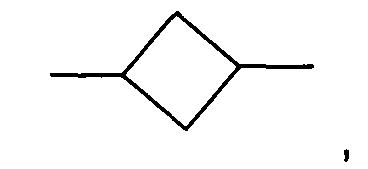
- the object is achieved by a liquid-crystalline medium comprising the compound of the formula (I)
- the liquid-crystalline medium according to the invention contains 1 to 30% by weight, preferably 2 to 20% by weight and particularly preferably 3 to 30% by weight of the compound of the formula (I).
- At least one of the groups Z 1 or Z 2 is a single bond, preferably both groups Z 1 and Z 2 are a single bond.
- R, R 1 and R 2 in the general formulas (II), (III), (IV), (V) and (VI) can independently of one another be an alkyl radical and / or an alkoxy radical having 1-15 carbon atoms, the can be straight or branched.
- It is preferably straight-chain, has 2, 3, 4, 5, 6 or 7 carbon atoms and is therefore preferably methyl, ethyl, propyl, butyl, pentyl, hexyl, heptyl, methoxy, ethoxy, propoxy, butoxy, pentoxy, hexoxy or Heptoxy, also octyl, nonyl, decyl, undecyl, dodecyl, tridecyl, tetradecyl, pentadecyl, octoxy, nonoxy, decoxy, undecoxy, dodecoxy, tridecoxy or tetradecoxy.
- R, R 1 and R 2 can be an alkenyl radical with 2-15 C atoms, which can be straight-chain or branched. It is preferably straight-chain and has 2 to 10 carbon atoms. Accordingly, it is in particular vinyl, prop-1-, or prop-2-enyl, but-1-, 2- or but-3-enyl, pent-1-, 2-, 3- or pent-4-enyl, hex -1-, 2-, 3-, 4- or hex-5-enyl, hept-1-, 2-, 3-, 4-, 5- or hept-6-enyl, oct-1-, 2-, 3-, 4-, 5-, 6- or oct-7-enyl, non-1-, 2-, 3-, 4-, 5-, 6-, 7- or non-8-enyl, Dec-1 -, 2-, 3-, 4-, 5-, 6-, 7-, 8- or Dec-9-enyl.
- R, R 1 and R 2 can be an alkyl radical with 3-15 C atoms, preferably with 3-7 C atoms, in which one CH 2 group is replaced by -O- and one by -CO-, where these are preferably adjacent.
- this contains an acyloxy group -CO-O- or an oxycarbonyl group -O-CO-. This is preferably straight-chain and has 2 to 6 carbon atoms.
- R, R 1 and R 2 can be an alkyl radical with 1-15 C-atoms, which is simply substituted by -CN or -CF 3, or an alkenyl radical with 2-15 C-atoms, these preferably being straight-chain.
- the substitution by CN or CF 3 is in any position.
- R, R 1 and R 2 can be an at least monosubstituted alkyl radical having 1 to 15 carbon atoms or an alkenyl radical having 2 to 15 carbon atoms, these radicals preferably being straight-chain and halogen preferably being F or Cl. In the case of multiple substitution, halogen is preferably F.
- the resulting residues also include perfluorinated residues. In the case of single substitution, the fluorine or chlorine substituent can be in any position, preferably in the ⁇ position.
- R, R 1 and R 2 can be an alkyl radical in which two or more CH2 groups have been replaced by -O- and / or -CO-O-, which can be straight-chain or branched. It is preferably branched and has 3 to 12 carbon atoms.
- bis-carboxy-methyl 2,2-bis-carboxy-ethyl, 3,3-bis-carboxy-propyl, 4,4-bis-carboxy-butyl, 5,5-bis-carboxy-pentyl, 6,6- Bis-carboxy-hexyl, 7,7-bis-carboxy-heptyl, 8,8-bis-carboxy-octyl, 9,9-bis-carboxy-nonyl, 10,10-bis-carboxy-decyl, bis (methoxycarbonyl) - methyl, 2,2-bis (methoxycarbonyl) ethyl, 3,3-bis (methoxycarbonyl) propyl, 4,4-bis (methoxycarbonyl) butyl, 5,5-bis (methoxycarbonyl) pentyl, 6 , 6-bis (methoxycarbonyl) hexyl, 7,7-bis (methoxycarbonyl) heptyl, 8,8
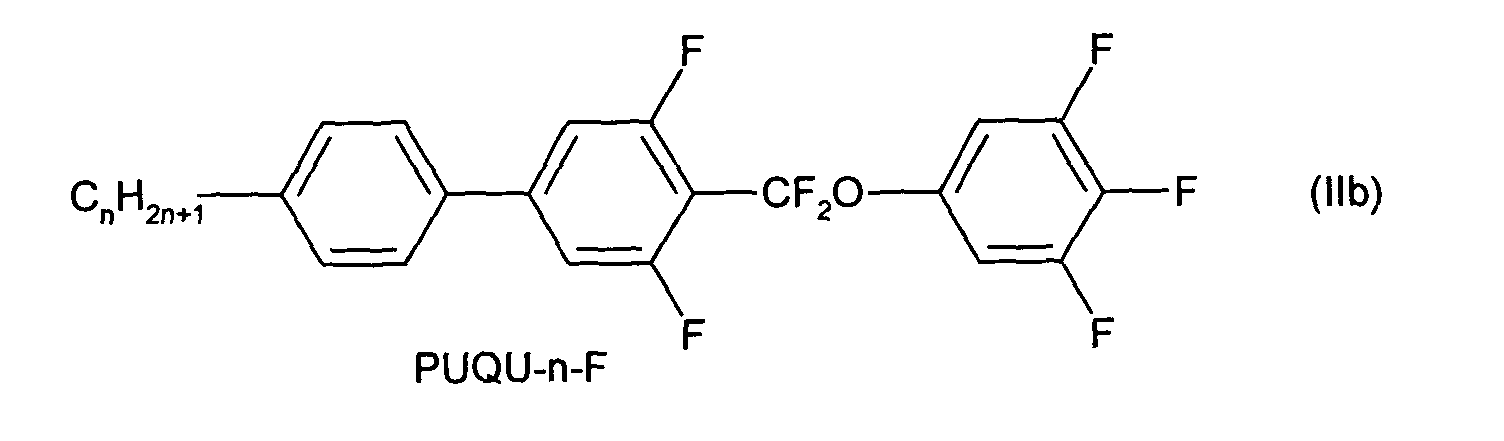
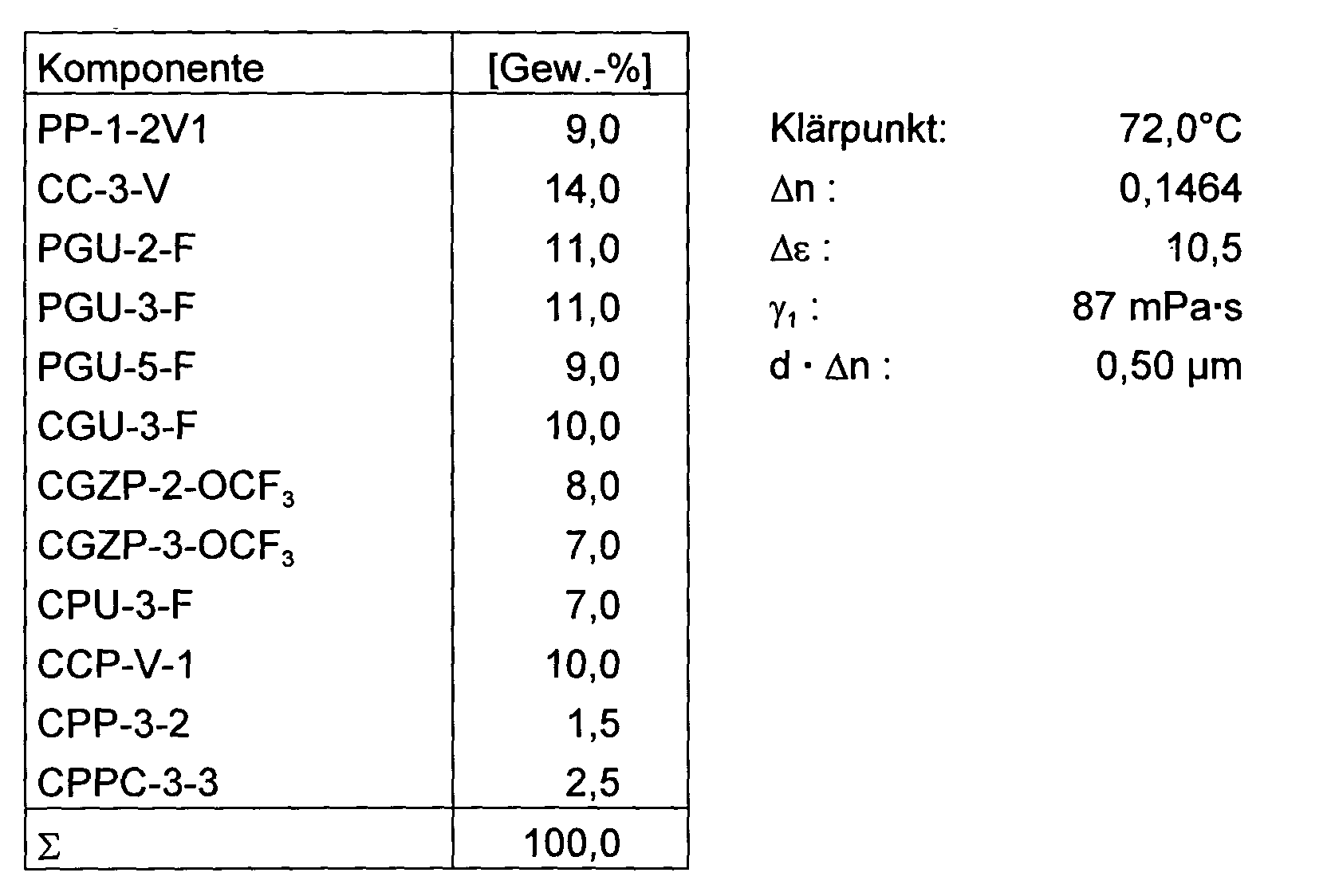
- Examples are PGU-2-F, PGU-3-F, PGU-5-F, PUQU-1-F, PUQU-2-F, PUQU-3-F and PUQU-5-F.
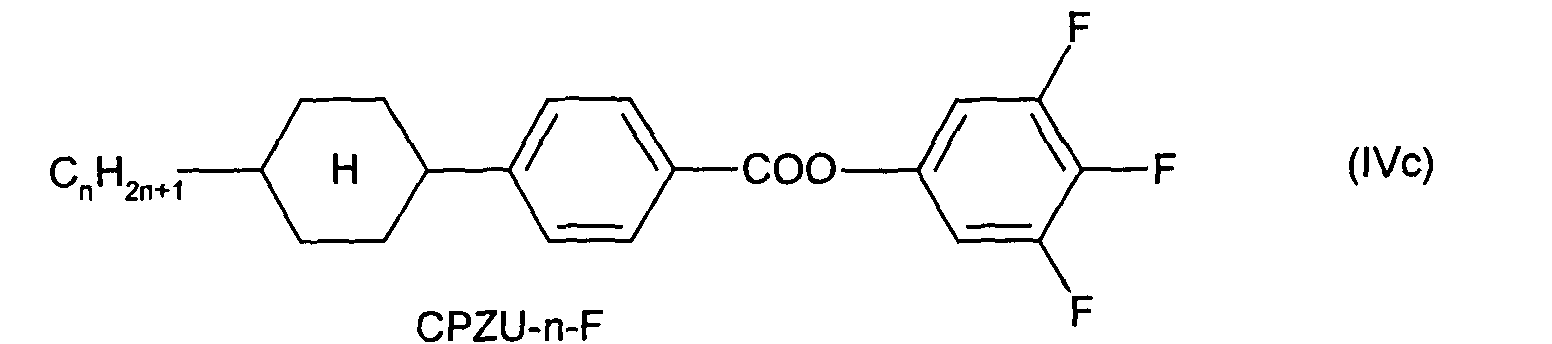
- Examples are CGZP-2-OCF 3 , CGZP-3-OCF 3 , CGU-2-F, CGU-3-F, CGU-5-F, CPU-1-F, CPU-2-F and CPU-3- F.
- Component d) preferably consists of at least 50% by weight, in particular at least 80% by weight of one or more compounds of the general formulas (Va), (VIa) and / or (VIb).
- a suitable further liquid-crystalline compound is, for example CPPC-n-m.
- the liquid-crystalline medium contains a) 3 to 10% by weight Compounds of the formula (I), b) 25 to 40% by weight Compounds of the general formula (II) c) 30 to 45% by weight Compounds of the general formulas (III) and / or (IV) d) 18 to 30% by weight Compounds of the general formulas (V) and / or (VI), and e) 0 to 10% by weight further liquid crystalline compounds.
- the invention also relates to electro-optical displays, such as STN or MLC displays, especially IPS displays, with two plane-parallel ones Integrated support plates that form a cell with a border non-linear elements for switching individual pixels on the carrier plates and a nematic liquid crystal mixture in the cell with positive dielectric anisotropy and high specific Resistance containing the liquid-crystalline media according to the invention, and the use of this media for electro-optical displays.
- electro-optical displays such as STN or MLC displays, especially IPS displays, with two plane-parallel ones Integrated support plates that form a cell with a border non-linear elements for switching individual pixels on the carrier plates and a nematic liquid crystal mixture in the cell with positive dielectric anisotropy and high specific Resistance containing the liquid-crystalline media according to the invention, and the use of this media for electro-optical displays.
- liquid crystal mixtures according to the invention enable an important one Extension of the available parameter space.
- the structure of the STN or MFK display according to the invention from polarizers, Electrode base plates and electrodes with surface treatment corresponds to the usual design for such displays.
- the concept of the usual design is broad and includes all modifications and modifications of the MFK display, in particular also Matrix display elements based on poly-Si TFT or MIM displays and IPS displays.
- the preparation of the liquid crystal mixtures which can be used according to the invention takes place in a conventional manner. Usually the one you want Quantity of components used in smaller quantities in the components that make up the main constituent, more expedient Way at elevated temperature. It is also possible to find solutions to the Components in an organic solvent, e.g. in acetone, chloroform or methanol to mix and the solvent after mixing to remove again, for example by distillation. Farther it is possible to mix the mixtures in other conventional ways, e.g. B. by Uses of premixes, e.g. Homolog mixtures or to produce using so-called "multi-bottle" systems.
- an organic solvent e.g. in acetone, chloroform or methanol
- the Dielektra can also further, known to those skilled in the art Literature contains additives described.
- additives described 0-15 % By weight, preferably 0-10% by weight, of pleochroic dyes and / or chiral dopants can be added.
- the individual added Compounds are preferred in a concentration of 0.01 to 6% by weight from 0.1 to 3% by weight.
- concentration information the remaining components of the liquid crystal mixtures, that is the liquid crystalline or mesogenic compounds, without consideration the concentration of these additives.
- the voltage holding ratio after UV exposure was measured as follows: A VHR test cell filled with the mixture in question is run in a "Suntest" device from Xenotest at a maximum irradiance of 765 W / m 2 using a UV special glass filter for simulation Irradiated "outdoors" for 2 hours. The distance from the lamp axis to the sample is approx. 23 cm. The VHR is then measured.
Landscapes
- Chemical & Material Sciences (AREA)
- Crystallography & Structural Chemistry (AREA)
- Engineering & Computer Science (AREA)
- Materials Engineering (AREA)
- Organic Chemistry (AREA)
- Liquid Crystal Substances (AREA)
Abstract
Description
- insbesondere zu tiefen Temperaturen erweiterter nematischer Phasenbereich und geringe Temperaturabhängigkeit der Viskosität für Einsatz der Displays auch bei tiefen Temperaturen;
- hohe Beständigkeit gegenüber UV-Strahlung für eine lange Lebensdauer der Displays;
- hohe positive dielektrische Anisotropie Δε für niedrige Schwellenspannung Vth;
- geringe Rotationsviskosität γ1 für kurze Schaltzeiten.




- Z1, Z2
- unabhängig voneinander eine Einfachbindung, -CH2-CH2-, -CF2CF2-, -COO- oder -CF2O- bedeuten,
- X
- F, Cl, -OCF3 oder -OCF2CF3, bevorzugt F oder -OCF3, bedeutet, und
- R
- H oder einen unsubstituierten oder einen einfach durch
-CN oder -CF3 oder einen mindestens einfach durch
Halogen substituierten Alkyl- oder Alkenylrest mit 1 bis
15 bzw. 2 bis 15 C-Atomen bedeutet, wobei in diesen
Resten eine oder mehrere -CH2-Gruppen jeweils unabhängig
voneinander durch -O-, -S-,
-CO-, -COO-, -OCO- oder -OCOO- so ersetzt sein können, dass O-Atome nicht direkt miteinander verknüpft sind,














| a) | 3 bis 10 Gew.-% | Verbindungen der Formel (I), |
| b) | 25 bis 40 Gew.-% | Verbindungen der allgemeinen Formel (II) |
| c) | 30 bis 45 Gew.-% | Verbindungen der allgemeinen Formeln (III) und/oder (IV) |
| d) | 18 bis 30 Gew.-% | Verbindungen der allgemeinen Formeln (V) und/oder (VI), und |
| e) | 0 bis 10 Gew.-% | weiterer flüssigkristalliner Verbindungen. |
- Temperatur des smektisch-nematischen Phasenübergangs S → N [°C];
- der Klärpunkt [°C];
- die optische Anisotropie Δn bei 589 nm und 20°C;
- die Rotationsviskosität γ1 bei 20°C [mPa.s];
- die Spannungen für 10 %, 50 % und 90 % Transmission V10, V50 bzw. V90 in Blickrichtung senkrecht zur Plattenoberfläche bei 20°C [V];
- die dielektrische Anisotropie Δε bei 1 kHz und 20°C
- anfängliche Voltage Holding Ratio VHR [dimensionslos]
- Voltage Holding Ratio nach UV-Belastung VHRUV [dimensionslos]



Claims (14)
- Flüssigkristallines Medium enthaltend die Verbindung der Formel (I)

- Flüssigkristallines Medium nach Anspruch 1, enthaltend 1 bis 30 Gew.-%, bevorzugt 2 bis 20 Gew.-%, besonders bevorzugt 3 bis 10 Gew.-% der Verbindung der Formel (I).
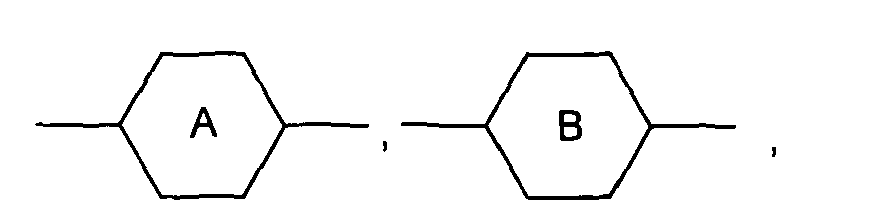
- Flüssigkristallines Medium nach Anspruch 1 oder 2 enthaltenda) 3 bis 10 Gew.-% Verbindungen der Formel (I),b) 10 bis 50 Gew.-% einer oder mehrerer Verbindungen der allgemeinen Formel (II)worin
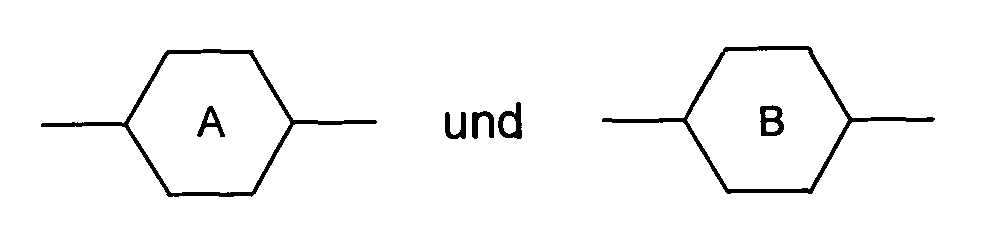
 unabhängig voneinander
 oder
oder bedeuten,
- Z1, Z2
- unabhängig voneinander eine Einfachbindung, -CH2-CH2-, CF2CF2, -COO- oder -CF2O- bedeuten,
- X
- F, Cl, -OCF3 oder -OCF2CF3, bevorzugt F oder -OCF3, bedeutet, und
- R
- H oder einen unsubstituierten oder einen einfach
durch -CN oder -CF3 oder einen mindestens einfach
durch Halogen substituierten Alkyl- oder Alkenylrest
mit 1 bis 15 bzw. 2 bis 15 C-Atomen bedeutet,
wobei in diesen Resten eine oder mehrere
-CH2-Gruppen jeweils unabhängig voneinander
durch -O-, -S-,
-CO-, -COO-, -OCO- oder -OCOO- so ersetzt sein können, dass O-Atome nicht direkt miteinander verknüpft sind,

c) 10 bis 50 Gew.-% einer oder mehrerer Verbindungen der allgemeinen Formel (III), und/oder (IV) worin
worin R und X wie oben definiert sind, R1 und R2 unabhängig voneinander die Bedeutungen von R haben und Z die Bedeutungen von Z1 hat,
 d) 10 bis 40 Gew.-% einer oder mehrerer Verbindungen der allgemeinen Formeln (V) und/oder (VI)
 worin R1 und R2 wie oben definiert sind, und
 e) 0 bis 15 Gew.-% einer oder mehrerer weiterer flüssigkristalliner Verbindungen.
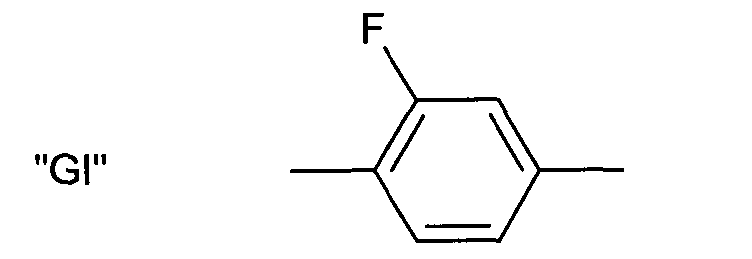
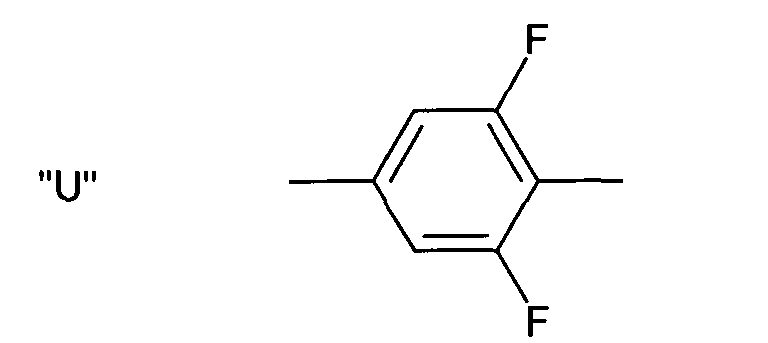
 - Flüssigkristallines Medium nach Anspruch 3, dadurch gekennzeichnet, das in der allgemeinen Formel (II)unabhängig voneinander
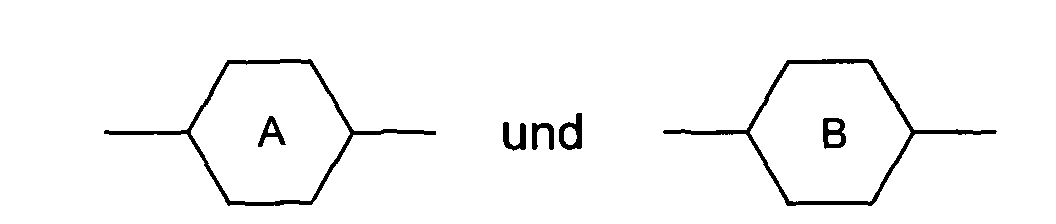 bedeuten.
- Flüssigkristallines Medium nach Anspruch 3 oder 4, dadurch gekennzeichnet, dass in der allgemeinen Formel (II) mindestens eine der Gruppen Z1 oder Z2, bevorzugt beide Gruppen Z1 oder Z2 eine Einfachbindung sind.
- Flüssigkristallines Medium nach einem der Ansprüche 1 bis 5 enthaltend eine oder mehrere Verbindungen der allgemeinen Formeln (lla) und/oder (IIb)
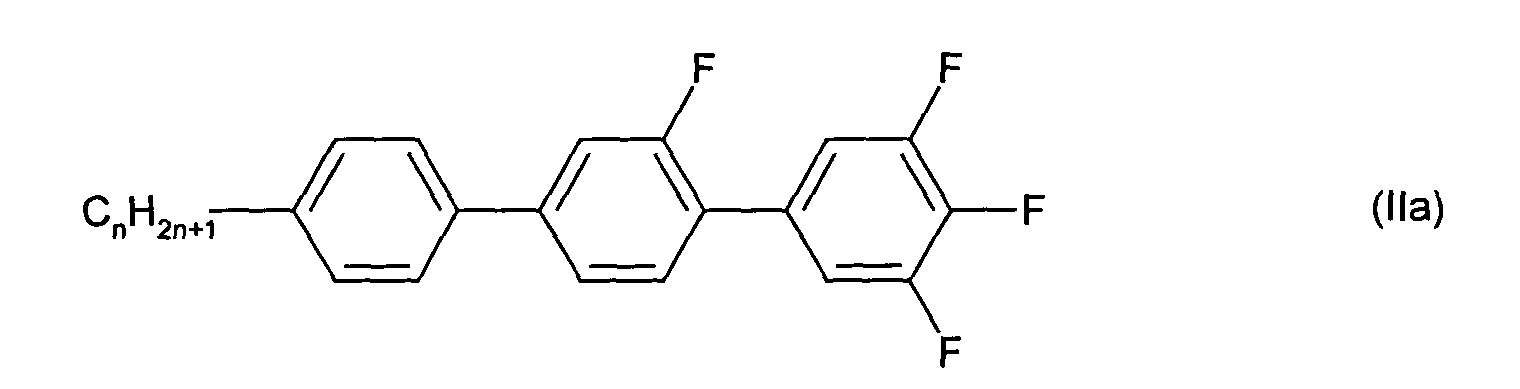 mit n = 1 bis 7.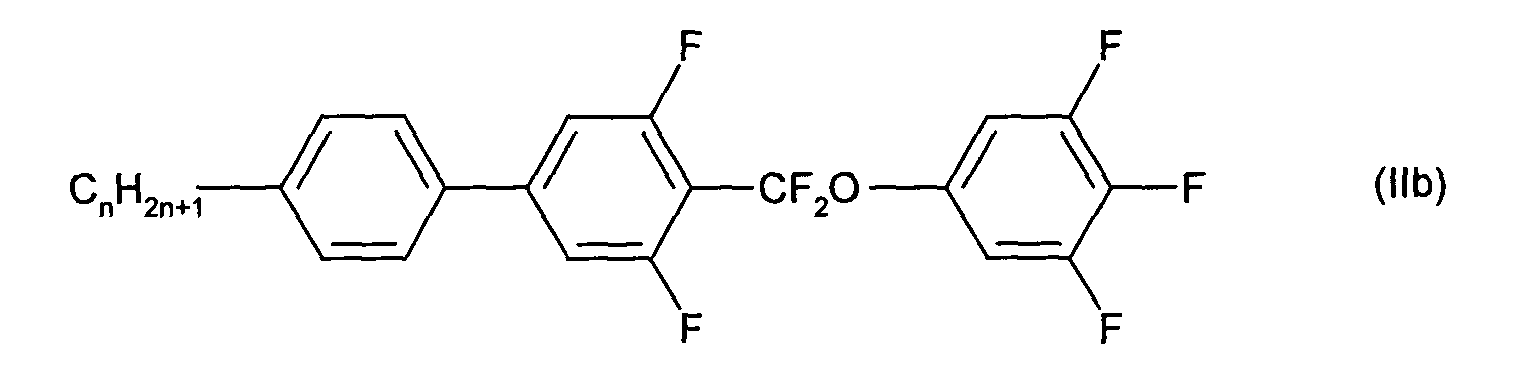
- Flüssigkristallines Medium nach einem der Ansprüche 1 bis 6 enthaltend eine oder mehrere Verbindungen der allgemeinen Formeln (IVa) bis (IVd)
 mit n = 1 bis 7.
- Flüssigkristallines Medium nach einem der Ansprüche 1 bis 7, enthaltend eine oder mehrere Verbindungen der allgemeinen Formeln (Va) und/oder (VIa)

 mit n, m = 1 bis 7.
- Flüssigkristallines Medium nach einem der Ansprüche 3 bis 8 enthaltend
a) 3 bis 10 Gew.-% Verbindungen der Formel (I), b) 25 bis 40 Gew.-% Verbindungen der allgemeinen Formel (II) c) 30 bis 45 Gew.-% Verbindungen der allgemeinen Formeln (III) und/oder (IV) d) 18 bis 30 Gew.-% Verbindungen der allgemeinen Formeln (V) und/oder (VI), und e) 0 bis 10 Gew.-% weiterer flüssigkristalliner Verbindungen. - Flüssigkristallines Medium nach einem der Ansprüche 1 bis 9, wobei die Komponente b) zu mindestens 50 Gew.-%, bevorzugt zu mindestens 80 Gew.-% aus einer oder mehreren Verbindungen der allgemeinen Formeln (lla) und/oder (IIb) besteht.
- Flüssigkristallines Medium nach Anspruch 10, wobei die Komponente b) zu mindestens 50 Gew.-%, bevorzugt zu mindestens 80 Gew.-% aus einer oder mehreren Verbindungen der allgemeinen Formel (lla) besteht.
- Flüssigkristallines Medium nach einem der Ansprüche 3 bis 11, wobei die Komponente c) zu mindestens 50 Gew.-%, bevorzugt zu mindestens 80 Gew.-% aus einer oder mehreren Verbindungen der allgemeinen Formeln (IVa) bis (IVd) besteht.
- Flüssigkristallines Medium nach einem der Ansprüche 3 bis12, wobei die Komponente d) zu mindestens 50 Gew.-%, bevorzugt zu mindestens 80 Gew.-% aus einer oder mehreren Verbindungen der allgemeinen Formeln (Va), (VIa) und/oder (VIb) besteht.
- Elektrooptisches Anzeigenelement, enthaltend ein flüssigkristallines Medium nach einem der Ansprüche 1 bis 13.
Applications Claiming Priority (2)
| Application Number | Priority Date | Filing Date | Title |
|---|---|---|---|
| DE10204607 | 2002-02-05 | ||
| DE10204607A DE10204607A1 (de) | 2002-02-05 | 2002-02-05 | Flüssigkristallines Medium mit hoher Doppelbrechung und verbesserter UV-Stabilität |
Publications (2)
| Publication Number | Publication Date |
|---|---|
| EP1333082A1 true EP1333082A1 (de) | 2003-08-06 |
| EP1333082B1 EP1333082B1 (de) | 2005-11-09 |
Family
ID=7713694
Family Applications (1)
| Application Number | Title | Priority Date | Filing Date |
|---|---|---|---|
| EP03002196A Expired - Lifetime EP1333082B1 (de) | 2002-02-05 | 2003-02-04 | Flüssigkristallines Medium mit hoher Doppelbrechung und verbesserter UV-Stabilität |
Country Status (7)
| Country | Link |
|---|---|
| US (1) | US6808764B2 (de) |
| EP (1) | EP1333082B1 (de) |
| JP (1) | JP4538194B2 (de) |
| KR (1) | KR100973384B1 (de) |
| AT (1) | ATE309313T1 (de) |
| DE (2) | DE10204607A1 (de) |
| TW (1) | TWI265969B (de) |
Cited By (4)
| Publication number | Priority date | Publication date | Assignee | Title |
|---|---|---|---|---|
| EP1551937B1 (de) * | 2002-10-15 | 2007-07-11 | MERCK PATENT GmbH | Photostabiles flüssigkristallines medium |
| WO2011082742A1 (de) * | 2009-12-21 | 2011-07-14 | Merck Patent Gmbh | Flüssigkristallines medium und flüssigkristallanzeige |
| WO2011098214A1 (de) * | 2010-02-15 | 2011-08-18 | Merck Patent Gmbh | Flüssigkristallines medium |
| WO2012052100A1 (en) * | 2010-10-20 | 2012-04-26 | Merck Patent Gmbh | Switch element comprising a liquid-crystalline medium |
Families Citing this family (17)
| Publication number | Priority date | Publication date | Assignee | Title |
|---|---|---|---|---|
| DE19947954A1 (de) * | 1999-10-06 | 2001-04-12 | Merck Patent Gmbh | Flüssigkristalline Phenolester |
| DE10229828B4 (de) * | 2001-07-31 | 2011-12-01 | Merck Patent Gmbh | Flüssigkristallines Medium und seine Verwendung |
| DE10150198A1 (de) * | 2001-10-12 | 2003-04-24 | Merck Patent Gmbh | Flüssigkristallines Medium |
| DE102004015200B4 (de) * | 2003-04-23 | 2013-01-03 | Merck Patent Gmbh | Flüssigkristallines Medium und seine Verwendung |
| ATE417910T1 (de) * | 2005-05-25 | 2009-01-15 | Merck Patent Gmbh | Flüssigkristallines medium und flüssigkristallanzeige |
| JP5240487B2 (ja) * | 2005-10-31 | 2013-07-17 | Dic株式会社 | ネマチック液晶組成物 |
| KR101572257B1 (ko) * | 2006-08-25 | 2015-11-26 | 메르크 파텐트 게엠베하 | 액정 매질 |
| JP5622056B2 (ja) * | 2012-09-27 | 2014-11-12 | Dic株式会社 | ネマチック液晶組成物 |
| JP5622058B2 (ja) * | 2012-09-27 | 2014-11-12 | Dic株式会社 | ネマチック液晶組成物 |
| JP5622057B2 (ja) * | 2012-09-27 | 2014-11-12 | Dic株式会社 | ネマチック液晶組成物 |
| TWI464242B (zh) | 2012-10-26 | 2014-12-11 | Ind Tech Res Inst | 負介電異方性液晶化合物、液晶顯示器、與光電裝置 |
| JP5817890B2 (ja) * | 2014-06-19 | 2015-11-18 | Dic株式会社 | ネマチック液晶組成物 |
| US10253258B2 (en) | 2014-07-31 | 2019-04-09 | Dic Corporation | Nematic liquid crystal composition |
| JP6083424B2 (ja) * | 2014-10-03 | 2017-02-22 | Dic株式会社 | ネマチック液晶組成物 |
| US20170306230A1 (en) * | 2014-10-31 | 2017-10-26 | Merck Patent Gmbh | Liquid-crystalline medium and high-frequency components comprising same |
| JP2016102222A (ja) * | 2016-02-24 | 2016-06-02 | Dic株式会社 | ネマチック液晶組成物 |
| JP2018035371A (ja) * | 2017-11-13 | 2018-03-08 | Dic株式会社 | ネマチック液晶組成物 |
Citations (6)
| Publication number | Priority date | Publication date | Assignee | Title |
|---|---|---|---|---|
| DE19919348A1 (de) * | 1998-04-30 | 1999-11-04 | Merck Patent Gmbh | Flüssigkristallines Medium |
| DE10020061A1 (de) * | 1999-05-04 | 2000-12-07 | Merck Patent Gmbh | STN-Flüssigkristallanzeige |
| WO2001079379A1 (de) * | 2000-04-17 | 2001-10-25 | Merck Patent Gmbh | Flüssigkristallines medium mit niedriger schwellenspannung |
| DE10218975A1 (de) * | 2001-06-12 | 2002-12-19 | Merck Patent Gmbh | 4-Alk-3-enyl-biphenyl-Derivate |
| DE10224046A1 (de) * | 2001-06-26 | 2003-01-02 | Merck Patent Gmbh | Flüssigkristallines Medium |
| DE10229828A1 (de) * | 2001-07-31 | 2003-02-13 | Merck Patent Gmbh | Flüssigkristallines Medium |
Family Cites Families (3)
| Publication number | Priority date | Publication date | Assignee | Title |
|---|---|---|---|---|
| JP4003242B2 (ja) * | 1995-11-29 | 2007-11-07 | 大日本インキ化学工業株式会社 | 新規液晶化合物、ネマチック液晶組成物及びこれを用いた液晶表示装置 |
| DE19961015B4 (de) | 1998-12-22 | 2008-06-19 | Merck Patent Gmbh | Flüssigkristallines Medium |
| DE10216197B4 (de) * | 2002-04-12 | 2013-02-07 | Merck Patent Gmbh | Flüssigkristallmedium und und seine Verwendung in einer elektrooptischen Anzeige |
-
2002
- 2002-02-05 DE DE10204607A patent/DE10204607A1/de not_active Withdrawn
-
2003
- 2003-01-22 TW TW092101375A patent/TWI265969B/zh not_active IP Right Cessation
- 2003-02-04 KR KR1020030006698A patent/KR100973384B1/ko not_active Expired - Lifetime
- 2003-02-04 EP EP03002196A patent/EP1333082B1/de not_active Expired - Lifetime
- 2003-02-04 DE DE50301580T patent/DE50301580D1/de not_active Expired - Lifetime
- 2003-02-04 AT AT03002196T patent/ATE309313T1/de not_active IP Right Cessation
- 2003-02-05 US US10/358,400 patent/US6808764B2/en not_active Expired - Lifetime
- 2003-02-05 JP JP2003028084A patent/JP4538194B2/ja not_active Expired - Lifetime
Patent Citations (6)
| Publication number | Priority date | Publication date | Assignee | Title |
|---|---|---|---|---|
| DE19919348A1 (de) * | 1998-04-30 | 1999-11-04 | Merck Patent Gmbh | Flüssigkristallines Medium |
| DE10020061A1 (de) * | 1999-05-04 | 2000-12-07 | Merck Patent Gmbh | STN-Flüssigkristallanzeige |
| WO2001079379A1 (de) * | 2000-04-17 | 2001-10-25 | Merck Patent Gmbh | Flüssigkristallines medium mit niedriger schwellenspannung |
| DE10218975A1 (de) * | 2001-06-12 | 2002-12-19 | Merck Patent Gmbh | 4-Alk-3-enyl-biphenyl-Derivate |
| DE10224046A1 (de) * | 2001-06-26 | 2003-01-02 | Merck Patent Gmbh | Flüssigkristallines Medium |
| DE10229828A1 (de) * | 2001-07-31 | 2003-02-13 | Merck Patent Gmbh | Flüssigkristallines Medium |
Cited By (10)
| Publication number | Priority date | Publication date | Assignee | Title |
|---|---|---|---|---|
| EP1551937B1 (de) * | 2002-10-15 | 2007-07-11 | MERCK PATENT GmbH | Photostabiles flüssigkristallines medium |
| WO2011082742A1 (de) * | 2009-12-21 | 2011-07-14 | Merck Patent Gmbh | Flüssigkristallines medium und flüssigkristallanzeige |
| CN102666784A (zh) * | 2009-12-21 | 2012-09-12 | 默克专利股份有限公司 | 液晶介质和液晶显示器 |
| EP2889357A1 (de) * | 2009-12-21 | 2015-07-01 | Merck Patent GmbH | Flüssigkristallines medium und flüssigkristallanzeige |
| CN102666784B (zh) * | 2009-12-21 | 2015-09-09 | 默克专利股份有限公司 | 液晶介质和液晶显示器 |
| US9212309B2 (en) | 2009-12-21 | 2015-12-15 | Merck Patent Gmbh | Liquid crystalline medium and liquid crystalline display |
| WO2011098214A1 (de) * | 2010-02-15 | 2011-08-18 | Merck Patent Gmbh | Flüssigkristallines medium |
| US8821757B2 (en) | 2010-02-15 | 2014-09-02 | Merck Patent Gmbh | Liquid-crystalline medium |
| WO2012052100A1 (en) * | 2010-10-20 | 2012-04-26 | Merck Patent Gmbh | Switch element comprising a liquid-crystalline medium |
| US9238775B2 (en) | 2010-10-20 | 2016-01-19 | Merck Patent Gmbh | Switch element comprising a liquid-crystalline medium |
Also Published As
| Publication number | Publication date |
|---|---|
| JP2003261873A (ja) | 2003-09-19 |
| JP4538194B2 (ja) | 2010-09-08 |
| DE50301580D1 (de) | 2005-12-15 |
| KR20030066443A (ko) | 2003-08-09 |
| US20030228426A1 (en) | 2003-12-11 |
| ATE309313T1 (de) | 2005-11-15 |
| US6808764B2 (en) | 2004-10-26 |
| KR100973384B1 (ko) | 2010-07-30 |
| TWI265969B (en) | 2006-11-11 |
| TW200302864A (en) | 2003-08-16 |
| DE10204607A1 (de) | 2003-08-07 |
| EP1333082B1 (de) | 2005-11-09 |
Similar Documents
| Publication | Publication Date | Title |
|---|---|---|
| EP1756247B1 (de) | Flüssigkristallines medium | |
| EP1333082B1 (de) | Flüssigkristallines Medium mit hoher Doppelbrechung und verbesserter UV-Stabilität | |
| DE19919348B4 (de) | Flüssigkristallines Medium | |
| EP2229427B1 (de) | Flüssigkristallines medium | |
| EP1658353B1 (de) | Flüssigkristallines medium | |
| DE102004030315A1 (de) | Flüssigkristallines Medium | |
| WO2004035710A1 (de) | Photostabiles flüssigkristallines medium | |
| DE19859421A1 (de) | Flüssigkristallines Medium | |
| DE102006023898A1 (de) | Flüssigkristallines Medium und Flüssigkristallanzeige mit 1,2-Difluorethenverbindungen | |
| DE10344474B4 (de) | Flüssigkristallines Medium und seine Verwendung | |
| DE102004012970A1 (de) | Flüssigkristallines Medium | |
| DE10223061A1 (de) | Flüssigkristallines Medium | |
| EP1335014A1 (de) | Flüssigkristallines Medium | |
| DE10118734B4 (de) | Flüssigkristallines Medium mit niedriger Schwellenspannung und seine Verwendung | |
| EP1756248A1 (de) | Flüssigkristallines medium | |
| EP1629064A1 (de) | Flüssigkristallines medium | |
| WO2002046329A1 (de) | Flüssigkristallines medium | |
| DE102005027762A1 (de) | Flüssigkristallines Medium | |
| DE10002462B4 (de) | Flüssigkristallines Medium und seine Verwendung | |
| DE19961015A1 (de) | Flüssigkristallines Medium | |
| DE19959723A1 (de) | Flüssigkristallines Medium | |
| DE10008712B4 (de) | Flüssigkristallines Medium und seine Verwendung | |
| DE19650635B4 (de) | Flüssigkristallines Medium und seine Verwendung | |
| DE10340534B4 (de) | Flüssigkristallines Medium und seine Verwendung | |
| DE10004636A1 (de) | Flüssigkristallines Medium |
Legal Events
| Date | Code | Title | Description |
|---|---|---|---|
| PUAI | Public reference made under article 153(3) epc to a published international application that has entered the european phase |
Free format text: ORIGINAL CODE: 0009012 |
|
| AK | Designated contracting states |
Designated state(s): AT BE BG CH CY CZ DE DK EE ES FI FR GB GR HU IE IT LI LU MC NL PT SE SI SK TR |
|
| AX | Request for extension of the european patent |
Extension state: AL LT LV MK RO |
|
| 17P | Request for examination filed |
Effective date: 20040204 |
|
| AKX | Designation fees paid |
Designated state(s): AT BE BG CH CY CZ DE DK EE ES FI FR GB GR HU IE IT LI LU MC NL PT SE SI SK TR |
|
| GRAP | Despatch of communication of intention to grant a patent |
Free format text: ORIGINAL CODE: EPIDOSNIGR1 |
|
| GRAS | Grant fee paid |
Free format text: ORIGINAL CODE: EPIDOSNIGR3 |
|
| GRAA | (expected) grant |
Free format text: ORIGINAL CODE: 0009210 |
|
| AK | Designated contracting states |
Kind code of ref document: B1 Designated state(s): AT BE BG CH CY CZ DE DK EE ES FI FR GB GR HU IE IT LI LU MC NL PT SE SI SK TR |
|
| PG25 | Lapsed in a contracting state [announced via postgrant information from national office to epo] |
Ref country code: IT Free format text: LAPSE BECAUSE OF FAILURE TO SUBMIT A TRANSLATION OF THE DESCRIPTION OR TO PAY THE FEE WITHIN THE PRESCRIBED TIME-LIMIT;WARNING: LAPSES OF ITALIAN PATENTS WITH EFFECTIVE DATE BEFORE 2007 MAY HAVE OCCURRED AT ANY TIME BEFORE 2007. THE CORRECT EFFECTIVE DATE MAY BE DIFFERENT FROM THE ONE RECORDED. Effective date: 20051109 Ref country code: CZ Free format text: LAPSE BECAUSE OF FAILURE TO SUBMIT A TRANSLATION OF THE DESCRIPTION OR TO PAY THE FEE WITHIN THE PRESCRIBED TIME-LIMIT Effective date: 20051109 Ref country code: SK Free format text: LAPSE BECAUSE OF FAILURE TO SUBMIT A TRANSLATION OF THE DESCRIPTION OR TO PAY THE FEE WITHIN THE PRESCRIBED TIME-LIMIT Effective date: 20051109 Ref country code: SI Free format text: LAPSE BECAUSE OF FAILURE TO SUBMIT A TRANSLATION OF THE DESCRIPTION OR TO PAY THE FEE WITHIN THE PRESCRIBED TIME-LIMIT Effective date: 20051109 Ref country code: IE Free format text: LAPSE BECAUSE OF FAILURE TO SUBMIT A TRANSLATION OF THE DESCRIPTION OR TO PAY THE FEE WITHIN THE PRESCRIBED TIME-LIMIT Effective date: 20051109 Ref country code: FI Free format text: LAPSE BECAUSE OF FAILURE TO SUBMIT A TRANSLATION OF THE DESCRIPTION OR TO PAY THE FEE WITHIN THE PRESCRIBED TIME-LIMIT Effective date: 20051109 Ref country code: NL Free format text: LAPSE BECAUSE OF FAILURE TO SUBMIT A TRANSLATION OF THE DESCRIPTION OR TO PAY THE FEE WITHIN THE PRESCRIBED TIME-LIMIT Effective date: 20051109 |
|
| REG | Reference to a national code |
Ref country code: GB Ref legal event code: FG4D Free format text: NOT ENGLISH |
|
| REG | Reference to a national code |
Ref country code: CH Ref legal event code: EP |
|
| REG | Reference to a national code |
Ref country code: IE Ref legal event code: FG4D Free format text: LANGUAGE OF EP DOCUMENT: GERMAN |
|
| REF | Corresponds to: |
Ref document number: 50301580 Country of ref document: DE Date of ref document: 20051215 Kind code of ref document: P |
|
| REG | Reference to a national code |
Ref country code: DE Ref legal event code: R096 Ref document number: 50301580 Country of ref document: DE Effective date: 20051215 |
|
| GBT | Gb: translation of ep patent filed (gb section 77(6)(a)/1977) |
Effective date: 20051201 |
|
| PG25 | Lapsed in a contracting state [announced via postgrant information from national office to epo] |
Ref country code: AT Free format text: LAPSE BECAUSE OF NON-PAYMENT OF DUE FEES Effective date: 20060204 |
|
| PG25 | Lapsed in a contracting state [announced via postgrant information from national office to epo] |
Ref country code: BG Free format text: LAPSE BECAUSE OF FAILURE TO SUBMIT A TRANSLATION OF THE DESCRIPTION OR TO PAY THE FEE WITHIN THE PRESCRIBED TIME-LIMIT Effective date: 20060209 Ref country code: SE Free format text: LAPSE BECAUSE OF FAILURE TO SUBMIT A TRANSLATION OF THE DESCRIPTION OR TO PAY THE FEE WITHIN THE PRESCRIBED TIME-LIMIT Effective date: 20060209 Ref country code: DK Free format text: LAPSE BECAUSE OF FAILURE TO SUBMIT A TRANSLATION OF THE DESCRIPTION OR TO PAY THE FEE WITHIN THE PRESCRIBED TIME-LIMIT Effective date: 20060209 Ref country code: GR Free format text: LAPSE BECAUSE OF FAILURE TO SUBMIT A TRANSLATION OF THE DESCRIPTION OR TO PAY THE FEE WITHIN THE PRESCRIBED TIME-LIMIT Effective date: 20060209 |
|
| PG25 | Lapsed in a contracting state [announced via postgrant information from national office to epo] |
Ref country code: ES Free format text: LAPSE BECAUSE OF FAILURE TO SUBMIT A TRANSLATION OF THE DESCRIPTION OR TO PAY THE FEE WITHIN THE PRESCRIBED TIME-LIMIT Effective date: 20060220 |
|
| PG25 | Lapsed in a contracting state [announced via postgrant information from national office to epo] |
Ref country code: LU Free format text: LAPSE BECAUSE OF NON-PAYMENT OF DUE FEES Effective date: 20060228 Ref country code: MC Free format text: LAPSE BECAUSE OF NON-PAYMENT OF DUE FEES Effective date: 20060228 Ref country code: BE Free format text: LAPSE BECAUSE OF NON-PAYMENT OF DUE FEES Effective date: 20060228 |
|
| PG25 | Lapsed in a contracting state [announced via postgrant information from national office to epo] |
Ref country code: PT Free format text: LAPSE BECAUSE OF FAILURE TO SUBMIT A TRANSLATION OF THE DESCRIPTION OR TO PAY THE FEE WITHIN THE PRESCRIBED TIME-LIMIT Effective date: 20060410 |
|
| NLV1 | Nl: lapsed or annulled due to failure to fulfill the requirements of art. 29p and 29m of the patents act | ||
| PG25 | Lapsed in a contracting state [announced via postgrant information from national office to epo] |
Ref country code: HU Free format text: LAPSE BECAUSE OF FAILURE TO SUBMIT A TRANSLATION OF THE DESCRIPTION OR TO PAY THE FEE WITHIN THE PRESCRIBED TIME-LIMIT Effective date: 20060510 |
|
| REG | Reference to a national code |
Ref country code: IE Ref legal event code: FD4D |
|
| PLBE | No opposition filed within time limit |
Free format text: ORIGINAL CODE: 0009261 |
|
| STAA | Information on the status of an ep patent application or granted ep patent |
Free format text: STATUS: NO OPPOSITION FILED WITHIN TIME LIMIT |
|
| 26N | No opposition filed |
Effective date: 20060810 |
|
| REG | Reference to a national code |
Ref country code: DE Ref legal event code: R097 Ref document number: 50301580 Country of ref document: DE Effective date: 20060810 |
|
| EN | Fr: translation not filed | ||
| PG25 | Lapsed in a contracting state [announced via postgrant information from national office to epo] |
Ref country code: FR Free format text: LAPSE BECAUSE OF FAILURE TO SUBMIT A TRANSLATION OF THE DESCRIPTION OR TO PAY THE FEE WITHIN THE PRESCRIBED TIME-LIMIT Effective date: 20061229 |
|
| PG25 | Lapsed in a contracting state [announced via postgrant information from national office to epo] |
Ref country code: LI Free format text: LAPSE BECAUSE OF NON-PAYMENT OF DUE FEES Effective date: 20070228 Ref country code: CH Free format text: LAPSE BECAUSE OF NON-PAYMENT OF DUE FEES Effective date: 20070228 |
|
| REG | Reference to a national code |
Ref country code: CH Ref legal event code: PL |
|
| BERE | Be: lapsed |
Owner name: MERCK PATENT G.M.B.H. Effective date: 20060228 |
|
| PG25 | Lapsed in a contracting state [announced via postgrant information from national office to epo] |
Ref country code: EE Free format text: LAPSE BECAUSE OF FAILURE TO SUBMIT A TRANSLATION OF THE DESCRIPTION OR TO PAY THE FEE WITHIN THE PRESCRIBED TIME-LIMIT Effective date: 20051109 |
|
| PG25 | Lapsed in a contracting state [announced via postgrant information from national office to epo] |
Ref country code: TR Free format text: LAPSE BECAUSE OF FAILURE TO SUBMIT A TRANSLATION OF THE DESCRIPTION OR TO PAY THE FEE WITHIN THE PRESCRIBED TIME-LIMIT Effective date: 20051109 |
|
| PG25 | Lapsed in a contracting state [announced via postgrant information from national office to epo] |
Ref country code: FR Free format text: LAPSE BECAUSE OF FAILURE TO SUBMIT A TRANSLATION OF THE DESCRIPTION OR TO PAY THE FEE WITHIN THE PRESCRIBED TIME-LIMIT Effective date: 20060228 |
|
| PG25 | Lapsed in a contracting state [announced via postgrant information from national office to epo] |
Ref country code: FR Free format text: LAPSE BECAUSE OF FAILURE TO SUBMIT A TRANSLATION OF THE DESCRIPTION OR TO PAY THE FEE WITHIN THE PRESCRIBED TIME-LIMIT Effective date: 20051109 Ref country code: CY Free format text: LAPSE BECAUSE OF FAILURE TO SUBMIT A TRANSLATION OF THE DESCRIPTION OR TO PAY THE FEE WITHIN THE PRESCRIBED TIME-LIMIT Effective date: 20051109 |
|
| PGFP | Annual fee paid to national office [announced via postgrant information from national office to epo] |
Ref country code: GB Payment date: 20190130 Year of fee payment: 17 |
|
| GBPC | Gb: european patent ceased through non-payment of renewal fee |
Effective date: 20200204 |
|
| PG25 | Lapsed in a contracting state [announced via postgrant information from national office to epo] |
Ref country code: GB Free format text: LAPSE BECAUSE OF NON-PAYMENT OF DUE FEES Effective date: 20200204 |
|
| PGFP | Annual fee paid to national office [announced via postgrant information from national office to epo] |
Ref country code: DE Payment date: 20211214 Year of fee payment: 20 |
|
| REG | Reference to a national code |
Ref country code: DE Ref legal event code: R071 Ref document number: 50301580 Country of ref document: DE |
|
| P01 | Opt-out of the competence of the unified patent court (upc) registered |
Effective date: 20230518 |