Field of the Invention
The present invention relates to a skin care agent
(or a skin-beautification promotor) which improves moisture
and tension of skin and promotes prevention and
amelioration of e.g. rough skin and fine wrinkles by orally
ingesting it, and a health and beauty care food containing
it.
Background of the Invention
Acidic mucopolysaccharides such as hyaluronic acid or
chondroitin sulfate have a high water retention, bond to
collagen which serves as a columnar intercellular
matrix substance and are mostly distributed in, for example ,
connective tissues, cartilaginous tissues and skin tissues,
thereby being useful for keeping functions and forms of
cells.
In the skin tissues, the acidic mucopolysaccharides,
collagen, etc. mostly exist in the corium layer and play a
large part in water retention and resilience of skin. It
is known that when the amounts thereof decrease due to
aging or the like, the water retention and resilience of
skin will be lost, thereby causing rough skin, fine
wrinkles, etc.
Accordingly, in order to prevent and ameliorate the
rough skin and fine wrinkles, it is important to maintain
the moisture and tension of skin. For this purpose,
cosmetics in which various components having effects for
maintaining the moisture retention and resilience of skin
are incorporated, are commercially available. As examples
of such components, the mucopolysaccharides such as
hyaluronic acid, chondroitin sulfate and collagen, low
molecular weight saccharides such as trehalose and
sorbitol, vitamins, amino acid derivatives, ceramide, α-orizanol,
and fats and oils such as refined camellia oil,
may be mentioned. In particular, due to recent developments,
highly safe components derived from natural substances are
likely to be regarded as more worthy.
Furthermore, many health and beauty care foods have been
developed which enhance the above-mentioned effects by oral
ingestion. For example, health and beauty care foods
comprising nucleic acids and mucopolysaccharides which
contain hyaluronic acid, chondroitin sulfate and collagen
(Japanese Unexamined Patent Publication No. 10-165138),
processed foods comprising as a main component a mixture of
at least two food materials of active oxygen elimination
factors, antiallergic factors, factors for improving e.g.
skin, and antioxidation factors (Japanese Unexamined Patent
Publication No. 10-70), foods comprising conchiolin or its
processed product (Japanese Unexamined Patent Publication
No. 8-173091), health foods comprising conjugated
mucopolysaccharide wherein a mucopolysaccharide and peptide
are bonded (Japanese Unexamined Patent Publication No. 9-98739),
and health foods containing ceramide (Japanese
Unexamined Patent Publication No. 11-113530), may be
mentioned.
On the other hand, N-acetylglucosamine is one of the
natural aminosugars obtainable by decomposing a high
molecular weight polysaccharide chitin contained in shells
of crustacea such as crab and shrimp or lobster, and is a
white crystalline powder having a good sweetness of about
half that of sugar absorbing less moisture. N-acetylglucosamine
is also contained in milk in a free state
in an amount of about 10 mg/100 ml, and exists universally
in living organisms as constituting units of sugar chains
of mucopolysaccharide, glycoprotein and glucolipide. N-acetylglucosamine
is usually produced from glucose as a
starting material by metabolism in living organisms, and
is one of the components of living organisms which is highly
safe for human beings. As physiological actions of N-acetylglucosamine,
amelioration of arthritis symptoms,
propagation-accelerating effect of Lactobacillus vifidus,
and the like, have been known.
However, since hyaluronic acid, chondroitin sulfate,
collagen and the like are high molecular weight compounds
and are hardly absorbed unless coated on the skin like
cosmetics, these components are used for the purpose of
improving the water retention of the skin surface when used
as cosmetics. Furthermore, this is true for most of the
above-mentioned other components. Furthermore, if the high
molecular weight compounds such as hyaluronic acid,
chondroitin sulfate and collagen, are orally ingested,
there are problems with digestion and absorption and their
effects are not necessarily satisfactory.
Summary of the Invention
Accordingly, it is an object of the present invention
to provide a skin care agent and a health and beauty care
food, which has an action such as the improvement of moisture
and tension of skin and prevention and amelioration of e.g.
rough skin and fine wrinkles by oral ingestion.
The present inventors have intensively studied how to
accomplish the above object, and as a result, have found
that N-acetylglucosamine orally ingested is rapidly
absorbed from the intestine and reaches the cutaneous layer,
and in the cutaneous layer, promotes biosynthesis of
mucopolysaccharides such as hyaluronic acid; and have
accomplished the present invention.
Namely, the present invention provides a skin care
agent comprising N-acetylglucosamine as a main component.
According to the present invention wherein N-acetylglucosamine
is incorporated into the skin care agent.
When it is ingested, most of the N-acetylglucosamine is
rapidly absorbed and a part thereof is utilized as a
starting material of mucopolysaccharides such as hyaluronic
acid or chondroitin sulfate, whereby the moisture and
tension of skin can be improved and the rough skin and fine
wrinkles can be prevented and ameliorated.
Brief Description of the Drawings
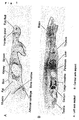
Fig.1 is a photograph showing the results of
autoradiography of rat to which radioactivity-labelled N-acetylglucosamine
is administered.
Fig.2 is a graph showing the tissue distribution of
radioactivity after administration of radioactivity-labelled
N-acetylglucosamine.
Description of the Preferred Embodiments
Hereinafter, the present invention will be described
in further detail with reference to preferred embodiments.
In the present invention, as N-acetylglucosamine
(hereinafter referred to as "NAG"), NAG obtainable by
hydrolysis of natural polysaccharide chitins derived from
shells of crustacea such as crab and shrimp or lobster with
an acid or an enzyme (natural-type NAG), or NAG obtainable
by acetylation by chemical synthesis of a D-glucosamine
chlorate which is obtainable by complete acidic hydrolysis
of chitin (chemically synthesized NAG), may be used.
For example, the above-mentioned natural-type NAG can
be obtained by methods disclosed in Japanese Patent No.
1822027, etc.
In the present invention, NAG is contained as an
active ingredient in the skin care agent in an amount of
preferably from 0.1 to 100 % by weight, more preferably
from 1 to 50 % by weight.
According to more preferred embodiments of the
present invention, the skin care agent should preferably
contain other components which have already been recognized
to have a skin-beautification (or skin care) effect, for
example, collagen, chondroitin sulfate, hyaluronic acid,
vitamin C, vitamin B group, trehalose and ceramide. Among
these, it is preferred that the skin care agent contains at
least one component selected from collagen, chondroitin
sulfate and vitamin C. In this instance, as the proportional
ratios of respective components, it is further preferred
that collagen is from 1 to 20 parts by weight, chondroitin
sulfate is from 0.5 to 10 parts by weight and vitamin C
is from 0.1 to 10 parts by weight, based on 1 part of
NAG by weight.
According to this embodiment, since NAG and the other
component(s) having the skin-beautification effect can be
ingested together, synergistic effects of skin-beautification
(or skin care) promotion can be expected.
Further, even if the above other components co-exist, NAG
causes no reaction such as coloring or decomposition.
The uptake of the skin care agent of the present
invention is preferably from 0.1 to 15 g, more preferably
from 0.3 to 5 g in terms of NAG per day for adult. If the
uptake of NAG is less than 0.1 g, the skin-beautification
effect cannot be expected, and this is undesirable.
Furthermore, if the uptake of NAG exceeds 15 g, there is a
possibility of symptoms such as pasty stools or diarrhoea,
and this is undesirable. In this regard, as shown in
the test examples as described below, safety is confirmed
even if NAG is orally administered in an amount of 5 g per
kg of body weight of rat.
The skin care agent of the present invention
preferably takes the form of tablets, capsules,
powder, granules, liquid or paste.
For example, the tablets are obtained by uniformly
mixing the components having the skin-beautification effect
together with excipients, and tabletting the mixture with a
pressure-type tabletting machine.
The powder and granules are obtainable by using the
above mixture as it is or subjecting it to granulation.
The capsules are obtainable by uniformly dispersing
NAG and the other components having the skin-beautification effect in
fats and oils such as safflower oil, and then adding e.g.
beeswax thereto to appropriately adjust the viscosity of the
slurry, followed by filling it into a soft capsule made of
gelatin and glycerol as the main components of encapsulating
materials with a soft capsule filling machine.
Furthermore, NAG has a solubility of 32% by weight in
water at 25°C, is confirmed not to show coloration or
decomposition even if heat treated at a pH of 2 to 8 at
100°C for 1 hour, and has a stability in usual food
processing without any problem at all, so that the skin care
agent of the present invention can be added to foods such
as confectioneries, powdered soups, dairy products and
beverages. As such foods, specifically, gum, candies,
tabletted confectioneries, chocolate, jelly, cookies,
snacks, corn potage soup, consomme soup, milk, pudding,
yogurt, ice cream, lactic acid beverages, alcohol
beverages, vitamin beverages, mineral beverages, coffee
beverages, mineral water, nutrition drinks, and the like, may
be mentioned.
When the skin care agent of the present invention is
added to foods, the added amount is preferably from 0.01 to
100 % by weight, more preferably from 1 to 50 % by weight.
Further, NAG should preferably be contained in an amount of
from 0.1 to 15 g, more preferably from 0.3 to 5 g, per
meal.
PREPARATION EXAMPLE 1 (Preparation of NAG)
4 kg of chitin was added to 12 liters of conc.
hydrochloric acid and partial hydrolysis was carried out
while stirring at 40°C for 3 hours. After the completion
of the hydrolysis, the resultant mixture was diluted with water of
the same volume, and neutralized to pH 5.0 with a 25% sodium
hydroxide solution. 500 g of activated carbon was added to
this neutralized solution, and stirring was carried out for
30 minutes to decolorize, and then filtration was carried
out with a filter paper and insolubles and the activated
carbon were removed to obtain 42 liters of a filtrate.
This filtrate was subjected to deionization by an ion
exchange membrane electrodialyser to obtain about 20 liters
of the deionized liquid. This deionized liquid contained
about 1.7 kg of chitinoligosaccharide. To this
chitinoligosaccharide-containing solution, 50,000 units of
chitinase (manufactured by Sigma Co.) was added, and then
an enzyme was permitted to react therewith at 45°C for 50
hours to decompose the chitinoligosaccharide and form NAG.
After deactivation of the enzyme by heating, undecomposed
chitinoligosaccharide was removed by treatment with 1 kg of
activated carbon, and then treatment with an ion exchange
resin was carried out, followed by condensation and freeze
drying to obtain 1.35 kg of NAG having a purity of 99.5%.
TEST EXAMPLE 1 (Acute toxic test of NAG)
To each of five male and five female Wister rats
(SPF), NAG was given by a single oral administration in an
amount of 5,000 mg per kg of body weight. After the
administration, these rats were bred for 14 days and
observed, and no death was recognized. It was also
recognized that the 50 % lethal dose (LD50) to the rats was
at least 5,000 mg per kg of body weight.
TEST EXAMPLE 2 (NAG kinetics study)
A mixture of 14C labelled NAG (1st-position carbon
atom-labelled product: manufactured by Amersham Life Science
Co.) and unlabelled NAG (the one prepared in PREPARATION
EXAMPLE 1) was given to rats by single forced oral
administration (250 mg/kg of body weight) for in vivo
kinetics study. After the administration, the NAG was
rapidly absorbed and the average concentration of
radioactivity in the blood reached the maximum value 4 hours
after the administration and showed prompt attenuation for
24 hours. About 60% of the administered NAG
was utilized as an energy source and excreted as CO2 to
expiration. Further, about 20% was excreted in the urine and
stools. With respect to the residual about 20 %, from the
image analysis shown in the autoradiography as shown in
Fig.1 and the results of radioactivity concentration
analyses of respective tissues as shown in Fig.2, it was
suggested that the residual about 20 % was widely
transferred to e.g. cartilaginous tissues and fatty tissues
in the living organism, and utilized as constituting
substances of the living organism.
TEST EXAMPLE 3 (Influential test of NAG on skin)
Using hairless rats, the influence of orally administered
NAG on the content of hyaluronic acid in skin was tested.
The NAG prepared in PREPARATION EXAMPLE 1 was mixed in to a
basic feed (Solid feed MF, manufactured by Oriental Kobo
Kogyo Kabushiki Kaisha), and rats were permitted to freely
ingest the mixture so that the substantial administered
amount of NAG would be 0, 20 or 200 mg/kg of body
weight/day. Administration was continued for 4 weeks from
9 week instar to 13 week instar, and the hyaluronic acid
amounts in the skin layer were measured separately for
epidermis and corium. In this connection, the measurement
of the hyaluronic acid was carried out in accordance with a
hyaluronic acid measurement kit (manufactured by Chugai
Shindanyaku Co.). The results are shown in Table 1.
| Ingested amount of NAG (mg/kg/day) | Hyaluronic acid content (µg/g dried tissue) |
| | Epidermis | Corium |
| 0 | 31.25 | 462.7 |
| 20 | 33.77 | 506.6 |
| 200 | 35.09 | 549.8 |
As is evident from Table 1, it was confirmed that the
hyaluronic acid contents in the epidermis and corium tend
to increase together in proportion to the administered
amounts of NAG.
TEST EXAMPLE 4 (Influential test of NAG on skin)
20 adult female volunteers of age ranging from 25 to
45 year old were classified into two groups i.e. a test
group and a control group. They were asked to take tablets
prepared similarly as in Example 1 as described below at a
rate of 5 tablets per shot, twice a day (NAG ingestion
amount per day: 1.2 g) together with water, and
the tablets for the control group were prepared by using
lactose as a placebo instead of NAG. The test period was
60 days, and after the completion of the test, they were
questioned about skin conditions and the like by
questionnaires. No particular restriction was made with
respect to diet, makeup and the like during the test
period. The results are shown in Table 2.
| Items of questionnaires | Test region | Placebo region |
| Feel moistness in skin | 7 | 2 |
| Feel tension in skin | 6 | 2 |
| Fine wrinkles decreased | 5 | 1 |
| Skin conditions improved as a whole | 8 | 2 |
| Skin conditions worsened as a whole | 0 | 1 |
| No change (including unidentified) | 2 | 5 |
As is evident from Table 2, as compared with the
placebo region, many persons of the test region felt that
the skin conditions were improved as a whole, for example,
feeling moistness or tension in the skin as compared with
the conditions before the start of the test. Accordingly,
the skin-beautification effect of NAG was recognized.
TEST EXAMPLE 5
To 22 females usually having a tendency of xeroderma
and rough skin (average age: 25.5 ± 10.7), a double blind
long-term ingestion study was carried out in the following
manner wherein a placebo of non-NAG-containing tablets
was given to a control group.
Subject group
NAG-containing tablets-administered group (NAG group,
n=11): Tablets prepared similarly as in Example 1 as
described below (NAG amount: 200 mg/tablet), were ingested
at a rate of 5 tablets/day (NAG 1,000 mg/day, as a daily
dose).
Placebo-administered group (Placebo group, n=11):
Tablets prepared similarly wherein lactose was used
instead of NAG, were ingested at a rate of 5 tablets/day.
Ingestion period and inspection period
The ingestion period was 8 weeks in each group. The
inspection was in principle carried out just before the
start of ingestion, 4 weeks after the start of ingestion,
and just before the completion of ingestion (8 weeks after
the start of ingestion).
Inspection process
(1) Dermatologic examination and doctor's questions
In the observation of the whole body, 4-ranked evaluation
(0: no symptom, 1: slight, 2: medium, 3: severe) was
conducted with respect to pruritus, desiccation, flushing,
erosion, desquamation, papula, vesicle and tumefaction. In
the observation of the face, 4-ranked evaluation was similarly
conducted with respect to cosmetic dermatitis, desiccation,
flushing and spread of cosmetics. Further, amelioration of
general symptom including the observations of the whole
body and face, was evaluated as a general observation.
These evaluations were conducted by a plurality of doctors
designated by the Japan Dermatologic Science Society. The
results are shown in Table 3 (average value of each score
of each group).
| | | NAG group (n=11) |
| | | Number of symptomatic persons | Before ingestion | After 4 weeks | After 8 weeks |
| Face | Cosmetic dermatitis | 3 | 1.00 | 1.00 | 1.33 |
| Dessication | 11 | 2.00 | 1.18 | 1.00 |
| Flushing | 10 | 1.80 | 1.10 | 1.10 |
| Spread of cosmetics | 6 | 1.83 | 1.33 | 0.83 |
| Whole body | Pruritus | | 10 | 1.40 | 0.90 | 0.60 |
| Dessication | 11 | 2.09 | 1.36 | 1.00 |
| Flushing | 5 | 1.40 | 0.80 | 0.40 |
| Erosion | 1 | 2.00 | 1.00 | 0.00 |
| Desquamation | 3 | 1.33 | 1.33 | 1.00 |
| Papula | 2 | 1.00 | 1.50 | 1.50 |
| Vesicle | 1 | 1.00 | 2.00 | 2.00 |
| General observation | 11 | 1.82 | 1.27 | 1.09 |
| | | Placebo group (n=11) |
| | | Number of symptomatic persons | Before ingestion | After 4 weeks | After 8 weeks |
| Face | Cosmetic dermatitis | 0 | - | - | - |
| Dessication | 11 | 2.00 | 1.73 | 1.55 |
| Flushing | 10 | 1.60 | 1.40 | 1.30 |
| Spread of cosmetics | 6 | 2.17 | 1.50 | 1.67 |
| Whole body | Pruritus | | 5 | 1.80 | 1.60 | 1.00 |
| Dessication | 11 | 2.00 | 1.55 | 1.45 |
| Flushing | 5 | 1.80 | 1.20 | 1.00 |
| Erosion | 1 | 2.00 | 1.00 | 1.00 |
| Desquamation | 2 | 1.00 | 1.00 | 1.00 |
| Papula | 2 | 1.00 | 1.50 | 1.00 |
| Vesicle | 1 | 1.00 | 1.00 | 2.00 |
| General observation | 11 | 1.64 | 1.18 | 1.27 |
As shown in Table 3, with respect to the symptoms of
face, in the NAG group, effects for significant
improvements were recognized in the items of "dessication",
"flushing" and "spread of cosmetics". On the other hand,
in the placebo group, no significance was recognized in any
item of observation. Further, in the symptom of whole
body, significant improvements were recognized in the item
of "dessication" in both groups. In the general
observation, although significant improvements were
recognized in the NAG group, no significant improvement was
recognized in the placebo group.
(2) Moisture content, Oil and fat content, and
Acidity (pH)
The moisture content was measured by using
Corneometer CM825 (manufactured by Courage+Khazaka
Electronic Gmbh). This apparatus measures the moisture
content of the epidermis by measuring the electrostatic
capacity via corneal layer, and is known to be more accurate
than conventional impedance methods or infrared
spectrophotometric methods.
The oil and fat content was measured by using
Sebumeter SM810 (manufactured by Courage+Khazaka Electronic
GmbH). In the use of this apparatus, a special tape which
absorbs only the oil and fat content is attached to the
measurement site for 30 seconds and the oil and fat content
is measured by the change of light transmittance of the
tape.. This apparatus is known not to be affected by
humidity, etc.
The acidity was measured with PH 900
(manufactured by Courage+Khazaka Electronic Gmbh). In the use
of this apparatus, an electrode is contacted to a skin
surface through an ion-permeable membrane adjacent to a
glass membrane and the acidity can be measured without
electrochemical invasion. In this connection, the optimum
pH of female skin is about 5.5.
Measurement sites were 1 cm below the left eye, the
medial part of the left upper arm (3 cm above the elbow), and the
poll (3 cm below the spinal pivot of the neck). With respect to
the oil and fat content, since most subjects were scored at
0 at the left upper arm and the poll, only the site below
the left eye was measured from the 2nd inspection.
In order to keep the environments for the
measurements as equal as possible, a room having its
internal conditions adjusted to be constant was prepared
before the measurements (room temperature: 18 to 20°C,
humidity: 45 to 60 %), and the subjects were asked to remain
at rest in this room for at least 30 minutes. Further,
with respect to the makeup at the measurement site, it was
in principle prohibited to put on makeup from 60 minutes
before the inspection. The results are shown in Table 4.
| | NAG group (n=11) |
| | Before ingestion | After 4 weeks | After 8 weeks |
| Moisture content | Below left eye | 48.0±8.8 | 58.8±14.2 | 56.2±8.4 |
| Left upper arm | 37.8±7.8 | 38.7±5.8 | 36.2±6.8 |
| Poll | 51.3±5.6 | 51.9±5.4 | 52.1±10.9 |
| Acidity (pH) | Below left eye | 6.0±1.0 | 5.7±0.5 | 5.8±0.4 |
| Left upper arm | 5.5±0.3 | 5.6±0.3 | 5.7±0.4 |
| Poll | 5.7±1.1 | 5.4±0.3 | 5.3±0.4 |
| Oil and fat content | Below left eye | 63.8±42.3 | 53.0±29.2 | 40.8±18.7 |
| | Placebo group (n=11) |
| | Before ingestion | After 4 weeks | After 8 weeks |
| Moisture content | Below left eye | 58.6±11.7 | 57.8±10.4 | 48.1±10.2 |
| Left upper arm | 37.6±9.5 | 36.5±6.7 | 32.2±8.5 |
| Poll | 51.7±18.9 | 49.2±14.1 | 53.6±20.8 |
| Acidity (pH) | Below left eye | 5.7±0.6 | 5.7±0.5 | 5.8±0.5 |
| Left upper arm | 5.4±0.4 | 5.7±0.4 | 5.6±0.5 |
| Poll | 5.7±0.7 | 5.5±0.4 | 5.6±0.4 |
| Oil and fat content | Below left eye | 37.1±32.2 | 30.1±20.3 | 42.6±30.1 |
As shown in Table 4, a significant increase was
confirmed in the moisture content at the site below the
left eye in the NAG group. Further, a significant decrease
in the oil and fat content was confirmed. On the other
hand, in the placebo group, a significant decrease was
recognized in the moisture content at the site below the
left eye.
(3) Analysis by a microscopic three-dimensional skin
surface analyzer (VISIONSCAN)
This analysis was conducted by using a digital
analyzer of the skin surface (VISIONSCAN: manufactured by
Courage+Khazaka Electronic Gmbh). In the use of this
apparatus, the skin surface was irradiated with a special
ultraviolet ray source, and the image is taken by a high
performance CCD camera and digitalized for evaluation. The
following factors were sampled as parameters.
(a) SEsm (Skin Smoothness)
This value is calculated from the average of the
width and depth of wrinkles by the following formula (i),
and is one of the indices which show the smoothness of skin. The
smaller this value is, the smoother the skin surface is.
SEsm = (Co-Cu)*(Fmx-Fmy)*K
(b) SEr (Skin roughness)
This value is obtained by calculating the ratio of
points darker than the reference points in the whole image and
further calculating by the following formula (ii), and is one
of the indices which show the roughness of skin. The higher
the value is, the rougher the skin is.
SEr = I/(Nx*Ny)*100
(c) SEsc (Skin Scaliness)
Epidermolysis parts are counted to be brighter than
the reference values in the image. The SEsc value is obtained
by calculating the ratio of these parts relative to the
entire part by the following formula (iii), and is one of the
indices which show the dryness of the scale (corneum). The
lower the value is, the more moist and the less
epidermolysis (scale).
SEsc = I/(Nx*Ny)*100
(d) SEw (Skin Wrinkles)
This value is an index which is calculated by the
following formula (iv) and shows the surface texture in
vertical and horizontal directions of skin or the number
and width of wrinkles. The higher the value is, the more
the number of wrinkles is and the wider the width of the
wrinkles is.
SEw = Fmx*Fmy/(Fax*Fay)*Fay/Fax*K
(e) Correction K (Kurtosis)
This value shows the smoothness of the whole skin.
This value shows the quality of histogram in the hue point of
skin. The closer to 0 the value is, the smoother in curve
the hue point is and the closer to ideal skin. The results
of the above tests (a) to (e) are shown in Table 5.
| | | NAG group (n=11) |
| | | Before ingestion | After 4 weeks | After 8 weeks |
| Kurtosis (Ideal value:0) | Below left eye | 0.58 | 0.34 | 0.30 |
| Left upper art | 0.97 | 0.40 | 0.50 |
| Poll | 0.79 | 0.39 | 0.39 |
| SEsm (Ideal value: Lowest value) | Below left eye | 378.1 | 337.6 | 309.4 |
| Left upper art | 384.7 | 324.7 | 379.9 |
| Poll | 443.8 | 338.9 | 345.2 |
| SEr (Ideal value: Lowest value) | Below left eye | 0.25 | 0.26 | 0.21 |
| Left upper art | 0.30 | 0.22 | 0.28 |
| Poll | 0.51 | 0.32 | 0.40 |
| SEsc (Ideal value: Lowest value) | Below left eye | 238.4 | 137.0 | 133.0 |
| Left upper art | 342.9 | 195.8 | 202.4 |
| Poll | 352.4 | 201.6 | 169.3 |
| SEw (Ideal value: Lowest value) | Below left eye | 33.2 | 29.0 | 27.8 |
| Left upper art | 30.2 | 26.4 | 31.9 |
| Poll | 27.3 | 23.4 | 29.5 |
| | | Placebo group (n=11) |
| | | Before ingestion | After 4 weeks | After 8 weeks |
| Kurtosis (Ideal value:0) | Below left eye | 0.42 | 0.76 | 0.30 |
| Left upper art | 0.43 | 0.59 | 0.42 |
| Poll | 0.58 | 0.53 | 0.43 |
| SEsm (Ideal value: Lowest value) | Below left eye | 379.6 | 398.8 | 353.7 |
| Left upper art | 335.7 | 373.1 | 335.1 |
| Poll | 387.2 | 414.1 | 366.2 |
| SEr (Ideal value: Lowest value) | Below left eye | 0.24 | 0.23 | 0.24 |
| Left upper art | 0.10 | 2.51 | 0.22 |
| Poll | 0.35 | 0.33 | 0.44 |
| SEsc (Ideal value: Lowest value) | Below left eye | 166.8 | 146.7 | 158.0 |
| Left upper art | 214.1 | 256.1 | 246.5 |
| Poll | 231.8 | 219.7 | 202.2 |
| SEw (Ideal value: Lowest value) | Below left eye | 29.8 | 33.6 | 33.7 |
| Left upper art | 23.7 | 28.1 | 24.4 |
| Poll | 27.5 | 26.0 | 29.3 |
As shown in Table 5, in the NAG group, a significant
decrease was confirmed in the SEsm value and the SEsc value
at the poll, whereby it was found that the smoothness of
skin was recovered, the dryness of corneum was reduced and
the scale was decreased. On the other hand, in the placebo
group, no significant decrease was confirmed in any
value.
EXAMPLE 1
Respective materials as indicated in Table 6 were
mixed and granulated by a fluidized bed granulator, and
then triangular tablets of 300 mg/tablet were formed by a
tabletting machine (NAG content: 120 mg/tablet). The
tabletting property was excellent.
| NAG | 40 wt% |
| Collagen | 30 wt% |
| Lactose | 15 wt% |
| Cellulose powder |
| | 10 wt% |
| Citric acid | 2 wt% |
| Perfume | 2 wt% |
| Sucrose fatty ester | 1 wt% |
| Total | 100 wt% |
Respective materials were kneaded so that the
incorporated amounts per capsule (300 mg/capsule) would be
as indicated in the following Table 7, and triangular soft
capsules were prepared by a soft capsule filling machine by
using gelatin as an encapsulating agent. The filling
property was excellent.
| NAG | 30 mg |
| Vitamin E | 50 mg |
| Soybean lecithin |
| | 20 mg |
| Safflower oil | 170 mg |
| Vitamin C |
| | 20 mg |
| Glycerol fatty ester | 5 mg |
| Beeswax |
| | 5 mg |
| Total | 300 mg/tablet |
Respective materials were mixed in the proportion as
indicated in Table 8 and granulation was carried out using
a 0.5 % guar gum solution as a binder by a fluidized bed
granulator, to obtain 9.7 kg of NAG-containing granules.
No moisture absorption of NAG was observed, dispersion of
powder was good, and uniform granules were prepared.
| NAG | 1.5 kg |
| Calcinated cow bone powder | 0.8 kg |
| Chondroitin sulfate | 0.3 kg |
| Vitamin C | 0.1 kg |
| Vitamin B mixture | 0.1 kg |
| Glucose | 2.1 kg |
| Dextrin | 3.5 kg |
| Citric acid | 0.4 kg |
| Lemon fruit juice powder | 1.2 kg |
| Total | 10.0 kg |
All of respective materials were dissolved in water
in the proportion as indicated in the following Table 9 to
prepare a paste-like sample.
| NAG | 30 g |
| Blue berry extract | 100 g |
| Citric acid | 10 g |
| White refined sugar | 50 g |
| Pectin | 1 g |
| Perfume | 0.2 g |
| Water | 109 g |
| Total | 300.2 g |
This product was stable even after cold storage for
one year.
EXAMPLE 5 (Candy)
Candy was prepared in accordance with a conventional
method in the proportions indicated in the following
Table 10.
This candy could be prepared by usual steps without
NAG causing browning.
| NAG | 20 wt% |
| Sugar | 36 wt% |
| Starch syrup | 40 wt% |
| Fruit juice | 3 wt% |
| Acidifier | 0.5 wt% |
| Coloring matter, Perfume | 0.5 wt% |
| Total | 100 wt% |
Gummi was prepared in accordance with a conventional
method in the proportions indicated in the following
Table 11. The production of gummi includes a step of
heating for evaporation of water after a step of mixing
respective starting materials. Accordingly, in Table 11,
the finished amount is less than the total of respective
materials.
| NAG | 200 g |
| Granulated sugar | 170 g |
| Starch syrup | 260 g |
| Sorbitol | 180 g |
| Citric acid | 2 g |
| Coloring matter, Perfume | 0.5 g |
| Gelling agent | 80 g |
| Water | 200 g |
| Finished amount | 1,000 g |
A cookie was prepared in accordance with a conventional
method in the proportions indicated in the following
Table 12.
This cookie could be prepared by usual steps without
NAG causing browning.
| NAG | 80 g |
| Unsalted butter | 120 g |
| Sugar | 60 g |
| Egg | 20 g |
| Weak flour | 180 g |
| Baking powder | 1 g |
| Cocoa | 20 g |
| Milk | 10 g |
Jelly was prepared in accordance with a conventional
method in the proportions indicated in the following
Table 13. The production of jelly includes a step of
heating for evaporation of water after a step of mixing
respective starting materials. Accordingly, in Table 13,
the finished amount is less than the water amount mixed
with the starting materials.
| NAG | 100 g |
| Gelling agent | 3.5 g |
| Sugar | 50 g |
| Fruit juice | 10 g |
| Perfume, Coloring matter | Proper quantity |
| Acidifier, Sweetener | Proper quantity |
| Water | 1,000 ml |
| Finished amount | 750 ml |
Powdered soup was prepared in accordance with a
conventional method in the proportions indicated in the
following Table 14.
This powdered soup could be dissolved in hot water
readily, and its taste was good.
| NAG | 4 g |
| Chicken consomme | 0.5 g |
| Dehydrated seaweed (Wakame) | 0.4 g |
| Sesame oil | 0.1 g |
| | 150 ml of hot water/meal |
A refreshing drink was prepared in accordance with a
conventional method in the proportions indicated in the
following Table 15.
| NAG | 1,000 mg |
| Collagen | 100 mg |
| Ca lactate | 1,000 mg |
| MgCl2 | 50 mg |
| Mixture of vitamins | 60 mg |
| Acidifier, Perfume | Proper quantity |
| Sucrose, Glucose, Liquid sugar | Proper quantity |
| Preserver | Proper quantity |
| | 50 ml /bottle |
As described above, according to the present
invention, it is possible to obtain a skin care agent by
which rough skin and fine wrinkles can be prevented or
ameliorated. By orally ingesting the skin care agent of
the present invention, NAG is rapidly absorbed and
transferred to skin layer, and then becomes a starting
material of hyaluronic acid or the like, by which the
moisture and tension of skin can be improved and the rough
skin and fine wrinkles can be prevented or ameliorated.