EP0951299B1 - Method of producing active immunity with vaccine conjugate - Google Patents
Method of producing active immunity with vaccine conjugate Download PDFInfo
- Publication number
- EP0951299B1 EP0951299B1 EP97944465A EP97944465A EP0951299B1 EP 0951299 B1 EP0951299 B1 EP 0951299B1 EP 97944465 A EP97944465 A EP 97944465A EP 97944465 A EP97944465 A EP 97944465A EP 0951299 B1 EP0951299 B1 EP 0951299B1
- Authority
- EP
- European Patent Office
- Prior art keywords
- vaccine
- preparation
- group
- organism
- live
- Prior art date
- Legal status (The legal status is an assumption and is not a legal conclusion. Google has not performed a legal analysis and makes no representation as to the accuracy of the status listed.)
- Expired - Lifetime
Links
- 229960005486 vaccine Drugs 0.000 title claims abstract description 95
- 238000000034 method Methods 0.000 title claims abstract description 15
- 230000036039 immunity Effects 0.000 title claims abstract description 12
- 241000894006 Bacteria Species 0.000 claims abstract description 59
- 230000003472 neutralizing effect Effects 0.000 claims abstract description 41
- 230000001580 bacterial effect Effects 0.000 claims abstract description 22
- 201000010099 disease Diseases 0.000 claims abstract description 21
- 208000037265 diseases, disorders, signs and symptoms Diseases 0.000 claims abstract description 21
- 102000008394 Immunoglobulin Fragments Human genes 0.000 claims abstract description 13
- 108010021625 Immunoglobulin Fragments Proteins 0.000 claims abstract description 13
- 241000606856 Pasteurella multocida Species 0.000 claims description 52
- 238000011282 treatment Methods 0.000 claims description 30
- 238000002360 preparation method Methods 0.000 claims description 24
- 230000001717 pathogenic effect Effects 0.000 claims description 19
- 241000204022 Mycoplasma gallisepticum Species 0.000 claims description 18
- 238000002347 injection Methods 0.000 claims description 14
- 239000007924 injection Substances 0.000 claims description 14
- 244000052769 pathogen Species 0.000 claims description 7
- 241000223924 Eimeria Species 0.000 claims description 5
- 241000124008 Mammalia Species 0.000 claims description 5
- 239000012634 fragment Substances 0.000 claims description 5
- 238000004519 manufacturing process Methods 0.000 claims description 5
- 241000204031 Mycoplasma Species 0.000 claims description 4
- 244000052616 bacterial pathogen Species 0.000 claims description 4
- 230000008569 process Effects 0.000 claims description 3
- 241000223932 Eimeria tenella Species 0.000 claims description 2
- 208000031513 cyst Diseases 0.000 claims description 2
- 238000007918 intramuscular administration Methods 0.000 claims description 2
- 229940051027 pasteurella multocida Drugs 0.000 claims description 2
- 244000144977 poultry Species 0.000 claims description 2
- 238000007912 intraperitoneal administration Methods 0.000 claims 1
- 238000007920 subcutaneous administration Methods 0.000 claims 1
- 210000003250 oocyst Anatomy 0.000 description 79
- 235000013601 eggs Nutrition 0.000 description 65
- 241000271566 Aves Species 0.000 description 45
- 238000010790 dilution Methods 0.000 description 40
- 239000012895 dilution Substances 0.000 description 40
- 239000000203 mixture Substances 0.000 description 40
- 210000002966 serum Anatomy 0.000 description 39
- 230000008859 change Effects 0.000 description 27
- 241000223931 Eimeria acervulina Species 0.000 description 26
- 238000002255 vaccination Methods 0.000 description 25
- 238000011534 incubation Methods 0.000 description 23
- 239000002953 phosphate buffered saline Substances 0.000 description 22
- 241000287828 Gallus gallus Species 0.000 description 21
- 235000013330 chicken meat Nutrition 0.000 description 21
- LOKCTEFSRHRXRJ-UHFFFAOYSA-I dipotassium trisodium dihydrogen phosphate hydrogen phosphate dichloride Chemical compound P(=O)(O)(O)[O-].[K+].P(=O)(O)([O-])[O-].[Na+].[Na+].[Cl-].[K+].[Cl-].[Na+] LOKCTEFSRHRXRJ-UHFFFAOYSA-I 0.000 description 21
- 230000028993 immune response Effects 0.000 description 17
- 239000011550 stock solution Substances 0.000 description 16
- 238000009472 formulation Methods 0.000 description 14
- PEDCQBHIVMGVHV-UHFFFAOYSA-N Glycerine Chemical compound OCC(O)CO PEDCQBHIVMGVHV-UHFFFAOYSA-N 0.000 description 12
- 230000000694 effects Effects 0.000 description 12
- 241000286209 Phasianidae Species 0.000 description 11
- 231100000255 pathogenic effect Toxicity 0.000 description 11
- 241001465821 Mycoplasma gallisepticum str. F Species 0.000 description 9
- 230000003247 decreasing effect Effects 0.000 description 8
- 238000002474 experimental method Methods 0.000 description 8
- 239000006150 trypticase soy agar Substances 0.000 description 8
- 230000007423 decrease Effects 0.000 description 7
- 238000011081 inoculation Methods 0.000 description 7
- 230000003902 lesion Effects 0.000 description 7
- 239000002671 adjuvant Substances 0.000 description 6
- 230000003111 delayed effect Effects 0.000 description 6
- 210000003608 fece Anatomy 0.000 description 6
- 230000004044 response Effects 0.000 description 6
- 238000012360 testing method Methods 0.000 description 6
- 101100440286 Mus musculus Cntrl gene Proteins 0.000 description 5
- 230000008901 benefit Effects 0.000 description 5
- 230000001939 inductive effect Effects 0.000 description 5
- 210000001161 mammalian embryo Anatomy 0.000 description 5
- 230000001681 protective effect Effects 0.000 description 5
- 235000019786 weight gain Nutrition 0.000 description 5
- 238000002965 ELISA Methods 0.000 description 4
- 210000001691 amnion Anatomy 0.000 description 4
- 230000006378 damage Effects 0.000 description 4
- 239000003085 diluting agent Substances 0.000 description 4
- 230000002401 inhibitory effect Effects 0.000 description 4
- 230000035484 reaction time Effects 0.000 description 4
- 230000004584 weight gain Effects 0.000 description 4
- 241000606729 Actinobacillus equuli Species 0.000 description 3
- 208000003495 Coccidiosis Diseases 0.000 description 3
- 108060003951 Immunoglobulin Proteins 0.000 description 3
- 206010023076 Isosporiasis Diseases 0.000 description 3
- 241000283973 Oryctolagus cuniculus Species 0.000 description 3
- 210000004369 blood Anatomy 0.000 description 3
- 239000008280 blood Substances 0.000 description 3
- 210000004027 cell Anatomy 0.000 description 3
- 238000006243 chemical reaction Methods 0.000 description 3
- 239000003937 drug carrier Substances 0.000 description 3
- 230000002550 fecal effect Effects 0.000 description 3
- 230000009036 growth inhibition Effects 0.000 description 3
- 239000001963 growth medium Substances 0.000 description 3
- 230000000521 hyperimmunizing effect Effects 0.000 description 3
- 102000018358 immunoglobulin Human genes 0.000 description 3
- 229940072221 immunoglobulins Drugs 0.000 description 3
- 238000000338 in vitro Methods 0.000 description 3
- 208000015181 infectious disease Diseases 0.000 description 3
- 239000007788 liquid Substances 0.000 description 3
- 239000000463 material Substances 0.000 description 3
- 238000003305 oral gavage Methods 0.000 description 3
- 230000002829 reductive effect Effects 0.000 description 3
- 239000000243 solution Substances 0.000 description 3
- 241000894007 species Species 0.000 description 3
- 239000003381 stabilizer Substances 0.000 description 3
- 239000003981 vehicle Substances 0.000 description 3
- 230000003612 virological effect Effects 0.000 description 3
- MCSXGCZMEPXKIW-UHFFFAOYSA-N 3-hydroxy-4-[(4-methyl-2-nitrophenyl)diazenyl]-N-(3-nitrophenyl)naphthalene-2-carboxamide Chemical compound Cc1ccc(N=Nc2c(O)c(cc3ccccc23)C(=O)Nc2cccc(c2)[N+]([O-])=O)c(c1)[N+]([O-])=O MCSXGCZMEPXKIW-UHFFFAOYSA-N 0.000 description 2
- 241000606665 Anaplasma marginale Species 0.000 description 2
- 241000272517 Anseriformes Species 0.000 description 2
- 241000193738 Bacillus anthracis Species 0.000 description 2
- 206010008631 Cholera Diseases 0.000 description 2
- 241000193449 Clostridium tetani Species 0.000 description 2
- 238000012286 ELISA Assay Methods 0.000 description 2
- 241000224432 Entamoeba histolytica Species 0.000 description 2
- 241000588724 Escherichia coli Species 0.000 description 2
- 241001465754 Metazoa Species 0.000 description 2
- 241000963347 Mycoplasma haemocanis Species 0.000 description 2
- 241000700159 Rattus Species 0.000 description 2
- 241000283984 Rodentia Species 0.000 description 2
- 241000607142 Salmonella Species 0.000 description 2
- 241000191967 Staphylococcus aureus Species 0.000 description 2
- 230000005875 antibody response Effects 0.000 description 2
- 229940065181 bacillus anthracis Drugs 0.000 description 2
- 230000037396 body weight Effects 0.000 description 2
- 230000000536 complexating effect Effects 0.000 description 2
- 230000001627 detrimental effect Effects 0.000 description 2
- 239000003814 drug Substances 0.000 description 2
- 229940007078 entamoeba histolytica Drugs 0.000 description 2
- 239000012530 fluid Substances 0.000 description 2
- 230000036541 health Effects 0.000 description 2
- 230000001965 increasing effect Effects 0.000 description 2
- 230000036512 infertility Effects 0.000 description 2
- 230000000968 intestinal effect Effects 0.000 description 2
- 238000002955 isolation Methods 0.000 description 2
- 239000002609 medium Substances 0.000 description 2
- 238000002156 mixing Methods 0.000 description 2
- 201000000626 mucocutaneous leishmaniasis Diseases 0.000 description 2
- 231100000915 pathological change Toxicity 0.000 description 2
- 230000036285 pathological change Effects 0.000 description 2
- 230000009467 reduction Effects 0.000 description 2
- 238000007789 sealing Methods 0.000 description 2
- 238000013207 serial dilution Methods 0.000 description 2
- 238000013179 statistical model Methods 0.000 description 2
- 238000010254 subcutaneous injection Methods 0.000 description 2
- 239000007929 subcutaneous injection Substances 0.000 description 2
- 239000000126 substance Substances 0.000 description 2
- 238000003260 vortexing Methods 0.000 description 2
- 241000186042 Actinomyces bovis Species 0.000 description 1
- 229920001817 Agar Polymers 0.000 description 1
- 102000009027 Albumins Human genes 0.000 description 1
- 108010088751 Albumins Proteins 0.000 description 1
- 206010001935 American trypanosomiasis Diseases 0.000 description 1
- 241000223836 Babesia Species 0.000 description 1
- 241000223840 Babesia bigemina Species 0.000 description 1
- 241000223838 Babesia bovis Species 0.000 description 1
- 241000223775 Babesia caballi Species 0.000 description 1
- 241001455947 Babesia divergens Species 0.000 description 1
- 241001466447 Babesia gibsoni Species 0.000 description 1
- 241001235572 Balantioides coli Species 0.000 description 1
- 241000588807 Bordetella Species 0.000 description 1
- 241000588851 Bordetella avium Species 0.000 description 1
- 241000589968 Borrelia Species 0.000 description 1
- 241000589974 Borrelia anserina Species 0.000 description 1
- 241000283690 Bos taurus Species 0.000 description 1
- 241000589562 Brucella Species 0.000 description 1
- 241001509299 Brucella canis Species 0.000 description 1
- 241000191796 Calyptosphaeria tropica Species 0.000 description 1
- 241000589875 Campylobacter jejuni Species 0.000 description 1
- 241000282472 Canis lupus familiaris Species 0.000 description 1
- 241000283707 Capra Species 0.000 description 1
- 108010076119 Caseins Proteins 0.000 description 1
- 241000606161 Chlamydia Species 0.000 description 1
- 241000606153 Chlamydia trachomatis Species 0.000 description 1
- 241000193163 Clostridioides difficile Species 0.000 description 1
- 241000193155 Clostridium botulinum Species 0.000 description 1
- 241000206044 Clostridium chauvoei Species 0.000 description 1
- 241000186581 Clostridium novyi Species 0.000 description 1
- 241000193468 Clostridium perfringens Species 0.000 description 1
- 241000193466 Clostridium septicum Species 0.000 description 1
- 241000186216 Corynebacterium Species 0.000 description 1
- 241000186246 Corynebacterium renale Species 0.000 description 1
- 241001445332 Coxiella <snail> Species 0.000 description 1
- 241000223935 Cryptosporidium Species 0.000 description 1
- FBPFZTCFMRRESA-FSIIMWSLSA-N D-Glucitol Natural products OC[C@H](O)[C@H](O)[C@@H](O)[C@H](O)CO FBPFZTCFMRRESA-FSIIMWSLSA-N 0.000 description 1
- FBPFZTCFMRRESA-KVTDHHQDSA-N D-Mannitol Chemical compound OC[C@@H](O)[C@@H](O)[C@H](O)[C@H](O)CO FBPFZTCFMRRESA-KVTDHHQDSA-N 0.000 description 1
- FBPFZTCFMRRESA-JGWLITMVSA-N D-glucitol Chemical compound OC[C@H](O)[C@@H](O)[C@H](O)[C@H](O)CO FBPFZTCFMRRESA-JGWLITMVSA-N 0.000 description 1
- 241000187845 Dermatophilus congolensis Species 0.000 description 1
- 229920001353 Dextrin Polymers 0.000 description 1
- 239000004375 Dextrin Substances 0.000 description 1
- 241000606675 Ehrlichia ruminantium Species 0.000 description 1
- 241000499566 Eimeria brunetti Species 0.000 description 1
- 241000223934 Eimeria maxima Species 0.000 description 1
- 241000530449 Eimeria mivati Species 0.000 description 1
- 241000499563 Eimeria necatrix Species 0.000 description 1
- 241000196324 Embryophyta Species 0.000 description 1
- 241001379910 Ephemera danica Species 0.000 description 1
- 241000283086 Equidae Species 0.000 description 1
- 241000283073 Equus caballus Species 0.000 description 1
- 241000186810 Erysipelothrix rhusiopathiae Species 0.000 description 1
- 241000282326 Felis catus Species 0.000 description 1
- 241000589601 Francisella Species 0.000 description 1
- 241000605952 Fusobacterium necrophorum Species 0.000 description 1
- 241000224466 Giardia Species 0.000 description 1
- 241000224467 Giardia intestinalis Species 0.000 description 1
- WQZGKKKJIJFFOK-GASJEMHNSA-N Glucose Natural products OC[C@H]1OC(O)[C@H](O)[C@@H](O)[C@@H]1O WQZGKKKJIJFFOK-GASJEMHNSA-N 0.000 description 1
- 241000670091 Haematopinus suis Species 0.000 description 1
- 241000606768 Haemophilus influenzae Species 0.000 description 1
- 241000948220 Histomonas meleagridis Species 0.000 description 1
- 102000001706 Immunoglobulin Fab Fragments Human genes 0.000 description 1
- 108010054477 Immunoglobulin Fab Fragments Proteins 0.000 description 1
- 241000588915 Klebsiella aerogenes Species 0.000 description 1
- 241000588747 Klebsiella pneumoniae Species 0.000 description 1
- 241000589242 Legionella pneumophila Species 0.000 description 1
- 241000222722 Leishmania <genus> Species 0.000 description 1
- 241000222740 Leishmania braziliensis Species 0.000 description 1
- 241000222727 Leishmania donovani Species 0.000 description 1
- 208000004554 Leishmaniasis Diseases 0.000 description 1
- 241000589902 Leptospira Species 0.000 description 1
- 241000589929 Leptospira interrogans Species 0.000 description 1
- 241000186781 Listeria Species 0.000 description 1
- 208000016604 Lyme disease Diseases 0.000 description 1
- 241000288147 Meleagris gallopavo Species 0.000 description 1
- 241000588622 Moraxella bovis Species 0.000 description 1
- 241000699670 Mus sp. Species 0.000 description 1
- 241000282339 Mustela Species 0.000 description 1
- 241000186366 Mycobacterium bovis Species 0.000 description 1
- 241000633335 Mycoplasma gallisepticum str. R Species 0.000 description 1
- 241000204045 Mycoplasma hyopneumoniae Species 0.000 description 1
- 241000202934 Mycoplasma pneumoniae Species 0.000 description 1
- 241000970873 Nanophyetus salmincola Species 0.000 description 1
- 241000187678 Nocardia asteroides Species 0.000 description 1
- 244000020186 Nymphaea lutea Species 0.000 description 1
- 241000606693 Orientia tsutsugamushi Species 0.000 description 1
- 241001494479 Pecora Species 0.000 description 1
- BELBBZDIHDAJOR-UHFFFAOYSA-N Phenolsulfonephthalein Chemical compound C1=CC(O)=CC=C1C1(C=2C=CC(O)=CC=2)C2=CC=CC=C2S(=O)(=O)O1 BELBBZDIHDAJOR-UHFFFAOYSA-N 0.000 description 1
- 240000009188 Phyllostachys vivax Species 0.000 description 1
- 241000224016 Plasmodium Species 0.000 description 1
- 241000223960 Plasmodium falciparum Species 0.000 description 1
- 241000223821 Plasmodium malariae Species 0.000 description 1
- 206010035501 Plasmodium malariae infection Diseases 0.000 description 1
- 241001505293 Plasmodium ovale Species 0.000 description 1
- 206010035502 Plasmodium ovale infection Diseases 0.000 description 1
- 241000139306 Platt Species 0.000 description 1
- 241000233872 Pneumocystis carinii Species 0.000 description 1
- 241000288906 Primates Species 0.000 description 1
- 241000158504 Rhodococcus hoagii Species 0.000 description 1
- 241000606701 Rickettsia Species 0.000 description 1
- 241000606697 Rickettsia prowazekii Species 0.000 description 1
- 241000606695 Rickettsia rickettsii Species 0.000 description 1
- 241001478212 Riemerella anatipestifer Species 0.000 description 1
- 241000522522 Salmonella enterica subsp. enterica serovar Abortusovis Species 0.000 description 1
- 241000293871 Salmonella enterica subsp. enterica serovar Typhi Species 0.000 description 1
- 241000293869 Salmonella enterica subsp. enterica serovar Typhimurium Species 0.000 description 1
- 241000191982 Staphylococcus hyicus Species 0.000 description 1
- 229920002472 Starch Polymers 0.000 description 1
- 241000193985 Streptococcus agalactiae Species 0.000 description 1
- 241000194042 Streptococcus dysgalactiae Species 0.000 description 1
- 241000193998 Streptococcus pneumoniae Species 0.000 description 1
- 241000193996 Streptococcus pyogenes Species 0.000 description 1
- 241000194054 Streptococcus uberis Species 0.000 description 1
- 229930006000 Sucrose Natural products 0.000 description 1
- CZMRCDWAGMRECN-UGDNZRGBSA-N Sucrose Chemical compound O[C@H]1[C@H](O)[C@@H](CO)O[C@@]1(CO)O[C@@H]1[C@H](O)[C@@H](O)[C@H](O)[C@@H](CO)O1 CZMRCDWAGMRECN-UGDNZRGBSA-N 0.000 description 1
- 241000282887 Suidae Species 0.000 description 1
- 241000282898 Sus scrofa Species 0.000 description 1
- 241000589884 Treponema pallidum Species 0.000 description 1
- 241000224527 Trichomonas vaginalis Species 0.000 description 1
- 241001058196 Tritrichomonas foetus Species 0.000 description 1
- 241000186064 Trueperella pyogenes Species 0.000 description 1
- 241000223104 Trypanosoma Species 0.000 description 1
- 241000223109 Trypanosoma cruzi Species 0.000 description 1
- 241000607626 Vibrio cholerae Species 0.000 description 1
- 241000700605 Viruses Species 0.000 description 1
- 206010047505 Visceral leishmaniasis Diseases 0.000 description 1
- 241000607447 Yersinia enterocolitica Species 0.000 description 1
- 241000607479 Yersinia pestis Species 0.000 description 1
- 201000006465 actinobacillosis Diseases 0.000 description 1
- 230000001154 acute effect Effects 0.000 description 1
- 239000008272 agar Substances 0.000 description 1
- 230000004520 agglutination Effects 0.000 description 1
- WNROFYMDJYEPJX-UHFFFAOYSA-K aluminium hydroxide Chemical compound [OH-].[OH-].[OH-].[Al+3] WNROFYMDJYEPJX-UHFFFAOYSA-K 0.000 description 1
- ILRRQNADMUWWFW-UHFFFAOYSA-K aluminium phosphate Chemical compound O1[Al]2OP1(=O)O2 ILRRQNADMUWWFW-UHFFFAOYSA-K 0.000 description 1
- 210000004381 amniotic fluid Anatomy 0.000 description 1
- 239000010775 animal oil Substances 0.000 description 1
- 239000000427 antigen Substances 0.000 description 1
- 102000036639 antigens Human genes 0.000 description 1
- 108091007433 antigens Proteins 0.000 description 1
- -1 aqueous Substances 0.000 description 1
- 239000007864 aqueous solution Substances 0.000 description 1
- 238000003556 assay Methods 0.000 description 1
- 229940031567 attenuated vaccine Drugs 0.000 description 1
- 208000007456 balantidiasis Diseases 0.000 description 1
- 210000004556 brain Anatomy 0.000 description 1
- 210000000481 breast Anatomy 0.000 description 1
- 239000000872 buffer Substances 0.000 description 1
- 239000007975 buffered saline Substances 0.000 description 1
- 150000001720 carbohydrates Chemical class 0.000 description 1
- 235000014633 carbohydrates Nutrition 0.000 description 1
- 238000012754 cardiac puncture Methods 0.000 description 1
- 239000000969 carrier Substances 0.000 description 1
- 239000005018 casein Substances 0.000 description 1
- BECPQYXYKAMYBN-UHFFFAOYSA-N casein, tech. Chemical compound NCCCCC(C(O)=O)N=C(O)C(CC(O)=O)N=C(O)C(CCC(O)=N)N=C(O)C(CC(C)C)N=C(O)C(CCC(O)=O)N=C(O)C(CC(O)=O)N=C(O)C(CCC(O)=O)N=C(O)C(C(C)O)N=C(O)C(CCC(O)=N)N=C(O)C(CCC(O)=N)N=C(O)C(CCC(O)=N)N=C(O)C(CCC(O)=O)N=C(O)C(CCC(O)=O)N=C(O)C(COP(O)(O)=O)N=C(O)C(CCC(O)=N)N=C(O)C(N)CC1=CC=CC=C1 BECPQYXYKAMYBN-UHFFFAOYSA-N 0.000 description 1
- 235000021240 caseins Nutrition 0.000 description 1
- 210000003837 chick embryo Anatomy 0.000 description 1
- 230000001332 colony forming effect Effects 0.000 description 1
- 230000000052 comparative effect Effects 0.000 description 1
- 150000001875 compounds Chemical class 0.000 description 1
- 230000021615 conjugation Effects 0.000 description 1
- 230000001934 delay Effects 0.000 description 1
- 230000002939 deleterious effect Effects 0.000 description 1
- 230000001419 dependent effect Effects 0.000 description 1
- 230000000994 depressogenic effect Effects 0.000 description 1
- 238000011161 development Methods 0.000 description 1
- 230000018109 developmental process Effects 0.000 description 1
- 235000019425 dextrin Nutrition 0.000 description 1
- 229940079593 drug Drugs 0.000 description 1
- 101150073877 egg-1 gene Proteins 0.000 description 1
- 230000013020 embryo development Effects 0.000 description 1
- 210000002257 embryonic structure Anatomy 0.000 description 1
- 239000000839 emulsion Substances 0.000 description 1
- 230000000763 evoking effect Effects 0.000 description 1
- 230000001747 exhibiting effect Effects 0.000 description 1
- 238000013401 experimental design Methods 0.000 description 1
- 210000002219 extraembryonic membrane Anatomy 0.000 description 1
- 239000003889 eye drop Substances 0.000 description 1
- 210000003754 fetus Anatomy 0.000 description 1
- 230000008014 freezing Effects 0.000 description 1
- 238000007710 freezing Methods 0.000 description 1
- 229940085435 giardia lamblia Drugs 0.000 description 1
- 239000011521 glass Substances 0.000 description 1
- 239000008103 glucose Substances 0.000 description 1
- 230000009422 growth inhibiting effect Effects 0.000 description 1
- 230000028996 humoral immune response Effects 0.000 description 1
- 230000000899 immune system response Effects 0.000 description 1
- 229960001438 immunostimulant agent Drugs 0.000 description 1
- 239000003022 immunostimulating agent Substances 0.000 description 1
- 230000003308 immunostimulating effect Effects 0.000 description 1
- 230000006872 improvement Effects 0.000 description 1
- 238000001727 in vivo Methods 0.000 description 1
- 229940031551 inactivated vaccine Drugs 0.000 description 1
- 230000006698 induction Effects 0.000 description 1
- 230000001524 infective effect Effects 0.000 description 1
- 238000001802 infusion Methods 0.000 description 1
- 210000000994 inner shell membrane Anatomy 0.000 description 1
- 238000003780 insertion Methods 0.000 description 1
- 230000037431 insertion Effects 0.000 description 1
- 238000010255 intramuscular injection Methods 0.000 description 1
- 239000007927 intramuscular injection Substances 0.000 description 1
- 239000007928 intraperitoneal injection Substances 0.000 description 1
- 238000010253 intravenous injection Methods 0.000 description 1
- 229940115932 legionella pneumophila Drugs 0.000 description 1
- 230000000670 limiting effect Effects 0.000 description 1
- 239000012931 lyophilized formulation Substances 0.000 description 1
- 230000008774 maternal effect Effects 0.000 description 1
- 235000013372 meat Nutrition 0.000 description 1
- 230000007246 mechanism Effects 0.000 description 1
- 229910001463 metal phosphate Inorganic materials 0.000 description 1
- 230000000813 microbial effect Effects 0.000 description 1
- 239000011859 microparticle Substances 0.000 description 1
- 239000004005 microsphere Substances 0.000 description 1
- 239000007922 nasal spray Substances 0.000 description 1
- 229940097496 nasal spray Drugs 0.000 description 1
- 239000013642 negative control Substances 0.000 description 1
- 238000011587 new zealand white rabbit Methods 0.000 description 1
- 239000003921 oil Substances 0.000 description 1
- 210000000056 organ Anatomy 0.000 description 1
- 210000000993 outer shell membrane Anatomy 0.000 description 1
- 230000036961 partial effect Effects 0.000 description 1
- 230000007918 pathogenicity Effects 0.000 description 1
- 230000035515 penetration Effects 0.000 description 1
- 239000007793 ph indicator Substances 0.000 description 1
- 229960003531 phenolsulfonphthalein Drugs 0.000 description 1
- 239000010773 plant oil Substances 0.000 description 1
- 238000007747 plating Methods 0.000 description 1
- 229920001184 polypeptide Polymers 0.000 description 1
- 230000008092 positive effect Effects 0.000 description 1
- 235000013594 poultry meat Nutrition 0.000 description 1
- 102000004196 processed proteins & peptides Human genes 0.000 description 1
- 108090000765 processed proteins & peptides Proteins 0.000 description 1
- 235000018102 proteins Nutrition 0.000 description 1
- 102000004169 proteins and genes Human genes 0.000 description 1
- 108090000623 proteins and genes Proteins 0.000 description 1
- 239000003566 sealing material Substances 0.000 description 1
- 239000001488 sodium phosphate Substances 0.000 description 1
- 229910000162 sodium phosphate Inorganic materials 0.000 description 1
- 239000000600 sorbitol Substances 0.000 description 1
- 210000004215 spore Anatomy 0.000 description 1
- 210000003046 sporozoite Anatomy 0.000 description 1
- 235000019698 starch Nutrition 0.000 description 1
- 239000008107 starch Substances 0.000 description 1
- 229940031000 streptococcus pneumoniae Drugs 0.000 description 1
- 239000005720 sucrose Substances 0.000 description 1
- 210000001519 tissue Anatomy 0.000 description 1
- 238000004448 titration Methods 0.000 description 1
- 230000032258 transport Effects 0.000 description 1
- RYFMWSXOAZQYPI-UHFFFAOYSA-K trisodium phosphate Chemical compound [Na+].[Na+].[Na+].[O-]P([O-])([O-])=O RYFMWSXOAZQYPI-UHFFFAOYSA-K 0.000 description 1
- 201000008827 tuberculosis Diseases 0.000 description 1
- 229940118696 vibrio cholerae Drugs 0.000 description 1
- 229940098232 yersinia enterocolitica Drugs 0.000 description 1
- 210000001325 yolk sac Anatomy 0.000 description 1
Images


Classifications
-
- A—HUMAN NECESSITIES
- A61—MEDICAL OR VETERINARY SCIENCE; HYGIENE
- A61K—PREPARATIONS FOR MEDICAL, DENTAL OR TOILETRY PURPOSES
- A61K39/00—Medicinal preparations containing antigens or antibodies
- A61K39/395—Antibodies; Immunoglobulins; Immune serum, e.g. antilymphocytic serum
-
- A—HUMAN NECESSITIES
- A61—MEDICAL OR VETERINARY SCIENCE; HYGIENE
- A61K—PREPARATIONS FOR MEDICAL, DENTAL OR TOILETRY PURPOSES
- A61K39/00—Medicinal preparations containing antigens or antibodies
- A61K39/395—Antibodies; Immunoglobulins; Immune serum, e.g. antilymphocytic serum
- A61K39/40—Antibodies; Immunoglobulins; Immune serum, e.g. antilymphocytic serum bacterial
-
- A—HUMAN NECESSITIES
- A61—MEDICAL OR VETERINARY SCIENCE; HYGIENE
- A61P—SPECIFIC THERAPEUTIC ACTIVITY OF CHEMICAL COMPOUNDS OR MEDICINAL PREPARATIONS
- A61P31/00—Antiinfectives, i.e. antibiotics, antiseptics, chemotherapeutics
- A61P31/04—Antibacterial agents
-
- A—HUMAN NECESSITIES
- A61—MEDICAL OR VETERINARY SCIENCE; HYGIENE
- A61P—SPECIFIC THERAPEUTIC ACTIVITY OF CHEMICAL COMPOUNDS OR MEDICINAL PREPARATIONS
- A61P33/00—Antiparasitic agents
- A61P33/02—Antiprotozoals, e.g. for leishmaniasis, trichomoniasis, toxoplasmosis
Definitions
- the present invention relates to methods of producing active immunity against a bacterial or protozoal disease by administering subjects a vaccine conjugate, which conjugate is comprised of a live bacteria or protozoa and a neutralizing antibody or fragment thereof.
- the present invention provides a vaccine preparation comprising a live organism (bacteria or protozoa) complexed with neutralizing antibodies specific to that organism.
- the amount of complexes neutralizing antibodies is such that the organism remains capable of inducing an active immune response, while at the same time providing some degree of protection against the deleterious effects of the pathogen. While applicants do not wish to be held to any single theory, it is currently believed that the present vaccine complex results in some form of delayed release of the pathogenic organism.
- Bacterial or protozoal neutralizing antibodies used in practicing the present invention may be immunoglobulins of any isotype, including IgM, IgG, IgA, IgD, and IgE immunoglobulins. IgG and IgM are more preferred, and IgG immunoglobulins (e.g., IgG1, IgG2, IgG3, IgG4) are most preferred.
- Antibody fragments used in practicing the present invention are fragments of bacterial or protozoal neutralizing antibodies which retain the variable region binding site thereof. Exemplary are F(ab') 2 fragments, F(ab') fragments, and Fab fragments. See generally Immunology: Basic Processes, 95-97 (J. Bellanti Ed. 2d ed. 1985).
- the present invention is employed with bacteria or protozoa which would be pathogenic (i.e., capable of causing disease) in the subject being treated if not for their conjugation to the neutralizing factor.
- the pathogenicity of the bacteria or protozoa may be inherent in the bacteria or protozoa itself or due to the susceptibility of the subject to be treated (e.g., birds in ovo ).
- many pathogenic bacteria or protozoa have the positive effect of evoking active immunity in subjects infected therewith, and many attenuated vaccine strains of bacteria or protozoa have the capability of causing at least some disease in subjects.
- the term "pathogenic,” as used to describe bacteria or protozoa herein, means that the harm caused to subjects by administration of the bacteria or protozoa outweighs any benefit which would result therefrom.
- An “active” or “live” organism refers to one which is not killed.
- a “vaccine organism” refers to one which is used for the induction of protective immune response, even though negative side effects may occur (in such cases the benefit of the active immunity outweighs any negative side effects). It is preferred that the bacteria or protozoa be a live organism one capable of producing an active immune response thereto in the subject being treated.
- the vaccine conjugate is included in the vaccine formulations in an amount per unit dose sufficient to evoke an active immune response to the bacteria or protozoa in the subject to be treated.
- immune response means any level of protection from subsequent exposure to the bacteria or protozoa which is of some benefit in a population of subjects, whether in the form of decreased mortality, decreased lesion scores, improved feed conversion ratios, or the reduction of any other detrimental effect of the disease, regardless of whether the protection is partial or complete.
- Protozoa that may be used in carrying out the present invention include, but are not limited to, the coccidiosis-causing Eimeria species (E. tenella, E. necatrix, E. brunetti, E. acervulina, E. mivati, and E. maxima), Anaplasma marginale, Giardia species (e.g., Giardia lamblia), Babesia species (e.g., B. canis, B. gibsoni, B. equi, B. caballi, B. bigemina, B. argentina, B. divergens, and B.
- the coccidiosis-causing Eimeria species E. tenella, E. necatrix, E. brunetti, E. acervulina, E. mivati, and E. maxima
- Anaplasma marginale Giardia species (e.g., Giardia lamblia)
- Babesia species e.g., B. can
- the exact number of the organisms to be administered in the form of a conjugate is not critical except that the number must be effective to engender an immunological response by the animal. In general, depending on the organism administered, the site and manner of administration, the age and condition of the subject, etc., the number of the organisms will range from 1, 10, or 100 organisms up to 1,000, 10,000, 100,000 or 1 million organisms. Where the organisms are administered as a conjugate to birds in ovo (within eggs), the dosage may be from 50, 100, or 500 up to 2,000, 10,000, 20,000, 30,000, 50,000 or 100,000 organisms or more.
- Subjects may be administered vaccines of the present invention by any suitable means. Exemplary are by oral administration, by intramuscular injection, by subcutaneous injection, by intravenous injection, by intraperitoneal injection, by eye drop or by nasal spray.
- the subject to be treated is a bird
- the bird may be a hatched bird, including a newly hatched (i.e., about the first three days after hatch), adolescent, and adult birds.
- Birds may be administered the vaccine in ovo , as described in U.S. Patent No. 4,458,630 to Sharma (the disclosure of this and all other patent references cited herein is to be incorporated herein by reference).
- the in ovo administration of the vaccine involves the administration of the vaccine to eggs.
- Eggs administered the vaccine of the present invention are fertile eggs which are preferably in the fourth quarter of incubation.
- Chicken eggs are treated on about the fifteenth to nineteenth day of incubation, and are most preferably treated on about the eighteenth day of incubation (the eighteenth day of embryonic development).
- Turkey eggs are preferably treated on about the twenty-first to twenty-sixth day of incubation, and are most preferably treated on about the twenty-fifth day of incubation.
- Eggs may be administered the vaccine of the invention by any means which transports the compound through the shell.
- the preferred method of administration is, however, by injection.
- the site of injection is preferably within either the region defined by the amnion, including the amniotic fluid and the embryo itself, in the yolk sac, or in the air cell. Most preferably, injection is made into the region defined by the amnion. By the beginning of the fourth quarter of incubation, the amnion is sufficiently enlarged that penetration thereof is assured nearly all of the time when the injection is made from the center of the large end of the egg along the longitudinal axis.
- the mechanism of egg injection is not critical, but it is preferred that the method not unduly damage the tissues and organs of the embryo or the extraembryonic membranes surrounding it so that the treatment will not decrease hatch rate.
- a hypodermic syringe fitted with a needle of about 18 to 22 gauge is suitable for the purpose.
- the needle To inject into the air cell, the needle need only be inserted into the egg by about two millimeters. A one inch needle, when fully inserted from the center of the large end of the egg, will penetrate the shell, the outer and inner shell membranes enclosing the air cell, and the amnion. Depending on the precise stage of development and position of the embryo, a needle of this length will terminate either in the fluid above the chick or in the chick itself.
- a pilot hole may be punched or drilled through the shell prior to insertion of the needle to prevent damaging or dulling of the needle.
- the egg can be sealed with a substantially bacteria-impermeable sealing material such as wax or the like to prevent subsequent entry of undesirable bacteria.
- a high speed automated egg injection system for avian embryos will be particularly suitable for practicing the present invention.
- Numerous such devices are available, exemplary being those disclosed in U.S. Patent No. 4,681,063 to Hebrank and U.S. Patents Nos. 4,040,388,4,469,047, and 4,593,646 to Miller. All such devices, as adapted for practicing the present invention, comprise an injector containing the vaccine described herein, with the injector positioned to inject an egg carried by the apparatus with the vaccine. Other features of the apparatus are discussed above.
- a sealing apparatus operatively associated with the injection apparatus may be provided for sealing the hole in the egg after injection thereof.
- Preferred egg injection apparatus for practicing the present invention is disclosed in U.S. Patents Nos. 4,681,063 and 4,903,635 to Hebrank, the disclosures of which are incorporated herein by reference.
- This device comprises an injection apparatus for delivering fluid substances into a plurality of eggs and suction apparatus which simultaneously engages and lifts a plurality of individual eggs from their upwardly facing portions and cooperates with the injection means for injecting the eggs while the eggs are engaged by the suction apparatus.
- the features of this apparatus may be combined with the features of the apparatus described above for practicing the present invention.
- Preferred subjects for carrying out the present invention are birds.
- the use of the present invention is preferably employs birds in ovo .
- a vaccine conjugate of the present invention is made by mixing the neutralizing factor with a live bacteria or protozoa in a pharmaceutically acceptable carrier for a time sufficient to form a live bacteria or protozoa-neutralizing factor conjugate (for example, by combining the neutralizing factor and bacteria or protozoa in a common liquid carrier prior to administration to a subject, until a conjugate is formed).
- This can advantageously be carried out by simply adding hyperimmune sera containing neutralizing antibodies to an aqueous solution containing the live bacteria or protozoa.
- Vaccine formulations of the present invention preferably comprise the vaccine conjugate in lyophilized form or the vaccine conjugate in a pharmaceutically acceptable carrier.
- Pharmaceutically acceptable carriers are preferably liquid, particularly aqueous, carriers.
- the neutralizing factor and bacteria or protozoa may be mixed in sodium phosphate-buffered saline (pH 7.4), conventional media such as MEM, or bacterila growth medium.
- the vaccine formulation may be stored in a sterile glass container sealed with a rubber stopper through which liquids may be injected and formulation withdrawn by syringe.
- the vaccine conjugate or complex of the present invention is a complex or conjugate of antibodies and live vaccine organisms; the bond between antibody and vaccine organism is a releasable bond and is not a covalent bond.
- the amount of neutralizing antibodies suitable for use with a given vaccine organism and a given subject can be readily determined using techniques available in the art. Use of too little antibody will result in undesirably early or severe pathogenic effects caused by the vaccine organism; use of too much antibody may inactivate the vaccine organism completely or render it incapable of inducing a protective immune response.
- Vaccine formulations of the present invention may optionally contain one or more adjuvants.
- Any suitable adjuvant can be used, including chemical and polypeptide immunostimulants which enhance the immune system's response to antigens.
- adjuvants such as aluminum hydroxide, aluminum phosphate, plant and animal oils, and the like are administered with the vaccine conjugate in an amount sufficient to enhance the immune response of the subject to the vaccine conjugate.
- the amount of adjuvant added to the vaccine conjugate will vary depending on the nature of the adjuvant, generally ranging from about 0.1 to about 100 times the weight of the bacteria or protozoa, preferably from about 1 to about 10 times the weight of the bacteria or protozoa.
- the vaccine formulations of the present invention may optionally contain one or more stabilizer.
- Any suitable stabilizer can be used, including carbohydrates such as sorbitol, manitol, starch, sucrose, dextrin, or glucose; proteins such as albumin or casein; and buffers such as alkaline metal phosphate and the like.
- the use of a stabilizer is particularly advantageous when the vaccine formulation is a lyophilized formulation.
- Fowl cholera The bacterium Pasteurella multocida causes an acute highly contagious disease in many avian species.
- the disease, Fowl cholera often occurs as a septicemic disease resulting in high morbidity and mortality.
- a strain of P. multocida is complexed in vitro with antibodies specific to P. multocida to form bacterium-antibody complexes. Different ratios of bacterium to antibody are tested to determine a ratio that does not completely inactivate the bacterium, and still allows an active immune response to occur. These complexes are used as a vaccine in either chickens or turkeys. The responses of the vaccinate are followed and compared to the responses of birds vaccinated with the same dose of P. multocida vaccine not complexed with antibody. Lesions following vaccination, antibody response over time and general bird healty are monitored throughout the trial.
- bacteria are also tested in a similar manner. These bacteria include, but are not limited to, Mycoplasma gallisepticum in chickens or turkeys, Bordetella avium in turkeys, Salmonella species in chickens or turkeys, and Salmonella and Listeria species in rodents.
- Vaccine conjugates are administered to birds either in ovo as described above or after hatch.
- the protozoan Eimeria acervulina (specifically, sporocysts and/or oocysts thereof) is complexed in vitro to antibodies specific to Eimerra acervulina to form protozoan-antibody complexes. These complexes are used as vaccines in chickens.
- the responses of the protozoan-antibody complex vaccinates are followed and compared to the responses of birds vaccinated with the same dose of E. acervulina not complexed with antibody. Different ratios of protozoan to antibody are tested to deterimine a ratio that does not completely inactivate the protozoan, and still allows an active immune response to occur.
- Oocyst output in vaccinates feces, intestinal absorptive ability (assessed by cartenoid uptake) and body weight are determined post vaccination. At 10-21 days post vaccination birds in each vaccinated group are given a virulent challenge with E. acervulina . Oocyst output in vaccinates feces, body weight gain during the challenge period and intestinal absorptive ability (assessed by cartenoid uptake) are determined for vaccinates and non-vaccinated controls.
- Eimeria species are also tested in chickens, turkeys or rodents, as well as Cryptosporidium species in chickens or turkeys and Histomonas meleagridis in chickens or turkeys.
- Vaccine conjugates are administered to birds either in ovo as described above or after hatch.
- Chickens were vaccinated and studied to determine the effects of complexing an E . acervulina oocyst vaccine with antibody.
- Treatment groups were vaccinated (by oral gavage) with 500 E. acervulina sporulated oocysts complexed with either 0, 2.5, 25 or 150 units of polyclonal antibody specific for E. acervulina.
- Each treatment was provided to three groups of five Leghorn chickens (15 birds total in each treatment group; 60 treatment birds overall).
- a control group of fifteen birds (5 birds in three repetitions) received no oocysts and no antibody, but were treated with oral gavage of 0.1 ml PBS administered on the day of hatch and were subsequently challenged.
- An ELISA assay has been used to determine the "titer units" of the antibody preparation used in the present example; however, this assay has not been validated.
- the E. acervulina antibody preparation had a titer of 90,782 units/ml.
- the doses used herein provide relative comparisons; the appropriate amount of antibody to be complexed with a given organism will depend on the organism, the antibody preparation, and the intended subject. One skilled in the art, using techniques known in the art, would be able to determine appropriate organism:antibody ratios for a given usage.
- Example 2 Birds in the treatment groups described in Example 1 were then challenged on Day 13 posthatch with 250 oocysts of E. acervulina in PBS administered by oral gavage. Feces was collected on days four to eight post-challenge, and average oocyst output was determined as a percentage of the oocyst output of the control group (the statistical model included the control group). Results are provided in Table 2. Greater output of oocysts following challenge indicates less protection against the pathogen challenge.
- Examples 1-3 indicate that use of 150 ⁇ l antibody in conjunction with the vaccination dose of 500 E. acervulina oocysts resulted in either a lessening of the pathogenic effects of the vaccination (compared to use of same vaccination with lesser amounts of antibody, or no antibody; indicated by decreased oocysts output after vaccination), or possibly a delay in the pathogenic effects of the vaccination dose.
- Table 1 the use of 150 ⁇ l of antibody complexed to the vaccine oocysts resulted in a lower infectivity level than vaccination without antibodies or the use of lesser amounts of antibodies (p ⁇ 0.15).
- This study tested a 500 Eimeria acervulina oocyst vaccine complexed with varying amounts of antibody (2.5 to 150 ⁇ l). Treatments were compared to a non-vaccinated control, and a control vaccinated without antibodies. All treatments were administered on the day of hatch. Oocyst output after vaccination on Days 4-8 was measured for all treatments. Oocyst output was also measured after a Day 13 low dose challenge.
- the vaccinated control showed ⁇ 12 x 10 6 oocyst output per bird.
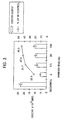
- the 2.5 ⁇ l and 25 ⁇ l antibody treatments showed similar results, however, the 150 ⁇ l antibody treatment may have had an inhibitory effect on oocyst output, having only 46% of the output compared to the control. See Figure 1.
- the vaccine conjugates consisted of 500 E. acervulina oocysts complexed with either 25 or 150 ⁇ l of antibody (as described in Example 6); see Table 5. The same bird strain, antibody, and oocyst lot was used as in Example 6 above.
- Vaccines were prepared as described above and administered on Day 0 post-hatch in 200 ⁇ l volume. Fecal material was collected from Day 4-8 and enumerated.
- Oocyst output was lower in this experiment for the vaccinated control, as well as for the two antibody treatments, compared to Example 6 ; the vaccinated control (no antibody) showed a 20-fold decrease in oocyst output (see Figure 2 ). The cause of this reduction is not clear.
- Each inoculated egg was inoculated with 0.1 ml of a culture/PBS mixture containing the appropriate number of CFUs.
- the dilutions containing 1 x 10(2) CFUs/ml were titered for each strain and the titers differed somewhat from the target numbers.
- Group 4 actually contained 10.5 CFUs/egg
- Group 3 contained 105 CFUs/egg
- Group 2 contained 1050 CFUs/egg
- Group 7 contained 12.5 CFUs/egg
- Group 6 contained 125 CFUs/egg
- Group 5 contained 1250 CFUs/egg.
- Group 1 eggs were inoculated with 0.1 ml of a BHI/PBS/Glycerol mixture.
- This experiment investigated the reaction between colonies of P. multocida Cu strain and the same dilutions of the P. multocida antiserum as shown in Table 6 .
- the solution was gently mixed by pipetting.
- To form each antibody-bacterium complex one ml of antiserum dilution was mixed with one ml of stock culture dilution. This mixture was allowed to react for four hours.
- the stock solution was plated on TSA plates in triplicate and was found to contain 186 CFUs/ml (Table 9). The remainder of this solution was also allowed to remain at room temperature for four hours.
- Table 10 shows the same decreasing colony count with increasing antiserum dilution as was seen in the previous experiment, slightly more pronounced. There appears to be more CFUs/ml than expected in dilution mixtures 1:16 through 1:4096. Similar findings were also presented in Table 7 .
- the colony counts found in Table 9 suggest the CFUs die off in PBS over time in the absence of serum. This may account for the lower than expected colony counts in dilutions 1:8192 through 1:32768 in both studies.
- the antiserum may be demonstrating some growth inhibiting capabilities at the higher dilutions while exhibiting growth enhancement effects in the least dilute mixtures. The next experiment was conducted to investigate possible causes of these observations.
- the colony counts for the serum mixtures containing no antibodies to P. multocida when compared to their P. multocida antibody-containing counterparts and stock counts, may be showing some growth inhibition capabilities of the antiserum with P. multocida antibodies.
- CFU counts in the samples without P. multocida antiserum started high and decreased but not to a level lower than expected when compared to the stock CFU counts after one hour.
- a growth inhibiting of P. multocida antiserum may be masked by other factors present.
- This study was designed to test the effect of serum antibody-bacterium complexes when administered in ovo to SPF eggs.
- the same number of CFUs (five were targeted) of P. multocida strain M9 was mixed with varying amounts of P. multocida antiserum and then 0.1 ml of each mixture was inoculated into fifteen SPF eggs in each of seven groups.
- a 100 CPUs/ml stock solution was prepared using P. multocida strain M9 culture. To insure that each egg received the same number of CFUs, the appropriate amount of serum was mixed with the appropriate amount of the stock solution for each group at five minute intervals.
- Group 1 no serum +3.2CFUs Group 2 0.1 ⁇ l serum +3.2 CFUs Group 3 1.0 ⁇ l serum +3.2CFUs Group 4 10.0 ⁇ l serum +3.2 CFUs Group 5 25.0 ⁇ l serum +3.2 CFUs Group 6 50.0 ⁇ l serum +3.2 CFUs Group 7 50.0 ⁇ l serum 50.0 ⁇ l PBS/ egg Normal Hatched 2 1 2 4 15 Hatched (Dead) Hatched (clinically affected) 1 3 3 3 5 Un-hatched 14 13 11 12 10 6 % hatched 6.7 13.3 26.7 20.0 33 60.0 100
- multocida (50 ⁇ l + 3.2 CFUs) and experienced a 60% overall hatch with a 27% normal hatch. This trend suggests that antiserum to P. multocida , when combined with the live bacteria, may provide some degree of protection to a chicken embryo by either decreasing or delaying the pathogenic effects of the bacterium.
- a culture of the bacterium Mycoplasma gallisepticum strain F was obtained from North Carolina State University, Mycoplasma Lab, College of Veterinary Medicine.
- the F strain of M . gallisepticum is used in the commercial layer industry as a live vaccine.
- Forty milliliters of Frey's Media supplemented with 15% swine serum (FMS) was inoculated with 1.33 mls of the bacterial culture. This mixture was then incubated for approximately 18 hours at 37 degrees C and the grown culture was mixed 80/20 with sterile glycerol for freezing at -70degrees C. Sterility of this mixture was tested on Trypticase Soy Agar (TSA) and no extraneous organisms grew.
- TSA Trypticase Soy Agar
- This experiment investigated the growth of a given amount of M. gallisepticum strain F over time after the organism was mixed with different amounts of MGA.
- a sample of MGA was initially diluted 1:10 in phosphate buffered saline (PBS). Then, the antiserum was further diluted by making 10 serial 1:2 dilutions by adding 0.5 ml of the previous dilution to 0.5 ml of PBS (dilutions 1:20 through 1:10240).
- One vial of M . gallisepticum F stock culture was thawed at room temperature and diluted 1:100. This 10(-2) stock solution contained 5.8 x 10(6) CFUs/ml.
- Bacterium-antibody complexes were prepared by adding 0.4 ml of the 5.8 x 10(6) stock solution to 0.4 ml of each of the 11 MGA dilutions. These complexes were allowed to react at room temperature for 30 minutes. Treatment 12 consisted of 0.4ml PBS added to 0.4 ml of the same bacterial stock solution.
- each of the 12 treatments was serially diluted in FMS from 10(-1) through 10(-8). These tubes were incubated for 14 days and growth was determined at 41 hours, 47.5 hours, and at 14 days.
- Growth of M . gallisepticum is detected in FMS by a color change. As bacterial growth increases the pH of the medium decreases, causing a color change in the pH indicator phenol red. As growth occurs the color gradually changes from a deep red to orange and eventually to yellow. The degree of growth can be scored based on the medium color). Results are provided in Table 15 .
- MgF Growth of MgF after 0.4 ml of 12 antiserum dilutions, containing between .039 ⁇ l and 40.0 ⁇ l antiserum, were mixed with 0.4ml of an MgF stock solution Treatment
- a vial of M. gallisepticum strain F stock was thawed and diluted 1:5 and 1:10 in 10% FMS and 90% PBS diluent. Appropriate amounts of these dilutions were used to create the bacterium-MGA complexes.
- Each egg received a 0.1 ml injection containing the same number of M . gallisepticum CFUs with the appropriate amount of antiserum for a particular group, except for Group 1.
- the eggs in Group 1 received 0.1 ml of the FMS/PBS diluent.
- the complexes were allowed to react together for 10 minutes before inoculation. The eggs were then incubated until hatch.
- the 1:10 dilution of the bacterial stock was titered by making 3 serial dilution series through 10(-9) and plating the 10(-6) dilutions of two dilution series TSA and incubating at 37°C. All tubes in all three serial dilution series showed M. gallisepticum growth.
- the titer was 8 x 10(8) CFUs/ml. Hatchability results are provided in Table 17 .
- Group MgF CFUs Amount of Mg Antiserum (MGA) #Eggs Hatched/ # Eggs Injected # Healthy Chicks/ #Eggs Injected 1 0 0 13/14 (93%) 12/14 (86%) 2 8.0 x 10(6) 40 ⁇ l 10/11 (91%) 8/11 (73%) 3 8.0 x 10(6) 20 ⁇ l 10/10 (100%) 8/10 (80%) 4 8.0 x 10(6) 10 ⁇ l 6/11 (55%) 0/11 (0%) 5 8.0 x 10(6) 5 ⁇ l 10/10 (100%) 2/10 (20%) 6 8.0 x 10(6) 2 ⁇ l 6/11(55%) 1/11 (9%) 7 8.0 x 10(6) 0.5 ⁇ l 7/11 (64%) 0/13 (0%) 8 8.0 x 10(6) 05 ⁇ l 8/11 (73%) 0/11 (0%) 9 8.0 x 10(6) 0 8/14 (57%) 0/14 (0%)
- the MGA-M.gallisepticum complexes influenced the percent hatch and chick health.
- the groups that experienced hatches above 90% were the groups that contained the largest proportions of MGA to CFUs (with the exception of Group 4).
- the percentage of health chicks was much higher in Groups 2 and 3 than in other groups receiving MGA-bacterium complexes with less antiserum in the formulation.
- Examples 14-18 were designed to test the usefulness of a bacteria:antibody vaccine complex.
- the data support the concept that addition of specific antiserum (specific for the vaccine bacteria) to live bacteria in the appropriate ratio provides protection to the chick embryo by decreasing or delaying the pathogenic effects of the bacterium while at the same time allowing an efficacious immune response to develop in the hatchlings, as evidenced by an active humoral immune response.
Landscapes
- Health & Medical Sciences (AREA)
- Medicinal Chemistry (AREA)
- Chemical & Material Sciences (AREA)
- Life Sciences & Earth Sciences (AREA)
- Veterinary Medicine (AREA)
- Pharmacology & Pharmacy (AREA)
- Public Health (AREA)
- General Health & Medical Sciences (AREA)
- Animal Behavior & Ethology (AREA)
- Epidemiology (AREA)
- Bioinformatics & Cheminformatics (AREA)
- Immunology (AREA)
- Engineering & Computer Science (AREA)
- Mycology (AREA)
- Microbiology (AREA)
- General Chemical & Material Sciences (AREA)
- Organic Chemistry (AREA)
- Nuclear Medicine, Radiotherapy & Molecular Imaging (AREA)
- Chemical Kinetics & Catalysis (AREA)
- Tropical Medicine & Parasitology (AREA)
- Oncology (AREA)
- Communicable Diseases (AREA)
- Medicines Containing Antibodies Or Antigens For Use As Internal Diagnostic Agents (AREA)
Applications Claiming Priority (3)
| Application Number | Priority Date | Filing Date | Title |
|---|---|---|---|
| US2708496P | 1996-09-30 | 1996-09-30 | |
| US27084P | 1996-09-30 | ||
| PCT/US1997/017259 WO1998014212A1 (en) | 1996-09-30 | 1997-09-26 | Method of producing active immunity with vaccine conjugate |
Publications (2)
| Publication Number | Publication Date |
|---|---|
| EP0951299A1 EP0951299A1 (en) | 1999-10-27 |
| EP0951299B1 true EP0951299B1 (en) | 2004-08-04 |
Family
ID=21835595
Family Applications (1)
| Application Number | Title | Priority Date | Filing Date |
|---|---|---|---|
| EP97944465A Expired - Lifetime EP0951299B1 (en) | 1996-09-30 | 1997-09-26 | Method of producing active immunity with vaccine conjugate |
Country Status (17)
| Country | Link |
|---|---|
| US (2) | US6440408B2 (cs) |
| EP (1) | EP0951299B1 (cs) |
| JP (1) | JP4113588B2 (cs) |
| KR (1) | KR100382224B1 (cs) |
| CN (1) | CN100389827C (cs) |
| AT (1) | ATE272409T1 (cs) |
| AU (1) | AU715555B2 (cs) |
| BR (1) | BR9713312B1 (cs) |
| CA (1) | CA2264810C (cs) |
| CZ (1) | CZ94899A3 (cs) |
| DE (1) | DE69730152T2 (cs) |
| EA (1) | EA199900342A1 (cs) |
| ES (1) | ES2224273T3 (cs) |
| ID (1) | ID21338A (cs) |
| IL (1) | IL128014A (cs) |
| PL (1) | PL332540A1 (cs) |
| WO (1) | WO1998014212A1 (cs) |
Families Citing this family (22)
| Publication number | Priority date | Publication date | Assignee | Title |
|---|---|---|---|---|
| FI974439A7 (fi) | 1995-06-07 | 1998-01-27 | Pfizer | In ovo-rokotus kokkidioosista vastaan |
| MX9709870A (es) | 1995-06-07 | 1998-03-31 | Pfizer | Uso de esporocistos u occistos para preparar una vacuna contra coccidiosis. |
| US6969520B2 (en) * | 1997-10-20 | 2005-11-29 | Acambis Inc. | Active immunization against clostridium difficile disease |
| US6627205B2 (en) | 1997-12-01 | 2003-09-30 | Pfizer Incorporated | Ovo vaccination against coccidiosis |
| DE19828322A1 (de) * | 1998-06-25 | 1999-12-30 | Hoechst Roussel Vet Gmbh | Coccidienvakzine, Verfahren zu ihrer Herstellung und ihre Verwendung |
| US6984378B1 (en) | 1999-02-26 | 2006-01-10 | Pfizer, Inc. | Method for the purification, recovery, and sporulation of cysts and oocysts |
| DE10007771A1 (de) * | 2000-02-14 | 2001-08-23 | Kleine & Steube Entoxin Gmbh | Immunmodulatorisch wirksame Zusammensetzungen, Verfahren zu ihrer Herstellung und ihre Verwendung |
| EP2842569B1 (en) | 2001-07-02 | 2019-04-10 | Zoetis Services LLC | One dose vaccination with Mycoplasma hyopneumoniae |
| WO2003020917A1 (en) | 2001-08-30 | 2003-03-13 | Embrex, Inc. | Improved methods for producing oocysts |
| DE10209821A1 (de) | 2002-03-06 | 2003-09-25 | Biotechnologie Ges Mittelhesse | Kopplung von Proteinen an ein modifiziertes Polysaccharid |
| US7250286B2 (en) * | 2002-05-21 | 2007-07-31 | Schering-Plough Corporation | Methods for the in vitro culture of Sporozoea sp. and uses thereof |
| WO2005014655A2 (en) | 2003-08-08 | 2005-02-17 | Fresenius Kabi Deutschland Gmbh | Conjugates of hydroxyalkyl starch and a protein |
| US8092808B2 (en) * | 2003-12-03 | 2012-01-10 | Pfizer, Inc. | Ovo vaccination of Campylobacter in avian species |
| HUE027091T2 (en) * | 2006-03-30 | 2016-08-29 | Zoetis Services Llc | Procedures and preparations for vaccination of poultry |
| US8040266B2 (en) | 2007-04-17 | 2011-10-18 | Cypress Semiconductor Corporation | Programmable sigma-delta analog-to-digital converter |
| US20080311135A1 (en) * | 2007-05-22 | 2008-12-18 | Baylor College Of Medicine | Immune complex vaccination as a strategy to enhance immunity in the elderly and other immune compromised populations |
| US20120135037A1 (en) * | 2009-06-01 | 2012-05-31 | Mizel Steven B | Flagellin fusion proteins and conjugates comprising pneumococcus antigens and methods of using the same |
| ES2969952T3 (es) | 2011-04-22 | 2024-05-23 | Wyeth Llc | Composiciones relacionadas con una toxina mutante de Clostridium difficile y sus procedimientos |
| BR122016023101B1 (pt) | 2012-10-21 | 2022-03-22 | Pfizer Inc | Polipeptídeo, composição imunogênica que o compreende, bem como célula recombinante derivada de clostridium difficile |
| WO2014097154A1 (en) * | 2012-12-20 | 2014-06-26 | Zakład Badawczo-Wdrożeniowy Ośrodka Salmonella "Immunolab" Sp. Z O.O. | A polyvalent combined immunising and/or therapeutic preparation for use in bacterial infections or food poisoning, particularly salmonellosis, a method for production of this preparation, its use and a vaccine comprising this preparation |
| US10335484B2 (en) | 2013-01-08 | 2019-07-02 | Humabs Biomed Sa | Methods of generating robust passive and active immune responses |
| EP4168032A2 (en) | 2020-06-19 | 2023-04-26 | Pfizer Inc. | Immunogenic compositions against clostridioides (clostridium) difficile and methods thereof |
Family Cites Families (14)
| Publication number | Priority date | Publication date | Assignee | Title |
|---|---|---|---|---|
| GB1105136A (en) * | 1964-03-25 | 1968-03-06 | Wellcome Found | Vaccines comprising living protozoa of the genus theileria |
| IL74289A (en) * | 1985-02-10 | 1989-02-28 | Israel State | Vaccine system comprising a live-non-virulent vaccine and an adjuvant |
| JP3020226B2 (ja) | 1986-08-18 | 2000-03-15 | ブリティッシュ・テクノロジー・グループ・リミテッド | ワクチン |
| US4935007A (en) | 1986-08-28 | 1990-06-19 | Eli Lilly And Company | Anticoccidial method |
| US5026636A (en) * | 1987-11-10 | 1991-06-25 | The University Of Texas Board Of Regents | Methods and compositions for production of mycoplasmal adhesins |
| DE3921255A1 (de) | 1989-06-29 | 1991-01-03 | Krebsoege Gmbh Sintermetall | Verfahren zur erzeugung eines in einem traegergasstrom foerderbaren fluessigkeitsnebels und vorrichtung zur durchfuehrung des verfahrens |
| US5397568A (en) | 1989-10-02 | 1995-03-14 | Whitfill; Craig E. | Method of treating infectious bursal disease virus infections |
| JP3078013B2 (ja) | 1989-10-02 | 2000-08-21 | エンブレックス インコーポレイテッド | ワクチン接合体の使用方法、ワクチン調整物および製造品 |
| WO1991004749A1 (en) | 1989-10-02 | 1991-04-18 | Embrex, Inc. | Method of treating infectious bursal disease virus |
| CH682455A5 (fr) * | 1991-07-25 | 1993-09-30 | Serge Liotet | Composition vaccinale. |
| US5378820A (en) * | 1992-11-09 | 1995-01-03 | Keeler; Calvin L. | Gene encoding cytadhesin protein of mycoplasma gallisepticum and its use |
| US5641491A (en) * | 1993-06-15 | 1997-06-24 | The Penn State Research Foundation | Escherichia coli strain 364 and use of said strain as a vaccine |
| MX9709870A (es) | 1995-06-07 | 1998-03-31 | Pfizer | Uso de esporocistos u occistos para preparar una vacuna contra coccidiosis. |
| US5951976A (en) * | 1996-03-28 | 1999-09-14 | Whitenead Institute For Biomedical Research | Opsonin-enhanced cells, and methods of modulating an immune response to an antigen |
-
1997
- 1997-09-26 DE DE69730152T patent/DE69730152T2/de not_active Expired - Lifetime
- 1997-09-26 JP JP51667198A patent/JP4113588B2/ja not_active Expired - Fee Related
- 1997-09-26 EP EP97944465A patent/EP0951299B1/en not_active Expired - Lifetime
- 1997-09-26 IL IL12801497A patent/IL128014A/xx not_active IP Right Cessation
- 1997-09-26 AT AT97944465T patent/ATE272409T1/de not_active IP Right Cessation
- 1997-09-26 ES ES97944465T patent/ES2224273T3/es not_active Expired - Lifetime
- 1997-09-26 CA CA2264810A patent/CA2264810C/en not_active Expired - Fee Related
- 1997-09-26 PL PL97332540A patent/PL332540A1/xx unknown
- 1997-09-26 CN CNB971983518A patent/CN100389827C/zh not_active Expired - Fee Related
- 1997-09-26 ID IDW990061A patent/ID21338A/id unknown
- 1997-09-26 BR BRPI9713312-4A patent/BR9713312B1/pt not_active IP Right Cessation
- 1997-09-26 WO PCT/US1997/017259 patent/WO1998014212A1/en not_active Ceased
- 1997-09-26 US US08/938,740 patent/US6440408B2/en not_active Expired - Fee Related
- 1997-09-26 CZ CZ99948A patent/CZ94899A3/cs unknown
- 1997-09-26 AU AU45953/97A patent/AU715555B2/en not_active Ceased
- 1997-09-26 KR KR10-1999-7002563A patent/KR100382224B1/ko not_active Expired - Fee Related
- 1997-09-26 EA EA199900342A patent/EA199900342A1/ru unknown
-
2002
- 2002-05-24 US US10/154,880 patent/US6890527B2/en not_active Expired - Fee Related
Also Published As
| Publication number | Publication date |
|---|---|
| WO1998014212A1 (en) | 1998-04-09 |
| CN100389827C (zh) | 2008-05-28 |
| JP2000507608A (ja) | 2000-06-20 |
| IL128014A0 (en) | 1999-11-30 |
| EA199900342A1 (ru) | 1999-10-28 |
| IL128014A (en) | 2003-11-23 |
| BR9713312B1 (pt) | 2009-08-11 |
| PL332540A1 (en) | 1999-09-13 |
| DE69730152T2 (de) | 2005-11-03 |
| US20030044414A1 (en) | 2003-03-06 |
| US20020015706A1 (en) | 2002-02-07 |
| JP4113588B2 (ja) | 2008-07-09 |
| ES2224273T3 (es) | 2005-03-01 |
| DE69730152D1 (de) | 2004-09-09 |
| CZ94899A3 (cs) | 1999-09-15 |
| AU4595397A (en) | 1998-04-24 |
| KR100382224B1 (ko) | 2003-04-26 |
| BR9713312A (pt) | 2000-02-01 |
| CA2264810A1 (en) | 1998-04-09 |
| ID21338A (id) | 1999-05-27 |
| EP0951299A1 (en) | 1999-10-27 |
| US6890527B2 (en) | 2005-05-10 |
| CN1231614A (zh) | 1999-10-13 |
| AU715555B2 (en) | 2000-02-03 |
| US6440408B2 (en) | 2002-08-27 |
| ATE272409T1 (de) | 2004-08-15 |
| CA2264810C (en) | 2010-07-27 |
| KR20000048622A (ko) | 2000-07-25 |
Similar Documents
| Publication | Publication Date | Title |
|---|---|---|
| EP0951299B1 (en) | Method of producing active immunity with vaccine conjugate | |
| RU2525587C2 (ru) | Вакцинная композиция для иммунизации животного против кокцидиоза и способ ее использования | |
| KR100190733B1 (ko) | 콕시디아증에 대한 난내 종두법 | |
| Kumaran et al. | Physicochemical properties of anti Vibrio harveyi egg yolk antibody (IgY) and its immunological influence in Indian white shrimp Fenneropenaeus indicus | |
| RU2689386C2 (ru) | ЭМУЛЬГИРОВАННАЯ ВАКЦИНА ДЛЯ ПОЛУЧЕНИЯ КОНЦЕНТРИРОВАННЫХ КОМПОЗИЦИЙ ИММУНОГЛОБУЛИНОВ IgY; СПОСОБЫ И ИХ ПРИМЕНЕНИЯ | |
| KR0167417B1 (ko) | 콕시디아증에 대한 난내 종두법 | |
| Falanga et al. | Isotypic pattern of the polyclonal B cell response during primary infection by Plasmodium chabaudi and in immune‐protected mice | |
| CN111349156A (zh) | 牛犊消化系统疾病的预防或治疗用卵黄抗体的制造方法以及由此而制造的卵黄抗体及其用途 | |
| Zhou et al. | Effect of diclazuril on the bursa of Fabricius morphology and SIgA expression in chickens infected with Eimeria tenella | |
| JP2004137286A (ja) | 腸原生動物のワクチン類 | |
| US5141925A (en) | Vivo methods for treating coccidiosis | |
| US20110129479A1 (en) | Immunogen selection directed in immunoglobulin packages in plasma and colostrum and method of making and using same | |
| KR20070122551A (ko) | 콕시듐 백신 및 이의 제조 및 이용 방법 | |
| Thoma et al. | Method of treatment | |
| Abdullah et al. | The effect of used immunostimulating drugs with FMD vaccine on immunoglobulins in sheep | |
| Marcelino et al. | Protozoal and Rickettsial Vaccines | |
| RU2305549C1 (ru) | Способ формирования колострального иммунитета у молодняка сельскохозяйственных животных | |
| US8110188B2 (en) | Compositions for prevention and treatment of infections caused by coccidia in chickens | |
| Uawonggul et al. | Immunization of Basa fish (Pangasius bocourti) against Ichthyophthirius multifiliis with live and sonicated trophonts. | |
| Abubakar et al. | Necrotic enteritis and its management in 13-week old commercial pullets in Katsina, Nigeria | |
| SALMON | CHAPTER FOUR: CONCURRENT INJECTION OF A | |
| ILEMOBADE | THE VALUE OF PREMUNIZATION OF FRIESIAN X WHITE FULANI | |
| HK1087006B (en) | Coccidial vaccine and methods of making and using same | |
| HK1087006A1 (zh) | 球虫疫苗及其制造和使用方法 |
Legal Events
| Date | Code | Title | Description |
|---|---|---|---|
| PUAI | Public reference made under article 153(3) epc to a published international application that has entered the european phase |
Free format text: ORIGINAL CODE: 0009012 |
|
| 17P | Request for examination filed |
Effective date: 19990218 |
|
| AK | Designated contracting states |
Kind code of ref document: A1 Designated state(s): AT BE CH DE DK ES FI FR GB GR IE IT LI LU MC NL PT SE |
|
| RAP1 | Party data changed (applicant data changed or rights of an application transferred) |
Owner name: UNIVERSITY OF ARKANSAS |
|
| 17Q | First examination report despatched |
Effective date: 20020726 |
|
| GRAP | Despatch of communication of intention to grant a patent |
Free format text: ORIGINAL CODE: EPIDOSNIGR1 |
|
| GRAS | Grant fee paid |
Free format text: ORIGINAL CODE: EPIDOSNIGR3 |
|
| GRAA | (expected) grant |
Free format text: ORIGINAL CODE: 0009210 |
|
| AK | Designated contracting states |
Kind code of ref document: B1 Designated state(s): AT BE CH DE DK ES FI FR GB GR IE IT LI LU MC NL PT SE |
|
| PG25 | Lapsed in a contracting state [announced via postgrant information from national office to epo] |
Ref country code: LI Free format text: LAPSE BECAUSE OF FAILURE TO SUBMIT A TRANSLATION OF THE DESCRIPTION OR TO PAY THE FEE WITHIN THE PRESCRIBED TIME-LIMIT Effective date: 20040804 Ref country code: FI Free format text: LAPSE BECAUSE OF FAILURE TO SUBMIT A TRANSLATION OF THE DESCRIPTION OR TO PAY THE FEE WITHIN THE PRESCRIBED TIME-LIMIT Effective date: 20040804 Ref country code: CH Free format text: LAPSE BECAUSE OF FAILURE TO SUBMIT A TRANSLATION OF THE DESCRIPTION OR TO PAY THE FEE WITHIN THE PRESCRIBED TIME-LIMIT Effective date: 20040804 Ref country code: BE Free format text: LAPSE BECAUSE OF FAILURE TO SUBMIT A TRANSLATION OF THE DESCRIPTION OR TO PAY THE FEE WITHIN THE PRESCRIBED TIME-LIMIT Effective date: 20040804 Ref country code: AT Free format text: LAPSE BECAUSE OF FAILURE TO SUBMIT A TRANSLATION OF THE DESCRIPTION OR TO PAY THE FEE WITHIN THE PRESCRIBED TIME-LIMIT Effective date: 20040804 |
|
| REG | Reference to a national code |
Ref country code: GB Ref legal event code: FG4D |
|
| REG | Reference to a national code |
Ref country code: CH Ref legal event code: EP |
|
| REG | Reference to a national code |
Ref country code: IE Ref legal event code: FG4D |
|
| REF | Corresponds to: |
Ref document number: 69730152 Country of ref document: DE Date of ref document: 20040909 Kind code of ref document: P |
|
| PG25 | Lapsed in a contracting state [announced via postgrant information from national office to epo] |
Ref country code: LU Free format text: LAPSE BECAUSE OF NON-PAYMENT OF DUE FEES Effective date: 20040926 |
|
| PG25 | Lapsed in a contracting state [announced via postgrant information from national office to epo] |
Ref country code: IE Free format text: LAPSE BECAUSE OF NON-PAYMENT OF DUE FEES Effective date: 20040927 |
|
| PG25 | Lapsed in a contracting state [announced via postgrant information from national office to epo] |
Ref country code: MC Free format text: LAPSE BECAUSE OF NON-PAYMENT OF DUE FEES Effective date: 20040930 |
|
| PG25 | Lapsed in a contracting state [announced via postgrant information from national office to epo] |
Ref country code: SE Free format text: LAPSE BECAUSE OF FAILURE TO SUBMIT A TRANSLATION OF THE DESCRIPTION OR TO PAY THE FEE WITHIN THE PRESCRIBED TIME-LIMIT Effective date: 20041104 Ref country code: GR Free format text: LAPSE BECAUSE OF FAILURE TO SUBMIT A TRANSLATION OF THE DESCRIPTION OR TO PAY THE FEE WITHIN THE PRESCRIBED TIME-LIMIT Effective date: 20041104 Ref country code: DK Free format text: LAPSE BECAUSE OF FAILURE TO SUBMIT A TRANSLATION OF THE DESCRIPTION OR TO PAY THE FEE WITHIN THE PRESCRIBED TIME-LIMIT Effective date: 20041104 |
|
| REG | Reference to a national code |
Ref country code: CH Ref legal event code: PL |
|
| REG | Reference to a national code |
Ref country code: ES Ref legal event code: FG2A Ref document number: 2224273 Country of ref document: ES Kind code of ref document: T3 |
|
| ET | Fr: translation filed | ||
| PLBE | No opposition filed within time limit |
Free format text: ORIGINAL CODE: 0009261 |
|
| STAA | Information on the status of an ep patent application or granted ep patent |
Free format text: STATUS: NO OPPOSITION FILED WITHIN TIME LIMIT |
|
| REG | Reference to a national code |
Ref country code: IE Ref legal event code: MM4A |
|
| 26N | No opposition filed |
Effective date: 20050506 |
|
| PG25 | Lapsed in a contracting state [announced via postgrant information from national office to epo] |
Ref country code: PT Free format text: LAPSE BECAUSE OF NON-PAYMENT OF DUE FEES Effective date: 20050104 |
|
| PGFP | Annual fee paid to national office [announced via postgrant information from national office to epo] |
Ref country code: ES Payment date: 20100927 Year of fee payment: 14 |
|
| PGFP | Annual fee paid to national office [announced via postgrant information from national office to epo] |
Ref country code: FR Payment date: 20100930 Year of fee payment: 14 |
|
| PGFP | Annual fee paid to national office [announced via postgrant information from national office to epo] |
Ref country code: GB Payment date: 20100927 Year of fee payment: 14 |
|
| PGFP | Annual fee paid to national office [announced via postgrant information from national office to epo] |
Ref country code: NL Payment date: 20100924 Year of fee payment: 14 |
|
| PGFP | Annual fee paid to national office [announced via postgrant information from national office to epo] |
Ref country code: DE Payment date: 20100929 Year of fee payment: 14 |
|
| PGFP | Annual fee paid to national office [announced via postgrant information from national office to epo] |
Ref country code: IT Payment date: 20100927 Year of fee payment: 14 |
|
| REG | Reference to a national code |
Ref country code: NL Ref legal event code: V1 Effective date: 20120401 |
|
| GBPC | Gb: european patent ceased through non-payment of renewal fee |
Effective date: 20110926 |
|
| PG25 | Lapsed in a contracting state [announced via postgrant information from national office to epo] |
Ref country code: IT Free format text: LAPSE BECAUSE OF NON-PAYMENT OF DUE FEES Effective date: 20110926 |
|
| REG | Reference to a national code |
Ref country code: FR Ref legal event code: ST Effective date: 20120531 |
|
| REG | Reference to a national code |
Ref country code: DE Ref legal event code: R119 Ref document number: 69730152 Country of ref document: DE Effective date: 20120403 |
|
| PG25 | Lapsed in a contracting state [announced via postgrant information from national office to epo] |
Ref country code: NL Free format text: LAPSE BECAUSE OF NON-PAYMENT OF DUE FEES Effective date: 20120401 Ref country code: DE Free format text: LAPSE BECAUSE OF NON-PAYMENT OF DUE FEES Effective date: 20120403 |
|
| PG25 | Lapsed in a contracting state [announced via postgrant information from national office to epo] |
Ref country code: GB Free format text: LAPSE BECAUSE OF NON-PAYMENT OF DUE FEES Effective date: 20110926 Ref country code: FR Free format text: LAPSE BECAUSE OF NON-PAYMENT OF DUE FEES Effective date: 20110930 |
|
| REG | Reference to a national code |
Ref country code: ES Ref legal event code: FD2A Effective date: 20130417 |
|
| PG25 | Lapsed in a contracting state [announced via postgrant information from national office to epo] |
Ref country code: ES Free format text: LAPSE BECAUSE OF NON-PAYMENT OF DUE FEES Effective date: 20110927 |