EP0939652B1 - Use of antibodies to cd45ro leukocyte antigen for immunomodulation - Google Patents
Use of antibodies to cd45ro leukocyte antigen for immunomodulation Download PDFInfo
- Publication number
- EP0939652B1 EP0939652B1 EP97943316A EP97943316A EP0939652B1 EP 0939652 B1 EP0939652 B1 EP 0939652B1 EP 97943316 A EP97943316 A EP 97943316A EP 97943316 A EP97943316 A EP 97943316A EP 0939652 B1 EP0939652 B1 EP 0939652B1
- Authority
- EP
- European Patent Office
- Prior art keywords
- antibody
- cell
- cd45rb
- cells
- tissue
- Prior art date
- Legal status (The legal status is an assumption and is not a legal conclusion. Google has not performed a legal analysis and makes no representation as to the accuracy of the status listed.)
- Expired - Lifetime
Links
Images


Classifications
-
- C—CHEMISTRY; METALLURGY
- C07—ORGANIC CHEMISTRY
- C07K—PEPTIDES
- C07K16/00—Immunoglobulins [IG], e.g. monoclonal or polyclonal antibodies
- C07K16/18—Immunoglobulins [IG], e.g. monoclonal or polyclonal antibodies against material from animals or humans
- C07K16/28—Immunoglobulins [IG], e.g. monoclonal or polyclonal antibodies against material from animals or humans against receptors, cell surface antigens or cell surface determinants
- C07K16/289—Immunoglobulins [IG], e.g. monoclonal or polyclonal antibodies against material from animals or humans against receptors, cell surface antigens or cell surface determinants against CD45
-
- A—HUMAN NECESSITIES
- A61—MEDICAL OR VETERINARY SCIENCE; HYGIENE
- A61K—PREPARATIONS FOR MEDICAL, DENTAL OR TOILETRY PURPOSES
- A61K39/00—Medicinal preparations containing antigens or antibodies
- A61K39/395—Antibodies; Immunoglobulins; Immune serum, e.g. antilymphocytic serum
-
- A—HUMAN NECESSITIES
- A61—MEDICAL OR VETERINARY SCIENCE; HYGIENE
- A61K—PREPARATIONS FOR MEDICAL, DENTAL OR TOILETRY PURPOSES
- A61K39/00—Medicinal preparations containing antigens or antibodies
- A61K39/395—Antibodies; Immunoglobulins; Immune serum, e.g. antilymphocytic serum
- A61K39/39533—Antibodies; Immunoglobulins; Immune serum, e.g. antilymphocytic serum against materials from animals
- A61K39/39541—Antibodies; Immunoglobulins; Immune serum, e.g. antilymphocytic serum against materials from animals against normal tissues, cells
-
- A—HUMAN NECESSITIES
- A61—MEDICAL OR VETERINARY SCIENCE; HYGIENE
- A61P—SPECIFIC THERAPEUTIC ACTIVITY OF CHEMICAL COMPOUNDS OR MEDICINAL PREPARATIONS
- A61P37/00—Drugs for immunological or allergic disorders
- A61P37/02—Immunomodulators
- A61P37/06—Immunosuppressants, e.g. drugs for graft rejection
-
- A—HUMAN NECESSITIES
- A61—MEDICAL OR VETERINARY SCIENCE; HYGIENE
- A61K—PREPARATIONS FOR MEDICAL, DENTAL OR TOILETRY PURPOSES
- A61K39/00—Medicinal preparations containing antigens or antibodies
- A61K2039/505—Medicinal preparations containing antigens or antibodies comprising antibodies
-
- A—HUMAN NECESSITIES
- A61—MEDICAL OR VETERINARY SCIENCE; HYGIENE
- A61K—PREPARATIONS FOR MEDICAL, DENTAL OR TOILETRY PURPOSES
- A61K38/00—Medicinal preparations containing peptides
-
- C—CHEMISTRY; METALLURGY
- C07—ORGANIC CHEMISTRY
- C07K—PEPTIDES
- C07K2317/00—Immunoglobulins specific features
- C07K2317/20—Immunoglobulins specific features characterized by taxonomic origin
- C07K2317/24—Immunoglobulins specific features characterized by taxonomic origin containing regions, domains or residues from different species, e.g. chimeric, humanized or veneered
-
- C—CHEMISTRY; METALLURGY
- C07—ORGANIC CHEMISTRY
- C07K—PEPTIDES
- C07K2317/00—Immunoglobulins specific features
- C07K2317/70—Immunoglobulins specific features characterized by effect upon binding to a cell or to an antigen
- C07K2317/73—Inducing cell death, e.g. apoptosis, necrosis or inhibition of cell proliferation
-
- C—CHEMISTRY; METALLURGY
- C07—ORGANIC CHEMISTRY
- C07K—PEPTIDES
- C07K2317/00—Immunoglobulins specific features
- C07K2317/70—Immunoglobulins specific features characterized by effect upon binding to a cell or to an antigen
- C07K2317/76—Antagonist effect on antigen, e.g. neutralization or inhibition of binding
Definitions
- T-cell mediated immune response is initially triggered by helper T-cells which are capable of recognizing specific antigens.
- helper T-cells may be memory cells left over from a previous immune response or naive cells which are released by the thymus and may express any of an extremely wide variety of antigen receptors.
- helper T-cells When one of these helper T-cells recognizes an antigen present on the surface of an antigen presenting cell (APC) or a macrophage in the form of an antigen-MHC complex, the helper T-cell is stimulated to produce IL-2 by signals emanating from the antigen-specific T-cell receptor, co-receptors, and IL-1 secreted by the APC or macrophage. The helper T-cells then proliferate. Proliferation results in a large population of T-cells which are clonally selected to recognize a particular antigen. T-cell activation may also stimulate B-cell activation and nonspecific macrophage responses.
- APC antigen presenting cell
- macrophage in the form of an antigen-MHC complex
- the helper T-cells then proliferate. Proliferation results in a large population of T-cells which are clonally selected to recognize a particular antigen. T-cell activation may also stimulate B-cell activation and nonspecific macrophag
- Some of these proliferating cells differentiate into cytotoxic T-cells which destroy cells having the selected antigen. After the antigen is no longer present, the mature clonally selected cells will remain as memory helper and memory cytotoxic T-cells, which will circulate in the body and recognize the antigen should it show up again. If the antigen triggering this response is not a foreign antigen, but a self antigen, the result is autoimmune disease; if the antigen is an antigen from a transplanted organ, the result is graft rejection. Consequently, it is desirable to be able to regulate this T-cell mediated immune response.
- CD45 antigen CD45 is expressed on most leukocytes. Indeed, it was previously thought that a common CD45 antigen was present on all leukocytes, for which reason the receptor was originally known as the Leukocyte Common Antigen (LCA). Monoclonal antibodies (mAbs) to CD45 were proposed as a means of effectively eliminating all leukocytes where desirable, for example, purging an organ to be transplanted of passenger leukocytes prior to transplantation using nonspecific CD45 monoclonal antibody. See, e.g., WO 91/05568.
- CD45RA contains the expression product of exon 4 (sometimes referred to as R A ) of the CD45 gene
- CD45C contains the expression product of exon 6
- CD45RB contains the expression product of exon 5
- CD45RO does not contain the expression products of any of the three exons 4, 5, or 6.
- the ideal specific immunosuppression method would be a treatment which suppresses the action of the lymphocytes responsible for rejection of the particular graft the patient receives without otherwise affecting the immune system.
- the present invention is directed to the use of an antibody that specifically binds to a CD45RO epitope of the CD45RO isotype of the leukocyte antigen for the manufacture of a medicament for treating or preventing cell, tissue or organ transplant rejection via inhibition of a T-cell mediated immune response in the recipient.
- the treatments include in vivo therapies to prevent rejection of transplanted cells, tissues and organs and post-transplant in vivo therapies to reverse a pathological immune response.
- the present method can impart durable tolerance, rather than just delayed rejection to the recipient.
- the present invention is also directed to the use of an antibody that specifically binds to a CD45RO epitope of the CD45RO isotype of the leukocyte antigen for the manufacture of a medicament for treating an autoimmune disease via inhibition of a T-cell mediated immune response.
- the antibody as defined in the claims may be used to manufacture a medicament to treat a patient undergoing transplant rejection, including graft-versus host disease or afflicted with an autoimmune disease.
- the present invention is directed to a pharmaceutical composition
- a pharmaceutical composition comprising an antibody which specifically binds to a CD45RO epitope of the CD45RO isotype of the leukocyte antigen in combination with a pharmaceutically acceptable vehicle.
- the term "compound” as used herein is an antibody as defined herein and is also meant to indicate molecules having antibody-like function such as synthetic analogues of antibodies, e.g., single-chain antigen binding molecules, small binding peptides, or mixtures thereof.
- the present invention is useful in the treatment of transplant rejection. More specifically, it may be employed for the treatment of a patient that has undergone cell tissue or organ transplantation that is either allogenic or xenogenic. Furthermore, the present invention may be utilized prior to, following or concurrently with the transplant procedure, or any combination thereof.
- the present invention is contemplated to be beneficial in a variety of transplant situations, even those situations where a recipient may receive sequential transplants of the same or different cells, tissues, or organs.
- the method of the present invention may be utilized during a heart, liver, bone marrow or kidney transplant, or during the transplantation of pancreatic islets or vascular tissue, e.g., a coronary bypass procedure.
- the present invention may also be useful in the treatment or prevention of autoimmune disease, inflammatory conditions and arthritic or rheumatoid diseases.
- the present invention may be employed for the treatment of autoimmune hematological disorders, systemic lupus erythematosus, inflammatory bowel disease, ulcerative colitis, Crohn's disease, multiple sclerosis, diabetes mellitus type 1, and the like.
- an anti-inflammatory or immunosuppressive drug may be administered prior to, following, or concurrently with the antibody as described in the claims.
- suitable drugs for this purpose include, but are not limited to, cyclosporin, FK-506, rapamycin, corticosteroids, cyclophosphamide, mycophenolate, mofetil, leflunomide, anti-lymphocyte globuline, deoxyspergualin OKT-3 and the like.
- the medicament of the present invention may be administered with an amount of the patient's lymphocytes to the patient, i.e., in combination with the CD45 leukocyte antigen binding compound(s).
- This invention is based on the discovery that leukocytes such as different types of T lymphocytes, or "T-cells” may predominantly express one or another CD45 isoform.
- Naive helper T-cells and memory T-cells express predominately CD45RA and CD45RO respectively.
- CD45R ⁇ expression is also variable; it is highly, expressed (bright) on naive helper T-cells (Th0) and on T-cells that produce predominantly interleukin 2 and can induce inflammatory and cytotoxic responses (Th1). T cells that predominantly produce interleukin 4 and induce humoral immune responses (Th2) have low CD45RB expression (dim).
- CD45RB suppressors have a great advantage over current immunosuppressants in that (i) they act on a particular T-cell population rather than having an overall immunosuppressive effect, thereby avoiding the risk of side effects associated with over-suppression of the immune system; and (ii) they are capable of conferring long term tolerance to a particular antigen when they are administered contemporaneously with exposure to antigen, e.g., just before and after an organ transplant or during an acute phase of an autoimmune disease.
- immune tolerance or simply “tolerance” is intended to refer to the durable active state of unresponsiveness by lymphoid cells to a preselected or specific antigen or set of antigens. The immune response to other immunogens is thus unaffected, while the requirement for sustained exogenous immunotherapy is either reduced or is eliminated. Additionally, tolerance enables subsequent transplantation of material comprising the same antigen or set of antigens without increasing the need for exogenous immunotherapy.
- the present methods may lead to T-cells having a receptor for the antigen becoming anergized, so that the T-cell clones are functionally, if not actually, deleted.
- two signals are necessary.
- the first signal requires recognition of an antigen via the T-cell receptor.
- the second signal requires interaction between co-stimulatory molecules, such as B7, on antigen presenting cells and receptors, such as CD28, on the T-cells. It is generally accepted that lack of this second signal through CD28 leads to anergy.
- CD45 is required for the activation through the T-cell receptor and interference with this process through CD45RB interrupts the first signal and can also lead to anergy.
- antibody includes human and animal mAbs, and preparations of polyclonal antibodies, as well as antibody fragments, synthetic antibodies, including recombinant antibodies, chimeric antibodies, including humanized antibodies, anti-idiotopic antibodies and derivatives thereof.
- treating with respect to an autoimmune disease or condition includes preventing the onset or flare-up of the disease or condition, as well as reducing or eliminating one or more symptoms of the disease or condition.
- hybridomas herein referred to may be subject to genetic mutation or other changes while still retaining the ability to produce monoclonal antibody of the same desired specificity.
- the present invention therefore encompasses mutants, other derivatives and descendants of the hybridomas.
- a monoclonal antibody can be subjected to the techniques of recombinant DNA technology to produce other derivative antibodies, humanized or chimeric molecules or antibody fragments which retain the specificity of the original monoclonal antibody.
- Such techniques may involve combining DNA encoding the immunoglobulin variable region, or the complementarity determining regions (CDRs), of the monoclonal antibody with DNA coding the constant regions, or constant regions plus framework regions, of a different immunoglobulin, for example, to convert a mouse-derived monoclonal antibody into one having largely human immunoglobulin characteristics (see EP 184187A, GB 2188638A).
- CD45RB monoclonal antibodies to CD45RB, such as an antibody produced by the cell line HB220 which is publicly available from the ATCC in Rockville, MD (now designated anti-CD45RB mAb (MB23G2)), bind to CD45RB and are effective agents in inhibiting immune function in vitro and in vivo (see US Serial No. 08/071,009 filed June 2, 1993).
- 6G3 monoclonal antibody binds to CD45RB. This is a murine IgG1 directed against human CD45RB. It cross-reacts with monkey CD45RB.
- the inventors have also now found that the MB23G2, 6G3, and MT3 monoclonal antibodies bind to neuraminidase sensitive epitopes on leukocytes including T-cells and that at least MB23G2 and 6G3 increase the tyrosine phosphorylation of phospholipase C- ⁇ 1.
- HB223 (now designated MB4B4), an analogous anti-CD45RB antibody to those of the invention, is found not to bind to neuraminidase sensitive epitopes. It is also observed that MB4B4 mAB binds to a neuraminidase insensitive epitope and does not alter the tyrosine phosphorylation of phospholipase C- ⁇ 1. MB4B4 was also ineffective at preventing renal allograft rejection in mice.
- the specific anti-CD45R mAbs that can be used in the summarized present invention are in Table I, hereinbelow; from Streuli et al., J. Immunol ., 141 , 3910 (1988).
- EP-A-0 120 694 (Boss et al/Celltech) describes the cloning and expression of chimeric antibodies.
- the variable domains from one immunoglobulin are fused to constant domains from another immunoglobulin.
- the variable domains are derived from an immunoglobulin gene from one species, for example a mouse or a rat, and the constant domains are derived from an immunoglobulin gene from a different species, perhaps a human.
- This technology is now very well known in the art.
- EP-A-0 125 023 also U.S. Patent No. 4,816,567, describes much the same subject as the Boss patent application, but describes production of other variations of immunoglobulin-type molecules using recombinant DNA technology.
- variable region of the monoclonal antibody is attached just the variable region of the monoclonal antibody to another non-immunoglobulin molecule, to produce a derivative chimeric molecule (see WO 86/01533, Neuberger and Rabbits/Celltech).
- a further possibility would be to produce a chimeric immunoglobulin having different specificities in its different variable regions, e.g., the monoclonal antibodies of the present invention (see EP 68763A).
- Yet another possibility would be to produce a mutation in the DNA encoding the monoclonal antibody, so as to alter certain of its characteristics without changing its essential specificity. This can be done by site-directed mutagenesis or other techniques known in the art.
- CDR grafting enables "humanization" of antibodies, in combination with alteration of the framework regions.
- Human antibodies can also be directly provided by reconstituting the human immune system in mice lacking their native immune system, then producing human antibodies in these "humanized mice.”
- a “humanized” antibody containing the CDRs of a rodent antibody specific for an antigen of interest might well be less likely to be recognized as foreign by the immune system of a human. It follows that a “humanized” antibody with the same binding specificity as, e.g., MT3 or 6G3, or an antibody that cross-reacts with either (see later), might well be of particular use in human therapy and/or diagnostic methods.
- an antibody such as MT3 or 6G3 allows persons skilled in the art to obtain binding partners, e.g., antigens/epitopes or antibody/paratopes which bind to it. Therefore, the present invention also provides binding partners, e.g., antigens and/or antibodies which bind with an antibody or derivatives thereof as hereby provided, such as MT3 and 6G3.
- the binding partners obtained by use of the MT3 mAb and 6G3 mAb may also be used to produce additional ligands, e.g., antibodies other than MT3 or 6G3 (or molecules having antibody-like binding function, e.g., fragments, derivatives and synthetic analogues of antibodies such as single-chain antigen-binding molecules). Therefore, also provided are ligands, e.g., mAbs which are able to bind with a binding partner which is able to bind with the MT3 mAb and 6G3 mAb. Such ligands ("cross-reactive ligands”), e.g., mAbs may recognize the same epitope as recognized by MT3 mAb and 6G3 mAb on said binding partner.
- additional ligands e.g., antibodies other than MT3 or 6G3 (or molecules having antibody-like binding function, e.g., fragments, derivatives and synthetic analogues of antibodies such as single
- the present invention also provides derivatives, functional equivalents (e.g., a molecule having an antibody-like binding specificity) and fragments of said cross-reactive ligands, perhaps produced using one or more of the techniques of recombinant DNA technology referred to and discussed above. Also included are single domain ligands (mAbs) as described in WO 90/05144.
- mAbs single domain ligands
- a ligand e.g., antibodies of the present invention and derivatives thereof, in immunopurification of a binding partner antigen.
- Techniques for immunoaffinity column purification are well known, see for instance "Current Protocols in Immunology," ed. J. E. Coligan et al, John Wyley and Sons, Unit 8.2.
- the epitope identified by the CD45RB mAb MB23G2 is encoded by the B exon of the leukocyte common antigen gene. Isolation of the epitope and compounds binding to the epitope are contemplated by this invention.
- a first round of immunoaffinity purification uses a ligand, e.g., MT3, 6G3, etc. mAb to remove from a sample the antigen-containing binding partner, which may then be used in the column to select, from a heterogeneous population of ligands, those ligands which are cross-reactive with the MT3 mAb, 6G3 mAb, etc. and recognize the same binding partners.
- a ligand e.g., MT3, 6G3, etc.
- a binding partner such as a peptide or small binding molecule, isolated using the ligand, e.g., the MT3, 6G3, etc.
- mAb may be used to select cross-reactive ligands from a repertoire or heterogenous population of antibodies generated by a whole variety of means.
- One way is to select monoclonal antibodies and cell lines producing them by the standard hybridoma techniques.
- immortalized cells e.g., hybridomas producing said cross-reactive ligands.
- Another way of selecting ligands which are cross-reactive with a ligand such as the MT3 mAb or 6G3 mAb is to use the methods for producing members of specific binding pairs disclosed in WO 92/01047 (Cambridge Antibody Technology Limited and MRC/McCafferty et al.)
- This publication discloses expression of polypeptide chain components of a genetically diverse population of specific binding pair members, such as antibodies, fused to a component of a secreted replicable genetic display package (RGDP), such as a bacteriophage, which thereby displays the polypeptide on the surface.
- RGDP secreted replicable genetic display package
- Very large repertoires of displayed antibodies may be generated, and screened by means of antigen binding to obtain one or more antibodies of interest, along with their encoding DNA.
- DNA encoding for a polypeptide displayed on the surface of an RGDP is contained within the RGDP and may therefore be easily isolated and cloned for expression.
- an immortalized cell line e.g., a hybridoma, or an RGDP containing DNA encoding at least a polypeptide component of a binding ligand
- an immortalized cell line e.g., a hybridoma, or an RGDP containing DNA encoding at least a polypeptide component of a binding ligand
- one skilled in the art is in a position to obtain (according to techniques well known in the art, see EPA 449,769) the entire nucleotide sequence encoding the ligand, e.g., the mAb secreted by the cell.
- the present invention also encompasses primary nucleotide sequences which encode the ligands, e.g., mAbs as defined above, together with fragments of these primary sequences and secondary nucleotide sequences comprising derivatives, mutations and hybridizing partners of said primary nucleotide sequences.
- nucleotide sequences may be used in a recombinant system to produce an expression product according to standard techniques. Therefore, the present invention includes vectors (cloning and expression vectors) incorporating said nucleotide sequences, transformed cells incorporating said vectors and expression products produced by use of a recombinant system utilizing any such vectors or transformed cells.
- fusion proteins are also contemplated. See, for instance, Stamenkovic et al, "The B Lymphocyte Adhesion Molecule CD22 Interacts with Leukocyte Common Antigen CD45RO on T Cells and ⁇ 2-6 Sialytransferase, CD75, on B Cells," CELL, Vol. 66, pp. 11-33-1144 (1991).
- the present invention also includes methods for expressing a ligand, e.g., a mAb, derivative, functional equivalent or fragment thereof, which comprises using a nucleotide sequence, vector or transformed cell as defined above.
- a ligand e.g., a mAb, derivative, functional equivalent or fragment thereof.
- MT3 and 6G3 which are mAbs directed against the human CD45RB antigen will bind to an epitope on CD45RB in human cells expressing CD45RB.
- This epitope may then be purified, for instance utilizing an immunoaffinity column (as discussed), and partially or wholly sequenced, for instance using repeated rounds of Edman degradation.
- the antibodies and pharmaceutical compositions of the invention are useful in immunomodulation, especially immunosuppression, e.g., in the following indications:
- the invention provides a kit containing one or more compounds capable of binding to CD45 for administration to patients who have received xenografts.
- the kit can include said compounds in an appropriate pharmaceutical formulation such as a unit dosage form, along with one or more drugs used to suppress rejection induced by pre-existing antibodies.
- drugs could include cyclophosphonamide, Deoxyspergualin and the like.
- Appropriate dosages of said compounds will of course vary, e.g., depending on the condition to be treated (for example the disease type or the nature of resistance), the effect desired, and the mode of administration.
- Dosages effective in humans can be derived from dosages effective in mice and other mammals by methods known to the art, i.e., U.S. Pat. No. 5,035,878.
- Suitable dosages for human patients are thus on the order of from 0.5 to 125 up to 250 mg iv, e.g., on the order of from 2.5 to 50 mg i.v.
- the compounds may be administered daily or every other day or less frequently at diminishing dosages to maintain a minimum level of compound in the blood during the antigen challenge, e.g., following organ transplant or during the acute phase of an autoimmune disease.
- compositions of the present invention may be manufactured in conventional manner.
- a composition according to the invention is preferably provided in lyophilized form.
- a suitable aqueous carrier for example sterile water for injection or sterile buffered physiological saline.
- a suitable aqueous carrier for example sterile water for injection or sterile buffered physiological saline.
- human serum albumin or the patient's own heparinized blood into the saline at the time of formulation.
- the presence of an excess of such physiologically inert protein prevents loss of antibody by adsorption onto the walls of the container and tubing used with the infusion solution.
- albumin a suitable concentration is from 0.5 to 4.50% by weight of the saline solution.
- a first intravenous infusion of the compound, antibody or mixture thereof is administered at a dose of 0.2 mg of each compound or antibody per kg of body weight.
- an identical infusion of the compound and/or antibody at 0.4 mg/kg of body weight is administered and then repeated at weekly intervals for one month.
- the intravenous infusions are prepared as follows: the lyophilized compounds and/or antibodies are mixed together and dispersed into 100 ml sterile buffered saline containing 4.51% by weight of human albumin. This saline dispersion is administered to the patients over a 30 minute period.
- the compounds of the invention are also useful as diagnostic aids, as diagnostic reagents or as components of a diagnostic kit to identify particular sub-populations of leukocytes.
- the compounds may be labeled, e.g., fluorolabeled or radiolabeled, using conventional techniques. For example, 25 micrograms of monoclonal antibody in 0.25 ml of 0.12 M sodium phosphate, pH 6.8 is iodinated using 2 mCi 125 I and 10 micrograms chloramine T. After 5 minutes at 23°C, the reaction is stopped by the addition of 20 micrograms of sodium metabisulfite, 3 mg of KI and 1 mg of BSA. Iodinated protein is separated chromatographically.
- the labeled compounds are exposed to a frozen tissue section, e.g., from a patient exhibiting symptoms of graft rejection or acute autoimmune disease, exhibiting infiltration of leukocytes. Excess compound is washed away, and bound compound is assayed. Substantial binding of the compounds to leukocytes present in the tissue section suggests that the majority of leukocytes involved are naive rather than memory leukocytes, thereby indicating that therapy with the compounds and/or with immunosuppressants acting primarily on the T-cell mediated immune response, e.g., Cyclosporin or FK-506, is appropriate.
- a frozen tissue section e.g., from a patient exhibiting symptoms of graft rejection or acute autoimmune disease, exhibiting infiltration of leukocytes. Excess compound is washed away, and bound compound is assayed. Substantial binding of the compounds to leukocytes present in the tissue section suggests that the majority of leukocytes involved are naive rather than memory leukocyte
- an anti-CD45 CD4RB compound may be given alone or with standard immunosuppressant or anti-inflammatory agents. These would include cyclosporin, FK-506, Leflunomide, Rapamycin, cyclophosphamide, mycophenolate mofetil, Deoxyspergualin, corticosteroids, anti-lymphocyte globulin, OKT-3 and the like, and others.
- Use of the compounds and/or antibodies of the invention is expected to reduce the dosage requirements for such drugs and thereby to reduce undesired side effects.
- the compounds may also be used in combination with other monoclonal antibodies or other compounds specifically recognizing particular lymphocyte sub-populations, e.g., CD25 mAbs, CTLA4-Ig fusion peptide, etc.
- immune suppression and/or tolerization may be enhanced by administering an amount of lymphocytes derived from the recipient that have been conditioned in vivo or ex vivo with the anti-CD45R antibodies useful in the present invention.
- the conditioned or anergized lymphocytes can be given before, simultaneously with, or following transplantation and/or administration of the anti-CD45R antibodies, in an amount effective to induce or assist in inducing immune tolerance in the recipient.
- the lymphocytes preferably are obtained from the recipient prior to transplantation or other treatment, preconditioned by exposure to the antibodies employed in the present method, and exposed to the antigens on the donor material, prior to reintroduction into the recipient.
- Murine monoclonal antibody to human CD45RB is produced by using conventional techniques, essentially as described by Kohler and Milstein in Nature 256: 49.
- Female BALB/C mice (20-25 g) each receive 100 ⁇ g of antigen containing human CD45RB, e.g., Hodgkin cell line DEV (publicly available), by i.p. injection.
- the antigen may comprise murine cells which have been transformed to express human CD45RB).
- a second booster injection comprising 50 ⁇ g of the antigen is administered, again by i.p. injection.
- the presence of antibodies reactive to the antigen in the animals' blood serum is confirmed by immunohistologic screening.
- Mice displaying maximum blood serum levels of CD45RB antibody receive another booster injection comprising 20 ⁇ g of antigen. Four days later, they are sacrificed and their spleen cells are isolated and fused with a suitable myeloma line, e.g., myeloma X63 (publicly available). The resulting hybridoma are cultured and selected for expression of antibody having a high affinity to CD45RB.
- a suitable myeloma line e.g., myeloma X63 (publicly available).
- the resulting hybridoma are cultured and selected for expression of antibody having a high affinity to CD45RB.
- a hybridoma line producing murine monoclonal antibody to human CD45RB is the MT3 hybridoma line, which was deposited on March 29, 1993 under the Budapest Treaty with the American Type Culture Collection (ATCC), 12301 Parklawn Drive, Rockville, Maryland 20852/U.S.A. as ATCC Designation HB 11312.
- a third hybridoma cell line (deposited with the ATCC as HB-11873), produces antibodies of the invention (6G3 mAb).
- This hybridoma cell line was produced by the fusion of myeloma cell line SP2/O and spleen cells from a mouse immunized with human large cell B cell non-Hodgkin lymphoma cell line VER. The resulting clones were screened by an immunoperoxidase procedure on frozen tissue sections of human tonsil and rhesus monkey spleen. Clone 6G3 was selected because of the high reactivity of 6G3 mAb with subsets of T and B lymphocytes in both tissues.
- the antibody reactivity of 6G3 was characterized as anti-CD45RB by its selective reactivity with human CD45RB expressing transfectants and by the characterization of the molecular weight of the antigen immunoprecipitated by 6G3 as three bands with molecular weights of 220, 204 and 190 kD.
- the reactivity of the antibody could be abolished by pretreatment of tissues, cells or blots with neuraminidase, indicating the sialic acid dependence of the antigen.
- a fourth hybridoma cell line, HB223, produces analogous monoclonal antibodies to MB23G2; it is also deposited and available through the ATCC.
- the genomic DNA of the desired hybridoma in this example the MT3 or 6G3 hybridomas of Example 1, and of the parental myeloma cell lines of the hybridomas (myeloma X63 or SP2/O) is isolated and digested with EcoRI. Each digested DNA is then fractionated on the same agarose gel. After migration, the agarose gel is analyzed by Southern blot using as probe a 32 P labeled 0.7 kb XbaI-EcoRI DNA fragment which encodes the murine heavy chain enhancer E ⁇ (Heinrich et al, J. OF IMMUNOL.
- the desired variable heavy chain fragment i.e., the desired fragment is present in the MT3 and 6G3 hybridomas but not in the X63 or SP2/O myelomas. Further purification of this fragment is then carried out by preparative agarose gel electrophoresis.
- DNA fragments of the same size as the desired fragment are cloned in the EcoRI restriction site of bacteriophage ZAP (Stratagene).
- the recombinant phages are screened and clones selected which hybridize to the probe.
- the DNA inserts of the selected clones are amplified on phage plate lysate by polymerase chain reaction (PCR) using as primers, a first oligonucleotide encoding the murine J z gene and a second oligonucleotide encoding the beginning of the MT3 or the 6G3 heavy chain.
- the DNA fragments obtained from each of the selected clones are analyzed by Southern blot using as probe an oligonucleotide encoding a portion of the E ⁇ probe described above.
- the EcoRI fragment (comprising the gene of the MT3 or 6G3 heavy chain variable domain (including the promoter and the enhancer)) is obtained by digestion of the DNA of one of the phage clones selected in step a) is then cloned into the EcoRI restriction site of the eukaryotic expression vector pSV2 neo-human ⁇ 1 , constant part (Heinrich et al, supra). Following propagation of the resulting plasmid, the nucleotide sequence of the gene encoding the MT3 or 6G3 heavy chain variable domain is redetermined to exclude the possibility that a mutation in this gene has occurred.
- the genomic DNA of the MT3 or 6G3 hybridomas and of the parental cell lines X63 or SP2/O is isolated and digested with EcoRI. Each digested DNA is then fractionated on the same agarose gel. After migration, the agarose gel is analyzed by Southern blot using as probe a 32 P-labeled DNA fragment comprising the five mouse J ⁇ genes and the mouse C ⁇ gene. Size fractionated EcoRI fragments corresponding in size to the desired MT3 or 6G3 light chain variable domain are cloned in phage EMBL4 (Stratagene).
- a clone containing the DNA fragment encoding the MT3 or 6G3 light chain is identified by screening the recombinant phage clones with the probe described immediately above. The desired DNA fragment is then subcloned into the EcoRI - XbaI site of pGEM4 (Promega) and its sequence determined.
- the fragment is subcloned into the blunt-ended EcoRI-BamHI site ofpSV2-DHFR to generate pSV2-DHFR-E ⁇ -huC ⁇ .
- the plasmid pSV2-DHFR is obtained by replacing the BamHI - HindIII fragment of pSV2-neo with a BamHI - HindIII fragment encoding the dihydrofolate reductase gene.
- an EcoRI-XbaI DNA fragment containing the MT3 or 6G3 light chain sequence is isolated from the recombinant pGEM4 plasmid of step 3 and subcloned into pSV2-DHFR-E ⁇ -huC ⁇ to generate pSV2-DHFR-E ⁇ -huC ⁇ -MT3 L or pSV2-DHFR-E ⁇ -huC ⁇ -6G3 L .
- the plasmids obtained in steps b) and d) are co-transferred into the mouse myeloma cell line SP2/0 (ATCC CRL 1581) by electroporation using a gene pulser apparatus from Biorad. This technique is known to create stable transfectants at a high frequency.
- the SP2/0 cell line fails to produce endogenous heavy and light chains and is sensitive to Geneticin (G 418) at a concentration of 0.8 mg/l.
- SP2/0 cells are grown in the usual growth medium (RPMI + 10% FCS 5X10 -5 ⁇ -mercaptoethanol) harvested in the log phase of growth and washed with the electroporation buffer (Bio-Rad). Cell concentration is adjusted to 2x10 7 cells/ml. To 0.8 ml of the cell suspension is added 15-20 ⁇ g of each plasmid. The mixture is placed on ice and left to stand for 10 min. Then the cells are subjected to an electrical pulse (280 Volt; 25 °F) and again left to stand for 15 min. Cells are transferred to the usual growth medium and incubated at 37°C in a C0 2 incubator.
- RPMI + 10% FCS 5X10 -5 ⁇ -mercaptoethanol harvested in the log phase of growth and washed with the electroporation buffer (Bio-Rad). Cell concentration is adjusted to 2x10 7 cells/ml.
- To 0.8 ml of the cell suspension is added 15-20 ⁇ g of each plasmid. The mixture is placed on
- G 418 resistance After a 3-day incubation, selection for G 418 resistance is started. Cells are re-suspended in fresh medium containing 1.4 mg/ml G 418. The cultures yield growing cells after 10-14 days incubation in the presence of G 418. After the 2-week incubation, supernatants of the confluent cultures are tested for human IgG expression in a sandwich-type ELISA (anti-human ⁇ -light chain/supernatant/anti-human IgG-alkaline phosphatase conjugate).
- MTX methotrexate
- Procedure A 100 nM MTX 200 nM MTX 250 nM MTX 1 ⁇ M MTX 500 nM MTX 5 ⁇ M MTX 1 ⁇ M MTX 25 ⁇ M MTX 2.5 ⁇ M MTX 100 ⁇ M MTX 5 ⁇ M MTX Procedure A Procedure B 10 ⁇ M MTX 25 ⁇ M MTX 100 ⁇ M MTX
- Each amplification step comprises inoculating the cells at a density of 2x10 5 cells/ml in the usual growth medium supplemented with G 418 at 1.4 mg/ml and with MTX at the concentration of choice. After 72 hour incubation, cells and the supernatant are separated. Antibody secretion is monitored either by ELISA or by HPLC using a protein A column. Most of the pools reach a maximum of specific antibody production at a certain MTX concentration. The best producing pools are cloned by limiting dilution. Out of several hundred analyzed clones, 15 best producing clones are selected. Productivity of the clones ranges from 30 to 50 mg mAb/10 9 cells in 72 hours.
- the antibody is purified from a culture supernatant by elution on a protein A affinity column.
- mice were treated with 50 ⁇ g of a mixture of rat anti-mouse CD45RB monoclonal antibodies produced from cell lines HB220 and HB223 iv for the first two days (POD 0 and POD 1) followed by 100 ⁇ g of each antibody intraperitoneally (i.p.) for 9 days (POD 2 to POD 10).
- POD 0 and POD 1 the first two days
- POD 2 to POD 10 100 ⁇ g of each antibody intraperitoneally
- anti-CD45RB antibody a mixture of monoclonal antibodies from cell lines HB220 (anti-CD45RB MB23G2 mAb) and HB223 (anti-CD45RB MB4B4 mAb)
- All four of the animals experienced rapid reversal of their rejection symptoms, including a return to normal levels of creatinine, and lived greater than 100 days.
- the untreated animals died by day nine due to organ rejection.
- Table III summarizes the results of this experiment: REVERSAL OF THE REJECTION OF KIDNEY TRANSPLANTS IN MICE MOUSE THERAPY SURVIVAL DAYS CAUSE OF DEATH 1 NONE 8 REJECTION/UREMIA 2 NONE 9 REJECTION/UREMIA 3 NONE 8 REJECTION/UREMIA 4 NONE 9 REJECTION/UREMIA 5 NONE 9 REJECTION/UREMIA 6 NONE 9 REJECTION/UREMIA 7 CD45RB > 100 - 8 CD45RB > 100 - 9 CD45RB > 100 - 10 CD45RB > 100 -
- Recipient Balb/c (h-2d) mice had the right kidney removed before receiving a transplanted kidney from donor C57B 1 (h-2b) mice. A left native nephrectomy was subsequently performed on day 7. There were four groups of animals. Thirteen received isografts, 17 received allografts with no immunosuppression (vehicle control), 44 received allografts and were given two doses of purified rat anti-mouse CD45RB mAb MB23G2 1 mg/kg (30 ⁇ g) intravenously on days 0 and 1, and 16 received allografts but were treated with two doses of purified rat anti-mouse CD45RB mAb MB4B4 1 mg/kg (30 ⁇ g) intravenously on days 0 and 1. No further antibodies were given.
- the MB23G2-treated animals exhibited prolonged survival compared to the untreated group (p ⁇ 0.002) (see Fig. 1 ) and was comparable to the isograft group.
- the anti-CD45RB MB4B4 mAb was no better than the vehicle alone at preventing rejection.
- Both MB23G2 and MB4B4 are IgG2a but a difference exists between them. Both mAbs bind to Balb/C leukocytes as assayed by FACS. However, MB23G2 binding is inhibited by neuraminidase, while binding of MB4B4 is not affected by such treatment.
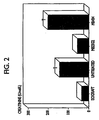
- Figure 2 shows the serum creatinine levels in animals from each group at the time of sacrifice, or beyond day 100 for the long-term survivors.
- the glycosylated epitope for MB23G2 is either involved in, or is near to, sites involved in the biochemical activity of CD45RB.
- the non-glycosylated epitope for MB4B4 appears to be non-critical for CD45RB activity.
- the aggregates contained high numbers of CD4+ and CD8+ cells in all three groups. While the numbers of CD4+ and CD45RB+ cells in the diffuse infiltrates were approximately equivalent in all three groups (Table III, second and fourth rows) the numbers of CD3+ cells and CD8+ cells in the diffuse infiltrates were statistically different between MB23G2-treated and the other groups (Table III, first and third rows).
- the MB23G2-treated animals demonstrated an elevated CD4:CD8 ratio compared to MB4B4-treated and untreated animals.
- few of the infiltrating cells were CD45RB positive, a particularly notable finding considering that the CD45RB mAb MB23G2 could reverse acute rejection.
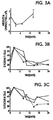
- MB23G2 The pharmacologic effects of MB23G2 on the peripheral blood in mice were assessed using multiparameter FACS analysis. Mice were treated with 30 ⁇ g of MB23G2 mAb intravenously on two consecutive days. As shown in Fig 3A , MB23G2 induced a significant depletion of circulating lymphocytes which returned to normal one week after stopping the mAb. MB23G2 bound to almost all the remaining circulating T and B lymphocytes ( Fig. 3B and 3C ). FACS analysis revealed no excess MB23G2 antibody in the plasma by day 8. FACS analysis of the spleen demonstrated that the administered therapy penetrated the lymphoid tissue 24 hours after the second dose of MB23G2. A FACS inhibition assay did not reveal sensitization of any of the mice to the MB23G2 mAb up to 2 weeks after therapy.
- CD45 is a protein tyrosine phosphatase
- tests were designed to show that induction of allograft tolerance by MB23G2 mAb is related to an alteration in tyrosine phosphorylation of T cell substrates necessary for signal transduction to occur.
- EXAMPLE 9 Mechanism of Tolerance Induction by CD45RB Monoclonal Antibody: Increased Tyrosine Phosphorylation of Phospholipase C- ⁇ 1 and Decreased Expression of Inflammatory Cytokines
- Murine T cell hybridoma A1.1 cells were stimulated with the CD3 mAb 2C11 in the presence or absence of MB23G2 or MB4B4 mAb.
- the cells were lysed in Brij 96 and the phosphotyrosine-containing proteins were immunoprecipitated with anti-phosphotyrosine mAb PY72.
- the immunoprecipitated proteins were extracted and separated on 10% SDS-polyacrylamide gels, transferred electrophoretically to PVDF membranes and submitted to an immunoblotting procedure (See Lazarovits et al., J. Immunol. , 153 , 3956 (1994)) using the anti-phosphotyrosine mAb 4G10.
- intercellular adhesion molecule-1 (ICAM) mRNA was also decreased in the MB23G2-treated animals on day 28, with no difference observed on day 7.
- IAM intercellular adhesion molecule-1
- Renal allografts were performed on two Cynomolgous monkeys using a CD45RB monoclonal antibody (which binds to a neuraminidase sensitive epitope), as an immune suppressor and the details are set forth below:
- the animals were housed in the University of Western Ontario primate facility. They were provided with squeeze cages which allow for drug injections and sample collection without having to anesthetize the animal, thereby reducing stress. They were maintained on standard monkey feed, and other foods for diversity. They were allowed regular exercise in the exercise cage. The animal care followed the standard operating procedures for non-human primates provided by veterinary services.
- Animals were typed for blood groups. On arrival, the animals were rested for at least 2 weeks. The animals were anesthetized with atropine and ketamine for physical examination, including inspection for oral B virus, TB testing, and de-wormed with Ivernectin 2828. Animals fasted the night prior to any anesthetics.
- Two donor animals were injected with ketamine, taken to the OR, intubated and put on insofluorane/nitrous oxide.
- a three stage surgical prep is used. After a midline incision of the two, the left renal artery, vein and ureter were carefully isolated and divided. Grafts were ex-vivo perfused and stored in 4°C University of Wisconsin solution. The wounds were closed and the animals returned to the cage to recover from the anesthetic. 200 - 300 ml of saline were given by continuous i.v. during the surgery. During the surgery, the animals were kept warm using a heating lamp, heated saline and heating pad, etc.
- the recipient was anesthetized and prepared preoperatively as described for the donor. After a midline incision, abdominal aorta and inferior vena cava were exposed. End-to-side anastomoses were performed between the donor renal artery and the recipient aorta, as well as between the donor renal vein and the recipient inferior vena cava. The donor ureter was sutured to the recipient's bladder. The right kidney was removed and the wound was closed.
- the post-operative care is the same as described for the donor. Animals were monitored continually post-operatively for at least 24 hours, more if necessary. They were monitored closely (i.e., several times per day) until feeding and grooming normally. Thereafter, they were monitored at least daily when they received their monoclonal antibody.
- the recipient animals received 4 mg (1 mg/kg) of anti-CD45RB 6G3 mAb post operatively for 7 days. There were no side effects associated with such infusions. Both animals survived normally until day 16 when each experienced an acute rejection crises. The first animal was euthanized 2 days later on day 18. The second animal was re-treated with 4 mg/kg (16 mg) of anti-CD45RB 6G3 mAb. This therapy was given daily i.v. for four days. Remarkably the rejection crises completely reversed as the animal was observed to resume normal activities and creatine levels were observed to decrease from a "crises" level of 738 ⁇ mol/L to 366 ⁇ mol/L. The animal remained well until day 36 when another rejection crises developed.
- the animal was than euthanized. Histology of the allograft revealed that there was profound endotheliitis on post-operative day 15 just before additional therapy was administered leading to reversal. A biopsy of the allograft of this animal was performed on post-operative day 23 revealing the endotheliitis had cleared.
- This animal was treated with 6G3 antibody 2 mg/kg/day (8 mg) x 7 days and then 6 more doses given on Monday, Wednesday and Friday for each of the next two weeks was to be given. Thus, 8 mg of 6G3 antibody was planned to be given over three weeks. The animal developed rejection on day 14 and was euthanized.
- This animal received the same therapy as monkey #3. That is 8 mg of 6G3 antibody was given intravenously for 13 doses over three weeks. This animal has done remarkably well and continues to be alive beyond 70 days. No rejection has been diagnosed.
- Heterotopic heart transplants from C57B1/6 mice into BALB/C donors were performed essentially as described in R.L. Kirkman et al (1985) Transplantation 40: 719-722. Seven of the mice received 30 ⁇ g iv of rat anti-mouse CD45RB mAb MB23G2 on days 0 and 1 following heart transplantation. Four other mice received 30 ⁇ g i.v. on days 0 and 1 and 100 ⁇ g ip of rat anti-mouse CD45RB mAb MB23G2 daily on days 2 to 11 following heart transplantation. Fourteen control mice received no antibody. Survival of the heterotopic graft was determined by whether the heart was beating and rejection was confirmed by histological analysis.
- Pancreatic islet allografts were transplanted under the kidney capsule from CBA/J donors into streptozotocin-treated BALB/C recipients essentially as described in M.C. Fabian et al., Transplantation , 56 , 1137 (1993). Five control mice received no antibody while eleven mice received 30 ⁇ g i.v. of rat anti-mouse CD45RB mAb MB23G2 on days 0 to 1 post-operation. Rejection was defined as onset of glycosuria. All islet allografts from control mice had been rejected by day 24 with a mean rejection time of 17 days. Antibody-treated mice showed a mean rejection time of 34 days with two mice having no signs of rejection at day 50 when the experiment was stopped.
- EXAMPLE 14 Induction of Xenograft Tolerance in Rat to Mouse Transplant Models
- mice treated with MB23G2 mAb and CyP had a significantly longer median survival time than animals treated with mAb alone or CyP alone, demonstrating that CD45RB mAb and CyP have a synergistic effect on prolonging renal xenografts in the mouse.
- the ultimate goal for clinical xenotransplantation is to induce xenograft tolerance, thereby eliminating the continuous use of toxic, high-dose immunosuppression. It was recently demonstrated in a hamster heart to mouse xenograft model that the combination of pulse therapy with CyP and continuous CsA treatment induced prolonged graft survival. See Hasan et al., Transplantation , 54 , 408 (1992). However, when the cyclosporin therapy was stopped, the xenografts were rejected within a short period of time, i.e., the median survival time was less than three weeks. Thus, therapy with CyP and CsA was unable to induce xenograft tolerance.
- mice Five female NOD mice were treated with 30 ⁇ g iv of rat anti-mouse CD45RB mAb MB23G2 on days 28, 29 and 30 after birth.
- Five control mice received no antibody treatment.
- week 27 all control mice were dead as a result of diabetes.
- Of the antibody-treated mice 2 died of diabetes while the other 3 remained alive and well until week 35 at which point they were killed and their pancreas examined histologically. There was no sign of insulitis in any of the three surviving animals.
- Table VIII summarizes the results from this experiment. ONSET OF DIABETES IN NOD MICE Groups Number Survival Without Diabetes Untreated 5 0 (all dead by 27 weeks) CD45RB mAb 30 ⁇ g iv days 28, 29, 30 5 3 > 35 weeks
- groups I and II will receive prior treatment with rat anti-mouse CD45RB mAb and groups III and IV will receive no prior treatment with rat anti-mouse CD45RB mAb.
- groups I and III are treated with anti-mouse CD45RB mAb on varying days, while groups II and IV receive no further antibody treatment.
- the effectiveness of the antibody treatment in preventing rejection of the skin graft is determined by comparing the length of time the black skin graft survives on the white recipient mice in the four groups.
- ED 50 is the oral dose in mg/kg which reduces the swelling (primary or secondary) to half of that of the controls.
- mice of the New Zealand black-strain die with widespread and diverse symptoms of hemolytic anemia, glomerulonephritis, and vasculitis, all very reminiscent of human systemic lupus erythematosus (SLE).
- SLE human systemic lupus erythematosus
- the effectiveness of the present invention in treating SLE is evaluated in this mouse model by treating newborn NZB mice with rat anti-mouse CD45RB mAb MB23G2 at varying times after birth and then analyzing treated and untreated mice for the onset of autoimmune disease, particularly for glomerulonephritis, which is also a prominent feature of human SLE.
- Mononuclear cells were isolated from the peripheral blood of volunteers by Ficoll-Hypaque density gradient centrifugation. The cells were stimulated in RPMI1640 with 10% FCS with OKT3 or a non-reactive control antibody for periods of 1-4 days. The percentages of CD3, CD4 and CD8 cells positive for CD69 as a marker of early and CD25 as a marker of late activation were determined by FACScan analysis. Poppema et al., Leukemia and Lymphoma , 20 , 217 (1996). The effect of CD45 and CD45R antibodies was measured by adding these reagents as singles or as cocktails.
- CD25 and CD69 were also analyzed after gating for CD4+ or CD8+ T cells.
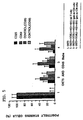
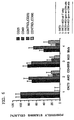
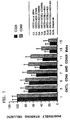
- the results indicate that anti-CD45RB reagent 6G3 has a much more pronounced inhibitory effect on CD8 cells than on CD4 cells. See Figure 6. Combinations of reagents were also tested and as is shown in Figure 7, clear synergy of a CD45, CD45RB and CD45RO mixture was found, which reduced the level of CD25 expression to that not significantly different from the non-stimulated controls.
- CD25 expression of in vitro CD3 stimulated peripheral blood T cells demonstrates the immunomodulatory activity of anti-CD45(R) antibodies.
- a mixture of anti-human CD45(R) antibodies is a powerful inhibitor of T-ceh activation in vitro , and may well be suitable for the prevention and reversion of allograft rejection.
- EXAMPLE 21 The ability of anti-CD45RB mAB MB23G2 to prevent the development of EAE in NZW mice immunized with MBP.
- the purified monoclonal antibody MB23G2 (HB220) anti-CD45RB was used (ATCC, Rockville, Maryland).
- Polyclonal rat IgG was obtained from jackson Research Laboratories, Bar Harbor, Maine.
- Bovine spinal cord tissue (Pel-Freeze, Inc., Rogers, AR) was homogenized and delipidated in 2:1 chloroform:methanol. The solid residue was extracted at pH 3.0 for 1 hour and the extract was chromatographed on CM-52 equilibrated with 6M urea .08M glycine, pH 10.4. The eluate was dialyzed overnight using 6000-8000 M tubing in .1 M acetic acid. It was then lyophilized and run on a SDS-PAGE gel to check for purity.
- mice were immunized subcutaneously with emulsified bovine MBP (100 ⁇ l) in complete Freund's adjuvant (CFA) plus H37 Ra (4mg/ml). They were also injected IP with 500ng pertussis toxin (List Biological Laboratories, Campbell, CA) on day 0 and day 10 post immunization. Mice developed signs of EAE by day 10-14 post immunization. Clinical severity was based on a grading scale where 0 is normal; 1, decreased tail tone; 2, tail paralysis; 3, paraparesis; 4, paraplegia; 5, moribund/death. A severity score was developed based on the number of animals multiplied by the clinical severity for each animal.
- mice were injected with 40 ⁇ g of anti-CD45RB antibody or polyclonal rat Ig (Jackson Research Laboratories, Bar Harbor, Maine) as a control on day 0 and day 5 post immunization IP in a total volume of 100 ⁇ l.
- microtiter plates were coated with 50ug/ml of purified anti-V ⁇ 8 or anti-CD3 respectively. Plates were incubated overnight at 4° C. and washed 3 times with sterile PBS before addition of spleen cells. Spleen cells were obtained from EAE positive (control treated) and EAE negative (anti-CD45RB treated) mice. The cells were subjected to .84% ammonium chloride for 5 min. at room temperature for removal of erthrocytes, washed 3 times with sterile PBS, and plated at a concentration of 1x10 5 cells per well. Cells were also stimulated with PMA/ionomycin at optimal concentrations. On day 2 post incubation, cultured cells were pulsed with 1 ⁇ Ci (37 kBq) of [ methyl- 3 H] thymidine for 18 hours and harvested with a PHD cell harvester (Cambridge Technology, Cambridge, MA).
- TNF- ⁇ ELISA kit purchased from Genzyme Immunologicals, Cambridge, MA. Concentrations of TNF- ⁇ were determined from a standard curve derived from a serial dilutions of the provided positive control. Samples were measured in duplicate.
- Lymph nodes were collected from the control and treated animals and pooled. Single cell suspensions were prepared and any red blood cells were lysed with 0.84% NH 4 Cl. Cells were washed twice in PBS, counted and 1x10 6 cells were placed in 96-well microtiter plates for staining. Saturating amounts of the appropriate antibody (VLA-4 directly conjugated to phycoerythrin (PE), biotinylated LFA-1, and biotinylated ICAM-I all obtained from Pharmingen, San Diego, CA) were added. The second step consisted of incubating with PE-conjugated streptavidin (Jackson Immunoresearch, West Grove, PA) where necessary.
- PE phycoerythrin
- the cells were then washed three times in PBS and fixed with an equal volume of 2% paraformaldehyde.
- Flow cytometry was performed on a FACScan flow cytometer (Becton Dickinson, Palo Alto, CA) using PC Lysis software. Dead cells were excluded by forward and side scatter gating. Data was analyzed using Lysis II software.
- Total serum IgE was determined using a sandwich ELISA.
- EM95.3 rat anti-mouse IgE monoclonal antibody used for capture
- BBS borate-buffered saline
- Immulon® 2 microtiter plates were coated with 100ml of this solution and allowed to stand overnight at 4° C.
- microplates were washed three times with BBS containing 0.05% Tween 20. All incubations were for one hour at room temperature unless otherwise noted. Sera was diluted in BBT (BBS supplemented with 0.5% BSA and 0.4% Tween 80) from 1:40 to 1:200. Biotinylated B1E3 (rat anti-mouse IgE used for detection) was added as the secondary antibody.
- the indicator system consisted of ExtrAvidin® alkaline phosphatase and the substrate Sigma 104® phosphatase substrate (r-nitrophenyl phosphate, disodium, hexahydrate).
- Mouse sera were tested for the presence of IgG ANoA by indirect immunofluorescence using commercially prepared mouse frozen kidney slides (Sanofi, Chaska, MN). The slides were incubated for 30 minutes at room temperature with sera diluted in PBS. The unbound sera was removed with three more washes with PBS. Next, the slides were incubated for 30 minutes at room temperature with 50 ⁇ l of FITC-conjugated goat anti-mouse IgG (Fc fragment specific, Jackson ImmunoResearch, West Grove, PA) diluted 1:50 in PBS. The unbound secondary antibody was removed by washing each well three times with PBS.
- FITC-conjugated goat anti-mouse IgG Fc fragment specific, Jackson ImmunoResearch, West Grove, PA
- the cells were examined under fluorescence illumination by inverting the 96 well plate on the microscope stage (Carl Zeiss, Inc., Thornwood, NY). Antinucleolar staining was evidenced by an intense homogeneous staining of the nucleoli.
- Treatment with anti-CD45RB alters T cell proliferative ability.
- T cells were isolated from the lymph noces of CD45RB and control treated animals, and examined for the ability to proliferate to PMA/ionomycin, anti-CD3, anti V ⁇ 8, as well as Con A stimulation in vitro.
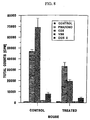
- treatment with anti-CD45RB in vivo significantly reduced the proliferative capacity of isolated T cells to all modes of stimulation in vitro, at day 5 after administration of MBP (also 5 days after the first dose of anti-CD45RB).
- day 10 (10 days after MBP, but 5 days after second dose of anti-CD45RB)
- proliferation of lymph node T cells was actually enhanced in treated versus control mice ( Figure 9).
Landscapes
- Health & Medical Sciences (AREA)
- Chemical & Material Sciences (AREA)
- Immunology (AREA)
- Medicinal Chemistry (AREA)
- Life Sciences & Earth Sciences (AREA)
- Engineering & Computer Science (AREA)
- General Health & Medical Sciences (AREA)
- Bioinformatics & Cheminformatics (AREA)
- Pharmacology & Pharmacy (AREA)
- Animal Behavior & Ethology (AREA)
- Organic Chemistry (AREA)
- Public Health (AREA)
- Veterinary Medicine (AREA)
- Microbiology (AREA)
- Mycology (AREA)
- Epidemiology (AREA)
- Molecular Biology (AREA)
- Genetics & Genomics (AREA)
- Proteomics, Peptides & Aminoacids (AREA)
- Biophysics (AREA)
- Biomedical Technology (AREA)
- Biochemistry (AREA)
- Chemical Kinetics & Catalysis (AREA)
- General Chemical & Material Sciences (AREA)
- Transplantation (AREA)
- Nuclear Medicine, Radiotherapy & Molecular Imaging (AREA)
- Medicines Containing Antibodies Or Antigens For Use As Internal Diagnostic Agents (AREA)
- Peptides Or Proteins (AREA)
- Medicines That Contain Protein Lipid Enzymes And Other Medicines (AREA)
- Preparation Of Compounds By Using Micro-Organisms (AREA)
- Pharmaceuticals Containing Other Organic And Inorganic Compounds (AREA)
- Micro-Organisms Or Cultivation Processes Thereof (AREA)
Applications Claiming Priority (3)
| Application Number | Priority Date | Filing Date | Title |
|---|---|---|---|
| US08/715,342 US6106834A (en) | 1993-06-02 | 1996-09-18 | Use of anti-CD45 leukocyte antigen antibodies for immunomodulation |
| US715342 | 1996-09-18 | ||
| PCT/US1997/016321 WO1998011918A1 (en) | 1996-09-18 | 1997-09-17 | Use of antibodies to cd45r leukocyte antigens for immunomodulation |
Publications (2)
| Publication Number | Publication Date |
|---|---|
| EP0939652A1 EP0939652A1 (en) | 1999-09-08 |
| EP0939652B1 true EP0939652B1 (en) | 2005-08-10 |
Family
ID=24873646
Family Applications (1)
| Application Number | Title | Priority Date | Filing Date |
|---|---|---|---|
| EP97943316A Expired - Lifetime EP0939652B1 (en) | 1996-09-18 | 1997-09-17 | Use of antibodies to cd45ro leukocyte antigen for immunomodulation |
Country Status (8)
| Country | Link |
|---|---|
| US (3) | US6106834A (enExample) |
| EP (1) | EP0939652B1 (enExample) |
| JP (1) | JP2001501607A (enExample) |
| AT (1) | ATE301471T1 (enExample) |
| CA (1) | CA2266684A1 (enExample) |
| DE (1) | DE69733960T2 (enExample) |
| ES (1) | ES2247638T3 (enExample) |
| WO (1) | WO1998011918A1 (enExample) |
Families Citing this family (47)
| Publication number | Priority date | Publication date | Assignee | Title |
|---|---|---|---|---|
| US7014998B2 (en) | 2000-09-30 | 2006-03-21 | Yale University | Screening immunomodulatory agents by CTLA-4 upregulation |
| GB0103389D0 (en) * | 2001-02-12 | 2001-03-28 | Novartis Ag | Organic compounds |
| US20050069538A1 (en) | 2003-09-18 | 2005-03-31 | Gregorio Aversa | Therapeutic binding molecules |
| US7265212B2 (en) * | 2001-12-03 | 2007-09-04 | Amgen Fremont Inc. | Anti-CD45RB antibodies |
| US20050069549A1 (en) | 2002-01-14 | 2005-03-31 | William Herman | Targeted ligands |
| US20030175270A1 (en) * | 2002-01-17 | 2003-09-18 | Josef Penninger | Methods of regulating cytokine receptor signaling |
| CA2491427A1 (en) * | 2002-07-01 | 2004-01-08 | Savient Pharmaceuticals, Inc. | Compositions and methods for therapeutic treatment |
| US20040146503A1 (en) * | 2002-08-28 | 2004-07-29 | Tesi Raymond J. | Methods and compositions for inducing stable immune tolerance |
| US20040047858A1 (en) * | 2002-09-11 | 2004-03-11 | Blumberg Richard S. | Therapeutic anti-BGP(C-CAM1) antibodies and uses thereof |
| EP1658096A1 (en) * | 2003-08-25 | 2006-05-24 | PanGenetics B.V. | Method of inducing immune tolerance |
| DE602004026081D1 (de) * | 2003-09-18 | 2010-04-29 | Novartis Ag | Therapeutische humanisierte antikörper gegen cd45-isoformen |
| WO2007087453A2 (en) * | 2006-01-27 | 2007-08-02 | Cellerant Therapeutics, Inc. | Compositions and methods for treating haematological proliferative disorders |
| US20100034782A1 (en) * | 2006-05-31 | 2010-02-11 | Nader Najafian | Methods of Using Anti-Thymocyte Globulin and Related Agents |
| CN104177464B (zh) * | 2006-08-18 | 2017-04-12 | 阿哥斯医疗公司 | Cd83在联合治疗中的用途 |
| JP2010503710A (ja) | 2006-09-18 | 2010-02-04 | ラプトール ファーマシューティカル インコーポレイテッド | 受容体関連タンパク質(rap)結合体の投与による肝障害の処置 |
| CN105664147A (zh) | 2007-02-07 | 2016-06-15 | 日本电气株式会社 | 用于癌症的治疗剂 |
| WO2013021784A1 (ja) * | 2011-08-10 | 2013-02-14 | ナパジェン ファーマ,インコーポレテッド | 免疫寛容誘導剤 |
| US20120077778A1 (en) | 2010-09-29 | 2012-03-29 | Andrea Bourdelais | Ladder-Frame Polyether Conjugates |
| EP2682462B1 (en) | 2011-02-28 | 2017-11-08 | Napajen Pharma, Inc. | (nucleic acid)-polysaccharide complex |
| JP6210879B2 (ja) * | 2011-08-10 | 2017-10-11 | ナパジェン ファーマ, インコーポレテッドNapaJen Pharma, Inc. | 免疫寛容誘導剤 |
| GB201409558D0 (en) | 2014-05-29 | 2014-07-16 | Ucb Biopharma Sprl | Method |
| GB201412658D0 (en) | 2014-07-16 | 2014-08-27 | Ucb Biopharma Sprl | Molecules |
| GB201412659D0 (en) | 2014-07-16 | 2014-08-27 | Ucb Biopharma Sprl | Molecules |
| US20170226209A1 (en) * | 2014-08-01 | 2017-08-10 | INSERM (Institut National de la Santé et de la Recherche Médicale) | An anti-cd45rc antibody for use as drug |
| GB201601075D0 (en) | 2016-01-20 | 2016-03-02 | Ucb Biopharma Sprl | Antibodies molecules |
| GB201601077D0 (en) | 2016-01-20 | 2016-03-02 | Ucb Biopharma Sprl | Antibody molecule |
| GB201601073D0 (en) * | 2016-01-20 | 2016-03-02 | Ucb Biopharma Sprl | Antibodies |
| EP3858388B1 (en) | 2015-09-28 | 2024-07-03 | Regents of the University of Minnesota | Chimeric antigen receptor (car) t cells as therapeutic interventions for gvhd |
| GB201521391D0 (en) | 2015-12-03 | 2016-01-20 | Ucb Biopharma Sprl | Antibodies |
| GB201521389D0 (en) | 2015-12-03 | 2016-01-20 | Ucb Biopharma Sprl | Method |
| GB201521393D0 (en) | 2015-12-03 | 2016-01-20 | Ucb Biopharma Sprl | Antibodies |
| GB201521382D0 (en) | 2015-12-03 | 2016-01-20 | Ucb Biopharma Sprl | Antibodies |
| GB201521383D0 (en) | 2015-12-03 | 2016-01-20 | Ucb Biopharma Sprl And Ucb Celltech | Method |
| US10111966B2 (en) | 2016-06-17 | 2018-10-30 | Magenta Therapeutics, Inc. | Methods for the depletion of CD117+ cells |
| CN109641051A (zh) | 2016-06-17 | 2019-04-16 | 美真达治疗公司 | 用于耗尽细胞的组合物和方法 |
| CA3042683A1 (en) | 2016-11-07 | 2018-05-11 | Coimmune, Inc. | Bispecific antibodies that modulate tlr-4 signaling and uses thereof |
| SG11201906319XA (en) | 2017-01-20 | 2019-08-27 | Magenta Therapeutics Inc | Compositions and methods for the depletion of cd137+ cells |
| EP3514541A1 (de) | 2018-01-17 | 2019-07-24 | Siemens Healthcare Diagnostics Products GmbH | Verfahren zur quantitativen bestimmung eines therapeutischen tnf-alpha inhibitors |
| EP3917313A4 (en) * | 2019-02-01 | 2023-02-08 | Actinium Pharmaceuticals, Inc. | MOLECULES AND THEIR DERIVATIVES AGAINST CD45 |
| CN111707833A (zh) * | 2020-06-19 | 2020-09-25 | 徐州医科大学 | 小鼠血管内外淋巴细胞识别的方法及其应用 |
| JP2024500189A (ja) | 2020-12-21 | 2024-01-04 | アロジーン セラピューティクス,インコーポレイテッド | プロテアーゼ活性化cd45ゲートcar |
| AU2022218137A1 (en) | 2021-02-03 | 2023-08-24 | Mozart Therapeutics, Inc. | Binding agents and methods of using the same |
| EP4310188A1 (en) | 2021-03-17 | 2024-01-24 | Daiichi Sankyo Company, Limited | Gene coding for chimeric receptor for anti-acetylcholine receptor autoantibody |
| WO2023076876A1 (en) | 2021-10-26 | 2023-05-04 | Mozart Therapeutics, Inc. | Modulation of immune responses to viral vectors |
| TW202346359A (zh) | 2022-04-15 | 2023-12-01 | 美商凱維那醫療公司 | 用於治療自體免疫疾病之方法及組合物 |
| US20240261405A1 (en) | 2022-06-08 | 2024-08-08 | Kyverna Therapeutics, Inc. | Methods and compositions for treating autoimmune disease |
| CN120554513B (zh) * | 2025-07-28 | 2025-11-21 | 杭州华大生命科学研究院 | 一种抗cd45抗体及其应用 |
Family Cites Families (9)
| Publication number | Priority date | Publication date | Assignee | Title |
|---|---|---|---|---|
| US4626507A (en) * | 1980-09-25 | 1986-12-02 | The Salk Institute For Biological Studies | Hybridomas producing monoclonal antibodies specific for a human cell surface glycoprotein |
| US5100899A (en) * | 1989-06-06 | 1992-03-31 | Roy Calne | Methods of inhibiting transplant rejection in mammals using rapamycin and derivatives and prodrugs thereof |
| CA2069342A1 (en) * | 1989-10-20 | 1991-04-21 | Herman Waldmann | Materials and methods for the treatment of foreign tissue |
| HUT60768A (en) * | 1990-03-16 | 1992-10-28 | Sandoz Ag | Process for producing cd25 fixing molecules |
| DE69226871T3 (de) * | 1991-06-27 | 2009-09-24 | Bristol-Myers Squibb Co. | CTL4A-Rezeptor, ihn enthaltenden Fusionsproteine und deren Verwendung |
| US6024957A (en) * | 1993-06-02 | 2000-02-15 | Research Corporation Technologies, Inc. | Immunomodulators and methods for the prevention and reversal of organ transplant rejection using same |
| GB9323542D0 (en) * | 1993-11-15 | 1994-01-05 | Univ Alberta | Lymphocyte marker specific for corhn's disease |
| US5565491A (en) * | 1994-01-31 | 1996-10-15 | Bristol-Myers Squibb Company | Use of phosphotyrosine phospatase inhibitors for controlling cellular proliferation |
| US6174710B1 (en) | 1994-08-09 | 2001-01-16 | Pfizer Inc. | Spirolaxine derivatives for treating gastrobuodenal diseases |
-
1996
- 1996-09-18 US US08/715,342 patent/US6106834A/en not_active Expired - Fee Related
-
1997
- 1997-09-17 JP JP10514798A patent/JP2001501607A/ja not_active Ceased
- 1997-09-17 DE DE69733960T patent/DE69733960T2/de not_active Expired - Fee Related
- 1997-09-17 EP EP97943316A patent/EP0939652B1/en not_active Expired - Lifetime
- 1997-09-17 WO PCT/US1997/016321 patent/WO1998011918A1/en not_active Ceased
- 1997-09-17 AT AT97943316T patent/ATE301471T1/de not_active IP Right Cessation
- 1997-09-17 CA CA002266684A patent/CA2266684A1/en not_active Abandoned
- 1997-09-17 ES ES97943316T patent/ES2247638T3/es not_active Expired - Lifetime
-
1999
- 1999-06-17 US US09/335,865 patent/US6379668B1/en not_active Expired - Fee Related
-
2002
- 2002-03-19 US US10/102,072 patent/US7160987B2/en not_active Expired - Fee Related
Also Published As
| Publication number | Publication date |
|---|---|
| WO1998011918A1 (en) | 1998-03-26 |
| DE69733960T2 (de) | 2006-05-24 |
| CA2266684A1 (en) | 1998-03-26 |
| US6379668B1 (en) | 2002-04-30 |
| US7160987B2 (en) | 2007-01-09 |
| EP0939652A1 (en) | 1999-09-08 |
| ATE301471T1 (de) | 2005-08-15 |
| ES2247638T3 (es) | 2006-03-01 |
| US20020168362A1 (en) | 2002-11-14 |
| JP2001501607A (ja) | 2001-02-06 |
| DE69733960D1 (de) | 2005-09-15 |
| US6106834A (en) | 2000-08-22 |
Similar Documents
| Publication | Publication Date | Title |
|---|---|---|
| US6379668B1 (en) | Use of anti-CD45 leukocyte antigen antibodies for immunomodulation | |
| AU711605B2 (en) | CD45RB binding compounds for the prevention of transplant rejection | |
| EP0449769B1 (en) | CD 25 binding molecules | |
| EP1421191B1 (en) | Humanised antibodies specific for both CD45RB and CD45RO | |
| JP5926702B2 (ja) | Cd200に対する抗体および免疫応答への使用 | |
| EP2289534B1 (en) | NKG2D antibodies for use in the treatment of rheumatoid arthritis or Crohn's disease | |
| JP5782132B2 (ja) | 抗CD40抗体のサイレントFc変異体 | |
| JP2002500648A (ja) | 反適応性の免疫応答、特に移植片拒絶を防ぐためのcd40:cd154結合妨害剤の使用 | |
| EP1664122B1 (en) | Therapeutic humanised antibodies against cd45 isoforms | |
| US20080095774A1 (en) | Agents and Methods for Specifically Blocking CD28-Mediated Signaling | |
| US20030170239A1 (en) | Immunotherapeutic method to prevent islet cell rejection | |
| US20040086508A1 (en) | Treatment of organ transplant rejection | |
| JPH09502184A (ja) | 体液性免疫の持続性抑制方法 | |
| EP1231937A2 (en) | Tr3-specific binding agents and methods for their use | |
| KR20230142834A (ko) | 항-cd38 항체 및 이의 용도 | |
| US20030161827A1 (en) | Therapies that improve graft survival | |
| US8900586B2 (en) | Antibody that binds domain 2 of ICAM-1 and methods of treatment | |
| TW202302642A (zh) | 用於治療抗體介導移植物排斥用途之抗cd38抗體 | |
| HK1091844B (en) | Therapeutic humanised antibodies against cd45 isoforms | |
| MXPA99010571A (en) | Use of a cd40:cd154 binding interruptor to prevent counter adaptive immune responses, particularly graft rejection |
Legal Events
| Date | Code | Title | Description |
|---|---|---|---|
| PUAI | Public reference made under article 153(3) epc to a published international application that has entered the european phase |
Free format text: ORIGINAL CODE: 0009012 |
|
| 17P | Request for examination filed |
Effective date: 19990420 |
|
| AK | Designated contracting states |
Kind code of ref document: A1 Designated state(s): AT BE CH DE ES FR GB IE IT LI NL SE |
|
| 17Q | First examination report despatched |
Effective date: 20010906 |
|
| RTI1 | Title (correction) |
Free format text: USE OF ANTIBODIES TO CD45RO LEUKOCYTE ANTIGEN FOR IMMUNOMODULATION |
|
| RTI1 | Title (correction) |
Free format text: USE OF ANTIBODIES TO CD45RO LEUKOCYTE ANTIGEN FOR IMMUNOMODULATION |
|
| GRAH | Despatch of communication of intention to grant a patent |
Free format text: ORIGINAL CODE: EPIDOS IGRA |
|
| RTI1 | Title (correction) |
Free format text: USE OF ANTIBODIES TO CD45RO LEUKOCYTE ANTIGEN FOR IMMUNOMODULATION |
|
| RTI1 | Title (correction) |
Free format text: USE OF ANTIBODIES TO CD45RO LEUKOCYTE ANTIGEN FOR IMMUNOMODULATION |
|
| GRAS | Grant fee paid |
Free format text: ORIGINAL CODE: EPIDOSNIGR3 |
|
| GRAA | (expected) grant |
Free format text: ORIGINAL CODE: 0009210 |
|
| AK | Designated contracting states |
Kind code of ref document: B1 Designated state(s): AT BE CH DE ES FR GB IE IT LI NL SE |
|
| REG | Reference to a national code |
Ref country code: GB Ref legal event code: FG4D |
|
| REG | Reference to a national code |
Ref country code: CH Ref legal event code: EP |
|
| REG | Reference to a national code |
Ref country code: IE Ref legal event code: FG4D |
|
| REF | Corresponds to: |
Ref document number: 69733960 Country of ref document: DE Date of ref document: 20050915 Kind code of ref document: P |
|
| REG | Reference to a national code |
Ref country code: SE Ref legal event code: TRGR |
|
| REG | Reference to a national code |
Ref country code: CH Ref legal event code: NV Representative=s name: A. BRAUN, BRAUN, HERITIER, ESCHMANN AG PATENTANWAE |
|
| REG | Reference to a national code |
Ref country code: ES Ref legal event code: FG2A Ref document number: 2247638 Country of ref document: ES Kind code of ref document: T3 |
|
| RAP2 | Party data changed (patent owner data changed or rights of a patent transferred) |
Owner name: ALIMMUNE, L.L.C. |
|
| ET | Fr: translation filed | ||
| NLT2 | Nl: modifications (of names), taken from the european patent patent bulletin |
Owner name: ALIMMUNE, L.L.C. Effective date: 20060412 |
|
| PLBE | No opposition filed within time limit |
Free format text: ORIGINAL CODE: 0009261 |
|
| STAA | Information on the status of an ep patent application or granted ep patent |
Free format text: STATUS: NO OPPOSITION FILED WITHIN TIME LIMIT |
|
| 26N | No opposition filed |
Effective date: 20060511 |
|
| PGFP | Annual fee paid to national office [announced via postgrant information from national office to epo] |
Ref country code: IE Payment date: 20070713 Year of fee payment: 11 |
|
| REG | Reference to a national code |
Ref country code: CH Ref legal event code: PUE Owner name: ALIMMUNE, L.L.C. Free format text: RESEARCH CORPORATION TECHNOLOGIES, INC#101 NORTH WILMOT ROAD, SUITE 600#TUCSON, ARIZONA 85711-3335 (US) -TRANSFER TO- ALIMMUNE, L.L.C.#101 NORTH WILMOT ROAD SUITE 600#TUSCON AZ 85711 (US) |
|
| PGFP | Annual fee paid to national office [announced via postgrant information from national office to epo] |
Ref country code: CH Payment date: 20070709 Year of fee payment: 11 Ref country code: AT Payment date: 20070806 Year of fee payment: 11 |
|
| BECA | Be: change of holder's address |
Owner name: ALIMMUNE L.L.C.101 NORTH WILMOT ROAD, SUITE 600, T Effective date: 20050810 |
|
| BECH | Be: change of holder |
Owner name: ALIMMUNE L.L.C. Effective date: 20050810 |
|
| PGFP | Annual fee paid to national office [announced via postgrant information from national office to epo] |
Ref country code: SE Payment date: 20070905 Year of fee payment: 11 Ref country code: NL Payment date: 20070806 Year of fee payment: 11 Ref country code: BE Payment date: 20070927 Year of fee payment: 11 |
|
| REG | Reference to a national code |
Ref country code: GB Ref legal event code: 732E |
|
| REG | Reference to a national code |
Ref country code: CH Ref legal event code: PFA Owner name: ALIMMUNE, L.L.C. Free format text: ALIMMUNE, L.L.C.#101 NORTH WILMOT ROAD SUITE 600#TUSCON AZ 85711 (US) -TRANSFER TO- ALIMMUNE, L.L.C.#101 NORTH WILMOT ROAD SUITE 600#TUSCON AZ 85711 (US) |
|
| BERE | Be: lapsed |
Owner name: ALIMMUNE L.L.C. Effective date: 20080930 |
|
| REG | Reference to a national code |
Ref country code: CH Ref legal event code: PL |
|
| PG25 | Lapsed in a contracting state [announced via postgrant information from national office to epo] |
Ref country code: NL Free format text: LAPSE BECAUSE OF NON-PAYMENT OF DUE FEES Effective date: 20090401 |
|
| NLV4 | Nl: lapsed or anulled due to non-payment of the annual fee |
Effective date: 20090401 |
|
| REG | Reference to a national code |
Ref country code: IE Ref legal event code: MM4A |
|
| PGFP | Annual fee paid to national office [announced via postgrant information from national office to epo] |
Ref country code: GB Payment date: 20090330 Year of fee payment: 12 |
|
| PG25 | Lapsed in a contracting state [announced via postgrant information from national office to epo] |
Ref country code: IE Free format text: LAPSE BECAUSE OF NON-PAYMENT OF DUE FEES Effective date: 20080917 Ref country code: BE Free format text: LAPSE BECAUSE OF NON-PAYMENT OF DUE FEES Effective date: 20080930 |
|
| PGFP | Annual fee paid to national office [announced via postgrant information from national office to epo] |
Ref country code: ES Payment date: 20090423 Year of fee payment: 12 |
|
| PG25 | Lapsed in a contracting state [announced via postgrant information from national office to epo] |
Ref country code: AT Free format text: LAPSE BECAUSE OF NON-PAYMENT OF DUE FEES Effective date: 20080917 |
|
| PGFP | Annual fee paid to national office [announced via postgrant information from national office to epo] |
Ref country code: IT Payment date: 20090331 Year of fee payment: 12 Ref country code: FR Payment date: 20090331 Year of fee payment: 12 Ref country code: DE Payment date: 20090330 Year of fee payment: 12 |
|
| PG25 | Lapsed in a contracting state [announced via postgrant information from national office to epo] |
Ref country code: LI Free format text: LAPSE BECAUSE OF NON-PAYMENT OF DUE FEES Effective date: 20080930 Ref country code: CH Free format text: LAPSE BECAUSE OF NON-PAYMENT OF DUE FEES Effective date: 20080930 |
|
| GBPC | Gb: european patent ceased through non-payment of renewal fee |
Effective date: 20090917 |
|
| REG | Reference to a national code |
Ref country code: FR Ref legal event code: ST Effective date: 20100531 |
|
| PG25 | Lapsed in a contracting state [announced via postgrant information from national office to epo] |
Ref country code: SE Free format text: LAPSE BECAUSE OF NON-PAYMENT OF DUE FEES Effective date: 20080918 Ref country code: FR Free format text: LAPSE BECAUSE OF NON-PAYMENT OF DUE FEES Effective date: 20090930 Ref country code: DE Free format text: LAPSE BECAUSE OF NON-PAYMENT OF DUE FEES Effective date: 20100401 |
|
| PG25 | Lapsed in a contracting state [announced via postgrant information from national office to epo] |
Ref country code: GB Free format text: LAPSE BECAUSE OF NON-PAYMENT OF DUE FEES Effective date: 20090917 |
|
| PG25 | Lapsed in a contracting state [announced via postgrant information from national office to epo] |
Ref country code: IT Free format text: LAPSE BECAUSE OF NON-PAYMENT OF DUE FEES Effective date: 20090917 |
|
| REG | Reference to a national code |
Ref country code: ES Ref legal event code: FD2A Effective date: 20110715 |
|
| PG25 | Lapsed in a contracting state [announced via postgrant information from national office to epo] |
Ref country code: ES Free format text: LAPSE BECAUSE OF NON-PAYMENT OF DUE FEES Effective date: 20110705 |
|
| PG25 | Lapsed in a contracting state [announced via postgrant information from national office to epo] |
Ref country code: ES Free format text: LAPSE BECAUSE OF NON-PAYMENT OF DUE FEES Effective date: 20090918 |