EP0882130B1 - Human cancer antigen of tyrosinase-related protein 1 and gene encoding same - Google Patents
Human cancer antigen of tyrosinase-related protein 1 and gene encoding same Download PDFInfo
- Publication number
- EP0882130B1 EP0882130B1 EP97907609A EP97907609A EP0882130B1 EP 0882130 B1 EP0882130 B1 EP 0882130B1 EP 97907609 A EP97907609 A EP 97907609A EP 97907609 A EP97907609 A EP 97907609A EP 0882130 B1 EP0882130 B1 EP 0882130B1
- Authority
- EP
- European Patent Office
- Prior art keywords
- cancer
- peptide
- cells
- gene
- seq
- Prior art date
- Legal status (The legal status is an assumption and is not a legal conclusion. Google has not performed a legal analysis and makes no representation as to the accuracy of the status listed.)
- Expired - Lifetime
Links
Images





Classifications
-
- C—CHEMISTRY; METALLURGY
- C12—BIOCHEMISTRY; BEER; SPIRITS; WINE; VINEGAR; MICROBIOLOGY; ENZYMOLOGY; MUTATION OR GENETIC ENGINEERING
- C12N—MICROORGANISMS OR ENZYMES; COMPOSITIONS THEREOF; PROPAGATING, PRESERVING, OR MAINTAINING MICROORGANISMS; MUTATION OR GENETIC ENGINEERING; CULTURE MEDIA
- C12N9/00—Enzymes; Proenzymes; Compositions thereof; Processes for preparing, activating, inhibiting, separating or purifying enzymes
- C12N9/0004—Oxidoreductases (1.)
- C12N9/0055—Oxidoreductases (1.) acting on diphenols and related substances as donors (1.10)
- C12N9/0057—Oxidoreductases (1.) acting on diphenols and related substances as donors (1.10) with oxygen as acceptor (1.10.3)
- C12N9/0059—Catechol oxidase (1.10.3.1), i.e. tyrosinase
-
- A—HUMAN NECESSITIES
- A61—MEDICAL OR VETERINARY SCIENCE; HYGIENE
- A61K—PREPARATIONS FOR MEDICAL, DENTAL OR TOILETRY PURPOSES
- A61K40/00—Cellular immunotherapy
-
- A—HUMAN NECESSITIES
- A61—MEDICAL OR VETERINARY SCIENCE; HYGIENE
- A61K—PREPARATIONS FOR MEDICAL, DENTAL OR TOILETRY PURPOSES
- A61K40/00—Cellular immunotherapy
- A61K40/10—Cellular immunotherapy characterised by the cell type used
- A61K40/11—T-cells, e.g. tumour infiltrating lymphocytes [TIL] or regulatory T [Treg] cells; Lymphokine-activated killer [LAK] cells
-
- A—HUMAN NECESSITIES
- A61—MEDICAL OR VETERINARY SCIENCE; HYGIENE
- A61K—PREPARATIONS FOR MEDICAL, DENTAL OR TOILETRY PURPOSES
- A61K40/00—Cellular immunotherapy
- A61K40/40—Cellular immunotherapy characterised by antigens that are targeted or presented by cells of the immune system
- A61K40/41—Vertebrate antigens
- A61K40/42—Cancer antigens
- A61K40/4271—Melanoma antigens
-
- A—HUMAN NECESSITIES
- A61—MEDICAL OR VETERINARY SCIENCE; HYGIENE
- A61P—SPECIFIC THERAPEUTIC ACTIVITY OF CHEMICAL COMPOUNDS OR MEDICINAL PREPARATIONS
- A61P35/00—Antineoplastic agents
-
- A—HUMAN NECESSITIES
- A61—MEDICAL OR VETERINARY SCIENCE; HYGIENE
- A61P—SPECIFIC THERAPEUTIC ACTIVITY OF CHEMICAL COMPOUNDS OR MEDICINAL PREPARATIONS
- A61P37/00—Drugs for immunological or allergic disorders
- A61P37/02—Immunomodulators
- A61P37/04—Immunostimulants
-
- C—CHEMISTRY; METALLURGY
- C07—ORGANIC CHEMISTRY
- C07K—PEPTIDES
- C07K14/00—Peptides having more than 20 amino acids; Gastrins; Somatostatins; Melanotropins; Derivatives thereof
- C07K14/435—Peptides having more than 20 amino acids; Gastrins; Somatostatins; Melanotropins; Derivatives thereof from animals; from humans
- C07K14/46—Peptides having more than 20 amino acids; Gastrins; Somatostatins; Melanotropins; Derivatives thereof from animals; from humans from vertebrates
- C07K14/47—Peptides having more than 20 amino acids; Gastrins; Somatostatins; Melanotropins; Derivatives thereof from animals; from humans from vertebrates from mammals
- C07K14/4701—Peptides having more than 20 amino acids; Gastrins; Somatostatins; Melanotropins; Derivatives thereof from animals; from humans from vertebrates from mammals not used
- C07K14/4748—Tumour specific antigens; Tumour rejection antigen precursors [TRAP], e.g. MAGE
-
- C—CHEMISTRY; METALLURGY
- C12—BIOCHEMISTRY; BEER; SPIRITS; WINE; VINEGAR; MICROBIOLOGY; ENZYMOLOGY; MUTATION OR GENETIC ENGINEERING
- C12N—MICROORGANISMS OR ENZYMES; COMPOSITIONS THEREOF; PROPAGATING, PRESERVING, OR MAINTAINING MICROORGANISMS; MUTATION OR GENETIC ENGINEERING; CULTURE MEDIA
- C12N9/00—Enzymes; Proenzymes; Compositions thereof; Processes for preparing, activating, inhibiting, separating or purifying enzymes
- C12N9/0004—Oxidoreductases (1.)
- C12N9/0071—Oxidoreductases (1.) acting on paired donors with incorporation of molecular oxygen (1.14)
-
- C—CHEMISTRY; METALLURGY
- C12—BIOCHEMISTRY; BEER; SPIRITS; WINE; VINEGAR; MICROBIOLOGY; ENZYMOLOGY; MUTATION OR GENETIC ENGINEERING
- C12N—MICROORGANISMS OR ENZYMES; COMPOSITIONS THEREOF; PROPAGATING, PRESERVING, OR MAINTAINING MICROORGANISMS; MUTATION OR GENETIC ENGINEERING; CULTURE MEDIA
- C12N9/00—Enzymes; Proenzymes; Compositions thereof; Processes for preparing, activating, inhibiting, separating or purifying enzymes
- C12N9/90—Isomerases (5.)
-
- A—HUMAN NECESSITIES
- A01—AGRICULTURE; FORESTRY; ANIMAL HUSBANDRY; HUNTING; TRAPPING; FISHING
- A01K—ANIMAL HUSBANDRY; AVICULTURE; APICULTURE; PISCICULTURE; FISHING; REARING OR BREEDING ANIMALS, NOT OTHERWISE PROVIDED FOR; NEW BREEDS OF ANIMALS
- A01K2217/00—Genetically modified animals
- A01K2217/05—Animals comprising random inserted nucleic acids (transgenic)
-
- A—HUMAN NECESSITIES
- A61—MEDICAL OR VETERINARY SCIENCE; HYGIENE
- A61K—PREPARATIONS FOR MEDICAL, DENTAL OR TOILETRY PURPOSES
- A61K39/00—Medicinal preparations containing antigens or antibodies
- A61K2039/51—Medicinal preparations containing antigens or antibodies comprising whole cells, viruses or DNA/RNA
-
- A—HUMAN NECESSITIES
- A61—MEDICAL OR VETERINARY SCIENCE; HYGIENE
- A61K—PREPARATIONS FOR MEDICAL, DENTAL OR TOILETRY PURPOSES
- A61K2239/00—Indexing codes associated with cellular immunotherapy of group A61K40/00
- A61K2239/31—Indexing codes associated with cellular immunotherapy of group A61K40/00 characterized by the route of administration
-
- A—HUMAN NECESSITIES
- A61—MEDICAL OR VETERINARY SCIENCE; HYGIENE
- A61K—PREPARATIONS FOR MEDICAL, DENTAL OR TOILETRY PURPOSES
- A61K2239/00—Indexing codes associated with cellular immunotherapy of group A61K40/00
- A61K2239/38—Indexing codes associated with cellular immunotherapy of group A61K40/00 characterised by the dose, timing or administration schedule
-
- A—HUMAN NECESSITIES
- A61—MEDICAL OR VETERINARY SCIENCE; HYGIENE
- A61K—PREPARATIONS FOR MEDICAL, DENTAL OR TOILETRY PURPOSES
- A61K2239/00—Indexing codes associated with cellular immunotherapy of group A61K40/00
- A61K2239/46—Indexing codes associated with cellular immunotherapy of group A61K40/00 characterised by the cancer treated
- A61K2239/57—Skin; melanoma
-
- A—HUMAN NECESSITIES
- A61—MEDICAL OR VETERINARY SCIENCE; HYGIENE
- A61K—PREPARATIONS FOR MEDICAL, DENTAL OR TOILETRY PURPOSES
- A61K38/00—Medicinal preparations containing peptides
-
- A—HUMAN NECESSITIES
- A61—MEDICAL OR VETERINARY SCIENCE; HYGIENE
- A61K—PREPARATIONS FOR MEDICAL, DENTAL OR TOILETRY PURPOSES
- A61K39/00—Medicinal preparations containing antigens or antibodies
-
- A—HUMAN NECESSITIES
- A61—MEDICAL OR VETERINARY SCIENCE; HYGIENE
- A61K—PREPARATIONS FOR MEDICAL, DENTAL OR TOILETRY PURPOSES
- A61K48/00—Medicinal preparations containing genetic material which is inserted into cells of the living body to treat genetic diseases; Gene therapy
-
- C—CHEMISTRY; METALLURGY
- C12—BIOCHEMISTRY; BEER; SPIRITS; WINE; VINEGAR; MICROBIOLOGY; ENZYMOLOGY; MUTATION OR GENETIC ENGINEERING
- C12N—MICROORGANISMS OR ENZYMES; COMPOSITIONS THEREOF; PROPAGATING, PRESERVING, OR MAINTAINING MICROORGANISMS; MUTATION OR GENETIC ENGINEERING; CULTURE MEDIA
- C12N2799/00—Uses of viruses
- C12N2799/02—Uses of viruses as vector
- C12N2799/021—Uses of viruses as vector for the expression of a heterologous nucleic acid
-
- G—PHYSICS
- G01—MEASURING; TESTING
- G01N—INVESTIGATING OR ANALYSING MATERIALS BY DETERMINING THEIR CHEMICAL OR PHYSICAL PROPERTIES
- G01N2474/00—Immunochemical assays or immunoassays characterised by detection mode or means of detection
- G01N2474/20—Immunohistochemistry assay
-
- Y—GENERAL TAGGING OF NEW TECHNOLOGICAL DEVELOPMENTS; GENERAL TAGGING OF CROSS-SECTIONAL TECHNOLOGIES SPANNING OVER SEVERAL SECTIONS OF THE IPC; TECHNICAL SUBJECTS COVERED BY FORMER USPC CROSS-REFERENCE ART COLLECTIONS [XRACs] AND DIGESTS
- Y10—TECHNICAL SUBJECTS COVERED BY FORMER USPC
- Y10S—TECHNICAL SUBJECTS COVERED BY FORMER USPC CROSS-REFERENCE ART COLLECTIONS [XRACs] AND DIGESTS
- Y10S435/00—Chemistry: molecular biology and microbiology
- Y10S435/975—Kit
-
- Y—GENERAL TAGGING OF NEW TECHNOLOGICAL DEVELOPMENTS; GENERAL TAGGING OF CROSS-SECTIONAL TECHNOLOGIES SPANNING OVER SEVERAL SECTIONS OF THE IPC; TECHNICAL SUBJECTS COVERED BY FORMER USPC CROSS-REFERENCE ART COLLECTIONS [XRACs] AND DIGESTS
- Y10—TECHNICAL SUBJECTS COVERED BY FORMER USPC
- Y10S—TECHNICAL SUBJECTS COVERED BY FORMER USPC CROSS-REFERENCE ART COLLECTIONS [XRACs] AND DIGESTS
- Y10S530/00—Chemistry: natural resins or derivatives; peptides or proteins; lignins or reaction products thereof
- Y10S530/827—Proteins from mammals or birds
- Y10S530/828—Cancer
Definitions
- the present invention relates to the area of cancer diagnostics and therapeutics including a cancer vaccine. More specifically, the invention relates to the isolation and purification of a novel cancer peptide and an alternative open reading frame DNA sequence encoding the cancer peptide. The invention further relates to the isolation and purification of a novel tumor antigen capable of acting as a tool in treating and preventing cancer and a DNA sequence encoding the cancer antige. The invention further relates novel cancer peptide encoded by an alternative open reading frame DNA sequence from within the tyrosinase-related protein 1 (TRP 1) gene. The invention further relates to methods of detecting and diagnosing and treating cancer and precancer in an individual.
- TRP 1 tyrosinase-related protein 1
- TIL tumor infiltrating lymphocytes
- the availability of such T cells has made it possible to clone and sequence the genes that encode human melanoma antigens.
- the antigens identified so far from human melanoma can be divided into two classes based on their expression pattern.
- the antigens of the first class are encoded by genes that are expressed only in tumor and testis, but not other normal human tissues.
- MAGE1, MAGE3, GAGE and BAGE are examples of this class.
- the second class of antigens represents differentiation antigens encoded by genes that are expressed only in melanocytes, melanomas, and normal retina.
- MART-1/Melan-A, gp100 and tyrosine are examples of this class. All these antigens are nonmutated self proteins.
- TIL tumor-infiltrating lymphocytes
- TRP-1 or gp75 tyrosinase-related protein 1
- gp75 tyrosinase-related protein 1
- the present invention is the identification of a cancer peptide and the antigenic cancer epitope within the peptide encoded from an alternative open reading frame sequence within the TRP-1 gene which is specifically recognized by T cells.
- Yokoyama K. et al., Biochimica et Biophysica Acta 1994, 1217:317-321 disclose the cloning of cDNAs encoding tyrosinase-related protein-2 (TRP-2) from a human melanoma cDNA library.
- TRP-2 tyrosinase-related protein-2
- the cancer peptide of the invention is useful as an immunogen and vaccine to inhibit or prevent cancer in a mammal.
- One object of the present invention is to provide a novel peptide and portions thereof recognized as a cancer antigen by T lymphocytes.
- the cancer peptide of the present invention and the antigenic cancer epitope portion of the cancer peptide is encoded by an alternative open reading frame DNA sequence of a gene other than the open reading frame DNA sequence used to encode a normal protein or peptide from the same gene.
- a gene falling within this ambit is the TRP-1 gene.
- Another aspect of the invention is a tumor antigen encoded by an alternative open reading frame DNA sequence of a gene other than the open reading frame DNA sequence encoding a normal protein or peptide from the same gene.
- a gene falling within this ambit is the TRP-1 gene.
- Another object of the present invention are peptide fragments of TRP-1, and variants thereof, which function as cancer peptides.
- TRP-2 is a member of the tyrosinase related gene family. TRP-2 is presently identified as a new and potent tumor antigen capable of causing T cells to elicit an immune response.
- One aspect of the invention are cancer peptides encoded by the TRP-1 gene or variants thereof, which are useful as a cancer vaccine capable of protecting the recipient from development of cancer.
- the present invention also relates to a method of administering the cancer vaccine in an effective amount to prevent cancers.
- Another aspect of the present invention is a pharmaceutical composition comprising a cancer peptide or antigenic cancer epitope thereof alone or in combination with one or more immunostimulatory molecules.
- Another aspect of the present invention is a pharmaceutical composition comprising the TRP-1 cancer antigen, alone, or in combination with one or more co-immunostimuiatory molecules.
- Another object of the present invention is a pharmaceutical composition comprising TRP-1, or combinations thereof which stimulate T-cells to elicit an immunogenic response against tumors and cancers.
- the cancer peptide or antigenic cancer epitope thereof may be provided as an immunogen or as a vaccine for prevention or treatment of cancer.
- the pharmaceutical composition is useful in methods of treating or preventing cancer in a mammal. In the method of treatment, the pharmaceutical composition is administered to the mammal in an amount effective in preventing or inhibiting the cancer in the mammal.
- Another object of the present invention is a method of generating cancer peptides and the antigenic cancer epitope within the peptide by translation of an alterative open reading frame DNA sequence from a gene other than the open reading frame DNA sequence encoding a normal protein from the same gene.
- Yet another object of the invention is a method of detecting and identifying a cancer peptide gene product and portions thereof translated from an alternative open reading frame DNA sequence from a gene other than the gene product translated from the open reading frame DNA sequence encoding a normal protein or peptide.
- a further aspect of the invention is the alternative open reading frame DNA or RNA sequence that encodes a cancer peptide or portion thereof and the use of the DNA or RNA sequence in methods of producing the cancer peptide or portions thereof.
- the invention further provides oligonucleotides of the alternative open readings frame DNA or RNA sequence for use as probes or primers.
- the present invention further provides vectors comprising an alternative open reading frame DNA sequence encoding a cancer peptide or portions thereof alone or in combination with a second DNA sequence encoding at least one immunostimulatory molecule.
- the alternative open reading frame DNA sequence may be from the TRP-1 gene or variant thereof.
- the invention also provides host cells transfected or transduced with a vector comprising an alternative open reading frame DNA sequence encoding a cancer peptide or portions thereof alone or in combination with a second DNA sequence encoding at least one immunostimulatory molecule.
- the vectors and host-cells may serve as vaccines in which expression of a tumor antigen or cancer peptides results in the stimulation of tumor antigen specific T lymphocytes in a mammal immunized with the vaccine.
- the vectors and host cells may serve as vaccines in which expression of a cancer peptide or portion thereof results in the stimulation of cancer peptide specific T lymphocytes in a mammal immunized with the vaccine.
- the invention provides a method of diagnosis cancer or precancer in a mammal by detection of a cancer peptide or portions thereof encoded by an alternative reading frame nucleic acid sequence of a gene other than the open reading frame nucleic acid sequence used to encode a normal protein from the same gene wherein the cancer peptide or portion thereof is recognized by T lymphocytes.
- An alternative reading frame nucleic acid sequence may be from the TRP-1 gene or variant thereof.
- the method comprises isolating cells, tissues or extracts thereof from a human and detecting the alternative open reading frame DNA sequence, RNA sequence or portion thereof encoding a cancer peptide or detecting the cancer peptide or portions thereof expressed by the alternative open reading frame DNA sequence or RNA sequence, wherein detection of/or increase in the alternative open reading frame DNA sequence, RNA sequence or expression product is indicative of preneoplasia and neoplasia.
- Still another object of the invention is to provide a transgenic animal which has incorporated into its genome one or more copies of the alternative open reading frame DNA sequence encoding a cancer peptide or portion thereof.
- An alternative reading frame nucleic acid sequence may be from the TRP-1 gene or variant thereof.
- the incorporation of the alternative open reading frame DNA sequence results in overexpression or expression of multiple forms or variants of the cancer peptide.
- Such transgenic animals are useful for screening of therapeutic agents useful in treating cancer.
- Still another object of the invention is to provide a transgenic animal which has incorporated into its genome one or more copies of the tumor antigen of the present invention thereof.
- Such transgenic animals are useful for screening of therapeutic agents useful in treating cancer.
- the invention also encompasses antisense oligonucleotides which specifically target and bind to the alternative open reading frame nucleic acid sequence and inhibit the expression of the cancer peptide or tumor antigen without adversely affecting the expression of the normal protein from the same gene.
- Still another aspect of the invention are monoclonal and polyclonal antibodies reactive with the cancer peptide and antigenic cancer epitope thereof, including TRP-1 cancer peptide for use in diagnostic and detection assays.
- the monoclonal and polyclonal antibodies may be provided in the form of a kit alone, or along with other reagents commonly used in diagnostic and detection assays.
- the present invention encompasses cancer peptides, tumor antigen and portion, derivatives or variants thereof which are immunologically recognized by T lymphocytes of the immune system.
- the present invention further encompasses the antigenic cancer epitope(s) which are contained in the cancer peptides or tumor antigen.
- the antigenic cancer epitope specifically causes a cellular mediated immune response by interaction with T cells of the immune system. This interaction between the antigenic cancer epitope and the T cells causes the T cells to respond against, and prevent, eliminate or reduce the cancer in a mammal, including humans.
- the cancer peptides and the antigenic cancer epitope contained within the cancer peptides of the present invention are distinguished from normal protein or peptides in that the cancer peptides are encoded by an alternative open reading frame of a gene other than the open reading frame that encodes the normal protein or peptide within the gene.
- the cancer peptide and portions thereof are characteristically absent from or present in very low levels from normal cells and are present in high levels from pre-cancer and cancer cells. Expression of the cancer peptide at high levels correlates with transformation of normal cells to a pre-cancer or cancer cell.
- the cancer peptides of the present invention form part of, or are derived from, cancers including but not limited to primary or metastatic melanoma, thymoma, lymphoma, sarcoma, lung cancer, liver cancer, non-Hodgkin's lymphoma, Hodgkins lymphoma, leukemias, uterine cancer, cervical cancer, bladder cancer, kidney cancer and adenocarcinomas such as breast cancer, prostate cancer, ovarian cancer, pancreatic cancer, and the like.
- cancers including but not limited to primary or metastatic melanoma, thymoma, lymphoma, sarcoma, lung cancer, liver cancer, non-Hodgkin's lymphoma, Hodgkins lymphoma, leukemias, uterine cancer, cervical cancer, bladder cancer, kidney cancer and adenocarcinomas such as breast cancer, prostate cancer, ovarian cancer, pancreatic cancer, and the like.
- melanoma includes, but is not limited to, melanomas, metastatic melanomas, melanomas derived from either melanocytes or melanocyte related nevus cells, melanocarcinomas, melanoepitheliomas, melanosarcomas, melanoma in situ , superficial spreading melanoma, nodular melanoma, lentigo maligna melanoma, acral lentiginous melanoma, invasive melanoma or familial atypical mole and melanoma (FAM-M) syndrome.
- melanomas metastatic melanomas
- melanocarcinomas melanoepitheliomas
- melanosarcomas melanosarcomas
- melanoma in situ superficial spreading melanoma, nodular melanoma, lentigo malign
- cancer peptides, fragments or derivatives thereof recognized by autologous CTL in patients with cancer, in particular melanoma.
- cancer peptides, fragments or derivatives thereof recognized by MHC restricted CTL, in particular MHC class I restricted CTLs are particularly interested.
- tumor antigen encompasses the cancer or tumor protein and any portion or peptide of the cancer or tumor protein capable of eliciting an anti-tumor response in mammals.
- Cancer peptides as the term is used herein, encompasses any epitope or fragment of cancer or tumor protein, which acts as a tumor antigen.
- “Fragment” as the term is used herein means any segment of a protein or gene, having at least 5 or 6 amino acids in the case of a protein fragment and at least 15-18 nucleotides in the case of a gene.
- the cancer peptides of the present invention arise from expression of an alternative open reading frame DNA sequence from a normal gene. Rather than the normal gene product being expressed, a cancer peptide is expressed which is capable of being immunologically recognized by T lymphocytes in an MHC restricted manner.
- the MHC restricted T lymphocytes are useful in identifying the alternative open reading frame gene product associated with cancer and pre-cancer.
- cancer peptides which are associated with TRP-1 (gp 75); the protein, p19 ARF , which arises from an alternative reading frame of the mouse tumor suppressor INK4a gene (Quelle, D.E. et al Cell Vol. 83, pp. 993-1000, 1995); the antigenic octapeptide SVVEFSSL, i.e. JAL8, an allogeneic peptide recognized by bml anti-B6 alloreactive bm1BZ19.4 T-cells (Malarkannan, S. et al J. Exp. Med. Vol. 182, pp. 1739-1750, 1995) and the like.
- a cancer peptide, fragment or derivative thereof of the present invention comprises antigenic cancer epitope immunologically recognized by tumor infiltrating lymphocytes (TIL) derived from a cancer tumor of a mammal.
- TIL tumor infiltrating lymphocytes
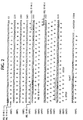
- the cancer peptide comprises about 24 amino acids and is expressed by the alternative open reading frame 3 DNA sequence from the same gene that encodes tyrosinase-related protein 1 as depicted in Figure 2 or from homologs or variants thereof.
- partial amino acid sequence homology is meant a peptide having at least 85% sequence homology with SEQ. ID NO: 6, preferably at least 95% sequence homology or greater and has the biological function of stimulating cancer antigen specific T lymphocytes.
- cancer peptide of the present invention comprises the amino acid sequence: and fragments and derivatives thereof.
- the cancer peptides and the antigenic cancer epitope contained within the tumor antigen of the present invention are derived from the TRP-2 protein, which is expressed primarily in melanomas, normal melanocyte cell lines and retina.
- the tumor antigen of the present invention present in significantly lower levels in most normal cells than the elevated levels found in pre-cancer and cancer cells. Elevated expression of the tumor antigen correlates with transformation of normal cells to a pre-cancer or cancer cell.
- TRP-2 is located on the human chromosome 13 and has been shown to be a member of the tyrosinase-related gene family and shares a 40-45% amino acid sequence identity to tyrosinase and gp75 /TRP-1 (Yokoyama et al.
- TRP-2 encodes a protein with 519 amino acids and has been demonstrated to have DOPAchrome tautomerase activity involved in melanin synthesis (Bouchard et al. (1994)).
- cancer peptides, fragments or derivatives thereof recognized by MHC restricted CTL in particular MHC class I restricted CTLs.
- a preferred HLA subtype recognized by the cancer peptides are the HLA-A31 subtype.
- the present invention relates to functionally equivalent variants of the TRP-1 cancer peptides.
- “Functionally equivalent variants” includes peptides with partial sequence homology, peptides having one or more specific conservative and/or non-conservative amino acid changes, peptide conjugates, chimeric proteins, fusion proteins and peptide nucleic acids.
- the cancer peptides, tumor antigen and their antigenic cancer epitopes may be purified and isolated from natural sources such as from primary clinical isolates, cell lines and the like.
- the cancer peptide and portions thereof are at least 90% pure, preferably at least 95% pure and as pure as 100%.
- the cancer peptides and their antigenic epitopes may also be obtained by chemical synthesis or by recombinant DNA techniques known in the arts. Techniques for chemical synthesis are described in J.M. Steward and J.D. Young, “Solid Phase Peptide Synthesis", W.H. Freeman & Co., San Francisco, 1969; M. Bodansky et al "Peptide Synthesis", John Wiley & Sons, Second Edition, 1976, and J. Meienhofer, "Hormonal Proteins and Peptides", Vol. 2, p. 46, Academic Press, New York, 1983 and E. Schroder and K. Kubke, “The Peptides”, Vol. 1, Academic Press, New York, 1965.
- the cancer peptides and their antigenic cancer epitopes may be formulated with pharmaceutically acceptable carriers into pharmaceutical compositions by methods known in the art.
- the composition is useful as a vaccine to prevent or treat cancer.
- the composition may further comprise at least one immunostimulatory molecule.
- Immunostimulatory molecules to be used in conjunction with the cancer peptide or portion thereof for stimulating antigen specific T cell responses include but are not limited to one or more major histocompatibility complex (MHC) molecules, such as class I and class II molecules, preferably a class I molecule.
- MHC major histocompatibility complex
- composition may further comprise other stimulator molecules including B7.1, B7.2, ICAM-1, ICAM-2, LFA-1, LFA-3, CD72 and the like, and cytokines which include but are not limited to IL-1 through IL-15, TNF ⁇ , IFN ⁇ , RANTES, G-CSF, M-CSF, IFN ⁇ , CTAP III, ENA-78, GRO, I-309, PF-4, IP-10, LD-78, MGSA, MIP-1 ⁇ , MIP-1 ⁇ , or combination thereof, and the like for immunopotentiation.
- cytokines which include but are not limited to IL-1 through IL-15, TNF ⁇ , IFN ⁇ , RANTES, G-CSF, M-CSF, IFN ⁇ , CTAP III, ENA-78, GRO, I-309, PF-4, IP-10, LD-78, MGSA, MIP-1 ⁇ , MIP-1 ⁇ , or combination thereof, and the like for immunopotentiation.
- the stimulatory molecule may be provided as a physically separate entity or it may be provided in the membrane of an antigen presenting cell such as B-cell, macrophage or dendritic cell, in the membrane of a liposome, or expressed on the surface of a transduced or transfected cell.
- DNA sequences of MHC immunostimulatory molecules are available from GenBank and the like.
- the cancer peptides, tumor antigen and their antigenic cancer epitopes are useful in methods of preventing or treating cancer and useful in diagnostic assay for detecting cancer or precancer in a mammal, including humans.
- the cancer peptides or portions thereof may be in the form of a derivative in which other constituents are attached thereto such as radiolabels, biotin, fluorescein.
- a targeting agent may also be attached to the tumor antigen, cancer peptides or portions thereof that allow for specific targeting to a specific organ, tumor or cell types.
- targeting agents may be hormones, cytokines, cellular receptors and the like.
- the cancer peptide, tumor antigen and portions thereof may be prepared in the form of a kit, alone or in combination with other reagents.
- Another aspect of the invention is a vaccine useful in inducing tumor-specific cell-mediated immunity against cancer.
- Active immunotherapy involves the direct immunization of cancer patients with cancer antigens in an attempt to boost immune responses against the tumor.
- Passive immunotherapy refers to the administration of immune reagents, such as immune cells or antibodies with antitumor reactivity with the goal of directly mediating antitumor responses.
- DNA encoding cancer antigens 1) "gene gun” for intradermal injection 2) intramuscular injection 3) linked to lipids e.
- Recombinant viruses such as vaccinia, fowlpox or adenovirus encoding 1) cancer antigens alone 2) cancer antigens plus genes encoding cytokines, costimulatory molecules, or other genes to enhance the immune response f.
- Recombinant bacteria such as BCG, Salmonella or Listeria encoding cancer antigens alone or in combination with immunostimulatory molecules 2. Active immunotherapy (above) followed by the administration of immunostimulatory cytokines. 1. IL-2 2. IL-6 3. IL-10 4. IL-12 5. IL-15, and the like. 3.
- the insertion of the gene encoding cancer antigens into high efficiency expression systems such as E. coli , yeast or baculovirus and the like provides the opportunity to obtain large amounts of purified tumor antigen for use in immunization.
- the immunodominant peptides from these tumor antigens could readily be synthesized in vitro and purified in large amounts for immunization alone or in a form intended to improve their immunogenicity such as in combination with adjuvant, linkage to lipids/liposomes or helper peptides, or pulsed onto antigen presenting cells. Modification of individual amino acids of the immunodominant peptides to improve binding efficiency to MHC antigens can potentially increase immunogenicity compared to the native peptide.
- the alternative nucleic acid sequence of the present invention is useful as an immunogen and as a DNA vaccine against cancer.
- the alternative open reading frame nucleic acid sequence of the present invention of TRP-1 or peptides of the present invention may be administered using a gene gun in amounts to elicite a cellular response against a cancer cell. Nonogram quantities are useful for such purposes.
- An effective form of immunization involves the incorporation of genes encoding immunogenic molecules into recombinant bacteria such as BCG, Salmonella or Listeria or into recombinant viruses such as vaccinea, fowlpox or adenovirus and the like.
- the genes encoding cancer antigens can be expressed either alone or in combination with genes encoding immunostimulatory molecules or other genes which can enhance the immune response following infection.
- Studies with model tumor antigens in murine models have shown that incorporation of the gene for interleukin-2 (IL-2) or B7.1 can increase the immunogenicity of model tumor antigens and even mediate the regression of established lung metastases bearing these antigens and even mediate the regression of established lung metastases bearing these antigens.
- Active immunotherapy followed by the exogenous administration of immunostimulatory cytokines such as IL-2, IL-6, IL-10, IL-12, or IL-15 may also be used to improve immune responses.
- Passive immunotherapy with genetically modified immune cells capable of recognizing human tumor antigens is effective in mediating the regression of cancer in selected patients with metastatic melanoma.
- adoptive immunotherapy In vitro techniques have been developed in which human lymphocytes are sensitized in vitro to tumor antigen immunodominant peptides presented on antigen presenting cells.
- repetitive in vitro stimulation cells can be derived with a far greater capacity to recognize human tumor antigens than the TIL that were used to clone the genes encoding these antigens.
- lymphocytes could be derived with 50 to 100 times more potency of TIL.
- the adoptive transfer of these cells may be more effective in mediating tumor regression in vivo than are conventionally grown TIL.
- the cancer peptides or portions thereof may be administered via one of several routes including but not limited to intravenous, intramuscular, subcutaneous, intradermal, intraperitoneal, intrathecal, intrapleural, intrauterine, rectal, vaginal, topical, intratumor and the like.
- Administration may be by transmucosal or transdermal means.
- penetrants appropriate to the barrier to be permeated are used in the formulation.
- penetrants are generally known in the art, and include, for example, for transmucosal administration bile salts and fusidic acid derivatives.
- detergents may be used to facilitate permeation.
- Transmucosal administration may be by nasal sprays, for example, or suppositories.
- the cancer peptide, tumor antigen, portion or variant thereof is formulated into conventional oral administration form such as capsules, tablets and toxics.
- a range of from about 1ng per Kg bodyweight to about 100mg per Kg bodyweight is preferred although a lower or higher dose may be administered.
- the dose is effective to prime, stimulate and/or cause the clonal expansion of cancer antigen specific T lymphocytes, preferably cytotoxic T lymphocytes, which in turn are capable of preventing or inhibiting cancer in the recipient.
- the dose is administered at least once and may be provided as a bolus or a continuous administration. Multiple administrations of the dose over a period of several weeks to months may be preferable. Subsequent doses may be administered as indicated.
- a vaccine comprising the cancer peptide or portion thereof is administered to a mammal in an amount effective to prevent cancer in the mammals.
- a vaccine comprising the cancer peptide or portion thereof encoded by ORF3 of the TRP-1 gene for prevention of melanoma.
- the method comprises administration of an effective amount of a antigenic cancer epitope at a site of tumor burden, said amount is effective to reduce the size of the tumor at the site.
- autologous cytotoxic lymphocytes or tumor infiltrating lymphocytes may be obtained from a patient with cancer.
- the lymphocytes are grown in culture and cancer antigen specific lymphocytes expanded by culturing in the presence of specific cancer peptides or antigenic cancer epitopes alone or in combination with at least one immunostimulatory molecule with cytokines.
- the antigen specific lymphocytes are then infused back into the patient in an amount effective to reduce or eliminate the tumors in the patient.
- the efficacy of the vaccine can be assessed by production of immune cells that recognize the cancer antigen, as assessed by specific lyric activity, specific cytokine production, tumor regression or combination of these.
- the vaccine can be administered in conjunction with other therapeutic treatments such as immunomodulators, for example, IL-2, IL-6, IL-10, IL-12, IL-15, interferon, tumor necrosis factor and the like, chemotherapeutic drugs such as cisplatinum, antiviral such as gancyclovir, amphotericin B, antibiotics and the like.
- Another aspect of the invention is an alternative open reading frame DNA sequence of a gene other than the open reading frame DNA sequence encoding a normal protein or peptide wherein the alternative open reading frame DNA sequence encodes cancer peptides and portions thereof which are immunologically recognized by T cells of the immune system.
- Alternative open reading frame DNA sequence include but are not limited to DNA sequences from the TRP-1 gene, the INK4a gene and the like.
- Melanogenic genes include but are not limited to genes encoding MART-1/Melan A, tyrosinase, gp 100, gp 75 (TRP-1), and the like.
- One embodiment of the invention is an alternative open reading frame DNA sequence or portion thereof encoding a cancer peptide from within the gene sequence that encodes tyrosinase-related protein.
- the gene sequence for TRP1 has been disclosed through the EMBL data bank under accession number X51455 as described by Vijayasaradhi, S. et al (1990, J. Exp. Med . 171:1375-80) and EMBL accession number X51420 as described by Cohen, T. et al 1990 Nucleic Acids Research , Vol. 18:2807.
- the alternative open reading frame DNA sequence comprises ORF3 depicted in Figure 2 having SEQ. ID NO.: 5, portions thereof and functionally equivalent sequence variant thereof that encode a cancer peptide or portions thereof recognized by cancer antigen specific T lymphocytes including tumor infiltrating lymphocytes. Also encompassed by the present invention are nucleic acid sequences complementary, as well as anticomplementary to ORF3 depicted in Fig. 2.
- the alternative open reading frame DNA sequence comprises: The gene sequence for TRP-2 has been disclosed through the Genbank under accession number D17547 as described by Yokoyama et al. (1994) and Genbank accession number S69231 as described by Bouchard et al. (1994).
- nucleic acid sequences complementary, as well as anticomplementary to a sequence encoding LLGPGRPYR and equivalent sequence variants thereof are also encompassed by the present invention.
- substitutions are included in the ambit of the invention as long as the substitution results in expression of a cancer peptide that is recognized by cancer antigen MHC-restricted T cells.
- One substitution encompassed in the present invention is the substitution of TCA encoding Ser for GCT, GCC, GCA or GCG encoding Ala. Homologs from other mammalian species is included within the ambit of the invention.
- All or part of the alternative open reading frame DNA sequence such as from the TRP-1 gene and the like may be used as probes to identify and isolate the homologs of the cancer peptide in other mammalian species.
- a murine cDNA sequence is used to screen a mammalian cDNA library for a human homolog nucleic acid sequence. Positive clones are selected and sequenced.
- tissue sources from which the cDNA library can be synthesized include but are not limited to dermis, epidermis, solid tumors, melanomas, melanocytes, and the like.
- tissue sources from which the cDNA library can be synthesized include but are not limited to dermis, epidermis, solid tumors, melanomas, melanocytes, and the like.
- Conventional methods for nucleic acid hybridization construction of libraries and cloning techniques are described in Sambrook et al, (eds) (1989) in "Molecular Cloning. A Laboratory Manual” Cold Spring Harbor Press, Plainview, New York and Ausubel et al (eds) in "Current Protocols in Molecular Biology” (1987), John Wiley and Sons, New York, New York.
- nucleic acid probes for the detection and quantification of RNA that transcribes the cancer peptides such as TRP-1, cancer peptides and the like in biologic samples isolated from a mammal with cancer are nucleic acid probes for the detection and quantification of RNA that transcribes the cancer peptides such as TRP-1, cancer peptides and the like in biologic samples isolated from a mammal with cancer. Alterations in the level of RNA relative to a control RNA sample is useful in diagnosis and prognosis of the disease in the mammal.
- mRNA is derived from tissue of a patient suspected of having cancer or precancer and compared with mRNA derived from a healthy control subject.
- the mRNA may be detected using oligonucleotide probes hybridizable with the mRNA.
- the probe is hybridizable with the transcription product of ORF3 of TRP-1.
- RNA may be detected using oligonucleotide probes.
- Combinations of oligonucleotides pairs based on the sequence encoding the cancer peptide or portions thereof may be used as PCR primers to detect mRNA in biological samples using the reverse transcriptase polymerase chain reaction (RT-PCR) process for amplifying selected RNA sequences.
- RT-PCR reverse transcriptase polymerase chain reaction
- the present invention also encompasses in situ PCR and in situ RT-PCR for detection of DNA and RNA encoding the cancer peptides or portions thereof.
- the technique is preferred when the copy number of a target nucleic acid is very low, or when different forms of nucleic acids must be distinguished.
- the method is especially useful in detecting and differentiating precancer and cancer cells from normal cells.
- the present invention includes a method of identifying an antigenic cancer epitope reactive with antigen specific T cells comprising the generation of nucleic acid deletion fragments from a gene.
- the deletion fragments are placed in an appropriate vector which in turn are transfected or transduced into a host cell for the expression of the nucleic acid product.
- the host cell may also express an immunostimulatory molecule. Cancer antigen specific T-cell responses are determined in the presence of the host cell expressing the deletion product.
- a immunostimulatory molecule may be provided by an antigen presenting cell such as a B cell, macrophage, dendritic cell and the like or by a cell transfected with a stimulatory molecule.
- the immunostimulatory molecule is a MHC class I molecule.
- An alternative method of identifying the cancer antigen and the antigenic cancer epitope is by generating synthetic peptides, pulsing antigen presenting cells with the synthetic peptides and adding the peptide pulsed antigen presenting cells with antigen specific T cells and measuring the antigen specific response of T cells in the presence of the peptide pulsed antigen presenting cells.
- the synthetic peptides that result in antigen specific T cell responses contains the antigenic cancer epitope of the present invention.
- the present invention also encompassed vector comprising the alternative open
- the vector may also comprise a DNA sequence encoding at least one immunostimulatory molecule.
- the vector comprises ORF-3 of the TRP-1 gene.
- the vector may also comprise a DNA sequence encoding at least one co-immunostimulatory molecule.
- Eukaryotic expression vectors include but are not limited to retroviral vectors, vaccinia virus vectors, adenovirus vectors, herpes virus vectors, fowlpox virus vectors, baculovirus vectors, human papillomavirus vectors, equine encephalitis vectors, influenza virus vectors and the like.
- the present invention encompasses novel recombinant virus expressing a cancer peptide or portion thereof encoded by an alternative open reading frame nucleic acid sequence of a gene other than the open reading frame nucleic acid sequence used to encode a normal protein or peptide from the same gene.
- the recombinant virus may also express at least one immunostimulatory molecule.
- the recombinant virus is capable of eliciting or upregulating a cell-mediate immune response in a mammal for the purpose of preventing or treating cancer in the mammal, particularly humans.
- the recombinant virus has incorporated into its genome or portion thereof a nucleic acid sequence encoding a cancer peptide, portion thereof, or antigenic cancer epitope, alone, or in combination with one or more genes encoding an immunosrimulatory molecule.
- the recombinant virus has incorporated into its genome a nucleic acid sequence encoding a TRP-1 cancer peptide or portion thereof.
- a host cell infected with the recombinant virus expresses the cancer peptide, portion thereof, or antigenic cancer epitope, alone or.in combination with at least one immunostimulatory molecule.
- Vaccine 10:8-9, 1992 disclose the construction and use as a vector, a non-replicating proxvirus, including canarypox virus, fowlpox virus and other avian species for use as a viral vector in the present invention.
- the vectors of the present invention may be placed in an appropriate host cell for the expression of the cancer peptide or antigenic cancer epitope.
- Eukaryotic host cell lines include, but are not limited to COS cells, CHO cells, Hela cells, NIH/3T3 cells, insect cells, antigen presenting cells such as dendritic cells and the like.
- the host cell may also express a stimulatory molecule.
- the host cells express both the cancer peptide or antigenic cancer epitope in combination with at least one MHC molecule, it is preferable that a eukaryotic expression system be used to allow for proper glycosylation.
- the expression of both the cancer antigen and the immunostimulatory molecule by the host cell provides the necessary MHC restricted peptide to specific T cells and the appropriate signal to the T cell to aid in antigen recognition and proliferation or clonal expansion of antigen specific T cells.
- the overall result is an upregulation of the immune system.
- the upregulation of the immune response is manifest by an increase in cancer antigen specific cytotoxic lymphocytes which are able to kill or inhibit the growth of cancer or precancer cells.
- the DNA may be inserted into the host cell by transfection, transduction, liposomes and the like by methods known in the art.
- cationic lipids are preferred, for example, polycationic lipid, dimyristyloxypropyl-3-dimethyl-hydroxyethyl ammonium (DMRIE) complexed with the neutral phospholipid dioleoyl phosphatidyl-ethanolamine (DOPE) as disclosed by Nabel, E.G. et al, 1992, Hum. Gene. Ther. 3:367-275; Nabel, G.J. et al, 1992, Hum.
- DMRIE dimyristyloxypropyl-3-dimethyl-hydroxyethyl ammonium
- DOPE neutral phospholipid dioleoyl phosphatidyl-ethanolamine
- the recombinant cancer protein, tumor antigen or antigenic cancer epitope expressed by the host cells may be purified from cell lysates or cell supernatants by standard protein purification procedures known in the art. These include but are not limited to molecular sieve chromatography, ion-exchange chromatography, isoelectric focusing, gel electrophoresis, affinity chromatography, HPLC, reverse phase HPLC and the like. (Ausubel et al, 1987, in Current Protocols in Molecular Biology , John Wiley and Sons, New York, NY). Immunoaffinity chromatography may also be used for purification using anti-cancer protein antibodies or antigen binding fragments thereof as described herein, as the immunoaffinity agent.
- the recombinant virus may also be used as a therapeutic or vaccine. In such uses it is desirable to provide the recipient with a dosage of recombinant virus in the range of from about 10 5 to about 10 10 plaque forming units/mg mammal, although a lower or higher dose may be administered.
- the recombinant viral vector may be introduced into a mammal either prior to any evidence of cancer such as melanoma or to mediate regression of the disease in a mammal afflicted with a cancer such as melanoma.
- methods for administering the viral vector into mammals include, but are not limited to, exposure of cells to the recombinant virus ex vivo , or injection of the recombinant virus into the affected tissue or intravenous, subcutaneous, intradermal, intramuscular and the like administration of the virus.
- the recombinant viral vector or combination of recombinant viral vectors may be administered locally by direct injection into the cancerous lesion or topical application in a suitable pharmaceutically acceptable carrier.
- the quantity of recombinant viral vector, carrying the nucleic acid sequence of interest is based on the titer of virus particles. A preferred range for immunization is about 10 9 to 10 10 virus particles per mammal, preferably a human.
- Cancer antigen epitope of the present invention which is involved in tumor rejection is not limited to the ones specifically disclosed herein. Using the methods disclosed in the present invention other cancer antigen epitopes contained in alternative open reading frame products may be identified from other tumor associated antigens (Van der Bruggen, P. et al 1991 Science 254:1643-47; Gaugler, B.et.al 1994 J. Exp. Med. 179:921-30; Boel, P. et al 1995 Immunity . 2:167-75; Brichard, V. et al 1993, J Exp. Med. 178:489-95; Robbins, P. F. et al. 1994, Cancer Research 54:3124-26; Kawakami, Y.
- TILs Tumor infiltrating lymphocytes
- MHC major histocompatibility complex
- TIL586 TIL586
- IL-2 interleukin-2
- TIL586 TIL586, which is not derived from the normal gp75 protein.
- the gp75 gene encodes two completely different polypeptides, gp75 as an antigen recognized by IgG antibodies in sera from a patient with cancer, and a 24 amino acid product as a tumor rejection antigen recognized by T cells.
- the method of ExoIII/S1 deletion analysis localized the cancer epitope in a small DNA fragment of the gp 75 gene.
- the cancer epitope was absent from the normal gp75 protein.
- the cancer peptide of the present invention recognized by TIL586 was derived from the gene product translated from an alternative open reading frame of the same gene encoding the normal gp 75 protein. Substitution of ATG with ATC at nucleotides 294-296 resulted in a complete loss of the ability to stimulate cytokine release from TIL586.
- Cold target inhibition experiments indicated that the identified cancer epitope was capable of competing for T cell recognition with a naturally processed peptide present on the tumor cells .
- T cell clones generated from the TIL586 cell line were capable of recognizing 586mel tumor cells, 586EBV B cells pulsed with this peptide and normal melanocytes in a HLA-A31 restricted fashion, also suggesting that the gene product encoded by the alternative open reading frame might be present in the tumor cells as well as the normal melanocytes.
- the invention provides a transgenic animal which has incorporated into its genome one or more copies of the alternative open reading frame DNA sequence encoding a cancer peptide or portion thereof.
- the general method of producing transgenic animals is described in Krimpenfort et al U.S. Patent No. 5,175,384, Leder et al U.S. Patent No. 5,175,383, Wagner et al U.S. Patent No. 5,175,385, Evans et al U.S. Patent No. 4,870,009 and Berns U.S. Patent No. 5,174,986.
- the incorporation of the gene results in overexpression, altered expression or expression of multiple forms or variants of the cancer peptides.
- the resulting transgenic animal are useful in studies of the development of cancer or tumor antigen of the present invention.
- the animal model is useful in screening vaccines and chemotherapeutic drugs for cancer treatment.
- the transgenic animal is also useful in studies of the development of cancer.
- This invention further comprises an antibody or antigen binding portion thereof elicited by immunization of the cancer peptide or antigenic cancer epitope of the present invention.
- the cancer peptide or antigenic cancer epitope may be conjugated to a carrier protein in order to elicite an antibody response.
- Carrier proteins such as KLH, tetanus toxoid and the like and methods of conjugation are known in the art.
- the antibody has specificity for and reacts or binds with the cancer peptide and the antigenic cancer epitope of the present invention.
- Exemplary antibody molecules are intact immunoglobulin molecules, substantially intact immunoglobulin molecules or these portions of an immunoglobulin molecule that contain the antigen binding site, including those portions of immunoglobulin molecules known in the art as F (ab), F (ab'), F (ab') 2 , humanized chimeric antibody, and F (v).
- Polyclonal or monoclonal antibodies may be produced by methods known in the art. (Kohler and Milstein (1975) Nature 256, 495-497; Campbell “Monoclonal Antibody Technology, the Production and Characterization of Rodent and Human Hybridomas" in Burdon et al (eds.) (1985) "Laboratory Techniques in Biochemistry and Molecular Biology", Vol.
- the antibodies or antigen binding fragments may also be produced by genetic engineering.
- the technology for expression of both heavy and light chain genes is the subject of the PCT patent applications: publication number WO 901443, WO 9014424, Huse et al (1989) Science 246:1275-1281, and U.S. Patent No. 4,946,778.
- the antibodies of the invention are used in immunoassays to detect cancer peptides including TRP-1 peptides or portions thereof in biological samples.
- the antibodies or antigen binding fragments thereof may be used to detect cancer peptides in tissue biopsy samples from a mammal afflicted with cancer.
- Assessment of the cancer antigen in a diseased tissue can be used to prognose the progression of the disease in a mammal or may diagnose the efficacy of a treatment.
- the immunoassay may be a radioimmunoassay, Western blot assay, immunofluorescent assay, enzyme immunoassay, chemiluminescent assay, immunohistochemical assay and the like and may be performed in vitro, in vivo or in situ .
- the antibodies or antigen binding fragments of the present invention may also be used in immunotherapy.
- the antibodies or antigen binding fragment thereof is provided to a mammal in an amount sufficient to prevent, lessen or attenuate the severity, extent or duration of the cancer.
- RPMI 1640 AIM-V media
- Lipofectamine G418
- G418 G418
- pCR3 eukaryotic expression vector
- anti-HLA-A31 monoclonal antibody One lambda, Canoga Park, CA
- anti-immunoglobulin M antibody conjugated with fluorescein isothiocyanate Vector Laboratories, Inc., Burlingame, CA.
- CTLs Cytotoxic T lymphocytes
- TIL586 were isolated from the tumor specimen of a patient with metastatic melanoma and grown in medium containing IL-2 (6000 IU/ml) (Chiron) for 32-60 days as previously described (Topalian, S., D. Solomon, F. P. Avis, A. E. Chang, D. L. Freeksen, W. M. Linehan, M. T. Lotze, C. N. Robertson, C. A. Seipp, P. Simon. C. G. Simpson, and S. A. Rosenberg, 1988, J. Clin. Oncol. 6:839-53). TIL586 were predominantly CD8 + T cells. TIL1200 were grown under the same conditions as described for TIL586.
- the T cell clones were generated by the limiting dilution method from the TIL586 cell line, and then expanded in AIM-V medium containing 6000 IU/ml IL-2.
- Melanoma cell lines 397mel, 397mel/A31, 586mel, 624mel, and EBV transformed B-cell lines 586EBV and 1510EBV were established in this laboratory and cultured in RPMI 1640 medium containing 10% fetal calf serum (PCS).
- Normal cultured melanocytes derived from infant foreskin (NHEM680 purchased from Clonetics, CA) were cultured in melanocyte growth medium (MGM; Clonetics, CA).
- MGM melanocyte growth medium
- COS-7 cell line was provided by Dr. W. Leonard (NIH).
- DNA transfection and GM-CSF assay were done as previously described (Wang, R. F., P. F. Robbins, Y. Kawakami, X. Q. Kang, and S. A. Rosenberg, 1995, J. Exp. Med . 181:799-804). Briefly, 200 ⁇ g of DNA carrying a different fragment and 50 ng of the HLA-A31 DNA were mixed with 2 ⁇ l of lipofectamine in 100 ⁇ l of DMEM for 15-45 min. The DNA/lipofectamine mixture was then added to the COS-7 (5 X 10 4 ) cells and incubated overnight. The following day, cells were washed twice with DMEM medium.
- TIL586 was added at a concentration of 1 X 10 5 cells/well in AIM-V medium containing 120 IU/ml of IL-2. After 18-24 h incubation, 100 ⁇ l of supernatant was collected and GM-CSF was measured in a standard ELISA assay (R + D Systems, Minneapolis, MN). For peptides, 586EBV, 1510EBV and T2 cells were incubated with peptides at 37°C for 90 min, and then washed three times with AIM-V medium containing 120 IU/ml of IL-2. TIL586 was added and incubated for additional 18-24 h, 100 ⁇ l of supernatant was collected for GM-CSF assay.
- the pcDNA776 plasmid DNA was digested with Xba I and filled in with alpha-phosphorothioate deoxyribonucleotide triphosphates to block Exo III nuclease digestion.
- the pcDNA776 plasmid is a derivative of the pcDNA3 vector containing a 2.4 kb DNA fragment and a CMV promoter for directing transcription.
- the linearized DNA was subjected to the second restriction enzyme Xho I digestion to generate one end sensitive to Exo III.
- Exo III nuclease / Mung bean nuclease deletion was performed according to the manufacture's instructions (Stratagene, CA). The detailed protocol is as follows:
- a portion of the deletion was run in low melting point agarose, the band of interest excised and ligation continued.
- the agarose level was kept below 0.5% in the ligation reaction.
- PCR amplification was performed at 94°C for 2 min followed by 25 cycles of 94°C for 1 min, 55°C for 45 sec and 72°C for 1 min.
- Primers gpN (5' AGAATGAGTGCTCCTAAACTCCTCTCTCTGGG) (SEQ. ID NO: 42) and gp11B (5' CATGTGAGA AAAGCTGGTCCCTCA) (SEQ. ID NO: 43) were used to generate the DNA fragment (1-667) and then cloned into the pCR3 expression vector to produce pPCR110.
- Plasmids pPCR210 and pPCR220 were pCR3 vectors containing DNA insertion fragments amplified by using primers gp-1 (5' TGGATATGGCAAAGCGC ACAACTC) (SEQ. ID NO: 44) and gp11B, gp-1 and gp22 (5' TAAATGGAA ATGTTCTCAAATTGT GGCGTG) (SEQ. ID NO: 45), respectively.
- Cytolytic assay was done as previously described (Kawakami, Y et al., 1994, Proc. Natl. Acad. Sci. USA 91:6458-62). Briefly, the target cells were labeled with chromium for 90 min. After washing three times, the cells were incubated with peptides at a concentration of 1 ⁇ g/ml for 90 min. The cells were washed again, counted, and then mixed with TIL586 at the indicated ratio of effector : targets (E : T). Chromium release was measured after 4 h incubation.
- the peptides were synthesized by a solid-phase method using a peptide synthesizer (Model AMS 422, Gilson Co., Inc., Worthington, OH). Some peptides were purified by HPLC and had greater than 98% in purity. For titration of the ORF3P peptide recognized by TIL586, 586EBV B cells were incubated with various concentrations of the purified ORF3P peptide.
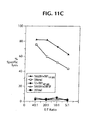
- Percentage of specific lysis was determined from the equation (A-B)/(C-B) X 100 where A is lysis of 586EBV B cells by TIL586 in the presence of a peptide, B is spontaneous release from 586EBV B cells in presence of the same peptide but in the absence of effector cells, and C is the maximum chromium release.
- Cold target inhibition of cytolysis was performed using 51 Cr-labeled 586mel or 624mel cells as "hot” targets and 586EBV B and T2 cells pulsed with peptides as "cold" targets.
- mutated primers GPMUT1 were used (5' GCCATGGGCAGAGATGATCGGGAGGTCTGGCCCTTGCGCTTCTTC AATAGGACAT C TCACTGCAAC) (SEQ. ID. NO: 11) and GPA1 to generate a PCR fragment containing a mutation (G to C) at nucleotide 296.
- the wild-type DNA fragments were amplified by the use of primers GPF1 (5' GAAGATCTGCCATGGGCAGAGATGATCGGGAGG TCTG) (SEQ. ID NO: 12), GPE1 (5' GAATTCGTTG TGT CCTGAGAAATTGCCGTTG) (SEQ.
- GPE2 (5' GA ATTCGACTATGAGAACCCTCTGGTCACAGGC) (SEQ. ID NO: 14) and GPA1 (5' AAGATCTGGGCC CGGACAAAGTGGTTCTTTTC) (SEQ. ID NO: 15) as indicated by arrowheads in Fig. 3A.
- the purified PCR products were then cloned into the pCR3 expression vector. All plasmids containing PCR fragments were sequenced to confirm the orientation and nucleotide sequence.
- pcDNA776 was chosen as a starting material for deletion studies is that this clone was initially identified by a library screening and conferred the ability to stimulate cytokine release from TIL586. Plasmid pcDNA776 was depositied with the American Type Culture Collection, 12301 Parklawn Drive, Rockville, MD under the terms of the Budapest Treaty on January 19, 1996 and was assigned the accession number, ATCC 97423.
- pPCR210 and pPCR220 were constructed, which were derivatives of the pCR3 expression vector and contained an internal ATG codon in frame with gp75 (GATATGG) (SEQ. ID NO: 16) located at 445 bp as a start codon for translation of the truncated normal gp75 protein.
- GATATGG GATATGG
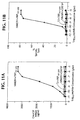
- pPCR210 nor pPCR220 conferred the ability to stimulate cytokine secretion from TIL586 after co-transfection of COS-7 with the HLA-A31 gene (Fig. 1B), suggesting that the epitope was located upstream of these fragments.
- an additional plasmid pD776A was constructed, which contained the nucleotide sequence from 247-442 and did not have any ATG codon in the same frame as gp75, but did contain two ATG codons in different open reading frames relative to gp75.
- This plasmid strongly stimulated cytokine release from TIL586 when co-transfected with A31 cDNA into COS-7 cells.
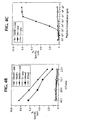
- the plasmid pPCR110 containing the authentic start codon of gp75 stimulated several fold lower cytokine release than did pDel 5 or pD776A when co-transfected with the HLA-A31 gene (Fig. 1B).
- this peptide weakly stimulated cytokine release from TIL586 only when incubated 586EBV B cells at high concentrations (>1 ⁇ g/ml) and did not sensitize the target cells for lysis by TIL586 even at 10 ⁇ g/ml of peptide concentration (data not shown), it may not represent the predominant T cell epitope recognized by TIL586.
- Fig. 3 A two additional plasmids were constructed containing PCR fragments amplified by primers GPF1, GPE1 and GPE2, respecxively (Fig. 3 A). As shown in Fig. 3B, both plasmids containing an ATG start codon at the beginning of the smaller PCR fragment conferred the ability to stimulate cytokine release by TIL586 in association with HLA-A31, suggesting that the epitope recognized by T cells was encoded within an 82 nucleotide sequence between bases 247 and 329 of the gp75 cDNA.
- Antigenic peptides resulted from translation of an alternative open reading frame of the gp75 gene
- TIL586 lysed 586EBV B cells pulsed with the ORF3P peptide, but failed to lyse 586EBV B cells pulsed with irrelevant peptide which met the criterion of the peptide binding motif of HLA-A31, but was not recognized by TIL586 or T2 cells pulsed with the ORF3P peptide. Sensitization for lysis by the peptide showed maximal effect at 100 nM, though lytic activity was detected even at 1 nM of peptide concentration (Fig. 4C). TIL586 did not recognize either peptides MSLQRQFLR T (SEQ. ID NO: 33) or SLQRQFLRT (SEQ.
- M L LQRQFLR SEQ. ID NO: 36
- M R LQRQFLR SEQ. ID NO: 37
- MSLQR L FLR SEQ. ID NO: 38
- MSLQRQFL E SEQ. ID NO: 39
- MSLQRQFL K SEQ. ID NO: 40
- TIL586 only recognized the peptide M A LQRQFLR (SEQ. ID NO: 35) with a substitution Ser with Ala at position 2 compared to the peptide MSLQRQFLR (SEQ. ID NO: 9) (Table 2).
- a plasmid containing the mutated gene (pGFMUT1) was tested for its ability to confer recognition by TIL586 when co-transfected into COS-7 along with the HLA-A31 cDNA.
- Fig. 3B showed that the mutated gene completely lost the ability to stimulate GM-CSF release by TIL586 compared to the construct containing the wild type gene. This observation indicated that ATG in ORF3 in the nucleotide positions 294-296 was required for translation of the 24 amino acid product, and therefore was essential for generating the T cell epitope recognized by TIL586.
- TIL586 recognized a naturally processed peptide which is similar or identical to the ORF3P peptide on the tumor cells
- the ability of the ORF3P peptide pulsed 586EBV B cells to inhibit lysis of 51 Cr-labeled 586mel in a cold-target inhibition assay was examined.
- Significant inhibition of lysis of 51 Cr-labeled 586mel was observed by 586EBV B cells pulsed with the ORF3P peptide but not with 586EBV B cells pulsed with irrelevant peptide or T2 cells pulsed with the ORF3P peptide (Fig. 5A), indicating that this peptide epitope was capable of competing with a naturally processed peptide on tumor cells for T cell recognition.
- T cell clones were generated from the TIL586 cell line by limiting dilution (1 cell /well in 96-well round bottom microplate) and further expanded in culture. T cell clones were generated by limiting dilution (1 cell per well) from the TIL586 cell line.
- T cell clones were further expanded in AIM-V medium containing 6000 IU/ml IL-2.
- 586EBV B cells were pulsed with the ORF3P peptide or irrelevant peptide for 90 min at 37°C. After washing three times, T cell clone or TIL586 cells were added and coincubated for additional 18-24 h.
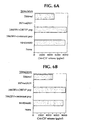
- TIL586-C1 Fig. 6A
- TIL586-C4 Fig. 6B
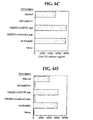
- TIL586-C6 Fig. 6C
- TIL586-C Fig. 6C
- GM-CSF assay was performed as described in Fig. 1B
- Six T cell clones were capable of recognizing 586mel tumor cells, 586EBV B cells pulsed with the ORF3P peptide, and HLA-A31 positive melanocytes, but not 397mel/A31 or 586EBV B cells alone. Representative data is shown in Figures 6A-6D. These results suggested that'T cell clones probably recognized a naturally processed peptide either similar or identical to the ORF3P peptide on tumor cells and normal melanocytes.
- COS-7 cells were transfected with HLA-A31 plus tyrosinase, gp100 or TRP-2 cDNAs, respectively, and found that none could be recognized by the six T clones while the COS-7 transfected HLA-A31 and gp75 cDNA stimulated GM-CSF release from these clones (data not shown).
- a computer database search also indicated that no known proteins including tyrosinase, gp100 and TRP-2 in the database contained amino acid sequences with the peptide binding motif of HLA-A31 and significant similarity to the peptide epitope recognized by TIL586.
- MHL-A31 + transgenic mice are immunized with 0, 1pg, 1ng, 1 ⁇ g, 1mg or 100mg of cancer peptide (SEQ. ID NO: 9), intravenously at day zero and day 14 before a subcutaneous challenge with 10 4 Trp-1 + B16 mouse melanoma cells or intravenous challenge with 5 x 10 5 Trp-2 + B16 mouse melanoma cells.
- Mice receiving tumor cells subcutaneously are observed twice a week for tumor development and the size determined.
- Mice receiving tumor cells intravenously are euthanized on day 12 and the number of lung metastases determined as described by Houghton, A.N. 1994 J. Exp. Med. 180:1-40.
- MHL-A31 + transgenic mice are challenged with either 1 x 10 5 or 5 x 10 5 Trp-1 + B16 mouse melanoma cells intravenously in order to establish pulmonary metastases.
- Mice are subsequently vaccinated with a recombinant virus expressing cancer peptide (SEQ. ID NO: 9) at 10 5 PFU/mg body weight.
- Mice are euthanized on day 12 and the number of pulmonary metastases in vaccinated mice vs. non-vaccinated mice determined.
- T-lymphocytes presensitized to a melanoma antigen may be effective in therapeutically treating mammals afflicted with a melanoma.
- T-lymphocytes are isolated from peripheral blood or melanoma tumor suspensions and cultured in vitro (Kawakami, Y. et al, 1988, J. Exp. Med. 168:2183-2191).
- T lymphocytes are exposed to the cancer peptide (SEQ. ID NO: 6) at a concentration of 1 ⁇ g/ml alone or in the presence of IL-2, resensitized and expanded in culture.
- T-lymphocytes exposed to the cancer peptide are administered to a mammal at about 10 9 to 10 12 lymphocytes per mammal.
- the lymphocytes are administered either intravenously, intraperitoneally or intralesionally.
- the treatment may be administered concurrently with other therapeutic treatments such as cytokines, surgical excision of melanoma lesions and chemotherapeutic drugs.
- Patients eligible for the trial must have evidence of measurable or evaluable metastatic melanoma that has failed. standard effective therapy. Patients must have tumors that express the TPI-1 antigen as evidenced by PCR or Northern Blot analysis of tumor cell RNA.
- Patients receive either 1ng, 1 ⁇ g, 1mg or 500mg/kg body weight of a cancer peptide (SEQ. ID NO: 6) via intravenously at day zero, day 7 and day 14 alone or in combination with IL2 and/or an immunostimulatory molecule. Patients are evaluated for toxicity, immunologic effects and therapeutic efficacy.
- a cancer peptide SEQ. ID NO: 6
- Lymphocytes taken from the treated patients are tested for specific response to the cancer antigen comprising the amino acid sequence MSLQRQFLR (SEQ. ID NO: 6).
- a complete response is defined as the disappearance of all clinical evidence of disease that lasts at least four weeks.
- a partial response is a 50% or greater decrease in the sum of the products of the perpendicular diameter of all measurable lesions for at least four weeks with no appearance of new lesions or increase in any lesions.
- Minor responses are defined as 25-49% decrease in the sum of the products of the perpendicular diameters of all measurable lesions with no appearance of new lesions and no increase in any lesions. Any patient with less than a partial response is considered a non-responder.
- the appearance of new lesions or greater than 25% increase in the product of perpendicular diameters of prior lesions following a partial or complete response is considered as a relapse.
- the following chemicals and reagents were purchased from the sources indicated: RPMI1640, AIM-V media, Lipofectarnine, G418 (GIBCO BRL, Gaithersberg, MD); the eukaryotic expression vector pCR3 (Invitrogen, San Diego, CA); anti-HLA-A31 monoclonal antibody (One lambda, Canoga Park, CA); anti-immunoglobulin M antibody conjugated with fluorescein isothiocyanate (Vector Laboratories, Inc., Burlingame, CA).
- the T cell clones were generated by limiting dilution methods (at 1 cells/well) from the TIL586 cell line, and used allogenic PBL (1X 10 3 cells/well) as feeder cells in RPMI1640 containing 10% human AB sera and 500 IU IL-2. After 12 days, T cell clones were then expanded in AIM-V medium containing 6000 IU/ml IL-2. To obtain an optimal expansion, we used the OKT3 expansion method described by S. Riddell (Walter et al. 1995 N. Engl. J. Med. 333:1038-1044).
- T cells were cocultured with HLA-A31 PBL (500:1, PBL: T cell ratio) and 586EBV B cells (100: 1, EBV: T cell ratio) in 25 ml RPMI 1640 containing 11% human sera, 30 ng/ml OKT3 antibody and antibiotics.
- IL-2 was added at final concentration of 180 IU/ml.
- the media were changed with fresh media containing 11 % human sera, IL-2 180 IU/ml on day 5. The media were then changed every three days.
- T cells were harvested, counted and cryopreserved.
- TIL586 were isolated from the tumor specimen of a patient with metastatic melanoma and grown in medium containing IL-2 (6000 IU/ml) (Chiron) for 32-60 days as previously described (Topalian et al. 1988, J. Clin. Oncol. 6:839-853). TIL586 were predominantly CD8 + T cells.
- Melanoma cell lines 397mel, 397mel/A31, 586mel, 624mel, 624mel/A31 and EBV transformed B-cell lines 586EBV and 1510EBV were established in our laboratory and cultured in RPMI 1640 medium containing 10% fetal calf serum (FCS).
- FCS fetal calf serum
- Normal cultured melanocytes derived from infant foreskin (NHEM680 purchased from Clonetics, CA) were cultured in melanocyte growth medium (MOM; Clonetics, CA).
- MOM melanocyte growth medium
- the COS-7 cell line was provided by Dr. W. Leonard (NIH).
- DNA transfection and GM-CSF assays were performed as previously described (Wang et al. 1995, J. Exp. Med. 181:799-804). Briefly, 200 ng of DNA encoding antigens and 50 ng of the HLA-A31 DNA were mixed with 2 ⁇ l of lipofectamine in 100 ml of DMEM for 15-45 min. The DNA/lipofectamine mixture was then added to the COS-7 (5 X 10⁴) cells and incubated overnight. The following day, cells were washed twice with DMEM medium. TIL586 was added at a concentration of 1 X 10⁵ cells/well in AIM-V medium containing 120 IU/ml of IL-2.
- T cell clones only 1-2 X 10 4 cells/well were added. After 18-24 h incubation, 100 ⁇ l of supernatant was collected and GM-CSF was measured in a standard ELISA assay (R + D Systems, Minneapolis, MN). For testing peptides recognition, 586EBV or T2 cells were incubated with peptides at 37°C for 90 min, and then washed three times with AIM-V medium containing 120 IU/ml of IL-2. T cells were added and incubated for an additional 18-24 h, 100 ⁇ l of supernatant was collected for GM-CSF assay.
- TRP-2 cDNA was a gift of Dr. Shibahara (Yokoyama et al. 1994, Biochim, Biophys. Acta 1217:317-321) and subcloned into the pCR3 vector with a CMV promoter for expression.
- the plasmid pCR3 containing TRP-2 cDNA was digested with Xba I and filled in with alpha-phosphorothioate deoxyribonucleotide triphosphates to block Exo III nuclease digestion.
- the linearized DNA was subjected to the second restriction enzyme digestion to generate one end sensitive to Exo III Exo III nuclease/Mung bean nuclease deletion was performed according to the manufacture's instructions (Stratagene, CA). All deletion constructs were sequenced to determine the location of DNA sequence being removed.
- pTA plasmid was a derivative of pCR3-TRP2, in which an Apa I DNA fragment was deleted from the 3' end of TRP-2 gene.
- pTK was created after removal of a KpnI DNA fragment from the 3' end of the TRP-2 gene.
- pTP was generated by deleting an internal Pst I fragment and religation.
- Cytolysis was determined by use of Calcein AM (Molecular Probes, Eugene, OR). Briefly, T2 or 586EBV B cells were pulsed with peptides in RPMI1640/5 %FCS for 90 min. Tumor cells and the peptide pulsed EBV B cells were labelled with Calcein AM (15 ⁇ l of 1 mg/ml Calcein AM for every 1x10 6 cells) for 30 min at 37° C. Following incubation, cells were washed three times with AIM V/120 IU IL-2. 1x10 3 target cells were mixed with T cells at various E:T ratio. After 4 h incubation at 37° C, 5 ⁇ l of bovine hemoglobin quench solution containing ethidium bromide was added.
- Calcein AM Molecular Probes, Eugene, OR
- the plate was read by Lambda scan.
- the percentage of lysis was calculated from the following equation: [1-(A-B)/(C-B)] X 100 where A is the reading of non-lysed cells in the presence of T cells, B is background signal value and C is the maximum signal value from target cells.
- the peptides were synthesized by a solid-phase method using a peptide synthesizer (Model AMS 422, Gilson Co., Inc., Worthington, OH). Some peptides were purified by HPLC and had greater than 98% in purity. The peptide mass of some peptides was confirmed by mass spectrometry analysis.
- T cell clones from the TIL586 cell line by the limiting dilution method (Wang et al. 1996b, J. Exp. Med. 183:1131-1140).
- six clones recognized 586EBV B cells pulsed with the ORF3P peptide derived from a gene product translated from an alternative open reading of TRP-1/gp75 gene, and the autologous 586mel tumor cells, but did not recognize 586EBV B cells pulsed with an irrelevant peptide.
- TIL586-C1 was chosen as one representative for these T cell clones as shown in Fig. 7.
- T cell clones isolated from the same TIL586 cell line recognized neither 586EBV B cells pulsed with the TRP-1 peptide ORF3P nor COS cells transfected with TRP-1 and HLA-A31 cDNAs, but were capable of recognizing 586mel as well as HLA-A31 + melanocytes (Fig. 7). These results suggested that these T cell clones recognized additional tumor antigens on the 586mel tumor cells. These T cell clones were then expanded to obtain enough cells for screening cDNA libraries or testing other cDNAs for recognition by methods described in the Materials and Methods section (Example 9). One of clones, CTL clone 4, was successfully expanded and used for further studies as described below.
- HLA-A31 cDNA To determine the HLA molecule responsible for presenting antigen to CTL clone 4, we transfected HLA-A31 cDNA into A31-negative tumor lines such as 397mel and 624mel and tested for recognition by the CTL clone. Transfectants of 397mel and 624mel expressing HLA-A31 were significantly recognized by CTL clone 4 (Table 3). Furthermore, these T cells were also capable of recognizing the HLA-A31 positive allogeneic tumor line 1353mel, indicating that recognition of the tumor antigen by CTL clone 4 was HLA-A31 restricted.
- T cells Since only a limited number of T cells were available, we first tested whether or not these T cells recognized previously identified tumor antigens or melanocyte-lineage differentiation proteins.
- HLA-A3, A11, A31, A33 and A68 and their peptide binding motif has suggested the existence of the A3-like supermotif (Sidney et al. 1996, Human Immunol. 45:79-93).
- a single epitope peptide could cross-react with HLA-A3, A11, A31, A33 and A68 molecules which are cumulatively expressed in about 40-50% of the general population. It has been reported that the same peptide epitope derived from Hepatitis B virus nucleocapsid protein could be presented by HLA-A31 and -A68 molecules and recognized by the corresponding HLA-A31 or -A68 restricted CTL (Missale et al. 1993, J.
- HLA-A31 restricted T cells recognized TRP-1 and TRP-2 epitopes when pulsed onto HLA-A3 positive EBV B cells. Interestingly, weak recognition was detected based on GM-CSF release from T cells. However, no recognition of HLA-A3 positive tumor cells was detected.
- TRP-2 cDNA Northern blot analyses were performed using TRP-2 cDNA as a probe to evaluate the expression pattern of TRP-2 in different tissues. Normal retinal tissue was shown to be the only positive in the expression of TRP-2 among the normal human tissues tested. The expression pattern of TRP-2 in melanoma cell lines and other cell lines is listed in Table 4 below. Twenty five of thirty melanoma cell lines were found to express TRP-2. The Burkitt's B cell line Daudi and the breast cancer cell line MDA23 1 were negative, in agreement with previous results (Bouchard et al. 1994, Eur. J. Biochem, 219:127-134).
- TRP-1 tyrosinase
- gp1OO and MART-1 the expression pattern of this gene appeared to be restricted to melanomas, normal melanocyte cell lines and retina.
- TRP-2 in different cell lines and human tissues tested Melanoma cell lines Expression of TRP-2 Cell lines/tissues Expression of TRP-2 397mel + A375 - 526mel + 586EBVB - 397mel + Melanocytes 501mel + FM906 + 537mel - FM680 + 553Bmel + 586mel + Other tumor lines 624mel + Daudi - 677mel + MDA231 - 679mel - 697mel + Normal tissues 729mel - Retina + 894mel + Testis - 836mel - Brain - 888mel + Spleen - 928mel + Liver - 1290mel + Fetal liver - 1300mel + Thymus - 952mel + Lung HT144mel + 1011mel + 1088mel + SK23 +
- TRP-2 To determine the antigenic epitopes from TRP-2, a series of neste deletions of the TRP-2 gene from the 3' end using Exo III/S1 nuclease as well DNA fragments encoding the truncated form of TRP-2 were generated. Thes deletions and subcloned constructs were transfected into COS-7 cells along with th BK-CMV plasmid containing the HLA-A31 cDNA. Recognition of the transfected COS cells were tested with CTL clone by measuring GM-CSF cytokine release from the CTL clone. Fig.
- CTL clone 4 was capable of lysing 586EBV pulsed with TRP2-p197 and 586mel tumor cells even at low E:T ratio, but failed to lyse 586EBV B cells alone or pulsed with the control peptide ORF3P nor the HLA-A31 negative 397mel line (Fig. 10).
- GM-CSF release was measured after co-incubation of peptide-loaded 586EBV cells with the CTL clone 4 cells. GM-CSF secretion by T cells alone without stimulators was subtracted. 586EBV was a EBV transformed B cell line expressing HLA-A31.
- the TRP-2 protein contains two putative copper-binding sites, cysteine-rich regions and a transmembrane domain. Human TRP-2 has been mapped to chromosome 13 while the mouse counterpart has been mapped to chromosome 14 in the region of the coat color mutation, slaty. There is about a 40% amino acid sequence identity between TRP-2 and tyrosinase or TRP- 1/gp75, but no CTL line or clone was found thus far that recognizes a common peptide epitope among the tyrosinase protein family.
- the 9 mer TRP 197-205 peptide recognized by CTL clone 4 is located at one of the copper binding sites in the coding region of TRP-2. This peptide most efficiently stimulated cytokine release from T cells compared with other peptides including motified peptides tested in this study. This was in agreement with the predicted HLA-A31 binding motif, which indicates that Leu at position 2 and Arg at position 9 are the favorable residues. Although Leu at position 2 and Arg at position 9 could be replaced with lie and Ser at position 2 and Lys at position 9, respectively, with little or minor loss of reactivity to T cell recognition, substitutions of amino acids at positions 1, 3 or 6 led to some loss of reactivity.
- MHL-A31 + transgenic mice are challenged with either 1 x 10 5 or 5 x 10 5 Trp-1 + B16 mouse melanoma cells intravenously in order to establish pulmonary metastases.
- Mice are subsequently vaccinated with a recombinant virus expressing cancer peptide, LLGPGRPYR at 10 5 PFU/mg body weight.
- Mice are euthanized on day 12 and the number of pulmonary metastases in vaccinated mice vs. non-vaccinated mice determined.
- T-lymphocytes presensitized to a melanoma antigen may be effective in therapeutically treating mammals afflicted with a melanoma.
- T-lymphocytes are isolated from peripheral blood or melanoma tumor suspensions and cultured in vitro (Kawakami et al 1988, J. Exp. Med. 168:2183-2191).
- T lymphocytes are exposed to the cancer peptide, LLGPGRPYR at a concentration of 1 ⁇ g/ml alone or in the presence of IL-2, resensitized and expanded in culture.
- T-lymphocytes exposed to the cancer peptide are administered to a mammal at about 10 9 to 10 12 lymphocytes per mammal.
- the lymphocytes are administered either intravenously, intraperitoneally or intralesionally.
- the treatment may be administered concurrently with other therapeutic treatments such as cytokines, surgical excision of melanoma lesions and chemotherapeutic drugs.
- Patients eligible for the trial must have evidence of measurable or evaluable metastatic melanoma that has failed standard effective therapy. Patients must have tumors that express the TPI-2 antigen as evidenced by PCR or Northern Blot analysis of tumor cell RNA.
- Patients receive either 1 ng, 1 ⁇ g, 1 mg or 500 mg/kg body weight of a cancer peptide LLGPGRPYR via intravenously at day zero, day 7 and day 14 alone or in combination with IL-2 and/or a co-immunostimulatory molecule. Patients are evaluated for toxicity, immunologic effects and therapeutic efficacy.
- Lymphocytes taken from the treated patients are tested for specific response to the cancer antigen comprising the amino acid sequence LLGPGRPYR.
- a complete response is defined as the disappearance of all clinical evidence of disease that lasts at least four weeks.
- a partial response is a 50% or greater decrease in the sum of the products of the perpendicular diameter of all measurable lesions for at least four weeks with no appearance of new lesions or increase in any lesions.
- Minor responses are defined as 25-49% decrease in the sum of the products of the perpendicular diameters of all measurable lesions with no appearance of new lesions and no increase in any lesions. Any patient with less than a partial response is considered a non-responder.
- the appearance of new lesions or greater than 25% increase in the product of perpendicular diameters of prior lesions following a partial or complete response is considered as a relapse.
- T-cell epitopes derived from the normal open reading frame of the corresponding non-mutated shared melanoma antigens such as tyrosinase, MART-1/Melan-A and gp100 have been identified.
- TIL586 was derived from a second gene product of the gp75 gene.
- T cells recognize an antigenic peptide resulting from the translation of an overlapping open reading frame of the same gene and the only example in eukaryotic cells that two completely different proteins and/or peptides can be translated from overlapping open reading frames of a single cellular gene.
- the ORF3 of the gp75 gene encodes a short protein of 24 amino acid.
- the antigenic peptide recognized by TIL586 is encoded by the sequence located immediately behind the ATG (294-296) start codon of the alternative open reading frame.
- gp75 shares a 40-45% sequence homology to tyrosinase, gp100 and TRP-2
- co-transfection of HLA-A31 and tyrosinase, gp100 or TRP-2 cDNAs, respectively, into COS-7 cells failed to stimulate GM-CSF release from T cell clones derived from TIL586.
- a database search did not reveal any proteins that had the HLA-A31 peptide binding motif and significant sequence homology to the peptide epitope recognized by TIL586 and its derived T cell clones.
- T-cell epitope peptides derived from the frameshift of the mutated adenomatosis polyposis coli (APC) gene in colon cancer were recognized by CTLs generated from vaccinated BALB/c mice (Townsend, A. et al 1994 Nature 371:662).
- the results in Fig. 3 indicated that the ATG at nucleotides 294-296 was required for translation of the 24 amino acid product which, in turn, was processed to the antigenic peptide recognized by TIL586.
- TIL586 still recognized the mutated synthetic peptide pulsed on 586EBV B cells, but not the mutated gene when co-transfected into COS-7 cells with HLA-A31 cDNA, indicating that the loss of recognition of the mutated (ATG to ATC) gene by TIL586 resulted from elimination of translation of the ORF3 product.
- a T cell assay was used to identify the epitope peptide recognized by T cells. This approach is very different- from and more sensitive than conventional Western blots or immunoprecipitation analyses. Although there are five ATG codons between the authentic start codon and the start codon of ORF3, the construct pPCR110 covering the N-terminal part of ORF1 (gp75), the entire ORF2 and ORF3 (nucleotides 1-667) still retained the ability to stimulate cytokine release from TIL586. The level of stimulation, however, was several fold lower than that stimulated by the 5' truncated (lacking the first 246 nucleotides) form of gp75 (Fig.
- the T cell clones recognized the ORF3P peptide when pulsed onto 586EBV B cells (A31 + ), melanoma (gp75 + /A31 + ) as well as A31 + melanocytes, but not gp75/ A31 + melanoma cells or ORF3P pulsed on non-A31 T2 cells.
- Another possibility to explain the peptide expression in tumor cells and melanocytes is that the ORF3 may be translated from a separate mRNA transcript(s) generated by an alternative splicing of gp75 mRNA or a different promoter.
Landscapes
- Health & Medical Sciences (AREA)
- Life Sciences & Earth Sciences (AREA)
- Chemical & Material Sciences (AREA)
- Organic Chemistry (AREA)
- General Health & Medical Sciences (AREA)
- Genetics & Genomics (AREA)
- Zoology (AREA)
- Engineering & Computer Science (AREA)
- Bioinformatics & Cheminformatics (AREA)
- Wood Science & Technology (AREA)
- Medicinal Chemistry (AREA)
- Veterinary Medicine (AREA)
- Animal Behavior & Ethology (AREA)
- Biochemistry (AREA)
- Public Health (AREA)
- Molecular Biology (AREA)
- General Engineering & Computer Science (AREA)
- Biomedical Technology (AREA)
- Biotechnology (AREA)
- Epidemiology (AREA)
- Microbiology (AREA)
- Immunology (AREA)
- Pharmacology & Pharmacy (AREA)
- Nuclear Medicine, Radiotherapy & Molecular Imaging (AREA)
- General Chemical & Material Sciences (AREA)
- Toxicology (AREA)
- Gastroenterology & Hepatology (AREA)
- Biophysics (AREA)
- Proteomics, Peptides & Aminoacids (AREA)
- Chemical Kinetics & Catalysis (AREA)
- Medicines That Contain Protein Lipid Enzymes And Other Medicines (AREA)
- Peptides Or Proteins (AREA)
- Medicines Containing Antibodies Or Antigens For Use As Internal Diagnostic Agents (AREA)
- Micro-Organisms Or Cultivation Processes Thereof (AREA)
- Measuring Or Testing Involving Enzymes Or Micro-Organisms (AREA)
- Medicines Containing Material From Animals Or Micro-Organisms (AREA)
- Preparation Of Compounds By Using Micro-Organisms (AREA)
- Medicines Containing Plant Substances (AREA)
- Coloring Foods And Improving Nutritive Qualities (AREA)
- Enzymes And Modification Thereof (AREA)
Priority Applications (3)
| Application Number | Priority Date | Filing Date | Title |
|---|---|---|---|
| EP00125685A EP1092770A3 (en) | 1996-02-09 | 1997-02-06 | Human cancer antigen of tyrosinase-related protein 1 and 2 and genes encoding same |
| ES03022671T ES2305379T3 (es) | 1996-02-09 | 1997-02-06 | Antigeno del cancer humano de la proteina relacionada con la tirosina 1 y genes que lo codifican. |
| EP03022671A EP1411124B1 (en) | 1996-02-09 | 1997-02-06 | Human cancer antigen of tyrosinase-related protein 1 and genes encoding same |
Applications Claiming Priority (5)
| Application Number | Priority Date | Filing Date | Title |
|---|---|---|---|
| US08/599,602 US5840839A (en) | 1996-02-09 | 1996-02-09 | Alternative open reading frame DNA of a normal gene and a novel human cancer antigen encoded therein |
| US599602 | 1996-02-09 | ||
| US08/725,736 US5831016A (en) | 1996-02-09 | 1996-10-04 | Identification of TRP-2 as a human tumor antigen recognized by cytotoxic T lymphocytes |
| US725736 | 1996-10-04 | ||
| PCT/US1997/002186 WO1997029195A2 (en) | 1996-02-09 | 1997-02-06 | Human cancer antigen of tyrosinase-related protein 1 and 2 and genes encoding same |
Related Child Applications (2)
| Application Number | Title | Priority Date | Filing Date |
|---|---|---|---|
| EP00125685A Division EP1092770A3 (en) | 1996-02-09 | 1997-02-06 | Human cancer antigen of tyrosinase-related protein 1 and 2 and genes encoding same |
| EP03022671A Division EP1411124B1 (en) | 1996-02-09 | 1997-02-06 | Human cancer antigen of tyrosinase-related protein 1 and genes encoding same |
Publications (2)
| Publication Number | Publication Date |
|---|---|
| EP0882130A2 EP0882130A2 (en) | 1998-12-09 |
| EP0882130B1 true EP0882130B1 (en) | 2003-10-08 |
Family
ID=24400301
Family Applications (3)
| Application Number | Title | Priority Date | Filing Date |
|---|---|---|---|
| EP97907609A Expired - Lifetime EP0882130B1 (en) | 1996-02-09 | 1997-02-06 | Human cancer antigen of tyrosinase-related protein 1 and gene encoding same |
| EP00125685A Withdrawn EP1092770A3 (en) | 1996-02-09 | 1997-02-06 | Human cancer antigen of tyrosinase-related protein 1 and 2 and genes encoding same |
| EP03022671A Expired - Lifetime EP1411124B1 (en) | 1996-02-09 | 1997-02-06 | Human cancer antigen of tyrosinase-related protein 1 and genes encoding same |
Family Applications After (2)
| Application Number | Title | Priority Date | Filing Date |
|---|---|---|---|
| EP00125685A Withdrawn EP1092770A3 (en) | 1996-02-09 | 1997-02-06 | Human cancer antigen of tyrosinase-related protein 1 and 2 and genes encoding same |
| EP03022671A Expired - Lifetime EP1411124B1 (en) | 1996-02-09 | 1997-02-06 | Human cancer antigen of tyrosinase-related protein 1 and genes encoding same |
Country Status (12)
| Country | Link |
|---|---|
| US (4) | US5840839A (enExample) |
| EP (3) | EP0882130B1 (enExample) |
| JP (1) | JP3998713B2 (enExample) |
| AT (2) | ATE391780T1 (enExample) |
| AU (1) | AU729497B2 (enExample) |
| CA (2) | CA2733866C (enExample) |
| CY (1) | CY2422B1 (enExample) |
| DE (2) | DE69725428T2 (enExample) |
| DK (2) | DK1411124T3 (enExample) |
| ES (2) | ES2206685T3 (enExample) |
| PT (2) | PT882130E (enExample) |
| WO (1) | WO1997029195A2 (enExample) |
Families Citing this family (173)
| Publication number | Priority date | Publication date | Assignee | Title |
|---|---|---|---|---|
| US7252829B1 (en) | 1998-06-17 | 2007-08-07 | Idm Pharma, Inc. | HLA binding peptides and their uses |
| US5801005A (en) * | 1993-03-17 | 1998-09-01 | University Of Washington | Immune reactivity to HER-2/neu protein for diagnosis of malignancies in which the HER-2/neu oncogene is associated |
| WO1995000649A1 (en) * | 1993-06-25 | 1995-01-05 | Smithkline Beecham Plc | Lipoprotein associated phospholipase a2, inhibitors thereof and use of the same in diagnosis and therapy |
| US7001600B1 (en) | 1996-02-09 | 2006-02-21 | The United States Of America As Represented By The Secretary Of Health And Human Services | Identification of TRP-2 as a human tumor antigen recognized by cytotoxic T lymphocytes |
| US6083703A (en) * | 1996-02-09 | 2000-07-04 | The United States Of America As Represented By The Department Of Health And Human Services | Identification of TRP-2 as a human tumor antigen recognized by cytotoxic T lymphocytes |
| US6297253B1 (en) * | 1996-10-15 | 2001-10-02 | The Picower Institute For Medical Research | Compounds and methods of use to treat infectious diseases |
| US6294344B1 (en) * | 1997-03-19 | 2001-09-25 | The Board Of Trustees Of The University Of Arkansas | Methods for the early diagnosis of ovarian cancer |
| US7335351B2 (en) * | 1997-03-19 | 2008-02-26 | The University Of Arkansas For Medical Sciences | Immunotherapeutic methods targeted towards stratum corneum chymotryptic enzyme |
| US7282198B2 (en) * | 1997-03-19 | 2007-10-16 | The University Of Arkansas For Medical Sciences | Immunotherapeutic methods targeted towards stratum corneum chymotryptic enzyme |
| US20040006034A1 (en) * | 1998-06-05 | 2004-01-08 | Eyal Raz | Immunostimulatory oligonucleotides, compositions thereof and methods of use thereof |
| US6589940B1 (en) | 1997-06-06 | 2003-07-08 | Dynavax Technologies Corporation | Immunostimulatory oligonucleotides, compositions thereof and methods of use thereof |
| ATE432348T1 (de) * | 1997-06-06 | 2009-06-15 | Univ California | Inhibitoren von immunstimulatorischen dna sequenz aktivität |
| US6043084A (en) * | 1997-10-10 | 2000-03-28 | Ludwig Institute For Cancer Research | Isolated nucleic acid molecules associated with colon cancer and methods for diagnosing and treating colon cancer |
| US7084239B1 (en) * | 1997-10-08 | 2006-08-01 | The United States Of America As Represented By The Department Of Health And Human Services | Cancer peptides of NY-ESO-1/CAG-3 |
| ATE356206T1 (de) * | 1997-10-08 | 2007-03-15 | Us Gov Health & Human Serv | Menschliches krebsantigen ny eso-1/cag-3 und dazu kodierendes gen |
| EP1806403A3 (en) * | 1997-10-08 | 2008-01-23 | THE GOVERNMENT OF THE UNITED STATES OF AMERICA, as represented by THE SECRETARY, DEPARTMENT OF HEALTH AND HUMAN SERVICES | Human cancer antigen NY ESO 1/CAG-3 and gene encoding same |
| KR20010024585A (ko) * | 1997-11-06 | 2001-03-26 | 로셰 디아그노스틱스 게엠베하 | 종양-특이적 항원, 이들의 제조방법, 및 이들의 면역화 및진단에서의 용도 |
| JP3559894B2 (ja) | 1998-04-01 | 2004-09-02 | 日産自動車株式会社 | 樹脂製ウィンドウ及びその製法 |
| NO315238B1 (no) | 1998-05-08 | 2003-08-04 | Gemvax As | Peptider som stammer fra leserammeforskyvingsmutasjoner i TBF<beta>II- eller BAX-genet, og farmasöytiske sammensetninger inneholdende disse,nukleinsyresekvenser som koder for slike peptider, plasmider og virusvektoreromfattende slikenukleinsy |
| US7052830B1 (en) | 1998-06-09 | 2006-05-30 | Branch Andrea D | Hepatitis C virus peptides and uses thereof |
| DE69940774D1 (de) * | 1998-06-17 | 2009-06-04 | Idm Pharma Inc | Hla-bindende peptide und ihre verwendungen |
| ATE375362T1 (de) * | 1998-06-25 | 2007-10-15 | Kyogo Itoh | Von cyclophilin b abstammende tumorantigen- peptide |
| IL125608A0 (en) * | 1998-07-30 | 1999-03-12 | Yeda Res & Dev | Tumor associated antigen peptides and use of same as anti-tumor vaccines |
| JP4422903B2 (ja) * | 1998-07-31 | 2010-03-03 | 株式会社癌免疫研究所 | 癌抑制遺伝子wt1の産物に基づく癌抗原 |
| WO2000013699A1 (en) * | 1998-09-04 | 2000-03-16 | Ludwig Institute For Cancer Research | An antigenic peptide encoded by an alternative open reading frame of human macrophage colony-stimulating factor |
| WO2000024778A1 (en) * | 1998-10-26 | 2000-05-04 | The Government Of The United States Of America Represented By The Secretary, Department Of Health And Human Services | Hla-a2 and hla-dr specific peptide epitopes from the melanoma antigen trp2 |
| US7148324B1 (en) * | 1998-12-14 | 2006-12-12 | Dendreon Corporation | Compositions and methods for enhancement of major histocompatibility complex class I restricted antigen presentation |
| US7198920B1 (en) * | 1999-01-29 | 2007-04-03 | Corika Corporation | HER-2/neu fusion proteins |
| HUP0200366A2 (en) * | 1999-03-11 | 2002-06-29 | Smithkline Beecham Biolog | Novel compounds |
| US6389376B1 (en) * | 1999-07-26 | 2002-05-14 | Sun Microsystems, Inc. | Method and apparatus for generating n-segment steiner trees |
| GB9924351D0 (en) | 1999-10-14 | 1999-12-15 | Brennan Frank | Immunomodulation methods and compositions |
| ATE391726T1 (de) | 1999-10-22 | 2008-04-15 | Sanofi Pasteur Ltd | Modifiziertes gp100 und dessen verwendung |
| US6573050B1 (en) | 1999-10-29 | 2003-06-03 | Sunnybrook & Women's College Health Sciences Centre | Treatment, diagnosis and evaluation of anti-cancer therapy resistance in melanoma |
| US6774226B1 (en) * | 1999-11-30 | 2004-08-10 | Ludwig Institute For Cancer Research | Isolated nucleic acid molecules encoding cancer associated antigens, the antigens per se, and uses thereof |
| US7795379B2 (en) * | 1999-11-30 | 2010-09-14 | Ludwig Institute For Cancer Research | Isolated nucleic acid molecules encoding cancer associated antigens, the antigens per se, and uses thereof |
| US7354992B2 (en) * | 1999-11-30 | 2008-04-08 | Ludwig Institute For Cancer Research | Isolated nucleic acid molecules encoding cancer associated antigens, the antigens per se, and uses thereof |
| EP2311950A1 (en) | 2000-01-28 | 2011-04-20 | The Government of the United States of America, as represented by the Secretary, Department of Health and Human Services | Novel MHC class II restricted T cell epitopes from the cancer antigen, NY ESO-1 |
| AU5810201A (en) | 2000-05-10 | 2001-11-20 | Aventis Pasteur | Immunogenic polypeptides encoded by mage minigenes and uses thereof |
| EP1355926A2 (en) * | 2000-05-31 | 2003-10-29 | Genzyme Corporation | Therapeutic compounds for ovarian cancer |
| US7700359B2 (en) * | 2000-06-02 | 2010-04-20 | Novartis Vaccines And Diagnostics, Inc. | Gene products differentially expressed in cancerous cells |
| US6783939B2 (en) * | 2000-07-07 | 2004-08-31 | Alphavax, Inc. | Alphavirus vectors and virosomes with modified HIV genes for use in vaccines |
| ES2304398T3 (es) * | 2000-07-31 | 2008-10-16 | Green Peptide Co., Ltd. | Antigeno de tumores. |
| SG143058A1 (en) * | 2000-08-11 | 2008-06-27 | Favrille Inc | Method and composition for altering a t cell mediated pathology |
| US6911204B2 (en) | 2000-08-11 | 2005-06-28 | Favrille, Inc. | Method and composition for altering a B cell mediated pathology |
| JP4503801B2 (ja) * | 2000-09-08 | 2010-07-14 | 独立行政法人科学技術振興機構 | 新規ヒト癌・精巣抗原及びその遺伝子 |
| EP2295578A3 (en) * | 2000-10-31 | 2011-07-06 | Eisai Inc. | Cyp1b1 nucleic acids and methods of use |
| GB0027181D0 (en) * | 2000-11-04 | 2000-12-27 | S P A | New use |
| WO2002045737A2 (en) * | 2000-12-07 | 2002-06-13 | Board Of Regents, The University Of Texas System | Methods of treatment involving human mda-7 |
| DE10061299A1 (de) * | 2000-12-08 | 2002-06-27 | Siemens Ag | Vorrichtung zur Feststellung und/oder Weiterleitung zumindest eines Umwelteinflusses, Herstellungsverfahren und Verwendung dazu |
| WO2002057283A1 (en) * | 2001-01-19 | 2002-07-25 | Baylor College Of Medecine | Methods and compositions in breast cancer diagnosis and therapeutics |
| CA2439492A1 (en) * | 2001-02-26 | 2002-09-06 | Imclone Systems Incorporated | Tri-hybrid melanoma antigen |
| EP1372736A4 (en) * | 2001-03-07 | 2004-11-17 | Mannkind Corp | PREPARATIONS AGAINST CANCER FORMATION |
| DE60215627T2 (de) | 2001-03-27 | 2007-07-19 | Biomira, Inc., Edmonton | Impfstoff zur modulation zwischen t1 und t2 immunantworten |
| US20030044813A1 (en) * | 2001-03-30 | 2003-03-06 | Old Lloyd J. | Cancer-testis antigens |
| WO2002086071A2 (en) * | 2001-04-20 | 2002-10-31 | Ludwig Institute For Cancer Research | Cancer-testis antigens |
| CN1511040A (zh) * | 2001-05-25 | 2004-07-07 | ����˹���ѷ��ѧ | 作为多种治疗模式基础的蛋白质的选择性剪接形式 |
| US20030113919A1 (en) * | 2001-08-17 | 2003-06-19 | Aventis Pasteur, Ltd. | Immunogenic targets for melanoma |
| EP1432791B2 (en) * | 2001-09-06 | 2013-10-23 | Alphavax, Inc. | Alphavirus replicon vector systems |
| US7387881B2 (en) * | 2001-09-19 | 2008-06-17 | The Regents Of The University Of Michigan | Detection and treatment of cancers of the liver |
| US7202045B2 (en) | 2001-09-19 | 2007-04-10 | Regents Of The University Of Michigan | Detection and treatment of cancers of the lung |
| US20030119079A1 (en) * | 2001-09-19 | 2003-06-26 | The Regents Of The University Of Michigan | Detection and treatment of cancers of the breast |
| US7449548B2 (en) | 2001-12-07 | 2008-11-11 | Agensys, Inc. | Nucleic acid and corresponding protein entitled 193P1E1B useful in treatment and detection of cancer |
| US20030148285A1 (en) * | 2001-12-20 | 2003-08-07 | Claude Perreault | Mammalian SIMP protein, gene sequence and uses thereof in cancer therapy |
| PT1472375E (pt) * | 2002-01-08 | 2009-05-19 | Novartis Vaccines & Diagnostic | Produtos génicos expressos diferencialmente em células cancerígenas da mama e seus métodos de utilização |
| US20040009939A1 (en) * | 2002-03-05 | 2004-01-15 | Board Of Regent, The University Of Texas System | Methods of enhancing immune induction involving MDA-7 |
| DE10211088A1 (de) * | 2002-03-13 | 2003-09-25 | Ugur Sahin | Differentiell in Tumoren exprimierte Genprodukte und deren Verwendung |
| ES2375992T3 (es) * | 2002-04-15 | 2012-03-08 | Oncothyreon Inc. | Glucolipopéptidos sintéticos como vacunas. |
| DE10221411B4 (de) * | 2002-05-14 | 2004-07-08 | GSF-Forschungszentrum für Umwelt und Gesundheit GmbH | Rekombinantes Fowlpox-Virus |
| FR2840530B1 (fr) * | 2002-06-11 | 2004-12-24 | Oreal | Composition cosmetique comprenant un agent inducteur de l'expression de la dopachrome tautomerase (trp-2) pour lutter contre la canitie |
| US20040081653A1 (en) * | 2002-08-16 | 2004-04-29 | Raitano Arthur B. | Nucleic acids and corresponding proteins entitled 251P5G2 useful in treatment and detection of cancer |
| EP1556082A1 (en) * | 2002-10-22 | 2005-07-27 | Aventis Pasteur Limited | Anti-cancer vaccines and high-dose cytokines as adjuvants |
| CA2509973C (en) * | 2002-12-13 | 2013-02-26 | Alphavax, Inc. | Multi-antigenic alphavirus replicon particles and methods |
| CA2807515C (en) * | 2002-12-13 | 2014-02-04 | Alphavax, Inc. | Alphavirus particles and methods for preparation |
| EP1641927B1 (en) | 2003-02-18 | 2015-07-08 | Baylor College of Medicine | Induced activation in dendritic cells |
| EP1601684B1 (en) * | 2003-03-05 | 2014-10-15 | Dendreon Corporation | Alternative reading frame polypeptides for treatment |
| KR101518309B1 (ko) * | 2003-03-20 | 2015-05-08 | 알파벡스, 인크. | 개선된 알파바이러스 레플리콘 및 헬퍼 구축물 |
| WO2005007689A1 (en) * | 2003-07-11 | 2005-01-27 | Alphavax, Inc. | Alphavirus-based cytomegalovirus vaccines |
| ATE496129T1 (de) * | 2003-07-22 | 2011-02-15 | Ludwig Inst Cancer Res | Von hla-klasse-ii-molekülen präsentierte ssx-2- peptide |
| WO2005010035A2 (en) * | 2003-07-22 | 2005-02-03 | Branch Andrea D | Alternate reading frame polypeptides derived from hepatitis c and methods of their use |
| EP1677773A1 (en) * | 2003-10-14 | 2006-07-12 | Biomira, Inc. | Combination therapy for cancer |
| CA2548220A1 (en) * | 2003-12-01 | 2005-09-09 | Introgen Therapeutics, Inc. | Use of mda-7 to inhibit infection by pathogenic organisms |
| US20070281041A1 (en) * | 2004-03-02 | 2007-12-06 | Introgen Therapeutics, Inc. | Compositions and Methods Involving MDA-7 for the Treatment of Cancer |
| DK1731605T3 (da) * | 2004-03-31 | 2010-05-25 | Int Inst Cancer Immunology Inc | Cancerantigenpeptider der er afledt af WT1 |
| TWI395591B (zh) * | 2004-04-01 | 2013-05-11 | Oncothyreon Inc | 黏液性糖蛋白(muc-1)疫苗 |
| JP5065024B2 (ja) * | 2004-05-18 | 2012-10-31 | アルファバックス,インコーポレイティド | Tc−83由来アルファウイルスベクター、粒子および方法 |
| DE102004026135A1 (de) * | 2004-05-25 | 2006-01-05 | Immatics Biotechnologies Gmbh | An MHC-Moleküle bindende Tumor-assoziierte Peptide |
| WO2006086798A2 (en) * | 2005-02-08 | 2006-08-17 | Board Of Regents, The University Of Texas System | Compositions and methods involving mda-7 for the treatment of cancer |
| WO2006138567A2 (en) | 2005-06-17 | 2006-12-28 | Mannkind Corporation | Methods and compositions to elicit multivalent immune responses against dominant and subdominant epitopes, expressed on cancer cells and tumor stroma |
| NZ564360A (en) * | 2005-06-17 | 2011-03-31 | Mannkind Corp | Immunogenic product comprising a nucleic acid capable of expressing a PRAME epitope and a PSMA epitope and a peptide composition |
| TWI511738B (zh) * | 2005-06-28 | 2015-12-11 | 安柯席爾伊恩股份有限公司 | 以黏液性糖蛋白(muc-1)疫苗治療病人之方法 |
| CN101278196B (zh) * | 2005-07-27 | 2013-05-15 | 肿瘤疗法科学股份有限公司 | 结肠癌相关基因tom34 |
| FR2891462B1 (fr) | 2005-09-30 | 2009-10-16 | Commissariat Energie Atomique | Epitopes t cd4+ de la survivine et leurs applications |
| CA2523032A1 (en) | 2005-10-07 | 2007-04-07 | Immunovaccine Technologies Inc. | Vaccines for cancer therapy |
| WO2007053956A1 (en) * | 2005-11-14 | 2007-05-18 | Universite Laval | Cancer antigen mage-a9 and uses thereof |
| US7968514B2 (en) * | 2005-11-16 | 2011-06-28 | Pantarhei Bioscience B.V. | Pharmaceutical composition for treating or preventing ovarian cancer |
| US9732131B2 (en) | 2006-02-27 | 2017-08-15 | Calviri, Inc. | Identification and use of novopeptides for the treatment of cancer |
| AU2007220042A1 (en) * | 2006-02-27 | 2007-09-07 | Arizona Board Of Regents For And On Behalf Of Arizona State University | Identification and use of novopeptides for the treatment of cancer |
| US8129184B2 (en) * | 2006-09-26 | 2012-03-06 | Cedars-Sinai Medical Center | Cancer stem cell antigen vaccines and methods |
| WO2008039969A2 (en) | 2006-09-28 | 2008-04-03 | Cedars-Sinai Medical Center | Cancer vaccines and vaccination methods |
| EP2465510B1 (en) | 2006-10-19 | 2018-11-28 | Baylor College Of Medicine | Methods and compositions for generating an immune response by inducing CD40 and pattern recognition receptors and adaptors thereof |
| AU2008279584A1 (en) * | 2007-04-27 | 2009-01-29 | Dow Global Technologies Inc. | Improved production and in vivo assembly of soluble recombinant icosahedral virus-like particles |
| ES2670813T3 (es) * | 2007-06-21 | 2018-06-01 | Alphavax, Inc. | Partículas de replicón de alfavirus para uso en vacunación |
| WO2009039628A1 (en) | 2007-09-27 | 2009-04-02 | Immunovaccine Technologies Inc. | Use of liposomes in a carrier comprising a continuous hydrophobic phase for delivery of polynucleotides in vivo |
| EP2044949A1 (en) | 2007-10-05 | 2009-04-08 | Immutep | Use of recombinant lag-3 or the derivatives thereof for eliciting monocyte immune response |
| AU2009222998B2 (en) | 2008-03-12 | 2013-05-23 | Imclone Llc | Anti-TYRP1 antibodies |
| WO2009149094A2 (en) * | 2008-06-02 | 2009-12-10 | University Of Pittsburgh - Of The Commonwealth System Of Higher Education | Cytotoxic t cell defined egfr peptide and an optimized derivative peptide |
| WO2009146523A1 (en) | 2008-06-05 | 2009-12-10 | Immunovaccine Technologies Inc. | Compositions comprising liposomes, an antigen, a polynucleotide and a carrier comprising a continuous phase of a hydrophobic substance |
| PL2328923T3 (pl) | 2008-09-02 | 2016-06-30 | Cedars Sinai Medical Center | Epitopy CD133 |
| WO2010033949A1 (en) | 2008-09-22 | 2010-03-25 | Baylor College Of Medicine | Methods and compositions for generating an immune response by inducing cd40 and pattern recognition receptor adapters |
| KR101781966B1 (ko) | 2009-04-17 | 2017-09-27 | 글로브이뮨 | 암에 대한 병용 면역요법 조성물 및 방법 |
| US8465756B2 (en) * | 2009-08-12 | 2013-06-18 | National Health Research Institutes | Immunogenic peptides of tumor associated antigen L6 and uses thereof in cancer therapy |
| WO2011032119A1 (en) | 2009-09-14 | 2011-03-17 | The Regents Of The University Of Colorado | Modulation of yeast-based immunotherapy products and responses |
| WO2011146862A1 (en) | 2010-05-21 | 2011-11-24 | Bellicum Pharmaceuticals, Inc. | Methods for inducing selective apoptosis |
| US9511151B2 (en) | 2010-11-12 | 2016-12-06 | Uti Limited Partnership | Compositions and methods for the prevention and treatment of cancer |
| DK2646546T3 (en) | 2010-12-02 | 2018-08-06 | Oncotherapy Science Inc | TOMM34 PEPTIDES AND VACCINES CONTAINING THESE |
| CA2825972A1 (en) | 2011-02-24 | 2012-08-30 | Oncothyreon Inc. | Muc1 based glycolipopeptide vaccine with adjuvant |
| BR112014007927B1 (pt) | 2011-10-06 | 2021-04-13 | Immunovaccine Technologies Inc | Composições de lipossoma compreendendo um adjuvante e usos das referidas composições e usos das referidas composições |
| EP2639299A1 (en) | 2012-03-16 | 2013-09-18 | Invectys | Universal cancer peptides derived from telomerase |
| US10988516B2 (en) | 2012-03-26 | 2021-04-27 | Uti Limited Partnership | Methods and compositions for treating inflammation |
| EP2864792A1 (en) | 2012-06-26 | 2015-04-29 | Biodesix, Inc. | Mass-spectral method for selection, and de-selection, of cancer patients for treatment with immune response generating therapies |
| US9603948B2 (en) | 2012-10-11 | 2017-03-28 | Uti Limited Partnership | Methods and compositions for treating multiple sclerosis and related disorders |
| CA2894966C (en) | 2012-12-14 | 2021-03-30 | Universitatsmedizin Der Johannes Gutenberg-Universitat Mainz | Novel mhc-independent tumor-associated antigens |
| US20140234351A1 (en) | 2013-02-14 | 2014-08-21 | Immunocellular Therapeutics, Ltd. | Cancer vaccines and vaccination methods |
| US9434935B2 (en) | 2013-03-10 | 2016-09-06 | Bellicum Pharmaceuticals, Inc. | Modified caspase polypeptides and uses thereof |
| CN105209065B (zh) | 2013-03-14 | 2020-07-31 | 贝里坤制药股份有限公司 | 控制t细胞增殖的方法 |
| BR112015022367B1 (pt) * | 2013-03-15 | 2021-06-22 | The Trustees Of The University Of Pennsylvania | Vacina, molécula de ácido nucleico, e, molécula de aminoácido |
| JP2016516742A (ja) | 2013-03-28 | 2016-06-09 | アンヴェクティInvectys | ネコ用がんワクチン |
| CA2908143C (en) | 2013-03-28 | 2021-08-31 | Invectys | A cancer vaccine for dogs |
| AU2014274916B2 (en) | 2013-06-05 | 2019-10-31 | Bellicum Pharmaceuticals, Inc. | Methods for inducing partial apoptosis using caspase polypeptides |
| US9388430B2 (en) | 2013-09-06 | 2016-07-12 | President And Fellows Of Harvard College | Cas9-recombinase fusion proteins and uses thereof |
| US9340799B2 (en) | 2013-09-06 | 2016-05-17 | President And Fellows Of Harvard College | MRNA-sensing switchable gRNAs |
| NZ719098A (en) | 2013-10-28 | 2022-08-26 | Invectys | A telomerase encoding dna vaccine |
| AU2014343808B2 (en) | 2013-10-28 | 2020-03-05 | Centre National De La Recherche Scientifique | Gene electrotransfer into skin cells |
| KR20160077202A (ko) | 2013-11-04 | 2016-07-01 | 유티아이 리미티드 파트너쉽 | 지속적 면역요법을 위한 방법 및 조성물 |
| GB201322626D0 (en) | 2013-12-19 | 2014-02-05 | Immutep S A | Combined preparations for the treatment of cancer |
| EP3104866A4 (en) | 2014-02-14 | 2017-08-02 | Bellicum Pharmaceuticals, Inc. | Methods for activating t cells using an inducible chimeric polypeptide |
| CA2956224A1 (en) | 2014-07-30 | 2016-02-11 | President And Fellows Of Harvard College | Cas9 proteins including ligand-dependent inteins |
| AU2015312117A1 (en) | 2014-09-02 | 2017-03-02 | Bellicum Pharmaceuticals, Inc. | Costimulation of chimeric antigen receptors by Myd88 and CD40 polypeptides |
| JP6811710B2 (ja) * | 2014-09-17 | 2021-01-20 | ヘアレウ ホスピタル | トリプトファン2,3−ジオキシゲナーゼまたはそのフラグメントを含むワクチン組成物 |
| US10189880B2 (en) | 2014-11-03 | 2019-01-29 | Leiden University Medical Center | T cell receptors directed against Bob1 and uses thereof |
| GB201500374D0 (en) | 2015-01-09 | 2015-02-25 | Immutep S A | Combined preparations for the treatment of cancer |
| SG11201705808XA (en) * | 2015-01-16 | 2017-08-30 | Minomic Int Ltd | Glypican epitopes and uses thereof |
| JP6028253B2 (ja) * | 2015-01-28 | 2016-11-16 | 学校法人北里研究所 | 癌細胞の検出方法及び癌細胞検出キット |
| EP4201955A1 (en) | 2015-03-10 | 2023-06-28 | Academisch Ziekenhuis Leiden H.O.D.N. Leids Universitair Medisch Centrum | T-cell receptors directed against the preferentially expressed antigen of melanoma and uses thereof |
| CN107847582A (zh) | 2015-05-06 | 2018-03-27 | 优迪有限合伙公司 | 用于持续疗法的纳米颗粒组合物 |
| IL257105B (en) | 2015-07-31 | 2022-09-01 | Univ Minnesota | Adapted cells and treatment methods |
| WO2017177207A1 (en) * | 2016-04-07 | 2017-10-12 | Bostongene, Llc | Construction and methods of use of a therapeutic cancer vaccine library comprising fusion-specific vaccines |
| EP3526320A1 (en) | 2016-10-14 | 2019-08-21 | President and Fellows of Harvard College | Aav delivery of nucleobase editors |
| CA3041068A1 (en) | 2016-10-18 | 2018-04-26 | Regents Of The University Of Minnesota | Tumor infiltrating lymphocytes and methods of therapy |
| US11898179B2 (en) | 2017-03-09 | 2024-02-13 | President And Fellows Of Harvard College | Suppression of pain by gene editing |
| KR20190123328A (ko) | 2017-03-09 | 2019-10-31 | 프레지던트 앤드 펠로우즈 오브 하바드 칼리지 | 암 백신 |
| KR102964348B1 (ko) | 2017-03-10 | 2026-05-14 | 프레지던트 앤드 펠로우즈 오브 하바드 칼리지 | 시토신에서 구아닌으로의 염기 편집제 |
| WO2018206512A1 (en) | 2017-05-09 | 2018-11-15 | Invectys | Recombinant measles vaccine expressing htert |
| US20210147507A1 (en) | 2017-05-09 | 2021-05-20 | Bellicum Pharmaceuticals, Inc. | Methods to augment or alter signal transduction |
| EP3630131B1 (en) | 2017-06-02 | 2022-08-31 | Arizona Board of Regents on behalf of Arizona State University | A method to create personalized canine cancer vaccines |
| WO2019006418A2 (en) | 2017-06-30 | 2019-01-03 | Intima Bioscience, Inc. | ADENO-ASSOCIATED VIRAL VECTORS FOR GENE THERAPY |
| WO2019023680A1 (en) | 2017-07-28 | 2019-01-31 | President And Fellows Of Harvard College | METHODS AND COMPOSITIONS FOR EVOLUTION OF BASIC EDITORS USING PHAGE-ASSISTED CONTINUOUS EVOLUTION (PACE) |
| US12025615B2 (en) | 2017-09-15 | 2024-07-02 | Arizona Board Of Regents On Behalf Of Arizona State University | Methods of classifying response to immunotherapy for cancer |
| EP3716949A4 (en) | 2017-11-29 | 2022-05-18 | UTI Limited Partnership | METHODS OF TREATMENT OF AUTOIMMUNE DISEASES |
| WO2019113509A2 (en) | 2017-12-08 | 2019-06-13 | Bellicum Pharmaceuticals, Inc. | Methods for enhancing and maintaining car-t cell efficacy |
| WO2019118949A1 (en) | 2017-12-15 | 2019-06-20 | The Broad Institute, Inc. | Systems and methods for predicting repair outcomes in genetic engineering |
| CN109293739B (zh) * | 2018-01-24 | 2021-03-30 | 中国疾病预防控制中心病毒病预防控制所 | 一种a3超家族通用肿瘤抗原多肽及其应用 |
| DE102018107224A1 (de) | 2018-02-21 | 2019-08-22 | Immatics Biotechnologies Gmbh | Peptide und Kombinationen von Peptiden nicht-kanonischen Ursprungs zur Verwendung in der Immuntherapie gegen verschiedene Krebsarten |
| CN119818663A (zh) | 2018-05-15 | 2025-04-15 | 全球免疫公司 | 用于诱导细胞免疫应答的重组酵母裂解物 |
| US12522807B2 (en) | 2018-07-09 | 2026-01-13 | The Broad Institute, Inc. | RNA programmable epigenetic RNA modifiers and uses thereof |
| US20210290708A1 (en) | 2018-09-21 | 2021-09-23 | Nantcell, Inc. | Methods and compositions for modulating myeloid-derived suppressor cells |
| WO2020092453A1 (en) | 2018-10-29 | 2020-05-07 | The Broad Institute, Inc. | Nucleobase editors comprising geocas9 and uses thereof |
| US12351837B2 (en) | 2019-01-23 | 2025-07-08 | The Broad Institute, Inc. | Supernegatively charged proteins and uses thereof |
| WO2020191171A1 (en) | 2019-03-19 | 2020-09-24 | The Broad Institute, Inc. | Methods and compositions for editing nucleotide sequences |
| WO2020214842A1 (en) | 2019-04-17 | 2020-10-22 | The Broad Institute, Inc. | Adenine base editors with reduced off-target effects |
| WO2021067550A1 (en) | 2019-10-02 | 2021-04-08 | Arizona Board Of Regents On Behalf Of Arizona State University | Methods and compositions for identifying neoantigens for use in treating and preventing cancer |
| WO2021072328A1 (en) | 2019-10-10 | 2021-04-15 | The Broad Institute, Inc. | Methods and compositions for prime editing rna |
| KR20230009426A (ko) * | 2020-05-12 | 2023-01-17 | 스미토모 파마 가부시키가이샤 | 암을 처치하기 위한 의약 조성물 |
Family Cites Families (4)
| Publication number | Priority date | Publication date | Assignee | Title |
|---|---|---|---|---|
| IE910820A1 (en) * | 1990-03-22 | 1991-09-25 | Sloan Kettering Inst Cancer | Gp75 as a tumor vaccine for melanoma |
| AU4683093A (en) * | 1992-07-20 | 1994-02-14 | Merck & Co., Inc. | Immunological conjugates of ompc and hiv-specific selected principal neutralization epitopes |
| SG52492A1 (en) * | 1992-08-07 | 1998-09-28 | Cytel Corp | Hla binding peptides and their uses |
| US5820866A (en) * | 1994-03-04 | 1998-10-13 | National Jewish Center For Immunology And Respiratory Medicine | Product and process for T cell regulation |
-
1996
- 1996-02-09 US US08/599,602 patent/US5840839A/en not_active Expired - Lifetime
- 1996-10-04 US US08/725,736 patent/US5831016A/en not_active Expired - Lifetime
-
1997
- 1997-02-06 PT PT97907609T patent/PT882130E/pt unknown
- 1997-02-06 ES ES97907609T patent/ES2206685T3/es not_active Expired - Lifetime
- 1997-02-06 EP EP97907609A patent/EP0882130B1/en not_active Expired - Lifetime
- 1997-02-06 CA CA2733866A patent/CA2733866C/en not_active Expired - Lifetime
- 1997-02-06 CA CA2245702A patent/CA2245702C/en not_active Expired - Lifetime
- 1997-02-06 EP EP00125685A patent/EP1092770A3/en not_active Withdrawn
- 1997-02-06 ES ES03022671T patent/ES2305379T3/es not_active Expired - Lifetime
- 1997-02-06 EP EP03022671A patent/EP1411124B1/en not_active Expired - Lifetime
- 1997-02-06 DK DK03022671T patent/DK1411124T3/da active
- 1997-02-06 WO PCT/US1997/002186 patent/WO1997029195A2/en not_active Ceased
- 1997-02-06 DK DK97907609T patent/DK0882130T5/da active
- 1997-02-06 AT AT03022671T patent/ATE391780T1/de not_active IP Right Cessation
- 1997-02-06 DE DE69725428T patent/DE69725428T2/de not_active Expired - Lifetime
- 1997-02-06 DE DE69738630T patent/DE69738630T2/de not_active Expired - Lifetime
- 1997-02-06 JP JP52874797A patent/JP3998713B2/ja not_active Expired - Lifetime
- 1997-02-06 AT AT97907609T patent/ATE251670T1/de active
- 1997-02-06 AU AU19572/97A patent/AU729497B2/en not_active Expired
- 1997-02-06 PT PT03022671T patent/PT1411124E/pt unknown
-
1998
- 1998-09-28 US US09/161,877 patent/US6132980A/en not_active Expired - Lifetime
- 1998-11-23 US US09/197,816 patent/US6087110A/en not_active Expired - Lifetime
-
2004
- 2004-01-13 CY CY0400007A patent/CY2422B1/xx unknown
Also Published As
| Publication number | Publication date |
|---|---|
| CA2245702C (en) | 2011-10-04 |
| PT1411124E (pt) | 2008-07-04 |
| US5831016A (en) | 1998-11-03 |
| JP3998713B2 (ja) | 2007-10-31 |
| US6132980A (en) | 2000-10-17 |
| WO1997029195A3 (en) | 1997-11-13 |
| AU1957297A (en) | 1997-08-28 |
| DE69725428T2 (de) | 2004-07-29 |
| US6087110A (en) | 2000-07-11 |
| DE69738630D1 (de) | 2008-05-21 |
| US5840839A (en) | 1998-11-24 |
| PT882130E (pt) | 2004-02-27 |
| DE69725428D1 (de) | 2003-11-13 |
| ATE391780T1 (de) | 2008-04-15 |
| CA2733866C (en) | 2015-01-27 |
| EP0882130A2 (en) | 1998-12-09 |
| DK1411124T3 (da) | 2008-08-04 |
| EP1411124A3 (en) | 2004-09-29 |
| EP1092770A3 (en) | 2003-06-04 |
| EP1092770A2 (en) | 2001-04-18 |
| DK0882130T5 (da) | 2004-05-17 |
| CA2733866A1 (en) | 1997-08-14 |
| JP2000506380A (ja) | 2000-05-30 |
| ES2305379T3 (es) | 2008-11-01 |
| CY2422B1 (en) | 2004-11-12 |
| WO1997029195A2 (en) | 1997-08-14 |
| EP1411124A2 (en) | 2004-04-21 |
| ATE251670T1 (de) | 2003-10-15 |
| EP1411124B1 (en) | 2008-04-09 |
| AU729497B2 (en) | 2001-02-01 |
| CA2245702A1 (en) | 1997-08-14 |
| ES2206685T3 (es) | 2004-05-16 |
| DE69738630T2 (de) | 2009-05-07 |
| DK0882130T3 (da) | 2004-03-08 |
Similar Documents
| Publication | Publication Date | Title |
|---|---|---|
| EP1411124B1 (en) | Human cancer antigen of tyrosinase-related protein 1 and genes encoding same | |
| US10251912B2 (en) | MHC class II restricted T cell epitopes from the cancer antigen, NY ESO-1 | |
| EP1021535B1 (en) | Human cancer antigen ny eso-1/cag-3 and gene encoding same | |
| KR100380503B1 (ko) | 흑색종관련항원성폴리펩티드,그에피토프및흑색종에대한백신 | |
| EP0871725B1 (en) | P15 melanoma antigens and their use in diagnostic and therapeutic methods | |
| US6083703A (en) | Identification of TRP-2 as a human tumor antigen recognized by cytotoxic T lymphocytes | |
| US7084239B1 (en) | Cancer peptides of NY-ESO-1/CAG-3 | |
| US7015312B1 (en) | Antibodies to the protein product encoded by ORF3 of the TRP-1 gene and compositions and kits thereof | |
| US7001600B1 (en) | Identification of TRP-2 as a human tumor antigen recognized by cytotoxic T lymphocytes | |
| EP1806403A2 (en) | Human cancer antigen NY ESO 1/CAG-3 and gene encoding same |
Legal Events
| Date | Code | Title | Description |
|---|---|---|---|
| PUAI | Public reference made under article 153(3) epc to a published international application that has entered the european phase |
Free format text: ORIGINAL CODE: 0009012 |
|
| 17P | Request for examination filed |
Effective date: 19980806 |
|
| AK | Designated contracting states |
Kind code of ref document: A2 Designated state(s): AT BE CH DE DK ES FI FR GB GR IE IT LI LU MC NL PT SE |
|
| 17Q | First examination report despatched |
Effective date: 19990423 |
|
| RIN1 | Information on inventor provided before grant (corrected) |
Inventor name: ROSENBERG, STEVEN, A. Inventor name: WANG, RONG-FU |
|
| GRAH | Despatch of communication of intention to grant a patent |
Free format text: ORIGINAL CODE: EPIDOS IGRA |
|
| RTI1 | Title (correction) |
Free format text: HUMAN CANCER ANTIGEN OF TYROSINASE-RELATED PROTEIN 1 AND GENE ENCODING SAME |
|
| RTI1 | Title (correction) |
Free format text: HUMAN CANCER ANTIGEN OF TYROSINASE-RELATED PROTEIN 1 AND GENE ENCODING SAME |
|
| GRAH | Despatch of communication of intention to grant a patent |
Free format text: ORIGINAL CODE: EPIDOS IGRA |
|
| GRAA | (expected) grant |
Free format text: ORIGINAL CODE: 0009210 |
|
| AK | Designated contracting states |
Kind code of ref document: B1 Designated state(s): AT BE CH DE DK ES FI FR GB GR IE IT LI LU MC NL PT SE |
|
| REG | Reference to a national code |
Ref country code: GB Ref legal event code: FG4D |
|
| REG | Reference to a national code |
Ref country code: CH Ref legal event code: EP |
|
| REG | Reference to a national code |
Ref country code: IE Ref legal event code: FG4D |
|
| REF | Corresponds to: |
Ref document number: 69725428 Country of ref document: DE Date of ref document: 20031113 Kind code of ref document: P |
|
| REG | Reference to a national code |
Ref country code: SE Ref legal event code: TRGR |
|
| REG | Reference to a national code |
Ref country code: GR Ref legal event code: EP Ref document number: 20030404747 Country of ref document: GR |
|
| REG | Reference to a national code |
Ref country code: CH Ref legal event code: NV Representative=s name: RIEDERER HASLER & PARTNER PATENTANWAELTE AG |
|
| REG | Reference to a national code |
Ref country code: DK Ref legal event code: T3 |
|
| REG | Reference to a national code |
Ref country code: ES Ref legal event code: FG2A Ref document number: 2206685 Country of ref document: ES Kind code of ref document: T3 |
|
| REG | Reference to a national code |
Ref country code: DK Ref legal event code: T5 |
|
| ET | Fr: translation filed | ||
| PLBE | No opposition filed within time limit |
Free format text: ORIGINAL CODE: 0009261 |
|
| STAA | Information on the status of an ep patent application or granted ep patent |
Free format text: STATUS: NO OPPOSITION FILED WITHIN TIME LIMIT |
|
| 26N | No opposition filed |
Effective date: 20040709 |
|
| PGFP | Annual fee paid to national office [announced via postgrant information from national office to epo] |
Ref country code: FI Payment date: 20050223 Year of fee payment: 9 |
|
| PGFP | Annual fee paid to national office [announced via postgrant information from national office to epo] |
Ref country code: GR Payment date: 20050225 Year of fee payment: 9 |
|
| PGFP | Annual fee paid to national office [announced via postgrant information from national office to epo] |
Ref country code: LU Payment date: 20050310 Year of fee payment: 9 |
|
| PGFP | Annual fee paid to national office [announced via postgrant information from national office to epo] |
Ref country code: MC Payment date: 20060119 Year of fee payment: 10 |
|
| PG25 | Lapsed in a contracting state [announced via postgrant information from national office to epo] |
Ref country code: FI Free format text: LAPSE BECAUSE OF NON-PAYMENT OF DUE FEES Effective date: 20060206 |
|
| PG25 | Lapsed in a contracting state [announced via postgrant information from national office to epo] |
Ref country code: LU Free format text: LAPSE BECAUSE OF NON-PAYMENT OF DUE FEES Effective date: 20060228 |
|
| PGFP | Annual fee paid to national office [announced via postgrant information from national office to epo] |
Ref country code: IT Payment date: 20060228 Year of fee payment: 10 |
|
| PGFP | Annual fee paid to national office [announced via postgrant information from national office to epo] |
Ref country code: IE Payment date: 20060601 Year of fee payment: 10 |
|
| PG25 | Lapsed in a contracting state [announced via postgrant information from national office to epo] |
Ref country code: MC Free format text: LAPSE BECAUSE OF NON-PAYMENT OF DUE FEES Effective date: 20070228 |
|
| REG | Reference to a national code |
Ref country code: IE Ref legal event code: MM4A |
|
| PG25 | Lapsed in a contracting state [announced via postgrant information from national office to epo] |
Ref country code: IE Free format text: LAPSE BECAUSE OF NON-PAYMENT OF DUE FEES Effective date: 20070206 |
|
| REG | Reference to a national code |
Ref country code: CH Ref legal event code: PCAR Free format text: RITSCHER & PARTNER AG;RESIRAIN 1;8125 ZOLLIKERBERG (CH) |
|
| PG25 | Lapsed in a contracting state [announced via postgrant information from national office to epo] |
Ref country code: GR Free format text: LAPSE BECAUSE OF NON-PAYMENT OF DUE FEES Effective date: 20060904 |
|
| PG25 | Lapsed in a contracting state [announced via postgrant information from national office to epo] |
Ref country code: IT Free format text: LAPSE BECAUSE OF NON-PAYMENT OF DUE FEES Effective date: 20070206 |
|
| PGFP | Annual fee paid to national office [announced via postgrant information from national office to epo] |
Ref country code: CH Payment date: 20120224 Year of fee payment: 16 Ref country code: FR Payment date: 20120306 Year of fee payment: 16 |
|
| PGFP | Annual fee paid to national office [announced via postgrant information from national office to epo] |
Ref country code: DE Payment date: 20120228 Year of fee payment: 16 Ref country code: PT Payment date: 20120119 Year of fee payment: 16 |
|
| PGFP | Annual fee paid to national office [announced via postgrant information from national office to epo] |
Ref country code: BE Payment date: 20120227 Year of fee payment: 16 Ref country code: DK Payment date: 20120224 Year of fee payment: 16 Ref country code: GB Payment date: 20120224 Year of fee payment: 16 Ref country code: SE Payment date: 20120228 Year of fee payment: 16 |
|
| PGFP | Annual fee paid to national office [announced via postgrant information from national office to epo] |
Ref country code: NL Payment date: 20120228 Year of fee payment: 16 |
|
| PGFP | Annual fee paid to national office [announced via postgrant information from national office to epo] |
Ref country code: AT Payment date: 20120119 Year of fee payment: 16 |
|
| PGFP | Annual fee paid to national office [announced via postgrant information from national office to epo] |
Ref country code: ES Payment date: 20120227 Year of fee payment: 16 |
|
| REG | Reference to a national code |
Ref country code: PT Ref legal event code: MM4A Free format text: LAPSE DUE TO NON-PAYMENT OF FEES Effective date: 20130806 |
|
| BERE | Be: lapsed |
Owner name: THE *GOVERNMENT OF THE UNITED STATES OF AMERICA AS Effective date: 20130228 |
|
| REG | Reference to a national code |
Ref country code: NL Ref legal event code: V1 Effective date: 20130901 |
|
| REG | Reference to a national code |
Ref country code: CH Ref legal event code: PL |
|
| REG | Reference to a national code |
Ref country code: SE Ref legal event code: EUG |
|
| REG | Reference to a national code |
Ref country code: AT Ref legal event code: MM01 Ref document number: 251670 Country of ref document: AT Kind code of ref document: T Effective date: 20130228 |
|
| GBPC | Gb: european patent ceased through non-payment of renewal fee |
Effective date: 20130206 |
|
| PG25 | Lapsed in a contracting state [announced via postgrant information from national office to epo] |
Ref country code: PT Free format text: LAPSE BECAUSE OF NON-PAYMENT OF DUE FEES Effective date: 20130806 Ref country code: CH Free format text: LAPSE BECAUSE OF NON-PAYMENT OF DUE FEES Effective date: 20130228 Ref country code: SE Free format text: LAPSE BECAUSE OF NON-PAYMENT OF DUE FEES Effective date: 20130207 Ref country code: LI Free format text: LAPSE BECAUSE OF NON-PAYMENT OF DUE FEES Effective date: 20130228 Ref country code: NL Free format text: LAPSE BECAUSE OF NON-PAYMENT OF DUE FEES Effective date: 20130901 Ref country code: AT Free format text: LAPSE BECAUSE OF NON-PAYMENT OF DUE FEES Effective date: 20130228 |
|
| REG | Reference to a national code |
Ref country code: FR Ref legal event code: ST Effective date: 20131031 |
|
| REG | Reference to a national code |
Ref country code: DE Ref legal event code: R119 Ref document number: 69725428 Country of ref document: DE Effective date: 20130903 |
|
| PG25 | Lapsed in a contracting state [announced via postgrant information from national office to epo] |
Ref country code: GB Free format text: LAPSE BECAUSE OF NON-PAYMENT OF DUE FEES Effective date: 20130206 Ref country code: FR Free format text: LAPSE BECAUSE OF NON-PAYMENT OF DUE FEES Effective date: 20130228 Ref country code: DE Free format text: LAPSE BECAUSE OF NON-PAYMENT OF DUE FEES Effective date: 20130903 Ref country code: BE Free format text: LAPSE BECAUSE OF NON-PAYMENT OF DUE FEES Effective date: 20130228 |
|
| REG | Reference to a national code |
Ref country code: ES Ref legal event code: FD2A Effective date: 20140408 |
|
| REG | Reference to a national code |
Ref country code: DK Ref legal event code: EBP Effective date: 20130228 |
|
| PG25 | Lapsed in a contracting state [announced via postgrant information from national office to epo] |
Ref country code: ES Free format text: LAPSE BECAUSE OF NON-PAYMENT OF DUE FEES Effective date: 20130207 |
|
| PG25 | Lapsed in a contracting state [announced via postgrant information from national office to epo] |
Ref country code: DK Free format text: LAPSE BECAUSE OF NON-PAYMENT OF DUE FEES Effective date: 20130228 |