EP0877091B1 - Fungizide substanzen be-49385 und verfahren zu ihrer herstellung - Google Patents
Fungizide substanzen be-49385 und verfahren zu ihrer herstellung Download PDFInfo
- Publication number
- EP0877091B1 EP0877091B1 EP96938477A EP96938477A EP0877091B1 EP 0877091 B1 EP0877091 B1 EP 0877091B1 EP 96938477 A EP96938477 A EP 96938477A EP 96938477 A EP96938477 A EP 96938477A EP 0877091 B1 EP0877091 B1 EP 0877091B1
- Authority
- EP
- European Patent Office
- Prior art keywords
- subjected
- hydrogen atom
- ethyl acetate
- manufactured
- methanol
- Prior art date
- Legal status (The legal status is an assumption and is not a legal conclusion. Google has not performed a legal analysis and makes no representation as to the accuracy of the status listed.)
- Expired - Lifetime
Links
- 0 CC(CC(*)(C(C(C)=O)O)O)CCl Chemical compound CC(CC(*)(C(C(C)=O)O)O)CCl 0.000 description 9
- ZBFFNPODXBJBPW-UHFFFAOYSA-N CC(C(c1ccccc1)O)=O Chemical compound CC(C(c1ccccc1)O)=O ZBFFNPODXBJBPW-UHFFFAOYSA-N 0.000 description 2
Classifications
-
- A—HUMAN NECESSITIES
- A61—MEDICAL OR VETERINARY SCIENCE; HYGIENE
- A61K—PREPARATIONS FOR MEDICAL, DENTAL OR TOILETRY PURPOSES
- A61K31/00—Medicinal preparations containing organic active ingredients
- A61K31/33—Heterocyclic compounds
- A61K31/335—Heterocyclic compounds having oxygen as the only ring hetero atom, e.g. fungichromin
- A61K31/365—Lactones
- A61K31/366—Lactones having six-membered rings, e.g. delta-lactones
-
- A—HUMAN NECESSITIES
- A61—MEDICAL OR VETERINARY SCIENCE; HYGIENE
- A61P—SPECIFIC THERAPEUTIC ACTIVITY OF CHEMICAL COMPOUNDS OR MEDICINAL PREPARATIONS
- A61P31/00—Antiinfectives, i.e. antibiotics, antiseptics, chemotherapeutics
- A61P31/10—Antimycotics
-
- C—CHEMISTRY; METALLURGY
- C07—ORGANIC CHEMISTRY
- C07D—HETEROCYCLIC COMPOUNDS
- C07D311/00—Heterocyclic compounds containing six-membered rings having one oxygen atom as the only hetero atom, condensed with other rings
- C07D311/02—Heterocyclic compounds containing six-membered rings having one oxygen atom as the only hetero atom, condensed with other rings ortho- or peri-condensed with carbocyclic rings or ring systems
- C07D311/94—Heterocyclic compounds containing six-membered rings having one oxygen atom as the only hetero atom, condensed with other rings ortho- or peri-condensed with carbocyclic rings or ring systems condensed with rings other than six-membered or with ring systems containing such rings
-
- C—CHEMISTRY; METALLURGY
- C12—BIOCHEMISTRY; BEER; SPIRITS; WINE; VINEGAR; MICROBIOLOGY; ENZYMOLOGY; MUTATION OR GENETIC ENGINEERING
- C12P—FERMENTATION OR ENZYME-USING PROCESSES TO SYNTHESISE A DESIRED CHEMICAL COMPOUND OR COMPOSITION OR TO SEPARATE OPTICAL ISOMERS FROM A RACEMIC MIXTURE
- C12P17/00—Preparation of heterocyclic carbon compounds with only O, N, S, Se or Te as ring hetero atoms
- C12P17/02—Oxygen as only ring hetero atoms
- C12P17/06—Oxygen as only ring hetero atoms containing a six-membered hetero ring, e.g. fluorescein
Definitions
- the present invention is useful in the pharmaceutical field. More specifically, the present invention relates to novel compounds which provide antifungal effects, a process for their production and applications thereof, and a microorganism which produces such compounds.
- the present inventors have conducted screening of secondary metabolites of microorganisms widely with respect to the substances having antifungal activities to accomplish the object, and as a result, have found that the compound represented by the after-mentioned general formula (I) has excellent antifungal activities, and the present invention has been accomplished.
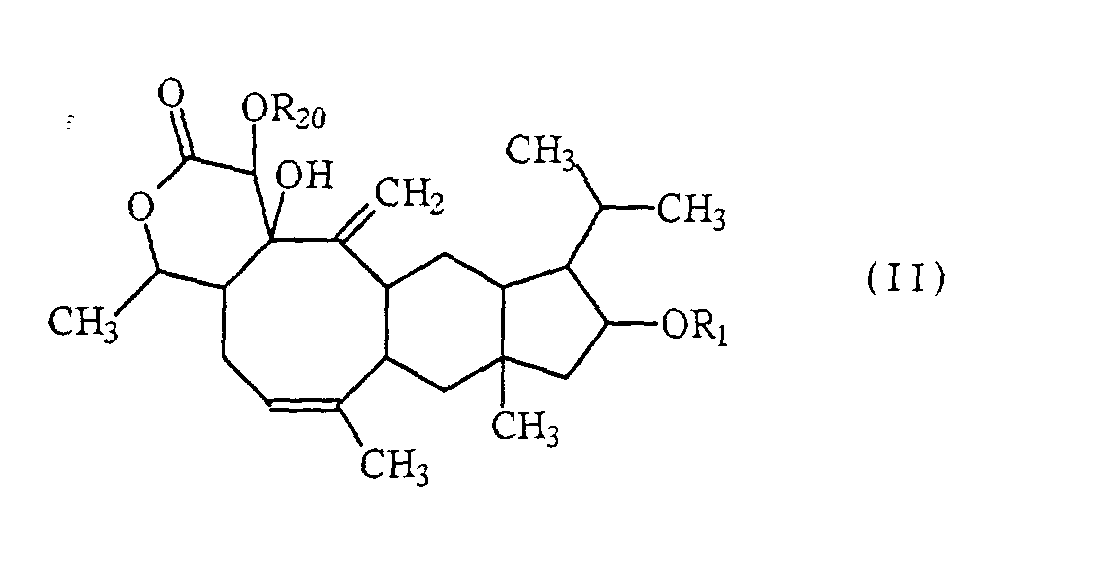
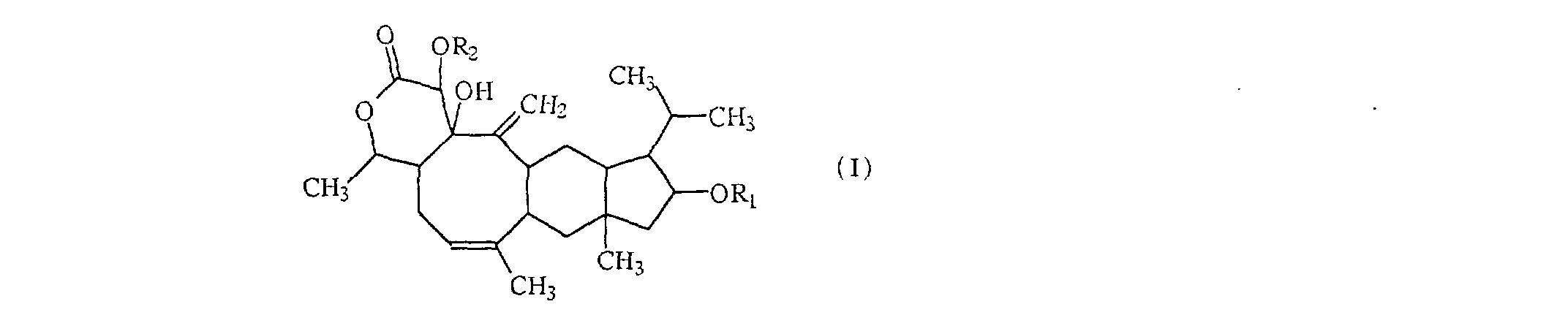
- the present invention provides a novel compound represented by the general formula (I): wherein R 1 is a hydrogen atom, or or and R 2 is a hydrogen atom or a lower alkanoyl group; a process for its production and its application, and a microorganism belonging to genus Paecilomyces, which is capable of producing a compound represented by the general formula (II): wherein R 20 is a hydrogen atom, and R 1 is as defined above.
- a compound wherein R 1 is a group represented by and R 2 is a hydrogen atom will be referred to as BE-49385A
- a compound wherein R 1 is a group represented by and R 2 is a hydrogen atom will be referred to as BE-49385B
- a compound wherein R 1 is a group represented by and R 2 is a hydrogen atom will be referred to as BE-49385C
- a compound wherein R 1 is a group represented by and R 2 is a hydrogen atom will be referred to as BE-49385D
- a compound wherein R 1 is a group represented by and R 2 is a hydrogen atom will be referred to as BE-49385E
- a compound wherein each of R 1 and R 2 is a hydrogen atom will be referred to as BE-49385F
- a compound wherein R 1 is a group represented by and R 2 is a hydrogen atom will be referred to as BE-49385A
- lower used in the present specification means chat the carbon number of the group having this term affixed, is at most 6, preferably at most 4.
- the "lower alkanoyl group” means a C 1-6 linear or branched alkanoyl group, such as, a formyl group, an acetyl group, a propionyl group, an isopropionyl group, an isobutyryl group, a sec-butyryl group, a tert-butyryl group, a pentanoyl group, an isopentanoyl group, a neopentanoyl group or a hexanoyl group.
- the minimum inhibitory concentrations of antifungal substances BE-49385 against various fungi were measured.
- the measurement of MIC was carried out by an agar dilution method using a culture medium prepared by mixing 900 ml of an agar solution containing 2.5 g of sterilized dipotassium hydrogenphosphate and 15 g of agar, with a solution obtained by dissolving 6.7 g of a yeast nitrogen base (manufactured by Difico Co.) and 10 g of glucose in 100 ml of purified water, followed by sterilization by means of sterilizing filter.
- BE-49385 was dissolved in dimethylsulfoxide to a concentration of 10 mg/ml and further diluted with dimethylsulfoxide to obtain a twice diluted series, and the dimethylsulfoxide concentration in the agar plate was adjusted to be 1%.
- 5 ⁇ l of the test strain solution adjusted to a concentration of 10 6 cells per 1 ml, was dropped, followed by culturing at 28°C for 3 days, whereupon the growth was evaluated.
- the minimum inhibitory concentrations (MIC, unit: ⁇ g/ml) of antifungal substance BE-49385A against various fungi are shown in Table 1, and MICs of BE-49385 substances against Schizosaccharomyces pombe IAM4863 are shown in Table 2.
- the antifungal substances BE-49385 exhibit remarkable growth inhibition activities against various fungi. Accordingly, the compounds of the present invention are useful as antifungal agents.
- the microorganism to be used for the production of the antifungal substances BE-49385 of the present invention may be any microorganism so long as it is capable of producing the antifungal substances BE-49385.
- Mycelia of F49385 strain are colorless with a smooth surface and have a width of from 0.8 to 2.4 ⁇ m.
- Conidiophores are formed infrequently with a length of from 5.6 to 6.4 ⁇ m and a width of the base portion being from 2.0 to 2.4 ⁇ m.
- Phialides may be formed directly on the mycelia or at the forward ends of conidiophores, and they are in a flask shape of 5.6 to 15.2 ⁇ 2.4 to 3.2 ⁇ m and have slender forward ends with a width of 0.8 ⁇ m.
- Conidia are formed in a chain form from the forward ends of the phialides and have a lemon shape of 2.8 to 4.8 ⁇ 2.4 to 2.8 ⁇ m with a smooth surface, with both ends being rectangular with a width of 0.4 ⁇ m.
- Table 3 shows the growth characteristics when F49385 strain was cultured at 25°C for 10 days using various agar media.
- the colors in the Table were designated based on the names of colors in Methuen Handbook of color, 3rd ed., (1984).
- Growth characteristics of F49385 strain Culture media Diameter of colony (mm) Color of colony Color of colony surface State of colony Czapek agar 12 to 13 White to soiled white White Flat and thin Potato glucose agar 19 to 20 White to pale yellow white Gray Formation of velvet to powdery radial funis Potato carrot agar 22 to 24 White to pale yellow white Pale yellow white Formation of cotton wool-like radial funis
- each culture medium the growth is relatively slow, and no secrete is observed on the colony surface. Further, the strain will not grow at 37°C.
- the growth temperature range of this strain is from 11 to 34°C, and the optimum growth temperature is 28°C.
- the growth pH range is from pH3.5 to pH9, and the optimum pH range is from pH4.5 to 6.5.
- F49385 strain was identified as Paecilomyces inflatus (Burnside) Carmichael and named as Paecilomyces inflatus F49385 (Monophialidic species of Paecilomyces, p.13-15, Mycological Papers, No. 107, C.A.B. (1967), and Fungi Canadenses, No. 155, National Mycological Herbarium, Agriculture Canada (1979).
- Mutants of Paecilomyces inflatus F49385 may be prepared by a conventional treating method for strain transformation such as treatment by irradiation with X-rays or ultraviolet rays, treatment with a mutagen such as nitrogen mustard, azaserine, nitrous acid, 2-aminopurine or N-methyl-N'-nitro-N-nitrosoguanidine (NTG), phage contact, transformation, transduction or conjugation.
- a mutagen such as nitrogen mustard, azaserine, nitrous acid, 2-aminopurine or N-methyl-N'-nitro-N-nitrosoguanidine (NTG)
- a strain for producing BE-49385 is inoculated to a nutrient source-containing culture medium and aerobically grown to obtain a cultured product containing BE-49385 substances.
- nutrient sources those known as nutrient sources for fungi can be used.
- a carbon source commercially available glucose, glycerol, maltose, starch, sucrose, molasses or dextrin may be used alone or in combination as a mixture.
- an inorganic ammonium salt or sodium nitrate may be used alone or in combination as a mixture.
- an inorganic salt commercially available calcium carbonate, sodium chloride, potassium chloride, magnesium sulfate, sodium bromide, sodium borate or various phosphoric acid salts may, for example, be used.
- iron, manganese, zinc, cobalt or a heavy metal salt of e.g. molybdic acid may be added in a very small amount.
- a vegetable oil such as soybean or linseed oil, a higher alcohol such as octadecanol, or various silicon compounds may, for example, be suitably added as a defoaming agent.
- Other substances may also be used so long as they are utilized by the producing strain and serve for the production of BE-49385, such as 3-(N-morpholino)propanesulfonic acid or sodium borate.
- Culturing can be carried out in the same manner as a common method for producing a metabolite of a microorganism, and it may be solid culture or liquid culture.
- liquid culture stationary culture, agitation culture, shaking culture or aerobic culture may be carried out. Particularly preferred is shaking culture or deep aerobic agitation culture.
- the culturing temperature is usually from 11 to 34°C, preferably from 25 to 30°C.
- a preferred pH of the culture medium is within a range of from 4.5 to 6.5, and the culturing time is usually from 48 to 500 hours, preferably from 120 to 400 hours.
- a separation means which is commonly used for collecting a desired product from a metabolite produced by a microorganism, can suitably be used.
- BE-49385 substances are present in the culture solution or in the cells and may be separated and purified from the culture solution or the cells by using common means for separation, such as a solvent extraction method, an ion exchange resin method, an adsorption or partition chromatography method and a gel filtration method alone or in proper combination.
- the culture solution is subjected to filtration to obtain the cells.
- the obtained cells are extracted with an organic solvent such as methanol or acetone.
- the obtained crude extract is subjected to partition by means of a water-ethyl acetate system or a water-n-hexane system, and the organic solvent layer is distilled to obtain a residue, which is then subjected to silica gel chromatography (eluted with n-hexane/ethyl acetate or with toluene/ethyl acetate), ODS chromatography (eluted with acetonitrile/water) or gel filtration chromatography (eluted with water-methanol system or ethanol), if necessary, repeatedly, to separate the respective BE-49385 substances and thus obtain them as amorphous solid or crystals.
- silica gel chromatography eluted with n-hexane/ethyl acetate or with toluene/ethyl acetate
- an alkanoyl-modification method may be employed which is well known in the chemical field by using a compound of the general formula (II), i.e. BE-49385A, B, C, D, E, F, G or H, as the starting material.
- such a compound can be easily prepared by reacting the starting material with a lower alkanoyl halide having from 2 to 6 carbon atoms or an anhydride of a lower aliphatic acid having from 1 to 6 carbon atoms at a low temperature or under heating, for example, at ordinary temperature, for a suitable period of time, if necessary in the presence of an alkali such as pyridine.
- a lower alkanoyl halide having from 2 to 6 carbon atoms or an anhydride of a lower aliphatic acid having from 1 to 6 carbon atoms at a low temperature or under heating, for example, at ordinary temperature, for a suitable period of time, if necessary in the presence of an alkali such as pyridine.
- the antifungal composition of the present invention can be administered orally or parenterally in its clinical application, and it may be formulated to meet the administration mode by adding pharmacologically acceptable various additives, as the case requires, and used as an antifungal agent.
- the form for such formulation may, for example, be solid formulations such as tablets, capsules, granules, pills, troches, powders or suppositories, or liquid formulations such as syrups, elixirs, suspensions or injections, as well as aerosols, eyedrops, ointments, ophthalmic ointments, emulsions, creams, liniments or lotions.
- solid formulations such as tablets, capsules, granules, pills, troches, powders or suppositories
- liquid formulations such as syrups, elixirs, suspensions or injections, as well as aerosols, eyedrops, ointments, ophthalmic ointments, emulsions, creams, liniments or lotions.
- additives which are commonly used in the drug formulation field, can be used.
- saccharides such as lactose or glucose
- a starch such as corn, wheat or rice
- a vegetable oil such as soybean oil, peanuts oil or sesame oil
- a fatty acid such as stearic acid
- an inorganic salt such as magnesium metasilicate aluminate or anhydrous calcium phosphate
- a synthetic polymer such as polyvinylpyrrolidone or polyalkylene glycol
- a fatty acid salt such as calcium stearate or magnesium stearate
- an alcohol such as stearyl alcohol or benzyl alcohol
- a synthetic cellulose derivative such as methyl cellulose, carboxymethyl cellulose, ethyl cellulose or hydroxy-propylmethyl cellulose, or others such as water, gelatin, talc and gum arabic, may, for example, be mentioned.
- a suitable medium for such an injection may, for example, be distilled water for injection, a hydrochloric acid lidocaine aqueous solution (for intramuscular injection), physiological saline, an aqueous glucose solution, ethanol, liquid for intravenous injection (such as an aqueous solution of citric acid and sodium citrate) or an electrolyte solution (for intravenous drip and intravenous injection), or a mixed solution thereof.
- a buffer or a preservative may be added.
- formulations may contain usually from 0.1 to 100 wt%, preferably from 5 to 100 wt%, of the active ingredient in the case of the above-mentioned solid formulations, and may contain from 0.1 to 10 wt%, preferably from 1 to 5 wt%, in the case of other formulations. Further, these formulations may contain other compounds which are therapeutically effective.
- a practically preferred dose of the compound of the present invention varies depending upon the type of the compound used, the type of the composition blended, the sex, age, weight, diseased degree and the particular section to be treated of the patient, but it is usually from 0.1 to 100 mg/kg in the case of oral administration and from 0.01 to 100 mg/kg in-the case of parenteral administration, per adult per day.
- the number of times of administration varies depending upon the administration method and the symptom, but it is preferred to carry out the administration from one to five times per day.
- Fungus F49385 strain inoculated to a slant soft agar plate was inoculated to six Erlenmeyer flasks having a capacity of 500 ml containing 100 ml of a culture medium (pH 6) comprising 1.0% of glucose, 3.0% of maltose, 0.3% of yeast extract, 1.0% of wheat embryo, 0.5% of gluten meal, 0.3% of polypeptone, 0.1% of sodium nitrate, 0.2% of sodium chloride, 0.1% of dipotassium hydrogenphosphate, 0.05% of magnesium sulfate, 0.00008% of zinc sulfate, 0.002% of calcium chloride, 0.0002% of ferrous sulfate, 0.00004% of cuprous chloride, 0.00004% of manganese chloride, 0.00004% of cobalt chloride, 0.00008% of sodium borate and 0.00024% of ammonium molybdate, and cultured on a rotary shaker (180 rpm) at 28°C for 96 hours.
- the culture solution (26.5 lit.) thus obtained was sterilized at 90°C for 10 minutes, and then cells were separated by filtration.
- methanol (20 lit.) was added, followed by stirring for a few hours. Then, the cells were filtered off to obtain a methanol extract solution.
- Acetone (10 lit.) was added to the cells after methanol extraction, followed by stirring for a few hours, whereupon the cells were filtered off to obtain an acetone extract solution.
- the methanol extract solution and the acetone extraction solution were put together and concentrated under reduced pressure to about 2 lit. To this concentrated solution, n-hexane (1 lit.) and ethyl acetate (1 lit.) were added for extraction.
- n-hexane/ethyl acetate extract solution was concentrated under reduced pressure, and to the residue, n-hexane (500 ml) was added, followed by filtration, and the filtrate was subjected to a chromatocolumn (4.0 ⁇ 25 cm) of silica gel (Wako Junyaku K.K.) to extract with a mixed solvent of n-hexane with a n-hexane/ethyl acetate (8:1 to 1:1).
- the extracted active fraction was concentrated and dried under reduced pressure to obtain 570 mg of a fraction Fr.1 containing BE-49385C, 1526 mg of a fraction Fr.2 containing BE-49385A and BE-49385B, and 908 mg of a fraction Fr.3 containing BE-49385D, E and BE-49385F.
- Fr.2 obtained in 1-1 was dissolved in methanol (5 ml), and subjected to a chromatocolumn (4.0 ⁇ 45 cm) of Sephadex LH-20 (manufactured by Pharmacia Co.).
- the desired fraction obtained by elution with 80% methanol, was concentrated under reduced pressure, and the concentrate was dissolved in ethanol (3 ml) and subjected to a chromatocolumn (4.0 ⁇ 45 cm) of Sephadex LH-20 (manufactured by Pharmacia Co.).
- Fr.2-1 obtained in 1-1-1 was dissolved in toluene (10 ml) and subjected to a chromatocolumn (2.5 ⁇ 33 cm) of silica gel (manufactured by Merck Co.), whereby elution was conducted with a mixed solvent of toluene/ethyl acetate (9:1 to 8:1).
- the desired fraction obtained by the elution was concentrated under reduced pressure, and the concentrate was further dissolved in ethanol (5 ml) and subjected to YMC pack ODS-A column (20 ⁇ 250 mm, manufactured by YMC Co.) in an amount of 0.3 ml each time and subjected to fractional high performance liquid chromatography using 88% acetonitrile as a mobile phase, whereupon the desired fraction was concentrated under reduced pressure.
- ethanol 5 ml
- YMC pack ODS-A column (20 ⁇ 250 mm, manufactured by YMC Co.
- Fr.2-2 obtained in 1-1-1 was dissolved in toluene (3 ml) and subjected to a chromatocolumn (2.5 ⁇ 33 cm) of silica gel (manufactured by Merck Co.), whereby elution was carried out with a mixed solvent of toluene/ethyl acetate (9:1 to 8:1).
- the desired fraction obtained by the elution was concentrated under reduced pressure, and the concentrate was further dissolved in ethanol (1 ml) and subjected to a YMC pack ODS-A column (20 ⁇ 250 mm, manufactured by YMC Co.) in an amount of 0.3 ml each time, and subjected to fractional high performance liquid chromatography using 90% acetonitrile as a mobile phase, whereupon the desired fraction was concentrated under reduced pressure.
- water (50 ml) was added, and the mixture was acidified with 1N hydrochloric acid and then extracted with ethyl acetate (50 ml).
- the ethyl acetate extract solution was further washed with water (50 ml), and the ethyl acetate extract solution was concentrated to dryness to obtain 9.7 mg of a white powder of BE-49385B.
- Fr.1 obtained in 1-1 was dissolved in methanol (3 ml) and subjected to a chromatocolumn (2.5 ⁇ 35 cm) of Sephadex LH-20 (manufactured by Pharmacia Co.).
- the desired fraction obtained by elution with 80% methanol, was concentrated under reduced pressure, and the concentrate was further dissolved in ethanol (3 ml) and subjected to a chromatocolumn (4.0 ⁇ 45 cm) of Sephadex of LH-20 ( manufactured by Pharmacia Co.), whereby elution was carried out with ethanol, and the eluted active fraction was concentrated under reduced pressure.
- the concentrate was dissolved in toluene (3 ml) and subjected to a chromatocolumn (2.5 ⁇ 33 cm) of silica gel (manufactured by Merck Co.), whereby elution was carried out with a mixed solvent of toluene/ethyl acetate (49:1 to 22:3).
- the desired fraction obtained by the elution was concentrated under reduced pressure, and the concentrate was further dissolved in ethanol (4 ml) and subjected to a Develosil ODS-10 column (20 ⁇ 250 mm, manufactured by Nomura Kagaku K.K.) in an amount of 0.4 ml each time, and subjected to fractional high performance liquid chromatography using 92% acetonitrile as a mobile phase, to obtain 42 mg of a crude substance containing BE-49385C.
- This crude substance was dissolved in ethanol (4 ml) and subjected to a YMC pack ODS-A column (20 ⁇ 250 mm, manufactured by YMC Co.) in an amount of 0.4 ml each time and subjected to fractional high performance liquid chromatography using 95% acetonitrile as a mobile phase, whereby the desired fraction was concentrated under reduced pressure.
- water (50 ml) was added, and the mixture was acidified with 1N hydrochloric acid and then extracted with ethyl acetate (50 ml). The ethyl acetate extract solution was further washed with water (50 ml), and the ethyl acetate extract solution was concentrated to dryness to obtain 42.5 mg of a white powder of BE-49385C.
- Fr.3 obtained in 1-1 was dissolved in methanol (5 ml) and subjected to a chromatocolumn (4.0 ⁇ 45 cm) of Sephadex LH-20 (manufactured by Pharmacia Co.).
- the desired fraction obtained by elution with 80% methanol was concentrated under reduced pressure, and the concentrate was further dissolved in ethanol (3 ml) and subjected to a chromatocolumn (4.0 ⁇ 45 cm) of Sephadex LH-20 (manufactured by Pharmacia Co.), whereby elution was carried out with ethanol, and the eluted active fraction was concentracted under reduced pressure.
- the concentrate was dissolved in a mixed solvent of toluene/ethyl acetate (4:1, 10 ml) and subjected to a chromatocolumn (2.0 ⁇ 15 cm) of silica gel (manufactured by Merck Co.), whereby elution was carried out with a mixed solvent of toluene/ethyl acetate (4:1 to 11:9), and the active fraction was concentrated to dryness, to obtain 53 mg of a fraction Fr.3-1 containing BE-49385D and BE-49385E and 46 mg of a fraction Fr.3-2 containing BE-49385F.
- Fr.3-1 obtained in 1-1-3 was dissolved in ethanol (3 ml) and subjected to a Develosil ODS-10 column (20 ⁇ 250 mm, manufactured by Nomura Kagaku K.K.) in an amount of 0.3 ml each time and subjected to fractional high performance liquid chromatography using 70% acetonitrile as a mobile phase, and the active fraction was concentrated to dryness to obtain 5.1 mg of a crude substance Fr.3-1-1 containing BE-49385D and 25 mg of a crude substance Fr.3-1-2 containing BE-49385E.
- Fr.3-1-1 obtained in 1-1-3-1 was dissolved in ethanol (1 ml) and subjected to a YMC pack ODS-A column (20 ⁇ 250 mm, manufactured by YMC Co.) in an amount of 0.3 ml each time and subjected to fractional high performance liquid chromatography using 70% acetonitrile as a mobile phase and the desired fraction was concentrated under reduced pressure.
- water (50 ml) was added, and the mixture was acidified with 1N hydrochloric acid and then extracted with ethyl acetate (50 ml).
- the ethyl acetate extract solution was further washed with water (50 ml), and the ethyl acetate solution was concentrated to dryness to obtain 3.6 mg of a white powder of BE-49385D.
- Fr.3-1-2 obtained in 1-1-3-1 was dissolved in ethanol (1.5 ml) and subjected to a YMC pack ODS-A column (20 ⁇ 250 mm, manufactured by YMC Co.) in an amount of 0.2 ml each time, and subjected to fractional high performance liquid chromatography using 70% acetonitrile as a mobile phase, and the desired fraction was concentrated under reduced pressure. To this concentrated solution, water (50 ml) was added, and the mixture was acidified with 1N hydrochloric acid.
- Fr.3-2 obtained in 1-1-3 was dissolved in ethanol (4 ml) and subjected to a Develosil ODS-10 column (20 ⁇ 250 mm, manufactured by Nomura Kagaku K.K.) in an amount of 0.3 ml each time, and subjected to fractional high performance liquid chromatography using 55% acetonitrile as a mobile phase.
- the active fraction was concentrated to dryness to obtain 28 mg of a crude substance containing BE-49385F.
- the crude substance was dissolved in ethanol (2.5 ml) and subjected to a YMC pack ODS-A column (20 ⁇ 250 mm, manufactured by YMC Co.) in an amount of 0.3 ml each time, and subjected to fractional high performance liquid chromatography using 57% acetonitrile as a mobile phase.
- the desired fraction was concentrated under reduced pressure.
- water (50 ml) was added, and the mixture was acidified with 1N hydrochloric acid, and then extracted with ethyl acetate.
- the ethyl acetate extract solution was further washed with water (50 ml).
- the ethyl acetate extract solution was concentrated to dryness to obtain 32.1 mg of a white powder of BE-49385F.
- Fungus F49385 strain inoculated on a slant soft agar plate was inoculated to two Erlenmeyer flasks having a capacity of 500 ml and containing 100 ml of a culture medium (pH 6) comprising 1.0% of glucose, 3.0% of maltose, 0.3% of yeast extract, 1.0% of wheat embryo, 0.5% of gluten meal, 0.3% of polypeptone, 0.1% of sodium nitrate, 0.2% of sodium chloride, 0.1% of dipotassium hydrogenphosphate, 0.05% of magnesium sulfate, 0.00008% of zinc sulfate, 0.002% of calcium chloride, 0.0002% of ferrous sulfate, 0.00004% of cuprous chloride, 0.00004% of manganese chloride, 0.00004% of cobalt chloride, 0.00008% of sodium borate and 0.00024% of ammonium molybdate, and cultured on a rotary shaker (180 rpm) at 28°C for 96 hours
- the culture solution (100 lit.) thus obtained was sterilized at 90°C for 10 minutes, followed by filtration to separate the cells, and methanol (60 lit.) was added to the cells, followed by stirring for a few hours. Then, the cells were filtered off to obtain a methanol extract solution.
- This methanol extract solution was concentrated under reduced pressure to about 2 lit., and n-hexane (3 lit.) and ethyl acetate (3 lit.) were added to this concentrated solution for extraction.
- ethyl acetate (5 lit.) was added for extraction.
- This extract solution was combined with the n-hexane/ethyl acetate extract solution, followed by concentration under reduced pressure.
- n-hexane (200 ml) and toluene (200 ml) were added, followed by filtration.
- the filtrate was subjected to a chromatocolumn (4.0 ⁇ 50 cm) of silica gel (manufactured by Wako Junyaku K.K.) and the eluted with toluene and a mixed solvent of toluene/ethyl acetate (19:1 to 1:1).
- the extracted active fraction was concentrated to dryness under reduced pressure to obtain 3.48 g of a fraction Fr.4 containing BE-49385G and BE49385H.
- Fr.4 obtained in 1-2 was dissolved in ethanol (3 ml) and subjected to a chromatocolumn (3.0 ⁇ 45 cm) of Sephadex LH-20 (manufactured by Pharmacia Co.). The desired fraction obtained by elution with ethanol was concentrated under reduced pressure. The concentrate was dissolved in toluene (30 ml) and subjected to a chromatocolumn (2.0 ⁇ 30 cm) of silica gel (manufactured by Merck Co.) and eluted with a mixed solvent of toluene/ethyl acetate (19:6 to 33:17).
- the obtained active fraction was concentrated under reduced pressure, and the concentrate was further dissolved in ethanol (2 ml) and subjected to a chromatocolumn (3.0 ⁇ 45 cm) of Sephadex LH-20 (manufactured by Pharmacia Co.), whereby elution was carried out with ethanol, and the eluted active fraction was concentrated under reduced pressure.
- the concentrate was dissolved in ethanol (5 ml) and subjected to a Develosil ODS-10/20 column (50 ⁇ 500 mm, manufactured by Nomura Kagaku K.K.) and subjected to fractional high performance liquid chromatography using 70% acetonitrile as a mobile phase.
- the active fraction was concentrated to dryness to obtain 10 mg of a crude substance Fr.4-1 containing BE-49385G and 10 mg of a crude substance Fr.4-2 containing BE-49385H.
- Fr.4-1 obtained in 1-2-1 was dissolved in ethanol (0.9 ml) and subjected to a YMC pack ODS-AS-10 column (20 ⁇ 250 mm, manufactured by YMC Co.) in an amount of 0.3 ml each time, and subjected to fractional high performance chromatography using 70% acetonitrile as a mobile phase. The desired fraction was concentrated under reduced pressure.
- This concentrated solution was dissolved in ethanol (1.5 ml) and subjected to a YMC pack ODS-AS-5 column (20 ⁇ 250 mm, manufactured by YMC Co.) in an amount of 0.5 ml each time and subjected to fractional high performance liquid chromatography using 68% acetonitrile as a mobile phase.
- the desired fraction was concentrated under reduced pressure.
- This concentrated solution was dissolved in ethanol (0.6 ml) and subjected to a YMC pack ODS-AS-5 column (20 ⁇ 250 mm, manufactured by YMC Co.) and subjected to fractional high performance liquid chromatography using 65% acetonitrile as a mobile phase. The desired fraction was concentrated under reduced pressure.
- This concentrated solution was dissolved in ethanol (0.4 ml) and subjected to a YMC pack ODS-AS-10 column (20 ⁇ 250 mm, manufactured by YMC Co.) and subjected to fractional high performance liquid chromatography using 70% acetonitrile as a mobile phase. The desired fraction was concentrated under reduced pressure.
- Fr.4-2 obtained in 1-2-1 was dissolved in ethanol (1.5 ml) and subjected to a YMC pack ODS-AS-5 column (20 ⁇ 250 mm, manufactured by YMC Co.) in an amount of 0.5 ml each time, and subjected to fractional high performance liquid chromatography using 75% acetonitrile as a mobile phase.
- the desired fraction was concentrated under reduced pressure.
- This concentrated solution was dissolved in ethanol (0.8 ml) and subjected to a YMC pack ODS-AS-5 column (20 ⁇ 250 mm, manufactured by YMC Co.) in an amount of 0.4 ml each time, and subjected to fractional high performance liquid chromatography using 72% acetonitrile as a mobile phase.
- the desired fraction was concentrated under reduced pressure.
- water (20 ml) was added, and the mixture was acidified with 1N hydrochloric acid and then extracted with ethyl acetate (20 ml).
- the ethyl acetate extract solution was further washed with water (20 ml), and the ethyl acetate extract solution was concentrated to dryness to obtain 1.4 mg of a white powder of BE-49385H.
- BE-49385A 1.0 mg was dissolved in 0.25 ml of anhydrous pyridine, and 0.25 ml of acetic anhydride was added thereto, followed by stirring at room temperature for 4 hours. The reaction mixture was concentrated under reduced pressure, and water was added thereto, followed by concentration under reduced pressure to dryness. This operation was repeated to obtain BE-49385A-Ac.
- Granules were prepared in the same manner as in Formulation Example 2, and then 3 parts of calcium stearate was added to 96 parts of the granules, followed by compression molding to obtain tablets having a diameter of 10 mm.
- BE-49385 substances of the present invention have antifungal activities and thus are useful as antifungal agents.
Landscapes
- Chemical & Material Sciences (AREA)
- Organic Chemistry (AREA)
- Health & Medical Sciences (AREA)
- Life Sciences & Earth Sciences (AREA)
- General Health & Medical Sciences (AREA)
- Zoology (AREA)
- Wood Science & Technology (AREA)
- Engineering & Computer Science (AREA)
- General Chemical & Material Sciences (AREA)
- Veterinary Medicine (AREA)
- Medicinal Chemistry (AREA)
- Chemical Kinetics & Catalysis (AREA)
- Public Health (AREA)
- Animal Behavior & Ethology (AREA)
- Pharmacology & Pharmacy (AREA)
- Epidemiology (AREA)
- Biotechnology (AREA)
- Microbiology (AREA)
- Genetics & Genomics (AREA)
- Biochemistry (AREA)
- General Engineering & Computer Science (AREA)
- Bioinformatics & Cheminformatics (AREA)
- Nuclear Medicine, Radiotherapy & Molecular Imaging (AREA)
- Oncology (AREA)
- Communicable Diseases (AREA)
- Pharmaceuticals Containing Other Organic And Inorganic Compounds (AREA)
- Preparation Of Compounds By Using Micro-Organisms (AREA)
- Agricultural Chemicals And Associated Chemicals (AREA)
- Micro-Organisms Or Cultivation Processes Thereof (AREA)
- Pyrane Compounds (AREA)
- Medicines Containing Material From Animals Or Micro-Organisms (AREA)
- Organic Low-Molecular-Weight Compounds And Preparation Thereof (AREA)
Claims (7)
- Verbindung der allgemeinen Formel (I):worin R1 ein Wasserstoffatom oder


 oder
oder ist und R2 ein Wasserstoffatom oder eine C1-6-Alkanoylgruppe ist,
- Verfahren zum Herstellen einer Verbindung der allgemeinen Formel (I):worin R2 ein Wasserstoffatom oder eine C1-6-Alkanoylgruppe ist und R1 die obengenannte Bedeutung hat, umfassend das Züchten eines Mikroorganismus, der zur Gattung Paecilomyces gehört und zur Produktion einer Verbindung der allgemeinen Formel (II) in der Lage ist:
 worin R1 ein Wasserstoffatom oder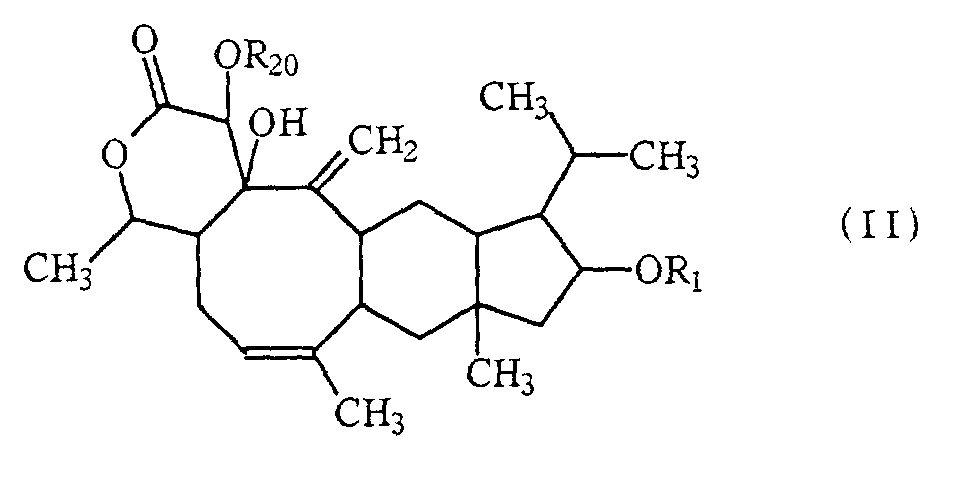

 oder
oder ist und R20 ein Wasserstoffatom ist, Sammeln der Verbindung der allgemeinen Formel (II) und, falls erforderlich, Umwandeln dieser Verbindung in eine Verbindung, bei der R1 eine C1-6-Alka-noylgruppe ist.
- Verfahren nach Anspruch 2, worin der Mikroorganismus, der zur Gattung Paecilomyces gehört und zur Produktion einer Verbindung der allgemeinen Formel (II) in der Lage ist:worin R1 ein Wasserstoffatom oder
 oder
oder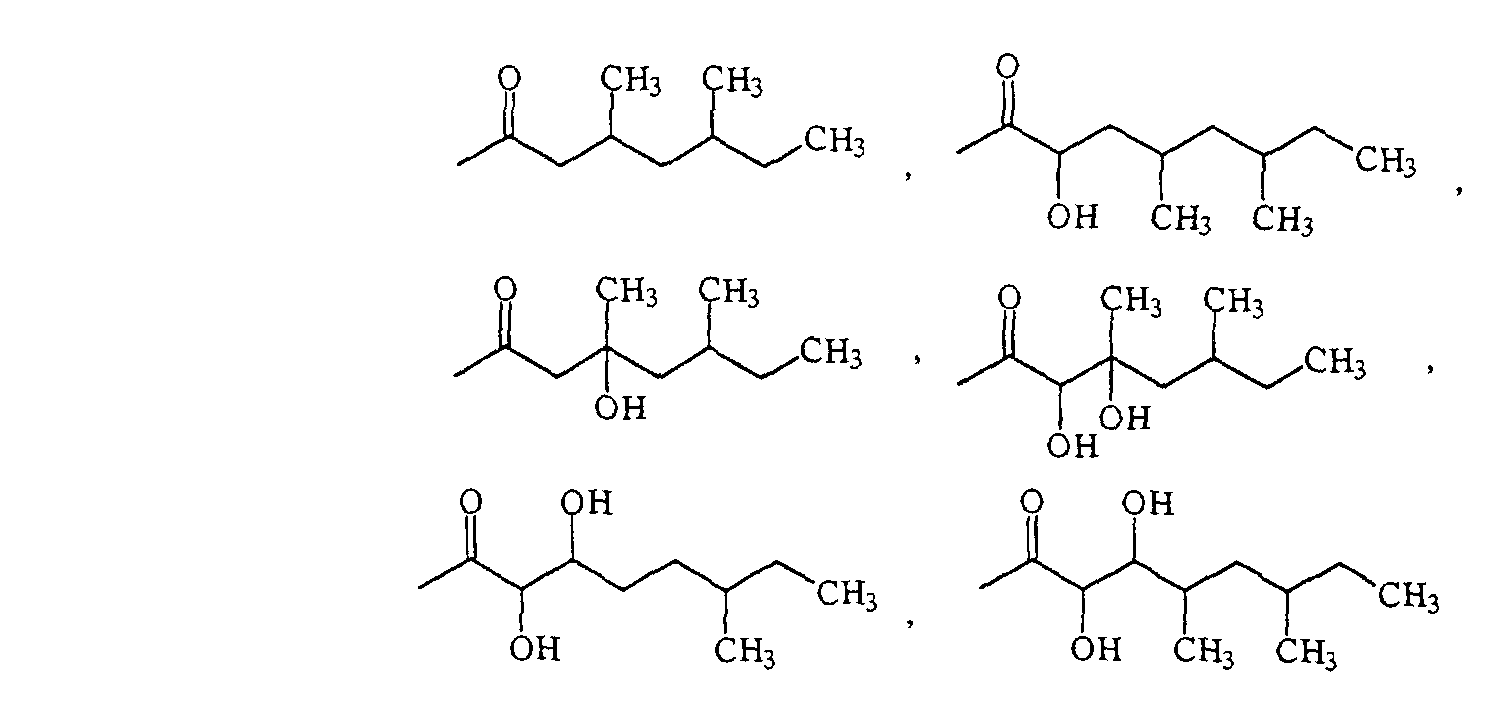 ist und R20 ein Wasserstoffatom ist, Paecilomyces inflatus ist.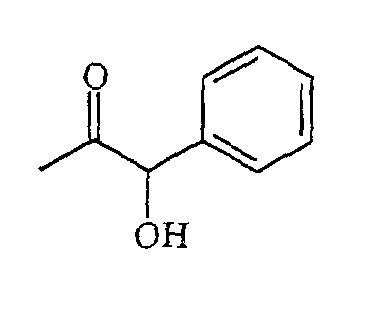
- Antifungales Mittel, enthaltend ein Verbindung der allgemeinen Formel (I):worin R1 ein Wasserstoffatom oder

 oder
oder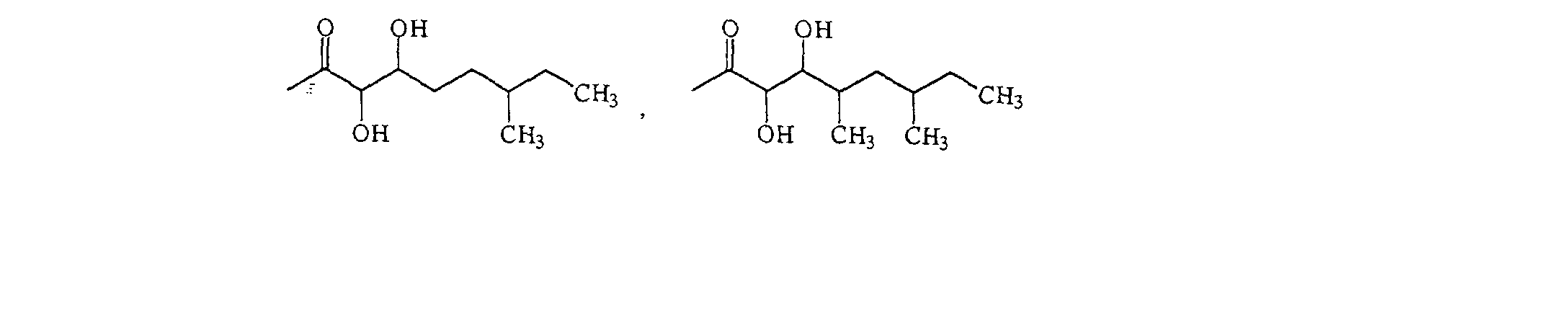 ist und R2 ein Wasserstoffatom oder eine C1-6-Alkanoylgruppe ist, als einen aktiven Bestandteil.
- Mikroorganismus, der zur Gattung Paecilomyces gehört und zur Produktion einer Verbindung der allgemeinen Formel (II) in der Lage ist:worin R1 ein Wasserstoffatom oder


 oder
oder ist und R20 ein Wasserstoffatom ist.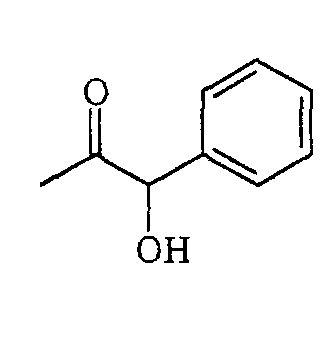
- Mikroorganismus nach Anspruch 5, worin der Mikroorganismus, der zur Gattung Paecilomyces gehört, Paecilomyces inflatus ist.
- Mikroorganismus nach Anspruch 5, worin der Mikroorganismus, der zur Gattung Paecilomyces gehört, Paecilomyces inflatus F49385 (FERM BP-5715) oder sein Mutant ist.
Applications Claiming Priority (7)
| Application Number | Priority Date | Filing Date | Title |
|---|---|---|---|
| JP326487/95 | 1995-11-21 | ||
| JP32648795 | 1995-11-21 | ||
| JP32648795 | 1995-11-21 | ||
| JP11190196 | 1996-04-09 | ||
| JP11190196 | 1996-04-09 | ||
| JP111901/96 | 1996-04-09 | ||
| PCT/JP1996/003354 WO1997019186A1 (en) | 1995-11-21 | 1996-11-15 | Antifungal substances be-49385 and process for producing the same |
Publications (3)
| Publication Number | Publication Date |
|---|---|
| EP0877091A1 EP0877091A1 (de) | 1998-11-11 |
| EP0877091A4 EP0877091A4 (de) | 1999-02-03 |
| EP0877091B1 true EP0877091B1 (de) | 2002-01-23 |
Family
ID=26451196
Family Applications (1)
| Application Number | Title | Priority Date | Filing Date |
|---|---|---|---|
| EP96938477A Expired - Lifetime EP0877091B1 (de) | 1995-11-21 | 1996-11-15 | Fungizide substanzen be-49385 und verfahren zu ihrer herstellung |
Country Status (8)
| Country | Link |
|---|---|
| US (1) | US5928910A (de) |
| EP (1) | EP0877091B1 (de) |
| JP (1) | JP3517880B2 (de) |
| AT (1) | ATE212379T1 (de) |
| AU (1) | AU7587596A (de) |
| CA (1) | CA2238190C (de) |
| DE (1) | DE69618817T2 (de) |
| WO (1) | WO1997019186A1 (de) |
Families Citing this family (1)
| Publication number | Priority date | Publication date | Assignee | Title |
|---|---|---|---|---|
| EP1104757A4 (de) | 1998-08-07 | 2003-03-26 | Banyu Pharma Co Ltd | Sesterterpen-derivate mit fungiziden eigenschaften |
Family Cites Families (2)
| Publication number | Priority date | Publication date | Assignee | Title |
|---|---|---|---|---|
| JPS5945360B2 (ja) * | 1981-12-09 | 1984-11-06 | 章 遠藤 | 生理活性物質ml−236bの製造法 |
| US5233062A (en) * | 1992-03-16 | 1993-08-03 | Merck & Co., Inc. | Antibiotic eicosenoic acids |
-
1996
- 1996-11-15 AU AU75875/96A patent/AU7587596A/en not_active Abandoned
- 1996-11-15 EP EP96938477A patent/EP0877091B1/de not_active Expired - Lifetime
- 1996-11-15 AT AT96938477T patent/ATE212379T1/de active
- 1996-11-15 US US09/068,556 patent/US5928910A/en not_active Expired - Lifetime
- 1996-11-15 JP JP51958397A patent/JP3517880B2/ja not_active Expired - Fee Related
- 1996-11-15 DE DE69618817T patent/DE69618817T2/de not_active Expired - Fee Related
- 1996-11-15 WO PCT/JP1996/003354 patent/WO1997019186A1/ja not_active Ceased
- 1996-11-15 CA CA002238190A patent/CA2238190C/en not_active Expired - Fee Related
Also Published As
| Publication number | Publication date |
|---|---|
| DE69618817T2 (de) | 2002-11-14 |
| AU7587596A (en) | 1997-06-11 |
| WO1997019186A1 (en) | 1997-05-29 |
| EP0877091A1 (de) | 1998-11-11 |
| EP0877091A4 (de) | 1999-02-03 |
| JP3517880B2 (ja) | 2004-04-12 |
| ATE212379T1 (de) | 2002-02-15 |
| CA2238190A1 (en) | 1997-05-29 |
| DE69618817D1 (de) | 2002-03-14 |
| CA2238190C (en) | 2005-08-02 |
| US5928910A (en) | 1999-07-27 |
Similar Documents
| Publication | Publication Date | Title |
|---|---|---|
| EP0271581A1 (de) | Neue verbindungen dc-88a und dc-89a1 und deren herstellungsverfahren | |
| JP3189443B2 (ja) | 抗真菌性物質be−31405 | |
| US5928910A (en) | Antifungal substances BE-49385 and process for their production | |
| JP2004210648A (ja) | 新規マクロライド化合物及びその製造方法 | |
| RU2221870C2 (ru) | Мумбайстатин, способ его получения и его применение в качестве фармацевтического препарата | |
| US5270332A (en) | Cholesteral lowering agents | |
| JPH07278041A (ja) | 抗腫瘍性物質be−24811及びその製造法 | |
| EP0568946A1 (de) | Verbindung TAN-1607A, ihre Derivate, deren Herstellung und Verwendung | |
| JPWO1997019186A1 (ja) | 抗真菌性物質be−49385類及びその製造法 | |
| JP5036554B2 (ja) | 新規ステンフォン(stemphone)類の化合物及びその製造法 | |
| CA2008628C (en) | Substance uct-1003 and process for producing the same | |
| JPH09227587A (ja) | 抗菌性物質be−45722類 | |
| JPH107557A (ja) | 抗腫瘍性物質スピロラキシン | |
| US7060821B2 (en) | Osteoclast differentiation inhibitors | |
| GB2265147A (en) | Antibiotic eicosenoic acids | |
| JPH09100261A (ja) | 抗菌性物質be−44651類 | |
| JPH09194497A (ja) | 抗菌性物質be−53594類及びその製造法 | |
| JPH1017527A (ja) | 抗菌性物質be−39589類及びその製造法 | |
| JP2003523346A (ja) | プルラフラビンおよびその誘導体、それらの製造方法および使用 | |
| JPH04275284A (ja) | 抗腫瘍性物質be−23372m及びその製造法 | |
| JPH0764851B2 (ja) | リベロマイシンb、c、及びd、その製造法並びに抗腫瘍剤及び抗真菌剤 | |
| JPH11269124A (ja) | 抗真菌性物質be−54753及びその製造法 | |
| JPH10101663A (ja) | 抗腫瘍性物質be−51068及びその製造法 | |
| JP2002068980A (ja) | 生理活性物質nk34896類縁体の用途 | |
| JP2000290293A (ja) | 抗真菌活性化合物 |
Legal Events
| Date | Code | Title | Description |
|---|---|---|---|
| PUAI | Public reference made under article 153(3) epc to a published international application that has entered the european phase |
Free format text: ORIGINAL CODE: 0009012 |
|
| 17P | Request for examination filed |
Effective date: 19980520 |
|
| AK | Designated contracting states |
Kind code of ref document: A1 Designated state(s): AT BE CH DE DK ES FI FR GB GR IE IT LI LU MC NL PT SE |
|
| A4 | Supplementary search report drawn up and despatched |
Effective date: 19981221 |
|
| AK | Designated contracting states |
Kind code of ref document: A4 Designated state(s): AT BE CH DE DK ES FI FR GB GR IE IT LI LU MC NL PT SE |
|
| GRAG | Despatch of communication of intention to grant |
Free format text: ORIGINAL CODE: EPIDOS AGRA |
|
| 17Q | First examination report despatched |
Effective date: 20010320 |
|
| GRAG | Despatch of communication of intention to grant |
Free format text: ORIGINAL CODE: EPIDOS AGRA |
|
| GRAH | Despatch of communication of intention to grant a patent |
Free format text: ORIGINAL CODE: EPIDOS IGRA |
|
| GRAH | Despatch of communication of intention to grant a patent |
Free format text: ORIGINAL CODE: EPIDOS IGRA |
|
| GRAA | (expected) grant |
Free format text: ORIGINAL CODE: 0009210 |
|
| REG | Reference to a national code |
Ref country code: GB Ref legal event code: IF02 |
|
| AK | Designated contracting states |
Kind code of ref document: B1 Designated state(s): AT BE CH DE DK ES FI FR GB GR IE IT LI LU MC NL PT SE |
|
| PG25 | Lapsed in a contracting state [announced via postgrant information from national office to epo] |
Ref country code: NL Free format text: LAPSE BECAUSE OF FAILURE TO SUBMIT A TRANSLATION OF THE DESCRIPTION OR TO PAY THE FEE WITHIN THE PRESCRIBED TIME-LIMIT Effective date: 20020123 Ref country code: LI Free format text: LAPSE BECAUSE OF FAILURE TO SUBMIT A TRANSLATION OF THE DESCRIPTION OR TO PAY THE FEE WITHIN THE PRESCRIBED TIME-LIMIT Effective date: 20020123 Ref country code: GR Free format text: LAPSE BECAUSE OF FAILURE TO SUBMIT A TRANSLATION OF THE DESCRIPTION OR TO PAY THE FEE WITHIN THE PRESCRIBED TIME-LIMIT Effective date: 20020123 Ref country code: FI Free format text: LAPSE BECAUSE OF FAILURE TO SUBMIT A TRANSLATION OF THE DESCRIPTION OR TO PAY THE FEE WITHIN THE PRESCRIBED TIME-LIMIT Effective date: 20020123 Ref country code: CH Free format text: LAPSE BECAUSE OF FAILURE TO SUBMIT A TRANSLATION OF THE DESCRIPTION OR TO PAY THE FEE WITHIN THE PRESCRIBED TIME-LIMIT Effective date: 20020123 Ref country code: BE Free format text: LAPSE BECAUSE OF FAILURE TO SUBMIT A TRANSLATION OF THE DESCRIPTION OR TO PAY THE FEE WITHIN THE PRESCRIBED TIME-LIMIT Effective date: 20020123 Ref country code: AT Free format text: LAPSE BECAUSE OF FAILURE TO SUBMIT A TRANSLATION OF THE DESCRIPTION OR TO PAY THE FEE WITHIN THE PRESCRIBED TIME-LIMIT Effective date: 20020123 |
|
| REF | Corresponds to: |
Ref document number: 212379 Country of ref document: AT Date of ref document: 20020215 Kind code of ref document: T |
|
| REG | Reference to a national code |
Ref country code: CH Ref legal event code: EP |
|
| REG | Reference to a national code |
Ref country code: IE Ref legal event code: FG4D |
|
| REF | Corresponds to: |
Ref document number: 69618817 Country of ref document: DE Date of ref document: 20020314 |
|
| PG25 | Lapsed in a contracting state [announced via postgrant information from national office to epo] |
Ref country code: SE Free format text: LAPSE BECAUSE OF FAILURE TO SUBMIT A TRANSLATION OF THE DESCRIPTION OR TO PAY THE FEE WITHIN THE PRESCRIBED TIME-LIMIT Effective date: 20020423 Ref country code: PT Free format text: LAPSE BECAUSE OF FAILURE TO SUBMIT A TRANSLATION OF THE DESCRIPTION OR TO PAY THE FEE WITHIN THE PRESCRIBED TIME-LIMIT Effective date: 20020423 Ref country code: DK Free format text: LAPSE BECAUSE OF FAILURE TO SUBMIT A TRANSLATION OF THE DESCRIPTION OR TO PAY THE FEE WITHIN THE PRESCRIBED TIME-LIMIT Effective date: 20020423 |
|
| ET | Fr: translation filed | ||
| NLV1 | Nl: lapsed or annulled due to failure to fulfill the requirements of art. 29p and 29m of the patents act | ||
| PG25 | Lapsed in a contracting state [announced via postgrant information from national office to epo] |
Ref country code: ES Free format text: LAPSE BECAUSE OF FAILURE TO SUBMIT A TRANSLATION OF THE DESCRIPTION OR TO PAY THE FEE WITHIN THE PRESCRIBED TIME-LIMIT Effective date: 20020730 |
|
| REG | Reference to a national code |
Ref country code: CH Ref legal event code: PL |
|
| PG25 | Lapsed in a contracting state [announced via postgrant information from national office to epo] |
Ref country code: LU Free format text: LAPSE BECAUSE OF NON-PAYMENT OF DUE FEES Effective date: 20021115 Ref country code: IE Free format text: LAPSE BECAUSE OF NON-PAYMENT OF DUE FEES Effective date: 20021115 |
|
| PLBE | No opposition filed within time limit |
Free format text: ORIGINAL CODE: 0009261 |
|
| STAA | Information on the status of an ep patent application or granted ep patent |
Free format text: STATUS: NO OPPOSITION FILED WITHIN TIME LIMIT |
|
| 26N | No opposition filed | ||
| PG25 | Lapsed in a contracting state [announced via postgrant information from national office to epo] |
Ref country code: MC Free format text: LAPSE BECAUSE OF NON-PAYMENT OF DUE FEES Effective date: 20030601 |
|
| REG | Reference to a national code |
Ref country code: IE Ref legal event code: MM4A |
|
| PGFP | Annual fee paid to national office [announced via postgrant information from national office to epo] |
Ref country code: FR Payment date: 20061108 Year of fee payment: 11 |
|
| PGFP | Annual fee paid to national office [announced via postgrant information from national office to epo] |
Ref country code: DE Payment date: 20061109 Year of fee payment: 11 |
|
| PGFP | Annual fee paid to national office [announced via postgrant information from national office to epo] |
Ref country code: GB Payment date: 20061115 Year of fee payment: 11 |
|
| PGFP | Annual fee paid to national office [announced via postgrant information from national office to epo] |
Ref country code: IT Payment date: 20061130 Year of fee payment: 11 |
|
| GBPC | Gb: european patent ceased through non-payment of renewal fee |
Effective date: 20071115 |
|
| PG25 | Lapsed in a contracting state [announced via postgrant information from national office to epo] |
Ref country code: DE Free format text: LAPSE BECAUSE OF NON-PAYMENT OF DUE FEES Effective date: 20080603 |
|
| REG | Reference to a national code |
Ref country code: FR Ref legal event code: ST Effective date: 20080930 |
|
| PG25 | Lapsed in a contracting state [announced via postgrant information from national office to epo] |
Ref country code: GB Free format text: LAPSE BECAUSE OF NON-PAYMENT OF DUE FEES Effective date: 20071115 |
|
| PG25 | Lapsed in a contracting state [announced via postgrant information from national office to epo] |
Ref country code: FR Free format text: LAPSE BECAUSE OF NON-PAYMENT OF DUE FEES Effective date: 20071130 |
|
| PG25 | Lapsed in a contracting state [announced via postgrant information from national office to epo] |
Ref country code: IT Free format text: LAPSE BECAUSE OF NON-PAYMENT OF DUE FEES Effective date: 20071115 |