EP0808901A2 - Préparation pharmaceutique avec une activité procoagulante de facteur VIII et une activité de liaison du vWF - Google Patents
Préparation pharmaceutique avec une activité procoagulante de facteur VIII et une activité de liaison du vWF Download PDFInfo
- Publication number
- EP0808901A2 EP0808901A2 EP97890095A EP97890095A EP0808901A2 EP 0808901 A2 EP0808901 A2 EP 0808901A2 EP 97890095 A EP97890095 A EP 97890095A EP 97890095 A EP97890095 A EP 97890095A EP 0808901 A2 EP0808901 A2 EP 0808901A2
- Authority
- EP
- European Patent Office
- Prior art keywords
- factor viii
- protein
- activity
- vwf
- preparation
- Prior art date
- Legal status (The legal status is an assumption and is not a legal conclusion. Google has not performed a legal analysis and makes no representation as to the accuracy of the status listed.)
- Withdrawn
Links
- 108010054218 Factor VIII Proteins 0.000 title claims abstract description 329
- 102000001690 Factor VIII Human genes 0.000 title claims abstract description 323
- 102100036537 von Willebrand factor Human genes 0.000 title claims abstract description 59
- 108010047303 von Willebrand Factor Proteins 0.000 title claims abstract description 58
- 230000027455 binding Effects 0.000 title claims abstract description 37
- 239000000825 pharmaceutical preparation Substances 0.000 title claims abstract description 23
- 229960000301 factor viii Drugs 0.000 claims abstract description 308
- 230000000694 effects Effects 0.000 claims abstract description 52
- 230000035772 mutation Effects 0.000 claims abstract description 38
- 108090000623 proteins and genes Proteins 0.000 claims abstract description 38
- 102000004169 proteins and genes Human genes 0.000 claims abstract description 36
- 238000002360 preparation method Methods 0.000 claims abstract description 34
- 238000000034 method Methods 0.000 claims abstract description 18
- 230000008742 procoagulation Effects 0.000 claims abstract description 12
- 125000003275 alpha amino acid group Chemical group 0.000 claims abstract 5
- 210000004027 cell Anatomy 0.000 claims description 57
- 239000012634 fragment Substances 0.000 claims description 39
- 229940124135 Factor VIII inhibitor Drugs 0.000 claims description 16
- 238000011282 treatment Methods 0.000 claims description 15
- 238000000746 purification Methods 0.000 claims description 6
- 238000009472 formulation Methods 0.000 claims description 5
- 239000000203 mixture Substances 0.000 claims description 5
- 238000005516 engineering process Methods 0.000 claims description 3
- 210000004408 hybridoma Anatomy 0.000 claims description 3
- 238000004519 manufacturing process Methods 0.000 claims description 3
- 210000004962 mammalian cell Anatomy 0.000 claims description 2
- 108010089996 B-domain-deleted factor VIII Proteins 0.000 claims 1
- 238000004140 cleaning Methods 0.000 claims 1
- 229960001134 von willebrand factor Drugs 0.000 description 47
- 239000013612 plasmid Substances 0.000 description 25
- 238000012360 testing method Methods 0.000 description 25
- 239000002773 nucleotide Substances 0.000 description 24
- 125000003729 nucleotide group Chemical group 0.000 description 24
- 239000002299 complementary DNA Substances 0.000 description 23
- 235000018102 proteins Nutrition 0.000 description 19
- 239000003636 conditioned culture medium Substances 0.000 description 15
- 101000895926 Streptomyces plicatus Endo-beta-N-acetylglucosaminidase H Proteins 0.000 description 14
- 108091034117 Oligonucleotide Proteins 0.000 description 13
- 150000001413 amino acids Chemical group 0.000 description 13
- 239000000427 antigen Substances 0.000 description 13
- 102000036639 antigens Human genes 0.000 description 13
- 108091007433 antigens Proteins 0.000 description 13
- 239000013615 primer Substances 0.000 description 13
- QTBSBXVTEAMEQO-UHFFFAOYSA-N Acetic acid Chemical compound CC(O)=O QTBSBXVTEAMEQO-UHFFFAOYSA-N 0.000 description 12
- 102000002110 C2 domains Human genes 0.000 description 12
- 108050009459 C2 domains Proteins 0.000 description 12
- 201000003542 Factor VIII deficiency Diseases 0.000 description 12
- 239000002609 medium Substances 0.000 description 12
- 235000001014 amino acid Nutrition 0.000 description 11
- 239000003112 inhibitor Substances 0.000 description 11
- 208000009292 Hemophilia A Diseases 0.000 description 9
- 102000008300 Mutant Proteins Human genes 0.000 description 9
- 108010021466 Mutant Proteins Proteins 0.000 description 9
- 101000911390 Homo sapiens Coagulation factor VIII Proteins 0.000 description 8
- FAPWRFPIFSIZLT-UHFFFAOYSA-M Sodium chloride Chemical compound [Na+].[Cl-] FAPWRFPIFSIZLT-UHFFFAOYSA-M 0.000 description 8
- 238000001114 immunoprecipitation Methods 0.000 description 8
- UCSJYZPVAKXKNQ-HZYVHMACSA-N streptomycin Chemical compound CN[C@H]1[C@H](O)[C@@H](O)[C@H](CO)O[C@H]1O[C@@H]1[C@](C=O)(O)[C@H](C)O[C@H]1O[C@@H]1[C@@H](NC(N)=N)[C@H](O)[C@@H](NC(N)=N)[C@H](O)[C@H]1O UCSJYZPVAKXKNQ-HZYVHMACSA-N 0.000 description 8
- 102100026735 Coagulation factor VIII Human genes 0.000 description 7
- 238000004458 analytical method Methods 0.000 description 7
- 230000015271 coagulation Effects 0.000 description 7
- 238000005345 coagulation Methods 0.000 description 7
- 239000000499 gel Substances 0.000 description 7
- 238000006467 substitution reaction Methods 0.000 description 7
- 108010074860 Factor Xa Proteins 0.000 description 6
- OKKJLVBELUTLKV-UHFFFAOYSA-N Methanol Chemical compound OC OKKJLVBELUTLKV-UHFFFAOYSA-N 0.000 description 6
- 229920002684 Sepharose Polymers 0.000 description 6
- 230000000692 anti-sense effect Effects 0.000 description 6
- 239000000872 buffer Substances 0.000 description 6
- 238000011534 incubation Methods 0.000 description 6
- 230000005764 inhibitory process Effects 0.000 description 6
- QKNYBSVHEMOAJP-UHFFFAOYSA-N 2-amino-2-(hydroxymethyl)propane-1,3-diol;hydron;chloride Chemical compound Cl.OCC(N)(CO)CO QKNYBSVHEMOAJP-UHFFFAOYSA-N 0.000 description 5
- 108091003079 Bovine Serum Albumin Proteins 0.000 description 5
- 238000002474 experimental method Methods 0.000 description 5
- 239000012894 fetal calf serum Substances 0.000 description 5
- 238000001727 in vivo Methods 0.000 description 5
- 230000002401 inhibitory effect Effects 0.000 description 5
- 239000000463 material Substances 0.000 description 5
- 239000004475 Arginine Substances 0.000 description 4
- 108010048049 Factor IXa Proteins 0.000 description 4
- FFEARJCKVFRZRR-BYPYZUCNSA-N L-methionine Chemical compound CSCC[C@H](N)C(O)=O FFEARJCKVFRZRR-BYPYZUCNSA-N 0.000 description 4
- 229930182555 Penicillin Natural products 0.000 description 4
- JGSARLDLIJGVTE-MBNYWOFBSA-N Penicillin G Chemical compound N([C@H]1[C@H]2SC([C@@H](N2C1=O)C(O)=O)(C)C)C(=O)CC1=CC=CC=C1 JGSARLDLIJGVTE-MBNYWOFBSA-N 0.000 description 4
- 108090000190 Thrombin Proteins 0.000 description 4
- ODKSFYDXXFIFQN-UHFFFAOYSA-N arginine Natural products OC(=O)C(N)CCCNC(N)=N ODKSFYDXXFIFQN-UHFFFAOYSA-N 0.000 description 4
- 230000015572 biosynthetic process Effects 0.000 description 4
- 210000004899 c-terminal region Anatomy 0.000 description 4
- 238000012217 deletion Methods 0.000 description 4
- 230000037430 deletion Effects 0.000 description 4
- 230000001419 dependent effect Effects 0.000 description 4
- 229940049954 penicillin Drugs 0.000 description 4
- 238000012163 sequencing technique Methods 0.000 description 4
- 238000002741 site-directed mutagenesis Methods 0.000 description 4
- 239000011780 sodium chloride Substances 0.000 description 4
- 229960005322 streptomycin Drugs 0.000 description 4
- 229960004072 thrombin Drugs 0.000 description 4
- 239000003155 DNA primer Substances 0.000 description 3
- 108010014173 Factor X Proteins 0.000 description 3
- 208000032843 Hemorrhage Diseases 0.000 description 3
- 230000003321 amplification Effects 0.000 description 3
- 208000034158 bleeding Diseases 0.000 description 3
- 230000000740 bleeding effect Effects 0.000 description 3
- 238000006243 chemical reaction Methods 0.000 description 3
- 239000003593 chromogenic compound Substances 0.000 description 3
- LOKCTEFSRHRXRJ-UHFFFAOYSA-I dipotassium trisodium dihydrogen phosphate hydrogen phosphate dichloride Chemical compound P(=O)(O)(O)[O-].[K+].P(=O)(O)([O-])[O-].[Na+].[Na+].[Cl-].[K+].[Cl-].[Na+] LOKCTEFSRHRXRJ-UHFFFAOYSA-I 0.000 description 3
- 239000000284 extract Substances 0.000 description 3
- ZDXPYRJPNDTMRX-UHFFFAOYSA-N glutamine Natural products OC(=O)C(N)CCC(N)=O ZDXPYRJPNDTMRX-UHFFFAOYSA-N 0.000 description 3
- 239000001963 growth medium Substances 0.000 description 3
- 238000000338 in vitro Methods 0.000 description 3
- 238000003199 nucleic acid amplification method Methods 0.000 description 3
- 239000002953 phosphate buffered saline Substances 0.000 description 3
- 239000000047 product Substances 0.000 description 3
- 238000010243 pulse-chase analysis Methods 0.000 description 3
- 238000001179 sorption measurement Methods 0.000 description 3
- 241000701447 unidentified baculovirus Species 0.000 description 3
- VUPXKQHLZATXTR-UHFFFAOYSA-N 2,4-diphenyl-1,3-oxazole Chemical compound C=1OC(C=2C=CC=CC=2)=NC=1C1=CC=CC=C1 VUPXKQHLZATXTR-UHFFFAOYSA-N 0.000 description 2
- 108020004414 DNA Proteins 0.000 description 2
- 238000002965 ELISA Methods 0.000 description 2
- 235000010469 Glycine max Nutrition 0.000 description 2
- 244000068988 Glycine max Species 0.000 description 2
- 208000031220 Hemophilia Diseases 0.000 description 2
- 108060003951 Immunoglobulin Proteins 0.000 description 2
- GHAZCVNUKKZTLG-UHFFFAOYSA-N N-ethyl-succinimide Natural products CCN1C(=O)CCC1=O GHAZCVNUKKZTLG-UHFFFAOYSA-N 0.000 description 2
- HDFGOPSGAURCEO-UHFFFAOYSA-N N-ethylmaleimide Chemical compound CCN1C(=O)C=CC1=O HDFGOPSGAURCEO-UHFFFAOYSA-N 0.000 description 2
- 102000003992 Peroxidases Human genes 0.000 description 2
- 108010002747 Pfu DNA polymerase Proteins 0.000 description 2
- 229920001213 Polysorbate 20 Polymers 0.000 description 2
- 108091081024 Start codon Proteins 0.000 description 2
- 101710120037 Toxin CcdB Proteins 0.000 description 2
- 101710162629 Trypsin inhibitor Proteins 0.000 description 2
- 229940122618 Trypsin inhibitor Drugs 0.000 description 2
- 241000700605 Viruses Species 0.000 description 2
- 230000002378 acidificating effect Effects 0.000 description 2
- 230000004913 activation Effects 0.000 description 2
- 230000001154 acute effect Effects 0.000 description 2
- 125000000637 arginyl group Chemical group N[C@@H](CCCNC(N)=N)C(=O)* 0.000 description 2
- PXXJHWLDUBFPOL-UHFFFAOYSA-N benzamidine Chemical compound NC(=N)C1=CC=CC=C1 PXXJHWLDUBFPOL-UHFFFAOYSA-N 0.000 description 2
- 210000004369 blood Anatomy 0.000 description 2
- 239000008280 blood Substances 0.000 description 2
- 230000030570 cellular localization Effects 0.000 description 2
- 238000010276 construction Methods 0.000 description 2
- XUJNEKJLAYXESH-UHFFFAOYSA-N cysteine Natural products SCC(N)C(O)=O XUJNEKJLAYXESH-UHFFFAOYSA-N 0.000 description 2
- 235000018417 cysteine Nutrition 0.000 description 2
- 230000007547 defect Effects 0.000 description 2
- 238000001514 detection method Methods 0.000 description 2
- 238000001962 electrophoresis Methods 0.000 description 2
- 238000010166 immunofluorescence Methods 0.000 description 2
- 102000018358 immunoglobulin Human genes 0.000 description 2
- 239000012133 immunoprecipitate Substances 0.000 description 2
- 208000015181 infectious disease Diseases 0.000 description 2
- 238000011835 investigation Methods 0.000 description 2
- 238000001466 metabolic labeling Methods 0.000 description 2
- 229930182817 methionine Natural products 0.000 description 2
- 238000012986 modification Methods 0.000 description 2
- 230000004048 modification Effects 0.000 description 2
- 108040007629 peroxidase activity proteins Proteins 0.000 description 2
- 150000003904 phospholipids Chemical class 0.000 description 2
- 229920002401 polyacrylamide Polymers 0.000 description 2
- 235000010486 polyoxyethylene sorbitan monolaurate Nutrition 0.000 description 2
- 239000000256 polyoxyethylene sorbitan monolaurate Substances 0.000 description 2
- 230000009257 reactivity Effects 0.000 description 2
- 238000009256 replacement therapy Methods 0.000 description 2
- 238000012216 screening Methods 0.000 description 2
- 239000007790 solid phase Substances 0.000 description 2
- 238000002560 therapeutic procedure Methods 0.000 description 2
- 238000001890 transfection Methods 0.000 description 2
- 239000002753 trypsin inhibitor Substances 0.000 description 2
- JKMHFZQWWAIEOD-UHFFFAOYSA-N 2-[4-(2-hydroxyethyl)piperazin-1-yl]ethanesulfonic acid Chemical compound OCC[NH+]1CCN(CCS([O-])(=O)=O)CC1 JKMHFZQWWAIEOD-UHFFFAOYSA-N 0.000 description 1
- 208000033316 Acquired hemophilia A Diseases 0.000 description 1
- 241001203868 Autographa californica Species 0.000 description 1
- 108091035707 Consensus sequence Proteins 0.000 description 1
- KCXVZYZYPLLWCC-UHFFFAOYSA-N EDTA Chemical compound OC(=O)CN(CC(O)=O)CCN(CC(O)=O)CC(O)=O KCXVZYZYPLLWCC-UHFFFAOYSA-N 0.000 description 1
- YQYJSBFKSSDGFO-UHFFFAOYSA-N Epihygromycin Natural products OC1C(O)C(C(=O)C)OC1OC(C(=C1)O)=CC=C1C=C(C)C(=O)NC1C(O)C(O)C2OCOC2C1O YQYJSBFKSSDGFO-UHFFFAOYSA-N 0.000 description 1
- 108700024394 Exon Proteins 0.000 description 1
- 108010061932 Factor VIIIa Proteins 0.000 description 1
- 108010010803 Gelatin Proteins 0.000 description 1
- 102000005744 Glycoside Hydrolases Human genes 0.000 description 1
- 108010031186 Glycoside Hydrolases Proteins 0.000 description 1
- 239000007995 HEPES buffer Substances 0.000 description 1
- XUJNEKJLAYXESH-REOHCLBHSA-N L-Cysteine Chemical compound SC[C@H](N)C(O)=O XUJNEKJLAYXESH-REOHCLBHSA-N 0.000 description 1
- ZDXPYRJPNDTMRX-VKHMYHEASA-N L-glutamine Chemical compound OC(=O)[C@@H](N)CCC(N)=O ZDXPYRJPNDTMRX-VKHMYHEASA-N 0.000 description 1
- COLNVLDHVKWLRT-QMMMGPOBSA-N L-phenylalanine Chemical compound OC(=O)[C@@H](N)CC1=CC=CC=C1 COLNVLDHVKWLRT-QMMMGPOBSA-N 0.000 description 1
- OUYCCCASQSFEME-QMMMGPOBSA-N L-tyrosine Chemical compound OC(=O)[C@@H](N)CC1=CC=C(O)C=C1 OUYCCCASQSFEME-QMMMGPOBSA-N 0.000 description 1
- 108091026898 Leader sequence (mRNA) Proteins 0.000 description 1
- 102000004856 Lectins Human genes 0.000 description 1
- 108090001090 Lectins Proteins 0.000 description 1
- 208000028221 Mild hemophilia A Diseases 0.000 description 1
- 208000033375 Moderate hemophilia A Diseases 0.000 description 1
- 241000283973 Oryctolagus cuniculus Species 0.000 description 1
- 108010076504 Protein Sorting Signals Proteins 0.000 description 1
- 108010008281 Recombinant Fusion Proteins Proteins 0.000 description 1
- 102000007056 Recombinant Fusion Proteins Human genes 0.000 description 1
- 239000006146 Roswell Park Memorial Institute medium Substances 0.000 description 1
- 102000001555 Sialic Acid Binding Ig-like Lectin 3 Human genes 0.000 description 1
- 108010029180 Sialic Acid Binding Ig-like Lectin 3 Proteins 0.000 description 1
- 239000007983 Tris buffer Substances 0.000 description 1
- 239000013504 Triton X-100 Substances 0.000 description 1
- 229920004890 Triton X-100 Polymers 0.000 description 1
- 208000027418 Wounds and injury Diseases 0.000 description 1
- 230000001594 aberrant effect Effects 0.000 description 1
- 230000009471 action Effects 0.000 description 1
- 239000000654 additive Substances 0.000 description 1
- 230000002052 anaphylactic effect Effects 0.000 description 1
- 238000010171 animal model Methods 0.000 description 1
- 108010018823 anti-inhibitor coagulant complex Proteins 0.000 description 1
- 238000002617 apheresis Methods 0.000 description 1
- 238000012742 biochemical analysis Methods 0.000 description 1
- 230000004071 biological effect Effects 0.000 description 1
- 230000000903 blocking effect Effects 0.000 description 1
- 230000023555 blood coagulation Effects 0.000 description 1
- 208000015294 blood coagulation disease Diseases 0.000 description 1
- 230000037396 body weight Effects 0.000 description 1
- 238000009835 boiling Methods 0.000 description 1
- 230000008859 change Effects 0.000 description 1
- 238000012512 characterization method Methods 0.000 description 1
- 238000004587 chromatography analysis Methods 0.000 description 1
- 239000011248 coating agent Substances 0.000 description 1
- 238000000576 coating method Methods 0.000 description 1
- 239000012141 concentrate Substances 0.000 description 1
- 238000007796 conventional method Methods 0.000 description 1
- 230000006378 damage Effects 0.000 description 1
- 230000002950 deficient Effects 0.000 description 1
- 238000000586 desensitisation Methods 0.000 description 1
- 238000013461 design Methods 0.000 description 1
- 238000011161 development Methods 0.000 description 1
- 238000011026 diafiltration Methods 0.000 description 1
- 230000004069 differentiation Effects 0.000 description 1
- 201000010099 disease Diseases 0.000 description 1
- 208000037265 diseases, disorders, signs and symptoms Diseases 0.000 description 1
- 239000002552 dosage form Substances 0.000 description 1
- 229940105776 factor viii inhibitor bypassing activity Drugs 0.000 description 1
- 210000002950 fibroblast Anatomy 0.000 description 1
- 239000008273 gelatin Substances 0.000 description 1
- 229920000159 gelatin Polymers 0.000 description 1
- 235000019322 gelatine Nutrition 0.000 description 1
- 235000011852 gelatine desserts Nutrition 0.000 description 1
- 230000009395 genetic defect Effects 0.000 description 1
- 230000013595 glycosylation Effects 0.000 description 1
- 238000006206 glycosylation reaction Methods 0.000 description 1
- 239000006451 grace's insect medium Substances 0.000 description 1
- 230000023597 hemostasis Effects 0.000 description 1
- 239000000833 heterodimer Substances 0.000 description 1
- 102000057593 human F8 Human genes 0.000 description 1
- 229940072221 immunoglobulins Drugs 0.000 description 1
- 230000000977 initiatory effect Effects 0.000 description 1
- 208000014674 injury Diseases 0.000 description 1
- 238000003780 insertion Methods 0.000 description 1
- 230000037431 insertion Effects 0.000 description 1
- 239000002523 lectin Substances 0.000 description 1
- 239000006166 lysate Substances 0.000 description 1
- 230000031852 maintenance of location in cell Effects 0.000 description 1
- 239000003550 marker Substances 0.000 description 1
- 230000007246 mechanism Effects 0.000 description 1
- 230000004060 metabolic process Effects 0.000 description 1
- 229910021645 metal ion Inorganic materials 0.000 description 1
- 238000013508 migration Methods 0.000 description 1
- 230000005012 migration Effects 0.000 description 1
- 238000010369 molecular cloning Methods 0.000 description 1
- 229940126619 mouse monoclonal antibody Drugs 0.000 description 1
- COLNVLDHVKWLRT-UHFFFAOYSA-N phenylalanine Natural products OC(=O)C(N)CC1=CC=CC=C1 COLNVLDHVKWLRT-UHFFFAOYSA-N 0.000 description 1
- 230000001766 physiological effect Effects 0.000 description 1
- 238000003752 polymerase chain reaction Methods 0.000 description 1
- 230000003389 potentiating effect Effects 0.000 description 1
- 238000001556 precipitation Methods 0.000 description 1
- 108090000765 processed proteins & peptides Proteins 0.000 description 1
- 230000002947 procoagulating effect Effects 0.000 description 1
- 238000000159 protein binding assay Methods 0.000 description 1
- 230000017854 proteolysis Effects 0.000 description 1
- 108010012557 prothrombin complex concentrates Proteins 0.000 description 1
- 239000013014 purified material Substances 0.000 description 1
- 238000011002 quantification Methods 0.000 description 1
- 239000011535 reaction buffer Substances 0.000 description 1
- 108010013773 recombinant FVIIa Proteins 0.000 description 1
- 230000000717 retained effect Effects 0.000 description 1
- 239000000523 sample Substances 0.000 description 1
- 239000012723 sample buffer Substances 0.000 description 1
- 230000028327 secretion Effects 0.000 description 1
- 239000006152 selective media Substances 0.000 description 1
- 230000035945 sensitivity Effects 0.000 description 1
- 239000012679 serum free medium Substances 0.000 description 1
- 238000007086 side reaction Methods 0.000 description 1
- 238000002415 sodium dodecyl sulfate polyacrylamide gel electrophoresis Methods 0.000 description 1
- 239000003381 stabilizer Substances 0.000 description 1
- 238000010561 standard procedure Methods 0.000 description 1
- 238000011146 sterile filtration Methods 0.000 description 1
- 238000003860 storage Methods 0.000 description 1
- 238000013519 translation Methods 0.000 description 1
- 239000013638 trimer Substances 0.000 description 1
- LENZDBCJOHFCAS-UHFFFAOYSA-N tris Chemical compound OCC(N)(CO)CO LENZDBCJOHFCAS-UHFFFAOYSA-N 0.000 description 1
- OUYCCCASQSFEME-UHFFFAOYSA-N tyrosine Natural products OC(=O)C(N)CC1=CC=C(O)C=C1 OUYCCCASQSFEME-UHFFFAOYSA-N 0.000 description 1
- 238000000108 ultra-filtration Methods 0.000 description 1
Images


Classifications
-
- C—CHEMISTRY; METALLURGY
- C07—ORGANIC CHEMISTRY
- C07K—PEPTIDES
- C07K14/00—Peptides having more than 20 amino acids; Gastrins; Somatostatins; Melanotropins; Derivatives thereof
- C07K14/435—Peptides having more than 20 amino acids; Gastrins; Somatostatins; Melanotropins; Derivatives thereof from animals; from humans
- C07K14/745—Blood coagulation or fibrinolysis factors
- C07K14/755—Factors VIII, e.g. factor VIII C (AHF), factor VIII Ag (VWF)
-
- A—HUMAN NECESSITIES
- A61—MEDICAL OR VETERINARY SCIENCE; HYGIENE
- A61P—SPECIFIC THERAPEUTIC ACTIVITY OF CHEMICAL COMPOUNDS OR MEDICINAL PREPARATIONS
- A61P7/00—Drugs for disorders of the blood or the extracellular fluid
- A61P7/04—Antihaemorrhagics; Procoagulants; Haemostatic agents; Antifibrinolytic agents
-
- A—HUMAN NECESSITIES
- A61—MEDICAL OR VETERINARY SCIENCE; HYGIENE
- A61K—PREPARATIONS FOR MEDICAL, DENTAL OR TOILETRY PURPOSES
- A61K38/00—Medicinal preparations containing peptides
Definitions
- the invention relates to a stable pharmaceutical preparation with factor VIII procoagulation activity and vWF binding activity.
- Factor VIII acts on the intrinsic route of blood coagulation as a cofactor in the presence of Ca 2+ and phospholipids for the factor IXa-dependent conversion of factor X to Xa.
- the molecular cloning of factor VIII cDNA showed that factor VIII consists of a series of homologous domains which can be represented as follows: A1-A2-B-A3-C1-C2.
- Factor VIII circulates in the plasma as a heterodimer bound to a metal ion, which is non-covalently bound to von Willebrand factor (vWF).
- the factor VIII heavy chain with a molecular weight of 90,000 to 200,000 has the A1 and A2 domains and a variable part of the B domain.
- the factor VIII light chain of 80 kDa consists of domains A3, C1 and C2.
- Factor VIII activation takes place by limited proteolysis by thrombin at the amino acid positions Arg 372 , Arg 740 in the heavy chain and Arg 1689 in the light chain.
- the activated factor VIII consists of a hetero-trimer of the separate Al and A2 domains together with a light chain cut with thrombin.
- Hemophilia A associated with factor X has been linked to the (functional) absence of factor VIII.
- the molecular defect in the factor VIII gene has been found in an impressive number of hemophilia A patients (Tuddenham et al., NAR 22 (1994), 3511-3533; Antonarakis et al., Human Mutation 5 (1995 ), 1-22).
- Particular attention was directed to hemophilia A patients who contained cross reacting material (CRM + ) in their plasma.
- CCM + cross reacting material
- Another mutation of the factor VIII molecule in which the arginine at amino acid position 2307 is replaced by a glutamine, has been associated with mild to moderate hemophilia A (Gitschier et al., Science 232 (1986), 1415-1416; Casula et al., Blood (1990), 662-670).
- the functional importance of the Arg 2307 residue in the function of factor VIII is indicated by the ability of a synthetic peptide containing this particular residue to inhibit the binding of factor VIII to phospholipids.
- Evidence was also provided that this part of the native factor VIII molecule can bind to vWF. Initial attempts to characterize the defect caused by this mutation using plasma-purified material have been unsuccessful.
- factor VIII inhibitors ie antibodies to factor VIII
- factor VIII inhibitor patients The treatment of factor VIII inhibitor patients is very difficult and so far there are only a limited number of specific methods for treating these hemophilia A inhibitor patients.
- Another cost-intensive method for removing factor VIII inhibitors works with extracorporeal immunoadsorption on lectins that bind to immunoglobulins (protein A, protein G) or to immobilized factor VIII. Since the patient has to be connected to the apheresis machine during this treatment, this procedure is also a great burden financially and for the patient. Apart from this, it is also not possible to use this method to clot acute bleeding.
- a stable pharmaceutical preparation containing a protein with factor VIII procoagulation activity and vWF binding activity, which protein has an amino acid sequence derived from the amino acid sequence of the factor VIII protein, preferably the human factor VIII protein , with at least one mutation in at least one immunodominant region of factor VIII.
- An immunodominant region of the factor VIII protein is defined as the epitope, structure or domain of the protein, which primarily causes antibody formation.
- the mutation (s) can be a point mutation which leads to the replacement of one amino acid by another, substitutions, deletions (eg deletions from regions which are not essential for the action of factor VIII in vivo) or insertions (eg doubling) certain regions).
- the mutation (s) are preferably present in the C2 and / or the A2 domain of the factor VIII molecule.
- the protein contained in the preparation should have both factor VIII procoagulation activity and vWF binding activity.
- the mutated factor VIII protein in the pharmaceutical preparation has a factor VIII procoagulation activity and / or vWF binding activity of at least 30%, preferably at least 50%, more preferably at least 80%, particularly at least 100%, of the factor VIII procoagulation activity and / or the vWF binding activity of a factor VIII protein without the mutation in the immunodominant region, for example a commercially available factor VIII - Preparation based on recombinant factor VIII: C.
- the factor VIII procoagulation activity and vWF binding activity can be assessed using any suitable test for these properties, particularly those tests routinely performed when examining factor VIII samples, such as the one step coagulation test, a chromogenic test, such as factor VIII IMMUNOCHROM (IMMUNO) and the adsorption of factor VIII on immobilized vWF or vice versa (see also Veltkamp et al., Thromb. Dieth. Haemos. 19 (1968), 279-303).
- IMMUNO factor VIII IMMUNOCHROM
- the factor VIII coagulation activity of the mutant protein according to the present invention is preferably determined by means of a "one-step coagulation test", e.g. in Mikaelsson and Oswaldsson, Scand. J. Haematol. Suppl. 33 (1984), 79-86.
- the factor VIII activity can also be measured by measuring the ability of factor VIII to act as a cofactor for factor IXa in the conversion of factor X to factor Xa using a chromogenic substrate for factor Xa (Coatest Factor VIII, Chromogenix, Moelndal, Sweden) , be assessed.
- a chromogenic substrate for factor Xa Coatest Factor VIII, Chromogenix, Moelndal, Sweden
- other tests used to determine the amount of factor VIII activity in a sample can be used to test the factor VIII activity of the mutant proteins described in the present invention.
- the actual test for whether any new mutant factor VIII protein has a certain percentage of factor VIII procoagulant activity is preferably done in parallel with a test for the same factor VIII molecule without the mutation in the immunodominant region (e.g. factor VIII wild type or a fully active factor VIII with deleted B domain).
- a test for the same factor VIII molecule without the mutation in the immunodominant region e.g. factor VIII wild type or a fully active factor VIII with deleted B domain.
- the relative procoagulant activity (the percentage of activity compared to 100% activity of the wild type or factor VIII with deleted B domain) can be tested without the risk of a method-related error.
- the vWF binding activity can also be tested using any test system that can be used to determine a factor VIII: C / vWF complex that has formed during the test for vWF binding. Binding of the mutant factor VIII protein to vWF can be performed using tests described in the literature (eg Leyte et al., Biochem. J., 257 (1990), pp. 679-683; Donath et al., Biochem. J 312 (1995), pp. 49-55). Cleaned or unpurified vWF can be used in these tests.
- the vWF used is preferably purified vWF protein.
- vWF vWF on microtiter wells
- purified or unpurified vWF can be immobilized using monoclonal antibodies directed against vWF (Leyte et al., Biochem. J., 274 (1991), pp. 257-261; Donath et al., Biochem. J ., 312 (1995), pp. 49-55).
- Various amounts of factor VIII are then added to the immobilized vWF, and the amount of bound factor VIII is determined using conventional methods.
- test described above can be used to assess the binding of mutant factor VIII proteins to vWF.
- other methods used to determine the affinity of a factor VIII protein for vWF can be used to assess the vWF binding properties of the mutant proteins disclosed in the present invention.
- both properties are preferably also tested in vivo or ex vivo tests for more reliable results in relation to the activity values.
- the mutant factor VIII protein in the stable pharmaceutical preparation of the present invention exhibits factor VIII procoagulant activity and / or vWF binding activity in the presence of a factor VIII inhibitor that can be isolated from inhibitor patients, or one equivalent antibody generated by hybridoma technology, especially in the presence of anti-factor VIII antibodies, including but not limited to antibodies of human origin directed against the C2 domain and the A2 domain of factor VIII, including mouse monoclonal antibodies but not exclusively CLB-CAg 117. It is preferred to create a factor VIII mutant that is active in the presence of a variety of inhibitors, at least in the presence of two antibodies that bind to the immunodominant region of the factor VIII molecule.
- Preferred mutations of the factor VIII molecule in the preparation according to the invention are those in immunodominant epitopes or regions of factor VIII, in particular in the C2 or A2 domain.
- Preferred regions for site-directed mutagenesis are around Arg 2307 and Arg 593 , for example in the region of amino acids 2182 to 2332, such as Thr 2303 -Trp 2313 .
- Arginine is then preferably substituted to glutamine or cysteine.
- Preferred examples are the mutations R2307Q (arginine at position 2307 is replaced by glutamine) and R593C (arginine at position 593 is replaced by cysteine).
- Another immunodominant region of the A2 domain is between Arg 484 and Ile 508 (Healey GF et al., JBC 270 (1995), 14505-14509) and the regions around this location. As indicated above, each new mutation can be tested to determine whether it has the properties necessary for the preparation according to the invention.
- the factor VIII mutant according to the present invention preferably has a further mutation, namely a deletion of at least part of the B domain, a region which is not essential for the physiological activity of factor VIII.
- Deletion mutants as exemplified in EP-0 690 126, can be used to generate the mutation according to the present invention.
- the comparison tests for factor VIII coagulation activity and for vWF binding activity for such a factor VIII mutant according to the invention with a deleted B domain are then preferably carried out in parallel with a factor VIII protein with a deleted B domain without the mutation in the immunodominant region.
- mutants and / or fragments and derivatives of the factor VIII protein can be used as long as they have a factor VIII: C activity and a vWF binding activity.
- the factor VIII mutant according to the invention still retains the vWF binding activity, although it is not inhibited by conventional inhibitors. This finding is all the more surprising because it was known in the art that the binding sites for vWF and inhibitors overlap.
- Binding to vWF in vitro or in vivo is a prerequisite for the stability of the factor VIII mutant in a preparation or after administration of the preparation to the patient.
- the factor VIII C activity is stabilized so that its activity is essentially retained even after a long storage period.
- the factor VIII: C level in a patient is elevated even after a longer period after administration due to vWF binding and a longer half-life of the factor VIII mutant thus stabilized.
- Another aspect of the present invention relates to a biologically active factor VIII complex which has a factor VIII mutant, as described above, and vWF or a vWF fragment. It is preferred to use recombinant vWF as described in EP-0 197 592.
- Yet another aspect of the present invention is a method of making a pharmaceutical preparation according to the present invention, which is the expression of a mutant factor VIII protein as described above in mammalian cells, the purification of this mutant protein from these cells and the formulation of the purified mutated protein to a pharmaceutical preparation.
- the expression and purification steps can be performed according to any known method for the recombinant generation of factor VIII, factor VIII mutants or related proteins.
- the formulation for a pharmaceutical preparation can include the addition of pharmaceutically acceptable additives, stabilizers, other active components, as well as the creation of a suitable dosage form and a ready-to-use pack.
- the expression is preferably carried out at temperatures in the range from 20 to 45 ° C. Expression at a temperature of 25 to 37 ° C may prove suitable for generating mutant proteins disclosed in this invention in order to obtain significant amounts of factor VIII in the conditioned medium, more preferably a temperature of 28 ° C can be used, to facilitate the expression of mutated proteins.
- VWF and / or vWF fragments are preferably added during the purification or formulation steps.
- the invention also relates to the use of a mutant factor VIII protein as described above for the manufacture of a pharmaceutical preparation for the treatment of patients with factor VIII inhibitors or patients at risk for factor VIII inhibitors.
- such patients are treated with an effective dose of the present stable pharmaceutical preparation.
- the effective dose can be easily determined for each individual patient according to the severity of the diseases he or she is suffering from and the inhibitor titers of the patient; the doses of the standard factor VIII therapies can be an important guideline which is used as the first dosage of the pharmaceutical preparation according to the present invention. It is likely (though not essential) that the dosage will be reduced during further treatment with the present preparation due to the longer half-life of the mutant protein.
- the present invention provides an antibody preparation which has antibodies against a mutated factor VIII protein, as described above.
- This antibody preparation can be used, for example, for the purification or for the detection and / or for the determination of a mutant factor VIII protein according to the present invention or for the differentiation between the factor VIII mutant and native factor VIII, in particular in the patient's blood or plasma .
- the plasmid pCLB-BPVdB695 which codes for a factor VIII mutant in which Ala 867 is fused with Asp 1583 , was described by Mertens et al. (Brit. J. Haematol. 85 (1993), 133-145).
- the plasmid pCLB-BPVdB695 was introduced by introducing a synthetic linker (5 'TCGACCTCCAGTTGAACATTTGTAGCAAGCCACC ATG GAAATAGAGCT 3'), which part of the 5 'untranslated region of the factor VIII cDNA, linked to a consensus sequence for initiating translation before the start codon (underlined) at the 5 'end containing factor VIII cDNA (Kozak, J. Biol.
- Oligonucleotide primer RQ2307-1 (5 'CGCTACCTTC A AATTCACCCC 3'; nucleotide position 6967-6987 from factor VIII; sense) and oligonucleotide primer RQ2307-2 (5 'CCATAGGTTGGAATCTAA 3'; nucleotide 1221-1239 from pBPV; Ant sense) were used to amplify a 302 bp fragment containing part of the factor VIII cDNA and the plasmid pBPV.
- the oligonucleotide primer RQ2307-3 (5 'TTAGGATCCCACTAAAGATGAGTTT 3'; nucleotide position 5530-5547; sense) was used together with the oligonucleotide primer RQ2307-4 (5 'GGGGTGAATT T GAAGGTAGCG 3'; nucleotide position 69; nucleotide position 69 VIII; anti-sense) used to amplify a 1464 bp fragment of factor VIII.
- the reaction conditions were: 2 min 90 ° C, 20 min 50 ° C, 3 min 72 ° C; 37 times 45 sec 90 ° C, 90 sec 50 ° C, 3 min 72 ° C; 5 min 65 ° C in the presence of 1 mM dNTPs, Pfu polymerase reaction buffer, 50 pM each oligonucleotide primer and 2.5 U Pfu polymerase (Lundberg et al., Gene 108 (1991), 1-6).
- Both the 302 bp and 1464 bp fragments were purified and used as templates in a second PCR using primers RQ2307-1 and RQ2307-4 to amplify a 1738 bp fragment containing the carboxy terminus of factor VIII -cDNA contains where Arg 2307 has been replaced by a Gln.
- the amplified fragment was digested with SalI and ApaI and the resulting 879 bp fragment containing a mutation at the amino acid position Arg 2307 was used to replace the corresponding ApaI-SalI fragment from pCLB-dB695.
- the resulting construct was named pCLB-dB695-R2307Q.
- the nucleotide sequence for the construction of pCLB-dB695-R2307Q SalI-ApaI fragment used was verified.
- C127 cells were kept in Iscove medium supplemented with 10% fetal calf serum, 100 U / ml penicillin and 100 pg / ml streptomycin. Sub-confluent monolayers of C127 cells were essentially as described in Donath et al. (Biochem. J. 312 (1995), 49-55). The presence of factor VIII protein in the culture medium was monitored by measuring both factor VIII activity and factor VIII antigen (Mertens et al. (1993)). The factor VIII cofactor activity was estimated by the ability of factor VIII as a cofactor for factor IXa-dependent formation of factor Xa, using a chromogenic substrate for factor Xa (Coatest Factor VIII, Chromogenix, Mölndal, Sweden).
- Factor VIII antigen was determined using monoclonal antibodies that were previously characterized (see Lenting et al., J. Biol. Chem. 264 (1994), 7150-7155). Monoclonal antibody CLB-CAg 12, which was directed against the factor VIII light chain, was used as the solid phase, while CLB-CAg 117 monoclonal antibody, which was also directed against the light chain, was used to quantify the amount of the bound factor VIII was used. The amount of factor VIII heavy chain was determined as follows: monoclonal antibody ESH-5 (2.5 ⁇ g / ml) was incubated in microtiter wells overnight at 4 ° C in 50 mM NaHCO 3 (pH 9.5) immobilized.
- the wells were washed with 50 mM Tris-HCl (pH 7.4), 100 mM NaCl, 0.1% (v / v) Tween-20 and for 1 hour in the same buffer containing 1% (w / v Vol.) HSA blocked.
- the factor VIII samples were diluted in blocking buffer and incubated with the immobilized antibody for 2 hours at 37 ° C.
- the wells were then washed and the amount of heavy chain factor VIII bound was determined using peroxidase labeled monoclonal antibody CLB-CAg 9 at a concentration of 0.7 pg / well.
- the detection limit of this particular ELISA is 10 mE / ml. Normal plasma from a pool of 40 donors was used as the standard.
- factor VIII dB695 In contrast to factor VIII dB695, only limited amounts of cofactor activity could be detected in the medium of cells which had been transfected with factor VIII dB695-R2307Q cDNA. No immunoreactive material could be detected with the ELISA specific for factor VIII with light chain. Since the presence of the Arg 2307 to Gln mutation can influence the binding of the monoclonal antibodies used, factor VIII antigen was investigated, the monoclonal antibody CLB-CAg 9, which acts against an acidic region at the carboxy terminus of the A2 domain of factor VIII is used in conjunction with the monoclonal antibody ESH-5 which is directed against the heavy chain of factor VIII (Griffin et al., Thromb. Haemostasis 55 (1986), 40-46). No factor VIII antigen could be detected in the medium of the cells that had been stably transfected with factor VIII dB695-R2307Q cDNA, while factor VIII dB695 could be detected using this special antibody combination.
- Transfected cells kept in Iscove medium supplemented with 10% fetal calf serum and 100 U / ml penicillin and 100 pg / ml streptomycin were subjected to metabolic labeling at 80% confluency.
- the cells were washed twice with PBS and 30 min in RPMI (Voorberg et al., J. Cell. Biol. 113 (1991), 195-205) without methionine, which was treated with 10% fetal calf serum, against 25 mM HEPES (pH 7 , 0) was dialyzed, supplemented, incubated.
- the cells were then kept in the presence of [ 35 S] methionine (50 ⁇ Ci / ml, specific act.> 800 Ci / mmol) marked.
- Medium of cells marked by metabolism was in an equal volume of double-concentrated immunoprecipitation buffer (IPB) consisting of 1% NP-40, 50 mM Tris-HCl (pH 7.5), 150 mM NaCl, 0.5% SDS, 10 ⁇ g / ml soybean trypsin inhibitor, 10 mM benzamidine and 5 mM N-ethylmaleimide.
- IPB double-concentrated immunoprecipitation buffer
- the cells were washed twice with phosphate buffered saline (PBS) and the cells were lysed in IPB.
- PBS phosphate buffered saline
- the lysates and conditioned media were either stored at -20 ° C or used immediately for immunoprecipitation.
- the cell extracts and the conditioned media were precleared by incubation for one hour at room temperature with gelatin-Sepharose and two successive incubations with Protein A-Sepharose. The specific adsorption took place overnight at 4 ° C., by preformed complexes of protein A-Sepharose with polyclonal rabbit anti-factor VIII antiserum against factor VIII purified from plasma.
- the immunoprecipitates were thoroughly washed with IPB and finally with 20 mM Tris-HCl (pH 7.4) and analyzed under reducing conditions on a 7.5% (w / v) SDS polyacrylamide gel.
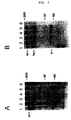
- FIG. 2A Analysis of cell extracts of transfected cells with different duration of the "chase” (the period incubation of the medium with the cells): lane 1: 0 hours "Chase", lane 2: 1 hour “Chase”, lane 3: 3 hours “Chase” lane 4: 4 hours “Chase”, lane 5: 6 hours " Chase ", lane 6: control; FIG.
- factor VIII dB695 is partially excreted as a single-chain protein, while two forms can be detected that have previously been characterized as a light chain and as a heavy chain containing part of the B-domain of factor VIII dB695 (Mertens et al . (1993)).
- the factor VIII dB695-R2307Q biosynthesis within the cell is similar to that observed for factor VIII dB695.
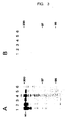
- FIG. 3A Analysis of cell extracts of transfected cells at different times of the "chase": lane 1: 0 hours, lane 2: 1 hour, lane 3: 3 hours, lane 4: 4 hours, lane 5: 6 hours, lane 6: control, FIG.
- factor VIII dB695-R2307Q is secreted only slightly from mouse fibroblast C127 cells.
- factor VIII dB695-R2307Q was expressed in SKHEP cells. Both factor VIII dB695 and factor VIII dB695-R2307Q cDNA were used to replace the factor VIII dB928 cDNA in plasmid pCMV-dB928 (EP-0 711 835-A).
- the plasmid pCLB-dB695 (cf. Example 1) was modified as follows: A synthetic, double-stranded linker 5 'GGCCGCCCGGGC 3' was inserted into the NotI site of pCLB-dB695 and pCLB-dB695-R2307Q. Thereafter, a KpnI-XmaI fragment derived from pCLB-dB695 and the carboxy terminus of Factor VIII cDNA corresponds to used to replace the corresponding KpnI-XmaI fragment from pCMV-dB928. The resulting plasmid was named pCLB-CMV-dB695.
- SKHEP cells were kept in Iscove medium supplemented with 10% fetal calf serum, 100 U / ml penicillin and 100 ⁇ g / ml streptomycin. Subconfluent monolayers of SKHEP cells were made, essentially as in Donath et al. (Biochem. J. 312 (1995), 49-55).
- the transfected cells were selected at hygromycin concentrations of 100-1050 mg / ml, and individual clones were isolated and grown in selective medium.
- the presence of factor VIII protein in the conditioned medium of the transfected cells was monitored by measuring the factor VIII activity and the factor VIII antigen.
- Factor VIII cofactor activity was measured by measuring the ability of factor VIII to act as a cofactor for factor IXa-dependent formation of factor Xa, using a chromogenic substrate for factor Xa (Coatest Factor VIII, Chromogenix, Mölndal , Sweden) was used.
- Factor VIII antigen was determined using monoclonal antibodies that were previously characterized (see Leyte et al., Biochem. J. 263 (1989) 187-194).
- CLB-CAg 12 monoclonal antibody directed against the factor VIII light chain was used as the solid phase, while the CLB-CAg 69 or CLB-CAg 117 monoclonal antibody conjugated with peroxidase, which was also directed against the factor VIII light chain, was used Quantification of the amount of bound factor VIII was used.
- Transfected SKHEP cells expressing factor VIII dB695 were grown at 28 ° C and 37 ° C and the amount of factor VIII protein secreted in the medium was monitored by determining factor VIII cofactor activity as indicated above .
- factor VIII-dB695 is secreted by transfected SKHEP cells in an amount of 2 U / ml.
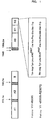
- the expression of factor VIII dB695 is somewhat higher and reaches a value of 5 U / ml (Fig. 5).
- the amount of factor VIII activity found in the conditioned medium ranges from 2-10 U / ml (Fig. 5).
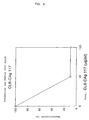
- Transfected SKHEP cells expressing factor VIII dB695-R2307Q were analyzed in a similar manner. At 37 ° C only limited amounts of factor VIII activity are secreted from the transfected cell ( ⁇ 10 mU / ml). Surprisingly, significant amounts of factor VIII activity are found at 28 ° C. in the conditioned medium of cells transfected with factor VIII dB695-R2307Q cDNA (FIG. 6). Thereafter, the amount of factor VIII antigen in the conditioned medium of SKHEP cells stably transfected with factor VIII dB695-R2307Q cDNA was determined using the monoclonal antibodies described above.
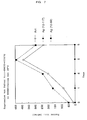
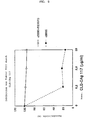
- factor VIII antigen as determined with the monoclonal antibodies CLB-CAg 12 and CLB-CAg 69 was found to be similar to the amount of cofactor activity present in the conditioned medium (Fig. 7). This observation shows that factor VIII dB695-R2307Q can be secreted by transfected SKHEP cells at 28 ° C. as a functionally fully active factor VIII protein. The amount of factor VIII antigen was then assessed using the monoclonal antibodies CLB-CAg-12 and CLB-CAg 117. Surprisingly, no factor VIII antigen could be detected in the conditioned medium of cells transfected with factor VIII dB695-R2307Q cDNA using this particular combination of monoclonal antibodies (FIG. 7).
- the plasmids pCLB-GP67-80K and pCLB-GP67-C2 were constructed.
- the plasmid pCLB-GP67-80K coding for the factor VIII light chain was isolated by amplification of a 689 bp fragment using the oligonucleotide primers 80K-1 (5 'GCCCCATGGGGGAAATAACTCGTACTACTC 3'; nucleotide position 5000-5020 from factor VIII, sense ) and 80K-2 (5 'CTGTACTGTCACTTGTCTCCC 3'; nucleotide position 5659-5679 of factor VIII; anti-sense).
- the 689 bp product was purified and digested with NcoI and NdeI.
- the plasmid pCLB-dB695 was digested with NdeI (nucleotide position 5521 of factor VIII) and NotI, resulting in a fragment corresponding to the carboxy-terminal part of the factor VIII light chain.
- NdeI nucleotide position 5521 of factor VIII
- NotI nucleotide position 5521 of factor VIII
- the NcoI-NdeI fragment and the NdeI-NotI fragment were cloned together into the plasmid pAcGP67B (Pharmingen, San Diego, CA, USA) and this gave the plasmid pCLB-GP67-80K.
- Plasmid pCLB-GP67-C2 was constructed using oligonucleotide primer C2-1 (5 'GTGCCATGGGTAGTTGCAGCATGCCATTG 3'; nucleotide position 6574-6591 of factor VIII; sense) and primer C2-2 (5 'CCATAGGTTGGAATGTAA 3'; nucleotide Position 1222-1239 of pBPV; anti-sense), which were used to amplify a fragment corresponding to the C2 domain of factor VIII. After amplification, the fragment was digested with NcoI and NotI and cloned into the plasmid AcGP67B. The nucleotide sequence of the cloned sequence was verified by oligonucleotide sequencing.
- Recombinant Baculo viruses expressing factor VIII light chain and the factor VIII C2 domain were linked by transfection into Sf-9 cells Baculogold TM Baculovirus Autographa californica DNA (Pharmingen, San Diego, CA, USA) was obtained. Recombinant viruses expressing factor VIII light chain and the factor VIII C2 domain were used to infect High Five TM cells with an infection multiplicity of 7. The cells were kept in a culture medium consisting of 25% (v / v) Grace insect medium and 75% (v / v) EX-CELL 401 medium, with 2.5% fetal calf serum, 100 U / ml of penicillin and 100 mg / ml of streptomycin supplemented.
- the cells were labeled with [35S] methionine (50 ⁇ Ci / ml, specific act.> 800 Ci / mmol) for 24 hours in a similar culture medium, without methionine, “pulse”.
- Medium from metabolically labeled cells was collected in an equal volume of 2X concentrated immunoprecipitation buffer (IPBB).
- IPBB consists of 50 mM Tris-HCl (pH 7.6); 1 M NaCl; 1.2% (v / v) Triton-X-100; 0.1% (w / v) Tween-20; 1.0% (v / v) BSA; 35mM EDTA; 10 ⁇ g / ml soybean trypsin inhibitor; 10mM benzamidine and 5mM N-ethyl maleimide.
- Immunoprecipitation with CLB-CAg 117 monoclonal antibody was performed as follows. Conditioned medium was precleared by incubation with Gelatin Sepharose 4B for two hours and two successive incubations with Protein G Sepharose 4FF at room temperature.
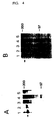
- CLB-CAg 117 Immunoprecipitation with the monoclonal antibody CLB-CAg 117 showed that this particular antibody reacted both with the radioactively labeled light chain of factor VIII and with the C2 domain.
- the epitope of CLB-CAg 117 is in the C2 domain of factor VIII.
- CLB-CAg 117 is similar to the anti-factor VIII antibodies, the develop in hemophilia A patients after treatment with factor VIII.
- the epitope of a significant proportion of these anti-factor VIII antibodies is in the C2 domain.
- CLB-CAg 117 provides a useful model for mimicking the effects of the anti-factor VIII antibodies that develop after treatment with factor VIII in patients with haemophilia A.
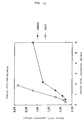
- the ability of CLB-CAg 117 to inhibit factor VIII activity was controlled.
- CLB-CAg 117 are those of human allo- or auto-antibodies directed against the C2 domain of factor VIII, which either spontaneously or as a result of factor VIII replacement therapy of patients with haemophilia A develop, closely resemble.
- Example 5 described the expression of factor VIII dB695-R2307Q in SKHEP cells. Surprisingly, factor VIII dB695-R2307Q secretion was found to be temperature dependent and significant amounts of factor VIII dB695-R2307Q were secreted into the conditioned medium at 28 ° C. Secreted factor VIII dB695-R2307Q was found to be functionally active.
- EXAMPLE 8 Determination of vWF binding activity of factor VIII dB695-R2307Q
- factor VIII dB695-R2307Q can bind to von Willebrand factor with high affinity.
- the present data show that Arg 2307 ⁇ Gln substitution in factor VIII does not affect the molecule's Willebrand factor binding properties.
- factor VIII dB695-R2307Q has normal factor VIII activity and can bind to von Willebrand factor.
- factor VIII dB695-R2307Q resists the inhibitory effect of an anti-factor VIII antibody. This can make factor VIII dB695-R2307Q useful in the treatment of anti-factor VIII antibodies from patients who can inhibit the coagulation activity of factor VIII.
- factor VIII dB695-R2307Q can be used as part of a pharmaceutical preparation used to treat patients with acquired hemophilia A or to treat hemophilia A patients who have developed allo-antibodies after factor VIII replacement therapy .
- factor VIII dB695-R2307Q cannot be inhibited by CLB-CAg 117
- an anti-factor VIII antibody directed against the C2 domain of factor VIII.
- Anti-factor VIII antibodies can also be directed against other regions of the factor VIII protein.
- An immunodominant factor VIII epitope is present on the factor VIII A2 domain.
- a group of patients were screened for the appearance of anti-factor VIII antibodies directed against the A2 domain of factor VIII.
- recombinant baculoviruses expressing factor VIII heavy chain and A2 domain were constructed.
- the plasmid pCLB-GP67-A2 coding for the A2 domain of factor VIII was obtained by amplification of an 1135 bp fragment using the oligonucleotide primers A2-1 (5 'ATTCCATGGGATCAGTTGCCAAGAAGCAT 3'; nucleotide position 1174-1191 of factor VIII , Sense) and A2-2 (5 'CTTGCGGCCGCGGAGAATCATCTTGGTTCAATGGC 3'; nucleotide position 2263-2277 of factor VIII, anti-sense).
- the 1135 bp fragment was purified, digested with NcoI and NotI and cloned into the plasmid pAcGP67B.
- pCLB-GP67-A2 the amino acid sequence Ser 373 -Arg 740 of factor VIII is fused with the leader peptide of the acidic glycoprotein GP67.
- the plasmid pCLB-GP67-90K encoding the amino acid Ala 1 -Arg 740 of the factor VIII heavy chain was amplified by a 548 bp fragment using the oligonucleotide primer 90K-1 (5 'TCTCCATGGGTGCCACCAGAAGATACTAC 3'; nucleotide position 58 -75 from factor VIII, sense) and 90K-2 (5 'ACATACTAGTAGGGCTCC 3'; nucleotide position 577-594 from factor VIII; anti-sense).
- the 548 bp PCR product was purified and digested with NcoI and NdeI.
- the plasmid pCLB-BPVdB695 was digested with NdeI (nucleotide position 461 from factor VIII) and KpnI (nucleotide position 1811 from factor VIII), resulting in a 1351 bp fragment.
- the plasmid pCLB-GP67-A2 was digested with KpnI and NotI and the resulting fragment was cloned into pAcGP67B along with the NcoI-NdeI fragment and the KpnI-NotI fragments described above.
- the resulting construct was named pCLB-GP67-90K.
- Recombinant viruses expressing factor VIII heavy chain and the A2 domain were prepared as described in Example 5. Immunoprecipitation experiments using 20 ⁇ l plasma from patients were carried out as described in Example 5. The metabolically labeled A2 domain and factor VIII heavy chain were used in the studies described below. Plasma screening of a group of patients with haemophilia A showed that plasma from a patient with mild haemophilia A contained anti-factor VIII antibodies, which were associated with both the metabolically labeled A2 domain and the heavy chain of factor VIII were reactive. The development of anti-factor VIII antibodies in patients with mild hemophilia is relatively rare because significant amounts of endogenous factor VIII are often present in the plasma of these patients.
- the mutation in the factor VIII gene of the patient with the anti-factor VIII antibody was determined by amplifying the 26 exons of factor VIII using the polymerase chain reaction. The presence of point mutations in the factor VIII gene was examined using single stranded conformation polymorphism (SSCP) in combination with direct sequencing of the amplified PCR fragments. After SSCP, aberrant migration of a PCR fragment corresponding to exon 12 of the factor VIII gene was observed. Direct sequencing revealed a point mutation (C ⁇ T) that predicted replacement of Arg 593 with a Cys.
- SSCP single stranded conformation polymorphism
- the missense mutation could cause a conformational change in the endogenously synthesized factor VIII protein.
- the Arg 593 ⁇ Cys mutation was introduced into the construct encoding the factor VIII-A2 domain.
- the oligonucleotide primer R593C (5 ' GAGAATATACAATGCTTTCTCCC 3 '; Nucleotide position 1822-1844 of factor VIII; Sense) was used together with the oligonucleotide primer A2-2 to amplify a fragment of 476 bp.
- the oligonucleotide primer R593C-2 (5 'GGGAGAAAGCATTGTATATTCTC 3'; nucleotide position 1822-1844 of factor VIII; anti-sense) and the oligonucleotide primer A2-1 were used to amplify a 682 bp fragment.
- Both amplified fragments were purified and used as a template in a PCR using oligonucleotide primers A2-1 and A2-2 to amplify a DNA fragment which was purified and then digested with NcoI and NotI and cloned into the plasmid pAcGP67B , which gave pCLB-GP67-A2R593C.
- the nucleotide sequence of the modified A2 domain was verified by oligonucleotide sequencing.
- Conditioned medium containing the metabolically labeled A2 domain with the Arg 593 ⁇ Cys mutation was prepared as described in Examples 2 and 3.
- EXAMPLE 10 Formulation of the preparation of the purified mutant protein into a pharmaceutical preparation
- the mutant proteins produced according to Examples 2 and 9 were purified using conventional means, including chromatographic methods and / or precipitation techniques.
- the purified protein preparation was then formulated into a physiologically acceptable preparation using standard techniques such as sterile filtration and ultra / diafiltration.
- the preferred buffer used in the pharmaceutical preparation is a physiological NaCl buffer or a Tris buffer with a pH in the range of 6-8, preferably between 7 and 7.5.
- the concentration of the protein in the pharmaceutical preparation is selected according to the dose required to treat a patient.
- the dose of the factor VIII preparations according to the invention depends on the type, the extent and the duration of the bleeding injury and on the severity of the hemophilia or the inhibitor titer.
- the starting dose is usually between 1 and 500 U / kg, preferably between 10 and 200 U / kg, body weight.
Landscapes
- Health & Medical Sciences (AREA)
- Chemical & Material Sciences (AREA)
- Life Sciences & Earth Sciences (AREA)
- Organic Chemistry (AREA)
- General Health & Medical Sciences (AREA)
- Hematology (AREA)
- Medicinal Chemistry (AREA)
- General Chemical & Material Sciences (AREA)
- Zoology (AREA)
- Nuclear Medicine, Radiotherapy & Molecular Imaging (AREA)
- Diabetes (AREA)
- Pharmacology & Pharmacy (AREA)
- Bioinformatics & Cheminformatics (AREA)
- Animal Behavior & Ethology (AREA)
- Engineering & Computer Science (AREA)
- Public Health (AREA)
- Veterinary Medicine (AREA)
- Toxicology (AREA)
- Chemical Kinetics & Catalysis (AREA)
- Gastroenterology & Hepatology (AREA)
- Biochemistry (AREA)
- Biophysics (AREA)
- Genetics & Genomics (AREA)
- Molecular Biology (AREA)
- Proteomics, Peptides & Aminoacids (AREA)
- Preparation Of Compounds By Using Micro-Organisms (AREA)
- Peptides Or Proteins (AREA)
- Medicines That Contain Protein Lipid Enzymes And Other Medicines (AREA)
Applications Claiming Priority (2)
| Application Number | Priority Date | Filing Date | Title |
|---|---|---|---|
| AT921/96 | 1996-05-24 | ||
| AT0092196A AT403438B (de) | 1996-05-24 | 1996-05-24 | Pharmazeutische präparation mit faktor viii prokoagulationsaktivität und vwf-bindungsaktivität |
Publications (2)
| Publication Number | Publication Date |
|---|---|
| EP0808901A2 true EP0808901A2 (fr) | 1997-11-26 |
| EP0808901A3 EP0808901A3 (fr) | 1999-05-06 |
Family
ID=3502907
Family Applications (1)
| Application Number | Title | Priority Date | Filing Date |
|---|---|---|---|
| EP97890095A Withdrawn EP0808901A3 (fr) | 1996-05-24 | 1997-05-23 | Préparation pharmaceutique avec une activité procoagulante de facteur VIII et une activité de liaison du vWF |
Country Status (4)
| Country | Link |
|---|---|
| EP (1) | EP0808901A3 (fr) |
| JP (1) | JPH1057060A (fr) |
| AT (1) | AT403438B (fr) |
| CA (1) | CA2205824A1 (fr) |
Cited By (6)
| Publication number | Priority date | Publication date | Assignee | Title |
|---|---|---|---|---|
| WO2000071714A3 (fr) * | 1999-05-24 | 2001-01-18 | American Nat Red Cross | Procedes de reduction de la clairance du facteur viii et compositions correspondantes |
| US6376463B1 (en) | 1992-04-07 | 2002-04-23 | Emory University | Modified factor VIII |
| WO2002060951A3 (fr) * | 2001-01-12 | 2003-02-27 | American Nat Red Cross | Methodes et compositions permettant de reduire la clairance du facteur viii, mediee par l'heparan-sulfate proteoglycane |
| US7211559B2 (en) | 2003-10-31 | 2007-05-01 | University Of Maryland, Baltimore | Factor VIII compositions and methods |
| US7544660B2 (en) | 1998-11-10 | 2009-06-09 | Stichting Sanquin Bloedvoorziening | Factor VIII polypeptide having factor VIII:C activity |
| US7632921B2 (en) | 2004-11-12 | 2009-12-15 | Bayer Healthcare Llc | Site-directed modification of FVIII |
Family Cites Families (4)
| Publication number | Priority date | Publication date | Assignee | Title |
|---|---|---|---|---|
| JP2872255B2 (ja) * | 1987-01-30 | 1999-03-17 | バイオジエン,インコーポレイティド | ファクター▲viii▼の高収量生産法 |
| EP0690126B1 (fr) * | 1987-06-12 | 2001-11-28 | Baxter Aktiengesellschaft | Protéines à activité de facteur VIII, procédé pour leur production utilisant des cellules modifiées par génie génétique et compositions pharmaceutiques les contenant |
| US5663060A (en) * | 1992-04-07 | 1997-09-02 | Emory University | Hybrid human/animal factor VIII |
| AU1382595A (en) * | 1994-01-07 | 1995-08-01 | Novo Nordisk A/S | Factor viii derivatives |
-
1996
- 1996-05-24 AT AT0092196A patent/AT403438B/de not_active IP Right Cessation
-
1997
- 1997-05-22 CA CA002205824A patent/CA2205824A1/fr not_active Abandoned
- 1997-05-23 EP EP97890095A patent/EP0808901A3/fr not_active Withdrawn
- 1997-05-26 JP JP9134976A patent/JPH1057060A/ja active Pending
Cited By (9)
| Publication number | Priority date | Publication date | Assignee | Title |
|---|---|---|---|---|
| US6376463B1 (en) | 1992-04-07 | 2002-04-23 | Emory University | Modified factor VIII |
| US7033791B2 (en) | 1992-04-07 | 2006-04-25 | Emory University | Nucleic acid molecules encoding modified factor VIII proteins, expression products, and methods of making the same |
| US7544660B2 (en) | 1998-11-10 | 2009-06-09 | Stichting Sanquin Bloedvoorziening | Factor VIII polypeptide having factor VIII:C activity |
| WO2000071714A3 (fr) * | 1999-05-24 | 2001-01-18 | American Nat Red Cross | Procedes de reduction de la clairance du facteur viii et compositions correspondantes |
| WO2002060951A3 (fr) * | 2001-01-12 | 2003-02-27 | American Nat Red Cross | Methodes et compositions permettant de reduire la clairance du facteur viii, mediee par l'heparan-sulfate proteoglycane |
| US7211559B2 (en) | 2003-10-31 | 2007-05-01 | University Of Maryland, Baltimore | Factor VIII compositions and methods |
| US7632921B2 (en) | 2004-11-12 | 2009-12-15 | Bayer Healthcare Llc | Site-directed modification of FVIII |
| US9096656B2 (en) | 2004-11-12 | 2015-08-04 | Bayer Healthcare Llc | Factor VIII conjugates |
| US9364520B2 (en) | 2004-11-12 | 2016-06-14 | Bayer Healthcare Llc | Factor VIII conjugates |
Also Published As
| Publication number | Publication date |
|---|---|
| ATA92196A (de) | 1997-07-15 |
| CA2205824A1 (fr) | 1997-11-24 |
| JPH1057060A (ja) | 1998-03-03 |
| EP0808901A3 (fr) | 1999-05-06 |
| AT403438B (de) | 1998-02-25 |
Similar Documents
| Publication | Publication Date | Title |
|---|---|---|
| DE69520569T2 (de) | Mittel für die behandlung von störungen des blutgerinnungsprozess | |
| DE69034040T2 (de) | Rekombinanter Abkömmling des menschlichen Faktors VIII | |
| DE69427997T2 (de) | Hybrider mensch/tier faktor viii | |
| DE3586402T3 (de) | Proteinzusammensetzung mit Koagulations-wirkung und Verfahren zu ihrer Herstellung. | |
| DE69735421T2 (de) | Gegen inaktivierung resistenter faktor viii | |
| DE69333724T2 (de) | Hybrider menschlich-schweinlicher faktor viii | |
| DE69230206T2 (de) | Rekombinante derivate des menschlichen faktors viii | |
| DE3856560T2 (de) | Dem menschlichen gewebefaktor ähnliche dns-segmente, polypeptide und antikörper | |
| EP1129186B2 (fr) | Polypeptide du facteur viii avec activite de facteur viii:c | |
| EP0393438B1 (fr) | Récepteur du TNF, protéine liant le TNF at ADN codant pour ceux-ci | |
| EP0409113B1 (fr) | Mutéines de l'érythropoiétine humaine, leur fabrication et leur utilisation | |
| DE68929466T2 (de) | Menschlicher rezeptor c3b/c4b (cr1) | |
| DE60020220T2 (de) | Plättchenadhäsion blockierendes protein | |
| DE60027135T2 (de) | Inhibitoren für wachstumdifferenzierungsfaktor und ihre anwendungen | |
| DE69032043T2 (de) | Proteinkomplexe mit faktor viii:c-aktivität und deren herstellung | |
| EP0784632A1 (fr) | Procede pour l'extraction du facteur willebrand a haute purete | |
| DE68929388T2 (de) | Aus Harn isolierte antikoagulierende Verbindung | |
| DE69333491T2 (de) | Protease-Resistant Thrombomodulin Analogs | |
| EP0774261A2 (fr) | Utilisation du facteur von Willebrand et préparations pharmaceutiques | |
| DE69333738T2 (de) | Therapeutische domänen des von willebrand-faktor | |
| DE69726571T2 (de) | Rekombinantes humanes Erythropoietin mit vorteilhaftem Glykosylierungsmuster | |
| DE69132889T2 (de) | Überlegende thrombomodulinanaloga zur pharmazeutischen verwendung | |
| EP0833897A2 (fr) | Derives de prothrombine | |
| AT403438B (de) | Pharmazeutische präparation mit faktor viii prokoagulationsaktivität und vwf-bindungsaktivität | |
| EP0906340B2 (fr) | Purification du complexe du facteur viii par chromatographie d'immunoaffinite |
Legal Events
| Date | Code | Title | Description |
|---|---|---|---|
| PUAI | Public reference made under article 153(3) epc to a published international application that has entered the european phase |
Free format text: ORIGINAL CODE: 0009012 |
|
| AK | Designated contracting states |
Kind code of ref document: A2 Designated state(s): AT BE CH DE DK ES FI FR GB IT LI NL SE |
|
| PUAL | Search report despatched |
Free format text: ORIGINAL CODE: 0009013 |
|
| AK | Designated contracting states |
Kind code of ref document: A3 Designated state(s): AT BE CH DE DK ES FI FR GB IT LI NL SE |
|
| RAP1 | Party data changed (applicant data changed or rights of an application transferred) |
Owner name: IMMUNO AKTIENGESELLSCHAFT |
|
| STAA | Information on the status of an ep patent application or granted ep patent |
Free format text: STATUS: THE APPLICATION IS DEEMED TO BE WITHDRAWN |
|
| 18D | Application deemed to be withdrawn |
Effective date: 19991109 |