EP0757098B1 - Heat resistant maltose phosphorylase, process for preparation thereof, bacteria used for preparation thereof, and methods for using the enzyme - Google Patents
Heat resistant maltose phosphorylase, process for preparation thereof, bacteria used for preparation thereof, and methods for using the enzyme Download PDFInfo
- Publication number
- EP0757098B1 EP0757098B1 EP96112114A EP96112114A EP0757098B1 EP 0757098 B1 EP0757098 B1 EP 0757098B1 EP 96112114 A EP96112114 A EP 96112114A EP 96112114 A EP96112114 A EP 96112114A EP 0757098 B1 EP0757098 B1 EP 0757098B1
- Authority
- EP
- European Patent Office
- Prior art keywords
- heat resistant
- maltose
- phosphorylase
- trehalose
- phosphoric acid
- Prior art date
- Legal status (The legal status is an assumption and is not a legal conclusion. Google has not performed a legal analysis and makes no representation as to the accuracy of the status listed.)
- Expired - Lifetime
Links
Images
Classifications
-
- C—CHEMISTRY; METALLURGY
- C12—BIOCHEMISTRY; BEER; SPIRITS; WINE; VINEGAR; MICROBIOLOGY; ENZYMOLOGY; MUTATION OR GENETIC ENGINEERING
- C12N—MICROORGANISMS OR ENZYMES; COMPOSITIONS THEREOF; PROPAGATING, PRESERVING, OR MAINTAINING MICROORGANISMS; MUTATION OR GENETIC ENGINEERING; CULTURE MEDIA
- C12N9/00—Enzymes; Proenzymes; Compositions thereof; Processes for preparing, activating, inhibiting, separating or purifying enzymes
- C12N9/10—Transferases (2.)
- C12N9/1048—Glycosyltransferases (2.4)
- C12N9/1051—Hexosyltransferases (2.4.1)
-
- C—CHEMISTRY; METALLURGY
- C12—BIOCHEMISTRY; BEER; SPIRITS; WINE; VINEGAR; MICROBIOLOGY; ENZYMOLOGY; MUTATION OR GENETIC ENGINEERING
- C12N—MICROORGANISMS OR ENZYMES; COMPOSITIONS THEREOF; PROPAGATING, PRESERVING, OR MAINTAINING MICROORGANISMS; MUTATION OR GENETIC ENGINEERING; CULTURE MEDIA
- C12N1/00—Microorganisms; Compositions thereof; Processes of propagating, maintaining or preserving microorganisms or compositions thereof; Processes of preparing or isolating a composition containing a microorganism; Culture media therefor
- C12N1/20—Bacteria; Culture media therefor
- C12N1/205—Bacterial isolates
-
- C—CHEMISTRY; METALLURGY
- C12—BIOCHEMISTRY; BEER; SPIRITS; WINE; VINEGAR; MICROBIOLOGY; ENZYMOLOGY; MUTATION OR GENETIC ENGINEERING
- C12P—FERMENTATION OR ENZYME-USING PROCESSES TO SYNTHESISE A DESIRED CHEMICAL COMPOUND OR COMPOSITION OR TO SEPARATE OPTICAL ISOMERS FROM A RACEMIC MIXTURE
- C12P19/00—Preparation of compounds containing saccharide radicals
- C12P19/18—Preparation of compounds containing saccharide radicals produced by the action of a glycosyl transferase, e.g. alpha-, beta- or gamma-cyclodextrins
-
- C—CHEMISTRY; METALLURGY
- C12—BIOCHEMISTRY; BEER; SPIRITS; WINE; VINEGAR; MICROBIOLOGY; ENZYMOLOGY; MUTATION OR GENETIC ENGINEERING
- C12R—INDEXING SCHEME ASSOCIATED WITH SUBCLASSES C12C - C12Q, RELATING TO MICROORGANISMS
- C12R2001/00—Microorganisms ; Processes using microorganisms
- C12R2001/01—Bacteria or Actinomycetales ; using bacteria or Actinomycetales
- C12R2001/07—Bacillus
-
- Y—GENERAL TAGGING OF NEW TECHNOLOGICAL DEVELOPMENTS; GENERAL TAGGING OF CROSS-SECTIONAL TECHNOLOGIES SPANNING OVER SEVERAL SECTIONS OF THE IPC; TECHNICAL SUBJECTS COVERED BY FORMER USPC CROSS-REFERENCE ART COLLECTIONS [XRACs] AND DIGESTS
- Y10—TECHNICAL SUBJECTS COVERED BY FORMER USPC
- Y10S—TECHNICAL SUBJECTS COVERED BY FORMER USPC CROSS-REFERENCE ART COLLECTIONS [XRACs] AND DIGESTS
- Y10S435/00—Chemistry: molecular biology and microbiology
- Y10S435/8215—Microorganisms
- Y10S435/822—Microorganisms using bacteria or actinomycetales
- Y10S435/832—Bacillus
- Y10S435/836—Bacillus licheniformis
Definitions
- This invention relates to novel maltose phosphorylase excellent in thermal stability, a process for preparation thereof, bacteria used for its preparation, and methods for use thereof, and more detailedly, relates to novel maltose phosphorylase having high thermal stability which thermophilic bacteria belonging to the genus Bacillus produces, a process for preparation thereof, the thermophilic bacteria, and a process for preparation of ⁇ - glucose - 1 - phosphoric acid or trehalose.
- Trehalose is a disaccharide ranging widely over yeasts, molds, bacteria, insects, etc., and is a useful substance whose utilization as a protectant against drying (WO87/00196) is under consideration because it is stabler than other disaccharides.
- enzymatic processes are mentioned as an effective process for preparing trehalose inexpensively.
- a simultaneous reaction process using maltose phosphorylase and trehalose phosphorylase Japanese Published Examined Patent Application No. 60998/1988.
- This process utilizes reactions that the two kinds of phosphorylases act on maltose and trehalose, respectively, to phosphorolyze them reversibly, and thereby glucose and ⁇ - glucose - 1 - phosphoric acid are formed, and is characterized in that both enzymes are simultaneously made to act on maltose as an inexpensive raw material to form trehalose.
- maltose phosphorylases so far known, there can be mentioned those produced by Lactobacillus brevis ATCC 8287 (Agr. Biol. Chem. 37 (12), 2813 - 2819, 1973), Lactobacillus sanfrancisco (Japanese Published Unexamined Patent Application No . 91778 / 1989), Lactobacillus brevis DMS 20054, NCIB 8836, 8561 and 8562, Lactobacillus plantarum DMS 20174 and FERM P - 4628, Lactobacillus reuteri DMS 20016, Lactobacillus fermentum DMS 20052, Streptococcus spec.
- FERM P - 4624, FERM P - 4625, P - 4626 and FERM P - 4627 Japanese Published Examined Patent Application No. 54036/1985
- Plesiomonas SH-35 Japanese Nogei Kagaku Kaishi, 69 (extraordinary extra number), 28, 1995 ; Oyo Toshitsu Kagaku, 42 (1), 19 - 25, 1995.
- any of the thermal stabilities of these enzymes is as low as 40 °C or less, and when trehalose preparation is carried out using these enzymes, there arises a problem that the possibility of contamination with various microorganisms is high during the preparation steps because the reaction temperature is low, and thus it is difficult to utilize them under industrial preparation conditions.
- enzymes fit for actual high temperature enzymatic reaction specifically enzymes being stable at 55 °C or more have been desired.
- the present inventors had searched for heat resistant maltose phosphorylase producing glucose and ⁇ - glucose - 1 - phosphoric acid from maltose from nature, and as a result, they found out that certain thermophilic bacteria belonging to the genus Bacillus produce well enzymes answering the above purpose, and completed this invention.
- the invention provides novel heat resistant maltose phosphorylase, a process for preparation thereof, bacteria used for preparation thereof, and processes for preparation of ⁇ - glucose - 1 - phosphoric acid and trehalose.
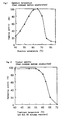
- the optimum temperature of maltose phosphorolysis reaction is from around 55°C to around 70 °C, and it exhibits about 50 % or more of the maximum activity in the range of 50 °C to 70°C.
- the enzyme has the following additional properties:
- a further object of the invention is a process for preparation of said maltose phosphorylase which comprises culturing in a nutrient medium
- Bacillus sp. RK - 1 (FERM BP - 5592) or a mutant thereof having maltose phosphorylase - producing ability or
- Bacillus sp. MK - 1 (FERM BP - 5593) or a mutant thereof having maltose phosphorylase - producing ability and recovering maltose phosphorylase formed from the culture broth.
- a further object of the invention is a process for preparation of ⁇ - glucose - 1 - phosphoric acid which comprises reacting maltose with phosphoric acid or a phosphate salt in an aqueous medium, at 55 to 70°C, at pH 4.5 to 8.0, in the presence of said heat resistant maltose phosphorylase.
- Another object of the invention is a process for preparation of trehalose which comprises reacting maltose with phosphoric acid or a phosphate salt in an aqueous medium, at 55 to 70°C, at pH 4.5 to 8.0, in the presence of said heat resistant maltose phosphorylase.
- the enzymological properties of the heat resistant maltose phosphorylase of the invention are as follows.
- As the heat resistant maltose phosphorylase one obtained in Example 1 and prepared from Bacillus sp. RK - 1 was used.
- maltose phosphorylase activity was assayed according to the following method.
- An enzyme solution (0.4 ml), 0. 06 ml of 0.5 M potassium phosphate - citric acid buffer (pH 6.0), 0.6 ml of 2 w/v % maltose and 0.14 ml of distilled water were mixed, and reaction was carried out at 60°C for 15 minutes and ceased by boiling for 10 minutes.
- reaction solution after completion of the reaction was separated using an anion exchange column, and subjected to high performance liquid chromatography using a refraction index detector as a detecting means to determine ⁇ - glucose - 1 - phosphoric acid.
- Phosphorolysis reaction was carried out using trehalose, neotrehalose, maltose, isomaltose, cellobiose, sucrose, p - nitrophenyl - ⁇ - D - glucoside, p - nitrophenyl - ⁇ - D - glucoside, etc. as substrates, and as a result, formation of glucose was scarcely observed except maltose (Table 1).
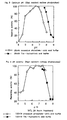
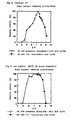
- the enzyme was incubated in 10 mM acetate buffer (pH 6.0) and the remaining activity was assayed, and as a result, it exhibited an activity of 80 % or more of the one untreated after treatment at 60 °C for 15 minutes (Fig. 2).
- the enzyme was incubated at 4 °C for 24 hours using 100 mM potassium phosphate - citric acid buffer (pH 4.0 to 8.0) or 100 mM Tris - hydrochloric acid buffer (pH 7.5 to 9.0), and the remaining activity at each pH was assayed, and as a result, the enzyme was stable at pH 5.5 to 8.0 (Fig. 4).
- the molecular weight of the enzyme was determined according to gel filtration chromatography using Superdex 200 pg (Pharmacia Biotec Co., Ltd.), from relative elution retention time in comparison with various standard proteins, and as a result, was 150,000 to 190, 000.
- the enzyme is surmised to form a dimer usually.
- the enzyme was subjected to isoelectric chromatography using Mono P HR 5/20 column (Pharmacia Biotec Co., Ltd.), and from the pH of the fraction from which the activity was eluted with a developing buffer, the isoelectric point was determined to be 4.7 to 5.1.
- N - terminal amino acid sequence of the purified heat resistant maltose phosphorylase from the above RK - 1 strain obtained in Example 1 was determined using a protein sequencer (Protein Sequencer "Model 477A"; Applied Biosystems Co.), and was as follows :
- the enzymological properties of the heat resistant maltose phosphorylase of the invention and those of so far known maltose phosphorylases originating in microorganisms are shown in comparison in Table 3 and Table 4.
- the heat resistant maltose phosphorylase of the invention is different from the known maltose phosphorylases at least in kinds of bacteria as origins, optimum temperature and thermal stability, and thus judged to be novel.
- the heat resistant maltose phosphorylase of the invention can be prepared by culturing a microorganism having an ability to produce heat resistant maltose phosphorylase in a nutrient medium, and recovering heat resistant maltose phosphorylase formed from the culture broth.
- any microorganism can be used so long as it is a microorganism belonging to the genus Bacillus and having an ability to produce heat resistant maltose phosphorylase.
- RK - 1 strain separated from soil in Ibaraki Prefecture and MK - 1 strain separated from soil in Chiba Prefecture.
- Bacteriological properties of these strains are as shown in Table 5. Both strains were identified to be a bacterium belonging to the genus Bacillus from these properties according to "Bergey's Manual of Systematic Bacteriology” Vol. 2 (1986), but as to species, they do not accord with strains so far reported in properties, and are judged to be novel species. Namely, according to the Bergey's Manual, bacteria of the genus Bacillus which accord with RK-1 strain in culture temperatures at which proliferation is possible are Bacillus coagulans and Bacillus licheniformis.
- Bacillus licheniformis can be judged to be different from RK - 1 strain because the former exhibits properties to proliferate at pH 5.7 and 7 % NaCl and liquefy gelatin. Further, Bacillus coagulans can be judged to be different from RK - 1 strain because the former proliferates at pH 5.7 and does not proliferates at 5 % NaCl. Further, MK - 1 strain according with RK - 1 strain in culture temperatures at which proliferation is possible is different from Bacillus coagulans and Bacillus licheniformis in some of the above points. Both strains are thermophilic bacteria because they can proliferate at a temperature of 55 °C, and designated Bacillus sp.
- These RK - 1 strain and MK - 1 strain were first deposited on July 12, 1995 with National Institute of Bioscience and Human Technology, Agency of Industrial Science and Technology, the Ministry of International Trade and Industry, Japan under the accession numbers of FERM P-15044 and FERM P - 15045, respectively, and then transferred there to deposit according to Budapest Treaty on microorganisms on July 17, 1996 and are assigned accession numbers of FERM BP-5592 and FERM BP - 5593, respectively.
- Microorganisms used in the invention are not limited to wild type strains, and mutants obtained by mutating wild type strains, e. g. the above - mentioned ones according to known artificial mutational means using ultraviolet rays, X - rays, radiations, chemicals (NTG (N - methyl - N ' - nitro - N - nitrosoguanidine)), EMS (ethyl methanesulfonate), etc.), etc. can also be used so long as they have heat resistant maltose phosphorylase - producing ability.
- nutrient media used in the invention any of natural media and synthetic media can be used so long as they contain appropriately carbon sources, nitrogen sources, inorganic matter, and if any, micronutrients necessary for strains used.
- carbon sources there can be used carbohydrates such as maltose, glucose, fructose, sucrose, starches, dextrin and glycerol, etc.
- nitrogen sources there can be used inorganic and organic nitrogen compounds such as ammonium chloride, ammonium sulfate, urea, ammonium nitrate, sodium nitrate, amino adids (glutamic acid, etc.) and uric acid.
- nitrogen sources there can also be used nitogen - containing natural products such as peptone, polypeptone, meat extract, yeast extract, corn steep liquor, soybean meal, soybean cake, dry yeast, Casamino acid and soluble vegetable protein.
- potassium dihydrogenphosphate dipotassium hydrogenphosphate
- magnesium sulfate ferrous sulfate
- manganese sulfate zinc sulfate
- sodium chloride potassium chloride
- calcium chloride etc.
- micronutrients such as biotin and thiamine are used if necessary.
- culture methods liquid culture methods (shaking culture methods or aeration stirring culture methods) are preferred, and industrially, aeration stirring culture methods are particularly preferred.
- Culture temperature can be in the range of 30 to 60°C, but is preferably 50 to 55°C.
- Culture pH is preferably 6.5 to 7.5.
- Culture time varies depending on culture conditions, but is usually on the order of 15 to 48 hours, and when formation of heat resistant maltose phosphorylase was confirmed, preferably when the formation reached a maximum, the culture is ceased.
- the culture broth is first fractionated into the culture liquid fraction and the cell fraction by centrifugation methods or filtration methods.
- the heat resistant maltose phosphorylase is detected in both of the above fractions, but mainly obtained from the culture liquid fraction, and therefore, this fraction is further subjected to one or any combination of well - known isolation or purification methods such as ultrafiltration, salting - out, dialysis , solvent precipitation, ion exchange chromatography , hydrophobic chromatography , adsorption chromatography and isoelectric chromatography , whereby concentrated or purified preparations of heat resistant maltose phosphorylase can be obtained.
- a specific example of isolation or purification of the heat resistant maltose phosphorylase of the invention is shown in Example 1.
- This invention also relates to a process for preparation of ⁇ -glucose - 1 - phosphoric acid which comprises reacting maltose with phosphoric acid or a phosphate salt in an aqueous medium, at 55 to 70°C, at pH 4.5 to 8.0, in the presence of heat resistant maltose phosphorylase having an activity of 80 % or more of the one untreated after treated in a buffer of pH 6.0, at one temperature of 50 to 60 °C for 15 minutes.
- heat resistant maltose phosphorylase used in this case, there can preferably be used one having an activity of 80 % or more of the one untreated after treated in a buffer of pH 6.0, e.g. 10 mM potassium phosphate - citric acid buffer (pH 6.0), at one temperature of 50 to 60 °C, preferably at one temperature of 55 to 60 °C, particularly preferably at 60 °C, for 15 minutes.
- a buffer of pH 6.0 e.g. 10 mM potassium phosphate - citric acid buffer (pH 6.0)
- pH 6.0 pH 6.0
- an enzyme having properties of at least (1) to (6) or at least (1) to (7) among the enzymological properties of the above (1) to (10).
- These enzymes can either be purified enzymes or crude enzymes containing other enzymes having no bad influence on the above method for preparation of ⁇ - glucose - 1 - phosphoric acid.
- the crude enzymes there can be mentioned a crude enzyme obtained by precipitating heat resistant maltose phosphorylase from a fraction containing the enzyme such as the above culture liquid fraction by salting - out or solvent precipitation, or a crude enzyme in a middle step of purification obtained by further purifying the above crude enzyme by the above - mentioned purification means. It is further possible to use an immobilized enzyme obtained by immobilizing such an enzyme on a carrier by a usual method.
- maltose there can be used maltose or maltose - containing matter (e.g., sugar solutions containing maltose in high concentrations).
- phosphate salt there can be used watersoluble phosphate salts such as tripotassium (or trisodium) phosphate, dipotassium (or disodium) hydrogenphosphate and potassium (or sodium) dihydrogenphosphate.
- aqueous medium there can be mentioned water, buffers, etc.
- the buffers there can be used acetate buffers, potassium phosphate - citric acid buffers, citrate buffers, succinate buffers, Tris - hydrochloric acid buffers, etc.
- the use amount of the enzyme there is no particular limitation, but it is suitable to use it in an amount of 0.1 to 50 units, preferably 1 to 20 units per g of maltose.
- the buffer is a buffer containing phosphoric acid (or a phosphate salt), e.g. a potassium phosphate - citric acid buffer, it is sufficient if the total amount of phosphoric acid and the phosphate salt is in the above range.
- the above reaction is carried out at 55 to 70 °C, preferably 55 to 65 °C, more preferably 60 to 65 °C. It is suitable that the pH is generally 4.5 to 8.0, preferably 5.0 to 6.0. More specifically, it is further preferred for prevention of contamination with various germs to carry out the reaction at pH 4.5 to 5.0 in the case of the temperature of 55 to 60°C, at pH 5.0 to 5.5 in the case of the temperature of 60 to 65 °C, and at pH 5.5 to 6.5 in the case of the temperature of 65 to 70 °C. The reaction is ceased at the time when sufficient formation of ⁇ - glucose - 1 - phosphoric acid is observed under the above conditions, but the reaction is usually ceased in 1 to 144 hours.
- the reaction is ceased by a suitable means such as inactivation of the enzyme with heating of the reaction solution or inactivation of the enzyme with lowering of the pH (addition of an acid such as hydrochloric acid), and isolation and purification methods such as active carbon treatment and ion exchange resin treatment are applied in an appropriate combination to obtain ⁇ - glucose - 1 - phosphoric acid.
- a suitable means such as inactivation of the enzyme with heating of the reaction solution or inactivation of the enzyme with lowering of the pH (addition of an acid such as hydrochloric acid), and isolation and purification methods such as active carbon treatment and ion exchange resin treatment are applied in an appropriate combination to obtain ⁇ - glucose - 1 - phosphoric acid.
- This invention also relates to a process for preparation of trehalose which comprises reacting maltose with phosphoric acid or a phosphate salt in an aqueous medium, at 55 to 70°C, at pH 4.5 to 8.0, in the presence of heat resistant maltose phosphorylase having an activity of 80 % or more of the one untreated after treated in a buffer of pH 6.0, at one temperature of 50 to 60 °C for 15 minutes, and heat resistant trehalose phosphorylase.
- the heat resistant maltose phosphorylase in the above process there can be used the same ones as in the above process for preparation of ⁇ - glucose - 1 - phosphoric acid have been be used.
- the heat resistant trehalose phosphorylase any one can be used so long as it can produce trehalose from maltose and phosphoric acid or a phosphate salt at one of the above reaction temperatures and at one of the above pH values, with the aid of the heat resistant maltose phosphorylase.
- heat resistant trehalose phosphorylase having an activity of 95 % or more of the one untreated after treated in a buffer of pH 6.0, at one temperature of 50 to 65 °C, preferably at one temperature of 55 to 65 °C, further preferably at one temperature of 60 to 65 °C, particularly preferably at 65 °C, for 15 minutes.
- heat resistant trehalose phosphorylase having such a property there can be mentioned heat resistant trehalose phosphorylase which Bacillus stearothermophilus SK - 1 found by the present inventors produces.
- the SK - 1 strain was first deposited on September 29, 1994 with National Institute of Bioscience and Human Technology, Agency of Industrial Science and Technology, the Ministry of International Trade and Industry, Japan under an accession number of FERM P-14567, and then transferred there to deposit according to Budapest Treaty on microorganisms on July 17, 1996, and is assigned an accession number of FERM BP - 5594.
- An example of preparation of the above heat resistant trehalose phosphorylase is shown in Example 4 (crude enzyme) and Reference example 1 (purified enzyme). The enzymological properties of this purified enzyme are as follows.
- Phosphorolyze trehalose reversibly as shown in Formula (2). Namely, when it is made to act on trehalose in the presence of phosphoric acid, it produces glucose and ⁇ - glucose - 1 - phosphoric acid in an equimolar amount, and when it is made to act on glucose and ⁇ - glucose - 1 - phosphoric acid, it produces trehalose and phosphoric acid in an equimolar amount.
- Formula (2) trehalose + phosphoric acid ⁇ glucose + ⁇ - glucose - 1 - phosphoric acid
- Phosphorolysis reaction was carried out using trehalose, neotrehalose, maltose, isomaltose, cellobiose, sucrose, p - nitrophenyl - ⁇ - D - glucoside and p - nitrophenyl - ⁇ - D - glucoside as substrates, and as a result, formation of glucose was scarcely observed except trehalose (Table 6).
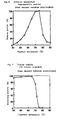
- Reaction was carried out in 40 mM potassium phosphate- citric acid buffer (pH 6.0) at various temperatures (40 to 90°C), and as a result, the optimum temperature of trehalose phosphorolysis reaction was from around 70 °C to around 75 °C, and the enzyme exhibited about 50 % or more of the maximum activity in the range of 60°C to 75°C (Fig. 6).
- the enzyme was incubated in 10 mM potassium phosphate - citric acid buffer (pH 6.0) and the remaining activity was assayed, and as a result, it exhibited an activity of 95 % or more of the one untreated after treatment at 65°C for 15 minutes (Fig. 7).
- the enzyme was incubated at 60°C for 24 hours using 100 mM potassium phosphate-citric acid buffer (pH 4.0 to 8.0) or 100 mM Tris - hydrochloric acid buffer (pH 7.5 to 9.0), and the remaining activity at each pH was assayed, and as a result, the enzyme was stable at pH 6.0 to 8.0 (Fig. 9).
- the molecular weight of the enzyme was determined according to gel filtration chromatography using Superdex 200 pg (Pharmacia Biotec Co., Ltd.), from relative elution retention time in comparison with various standard proteins, and as a result, was 110,000 to 150, 000.
- the enzyme was subjected to isoelectric focusing, and its isoelectric point was determined to be 4.6 to 5.2 from the relative mobilities to various standard proteins.
- the heat resistant trehalose phosphorylase can be purified ones or crude ones, as in the case of the heat resistant maltose phosphorylase, and these purified enzymes and crude enzymes can be obtained, as in the case of the heat resistant maltose phosphorylase.
- phosphoric acid As the maltose, phosphoric acid, phosphate salt and aqueous medium, there can be used the same ones as in the above process for preparation of ⁇ - glucose - 1 - phosphoric acid.
- the use amount of the enzyme there is no particular limitation, but it is suitable to use each enzyme in an amount of 0. 1 to 50 units, preferably 1 to 20 units per g of maltose.
- trehalose phosphorylase activity was assayed by the following method.
- An enzyme solution (0.4 ml), 0.06 ml of 0.5 M potassium phosphate - citric acid buffer (pH 6.0), 0.6 ml of 2 w/v % trehalose and 0.14 ml of distilled water were mixed, and reaction was carried out at 60°C for 20 minutes and ceased by boiling for 10 minutes.
- Reactions can be carried out by simultaneously adding the heat resistant maltose phosphorylase and the heat resistant trehalose phosphorylase to maltose, or by first making the heat resistant maltose phosphorylase act on maltose and then adding the heat resistant trehalose phosphorylase.
- the heat resistant trehalose phosphorylase is added afterward, there is no particular limitation on the time of addition, but it is preferred to make the addition by the time when formation of ⁇ - glucose - 1 - phosphoric acid becomes a maximum.
- phosphoric acid or a phosphate salt in an amount of 0.001 to 1 times, preferably 0.005 to 0.5 times the molar amount of maltose.
- reaction temperature, reaction pH and reaction time can be the same as in preparation of ⁇ - glucose - 1 - phosphoric acid.
- isolation and purification of trehalose after completion of the reaction can be carried out by an appropriate combination of means such as active carbon treatment, ion exchange treatment and ethanol crystallization treatment.
- a medium (pH 7.0) (100 ml) containing 1 w/v % yeast extract, 2 w/v % polypeptone and 1 w/v % maltose was put in a 500 - ml Meyer flask with baffles, and autoclave sterilized at 121 °C for 20 minutes.
- One loopful of Bacillus sp. RK - 1 was inoculated into the resultant medium, and shaking cultured at 55°C for 16 hours to give a seed culture.
- a medium (about 3 L) having the same composition as in the seed culture was put in a 5 - L fermentor, sterilized and warmed to a temperature of 55°C.
- the seed culture was inoculated in a ratio of 2 v/v %, and cultured with aeration and stirring for 18 hours while the temperature and pH were maintained 55 °C and 6.0 to 7. 0, respectively.
- the culture broth was centrifuged to remove the cells, ammonium sulfate was dissolved in the supernatant so as to be 40 to 60 % saturation.
- the resultant protein precipitate was recovered by centrifugation, and dissolved in 10 mM acetate buffer (pH 6.0), and the solution was dialyzed against the same buffer and then concentrated to give 20 ml of a crude enzyme solution of about 300 units /ml.
- the crude enzyme solution was added to a column packed with TSKgel DEAE TOYO Pearl 650M (TOSOH CORPORATION) and equilibrated with 10 mM acetate buffer (pH 6.0), elution was carried out by ascending concentration gradient of 0 to 0.5M NaCl, and the eluate was taken in portions. Active fractions were combined, concentrated and desalted using an ultrafiltration membrane, and further subjected to a series of the same chromatography operations to heighten the purification degree.
- the resultant partially purified enzyme solution was added to a Superdex 200 pg column (Pharmacia Biotec Co., Ltd.) equilibrated with 10 mM acetate buffer (pH 6.0) dissolving 0.2M NaCl, elution was carried out with the same buffer, and the eluate was taken in portions. Active fractions were concentrated and desalted using an ultrafiltration membrane.
- the resultant partially purified enzyme solution was added to a Mono P HR 5/20 column (Pharmacia Biotec Co., Ltd.) equilibrated with 25 mM bisTris - hydrochloric acid buffer (pH 7.1), elution was carried out with a developing buffer (Polybuffer; Pharmacia Biotec Co., Ltd.) adjusted to pH 4.0, and the eluate was taken in portions. Active fractions were concentrated and desalted using an ultrafiltration membrane.
- the resultant purifed enzyme solution was native polyacrylamide gel electrophoresed, the resultant gel was stained with CBB (Coomassie Brilliant Blue) and checked on bands of proteins. As a result, only one band was detected, and thus the enzyme was confirmed to be a single protein.
- CBB Concentrassie Brilliant Blue
- the above purifed enzyme solution (0.4 ml) was mixed with 0. 06 ml of 0.5 M potassium phosphate - citric acid buffer (pH 6.0), 0.6 ml of 2 w/v % maltose and 0.14 ml of distilled water, and reaction was carried out at 60 °C for 15 minutes and ceased by boiling of 10 minutes.
- reaction - ceased solution was separated by high performance liquid chromatography using an anion exchange column (TSKgel SAX (150 x 6.0mm ⁇ ; TOSOH CORPORATION), eluent 0.1M aqueous potassium acetate solution (pH 5.0), flow rate 1.0 ml/min, column temperature 30°C), and then ⁇ - glucose - 1 - phosphoric acid was detected and quantatively determined by a differential refractometer (Shodex ; Showa Denko Co., Ltd.). As a result, the glucose content and the ⁇ - glucose - 1 - phosphoric acid content in the reaction - ceased solution are the same, whereby it was confirmed that the purifed enzyme was maltose phosphorylase.
- TSKgel SAX 150 x 6.0mm ⁇ ; TOSOH CORPORATION
- eluent 0.1M aqueous potassium acetate solution pH 5.0
- flow rate 1.0 ml/min
- a medium (pH 7.0) (100 ml) containing 1 w/v % yeast extract, 2 w/v % polypeptone and 1 w/v % maltose was put in a 500 - ml Meyer flask with baffles, and autoclave sterilized at 121 °C for 20 minutes.
- One loopful of Bacillus sp. MK-1 was inoculated into the resultant medium, and shaking cultured at 55°C for 16 hours to give a seed culture.
- a medium (about 3 L) having the same composition as in the seed culture was put in a 5-L fermentor, sterilized and warmed to a temperature of 55°C.
- the seed culture was inoculated in a ratio of 2 v/v %, and cultured with aeration and stirring for 48 hours while the temperature and pH were maintained 55 °C and 6.0 to 7.0, respectively.
- the culture broth was centrifuged to separate the cells. These cells were washed, suspended in a 10 mM acetate buffer and ruptured by ultrasonic treatment, and the solid matter was removed by centrifugation to give 20 ml of a crude enzyme solution.
- This crude enzyme solution had a maltose phosphorylase activity of about 10 units/ml.
- a solution for reaction of 30 w/v % maltose, 10 u/g the enzyme and 0.5 M phosphoric acid (pH 6.0) was prepared by adjustment with 1 M potassium phosphate buffer (pH 6.0), and reaction was carried out at 60 °C for 4 hours. Discontinuation of the reaction was carried out by heating at 100 °C for 10 minutes.
- reaction solution was separated by high performance liquid chromatography using an anion exchange column (TSKgel SAX (150 ⁇ 6.0mm ⁇ ; TOSOH CORPORATION), eluent 0.1M aqueous potassium acetate solution (pH 5.0), flow rate 1.0 ml/min, column temperature 30°C), and then ⁇ - glucose - 1 - phosphoric acid was quantatively determined by a differential refractometer (Shodex; Showa Denko Co., Ltd.). As a result, ⁇ - glucose - 1 - phosphoric acid was produced at a concentration of 4.6 w/v %.
- the residual reaction solution was separated by chromatography under the conditions of ion exchange column : TSKgel SAX (200 ⁇ 55mm ⁇ ) (TOSOH CORPORATION), eluent : 0.1 M aqueous potassium acetate solution (pH 5.0) and flow rate : 10.0 ml/min, and fractions of ⁇ - glucose - 1 - phosphoric acid were taken.
- the fraction solution was adjusted to pH 8.5 with 20 % NaOH, 2 volumes of ethanol was added, the resultant mixture was left alone at 0 to 4°C for 24 hours, and disodium ⁇ - glucose - 1 - phosphate precipitated was recovered by centrifugation. As a result, disodium ⁇ - glucose - 1 - phosphate having a purity of 95 % or more was obtained in a yield of 90 %.
- a medium (pH 7.0) (100 ml) containing 0.12 w/v % meat extract, 0.4 w/v % polypeptone and 0.2 w/v % NaCl was put in a 500-ml Meyer flask with baffles, and autoclave sterilized at 121 °C for 20 minutes.
- One loopful of Bacillus stearothermophilus SK - 1 (FERM BP - 5594) was inoculated into the resultant medium, and shaking cultured at 55°C for 16 hours to give a seed culture.
- a medium (pH 7.0) (about 3 L) containing 1 w/v % yeast extract, 2 w/v % polypeptone and 1 w/v % trehalose was put in a 5-L fermentor, sterilized and warmed to a temperature of 55°C.
- the seed culture was inoculated in a ratio of 2 v/v %, and cultured with aeration and stirring for 40 hours while the temperature and pH were maintained 55 °C and 6.0 to 7.0, respectively.
- the culture broth was centrifuged to remove the cells, ammonium sulfate was dissolved in the supernatant so as to be 80 % saturation.
- the resultant protein precipitate was recovered by centrifugation, and dissolved in 10 mM acetate buffer (pH 6.0), and the solution was dialyzed against the same buffer and then concentrated to give 20 ml of a crude enzyme solution having a trehalose phosphorylase activity of about 220 units /ml.
- the thus prepared heat resistant trehalose phosphorylase crude enzyme solution and the heat resistant maltose phosphorylase crude enzyme solution (that at the stage of ammonium sulfate fractionation) prepared in Example 1 were made to act on maltose as a substrate to convert it to trehalose.
- enzymatic reaction was carried out under the conditions of maltose concentration (20 or 30 w/v %), phosphoric acid concentration (5 to 300 mM), each enzyme amount (1 to 10 units /ml) (each enzyme was used in the same unit amount), temperature, pH and time shown in Table 6.
- pH adjustment was carried out with an acetate buffer.
- each reaction solution was subjected to high performance liquid chromatography using as detecting means TSKgel Amido 80 column (TOSOH CORPORATION), eluent : acetonitrile/water (76/24), flow rate : 0.8 ml/min, column temperature : 80 °C, and differential refractometer : Shodex (Showa Denko Co., Ltd.), and thereby the sugar composition of each reaction solution was quantitatively determined.
- ⁇ - glucose - 1 - phosphoric acid was quantitatively determined by subjecting the reaction solution to high performance liquid chromatography using the same anion exchange column as in Example 1. The results are shown in Table 8.
- Maltose was converted to trehalose at yields of 18 to 65 % under the reaction conditions of the reaction temperature of 60 to 70°C and pH 5.0 to 6.0.
- a branch - cutting enzyme (sold by Amano Seiyaku Co., Ltd./Pullulanase "Amano") and ⁇ - amylase (sold by NAGASE & CO., LTD./ ⁇ - amylase) were made to act on a starch - liquefied solution obtained by making ⁇ - amylase act on corn starch, and thereby a maltose - highly containing sugar solution (solid content 30 w/w %, maltose purity per the solid components 80 %) was prepared.
- the heat resistant maltose phosphorylase crude enzyme solution (that at the stage of ammonium sulfate fractionation) prepared in Example 1 using Bacillus sp.
- RK - 1 and the heat resistant trehalose phosphorylase crude enzyme solution prepared in Example 4 using Bacillus stearothermophilus SK - 1 were added thereto so that the amounts of the enzymes added became 10 units per g of the solid components, respectively. Further, potassium phosphate was added thereto so that the phosphoric acid concentration became 10 mM, reaction was carried out at 60°C and pH 5.0 for 72 hours, and the resultant solution was heated at 100°C for 10 minutes to inactivate the enzymes.
- the resultant reaction solution was decolorized with active carbon, desalted with an ion exchange resin, and concentrated to a concentration of about 70 % to give a trehalose - containing sugar sulution.
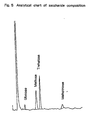
- This sugar solution was analyzed by high performance liquid chromatography as in Example 4, and the resultant chart is shown in Fig. 5.
- the rates (w/w) per the solid components were glucose 1.5 %, trehalose 64.5 %, maltose 18.0 %, maltotriose 11.2 % and other maltooligosaccharides 4.8 %.
- glucoamylase (sold by Seikagaku Kogyo Co., Ltd., gluco amylase) was added to the above reaction solution so that the amount became 1 unit per g of the solid components, and the mixture was subjected to reaction at 55°C for 8 hours and then heated at 100 °C for 10 minutes to inactivate the enzyme.
- the resultant reaction solution was decolorized with active carbon, desalted with an ion exchange resin, concentrated to a concentration of about 50 %, and subjected to separation with a sodium type ion exchange column, and the eluate was taken in portions.
- the trehalose fractions were taken and concentrated to give a trehalose - highly containing sugar solution having a solid content of 70 % and containing trehalose at a rate of 92 % per the solid components.
- powder trehalose could be obtained by concentrating and then drying this trehalose - highly containing sugar solution.
- One loopful of the SK - 1 strain was inoculated into a liquid medium (pH 7.0) containing 0.5 w/v % yeast extract, 2 w/v % polypeptone and 1 w/v % maltose and autoclave sterilized at 121 °C for 20 minutes, and cultured with aeration and shaking at 55°C for 72 hours. Then, the resultant culture broth was separated into the cells and the culture solution by centrifugation.
- a liquid medium pH 7.0
- Ammonium sulfate was dissolved in the culture solution so as to be 40 to 60 % saturation, the resultant protein precipitate was recovered by centrifugation and dissolved in 10 mM potassium phosphate - citric acid buffer (pH 6.0), and the solution was dialyzed against the same buffer to give a crude enzyme solution.
- the crude enzyme solution was added to a column packed with TSKgel DEAE TOYO Pearl 650M (TOSOH CORPORATION) and equilibrated with 10 mM potassium phosphate - citric acid buffer (pH 6.0), elution was carried out by ascending concentration gradient using 5 column volumes of 0 to 0.4M NaCl, and the eluate was taken in portions. Active fractions were combined, and concentrated and desalted using an ultrafiltration membrane, and then further subjected to a series of the same chromatography operations to heighten the purification degree.
- the resultant partially purified enzyme solution was added to a column packed with TSKgel Phenyl TOYO Pearl 650M (TOSOH CORPORATION) and equilibrated with 10 mM potassium phosphate - citric acid buffer (pH 6.0) dissolving ammonium sulfate so as to be 40 % saturation, elution was carried out by descending concentration gradient using 8 column volumes of 40 to 0 % saturated ammonium sulfate solutions, and the eluate was taken in portions. Active fractions were combined, and concentrated and desalted using an ultrafiltration membrane.
- the resultant partially purified enzyme solution was added to a PENTAX GH-0810M (Asahi Optical Co., Ltd.) column equilibrated with 10 mM potassium phosphate- citric acid buffer (pH 6.0) dissolving CaCl 2 so as to be 0.3 mM, elution was carried out by ascending concentration gradient using 10 column volumes of 10 to 300 mM potassium phosphate - citric acid buffer (pH 6.0), and the eluate was taken in portions. Active fractions were combined, and concentrated and desalted using an ultrafiltration membrane.
- the resultant partially purified enzyme solution was added to a column packed with Superdex 200 pg (Pharmacia Biotec Co., Ltd.) and equilibrated with 10 mM potassium phosphate - citric acid buffer (pH 6.0) dissolving NaCl so as to be 0.2 M, elution was carried out using the same buffer, and the eluate was taken in portions. Active fractions were combined, and concentrated and desalted using an ultrafiltration membrane.
- the resultant purifed enzyme solution was native polyacrylamide gel electrophoresed, the resultant gel was stained with CBB and checked on bands of proteins. As a result, only one band was detected, and thus the enzyme was confirmed to be a single protein.
- maltose phosphorylase provided by the invention has heat resistance, and produces ⁇ - glucose - 1 - phosphoric acid from maltose and phosphoric acid.
- this enzyme or this enzyme and trehalose phosphorylase, it is possible to prepare ⁇ - glucose - 1 - phosphoric acid or trehalose, respectively, industrially advantageously, with lowering of contamination with various germs and shortening of reaction time.
- Substrate specificity (Heat resistant maltose phosphorylase) Substrate Relative activity (%) Maltose 100 Isomaltose 2 Trehalose 0 Neotrehalose 0 Cellobiose 0 Gentiobiose 2 Soluble starch 2 Sucrose 0 Lactose 0 Lactose 0 p - Nitrophenyl - ⁇ - D - glucoside 0 p - Nitrophenyl - ⁇ - D - glucoside 0 Inhibitor (Heat resistant maltose phosphorylase) Inhibitor Relative activity (%) FeCl 2 94 MgCl 2 100 MnSO 4 111 CaCl 2 101 Pb (CH 3 COO) 2 99 Ba (OH) 2 100 ZnSO 4 63 CuSO 4 91 HgCl 2 1 EDTA ⁇ 2Na 100 ⁇ - Mercaptoethanol 94 DTT 101 PCMB 20 No addition 100 Microbiological characteristics of RK -
Landscapes
- Chemical & Material Sciences (AREA)
- Life Sciences & Earth Sciences (AREA)
- Organic Chemistry (AREA)
- Engineering & Computer Science (AREA)
- Health & Medical Sciences (AREA)
- Zoology (AREA)
- Wood Science & Technology (AREA)
- Bioinformatics & Cheminformatics (AREA)
- Genetics & Genomics (AREA)
- Biotechnology (AREA)
- General Health & Medical Sciences (AREA)
- Microbiology (AREA)
- Biochemistry (AREA)
- General Engineering & Computer Science (AREA)
- Biomedical Technology (AREA)
- Medicinal Chemistry (AREA)
- Tropical Medicine & Parasitology (AREA)
- Virology (AREA)
- Chemical Kinetics & Catalysis (AREA)
- General Chemical & Material Sciences (AREA)
- Molecular Biology (AREA)
- Enzymes And Modification Thereof (AREA)
- Preparation Of Compounds By Using Micro-Organisms (AREA)
- Micro-Organisms Or Cultivation Processes Thereof (AREA)
Applications Claiming Priority (3)
| Application Number | Priority Date | Filing Date | Title |
|---|---|---|---|
| JP213005/95 | 1995-07-31 | ||
| JP21300595A JP3691875B2 (ja) | 1995-07-31 | 1995-07-31 | 耐熱性マルトースホスホリラーゼ、その製造方法、その製造に使用する菌、および該酵素の使用方法 |
| JP21300595 | 1995-07-31 |
Publications (3)
| Publication Number | Publication Date |
|---|---|
| EP0757098A2 EP0757098A2 (en) | 1997-02-05 |
| EP0757098A3 EP0757098A3 (en) | 1997-09-17 |
| EP0757098B1 true EP0757098B1 (en) | 2002-11-27 |
Family
ID=16631918
Family Applications (1)
| Application Number | Title | Priority Date | Filing Date |
|---|---|---|---|
| EP96112114A Expired - Lifetime EP0757098B1 (en) | 1995-07-31 | 1996-07-26 | Heat resistant maltose phosphorylase, process for preparation thereof, bacteria used for preparation thereof, and methods for using the enzyme |
Country Status (6)
| Country | Link |
|---|---|
| US (2) | US5827715A (enExample) |
| EP (1) | EP0757098B1 (enExample) |
| JP (1) | JP3691875B2 (enExample) |
| CA (1) | CA2182059A1 (enExample) |
| DE (1) | DE69624993T2 (enExample) |
| DK (1) | DK0757098T3 (enExample) |
Families Citing this family (7)
| Publication number | Priority date | Publication date | Assignee | Title |
|---|---|---|---|---|
| JPH10262683A (ja) * | 1997-03-25 | 1998-10-06 | Showa Sangyo Co Ltd | 組換え耐熱性マルトースホスホリラーゼをコードする 遺伝子、該遺伝子を含む組換えベクター及び該ベクタ ーを含む形質転換体とその産生物 |
| JPH10276785A (ja) * | 1997-03-31 | 1998-10-20 | Kureha Chem Ind Co Ltd | 組換え型トレハロースホスホリラーゼをコードする遺伝子、その遺伝子を含むベクター、その遺伝子で形質転換された形質転換体及びこの形質転換体を用いて組換え型トレハロースホスホリラーゼを製造する方法 |
| JPH10327887A (ja) * | 1997-03-31 | 1998-12-15 | Showa Sangyo Co Ltd | 組換え耐熱性トレハロースホスホリラーゼをコードする遺伝子、該遺伝子を含む組換えベクター及び該ベクターを含む形質転換体とその産生物 |
| WO2002010708A2 (en) * | 2000-08-01 | 2002-02-07 | Charm Sciences, Inc. | Hygiene monitoring |
| WO2005003343A1 (ja) * | 2003-07-04 | 2005-01-13 | Independent Administrative Institution, Japan Agency For Marine-Earth Science And Technology | 新規微生物、マルトースホスホリラーゼおよびトレハロースホスホリラーゼ並びにその製造方法 |
| FR3001464B1 (fr) * | 2013-01-25 | 2016-02-26 | Biomerieux Sa | Procede d'isolement specifique d'acides nucleiques d'interet |
| CN112004938A (zh) | 2018-02-23 | 2020-11-27 | 丹尼斯科美国公司 | 用磷酸化酶合成包含α-1,3糖苷键的葡聚糖 |
Family Cites Families (20)
| Publication number | Priority date | Publication date | Assignee | Title |
|---|---|---|---|---|
| JPH0759584A (ja) * | 1993-06-14 | 1995-03-07 | Kyowa Hakko Kogyo Co Ltd | 二糖類の製造法および新規二糖類 |
| US3944470A (en) * | 1973-06-29 | 1976-03-16 | The Procter & Gamble Company | Stabilization and enhancement of enzymatic activity |
| DE2748036C2 (de) * | 1977-10-26 | 1986-08-21 | Boehringer Mannheim Gmbh, 6800 Mannheim | Verfahren zur Gewinnung von Maltose-phosphorylase oder/und β-Phosphoglucose-mutase und Verwendung derselben |
| JPS6054036A (ja) * | 1983-09-02 | 1985-03-28 | Brother Ind Ltd | 入力装置 |
| JPH0779694B2 (ja) * | 1985-07-09 | 1995-08-30 | カドラント バイオリソ−シズ リミテツド | 蛋白質および同類品の保護 |
| JPS6360998A (ja) * | 1986-08-29 | 1988-03-17 | Fujitsu Ltd | 生体高分子結晶の製造方法 |
| JPH0191778A (ja) * | 1987-09-30 | 1989-04-11 | Unitika Ltd | マルトースホスホリラーゼ |
| JPH05211882A (ja) * | 1991-12-11 | 1993-08-24 | Ajinomoto Co Inc | トレハロースの製造法 |
| JPH05292986A (ja) * | 1992-02-21 | 1993-11-09 | Takeda Chem Ind Ltd | トレハロースの製造法 |
| JP3026322B2 (ja) * | 1992-12-04 | 2000-03-27 | 呉羽化学工業株式会社 | トレハロースの製造法 |
| JP3071356B2 (ja) * | 1993-08-13 | 2000-07-31 | 呉羽化学工業株式会社 | トレハロースの製造方法 |
| US5565341A (en) * | 1993-08-13 | 1996-10-15 | Kureha Chemical Industry Co., Ltd. | Process for producing trehalose |
| JPH07284389A (ja) * | 1994-02-22 | 1995-10-31 | Takeda Chem Ind Ltd | 新規トレハロースホスホリラーゼおよびその製造法 |
| JP3563104B2 (ja) * | 1994-03-23 | 2004-09-08 | 呉羽化学工業株式会社 | トレハロースホスホリラーゼおよびその製造法 |
| JPH07327691A (ja) * | 1994-04-15 | 1995-12-19 | Kureha Chem Ind Co Ltd | トレハロースの製造方法 |
| JP3014950B2 (ja) * | 1994-09-16 | 2000-02-28 | 日本食品化工株式会社 | トレハロースの製造方法 |
| DK0707062T3 (da) * | 1994-09-16 | 2004-03-22 | Japan Maize Prod | Maltosephosphorylase, trehalosephosphorylase, plesiomonas stamme og fremgangsmåde til fremstilling af trehalose |
| JP3802590B2 (ja) * | 1994-09-16 | 2006-07-26 | 日本食品化工株式会社 | マルトースホスホリラーゼおよびトレハロースホスホリラーゼ並びにこれら酵素の生産能を有するプレシオモナス属新菌株 |
| JPH0889273A (ja) * | 1994-09-28 | 1996-04-09 | Kanegafuchi Chem Ind Co Ltd | α,α−トレハロースの製造方法 |
| JP3634883B2 (ja) * | 1994-11-04 | 2005-03-30 | 昭和産業株式会社 | 耐熱性トレハロースホスホリラーゼ、その製造方法、その製造に使用する菌、及び該酵素を用いるトレハロースの製造方法 |
-
1995
- 1995-07-31 JP JP21300595A patent/JP3691875B2/ja not_active Expired - Fee Related
-
1996
- 1996-07-25 CA CA002182059A patent/CA2182059A1/en not_active Abandoned
- 1996-07-26 EP EP96112114A patent/EP0757098B1/en not_active Expired - Lifetime
- 1996-07-26 DK DK96112114T patent/DK0757098T3/da active
- 1996-07-26 DE DE69624993T patent/DE69624993T2/de not_active Expired - Fee Related
- 1996-07-26 US US08/686,647 patent/US5827715A/en not_active Expired - Fee Related
-
1998
- 1998-08-10 US US09/131,732 patent/US5939308A/en not_active Expired - Fee Related
Also Published As
| Publication number | Publication date |
|---|---|
| EP0757098A3 (en) | 1997-09-17 |
| DE69624993D1 (de) | 2003-01-09 |
| US5939308A (en) | 1999-08-17 |
| JP3691875B2 (ja) | 2005-09-07 |
| DK0757098T3 (da) | 2002-12-16 |
| CA2182059A1 (en) | 1997-02-01 |
| DE69624993T2 (de) | 2003-08-21 |
| US5827715A (en) | 1998-10-27 |
| EP0757098A2 (en) | 1997-02-05 |
| JPH0937780A (ja) | 1997-02-10 |
Similar Documents
| Publication | Publication Date | Title |
|---|---|---|
| WO2001090335A1 (en) | Novel cyclodextrin glucanotransferase, process for producing the same and process for producing cyclodextrin by using this enzyme | |
| EP0327099A2 (en) | Cyclomaltodextrin glucanotransferase, process for its preparation and novel microorganism useful for the process | |
| EP0024182B1 (en) | Thermo-stable micro-organism and proteolytic enzyme prepared therefrom, and processes for the preparation of the micro-organism and the proteolytic enzyme | |
| US5827715A (en) | Heat resistant maltose phosphorylase, process for preparation thereof, bacteria used for preparation thereof, and methods for using the enzyme | |
| EP0298641B1 (en) | Acid urease and production thereof | |
| CA1329161C (en) | Process for the preparation of difructose dianhydride iii | |
| US5281527A (en) | Process for producing pullalanase | |
| CA1285896C (en) | .alpha.-1, 6-GLUCOSIDASE AND PROCESS FOR PRODUCING THE SAME | |
| EP0614971B1 (en) | Novel cyclodextrin glucanotransferase, process for producing the same and process for producing cyclodextrin using the same | |
| EP0644260A1 (en) | NOVEL ACID- AND HEAT-RESISTANT $g(a)-AMYLASE, PROCESS FOR PRODUCING THE SAME, AND METHOD OF LIQUEFYING STARCH BY USING THE SAME | |
| EP0334358B1 (en) | Novel D-amidase and process for producing D-alpha-alanine and/or L-alpha-alanineamide | |
| JP3634883B2 (ja) | 耐熱性トレハロースホスホリラーゼ、その製造方法、その製造に使用する菌、及び該酵素を用いるトレハロースの製造方法 | |
| US5827720A (en) | α-glucosidase, and a process for producing the same | |
| JPH08173182A (ja) | シアル酸を含む糖類の製造方法 | |
| JPH0515368A (ja) | 新規プルラナーゼおよびその製造方法 | |
| JPH08154673A (ja) | 新規なβ−ガラクトシド−α2,6−シアル酸転移酵素及びその製造方法 | |
| KR960007741B1 (ko) | 신규 α-1, 6-글루코시다제 및 그의 제조방법 | |
| JPH0364107B2 (enExample) | ||
| JPH10136979A (ja) | 新規酸性α−アミラーゼ及びその製造法 | |
| JPH04211369A (ja) | 好塩性アルカリアミラーゼおよびその製造方法 | |
| JPS6248380A (ja) | セフアロスポリンcアシラ−ゼの製造法 | |
| JPH10327887A (ja) | 組換え耐熱性トレハロースホスホリラーゼをコードする遺伝子、該遺伝子を含む組換えベクター及び該ベクターを含む形質転換体とその産生物 | |
| JPH0632611B2 (ja) | γ―サイクロデキストリン合成酵素及びその製造法 | |
| JPH0761264B2 (ja) | 新規なシクロマルトデキストリナーゼ及びその製造方法 | |
| JPS5937947B2 (ja) | 新規ピログルタミン酸ヒドロラ−ゼ及びその酸素を用いたl−ヒログルタミン酸の定量方法 |
Legal Events
| Date | Code | Title | Description |
|---|---|---|---|
| PUAI | Public reference made under article 153(3) epc to a published international application that has entered the european phase |
Free format text: ORIGINAL CODE: 0009012 |
|
| AK | Designated contracting states |
Kind code of ref document: A2 Designated state(s): DE DK FR GB IT |
|
| PUAL | Search report despatched |
Free format text: ORIGINAL CODE: 0009013 |
|
| AK | Designated contracting states |
Kind code of ref document: A3 Designated state(s): DE DK FR GB IT |
|
| 17P | Request for examination filed |
Effective date: 19980220 |
|
| 17Q | First examination report despatched |
Effective date: 19991129 |
|
| GRAG | Despatch of communication of intention to grant |
Free format text: ORIGINAL CODE: EPIDOS AGRA |
|
| GRAG | Despatch of communication of intention to grant |
Free format text: ORIGINAL CODE: EPIDOS AGRA |
|
| GRAG | Despatch of communication of intention to grant |
Free format text: ORIGINAL CODE: EPIDOS AGRA |
|
| GRAH | Despatch of communication of intention to grant a patent |
Free format text: ORIGINAL CODE: EPIDOS IGRA |
|
| GRAH | Despatch of communication of intention to grant a patent |
Free format text: ORIGINAL CODE: EPIDOS IGRA |
|
| GRAA | (expected) grant |
Free format text: ORIGINAL CODE: 0009210 |
|
| AK | Designated contracting states |
Kind code of ref document: B1 Designated state(s): DE DK FR GB IT |
|
| REG | Reference to a national code |
Ref country code: GB Ref legal event code: FG4D |
|
| REG | Reference to a national code |
Ref country code: DK Ref legal event code: T3 |
|
| REF | Corresponds to: |
Ref document number: 69624993 Country of ref document: DE Date of ref document: 20030109 |
|
| ET | Fr: translation filed | ||
| PLBE | No opposition filed within time limit |
Free format text: ORIGINAL CODE: 0009261 |
|
| STAA | Information on the status of an ep patent application or granted ep patent |
Free format text: STATUS: NO OPPOSITION FILED WITHIN TIME LIMIT |
|
| 26N | No opposition filed |
Effective date: 20030828 |
|
| PGFP | Annual fee paid to national office [announced via postgrant information from national office to epo] |
Ref country code: FR Payment date: 20050519 Year of fee payment: 10 |
|
| PGFP | Annual fee paid to national office [announced via postgrant information from national office to epo] |
Ref country code: DK Payment date: 20050623 Year of fee payment: 10 |
|
| PGFP | Annual fee paid to national office [announced via postgrant information from national office to epo] |
Ref country code: DE Payment date: 20050707 Year of fee payment: 10 |
|
| PGFP | Annual fee paid to national office [announced via postgrant information from national office to epo] |
Ref country code: GB Payment date: 20050708 Year of fee payment: 10 |
|
| PG25 | Lapsed in a contracting state [announced via postgrant information from national office to epo] |
Ref country code: GB Free format text: LAPSE BECAUSE OF NON-PAYMENT OF DUE FEES Effective date: 20060726 |
|
| PG25 | Lapsed in a contracting state [announced via postgrant information from national office to epo] |
Ref country code: DK Free format text: LAPSE BECAUSE OF NON-PAYMENT OF DUE FEES Effective date: 20060731 |
|
| PGFP | Annual fee paid to national office [announced via postgrant information from national office to epo] |
Ref country code: IT Payment date: 20060731 Year of fee payment: 11 |
|
| PG25 | Lapsed in a contracting state [announced via postgrant information from national office to epo] |
Ref country code: DE Free format text: LAPSE BECAUSE OF NON-PAYMENT OF DUE FEES Effective date: 20070201 |
|
| REG | Reference to a national code |
Ref country code: DK Ref legal event code: EBP |
|
| GBPC | Gb: european patent ceased through non-payment of renewal fee |
Effective date: 20060726 |
|
| REG | Reference to a national code |
Ref country code: FR Ref legal event code: ST Effective date: 20070330 |
|
| PG25 | Lapsed in a contracting state [announced via postgrant information from national office to epo] |
Ref country code: FR Free format text: LAPSE BECAUSE OF NON-PAYMENT OF DUE FEES Effective date: 20060731 |
|
| PG25 | Lapsed in a contracting state [announced via postgrant information from national office to epo] |
Ref country code: IT Free format text: LAPSE BECAUSE OF NON-PAYMENT OF DUE FEES Effective date: 20070726 |