EP0515386B1 - Glycoalkaloids - Google Patents
Glycoalkaloids Download PDFInfo
- Publication number
- EP0515386B1 EP0515386B1 EP91901984A EP91901984A EP0515386B1 EP 0515386 B1 EP0515386 B1 EP 0515386B1 EP 91901984 A EP91901984 A EP 91901984A EP 91901984 A EP91901984 A EP 91901984A EP 0515386 B1 EP0515386 B1 EP 0515386B1
- Authority
- EP
- European Patent Office
- Prior art keywords
- cells
- solamargine
- solasodine
- bec
- cell
- Prior art date
- Legal status (The legal status is an assumption and is not a legal conclusion. Google has not performed a legal analysis and makes no representation as to the accuracy of the status listed.)
- Expired - Lifetime
Links
Images





Classifications
-
- G—PHYSICS
- G01—MEASURING; TESTING
- G01N—INVESTIGATING OR ANALYSING MATERIALS BY DETERMINING THEIR CHEMICAL OR PHYSICAL PROPERTIES
- G01N33/00—Investigating or analysing materials by specific methods not covered by groups G01N1/00 - G01N31/00
- G01N33/48—Biological material, e.g. blood, urine; Haemocytometers
- G01N33/50—Chemical analysis of biological material, e.g. blood, urine; Testing involving biospecific ligand binding methods; Immunological testing
- G01N33/53—Immunoassay; Biospecific binding assay; Materials therefor
- G01N33/569—Immunoassay; Biospecific binding assay; Materials therefor for microorganisms, e.g. protozoa, bacteria, viruses
- G01N33/56966—Animal cells
-
- A—HUMAN NECESSITIES
- A61—MEDICAL OR VETERINARY SCIENCE; HYGIENE
- A61K—PREPARATIONS FOR MEDICAL, DENTAL OR TOILETRY PURPOSES
- A61K31/00—Medicinal preparations containing organic active ingredients
- A61K31/185—Acids; Anhydrides, halides or salts thereof, e.g. sulfur acids, imidic, hydrazonic or hydroximic acids
- A61K31/19—Carboxylic acids, e.g. valproic acid
- A61K31/20—Carboxylic acids, e.g. valproic acid having a carboxyl group bound to a chain of seven or more carbon atoms, e.g. stearic, palmitic, arachidic acids
-
- A—HUMAN NECESSITIES
- A61—MEDICAL OR VETERINARY SCIENCE; HYGIENE
- A61K—PREPARATIONS FOR MEDICAL, DENTAL OR TOILETRY PURPOSES
- A61K31/00—Medicinal preparations containing organic active ingredients
- A61K31/56—Compounds containing cyclopenta[a]hydrophenanthrene ring systems; Derivatives thereof, e.g. steroids
- A61K31/565—Compounds containing cyclopenta[a]hydrophenanthrene ring systems; Derivatives thereof, e.g. steroids not substituted in position 17 beta by a carbon atom, e.g. estrane, estradiol
-
- A—HUMAN NECESSITIES
- A61—MEDICAL OR VETERINARY SCIENCE; HYGIENE
- A61K—PREPARATIONS FOR MEDICAL, DENTAL OR TOILETRY PURPOSES
- A61K31/00—Medicinal preparations containing organic active ingredients
- A61K31/56—Compounds containing cyclopenta[a]hydrophenanthrene ring systems; Derivatives thereof, e.g. steroids
- A61K31/57—Compounds containing cyclopenta[a]hydrophenanthrene ring systems; Derivatives thereof, e.g. steroids substituted in position 17 beta by a chain of two carbon atoms, e.g. pregnane or progesterone
-
- A—HUMAN NECESSITIES
- A61—MEDICAL OR VETERINARY SCIENCE; HYGIENE
- A61K—PREPARATIONS FOR MEDICAL, DENTAL OR TOILETRY PURPOSES
- A61K31/00—Medicinal preparations containing organic active ingredients
- A61K31/56—Compounds containing cyclopenta[a]hydrophenanthrene ring systems; Derivatives thereof, e.g. steroids
- A61K31/58—Compounds containing cyclopenta[a]hydrophenanthrene ring systems; Derivatives thereof, e.g. steroids containing heterocyclic rings, e.g. danazol, stanozolol, pancuronium or digitogenin
-
- A—HUMAN NECESSITIES
- A61—MEDICAL OR VETERINARY SCIENCE; HYGIENE
- A61K—PREPARATIONS FOR MEDICAL, DENTAL OR TOILETRY PURPOSES
- A61K31/00—Medicinal preparations containing organic active ingredients
- A61K31/70—Carbohydrates; Sugars; Derivatives thereof
- A61K31/7028—Compounds having saccharide radicals attached to non-saccharide compounds by glycosidic linkages
- A61K31/7034—Compounds having saccharide radicals attached to non-saccharide compounds by glycosidic linkages attached to a carbocyclic compound, e.g. phloridzin
- A61K31/704—Compounds having saccharide radicals attached to non-saccharide compounds by glycosidic linkages attached to a carbocyclic compound, e.g. phloridzin attached to a condensed carbocyclic ring system, e.g. sennosides, thiocolchicosides, escin, daunorubicin
-
- A—HUMAN NECESSITIES
- A61—MEDICAL OR VETERINARY SCIENCE; HYGIENE
- A61K—PREPARATIONS FOR MEDICAL, DENTAL OR TOILETRY PURPOSES
- A61K36/00—Medicinal preparations of undetermined constitution containing material from algae, lichens, fungi or plants, or derivatives thereof, e.g. traditional herbal medicines
- A61K36/18—Magnoliophyta (angiosperms)
- A61K36/185—Magnoliopsida (dicotyledons)
- A61K36/81—Solanaceae (Potato family), e.g. tobacco, nightshade, tomato, belladonna, capsicum or jimsonweed
-
- A—HUMAN NECESSITIES
- A61—MEDICAL OR VETERINARY SCIENCE; HYGIENE
- A61K—PREPARATIONS FOR MEDICAL, DENTAL OR TOILETRY PURPOSES
- A61K49/00—Preparations for testing in vivo
- A61K49/001—Preparation for luminescence or biological staining
- A61K49/0013—Luminescence
- A61K49/0017—Fluorescence in vivo
- A61K49/0019—Fluorescence in vivo characterised by the fluorescent group, e.g. oligomeric, polymeric or dendritic molecules
- A61K49/0021—Fluorescence in vivo characterised by the fluorescent group, e.g. oligomeric, polymeric or dendritic molecules the fluorescent group being a small organic molecule
- A61K49/0041—Xanthene dyes, used in vivo, e.g. administered to a mice, e.g. rhodamines, rose Bengal
- A61K49/0043—Fluorescein, used in vivo
-
- A—HUMAN NECESSITIES
- A61—MEDICAL OR VETERINARY SCIENCE; HYGIENE
- A61K—PREPARATIONS FOR MEDICAL, DENTAL OR TOILETRY PURPOSES
- A61K49/00—Preparations for testing in vivo
- A61K49/001—Preparation for luminescence or biological staining
- A61K49/0013—Luminescence
- A61K49/0017—Fluorescence in vivo
- A61K49/005—Fluorescence in vivo characterised by the carrier molecule carrying the fluorescent agent
- A61K49/0056—Peptides, proteins, polyamino acids
-
- A—HUMAN NECESSITIES
- A61—MEDICAL OR VETERINARY SCIENCE; HYGIENE
- A61P—SPECIFIC THERAPEUTIC ACTIVITY OF CHEMICAL COMPOUNDS OR MEDICINAL PREPARATIONS
- A61P35/00—Antineoplastic agents
-
- C—CHEMISTRY; METALLURGY
- C07—ORGANIC CHEMISTRY
- C07J—STEROIDS
- C07J43/00—Normal steroids having a nitrogen-containing hetero ring spiro-condensed or not condensed with the cyclopenta(a)hydrophenanthrene skeleton
- C07J43/003—Normal steroids having a nitrogen-containing hetero ring spiro-condensed or not condensed with the cyclopenta(a)hydrophenanthrene skeleton not condensed
-
- C—CHEMISTRY; METALLURGY
- C07—ORGANIC CHEMISTRY
- C07J—STEROIDS
- C07J71/00—Steroids in which the cyclopenta(a)hydrophenanthrene skeleton is condensed with a heterocyclic ring
- C07J71/0005—Oxygen-containing hetero ring
-
- C—CHEMISTRY; METALLURGY
- C07—ORGANIC CHEMISTRY
- C07J—STEROIDS
- C07J71/00—Steroids in which the cyclopenta(a)hydrophenanthrene skeleton is condensed with a heterocyclic ring
- C07J71/0036—Nitrogen-containing hetero ring
- C07J71/0042—Nitrogen only
- C07J71/0052—Nitrogen only at position 16(17)
-
- C—CHEMISTRY; METALLURGY
- C07—ORGANIC CHEMISTRY
- C07J—STEROIDS
- C07J71/00—Steroids in which the cyclopenta(a)hydrophenanthrene skeleton is condensed with a heterocyclic ring
- C07J71/0036—Nitrogen-containing hetero ring
- C07J71/0057—Nitrogen and oxygen
- C07J71/0068—Nitrogen and oxygen at position 16(17)
-
- G—PHYSICS
- G01—MEASURING; TESTING
- G01N—INVESTIGATING OR ANALYSING MATERIALS BY DETERMINING THEIR CHEMICAL OR PHYSICAL PROPERTIES
- G01N33/00—Investigating or analysing materials by specific methods not covered by groups G01N1/00 - G01N31/00
- G01N33/48—Biological material, e.g. blood, urine; Haemocytometers
- G01N33/50—Chemical analysis of biological material, e.g. blood, urine; Testing involving biospecific ligand binding methods; Immunological testing
- G01N33/5005—Chemical analysis of biological material, e.g. blood, urine; Testing involving biospecific ligand binding methods; Immunological testing involving human or animal cells
- G01N33/5008—Chemical analysis of biological material, e.g. blood, urine; Testing involving biospecific ligand binding methods; Immunological testing involving human or animal cells for testing or evaluating the effect of chemical or biological compounds, e.g. drugs, cosmetics
- G01N33/5011—Chemical analysis of biological material, e.g. blood, urine; Testing involving biospecific ligand binding methods; Immunological testing involving human or animal cells for testing or evaluating the effect of chemical or biological compounds, e.g. drugs, cosmetics for testing antineoplastic activity
-
- G—PHYSICS
- G01—MEASURING; TESTING
- G01N—INVESTIGATING OR ANALYSING MATERIALS BY DETERMINING THEIR CHEMICAL OR PHYSICAL PROPERTIES
- G01N33/00—Investigating or analysing materials by specific methods not covered by groups G01N1/00 - G01N31/00
- G01N33/48—Biological material, e.g. blood, urine; Haemocytometers
- G01N33/50—Chemical analysis of biological material, e.g. blood, urine; Testing involving biospecific ligand binding methods; Immunological testing
- G01N33/5005—Chemical analysis of biological material, e.g. blood, urine; Testing involving biospecific ligand binding methods; Immunological testing involving human or animal cells
- G01N33/5008—Chemical analysis of biological material, e.g. blood, urine; Testing involving biospecific ligand binding methods; Immunological testing involving human or animal cells for testing or evaluating the effect of chemical or biological compounds, e.g. drugs, cosmetics
- G01N33/502—Chemical analysis of biological material, e.g. blood, urine; Testing involving biospecific ligand binding methods; Immunological testing involving human or animal cells for testing or evaluating the effect of chemical or biological compounds, e.g. drugs, cosmetics for testing non-proliferative effects
-
- Y—GENERAL TAGGING OF NEW TECHNOLOGICAL DEVELOPMENTS; GENERAL TAGGING OF CROSS-SECTIONAL TECHNOLOGIES SPANNING OVER SEVERAL SECTIONS OF THE IPC; TECHNICAL SUBJECTS COVERED BY FORMER USPC CROSS-REFERENCE ART COLLECTIONS [XRACs] AND DIGESTS
- Y10—TECHNICAL SUBJECTS COVERED BY FORMER USPC
- Y10S—TECHNICAL SUBJECTS COVERED BY FORMER USPC CROSS-REFERENCE ART COLLECTIONS [XRACs] AND DIGESTS
- Y10S424/00—Drug, bio-affecting and body treating compositions
- Y10S424/14—Topical contraceptives and spermacides
Definitions
- THIS INVENTION is directed to the immobilization of motile cells.
- Controlled immobilization of cells should be very useful for a wide variety of uses.
- Autophagy is the result of disrupting the cellular organelle - the lysosome-directly or indirectly, for example, by inhibition of mitochondrial activity.
- the cell thus digests itself from the inside, including digesting the plasma membrane of the cell, to leave behind the nucleus that is also partly digested and fragments.
- Cell lysis is cell death due to leakage of material from the cell and can be induced by changing the osmotic strength of the media surrounding the cell.
- Cell lysis can be induced by causing damage to the plasma membrane of the cell, for example with enzymes or antibiotics, to induce osmotic shock.
- haemolysis which is the specific lysis of red blood cells, haemoglobin is extruded by the cell to leave behind a damaged red blood cell membrane.
- apoptosis is the fragmentation of the nucleus and the encapsulation of these fragments and cell organelles in plasma membrane fragments - this does not involve cell lysis or autophagy.
- the present inventors' studies of normal and abnormal cells have discovered specific receptors on abnormal cells which are either not present on normal cells or are only present in significantly reduced numbers such that certain compounds are preferentially recognised by the abnormal cells, and which bind thereto and subsequently destroy. Once these receptors have been identified it has also been discovered that certain alkaloids and other pharmaceutically acceptable compounds can be used to control cellular autophagy, cellular agglutination and immobilization of motile cells.
- the present inventors have discovered that, by identifying a particular receptor site of the target cell and coupling a suitable compound thereto, the required control of cellular function can be achieved.
- the compound to be used is solamargine.
- the proposed mechanism of entry into the cell is by receptor mediated endocytosis, wherein the receptors are endogenous lectins.
- This receptor mediated endocytosis is important because, as different cells express different receptors for various compounds, it is thus possible to couple any ligand (which interacts with a specific cell-surface receptor) to specifically induce autophagy and/or cell agglutination or immobilization of different cell types.
- Suitable ligands other than carbohydrates include the steroid and non-steroid hormones (eg, progesterone, insulin, oestrogen, growth hormone), growth factors, polyamines, cytokines, lymphokines, lymphotoxins, chalones, fatty acids and cholesterol - ie, essentially any chemical messenger required for endocytosis.
- steroid and non-steroid hormones eg, progesterone, insulin, oestrogen, growth hormone
- growth factors eg, progesterone, insulin, oestrogen, growth hormone
- polyamines e.g, cytokines, lymphokines, lymphotoxins, chalones, fatty acids and cholesterol - ie, essentially any chemical messenger required for endocytosis.
- administration to the cell-containing host should induce cell autophagy and/or cell agglutination or immobilization.
- the aforesaid ligand be directly coupled to the said steroid or other compound.
- the said steroid or other compound could be attached to one end of a suitable organic or inorganic carrier, such as a polymer, with the ligand coupled to the other end of the carrier.
- This indirect coupling of the ligand to the steroid or the like could provide a convenient delivery system for the present invention when it is inappropriate, for whatever reason, to directly couple the ligand to the active component.
- the present inventors have studied this mode of action, identified those receptor sites on "abnormal" cells which differ from those on “normal” cells and by a suitable selection of an appropriate compound, achieved a required control on cellular function.
- solamargine can be used to immobilise spermatozoa.
- solamargine in the manufacture of a medicament for immobilising spermatozoa.
- Solamargine may be provided in a mixture of solasodine glycosides.
- the compounds of the present invention are not necessarily employed by themselves.
- they are used in a composition containing one or more of the compounds, in association with any pharmaceutical-type carrier or diluent which is suitable for its administration.
- carrier or diluent denotes an organic or inorganic, natural or synthetic material with which the active ingredient is combined in order to facilitate the administration of the invention.
- This carrier or diluent is, therefore, generally inert and it must be pharmaceutically acceptable.
- a method of immobilising spermatozoa including contacting the spermatozoa with solamargine to cause immobilisation of the contacted spermatozoa.
- Solasodine glycosides can be isolated and purified as a mixture (known as BEC) comprising solamargine (33%), solasonine (33%) together with di- and mono-glycosides (34%) or as separate components (Cura Nominees Pty Ltd, Australia) and these compounds have been investigated for the inhibition of cell replication of human cells, ovarian cancer cells, melanoma cells, cells infected with viruses, normal fibroblasts, normal bone marrow cells, leukemic cells and normal lymphocytes. The inhibition of the glycosides of solasodine have been demonstrated with the appropriate "free" sugars and covalently bound to bovine serum albumin.
- the sugars that have been investigated and shown to have inhibitory effects on the action of the mixture of solasodine glycosides are as follows: glucose ⁇ and ⁇ , NAc glucosamine NAc glucose, mannose ⁇ and ⁇ , NAc mannosamine NAc mannose, galactose ⁇ and ⁇ and the disaccharide lactose.
- Chlorambucil (Sigma Chemical Co., USA), 1-2mg was dissolved in 50 ⁇ l of DMSO and diluted immediately before use in TCM + 10% FCS. Cis-platinum was supplied as a saline solution (David Bull Laboratories, Australia), and was diluted with TCM + 10% FCS. Vinblastine (Sigma Chemical Co., USA) was dissolved in TCM + 10% FCS. Solasodine glycosides, 100mg were dissolved in 5ml DMSO and diluted with TCM + 10% FCS to give a 5% solution of DMSO, and further diluted before use. Appropriate DMSO cytotoxicity studies were also conducted.
- Peripheral blood human lymphocytes were isolated using an Isopaque-Ficoll gradient and cultured in replicates of 10 in microwell titre plates. 2x10 5 lymphocytes/well (1x10 6 /ml) in CO 2 1640 tissue culture media supplemented with 10% fetal calf serum containing 20 ⁇ g/ml of photohaemagglutinin (PHA), concanavalin A (Con A) or pokeweed nitrogen (PWM). This was cultured for 48 hours and pulsed with tritiated thymidine for a further 24 hours. In the inhibition studies, the cell concentration was 8x10 5 /ml.
- PHA photohaemagglutinin
- Con A concanavalin A
- PWM pokeweed nitrogen
- the inhibition of cell replication by steroid alkaloids is determined by the inhibition of the incorporation of 3 H thymidine into DNA. Using this technique, it should be possible to monitor any preferential inhibition of uptake of 3 H thymidine by cancer cells.
- solamargine a glycoside of solasodine, preferentially inhibits the uptake of tritiated thymidine by cancer cells.
- solamargine at equivalent concentration and the mono-and di-glycosides of solasodine had a limited effect on the uptake of tritiated thymidine for other cell types, including unstimulated lymphocytes and lymphocytes stimulated with Con A.
- the solasodine glycosides do not inhibit the uptake of tritiated thymidine by lymphocytes stimulated with PHA or PWM.
- solamargine The inhibition of tritiated thymidine uptake by solamargine and the mono- and di-glycosides of solasodine are dependent upon their cellular uptake by endogenous endocytic lectins (EELs).
- EELs endogenous endocytic lectins
- Cells were maintained as monolayers in RPM1-1640 tissue culture media (Grant Island Biological Co) buffered with N-2-hydroxy-ethylpiperazine-N-2-ethanesulphonic acid pH 7.5 and supplemented with 10% heat inactivated fetal calf serum (FCS): (i) a human ovarian cancer cell line (C180-135), (ii) HeLa cells, (iii) human fibroblasts, and (iv) as a cell suspension of lymphoblastoid cells (EBV transformed lymphocytes). Monolayers were trypsinized to form a cell suspension. All cell suspensions were passed through a 21 gauge syringe needle to remove cell clumps (95% viability).
- FCS heat inactivated fetal calf serum
- Cell concentration was adjusted to 2x10 5 cells/ml, and 2x10 4 cells were added in replicates of 10 to the wells (1x10 5 /ml well) of HA microtitre plates (Millipore Corp., USA).
- the cells were preincubated at 37.5°C for 7 hours prior to the addition of 50 ⁇ l of the cytotoxic drug followed by the addition of 50 ⁇ l 5uCi/ml of 3 H thymidine, in the same tissue culture media 21 hours later. Incubation was continued for a total of 24 hours, which includes the pre-incubation time.
- All cells were harvested by vacuum filtration by washing in 250 ⁇ l of each of phosphate buffered saline, 5% trichloroacetic acid, 1.0M NaCl and 95% ethanol and subjected to ⁇ -scintillation counting.
- peripheral human blood lymphocytes were isolated and cultured 2x10 5 lymphocytes in CO 2 1640TCM 10% HIFCS. Lymphocytes were stimulated with 20 ⁇ g/ml PHA, Con A or PWM, and cultured for 48 hrs followed by a 24 hr pulse. Inhibition of cytotoxicity was carried out with lactose, lactosyl-albumin, glucose, galactose or rhamnose (Sigma Chemical Co., USA).
- Cell concentrations were 8x10 4 /well total volume 250 ⁇ l.
- the dpm of the experimental replicates were expressed as a percentage of the mean value of the controls, and the mean value of the experimental replicates calculated.
- the SD of the controls did not exceed 10% of their mean value.
- BEC mixture
- cytotoxic drugs were further diluted with HIFCS/TCM before testing.
- 5x10 4 ovarian cancer cells 200 ⁇ l/chamber of a chamber of microscope slide (Lab Tek Miles Scientific) were used.
- Controls received 50 ⁇ l HIFCS/TCM and experimental chambers 50 ⁇ l of solasodine glycosides (BEC) 1.5-3.8 ⁇ M/L after 7 hrs preincubation, and incubated for a further 3 hrs.
- BEC solasodine glycosides
- the cells were treated with the aglycone solasodine 19.4-96.8 ⁇ M/L.
- the cells were fixed and examined by the Papanicolaou method.
- Solasonine at 11.3 ⁇ M/L was ineffective in inhibiting the uptake of tritiated thymidine by the various cell types relative to solamargine at 11.5 ⁇ M/L (Table 1).
- the mixture of di- and mono-glycosides at 14.45 ⁇ M/L were also ineffective for lymphoblasoid cells and HeLa cells, whereas they caused approximately 30% inhibition for ovarian cancer cells and fibroblasts (Table 1).
- the highest concentration of BEC used contained 6 ⁇ M/L of di-and mono-glycosides and this would account for 10%-12% inhibition for susceptible cells.
- solamargine has limited cytotoxicity for unstimulated lymphocytes and lymphocytes stimulated with Con A, and an absence of cytotoxicity when lymphocytes are stimulated with PHA or PWM (Table 2). Solasonine was also found to be ineffective (Table 2).
- the composition BEC has been used in this investigation and the cytotoxicity of BEC expressed in terms of the most active components, in this case, the di- and mono-glycosides (DMG).
- the lethal dose (LD) of cytotoxics required to inhibit 50% (LD 50 ) uptake of tritiated thymidine was determined.
- the LD 50 of the various cell types can be expressed as a ratio relative to the LD 50 of ovarian cancer cells, to give a thymidine uptake ratio (TR 50 ). Therefore, TR 50 values greater than 1.0 indicate that more ovarian cancer cells are killed relative to the other cell type (Table 3). From Table 3, other TR 50 can be calculated.
- the TR 50 for fibroblasts/lymphoblastoid cells in the presence of vinblastine is 0.73, which demonstrates its known cytoxicity to normal cells.
- the TR 50 for chlorambucil (alkylating) and cis-platinum (DNA binding) which are used in the treatment of chronic lymphatic leukemia (CLL) and ovarian cancer respectively also reflects their known attendant toxicity, although that of chlorambucil is not reflected by fibroblasts.
- the low TR 50 for fibroblasts relative to ovarian cancer cells is evident (Table 3).
- solamargine gives a TR 50 greater than 2 for fibroblasts and lymphoblastoid cells relative to ovarian cancer cells. This suggests that solamargine has an acceptable degree of specificity for ovarian cancer cells, and under these conditions is superior to the other cytotoxic drugs.
- solamargine for ovarian cancer cells is also reflected by the TR 50 relative to HeLa cells (Table 3).
- the molar concentration of solamargine that is required to achieve an LD 50 for ovarian cancer cells is 6-40 times less than that of the other cytotoxics investigated (Table 3).
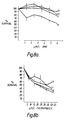
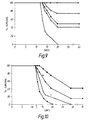
- the LD 50 from the dose response curves (Figs. 8a,b,c,d) for lymphocytes have been calculated and are presented in Table 4.
- the LD 50 for DMG indicates that they are equivalent or more cytotoxic than the other antineoplastic drugs investigated except in the case of PWM stimulated lymphocytes.
- the LD 50 concentration for the di- and mono-glycosides of solasodine (DMG) is increased with stimulated lymphocytes, in particular with PWM stimulation.
- Stimulated lymphocytes undergo a number of changes, which includes and increase in plasma membrane permeability, and this may account for the variable LD 50 for some of the cytotoxic drugs investigated. However, this situation does not appear to apply to DMG.
- a mixture of solasodine glycosides (BEC), of which the active compound is solamargine and from which the aglycone solasodine is derived was prepared for use in cytotoxicity assays as determined by the uptake of tritiated thymidine. Inhibition studies were carried out with lactose, lactosyl-albumin, galactose or rhamnose (Sigma Chemical Co., USA). All experimental replicates were related to their own controls. Total volume of replicates was 250 ⁇ l (carbohydrates added in 50 ⁇ l tissue culture media + 10% fetal calf serum), and the cell concentrations were 8x10 4 /ml.
- a human ovarian cancer cell line (C180-135) was grown as mono layers and trypsinized to form a cell suspension. The cells were adjusted to a concentration of 1x10 5 /ml (viability ⁇ 95%) and 200 ⁇ l placed in each of the eight chambers of microscope chamber slides (Lab Tek, Miles Scientific). After 21 hours preincubation at 37.5°C, 50 ⁇ l of supplemented tissue culture media were added to the control chambers. To the other chambers were added 50 ⁇ l of solasodine glycosides (BEC) to give final concentrations of 3, 4.8, 6.7, 7.7, 9.6, 11.1 and 15.3 ⁇ M/L.
- BEC solasodine glycosides
- aglycone solasodine (19.4 - 96.8 ⁇ M/L).
- the slides were incubated at 37.5°C for a further 3 hours, and the cells fixed in 95% V/V alcohol and stained by the Papanicolaou method.
- Two other chamber slides were prepared in a similar manner, but the solasodine glycosides and the aglycone were added at a final concentration of 0.77, 1.5, 2.3, 3.1 and 3.8 ⁇ M/L after 7 hours preincubation, and then incubated for a further 17 hours.
- ovarian cells As the ovarian cells (CI80-135) are more susceptible to the cytotoxic effects of solamargine in the BEC mixture of solasodine glycosides, these cells were selected as a representative example of the response of susceptible cells.
- Lysosomotropic drugs are weakly basic amines, like solamargine, which can be trapped and accumulate as the protonated (acidic) form in the lysosomes. This results in the rupture of the lysosomal membranes and the release of their proteolytic enzymes.
- sperm (10x10 6 /ml) (50 ⁇ l) were placed on a microscope slide separated from 50 ⁇ l of solamargine (1 mg/ml) by 5 ⁇ l of eosin. A cover slip was then placed over the slide. The drops spread out but do not mix with each other to any great extent. This is a standard method known in the art. It was noted that sperm was not present on the side of the slide where the drop of solasodine glycosides was placed.
- Rhamnose is not found in mammalian glycoconjugates, but under certain conditions, can be identified by galactose reactive lectins. Therefore, the EEL expressed by cells susceptible to solamargine has specificity for Gal(1 ⁇ 4)Glu(2 ⁇ 1)Gal. It is therefore possible that lactose may compete for this EEL, in terms of the lactose group (Gal(1 ⁇ 4)Glu) and galactose/rhamnose for the terminal galactose ((2 ⁇ 1)Gal).
- solamargine may be identified by their corresponding EEL's. This latter situation appears to apply to fibroblasts, as solamargine cytotoxicity was completely inhibited by lactose and galactose (Table 5). However, in the case of HeLa cells, solamargine cytotoxicity is not inhibited by lactose and galactose. Further, solasonine, a glycoside of solasodine, with a glycone moiety Glu(1 ⁇ 3)Gal(2 ⁇ 1)Rh is not cytotoxic. This gives further support for the presence of an EEL specific for Gal(1 ⁇ 4)Glu(2 ⁇ 1)GAl.
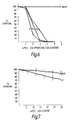
- solasodine does not exert a cytotoxic effect at equivalent concentrations of solamargine (Fig. 6). However, at higher concentrations, there is an increase in cytotoxicity, but this is more apparent with ovarian cancer cells (Fig. 7). This may be explained by the changes in membrane permeability of cancer cells. It is possible that solasodine, which is a very hydrophobic molecule, undergoes enhanced protein-binding and thus reduces its bioavailability. Cytotoxic effects therefore become apparent at higher concentrations. Nevertheless, collectively, the results demonstrate the presence of EELs for solamargine.
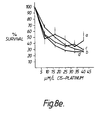
- the aglycone solasodine does not exert a cytotoxic effect at equivalent concentrations of DMG. However, at much higher concentrations, there is a substantial effect on unstimulated lymphocytes, which is significantly reduced in the case of stimulated lymphocytes (Fig. 8e). This suggests that membrane permeability to the aglycone is decreased in stimulated lymphocytes. However, this would not account for the differential effect of the glycosides on unstimulated and stimulated lymphocytes (Table 2, Figs. 8a,b,c,d), and inhibition by carbohydrates (Table 7). Thus, collectively the results support the active uptake of solasodine glycosides by EELs.
- Glucose or rhamnose inhibit the action of DMG with Con A stimulated lymphocytes (Table 7). Since these carbohydrates do not inhibit DMG with unstimulated lymphocytes, this suggests that Con A stimulation results in the expression of EELs that react with glucose and rhamnose.
- Con A stimulation gives rise to a subpopulation of T suppressor cells (TS) that inhibit helper T cells (TH) within the total population.
- TS cells produce soluble factors that inhibit TH cell functions but these suppressor factors can be inhibited by N-acetylglucosamine or rhamnose by complexing the TH cell receptors. Therefore, one of the soluble TS cell factors and/or Con A may be involved in receptor (EEL) induction on TH cells.
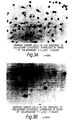
- Fig. 2A The aglycone solasodine did not have any observable effect on the ovarian cancer cells at any of the concentrations investigated (Fig. 2A).
- concentration of the solasodine glycosides expressed as concentration of solamargine
- the cytoplasm of the cancer cells undergo dissolution, the nuclei contract and become dark staining (Fig. 2B), nuclei then enlarge (Fig. 3A), the chromatin clumps (Fig. 3B), and finally the nuclei disintegrate (Fig. 4A).
- Fig. 4B represents the effect of the solasodine glycosides over 17 hours, in which cellular debris is left. It therefore appears that the inhibition of thymidine uptake by solamargine is the result of cell lysis.
- Solamargine was also found to inhibit human spermatozoal motility (Fig. 5) as a red line of demarcation between the sperm in tissue culture media and the solamargine aliquot became visible as sperm penetrated the boundary and then became immobilized within 15 sec.
- spermatozoa can result from the inactivation of their mitochondria, and in the case of cells that contain lysosomes, this could lead to rupture of the lysomal membranes.
- the preferential cancer cells cytotoxicity (lysosomotropic/mitochondrial inhibition) of solamargine appears to be effective against both proliferating and resting cancer cells, as evidenced by the absence of cancer cells upon cytological examination (Fig. 4B).
- the lack of lysosomotropic/mitochondrial inhibition by the aglycone solasodine, the triglycoside solanine and the di- and mono-glycosides of solasodine indicates that the cellular uptake of solamargine is possibly mediated by plasma membrane endocytic endogenous lectins (EELs), specific for the carbohydrate moiety of solamargine.
- EELs plasma membrane endocytic endogenous lectins
- the data for the lactose specific lectin receptor is presented in Table 6 for a number of cell types.
- Rhamnose is not found in mammalian glycoconjugates but forms part of solasonine, solamargine and diglycosides of solasodine in BEC. If specific receptors for this sugar are present on cancer cells (absolutely or in greater abundance) relative to normal cells, then rhamnose would be expected to inhibit the cytotoxic effects of BEC.
- mice in their terminal stage with S180 can tolerate and become symptom-free of cancer by a large single dose of BEC.
- the mice tolerate BEC at concentrations which are equivalent to 3 times the LD 100 of control normal mice.
- mice Herston White mice with a body weight of approximately 30g and aged 8-10 weeks served as recipients. Twelve mice were randomly chosen for each experimental group. Sarcoma 180 tumour cells (5x10 5 ) were inoculated intraperitoneally into mice. This caused a mortality of 100% with a median survival time of 20 days in the control groups.
- a standard mixture of glycoalkaloids (BEC) was dissolved in dimethylsulfoxide at a concentration of 0.5g BEC/100ml dimethylsulfoxide. Similar solutions were made up but also contained 0.3125, 0.625 and 0.9375g of rhamnose. These solutions were administered intraperitoneally in concentrations of 8mg/kg animal weight for BEC (Fig.
- Fig. 9 illustrates that the survival of mice with S180 treated with 4 doses of 8mg BEC/kg was dependent on given doses of rhamnose. Mice inoculated with S180 cells alone died in 2-3 weeks. When four doses of BEC at 8mg/kg were given on consecutive days, complete inhibition of S180 activity was achieved and all the animals survived. The number of survivals was decreased with increasing concentrations of rhamnose. Five mg rhamnose/kg decreased the survival to 75%, whereas 10mg rhamnose/kg decreased the survival to 50% and 15mg rhamnose/kg decreased the survival to 42%. This indicates that rhamnose may competitively inhibit the efficacy of BEC.
- FIG. 10 illustrates the effect of single doses of varying concentrations of BEC on the absolute survival of mice which had the S180 tumour for 12 days, that is, one day before the animals enter into the terminal stage. All animals inoculated with S180 and not treated with BEC died. The survival time is increased with a dose of 25mg/kg. However, at day 30, all the mice had died. The survival time and number of survivors were increased with increasing concentrations of BEC, and 17% were symptom-free with a given dose of 50mg/kg, whereas 42% were symptom-free with a given dose of 100mg/kg.
- the first is that animals which are in their terminal stage can be rendered symptom-free of S180 by BEC therapy.
- Solasodine is relatively non-toxic in mice (100mg solasodine/kg-which is equivalent to approximately 200mg BEC/kg - does not produce any deaths in mice). However, this is unlikely, since solasodine at similar concentrations (100mg/kg) is not effective in inhibiting S180 activity in mice, and Fig. 10 shows clearly that S180 activity was inhibited by the equivalent concentration of BEC.
- S180 cells which are in great abundance in the ascitic fluid of the mice 12 days after inoculation of S180 cells, recognize and bind BEC by means of specific receptors ( endogenous lectins), reducing the bioavailability of BEC to normal cells, which in turn reduces the toxicity of BEC.
- specific receptors endogenous lectins
- BEC inhibits S180 activity even though the animals are suffering from advanced S180 activity. At this advanced stage, BEC, at concentrations less than 25mg/kg is not effective in inhibiting S180 activity.
- alkaloids will induce cellular autophagy (self-digestion) and/or cell agglutination or immobilization. These effects of such alkaloids are greatly enhanced when conjugated to certain ligands, particularly carbohydrates (glycoconjugates).
- the invention is particularly effective if the cell to be targeted possesses receptors that recognise a rhamnose - or a rhamnose-like - residue. By conjugating different ligands to these alkaloids, it is possible to induce autophagy and/or cell agglutination or immobilization of specific cell types.
- the most cytotoxic compound is solamargine, the dose required to inhibit DNA synthesis by 50% (LD 50 ) of an ovarian cancer cell line and HeLa cells being 1.5 - 3.3 times less than that required for lymphoblastoid cells and fibroblasts.
- the effective LD 50 of solamargine is 6-40 times less than that of vinblastine, chlorambucil or cis-platinum, compounds that are equally or more cytotoxic to normal cells relative to cancer cells.
- neoglycoprotein conjugates of cytotoxic drugs may be suitable for targeting of cells via EELs
- this known art has only used mono- or disaccharide conjugates for this targeting of EELs which are also expressed by various normal cells.
- EEL for a trisaccharide such as rhamnose
- rhamnose is a plant sugar and is not generally known to occur in mammalian cells.
- solasodine glycosides should be of particular importance in cancer chemotherapy.
- Solasodine glycosides should be expected to be of great value in the control of cellular function in all types. of vertebrates or invertebrates, including bacteria, viruses, protozoa and fungi - for example, in the control of pathogenic organisms in blood, lymph and tissue; any new growth of tissue or tissue that is in an ectopic site; embryonic cells; non-malignant and malignant cells; spermatozoa and semen; ova; and for the control of biochemical manufacturing processes.
Landscapes
- Health & Medical Sciences (AREA)
- Life Sciences & Earth Sciences (AREA)
- Chemical & Material Sciences (AREA)
- Engineering & Computer Science (AREA)
- General Health & Medical Sciences (AREA)
- Biomedical Technology (AREA)
- Immunology (AREA)
- Medicinal Chemistry (AREA)
- Molecular Biology (AREA)
- Organic Chemistry (AREA)
- Public Health (AREA)
- Animal Behavior & Ethology (AREA)
- Veterinary Medicine (AREA)
- Hematology (AREA)
- Epidemiology (AREA)
- Urology & Nephrology (AREA)
- Pharmacology & Pharmacy (AREA)
- Microbiology (AREA)
- Cell Biology (AREA)
- Biotechnology (AREA)
- Analytical Chemistry (AREA)
- Biochemistry (AREA)
- Natural Medicines & Medicinal Plants (AREA)
- General Physics & Mathematics (AREA)
- Pathology (AREA)
- Physics & Mathematics (AREA)
- Tropical Medicine & Parasitology (AREA)
- Food Science & Technology (AREA)
- Toxicology (AREA)
- Bioinformatics & Cheminformatics (AREA)
- Proteomics, Peptides & Aminoacids (AREA)
- Virology (AREA)
- Zoology (AREA)
- Alternative & Traditional Medicine (AREA)
- Botany (AREA)
- Medical Informatics (AREA)
- Mycology (AREA)
- Nuclear Medicine, Radiotherapy & Molecular Imaging (AREA)
- Chemical Kinetics & Catalysis (AREA)
- General Chemical & Material Sciences (AREA)
Applications Claiming Priority (4)
| Application Number | Priority Date | Filing Date | Title |
|---|---|---|---|
| AUPJ824390 | 1990-01-18 | ||
| AU8243/90 | 1990-01-18 | ||
| AU824390 | 1990-01-18 | ||
| PCT/AU1991/000020 WO1991010743A1 (en) | 1990-01-18 | 1991-01-18 | Glycoalkaloids |
Publications (3)
| Publication Number | Publication Date |
|---|---|
| EP0515386A1 EP0515386A1 (en) | 1992-12-02 |
| EP0515386A4 EP0515386A4 (en) | 1993-10-27 |
| EP0515386B1 true EP0515386B1 (en) | 1999-12-22 |
Family
ID=3774458
Family Applications (1)
| Application Number | Title | Priority Date | Filing Date |
|---|---|---|---|
| EP91901984A Expired - Lifetime EP0515386B1 (en) | 1990-01-18 | 1991-01-18 | Glycoalkaloids |
Country Status (11)
| Country | Link |
|---|---|
| US (1) | US5958770A (enExample) |
| EP (1) | EP0515386B1 (enExample) |
| JP (1) | JP3168542B2 (enExample) |
| KR (1) | KR100213805B1 (enExample) |
| AT (1) | ATE188036T1 (enExample) |
| AU (1) | AU654474B2 (enExample) |
| BR (1) | BR9105952A (enExample) |
| CA (1) | CA2073855C (enExample) |
| DE (1) | DE69131861T2 (enExample) |
| SG (1) | SG50585A1 (enExample) |
| WO (1) | WO1991010743A1 (enExample) |
Families Citing this family (40)
| Publication number | Priority date | Publication date | Assignee | Title |
|---|---|---|---|---|
| AU5081593A (en) * | 1992-08-21 | 1994-03-15 | New York University | Aminofurostenes, compositions, and methods of use |
| GB9618119D0 (en) | 1996-08-30 | 1996-10-09 | Univ Southampton | Adjuvants for use in vaccines |
| GB9923076D0 (en) * | 1999-09-29 | 1999-12-01 | Phytopharm Plc | Sapogenin derivatives and their use |
| WO1999048482A2 (en) * | 1998-03-26 | 1999-09-30 | Phytopharm Plc | Smilagenin and anzurogenin-d for the treatment of alzheimer's disease |
| WO1999052534A1 (en) * | 1998-04-09 | 1999-10-21 | Johns Hopkins University School Of Medicine | Use of steroidal alkaloid derivatives as inhibitors of hedgehog signaling pathways |
| US6867216B1 (en) | 1998-04-09 | 2005-03-15 | Johns Hopkins University School Of Medicine | Inhibitors of hedgehog signal pathways, compositions and uses related thereto |
| US7291626B1 (en) * | 1998-04-09 | 2007-11-06 | John Hopkins University School Of Medicine | Inhibitors of hedgehog signaling pathways, compositions and uses related thereto |
| US6344050B1 (en) | 1998-12-21 | 2002-02-05 | Light Sciences Corporation | Use of pegylated photosensitizer conjugated with an antibody for treating abnormal tissue |
| US6291516B1 (en) | 1999-01-13 | 2001-09-18 | Curis, Inc. | Regulators of the hedgehog pathway, compositions and uses related thereto |
| AU2005201269C1 (en) * | 1999-01-13 | 2008-09-04 | Curis, Inc. | Regulators of the PCT or smoothened pathway, compositions and uses related thereto |
| GB9923078D0 (en) * | 1999-09-29 | 1999-12-01 | Phytopharm Plc | Sapogenin derivatives and their use |
| AUPP968699A0 (en) * | 1999-04-09 | 1999-05-06 | Cura Nominees Pty Ltd | Therapeutic compositions and method for their preparation |
| TW471968B (en) * | 1999-08-25 | 2002-01-11 | Committee On Chinese Medicine | Solamargine pharmaceutical composition for killing cancer cells |
| GB9923077D0 (en) * | 1999-09-29 | 1999-12-01 | Phytopharm Plc | Sapogenin derivatives and their use |
| EP1235851B1 (en) | 1999-10-13 | 2006-05-31 | Johns Hopkins University School of Medicine | Regulators of the hedgehog pathway, compositions and uses related thereto |
| GB0000228D0 (en) * | 2000-01-06 | 2000-03-01 | Phytopharm Plc | Fluoro substituted sapogenins and their use |
| US6635629B2 (en) | 2000-04-28 | 2003-10-21 | Inflazyme Pharmaceuticals Ltd. | 3-nitrogen-6,7-dioxygen steroids and uses related thereto |
| GB0107822D0 (en) * | 2001-03-28 | 2001-05-23 | Phytopharm Plc | Sapogenin derivatives their synthesis and use methods based upon their use |
| CA2458183A1 (en) * | 2001-08-21 | 2003-03-06 | Glycomed Sciences Limited | Synthesis of solanum glycosides |
| EP1430073B1 (en) * | 2001-09-28 | 2005-12-07 | GlycoMed Sciences Limited | Solvent extraction process |
| WO2003030915A1 (en) * | 2001-10-09 | 2003-04-17 | Glycomed Sciences Limited | Use of solamargine for treating skin tumors |
| WO2003030884A2 (en) * | 2001-10-09 | 2003-04-17 | Glycomed Sciences Limited | Use of solasonine for the treatment of skin tumors |
| KR101130212B1 (ko) * | 2002-03-27 | 2012-04-13 | 파이토팜 피엘씨 | 사포게닌 및 그 유도체의 치료 방법 및 사용법 |
| US20050130948A1 (en) * | 2002-03-27 | 2005-06-16 | Daryl Rees | Therapeutic methods and uses of sapogenins and their derivatives |
| US6984725B2 (en) * | 2002-06-28 | 2006-01-10 | Solbec Pharmaceuticals Ltd. | Method for the separation of triglycoalkaloids |
| AUPS329002A0 (en) * | 2002-07-01 | 2002-07-18 | Solbec Pharmaceuticals Limited | Glycoalkaloid compositions and various uses thereof |
| AU2003900194A0 (en) * | 2003-01-15 | 2003-01-30 | Solbec Pharmaceuticals Limited | Methods of modulating il-6 |
| TWI300352B (en) | 2003-06-05 | 2008-09-01 | G & E Herbal Biotechnology Co Ltd | Water soluble extract from plant of solanum genus and the preparation process thereof, and pharmaceutical composition containing the water soluble extract |
| CN1329038C (zh) * | 2003-06-20 | 2007-08-01 | 德英生物科技股份有限公司 | 茄属植物的水溶性萃取物、其制备方法及其药学组合物 |
| GB0513881D0 (en) * | 2005-07-06 | 2005-08-10 | Btg Int Ltd | Core 2 GLCNAC-T Inhibitors III |
| US20080182801A1 (en) * | 2003-12-22 | 2008-07-31 | Btg International Limited | Core 2 glcnac-t inhibitors |
| GB0329667D0 (en) * | 2003-12-22 | 2004-01-28 | King S College London | Core 2 GlcNAc-T inhibitor |
| US7851641B2 (en) | 2005-05-17 | 2010-12-14 | Satori Pharmaceuticals, Inc. | Compounds useful for treating neurodegenerative disorders |
| US20070149491A1 (en) * | 2005-05-17 | 2007-06-28 | Findeis Mark A | Compounds useful for treating neurodegenerative disorders |
| GB0512726D0 (en) * | 2005-06-22 | 2005-07-27 | Btg Int Ltd | Multiple sclerosis therapy and diagnosis |
| GB0513883D0 (en) * | 2005-07-06 | 2005-08-10 | Btg Int Ltd | Diagnosis of Atherosclerosis |
| GB0513888D0 (en) * | 2005-07-06 | 2005-08-10 | Btg Int Ltd | Core 2 GLCNAC-T Inhibitors II |
| US20100056487A1 (en) * | 2006-11-20 | 2010-03-04 | Satori Pharmaceuticals, Inc. | Modulators of amyloid-beta production |
| US8263755B2 (en) * | 2006-11-20 | 2012-09-11 | Satori Pharmaceuticals, Inc. | Synthesis of compounds useful as modulators of amyloid-beta production |
| IN2014KN01772A (enExample) * | 2012-02-23 | 2015-10-23 | U3 Pharma Gmbh |
Family Cites Families (10)
| Publication number | Priority date | Publication date | Assignee | Title |
|---|---|---|---|---|
| FR943800A (fr) * | 1946-12-31 | 1949-03-17 | Perfectionnements aux projecteurs cinématographiques utilisant des films de format réduit | |
| ES359406A1 (es) * | 1967-10-23 | 1970-06-01 | Erba Carlo Spa | Procedimiento para la preparacion de nuevos derivados de (25r)-3 beta-amino-5alfa, 22alfa-espirostano. |
| DE1900060A1 (de) * | 1969-01-02 | 1970-08-13 | Lentia Gmbh | Verfahren zur Herstellung von Androstanderivaten |
| GB1380253A (en) * | 1971-01-21 | 1975-01-08 | Inverni Della Beffa Spa | Prosapogenins |
| DE2519261C3 (de) * | 1975-04-30 | 1979-03-01 | Deutsche Gold- Und Silber-Scheideanstalt Vormals Roessler, 6000 Frankfurt | Verfahren zur Gewinnung des in den Wurzeln und Rhizomen von Helleborus-Arten enthaltenen Hauptsapogenins |
| NZ193564A (en) * | 1979-05-02 | 1985-01-31 | Aruba Pty Ltd | Steroid alkaloids from solanum sodomeum and pharmaceutical compositions |
| US4937182A (en) * | 1985-12-19 | 1990-06-26 | Peralta Cancer Research Institute | Method for predicting chemosensitivity of anti-cancer drugs |
| AU615162B2 (en) * | 1986-07-03 | 1991-09-26 | Genetic Systems Corporation | Monoclonal antibodies to pseudomonas aeruginosa flagella |
| US5227160A (en) * | 1988-07-15 | 1993-07-13 | The Biomembrane Institute | Monoclonal antibody nuh2 capable of inactivating motility of human sperm, antigen defined by said monoclonal antibody and methods of using said monoclonal antibody and antigen |
| US5766632A (en) * | 1993-10-01 | 1998-06-16 | Legere Pharmaceuticals, Ltd. | Method of using lectins for contraception |
-
1991
- 1991-01-18 EP EP91901984A patent/EP0515386B1/en not_active Expired - Lifetime
- 1991-01-18 JP JP50258691A patent/JP3168542B2/ja not_active Expired - Fee Related
- 1991-01-18 BR BR919105952A patent/BR9105952A/pt not_active Application Discontinuation
- 1991-01-18 DE DE69131861T patent/DE69131861T2/de not_active Expired - Fee Related
- 1991-01-18 CA CA002073855A patent/CA2073855C/en not_active Expired - Lifetime
- 1991-01-18 AT AT91901984T patent/ATE188036T1/de not_active IP Right Cessation
- 1991-01-18 SG SG1996005588A patent/SG50585A1/en unknown
- 1991-01-18 AU AU71594/91A patent/AU654474B2/en not_active Expired
- 1991-01-18 WO PCT/AU1991/000020 patent/WO1991010743A1/en not_active Ceased
-
1992
- 1992-07-18 KR KR1019920701699A patent/KR100213805B1/ko not_active Expired - Fee Related
-
1996
- 1996-11-06 US US08/743,671 patent/US5958770A/en not_active Expired - Fee Related
Also Published As
| Publication number | Publication date |
|---|---|
| WO1991010743A1 (en) | 1991-07-25 |
| EP0515386A4 (en) | 1993-10-27 |
| ATE188036T1 (de) | 2000-01-15 |
| SG50585A1 (en) | 1998-07-20 |
| KR100213805B1 (en) | 1999-08-02 |
| CA2073855C (en) | 2007-04-24 |
| BR9105952A (pt) | 1992-11-17 |
| US5958770A (en) | 1999-09-28 |
| AU7159491A (en) | 1991-08-05 |
| JP3168542B2 (ja) | 2001-05-21 |
| DE69131861T2 (de) | 2000-05-18 |
| DE69131861D1 (de) | 2000-01-27 |
| KR927003842A (ko) | 1992-12-18 |
| EP0515386A1 (en) | 1992-12-02 |
| CA2073855A1 (en) | 1991-07-19 |
| AU654474B2 (en) | 1994-11-10 |
| JPH05503847A (ja) | 1993-06-24 |
Similar Documents
| Publication | Publication Date | Title |
|---|---|---|
| US5958770A (en) | Glycoalkaloids | |
| Bachur et al. | Adriamycin and daunorubicin disposition in the rabbit | |
| Morris et al. | Induction of neuronal apoptosis by camptothecin, an inhibitor of DNA topoisomerase-I: evidence for cell cycle-independent toxicity. | |
| Hammond | 3 biological activity of polyene antibiotics | |
| US4990538A (en) | Use of toremifene and its metabolites for the reversal of multidrug resistance of cancer cells against cytotoxic drugs | |
| DE69533084T2 (de) | Behandlung von antibiotisch-assoziierte-diarrhöe | |
| Wu et al. | Fucose, mannose, and β-N-acetylglucosamine glycopolymers initiate the mouse sperm acrosome reaction through convergent signaling pathways | |
| Ticku | Interaction of depressant, convulsant, and anticonvulsant barbiturates with the [3H] diazepam binding site of the benzodiazepine-GABA-receptor-ionophore complex | |
| DE69908397T2 (de) | Betulinsäure derivate zur behandlung von neuroektodermalen tumoren | |
| Daunter et al. | Solasodine glycosides. In vitro preferential cytotoxicity for human cancer cells | |
| JP2888453B2 (ja) | ニューモシスティス−カリニ肺炎の治療用または予防用の製薬組成物 | |
| CA2481256A1 (en) | Embryo modification and implantation | |
| DE3218121A1 (de) | Arzneimittel zur tumorbehandlung | |
| JP2007308514A (ja) | ラムノリピド類の免疫活性 | |
| DE69104362T2 (de) | Autobiotika sowie deren verwendung bei der in vivo eliminierung körperfremder zellen. | |
| Lai et al. | Enhanced cytotoxicity of saporin by polyamidoamine dendrimer conjugation and photochemical internalization | |
| JPS60120819A (ja) | 新規な免疫刺激物質とその製造方法 | |
| WO2005112967A2 (en) | Anticancer activity of chios mastic gum | |
| EP0620735A1 (en) | Use of ruthenium red for inhibiting immune response | |
| WO1998026662A9 (en) | Compounds and methods for treating and preventing bacterial and viral disease | |
| WO1998026662A1 (en) | Compounds and methods for treating and preventing bacterial and viral disease | |
| Catani et al. | The Tat antagonist neomycin B hexa‐arginine conjugate inhibits gp‐120‐induced death of human neuroblastoma cells | |
| US20010018416A1 (en) | Compositions and methods for treating hepatitis-c | |
| CN114886905B (zh) | 一种糖苷在制备预防抗癌药物所致心肌毒性的药物中的应用 | |
| KR20010029544A (ko) | 천연형 항종양성 또는 항바이러스성 물질 및 이의 용도 |
Legal Events
| Date | Code | Title | Description |
|---|---|---|---|
| PUAI | Public reference made under article 153(3) epc to a published international application that has entered the european phase |
Free format text: ORIGINAL CODE: 0009012 |
|
| 17P | Request for examination filed |
Effective date: 19920810 |
|
| AK | Designated contracting states |
Kind code of ref document: A1 Designated state(s): AT BE CH DE DK ES FR GB GR IT LI LU NL SE |
|
| RHK1 | Main classification (correction) |
Ipc: G01N 33/50 |
|
| A4 | Supplementary search report drawn up and despatched |
Effective date: 19930908 |
|
| AK | Designated contracting states |
Kind code of ref document: A4 Designated state(s): AT BE CH DE DK ES FR GB GR IT LI LU NL SE |
|
| 17Q | First examination report despatched |
Effective date: 19950111 |
|
| GRAG | Despatch of communication of intention to grant |
Free format text: ORIGINAL CODE: EPIDOS AGRA |
|
| GRAG | Despatch of communication of intention to grant |
Free format text: ORIGINAL CODE: EPIDOS AGRA |
|
| GRAG | Despatch of communication of intention to grant |
Free format text: ORIGINAL CODE: EPIDOS AGRA |
|
| GRAH | Despatch of communication of intention to grant a patent |
Free format text: ORIGINAL CODE: EPIDOS IGRA |
|
| RIC1 | Information provided on ipc code assigned before grant |
Free format text: 6G 01N 33/50 A, 6A 61K 31/58 B, 6A 61K 31/705 B, 6C 07J 43/00 B |
|
| GRAH | Despatch of communication of intention to grant a patent |
Free format text: ORIGINAL CODE: EPIDOS IGRA |
|
| GRAA | (expected) grant |
Free format text: ORIGINAL CODE: 0009210 |
|
| AK | Designated contracting states |
Kind code of ref document: B1 Designated state(s): AT BE CH DE DK ES FR GB GR IT LI LU NL SE |
|
| PG25 | Lapsed in a contracting state [announced via postgrant information from national office to epo] |
Ref country code: IT Free format text: LAPSE BECAUSE OF FAILURE TO SUBMIT A TRANSLATION OF THE DESCRIPTION OR TO PAY THE FEE WITHIN THE PRE;WARNING: LAPSES OF ITALIAN PATENTS WITH EFFECTIVE DATE BEFORE 2007 MAY HAVE OCCURRED AT ANY TIME BEFORE 2007. THE CORRECT EFFECTIVE DATE MAY BE DIFFERENT FROM THE ONE RECORDED.SCRIBED TIME-LIMIT Effective date: 19991222 Ref country code: BE Free format text: LAPSE BECAUSE OF FAILURE TO SUBMIT A TRANSLATION OF THE DESCRIPTION OR TO PAY THE FEE WITHIN THE PRESCRIBED TIME-LIMIT Effective date: 19991222 Ref country code: SE Free format text: THE PATENT HAS BEEN ANNULLED BY A DECISION OF A NATIONAL AUTHORITY Effective date: 19991222 Ref country code: LI Free format text: LAPSE BECAUSE OF FAILURE TO SUBMIT A TRANSLATION OF THE DESCRIPTION OR TO PAY THE FEE WITHIN THE PRESCRIBED TIME-LIMIT Effective date: 19991222 Ref country code: GR Free format text: LAPSE BECAUSE OF NON-PAYMENT OF DUE FEES Effective date: 19991222 Ref country code: NL Free format text: LAPSE BECAUSE OF FAILURE TO SUBMIT A TRANSLATION OF THE DESCRIPTION OR TO PAY THE FEE WITHIN THE PRESCRIBED TIME-LIMIT Effective date: 19991222 Ref country code: CH Free format text: LAPSE BECAUSE OF FAILURE TO SUBMIT A TRANSLATION OF THE DESCRIPTION OR TO PAY THE FEE WITHIN THE PRESCRIBED TIME-LIMIT Effective date: 19991222 Ref country code: AT Free format text: LAPSE BECAUSE OF FAILURE TO SUBMIT A TRANSLATION OF THE DESCRIPTION OR TO PAY THE FEE WITHIN THE PRESCRIBED TIME-LIMIT Effective date: 19991222 Ref country code: ES Free format text: THE PATENT HAS BEEN ANNULLED BY A DECISION OF A NATIONAL AUTHORITY Effective date: 19991222 |
|
| REF | Corresponds to: |
Ref document number: 188036 Country of ref document: AT Date of ref document: 20000115 Kind code of ref document: T |
|
| REG | Reference to a national code |
Ref country code: CH Ref legal event code: EP |
|
| PG25 | Lapsed in a contracting state [announced via postgrant information from national office to epo] |
Ref country code: LU Free format text: LAPSE BECAUSE OF NON-PAYMENT OF DUE FEES Effective date: 20000118 |
|
| REF | Corresponds to: |
Ref document number: 69131861 Country of ref document: DE Date of ref document: 20000127 |
|
| PG25 | Lapsed in a contracting state [announced via postgrant information from national office to epo] |
Ref country code: DK Free format text: LAPSE BECAUSE OF FAILURE TO SUBMIT A TRANSLATION OF THE DESCRIPTION OR TO PAY THE FEE WITHIN THE PRESCRIBED TIME-LIMIT Effective date: 20000322 |
|
| ET | Fr: translation filed | ||
| NLV1 | Nl: lapsed or annulled due to failure to fulfill the requirements of art. 29p and 29m of the patents act | ||
| REG | Reference to a national code |
Ref country code: CH Ref legal event code: PL |
|
| PLBE | No opposition filed within time limit |
Free format text: ORIGINAL CODE: 0009261 |
|
| STAA | Information on the status of an ep patent application or granted ep patent |
Free format text: STATUS: NO OPPOSITION FILED WITHIN TIME LIMIT |
|
| 26N | No opposition filed | ||
| REG | Reference to a national code |
Ref country code: GB Ref legal event code: IF02 |
|
| PGFP | Annual fee paid to national office [announced via postgrant information from national office to epo] |
Ref country code: DE Payment date: 20090225 Year of fee payment: 19 |
|
| PGFP | Annual fee paid to national office [announced via postgrant information from national office to epo] |
Ref country code: GB Payment date: 20090223 Year of fee payment: 19 |
|
| PGFP | Annual fee paid to national office [announced via postgrant information from national office to epo] |
Ref country code: FR Payment date: 20090224 Year of fee payment: 19 |
|
| GBPC | Gb: european patent ceased through non-payment of renewal fee |
Effective date: 20100118 |
|
| REG | Reference to a national code |
Ref country code: FR Ref legal event code: ST Effective date: 20100930 |
|
| PG25 | Lapsed in a contracting state [announced via postgrant information from national office to epo] |
Ref country code: FR Free format text: LAPSE BECAUSE OF NON-PAYMENT OF DUE FEES Effective date: 20100201 |
|
| PG25 | Lapsed in a contracting state [announced via postgrant information from national office to epo] |
Ref country code: DE Free format text: LAPSE BECAUSE OF NON-PAYMENT OF DUE FEES Effective date: 20100803 |
|
| PG25 | Lapsed in a contracting state [announced via postgrant information from national office to epo] |
Ref country code: GB Free format text: LAPSE BECAUSE OF NON-PAYMENT OF DUE FEES Effective date: 20100118 |